The Ultimate Guide to Mastering Furniture Care

The Ultimate Guide to Mastering Furniture Care
In today's world of fast consumerism and rapid manufacturing, dedicated furniture care is more important than ever. Many people treat household items as disposable, replacing them at the first sign of wear and tear.
However, investing in high-quality furnishings—whether hardwood, engineered polymer, or cast metal—requires a shift in perspective. Furniture care is not just a chore but a practice in preservation, sustainability, and economic sense. A well-crafted piece can last for generations if given proper attention.
Neglecting furniture care has significant economic consequences. High-end pieces require substantial investment, and without regular maintenance, factors such as UV exposure, humidity fluctuations, and wear can quickly reduce their value.
The Ultimate Guide to Mastering Furniture Care
In contrast, a consistent care routine extends the lifespan of your furniture, turning a single purchase into a lasting heirloom. Environmentally, neglected furniture contributes to landfill waste and resource depletion. By caring for your furnishings, you support sustainability and reduce waste.
Maintaining your furniture also offers clear psychological and aesthetic benefits. Well-cared-for pieces anchor a room, providing warmth and stability. A polished table or rust-free bench reflects pride in your environment. Proper care preserves the designer's vision and the integrity of each piece. Every effort you invest in cleaning and protection enhances both appearance and longevity.

Understanding Different Material Care Needs

A common mistake is treating furniture care as a one-size-fits-all process. Each material responds differently to its environment based on its unique properties. Understanding these differences is essential for effective care. For example, wood is hygroscopic and continues to absorb and release moisture after processing.
Hardwoods like oak and hickory react differently to moisture than softwoods such as pine or cedar. Using heavy, non-breathable wax on wood that needs to expand and contract can cause cracking and structural damage.
Metals introduce an entirely different spectrum of furniture care challenges. Cast iron, noted for its immovable weight and classic molding capabilities, is fundamentally prone to oxidation. When iron molecules are exposed to oxygen and moisture, they rapidly undergo a chemical reaction that produces rust. Unlike wood, metals present different care challenges.
The Ultimate Guide to Mastering Furniture Care
Cast iron, valued for its weight and design, is highly prone to oxidation. Exposure to oxygen and moisture causes rust, which can compromise structural integrity. Unlike wood's patina, rust is damaging.
Effective metal care focuses on creating barrier layers with specialized paints, sealants, and waxes to protect against the elements. This prevents surface degradation, static buildup that attracts environmental pollutants, and fading if not properly treated.
The polymer chains in plastics can be broken down by harsh chemical cleaners or aggressive pressure washing. Identifying the scientific differences between organic cellular formations, reactive metals, and engineered polymers ensures that your furniture care routine enhances, rather than inadvertently damages, your valuable pieces.

Basic Principles Of Furniture Care

Regardless of material, certain principles form the foundation of furniture care. Environmental control is key. For indoor furniture, maintaining consistent temperature and humidity prevents warping, joint separation, and veneer peeling. Aim for a relative humidity of forty to forty-five percent. Avoid placing furniture over heating vents, near radiators, or in direct airflow from air conditioning units.
Sunlight is another major threat to furniture. Ultraviolet rays cause bleaching, discoloration, and material breakdown. Protect furniture by keeping it out of direct sunlight, using sheer curtains or UV-blocking films, and rotating pieces seasonally. For outdoor furniture, use natural shade, UV-resistant covers, and proper winterization to minimize sun damage.
The Ultimate Guide to Mastering Furniture Care
Preventative maintenance is more effective than reactive repairs. The goal is to stop damage before it starts. Use gentle, routine cleaning with slightly damp microfiber cloths to avoid scratches. Address spills immediately by blotting, not rubbing, to protect finishes.
Following these principles reduces the need for major repairs.
Crucial Note — UV & Thermal Placement:Moving heavy cast iron or solid wood pieces away from direct heat vents, radiators, and unshaded window paths is one of the single most effective ways to prevent finish degradation and wood movement.

Mastering Teak Wood Furniture Care

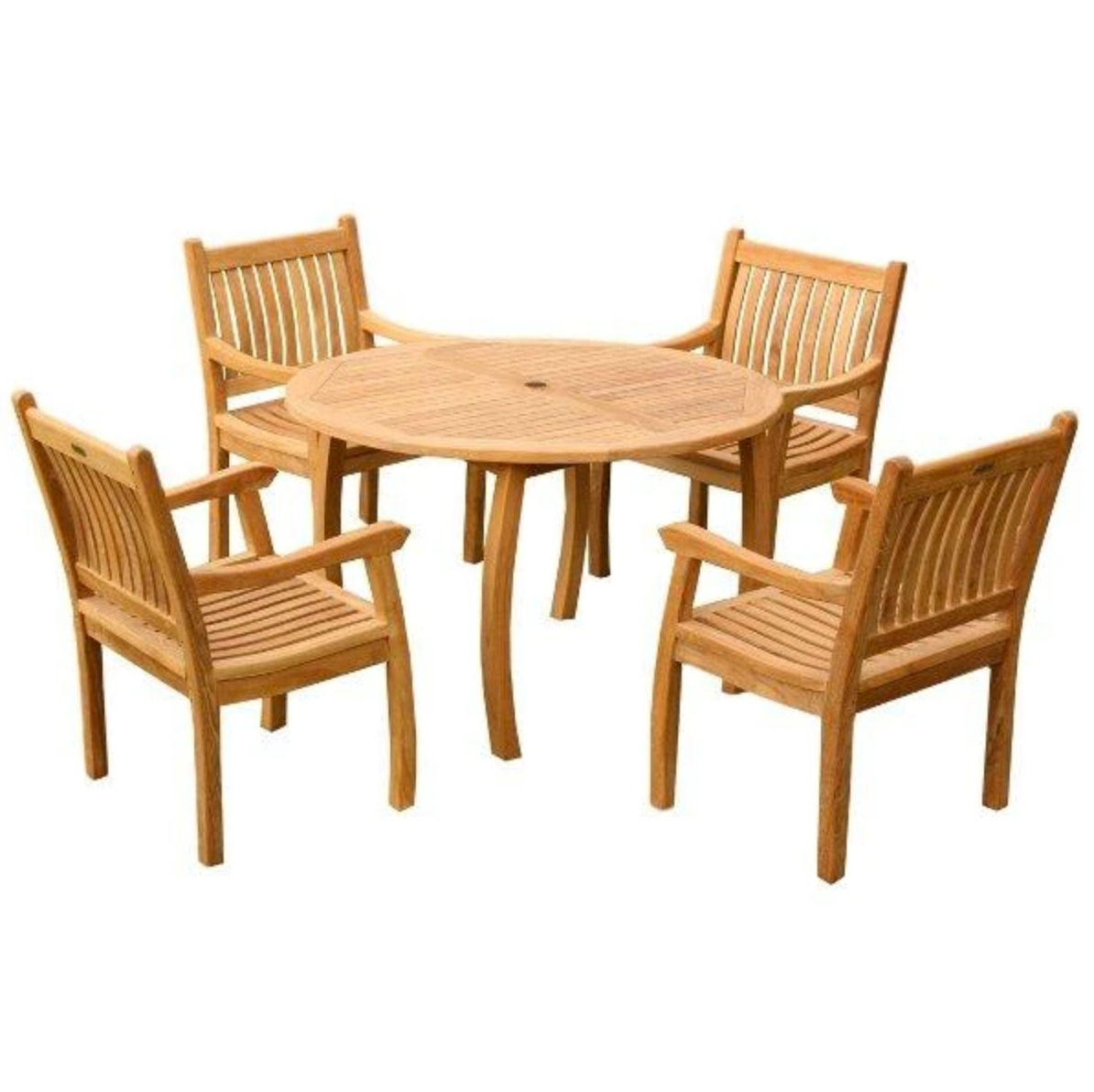
Teak is globally celebrated as the prime choice for outdoor furnishings, owing to its incredibly dense grain and naturally high levels of rubber and oil. However, managing this luxurious hardwood requires a specific approach to furniture care to preserve its structural integrity and aesthetic appeal. Left to the elements, teak undergoes a fascinating natural transformation, transitioning from a warm, honey-golden hue to an elegant, silvery-grey patina.
Classic Golden Teak Solid Wood Dining Table Bench / The Ultimate Guide to Mastering Furniture Care
Many owners struggle with whether to allow this natural weathering or to intervene to retain the original color. Proper furniture care for teak revolves around understanding that less is often more. Aggressive chemical cleaners or traditional wood varnishes can strip the wood of its innate protective oils, doing more harm than good.
Instead, owners have to navigate specialized cleaning and protection methods to keep the wood resistant to moisture, mold, and UV rays without suffocating its natural breathability.
To master this specific material, you must focus on the following key aspects:
  • Understanding the natural weathering process and how to control or accept the transition to a silver patina safely.
  • Identifying the correct, non-destructive cleaning techniques that remove surface mildew without stripping the wood's essential oils.
  • Applying advanced, breathable teak protectors rather than outdated, heavy oils that can attract dirt and cause discoloration.

Preserving Cedar Garden Furniture Beauty

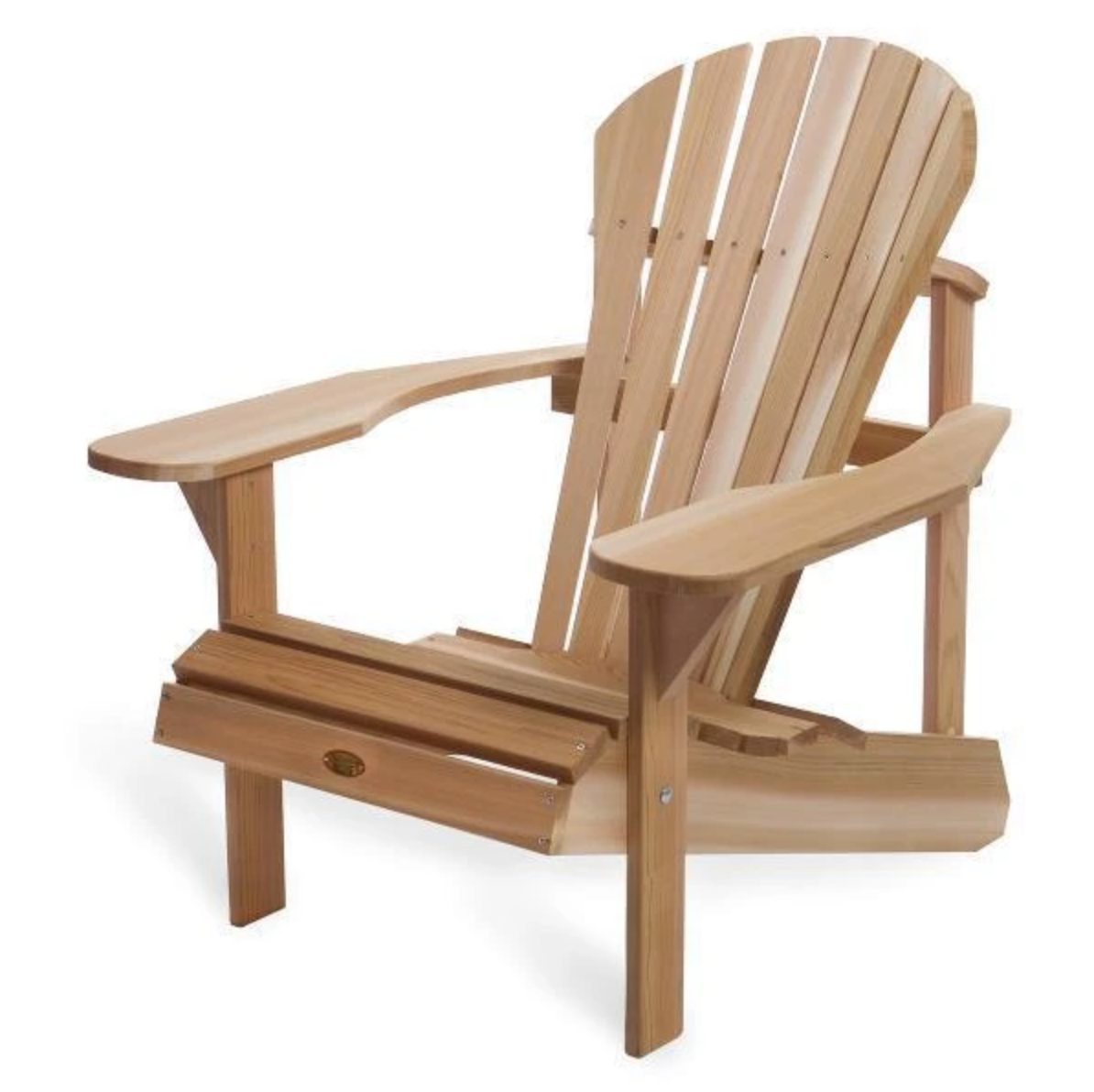
Cedar holds a treasured spot in garden design due to its natural aromatic properties, remarkable lightweight structure, and innate resistance to rot and insect damage. The unique cellular composition of cedar includes natural preservatives that make it incredibly well-suited for outdoor environments. However, exceptional furniture care is fundamental to maximizing its lifespan and continuing its visual charm.
Without intervention, cedar will quickly succumb to the bleaching effects of the sun and the settling of environmental debris. Because it is a softer wood than teak or oak, cedar requires a gentle touch during cleaning to prevent deep gouges and surface abrasion.
The primary focus of cedar furniture care involves mitigating moisture entrapment, particularly in joints where mildew can quietly take hold, and applying appropriate penetrating treatments that improve its natural defenses without masking its beautiful, rustic grain.
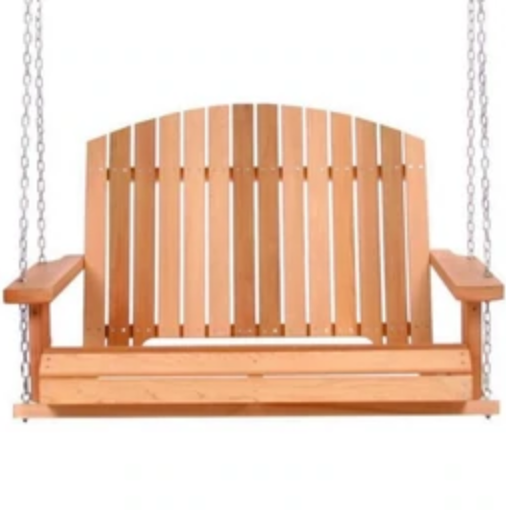
Contour Bench (2' and 4') Porch Swing 4ft / Cedar & Black The Ultimate Guide to Mastering Furniture Care
To properly maintainyour cedar pieces, you should explore these essential strategies:
  • Executing routine, gentle cleaning procedures designed to eradicate organic debris and prevent the onset of mold in crevices.
  • Selecting and applying penetrating sealers that actively halt the weathering process and preserve the wood's vibrant natural color.
  • Carrying out strategic seasonal storage and winterization practices that protect the lightweight wood from extreme, freezing temperatures.

Protecting Pine Wood Furniture Charm

Pine is universally beloved for its warm, rustic aesthetic, prominent knots, and welcoming character. As a softwood, it introduces a distinct collection of challenges and requirements to your furniture care routine.
Unlike dense hardwoods that naturally resist impact, pine is highly vulnerable to surface damage, requiring owners to be proactive in their daily use and maintenance.
The very characteristics that make pine charming—its changing grain patterns and distinct knots—are the areas that require the most attention. Changes in indoor humidity can cause these knots to loosen over time, and the soft surface readily records the household's history in the form of dents and scratches.
Queen Platform Beds – Rustic Elegance with Laser Engraved Wildlife Designs Outdoor Tables - The Ultimate Guide to Mastering Furniture Care
Effective furniture care for pine pieces balances keeping its rustic, lived-in appeal with rigorous protection against structural damage and deep staining.
To ensure your pine furniture is still a beautiful focal point, focus on these important areas:
  • Implementing daily protective measures to shield the vulnerable, soft surface from mechanical damage, deep scratches, and heat marks.
  • Managing the ambient indoor climate and humidity levels specifically to prevent warping and the loosening of characteristic pine knots.
  • Mastering the application of specialized waxes that nourish the softwood and provide a resilient, natural finish against daily wear.

Maintaining Oak Furniture's Lasting Strength

Oak represents the pinnacle of traditional furniture making, revered for its immense density, striking grain patterns, and multi-generational durability. However, this powerhouse hardwood delivers a unique element into your furniture care routine: tannic acid.
Oak has a very high concentration of natural tannins, which can react dramatically with moisture and certain metals, leading to deep, dark stains that are notoriously difficult to remove.
Proper furniture care for oak requires a thorough understanding of how to nourish its prominent grain while protecting it from environmental factors. Because oak is so dense, it requires deep-penetrating oils and specialized waxes to keep the wood from drying out and checking (cracking along the grain).
Owners must also remain vigilant about preventing moisture rings, as the open-grain structure can rapidly absorb standing water if the protective finish is compromised.
To access the full lifespan of your oak investments, you must master the following techniques:
  • Identifying and preventing tannin reactions, especially emphasizing the avoidance and treatment of dark water rings and moisture stains.
  • Nourishing the deep, open grain structure with high-quality, penetrating oils that improve the wood's natural strength and visual depth.
  • Executing safe, effective methods for addressing and repairing minor surface abrasions without jeopardizing the overall finish.

Keeping Hickory Wood Furniture Strong

Hickory is one of the most robust and dense hardwoods available, frequently selected for pieces that must resist extreme use or for designs that emphasize its rugged, highly textured, and rustic appearance.
Because of its high density and inherent shock resistance, hickory furniture care differs greatly from that of standard household woods.
The main challenge with hickory lies in regulating its weight and keeping its heavily textured surfaces. The deep grooves and rugged grain that give hickory its character also act as magnets for dust, dirt, and environmental pollutants.
Hickory Hallway Table Desks Rustic Hickory / The Ultimate Guide to Mastering Furniture Care
Furthermore, because the wood is so incredibly dense, when it does lose its internal moisture, the resulting cracks can be severe. Therefore, an active furniture care routine must focus on deep hydration and meticulous, penetrating cleaning methods.
To properly protect your heavy-duty hickory pieces, direct your focus on these essential maintenance strategies:
  • Developing safe handling and heavy-weight management techniques for cleaning and moving these dense, substantial pieces without causing structural strain.
  • Utilizing specialized deep-cleaning methods to effectively remove dirt and debris from hickory's distinctly rugged and highly textured surface.
  • Applying intensive hydration treatments to prevent this uniquely dense wood from drying, checking, or cracking in dry environments.

Strategies For Cypress Furniture Care

Cypress is an exceptional wood material, particularly for outdoor use, due to its natural preservative oil, cypressene. This compound makes the wood highly resistant to water, rot, and boring insects.
However, relying entirely on the wood's natural defenses is a mistake; comprehensive furniture care is required to maintain its structural beauty and prevent surface decline over time.
Whilecypress wood protects itself, the interior remains vulnerable to the damaging effects of ultraviolet light and extreme weather fluctuations, even though the exterior surface is as well. Effective cypress furniture care involves a symbiotic approach—boosting the natural oils from within while applying external barriers to block UV rays and environmental grime.
When properly maintained, cypress displays a stunning grain pattern that rivals exotic hardwoods, but it demands consistent, specialized attention to keep vibrant.
To maximize the longevity of your cypress furniture, you need to understand these critical components:
  • Leveraging and supporting the wood's natural cypressene oils to maintain its innate defense against moisture and rot.
  • Applying high-performance, UV-protective finishes specifically designed to stop surface degradation and color fading from sun exposure.
  • Managing severe moisture exposure and humidity fluctuations during extreme weather events to preserve the wood's structural durability.

Managing Cast Iron Furniture Maintenance

Cast iron furniture offers unmatched permanence, structural stability, and classic architectural beauty. From ornate garden benches to heavy dining bases, it anchors a space like no other material. However, the entirety of cast iron furniture care revolves around battling a single, relentless enemy: oxidation.
Outdoor Leaves Patio Table outdoor furniture / The Ultimate Guide to Mastering Furniture Care
Because cast iron contains a high carbon content, it is exceptionally vulnerable to rust the moment its protective coating is compromised, exposing bare metal to oxygen and moisture. Unlike wood, which can gracefully age, rusting iron will ultimately disintegrate.
Effective furniture care for cast iron is an ongoing process of vigilant inspection, immediate remediation of surface rust, and the maintenance of an impenetrable barrier between the metal and the atmosphere, ensuring its finely crafted moldings remain sharp and secure.
To conquer the challenges of cast iron maintenance, you have to prioritize the following actions:
  • Routinely identifying early-stage surface rust and employing safe, effective rust removal techniques before it compromises the structural metal.
  • Applying and maintaining heavy-duty protective wax coatings and sealants designed specifically for outdoor metal preservation.
  • Mastering the specific repainting techniques required to ensure long-lasting adhesion and absolute moisture block on cast iron surfaces.

Keeping Poly Furniture Looking New

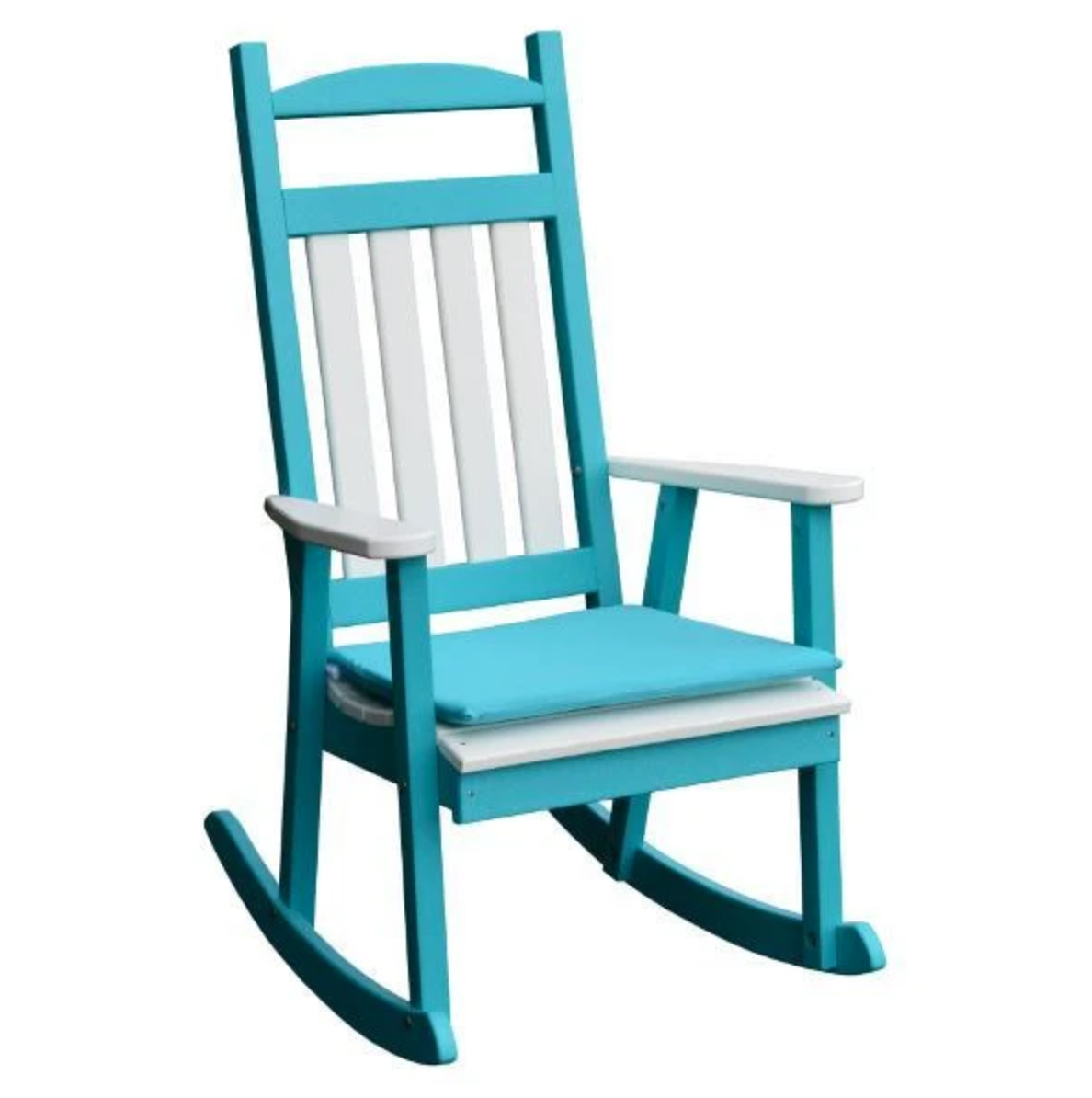
Poly furniture, made from high-density polyethylene (HDPE), has transformed the landscape of outdoor living. Made frequently from recycled plastics, it is celebrated for its incredible durability, eco-friendly footprint, and resistance to rot, splinters, and insect damage. However, the marketing myth that poly is completely "maintenance-free" often leads to neglect.
Proper furniture care is still essential for poly pieces. While the core material is virtually indestructible by natural elements, the surface is highly susceptible to stubborn organic stains, hard water deposits, and static electricity, which acts as a magnet for dust and pollen.
The Ultimate Guide to Mastering Furniture Care
Additionally, using the wrong cleaning tools—such as high-pressure power washers or harsh chemical solvents—can permanently pit the plastic surface, ruining its smooth finish and making it even harder to clean in the future.
To keep your modern poly furniture in pristine condition, you must adopt these specific practices:
  • Substitute aggressive, damaging power washing with effective soft washing techniques that protect the integrity of the HDPE surface.
  • Deploy safe, specialized cleaning solutions to tackle stubborn organic stains such as tree sap, bird droppings, and hard water marks.
  • Utilize targeted treatments to eliminate surface static buildup, effectively preventing the continuous attraction of environmental dust and pollen.

Building Your Furniture Care Routine

Knowledge of material properties and protection methodologies is only valuable when translated into a consistent, actionable furniture care routine. The most successful approach to preserving your investments is to systematize your efforts, breaking them down into manageable, calendar-based tasks.
This prevents maintenance from becoming overwhelming and ensures that small issues are addressed before they require massive restoration efforts. A well-structured furniture care routine operates on daily, weekly, monthly, and annual cycles, each serving a specific protective function.
Daily, furniture care is about spatial awareness and immediate response. This involves forming habits such as instantly blotting up spills on dining tables, consistently using coasters and trivets, and quickly wiping morning dew off outdoor metal or wooden surfaces.
Daily care also includes adjusting blinds or curtains or using umbrellas during the afternoon peak hours to protect indoor and outdoor upholstery and wood finishes from direct UV exposure. These actions take mere seconds but represent the first, and most important, line of defense for your investments.
Weekly tasks involve light preventive cleaning to prevent the accumulation of damaging particulates. For indoor wood and metal, this means a thorough dusting using slightly damp, high-quality microfiber cloths to capture dust without scratching the clear coats.
For outdoor poly or cedar pieces, a weekly sweep with a soft-bristled brush removes fallen leaves, pollen, and debris that could trap moisture and invite mildew. Monthly routines should incorporate a deeper inspection of your pieces. This is the time to check the tightness of mechanical fasteners, inspect the hidden underside of cast iron for early signs of rust, and look for any dry patches on oiled woods like teak or oak.
Annually, your furniture care routine shifts from cleaning to comprehensive preservation and replenishment. This is when deep nourishment and barrier construction occur. Annual tasks involve stripping old wax and applying fresh layers to pine and cast iron, re-oiling deeply thirsty woods like hickory and oak, and performing any necessary touch-up painting or clear-coat sealing.
By breaking your furniture care down into a structured timeline, you transform an intimidating chore into a seamless part of household management, ensuring your pieces are consistently protected.

Advanced Strategies For Furniture Care

Once the foundational routines are established, elevating your approach involves advanced strategies that anticipate environmental challenges and optimize the lifespan of your pieces. One of the most critical advanced elements of furniture care is mastering seasonal transitions.
For those living in regions with distinct seasons, the shift from summer to winter represents a period of extreme vulnerability for outdoor furniture. Advanced care dictates that pieces should not simply be left to endure freezing temperatures and snow loads. Instead, a strict winterization protocol must be implemented.
This includes the deep cleaning and complete drying of all materials before they are placed in storage, as trapping moisture under a tarp or in a shed will guarantee a severe mold infestation by spring. For woods like cedar and teak, utilizing highly breathable, marine-grade covers allows the necessary airflow while blocking ice and snow accumulation.
Indoor furniture also requires seasonal strategy.
As winter approaches and indoor heating systems are activated, the relative humidity in a home can plummet drastically. This dry air pulls moisture directly out of organic materials like oak, pine, and hickory.
Advanced furniture care in this scenario involves the proactive use of ambient humidifiers in rooms containing valuable solid-wood pieces, preventing the dangerous checking and cracking that occur when wood dries too rapidly. Conversely, during humid summer months, ensuring adequate air circulation and using dehumidifiers prevents drawer swelling and joint adhesive degradation.
Another advanced strategy is to implement environmental auditing in your living spaces. This involves critically assessing your room layout from a furniture-care perspective. Are the leather sofas positioned directly in the path of a forced-air heating vent?
Is the antique pine cabinet sitting in a patch of intense, unfiltered sunlight for four hours every afternoon? By auditing your space, you can make minor adjustments—such as shifting a piece a few feet to the left, adding a protective rug under a heavy cast-iron table base to protect the flooring, or installing UV window films—that can drastically reduce environmental stress. These proactive, strategic adjustments are the hallmark of true furniture care expertise.

Frequently Asked Questions (FAQs)

Q: How often should I clean my outdoor wood furniture? 

A:You should perform light cleaning weekly to remove debris, but deep cleaning with specialized solutions should be done seasonally—typically in spring after winter storage and in autumn before winterization.

Q: Can I use regular furniture polish on all wood types? 

A:No, different woods require specific treatments. For example, teak should never receive traditional varnish or heavy oils, while pine benefits from specialized waxes. Always check material-specific guidelines before applying any product.

Q: What's the biggest mistake people make with cast iron furniture? 

A: The most common error is allowing surface rust to develop unchecked. Once oxidation begins, it can spread rapidly through the metal. Regular inspection and immediate treatment with protective waxes are essential.

Q: Is poly furniture really maintenance-free? 

A: While marketed as such, poly furniture still requires care. It accumulates stubborn stains and static-attracting dust, and can be damaged by aggressive cleaning techniques. Soft washing and specialized cleaners are necessary for long-term preservation.

Q: How does humidity affect different types of furniture? 

A:Humidity impacts materials differently. Hardwoods like oak and hickory can warp or crack in low humidity, while high humidity encourages mold on cedar and pine. Maintaining stable indoor humidity (40-45%) is ideal for preserving most wood furniture.

 

The Ultimate Guide to Mastering Furniture Care

Conclusion

Ultimately, committing to a comprehensive furniture care regimen is an investment in the beauty, functionality, and longevity of your surroundings. We have explored the profound differences among porous hardwoods, vulnerable softwoods, reactive metals, and modern synthetics, highlighting that true mastery lies in understanding each material's specific needs.
From the natural oils of teak to the heavy density of hickory, and from the rust vulnerabilities of cast iron to the surprising maintenance requirements of poly, every piece in your home and garden has a unique story and a specific set of needs.
The strategies and routines detailed in this guide provide the overarching framework for protecting your investments. However, the true depth of knowledge required to execute these practices flawlessly resides within the specific, dedicated guides for each material.
Whether you are battling tannin stains on a cherished oak dining table or trying to preserve the golden hue of a new teak patio set, the specialized techniques are essential for success.
By shifting your perspective from viewing furniture as disposable to treating it as a lasting asset, you elevate the standard of your living spaces.
Embrace the daily habits, respect the seasonal routines, and take pride in the meticulous preservation of your pieces. Do not let your beautiful furnishings fall victim to neglect, UV damage, or structural failure. Take the next step in your preservation journey: click through to the specific material guides provided above and master the art of expert furniture care today.
Also in News

The Complete Guide to Poly Furniture Care: How to Keep It Looking New for Decades

Cast Iron Furniture Care & Maintenance: The Complete Owner's Guide

Preserving Cypress Furniture: Essential Care and Maintenance Strategies for Lasting Beauty