Solar-Powered Outdoor Accessories: Energy-Free Solutions for Every Patio and Garden
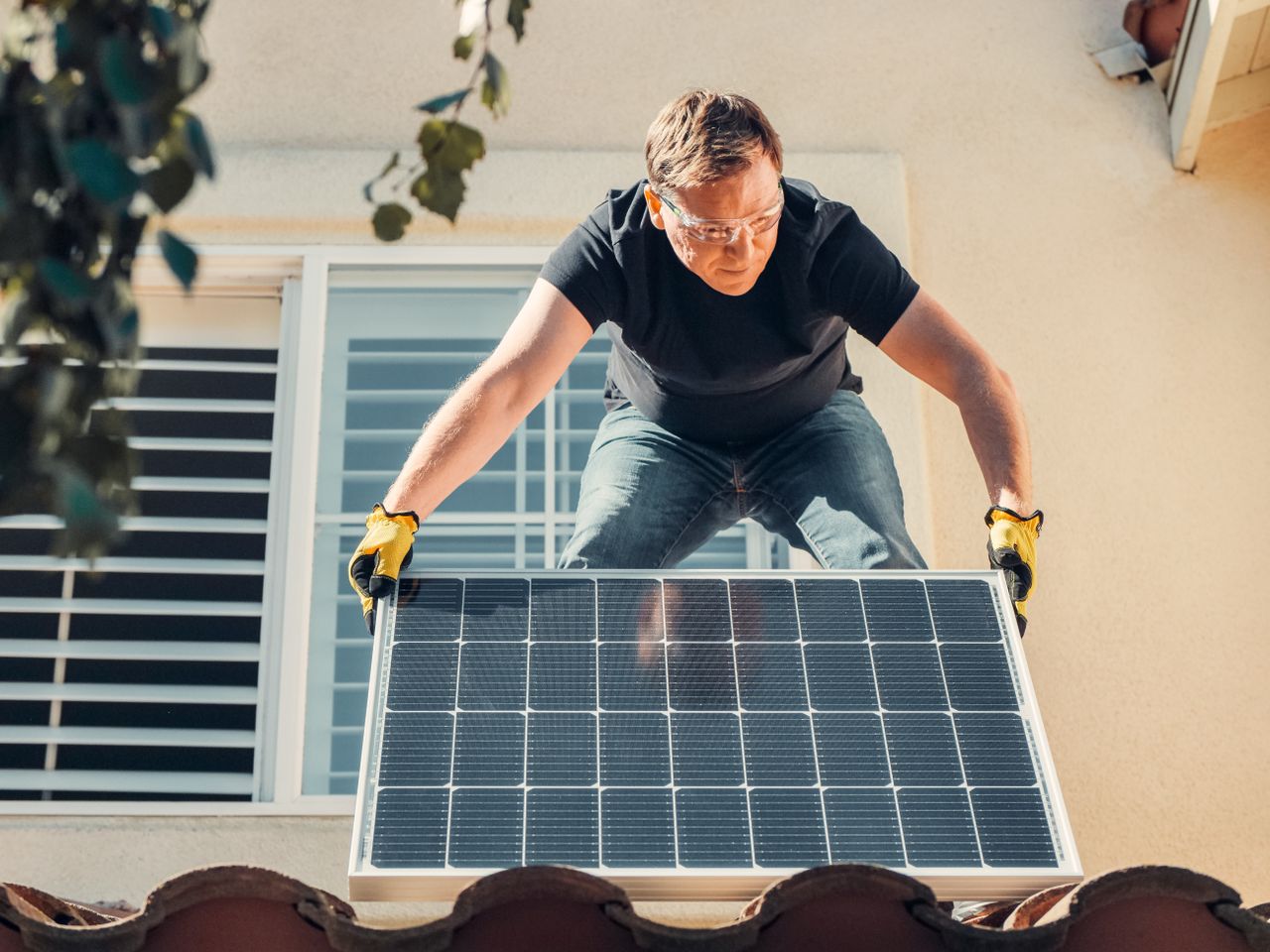
Picture relaxing in your outdoor space without stressing over electricity bills, messy extension cords, or dead batteries. Solar-powered outdoor accessories make this possible by changing how you light, water, and entertain on your patio or in your garden. These energy-saving solutions use free renewable energy and offer reliable performance, great looks, and real long-term savings.
Whether you want to upgrade a small balcony or refresh a large backyard, solar outdoor accessories provide practical, eco-friendly alternatives to traditional powered options. In the past decade, the technology has improved a lot. Today's solar products are attractive, durable, and truly functional, not just an afterthought for the environment.
Why Solar Outdoor Accessories Matter
Traditional outdoor lighting and garden tools use a lot of energy all year. For example, one landscape light that uses 20 watts and runs 12 hours a day will use over 87 kilowatt-hours each year. This adds up fast if you have several lights. Solar outdoor accessories remove this energy use and help lower your carbon footprint and utility bills.
Solar accessories offer more than just savings. You don't need to pay for electrical line installation; they are easy to move, work automatically, and keep running even during power outages. This makes them ideal for renters, people who often change their garden layout, and anyone who wants sustainability without sacrificing convenience.
Solar Lighting: The Foundation of Outdoor Ambiance
Solar Path Lights
Among the most popular solar outdoor accessories, path lights guide visitors safely while generating a welcoming evening atmosphere. Modern solar path lights feature LED bulbs that charge during the day and automatically illuminate at dusk.
What to look for:
LED bulbs (more efficient than older incandescent solar lights)
Weather-resistant, corrosion-proof materials (stainless steel or durable plastic)
Charging time: 6–8 hours of direct sunlight for 8–10 hours of operation
Brightness: 20–50 lumens for ambient pathway lighting
Quality solar path lights cost $8–$15 each and last 3–5 years before the battery needs replacing. For best results, install them 2–3 feet apart along garden edges, driveways, or walkways for maximum safety and visual impact.
Solar String Lights
String lights instantly transform patios and garden spaces into intimate entertainment zones. Solar-powered versions eliminate the need for overhead electrical connections while delivering the same warm, friendly atmosphere.
Edison-style bulbs: Vintage aesthetic with warm amber light
Lantern strings: Decorative larger bulbs for dramatic visual statements
Bistro/café lights: Classic warm-white designs perfect for dining areas
Most solar string lights run for 6 to 8 hours each night after a full day of charging. Higher-end models ($30–$80) often include dimming controls, different lighting modes, and weatherproofing for tough climates. Budget options ($10–$25) offer basic features and a nice look.
Solar Spot and Accent Lights
Use solar spotlights to highlight landscaping features, architectural elements, or garden focal points. These outdoor accessories direct light precisely, creating striking shadows and visual interest.
Best applications:
Uplighting trees or shrubs
Illuminating statues or water features
Accentuating deck railings or architectural details
Creating ambiance around seating areas
Solar spotlights usually let you adjust brightness (30–100 lumens) and reposition them easily. Good models ($15–$40) have strong aluminum cases and advanced batteries, so they work well even in rainy or cloudy weather.
Practical Solar Outdoor Accessories Beyond Lighting
Solar Water Fountains
Give your garden a fresh look with the calming sound and beauty of flowing water, powered by sunlight alone. Solar fountains run during the day and create a relaxing mood without needing electricity or plumbing.
Benefits of solar water fountains:
Attract birds and beneficial wildlife
Create focal points for seating areas
Operate automatically in sunlight; turn off at night
Reduce maintenance compared to electric pumps
Range from $30–$200 depending on size and design
Small tabletop fountains are great for patios or decks, while bigger garden fountains can become eye-catching features in your yard. In both cases, place them in direct sunlight for best results.
Solar Water Pumps and Pond Systems
Larger outdoor spaces benefit from solar-powered water circulation systems. Solar pumps aerate ponds, create waterfalls, and maintain healthy water features free of ongoing electricity costs.
Advantages for garden maintenance:
Prevent algae growth through water movement
Create ambient water sounds
Support aquatic plant and fish health
Eliminate electrical line installation
Operate continuously during daylight
Systems range from small ($50–$100) to full pond setups ($300 or more). Performance depends on the solar panel size. Larger systems can handle bigger water features and work better in cloudy weather.
Solar Charging Stations
Outdoor living often means staying connected. Solar chargingoutdoor accessories keep phones, tablets, and portable speakers powered during garden gatherings.
Features of quality solar chargers:
Capacity: 10,000–25,000 mAh
Multiple USB ports (2–4 outputs)
Waterproof, durable construction
Charging time: Full recharge in 8–10 hours of sunlight
Price range: $25–$60
Portable solar chargers ($25–$40) are perfect for weekend get-togethers, while permanent outdoor stations ($50–$100) can be built into patio furniture or garden benches. Both options keep your devices charged outside.
Solar Insect Repellents
Mosquito and pest control becomes chemical-free with solar-powered repellent devices. Theseoutdoor accessories emit ultrasonic frequencies or use LED light patterns to deter insects without toxins.
Types available:
Ultrasonic pest repellers: Emit high-frequency sounds inaudible to humans
Solar bug zappers: Attract and eliminate insects with UV light
Mosquito repellers: Target specific insect species
Price range: $15–$50
Effectiveness varies by model and insect type. For best results, position units 3–6 feet from seating areas and away from competing light sources.
Solar Heaters and Heating Accessories
If you want to enjoy your outdoor space year-round, solar pool heaters and patio heaters can help you use it longer. Solar pool heaters warm water with black mat systems, and solar patio heaters use infrared technology.
Benefits:
Extend swimming season by weeks
Reduce heating costs dramatically
Operate silently and cleanly
Require minimal maintenance
Price: $200–$1,500+ depending on application
Critical Note -Solar Heating Capabilities: Infrared or solar-powered patio space heaters require high wattage (often 1,500W+). Small, standalone solar panels cannot continuously power standard electric outdoor space heaters without a substantial off-grid battery and panel array. Solar patio heating is primarily passive or uses solar thermal panels rather than small consumer accessories.
Choosing the Right Solar Outdoor Accessories
Assess Your Light Conditions
Solar accessories work best with at least 4 hours of direct sunlight each day. Check your space at different times to see how the sun moves, since morning and afternoon sunlight changes with the seasons. If you have shaded spots, you'll need higher-capacity solar panels and batteries.
Evaluate Battery Capacity and Runtime
Good battery quality is important for reliable performance. Look for lithium-ion or NiMH batteries that are rated for over 500 charging cycles. Check the product details for overnight runtime; most need to work for 8 to 12 hours under normal conditions.
Consider Climate Resilience
Quality matters in harsh weather. Choose IP65-rated accessories (dust- and water-resistant) or IP67 (submersible for short periods). Also choose UV-resistant plastic or stainless steel instead of standard metals that corrode easily.
Think About Integration and Aesthetics
Modern solaroutdoor accessories come in many styles, like minimalist, rustic, contemporary, and decorative. Pick designs that match your current landscape and patio look, so everything fits together nicely.
Installation and Care Tips
Installation is remarkably simple:
Most solar accessories require no tools beyond a screwdriver.
Simply position in direct sunlight and allow 1–2 full charging cycles
Ground lights need a slight depth (2–3 inches); overhead lights need secure mounting
Maintenance extends lifespan:
Regularly clean solar panels quarterly with a damp cloth
Remove debris from sensor areas
Store battery-powered accessories indoors during winter in freezing climates
Replace batteries every 2–3 years for consistent performance
Check connections seasonally for corrosion
Common Mistakes to Avoid
Inadequate sunlight placement: Solar accessories placed in partial shade operate intermittently. Assess light conditions before purchasing.
Overexpecting cloudy-climate performance: Solar products work in cloudy regions but with shortened runtime. Choose high-capacity systems if you live in consistently overcast areas.
Ignoring battery quality: Cheap batteries degrade rapidly. Invest in quality lithium-ion systems for reliability.
Neglecting seasonal adjustments: Reposition lights seasonally to match changing sun angles and guarantee optimal charging.
Mixing aesthetics haphazardly: Coordinate solar accessory styles for cohesive outdoor design rather than creating mismatched visual clutter.
The Long-Term Value Proposition
Solaroutdoor accessories may cost more at first than basic options, but they save you money over time. For example, a $30 solar path light can replace a $3 incandescent one and work for over five years without extra electricity costs, battery changes (for rechargeable models), or much maintenance. Over five years, traditional lighting costs add up, so solar accessories often pay for themselves.
Solar accessories do more than save money. They help the environment and make things easier for you. You won't have to deal with extension cords, worry about circuit breakers, or watch your utility bills rise. Just set them up, let them charge, and enjoy.
Frequently Asked Questions About Solar Outdoor Accessories
Q1: Will solar outdoor accessories work in cloudy climates?
Yes, but with lowered performance. Modern solar accessories charge in indirect sunlight and cloudy conditions, though runtime decreases. Systems designed for northern climates feature larger solar panels and higher-capacity batteries. If you live in consistently cloudy regions, choose premium solar products ($30+ per item) over budget alternatives for reliable operation.
Q2: How long do solar batteries last?
Quality lithium-ion batteries last 2–3 years before noticeable performance decline, though they typically continue functioning for 5+ years. Replacing batteries costs $5–$20 depending on the accessory type. NiMH batteries last 1–2 years. Proper storage in moderate temperatures (not extreme heat or cold) significantly extends battery life.
Q3: Can I leave solar outdoor accessories outside year-round?
Quality solar accessories designed for outdoor use withstand freezing, rain, and UV exposure. However, in places with harsh winters, removing battery-powered accessories indoors extends lifespan and prevents performance issues. Solar light fixtures can remain installed if rated for your climate; check IP and temperature ratings before purchasing.
Q4: Do solar outdoor accessories work at night?
Solar accessories charge during daylight and operate at night using stored battery power. Most solar lights run for 6–12 hours after a full day of charging, depending on season and latitude. In winter, when days are shorter, runtime decreases. Solar fountains and water pumps operate only during daylight hours when sunlight is available.
Q5: What's the difference between solar lights and traditional LED outdoor lights?
Solar lights charge from sunlight and operate independently, whereas traditional LED lights require electrical connections (hardwired or plug-in). Solar lights are more affordable to install and portable but depend on sunlight availability. Traditional LED lights offer consistent performance regardless of weather but require access to electricity and incur monthly utility costs. For most homeowners, solar outdoor accessories provide better value and convenience.
Q6: How do I maximize solar outdoor accessory performance?
Position accessories in direct sunlight (south-facing when possible), clean solar panels monthly, store indoors during winter in freezing climates, replace batteries every 2–3 years, and avoid shading from trees or structures. During cloudy periods, charge devices indoors using backup power if you need them for critical use.
Conclusion
Solar-poweredoutdoor accessories represent the next step in outdoor living. They provide reliable performance, eliminate energy costs, decrease environmental impact, and free you from electrical infrastructure barriers. Whether you're seeking ambient lighting for entertaining, functional safety illumination, water features for ambiance, or charging solutions for connectivity, solar options exist for every need and budget.
Start with one solar accessory—perhaps a string of lights or a path light—and experience the convenience firsthand. As you discover how seamlessly solar products fit into your outdoor routine, gradually expand into comprehensive outdoor solar solutions. Your patio and garden will thank you, as will your utility bill and the planet.