Your Cart is Empty

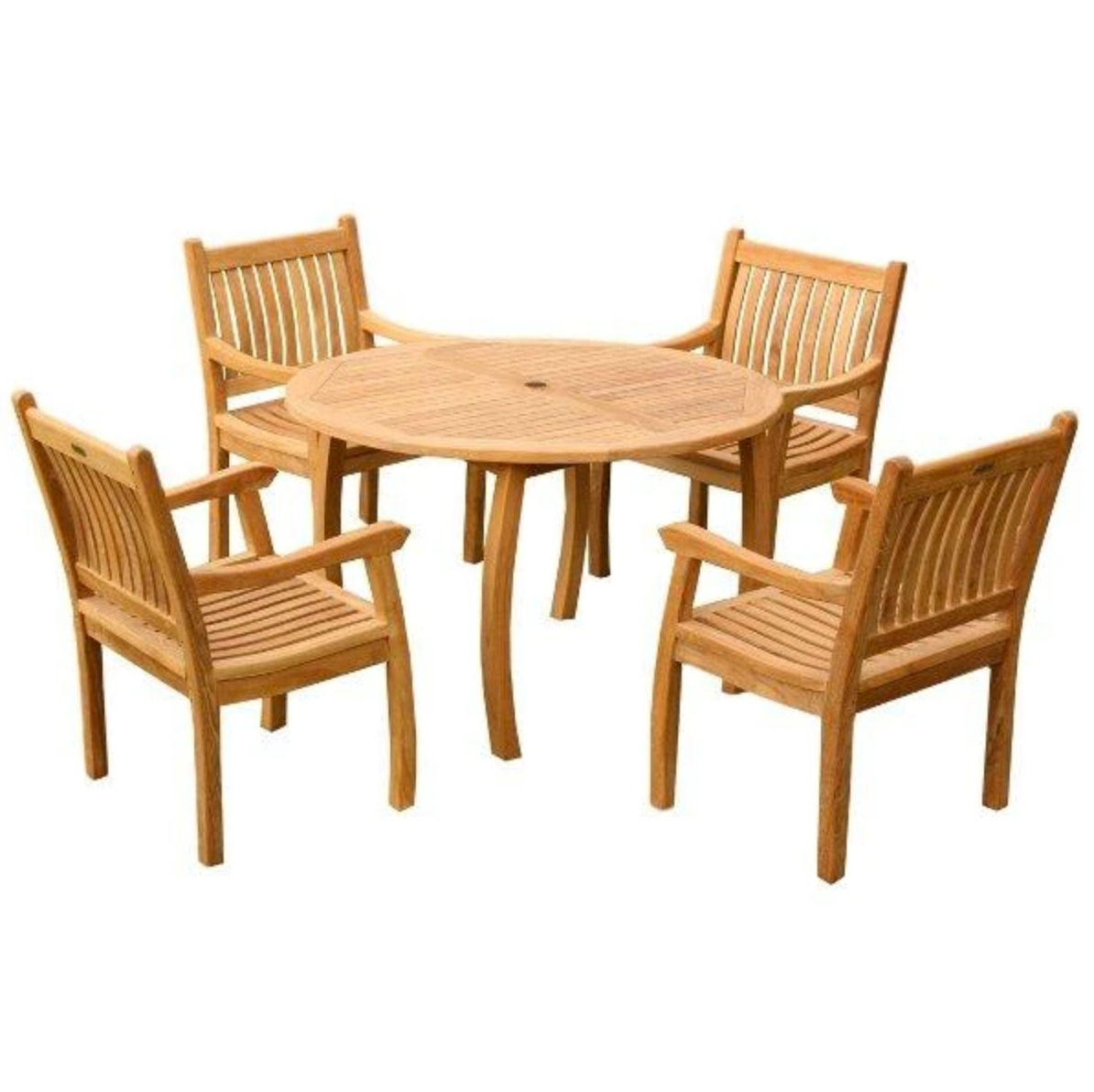
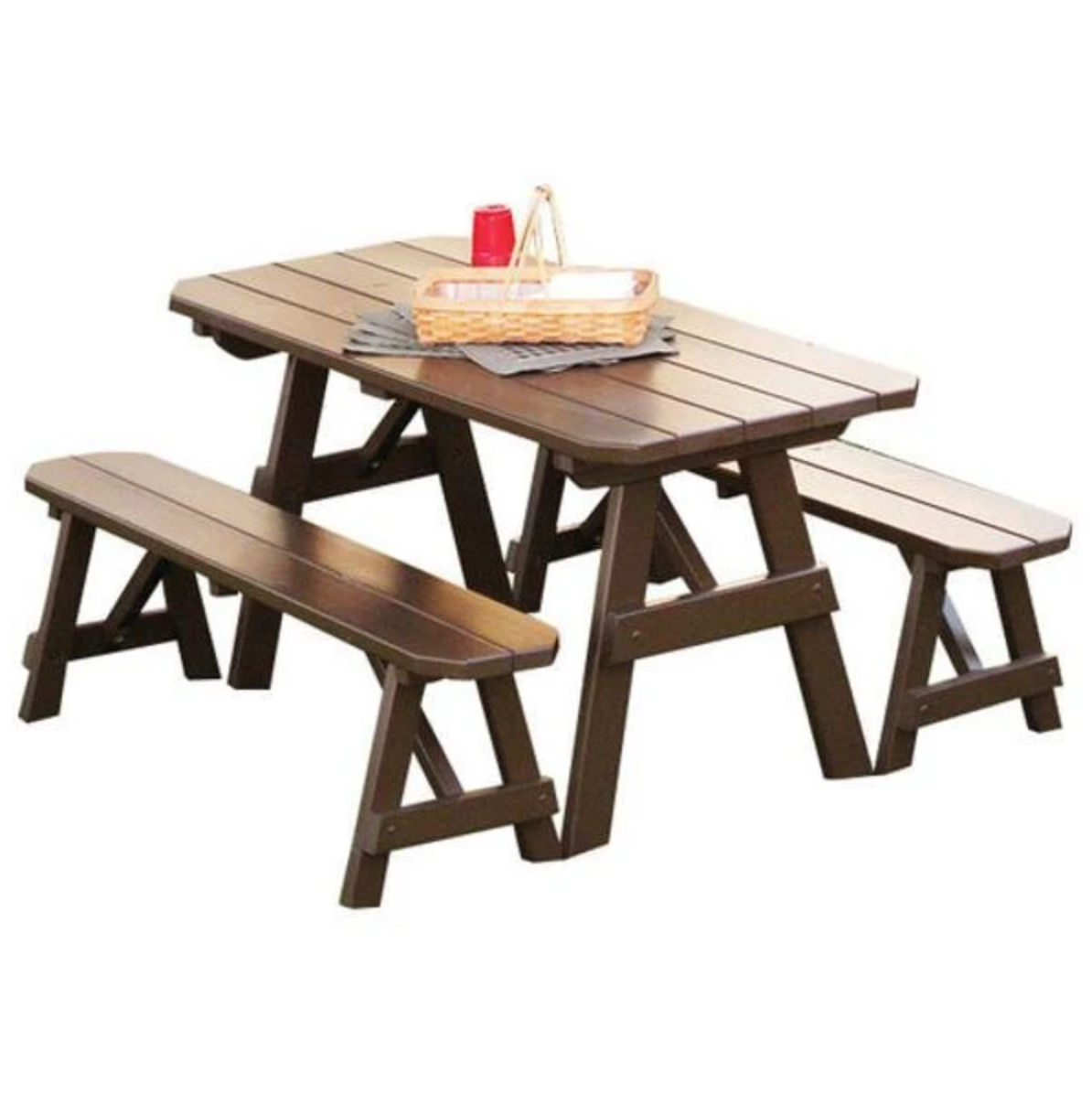
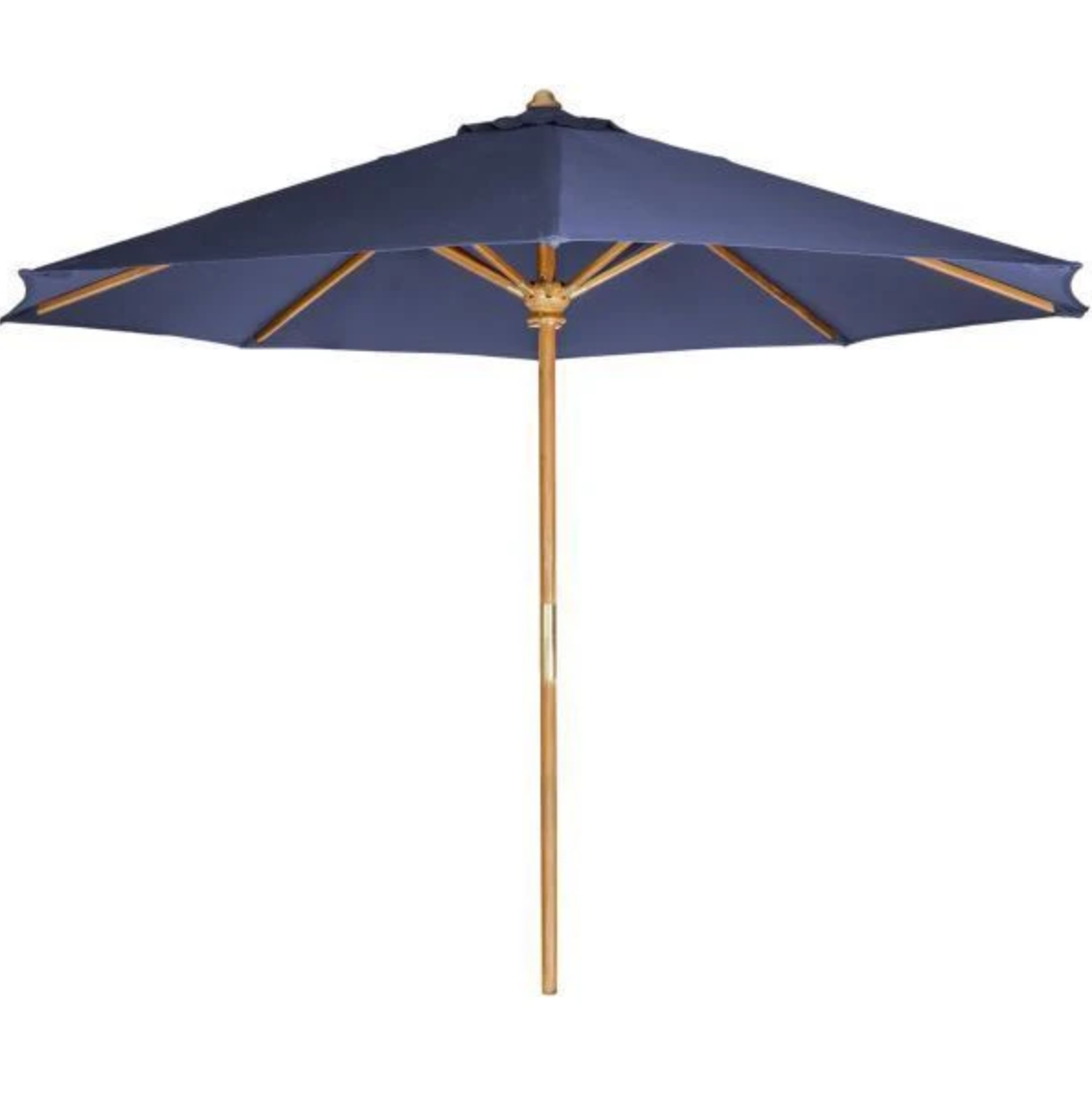
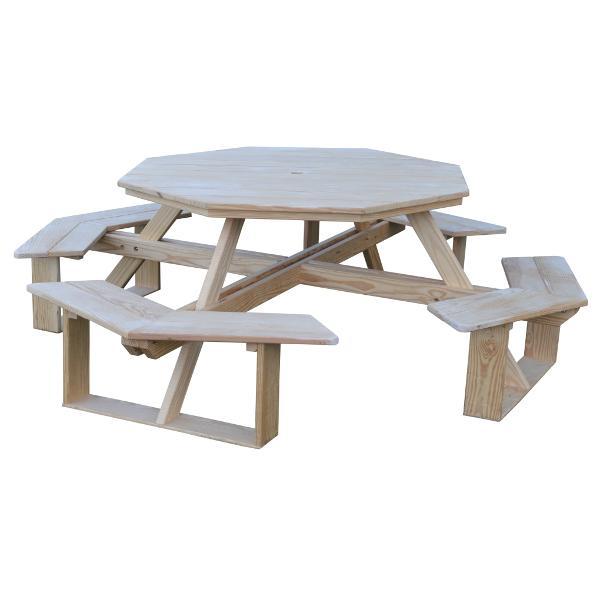
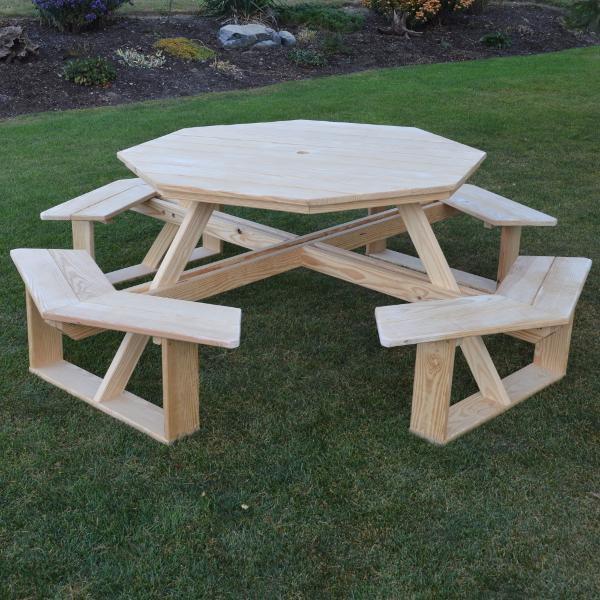
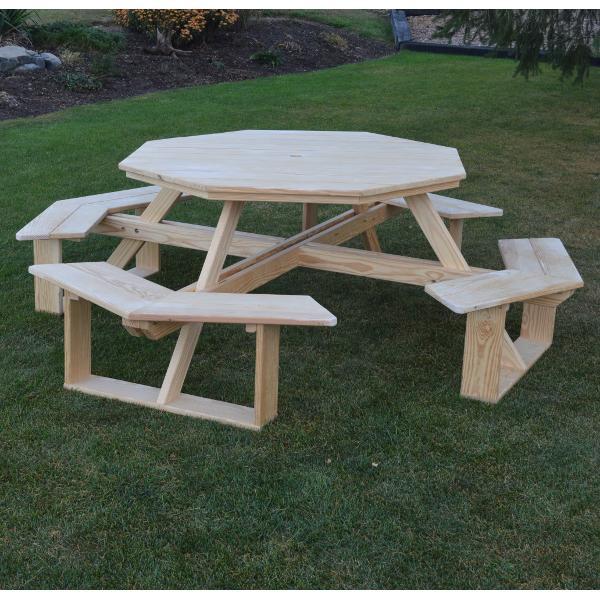
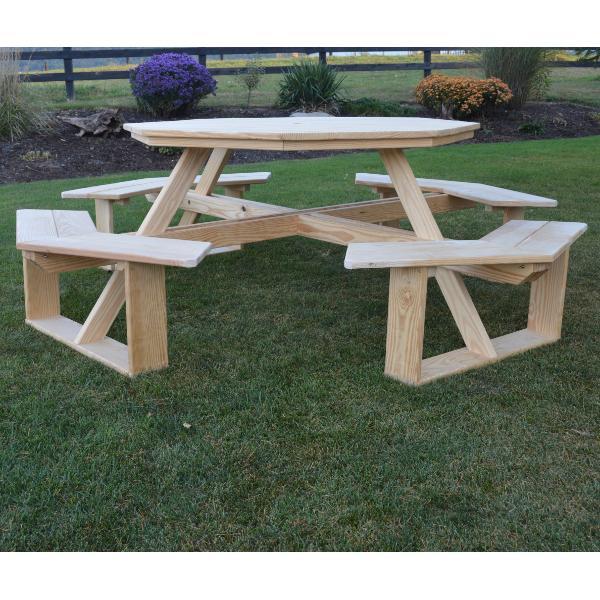
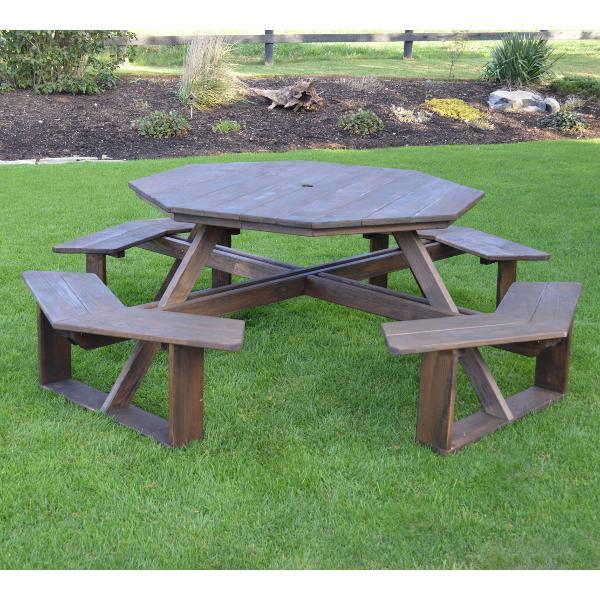
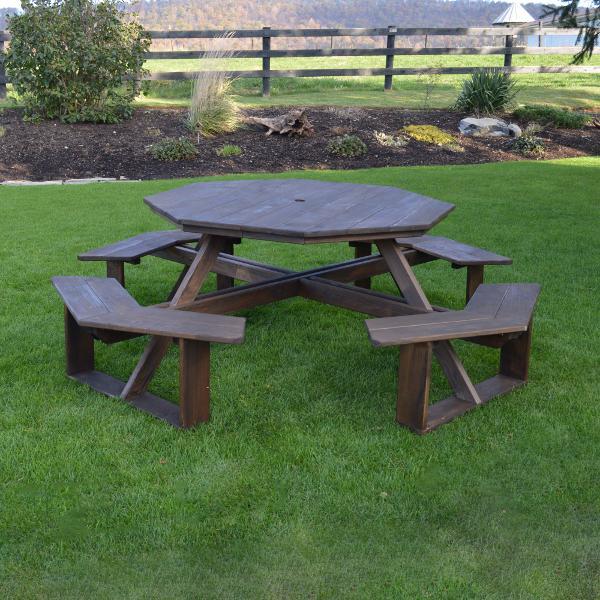
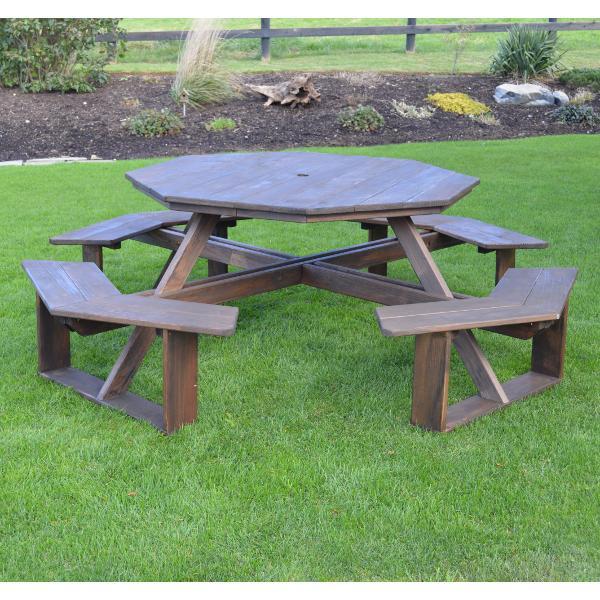
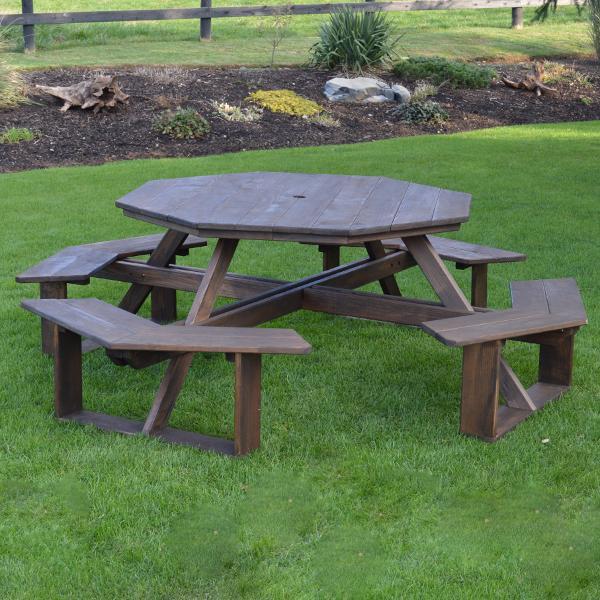
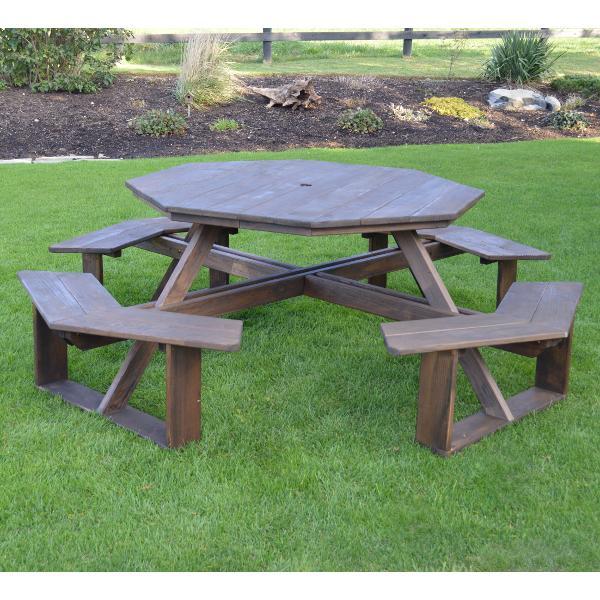
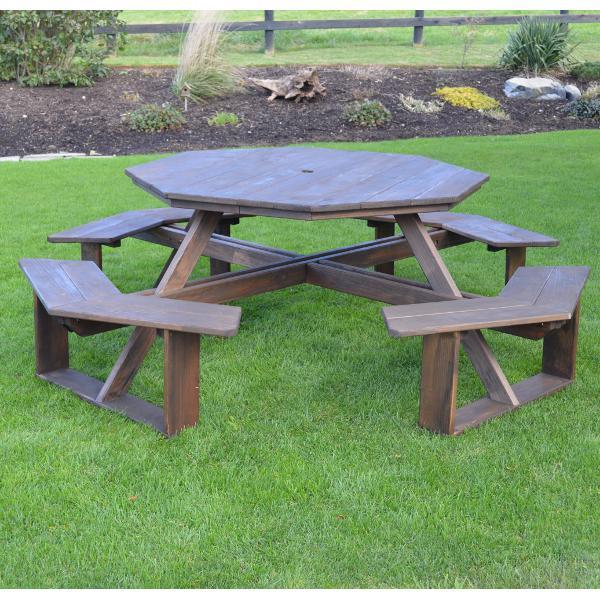
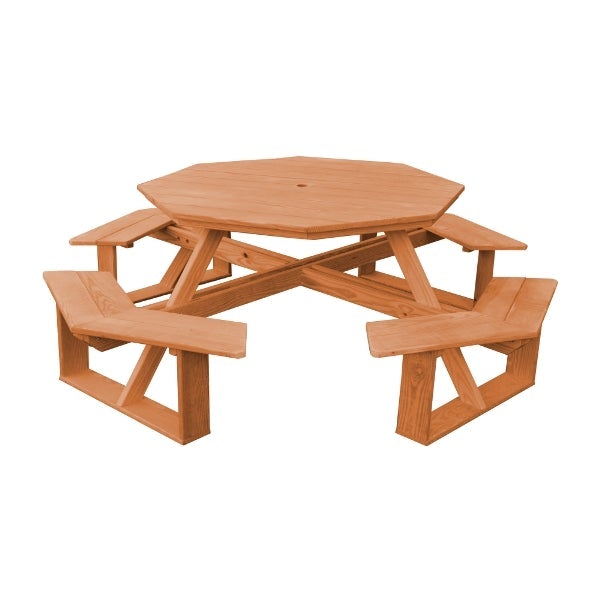
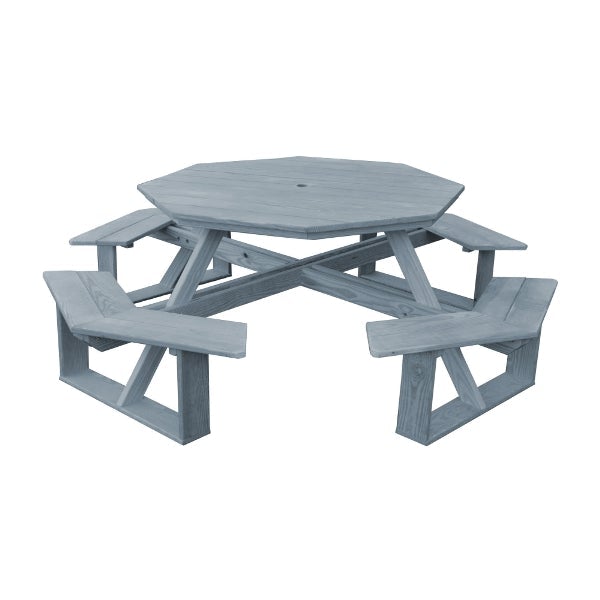
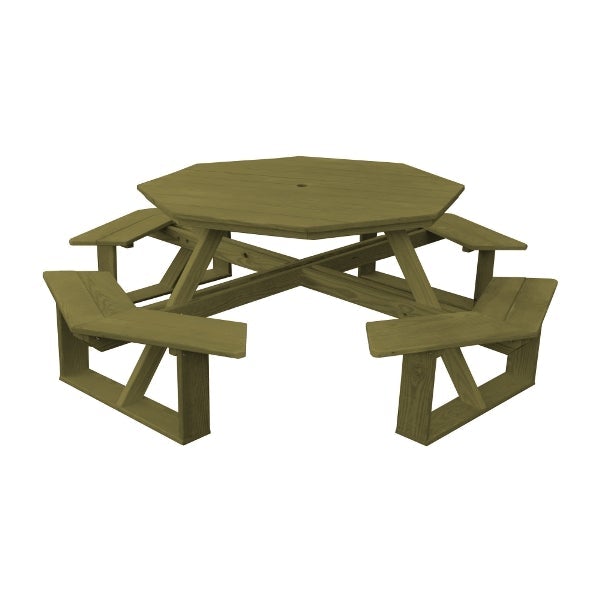
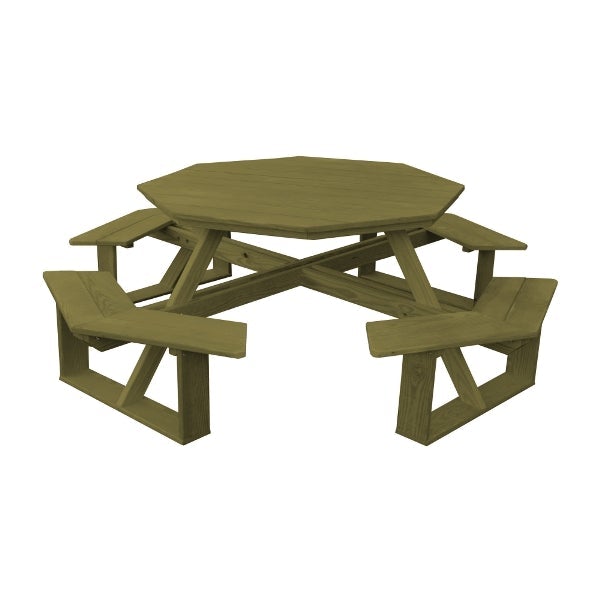
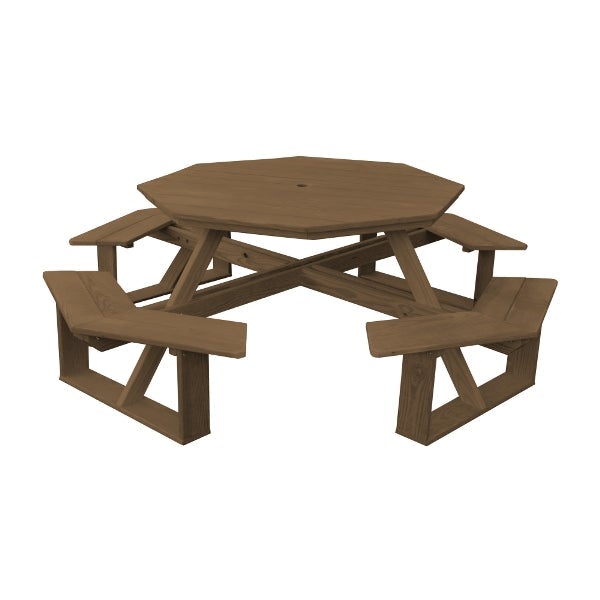
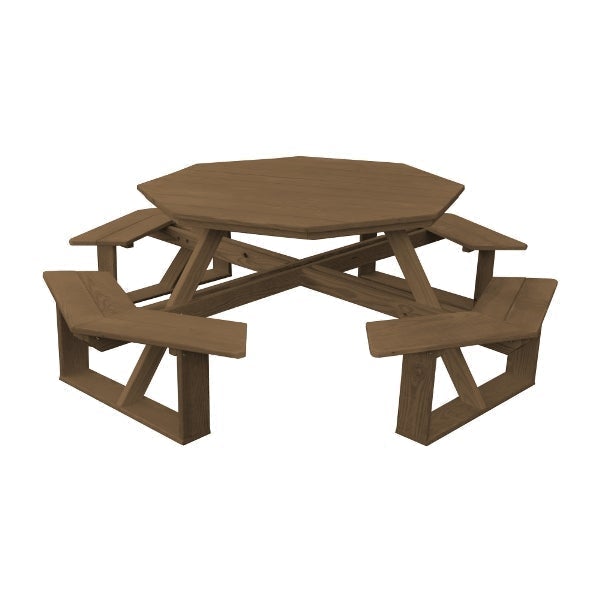
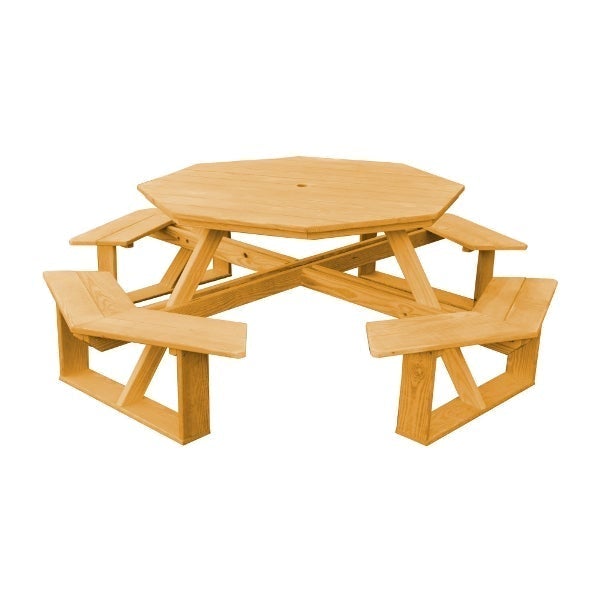
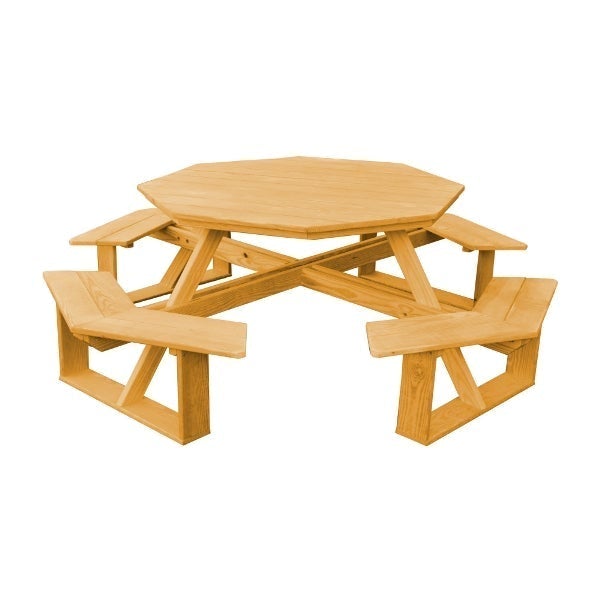
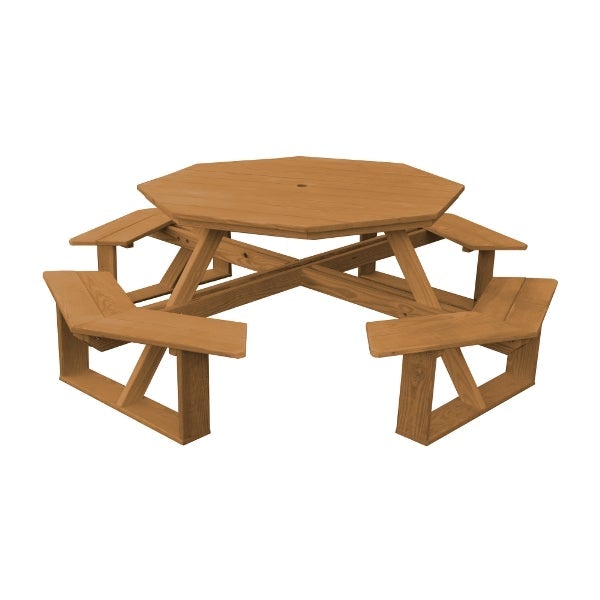
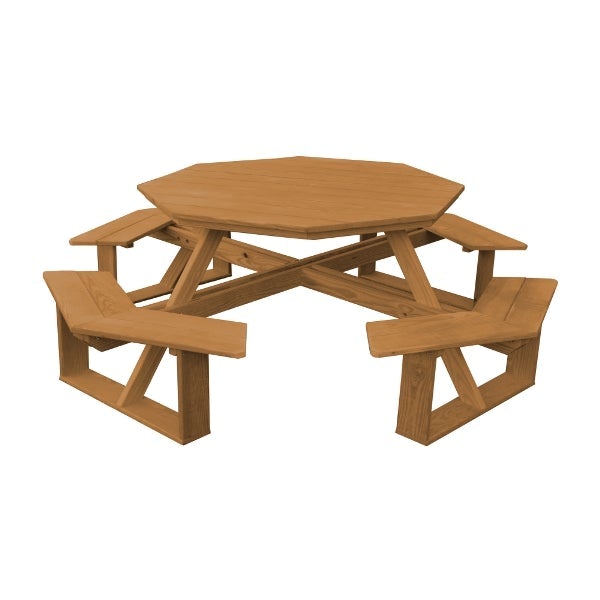
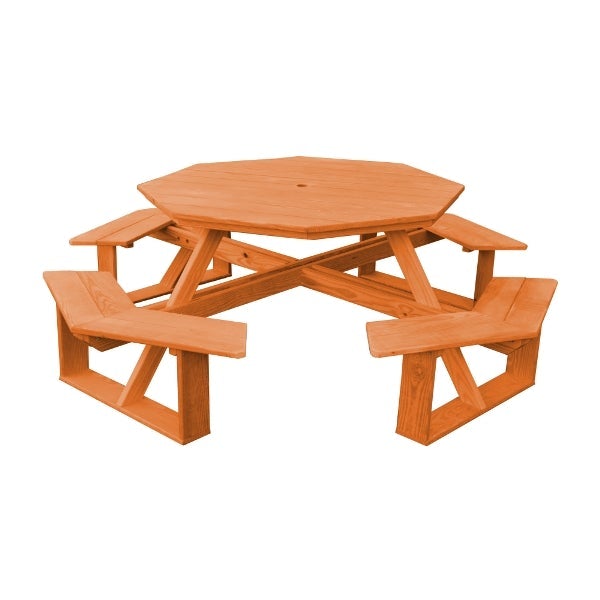
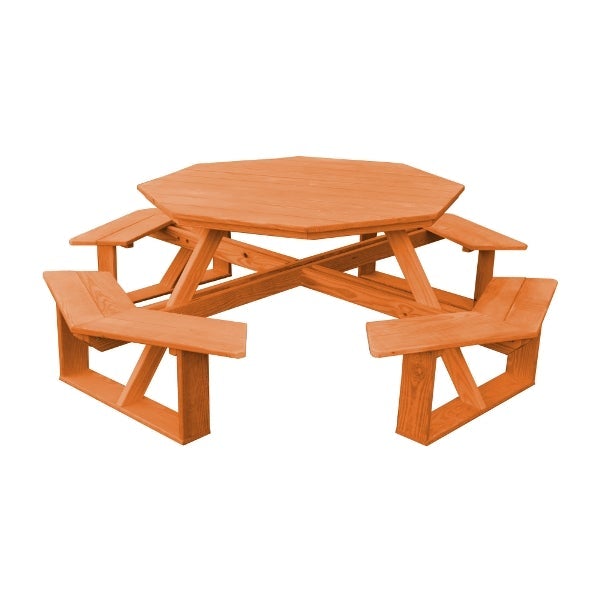
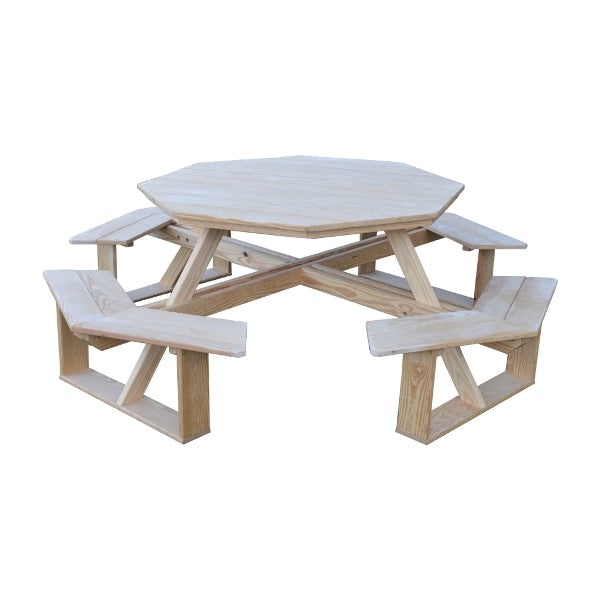
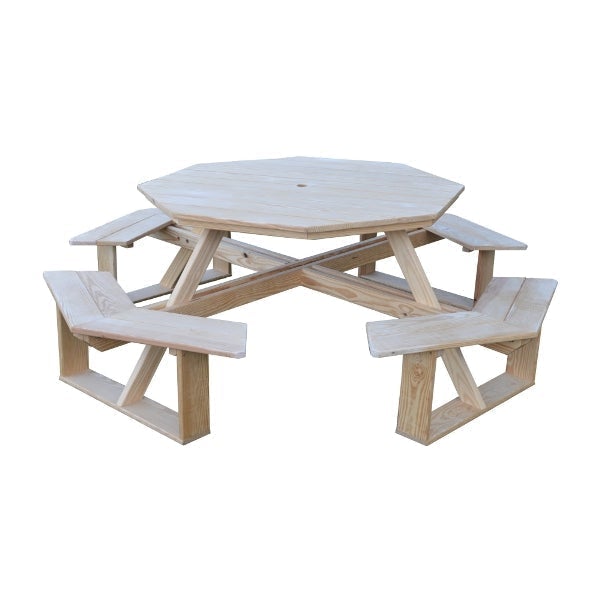
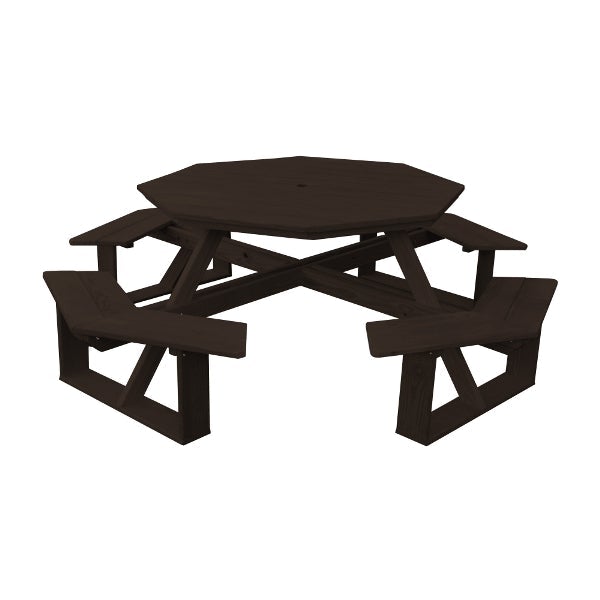
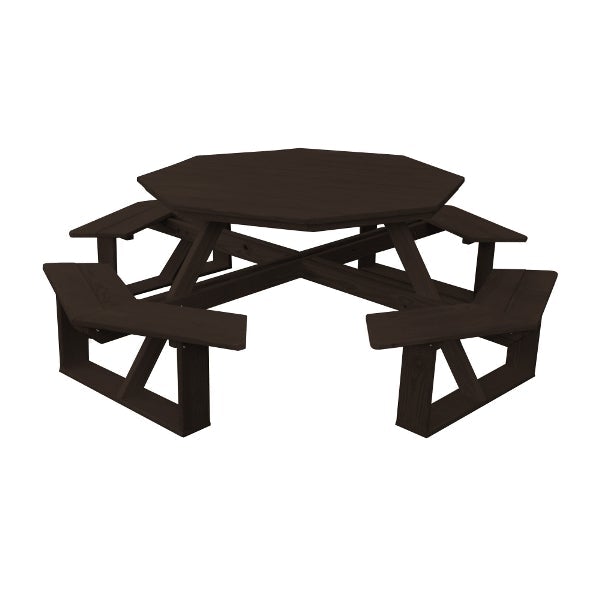
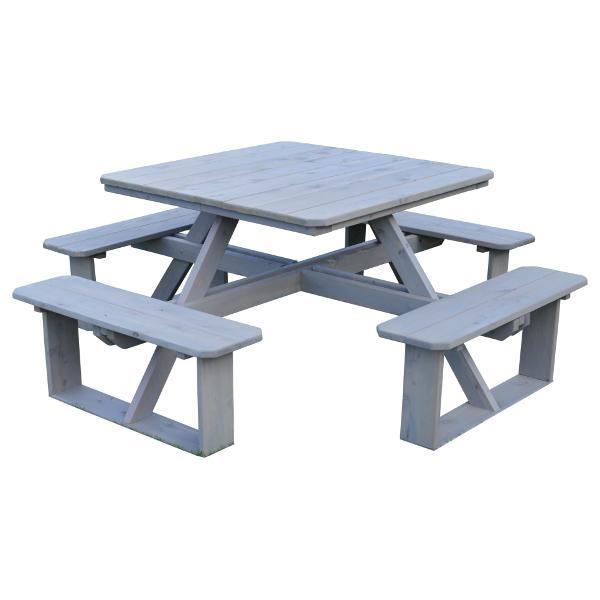
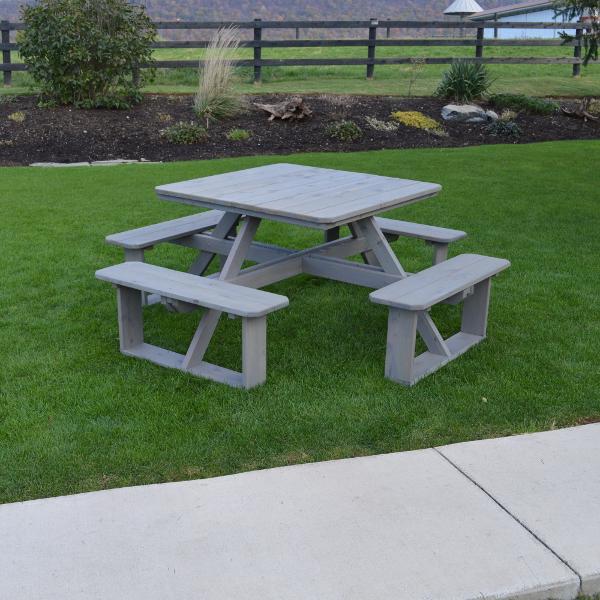
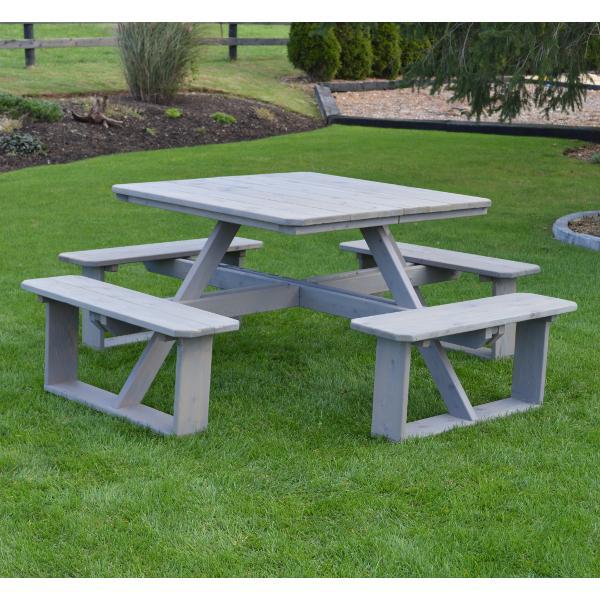
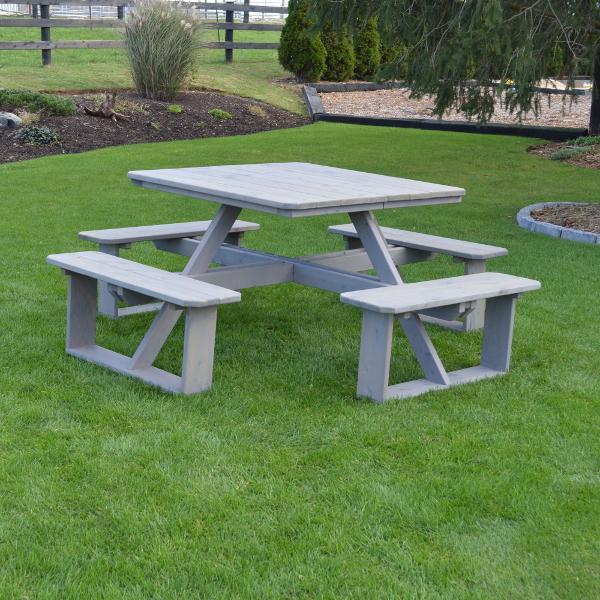
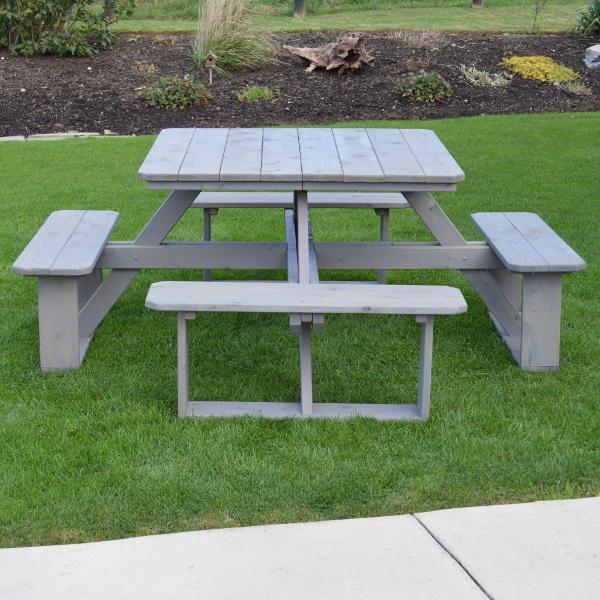
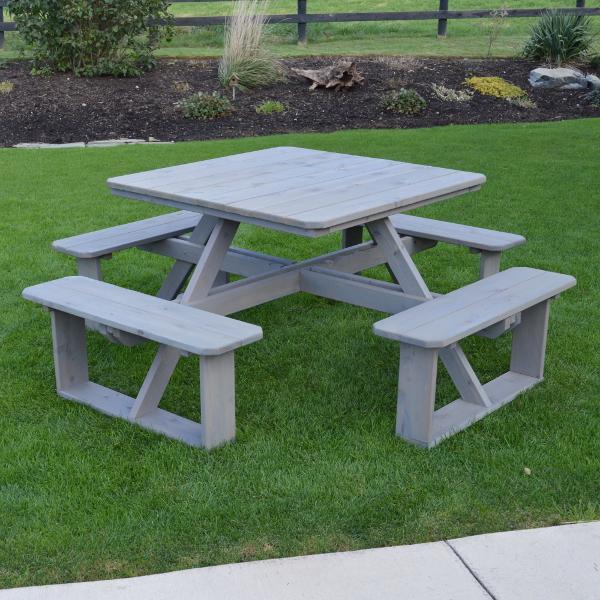
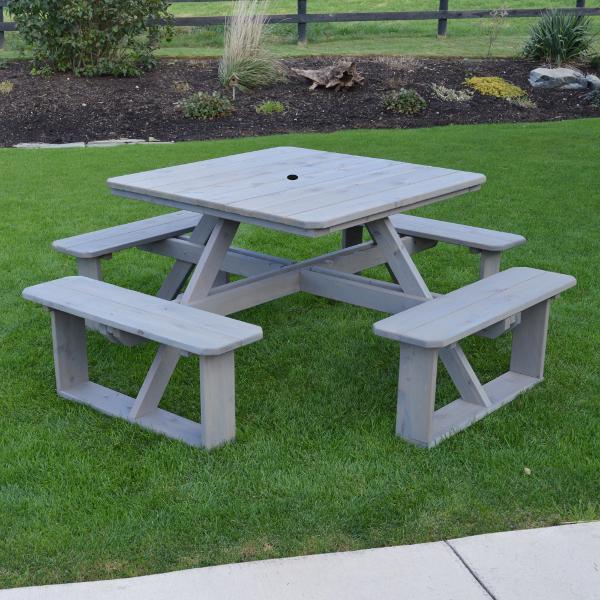
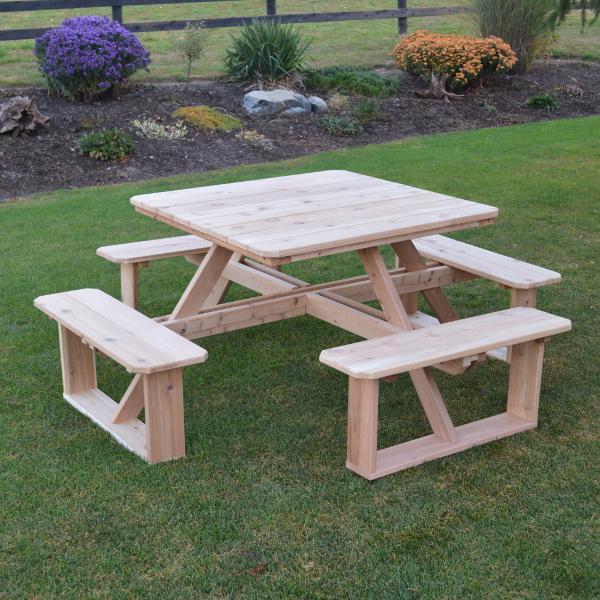
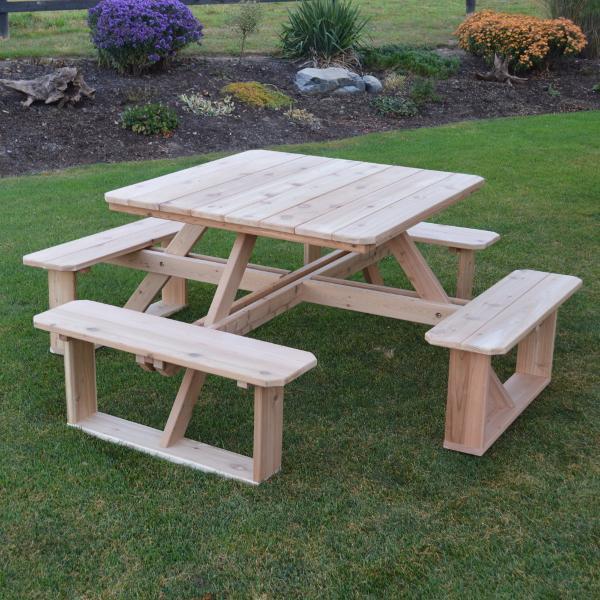
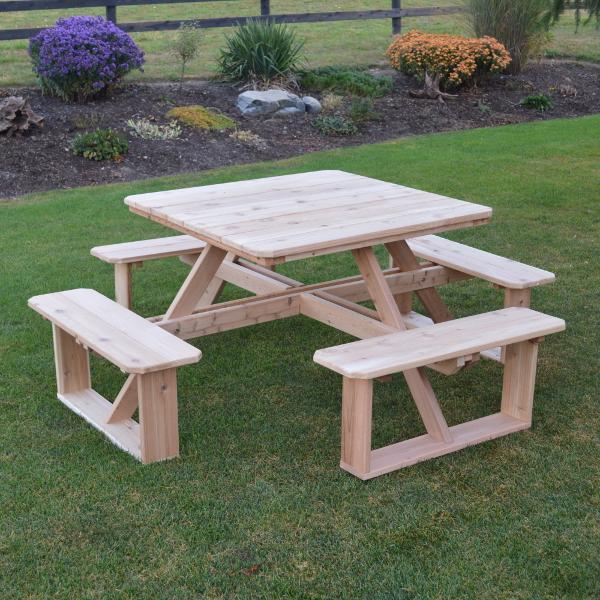
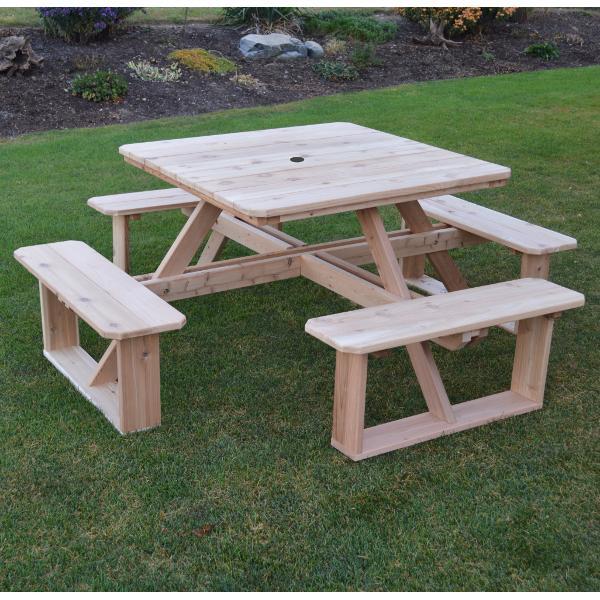
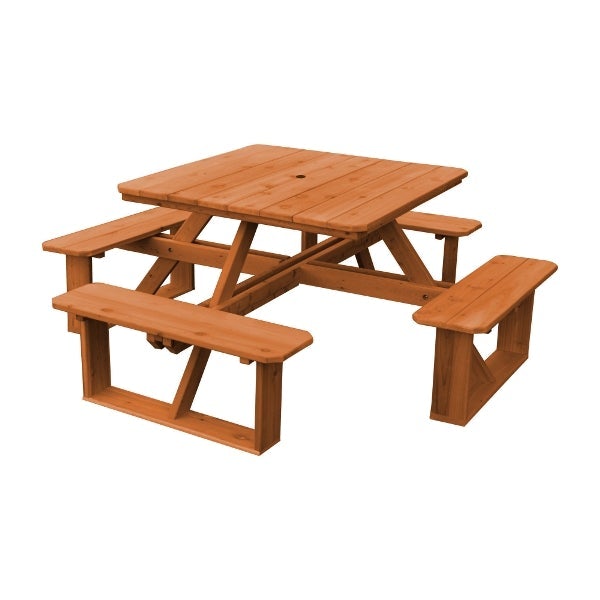
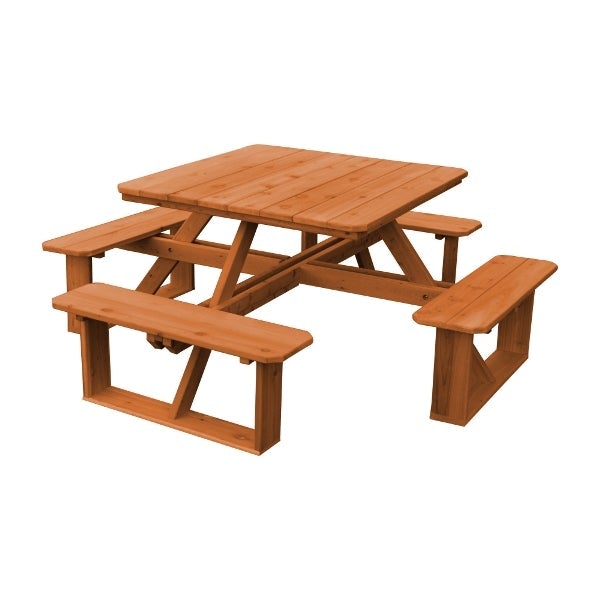
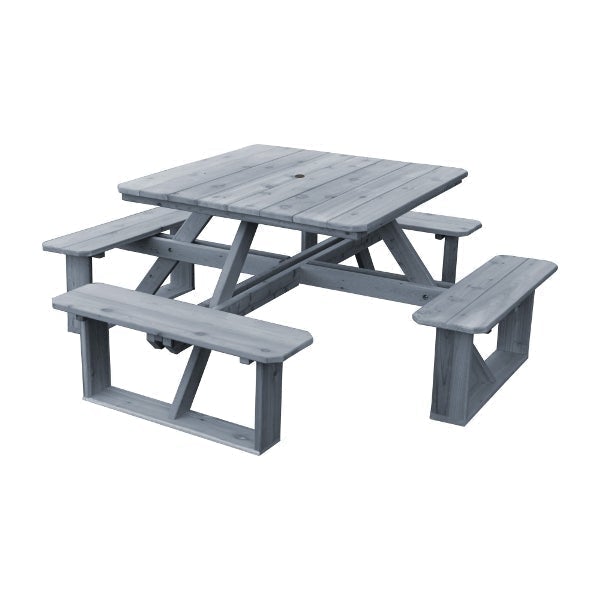
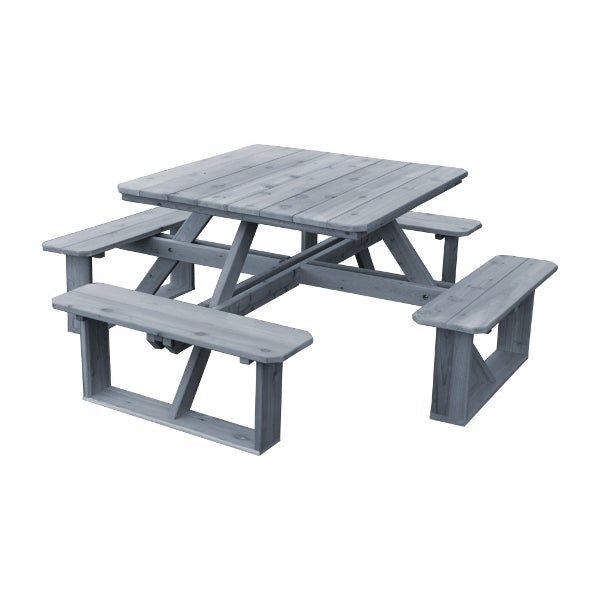
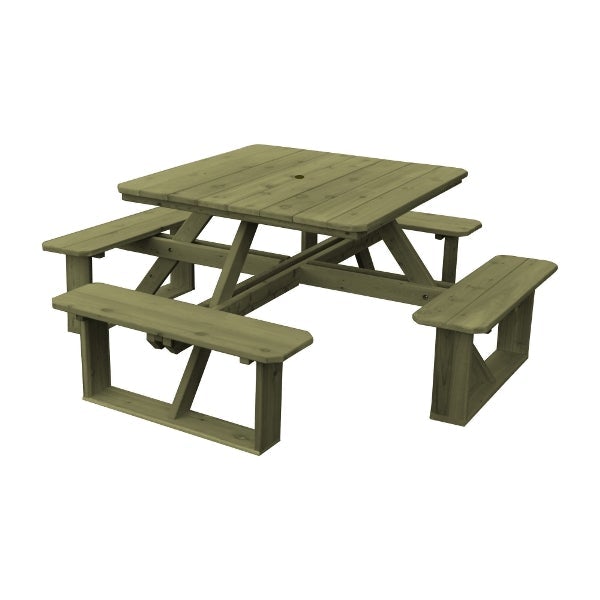
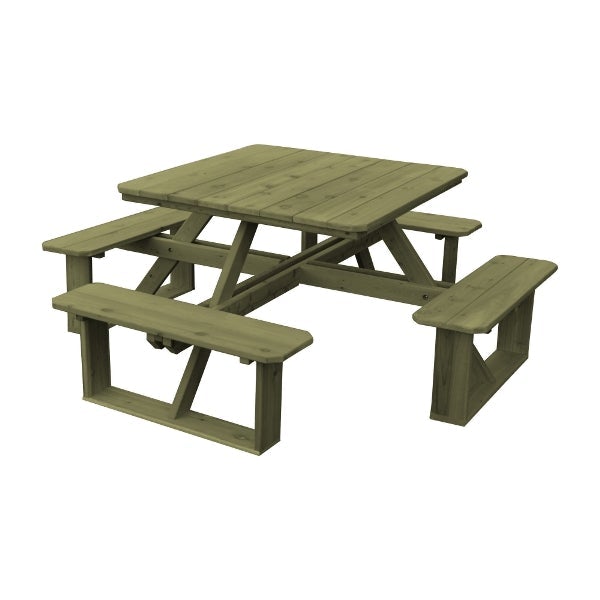
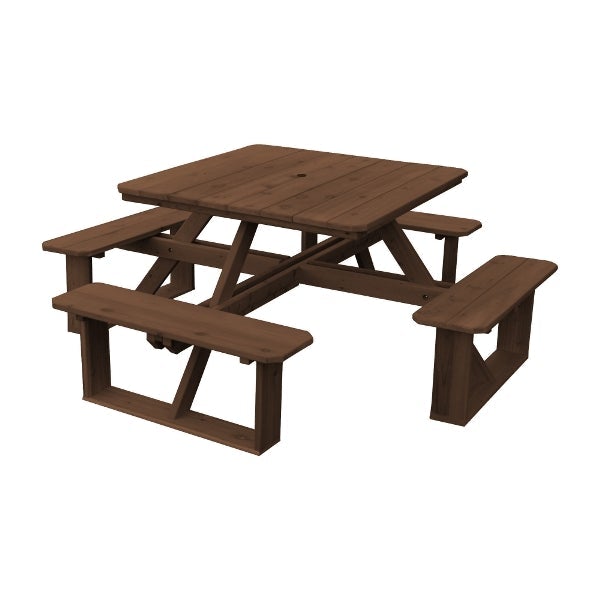
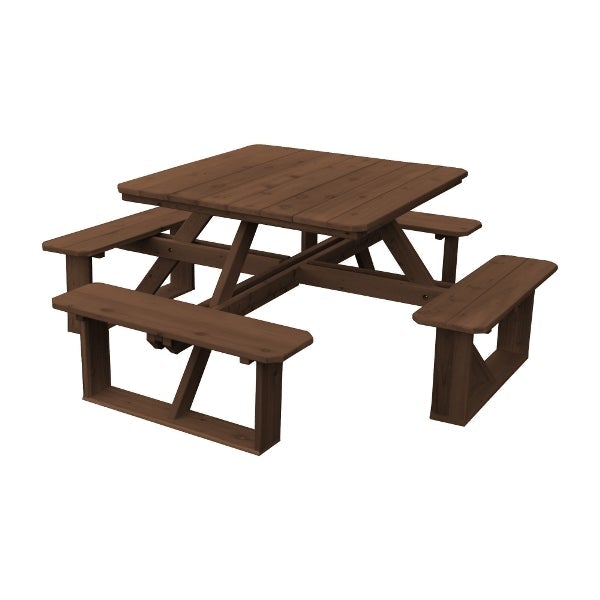
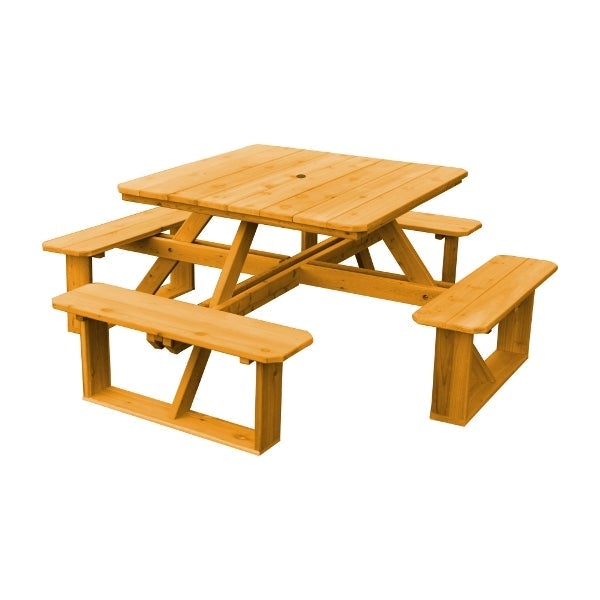
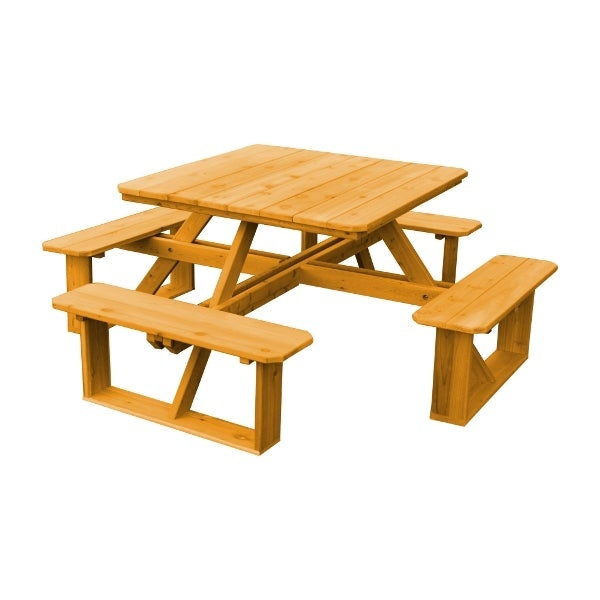
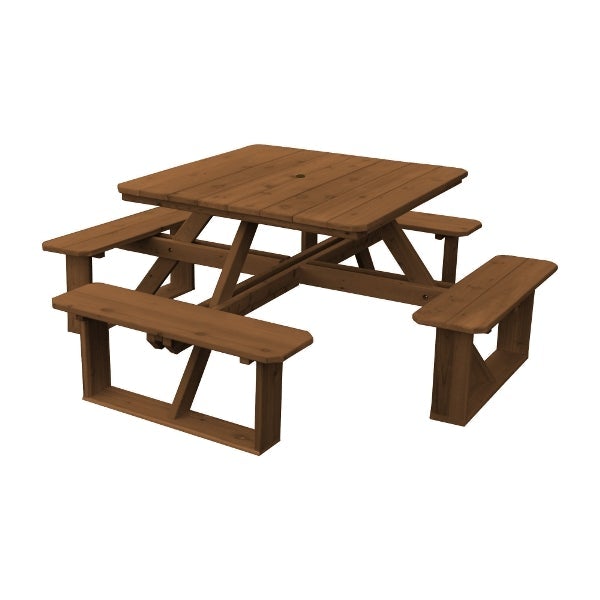
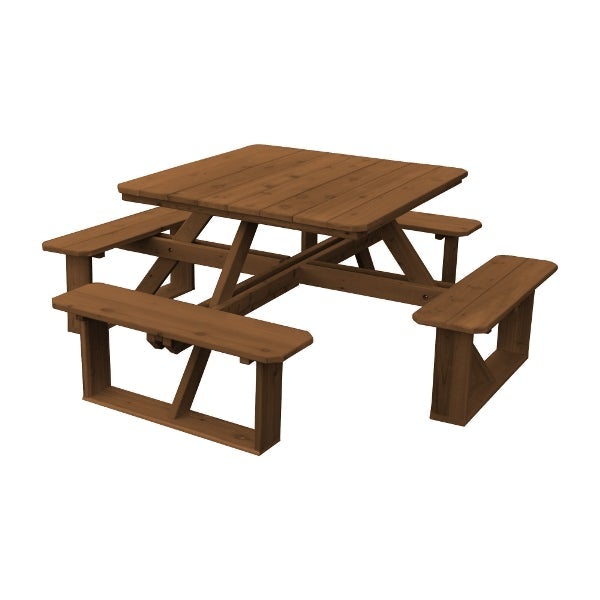
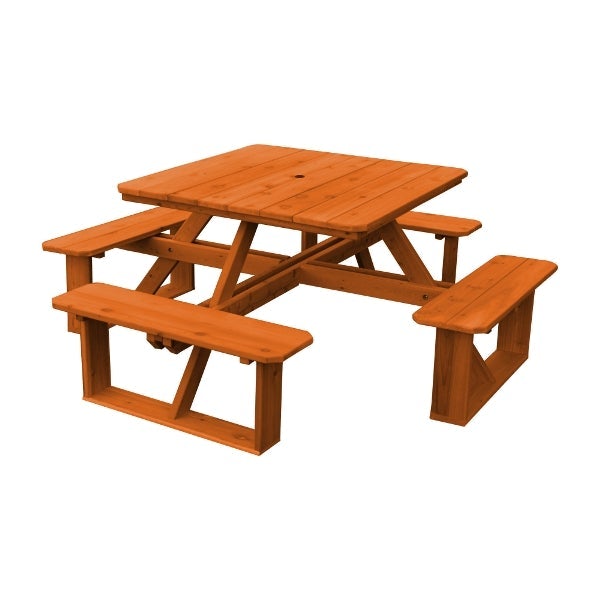
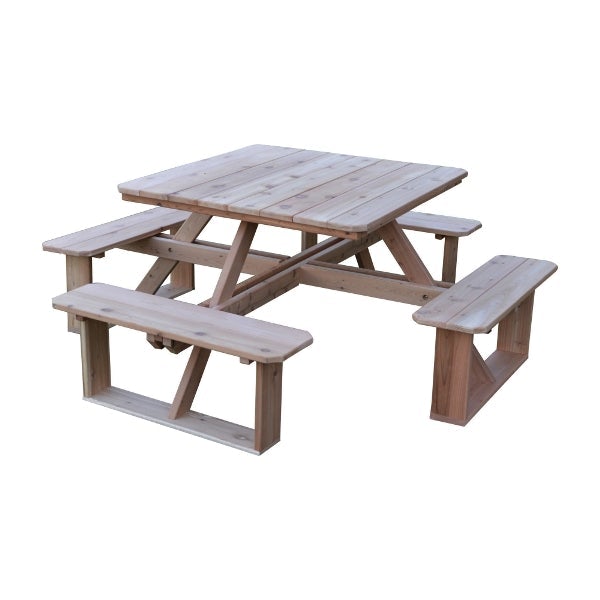
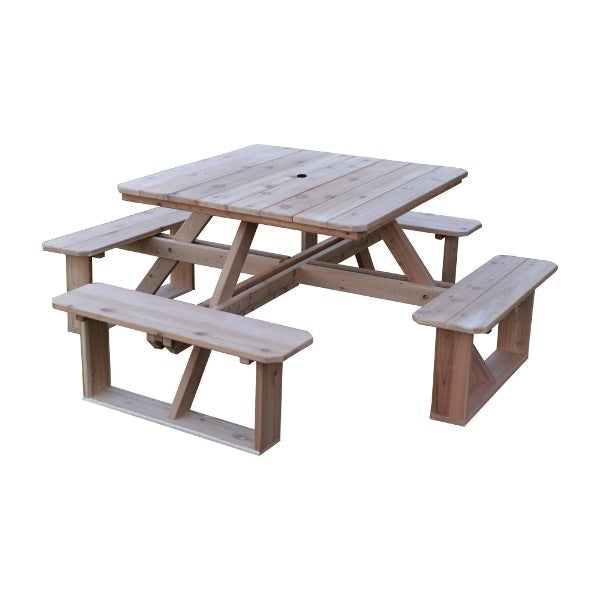
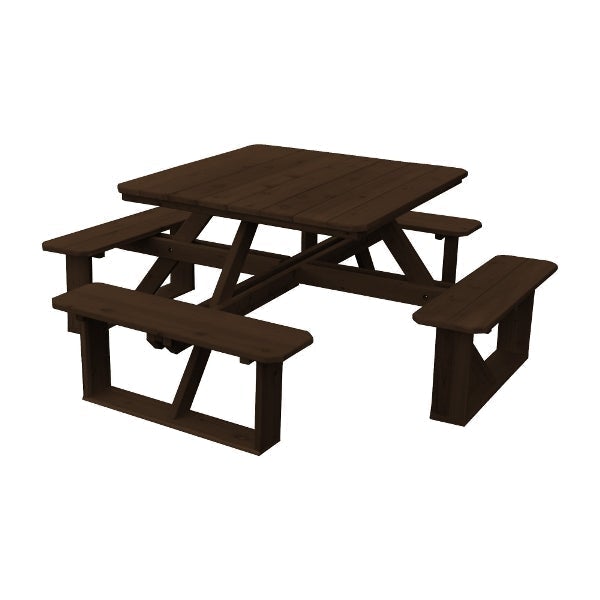
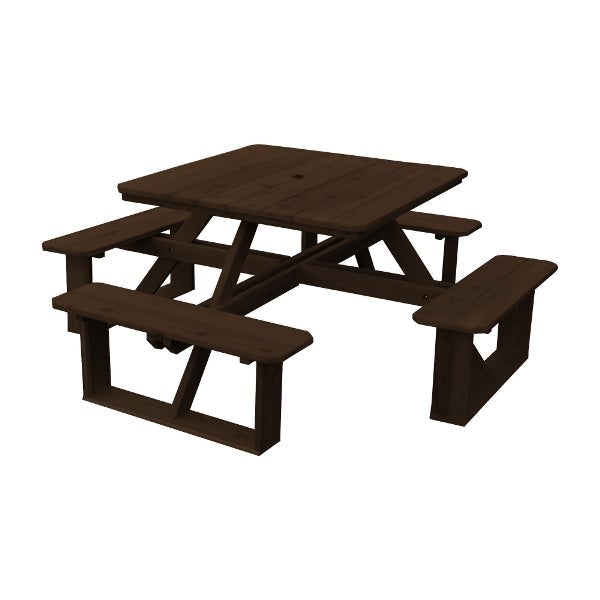
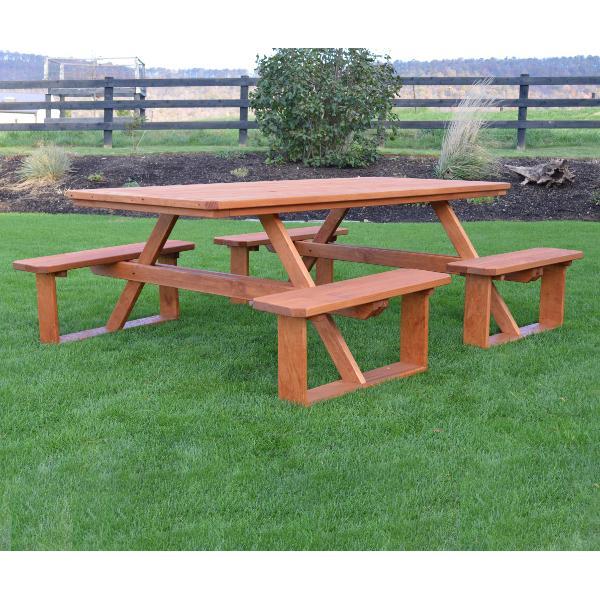
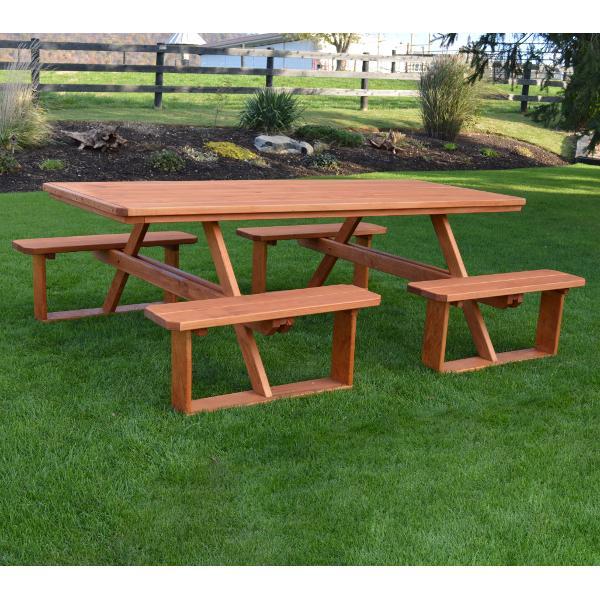
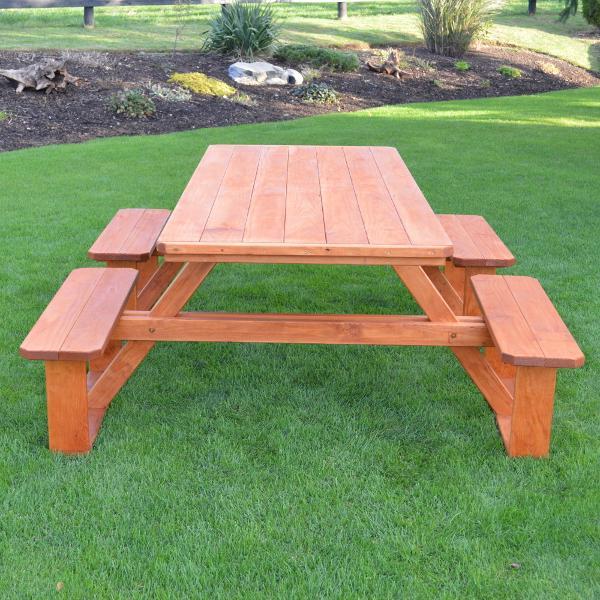
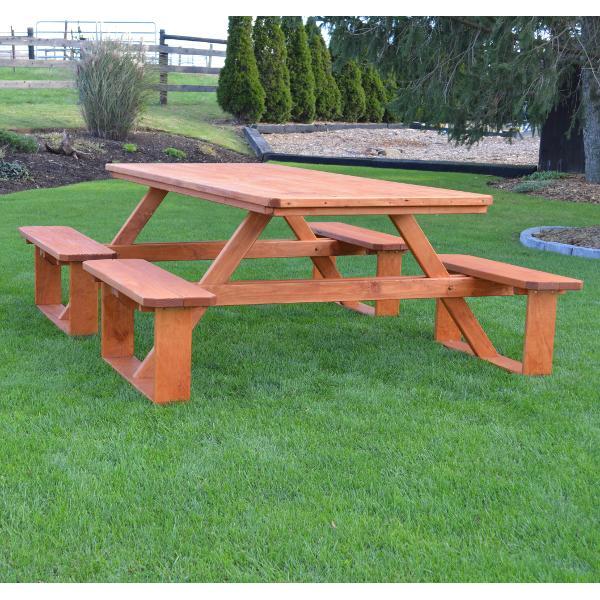
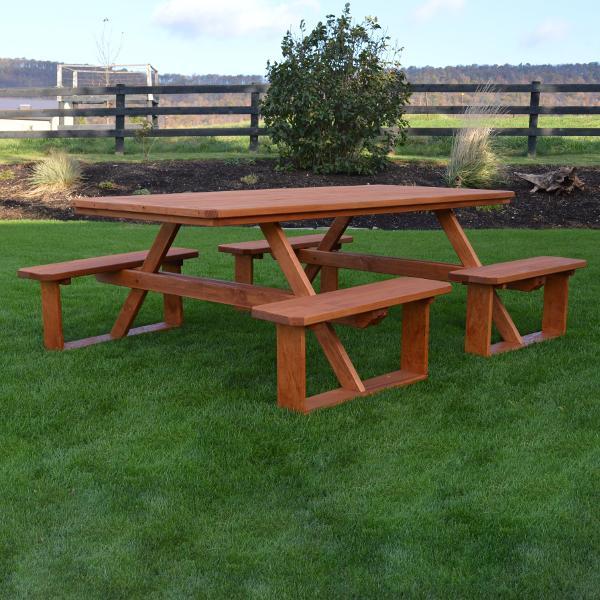
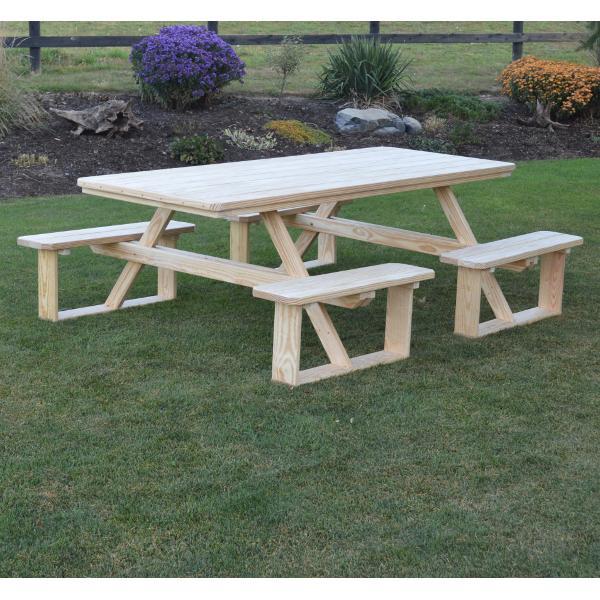
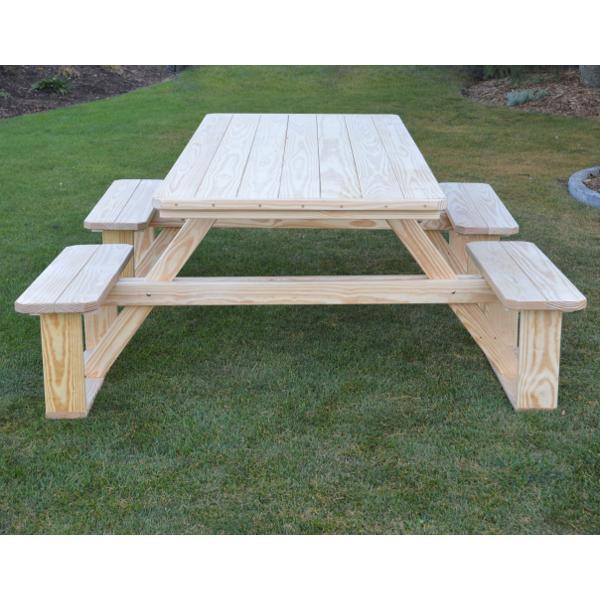
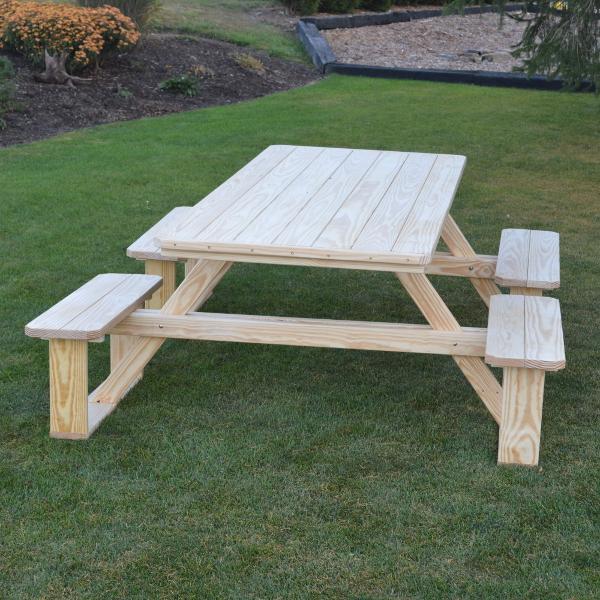
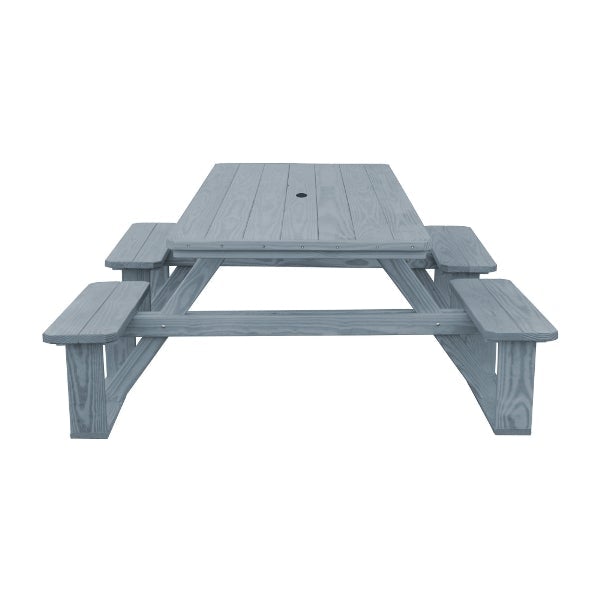
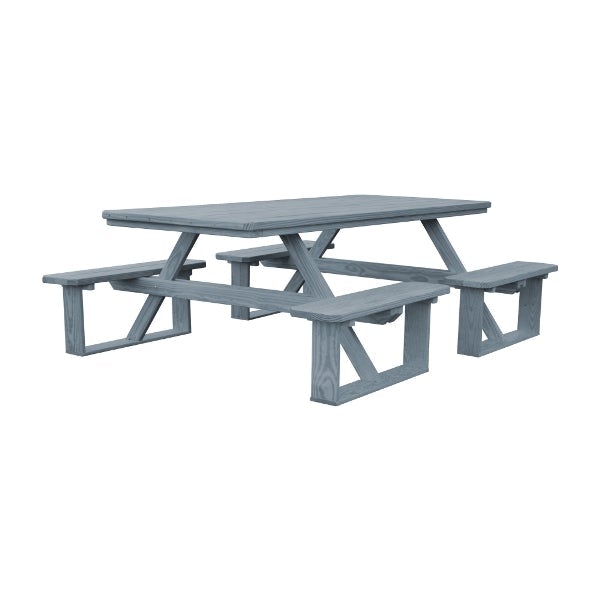
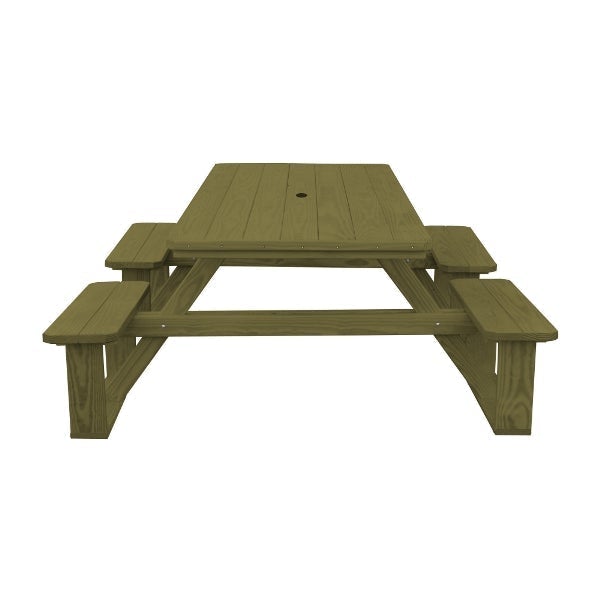
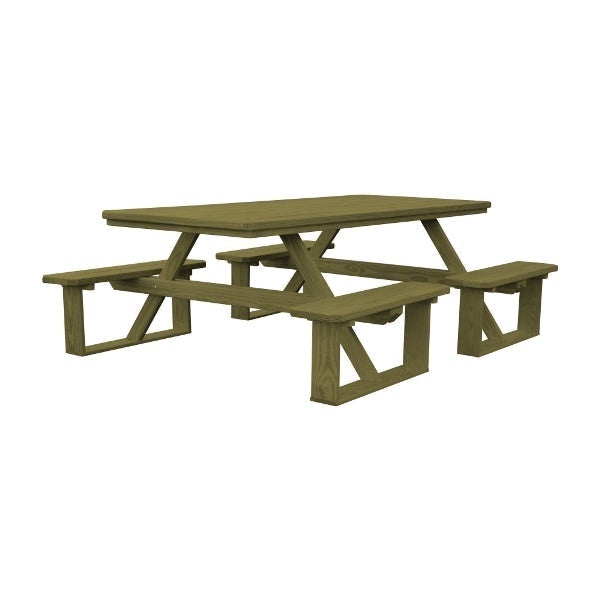
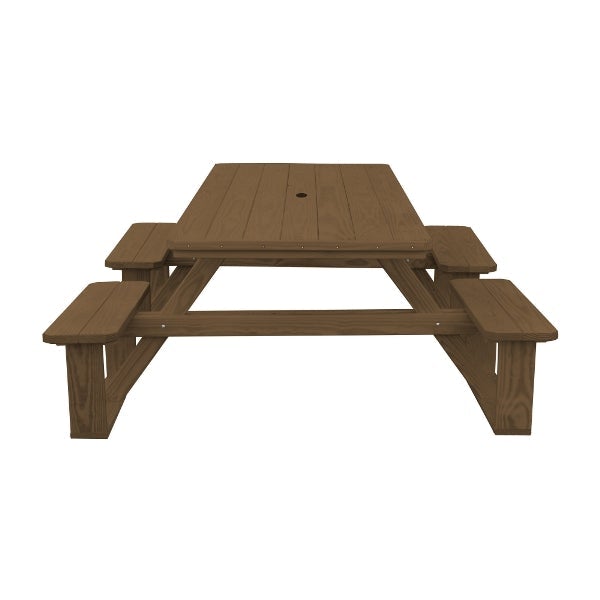
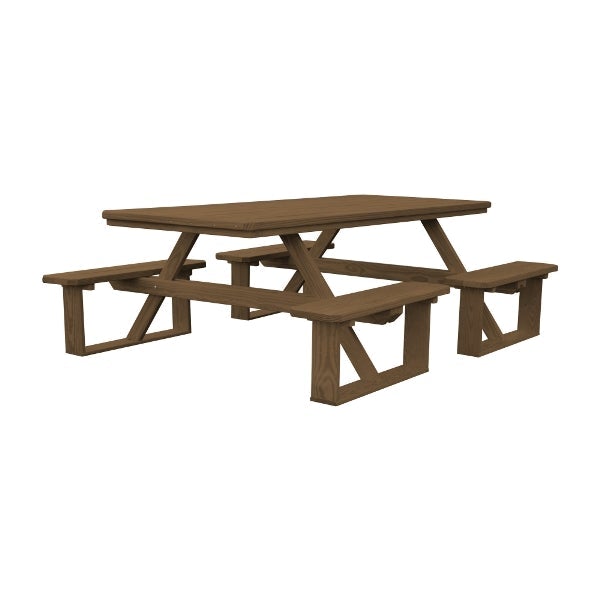
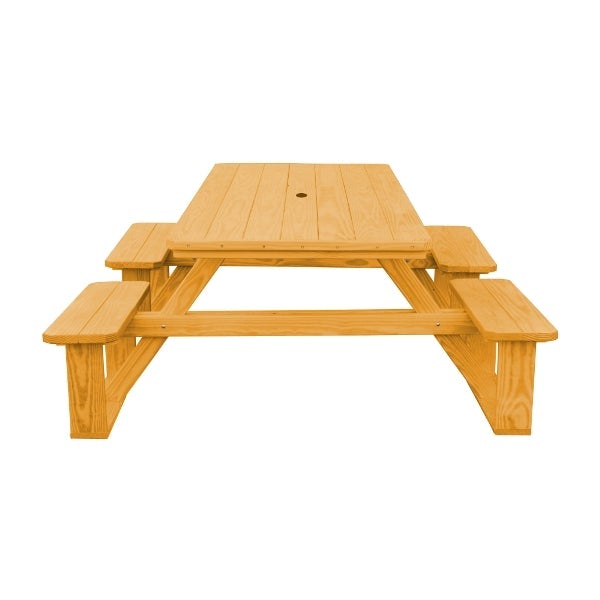
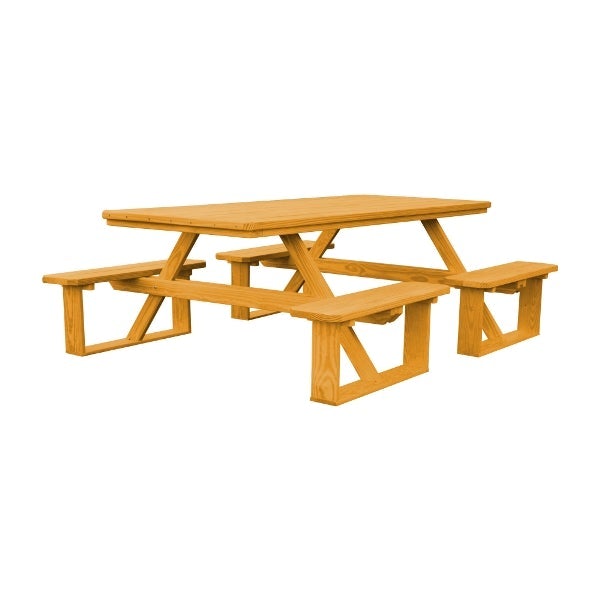
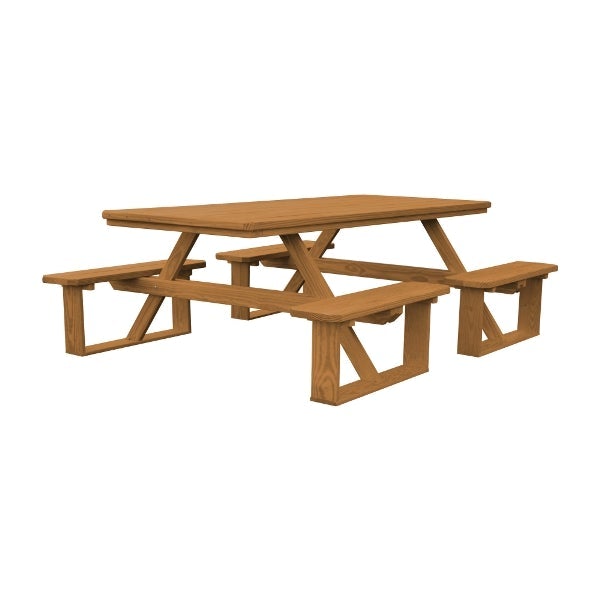
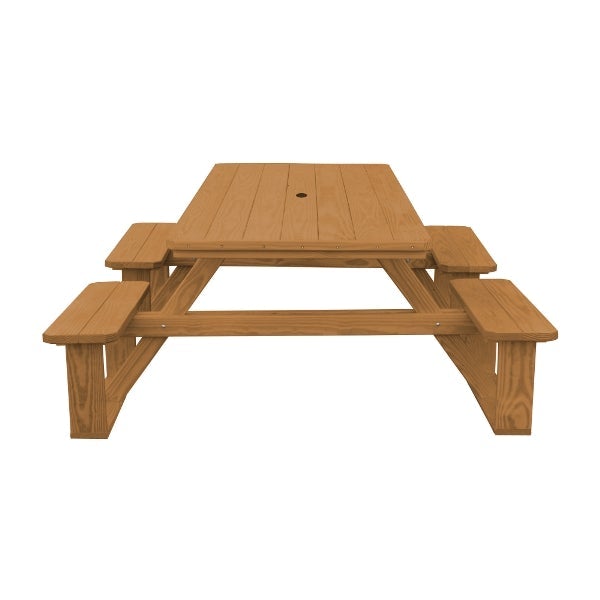
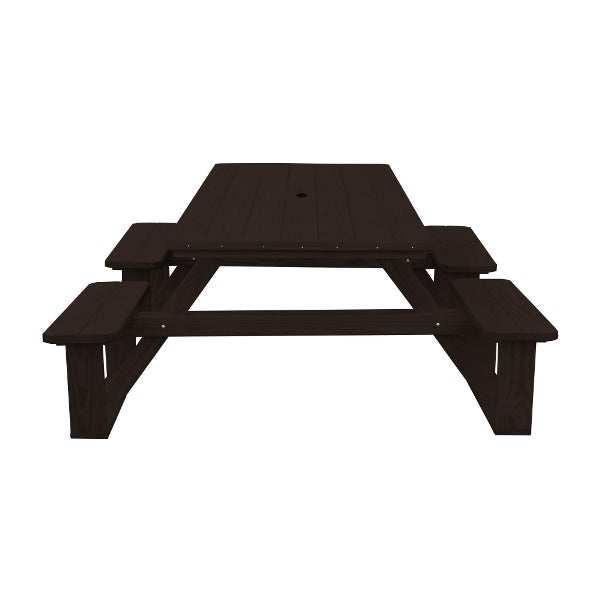
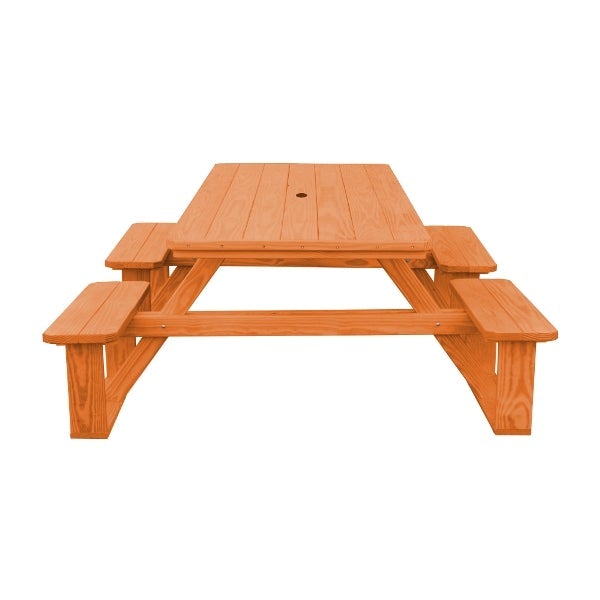
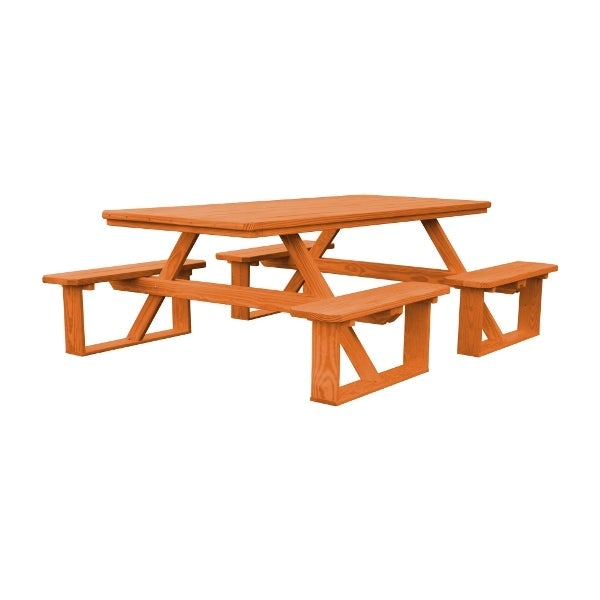
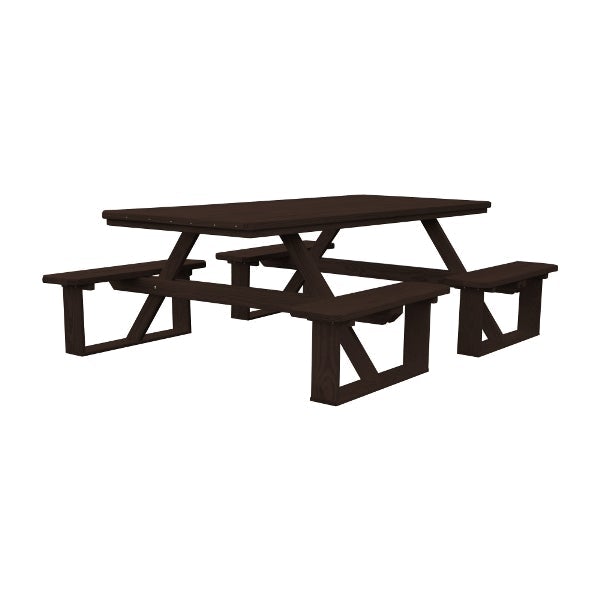
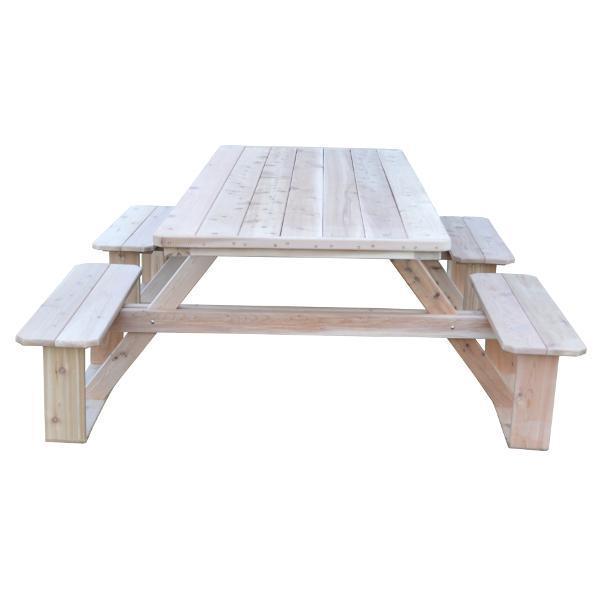
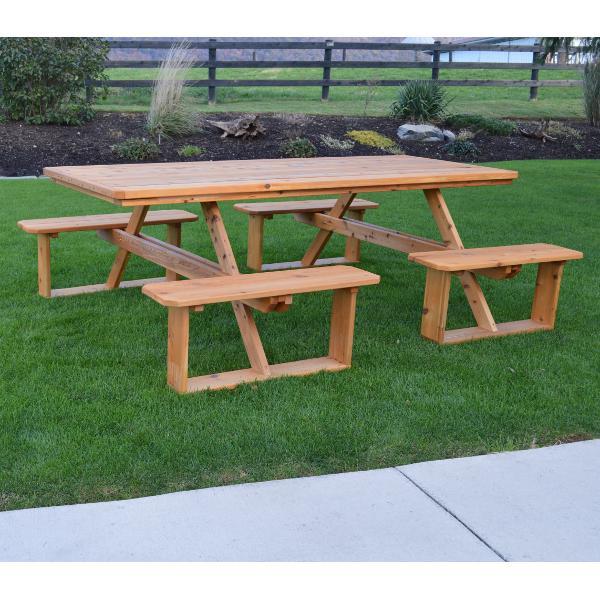
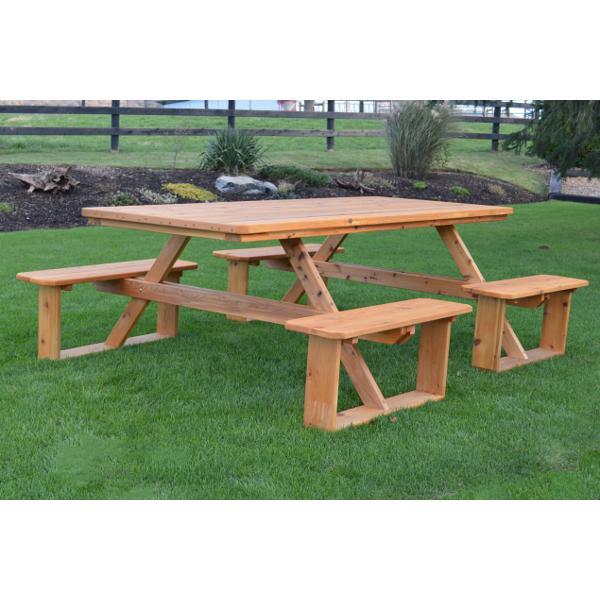
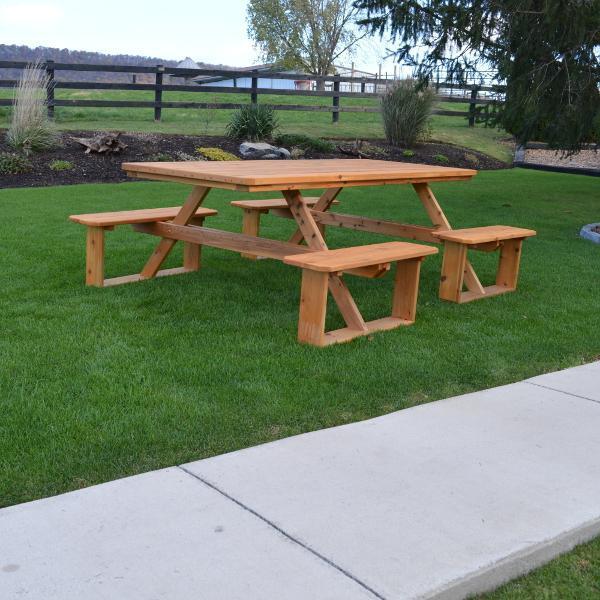
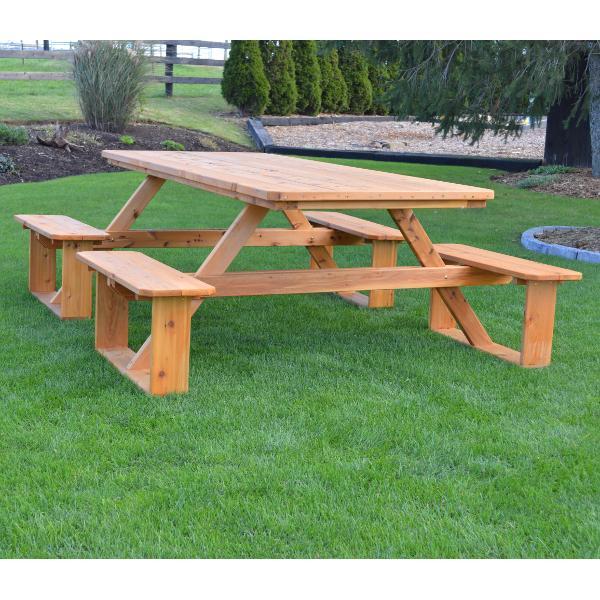
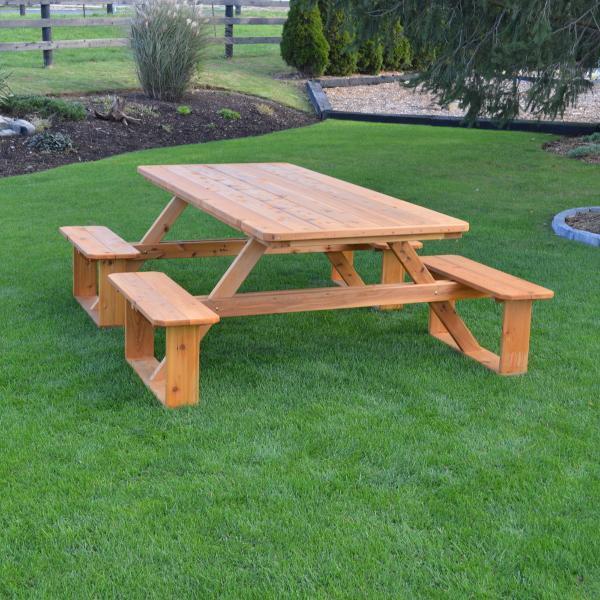
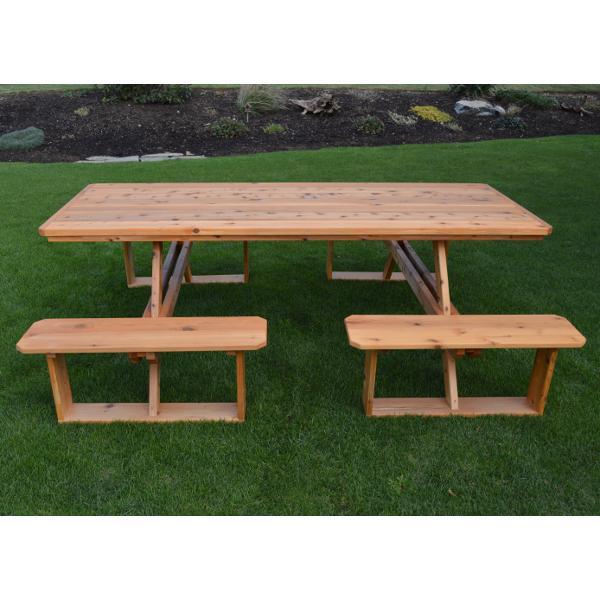
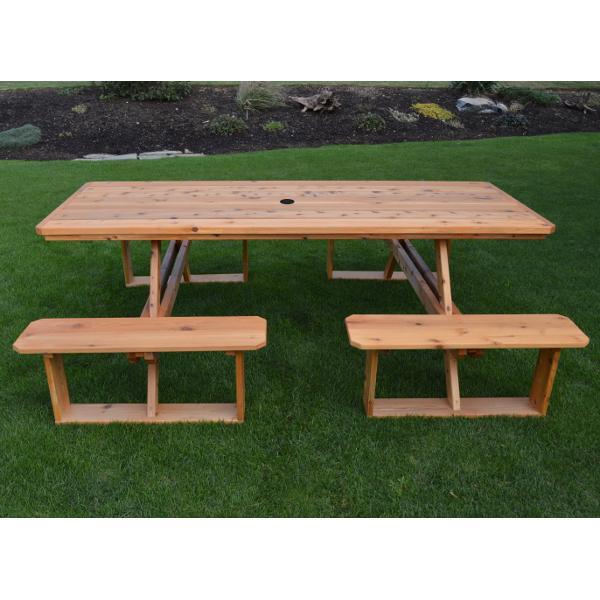
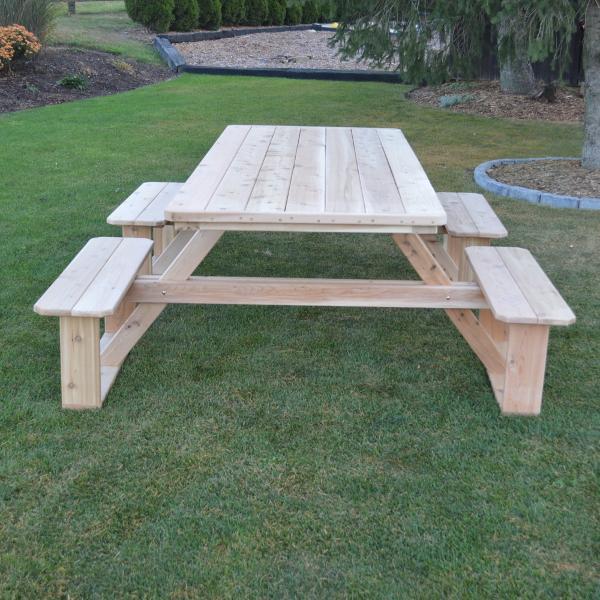
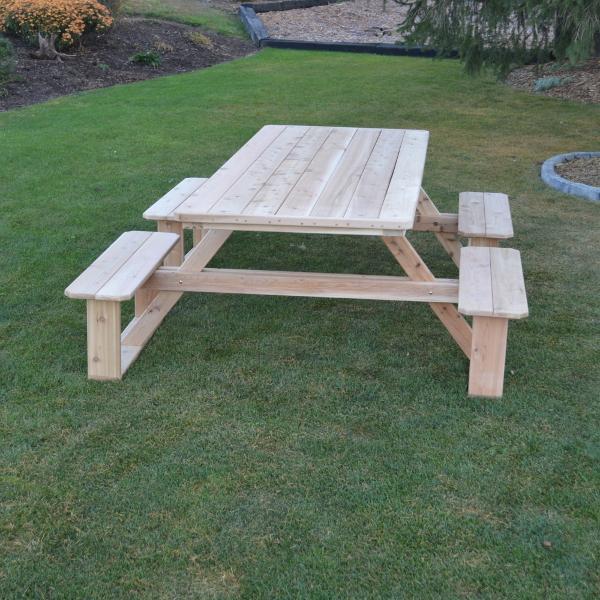
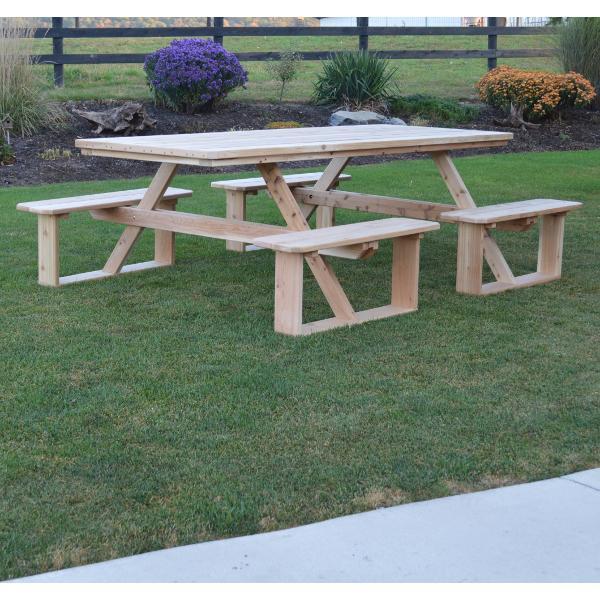
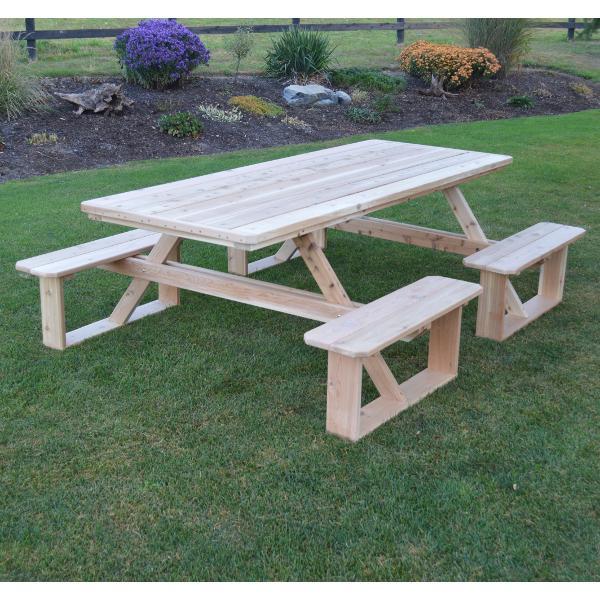
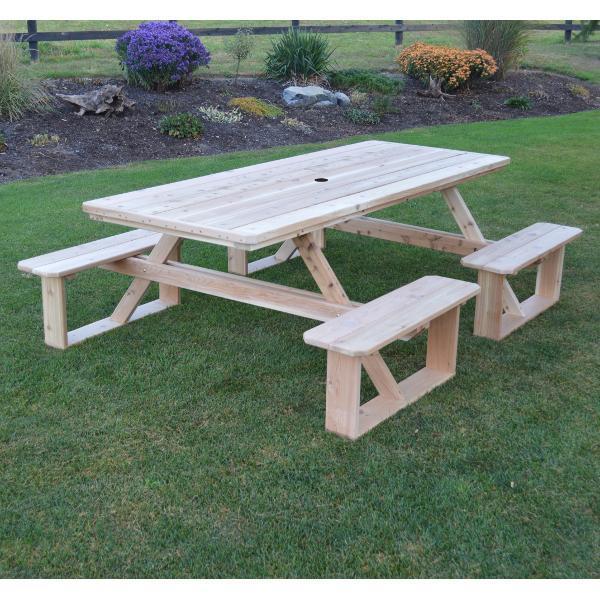
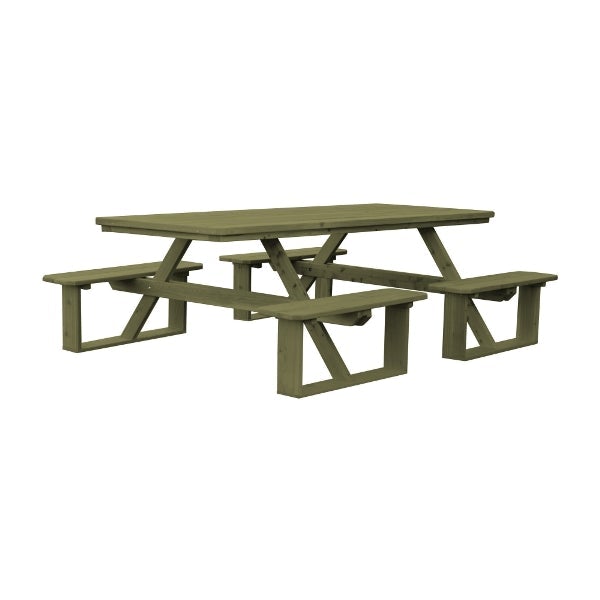
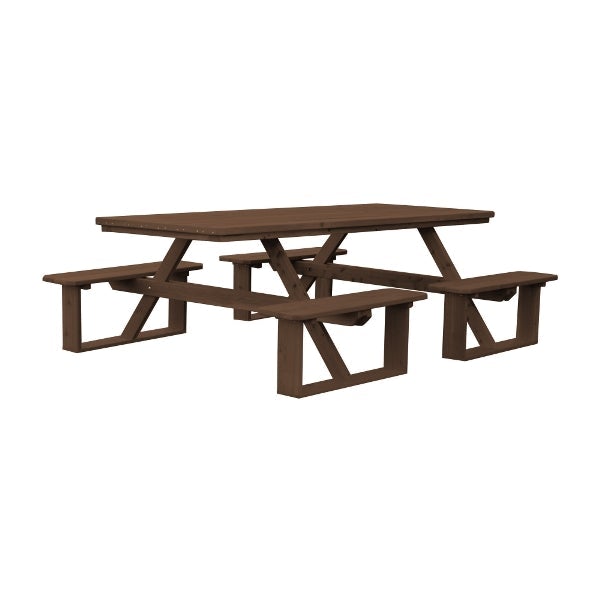
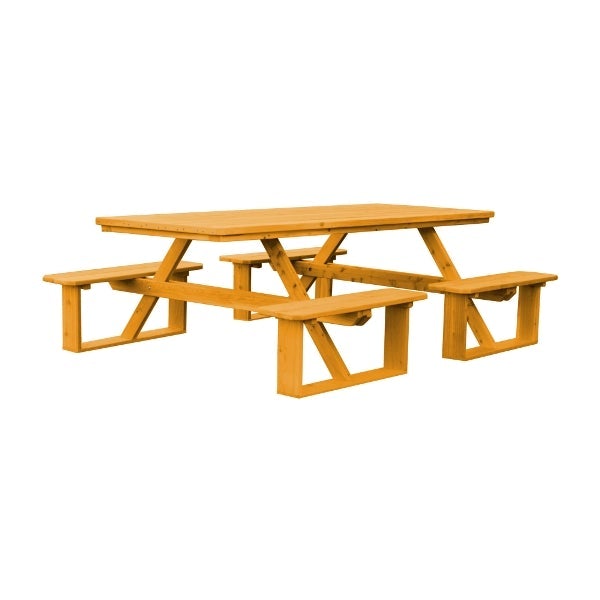
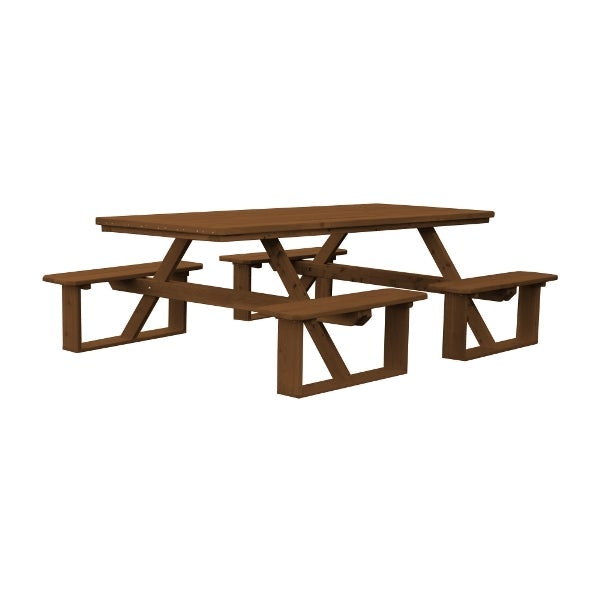
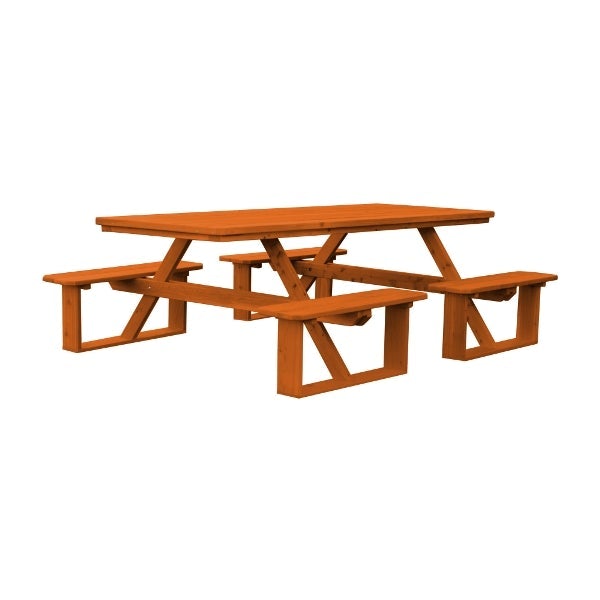
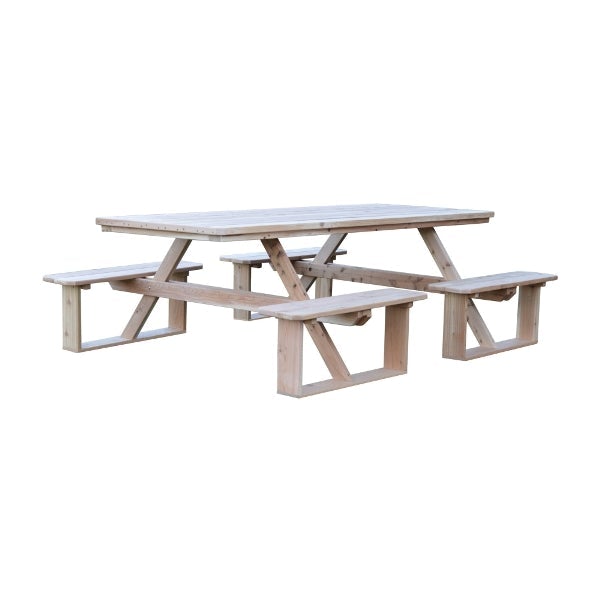
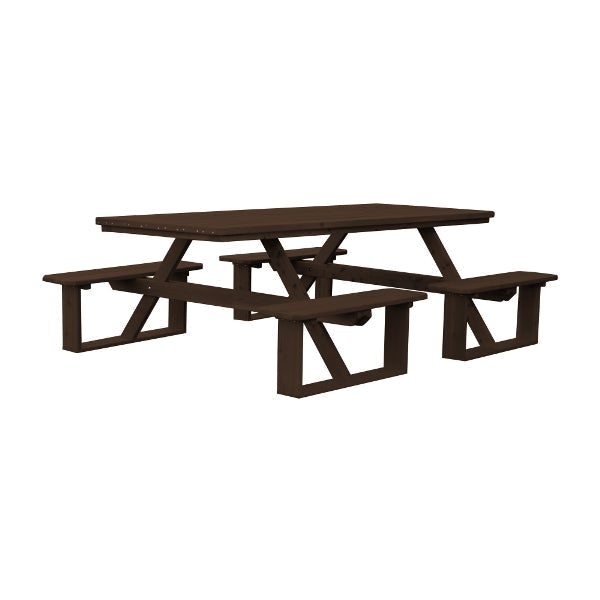
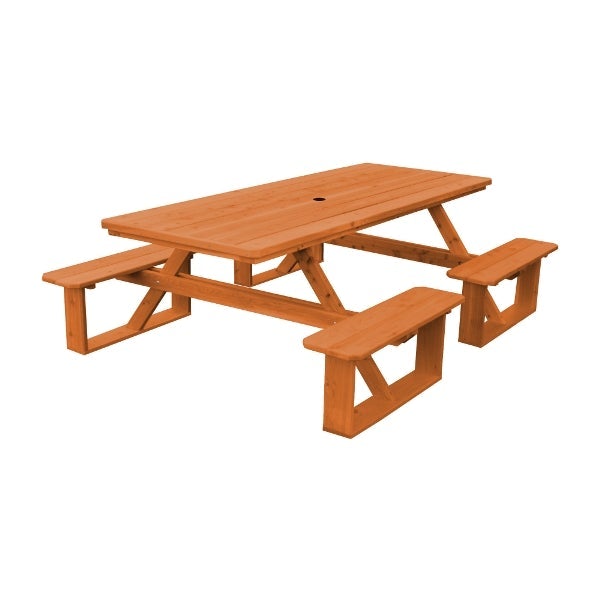
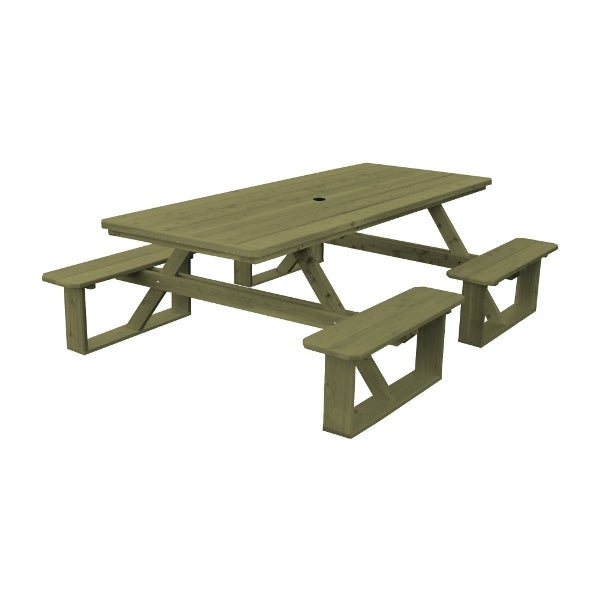
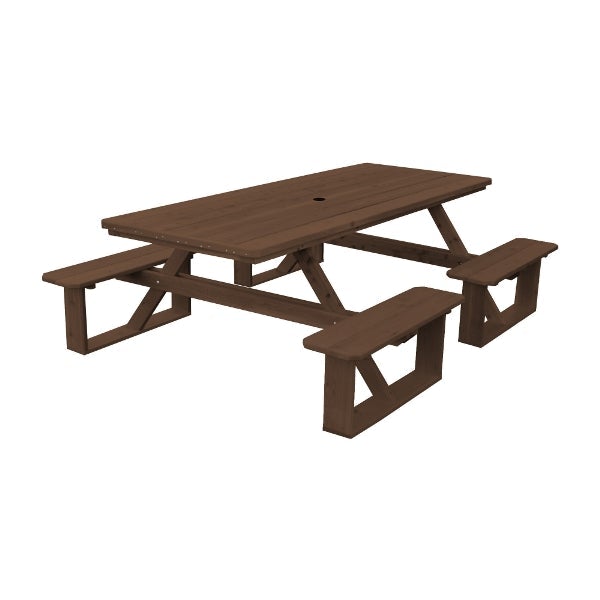
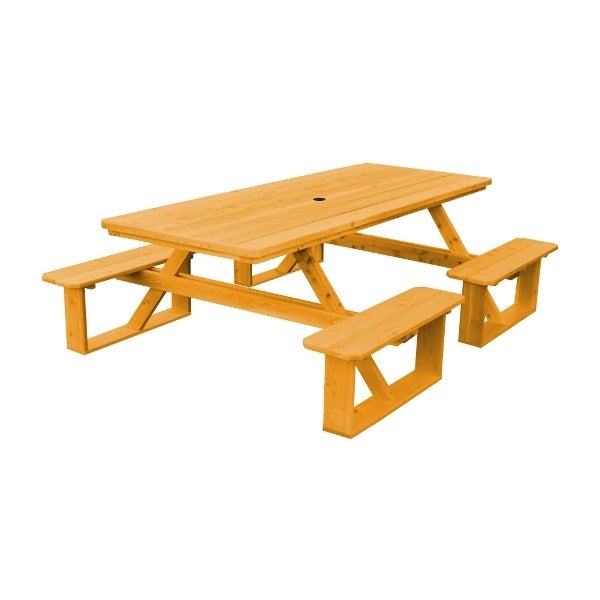
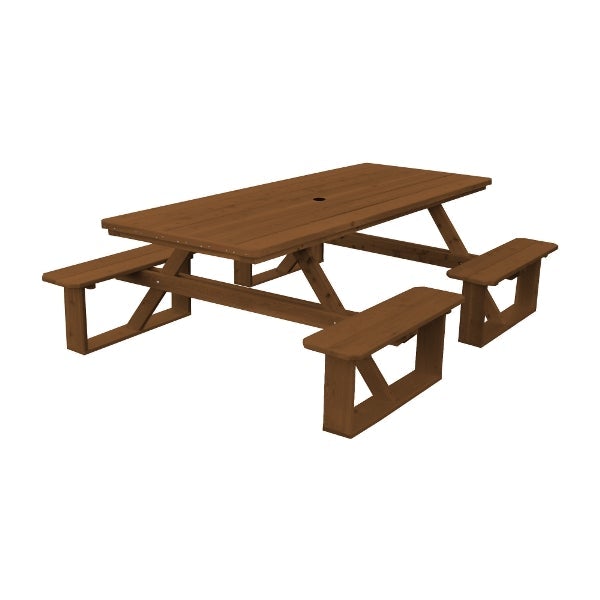
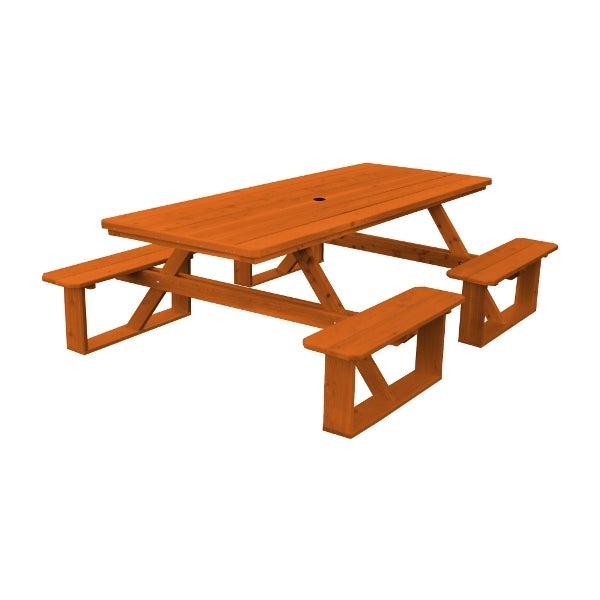
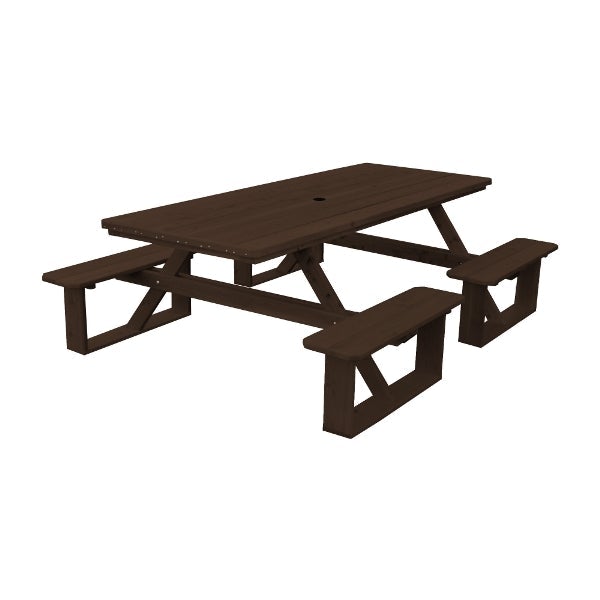
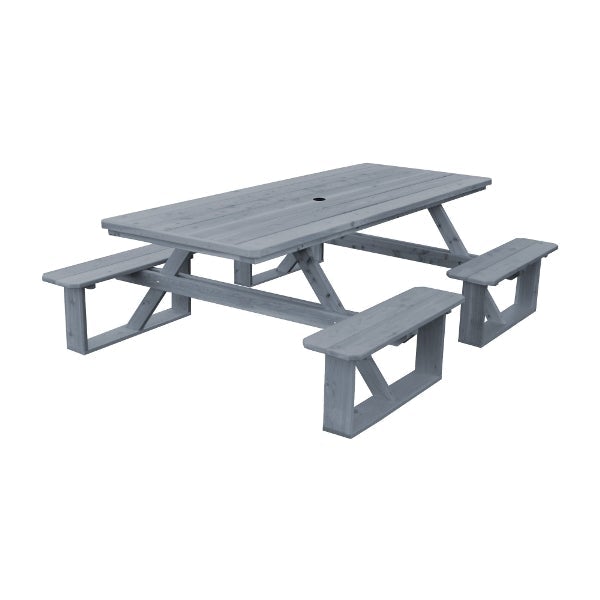
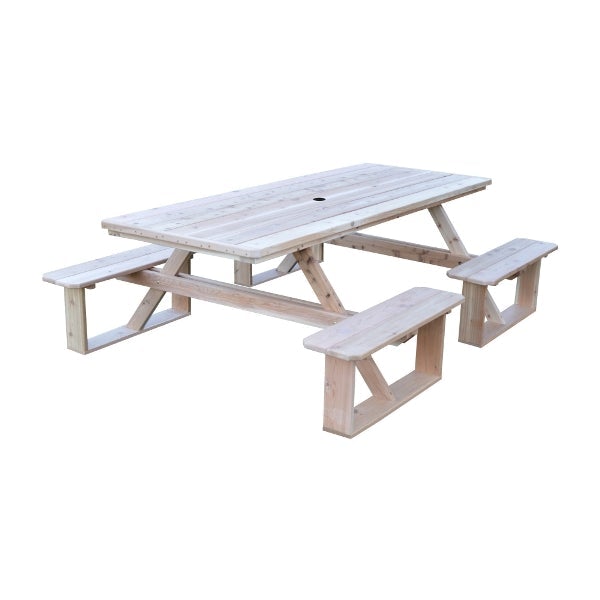
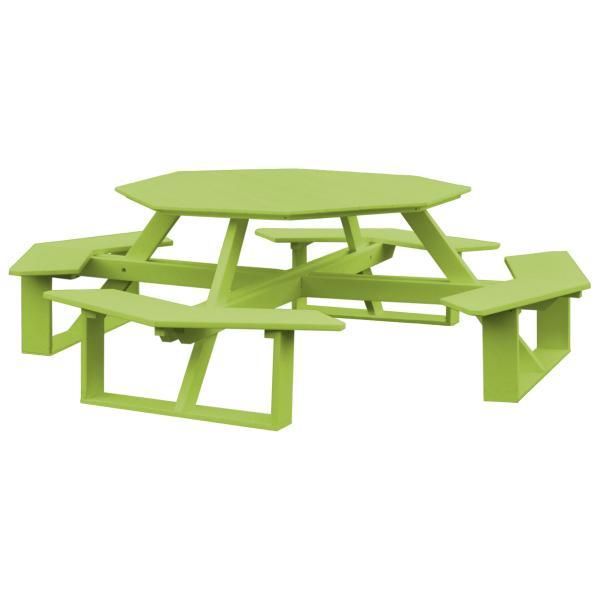
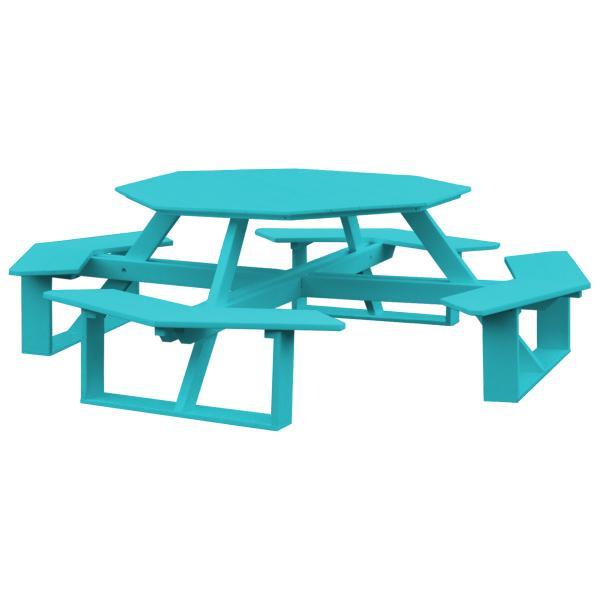
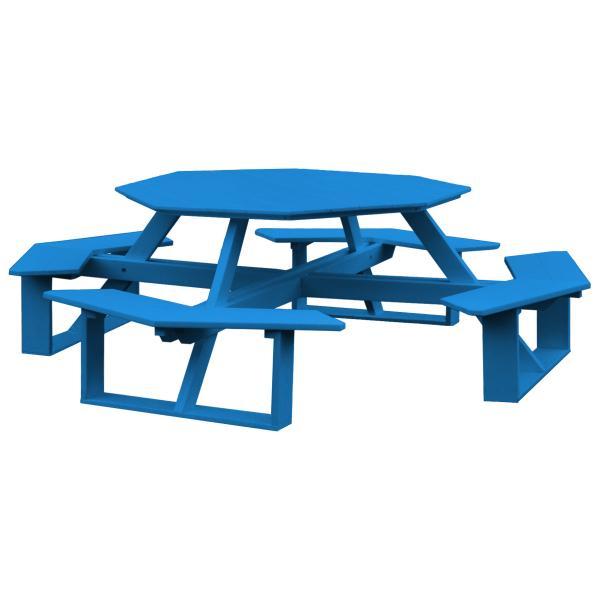
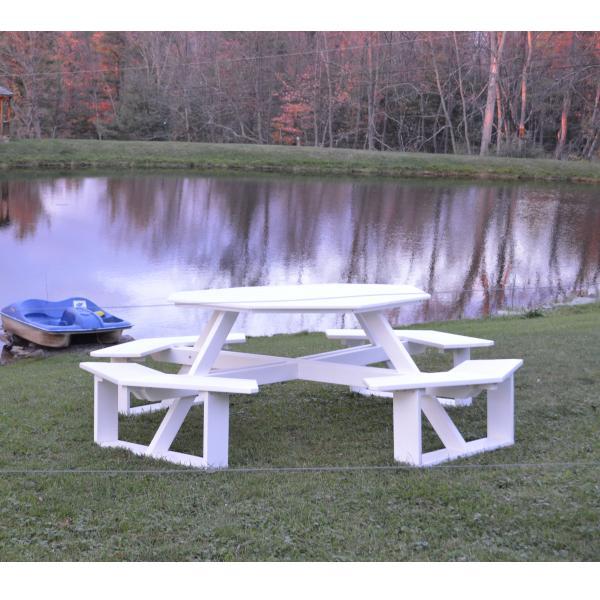
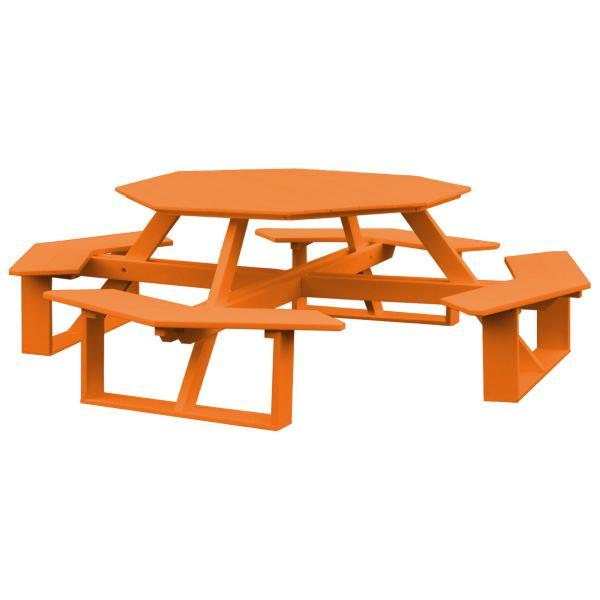
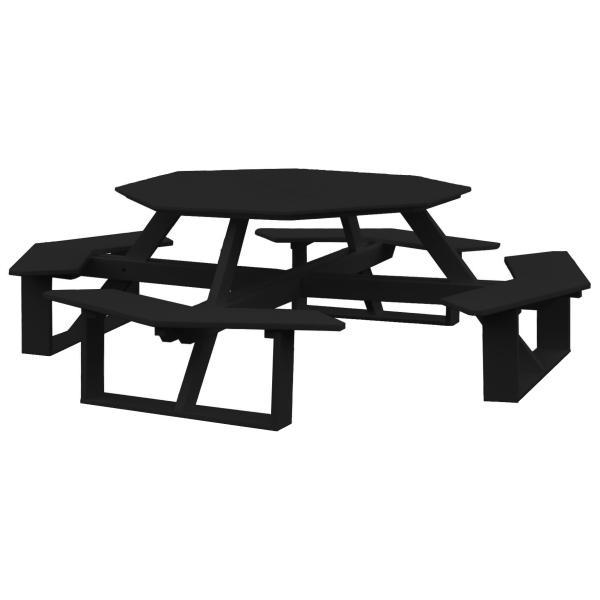
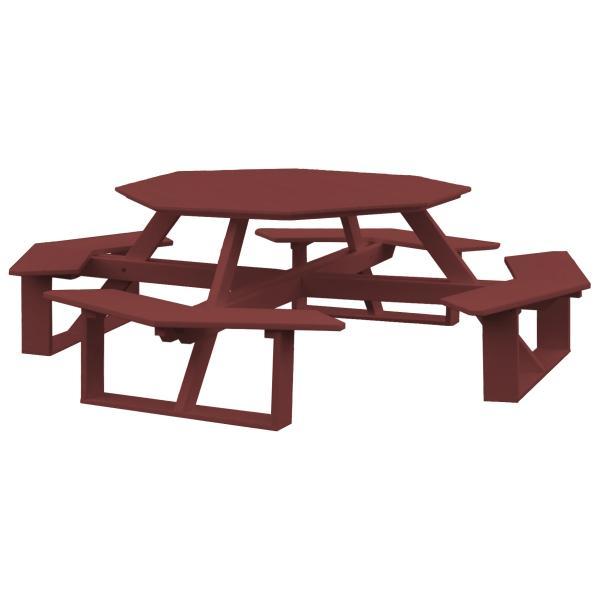
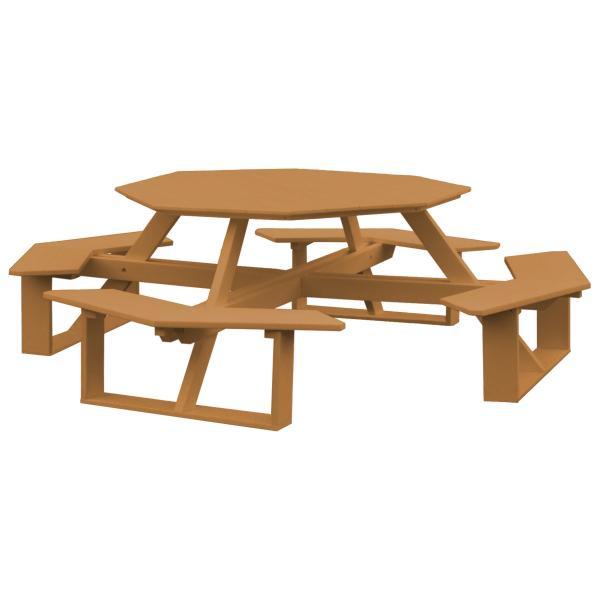
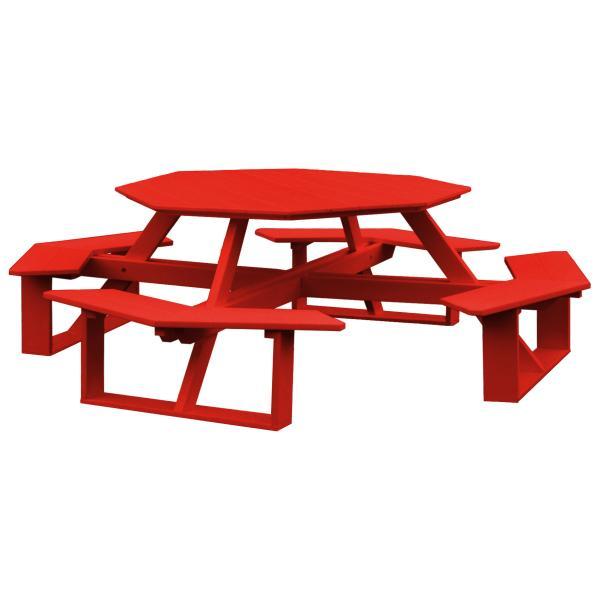
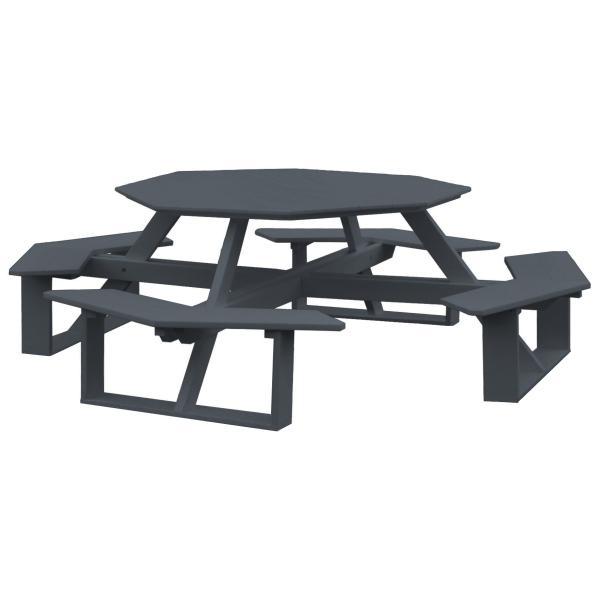
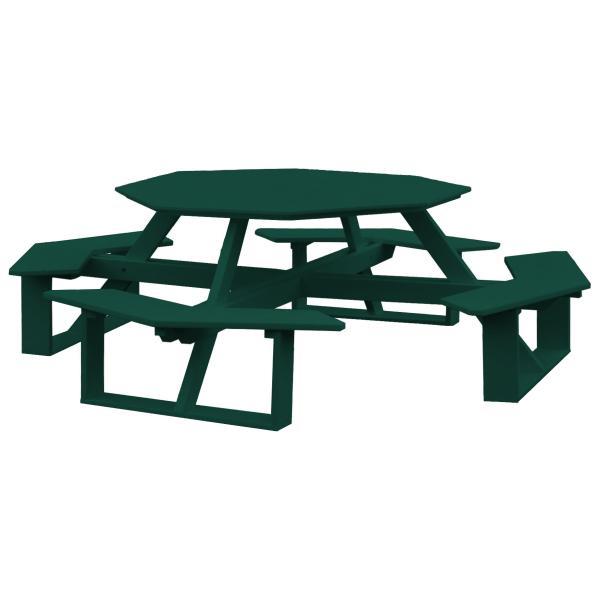
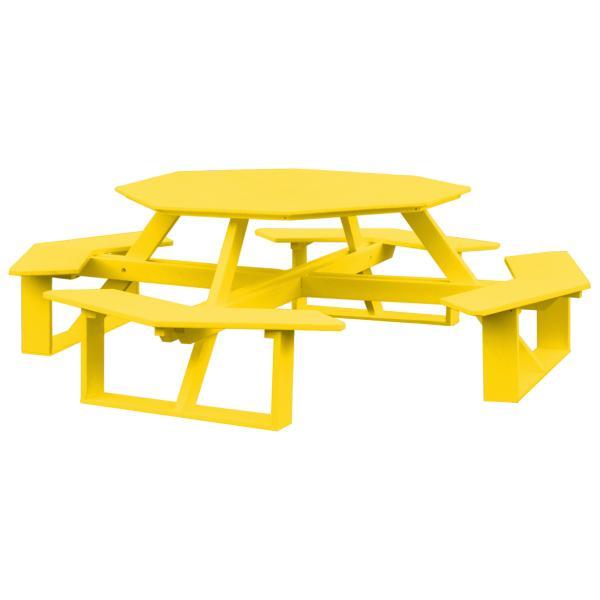
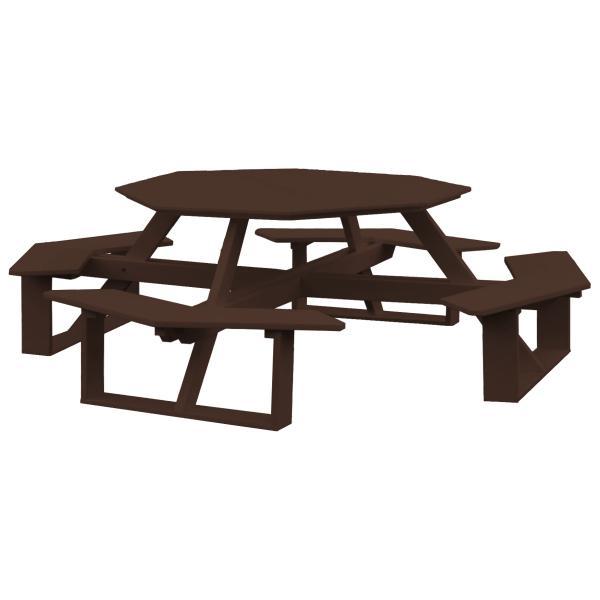
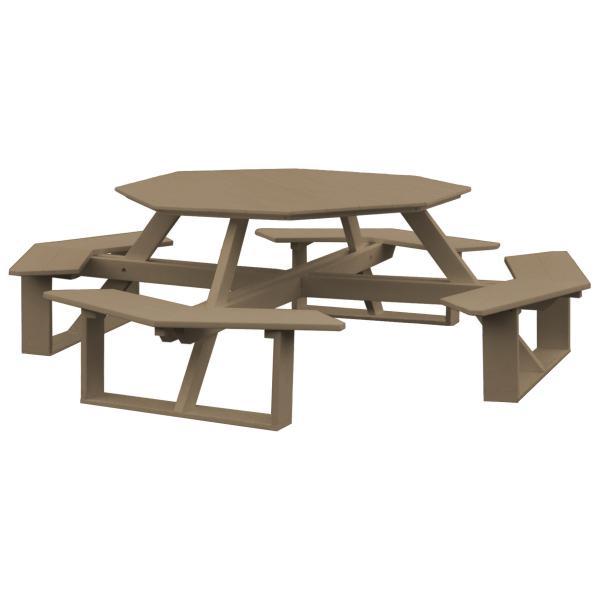
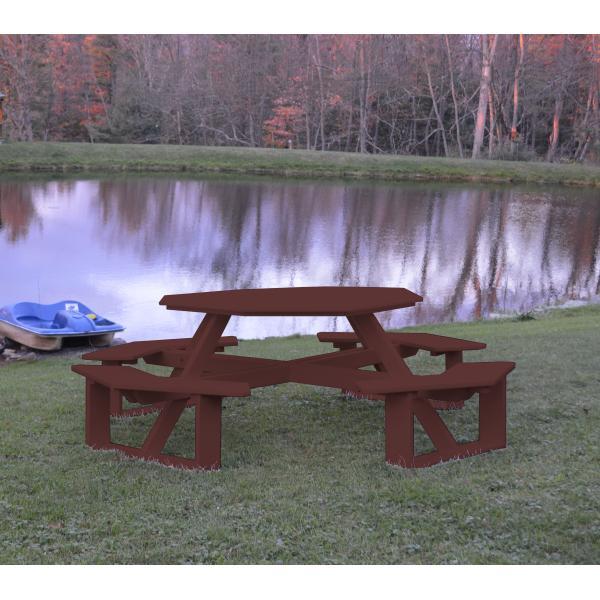
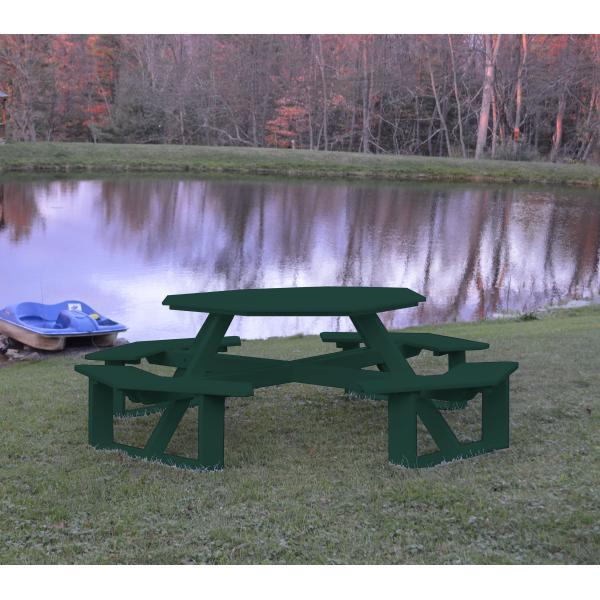
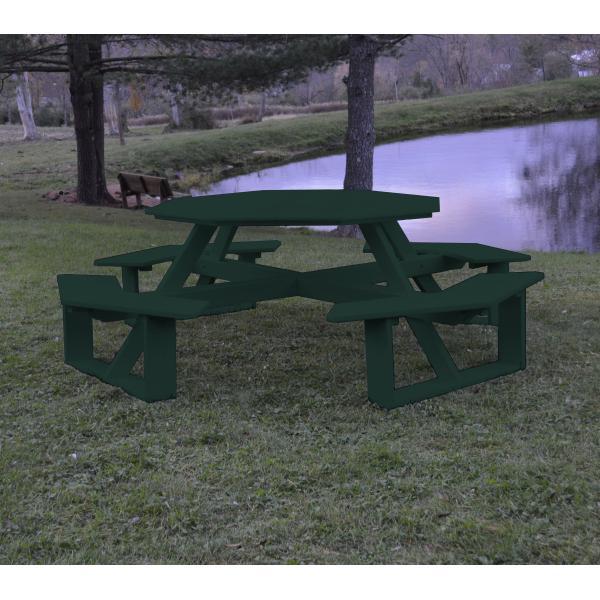
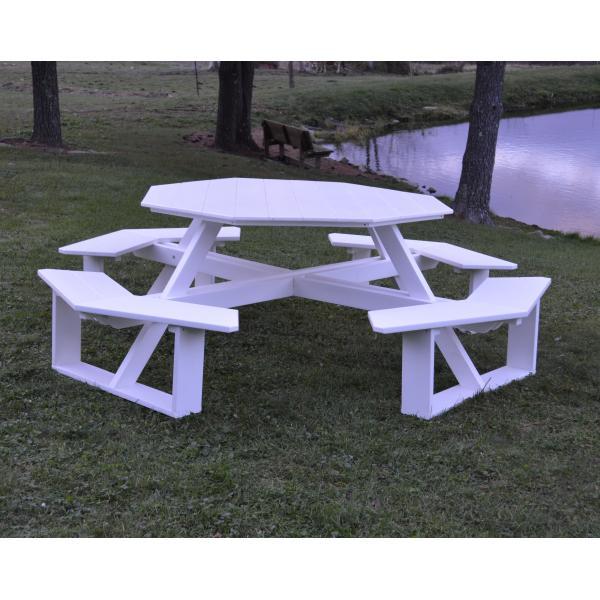
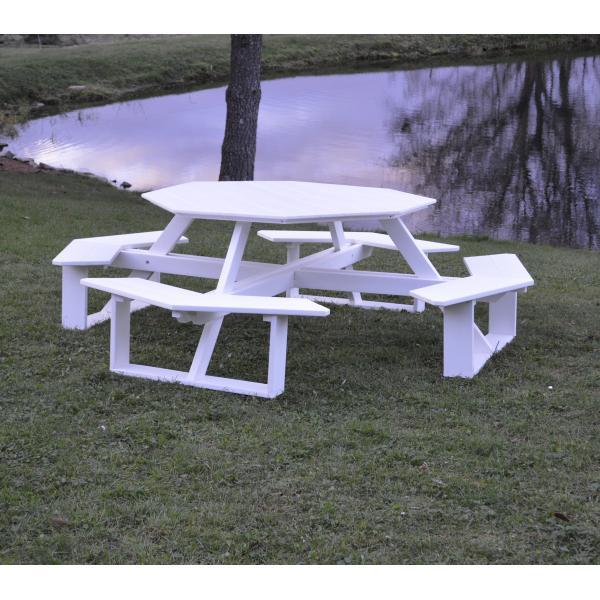
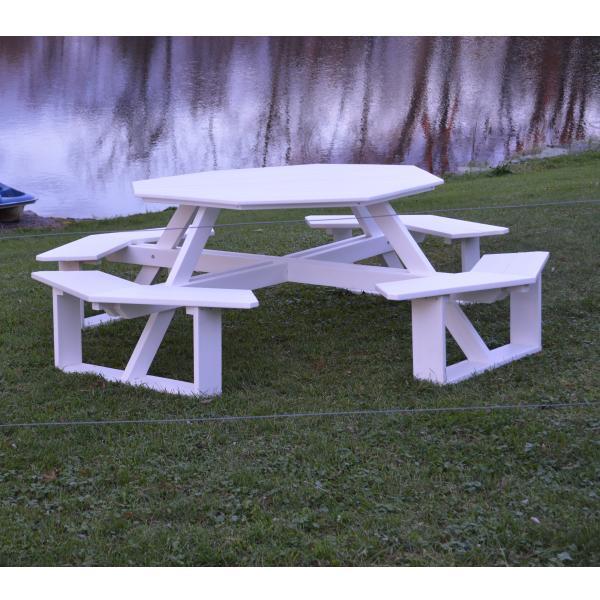
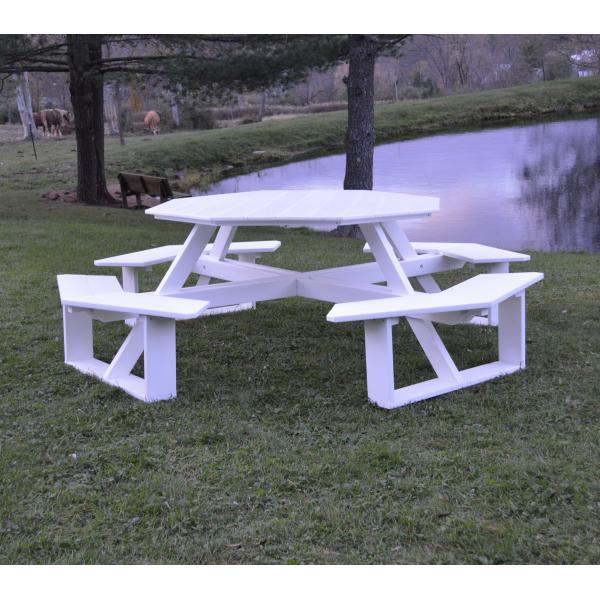
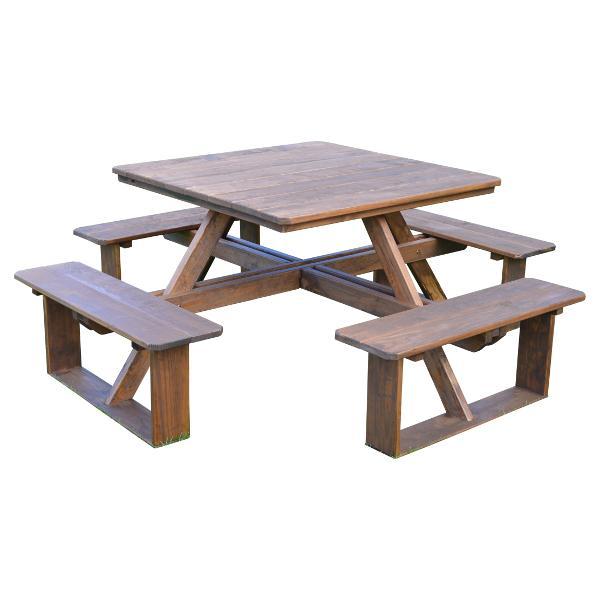
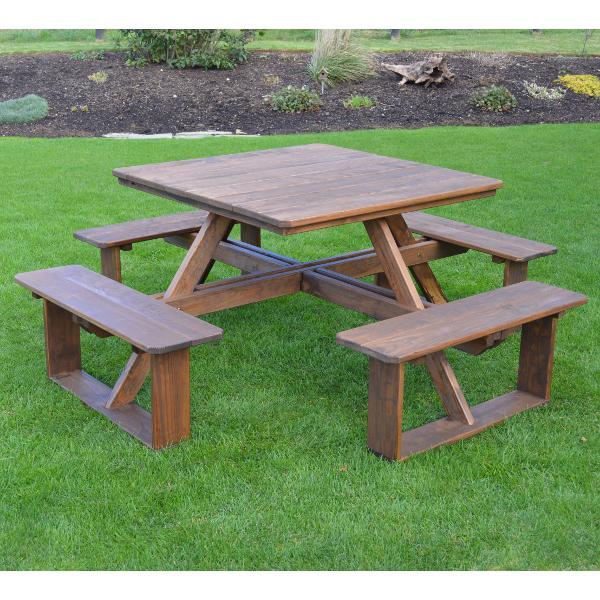
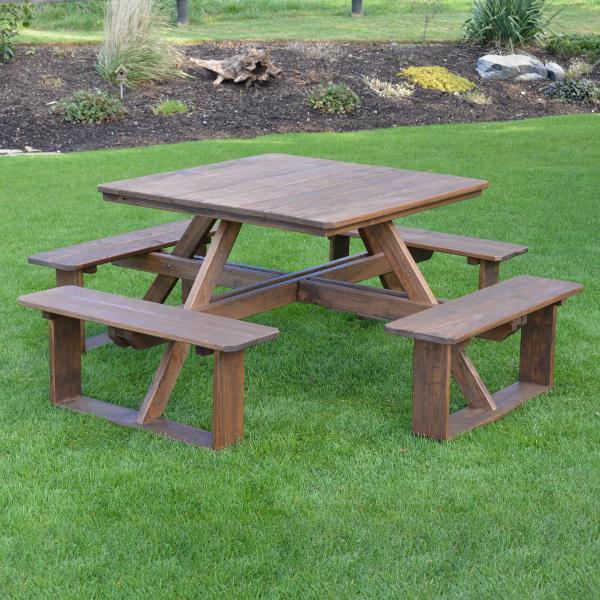
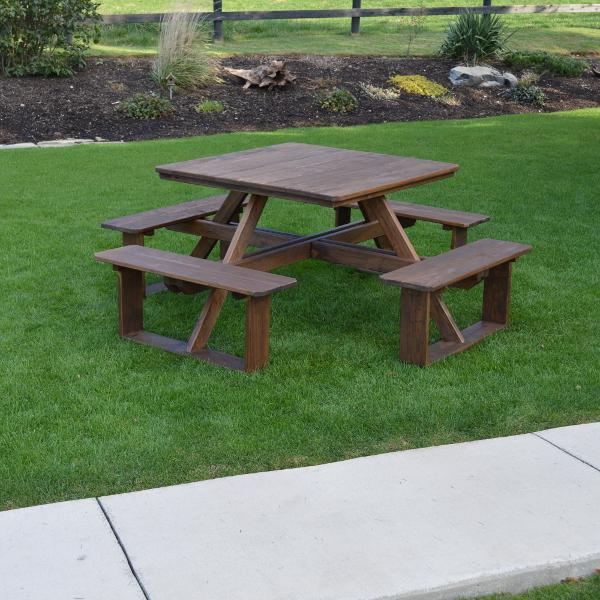
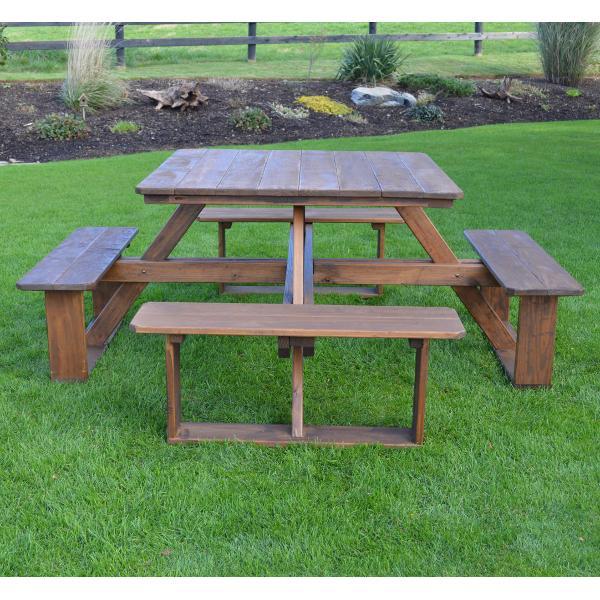
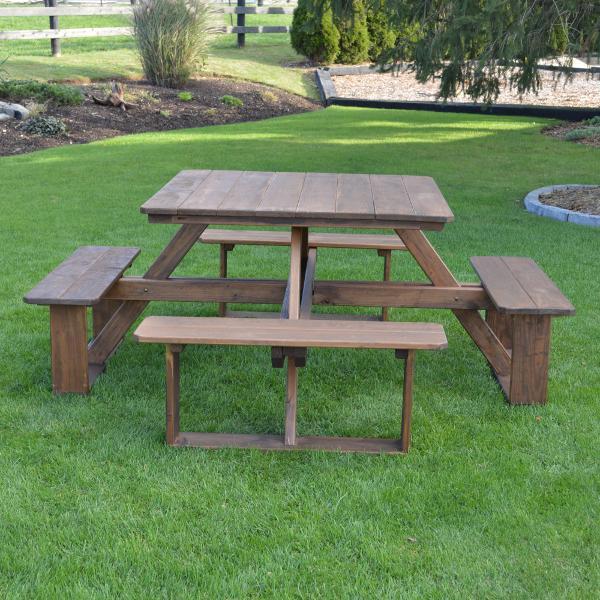
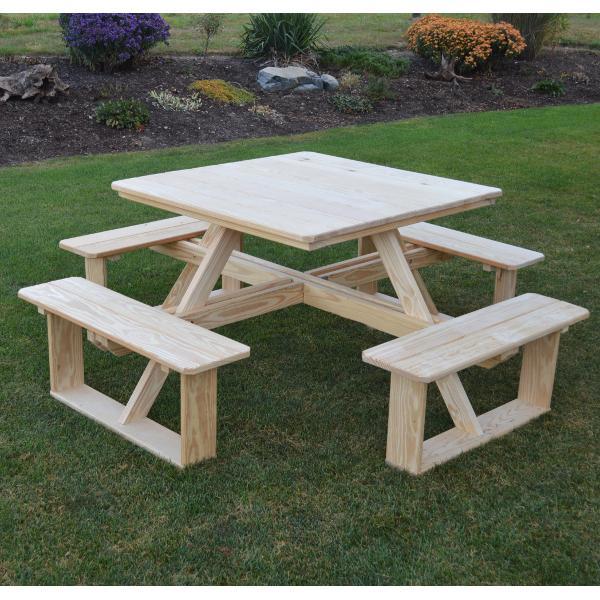
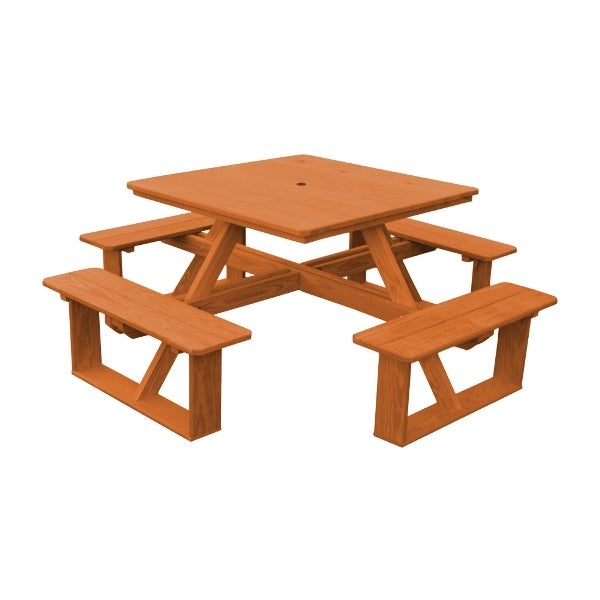
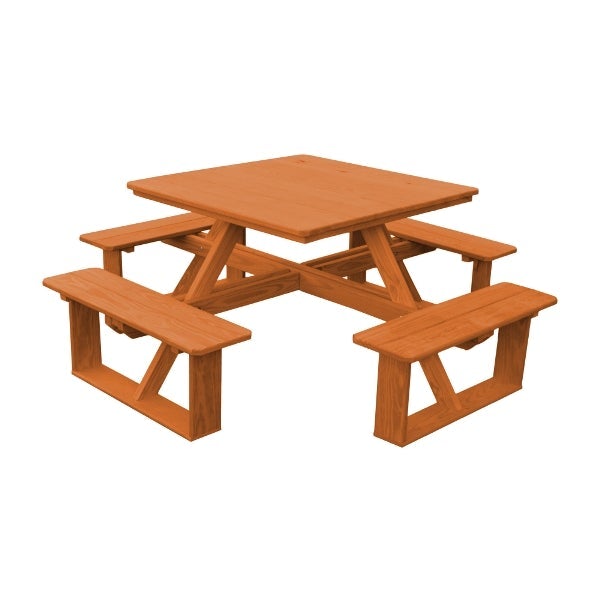
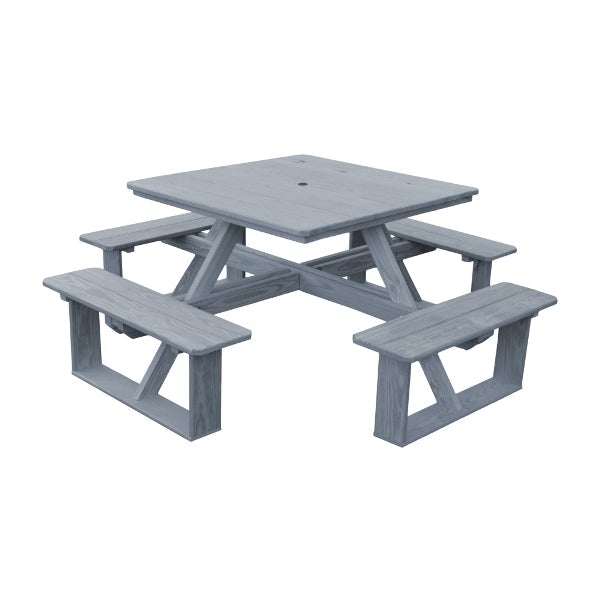
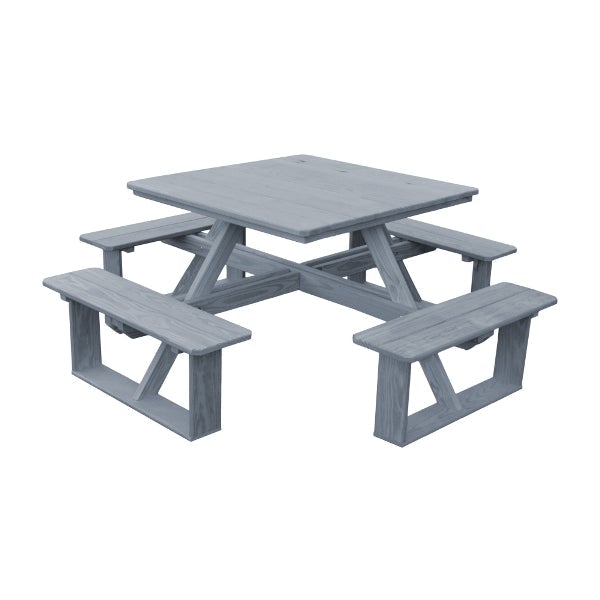
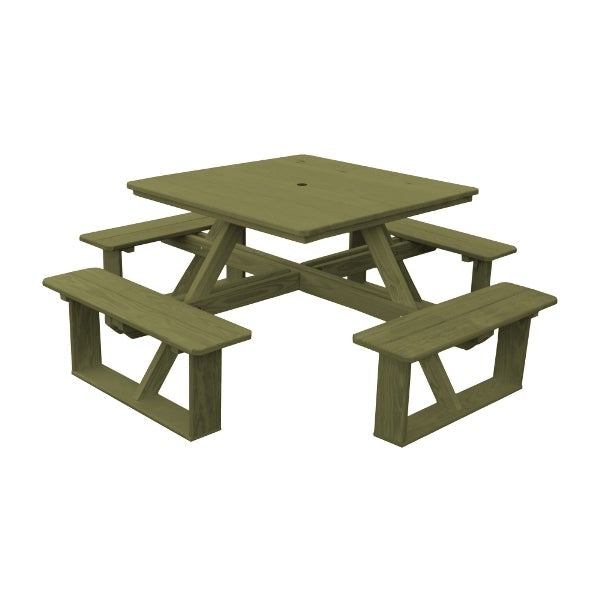
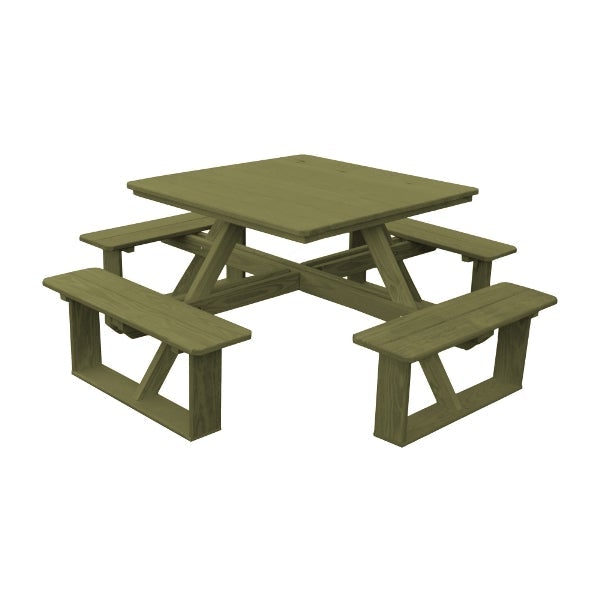
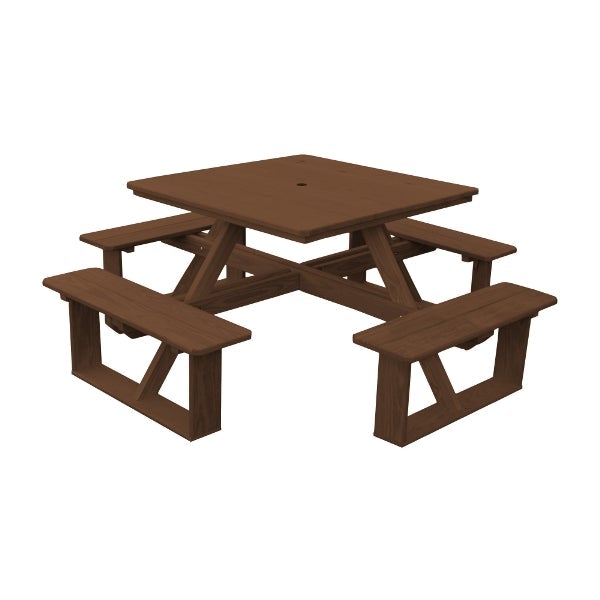
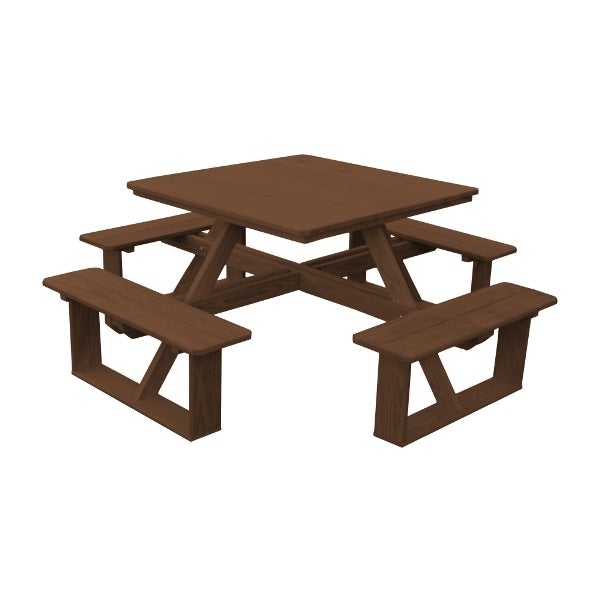
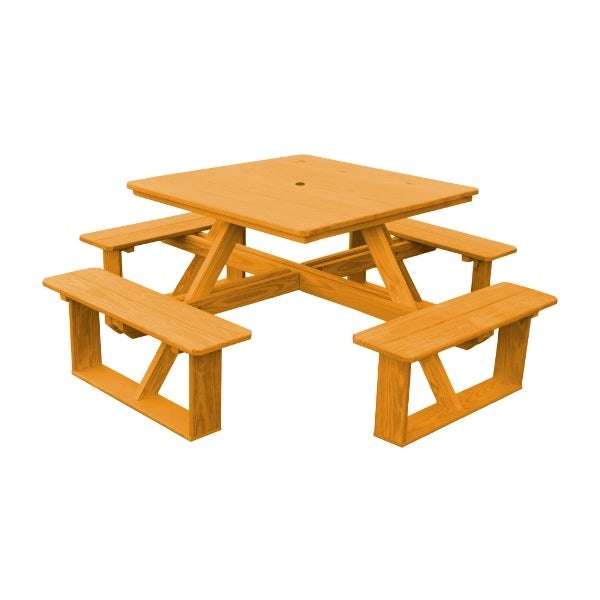
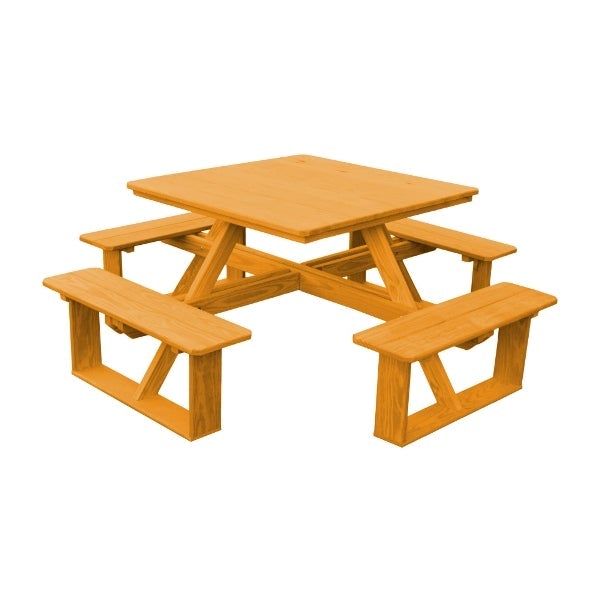
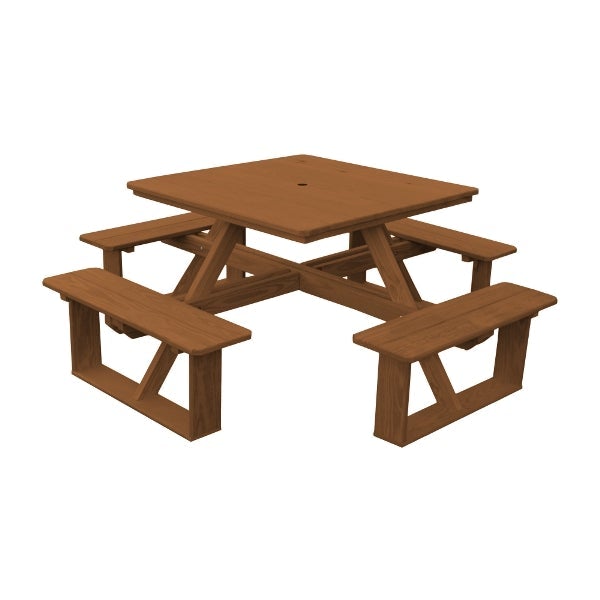
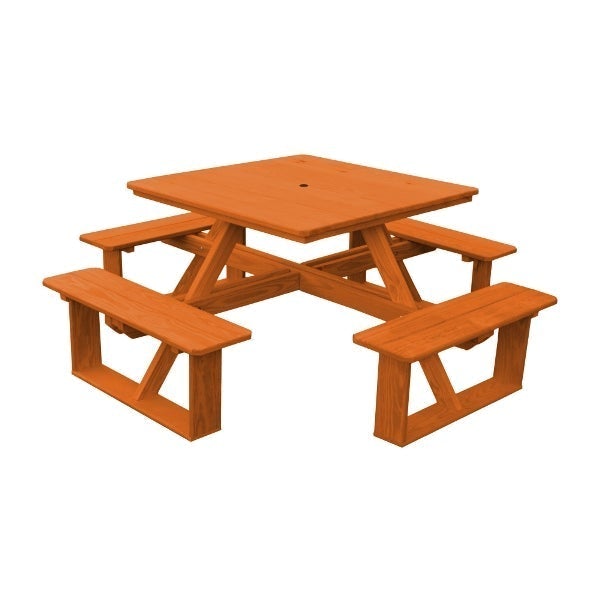
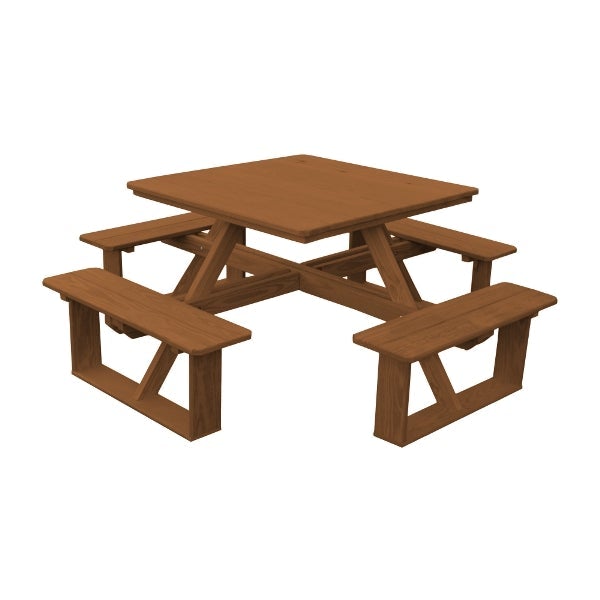
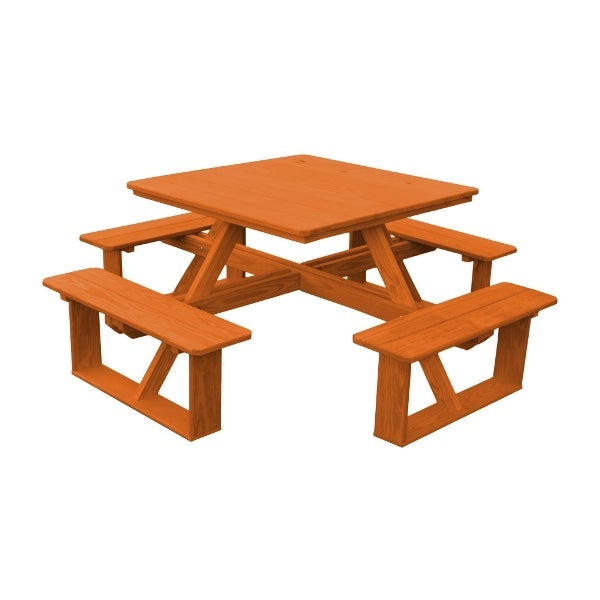
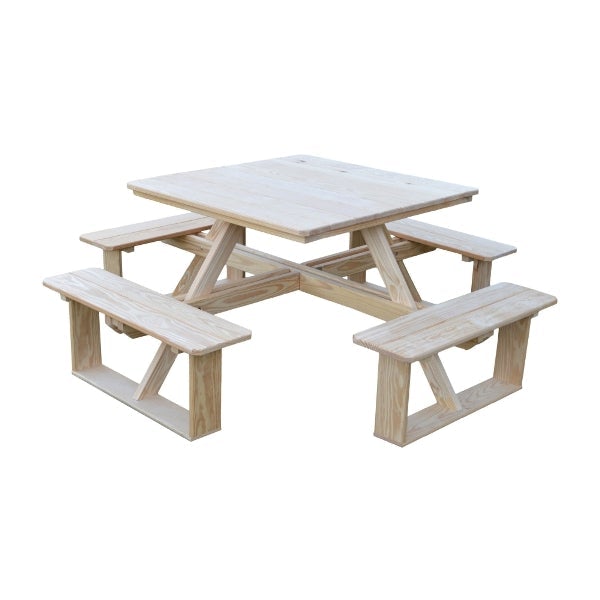
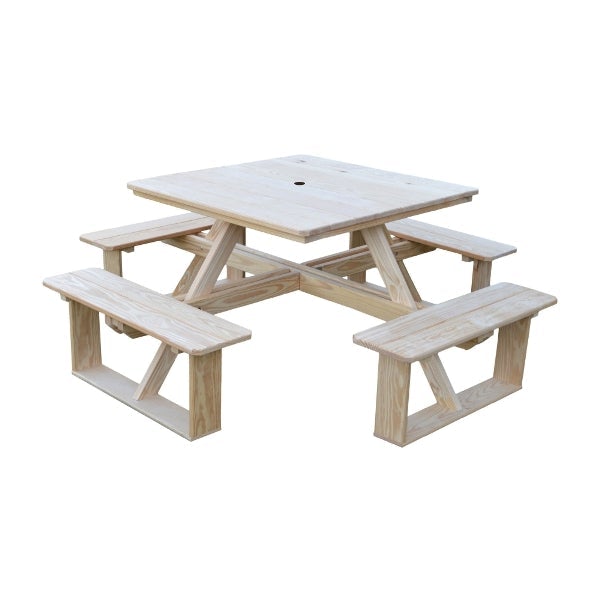
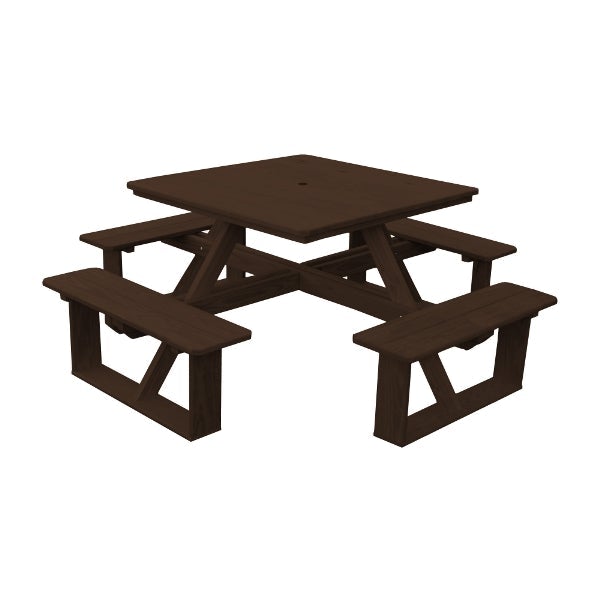
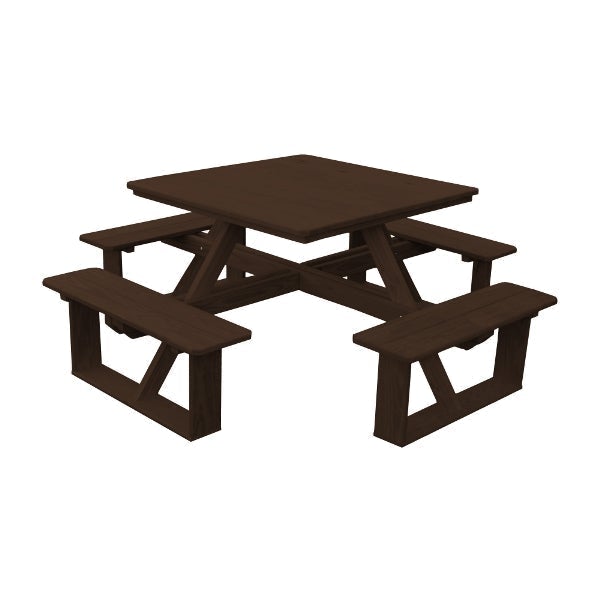
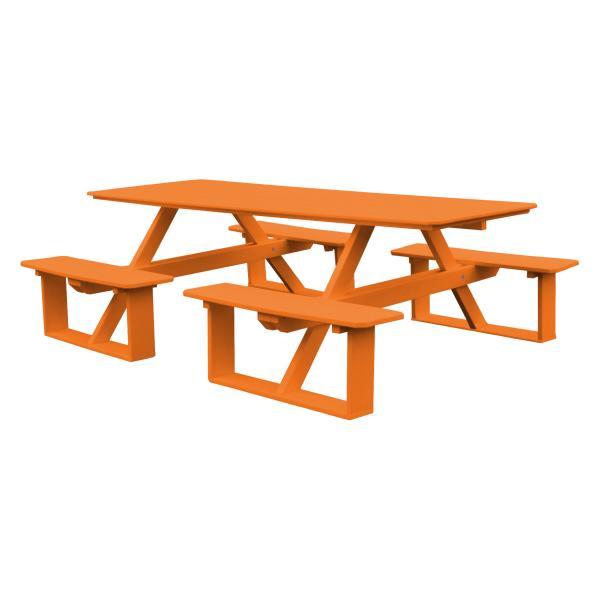
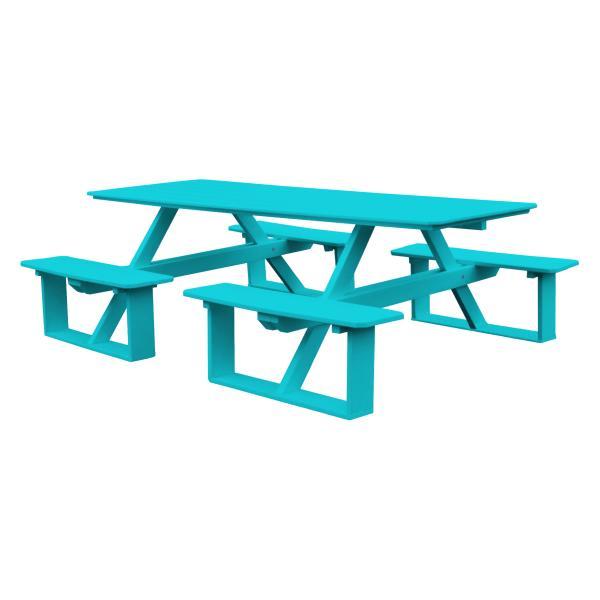
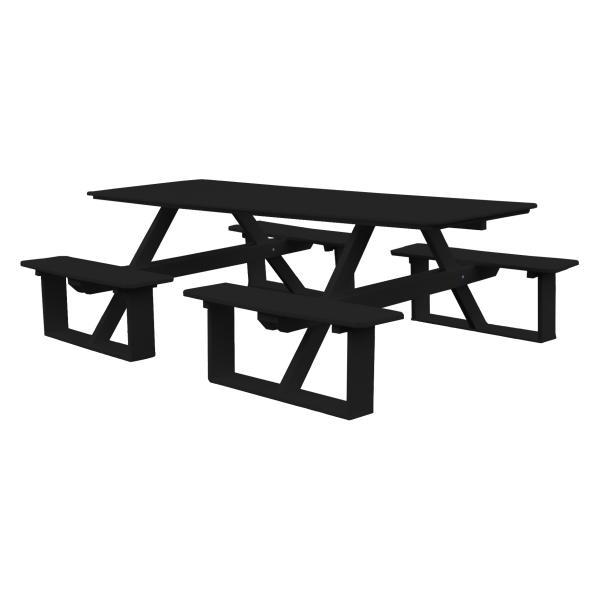
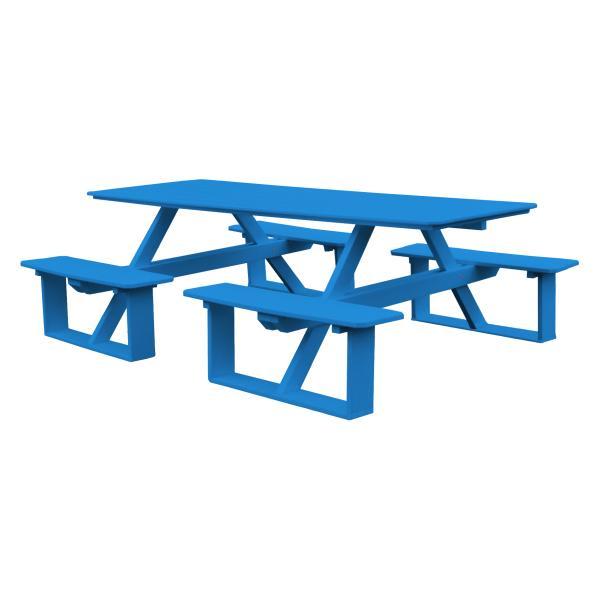
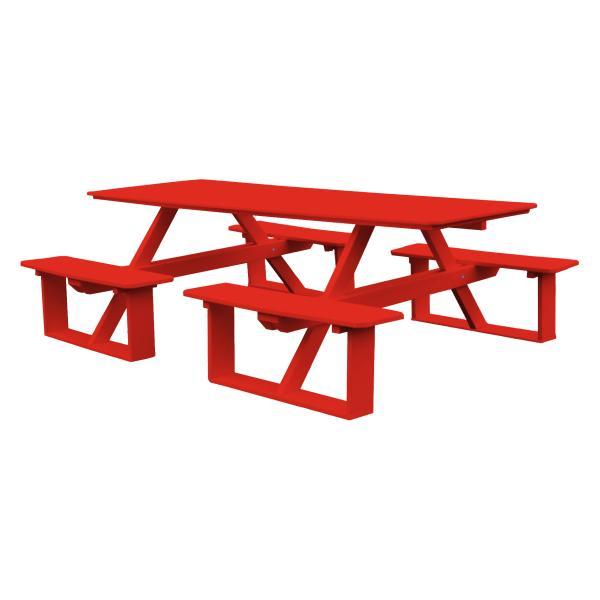
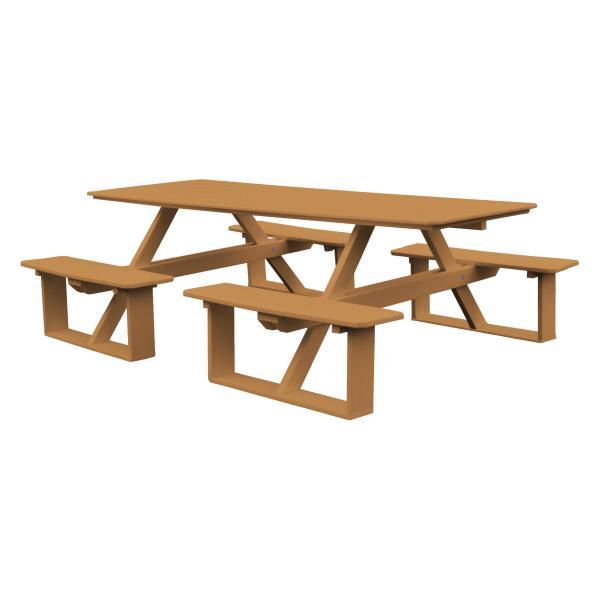
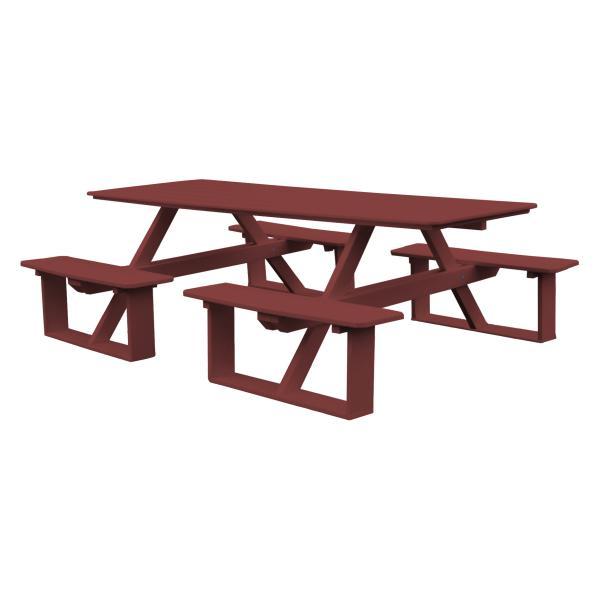
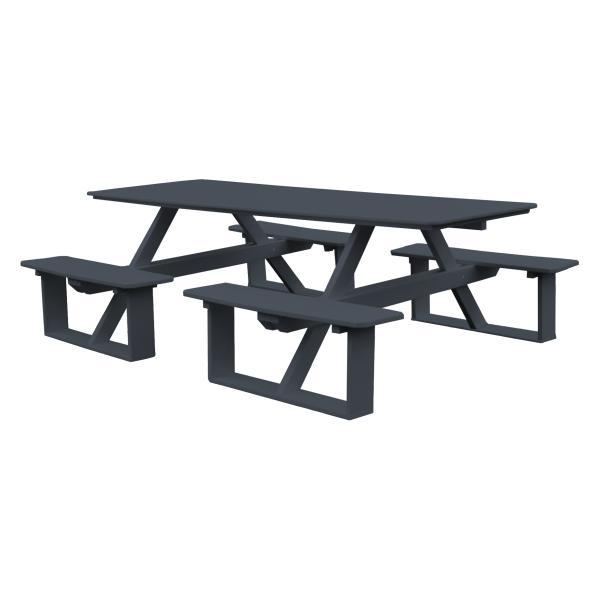
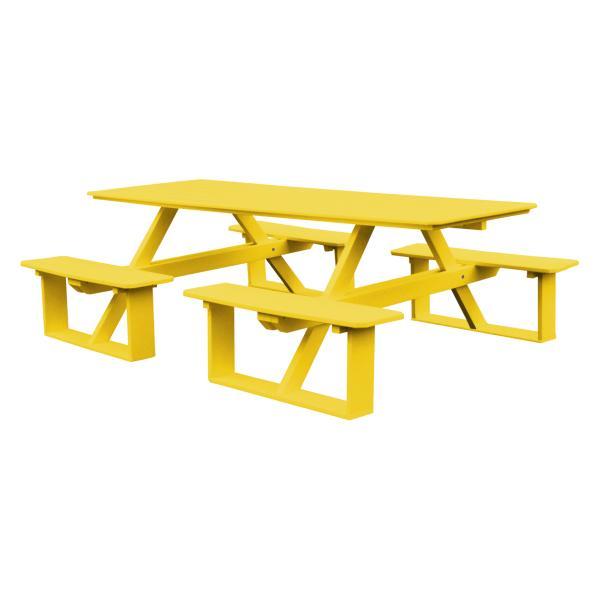
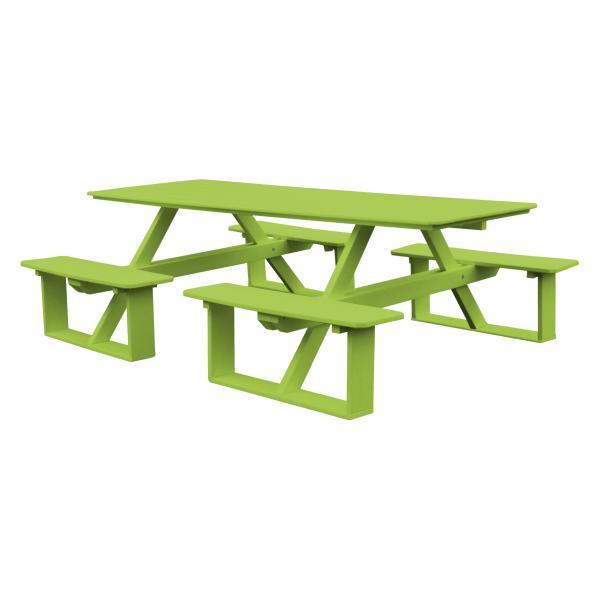
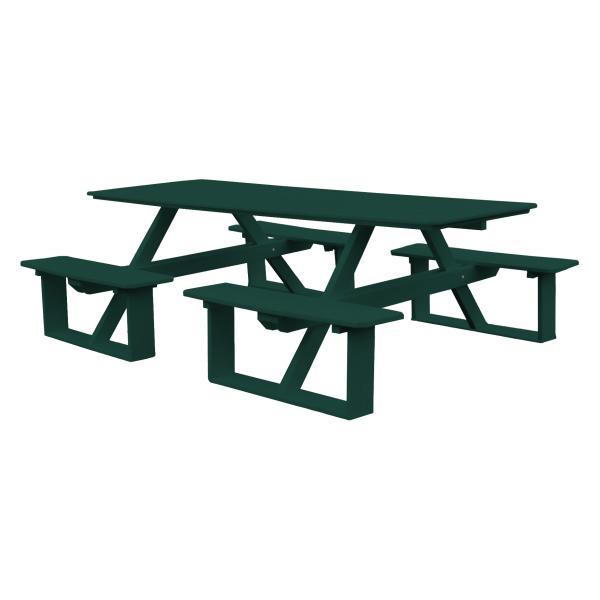
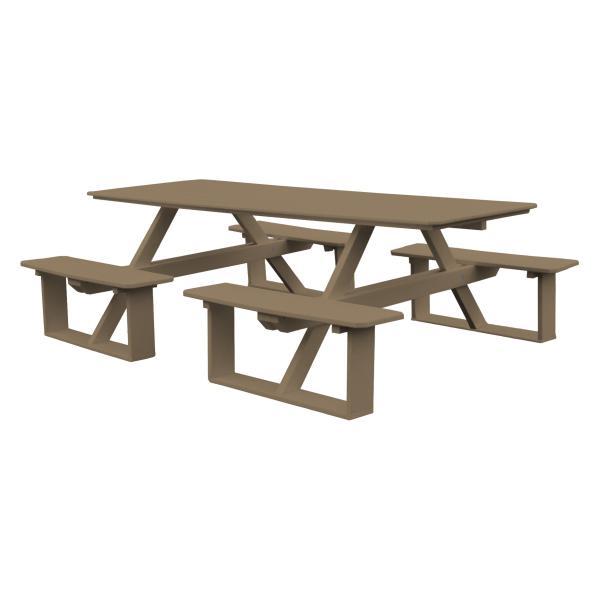
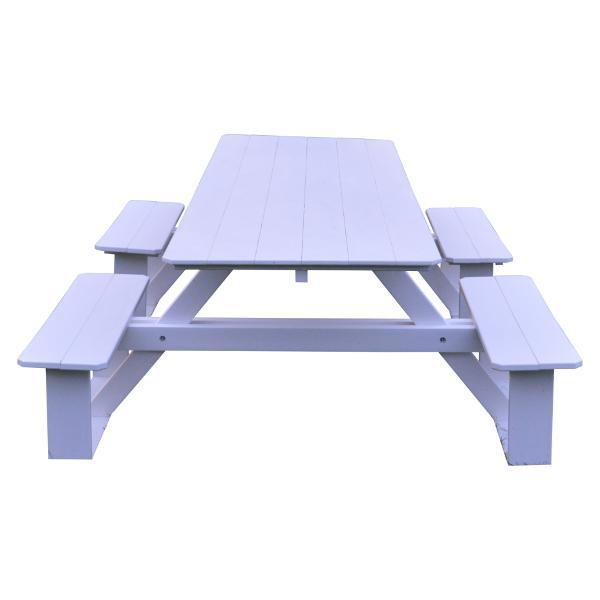
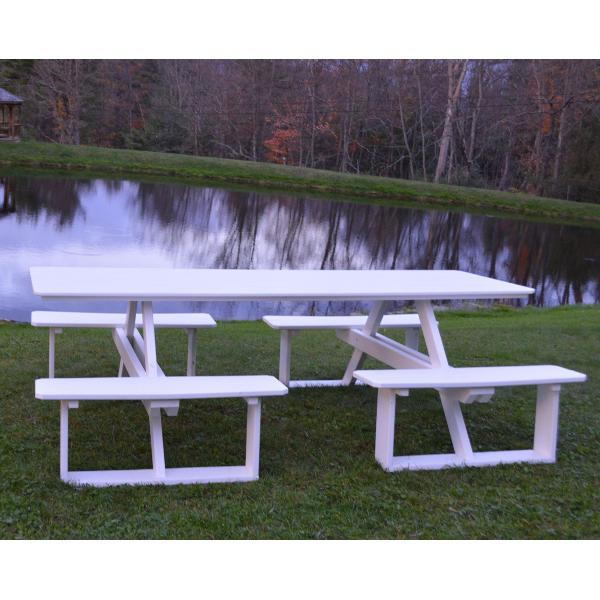
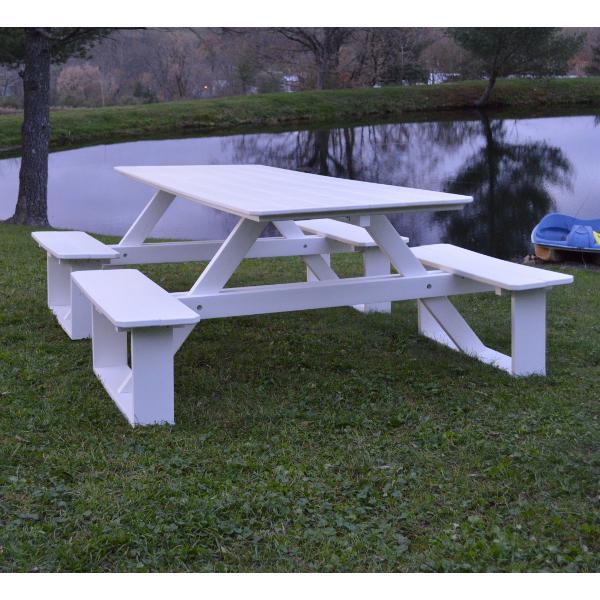
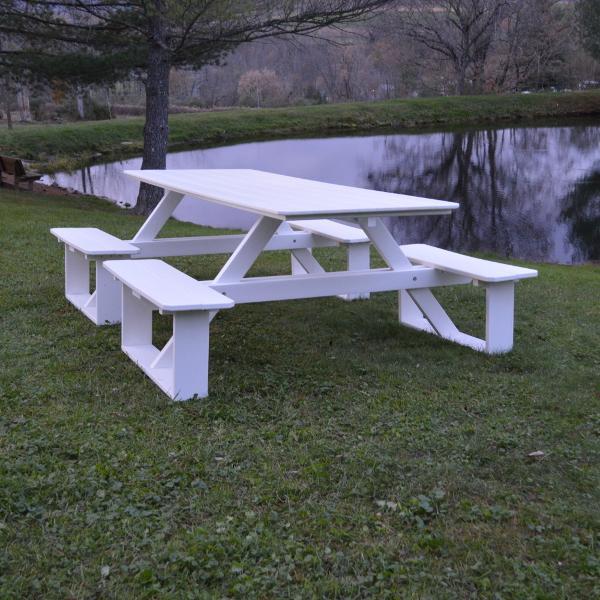
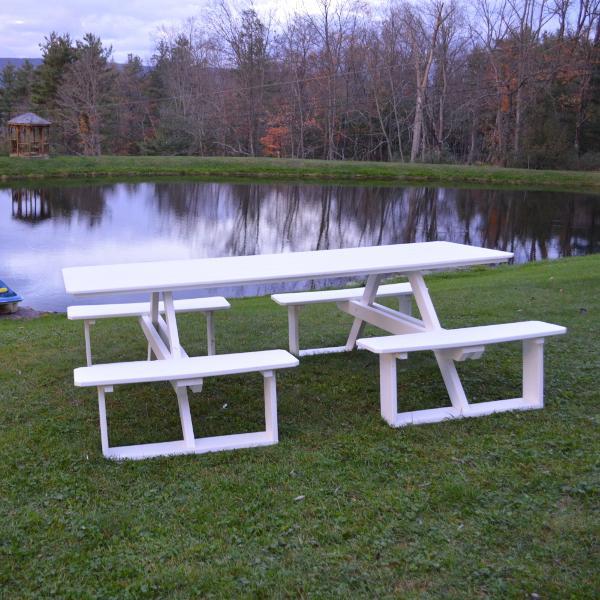
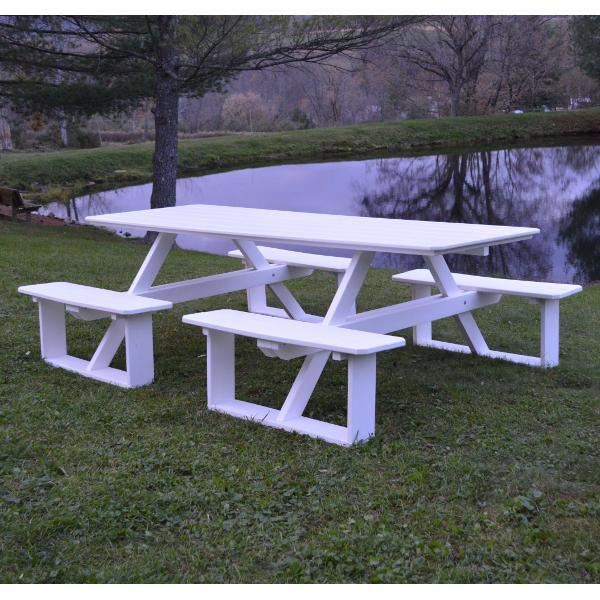
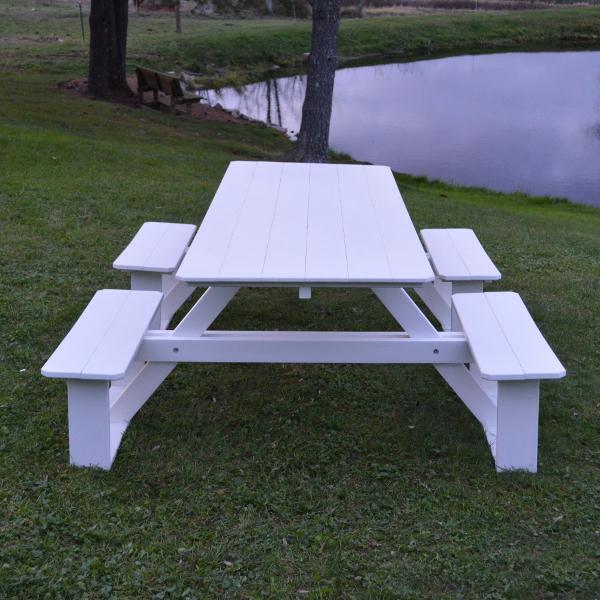
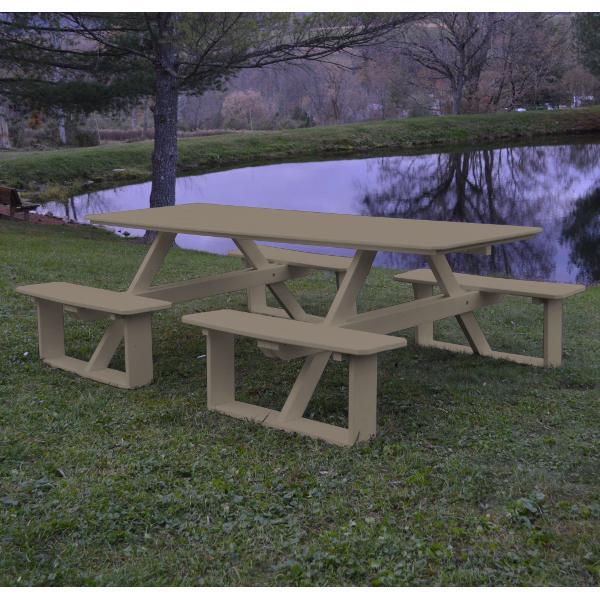
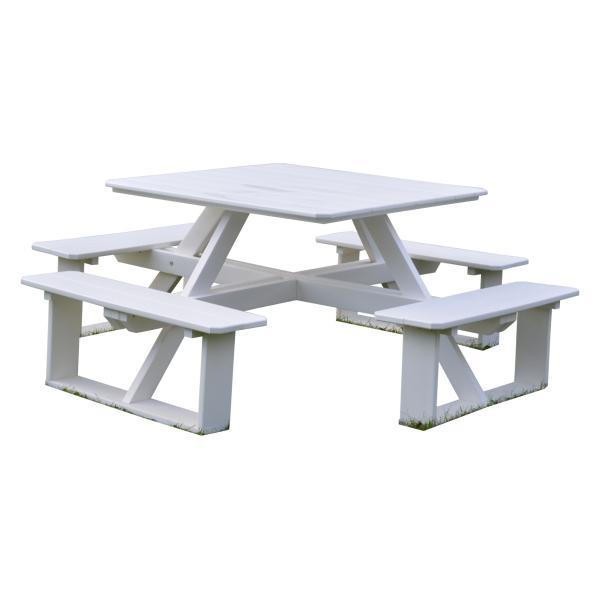
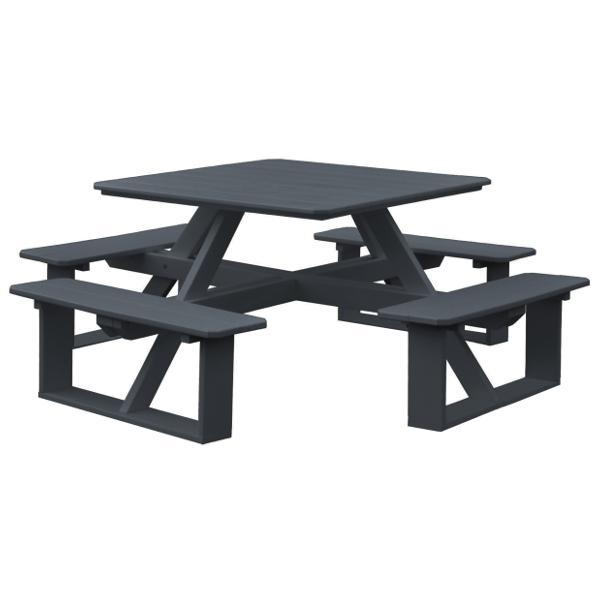
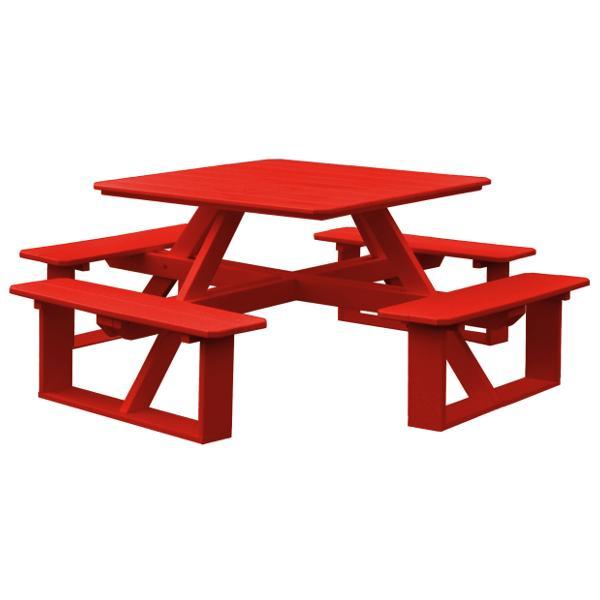
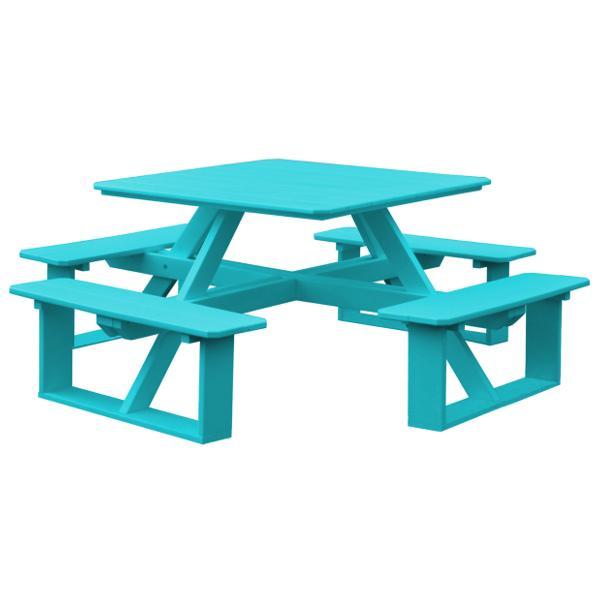
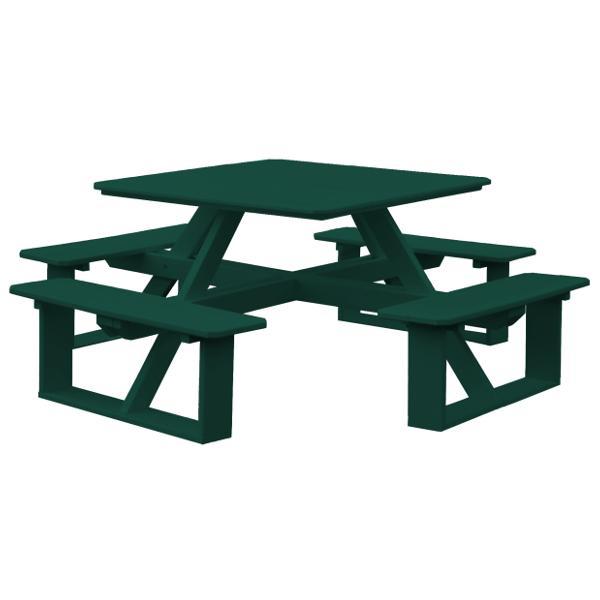
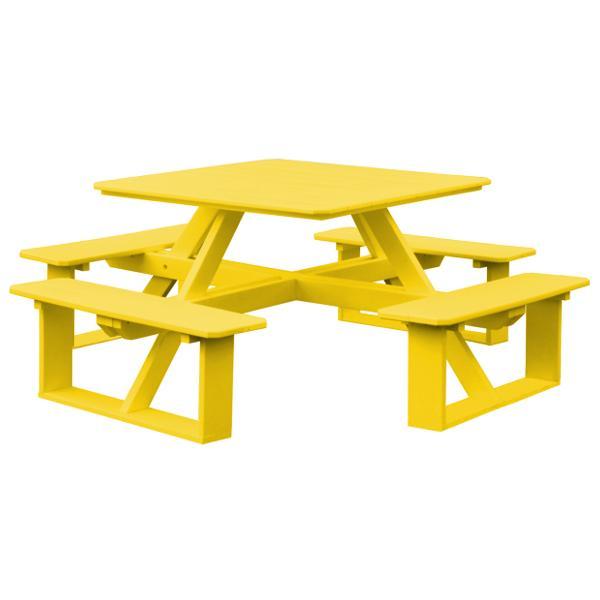
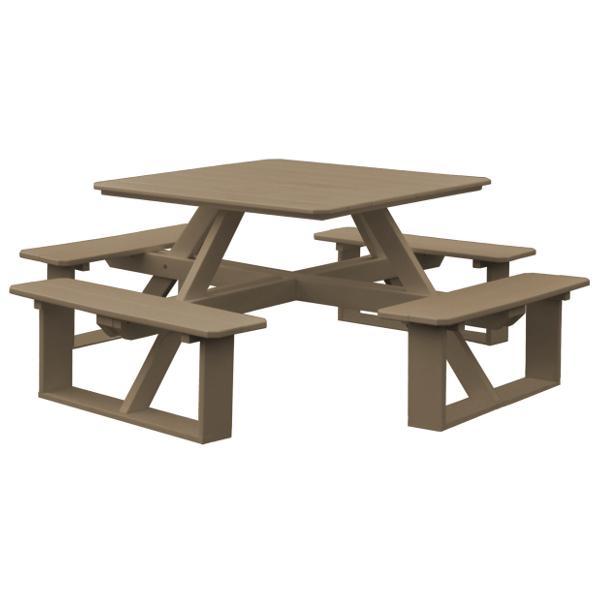
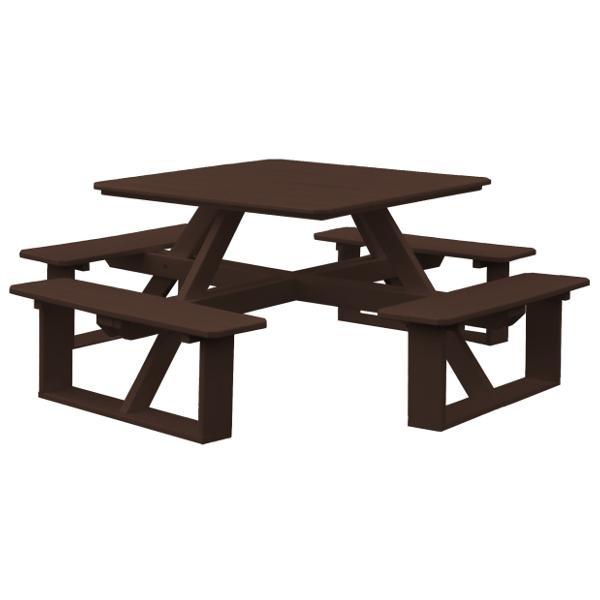
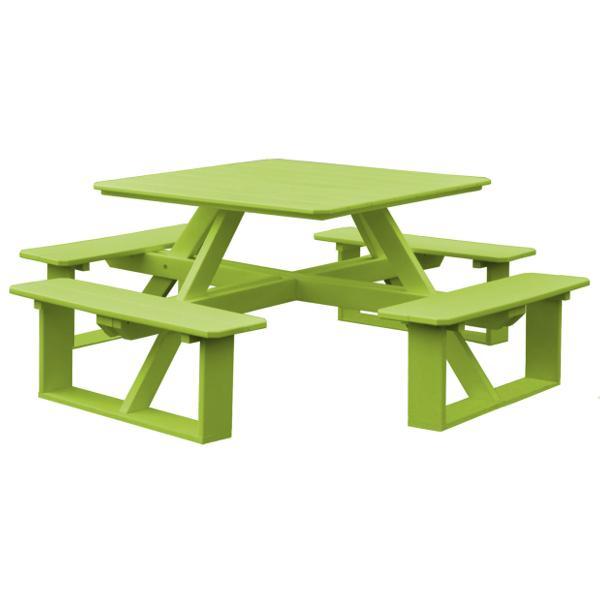
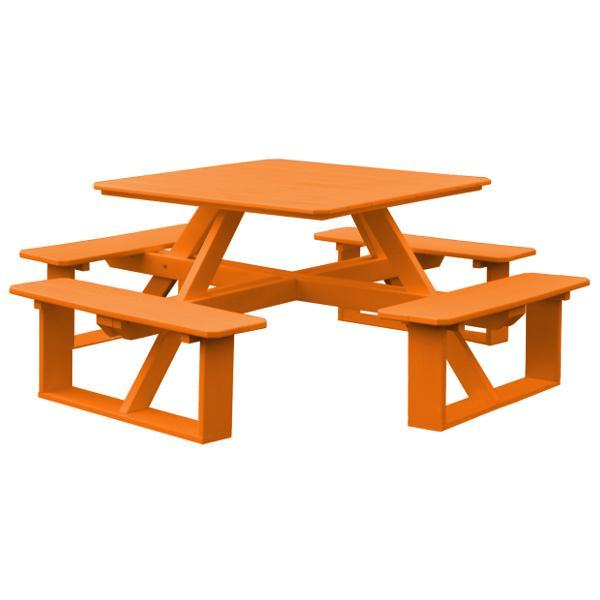
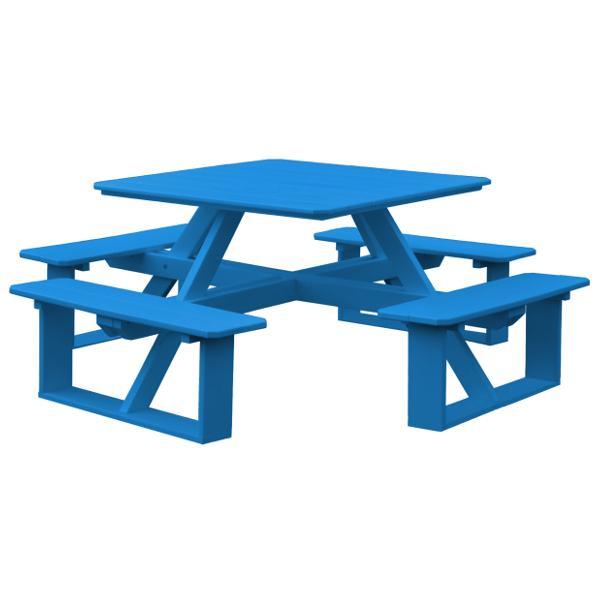
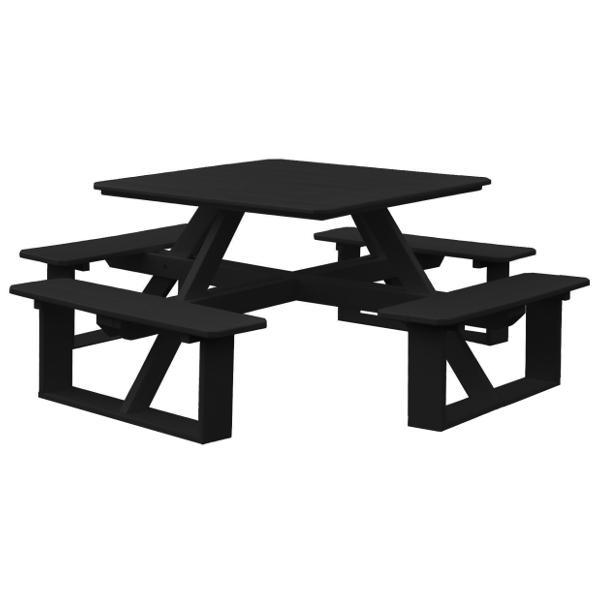
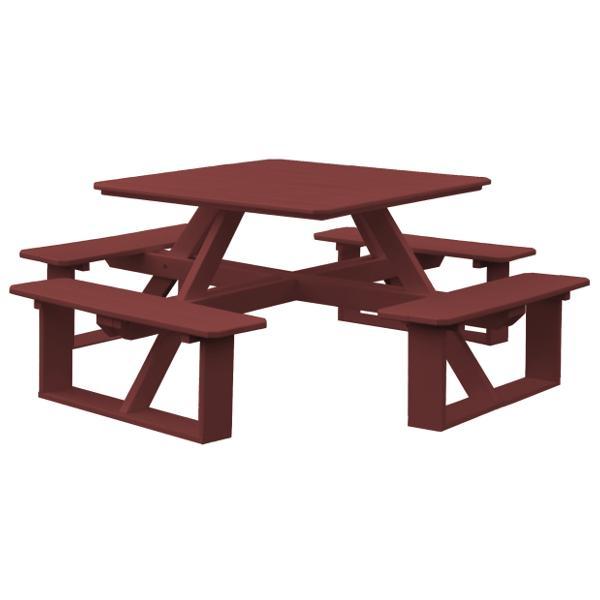
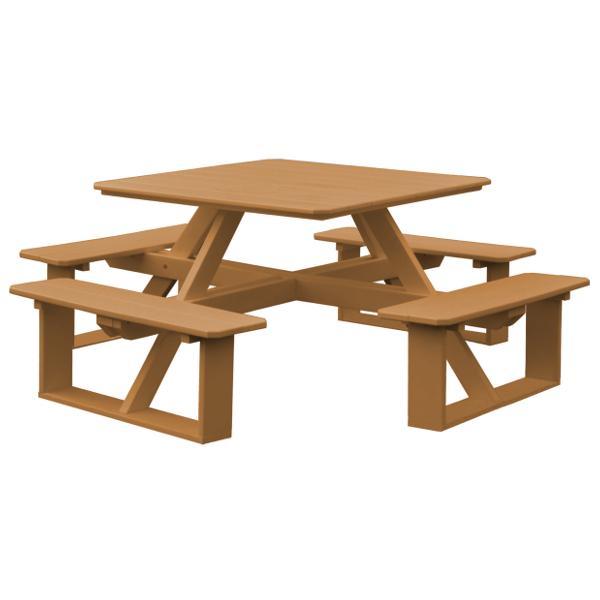
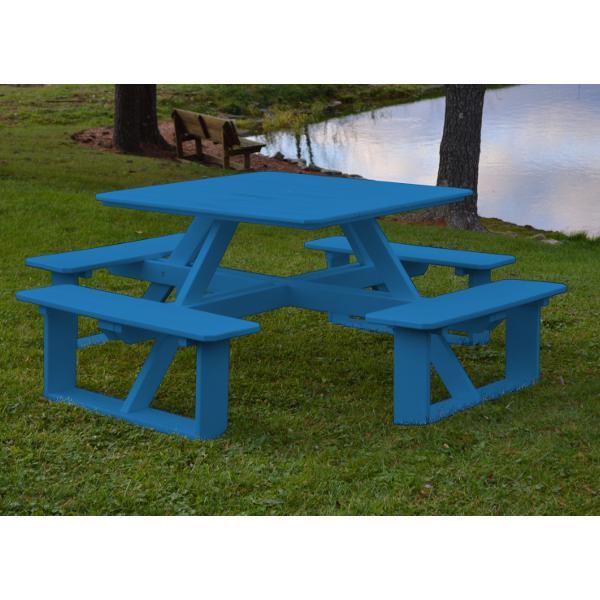
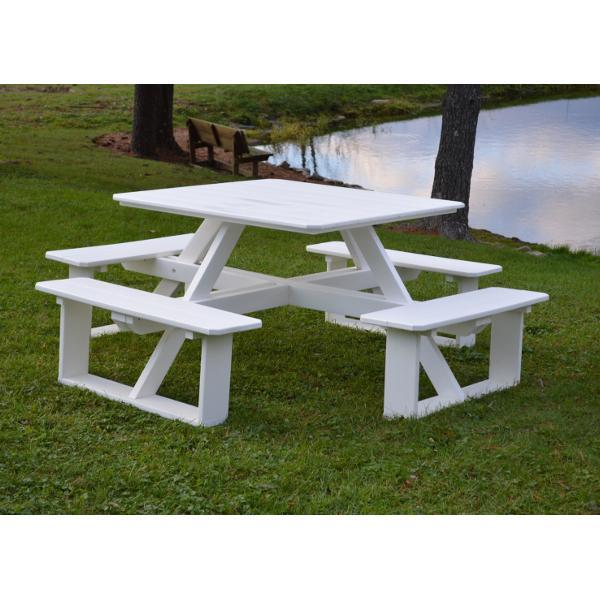
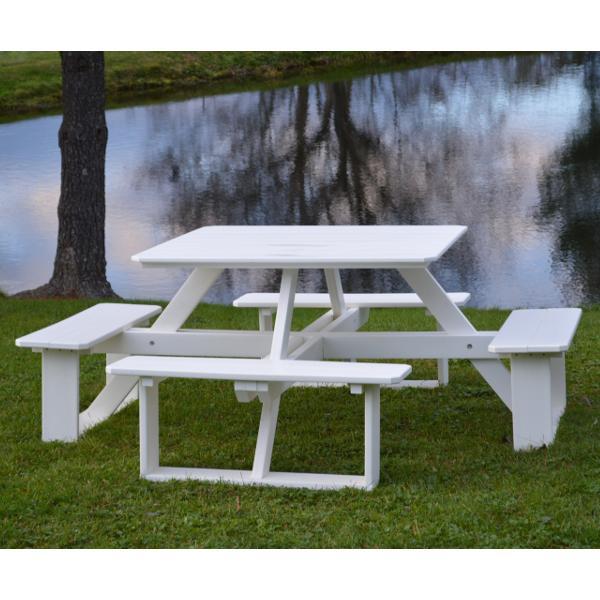
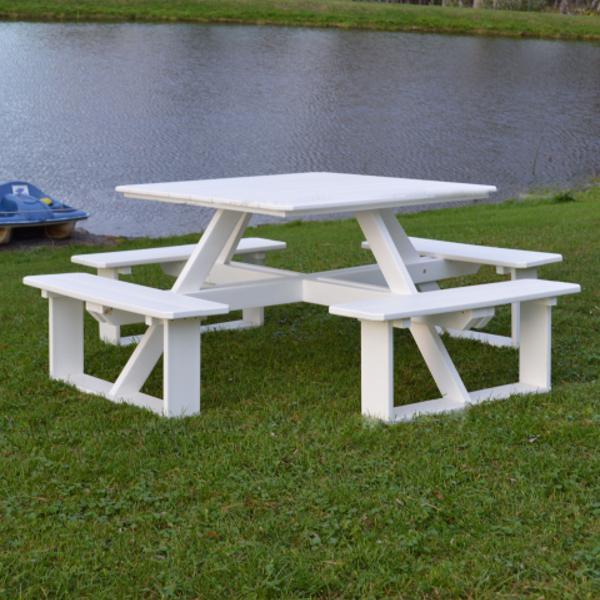
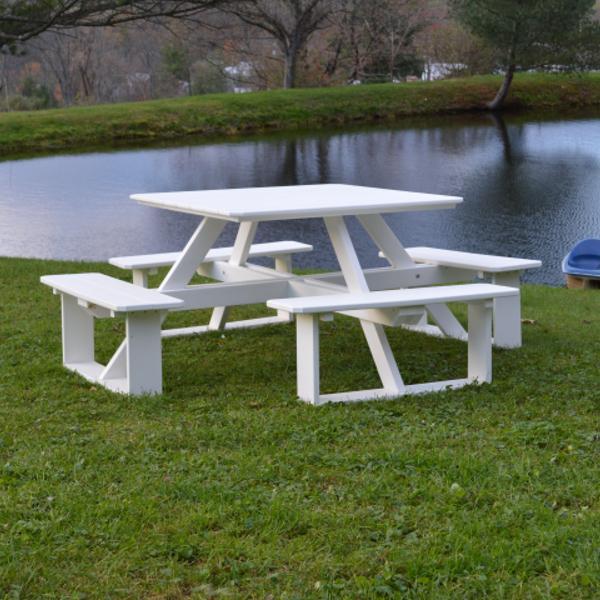
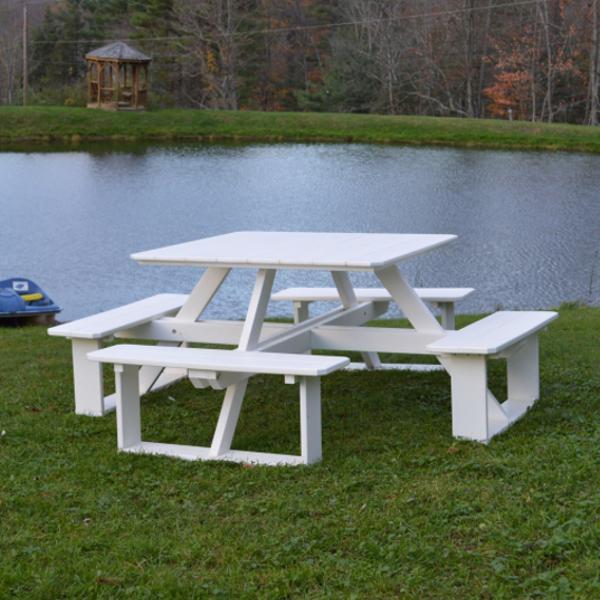
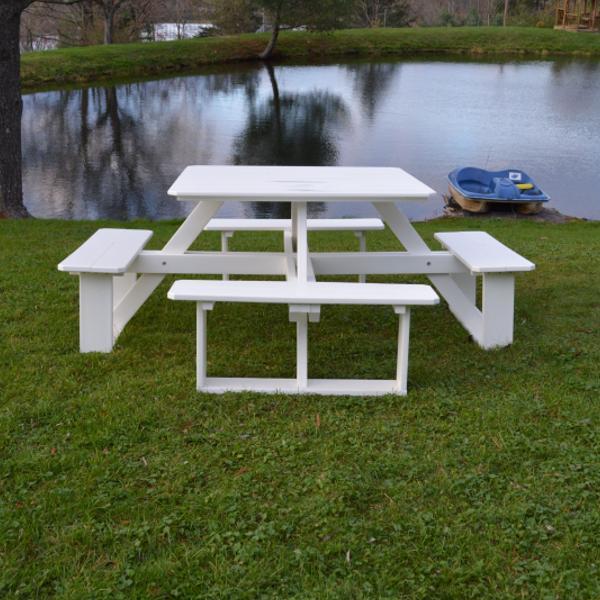
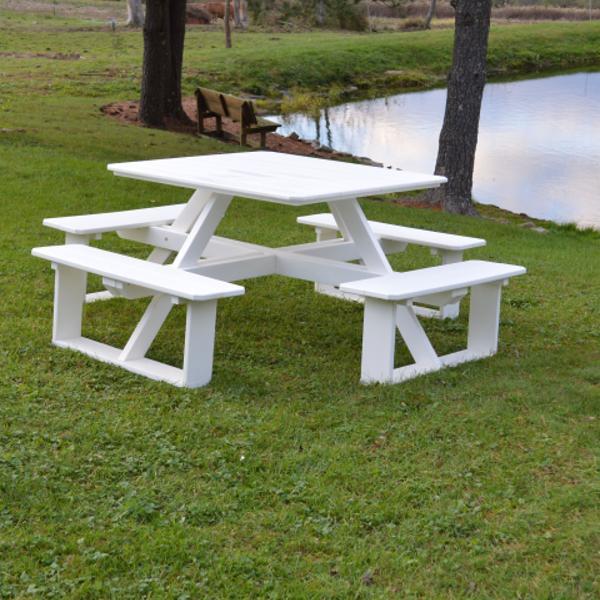
Expecting a big group of guests at your house for the 4th of July? We've got you covered! Our Walk-In Patio Dining Tables can support your picnic event as you bond with family and friends. Plus, they're easy to transport and are made from the highest quality materials. Grab a patio umbrella to provide solace from the scorching heat.
A: The defining feature of a Walk-In Table is the unobstructed access to seating provided by its unique leg placement.
The Problem: Traditional tables have legs at all four corners, making it awkward for guests at the ends or corners to enter or exit the seat without bumping their knees or tripping.
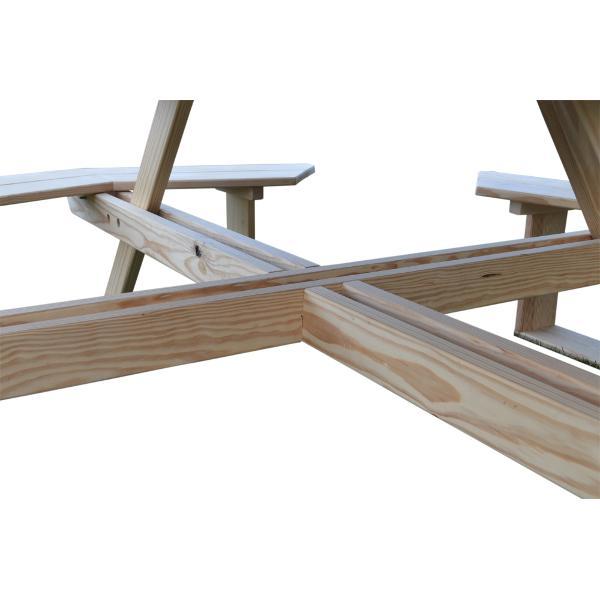
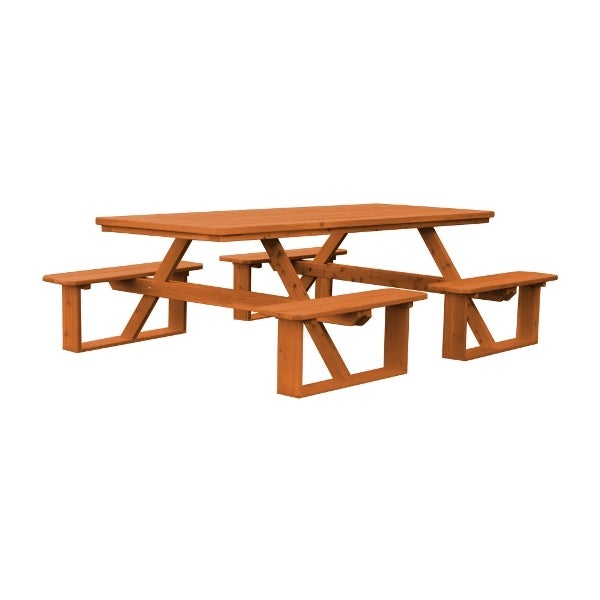
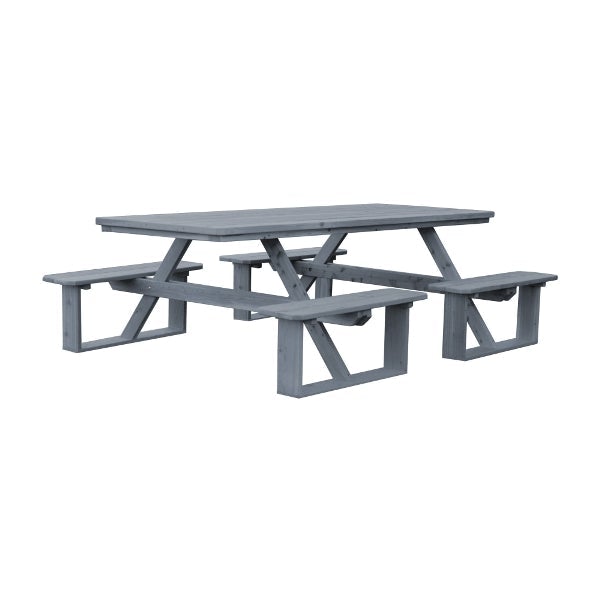
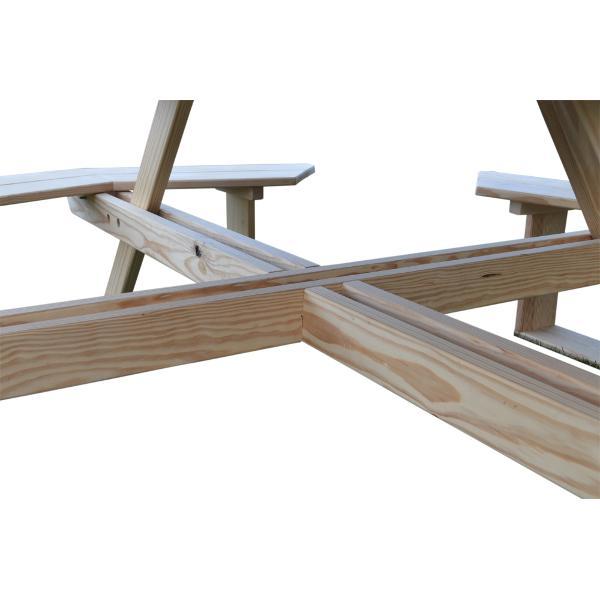
The Solution (Walk-In): Walk-In tables use pedestal, T-shaped, or sturdy X-shaped bases that move the supports away from the seating perimeter. It allows guests to "walk in" effortlessly to their seat from the side.
A: Walk-in functionality is achieved through smart base design:
Single Pedestal: Common on round or small square tables. A single, heavy column provides 360-degree clearance.
Dual Pedestal: Used for long rectangular or large square tables. Two sturdy columns or T-shaped bases are positioned near the center of the table, leaving the corners entirely free for seating.
Trestle Base: A trestle or A-frame base runs parallel to the table edge but is centered enough to ensure all chairs can be pulled fully underneath without hitting the support structure.
A: Walk-In tables trade the stability of corner legs for superior access, which requires careful construction:
Base Weight: The central pedestal or dual pedestals must be significantly heavier and wider than standard legs. If the base is too light, the table can be unstable if leaning on the edge.
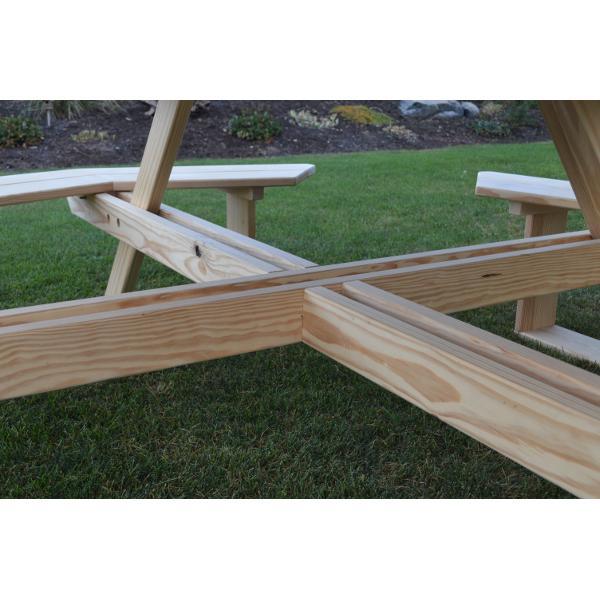
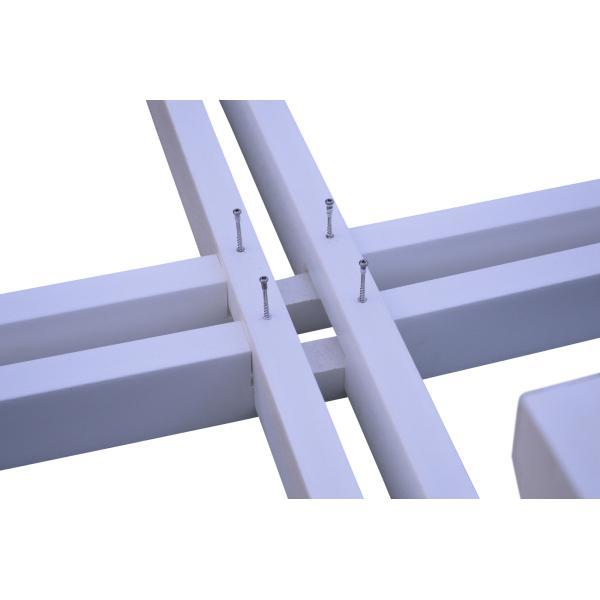
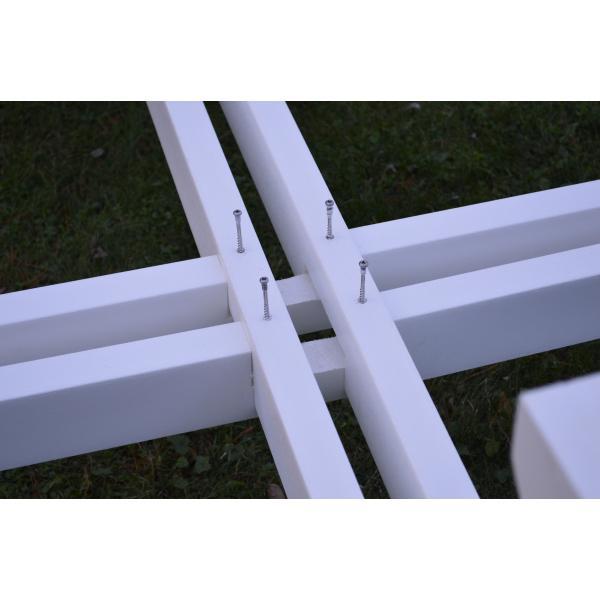
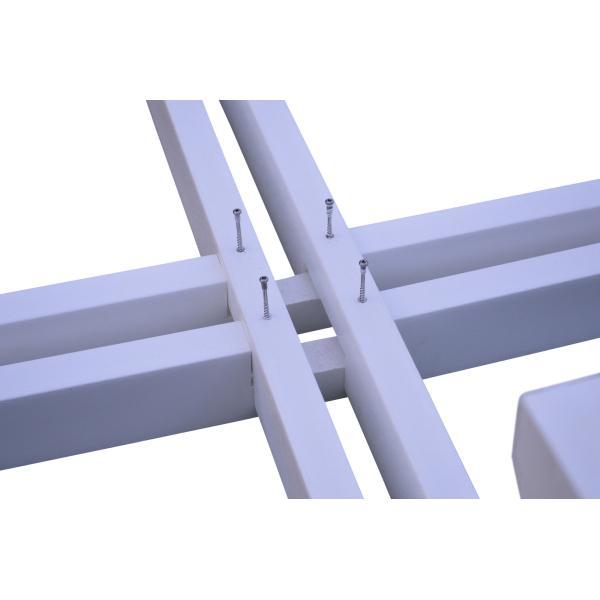
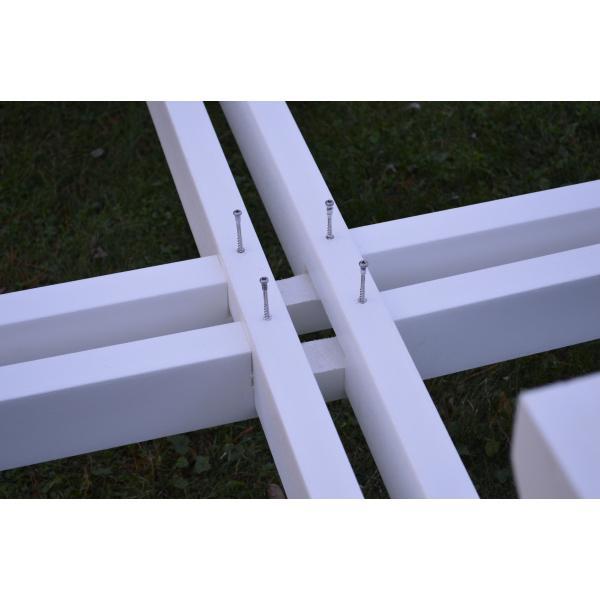
Frame Rigidity: The frame (apron) must be extra-strong to prevent the wide, unsupported span of the table corners from bowing or shaking. It is especially true for long rectangular designs.
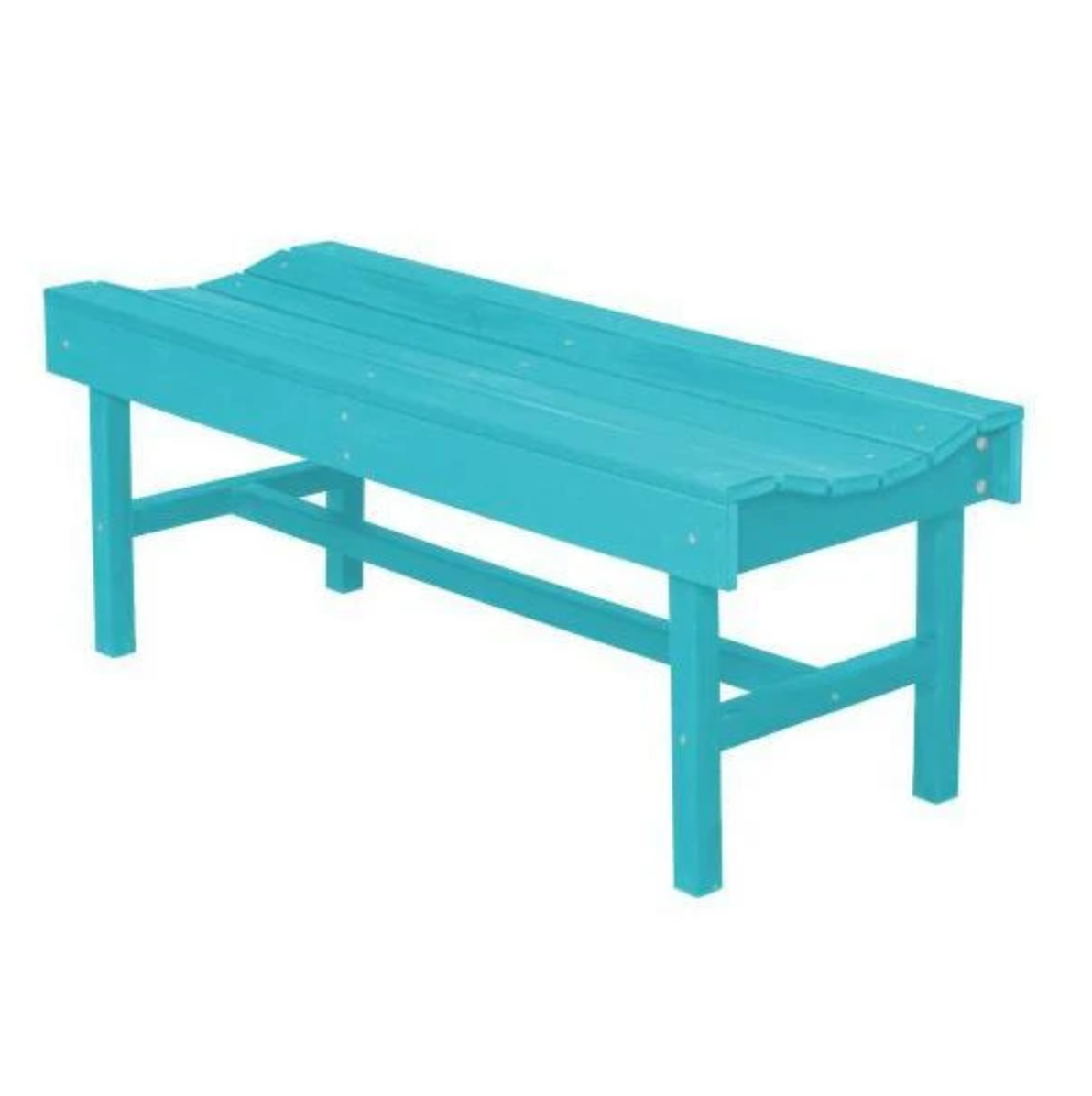
A: Yes, Walk-In tables are often superior for use with benches.
Bench Storage: Since there are no corner legs, benches can be pushed fully into the table frame, maximizing space efficiency.
Access: Guests can slide along the bench without being obstructed by a table leg at the end.
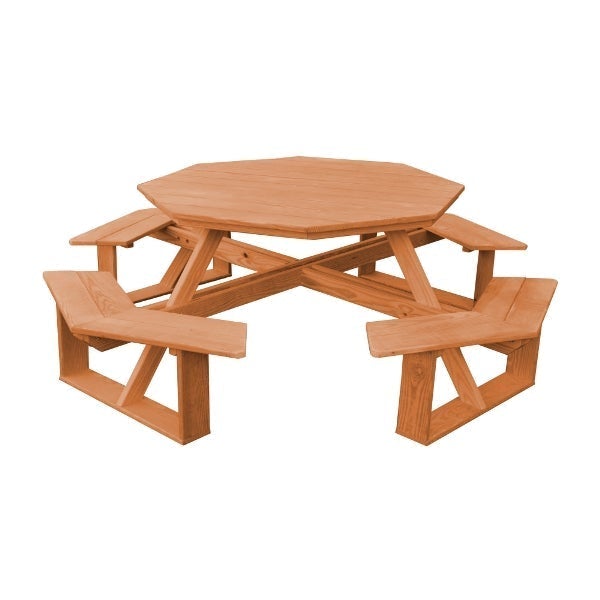
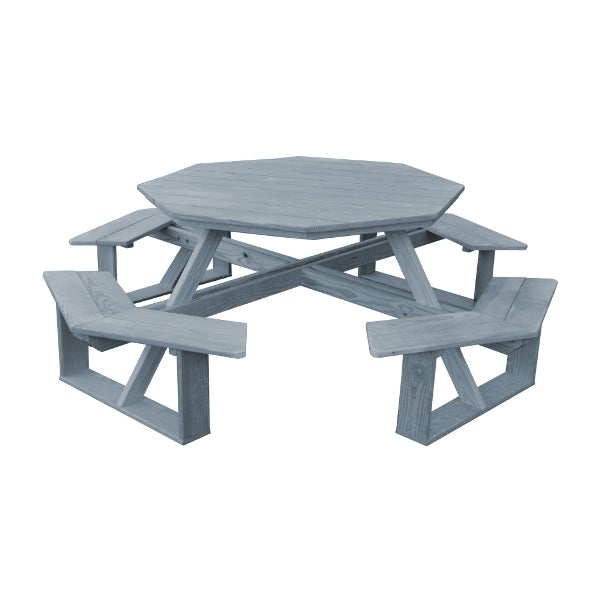
Expecting a big group of guests at your house for the 4th of July? We've got you covered! Our Walk-In Patio Dining Tables can support your picnic event as you bond with family and friends. Plus, they're easy to transport and are made from the highest quality materials. Grab a patio umbrella to provide solace from the scorching heat.
A: The defining feature of a Walk-In Table is the unobstructed access to seating provided by its unique leg placement.
The Problem: Traditional tables have legs at all four corners, making it awkward for guests at the ends or corners to enter or exit the seat without bumping their knees or tripping.
The Solution (Walk-In): Walk-In tables use pedestal, T-shaped, or sturdy X-shaped bases that move the supports away from the seating perimeter. It allows guests to "walk in" effortlessly to their seat from the side.
A: Walk-in functionality is achieved through smart base design:
Single Pedestal: Common on round or small square tables. A single, heavy column provides 360-degree clearance.
Dual Pedestal: Used for long rectangular or large square tables. Two sturdy columns or T-shaped bases are positioned near the center of the table, leaving the corners entirely free for seating.
Trestle Base: A trestle or A-frame base runs parallel to the table edge but is centered enough to ensure all chairs can be pulled fully underneath without hitting the support structure.
A: Walk-In tables trade the stability of corner legs for superior access, which requires careful construction:
Base Weight: The central pedestal or dual pedestals must be significantly heavier and wider than standard legs. If the base is too light, the table can be unstable if leaning on the edge.
Frame Rigidity: The frame (apron) must be extra-strong to prevent the wide, unsupported span of the table corners from bowing or shaking. It is especially true for long rectangular designs.
A: Yes, Walk-In tables are often superior for use with benches.
Bench Storage: Since there are no corner legs, benches can be pushed fully into the table frame, maximizing space efficiency.
Access: Guests can slide along the bench without being obstructed by a table leg at the end.