Your Cart is Empty

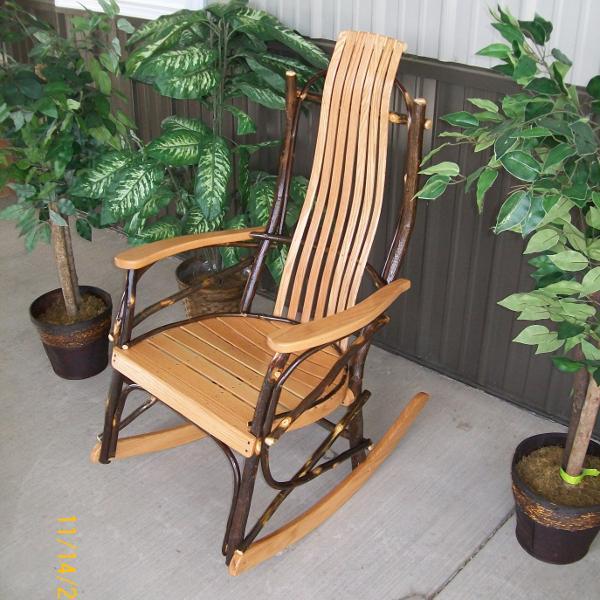
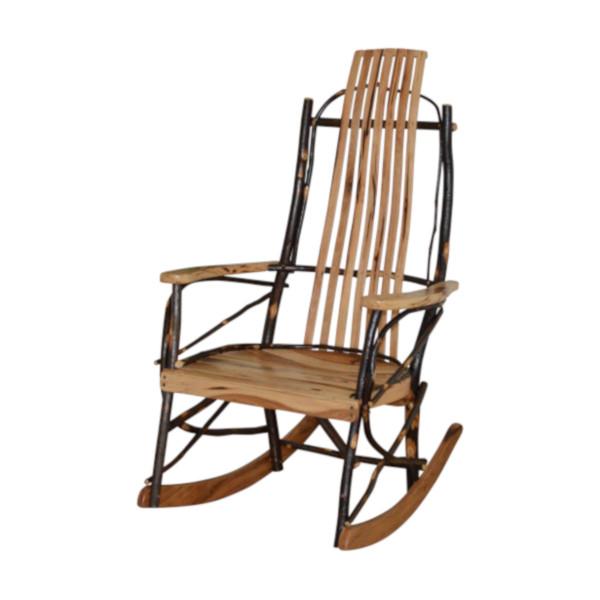
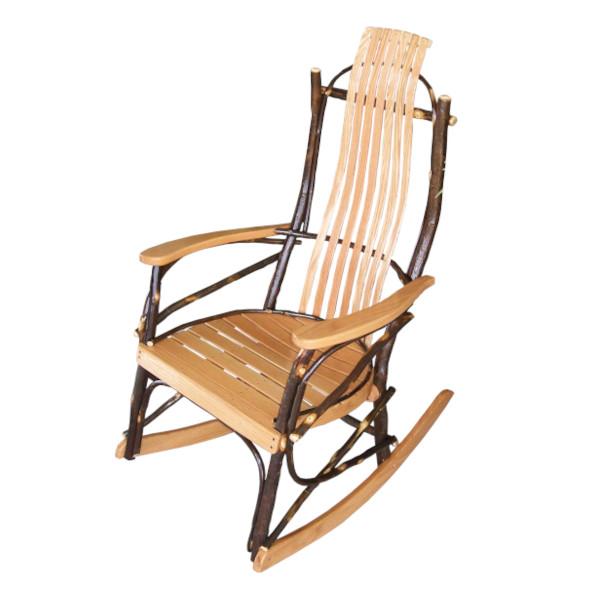
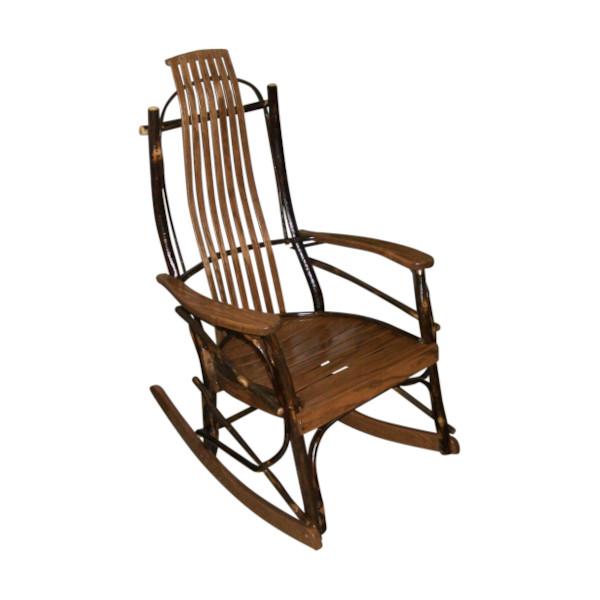
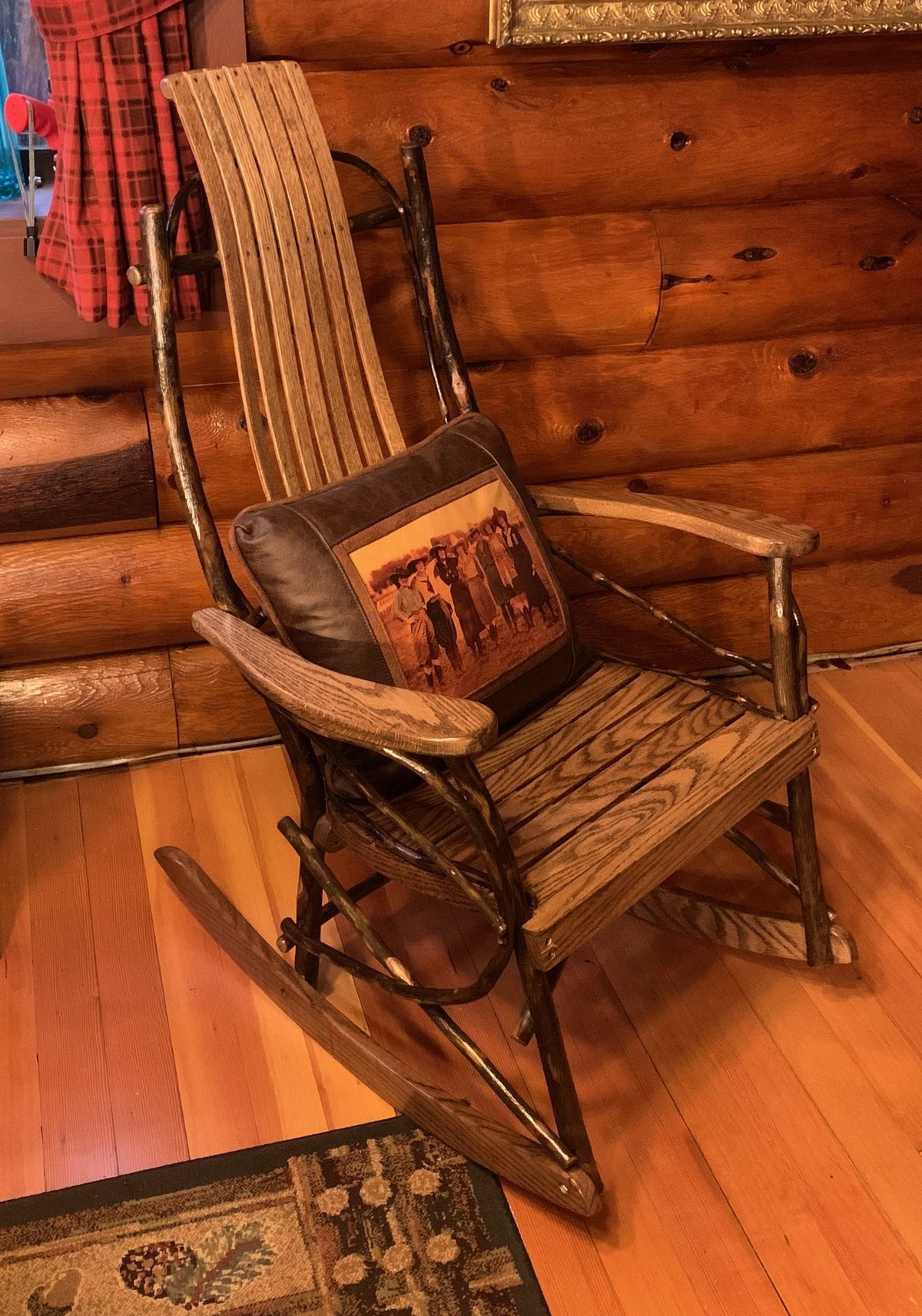
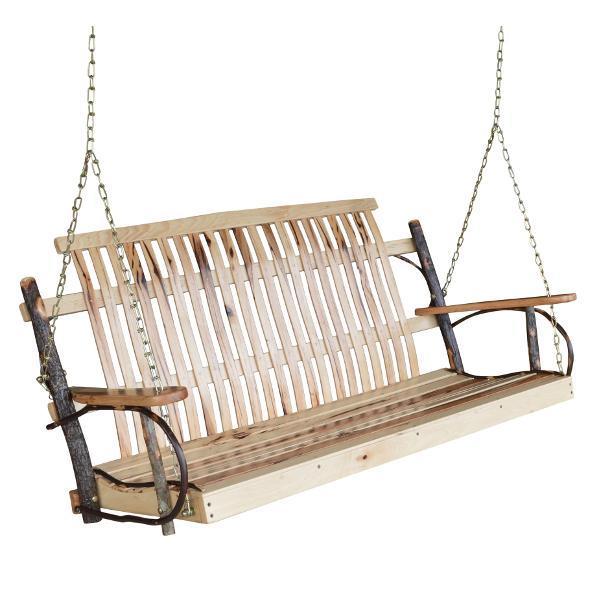
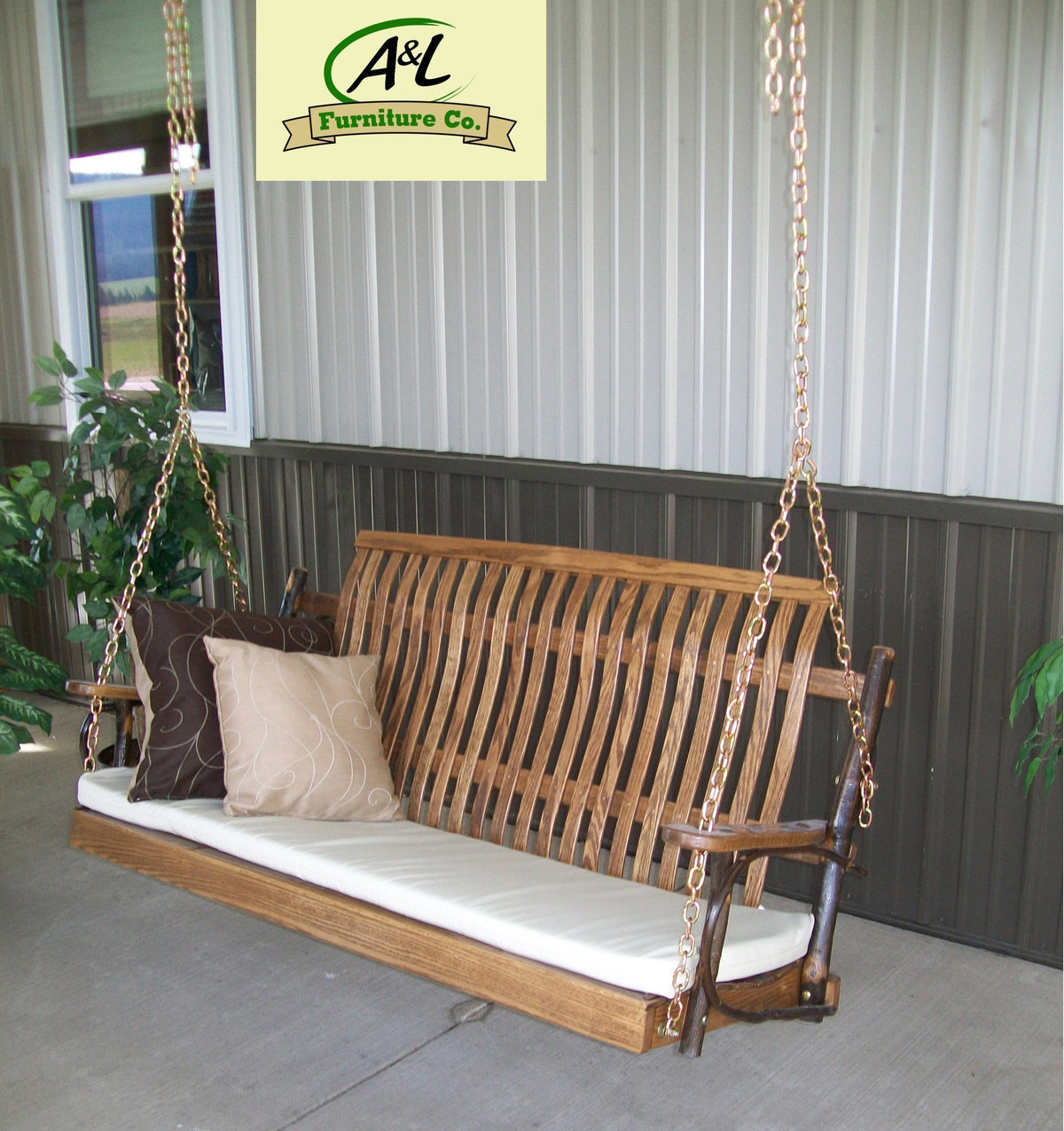
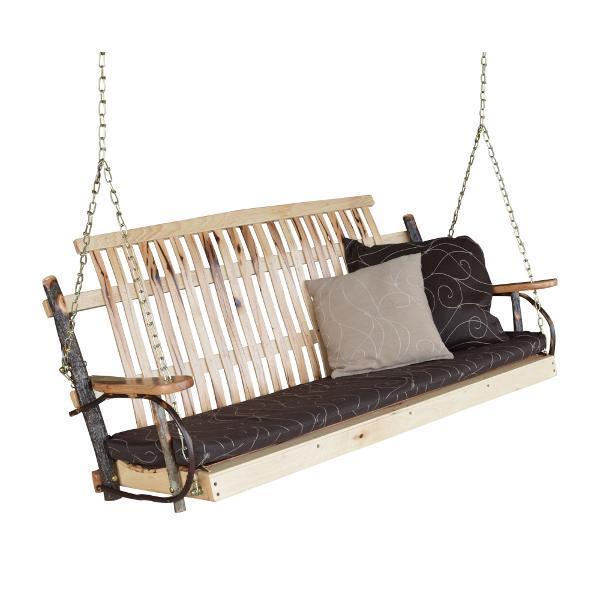
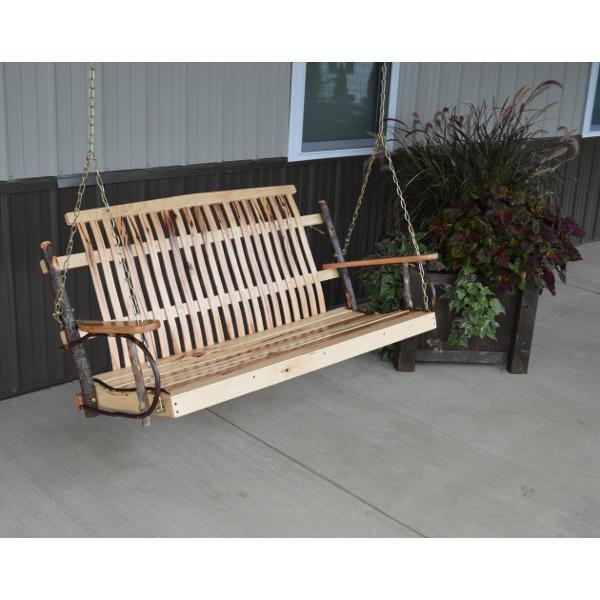
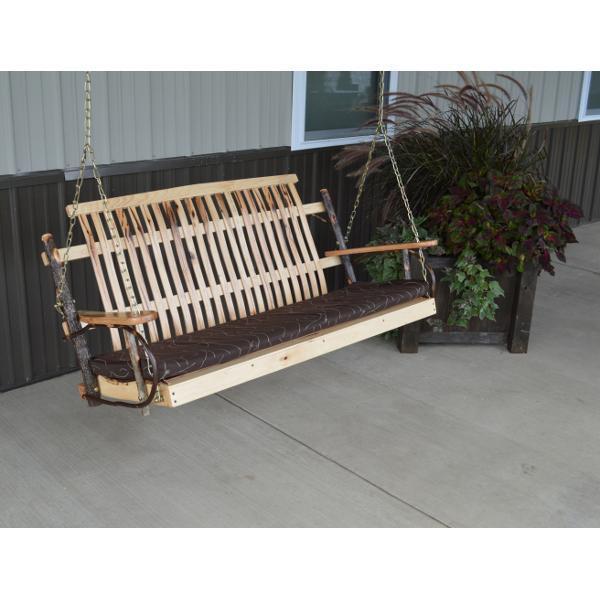
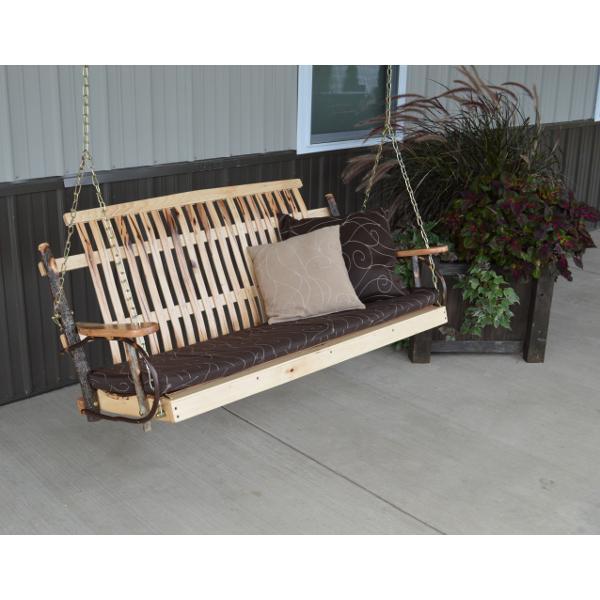
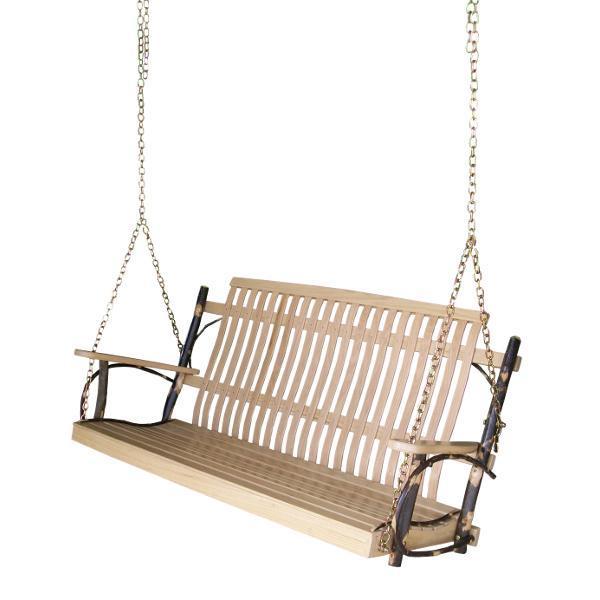
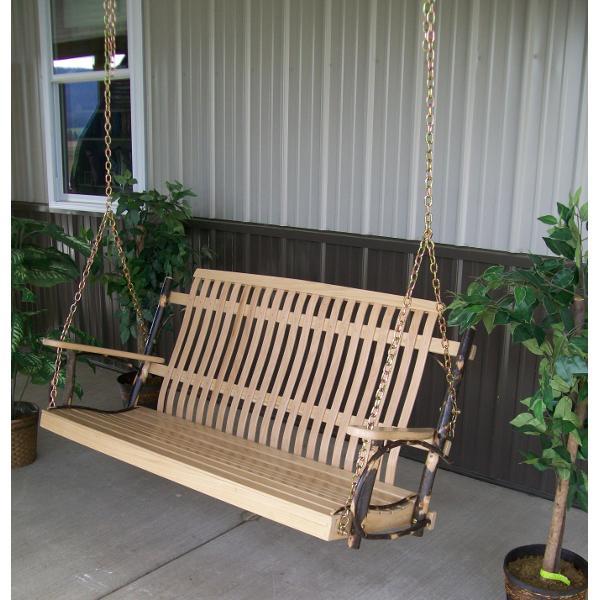
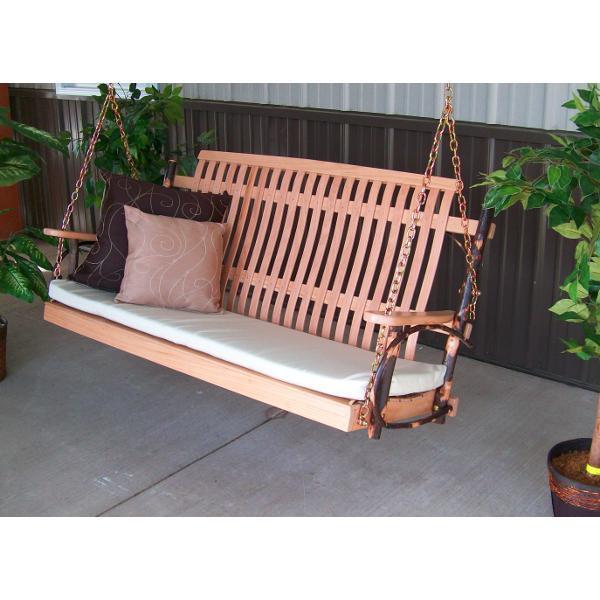
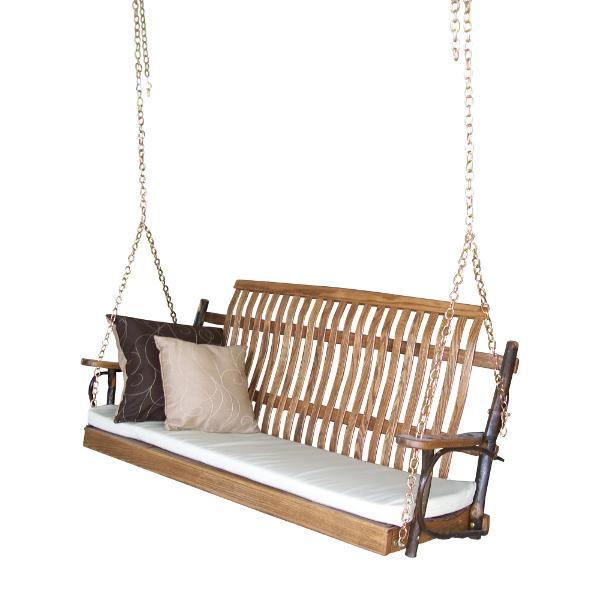
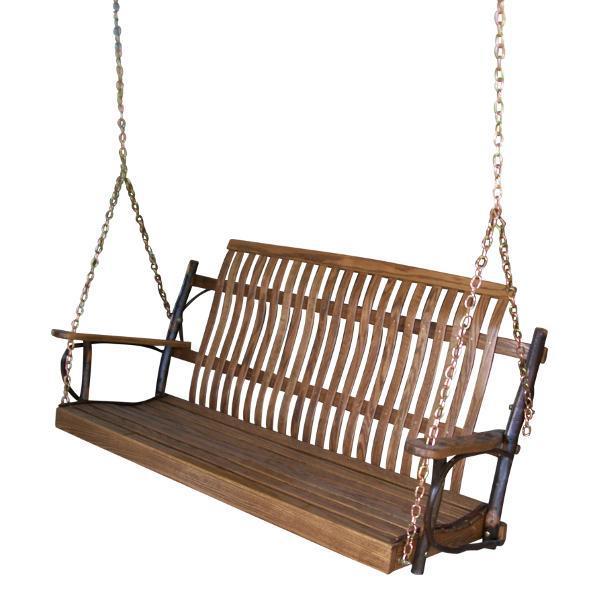
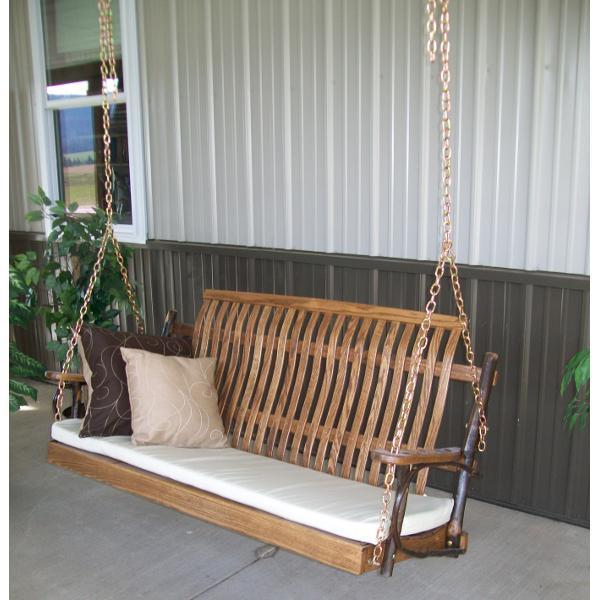
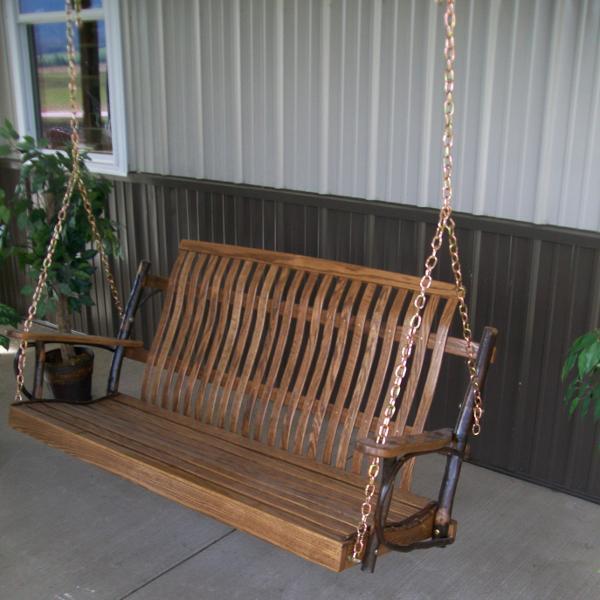
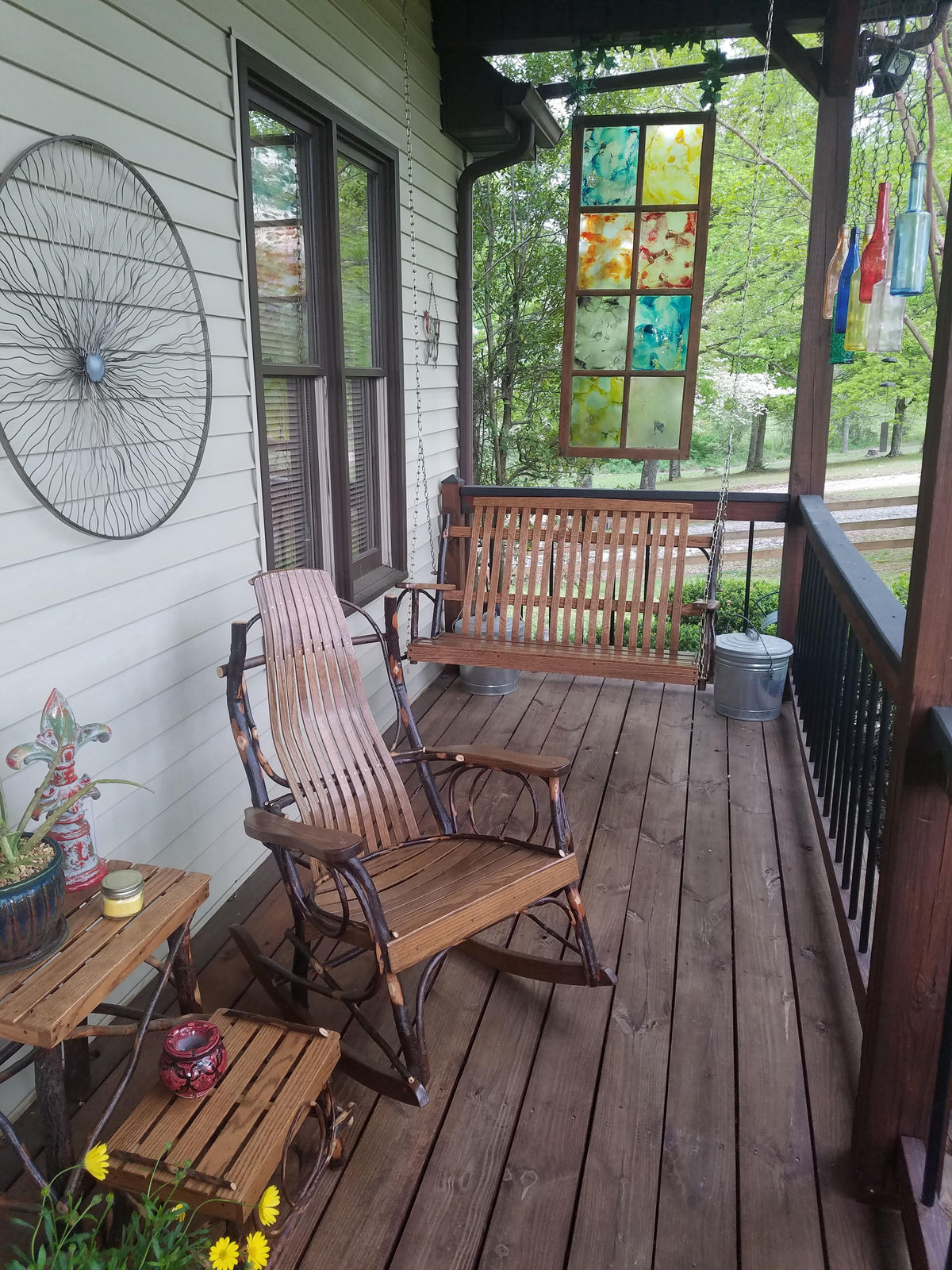
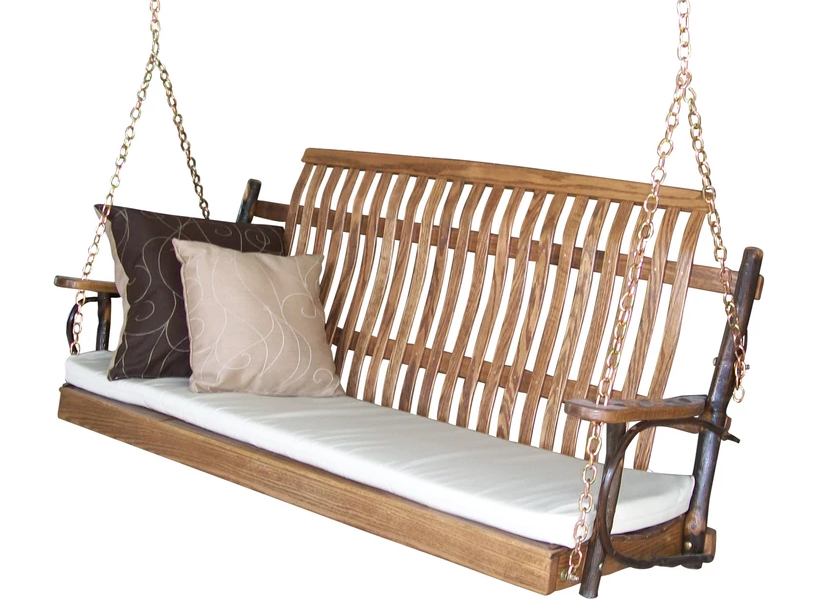
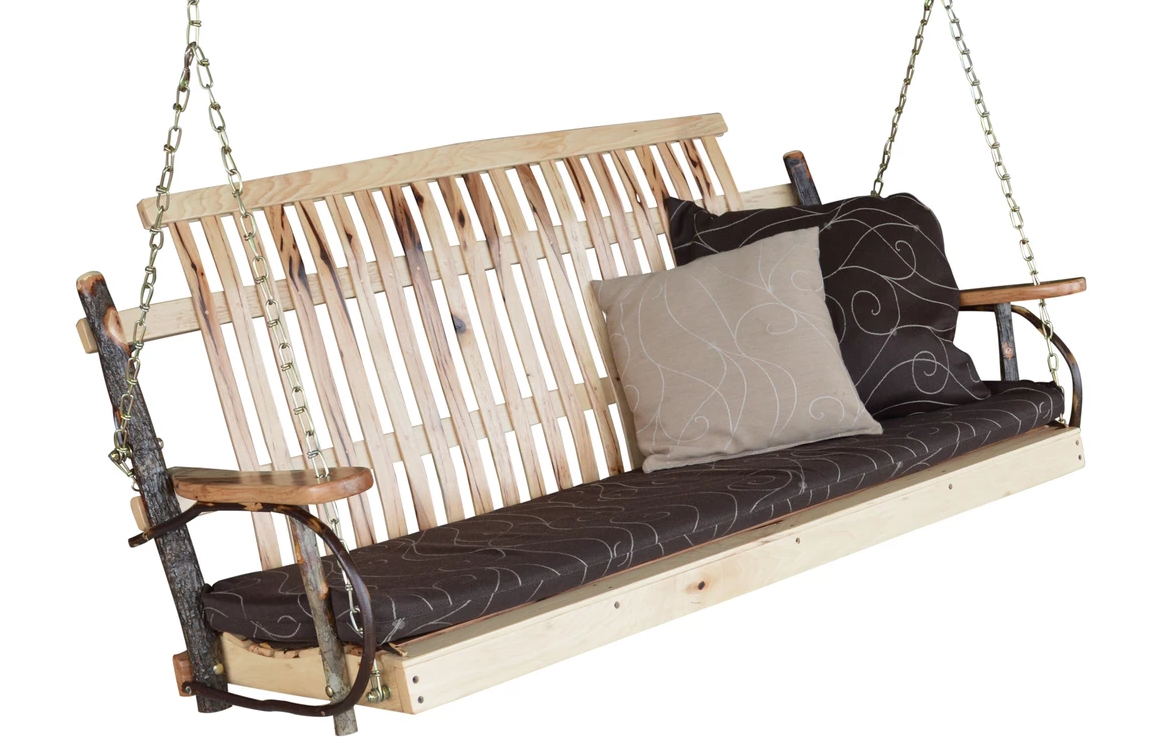
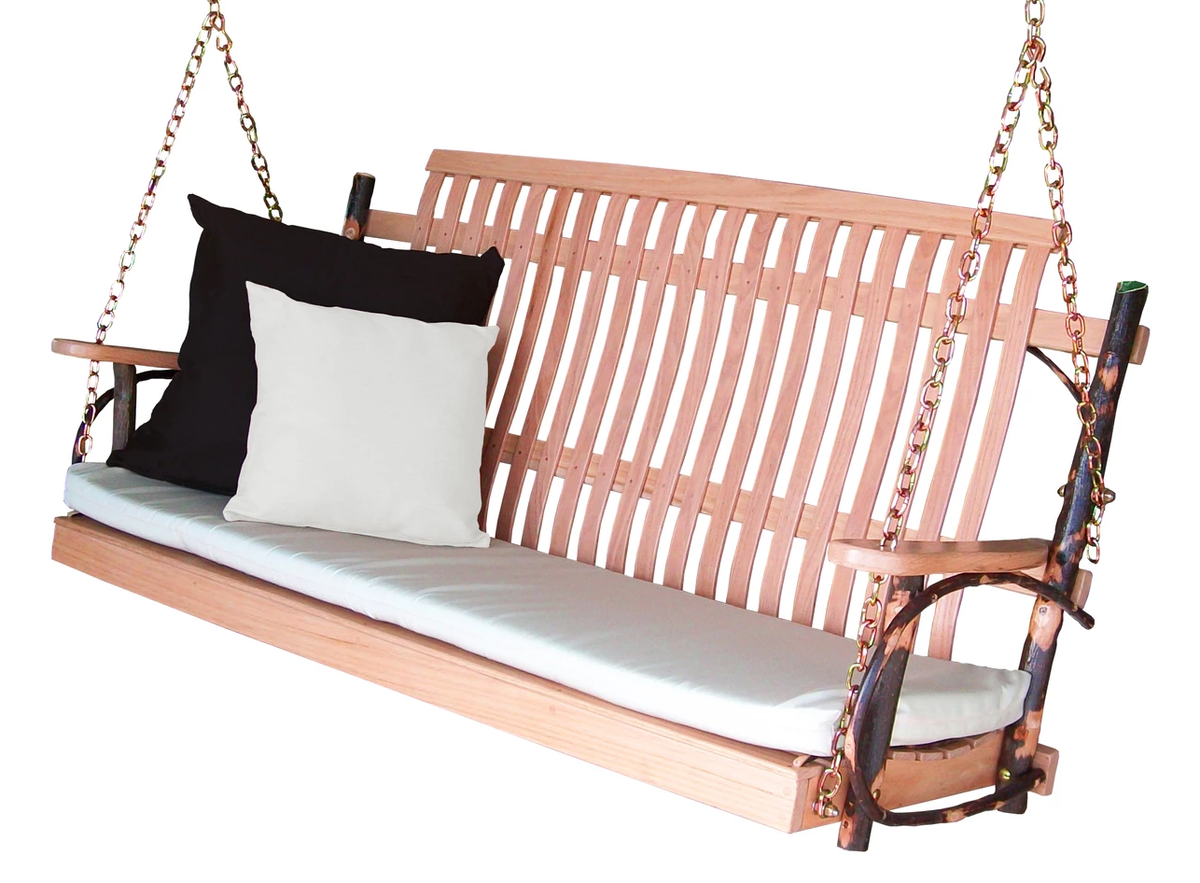
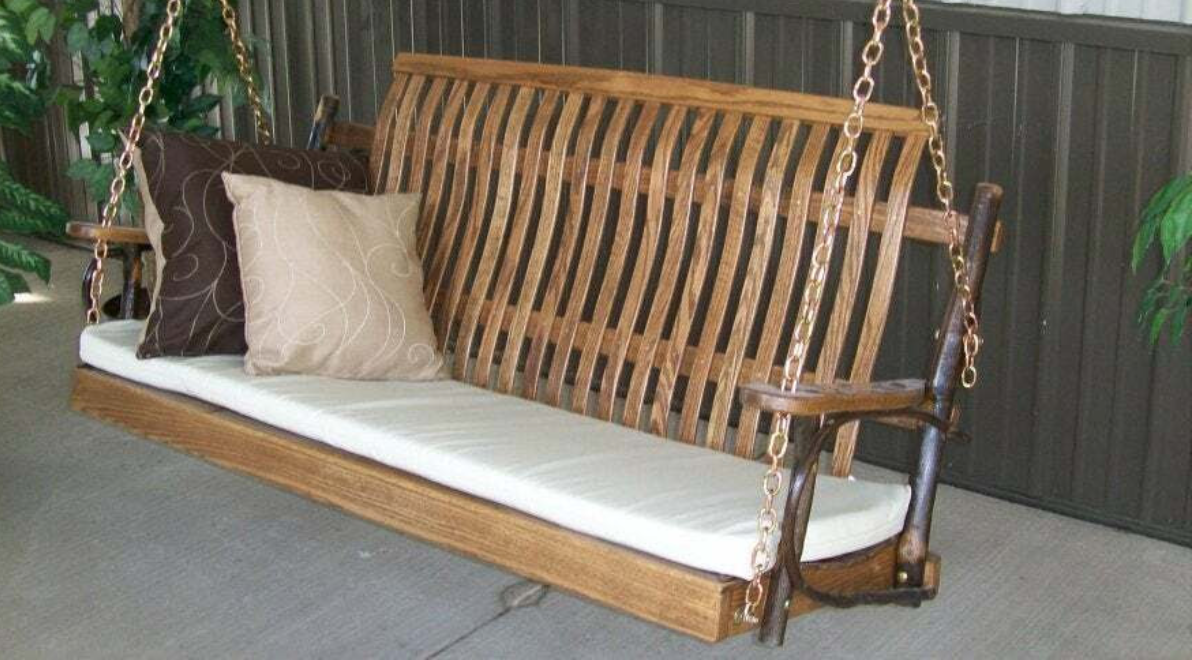
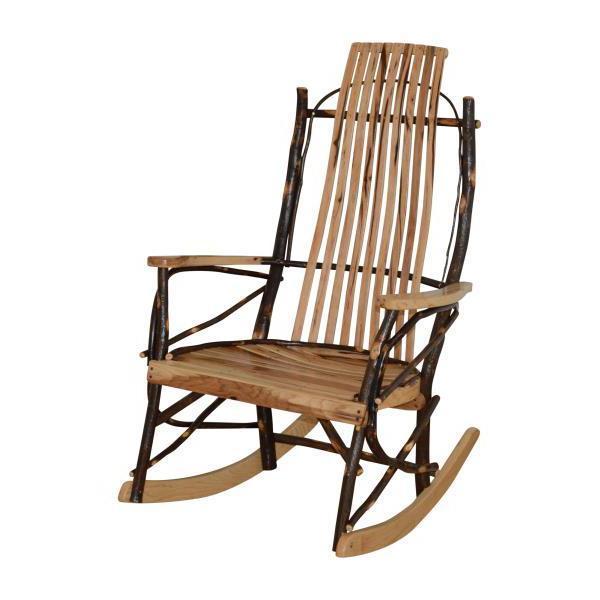
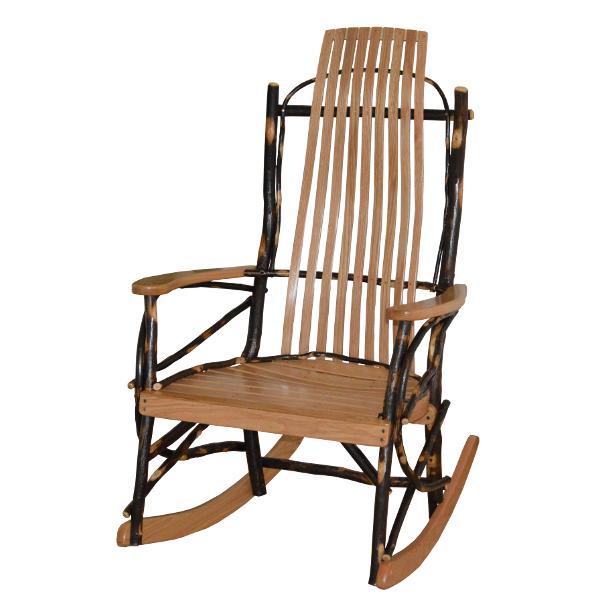
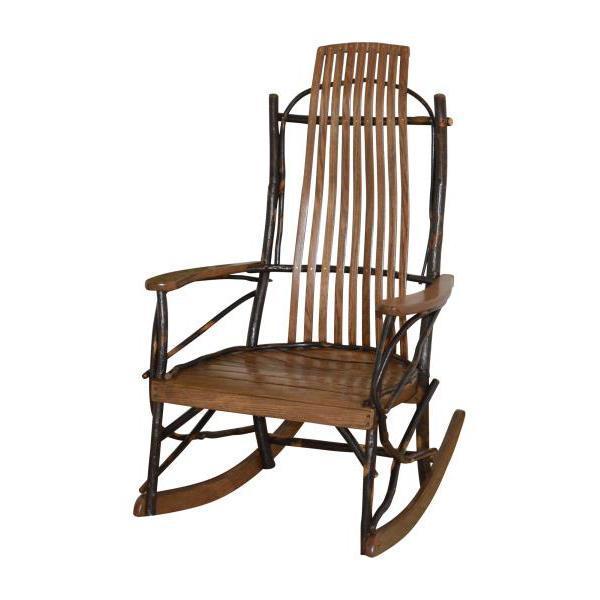
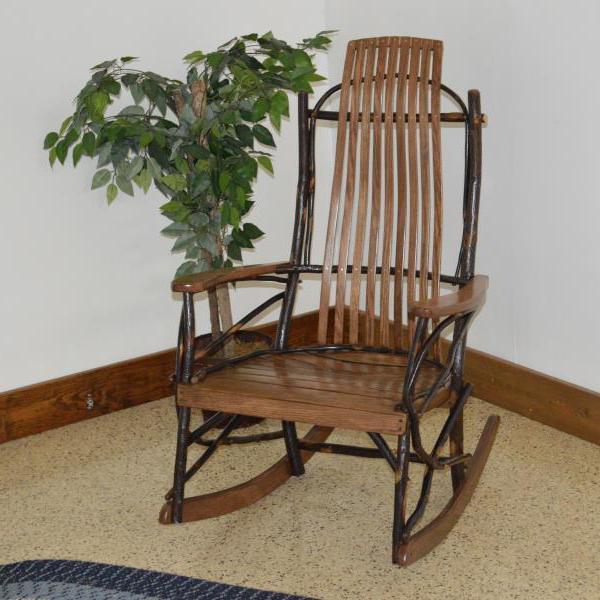
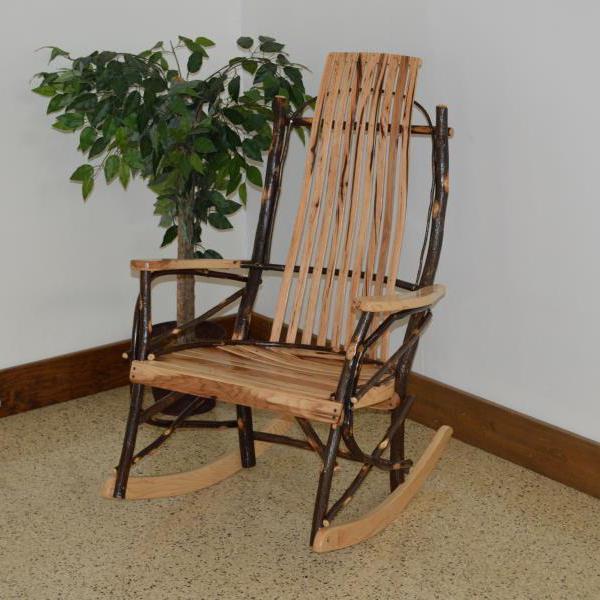
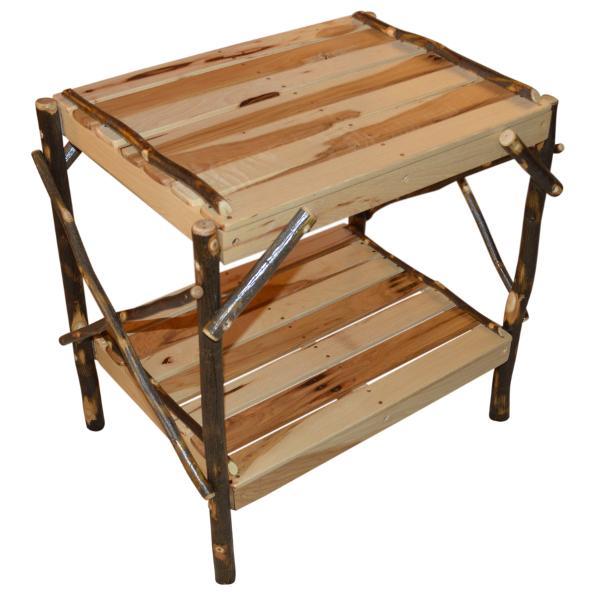
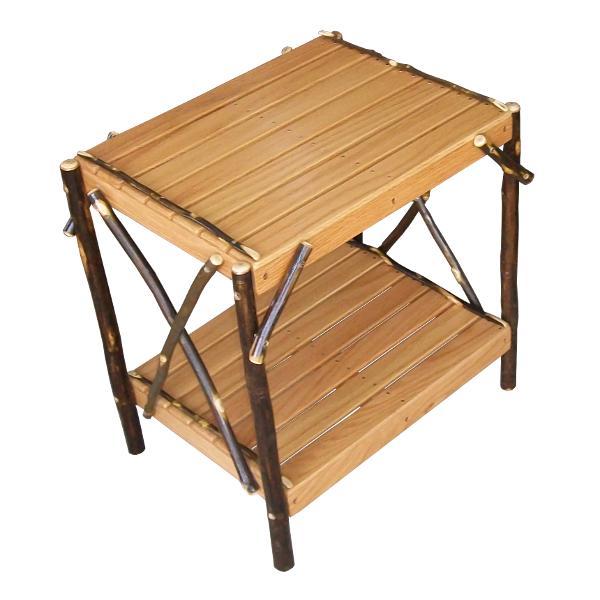
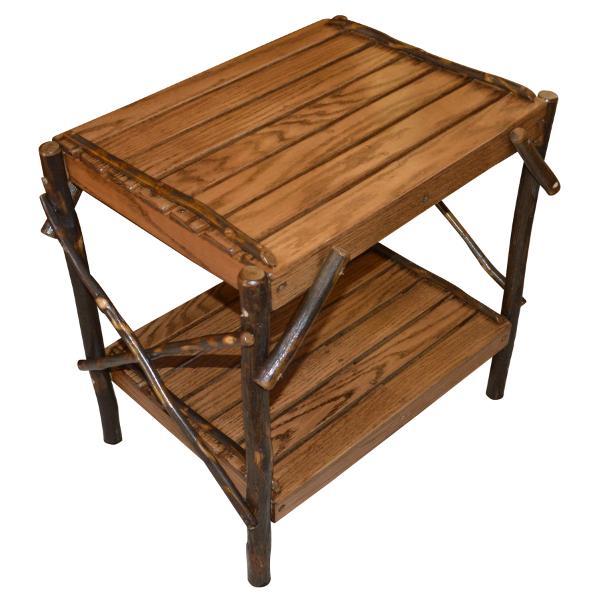
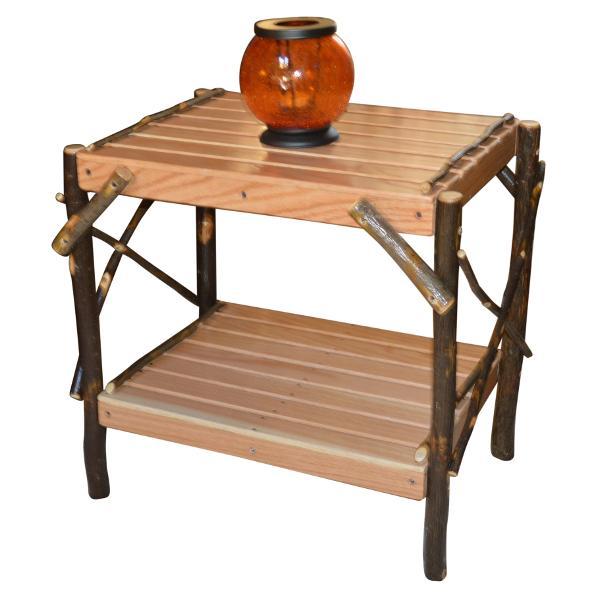
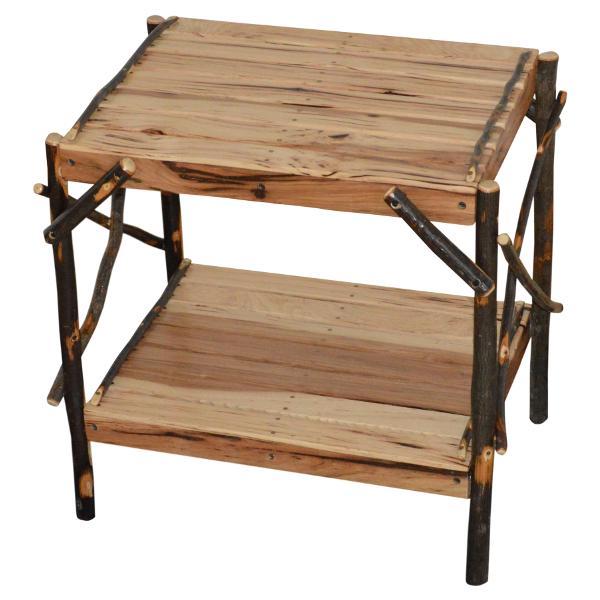
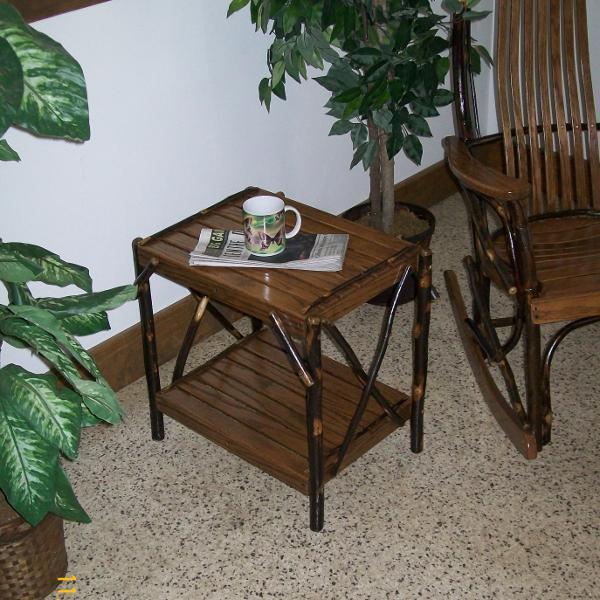
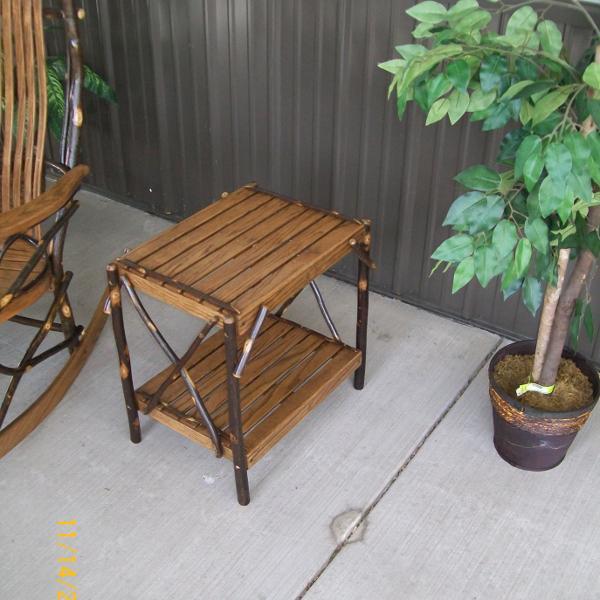
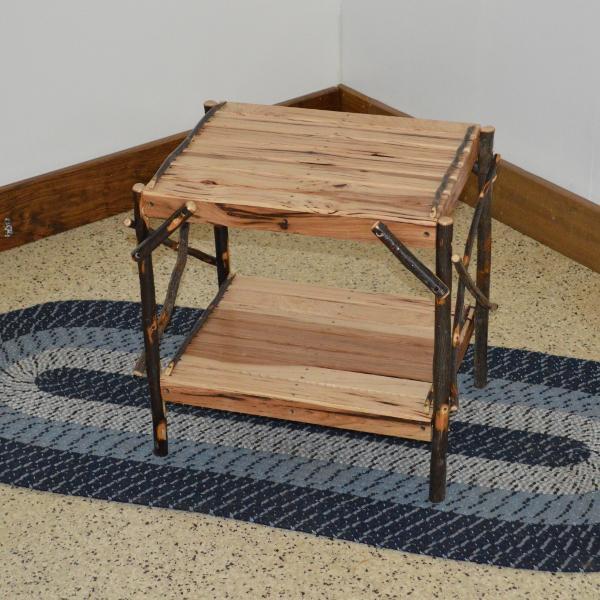
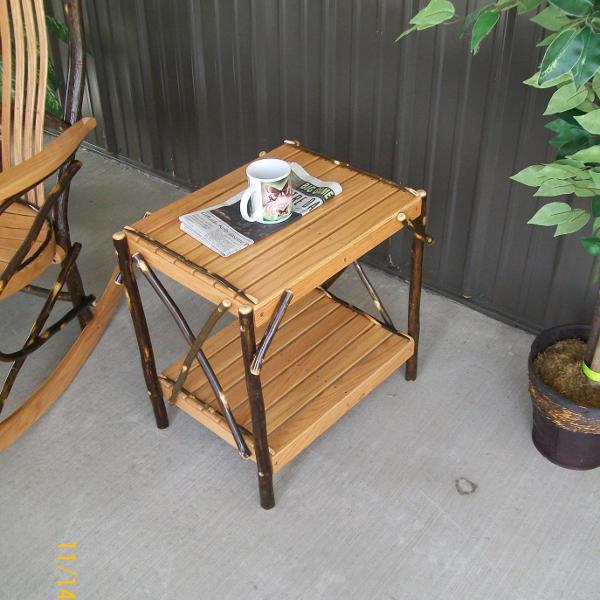
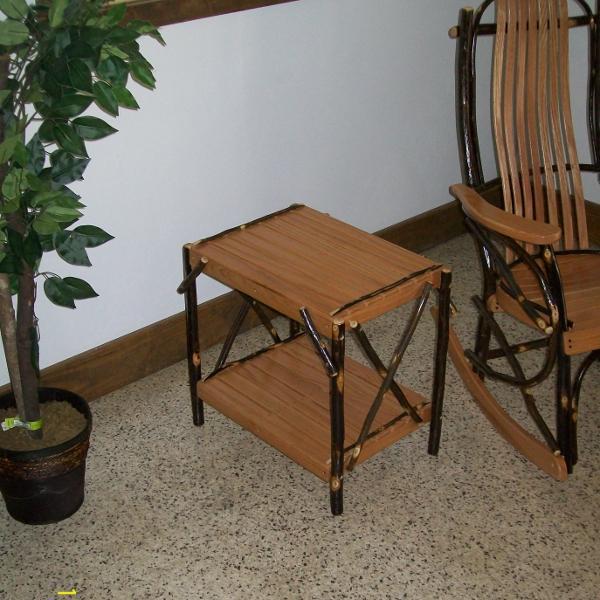
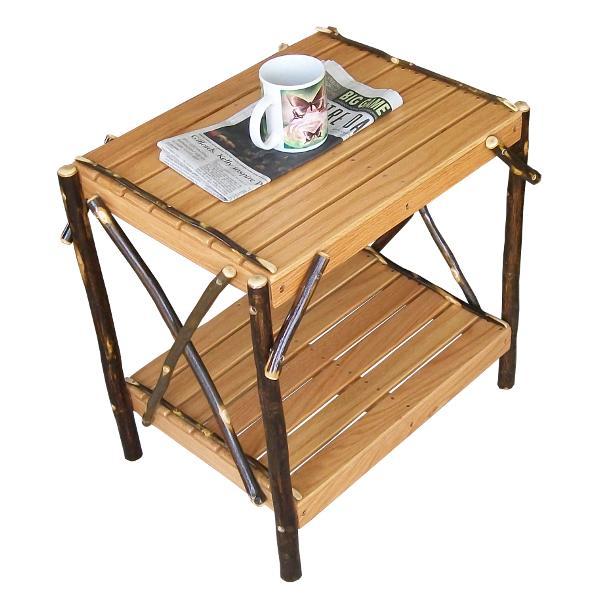
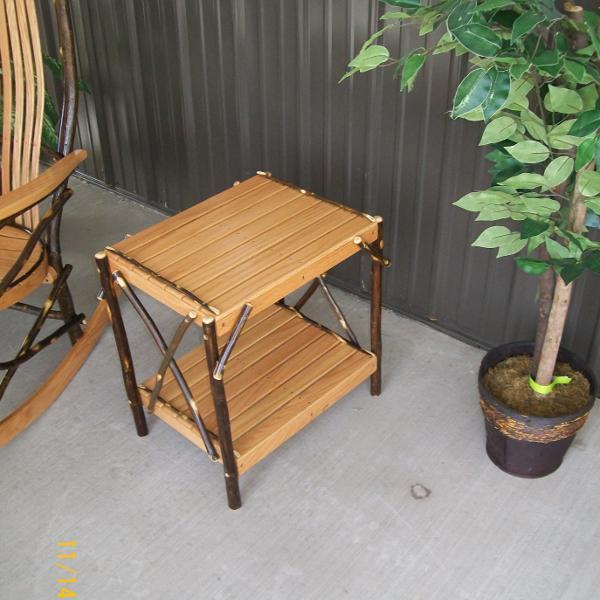
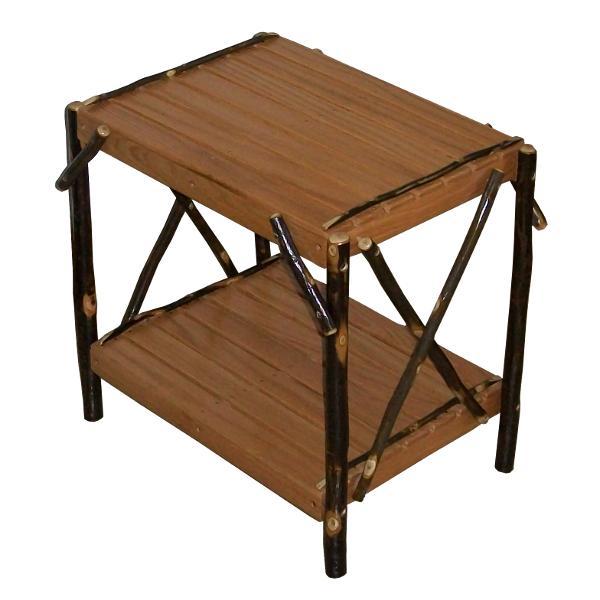
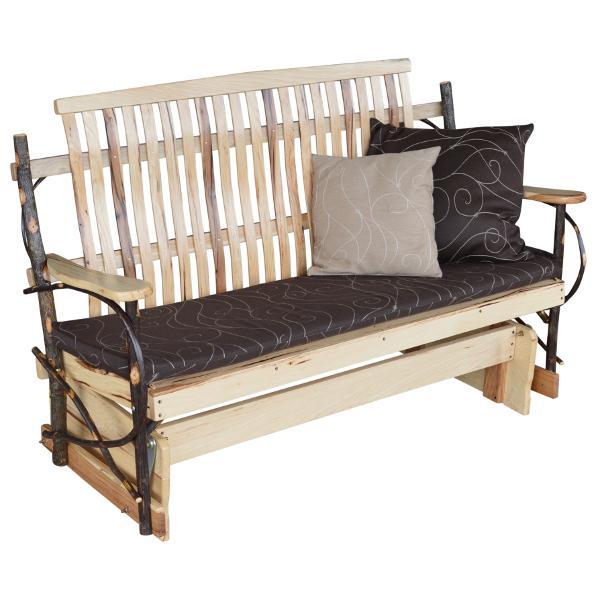
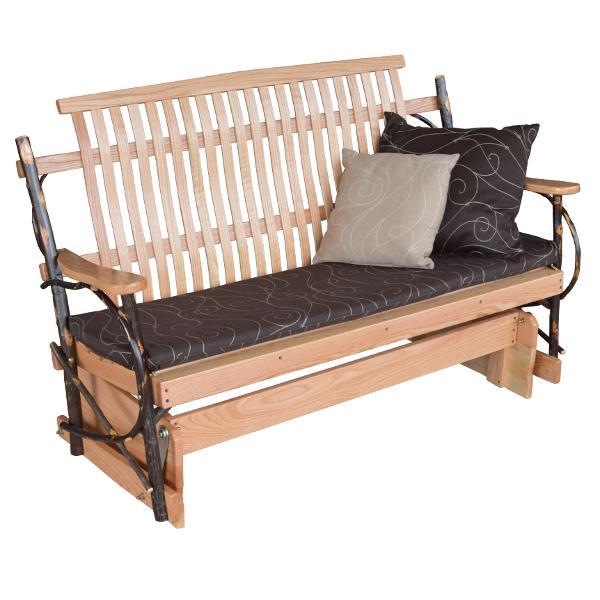
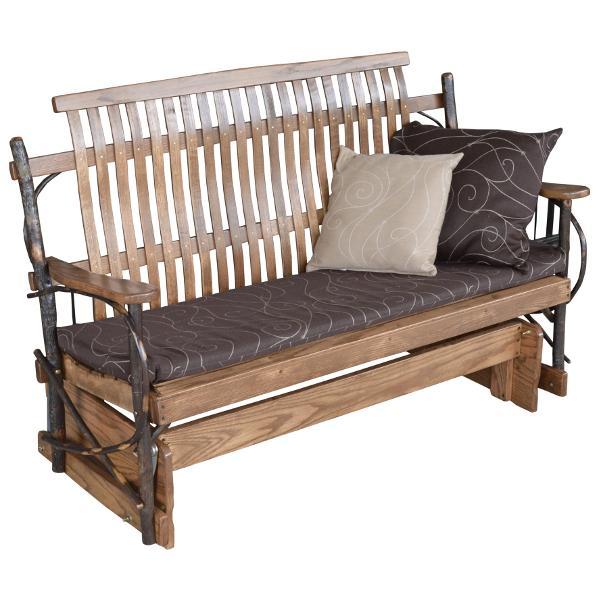
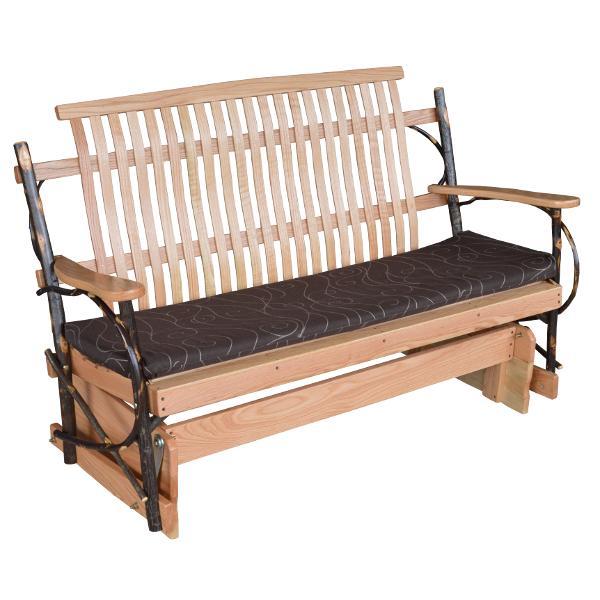
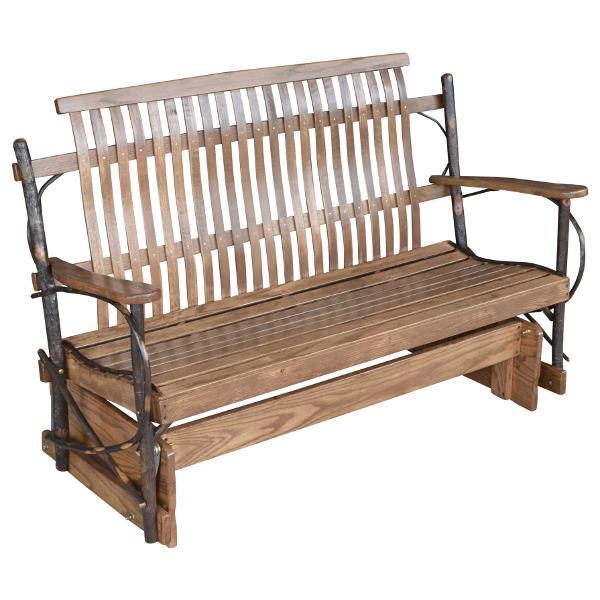
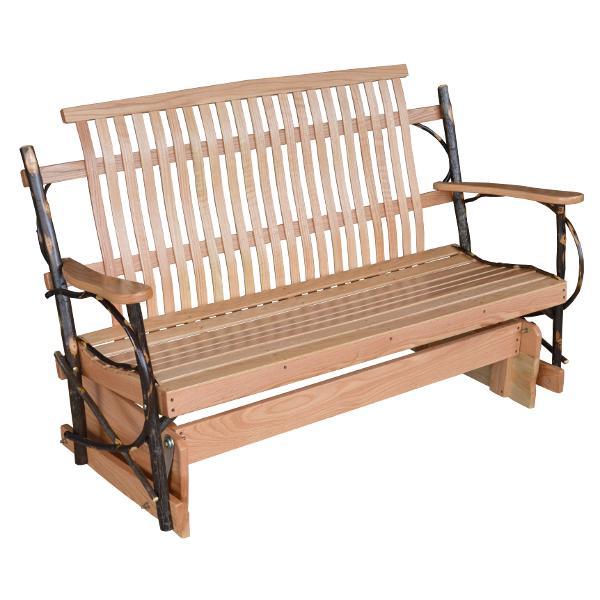
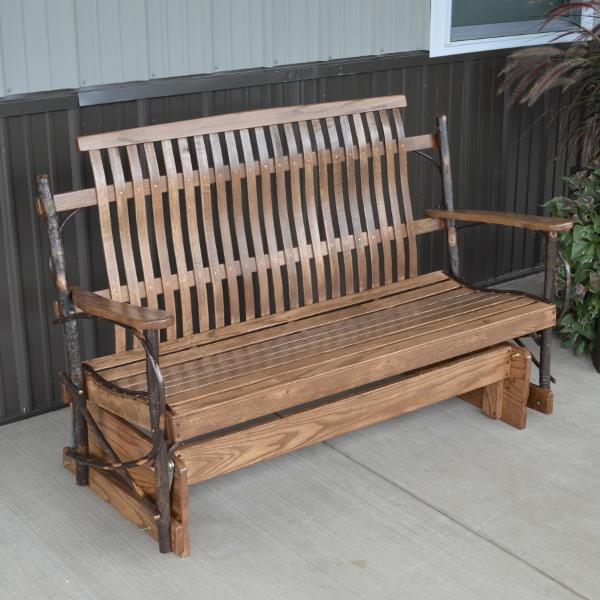
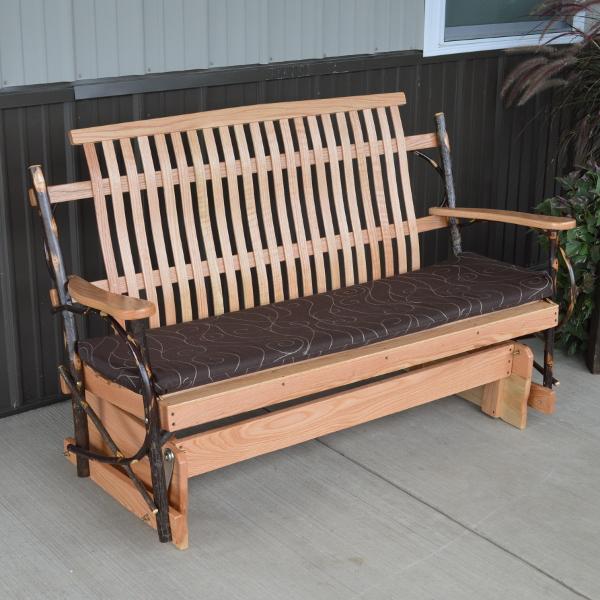
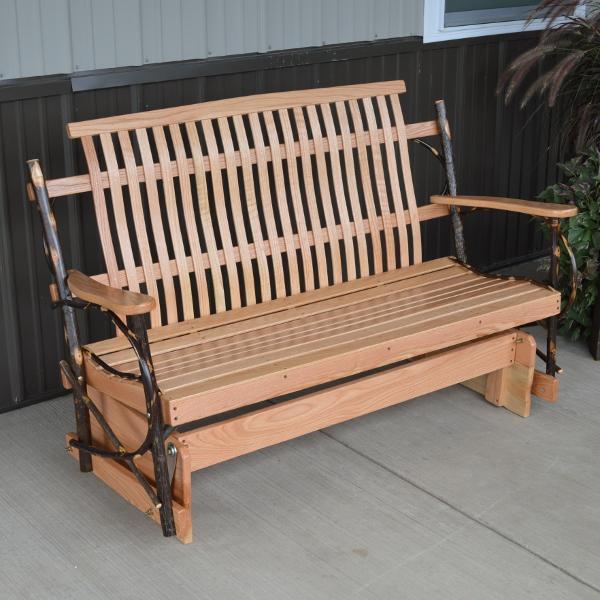
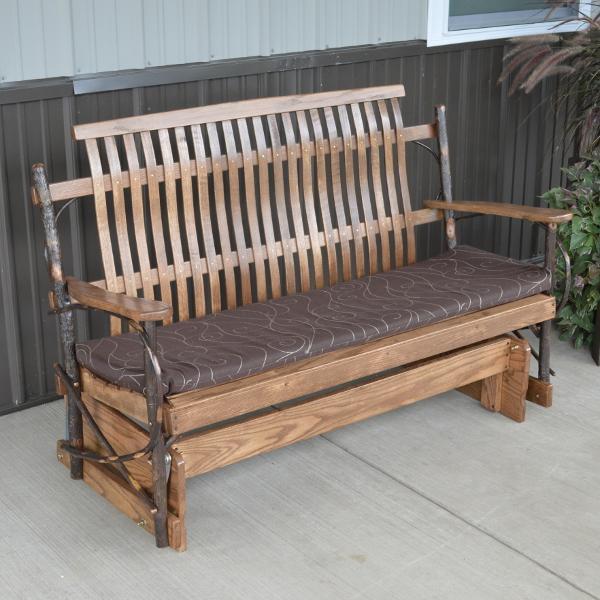
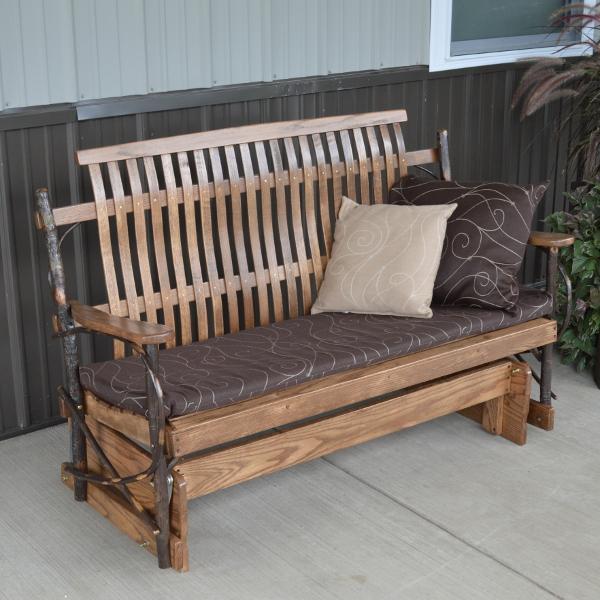
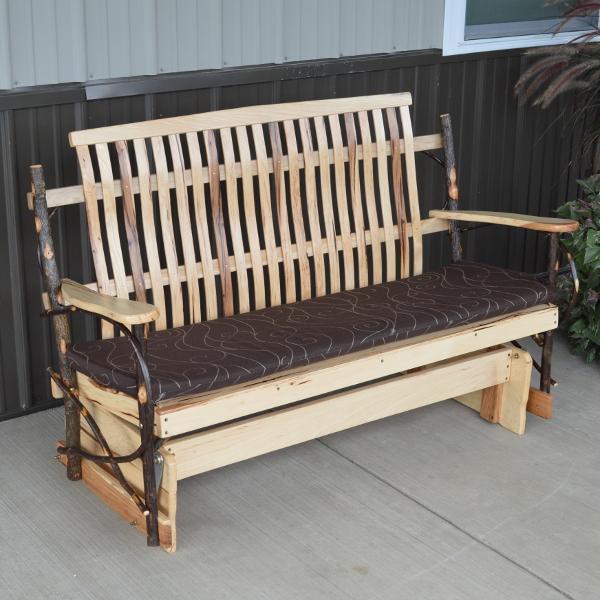
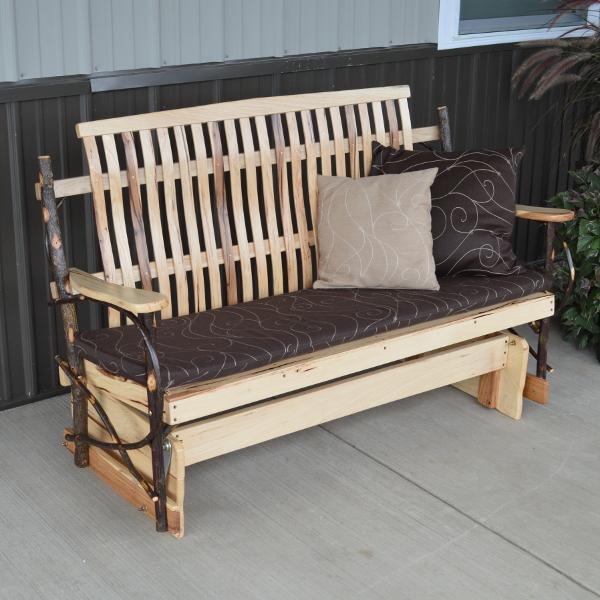
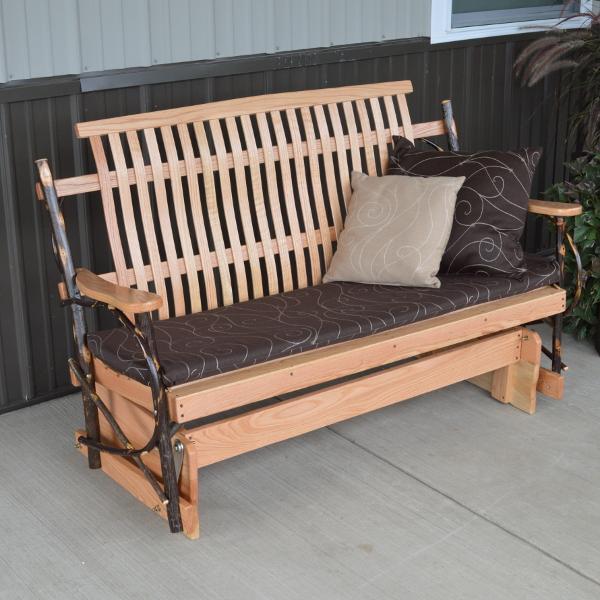
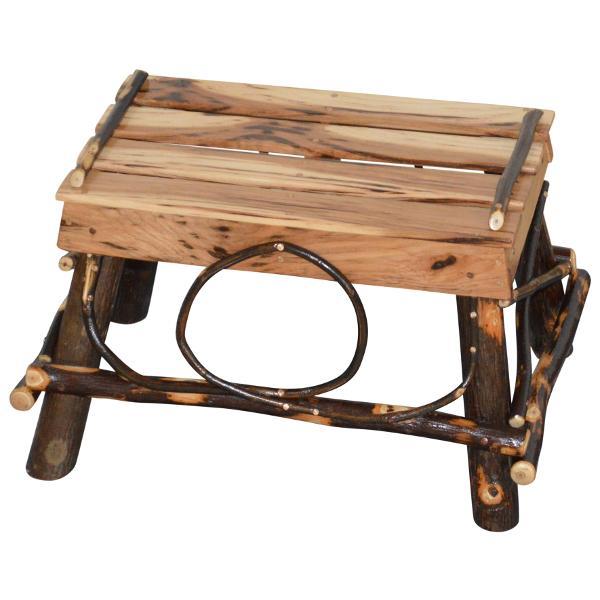
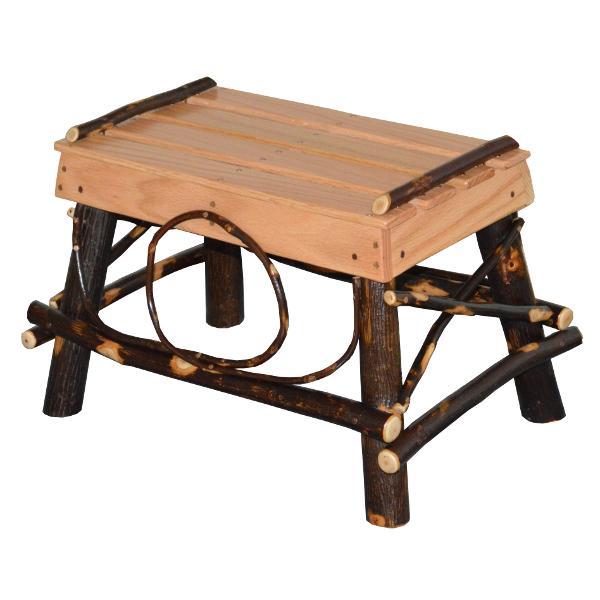
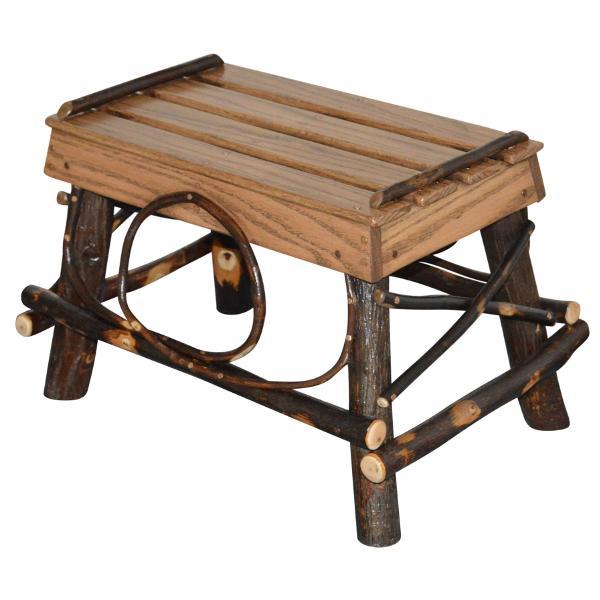
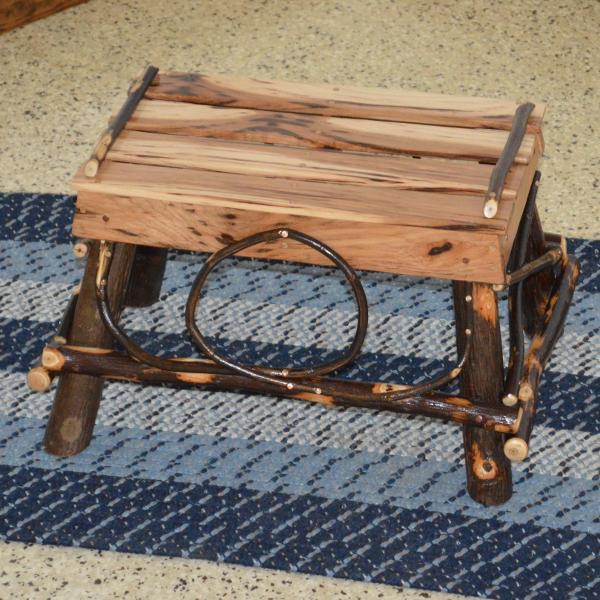
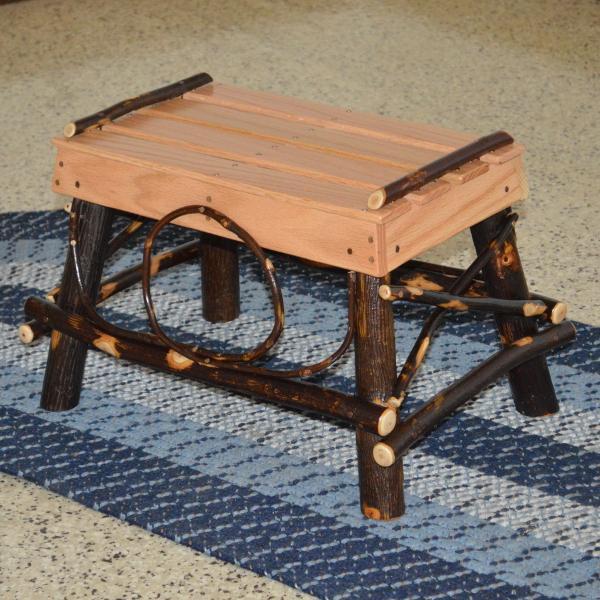
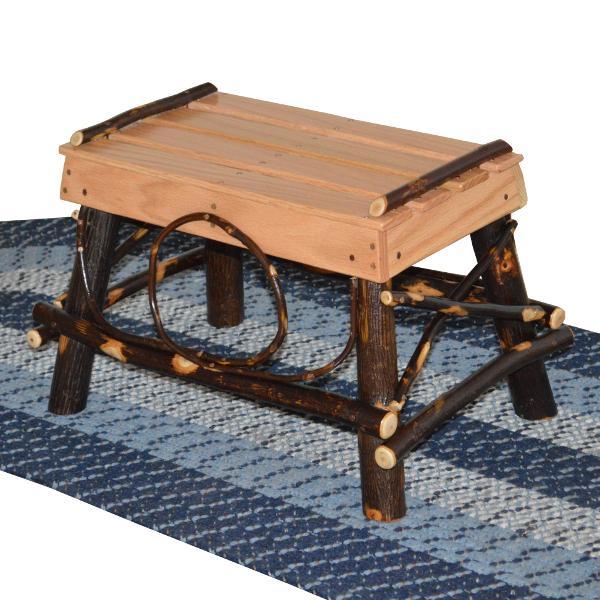
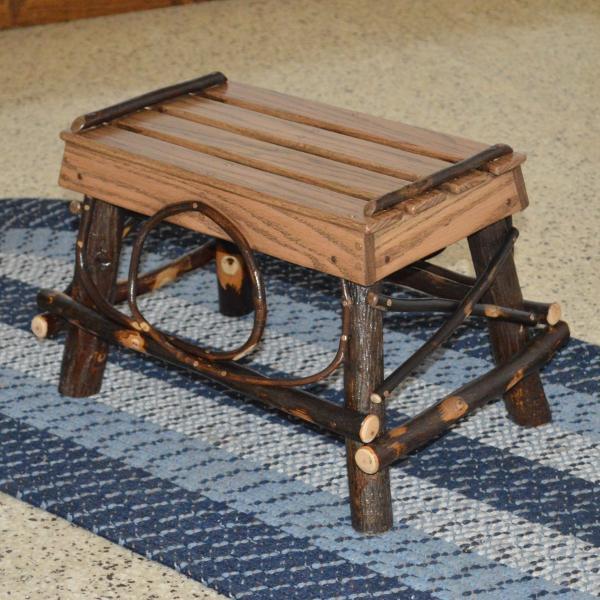
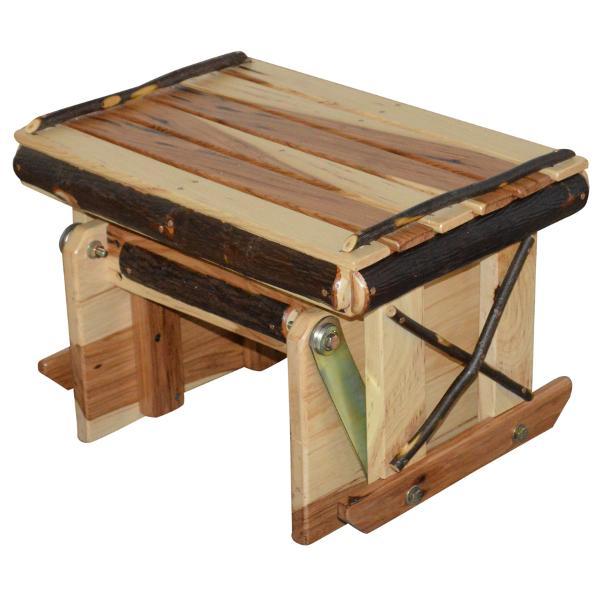
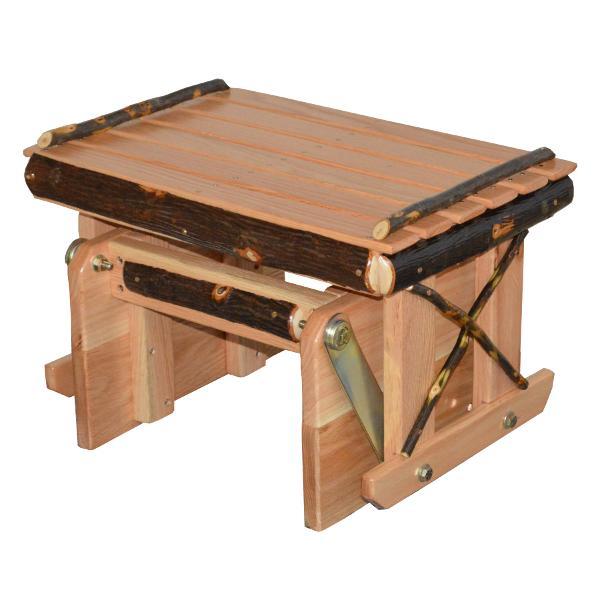
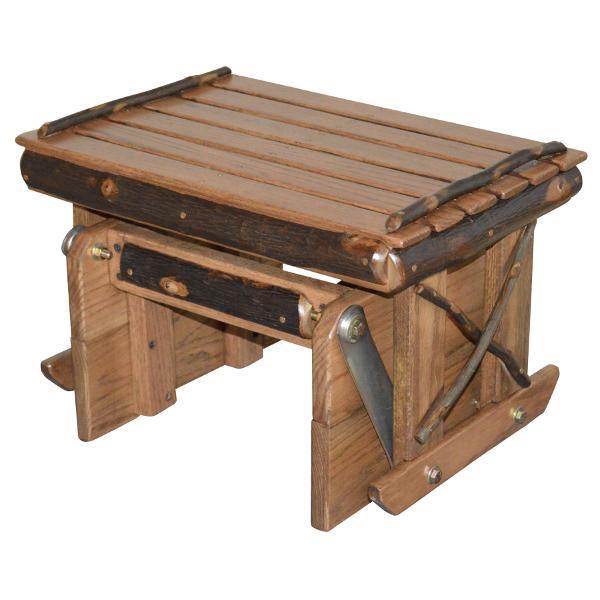
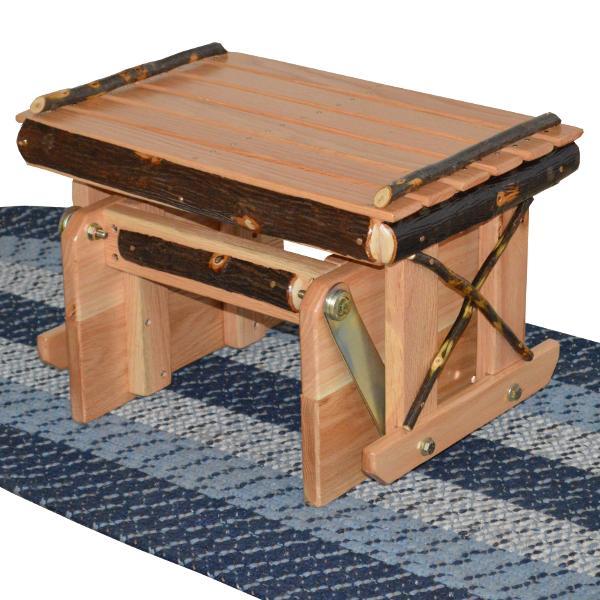
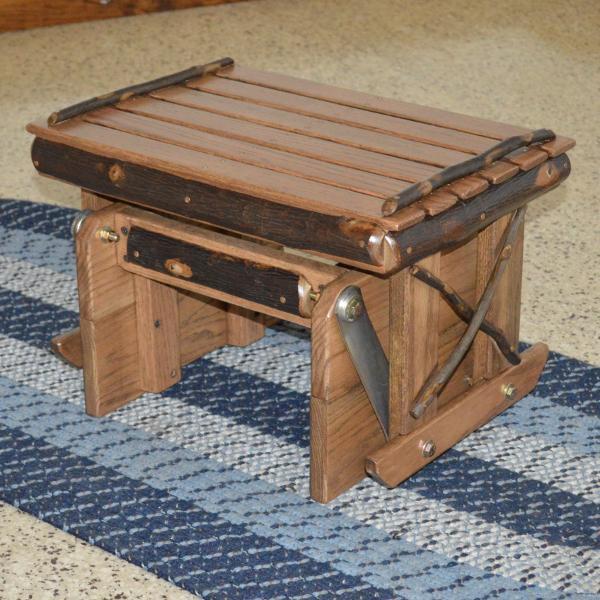
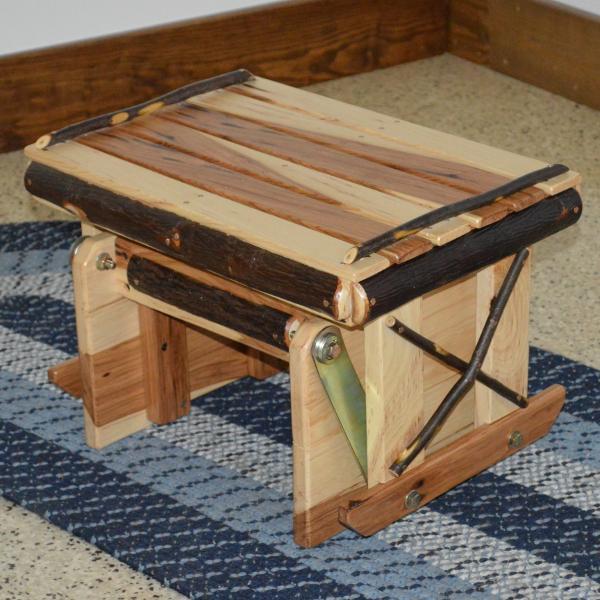
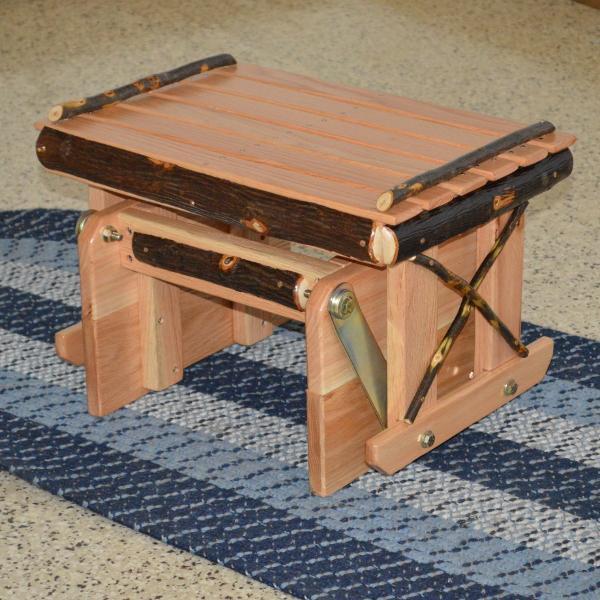
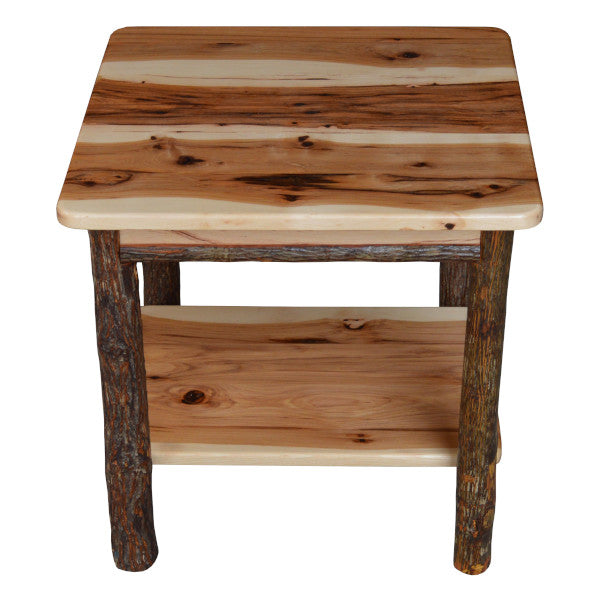
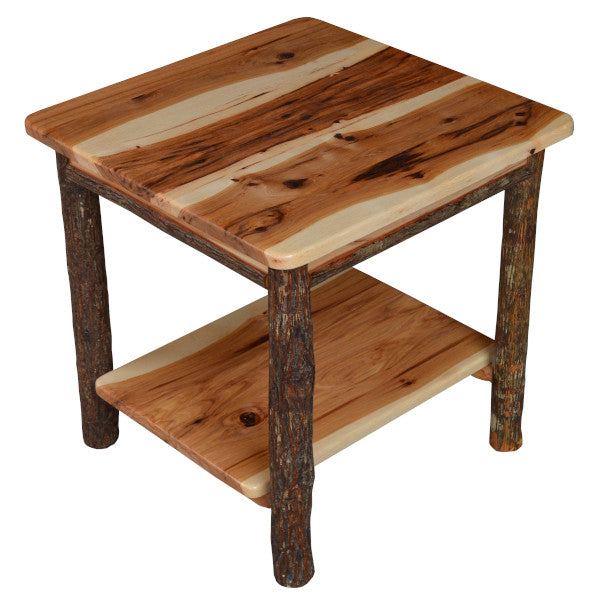
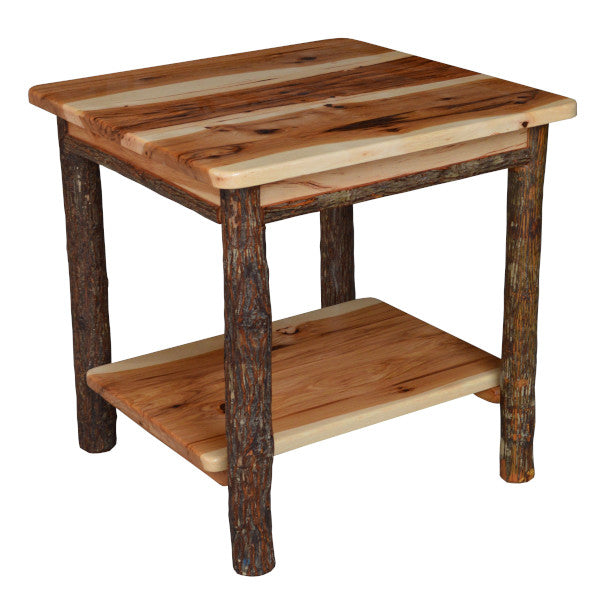
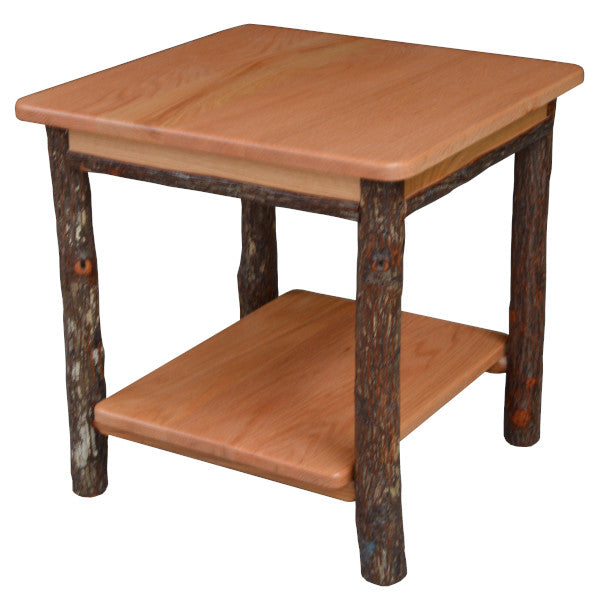
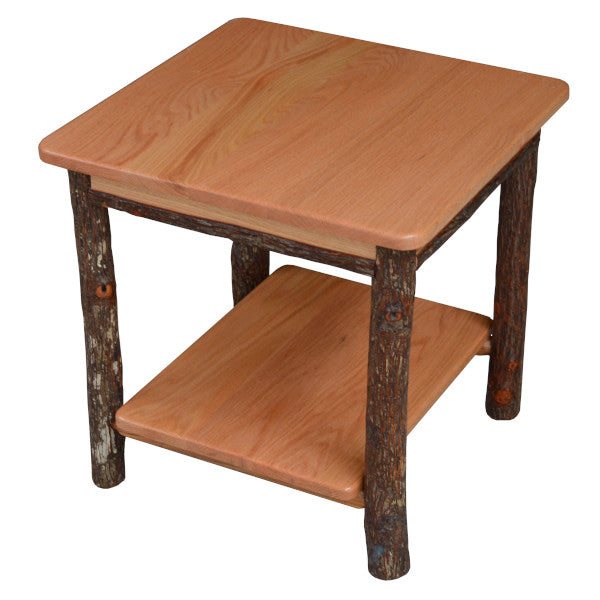
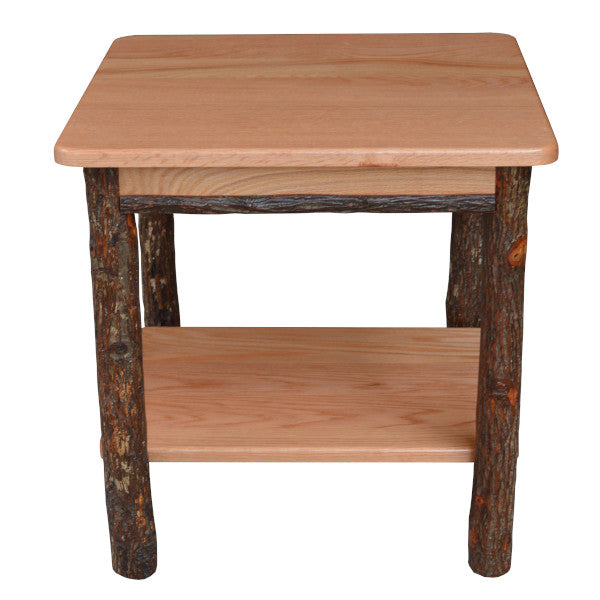
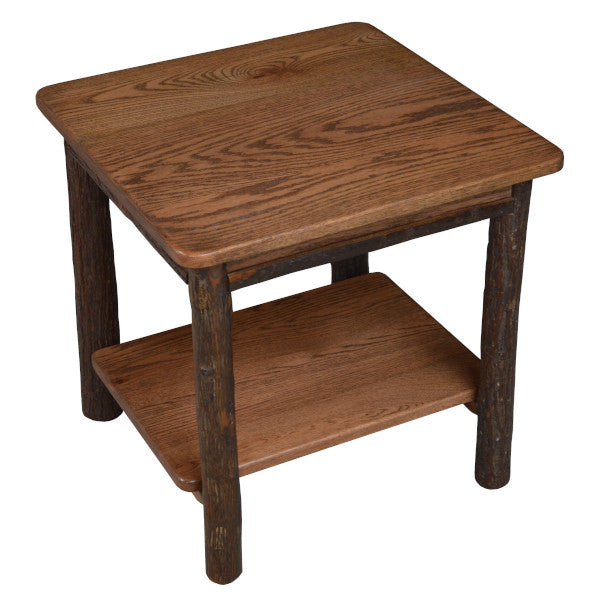
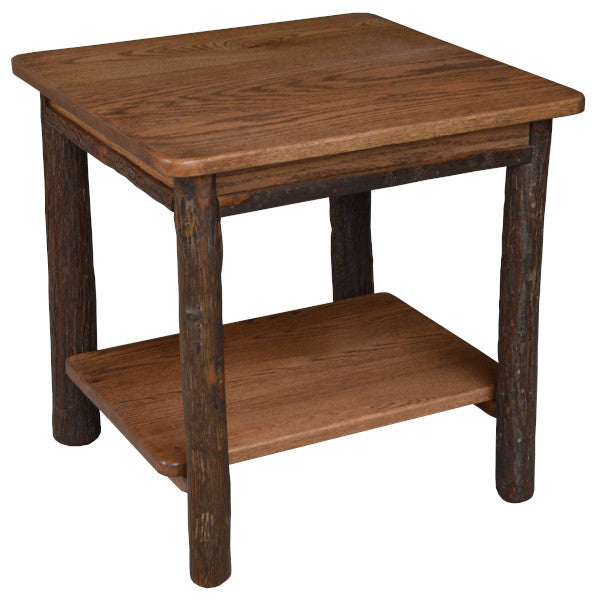
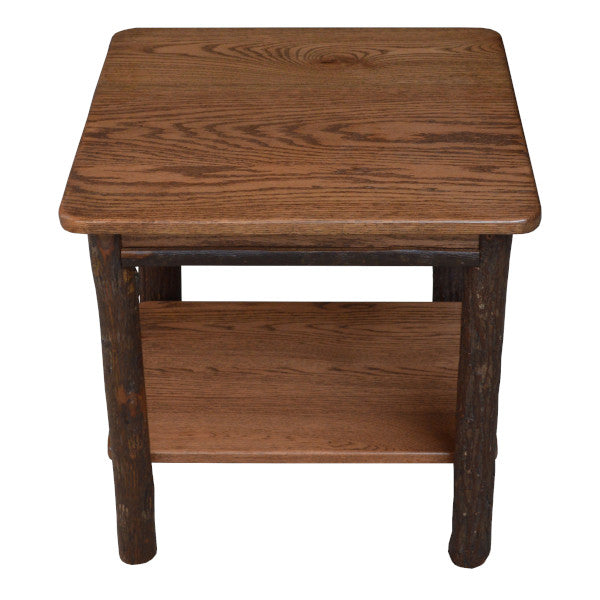
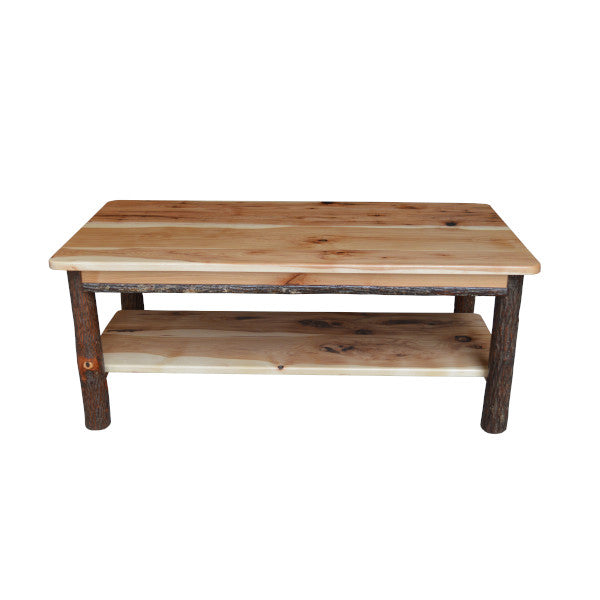
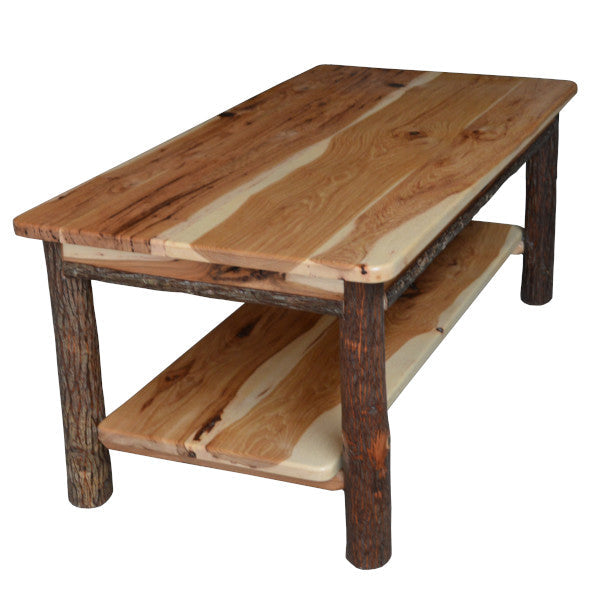
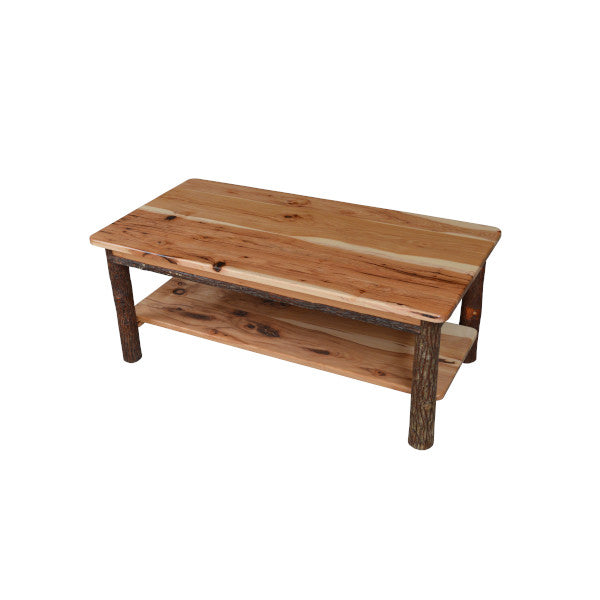
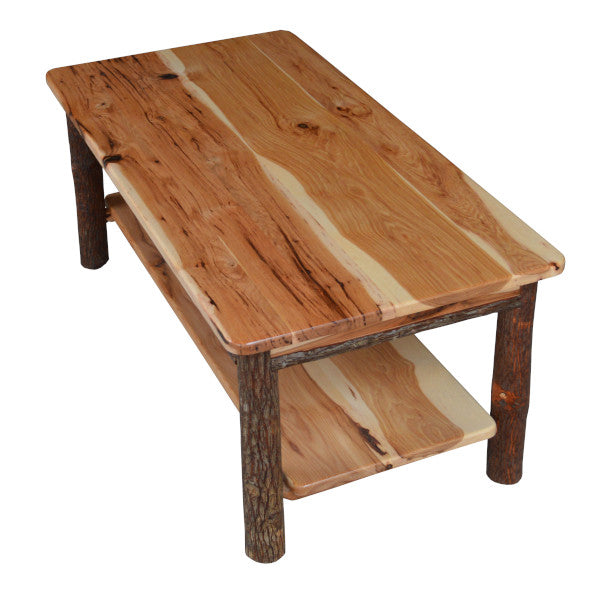
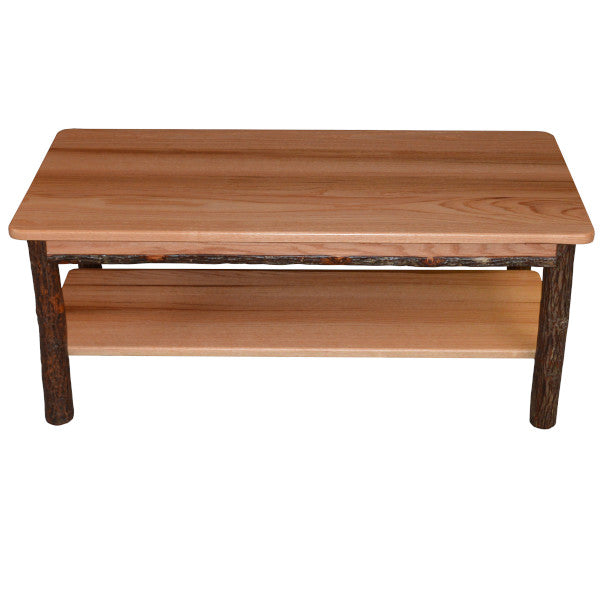
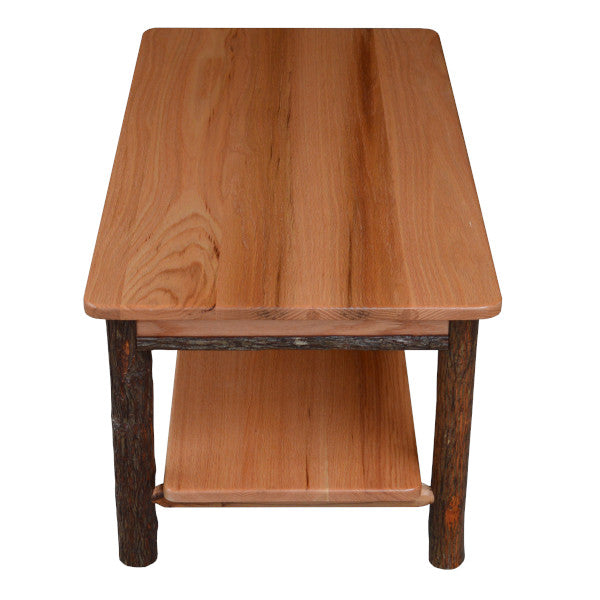
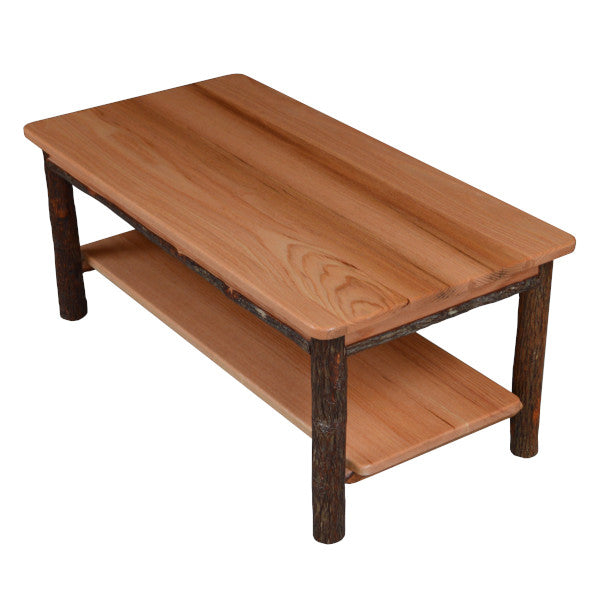
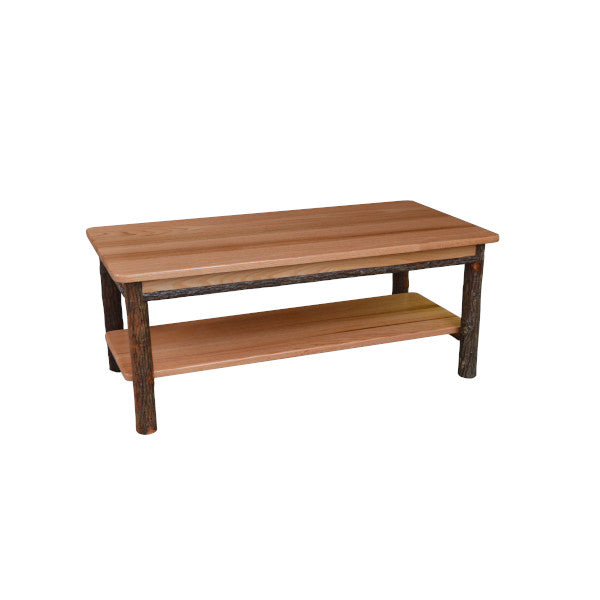
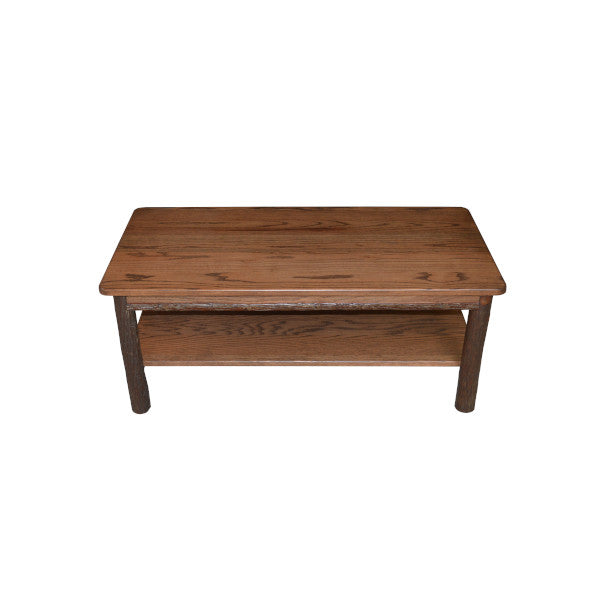
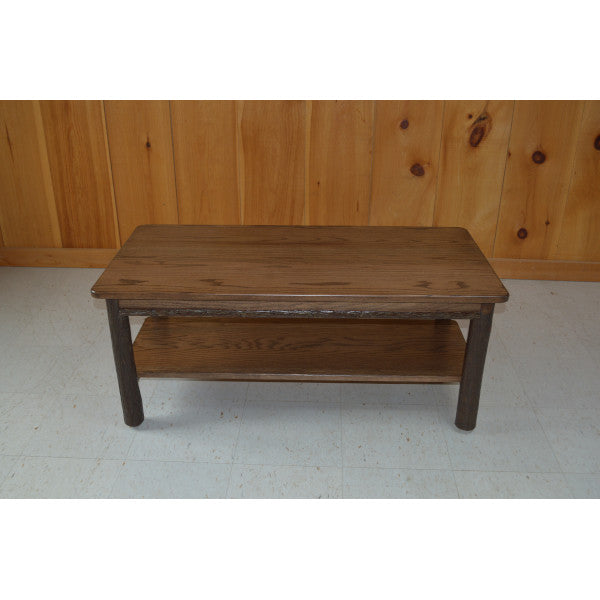
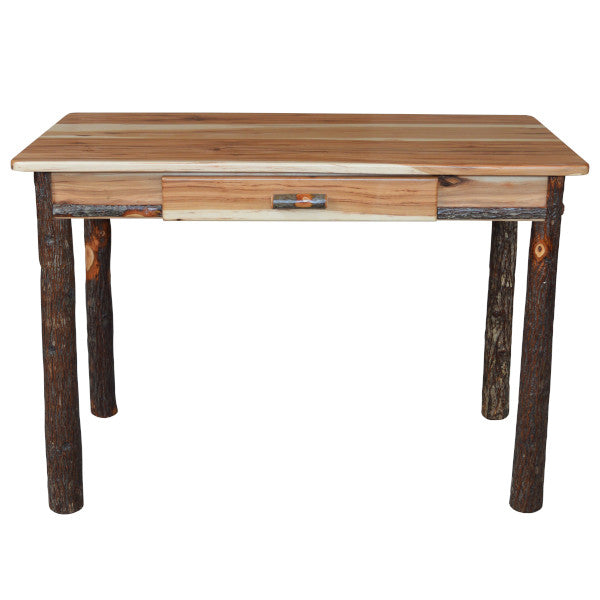
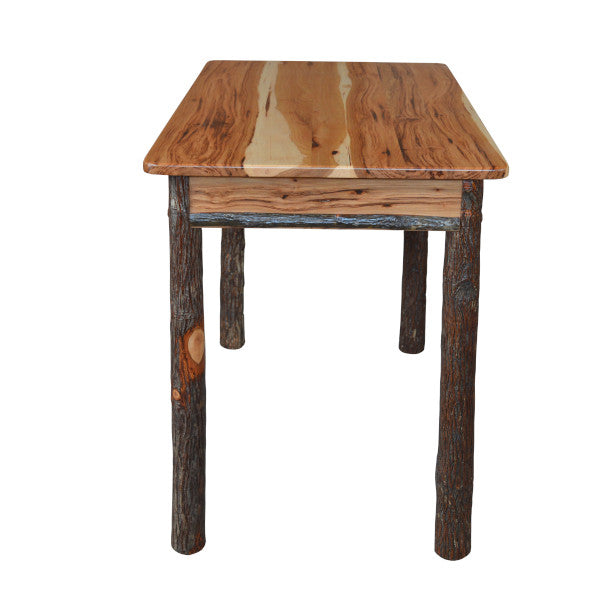
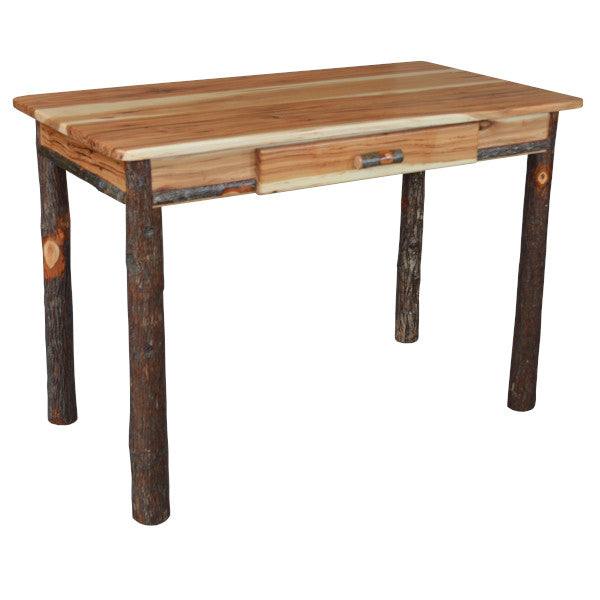
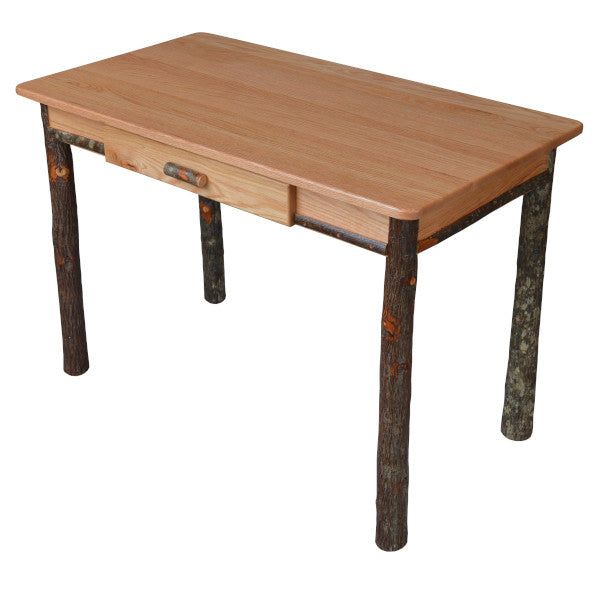
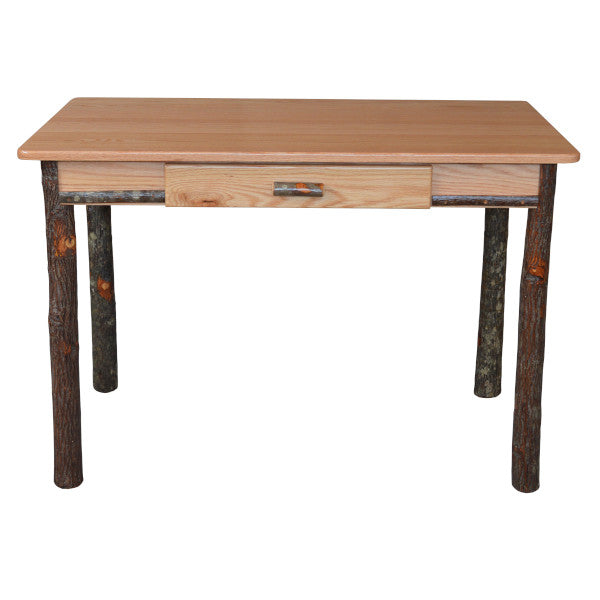
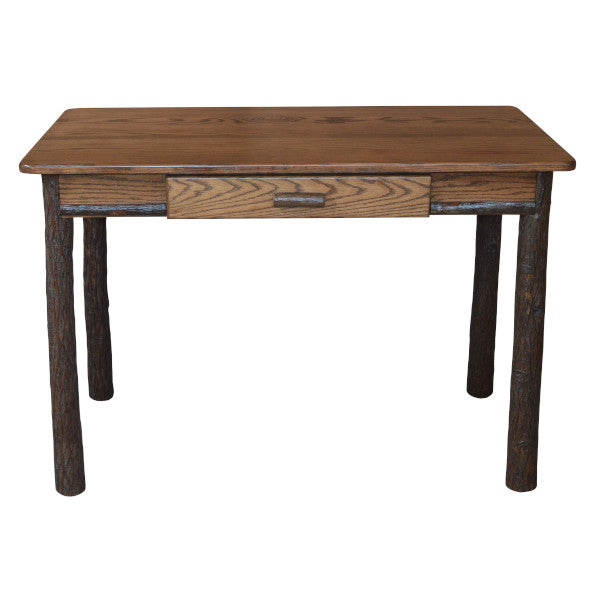
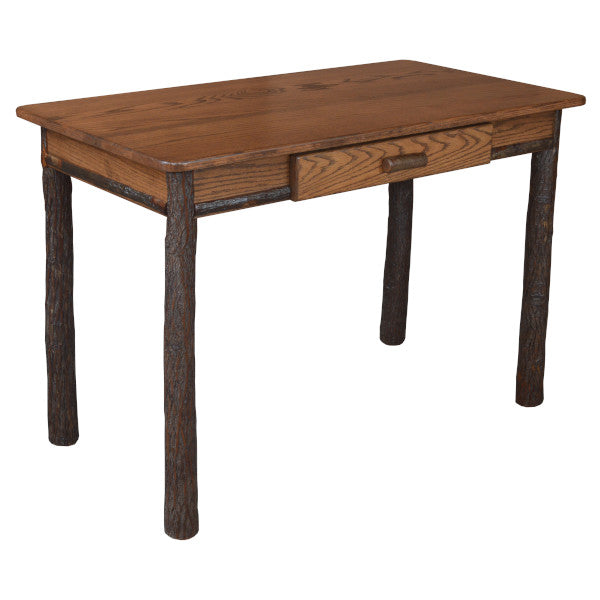
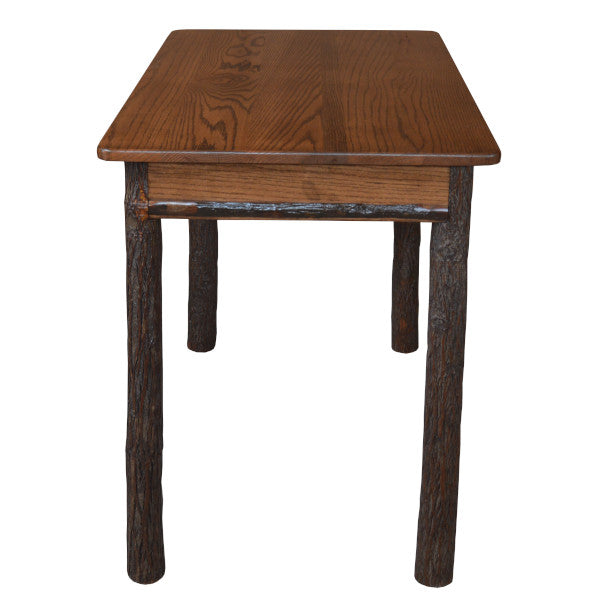
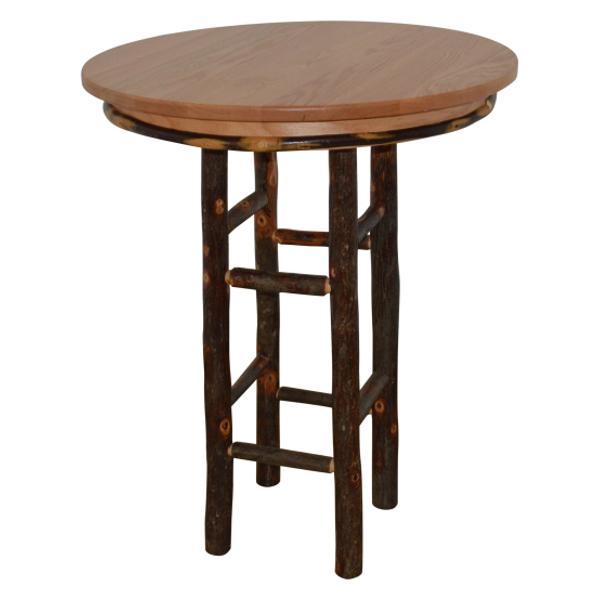
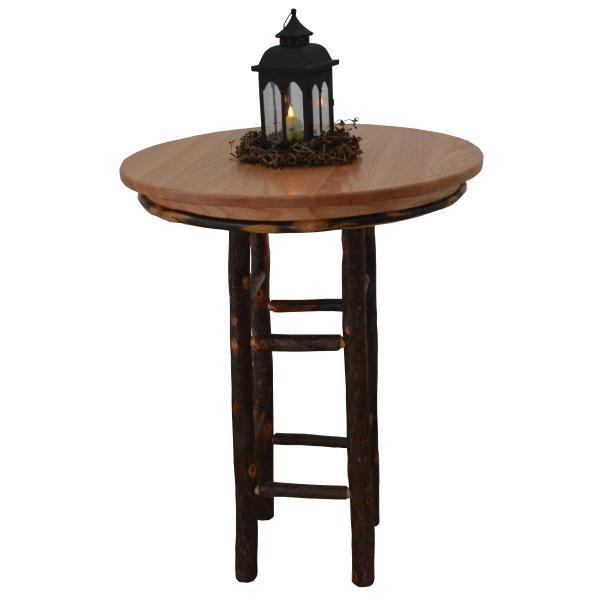
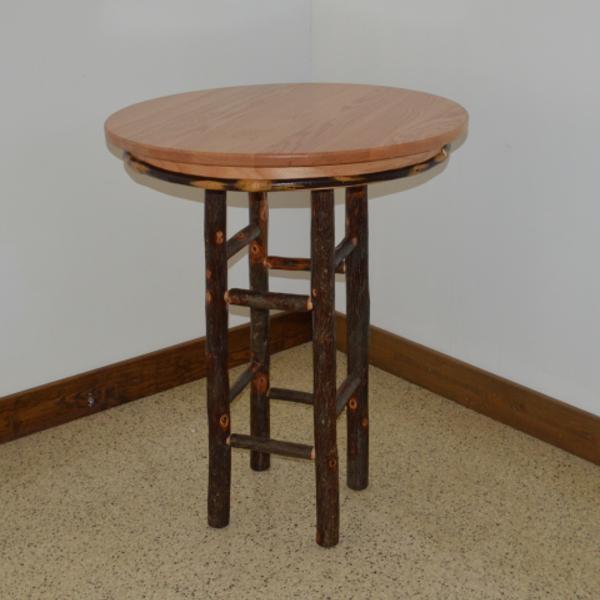
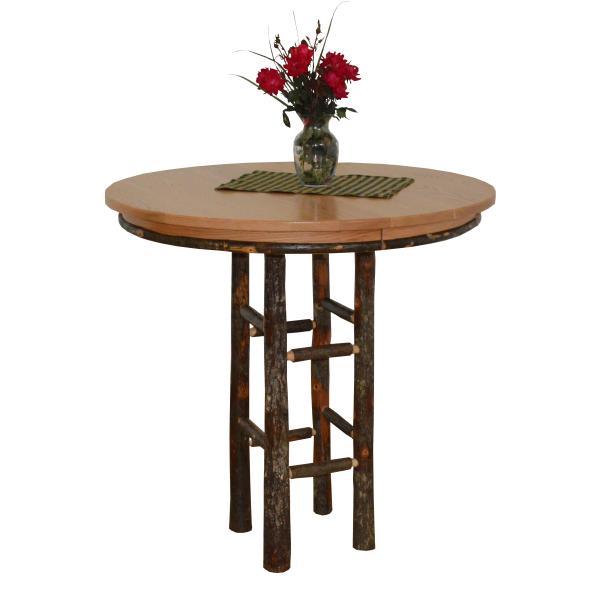
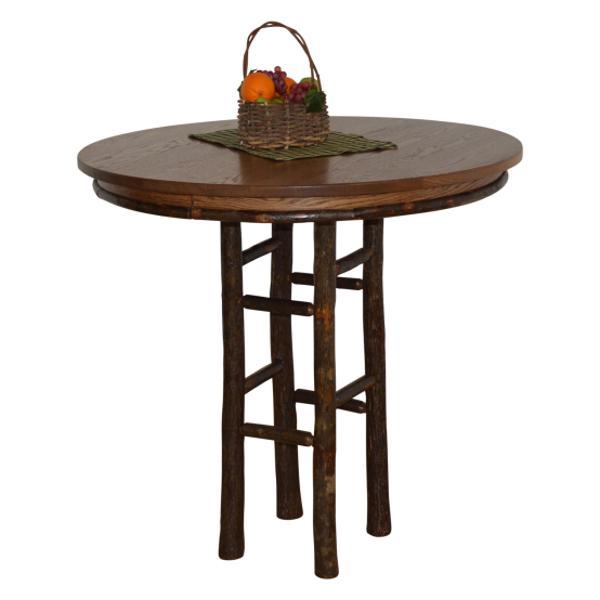
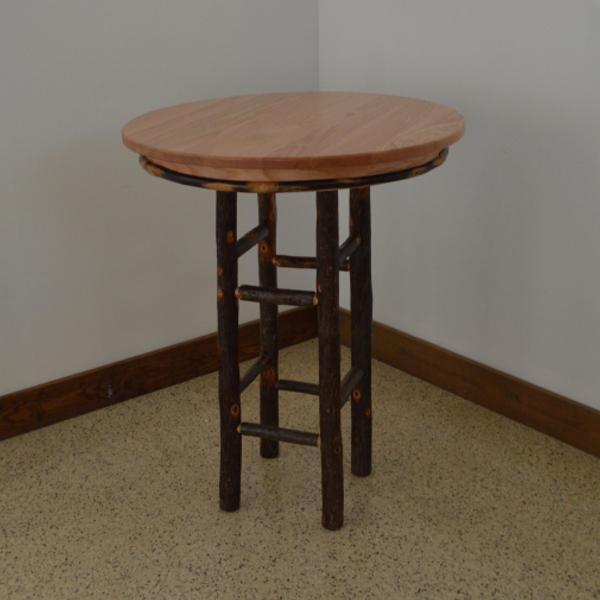
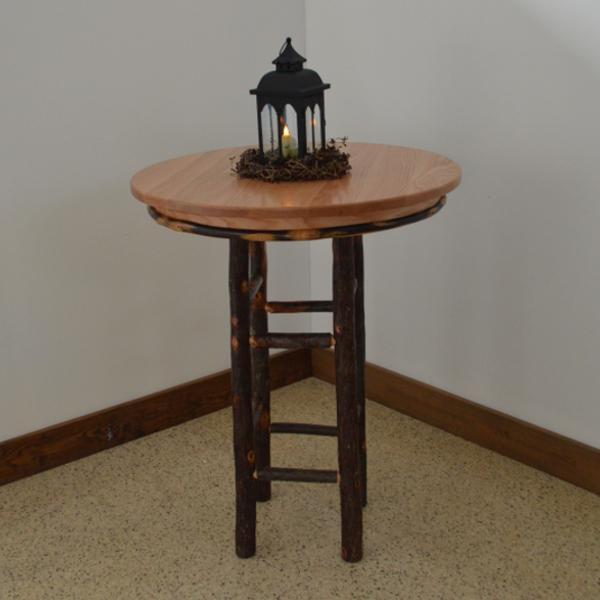
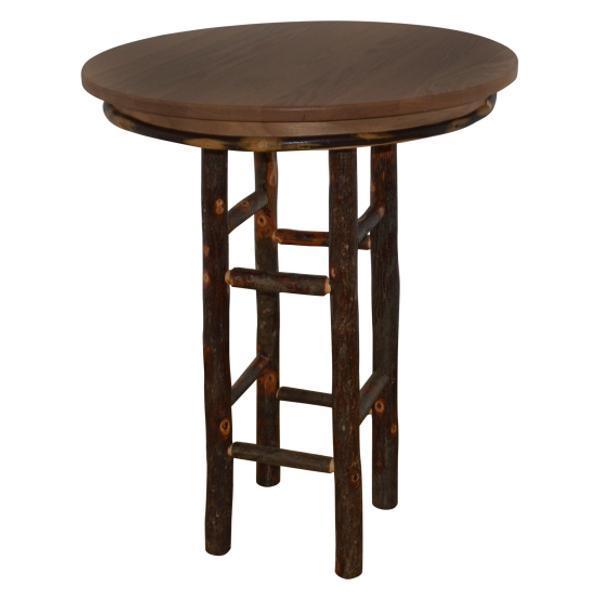
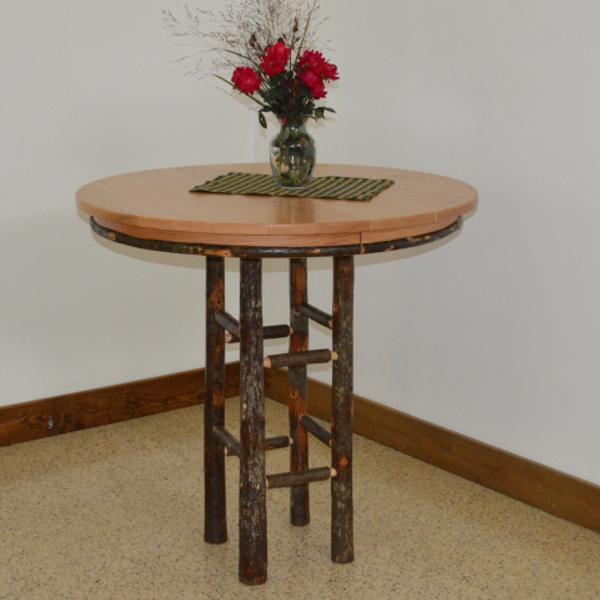
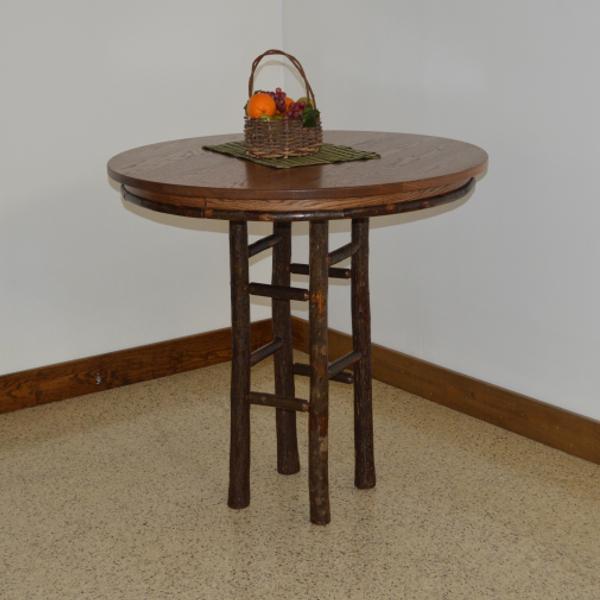
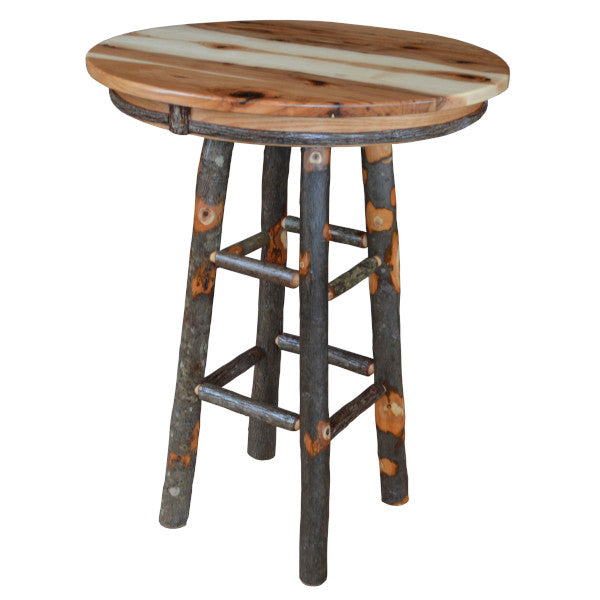
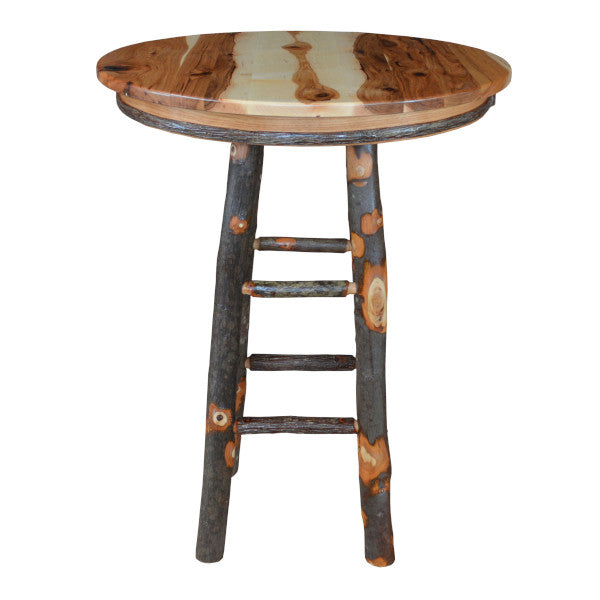
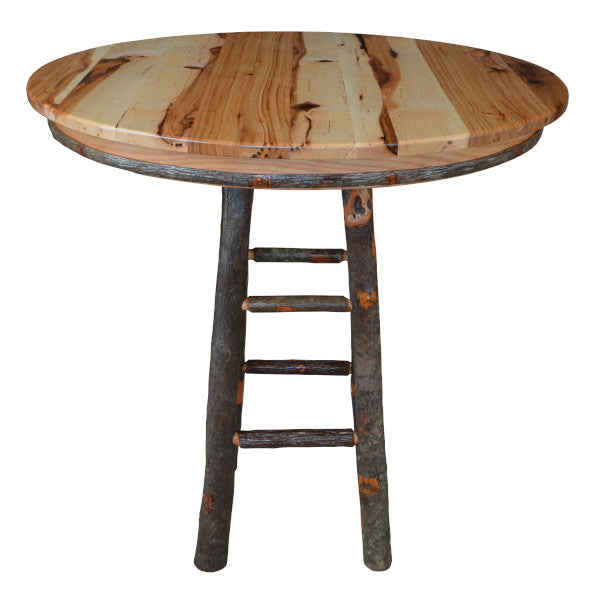
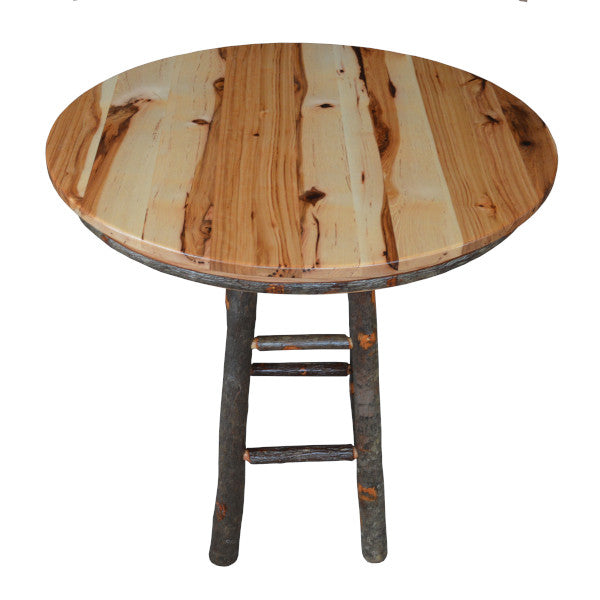
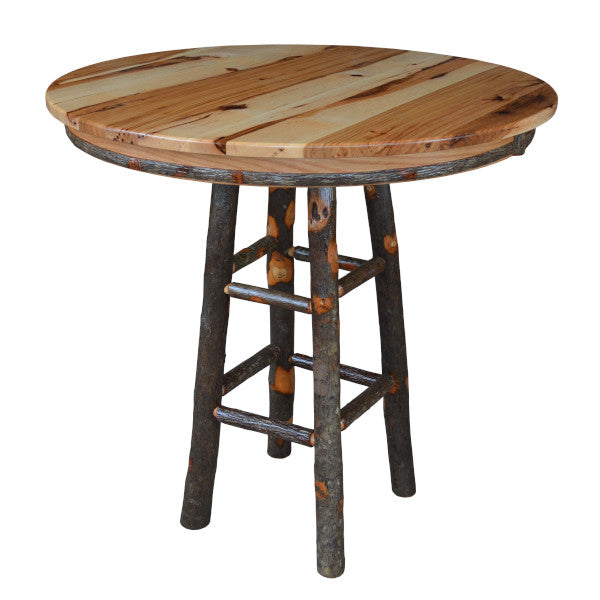
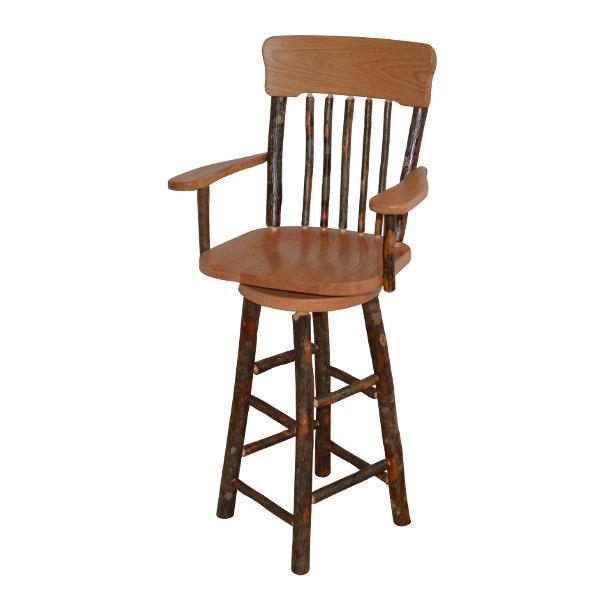
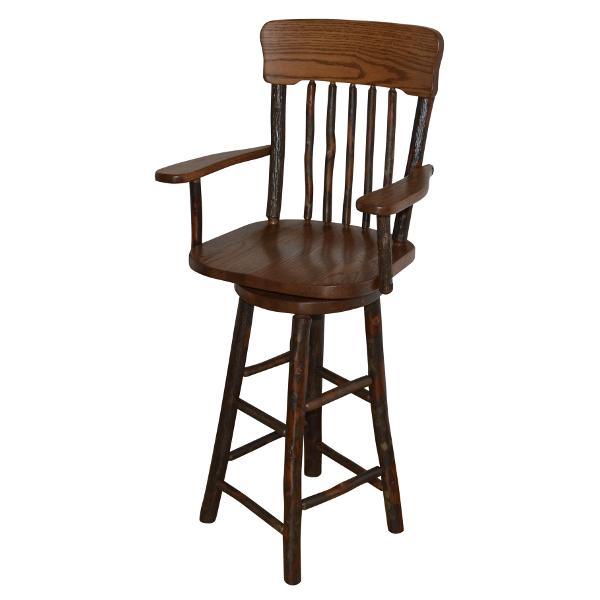
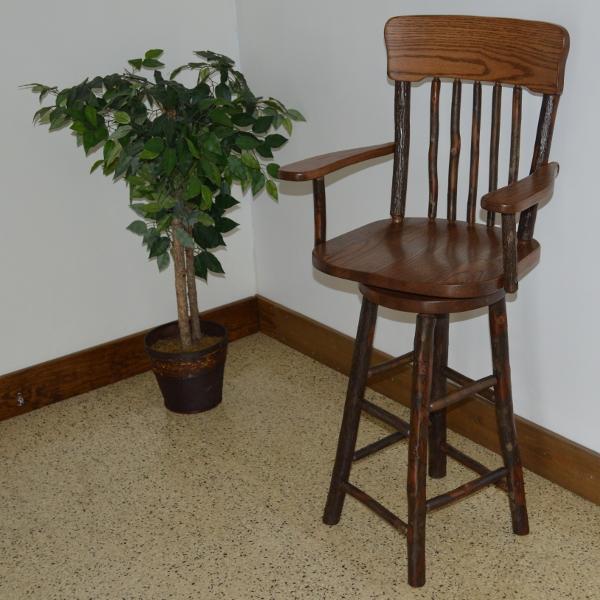
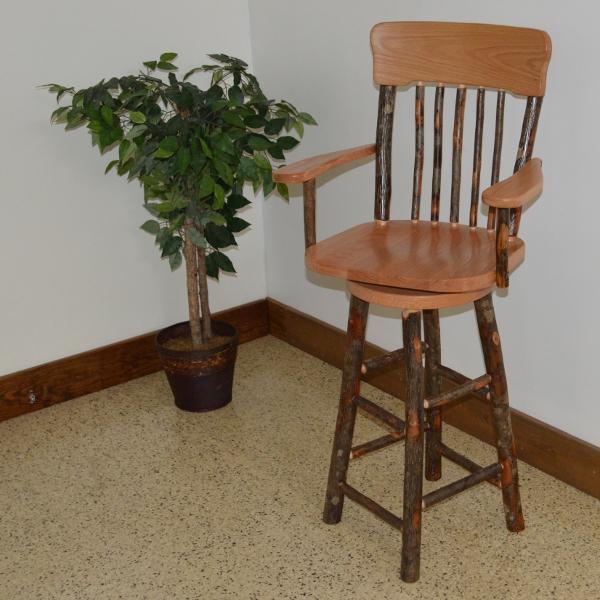
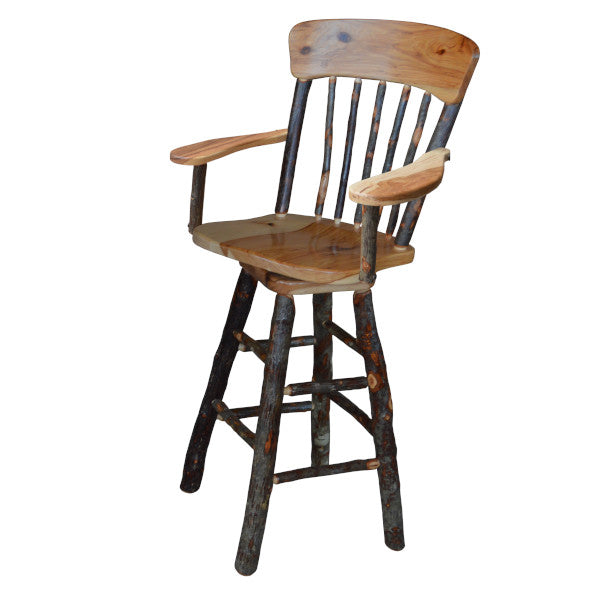
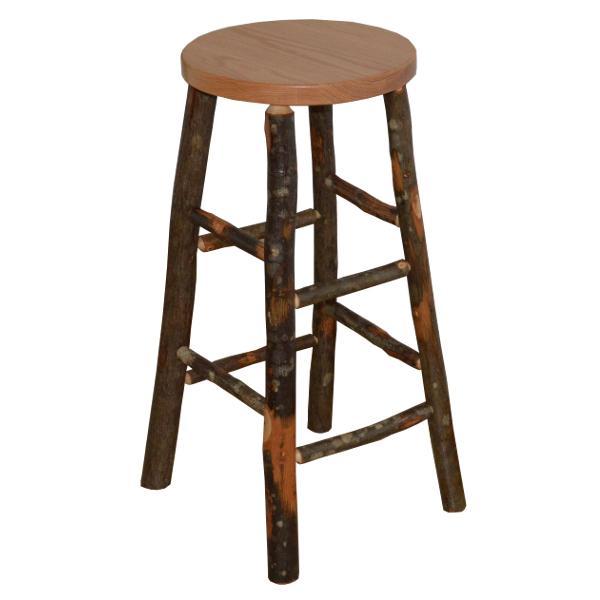
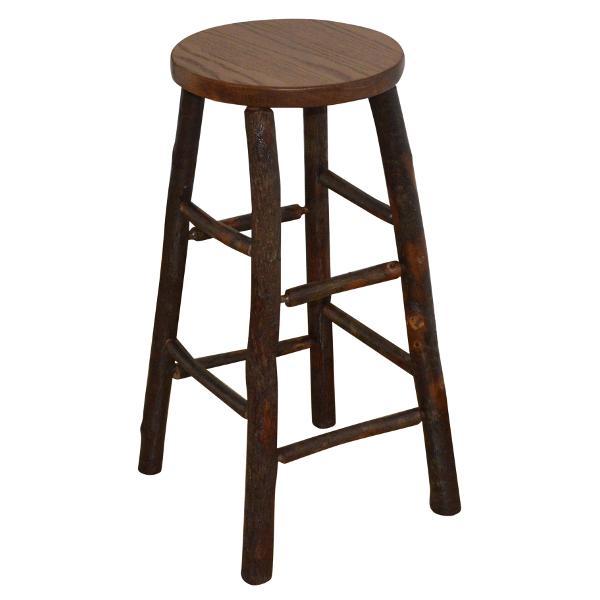
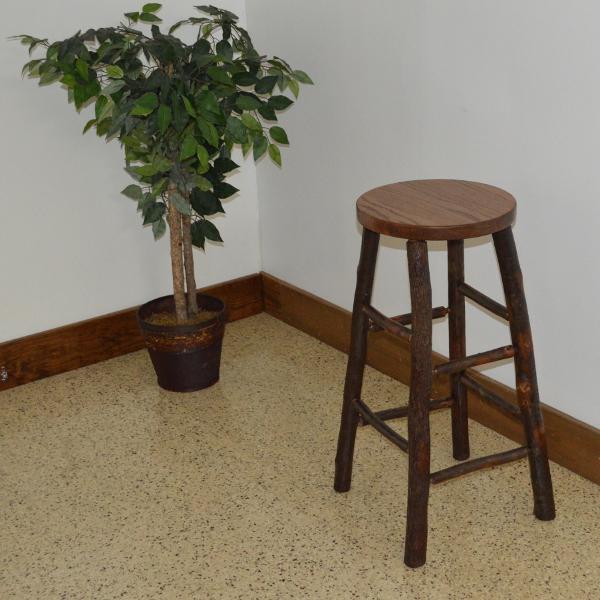
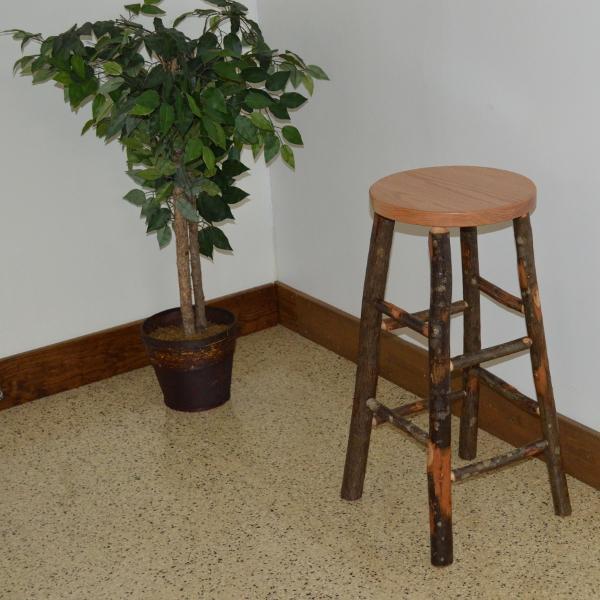
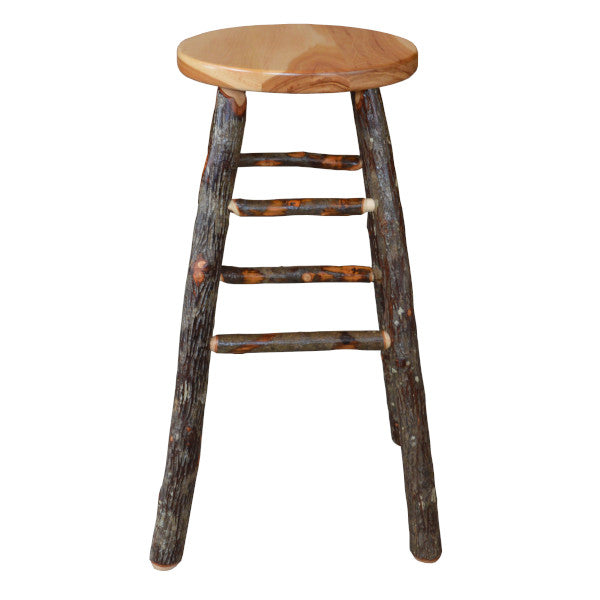
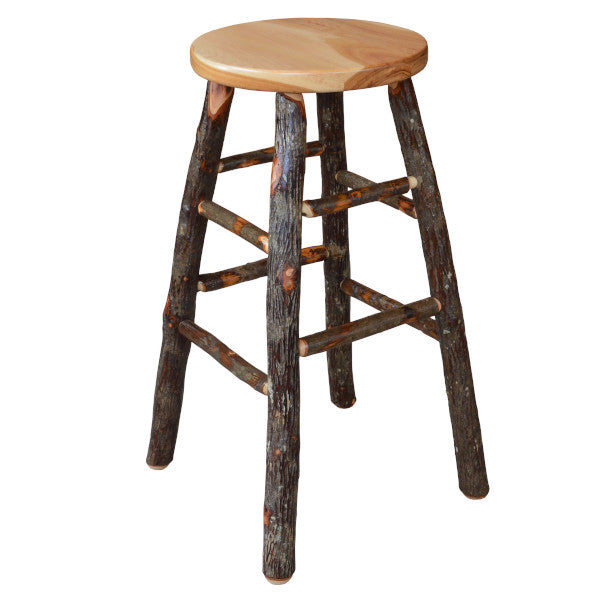
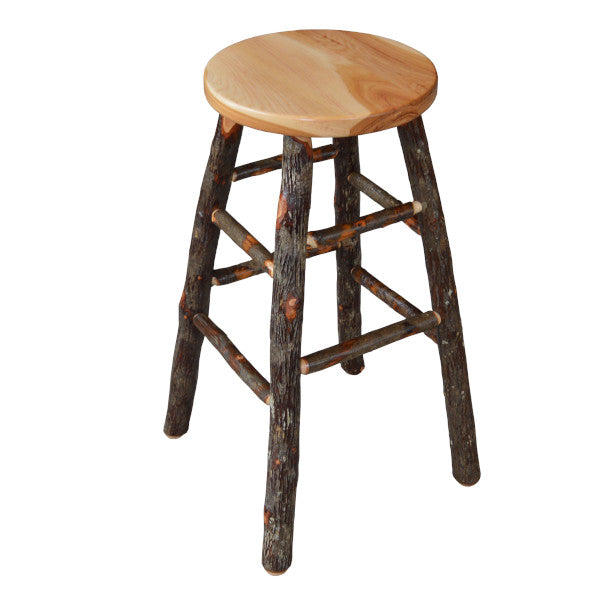
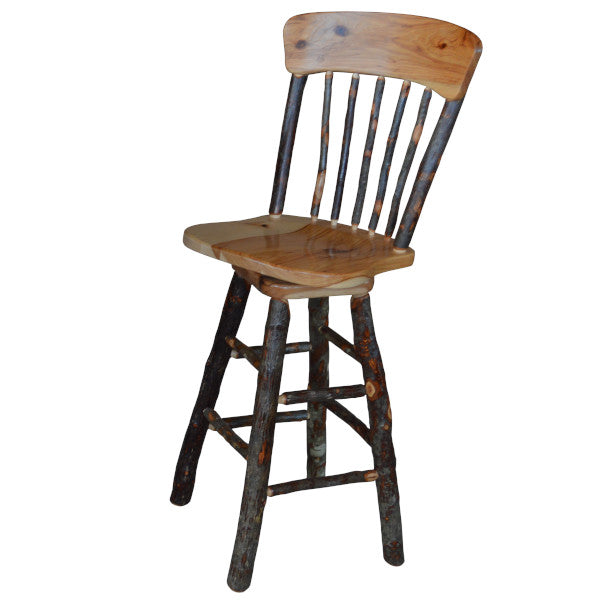
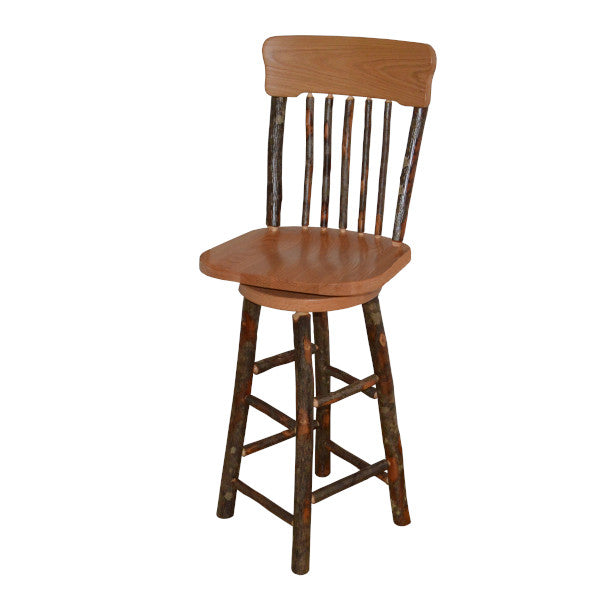
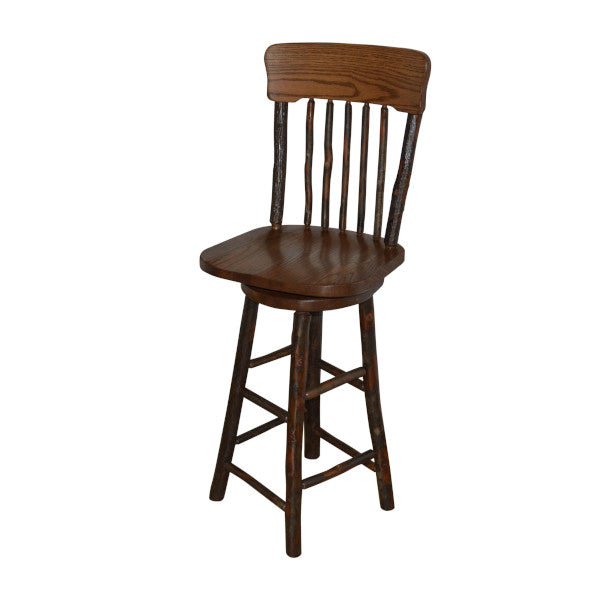
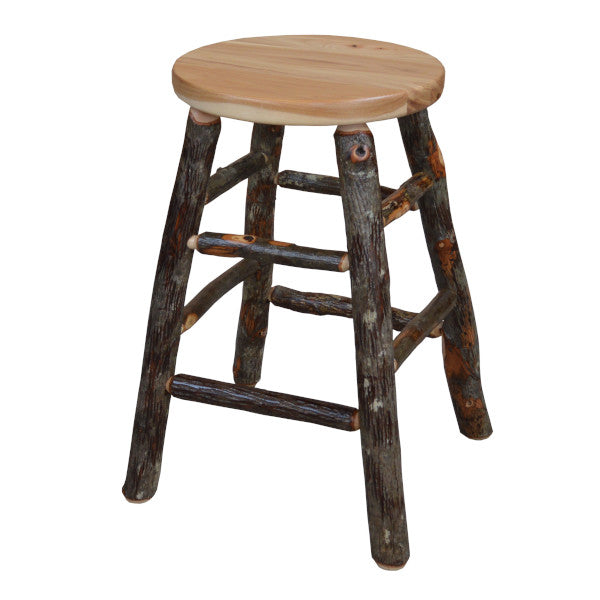
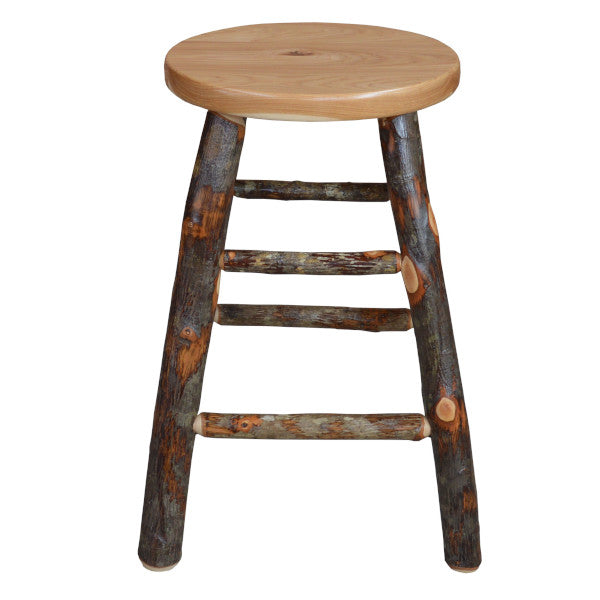
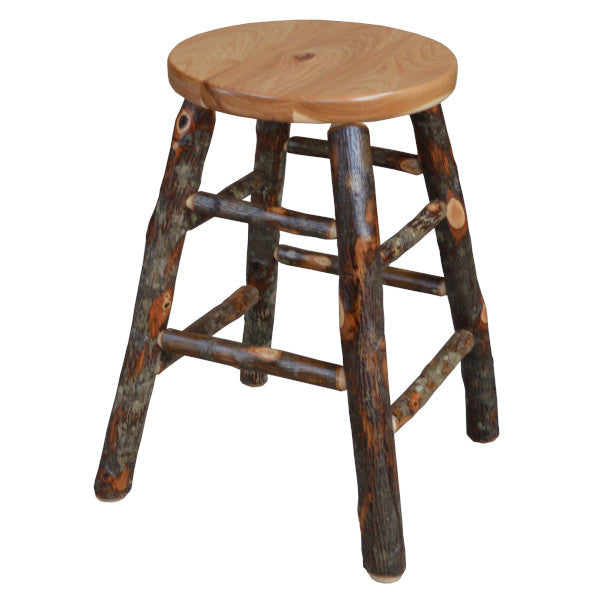
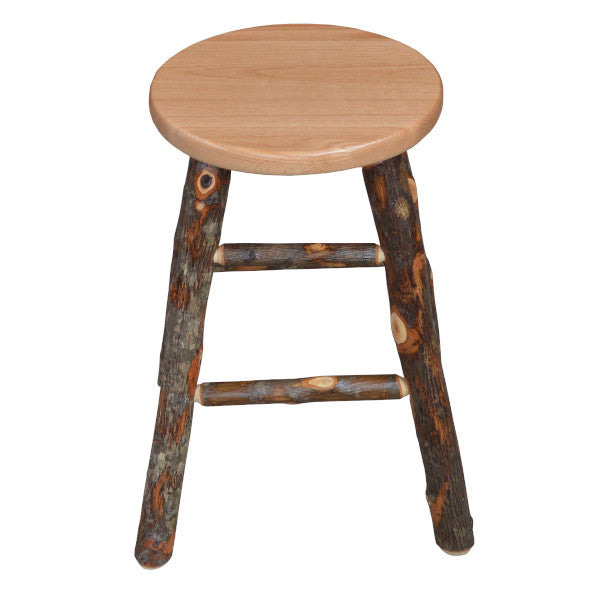
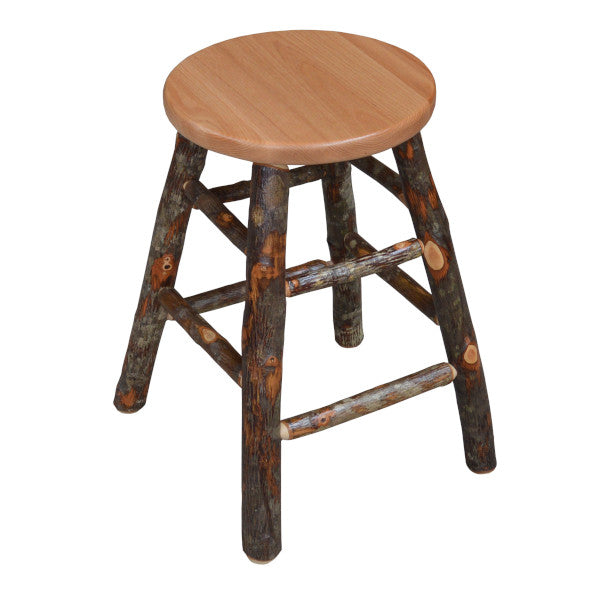
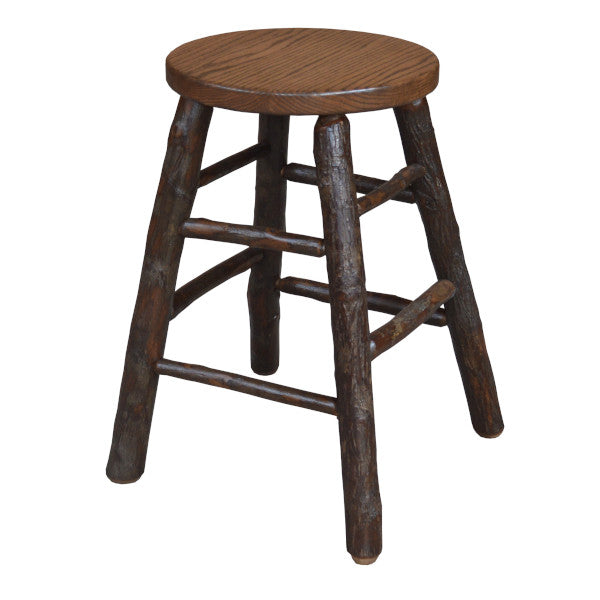
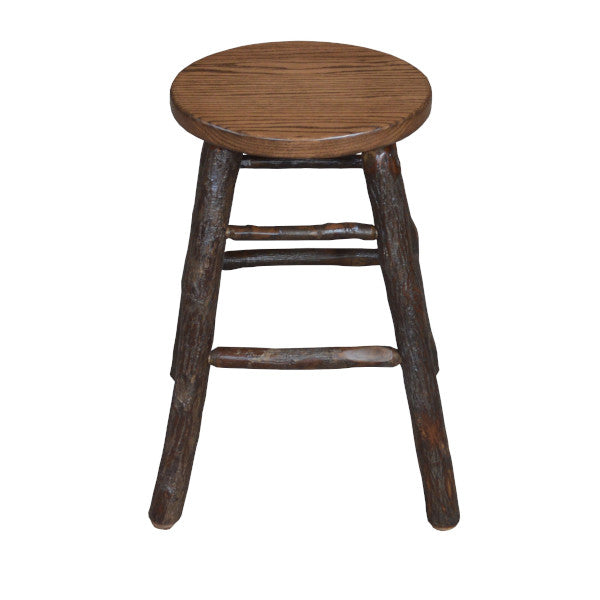
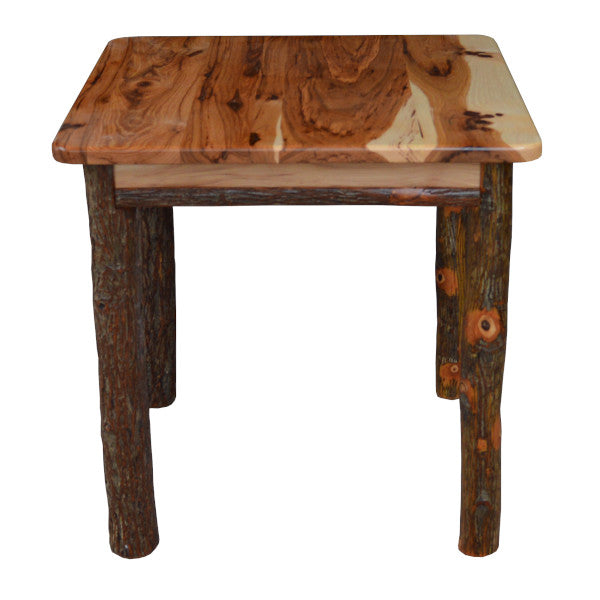
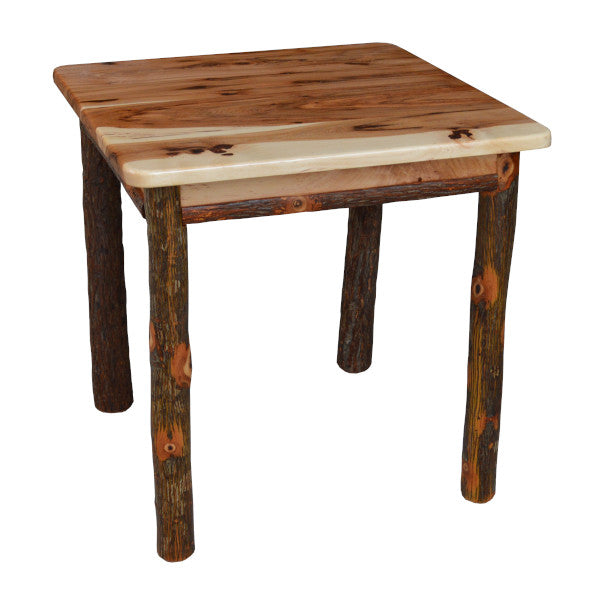
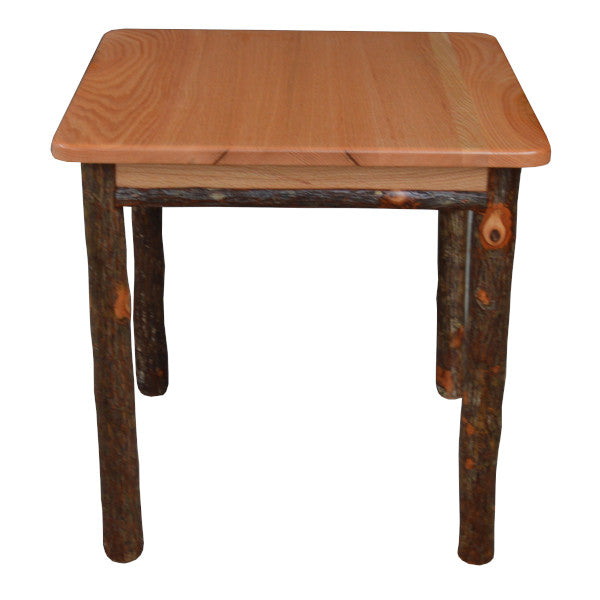
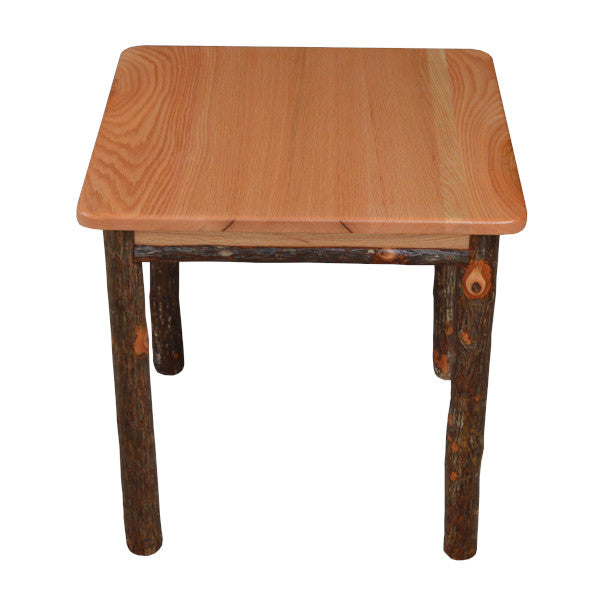
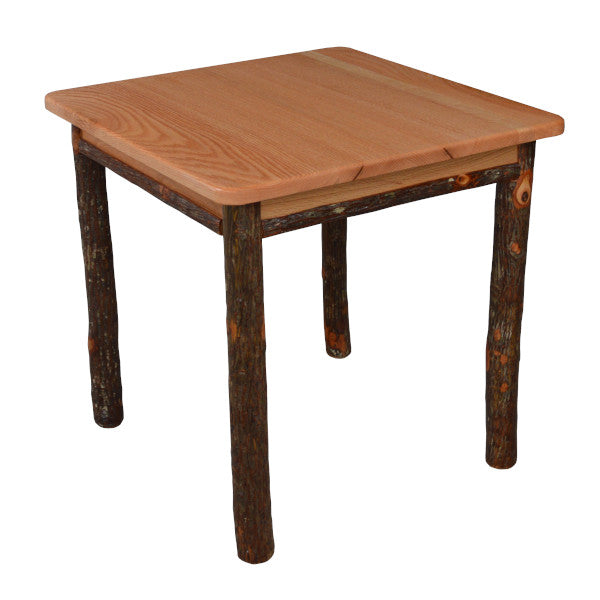
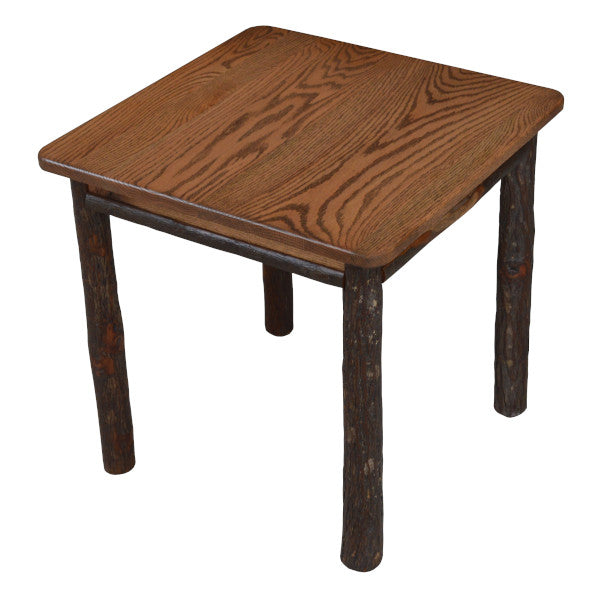
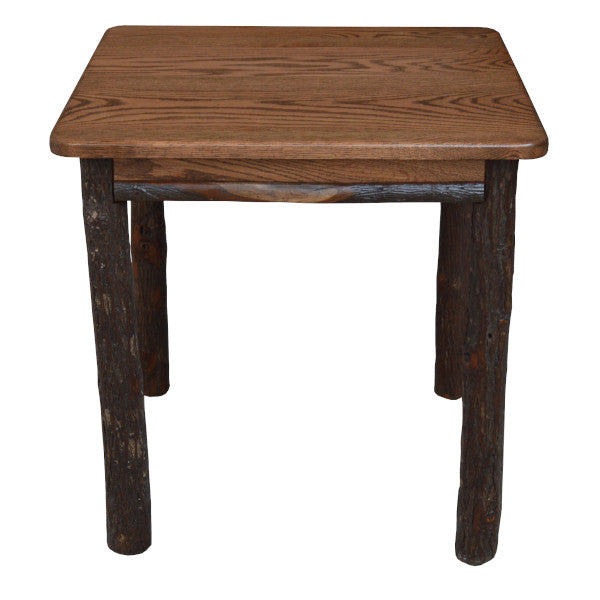
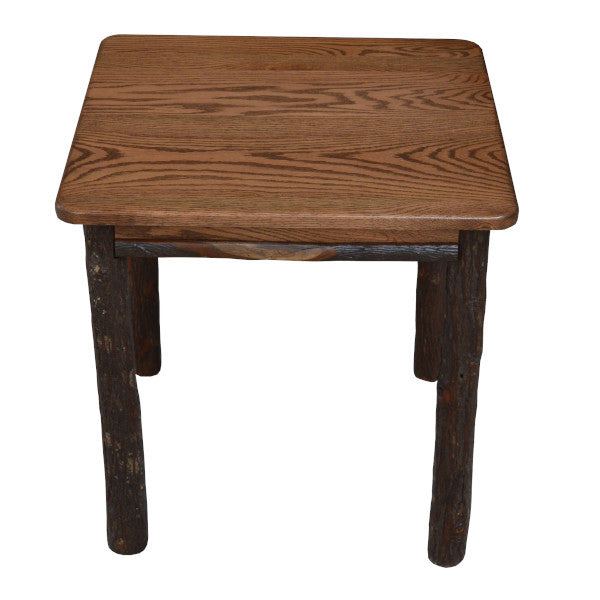
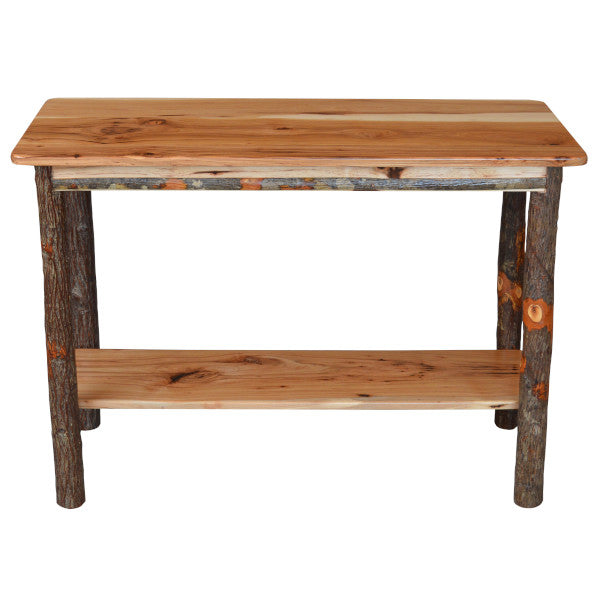
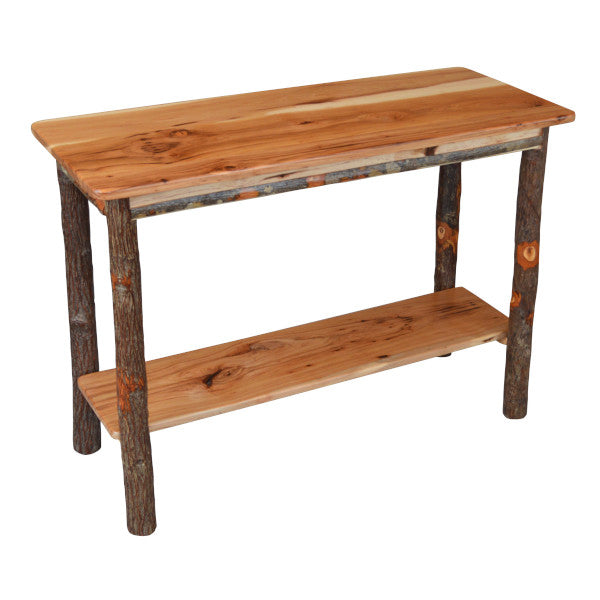
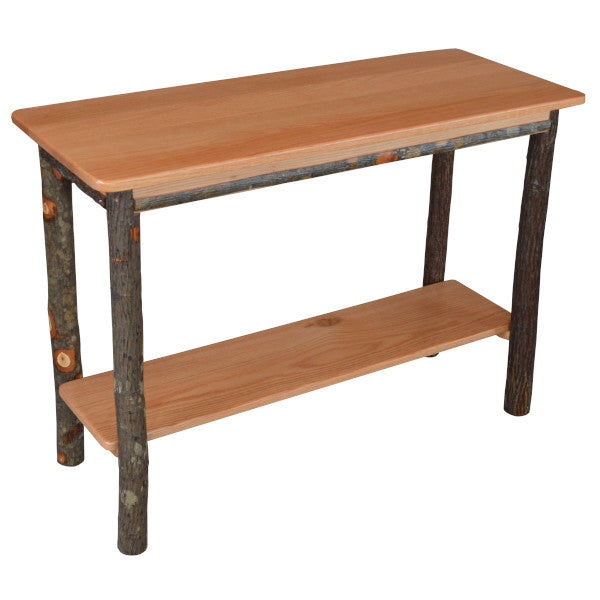
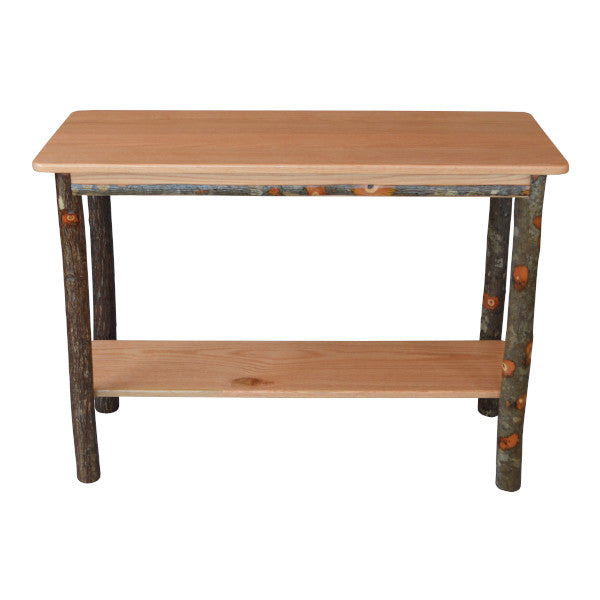
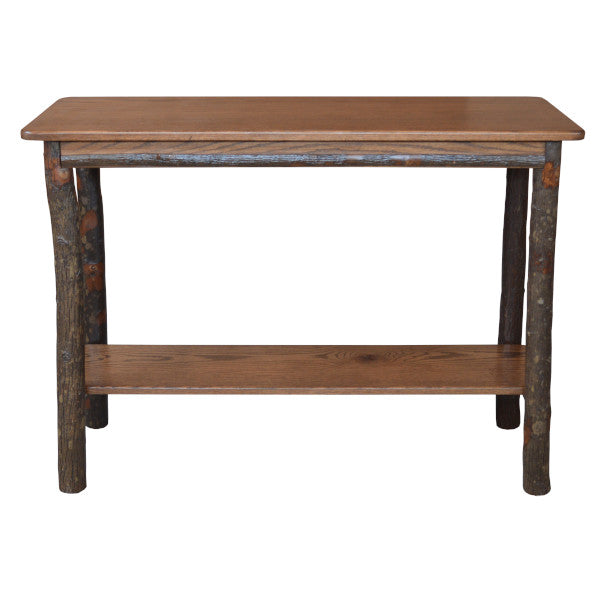
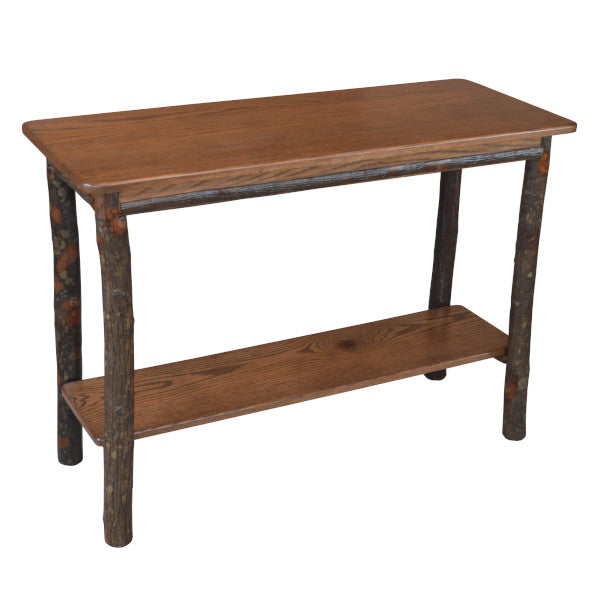
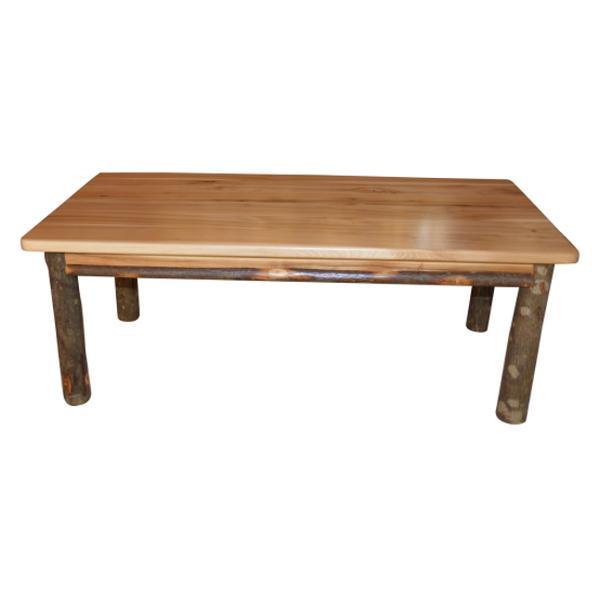
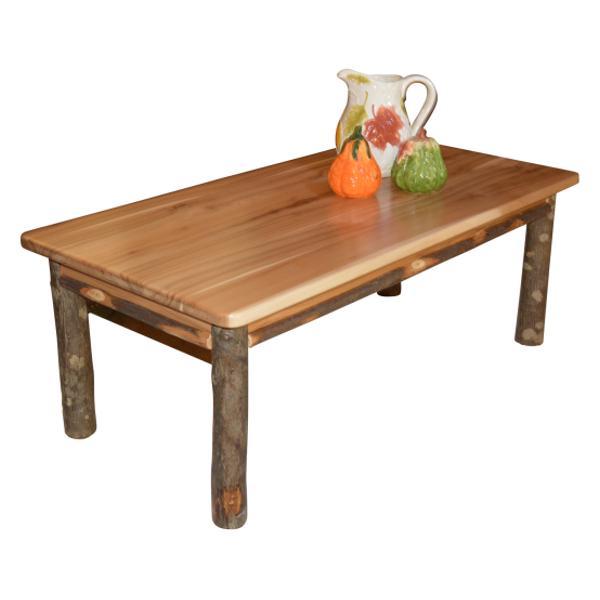
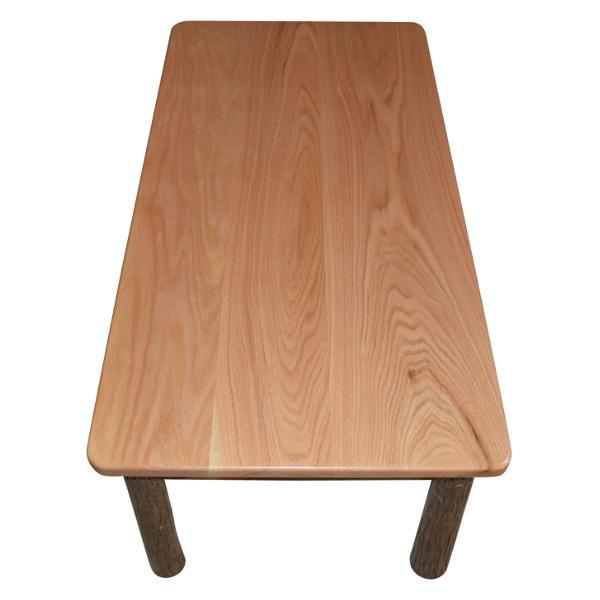
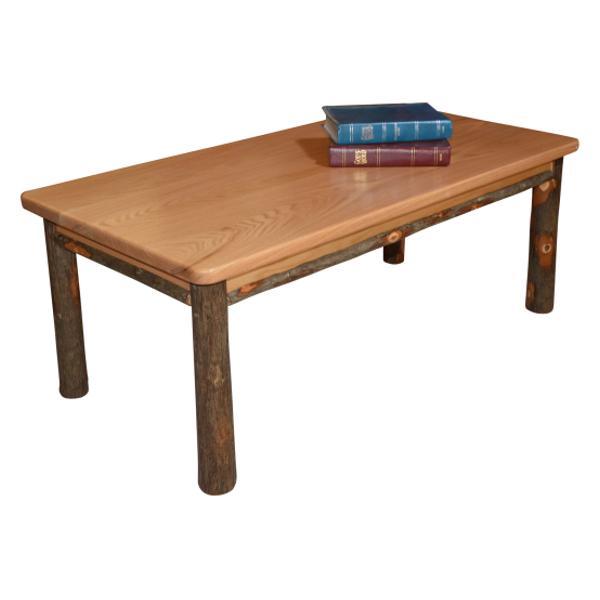
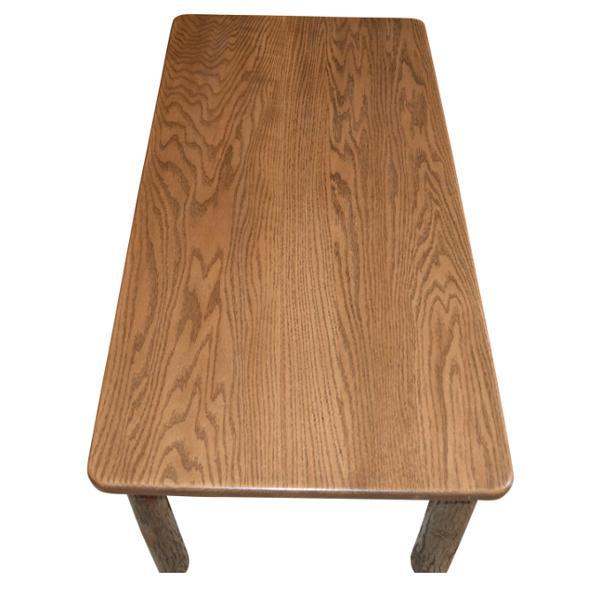
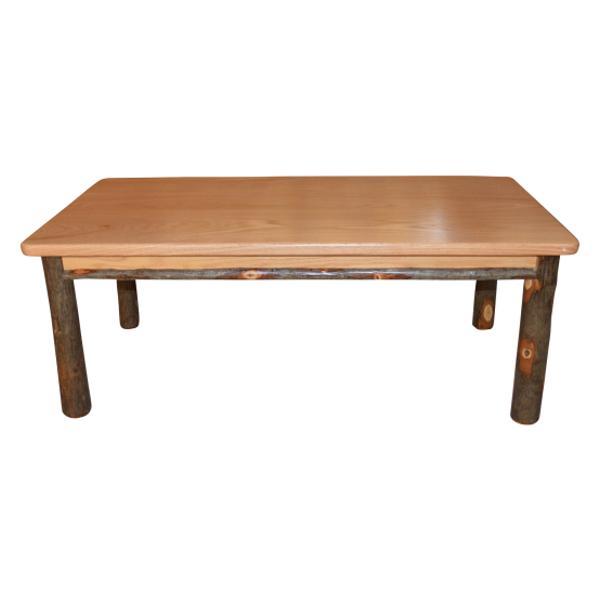
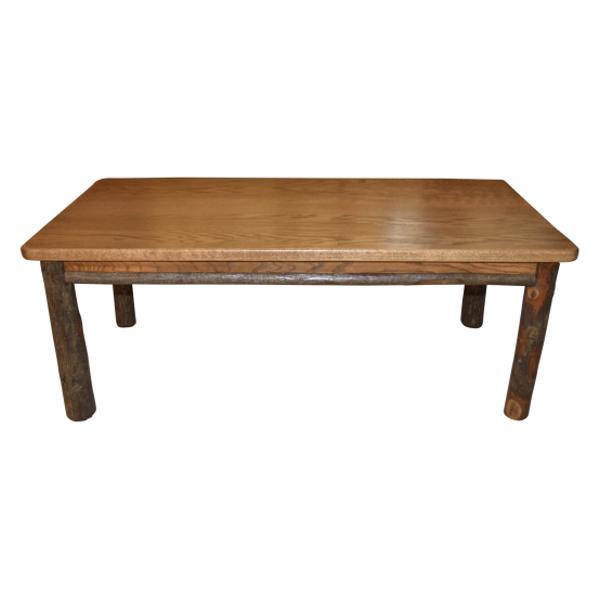
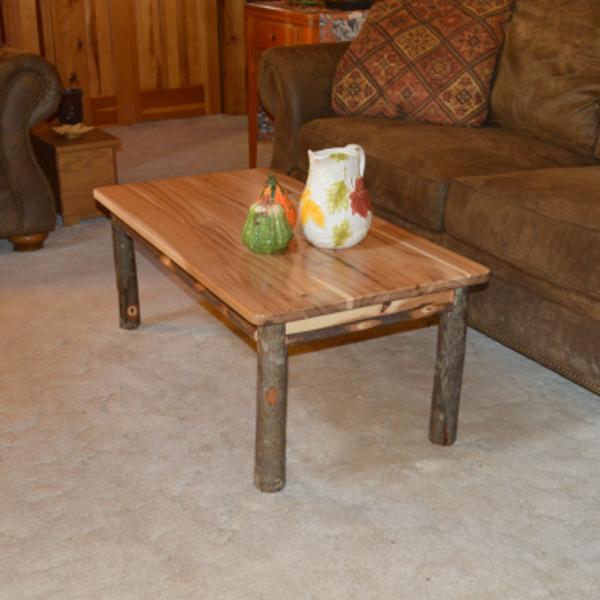
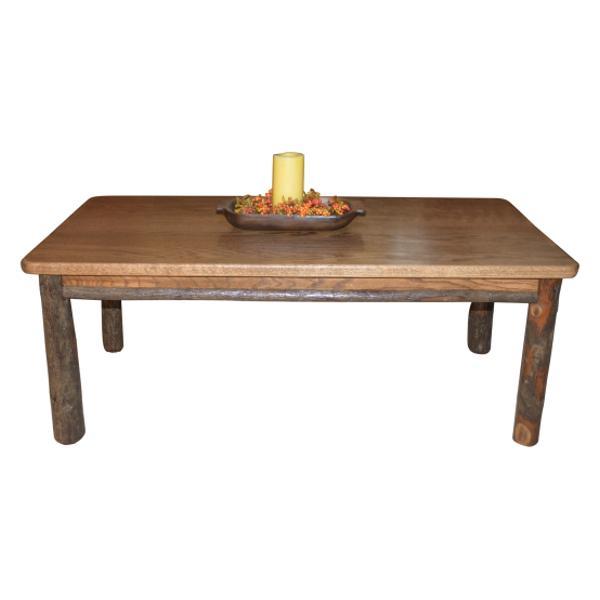
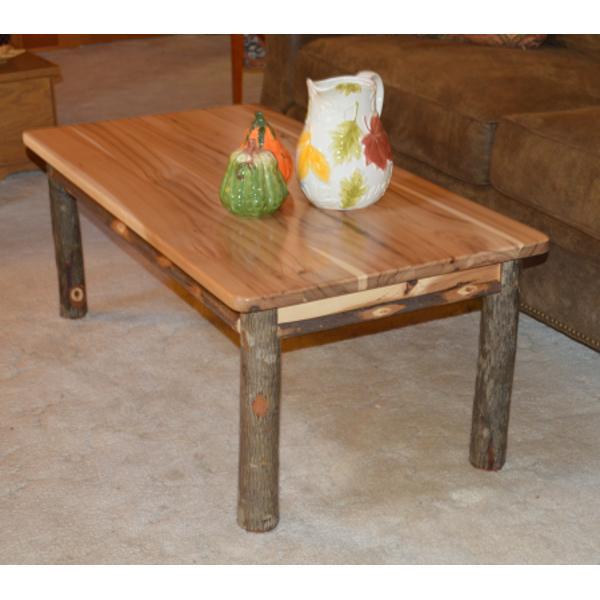
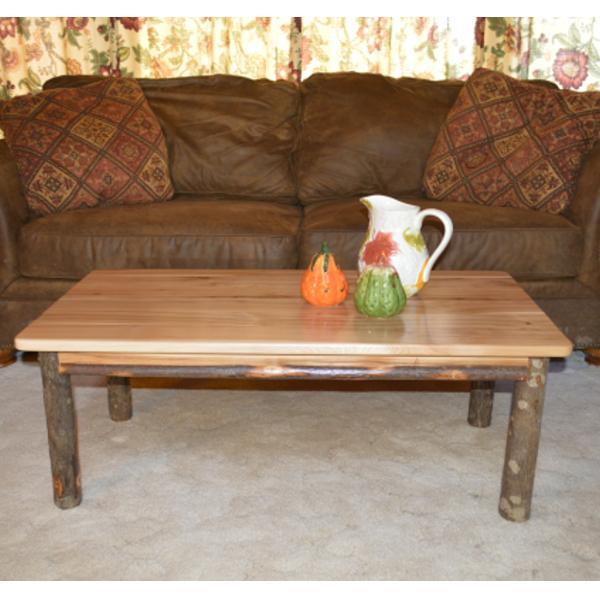
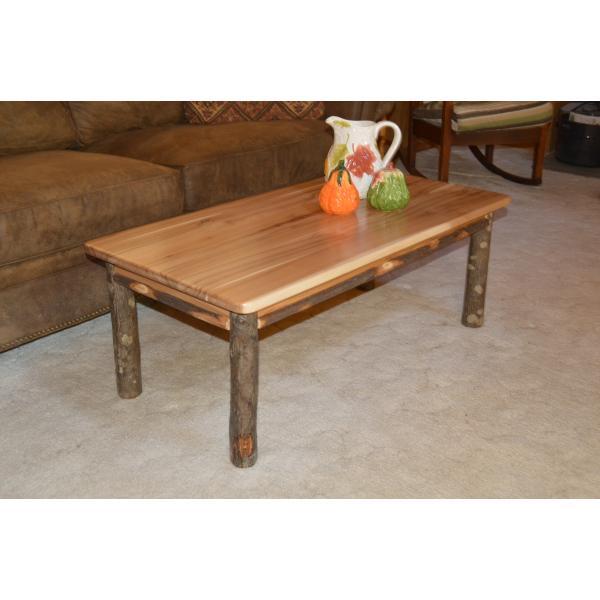
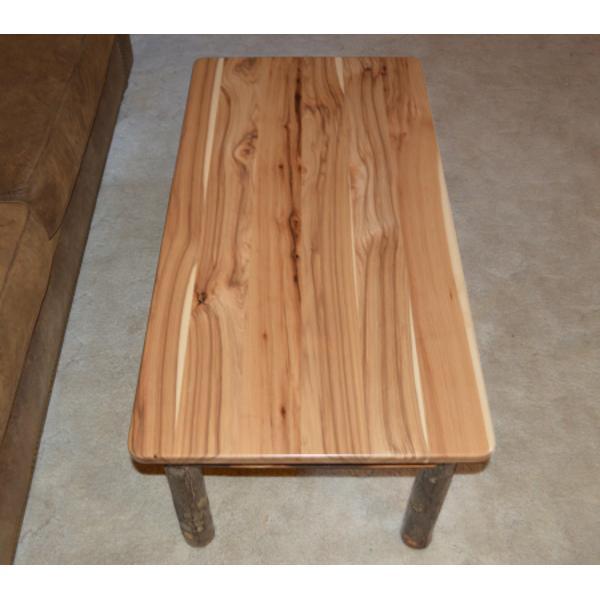
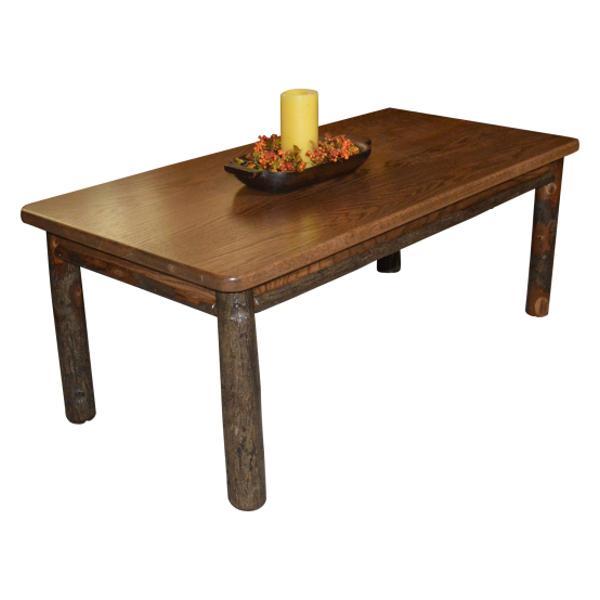
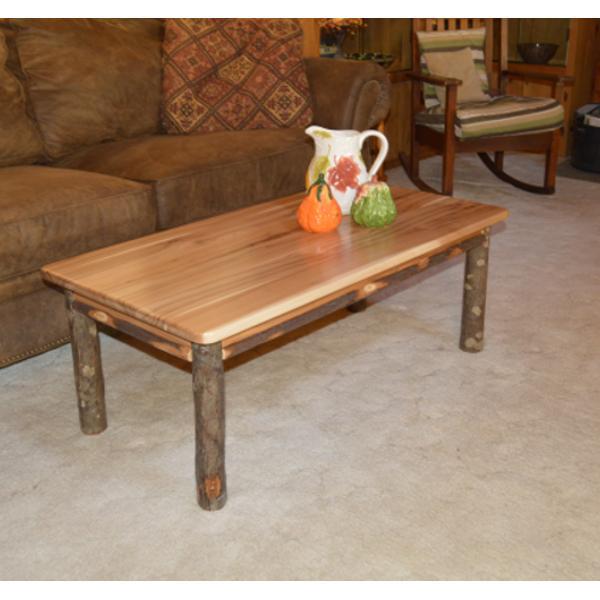
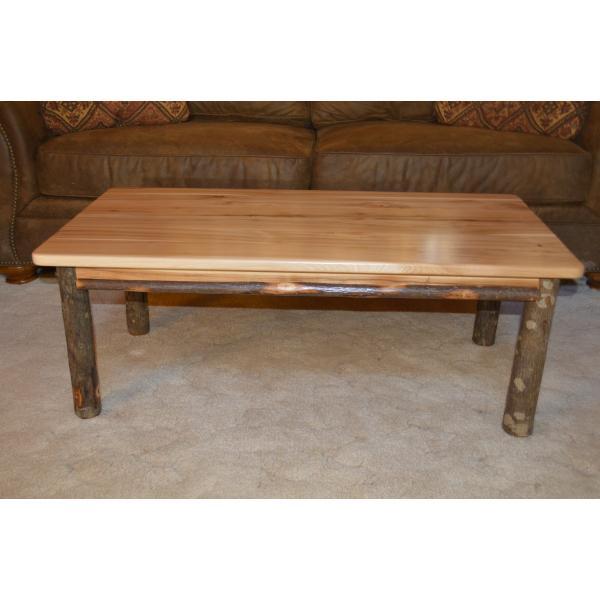
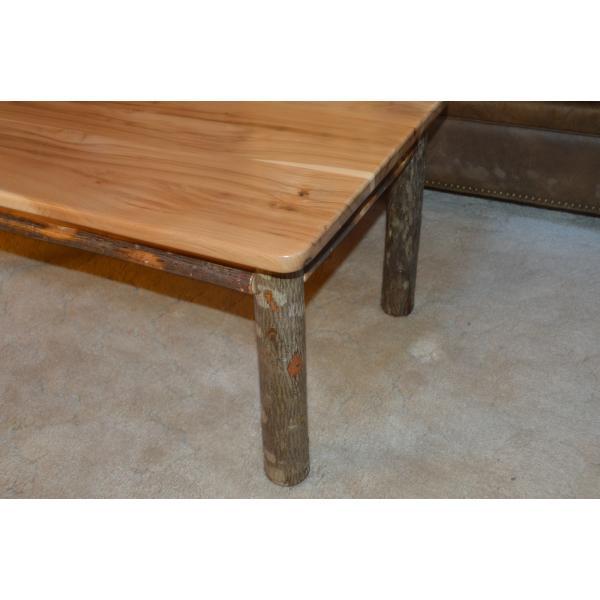
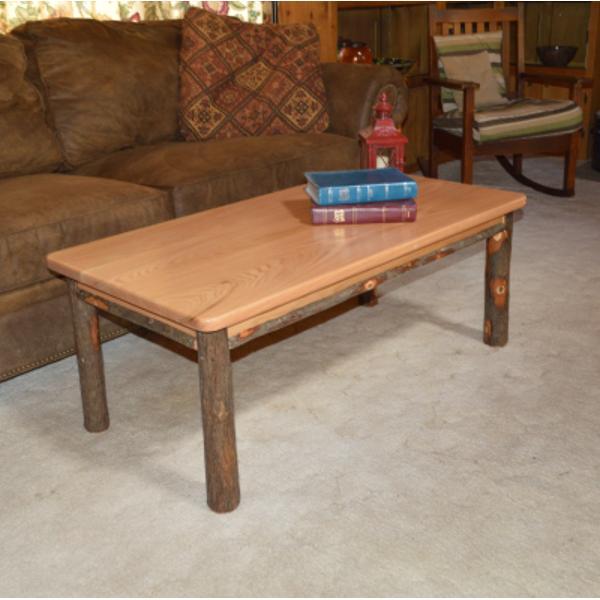
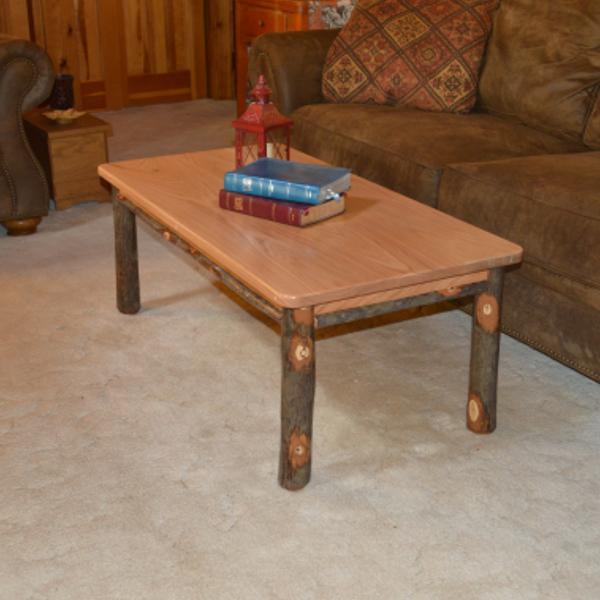
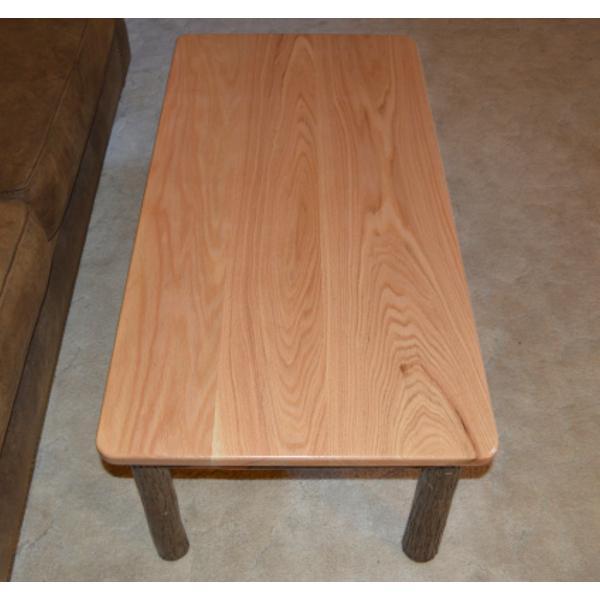
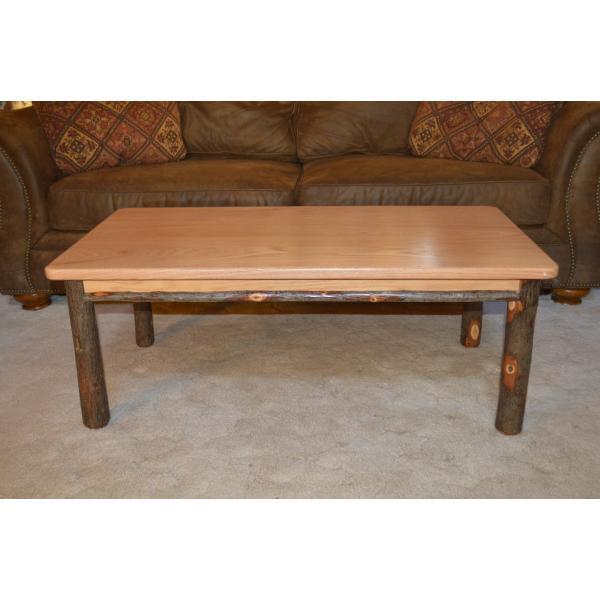
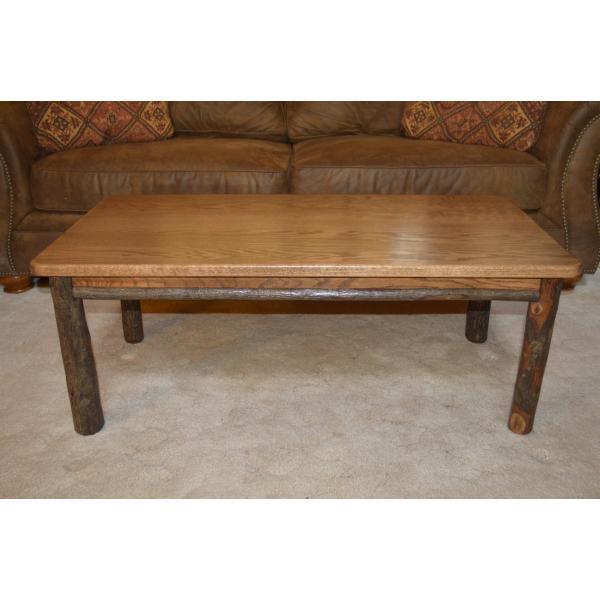
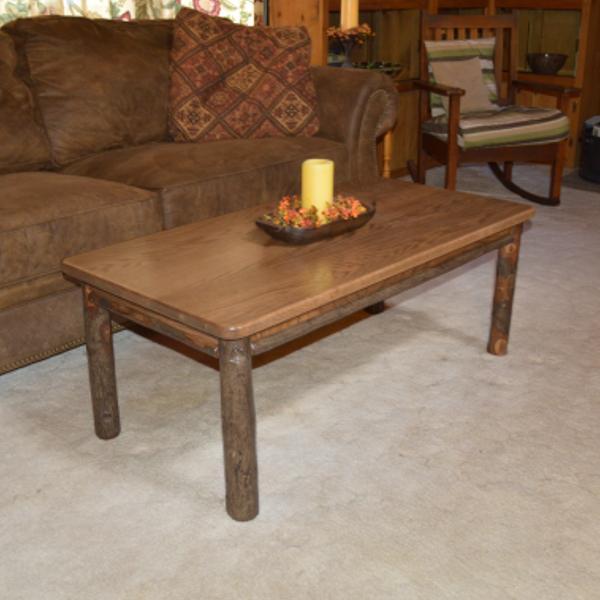
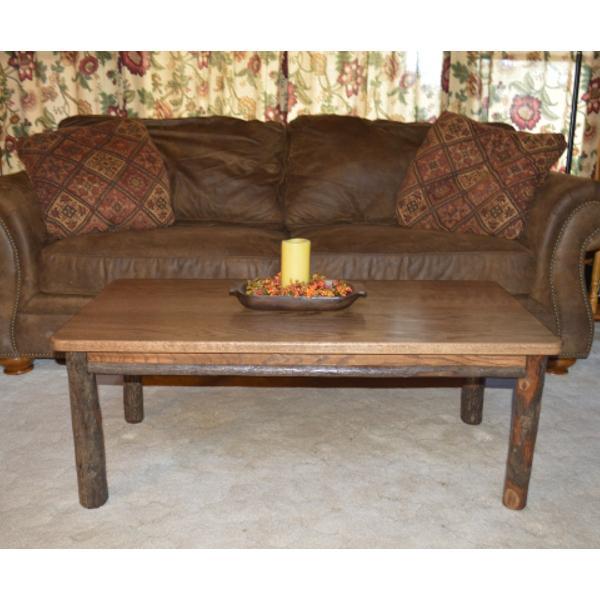
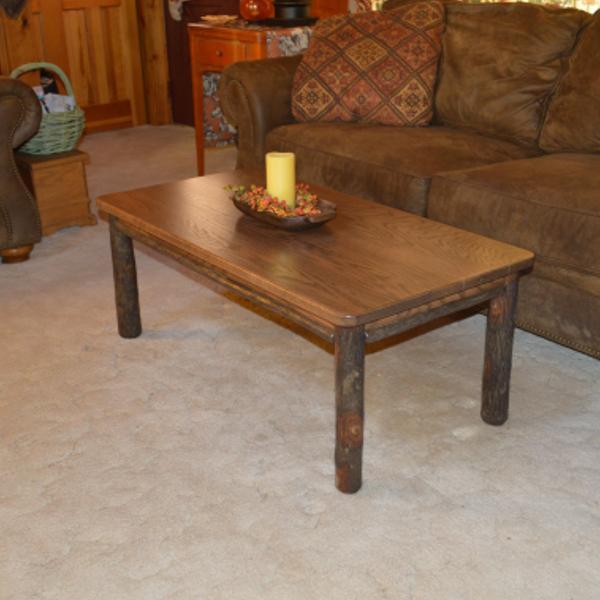
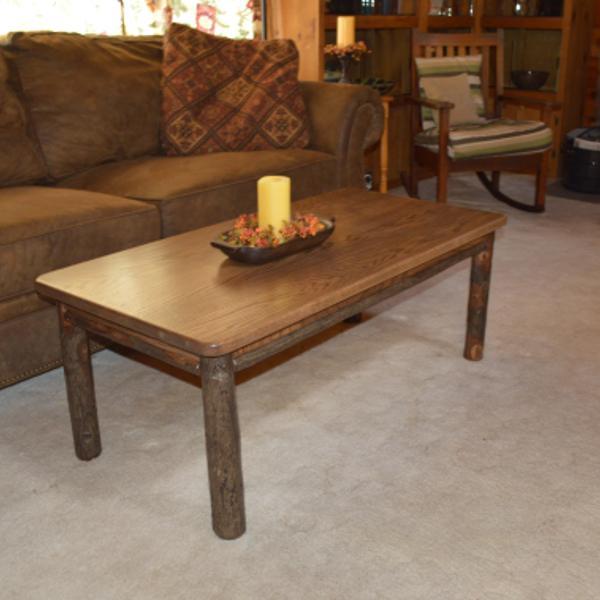
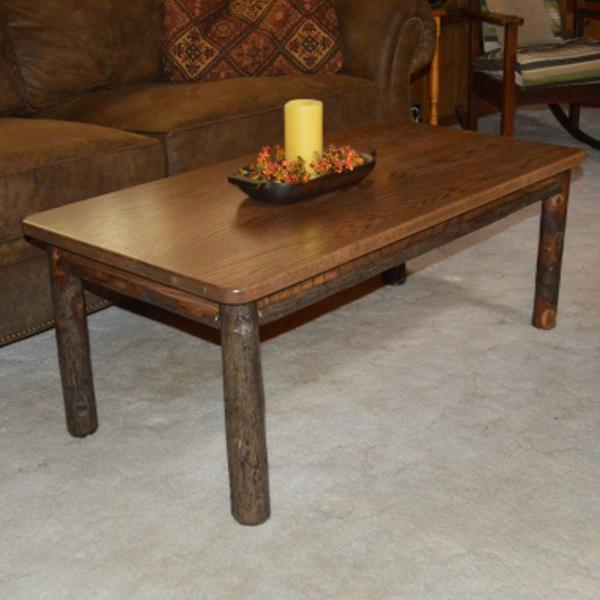
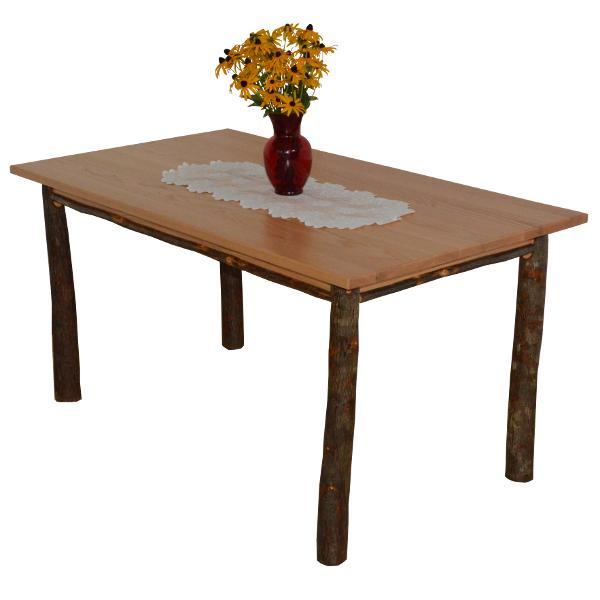
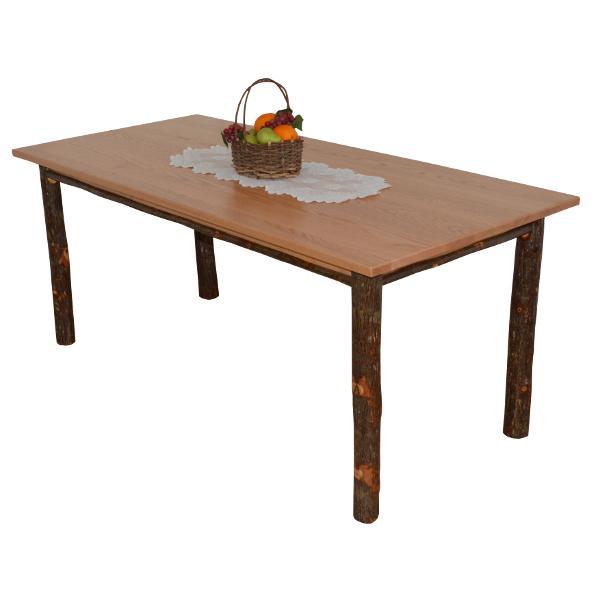
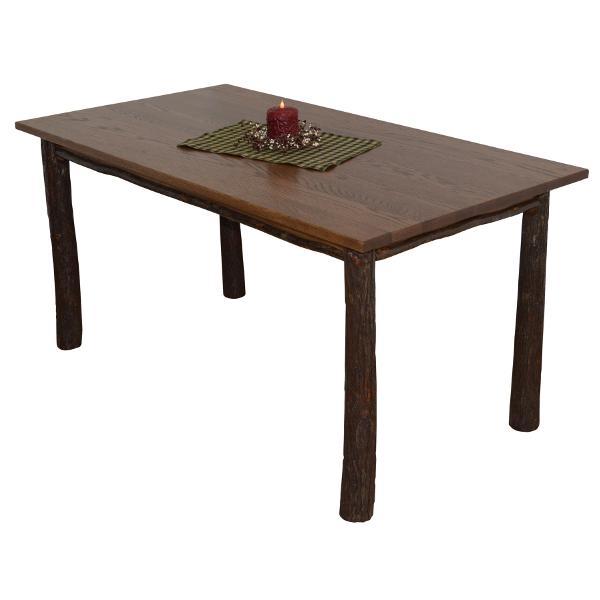
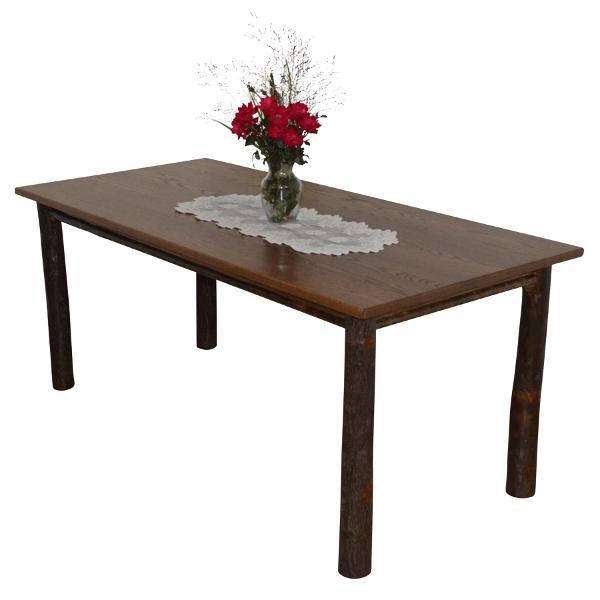
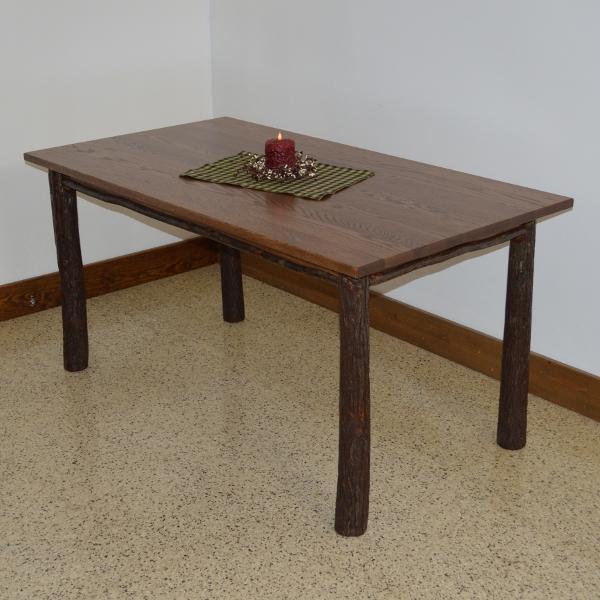
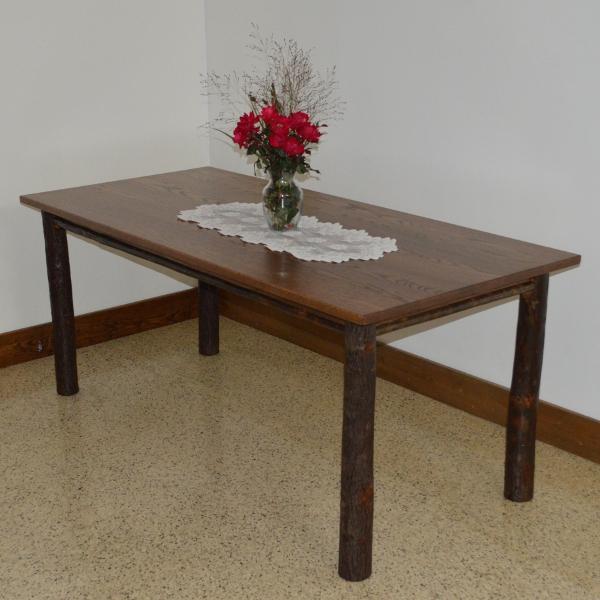
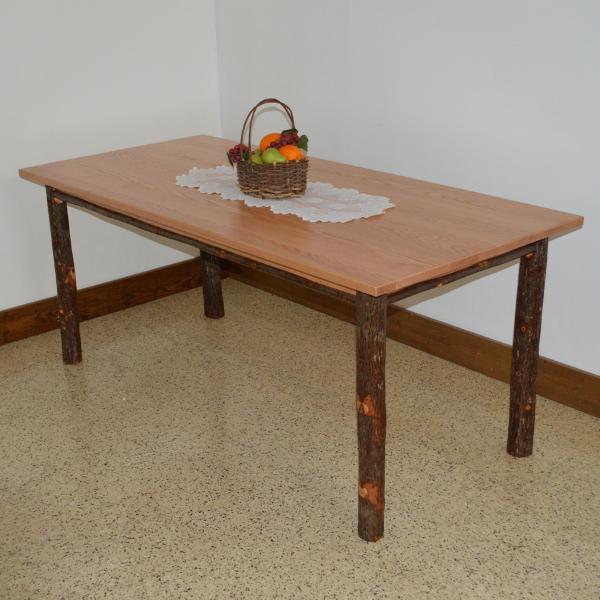
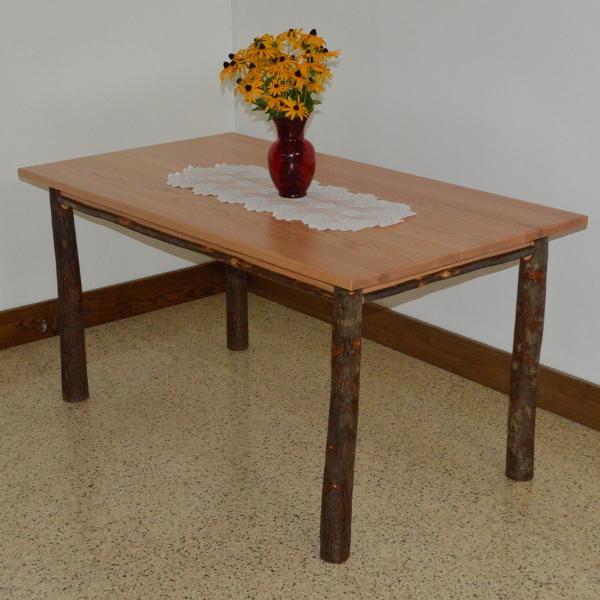
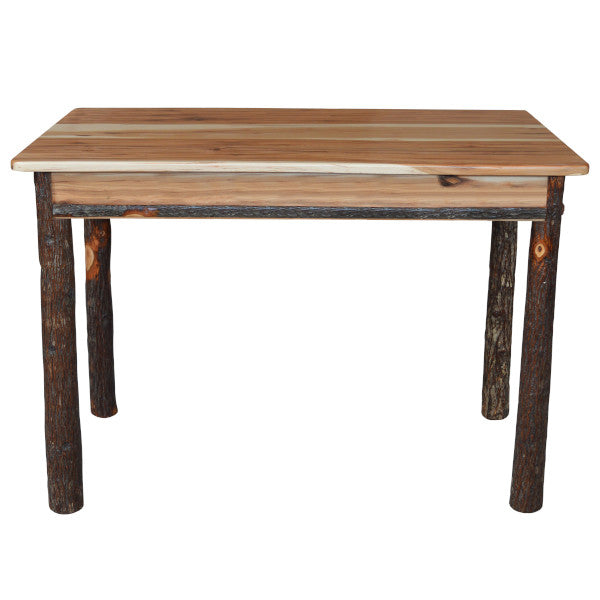
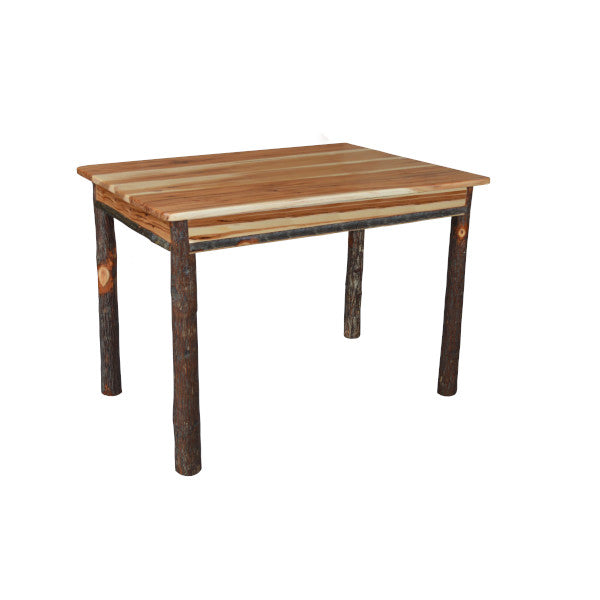
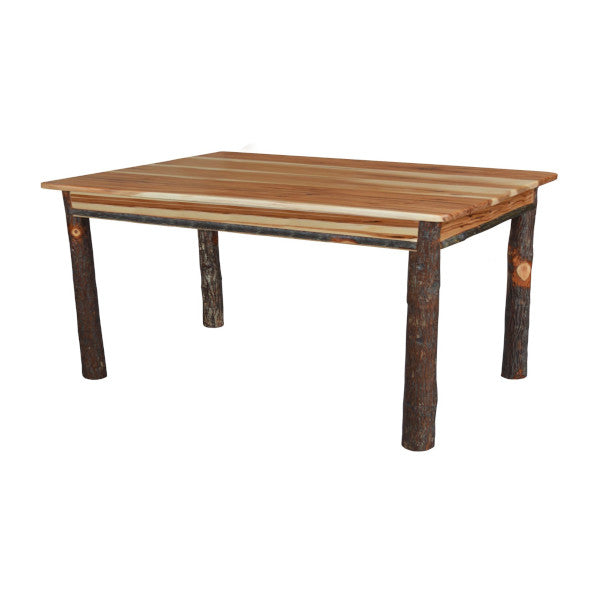
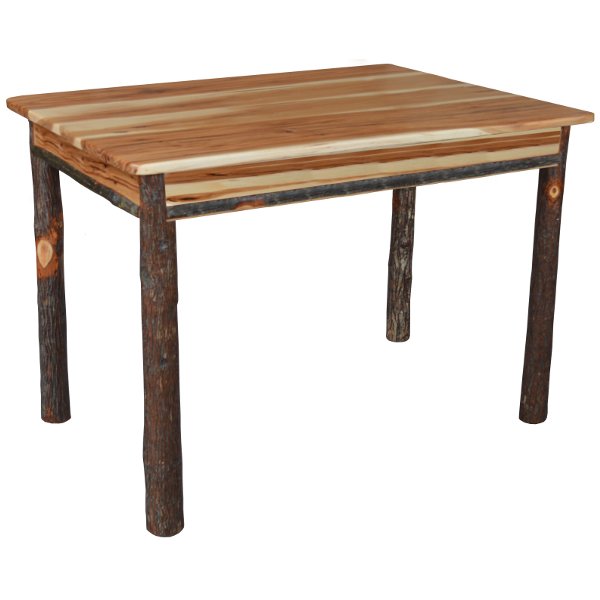
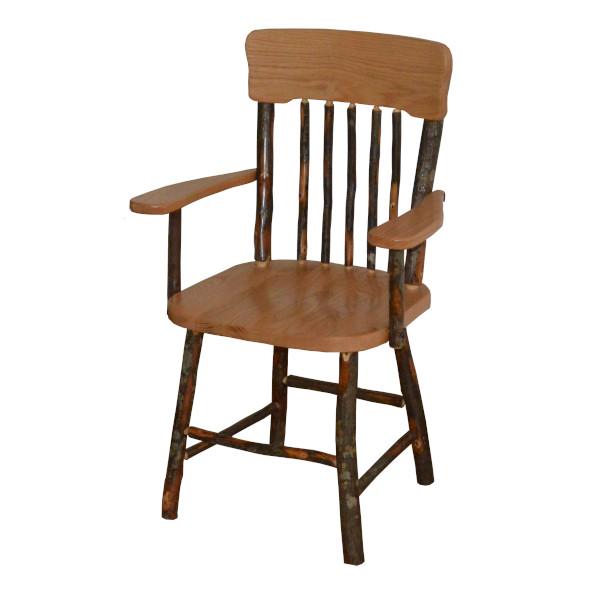
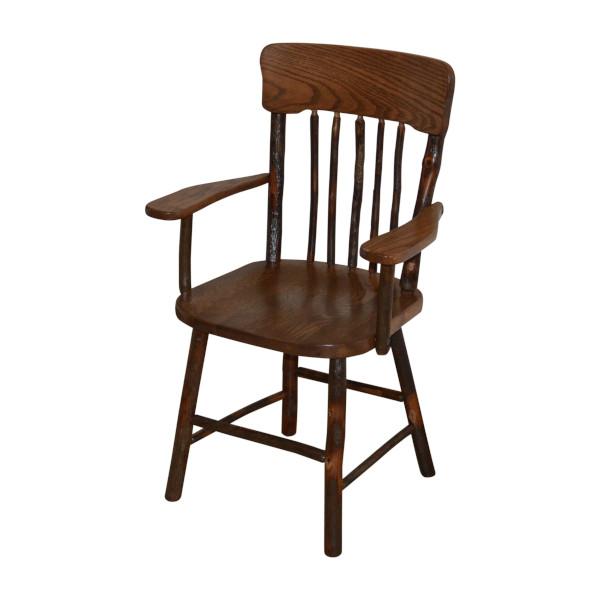
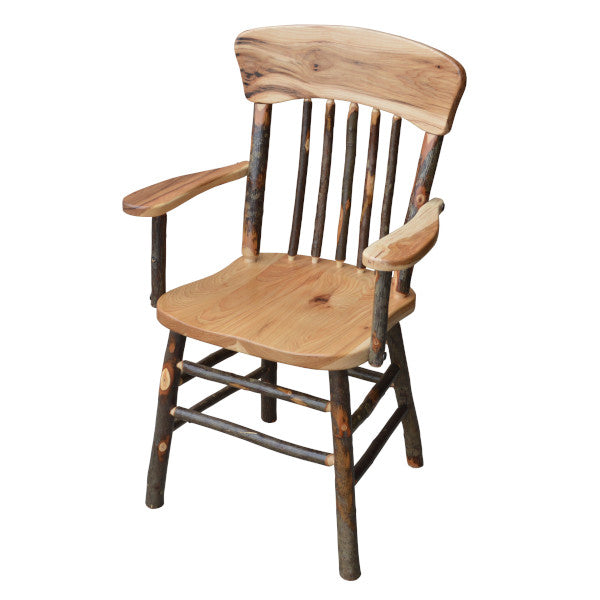
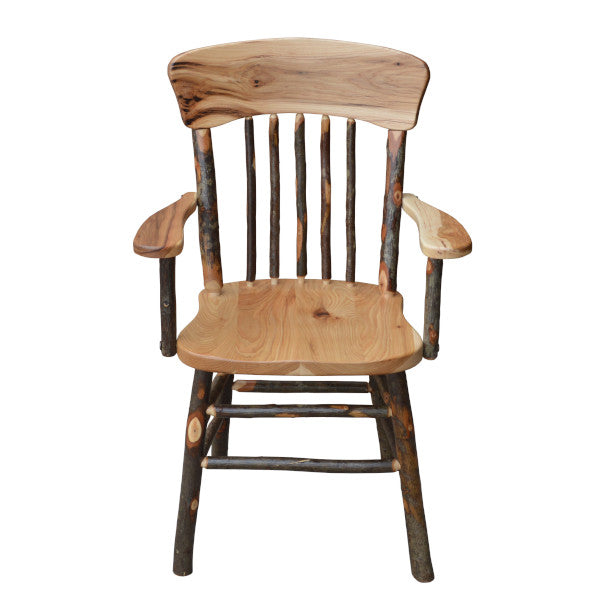
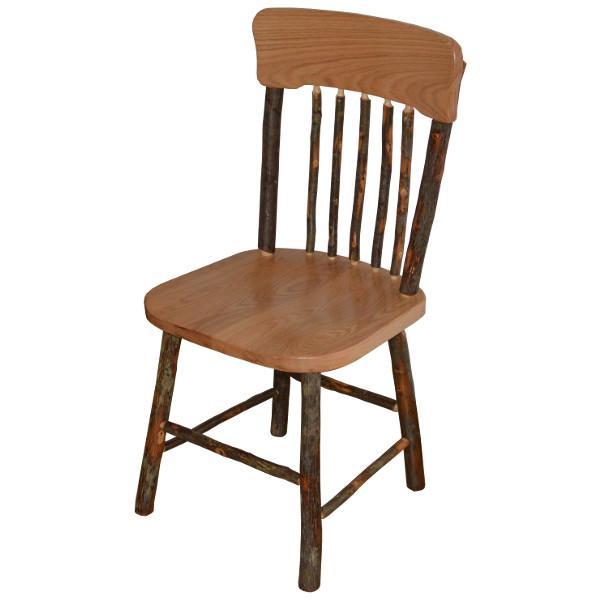
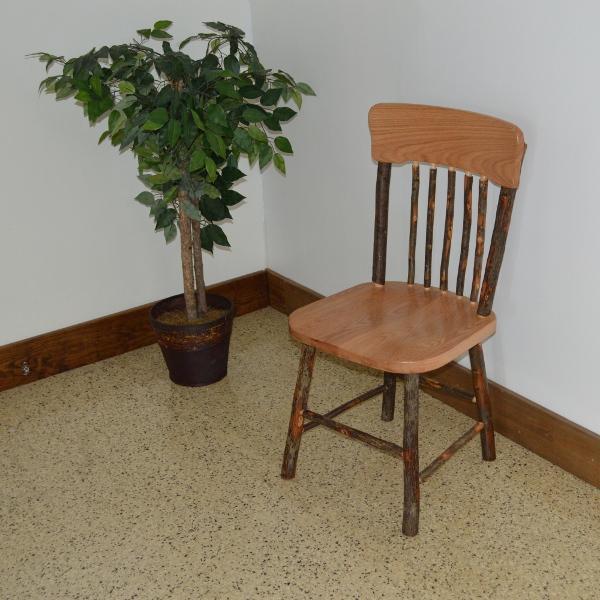
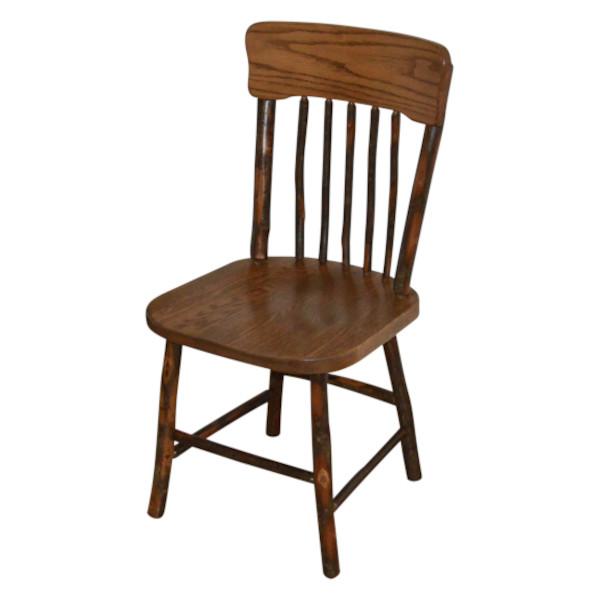
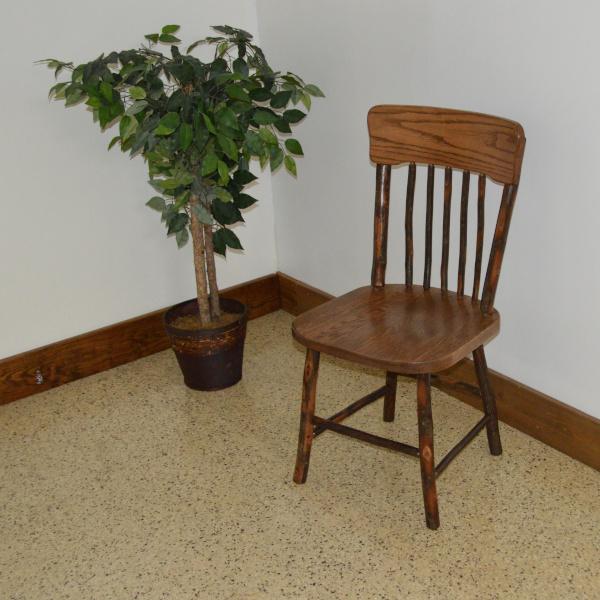
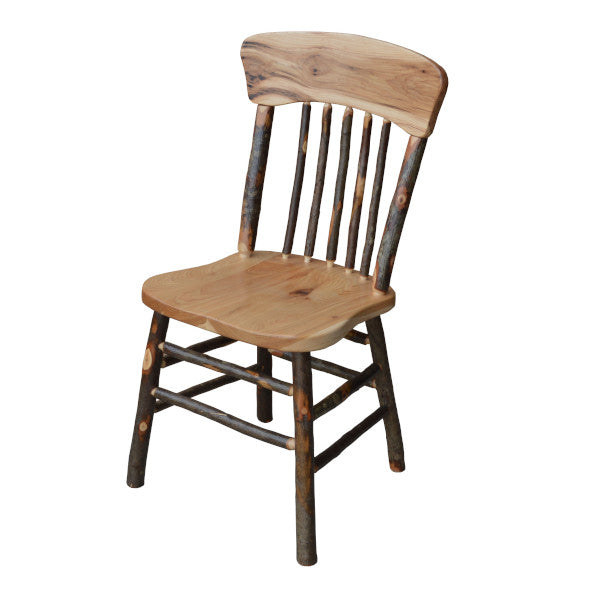
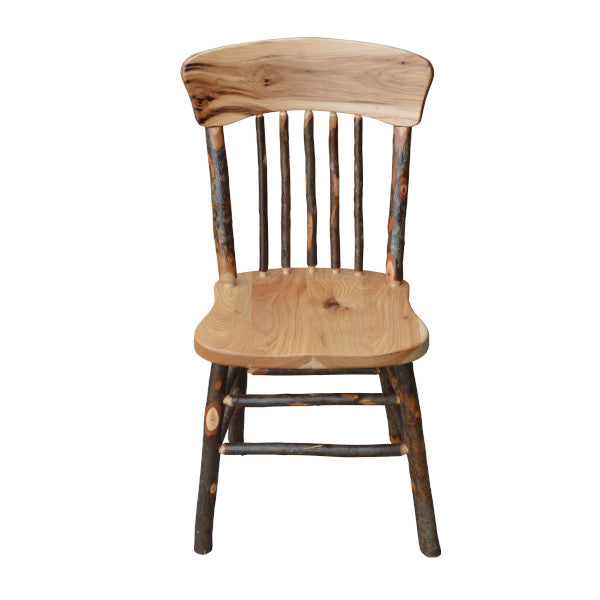
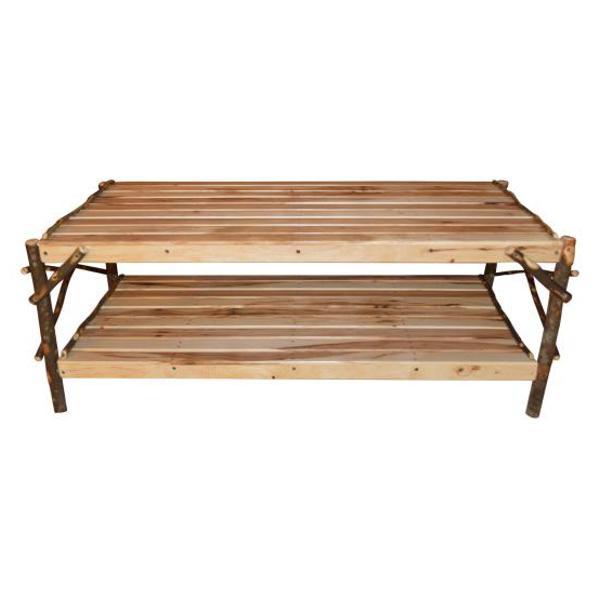
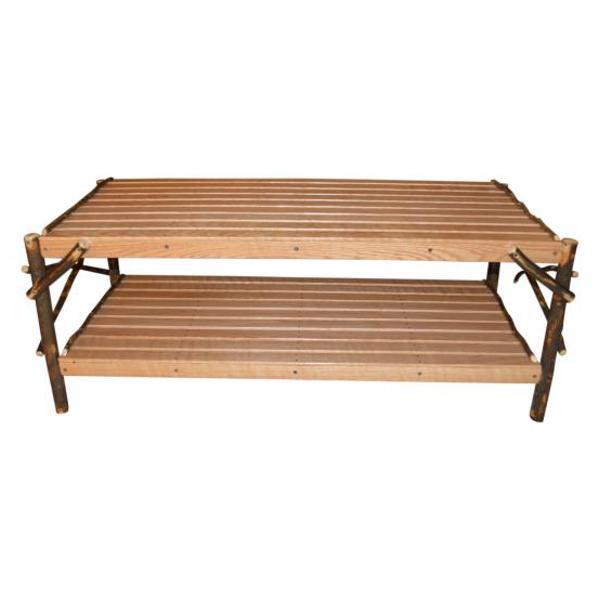
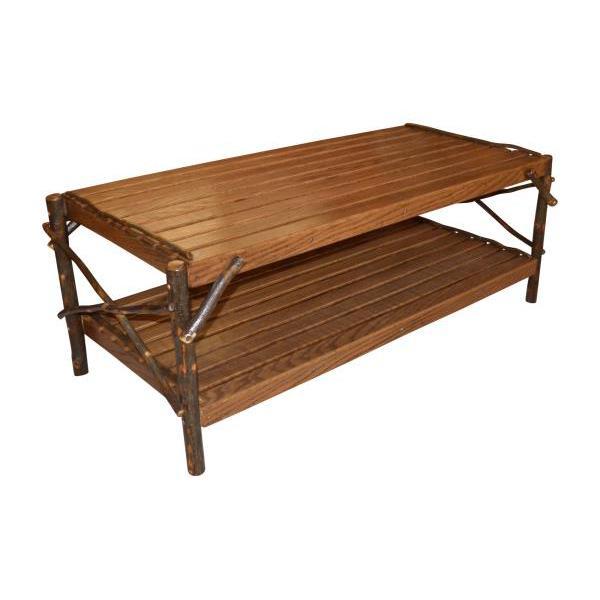
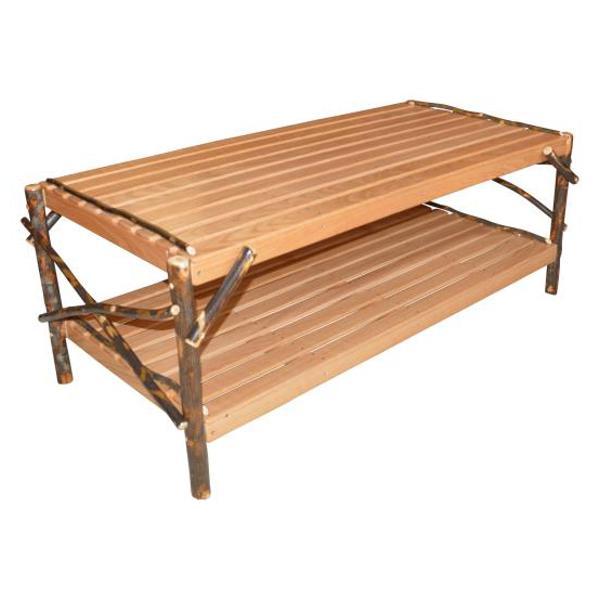
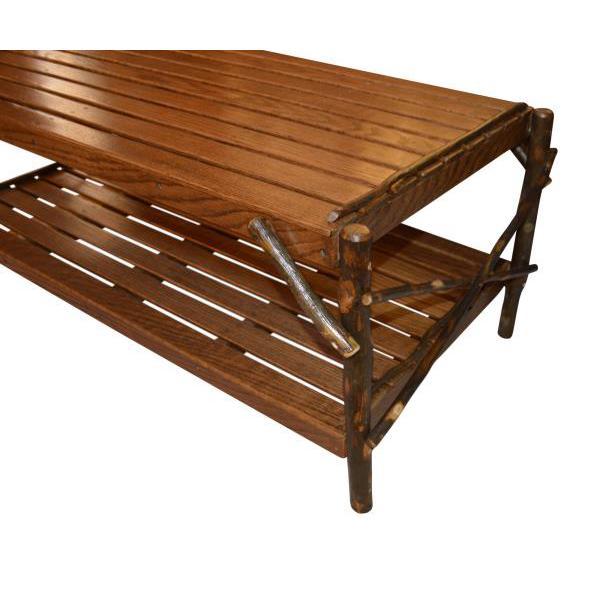
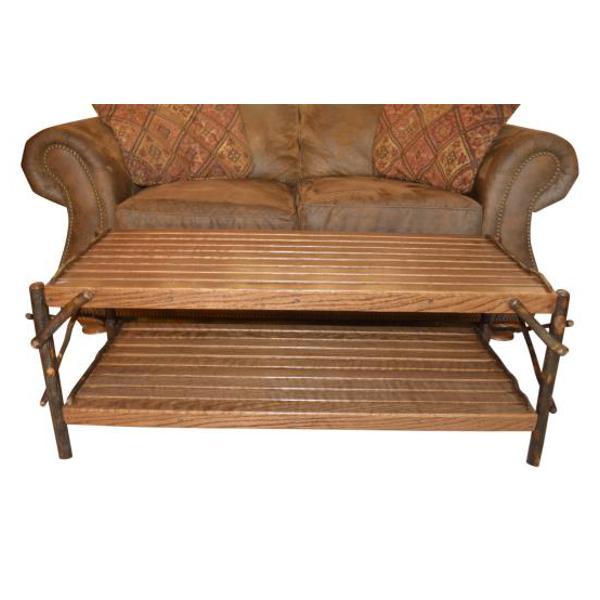
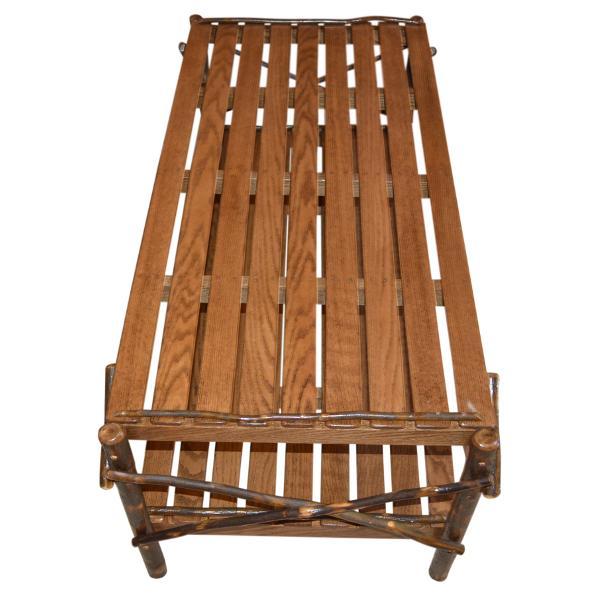
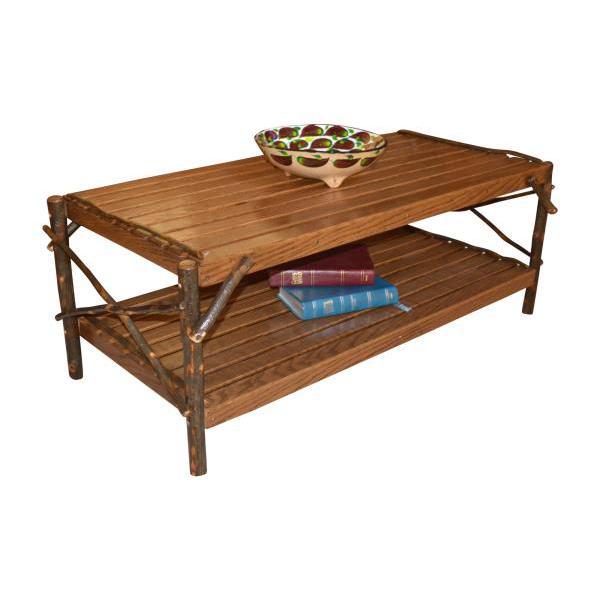
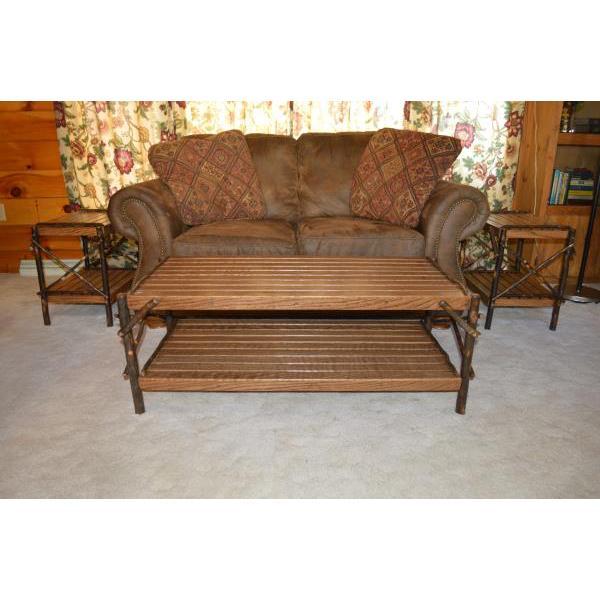
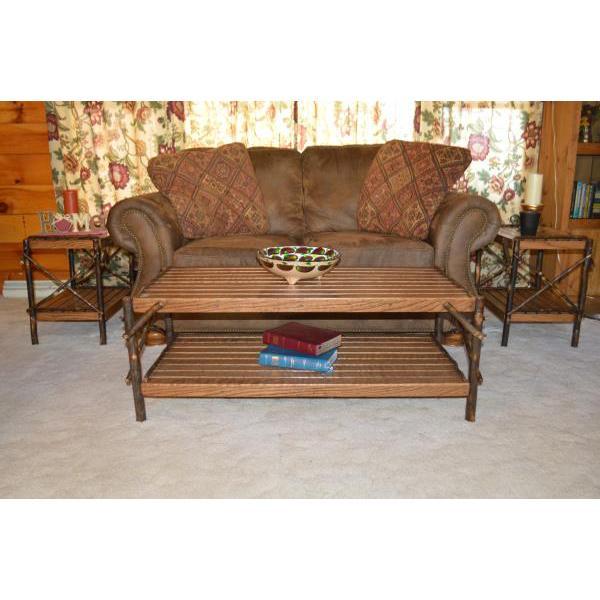
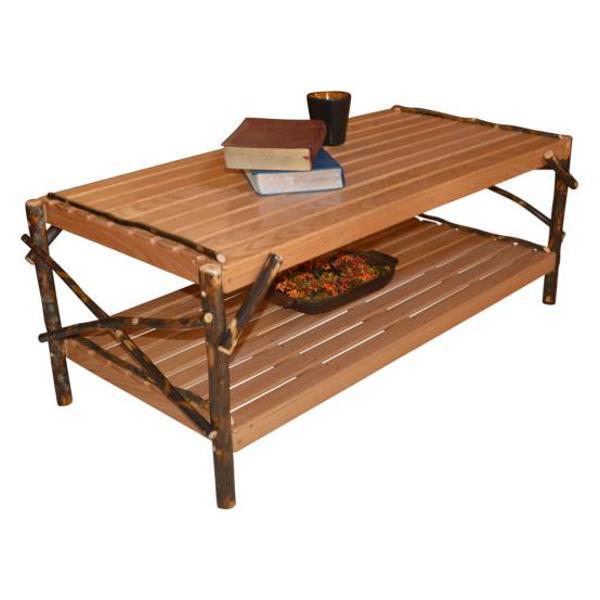
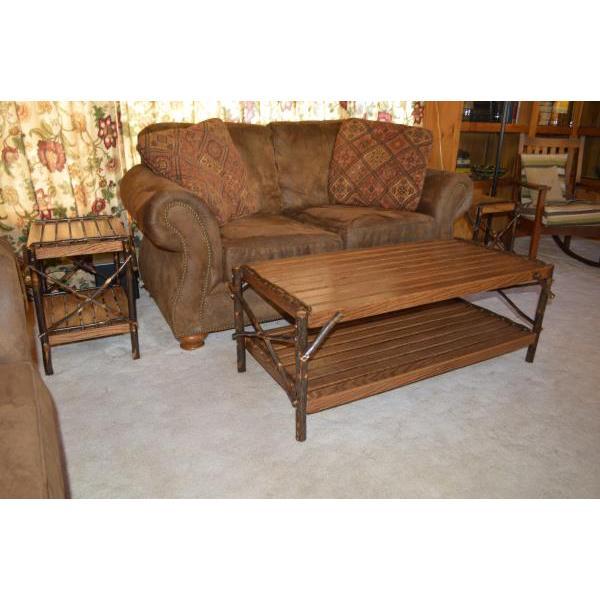
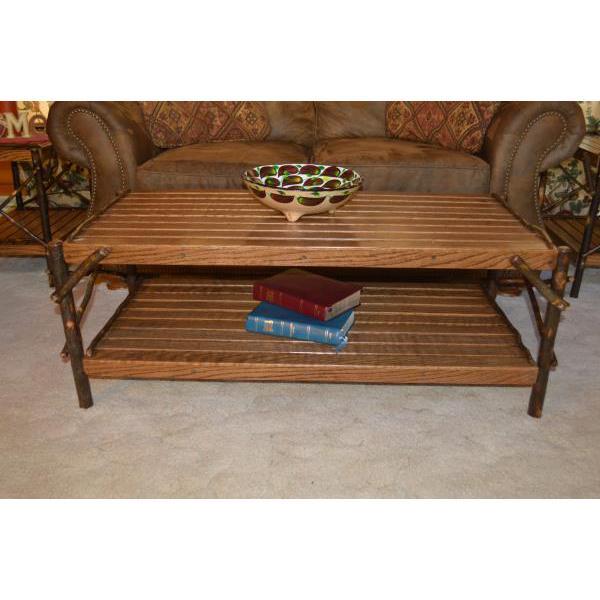
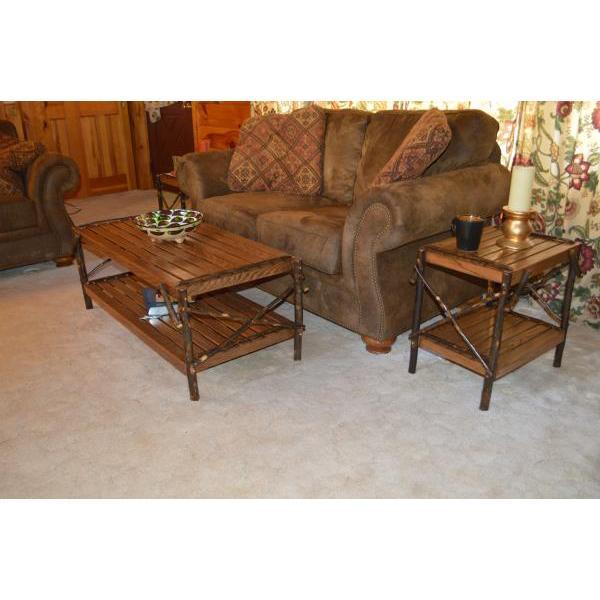
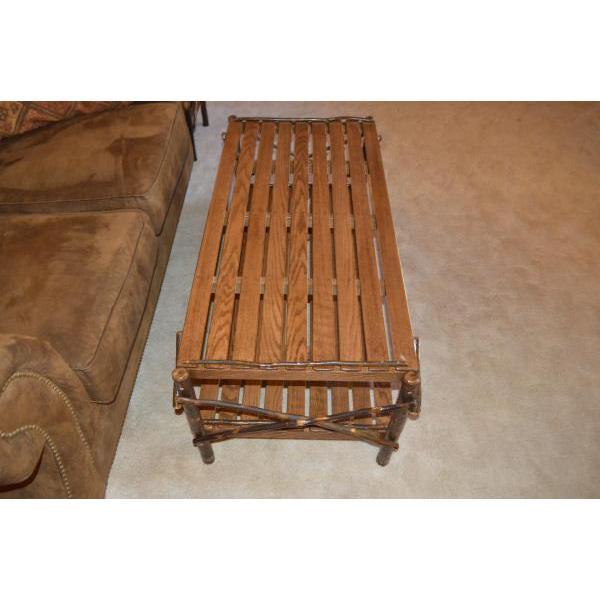
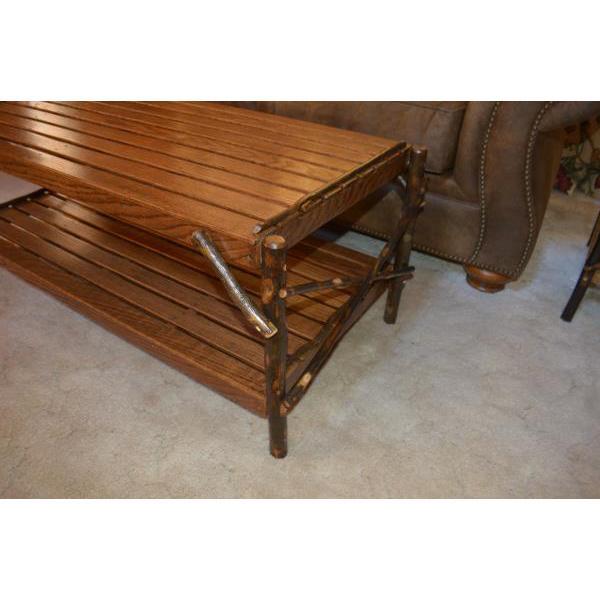
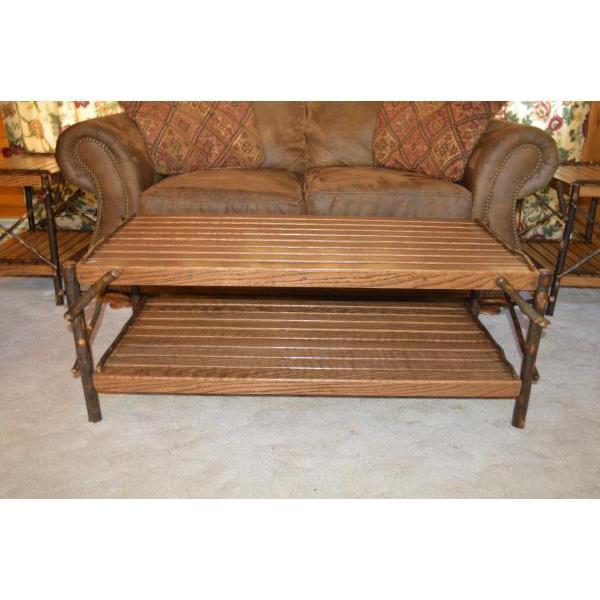
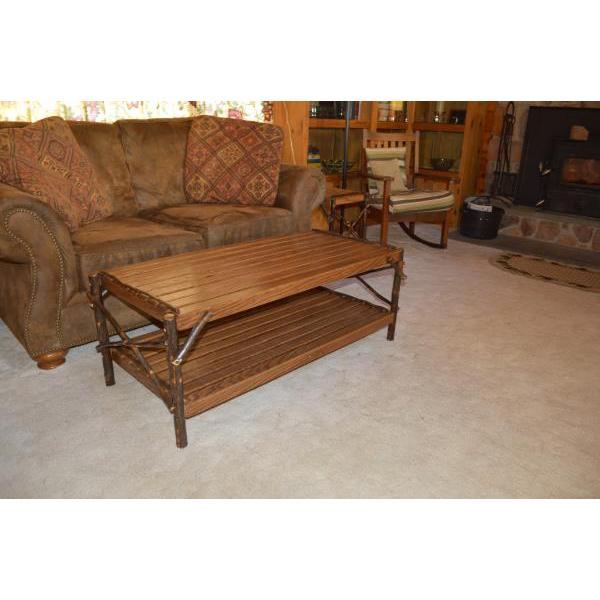
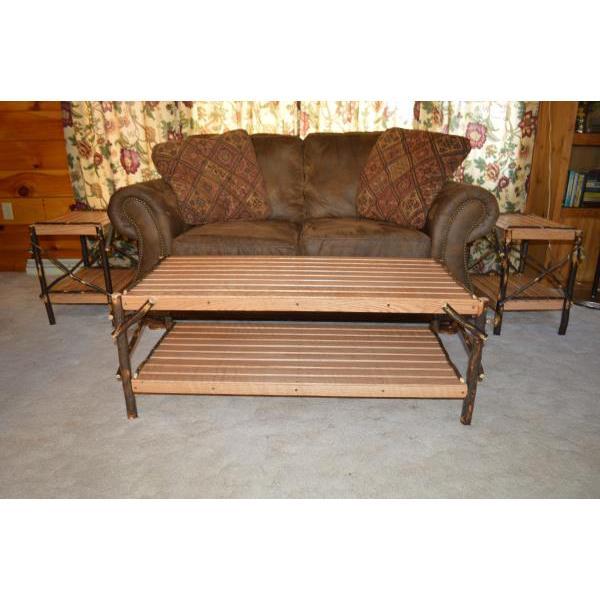
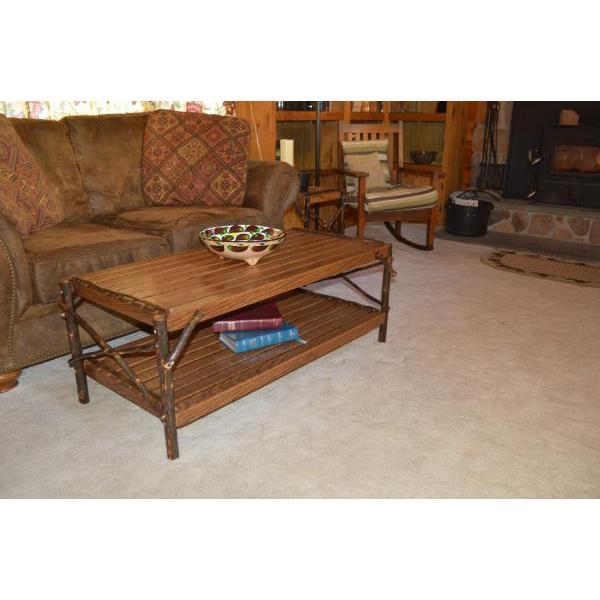
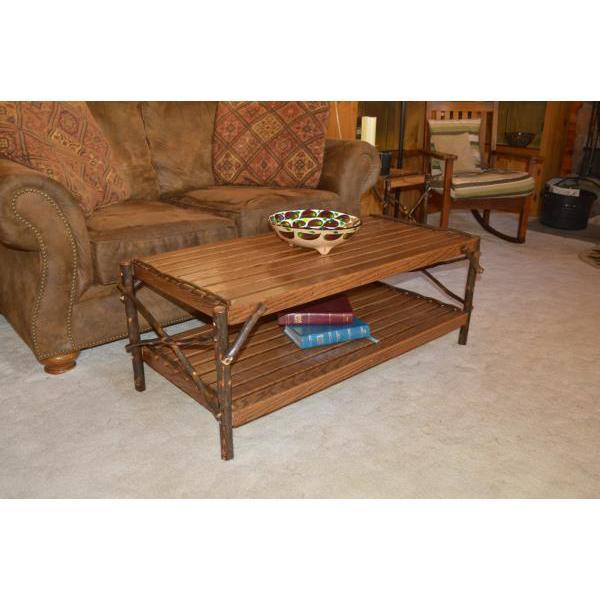
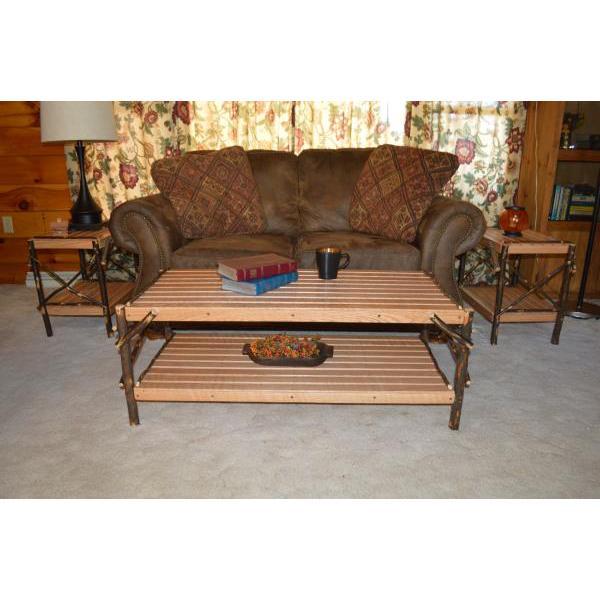
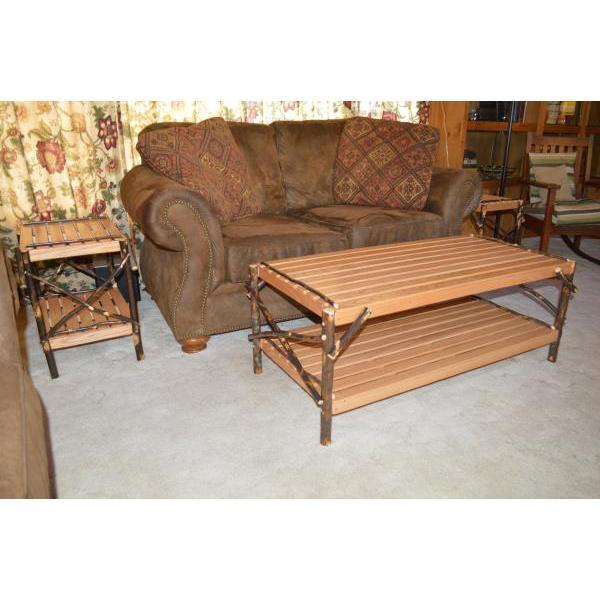
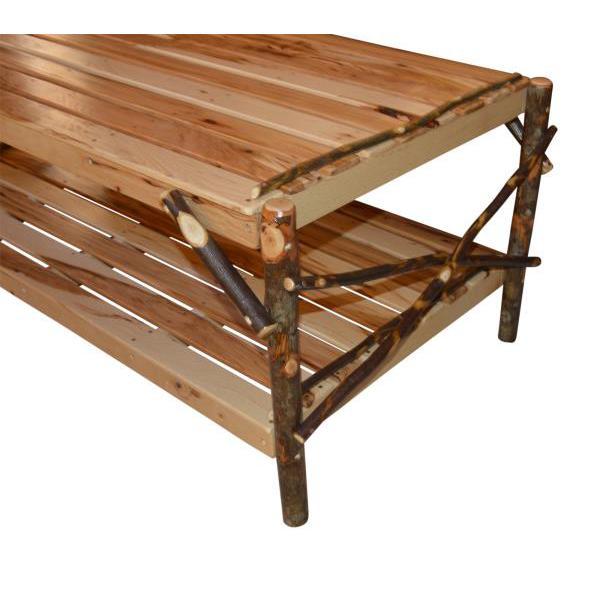
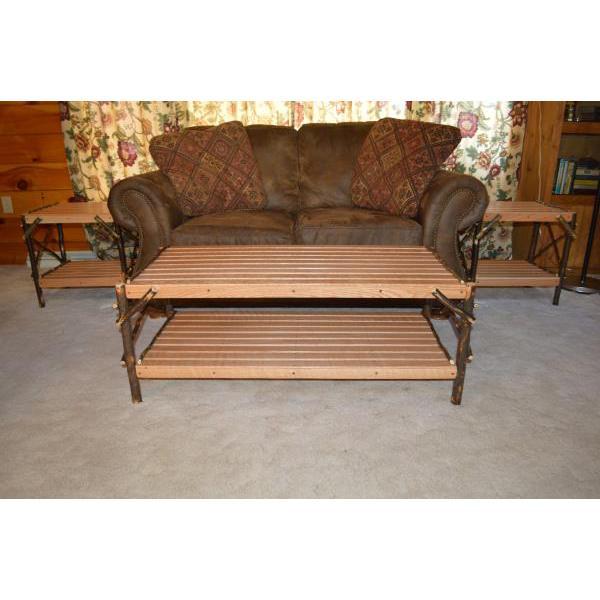
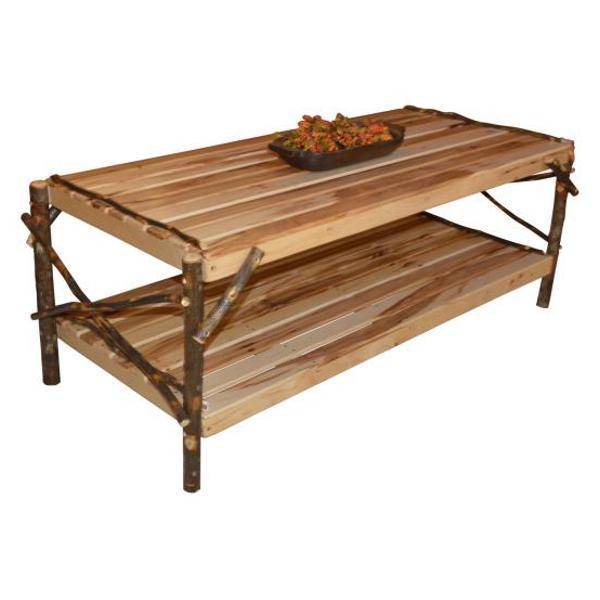
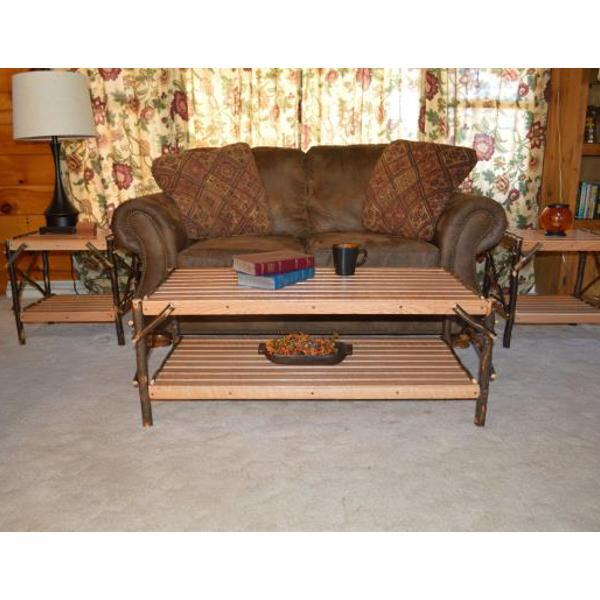
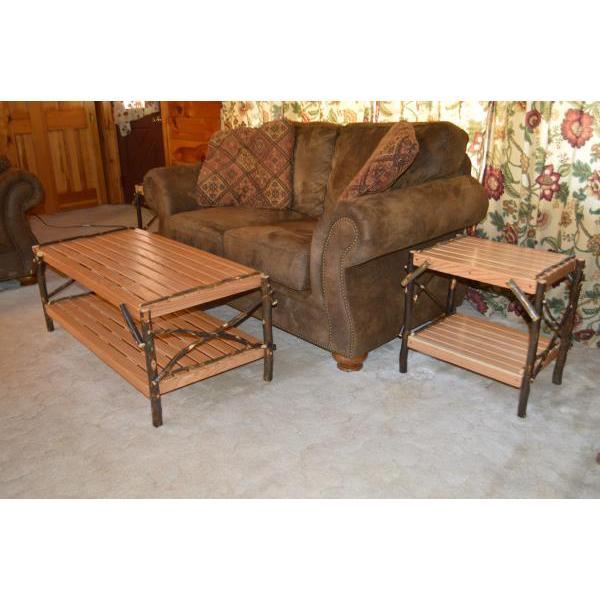
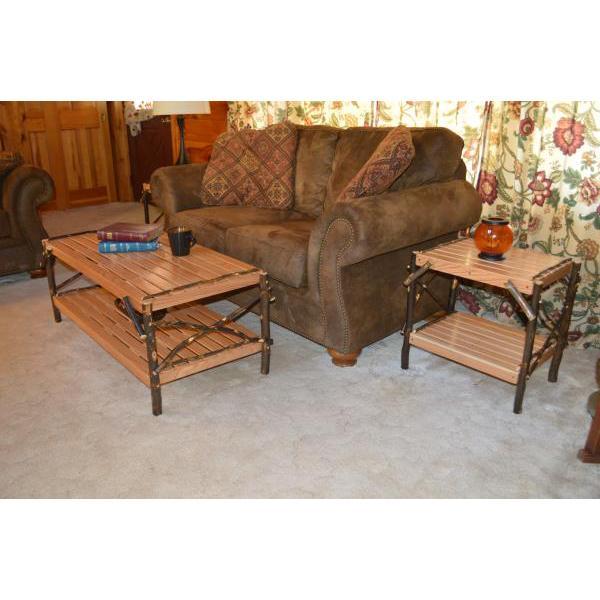
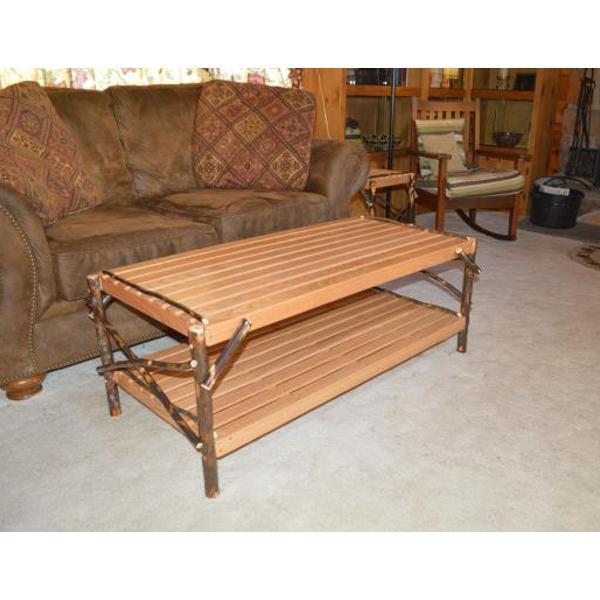
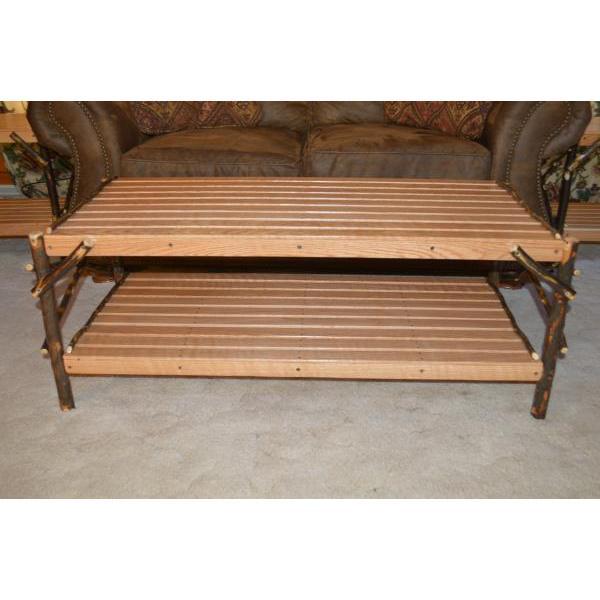
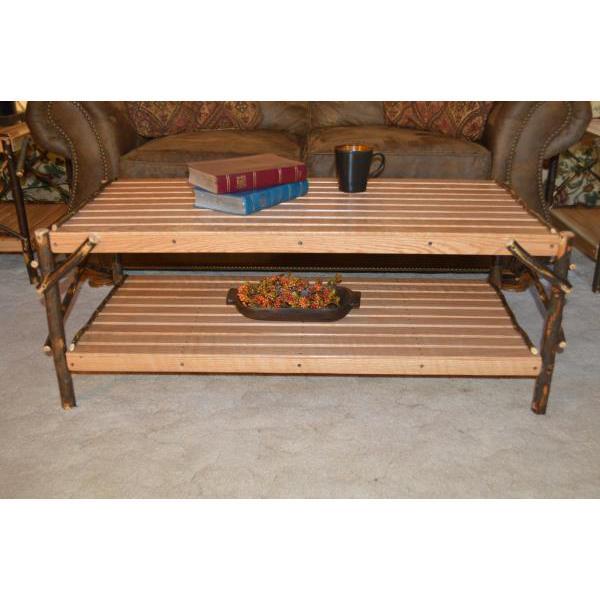
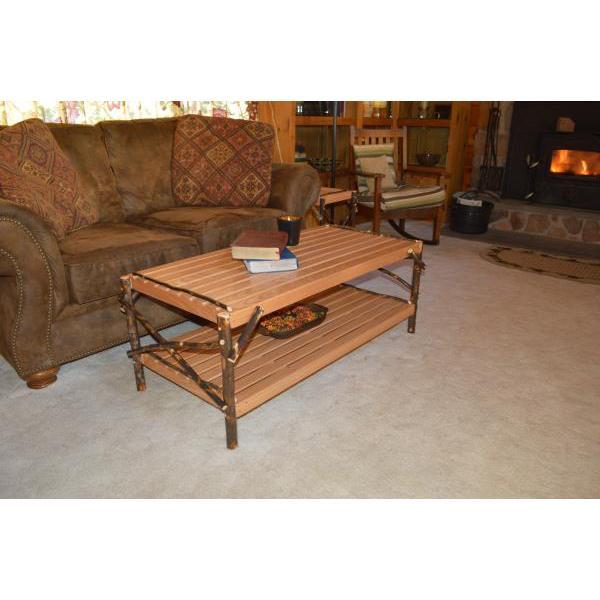
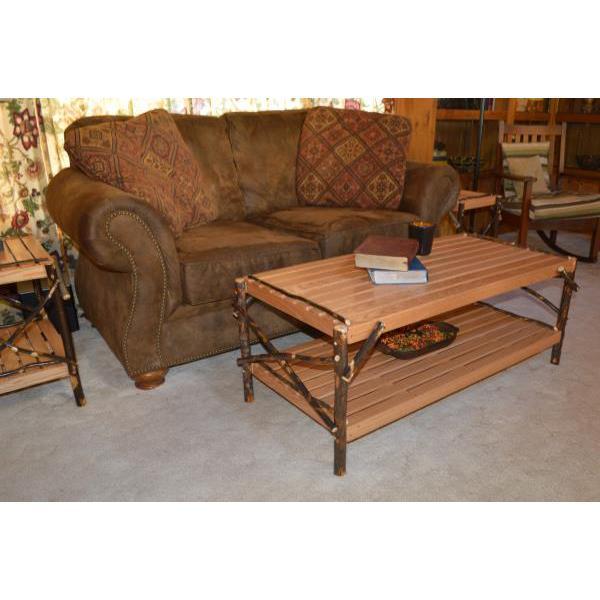
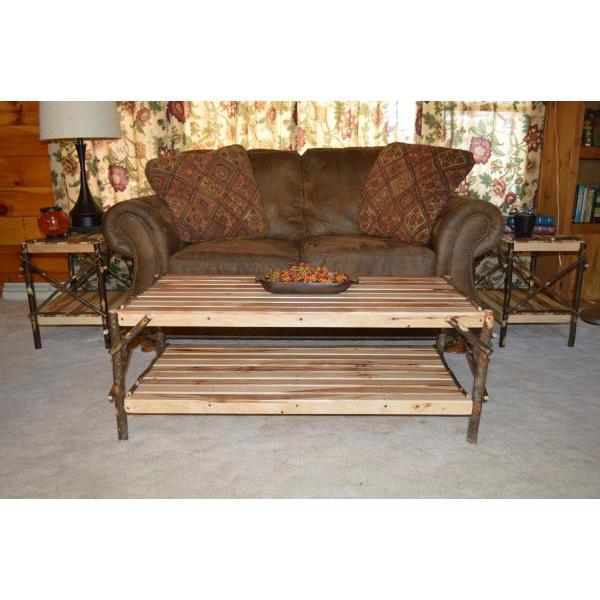
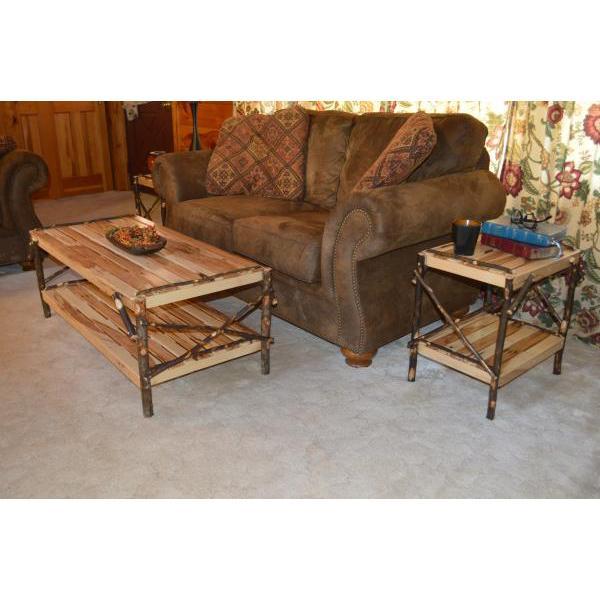
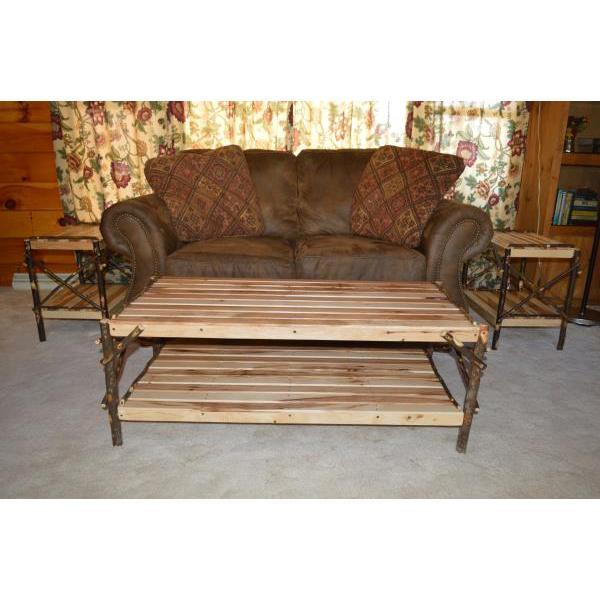
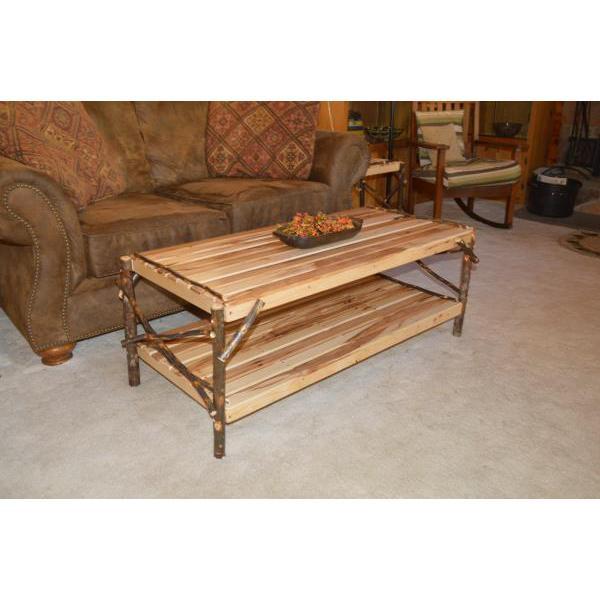
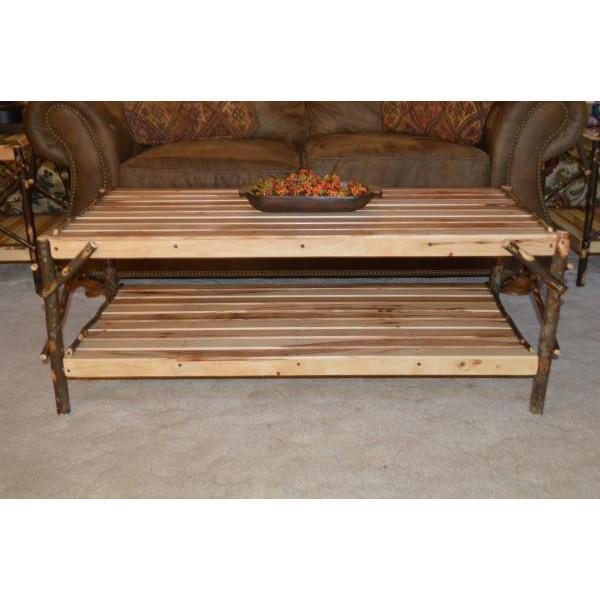
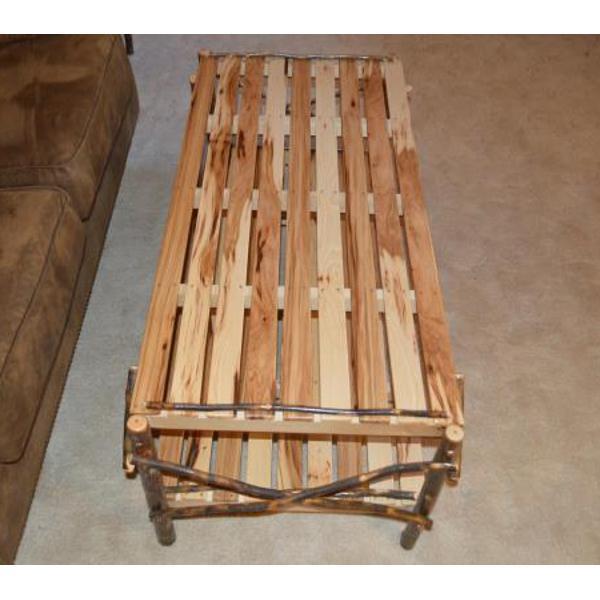
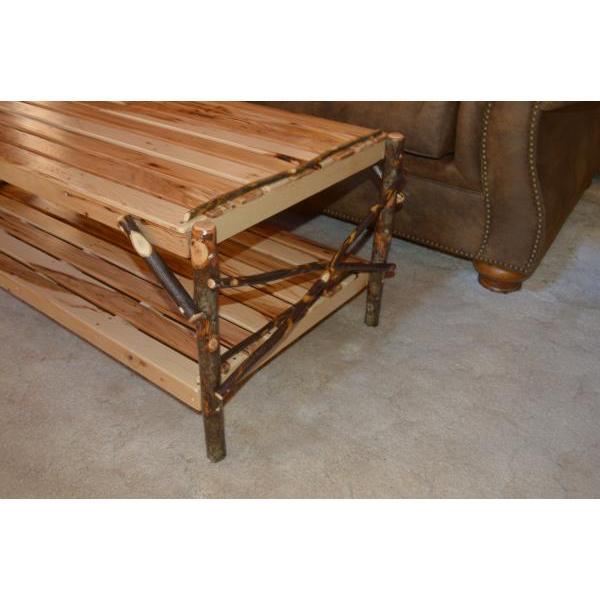
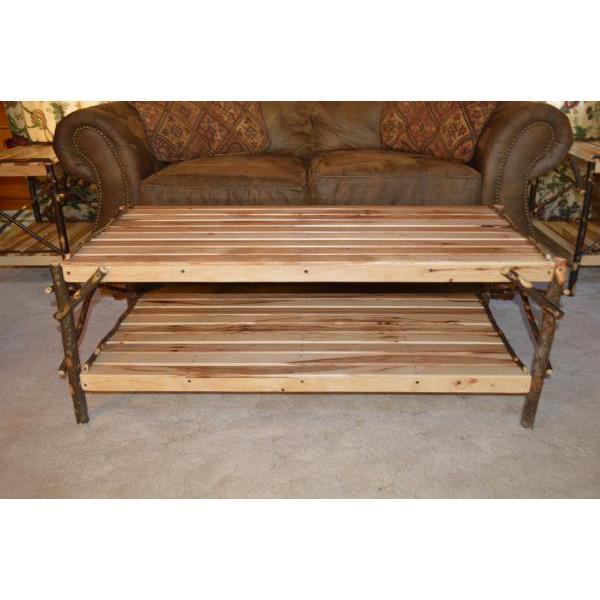
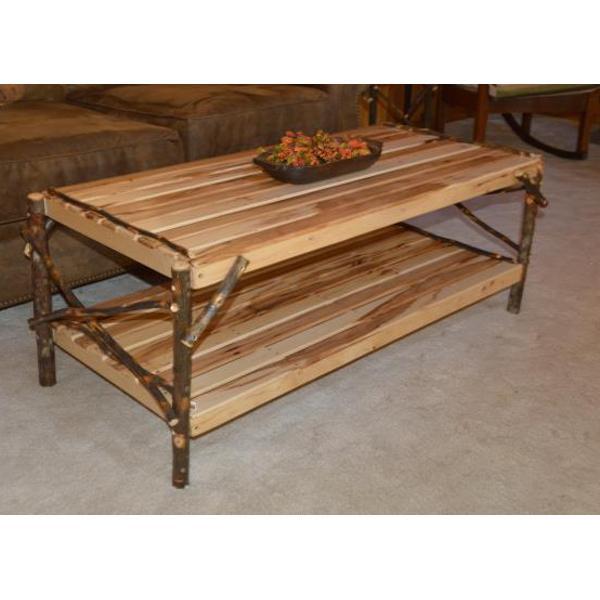
Nothing says rustic quite like hickory, and our collection of hickory wood furniture is no exception. Hand-built, Amish-made hickory furniture will last a lifetime and deliver a timeless look.
A: Hickory is known for its exceptional strength, distinctive grain, and rustic appeal. Here are some reasons why you do not need to think much when you know that the furniture made from Hickory Wood.
Strength: Hickory is one of thehardest and strongest North American woods. This density gives Hickory furniture excellent durability against impact and heavy use, making it highly resistant to dents and scratches.
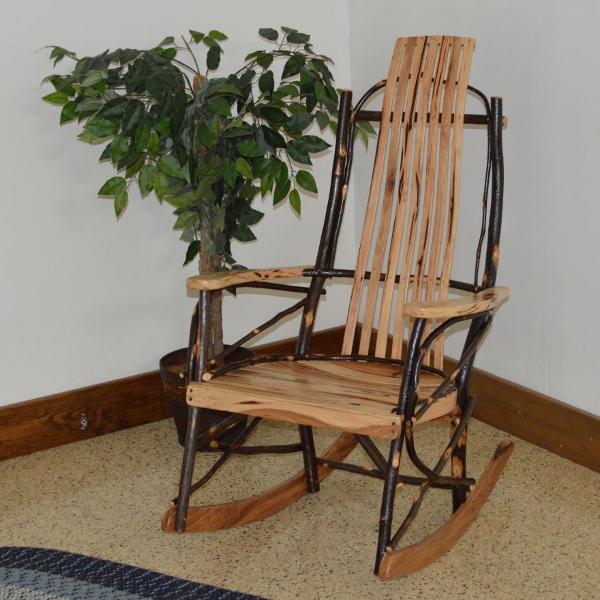
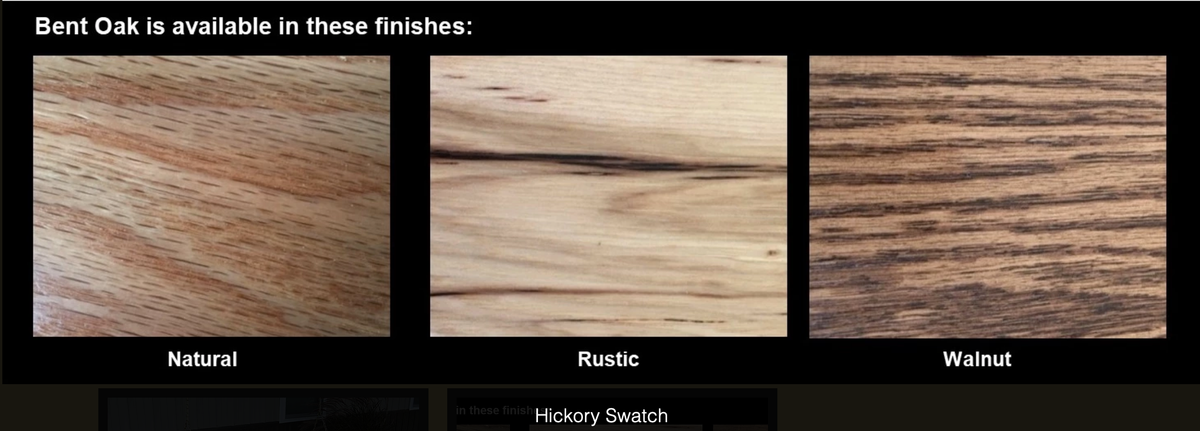
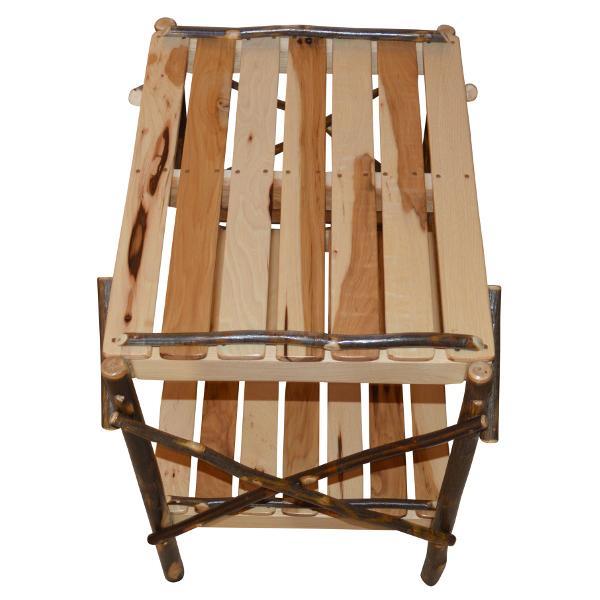
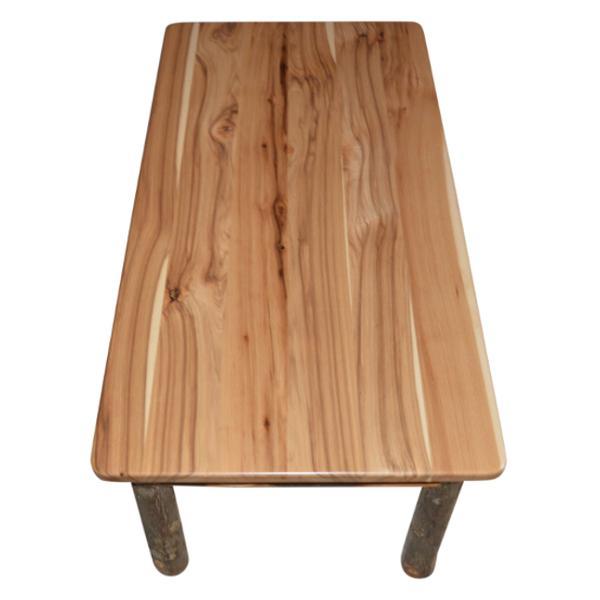
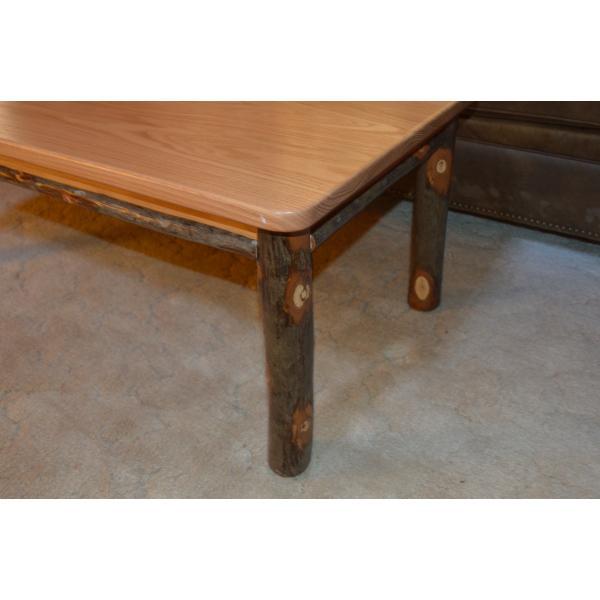
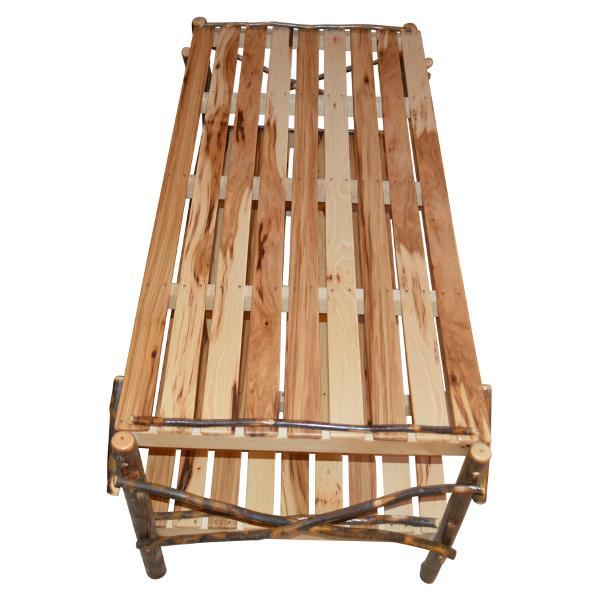
Aesthetics (Unique Appeal): Hickory often features a high contrast between the dark heartwood and the light sapwood, creating a visually dramatic, rustic, and distinctive look.
Natural Resistance: While not as rot-resistant as Teak, Hickory has good natural resistance to wear and tear. One reason why you should go ahead and buy Hickory wood table or a rocker.
A: Hickory requires diligent sealing to protect its surface and structural integrity.
Sealing: Hickory is a dense wood, but it must be protected from moisture. Apply ahigh-quality exterior stain or clear sealant every 1–2 years. It prevents water penetration, which can cause the wood to warp or check (crack).
Cleaning: Wash the furniture with mild soap and water once a year to remove dirt and pollen. Avoid power washing, which can damage the grain and sealant.
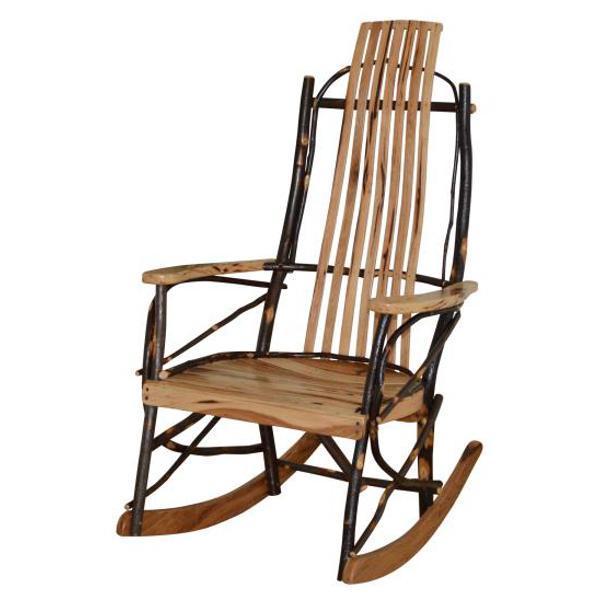
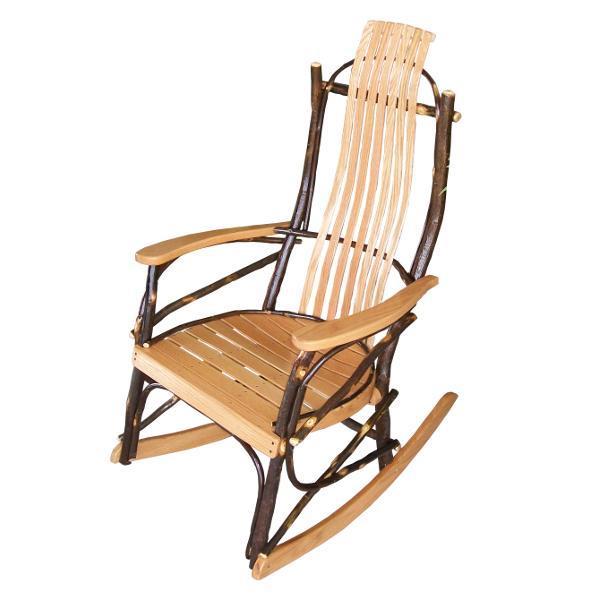
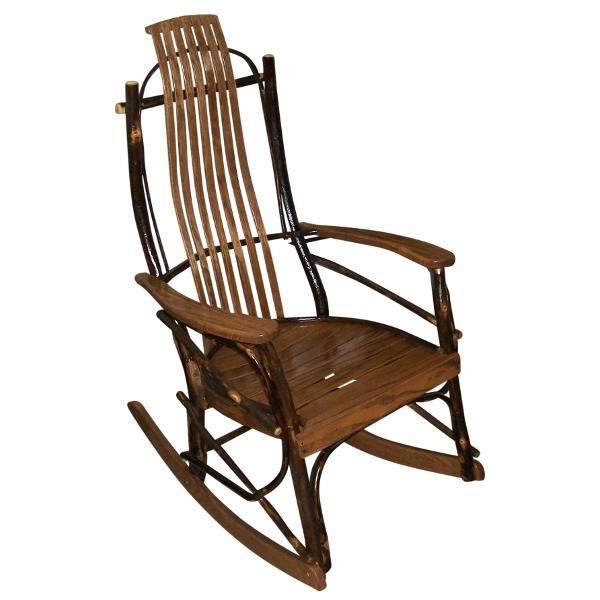
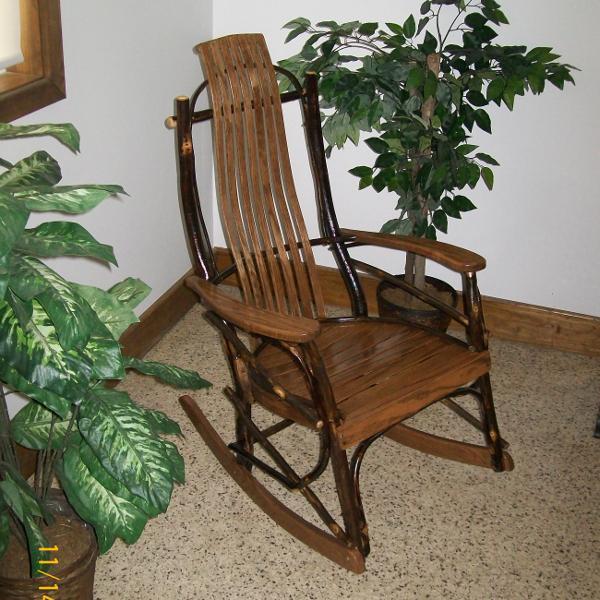
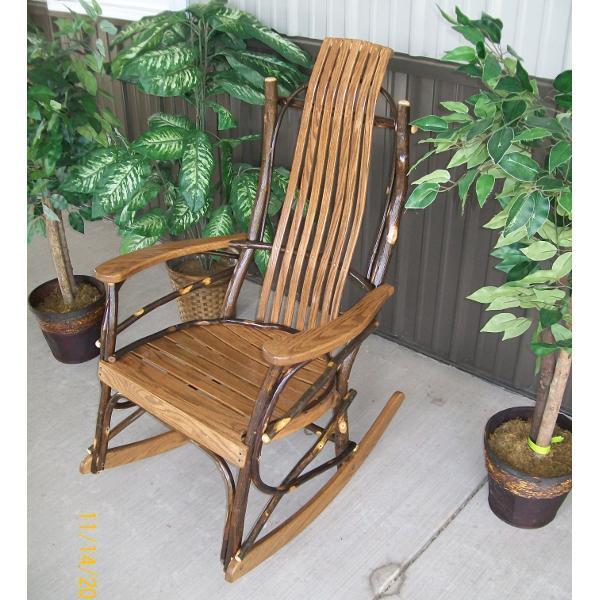
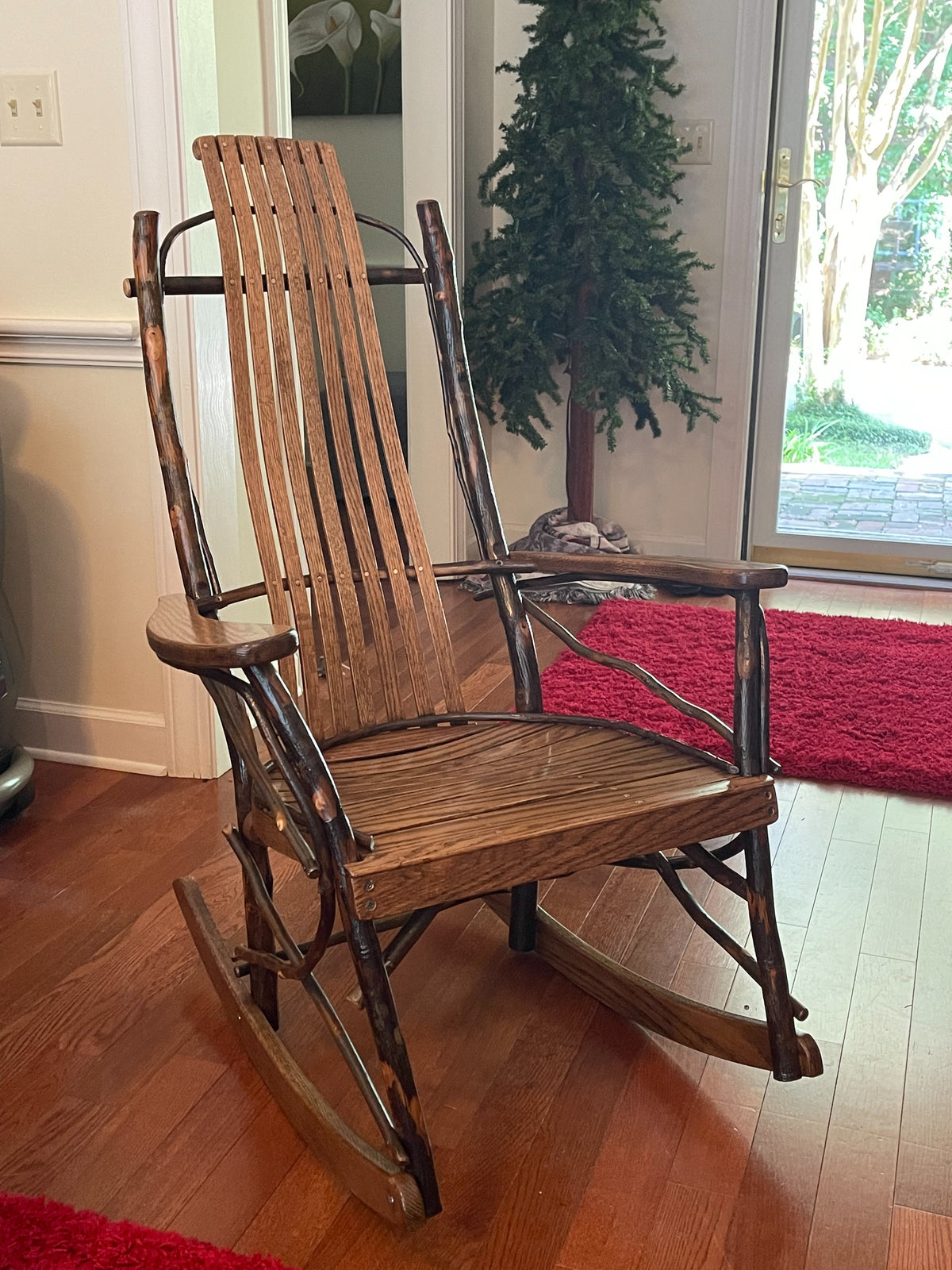
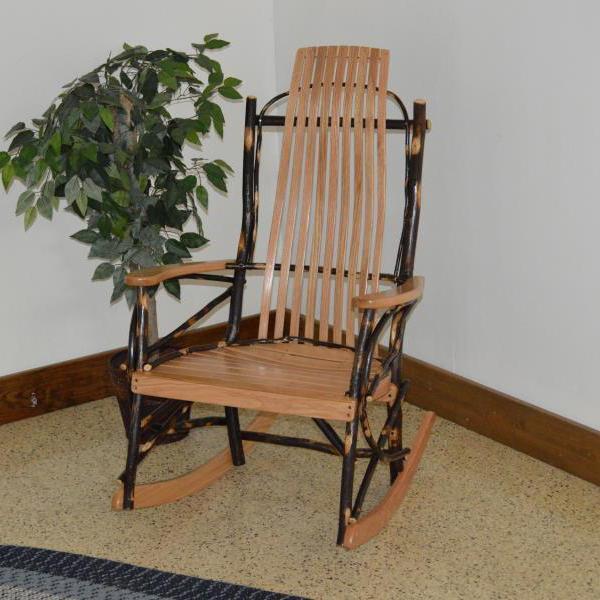
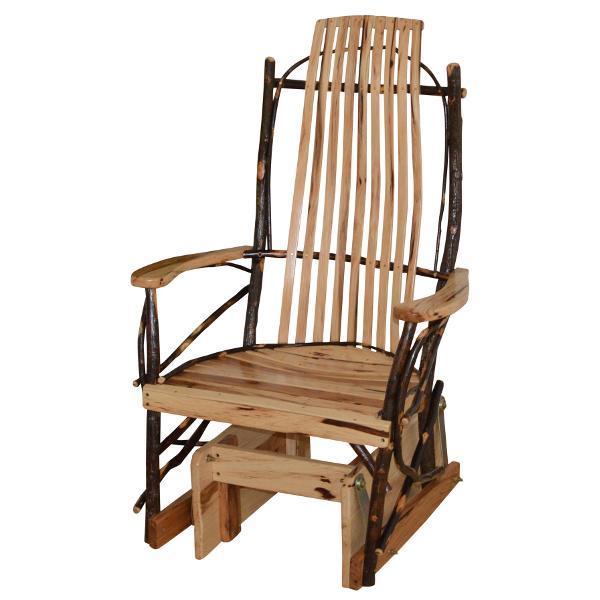
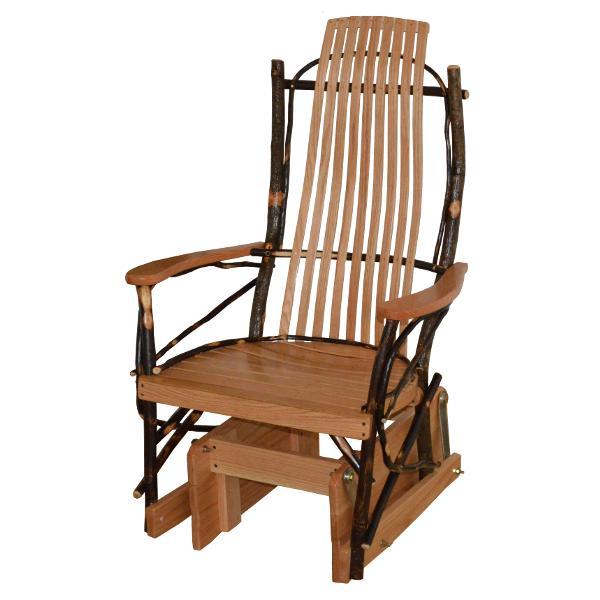
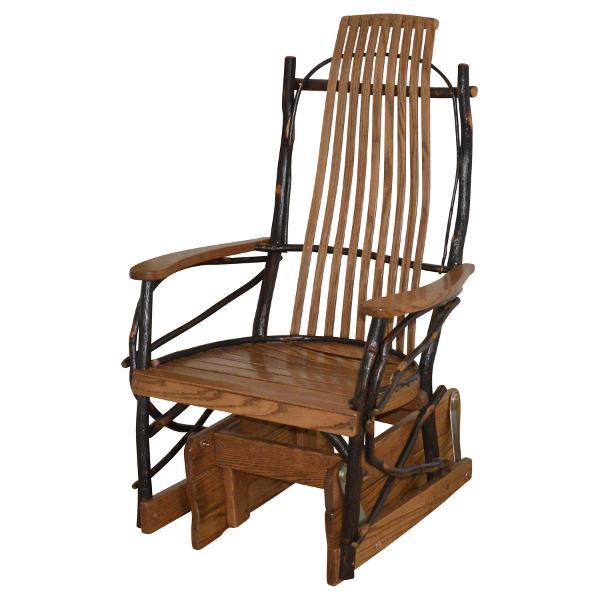
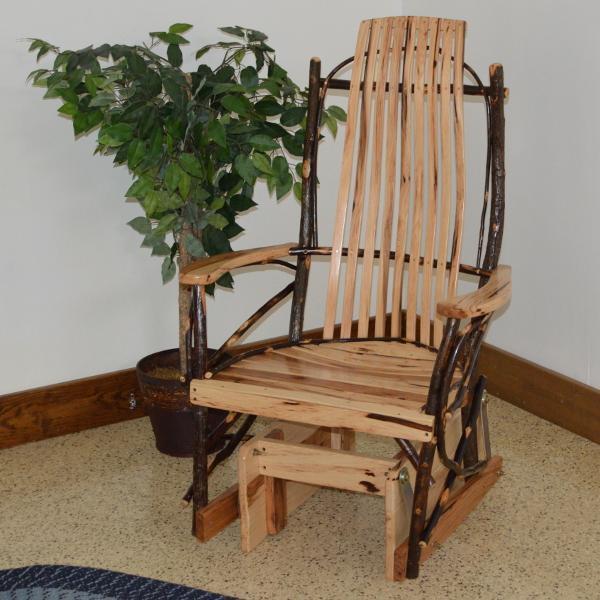
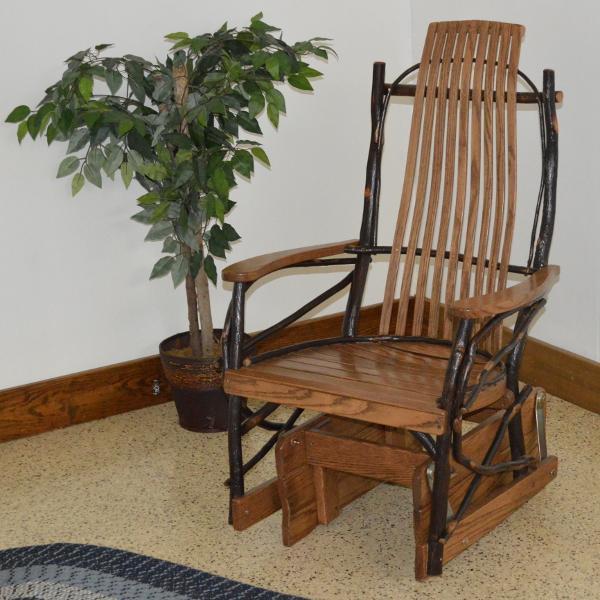
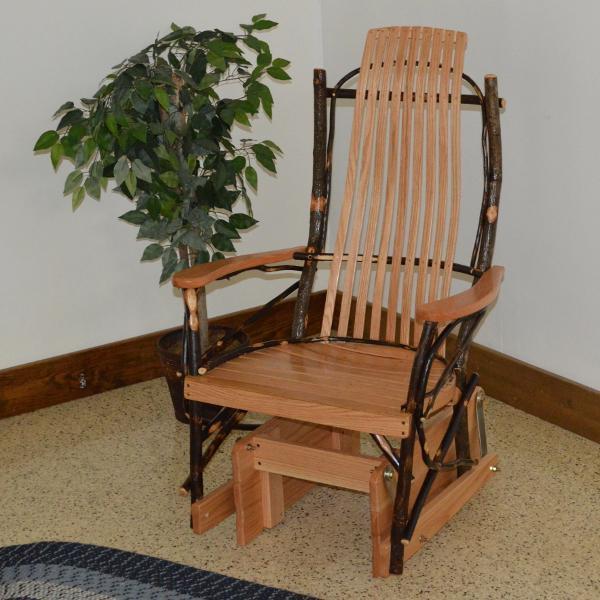
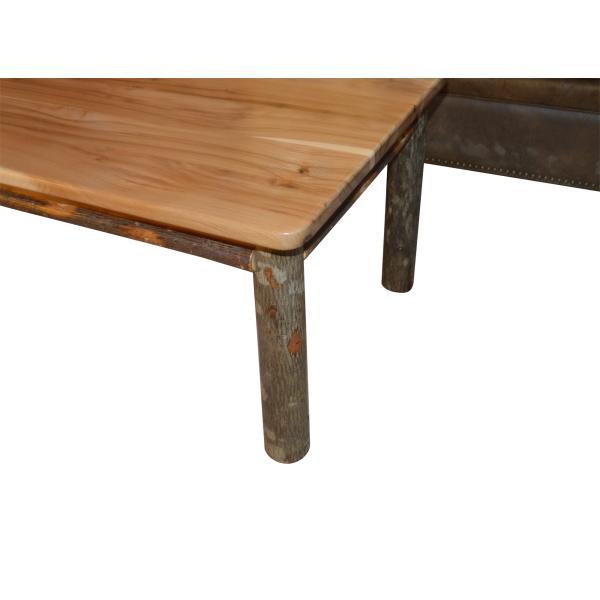
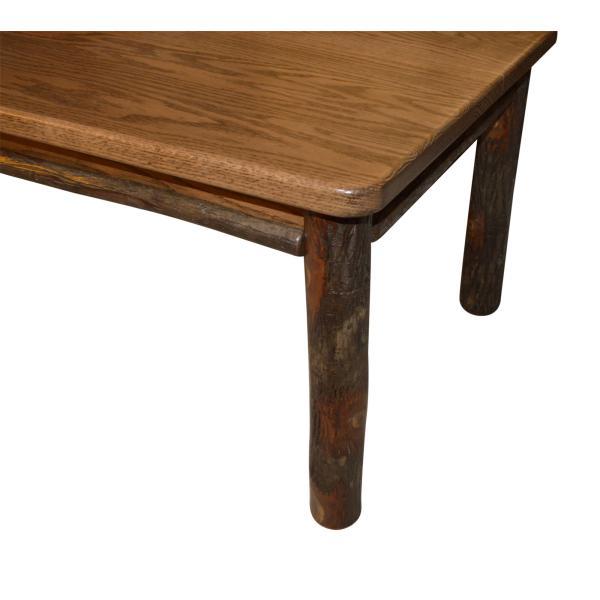
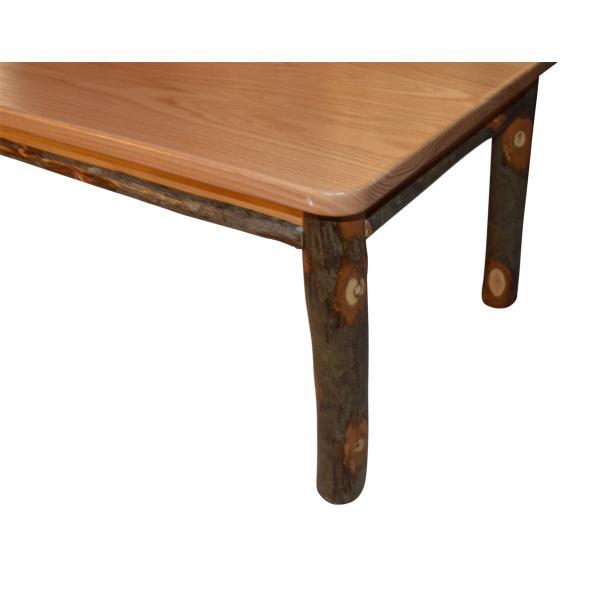
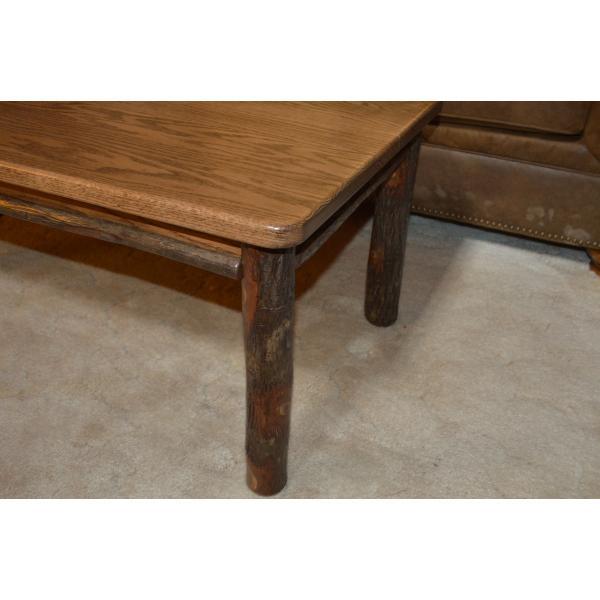
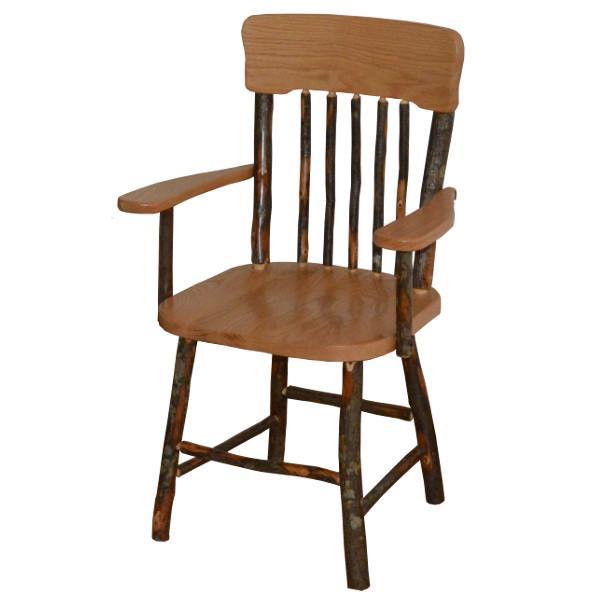
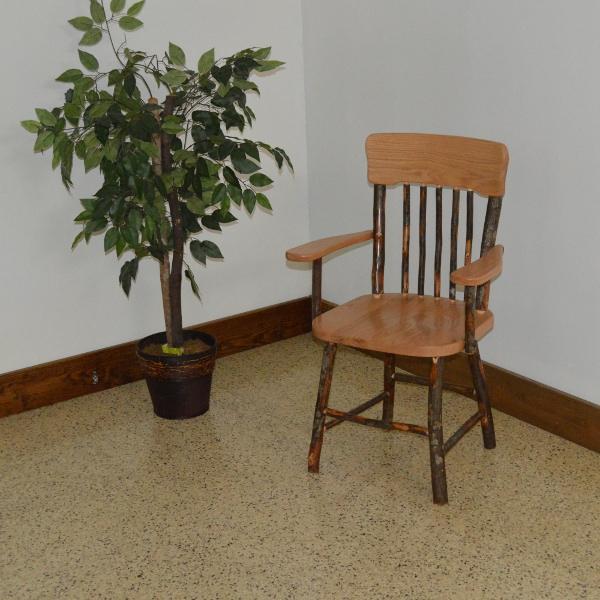
Rustic Bark: Some Hickory furniture (especially chairs and rockers) is made withhickory sticks and bark. The bark naturally exfoliates over time. If the bark is desired, it should be lightly sealed, but expect some loss over the years.
A: Hickory's immense strength makes it challenging to work with.
Rigidity: Hickory is highly resistant to bending or molding, making it an excellent choice for load-bearing posts and beams.
Joinery: Because of its hardness, the joinery must be executed with precision, using strong techniques like mortise and tenon. Pre-drilling holes for all screws and bolts is mandatory to prevent splitting of the wood.
Movement: Hickory can experience significant movement (expansion/contraction) as it weathers. Furniture built from hickory must allow for this movement to prevent cracking.
A: Hilltop Hickory can be used, but it requires enhanced protection in challenging climates.
Humidity: In highly humid climates, Hickory's density makes it more resistant to moisture damage than softer woods. However, the increased moisture absorption will necessitatemore frequent re-sealing (at least annually).
Coastal Air (Salt): Salt-laden air is corrosive to both the wood and the hardware. All hardware must bemarine-grade stainless steel.
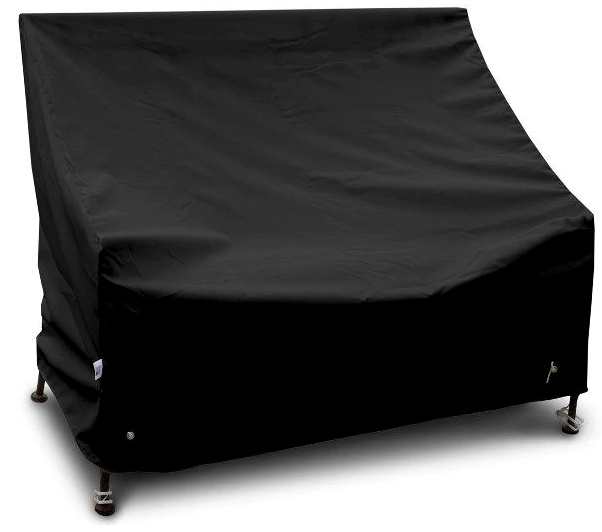
Recommended Protection: In coastal areas, covering furniture during periods of non-use is highly recommended to protect the finish from prolonged exposure to salt spray.
Pick the best hickory log furniture for the most affordable price.
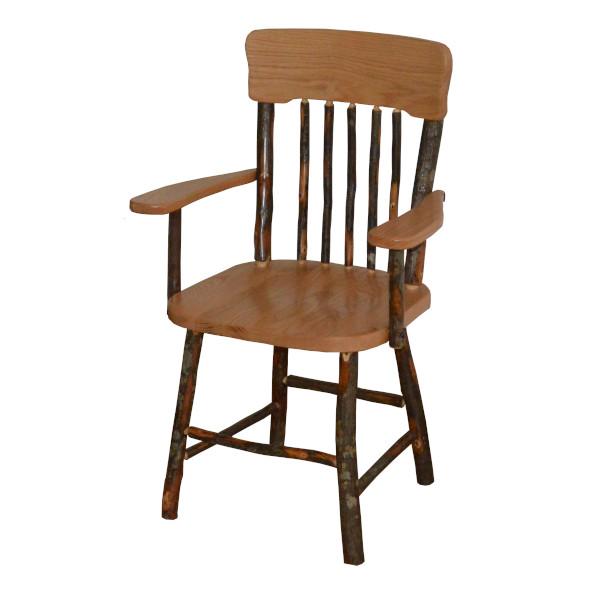
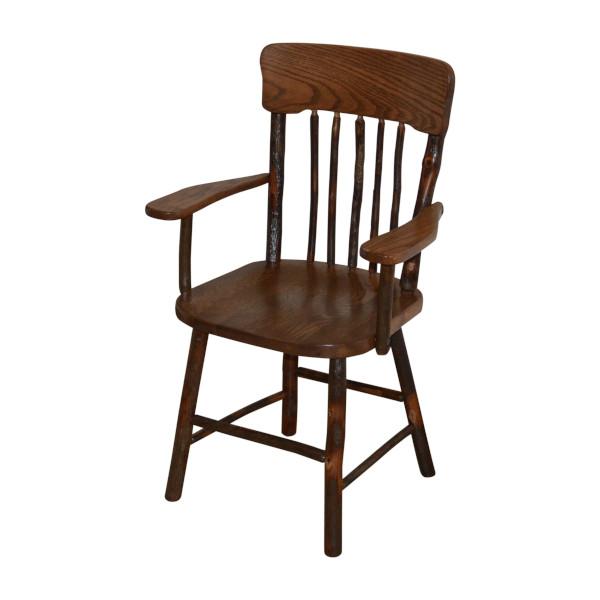
Nothing says rustic quite like hickory, and our collection of hickory wood furniture is no exception. Hand-built, Amish-made hickory furniture will last a lifetime and deliver a timeless look.
A: Hickory is known for its exceptional strength, distinctive grain, and rustic appeal. Here are some reasons why you do not need to think much when you know that the furniture made from Hickory Wood.
Strength: Hickory is one of thehardest and strongest North American woods. This density gives Hickory furniture excellent durability against impact and heavy use, making it highly resistant to dents and scratches.
Aesthetics (Unique Appeal): Hickory often features a high contrast between the dark heartwood and the light sapwood, creating a visually dramatic, rustic, and distinctive look.
Natural Resistance: While not as rot-resistant as Teak, Hickory has good natural resistance to wear and tear. One reason why you should go ahead and buy Hickory wood table or a rocker.
A: Hickory requires diligent sealing to protect its surface and structural integrity.
Sealing: Hickory is a dense wood, but it must be protected from moisture. Apply ahigh-quality exterior stain or clear sealant every 1–2 years. It prevents water penetration, which can cause the wood to warp or check (crack).
Cleaning: Wash the furniture with mild soap and water once a year to remove dirt and pollen. Avoid power washing, which can damage the grain and sealant.
Rustic Bark: Some Hickory furniture (especially chairs and rockers) is made withhickory sticks and bark. The bark naturally exfoliates over time. If the bark is desired, it should be lightly sealed, but expect some loss over the years.
A: Hickory's immense strength makes it challenging to work with.
Rigidity: Hickory is highly resistant to bending or molding, making it an excellent choice for load-bearing posts and beams.
Joinery: Because of its hardness, the joinery must be executed with precision, using strong techniques like mortise and tenon. Pre-drilling holes for all screws and bolts is mandatory to prevent splitting of the wood.
Movement: Hickory can experience significant movement (expansion/contraction) as it weathers. Furniture built from hickory must allow for this movement to prevent cracking.
A: Hilltop Hickory can be used, but it requires enhanced protection in challenging climates.
Humidity: In highly humid climates, Hickory's density makes it more resistant to moisture damage than softer woods. However, the increased moisture absorption will necessitatemore frequent re-sealing (at least annually).
Coastal Air (Salt): Salt-laden air is corrosive to both the wood and the hardware. All hardware must bemarine-grade stainless steel.
Recommended Protection: In coastal areas, covering furniture during periods of non-use is highly recommended to protect the finish from prolonged exposure to salt spray.
Pick the best hickory log furniture for the most affordable price.