Your Cart is Empty

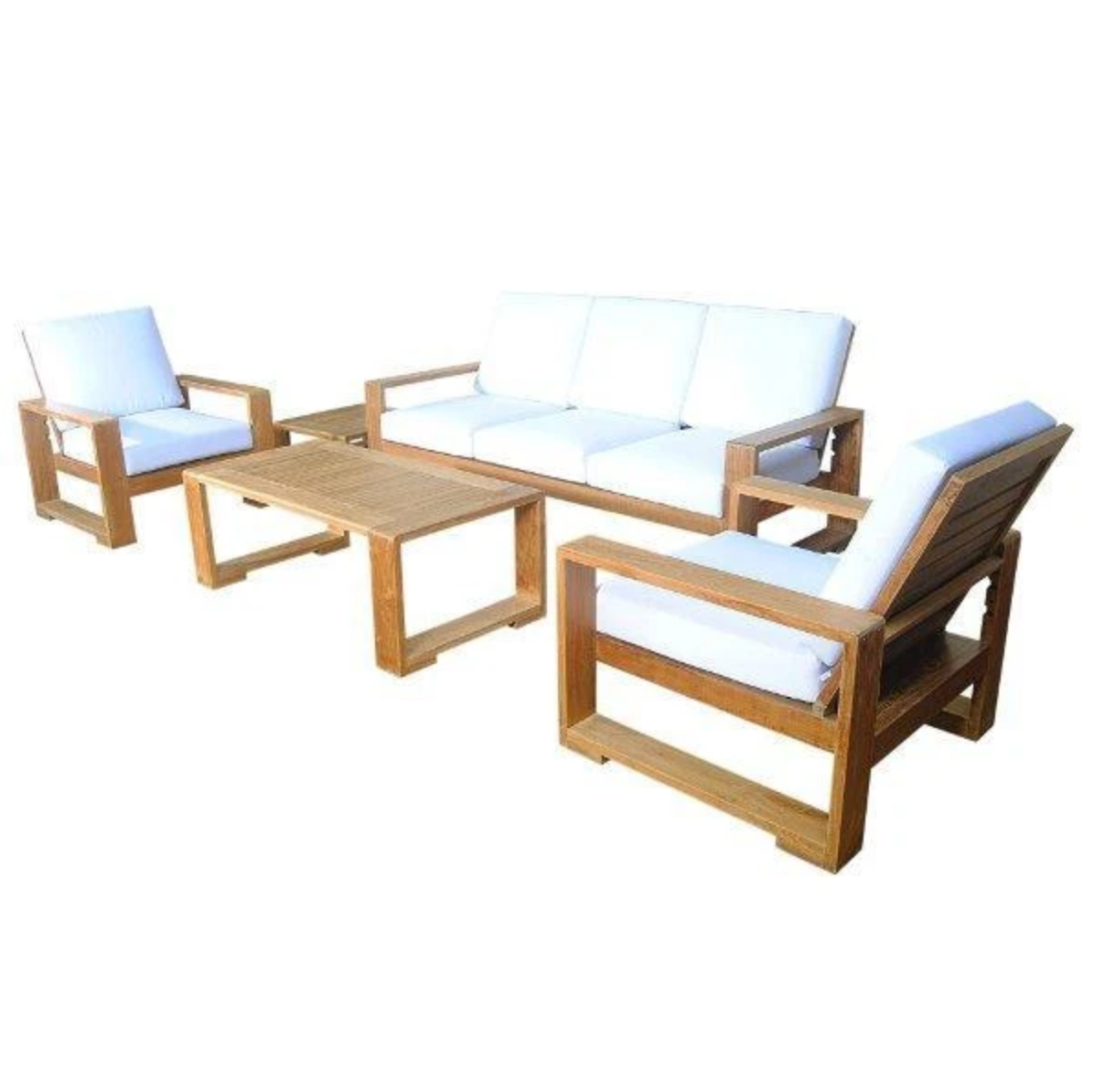
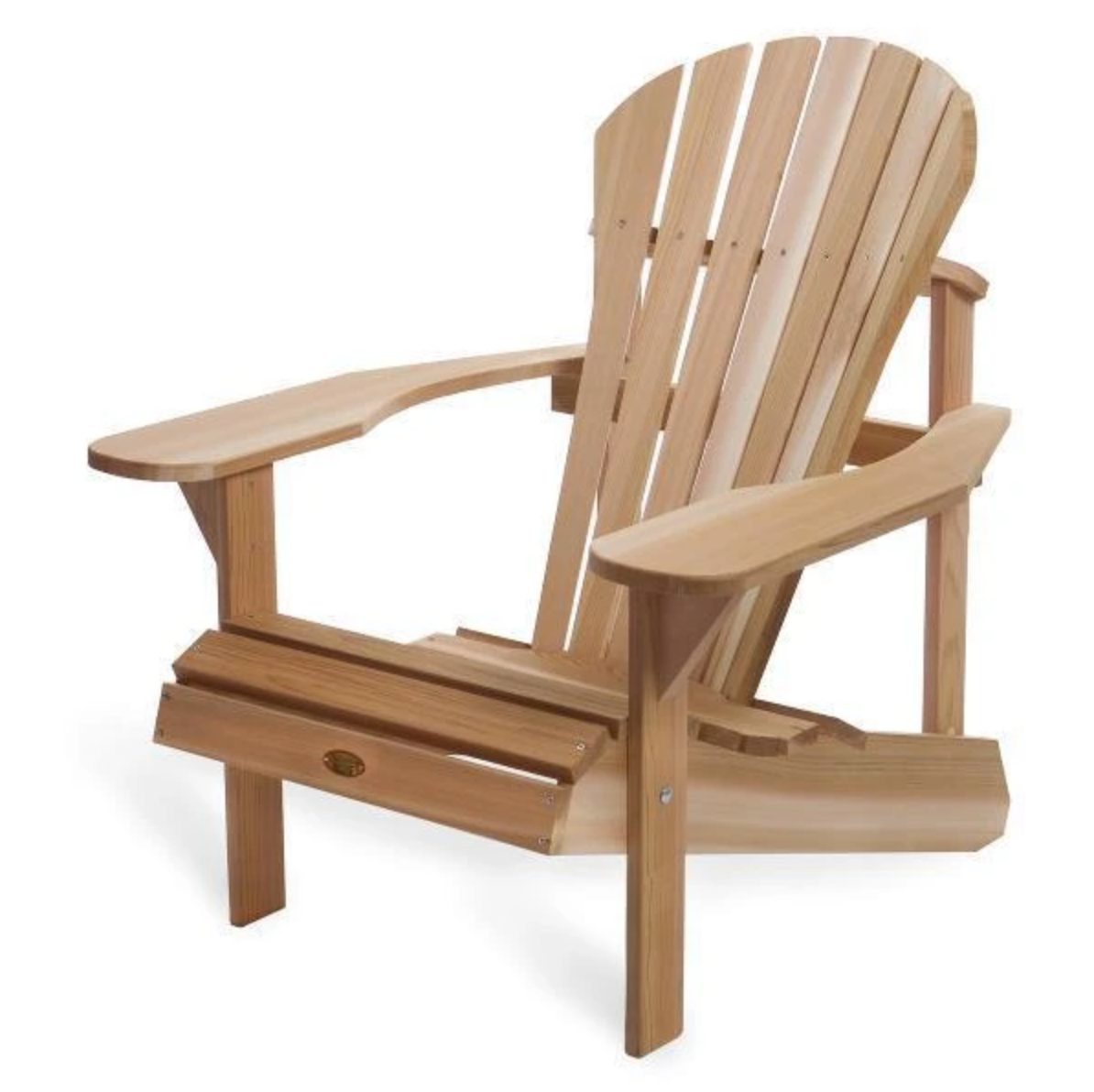
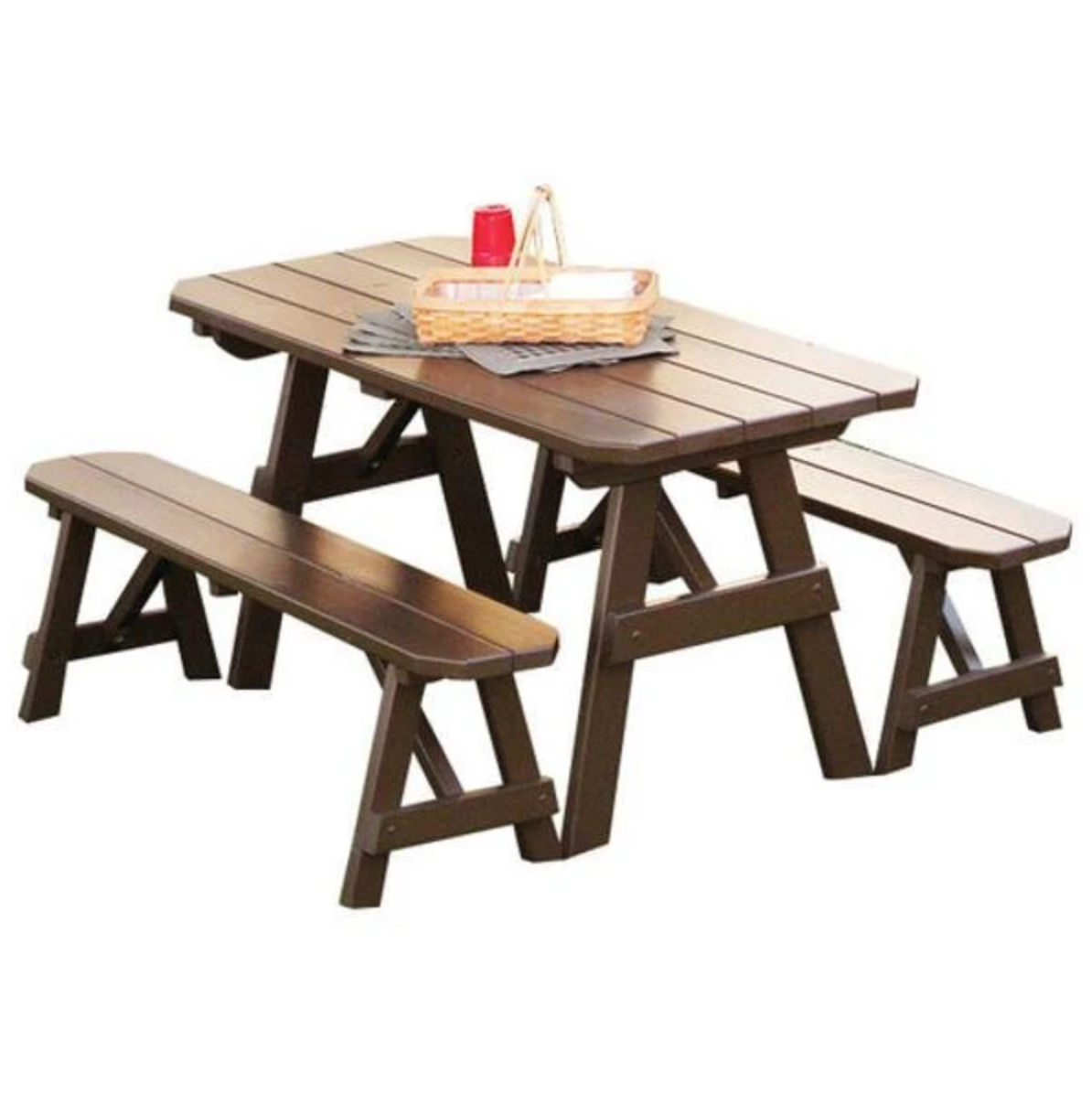
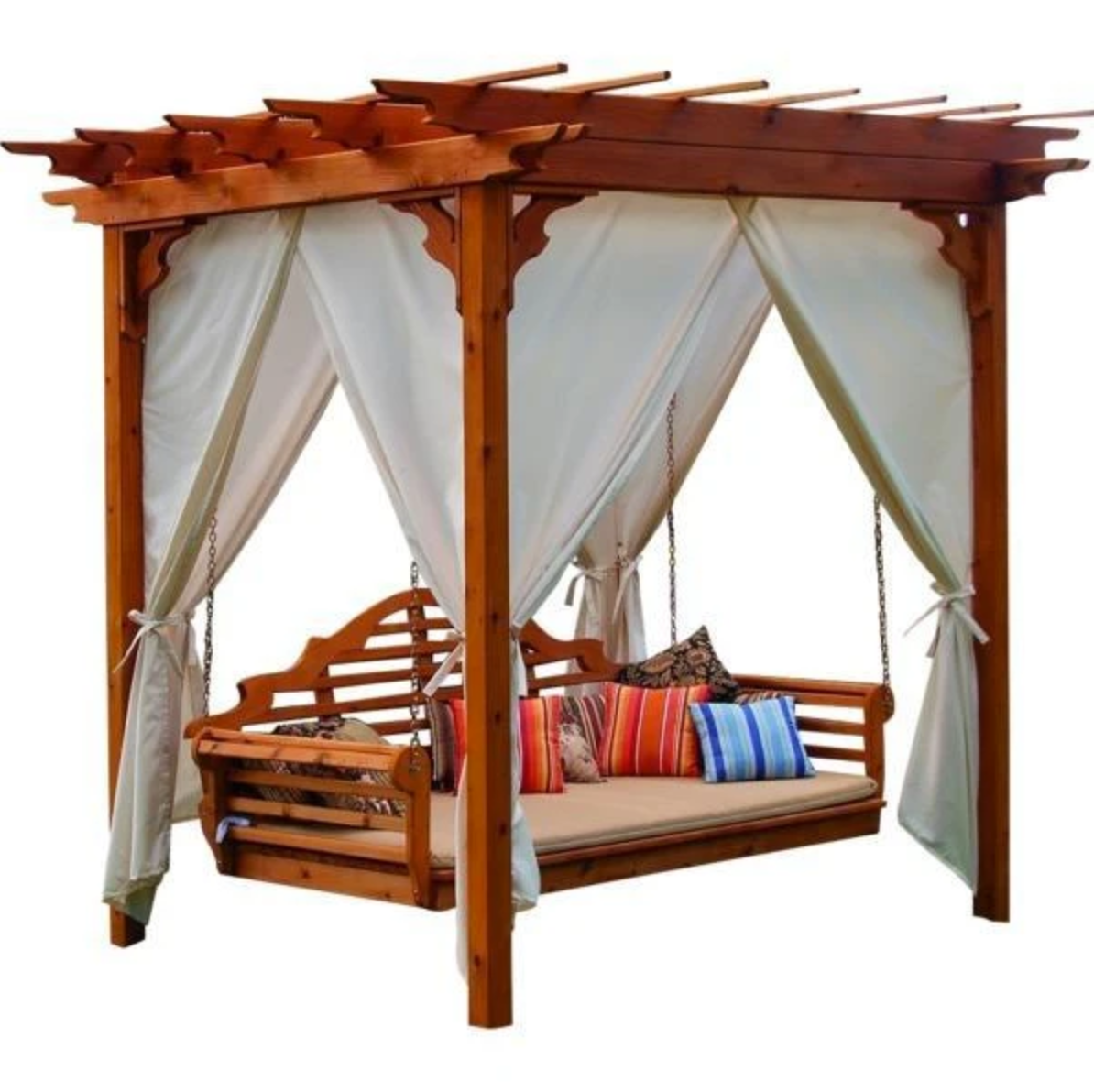
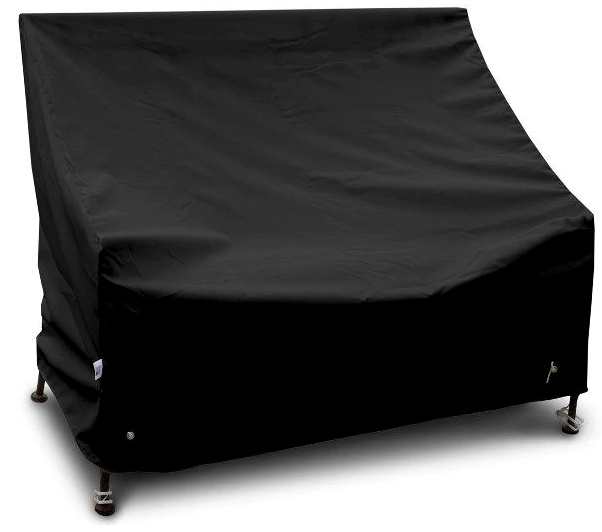
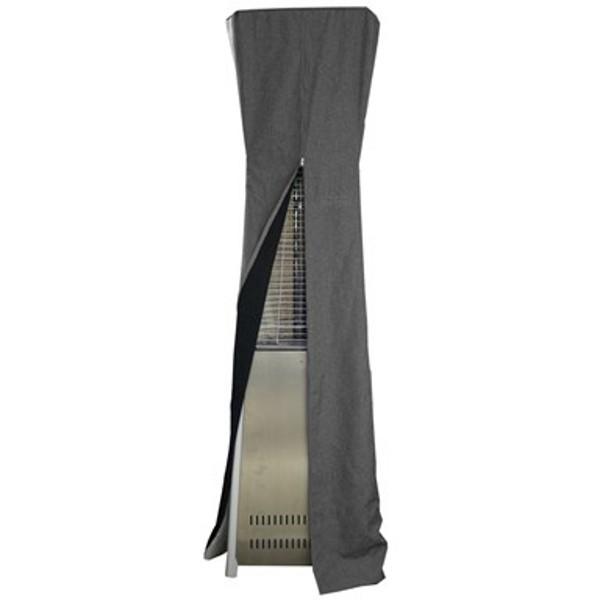
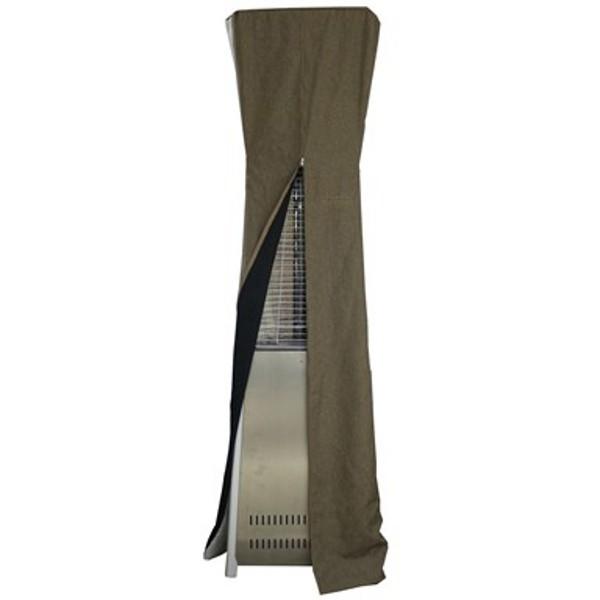
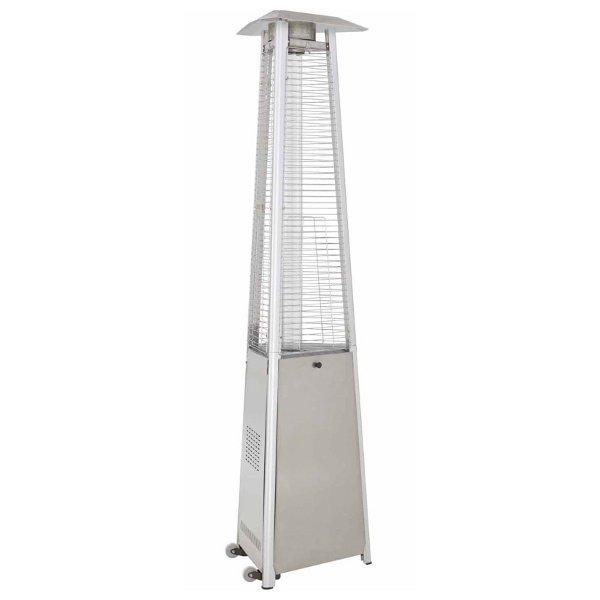
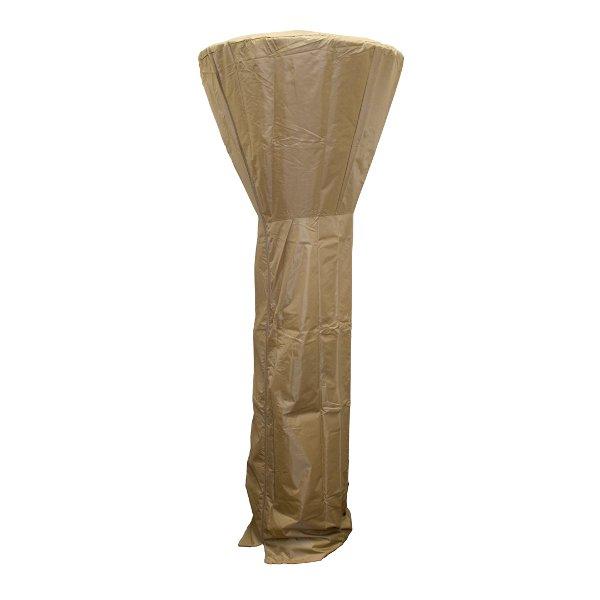
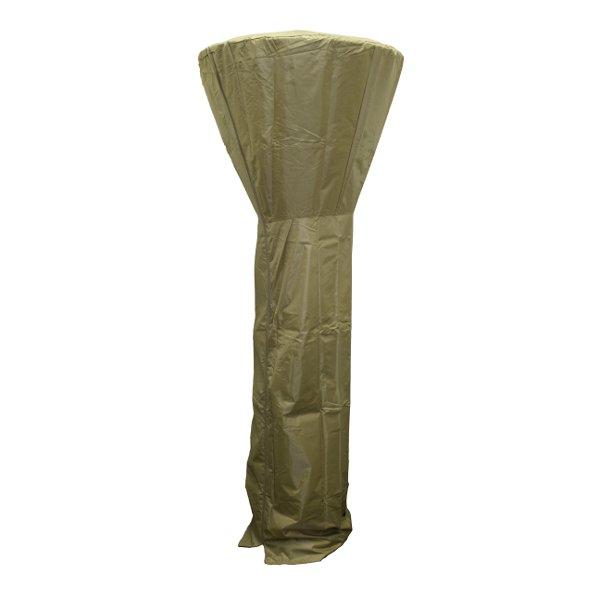
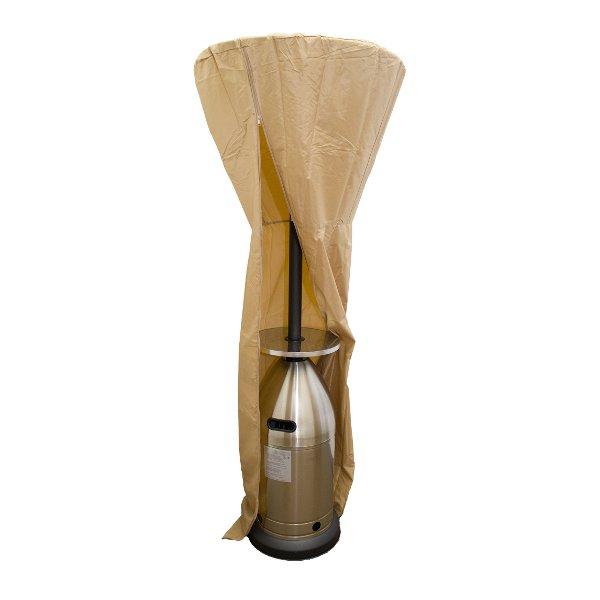
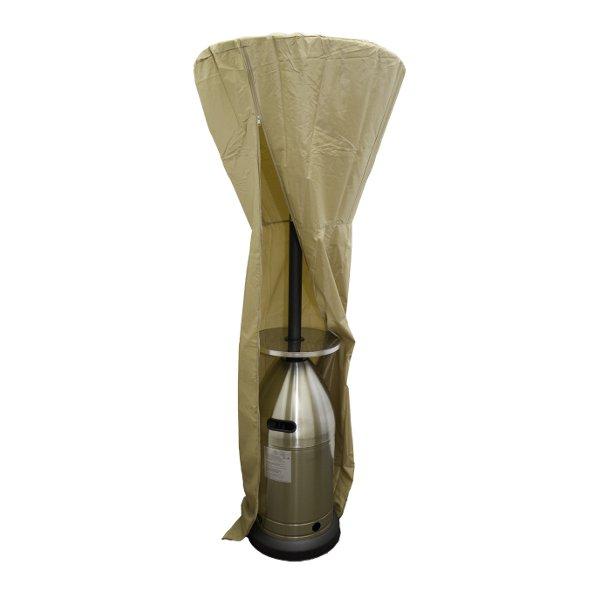
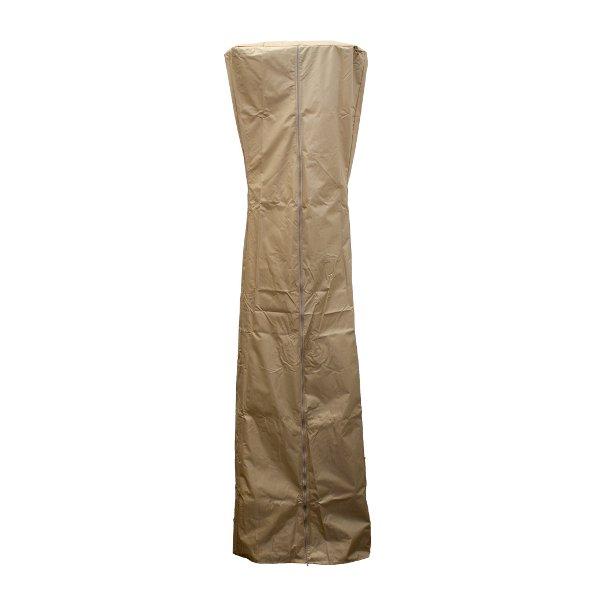
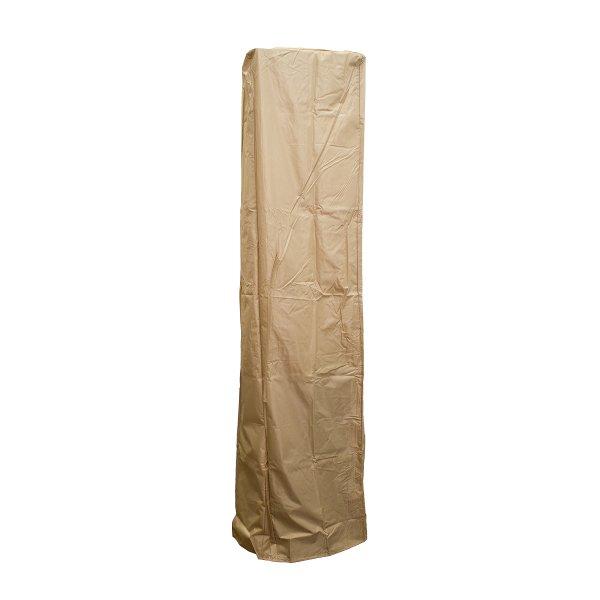
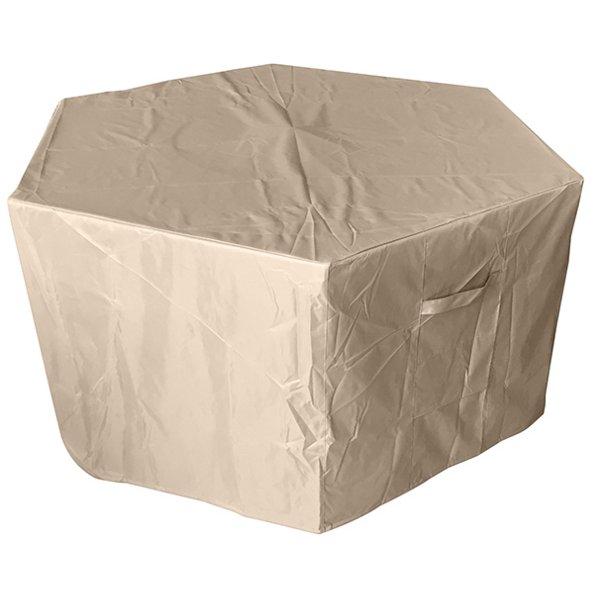
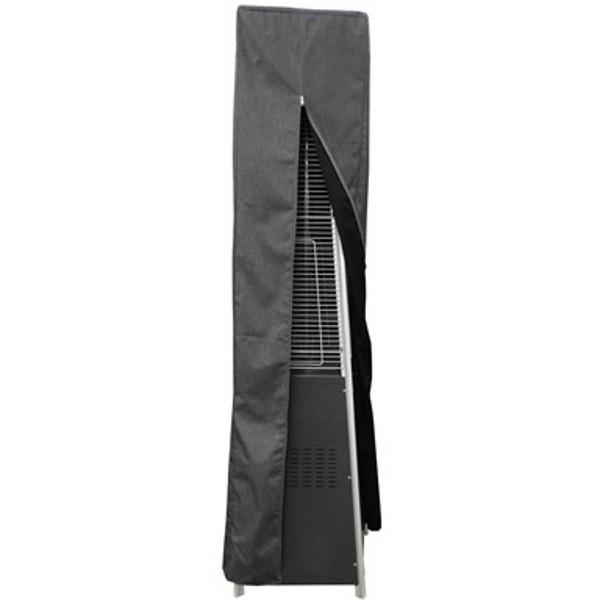
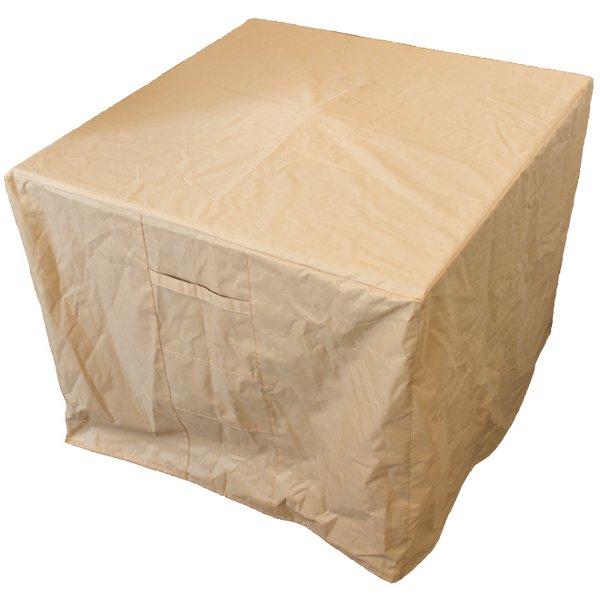
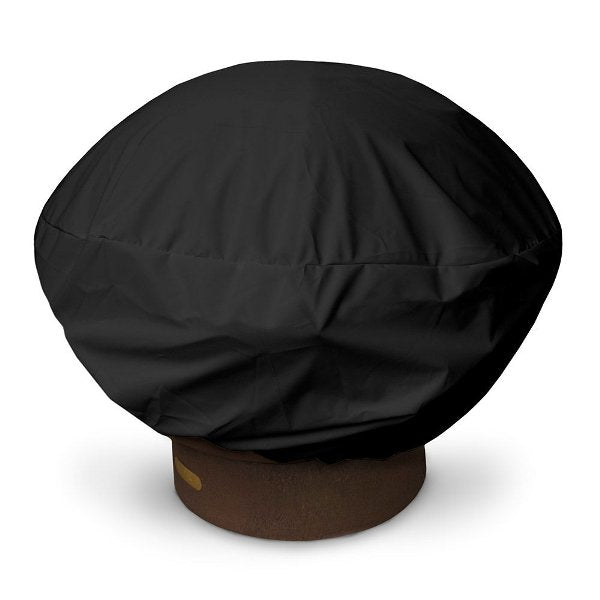
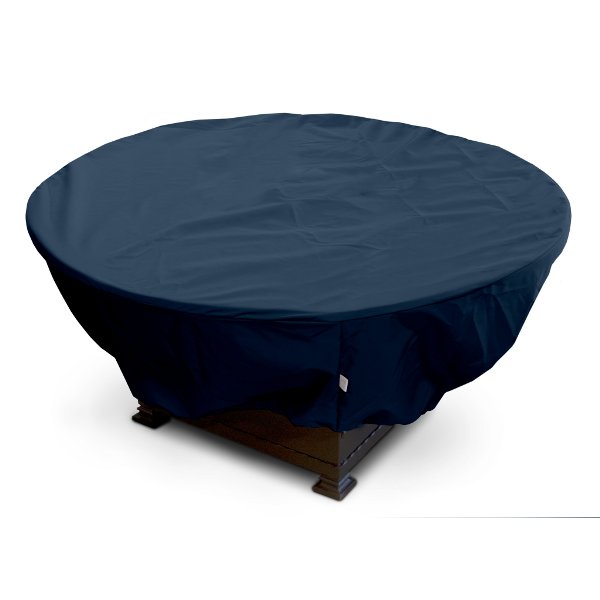
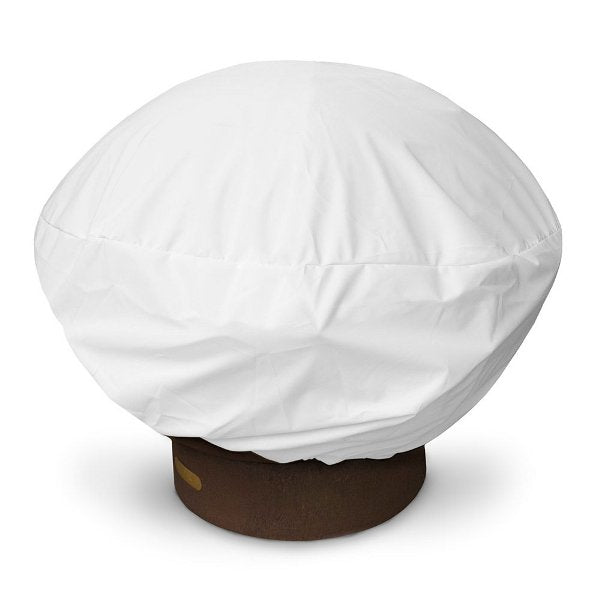
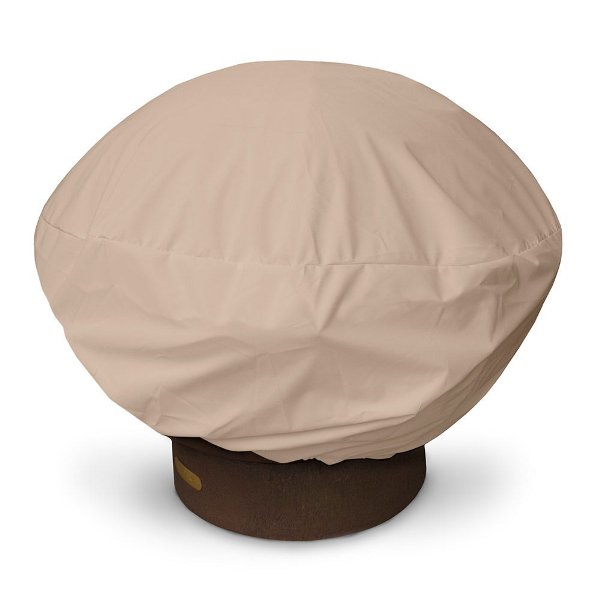
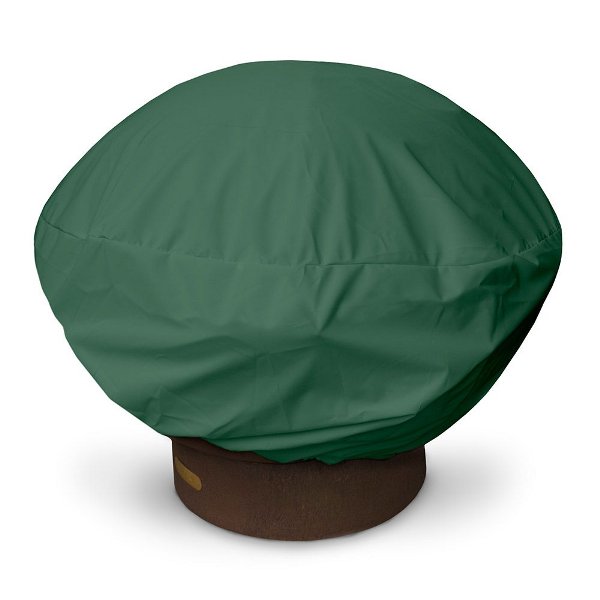
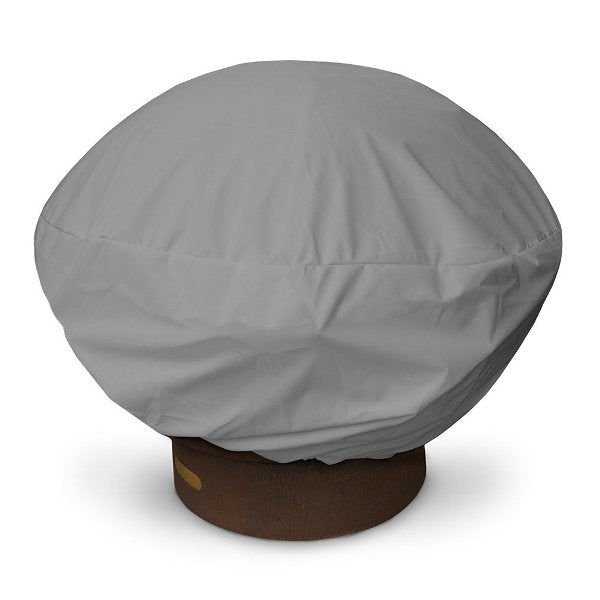
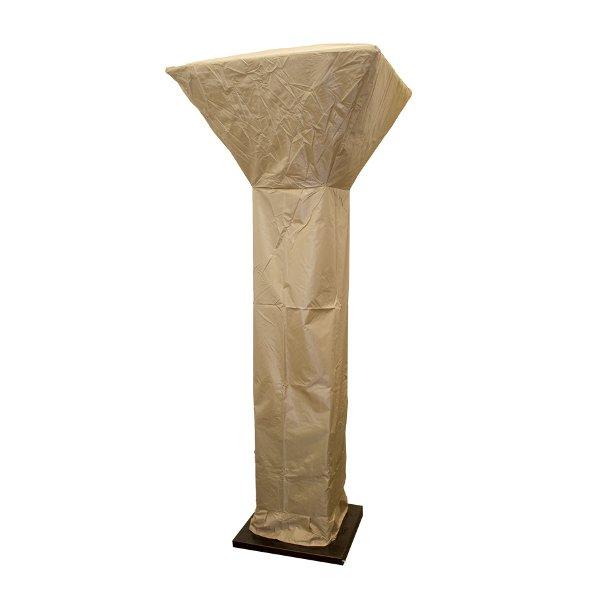
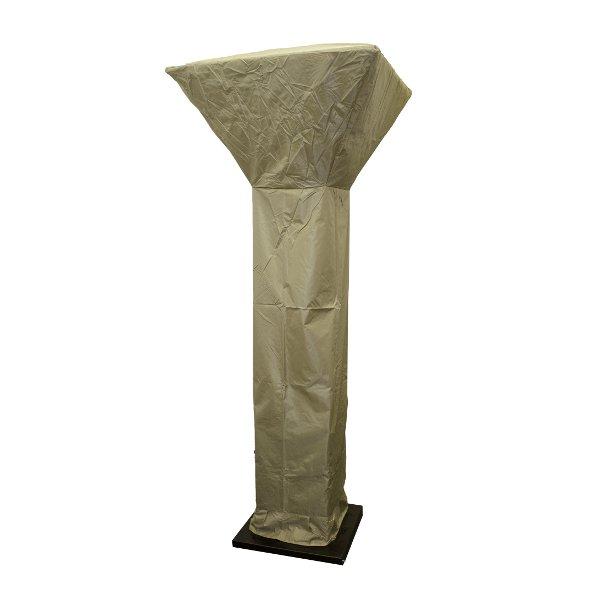
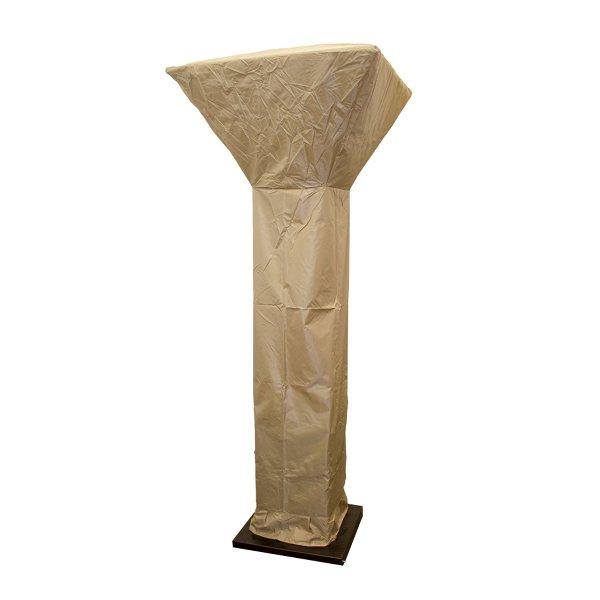
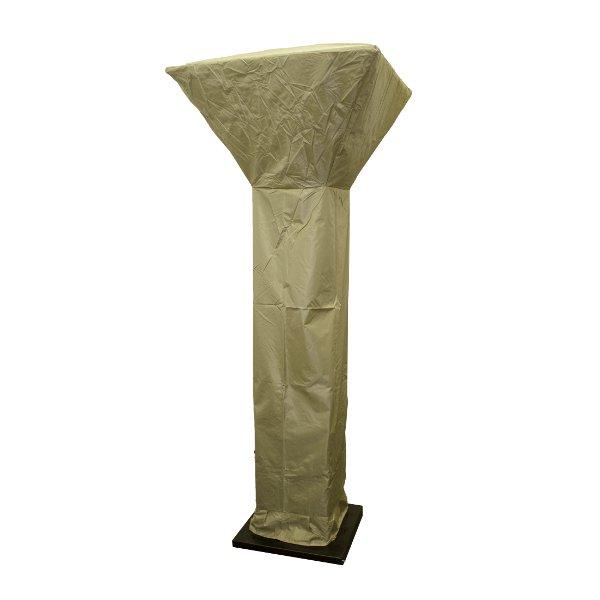
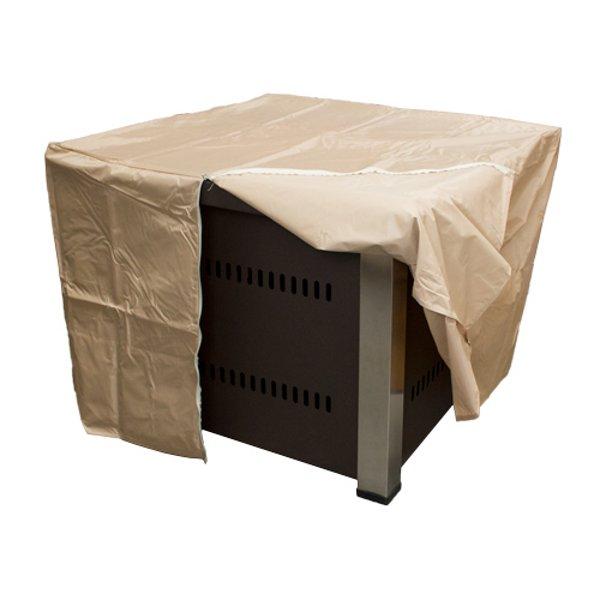
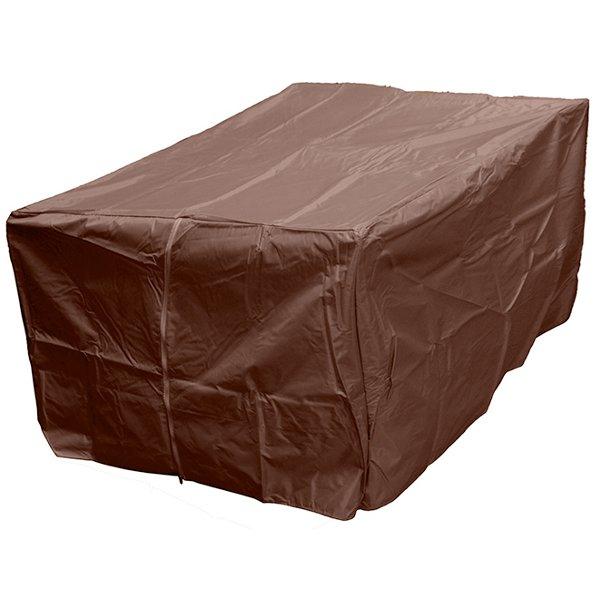
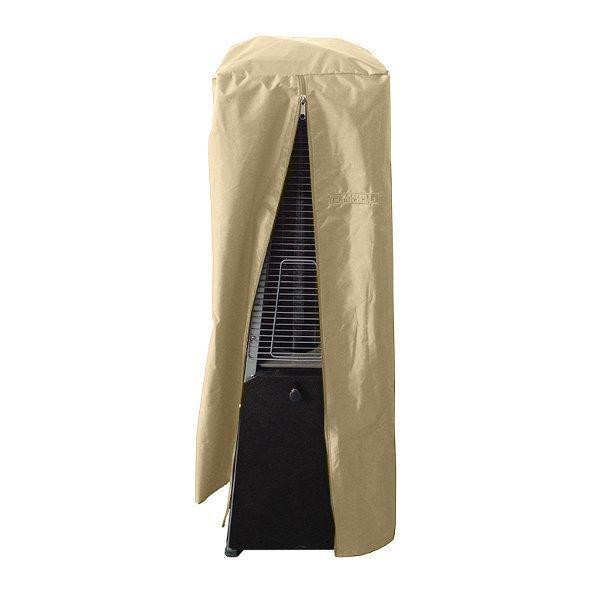
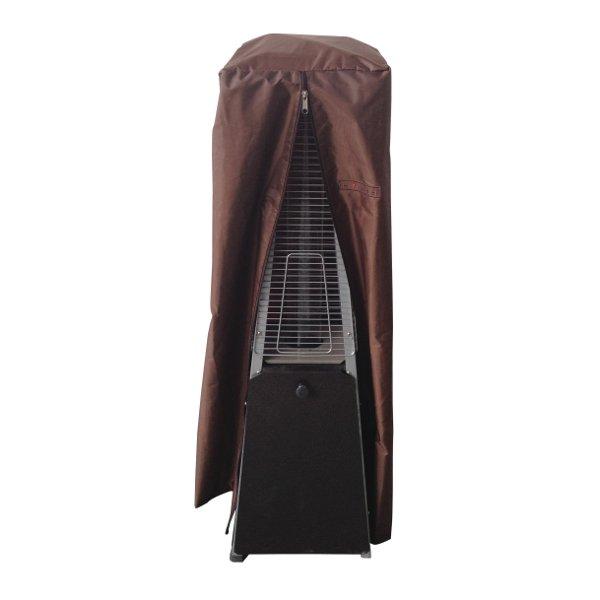
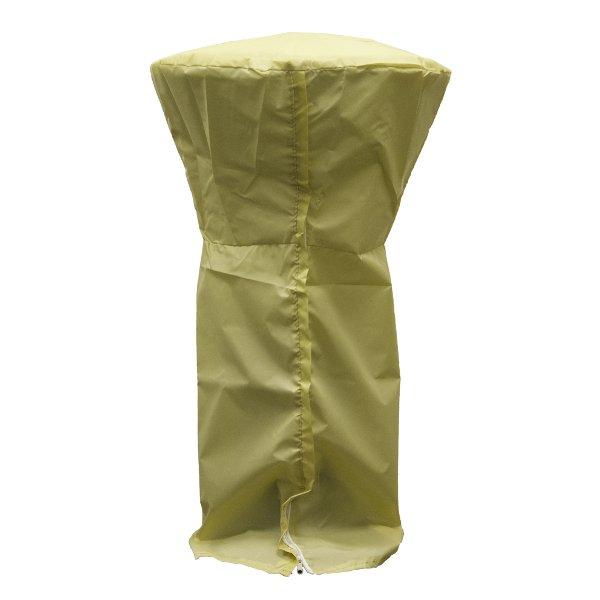
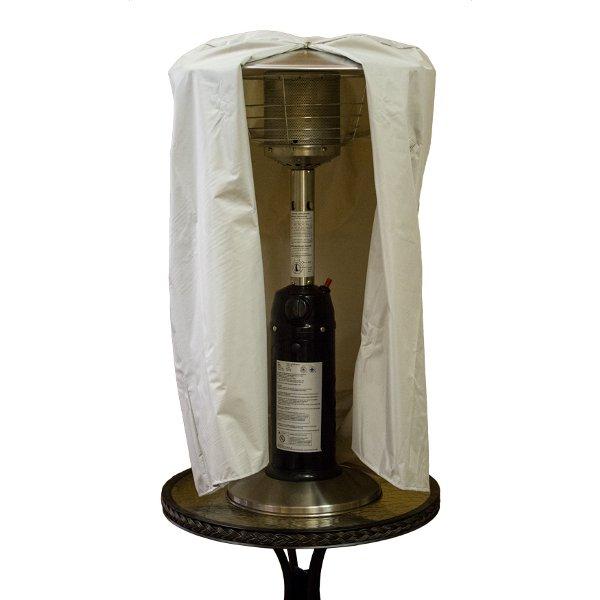
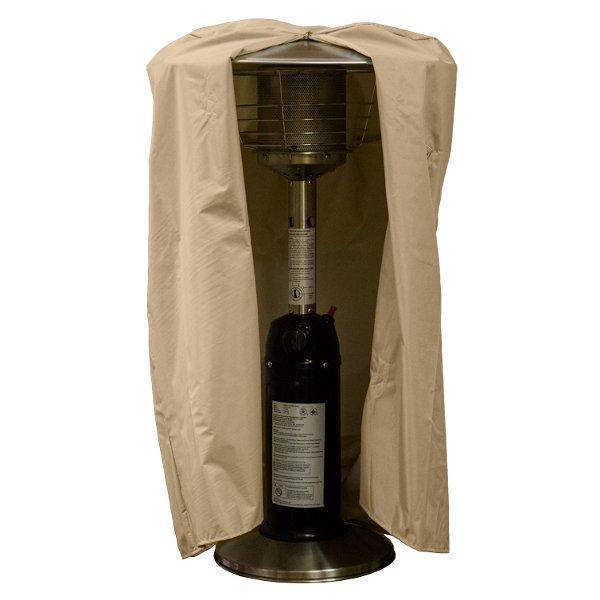
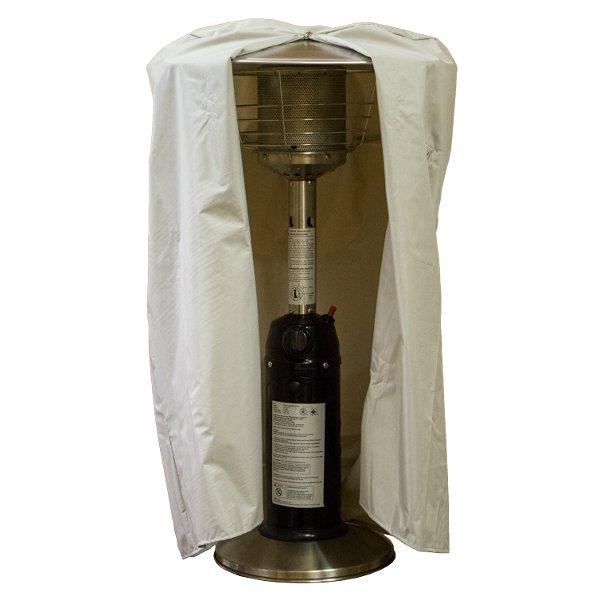
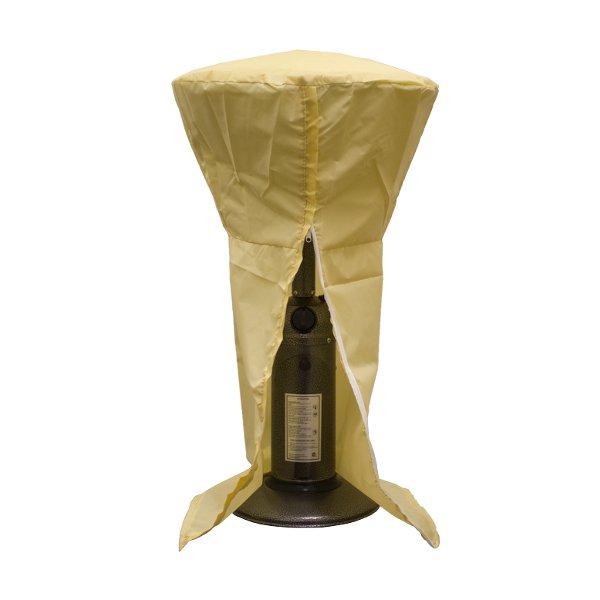
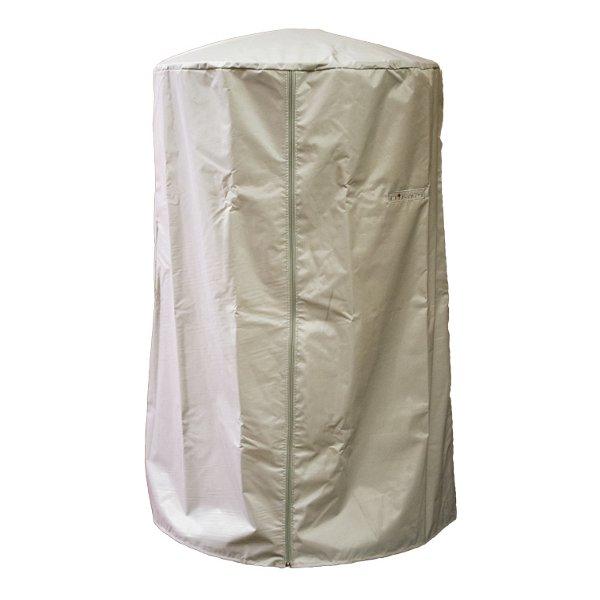
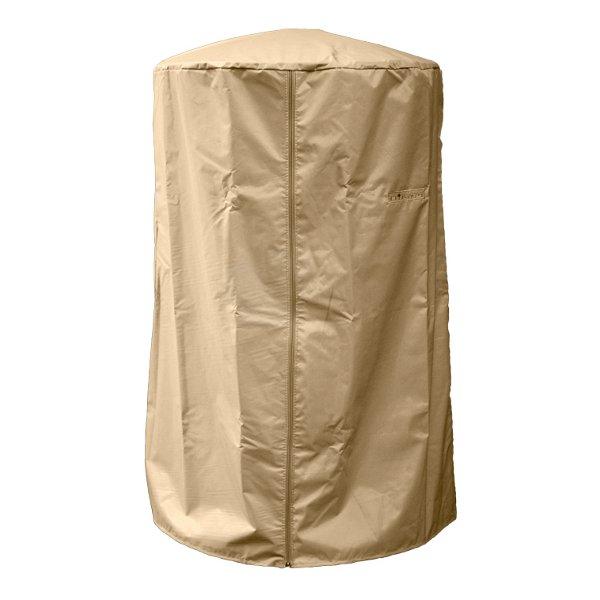
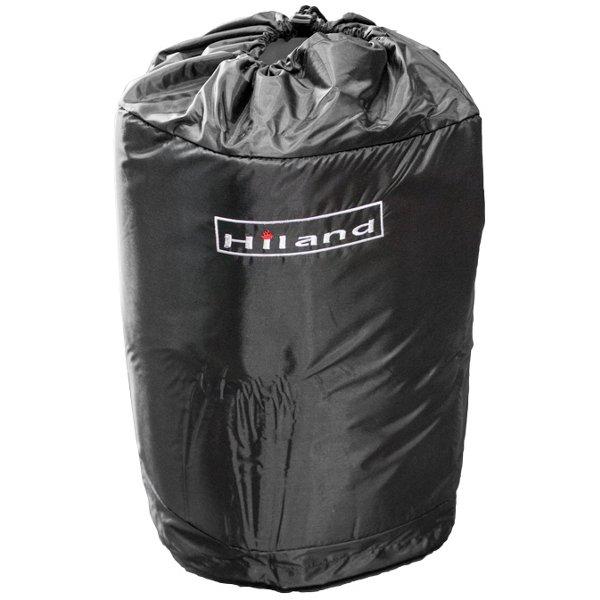
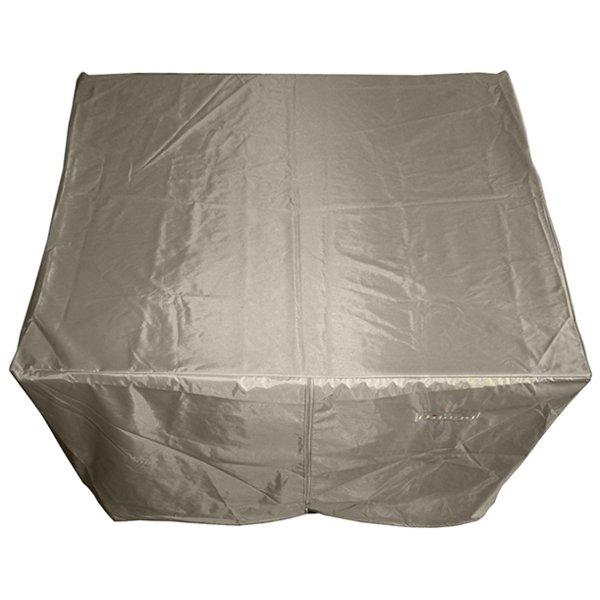
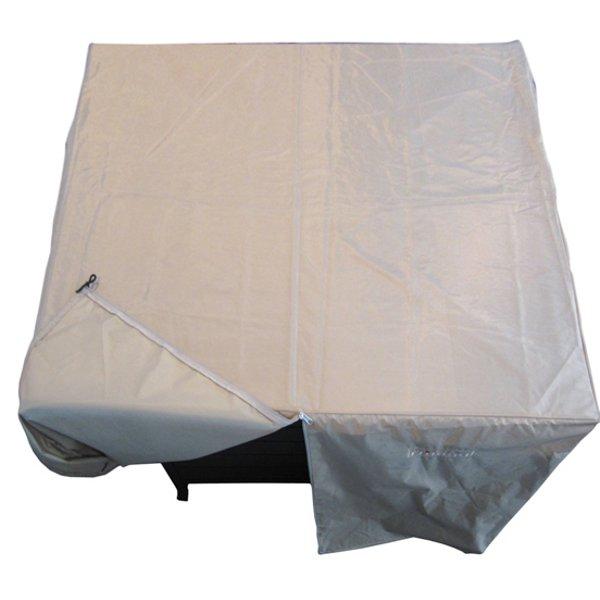
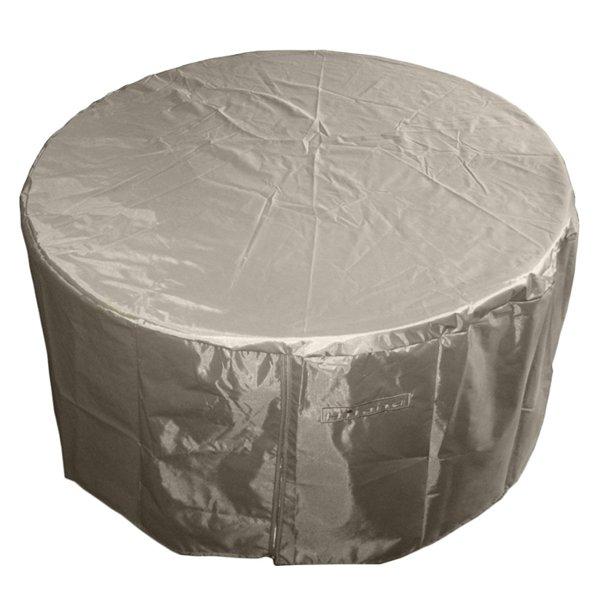
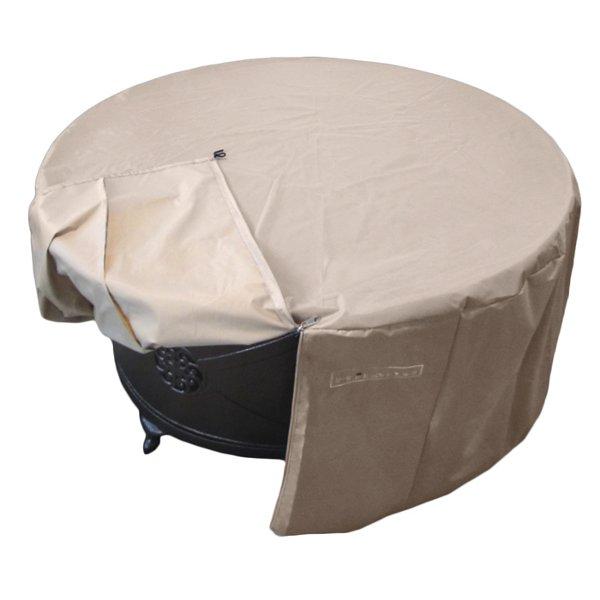
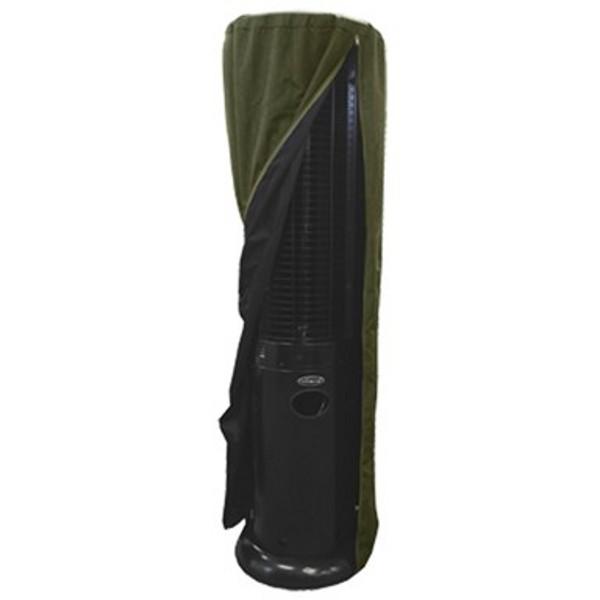
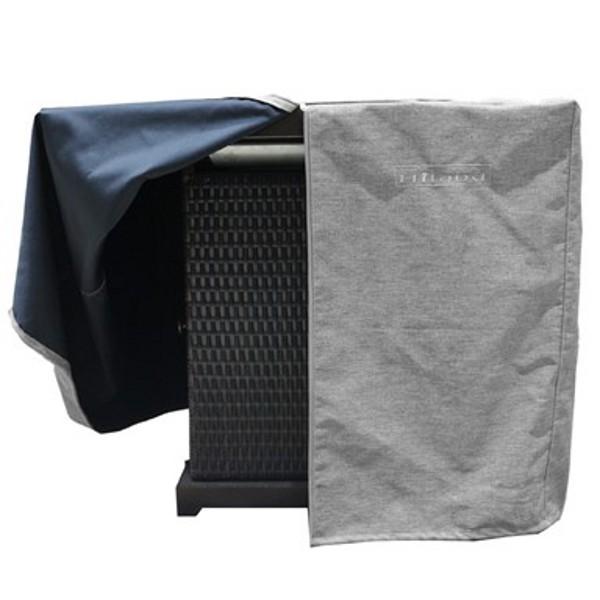
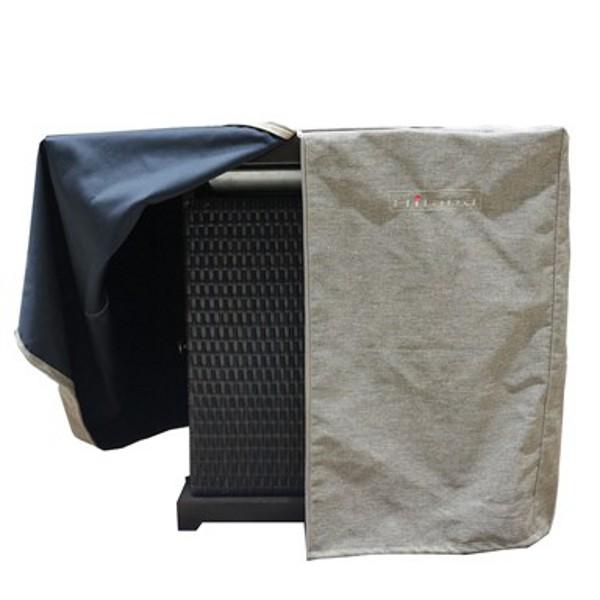
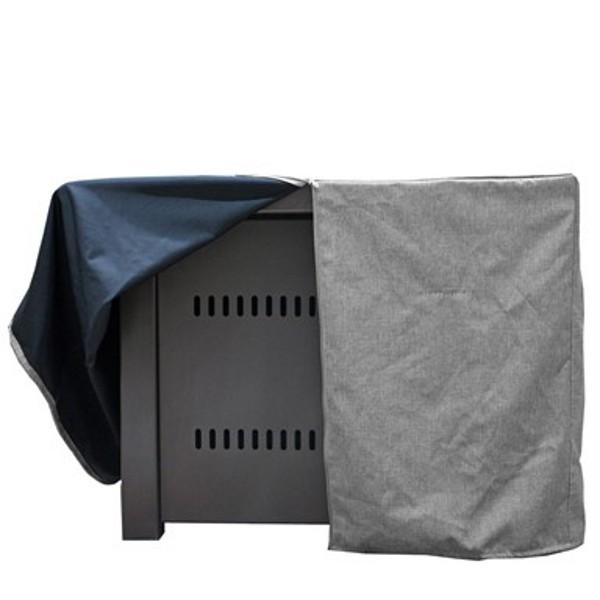
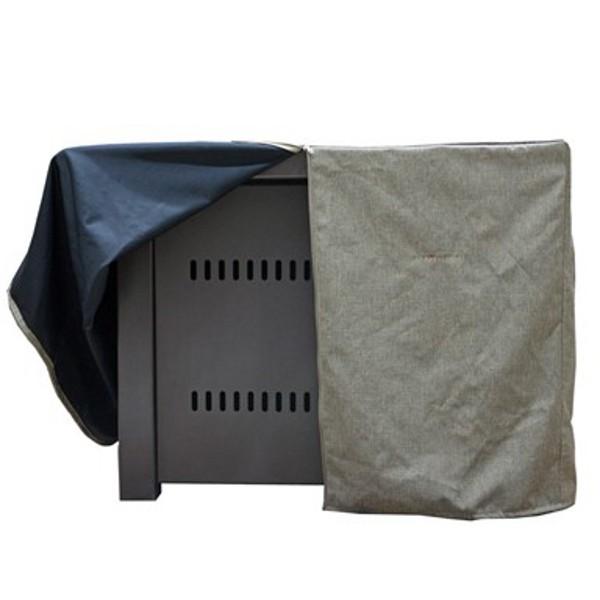
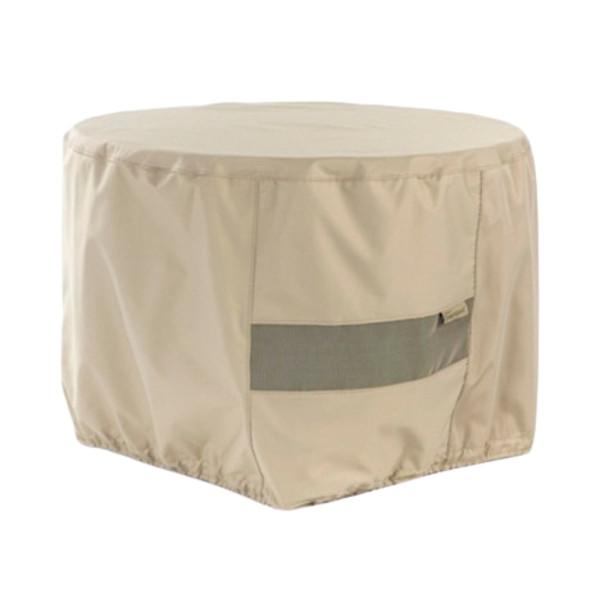
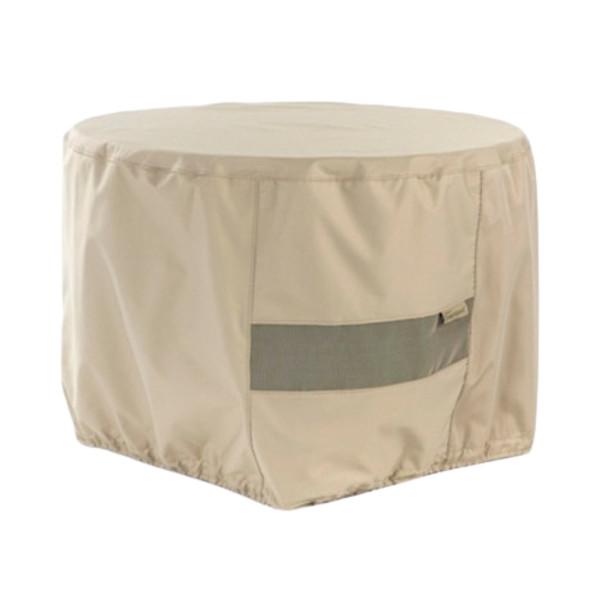
Keep your patio heaters and fire pits in great condition with our selection of protective covers. Choose from a variety of different types of outdoor patio heater and fire pit covers to find the perfect one for your needs. Weather-resistant covers are essential to keep your equipment in top shape by protecting it from dirt, debris, and water. Need a cover for your furniture? Gas Patio Heater Cover on Sale -Check out our covers for your patio furniture.
A: A heavy duty patio heater cover (patio gas heater cover) is the primary defense against corrosion and failure, which can be caused by exposure.
Corrosion Protection: It prevents moisture (rain, snow, condensation) from reaching the burner assembly, igniter, and control valve. Rust on these components is the most common cause of gas heater failure.
Reflector Dome: The cover protects the reflective aluminum dome from water spots, pitting, and discoloration, ensuring it remains highly efficient at directing heat.
Aesthetics: It keeps the entire heater body clean, protecting it from dirt, pollen, tree sap, and bird droppings.
A: Covers must be durable, weatherproof, and easy to use.
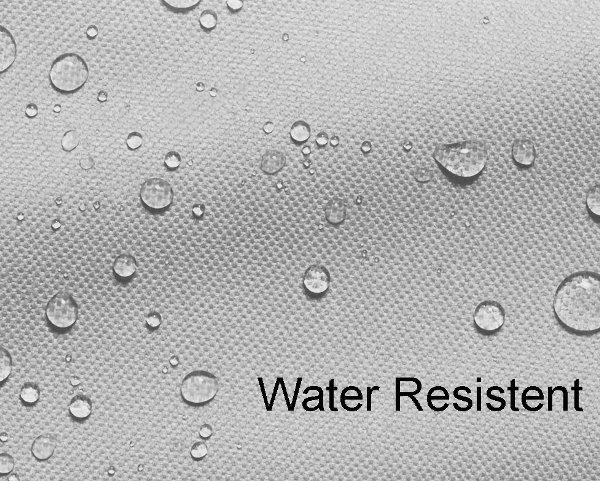
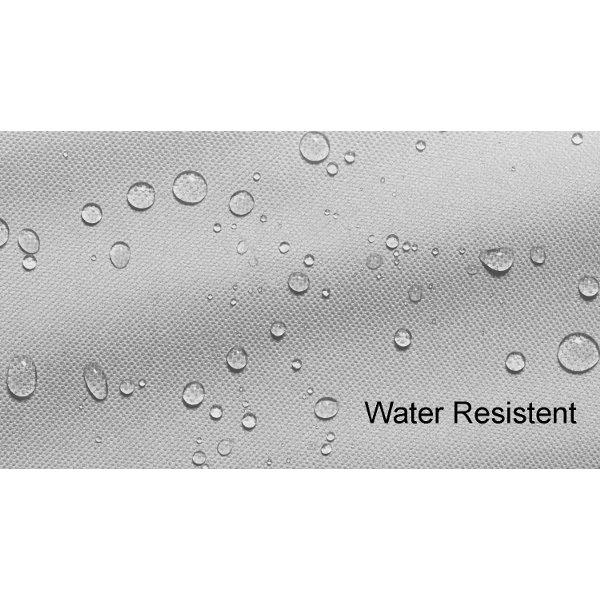
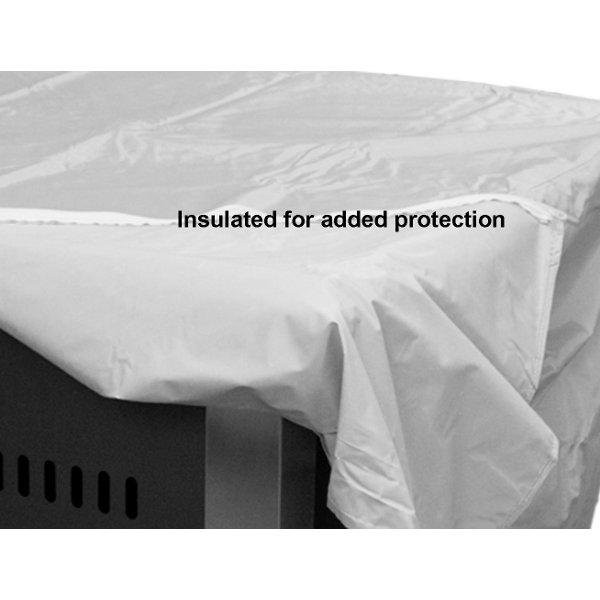
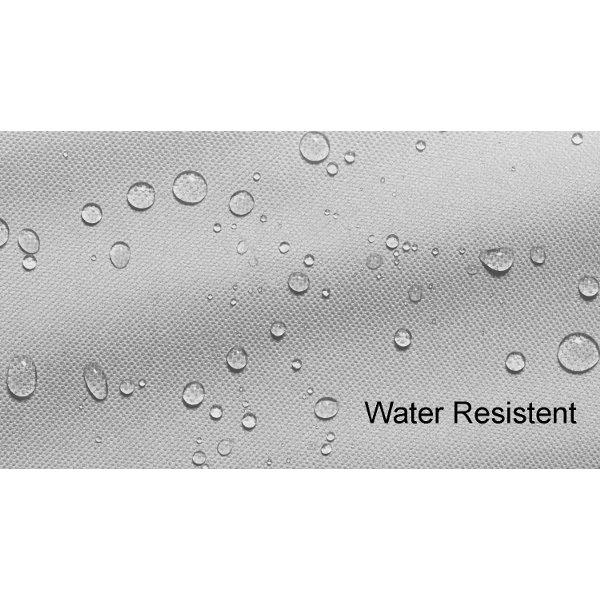
Material: Look for heavy-duty, woven polyester or Oxford fabric that is coated with PVC or vinyl. It provides robust water resistance and tear strength.
Ventilation: A cover should include built-in air vents. These vents prevent moisture and heat from being trapped beneath, reducing condensation and discouraging mold and mildew growth.
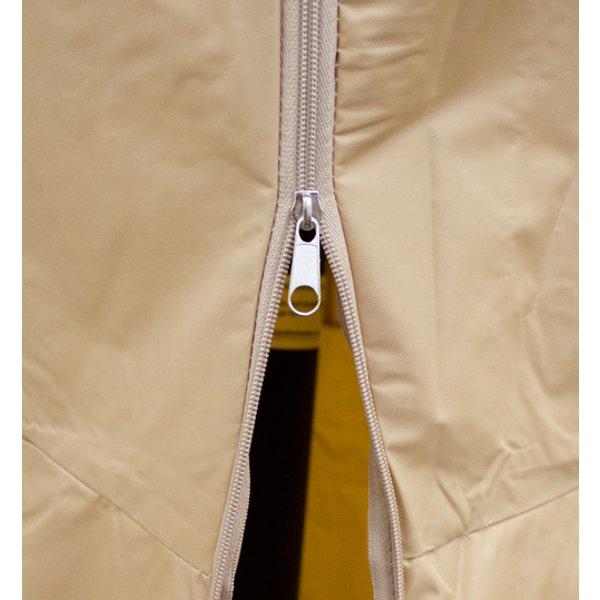
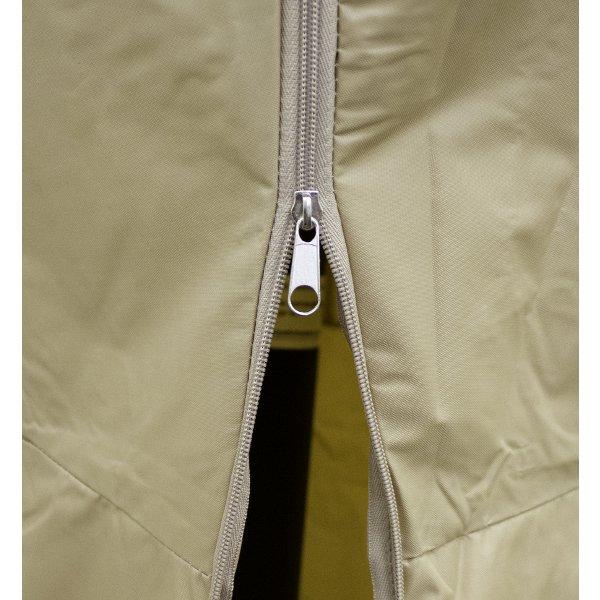
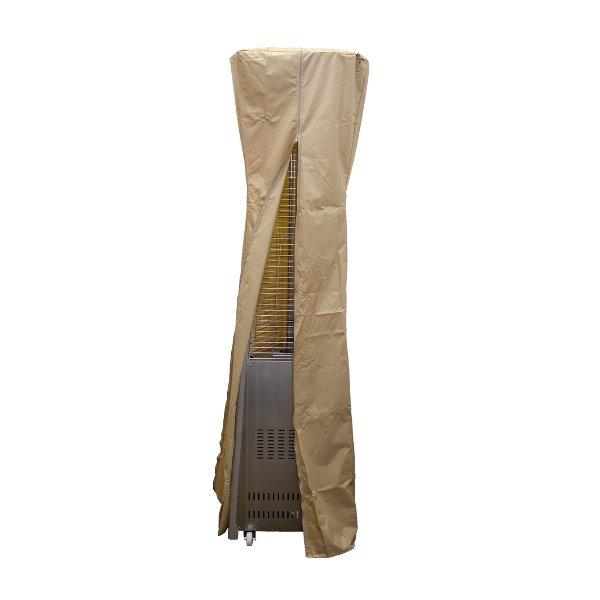
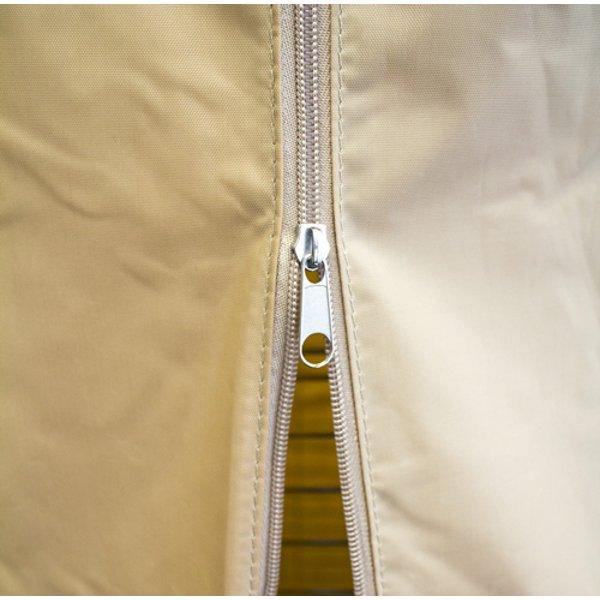
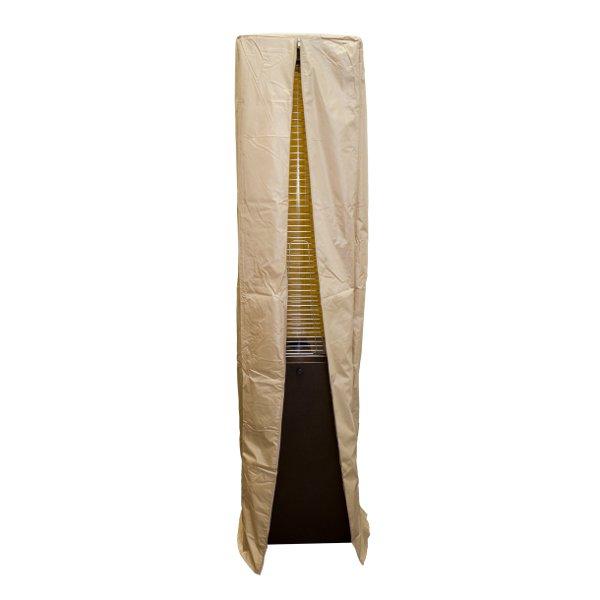
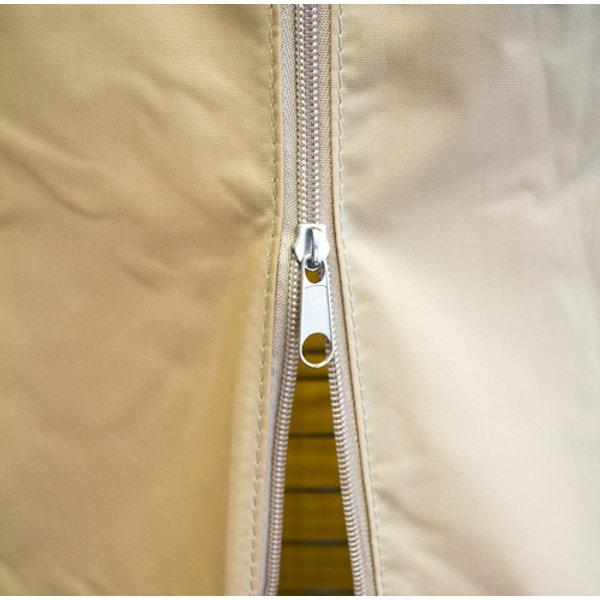
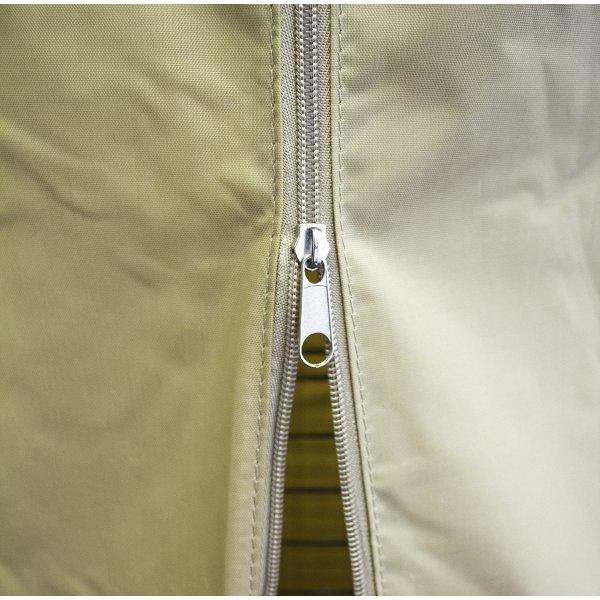
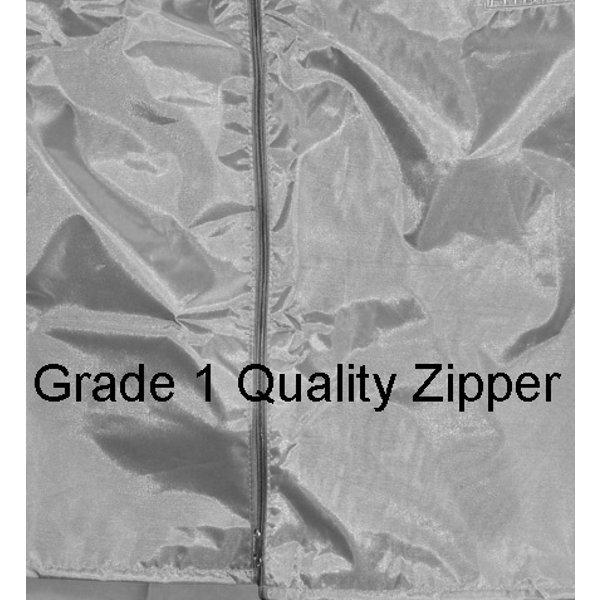
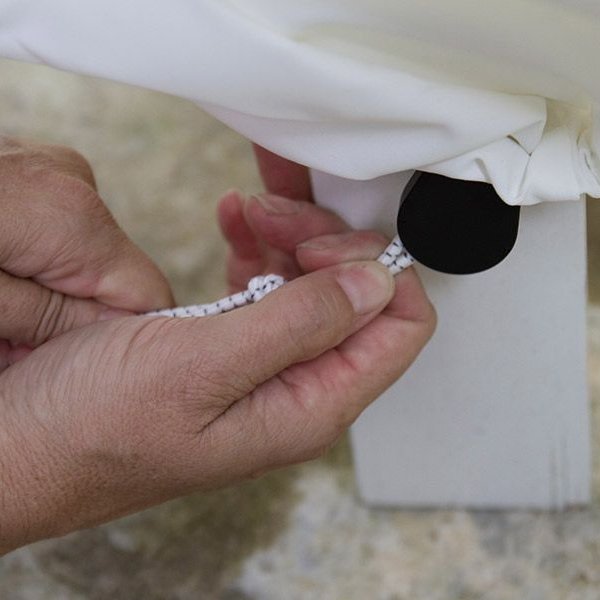
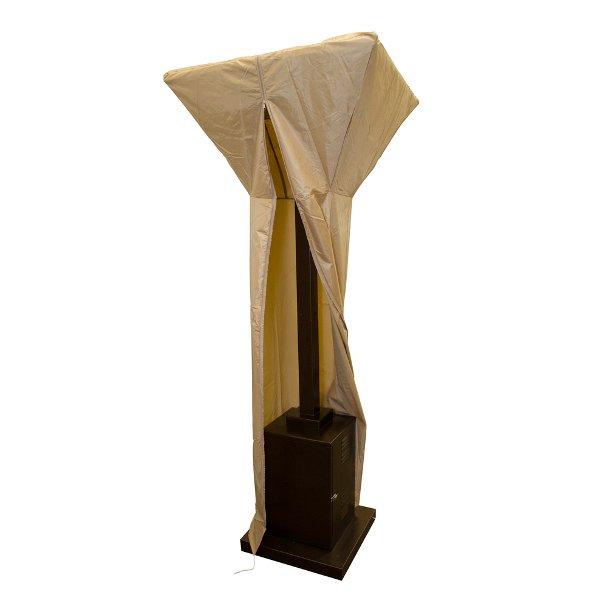
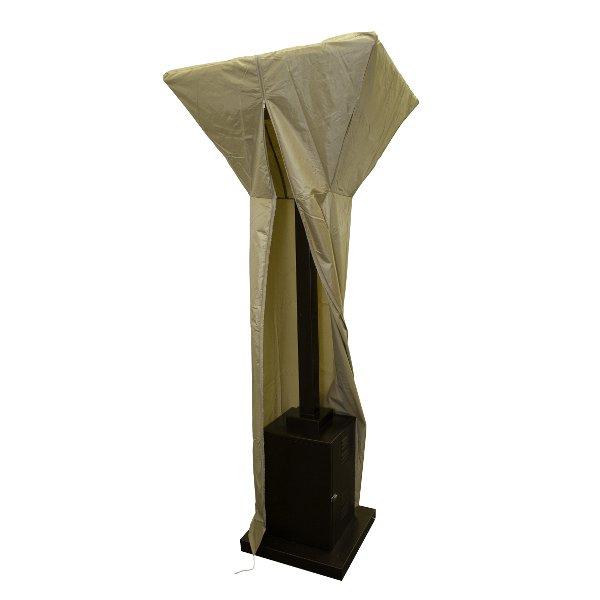
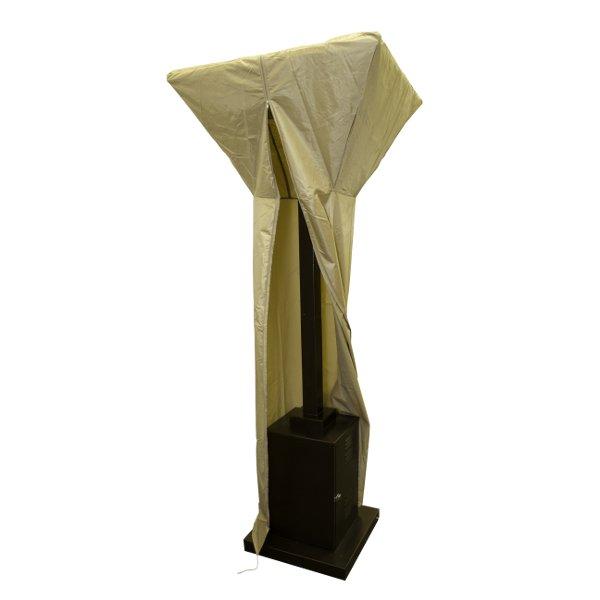
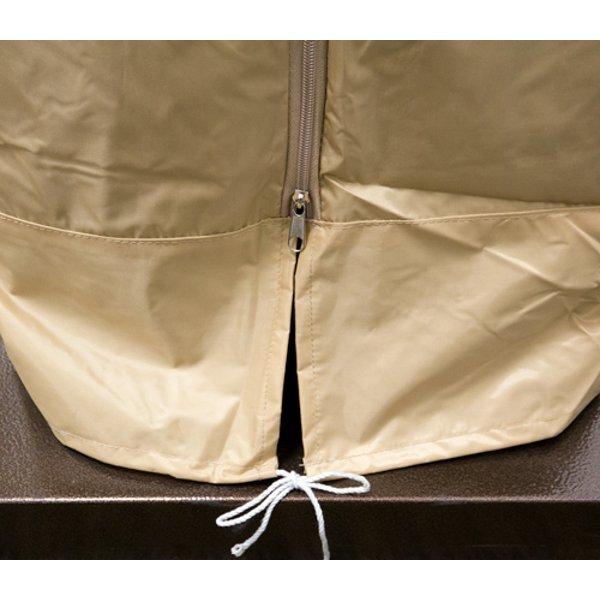
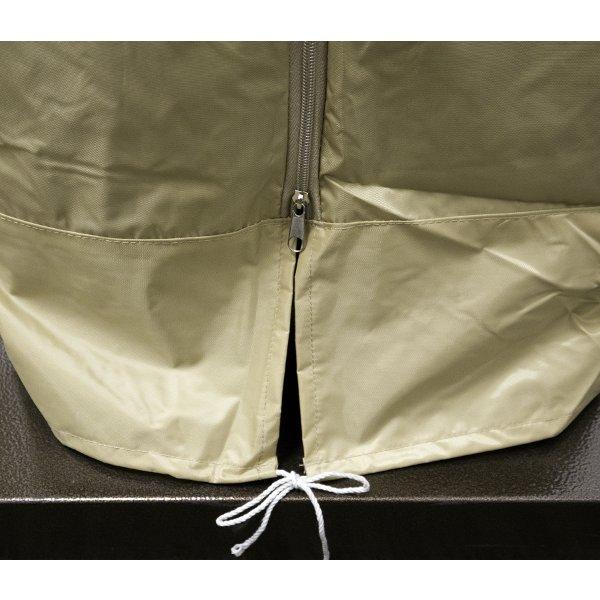
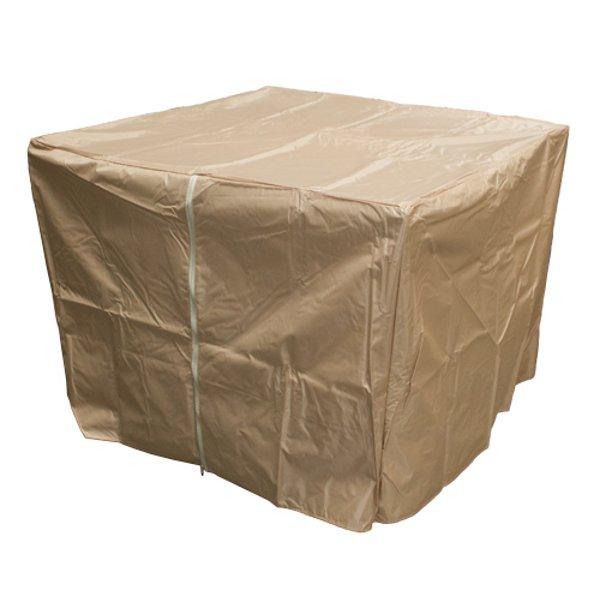
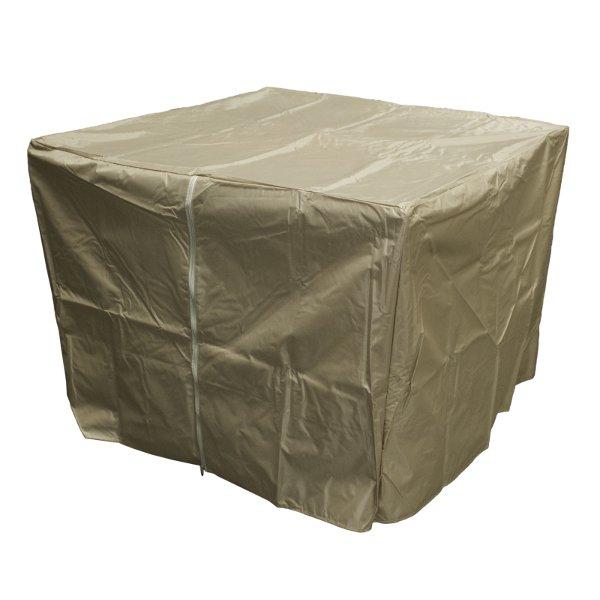
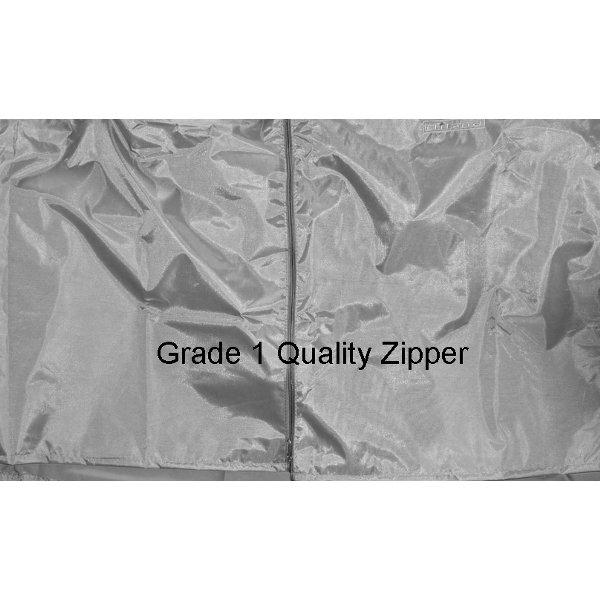
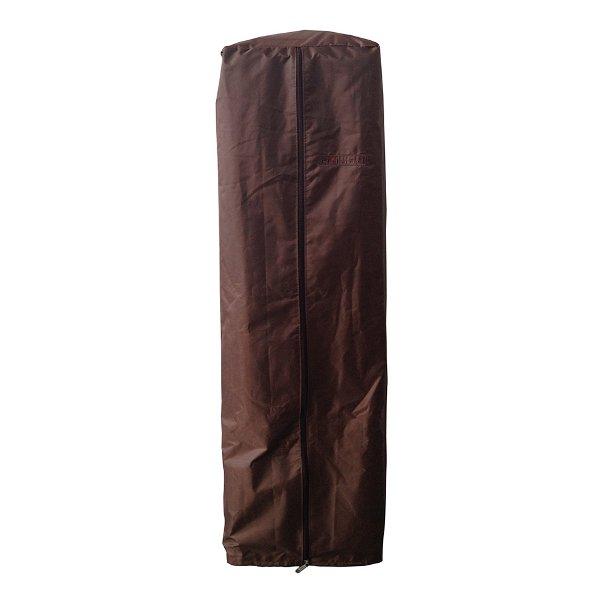
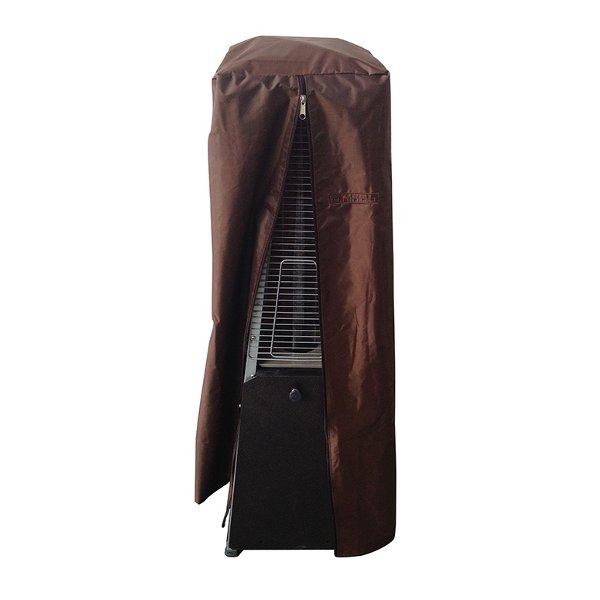
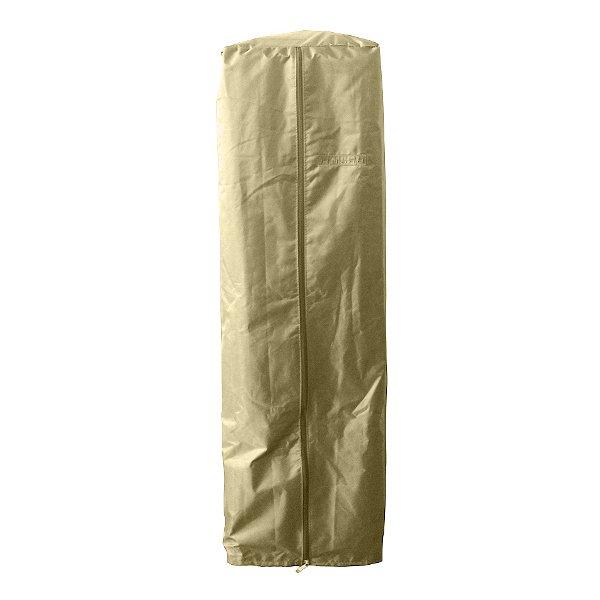
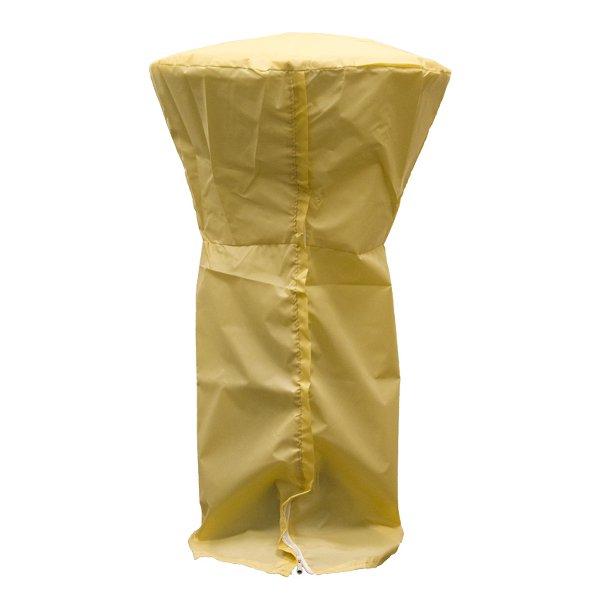
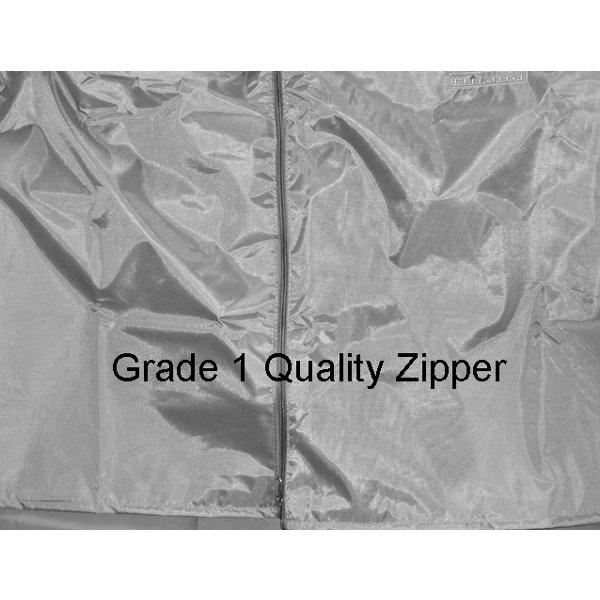
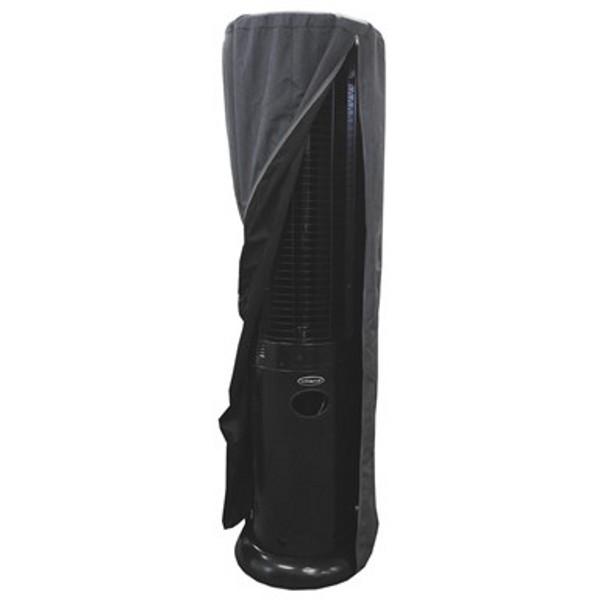
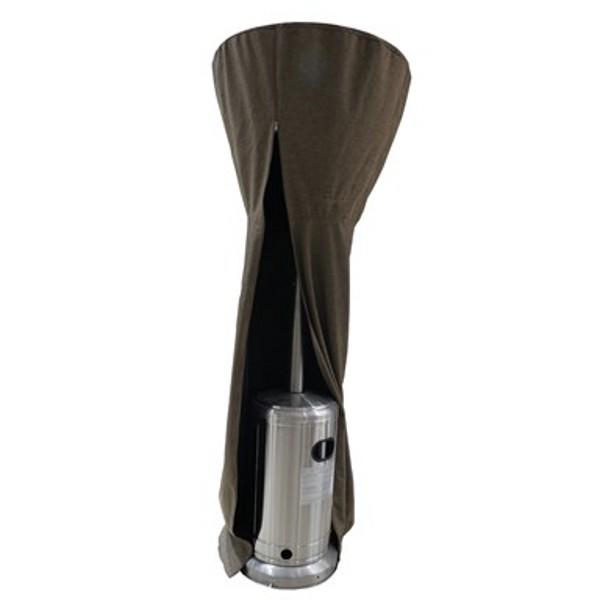
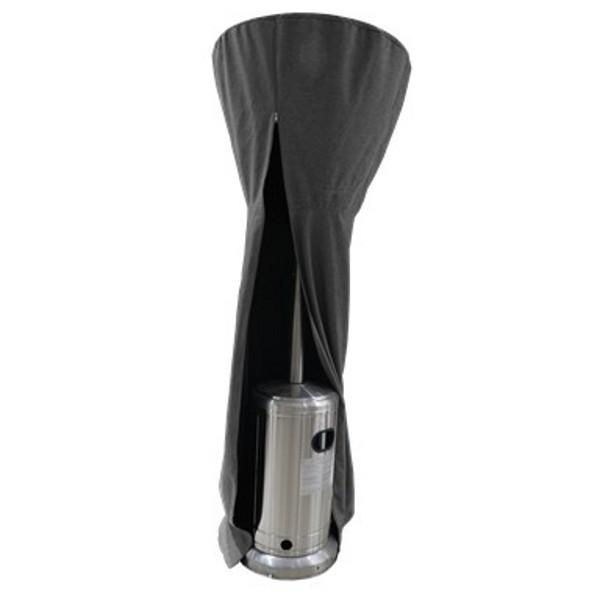
Securing Features: The cover should have a full-length zipper for easy removal and adjustable drawcord or buckle straps at the bottom to secure it tightly around the base and prevent it from blowing off in high winds.
A: No, the heater must be allowed to cool completely before covering.
Heat Damage: Covering a hot heater can cause the vinyl or polyester cover material to melt, fuse, or degrade.
Cooling Time: Allow the heater to cool for at least 20 to 30 minutes after use. The reflector dome and burner cage retain heat the longest and should be cool to the touch before the cover is applied.
Covering Protocol: Ensure the heater is switched off, the gas valve is closed, and the unit is cool before zipping the cover shut.
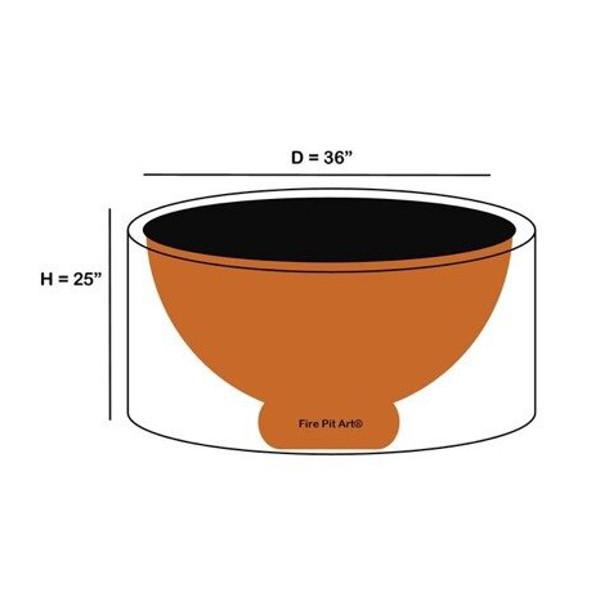
A: Accurate measurements of the heater are required to ensure a proper, secure fit.
Measure Height: Measure the total height from the base to the very top of the reflector dome.
Measure Dome Diameter: Measure the width (diameter) of the widest part of the reflector hood. It is the most crucial measurement for the cover's top section.
Tolerance: Purchase a cover that is 1 to 2 inches wider and taller than your heater's exact measurements. It provides enough slack for easy placement and removal.
Explore our propane outdoor heater cover collection.Propane Patio Heater Covers (cover for patio heater) for the Best Price - Buy Now!
Keep your patio heaters and fire pits in great condition with our selection of protective covers. Choose from a variety of different types of outdoor patio heater and fire pit covers to find the perfect one for your needs. Weather-resistant covers are essential to keep your equipment in top shape by protecting it from dirt, debris, and water. Need a cover for your furniture? Gas Patio Heater Cover on Sale -Check out our covers for your patio furniture.
A: A heavy duty patio heater cover (patio gas heater cover) is the primary defense against corrosion and failure, which can be caused by exposure.
Corrosion Protection: It prevents moisture (rain, snow, condensation) from reaching the burner assembly, igniter, and control valve. Rust on these components is the most common cause of gas heater failure.
Reflector Dome: The cover protects the reflective aluminum dome from water spots, pitting, and discoloration, ensuring it remains highly efficient at directing heat.
Aesthetics: It keeps the entire heater body clean, protecting it from dirt, pollen, tree sap, and bird droppings.
A: Covers must be durable, weatherproof, and easy to use.
Material: Look for heavy-duty, woven polyester or Oxford fabric that is coated with PVC or vinyl. It provides robust water resistance and tear strength.
Ventilation: A cover should include built-in air vents. These vents prevent moisture and heat from being trapped beneath, reducing condensation and discouraging mold and mildew growth.
Securing Features: The cover should have a full-length zipper for easy removal and adjustable drawcord or buckle straps at the bottom to secure it tightly around the base and prevent it from blowing off in high winds.
A: No, the heater must be allowed to cool completely before covering.
Heat Damage: Covering a hot heater can cause the vinyl or polyester cover material to melt, fuse, or degrade.
Cooling Time: Allow the heater to cool for at least 20 to 30 minutes after use. The reflector dome and burner cage retain heat the longest and should be cool to the touch before the cover is applied.
Covering Protocol: Ensure the heater is switched off, the gas valve is closed, and the unit is cool before zipping the cover shut.
A: Accurate measurements of the heater are required to ensure a proper, secure fit.
Measure Height: Measure the total height from the base to the very top of the reflector dome.
Measure Dome Diameter: Measure the width (diameter) of the widest part of the reflector hood. It is the most crucial measurement for the cover's top section.
Tolerance: Purchase a cover that is 1 to 2 inches wider and taller than your heater's exact measurements. It provides enough slack for easy placement and removal.
Explore our propane outdoor heater cover collection.Propane Patio Heater Covers (cover for patio heater) for the Best Price - Buy Now!