Your Cart is Empty

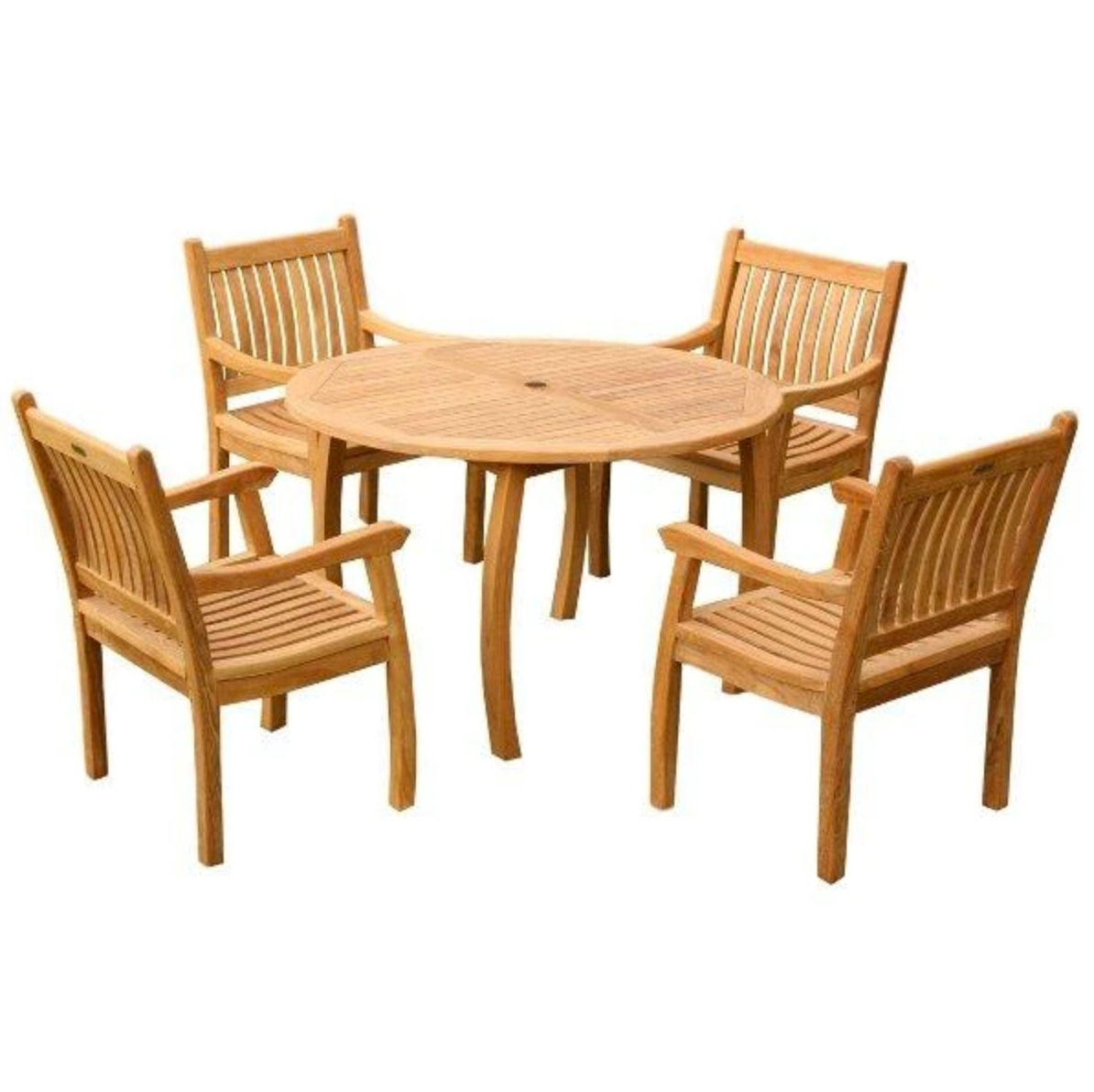
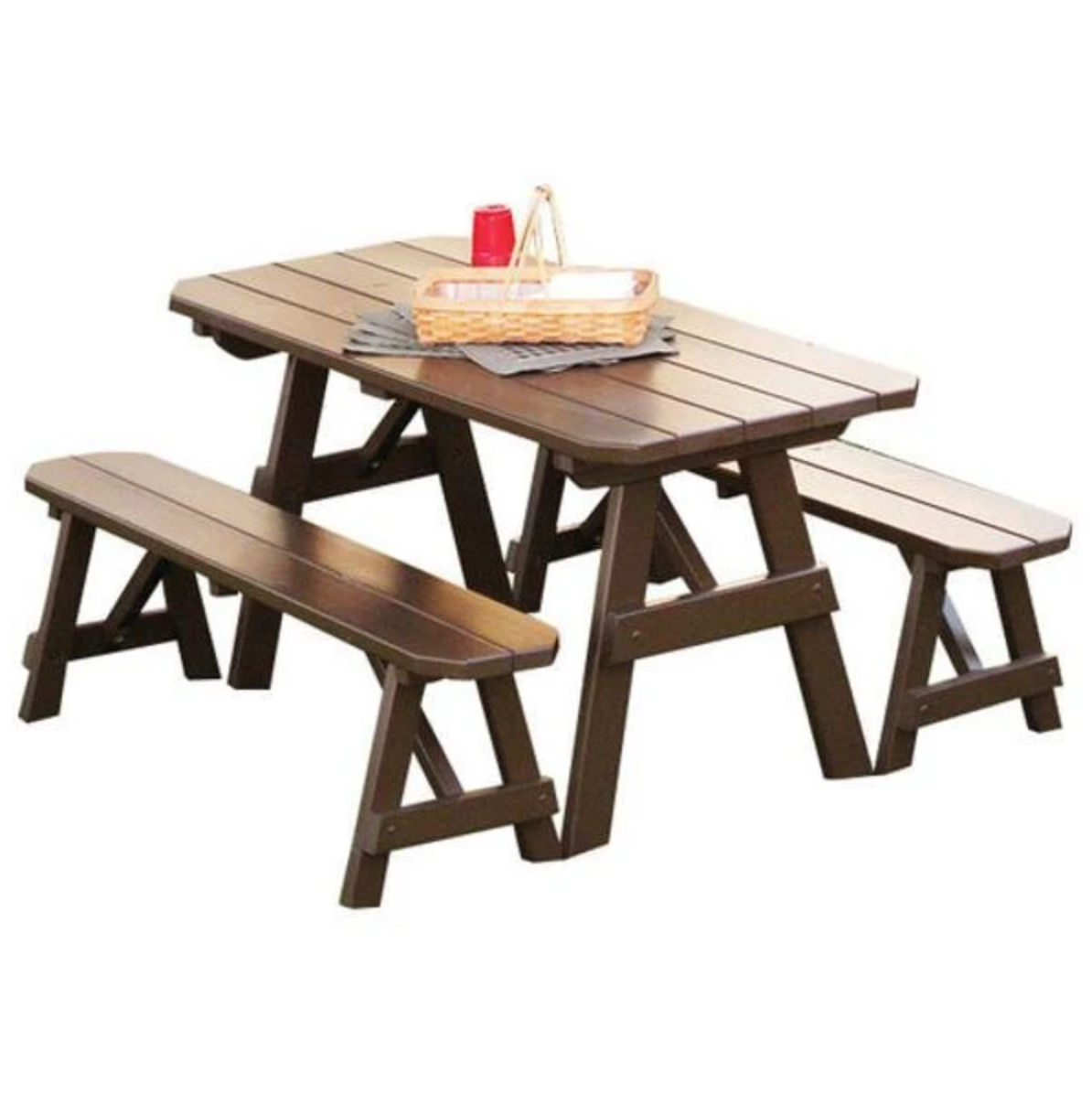
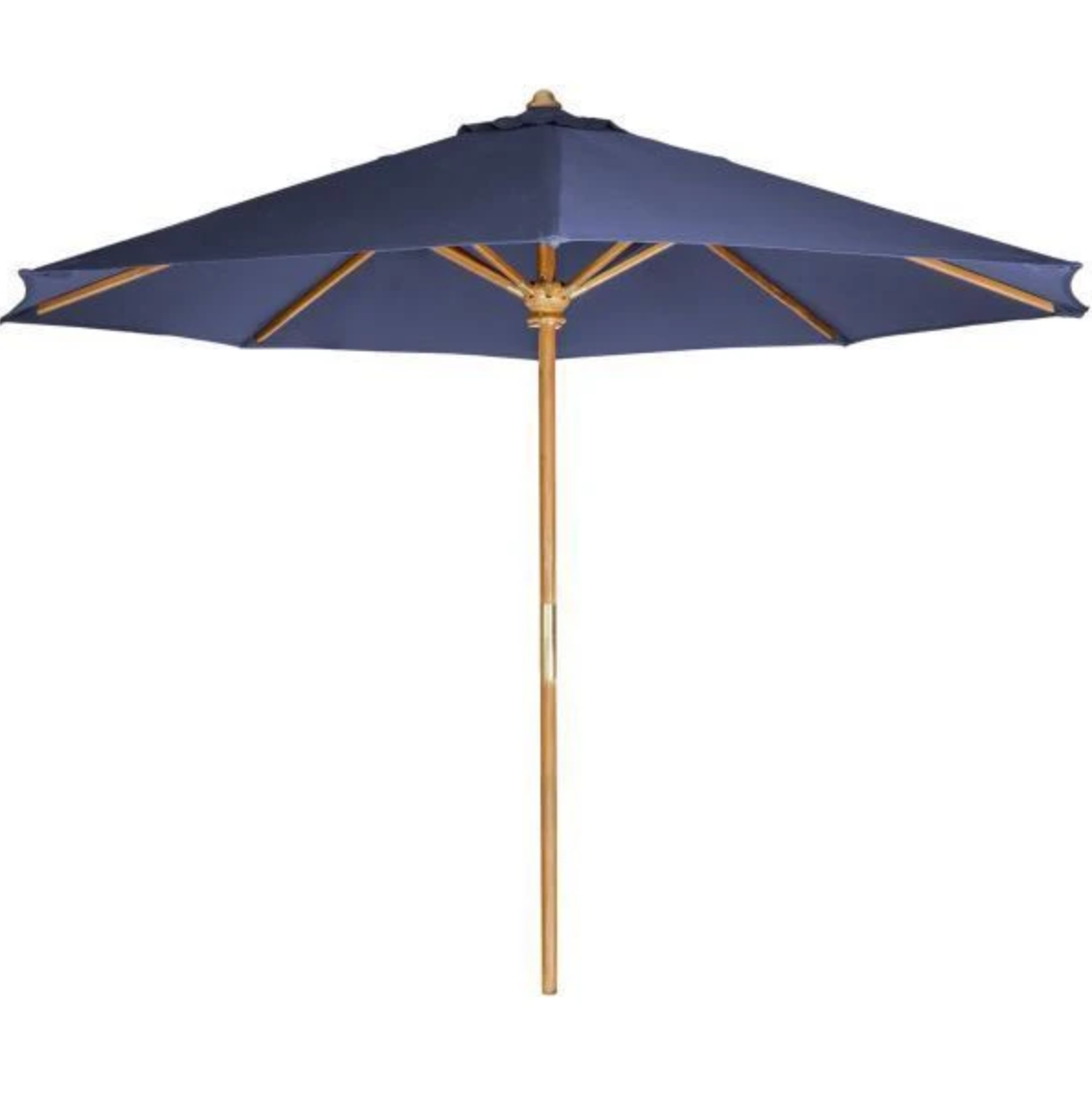
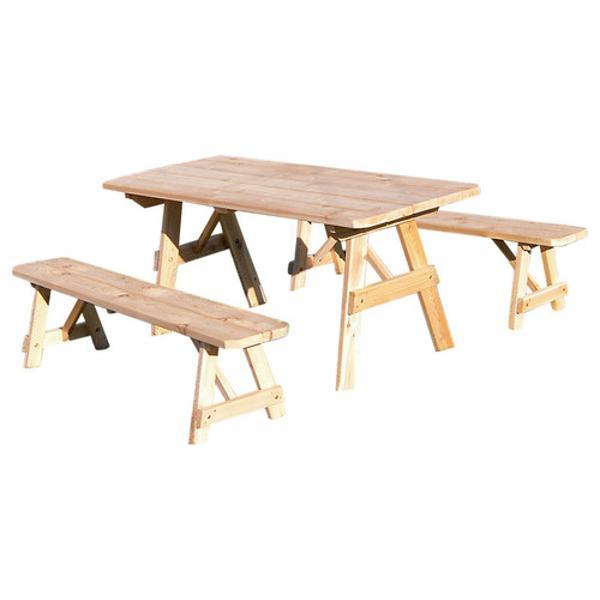
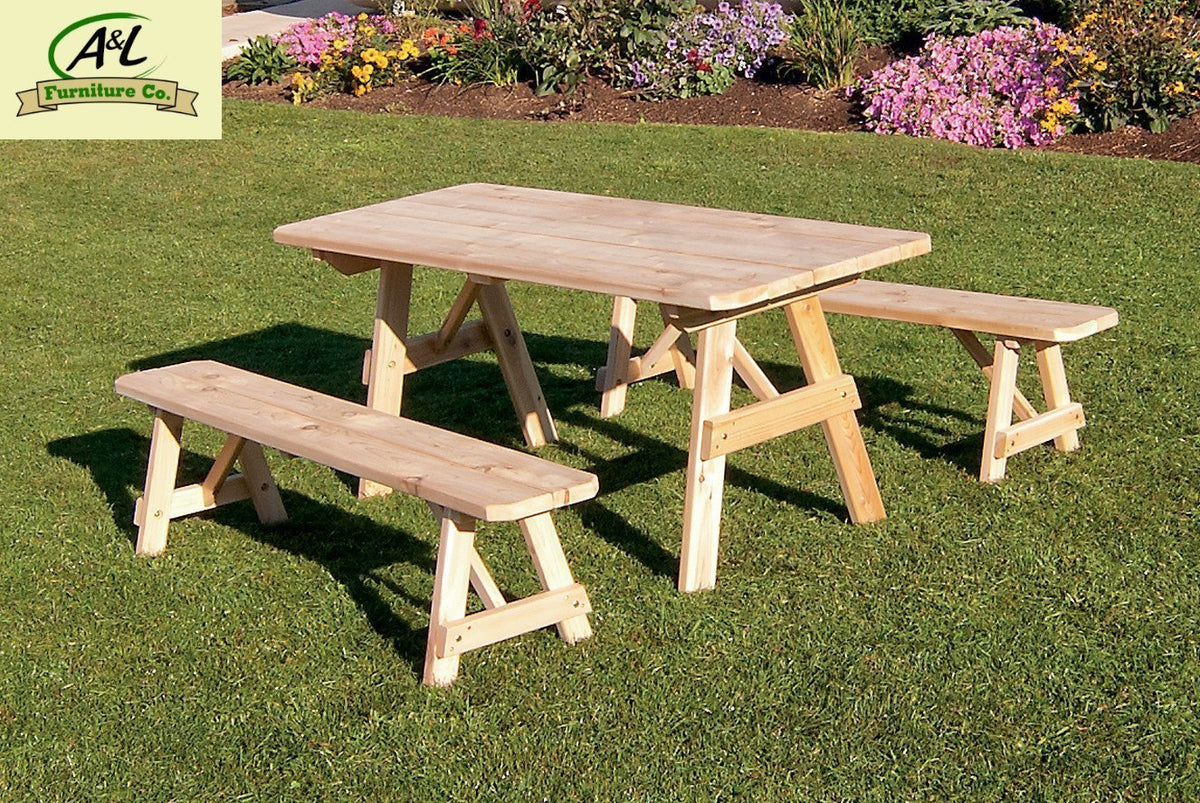
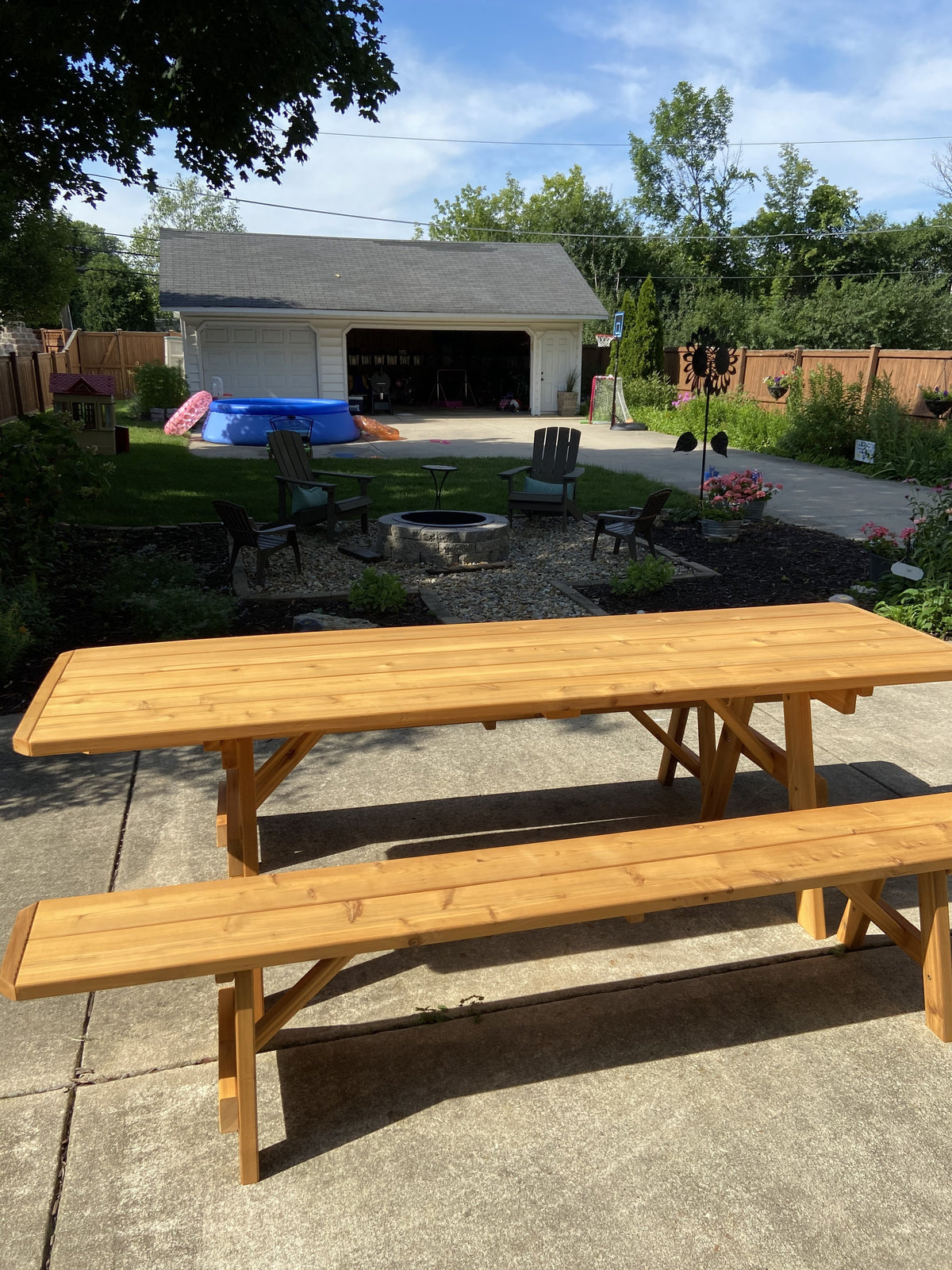
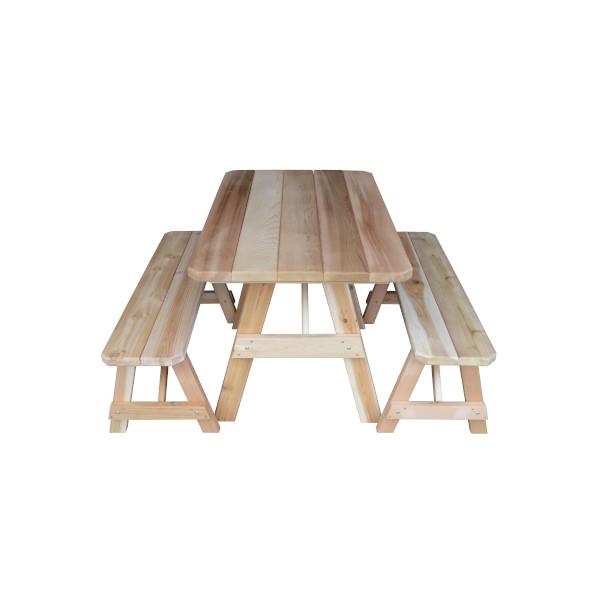
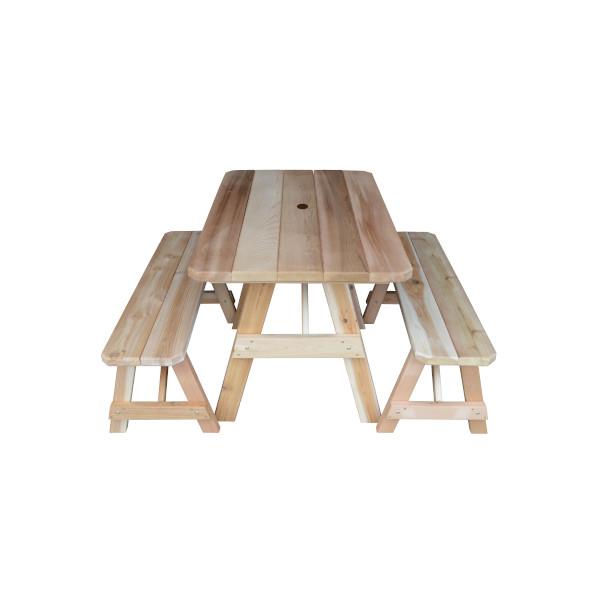
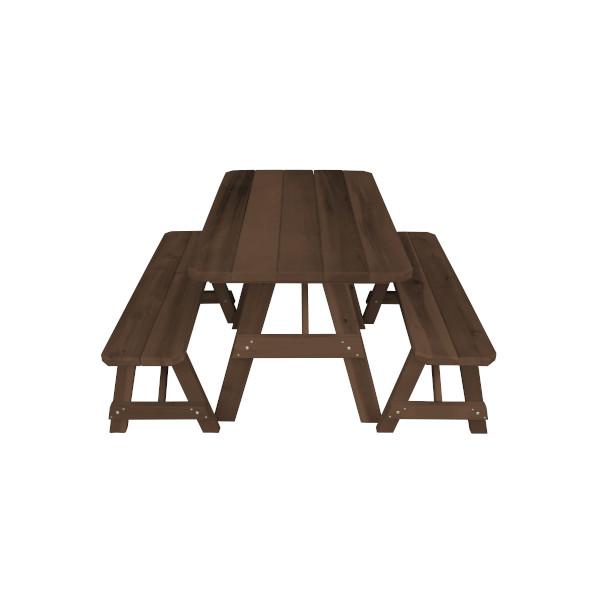
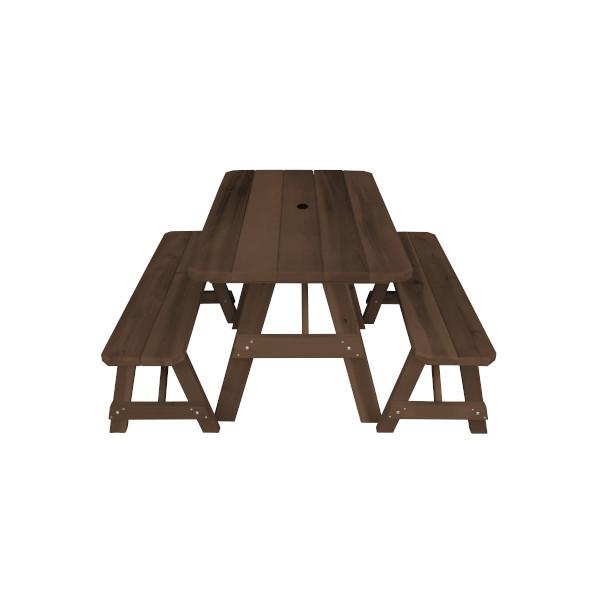
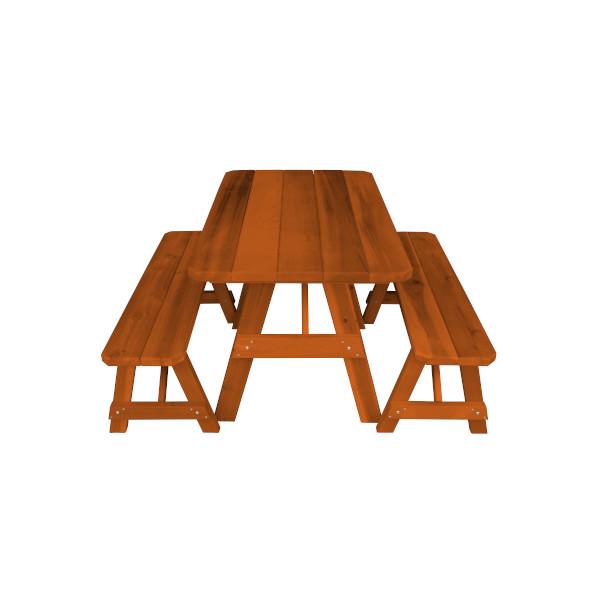
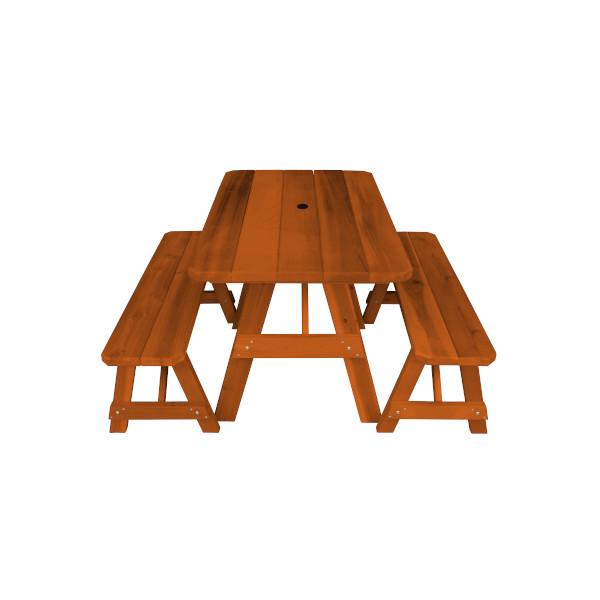
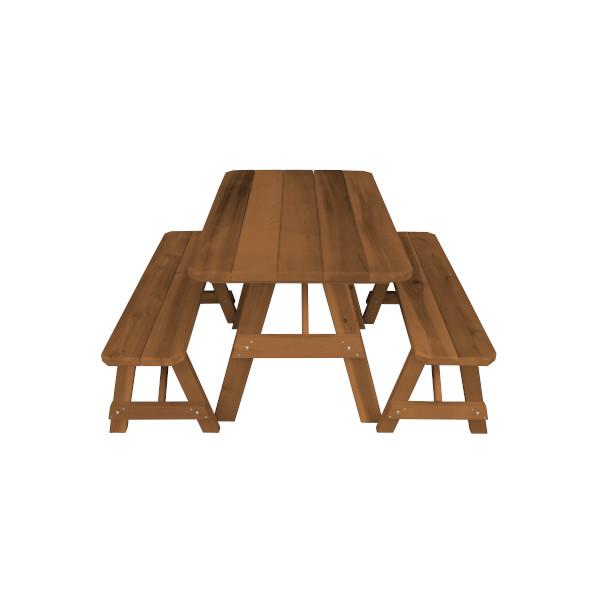
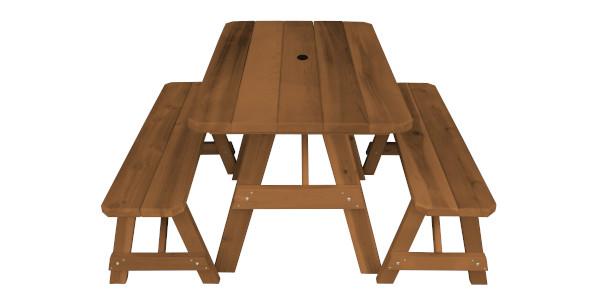
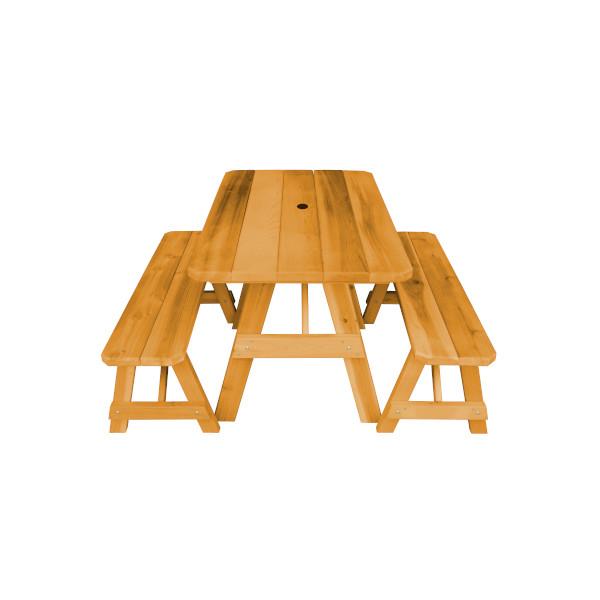
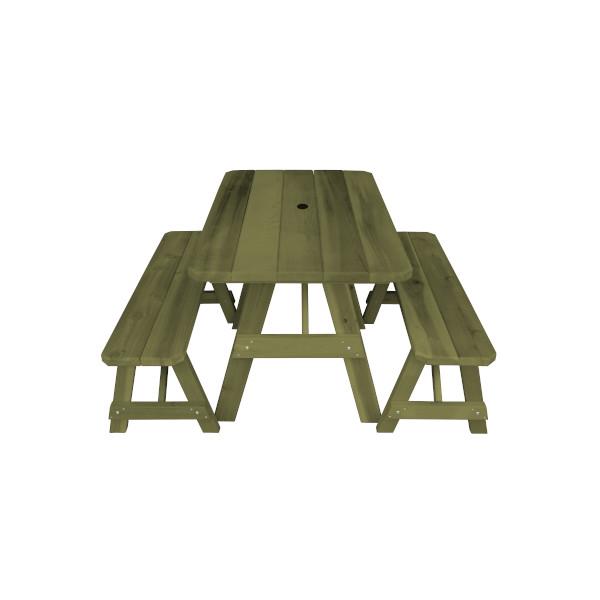
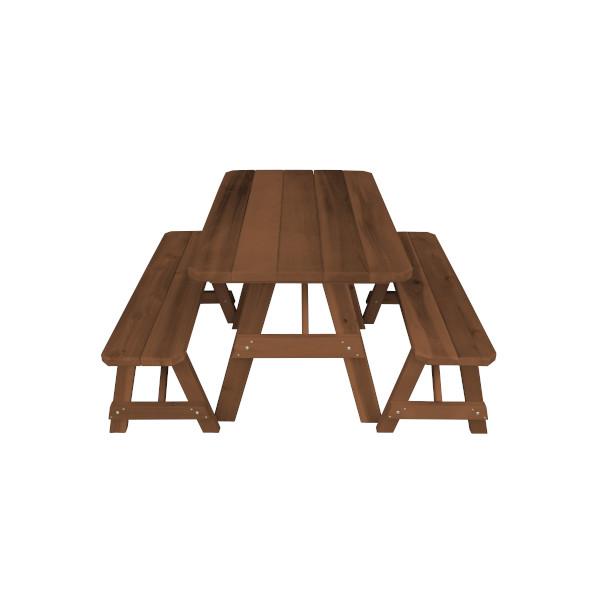
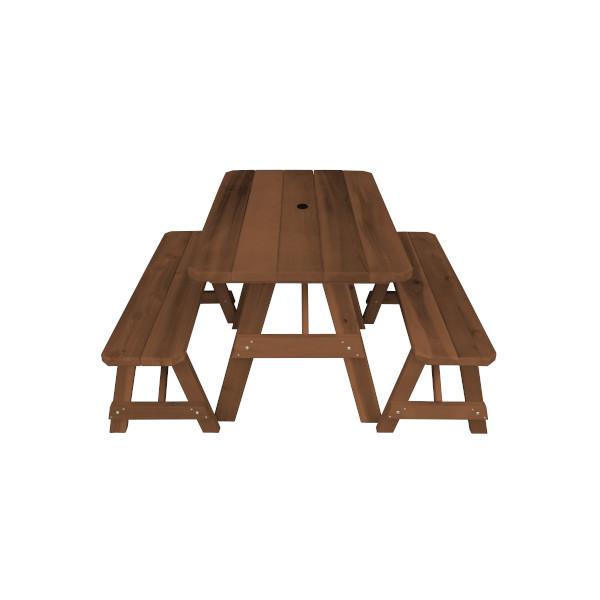
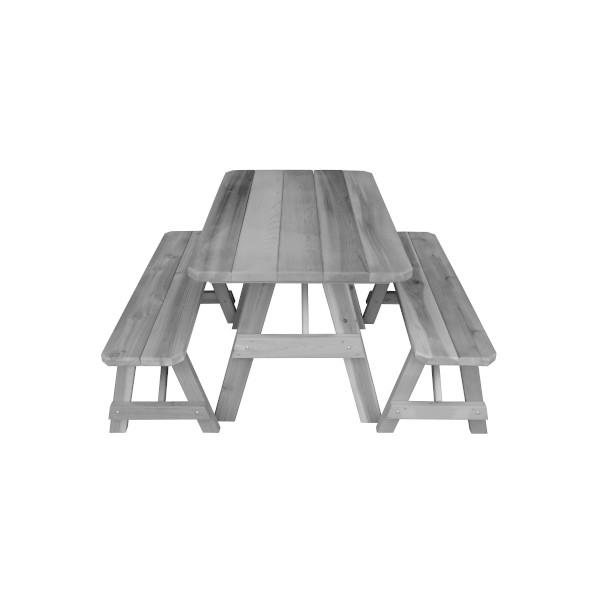
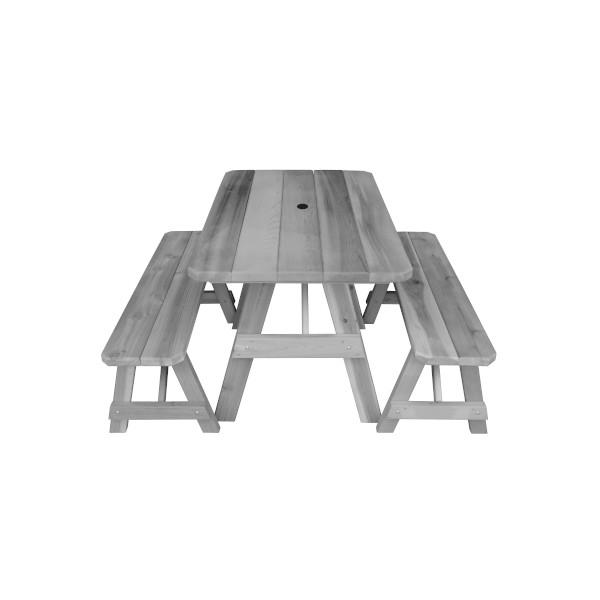
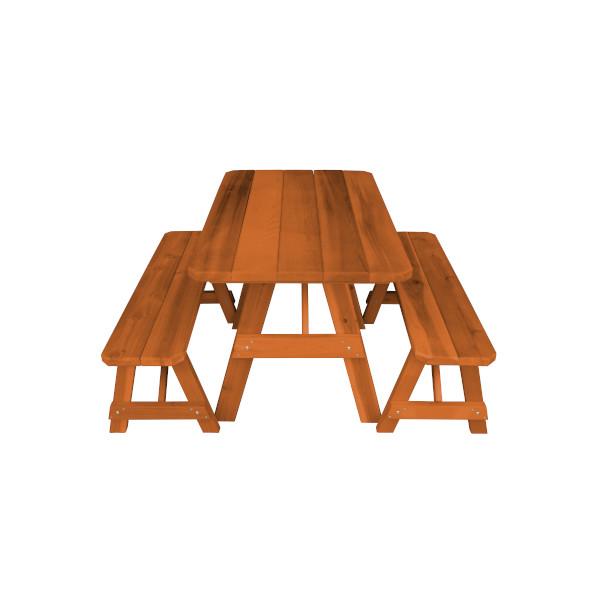
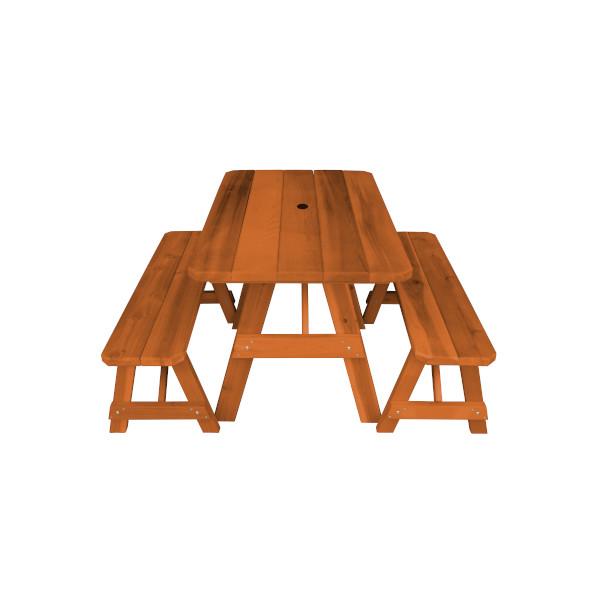
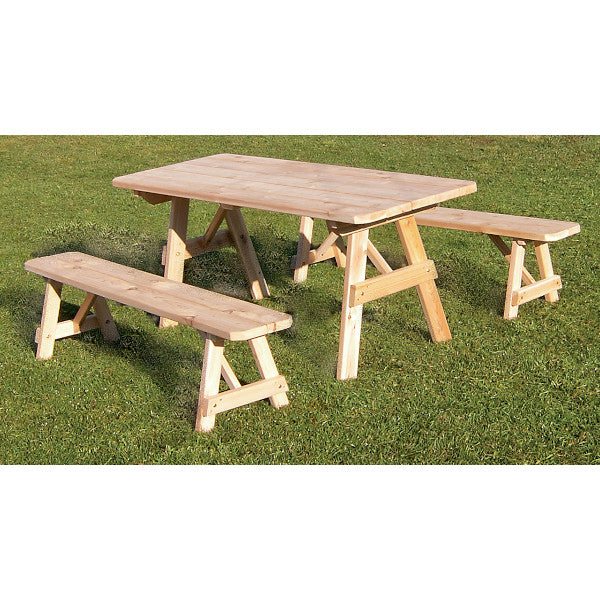
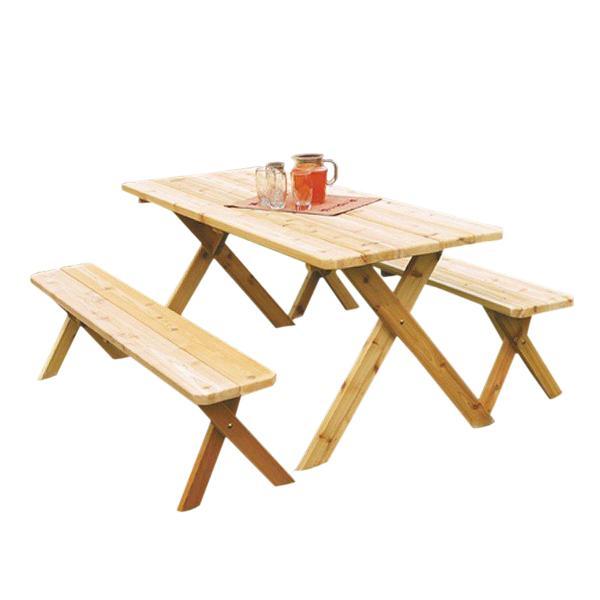
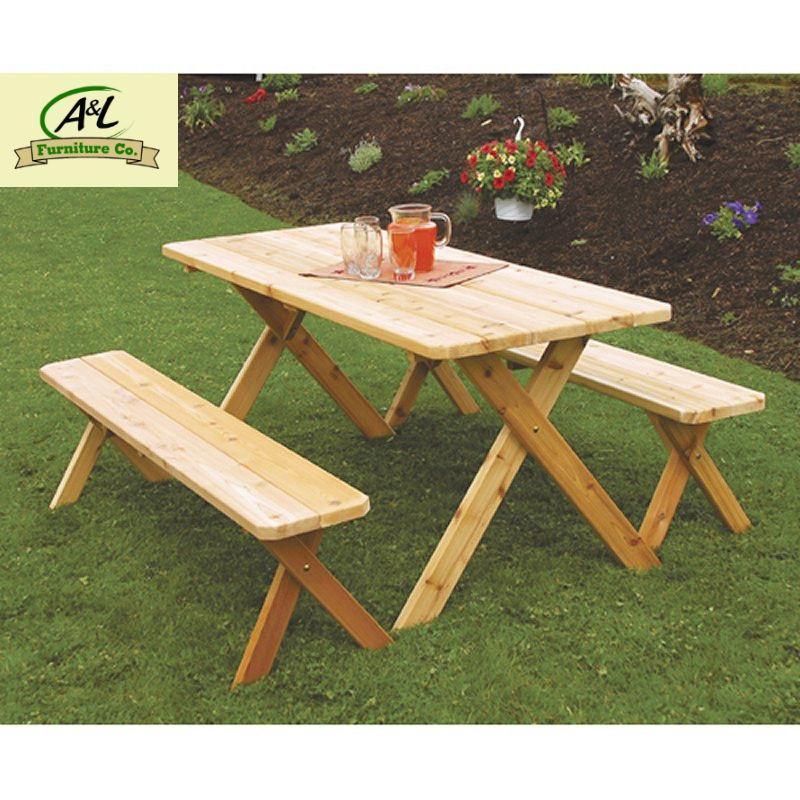
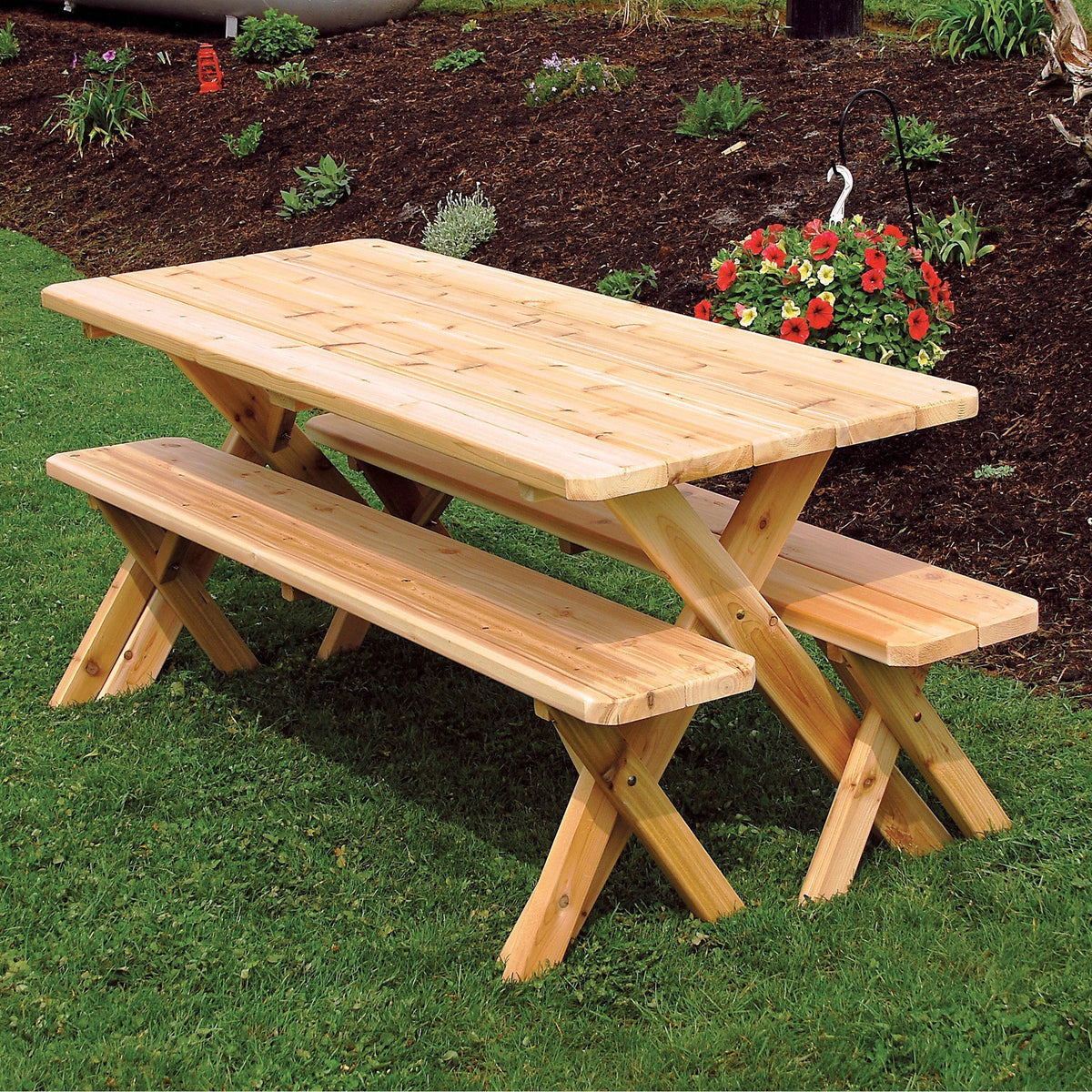
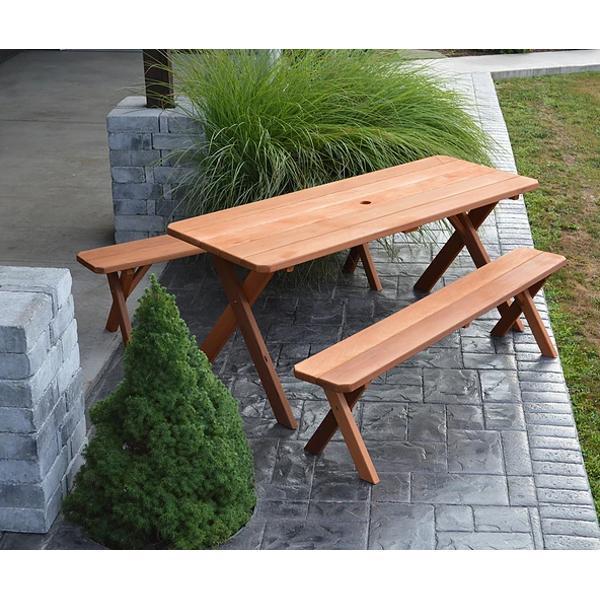
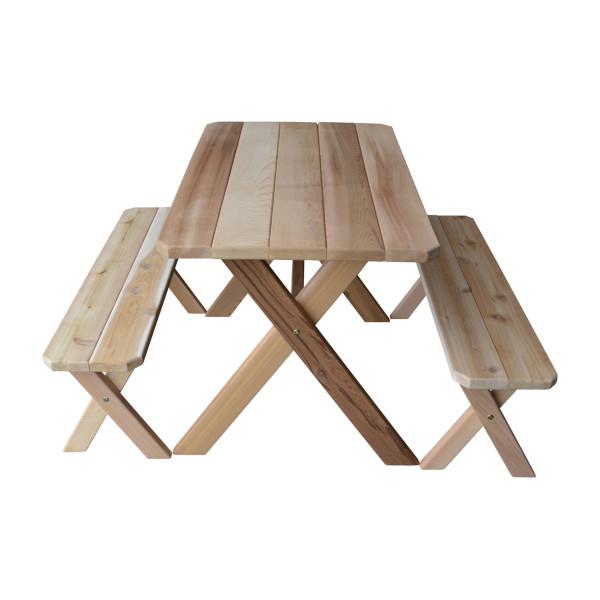
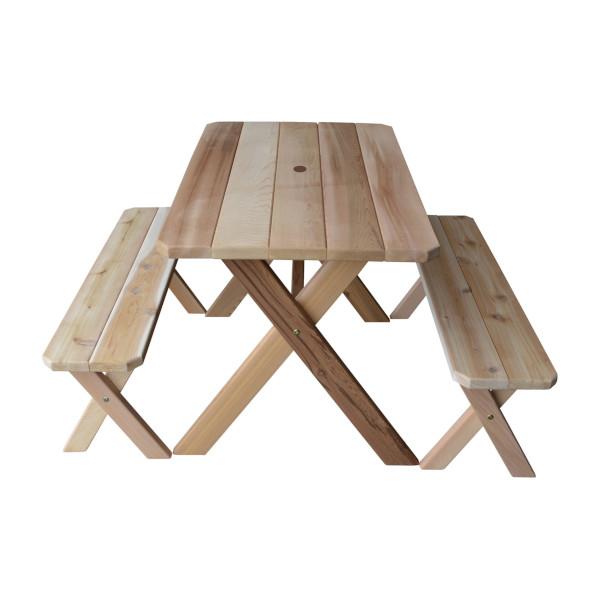
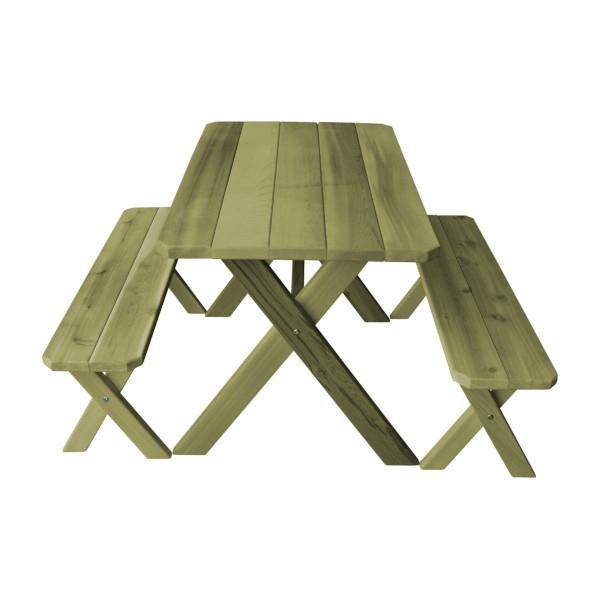
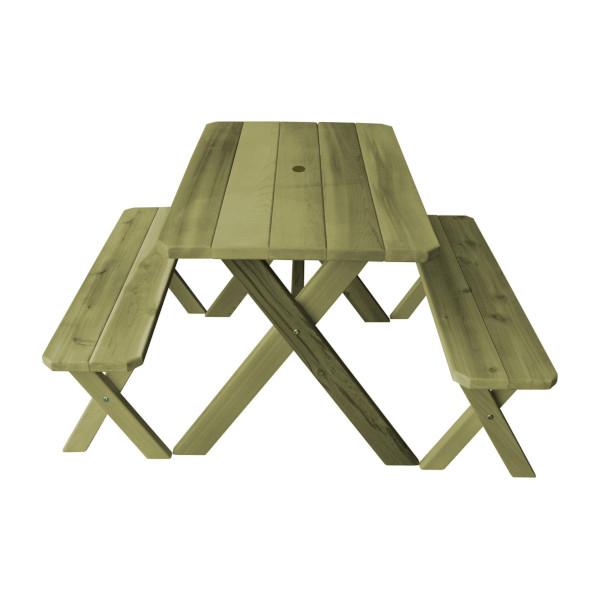
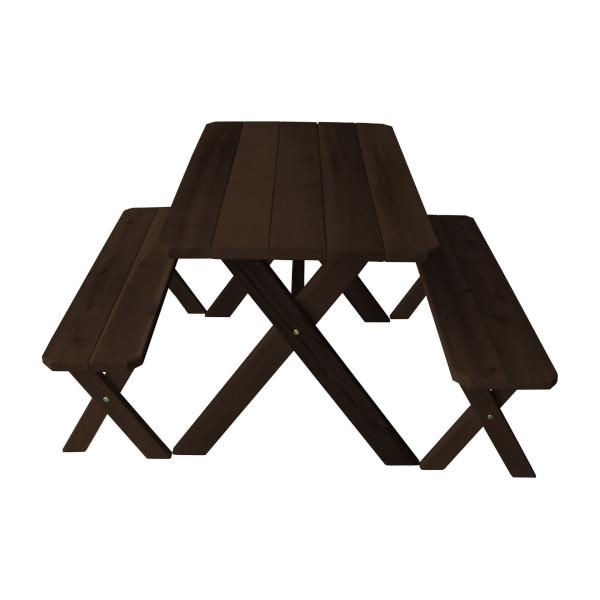
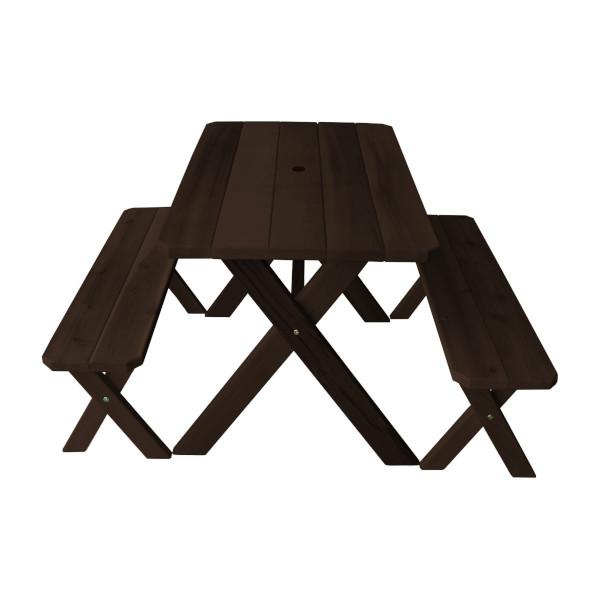
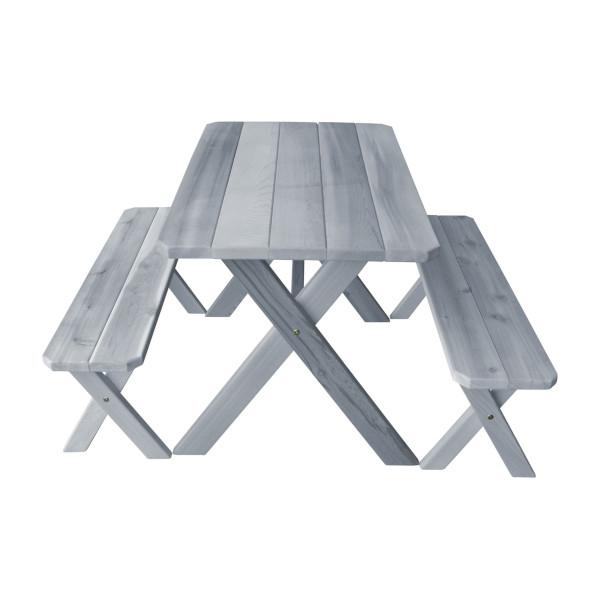
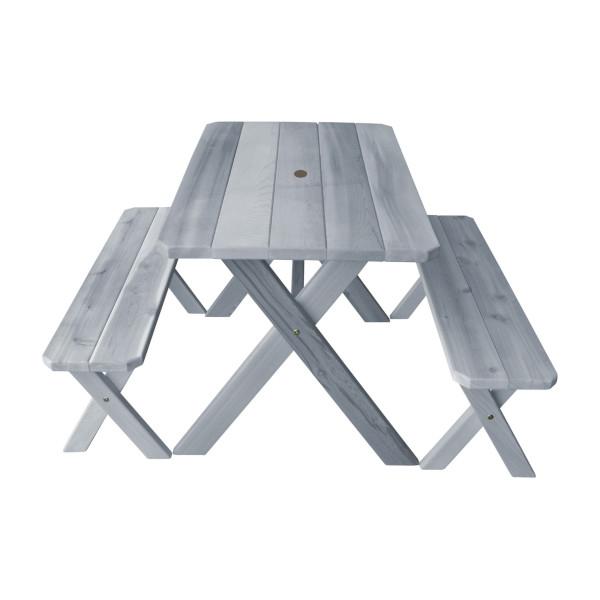
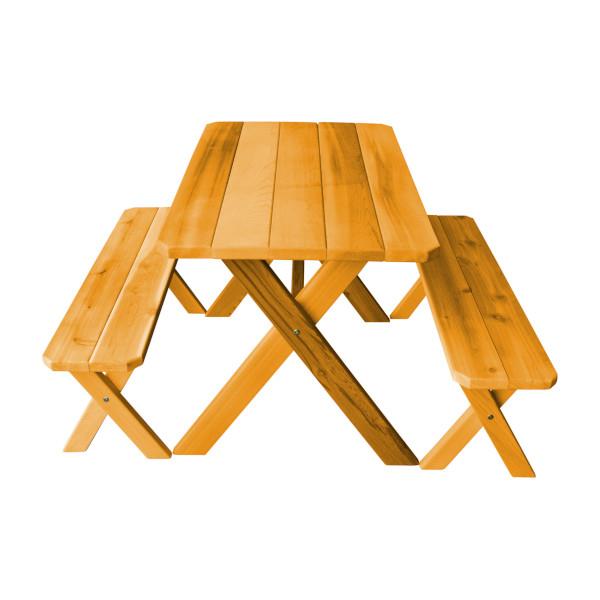
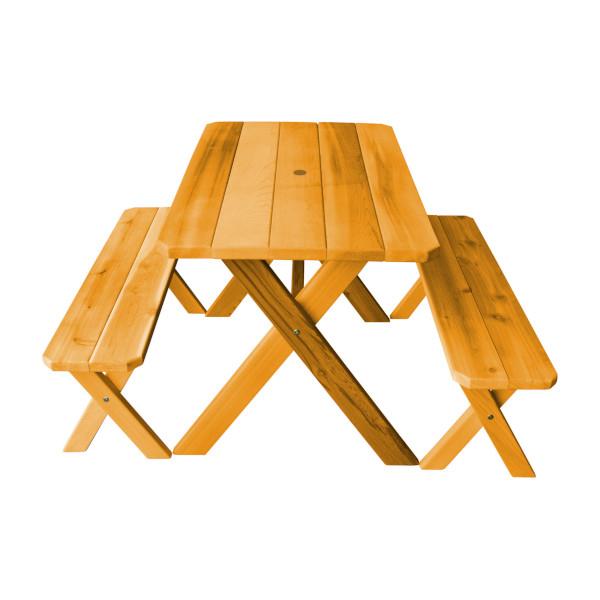
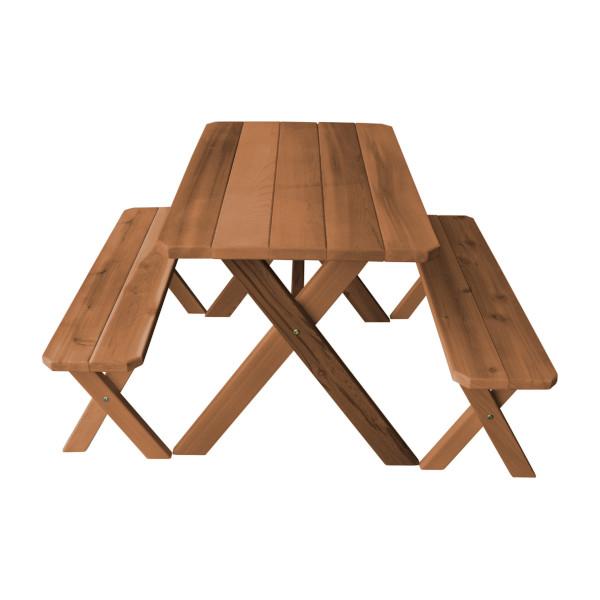
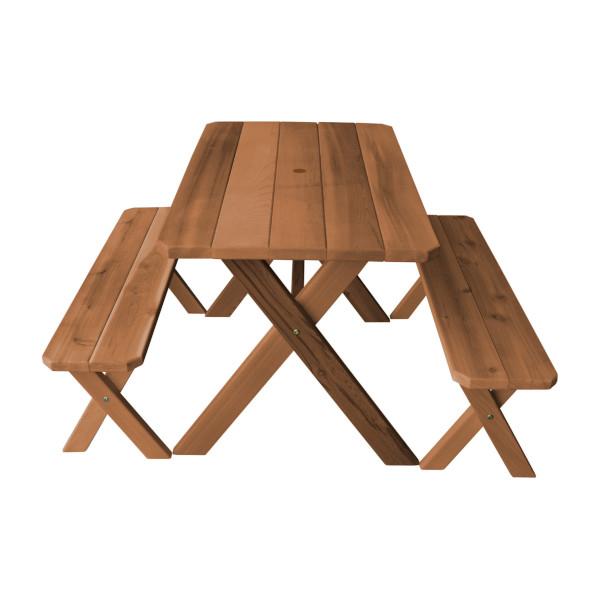
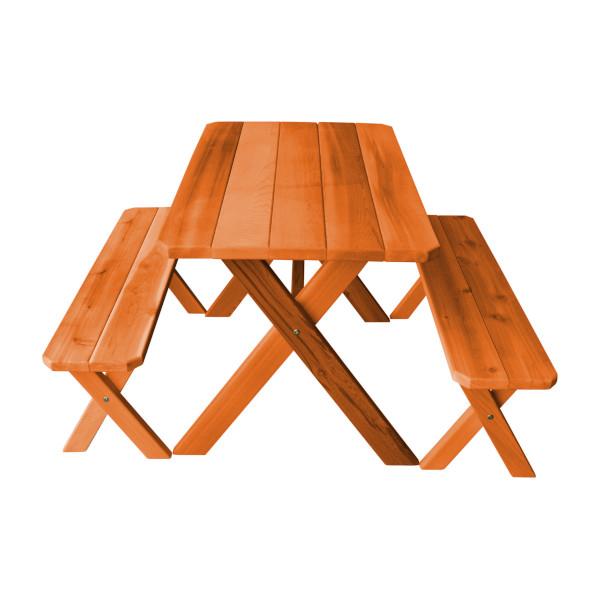
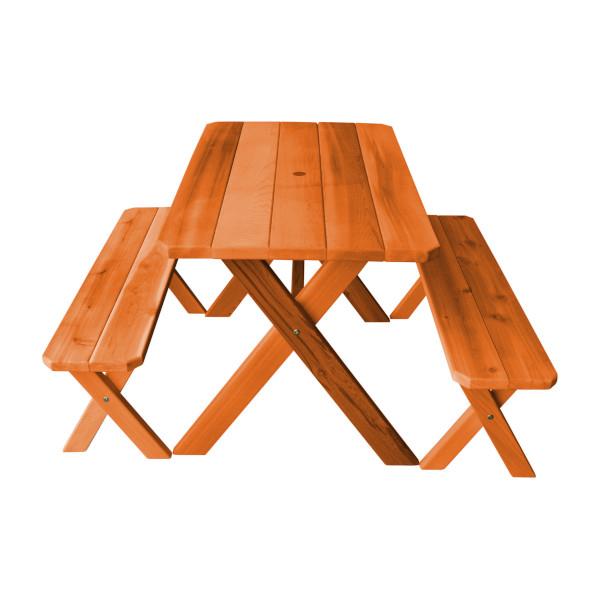
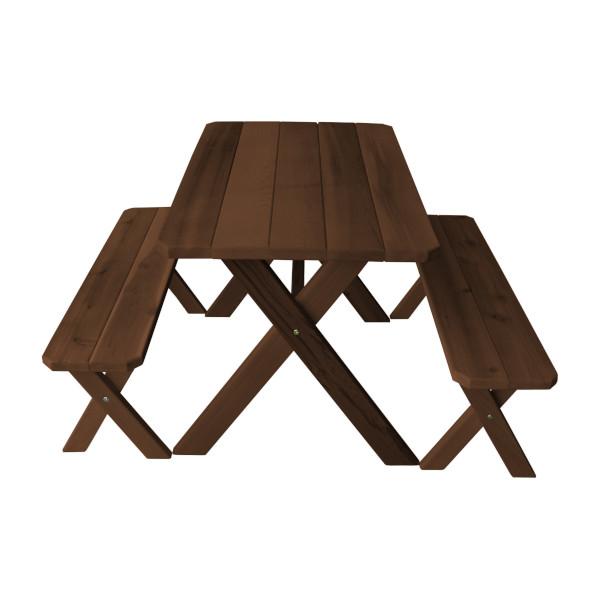
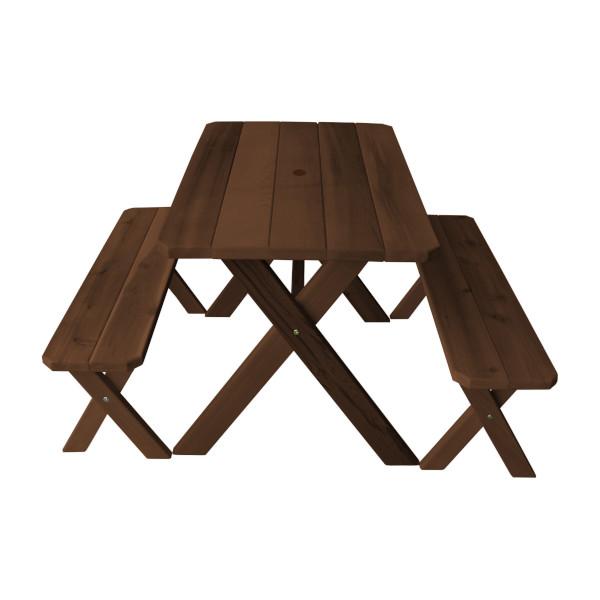
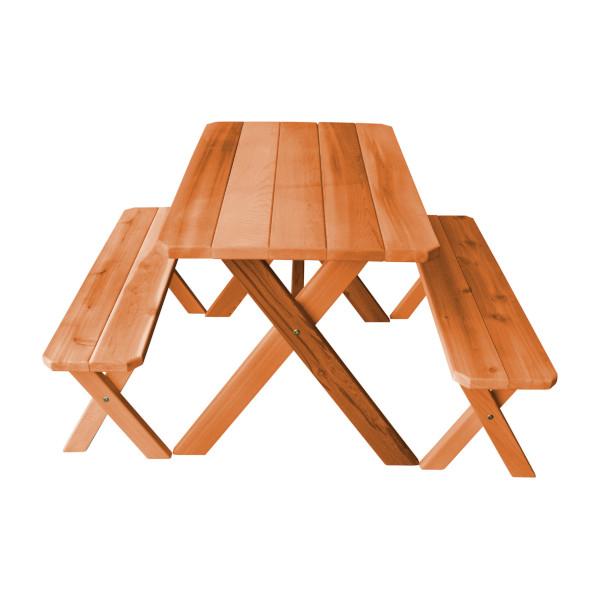
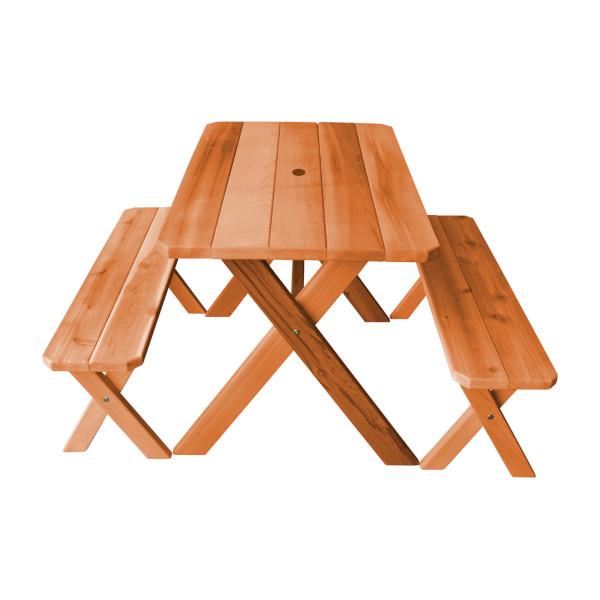
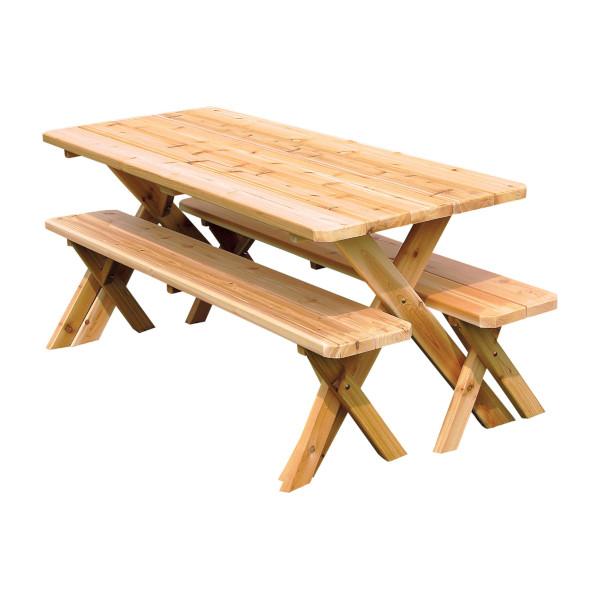
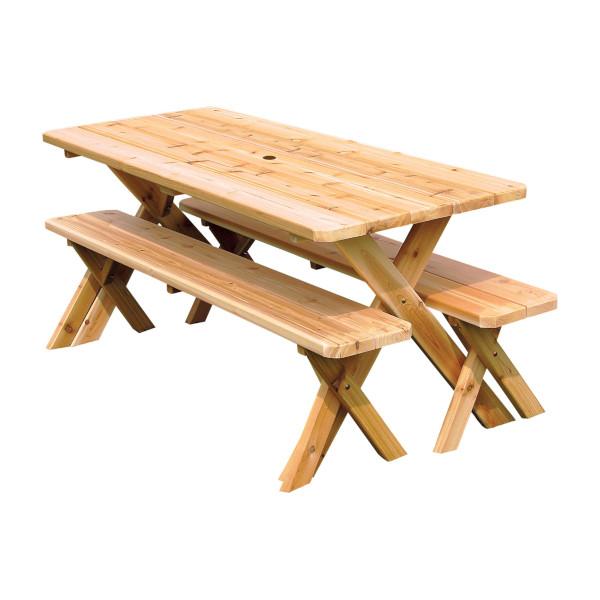
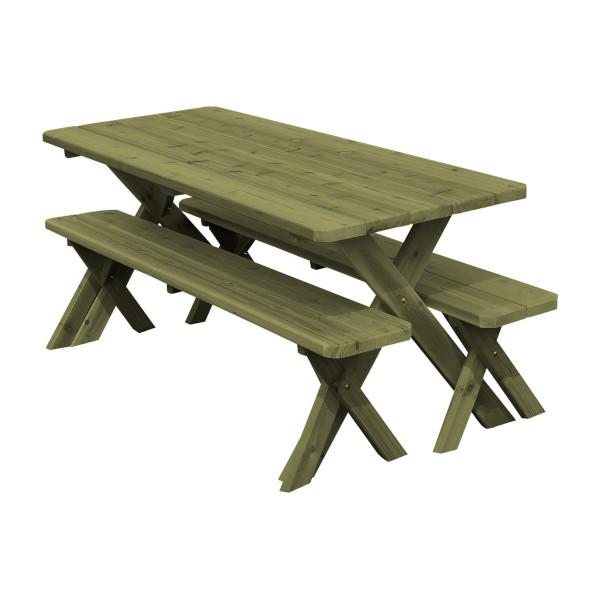
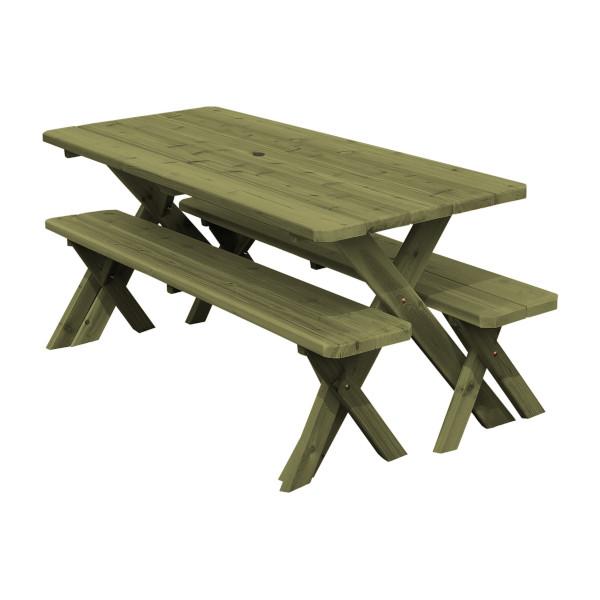
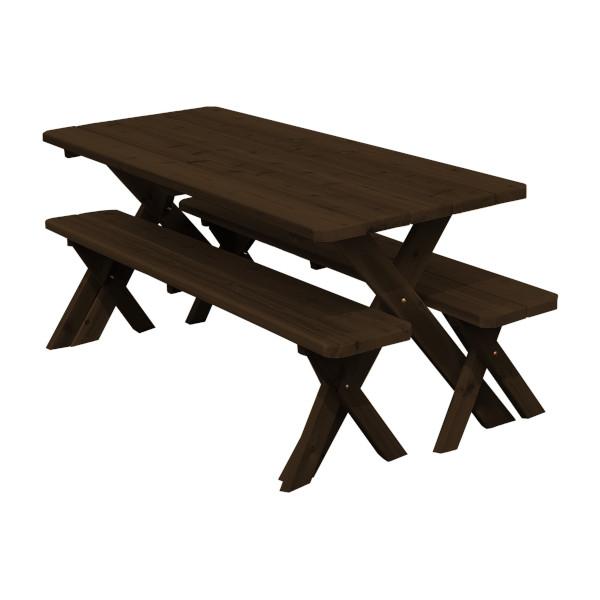
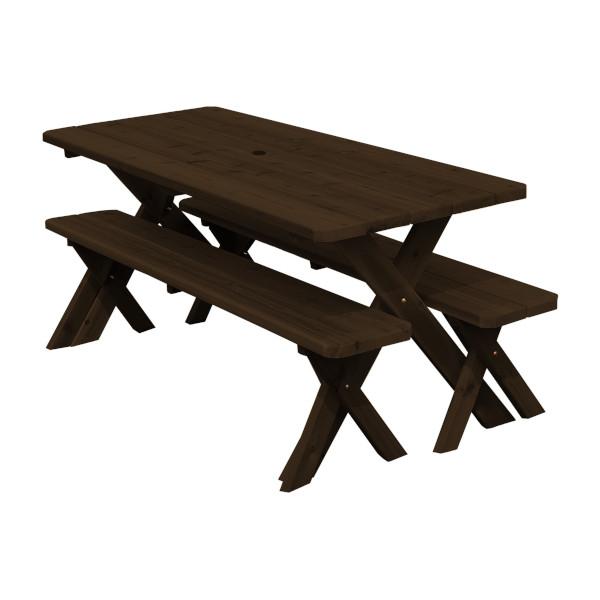
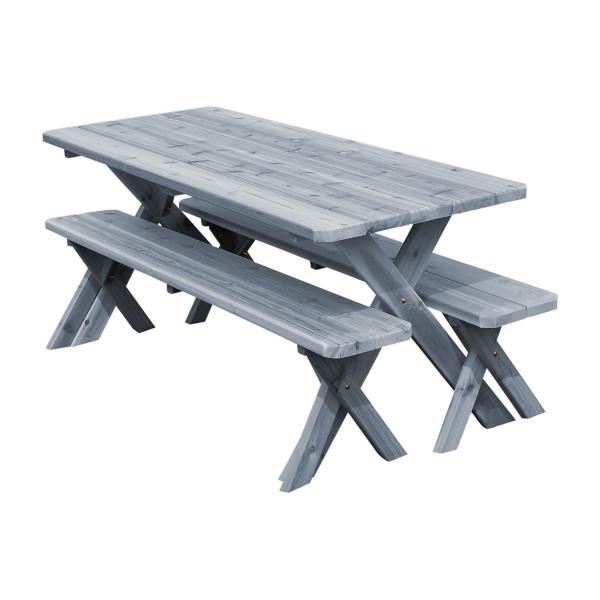
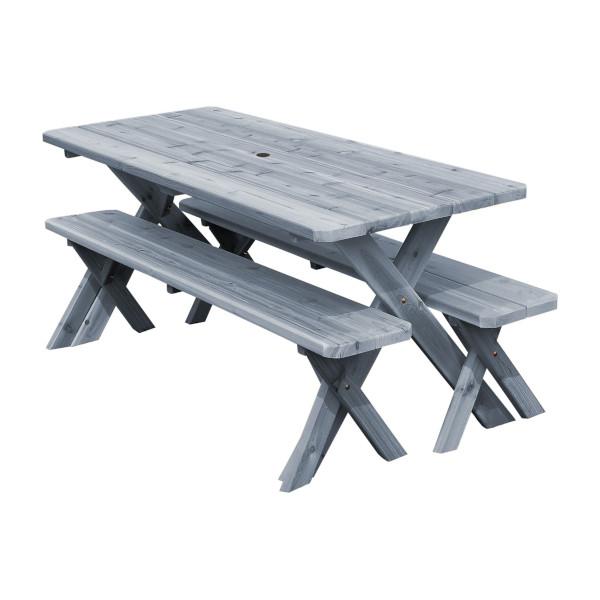
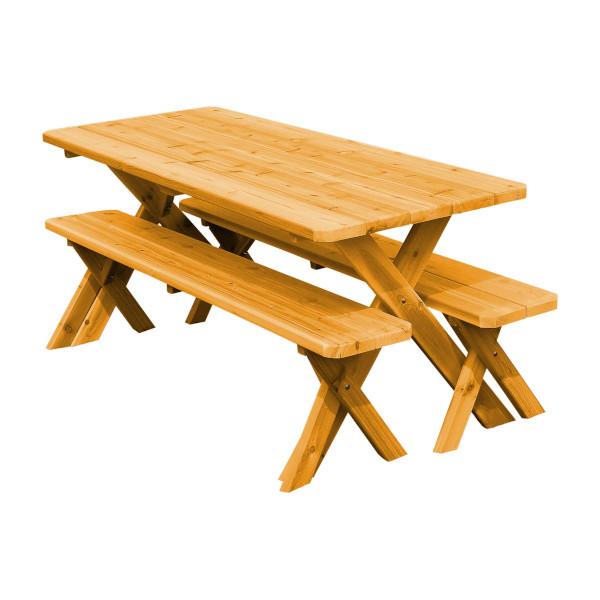
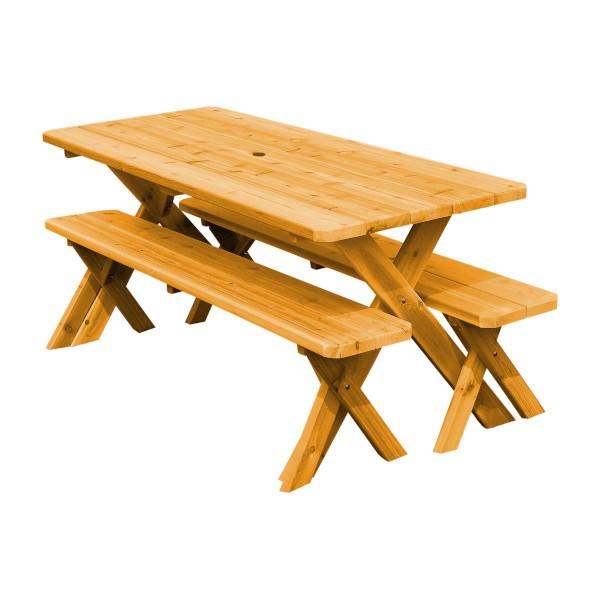
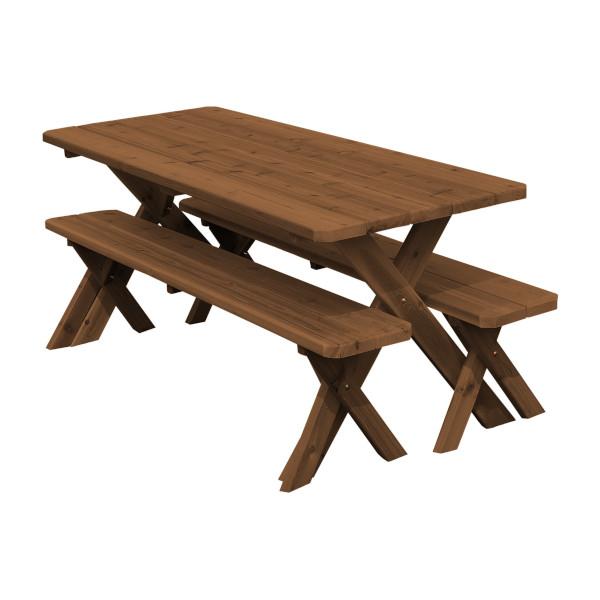
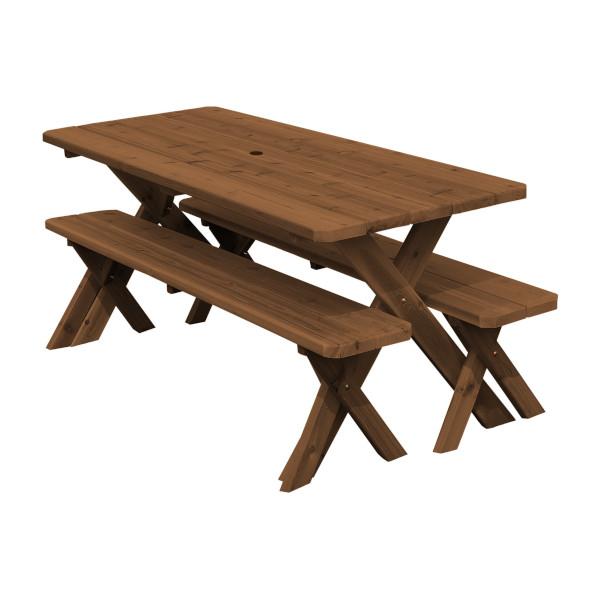
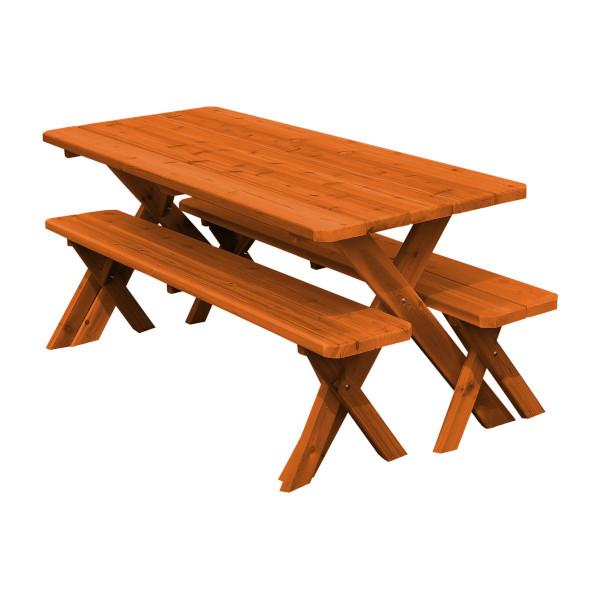
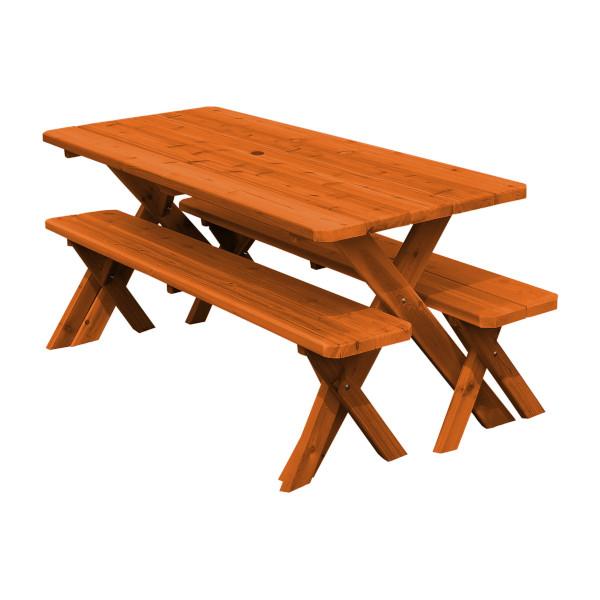
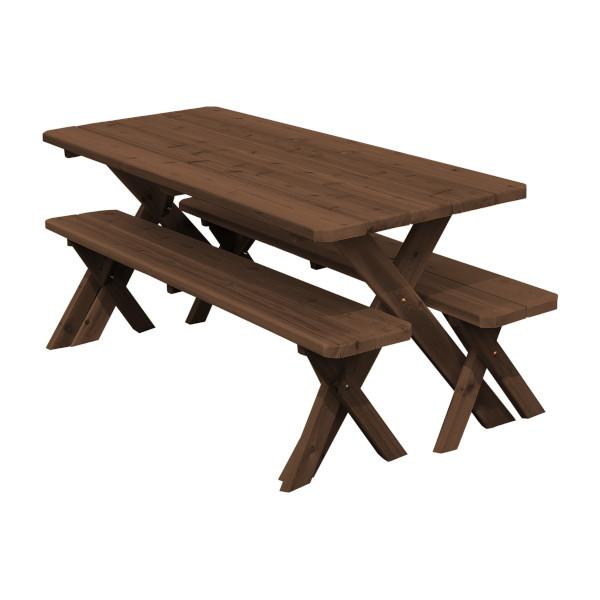
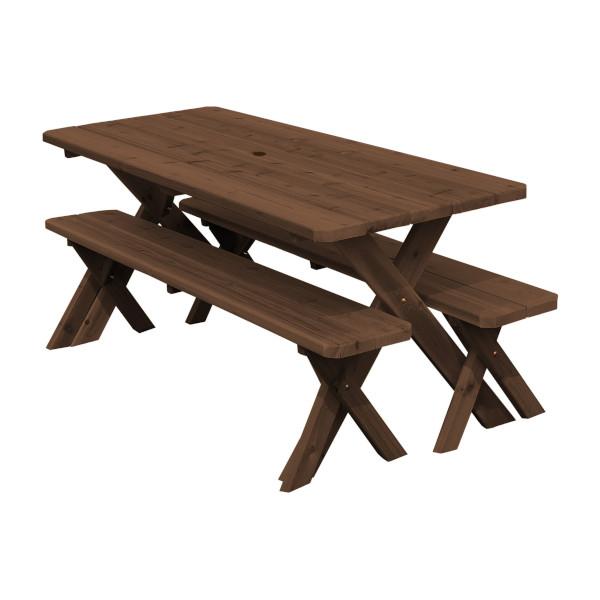
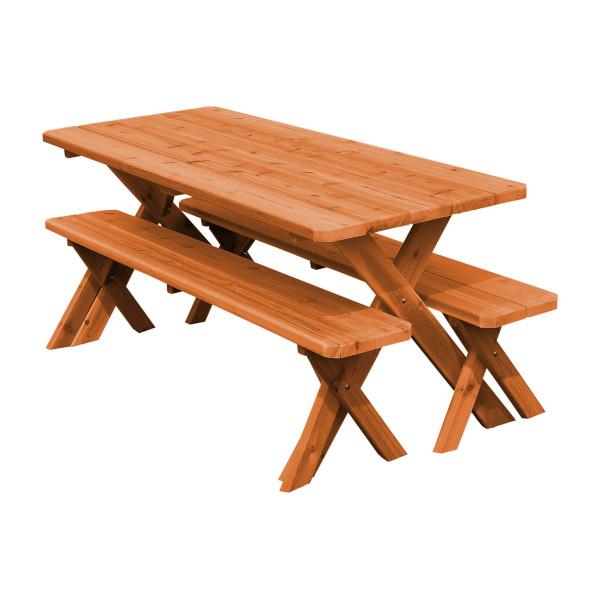
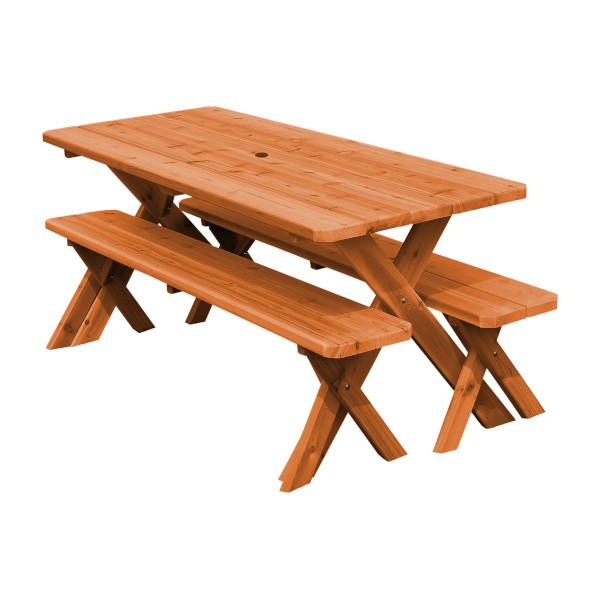
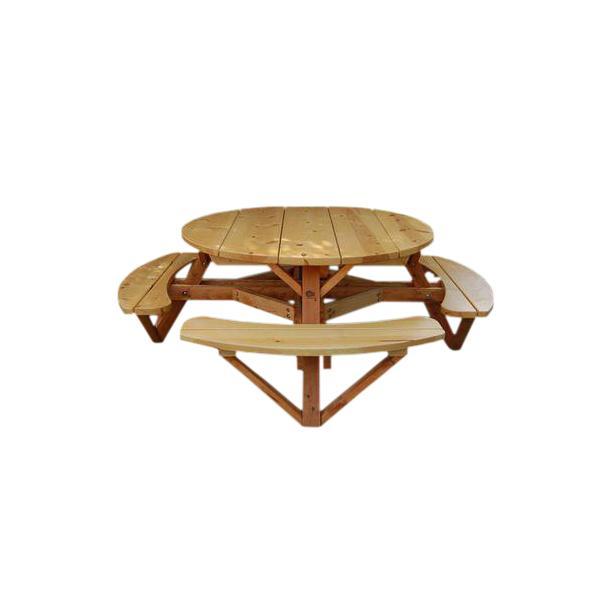
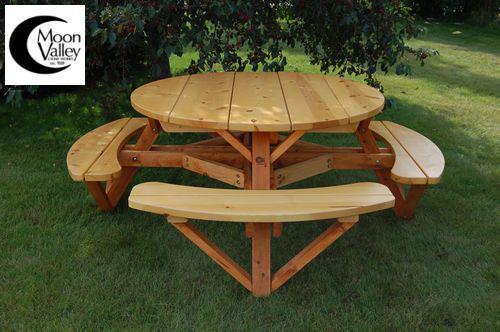
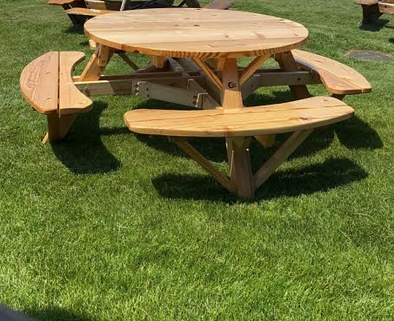
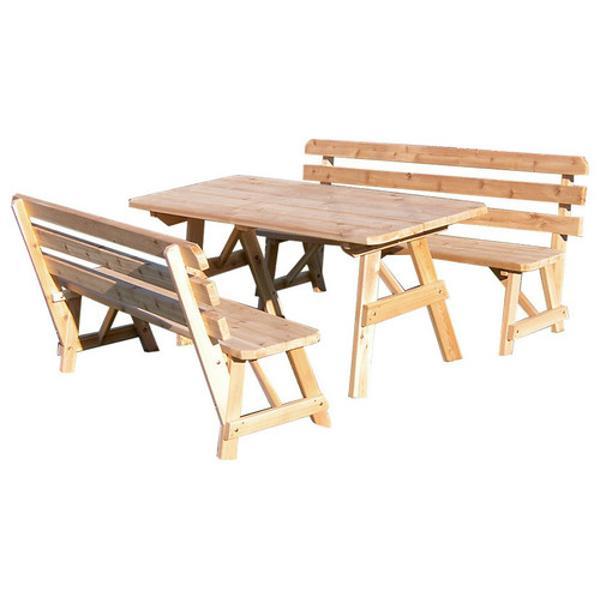
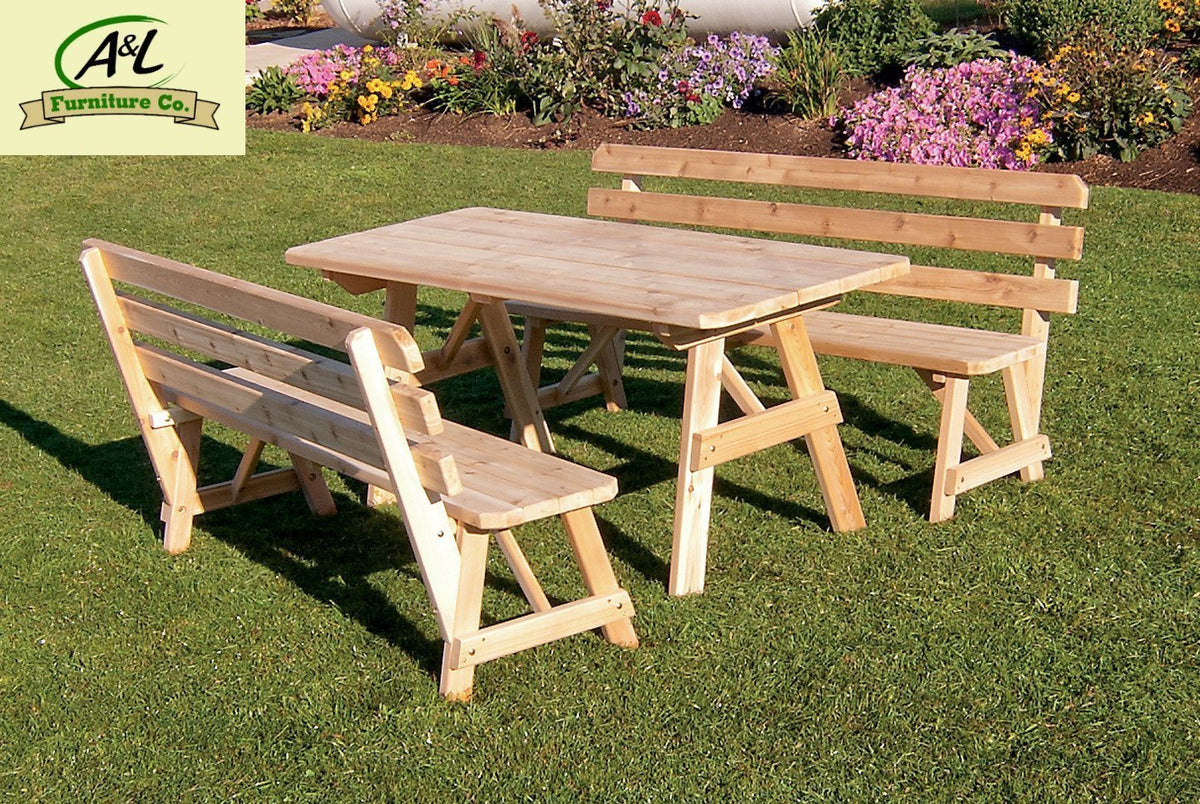
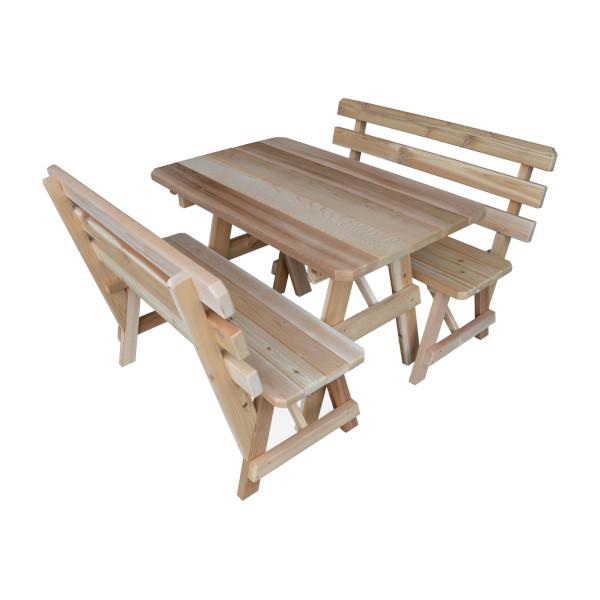
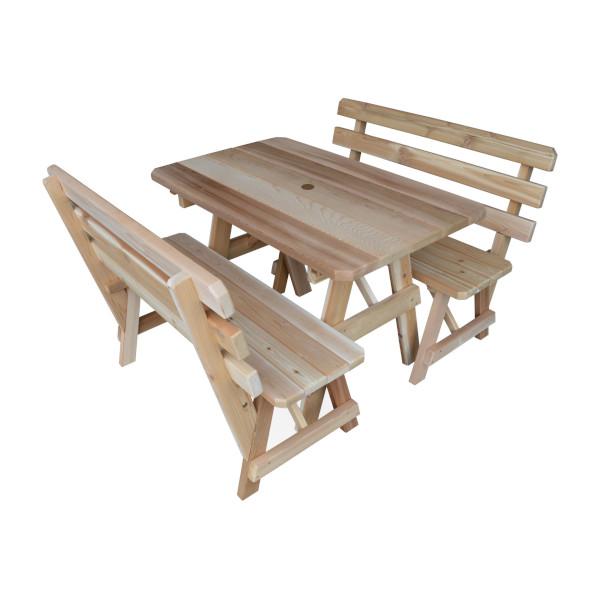
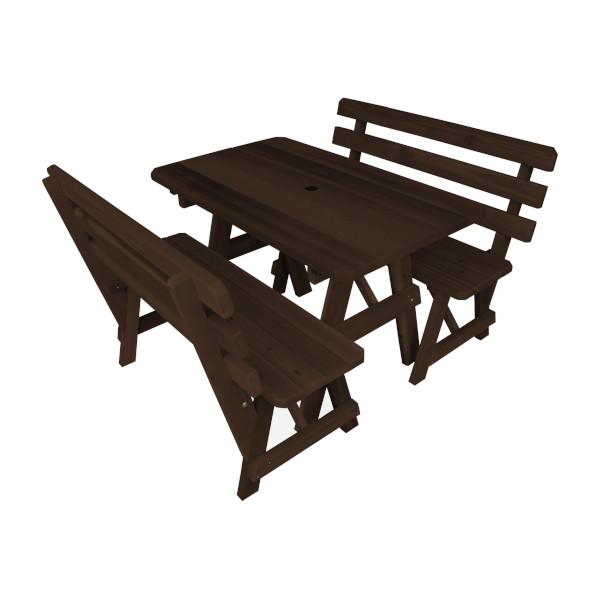
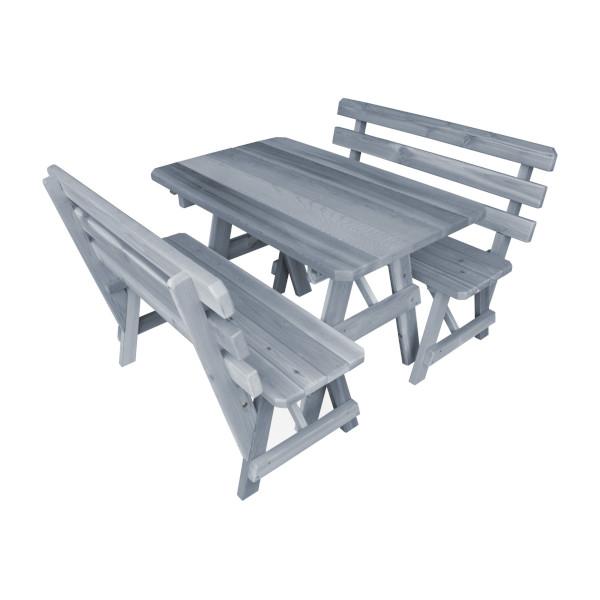
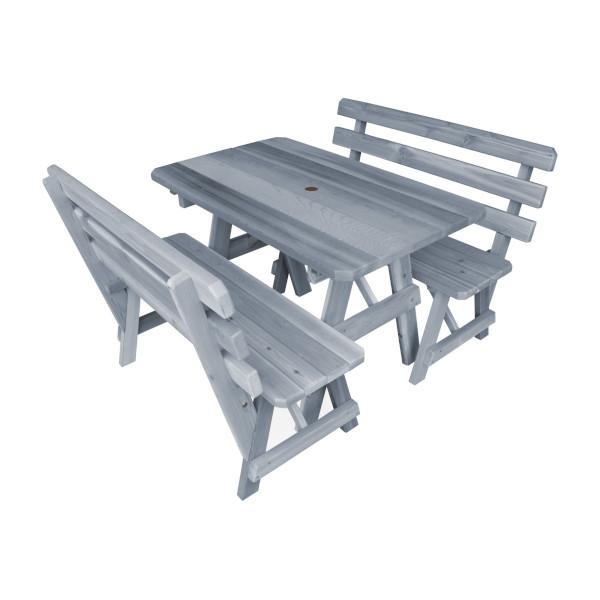
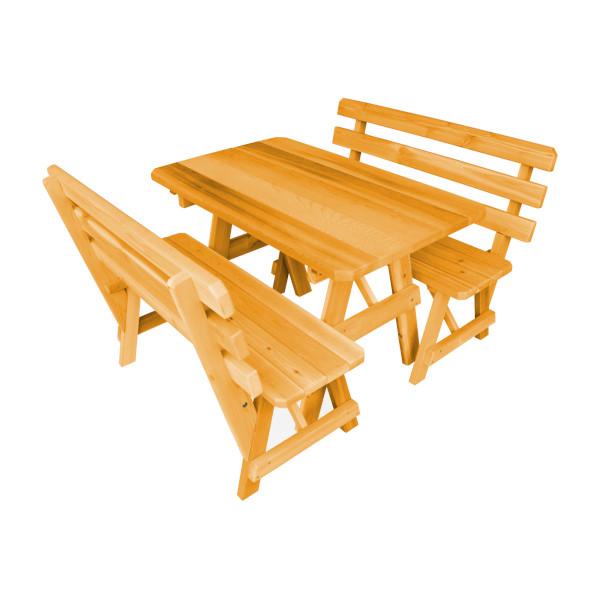
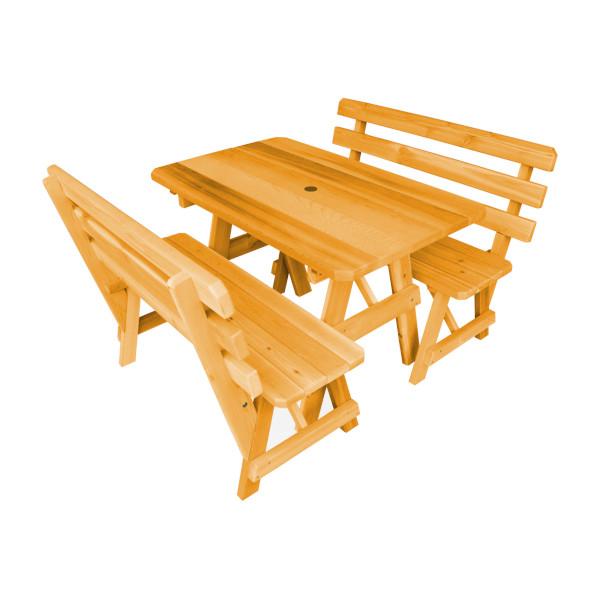
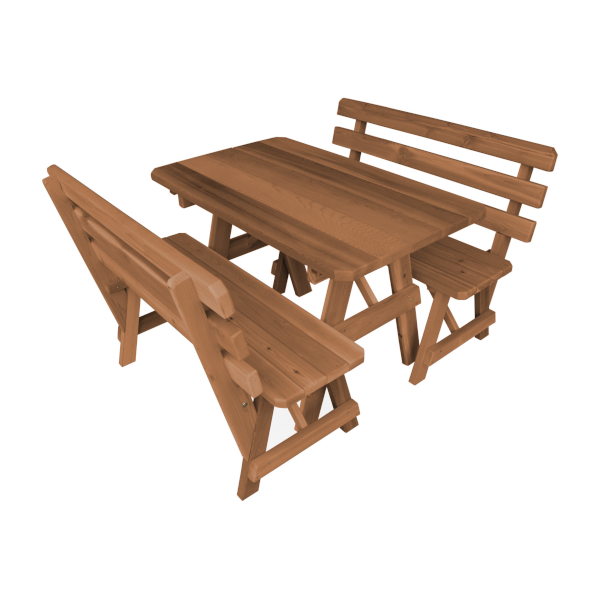
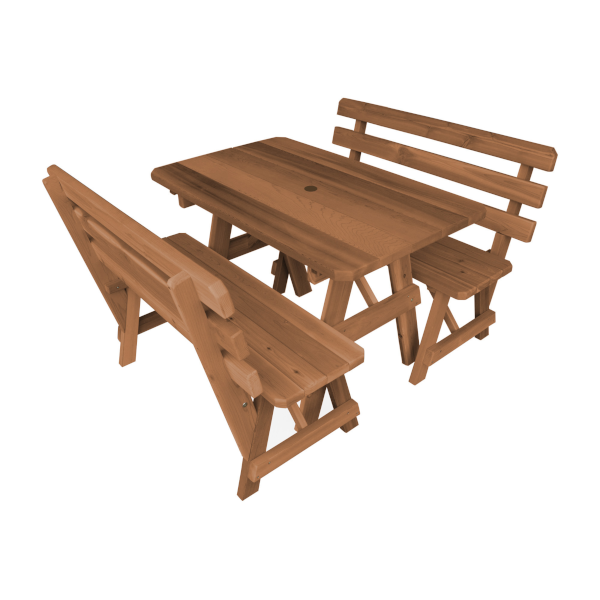
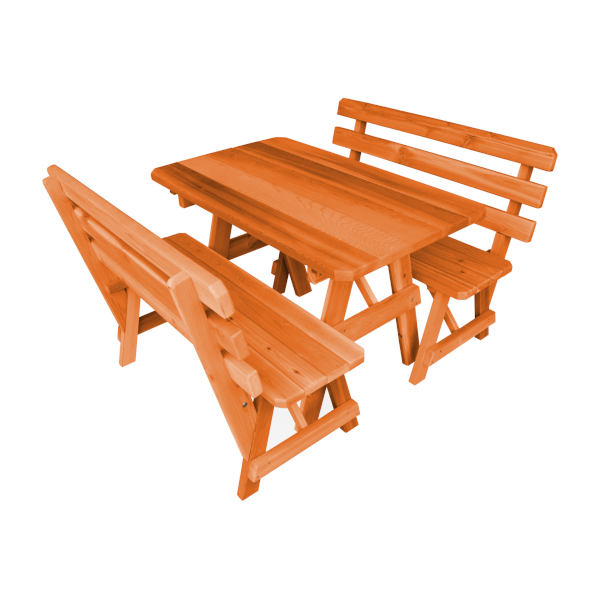
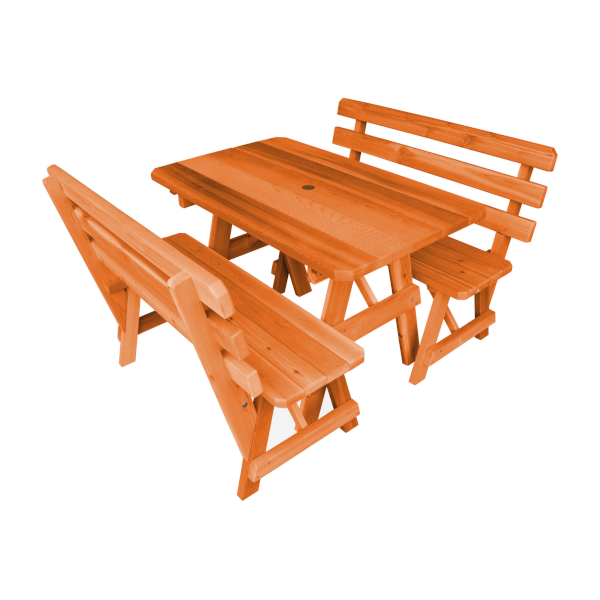
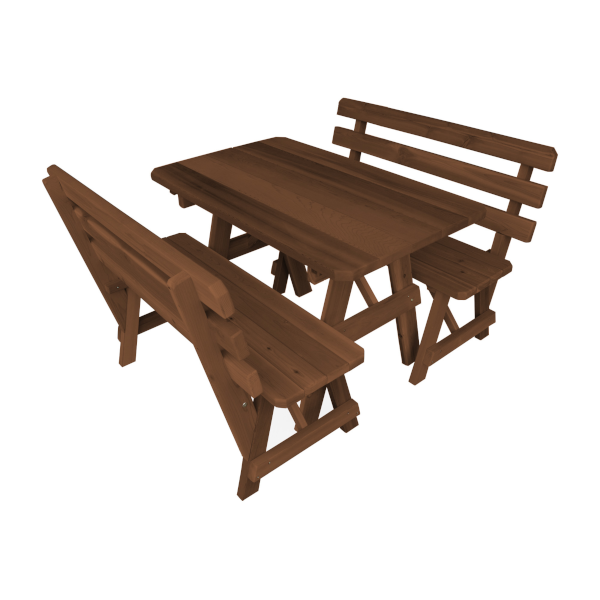
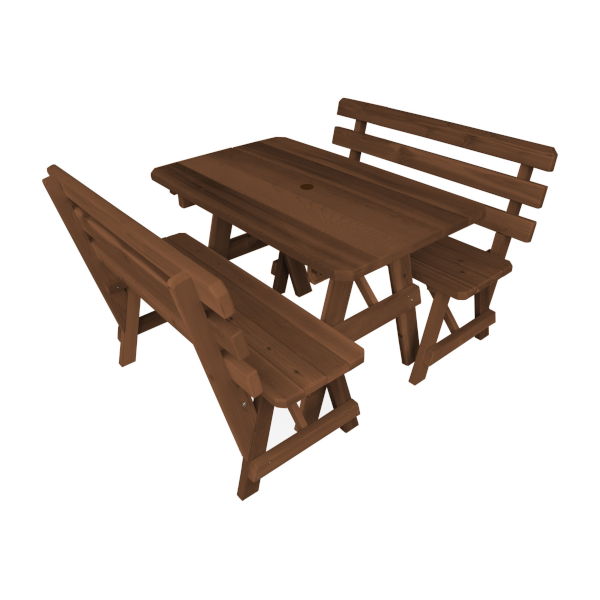
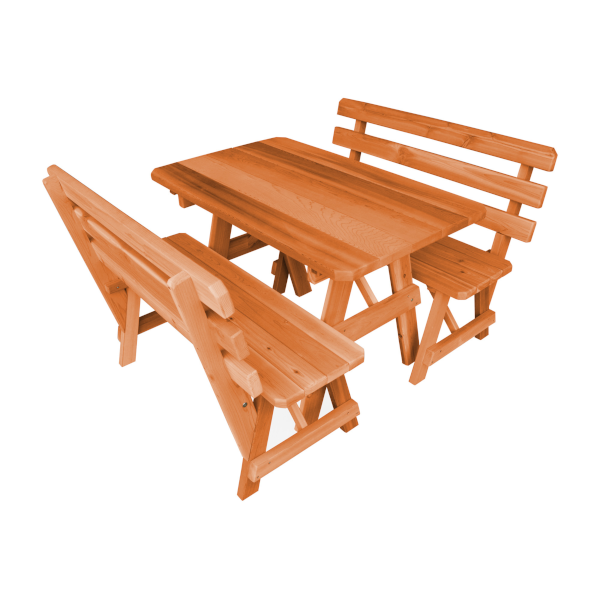
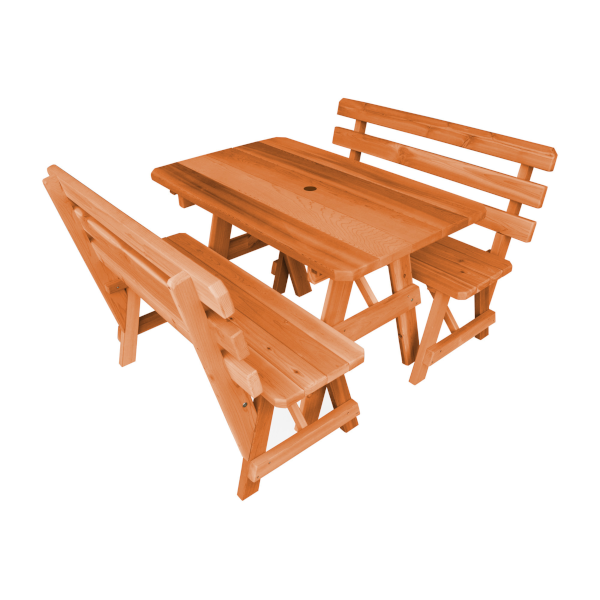
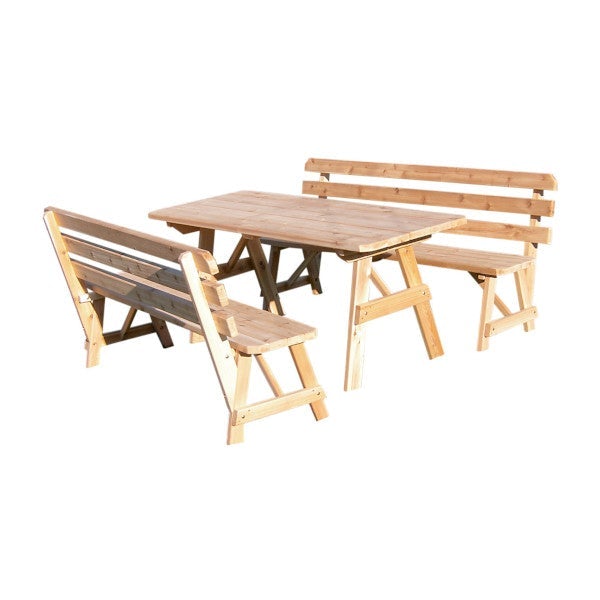
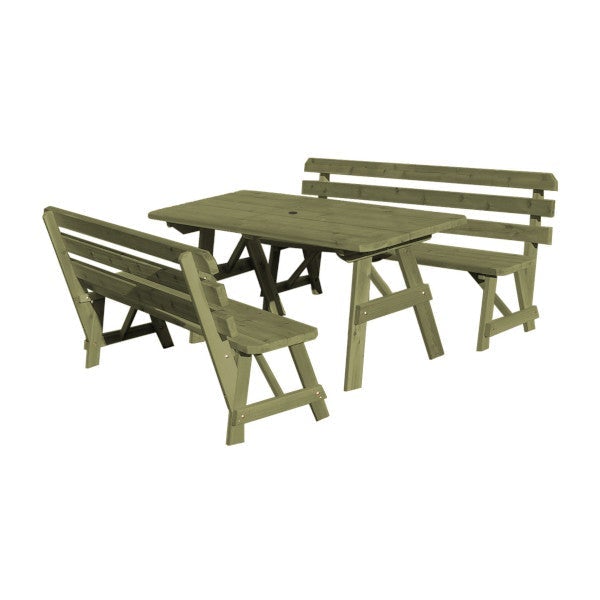
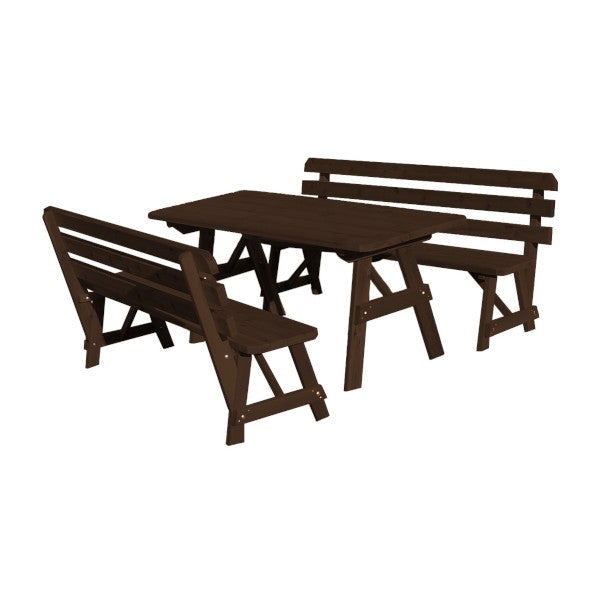
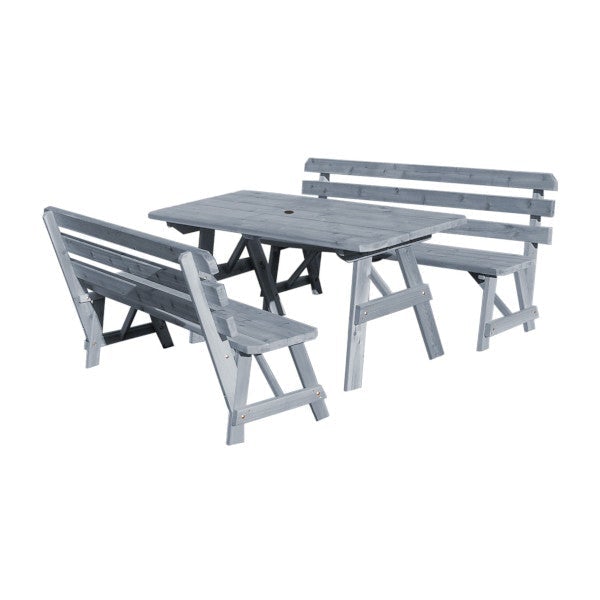
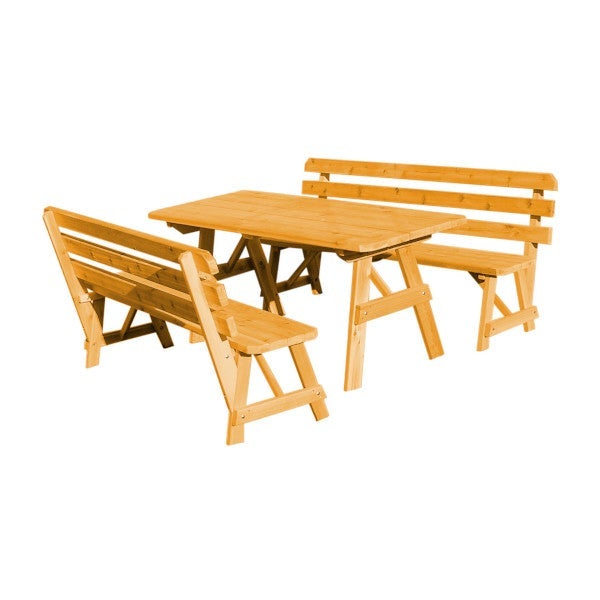
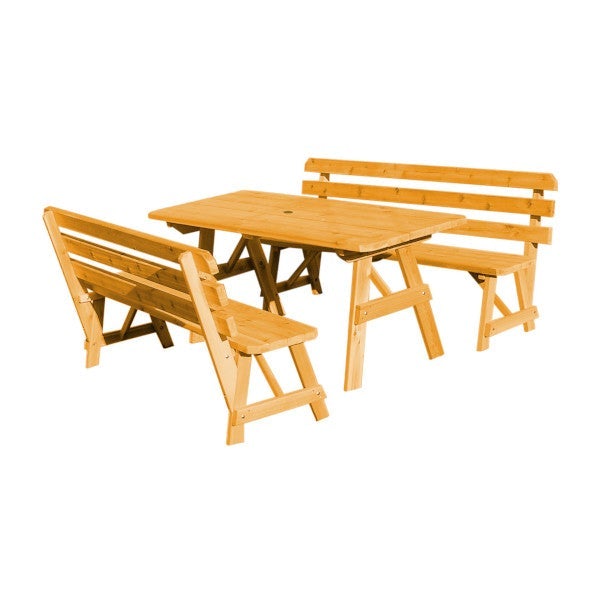
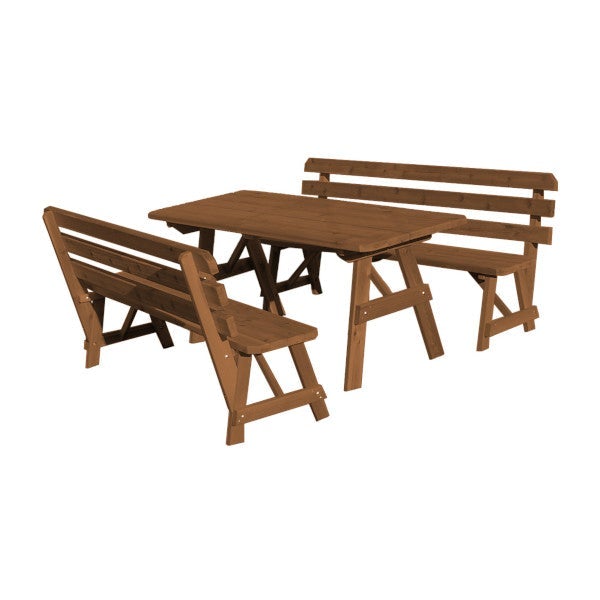
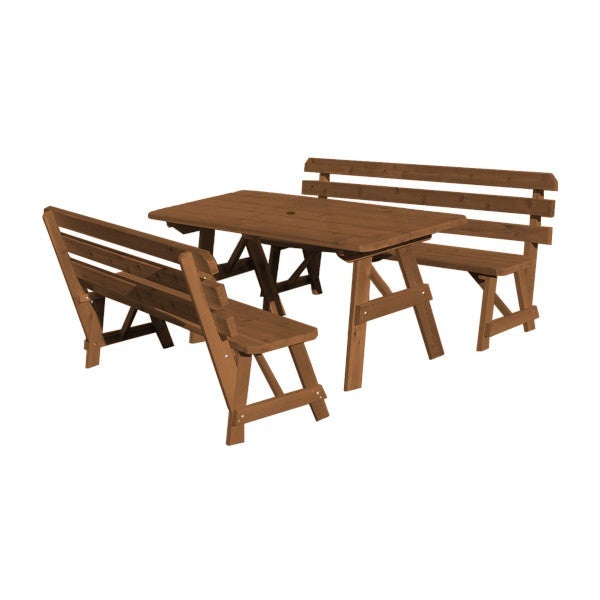
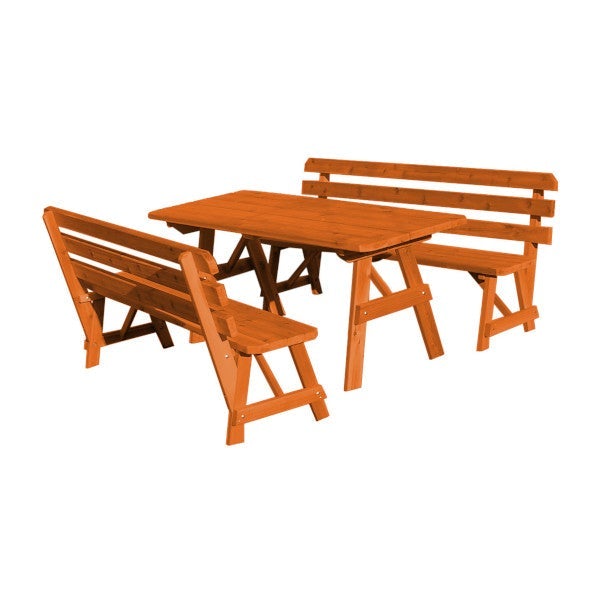
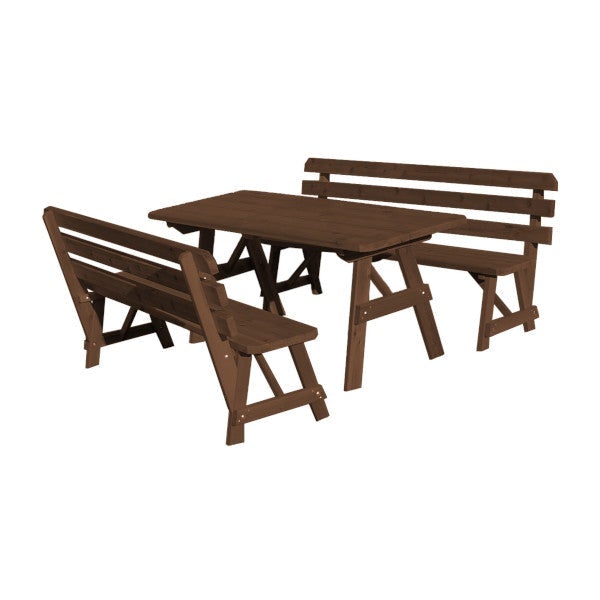
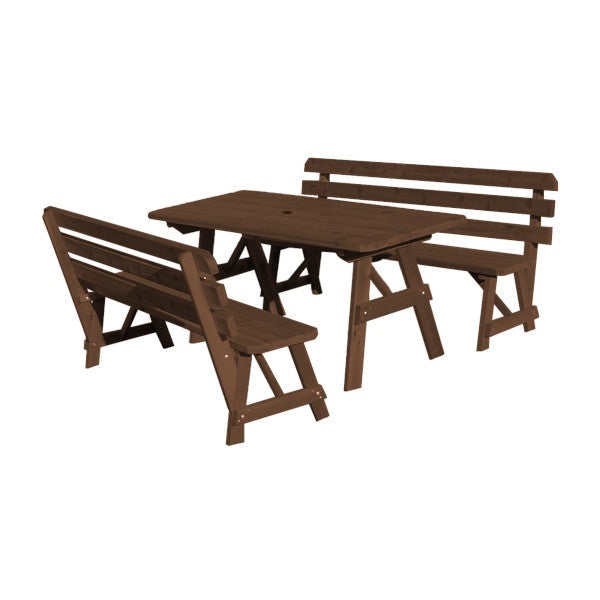
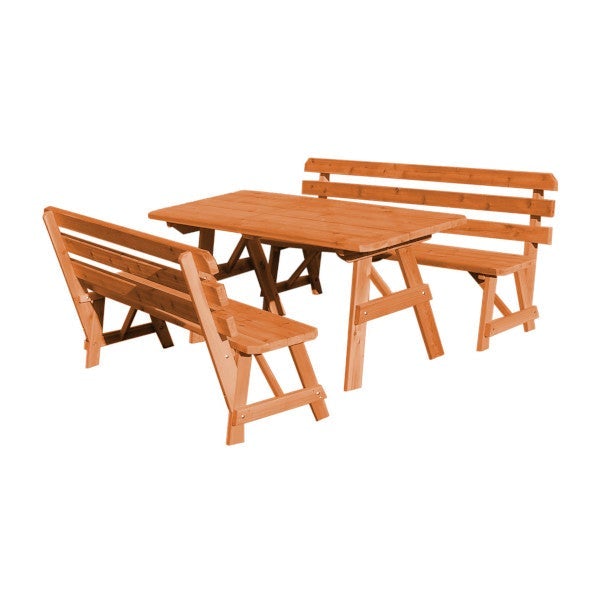
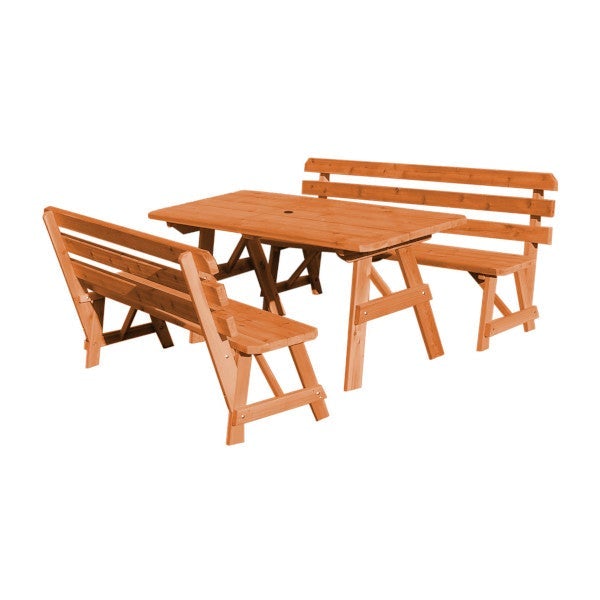
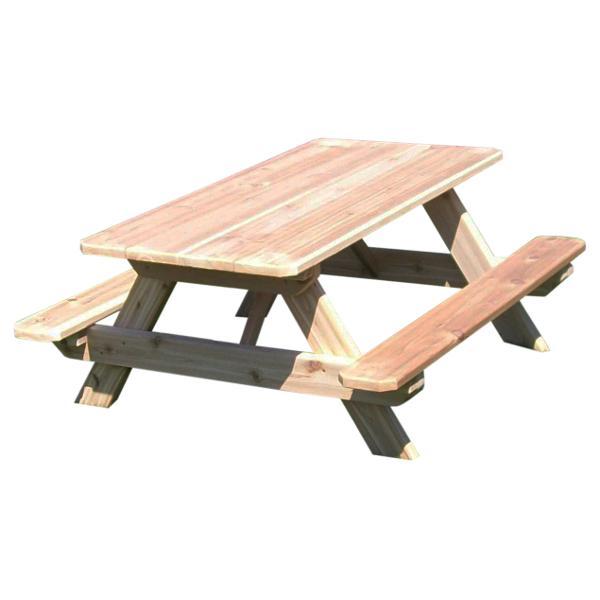
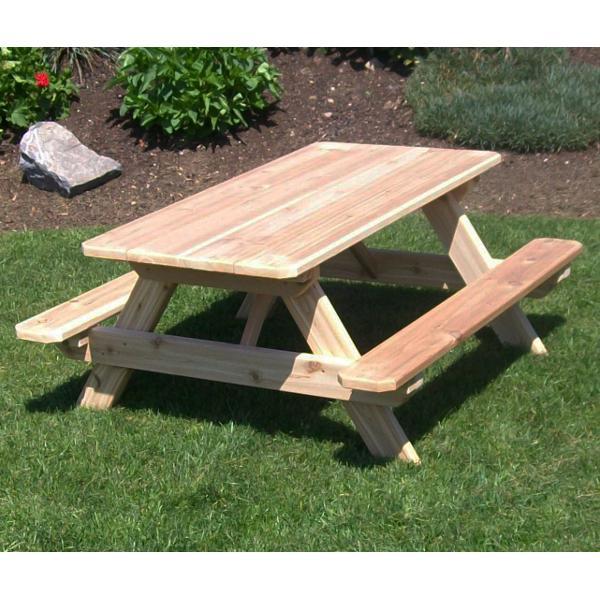
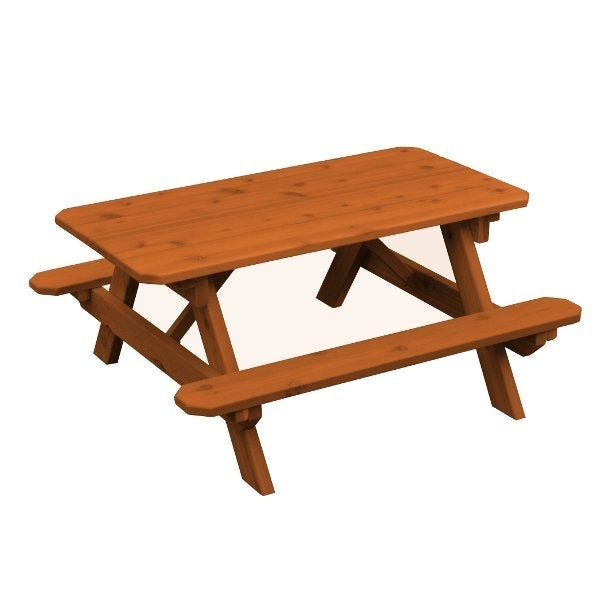
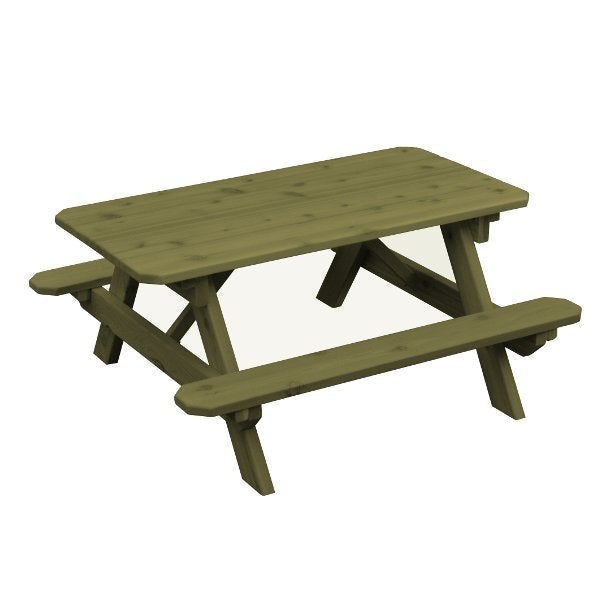
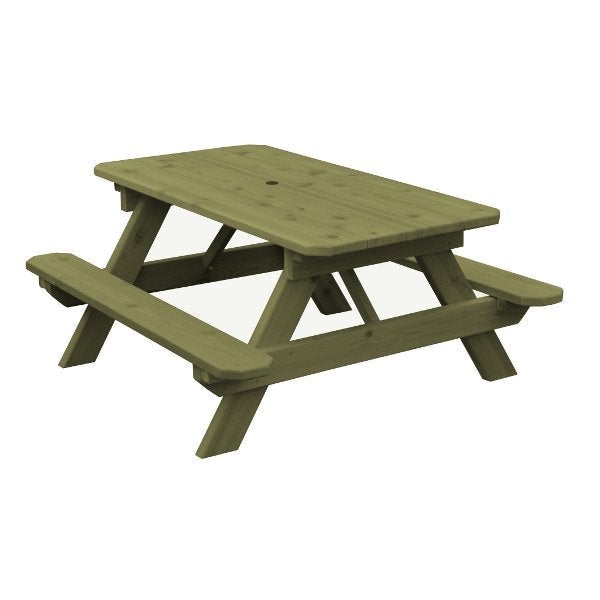
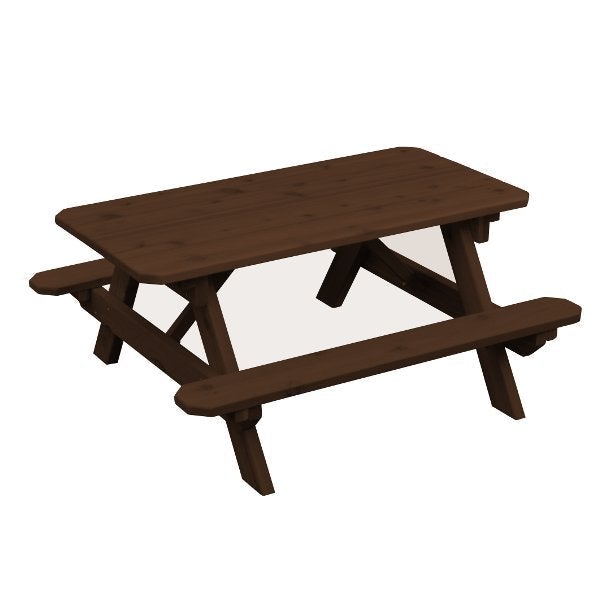
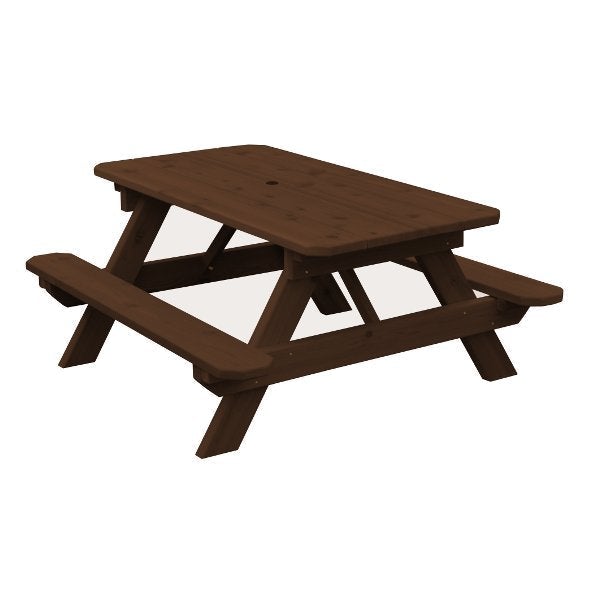
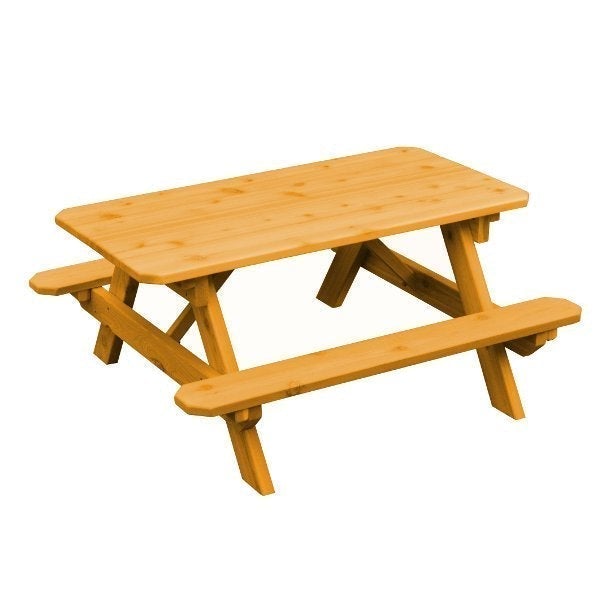
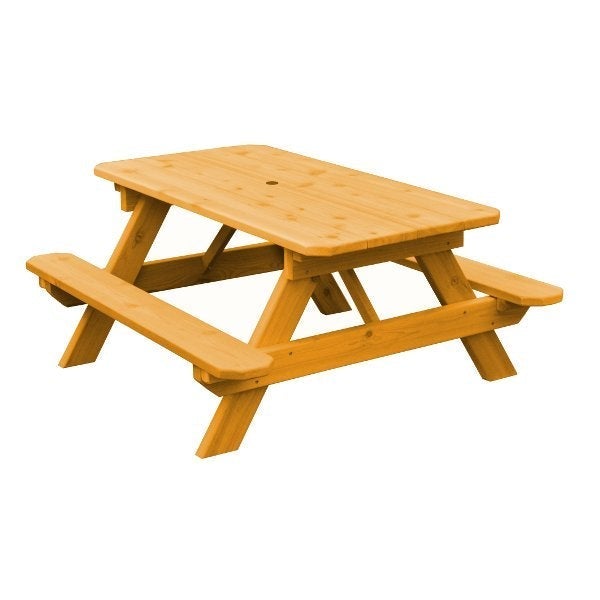
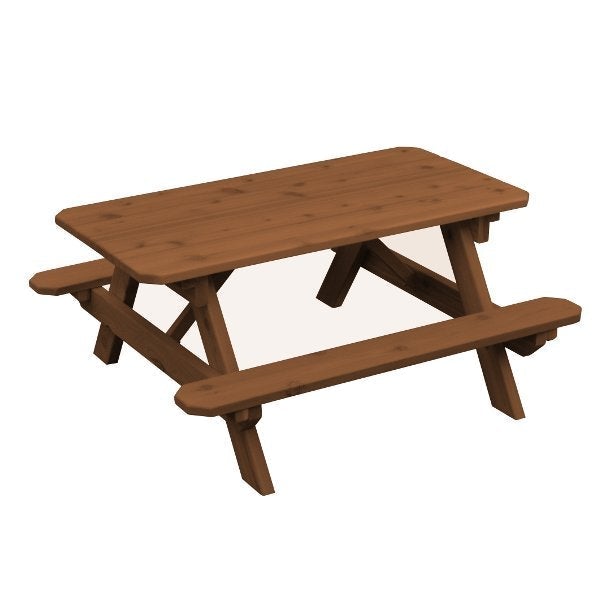
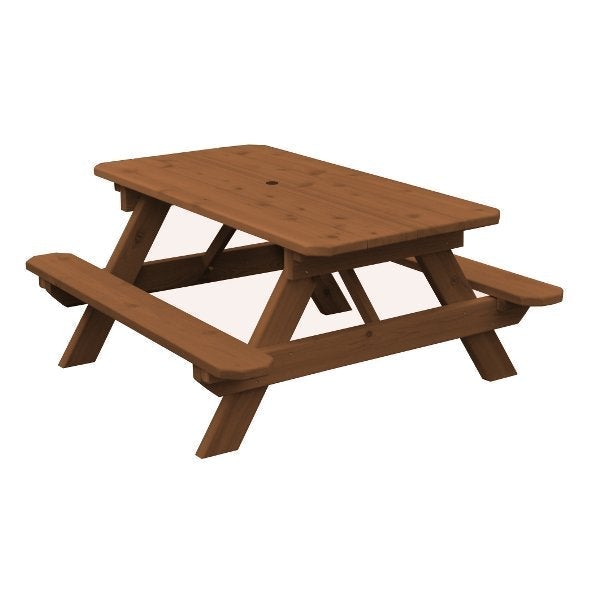
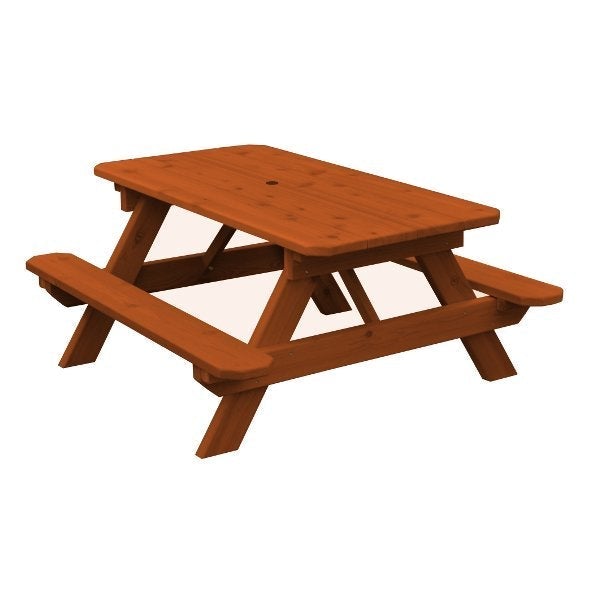
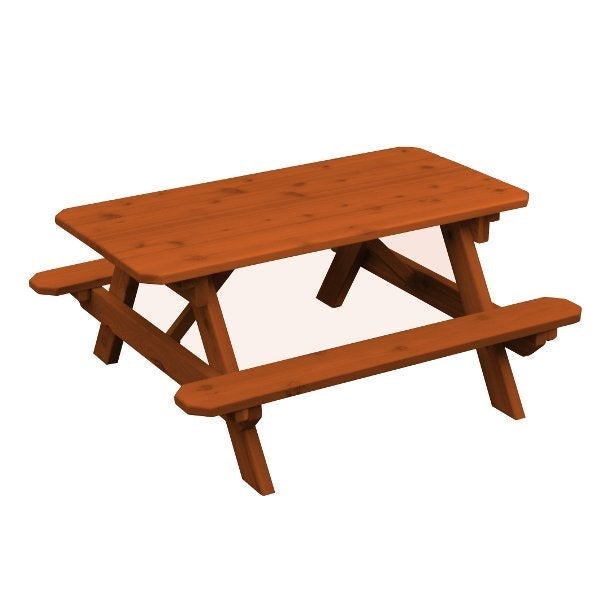
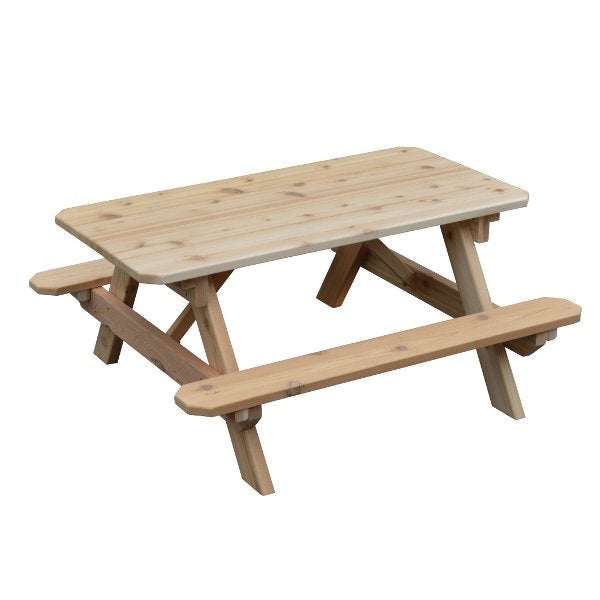
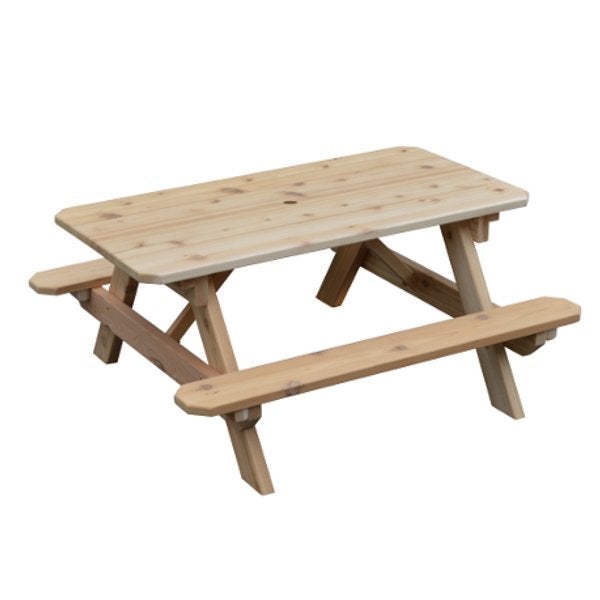
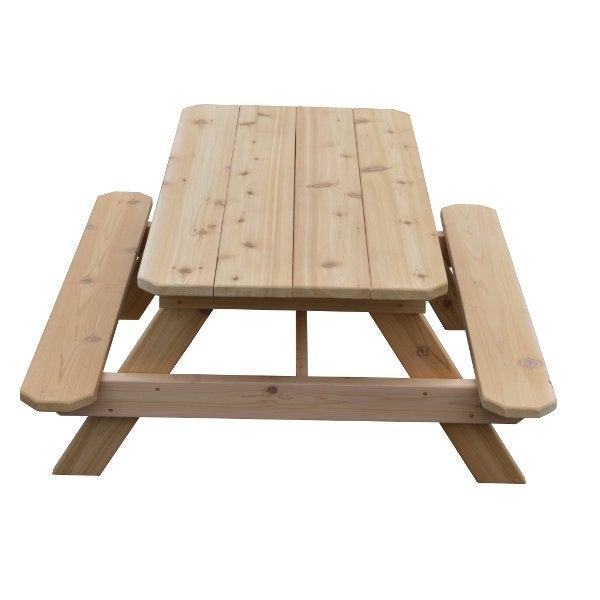
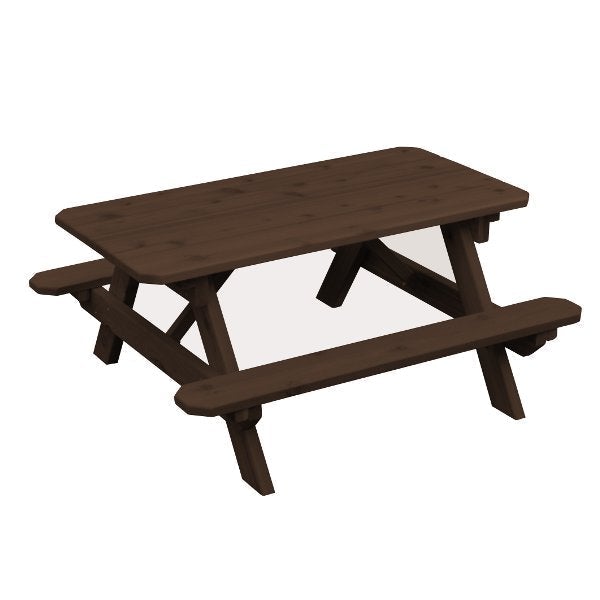
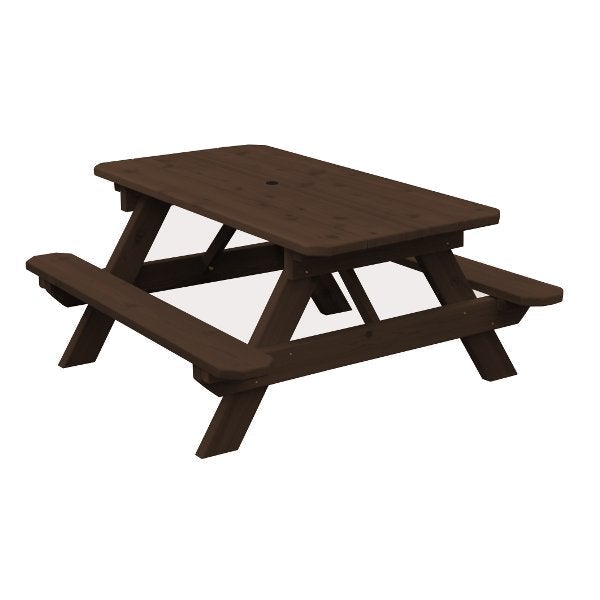
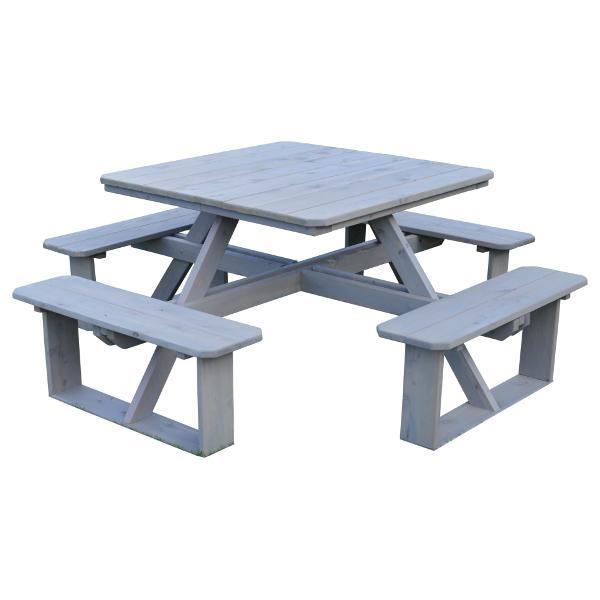
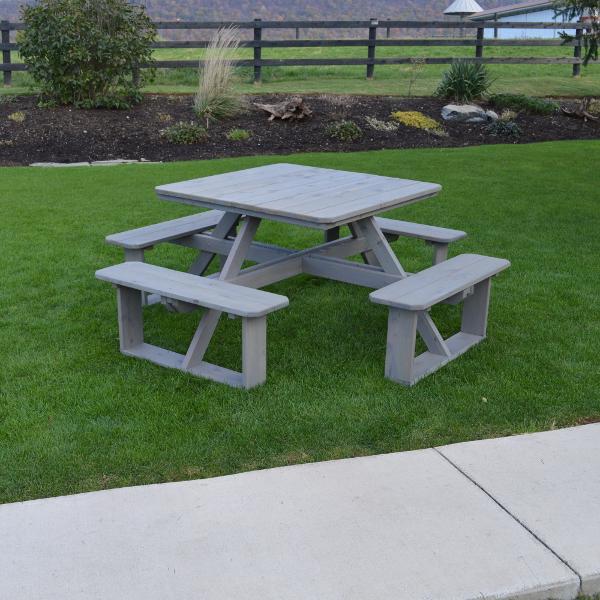
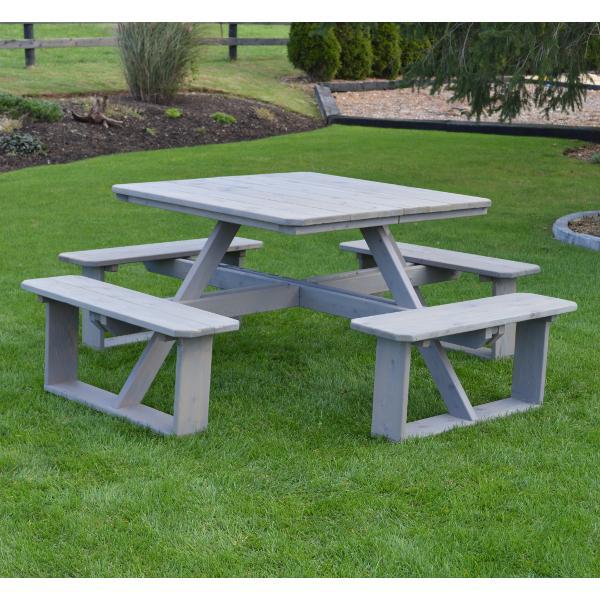
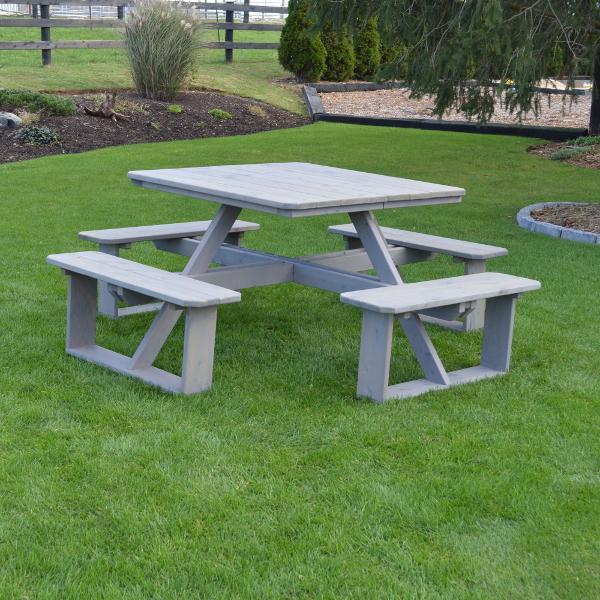
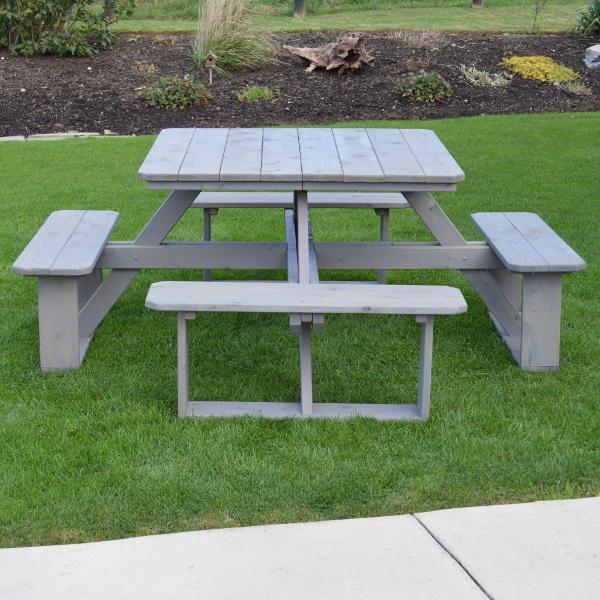
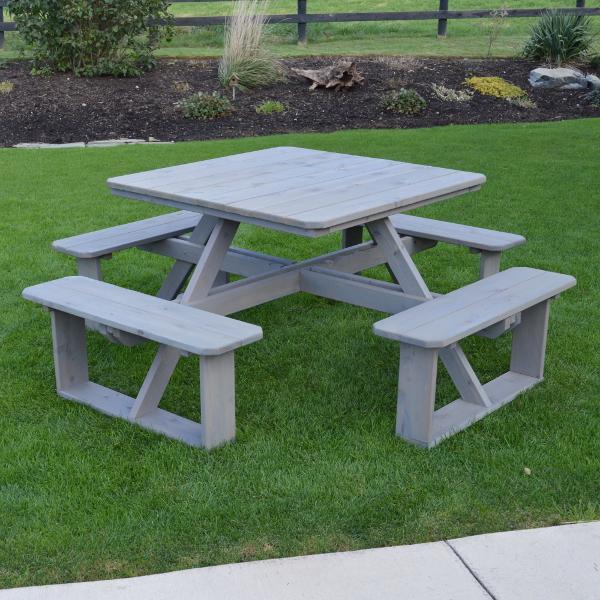
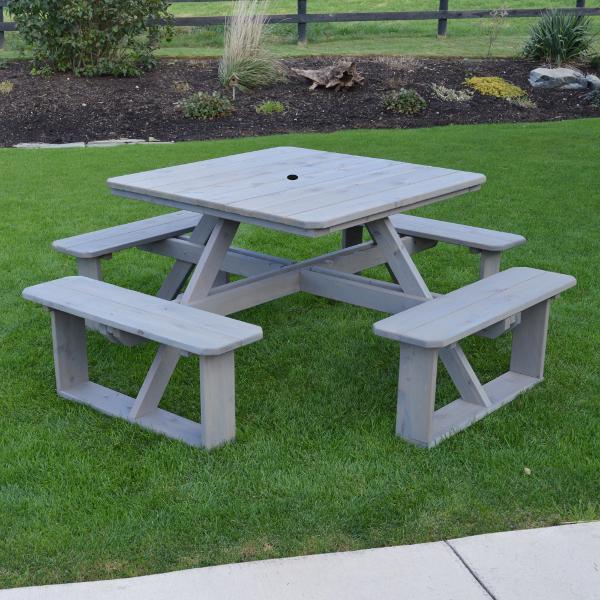
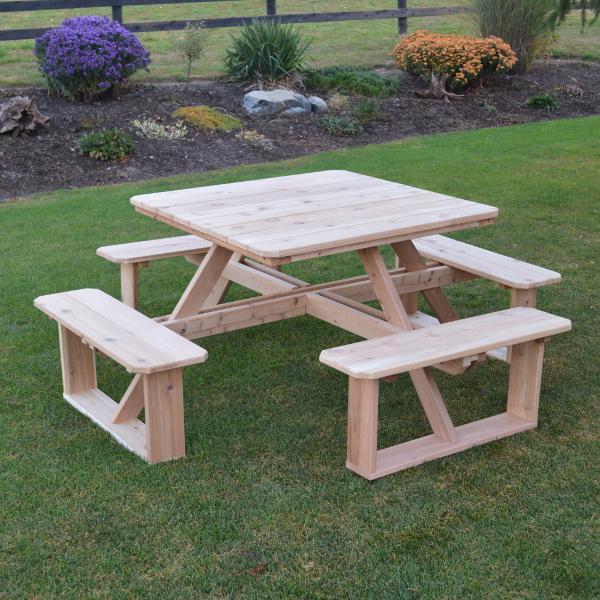
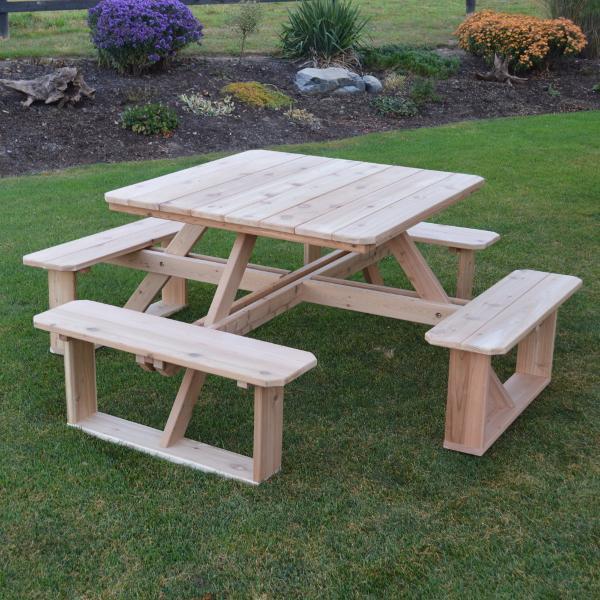
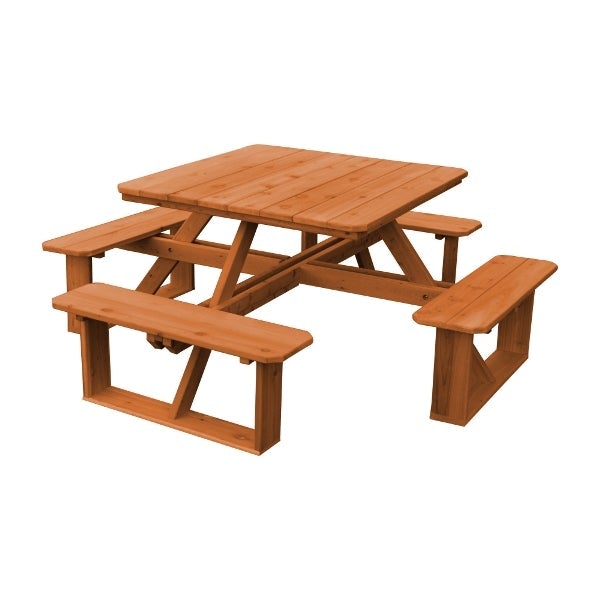
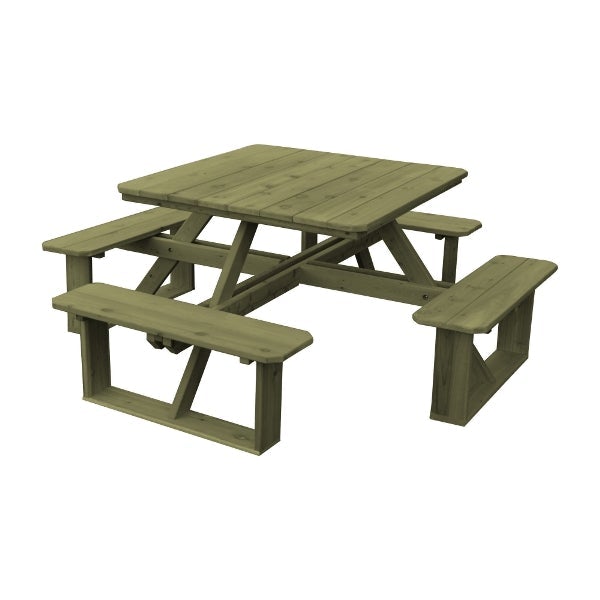
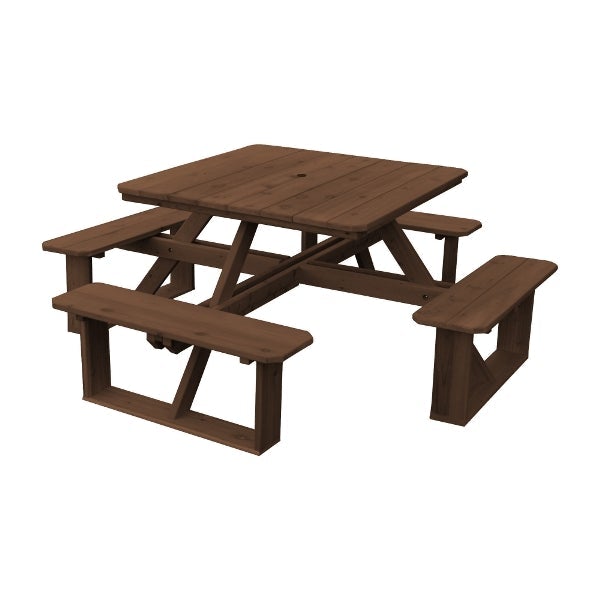
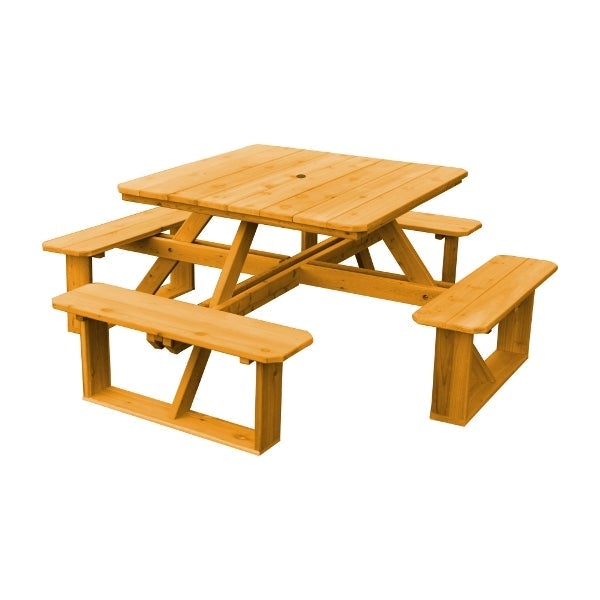
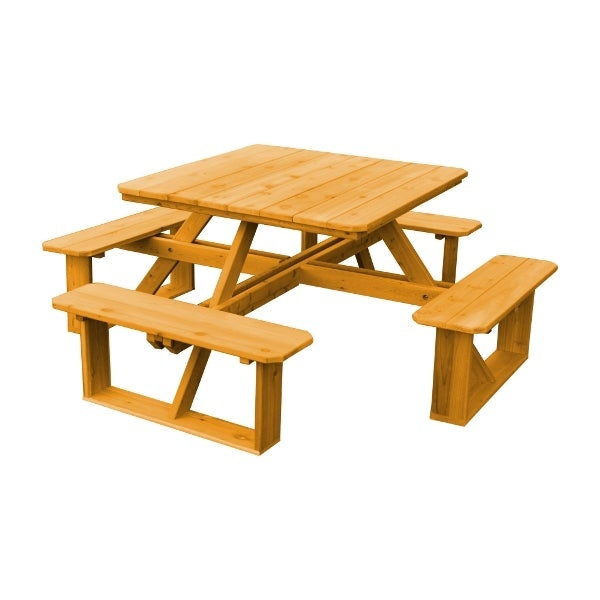
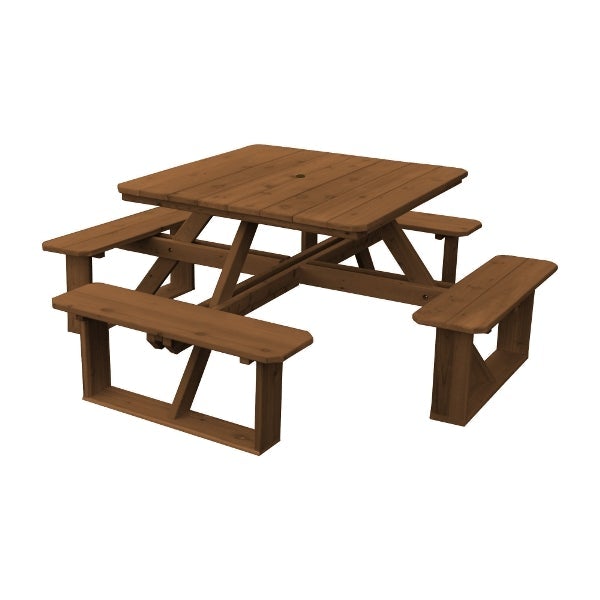
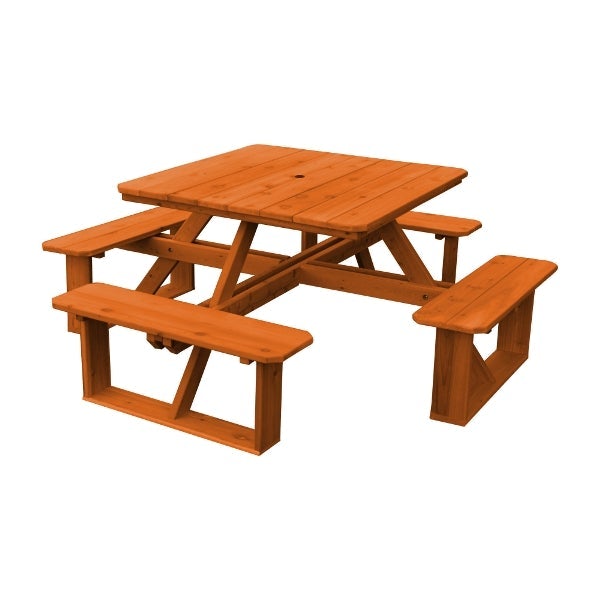
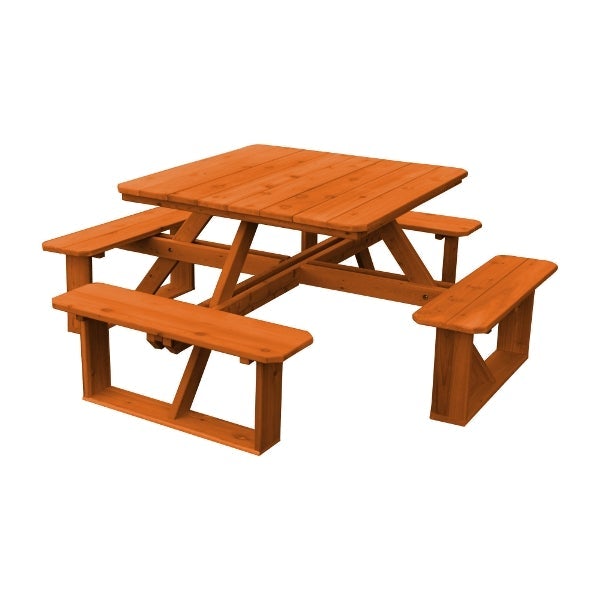
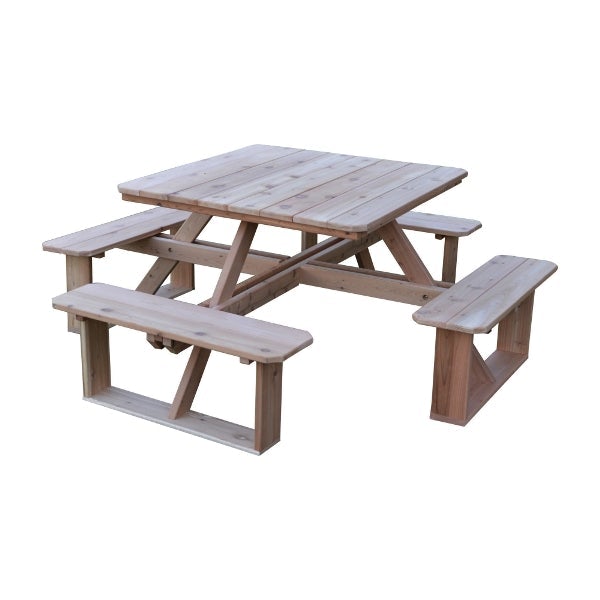
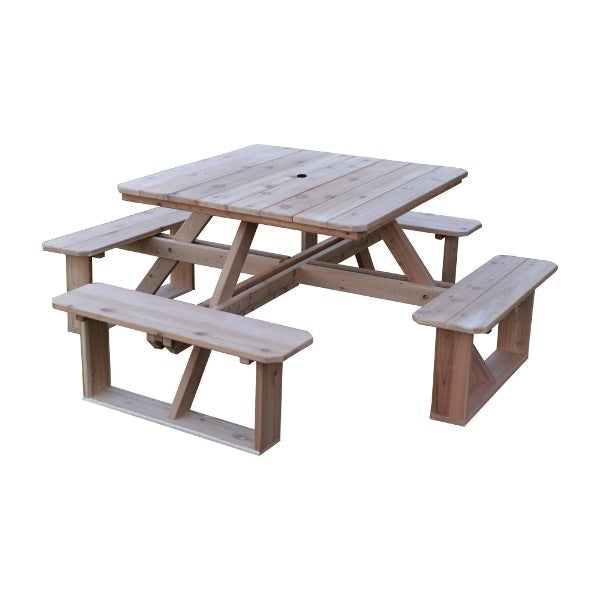
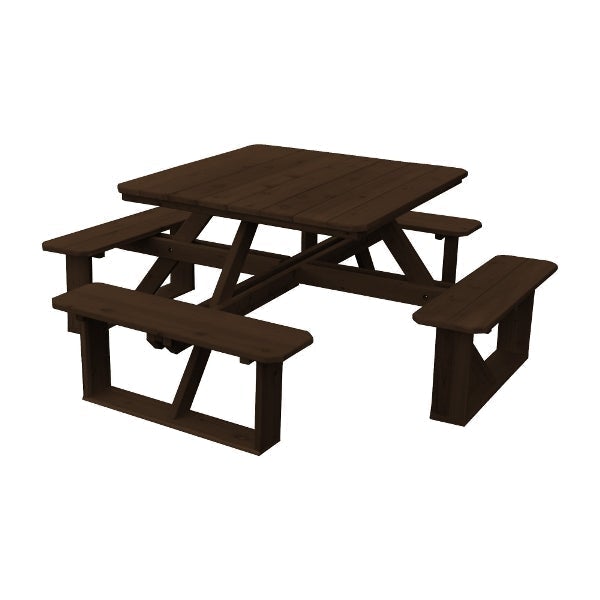
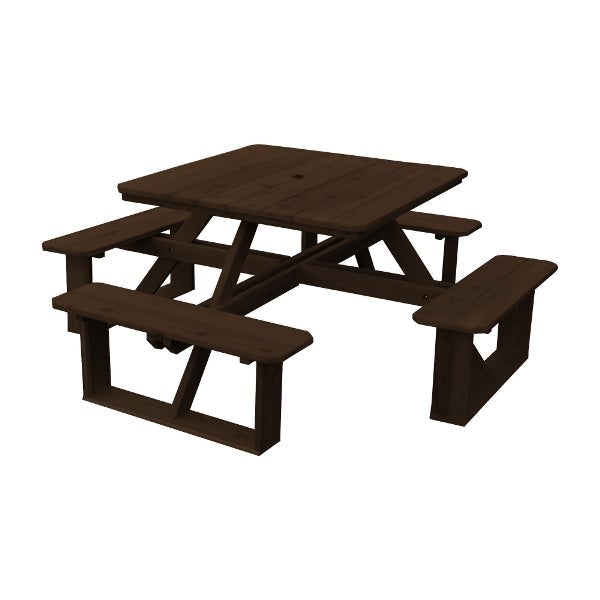
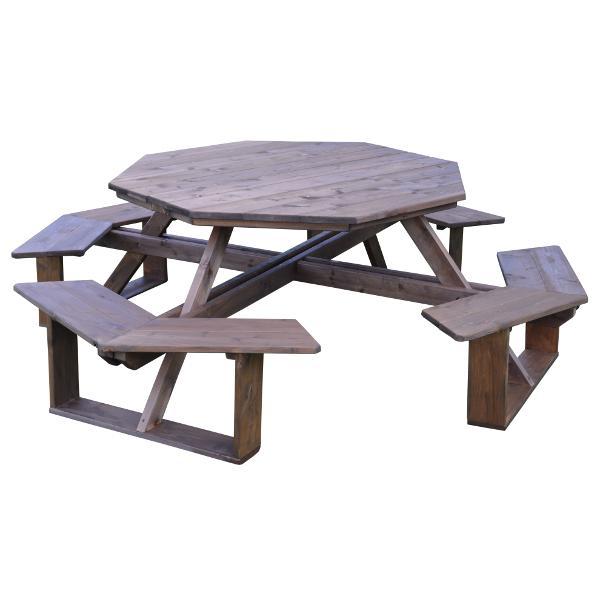
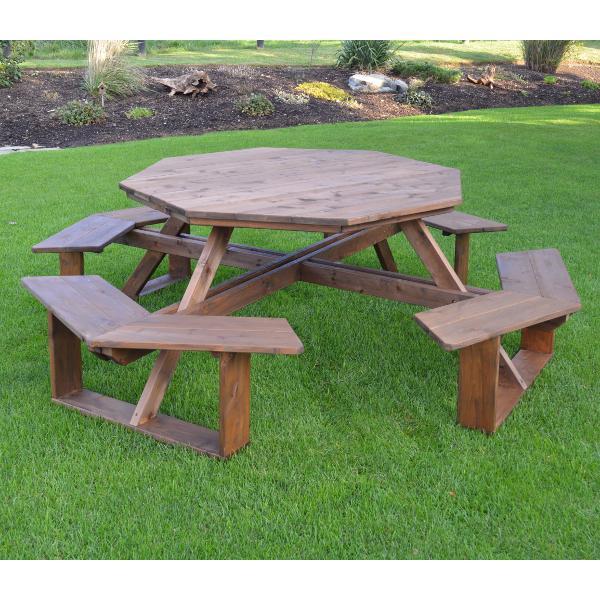
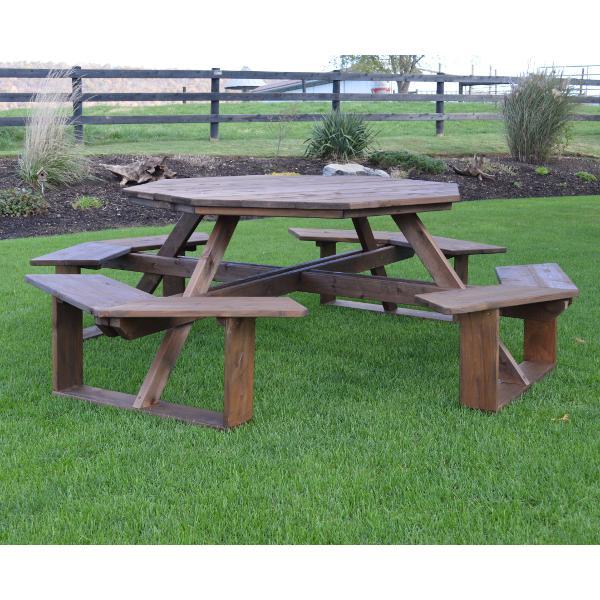
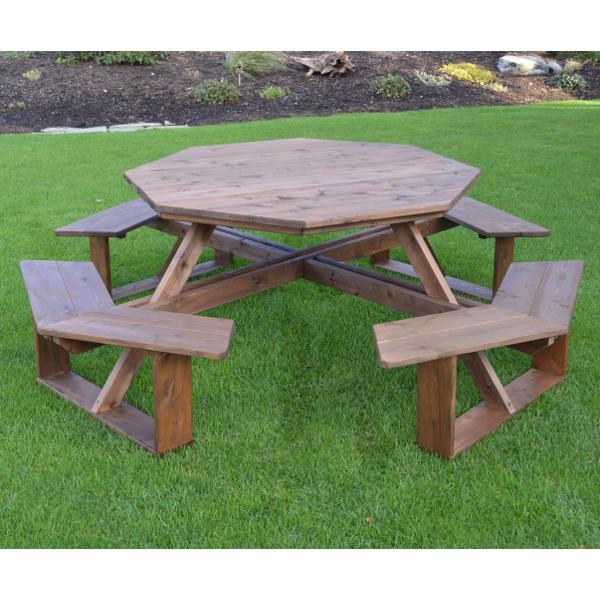
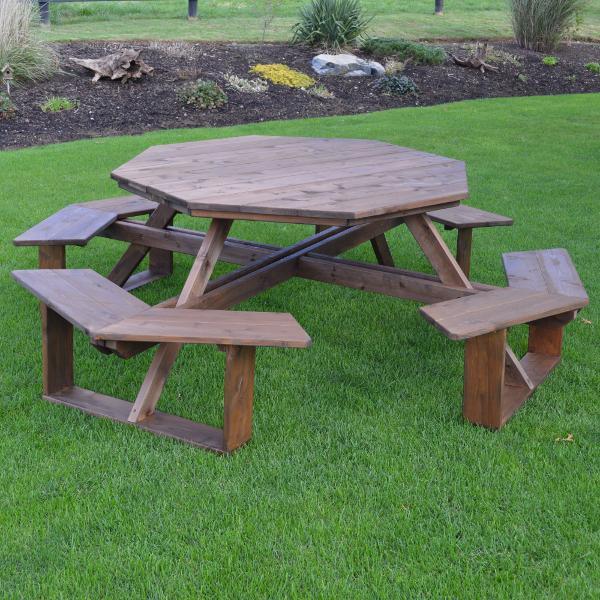
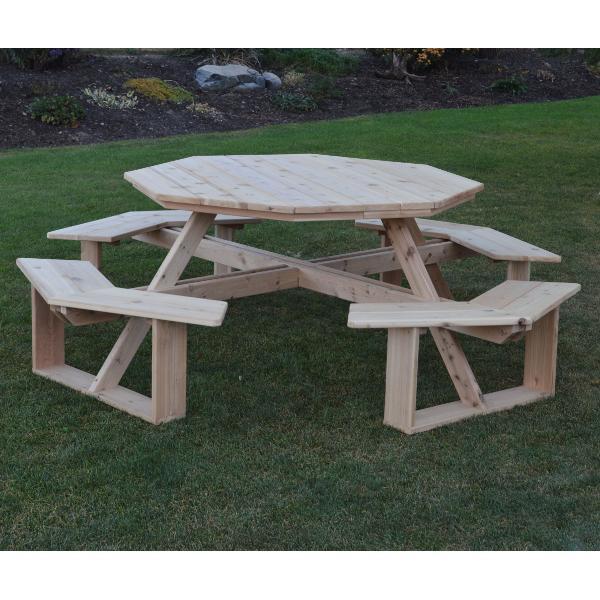
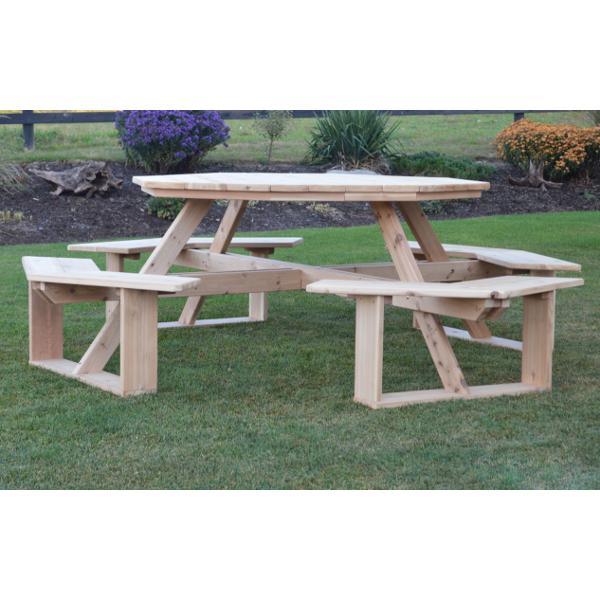
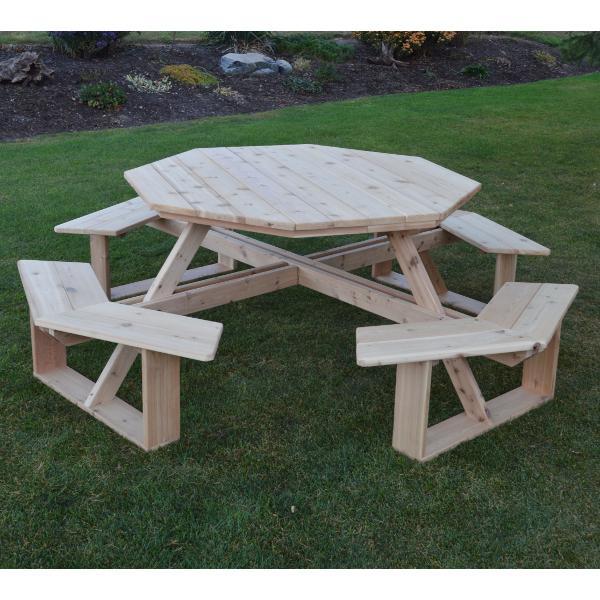
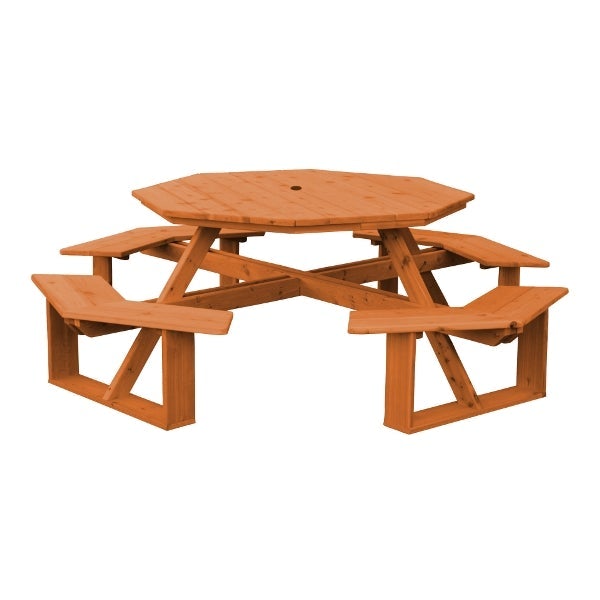
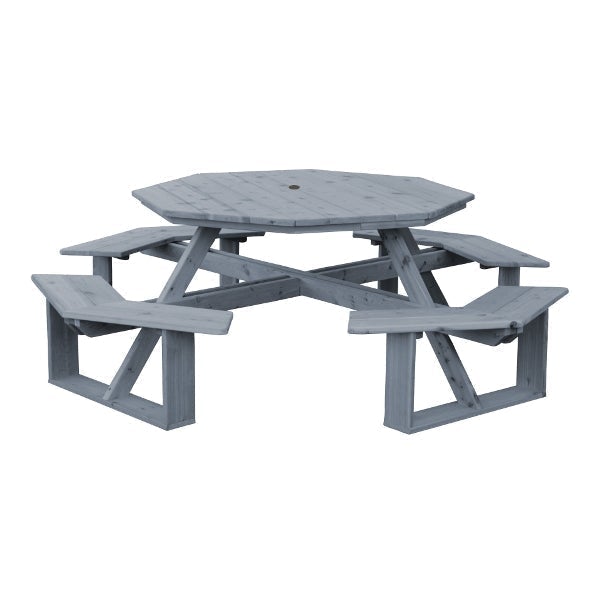
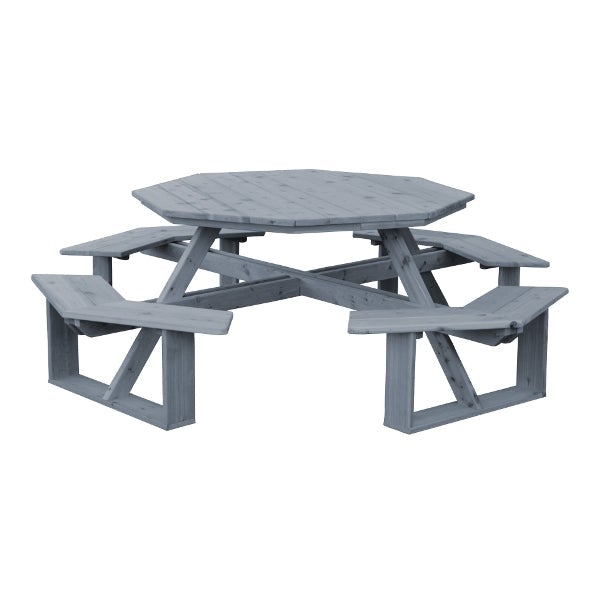
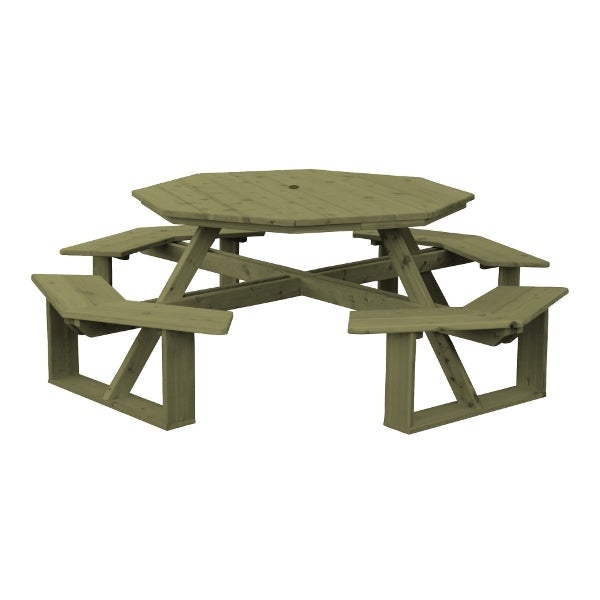
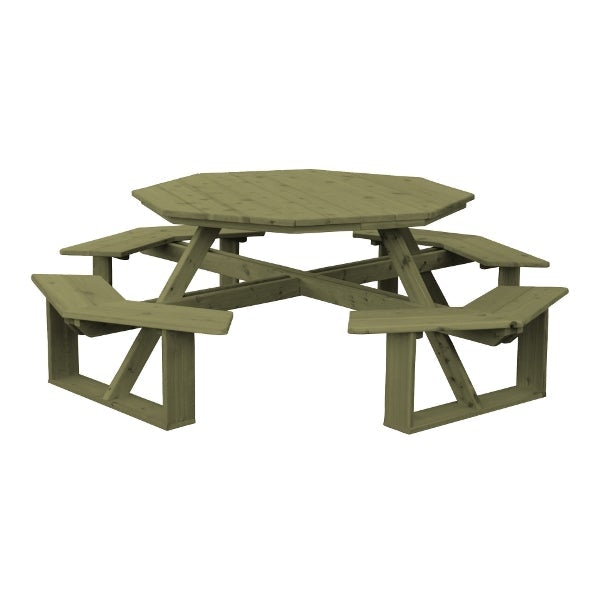
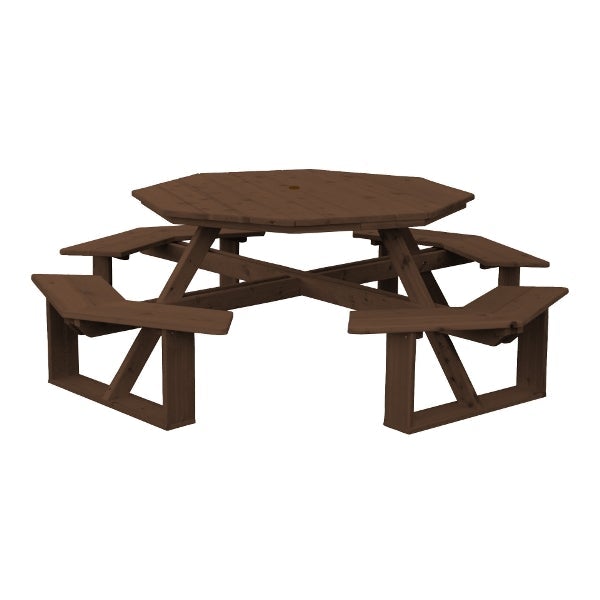
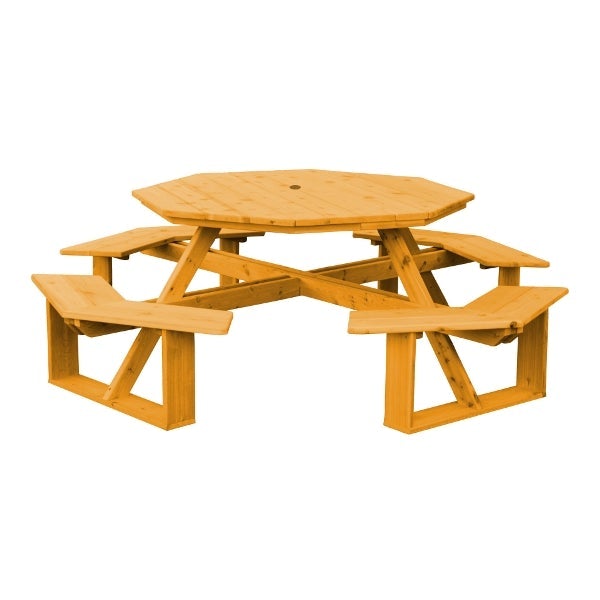
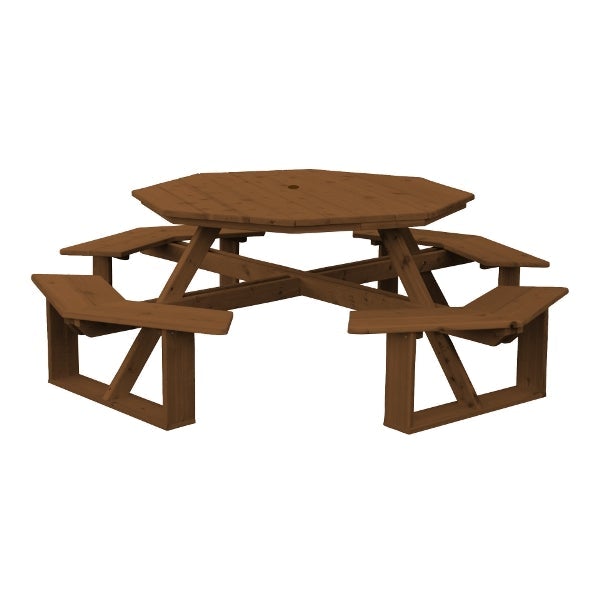
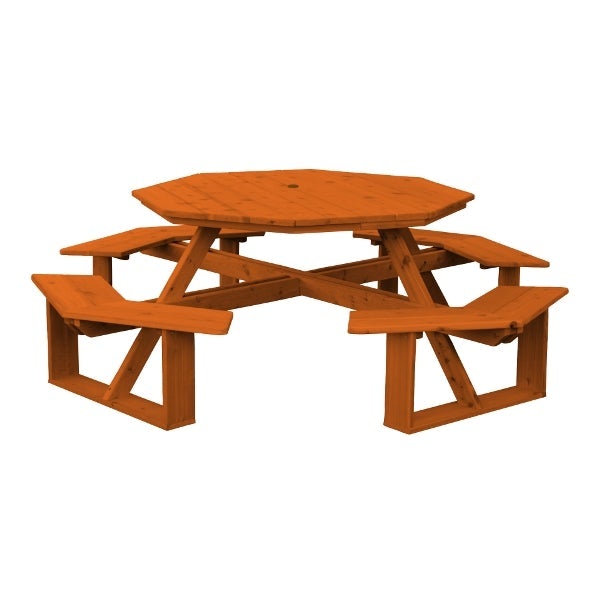
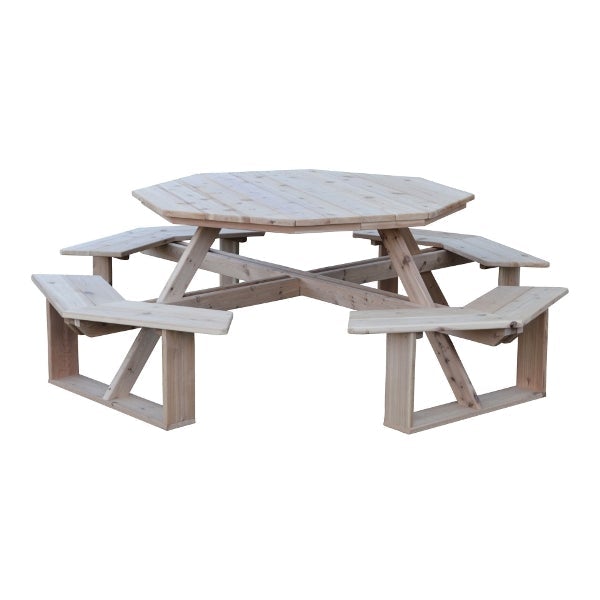
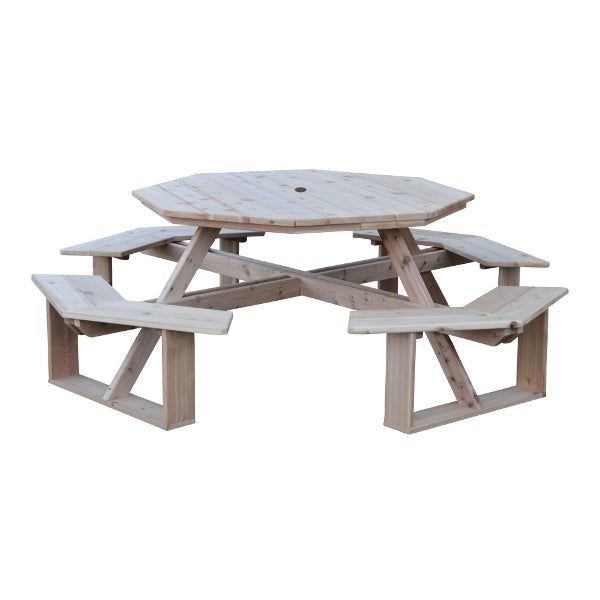
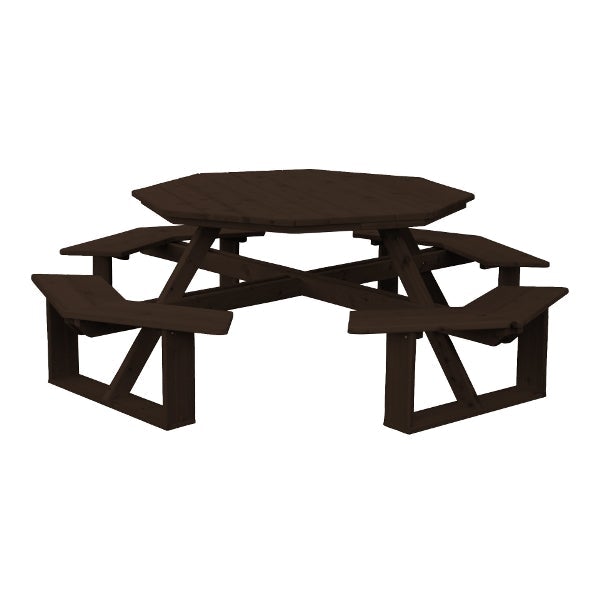
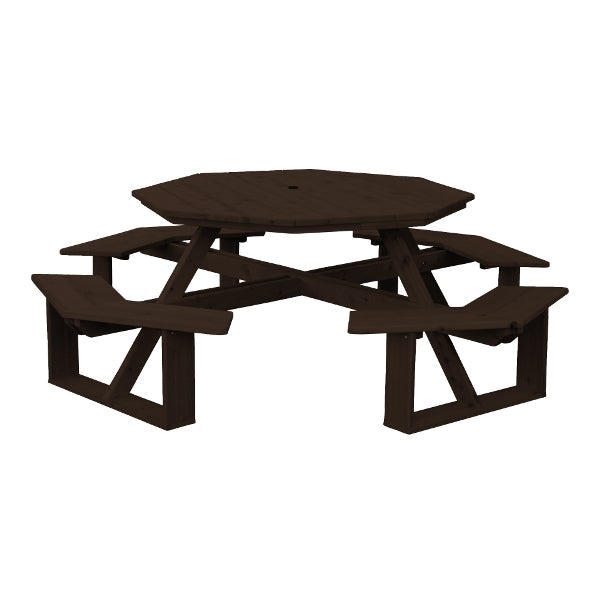
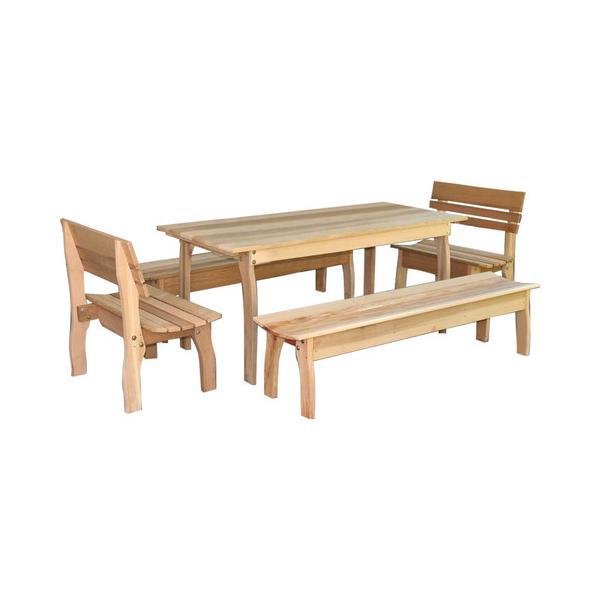
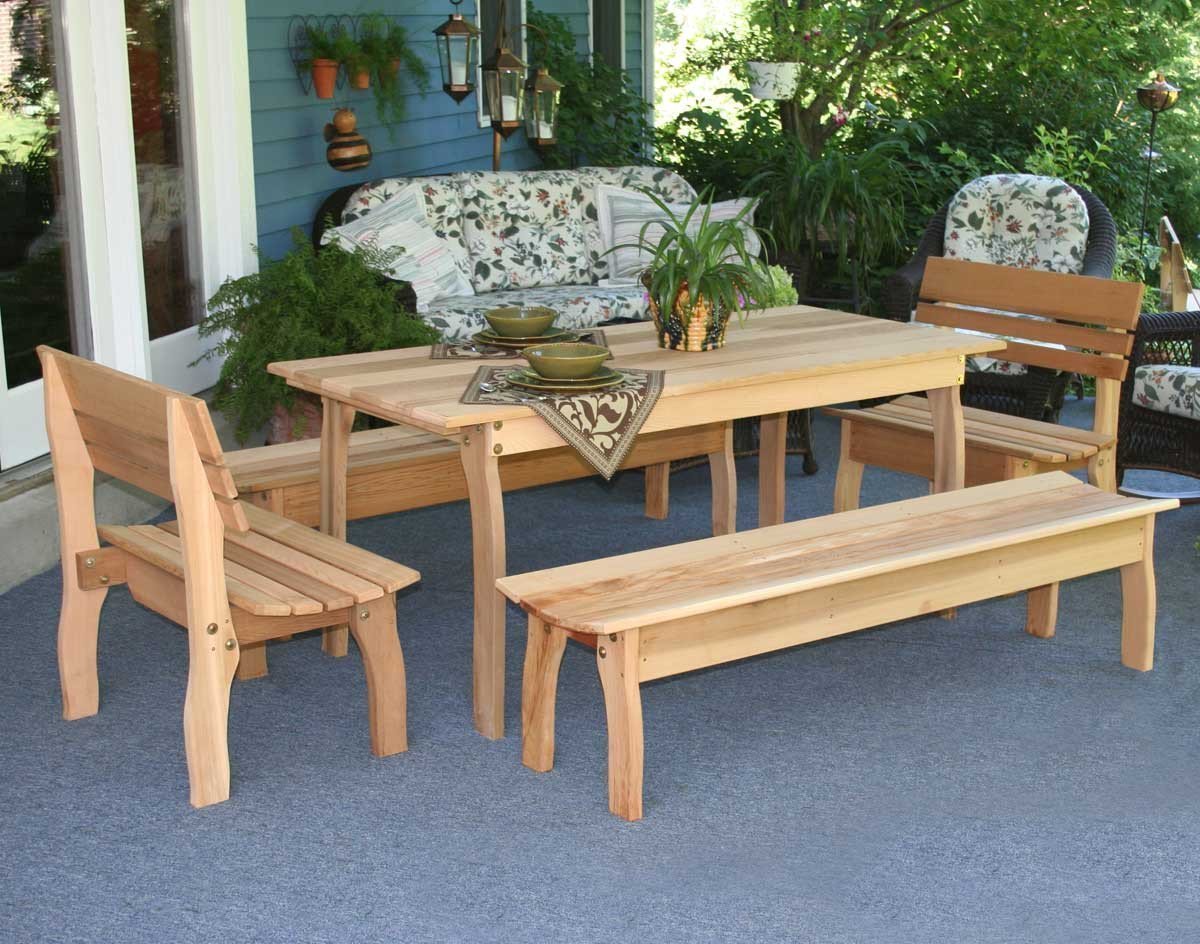
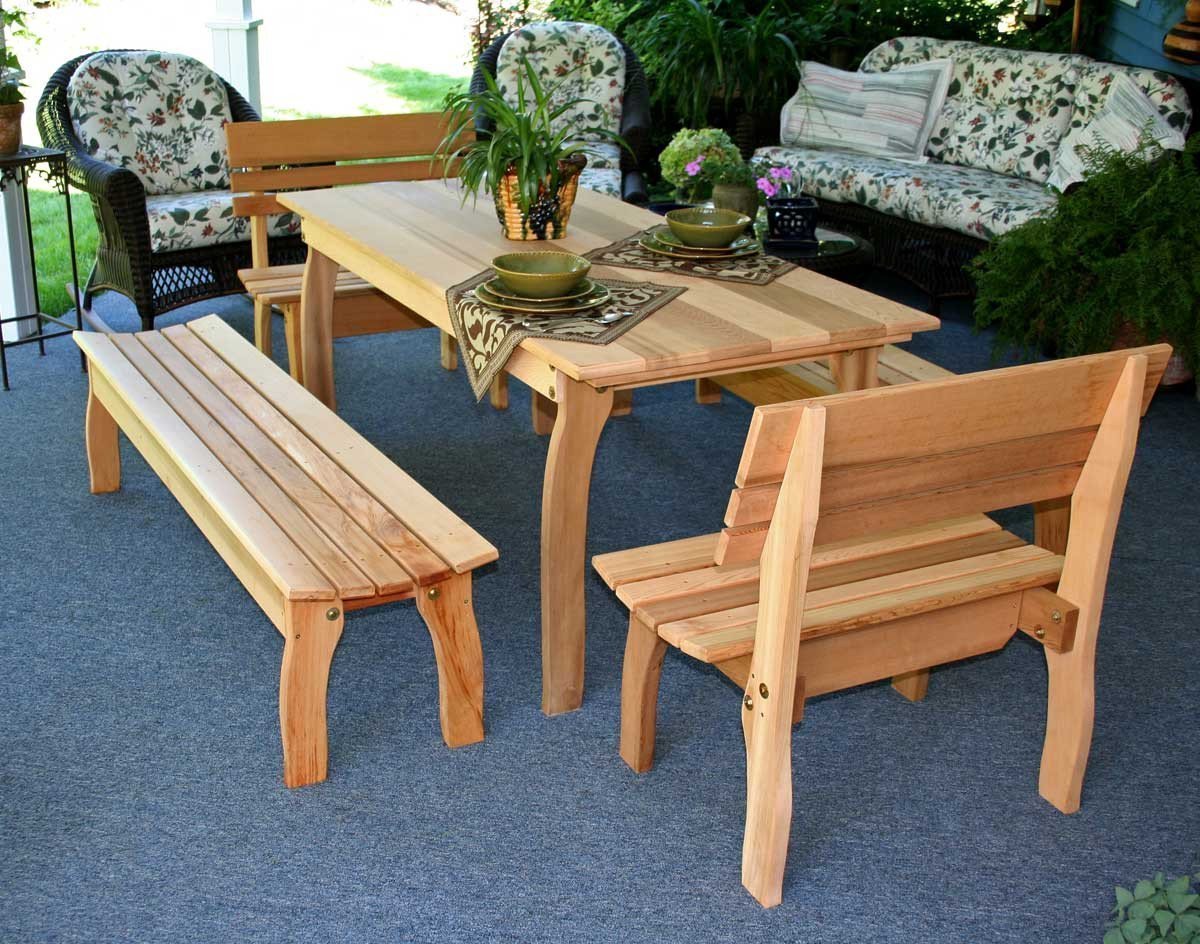
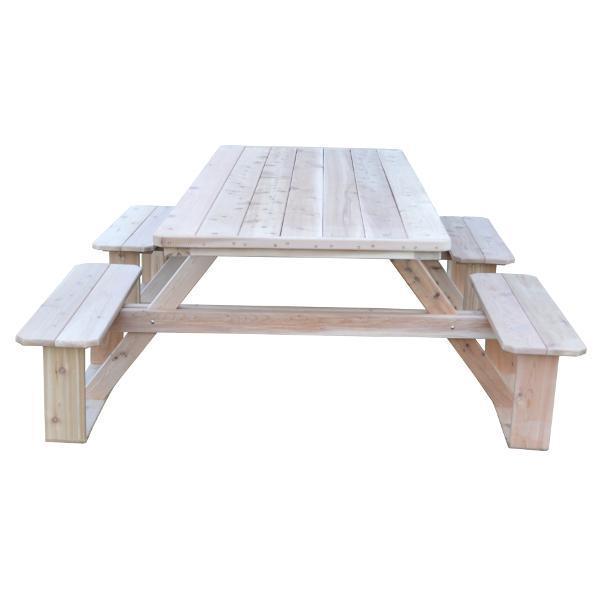
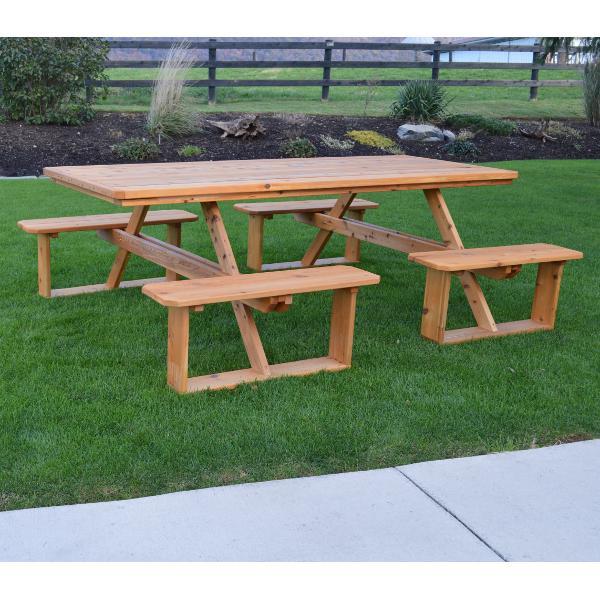
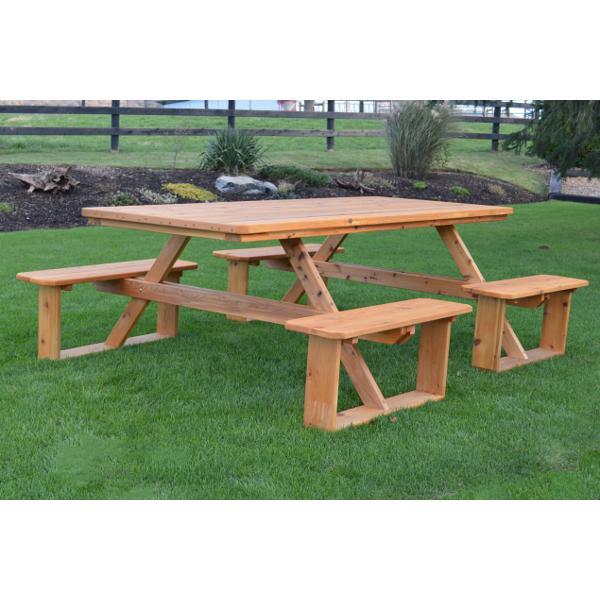
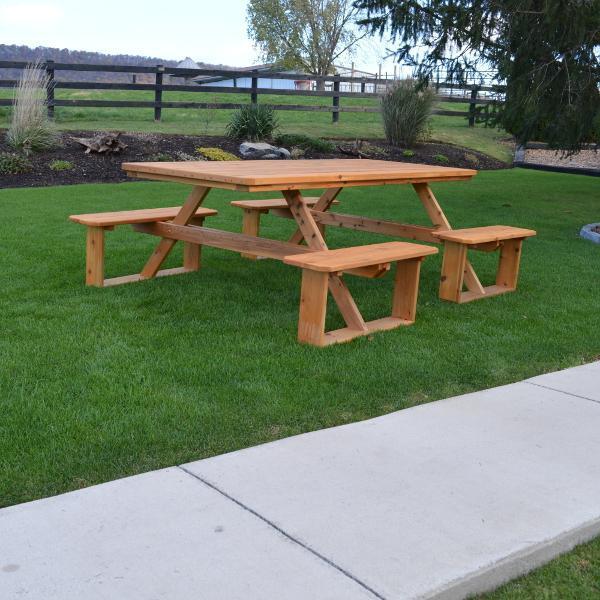
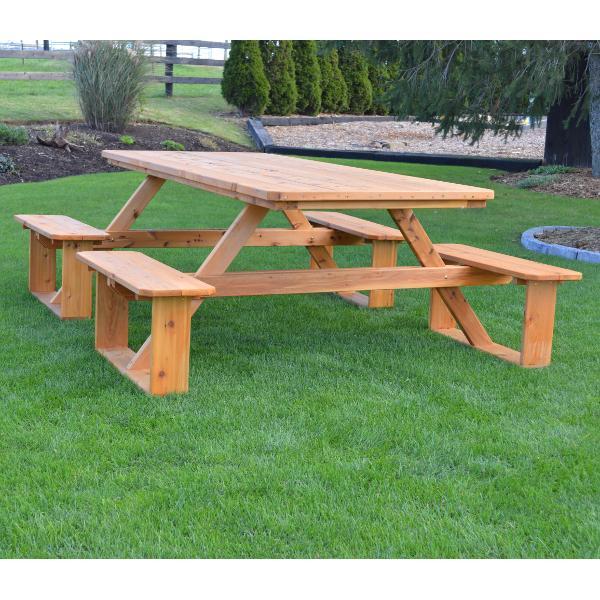
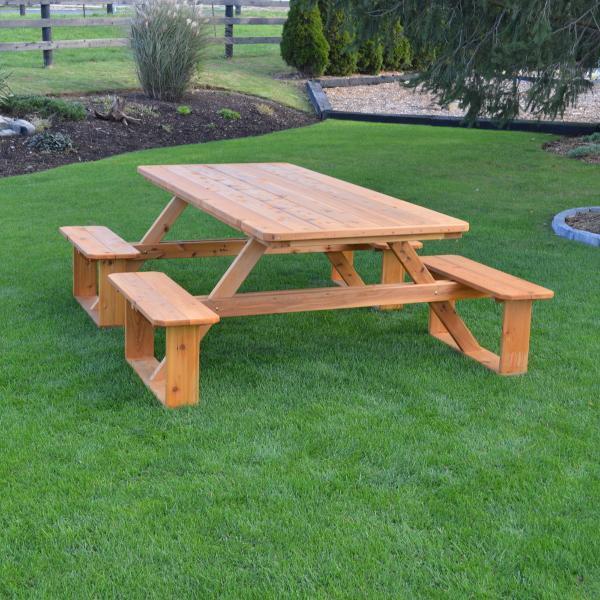
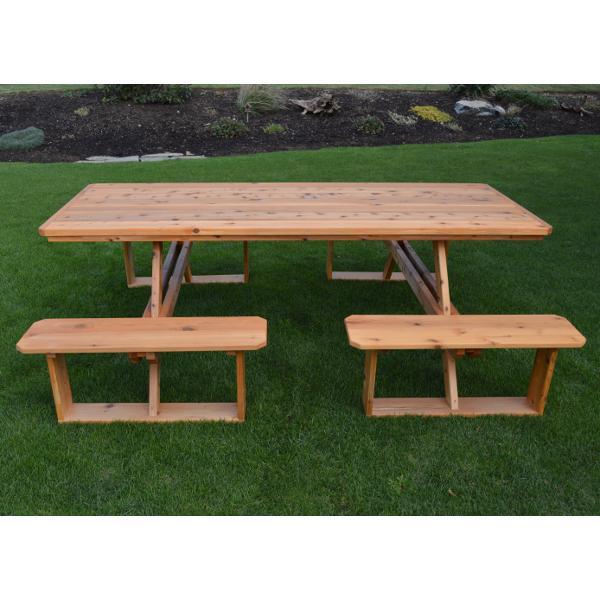
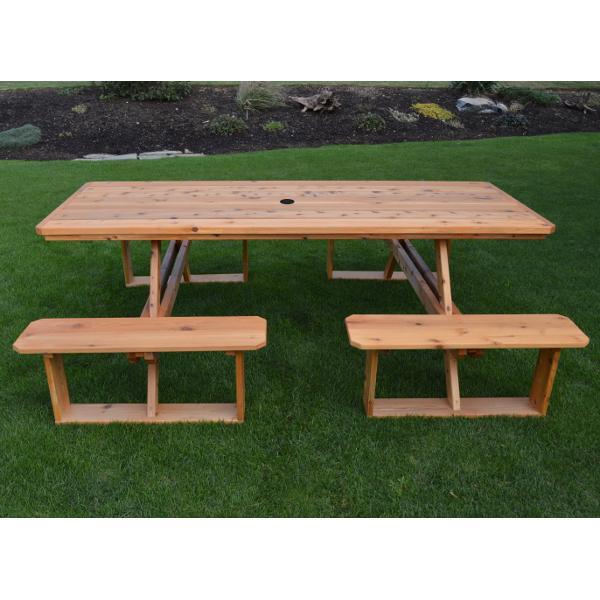
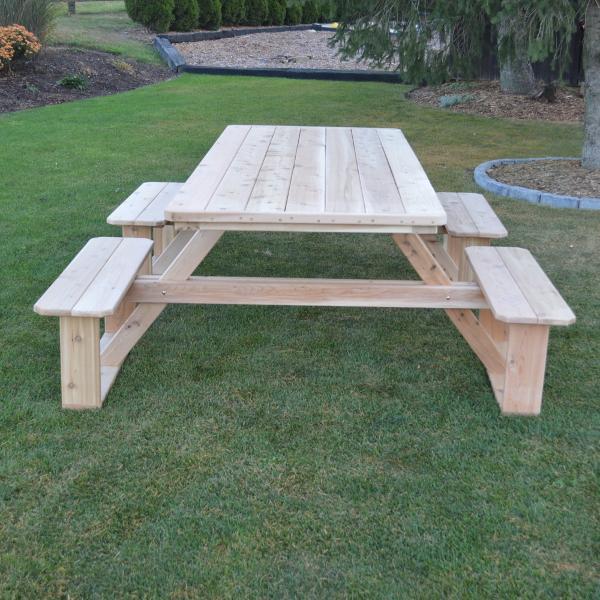
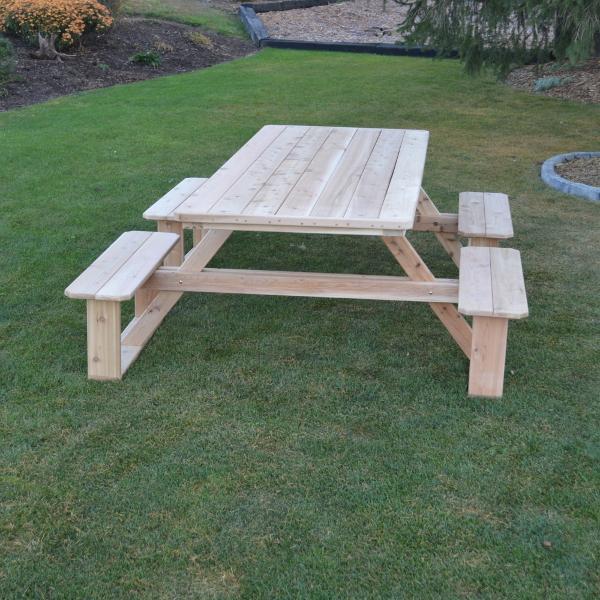
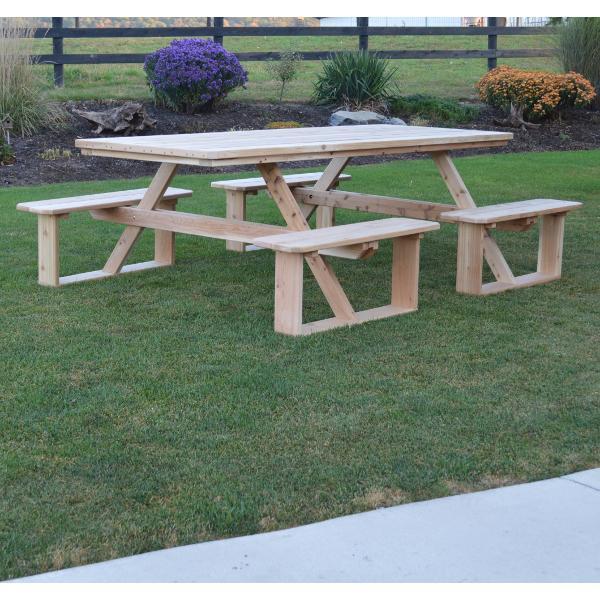
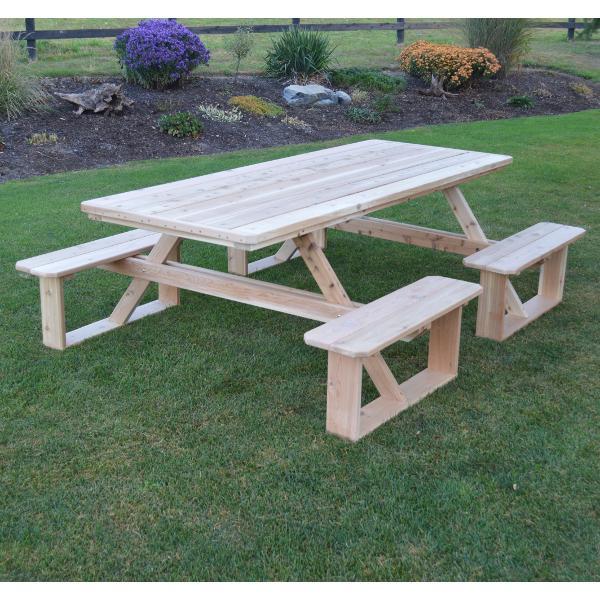
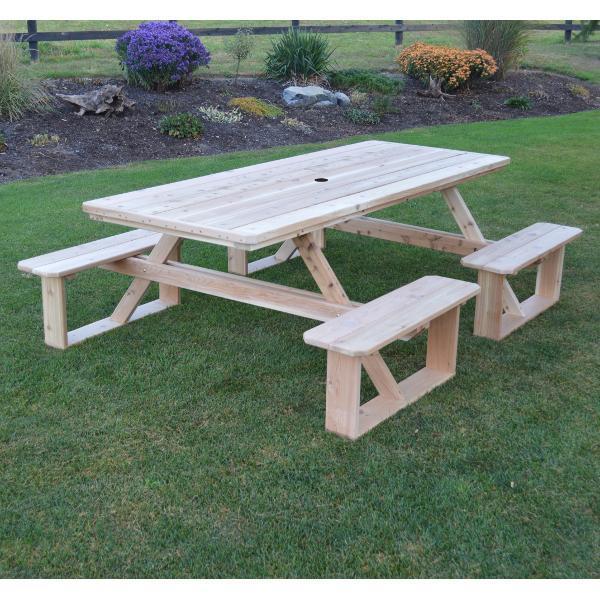
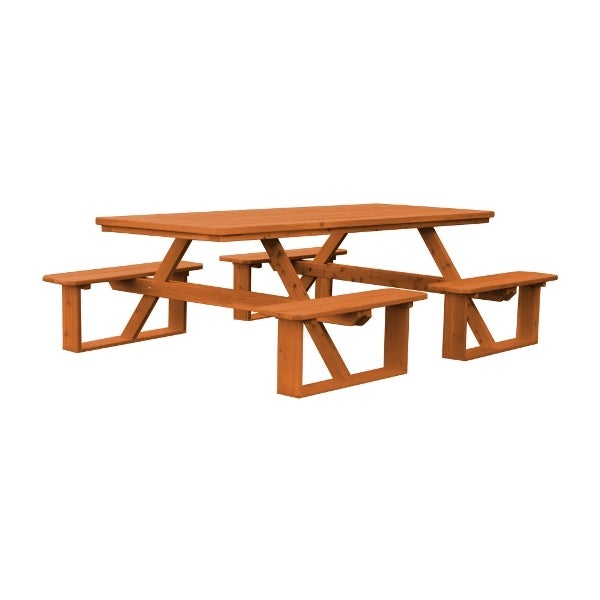
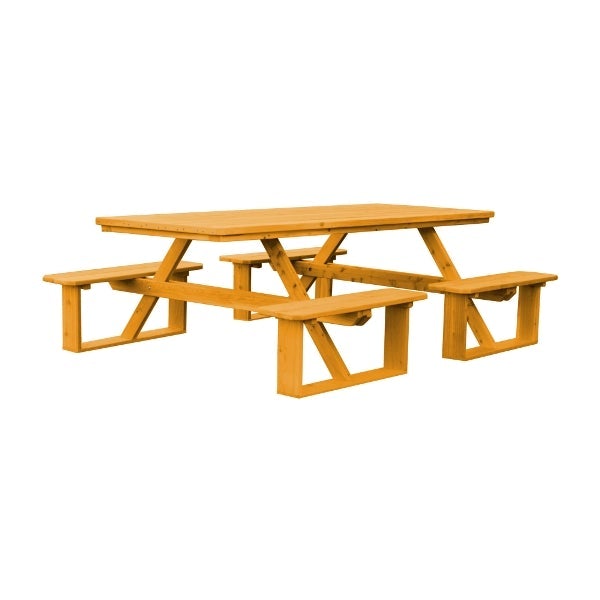
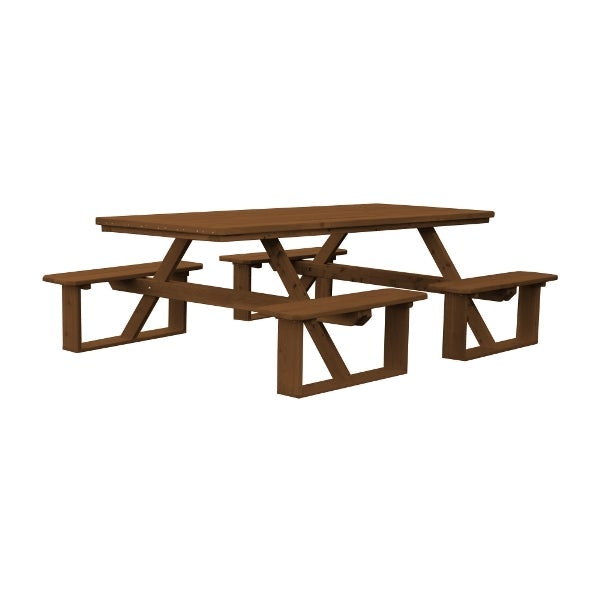
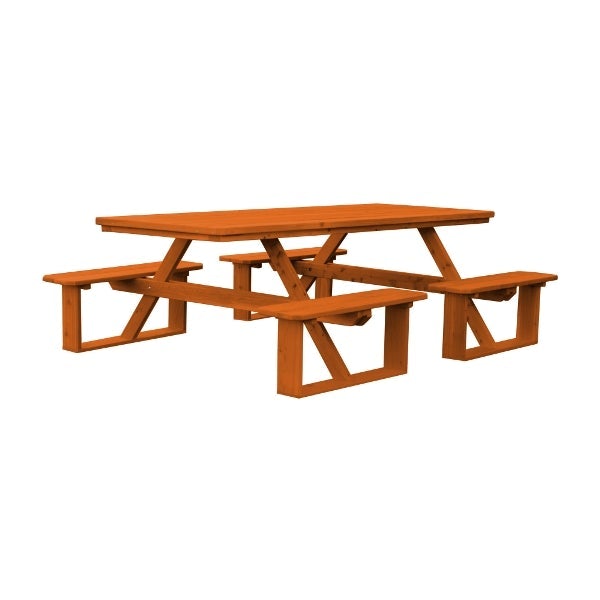
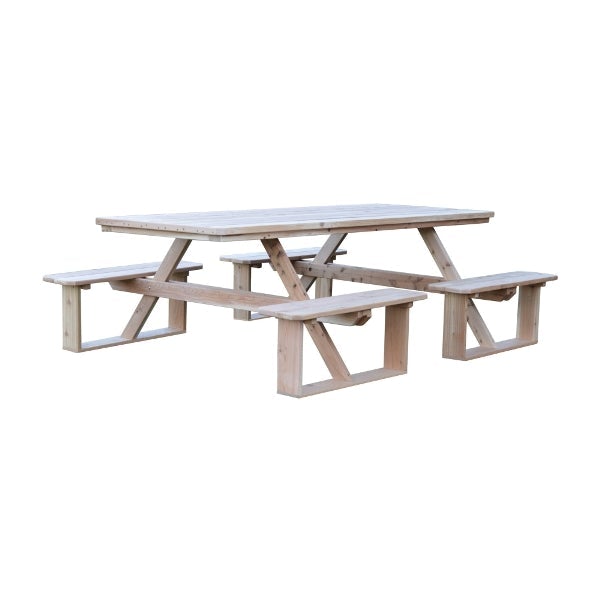
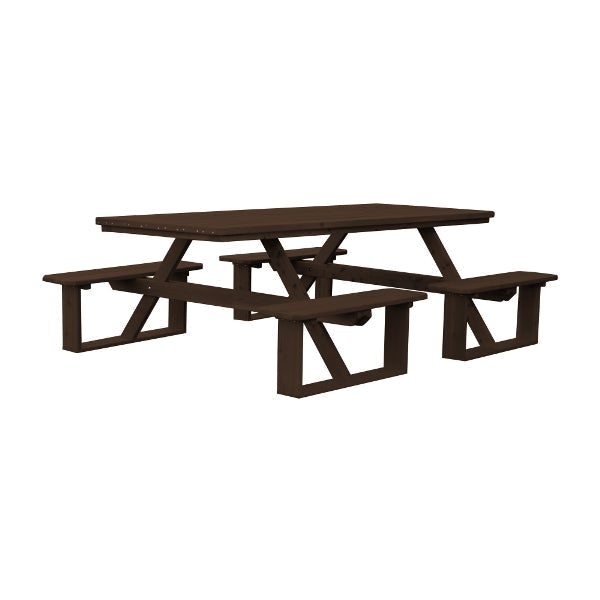
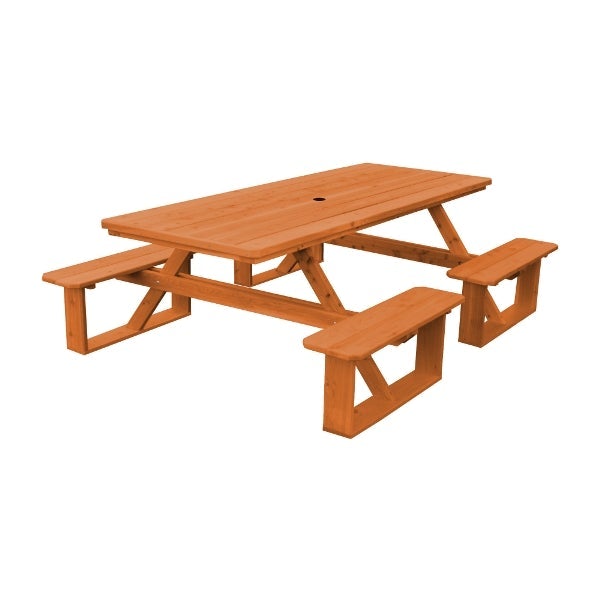
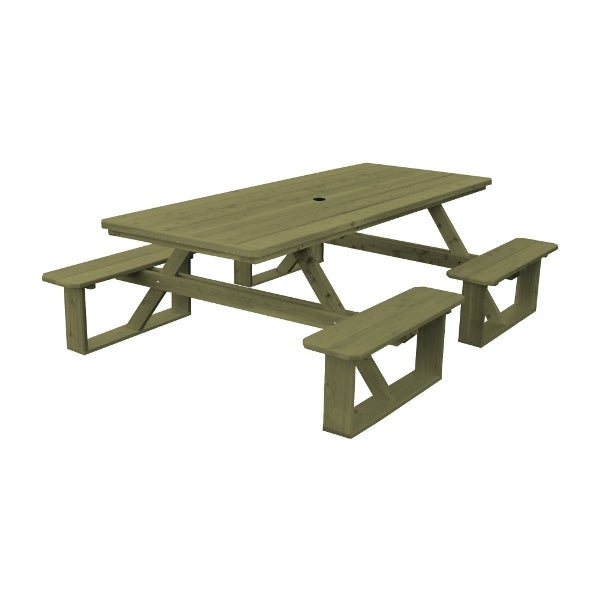
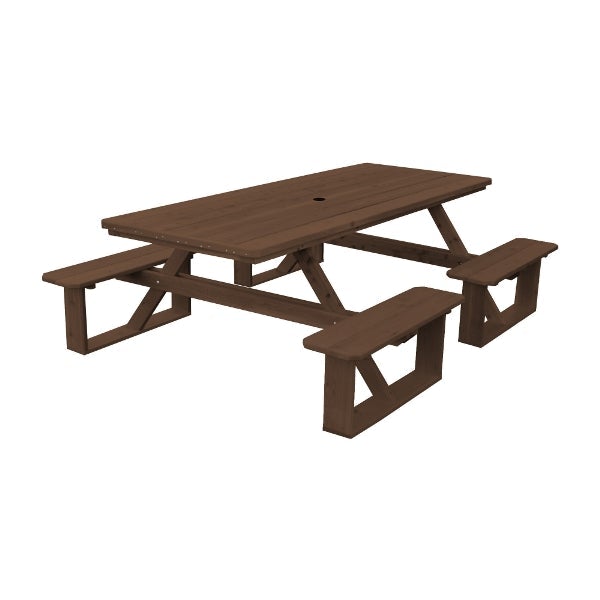
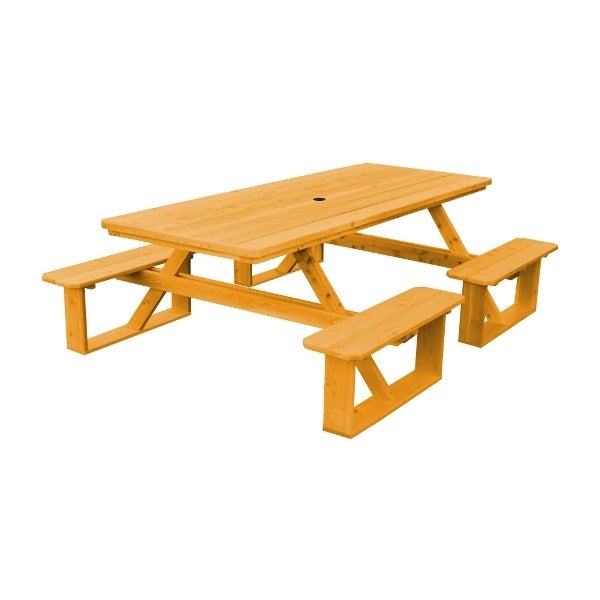
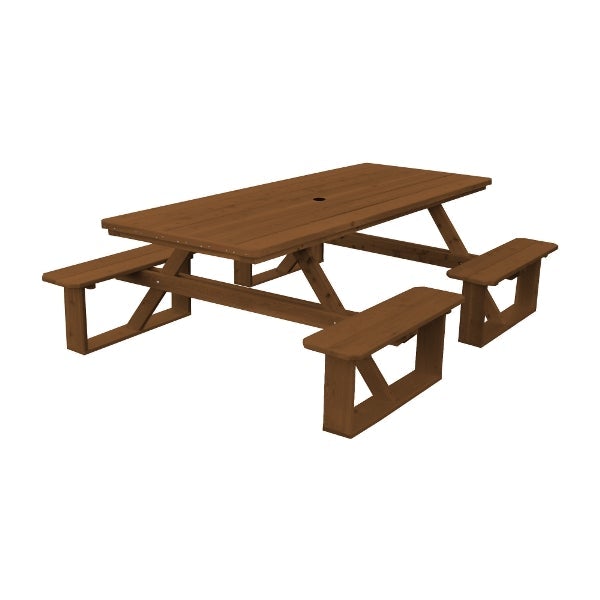
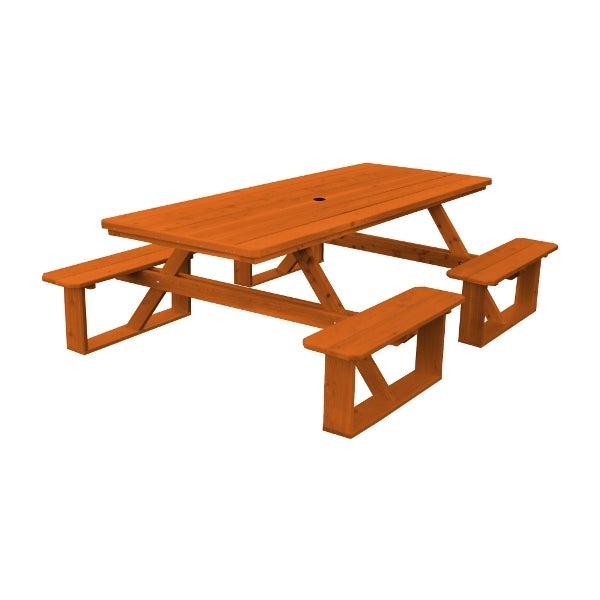
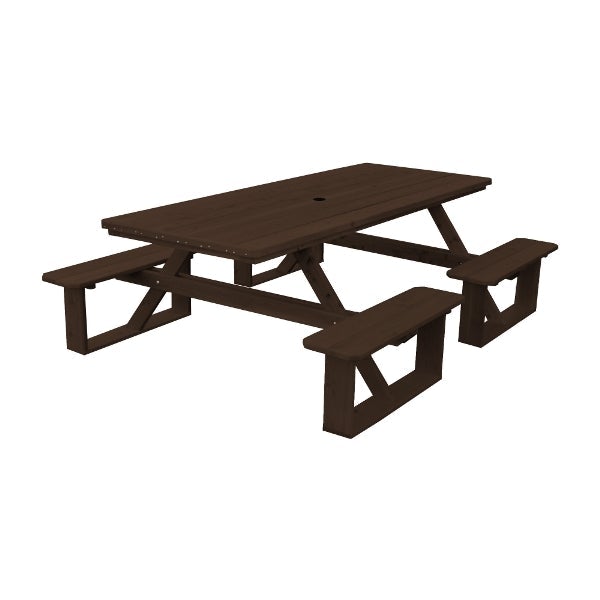
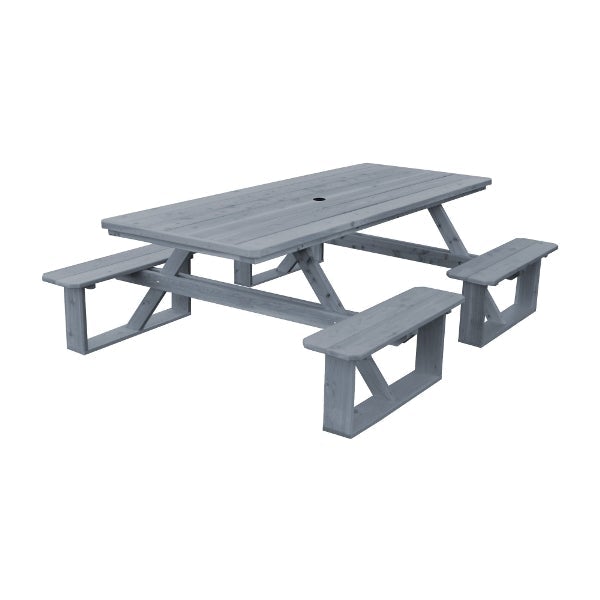
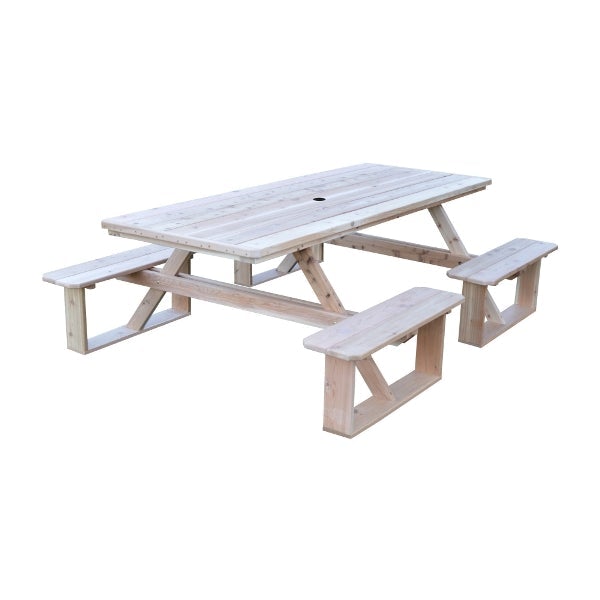
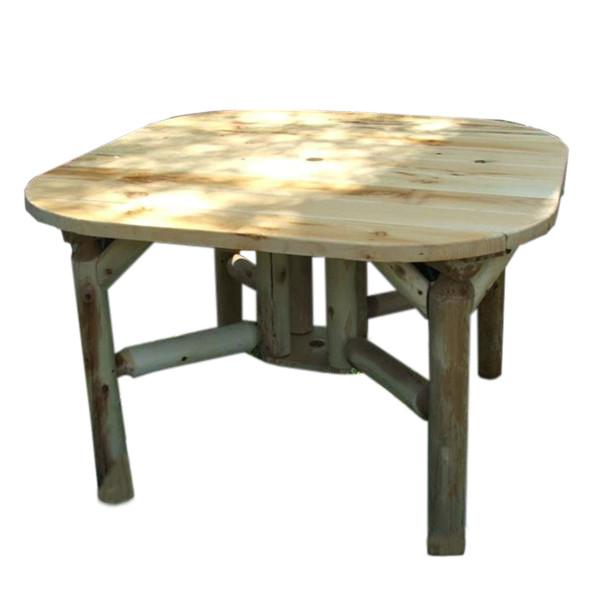
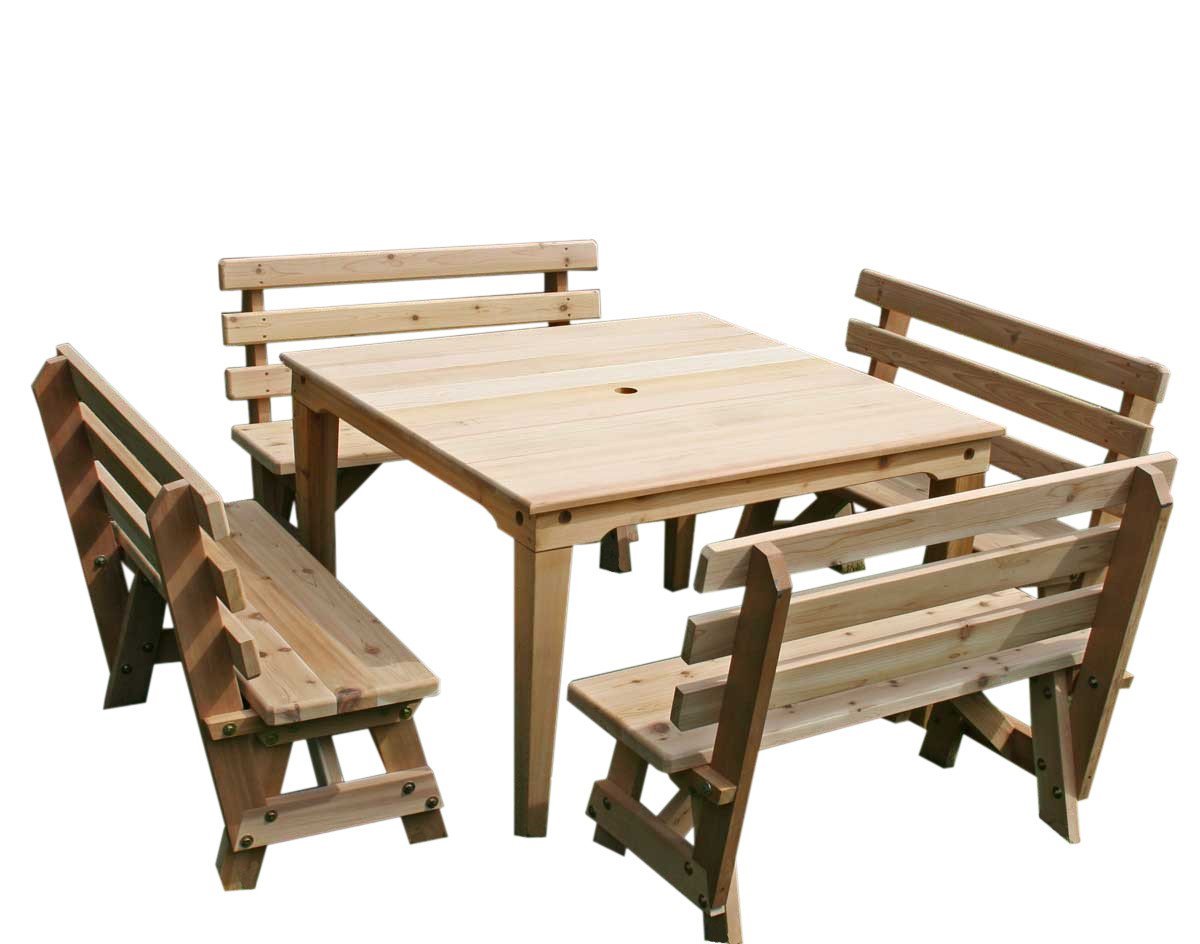
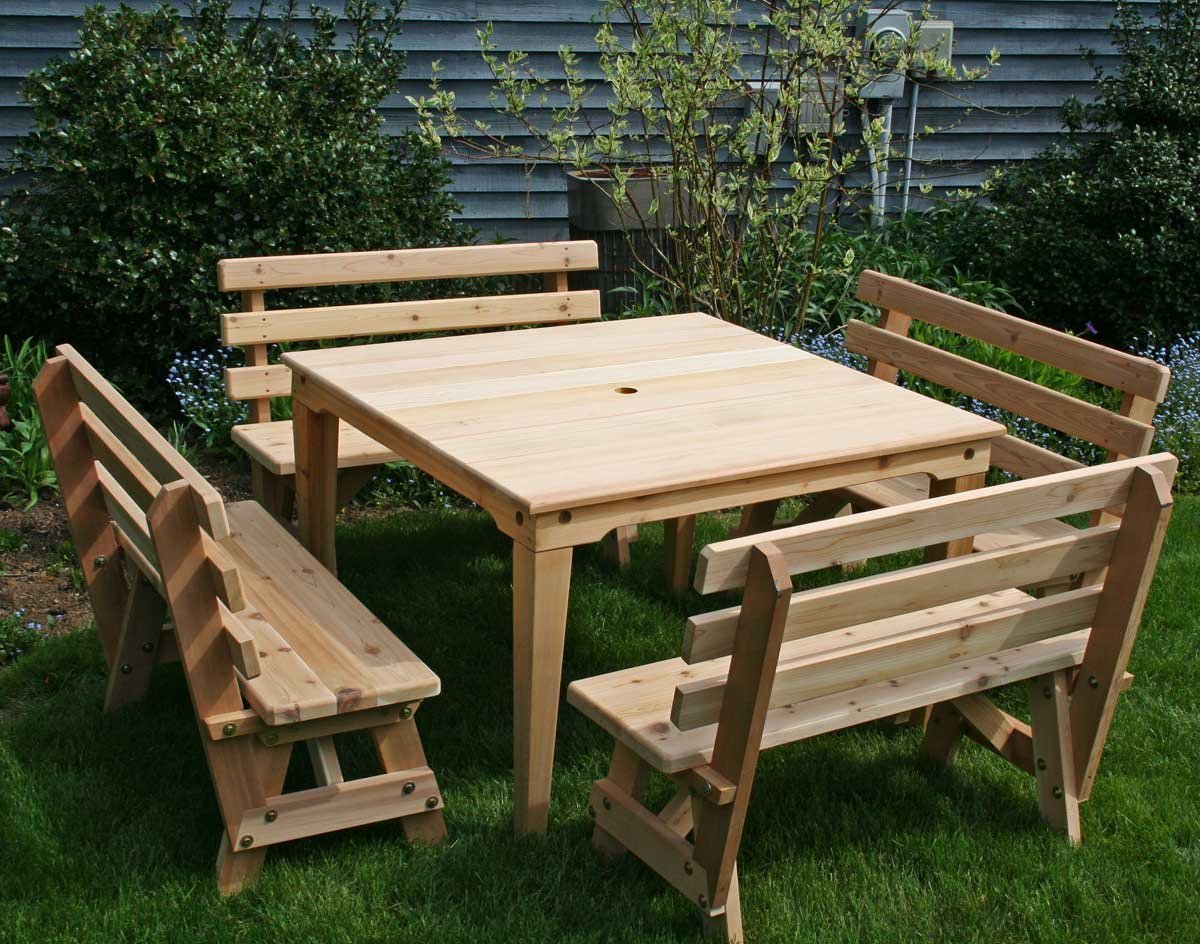
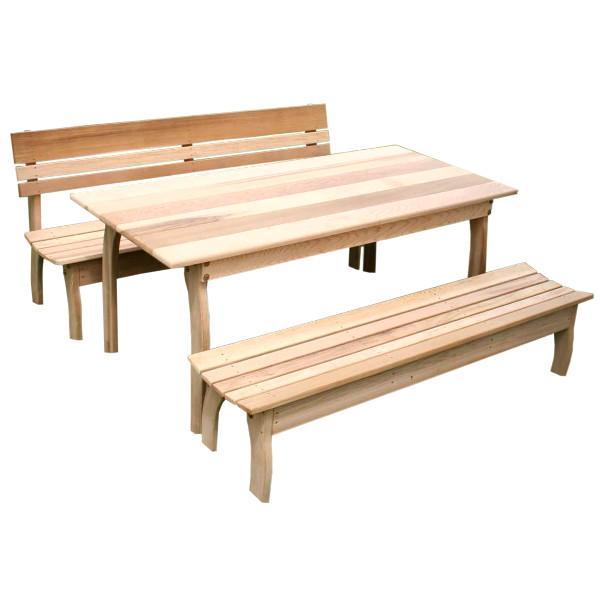
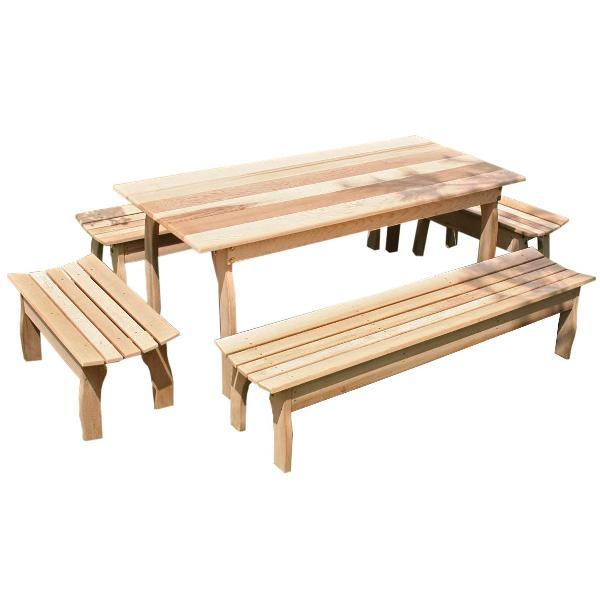
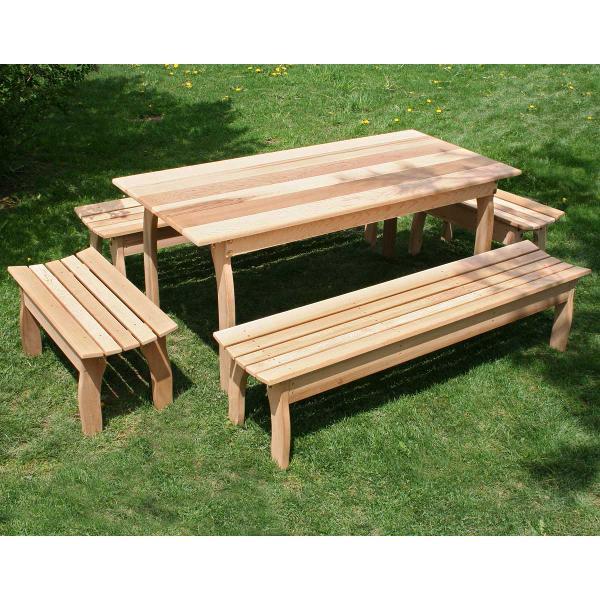
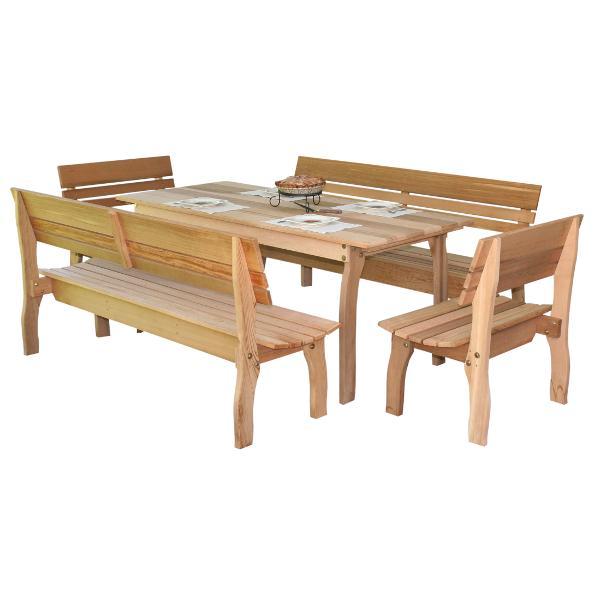
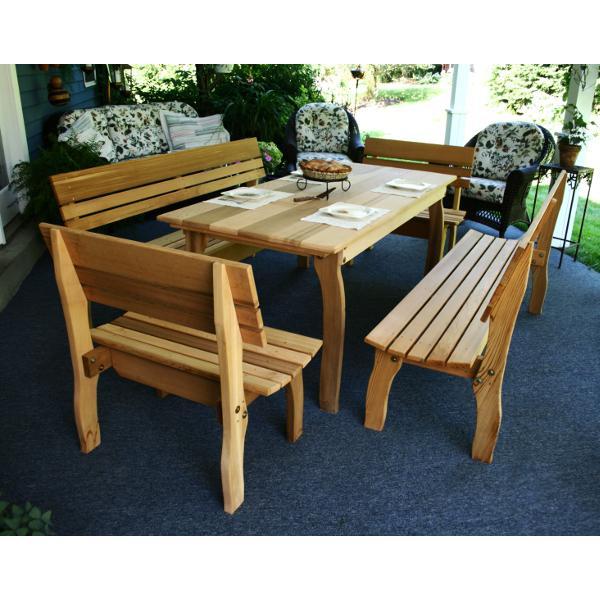
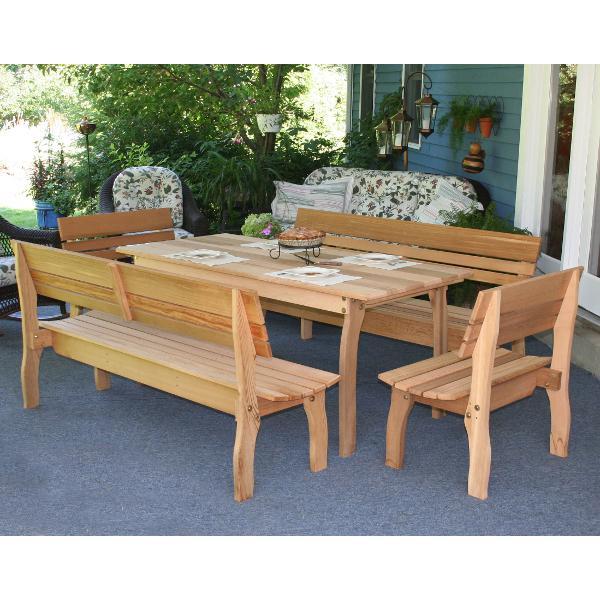
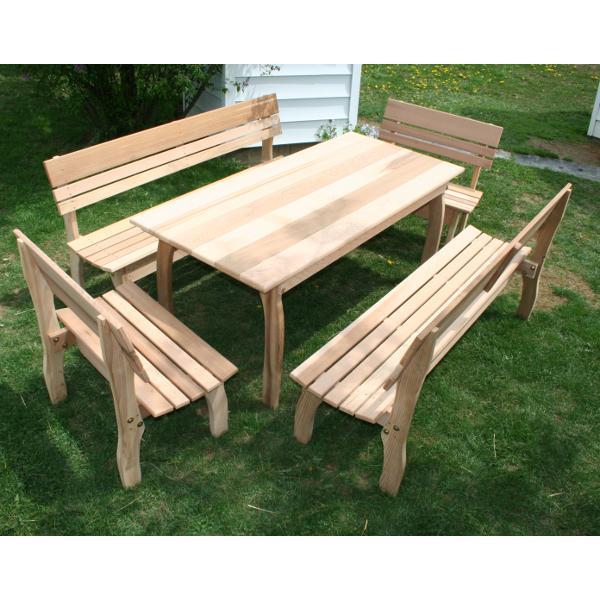
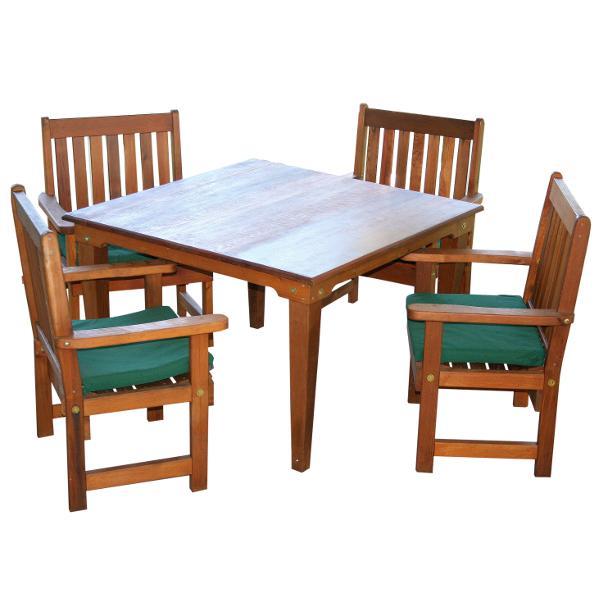
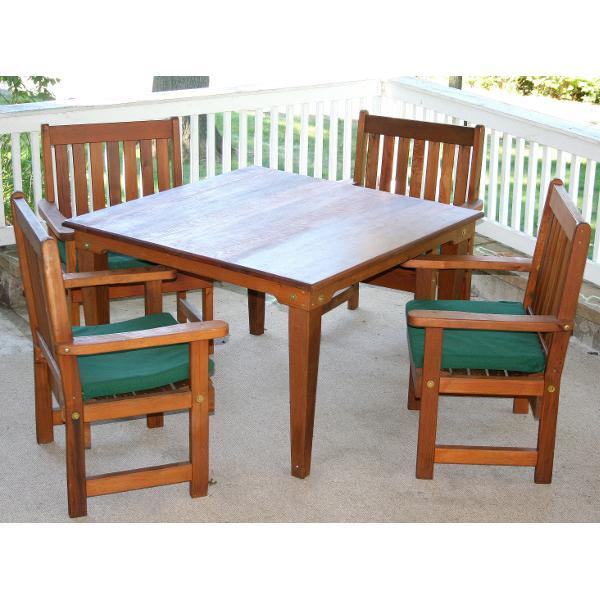
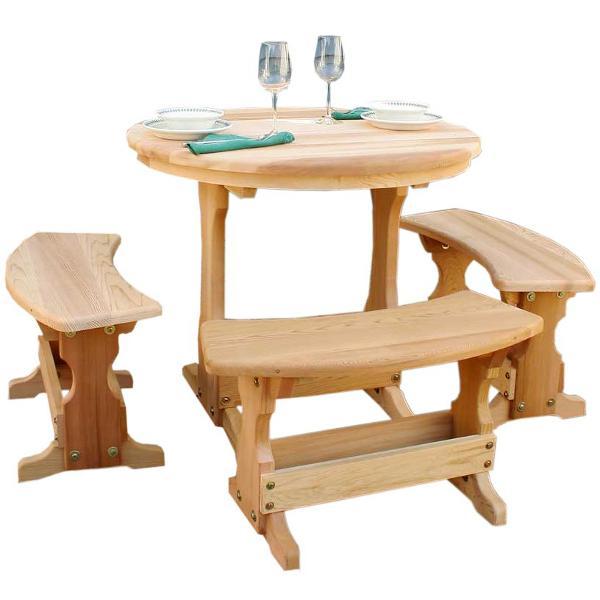
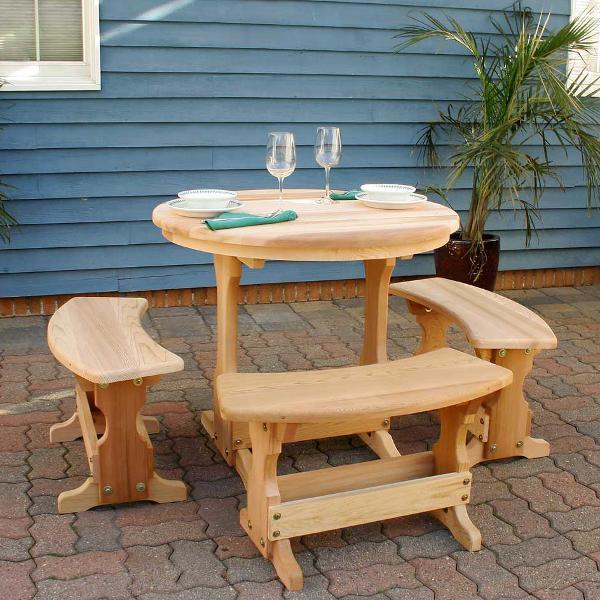
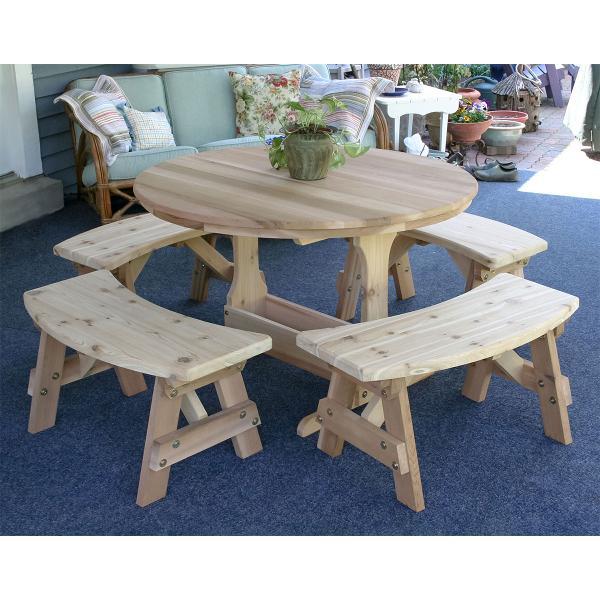
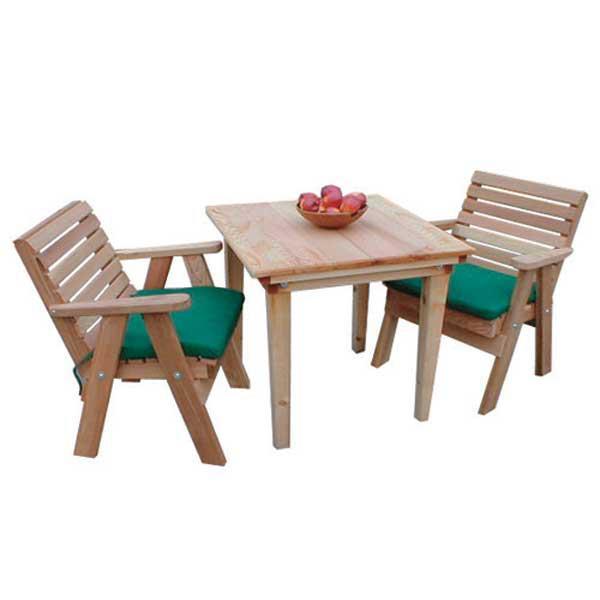
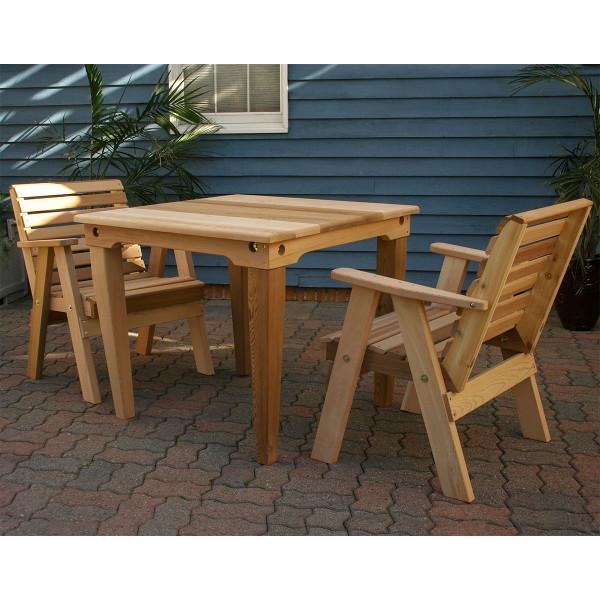
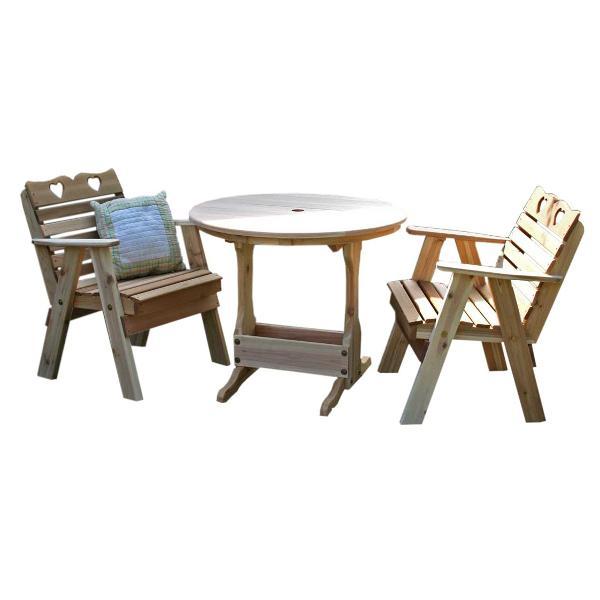
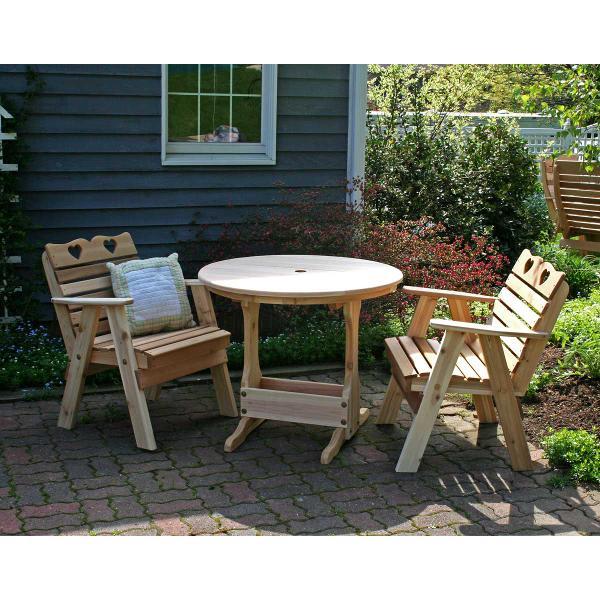
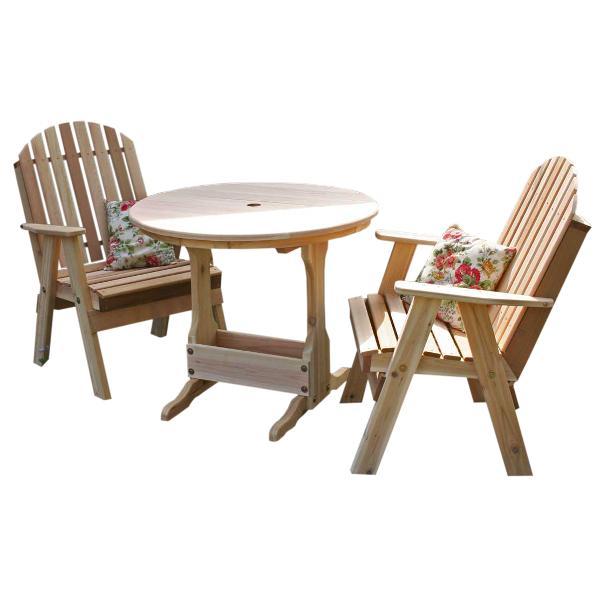
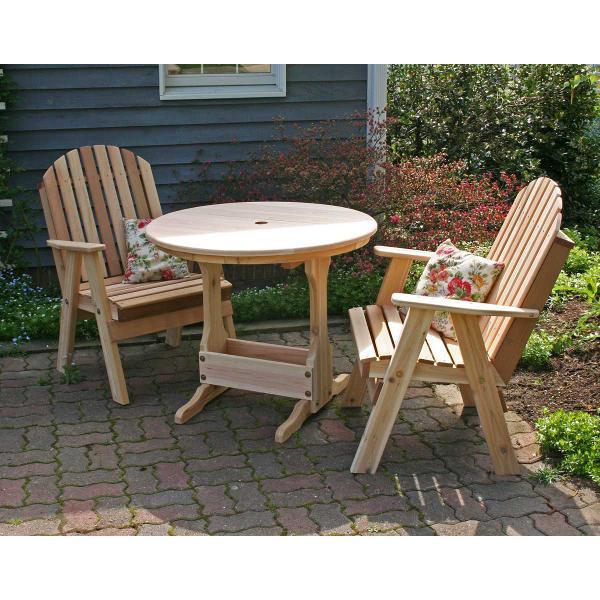
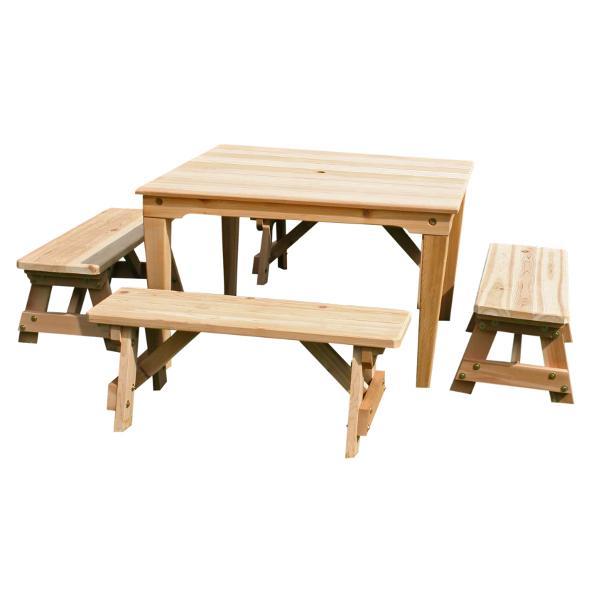
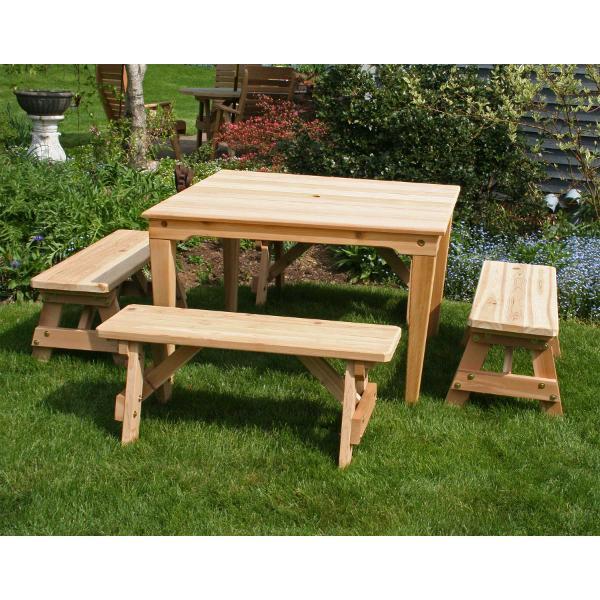
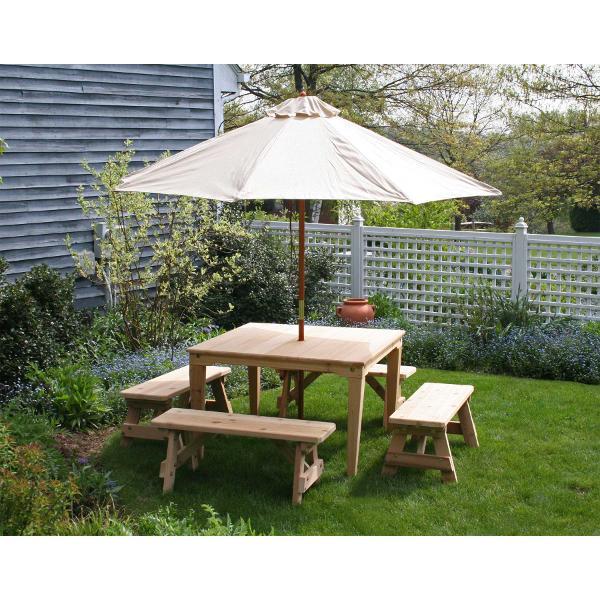
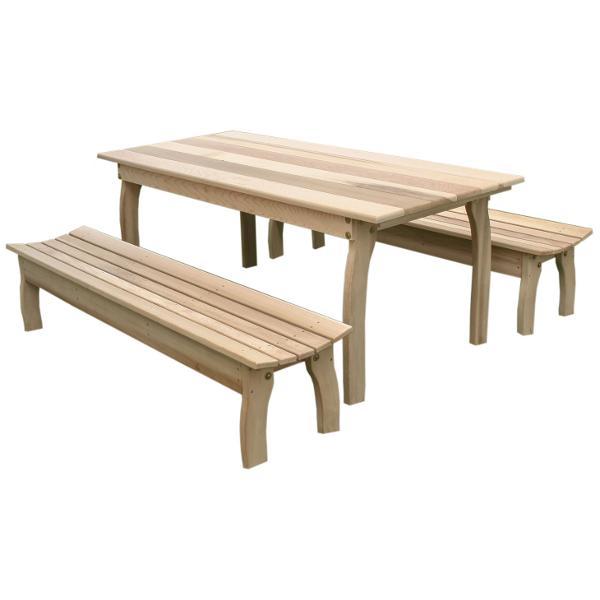
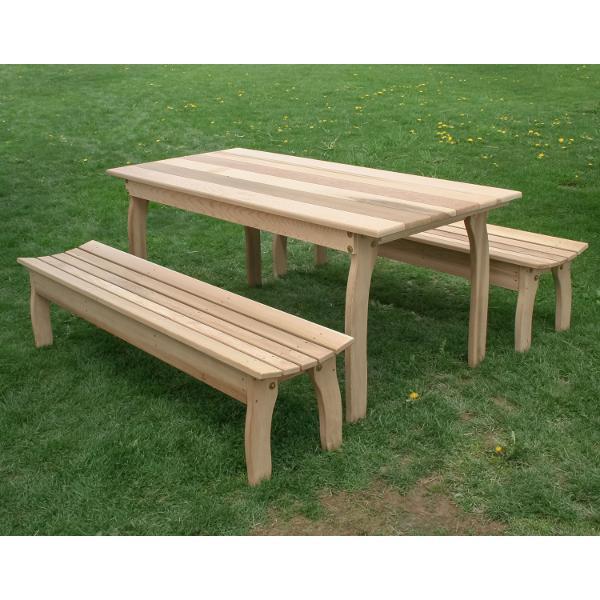
Experience rustic and inherently charming Cedar Patio Dining Tables for your alfresco dining. These are gorgeous and sturdy pieces for your picnics, holiday barbecues, and outdoor romantic dinners. Be sure to add outdoor dining chairs and a patio umbrella to complete the fantastic dining experience. Pick the best cedar dining table and chairs that fits your needs.
A: Cedar is a softwood, which means its structural strength and hardness are lower than those of hardwoods like Teak or even pressure-treated Pine.
Weight: Cedar tables are significantly lighter than other wood tables, making them easy to move. It can be a drawback in high wind areas.
Denting: The surface of a Cedar tabletop is more susceptible to denting, scratching, and compression from heavy objects or hard use.
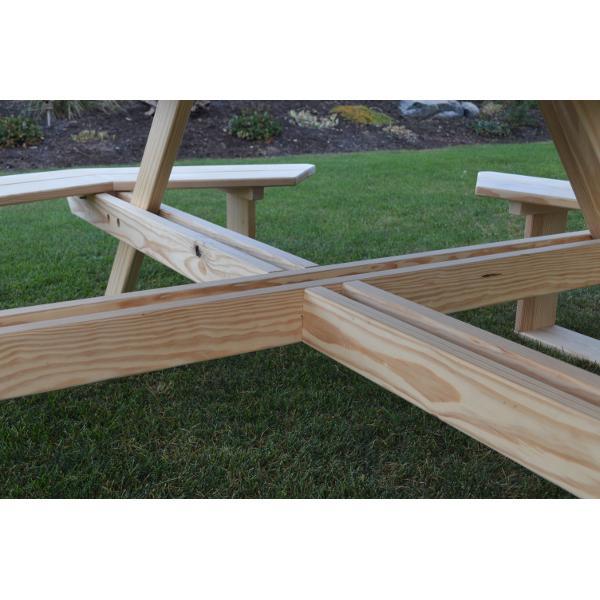
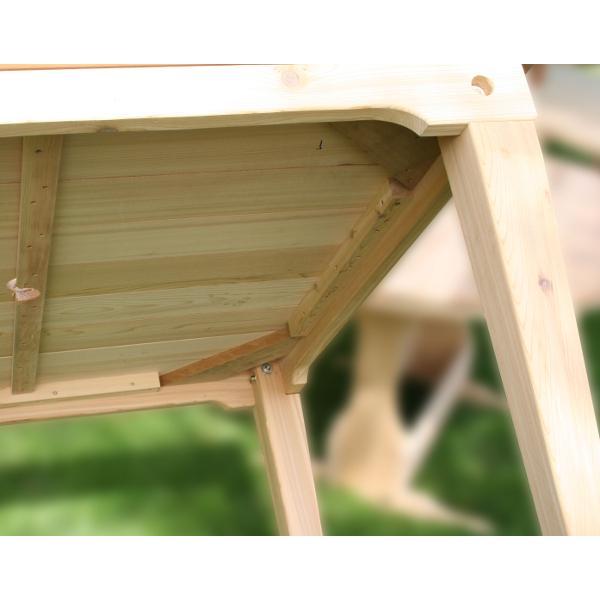
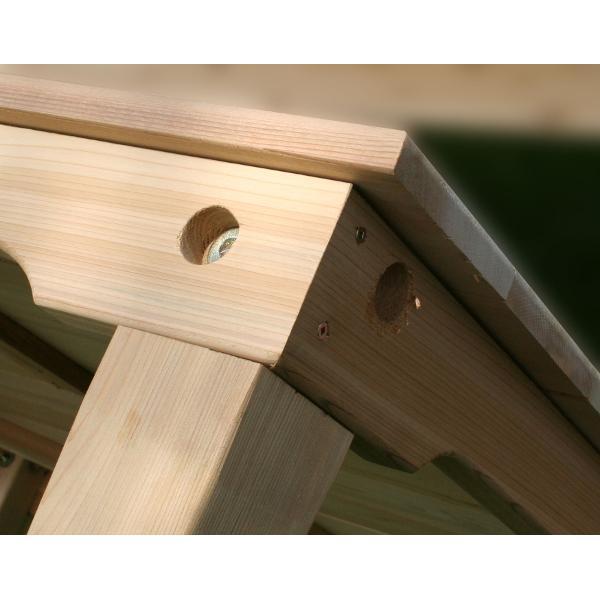
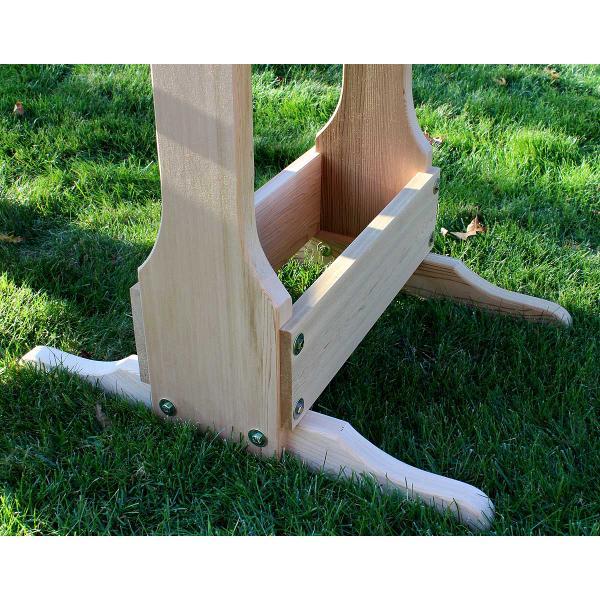
Construction: High-quality Cedar tables must use thicker stock (often 2 inches or more) to compensate for the wood's inherent softness and maintain rigidity across the tabletop's span.
A: No. While Cedar is naturally resistant to decay, it is not impervious to surface damage and aging.
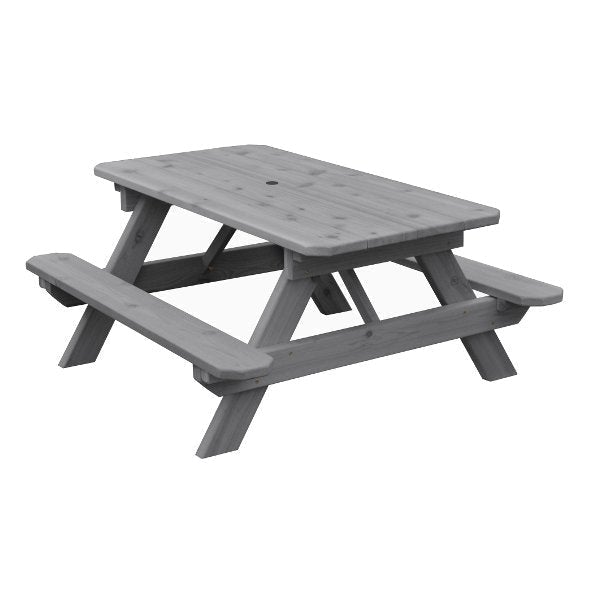
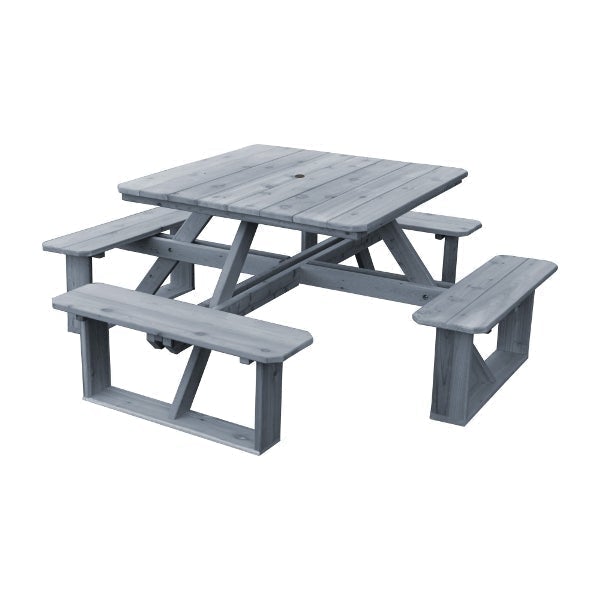
Moisture Damage: Cedar absorbs moisture easily. If left untreated, the wood will turn silver-gray, the grain will roughen and raise, and splintering will occur over time.
Sealing Recommendation: To maintain a smooth surface and prevent the graying, it is highly recommended to apply a UV-inhibiting sealant (clear or stained) every 1–2 years.
Staining: Cedar is a soft, porous wood that can easily absorb food and beverage stains. Sealing provides a protective barrier against staining.
A: Cedar contains natural tannins that require specific types of metal hardware.
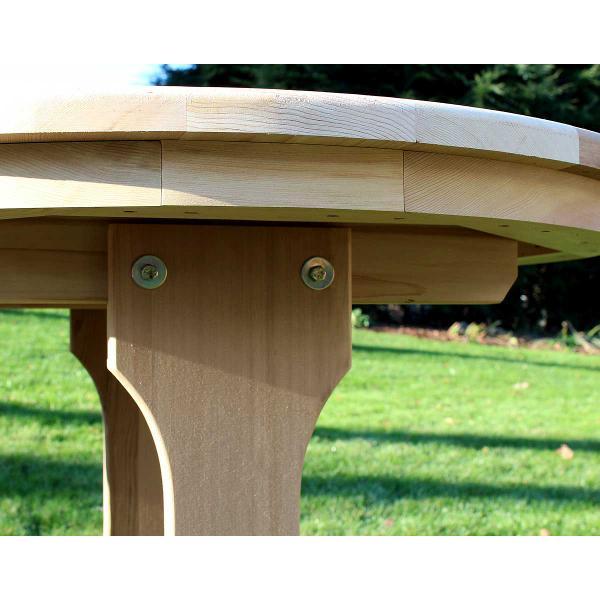
Tannin Reaction: Cedar's natural acids react with standard steel hardware, causing a chemical reaction that results in dark black staining and corrosion around every screw or nail.
Required Hardware: All hardware used in a Cedar table must be stainless steel, silicon bronze, or hot-dipped galvanized. It prevents the metal reaction and ensures long-term structural integrity.
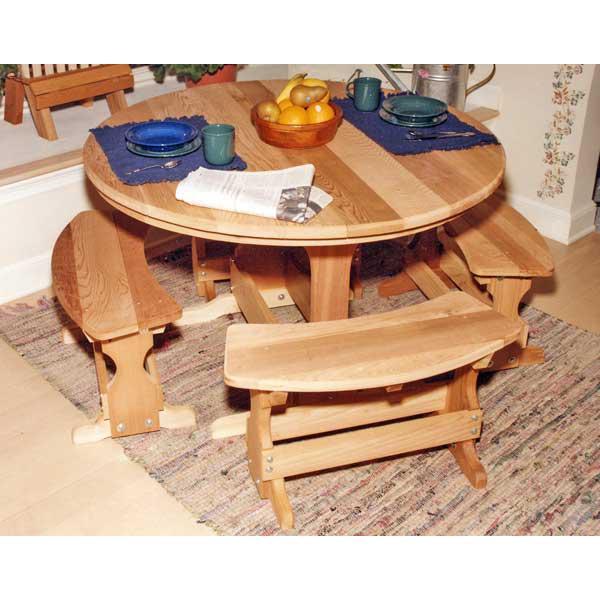
Are you looking for a red cedar dining room table or some other model? Explore cedar tables and chairs for the best price on our website. Selecting premium cedar lumber for outdoor use ensures that your garden project remains naturally beautiful and highly resistant to rot. Purchase the best red cedar dining table (rustic cedar dining table) from us for an affordable price.
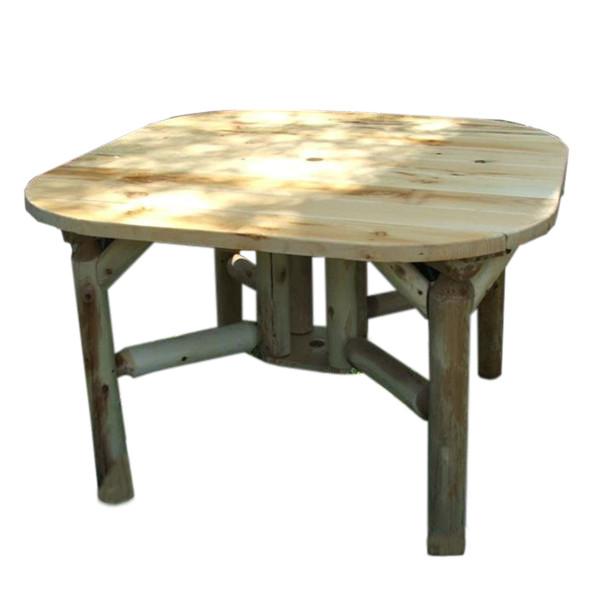
Experience rustic and inherently charming Cedar Patio Dining Tables for your alfresco dining. These are gorgeous and sturdy pieces for your picnics, holiday barbecues, and outdoor romantic dinners. Be sure to add outdoor dining chairs and a patio umbrella to complete the fantastic dining experience. Pick the best cedar dining table and chairs that fits your needs.
A: Cedar is a softwood, which means its structural strength and hardness are lower than those of hardwoods like Teak or even pressure-treated Pine.
Weight: Cedar tables are significantly lighter than other wood tables, making them easy to move. It can be a drawback in high wind areas.
Denting: The surface of a Cedar tabletop is more susceptible to denting, scratching, and compression from heavy objects or hard use.
Construction: High-quality Cedar tables must use thicker stock (often 2 inches or more) to compensate for the wood's inherent softness and maintain rigidity across the tabletop's span.
A: No. While Cedar is naturally resistant to decay, it is not impervious to surface damage and aging.
Moisture Damage: Cedar absorbs moisture easily. If left untreated, the wood will turn silver-gray, the grain will roughen and raise, and splintering will occur over time.
Sealing Recommendation: To maintain a smooth surface and prevent the graying, it is highly recommended to apply a UV-inhibiting sealant (clear or stained) every 1–2 years.
Staining: Cedar is a soft, porous wood that can easily absorb food and beverage stains. Sealing provides a protective barrier against staining.
A: Cedar contains natural tannins that require specific types of metal hardware.
Tannin Reaction: Cedar's natural acids react with standard steel hardware, causing a chemical reaction that results in dark black staining and corrosion around every screw or nail.
Required Hardware: All hardware used in a Cedar table must be stainless steel, silicon bronze, or hot-dipped galvanized. It prevents the metal reaction and ensures long-term structural integrity.
Are you looking for a red cedar dining room table or some other model? Explore cedar tables and chairs for the best price on our website. Selecting premium cedar lumber for outdoor use ensures that your garden project remains naturally beautiful and highly resistant to rot. Purchase the best red cedar dining table (rustic cedar dining table) from us for an affordable price.