Your Cart is Empty

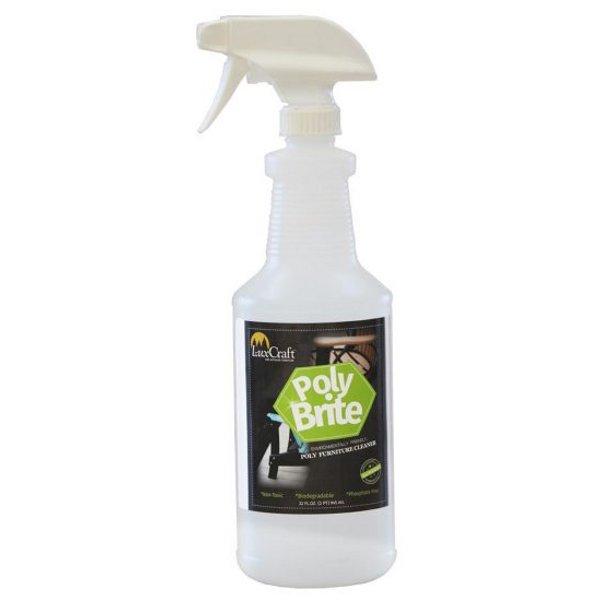
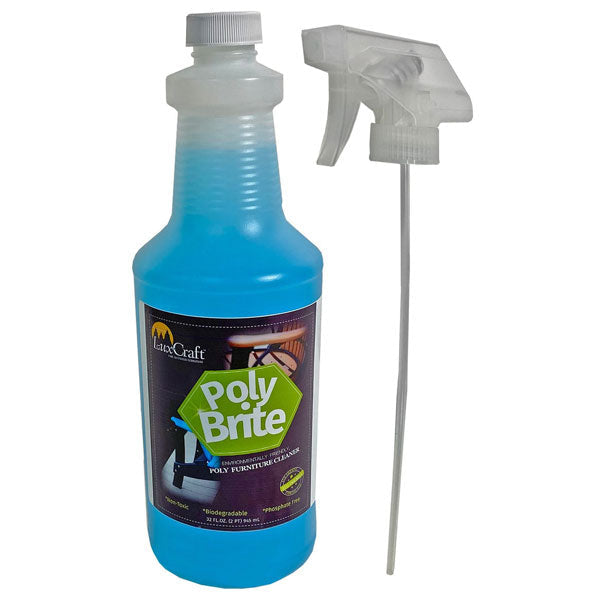
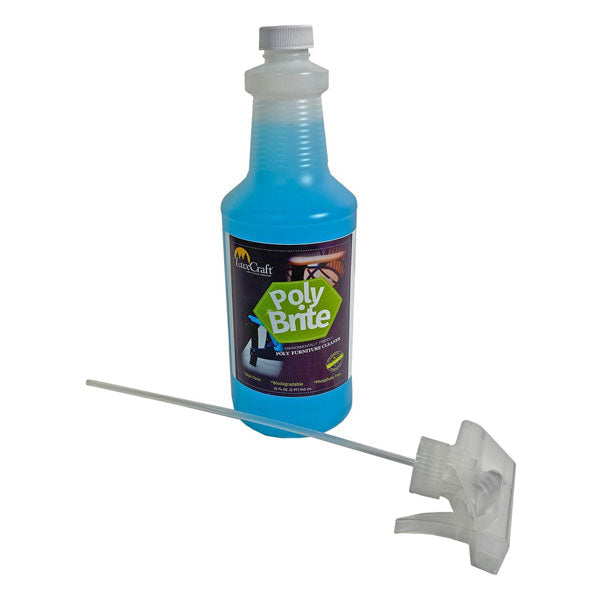
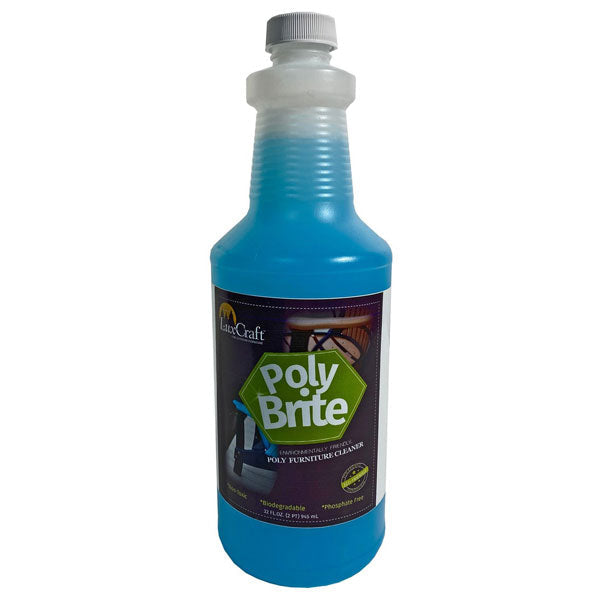
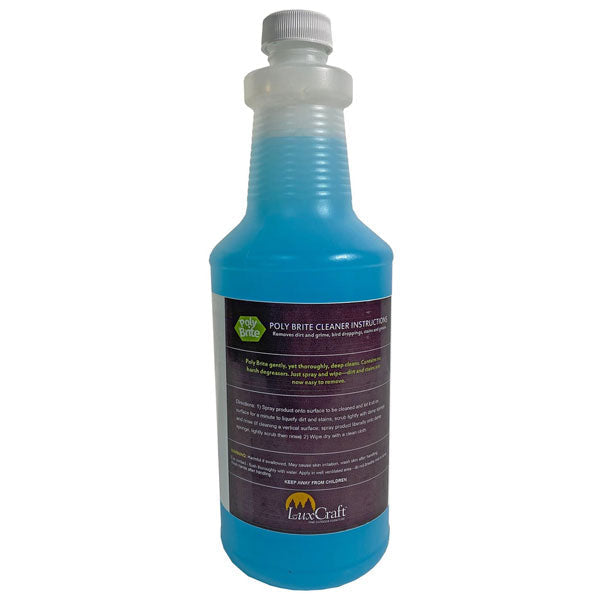
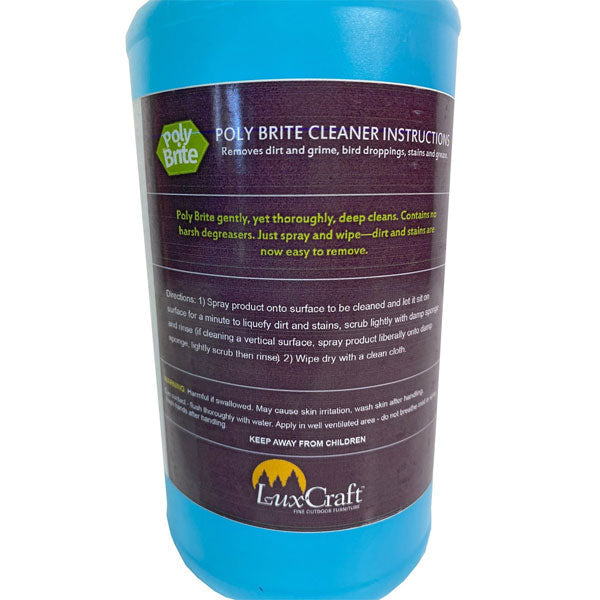
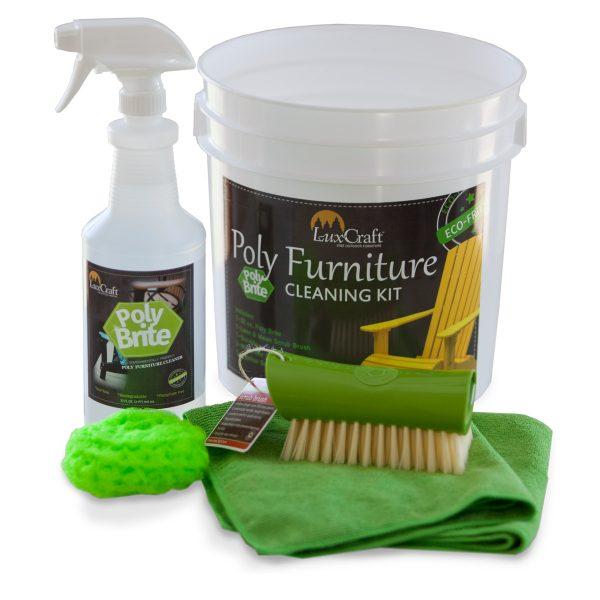
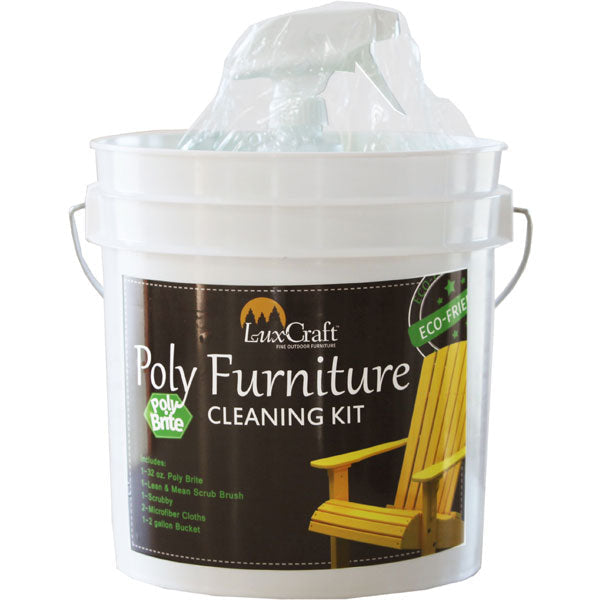
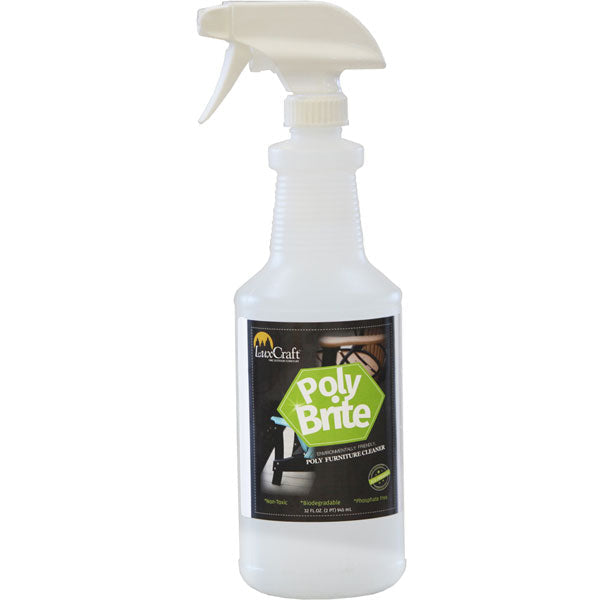
To keep your patio furniture in pristine condition, you'll need to know how to clean and maintain the patio furniture. When the warm weather hits, you'll want to spruce up your outdoor patio table and chairs. Here are environment-friendly and non-toxic Patio Furniture Cleaning Supplies we recommend to ensure the longevity of your outdoor furniture.
A: Cleaners are categorized by their primary active ingredient and target.
Enzymatic/Oxygen Cleaners: Use active oxygen to lift dirt and break down organic matter. They are great for general cleaning, safe for plants, and non-corrosive.
Bleach/Chlorine-Based Cleaners: Are highly effective at killing and removing mildew and algae. They are essential for eliminating set-in stains from solution-dyed acrylic cushions or concrete. Note: Bleach must be used sparingly and rinsed thoroughly, especially near plants and on sensitive surfaces.
Best for Mildew: A diluted bleach solution (e.g., 1 part bleach to 9 parts water) is generally the most effective way to eliminate black mold and mildew from fabrics, concrete, and painted wood.
A: Harsh chemicals and abrasive tools can cause rapid, irreversible damage to these materials.
Metal Corrosion: Chlorine and harsh degreasers can strip the powder coating or factory sealant from metal frames (especially aluminum). Once the protective layer is compromised, corrosion (rusting or pitting) can start quickly. Use pH-neutral, mild soaps.
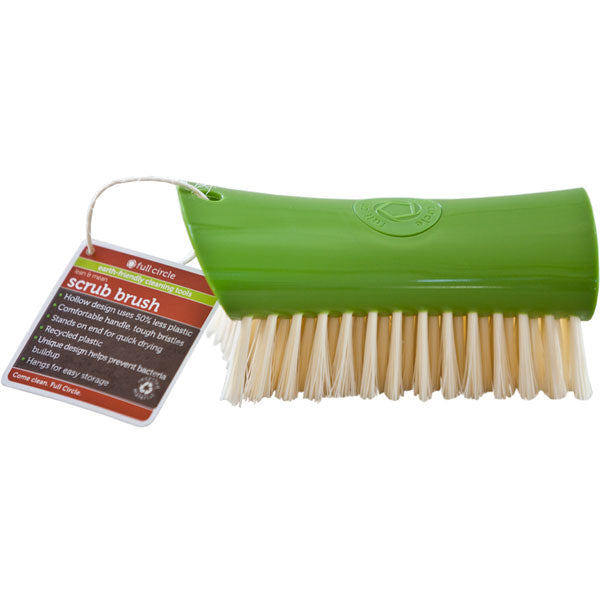
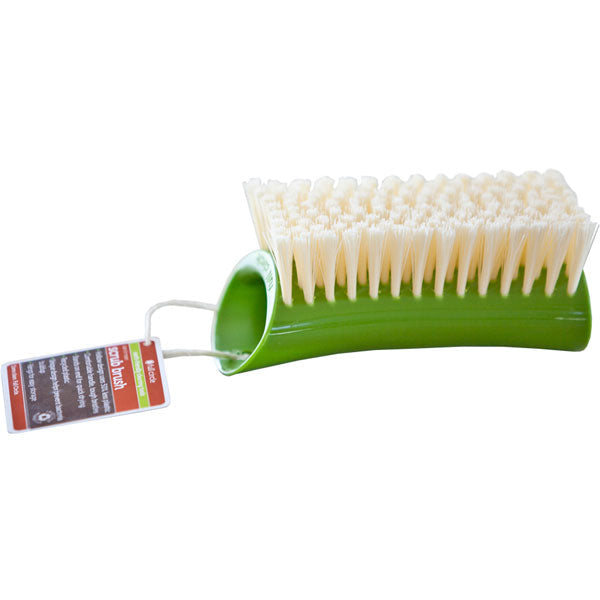
Sling/Mesh Fabric: Sling fabric (PVC-coated polyester) is durable but can be damaged by abrasive brushes. Use a soft-bristle brush or sponge. Harsh cleaners can also make the fabric brittle and prone to tearing over time.
Cleaning: Always test a cleaner on a small, inconspicuous area first.
A: These products are essential for replenishing the water and stain resistance that wears off over time.
Restoring Finish: Even high-quality solution-dyed acrylic fabrics have a durable water-repellent (DWR) finish that wears down from washing and use. Applying a specialized fabric guard spray restores the DWR finish, causing water to bead up again.
UV Shielding: Many fabric protectors contain added UV inhibitors. When sprayed on, this forms a clear shield that slows fading, particularly important for cushions and umbrellas that are constantly exposed.
Application: Fabric guards must be applied to a clean, completely dry surface in a well-ventilated area.
A: Pressure washers are effective but must be used with caution, as they can cause severe damage.
Surfaces to AVOID: Never use a high-powered pressure washer on painted wood, soft wood (Cedar), asphalt shingles, or any porous material, such as mortar joints. The force can gouge the wood, chip paint, and blast sand out of mortar.
Safe Usage: Limit pressure to 1,200-1,500 psi for general deck cleaning. Use a wide-angle tip (25-40 degrees) and hold the nozzle at least 1 foot away from the surface.
Best Use: Pressure washers are best used on hard, durable surfaces like concrete, brick, stone pavers, and unfinished pressure-treated lumber.
Looking for the best cleaner for outdoor furniture — Explore the options now!
To keep your patio furniture in pristine condition, you'll need to know how to clean and maintain the patio furniture. When the warm weather hits, you'll want to spruce up your outdoor patio table and chairs. Here are environment-friendly and non-toxic Patio Furniture Cleaning Supplies we recommend to ensure the longevity of your outdoor furniture.
A: Cleaners are categorized by their primary active ingredient and target.
Enzymatic/Oxygen Cleaners: Use active oxygen to lift dirt and break down organic matter. They are great for general cleaning, safe for plants, and non-corrosive.
Bleach/Chlorine-Based Cleaners: Are highly effective at killing and removing mildew and algae. They are essential for eliminating set-in stains from solution-dyed acrylic cushions or concrete. Note: Bleach must be used sparingly and rinsed thoroughly, especially near plants and on sensitive surfaces.
Best for Mildew: A diluted bleach solution (e.g., 1 part bleach to 9 parts water) is generally the most effective way to eliminate black mold and mildew from fabrics, concrete, and painted wood.
A: Harsh chemicals and abrasive tools can cause rapid, irreversible damage to these materials.
Metal Corrosion: Chlorine and harsh degreasers can strip the powder coating or factory sealant from metal frames (especially aluminum). Once the protective layer is compromised, corrosion (rusting or pitting) can start quickly. Use pH-neutral, mild soaps.
Sling/Mesh Fabric: Sling fabric (PVC-coated polyester) is durable but can be damaged by abrasive brushes. Use a soft-bristle brush or sponge. Harsh cleaners can also make the fabric brittle and prone to tearing over time.
Cleaning: Always test a cleaner on a small, inconspicuous area first.
A: These products are essential for replenishing the water and stain resistance that wears off over time.
Restoring Finish: Even high-quality solution-dyed acrylic fabrics have a durable water-repellent (DWR) finish that wears down from washing and use. Applying a specialized fabric guard spray restores the DWR finish, causing water to bead up again.
UV Shielding: Many fabric protectors contain added UV inhibitors. When sprayed on, this forms a clear shield that slows fading, particularly important for cushions and umbrellas that are constantly exposed.
Application: Fabric guards must be applied to a clean, completely dry surface in a well-ventilated area.
A: Pressure washers are effective but must be used with caution, as they can cause severe damage.
Surfaces to AVOID: Never use a high-powered pressure washer on painted wood, soft wood (Cedar), asphalt shingles, or any porous material, such as mortar joints. The force can gouge the wood, chip paint, and blast sand out of mortar.
Safe Usage: Limit pressure to 1,200-1,500 psi for general deck cleaning. Use a wide-angle tip (25-40 degrees) and hold the nozzle at least 1 foot away from the surface.
Best Use: Pressure washers are best used on hard, durable surfaces like concrete, brick, stone pavers, and unfinished pressure-treated lumber.
Looking for the best cleaner for outdoor furniture — Explore the options now!