Your Cart is Empty

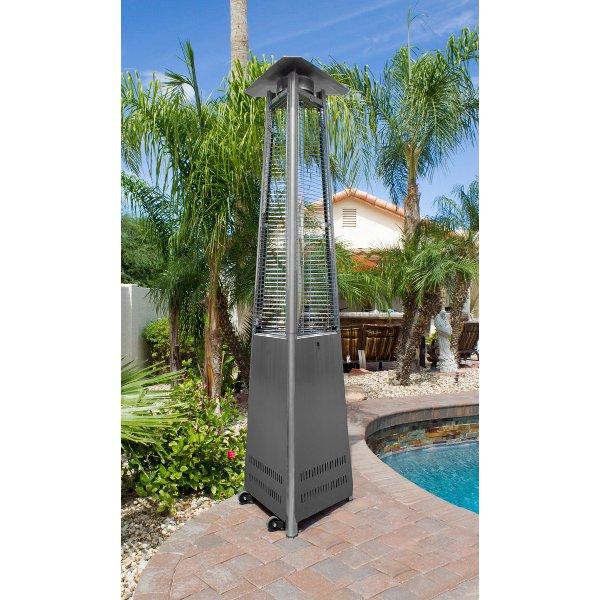
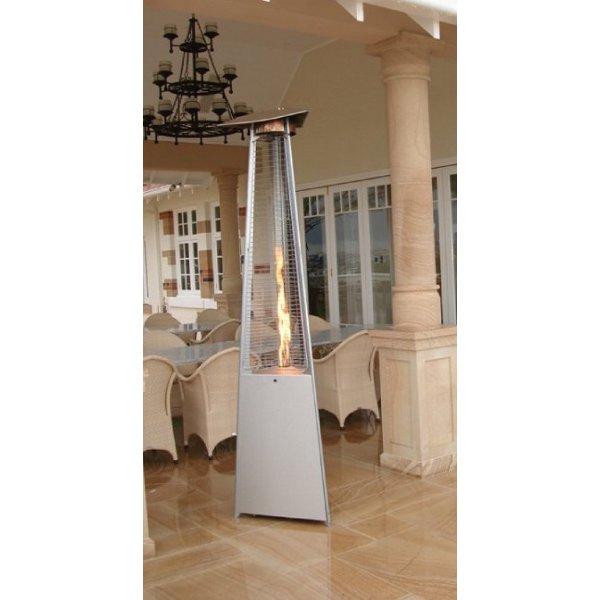
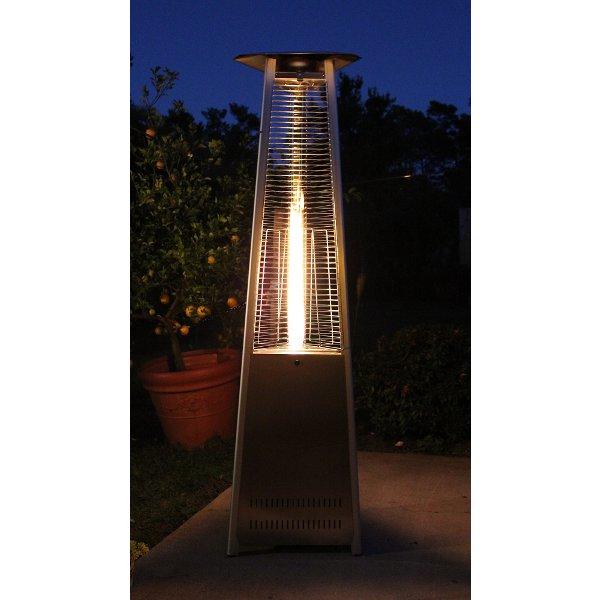
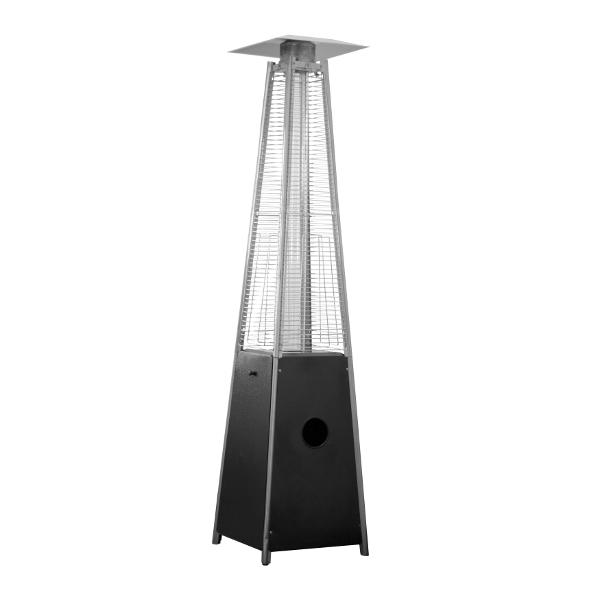
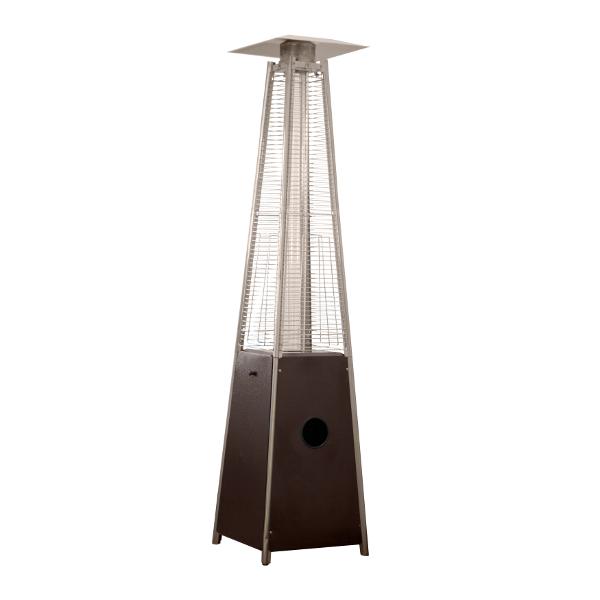
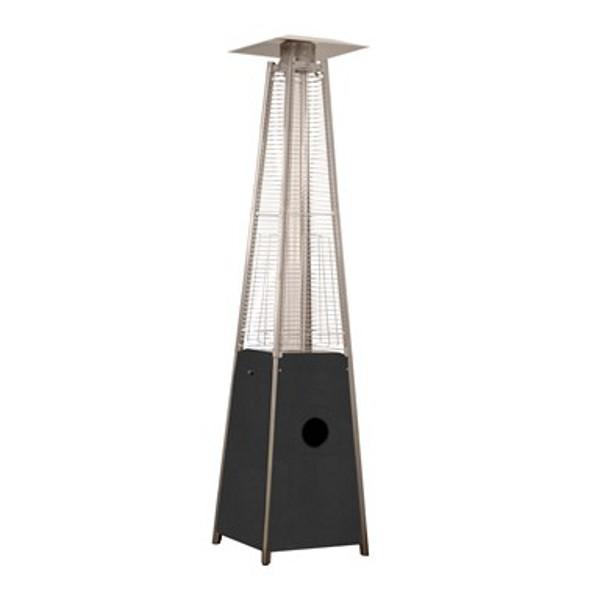
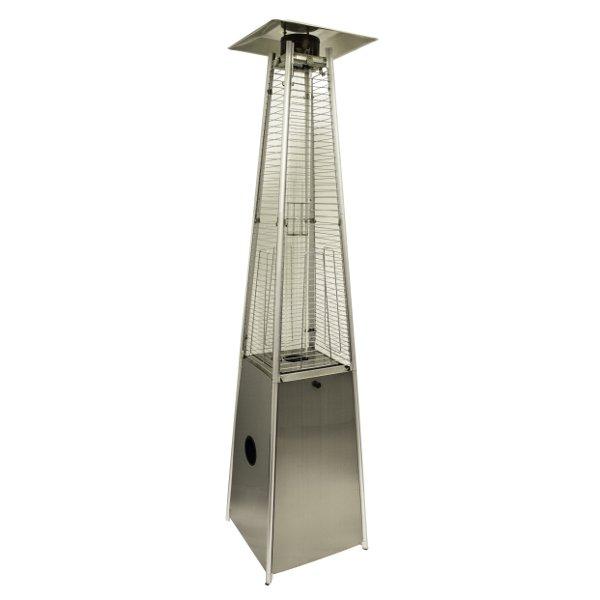
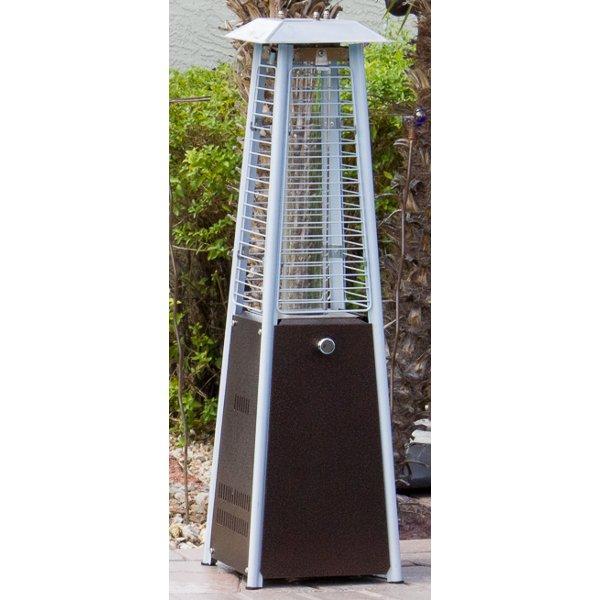
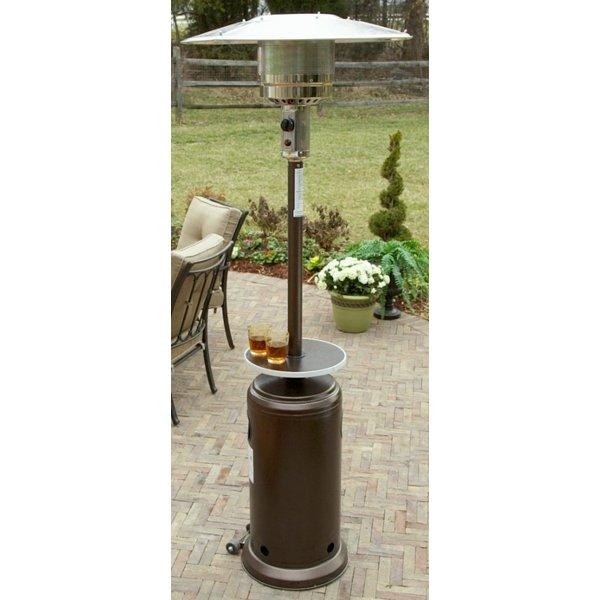
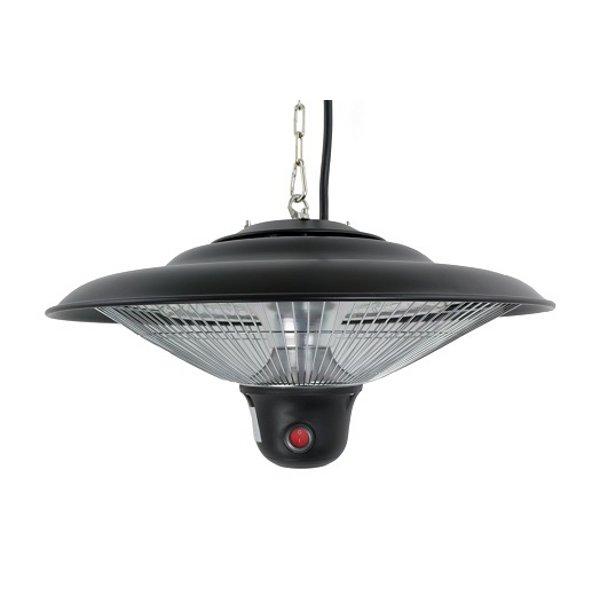
Banish the cold and create a warm and inviting ambiance in your outdoor space with our selection of Patio heaters. With our free shipping offer on every heater, you won’t find a better deal anywhere. From fire pits to patio heaters, we have the perfect package for every type of outdoor setting. We also sell patio heater covers, electric heaters and parts.
A: Patio heaters primarily use infrared radiant heat and are designed to direct warmth.
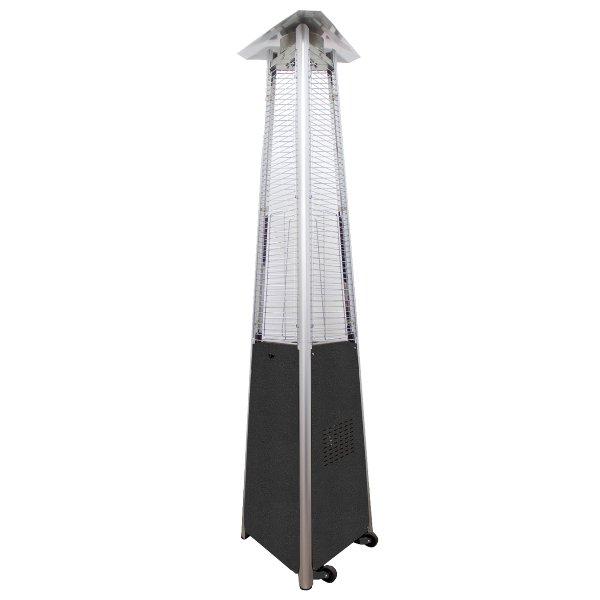
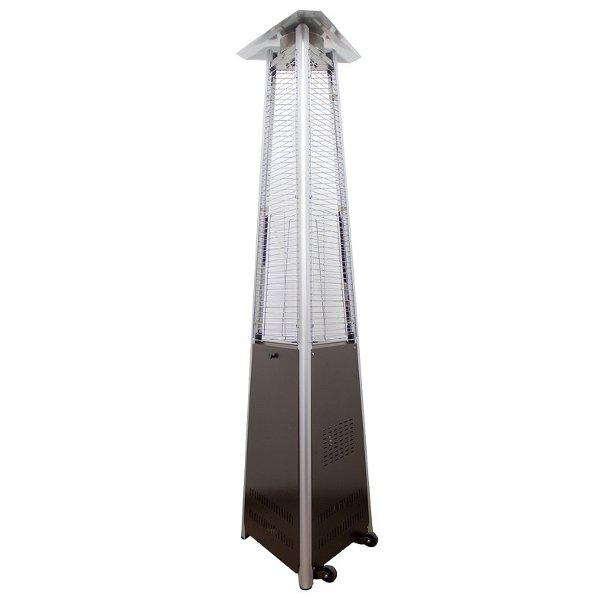
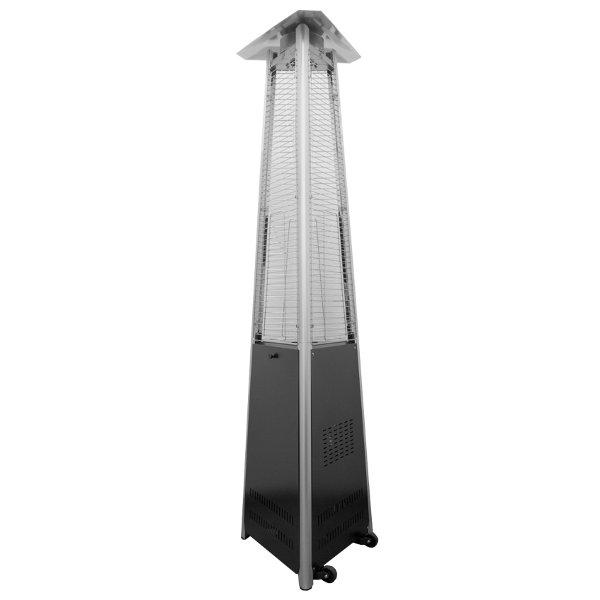
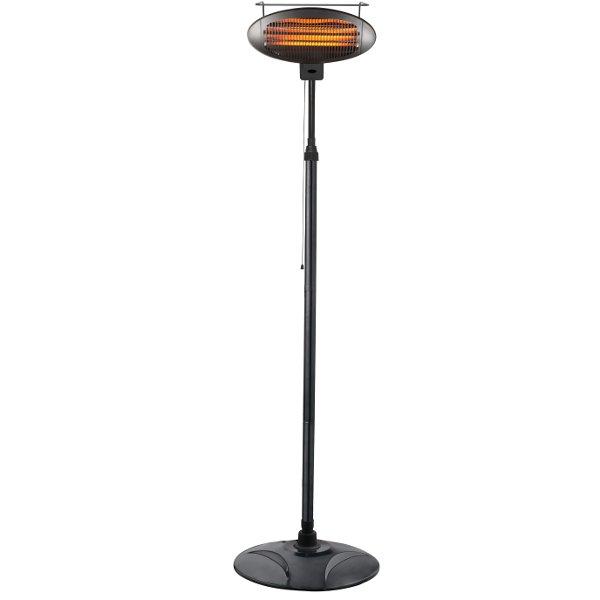
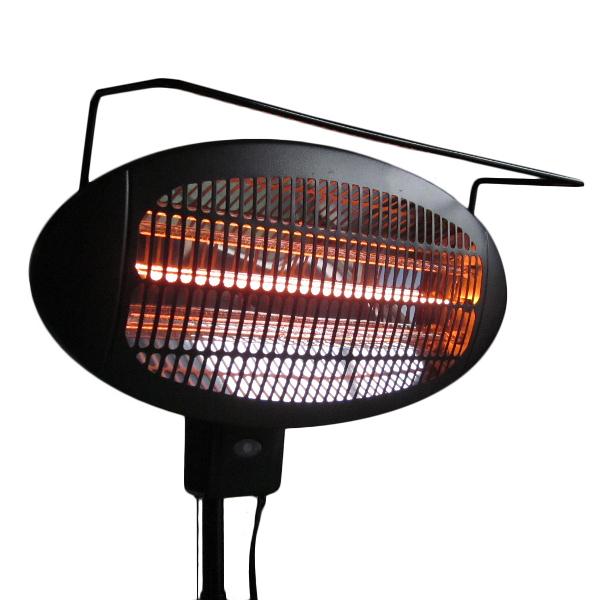
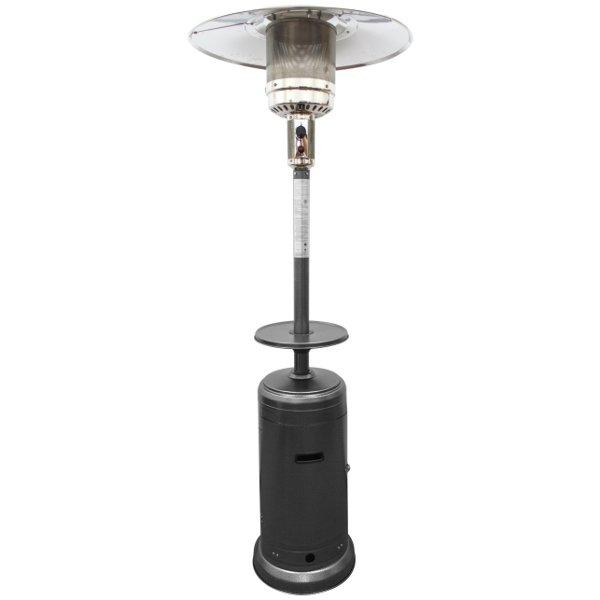
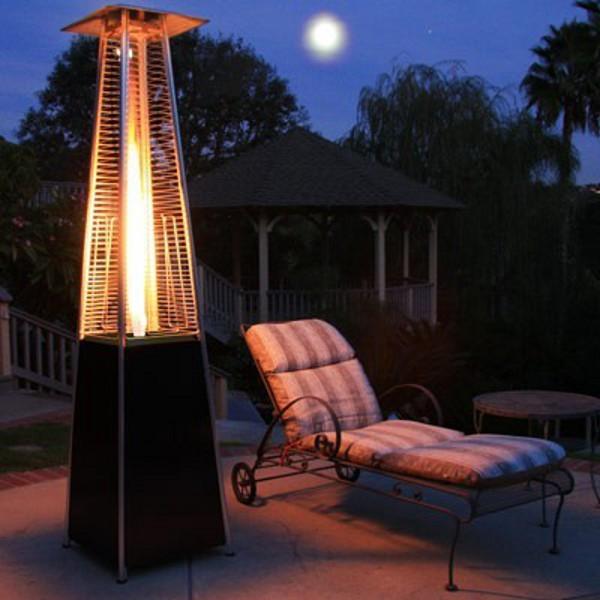
Technology: Most patio heaters use a gas flame (propane or natural gas) or an electric coil to heat a metal or ceramic element. This heated element emits infrared radiation that travels through the air without heating it, directly warming objects and people.
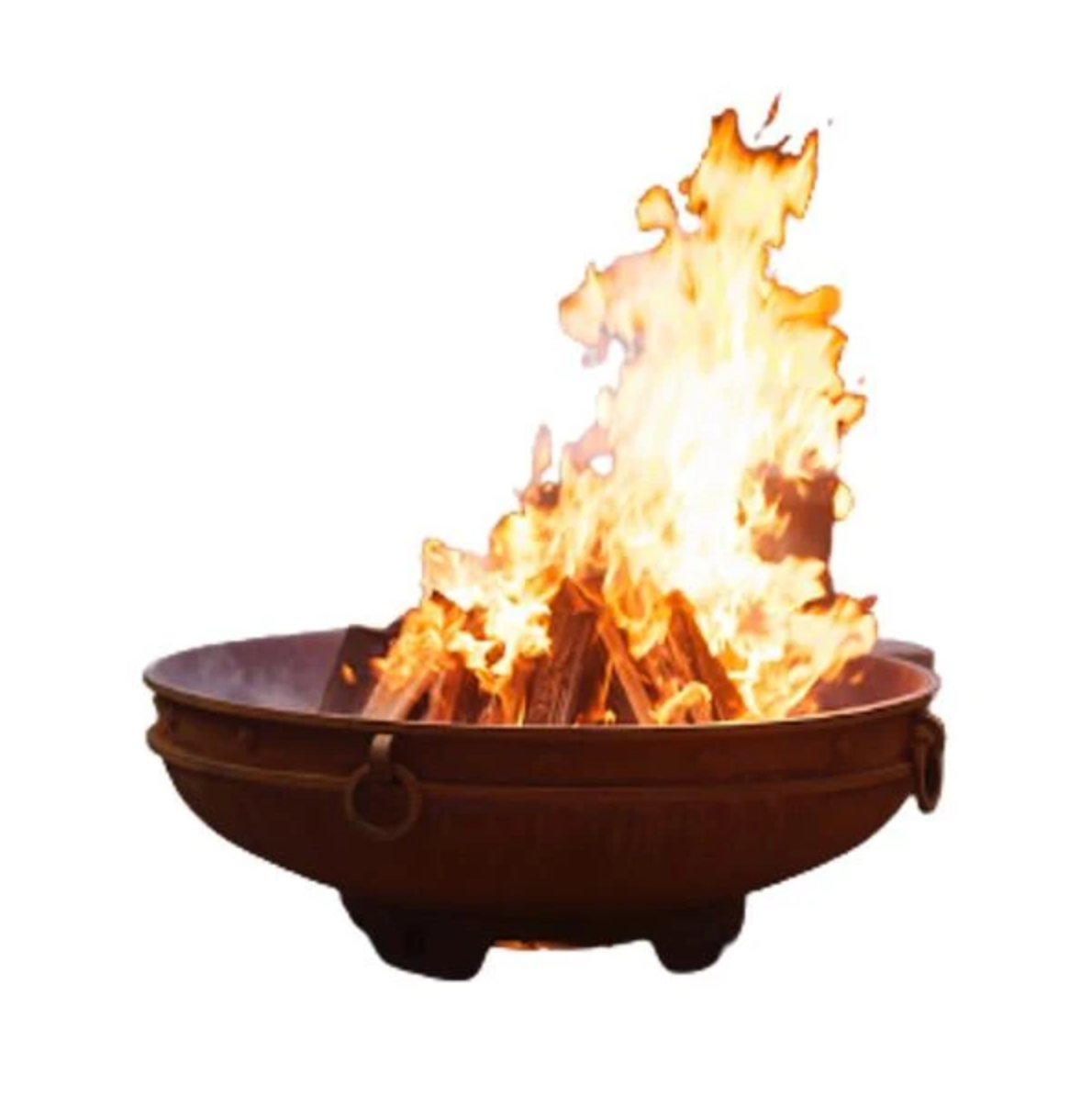
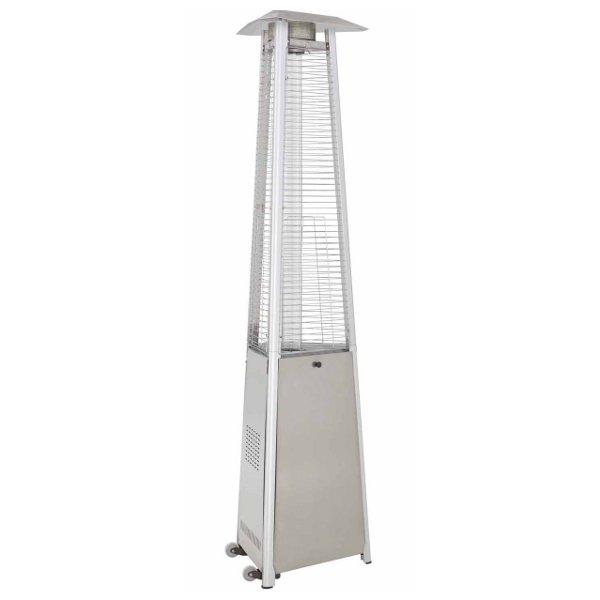
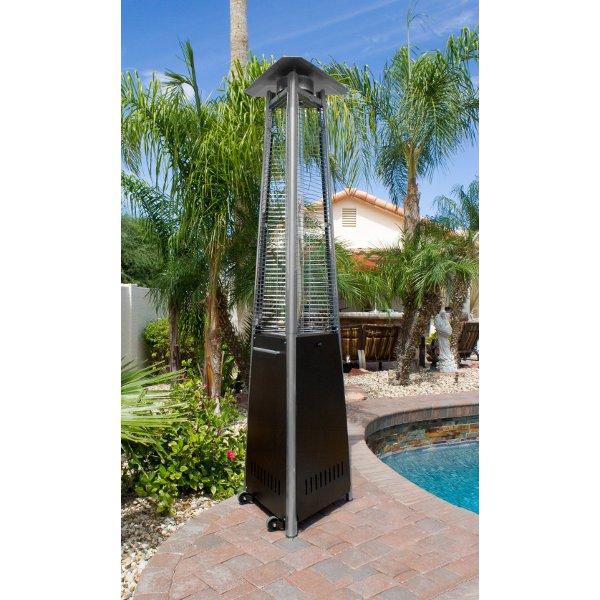
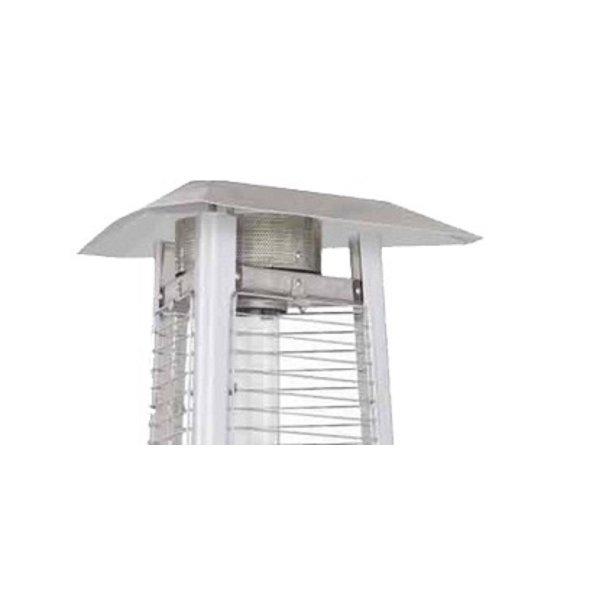
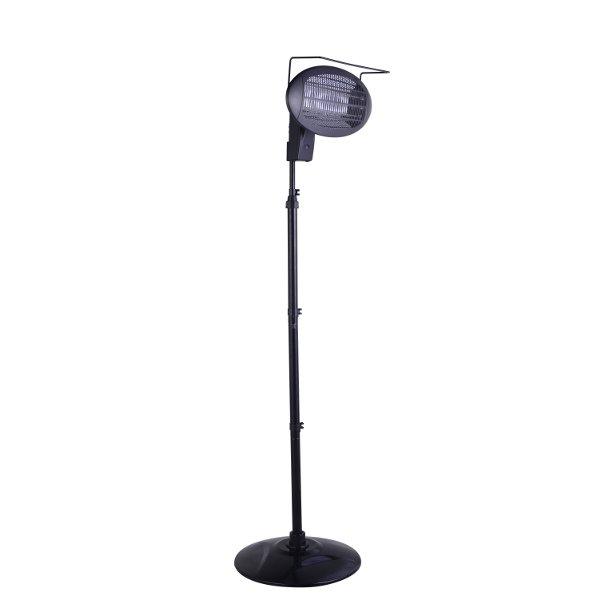
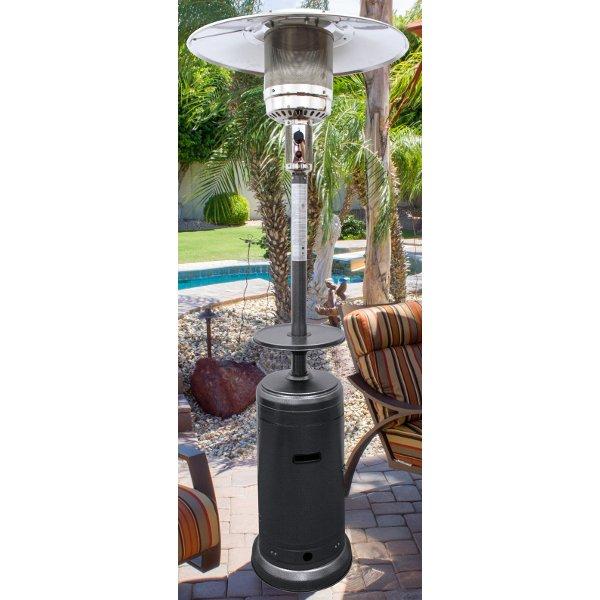
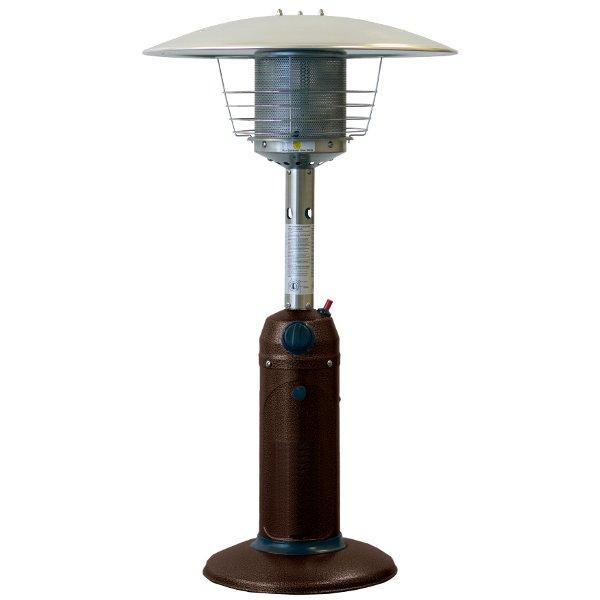
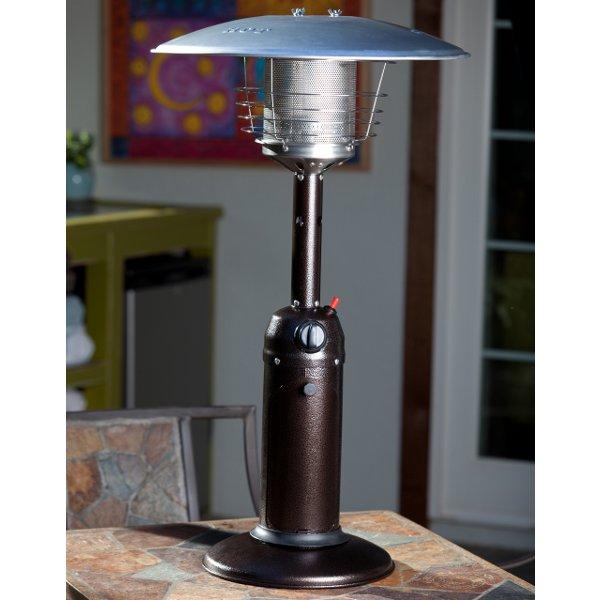
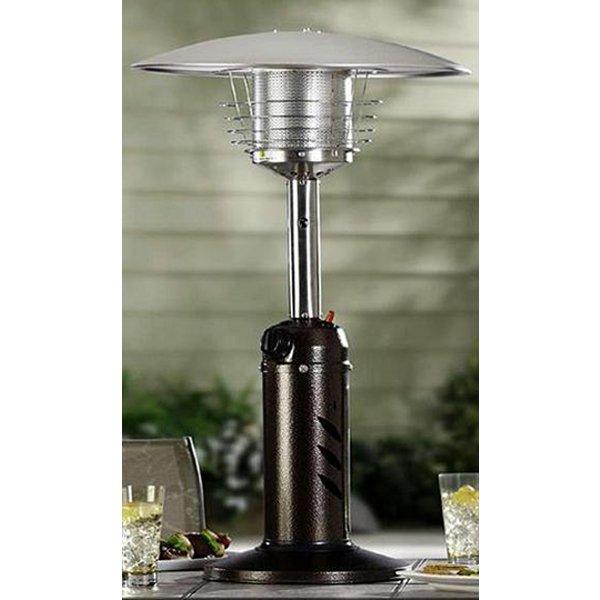
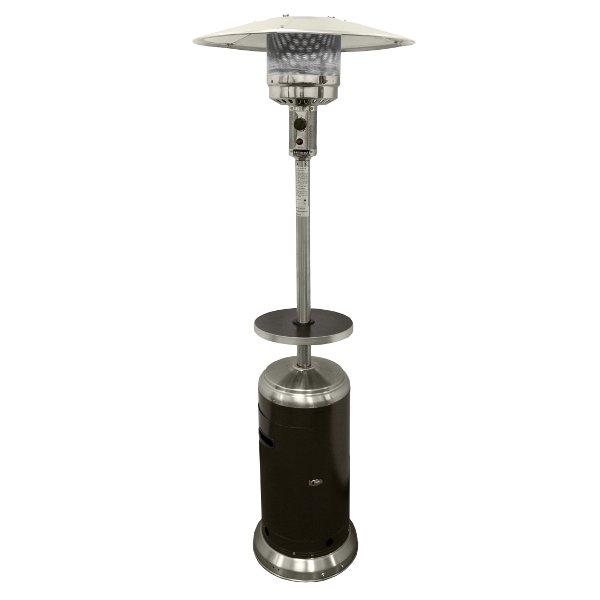
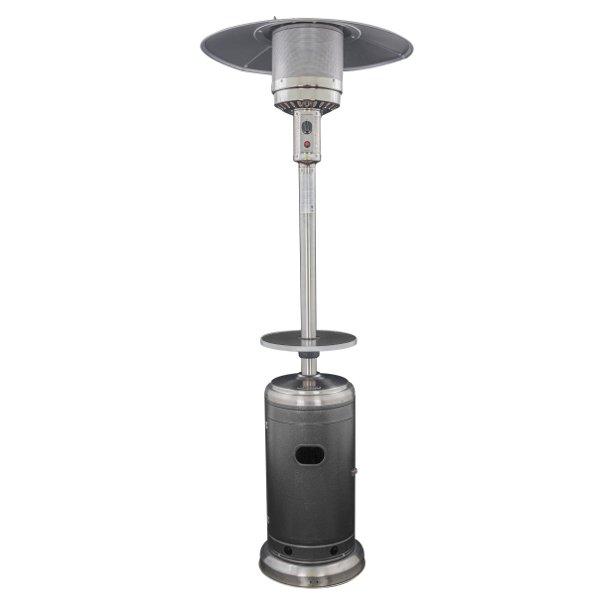
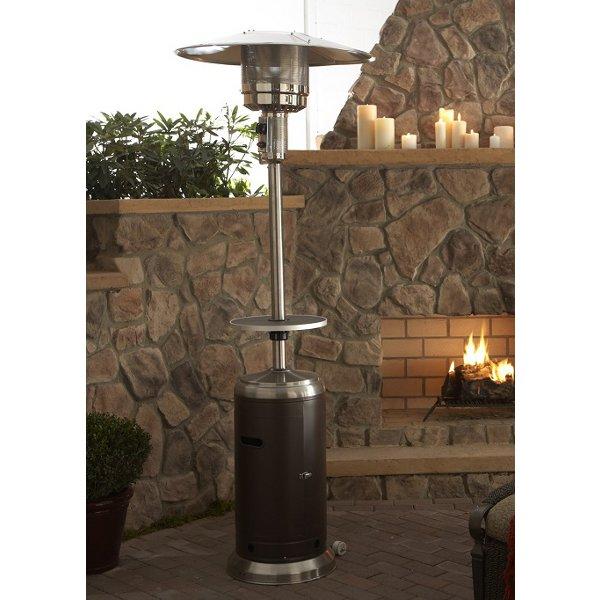
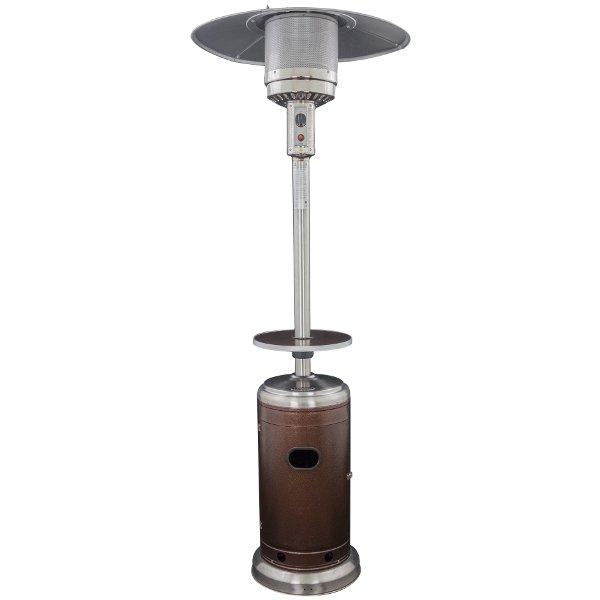
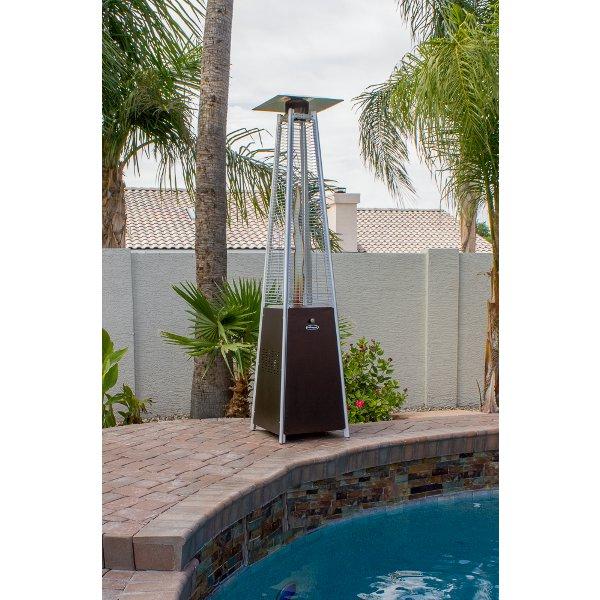
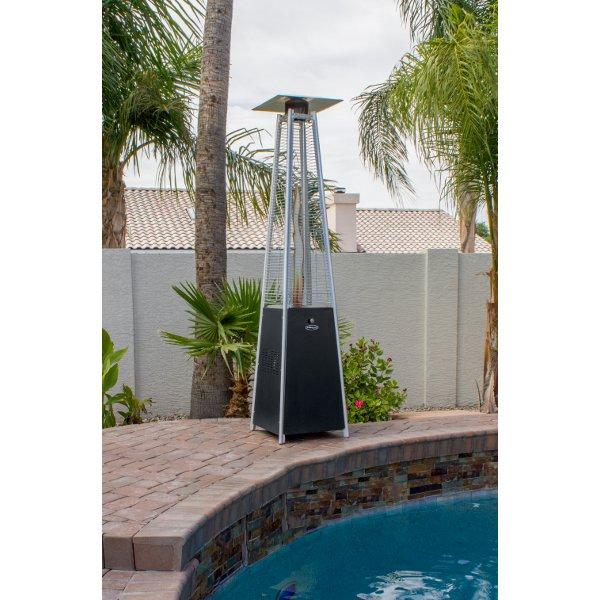
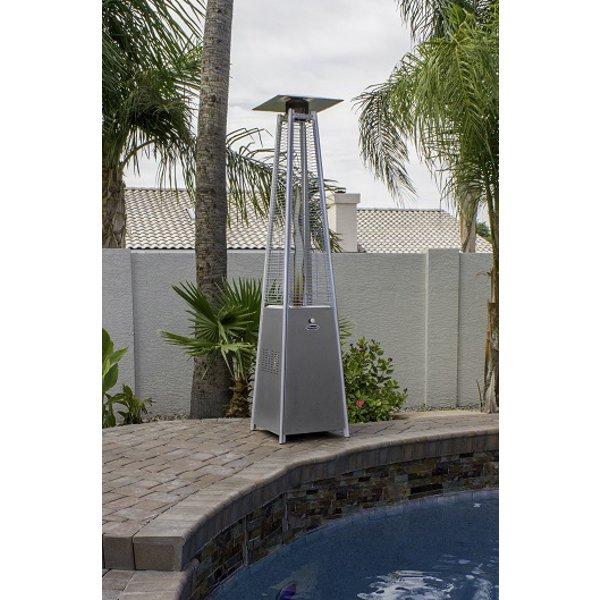
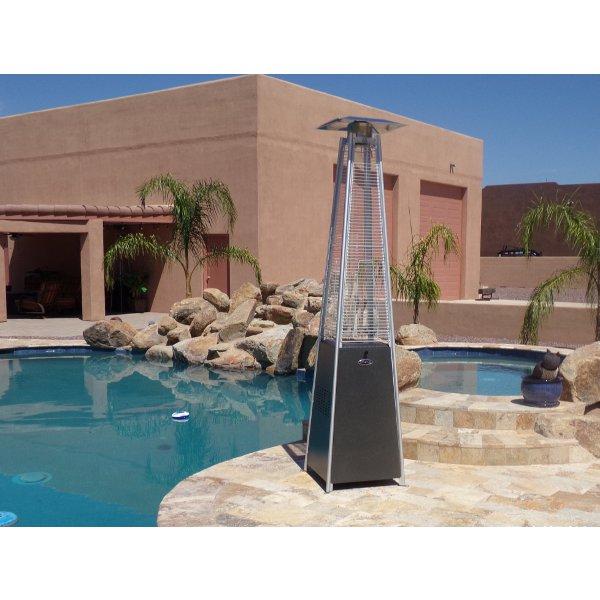
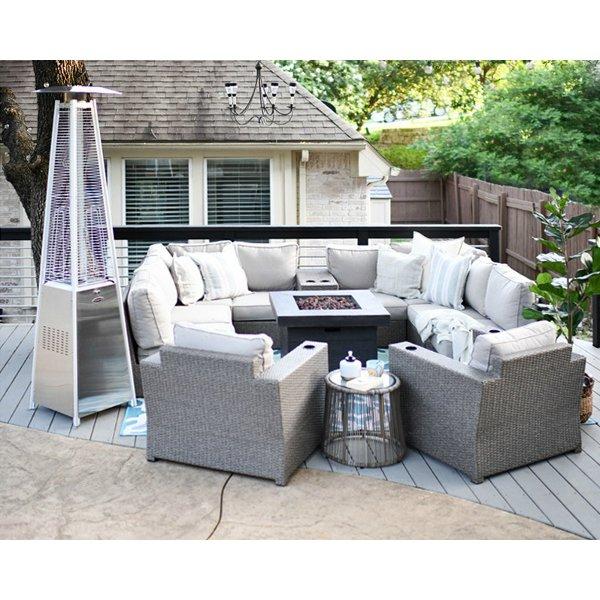
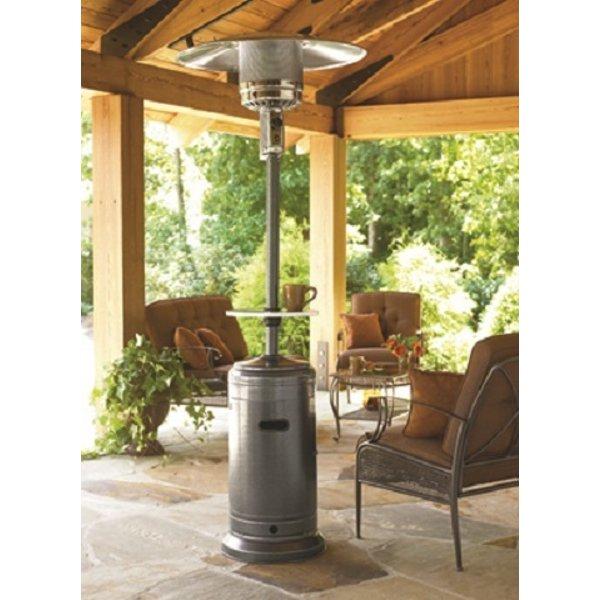
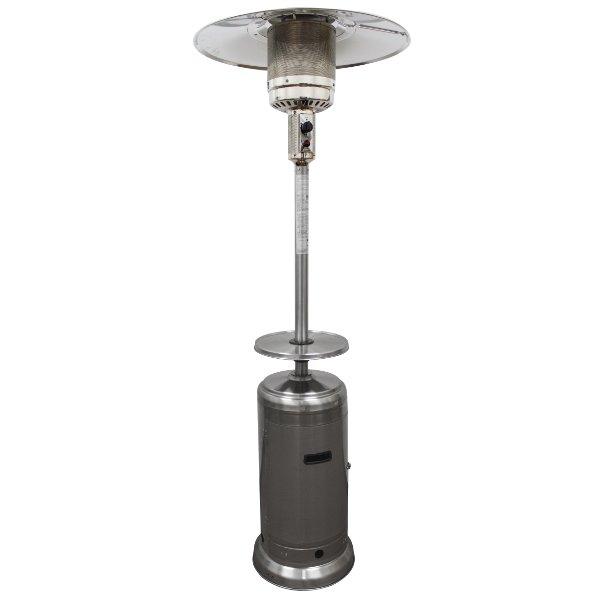
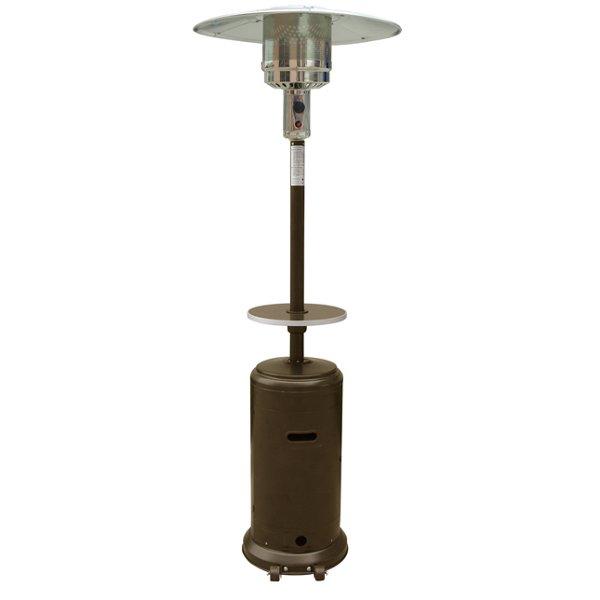
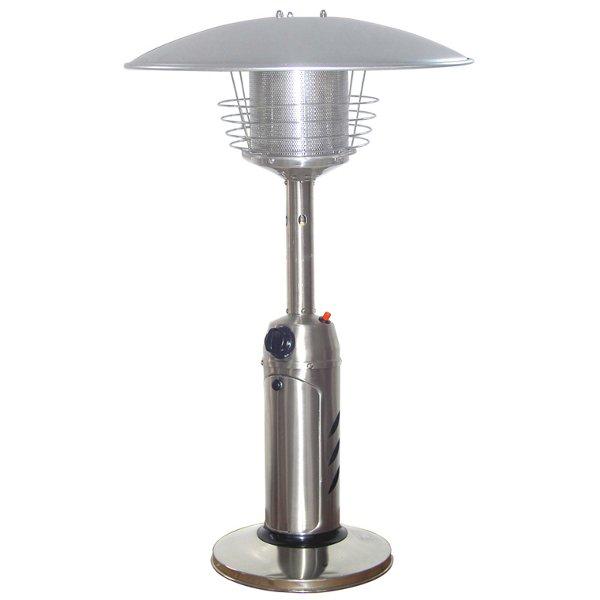
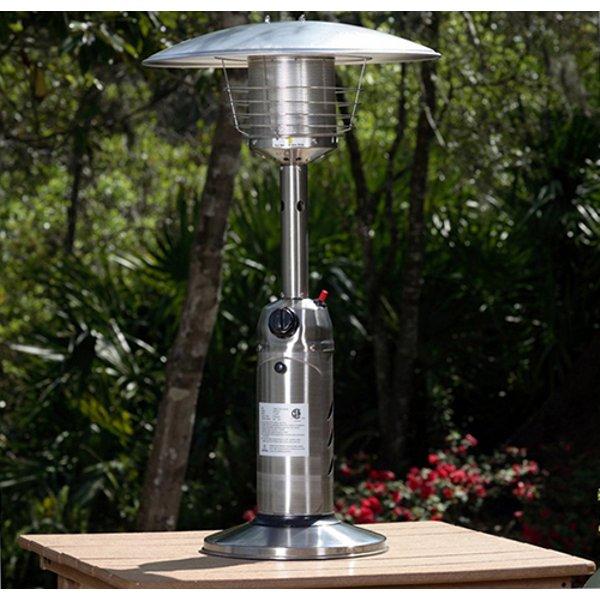
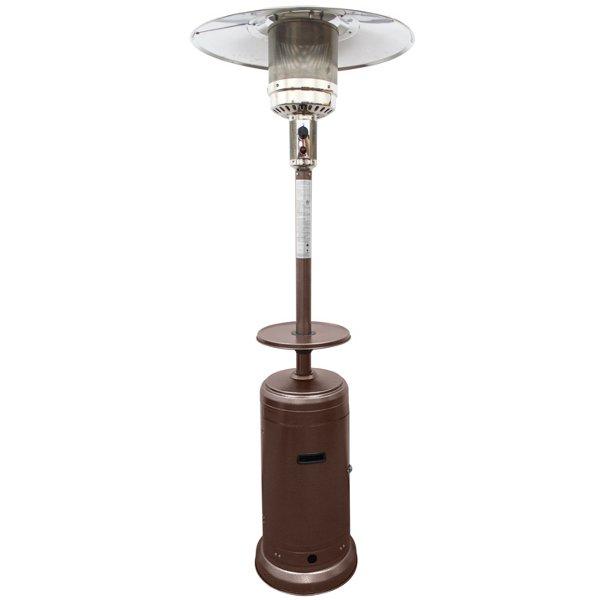
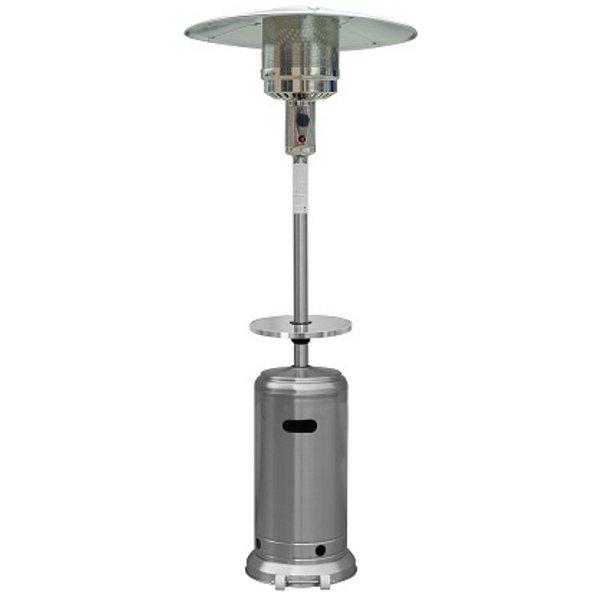
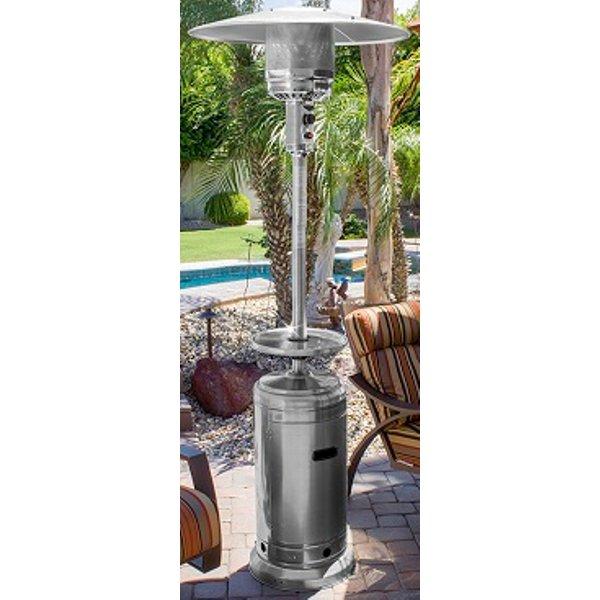
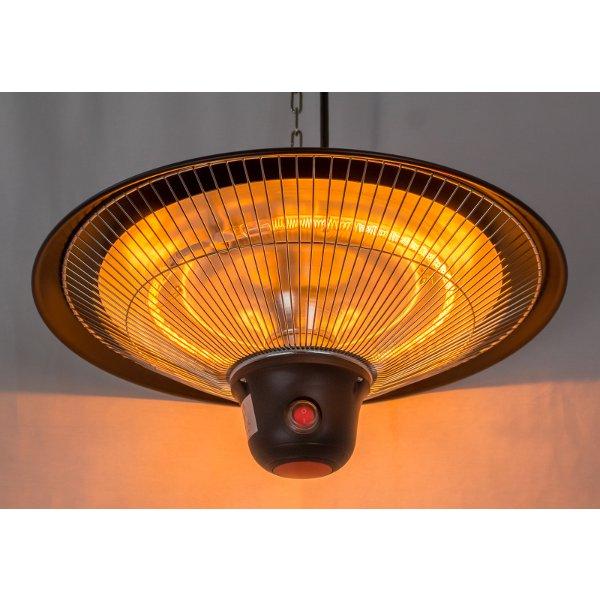
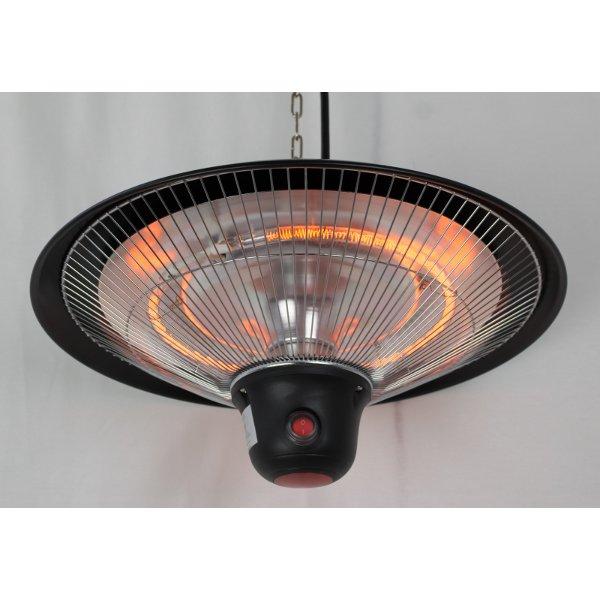
Heat Direction: Unlike a fire pit, which provides ambient heat in all directions, a patio heater's heat is directed down and outward. The reflective dome or hood focuses the warmth onto a specific seating area.
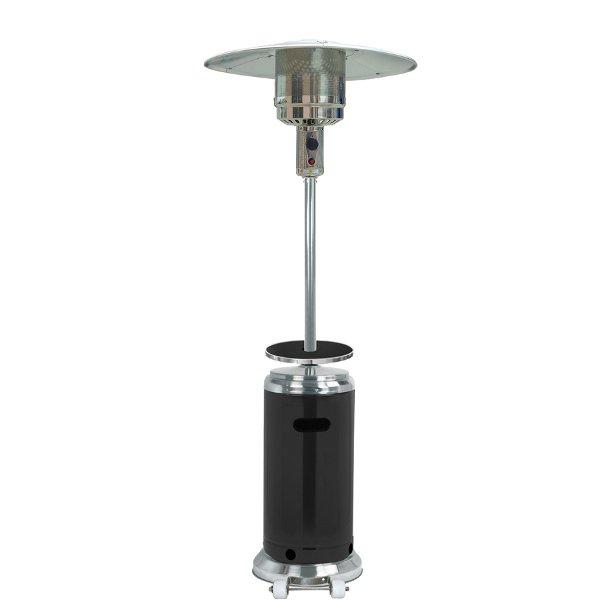
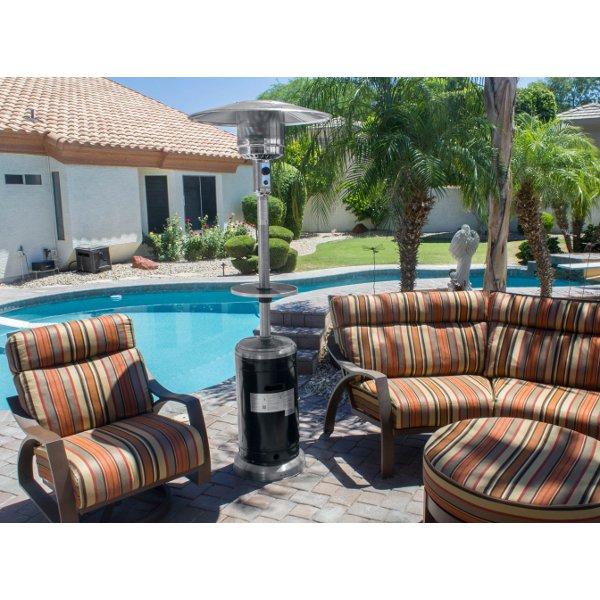
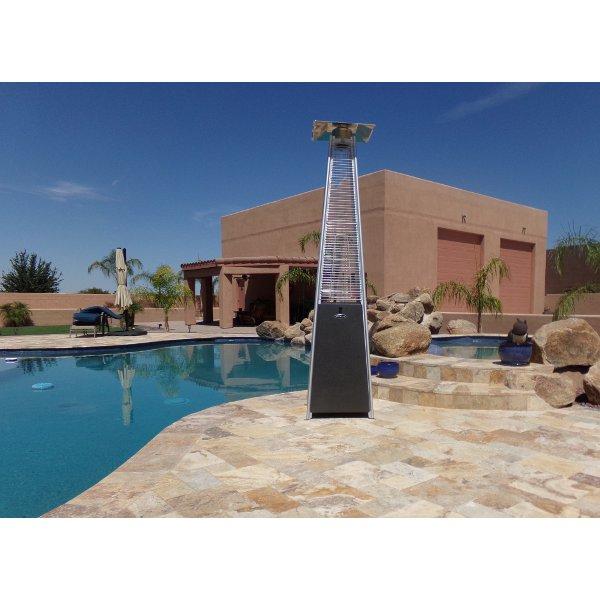
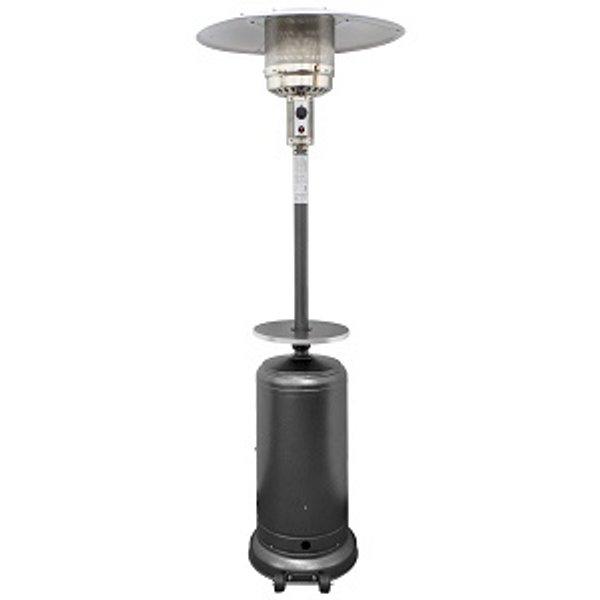
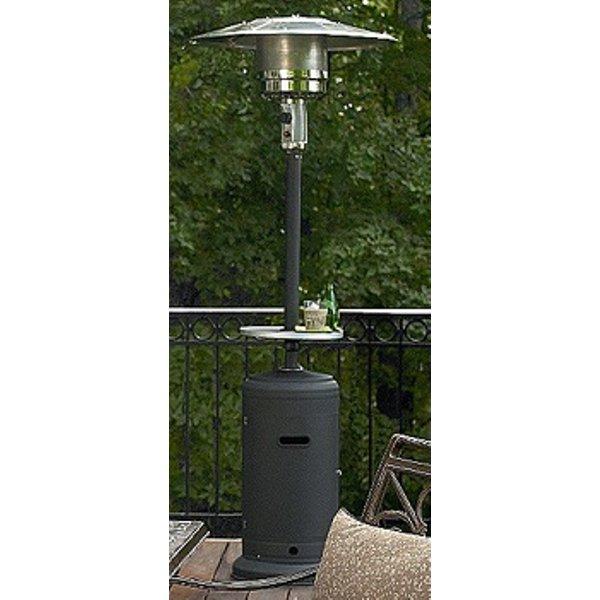
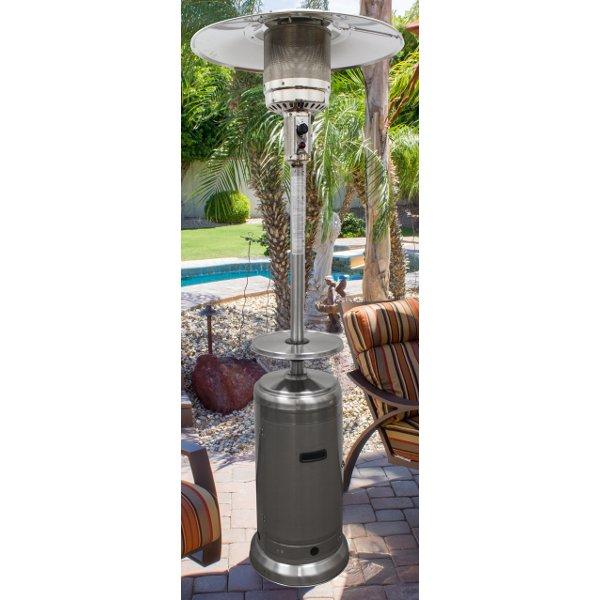
Coverage Area: Standard tall, umbrella-style gas heaters typically heat a circular area of approximately 10 to 20 feet in diameter.
A: Placement maximizes heat effectiveness and ensures safety from the vertical heat plume.
Clearance: The most critical safety rule is maintaining vertical clearance. Ensure at least 24 to 36 inches of clear space between the top reflector dome and any overhead ceiling, awning, or tree branches. The heat plume above the dome is very intense.
Distance to People: Place the heater close enough to the seating area to feel the warmth (usually 3-5 feet away) but ensure people are not directly under the heat source for extended periods.
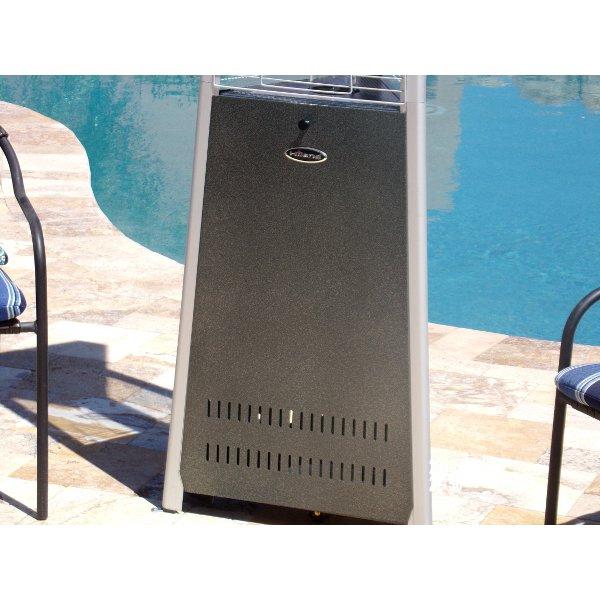
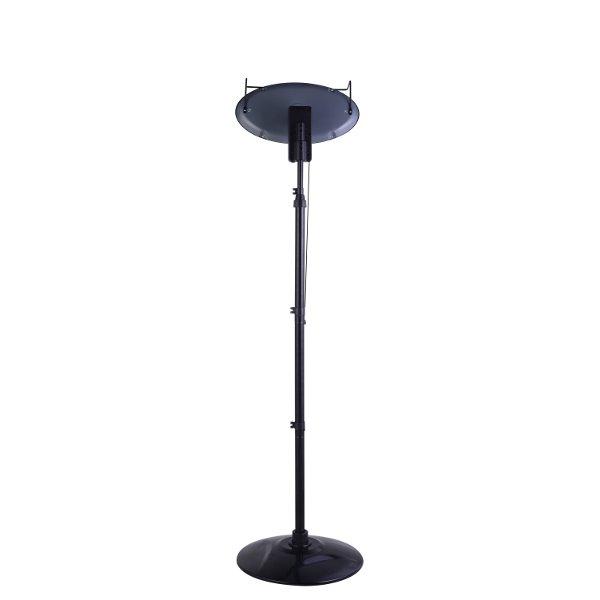
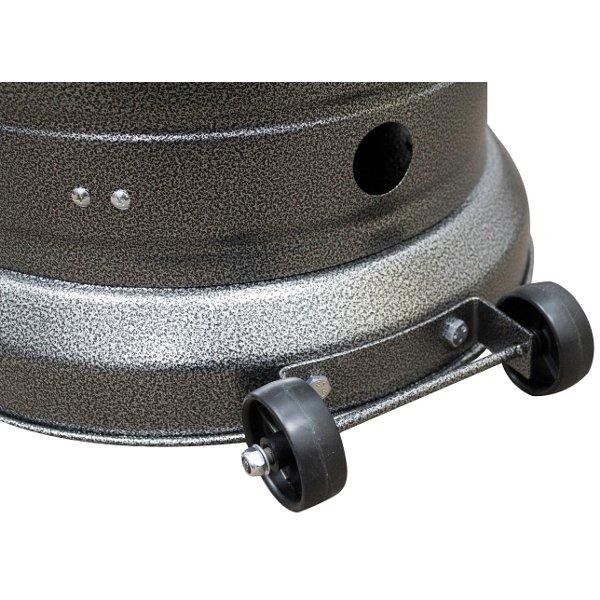
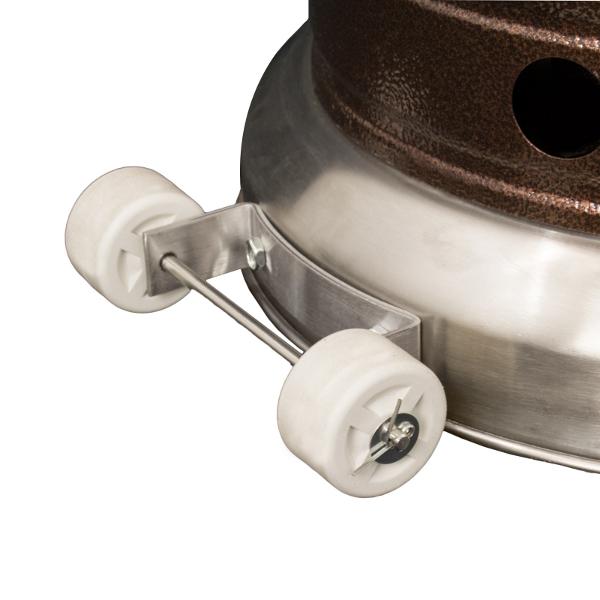
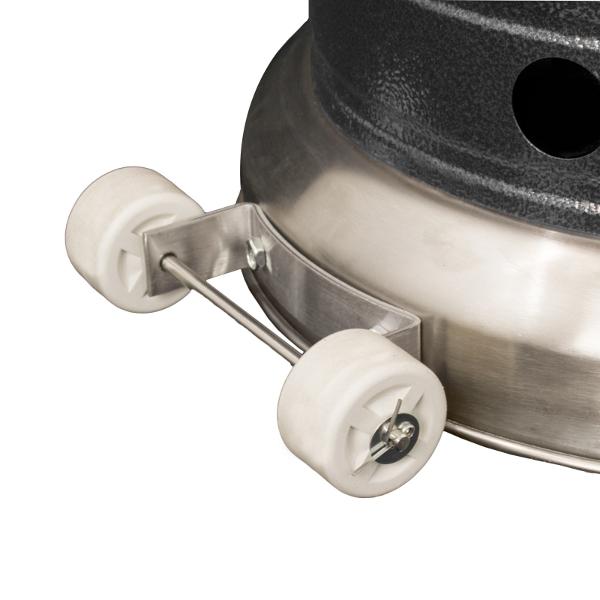
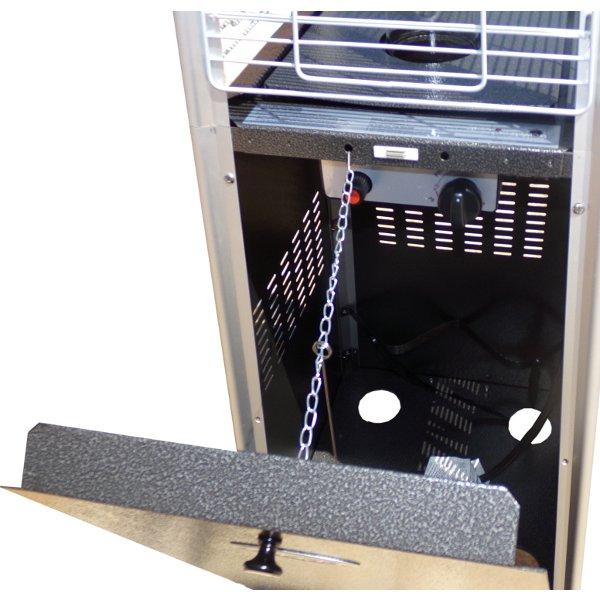
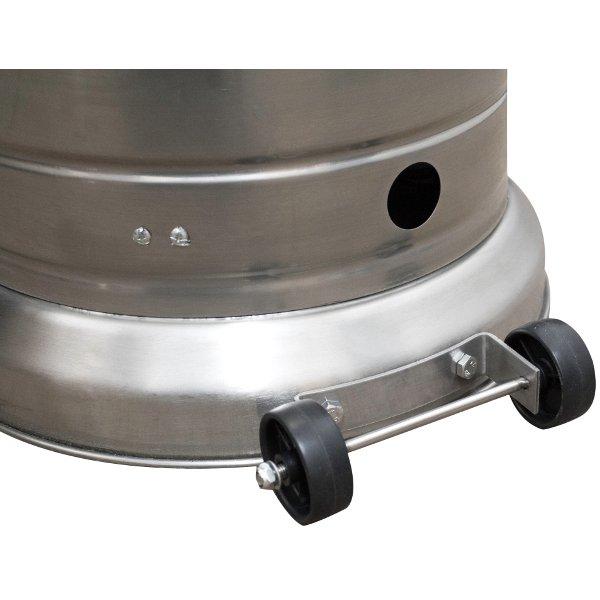
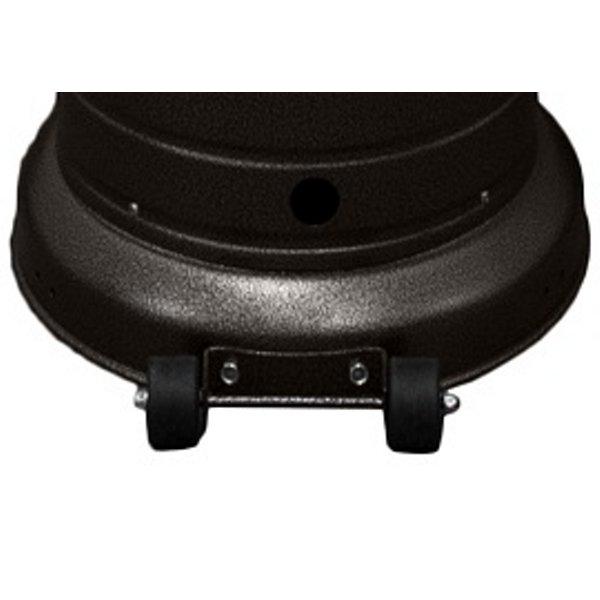
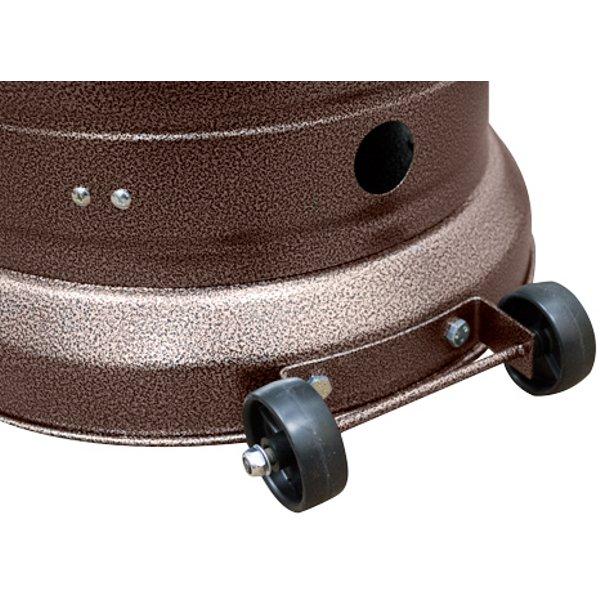
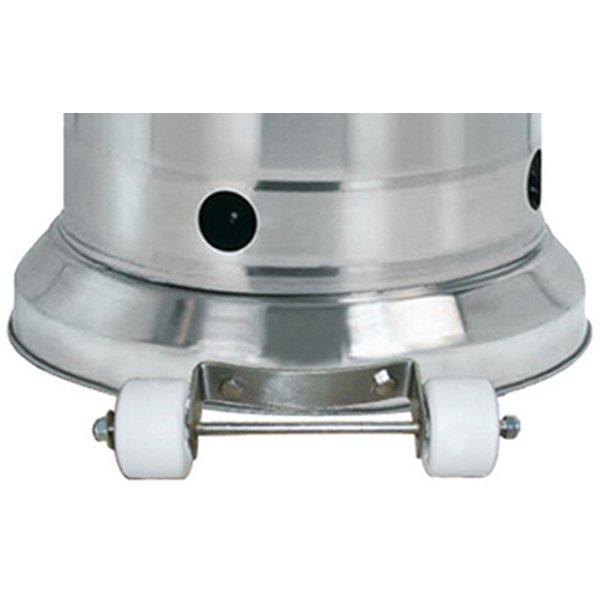
Stability: The base should be weighted to prevent tipping. Many heaters have a circular base that can be filled with sand or water for increased stability.
A: The main types are based on how they connect to their fuel source.
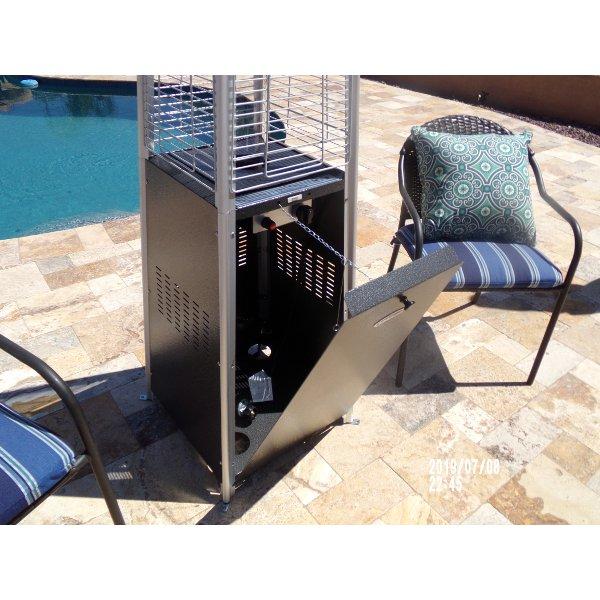
Propane (LP) Heaters: These are fully portable. The heater houses a standard 20 lb propane tank in its base, making it easy to move. It is the most common residential choice.
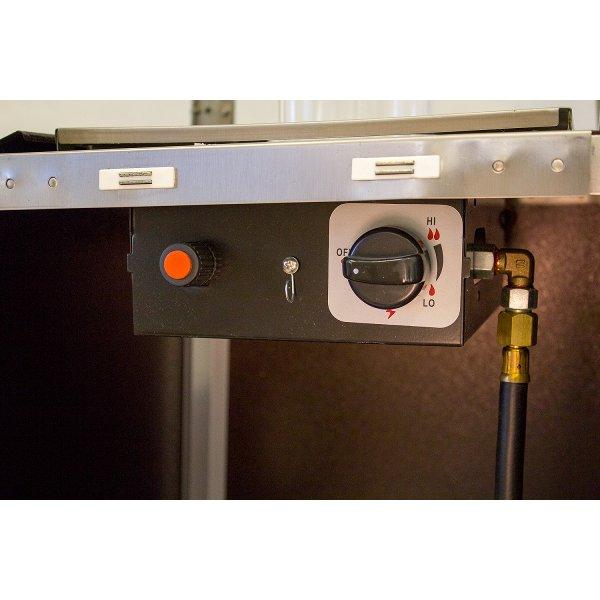
Natural Gas (NG) Heaters: These are fixed and permanent. They connect directly to a home's natural gas line and require professional installation. They offer unlimited run time and are usually seen in commercial settings.
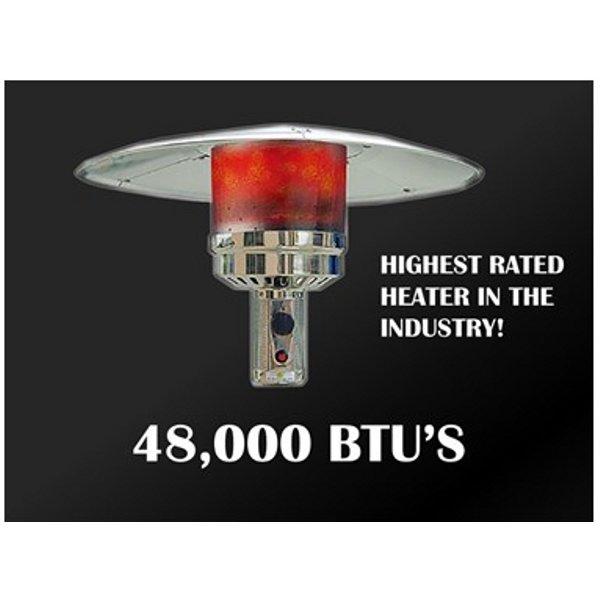
Note: LP heaters have higher BTU ratings for portability, while NG heaters have lower BTUs due to gas line pressure limitations.
A: Proper covering protects the burner and dome from the elements.
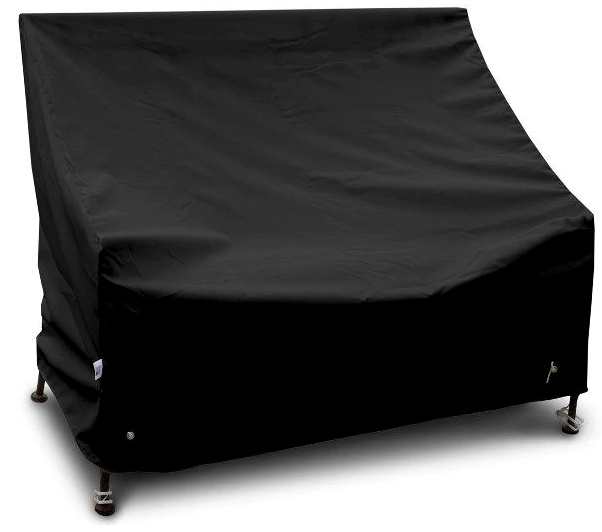
Covering: Always use a full-length, weather-resistant heater cover. The cover should extend from the top reflector down to the base. It is crucial to keep the burner assembly dry and prevent rust on the reflector dome and housing.
Cleaning: Before covering, ensure the reflector dome is wiped clean. Dust and water left on the dome can lead to pitting or discoloration over time.
Propane tanks: Ensure the propane line is disconnected and the tank valve is closed before covering.
The answer to the question "where to buy patio heaters" ends here. Explore our page.
Banish the cold and create a warm and inviting ambiance in your outdoor space with our selection of Patio heaters. With our free shipping offer on every heater, you won’t find a better deal anywhere. From fire pits to patio heaters, we have the perfect package for every type of outdoor setting. We also sell patio heater covers, electric heaters and parts.
A: Patio heaters primarily use infrared radiant heat and are designed to direct warmth.
Technology: Most patio heaters use a gas flame (propane or natural gas) or an electric coil to heat a metal or ceramic element. This heated element emits infrared radiation that travels through the air without heating it, directly warming objects and people.
Heat Direction: Unlike a fire pit, which provides ambient heat in all directions, a patio heater's heat is directed down and outward. The reflective dome or hood focuses the warmth onto a specific seating area.
Coverage Area: Standard tall, umbrella-style gas heaters typically heat a circular area of approximately 10 to 20 feet in diameter.
A: Placement maximizes heat effectiveness and ensures safety from the vertical heat plume.
Clearance: The most critical safety rule is maintaining vertical clearance. Ensure at least 24 to 36 inches of clear space between the top reflector dome and any overhead ceiling, awning, or tree branches. The heat plume above the dome is very intense.
Distance to People: Place the heater close enough to the seating area to feel the warmth (usually 3-5 feet away) but ensure people are not directly under the heat source for extended periods.
Stability: The base should be weighted to prevent tipping. Many heaters have a circular base that can be filled with sand or water for increased stability.
A: The main types are based on how they connect to their fuel source.
Propane (LP) Heaters: These are fully portable. The heater houses a standard 20 lb propane tank in its base, making it easy to move. It is the most common residential choice.
Natural Gas (NG) Heaters: These are fixed and permanent. They connect directly to a home's natural gas line and require professional installation. They offer unlimited run time and are usually seen in commercial settings.
Note: LP heaters have higher BTU ratings for portability, while NG heaters have lower BTUs due to gas line pressure limitations.
A: Proper covering protects the burner and dome from the elements.
Covering: Always use a full-length, weather-resistant heater cover. The cover should extend from the top reflector down to the base. It is crucial to keep the burner assembly dry and prevent rust on the reflector dome and housing.
Cleaning: Before covering, ensure the reflector dome is wiped clean. Dust and water left on the dome can lead to pitting or discoloration over time.
Propane tanks: Ensure the propane line is disconnected and the tank valve is closed before covering.
The answer to the question "where to buy patio heaters" ends here. Explore our page.