Your Cart is Empty

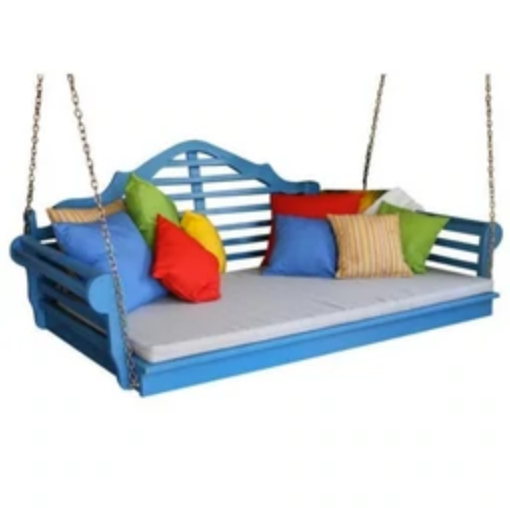
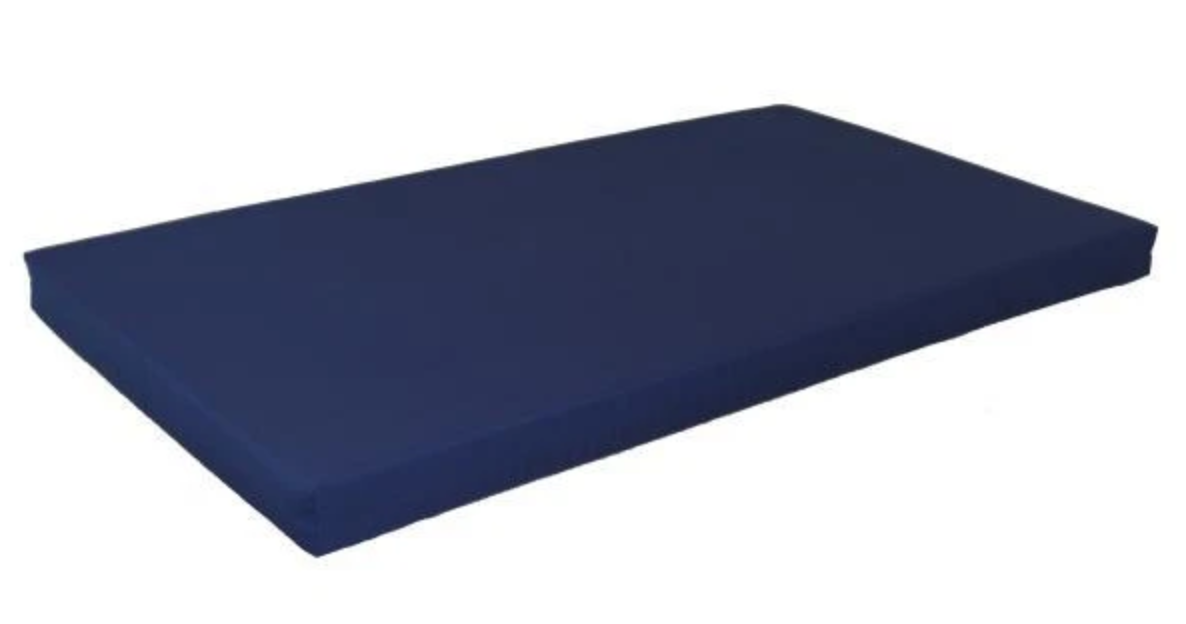
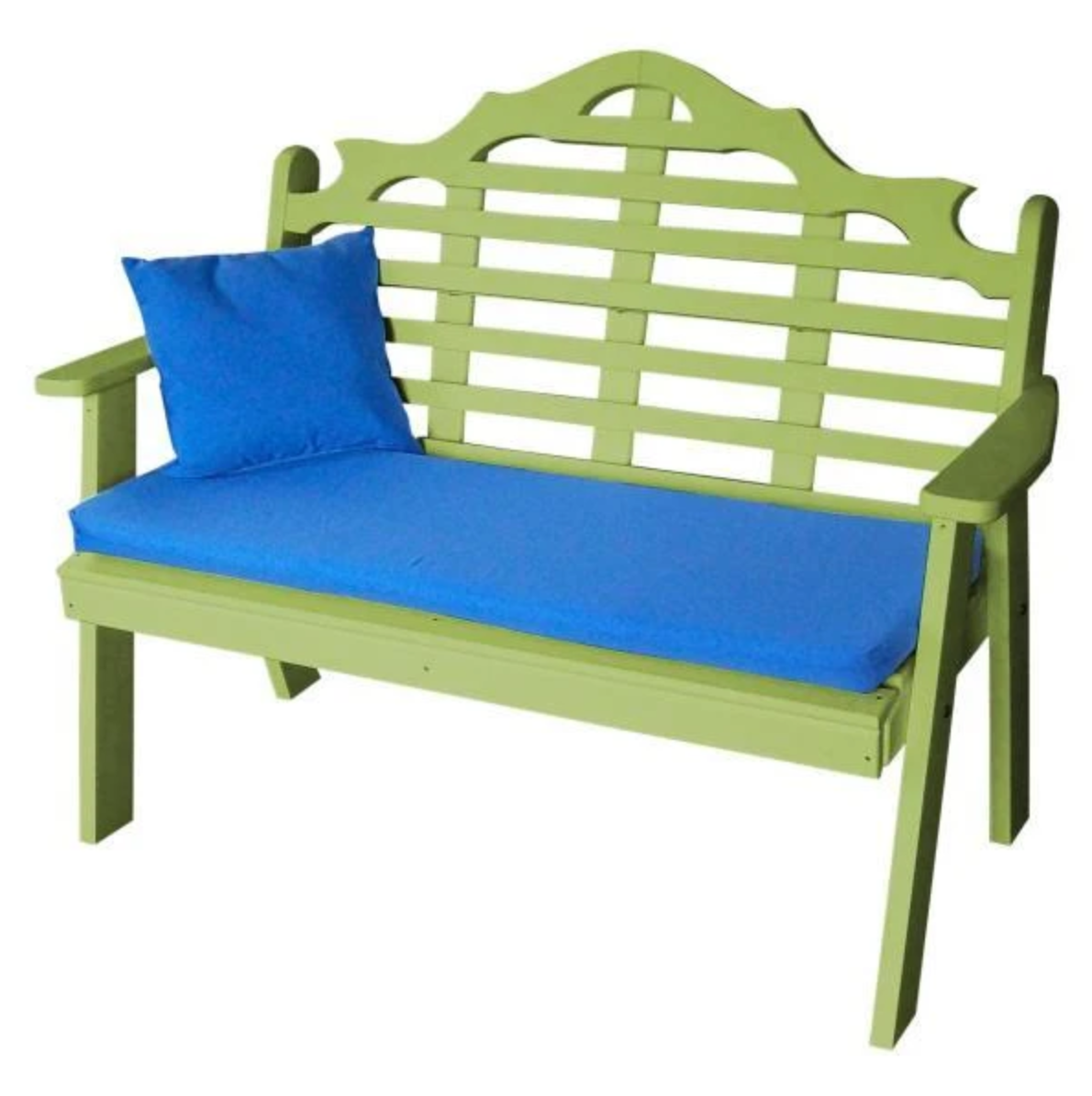
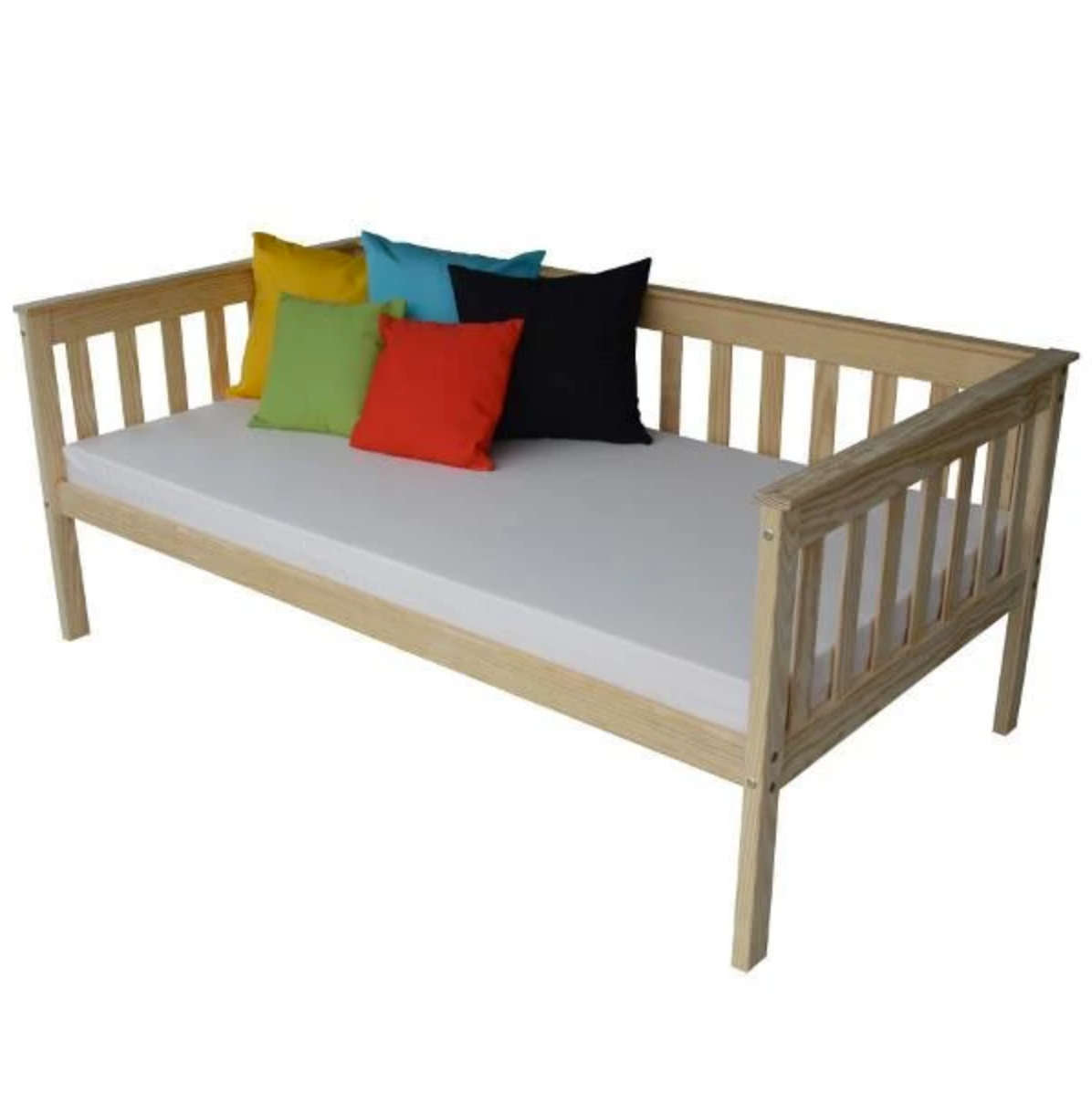
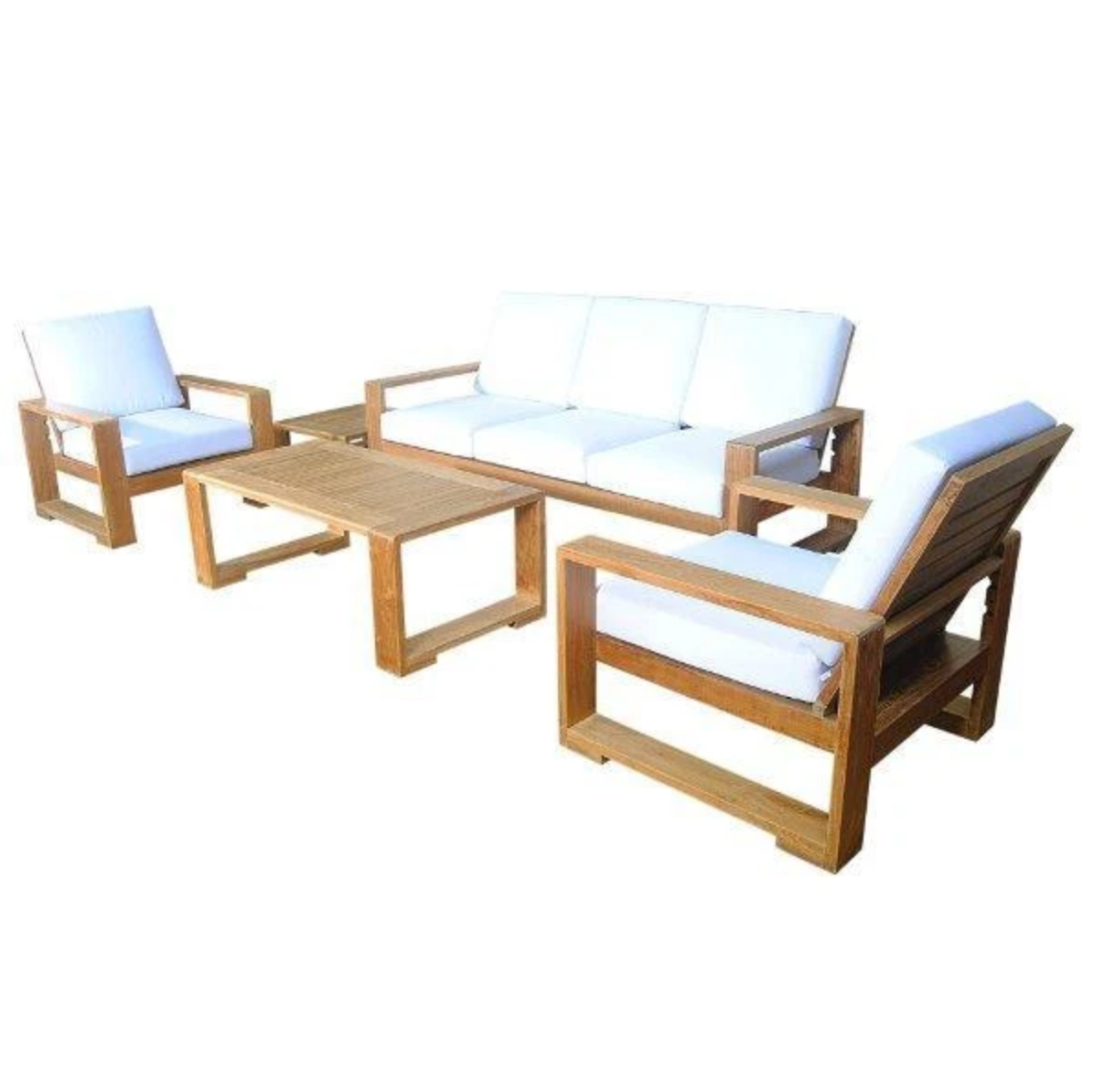
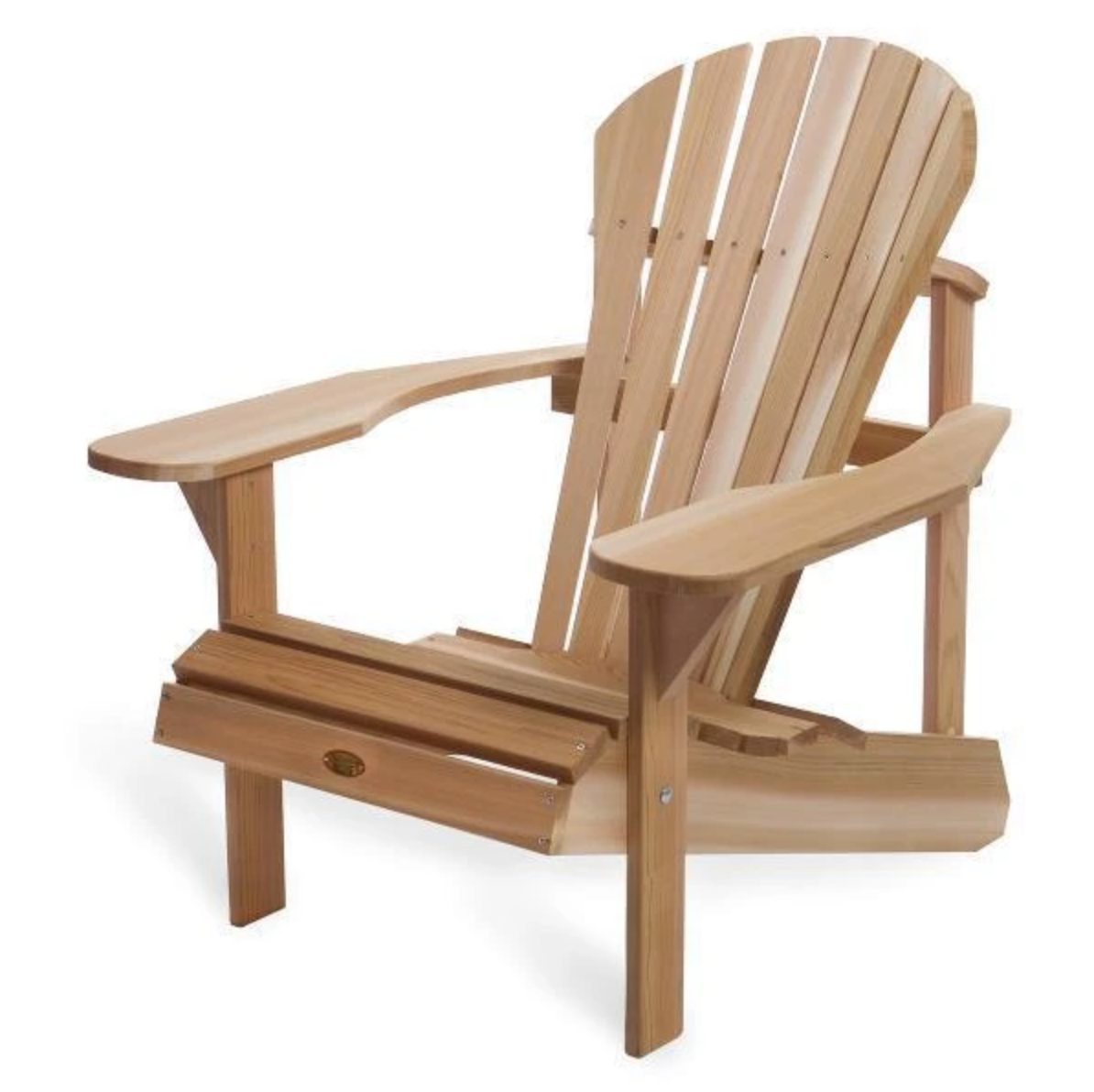
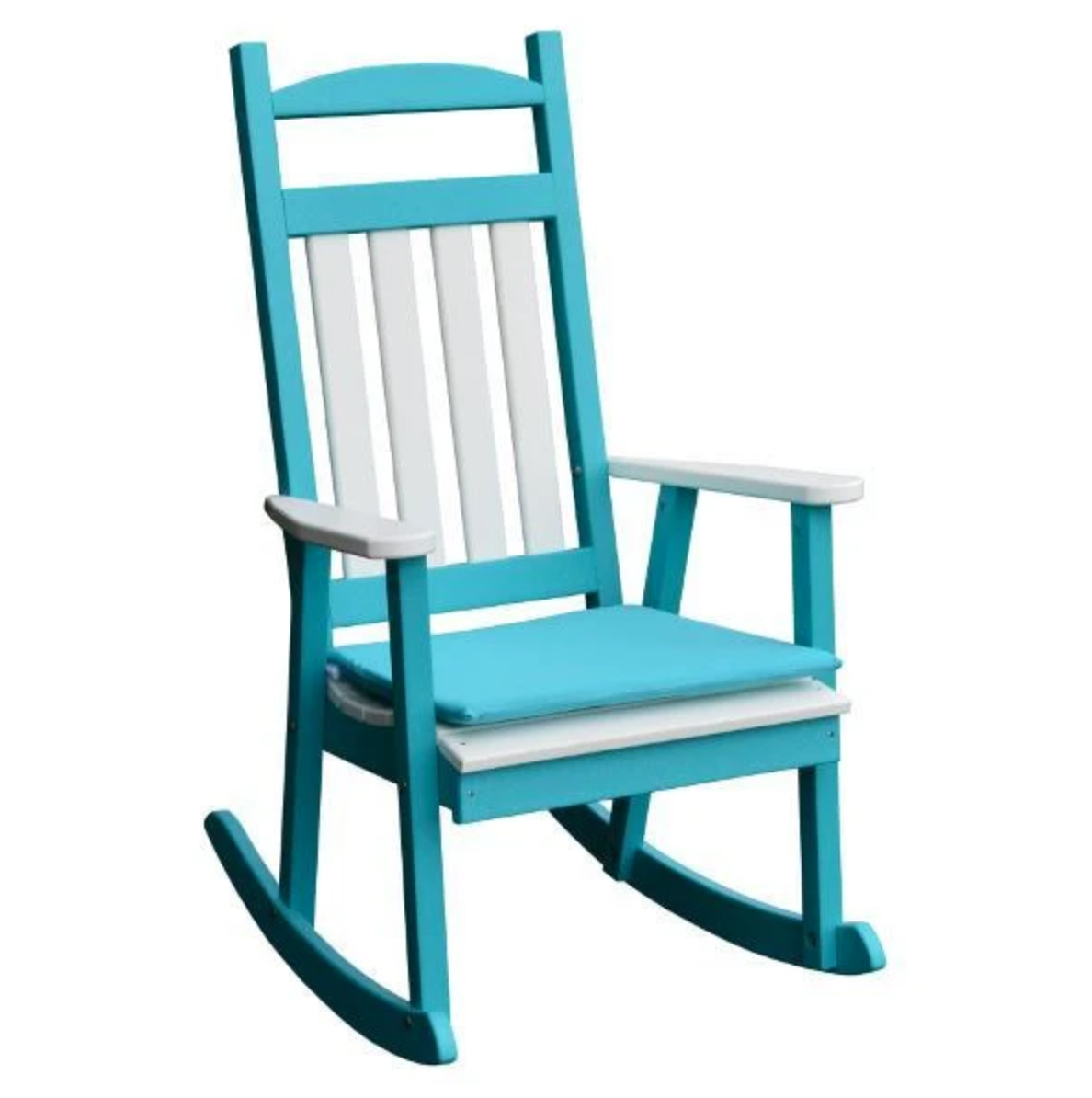
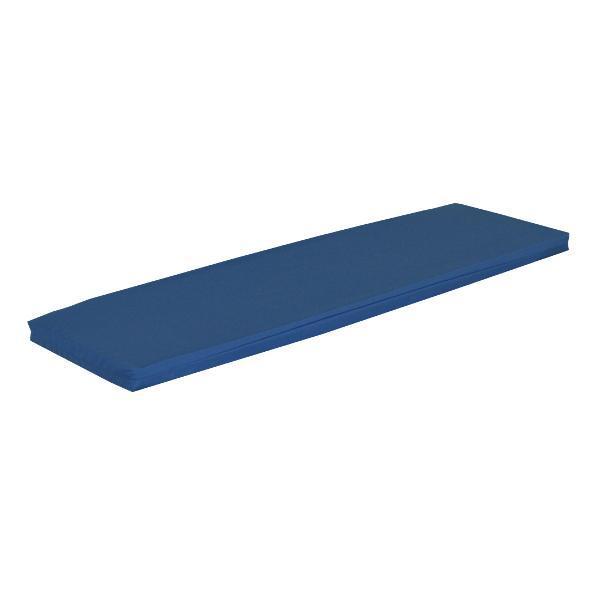
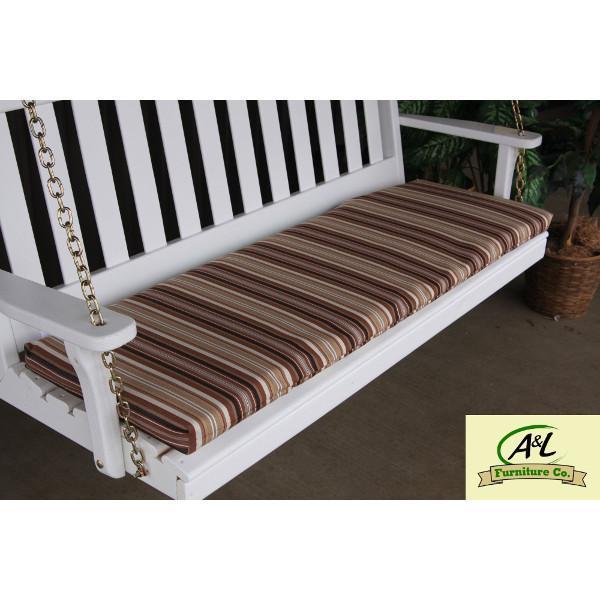
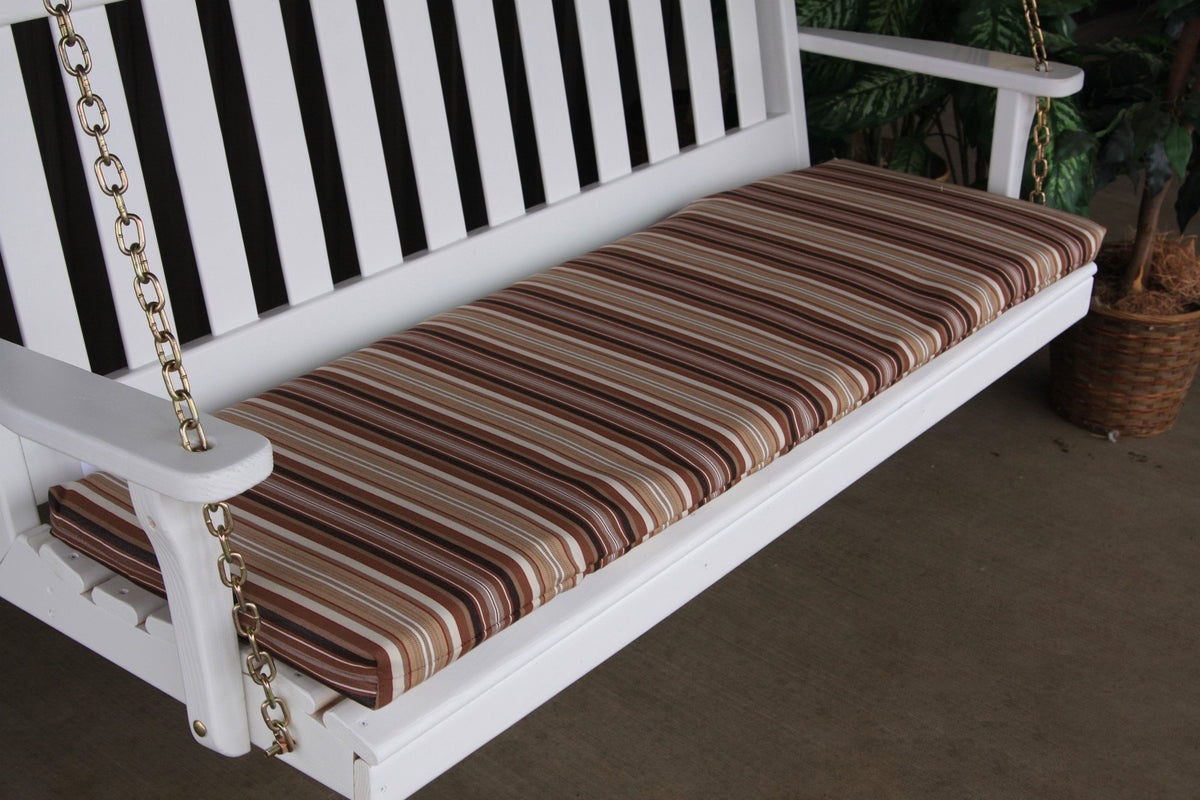
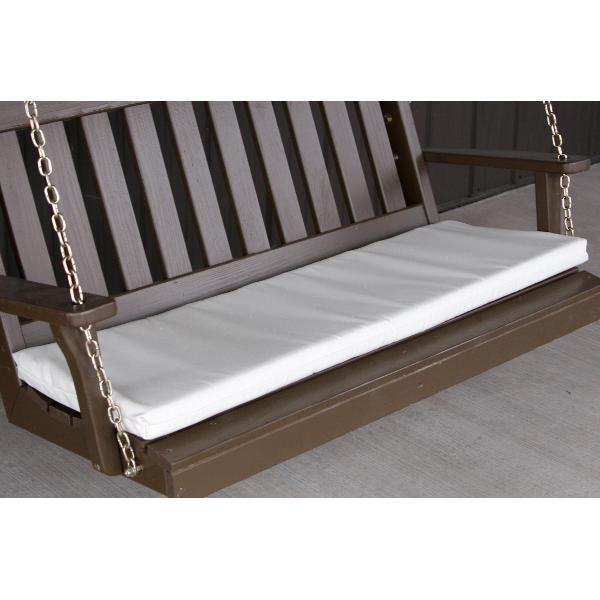
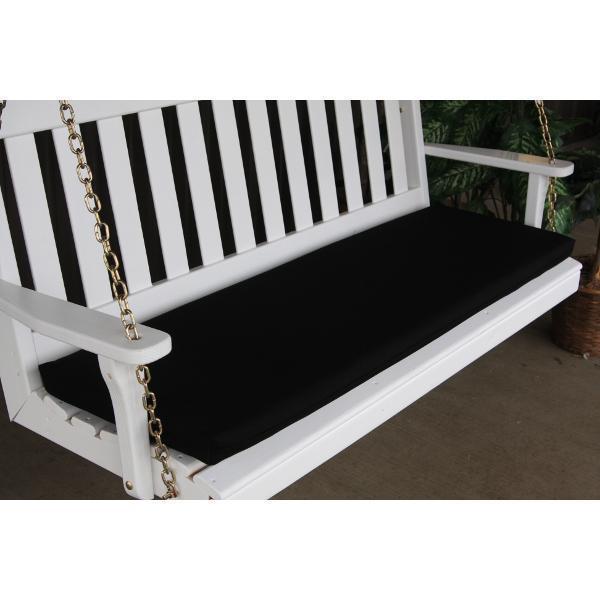
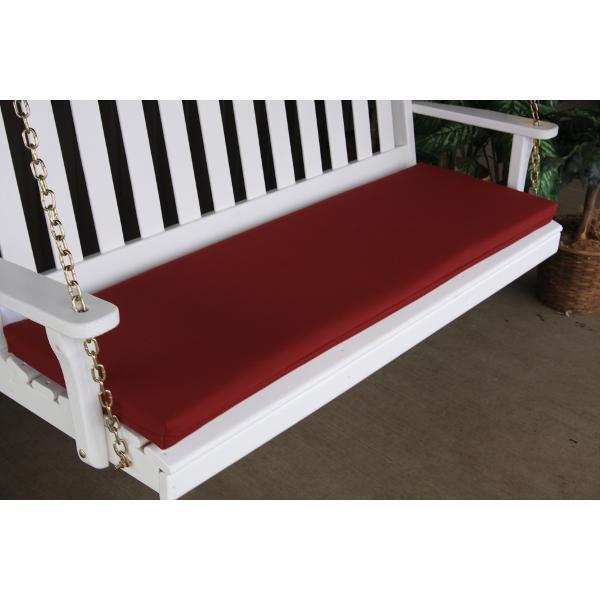
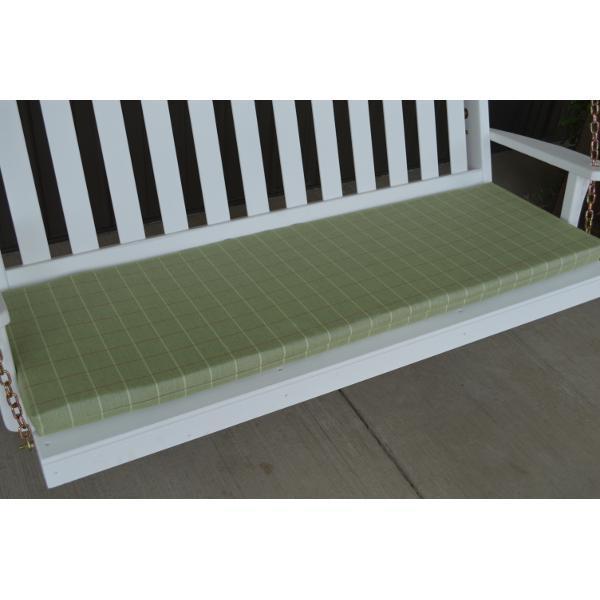
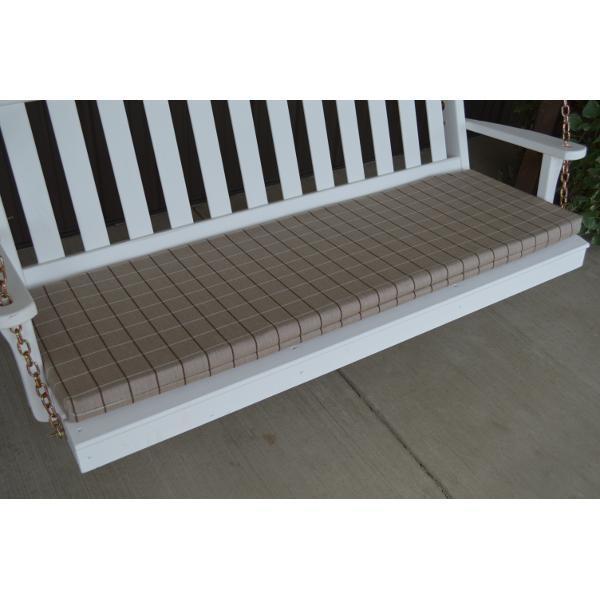
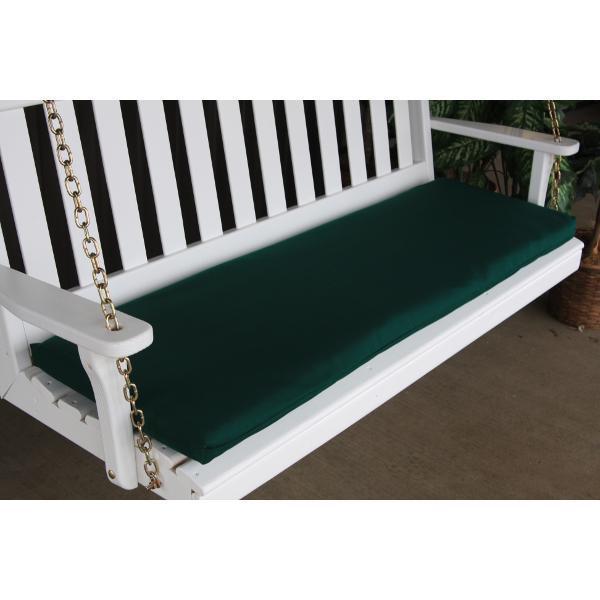
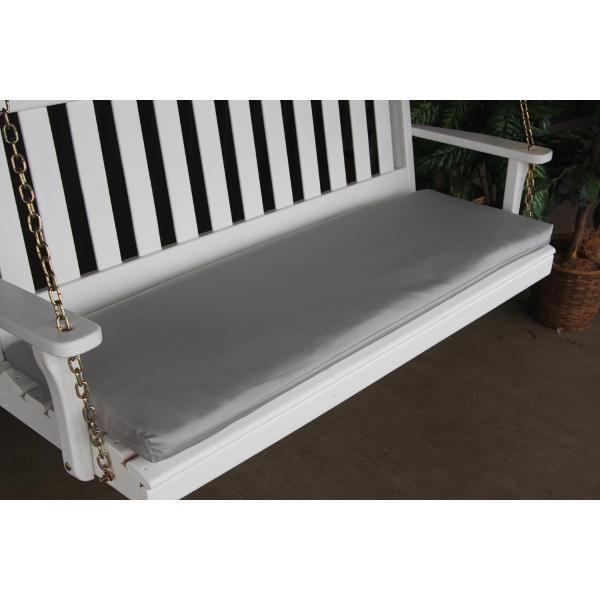
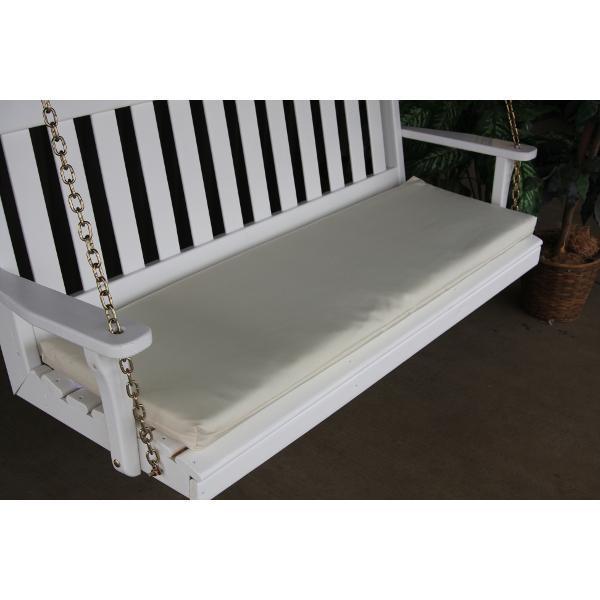
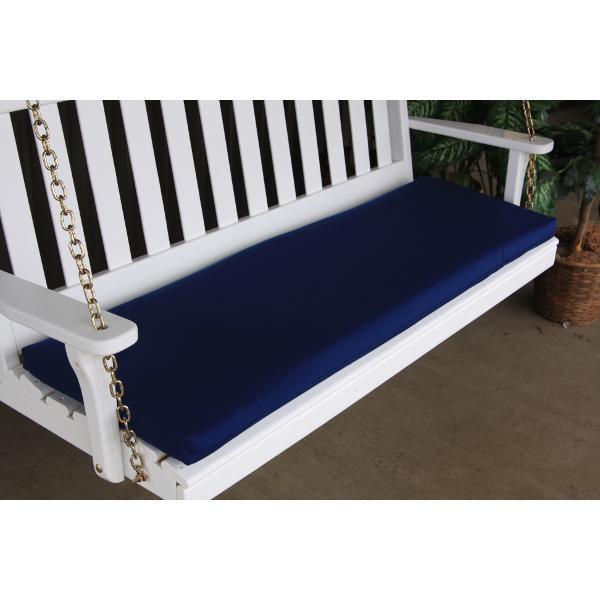
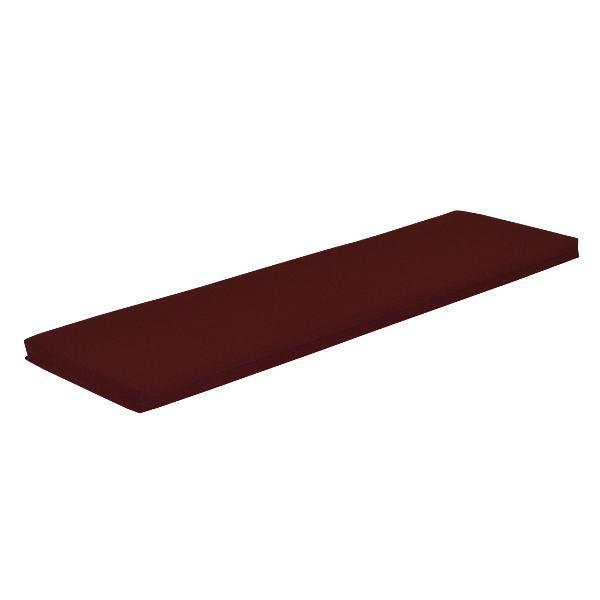
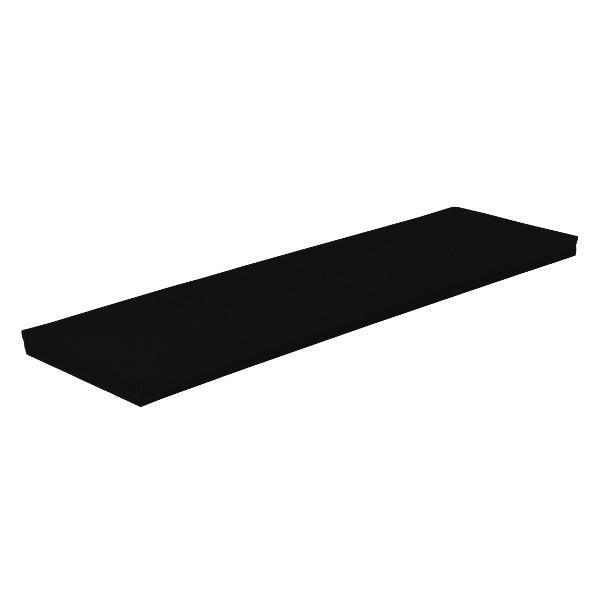
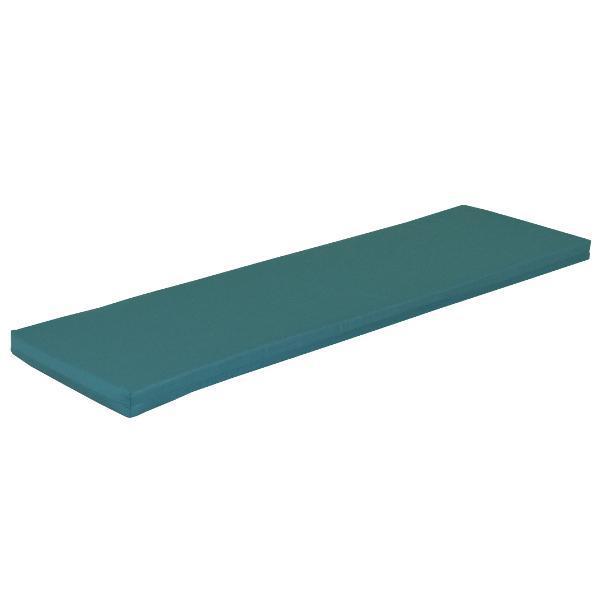
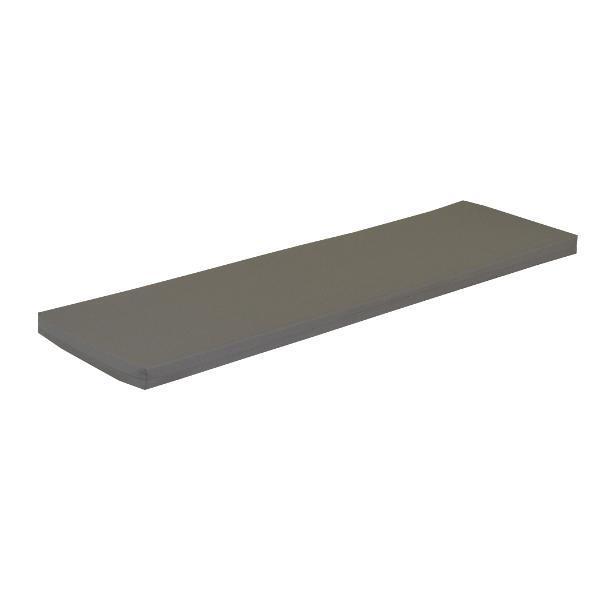
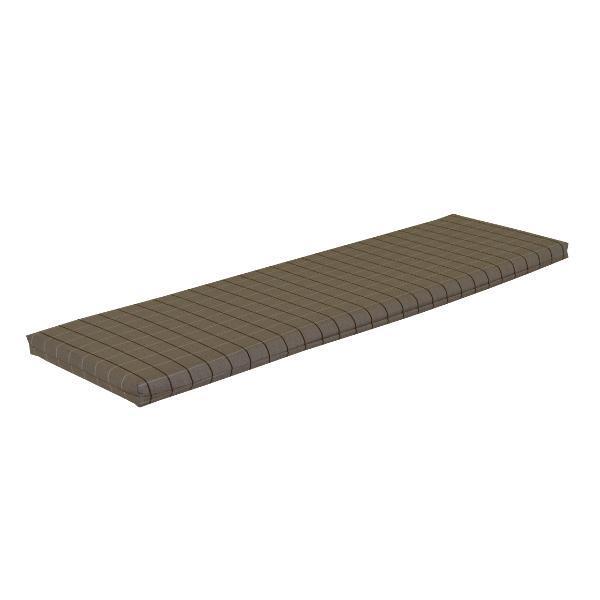
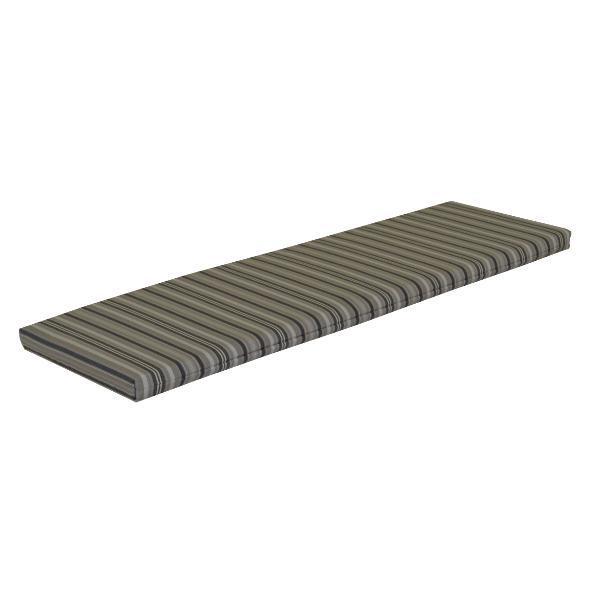
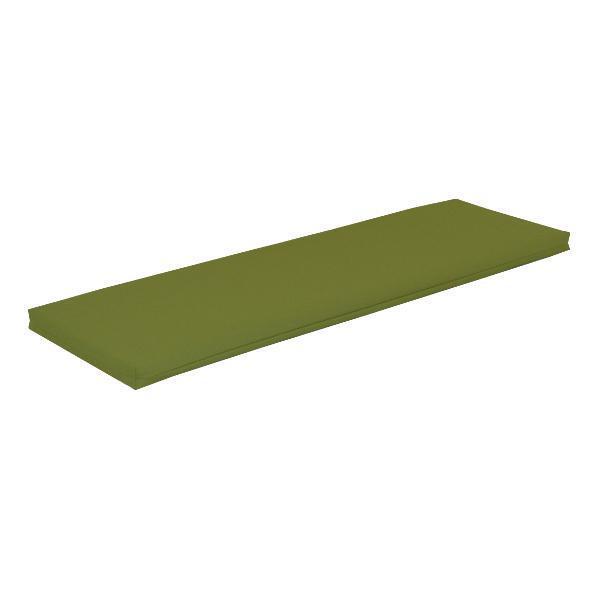
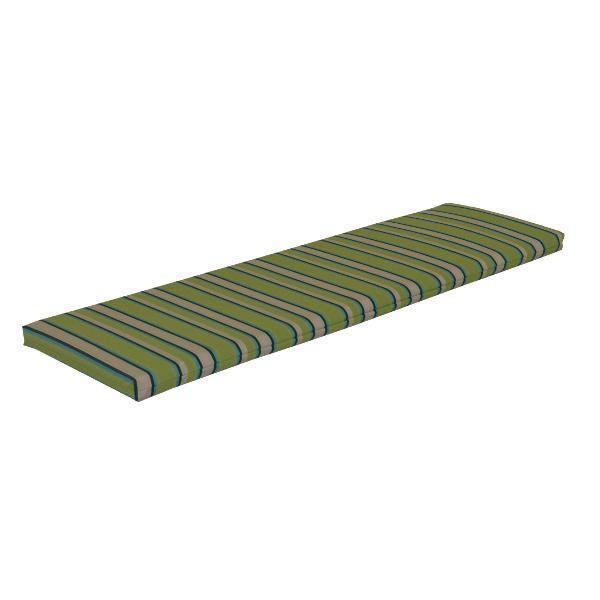
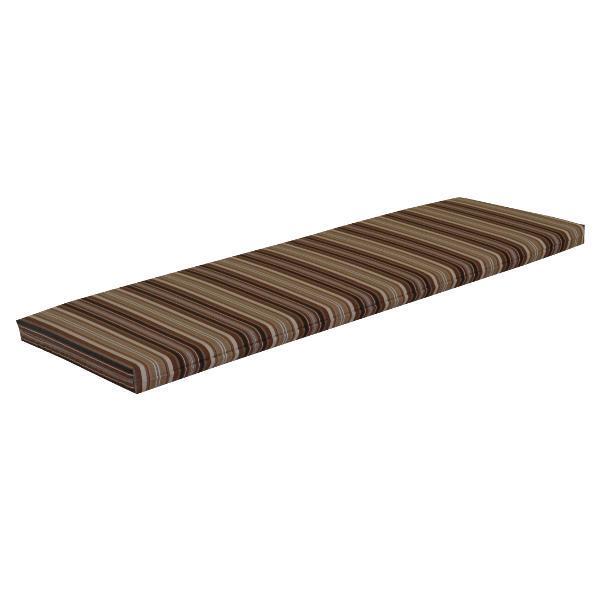
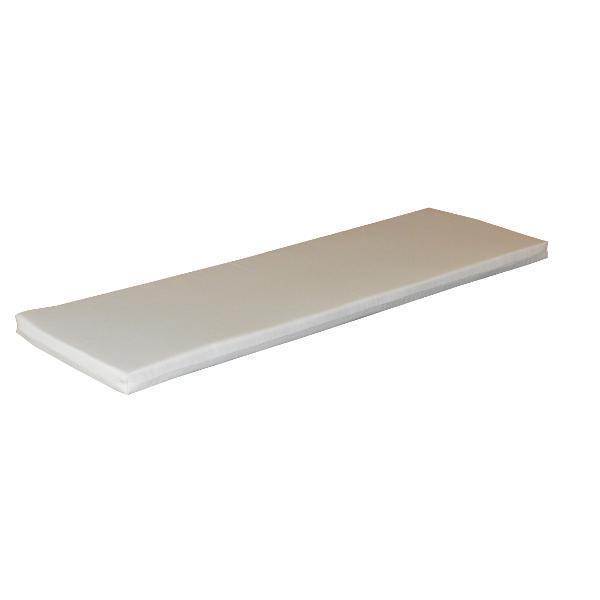
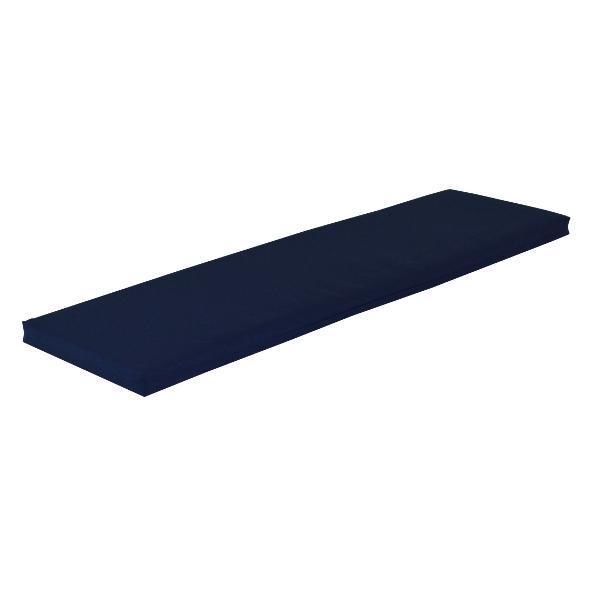
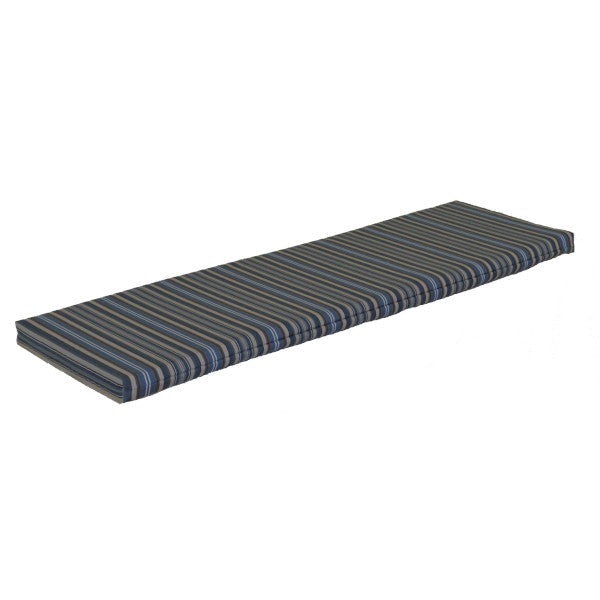
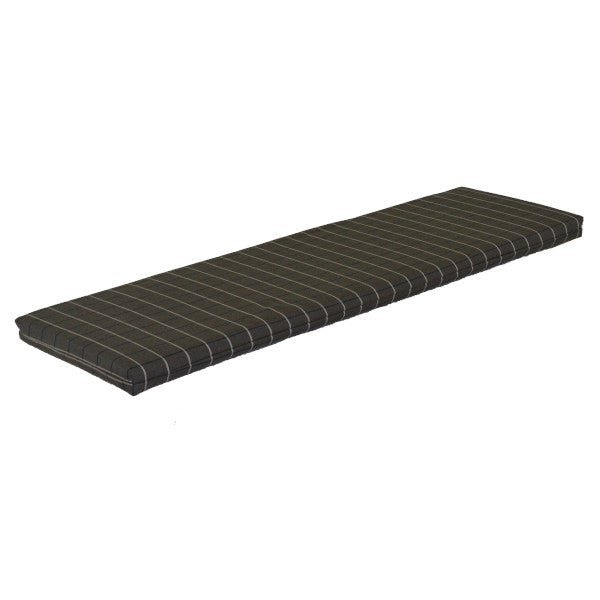
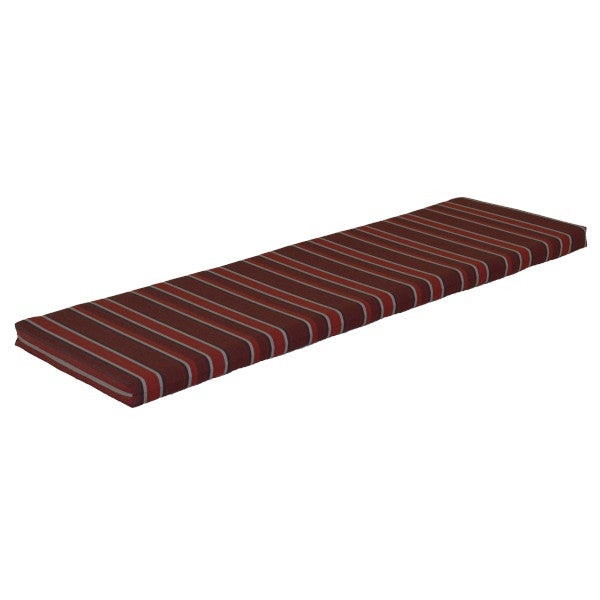
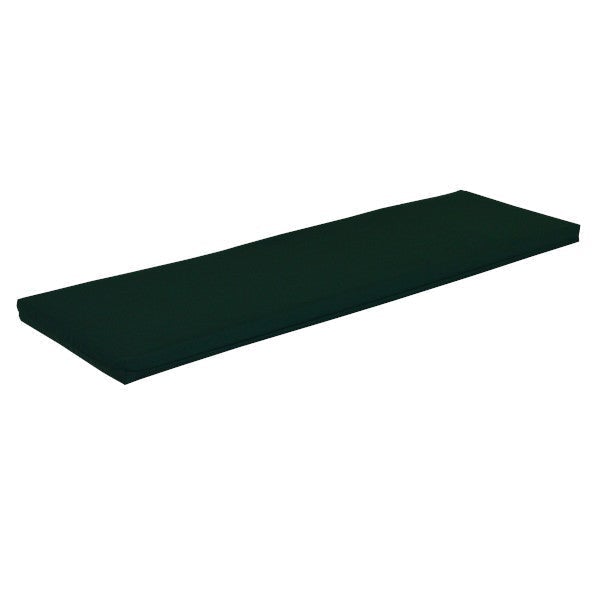
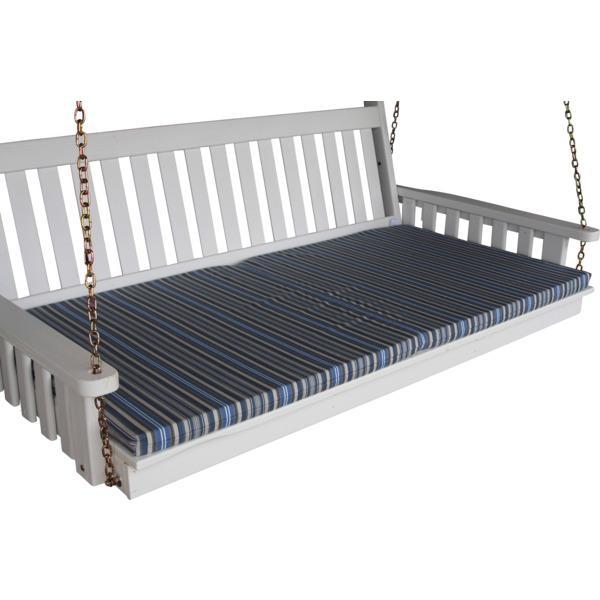
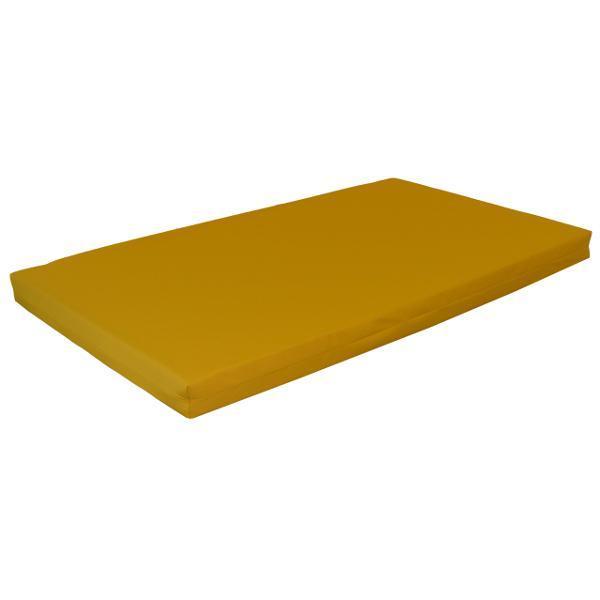
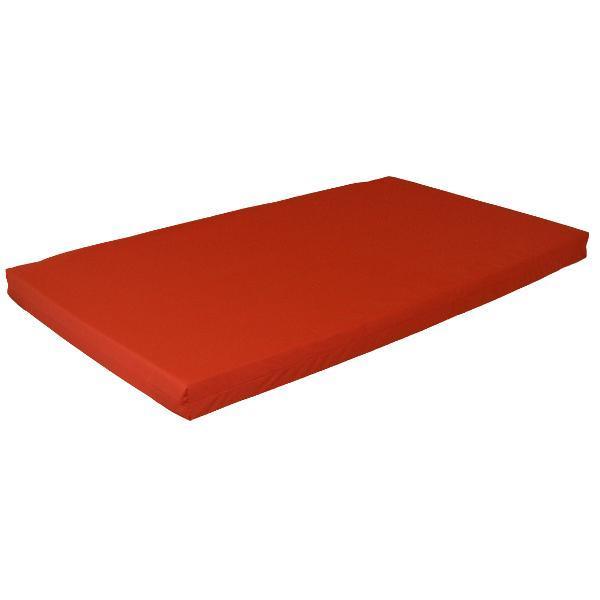
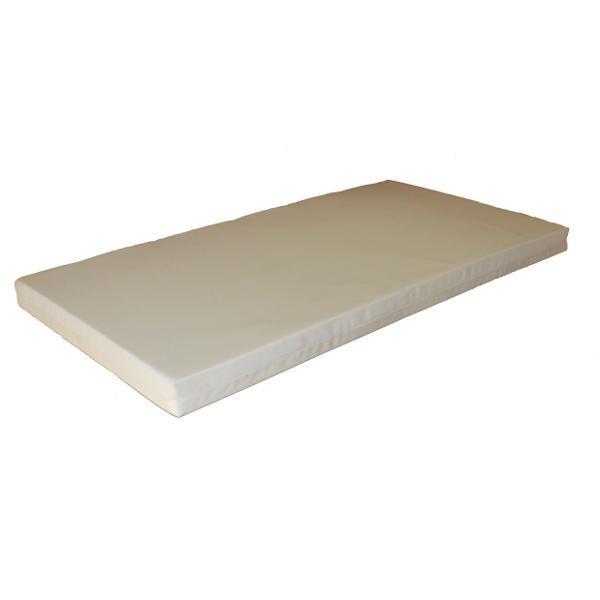
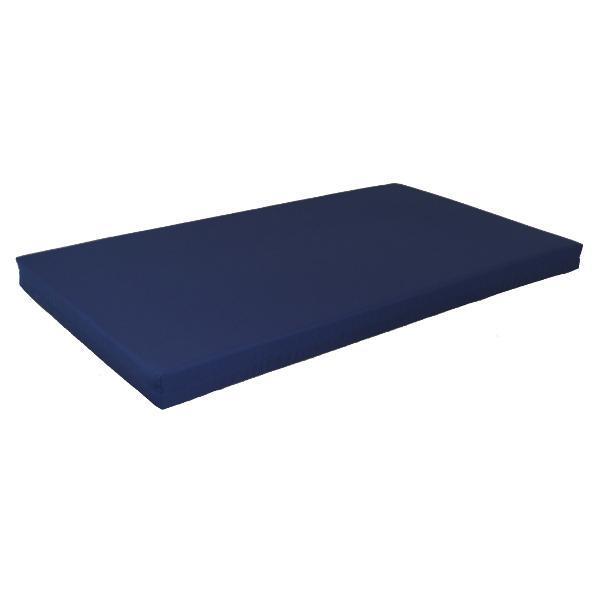
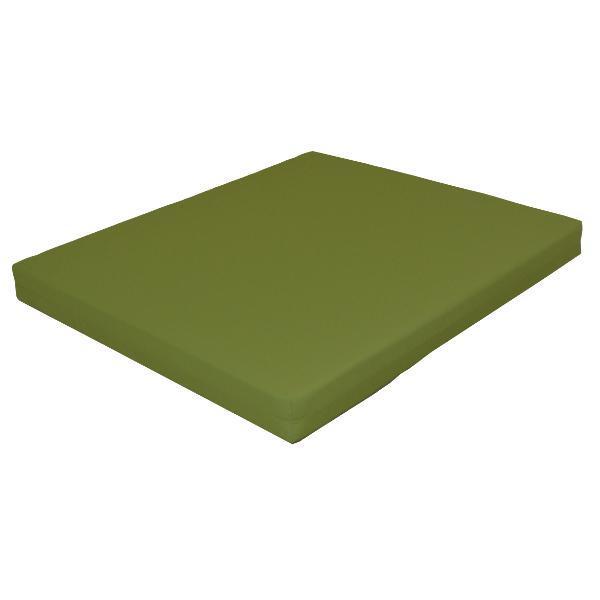
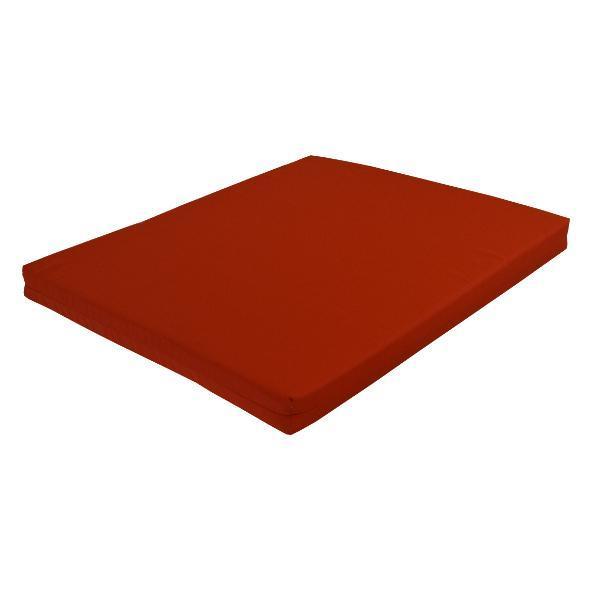
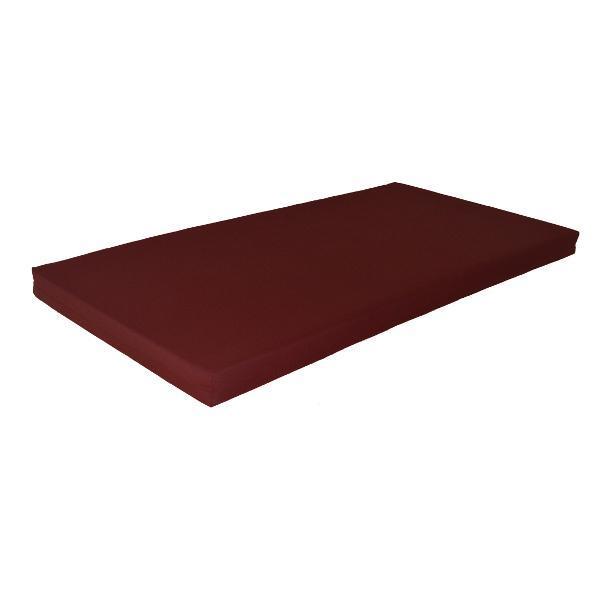
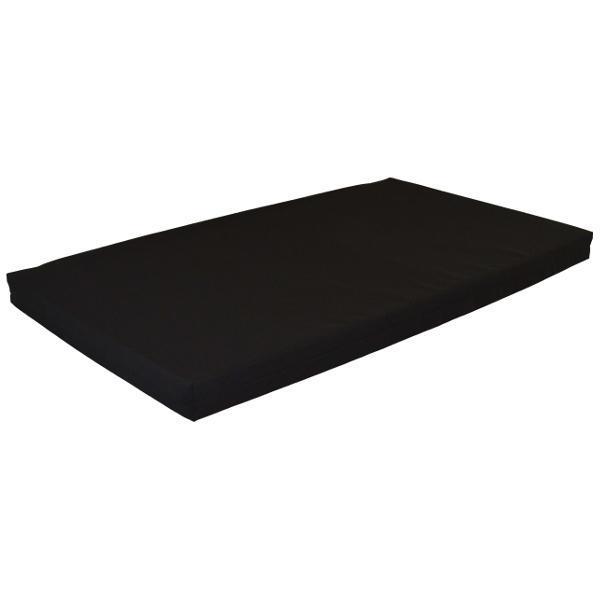
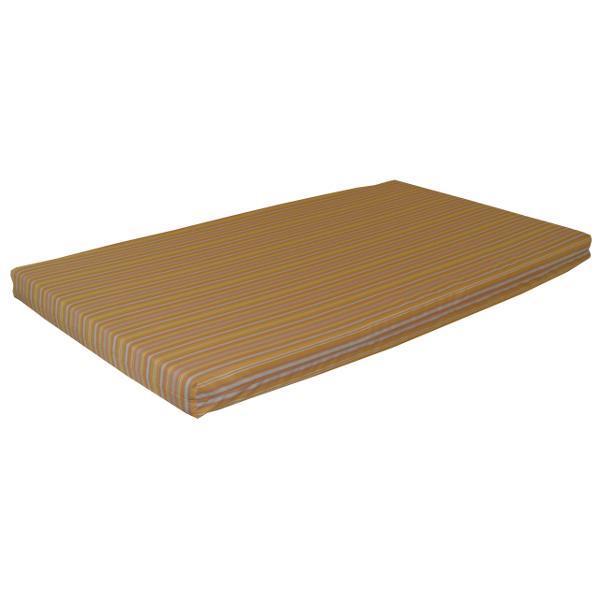
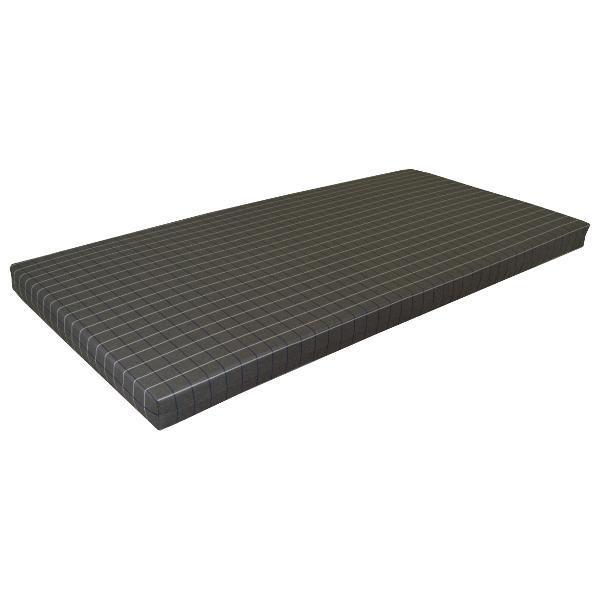
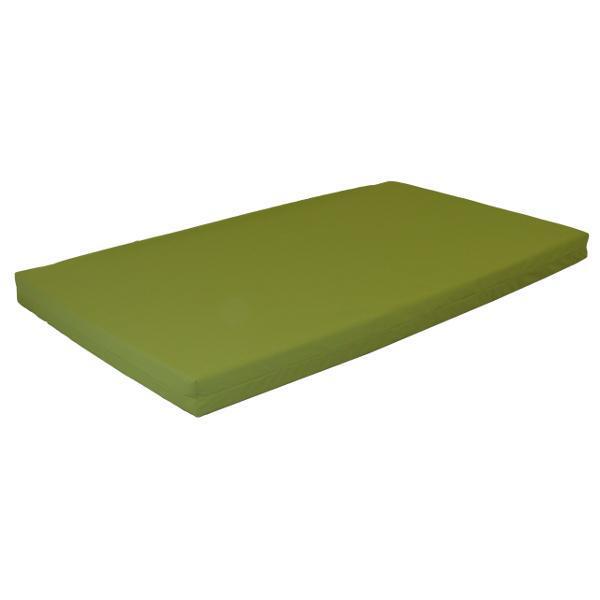
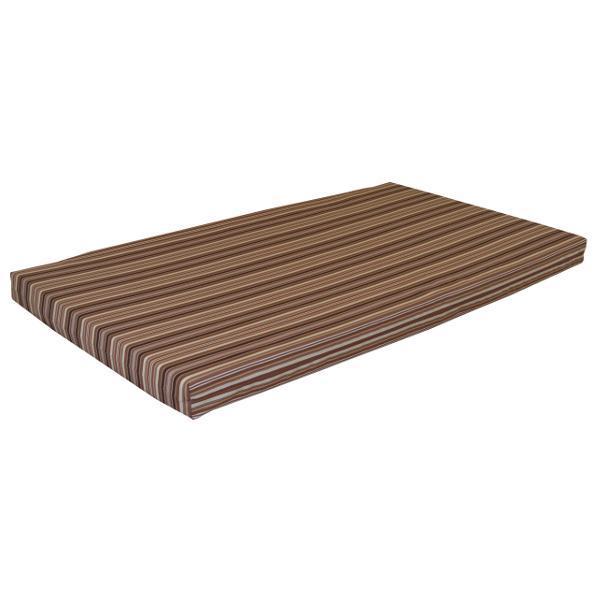
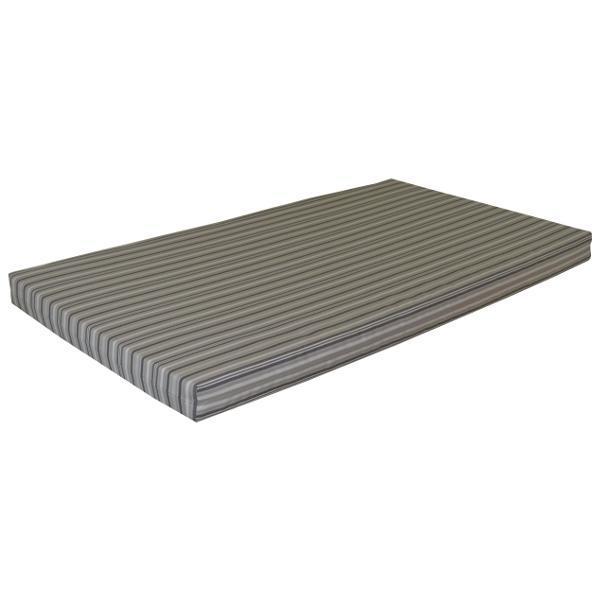
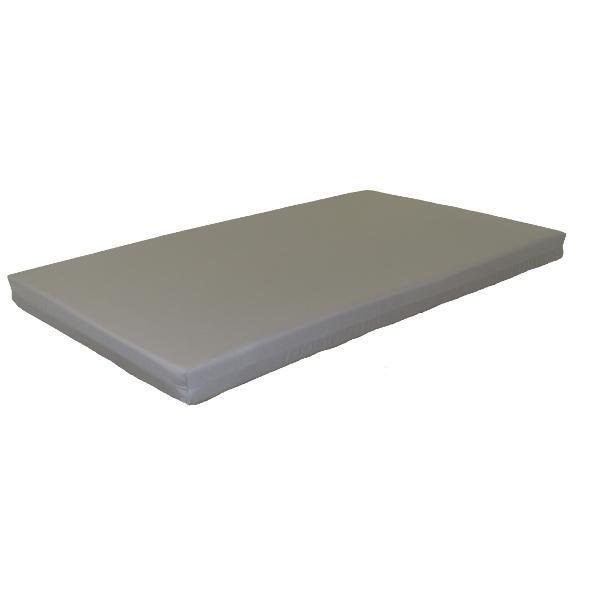
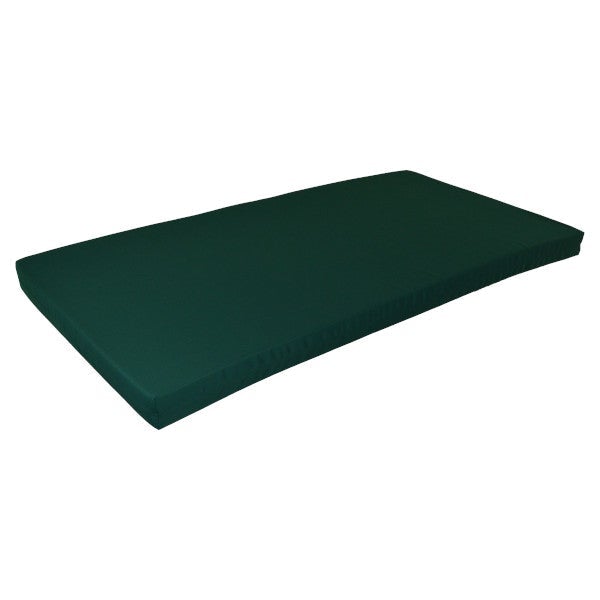
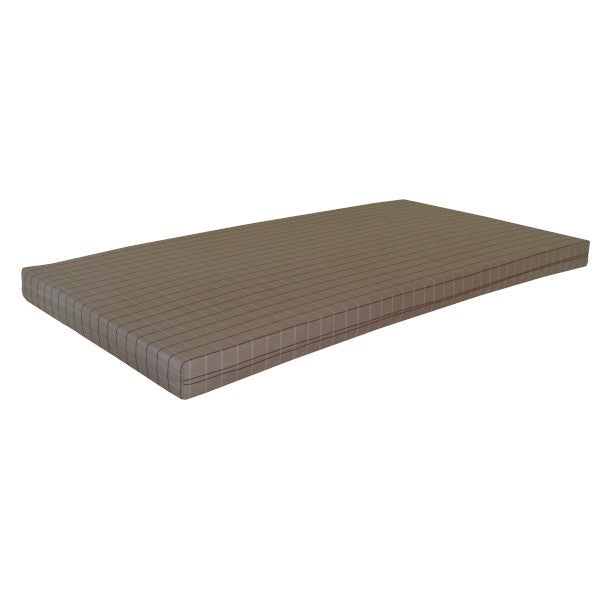
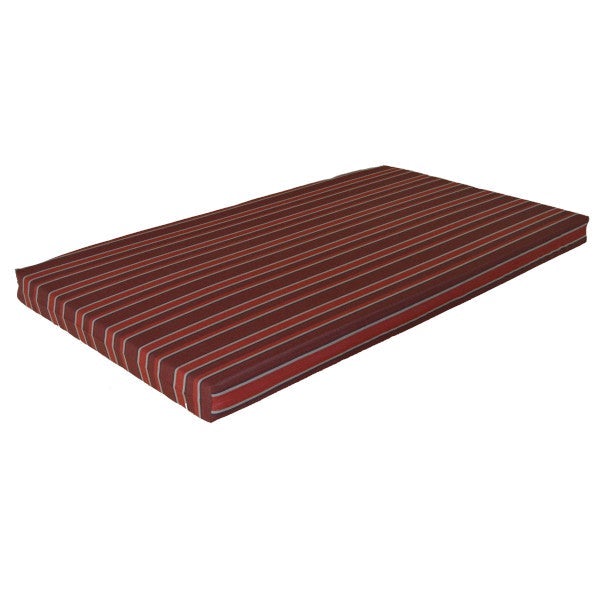
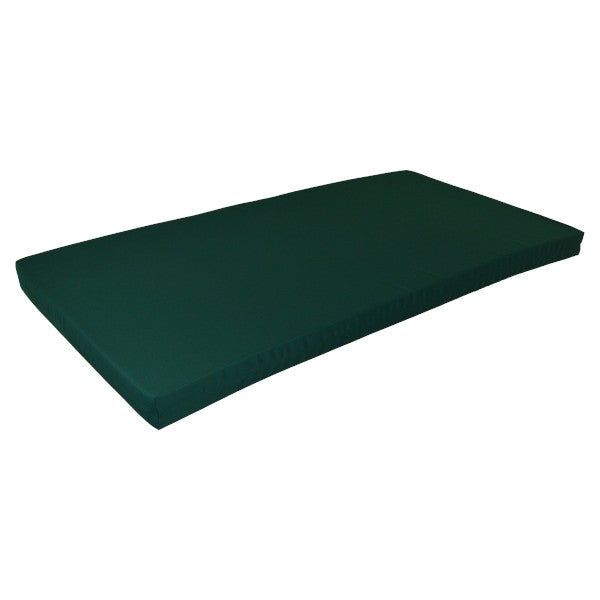
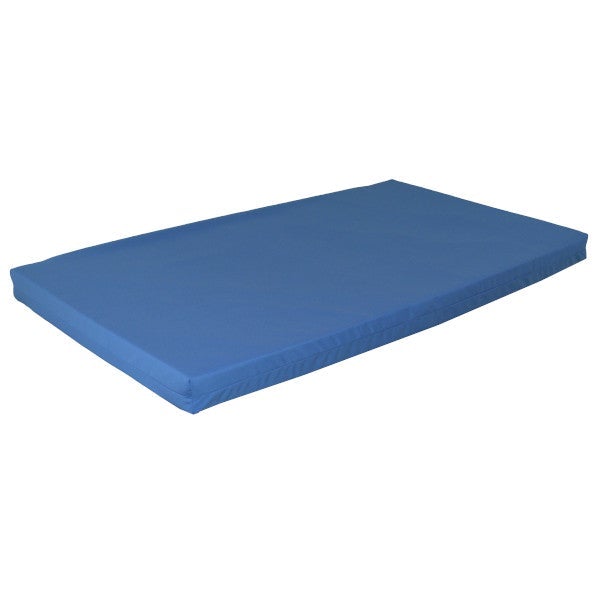
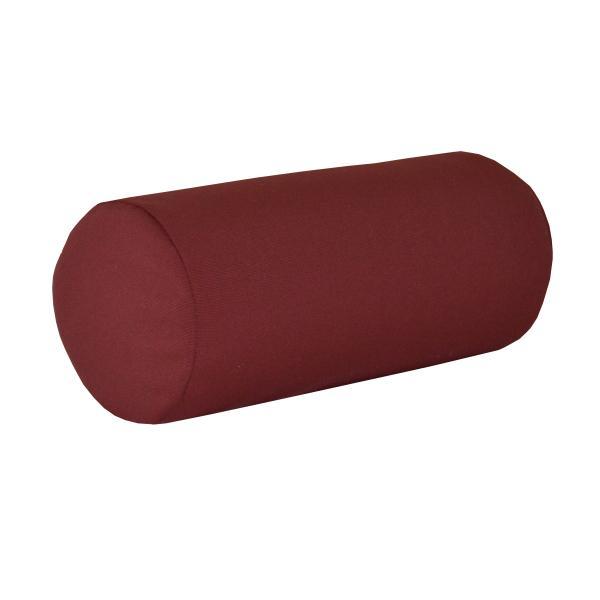
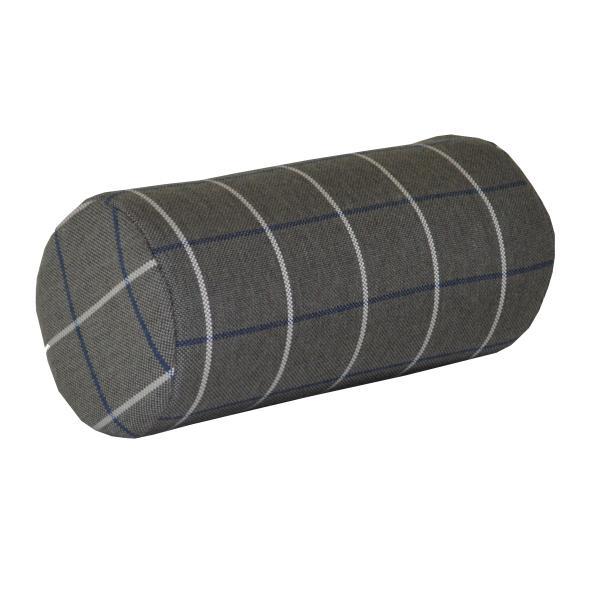
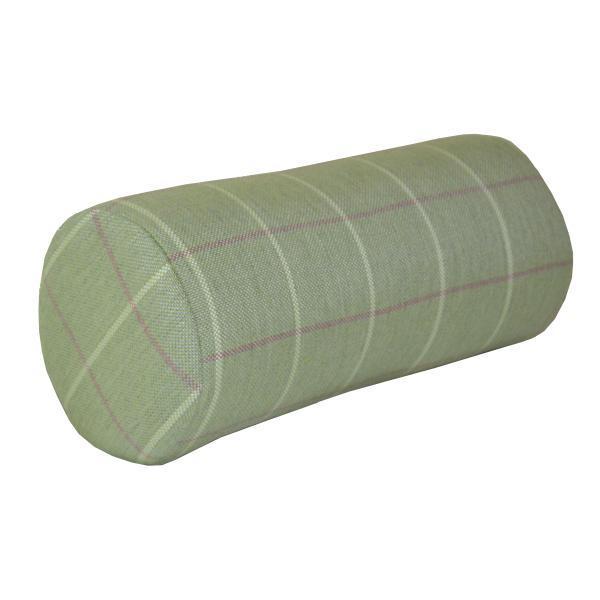
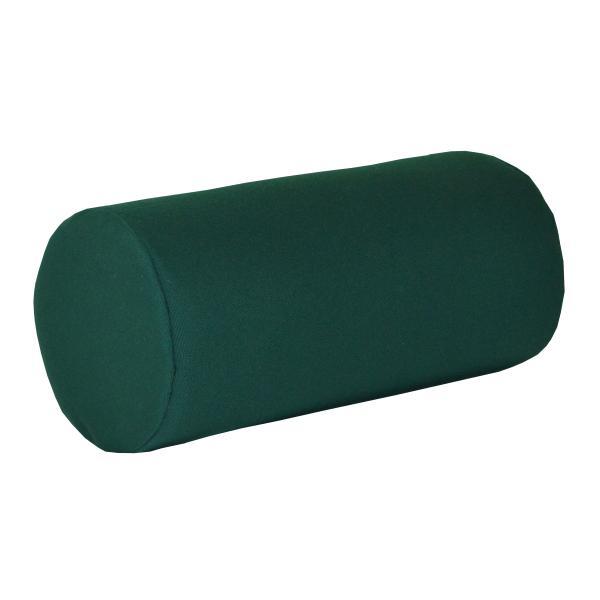
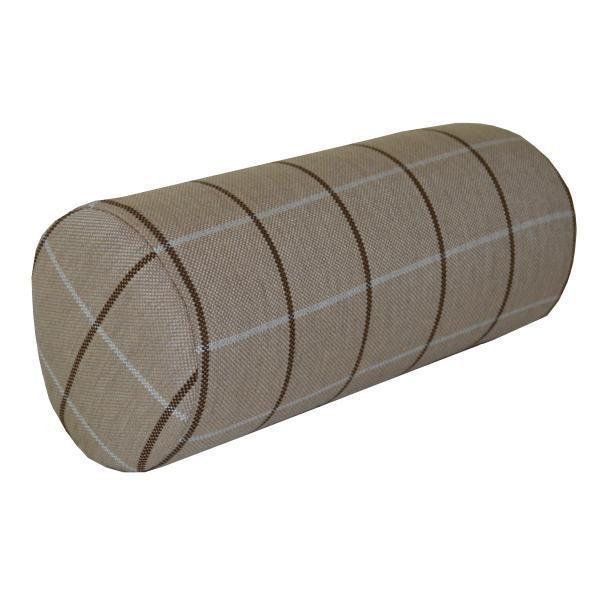
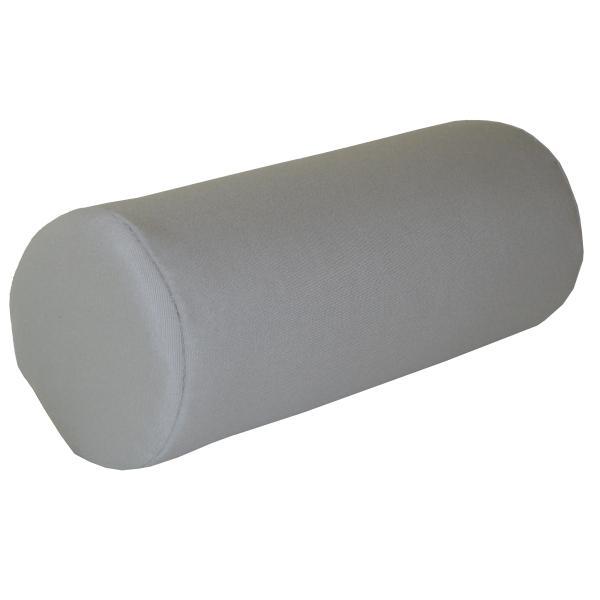
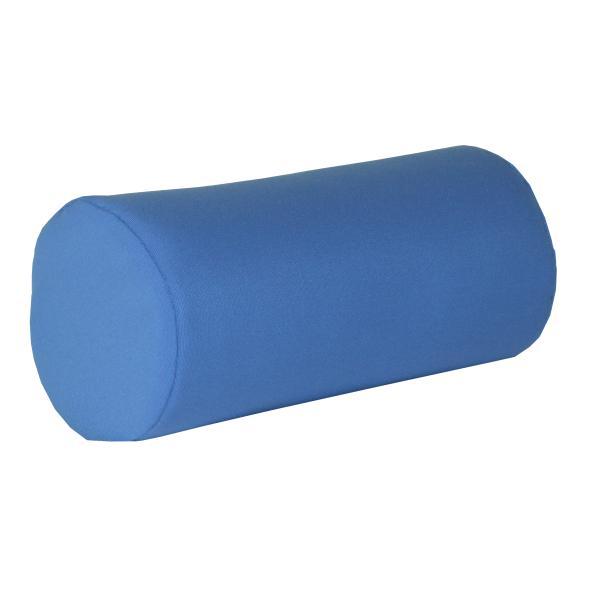
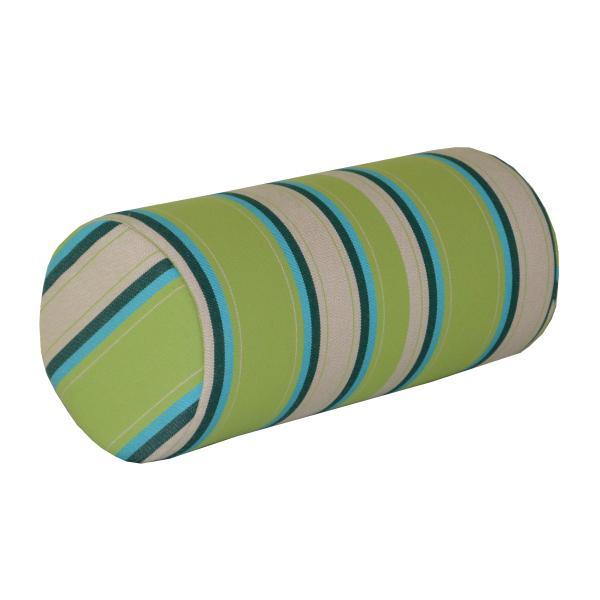
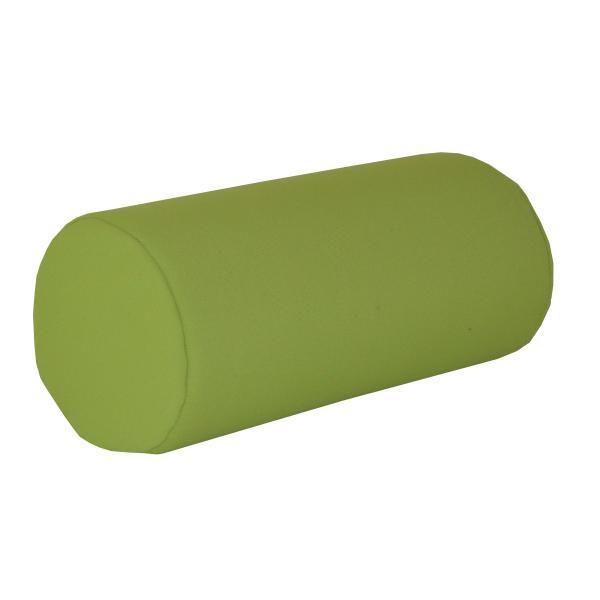
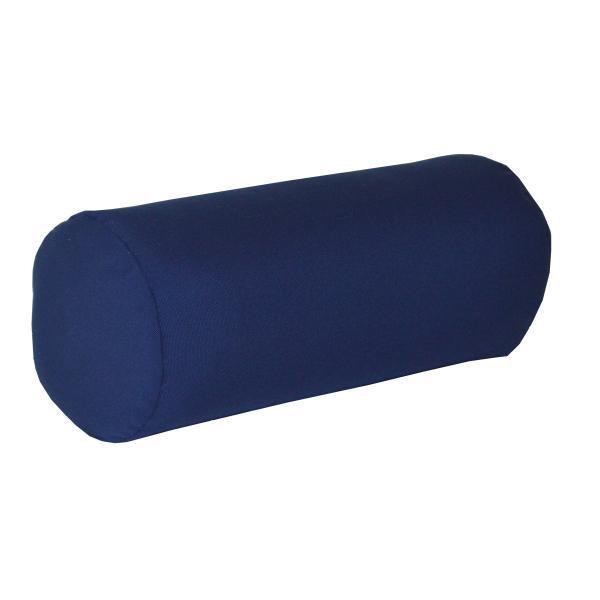
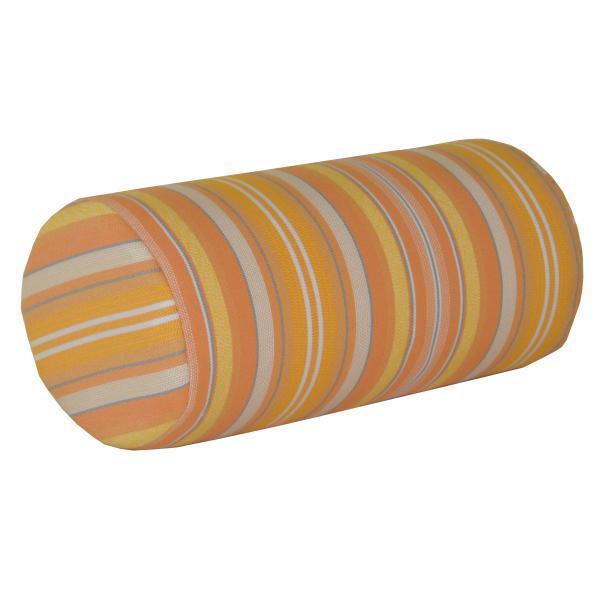
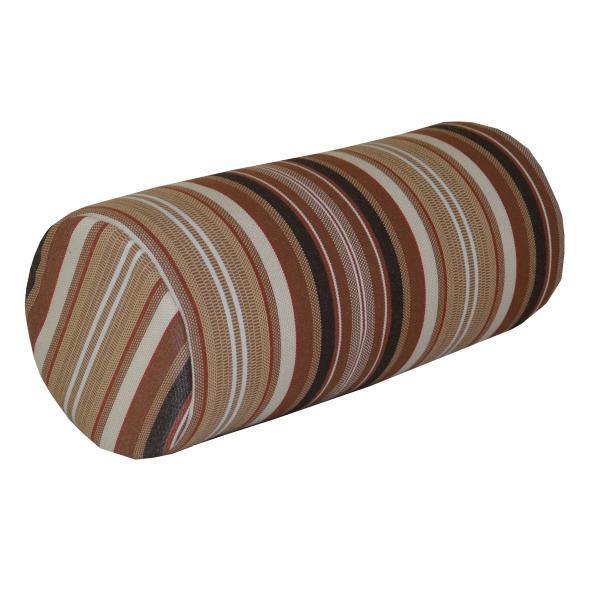
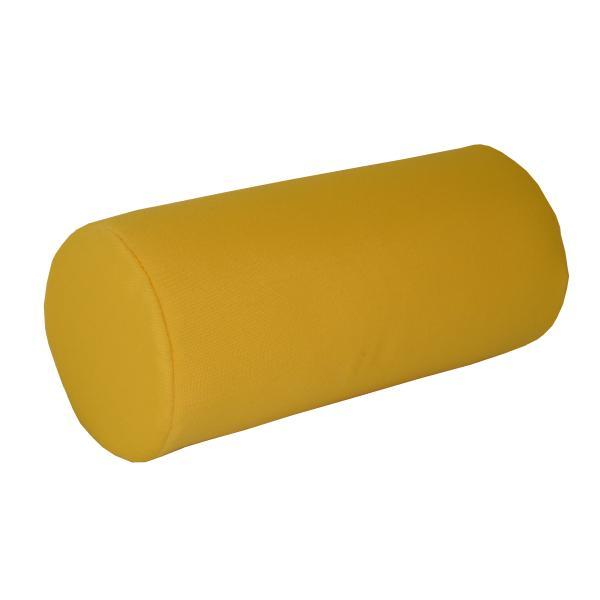
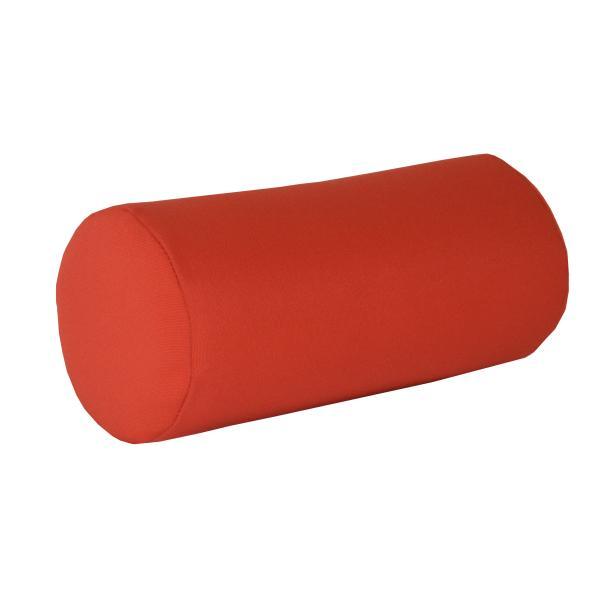
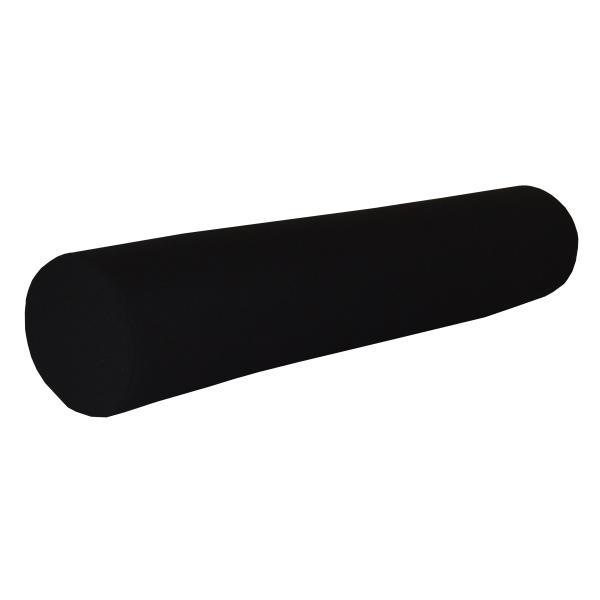
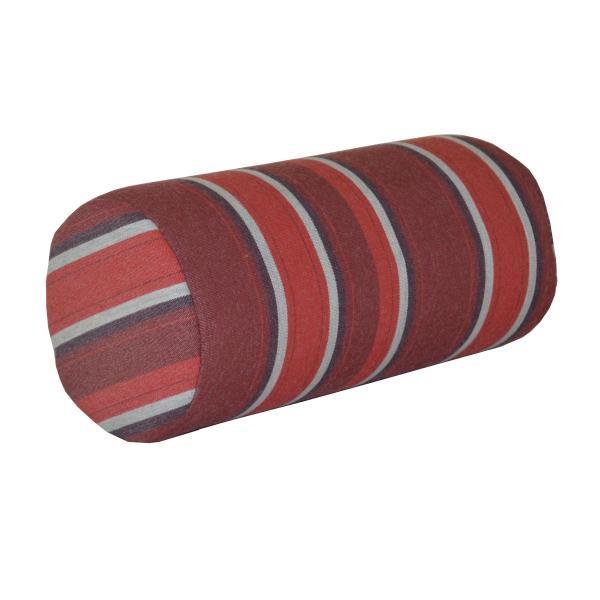
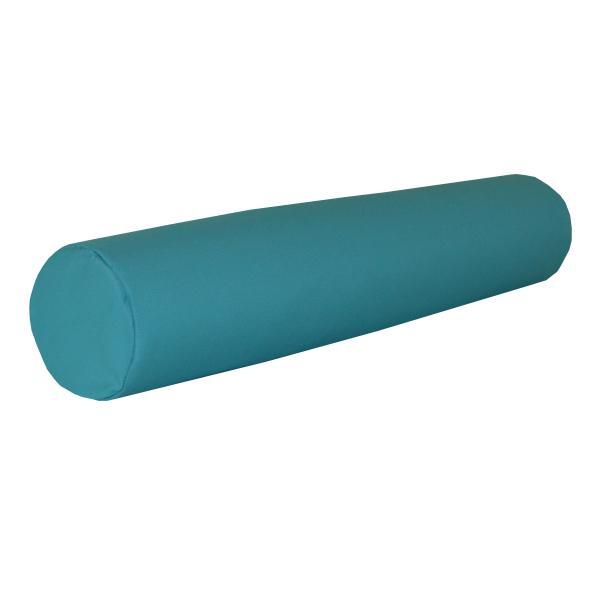
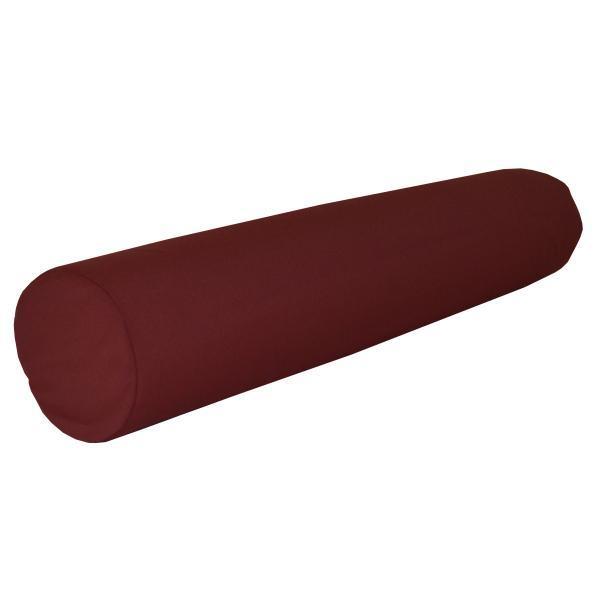
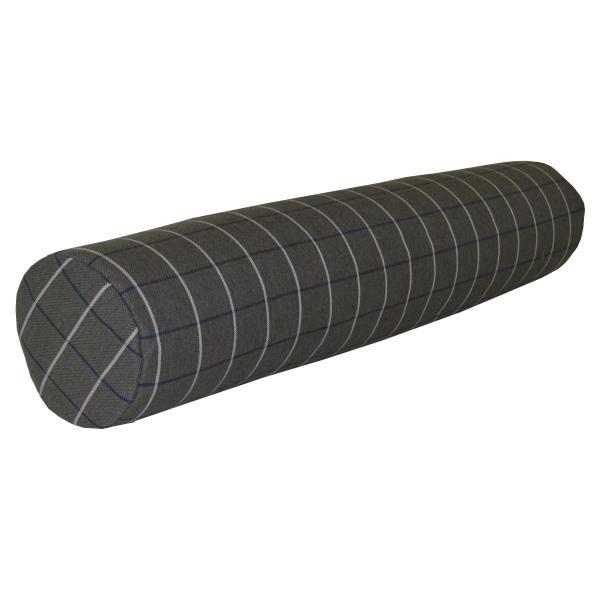
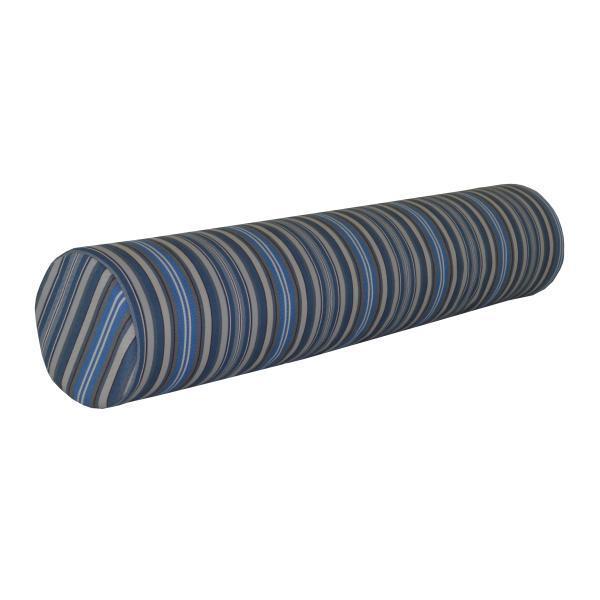
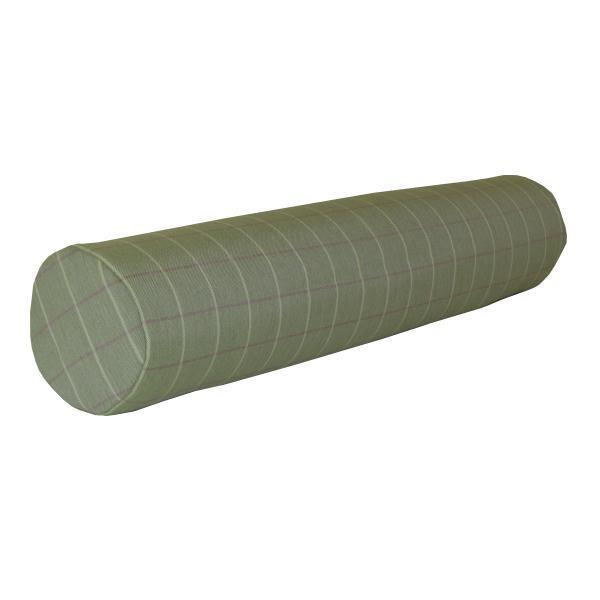
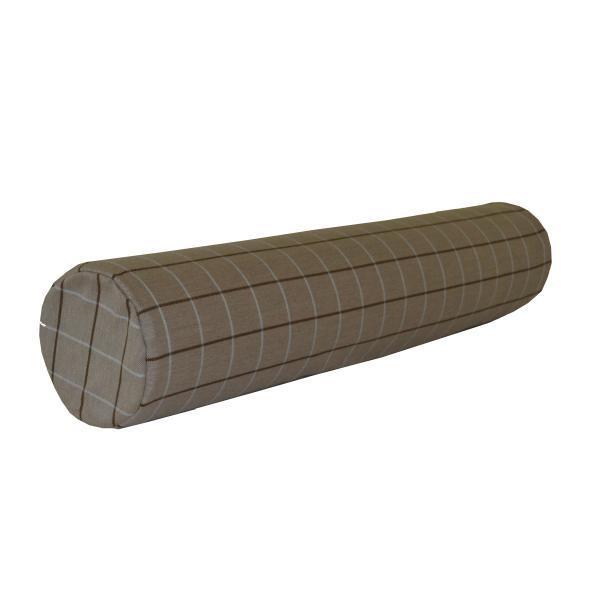
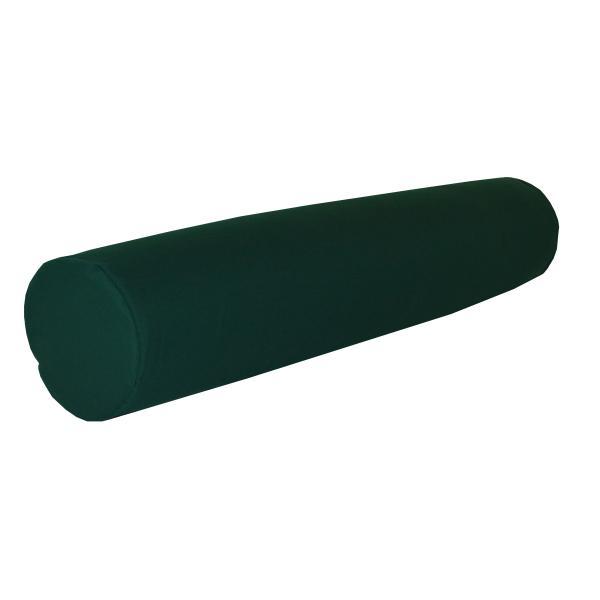
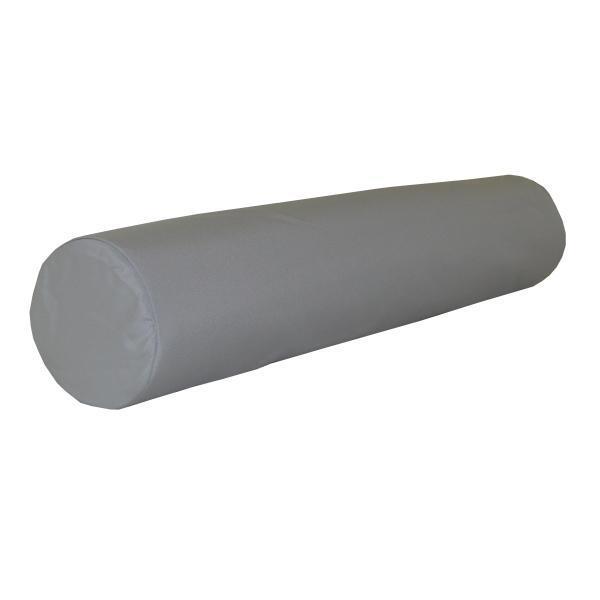
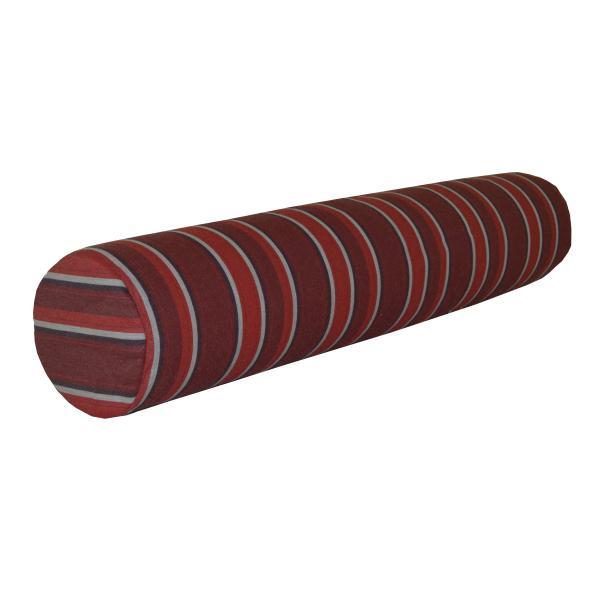
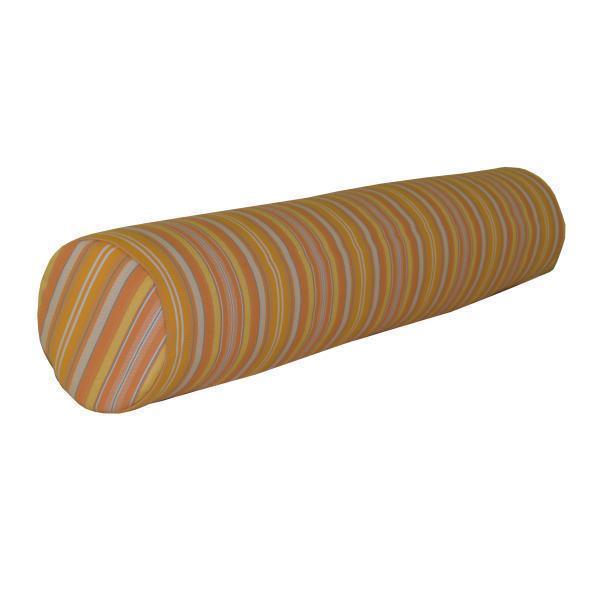
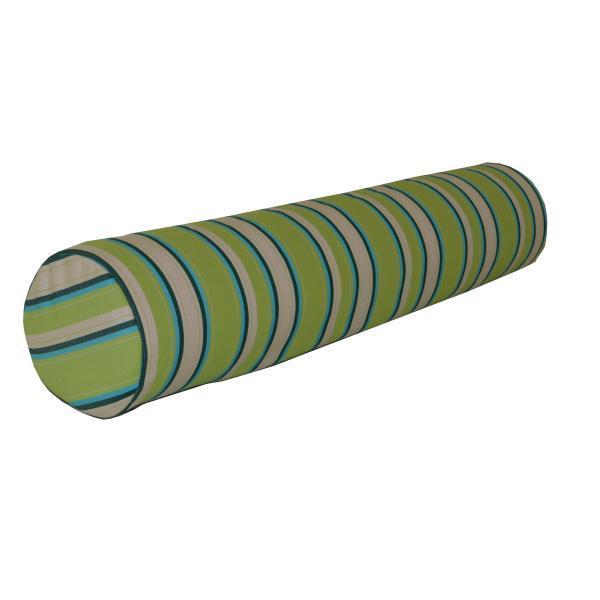
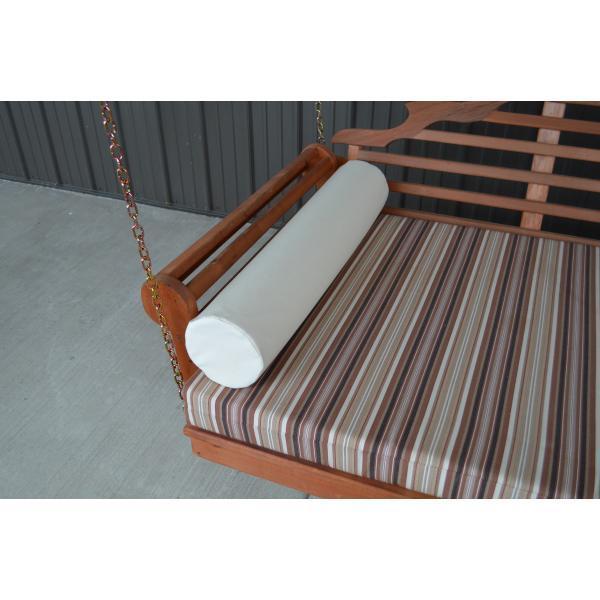
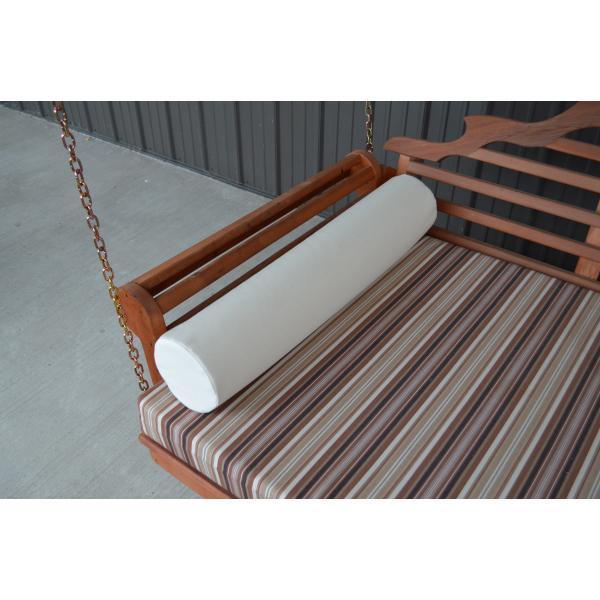
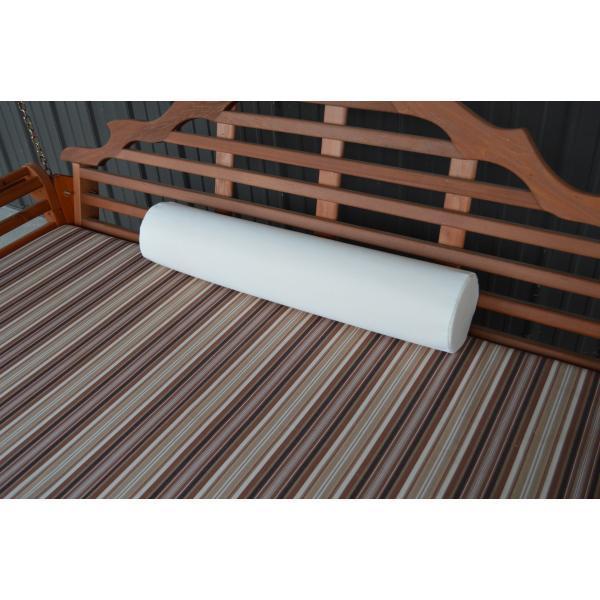
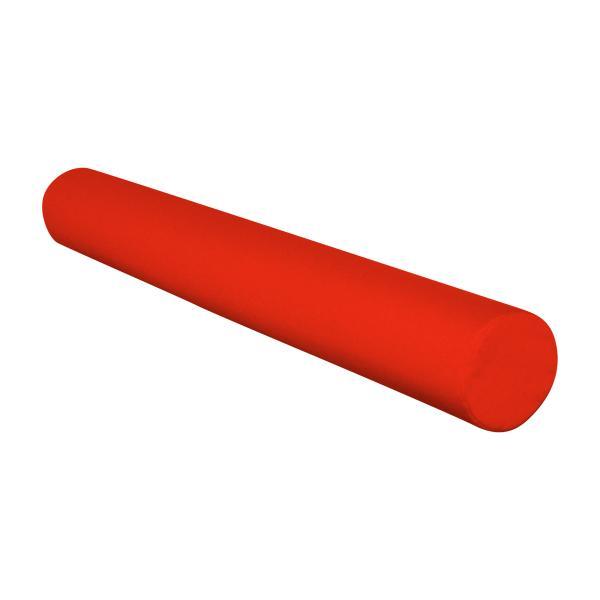
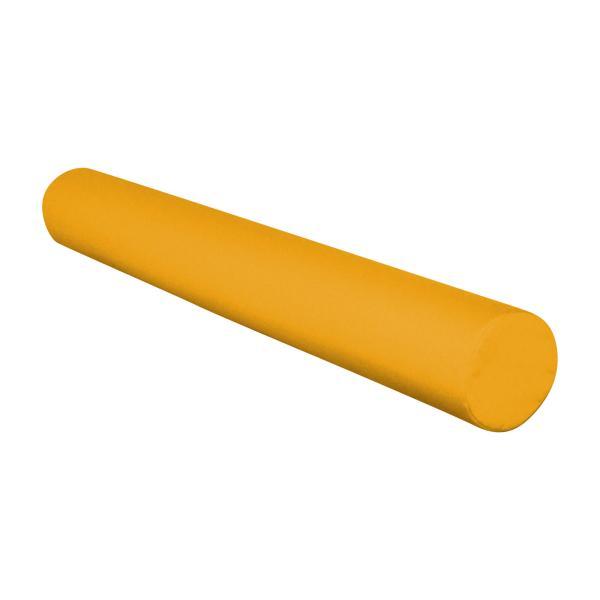
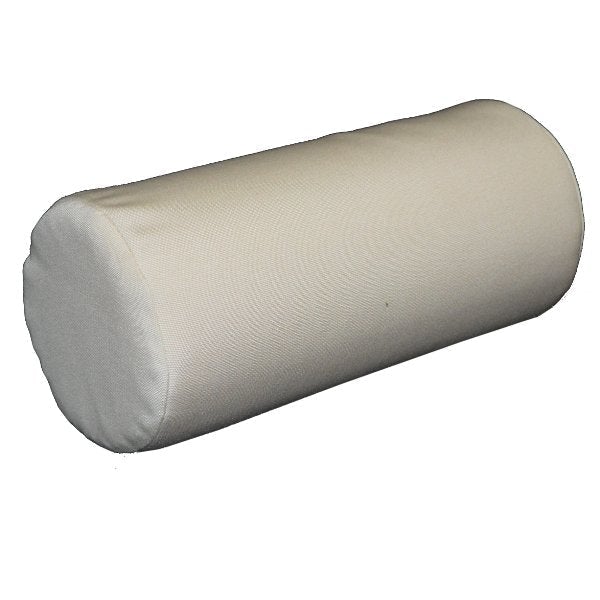
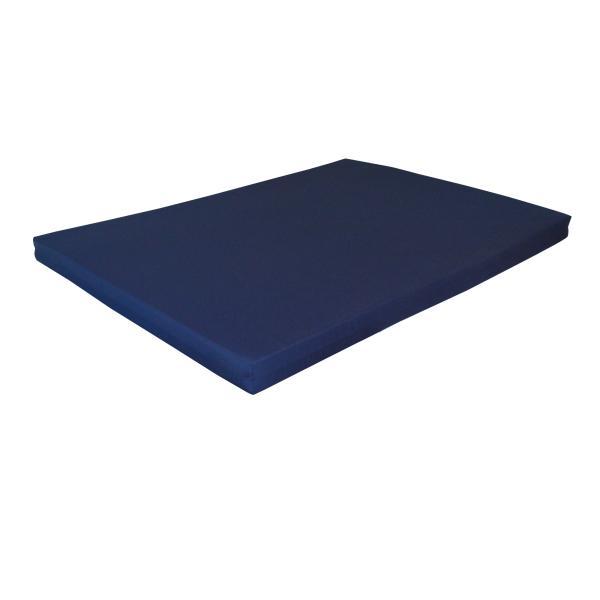
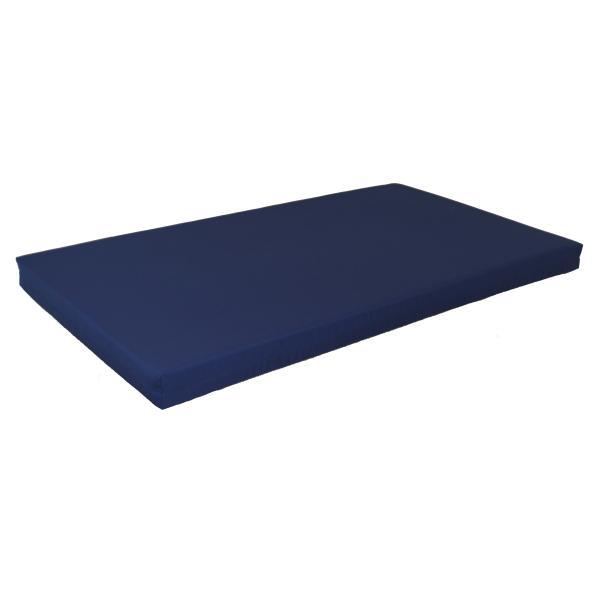
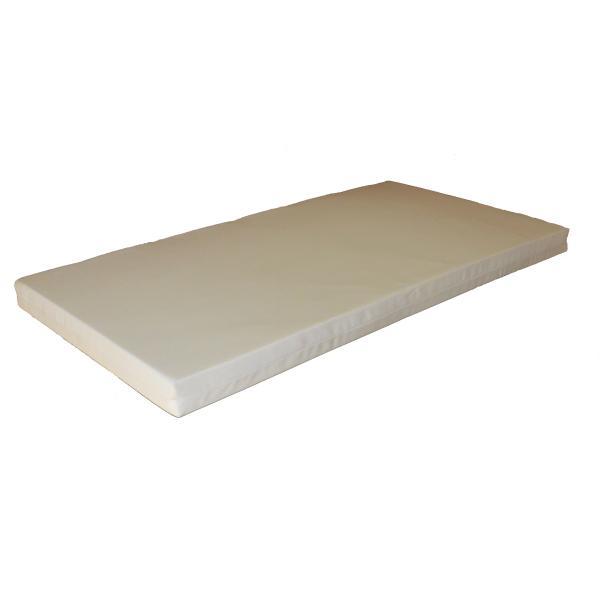
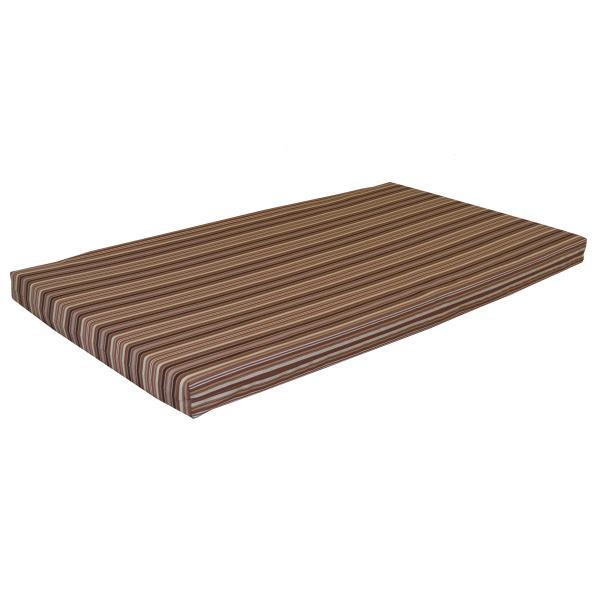
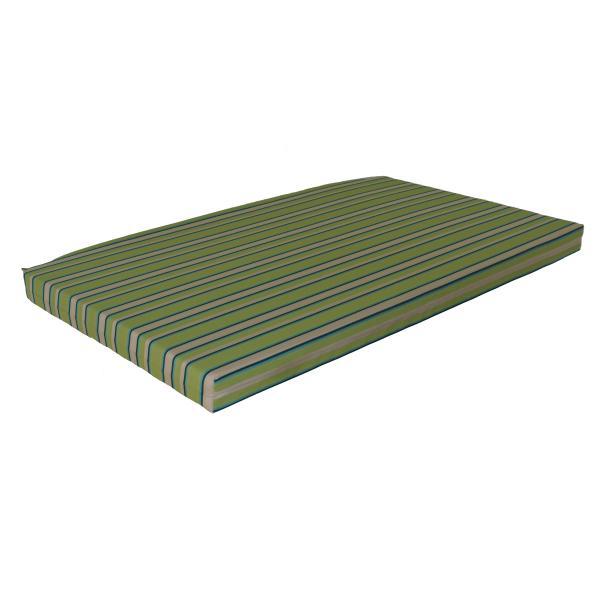
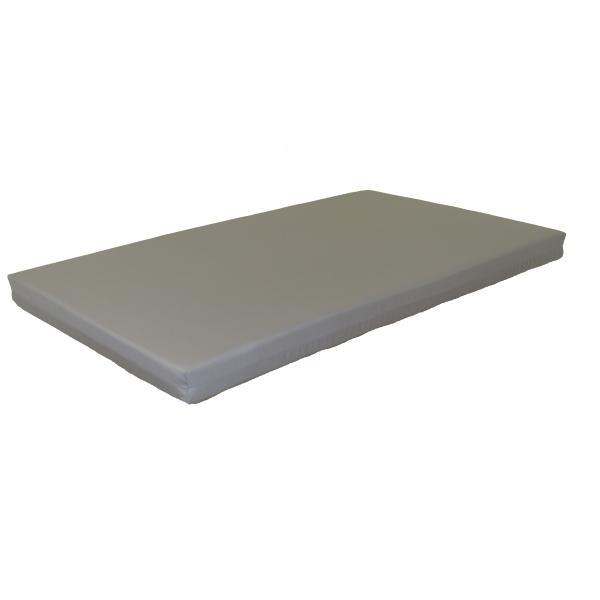
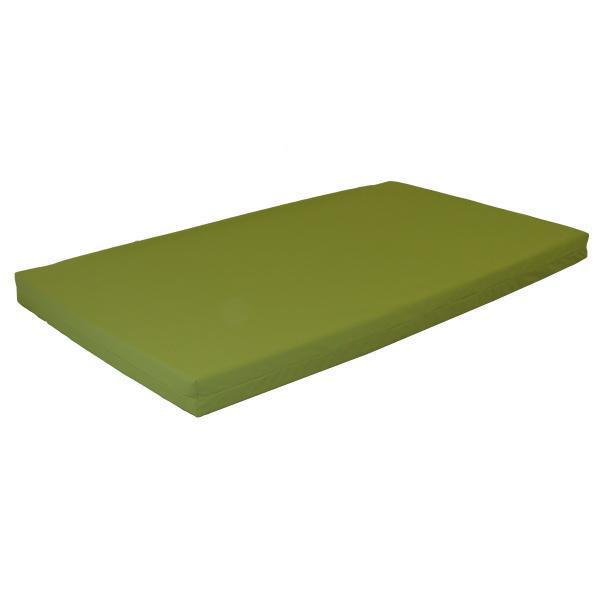
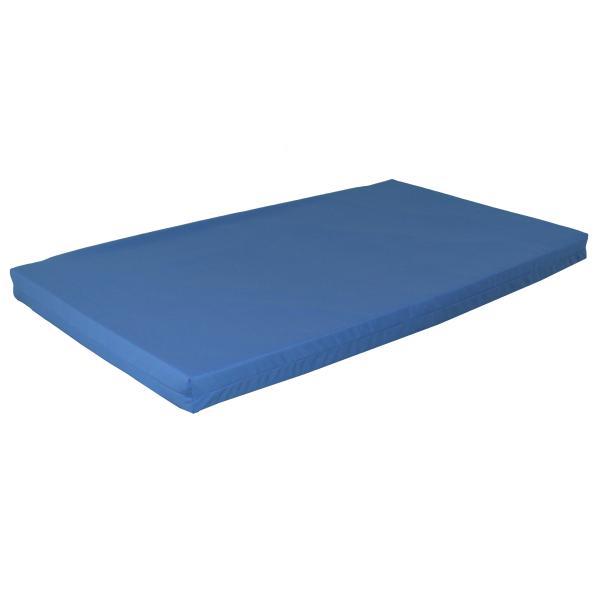
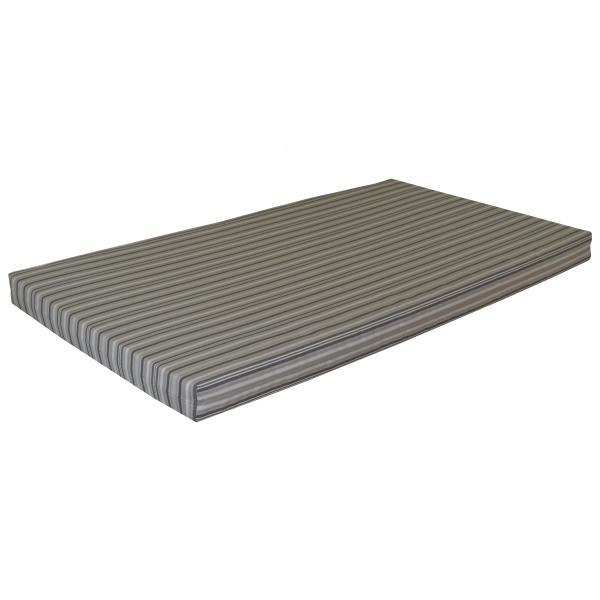
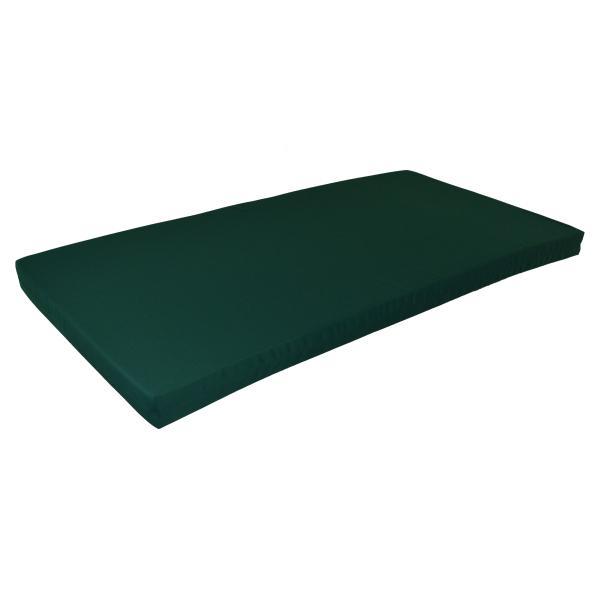
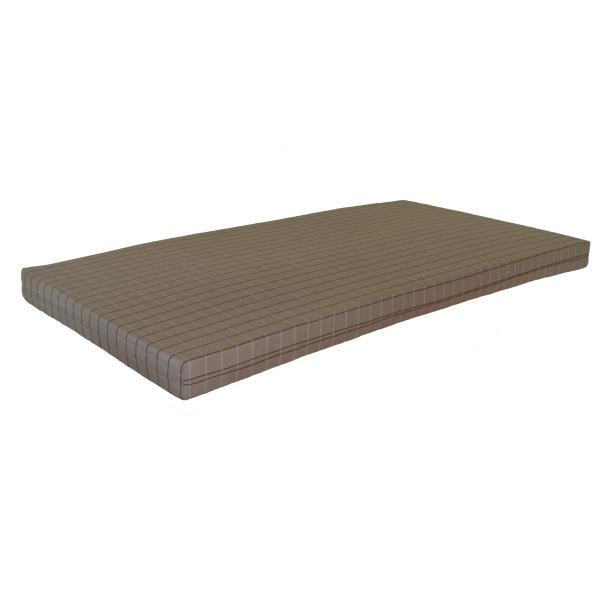
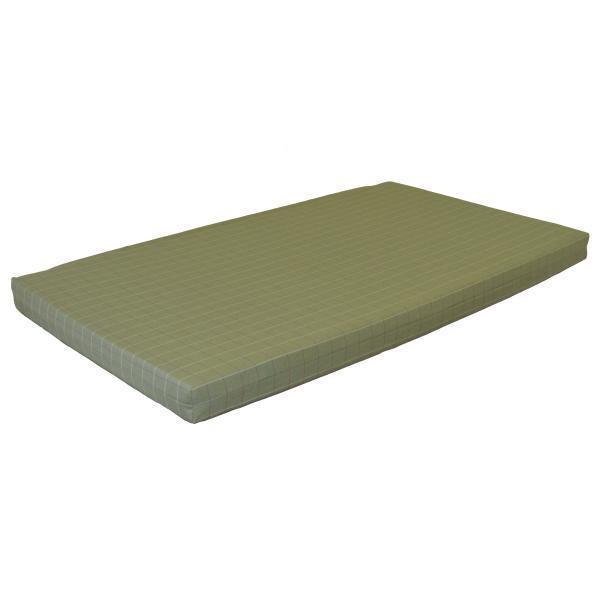
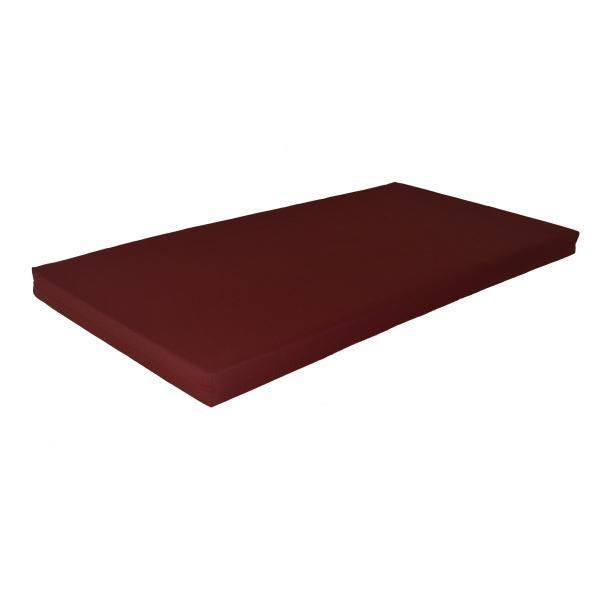
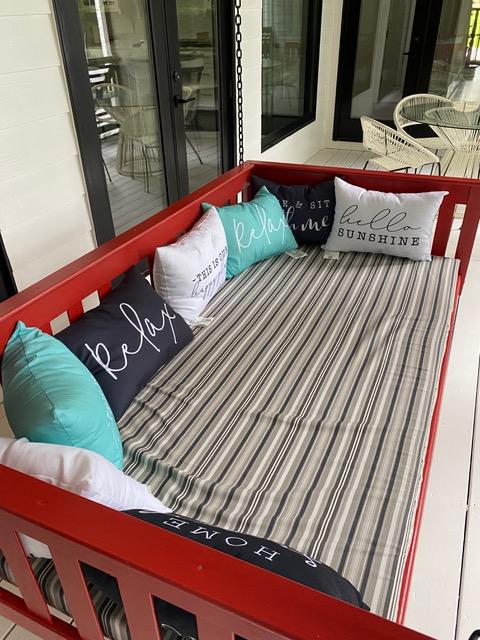
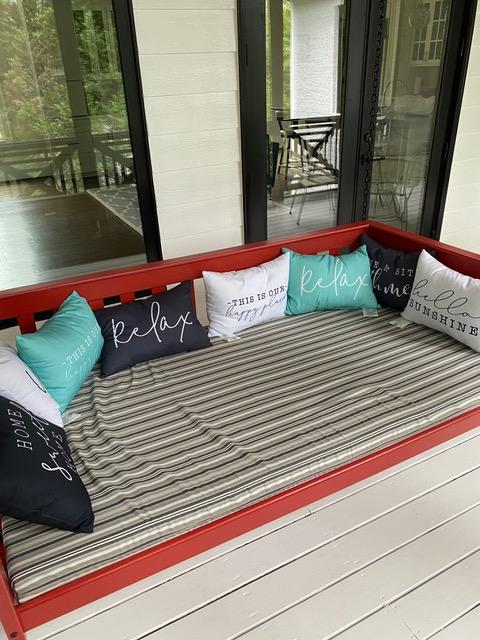
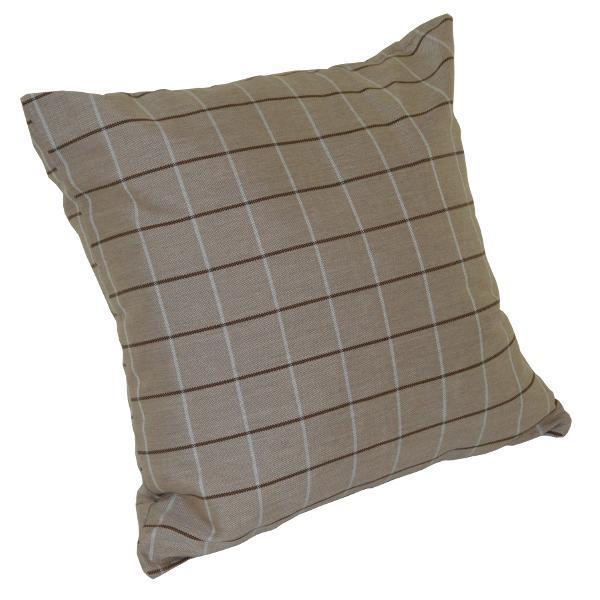
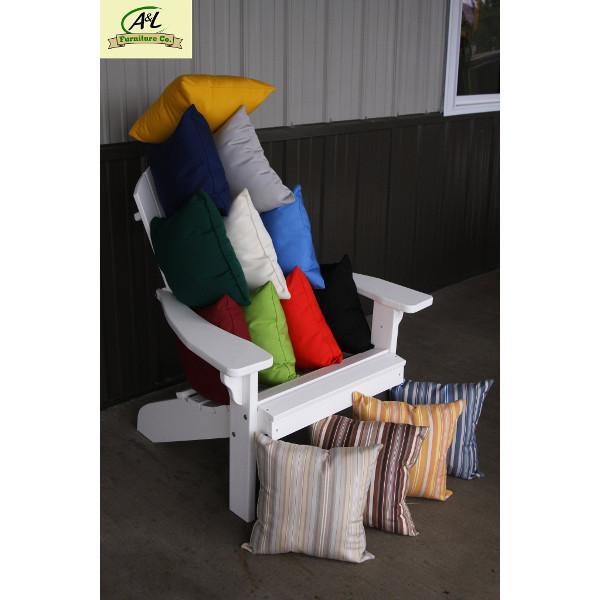
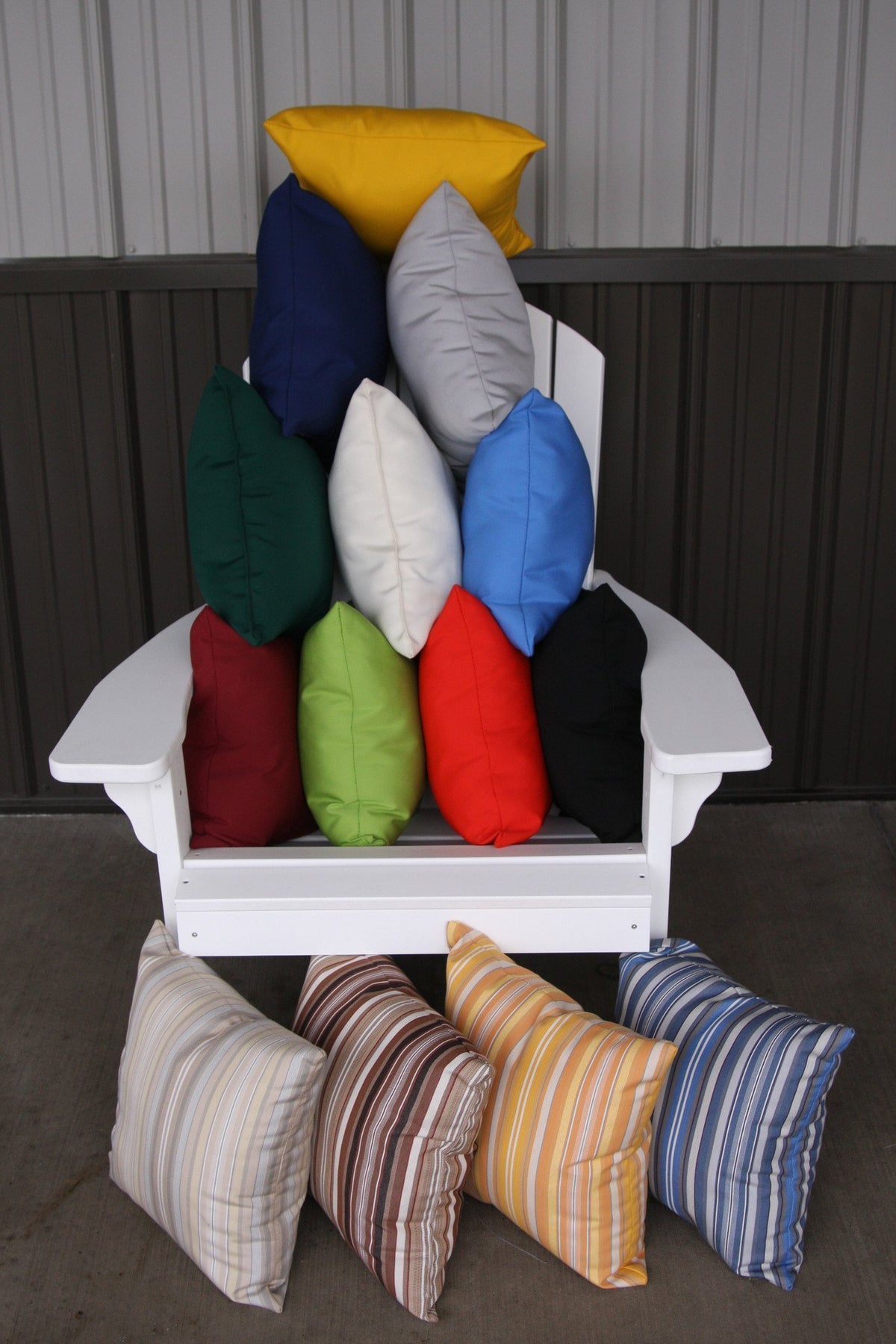
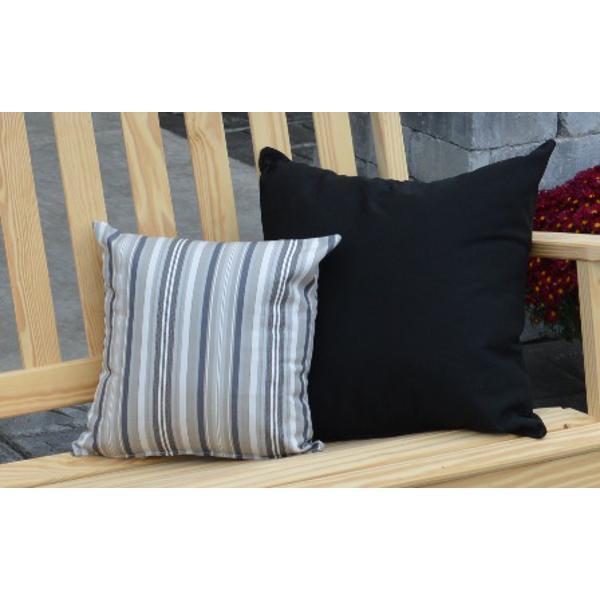
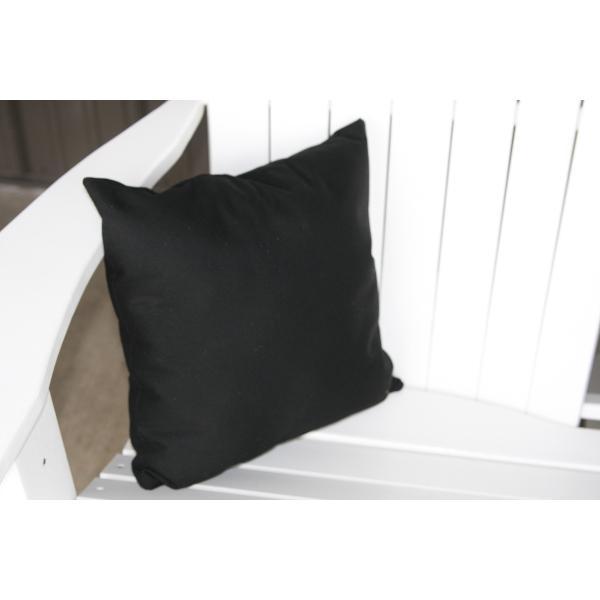
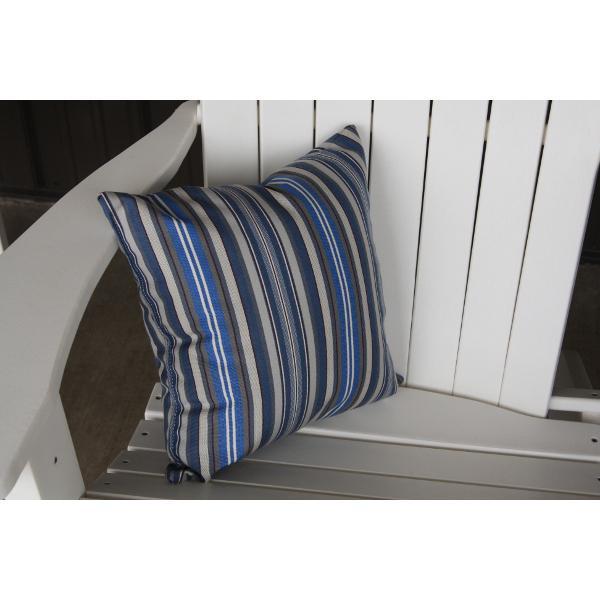
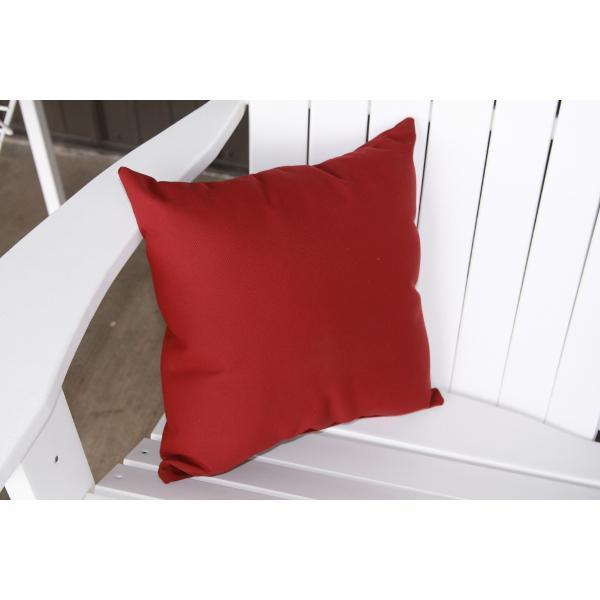
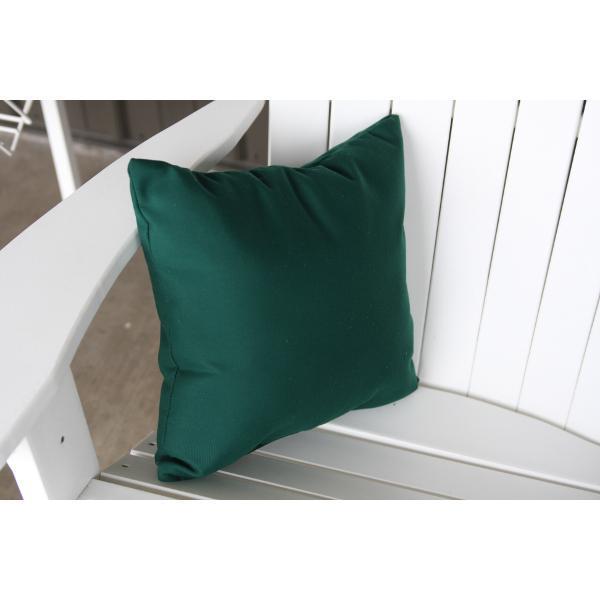
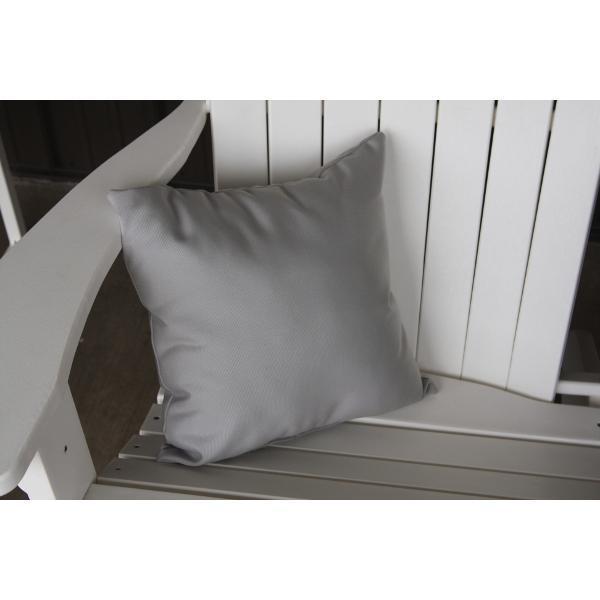
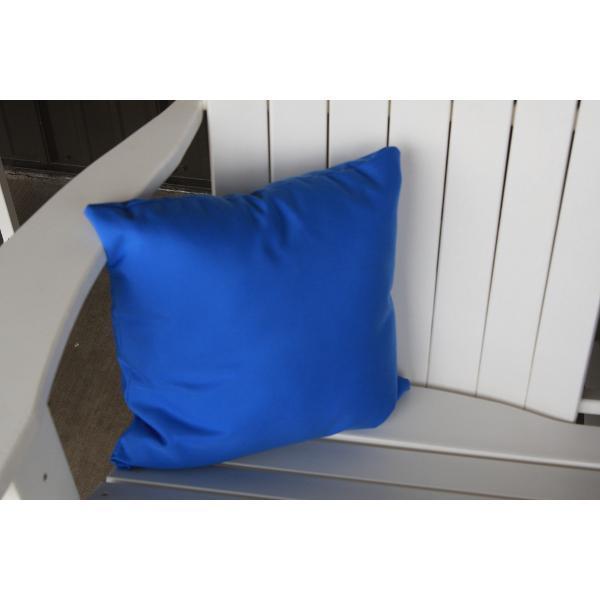
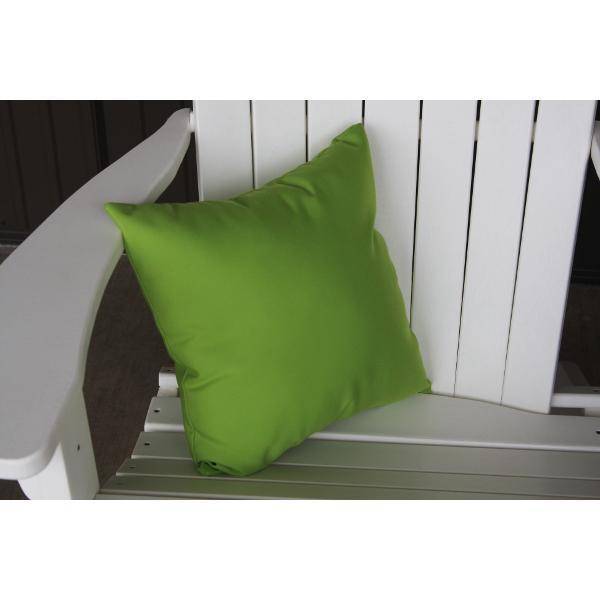
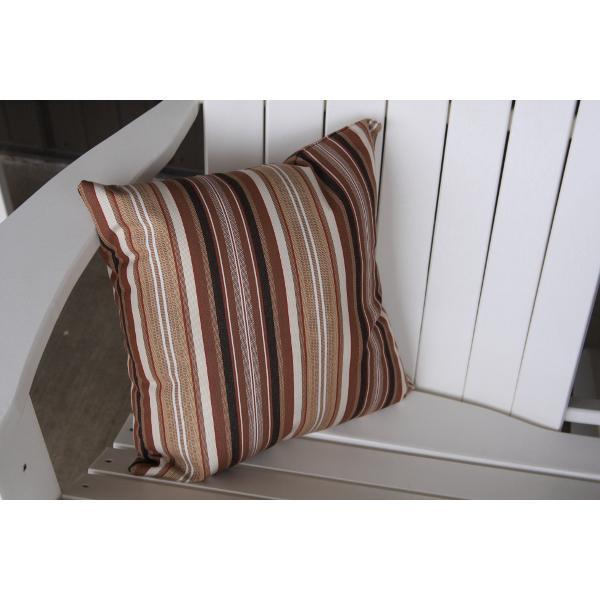
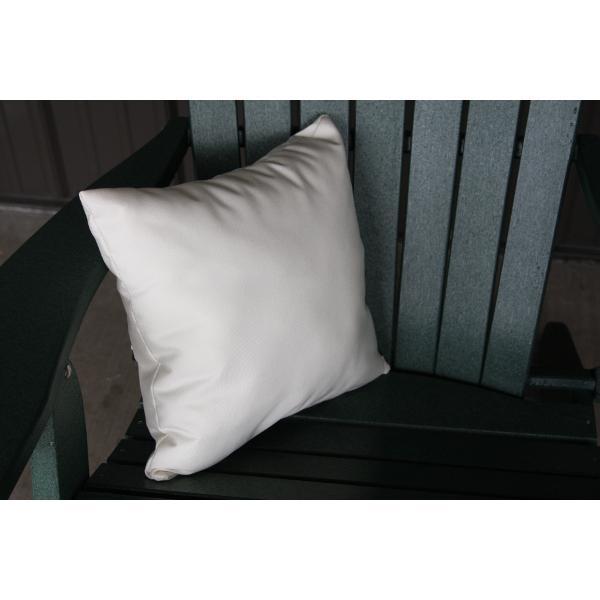
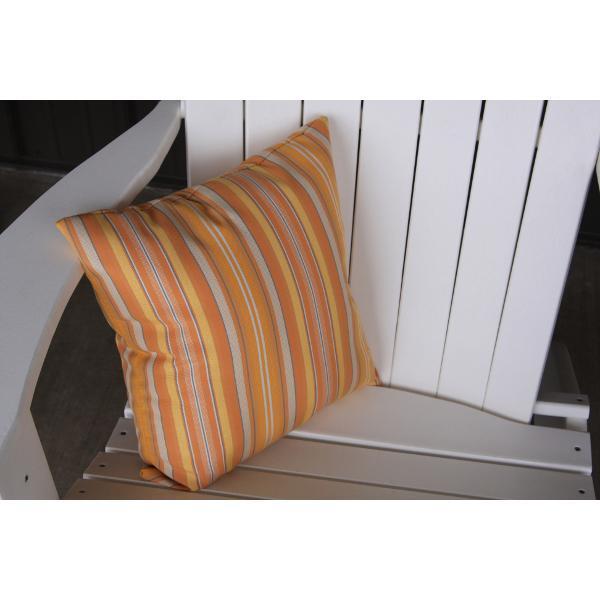
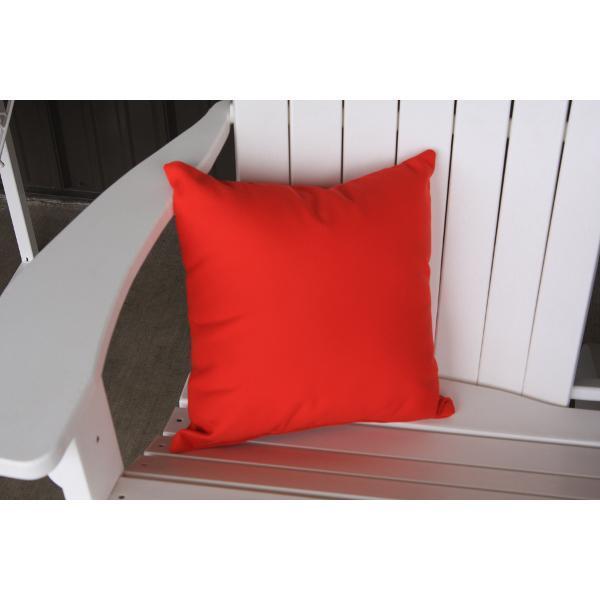
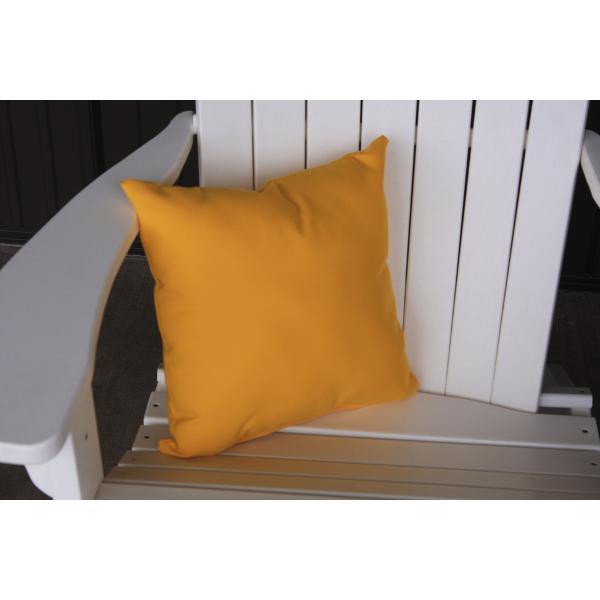
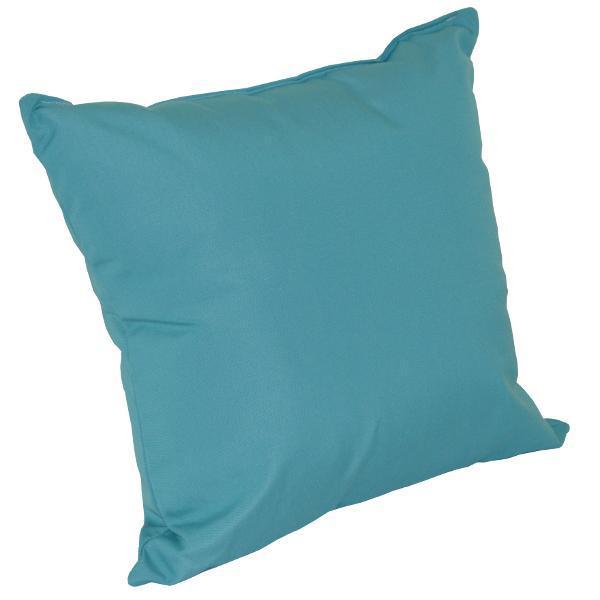
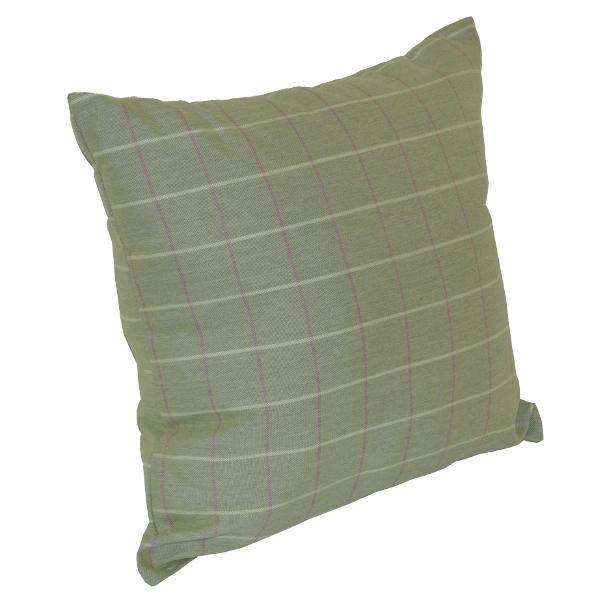
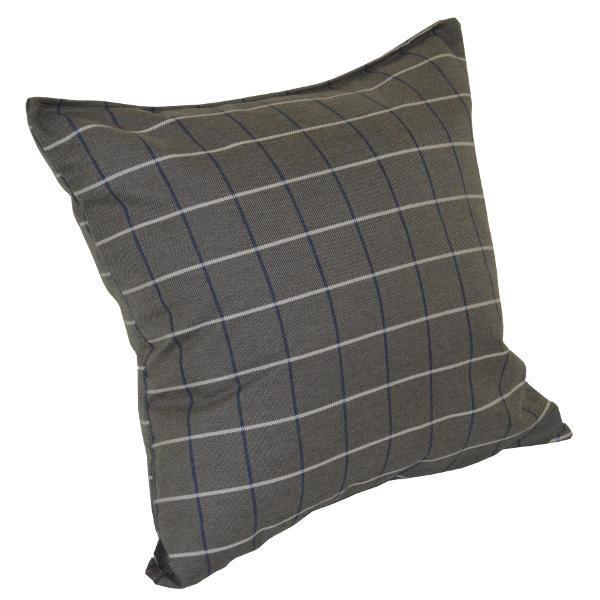
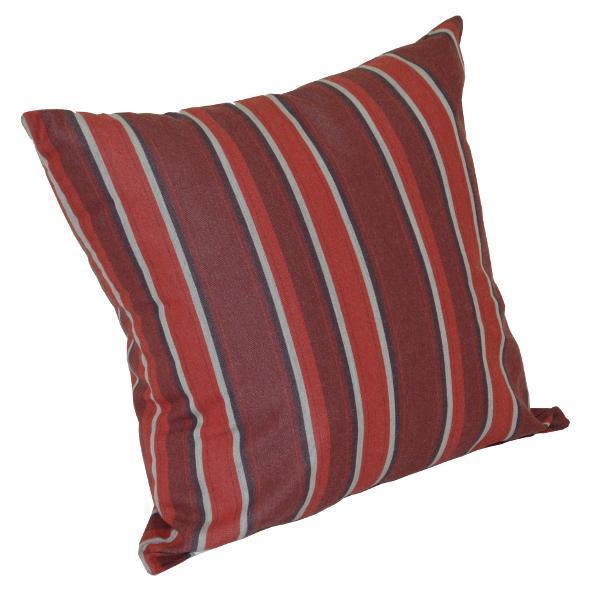
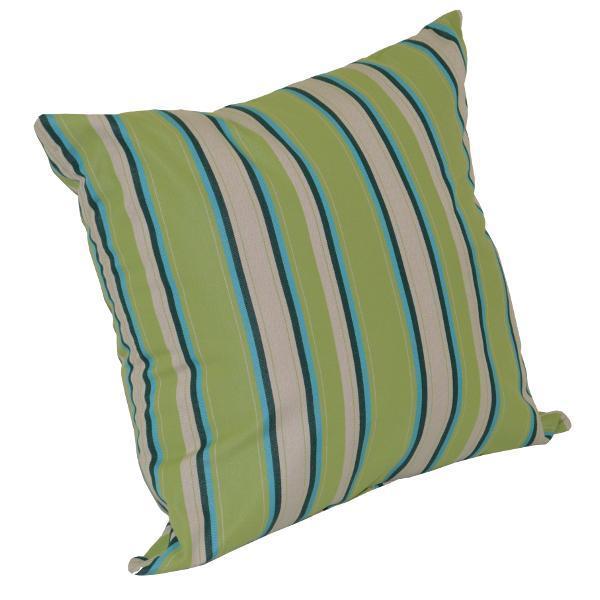
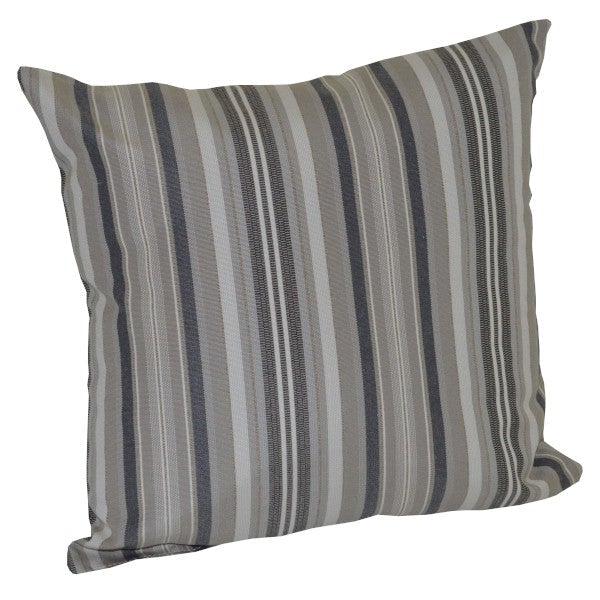
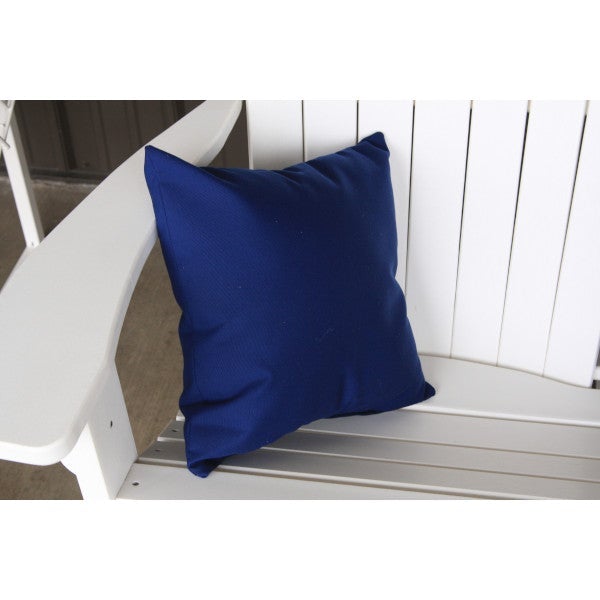
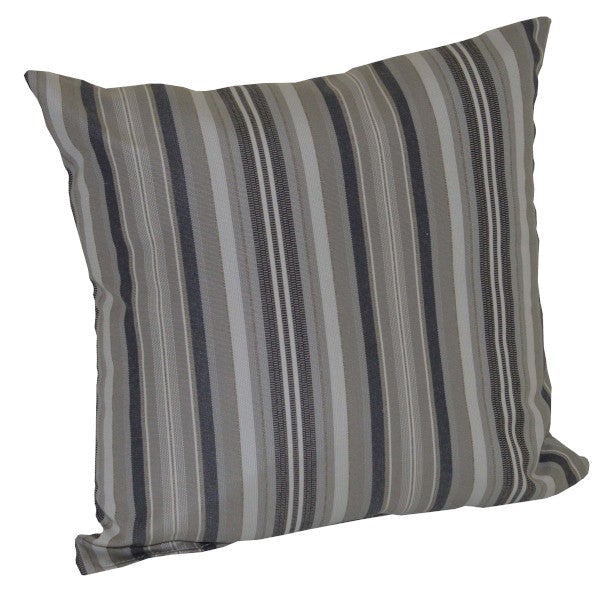
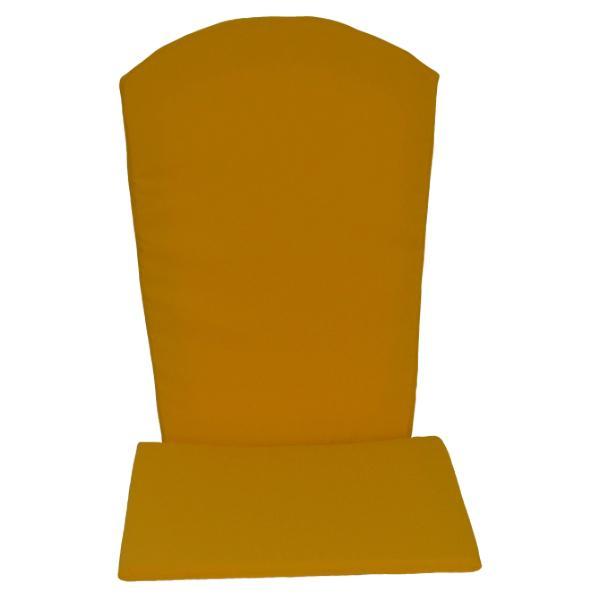
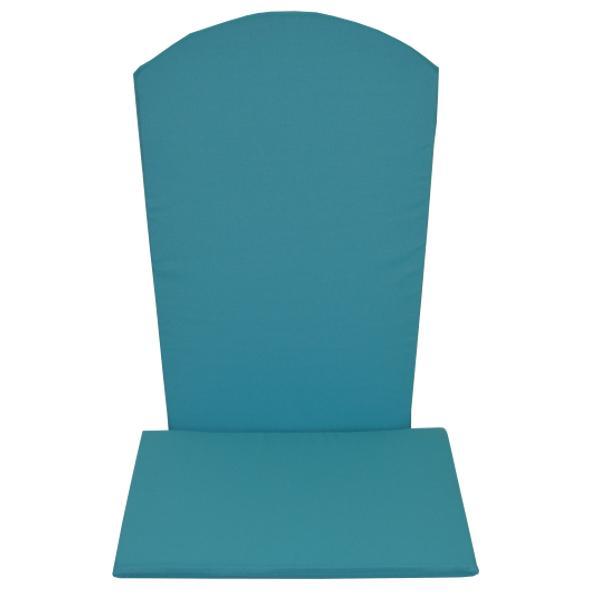
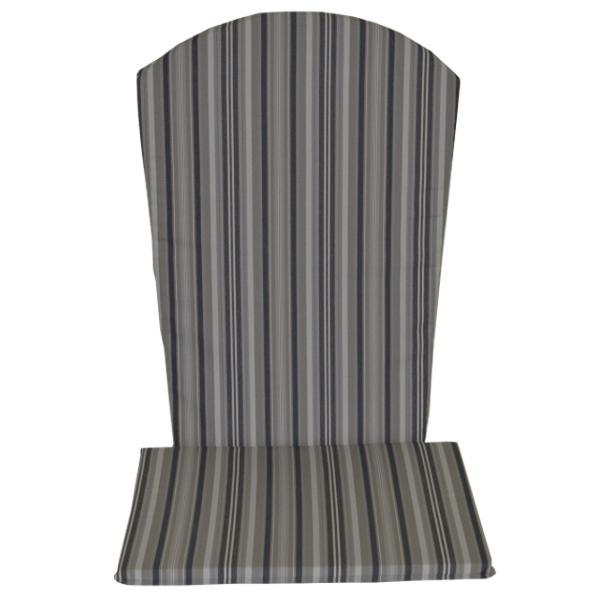
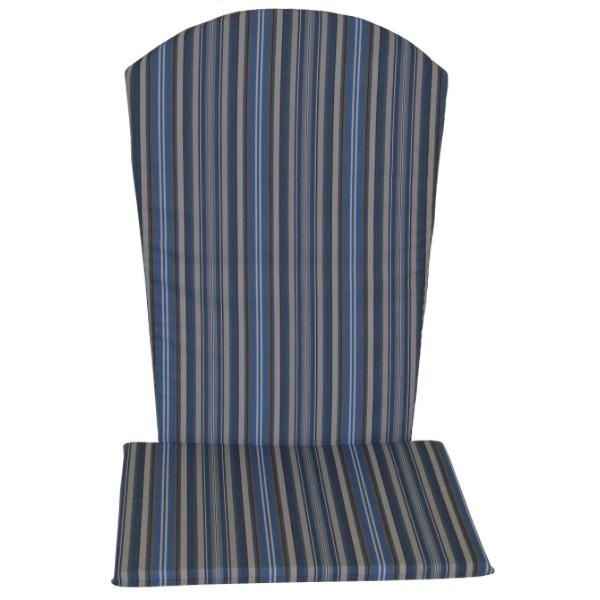
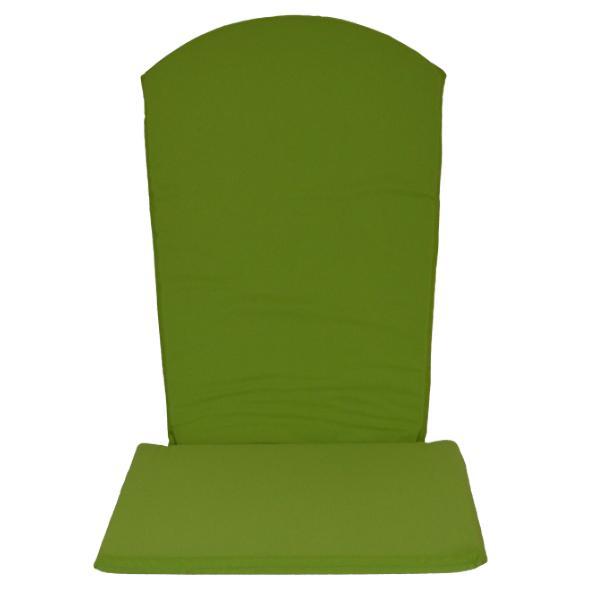
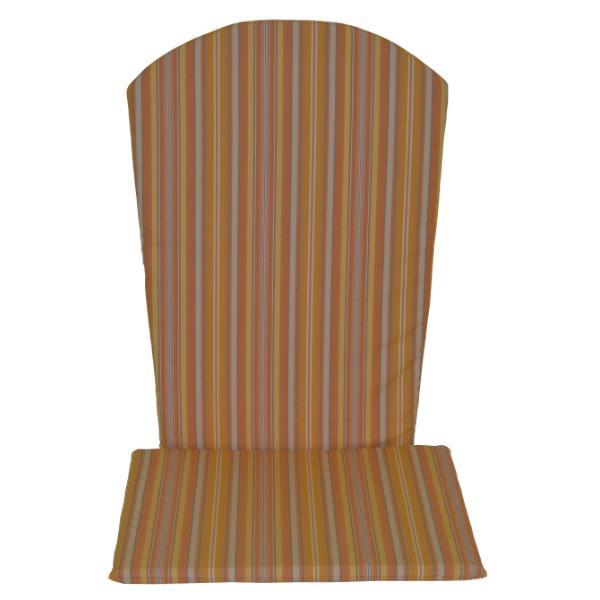
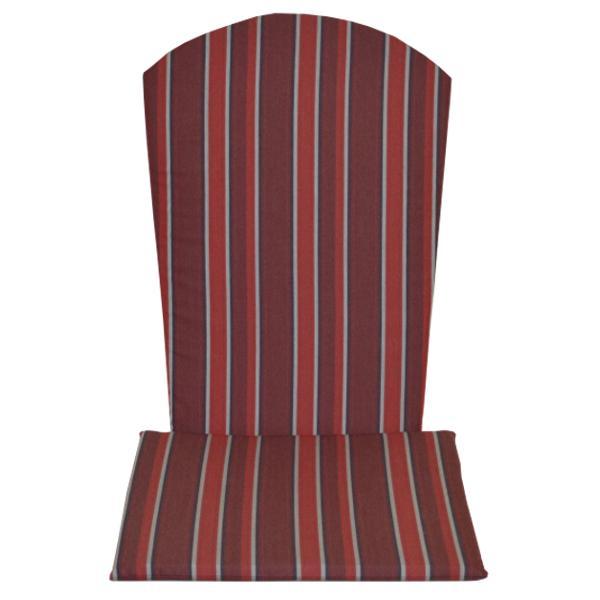
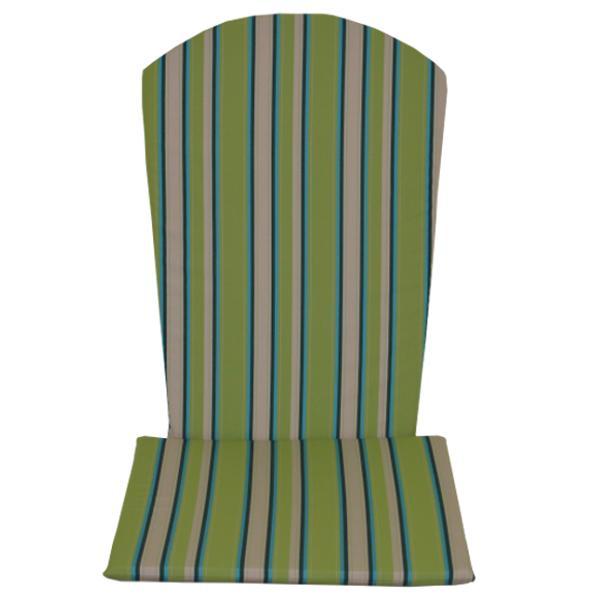
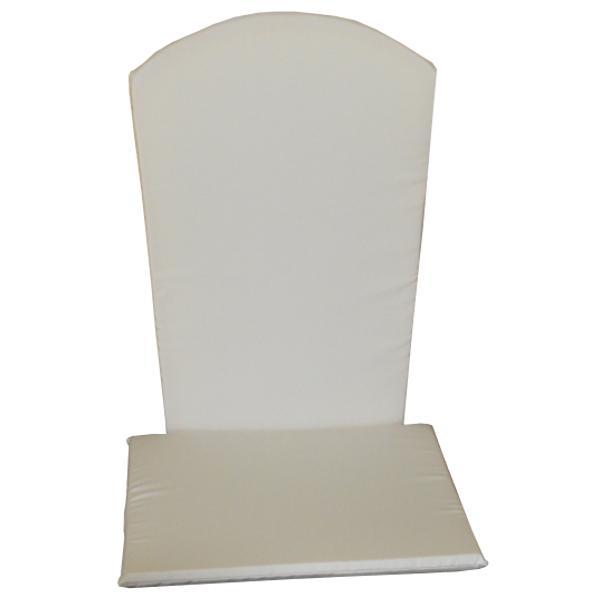
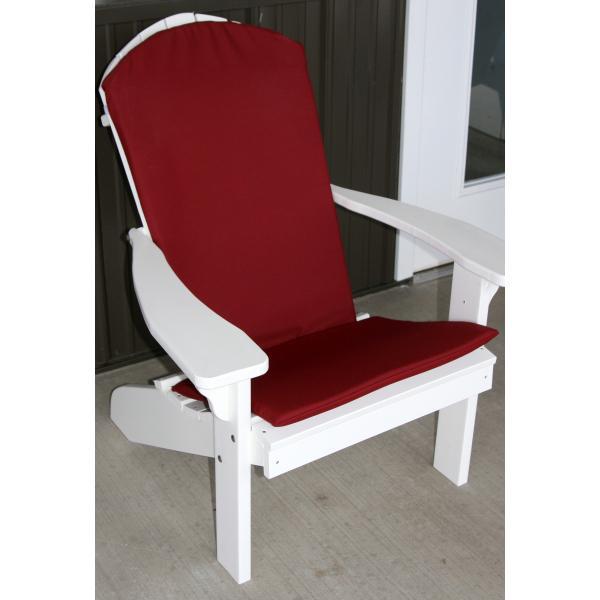
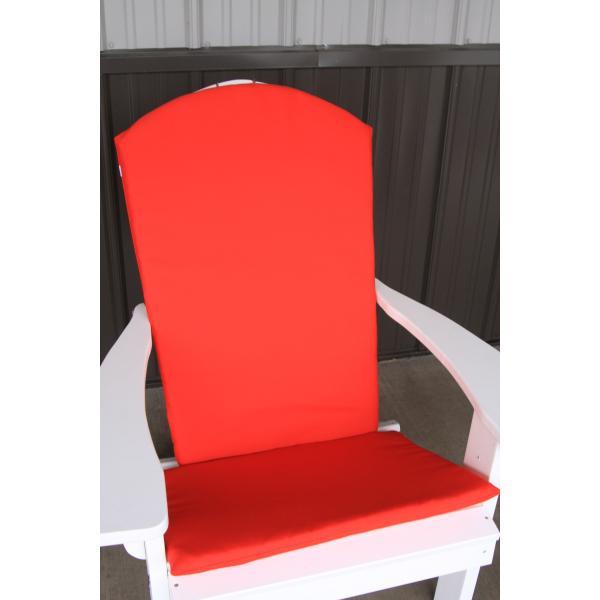
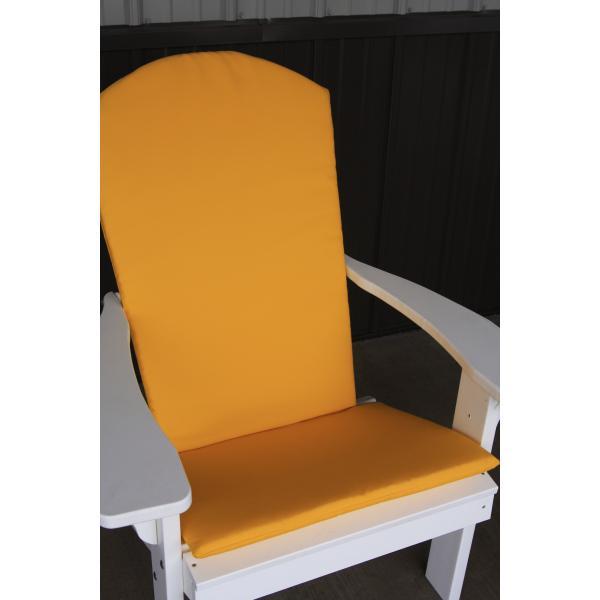
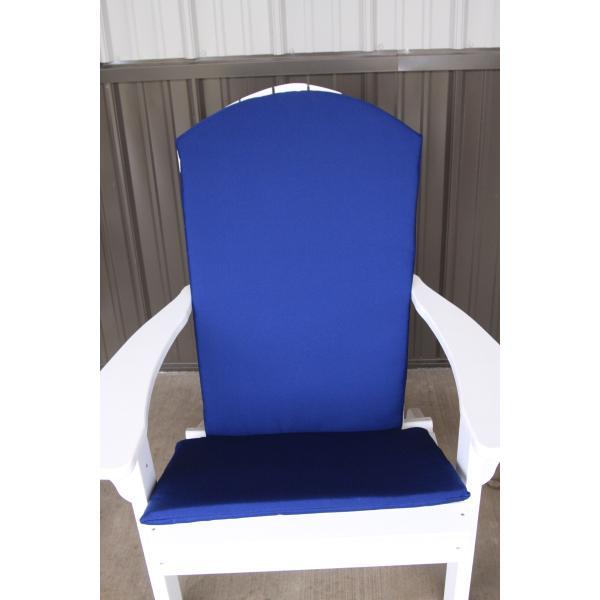
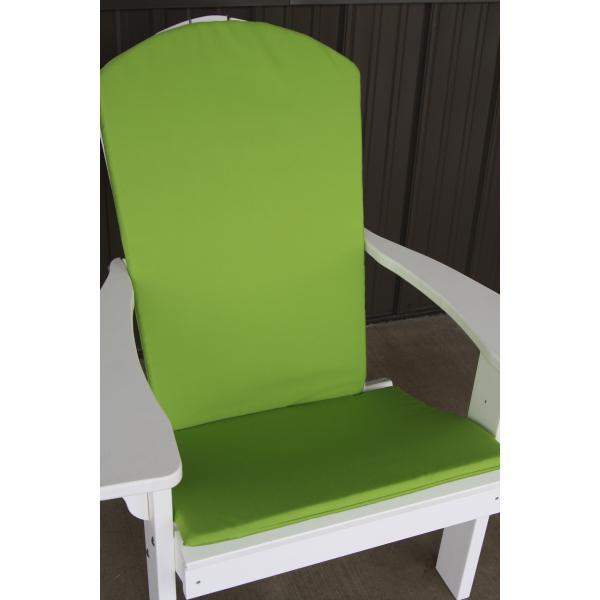
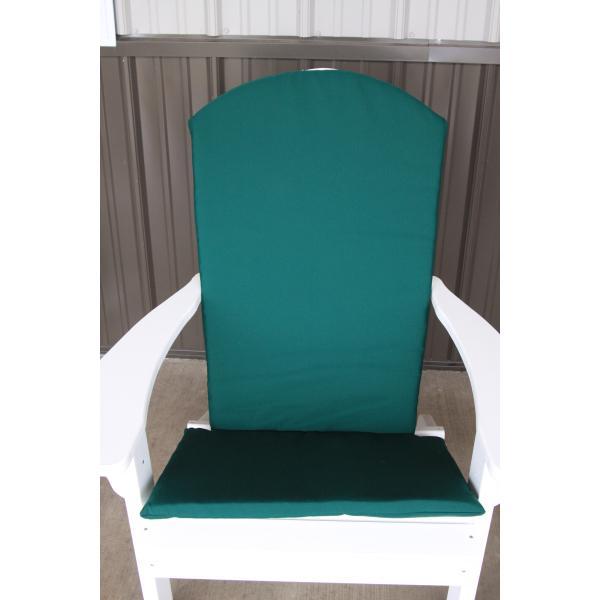
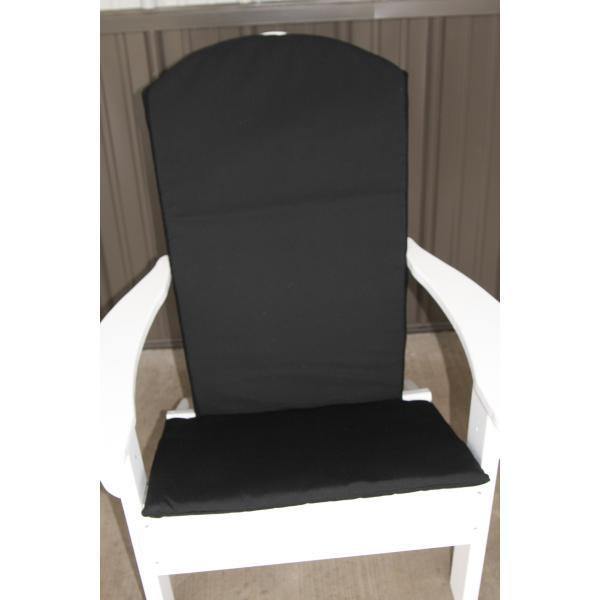
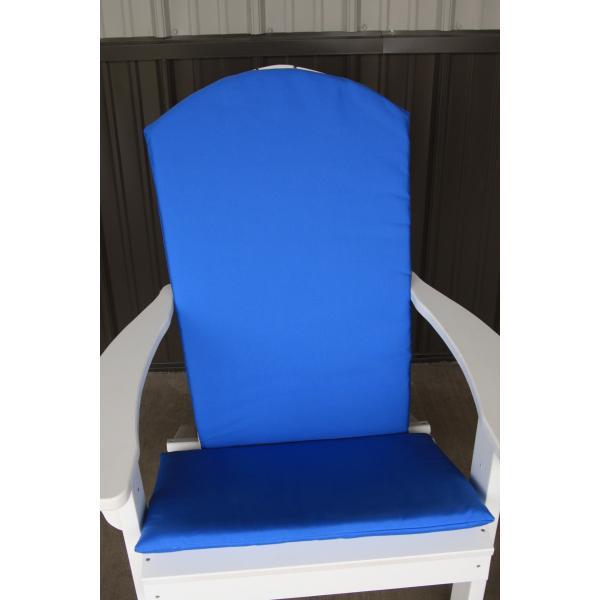
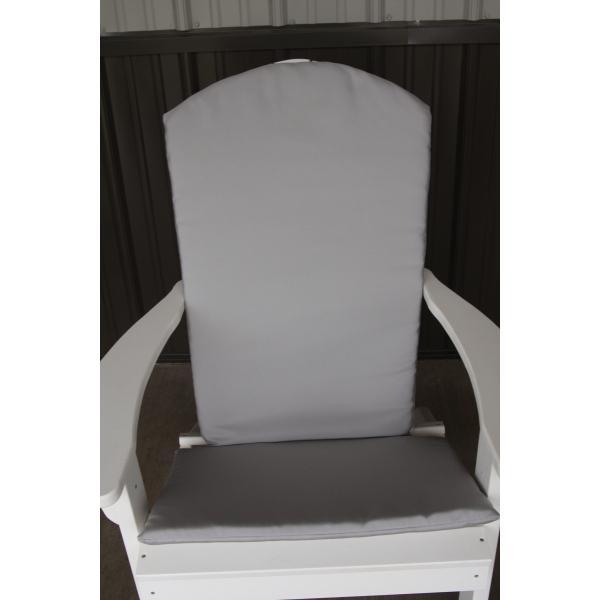
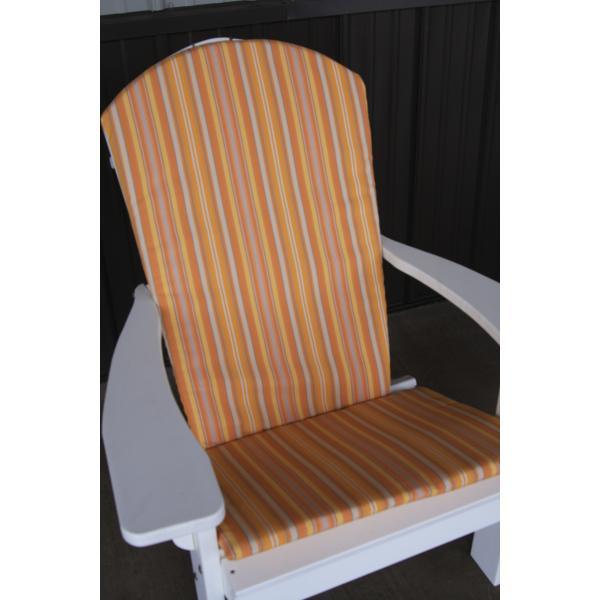
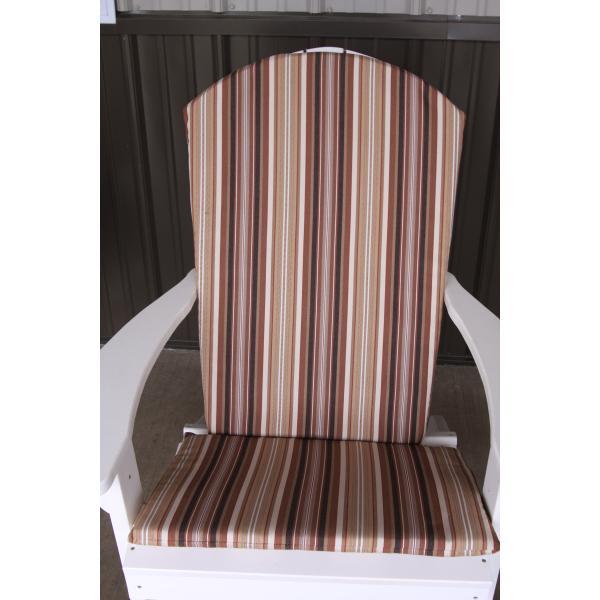
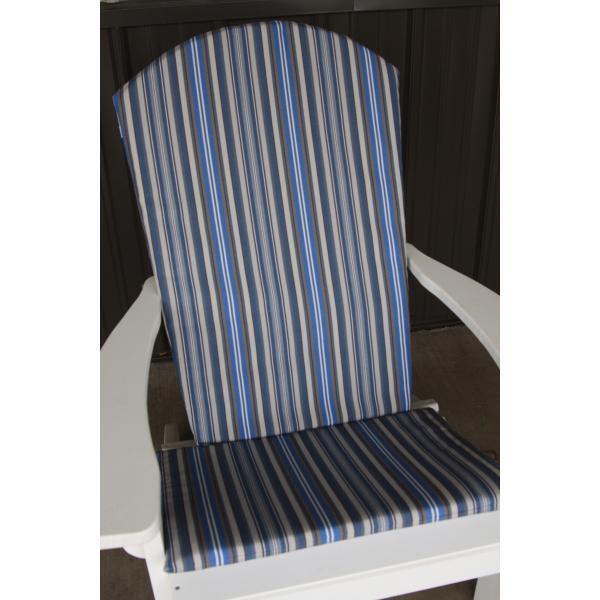
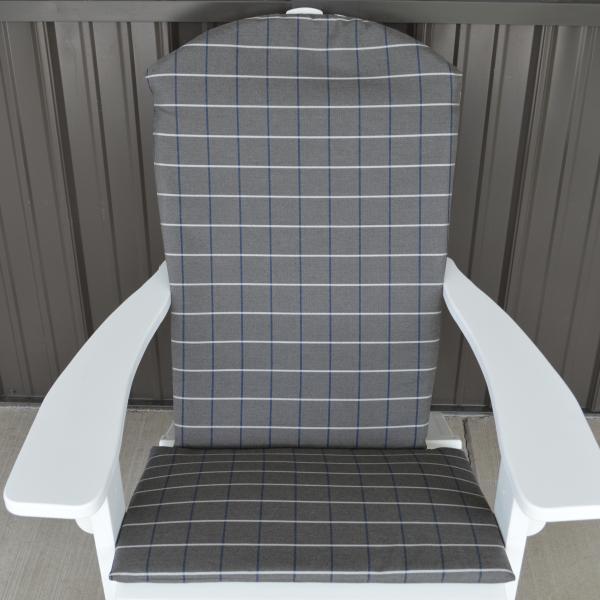
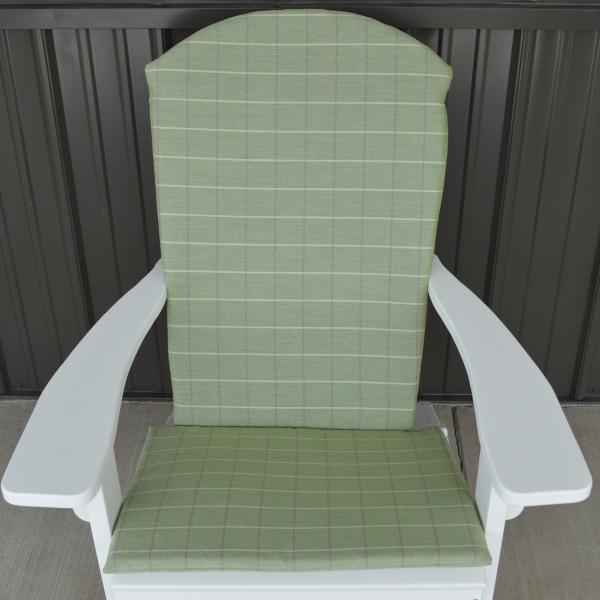
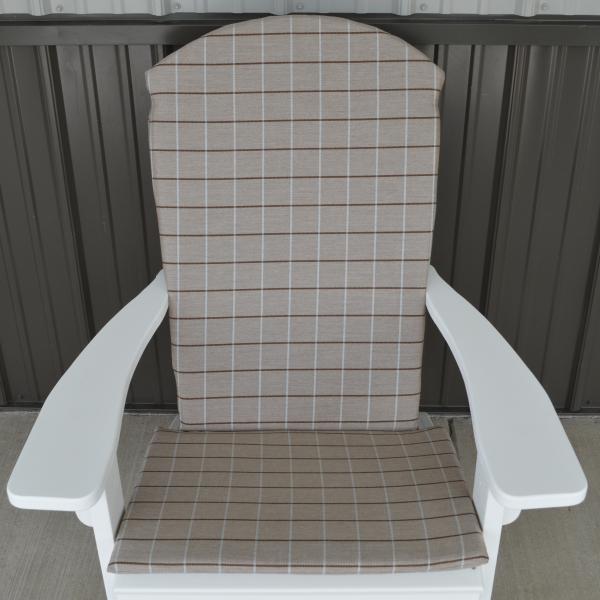
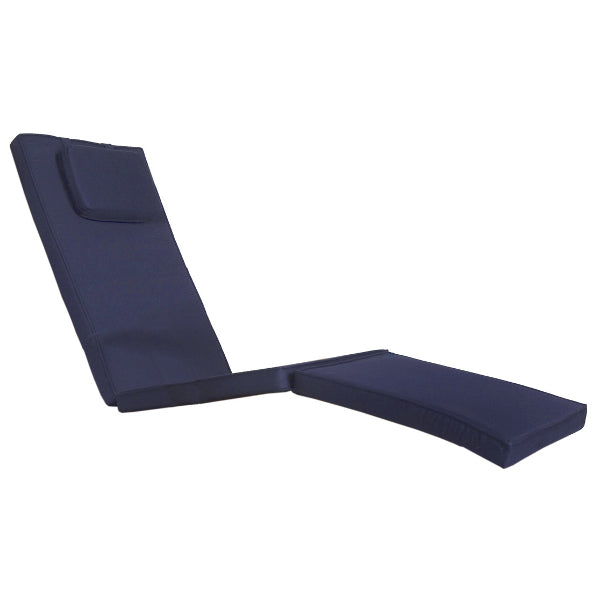
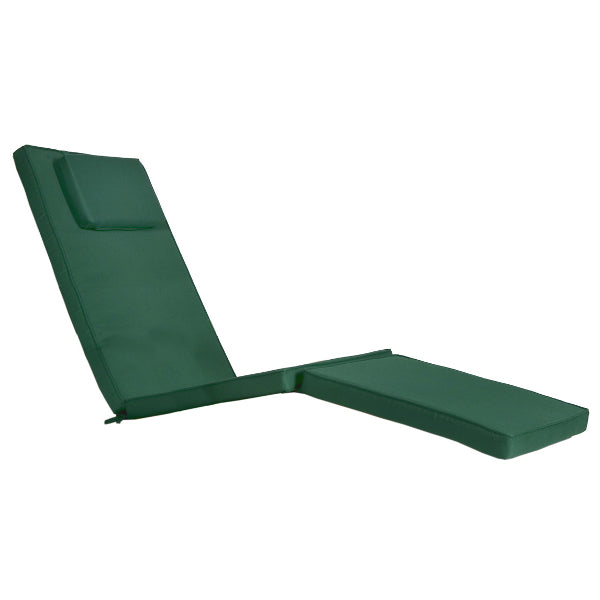
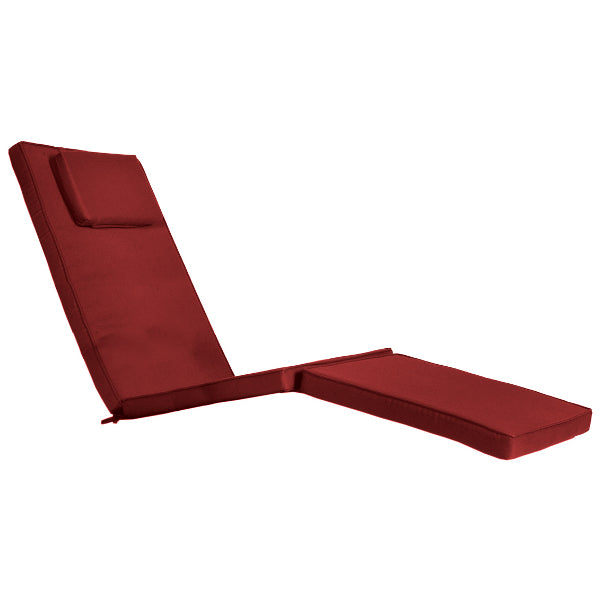
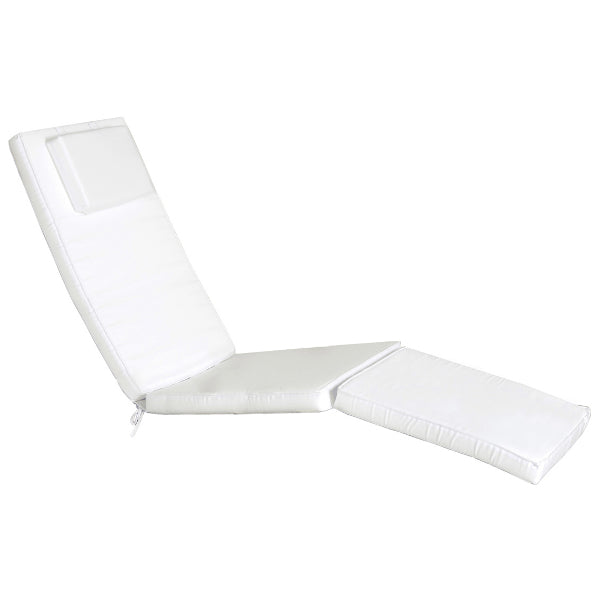
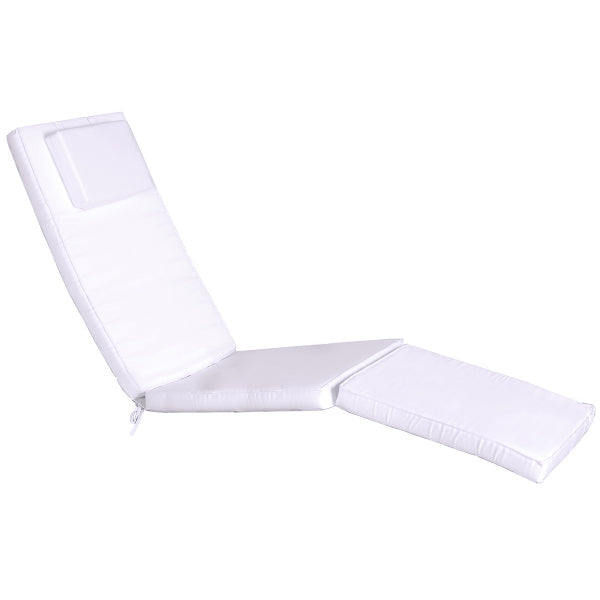
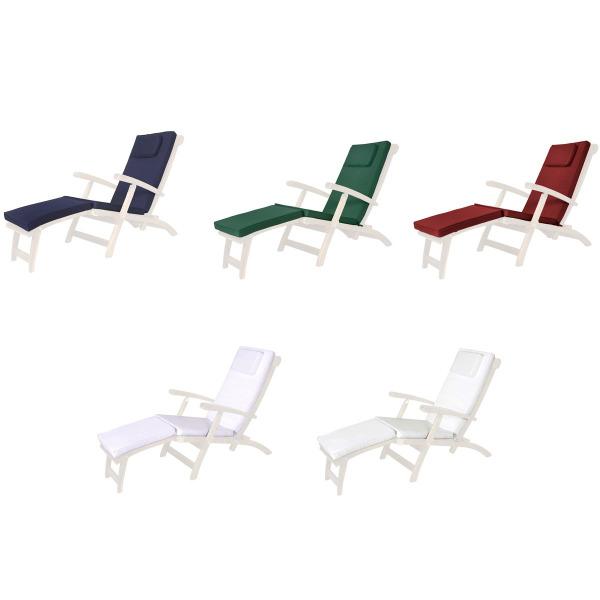
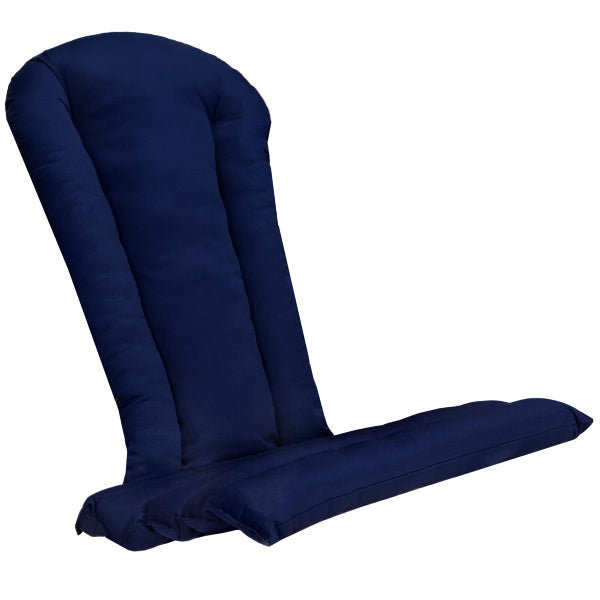
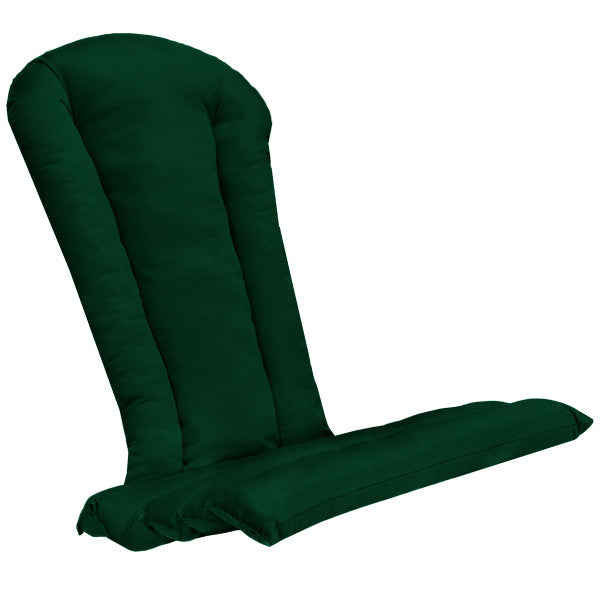
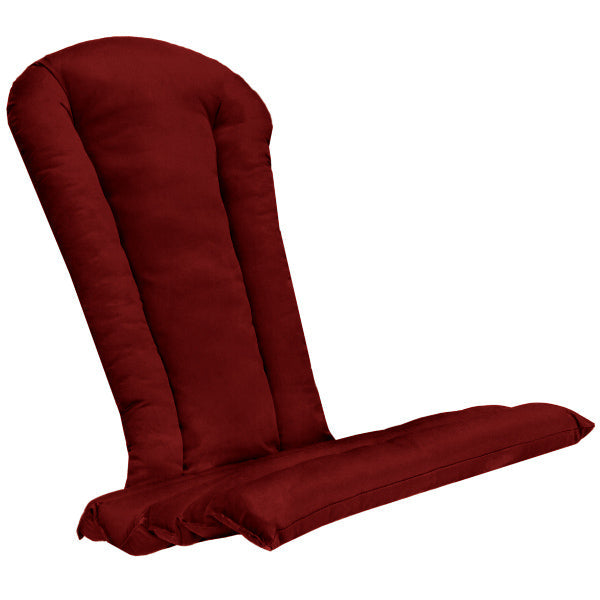
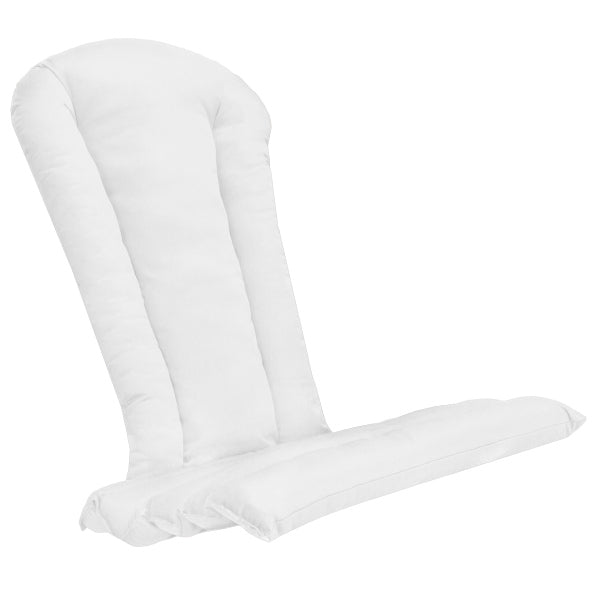
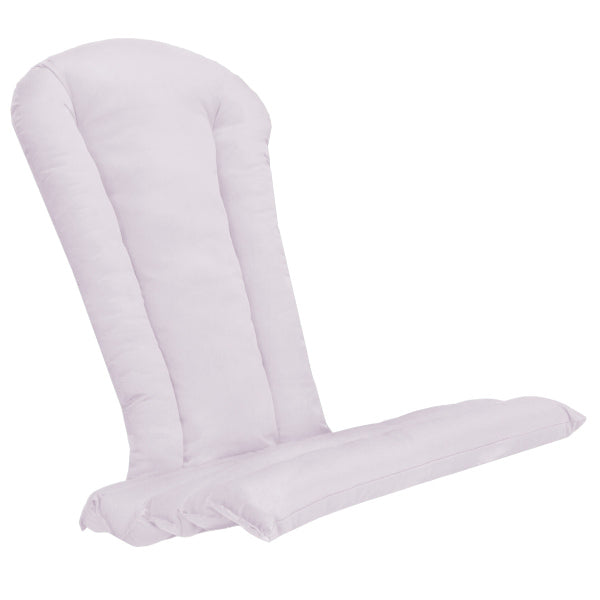
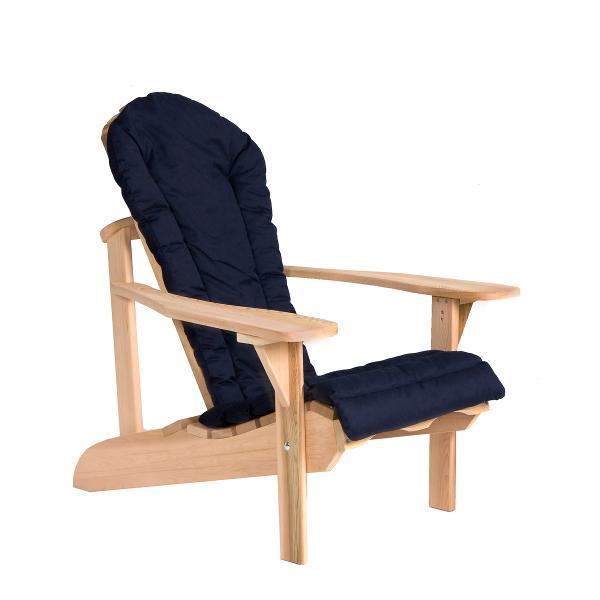
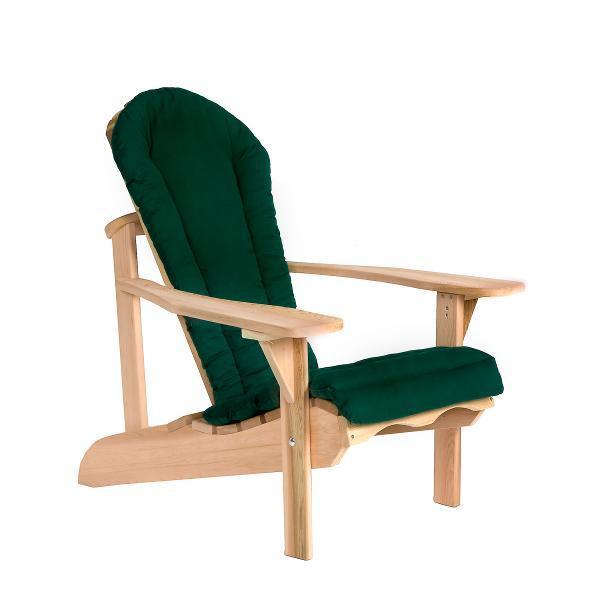
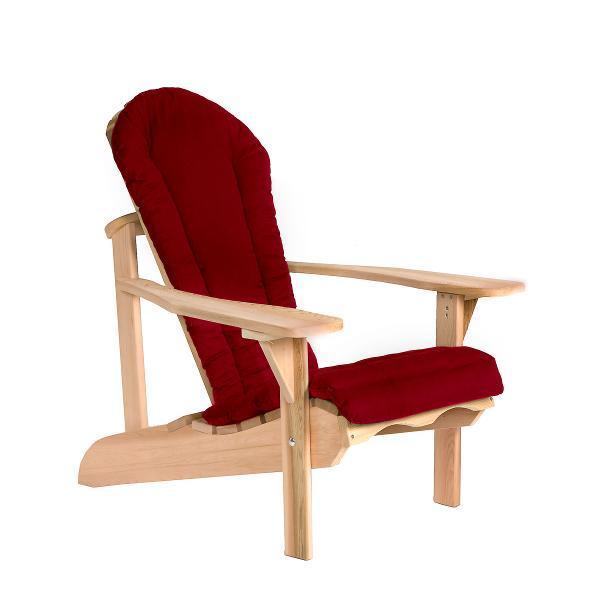
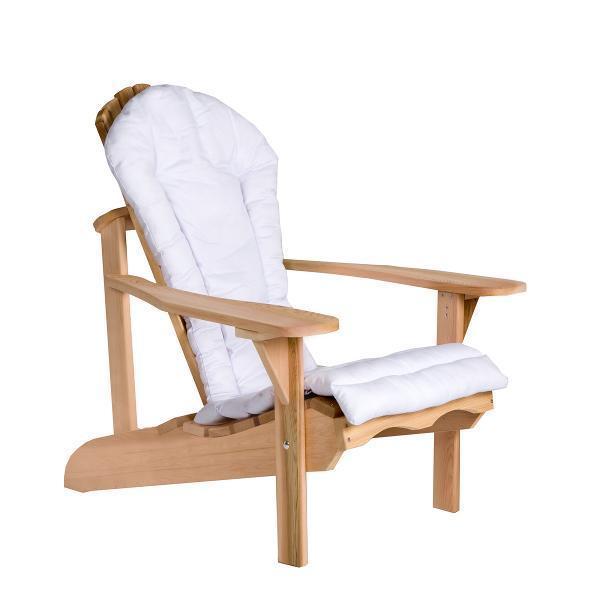
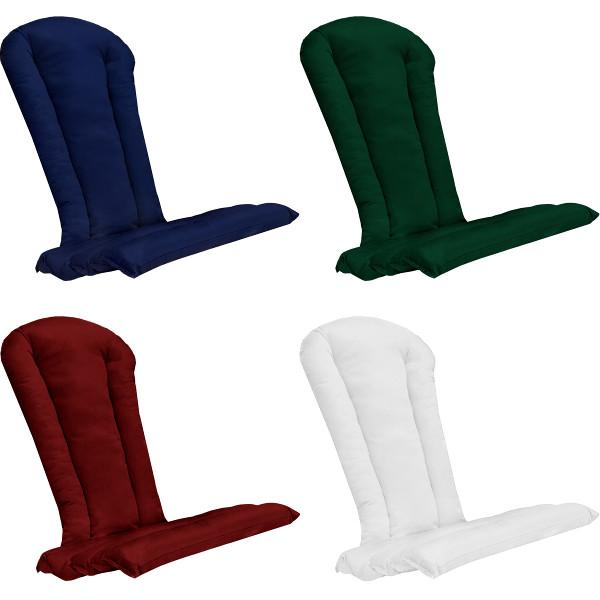
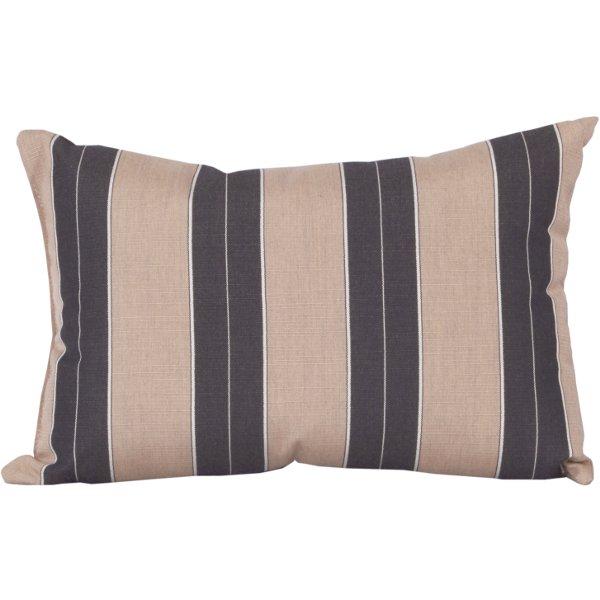
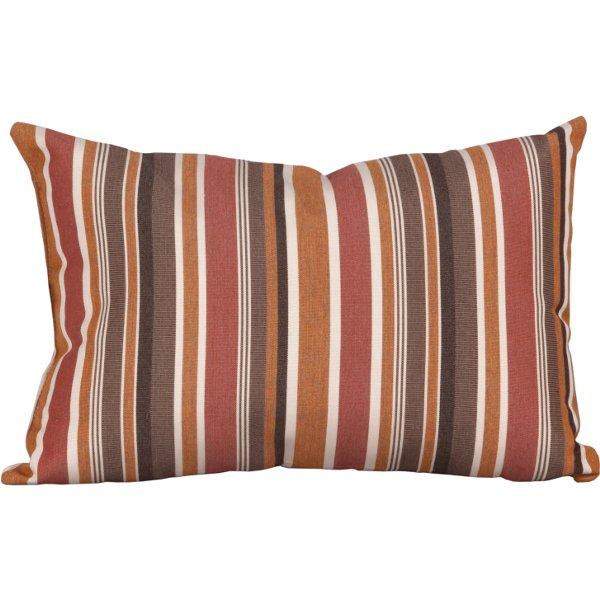
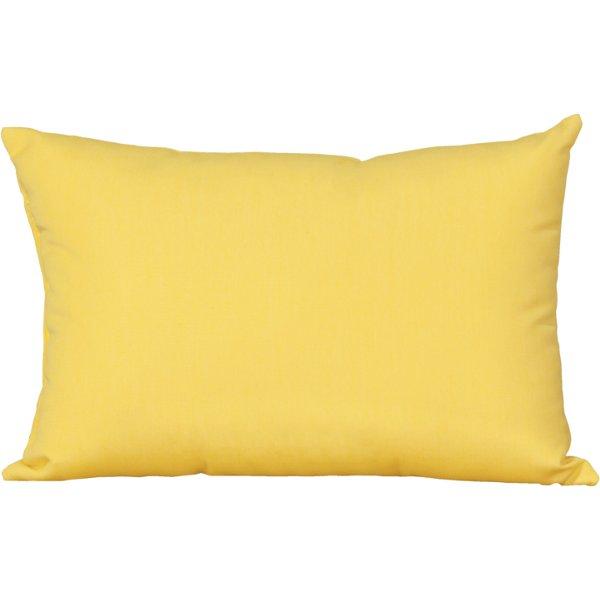
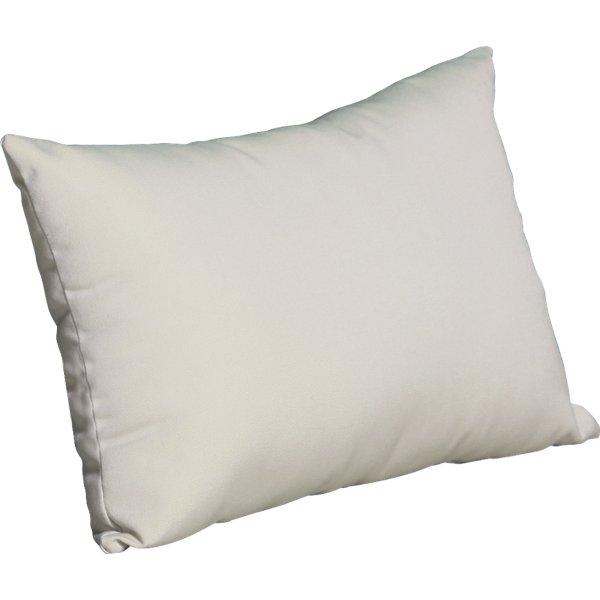
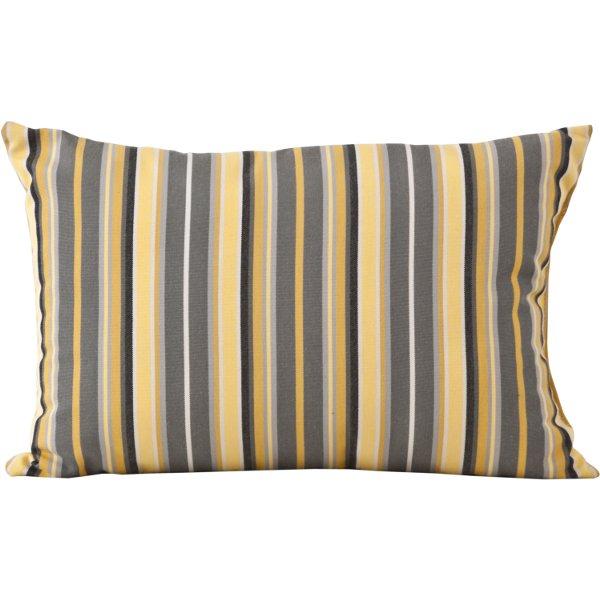
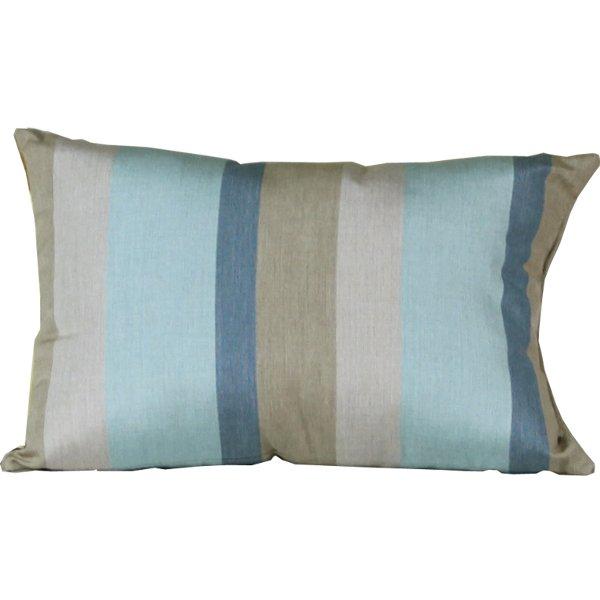
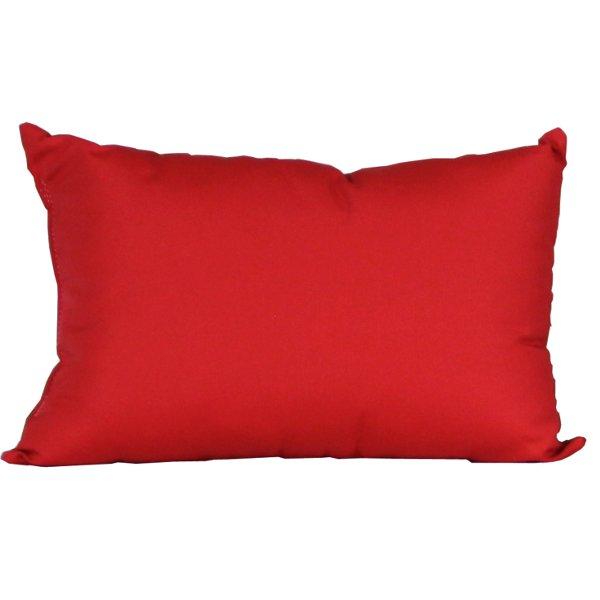
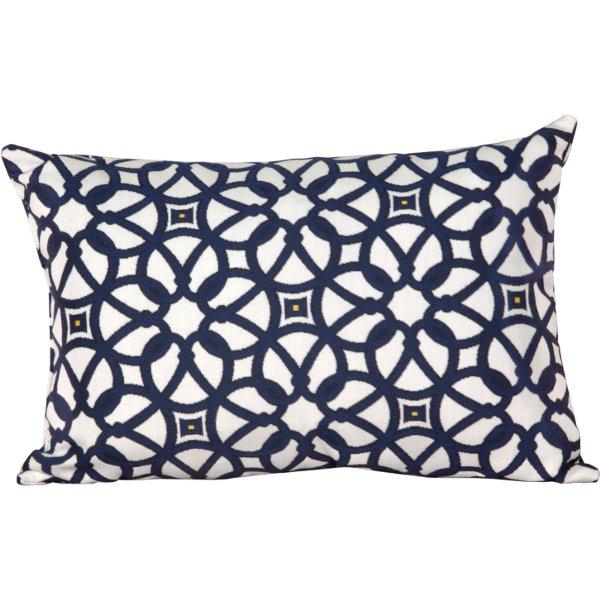
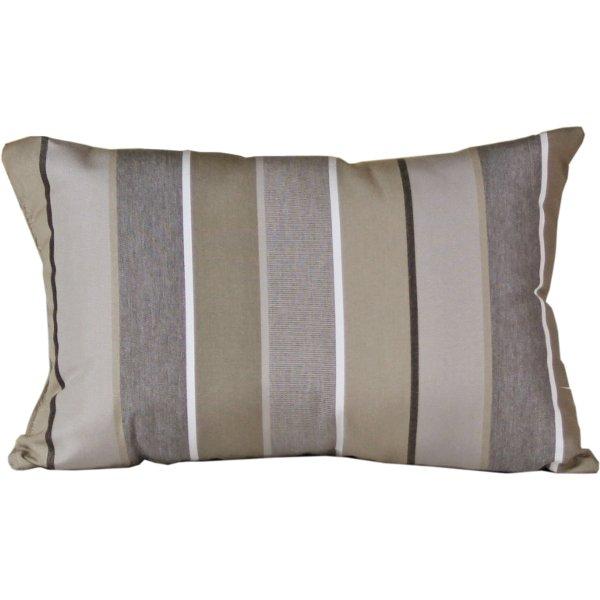
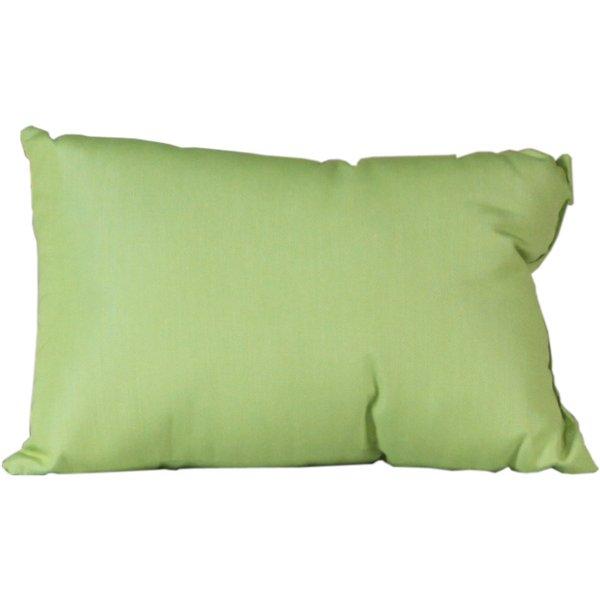
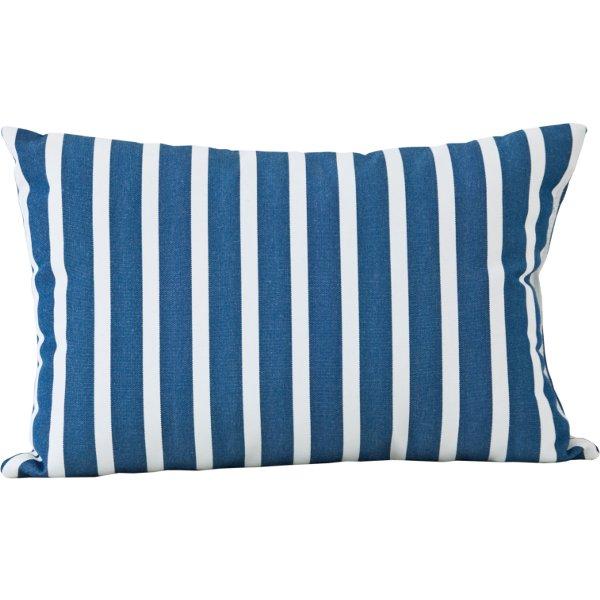
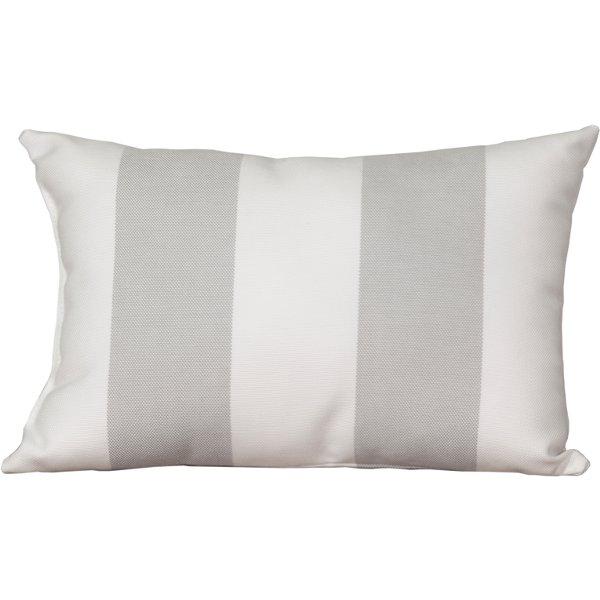
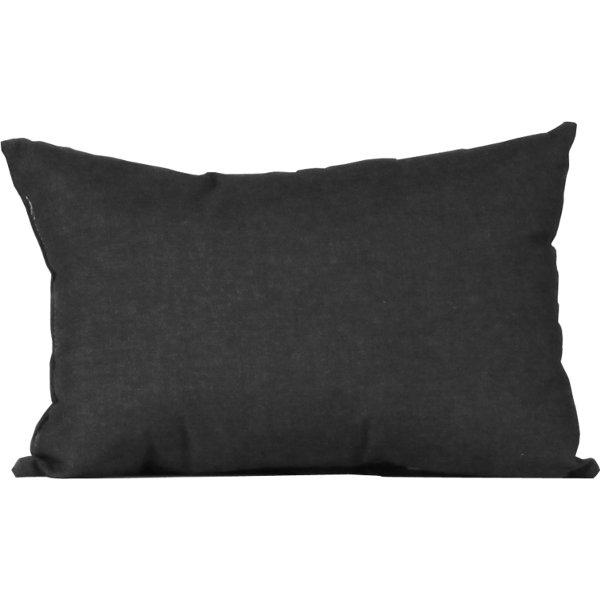
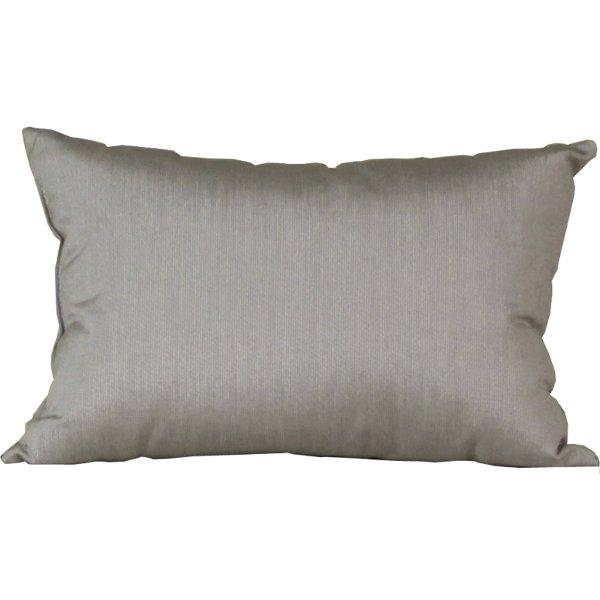
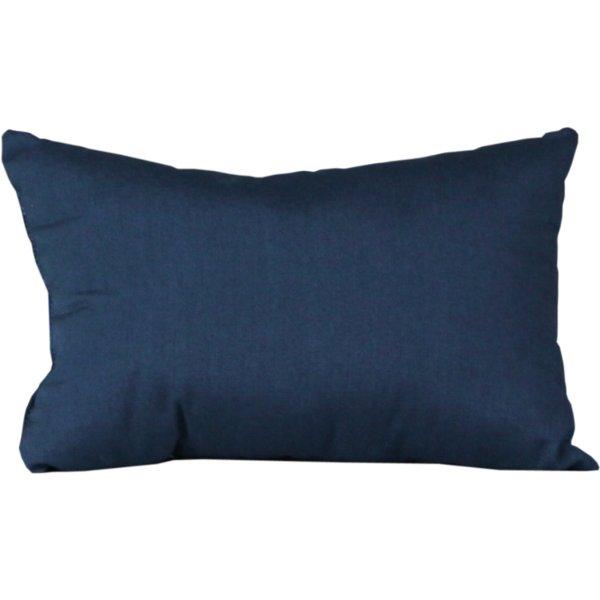
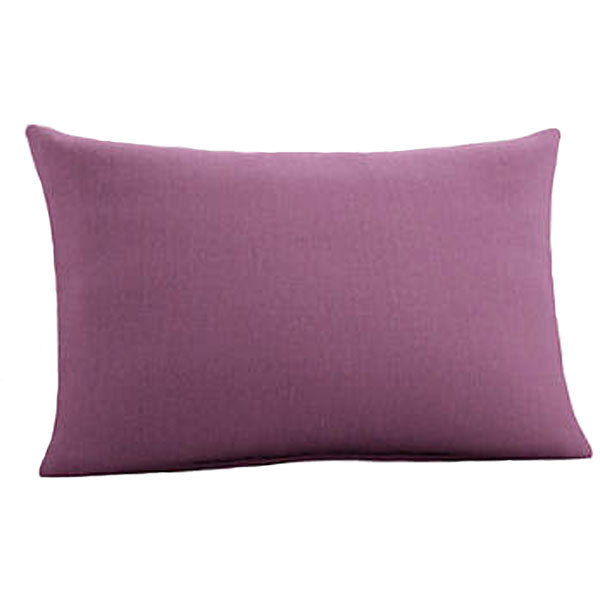
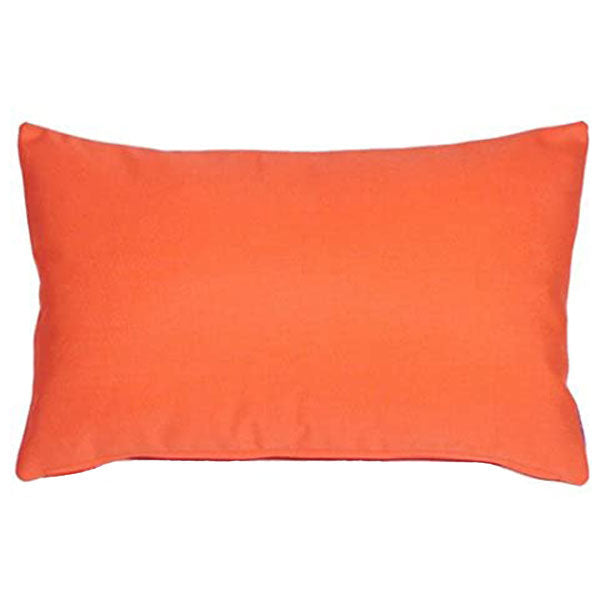
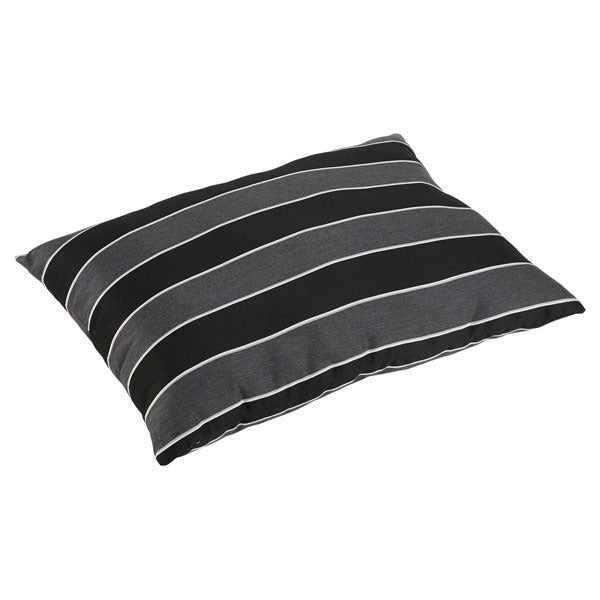
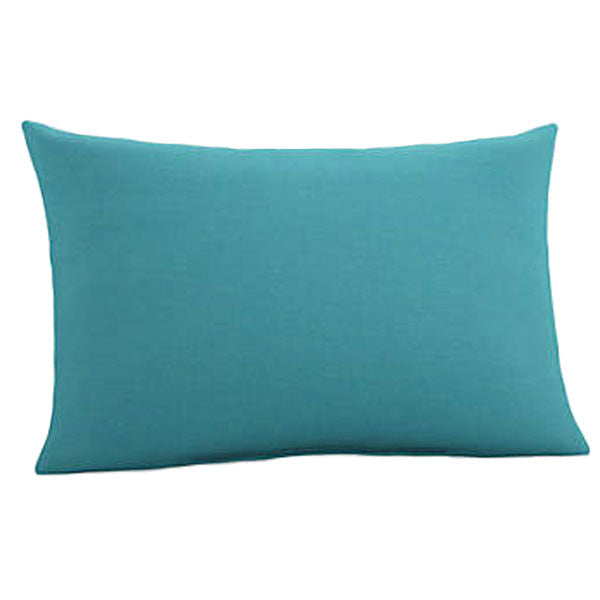
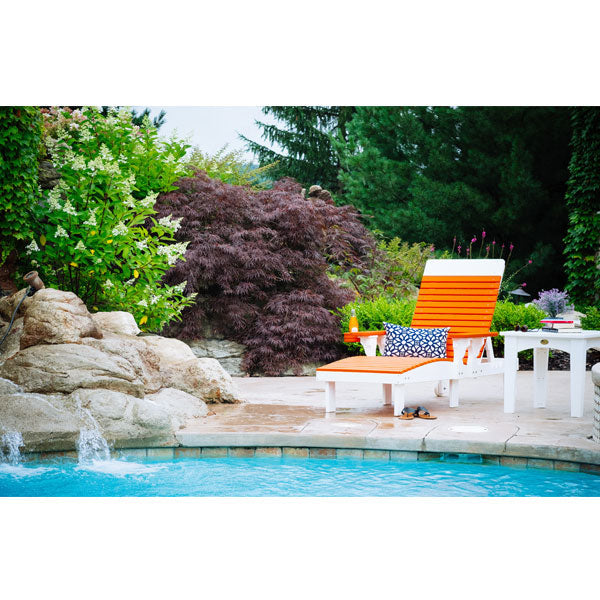
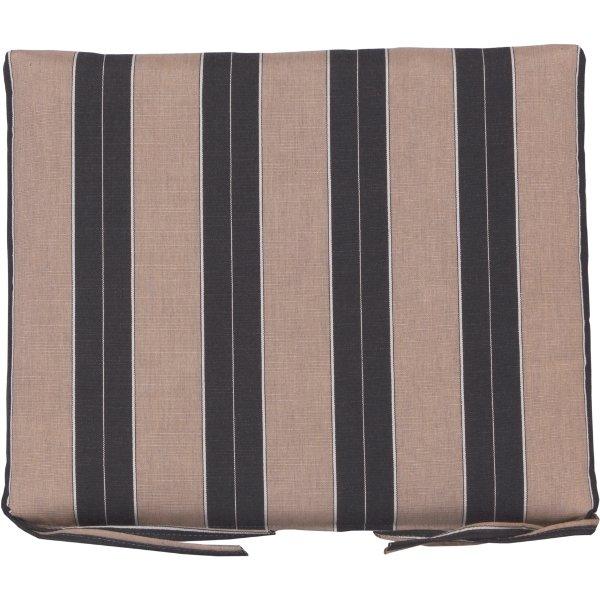
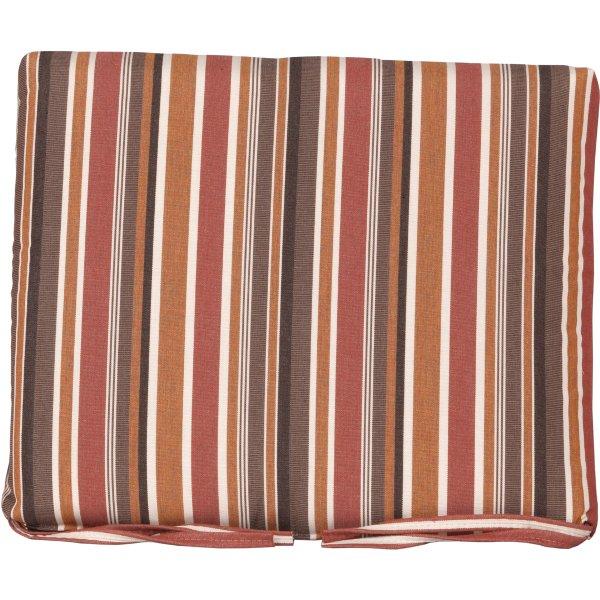
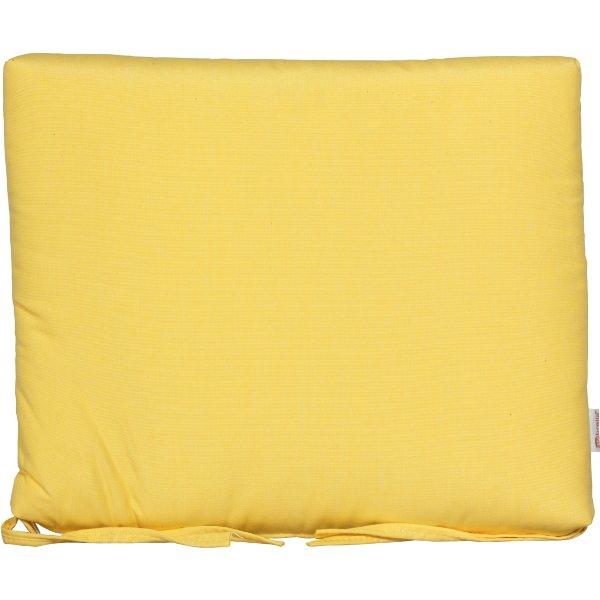
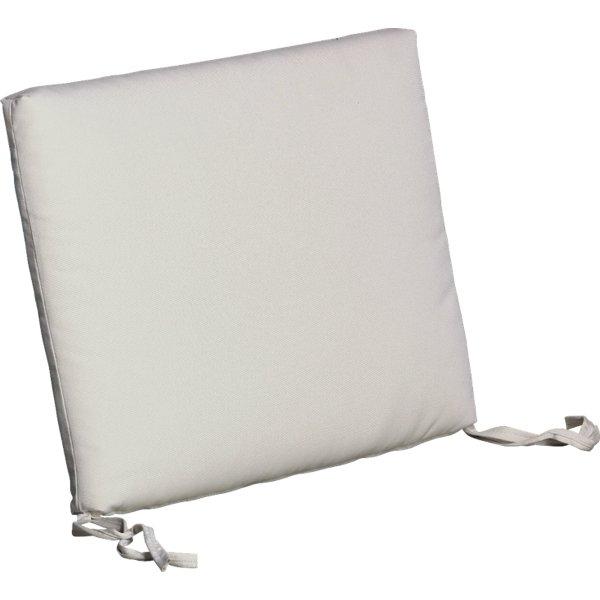
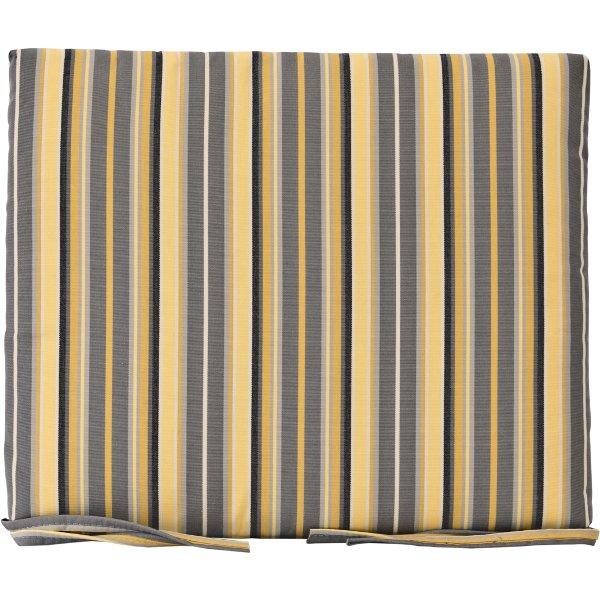
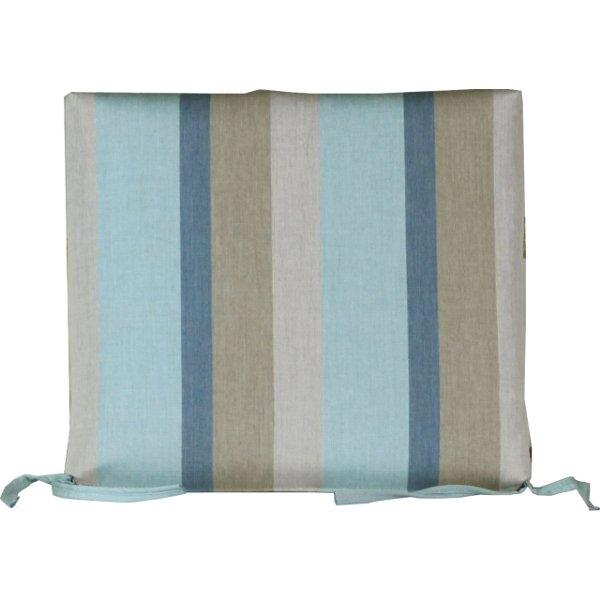
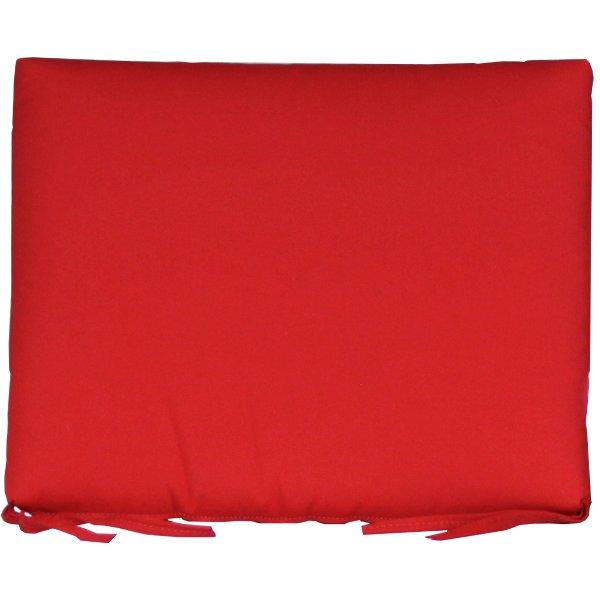
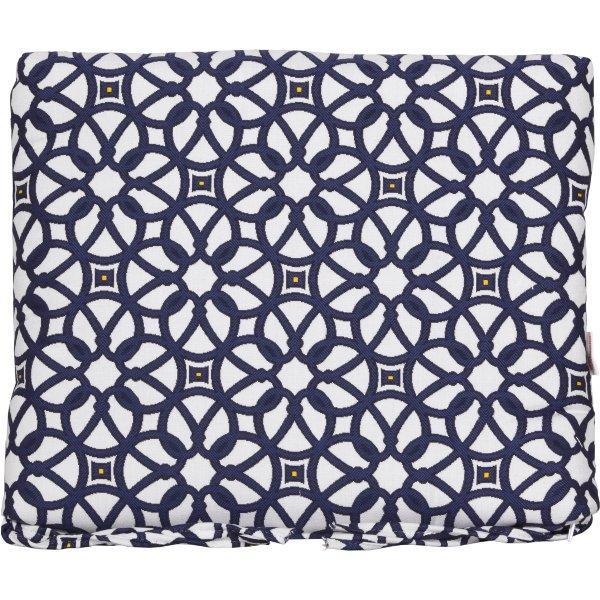
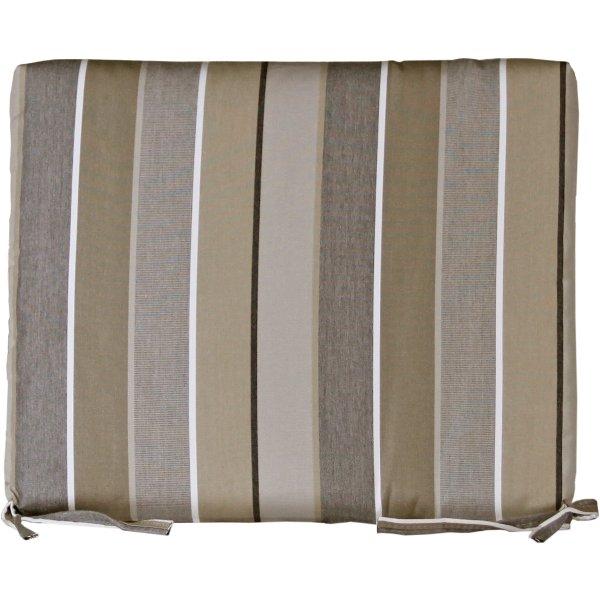
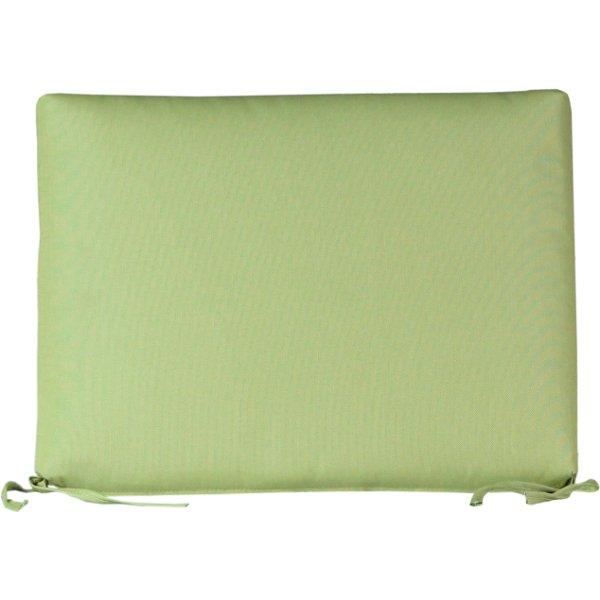
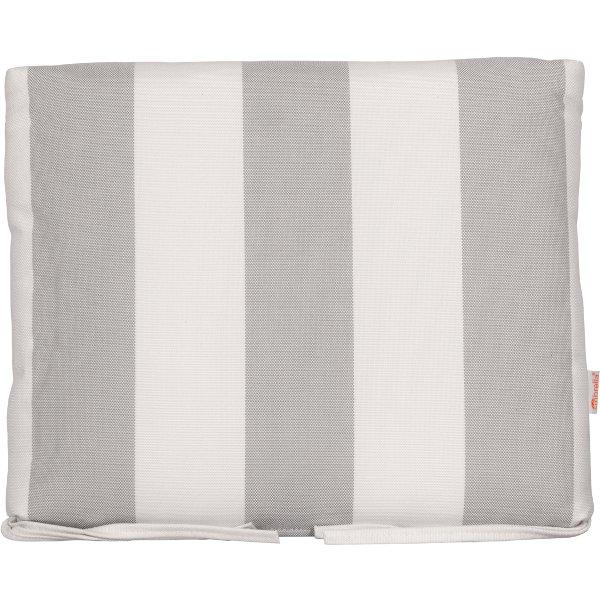
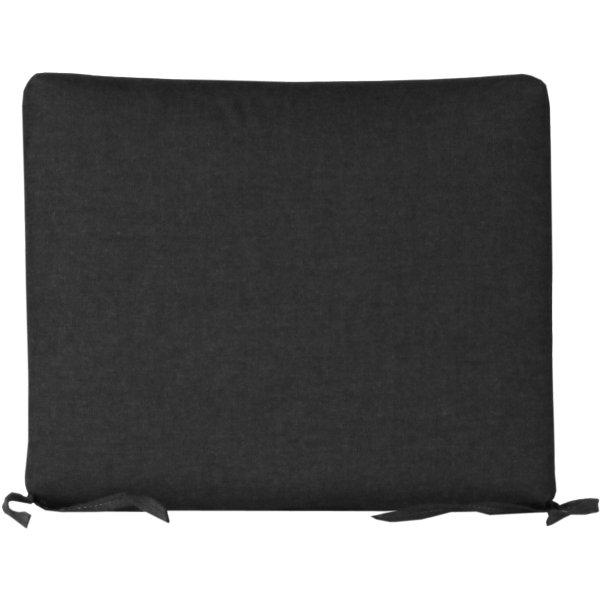
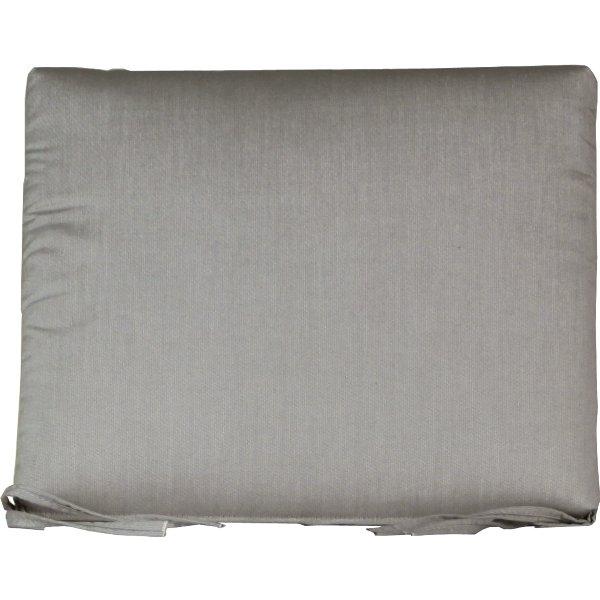
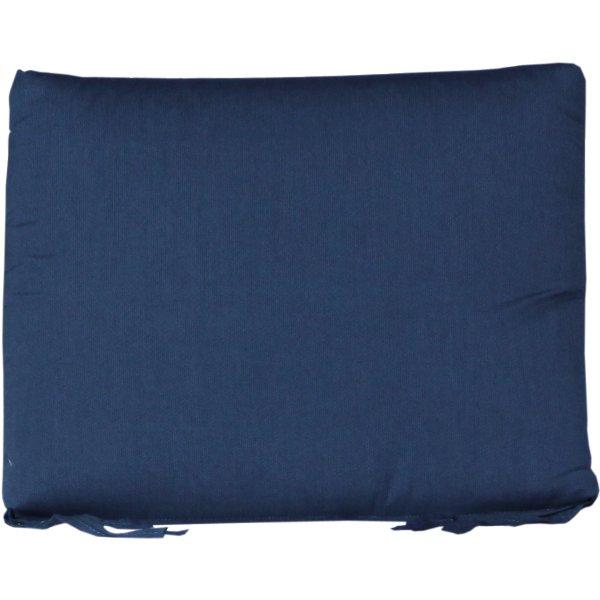
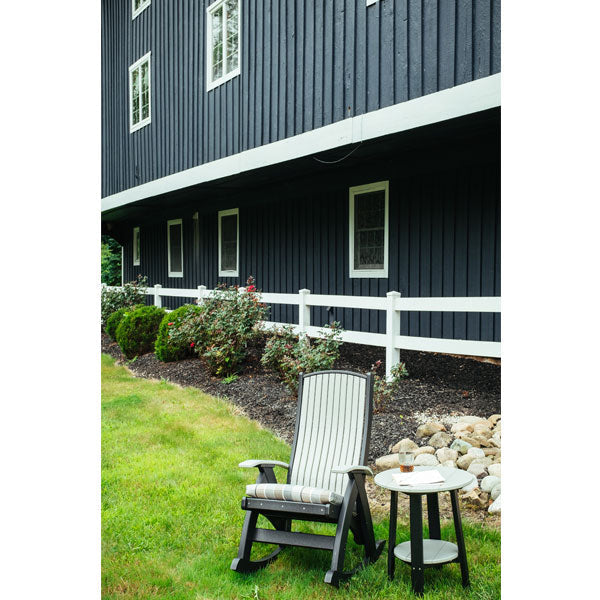
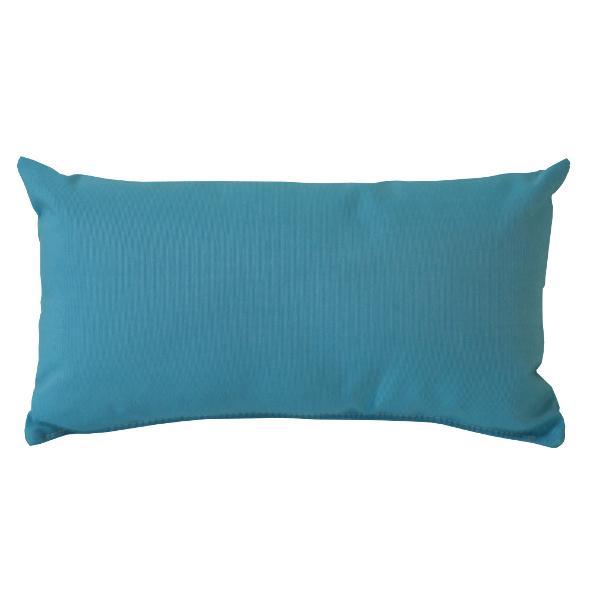
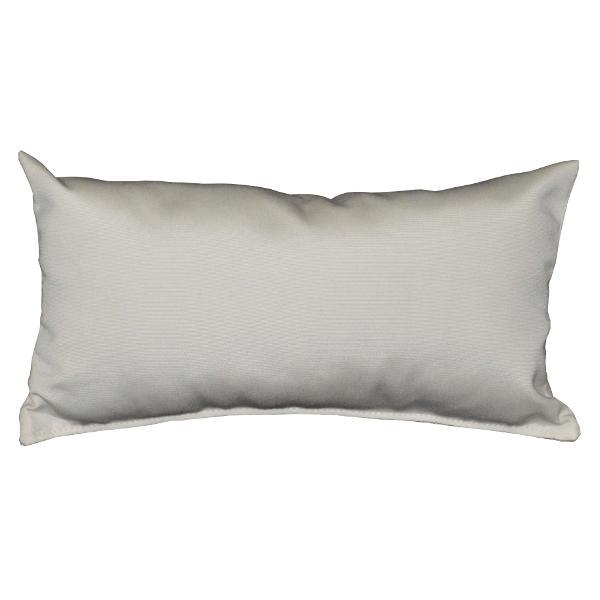
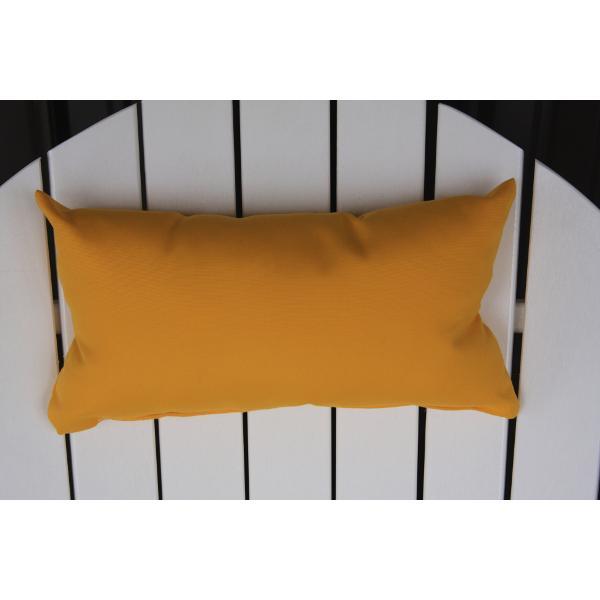
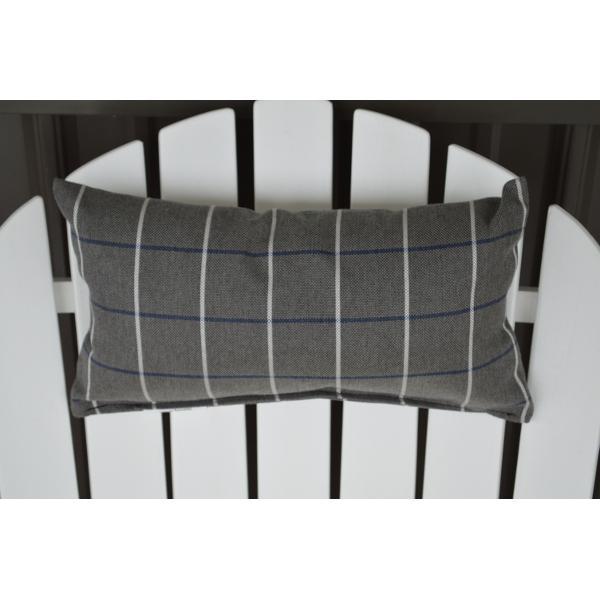
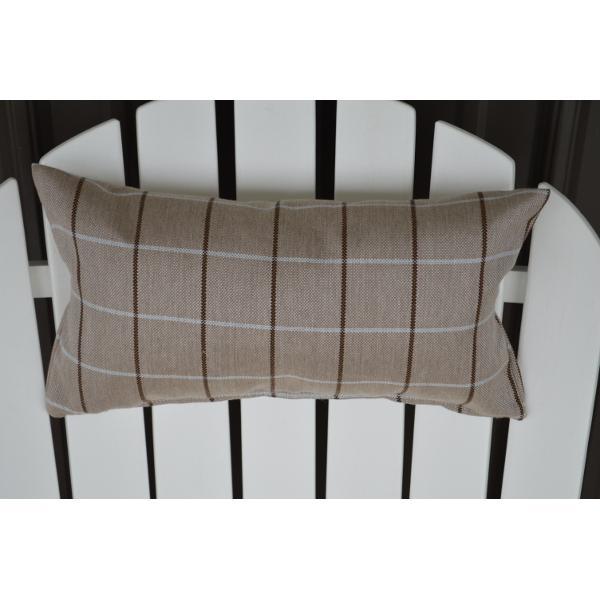
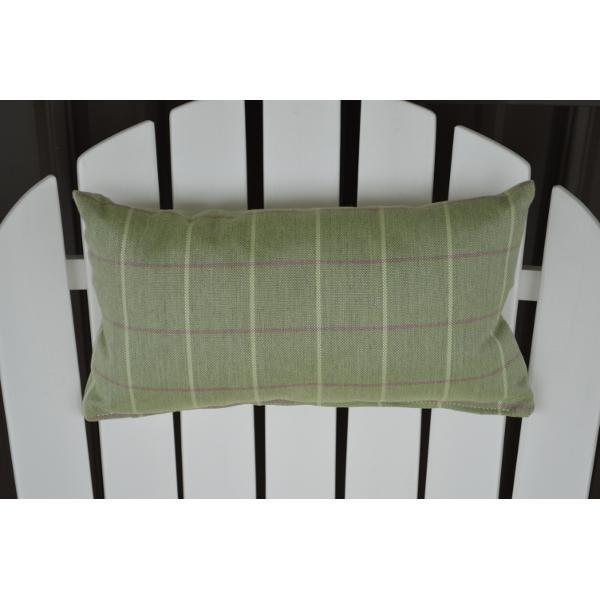
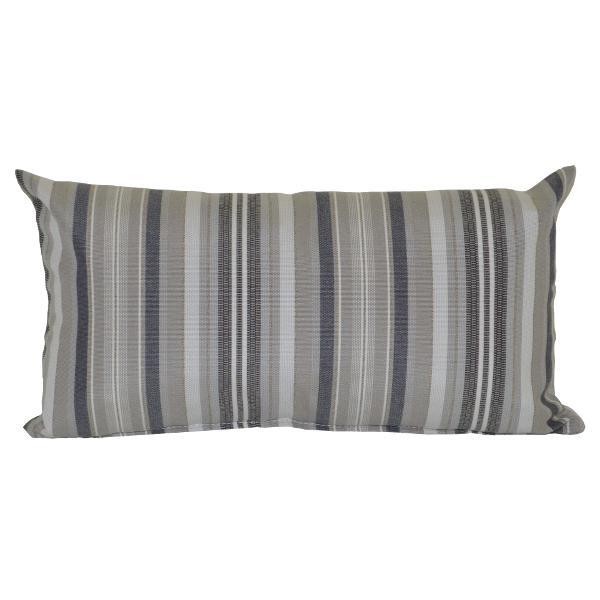
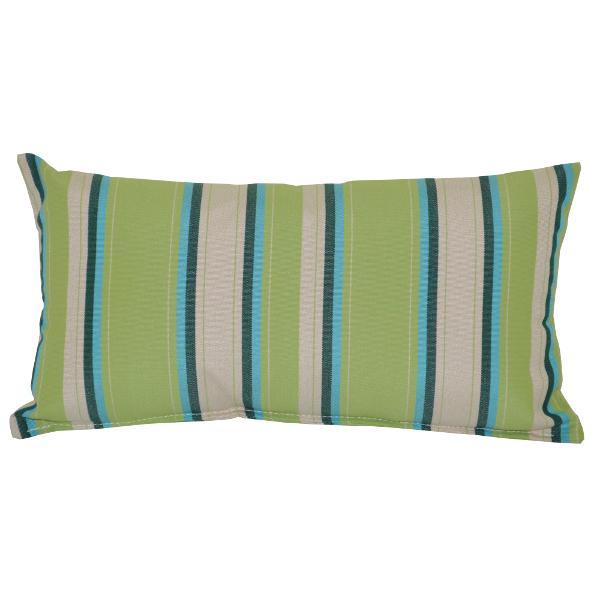
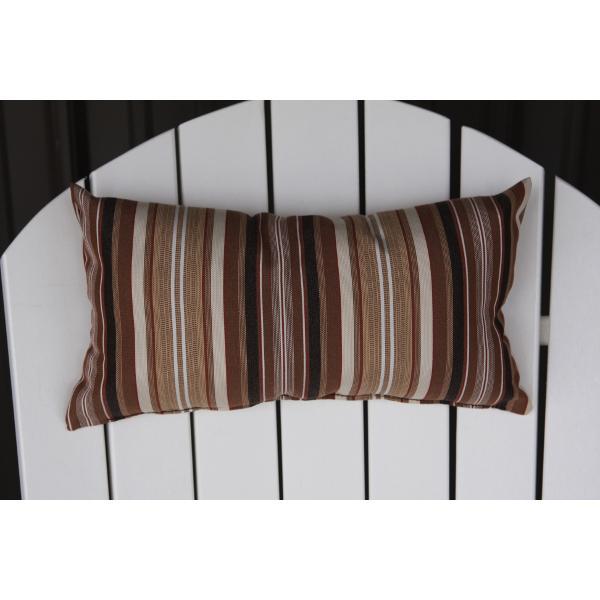
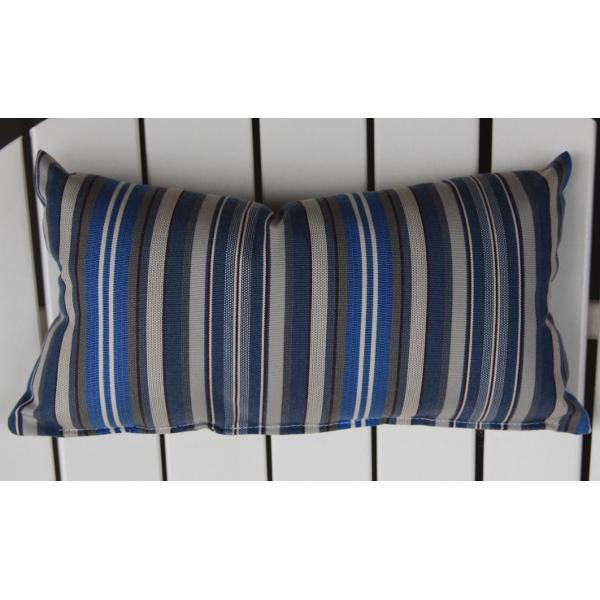
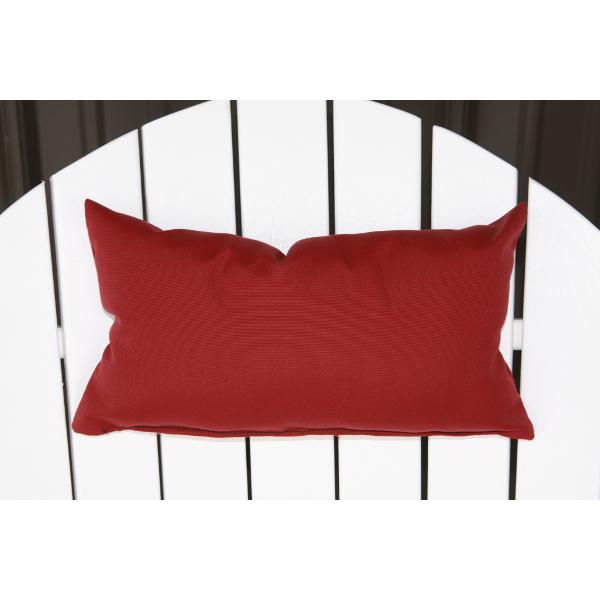
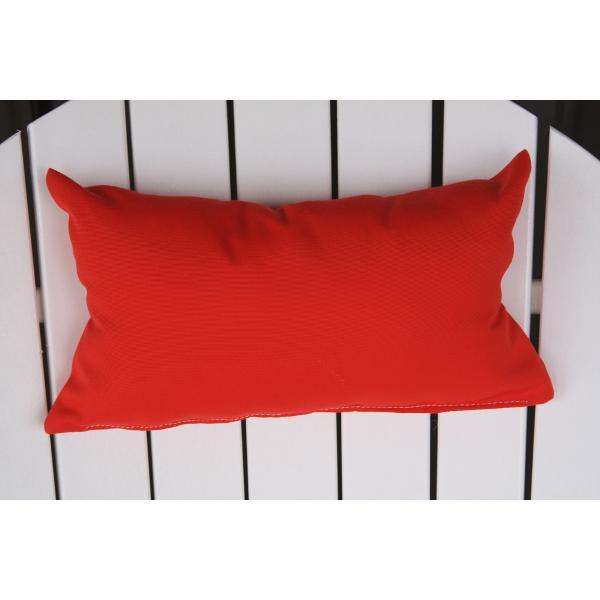
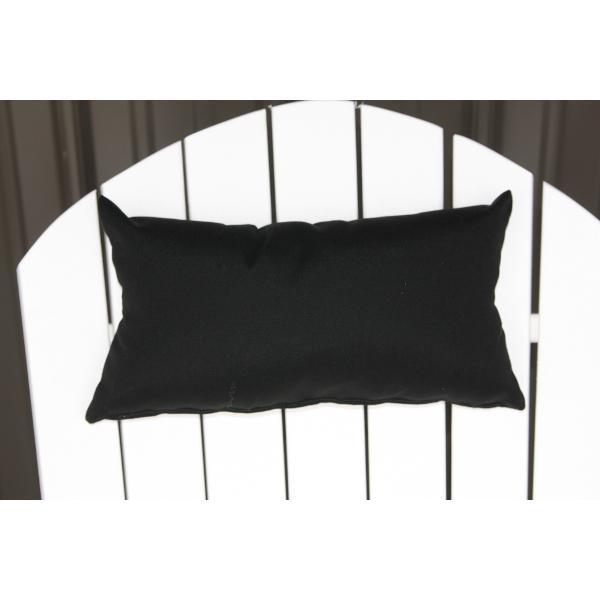
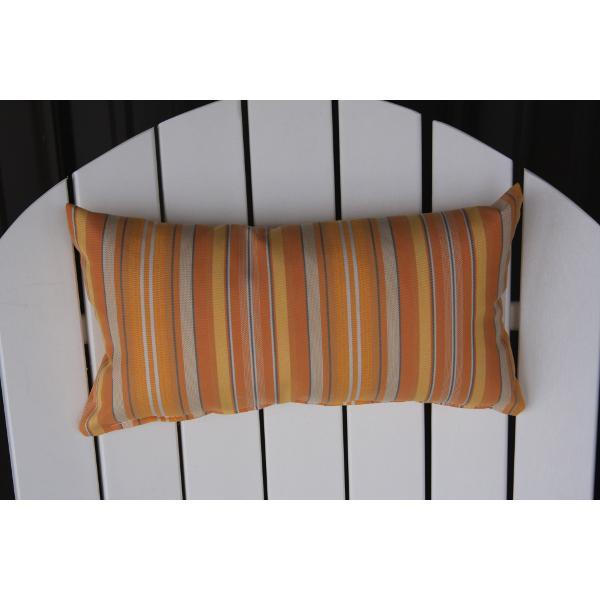
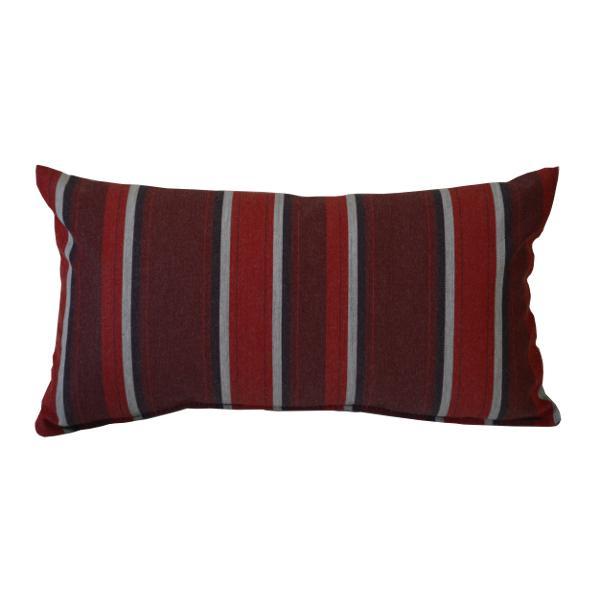
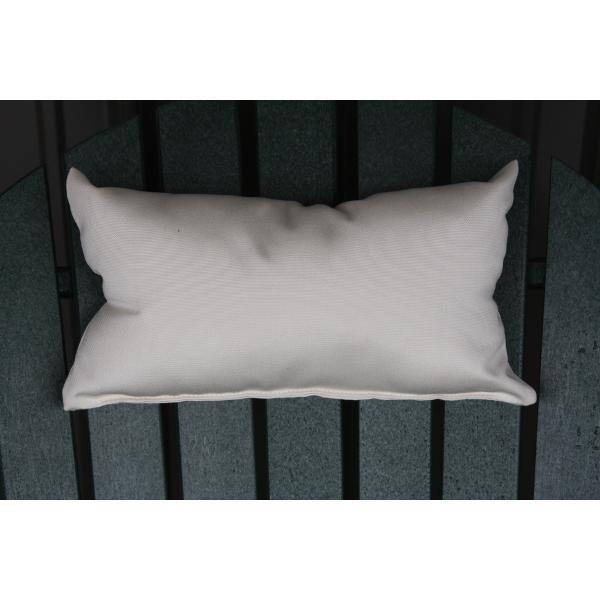
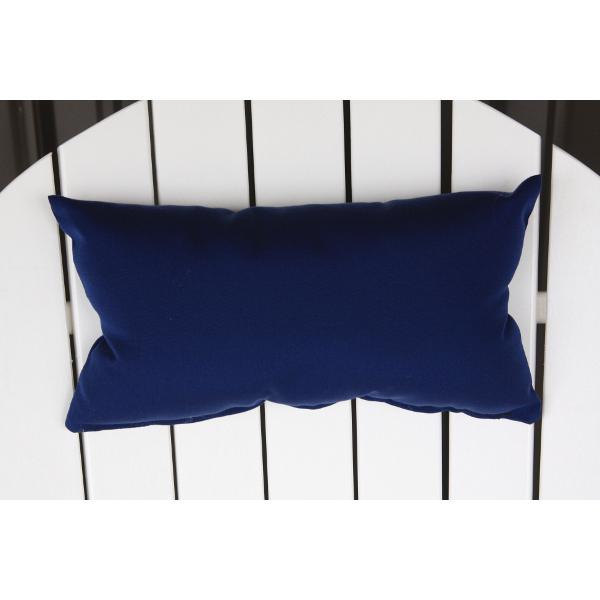
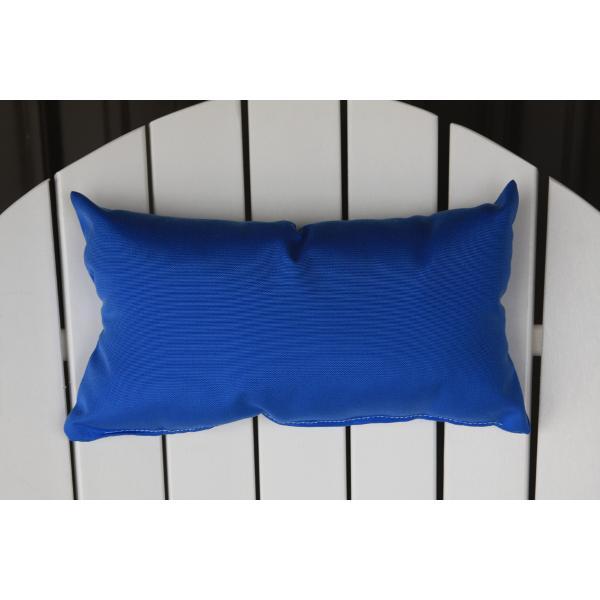
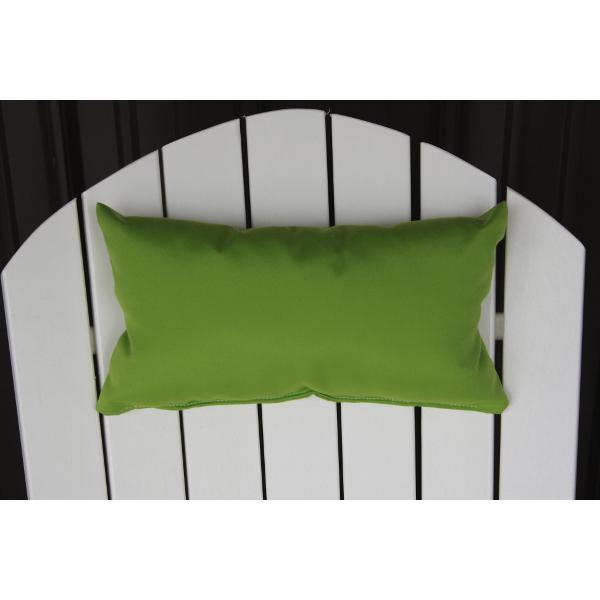
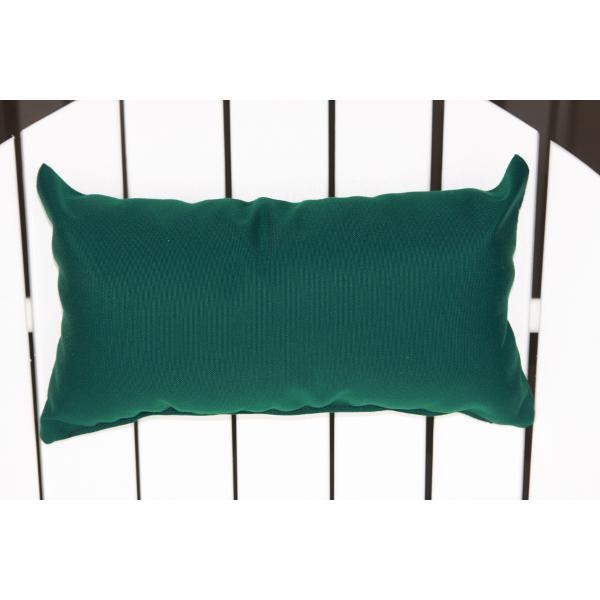
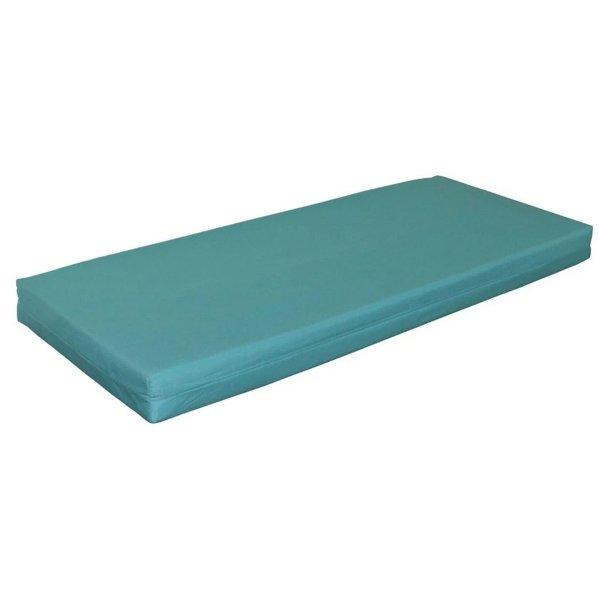
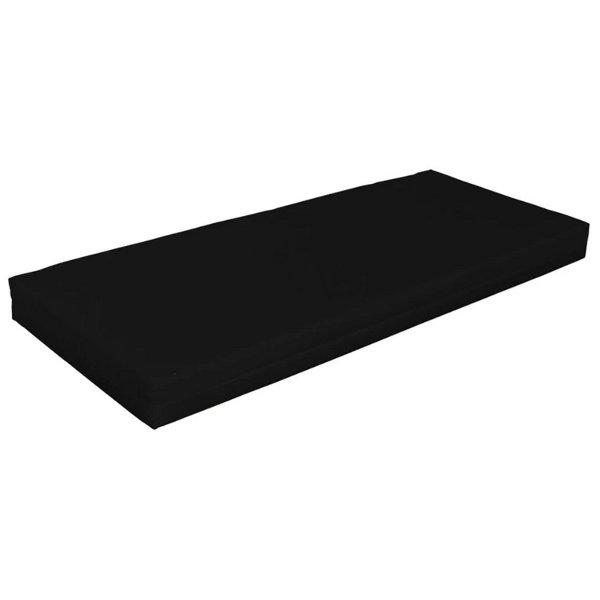
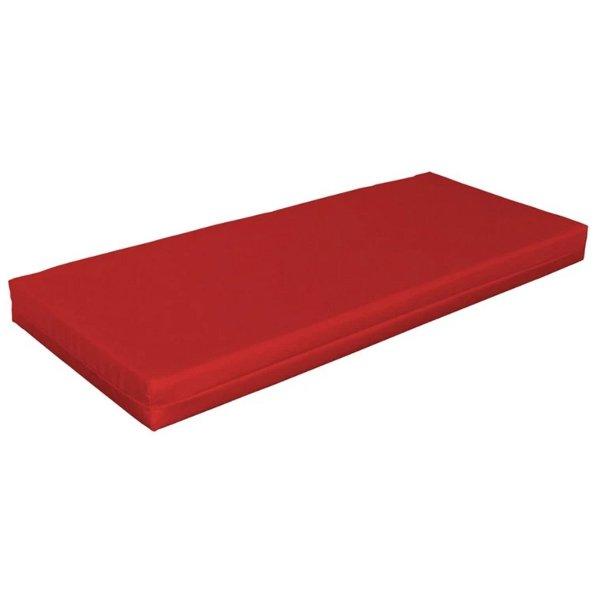
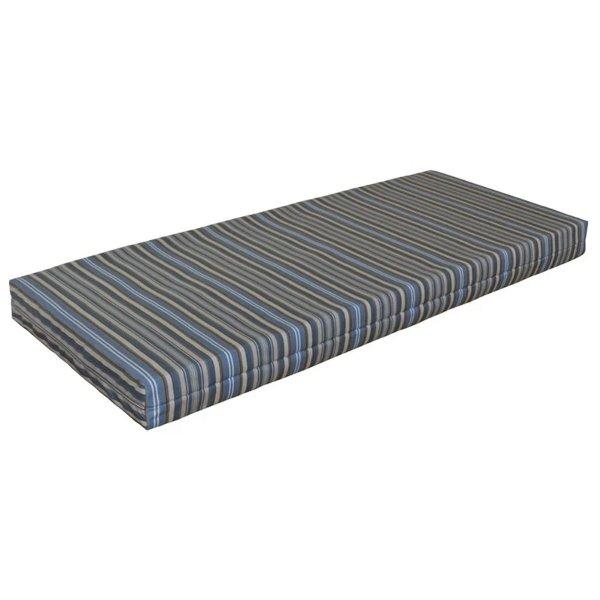
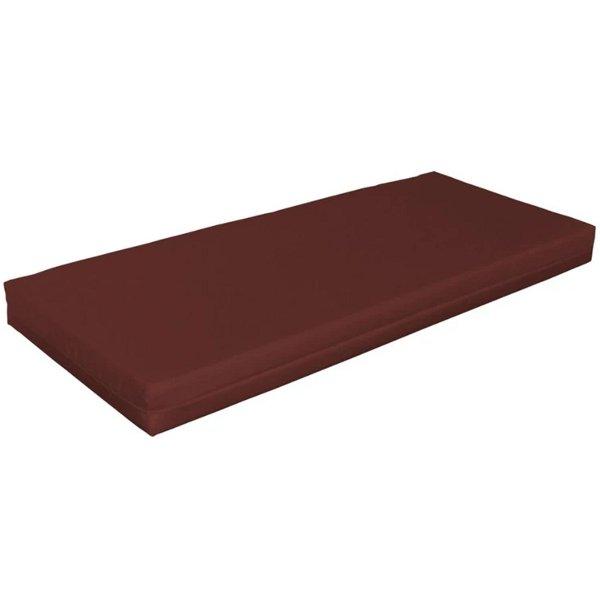
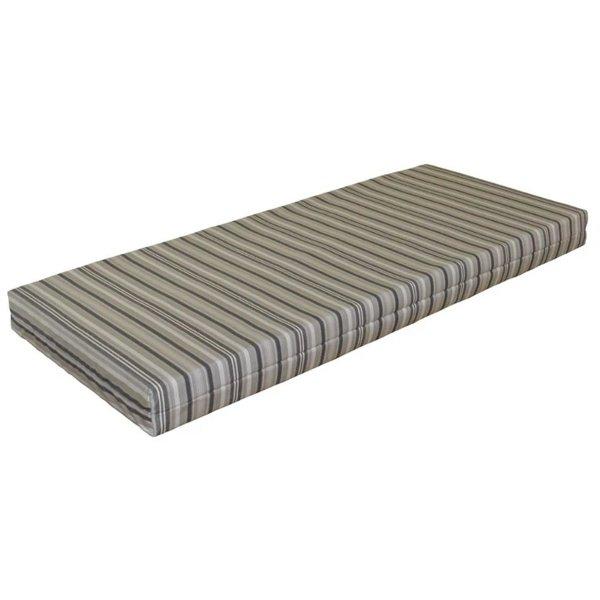
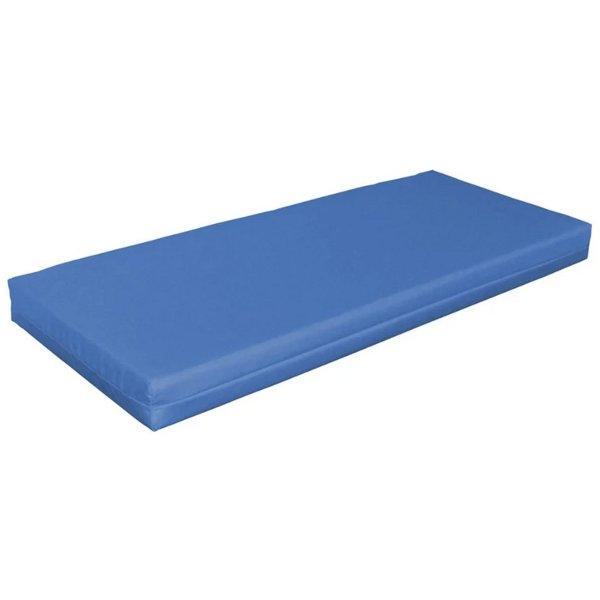
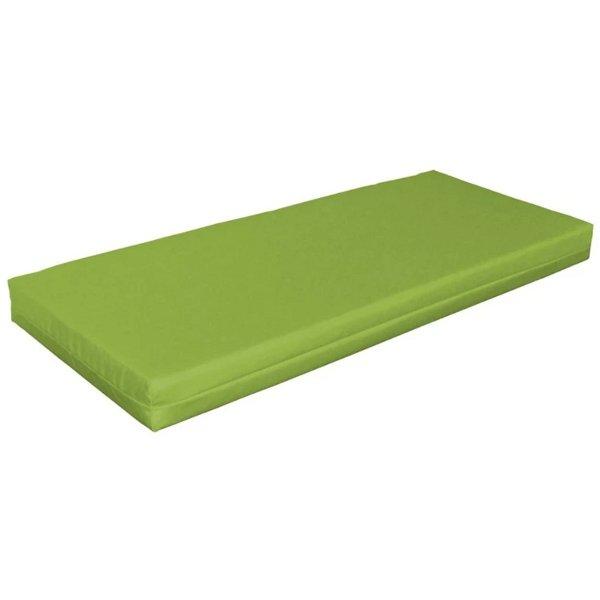
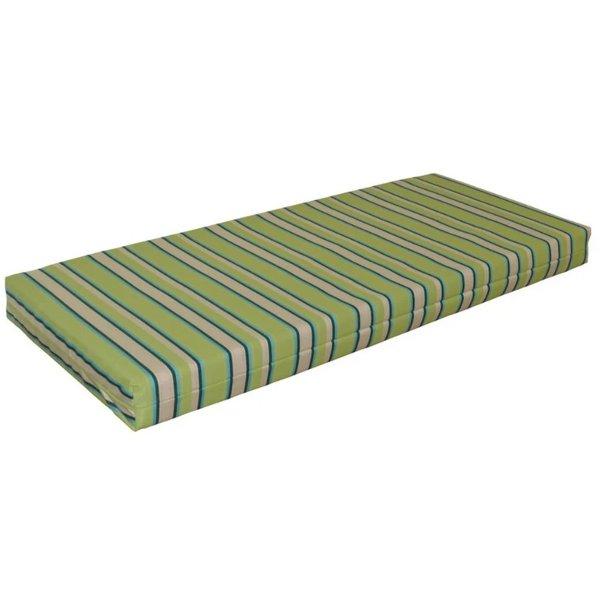
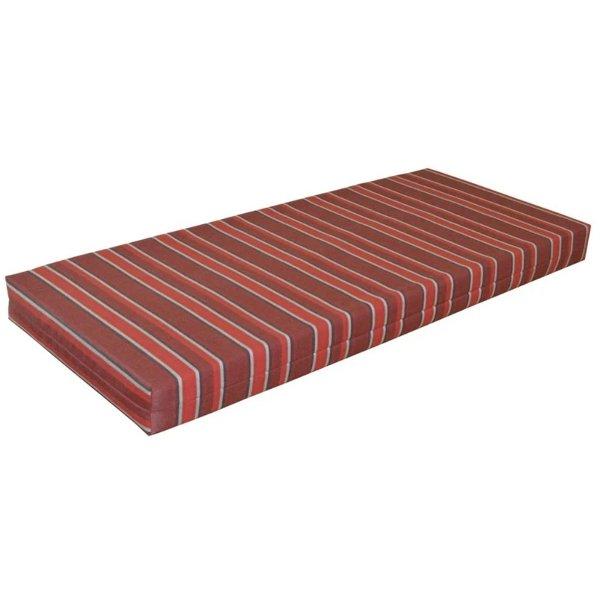
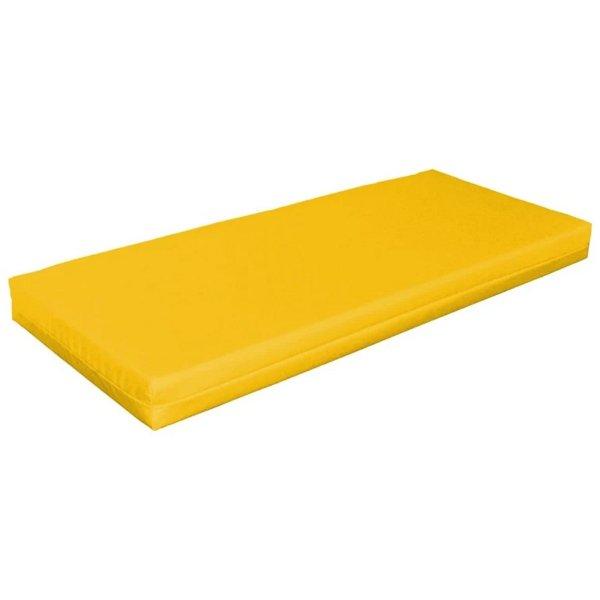
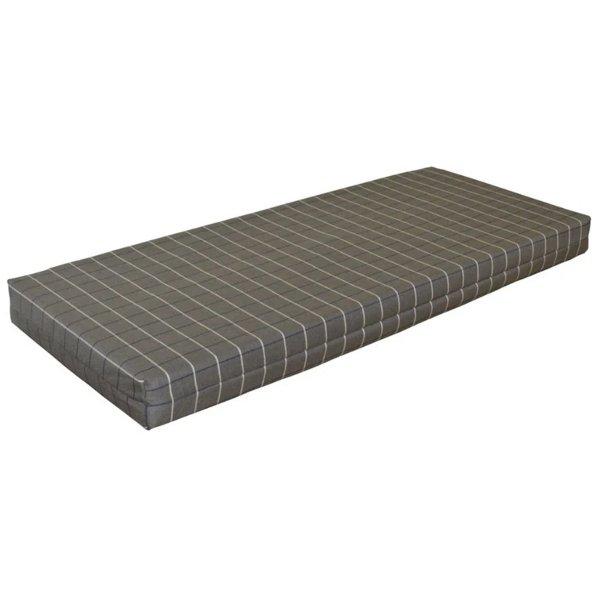
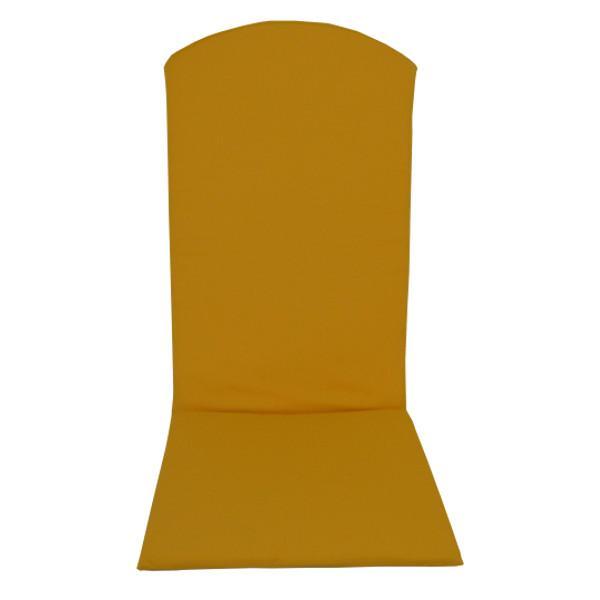
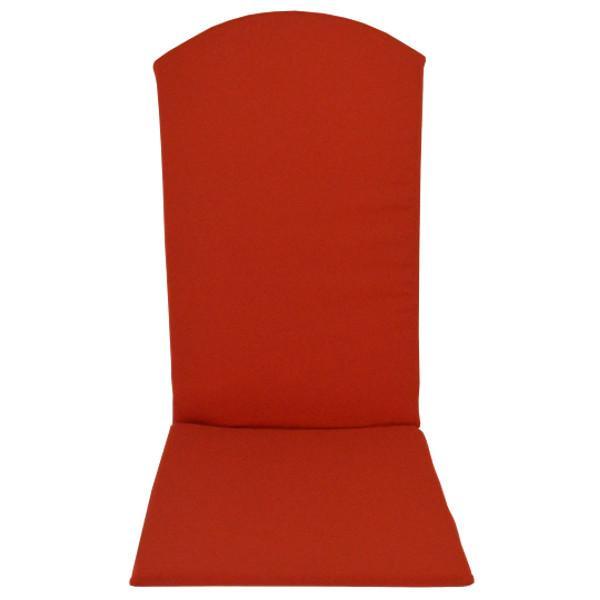
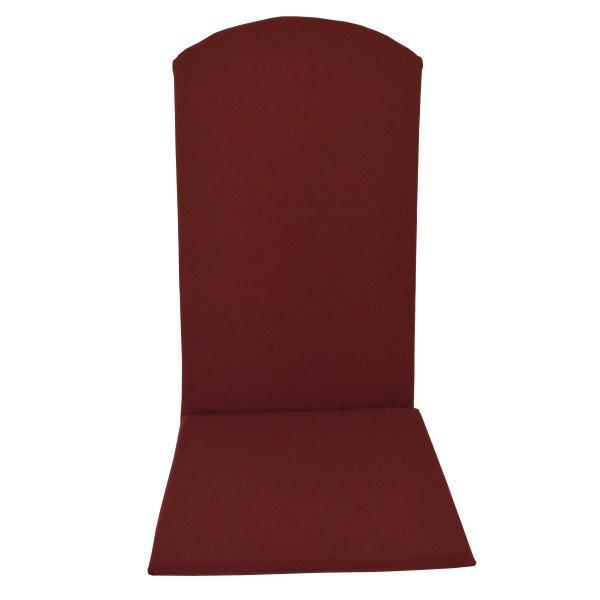
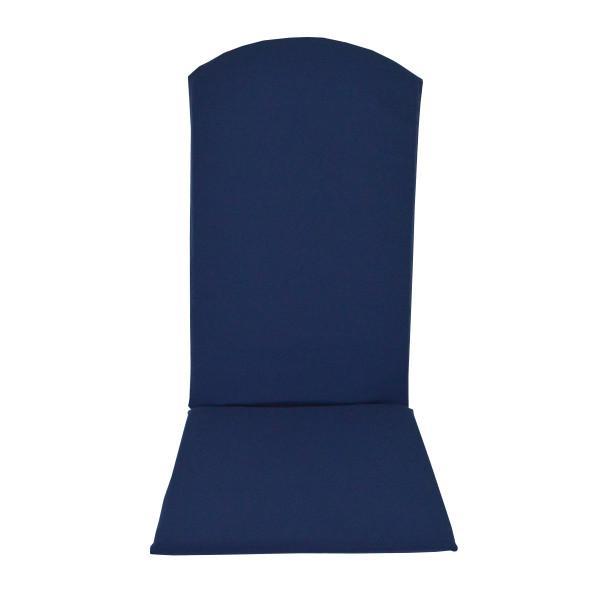
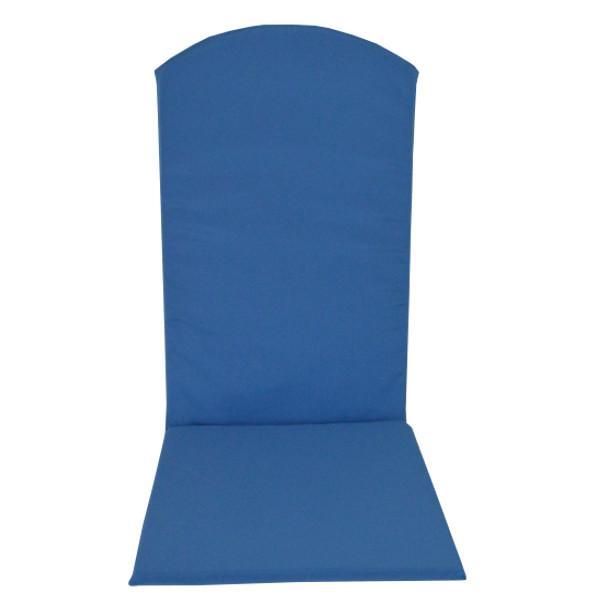
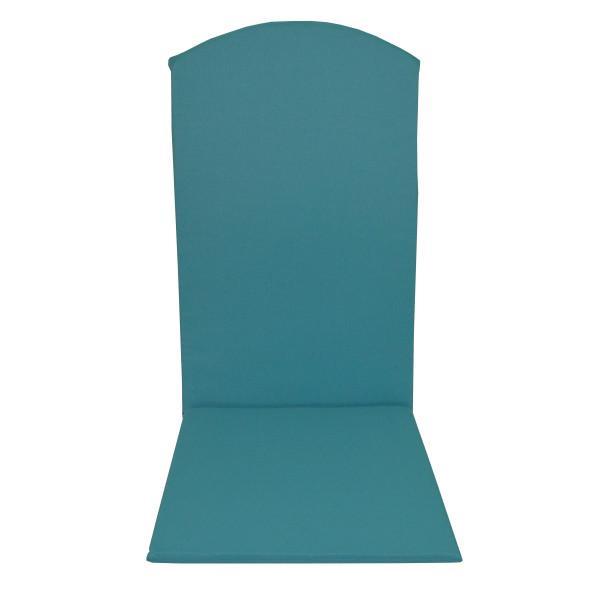
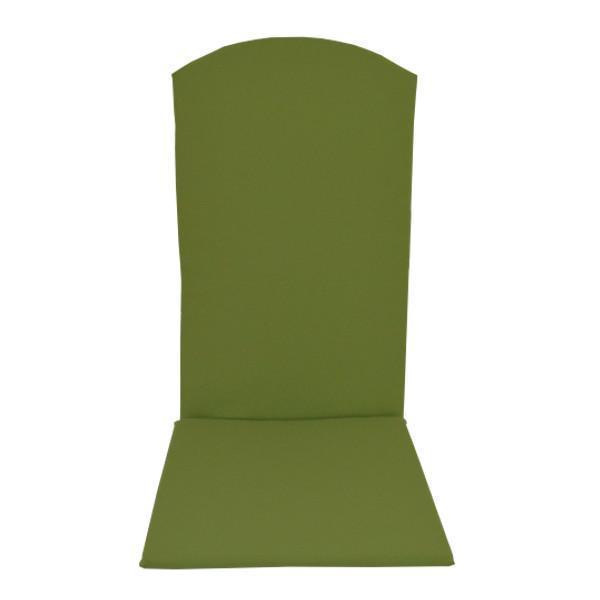
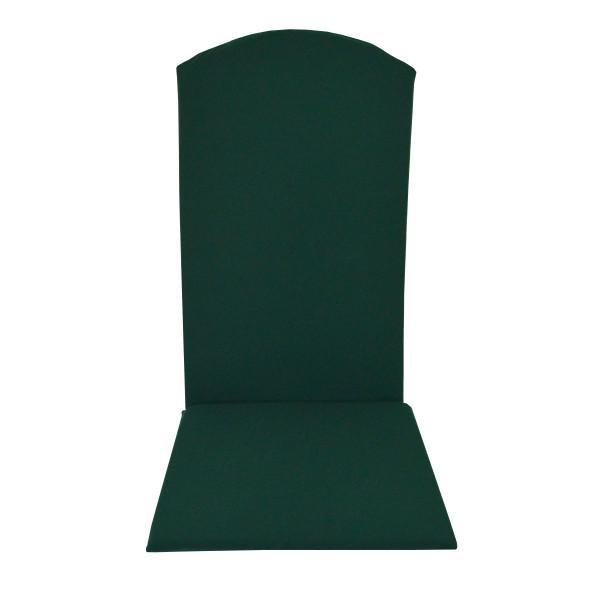
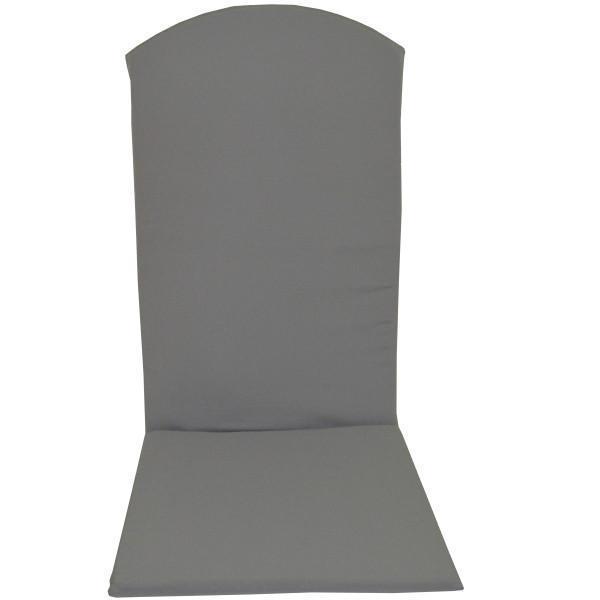
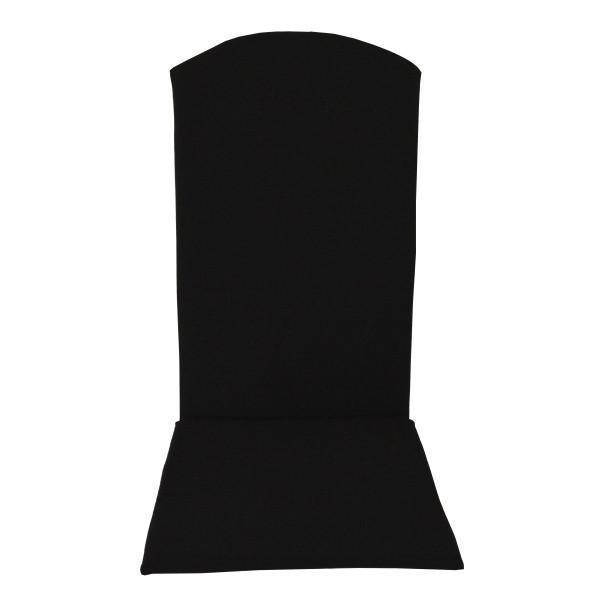
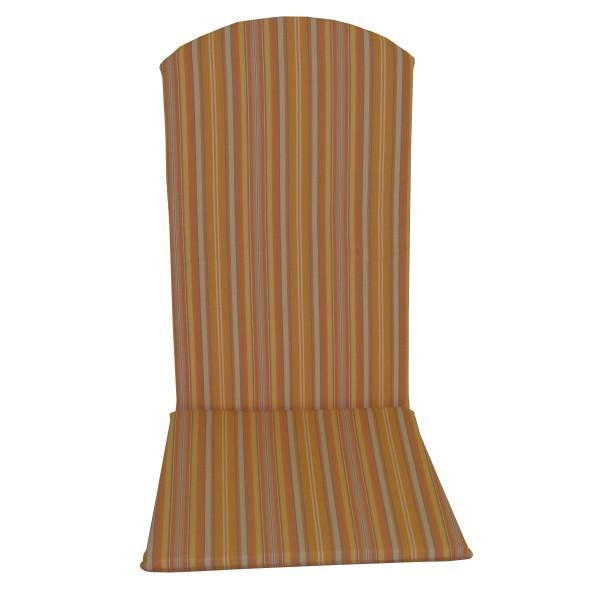
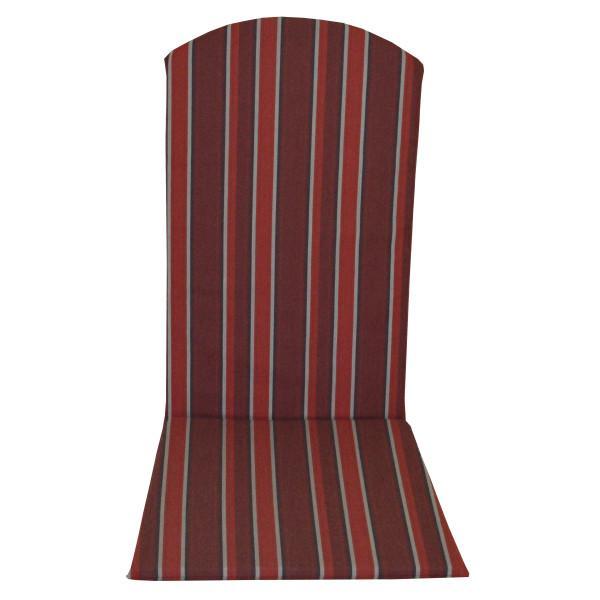
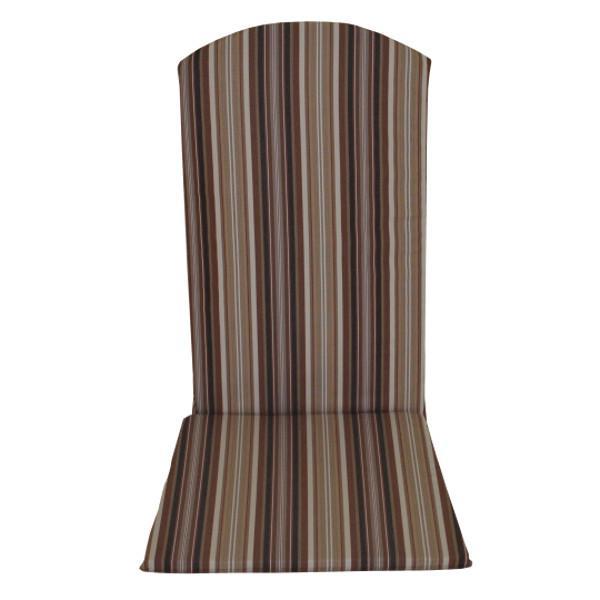
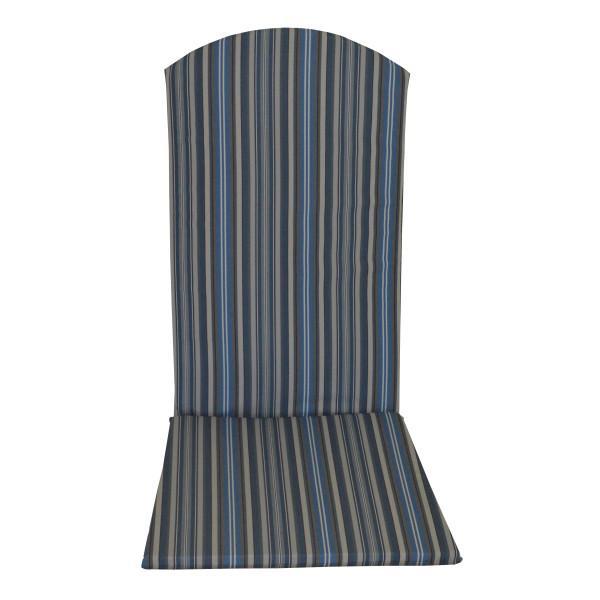
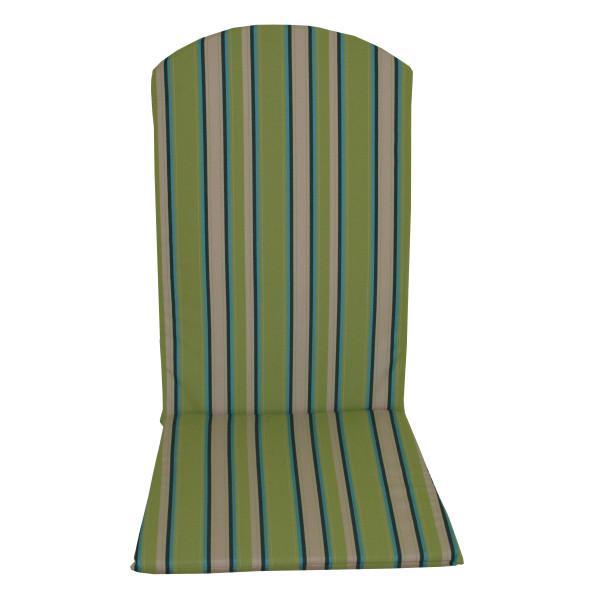
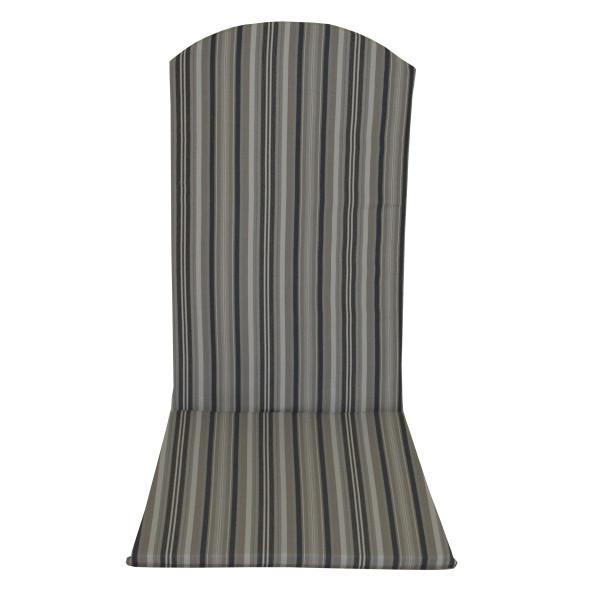
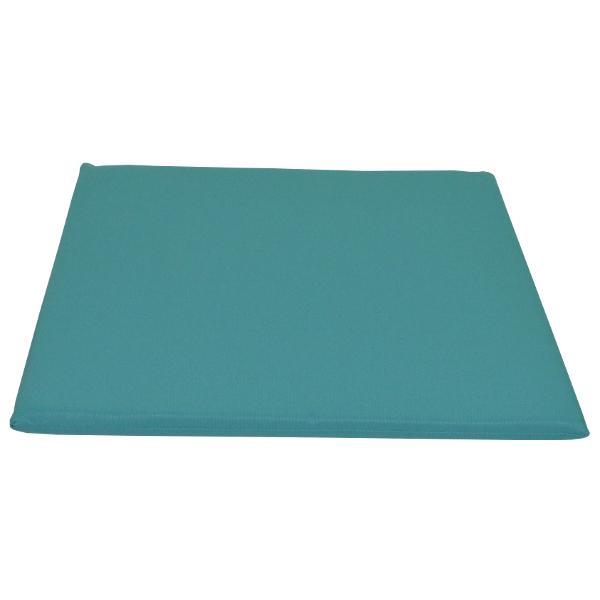
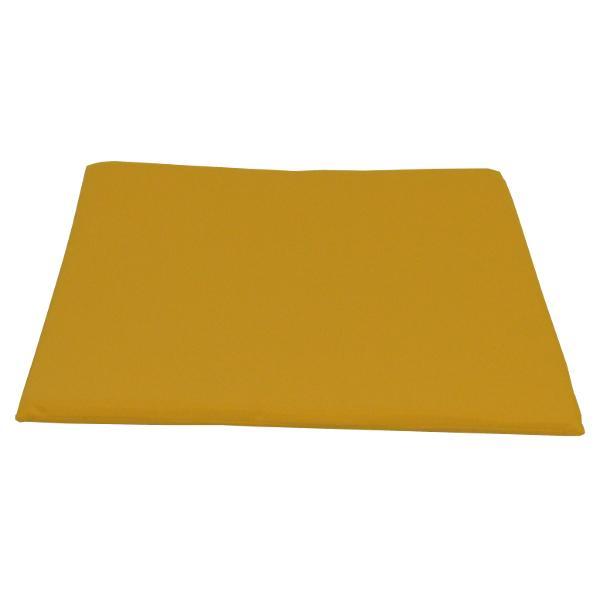
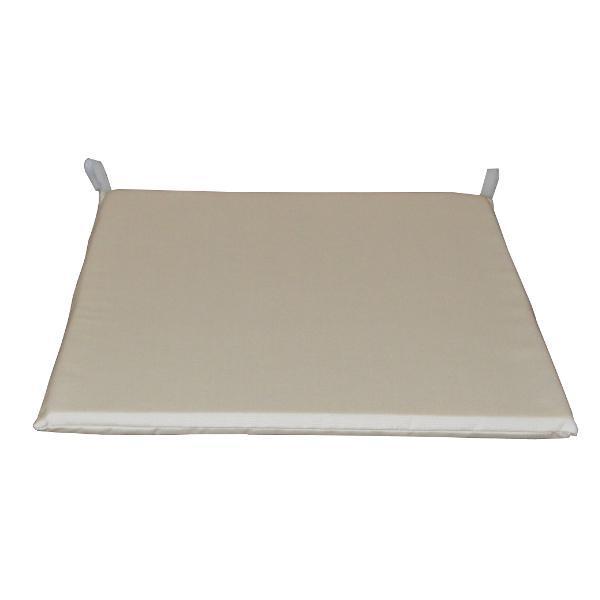
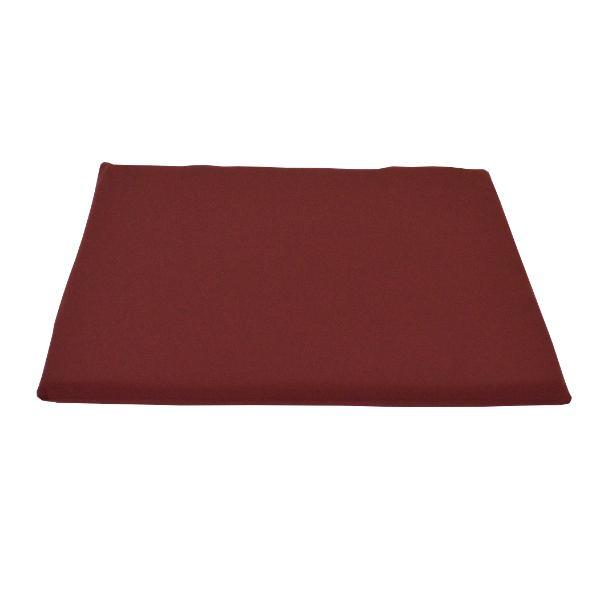
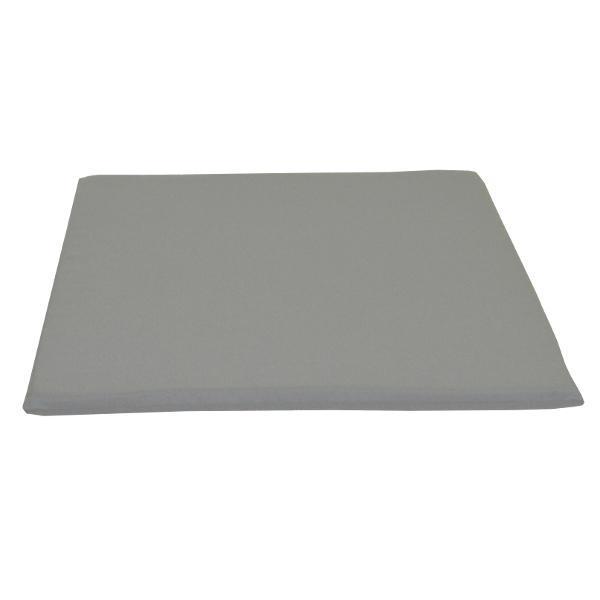
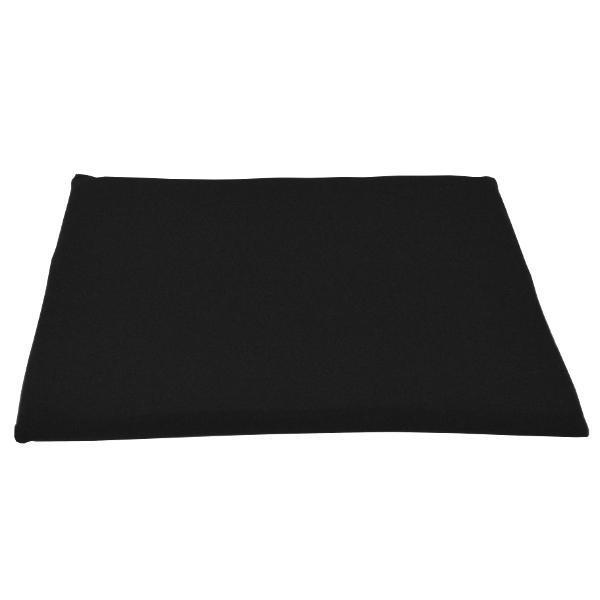
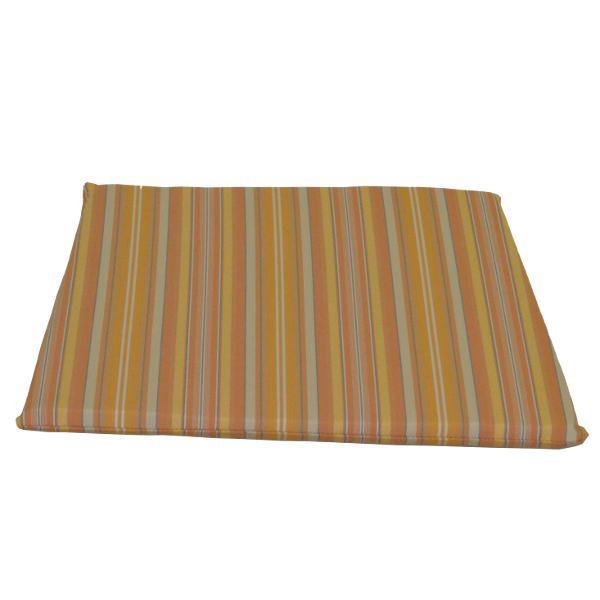
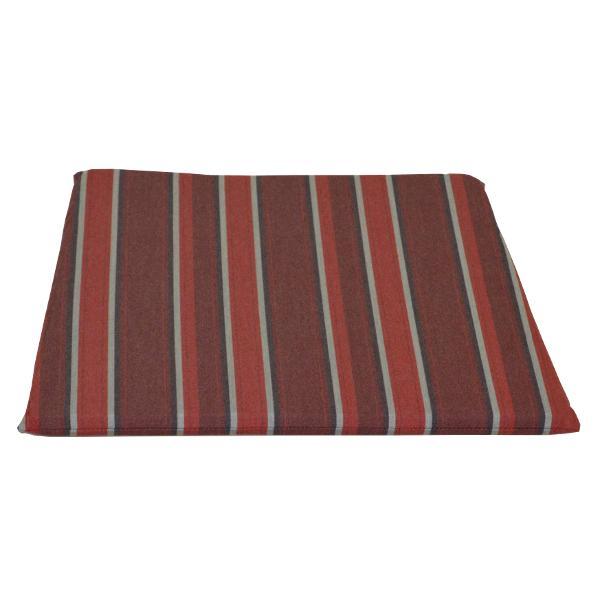
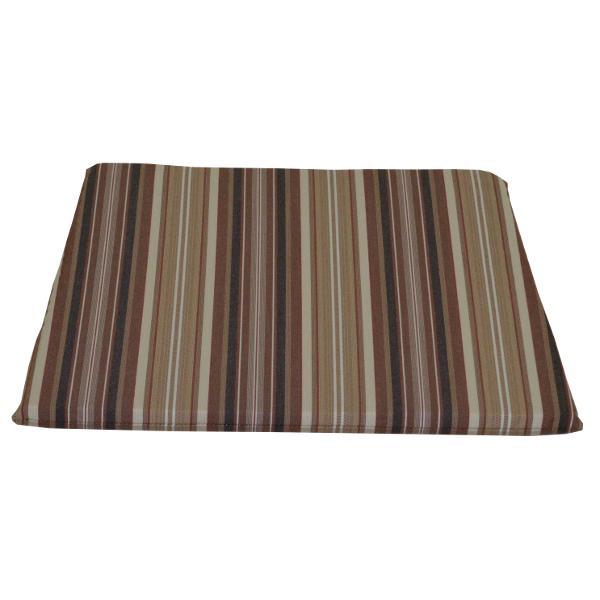
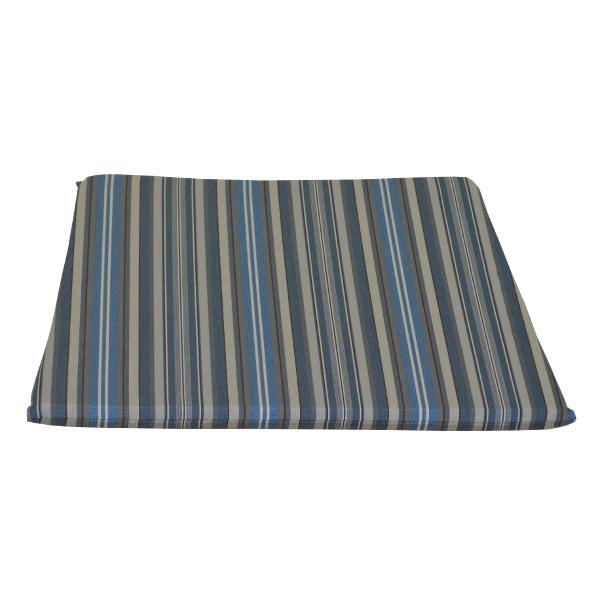
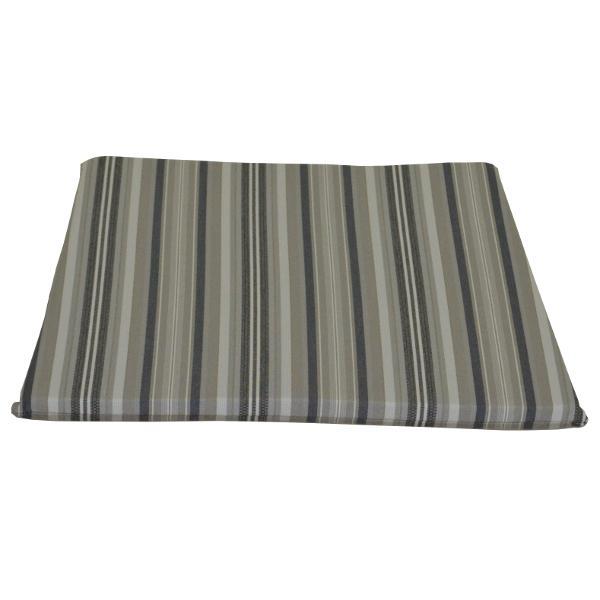
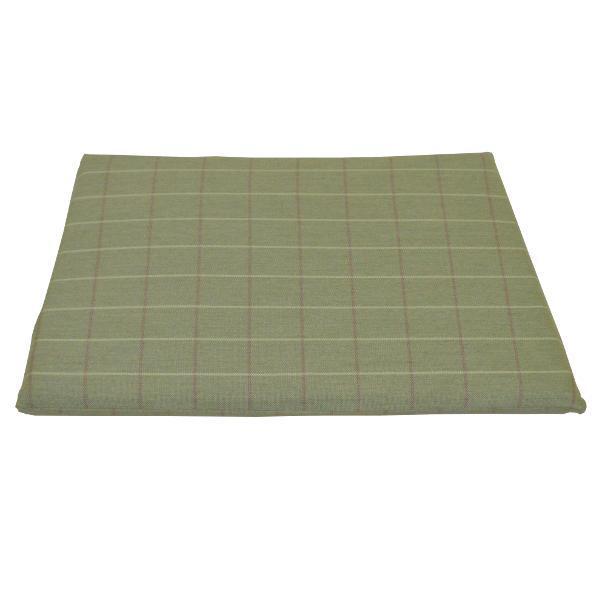
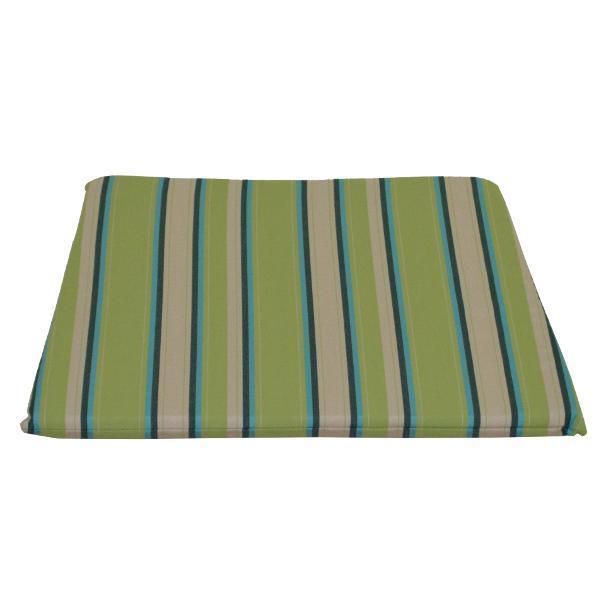
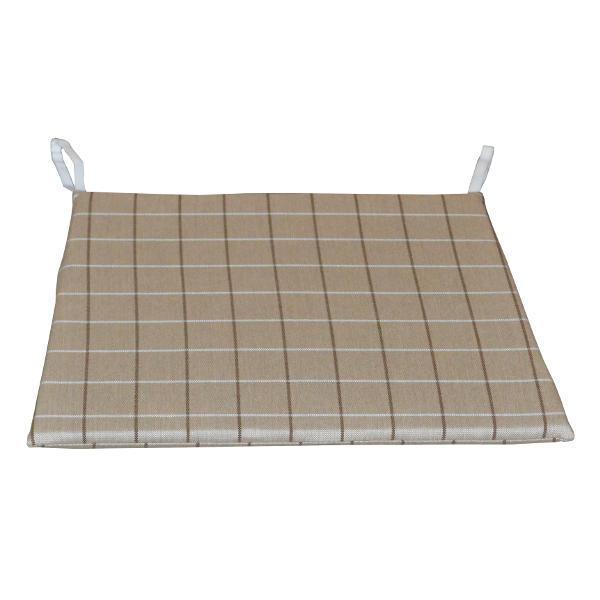
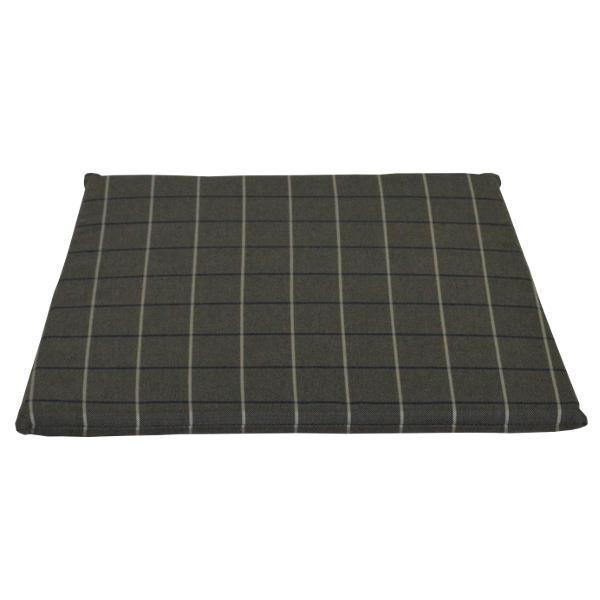
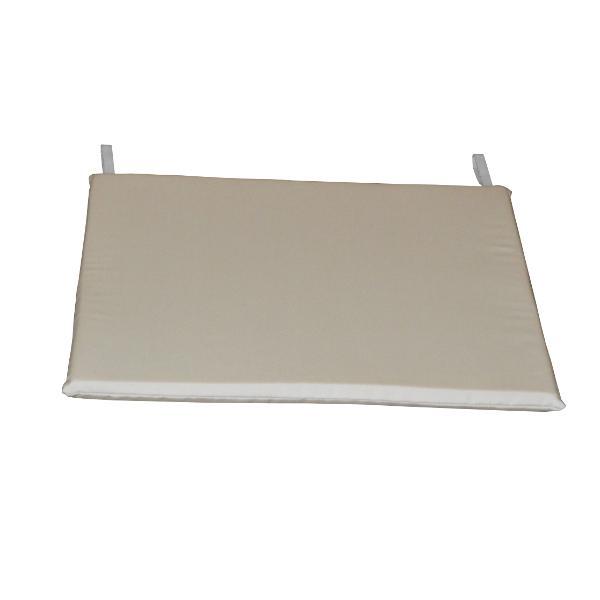
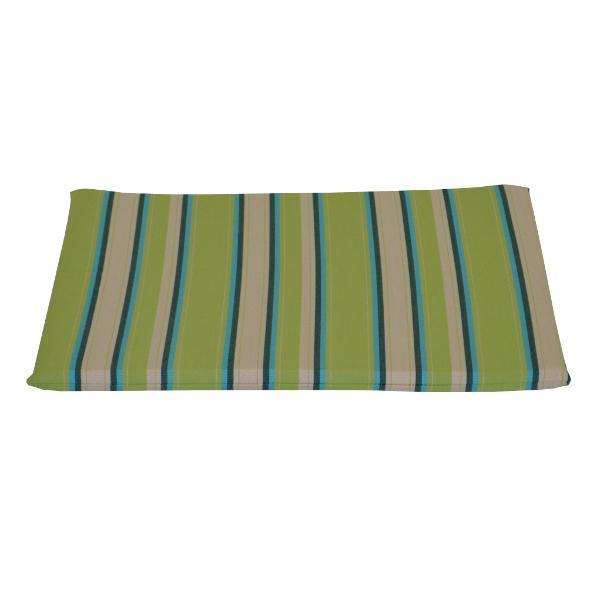
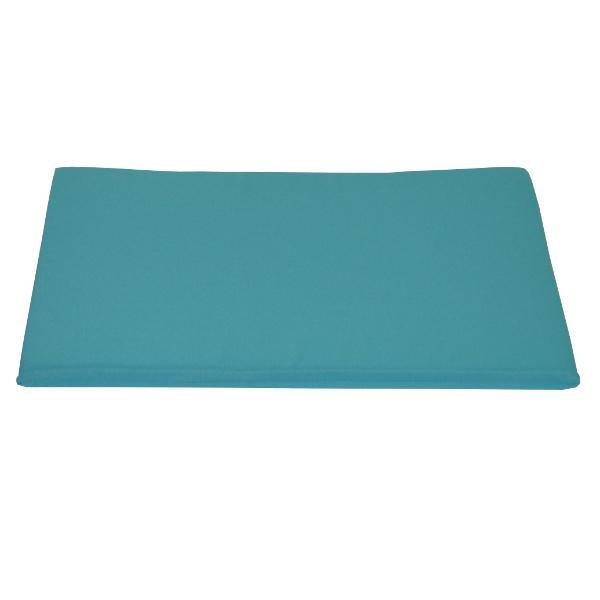
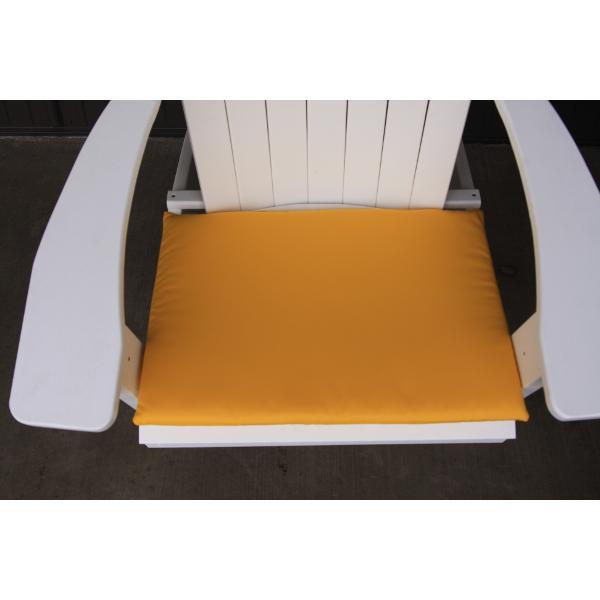
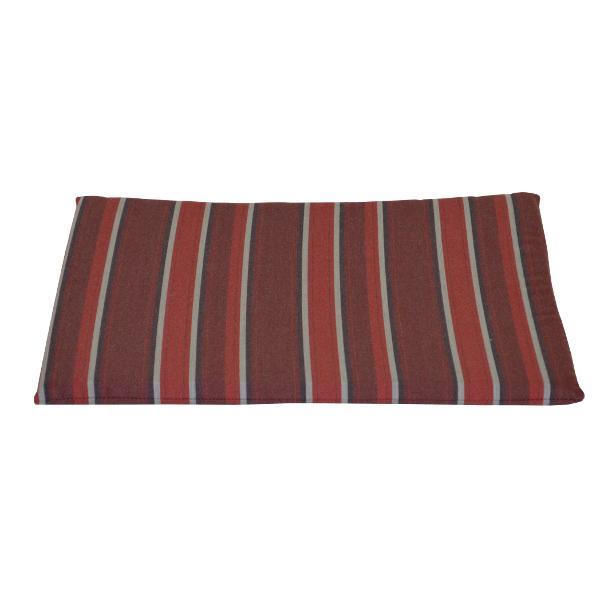
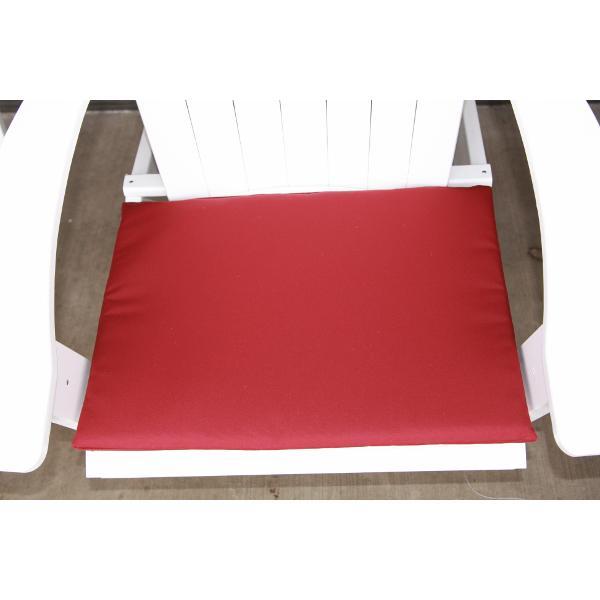
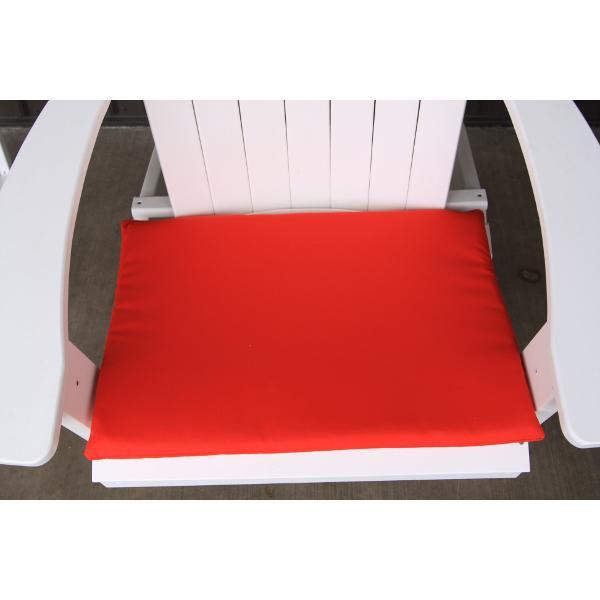
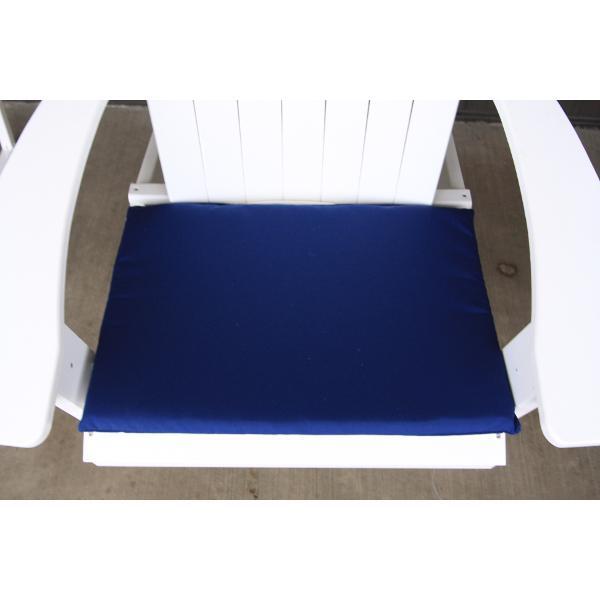
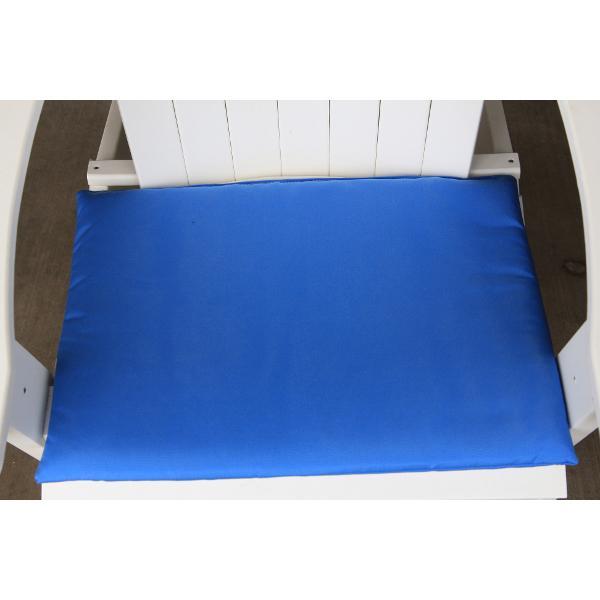
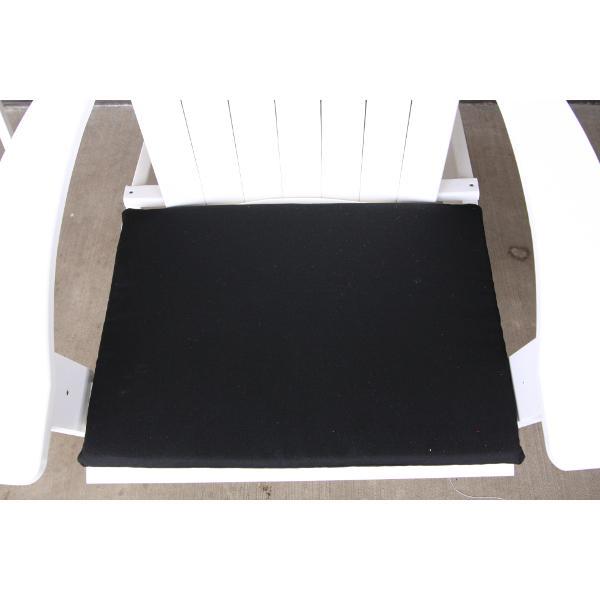
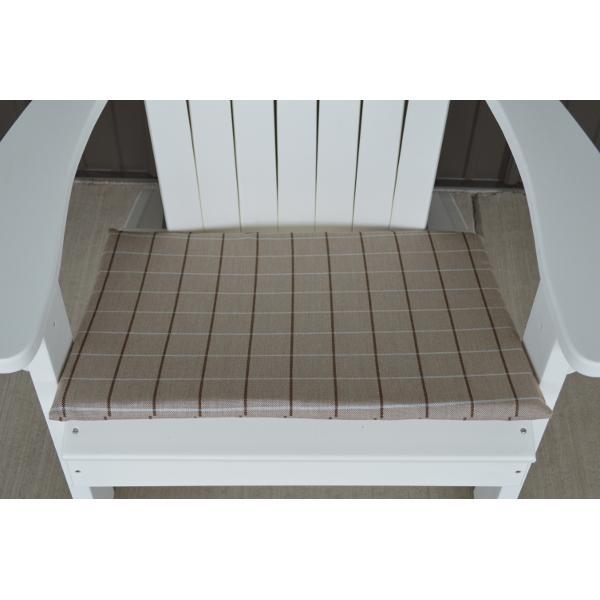
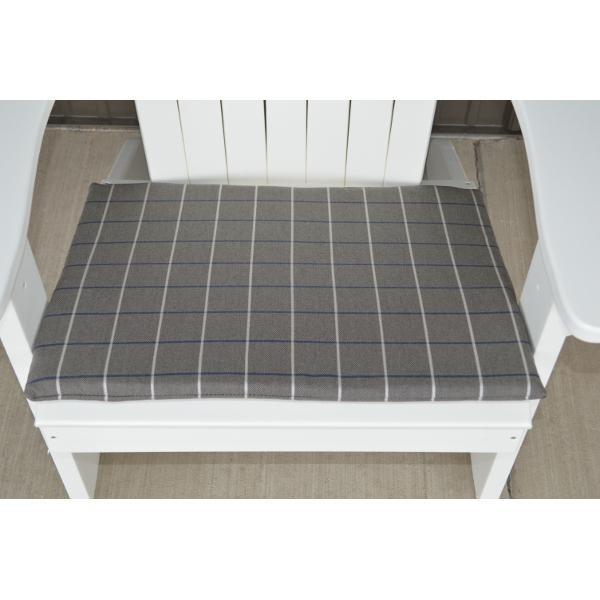
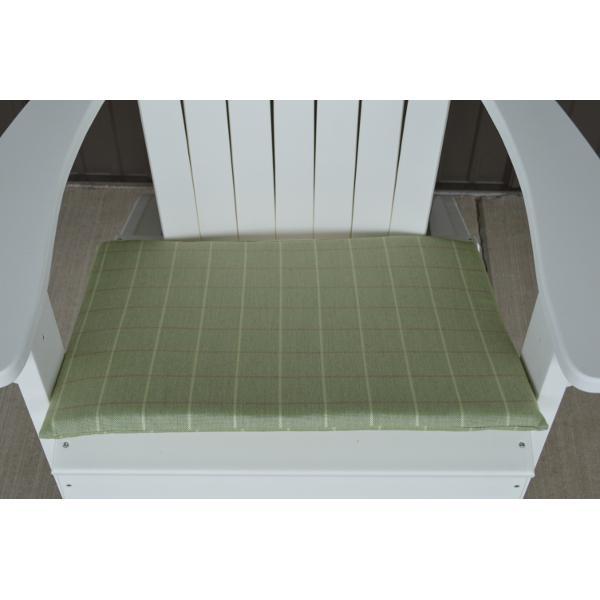
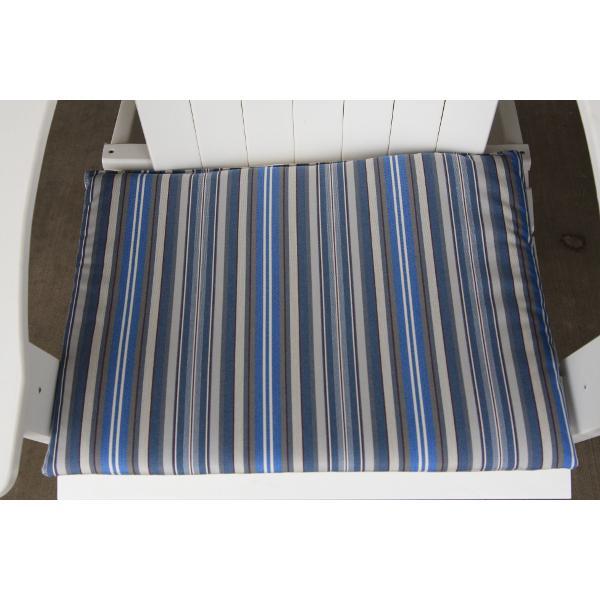
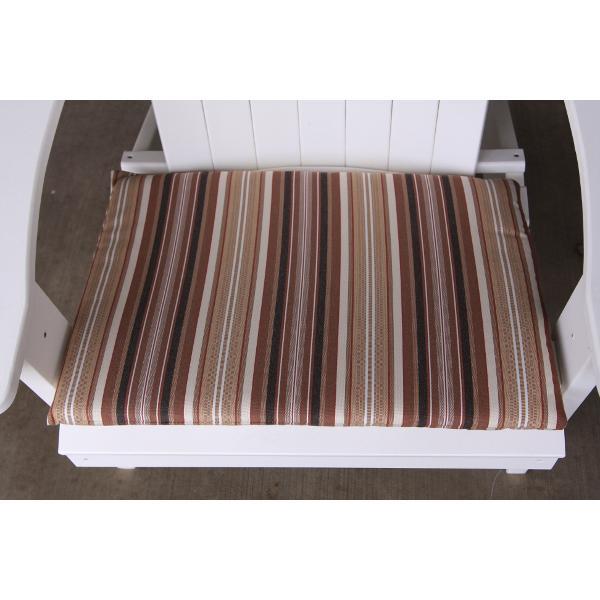
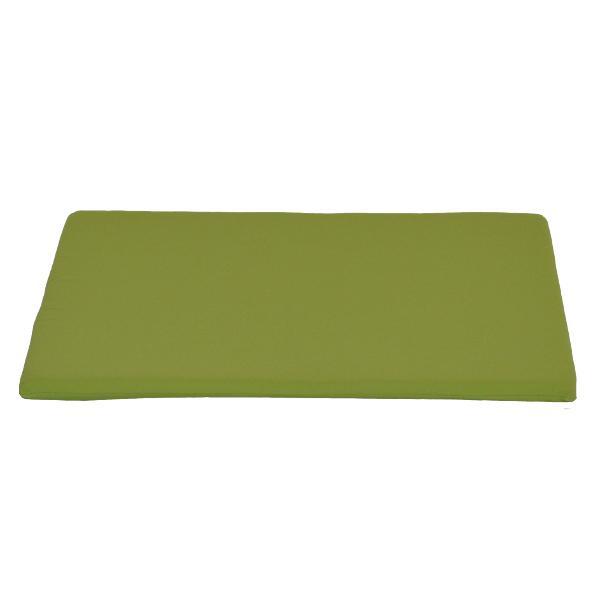
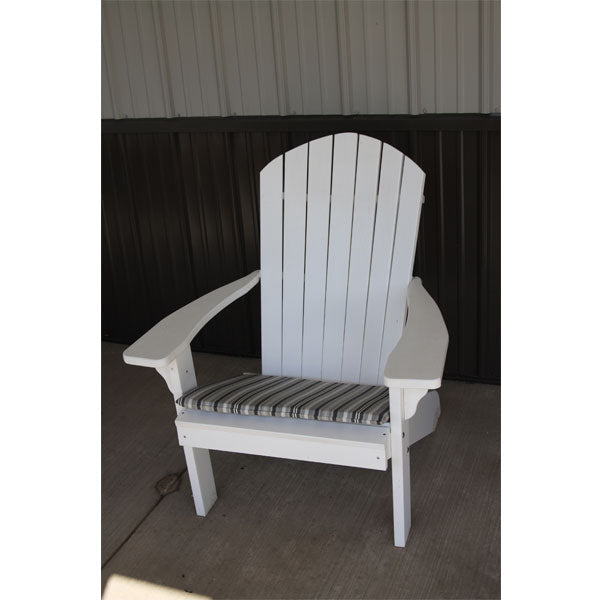
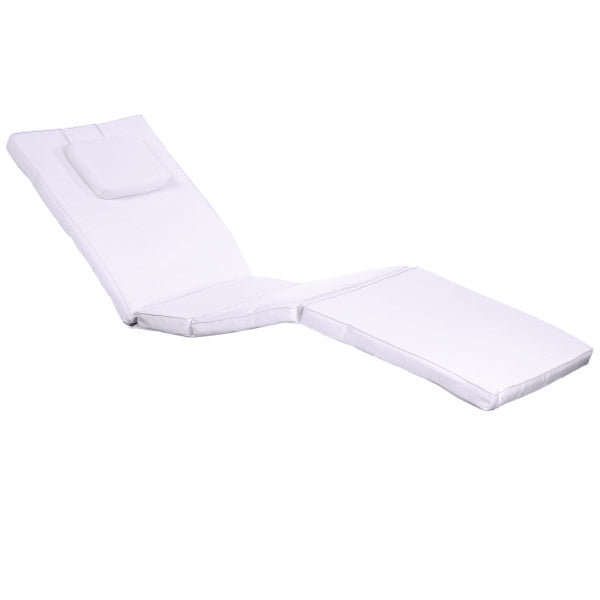
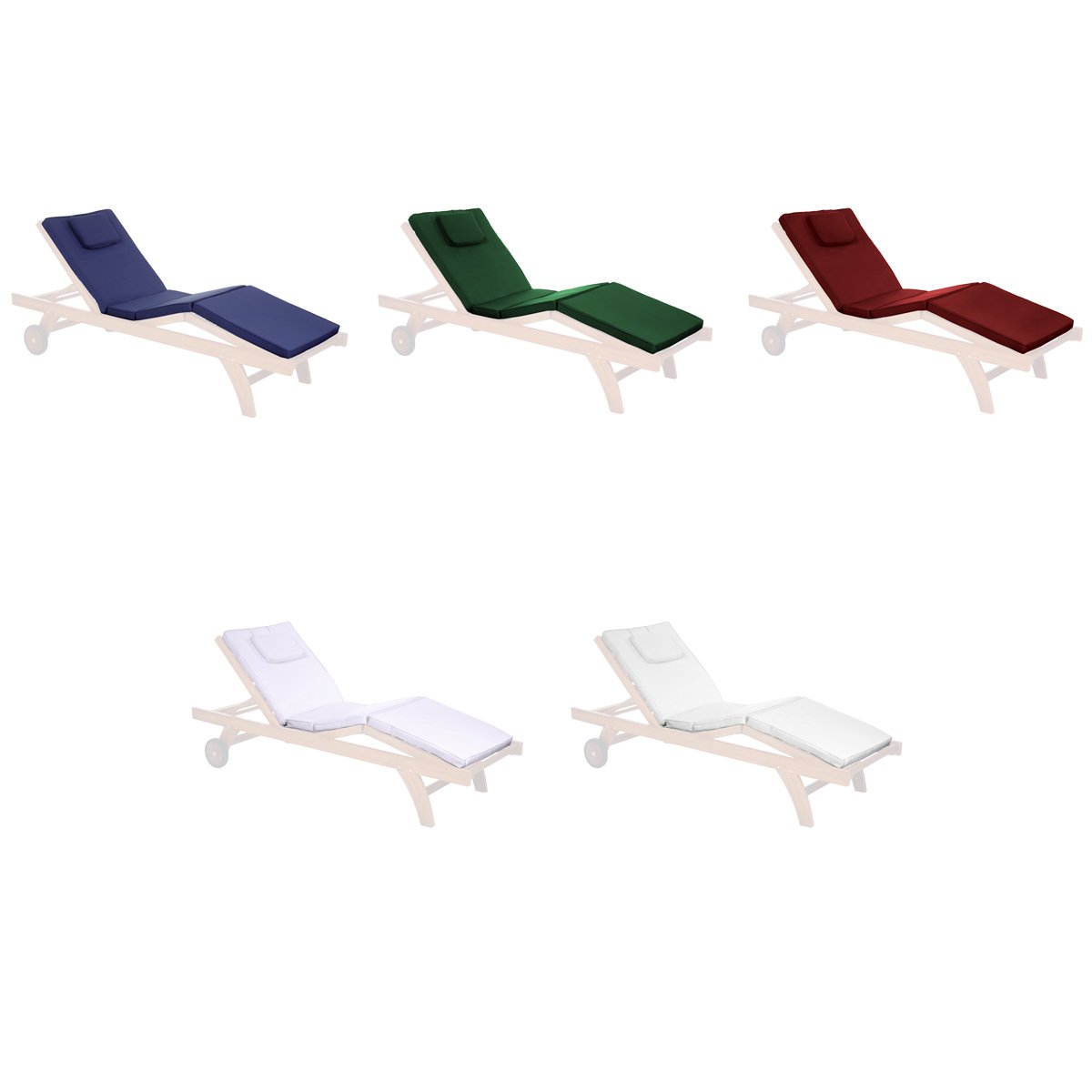
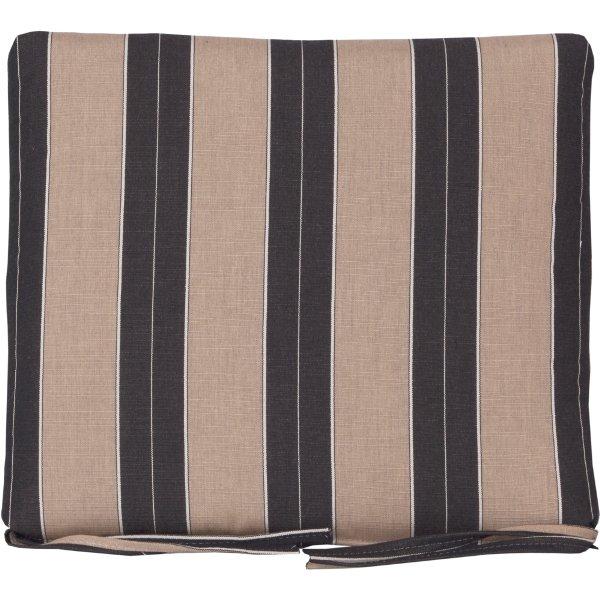
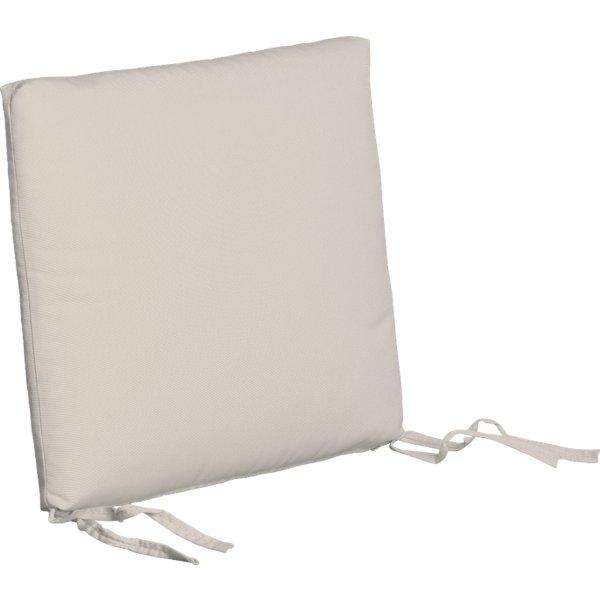
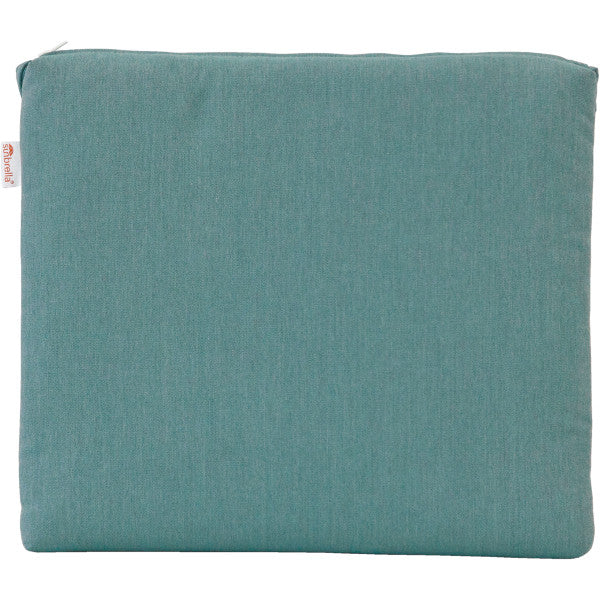
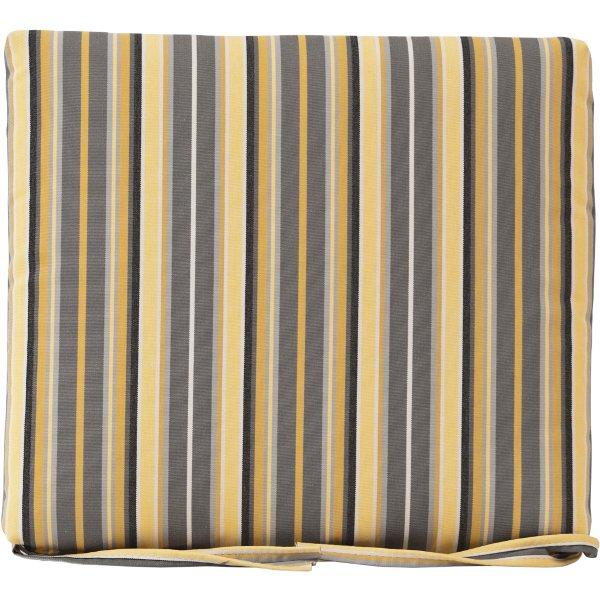
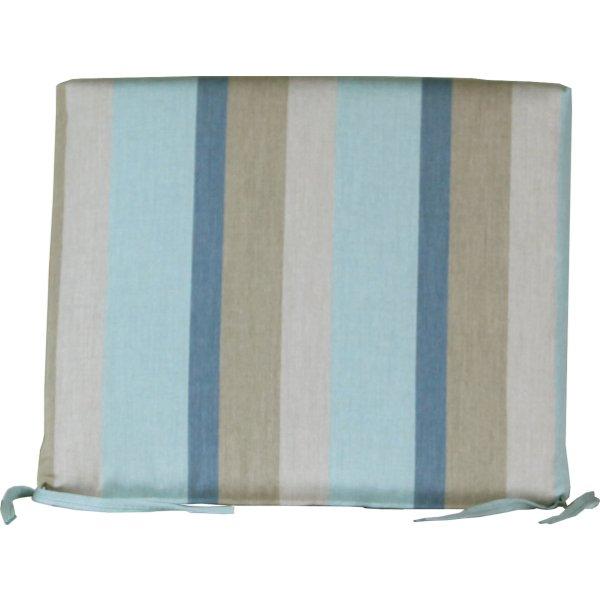
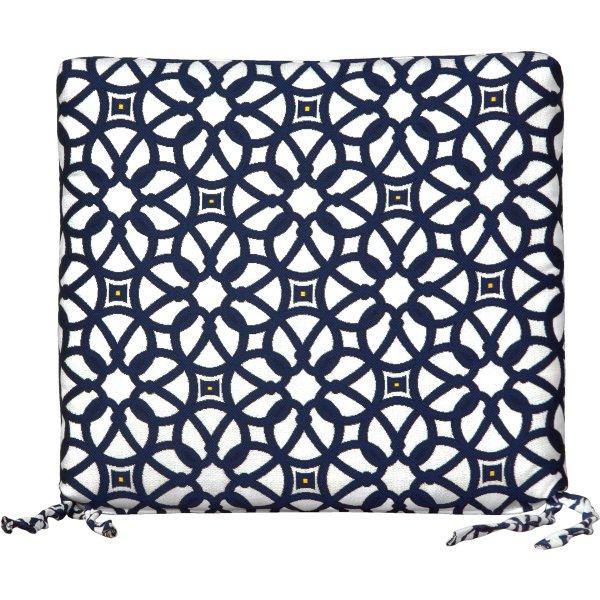
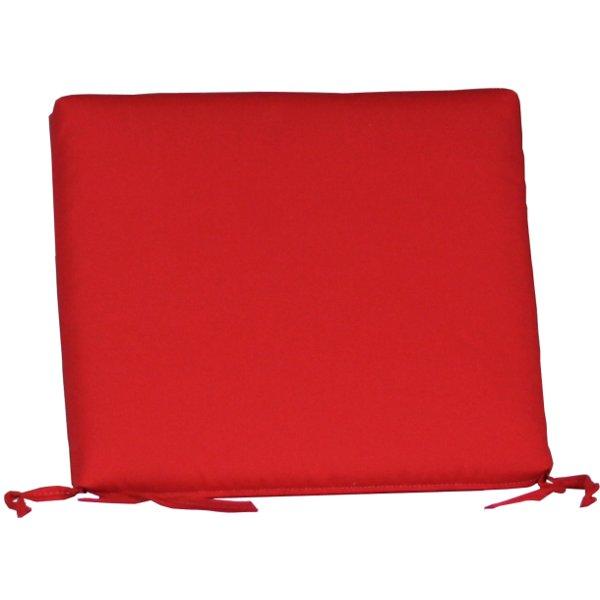
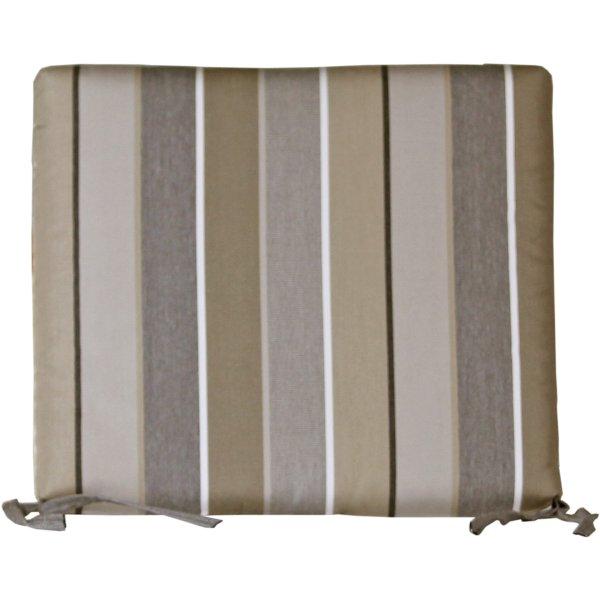
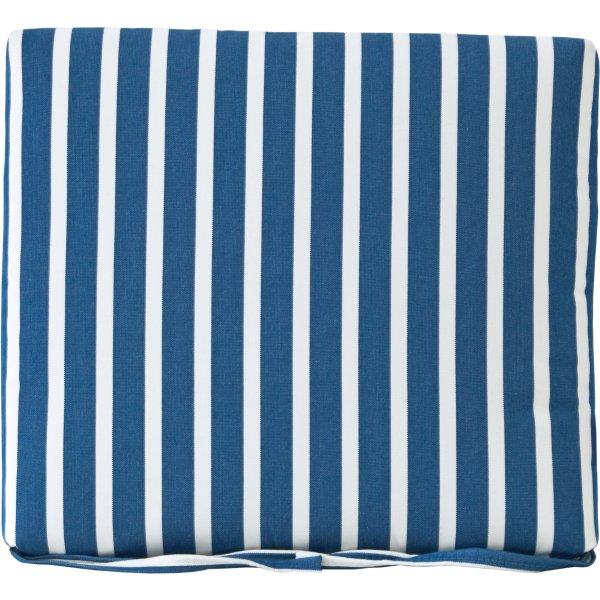
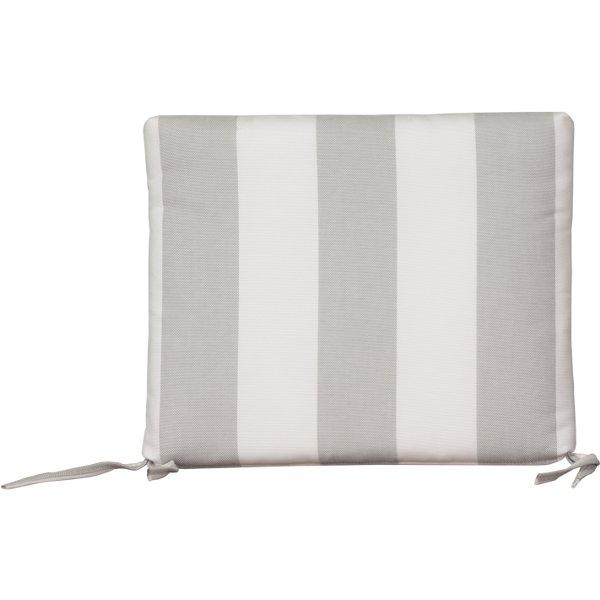
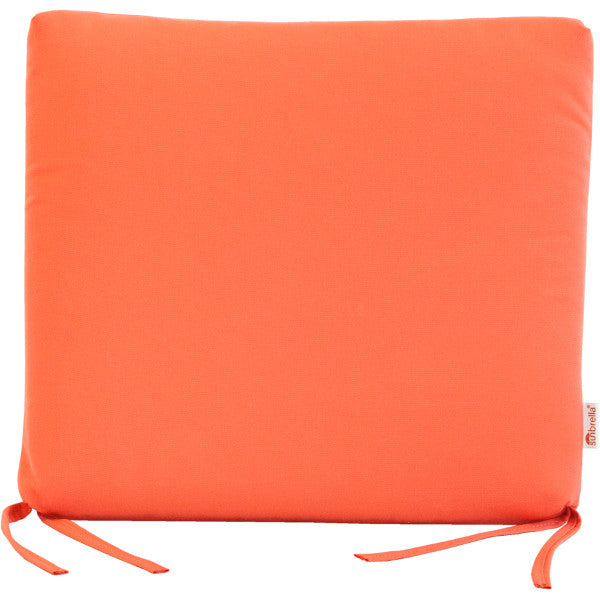
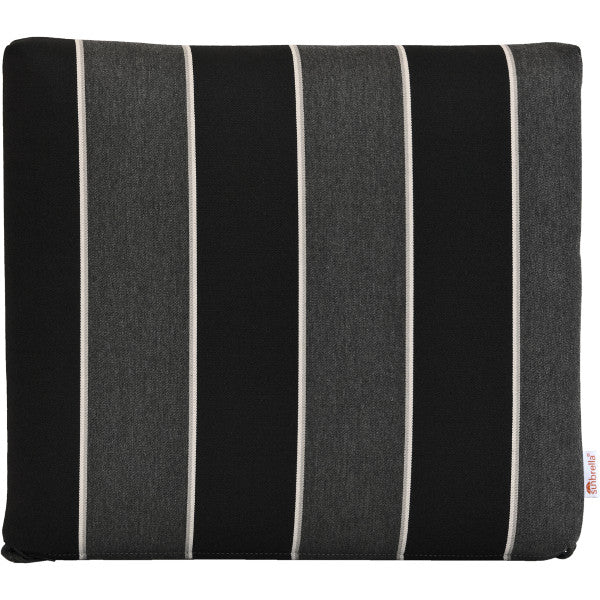
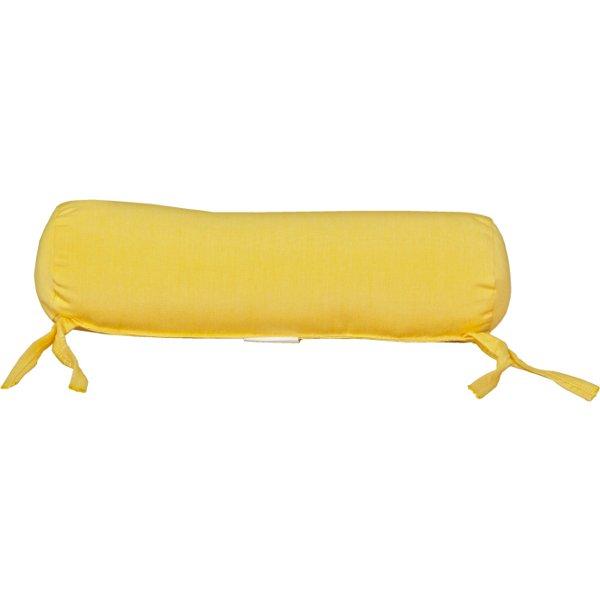
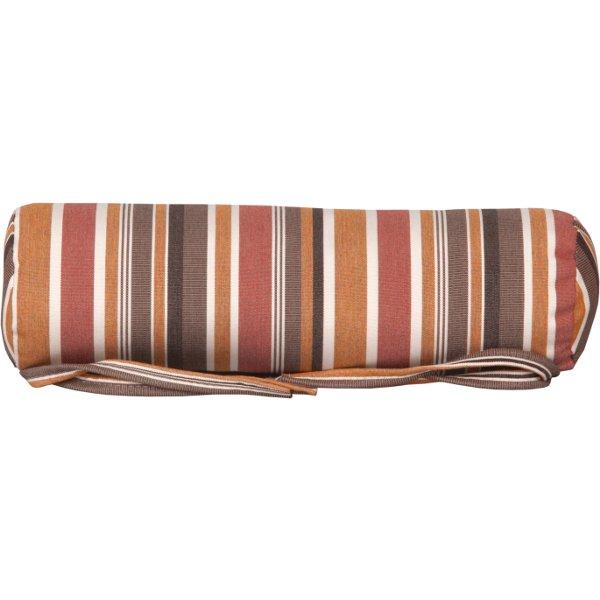
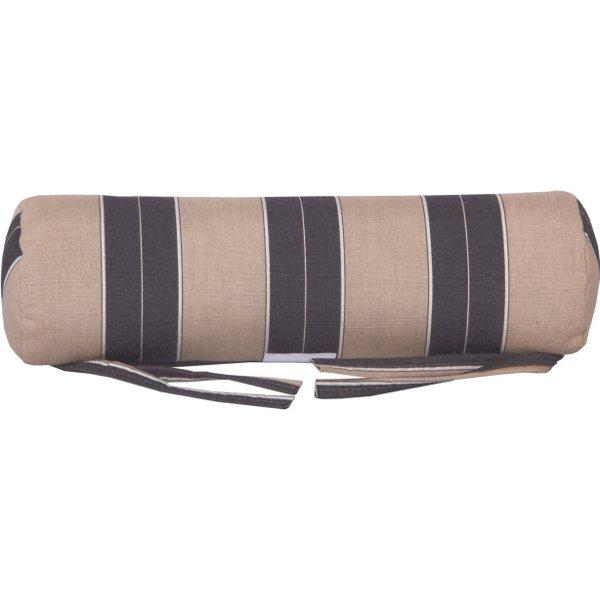
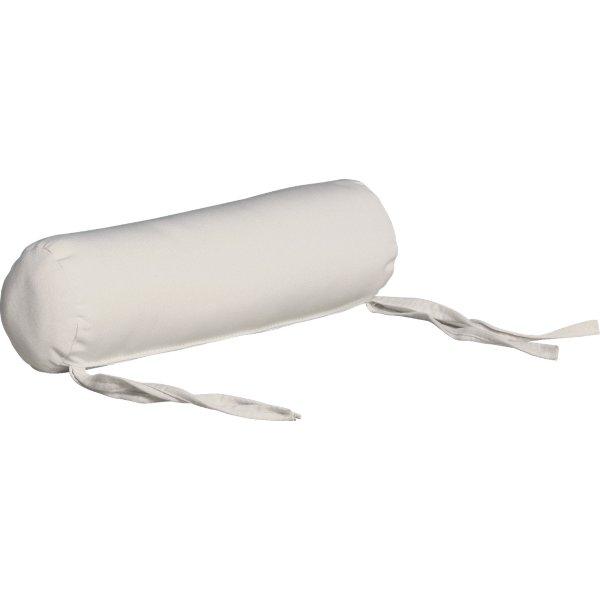
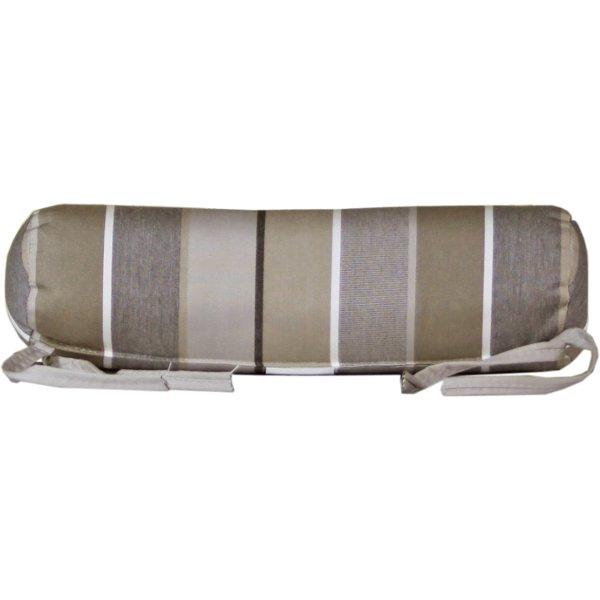
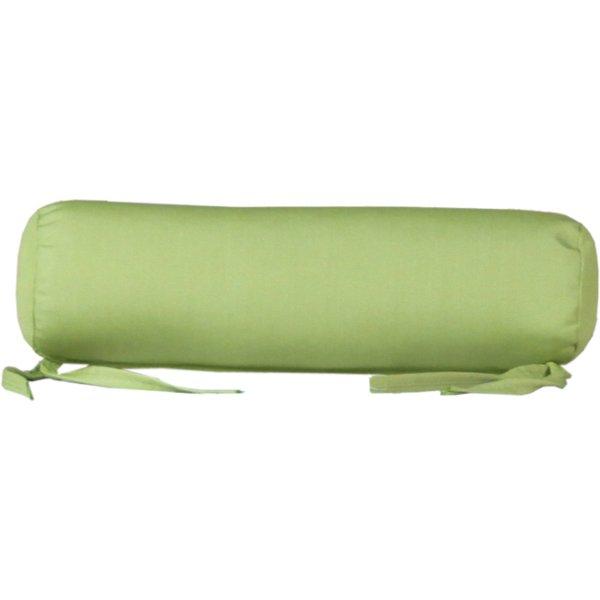
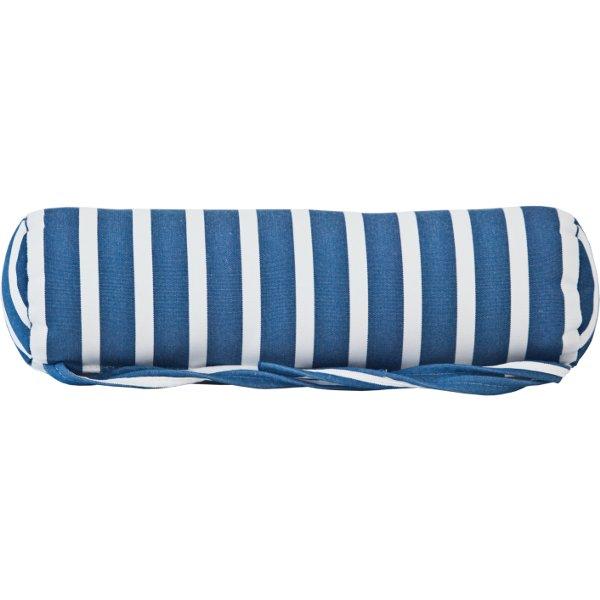
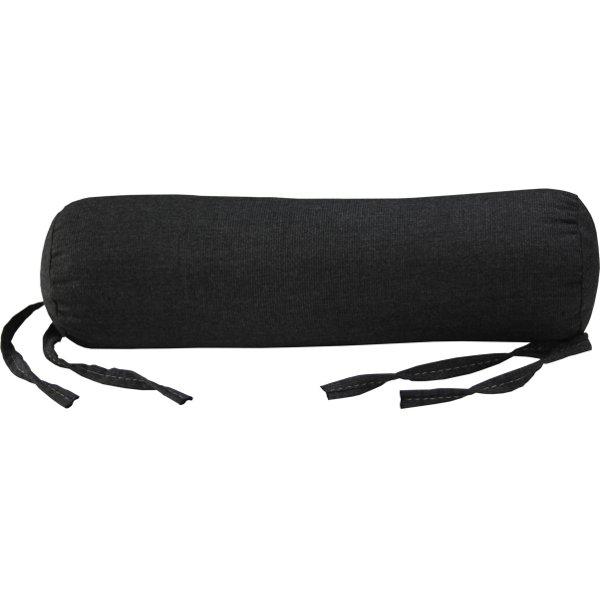
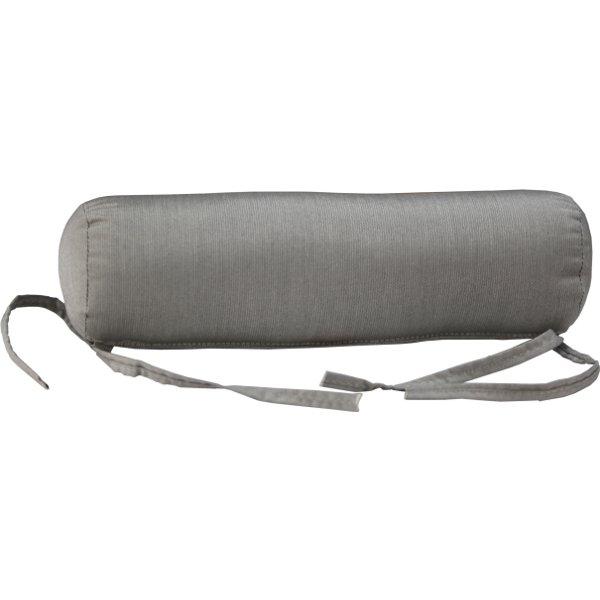
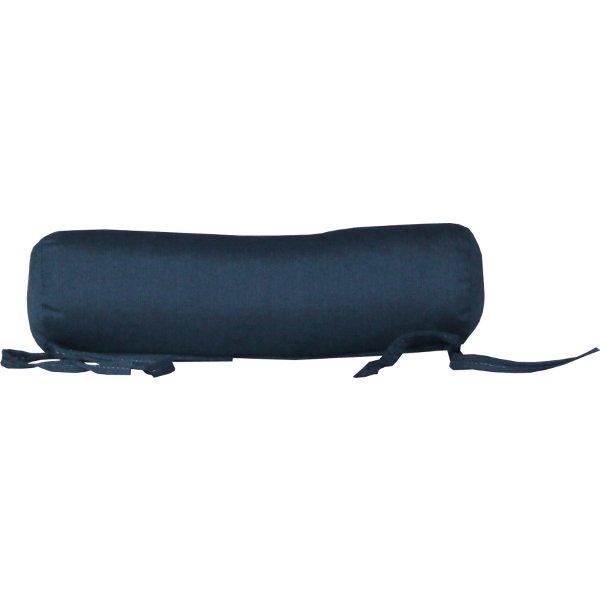
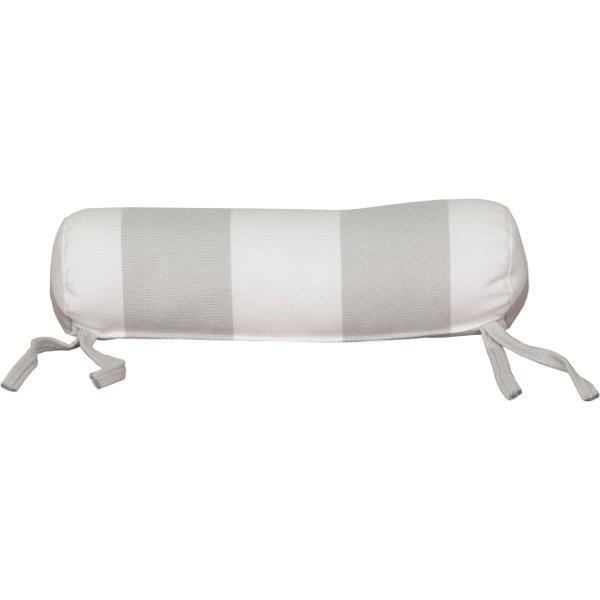
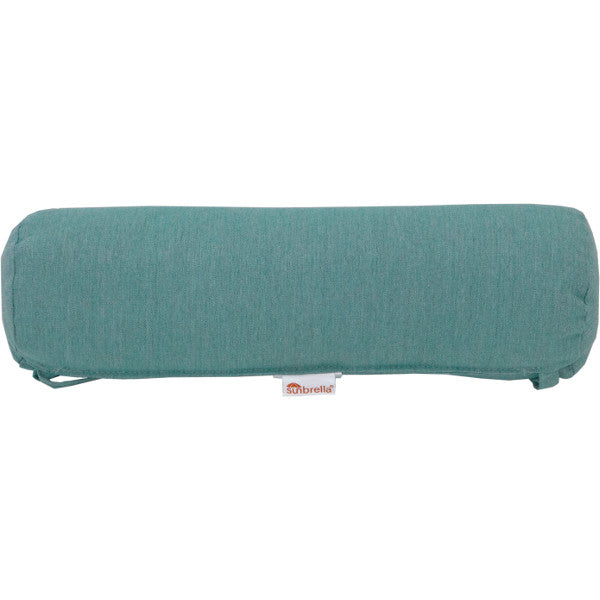
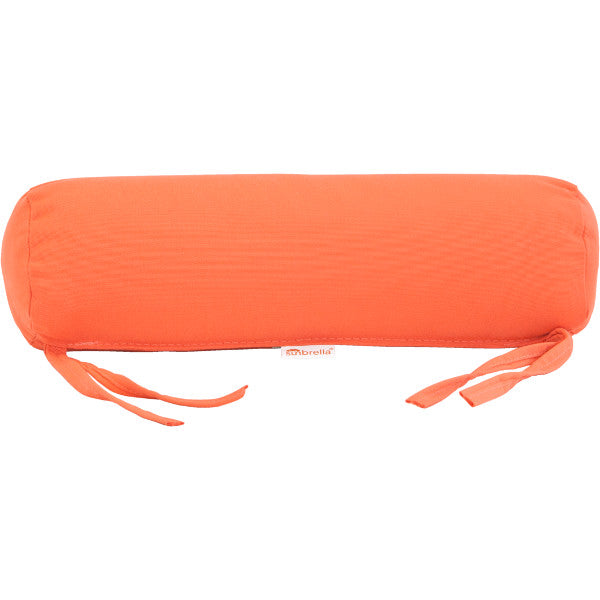
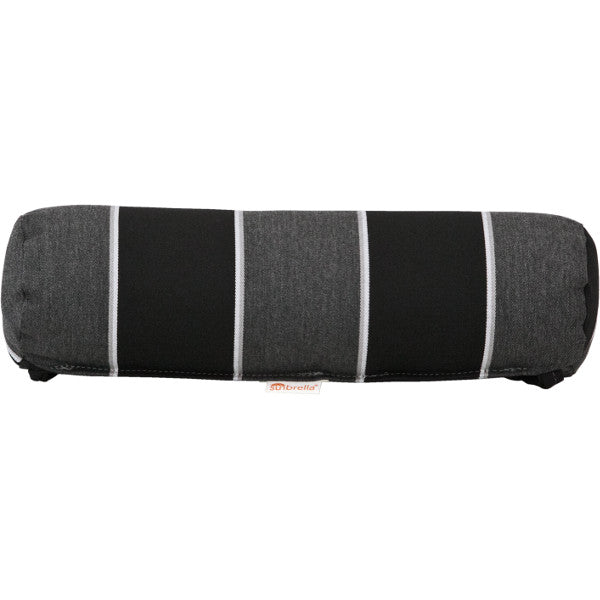
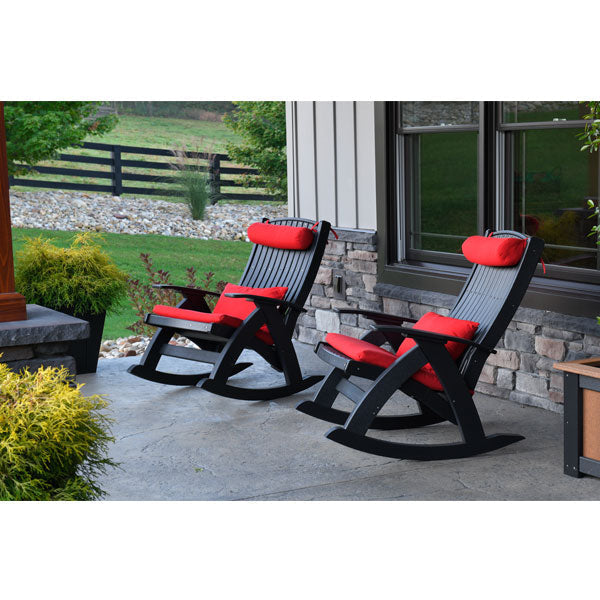
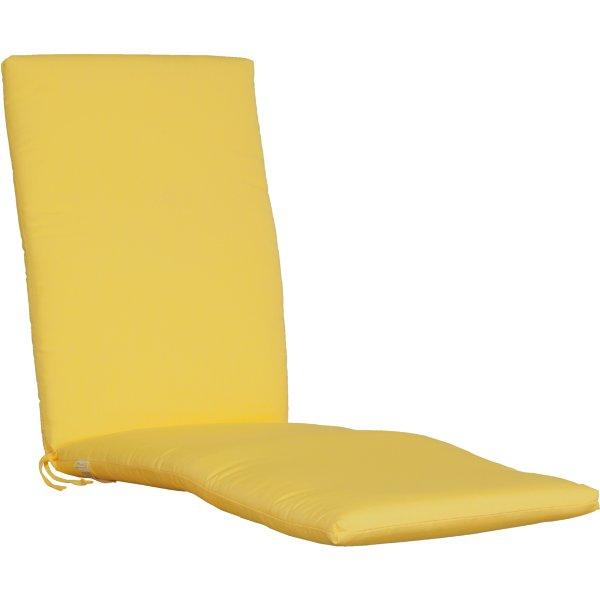
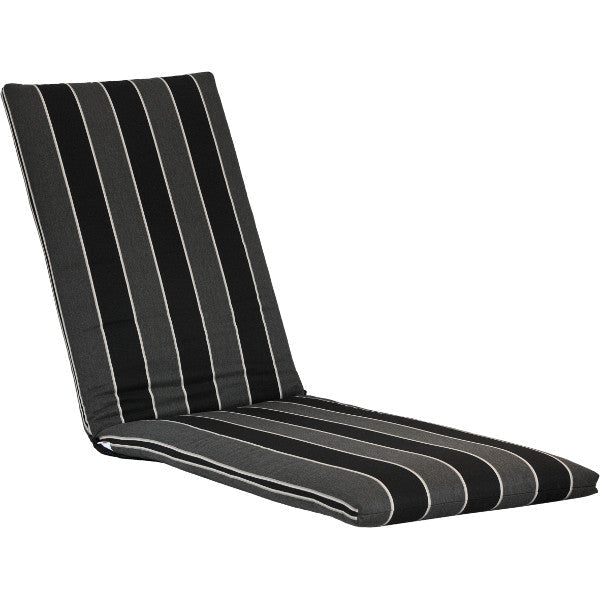
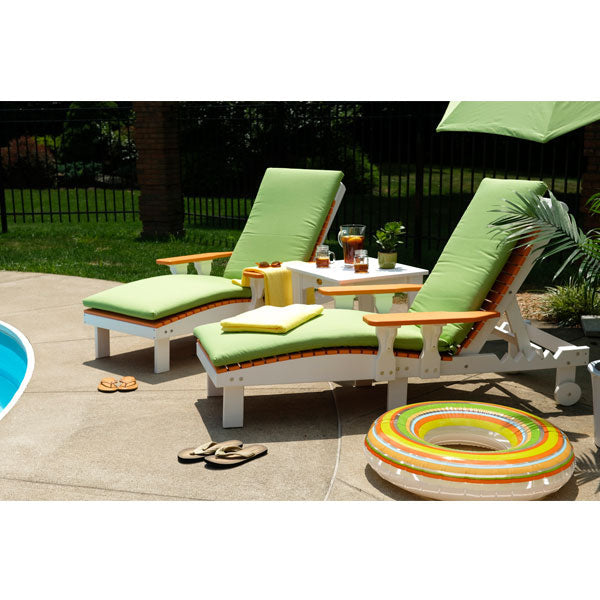
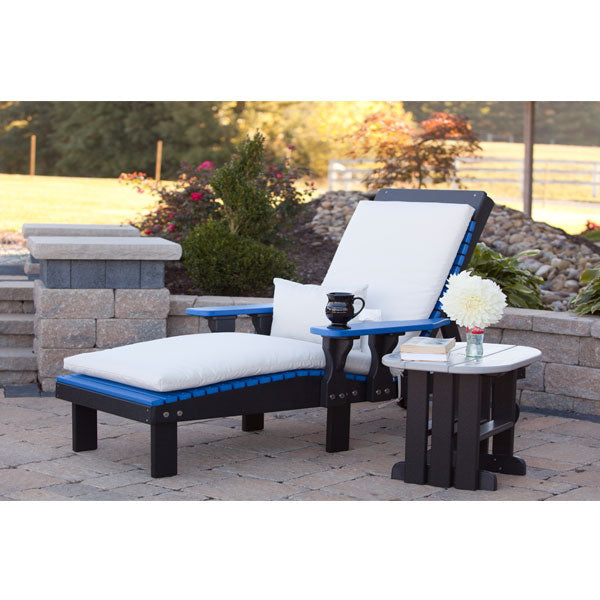
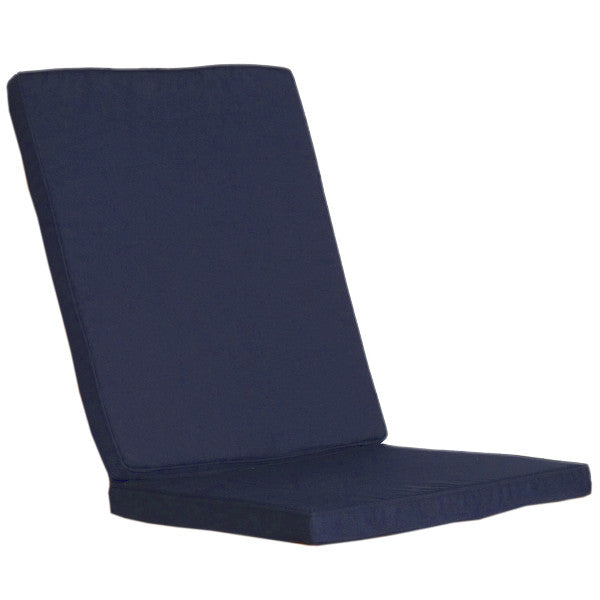
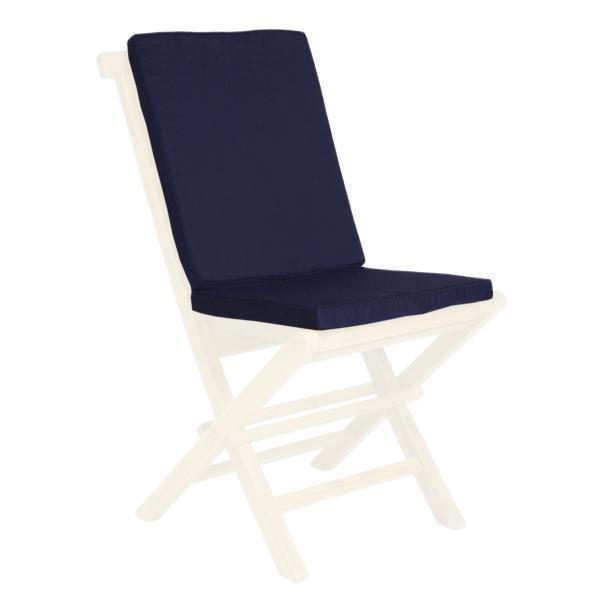
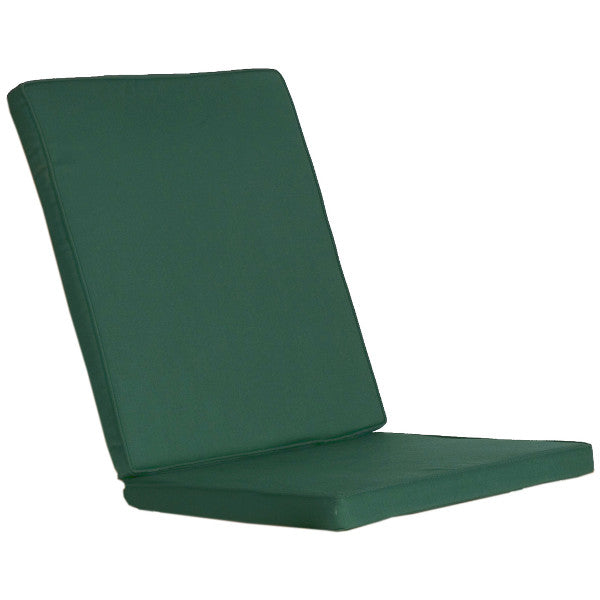
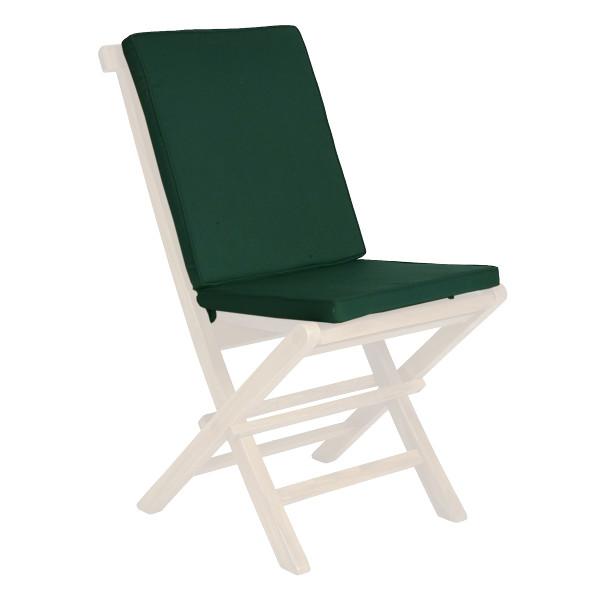
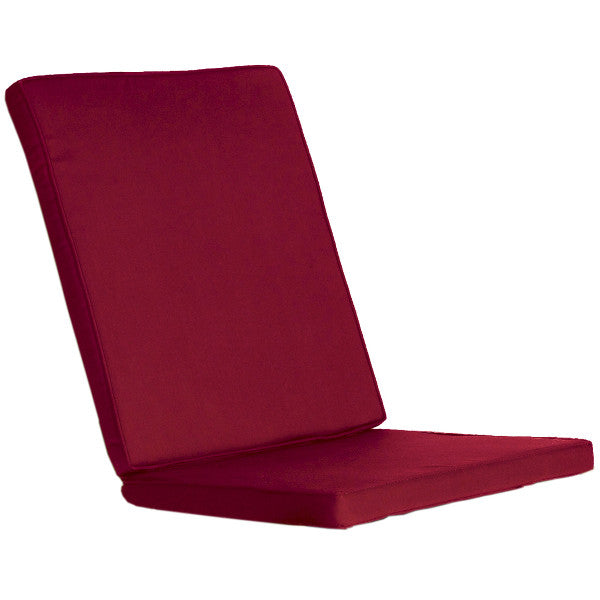
Outdoor living space is not complete without the right furnishings. Choose from a wide variety of styles, colors, and designs to suit your taste. From an ultra-soft cushion for your garden bench to a cozy pillow for your porch swing, we have the perfect piece for you. Make your new daybed, rocker, or Adirondack chair as comfortable and enjoyable as possible.
A: The internal foam structure is the key to mildew resistance and quick drying.
Standard (Closed-Cell) Foam: Repels water, but if the water penetrates the cover, it traps it, leading to saturation and very slow drying, which promotes mildew, musty odors, and material breakdown.
High-Performance (Open-Cell) Foam: This highly porous structure allows water to flow quickly through the material and out of the cushion. It makes the cushion core resistant to mold and mildew and will enable it to dry much faster, often in just a few hours after rain.
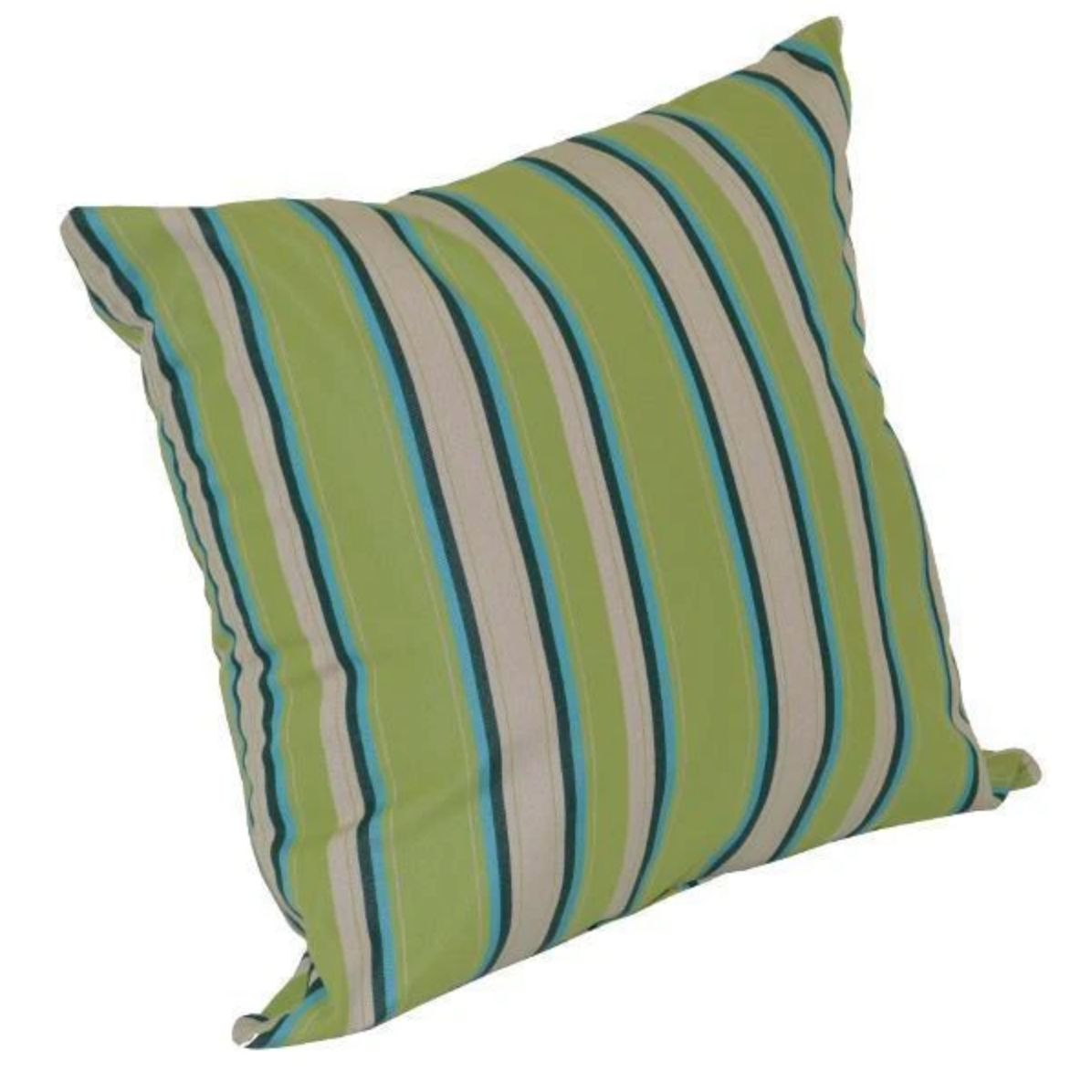
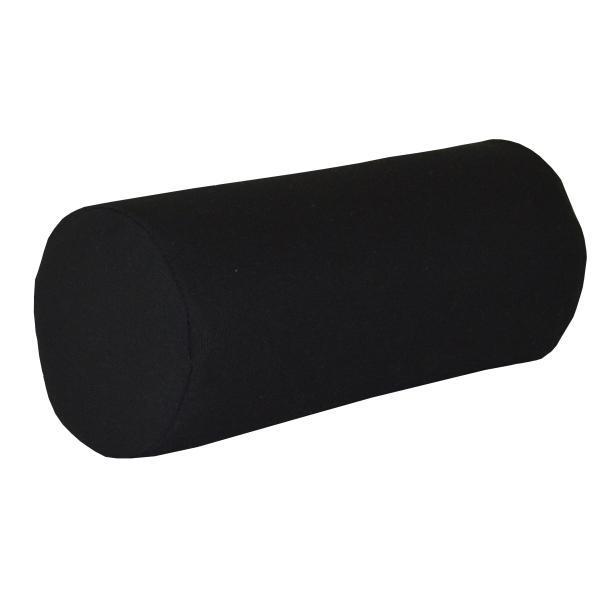
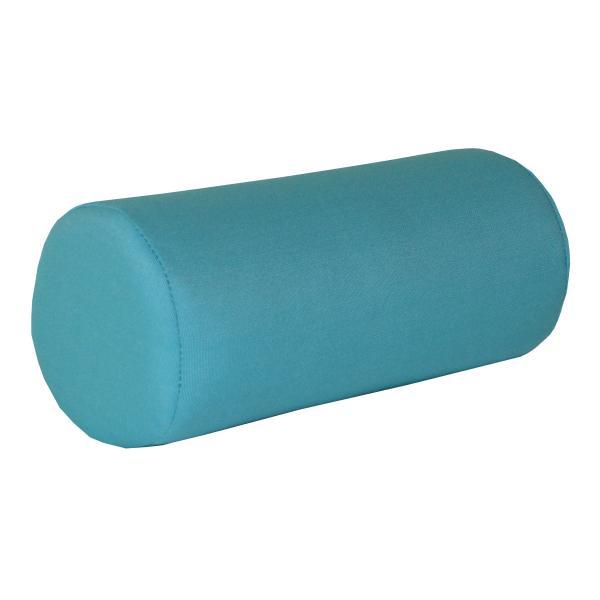
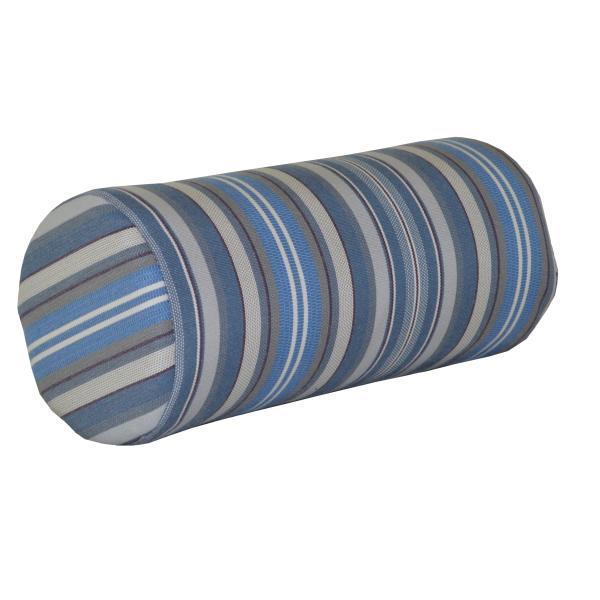
Poly-Fill: Pillows and some back cushions often use polyester fiber-fill, which provides a softer loft but still requires the outer fabric to be highly water-resistant.
A: Solution-dyed Acrylic (e.g., Sunbrella, Outdura) is the industry standard for longevity and color retention.
Dyeing Process: The color is mixed into the liquid acrylic solution before the fibers are spun into yarn. This means the color runs throughout the fiber, making it exceptionally durable and fade-resistant.
Performance: This process makes the fabric highly resistant to fading from UV exposure. It can also be cleaned aggressively with diluted bleach without stripping the color, which is vital for removing tough stains and mildew.
Water Resistance: The fabric is woven to be breathable, yet treated with a specialized finish that repels water and resists stains and mildew.
A: Cushions are primarily categorized by their placement and structural role.
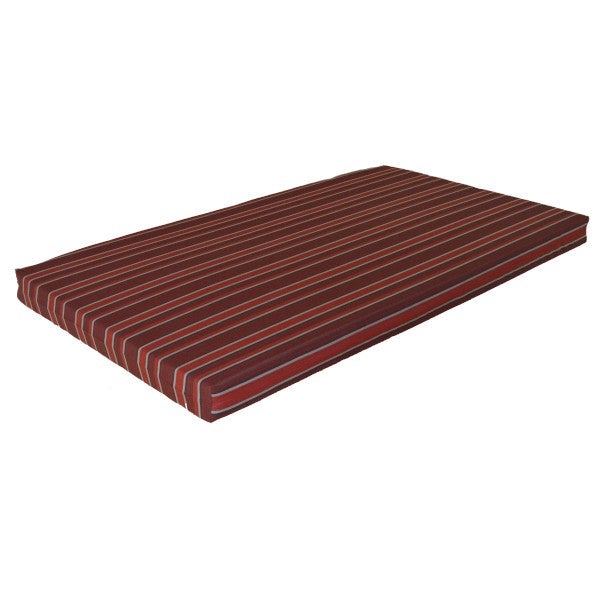
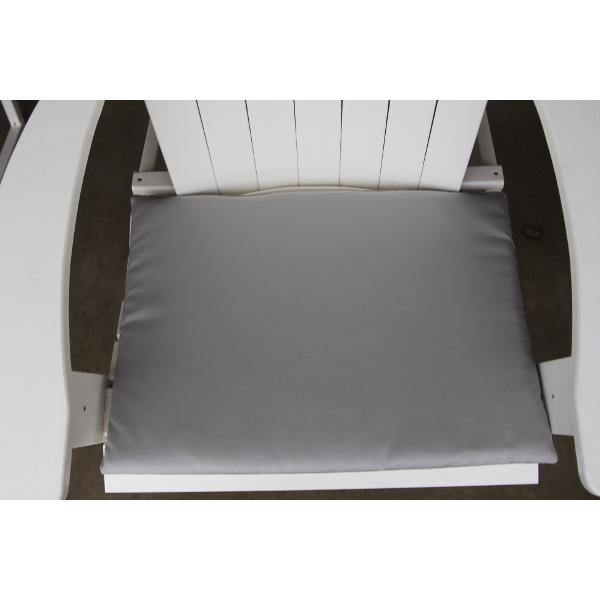
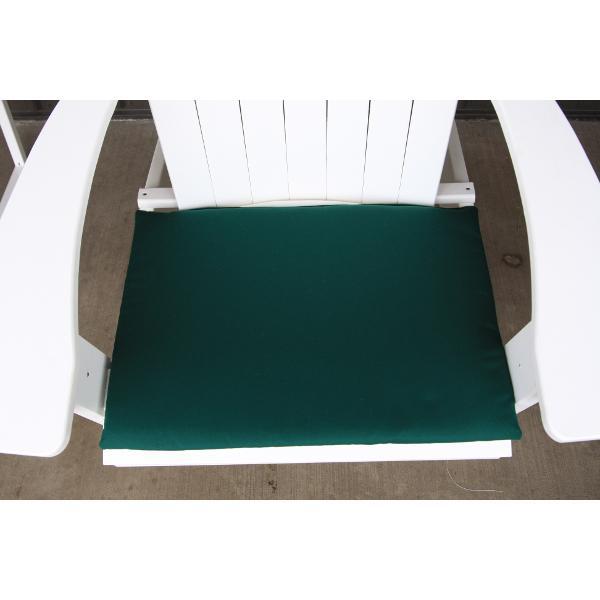
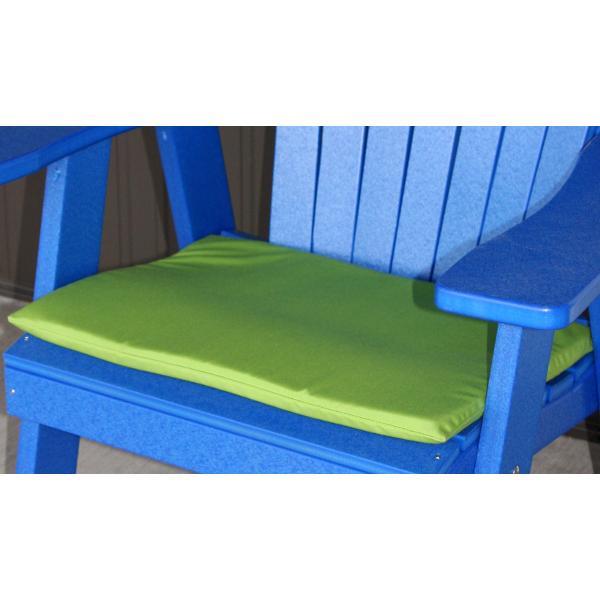
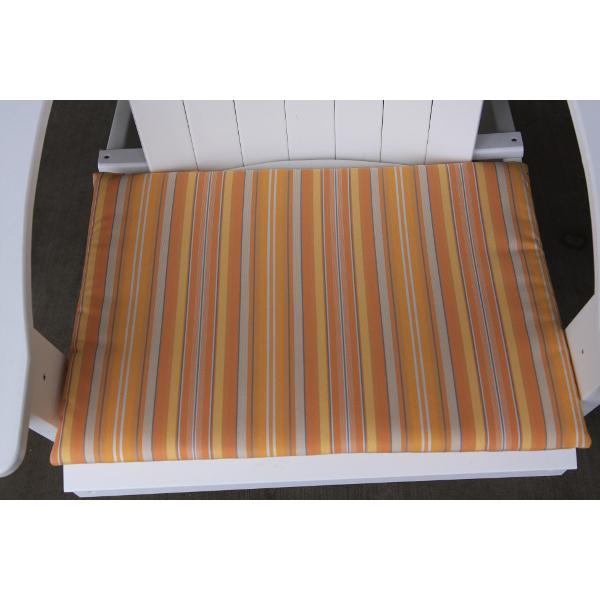
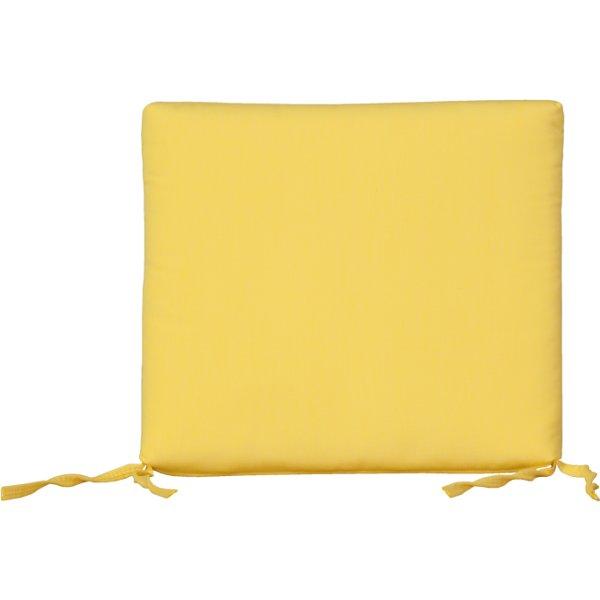
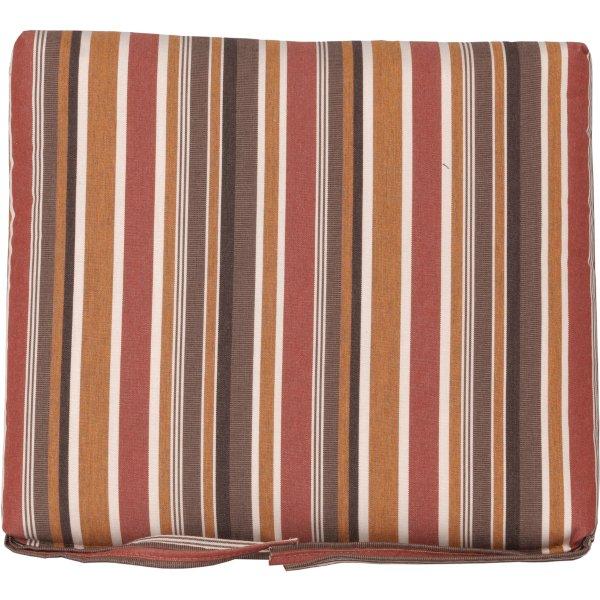
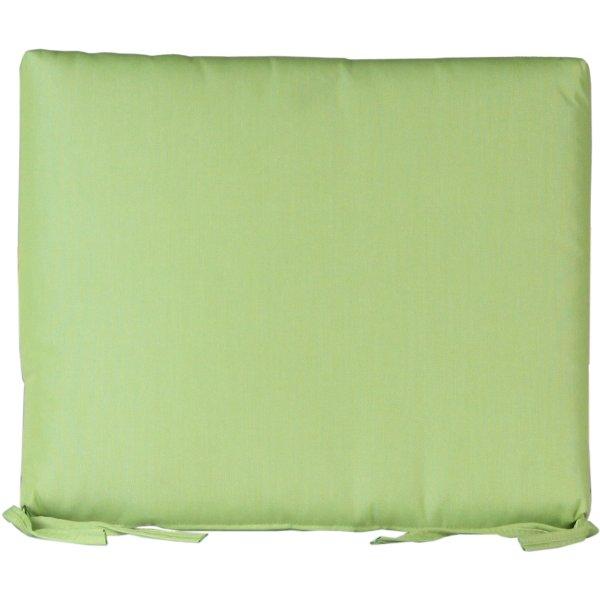
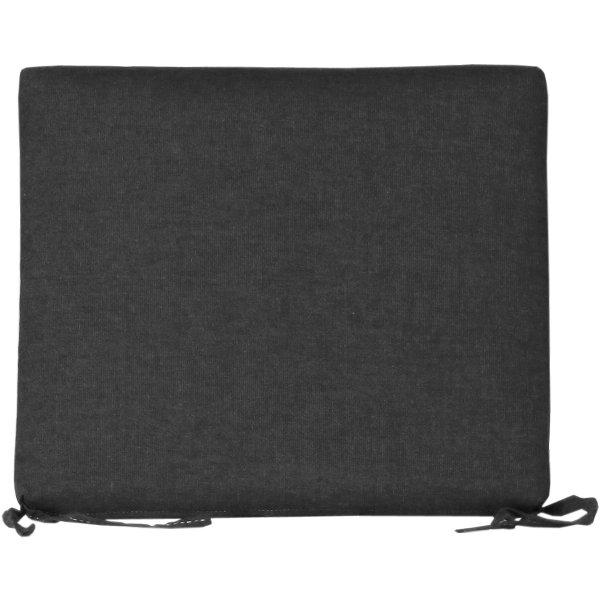
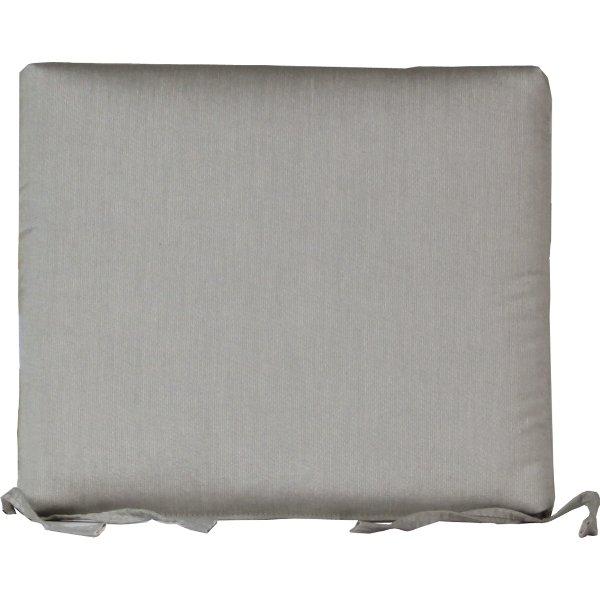
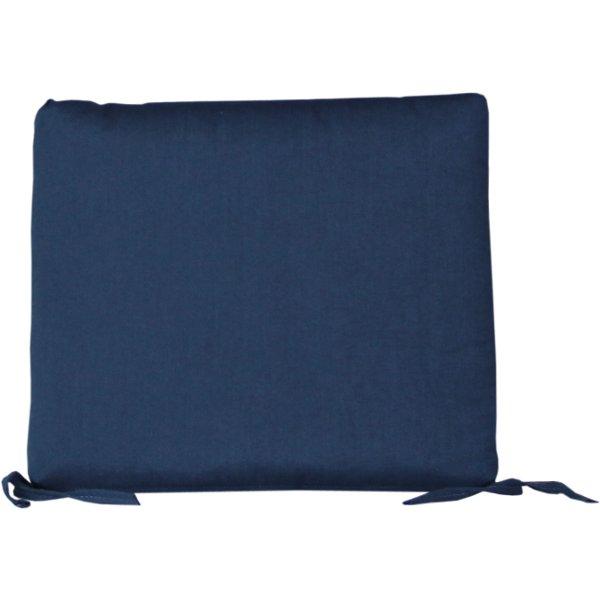
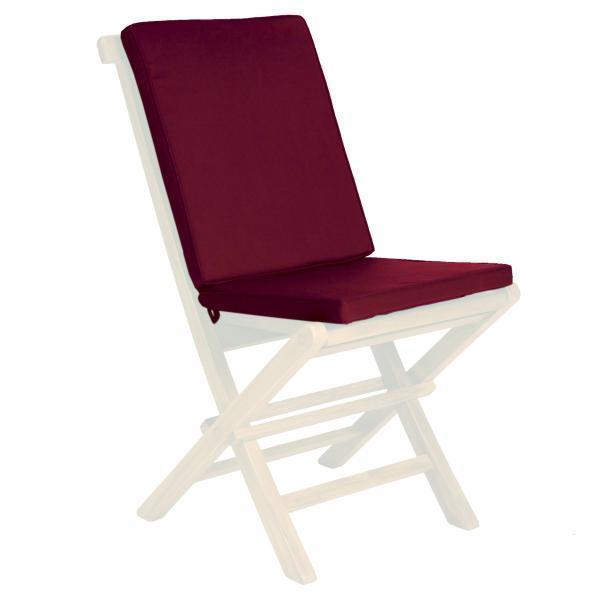
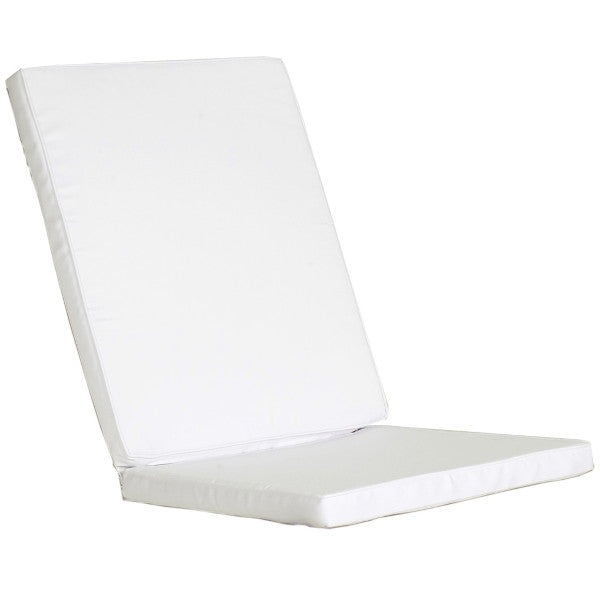
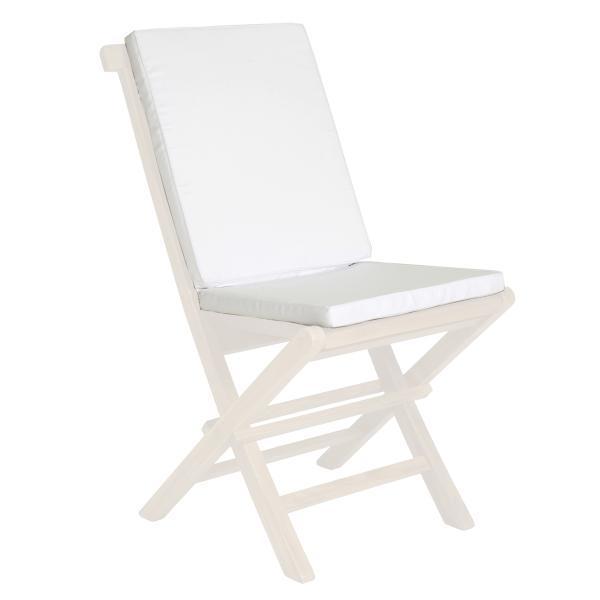
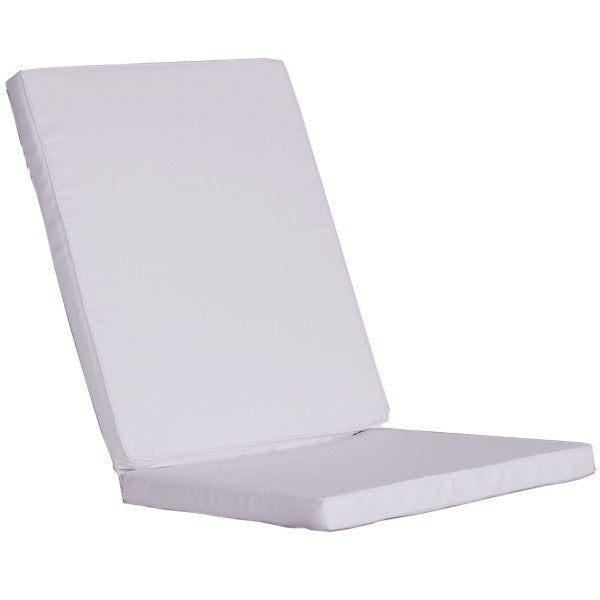
Seat Cushions: Thick, high-density foam designed to provide the primary support and elevate the user on a hard-surfaced chair. They should be measured from seam to seam (length, width, and thickness) of the seat platform. Allow an extra inch in width for a snug fit.
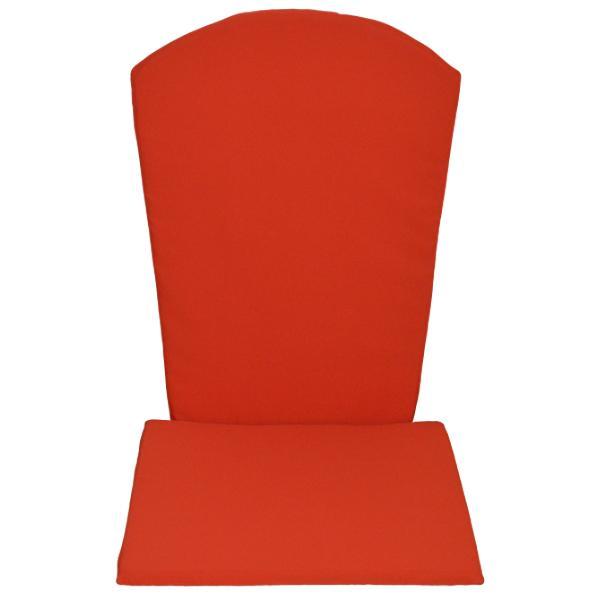
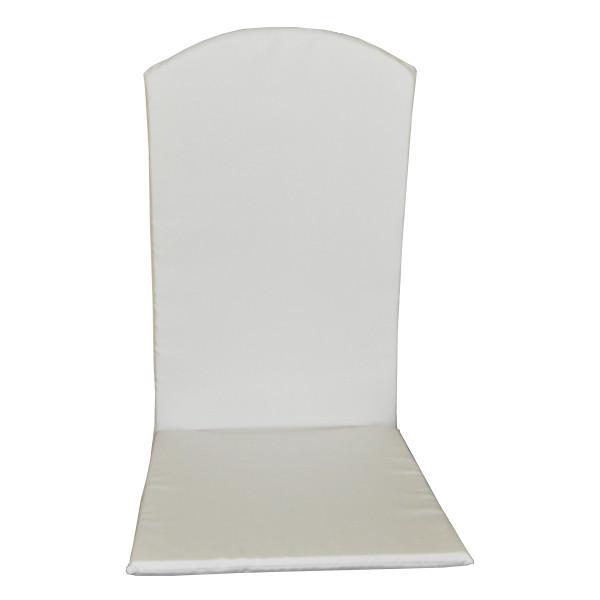
Back Cushions: Softer, thicker cushioning, often poly-filled or using softer foam, for lumbar and back support. These are typically measured to fit the entire space between the seat and the chair's top rail.
Tip: Always store cushions with piping (seams) positioned downward to allow any trapped moisture to drain away from the sewing seam.
A: Proper cleaning and storage are key to maximizing the lifespan of the cushions.
Pre-Storage Cleaning: Before storing, clean all cushions thoroughly to remove dirt and mildew spores. They must be completely dry before storage. Storing wet or damp cushions is the quickest way to ruin them with mildew.
Storage Container: Store cushions in a waterproof, ventilated storage container (a deck box) or in a dry basement or garage.
Avoidance: Do not store cushions in unventilated, non-breathable plastic bags. It traps residual moisture, creating a perfect environment for mildew growth.
Outdoor living space is not complete without the right furnishings. Choose from a wide variety of styles, colors, and designs to suit your taste. From an ultra-soft cushion for your garden bench to a cozy pillow for your porch swing, we have the perfect piece for you. Make your new daybed, rocker, or Adirondack chair as comfortable and enjoyable as possible.
A: The internal foam structure is the key to mildew resistance and quick drying.
Standard (Closed-Cell) Foam: Repels water, but if the water penetrates the cover, it traps it, leading to saturation and very slow drying, which promotes mildew, musty odors, and material breakdown.
High-Performance (Open-Cell) Foam: This highly porous structure allows water to flow quickly through the material and out of the cushion. It makes the cushion core resistant to mold and mildew and will enable it to dry much faster, often in just a few hours after rain.
Poly-Fill: Pillows and some back cushions often use polyester fiber-fill, which provides a softer loft but still requires the outer fabric to be highly water-resistant.
A: Solution-dyed Acrylic (e.g., Sunbrella, Outdura) is the industry standard for longevity and color retention.
Dyeing Process: The color is mixed into the liquid acrylic solution before the fibers are spun into yarn. This means the color runs throughout the fiber, making it exceptionally durable and fade-resistant.
Performance: This process makes the fabric highly resistant to fading from UV exposure. It can also be cleaned aggressively with diluted bleach without stripping the color, which is vital for removing tough stains and mildew.
Water Resistance: The fabric is woven to be breathable, yet treated with a specialized finish that repels water and resists stains and mildew.
A: Cushions are primarily categorized by their placement and structural role.
Seat Cushions: Thick, high-density foam designed to provide the primary support and elevate the user on a hard-surfaced chair. They should be measured from seam to seam (length, width, and thickness) of the seat platform. Allow an extra inch in width for a snug fit.
Back Cushions: Softer, thicker cushioning, often poly-filled or using softer foam, for lumbar and back support. These are typically measured to fit the entire space between the seat and the chair's top rail.
Tip: Always store cushions with piping (seams) positioned downward to allow any trapped moisture to drain away from the sewing seam.
A: Proper cleaning and storage are key to maximizing the lifespan of the cushions.
Pre-Storage Cleaning: Before storing, clean all cushions thoroughly to remove dirt and mildew spores. They must be completely dry before storage. Storing wet or damp cushions is the quickest way to ruin them with mildew.
Storage Container: Store cushions in a waterproof, ventilated storage container (a deck box) or in a dry basement or garage.
Avoidance: Do not store cushions in unventilated, non-breathable plastic bags. It traps residual moisture, creating a perfect environment for mildew growth.