Your Cart is Empty

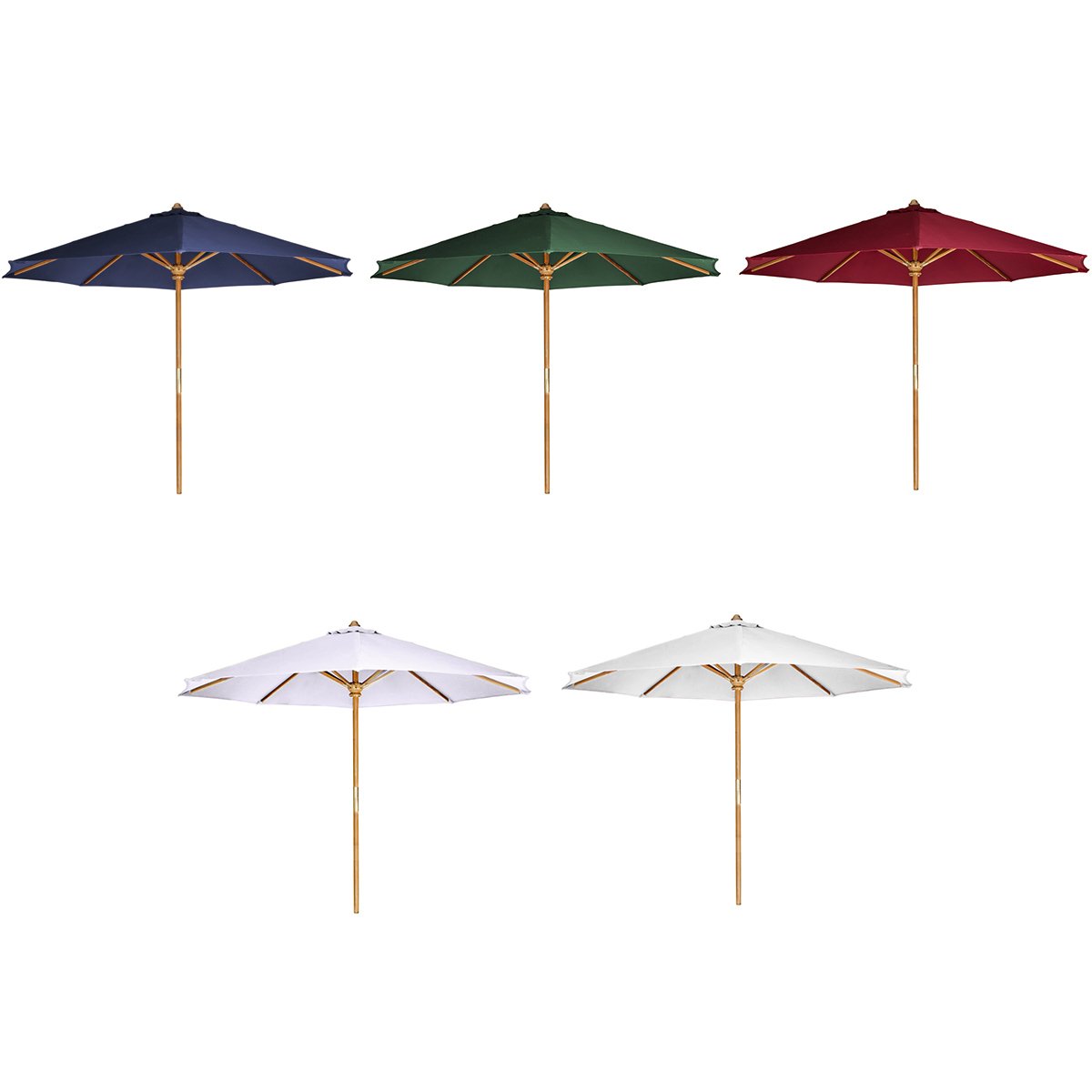
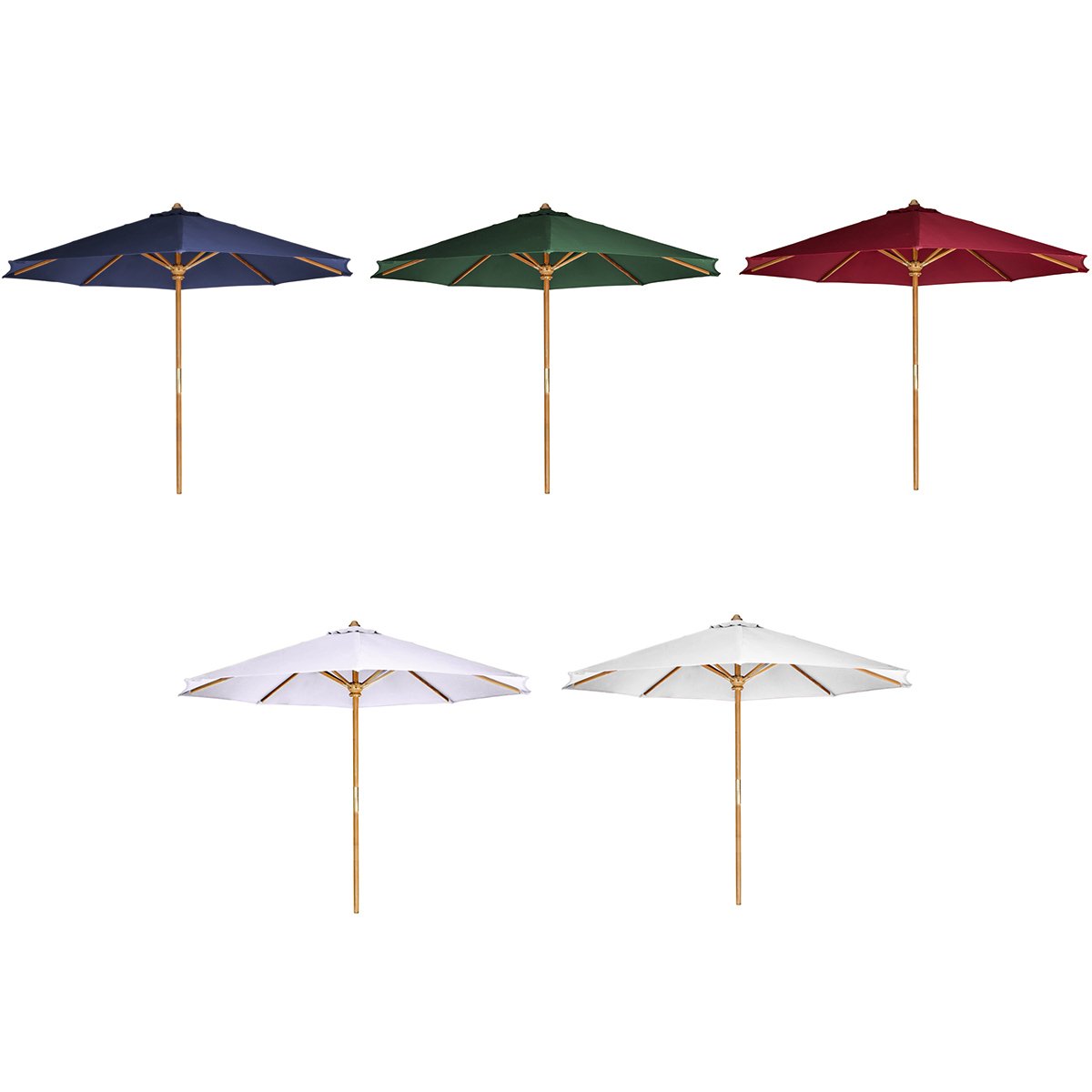
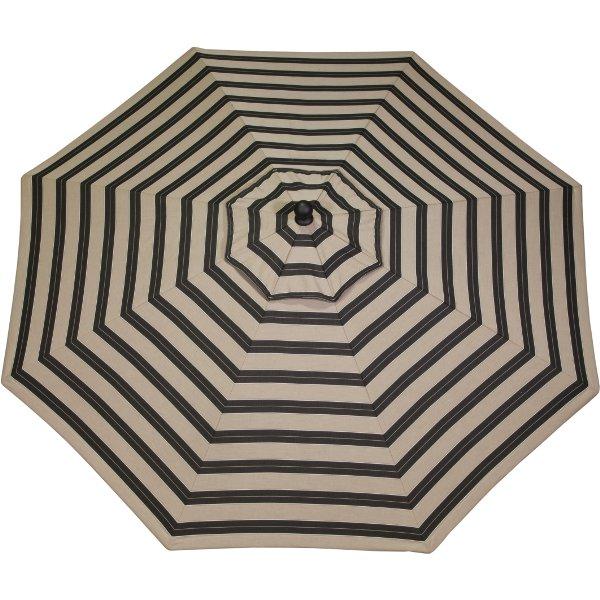
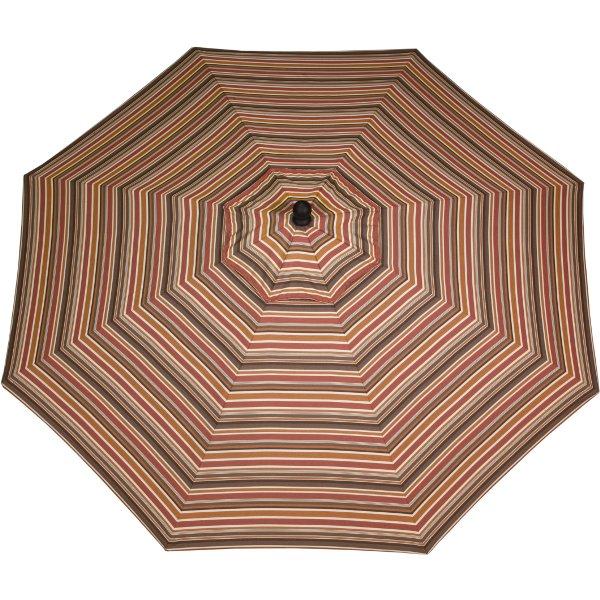
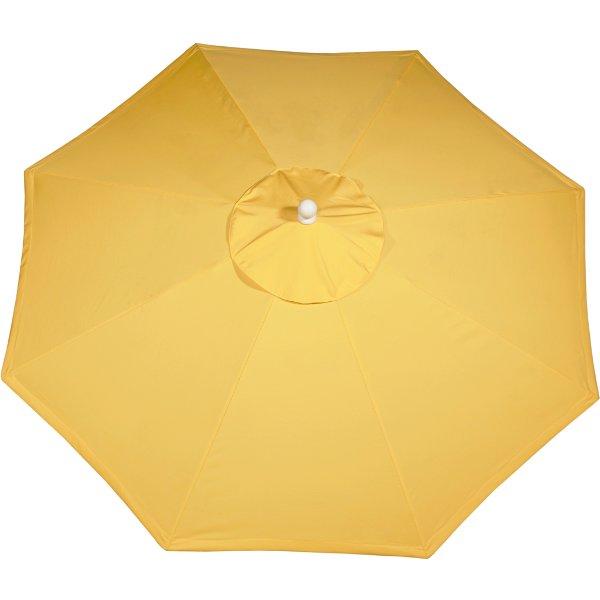
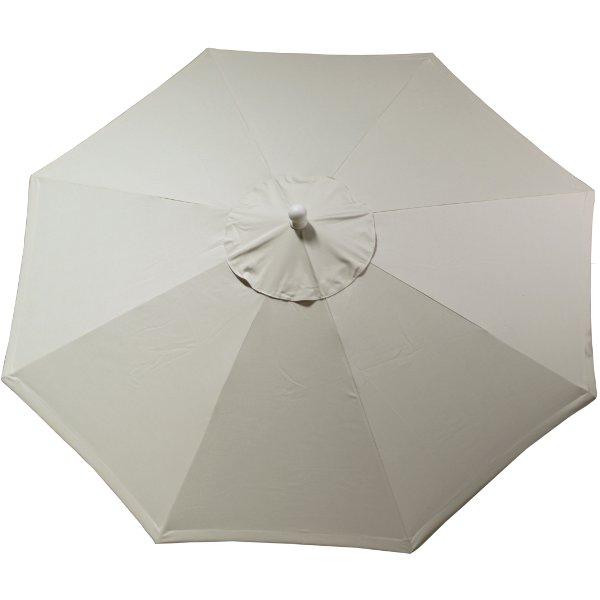
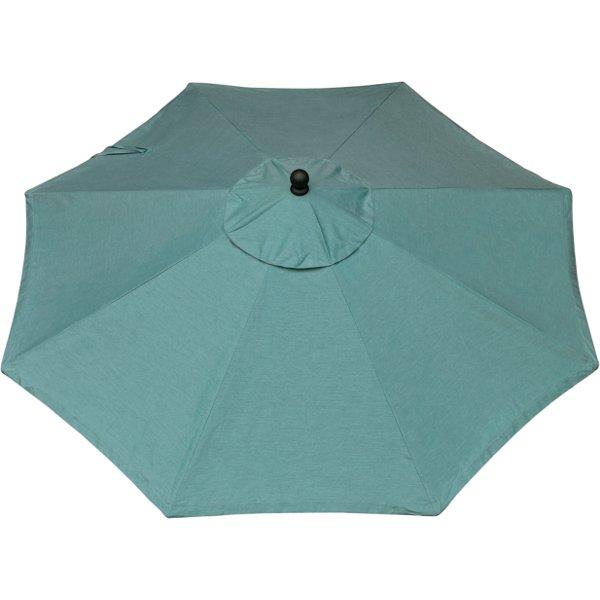
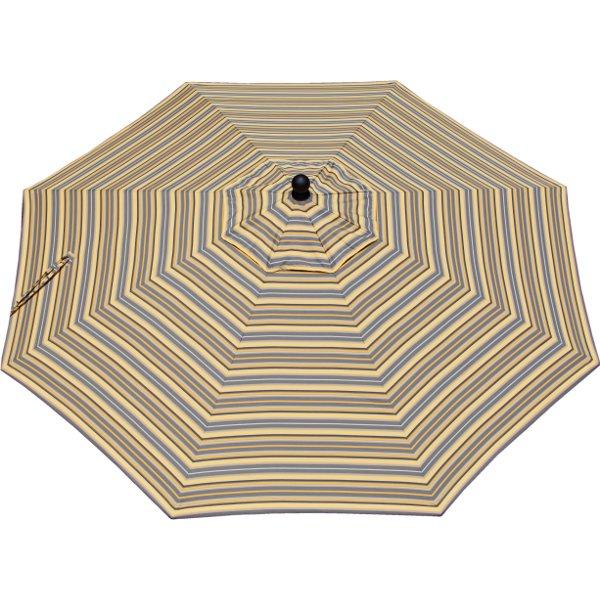
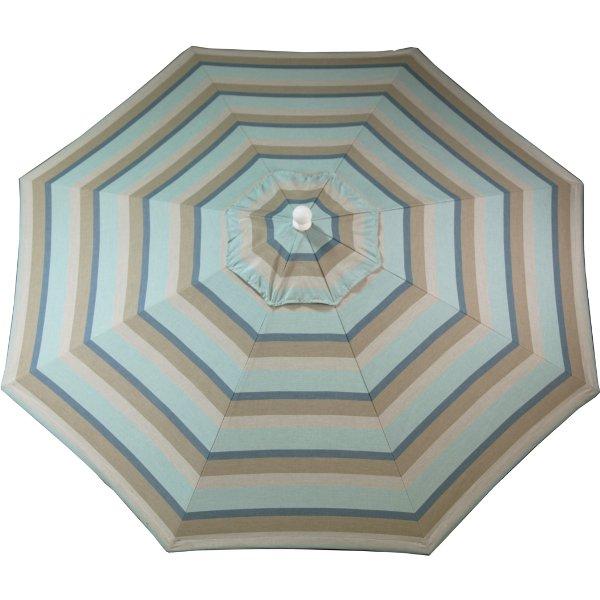
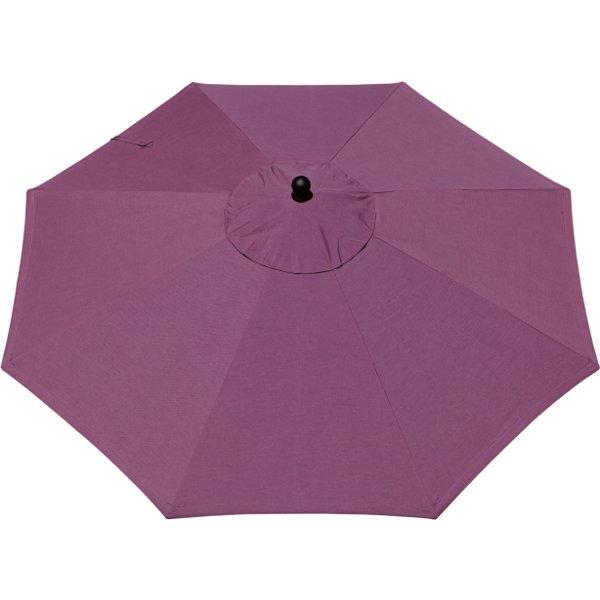
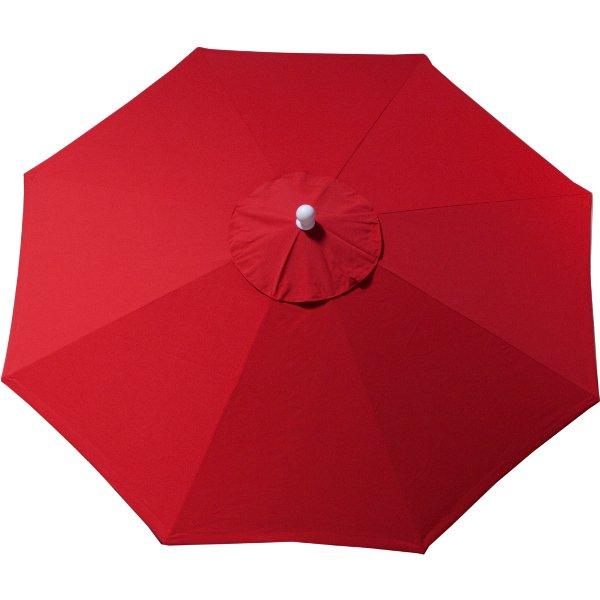
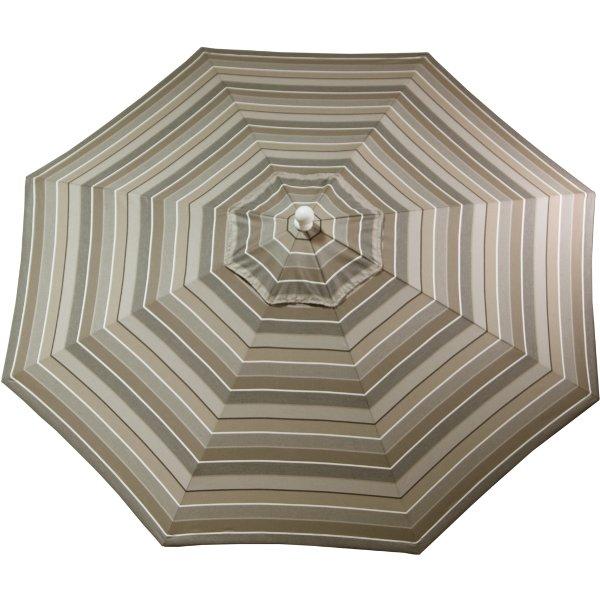
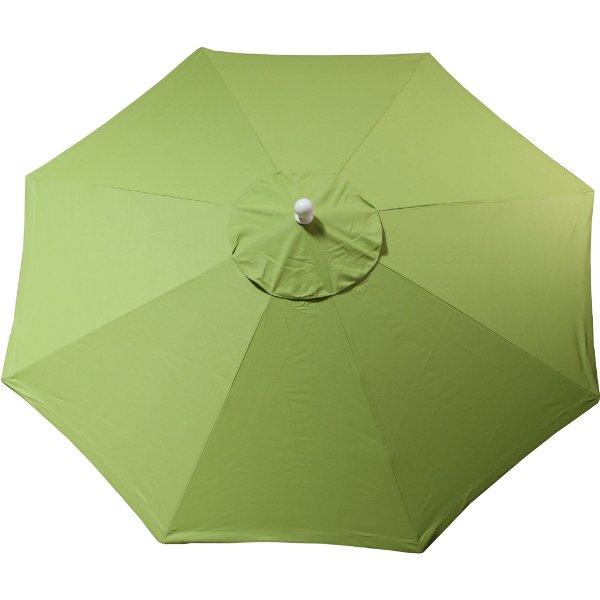
We spend a lot of time outside, whetherlounging by the pool, relaxing in the garden, and dining on the patio. Why not be safe and stylish with our Patio Umbrellas? Our selection of umbrellas offers durable fabric that is both weather-resistant and fade-resistant. We offer a variety of styles, colors, and sizes so that you can find the perfect umbrella to suit your needs.
A: Umbrellas are categorized by the location of the supporting pole.
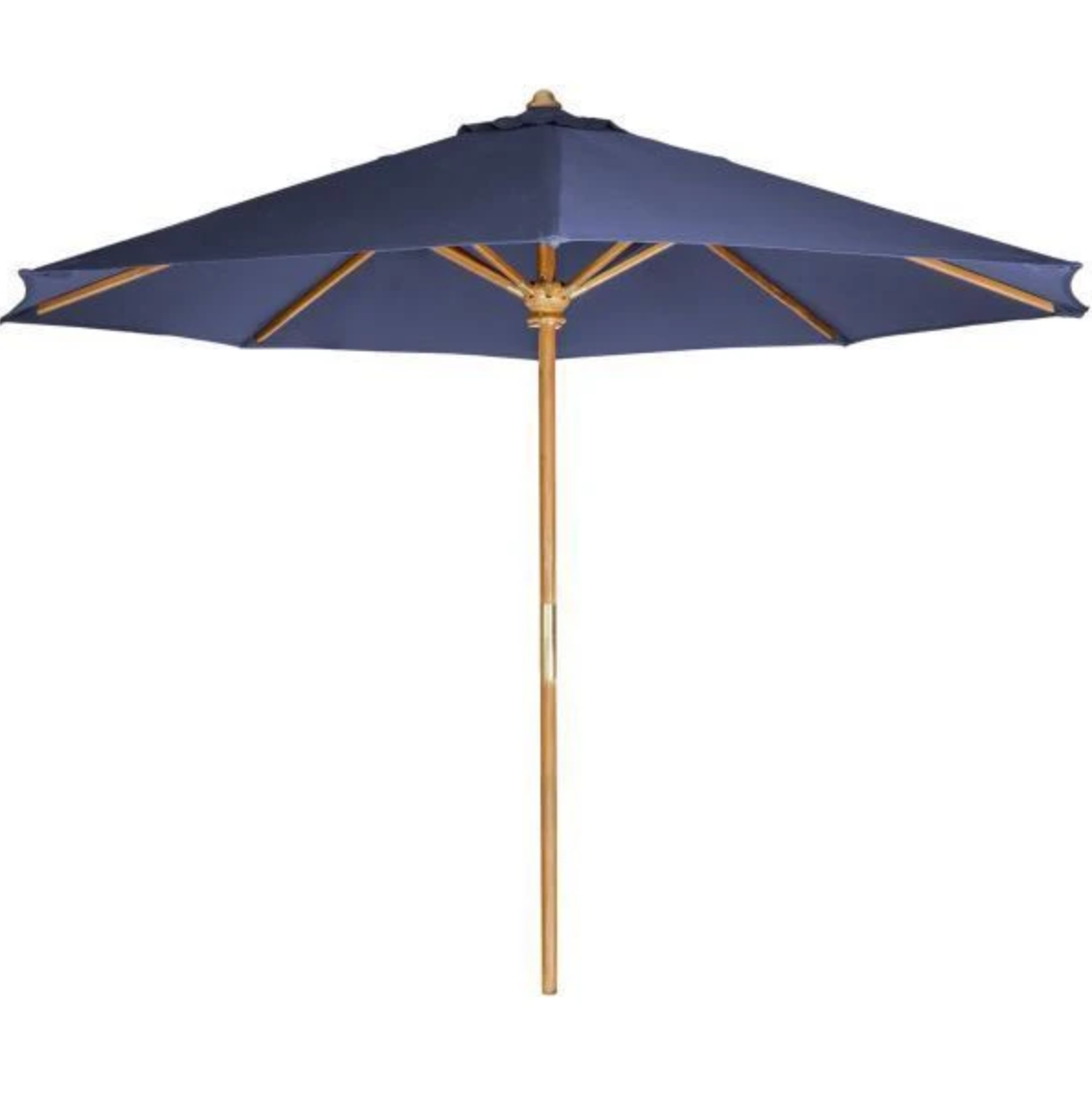
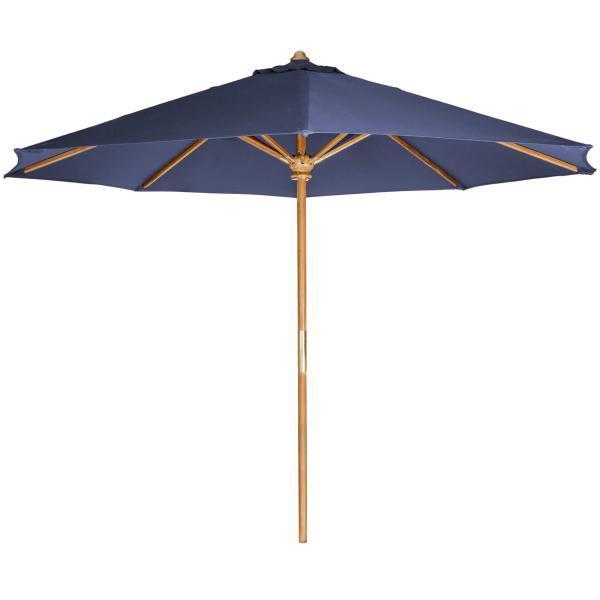
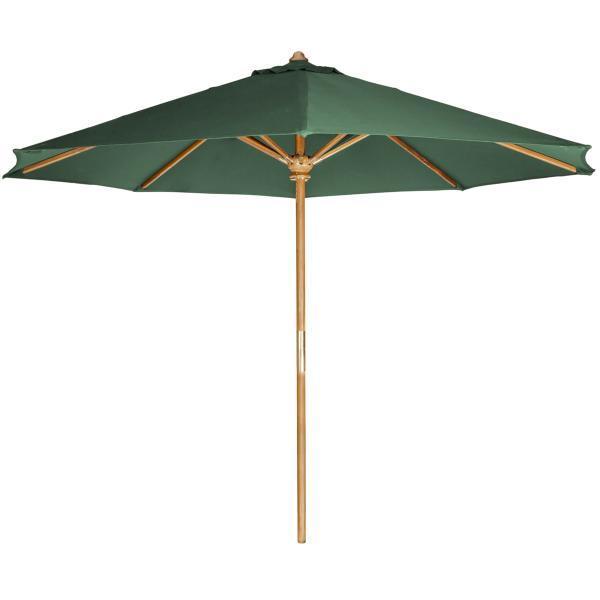
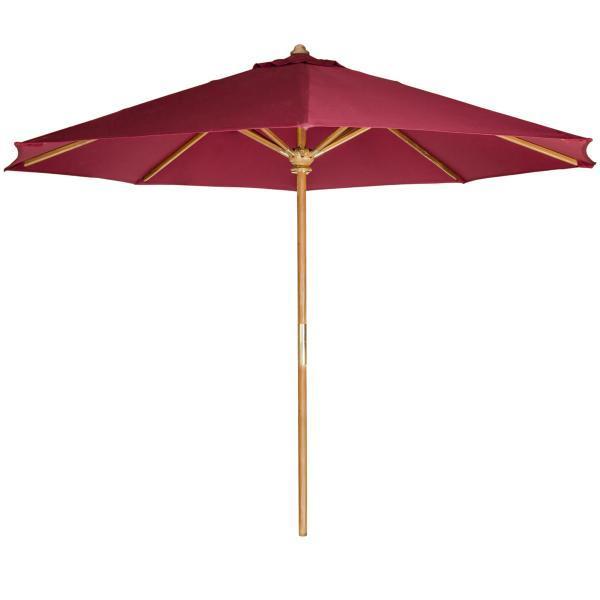
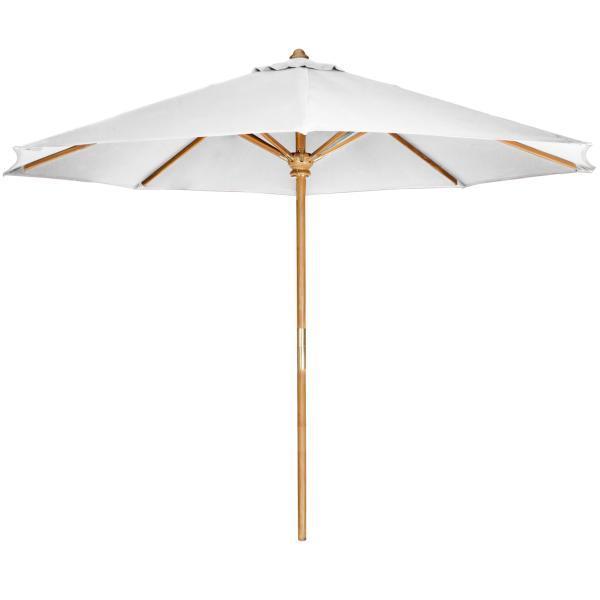
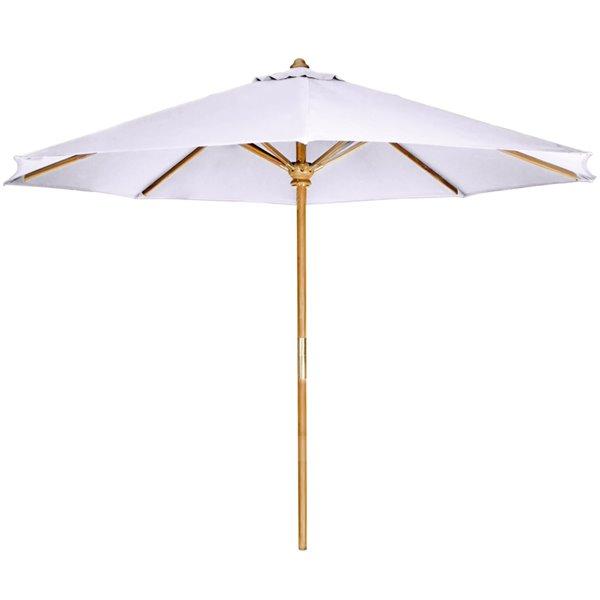
Market (Center) Umbrellas: The pole runs straight through the center of the canopy. They are designed to fit through the hole of a dining table or sit in the center of a conversational grouping. The canopy's tilt mechanism adjusts the shade's angle.
Cantilever (Offset) Umbrellas: The pole is offset to the side of the canopy and supported by a heavy base. This design allows the shade to hang freely over an area (such as a seating set or sun lounger) without obstructing a pole. They often feature 360-degree rotation and multiple tilt points.
A: Umbrella sizing should cover the table and provide a reasonable shaded radius.
Sizing Rule: For optimal shade, the umbrella diameter should extend over the table by at least 2 feet on all sides.
4-Person Table: A standard 4-person table (about 4 feet / 48 inches wide) typically requires an umbrella with a diameter of 7.5 to 9 feet. To help you visualize this, here's a link to our size guide with a visual representation of the recommended umbrella size for a 4-person table. It ensures the shade covers the diners, not just the tabletop.
Larger Tables: A 6-8 person table (6 to 7 feet wide) requires a 10- to 11-foot umbrella.
A: The material must be tightly woven and treated for UV stability.
Solution-dyed Acrylic (Sunbrella, etc.): This is the premium choice. The fabric is highly fade-resistant and provides the highest level of UV protection (often 50+ UPF, which stands for Ultraviolet Protection Factor, a measure of how much UV radiation a fabric allows to reach your skin). It means it offers excellent protection against harmful UV rays.
Polyester: A budget-friendly alternative. Good-quality polyester is treated with a UV inhibitor, but it fades faster and typically does not last as long as solution-dyed acrylic.
Vents: All high-quality umbrellas include an air vent at the top. It allows wind to pass through the canopy, reducing the likelihood that the umbrella will be lifted or damaged by wind gusts.
A: Closing the umbrella when not in use is the single most important maintenance step.
Wind Damage: Even moderate winds can cause umbrella ribs and poles to invert, bend, or break. Closing the umbrella when leaving the area or when winds are predicted prevents this structural damage.
Fabric Longevity: Storing the canopy closed and secured with a tie minimizes continuous UV exposure and protects it from bird droppings, dirt, and sap.
Cleaning: Clean the canopy fabric annually with a mild soap and soft brush to prevent mildew and dirt buildup.
We spend a lot of time outside, whetherlounging by the pool, relaxing in the garden, and dining on the patio. Why not be safe and stylish with our Patio Umbrellas? Our selection of umbrellas offers durable fabric that is both weather-resistant and fade-resistant. We offer a variety of styles, colors, and sizes so that you can find the perfect umbrella to suit your needs.
A: Umbrellas are categorized by the location of the supporting pole.
Market (Center) Umbrellas: The pole runs straight through the center of the canopy. They are designed to fit through the hole of a dining table or sit in the center of a conversational grouping. The canopy's tilt mechanism adjusts the shade's angle.
Cantilever (Offset) Umbrellas: The pole is offset to the side of the canopy and supported by a heavy base. This design allows the shade to hang freely over an area (such as a seating set or sun lounger) without obstructing a pole. They often feature 360-degree rotation and multiple tilt points.
A: Umbrella sizing should cover the table and provide a reasonable shaded radius.
Sizing Rule: For optimal shade, the umbrella diameter should extend over the table by at least 2 feet on all sides.
4-Person Table: A standard 4-person table (about 4 feet / 48 inches wide) typically requires an umbrella with a diameter of 7.5 to 9 feet. To help you visualize this, here's a link to our size guide with a visual representation of the recommended umbrella size for a 4-person table. It ensures the shade covers the diners, not just the tabletop.
Larger Tables: A 6-8 person table (6 to 7 feet wide) requires a 10- to 11-foot umbrella.
A: The material must be tightly woven and treated for UV stability.
Solution-dyed Acrylic (Sunbrella, etc.): This is the premium choice. The fabric is highly fade-resistant and provides the highest level of UV protection (often 50+ UPF, which stands for Ultraviolet Protection Factor, a measure of how much UV radiation a fabric allows to reach your skin). It means it offers excellent protection against harmful UV rays.
Polyester: A budget-friendly alternative. Good-quality polyester is treated with a UV inhibitor, but it fades faster and typically does not last as long as solution-dyed acrylic.
Vents: All high-quality umbrellas include an air vent at the top. It allows wind to pass through the canopy, reducing the likelihood that the umbrella will be lifted or damaged by wind gusts.
A: Closing the umbrella when not in use is the single most important maintenance step.
Wind Damage: Even moderate winds can cause umbrella ribs and poles to invert, bend, or break. Closing the umbrella when leaving the area or when winds are predicted prevents this structural damage.
Fabric Longevity: Storing the canopy closed and secured with a tie minimizes continuous UV exposure and protects it from bird droppings, dirt, and sap.
Cleaning: Clean the canopy fabric annually with a mild soap and soft brush to prevent mildew and dirt buildup.