Your Cart is Empty

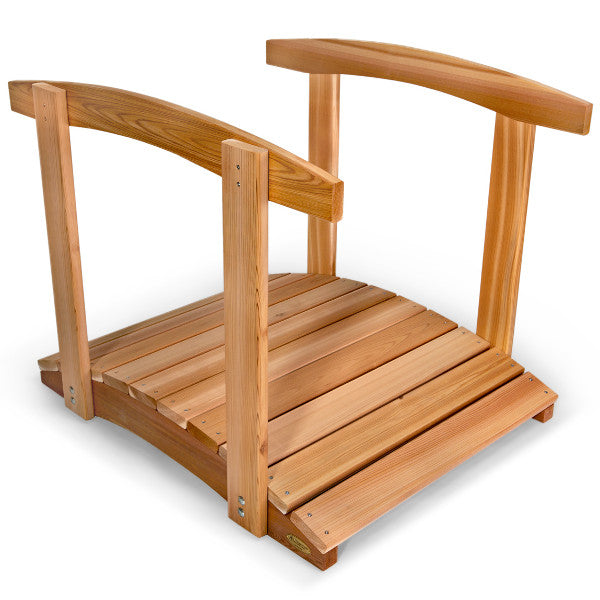
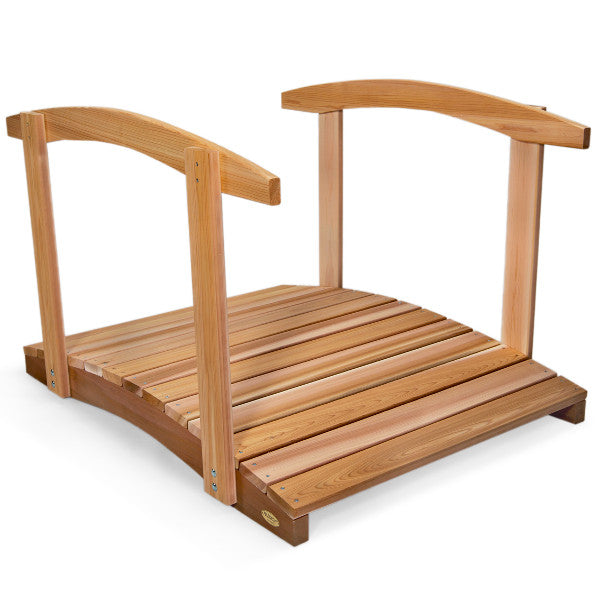
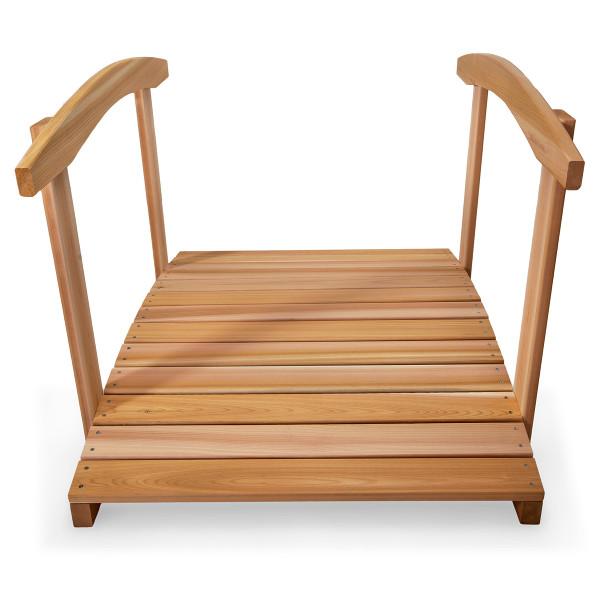
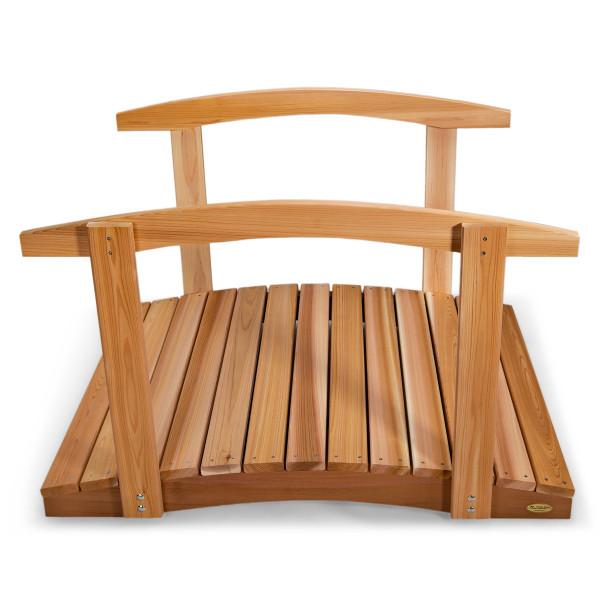
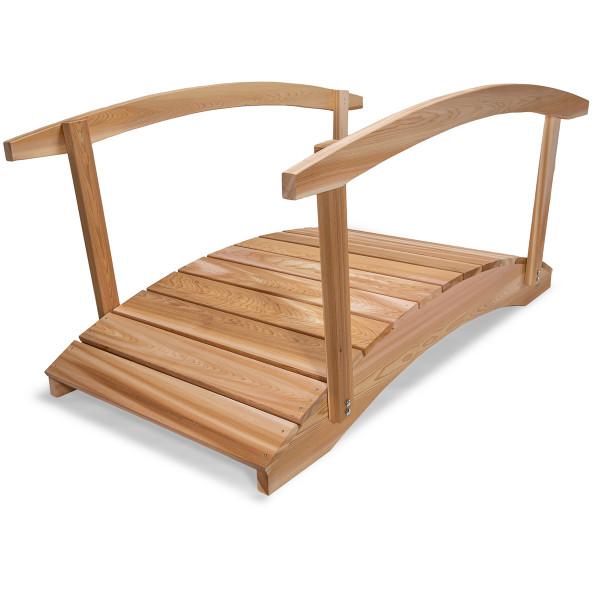
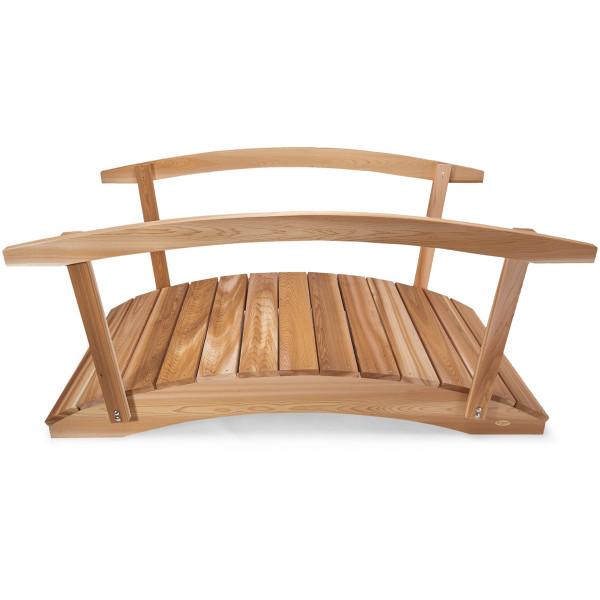
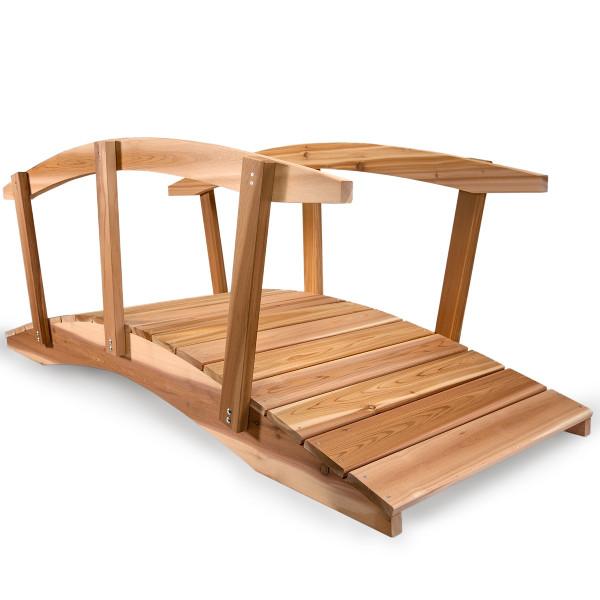
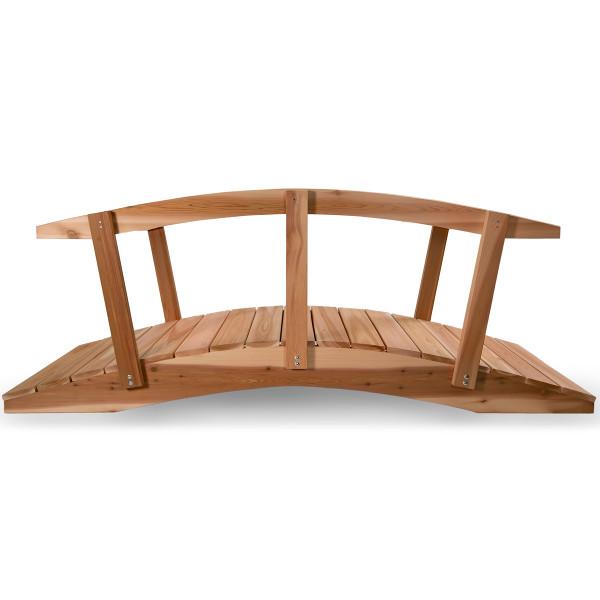
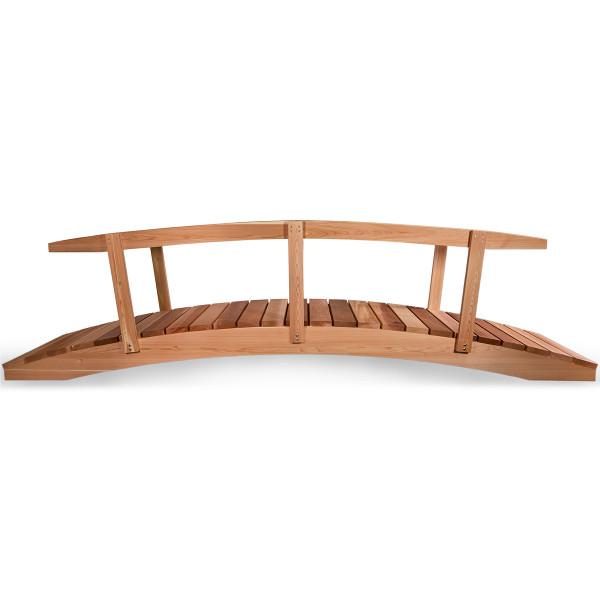
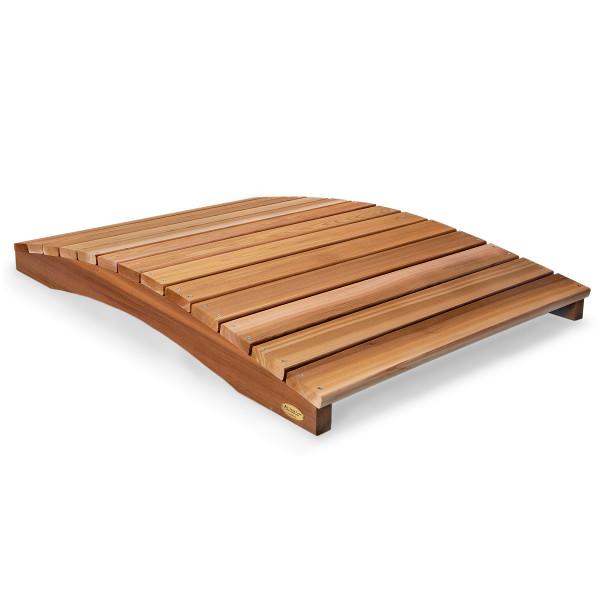
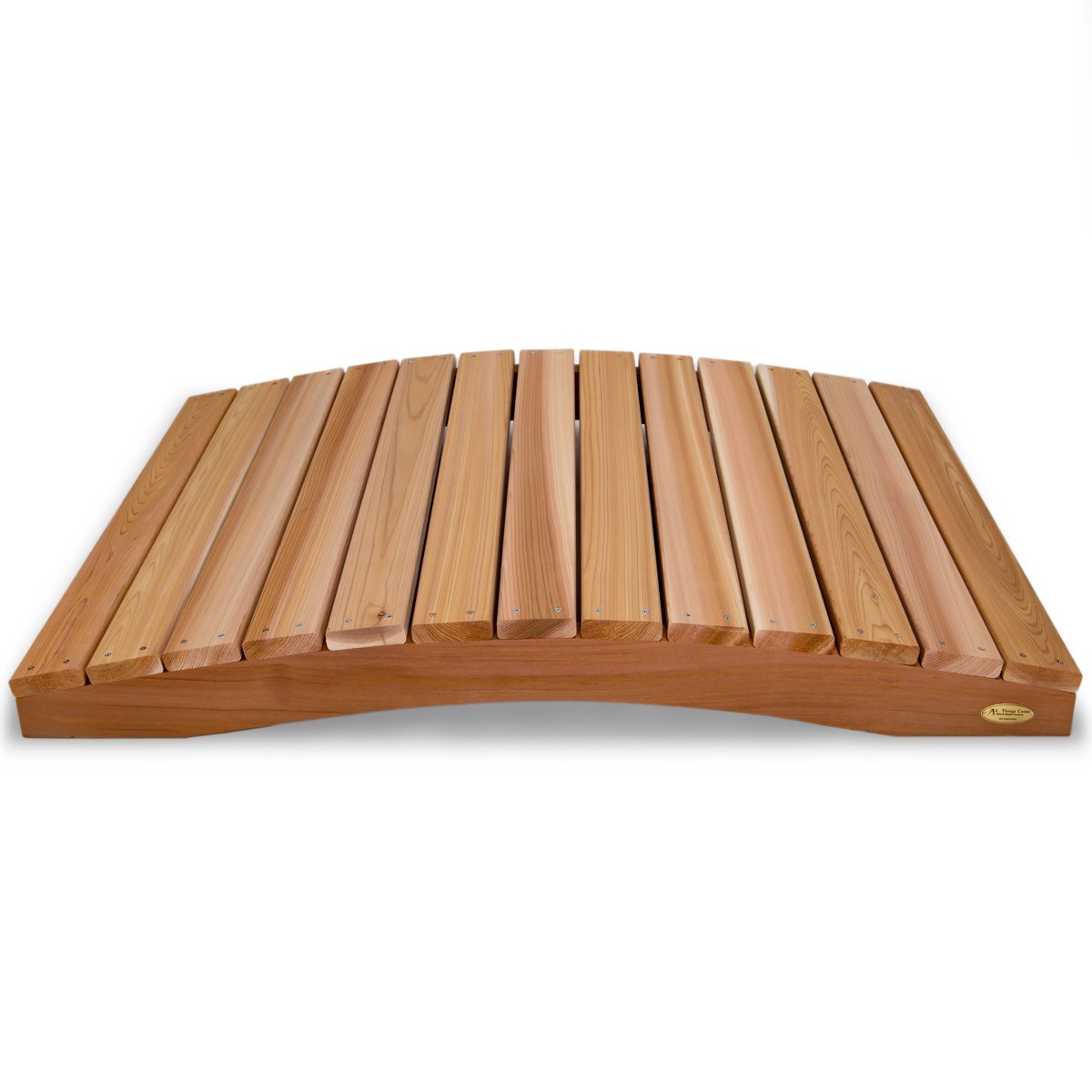
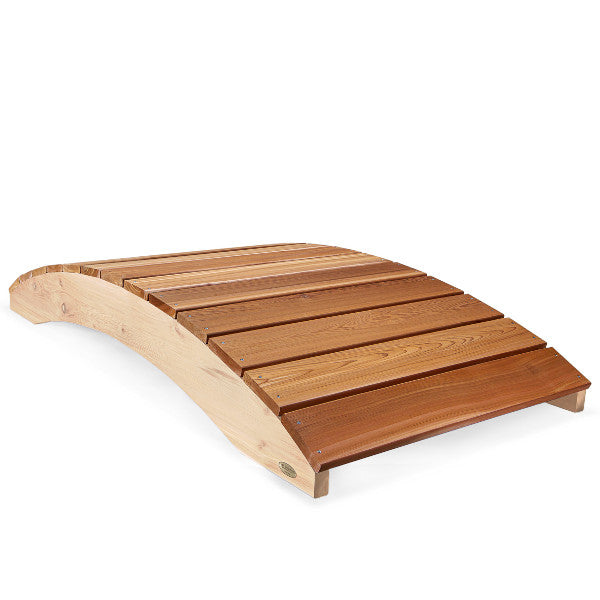
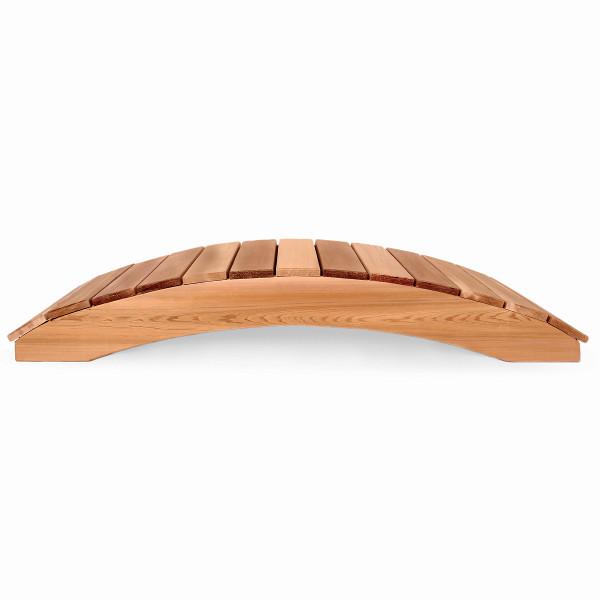
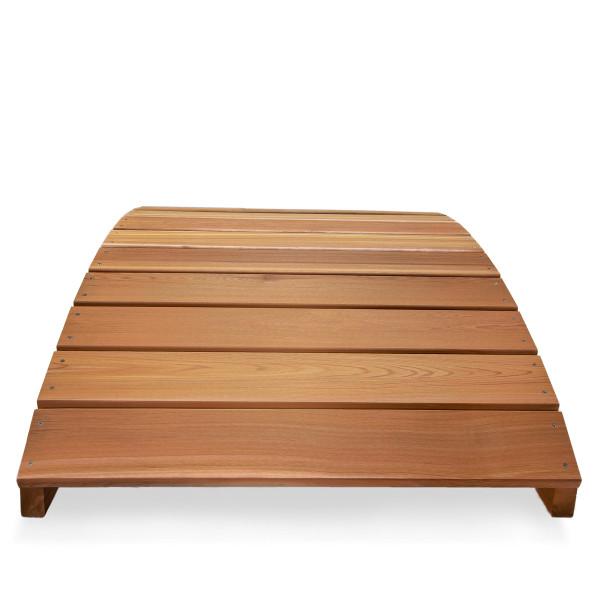
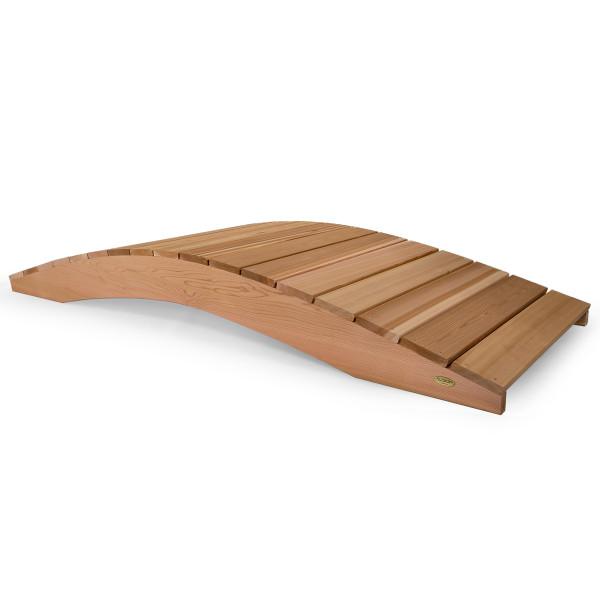
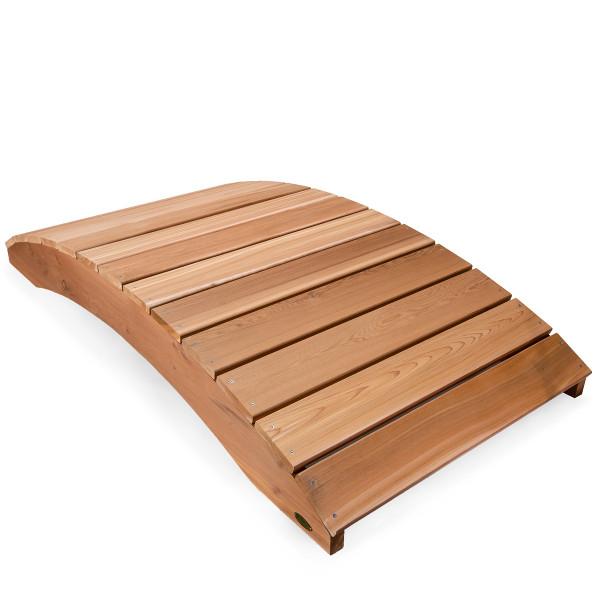
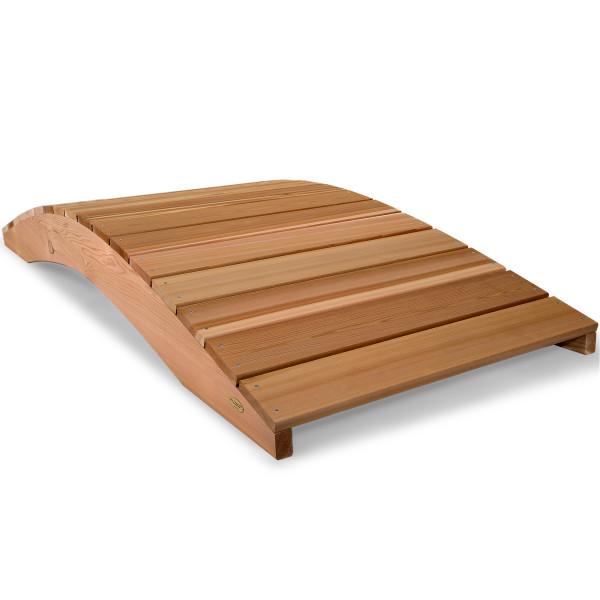
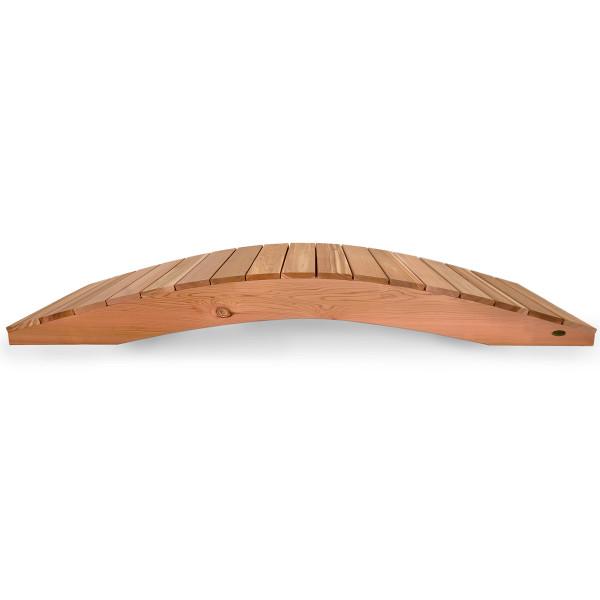
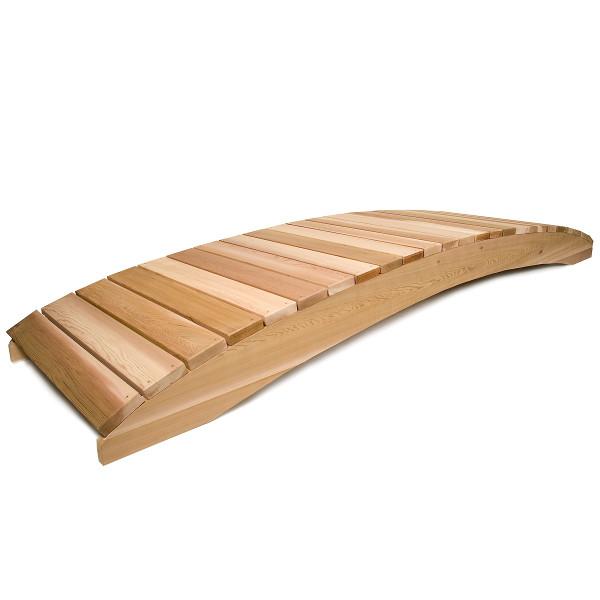
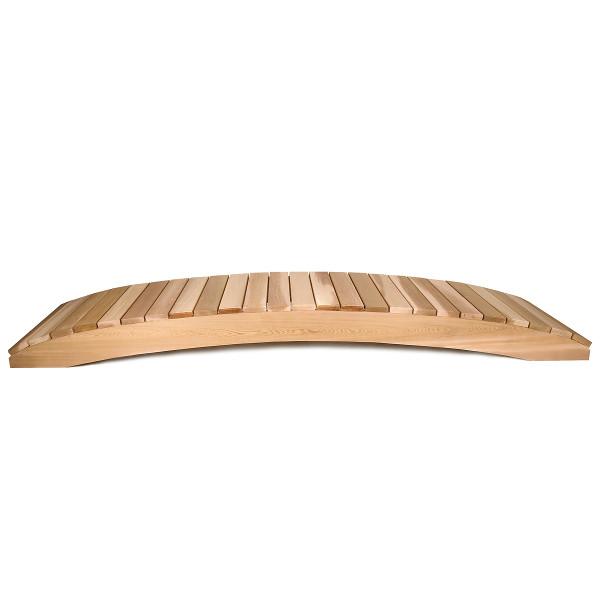
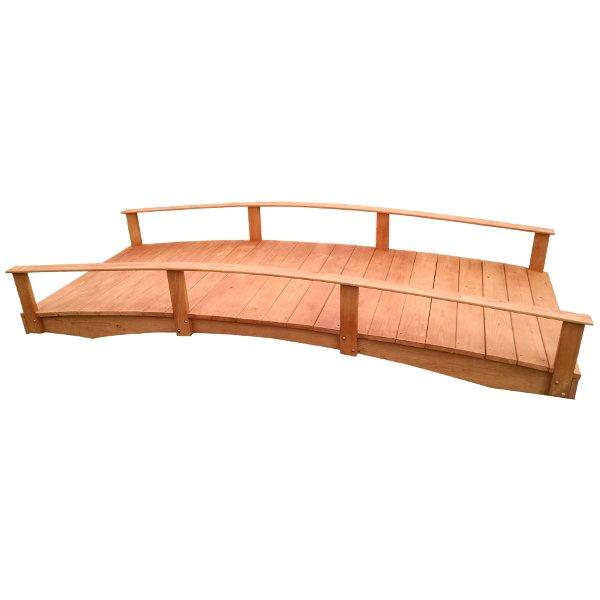
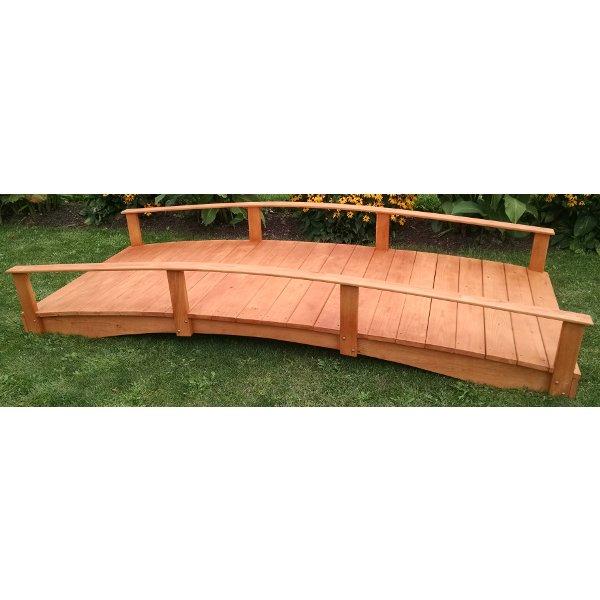
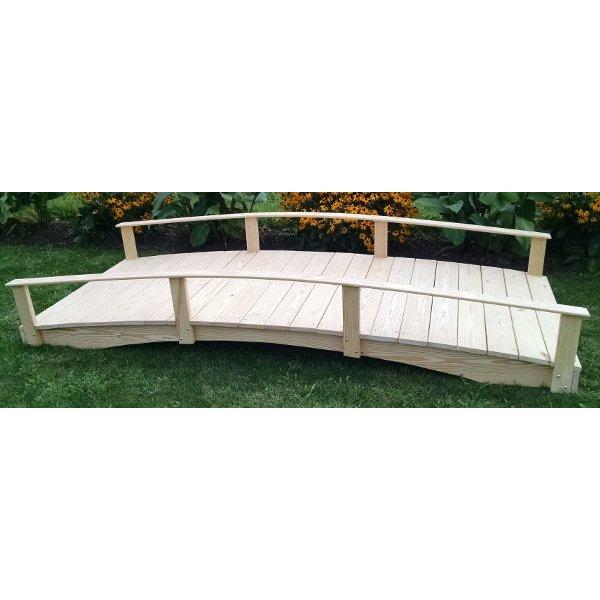
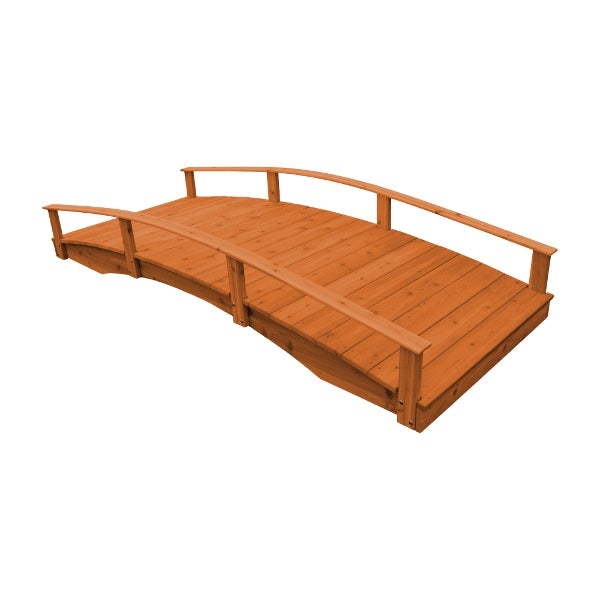
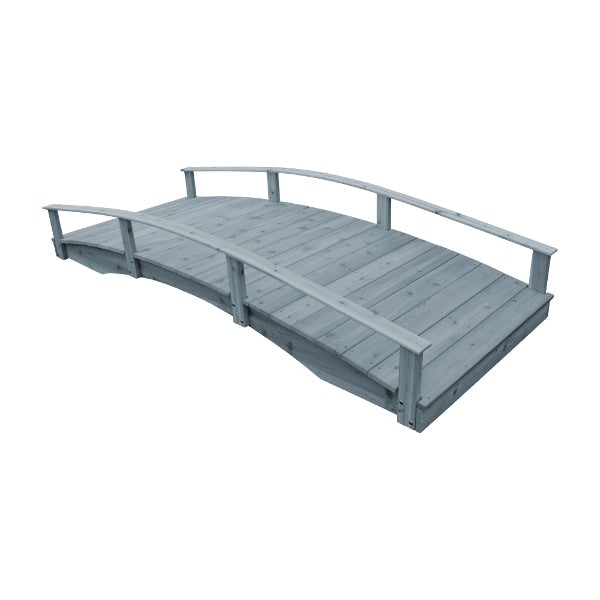
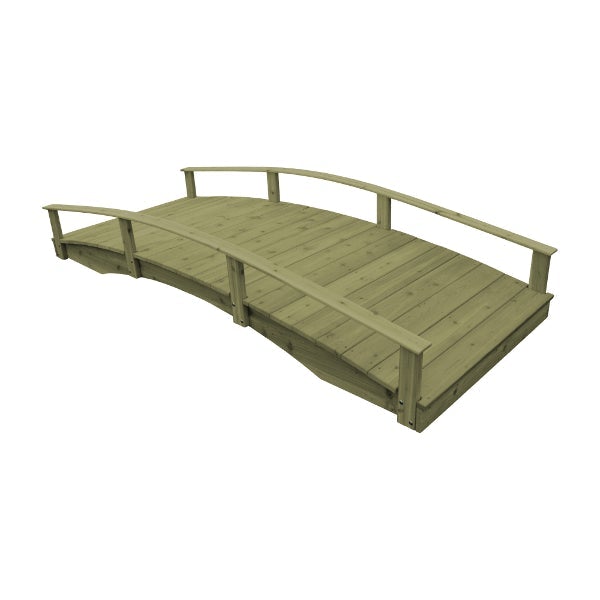
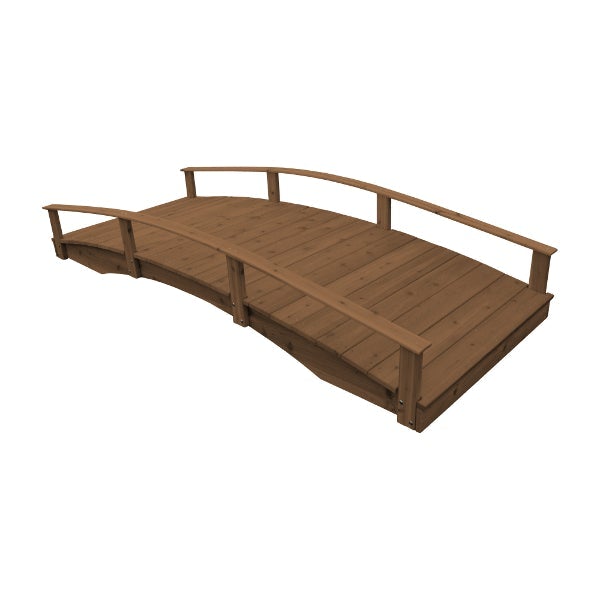
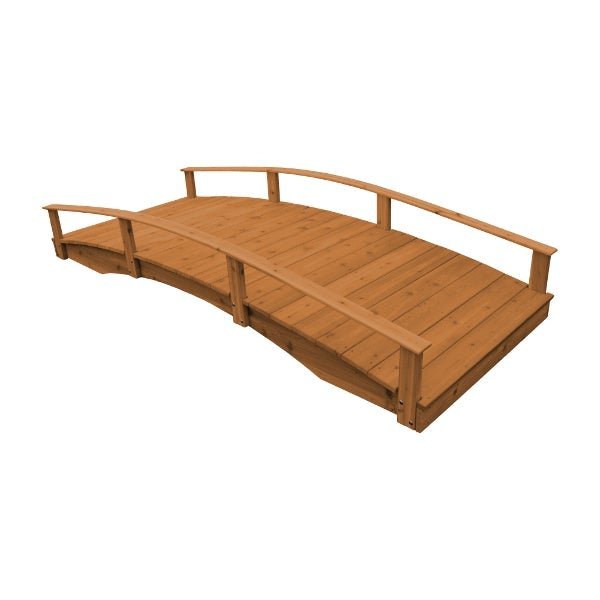
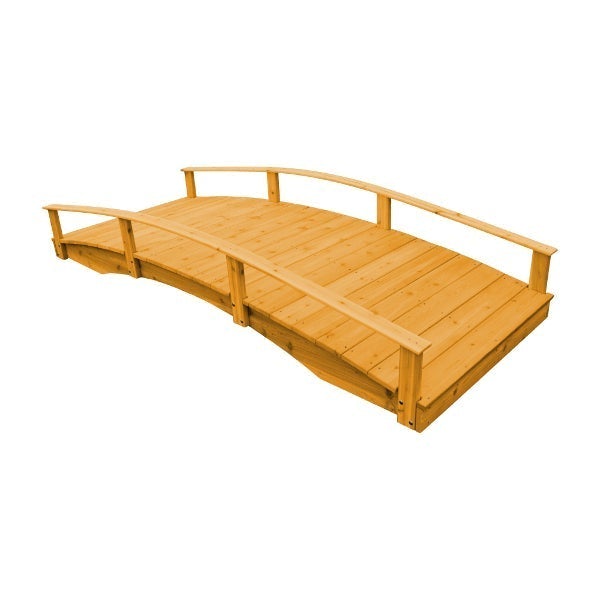
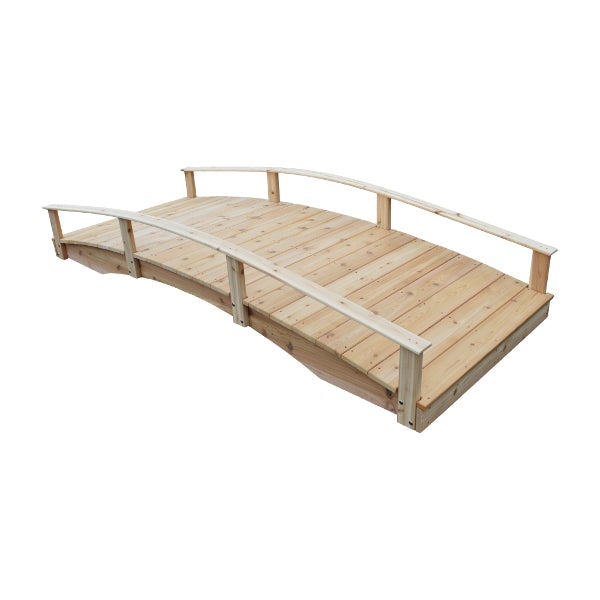
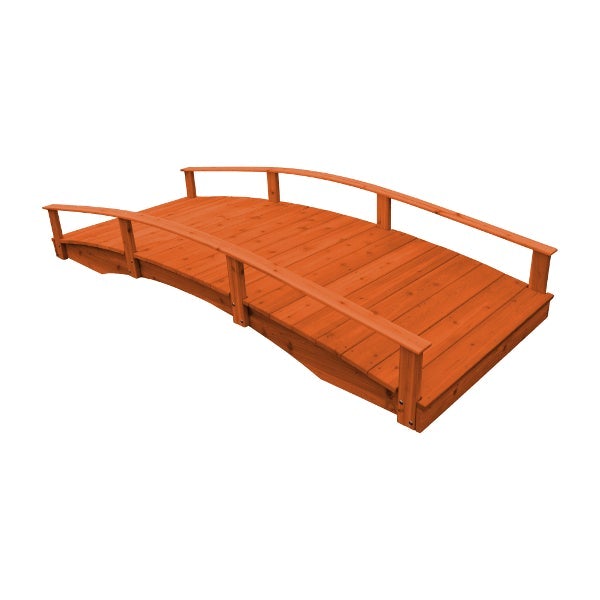
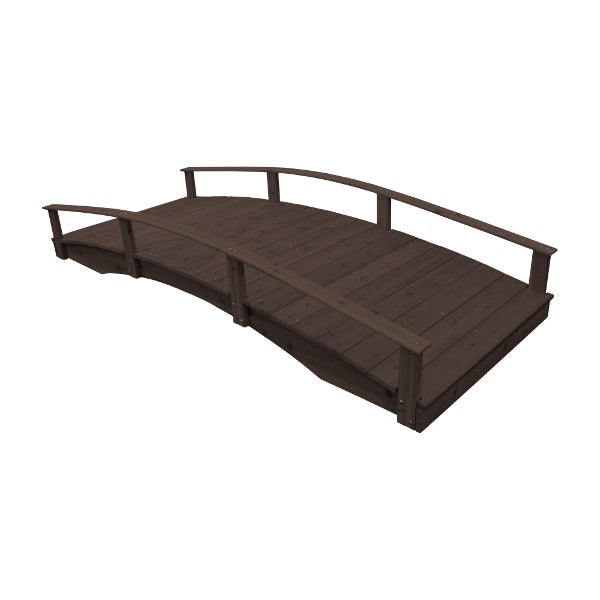
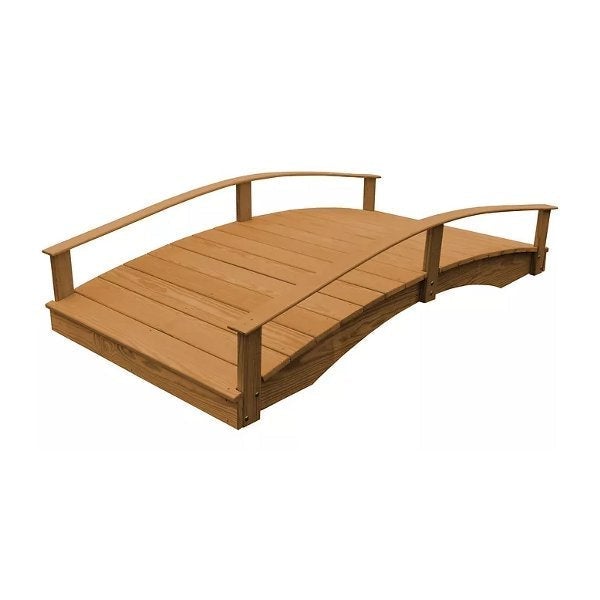
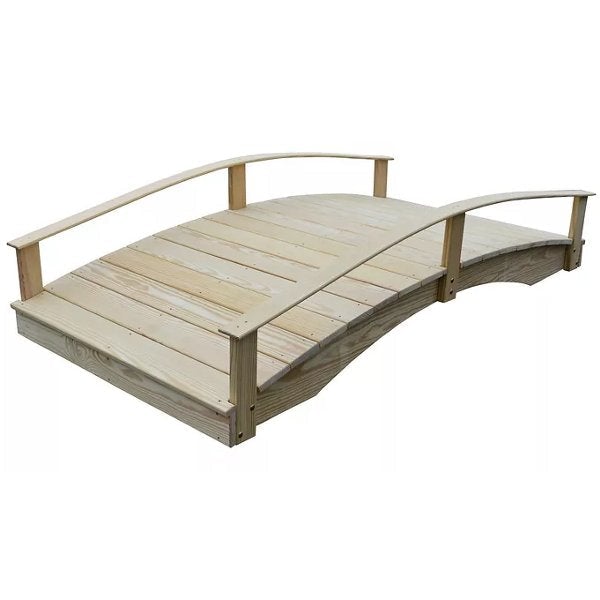
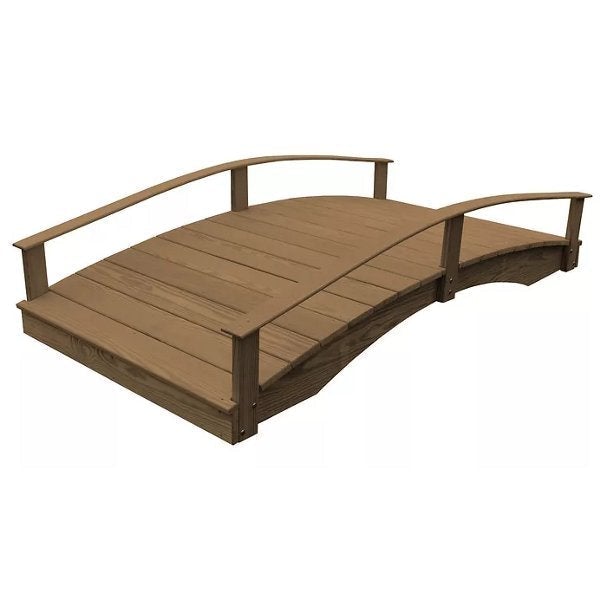
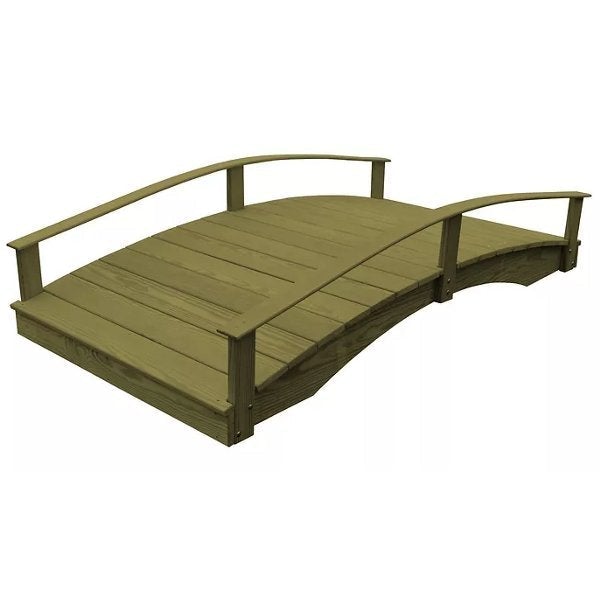
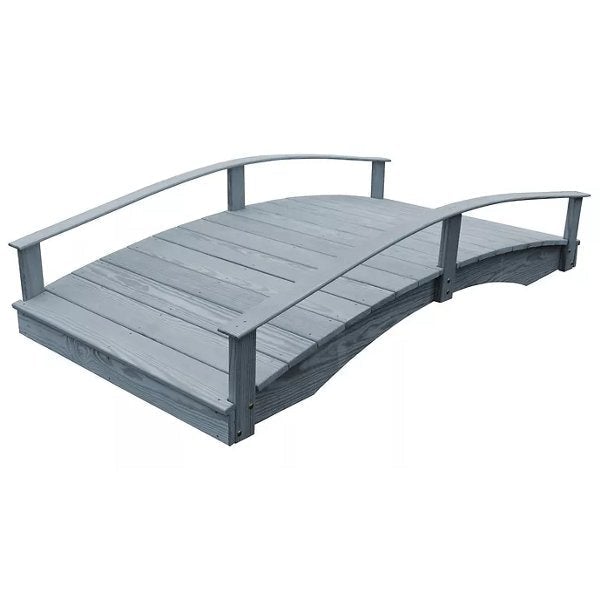
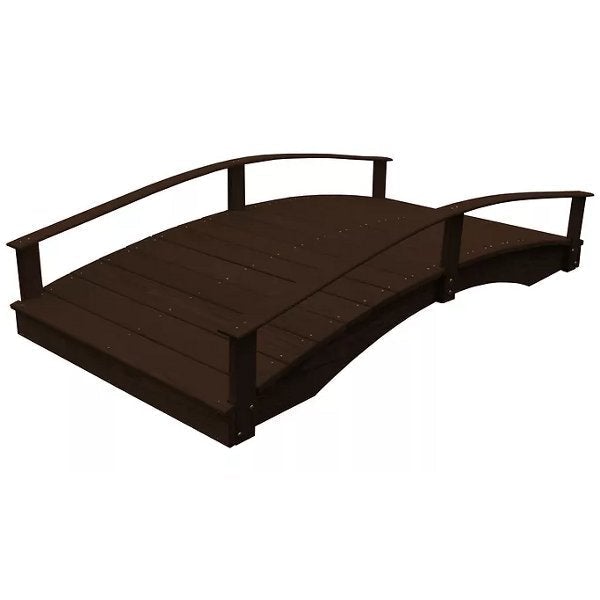
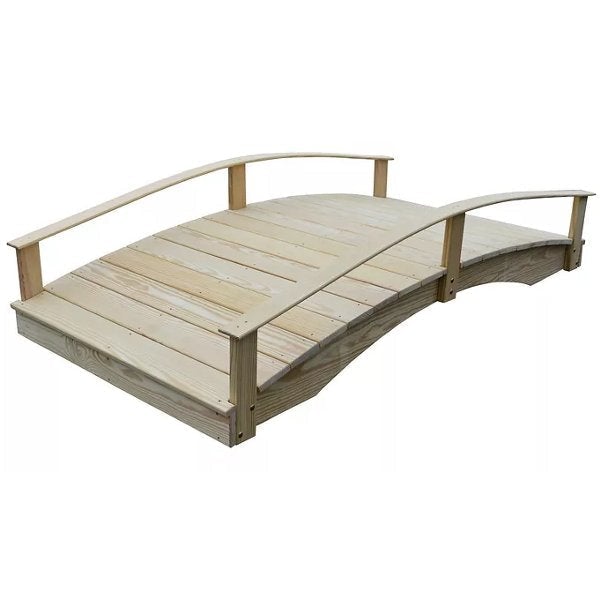
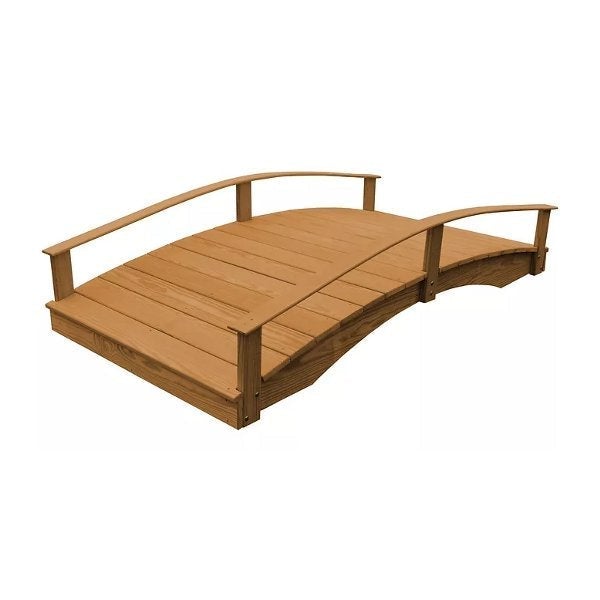
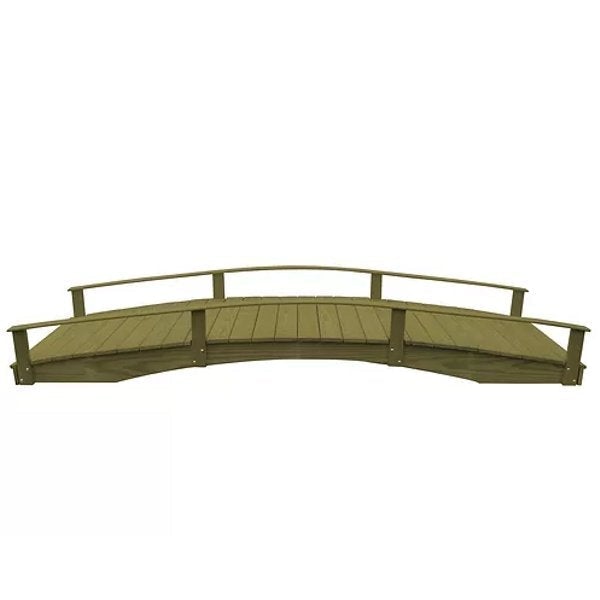
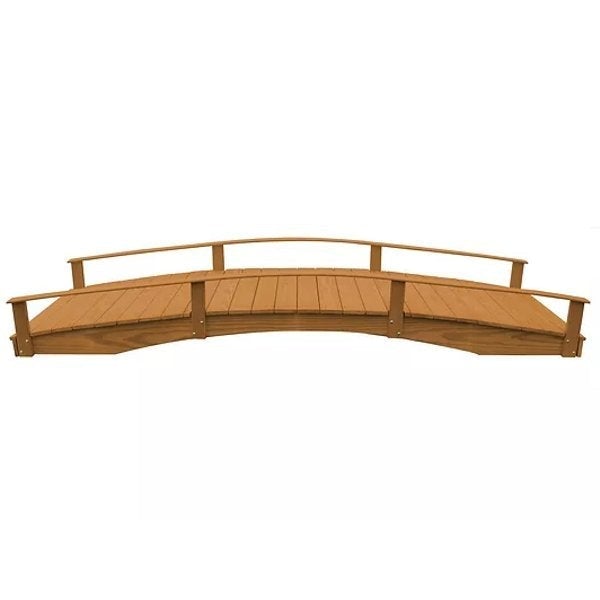
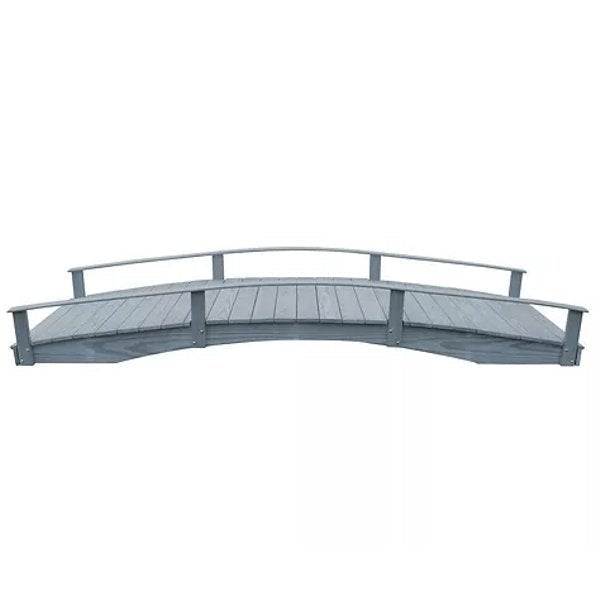
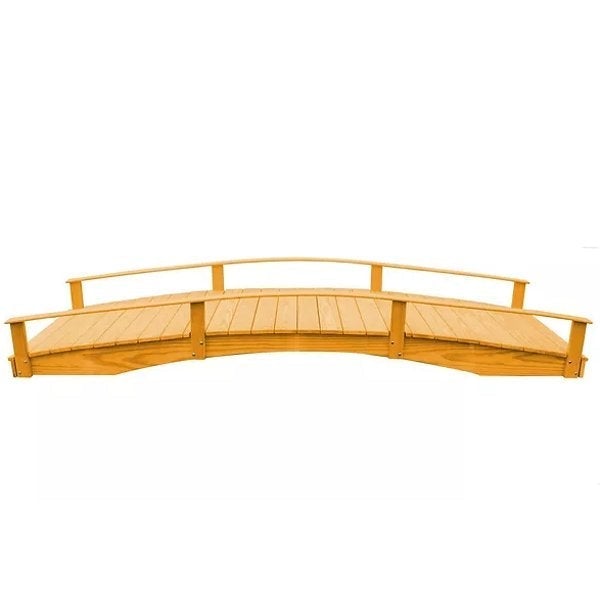
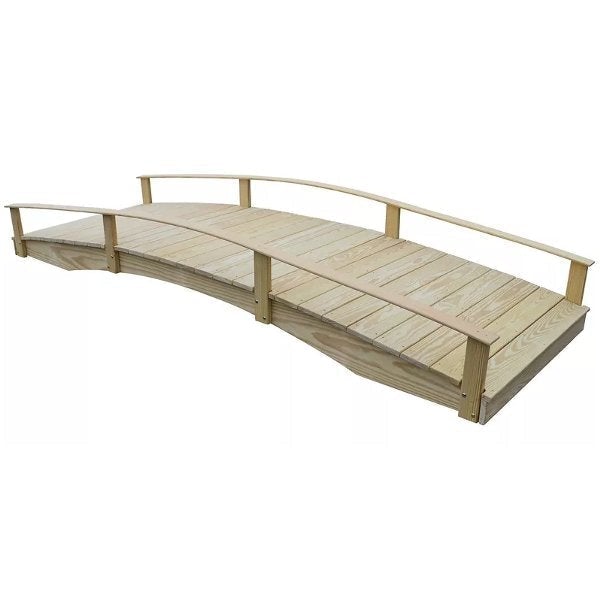
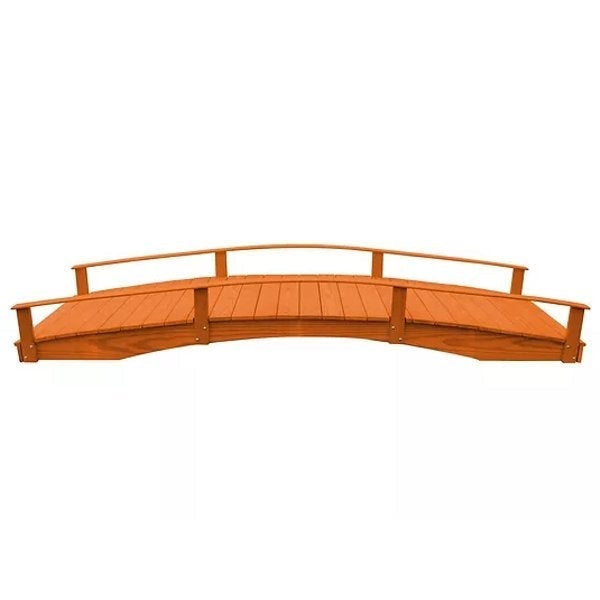
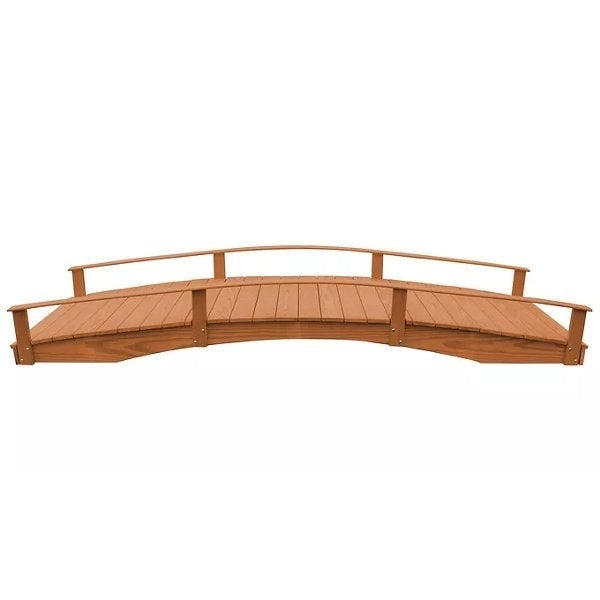
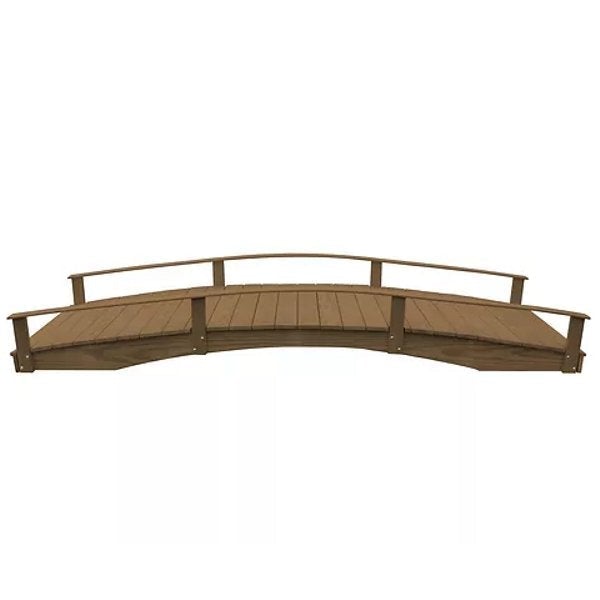
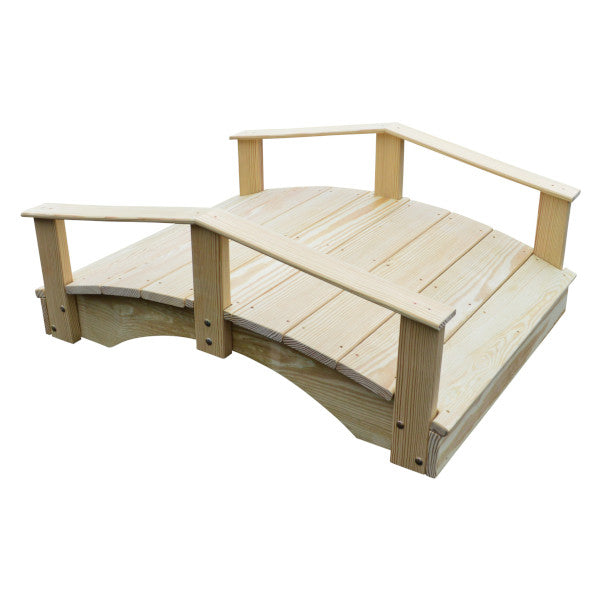
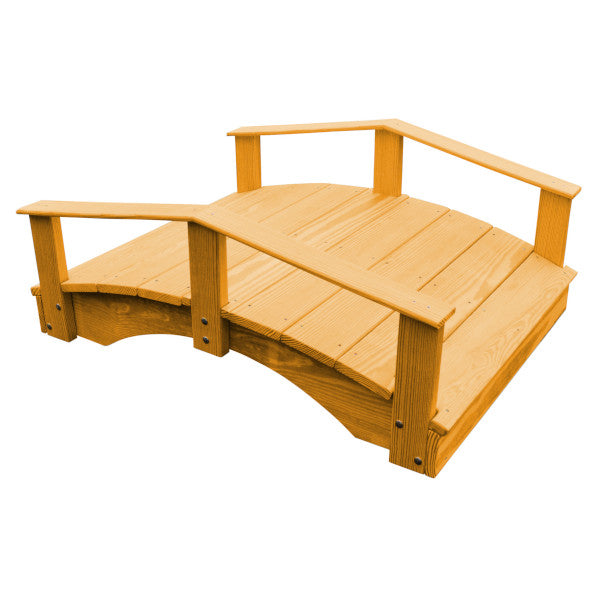
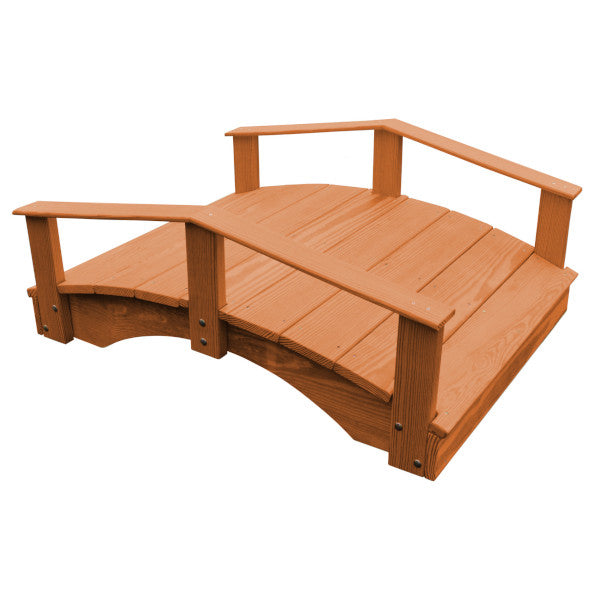
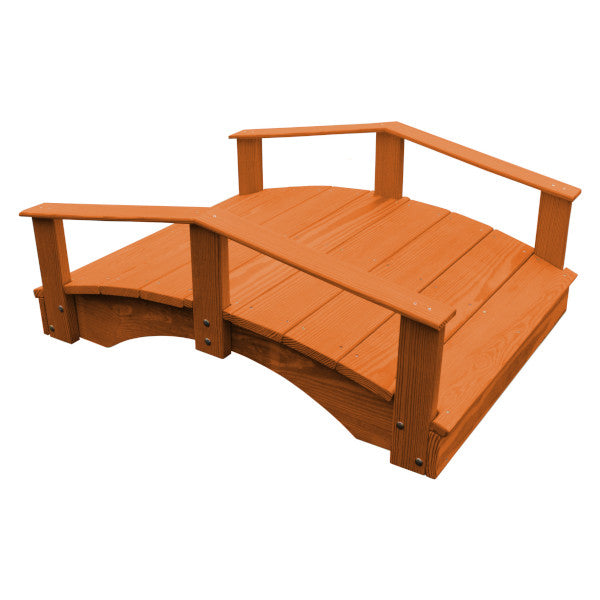
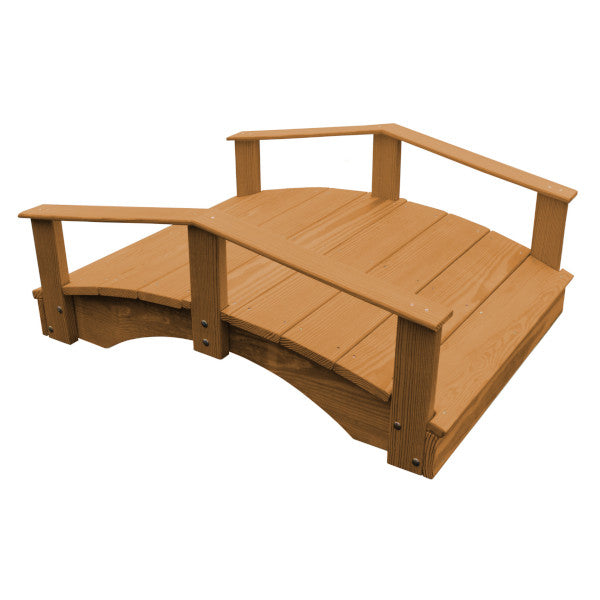
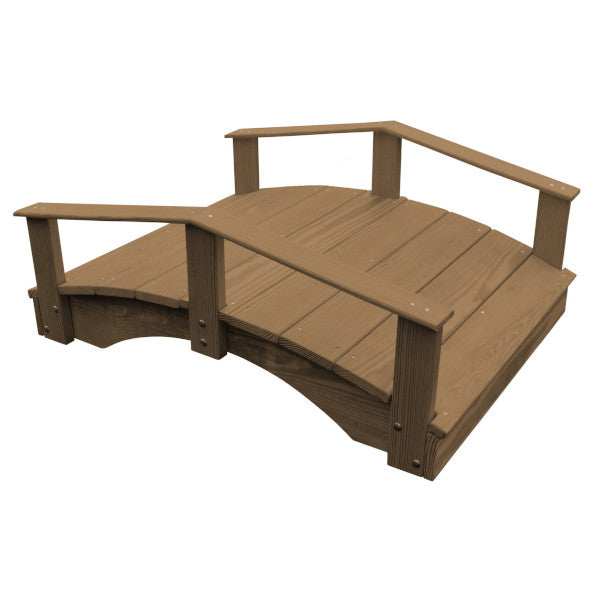
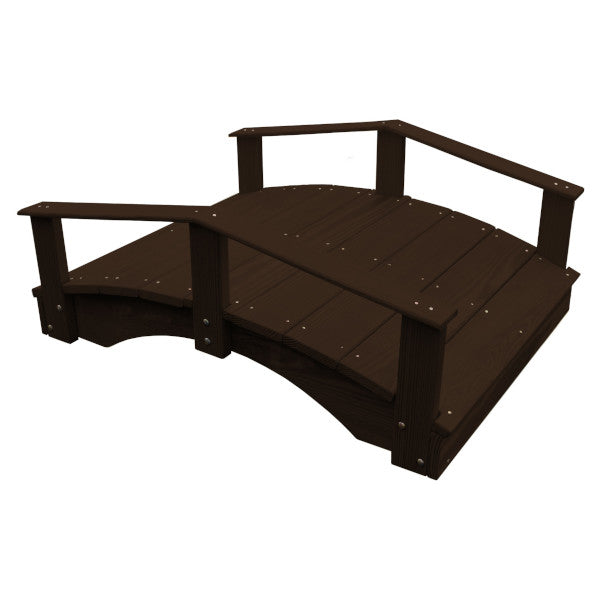
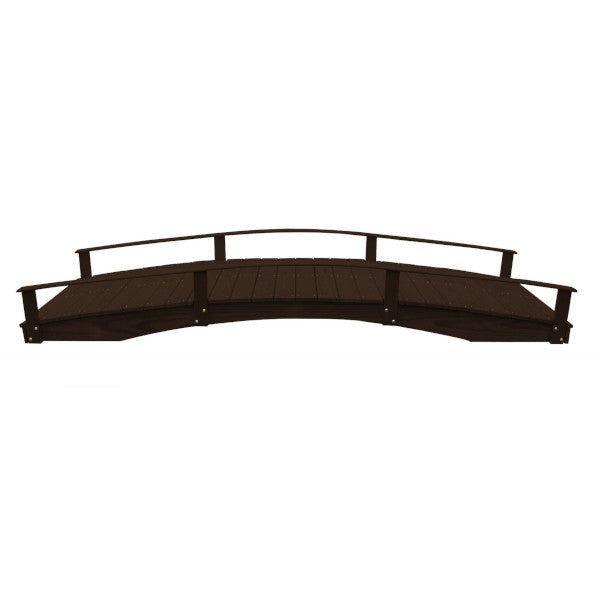
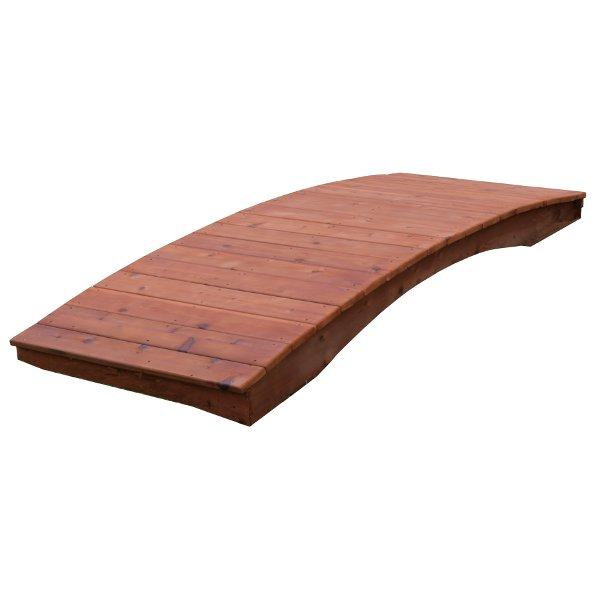
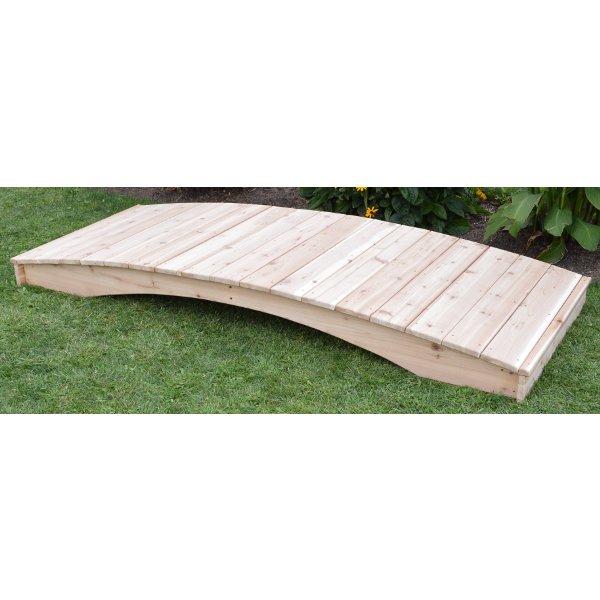
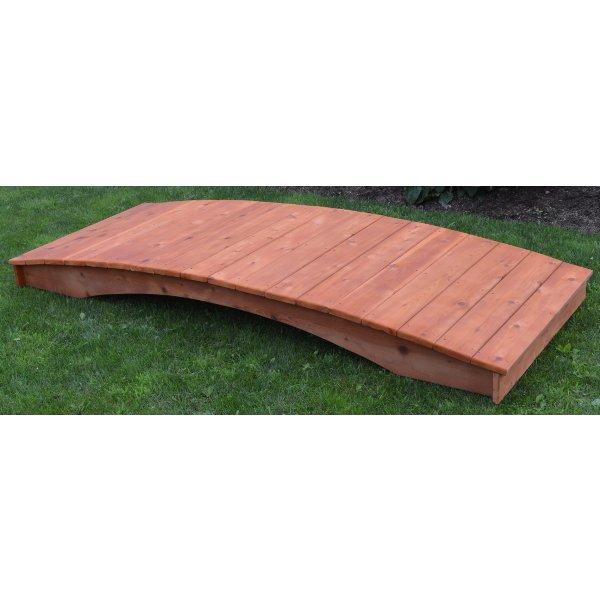
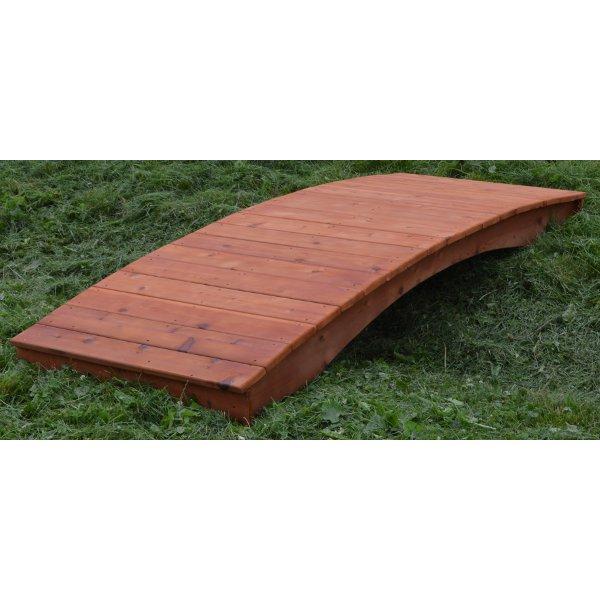
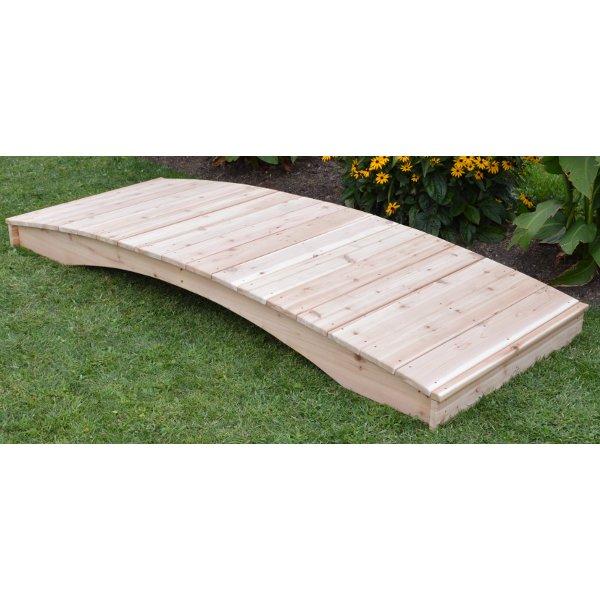
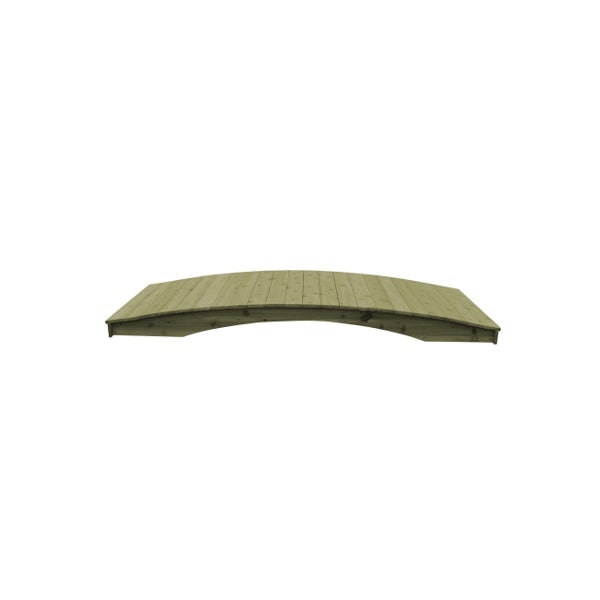
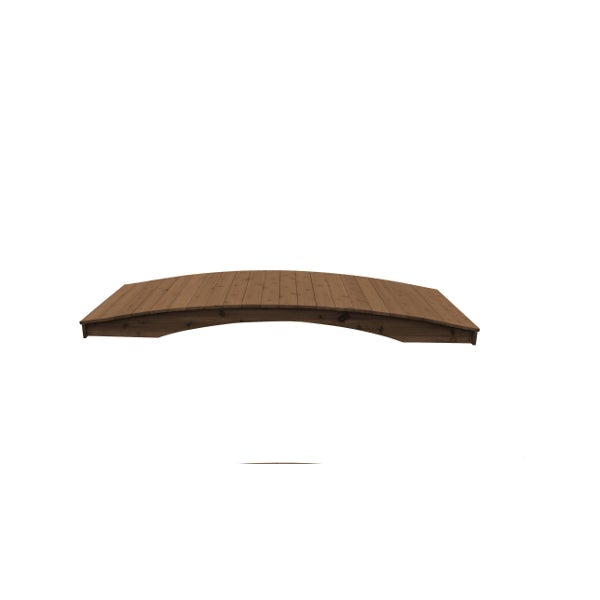
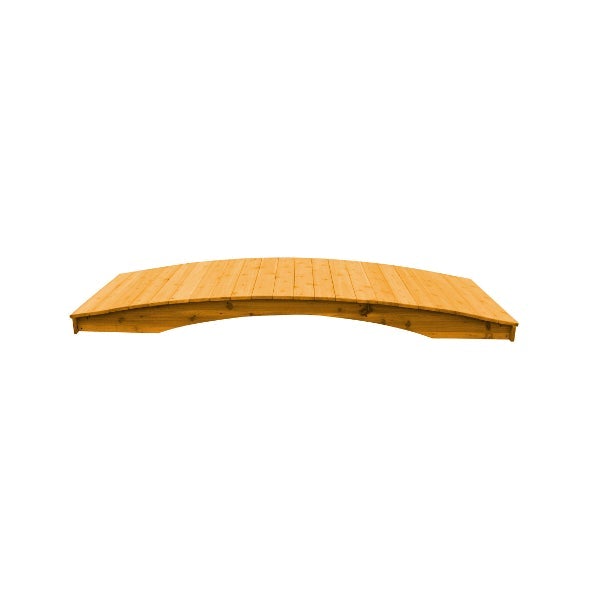
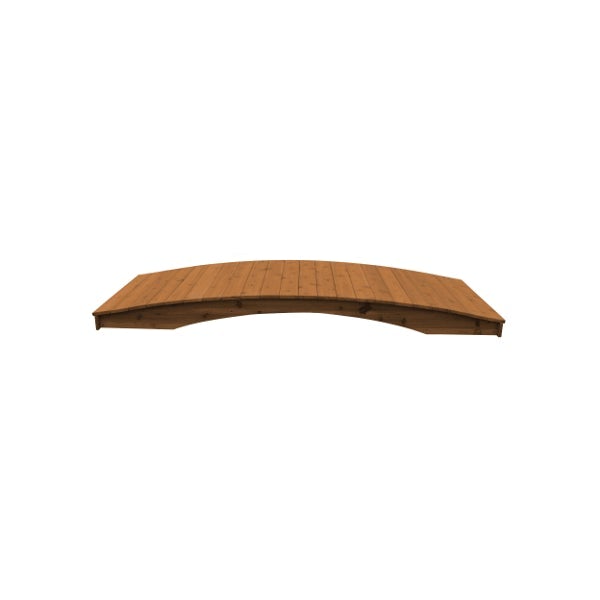
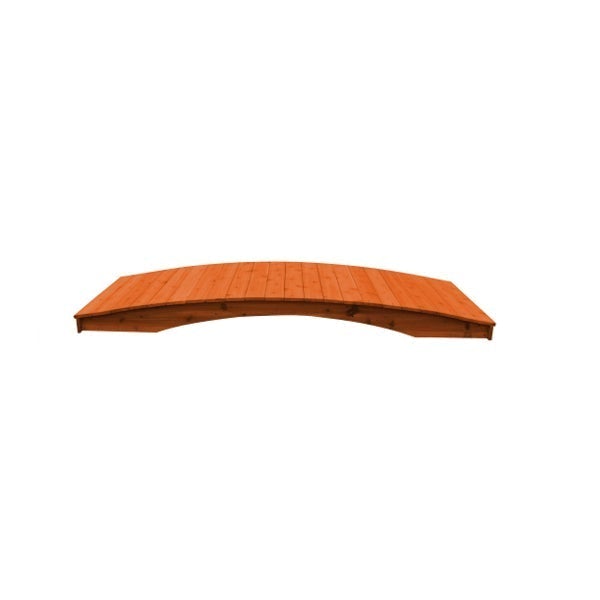
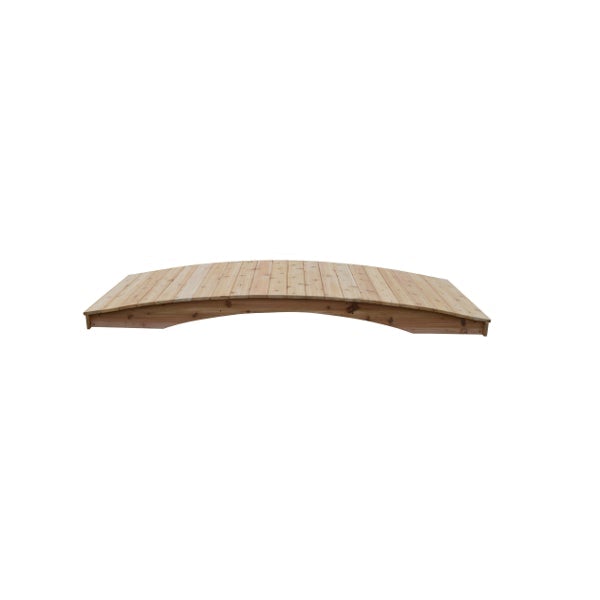
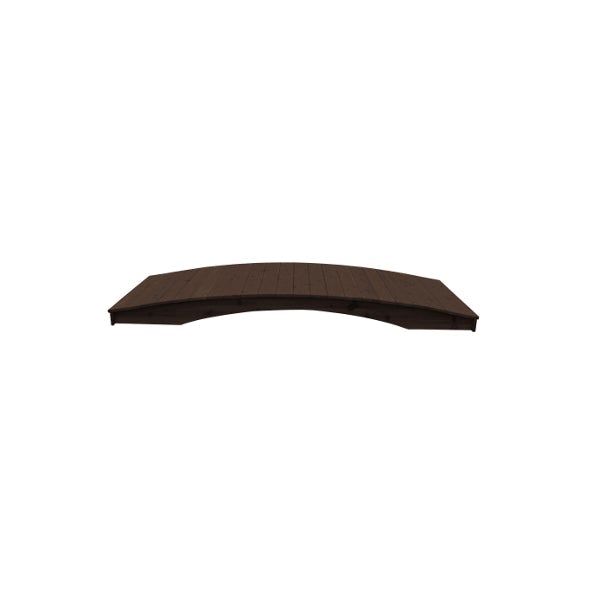
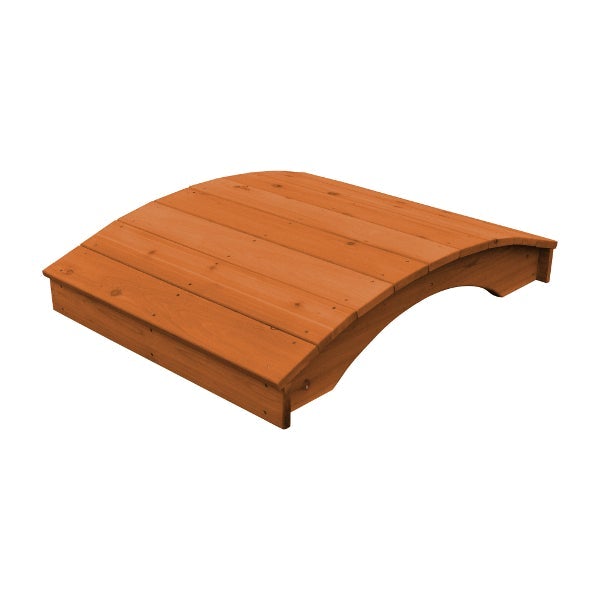
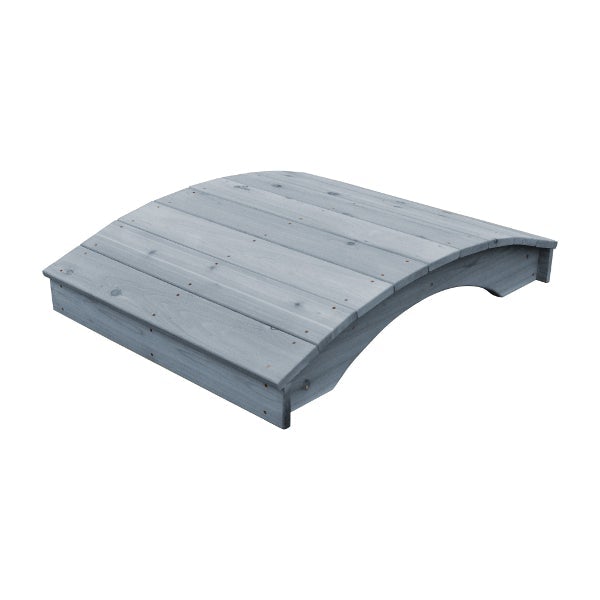
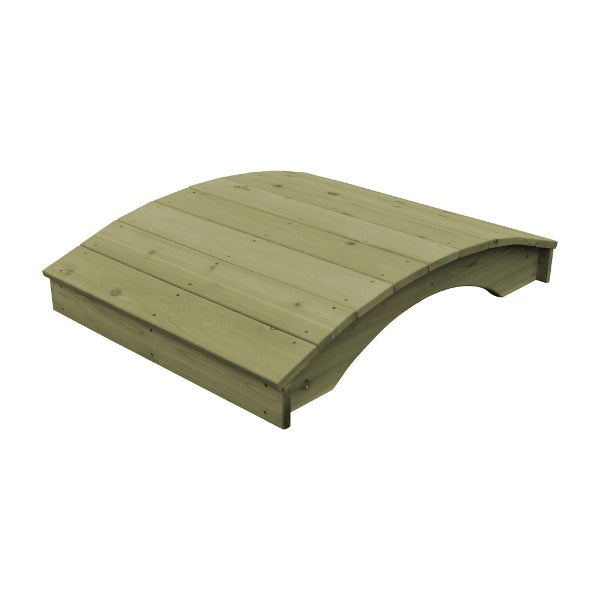
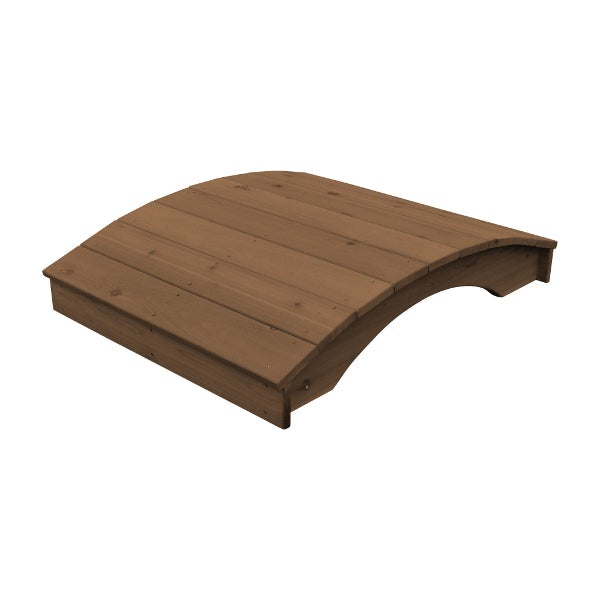
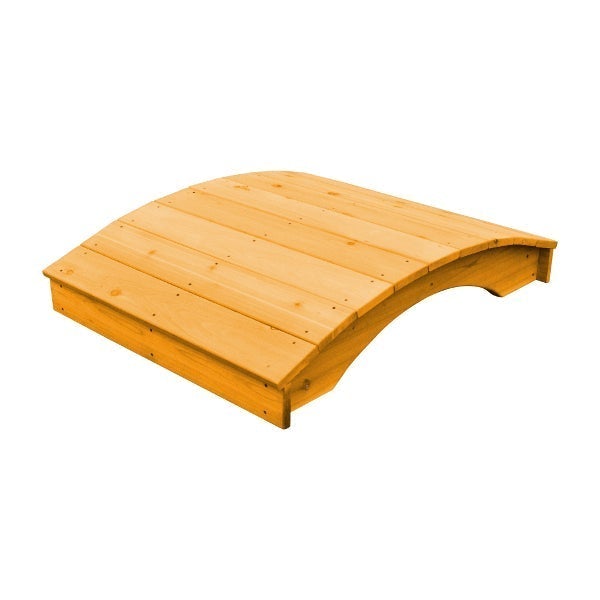
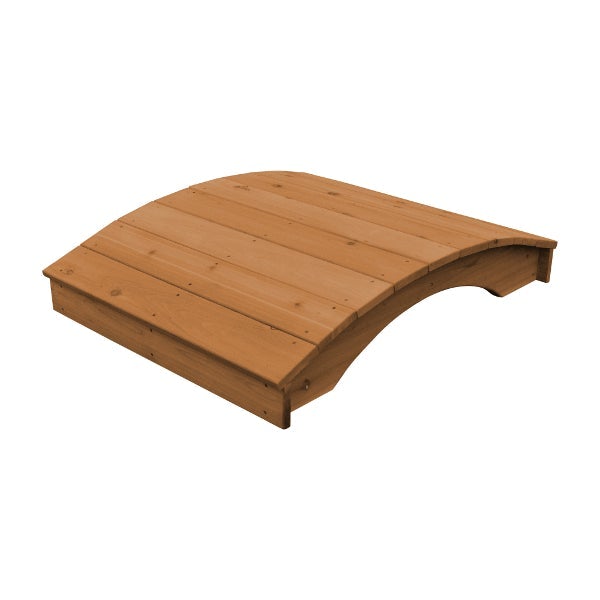
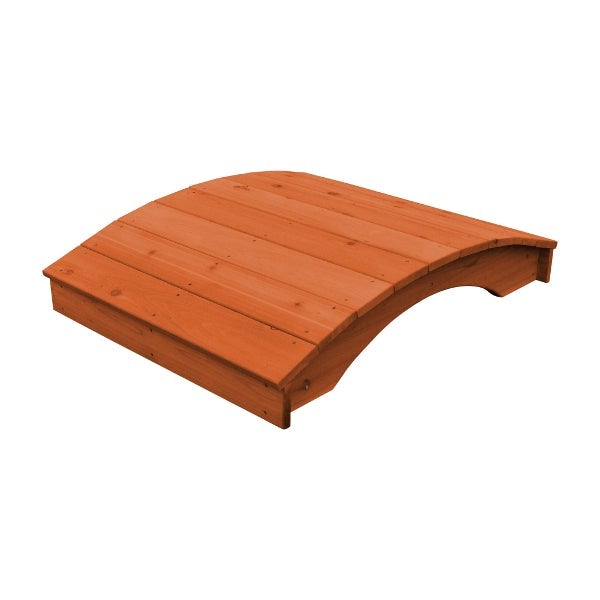
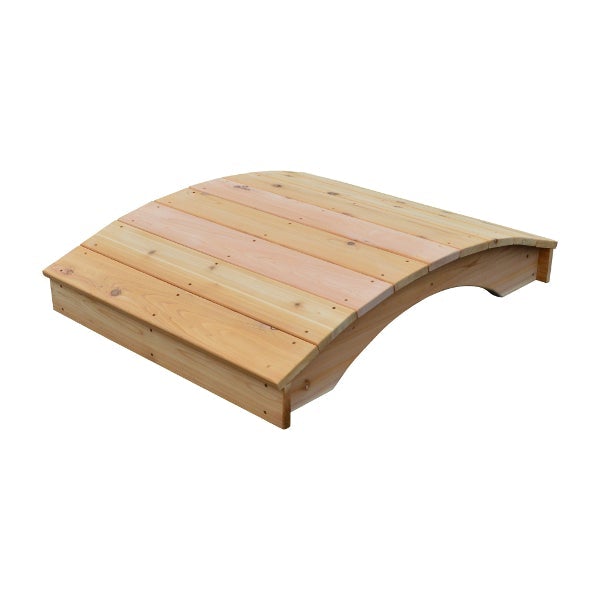
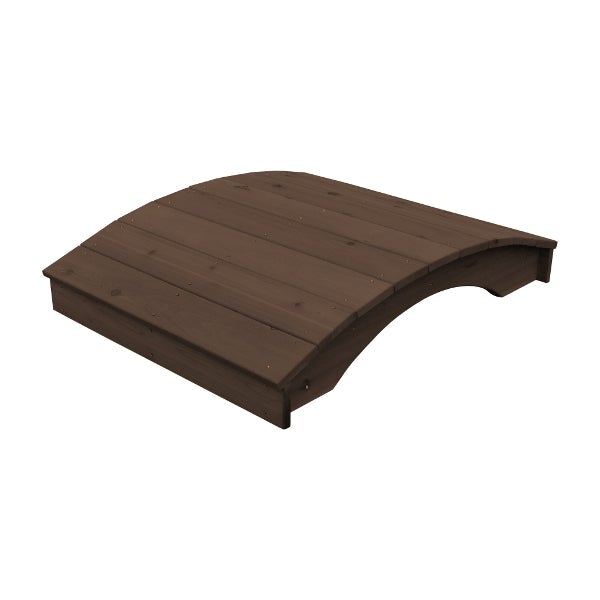
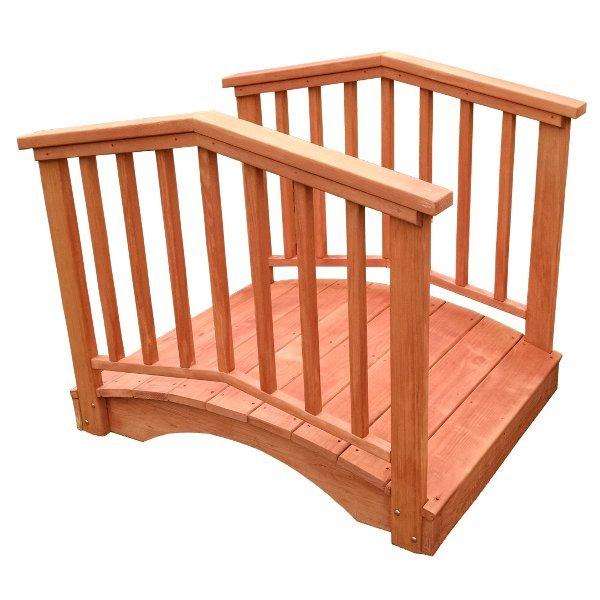
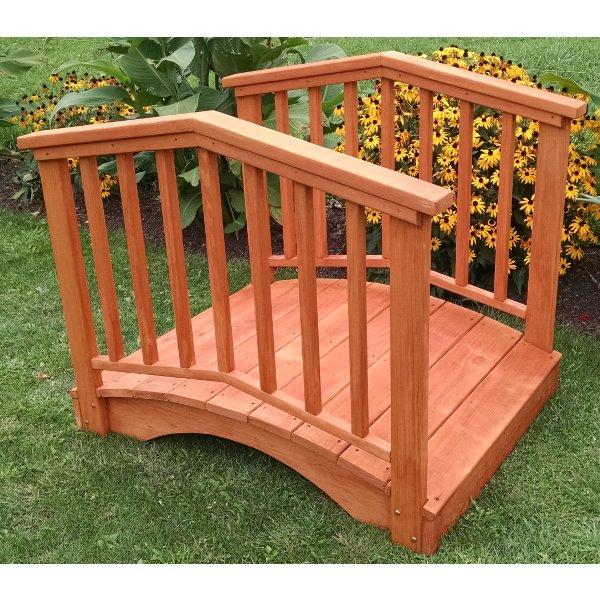
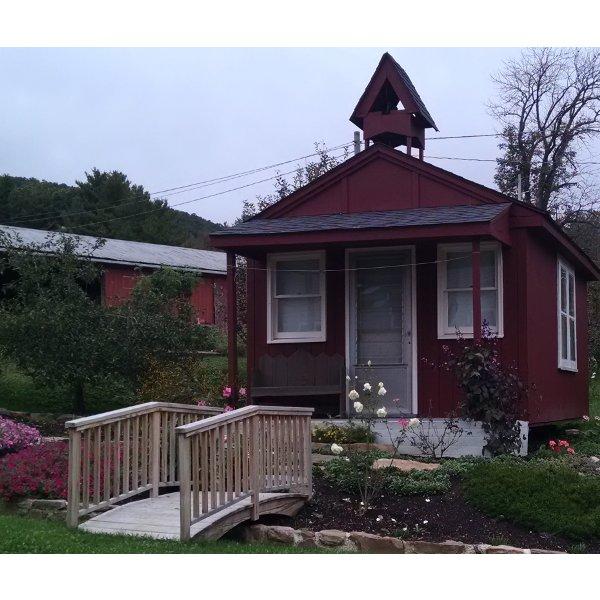
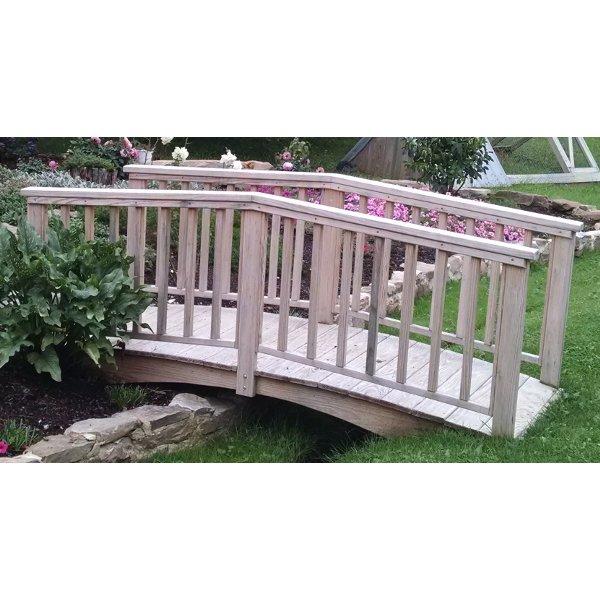
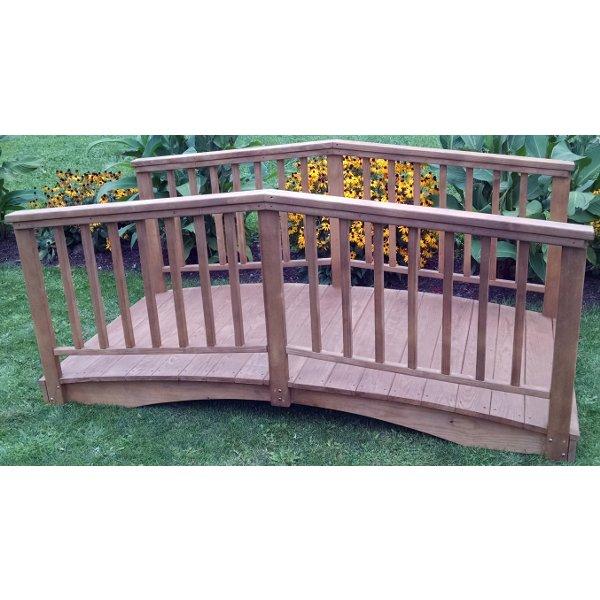
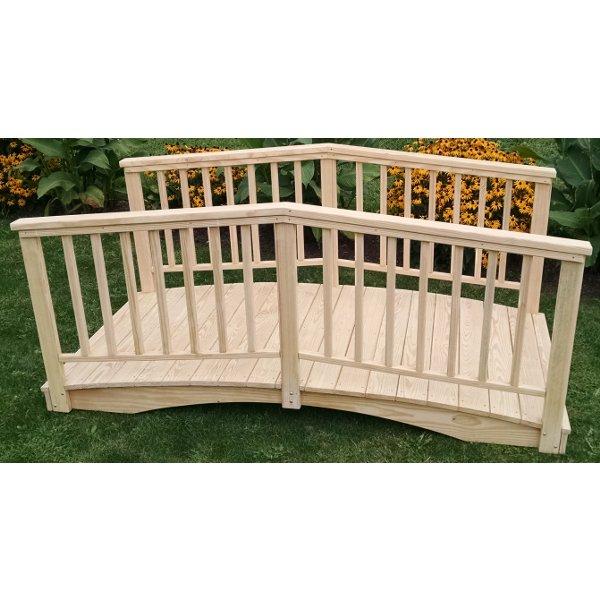
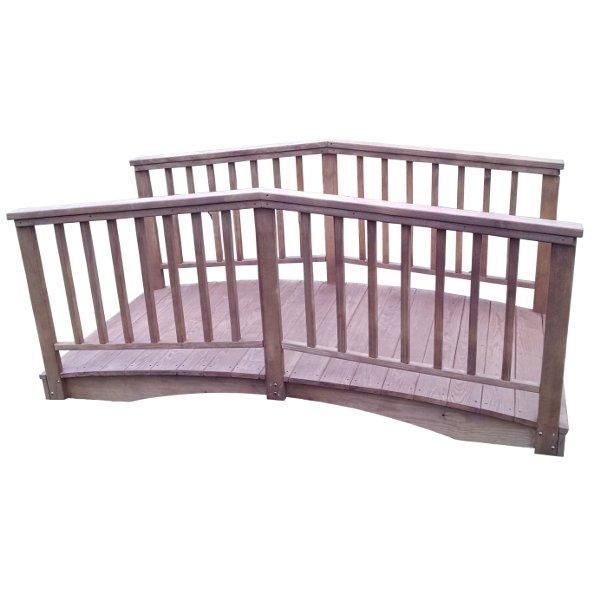
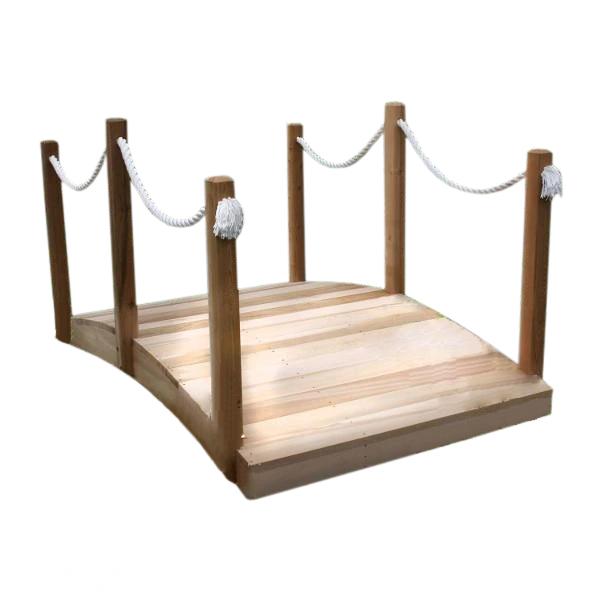
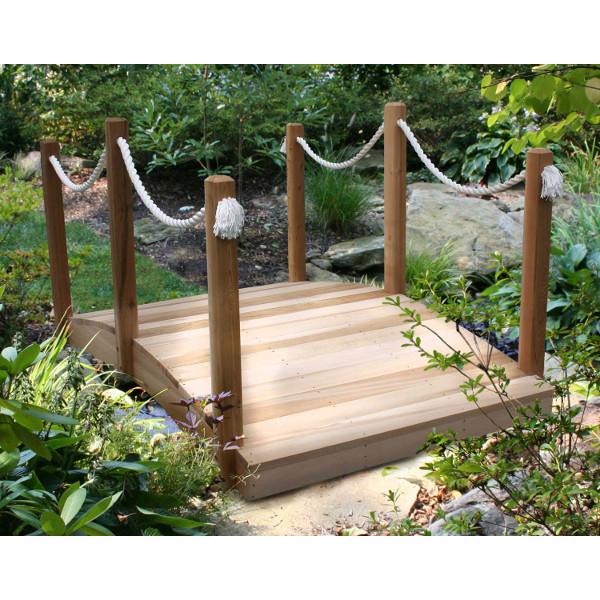
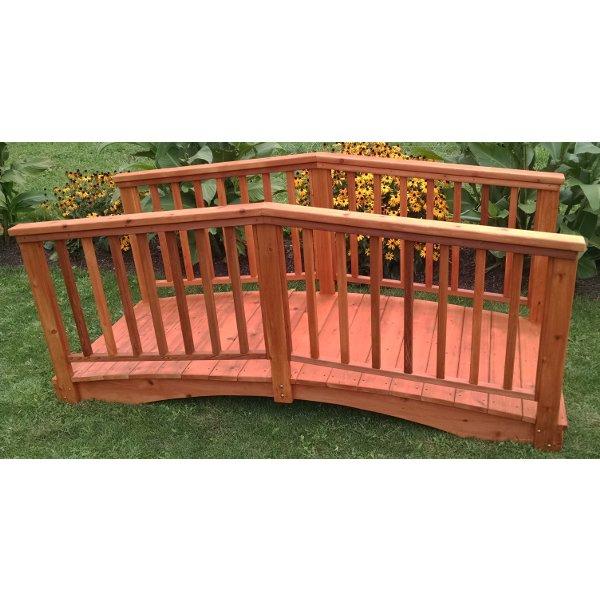
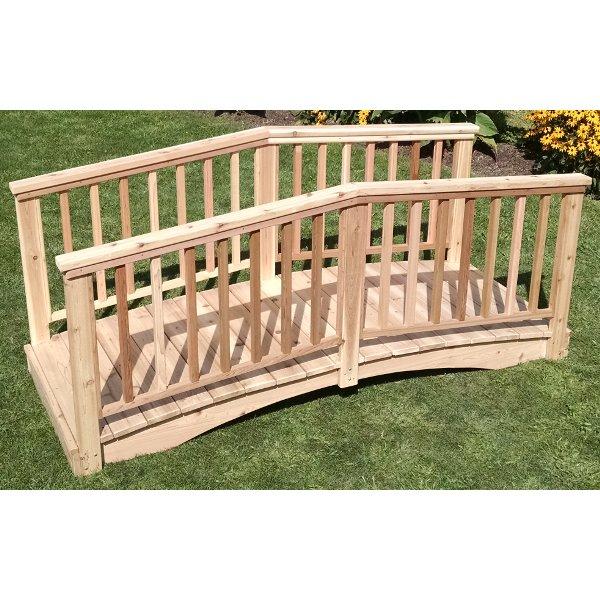
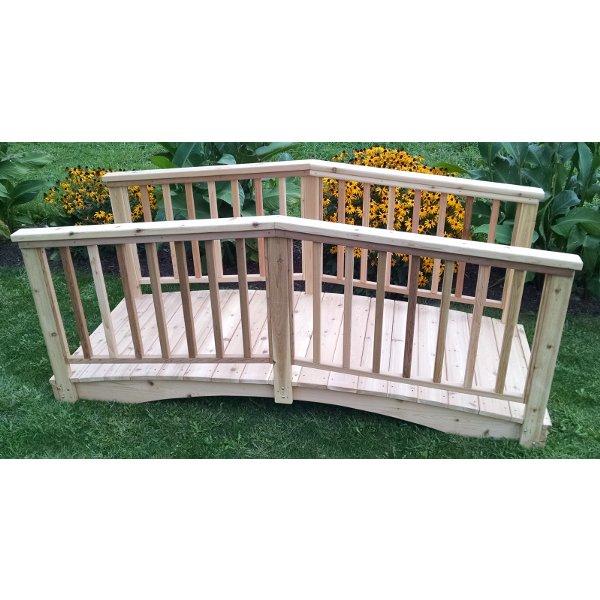
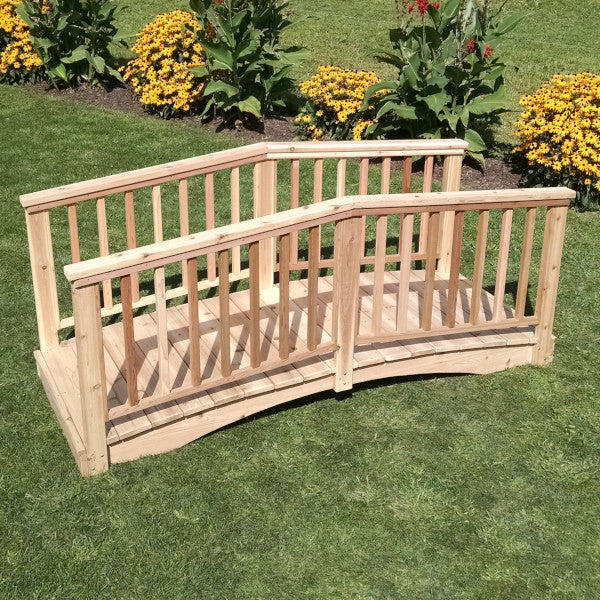
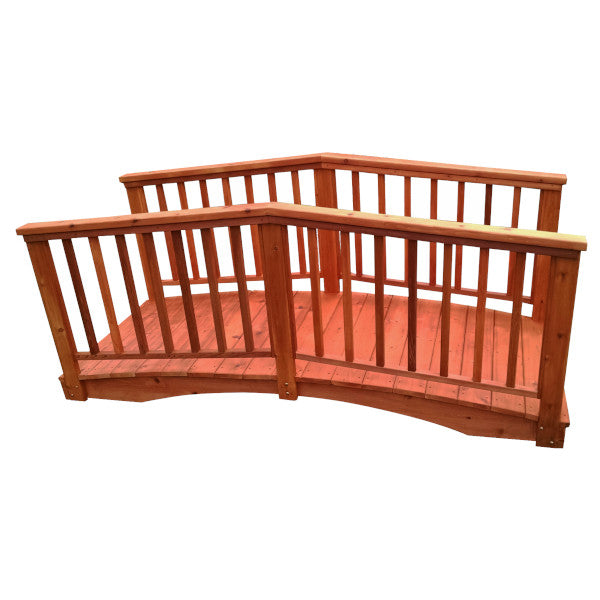
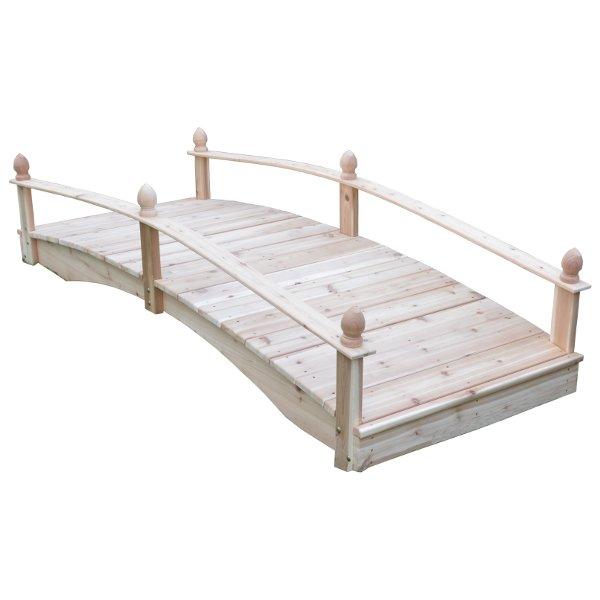
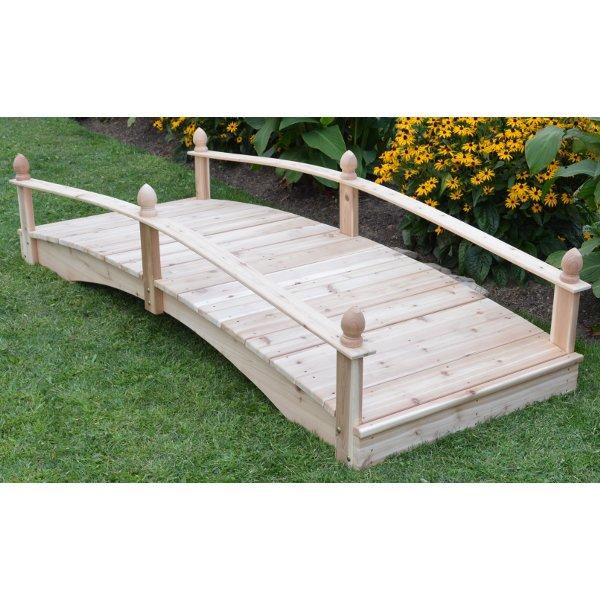
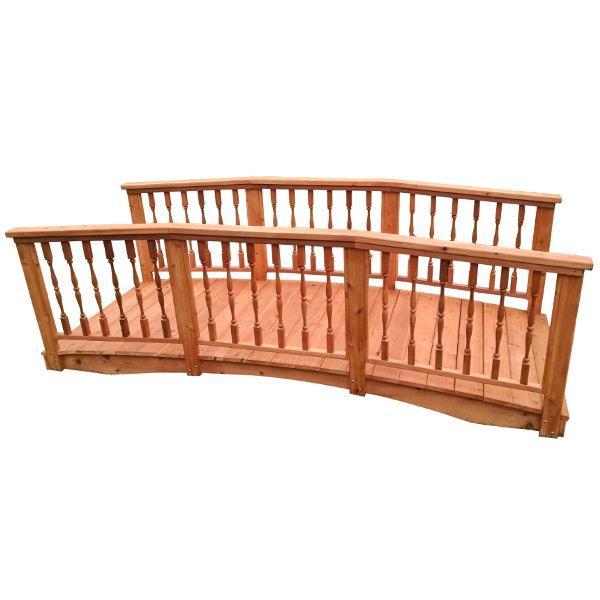
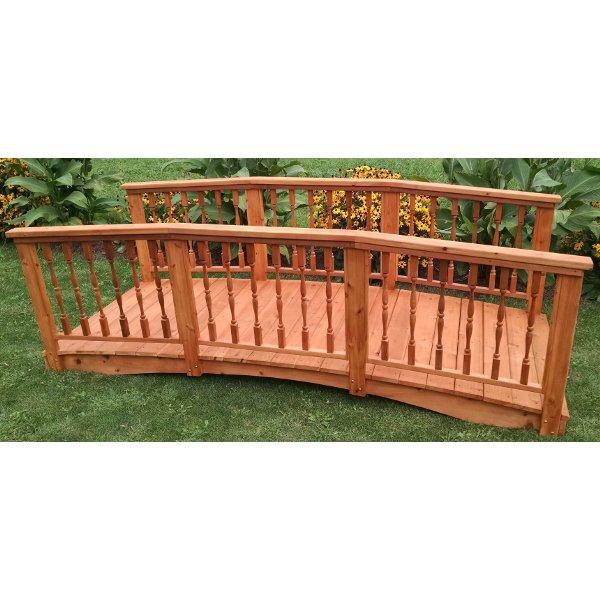
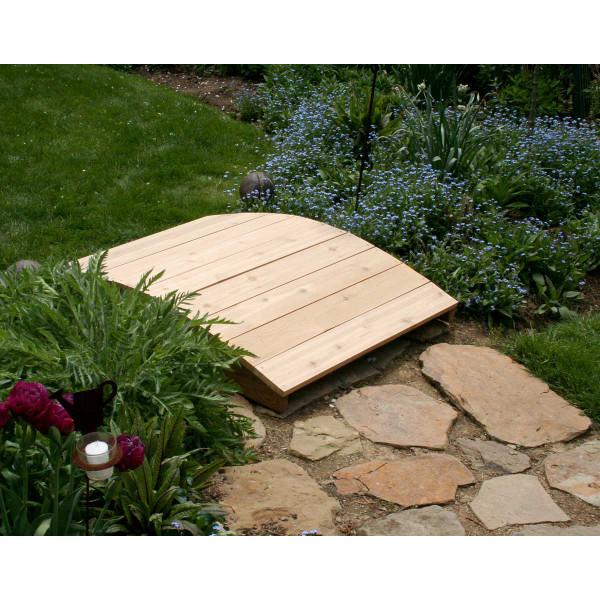
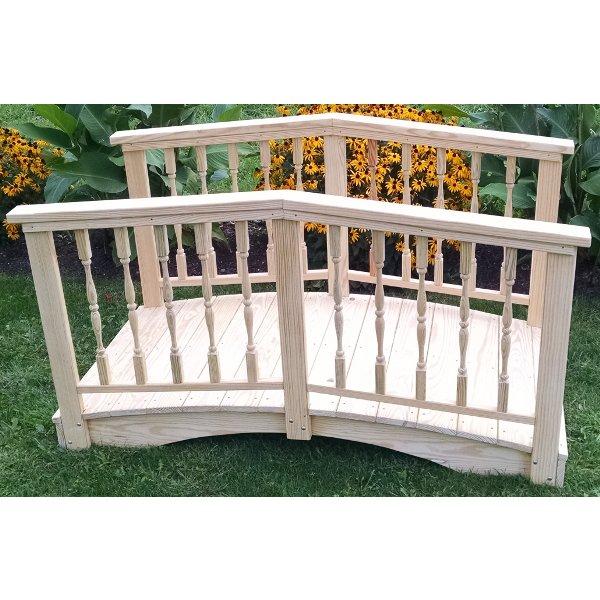
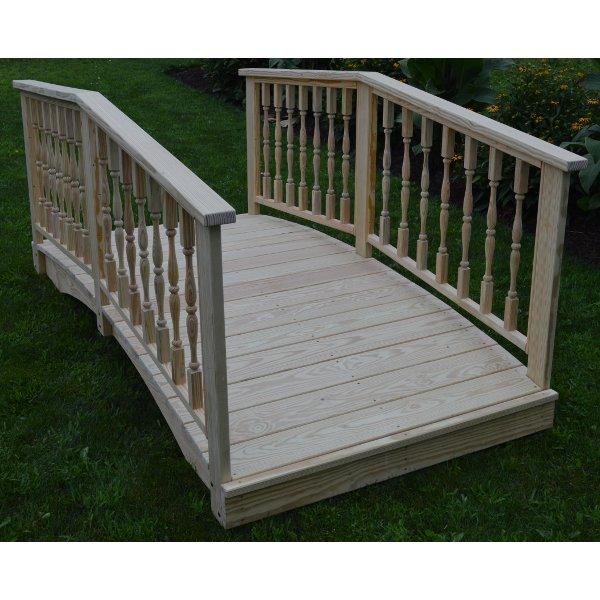
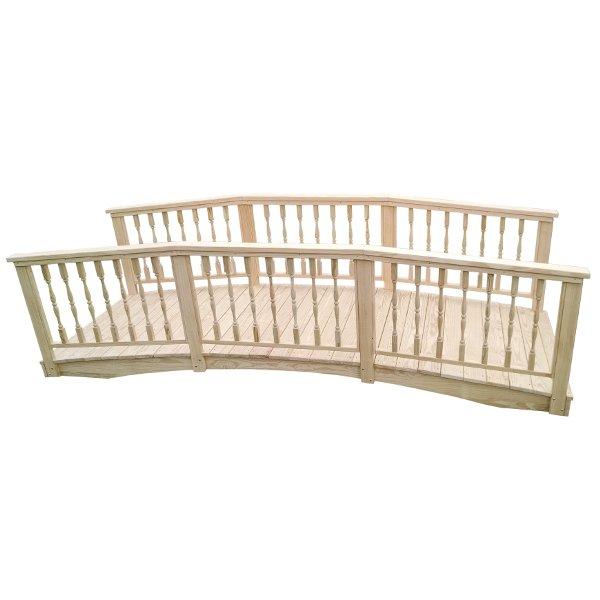
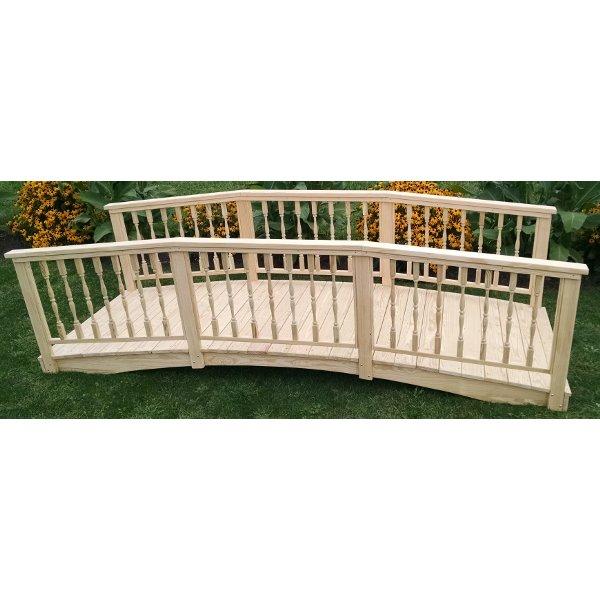
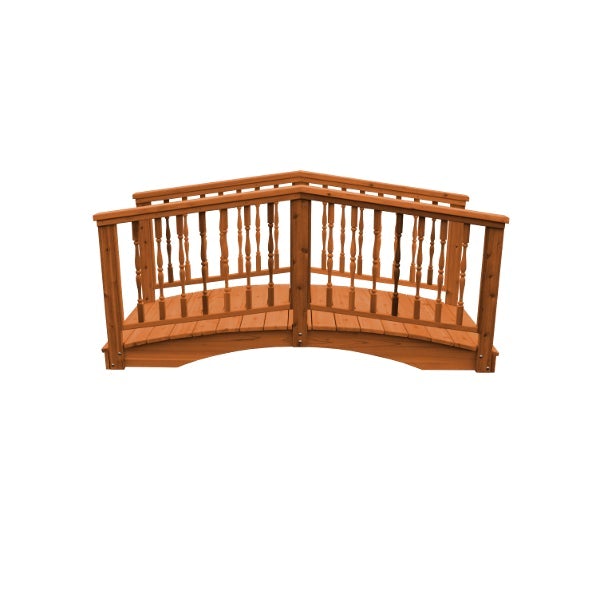
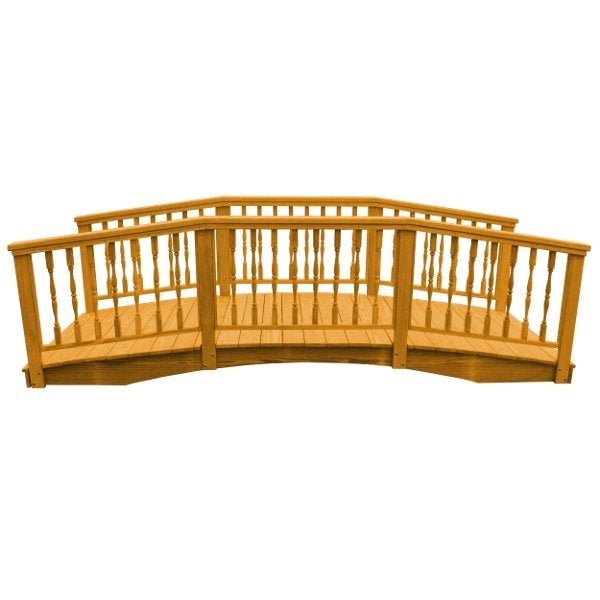
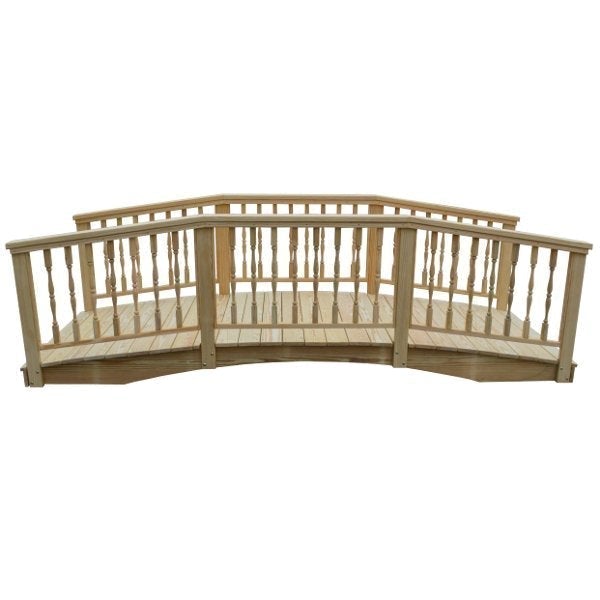
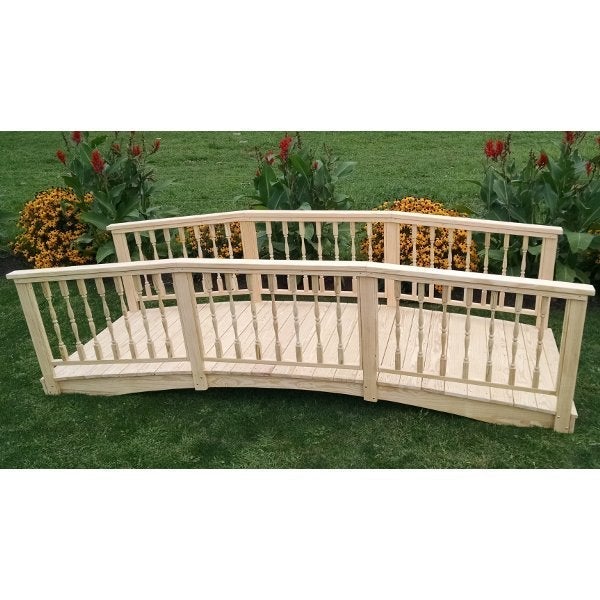
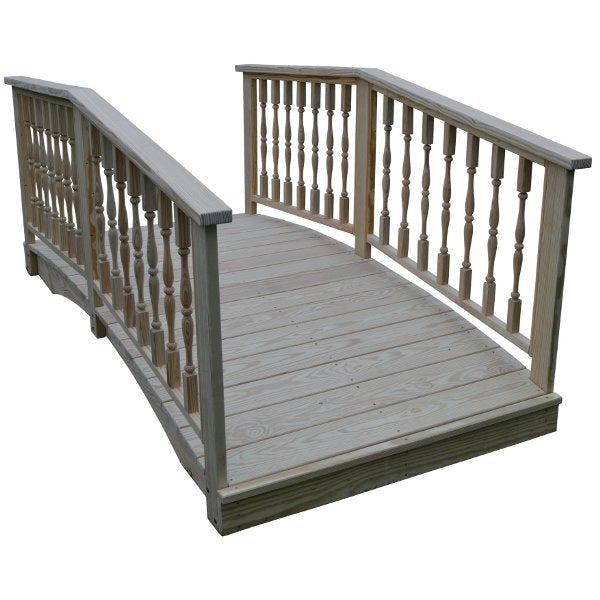
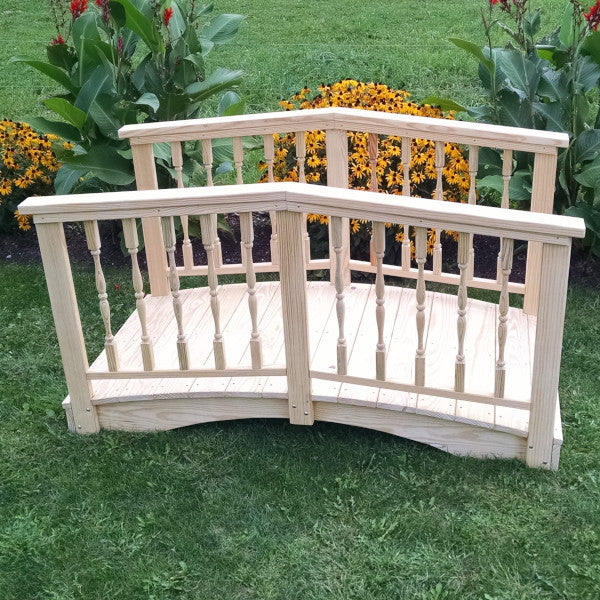
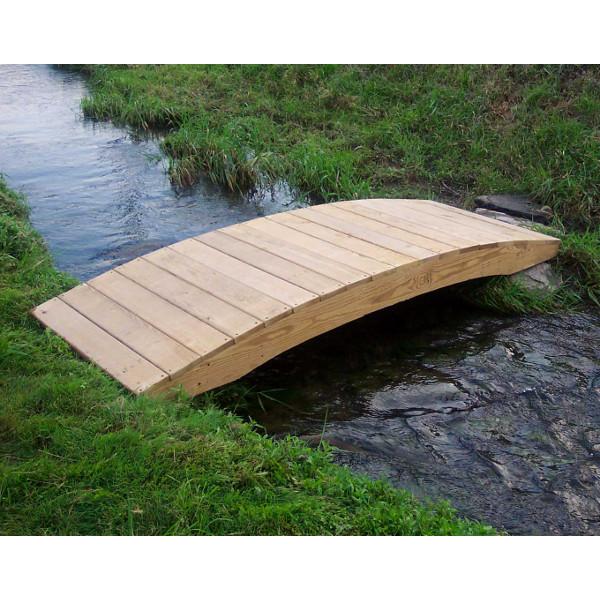
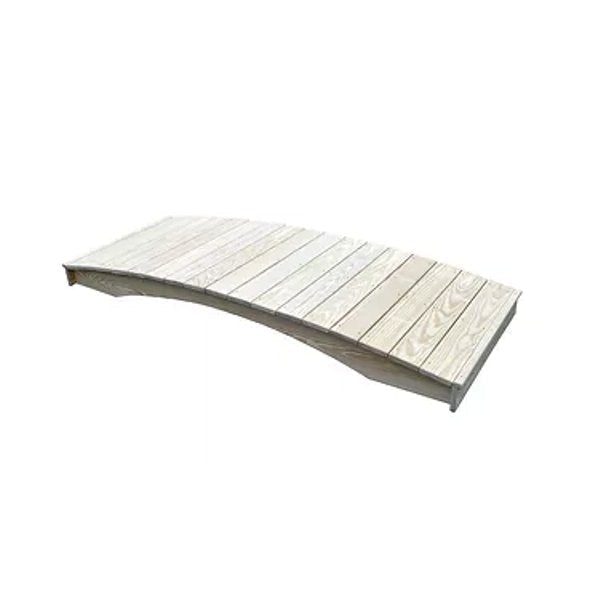
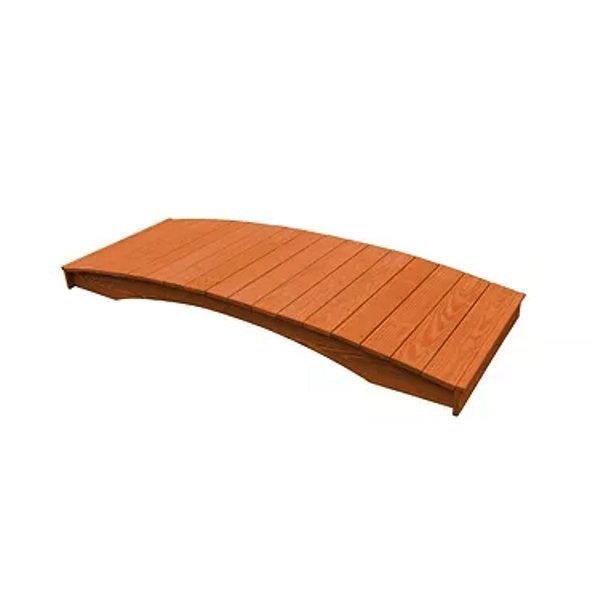
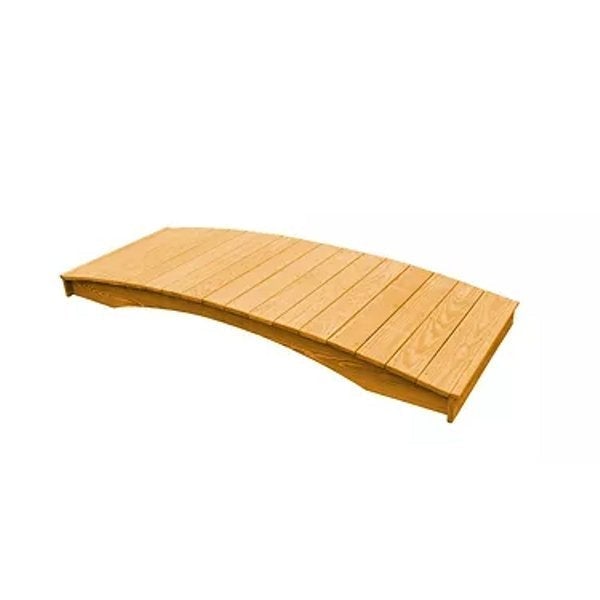
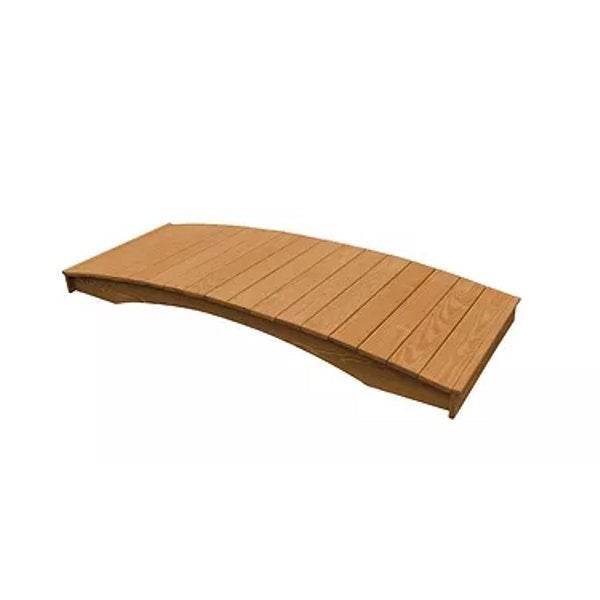
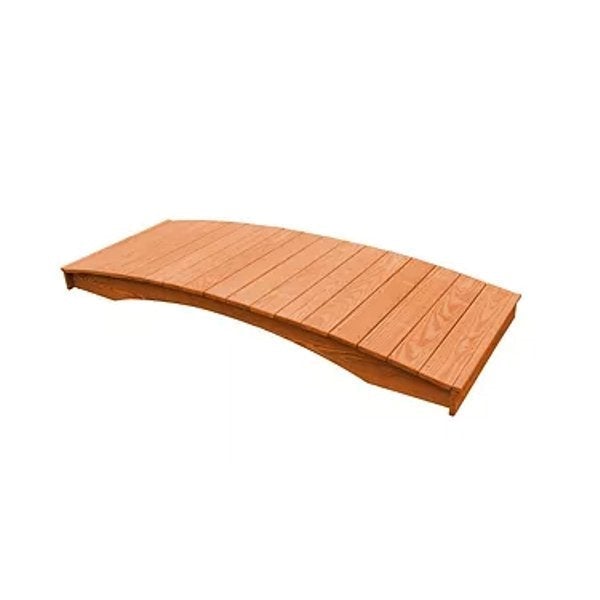
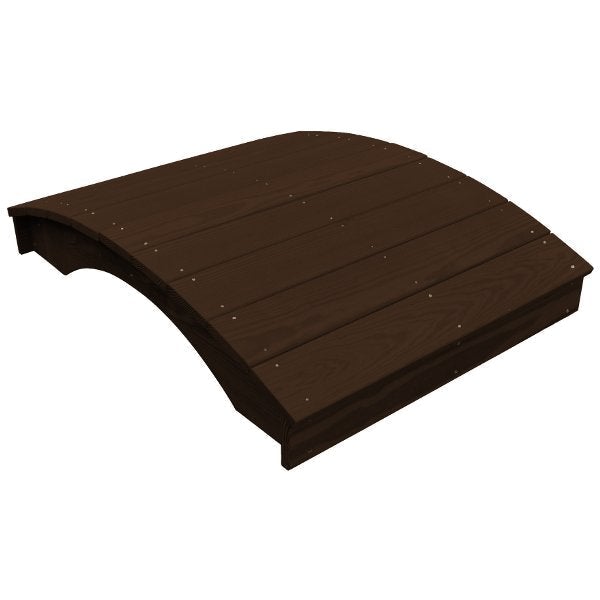
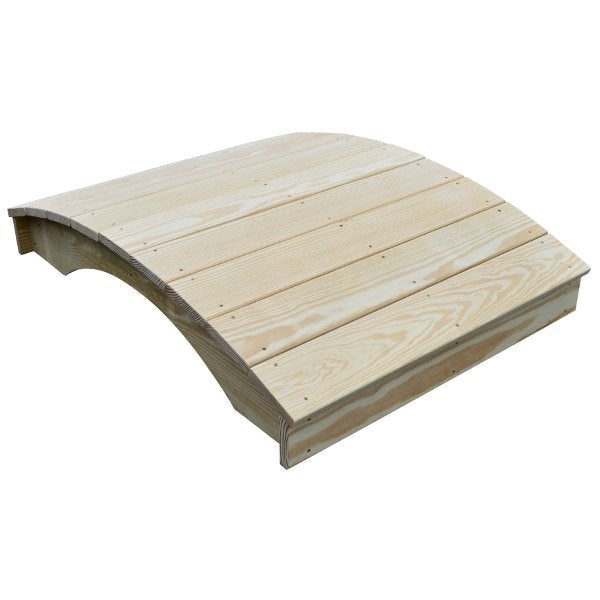
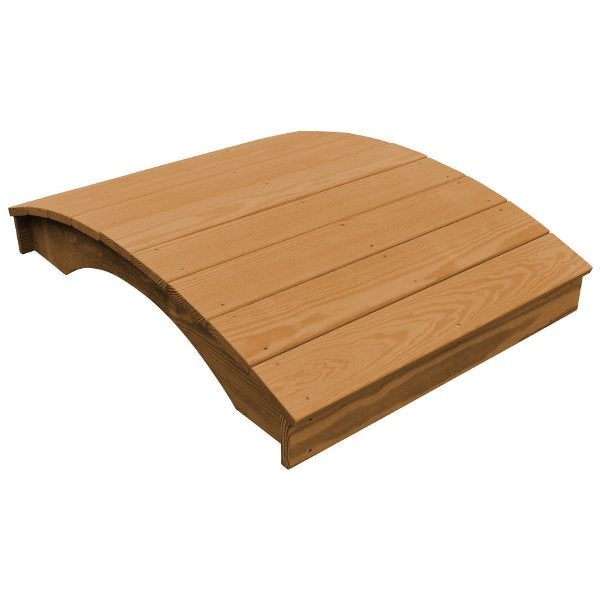
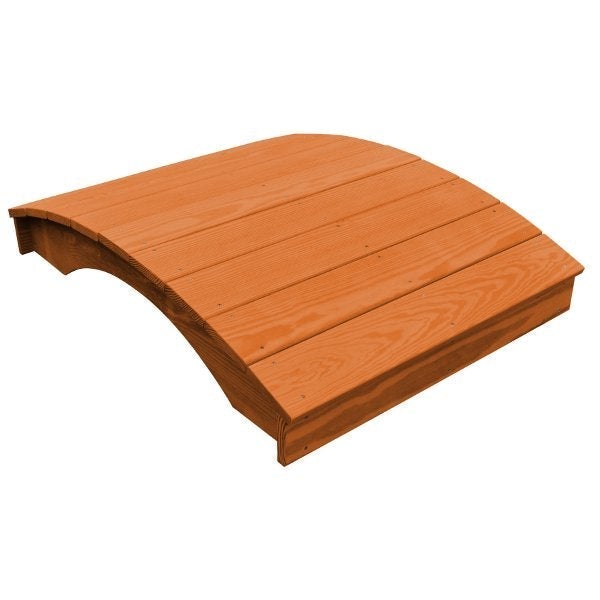
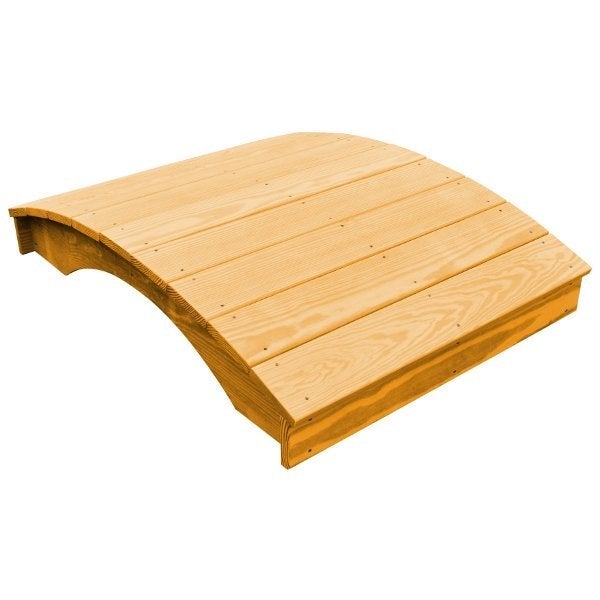
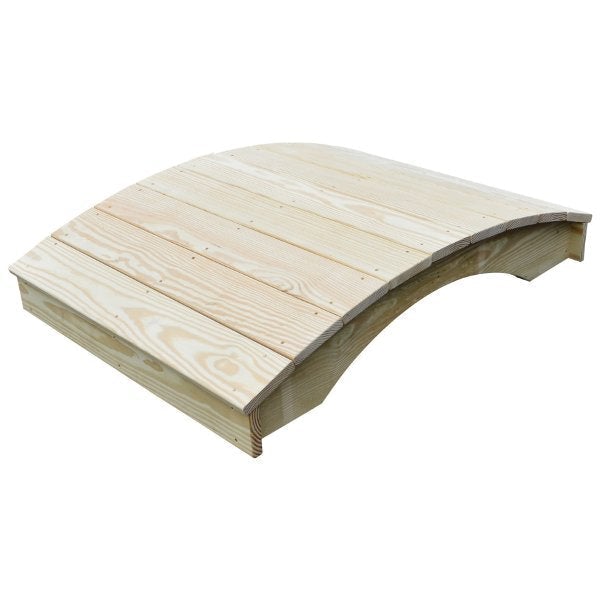
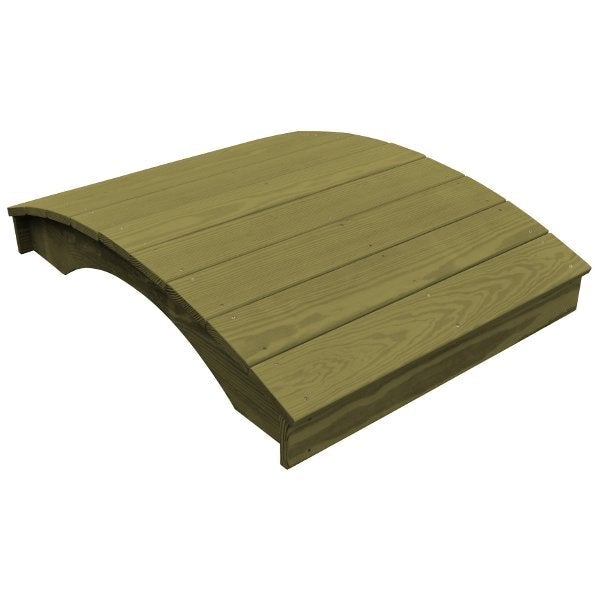
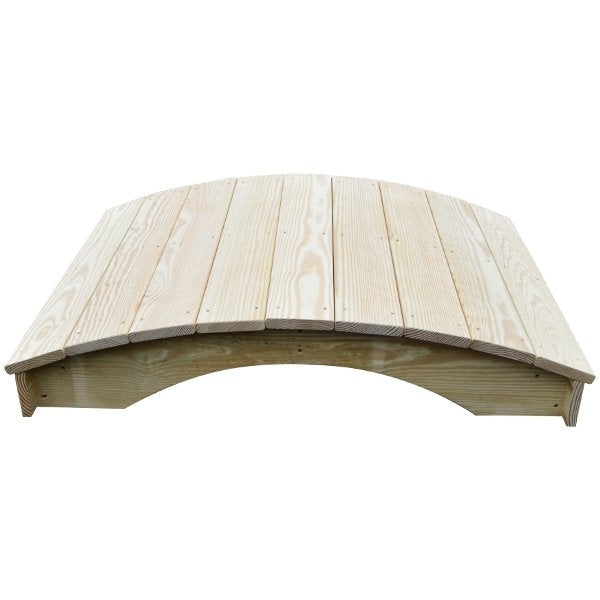
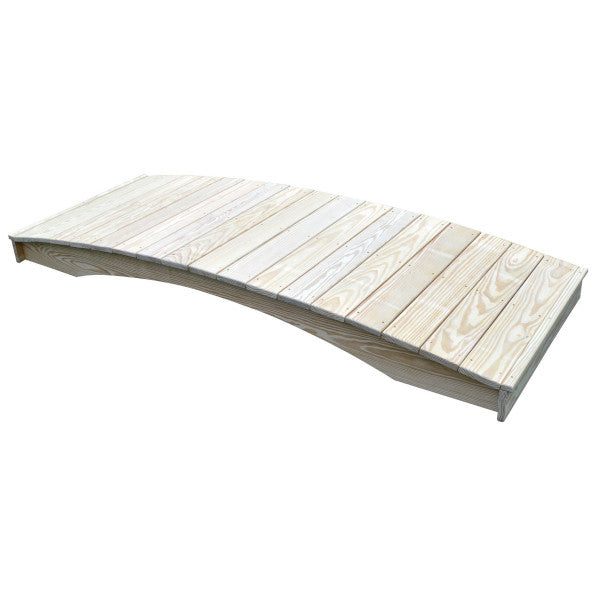
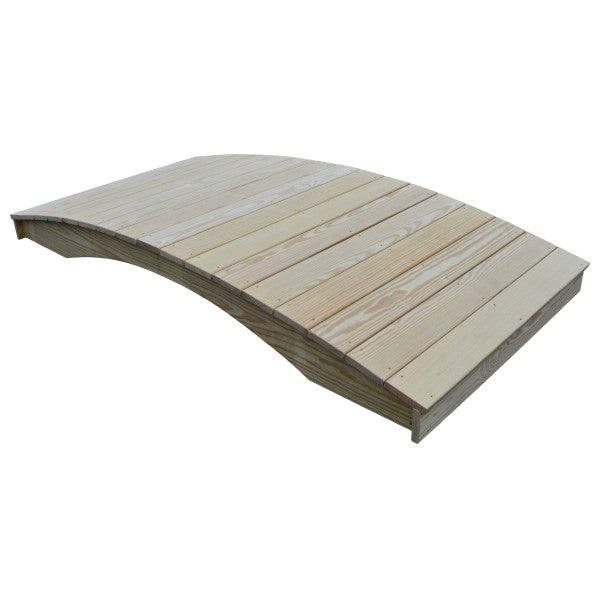
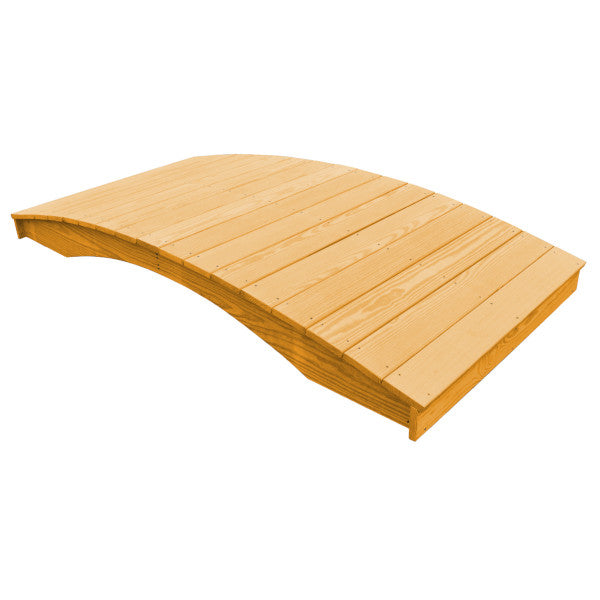
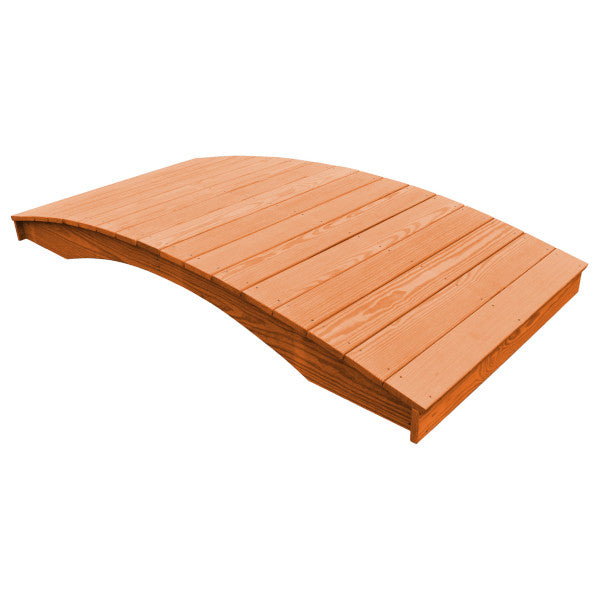
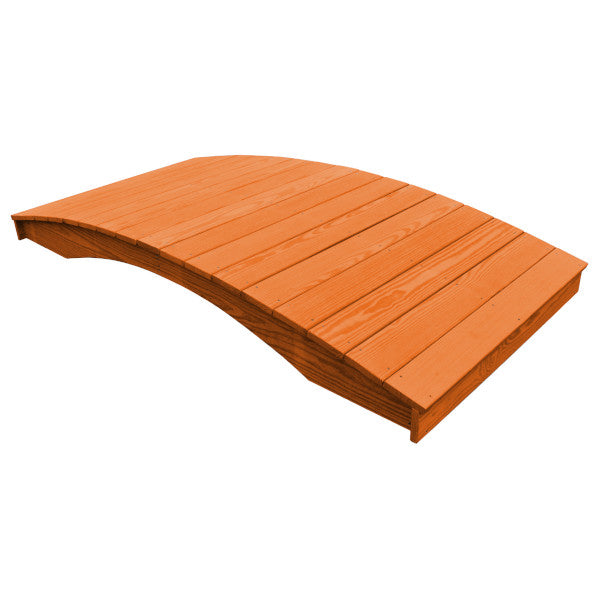
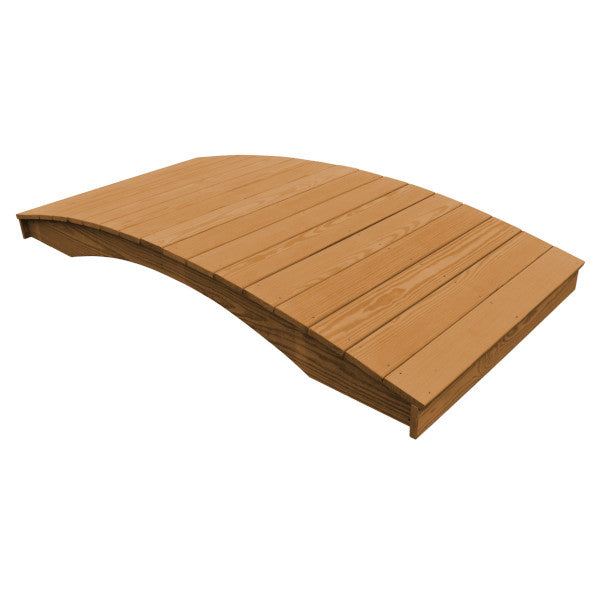
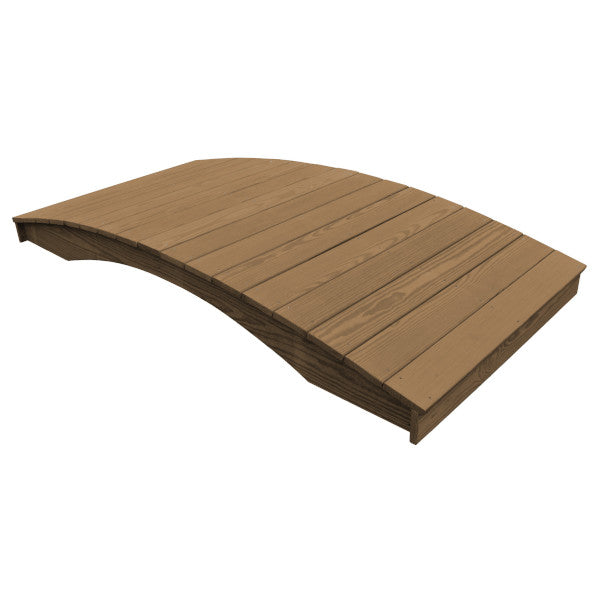
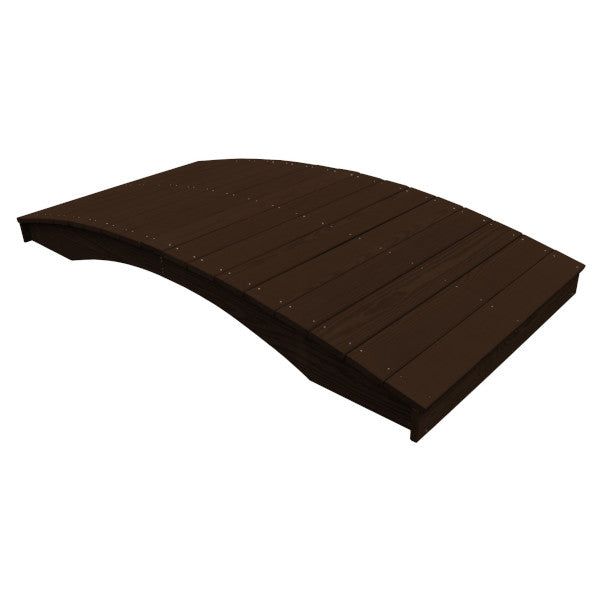
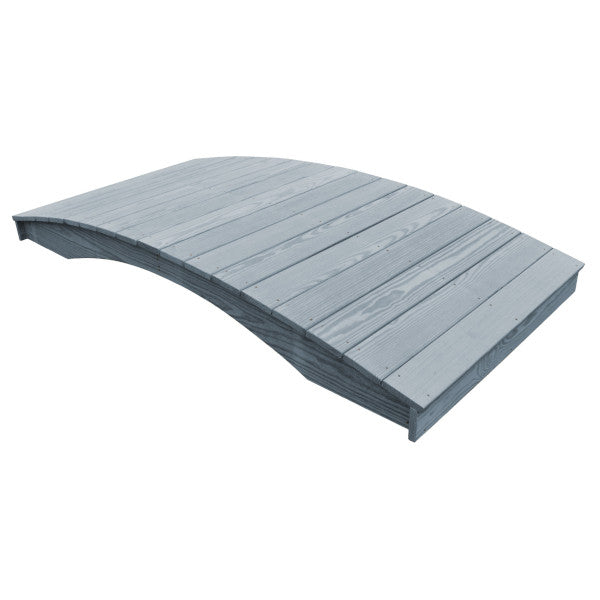
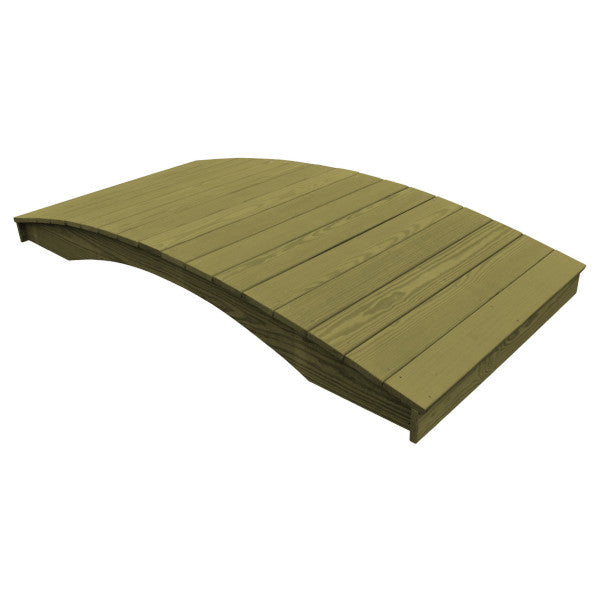
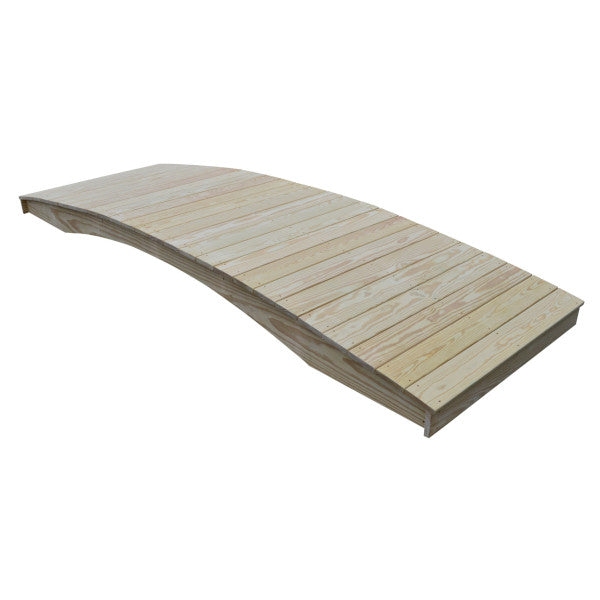
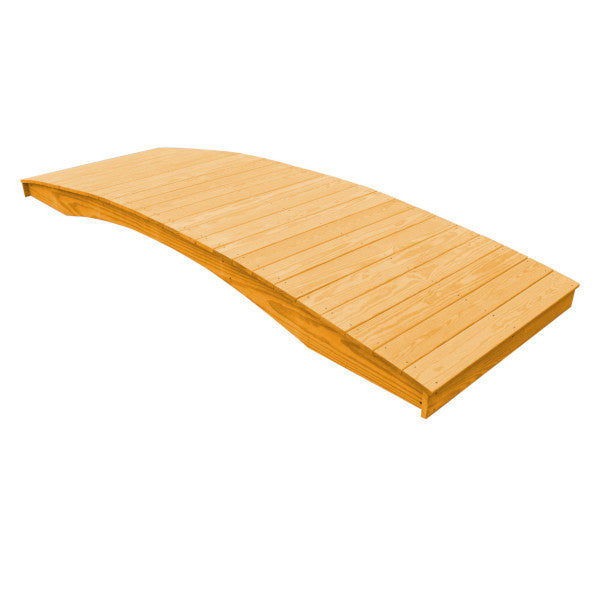
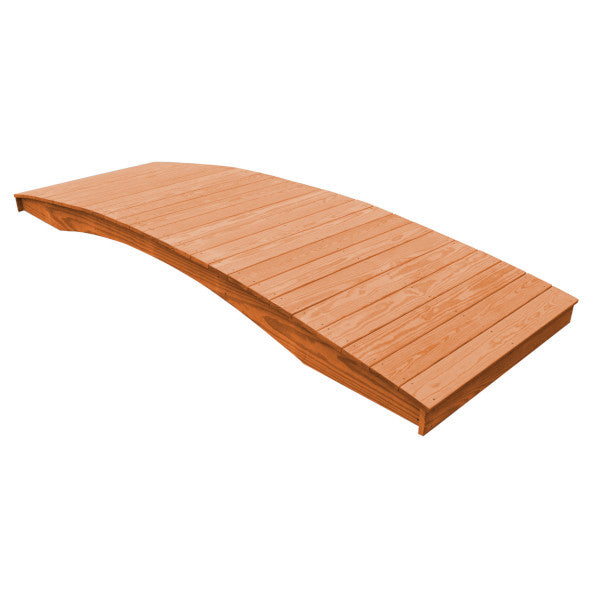
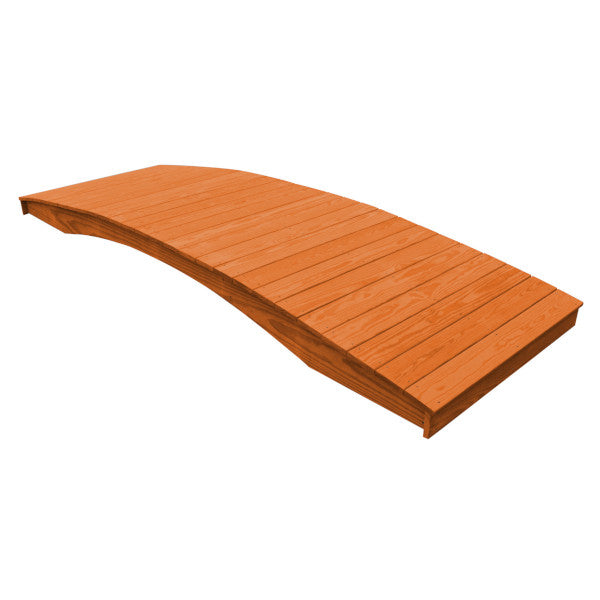
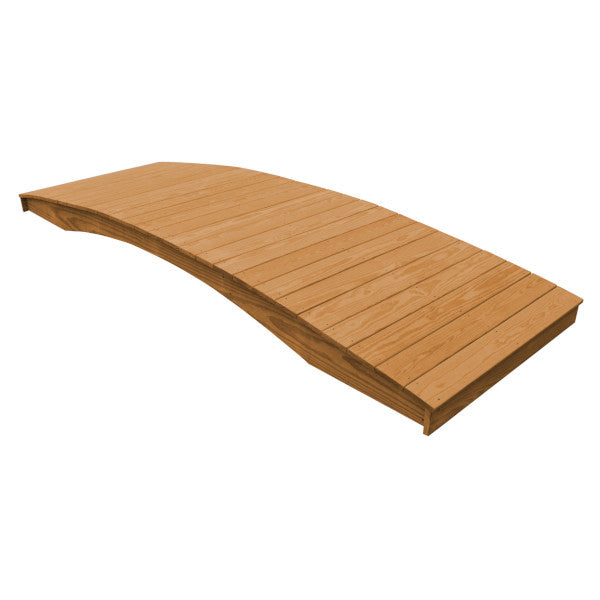
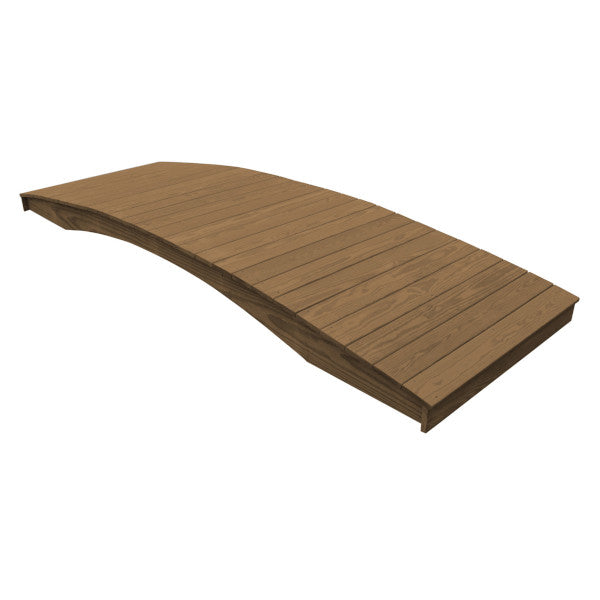
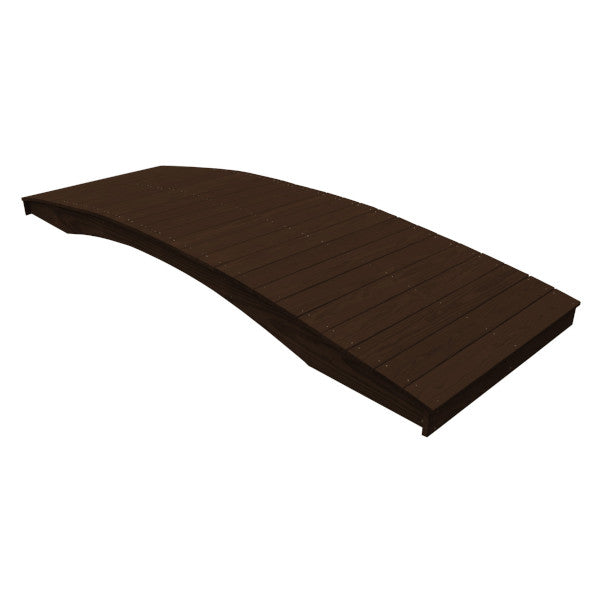
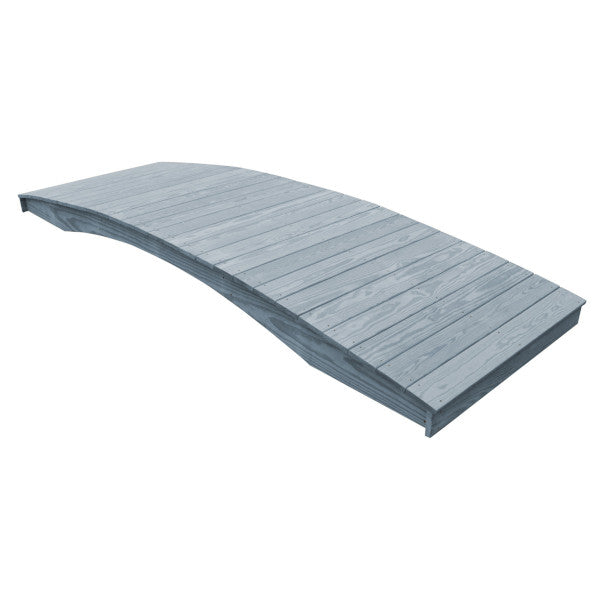
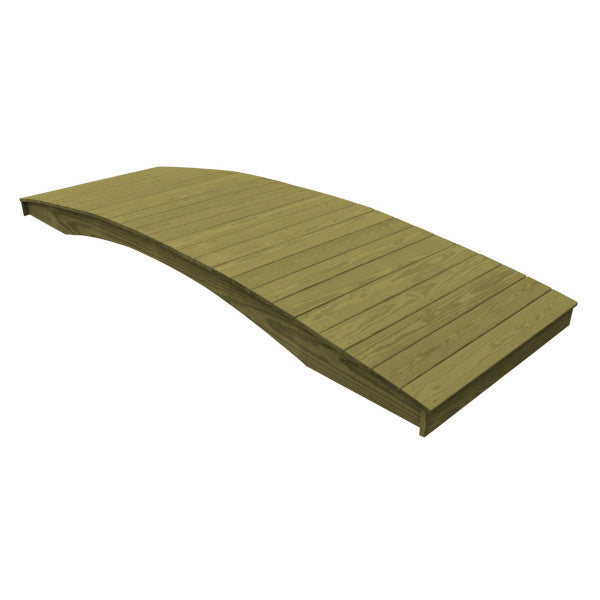
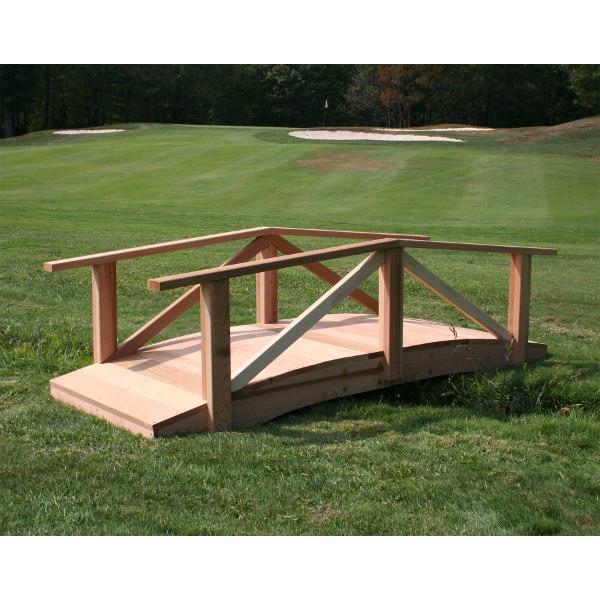
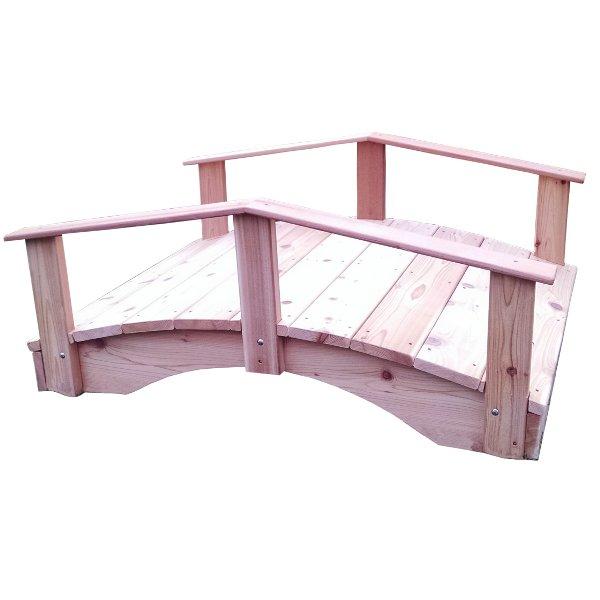
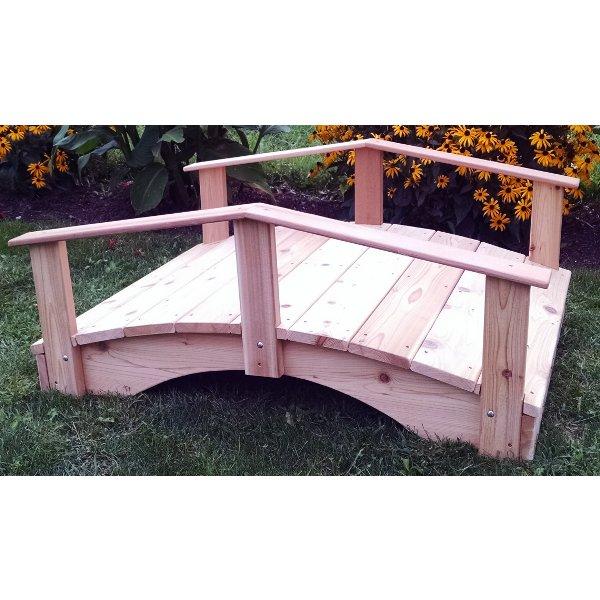
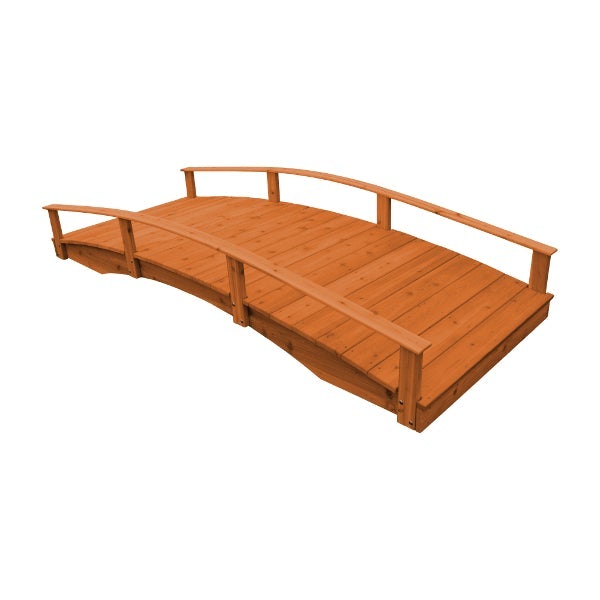
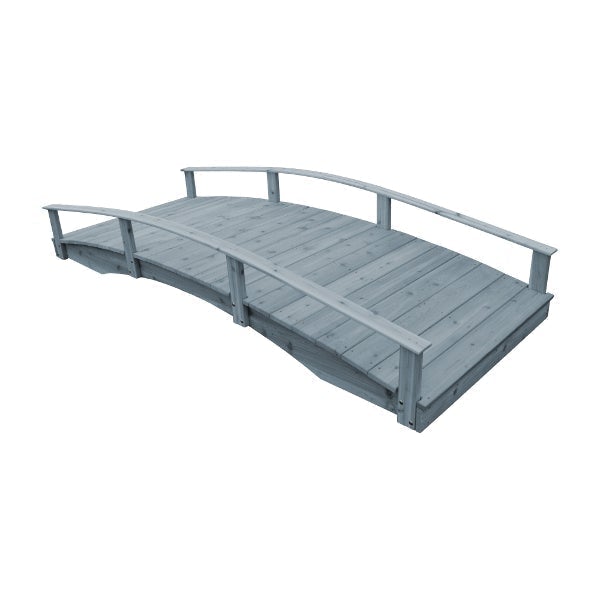
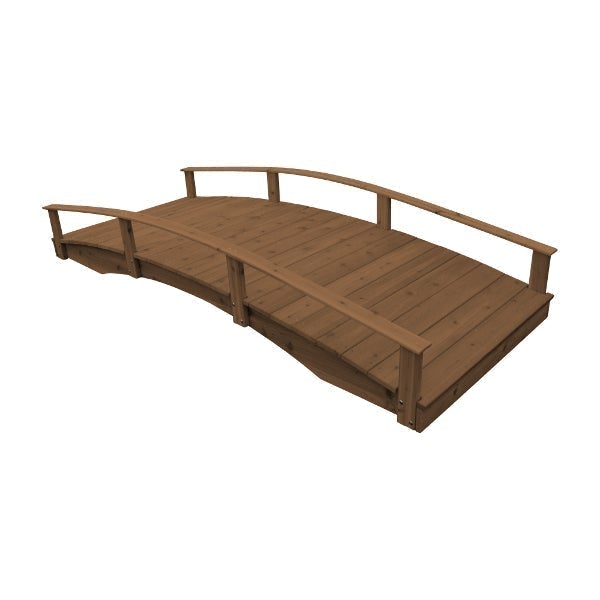
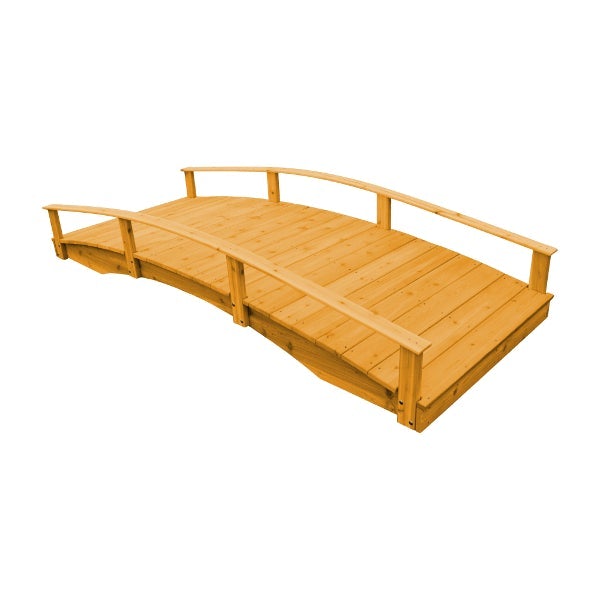
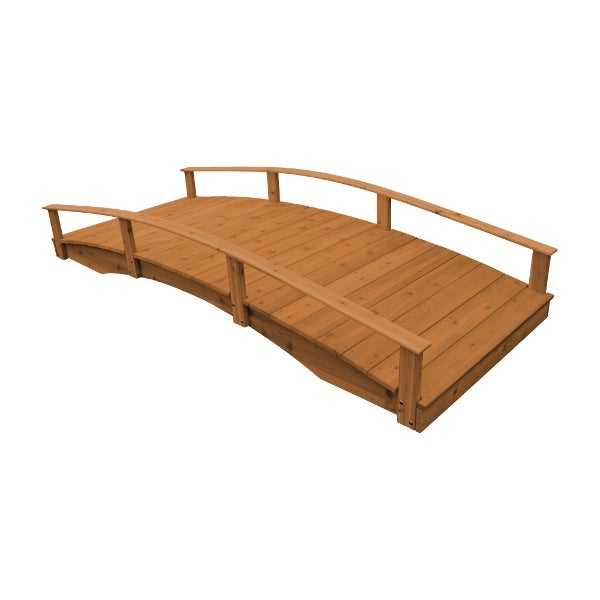
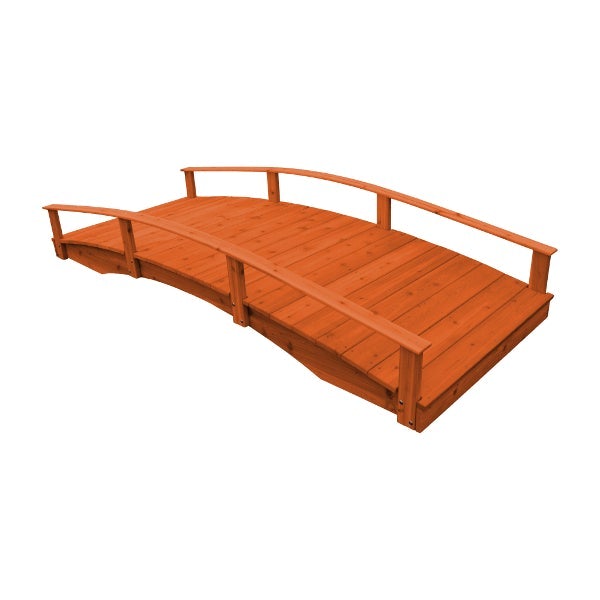
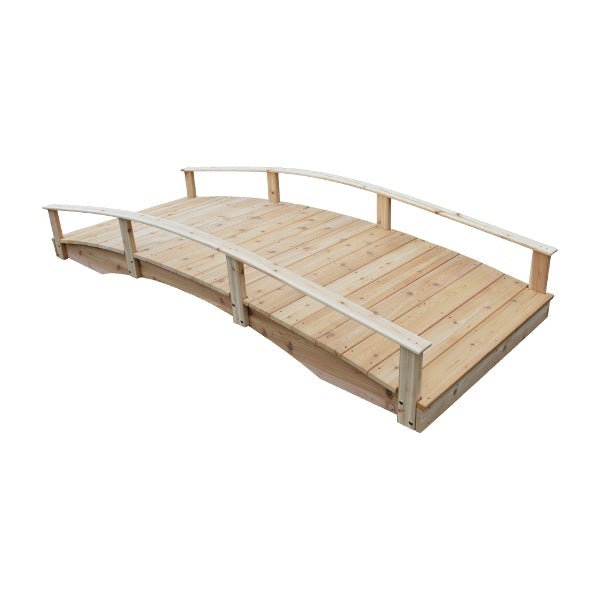
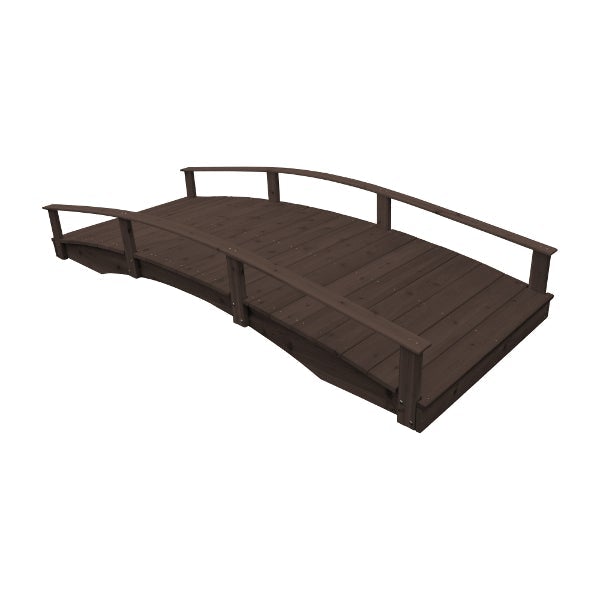
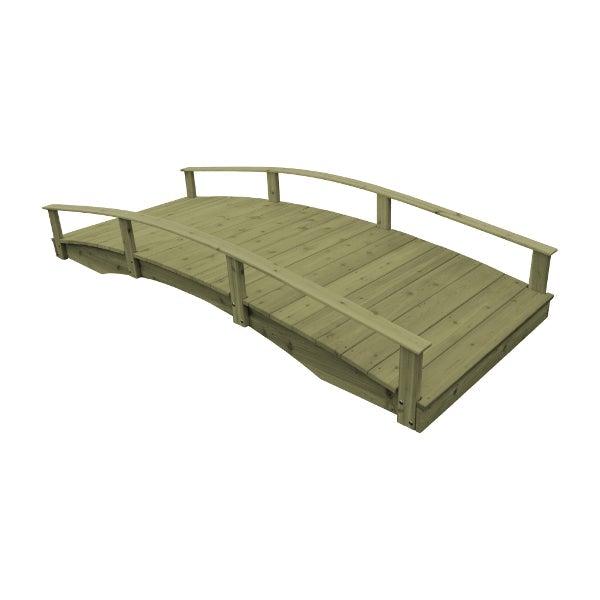
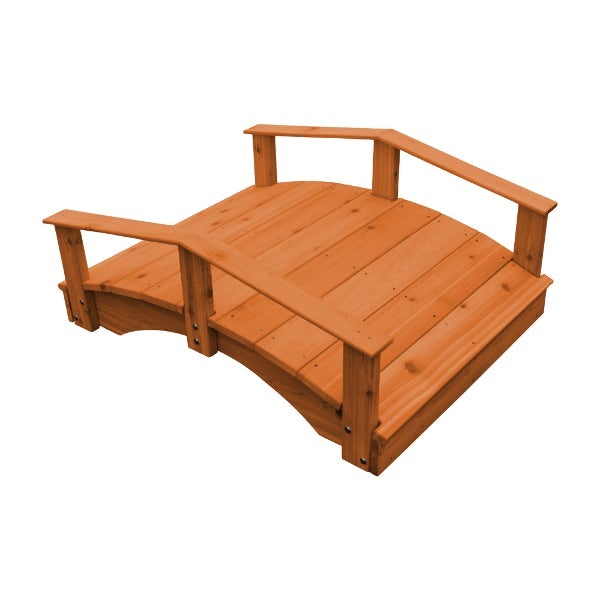
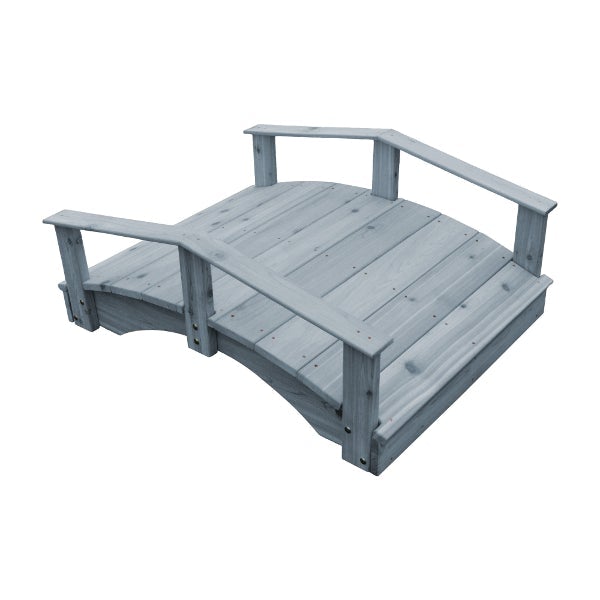
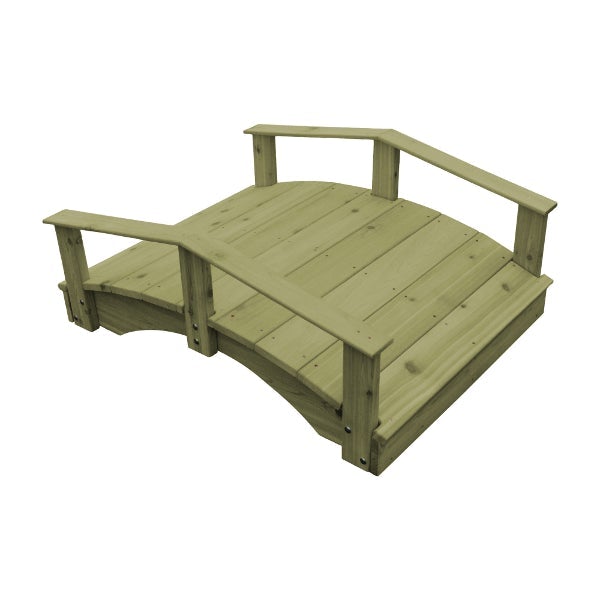
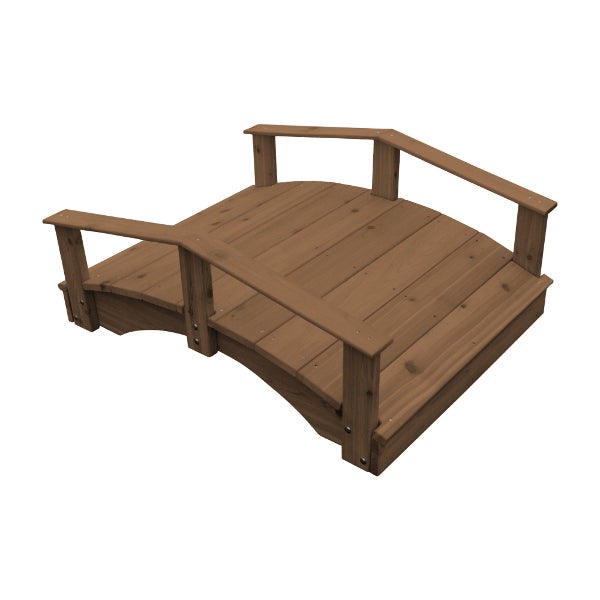
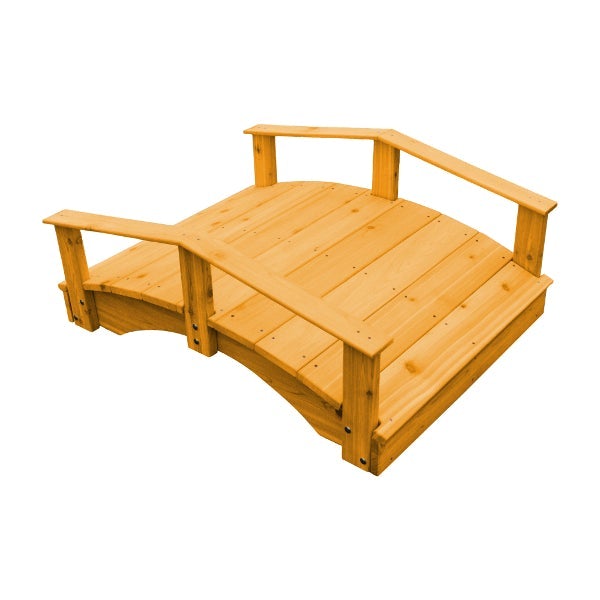
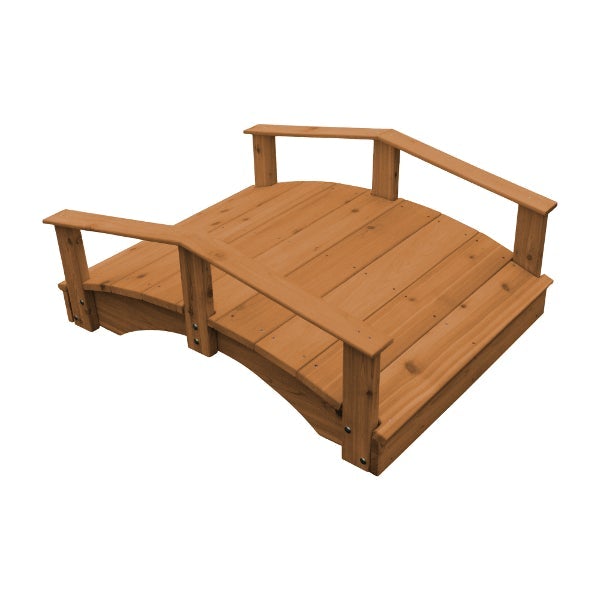
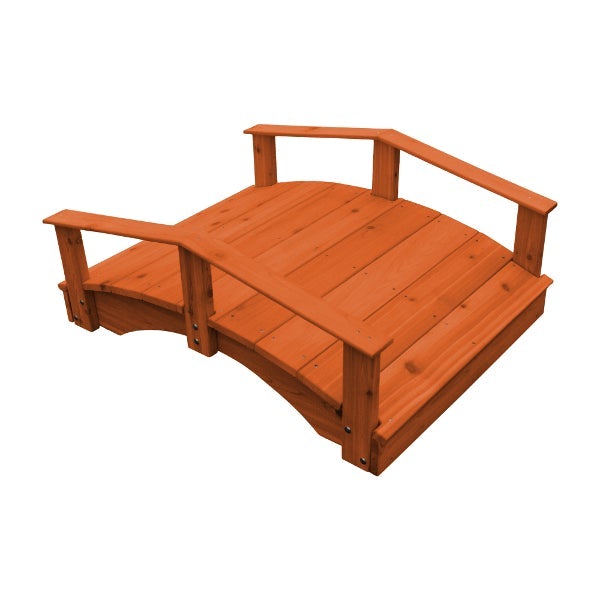
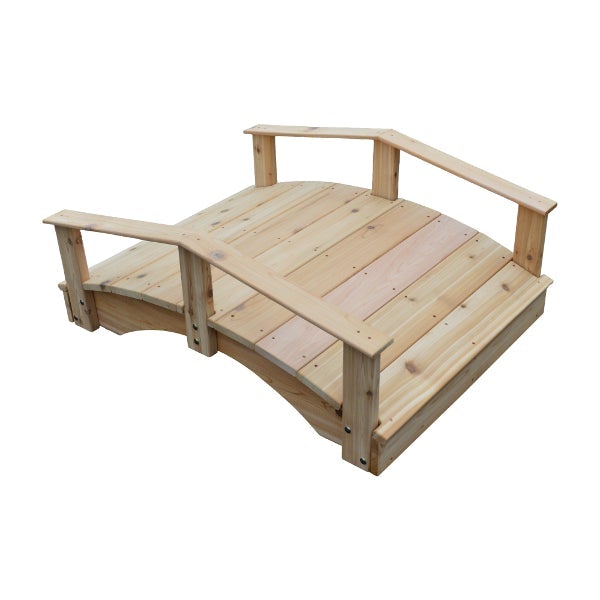
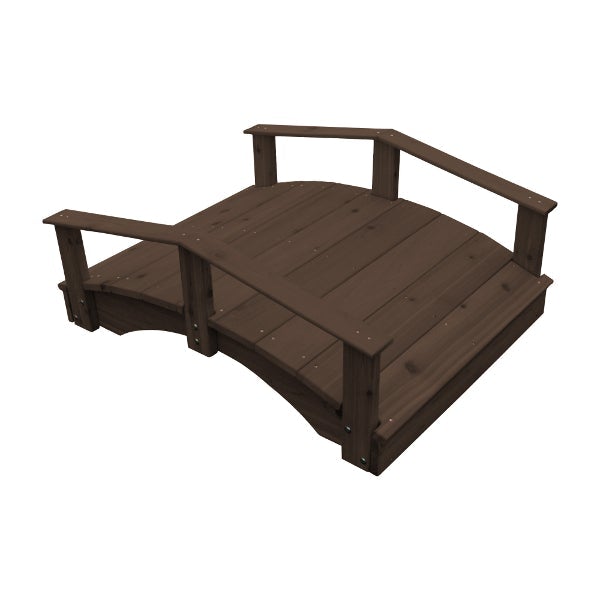
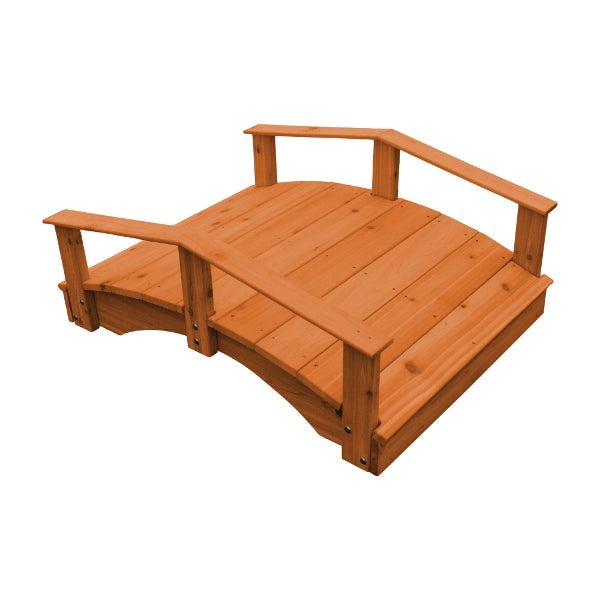
A: A large Garden Bridge is a decorative and functional element used to enhance the visual appeal of a landscape.
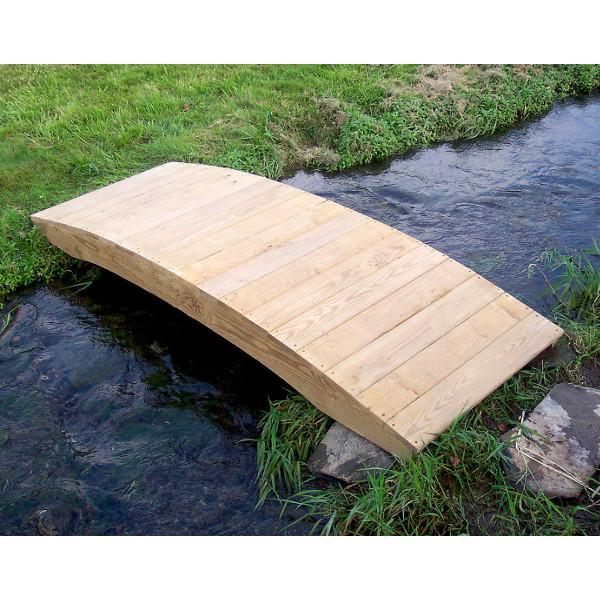
Functional Role: A bridge provides asafe, dry crossing over small water features (like streams or ponds), drainage ditches, or dry creek beds.
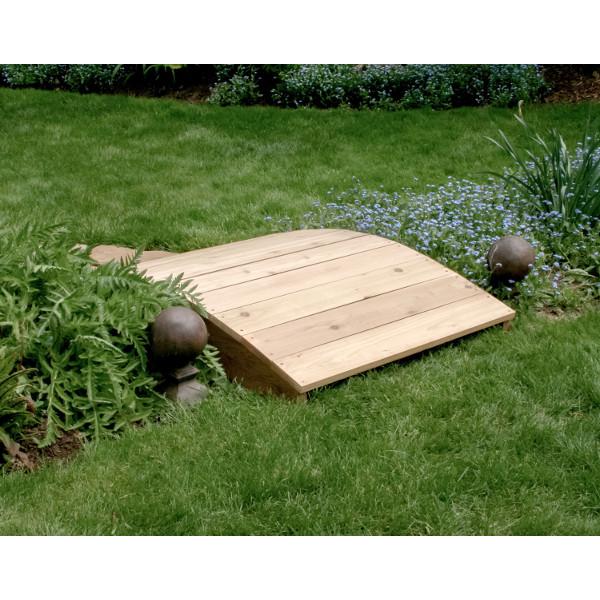
Aesthetic Role (Focal Point): It acts as astructural focal point, drawing the eye and adding height and dimension to the garden. The bridge creates a sense of journey and defines pathways within the landscape.
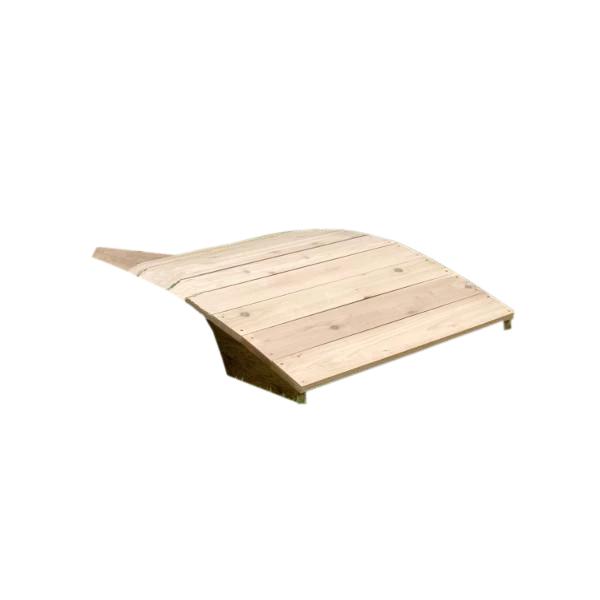
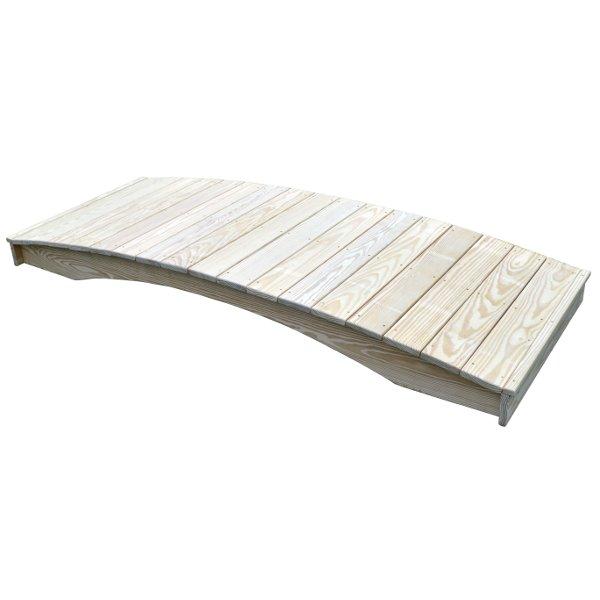
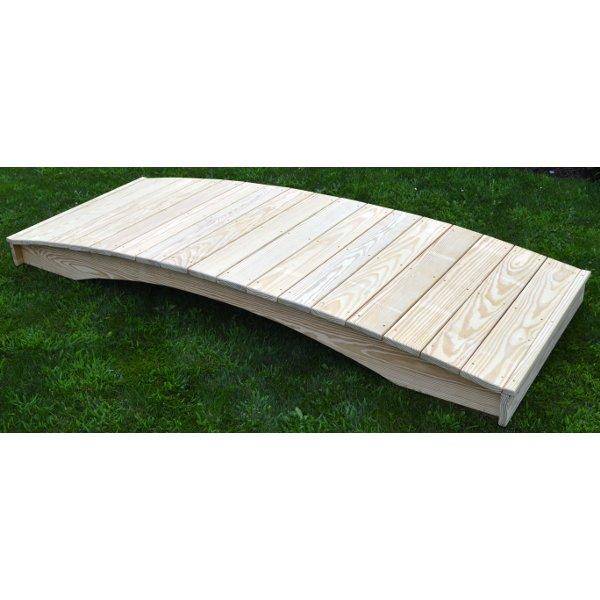
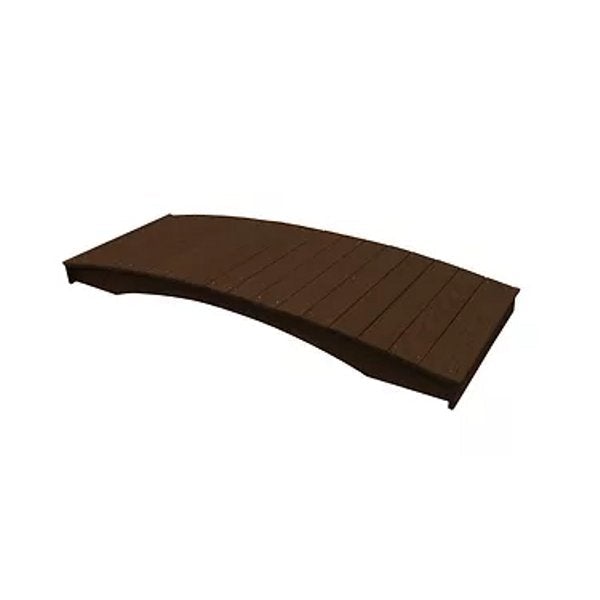
Style: Bridges range from highly curved, traditional Japanese-style structures (often with red lacquer) to flat, simple, rustic wooden crossings.
A: Structural integrity is critical, especially since bridges bear concentrated weight.
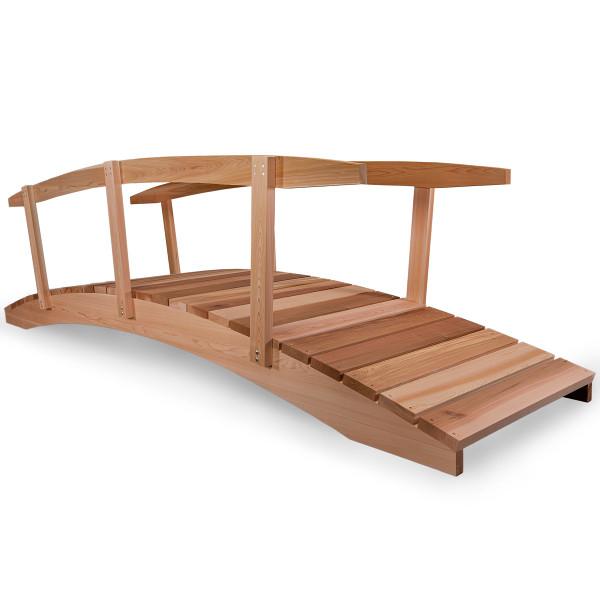
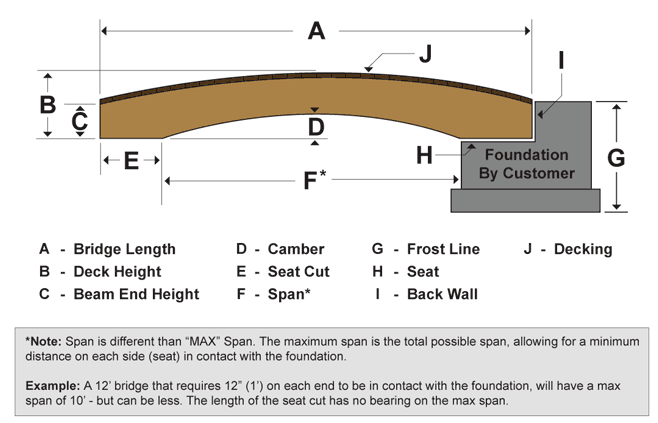
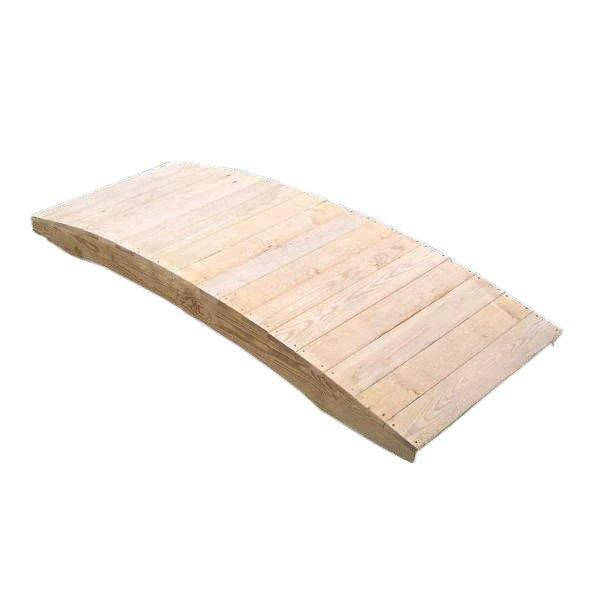
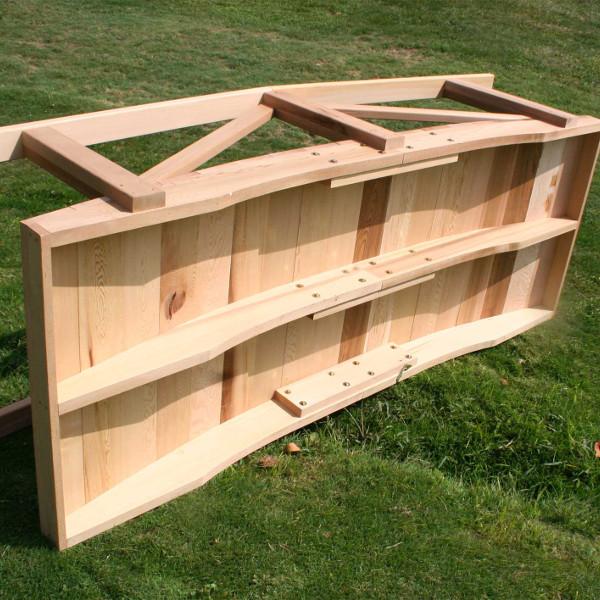
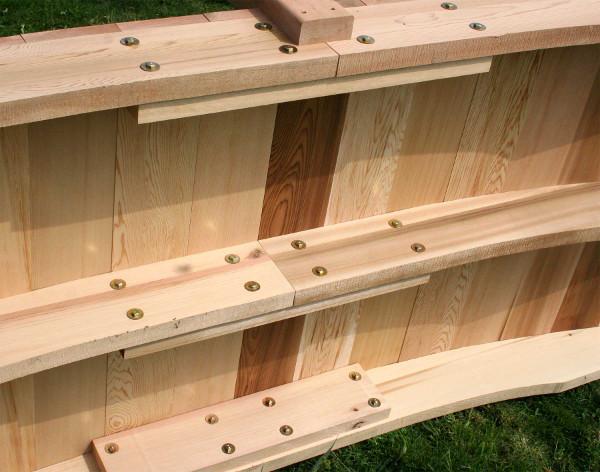
Support: All bridges, even decorative ones, require robust framing and joists underneath the deck planks to prevent sagging or cracking under load. The bridge must have a continuous weight-bearing surface that extends over the gap.
Anchoring: The two ends of the bridge must be securely anchored into the ground or a concrete pad. It prevents the bridge from shifting laterally or creeping over time, which can compromise the railings.
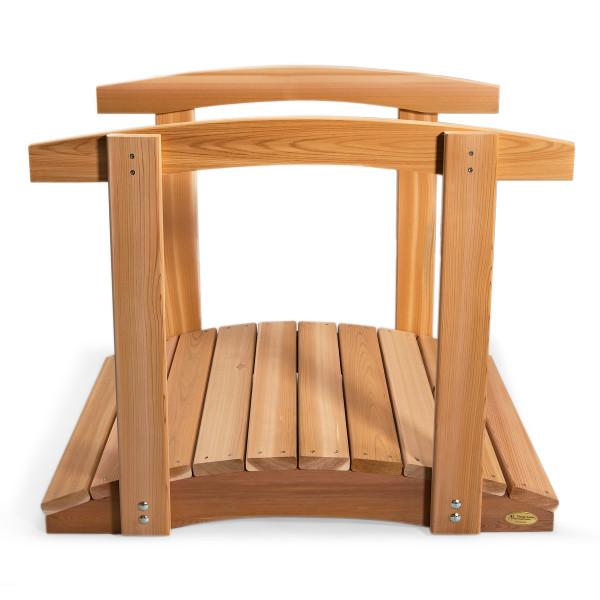
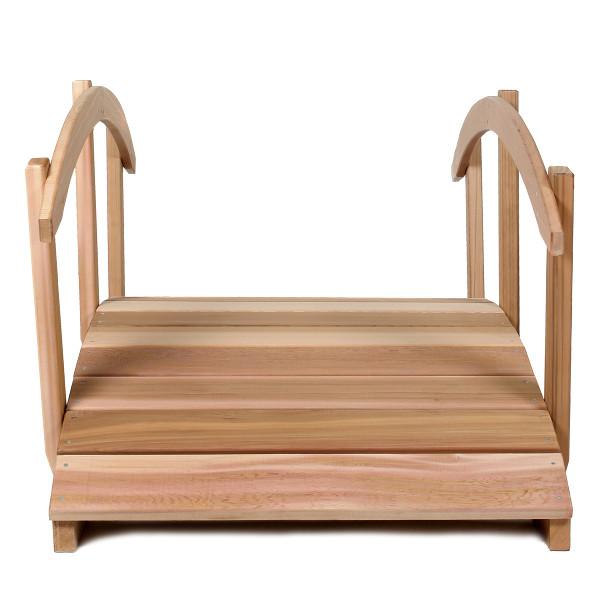
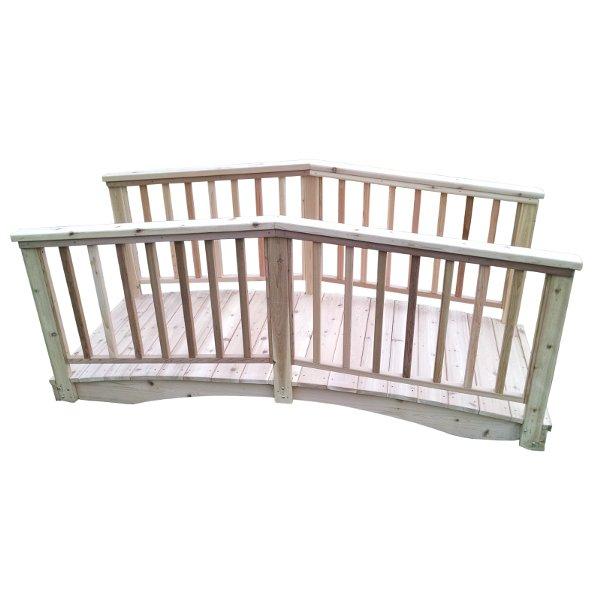
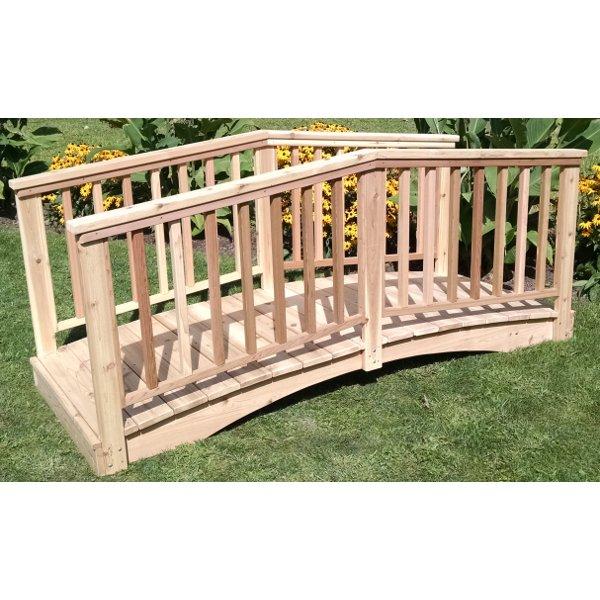
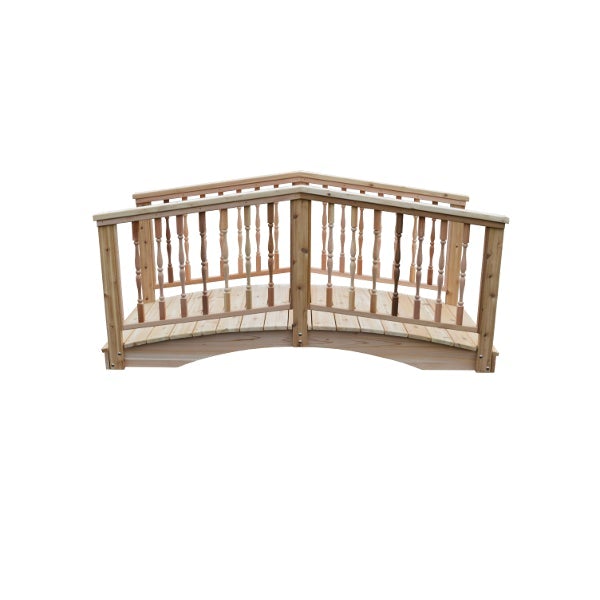
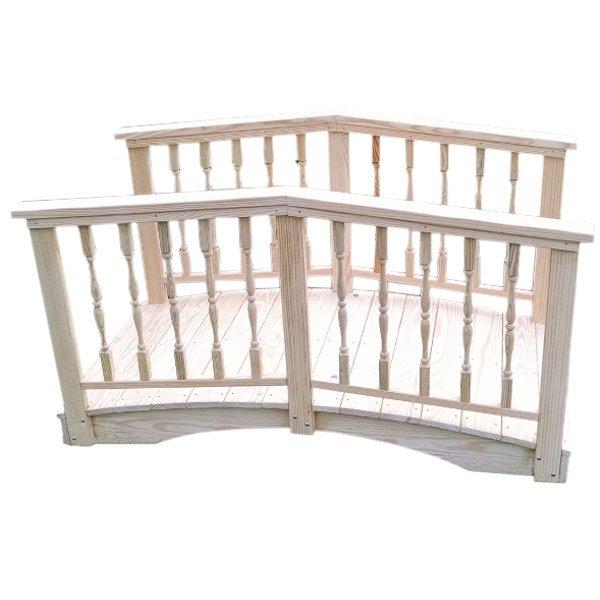
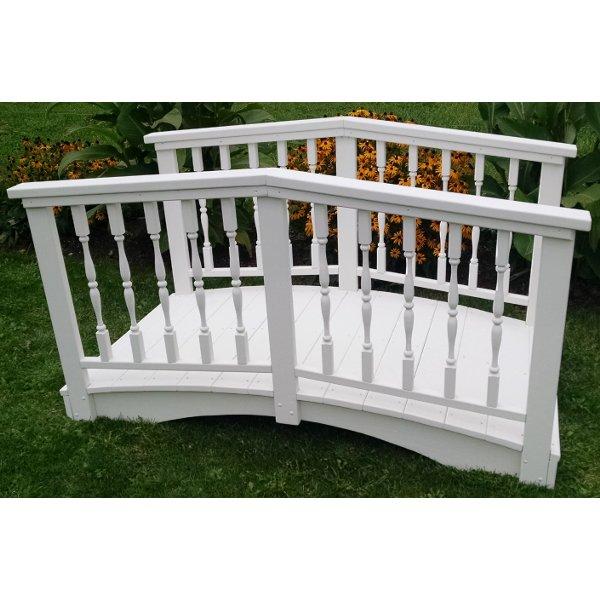
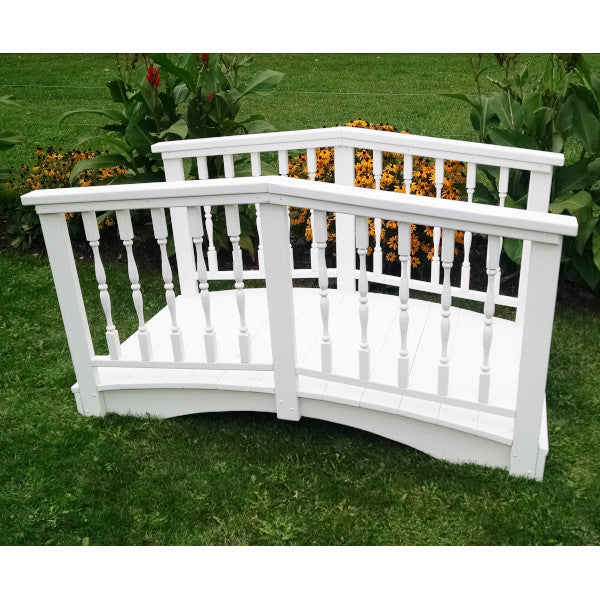
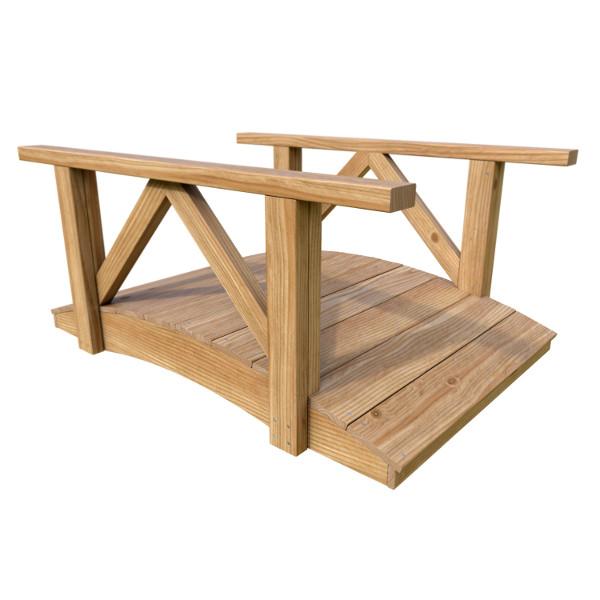
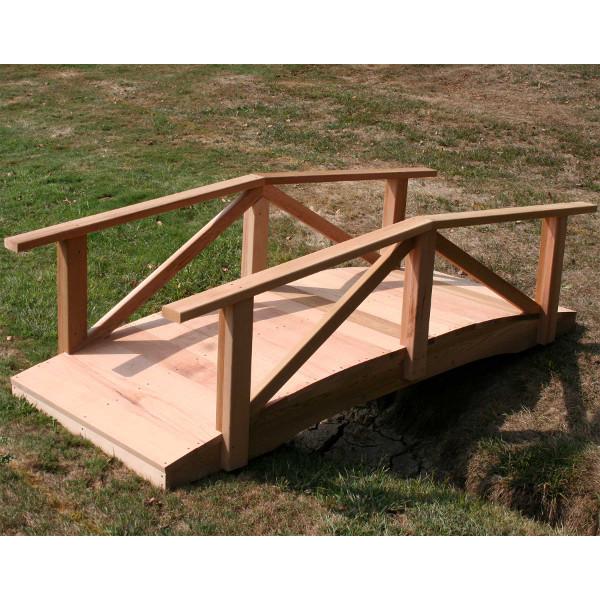
Railings: If the bridge is elevated or spans a significant distance, secure, load-bearing railings are mandatory for user safety. The railings should be anchored deeply into the main structural beams.
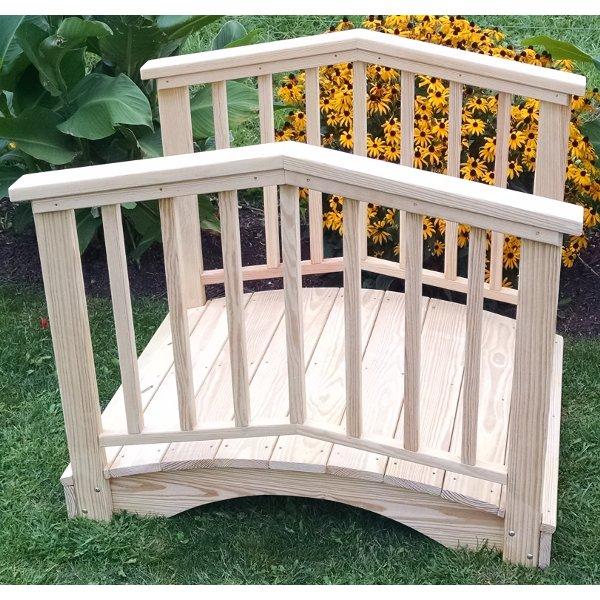
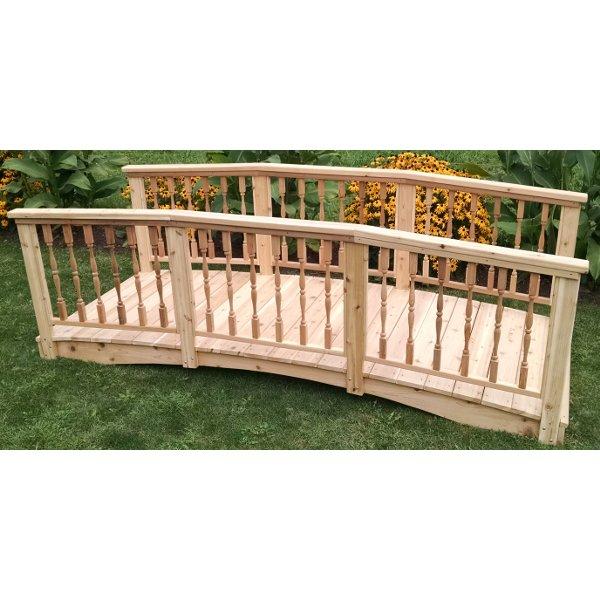
A: Wood, often Cedar or Pressure-Treated Pine, is the most common and versatile material.
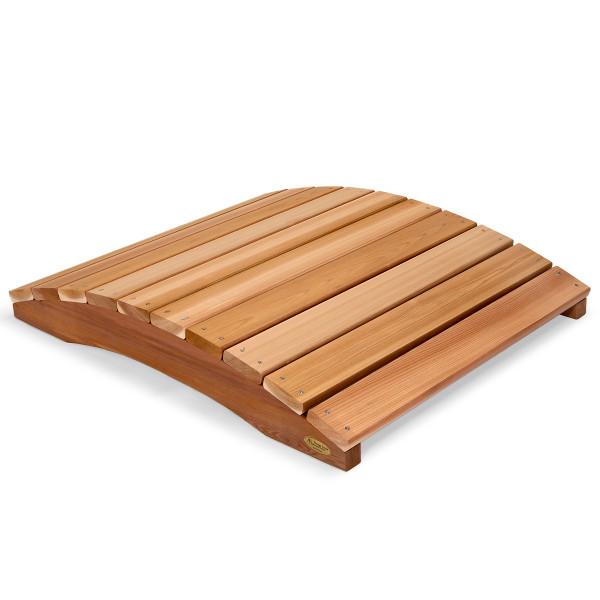
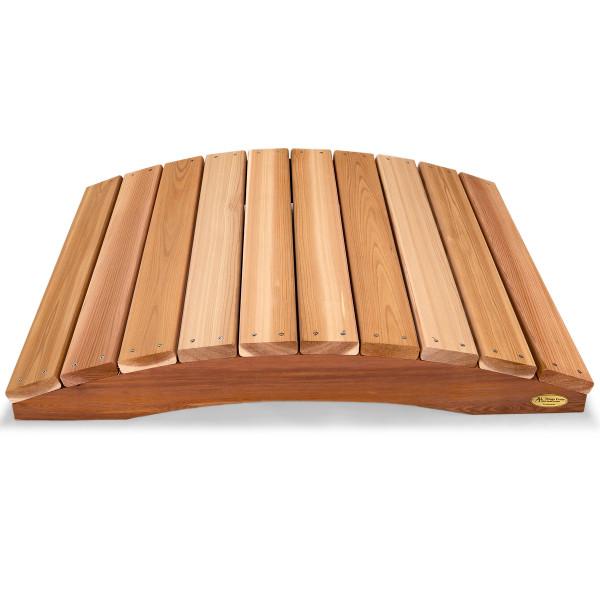
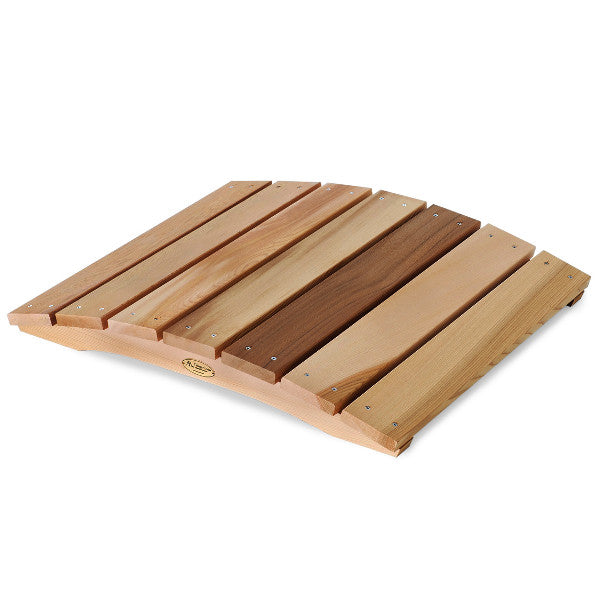
Wood Choice:Redwood and Cedar are naturally rot-resistant and highly durable for bridge decking. They should be sealed or stained regularly to prevent moisture infiltration and splintering.
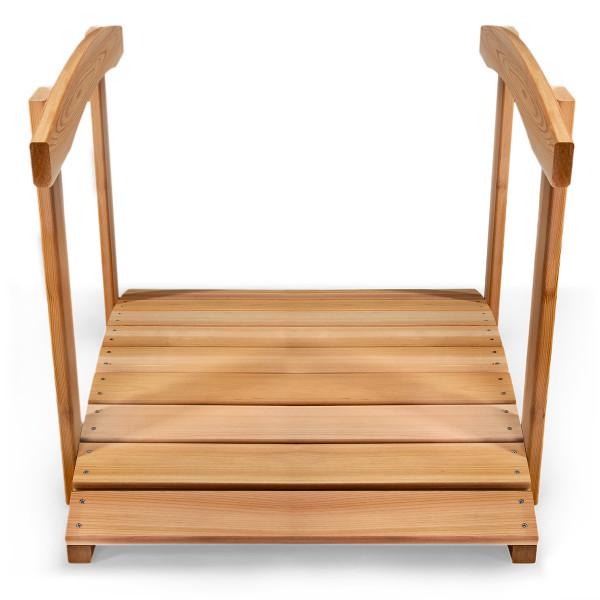
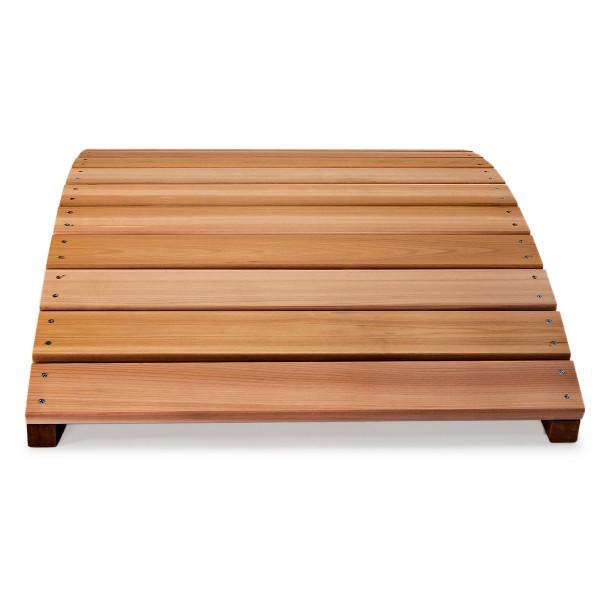
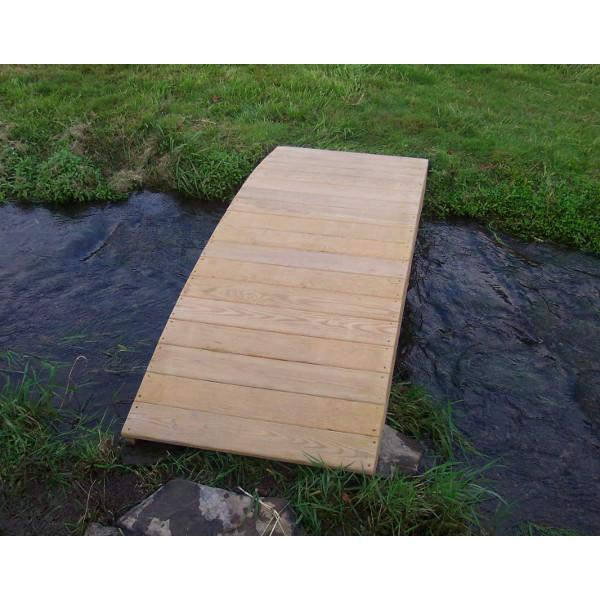
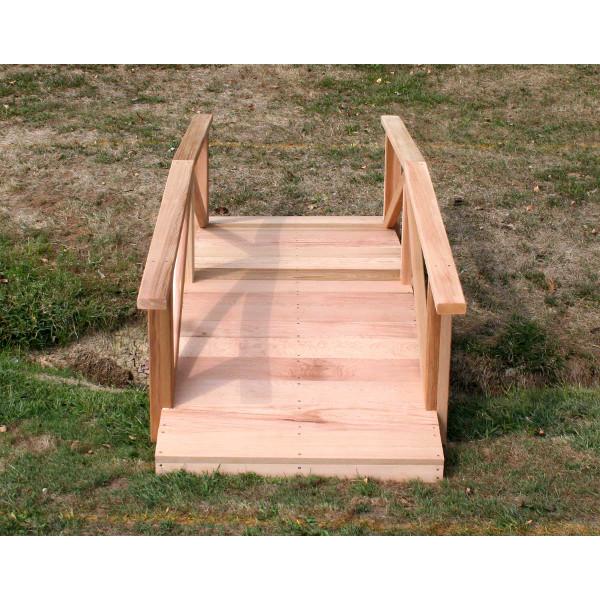
Slip Resistance: The bridge surface can become extremely slippery when wet or covered with algae. The deck planks should be installed with small gaps to allow water to drain.
Anti-Slip: For safety, consider applying a coat of clear sealant with fine anti-slip grit to the walking surface to provide traction, especially on highly curved bridges.
A: Continuous moisture contact is the primary threat to a bridge's lifespan.
Vulnerable Point: The ends of the bridge where the wood rests on the ground or bank are the most susceptible to rot because water, soil, and debris collect there.
Maintenance: Ensure the bridge is lifted or placed on stone blocks at both ends to prevent the wood from sitting directly on the ground. Regularly sweep debris (leaves, dirt) off the deck planks and railings to prevent moisture retention.
Sealing: Inspect the sealant and reapply every 1-3 years. The top deck surface will require the most frequent re-sealing due to foot traffic and UV exposure.
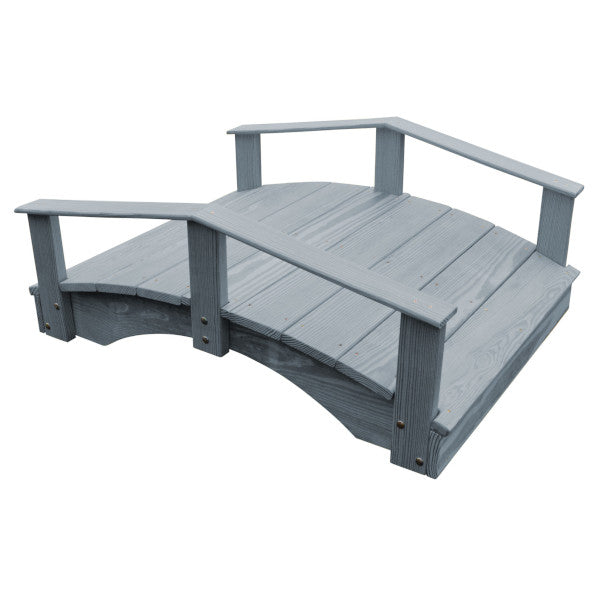
A: A large Garden Bridge is a decorative and functional element used to enhance the visual appeal of a landscape.
Functional Role: A bridge provides asafe, dry crossing over small water features (like streams or ponds), drainage ditches, or dry creek beds.
Aesthetic Role (Focal Point): It acts as astructural focal point, drawing the eye and adding height and dimension to the garden. The bridge creates a sense of journey and defines pathways within the landscape.
Style: Bridges range from highly curved, traditional Japanese-style structures (often with red lacquer) to flat, simple, rustic wooden crossings.
A: Structural integrity is critical, especially since bridges bear concentrated weight.
Support: All bridges, even decorative ones, require robust framing and joists underneath the deck planks to prevent sagging or cracking under load. The bridge must have a continuous weight-bearing surface that extends over the gap.
Anchoring: The two ends of the bridge must be securely anchored into the ground or a concrete pad. It prevents the bridge from shifting laterally or creeping over time, which can compromise the railings.
Railings: If the bridge is elevated or spans a significant distance, secure, load-bearing railings are mandatory for user safety. The railings should be anchored deeply into the main structural beams.
A: Wood, often Cedar or Pressure-Treated Pine, is the most common and versatile material.
Wood Choice:Redwood and Cedar are naturally rot-resistant and highly durable for bridge decking. They should be sealed or stained regularly to prevent moisture infiltration and splintering.
Slip Resistance: The bridge surface can become extremely slippery when wet or covered with algae. The deck planks should be installed with small gaps to allow water to drain.
Anti-Slip: For safety, consider applying a coat of clear sealant with fine anti-slip grit to the walking surface to provide traction, especially on highly curved bridges.
A: Continuous moisture contact is the primary threat to a bridge's lifespan.
Vulnerable Point: The ends of the bridge where the wood rests on the ground or bank are the most susceptible to rot because water, soil, and debris collect there.
Maintenance: Ensure the bridge is lifted or placed on stone blocks at both ends to prevent the wood from sitting directly on the ground. Regularly sweep debris (leaves, dirt) off the deck planks and railings to prevent moisture retention.
Sealing: Inspect the sealant and reapply every 1-3 years. The top deck surface will require the most frequent re-sealing due to foot traffic and UV exposure.