Your Cart is Empty

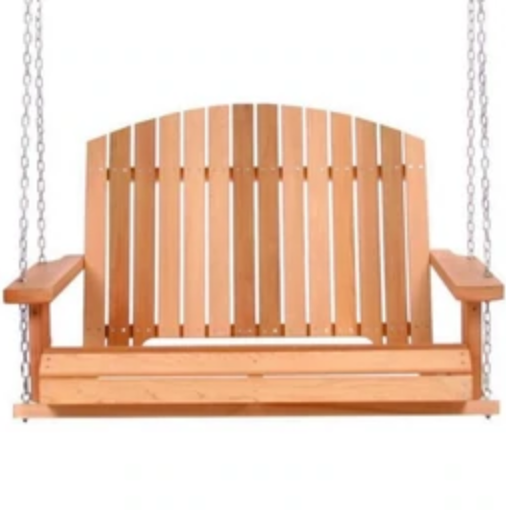
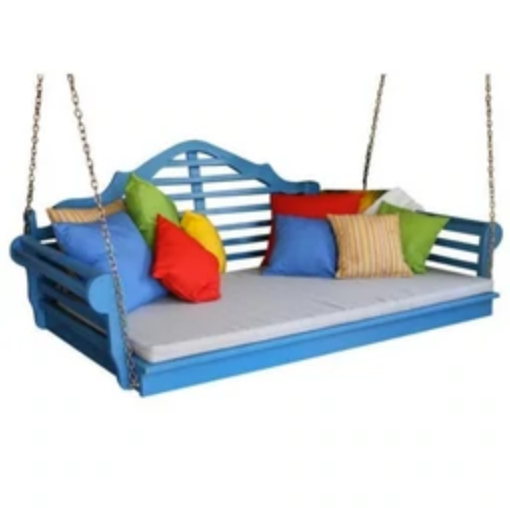
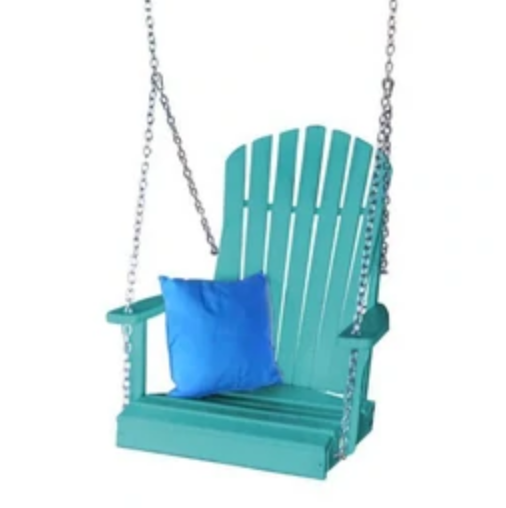
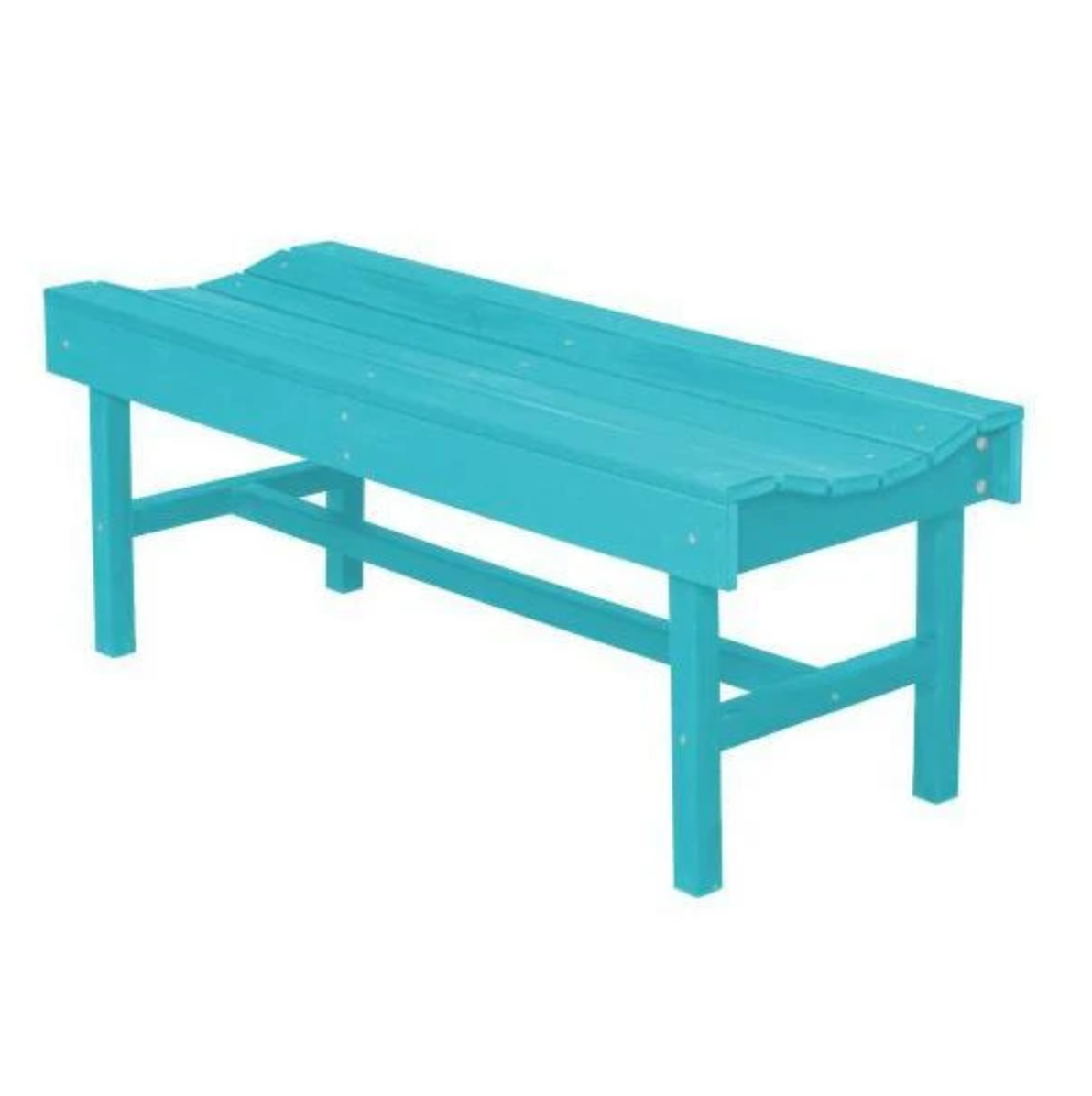
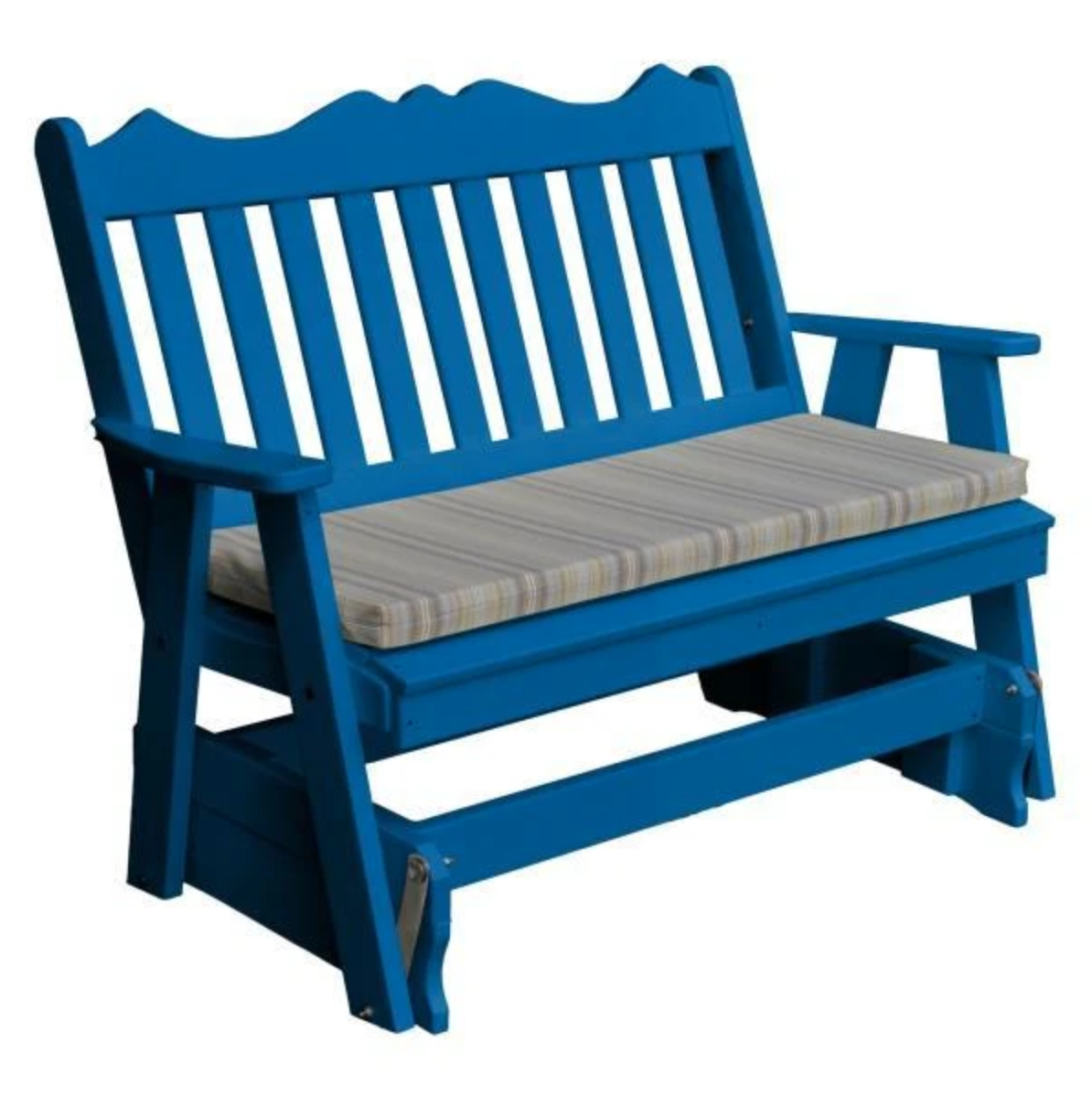
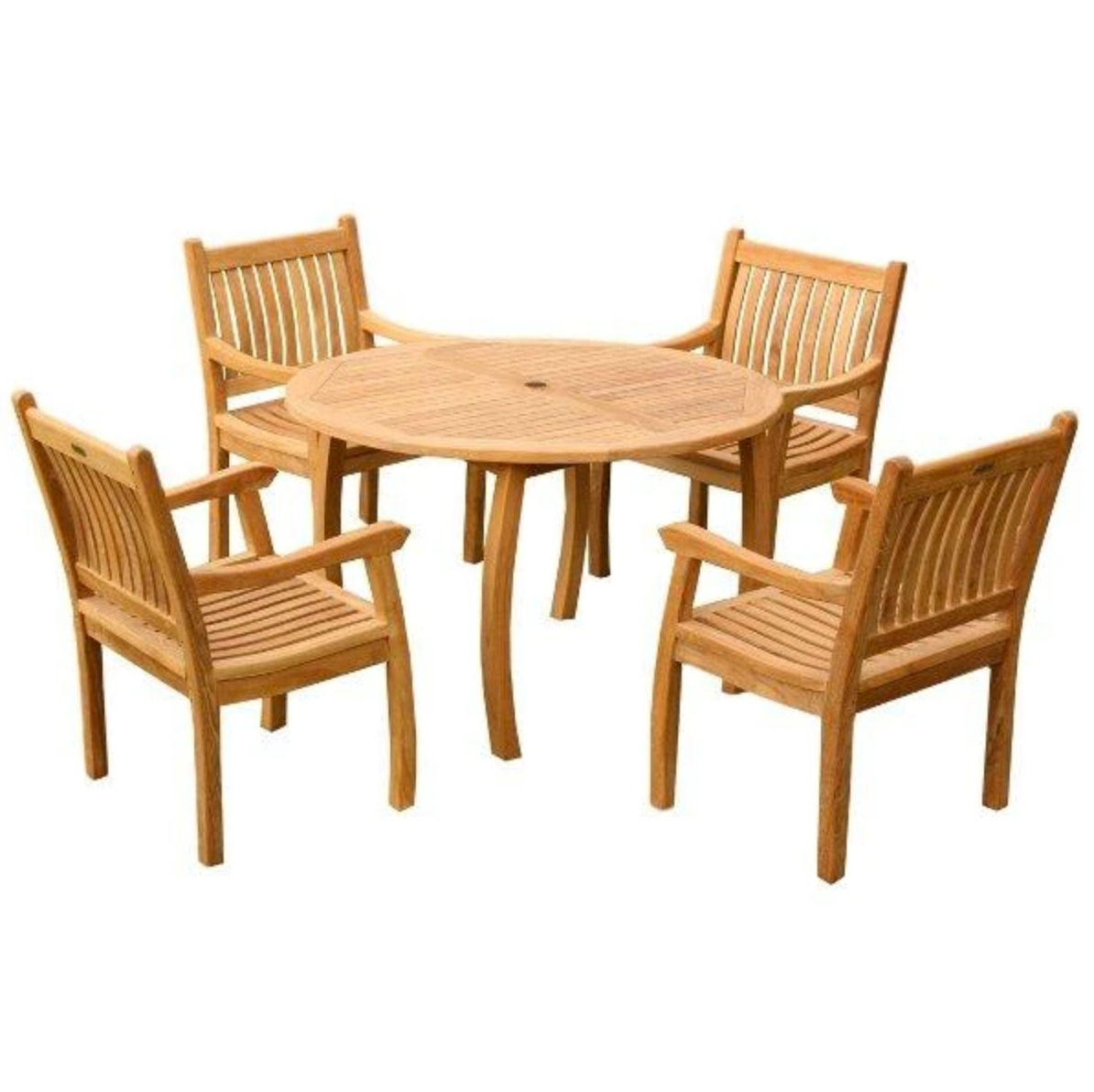
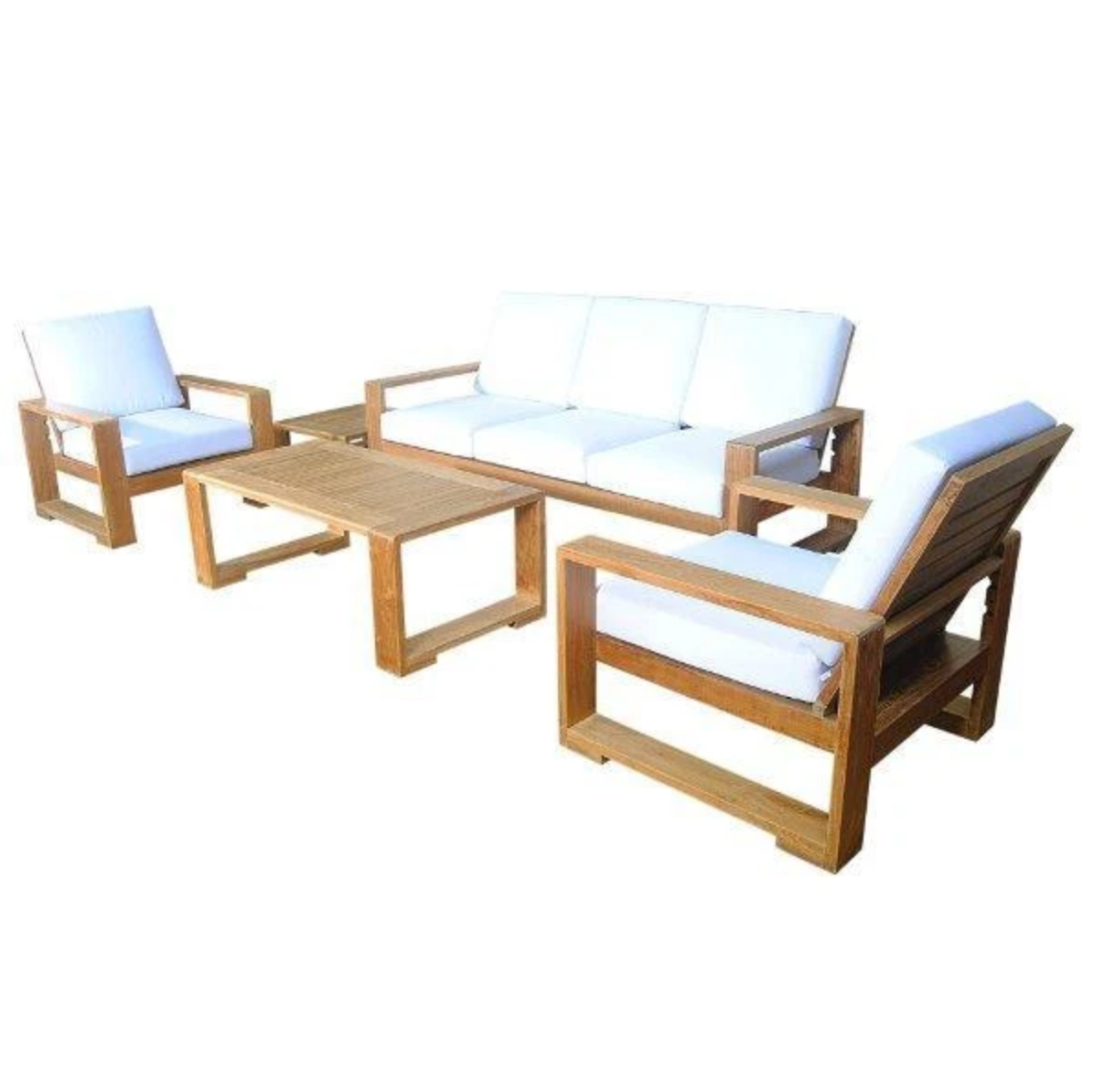
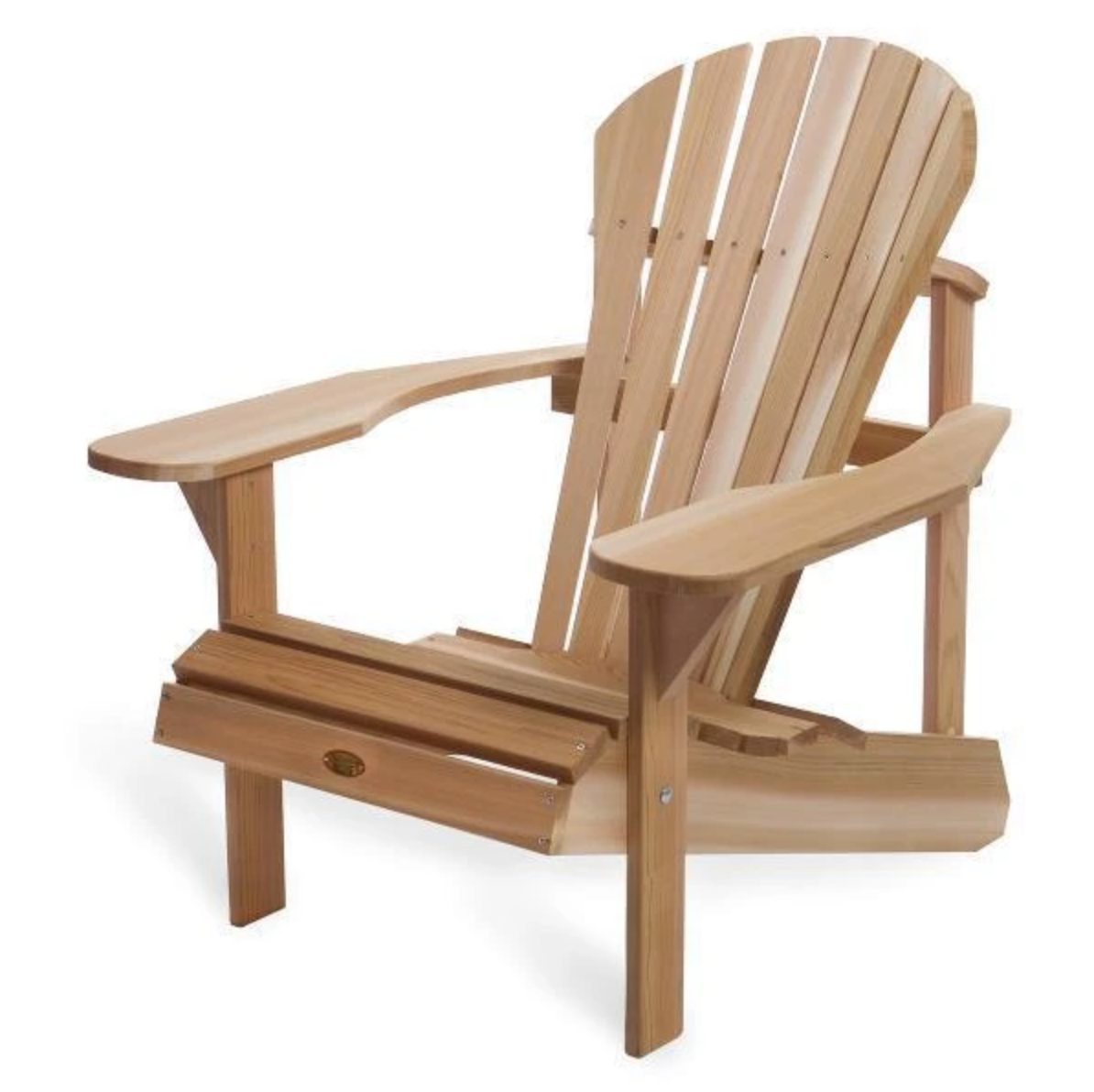
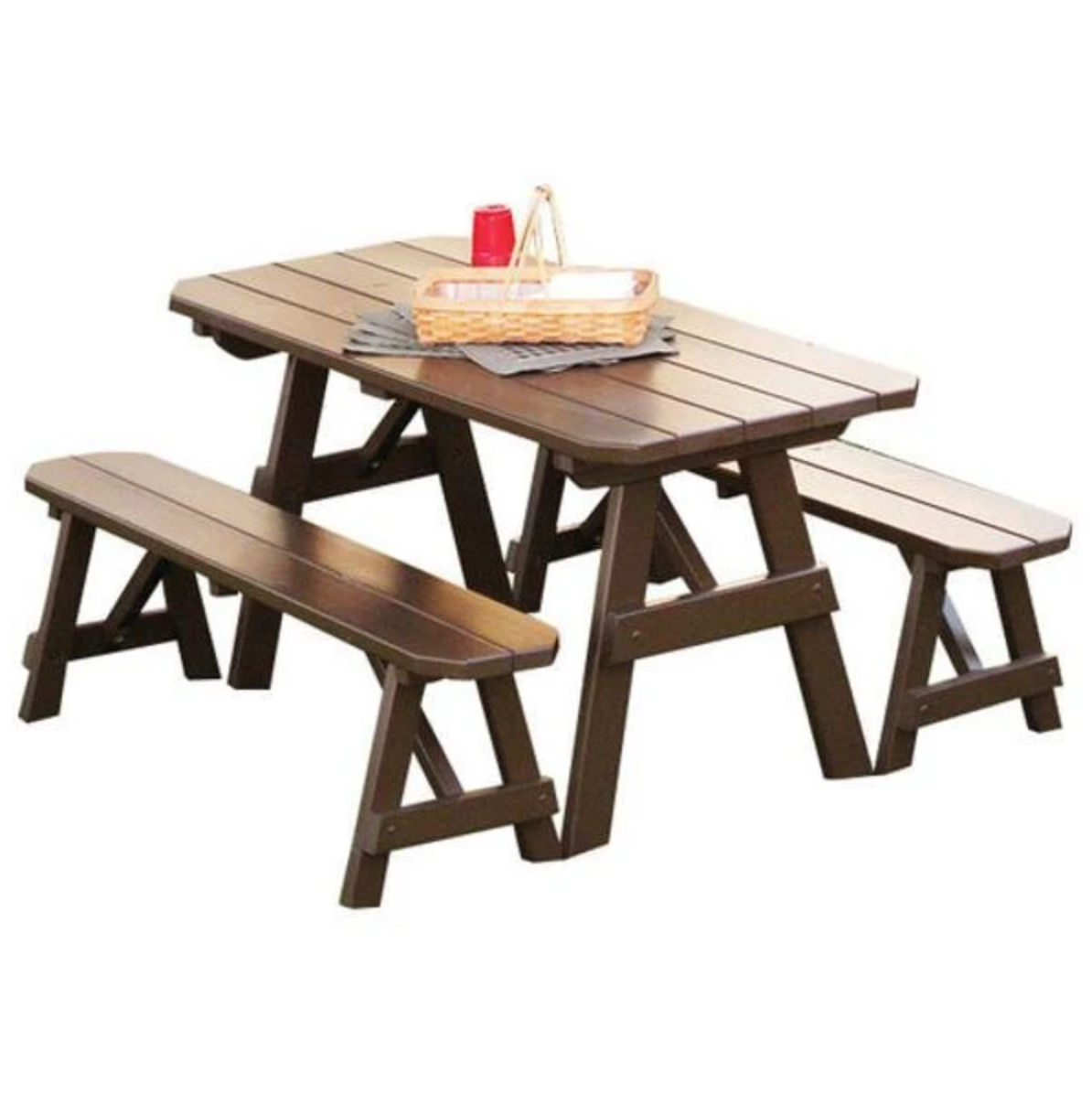
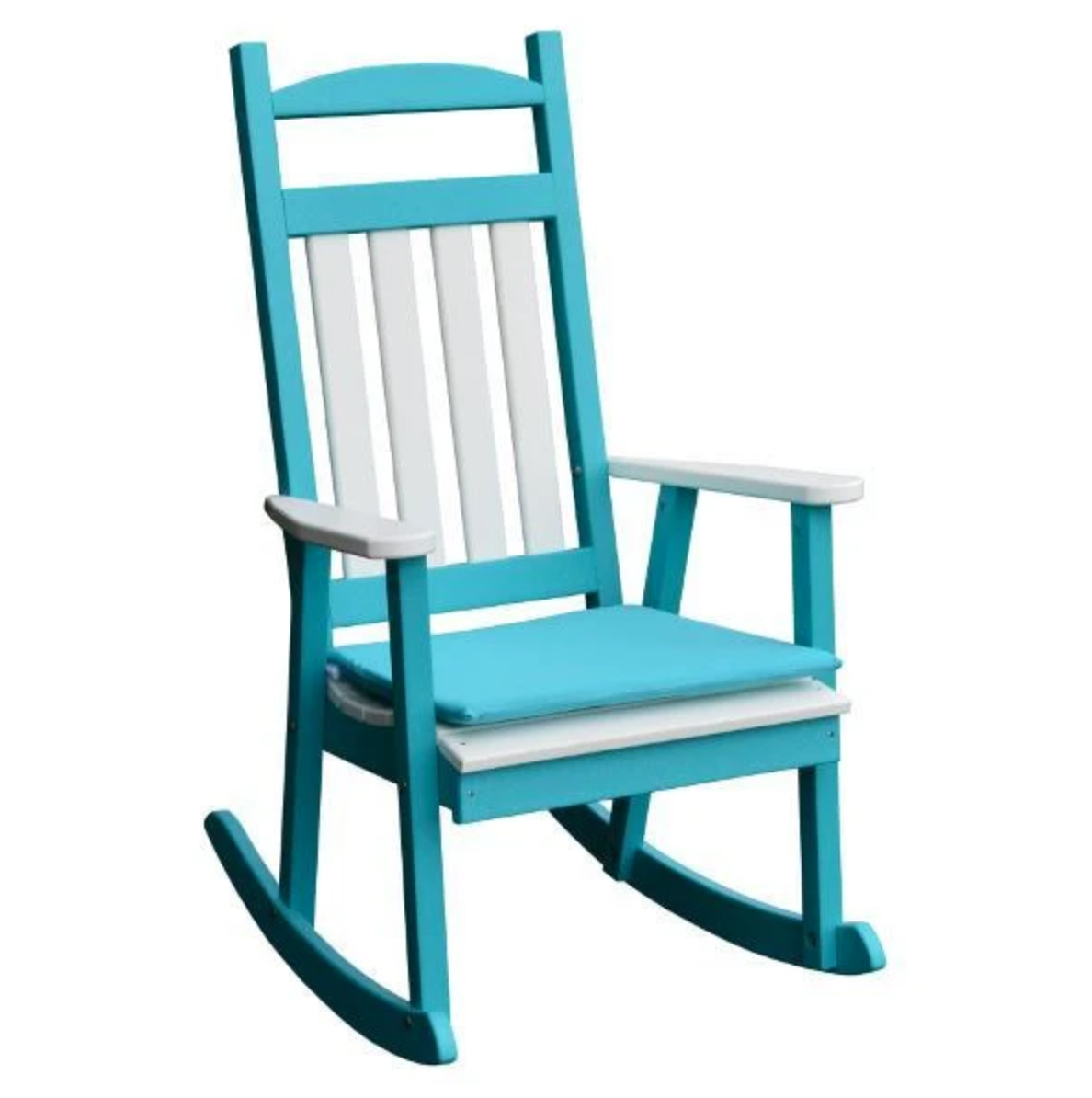
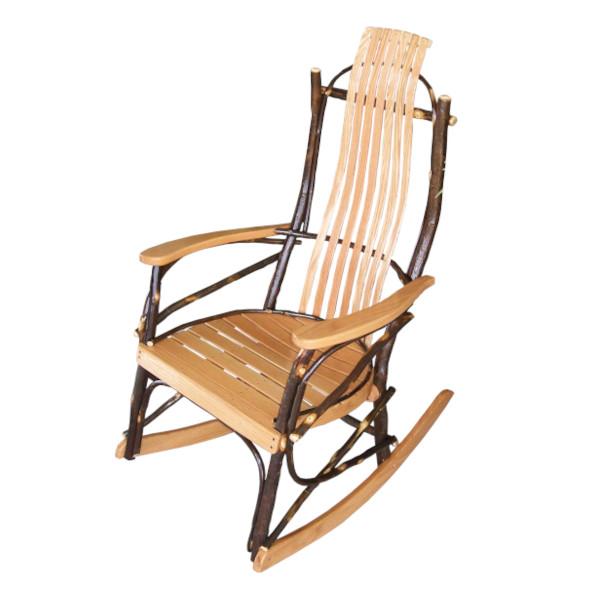
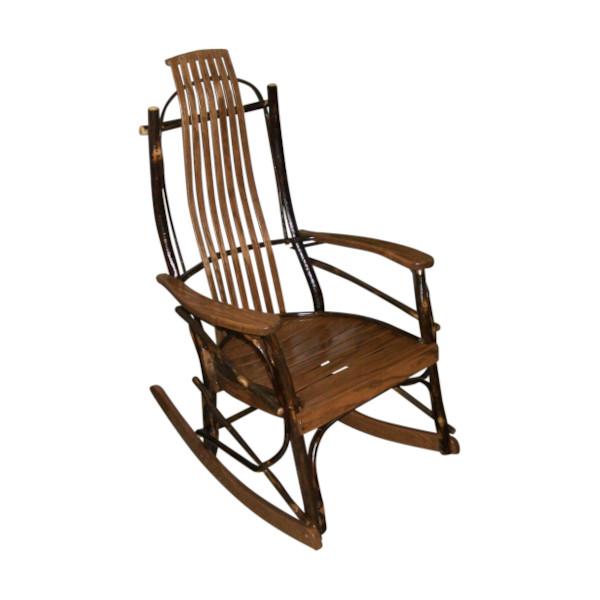
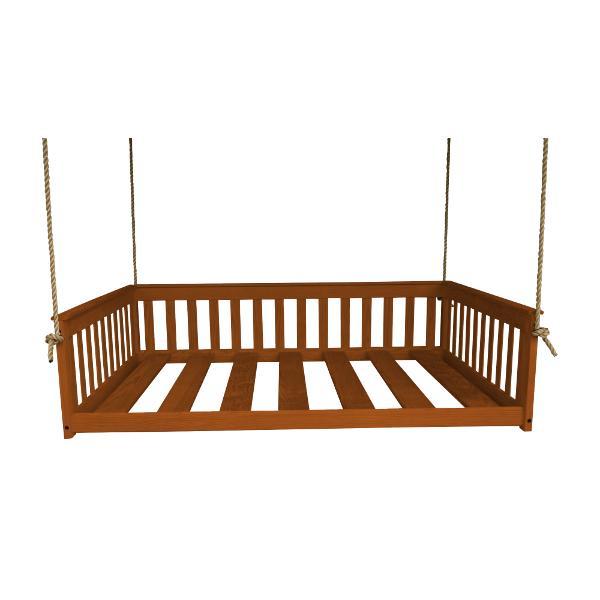
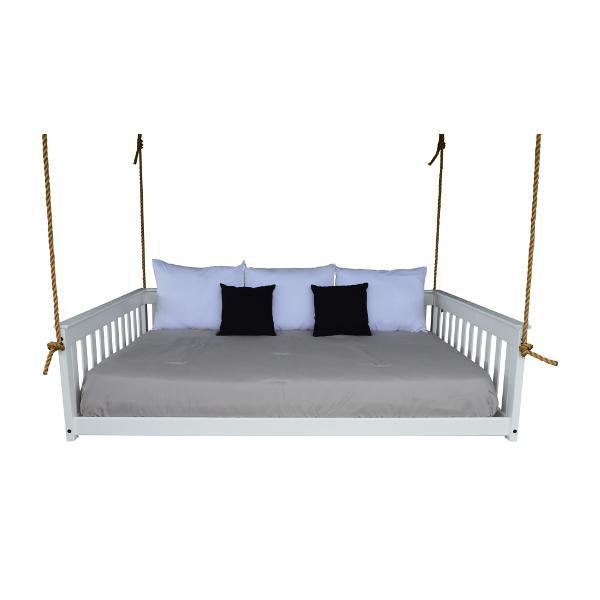
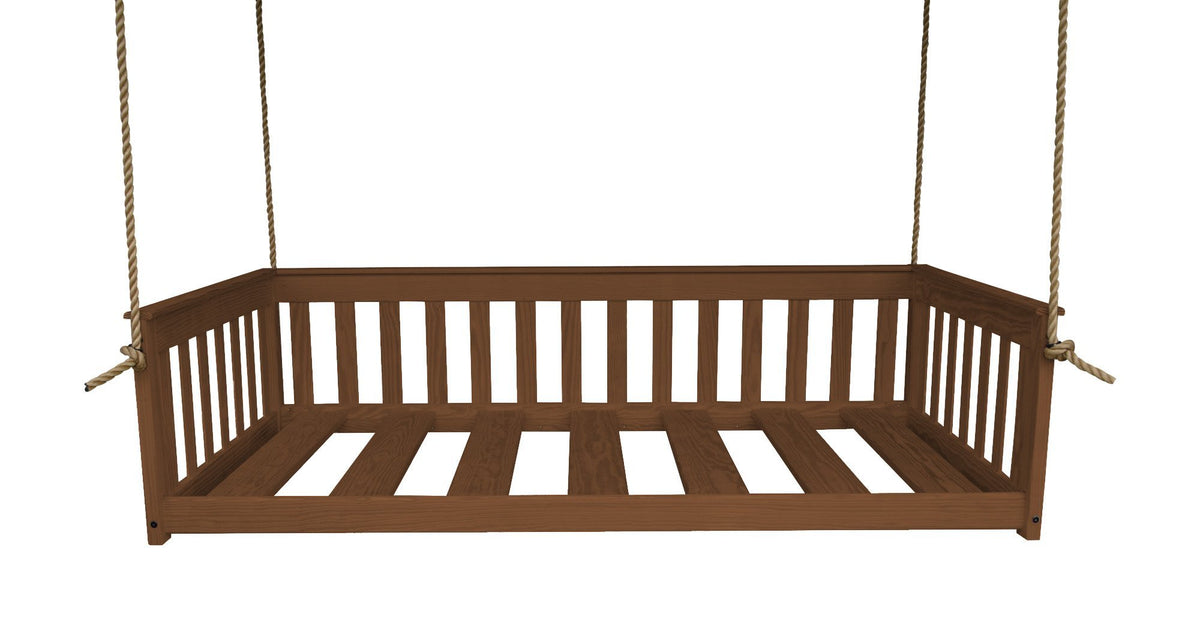
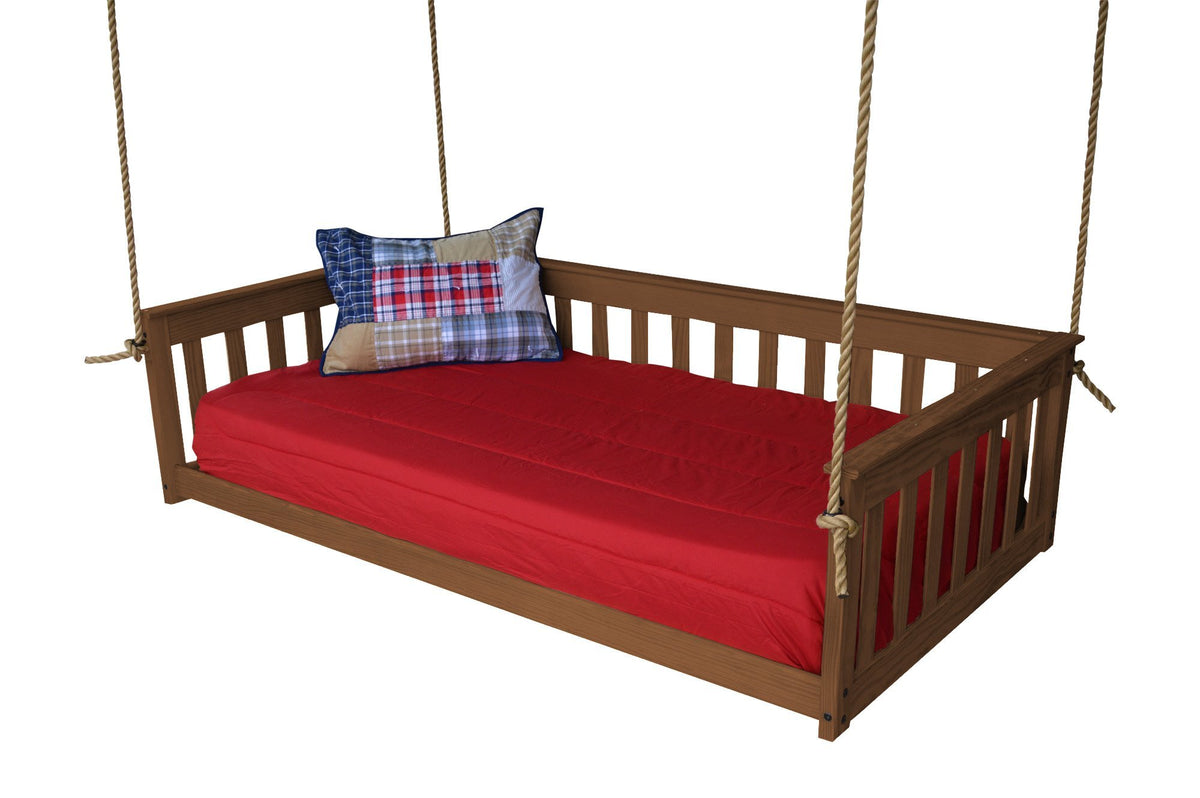
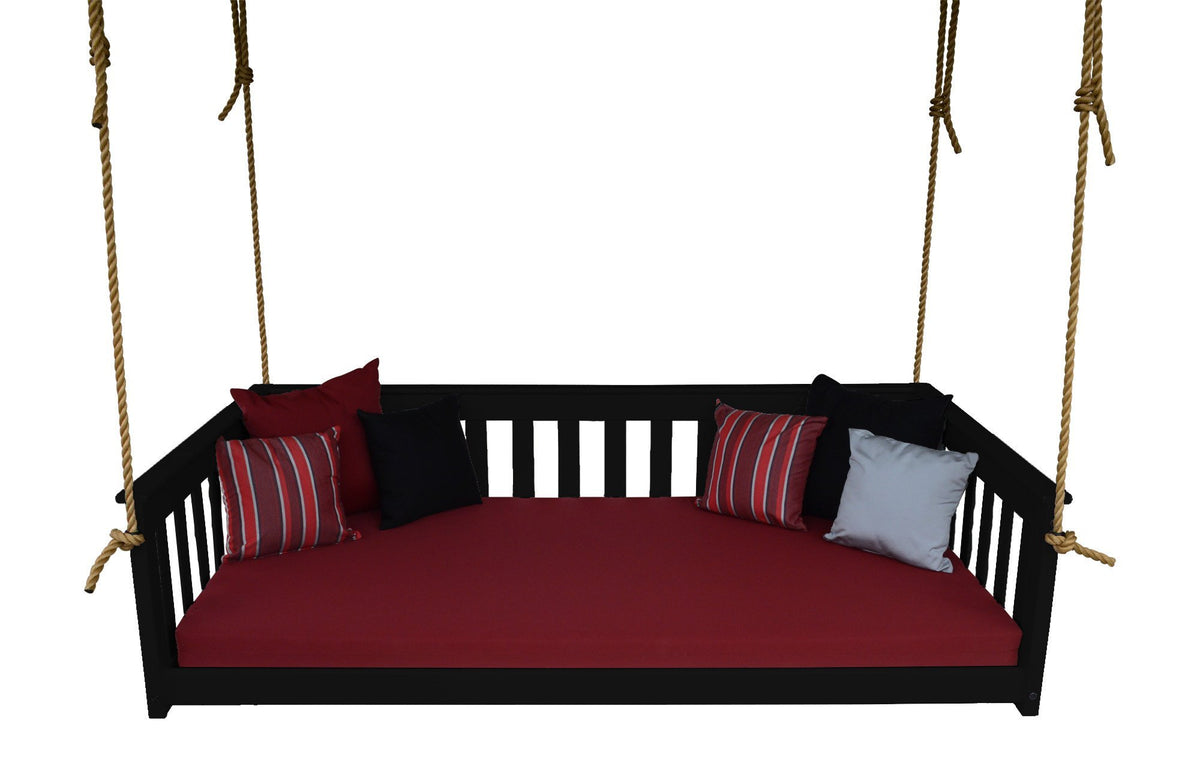
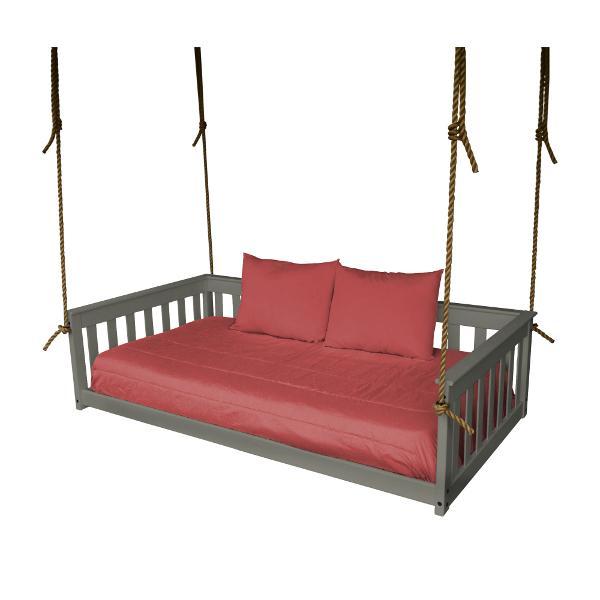
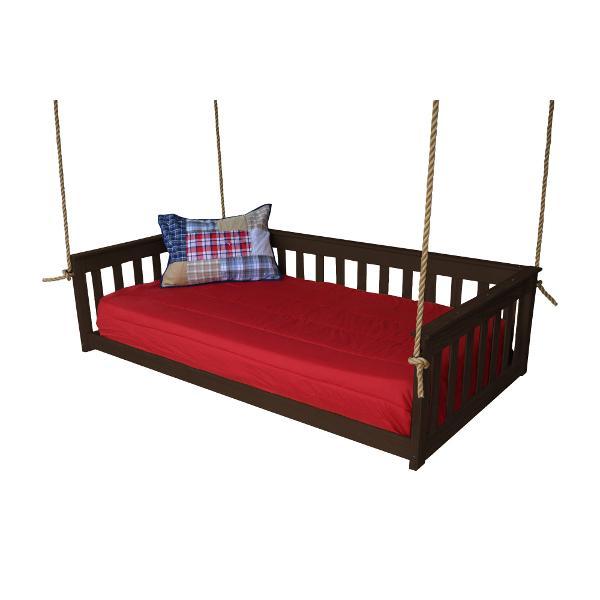
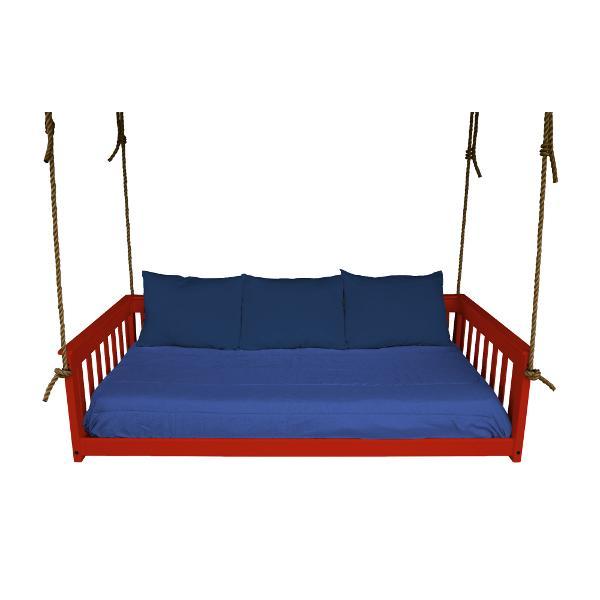
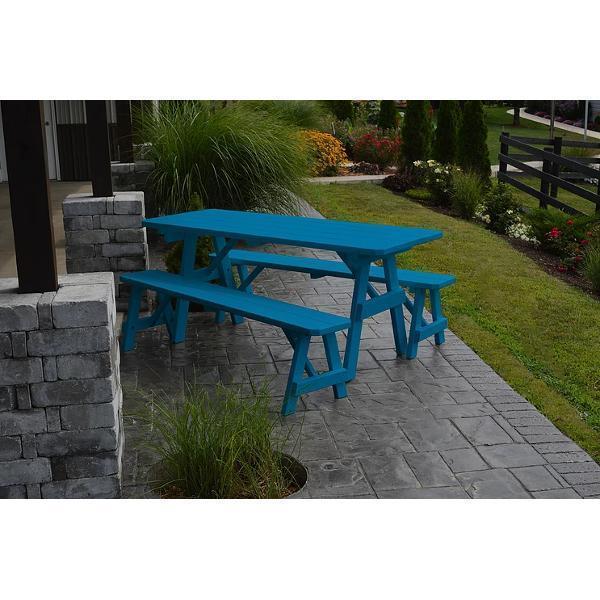
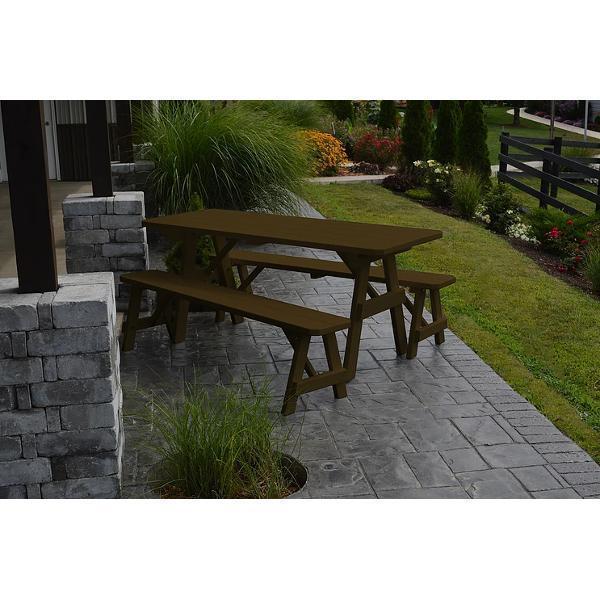
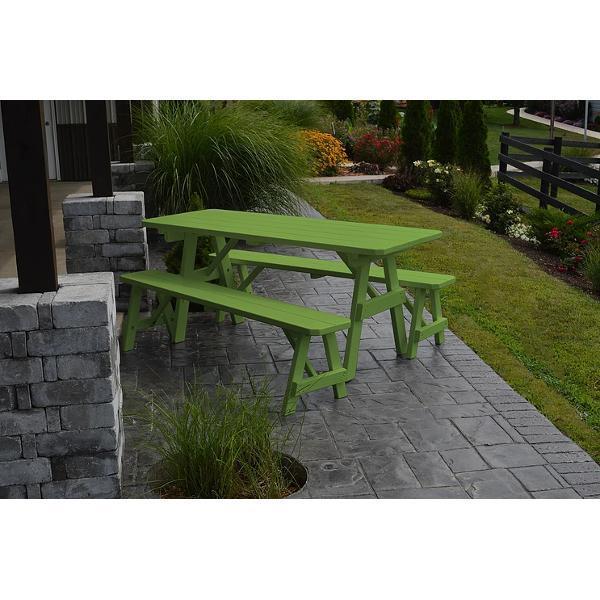
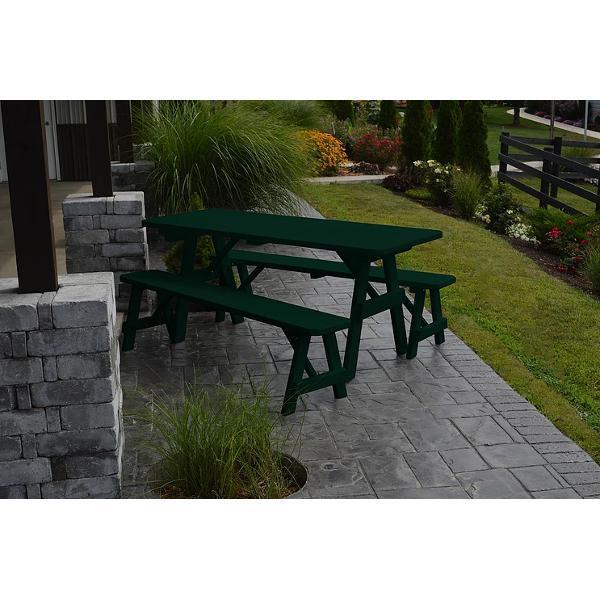
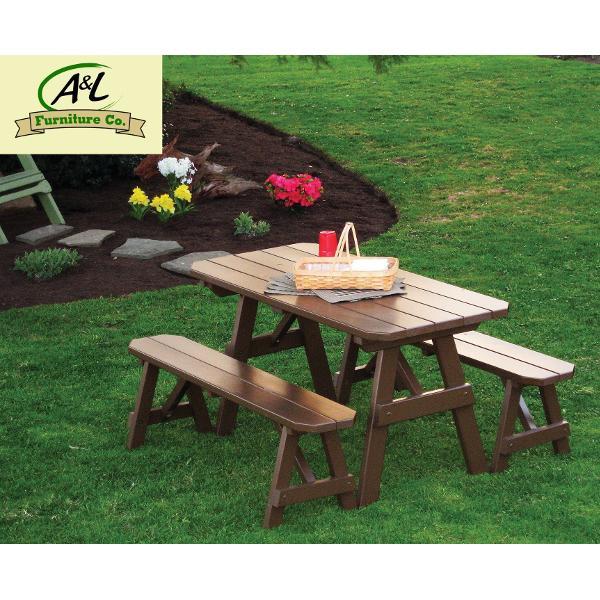
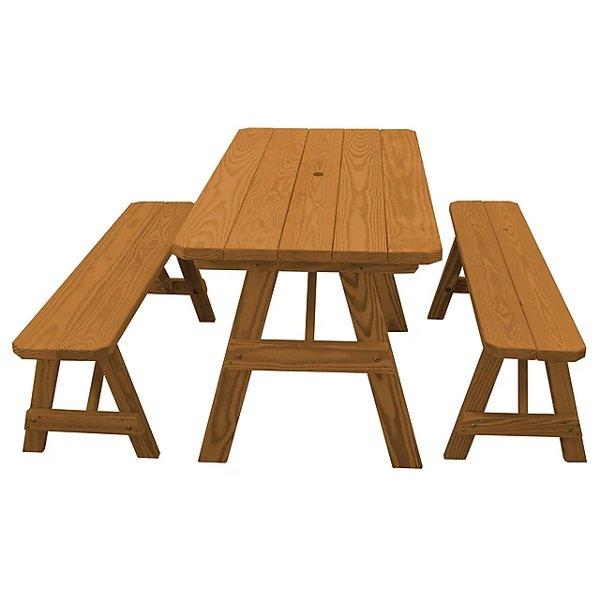
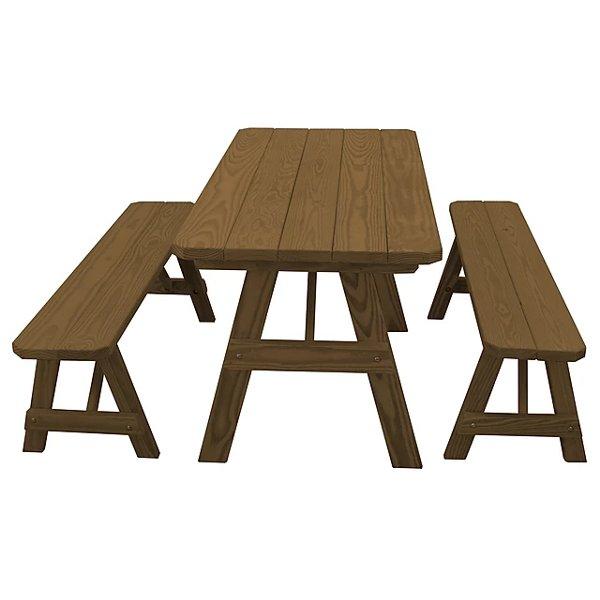
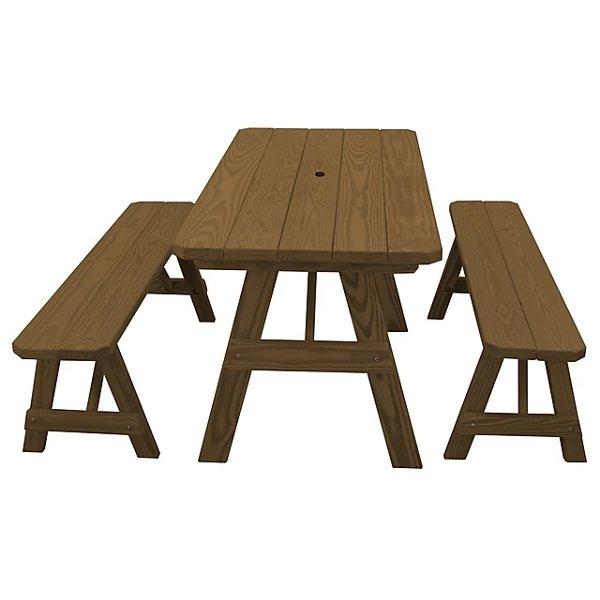
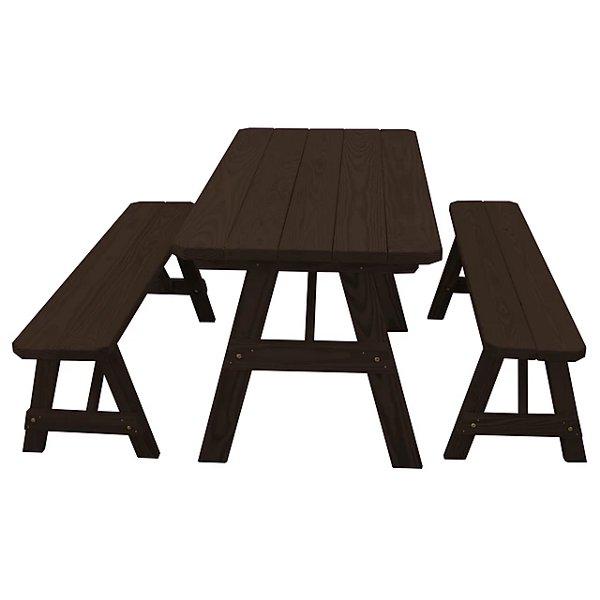
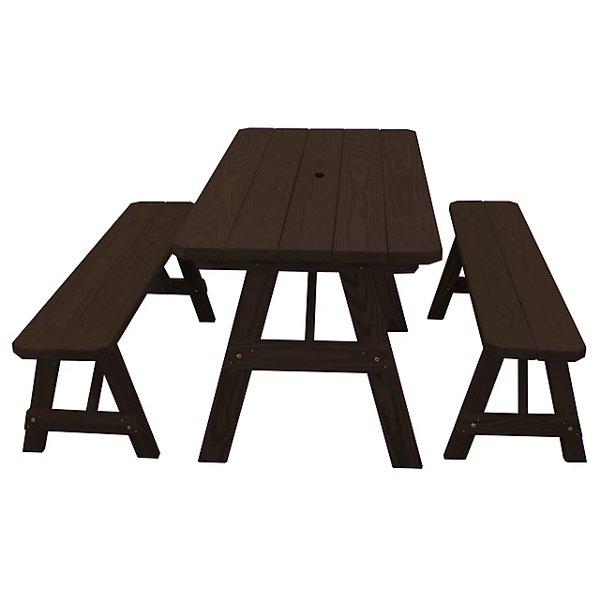
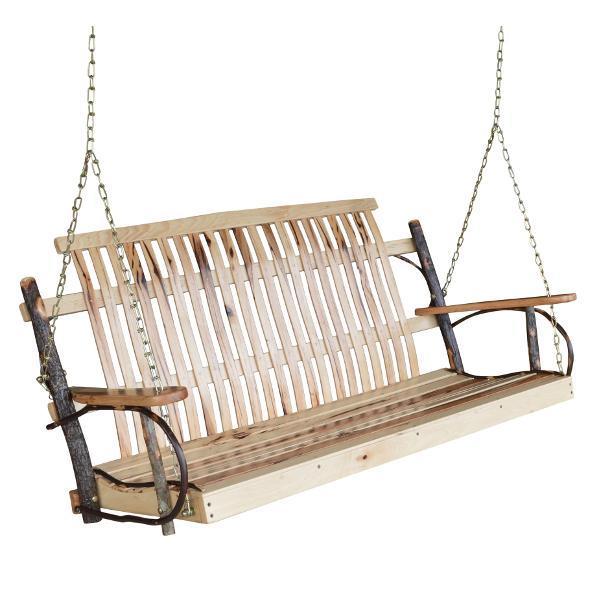
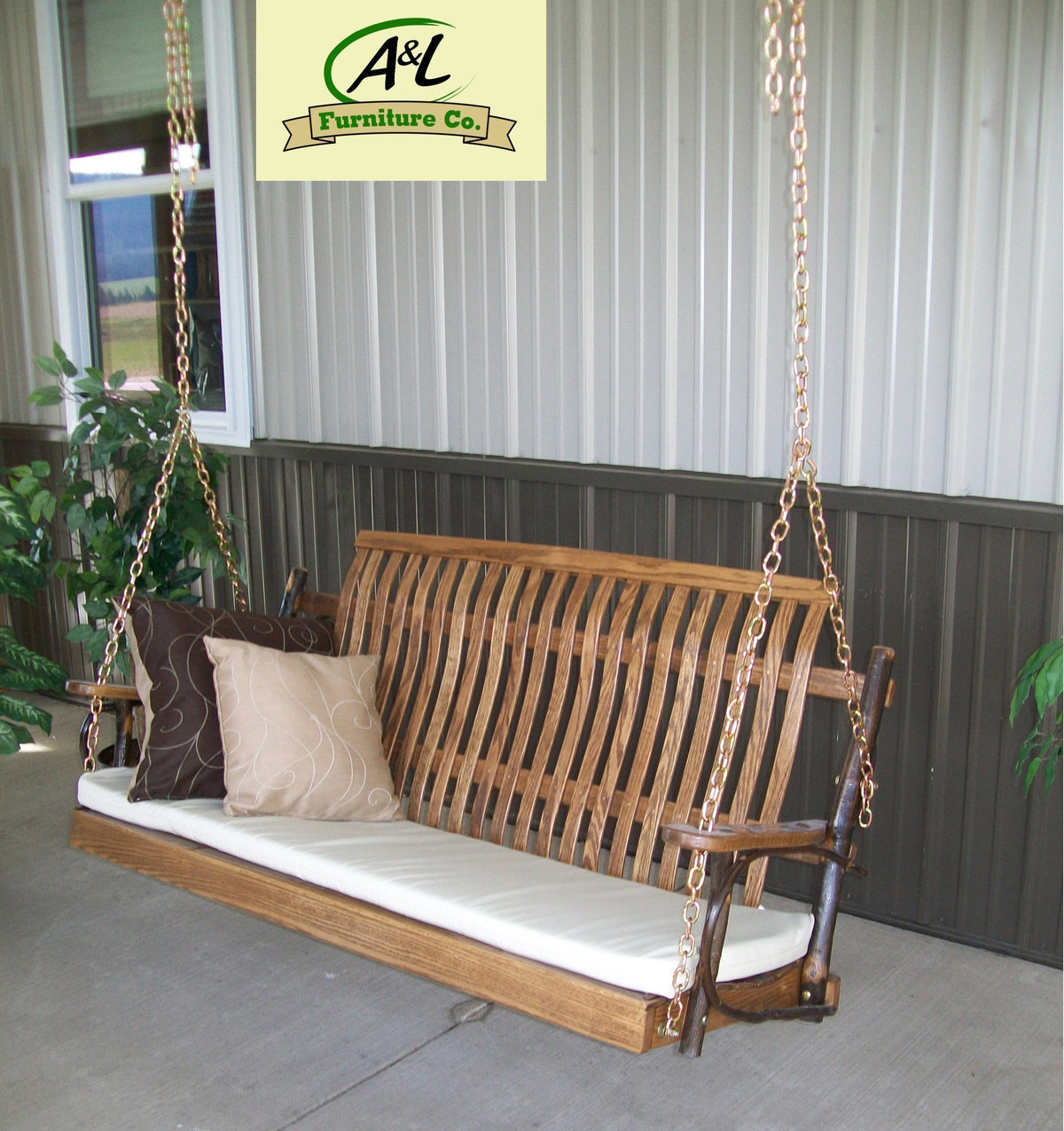
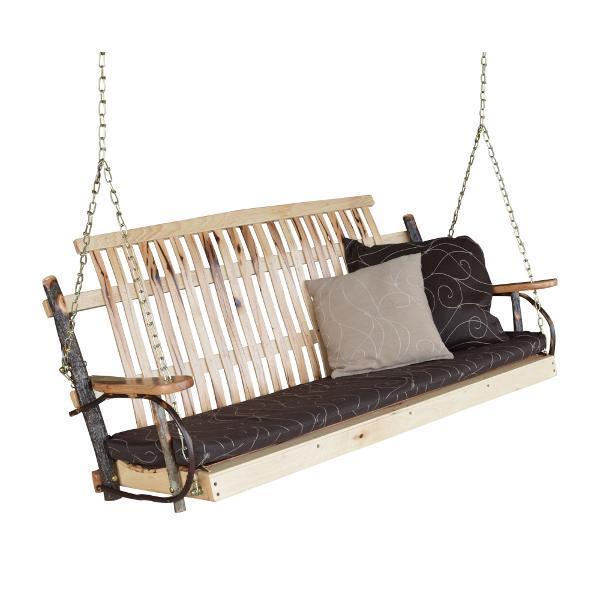
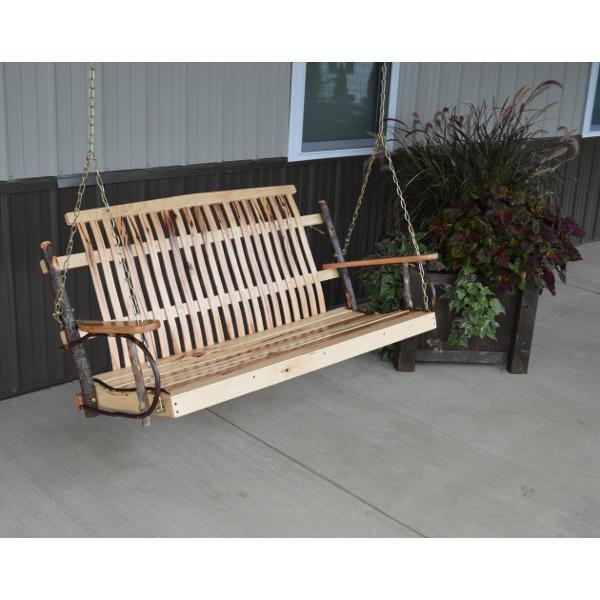
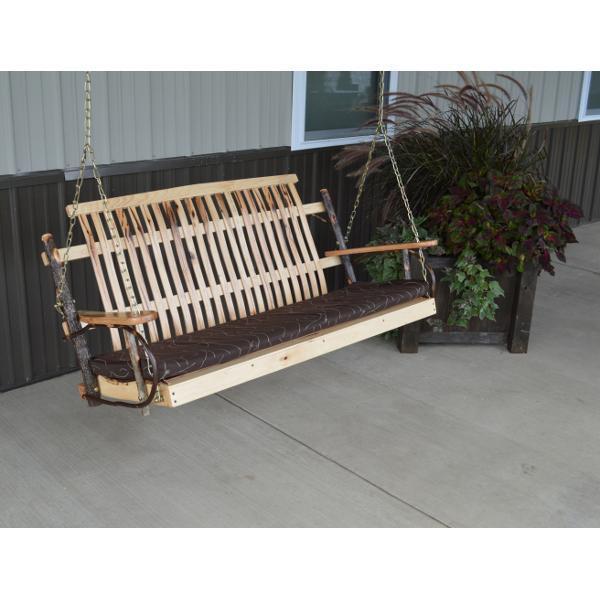
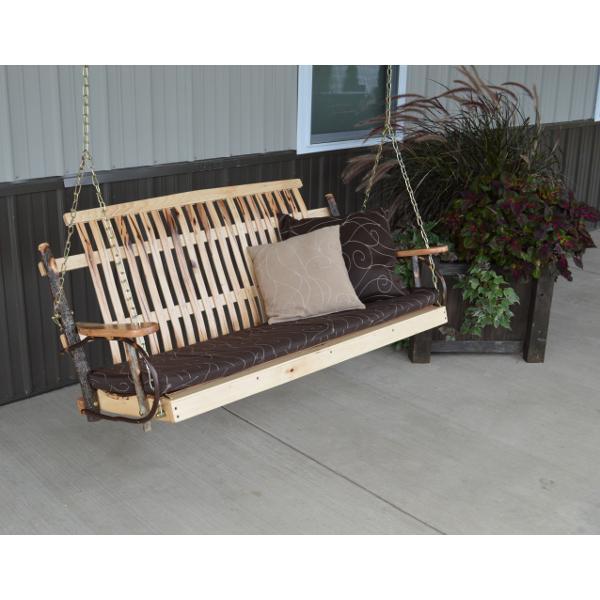
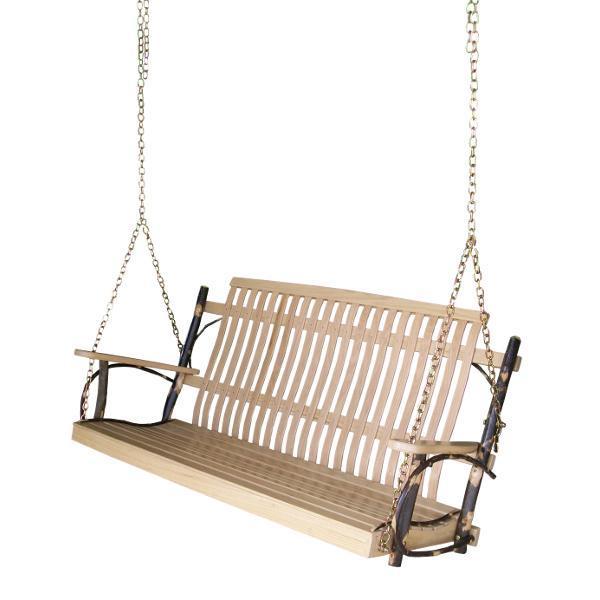
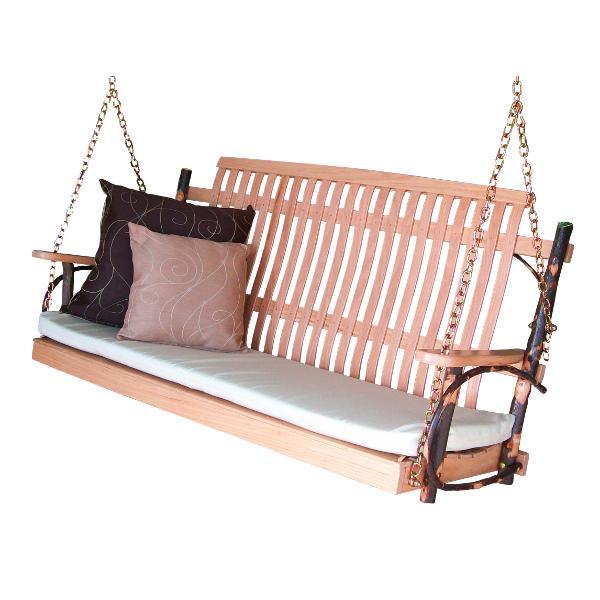
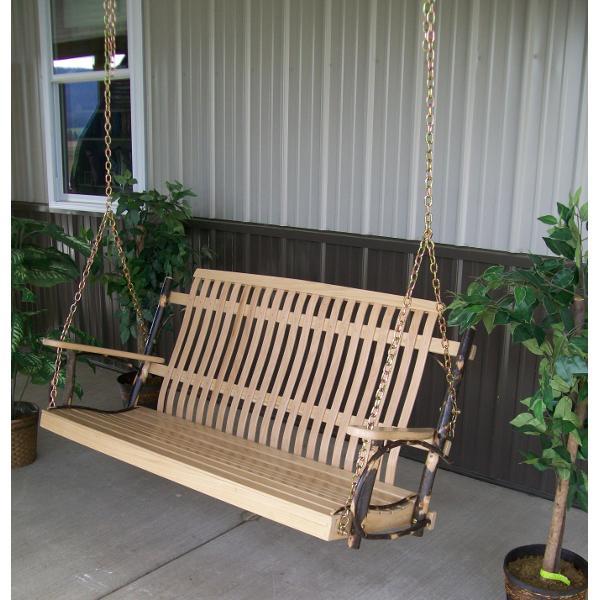
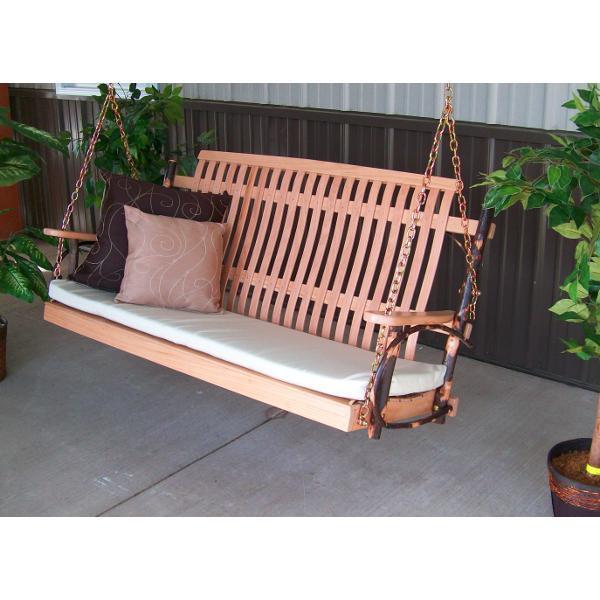
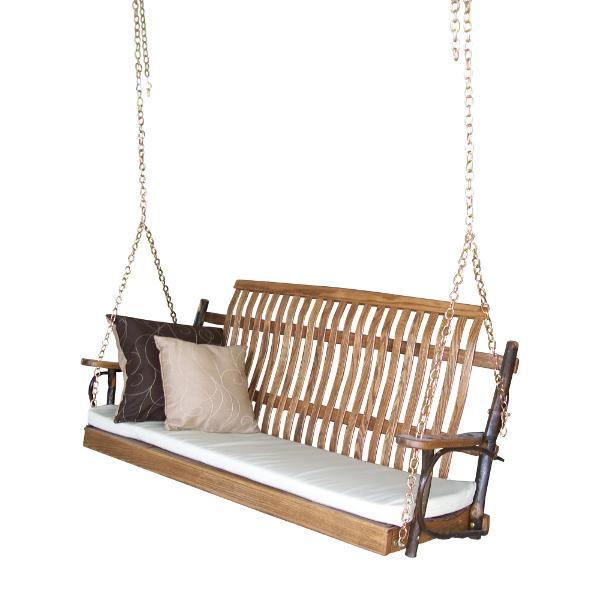
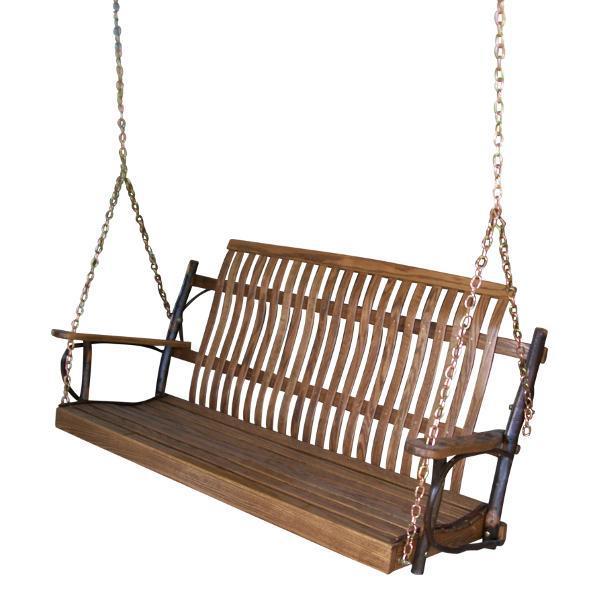
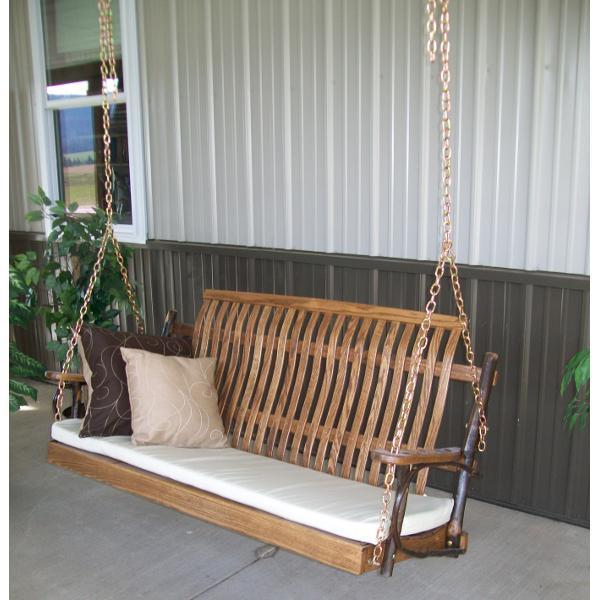
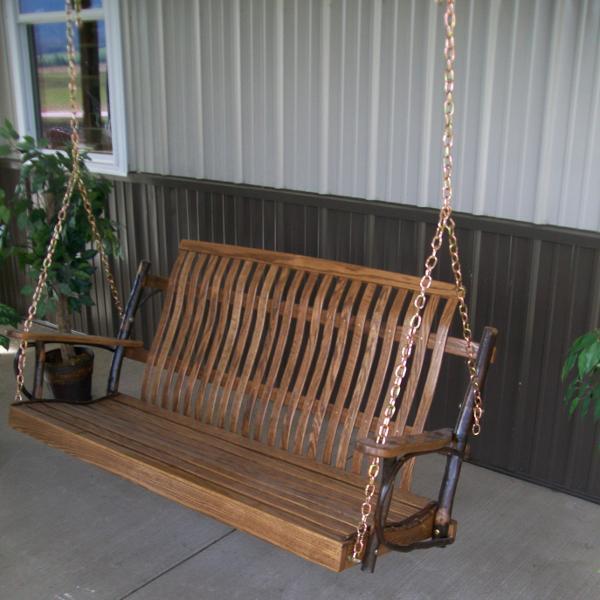
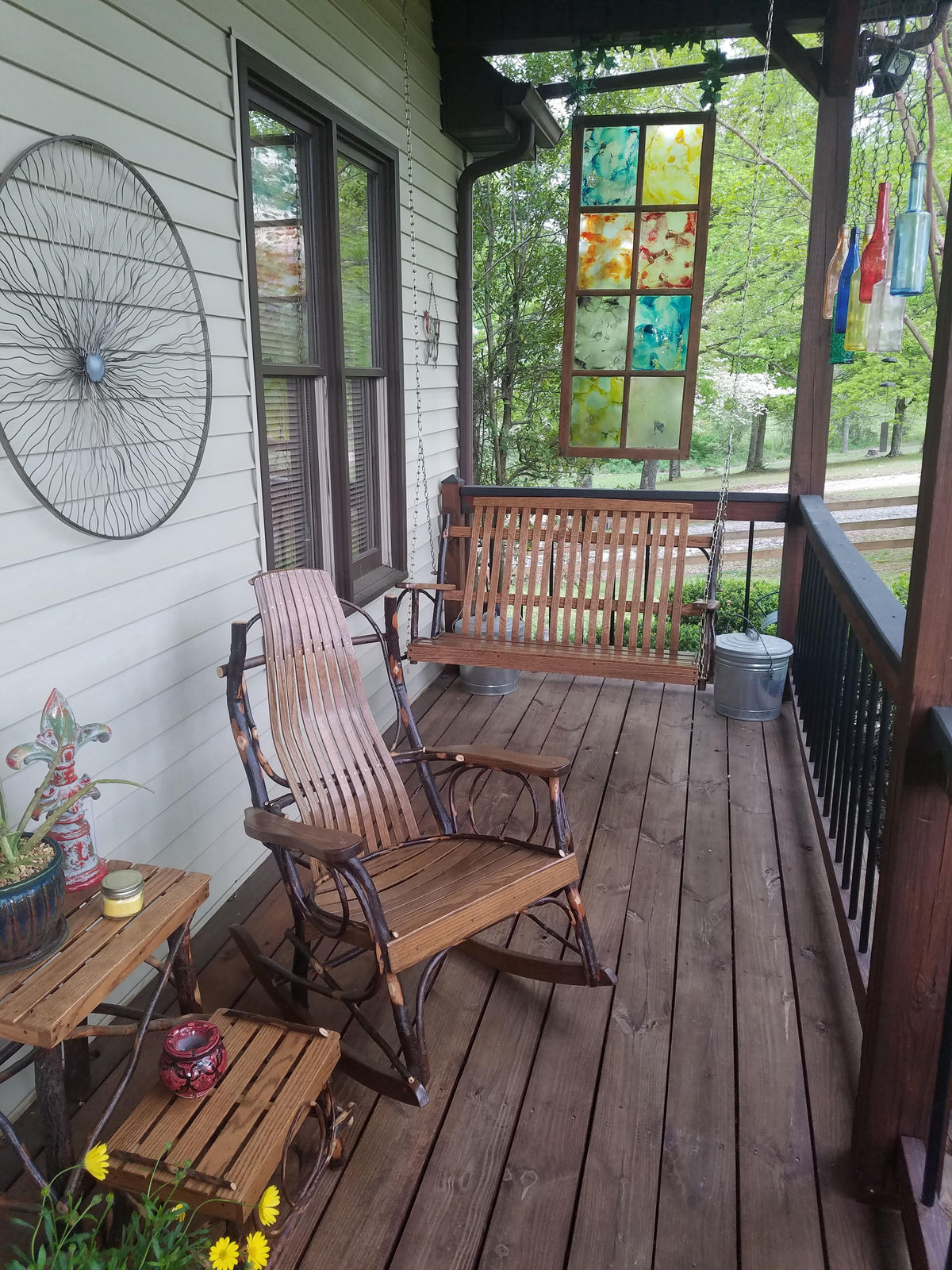
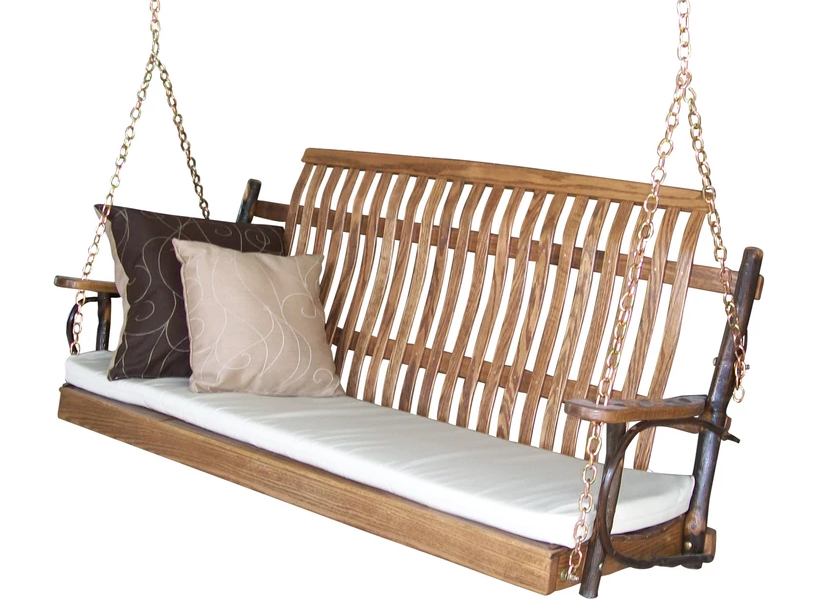
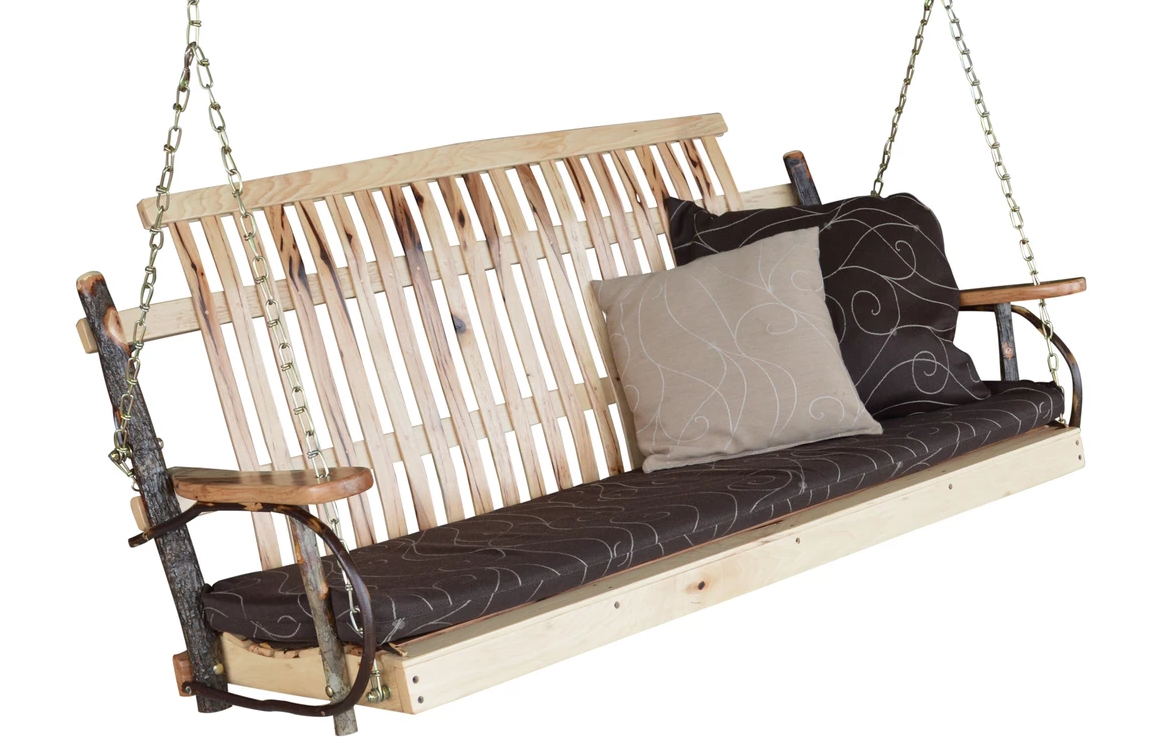
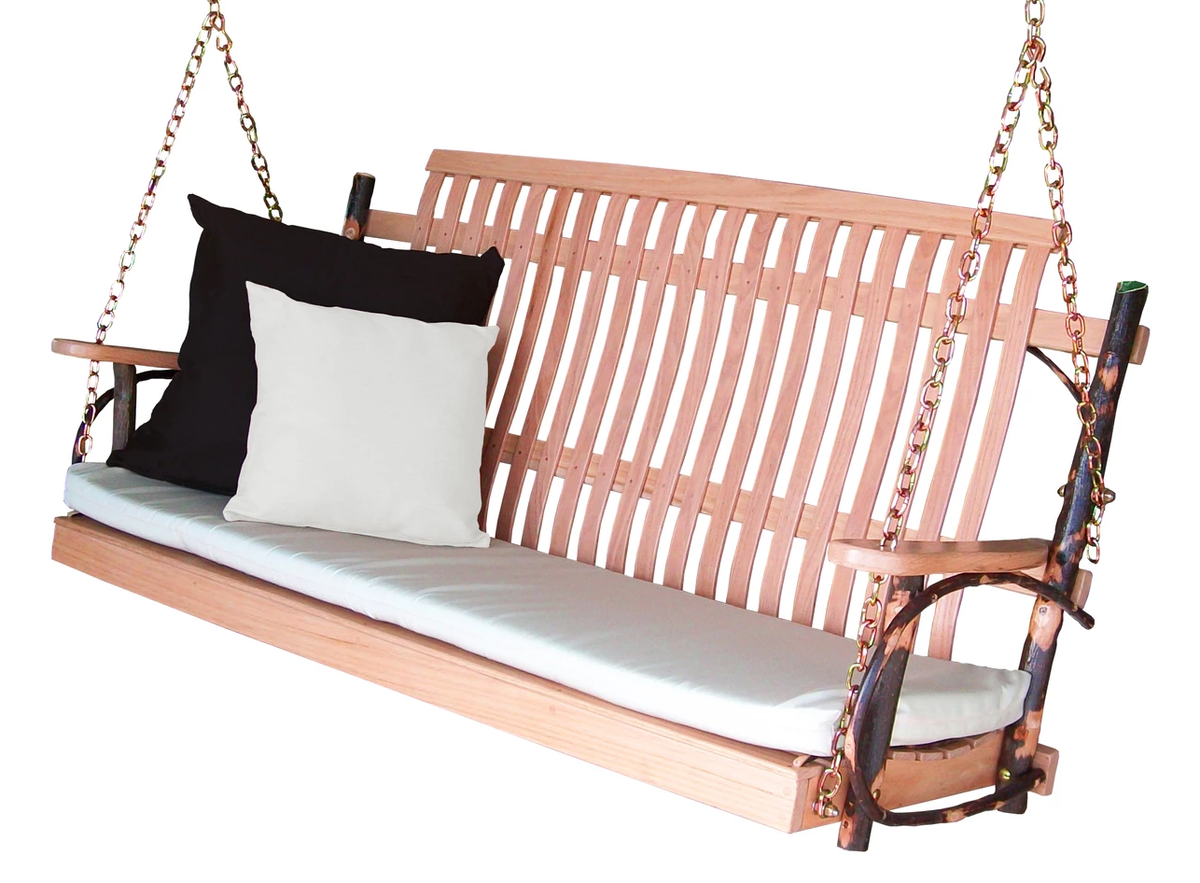
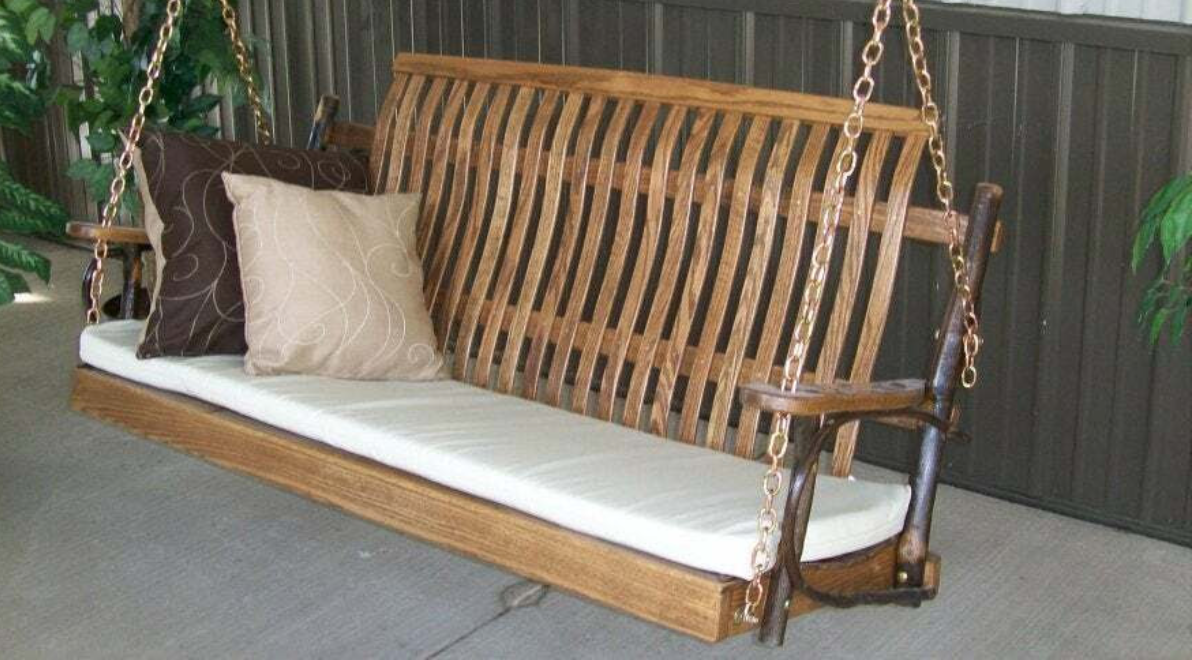
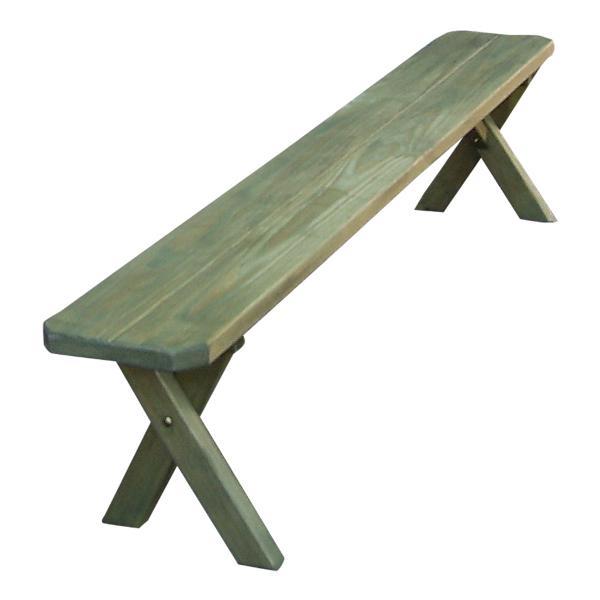
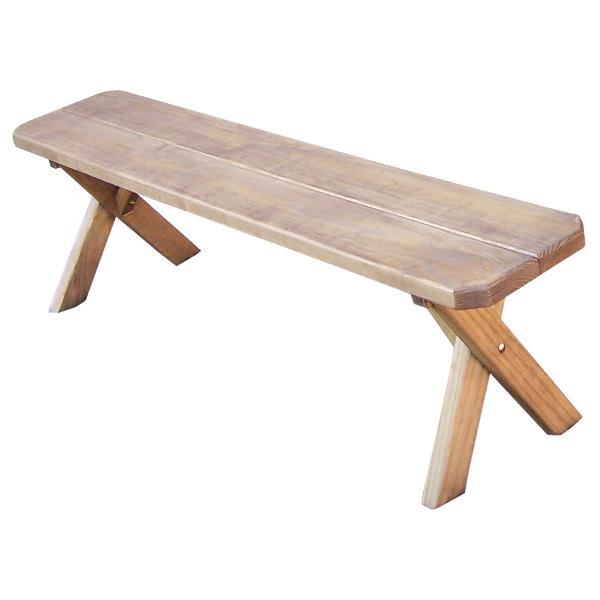
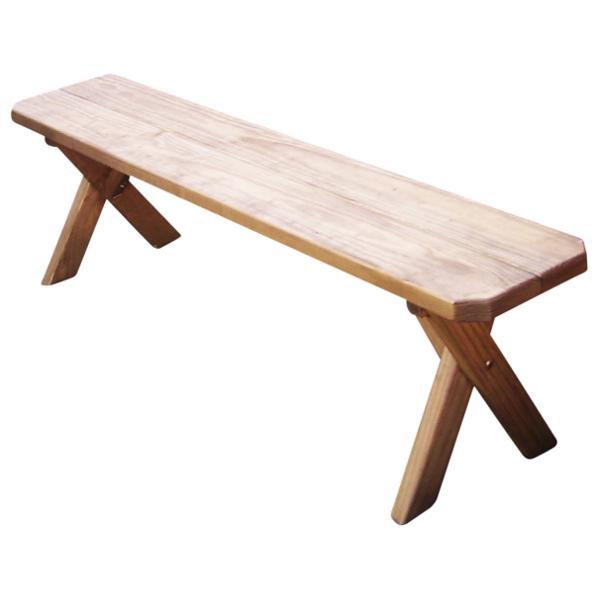
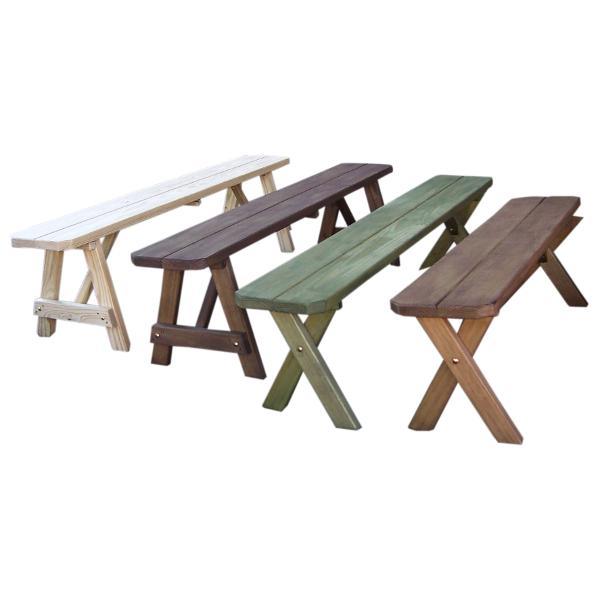
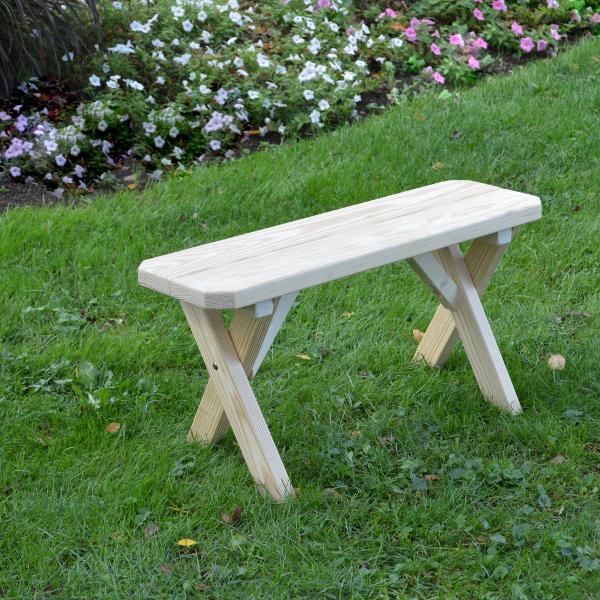
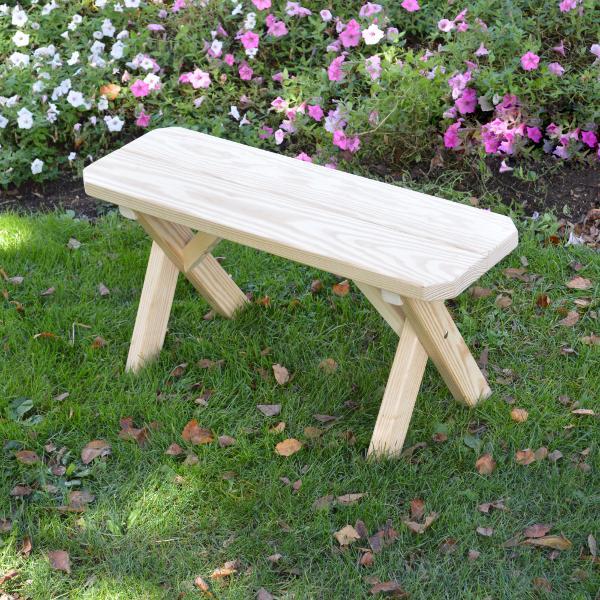
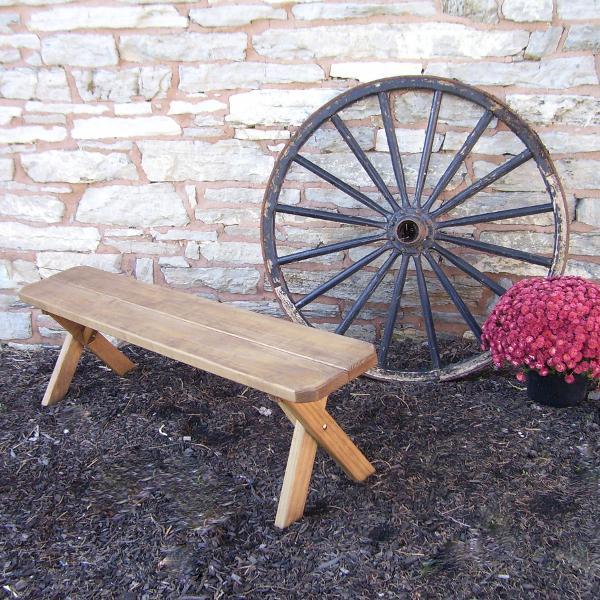
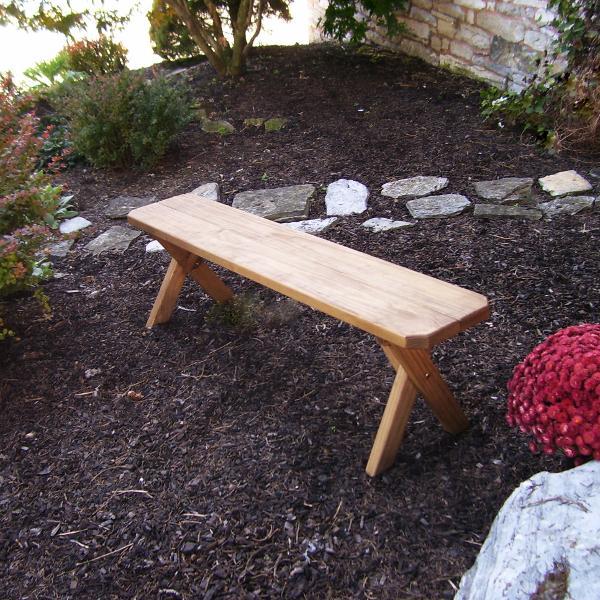
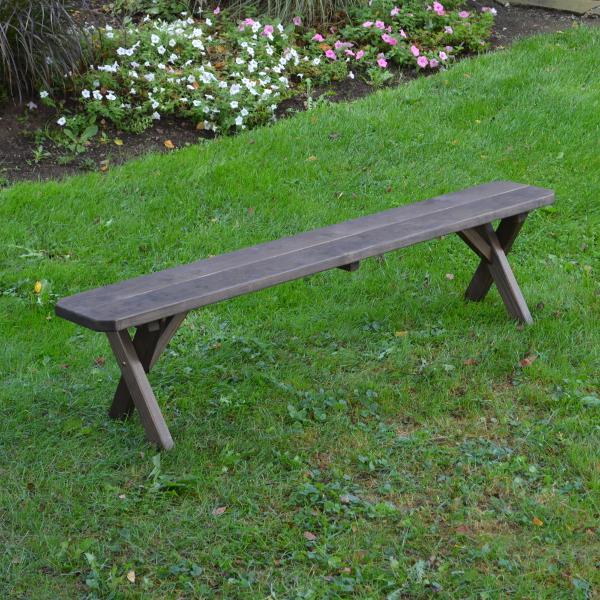
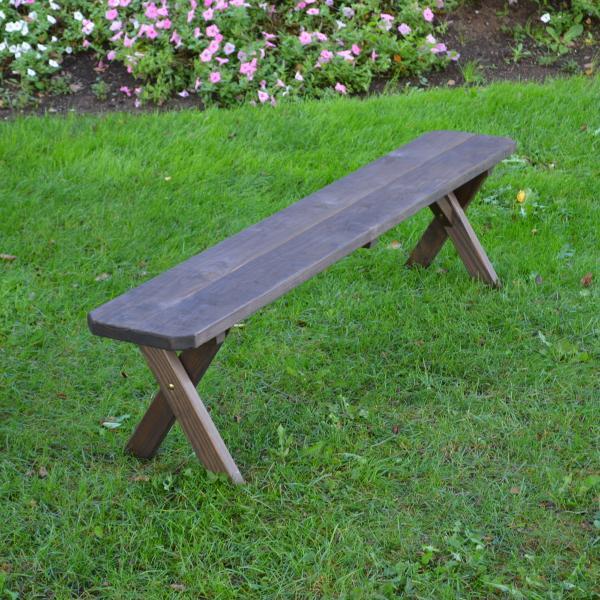
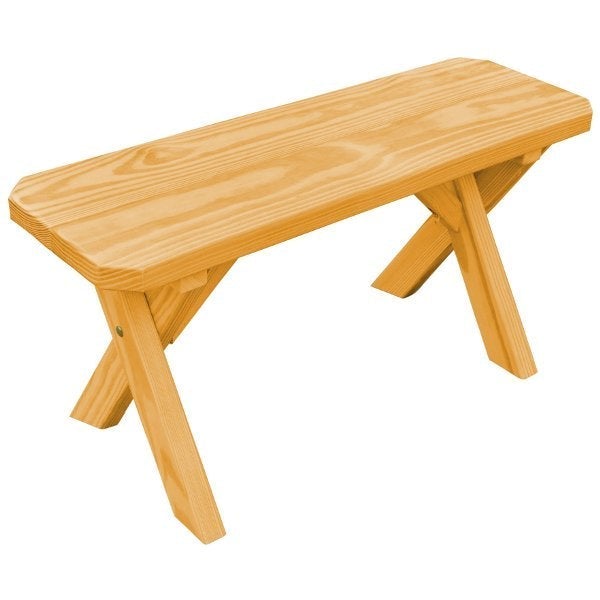
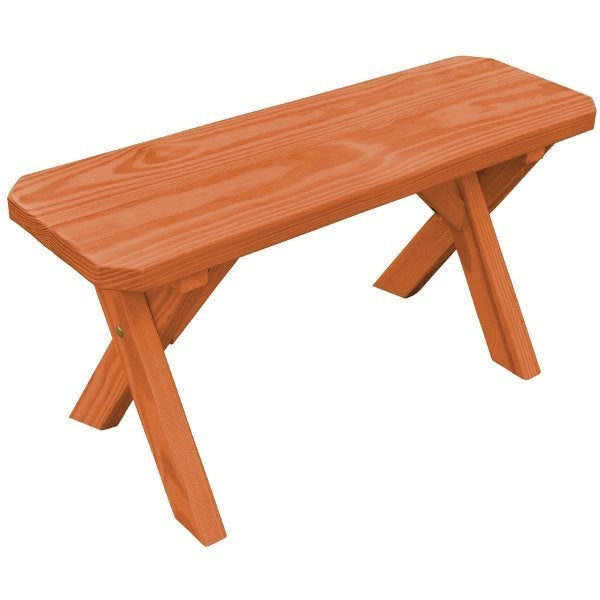
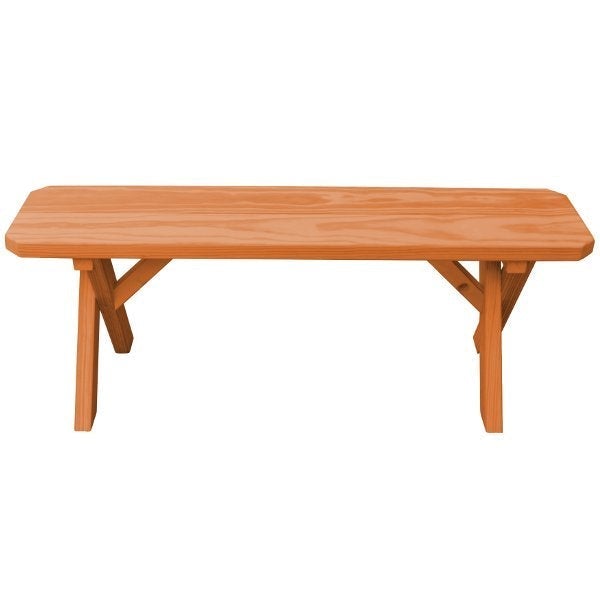
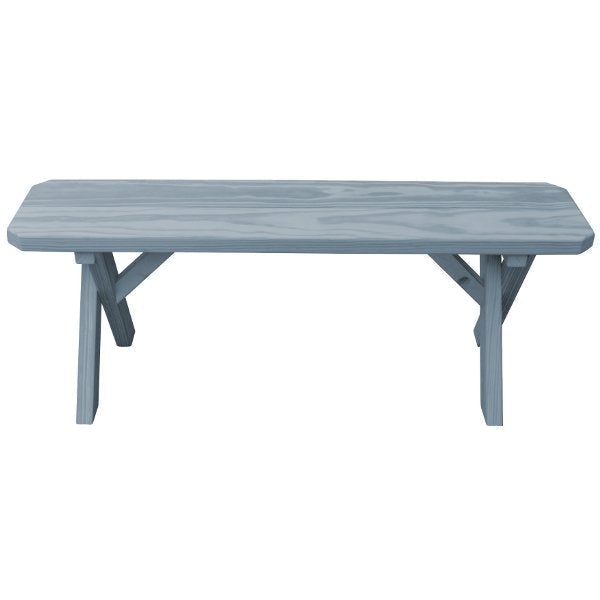
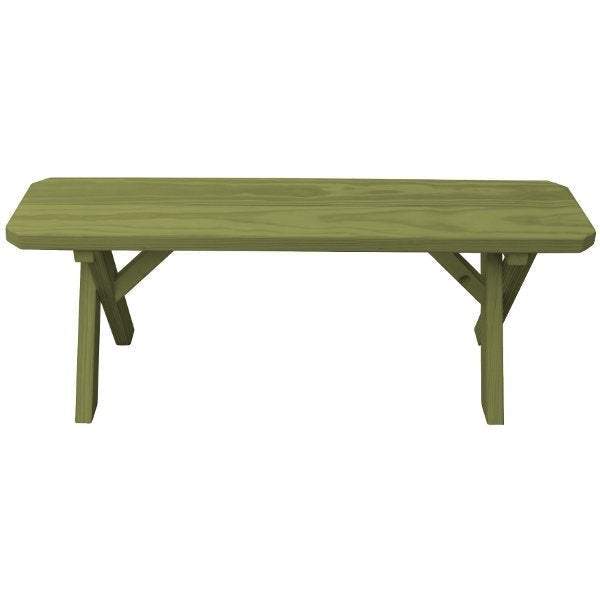
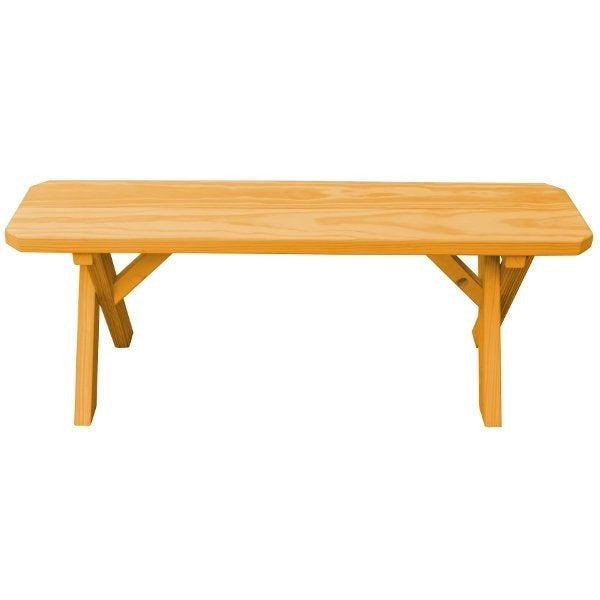
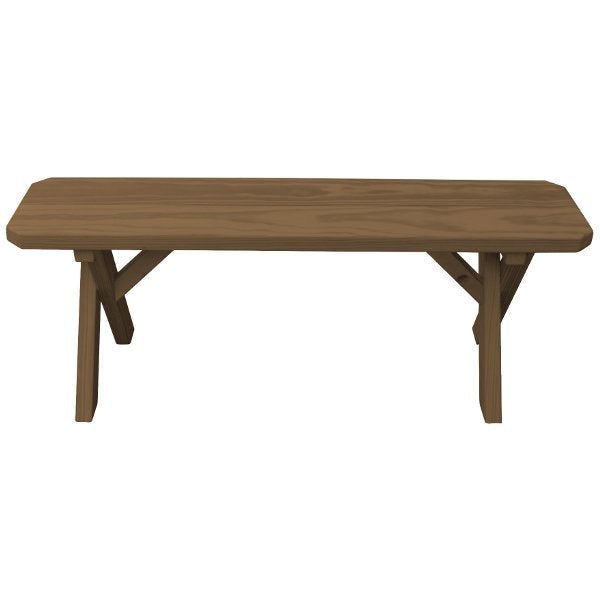
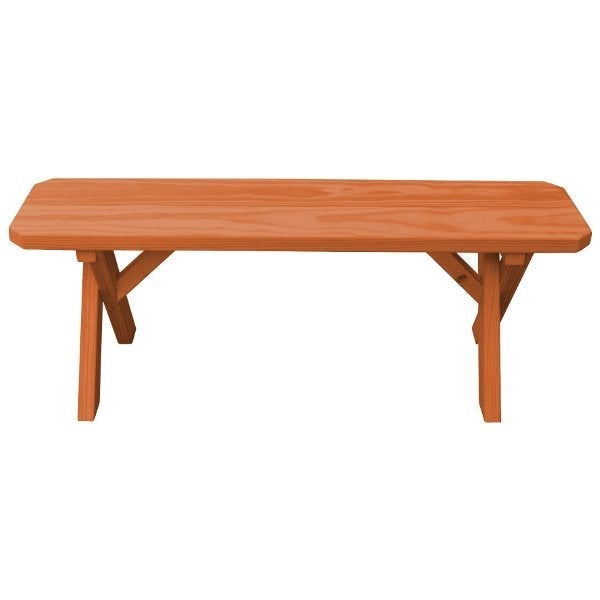
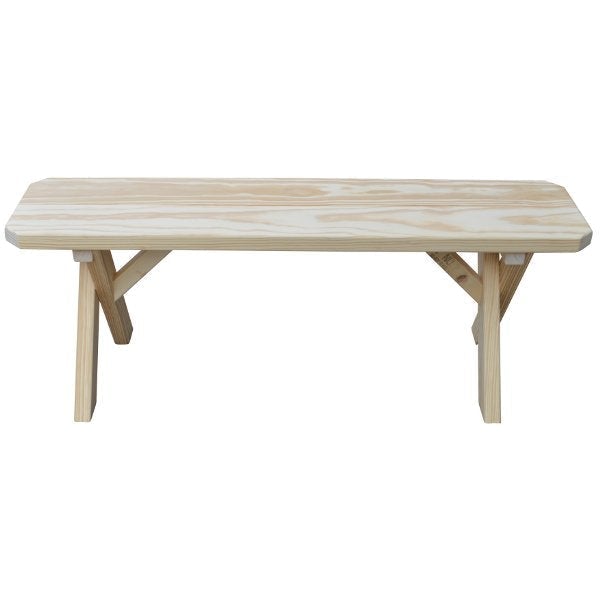
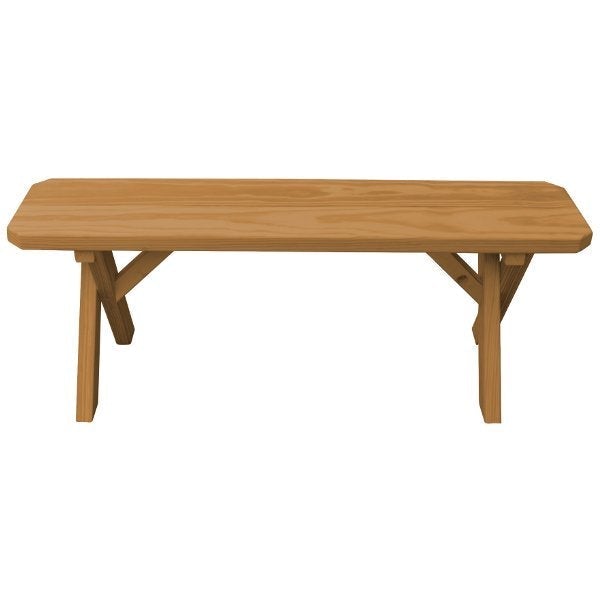
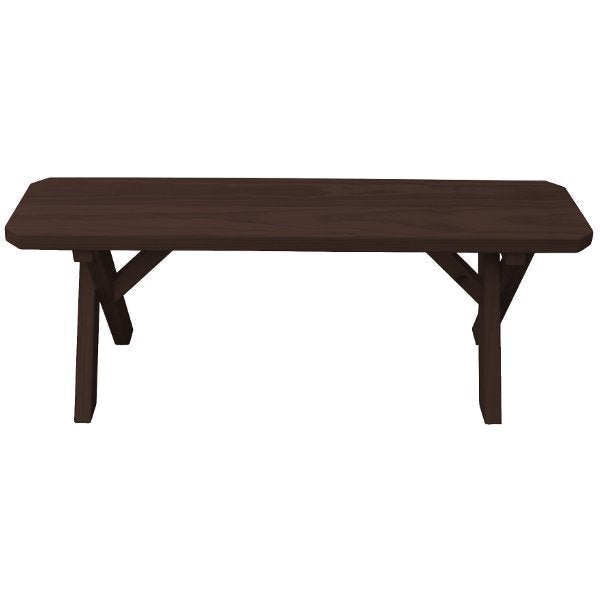
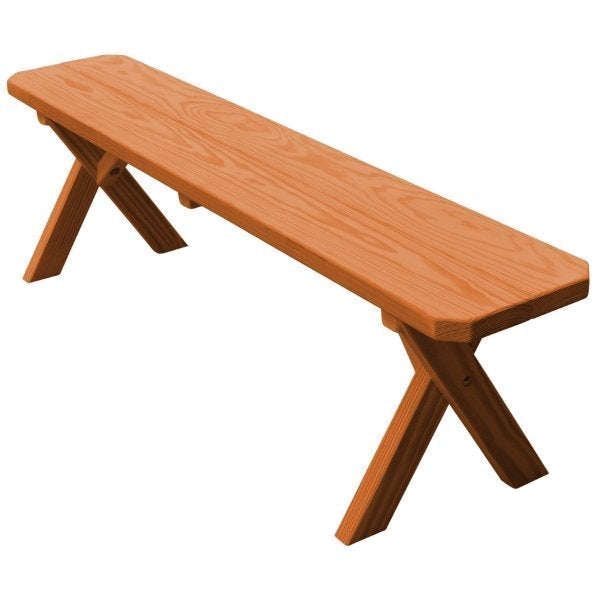
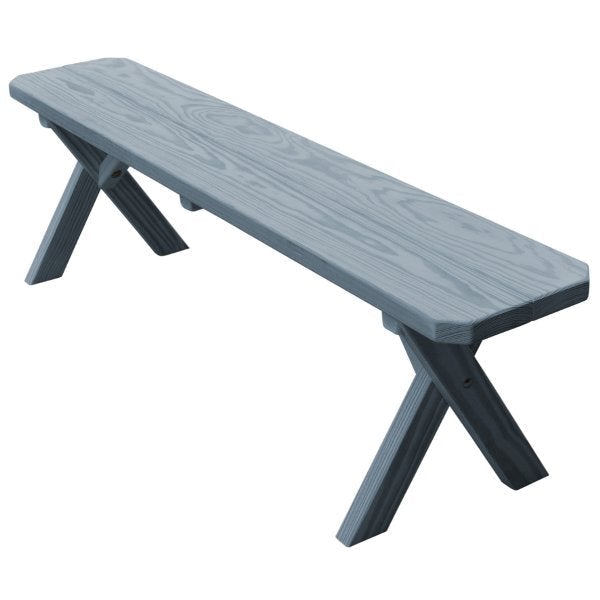
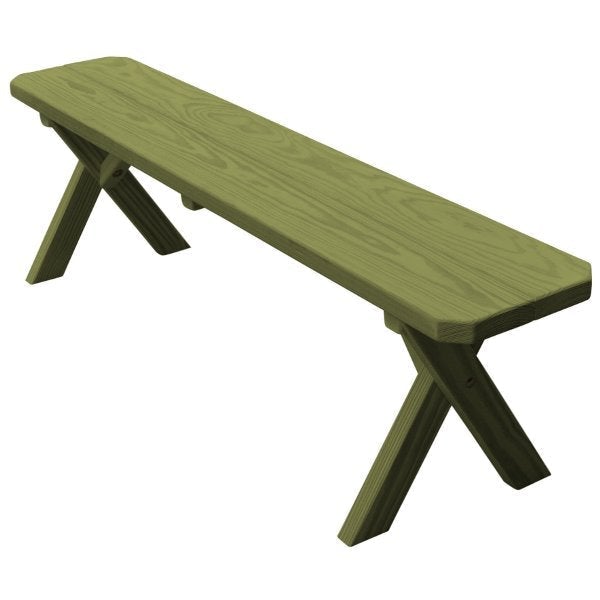
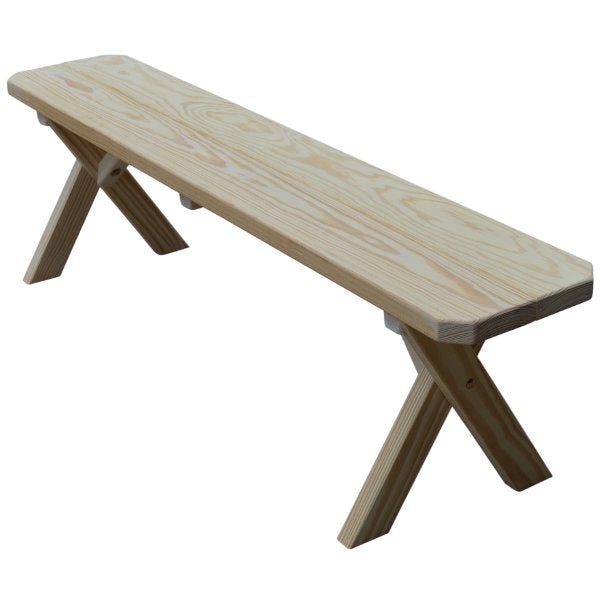
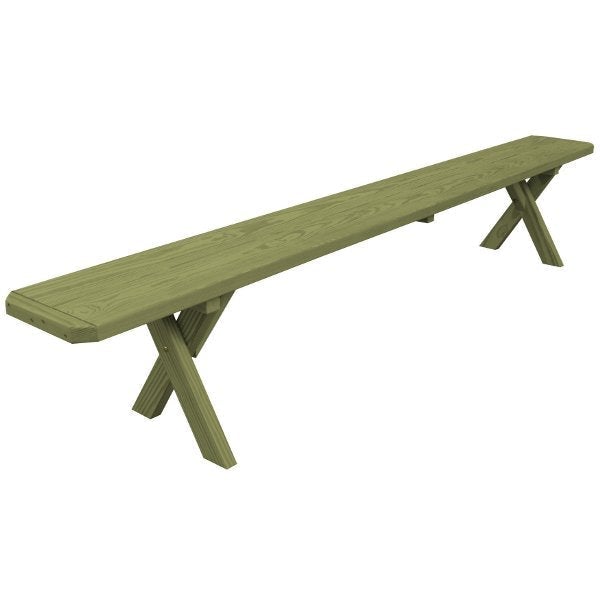
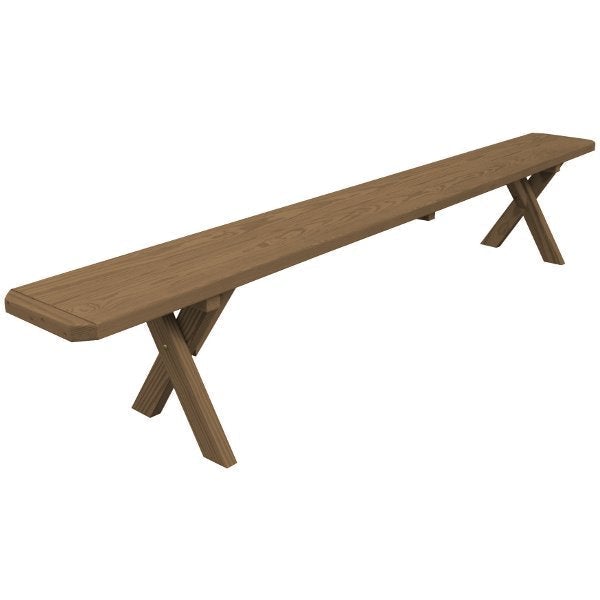
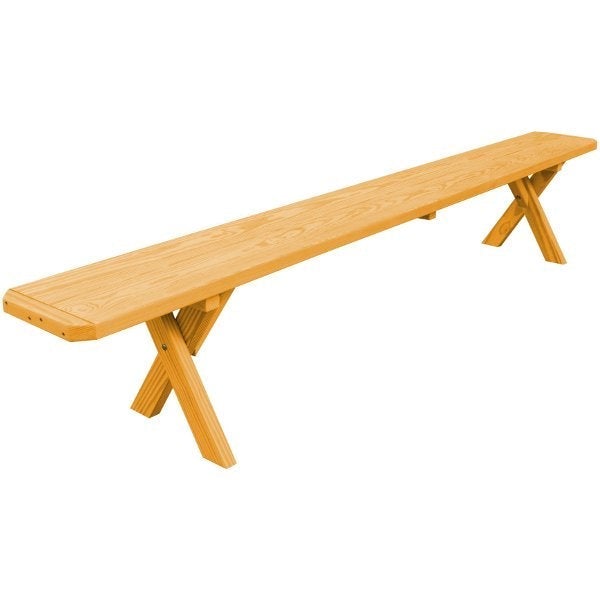
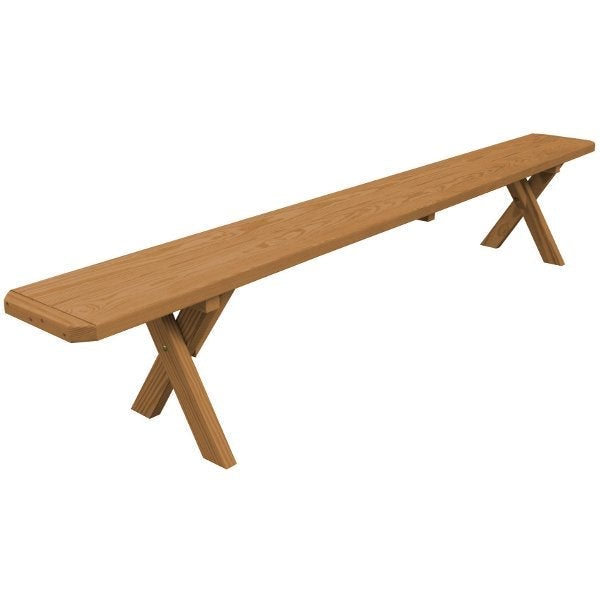
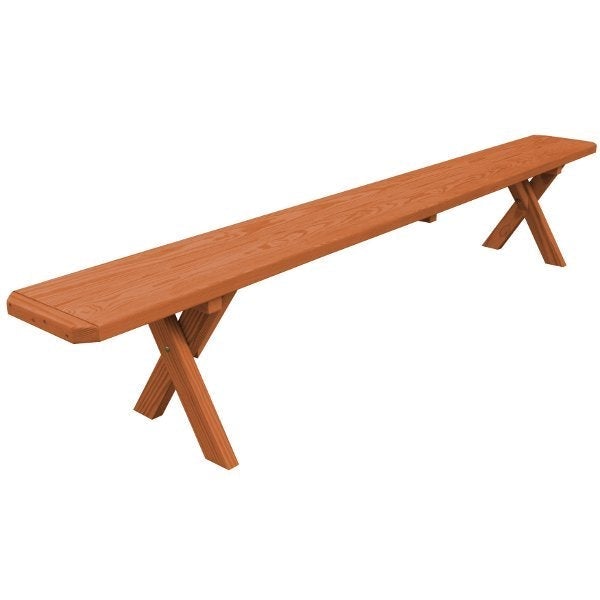
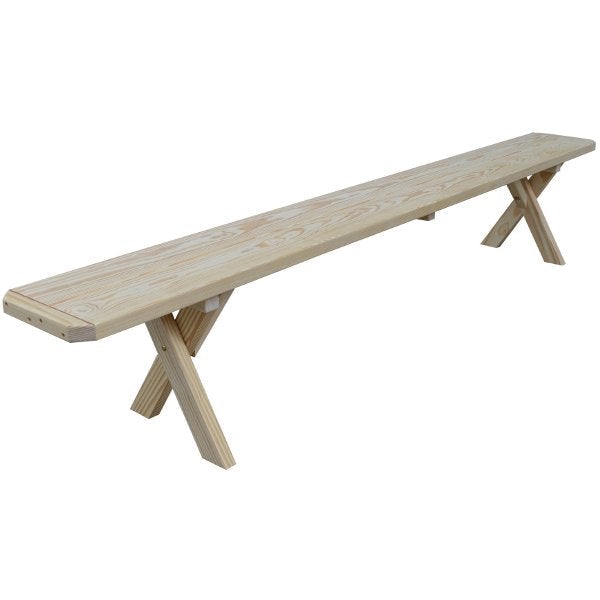
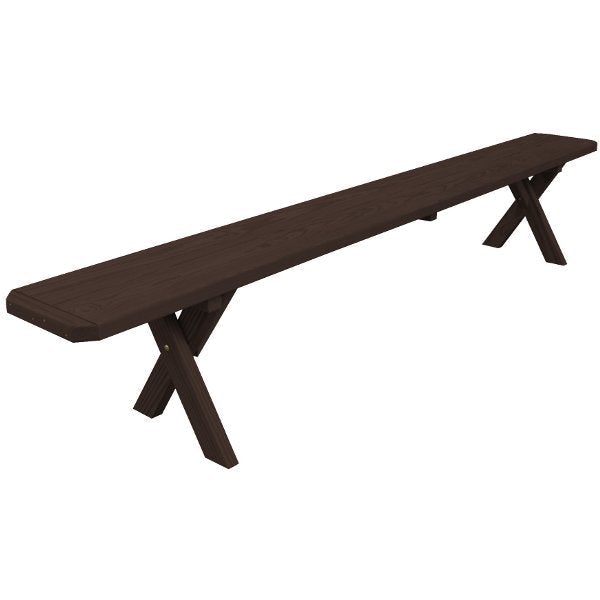
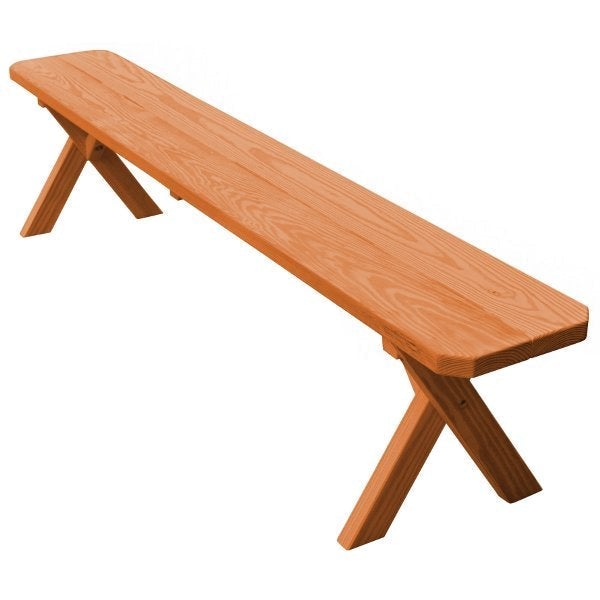
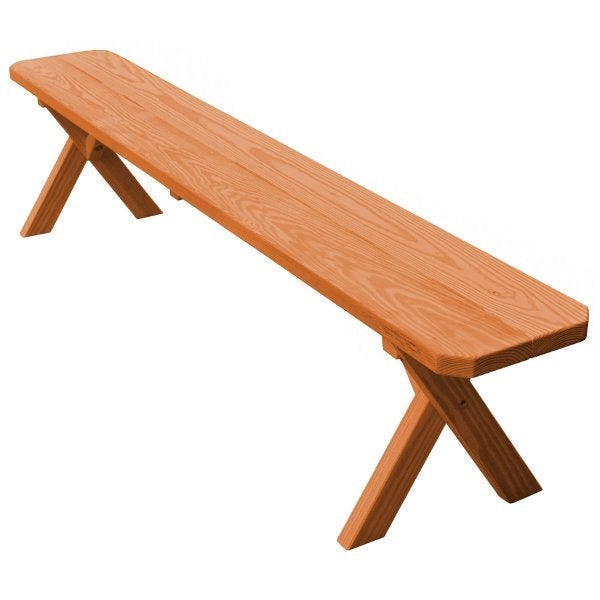
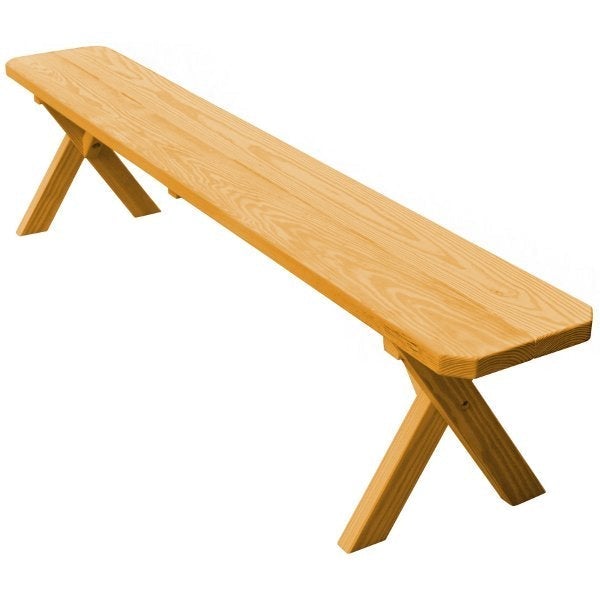
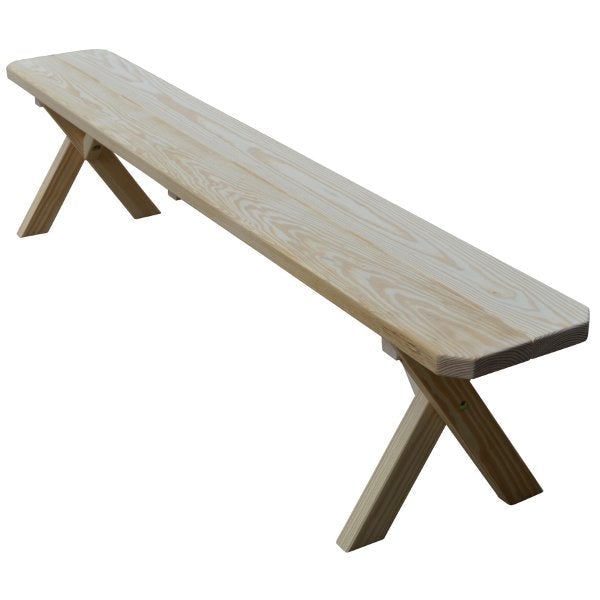
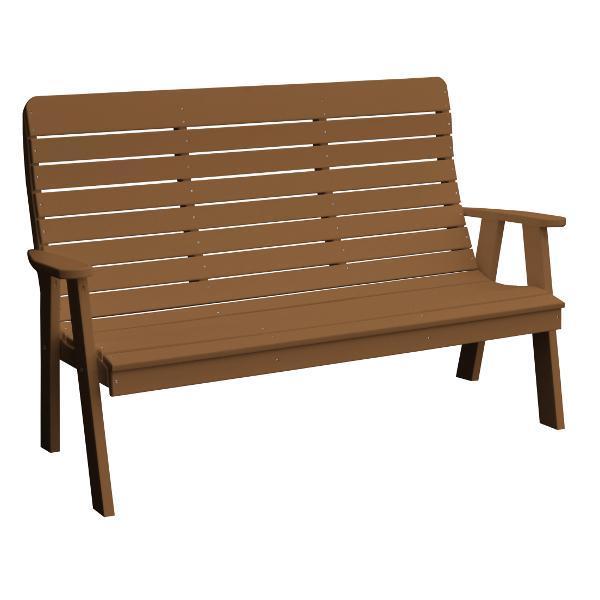
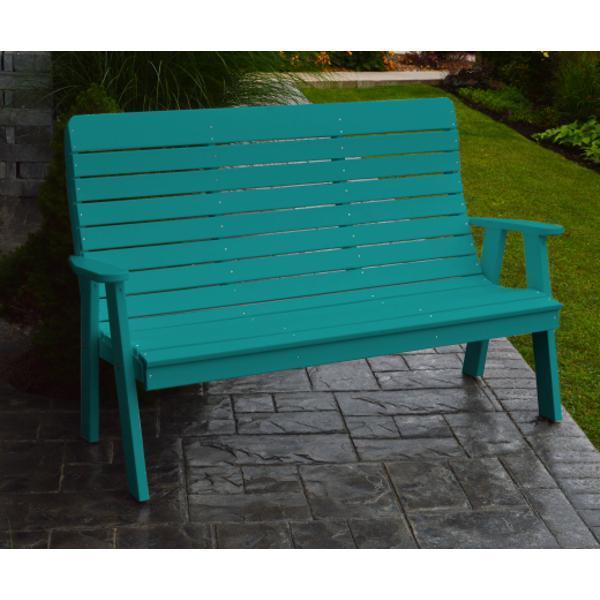
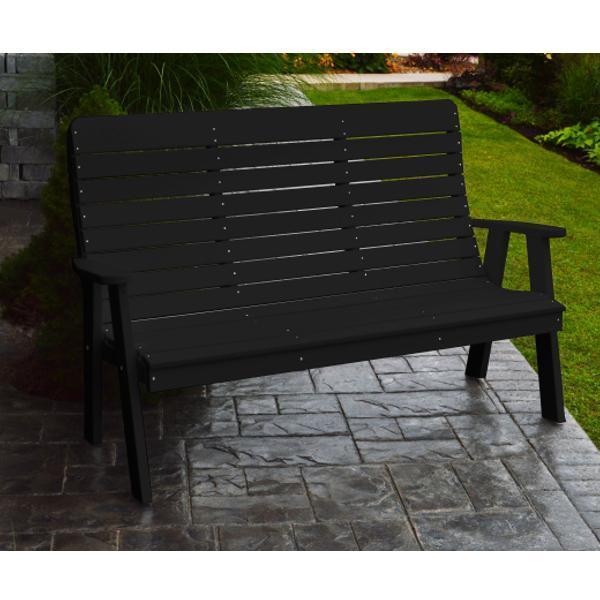
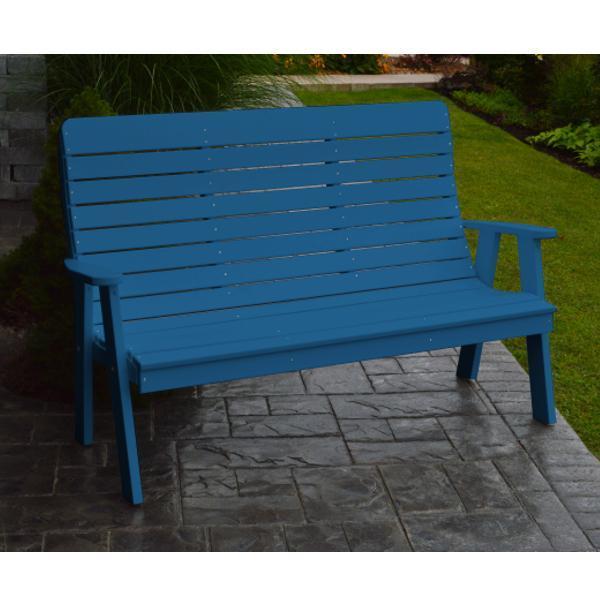
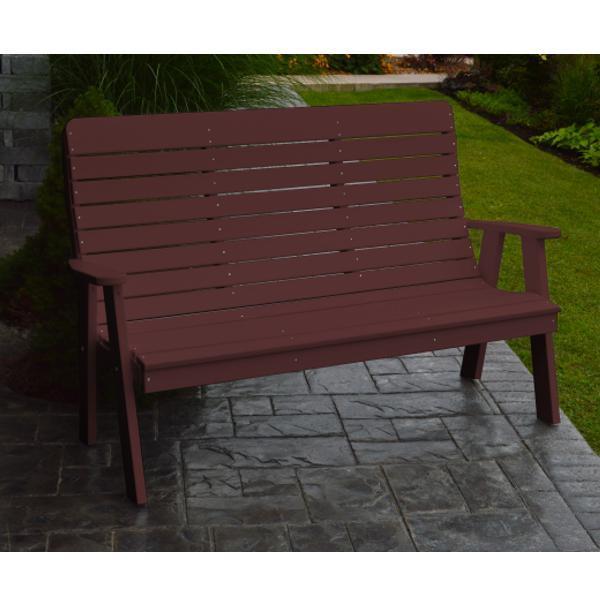
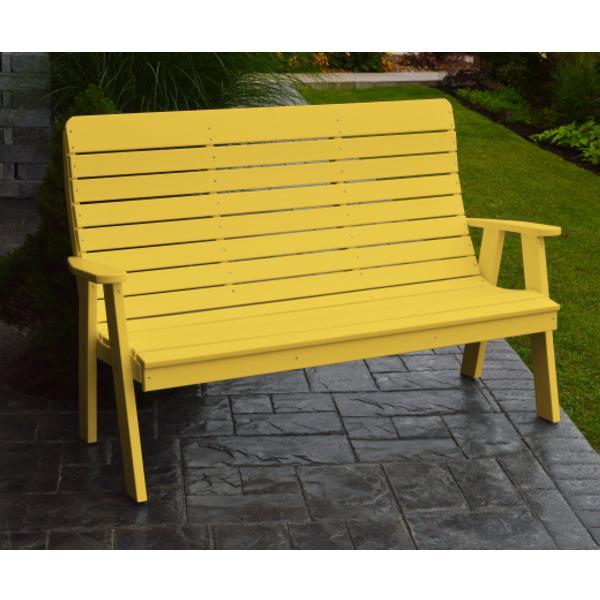
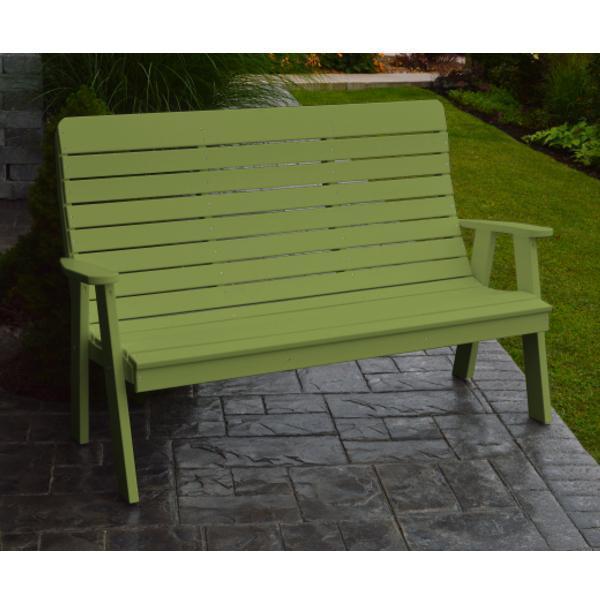
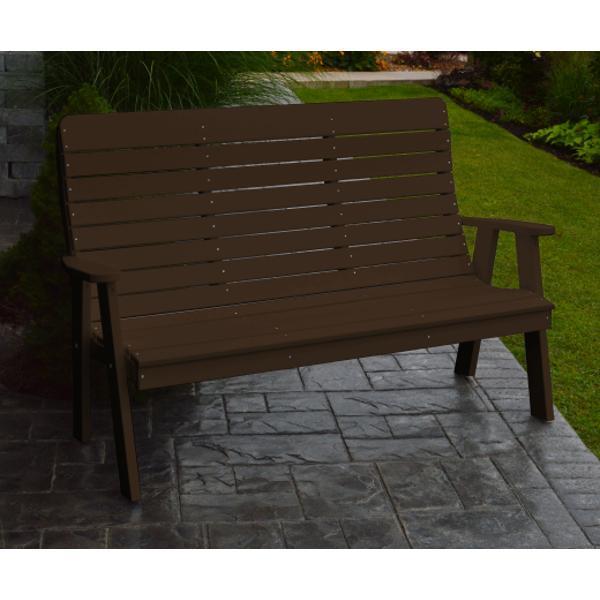
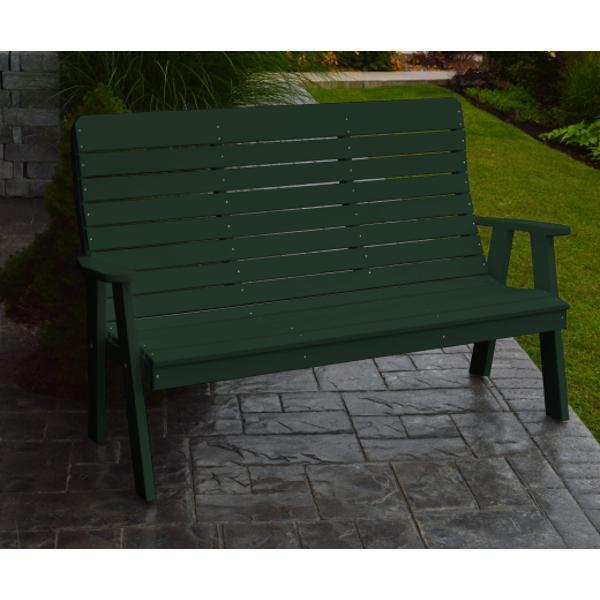
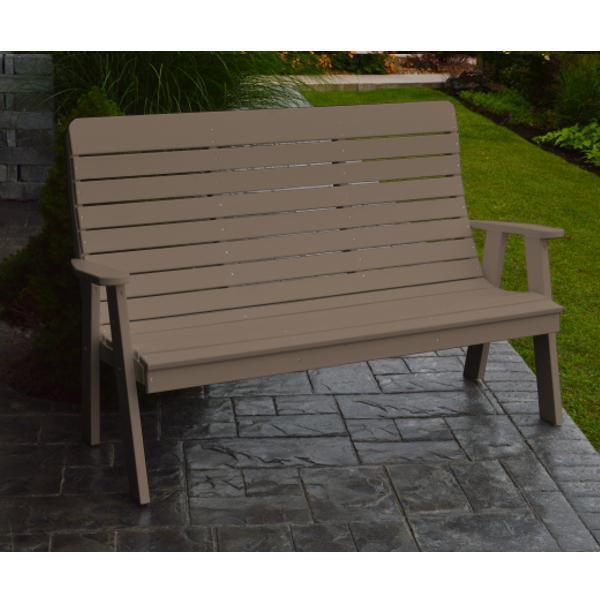
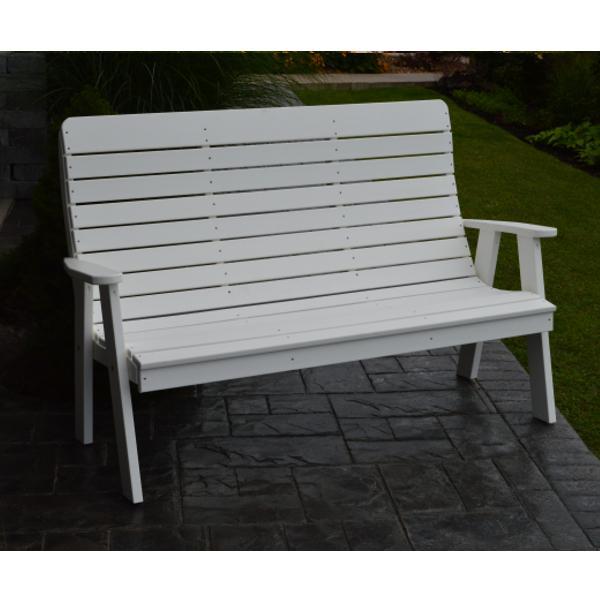
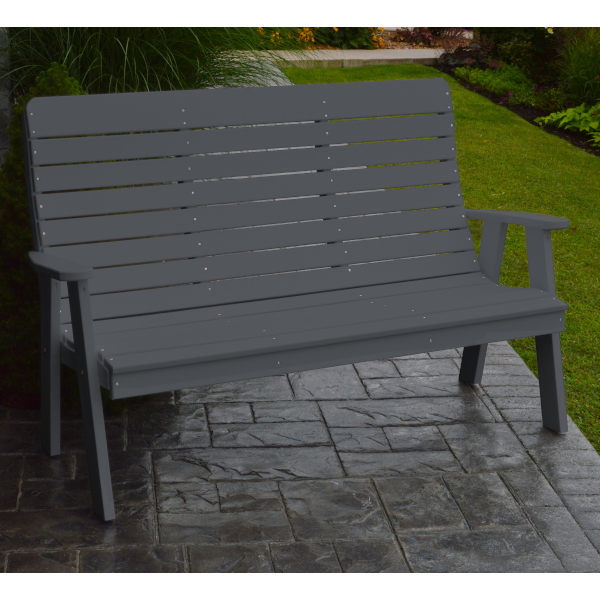
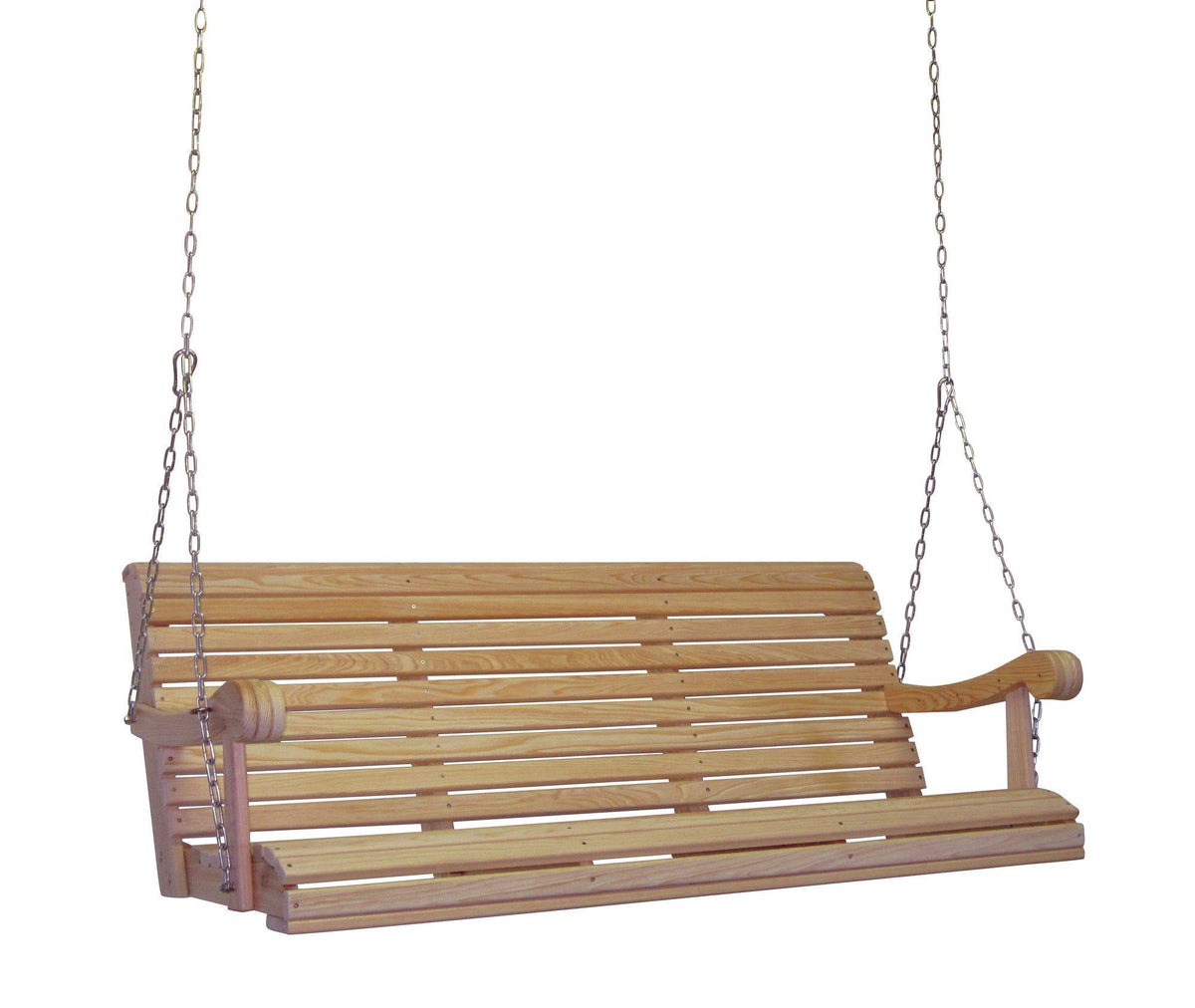
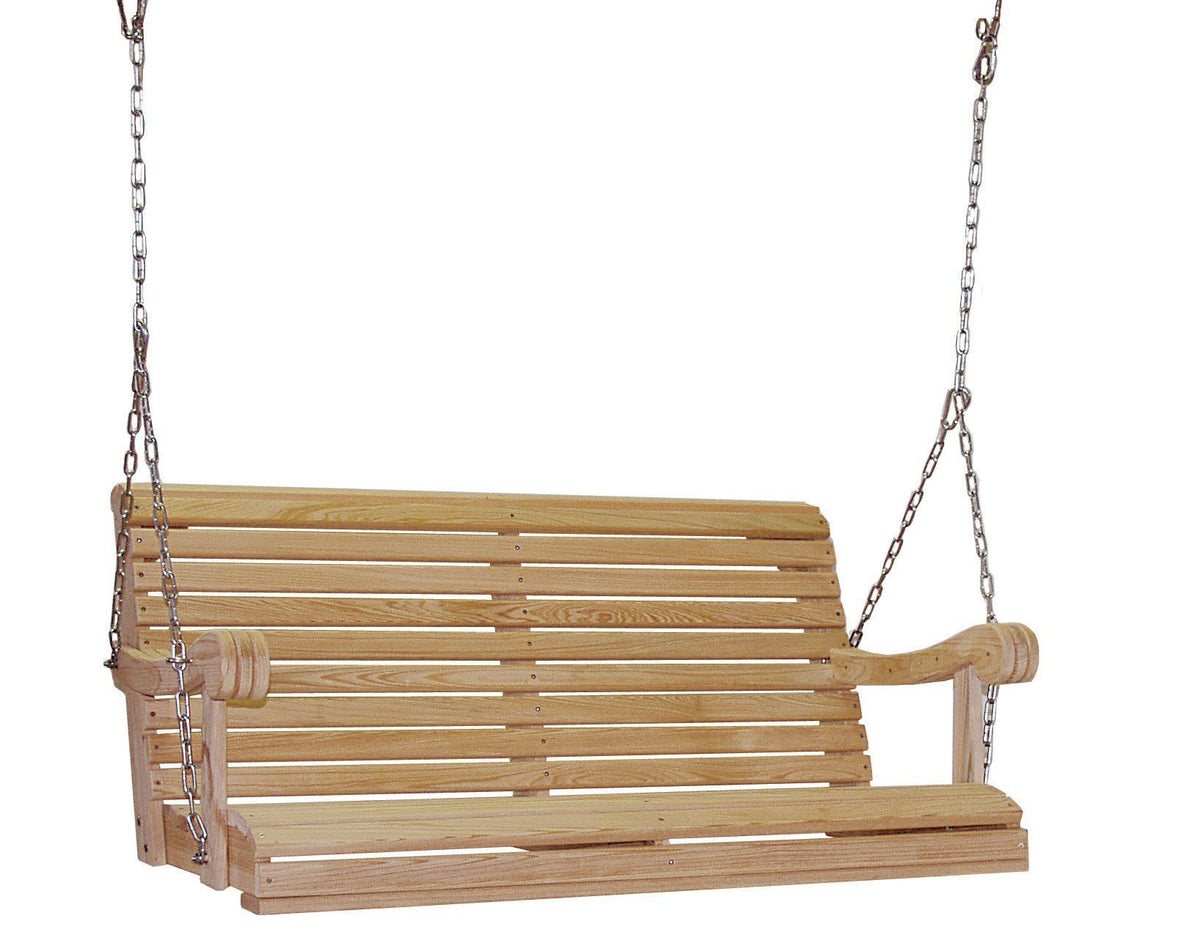
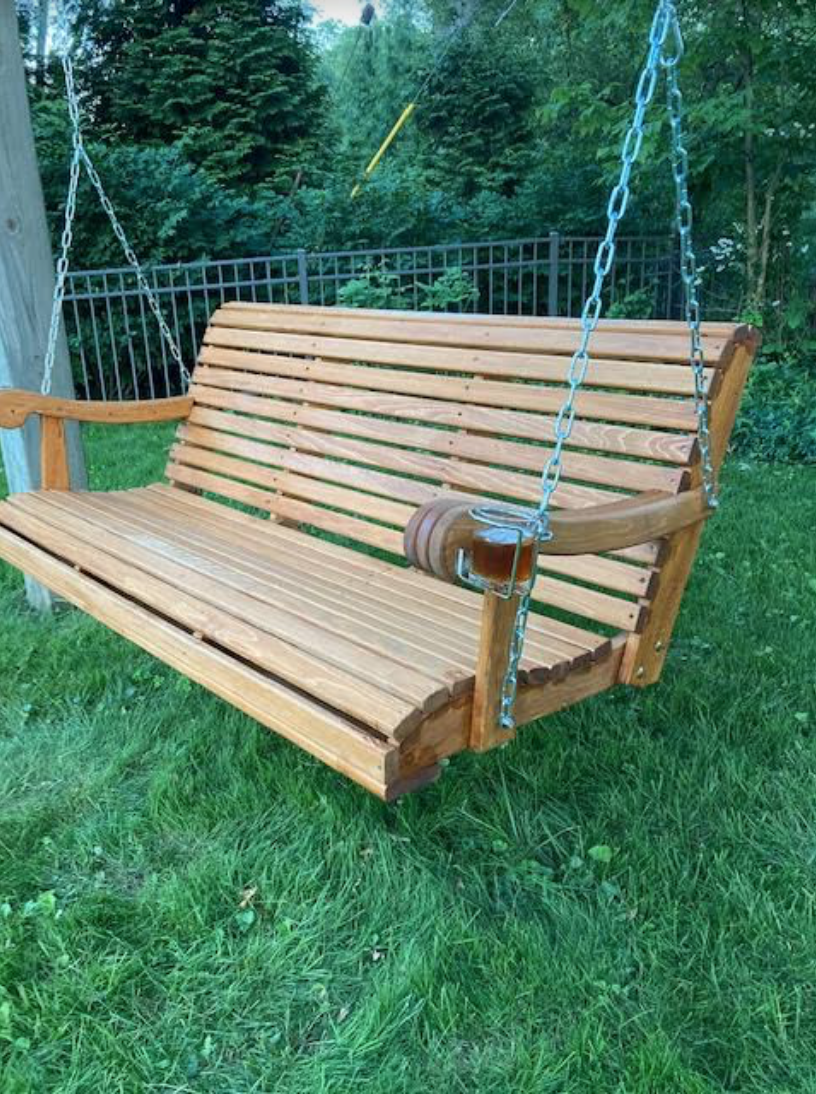
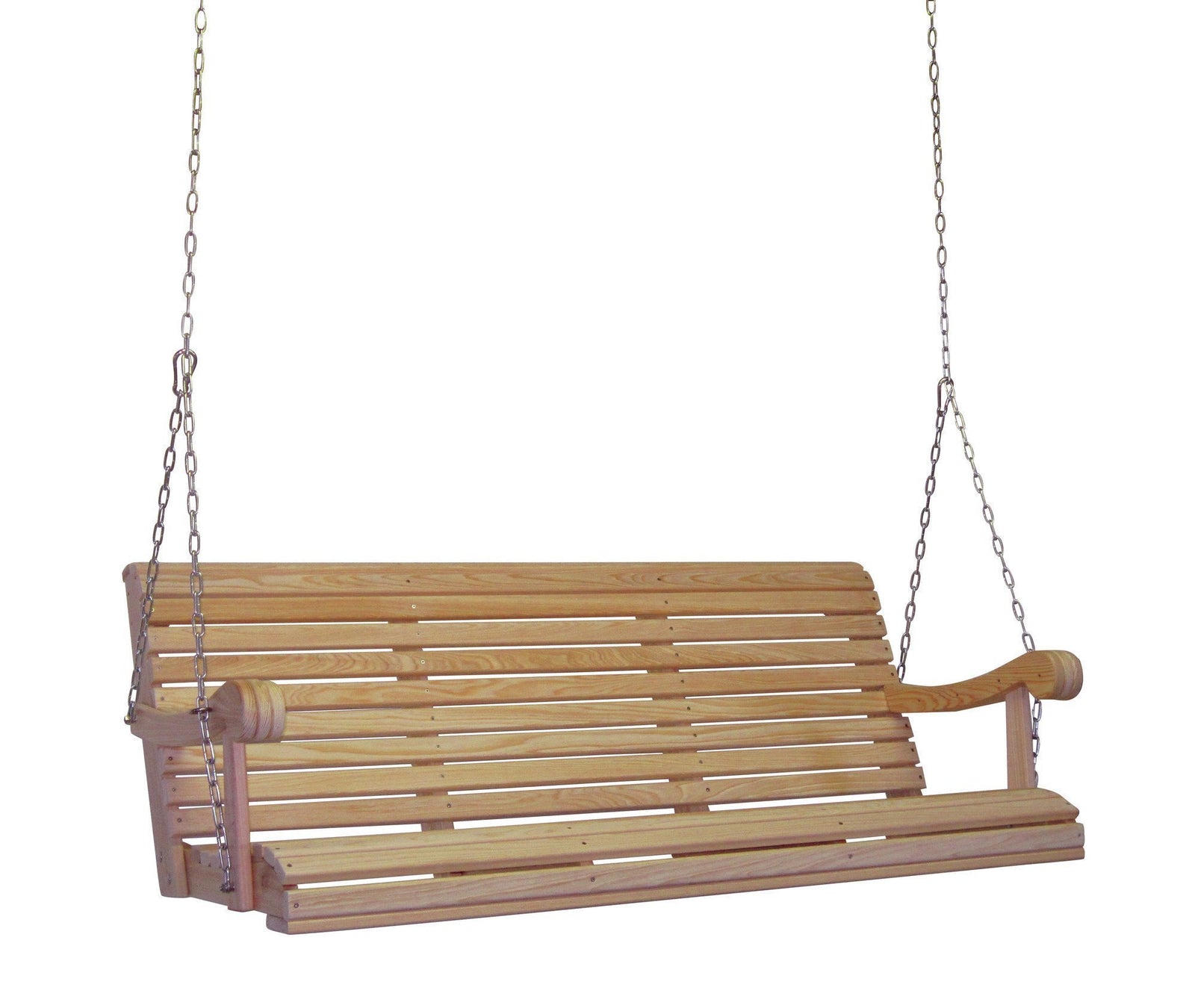
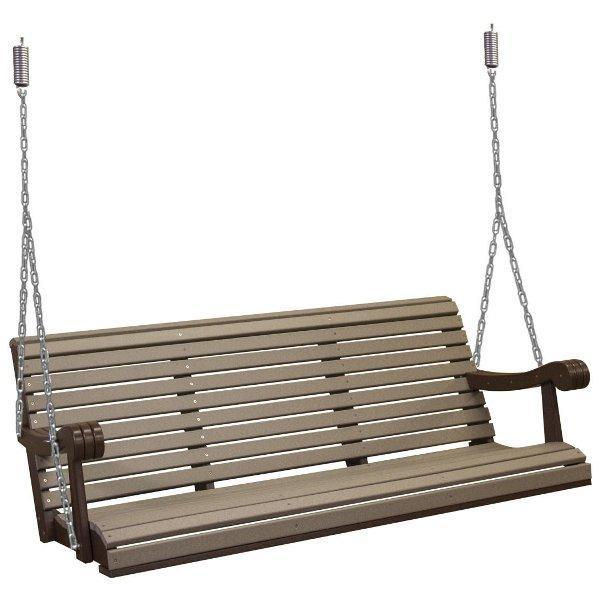
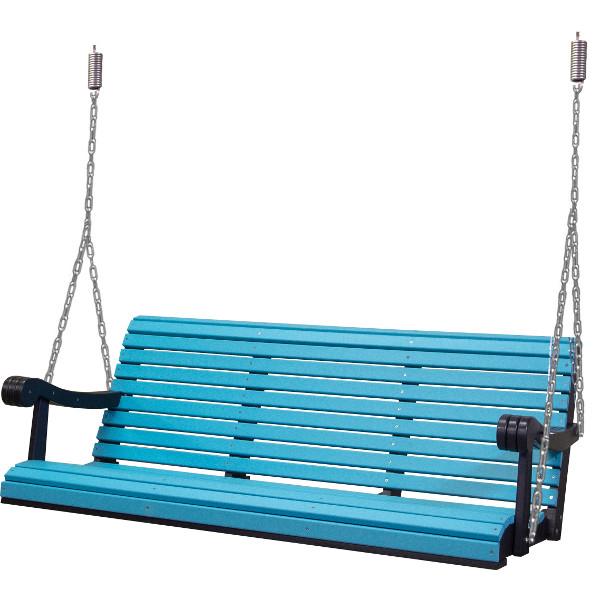
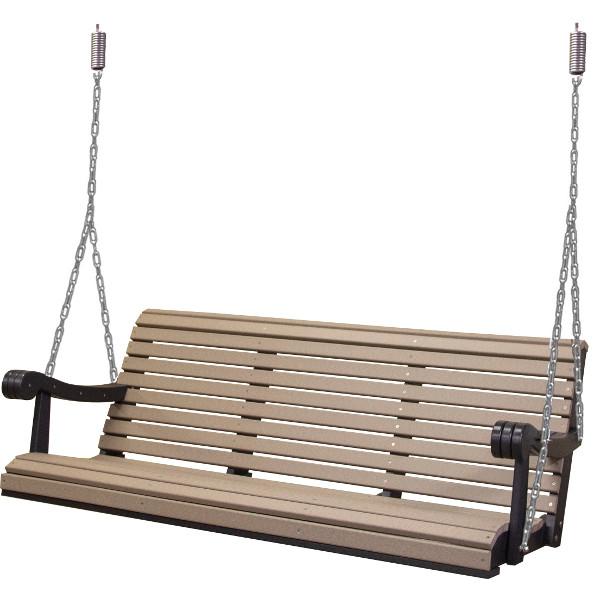
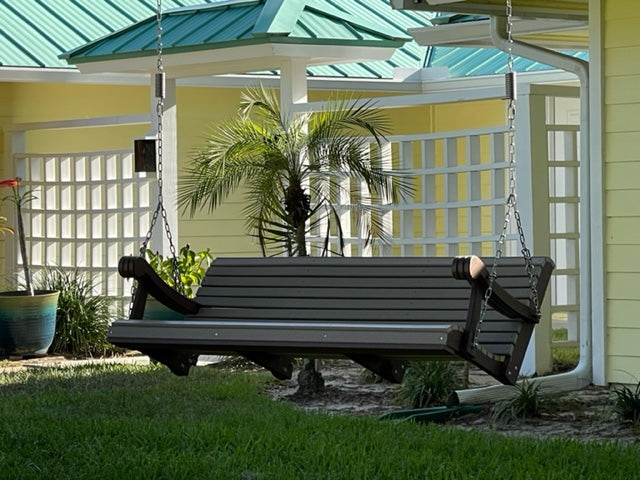
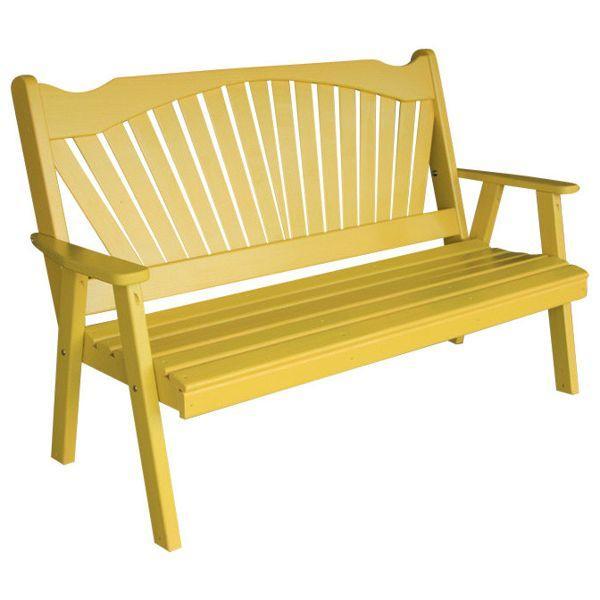
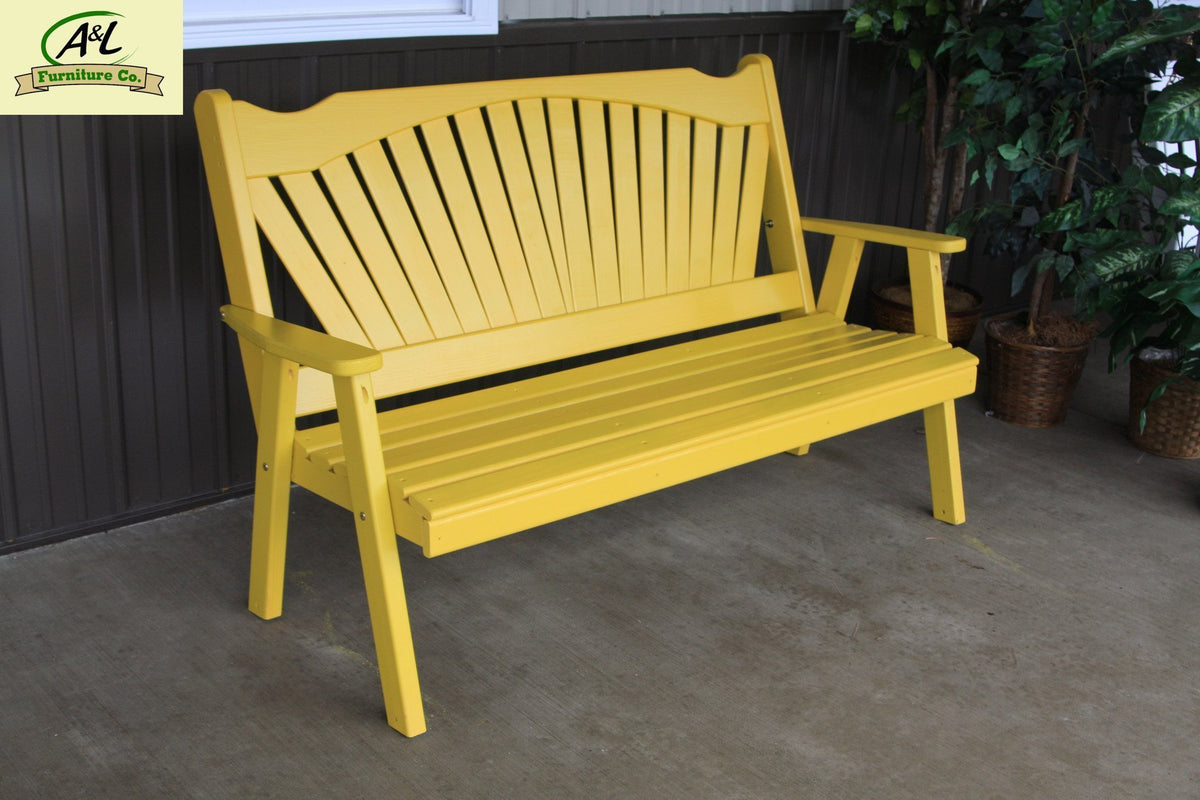
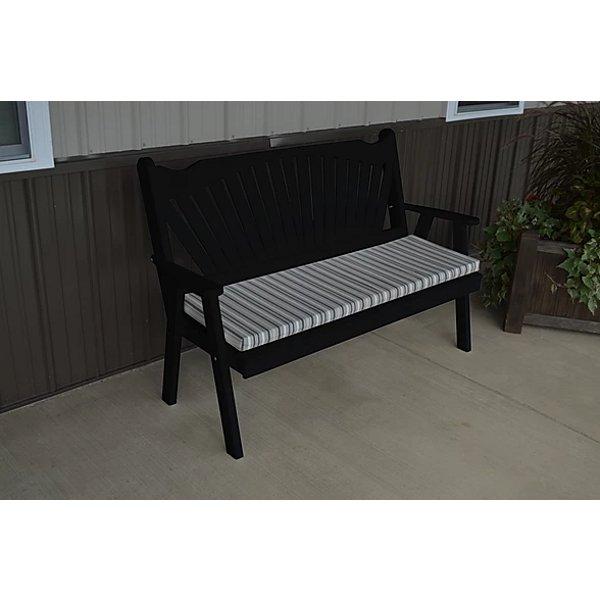
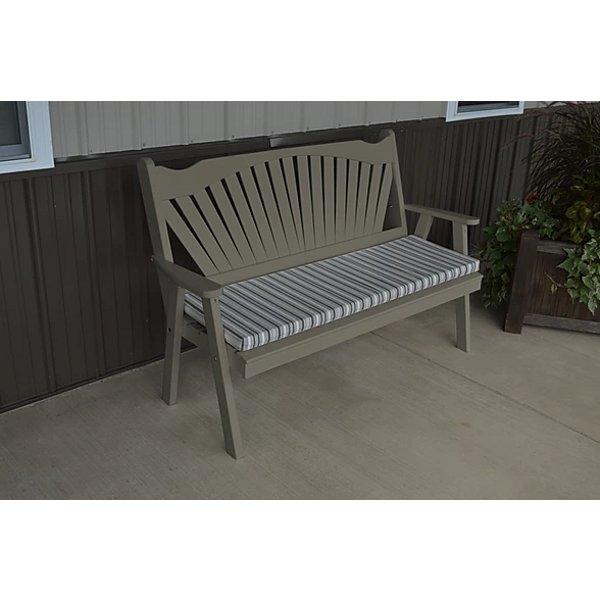
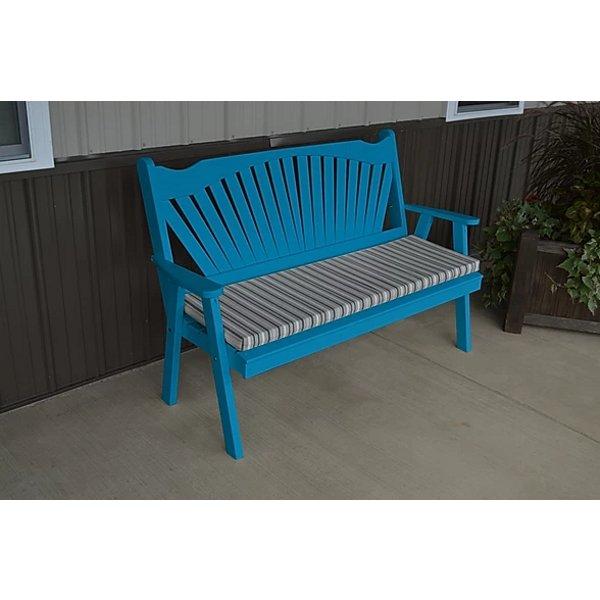
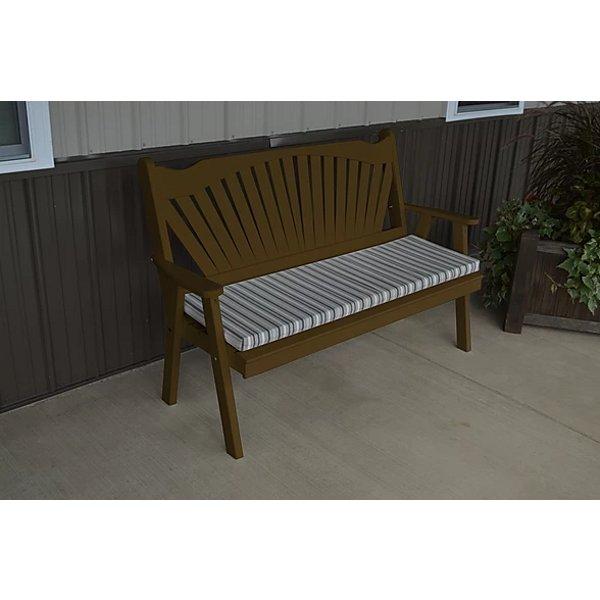
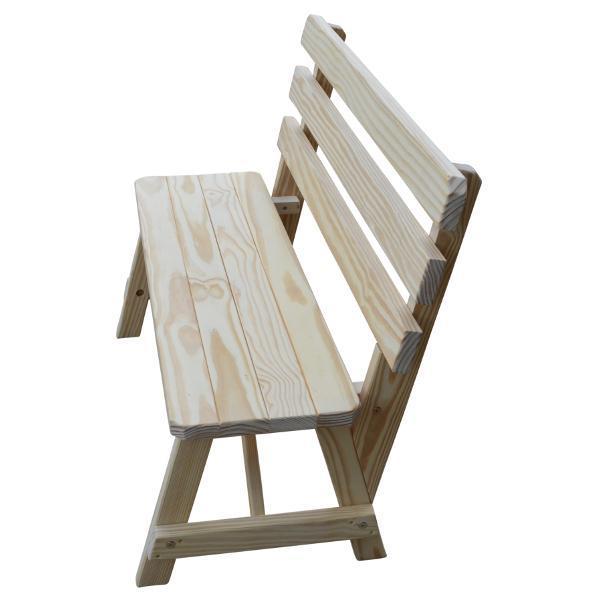
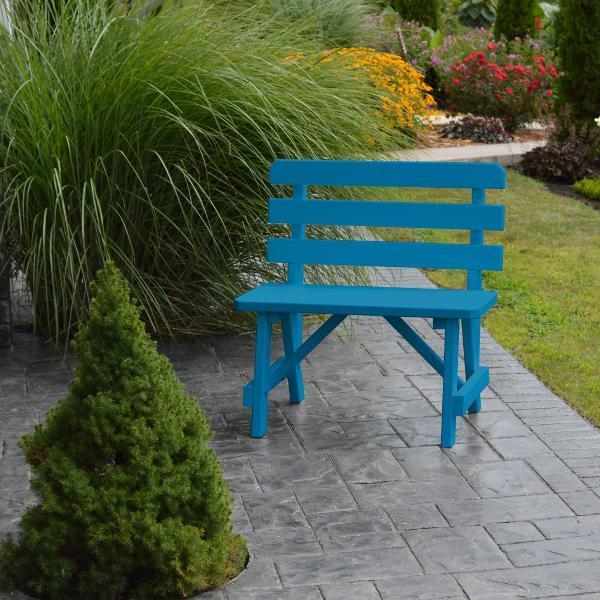
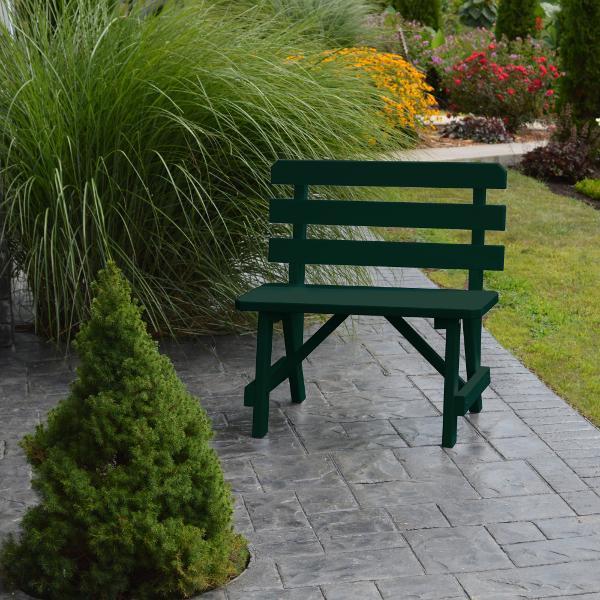
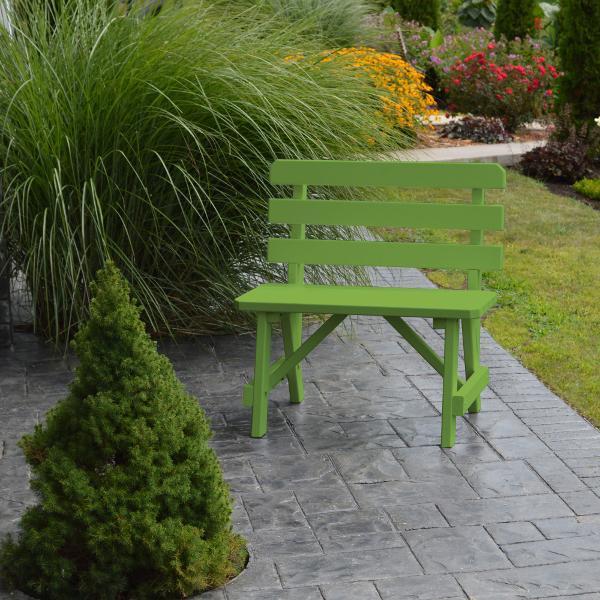
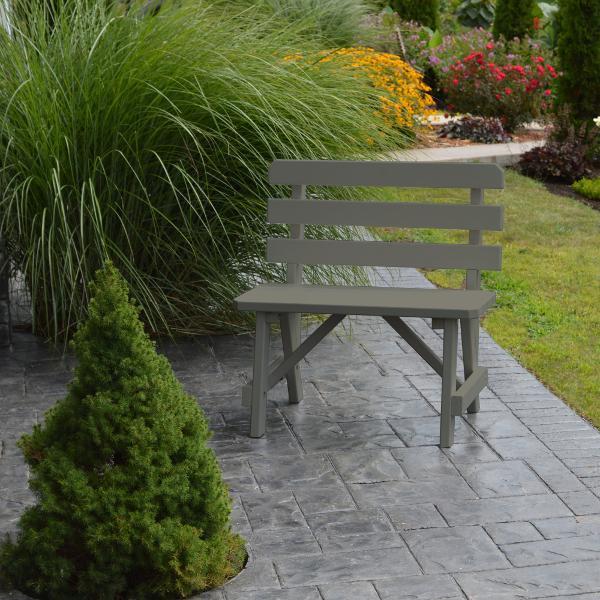
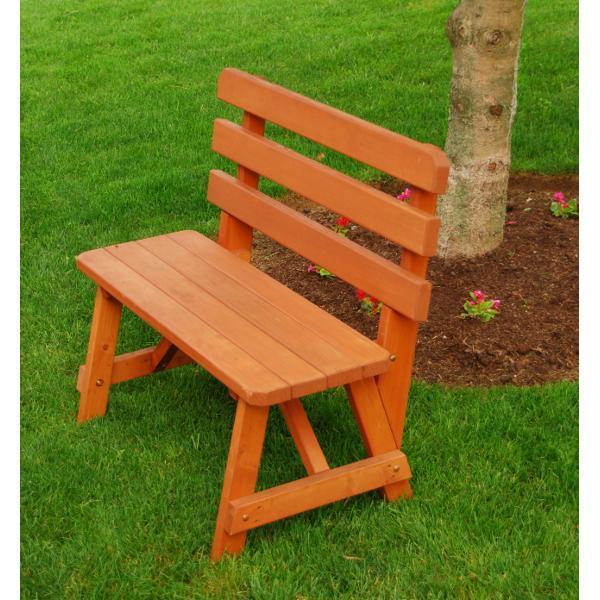
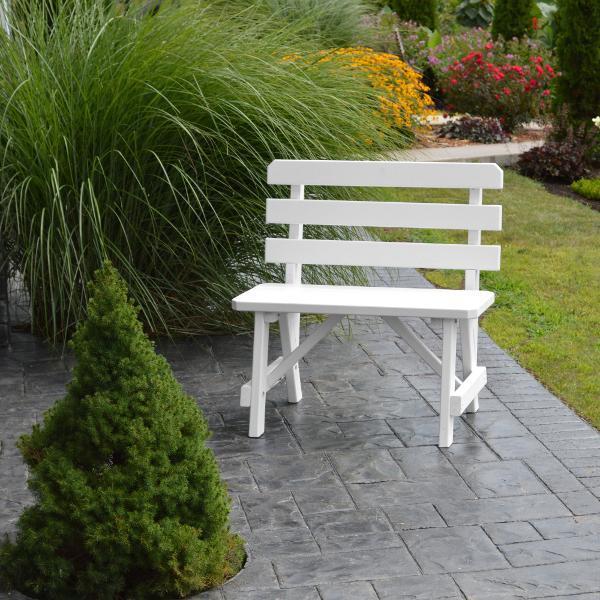
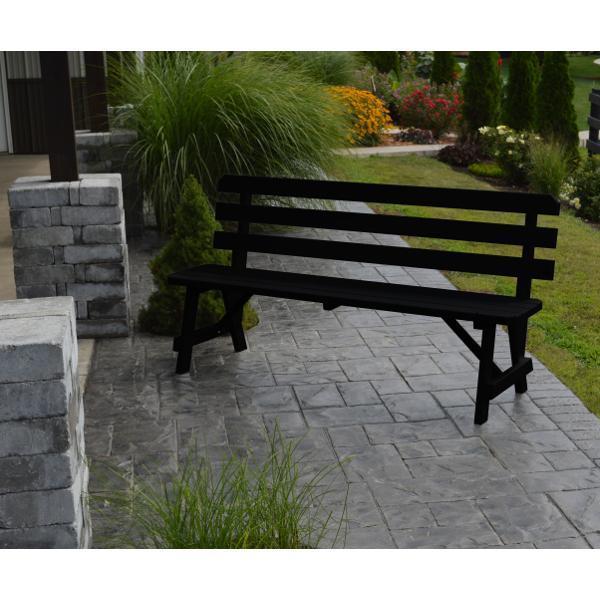
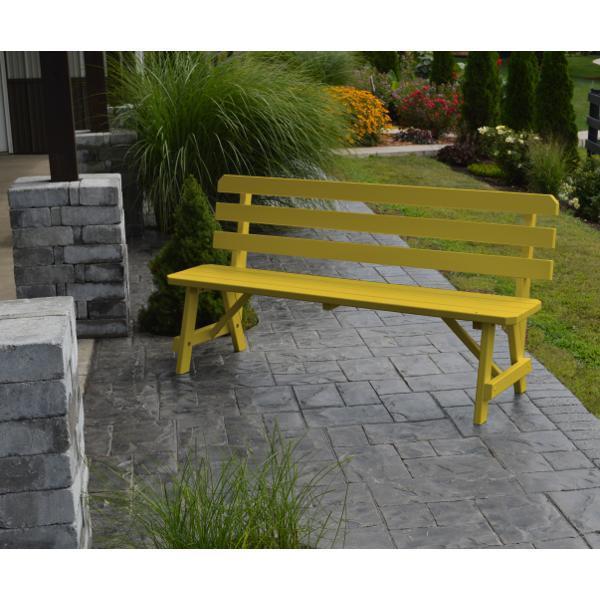
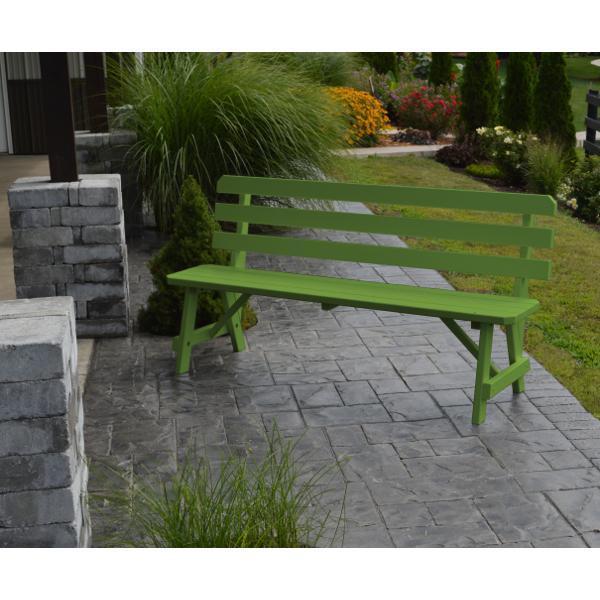
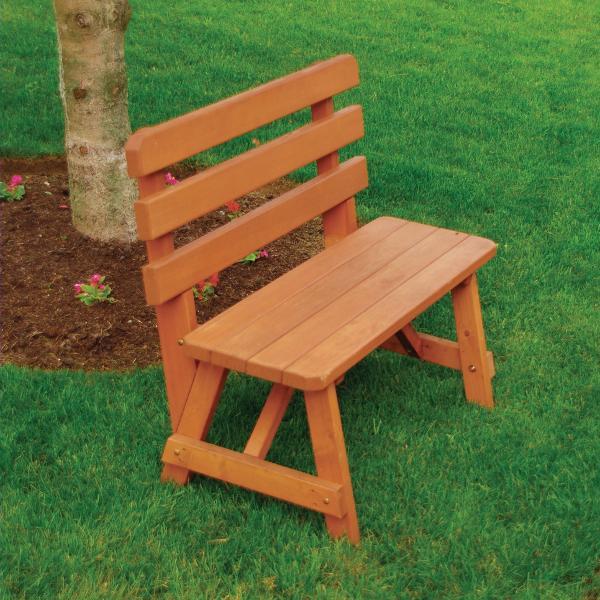
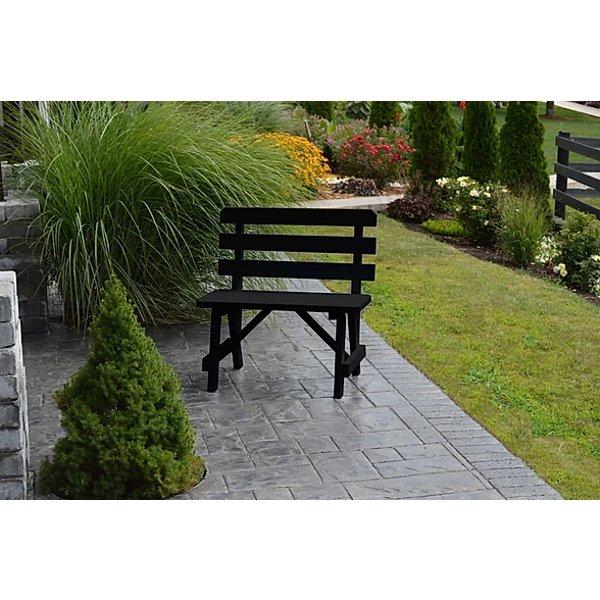
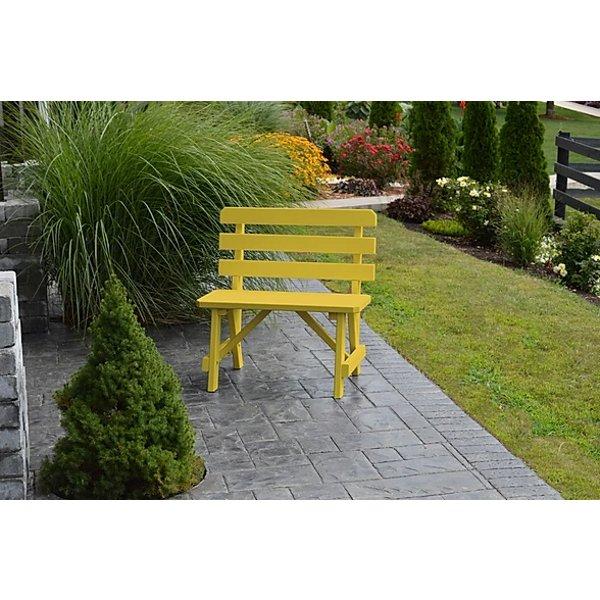
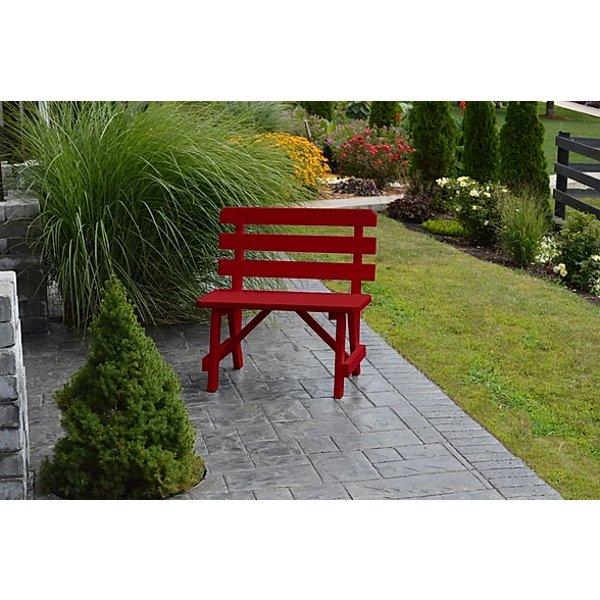
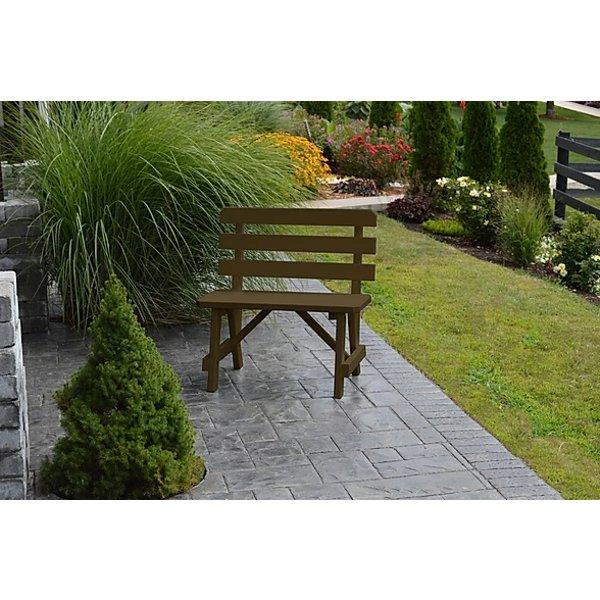
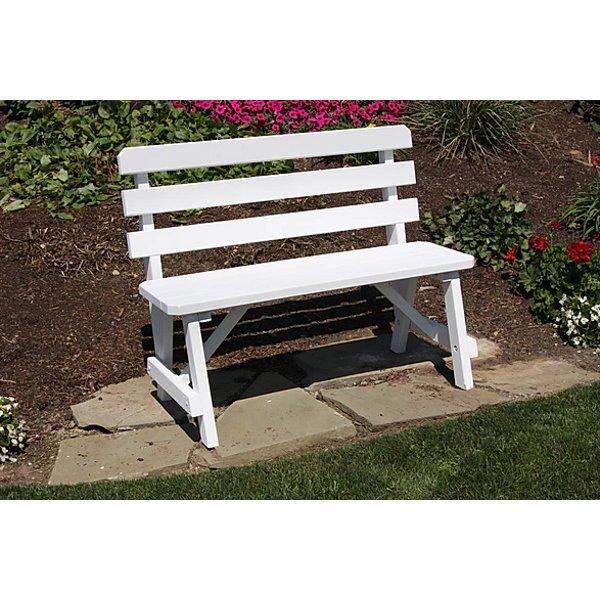
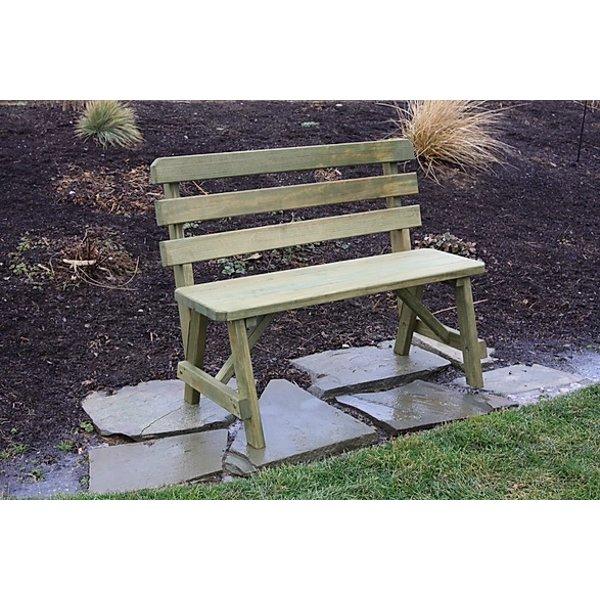
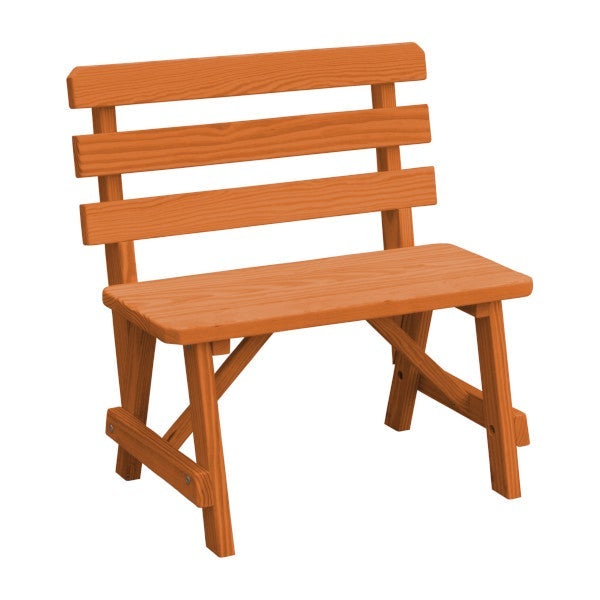
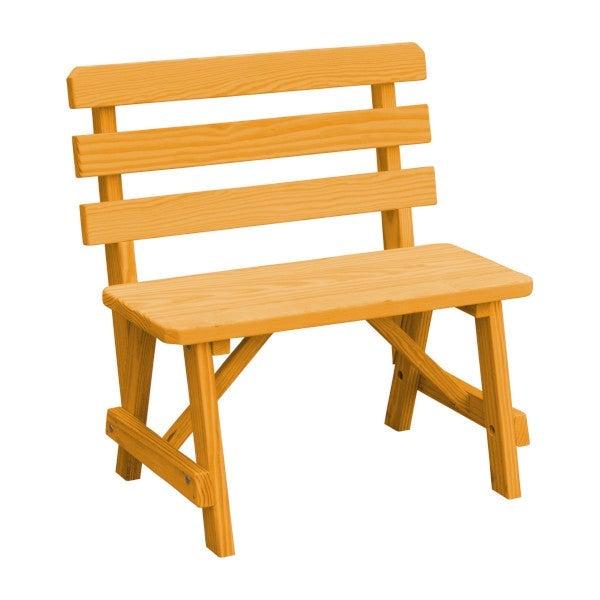
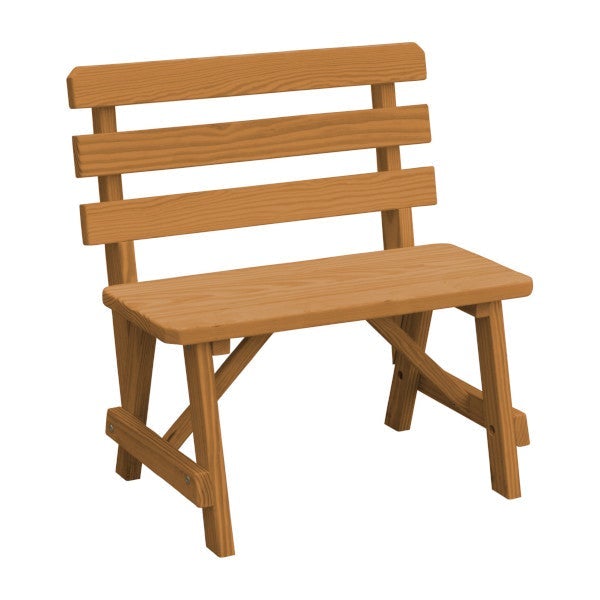
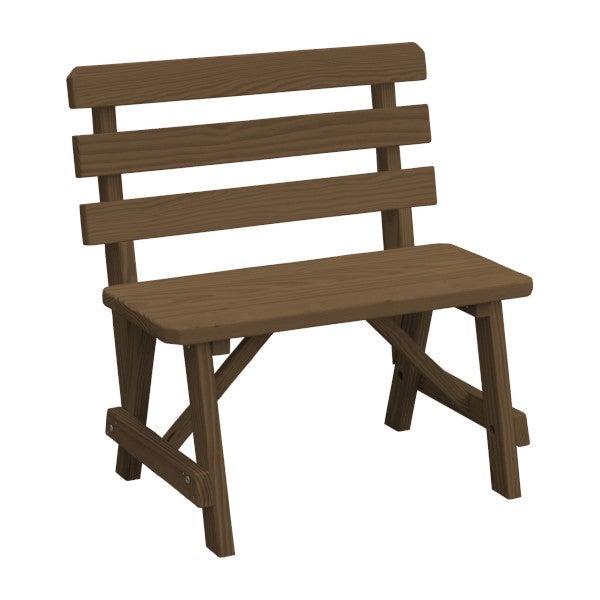
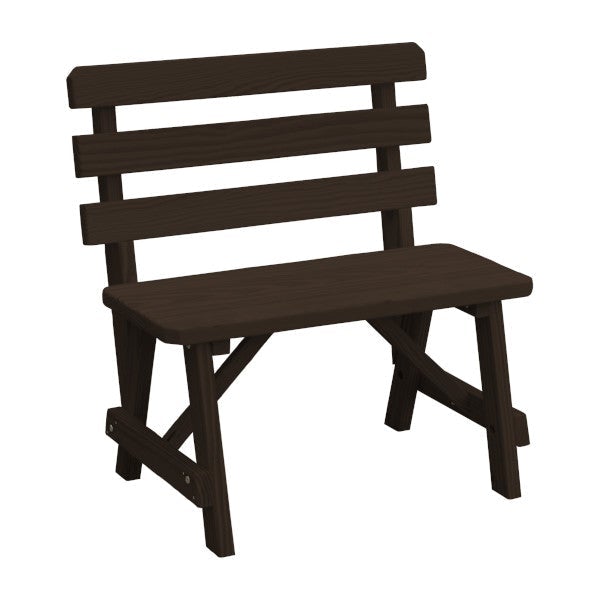
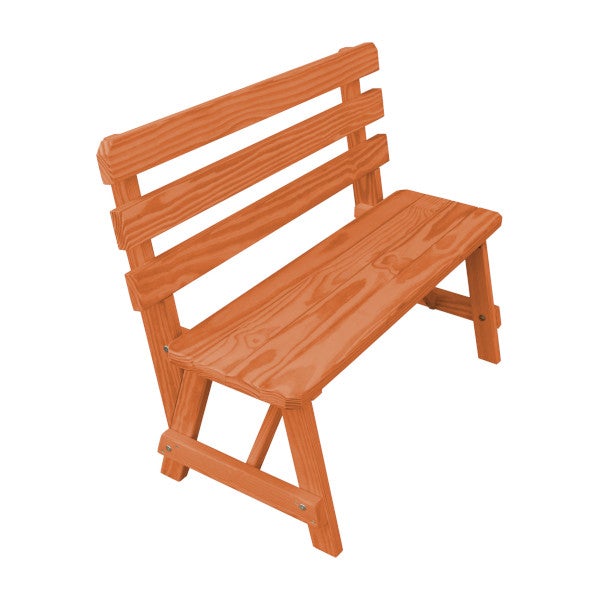
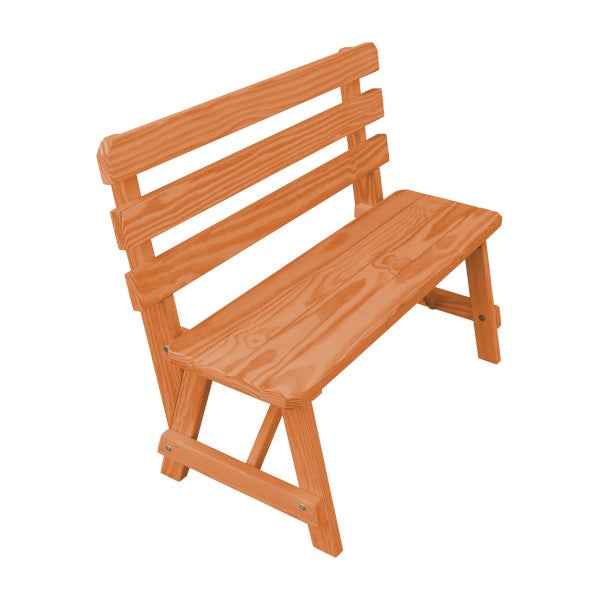
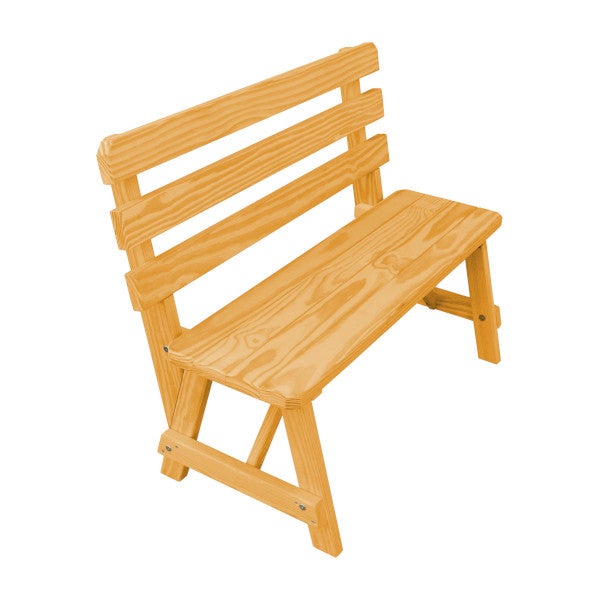
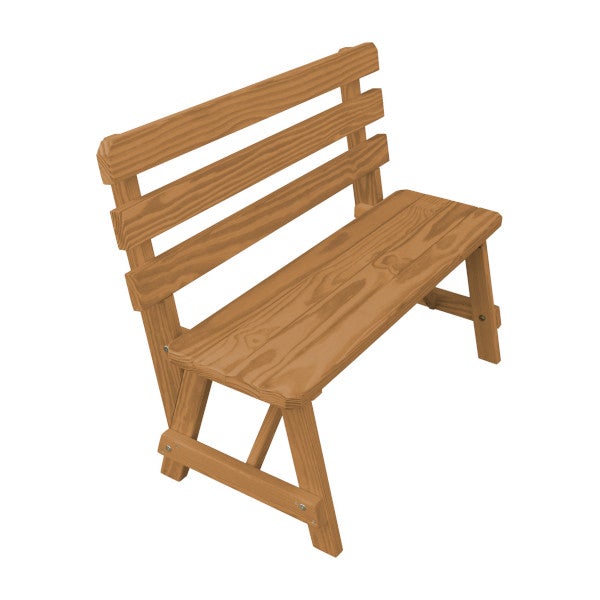
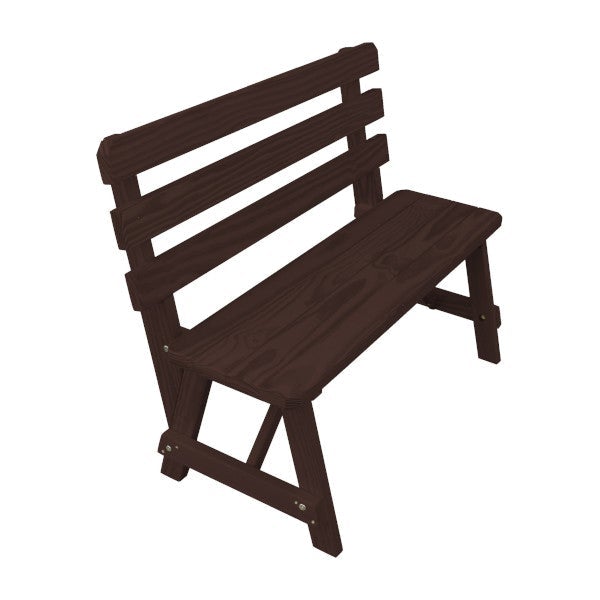
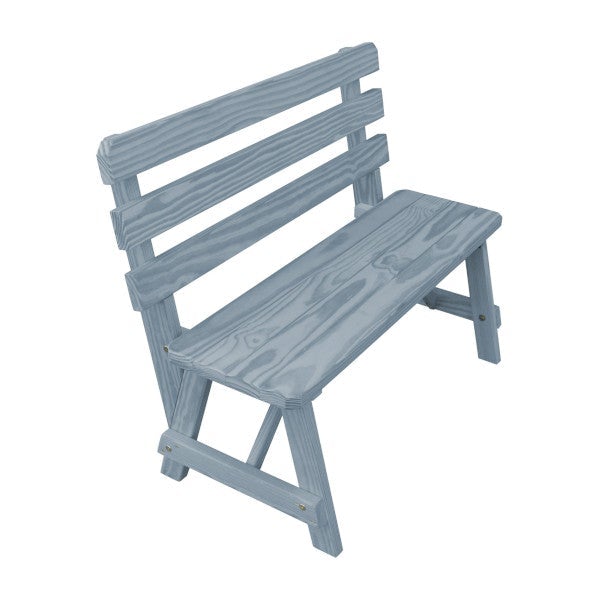
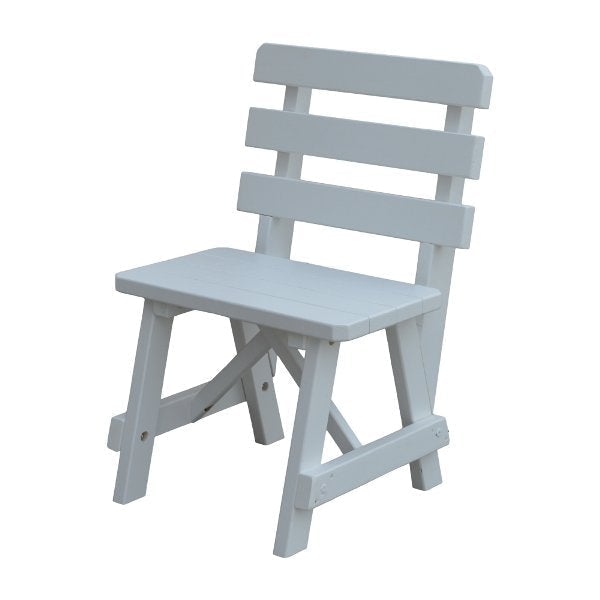
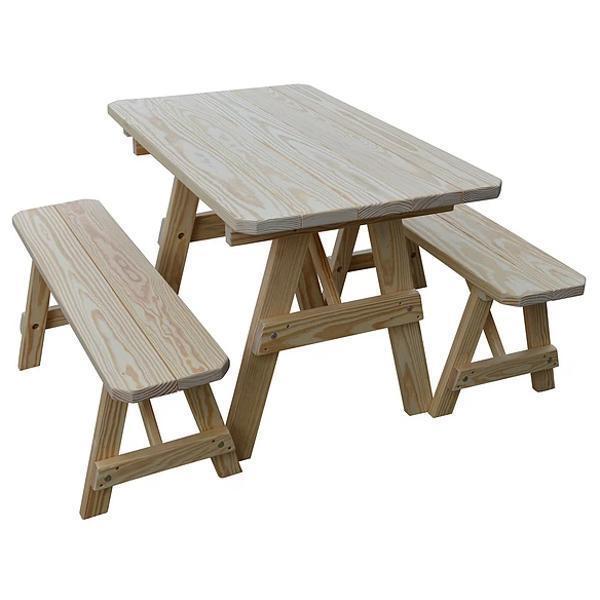
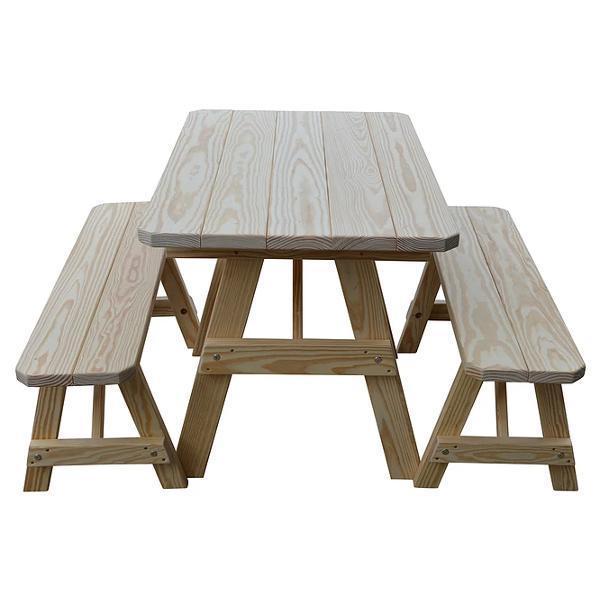
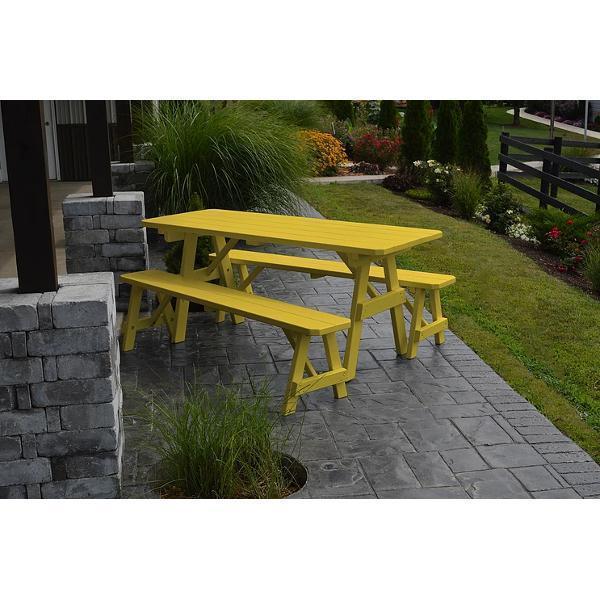
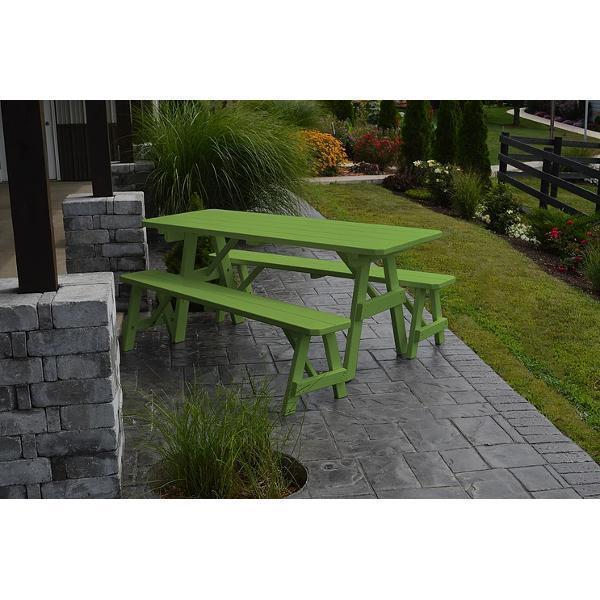
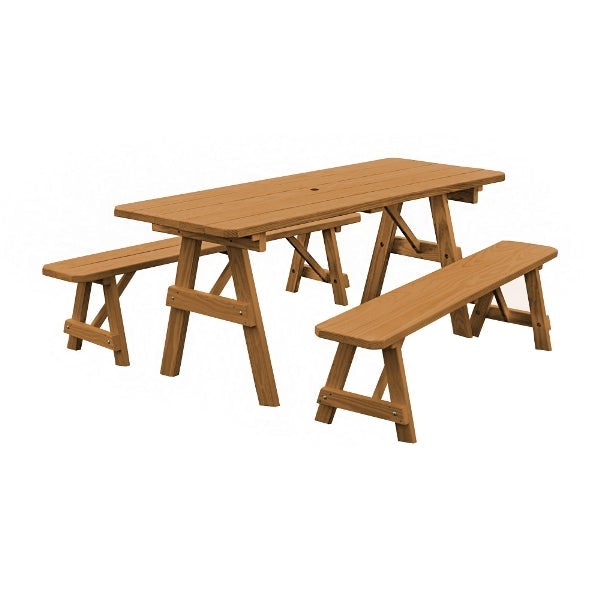
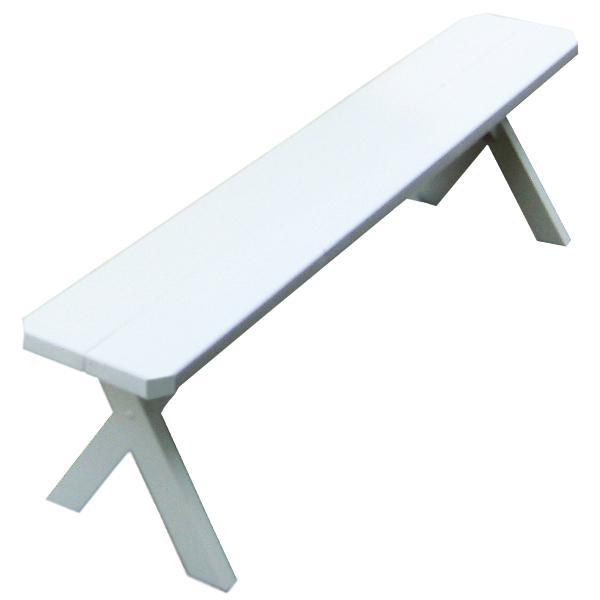
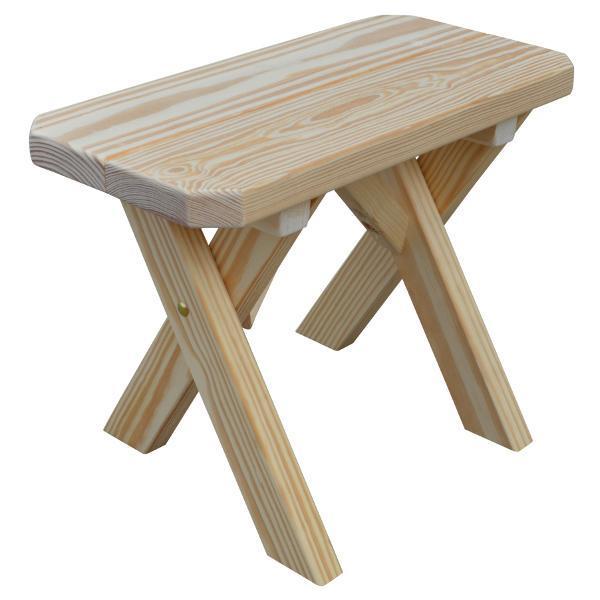
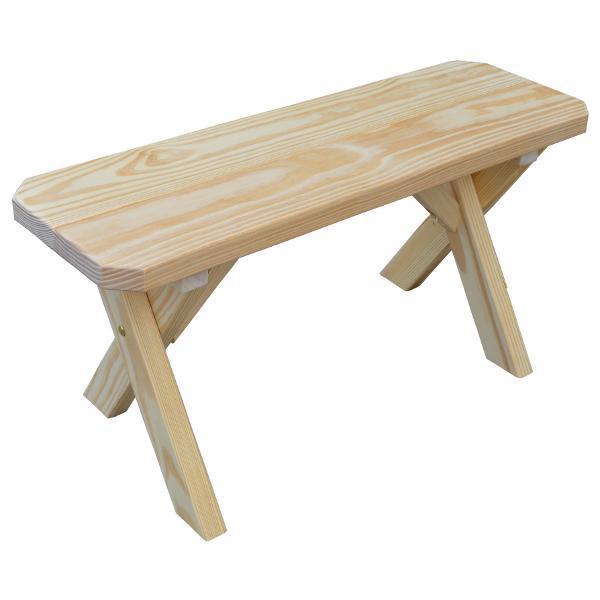
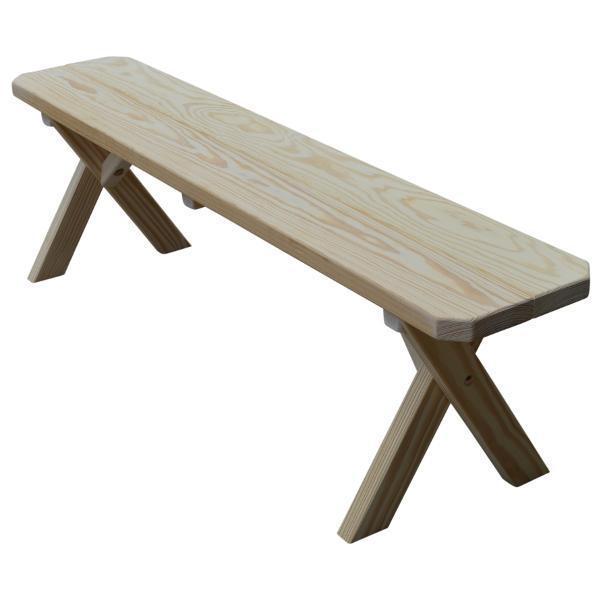
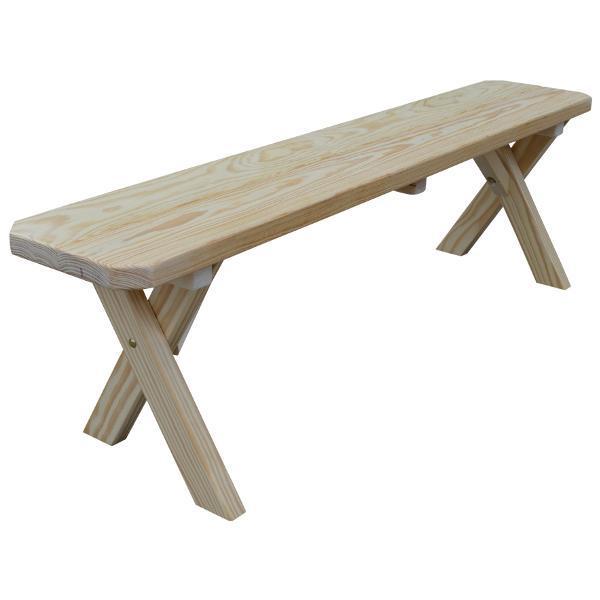
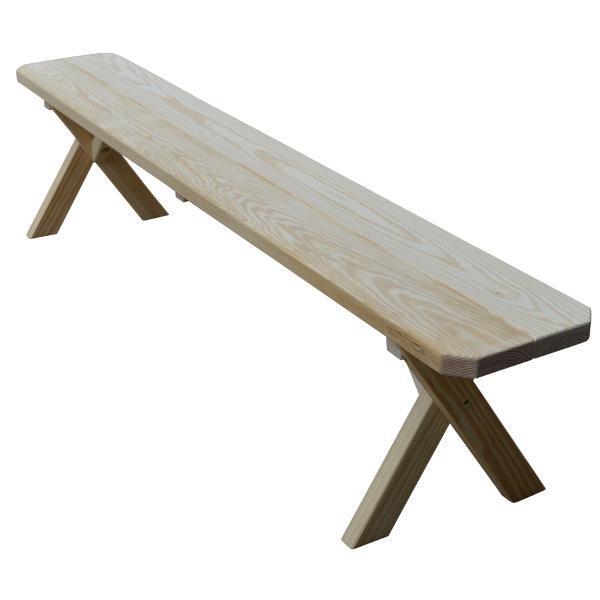
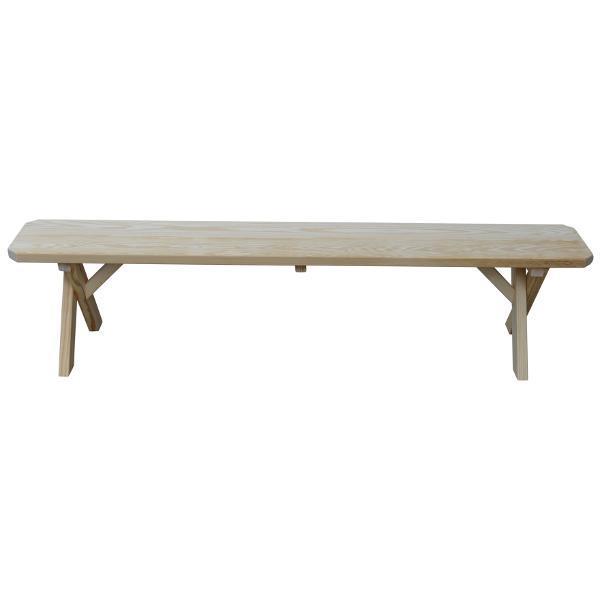
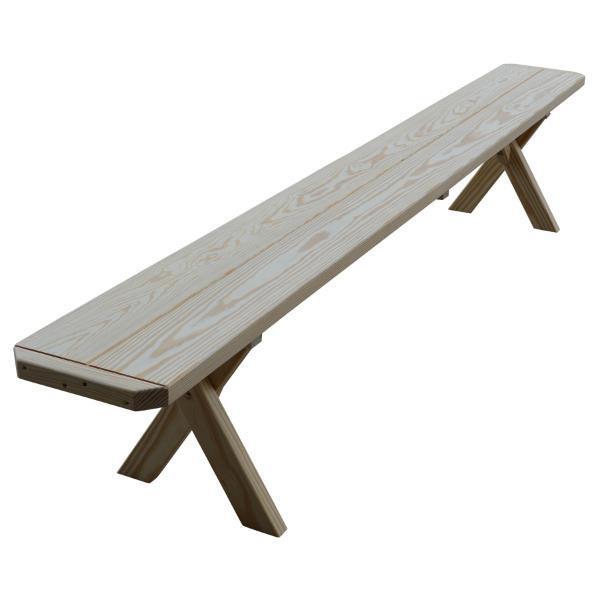
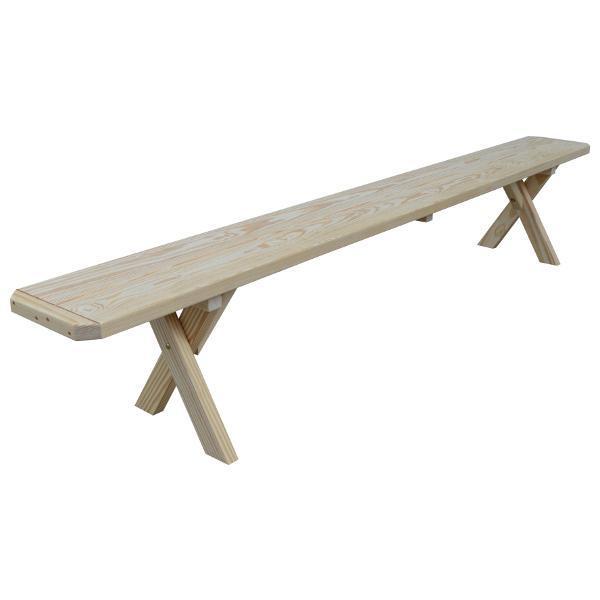
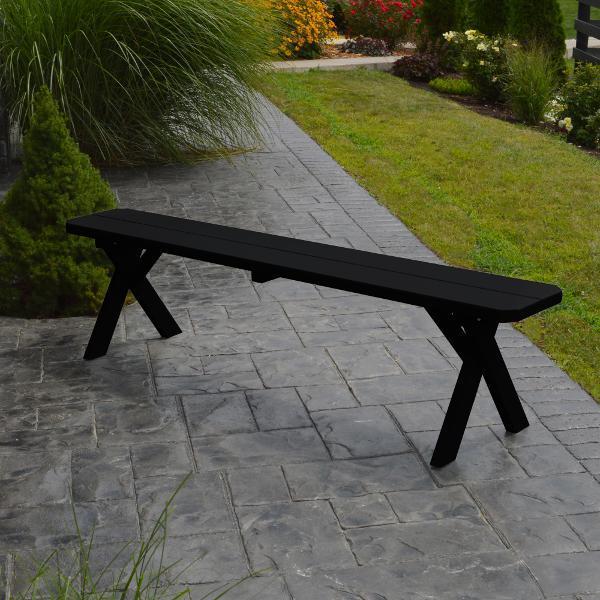
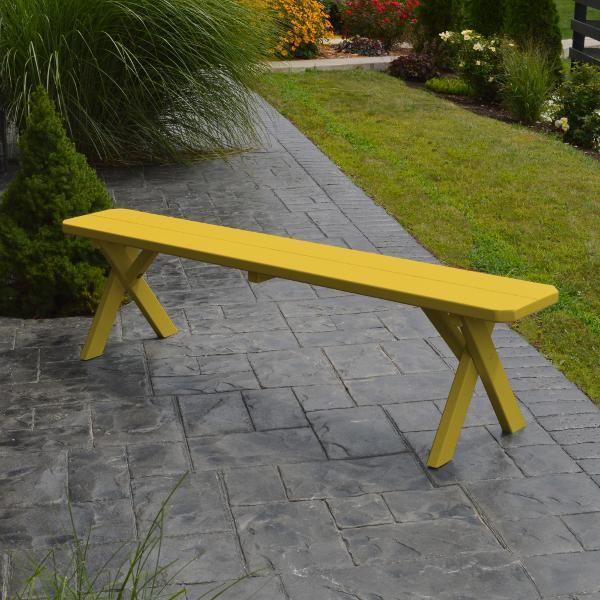
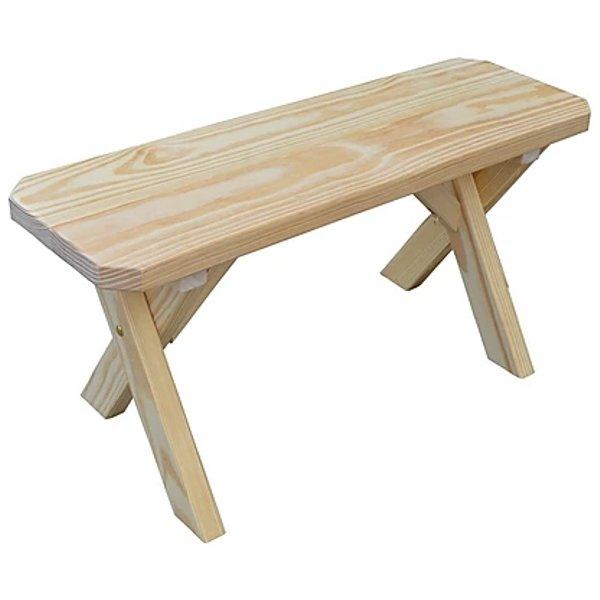
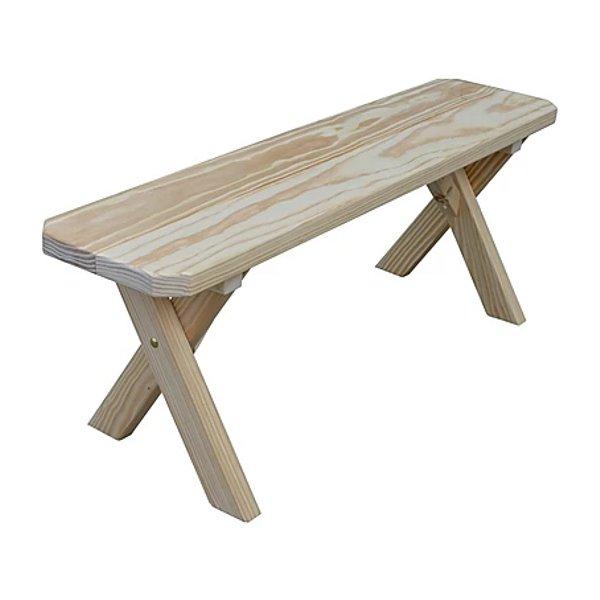
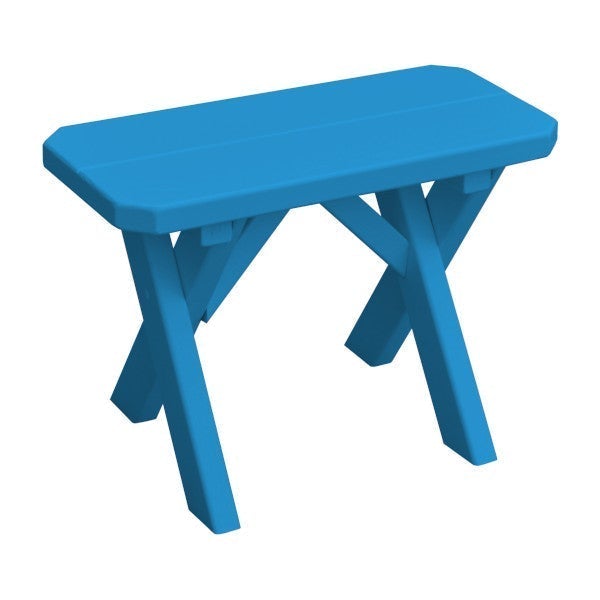
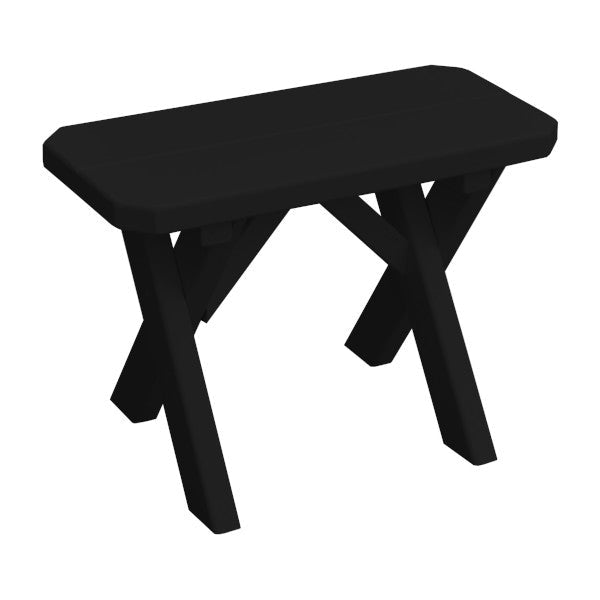
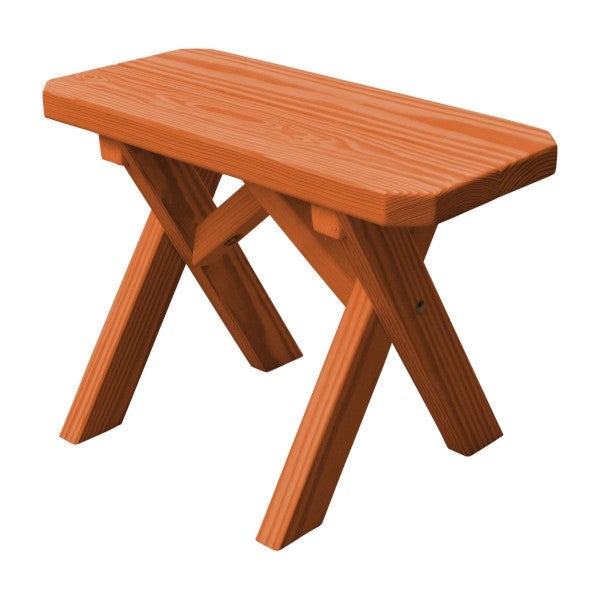
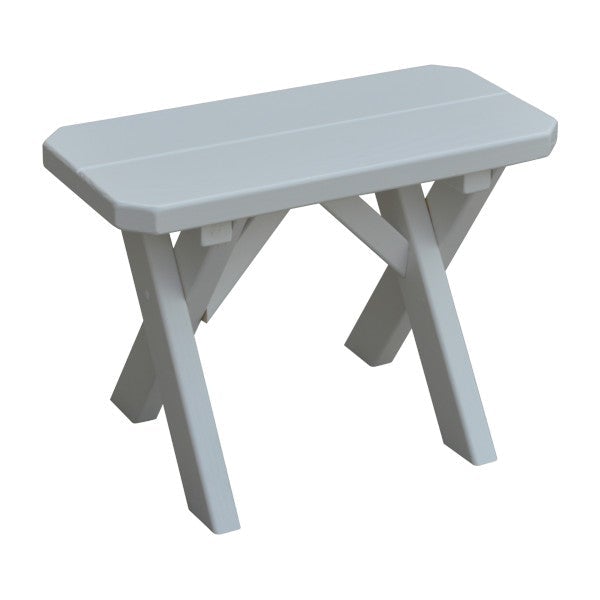
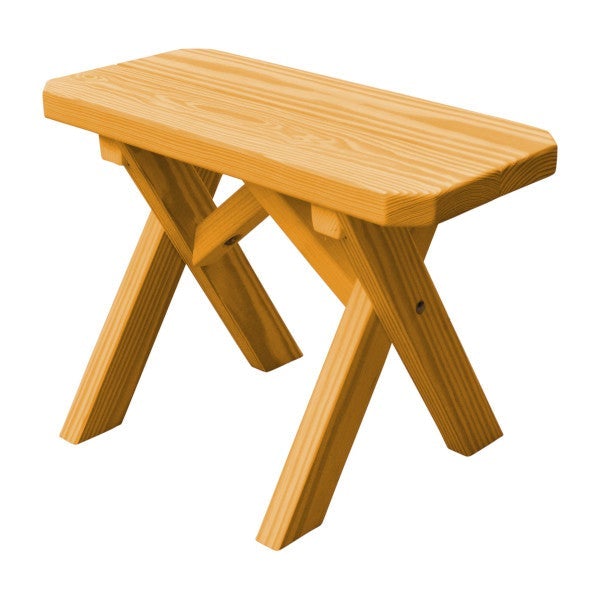
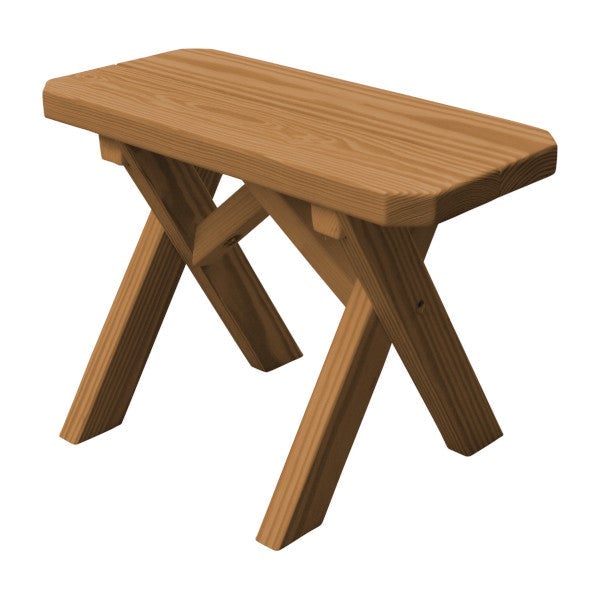
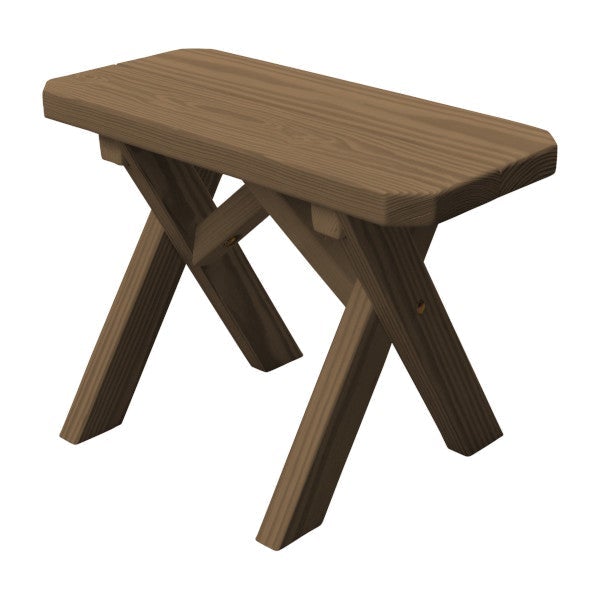
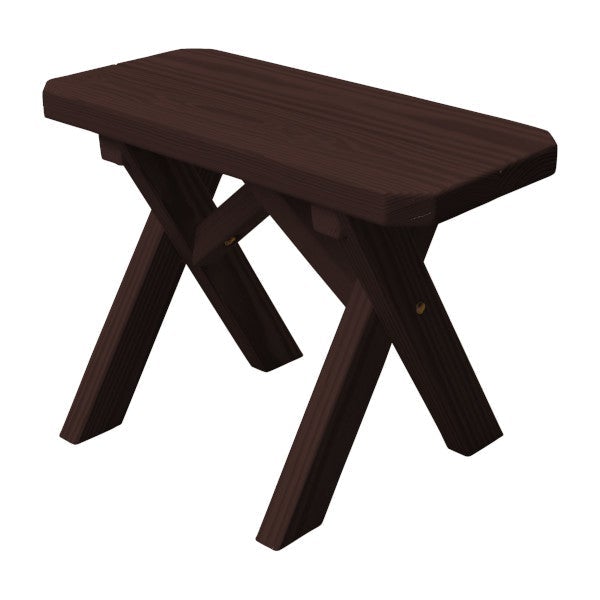
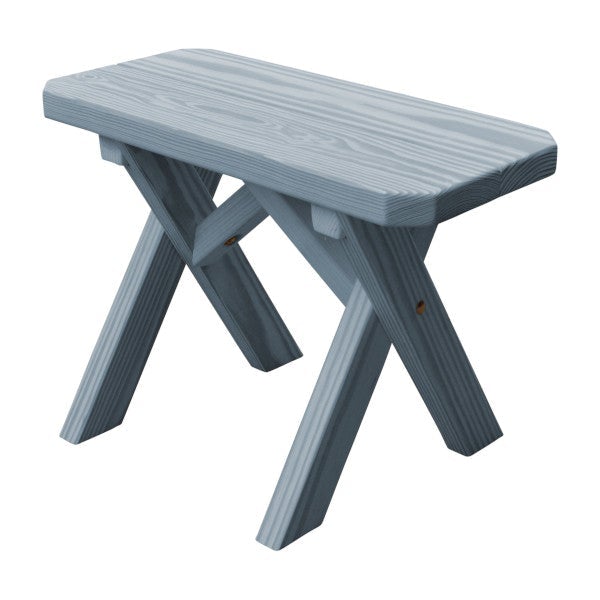
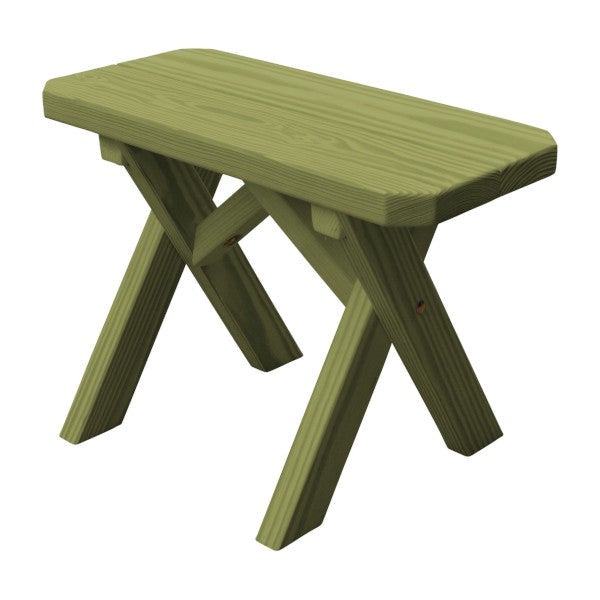
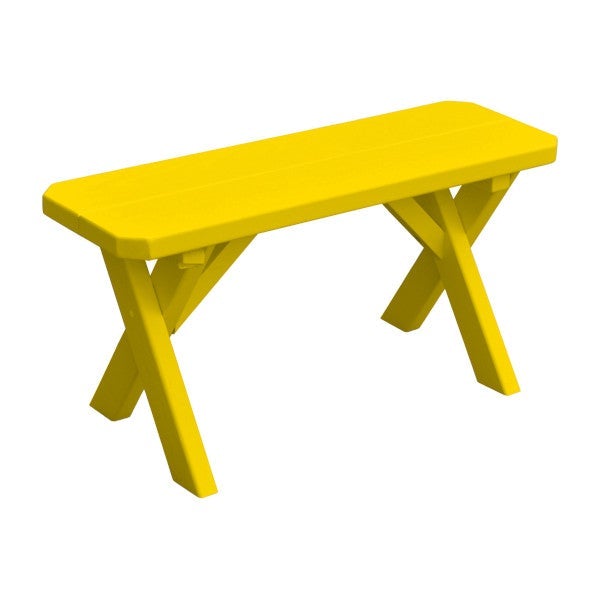
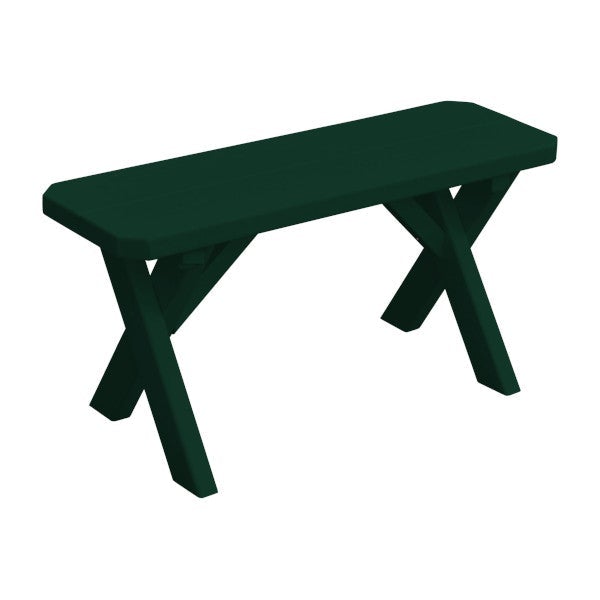
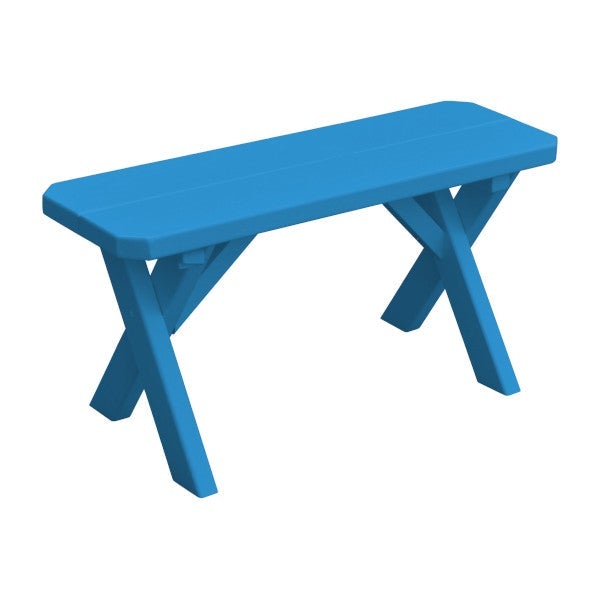
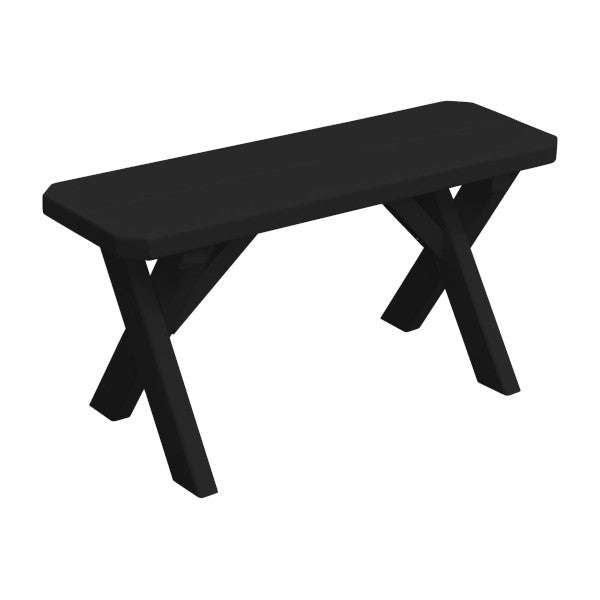
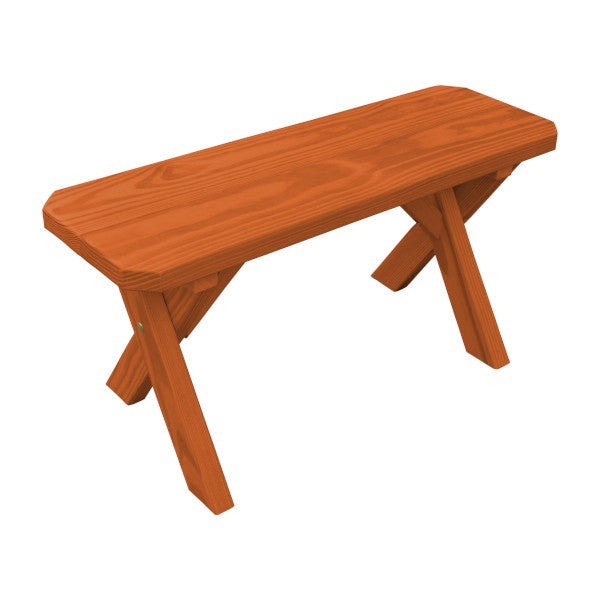
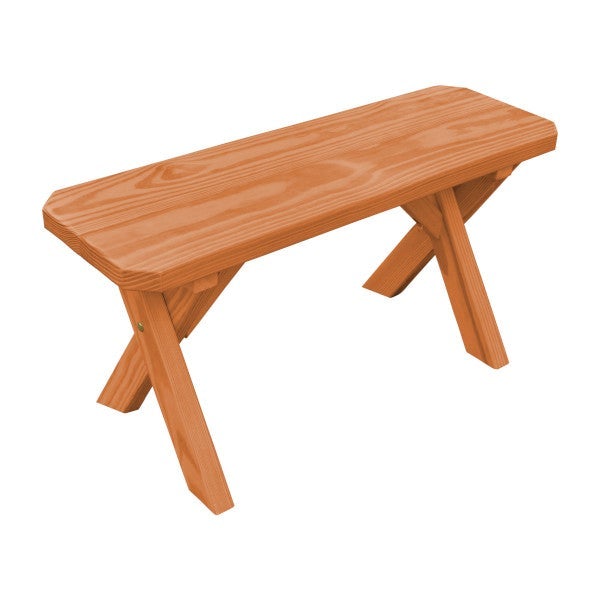
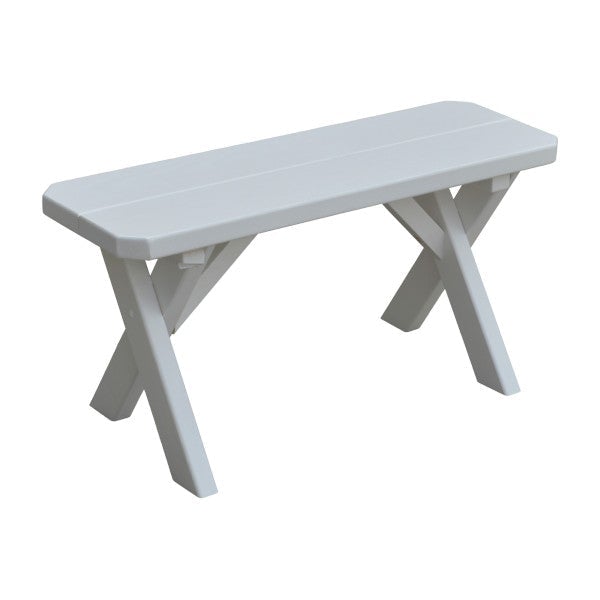
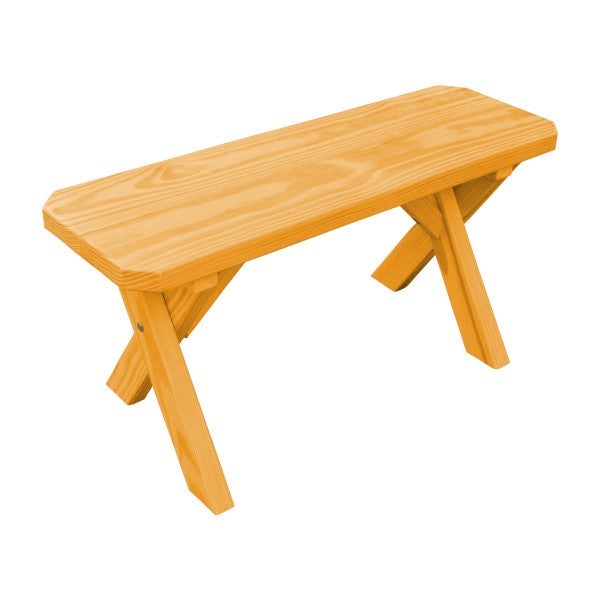
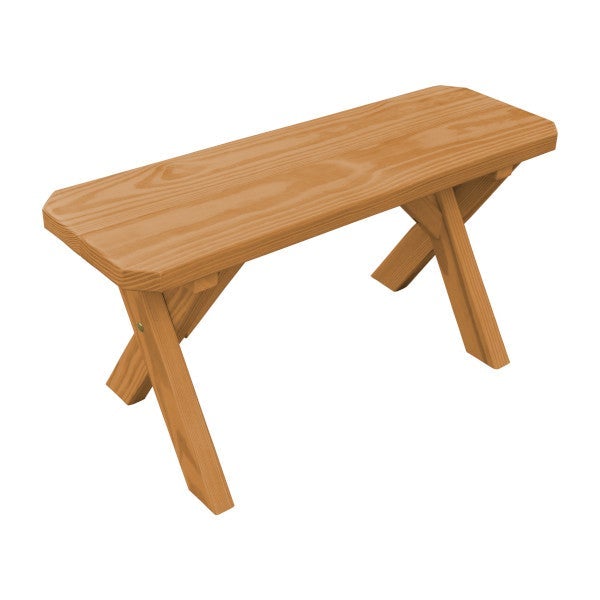
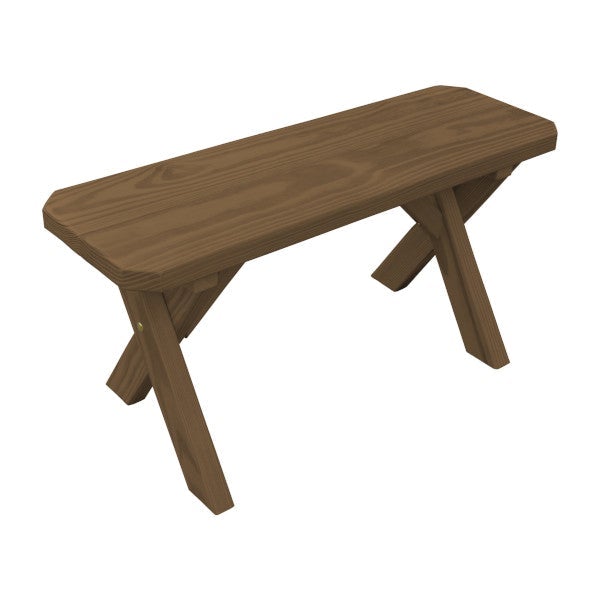
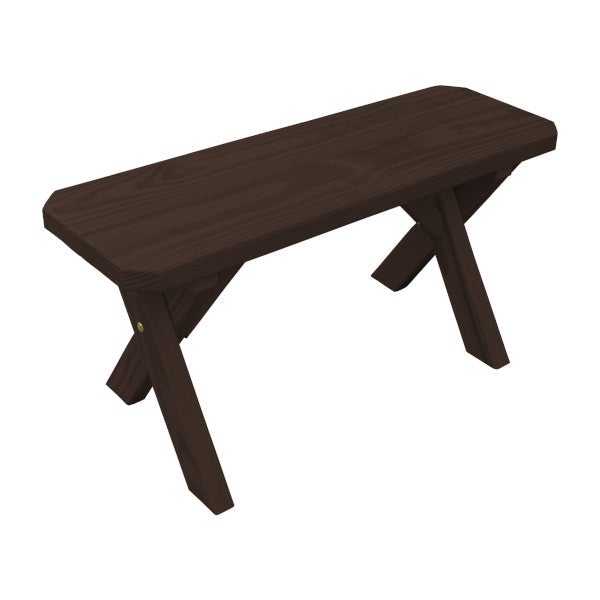
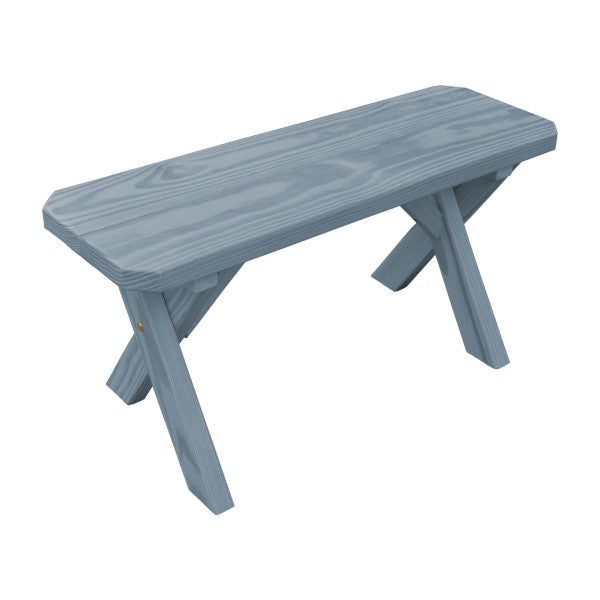
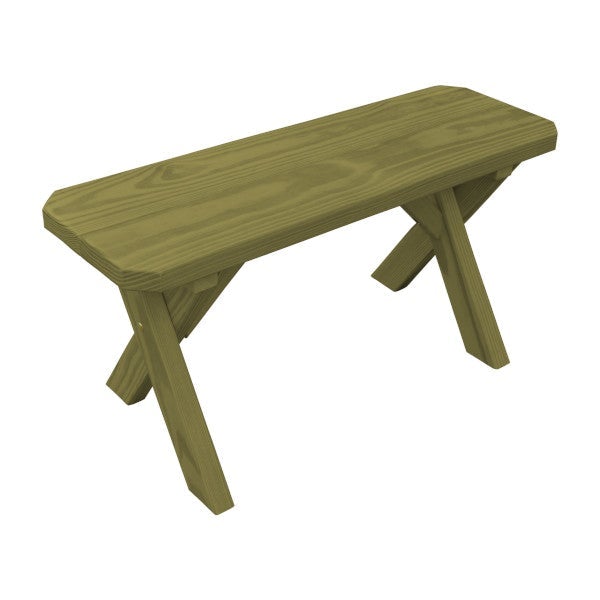
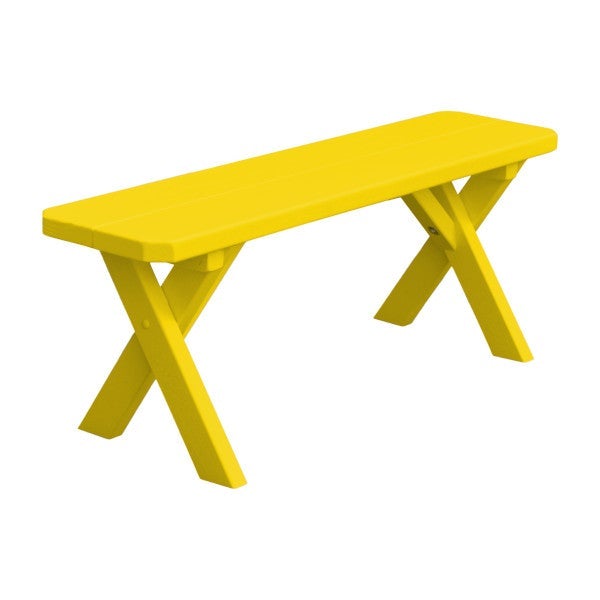
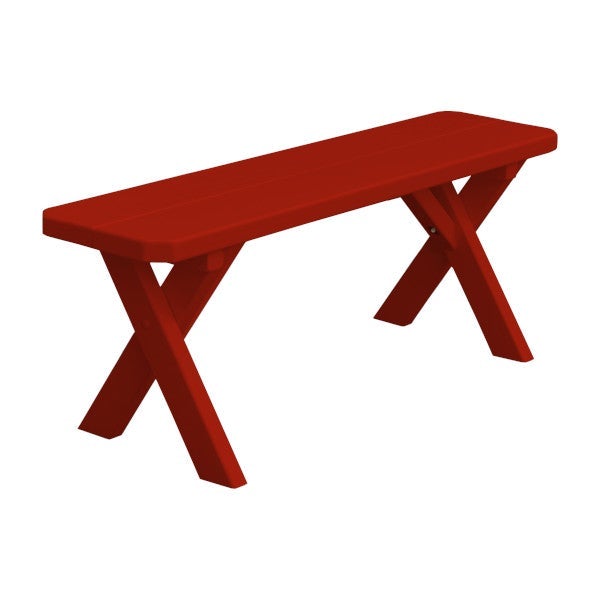
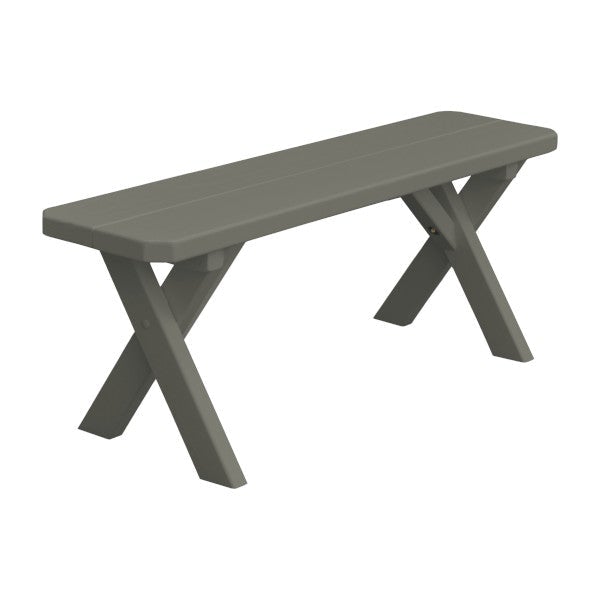
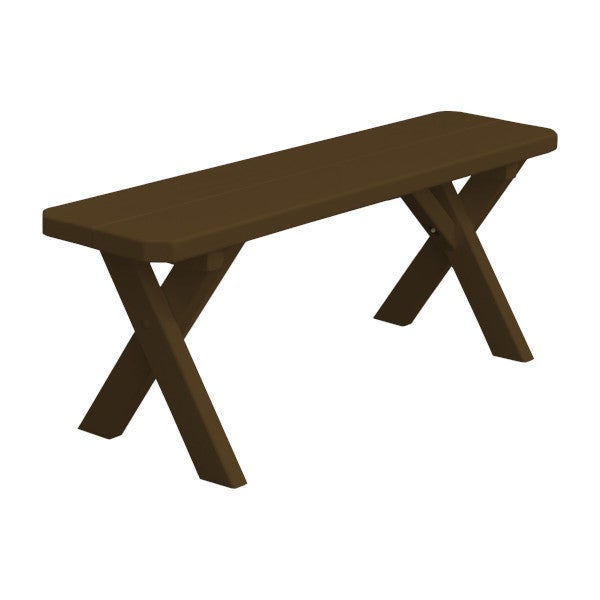
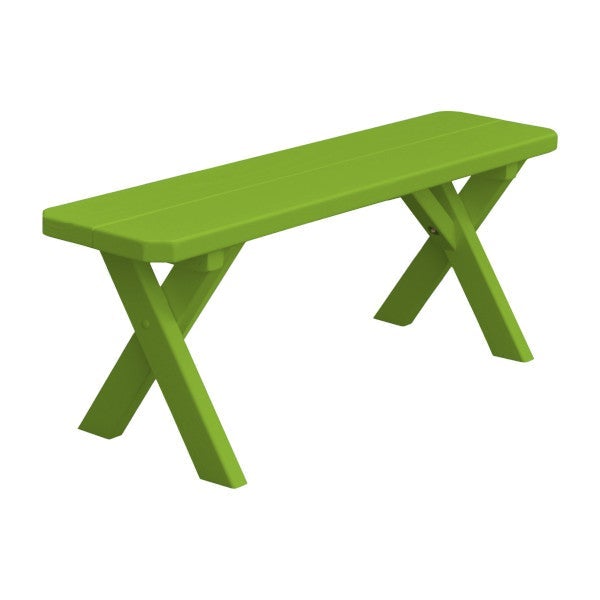
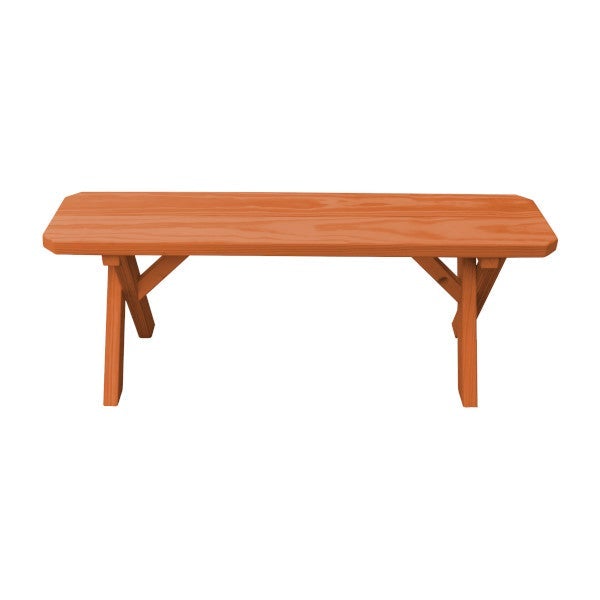
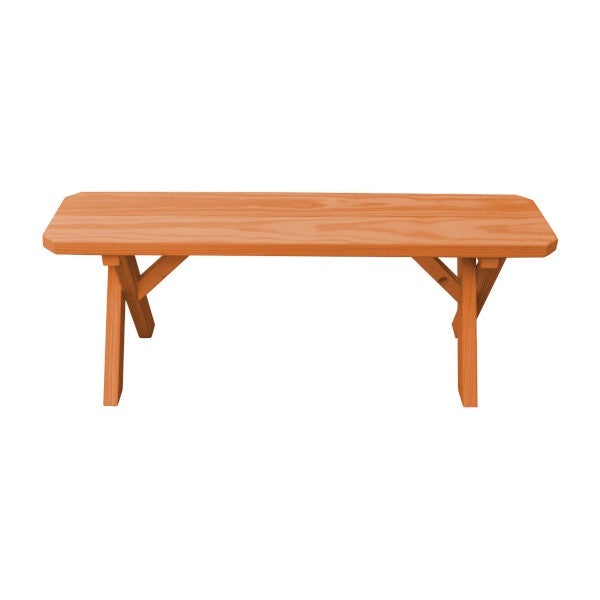
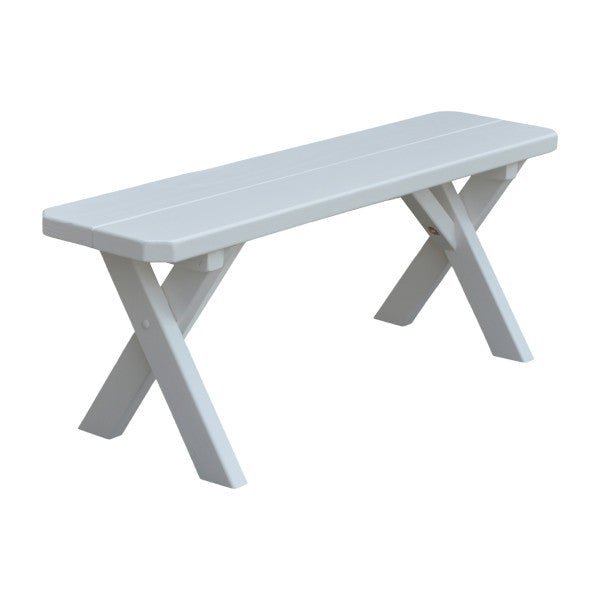
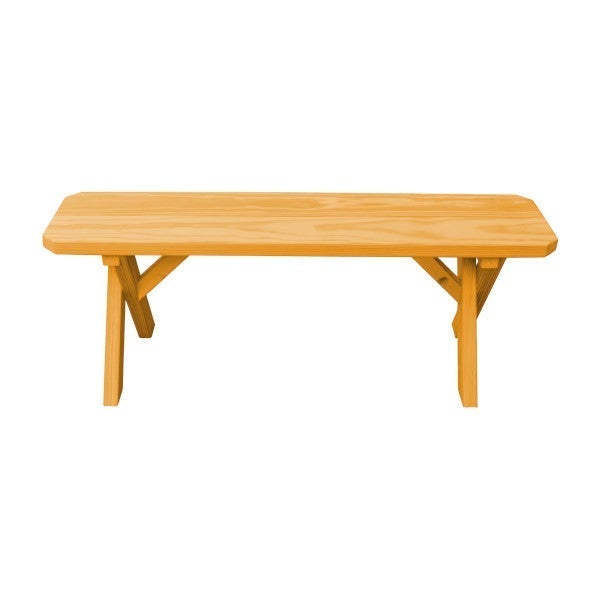
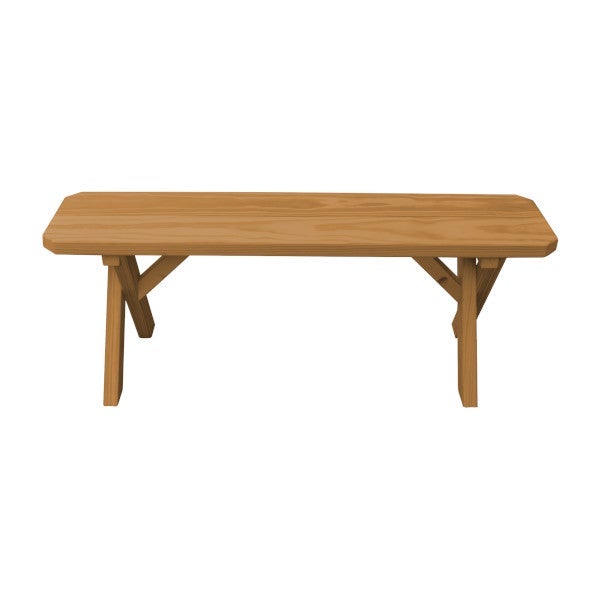
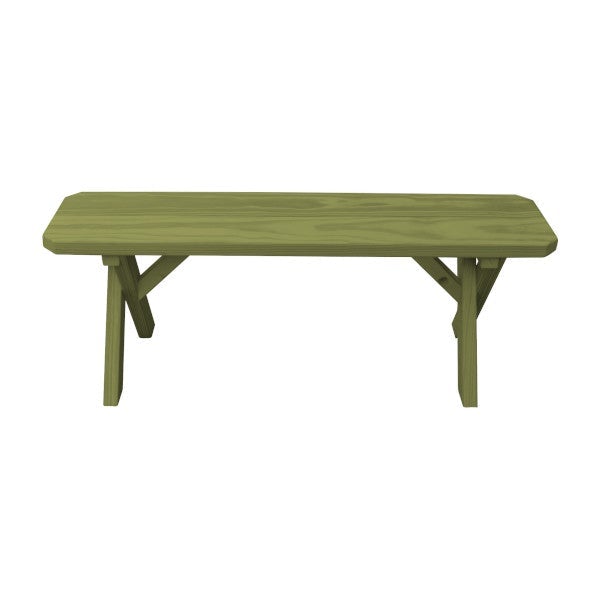
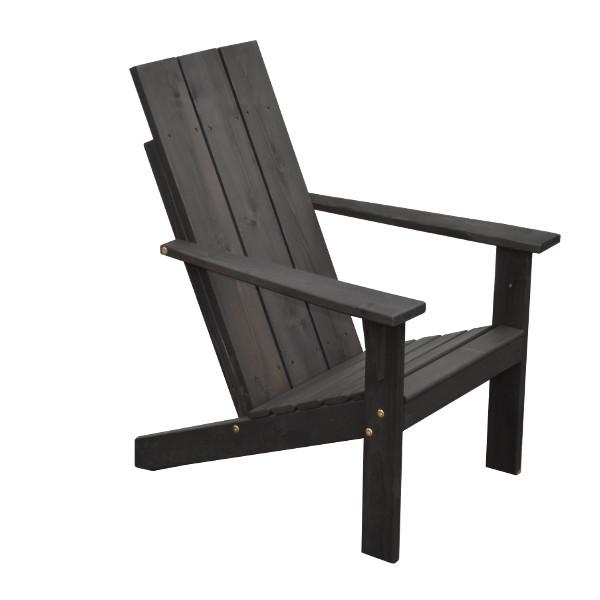
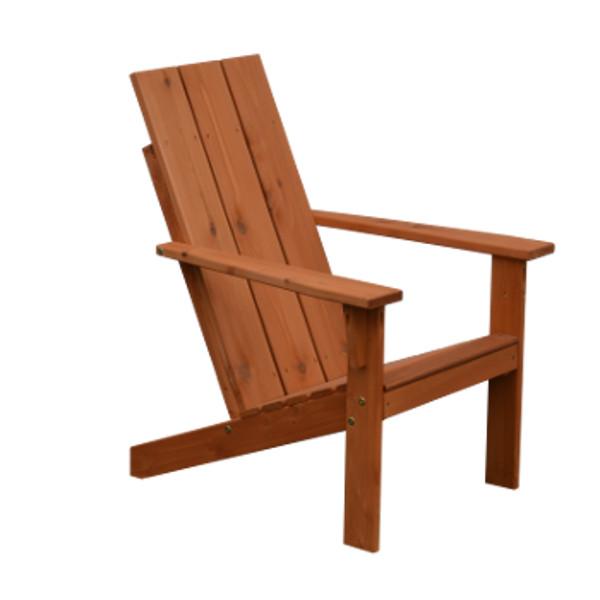
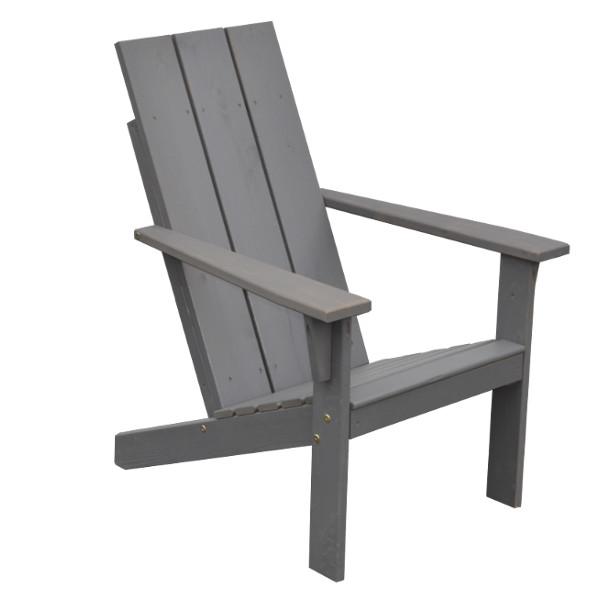
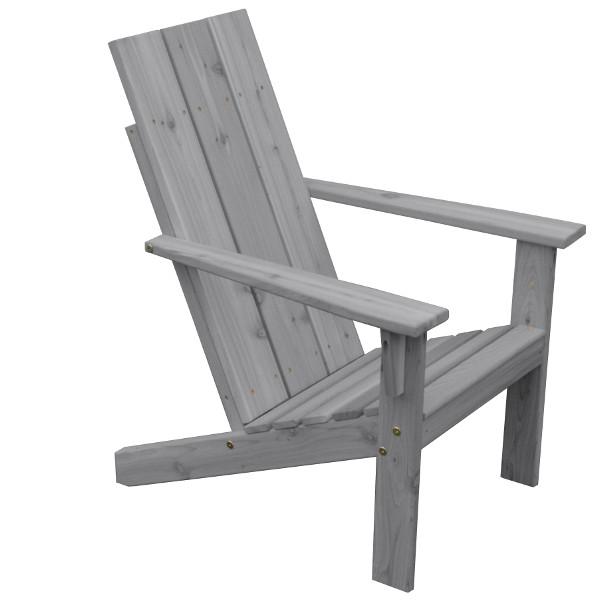
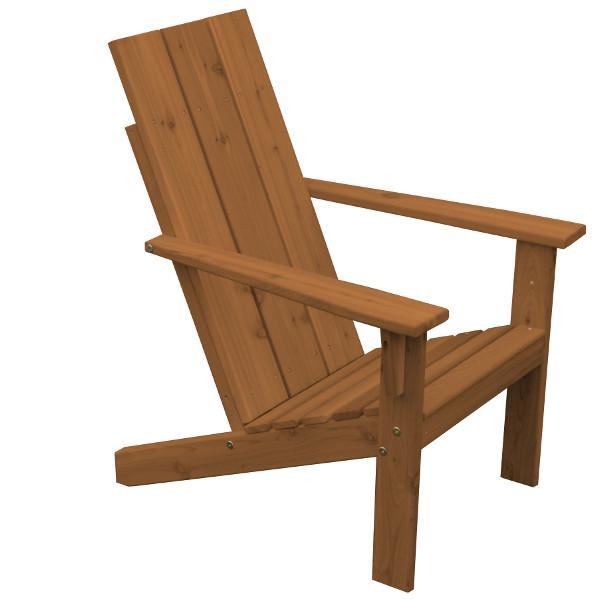
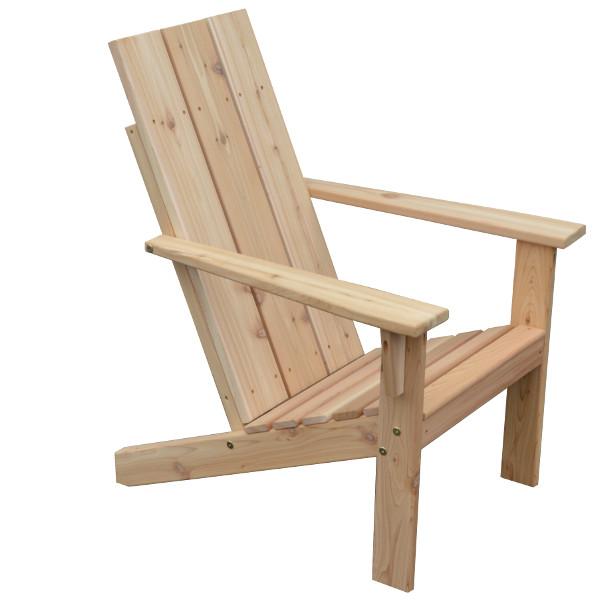
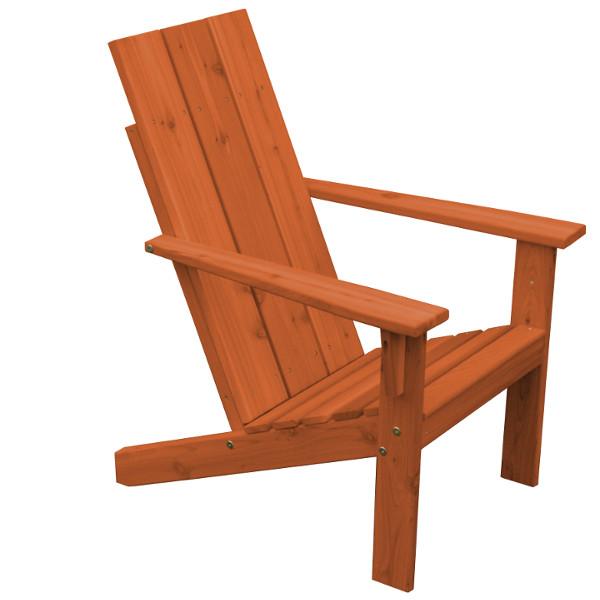
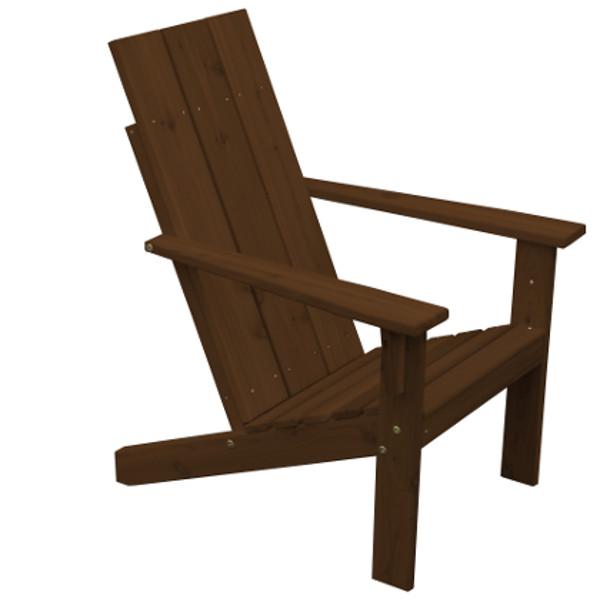
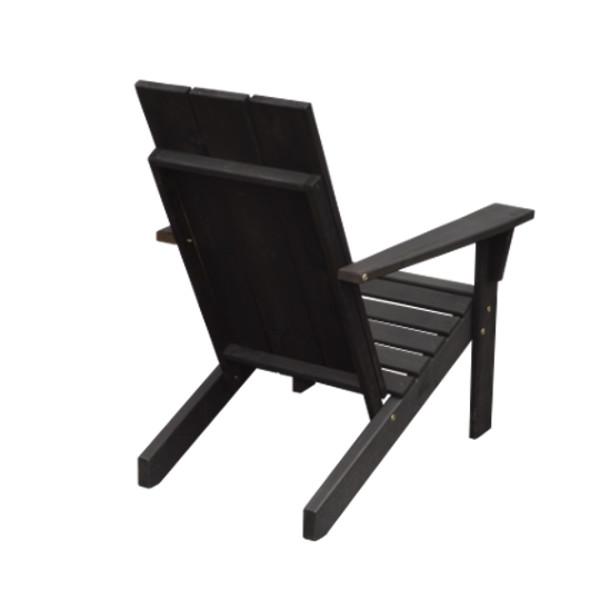
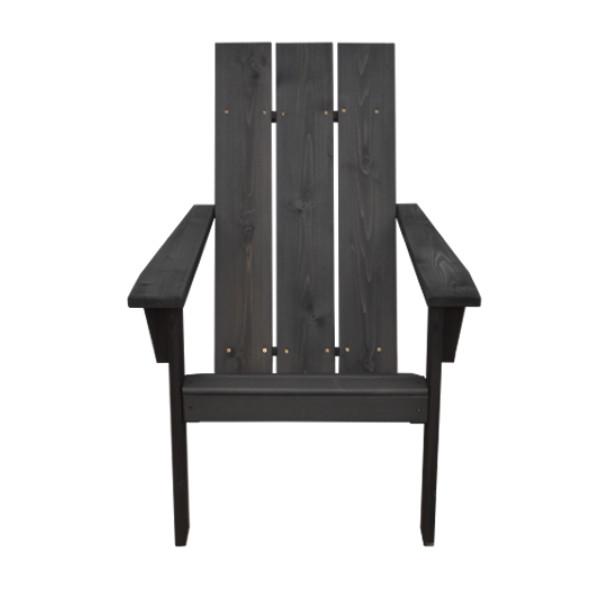
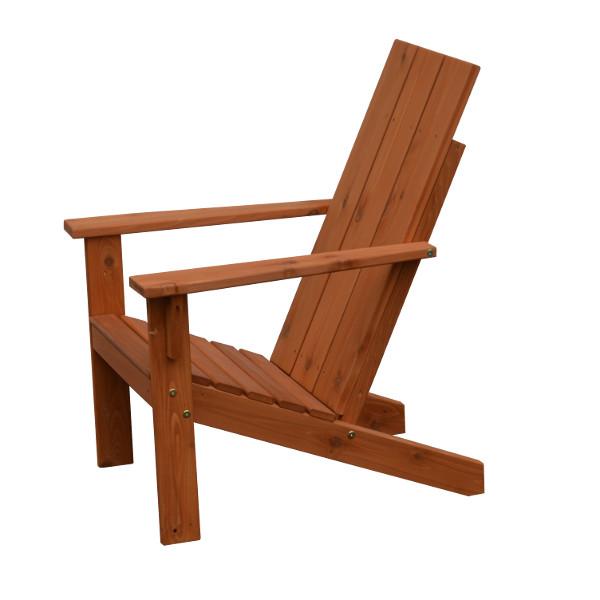
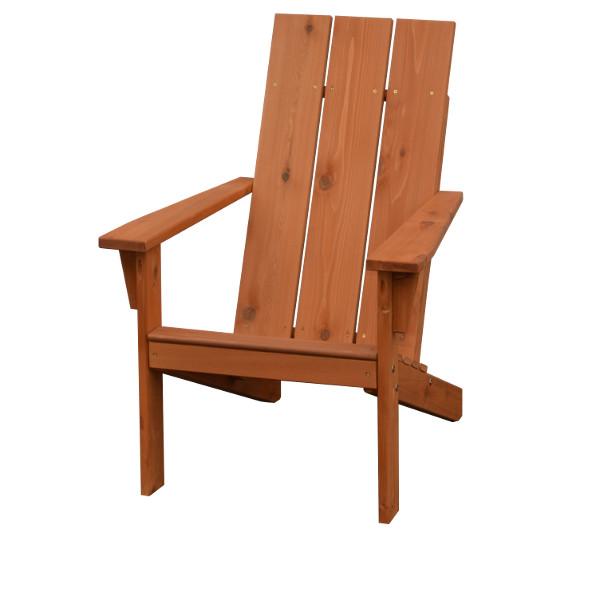
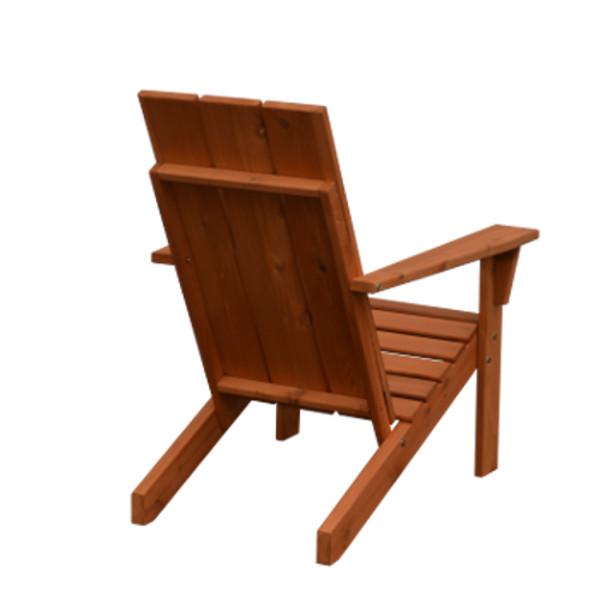
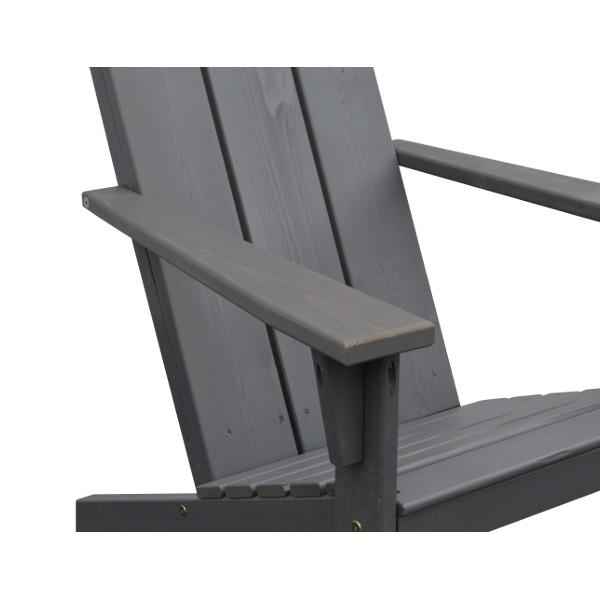
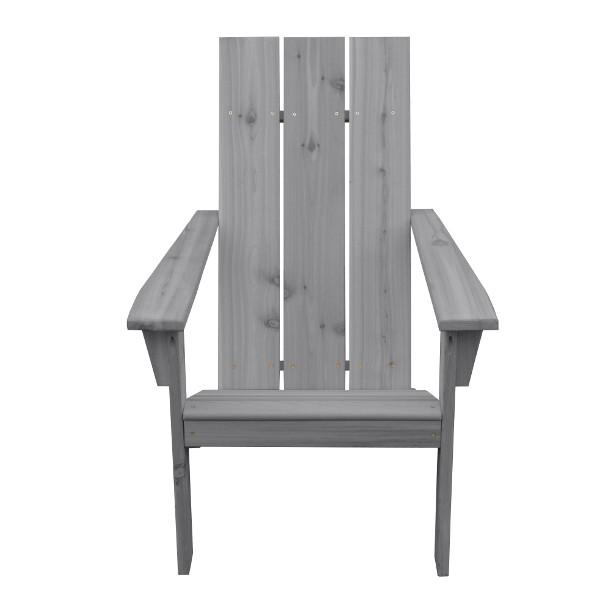
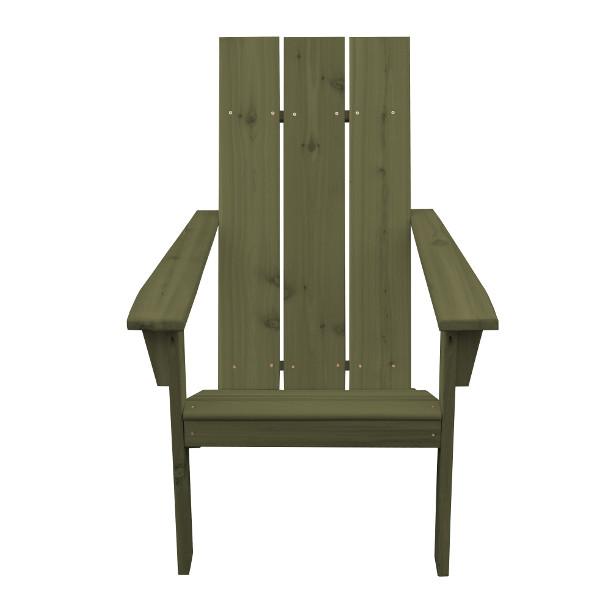
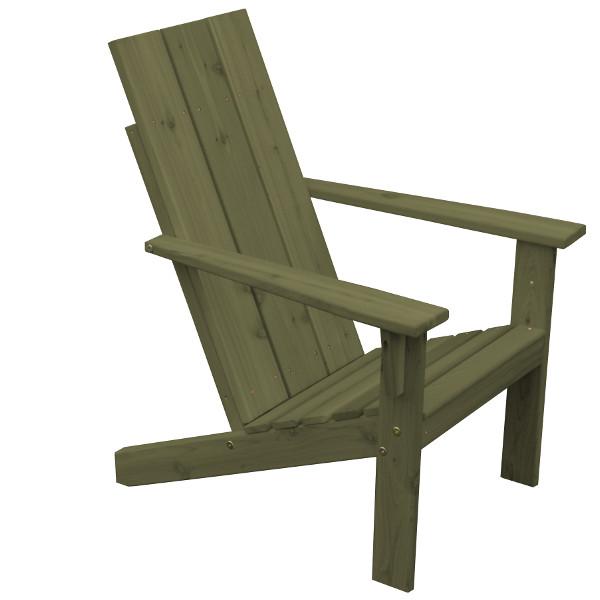
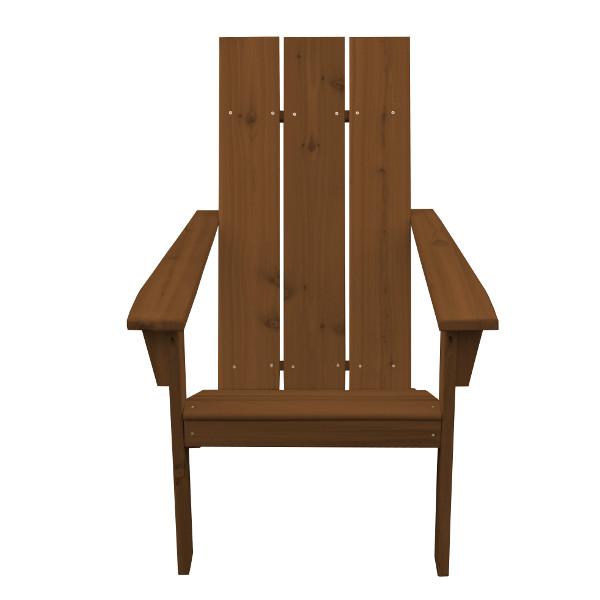
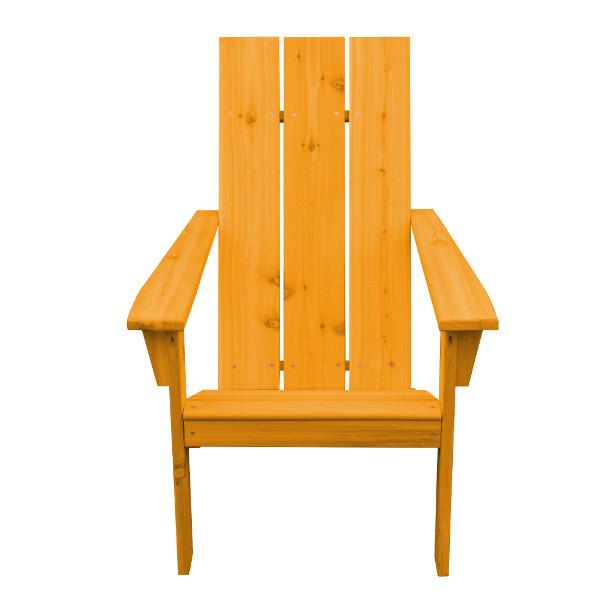
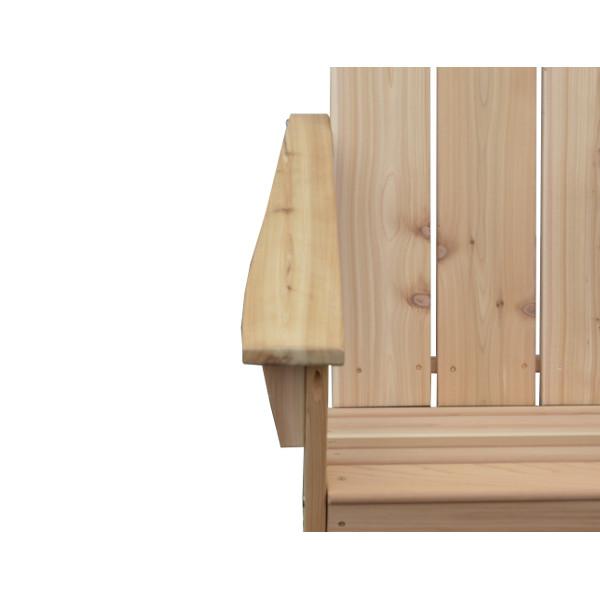
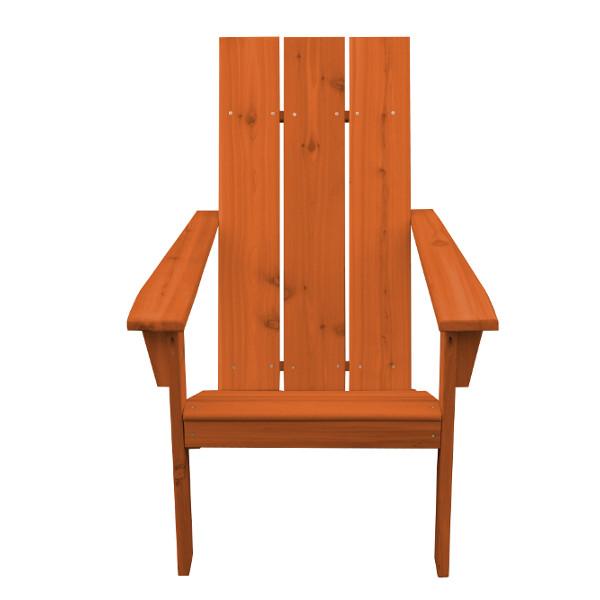
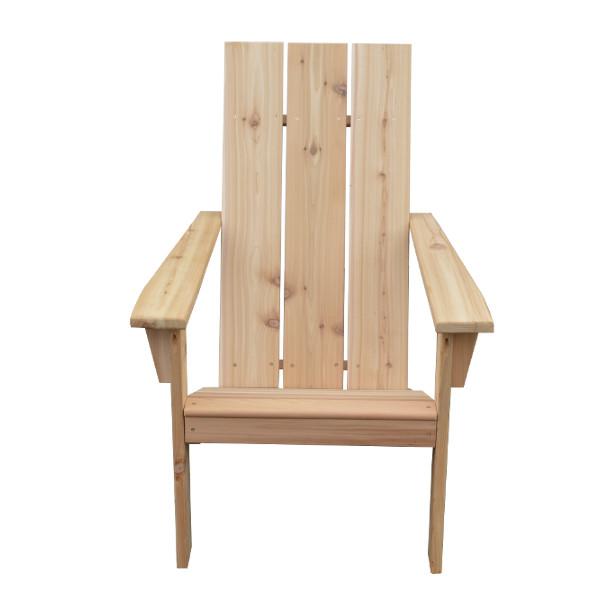
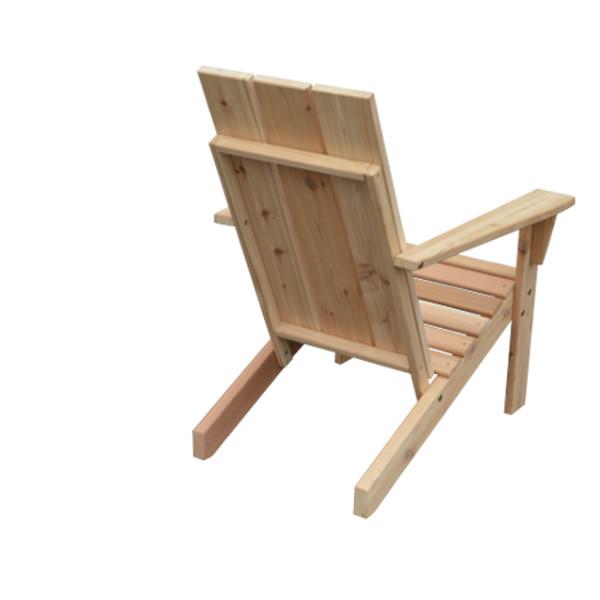
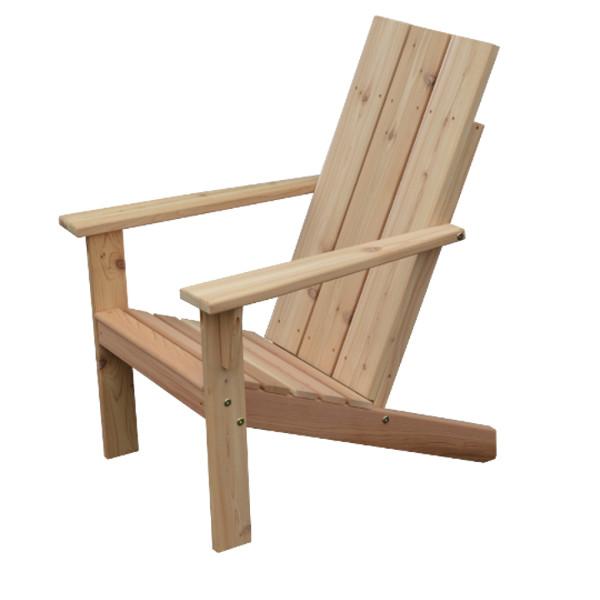
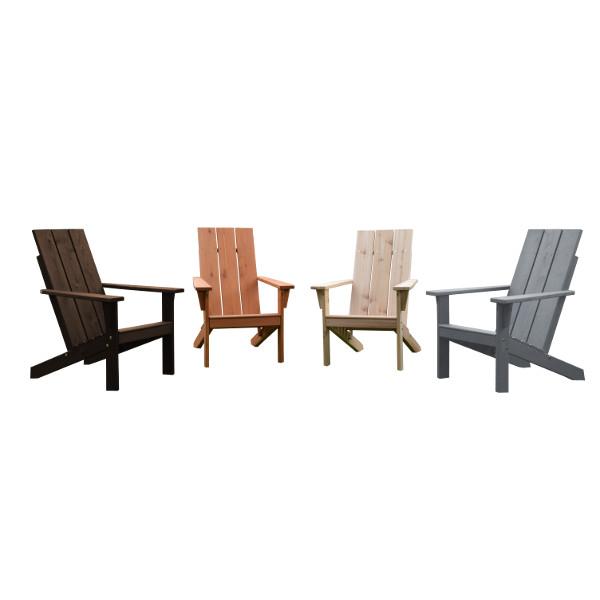
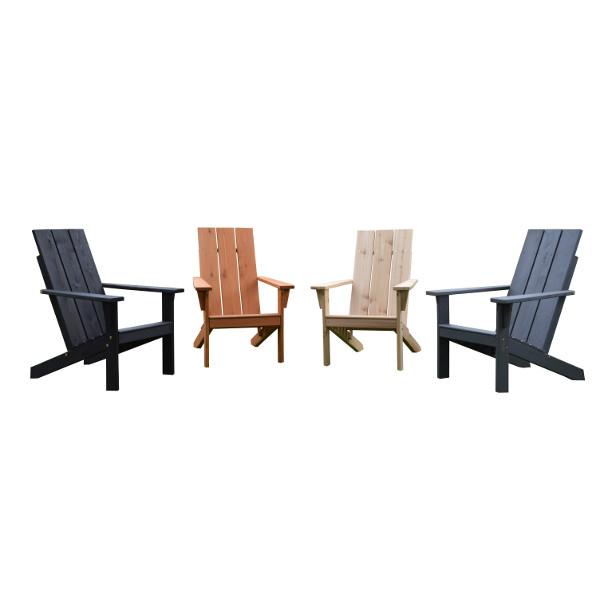
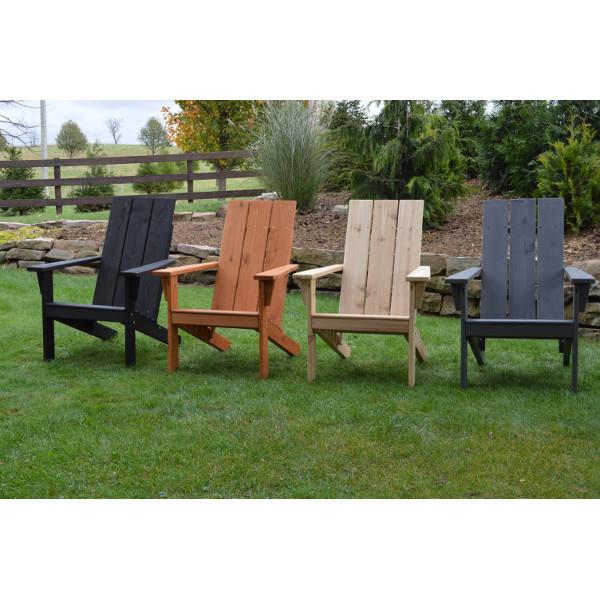
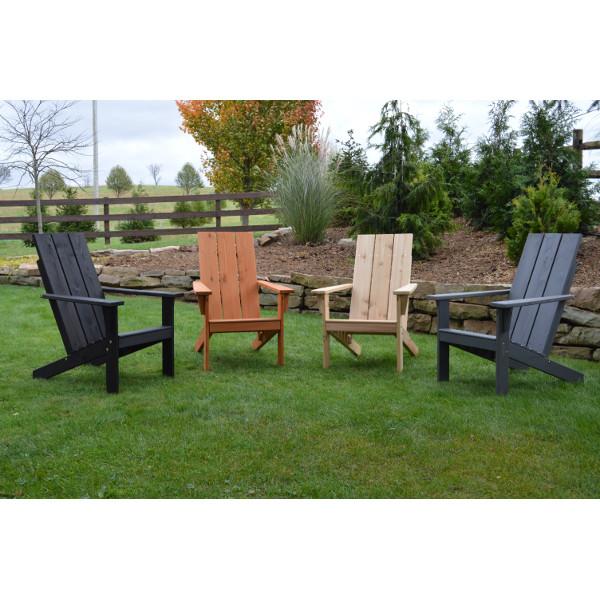
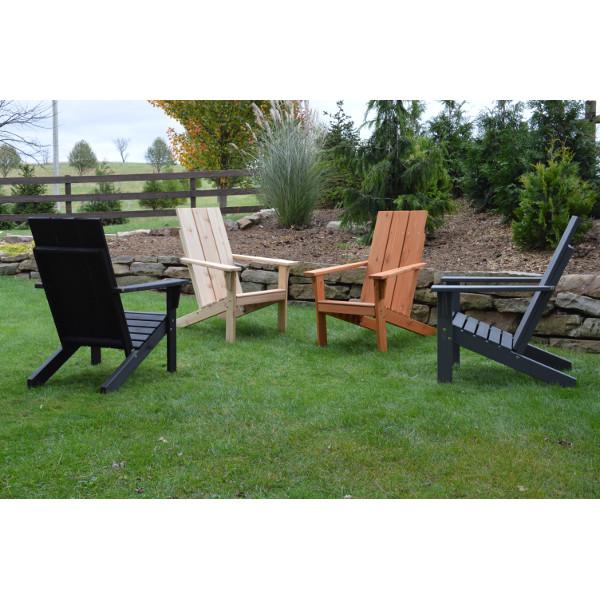
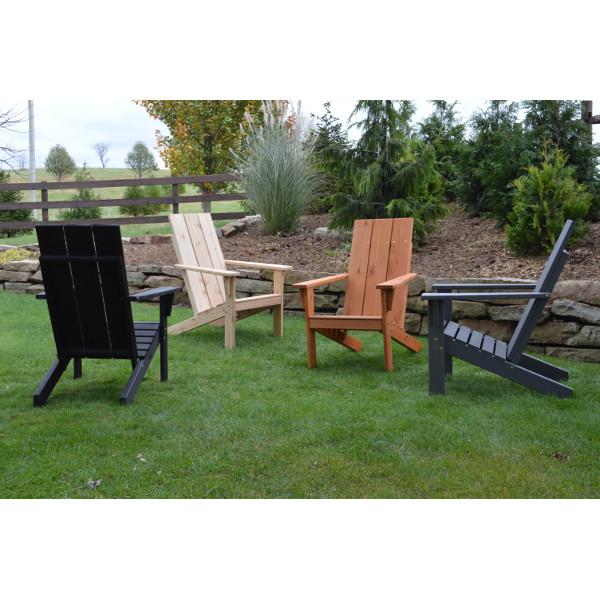
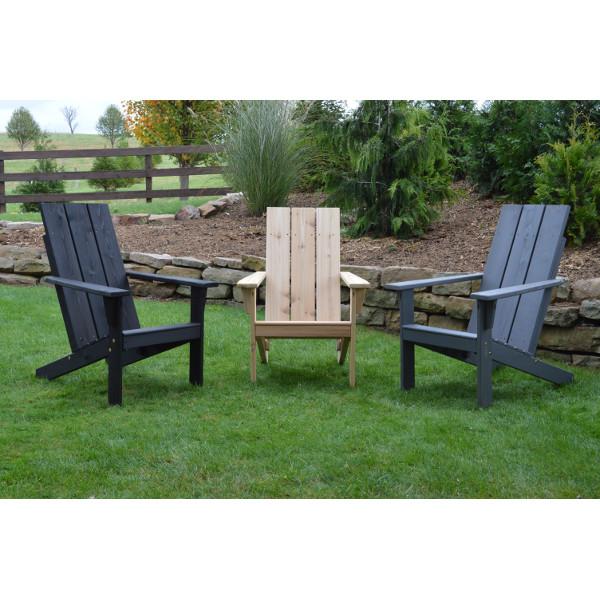
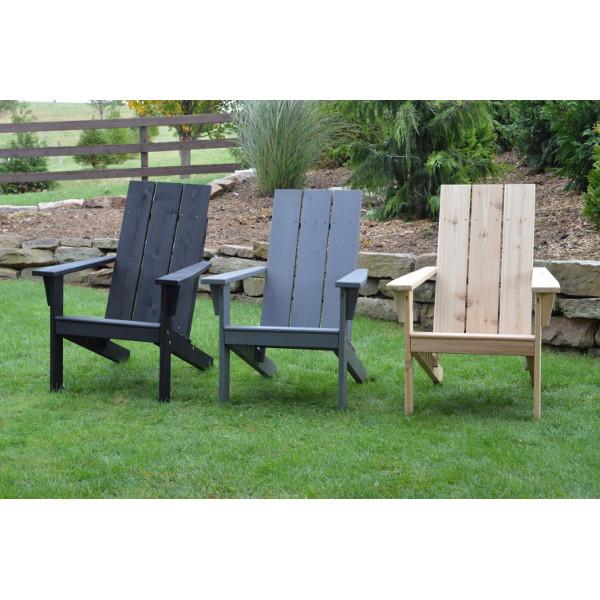
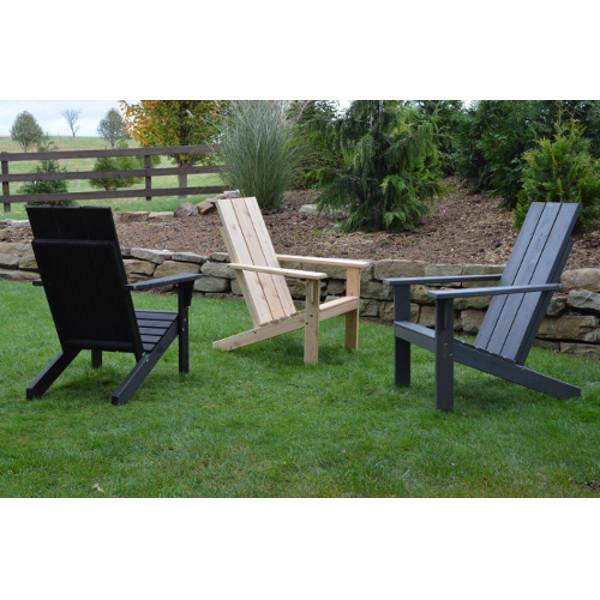
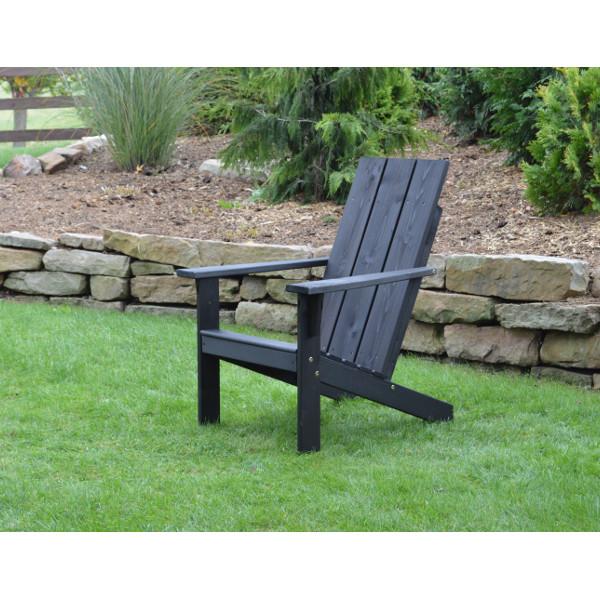
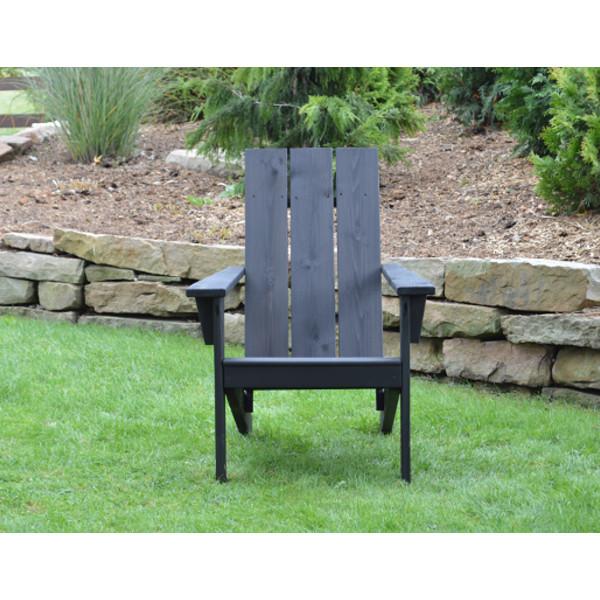
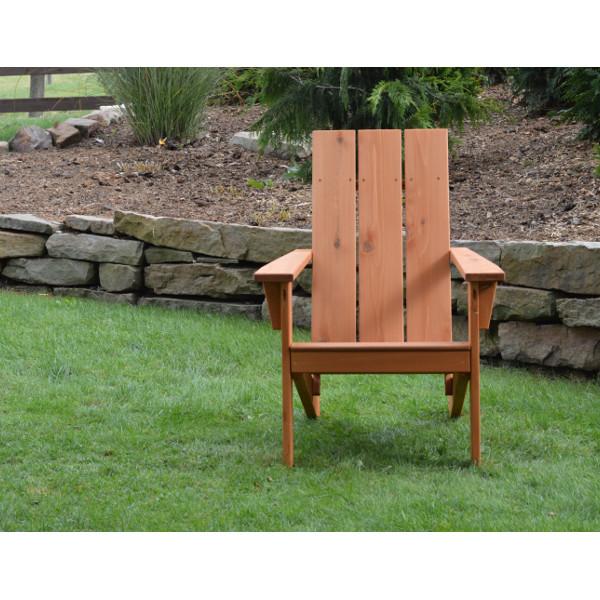
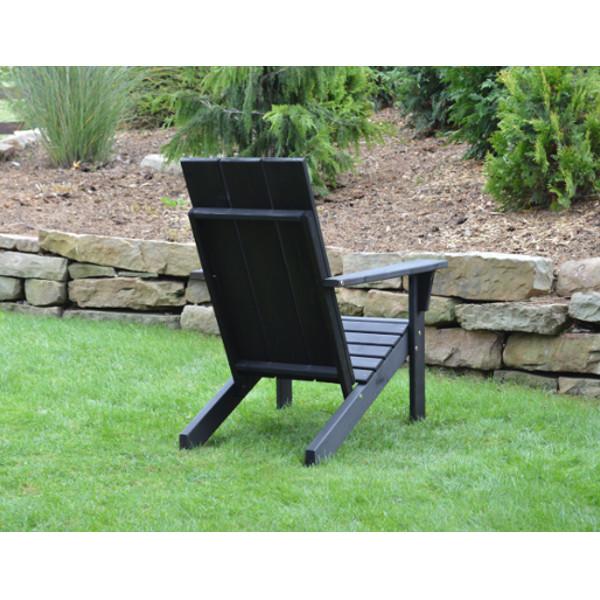
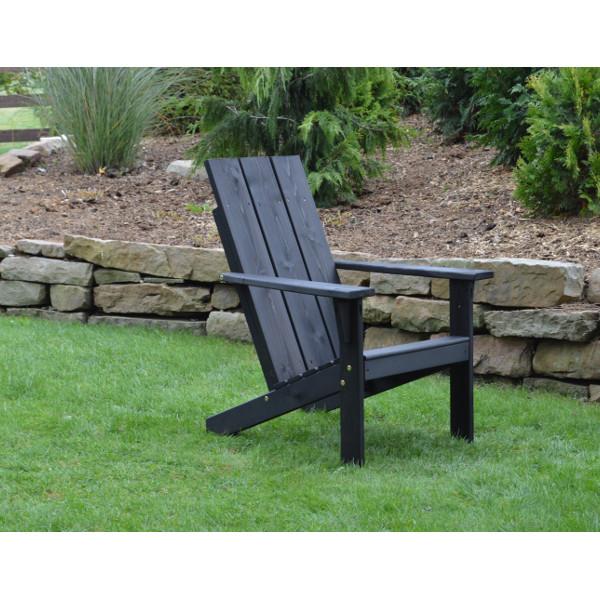
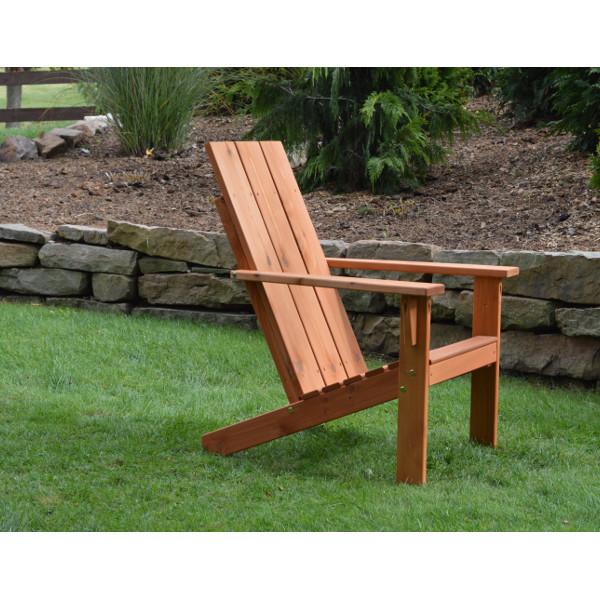
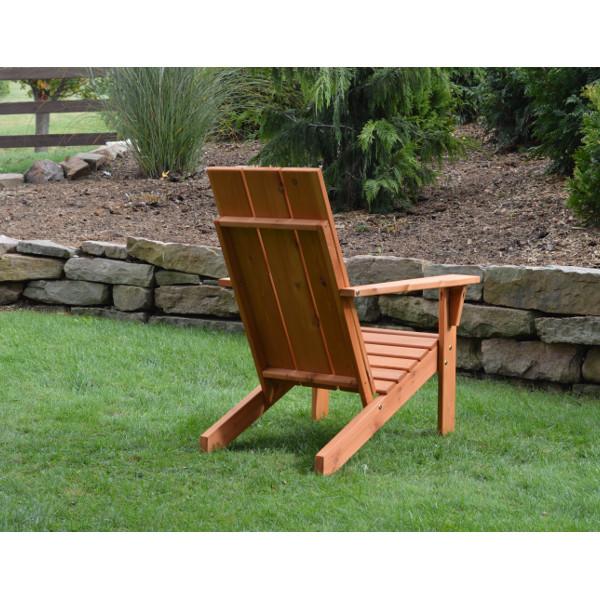
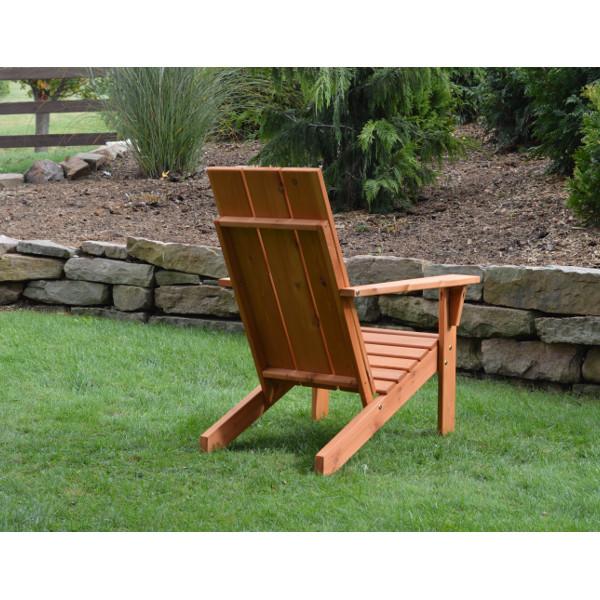
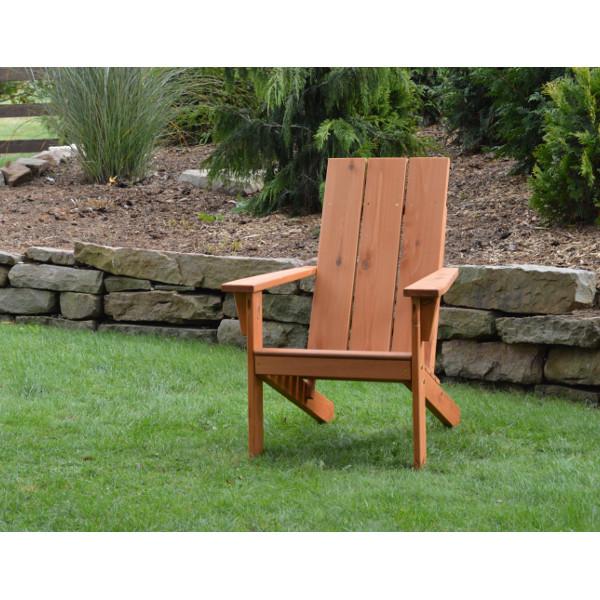
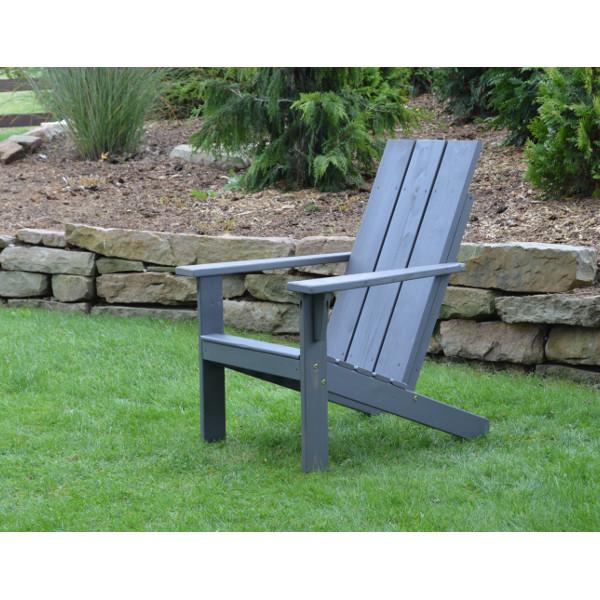
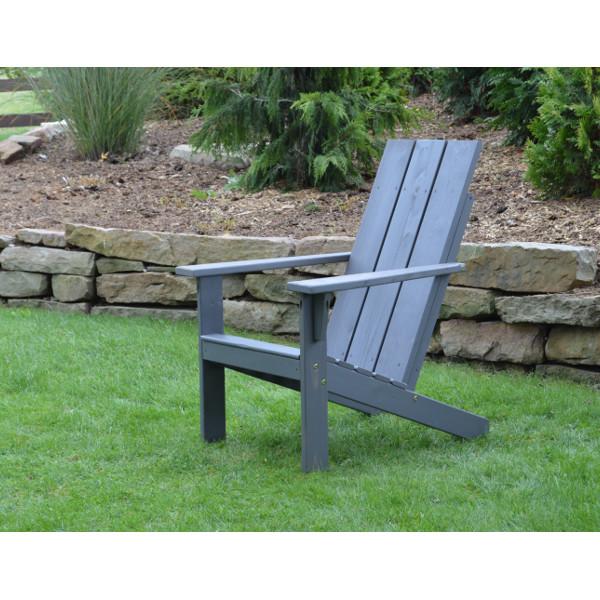
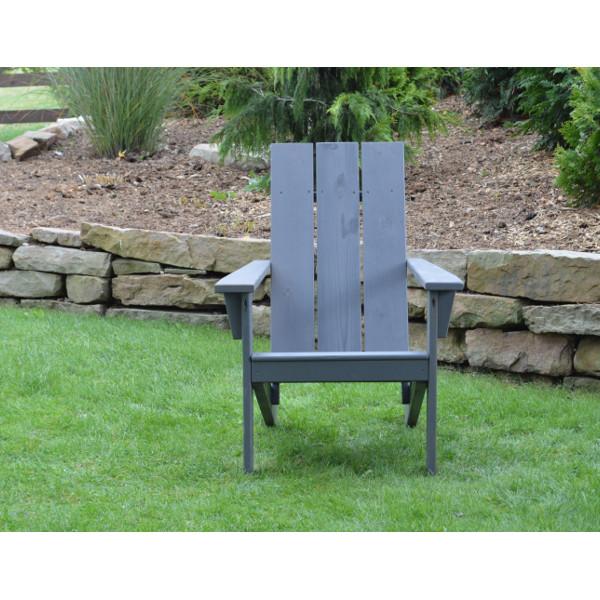
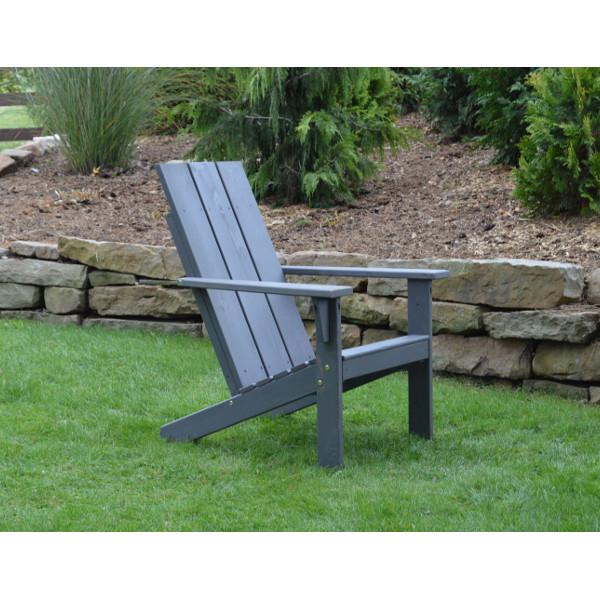
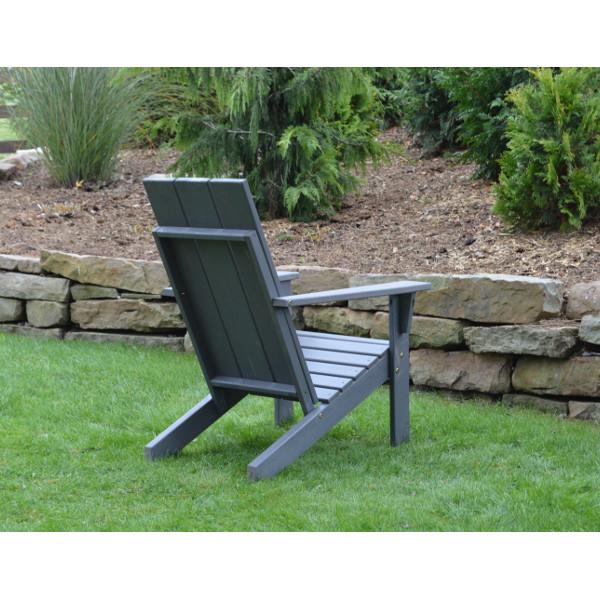
Patio furniture that will last you for generations to come! Our Amish Made patio furniture is hand-built according to precise standards by the best woodworkers in America, and as a result, the quality and attention to detail are unparalleled. Each Amish-built outdoor furniture celebrates timeless designs, whether you choose a traditional porch swing, a classic garden bench, or the iconic Adirondack chair for your patio.
A: "Amish Made" refers to furniture handcrafted by members of the Amish community, emphasizing traditional techniques, quality materials, and durability.
Craftsmanship: Construction relies heavily on time-honored woodworking techniques, including mortise-and-tenon joinery, dovetail joints, and wooden dowels. These methods provide superior strength and stability compared to modern mass-produced furniture that relies heavily on metal fasteners and glue.
Durability: The furniture is typically made from thick, solid hardwoods (like Oak, Maple, and Hickory) or high-density Poly Lumber, ensuring it lasts for generations. The emphasis is on structural integrity over rapid assembly.
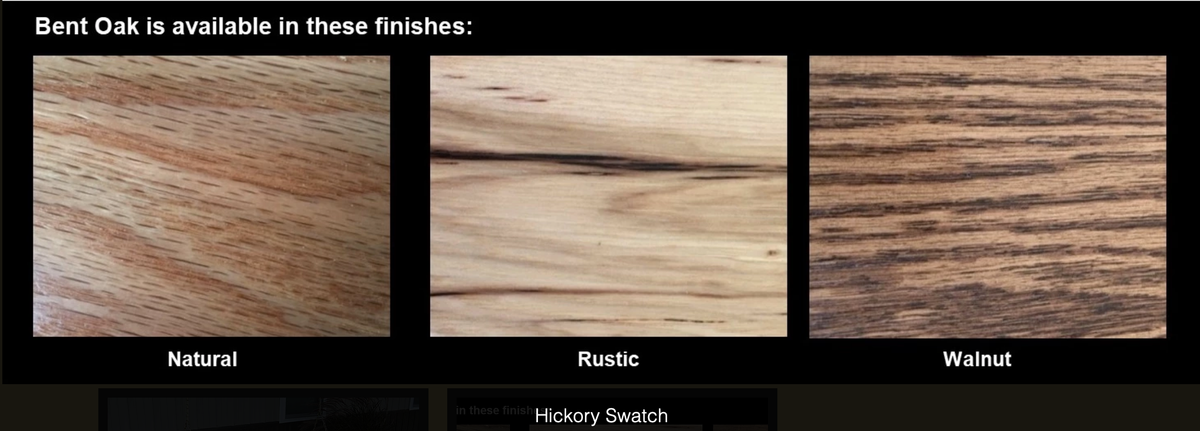
Aesthetics: The style is often characterized by simple, clean, and classic designs (Shaker, Mission, or rustic) that showcase the timeless beauty of the wood grain, instilling a sense of appreciation for the craftsmanship and heritage.
A: Amish artisans utilize both traditional hardwoods and modern synthetic materials for outdoor pieces.
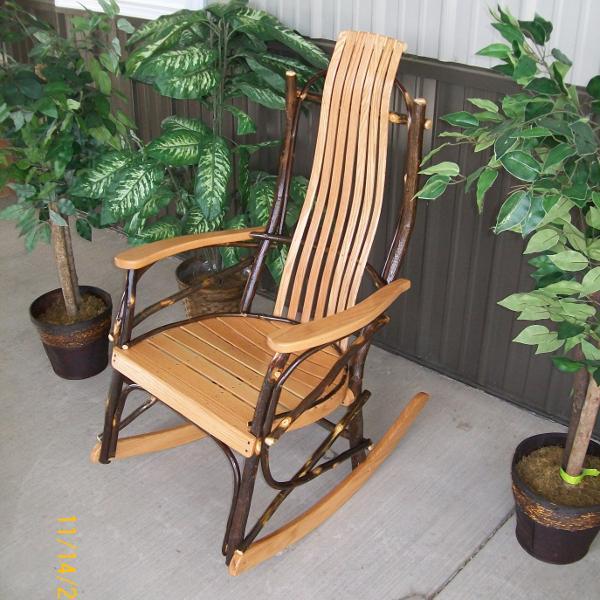
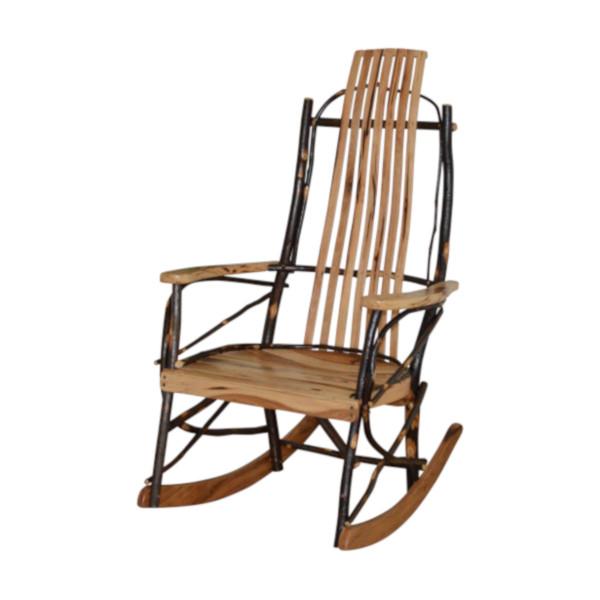
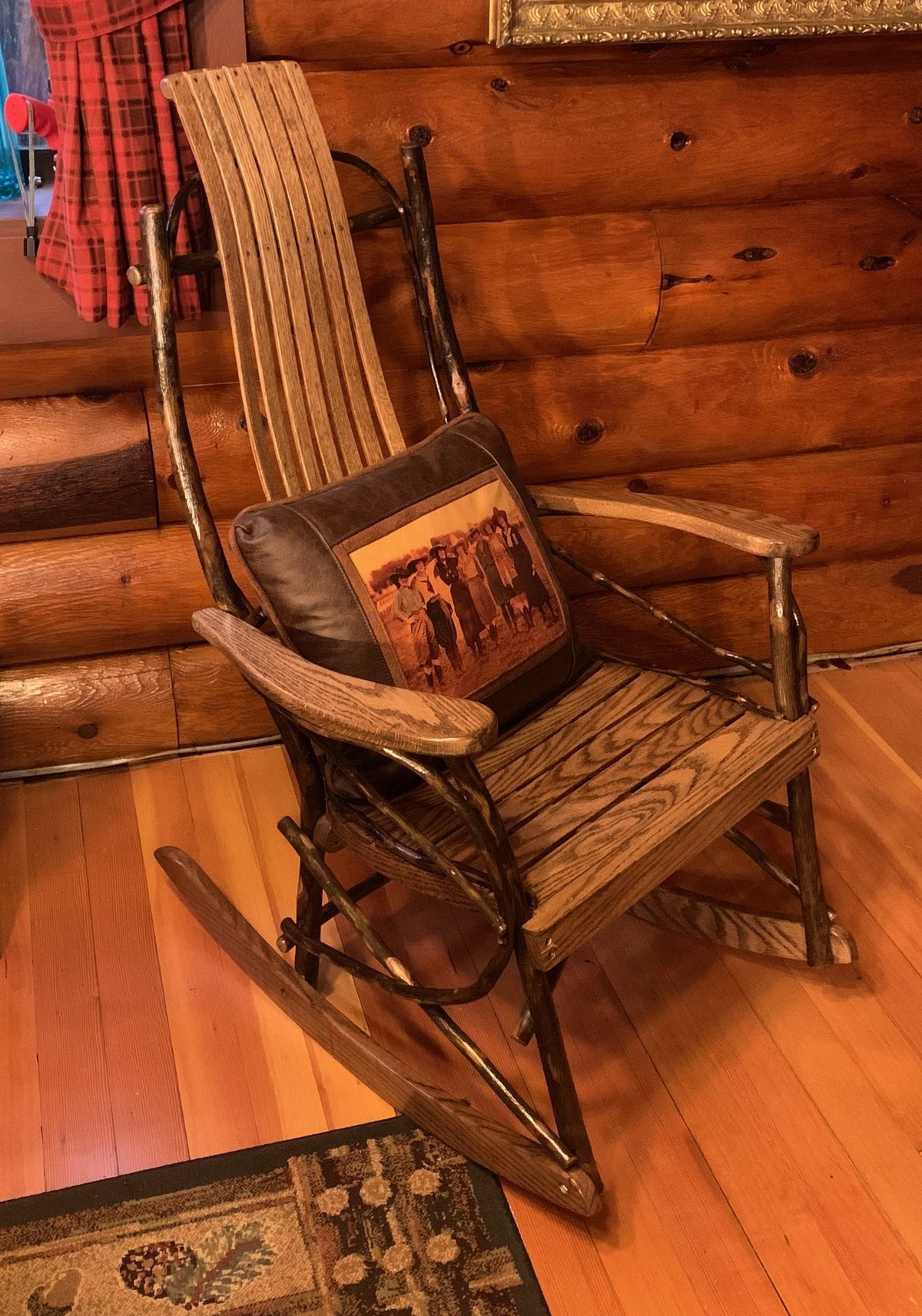
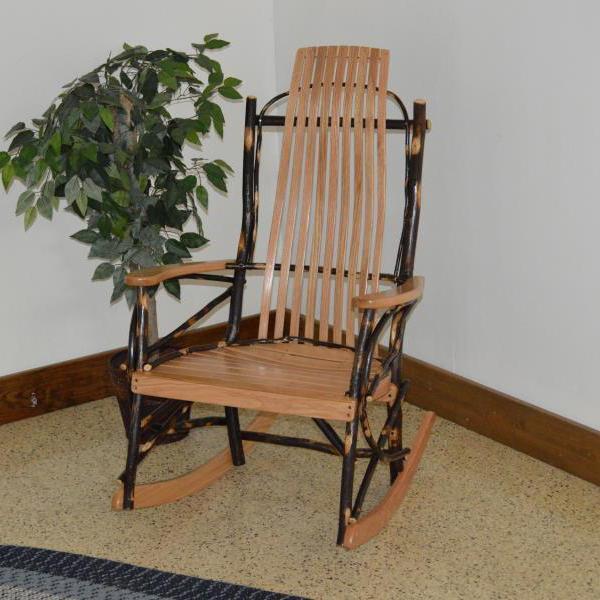
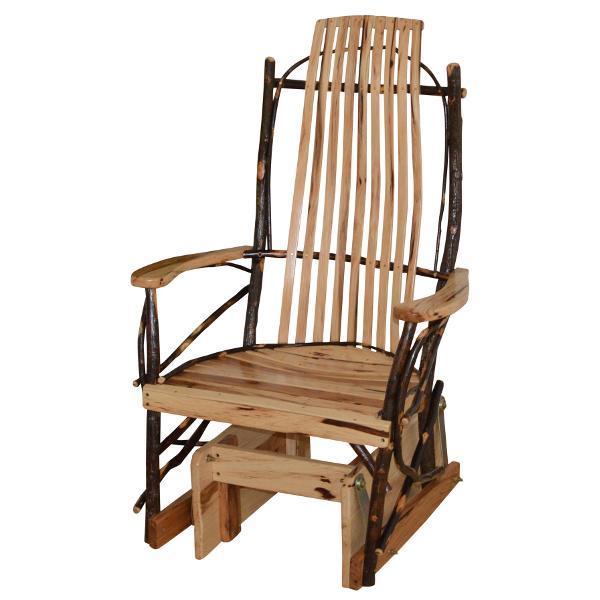
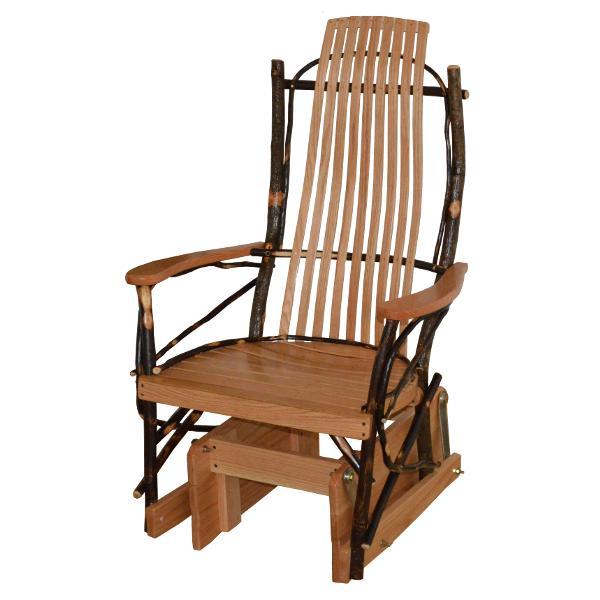
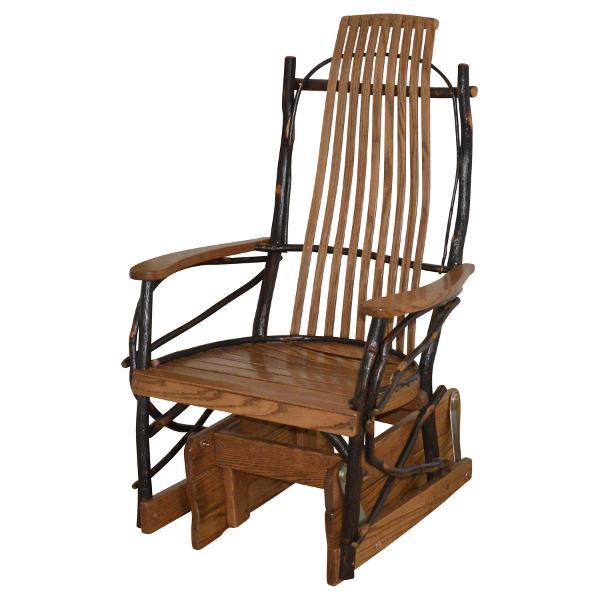
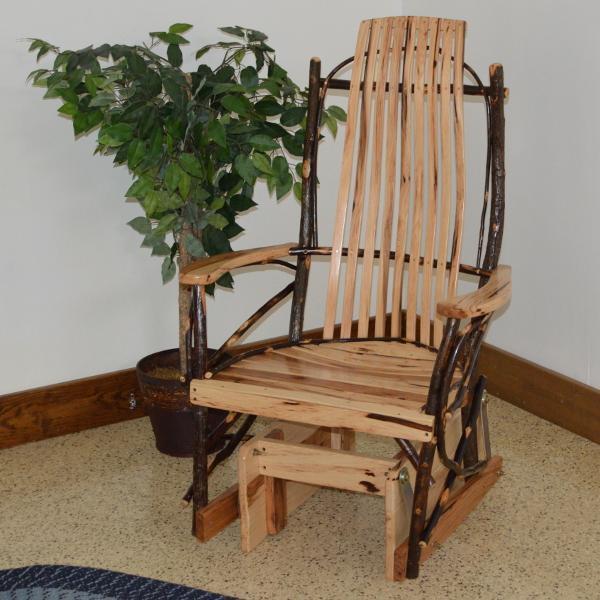
Outdoor Hardwoods: Hickory, Cedar, and Teak are often used due to their natural resistance to rot and insects. Hickory is particularly popular for its strength and rustic appeal. These woods require sealing or regular maintenance to maintain their finish.
Poly Lumber (HDPE): Many modern Amish builders use high-density polyethylene (Poly Lumber), a recycled plastic. This material offers the ultimate low-maintenance solution, as it never needs painting, will not splinter, and is fully resistant to rot and fading.
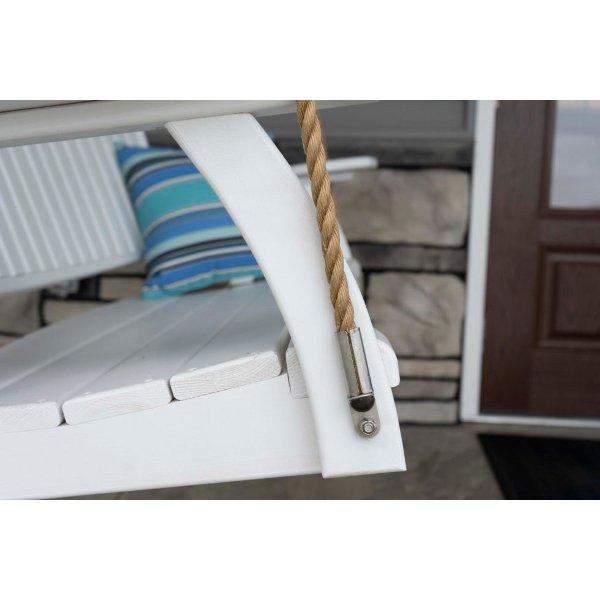
Hardware: When hardware is necessary, it is usually marine-grade or stainless steel to resist rust, which compromises furniture built with standard fasteners.
A: Amish-made furniture often carries a higher initial cost, but the value is realized through longevity and quality.
Pricing: The higher price reflects the skilled labor, time-intensive construction methods, and the high quality of the solid materials used. It is not mass-produced on an assembly line.
Investment Justification: Customers invest in Amish furniture for its heirloom quality and durability. The construction methods are designed to withstand years of use without breaking down. The low-maintenance nature of Amish poly furniture can also save significant time and money over the product's lifespan compared to treating wood.
Sourcing: Look for transparency regarding the wood source and construction site, as the term "Amish Made" can sometimes be loosely applied in the market.
A: Amish-made Poly furniture is designed to be highly resistant to temperature extremes.
Winterization: High-quality Poly Lumber is non-porous and will not crack, chip, or splinter due to freezing water. It can be left outside year-round without a cover, even in harsh winter climates.
Cleaning: The best winter care involves cleaning the Amish bench or furniture before the first snow. Use warm water and mild soap to remove dirt and pollen. If necessary, a diluted bleach solution can be used to remove set-in stains without harming the material.
Moving: If storing the furniture, remember that poly is very heavy. Use proper lifting techniques to avoid injury.
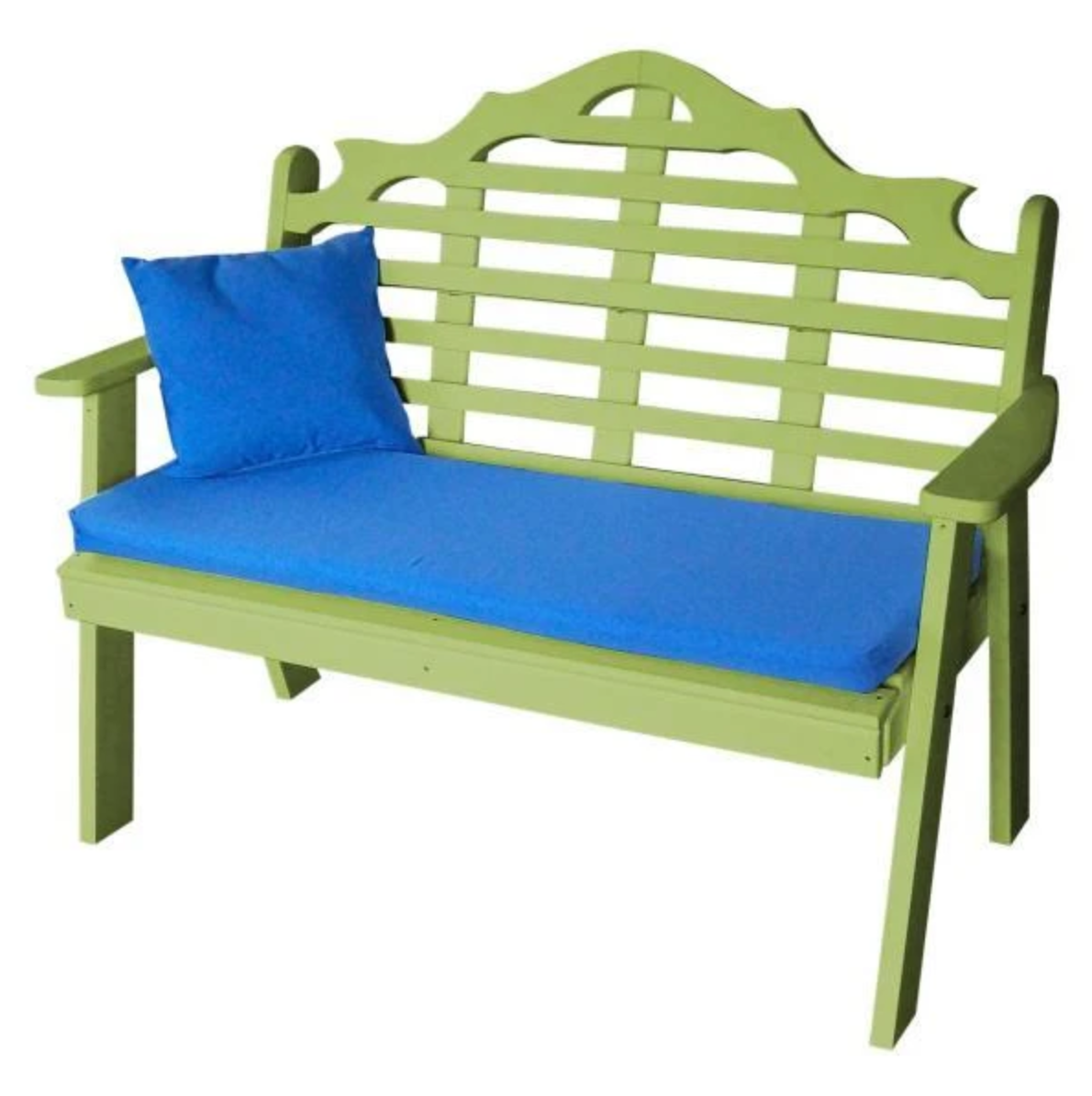
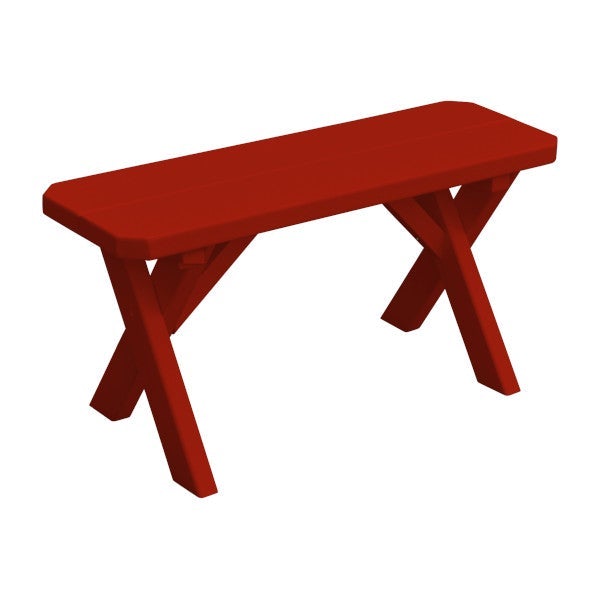
Amish Made Benches on Sale — Buy Now!
Patio furniture that will last you for generations to come! Our Amish Made patio furniture is hand-built according to precise standards by the best woodworkers in America, and as a result, the quality and attention to detail are unparalleled. Each Amish-built outdoor furniture celebrates timeless designs, whether you choose a traditional porch swing, a classic garden bench, or the iconic Adirondack chair for your patio.
A: "Amish Made" refers to furniture handcrafted by members of the Amish community, emphasizing traditional techniques, quality materials, and durability.
Craftsmanship: Construction relies heavily on time-honored woodworking techniques, including mortise-and-tenon joinery, dovetail joints, and wooden dowels. These methods provide superior strength and stability compared to modern mass-produced furniture that relies heavily on metal fasteners and glue.
Durability: The furniture is typically made from thick, solid hardwoods (like Oak, Maple, and Hickory) or high-density Poly Lumber, ensuring it lasts for generations. The emphasis is on structural integrity over rapid assembly.
Aesthetics: The style is often characterized by simple, clean, and classic designs (Shaker, Mission, or rustic) that showcase the timeless beauty of the wood grain, instilling a sense of appreciation for the craftsmanship and heritage.
A: Amish artisans utilize both traditional hardwoods and modern synthetic materials for outdoor pieces.
Outdoor Hardwoods: Hickory, Cedar, and Teak are often used due to their natural resistance to rot and insects. Hickory is particularly popular for its strength and rustic appeal. These woods require sealing or regular maintenance to maintain their finish.
Poly Lumber (HDPE): Many modern Amish builders use high-density polyethylene (Poly Lumber), a recycled plastic. This material offers the ultimate low-maintenance solution, as it never needs painting, will not splinter, and is fully resistant to rot and fading.
Hardware: When hardware is necessary, it is usually marine-grade or stainless steel to resist rust, which compromises furniture built with standard fasteners.
A: Amish-made furniture often carries a higher initial cost, but the value is realized through longevity and quality.
Pricing: The higher price reflects the skilled labor, time-intensive construction methods, and the high quality of the solid materials used. It is not mass-produced on an assembly line.
Investment Justification: Customers invest in Amish furniture for its heirloom quality and durability. The construction methods are designed to withstand years of use without breaking down. The low-maintenance nature of Amish poly furniture can also save significant time and money over the product's lifespan compared to treating wood.
Sourcing: Look for transparency regarding the wood source and construction site, as the term "Amish Made" can sometimes be loosely applied in the market.
A: Amish-made Poly furniture is designed to be highly resistant to temperature extremes.
Winterization: High-quality Poly Lumber is non-porous and will not crack, chip, or splinter due to freezing water. It can be left outside year-round without a cover, even in harsh winter climates.
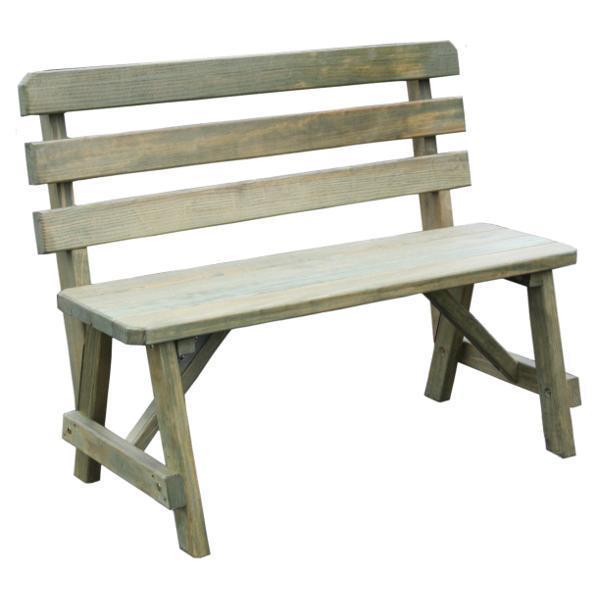
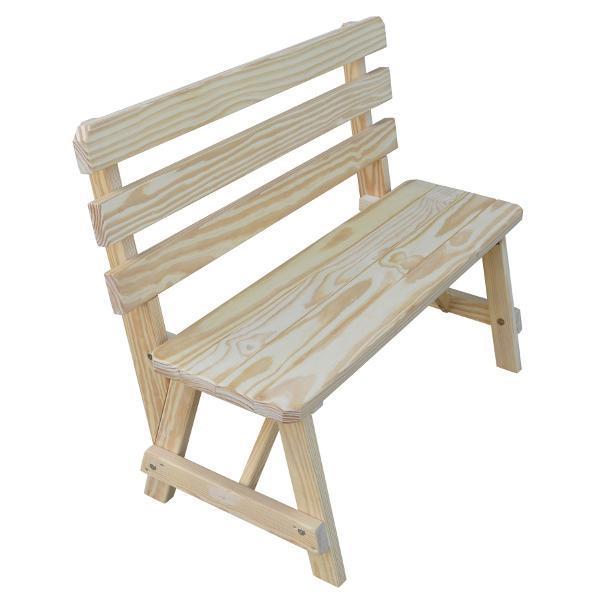
Cleaning: The best winter care involves cleaning the Amish bench or furniture before the first snow. Use warm water and mild soap to remove dirt and pollen. If necessary, a diluted bleach solution can be used to remove set-in stains without harming the material.
Moving: If storing the furniture, remember that poly is very heavy. Use proper lifting techniques to avoid injury.
Amish Made Benches on Sale — Buy Now!