Your Cart is Empty

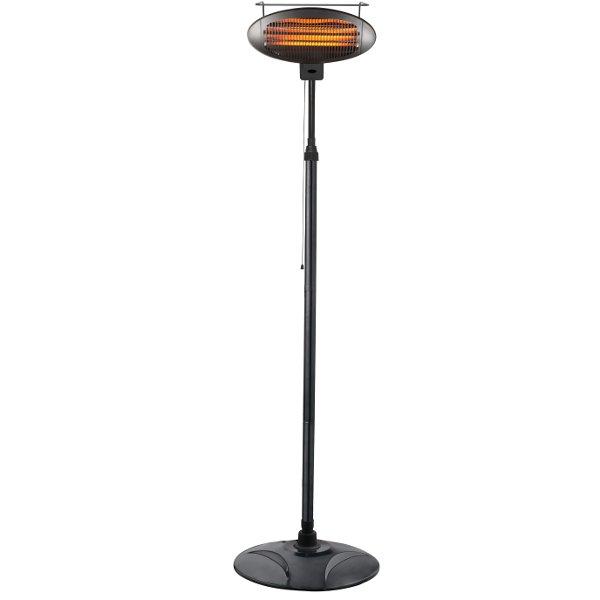
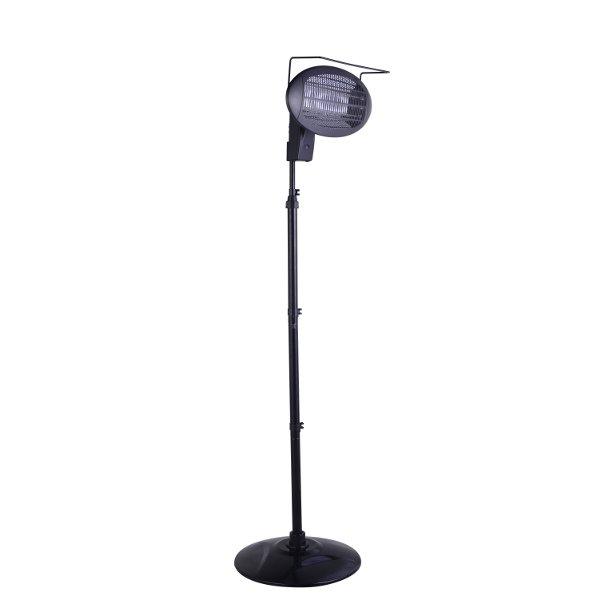
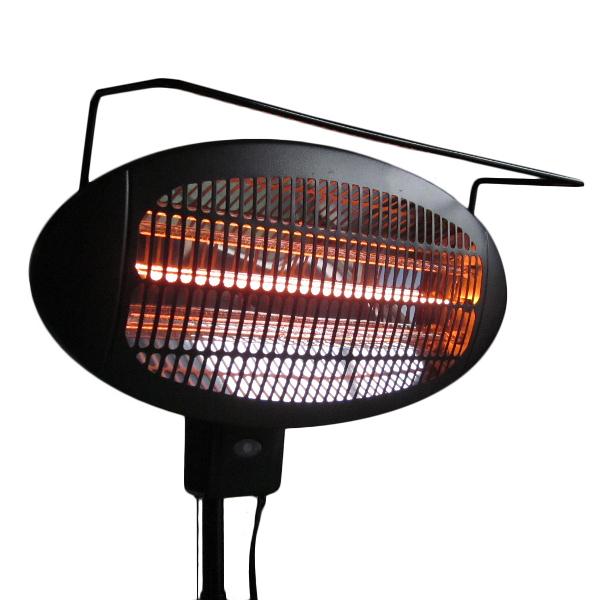
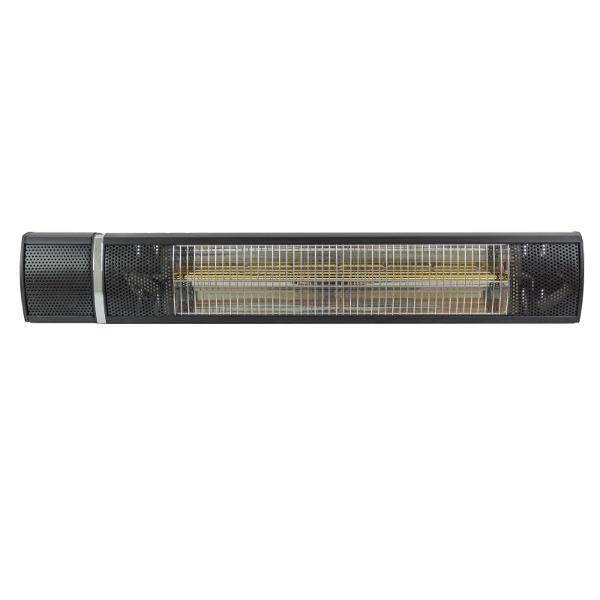
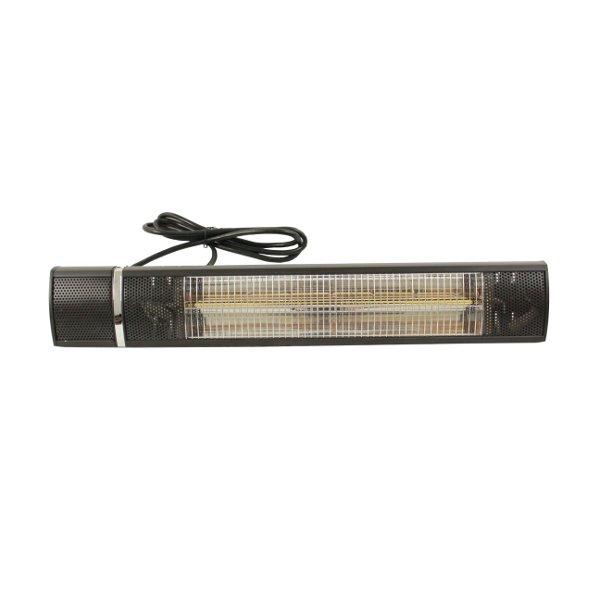
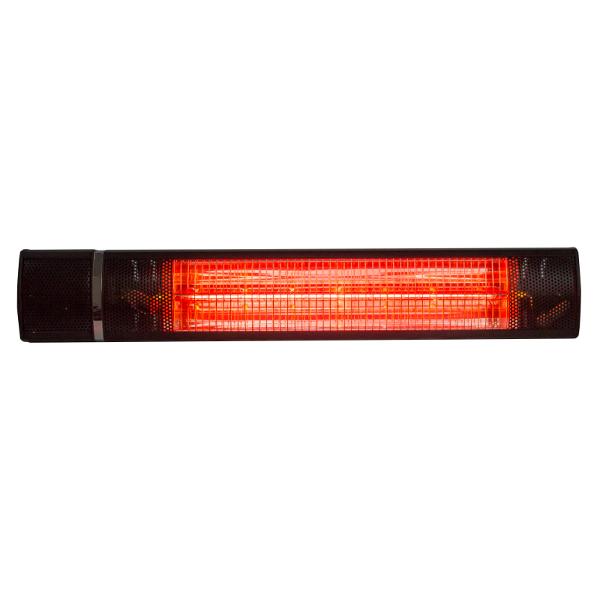
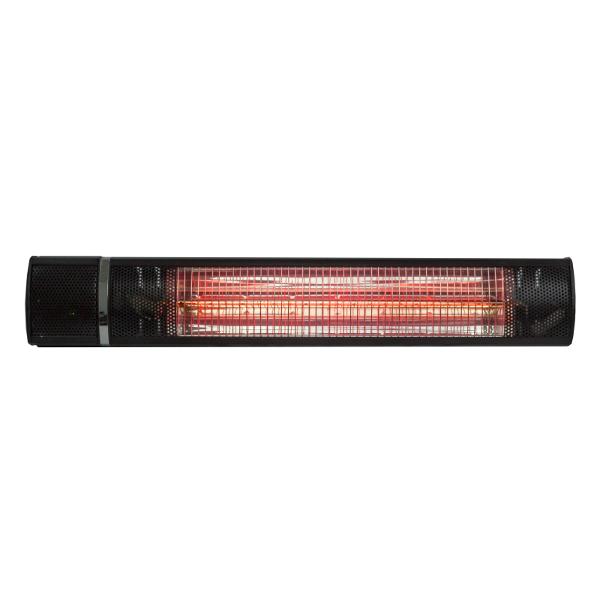
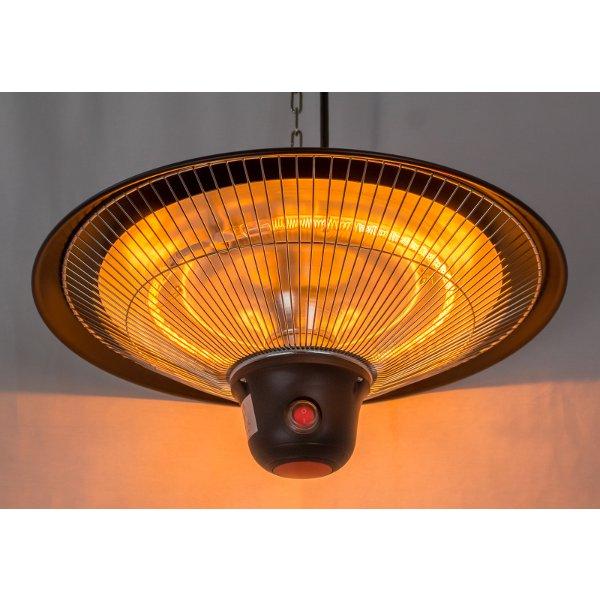
A quality Electric Outdoor Patio heater will make your outdoor space comfortable and inviting for you and your guests. These come in a variety of sizes and styles, including wall-mounted patio heaters, patio heaters with wheels for easy mobility, and more. They’re also energy efficient and environmentally friendly.
A: Electric heaters offer convenience, cleanliness, and flexibility.
Convenience: Electric patio heaters provideinstant heat with the flip of a switch, eliminating the need for fuel tank refills or pilot light ignition. This ease of use ensures a comfortable and enjoyable outdoor experience.
Clean Operation: They produce zero emissions, carbon monoxide, or smoke. It makes them ideal for enclosed or semi-enclosed spaces, such as screened porches or covered balconies, where gas units are unsafe.
Safety: They lack the open flame of a gas unit, reducing the risk of fire.
A: Electric heaters are categorized by their mounting style.
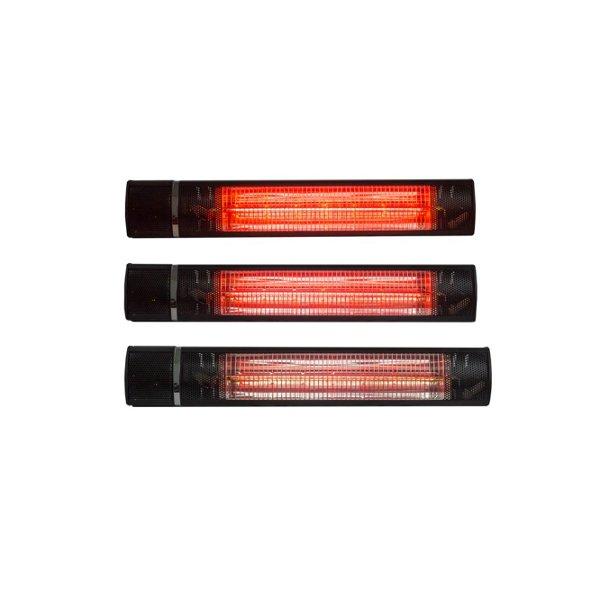
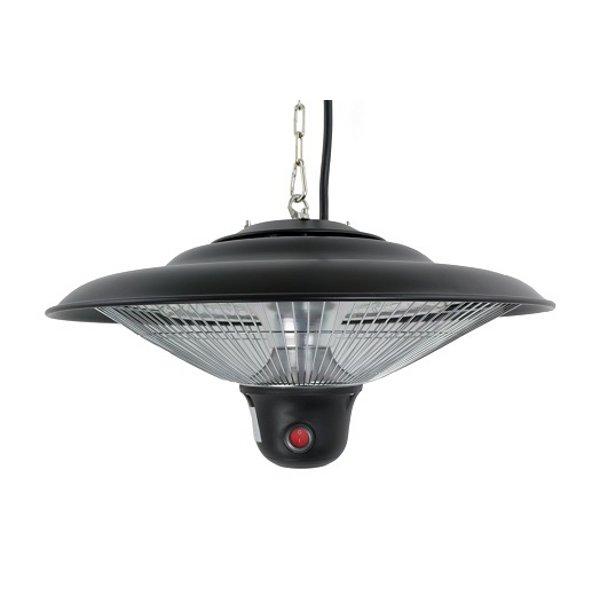
Wall- or Ceiling-Mounted: These are long, horizontal bars that are permanently fixed. They save floor space and are highly efficient because the heat is directed precisely where needed (down onto a table or seating area).
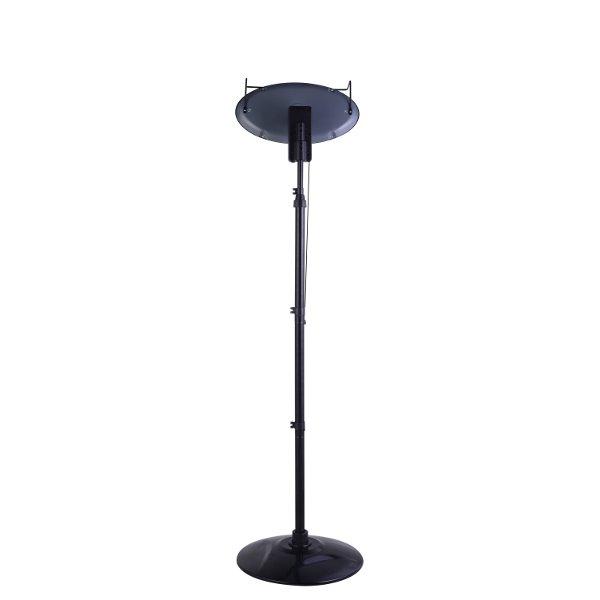
Freestanding/Tabletop: These are smaller, portable units. They are less powerful but can be moved easily and are great for focused warmth on a small area or table.
Note: Most electric heaters use quartz or halogen elements to generate short-wave infrared heat.
A: Electric heaters require significant amperage, which can limit placement.
Power Draw: Most residential electric heaters require between $1,200 \text{ to } 1,500 \text{ watts}$ (1.2-1.5 kW). Higher-power units may require adedicated 20-amp circuit.
Limitation: A standard outdoor outlet (usually 15 or 20 amps) may already be shared with other devices, such as lights. Operating a high-wattage heater on a shared circuit can easily trip the breaker.
Wiring: Wall-mounted units should be installed by a licensed electrician to ensure proper wiring and weatherproofing. Always use an outdoor-rated, heavy-gauge extension cord if needed.
A: Electric heat is often perceived as less intense than gas heat.
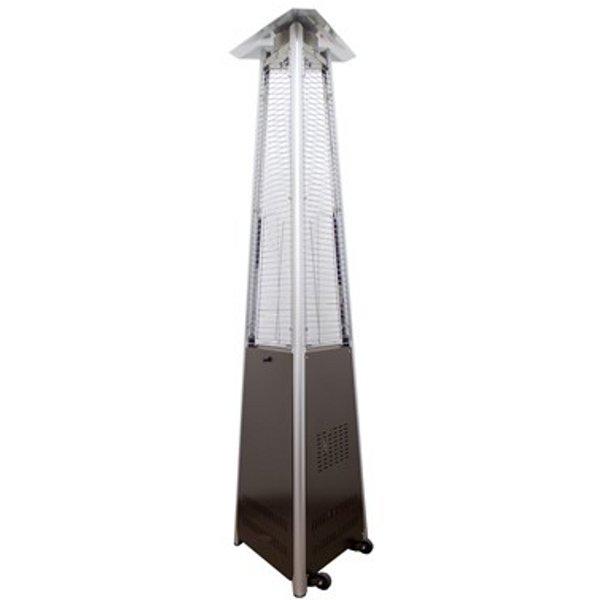
Intensity: Gas heaters typically deliver higher overall BTUs, providing a more widespread heat.
Efficiency: Electric heaters are more efficient at converting energy to heat. They are best used insheltered or covered areas where the heat is contained and not lost to the wind. In open, windy areas, the effect of an electric heater may be minimal.
Cost: Operating an electric heater depends heavily on local electricity rates, but it can sometimes be more cost-effective than refilling propane tanks frequently.
A quality Electric Outdoor Patio heater will make your outdoor space comfortable and inviting for you and your guests. These come in a variety of sizes and styles, including wall-mounted patio heaters, patio heaters with wheels for easy mobility, and more. They’re also energy efficient and environmentally friendly.
A: Electric heaters offer convenience, cleanliness, and flexibility.
Convenience: Electric patio heaters provideinstant heat with the flip of a switch, eliminating the need for fuel tank refills or pilot light ignition. This ease of use ensures a comfortable and enjoyable outdoor experience.
Clean Operation: They produce zero emissions, carbon monoxide, or smoke. It makes them ideal for enclosed or semi-enclosed spaces, such as screened porches or covered balconies, where gas units are unsafe.
Safety: They lack the open flame of a gas unit, reducing the risk of fire.
A: Electric heaters are categorized by their mounting style.
Wall- or Ceiling-Mounted: These are long, horizontal bars that are permanently fixed. They save floor space and are highly efficient because the heat is directed precisely where needed (down onto a table or seating area).
Freestanding/Tabletop: These are smaller, portable units. They are less powerful but can be moved easily and are great for focused warmth on a small area or table.
Note: Most electric heaters use quartz or halogen elements to generate short-wave infrared heat.
A: Electric heaters require significant amperage, which can limit placement.
Power Draw: Most residential electric heaters require between $1,200 \text{ to } 1,500 \text{ watts}$ (1.2-1.5 kW). Higher-power units may require adedicated 20-amp circuit.
Limitation: A standard outdoor outlet (usually 15 or 20 amps) may already be shared with other devices, such as lights. Operating a high-wattage heater on a shared circuit can easily trip the breaker.
Wiring: Wall-mounted units should be installed by a licensed electrician to ensure proper wiring and weatherproofing. Always use an outdoor-rated, heavy-gauge extension cord if needed.
A: Electric heat is often perceived as less intense than gas heat.
Intensity: Gas heaters typically deliver higher overall BTUs, providing a more widespread heat.
Efficiency: Electric heaters are more efficient at converting energy to heat. They are best used insheltered or covered areas where the heat is contained and not lost to the wind. In open, windy areas, the effect of an electric heater may be minimal.
Cost: Operating an electric heater depends heavily on local electricity rates, but it can sometimes be more cost-effective than refilling propane tanks frequently.