Your Cart is Empty

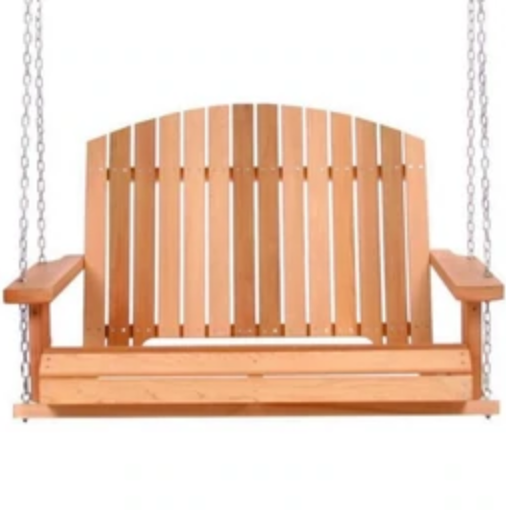
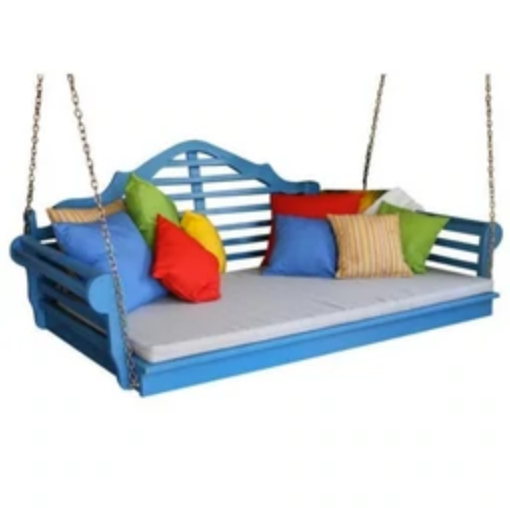
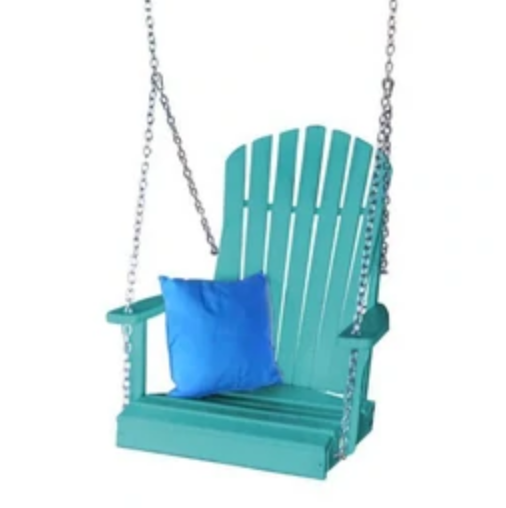
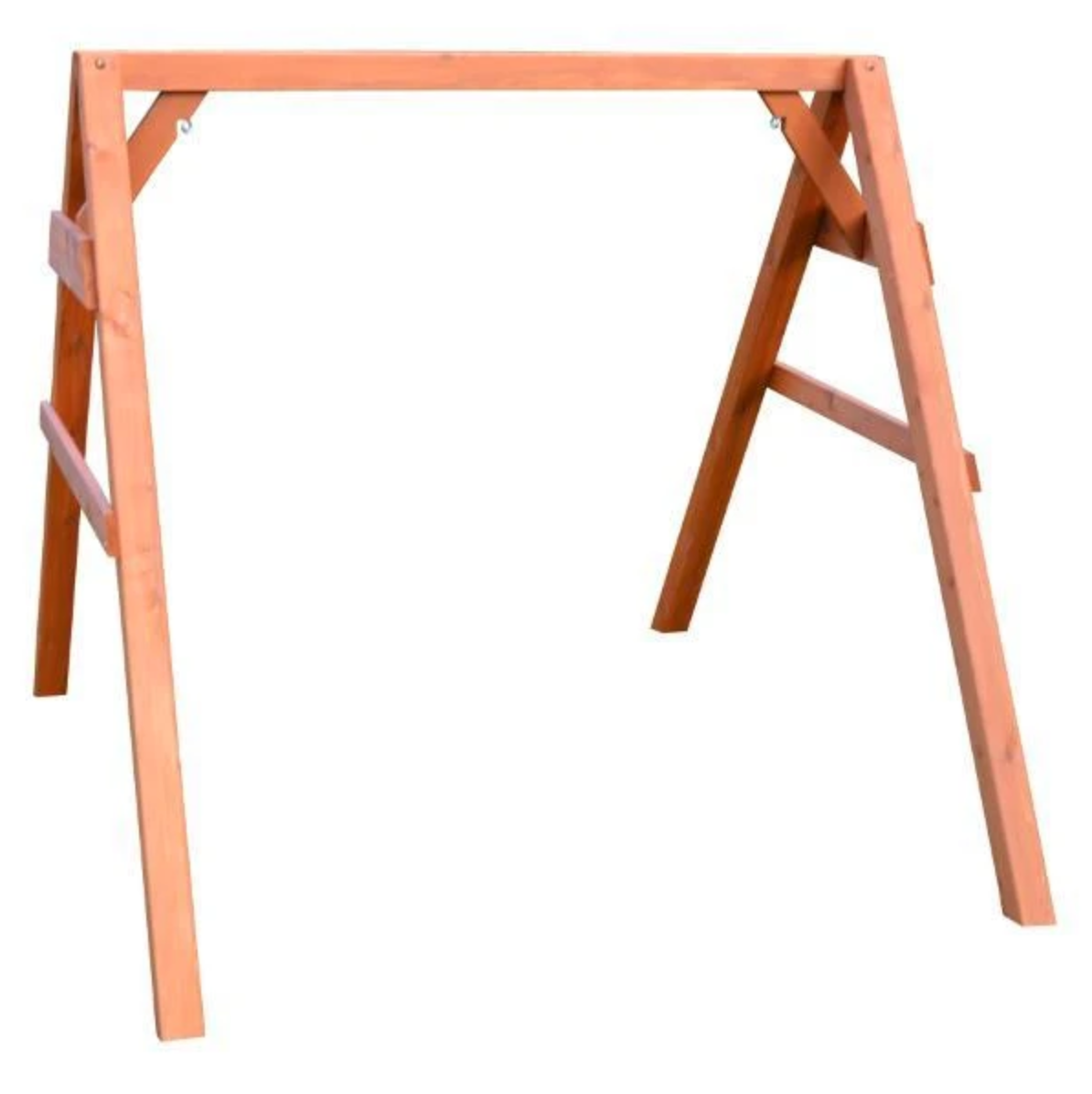
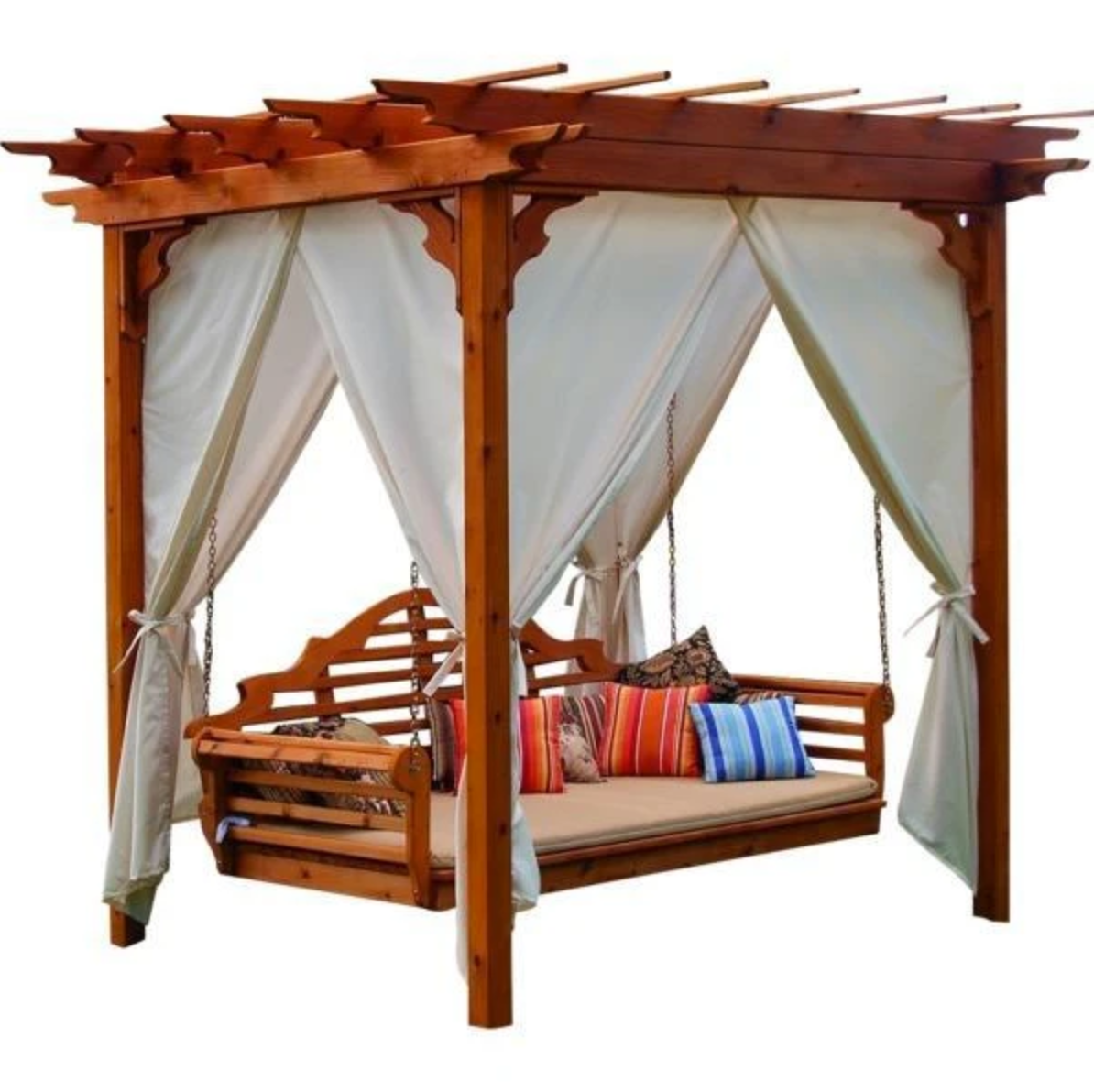
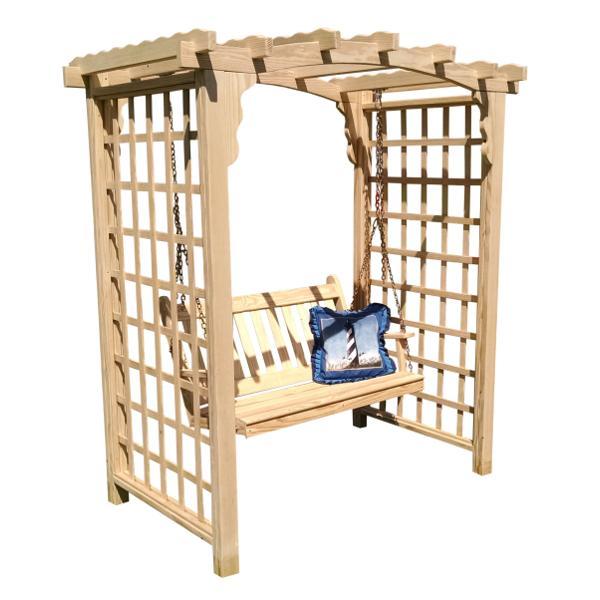
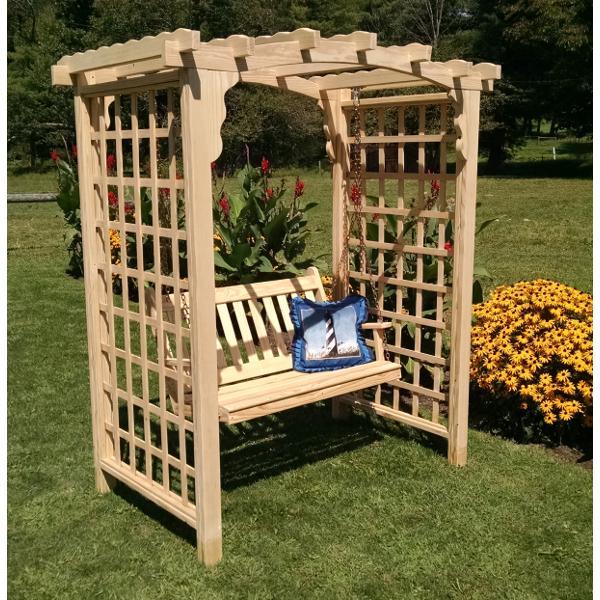
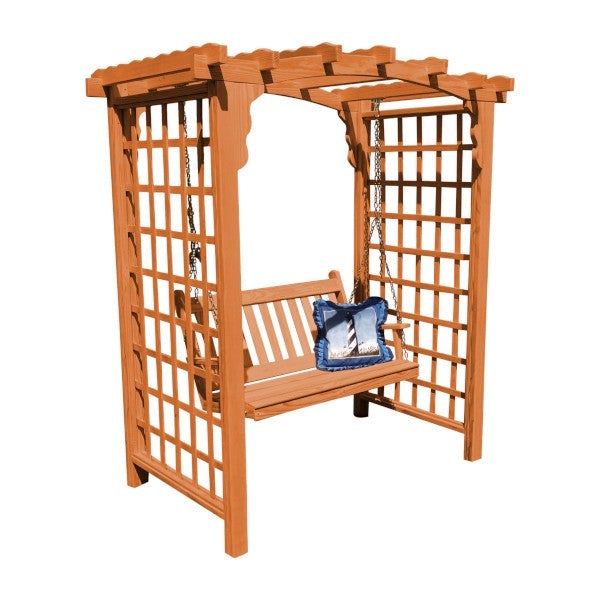
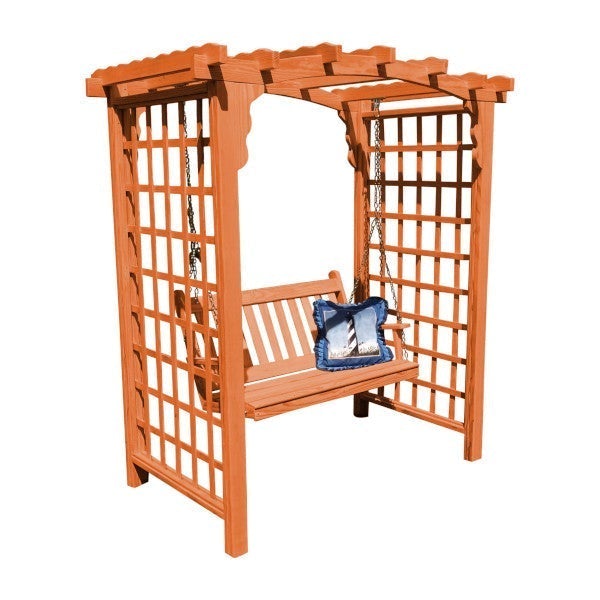
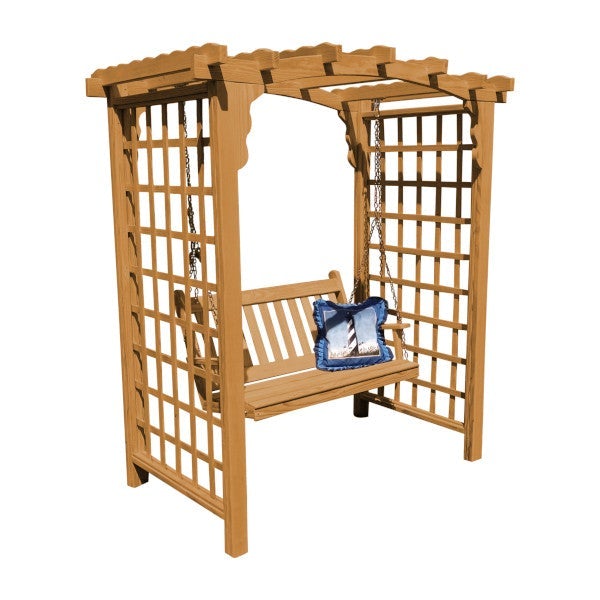
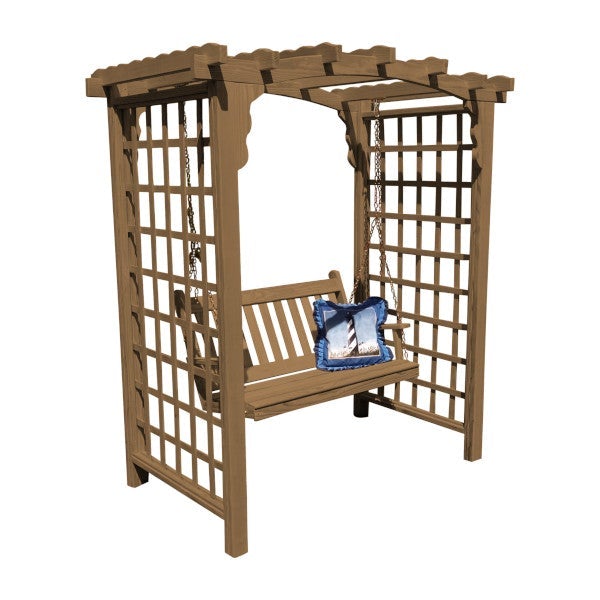
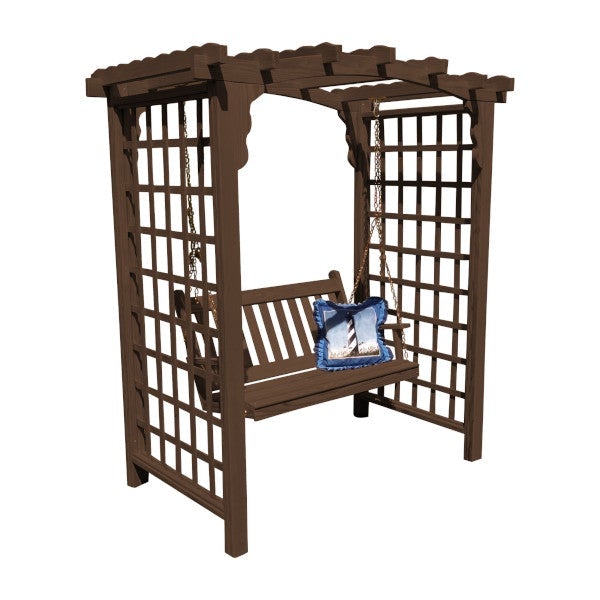
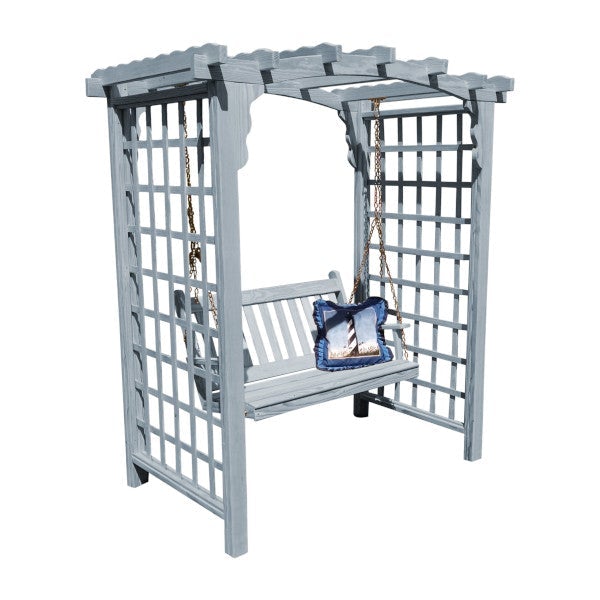
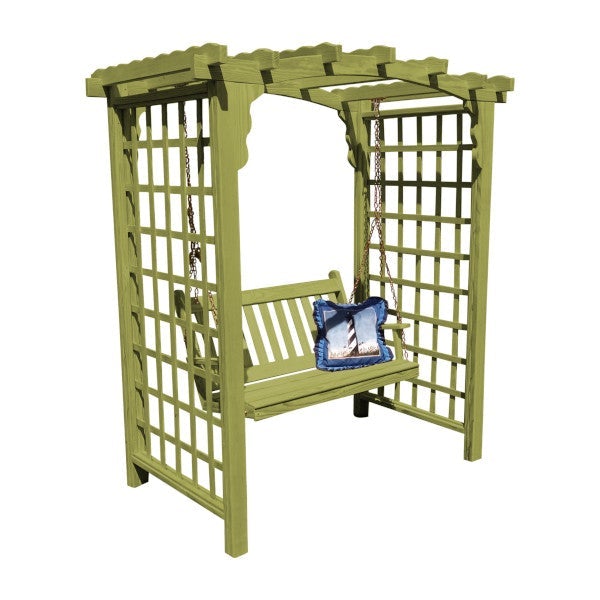
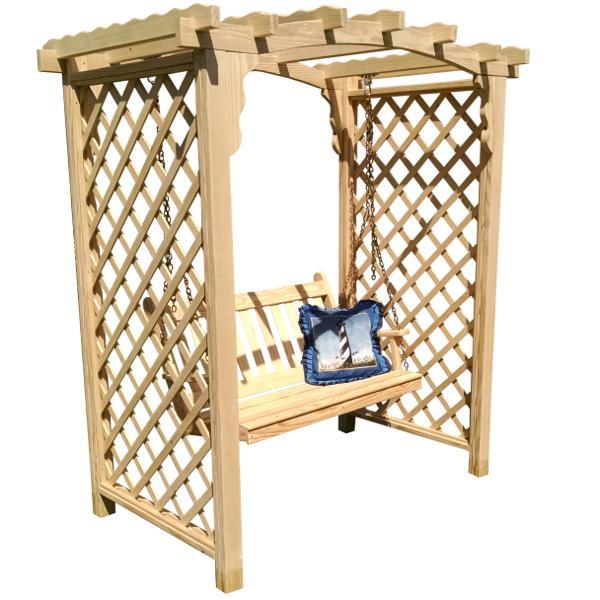
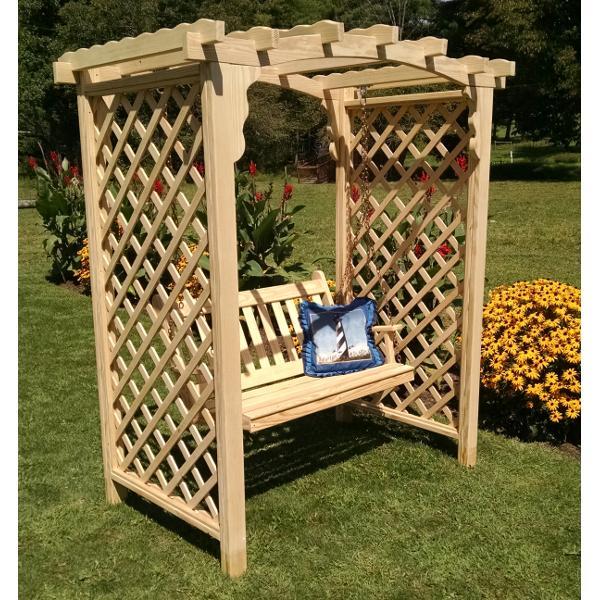
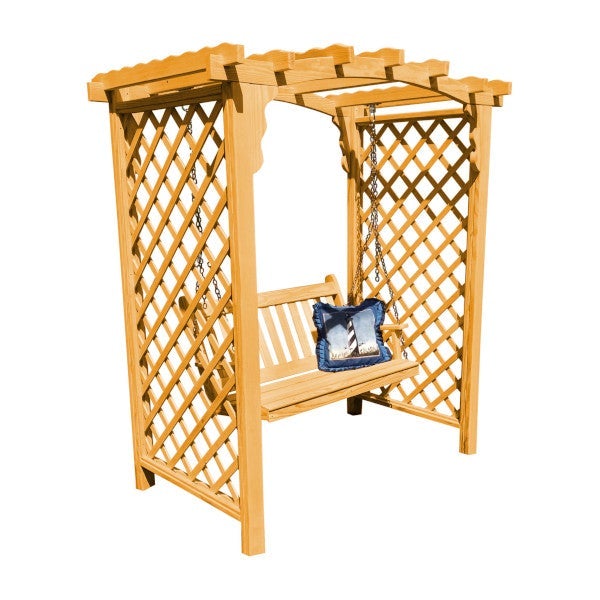
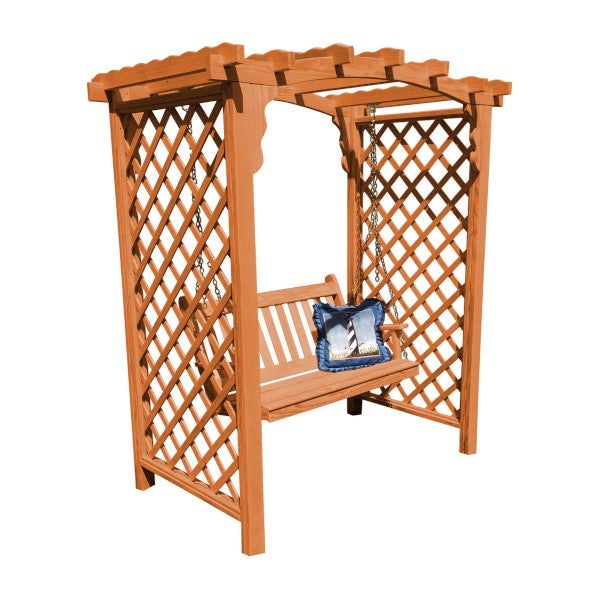
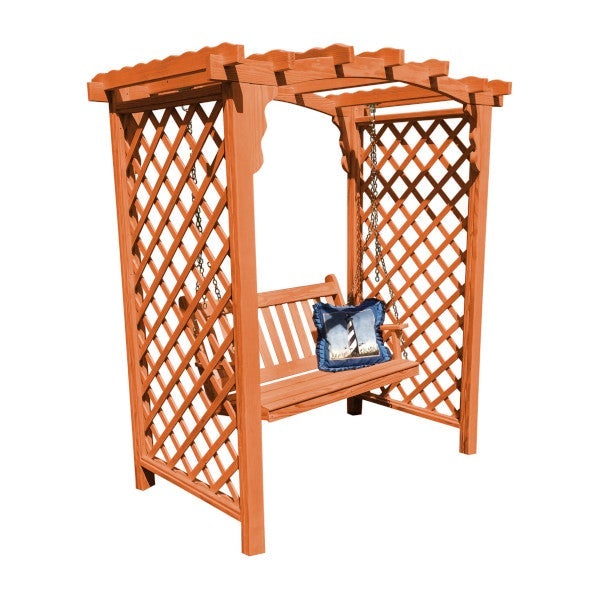
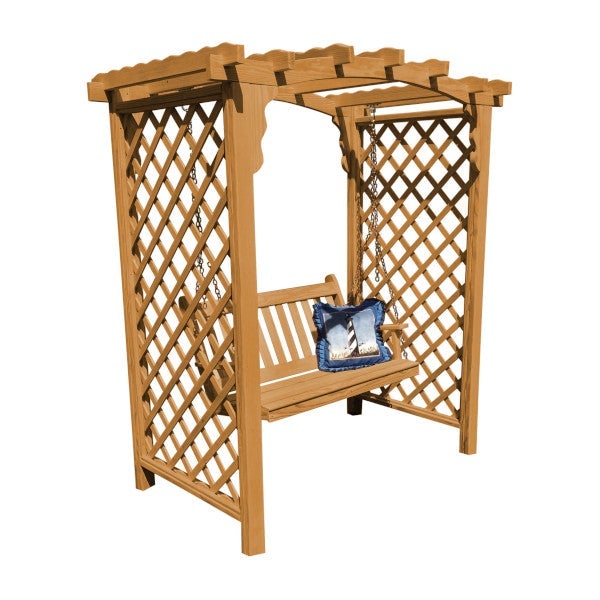
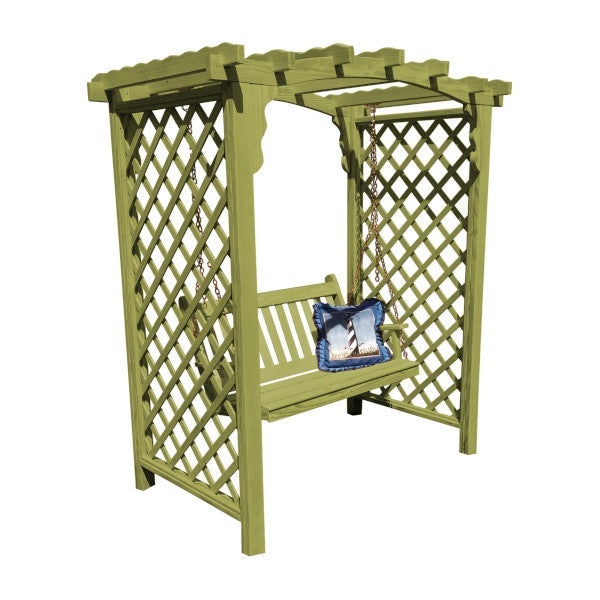
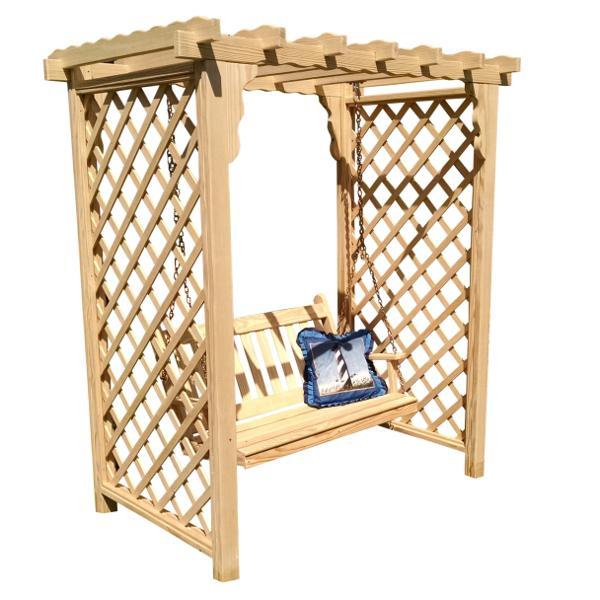
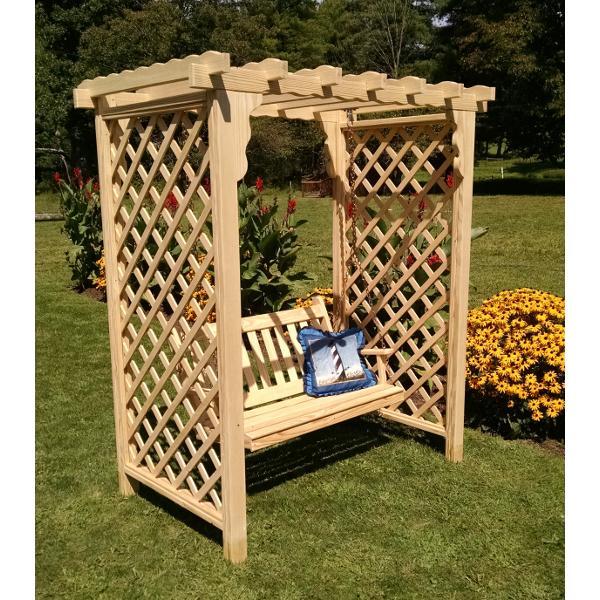
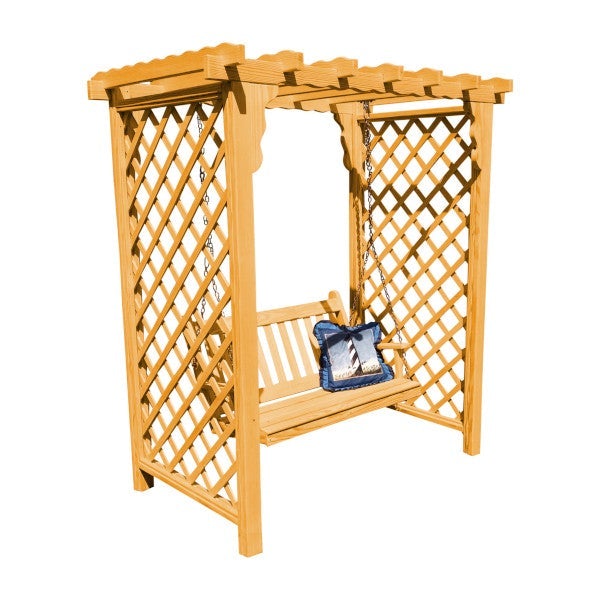
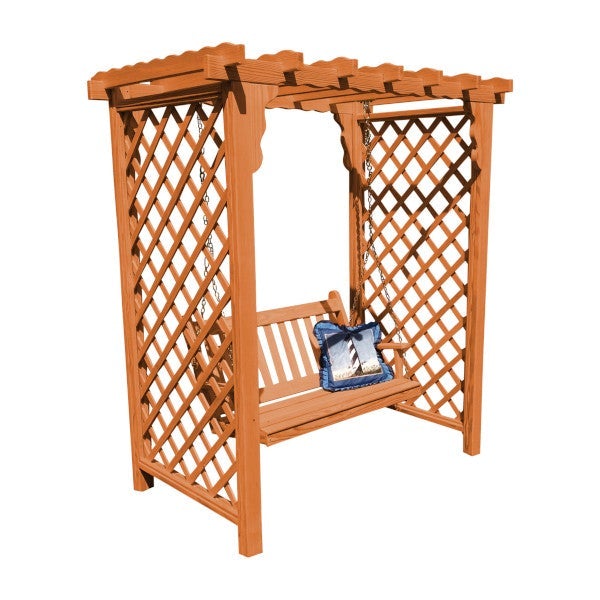
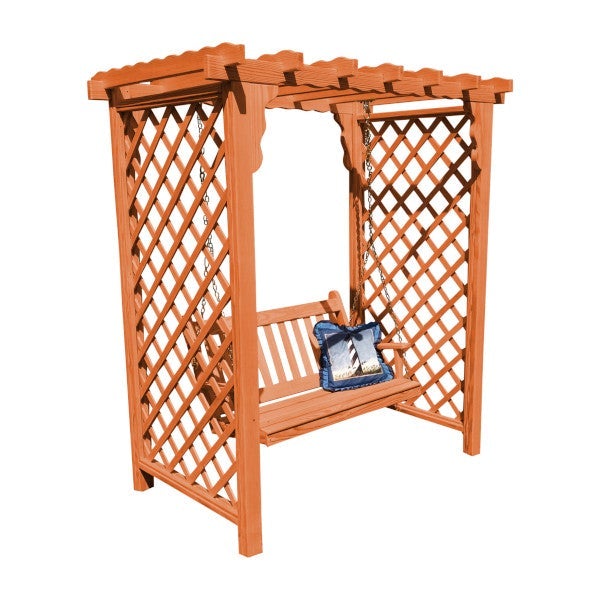
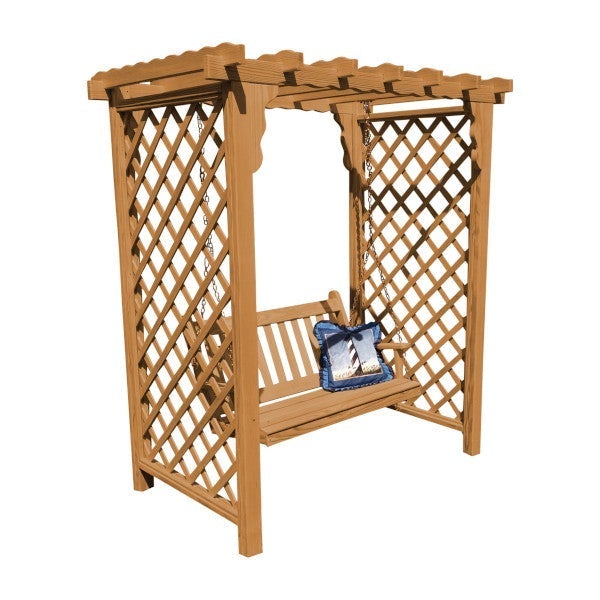
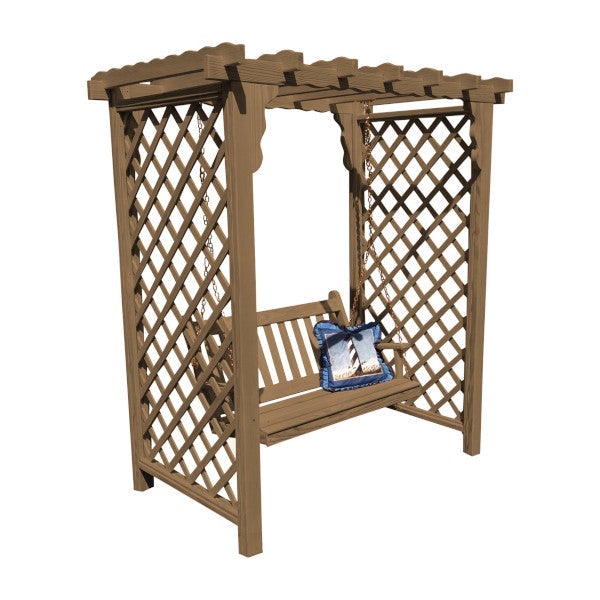
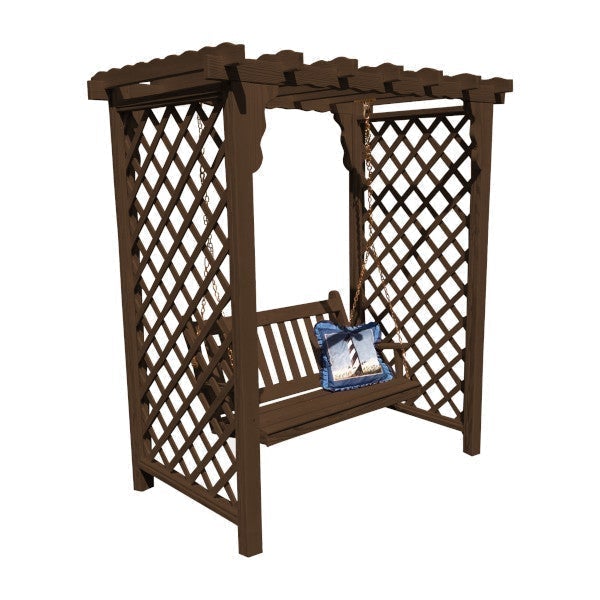
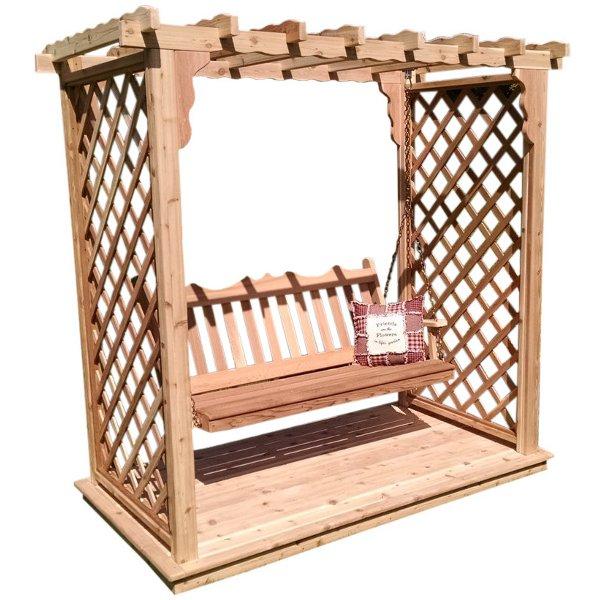
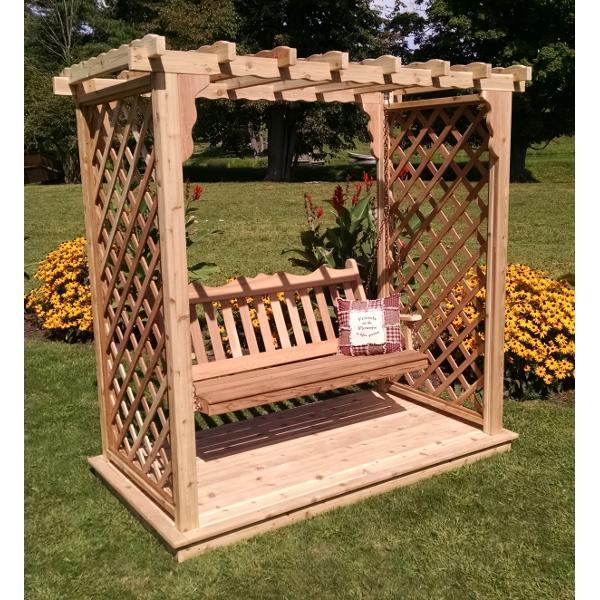
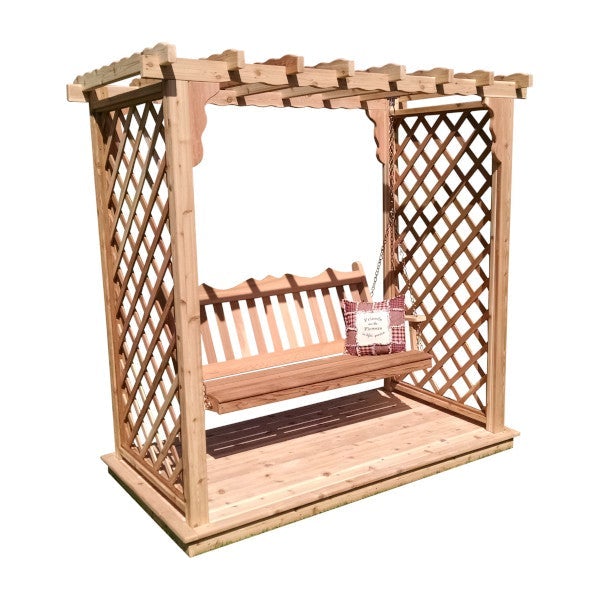
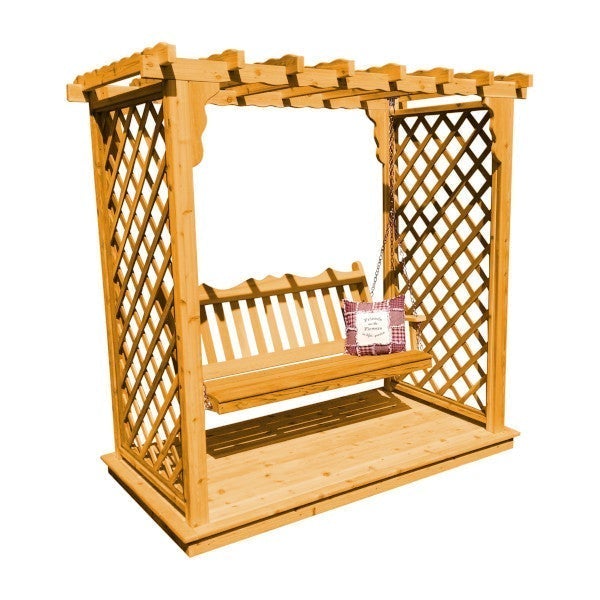
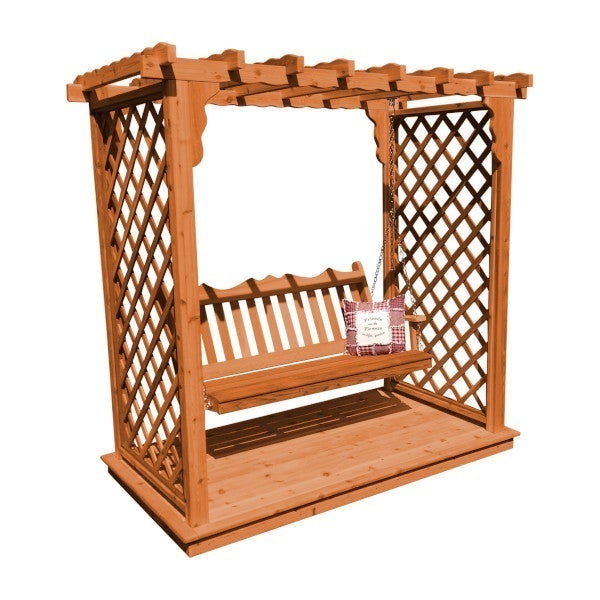
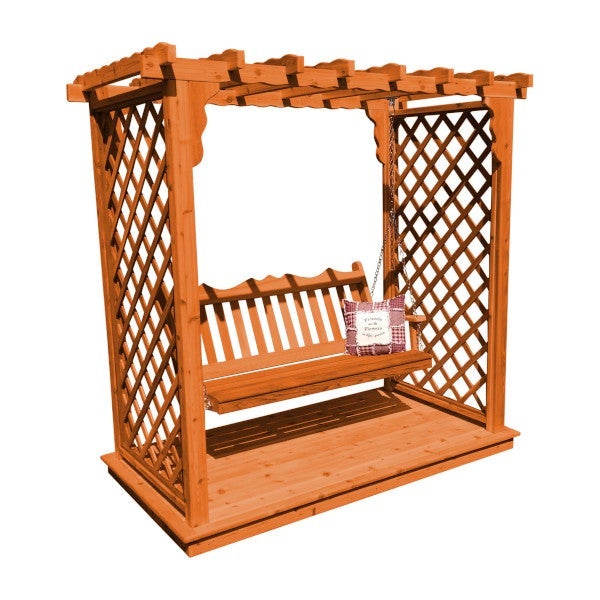
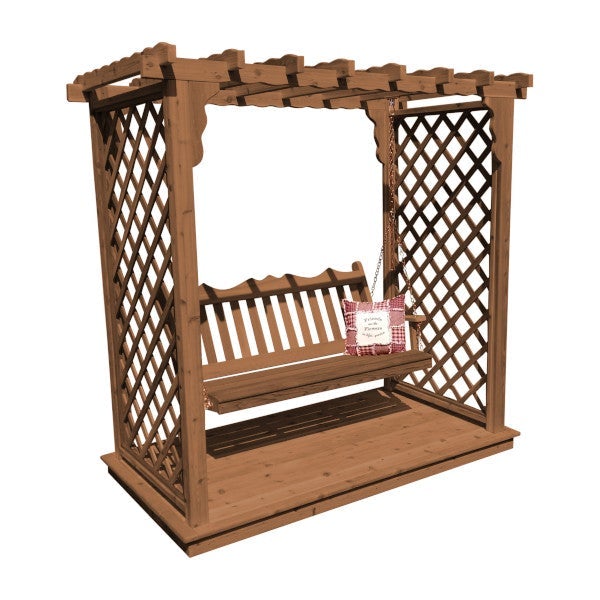
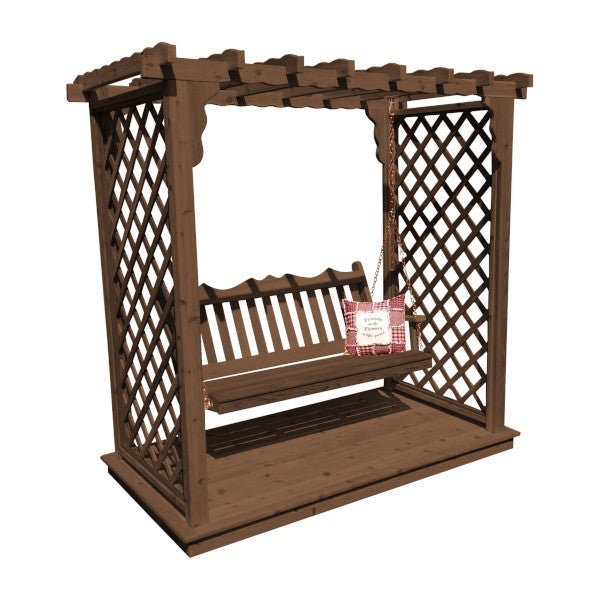
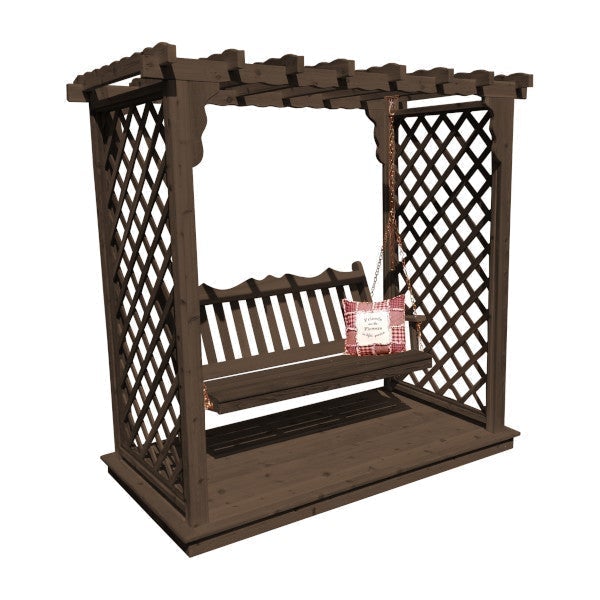
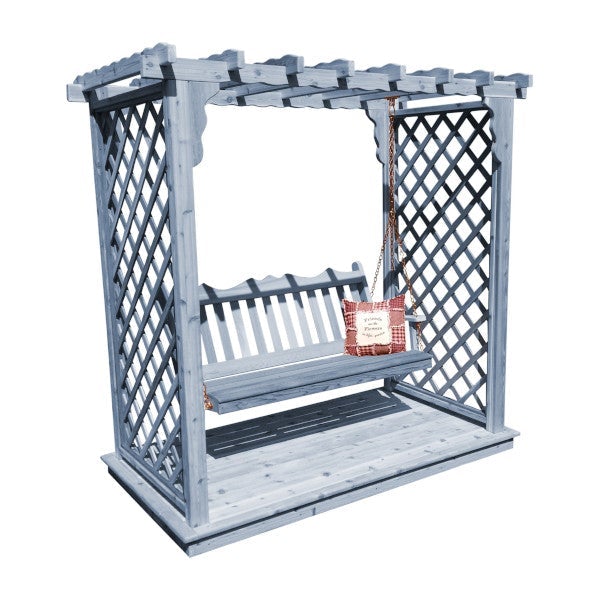
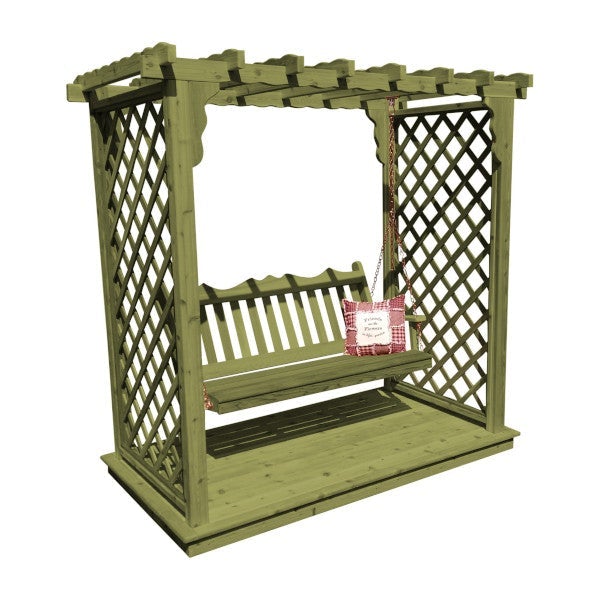
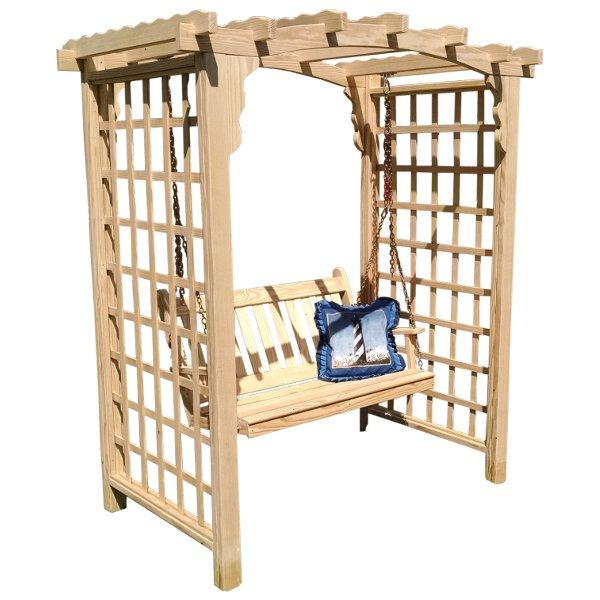
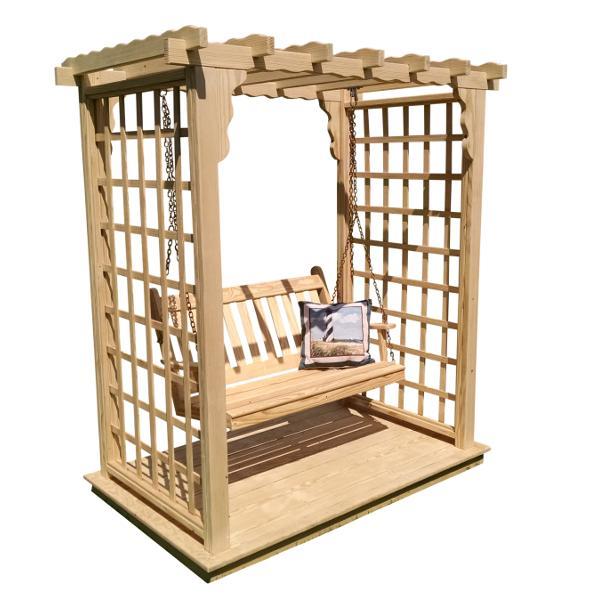
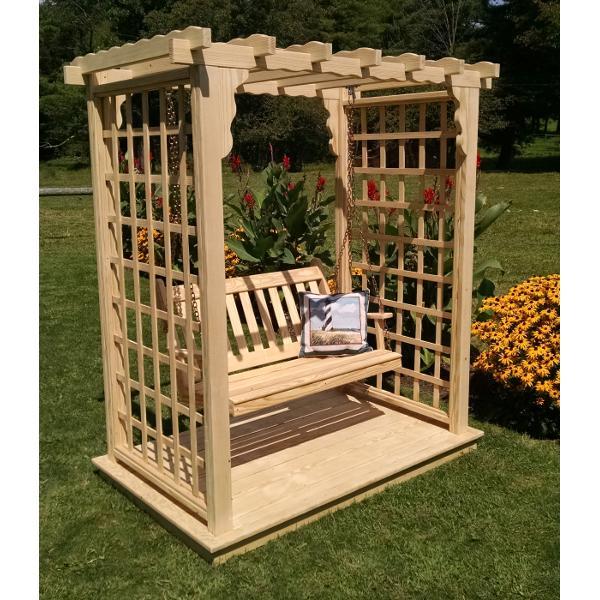
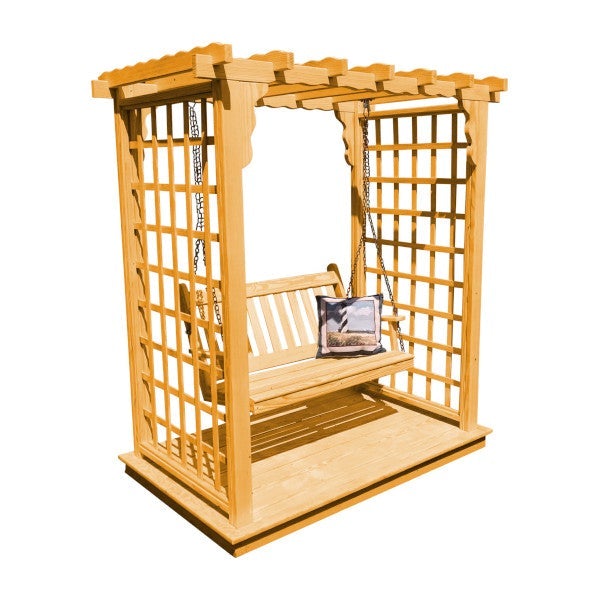
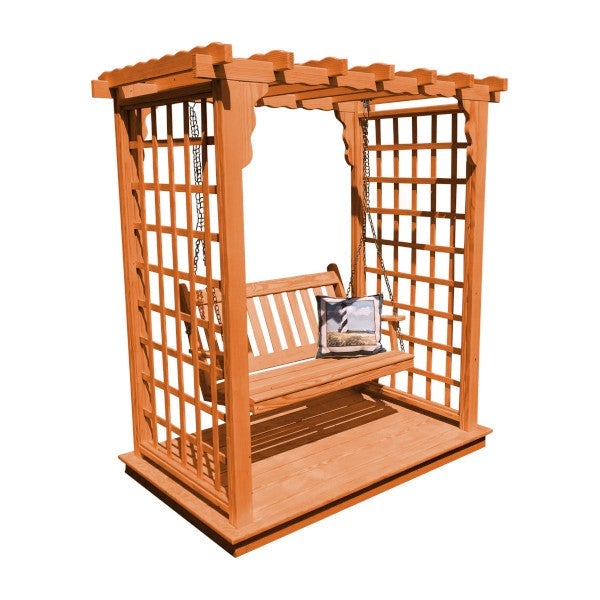
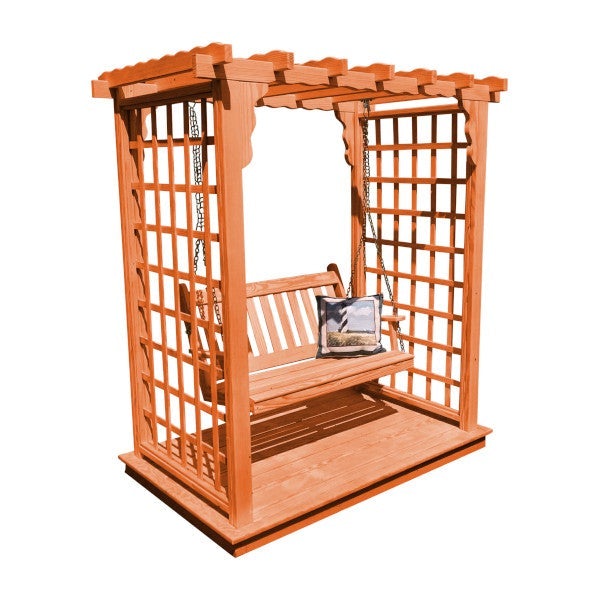
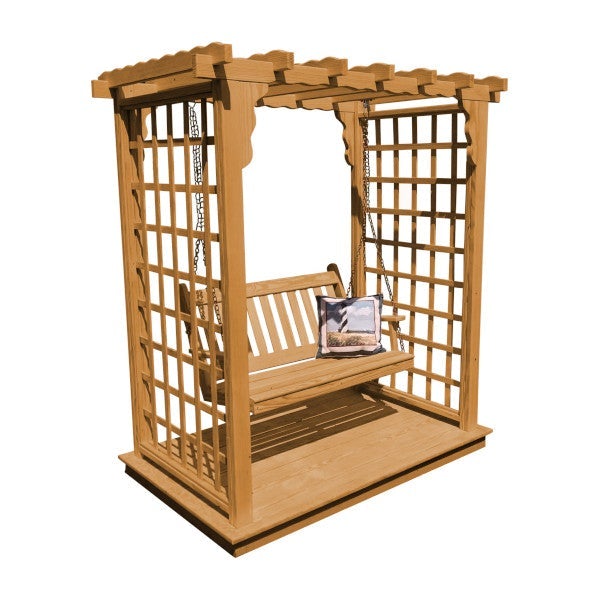
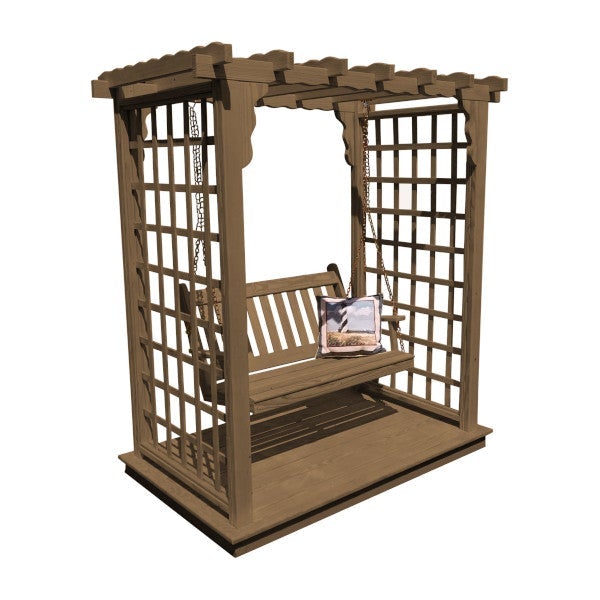
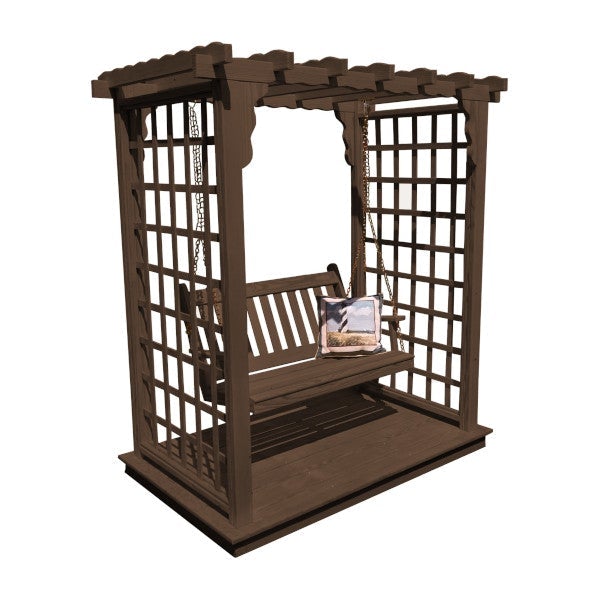
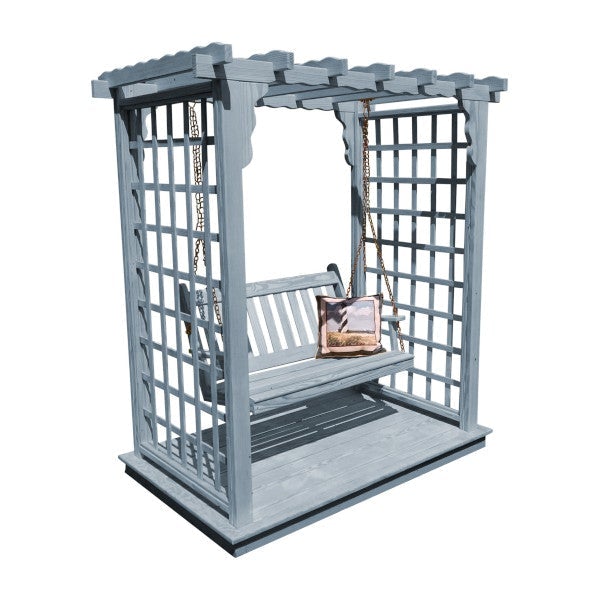
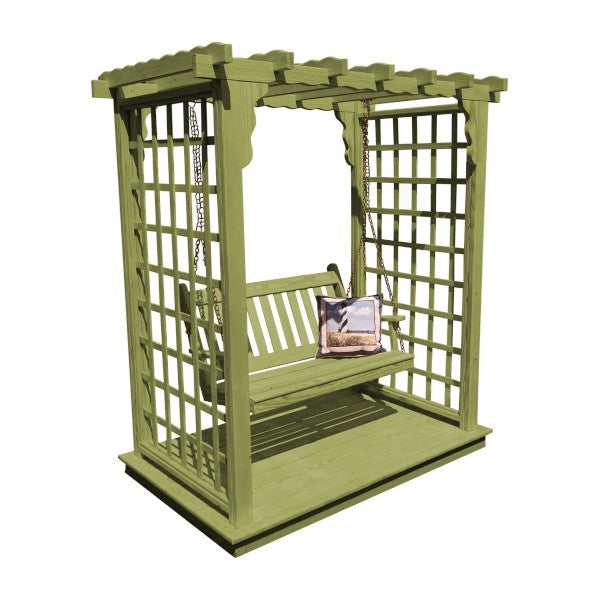
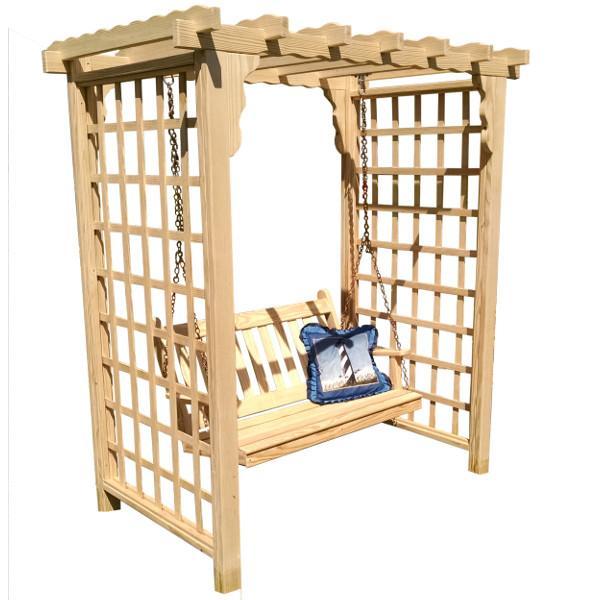
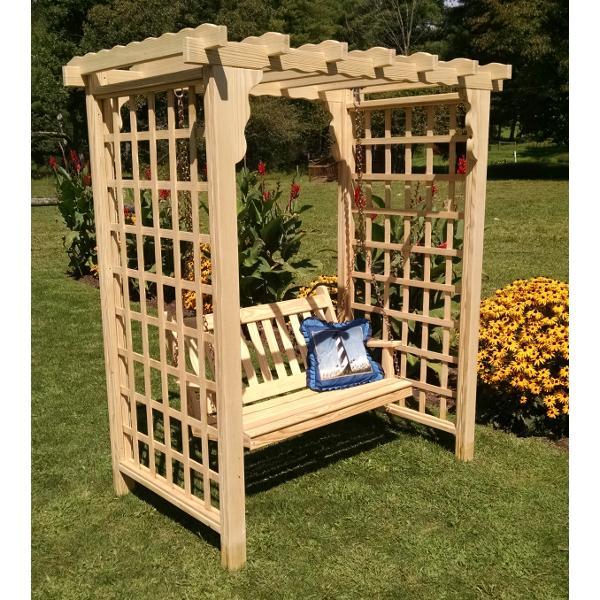
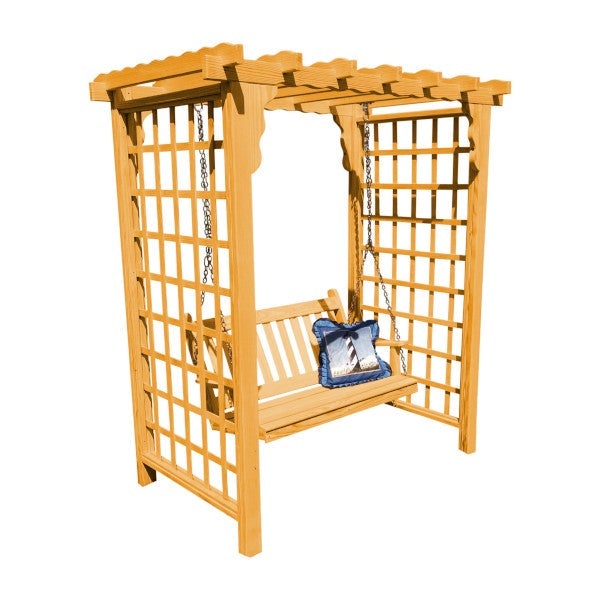
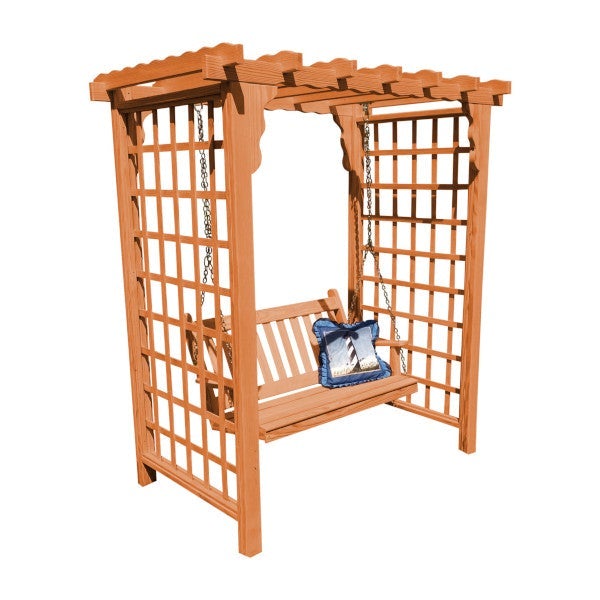
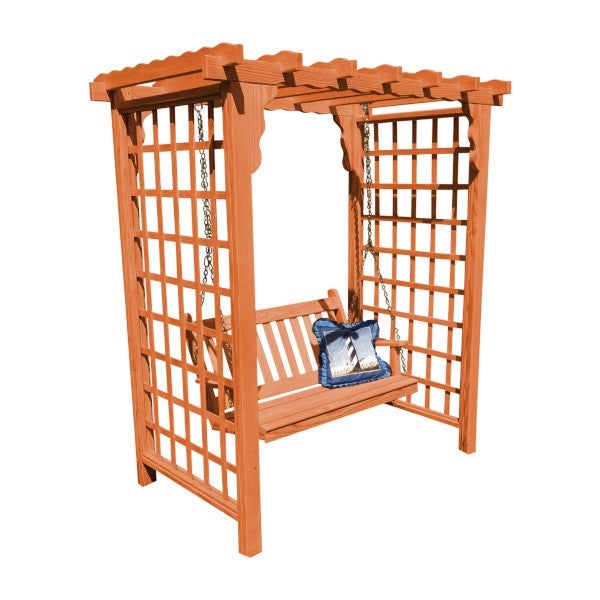
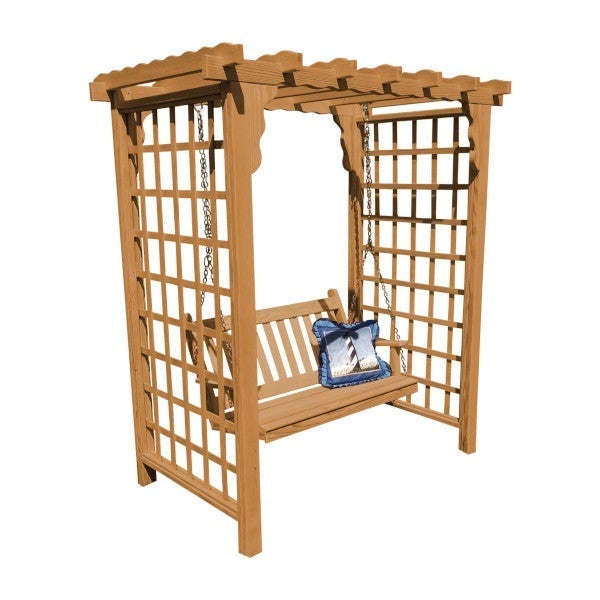
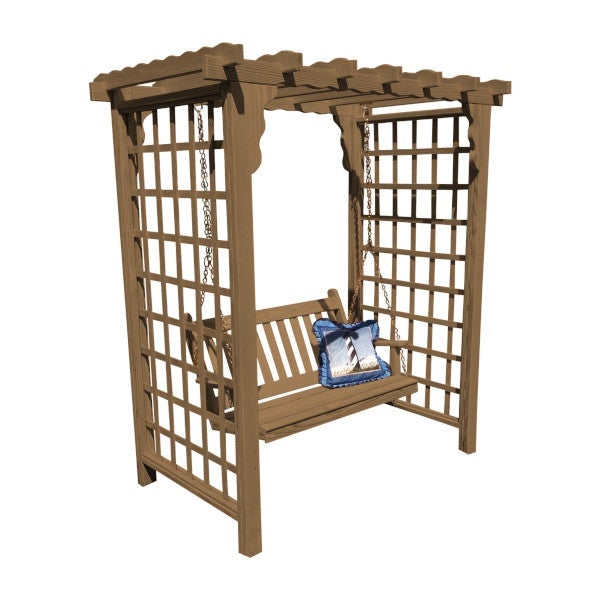
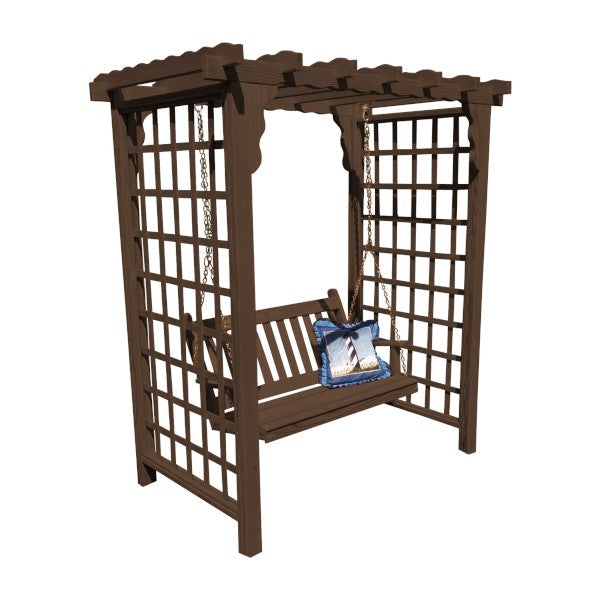
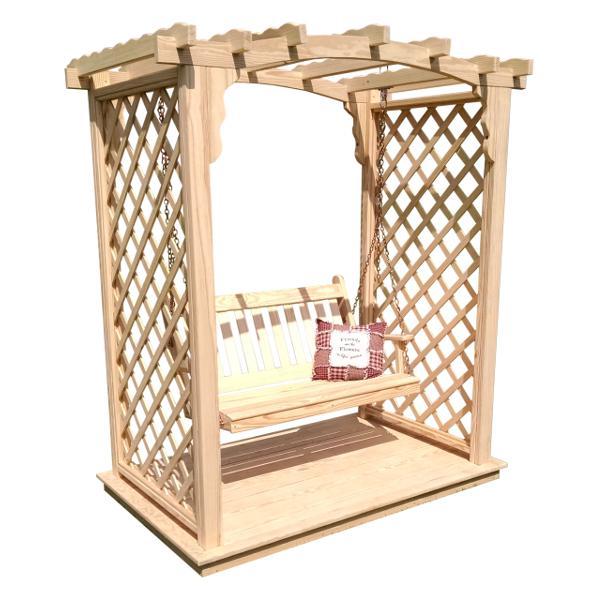
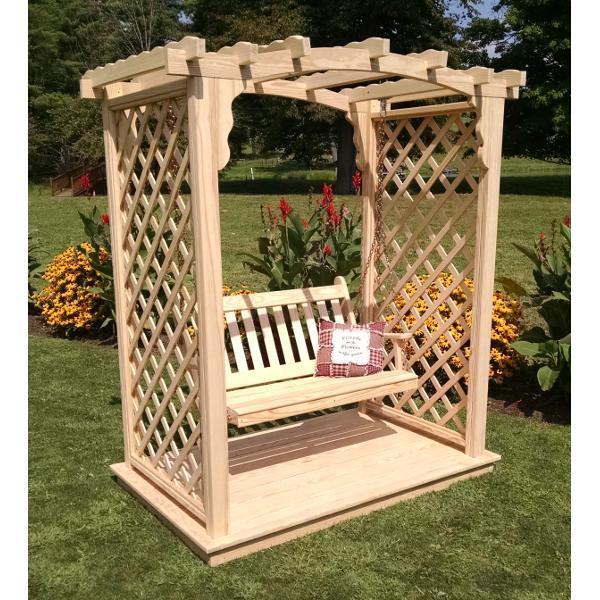
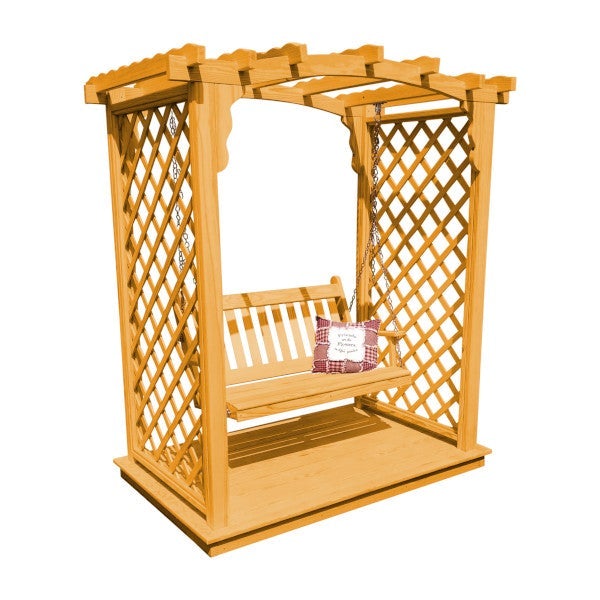
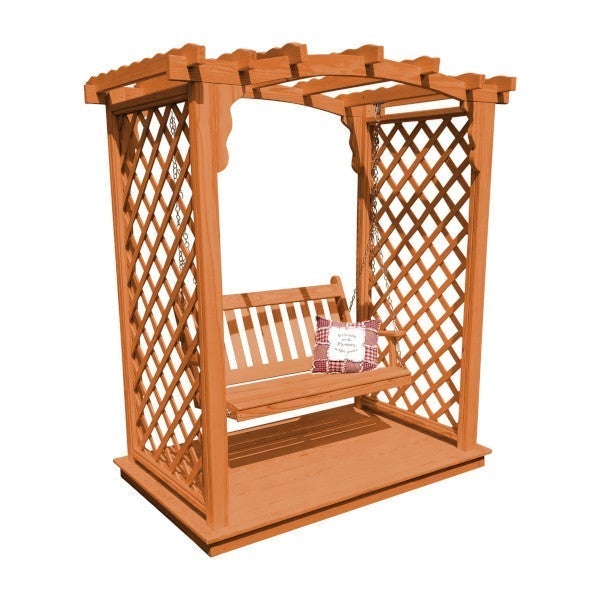
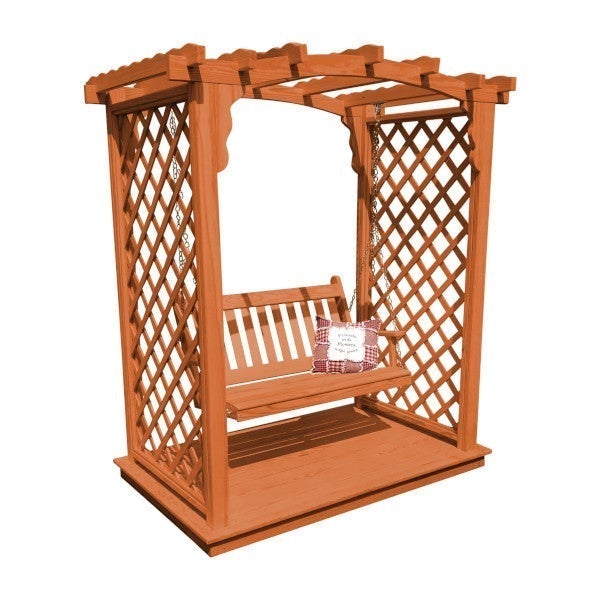
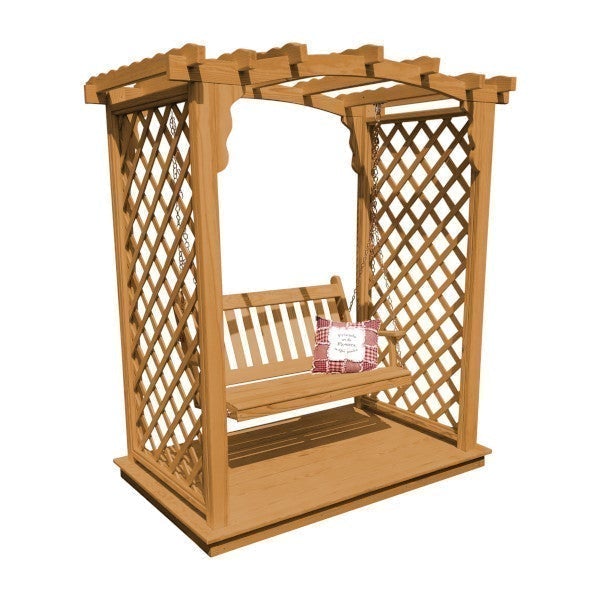
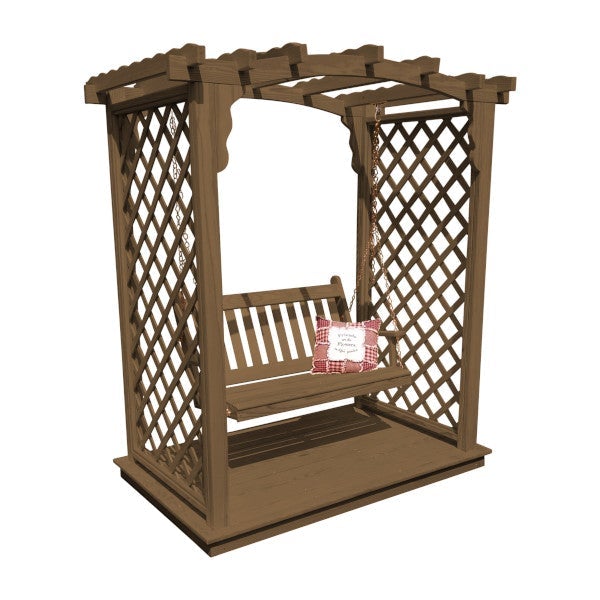
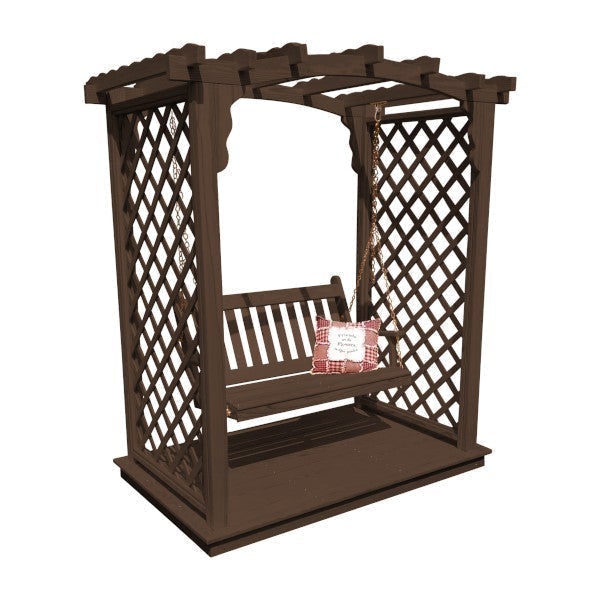
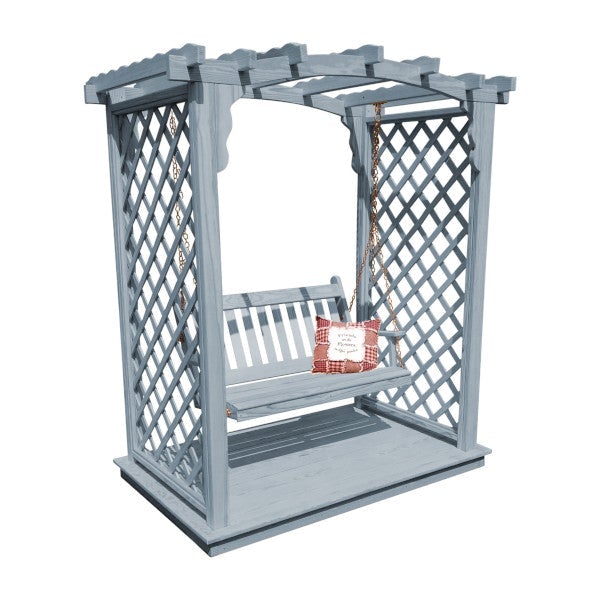
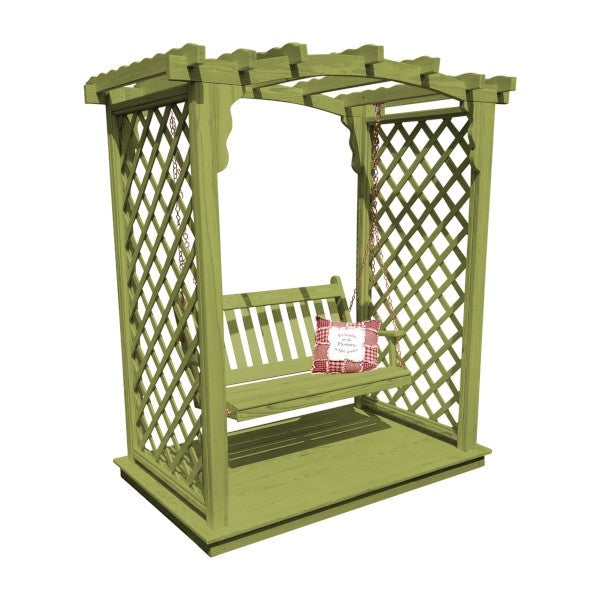
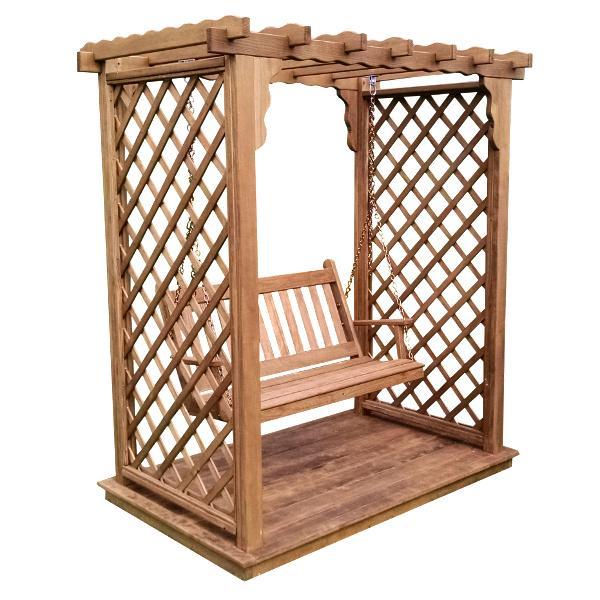
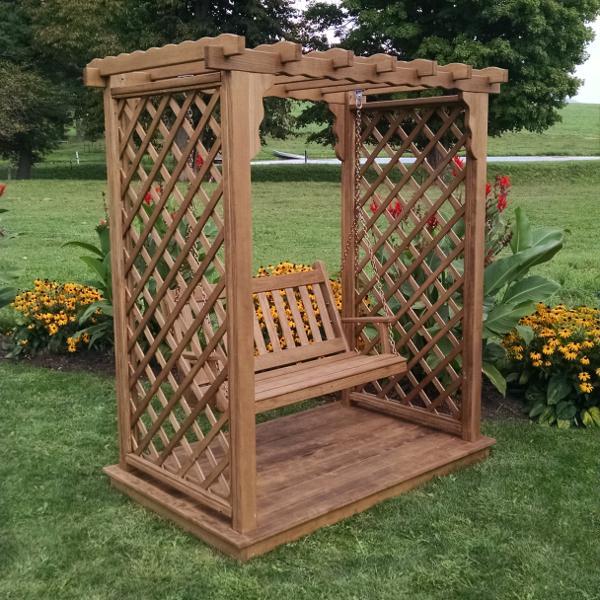
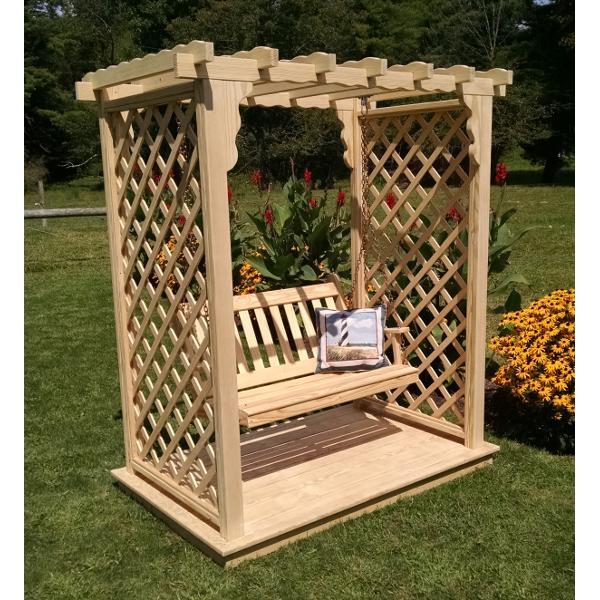
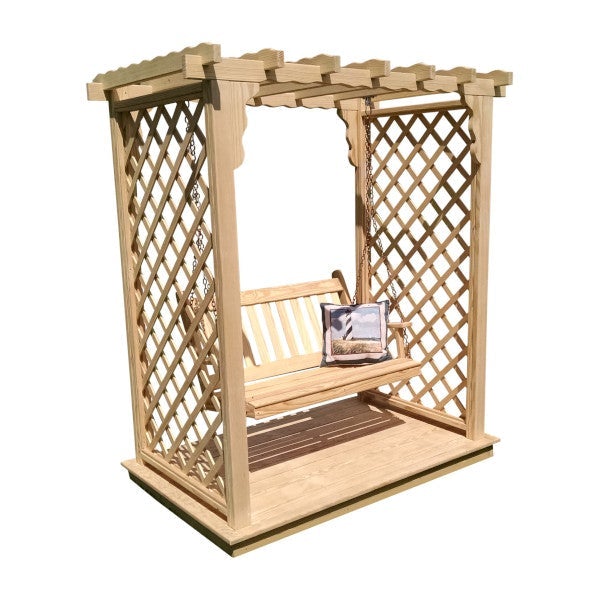
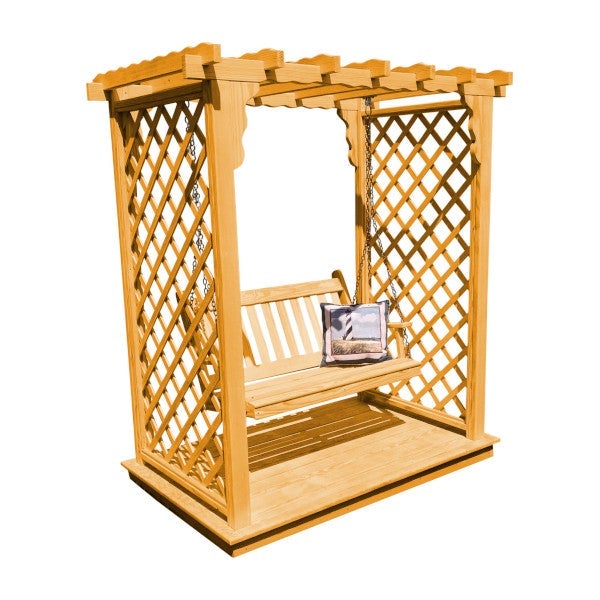
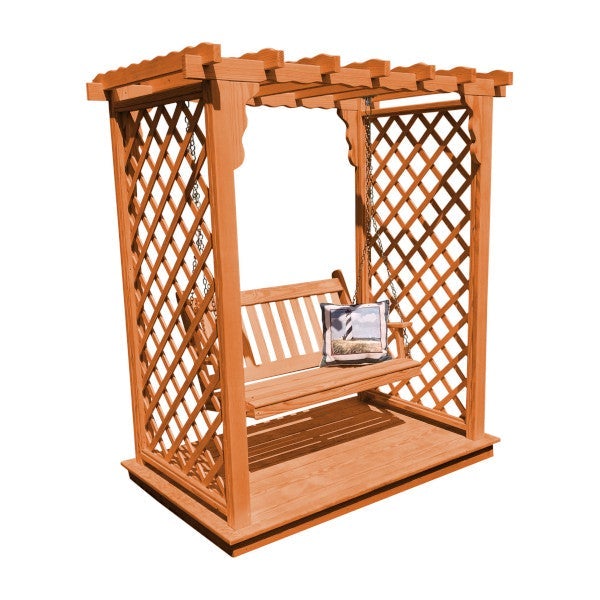
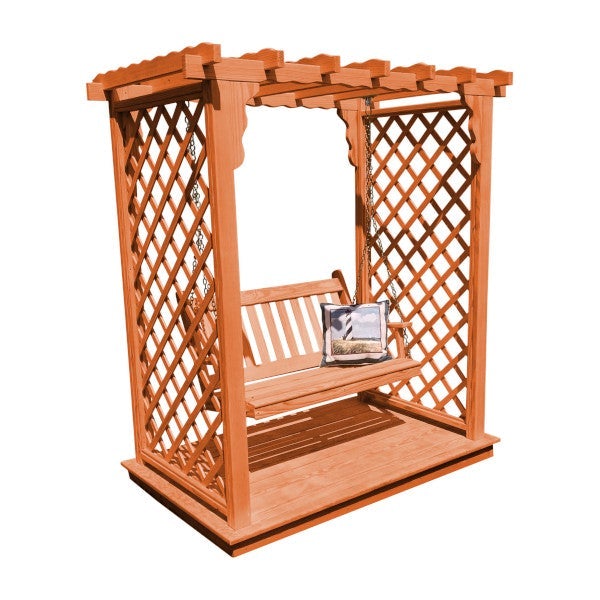
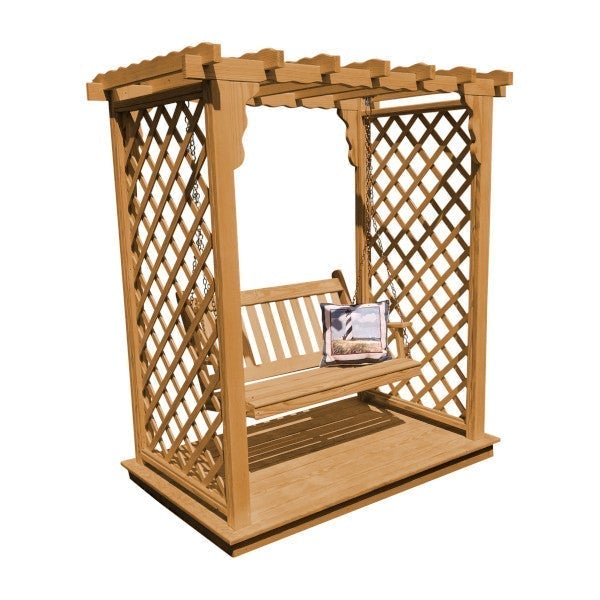
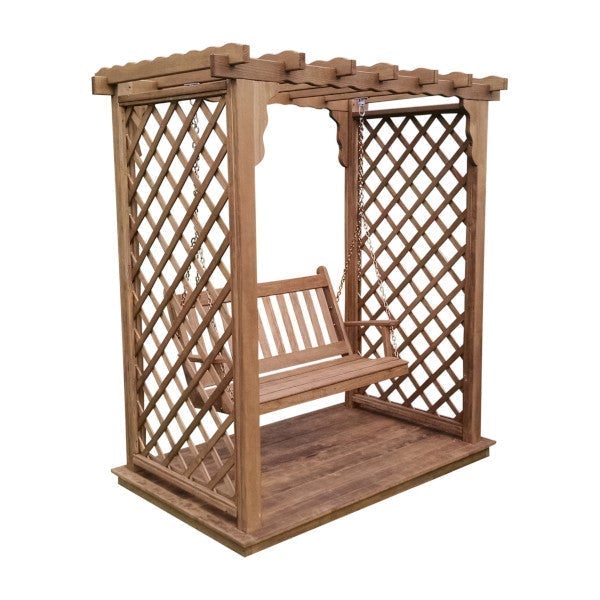
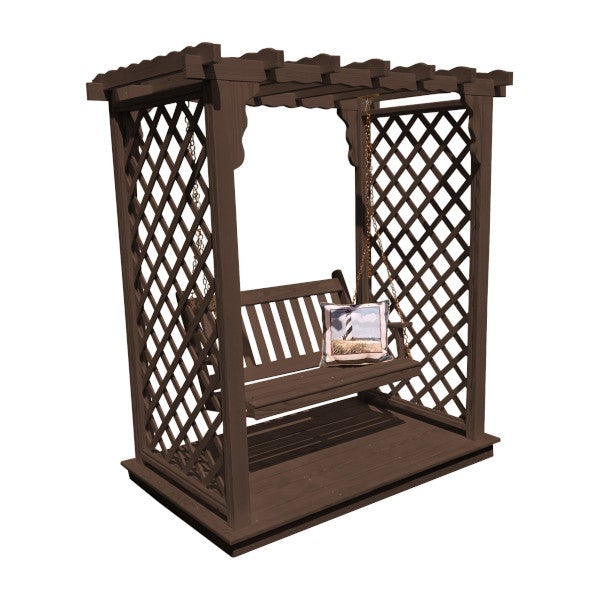
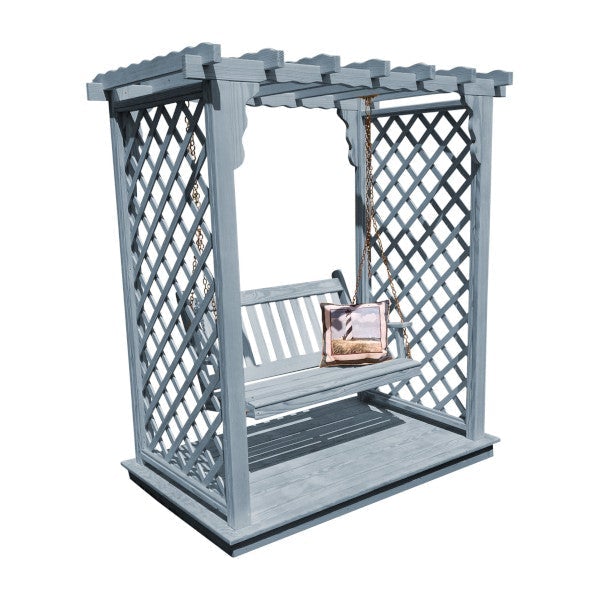
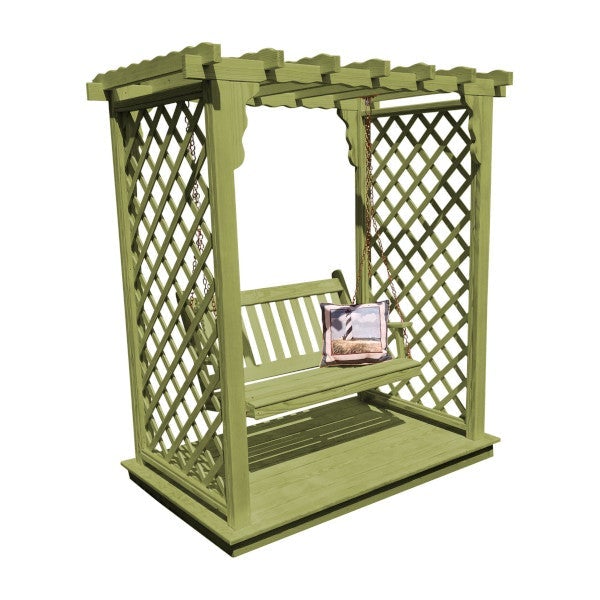
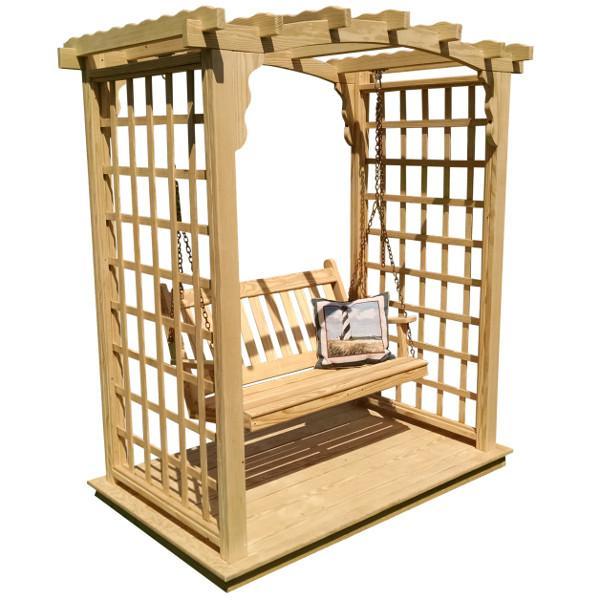
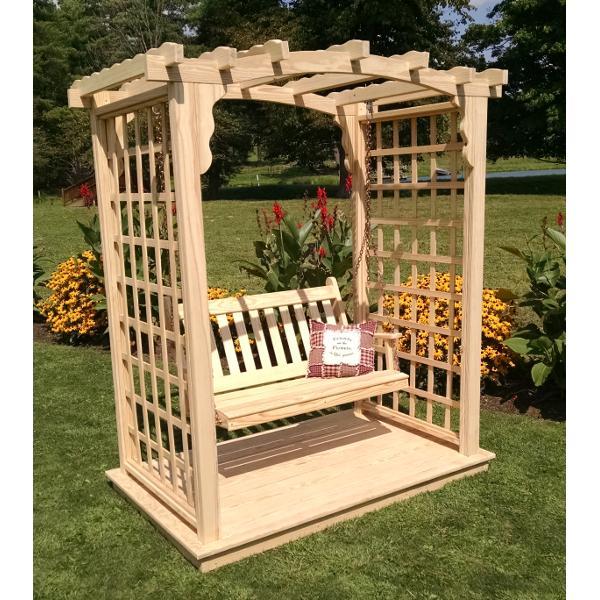
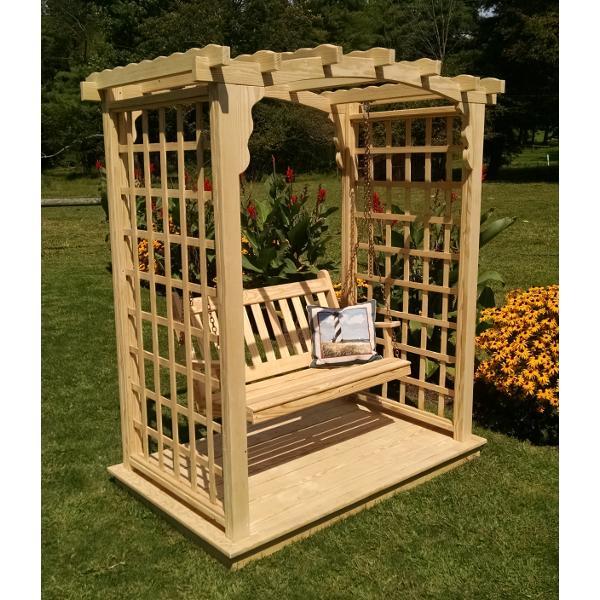
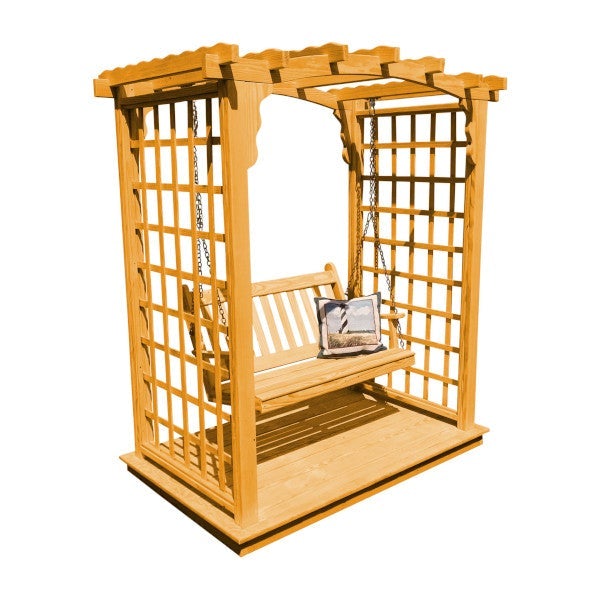
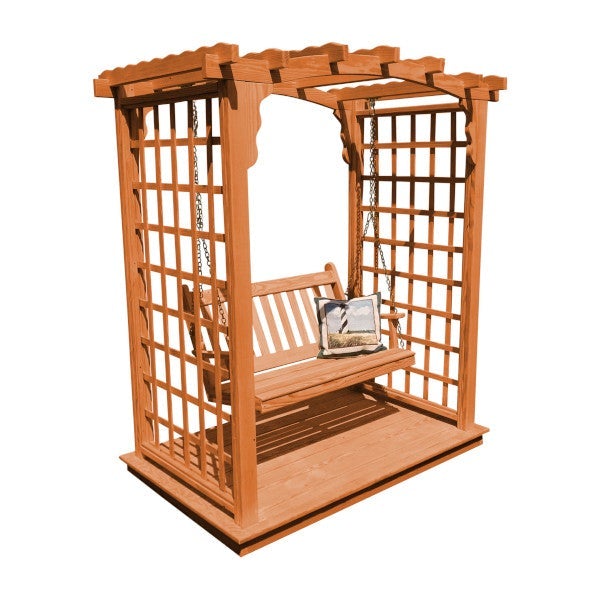
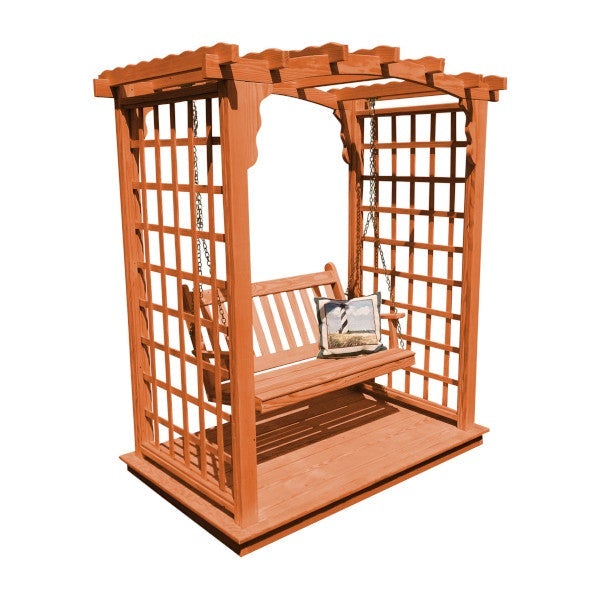
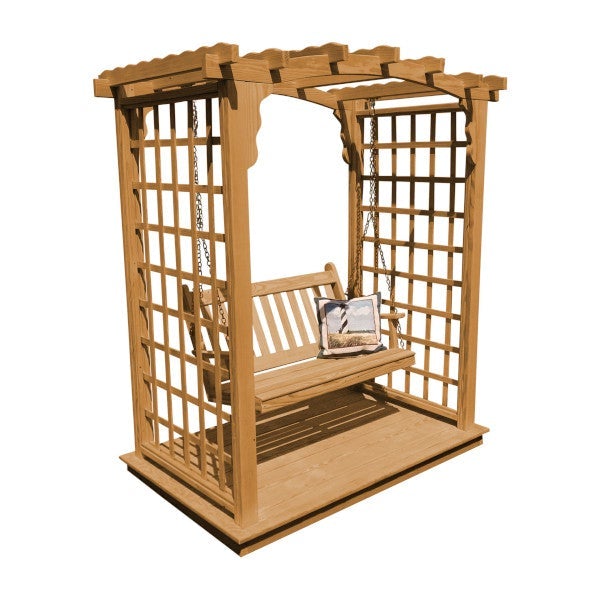
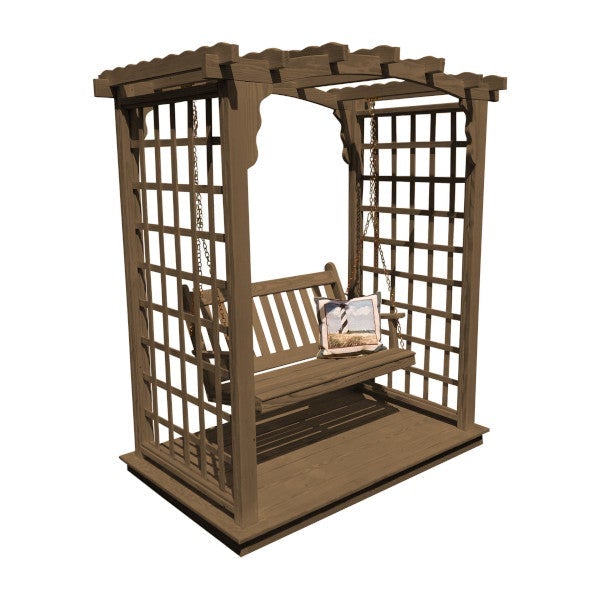
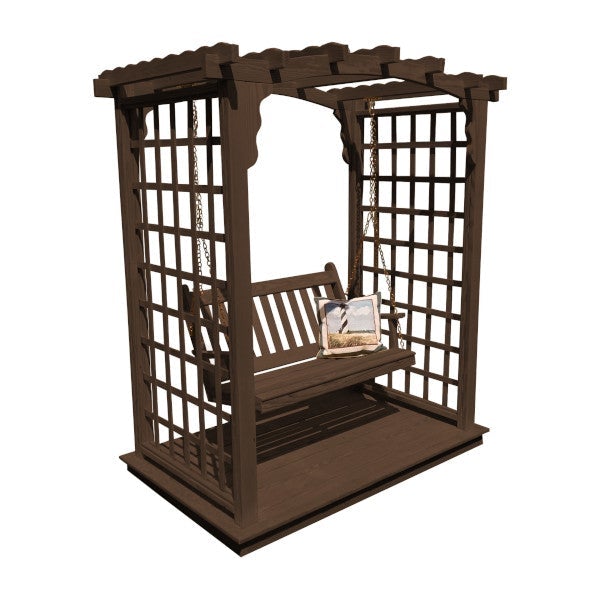
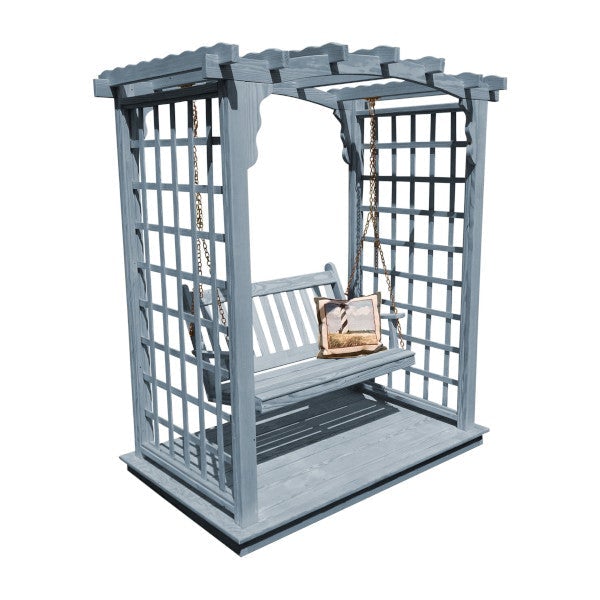
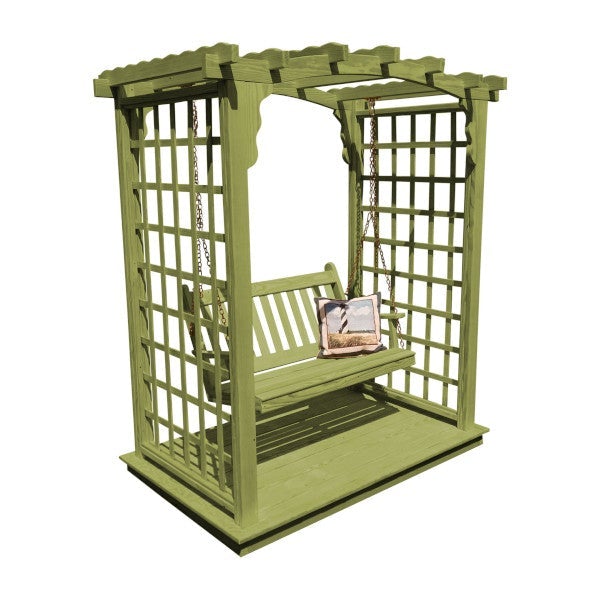
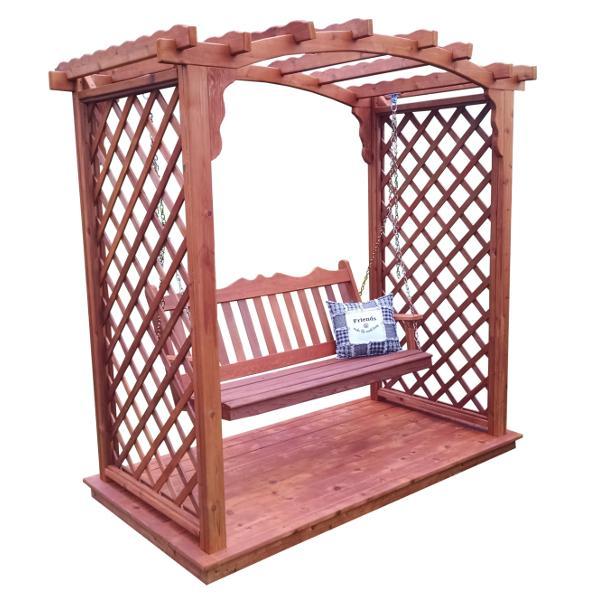
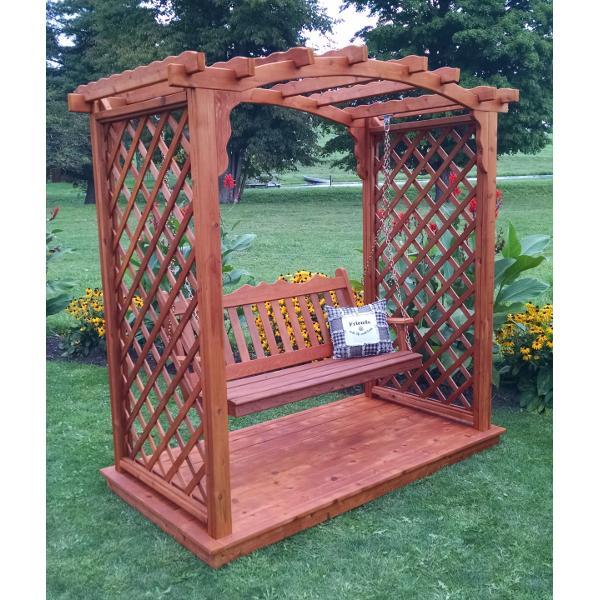
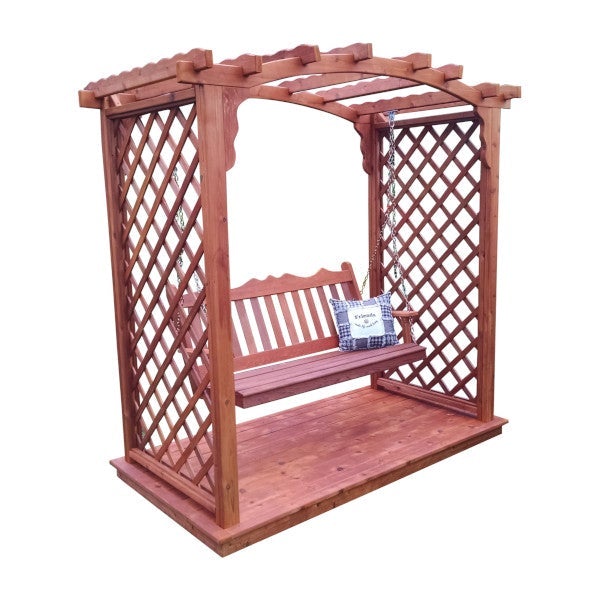
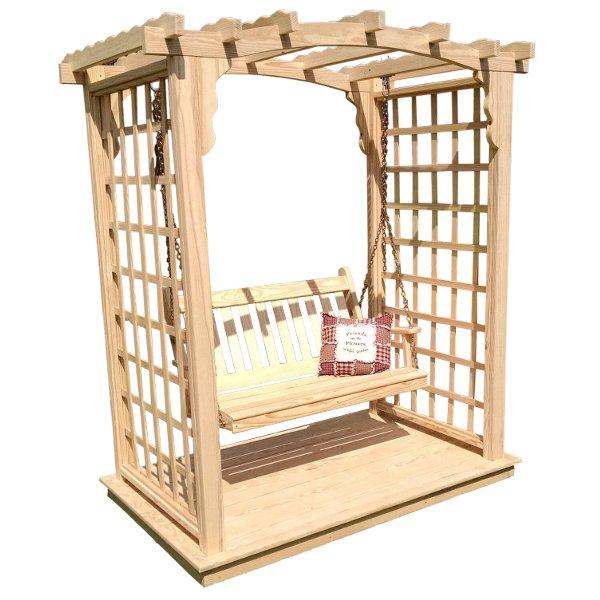
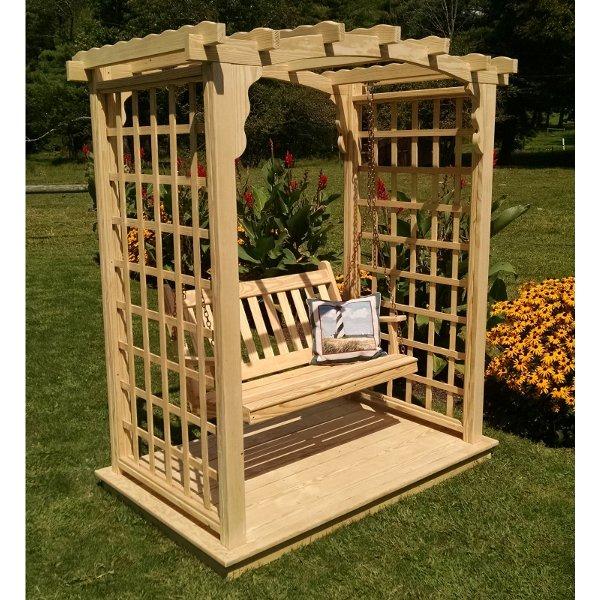
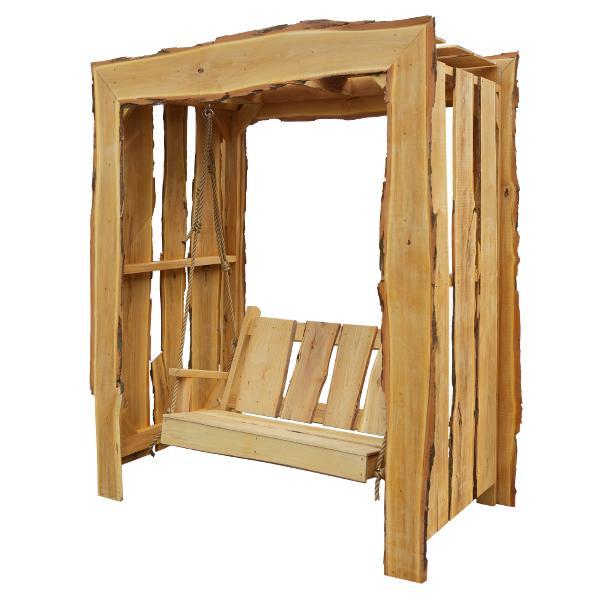
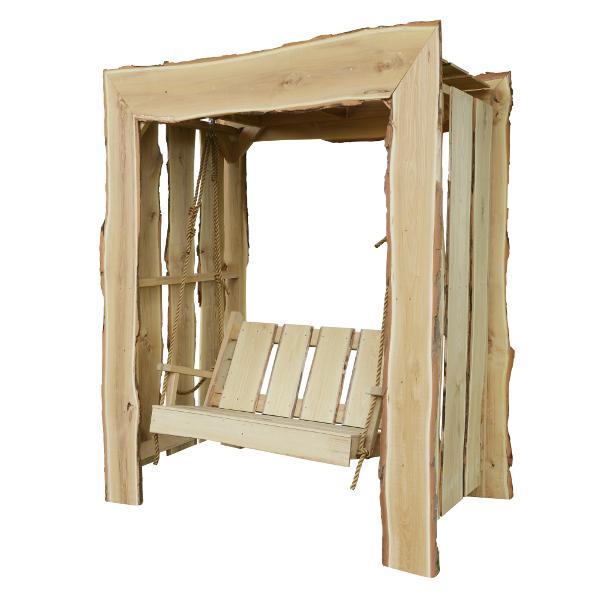
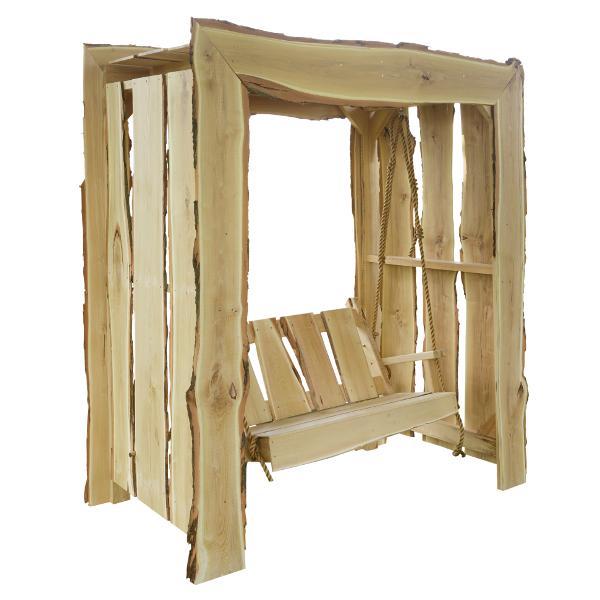
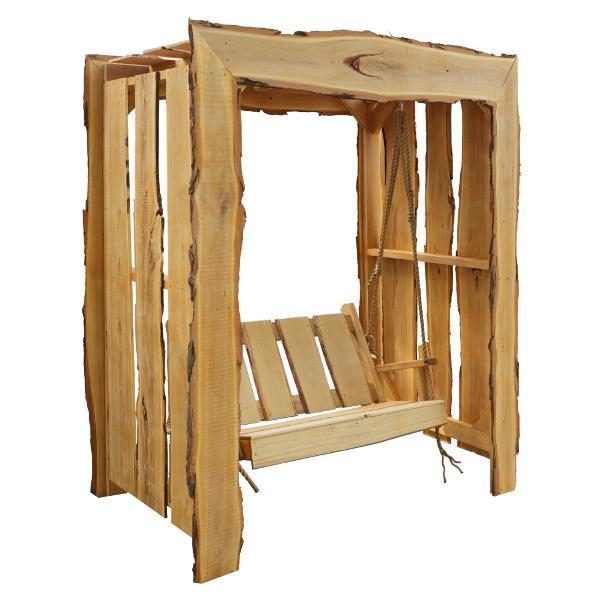
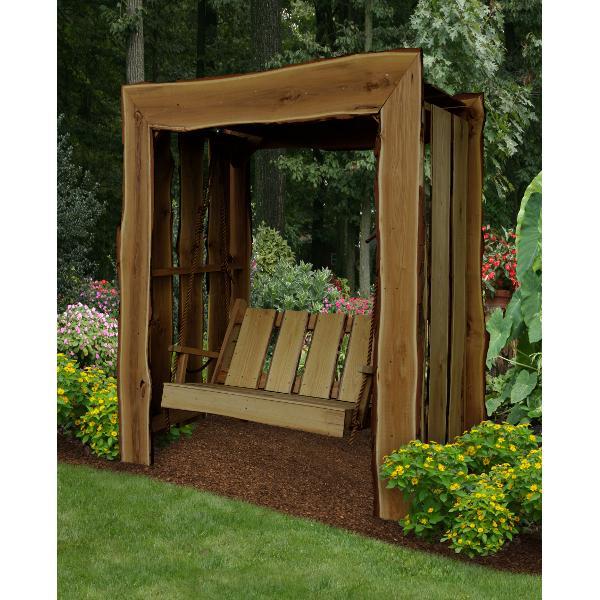
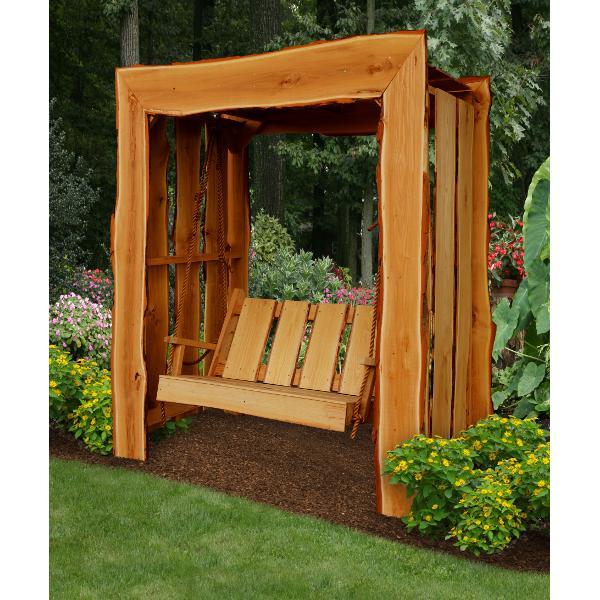
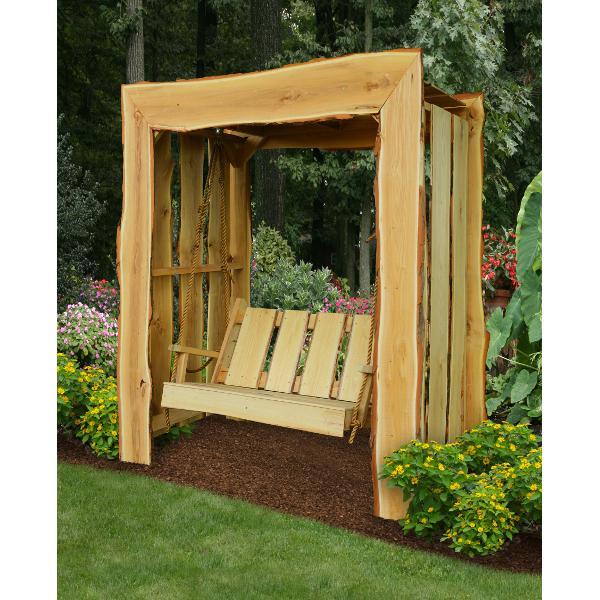
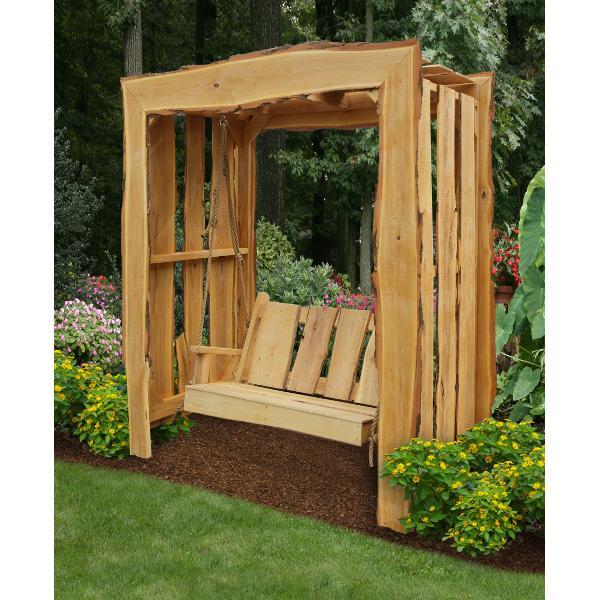
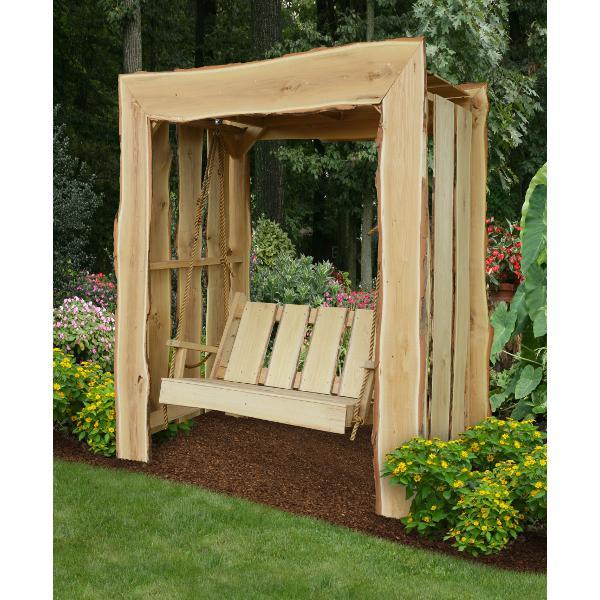
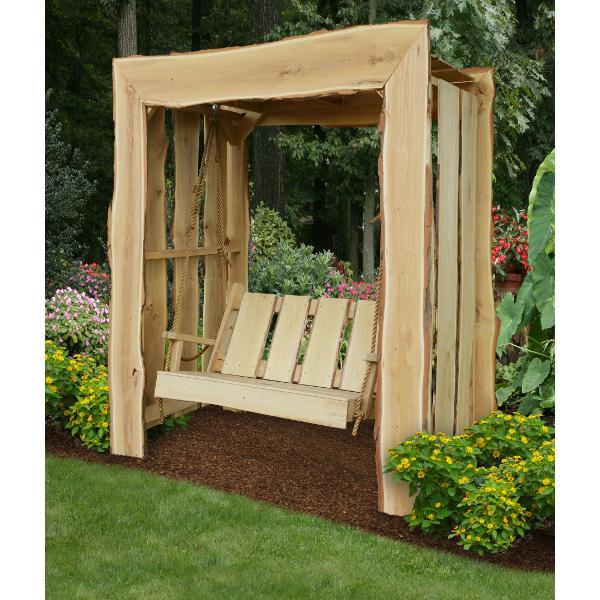
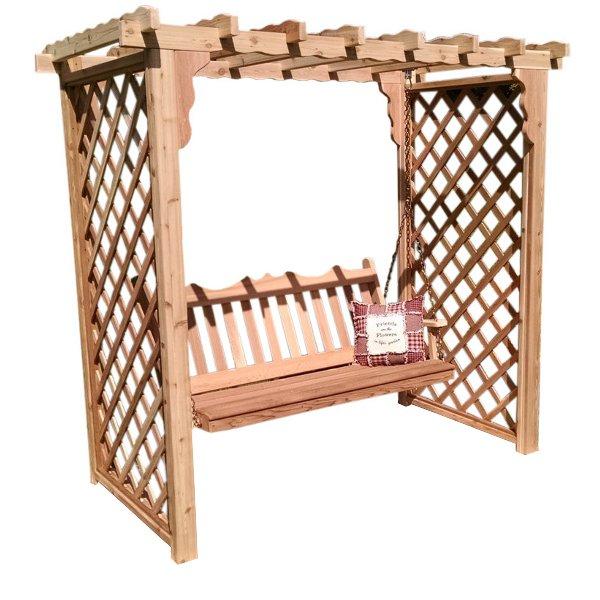
The garden arbor and your porch swing are the perfect pairings that every outdoor area should have. Combine beauty, structure, and comfort in one extraordinary outdoor installation for you and your family to enjoy. Shop our Garden Arbor with Swing selection and create an incredible backyard getaway. Lean back and have fun!
A: The key difference lies in the motion and the structural load-bearing requirements.
Motion: A swing provides an arcing, suspended pendulum motion, while a glider moves linearly. The swing requires significantly more clearance and places a higher,dynamic load on the top beam.
Structural Requirements: The arbor structure supporting a swing must bevastly more robust than one supporting a glider. The top beam and posts must withstand the repetitive, concentrated stress of the swing's motion and the full, heavy weight of two or more people. It often requires reinforced metal plates and structural bolts.
Clearance: The swing requires at least2 feet of clearance in front and back for the safe range of motion, whereas a glider's movement is contained.
A: The hanging mechanism is the most critical element for user safety.
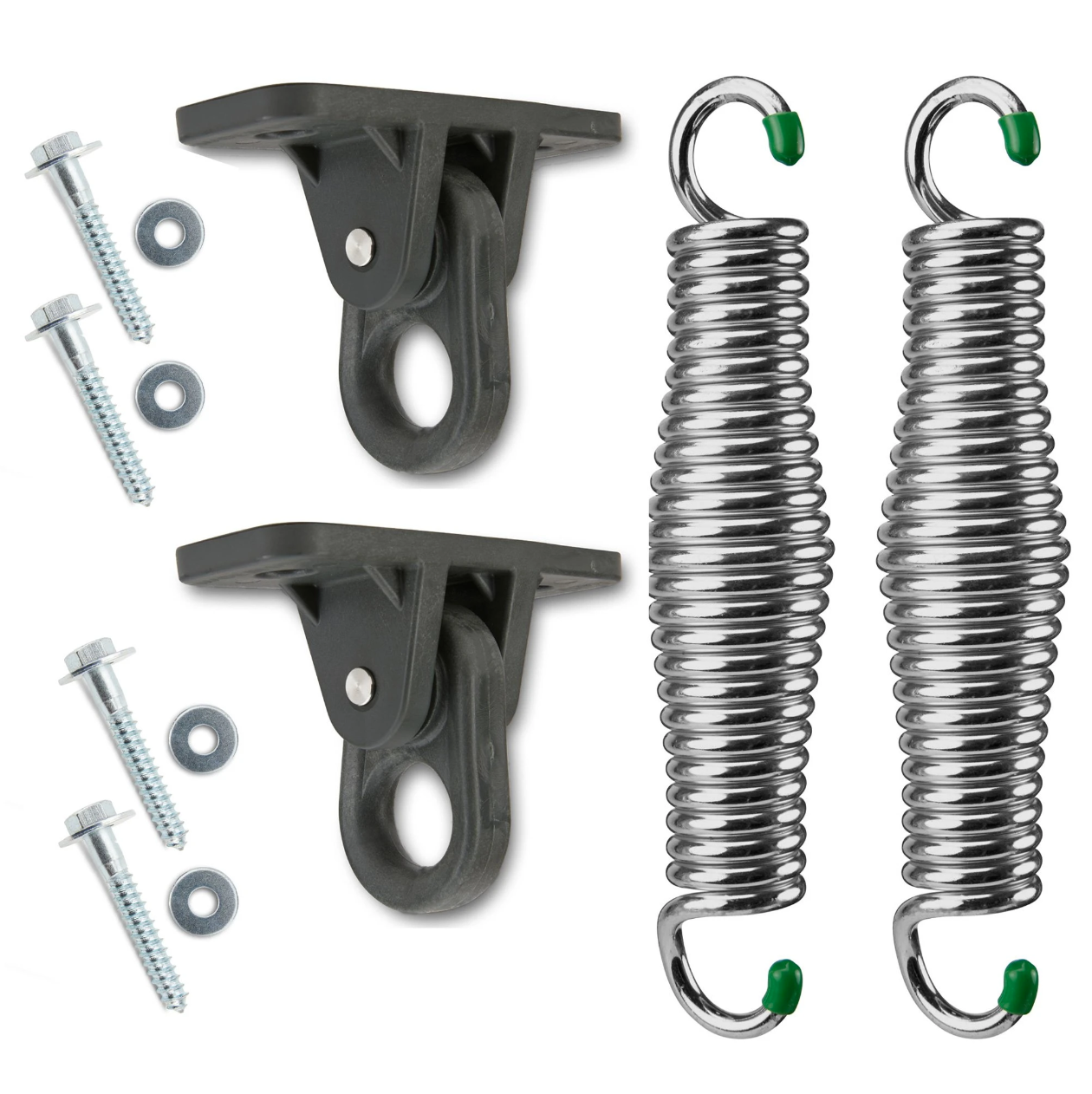
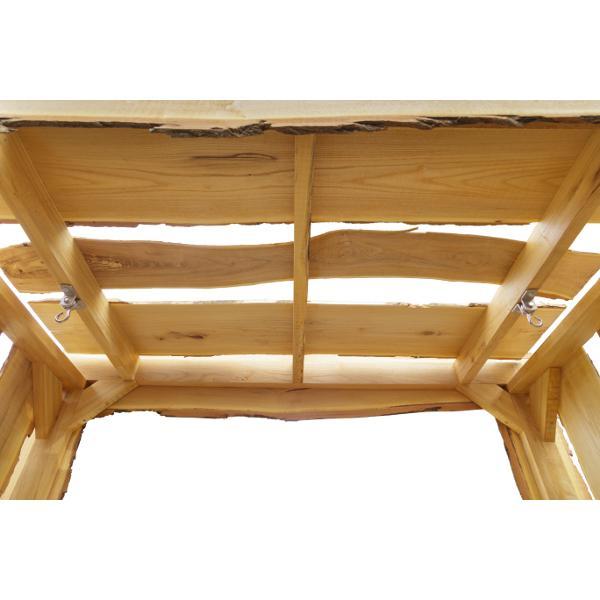
Hanging Hardware: The chains or ropes must connect to the arbor usingheavy-duty, load-rated swing hangers. These fittings often include ball bearings to reduce wear on the top beam and facilitate a smoother swing motion.
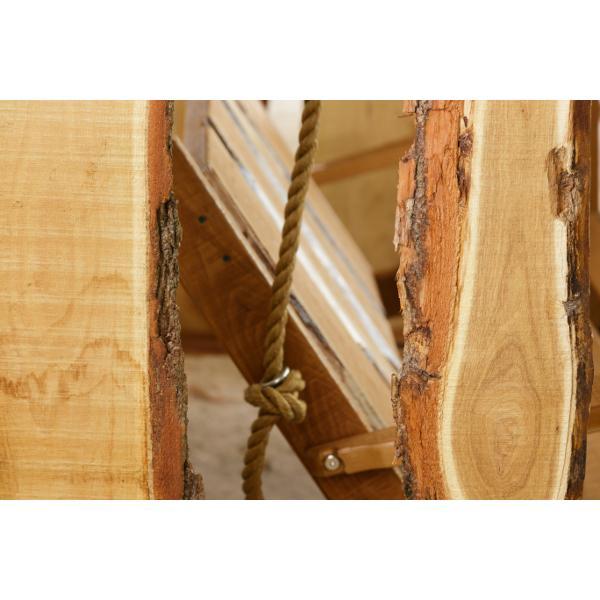
Chain/Rope Material: Chains must begalvanized or stainless steel to prevent rust, which can weaken the metal link by link. If using rope, it must be high-strength synthetic (such as marine-grade polyester) that is UV-resistant and rot-resistant.
Annual Inspection: The top beam should be inspected annually forstress cracking or splitting around the mounting points. The swing mounts and chains should be checked for wear and re-tightened.
A: The Arbor with Swing is designed for open, unattached spaces:
Freestanding Placement: It is the ideal choice for creating a swing area in the middle of a yard or garden, or for use far from the house. It provides its own necessary support structure where a porch or overhead beam is not available.
Focal Point: The grand, vertical nature of the arbor frame naturally draws the eye, making the swing a deliberate, beautiful focal point or gateway in the landscape.
Plant Support: The swing's frame provides abundant latticework for climbing roses, honeysuckle, or clematis to soften the metal and wood structure.
A: Because of the high dynamic load, the foundation must resist both downward pressure and lateral movement.
Concrete Footings: The posts should be set intodedicated concrete footings that extend below the frost line in cold climates. It provides the necessary mass and depth to resist shifting.
Standoff Bases: The wood posts should sit onmetal standoff brackets embedded in the concrete. It keeps the wood out of any standing water, preventing ground-level rot, which is the most common point of failure for garden structures.
The garden arbor and your porch swing are the perfect pairings that every outdoor area should have. Combine beauty, structure, and comfort in one extraordinary outdoor installation for you and your family to enjoy. Shop our Garden Arbor with Swing selection and create an incredible backyard getaway. Lean back and have fun!
A: The key difference lies in the motion and the structural load-bearing requirements.
Motion: A swing provides an arcing, suspended pendulum motion, while a glider moves linearly. The swing requires significantly more clearance and places a higher,dynamic load on the top beam.
Structural Requirements: The arbor structure supporting a swing must bevastly more robust than one supporting a glider. The top beam and posts must withstand the repetitive, concentrated stress of the swing's motion and the full, heavy weight of two or more people. It often requires reinforced metal plates and structural bolts.
Clearance: The swing requires at least2 feet of clearance in front and back for the safe range of motion, whereas a glider's movement is contained.
A: The hanging mechanism is the most critical element for user safety.
Hanging Hardware: The chains or ropes must connect to the arbor usingheavy-duty, load-rated swing hangers. These fittings often include ball bearings to reduce wear on the top beam and facilitate a smoother swing motion.
Chain/Rope Material: Chains must begalvanized or stainless steel to prevent rust, which can weaken the metal link by link. If using rope, it must be high-strength synthetic (such as marine-grade polyester) that is UV-resistant and rot-resistant.
Annual Inspection: The top beam should be inspected annually forstress cracking or splitting around the mounting points. The swing mounts and chains should be checked for wear and re-tightened.
A: The Arbor with Swing is designed for open, unattached spaces:
Freestanding Placement: It is the ideal choice for creating a swing area in the middle of a yard or garden, or for use far from the house. It provides its own necessary support structure where a porch or overhead beam is not available.
Focal Point: The grand, vertical nature of the arbor frame naturally draws the eye, making the swing a deliberate, beautiful focal point or gateway in the landscape.
Plant Support: The swing's frame provides abundant latticework for climbing roses, honeysuckle, or clematis to soften the metal and wood structure.
A: Because of the high dynamic load, the foundation must resist both downward pressure and lateral movement.
Concrete Footings: The posts should be set intodedicated concrete footings that extend below the frost line in cold climates. It provides the necessary mass and depth to resist shifting.
Standoff Bases: The wood posts should sit onmetal standoff brackets embedded in the concrete. It keeps the wood out of any standing water, preventing ground-level rot, which is the most common point of failure for garden structures.