Your Cart is Empty

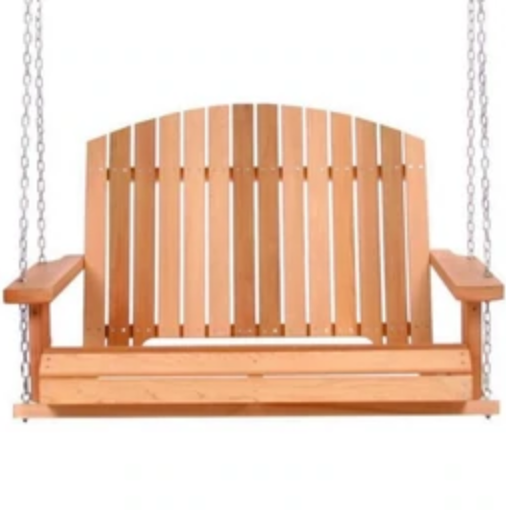
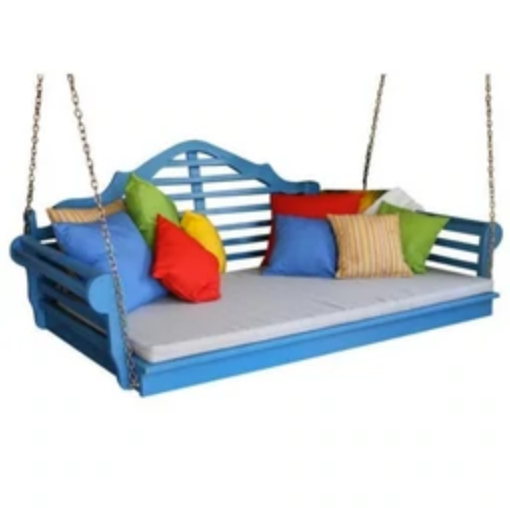
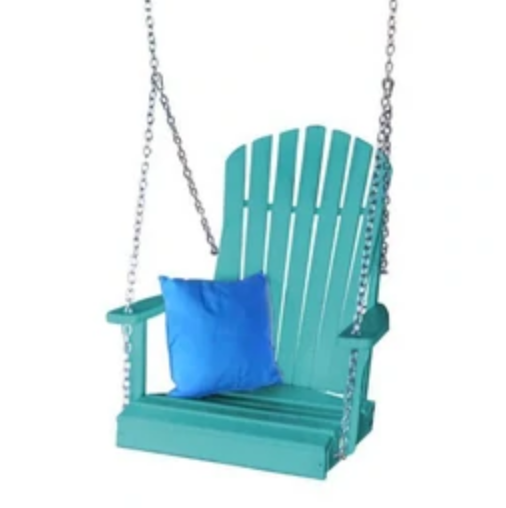
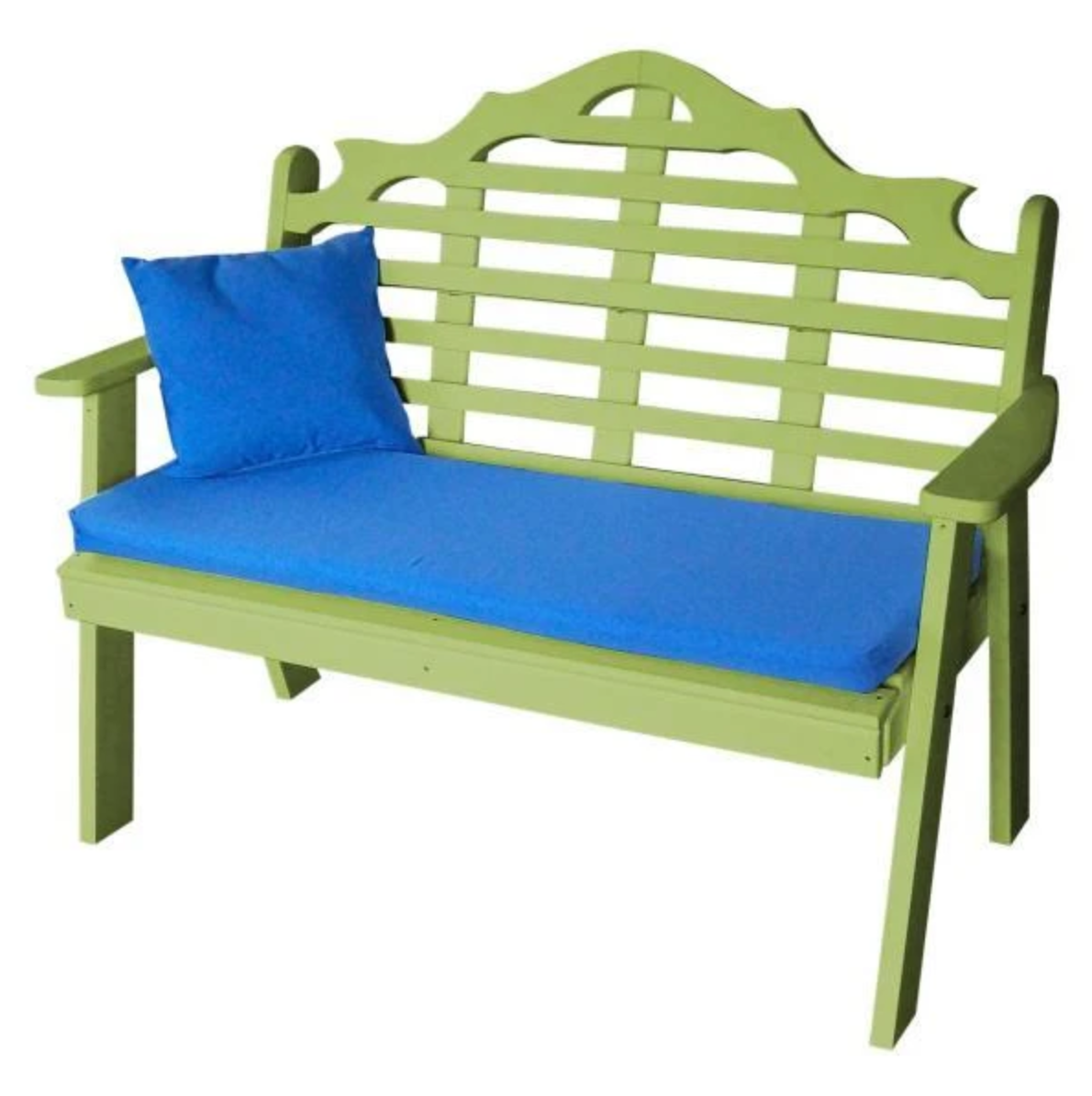
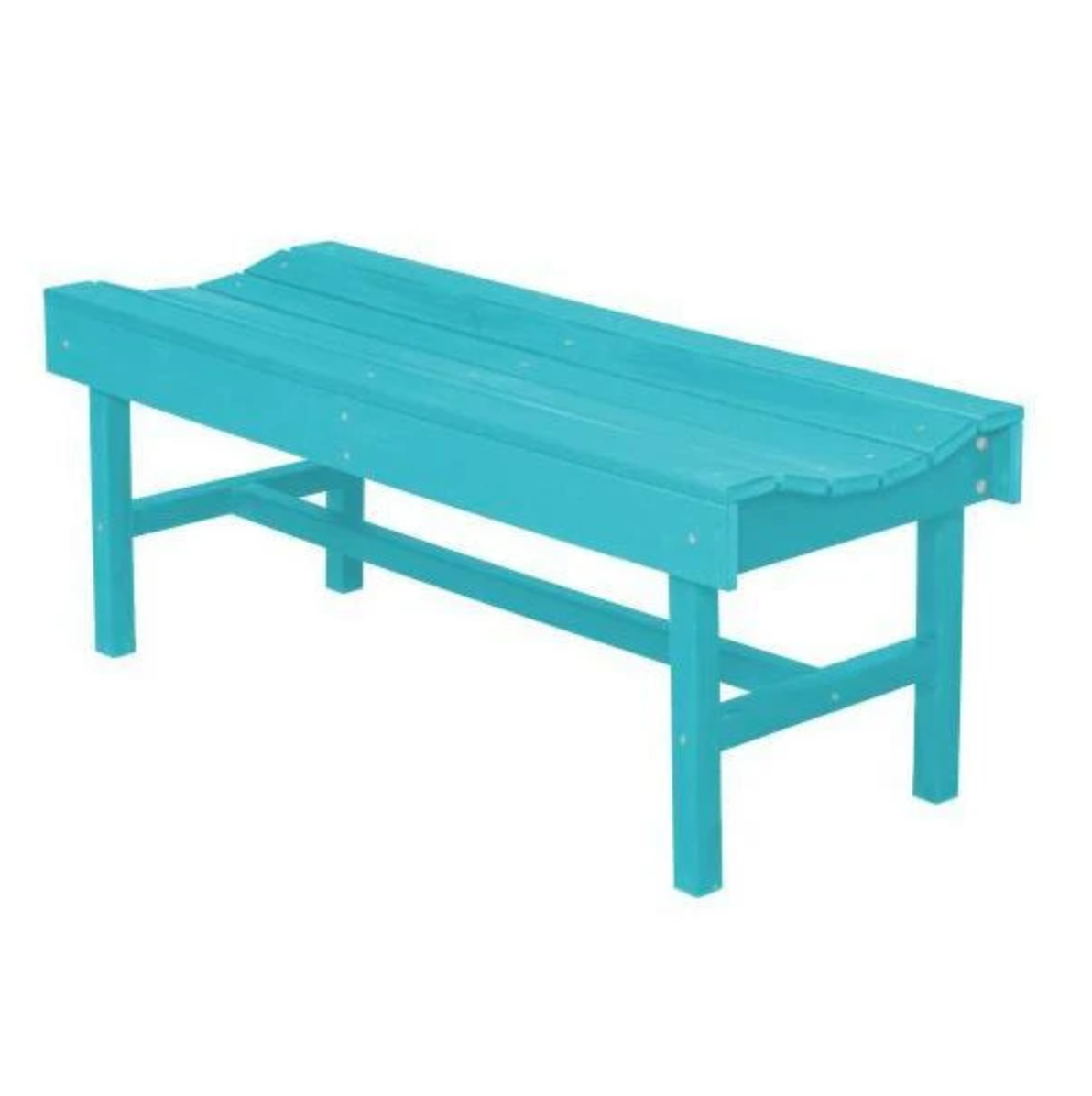
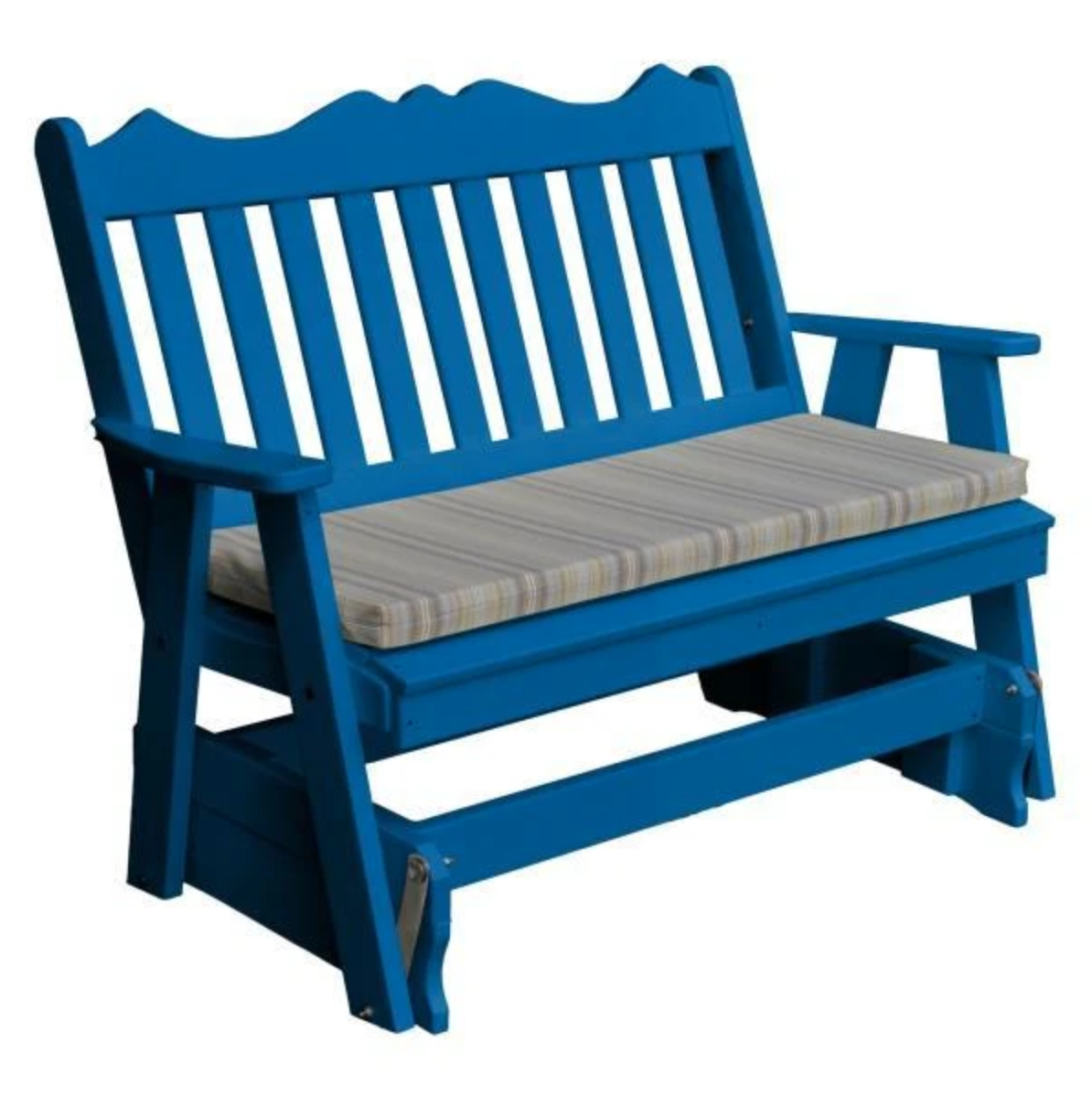
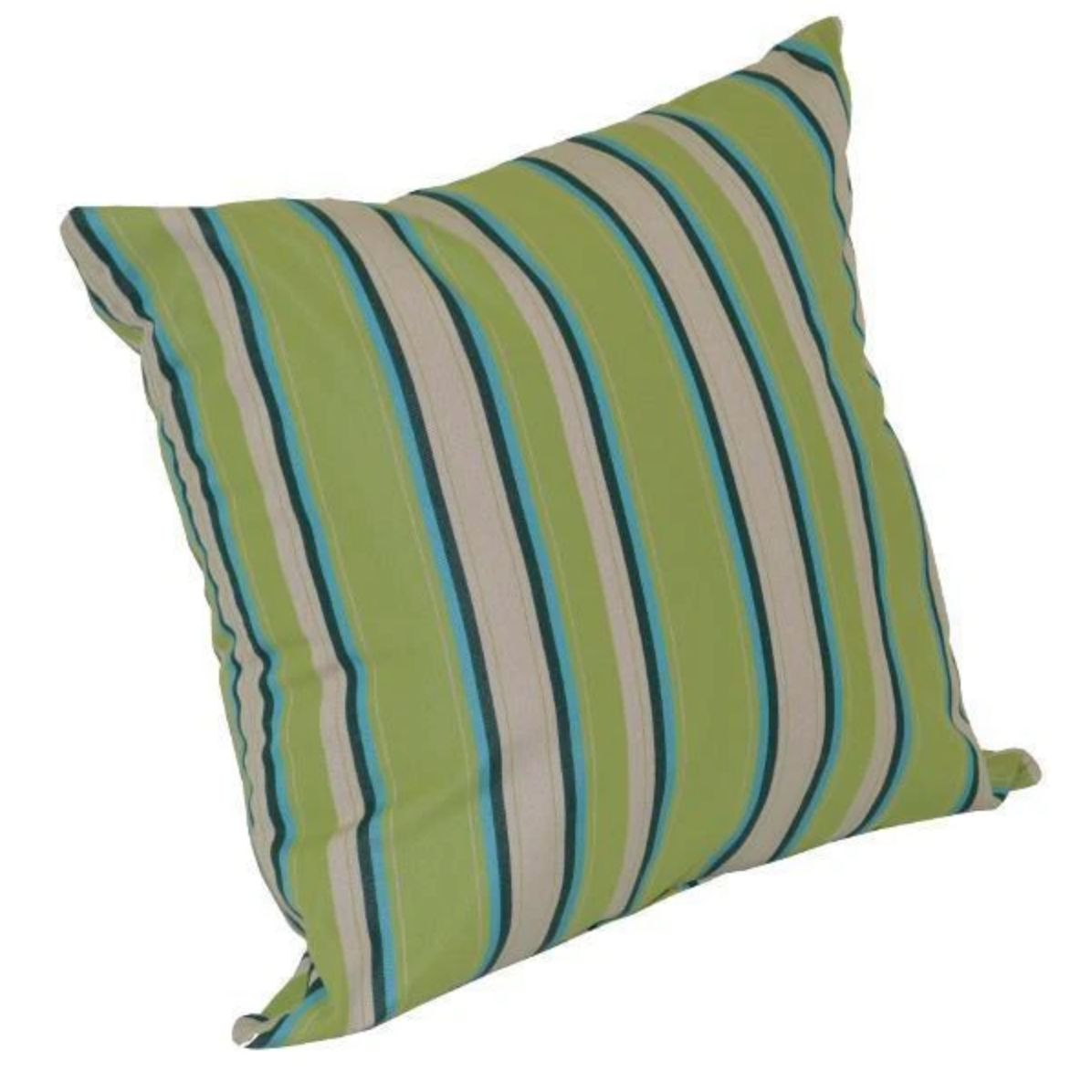
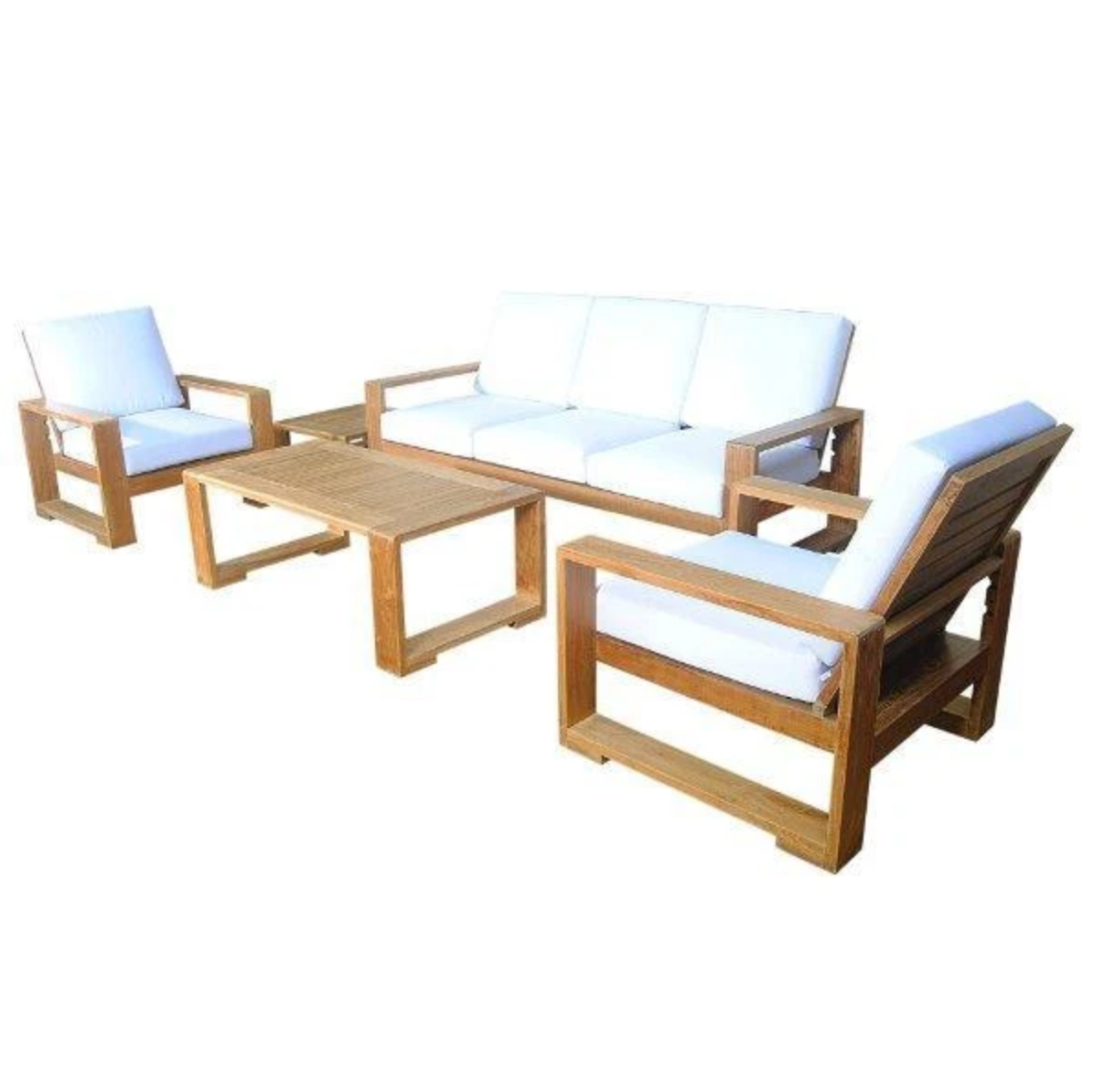
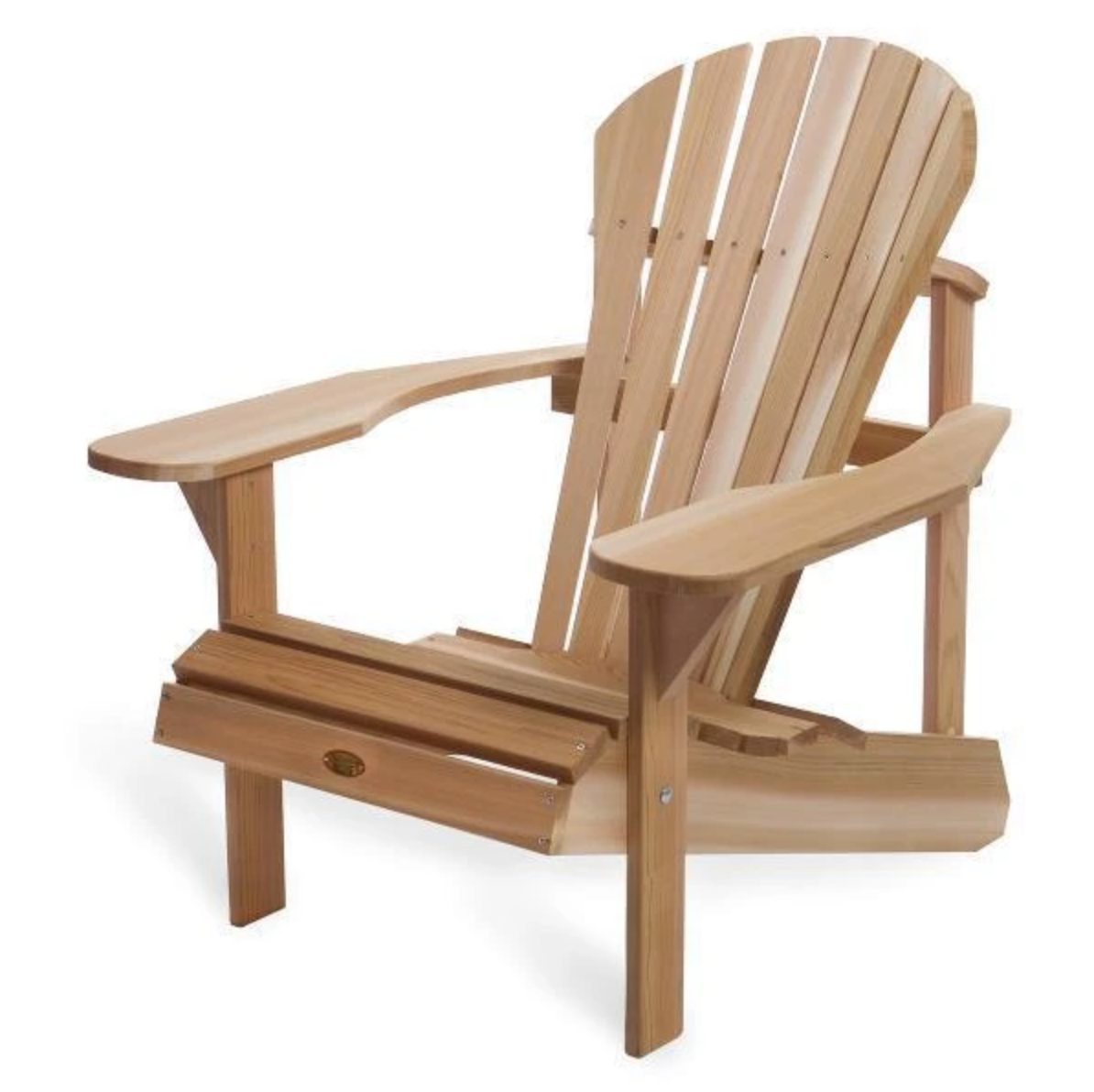
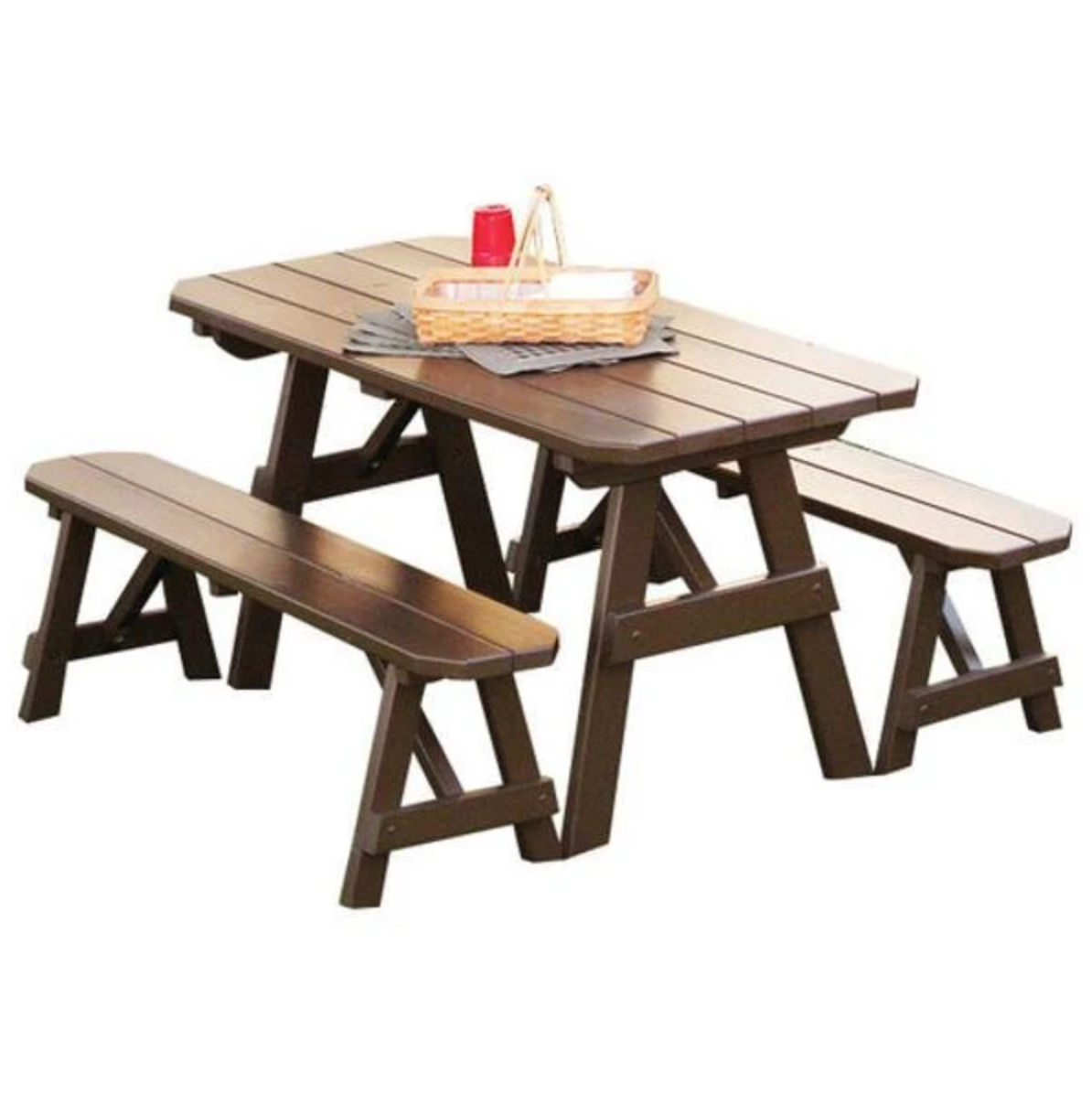
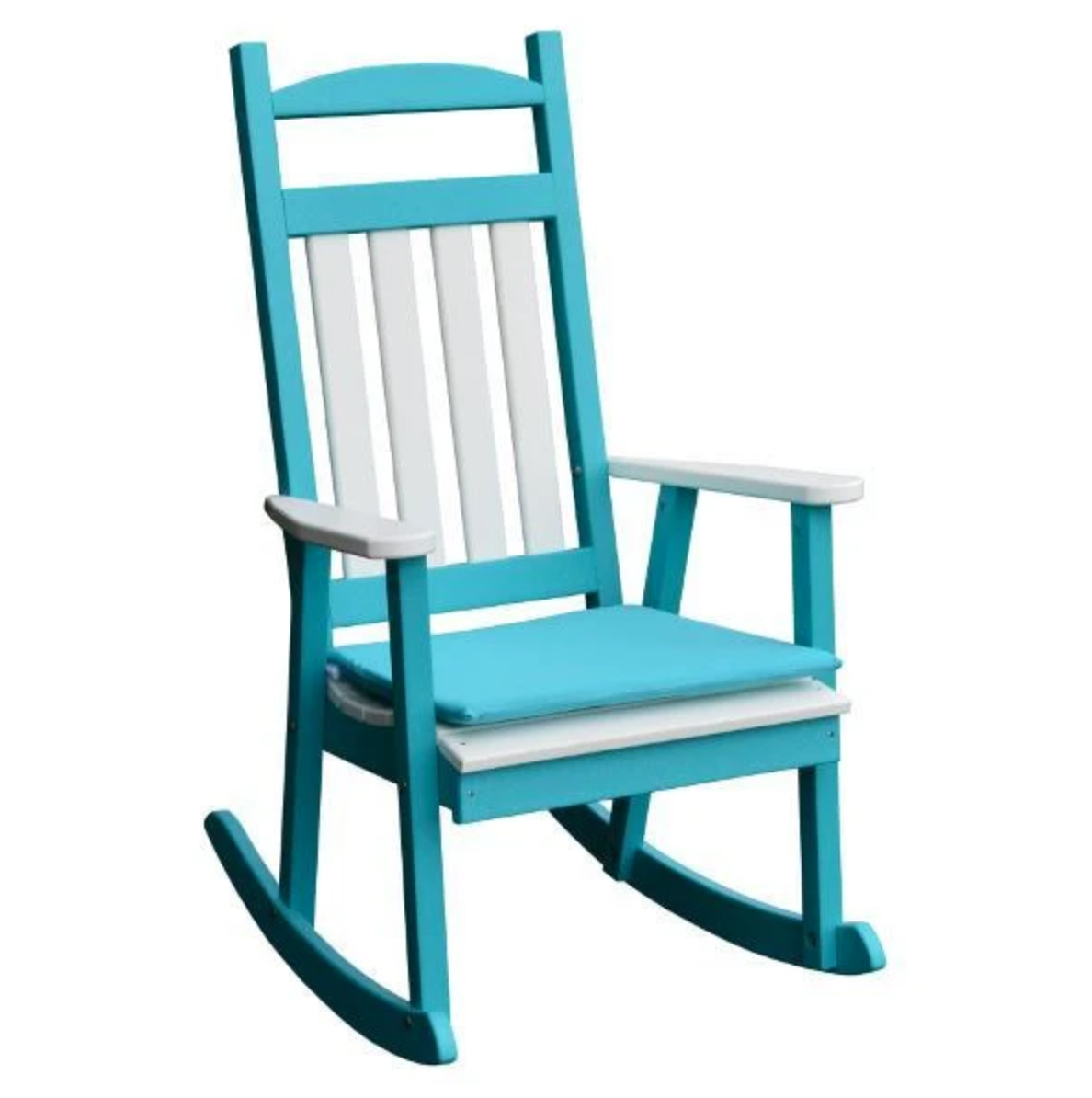
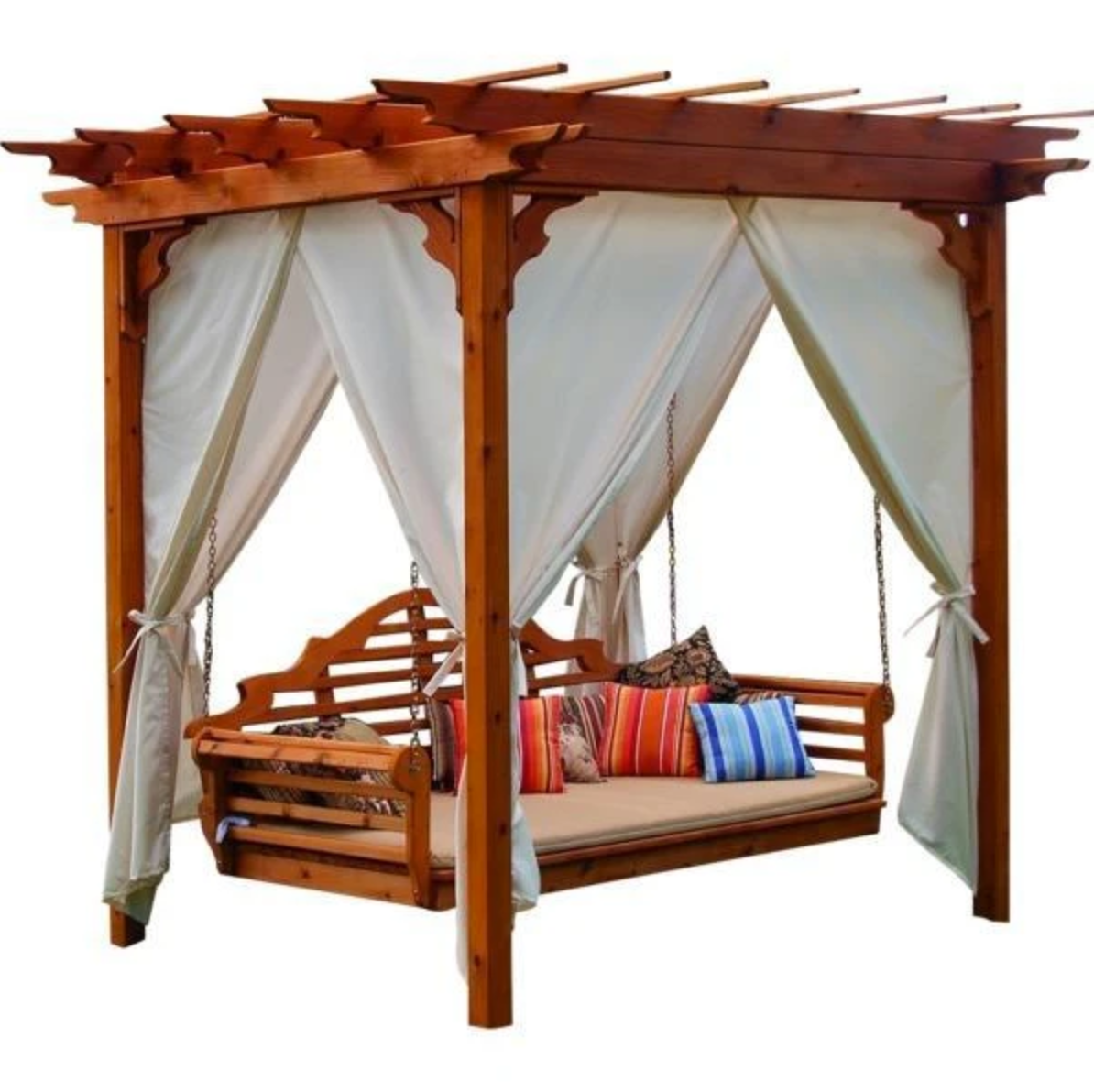
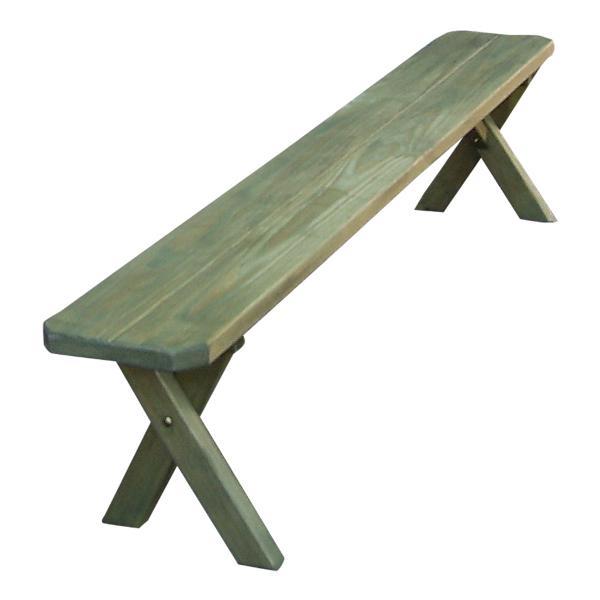
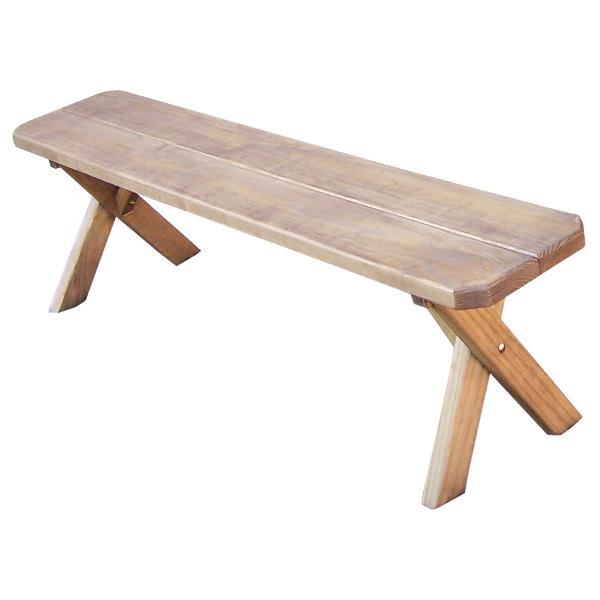
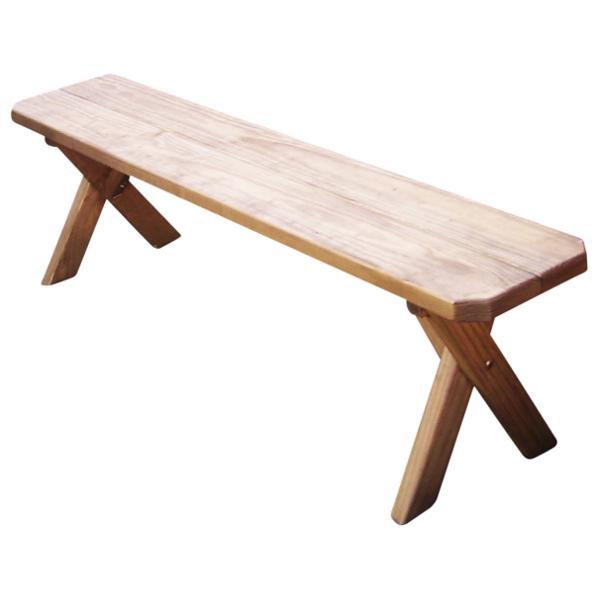
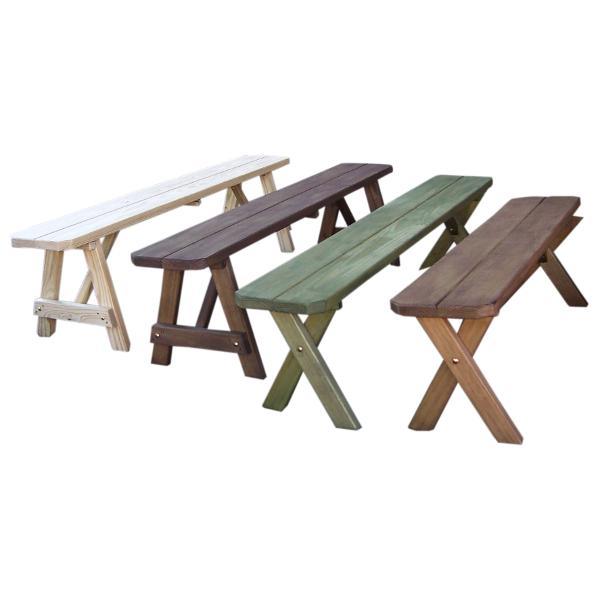
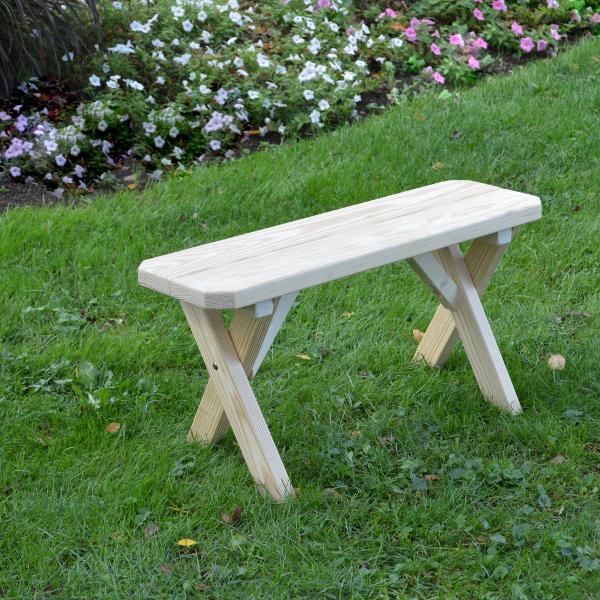
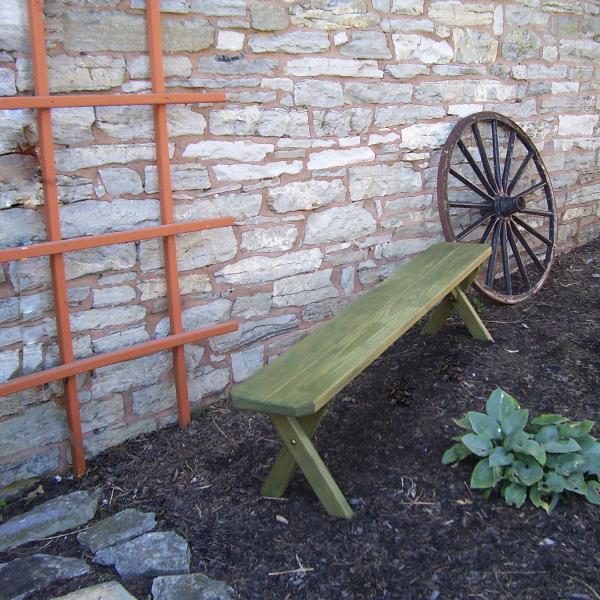
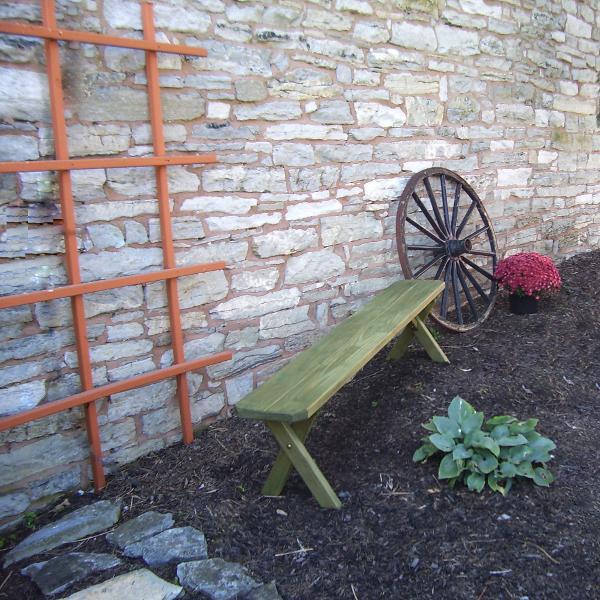
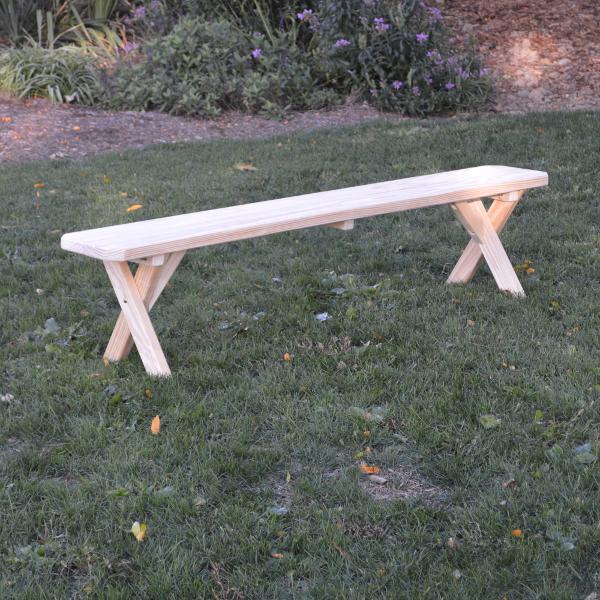
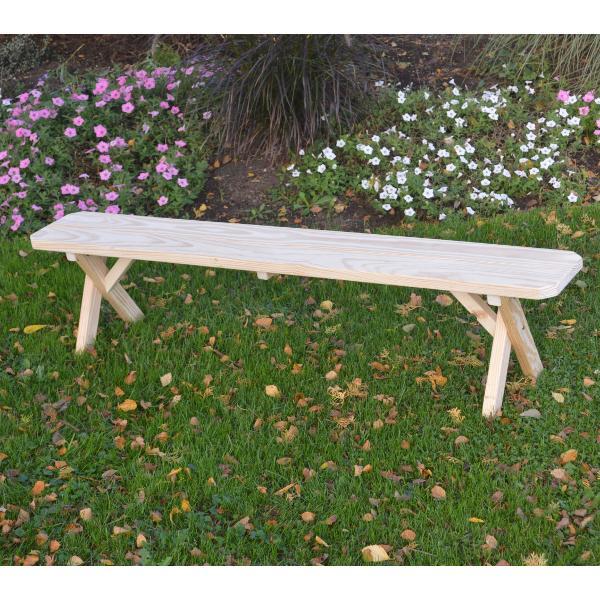
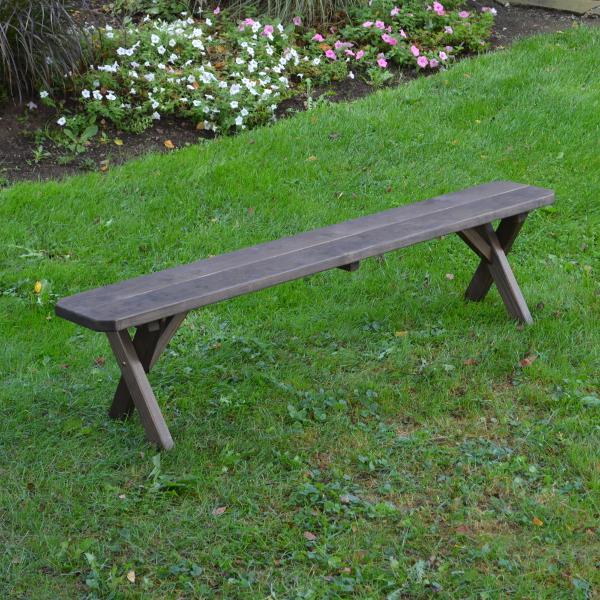
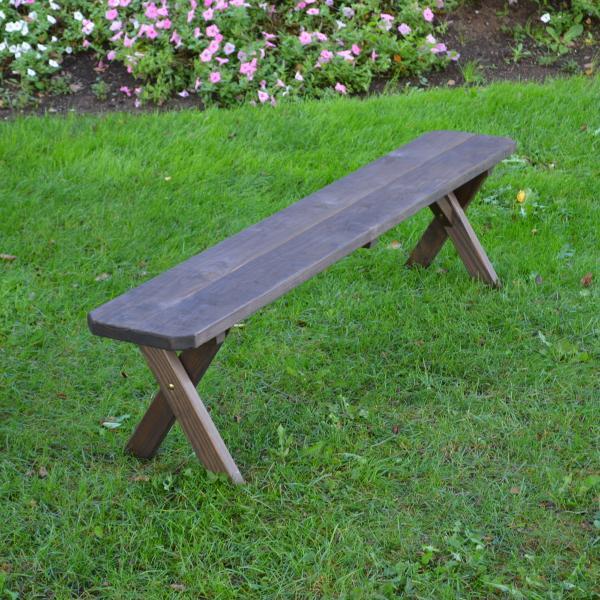
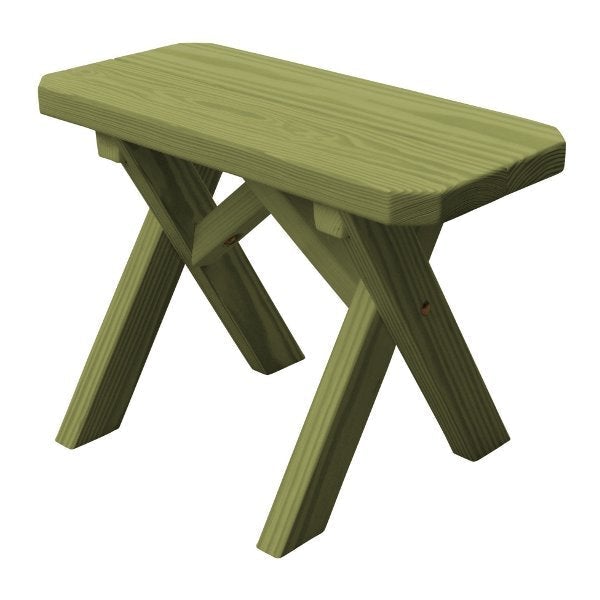
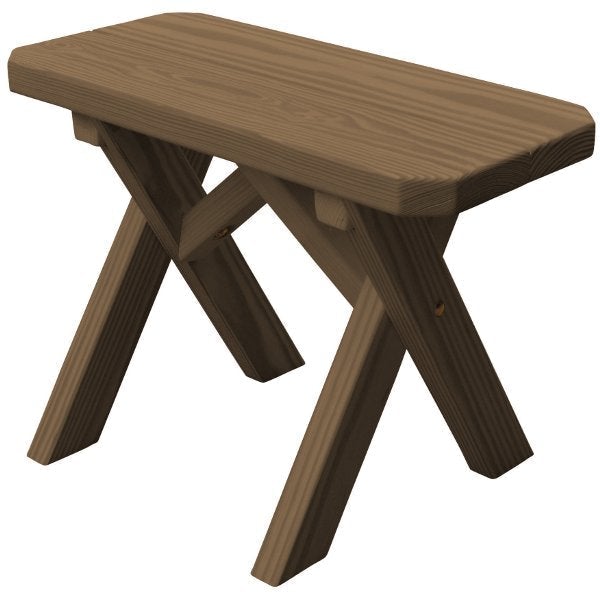
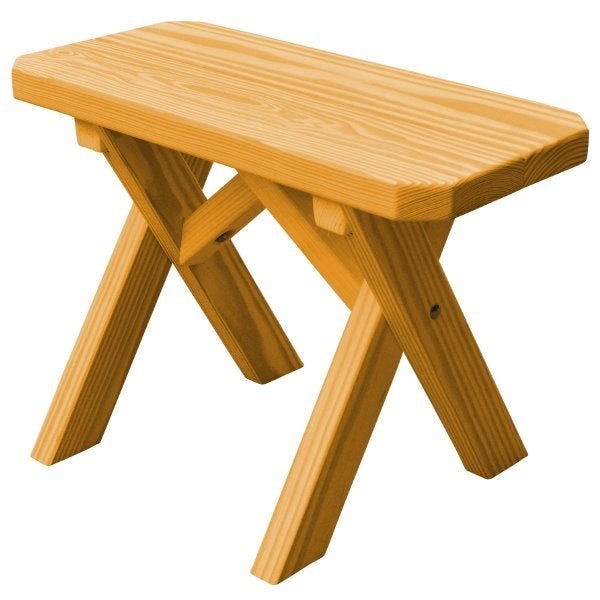
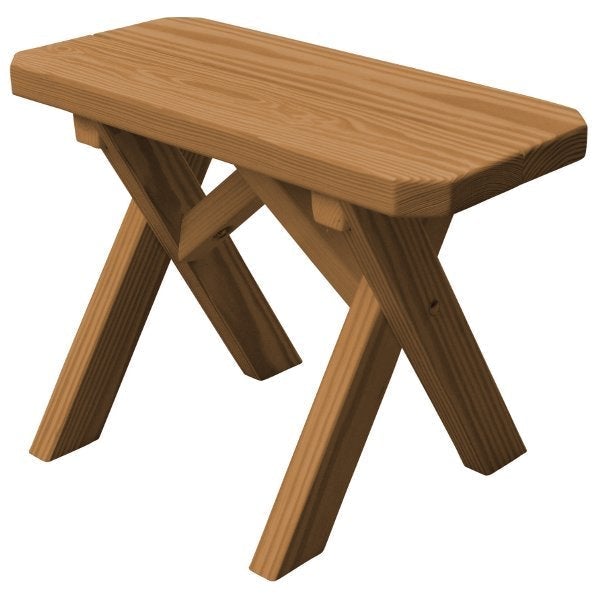
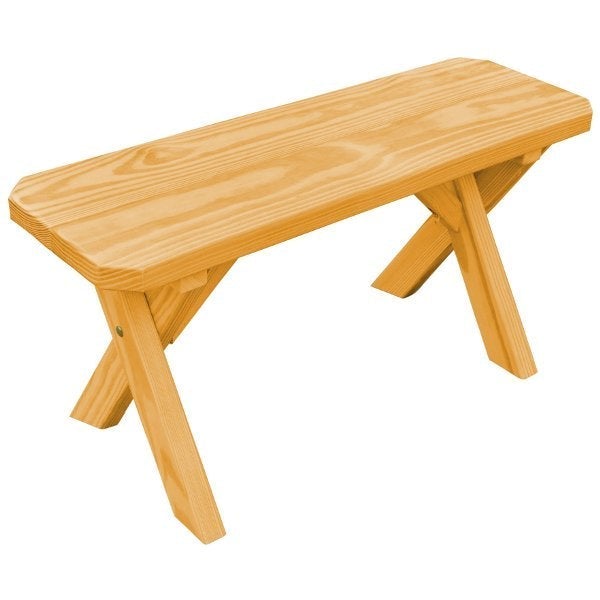
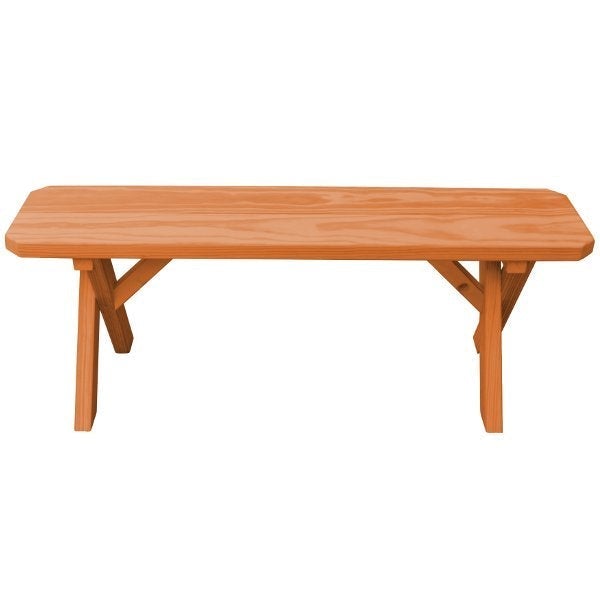
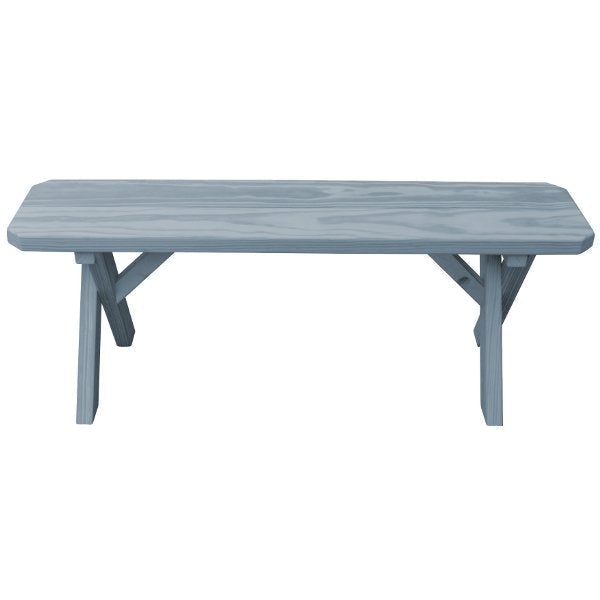
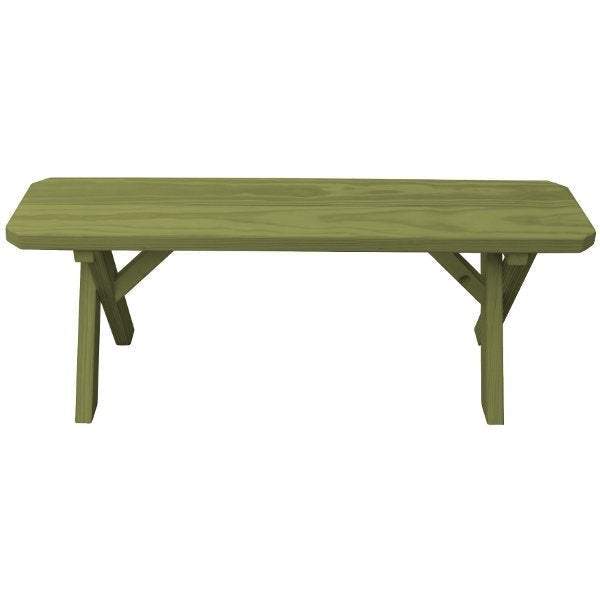
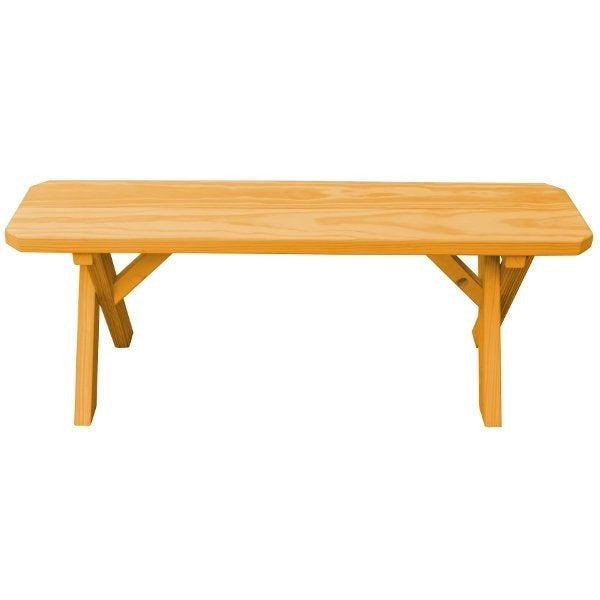
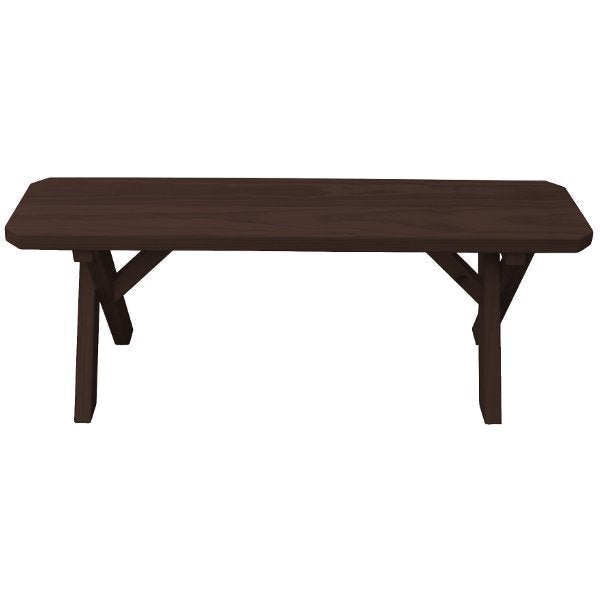
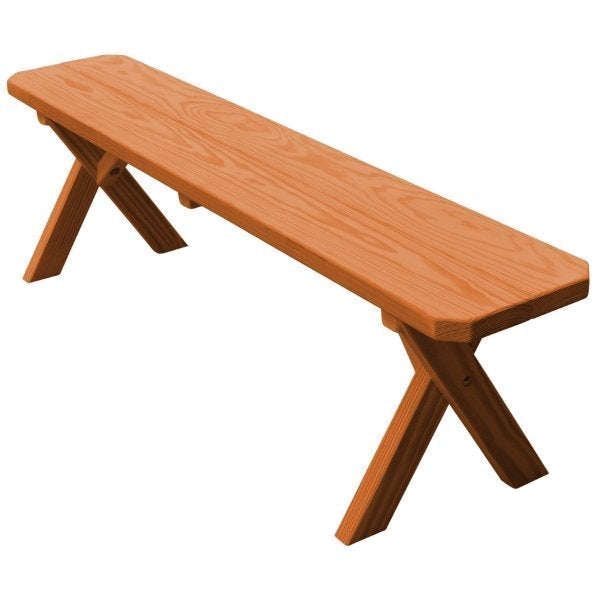
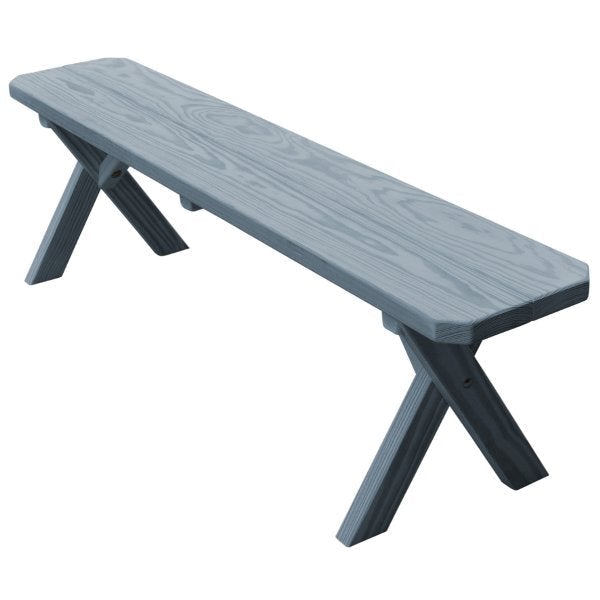
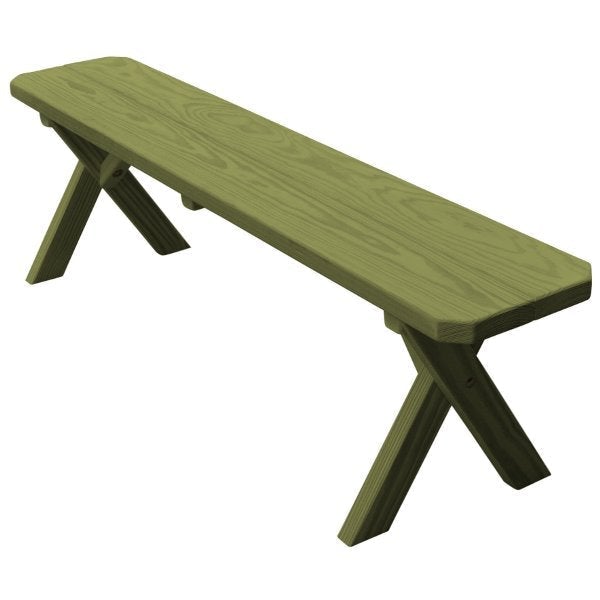
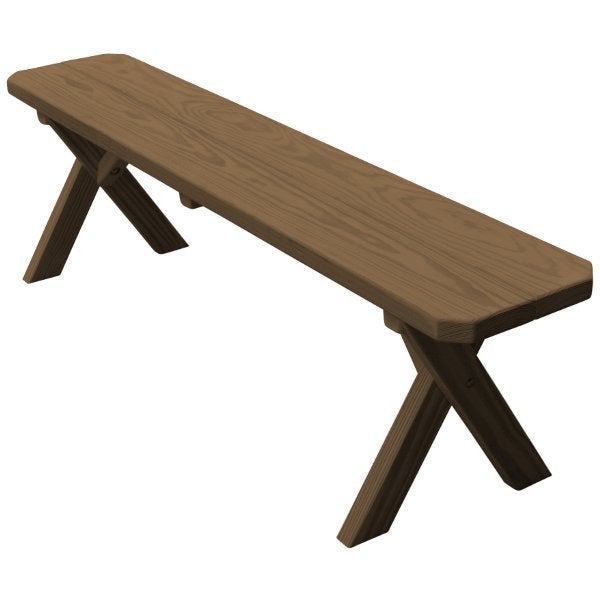
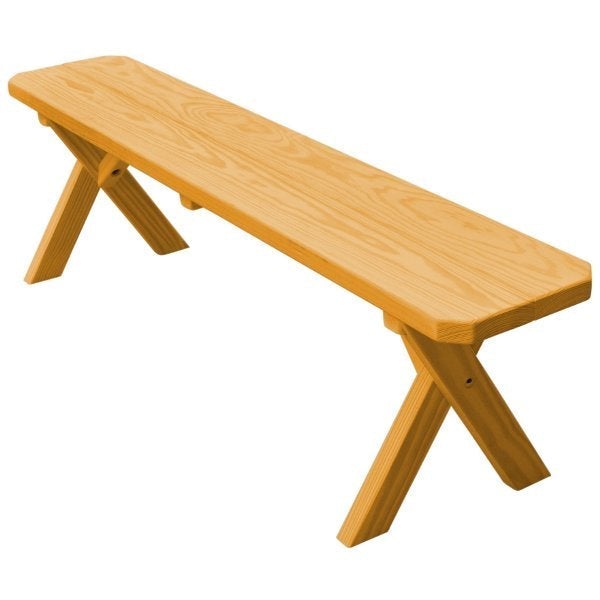
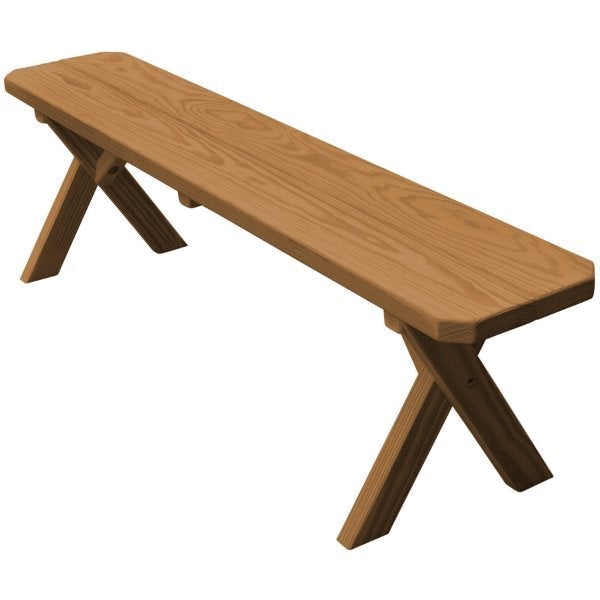
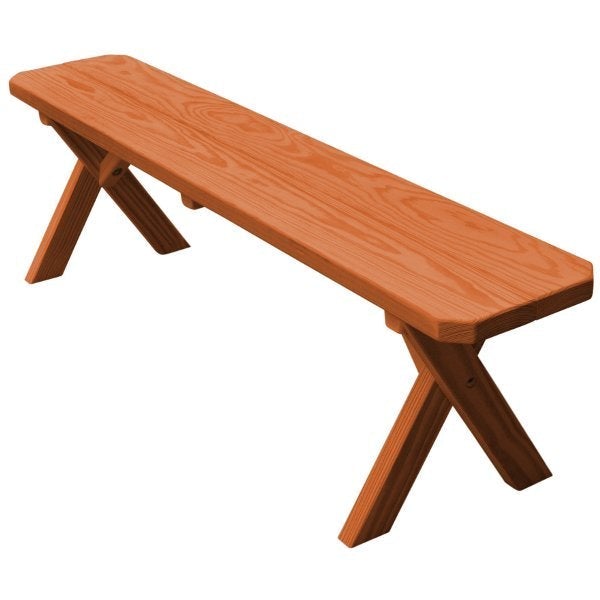
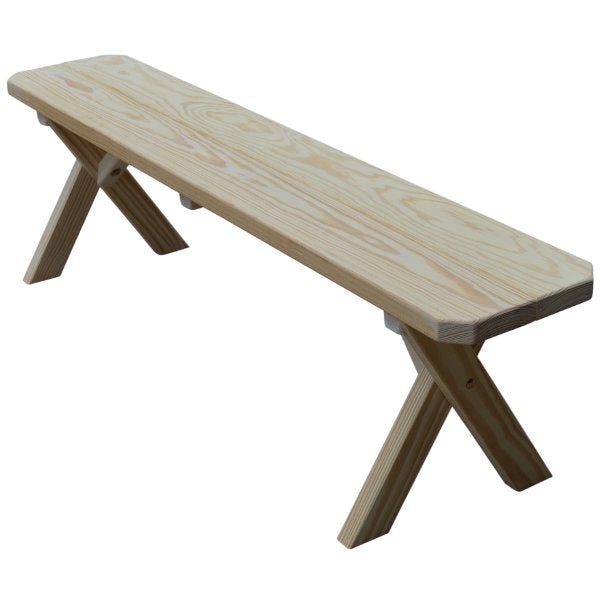
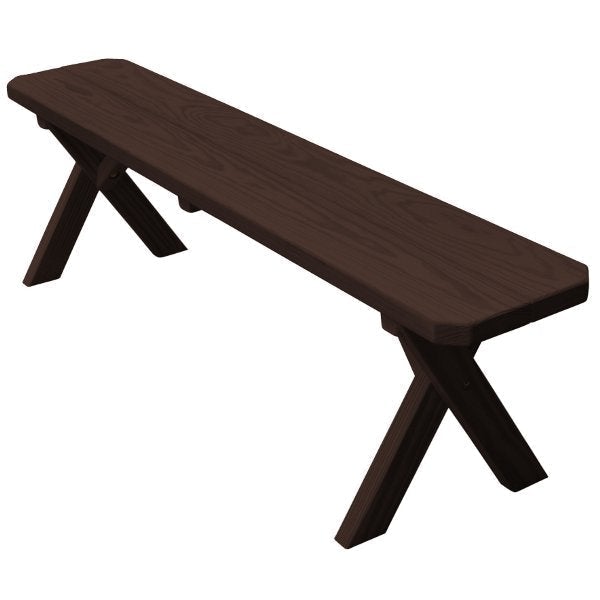
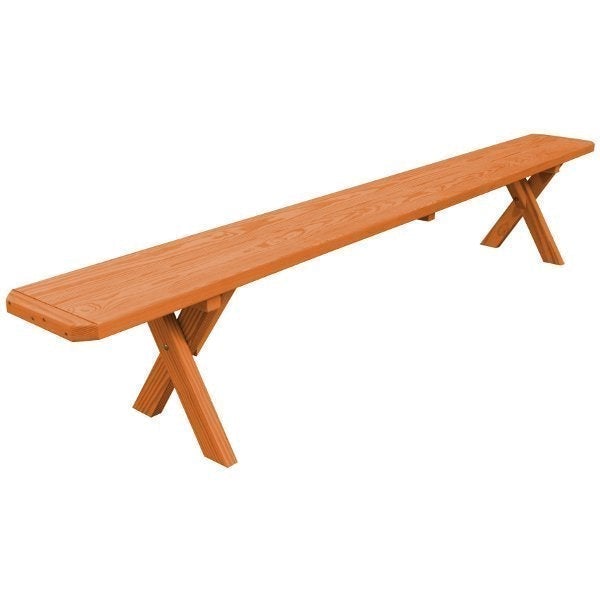
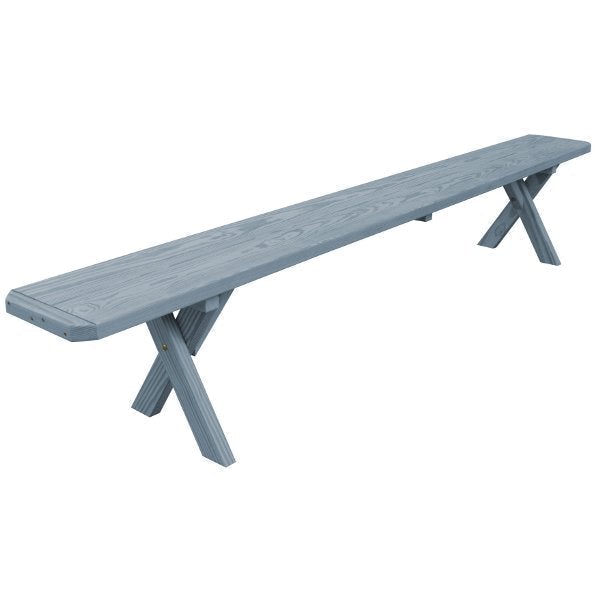
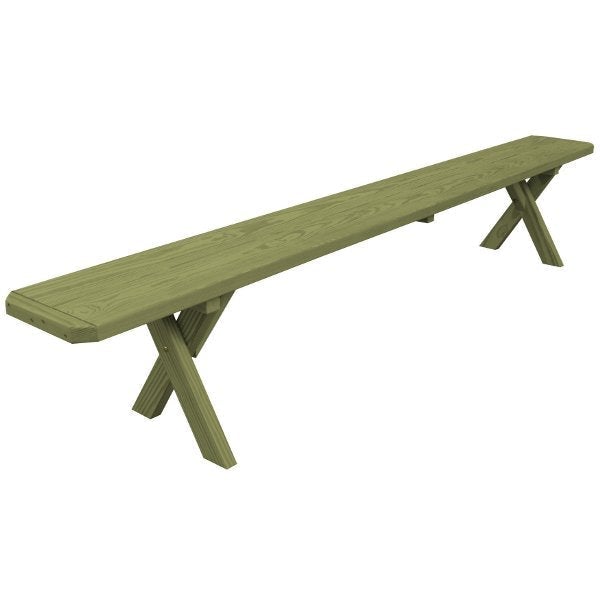
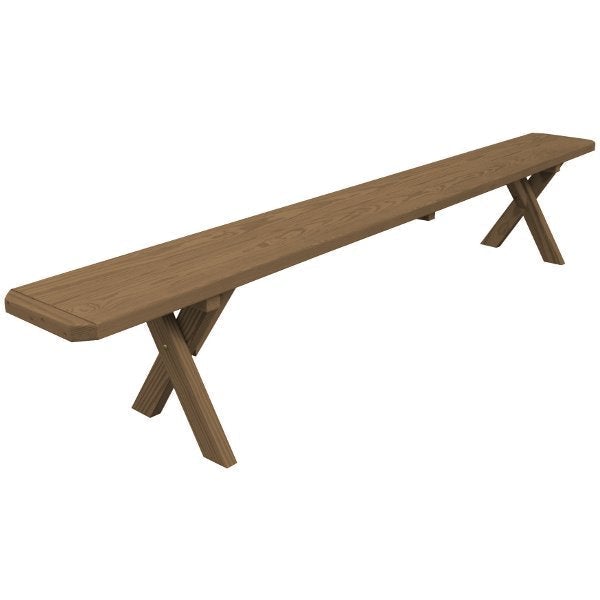
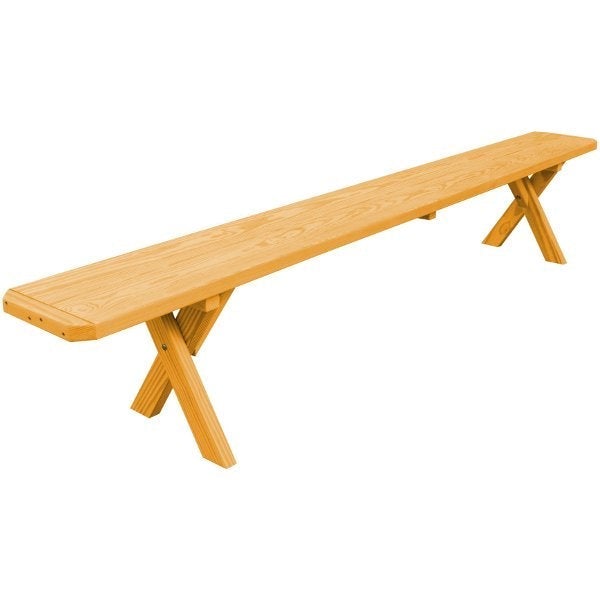
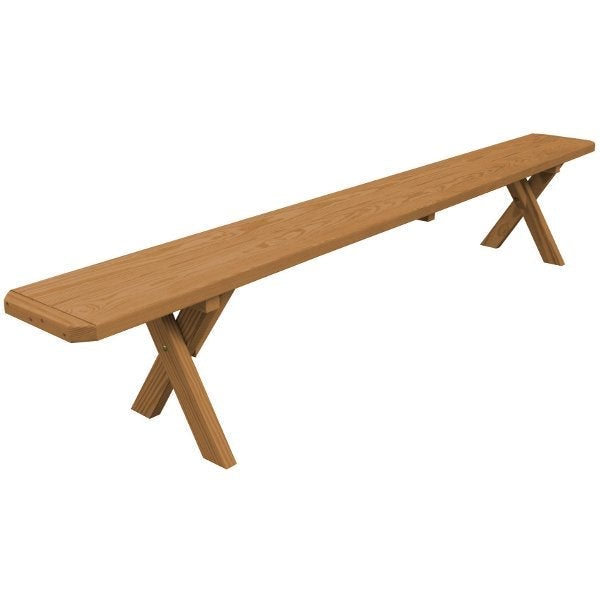
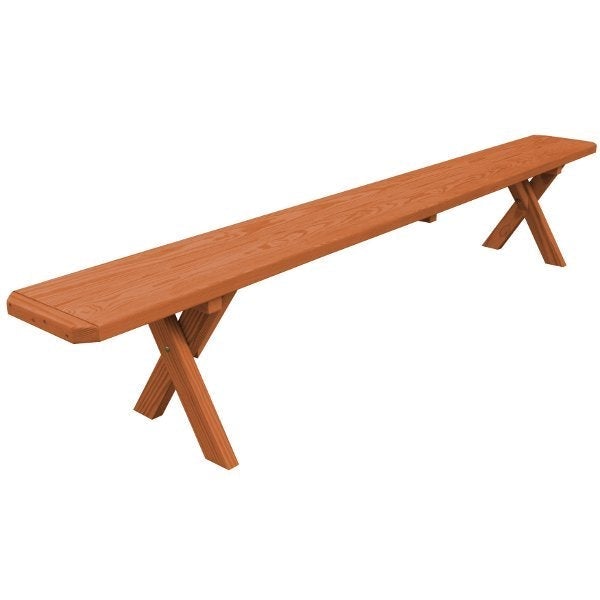
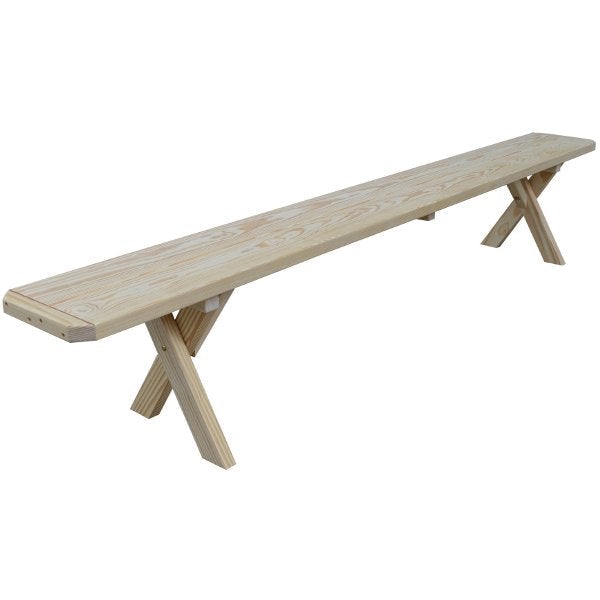
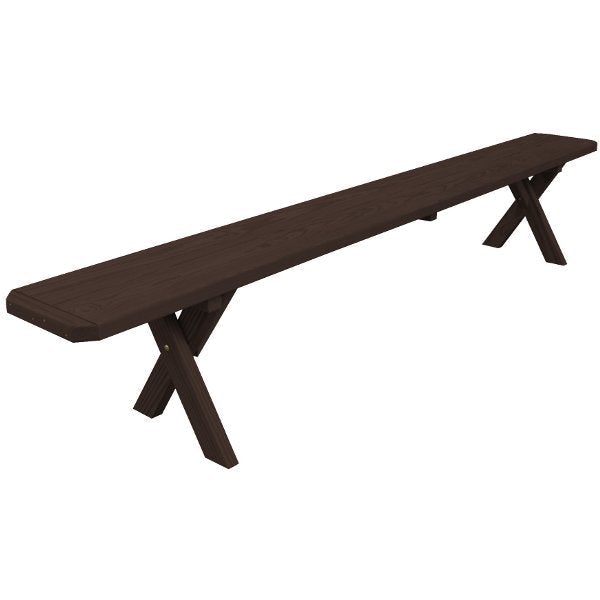
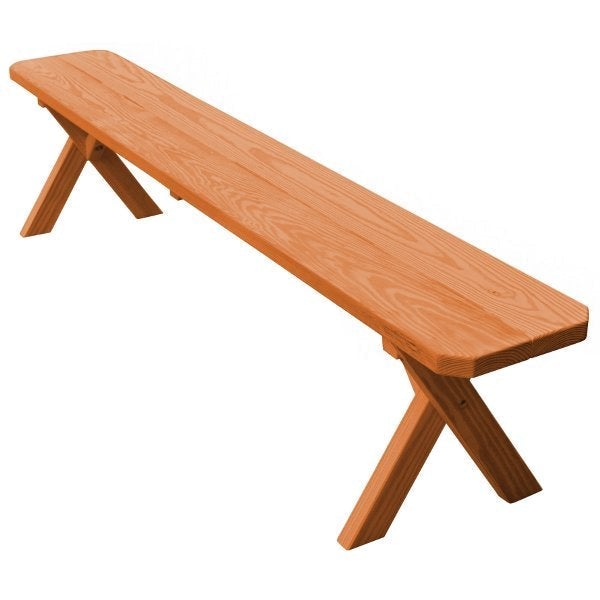
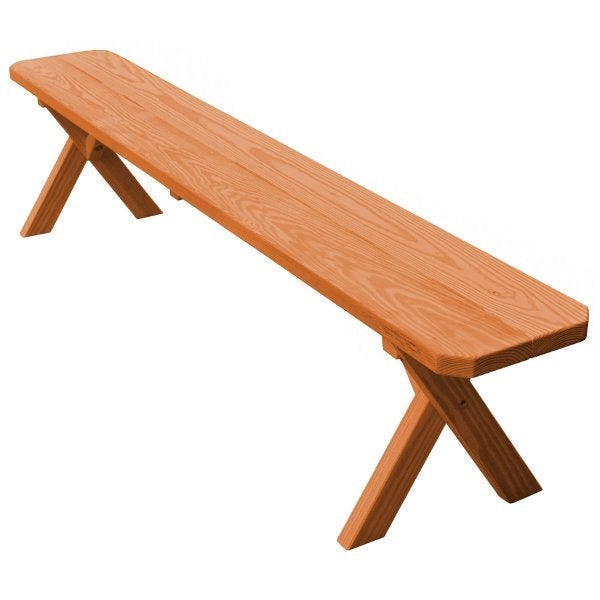
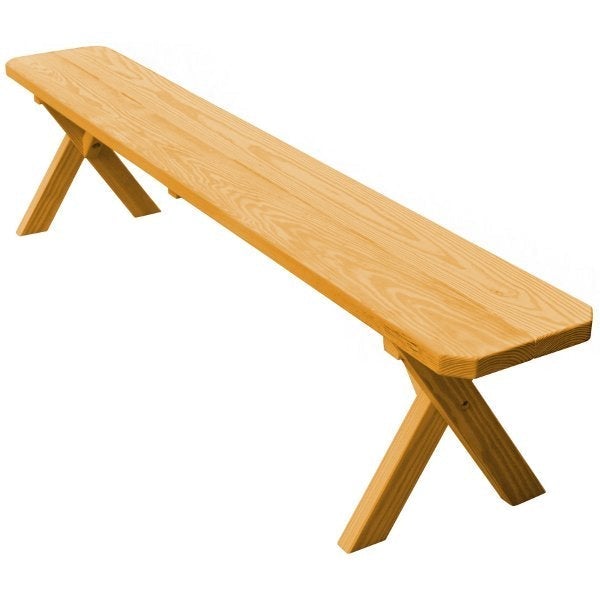
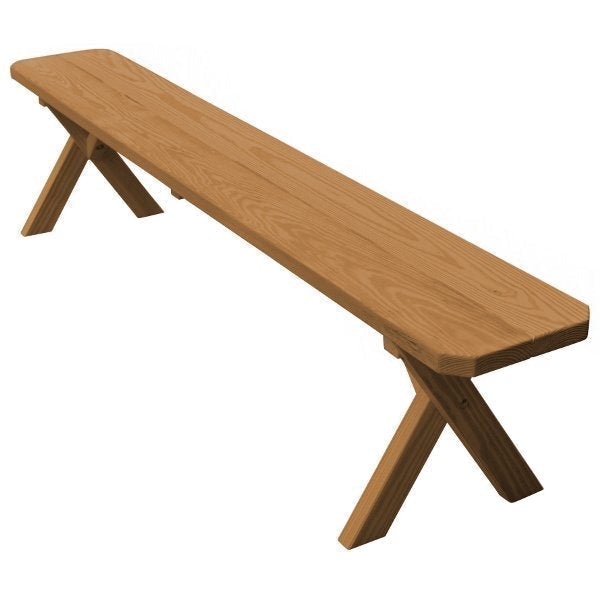
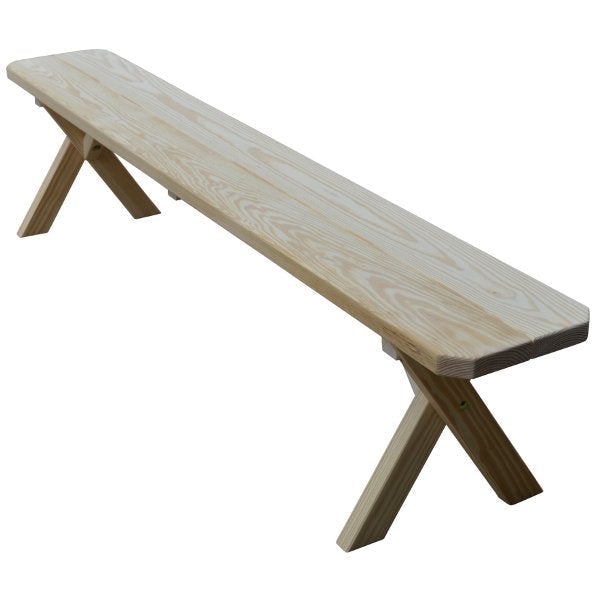
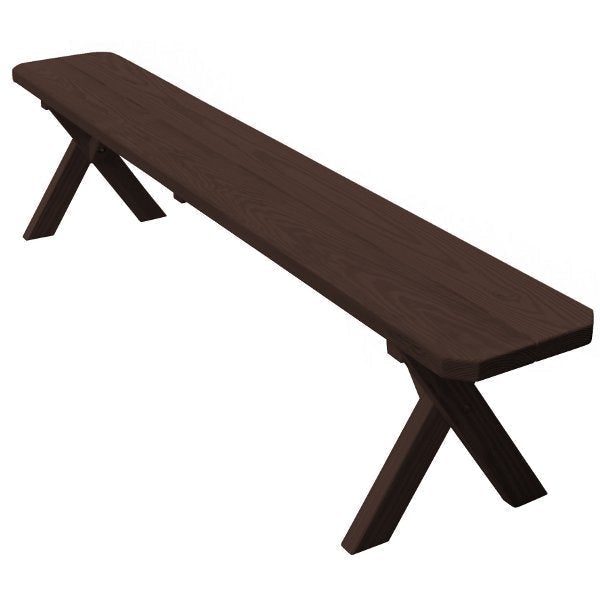
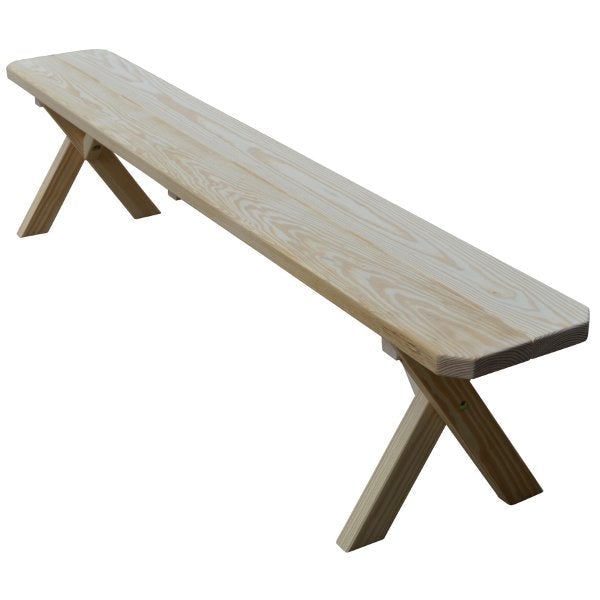
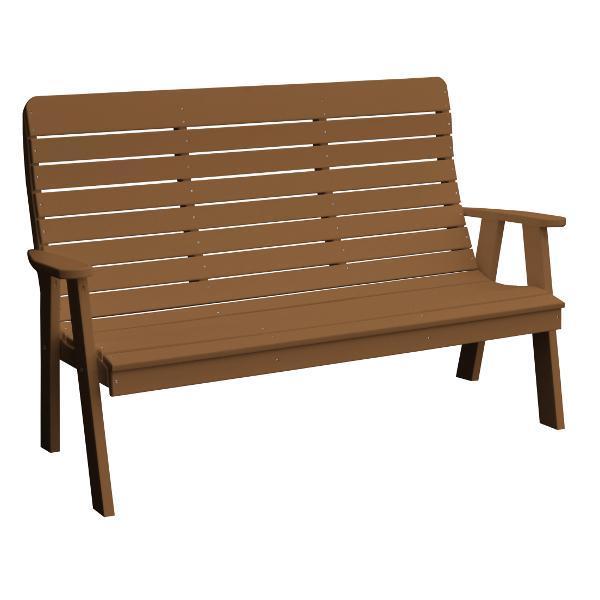
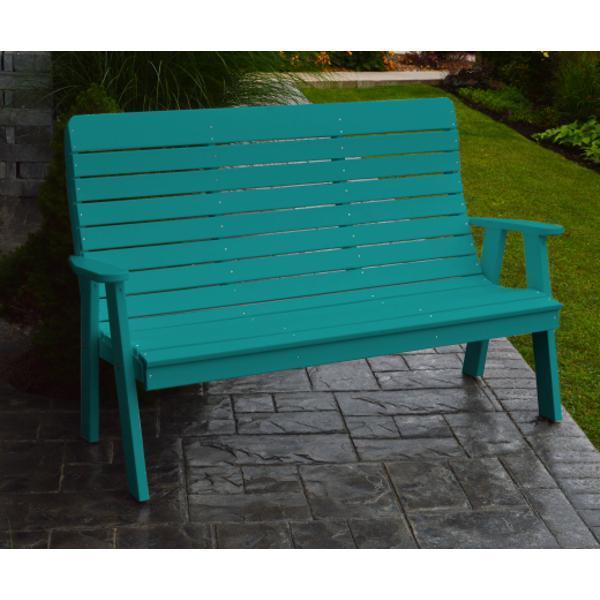
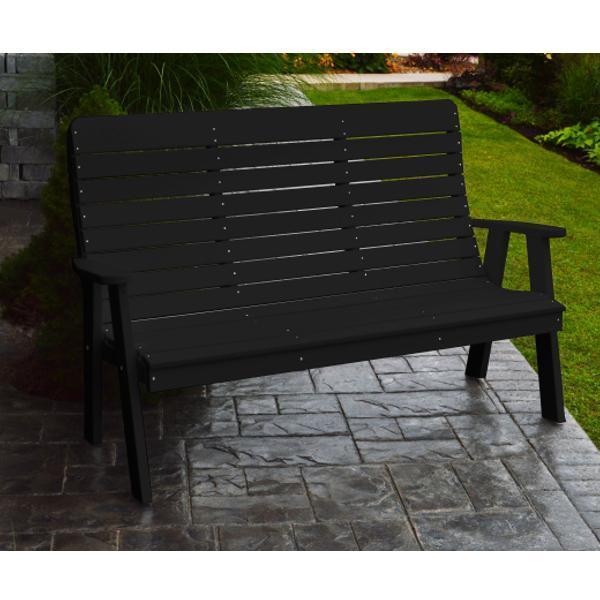
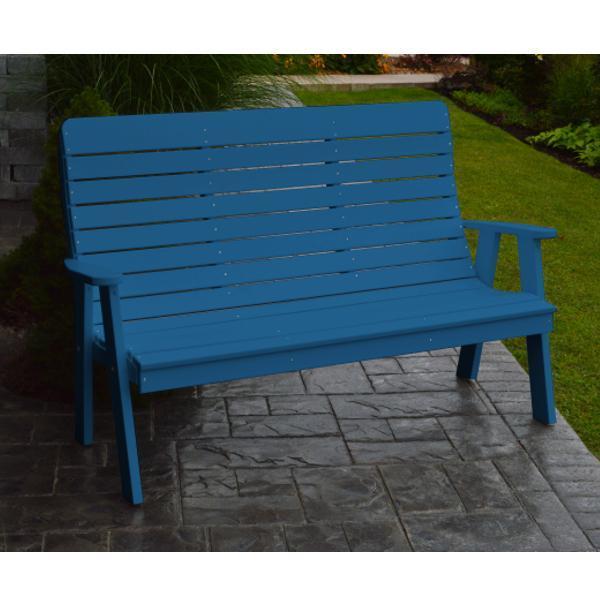
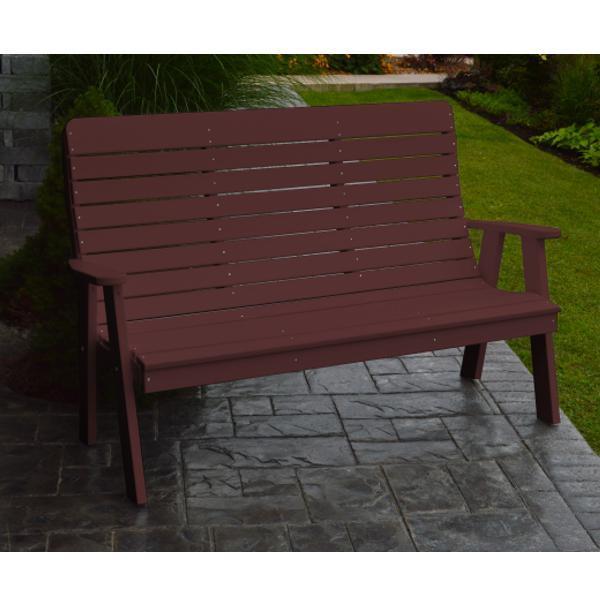
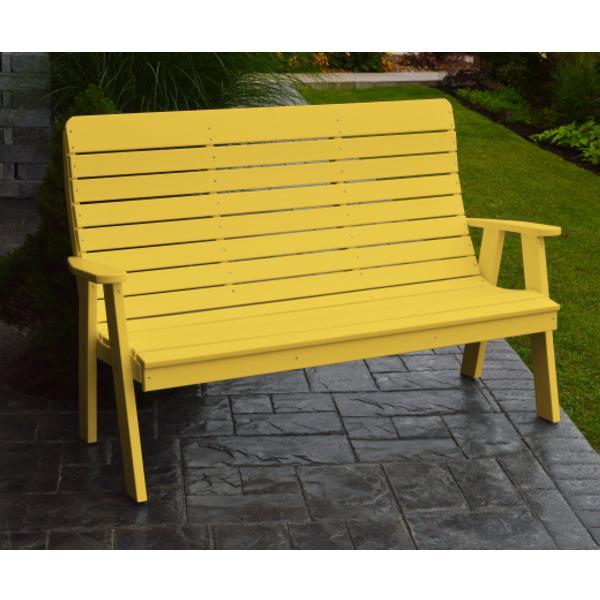
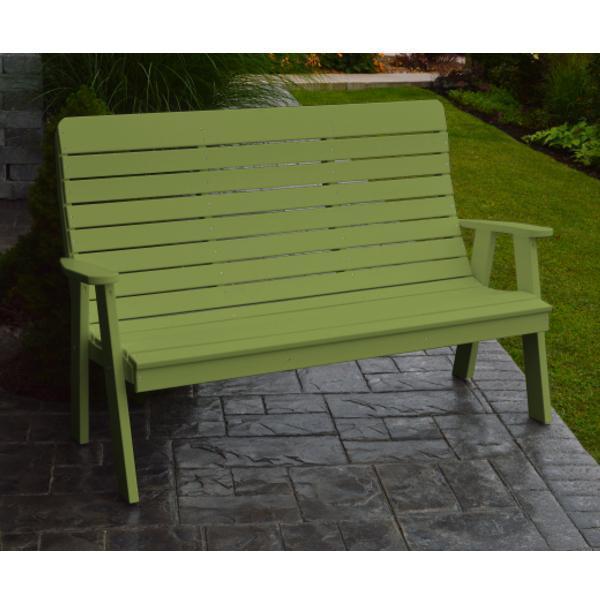
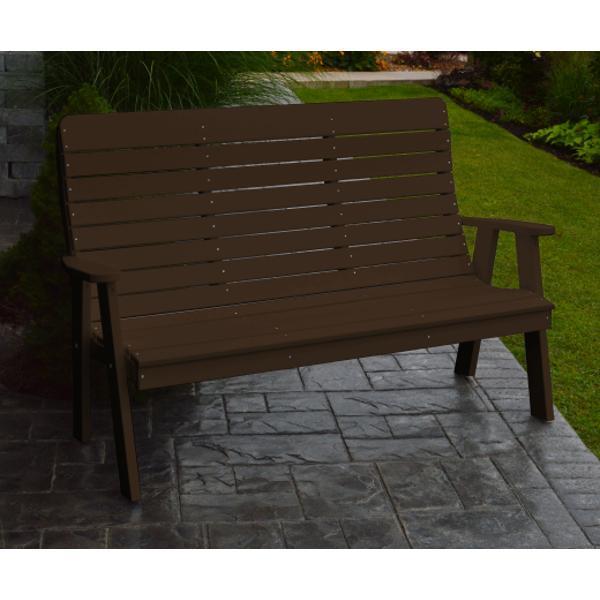
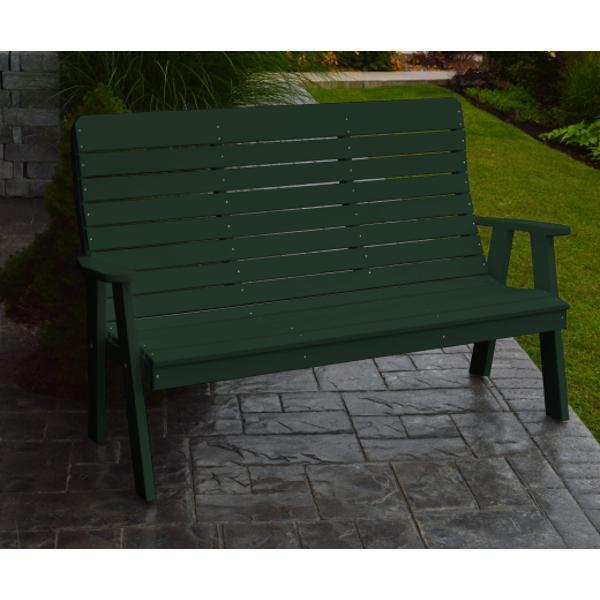
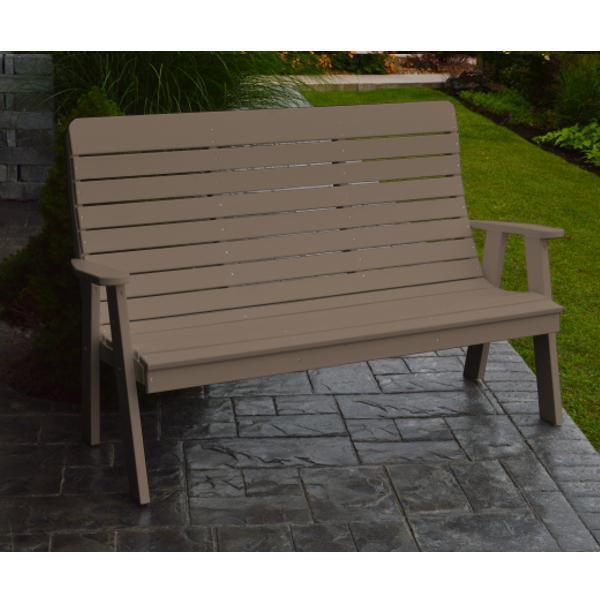
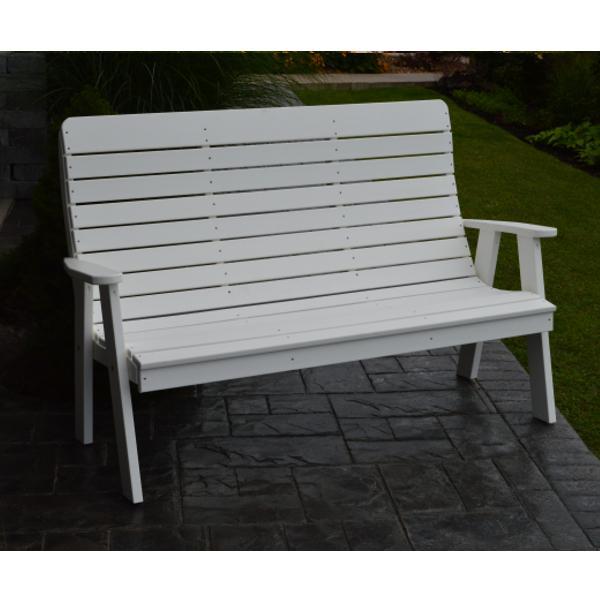
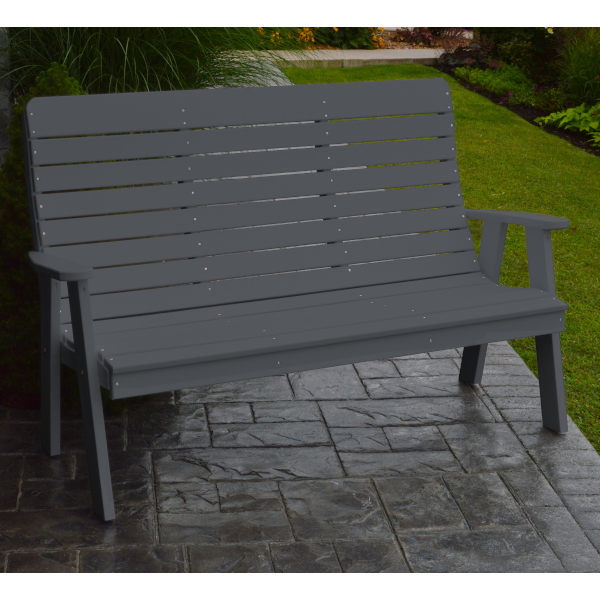
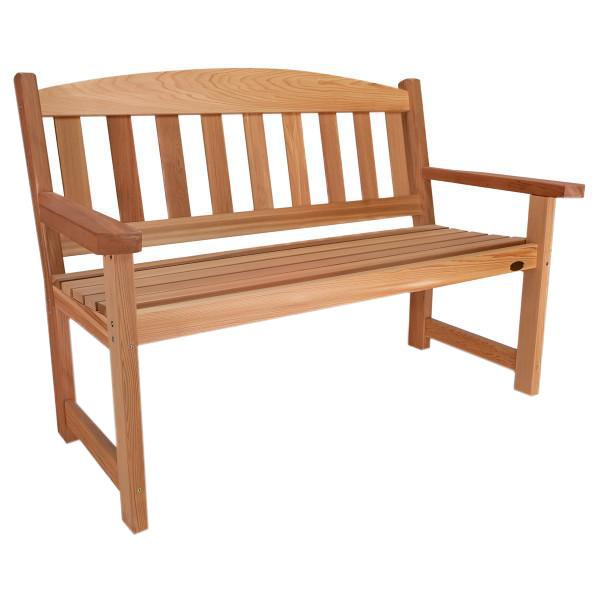
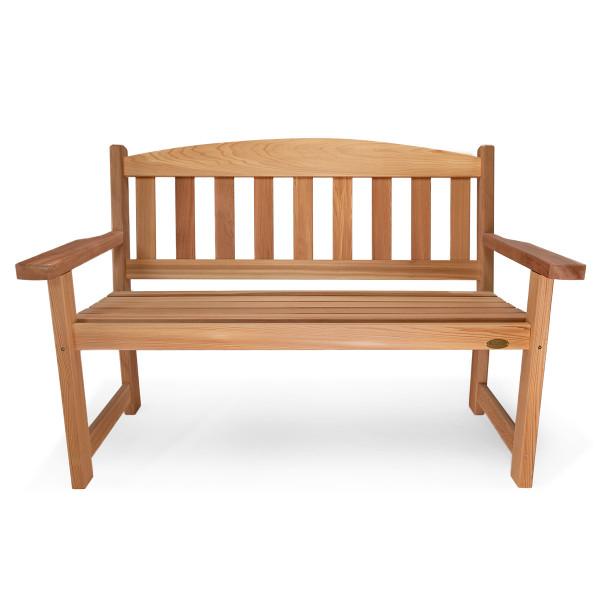
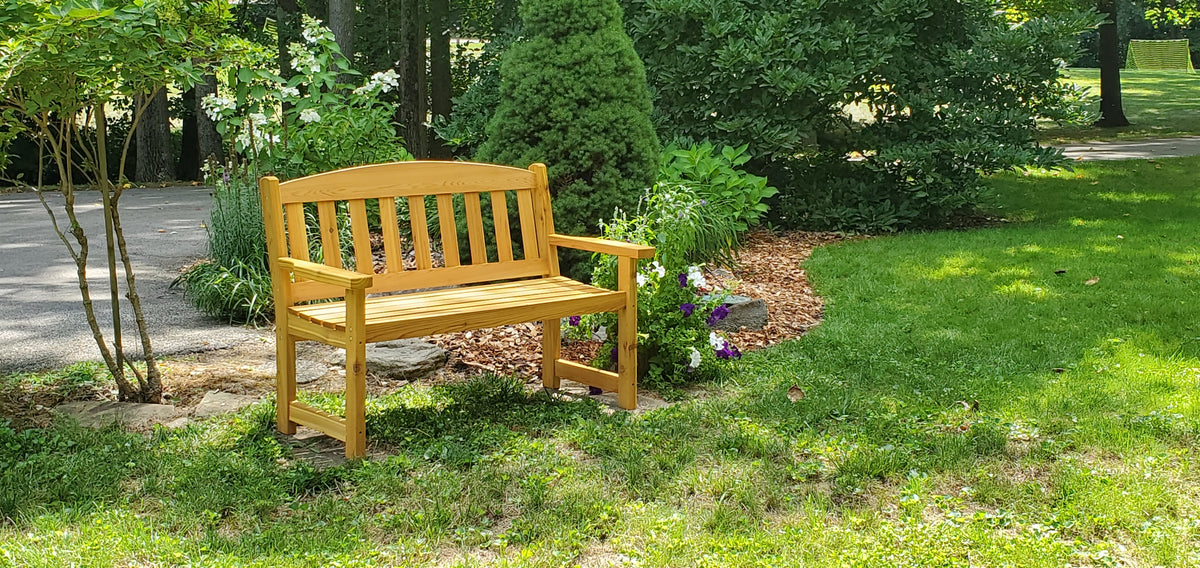
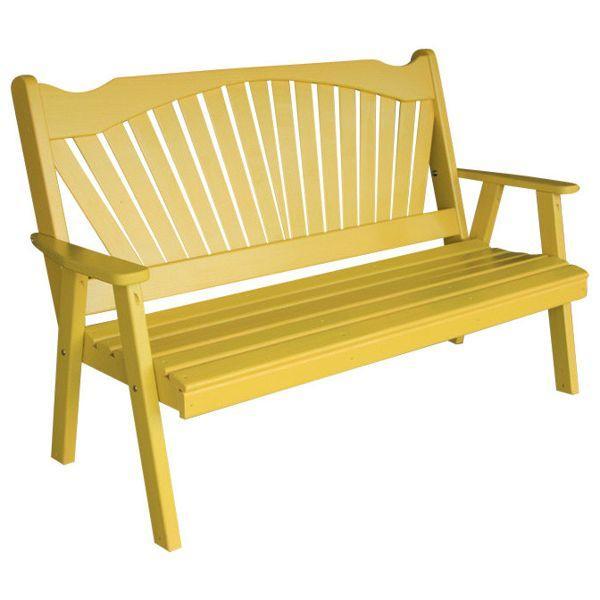
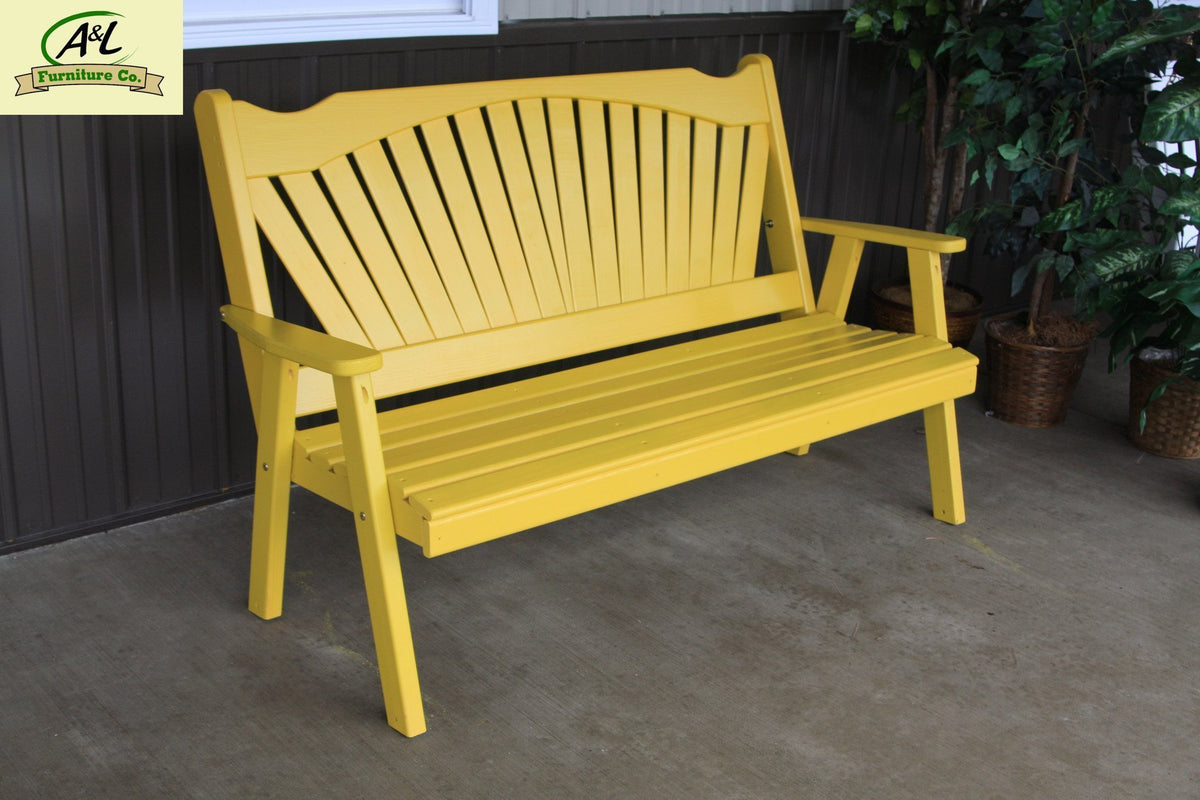
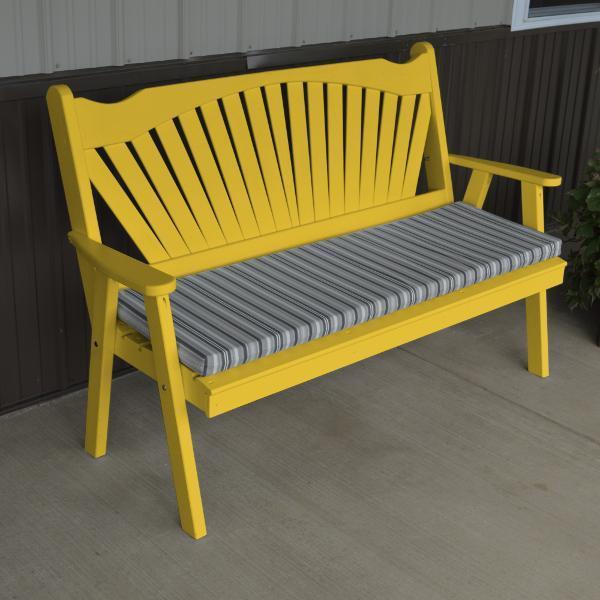
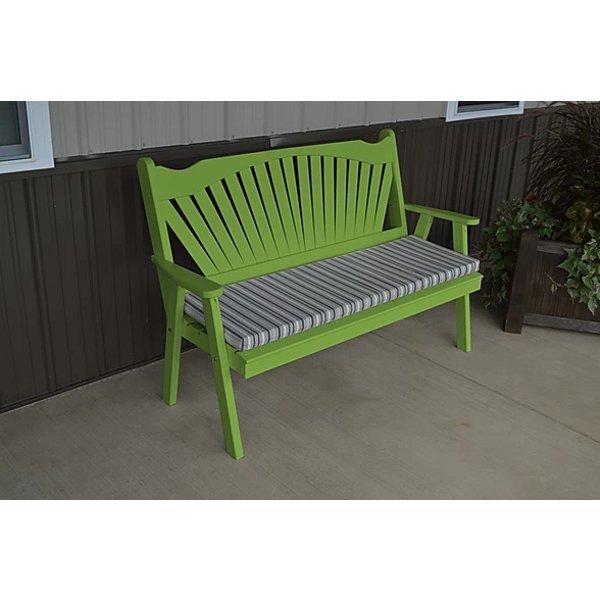
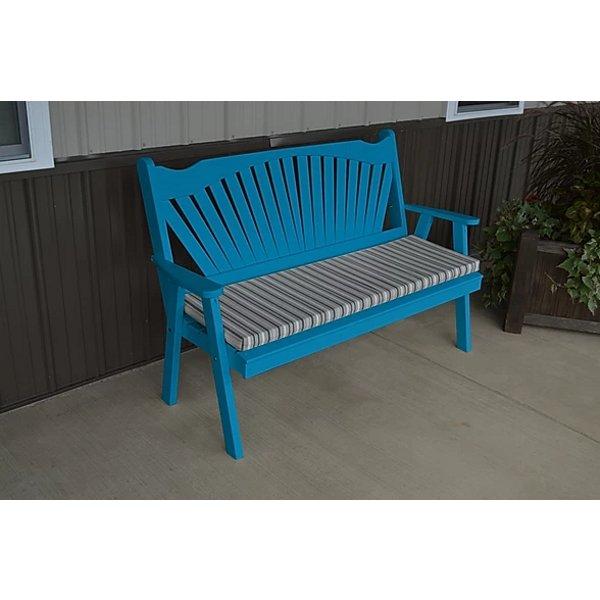
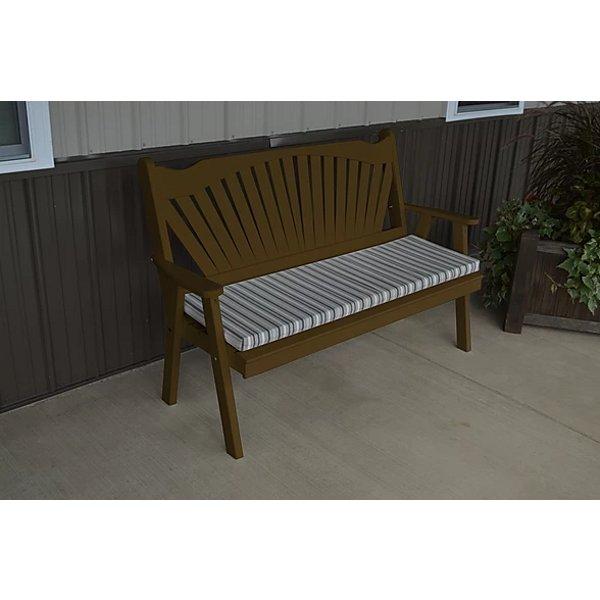
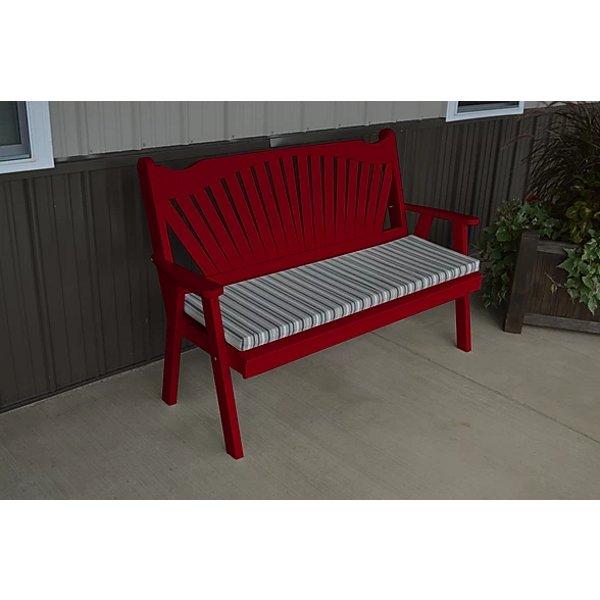
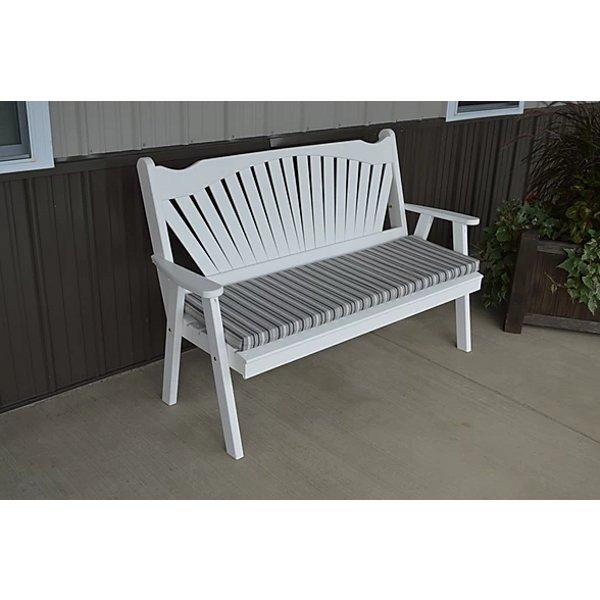
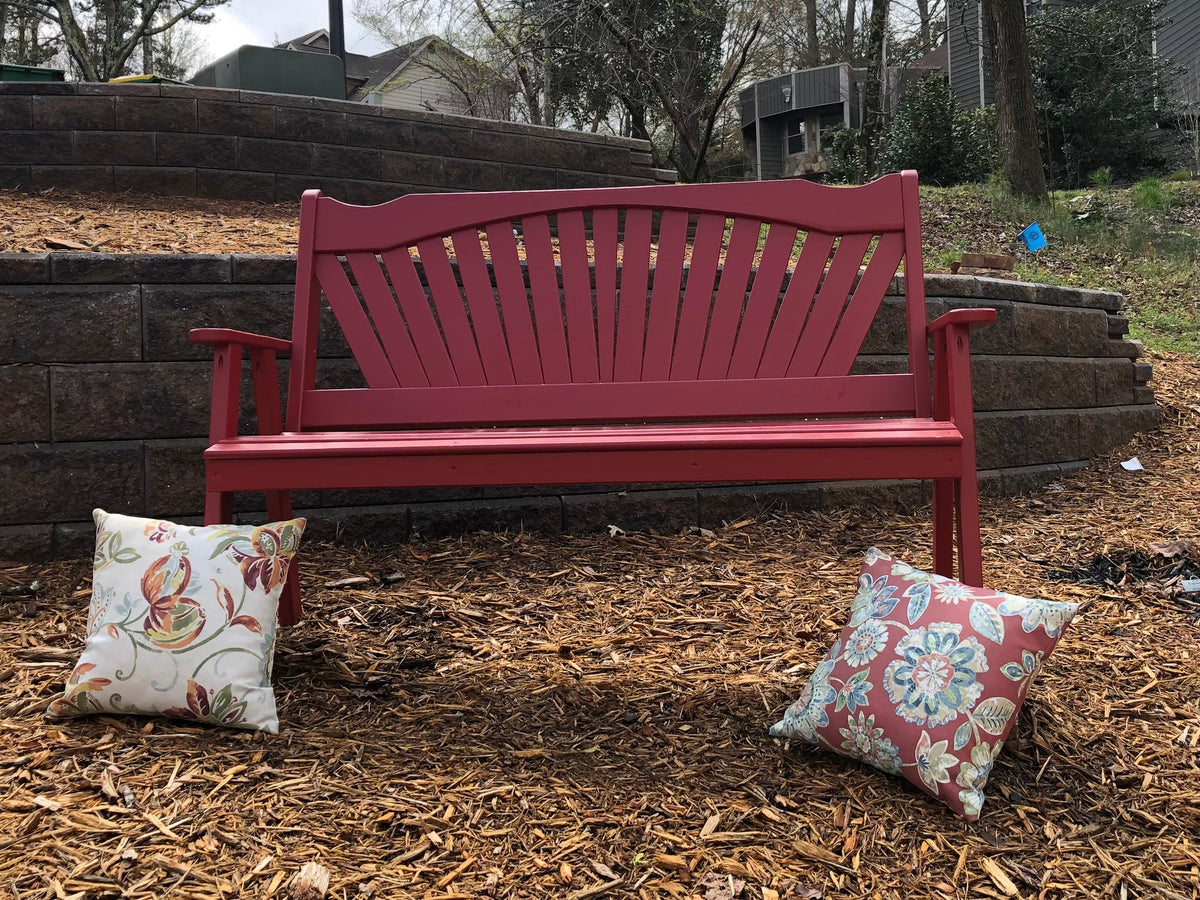
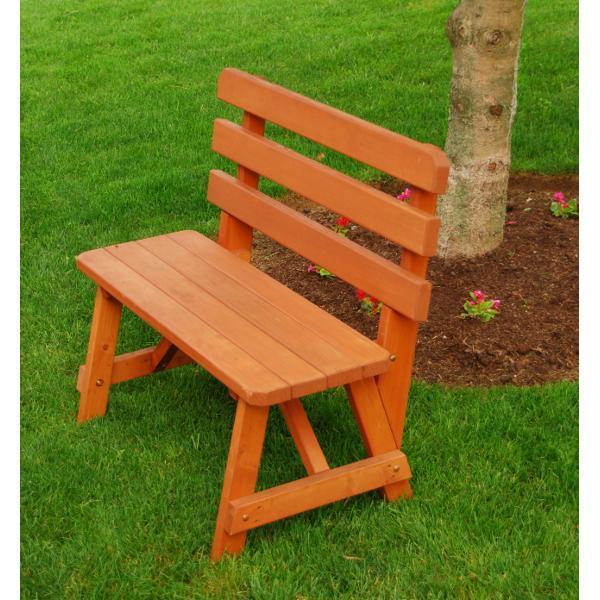
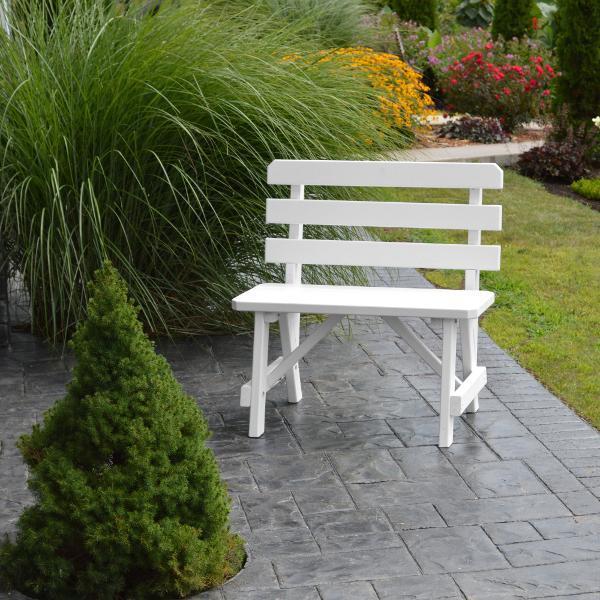
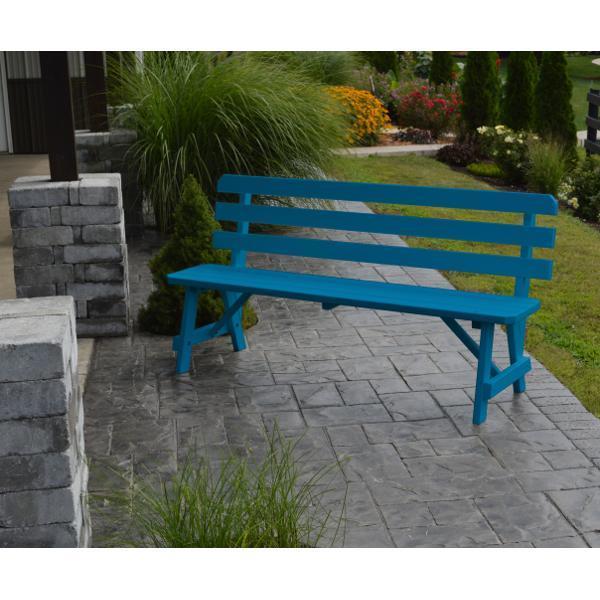
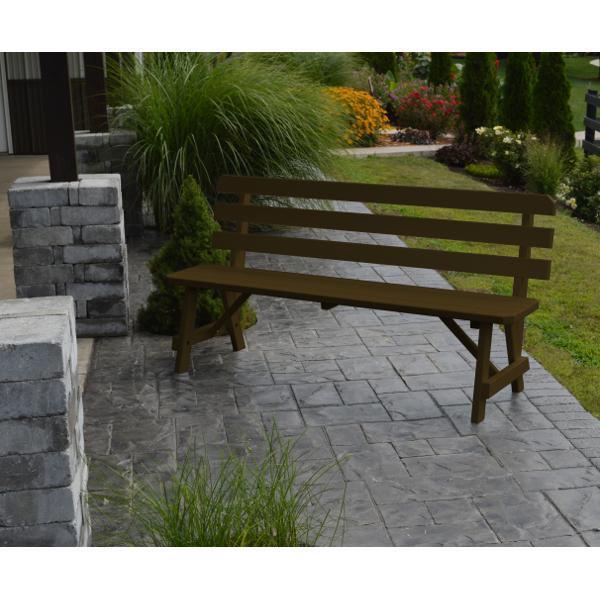
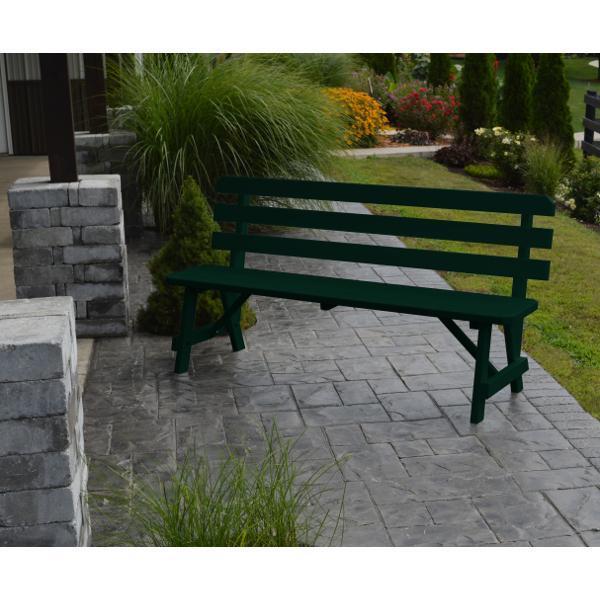
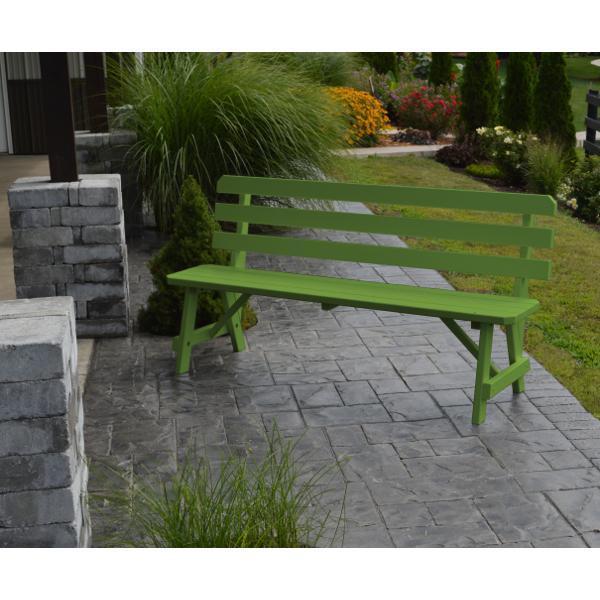
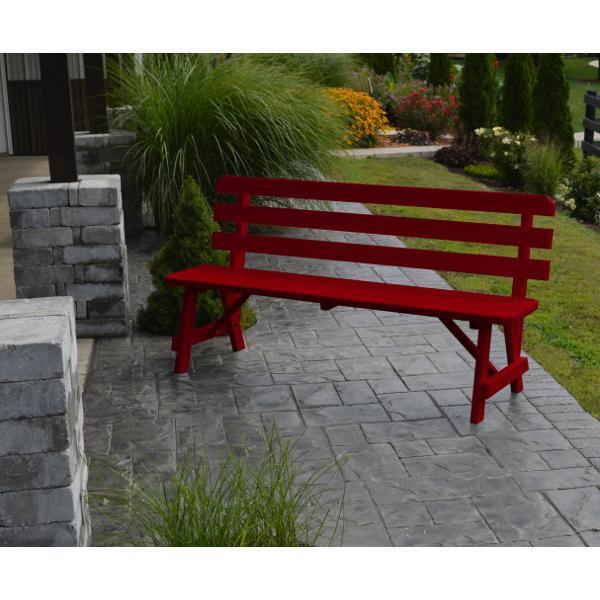
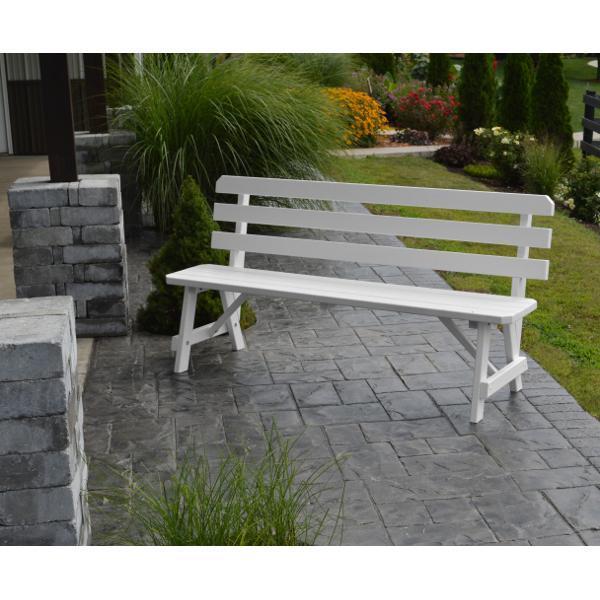
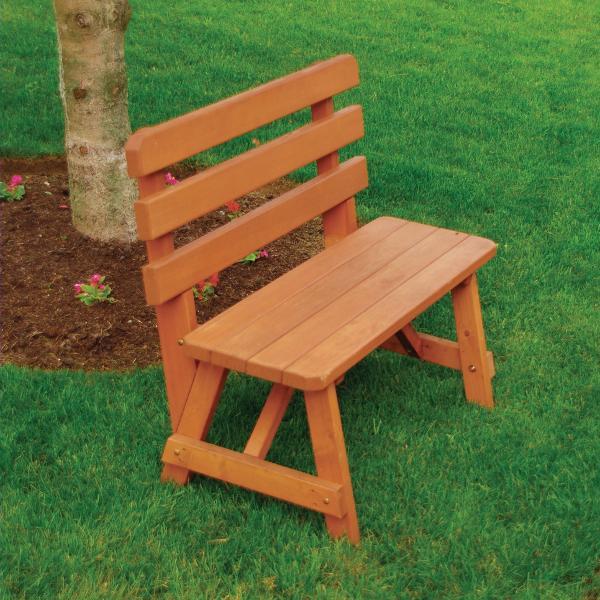
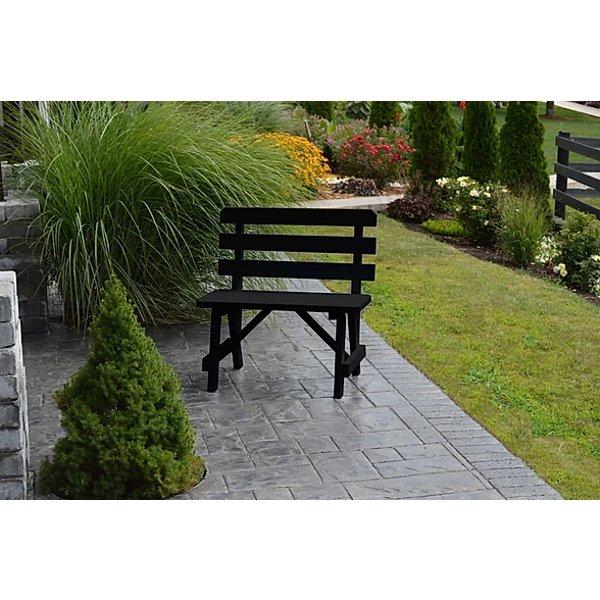
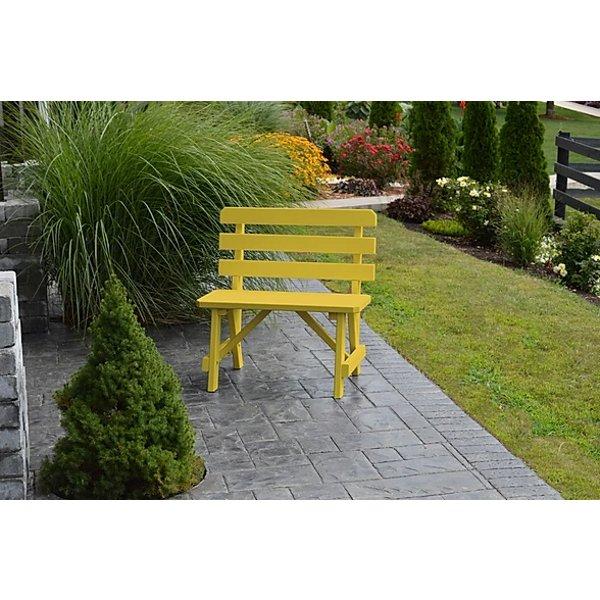
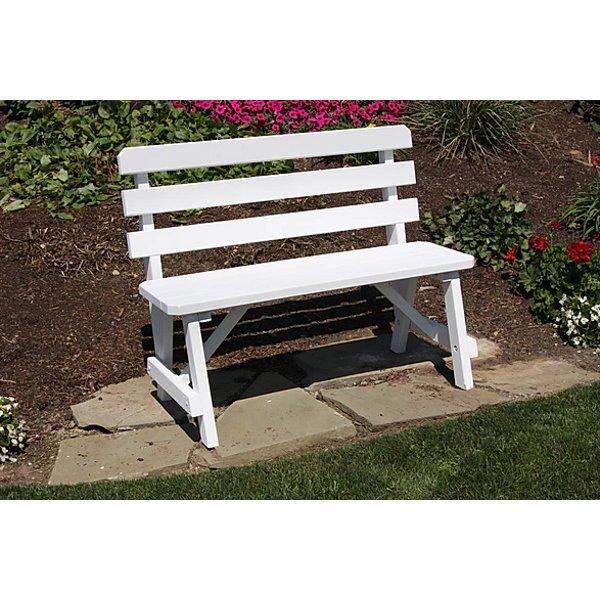
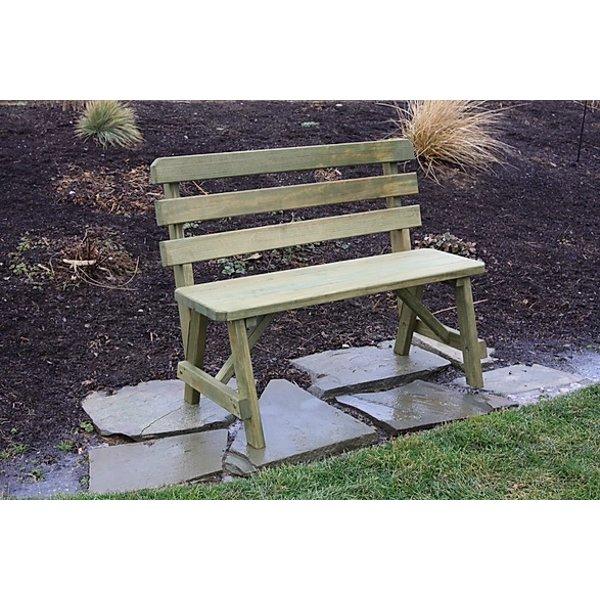
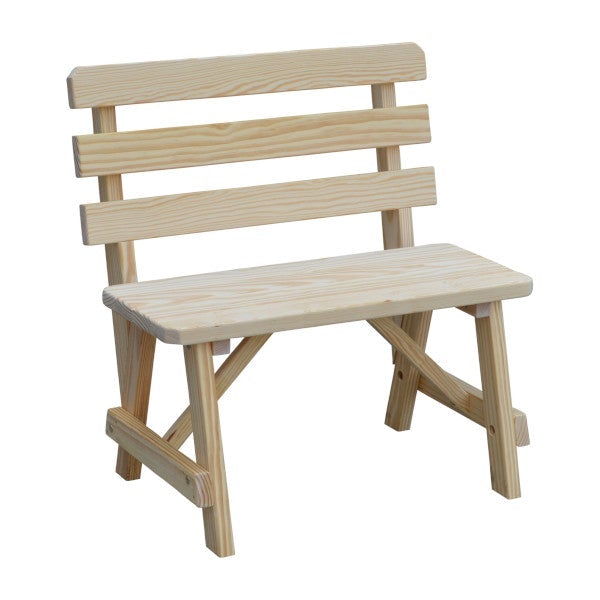
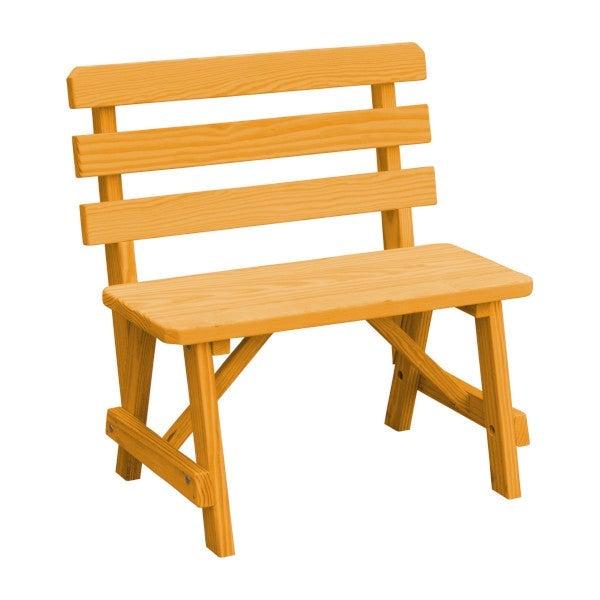
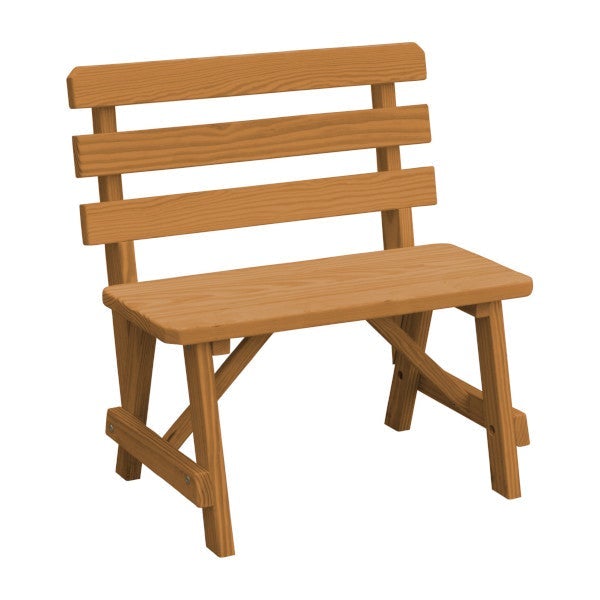
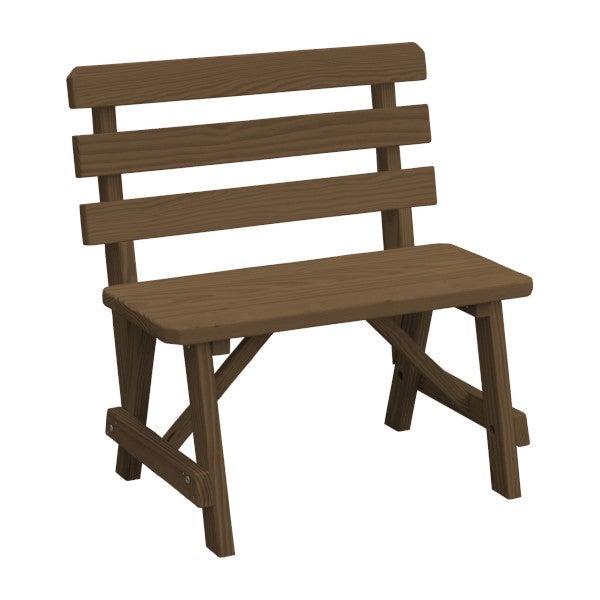
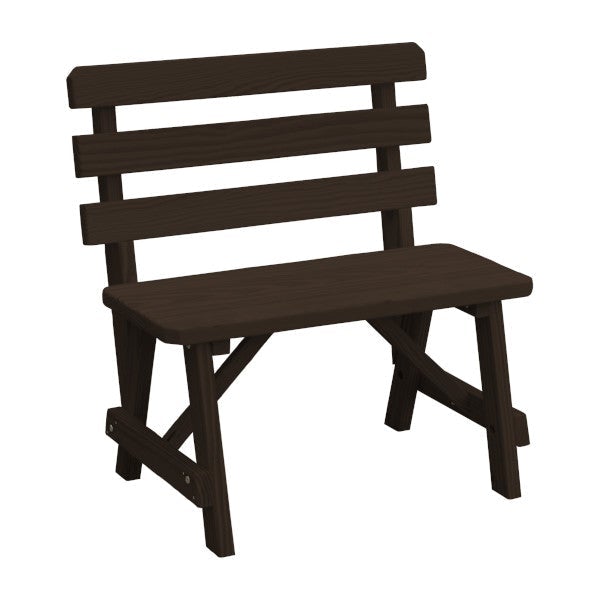
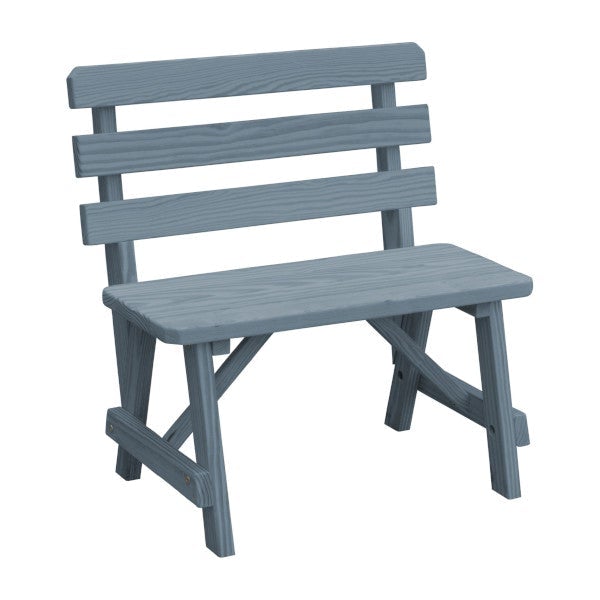
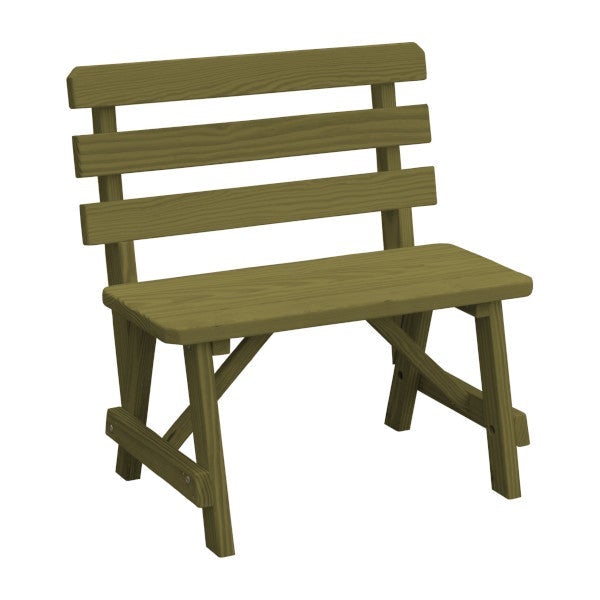
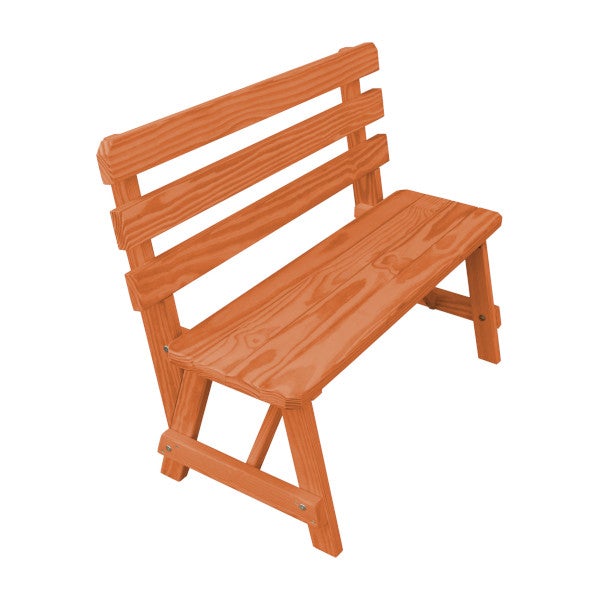
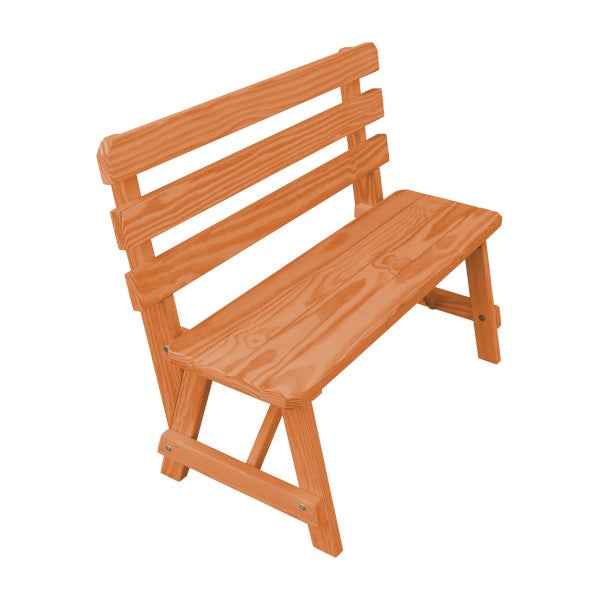
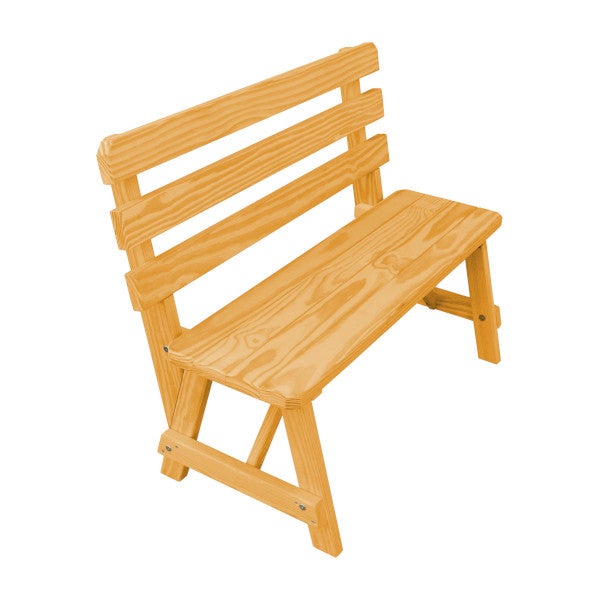
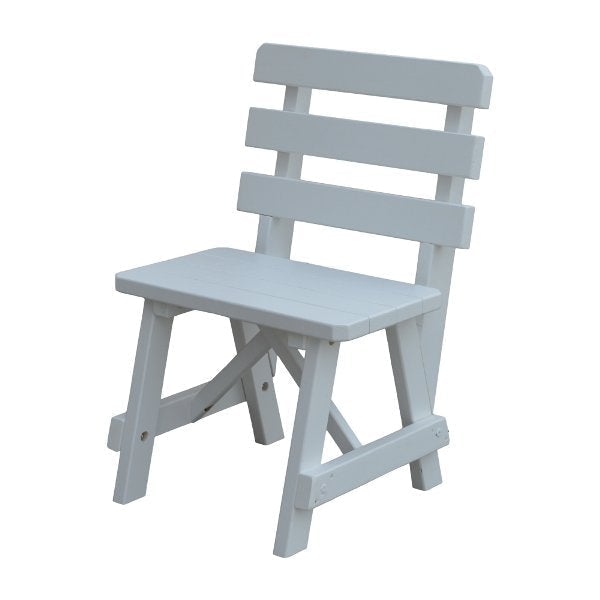
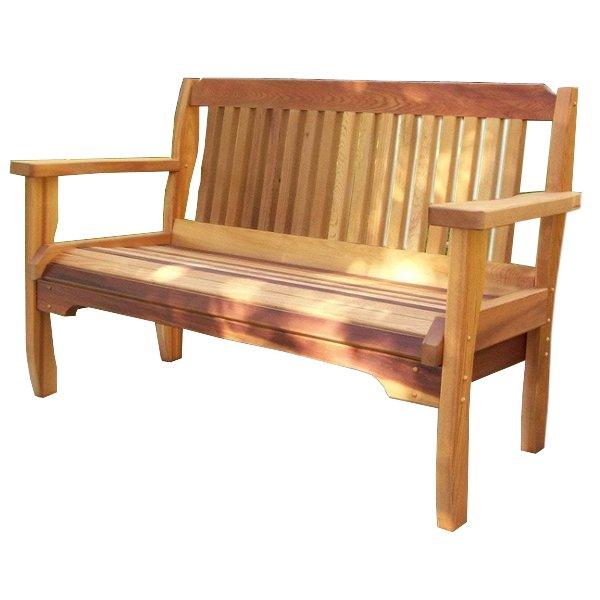
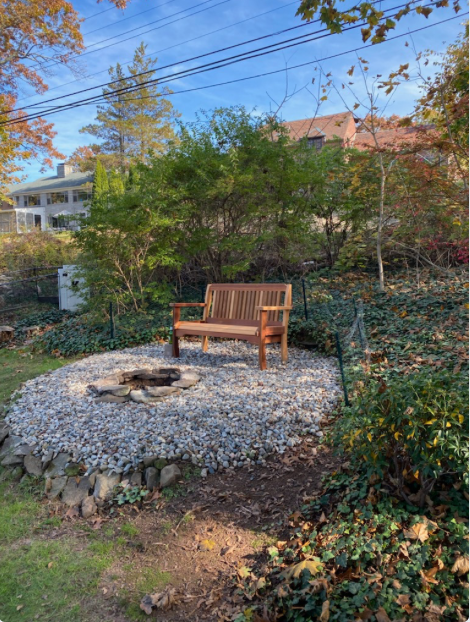
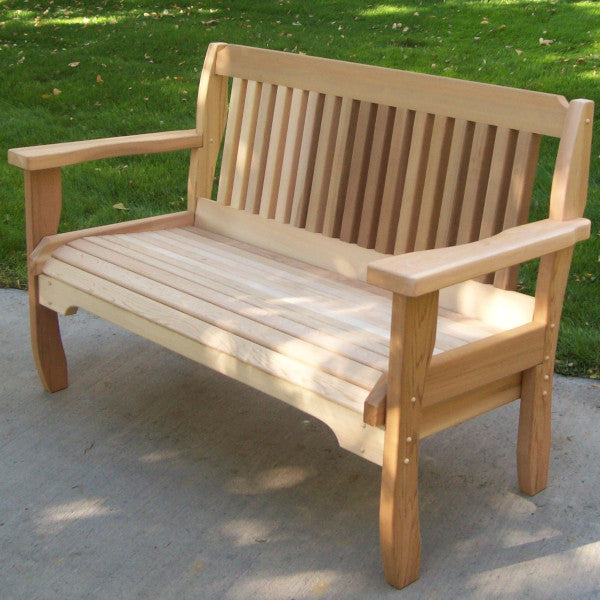
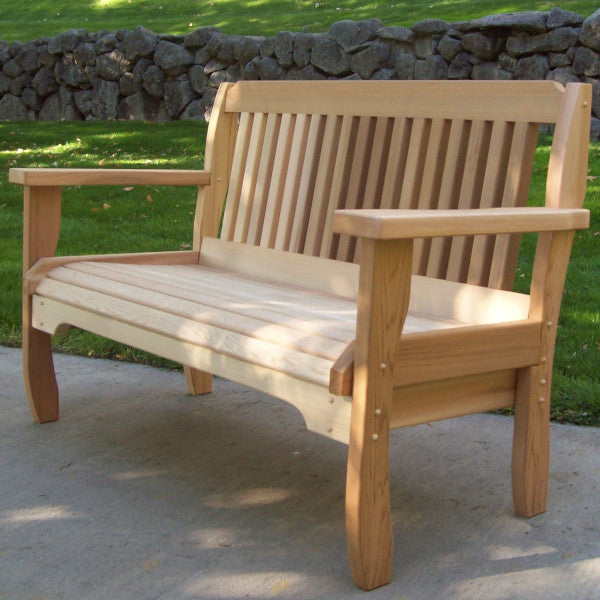
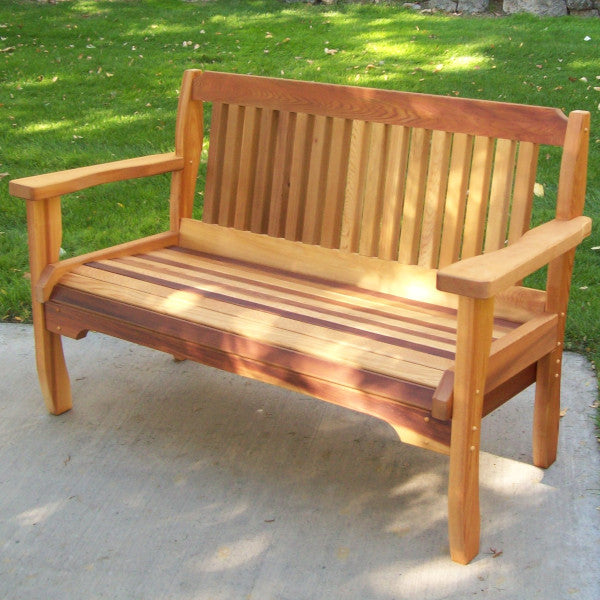
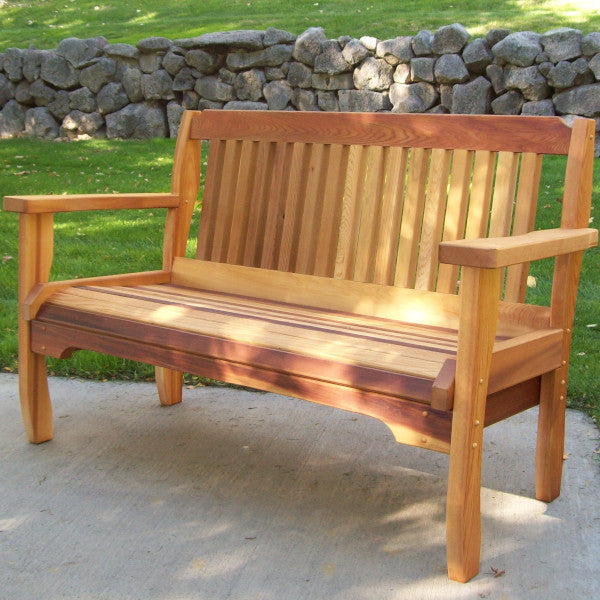
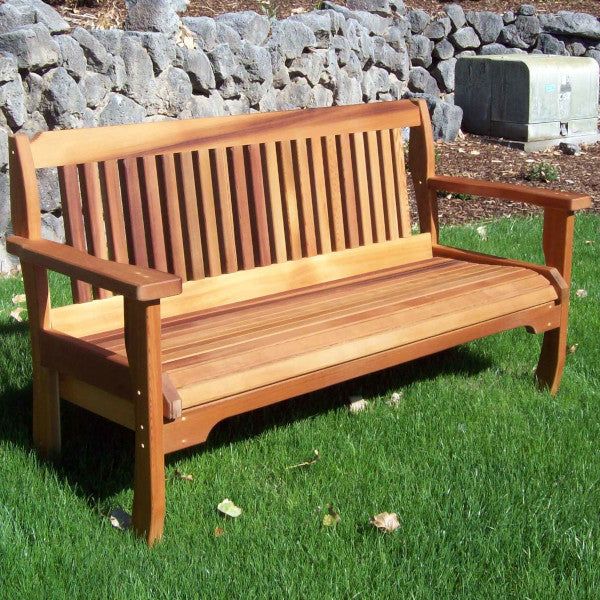
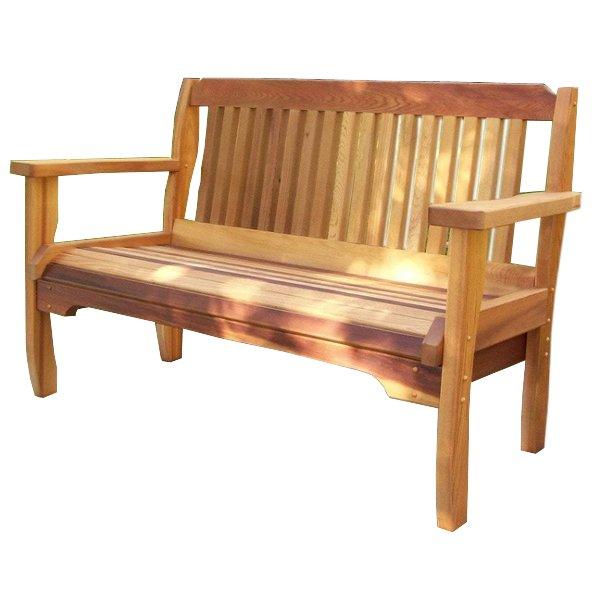
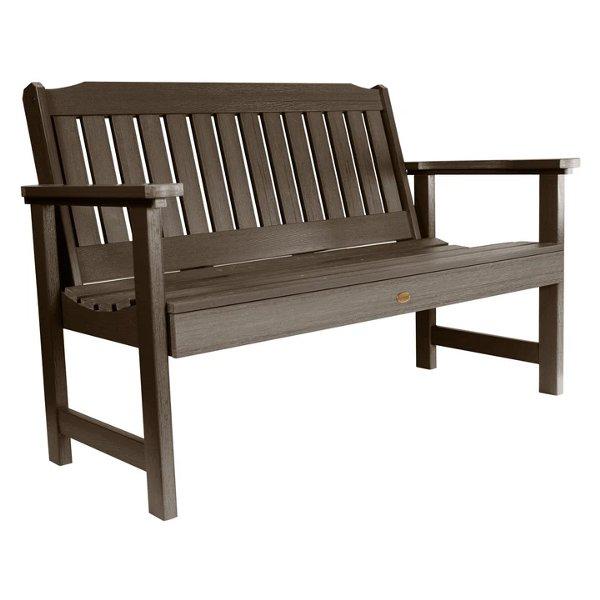
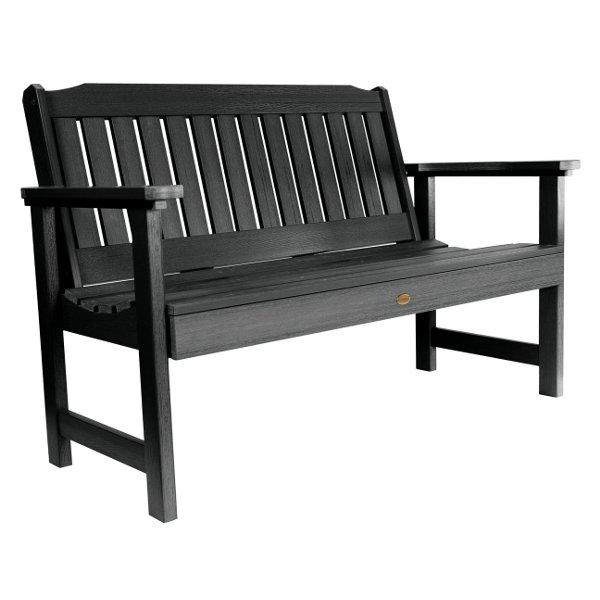
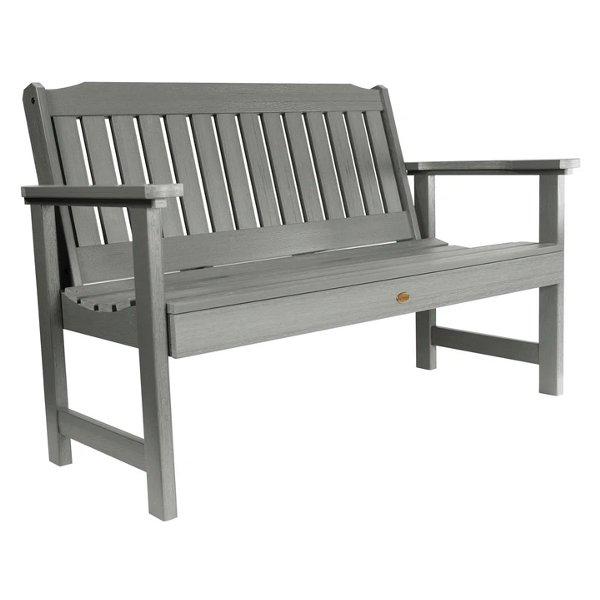
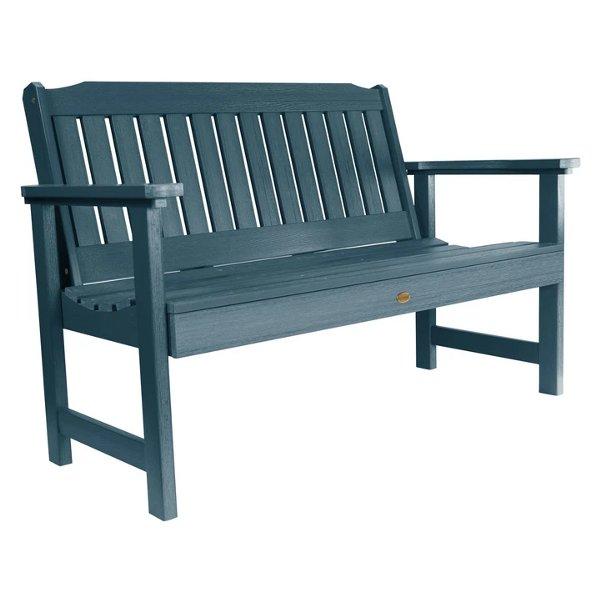
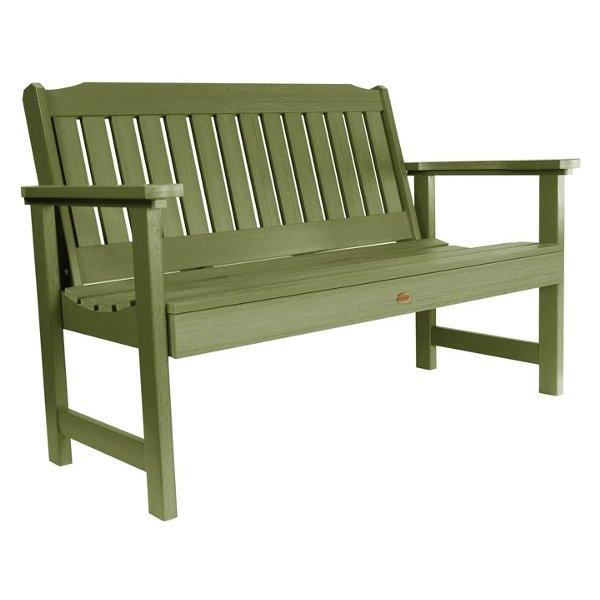
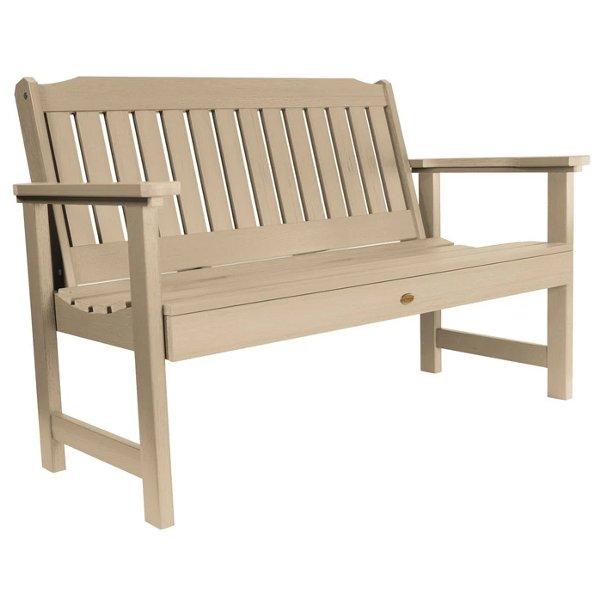
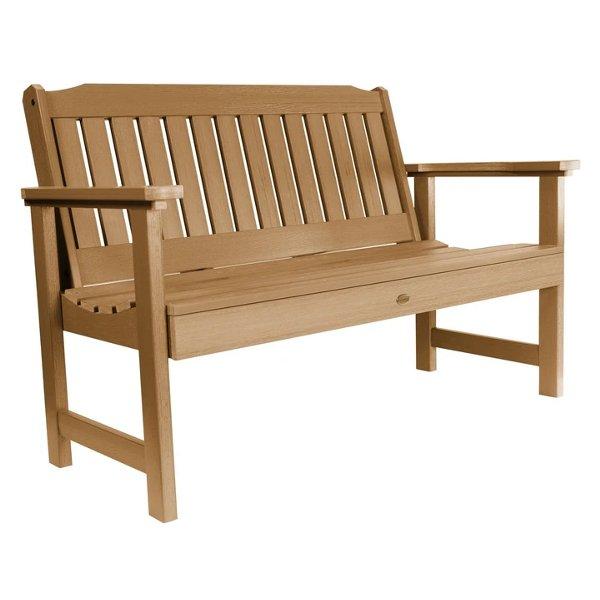
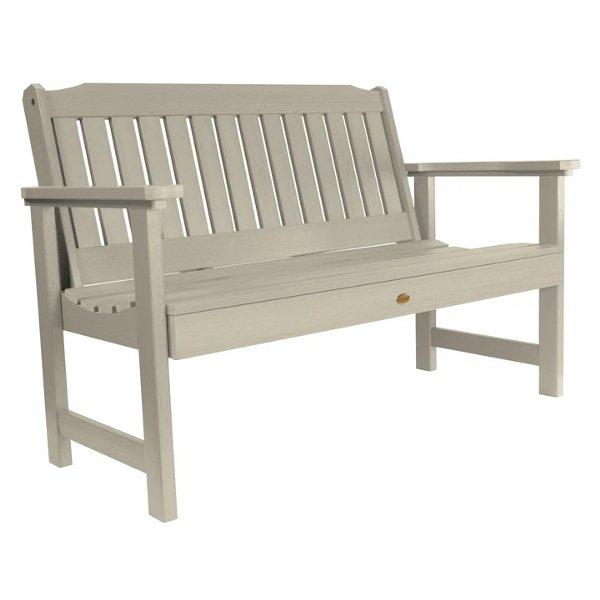
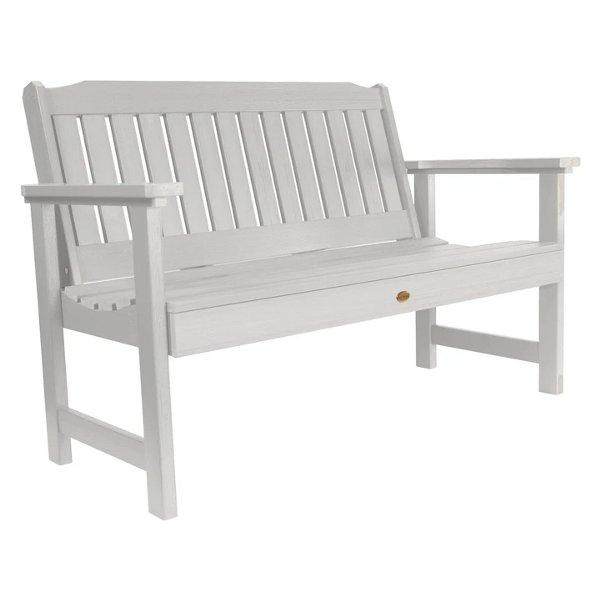
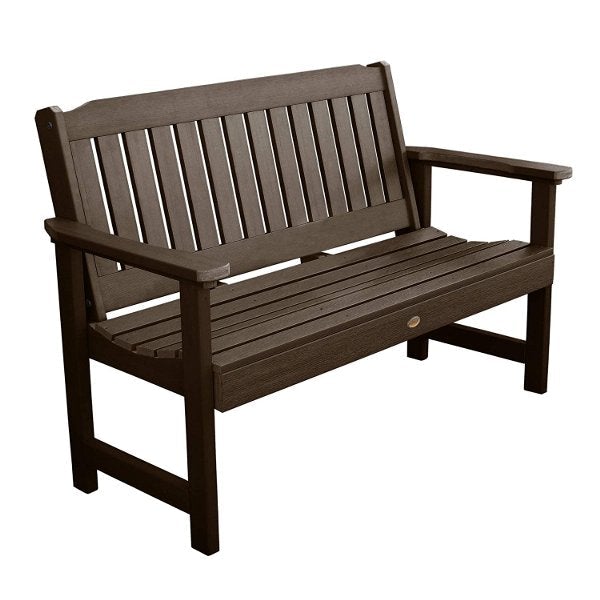
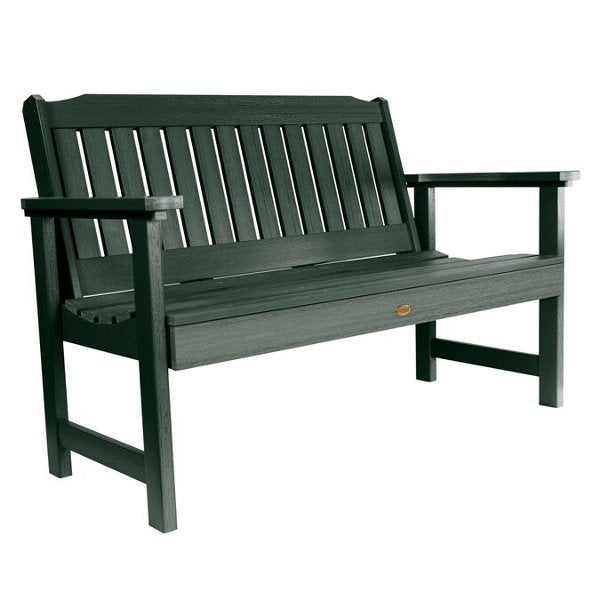
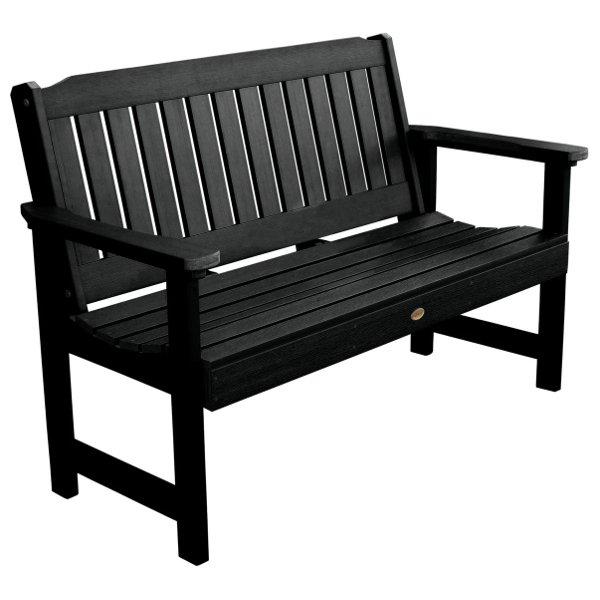
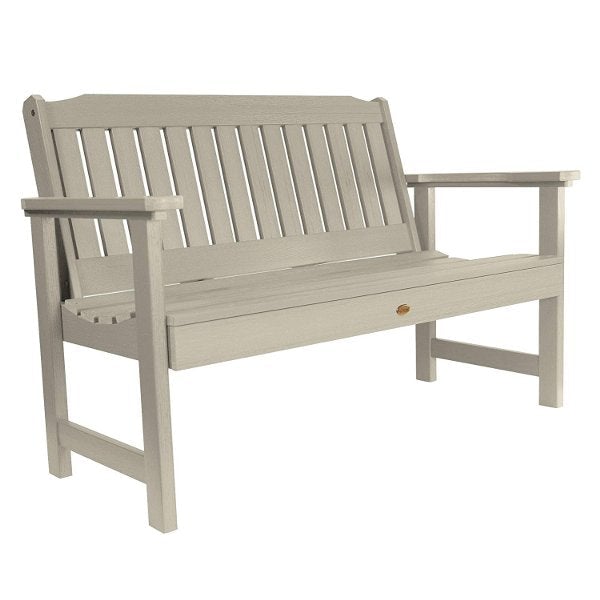
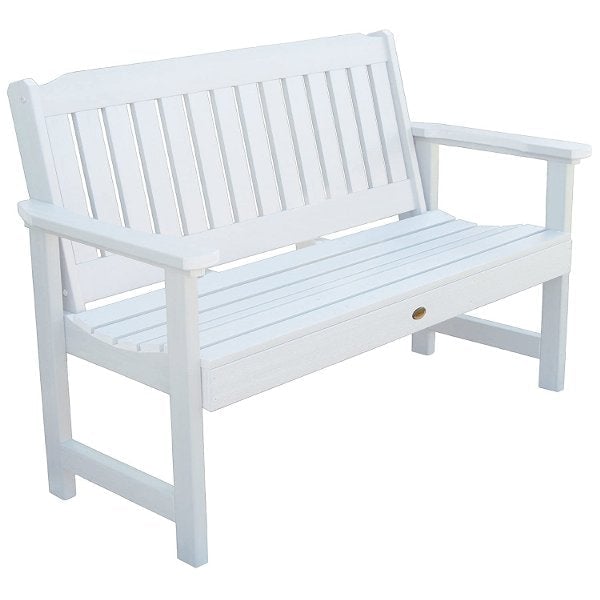
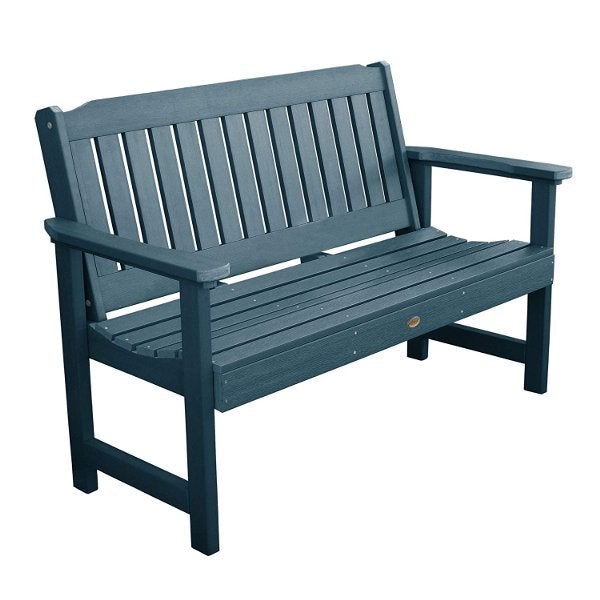
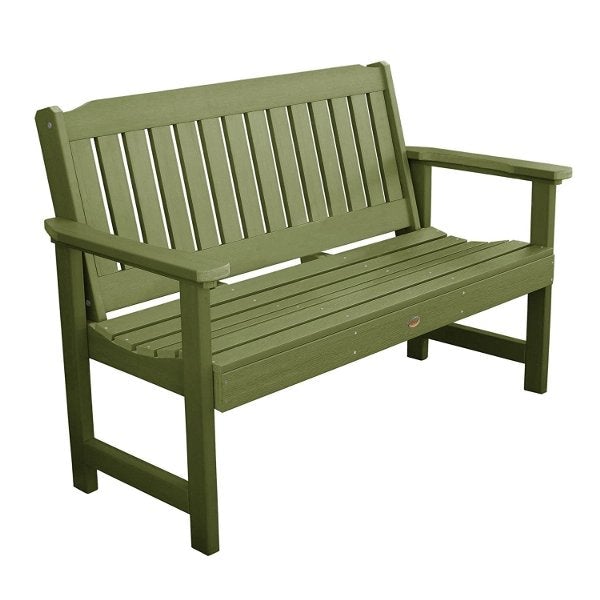
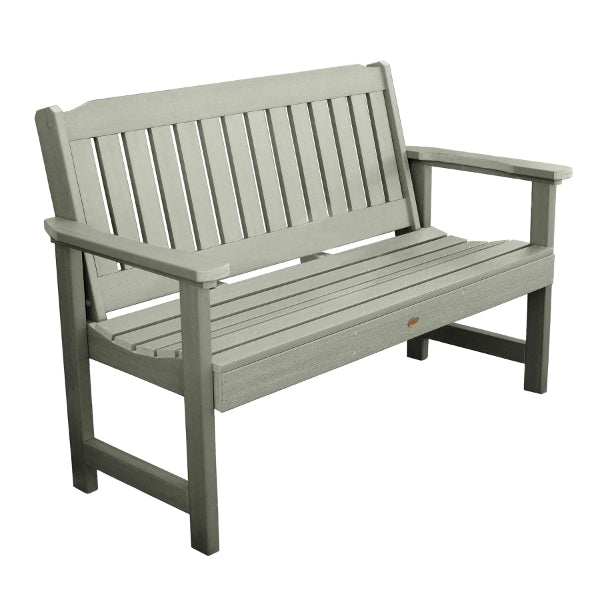
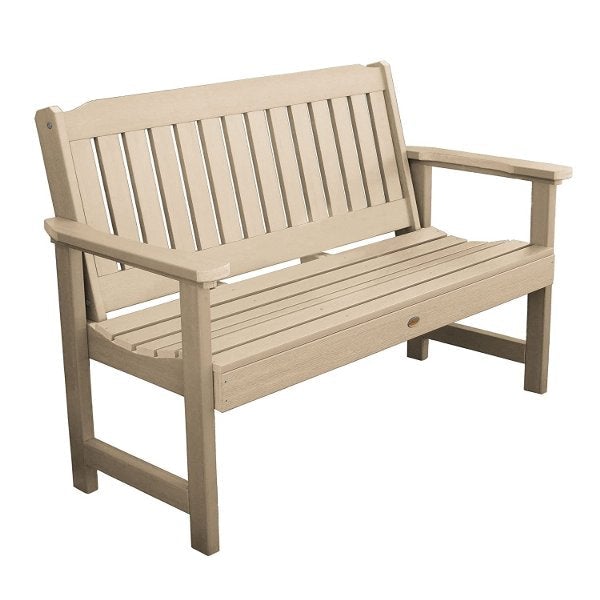
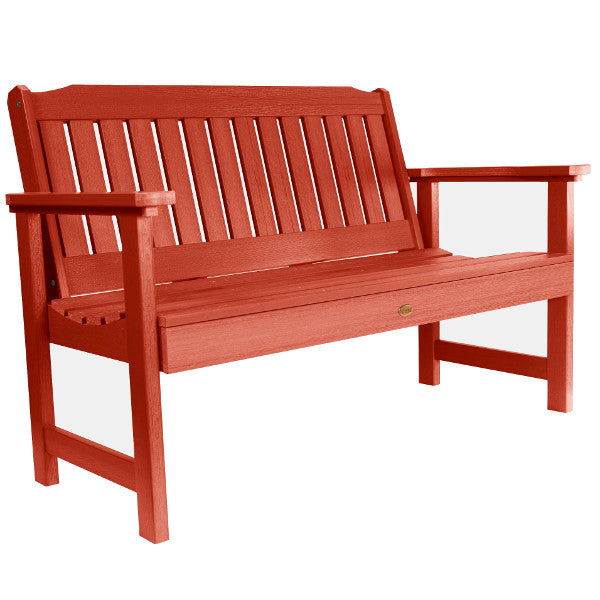
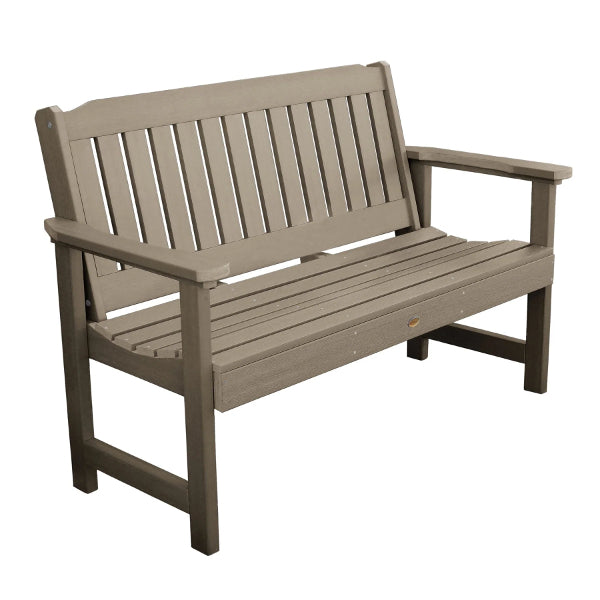
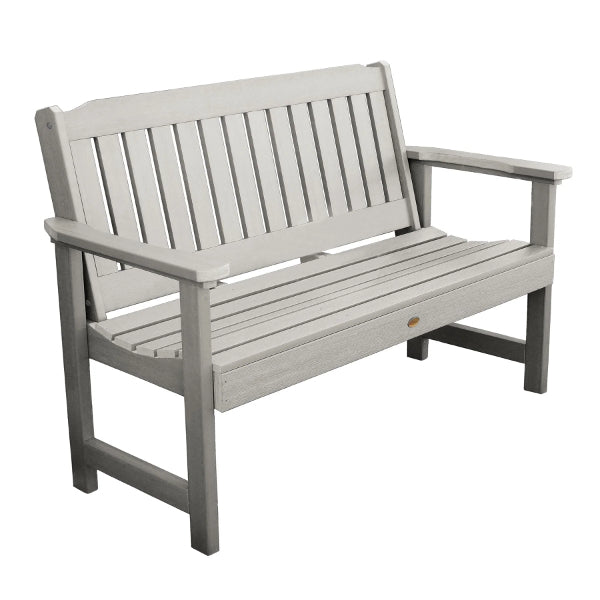
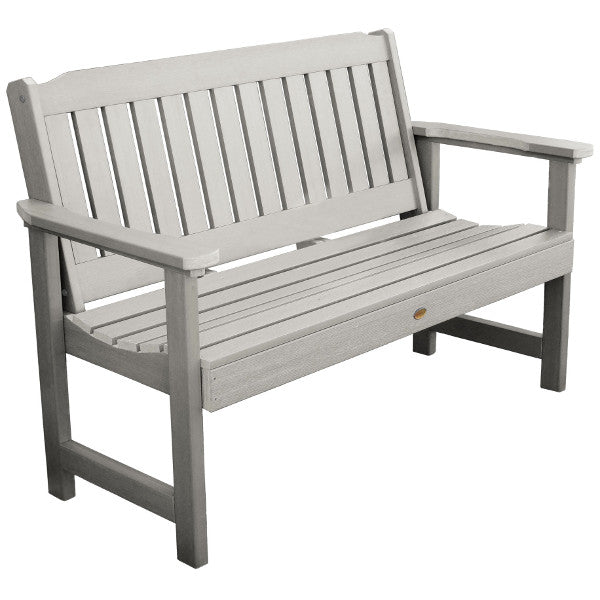
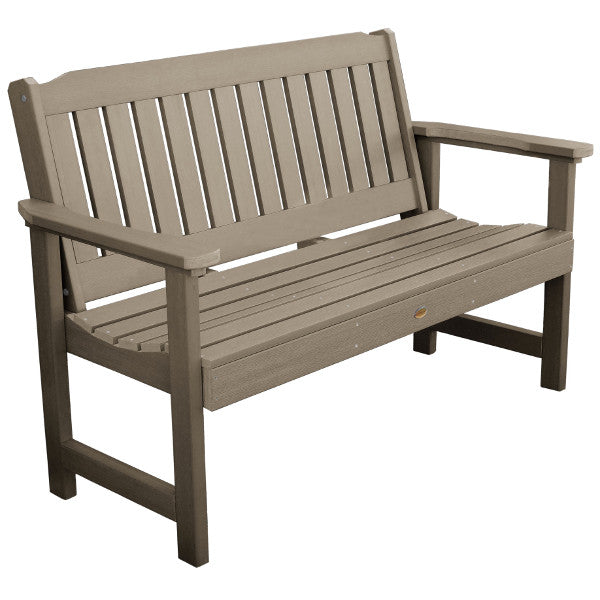
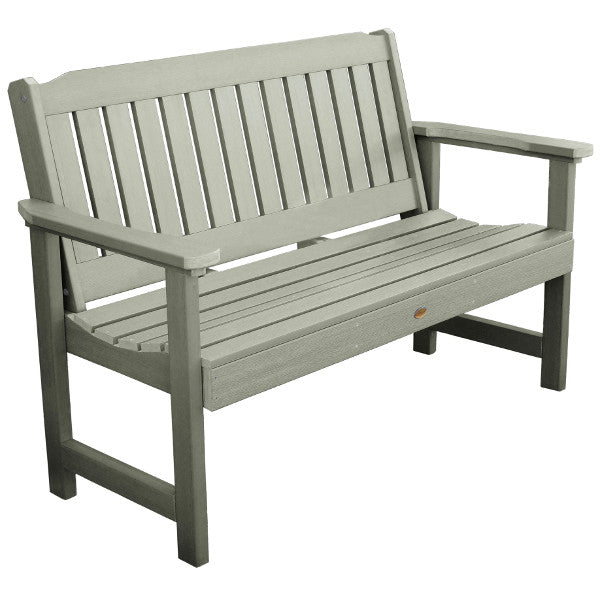
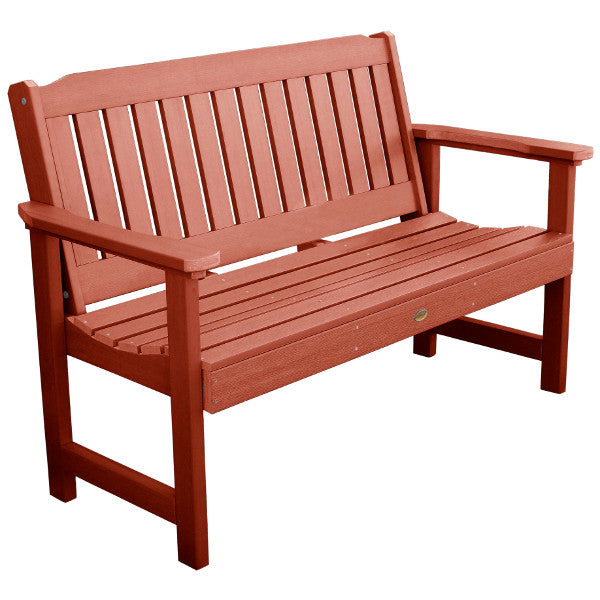
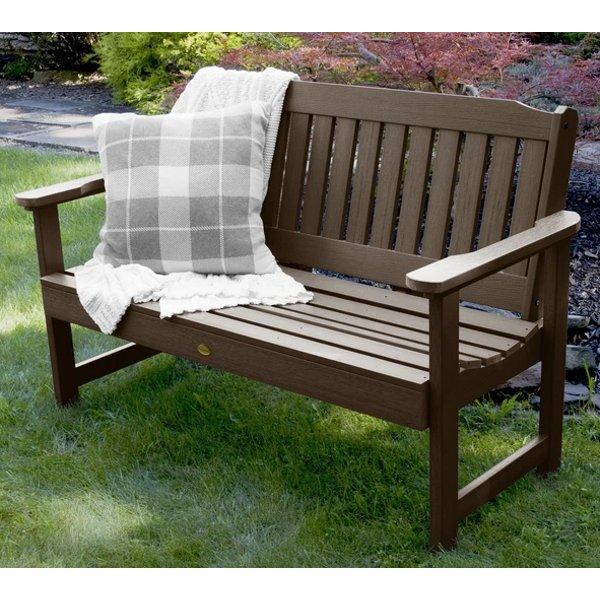
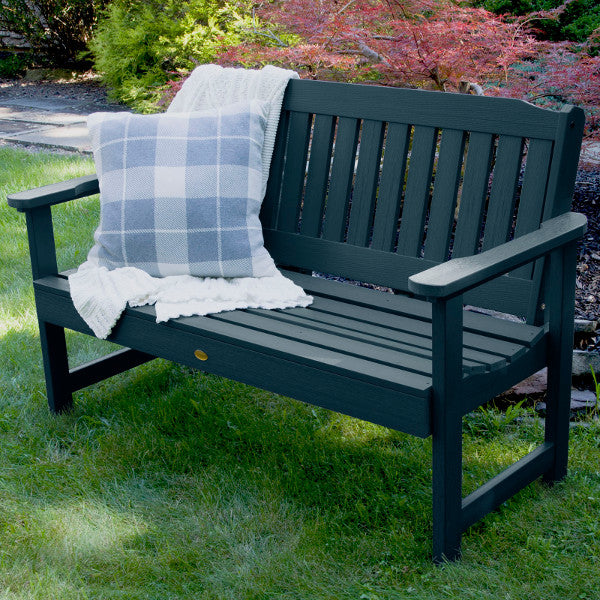
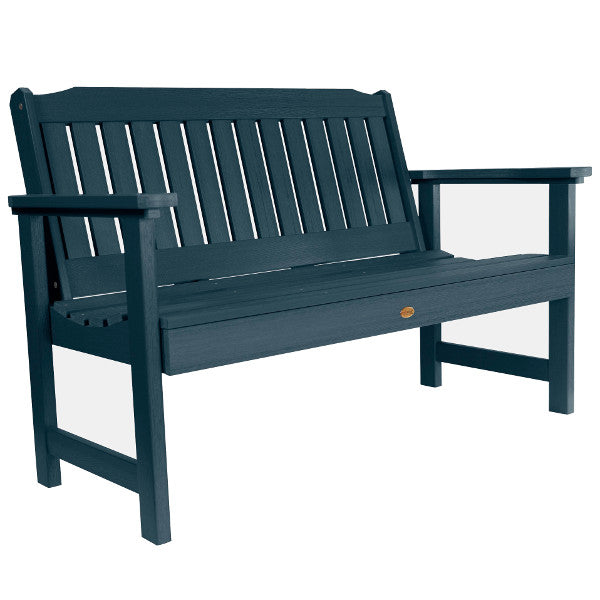
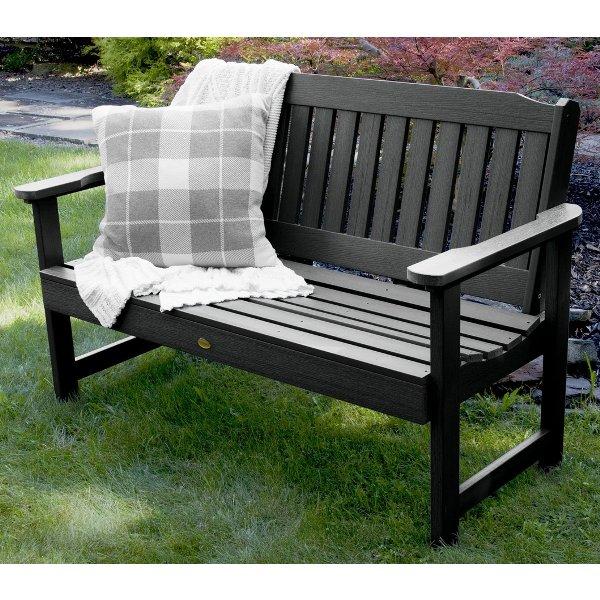
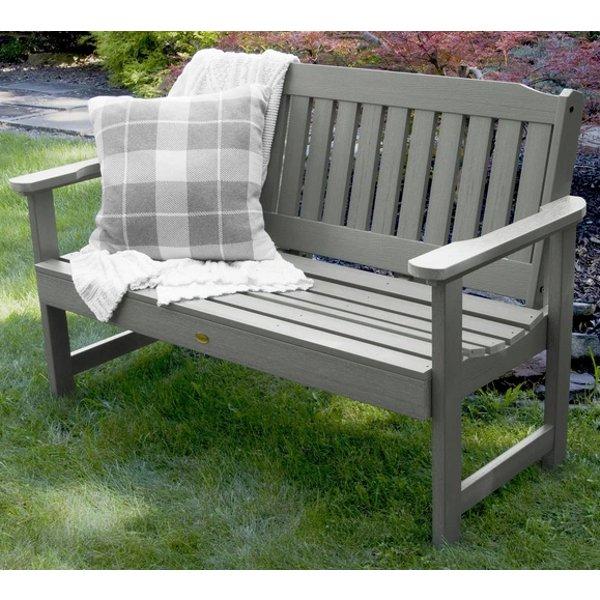
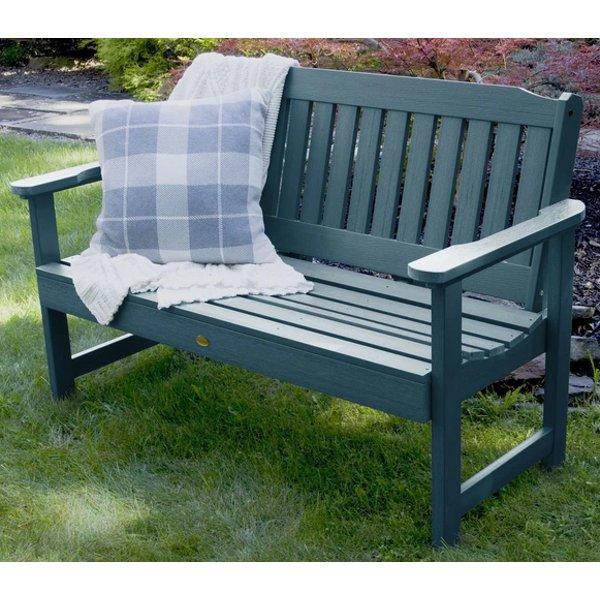
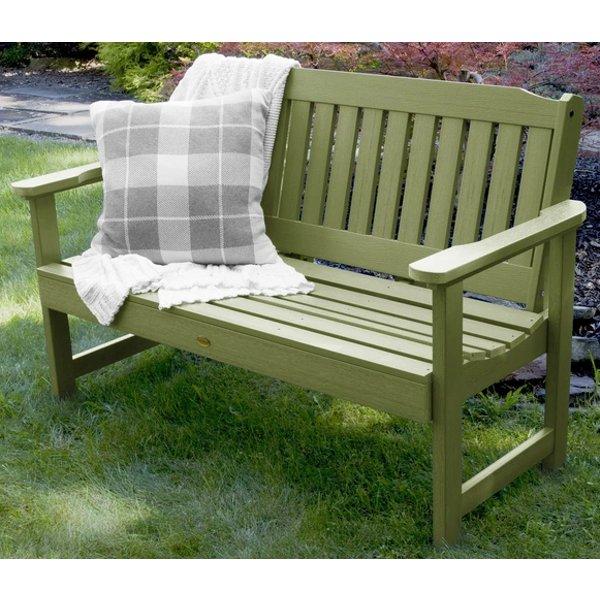
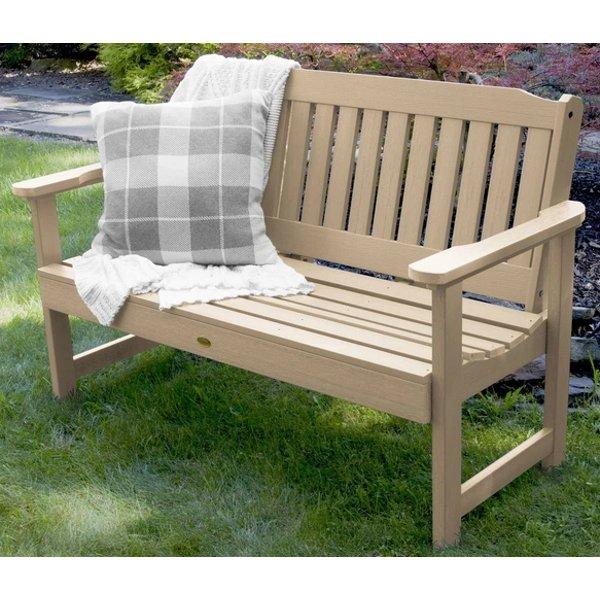
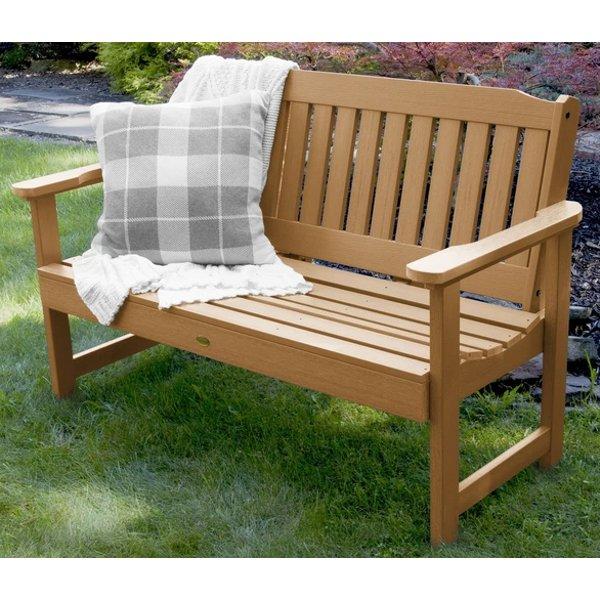
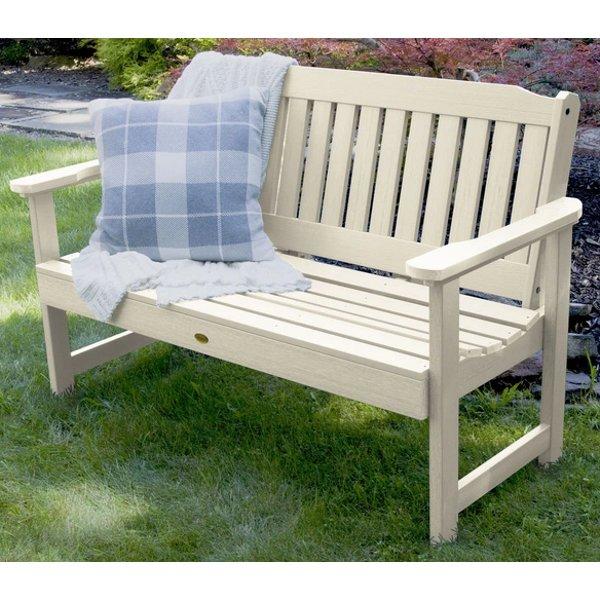
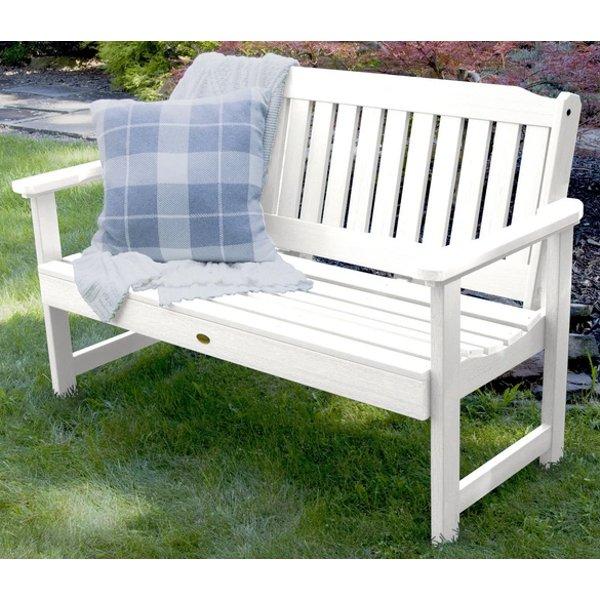
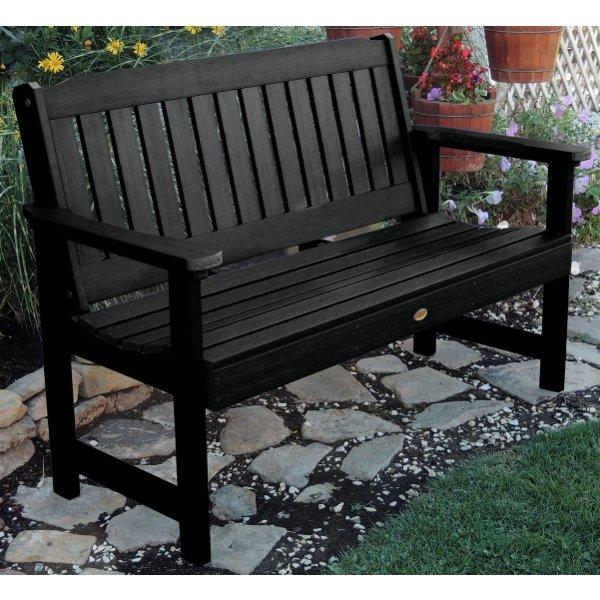
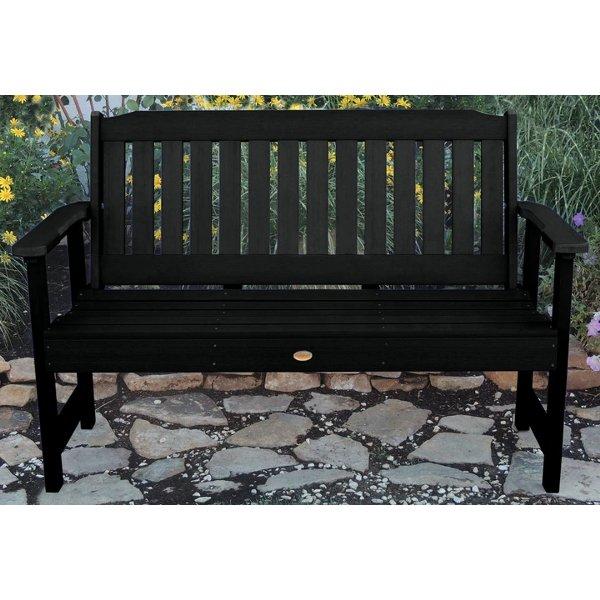
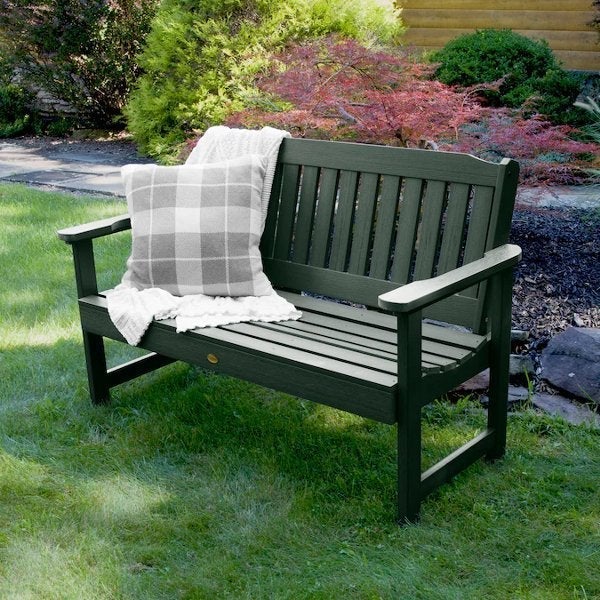
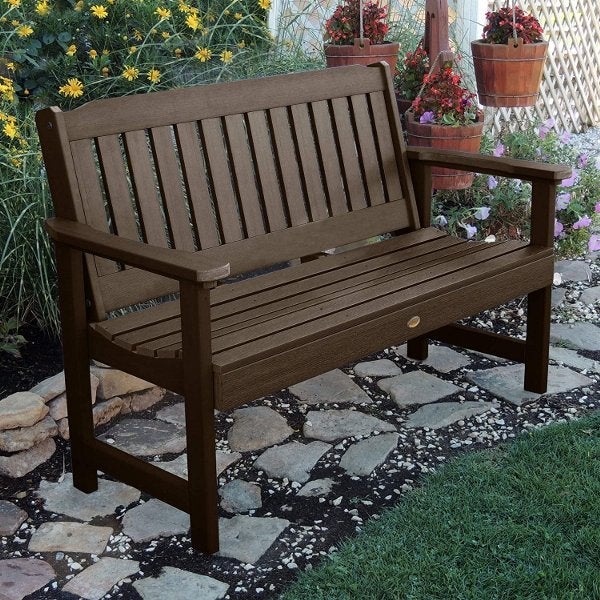
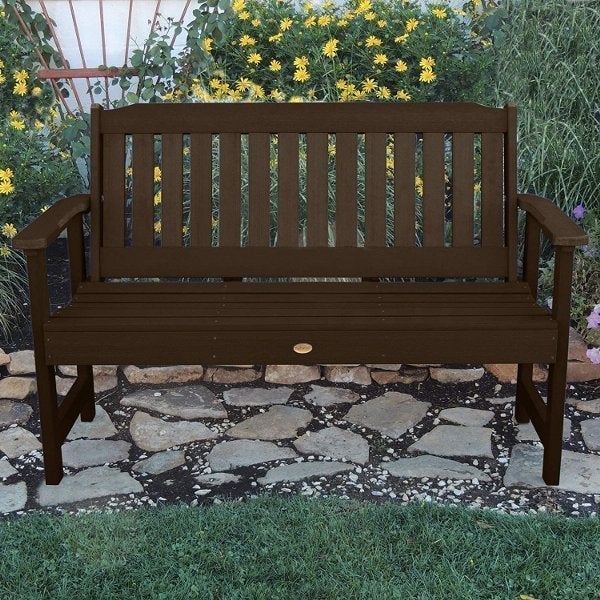
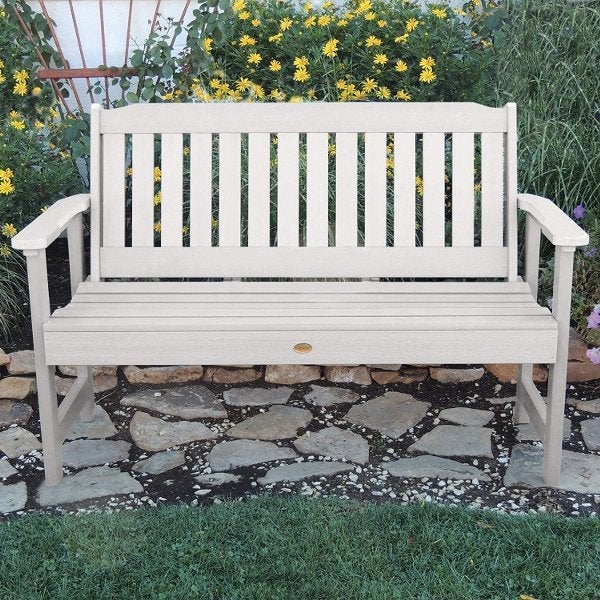
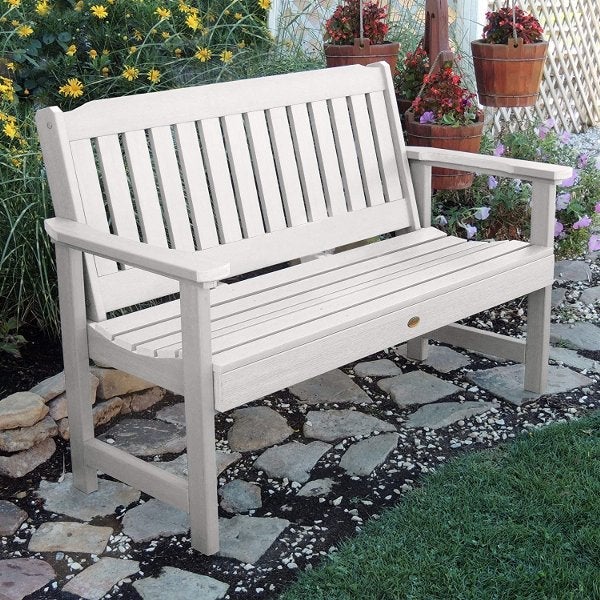
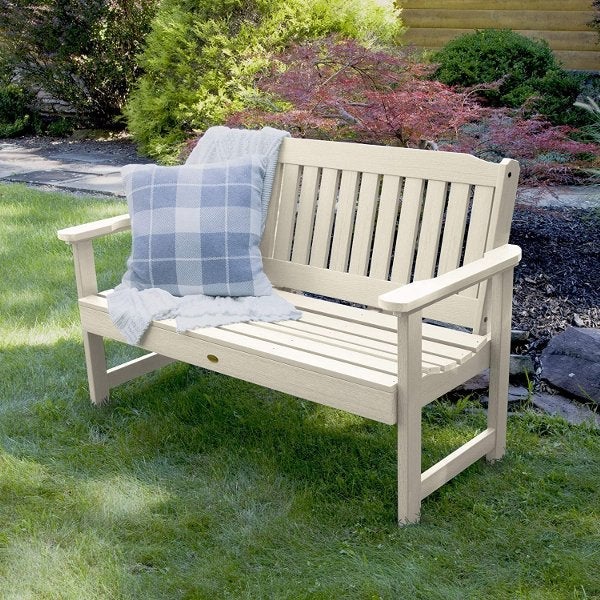
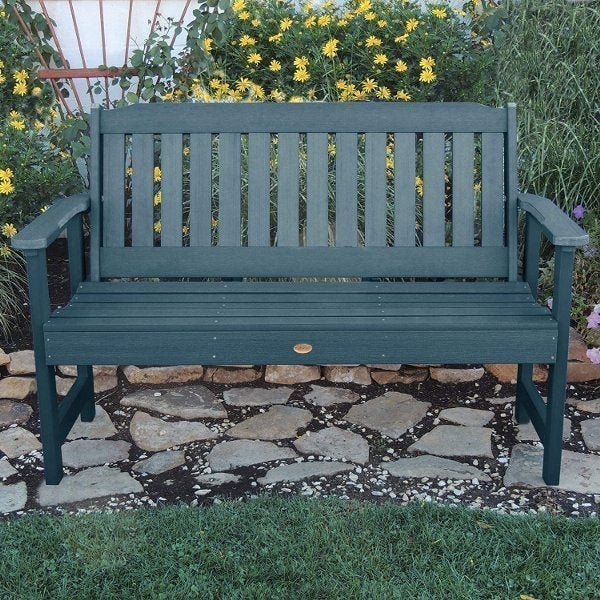
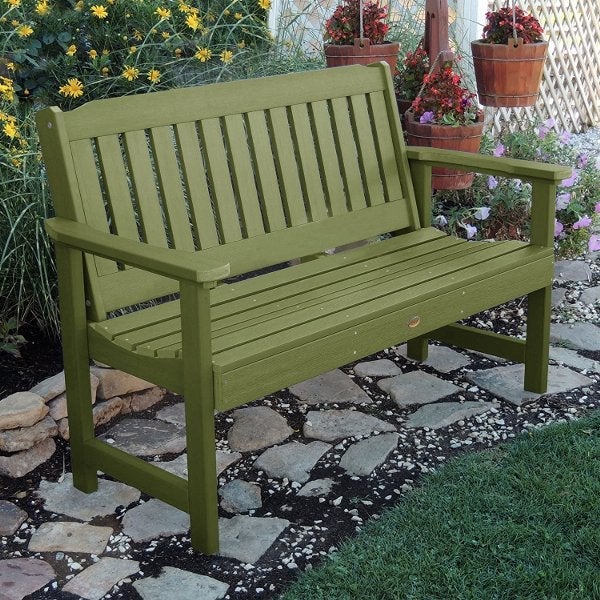
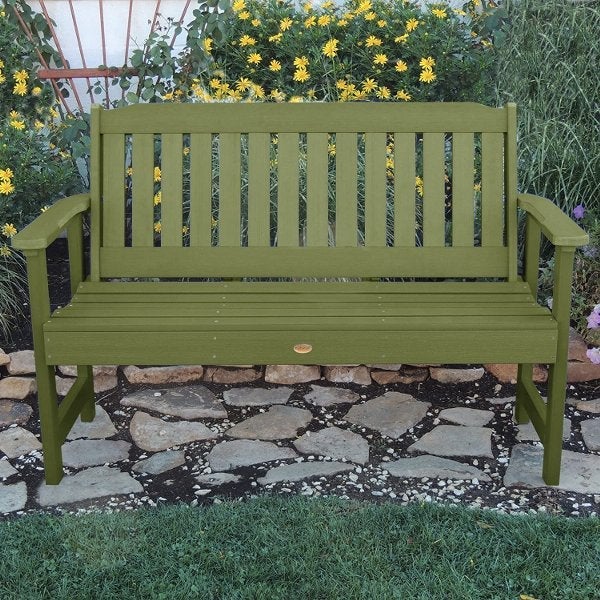
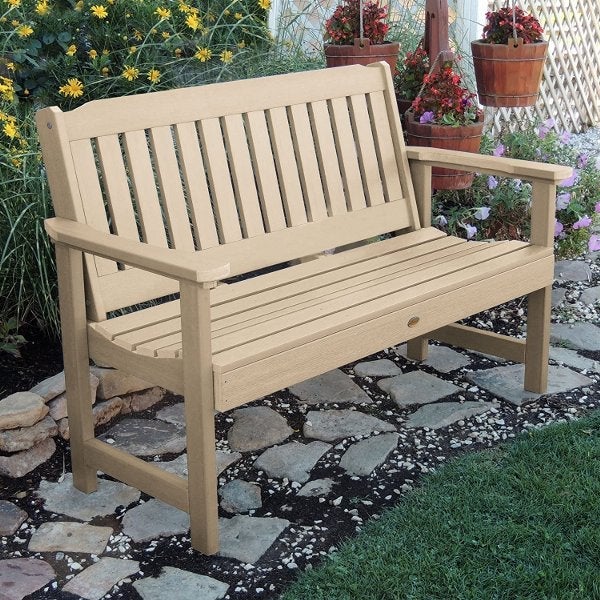
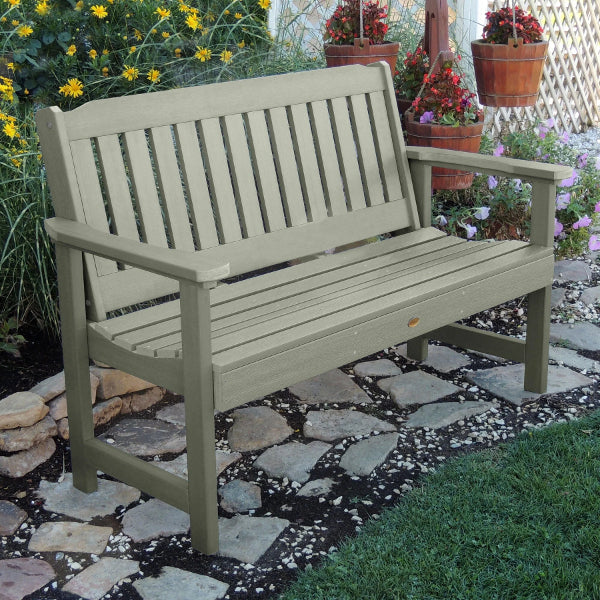
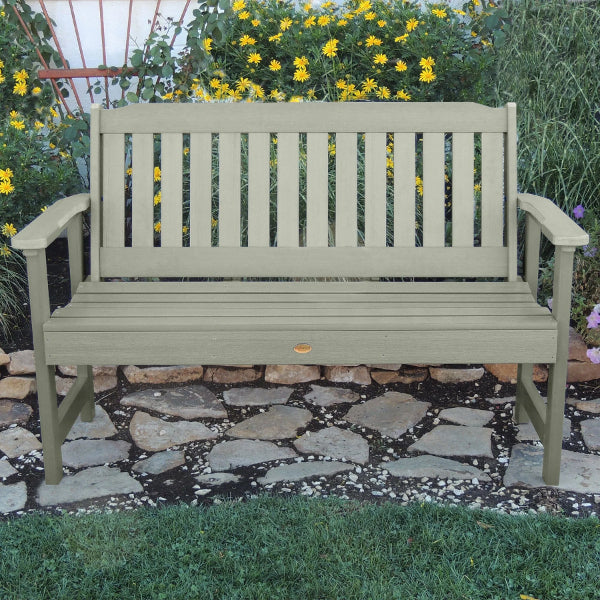
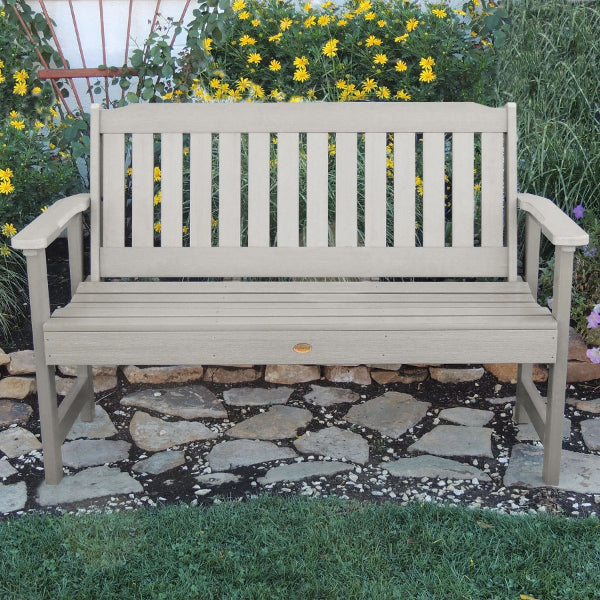
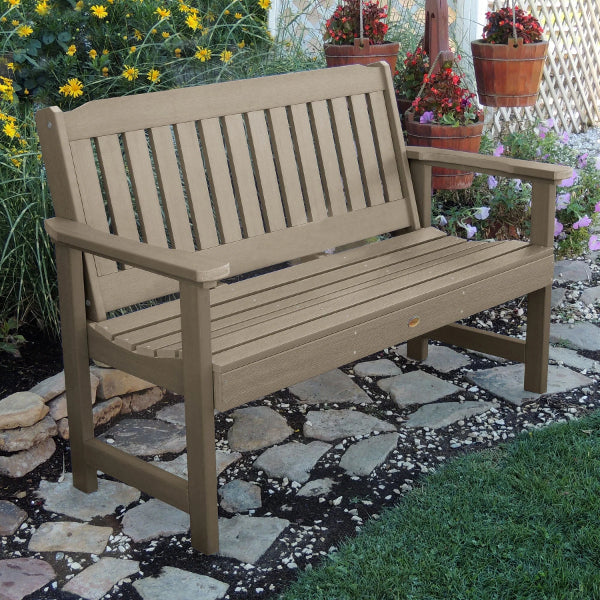
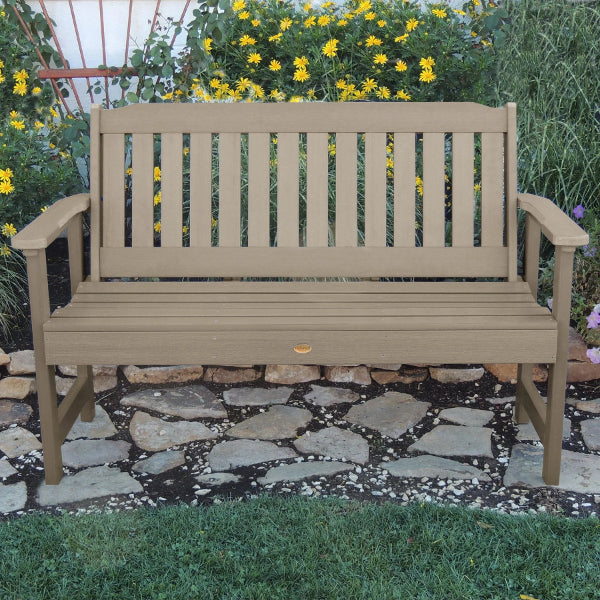
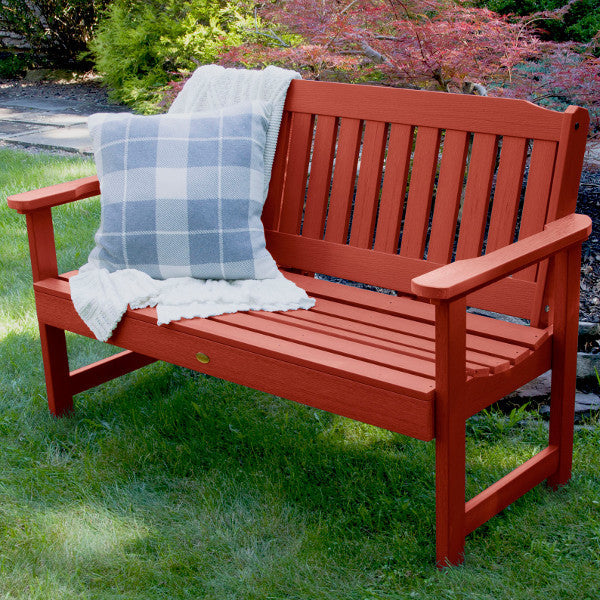
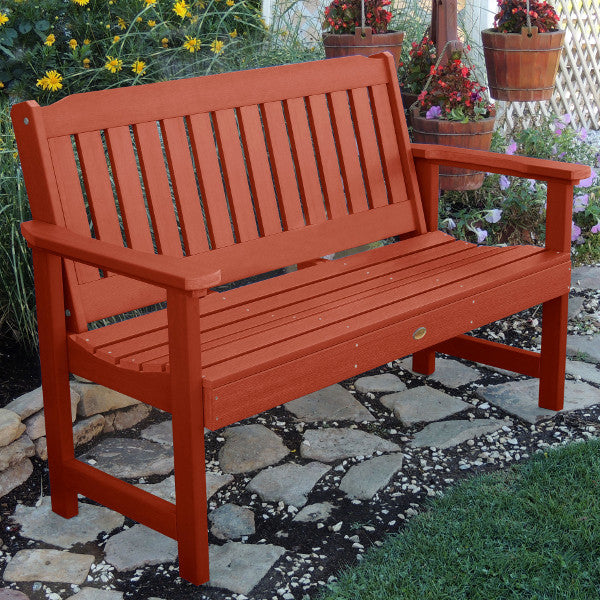
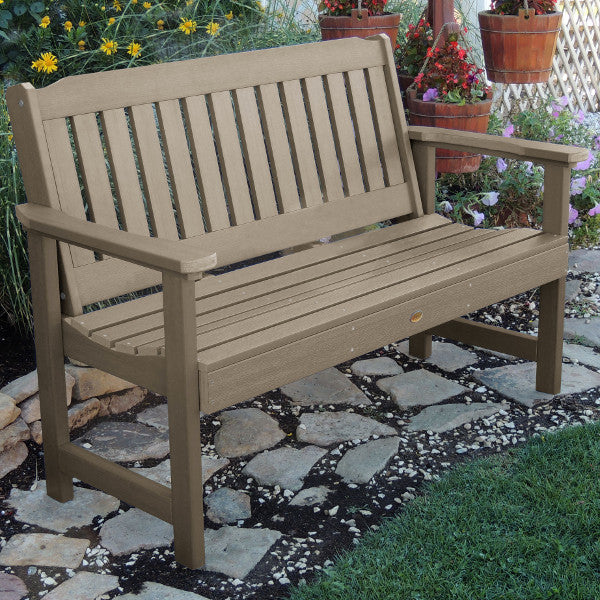
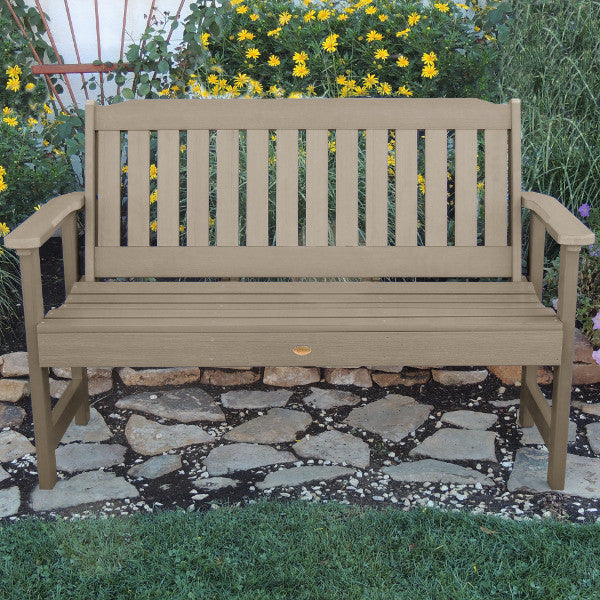
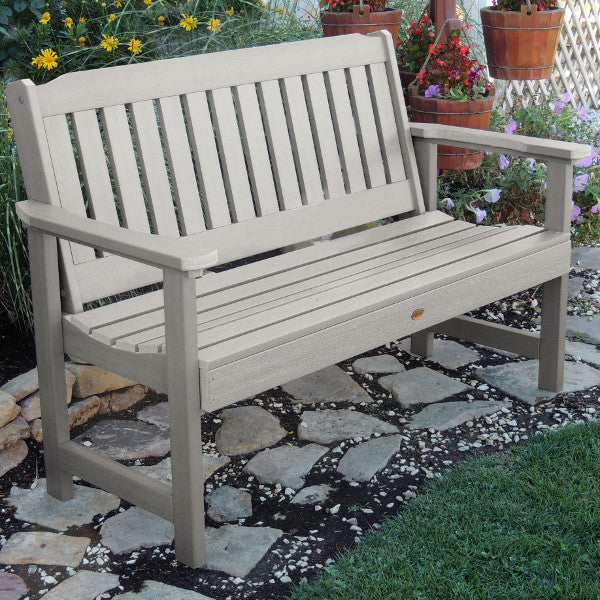
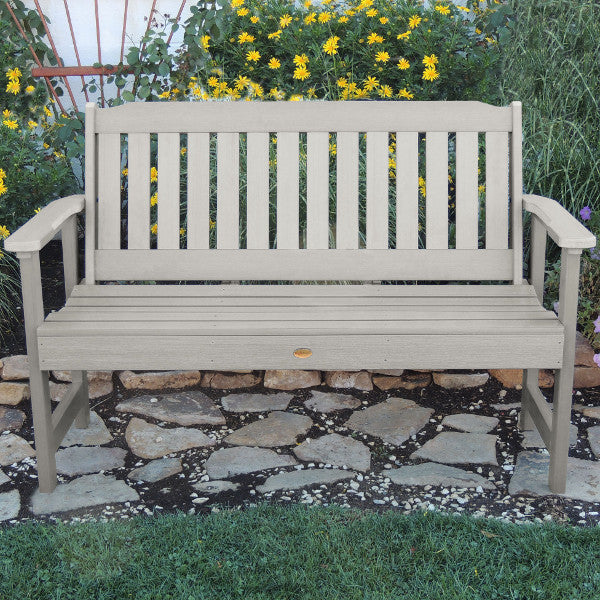
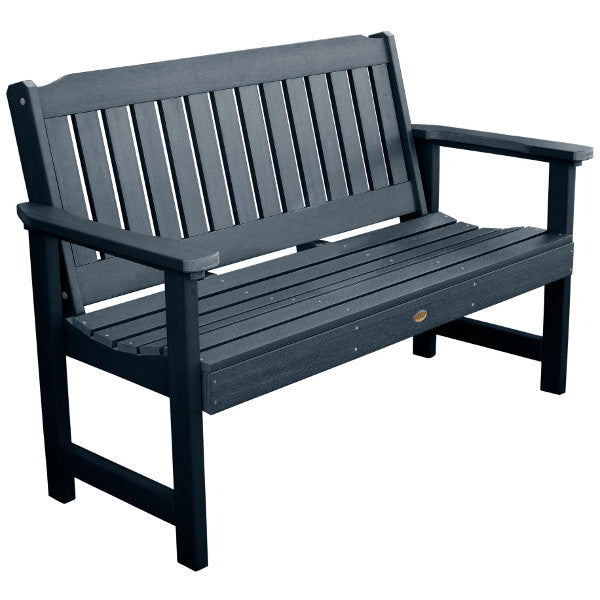
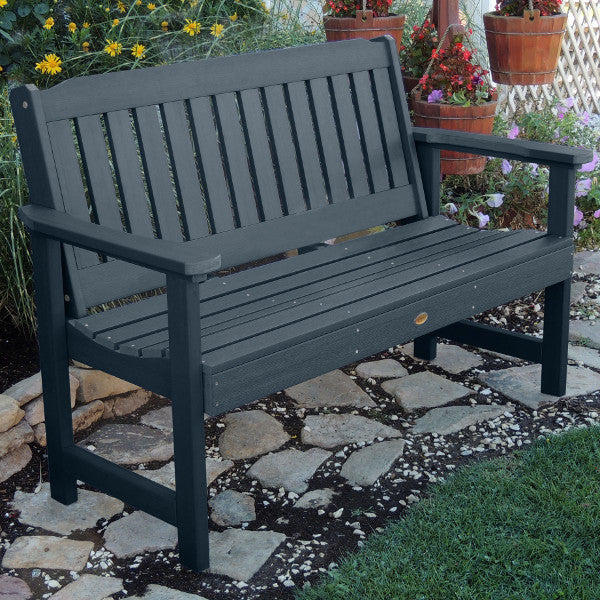
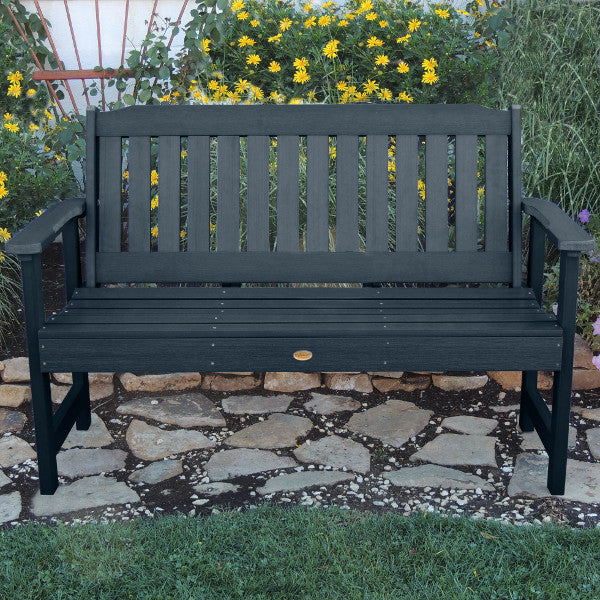
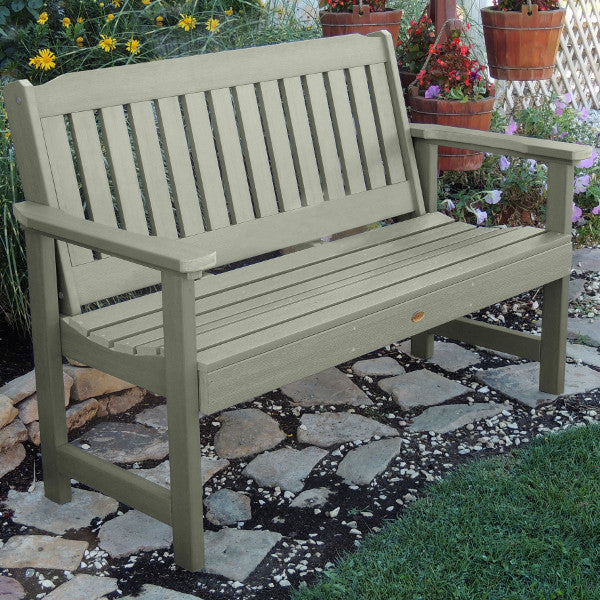
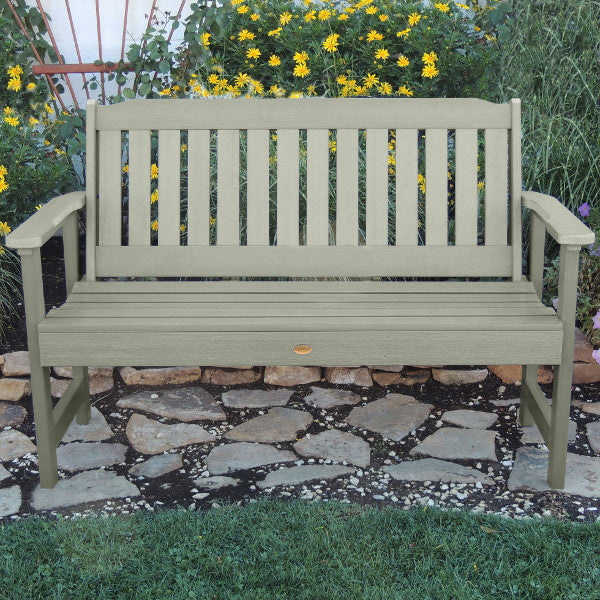
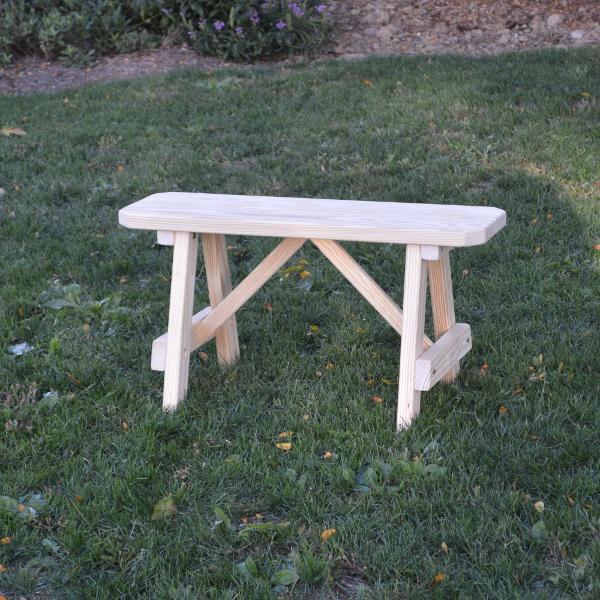
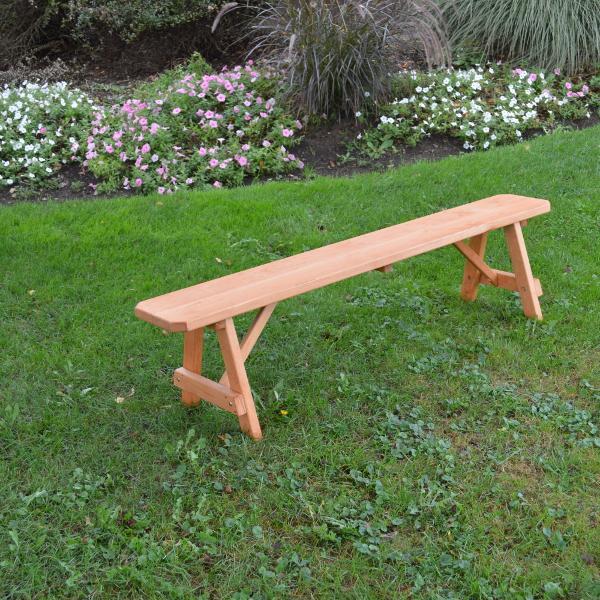
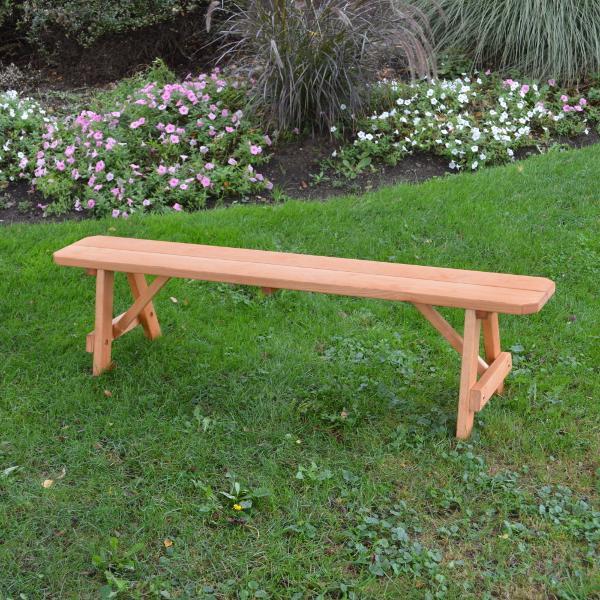
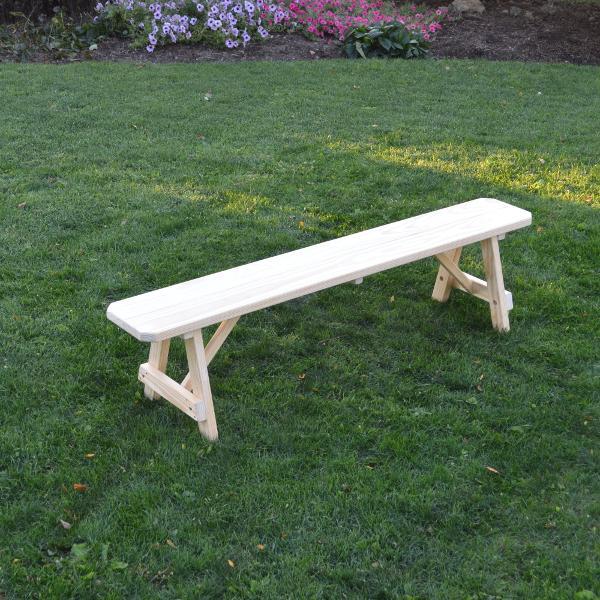
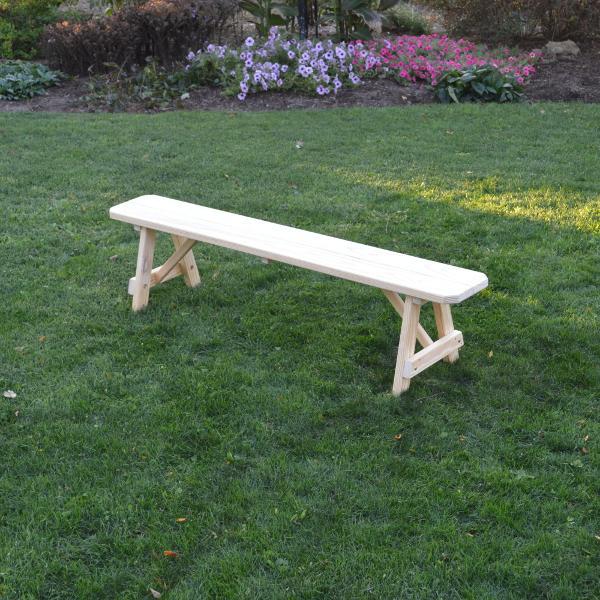
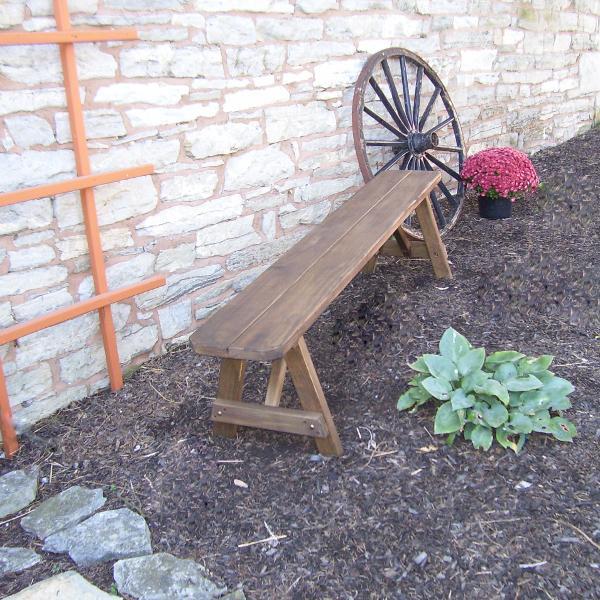
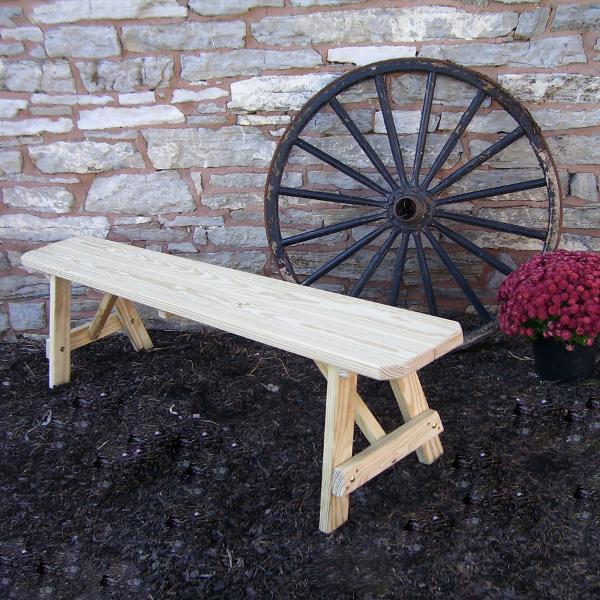
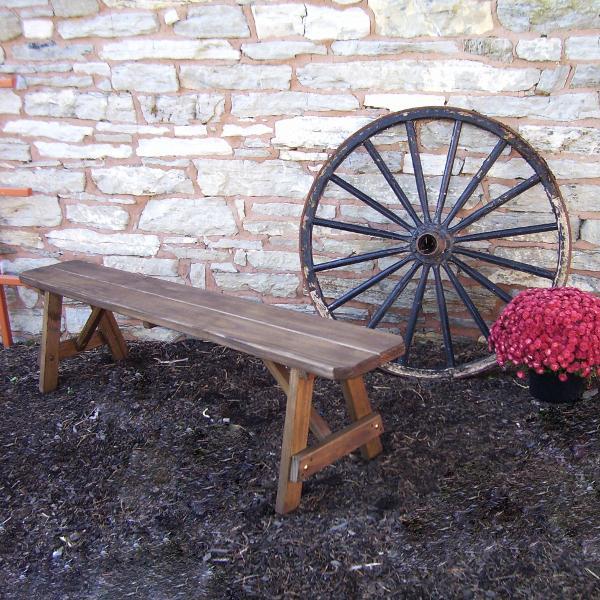
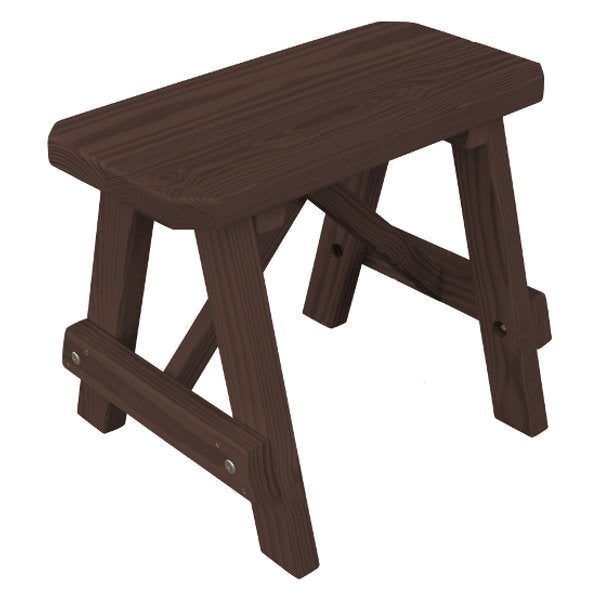
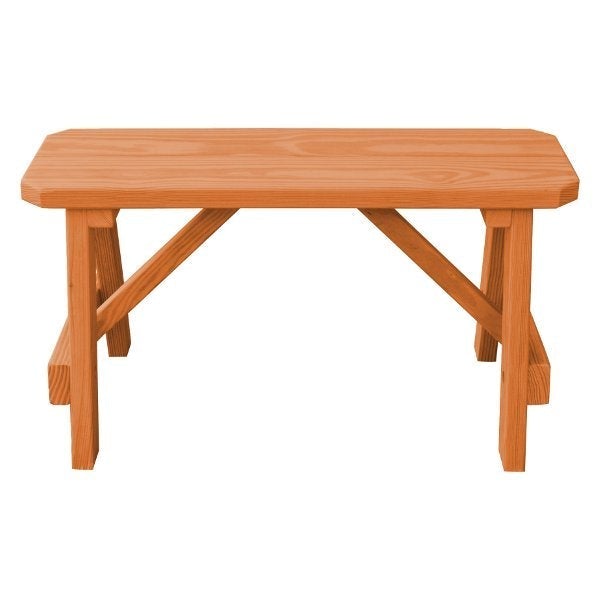
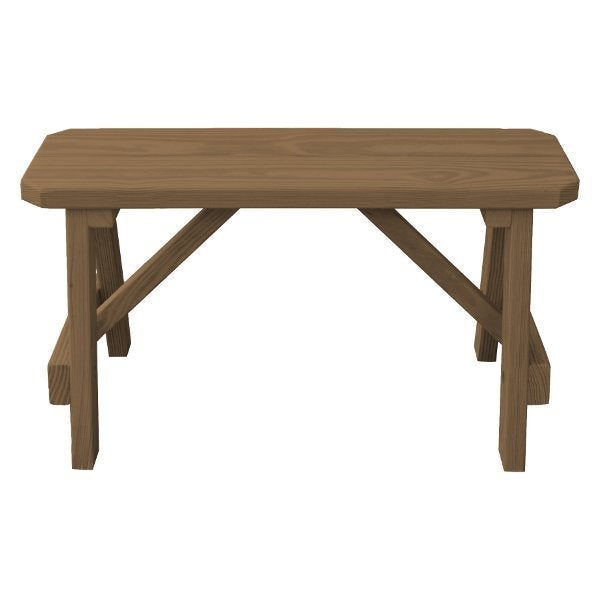
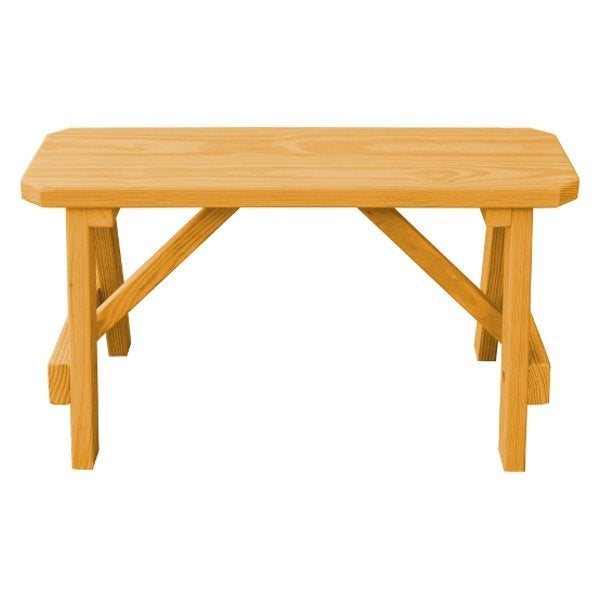
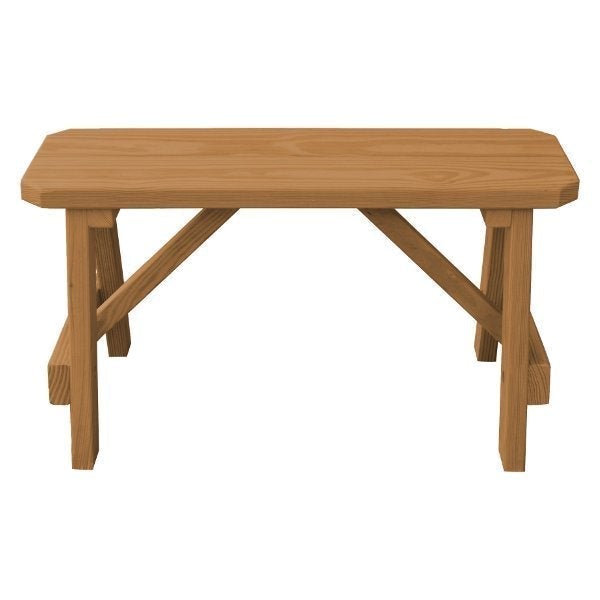
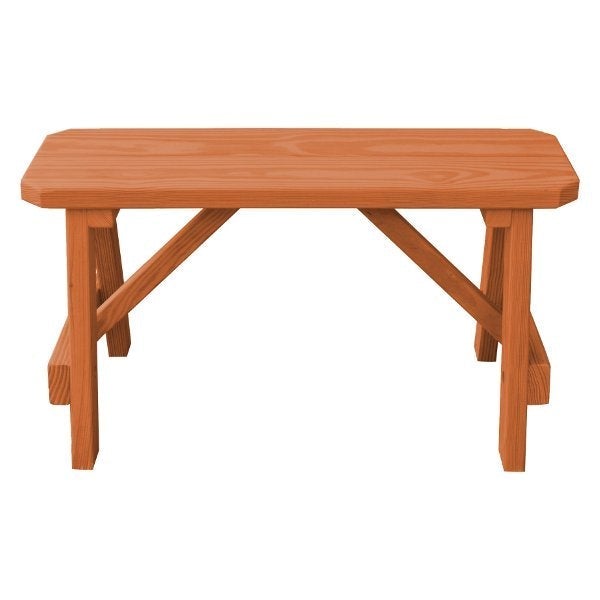
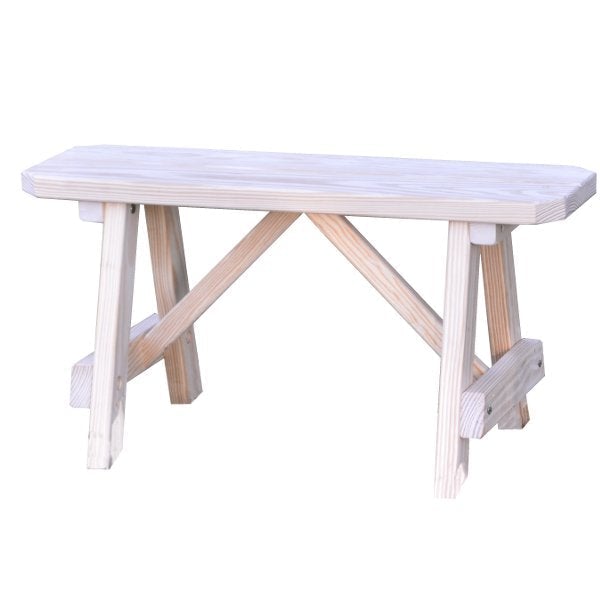
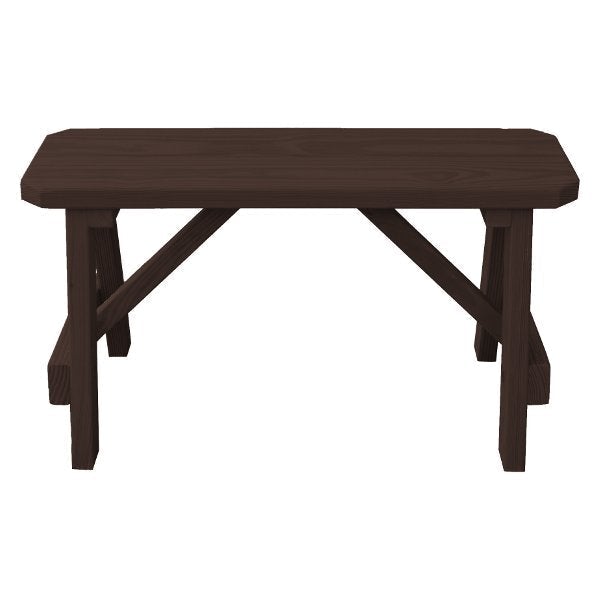
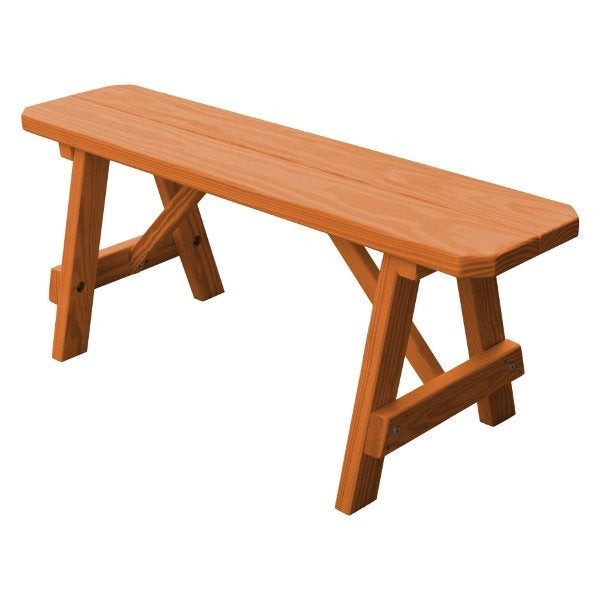
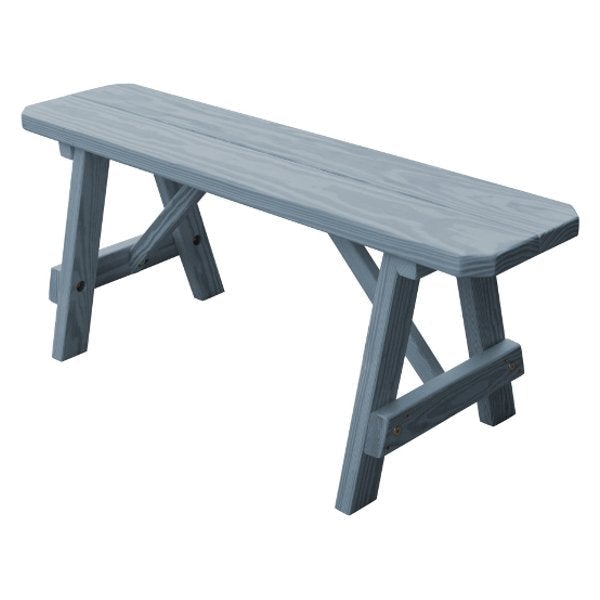
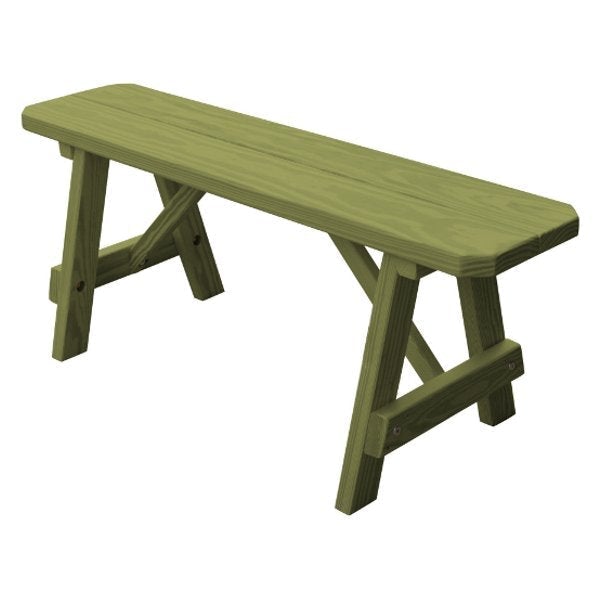
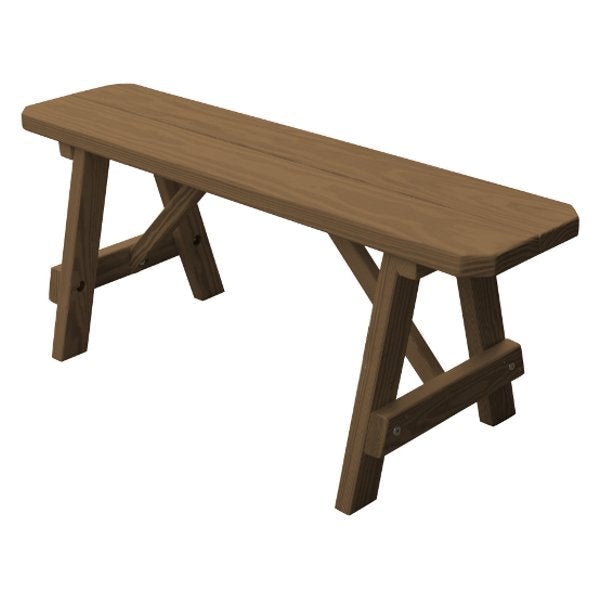
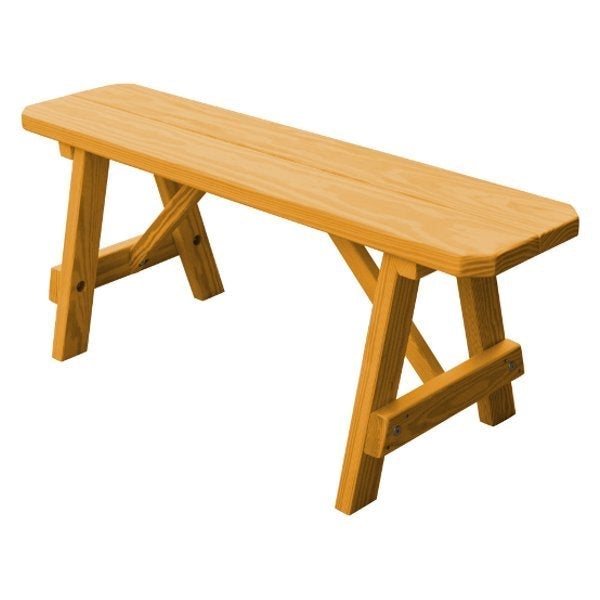
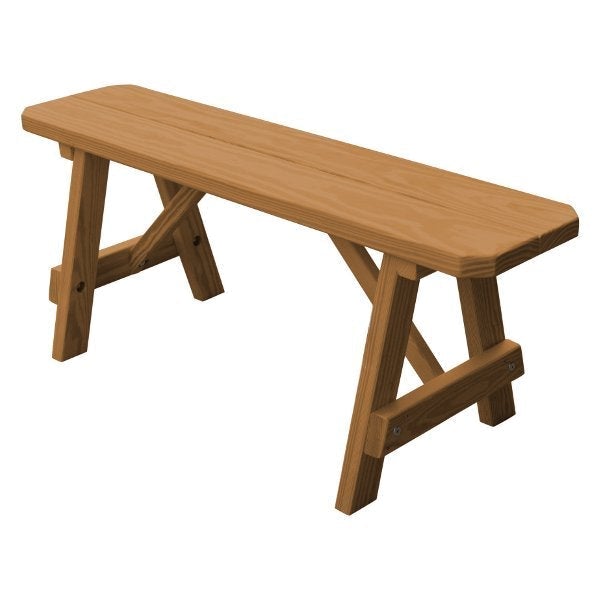
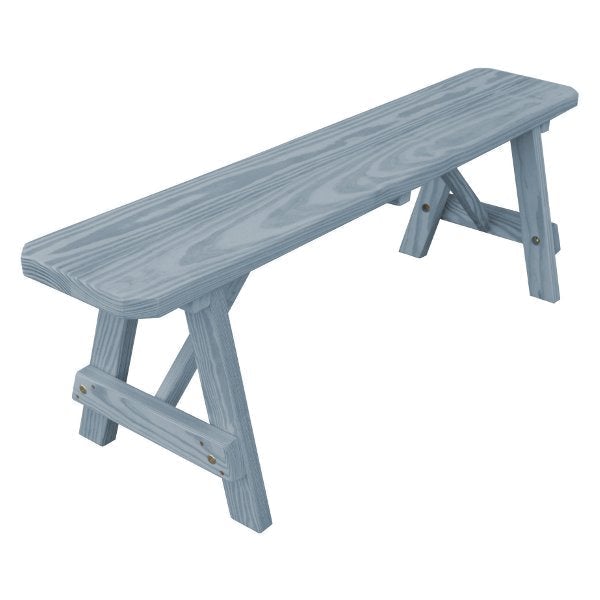
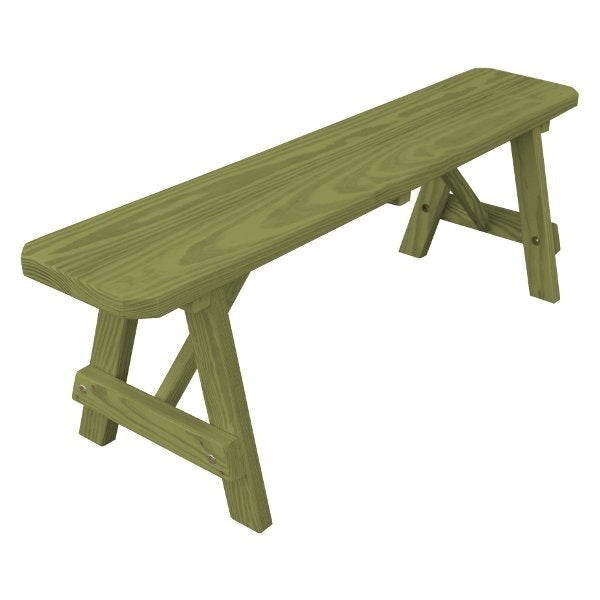
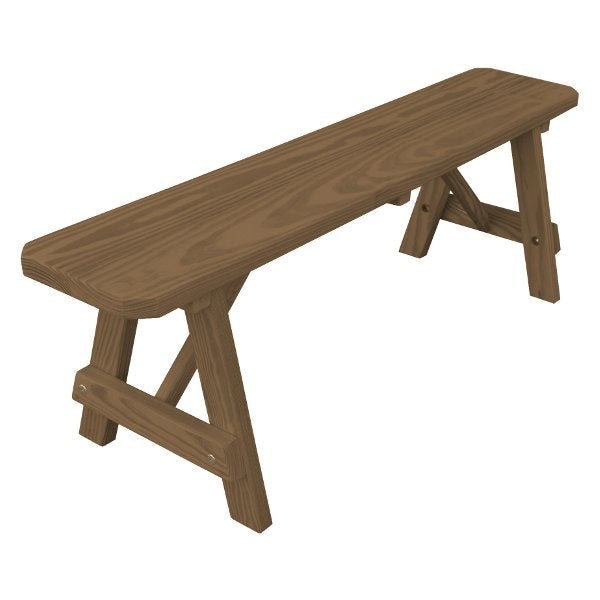
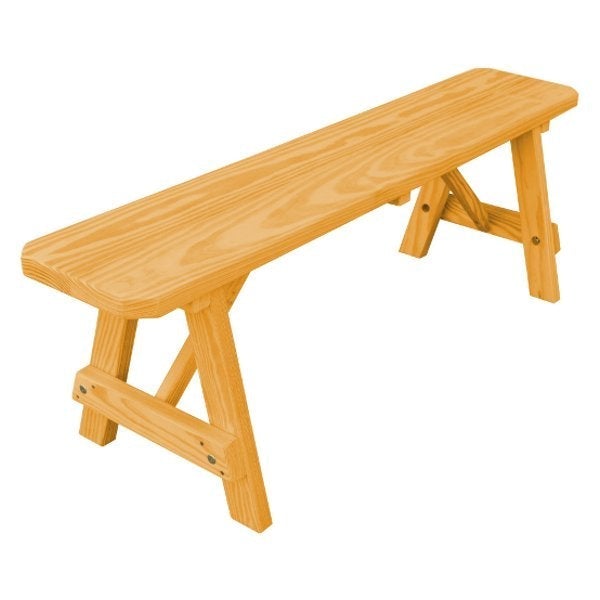
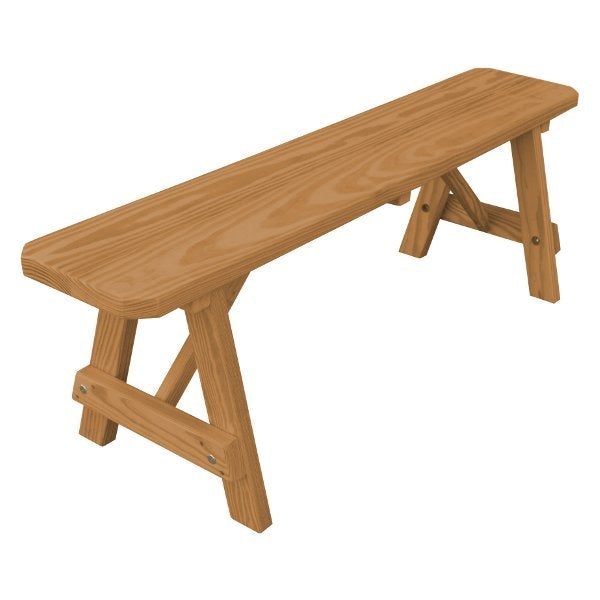
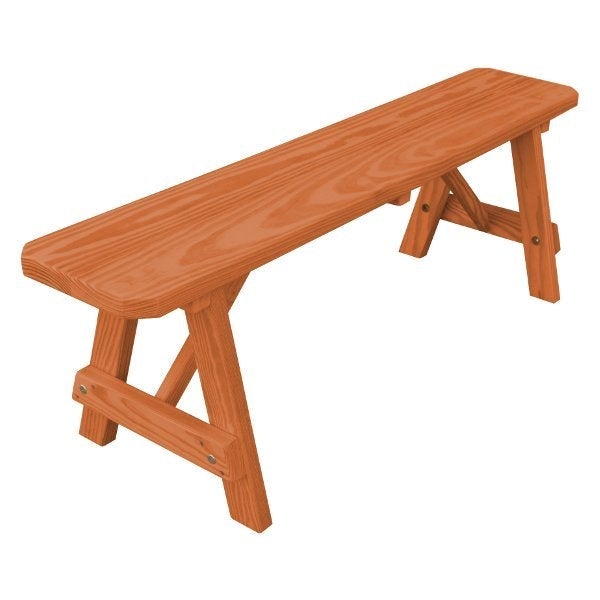
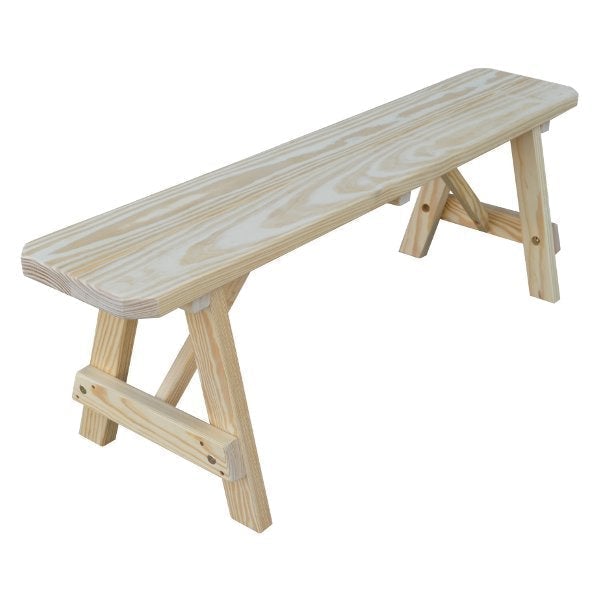
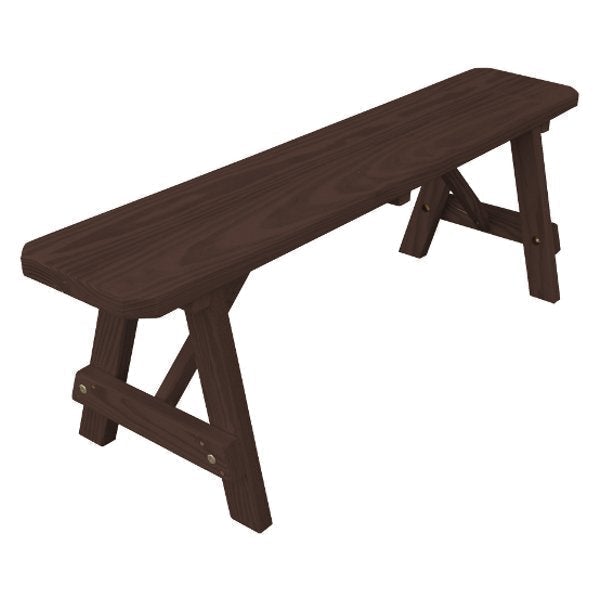
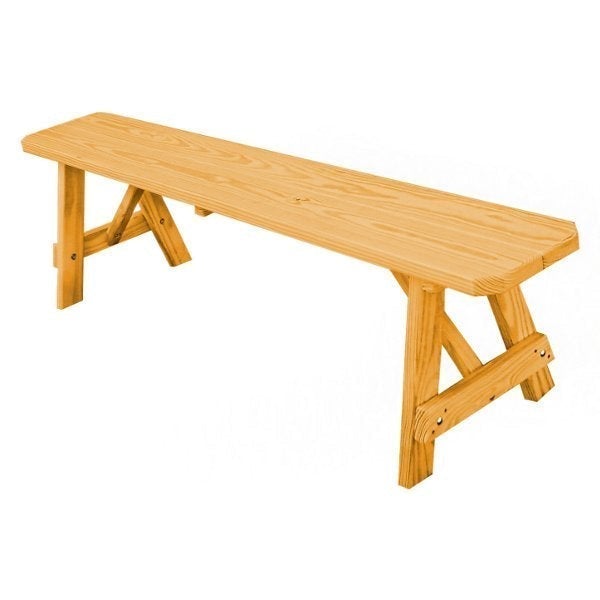
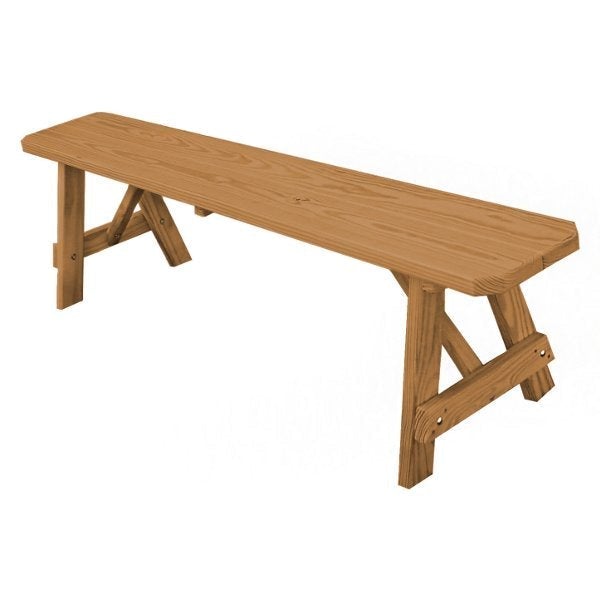
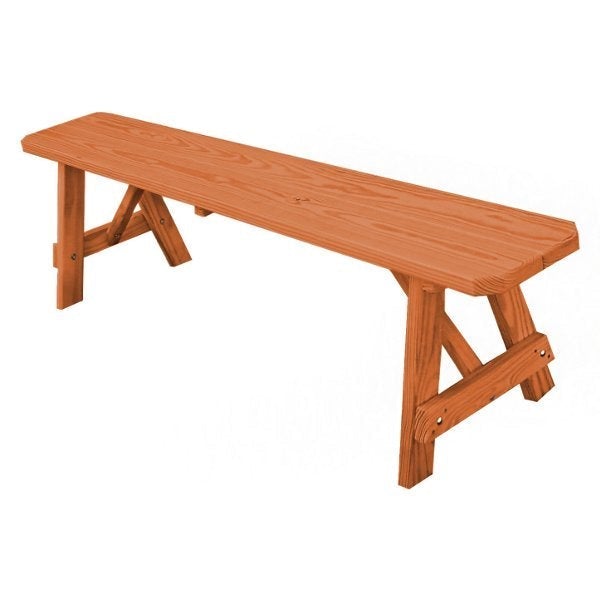
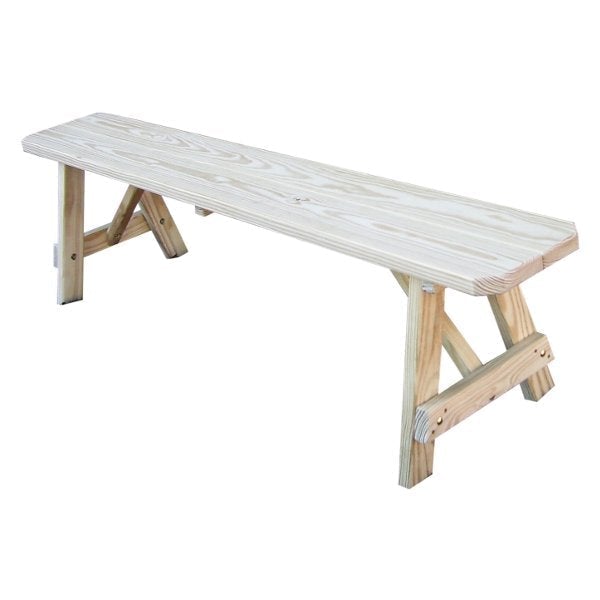
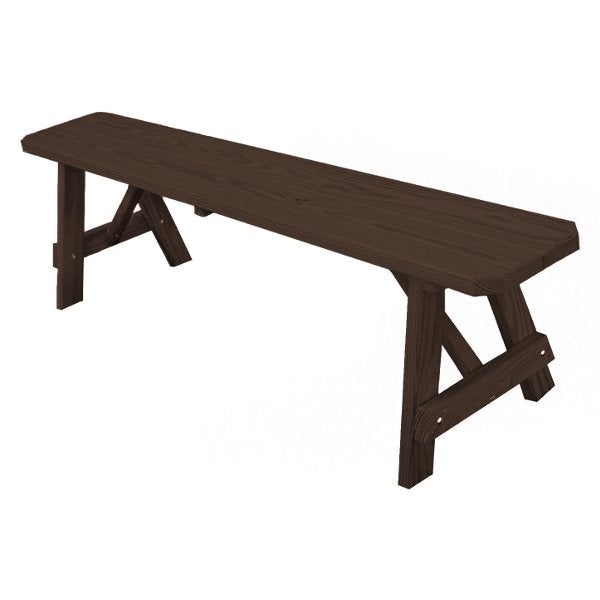
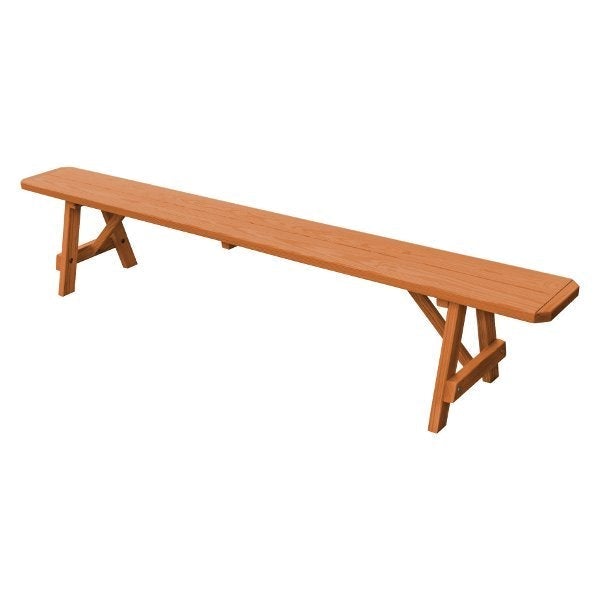
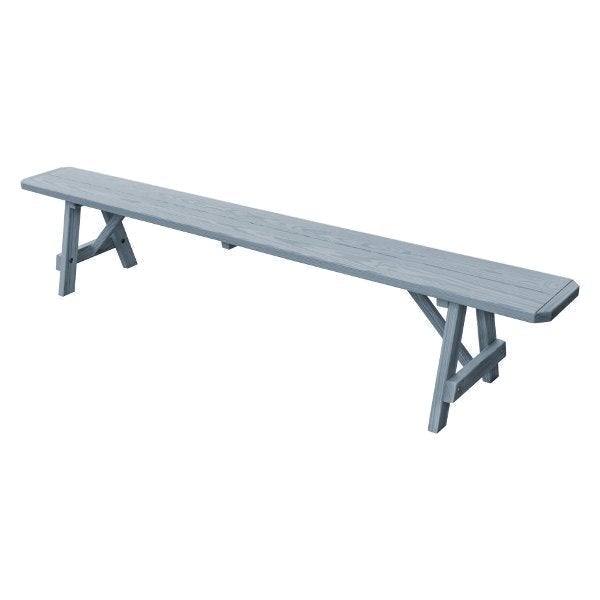
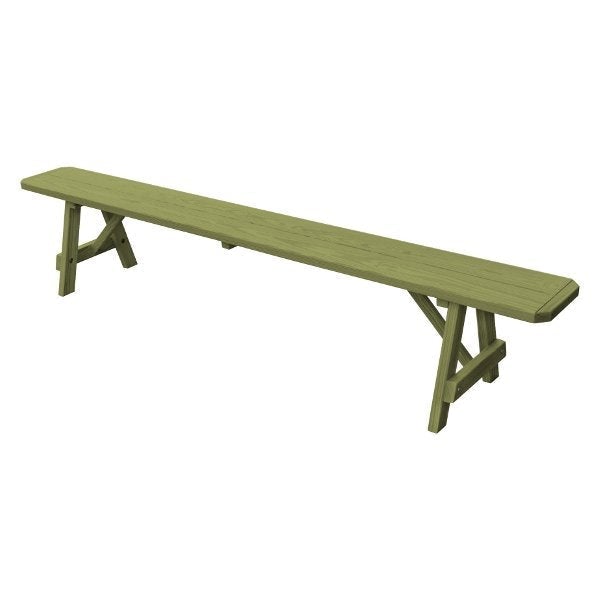
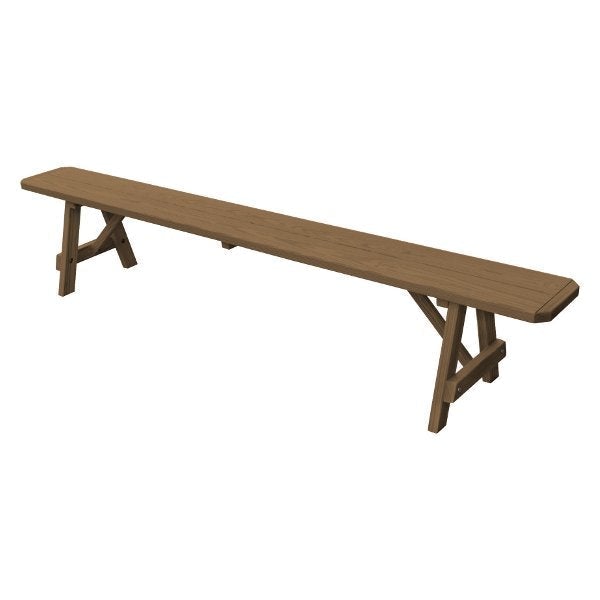
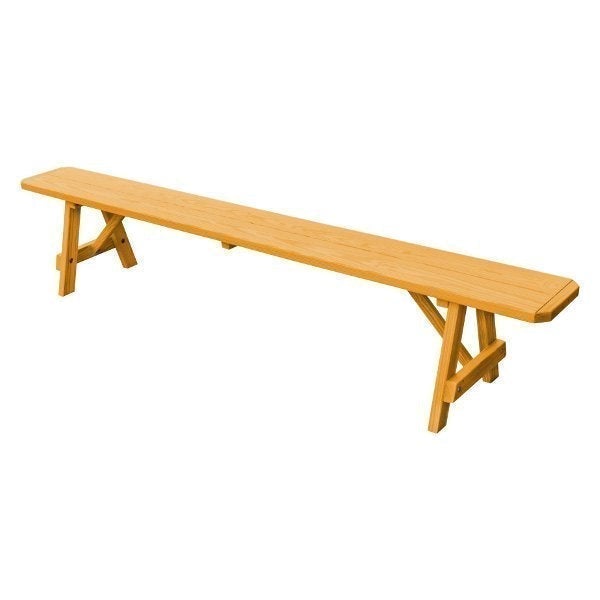
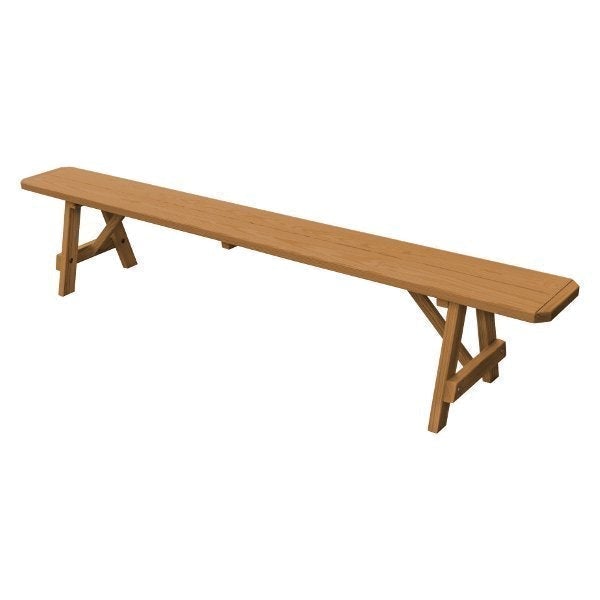
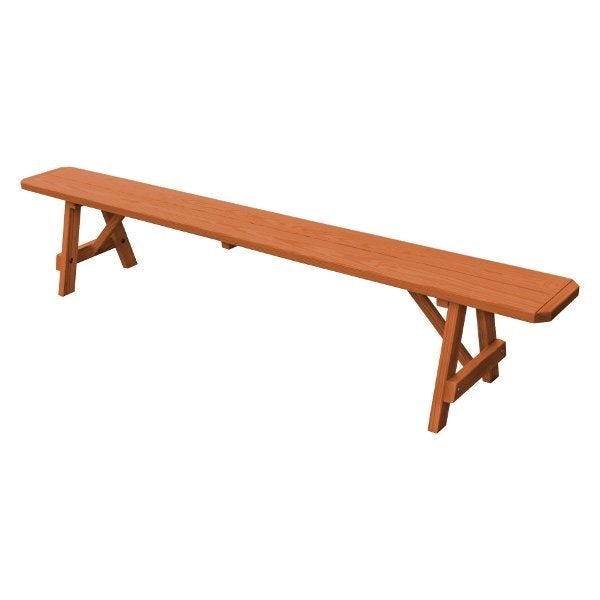
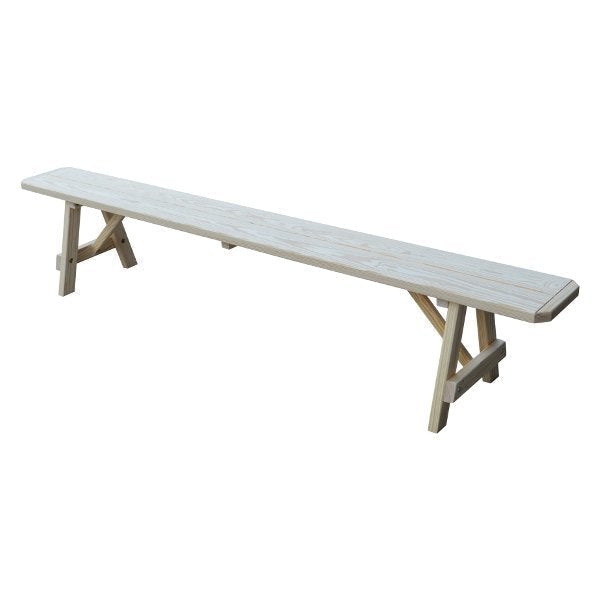
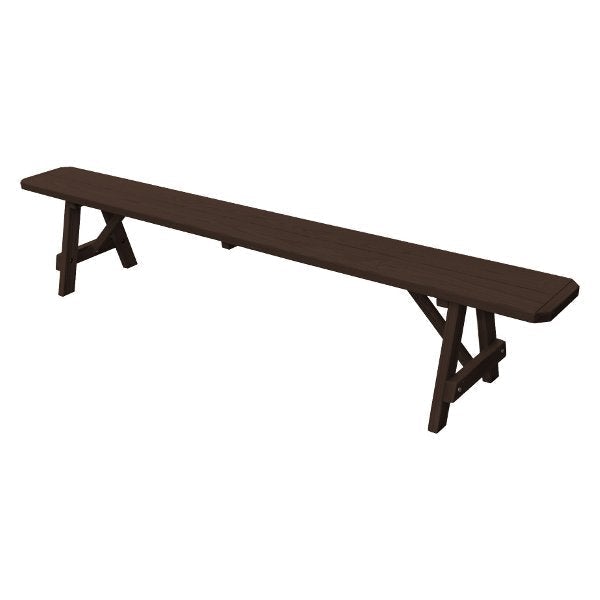
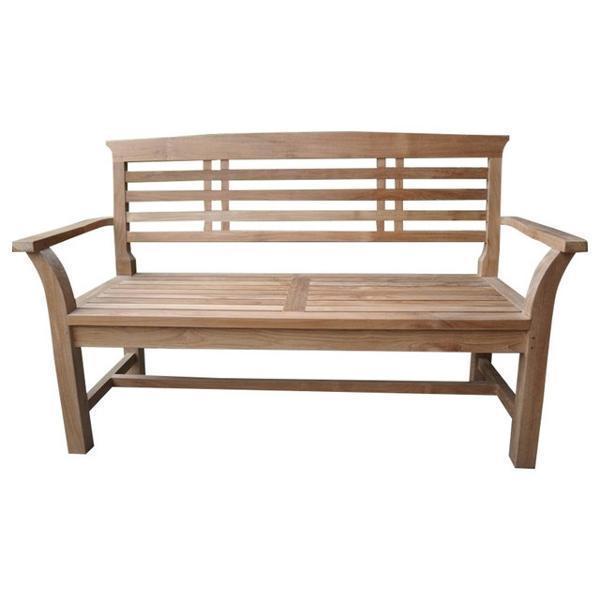
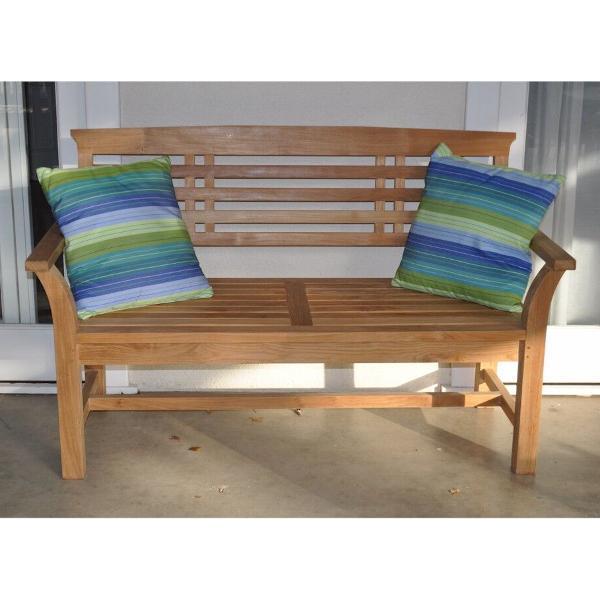
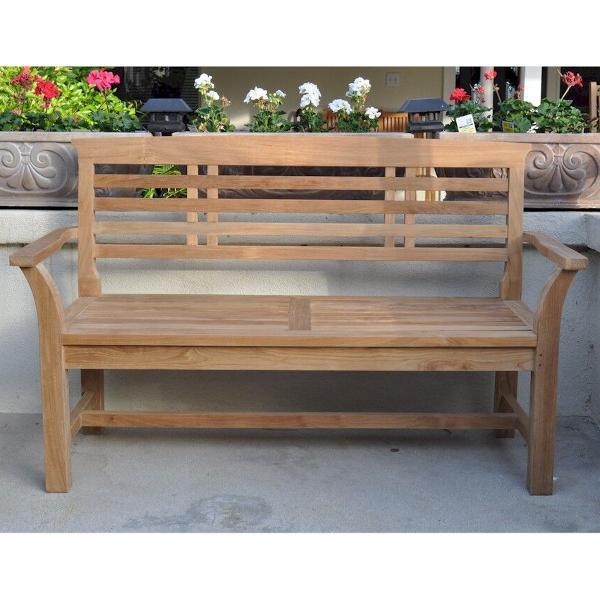
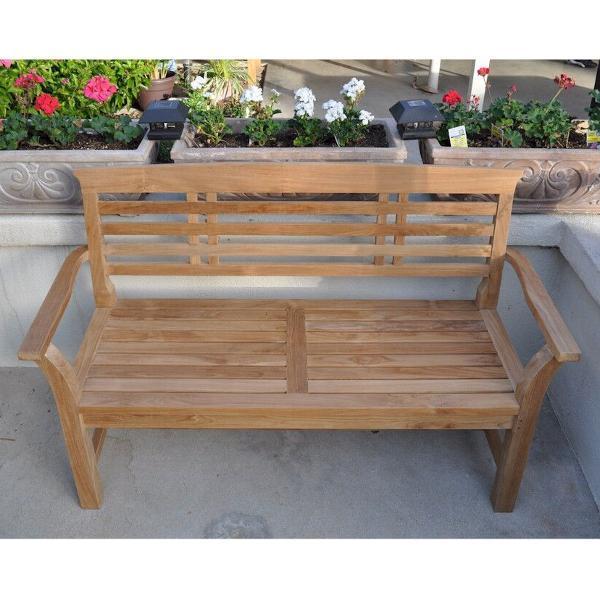
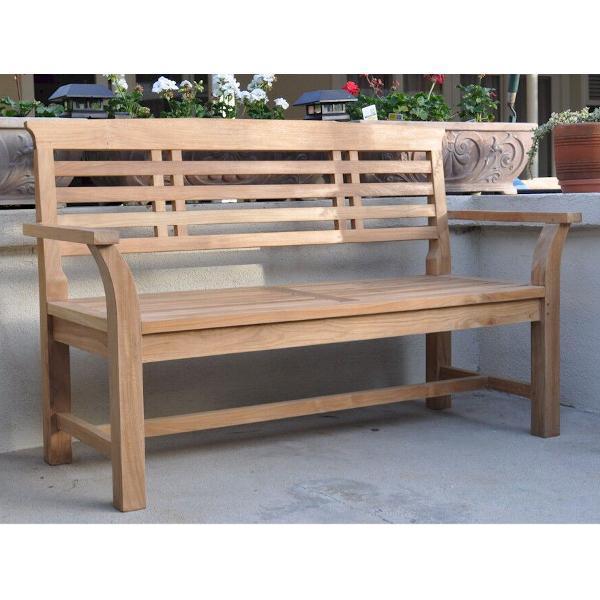
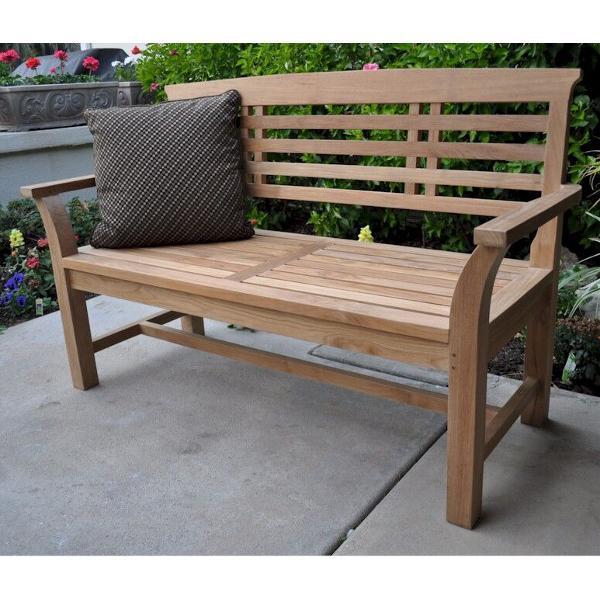
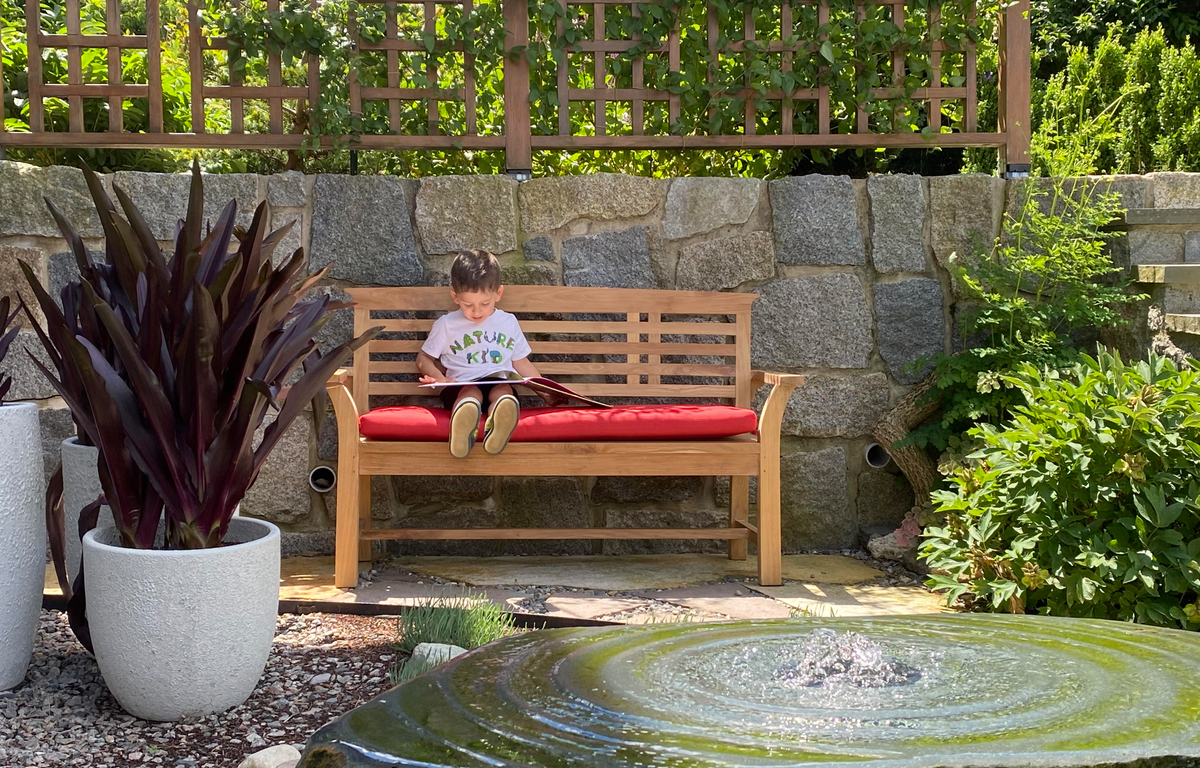
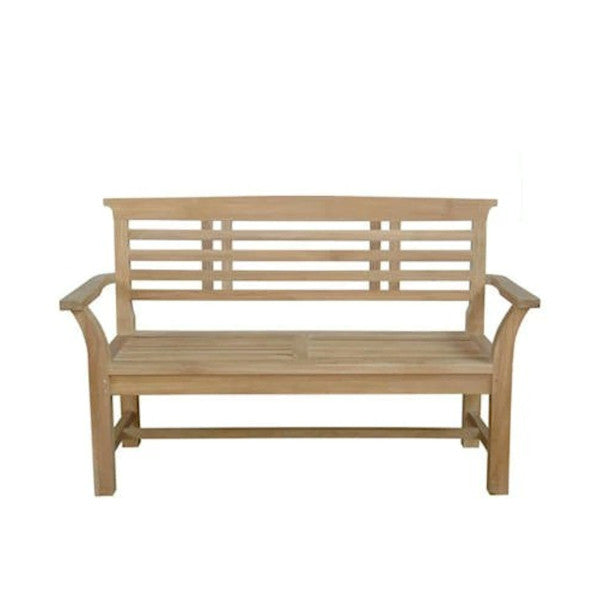
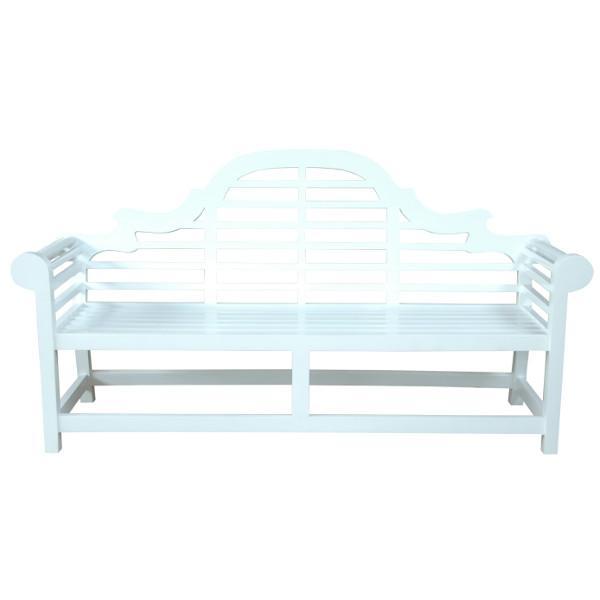
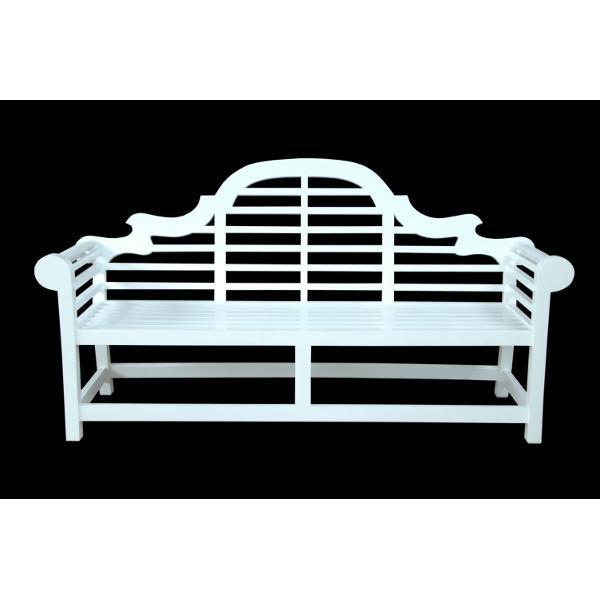
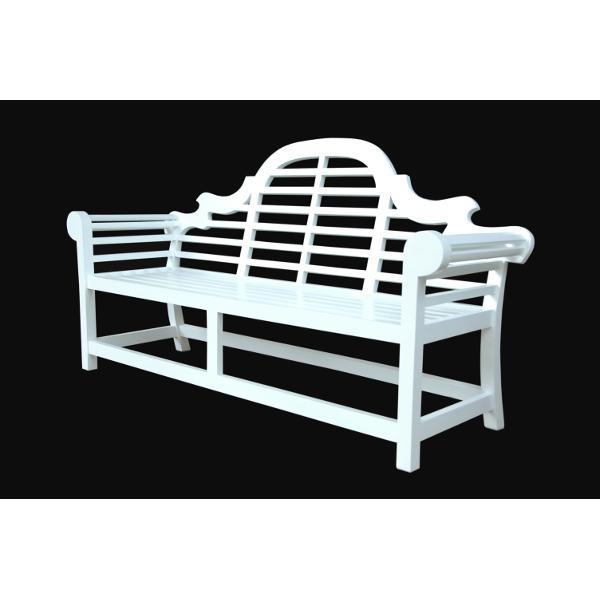
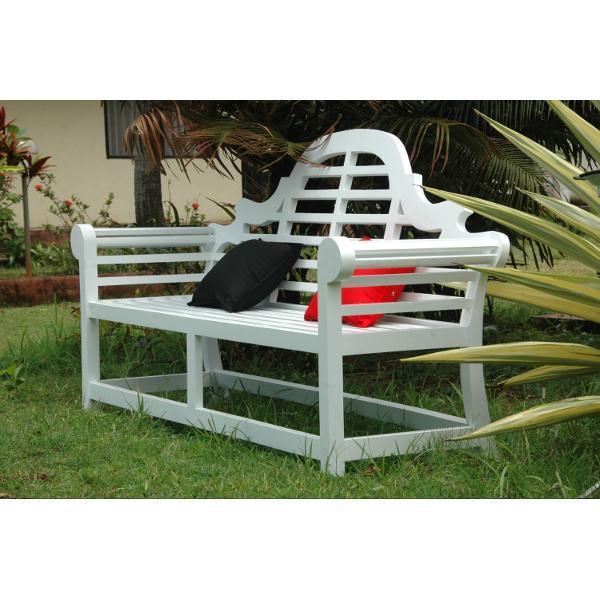
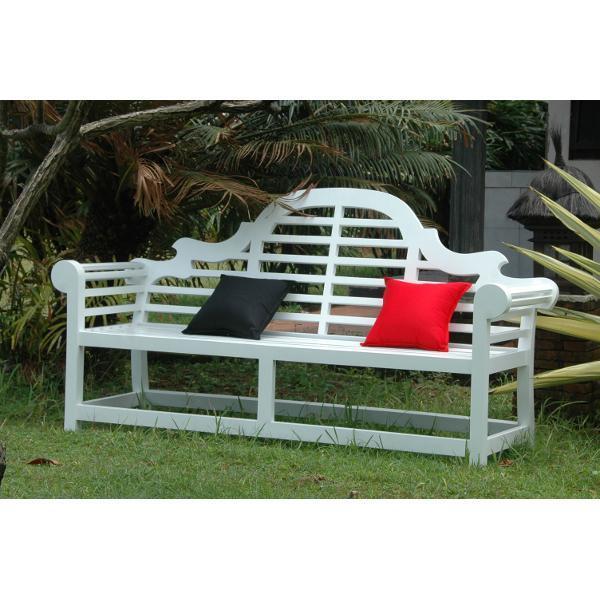
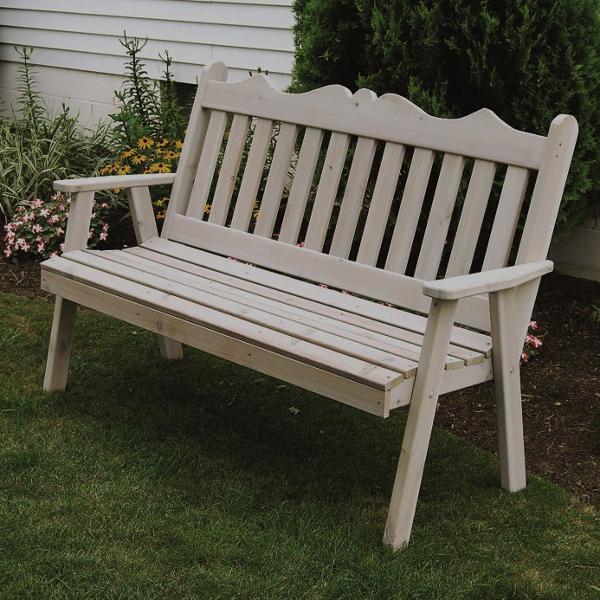
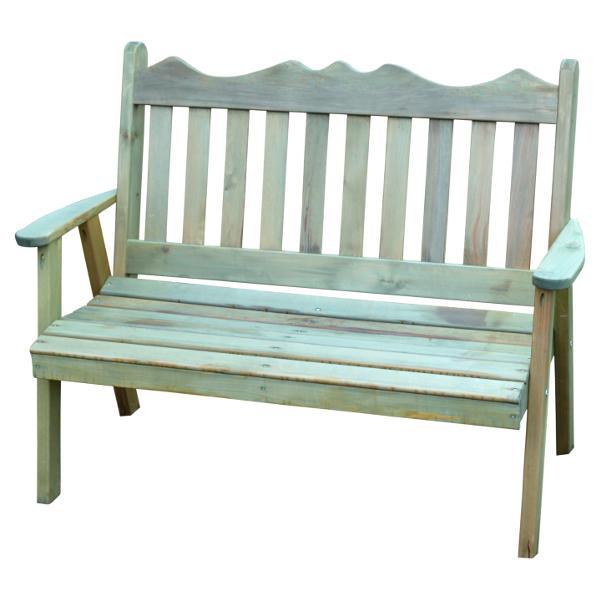
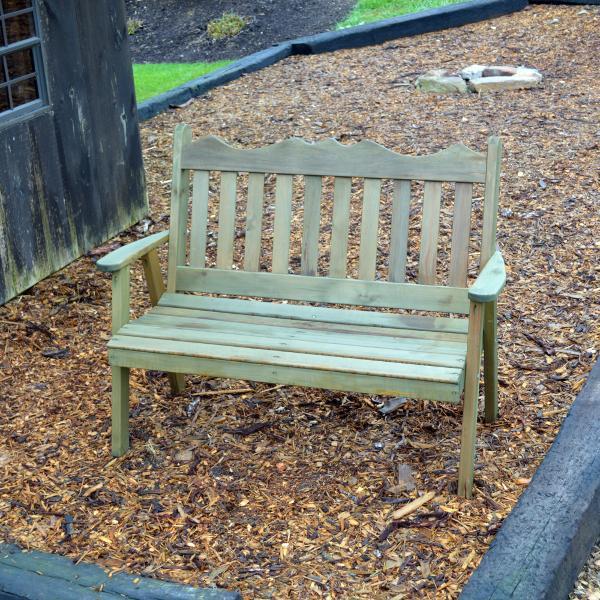
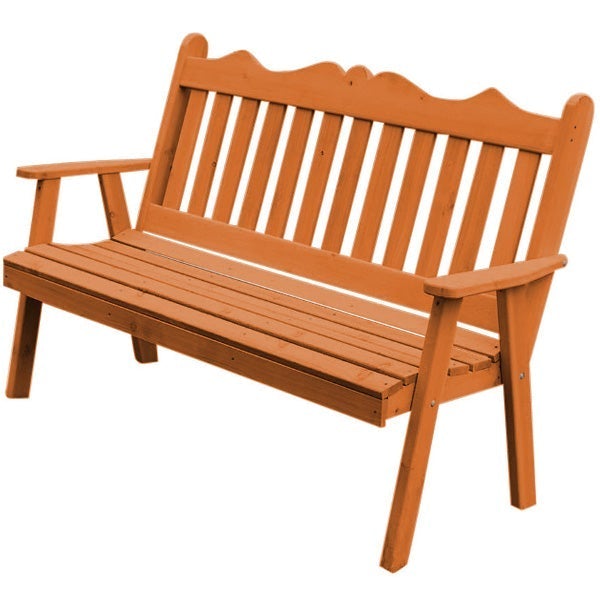
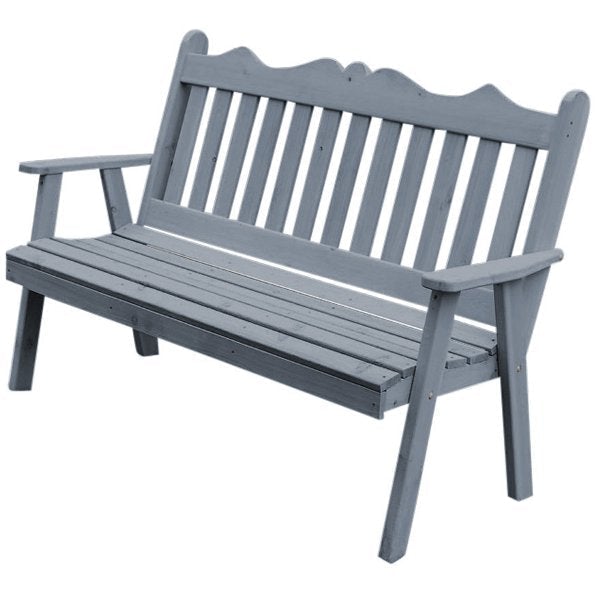
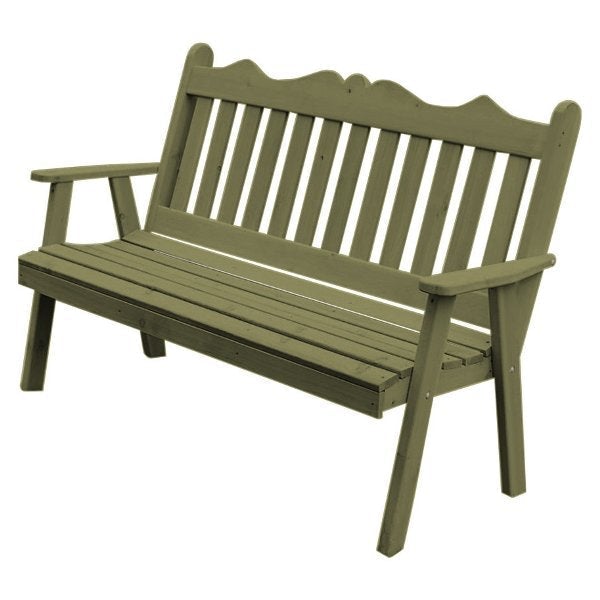
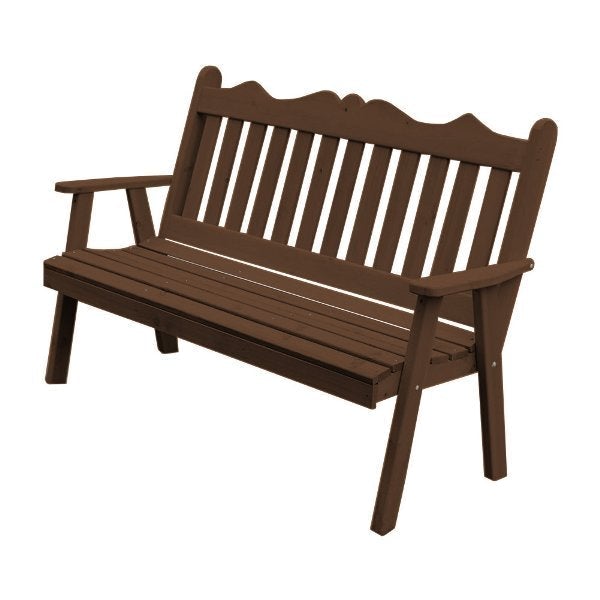
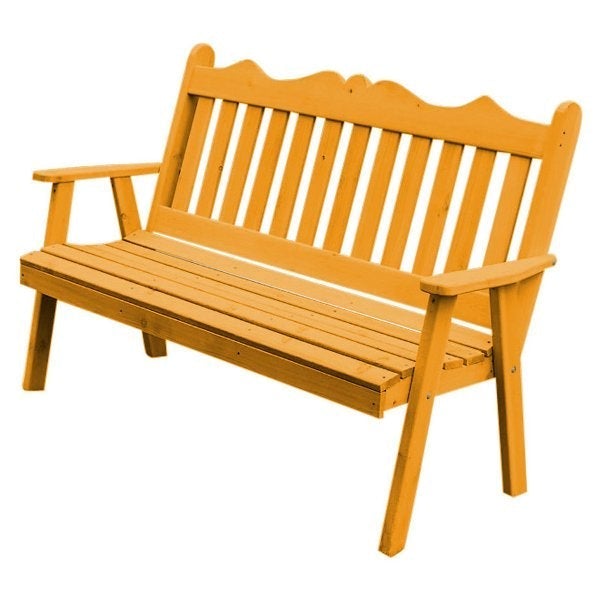
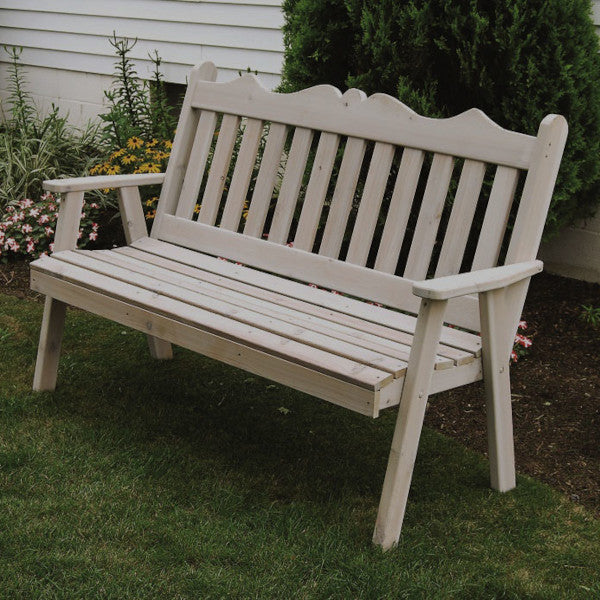
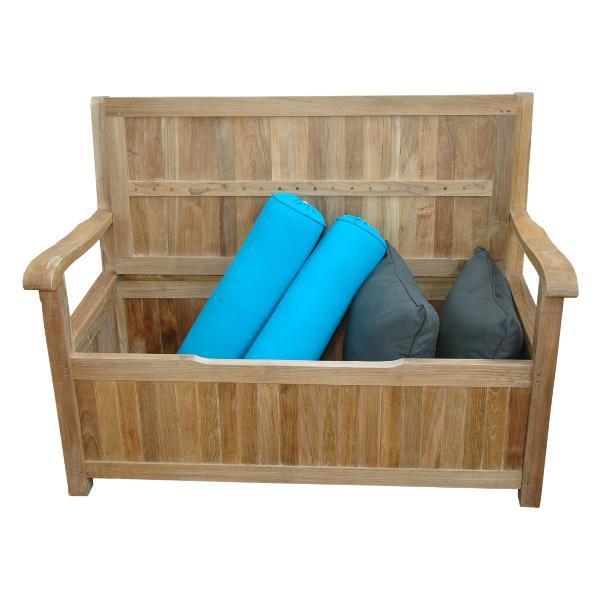
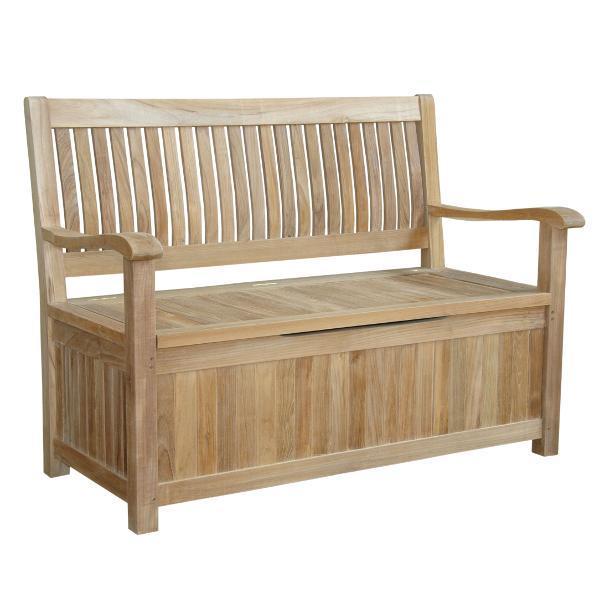
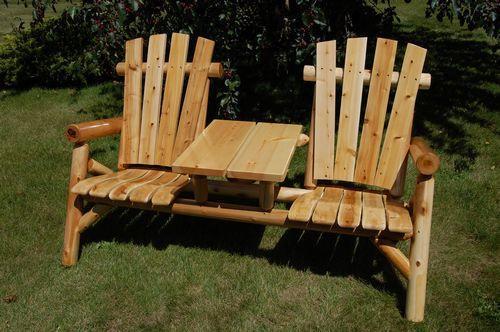
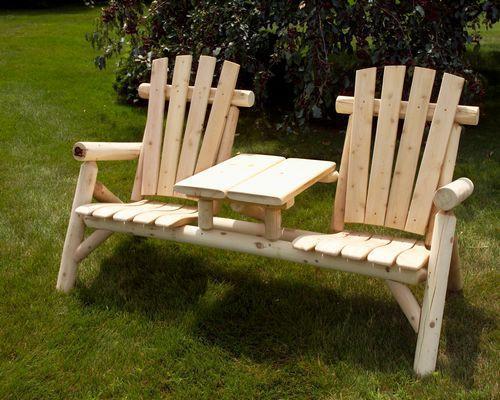
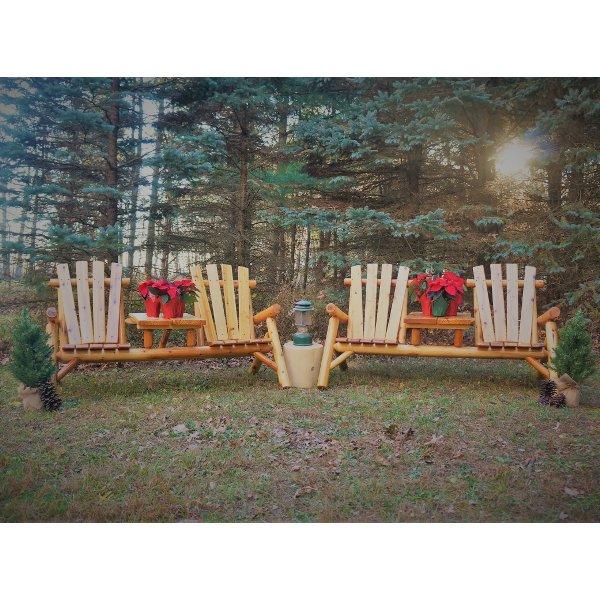
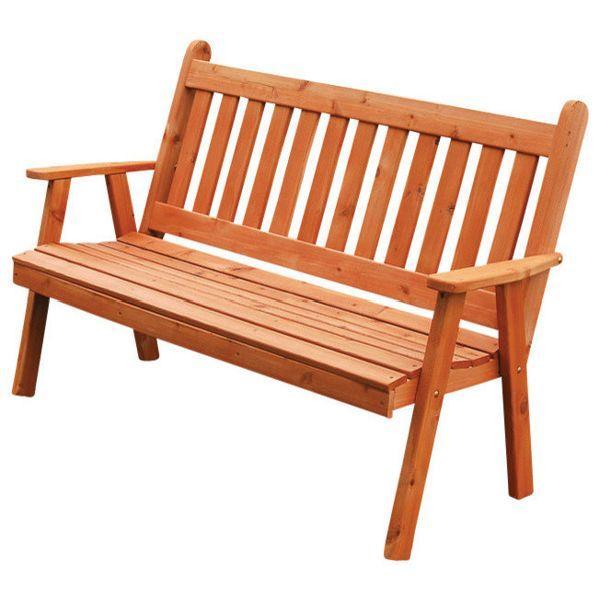
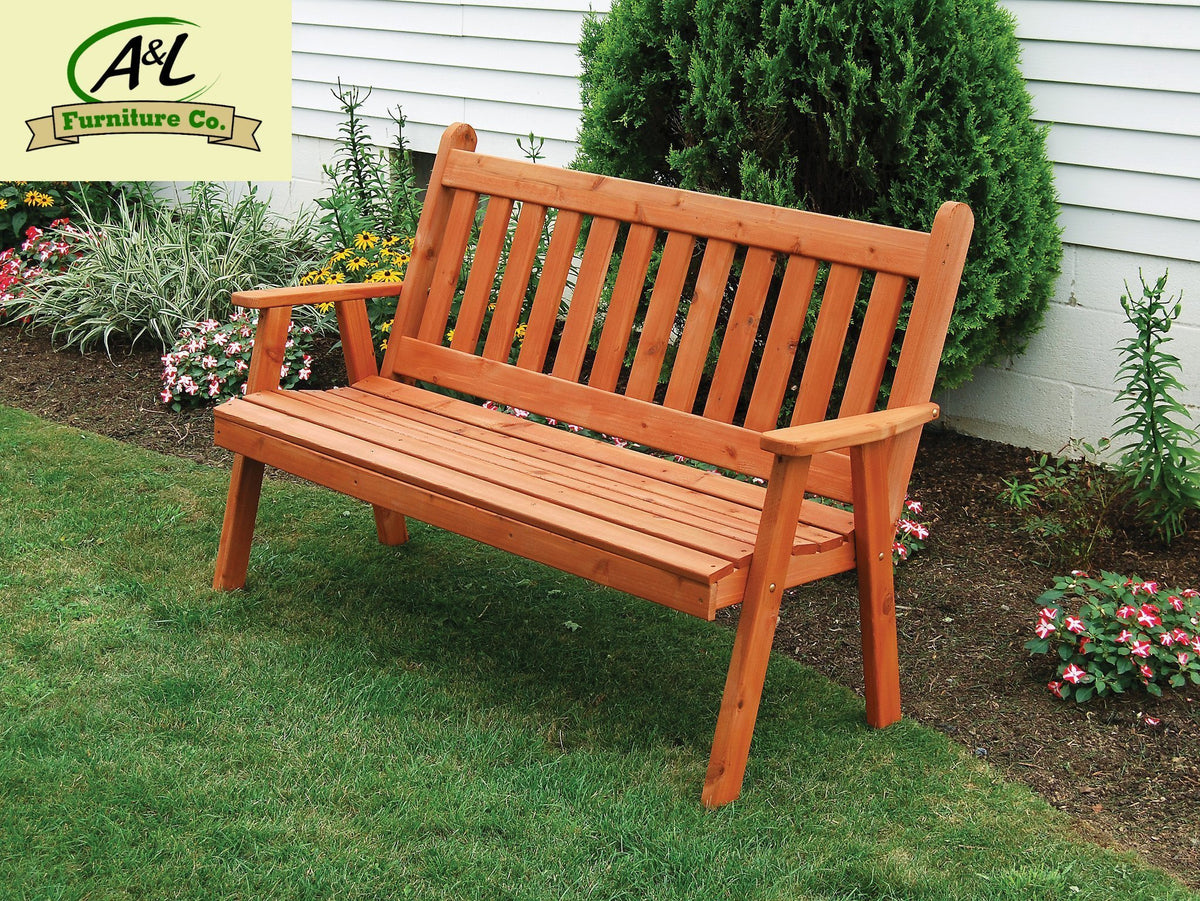
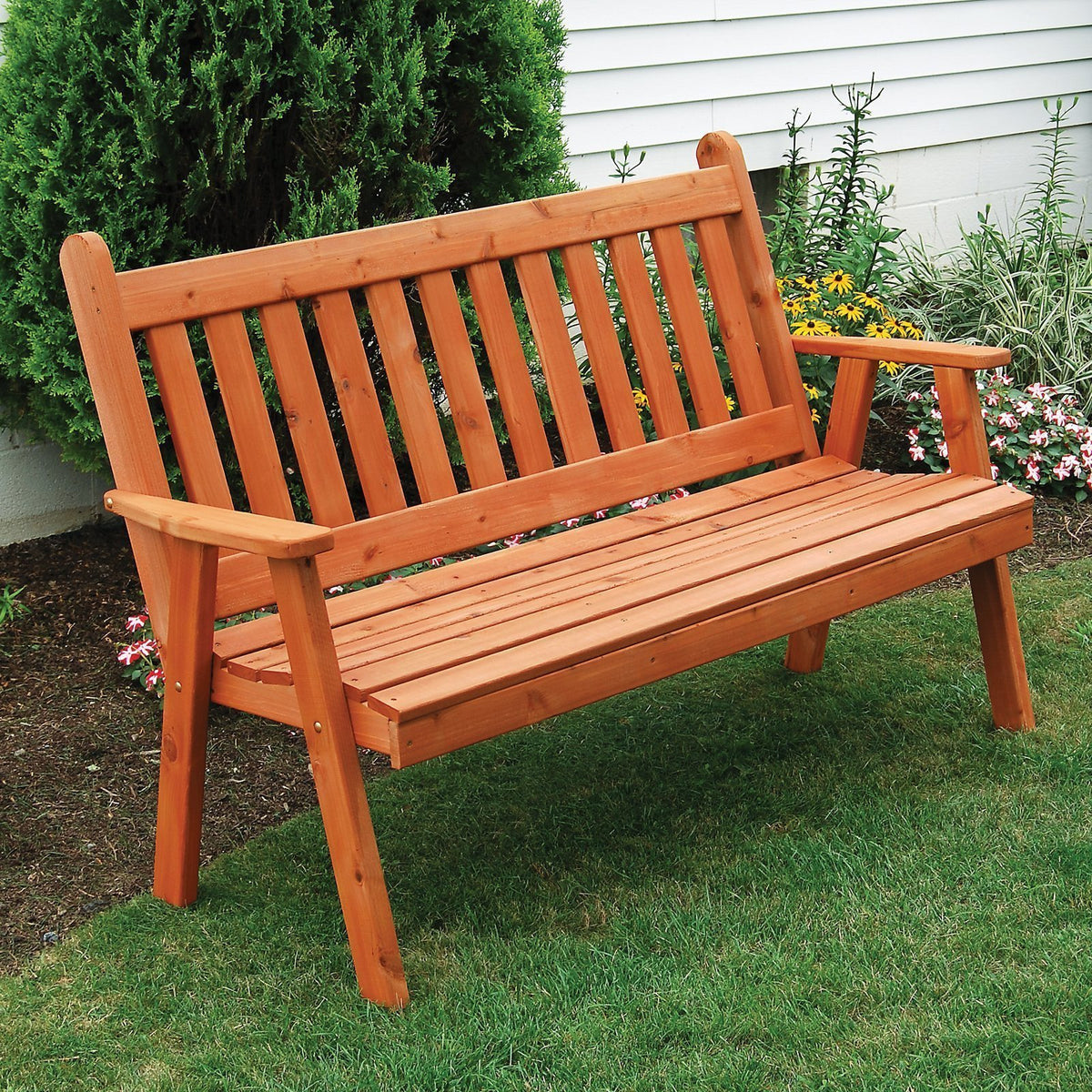
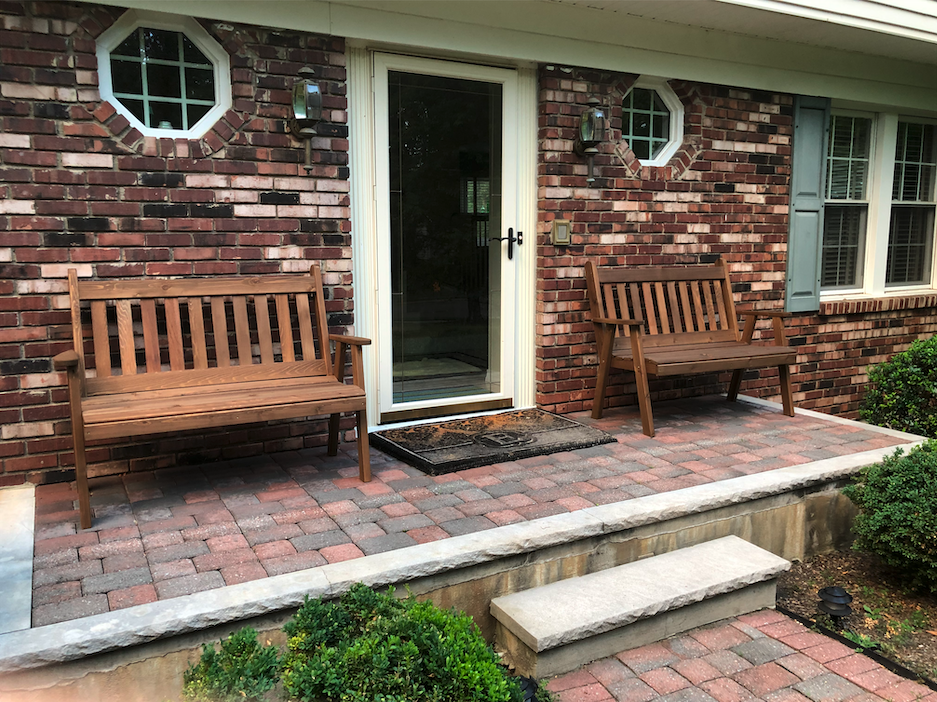
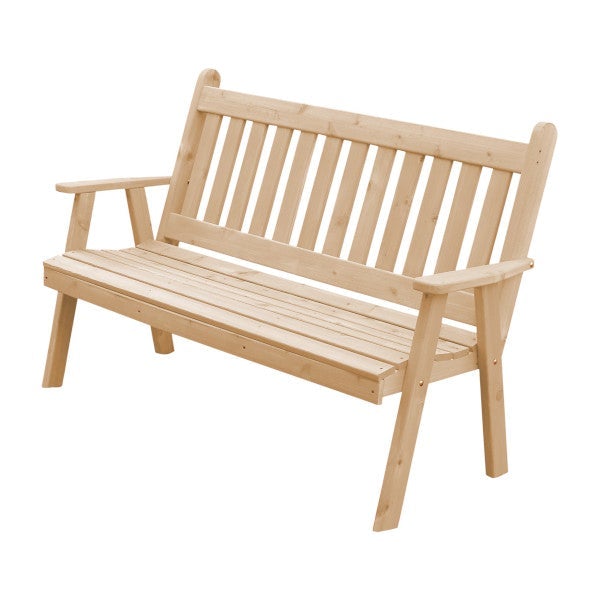
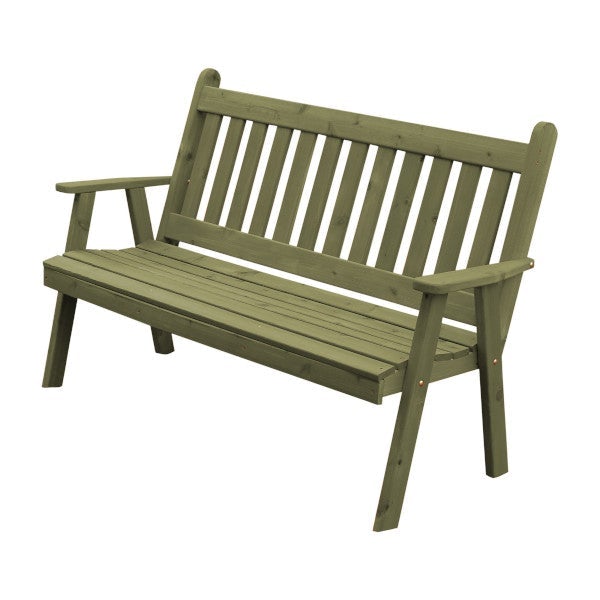
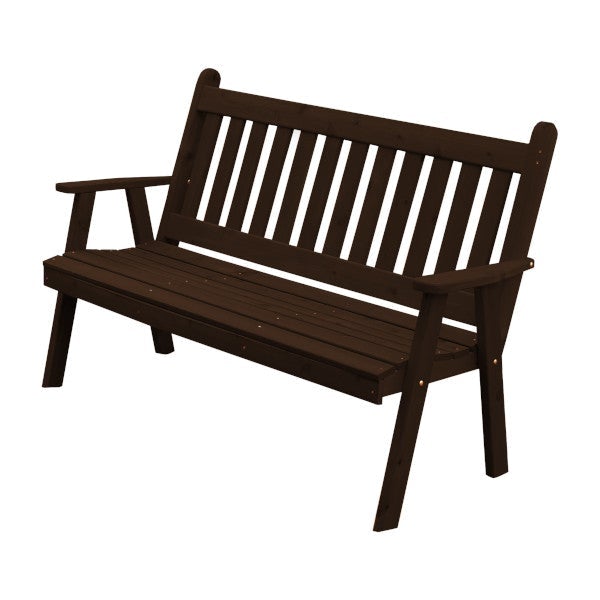
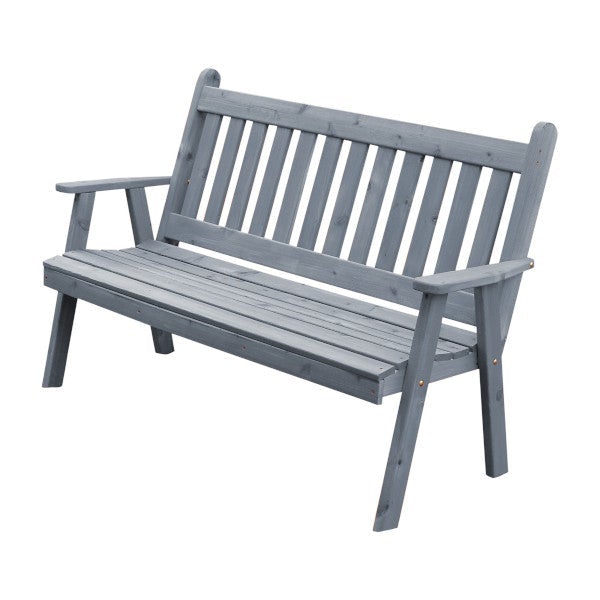
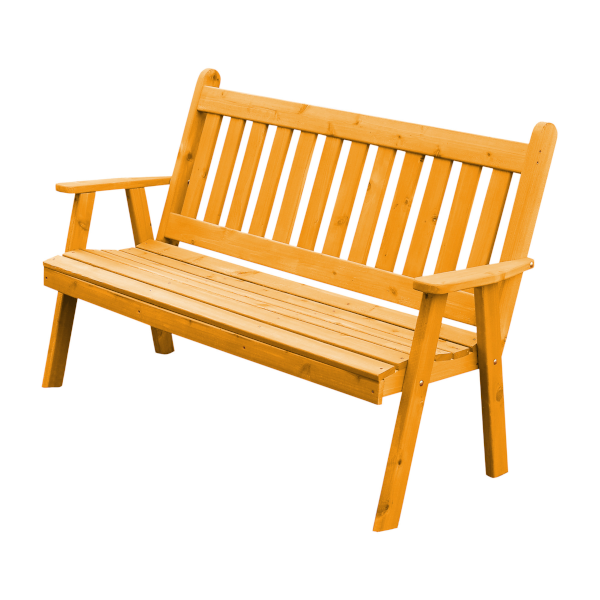
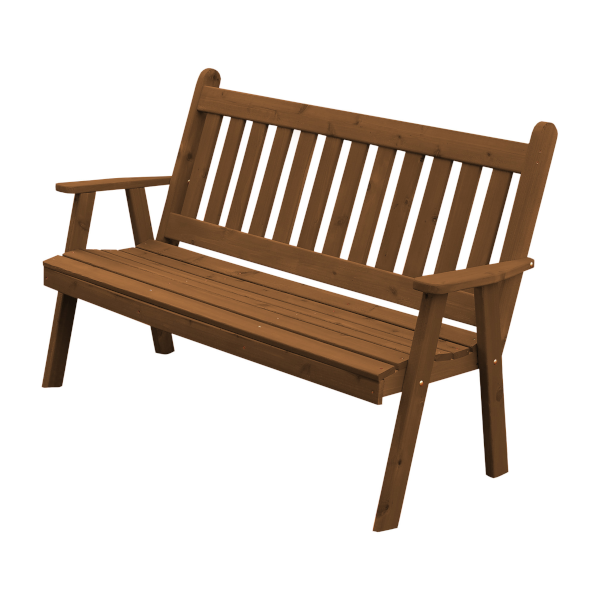
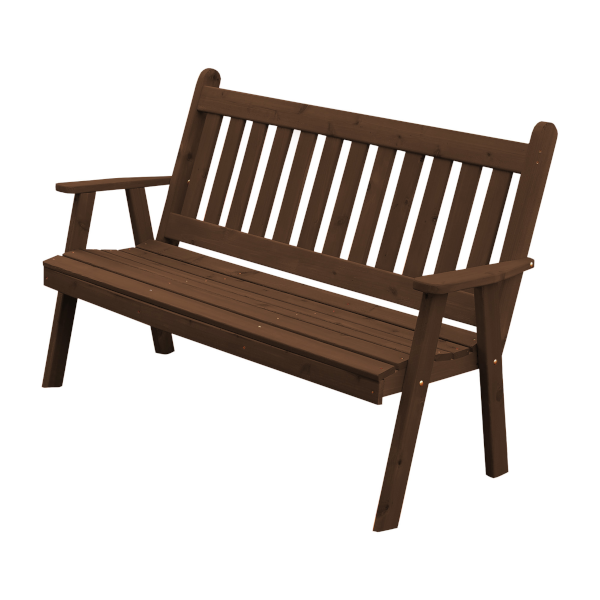
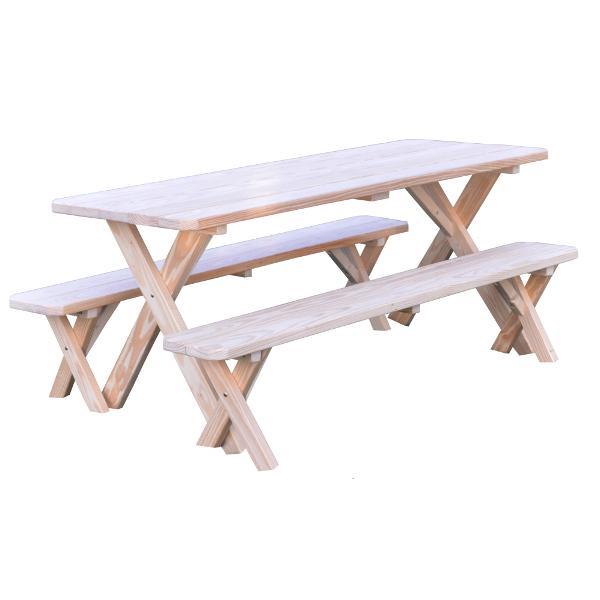
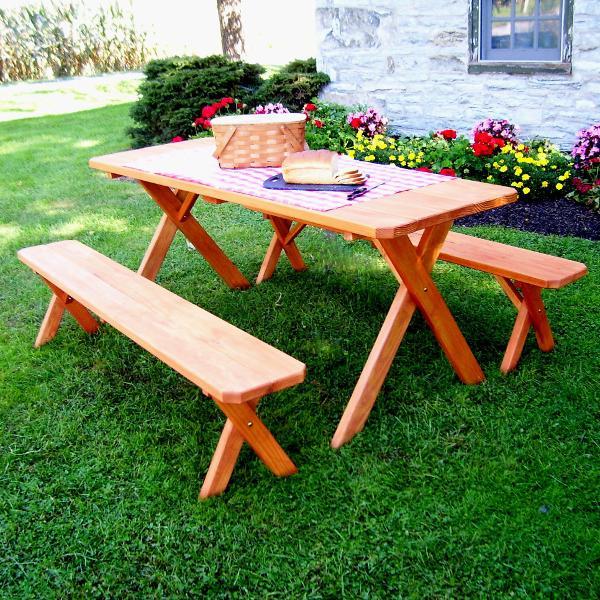
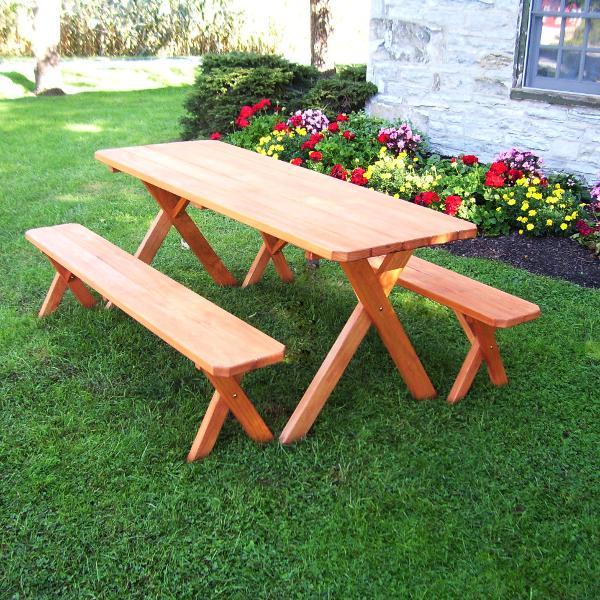
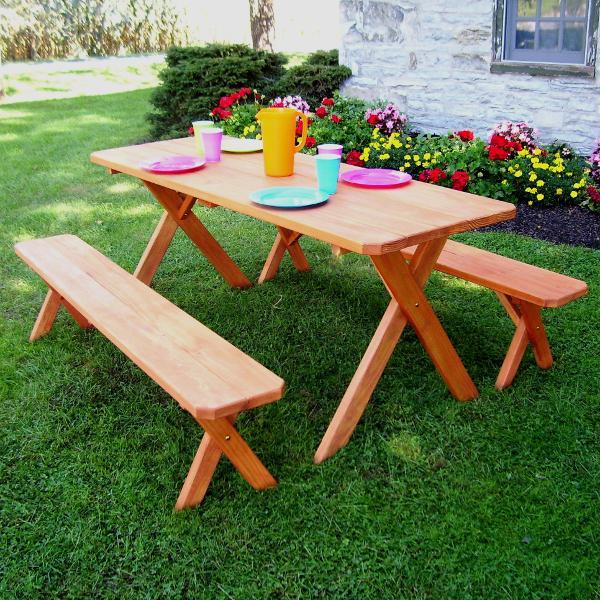
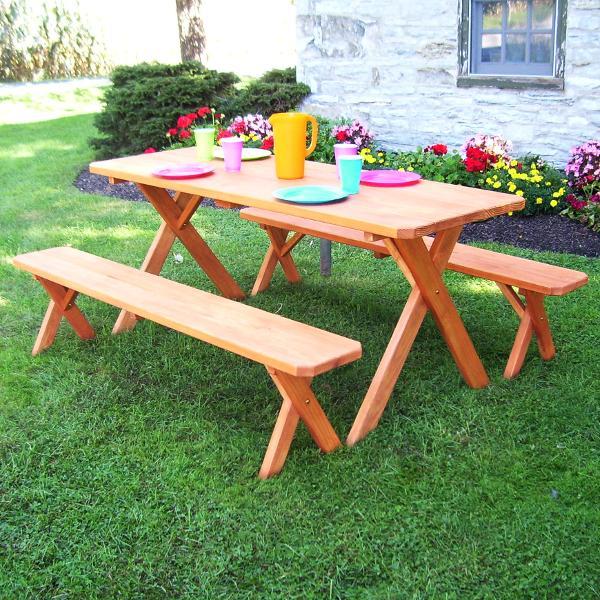
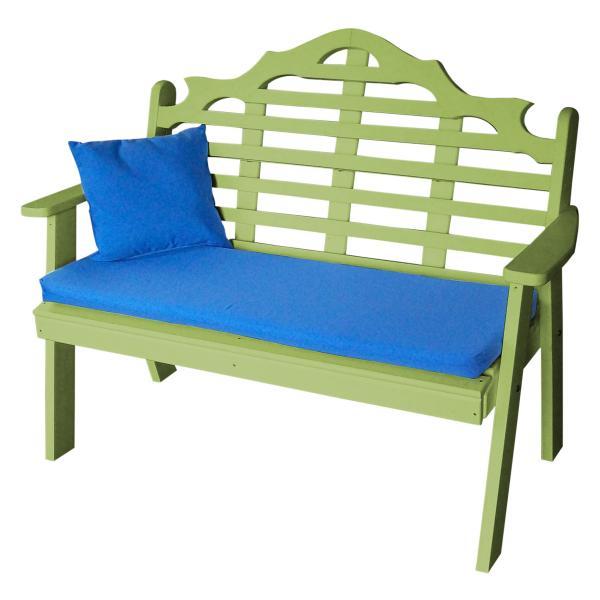
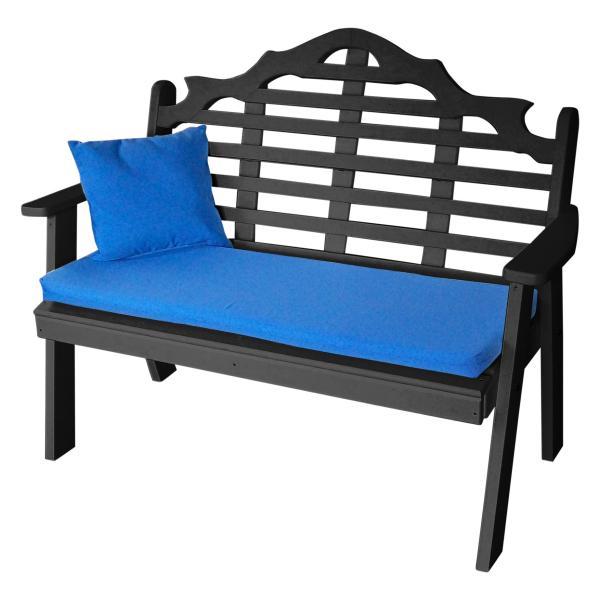
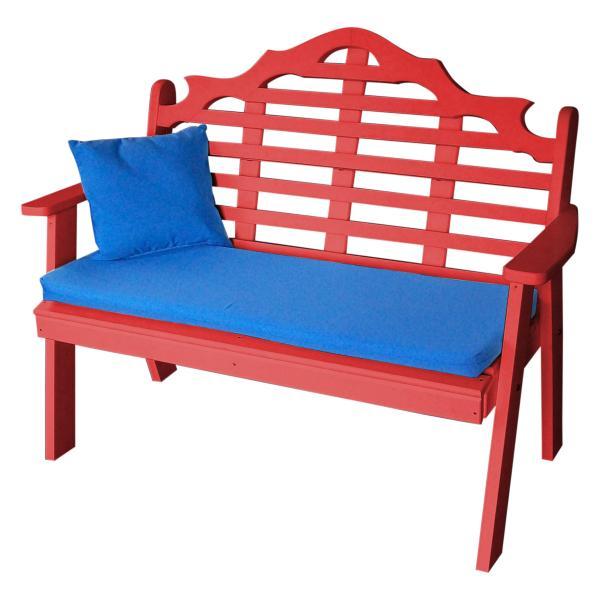
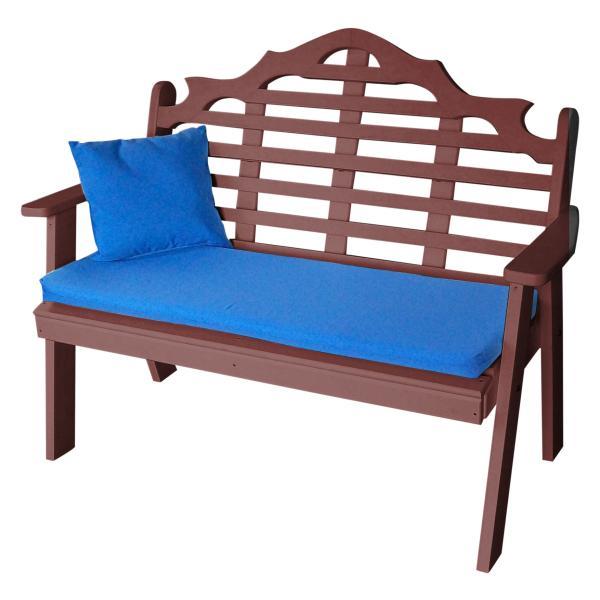
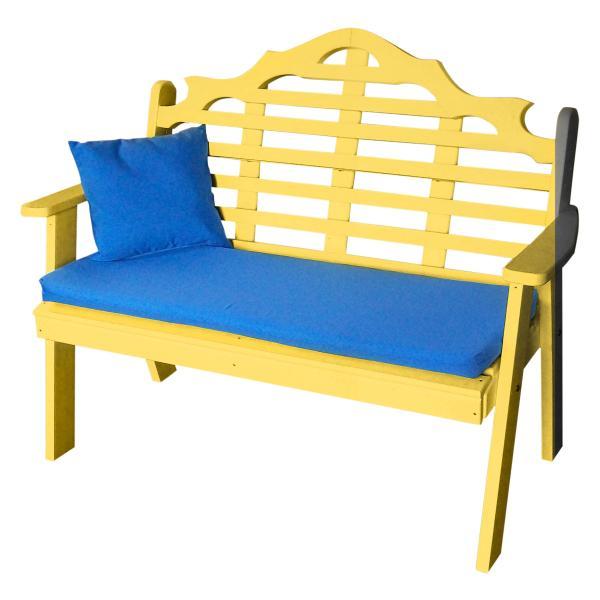
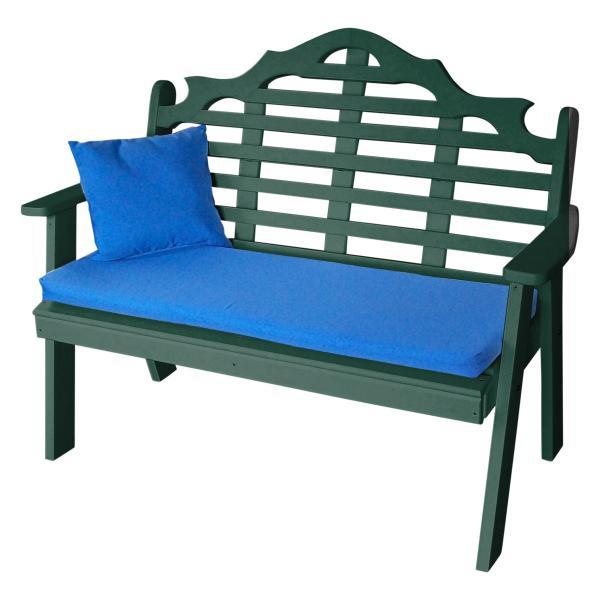
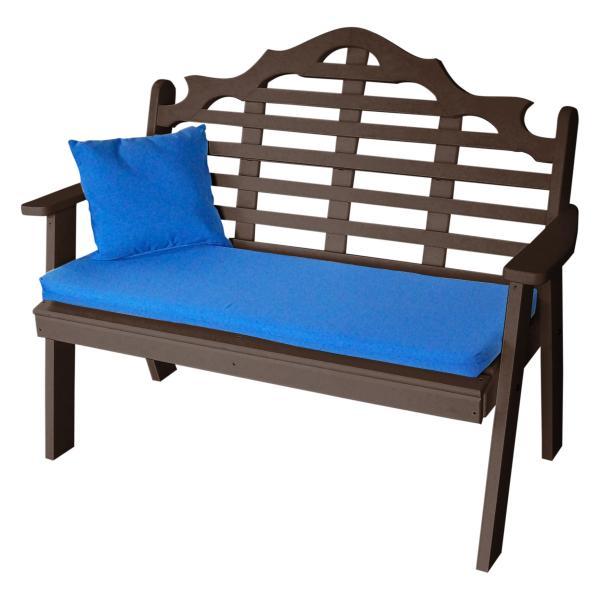
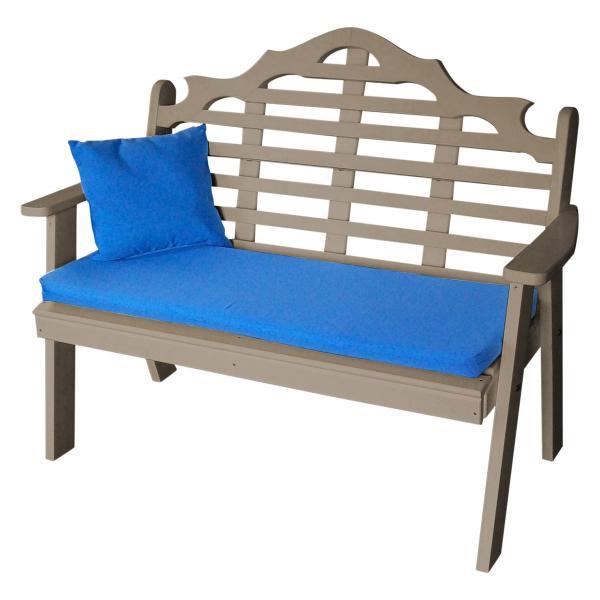
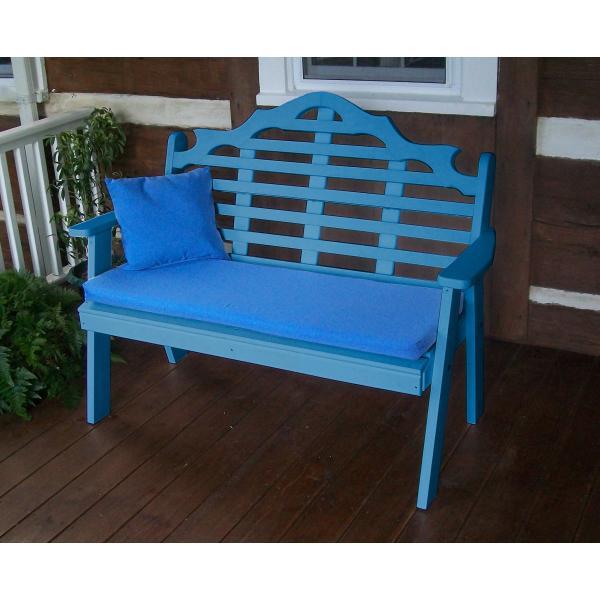
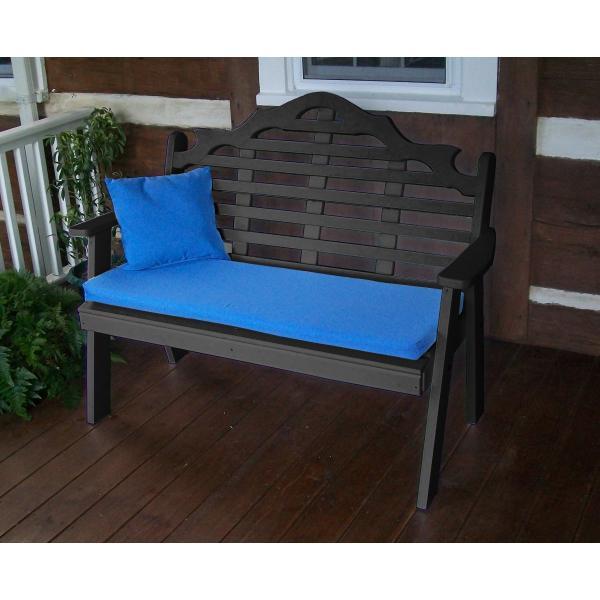
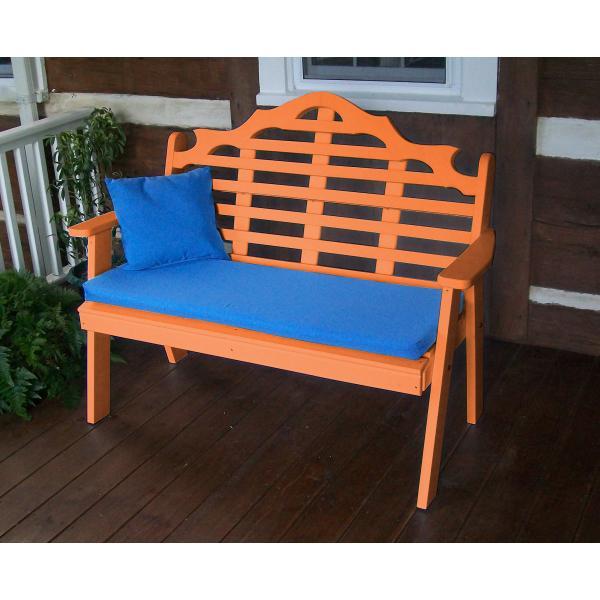
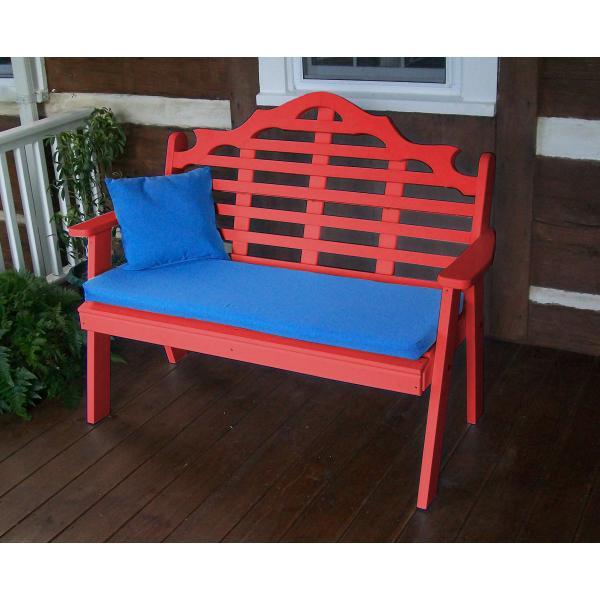
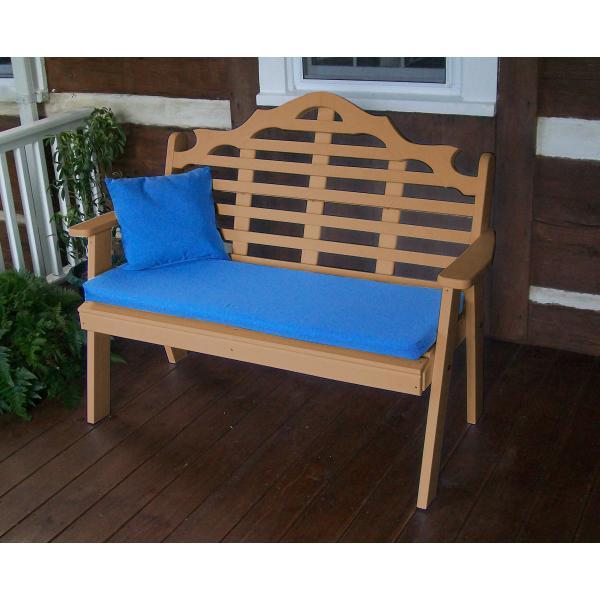
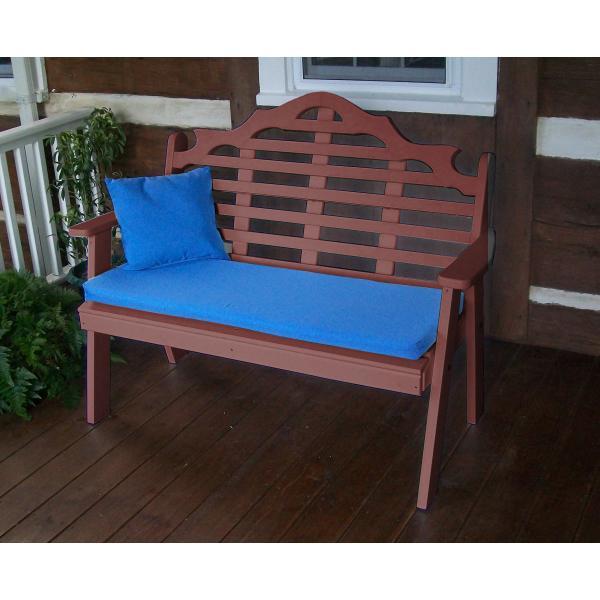
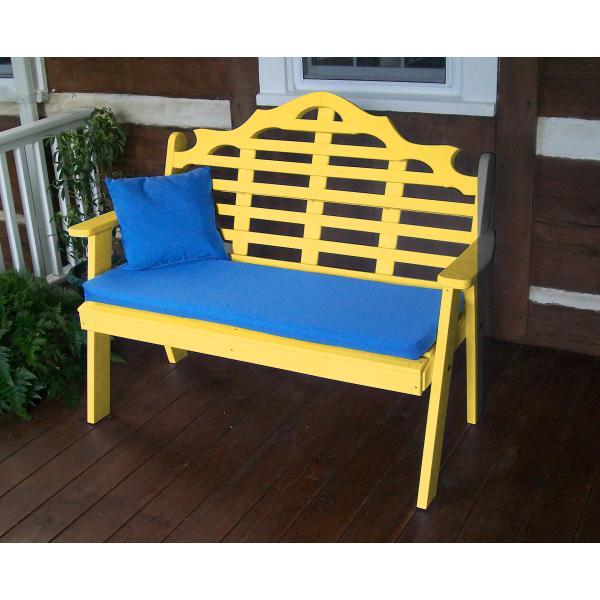
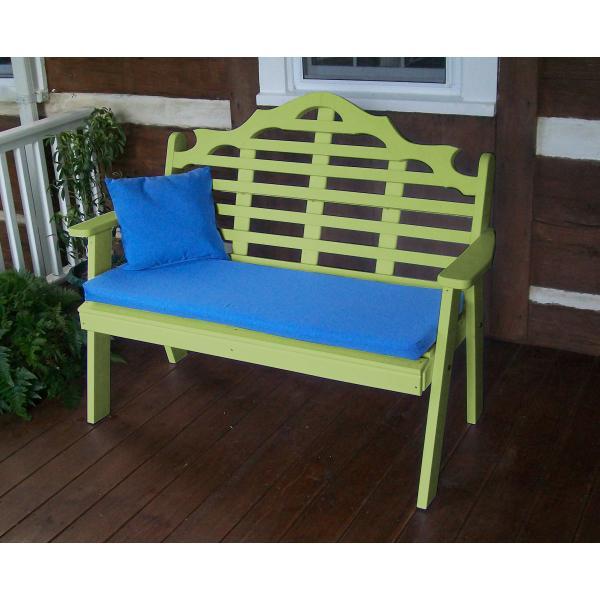
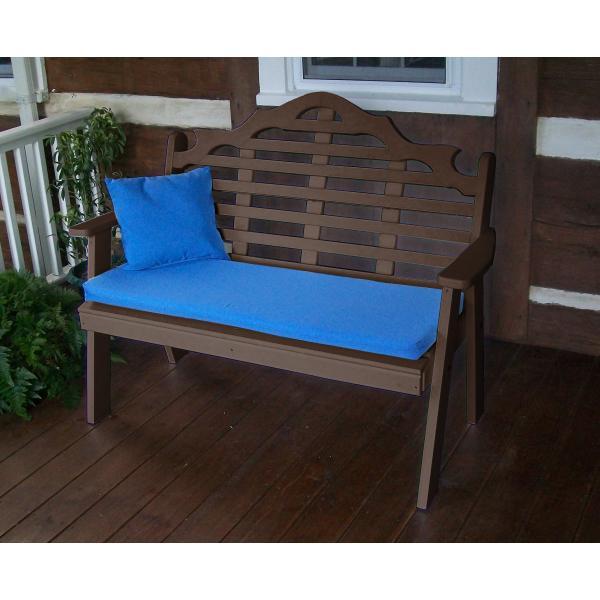
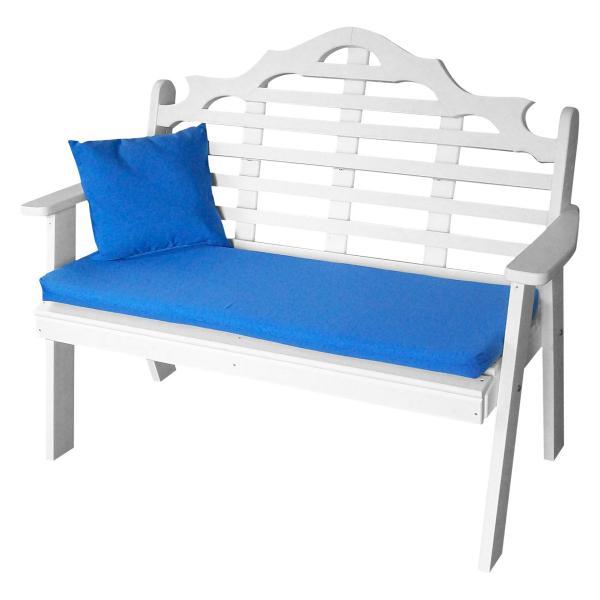
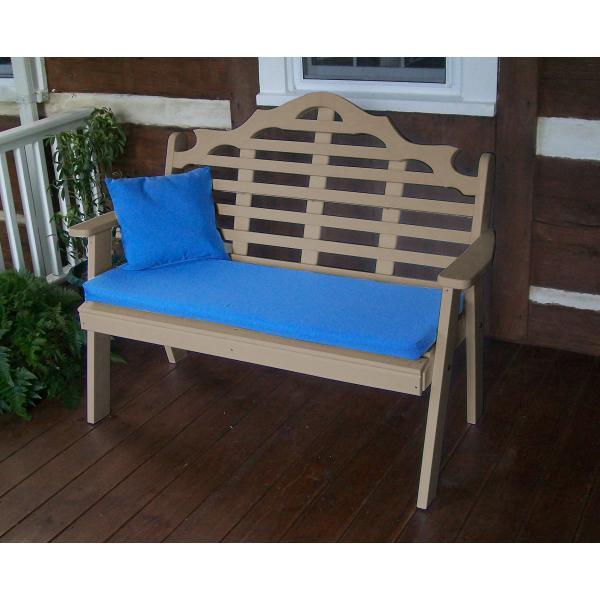
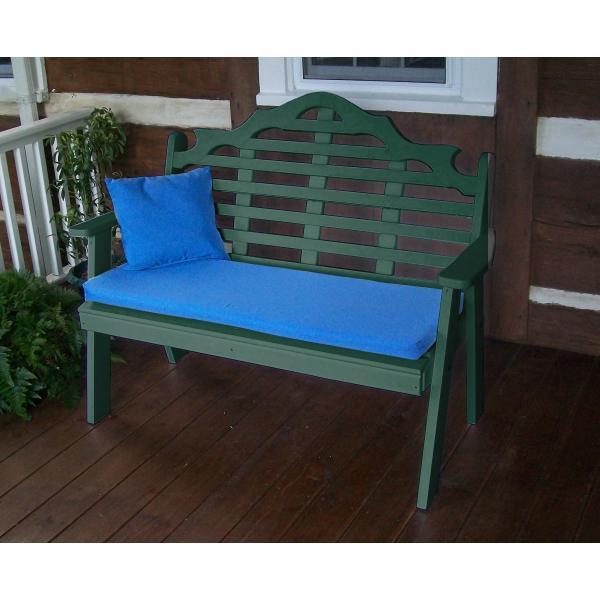
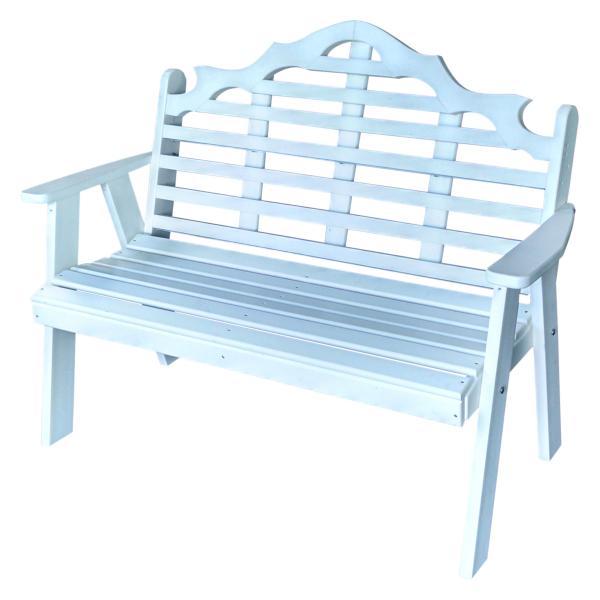
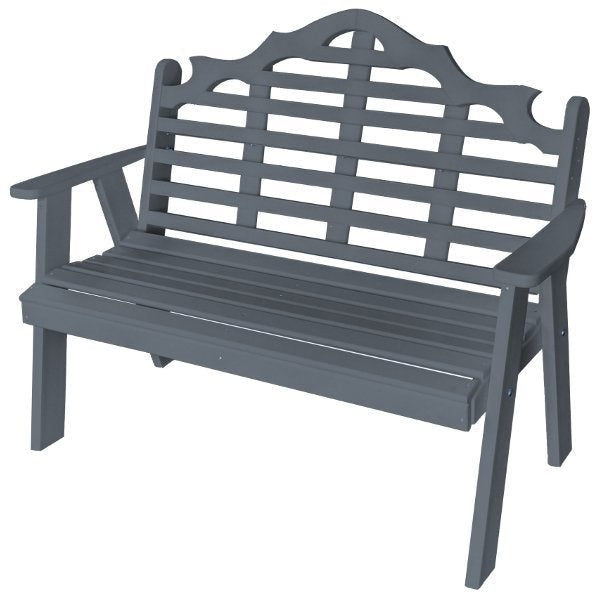
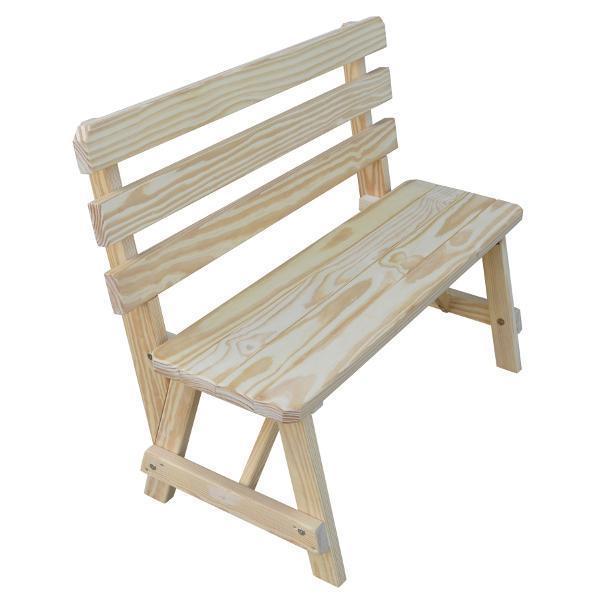
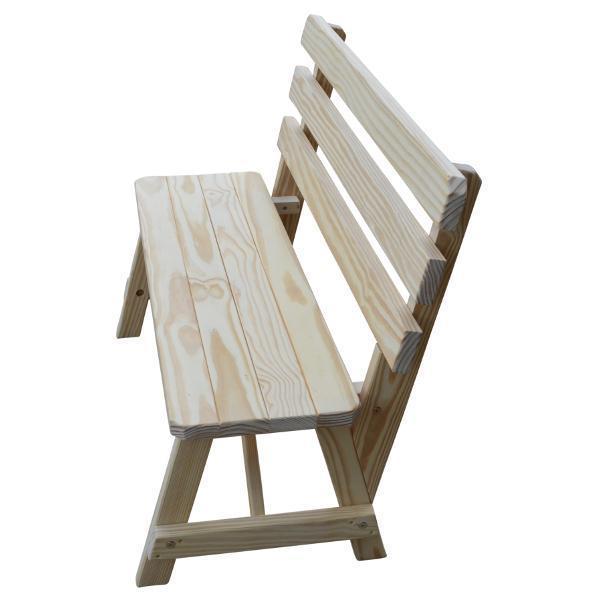
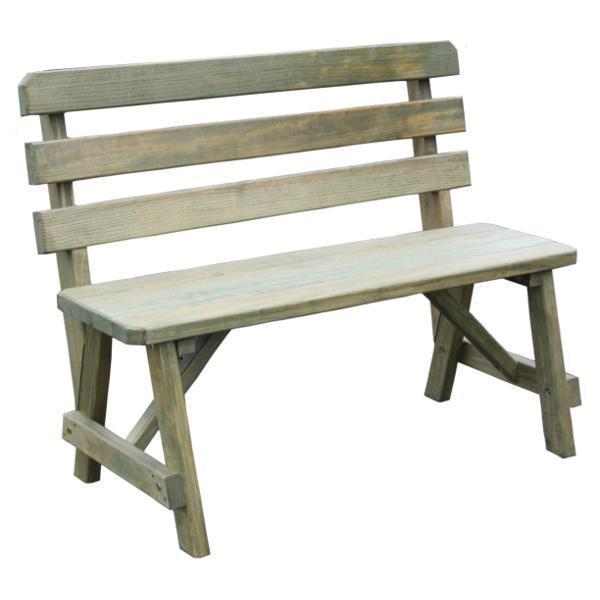
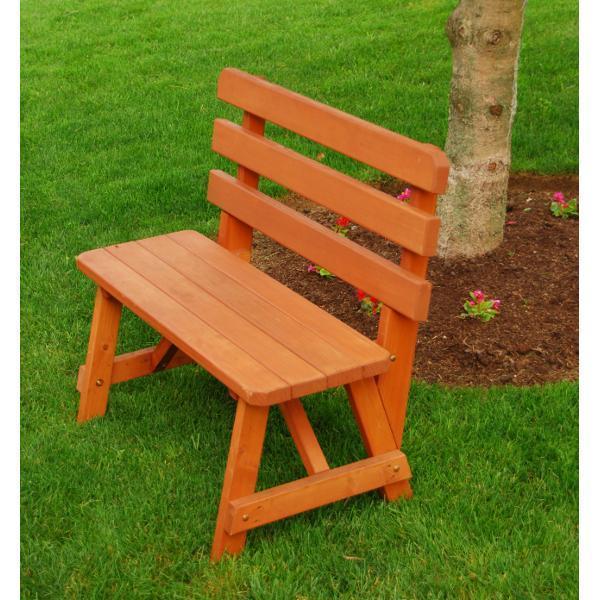
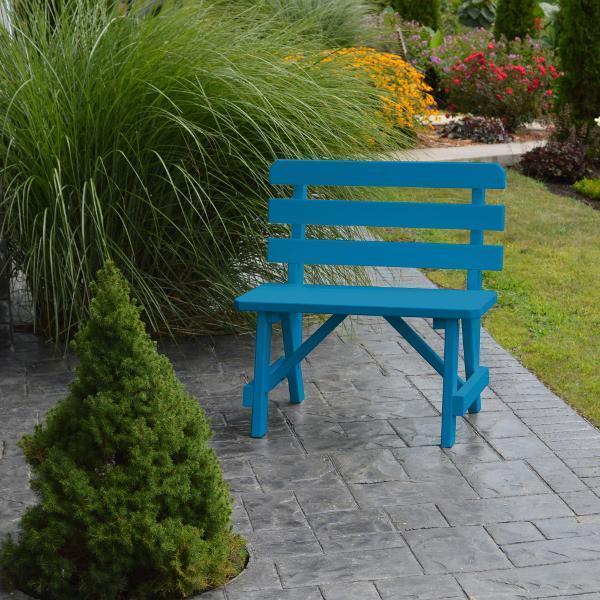
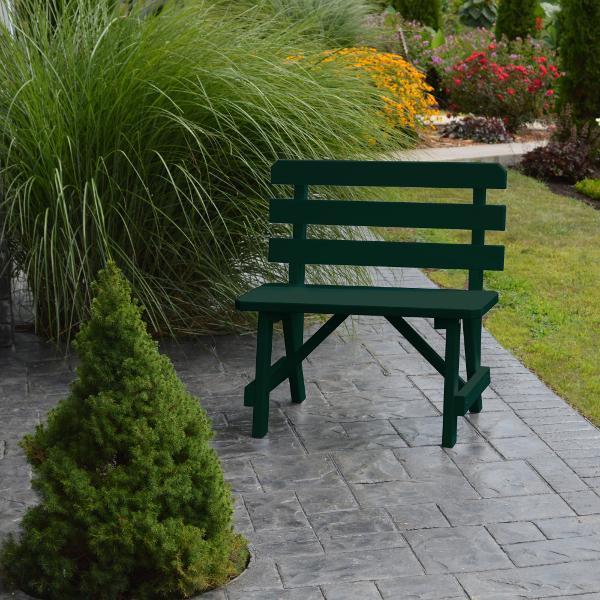
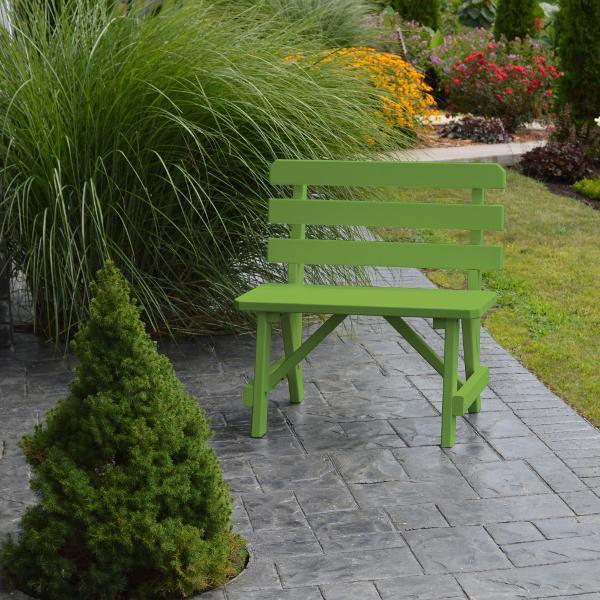
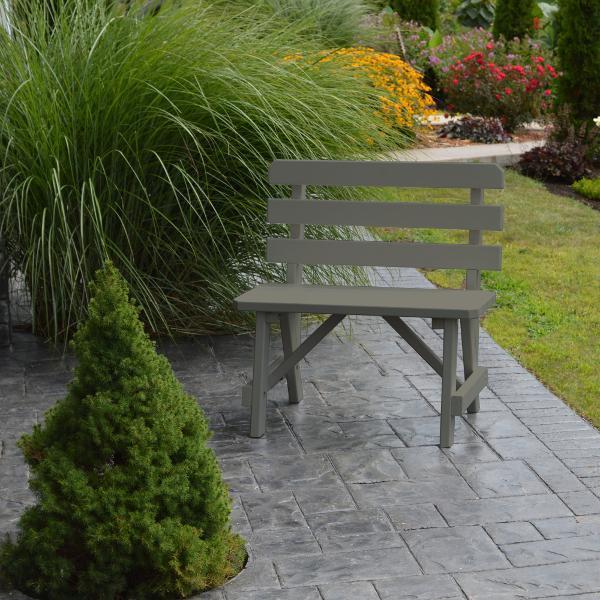
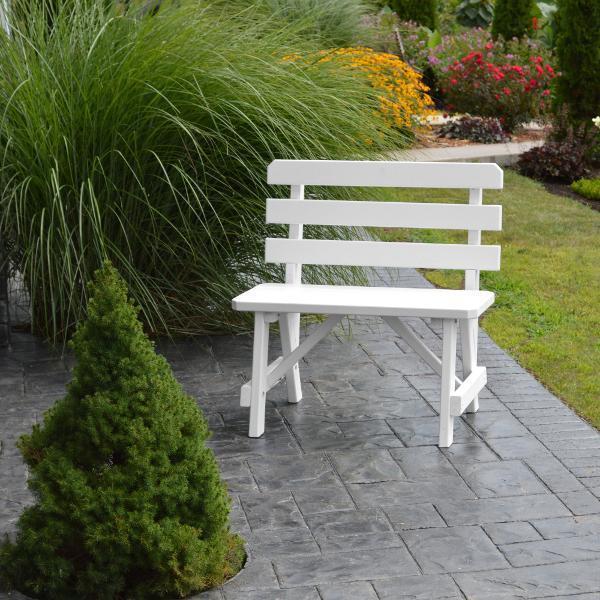
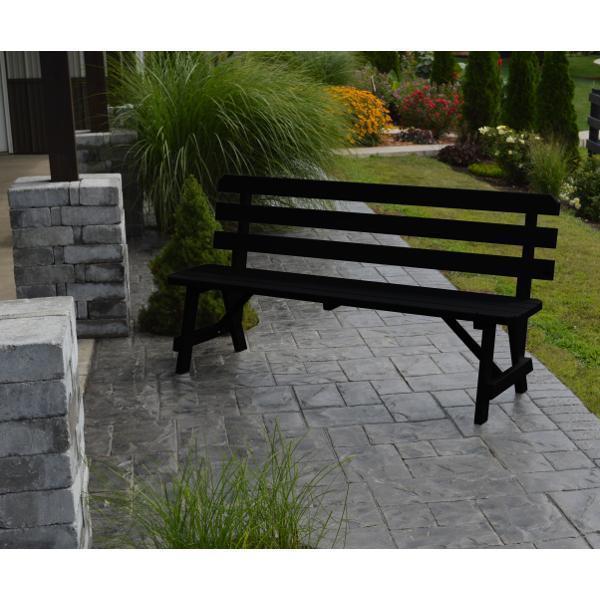
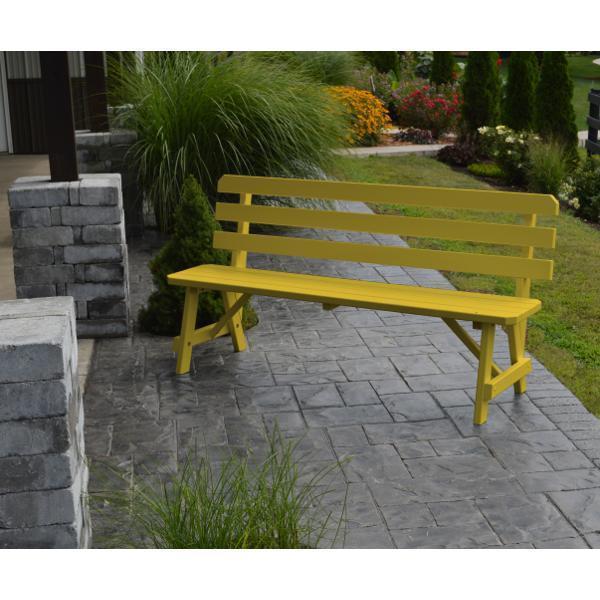
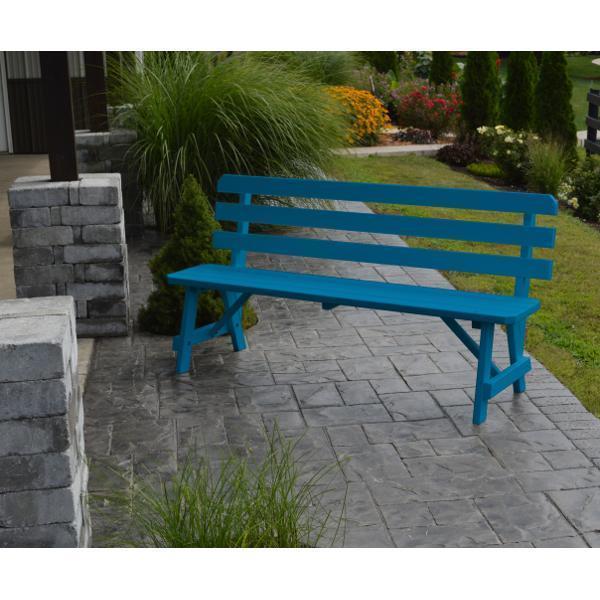
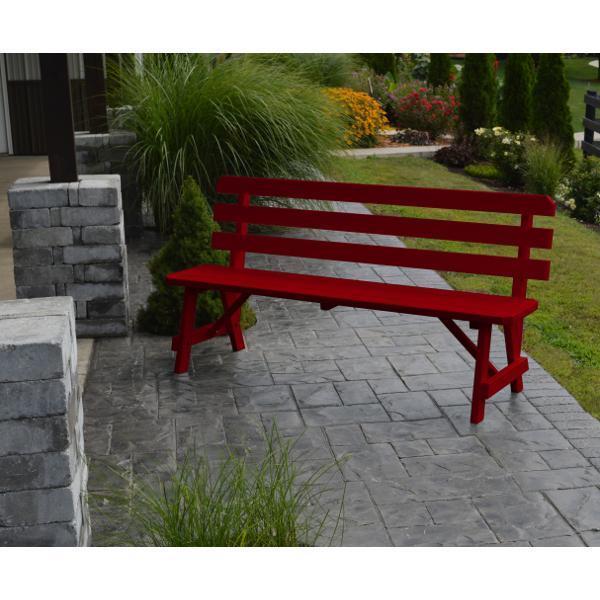
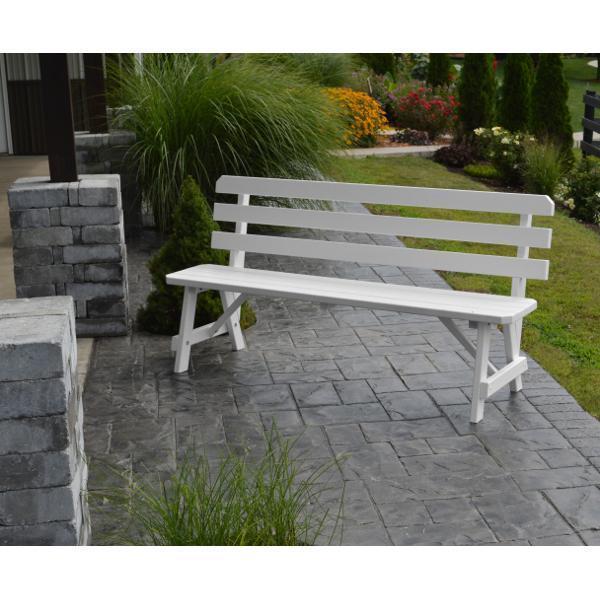
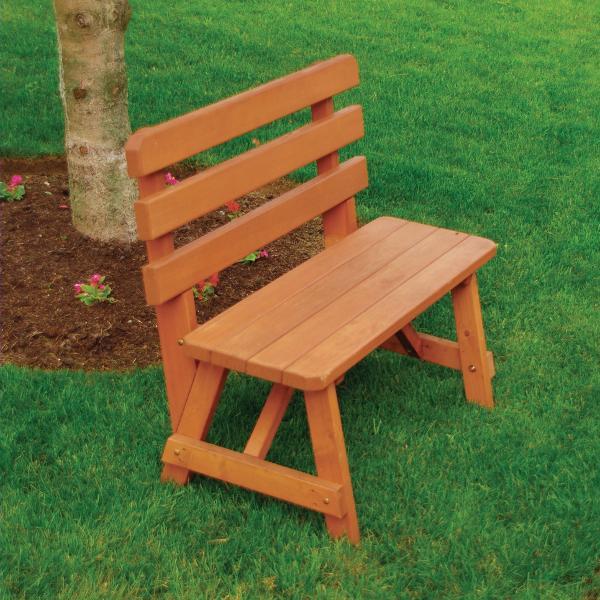
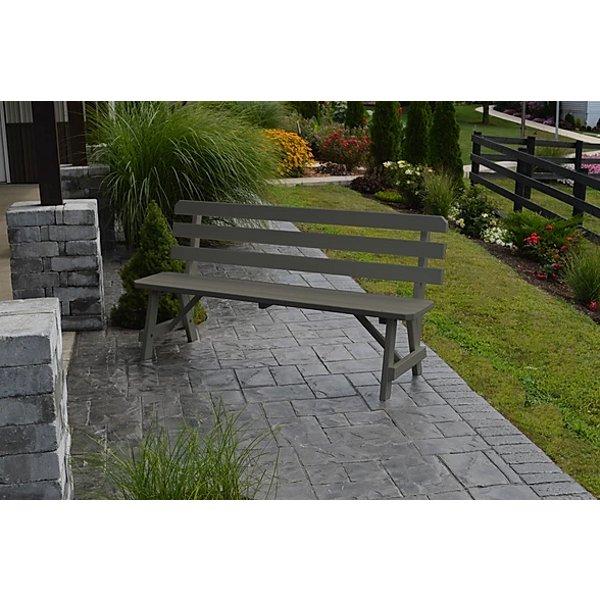
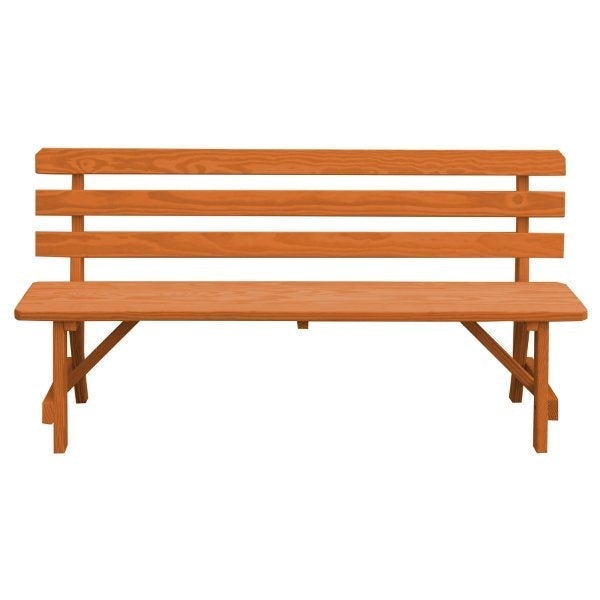
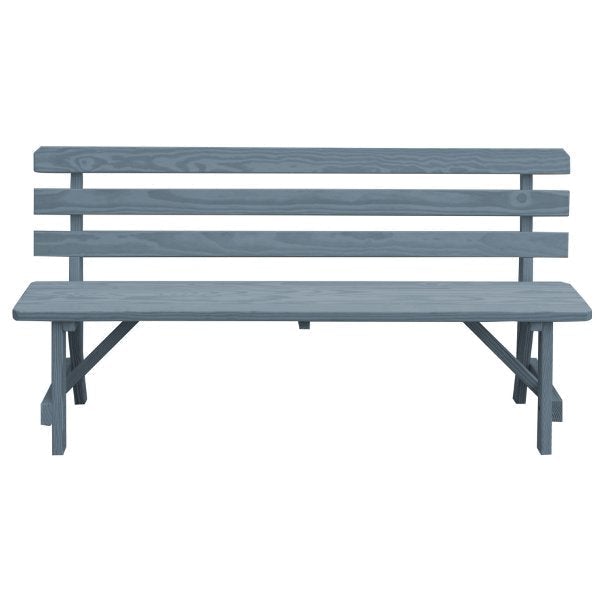
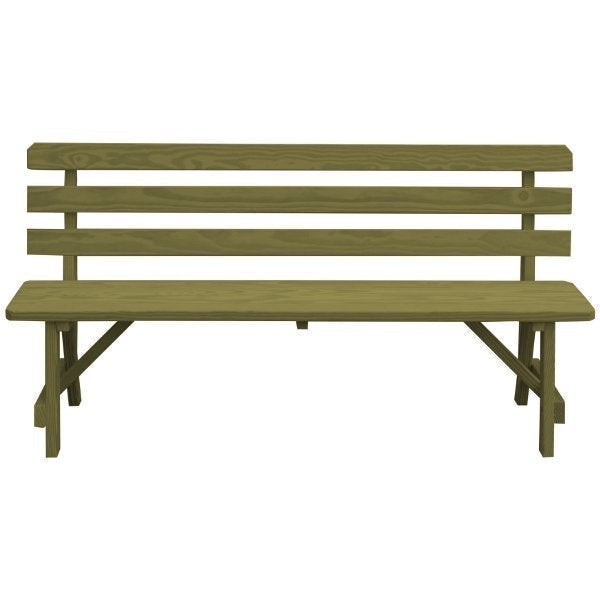
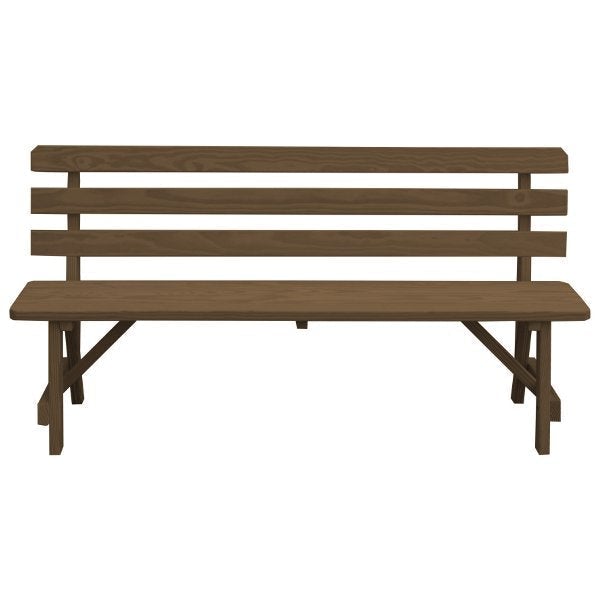
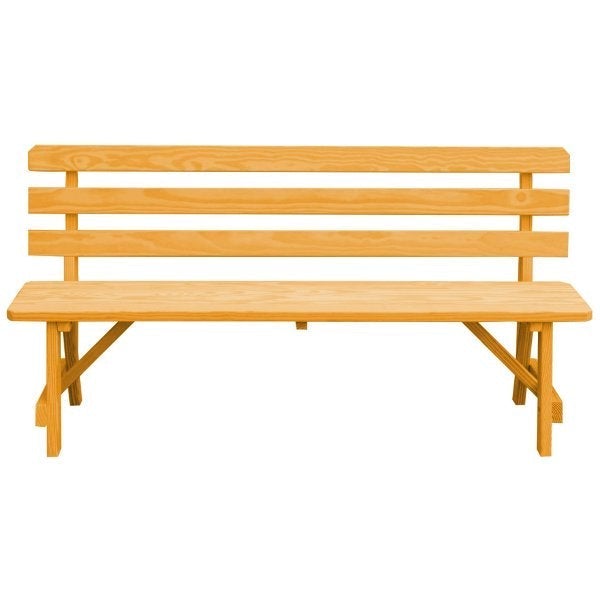
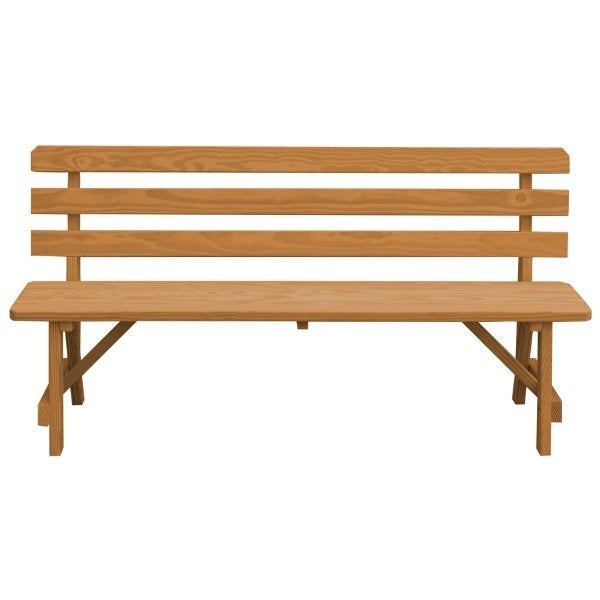
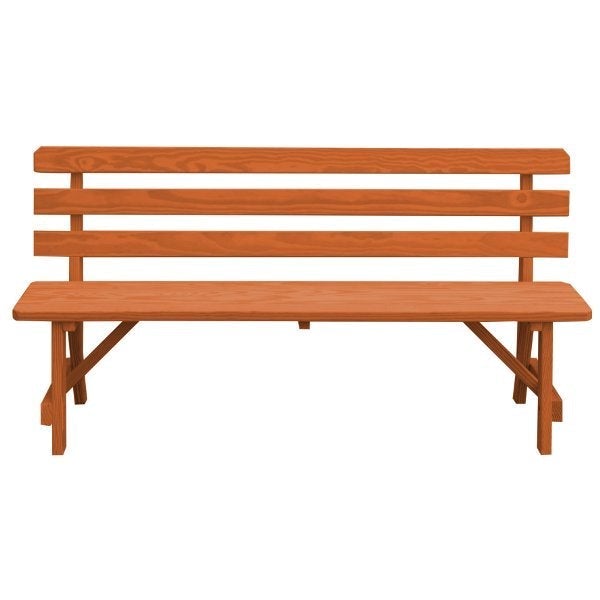
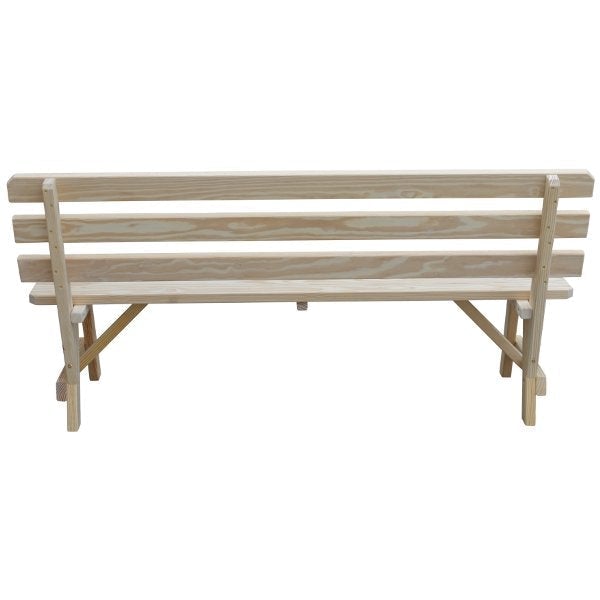
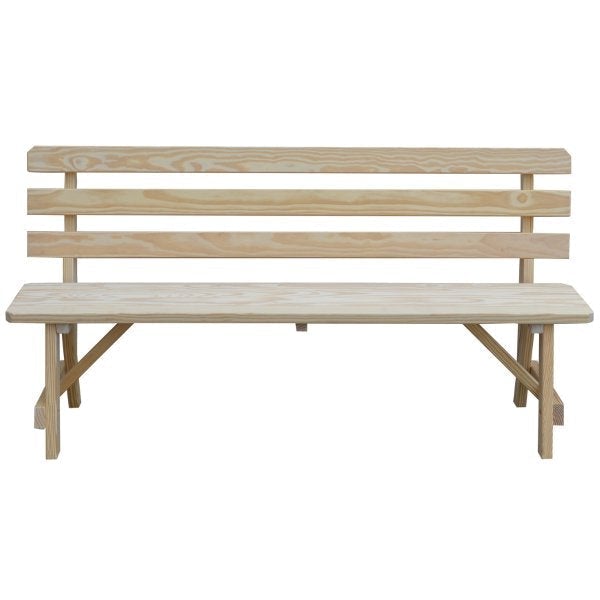
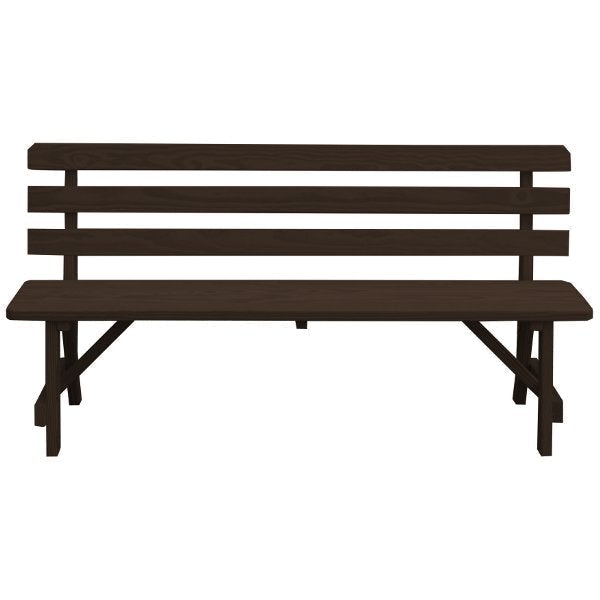
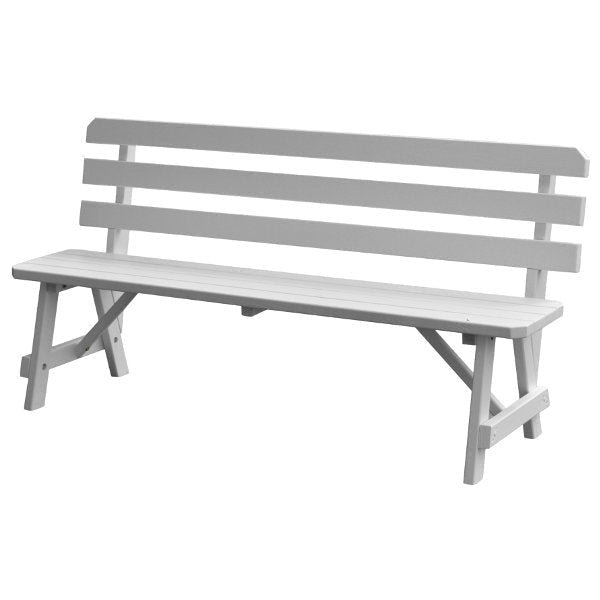
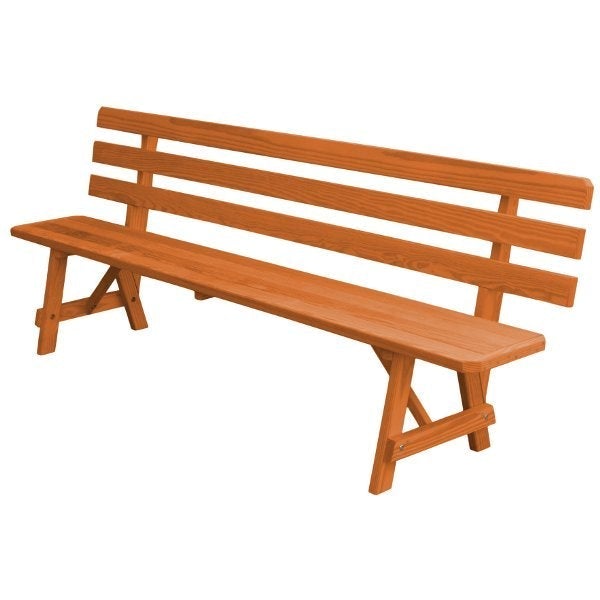
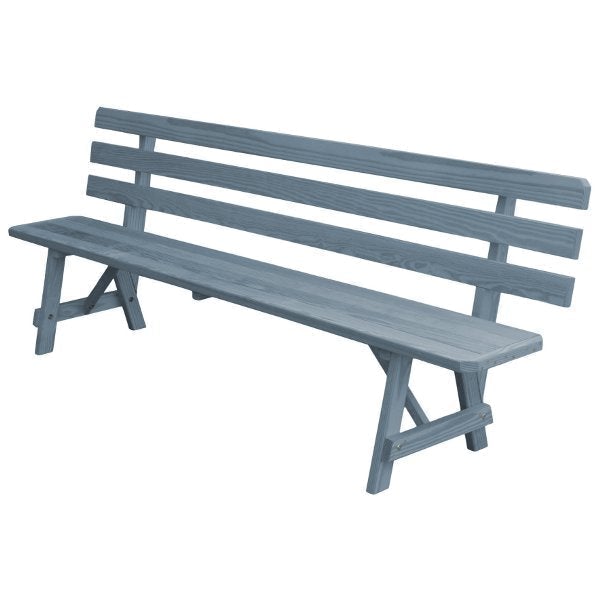
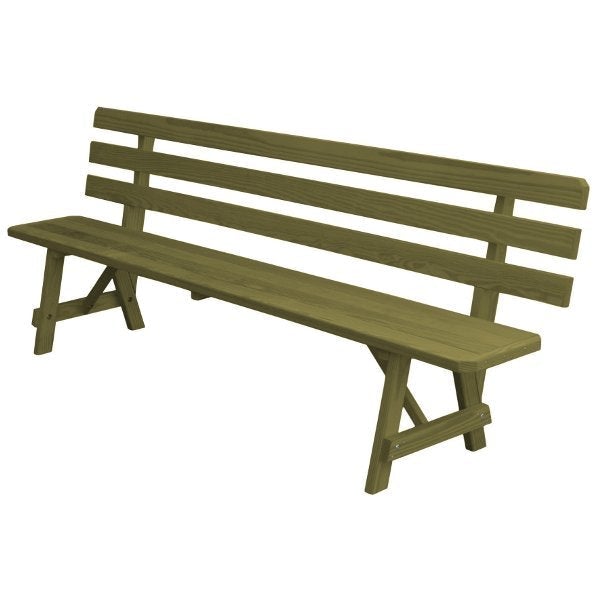
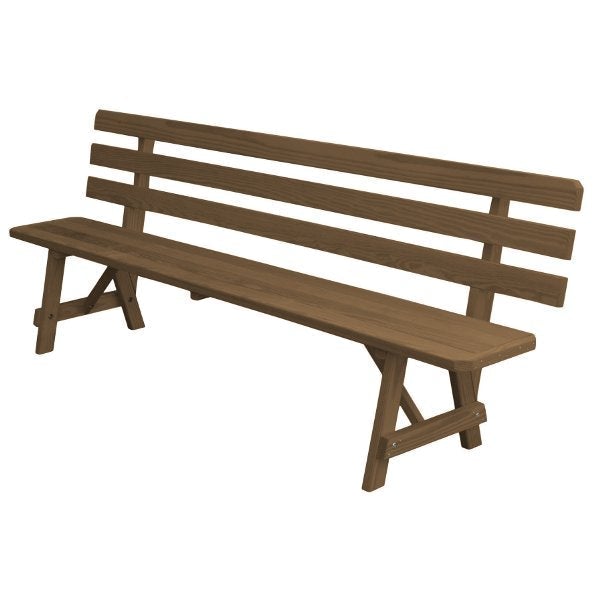
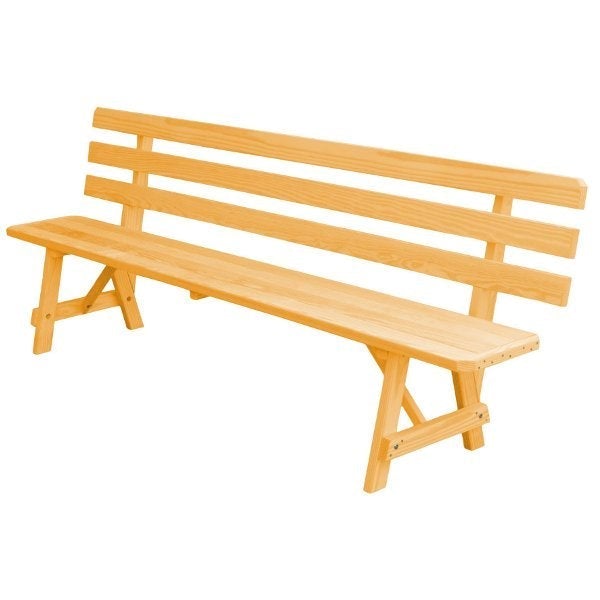
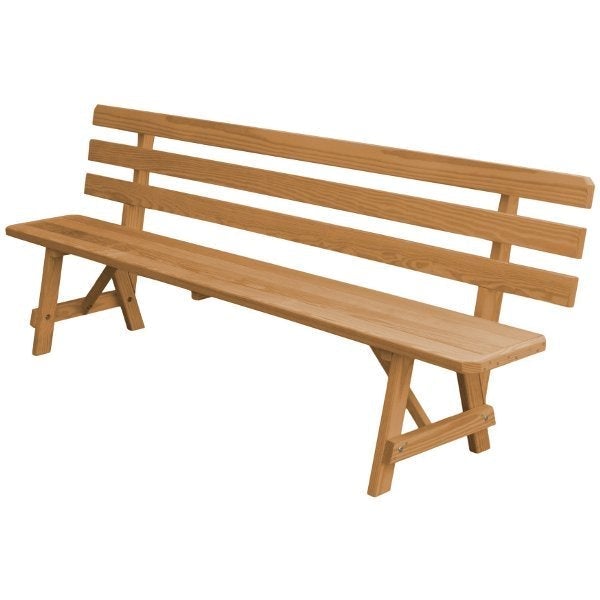
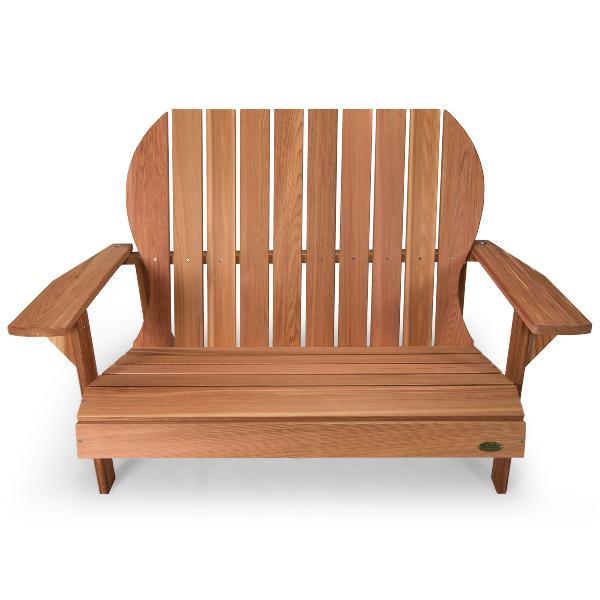
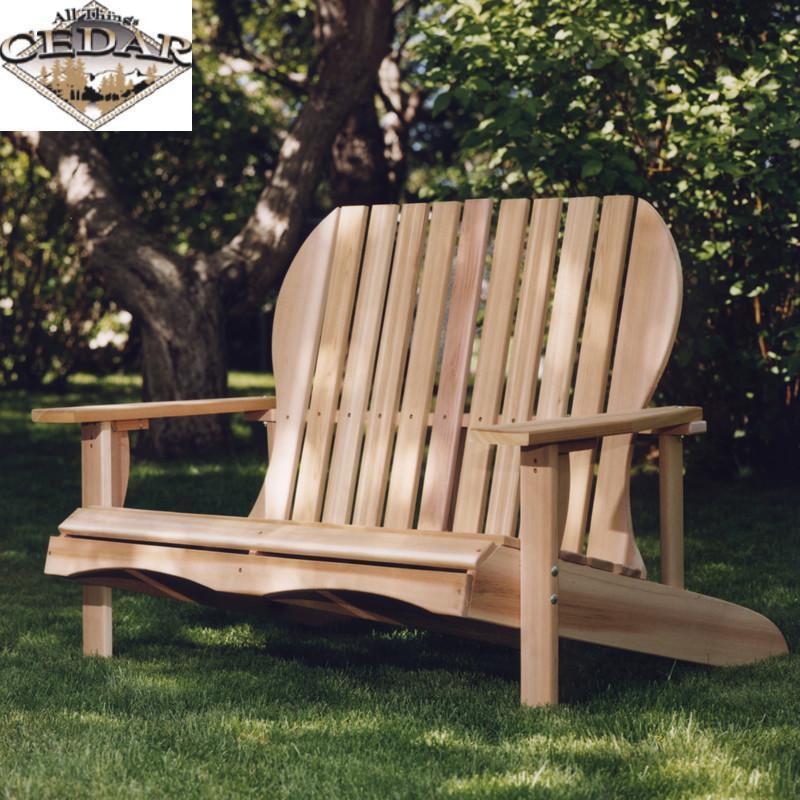
Shop any of our Outdoor Benches to fill your homes with exceptional and enduring alfresco seating, guaranteed to last for many years. It's the perfect spot to sit, dine, relax, and reconnect with family and friends, whether under a gorgeous wooden pergola or a garden arbor cushioned by the coziest outdoor pillows.
A: A small garden bench (typically 3 to 4 feet wide) is designed more as an accent piece for reflection and occasional rest, rather than for prolonged lounging.
A: The frame material must resist rot, rust, and continuous moisture.
A: The construction of the bench needs to handle concentrated weight and dynamic movement.
A: Maintenance depends on the material, and cushions should be removable and specialized.
Shop any of our Outdoor Benches to fill your homes with exceptional and enduring alfresco seating, guaranteed to last for many years. It's the perfect spot to sit, dine, relax, and reconnect with family and friends, whether under a gorgeous wooden pergola or a garden arbor cushioned by the coziest outdoor pillows.
A: A small garden bench (typically 3 to 4 feet wide) is designed more as an accent piece for reflection and occasional rest, rather than for prolonged lounging.
A: The frame material must resist rot, rust, and continuous moisture.
A: The construction of the bench needs to handle concentrated weight and dynamic movement.
A: Maintenance depends on the material, and cushions should be removable and specialized.