Potting Bench Tables / Gardeners Table

Potting Bench Tables / Gardeners Table

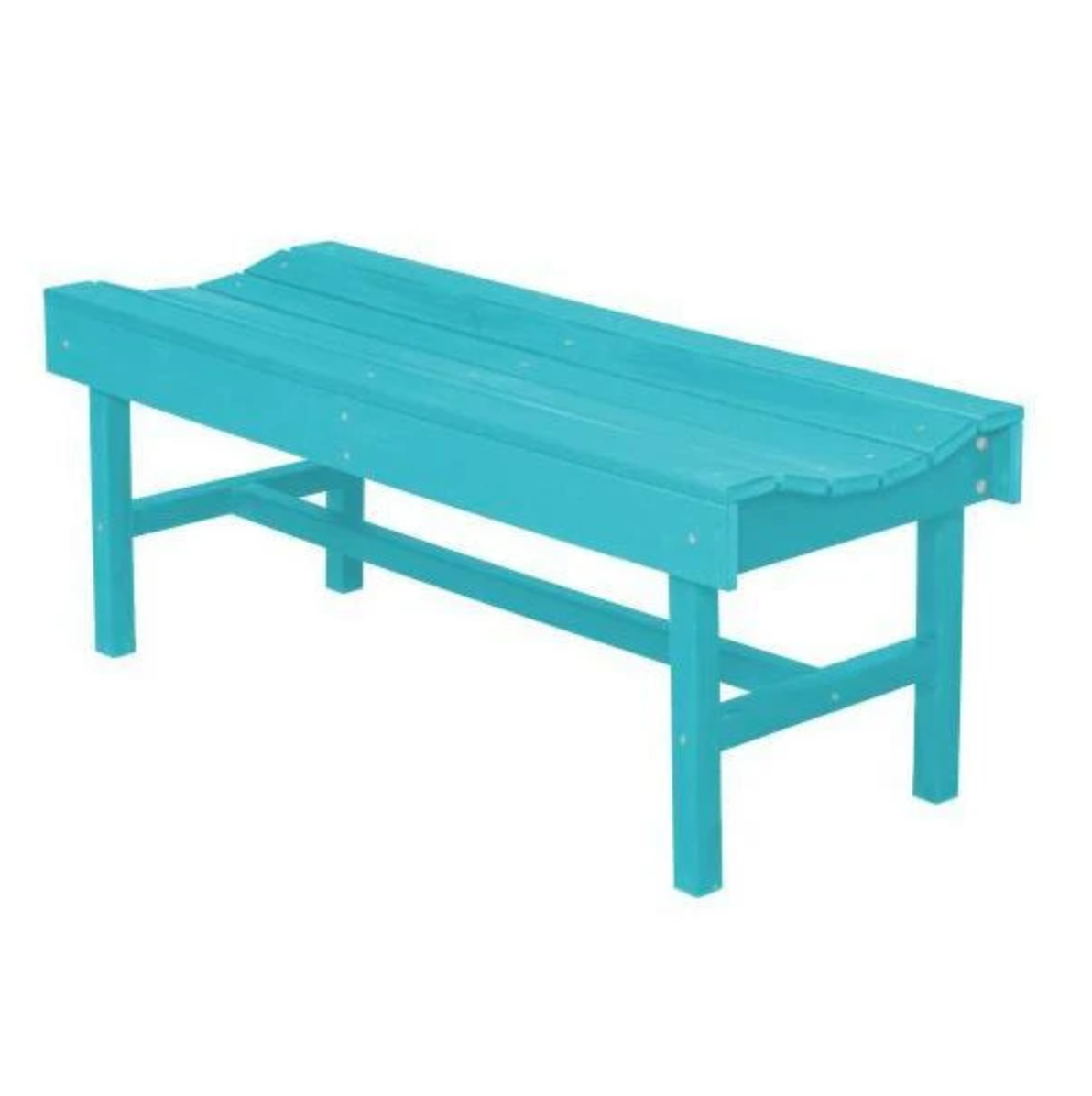
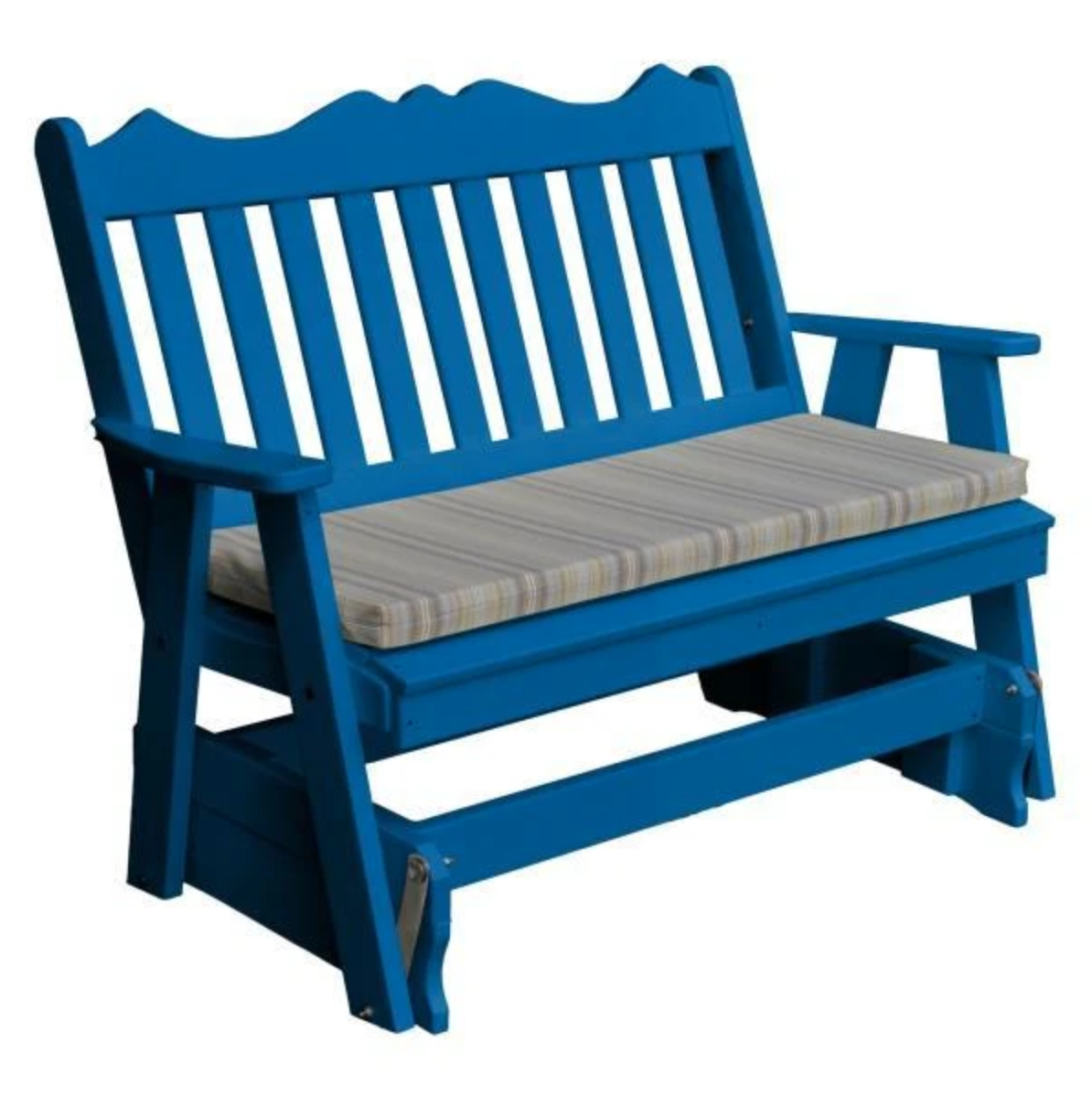
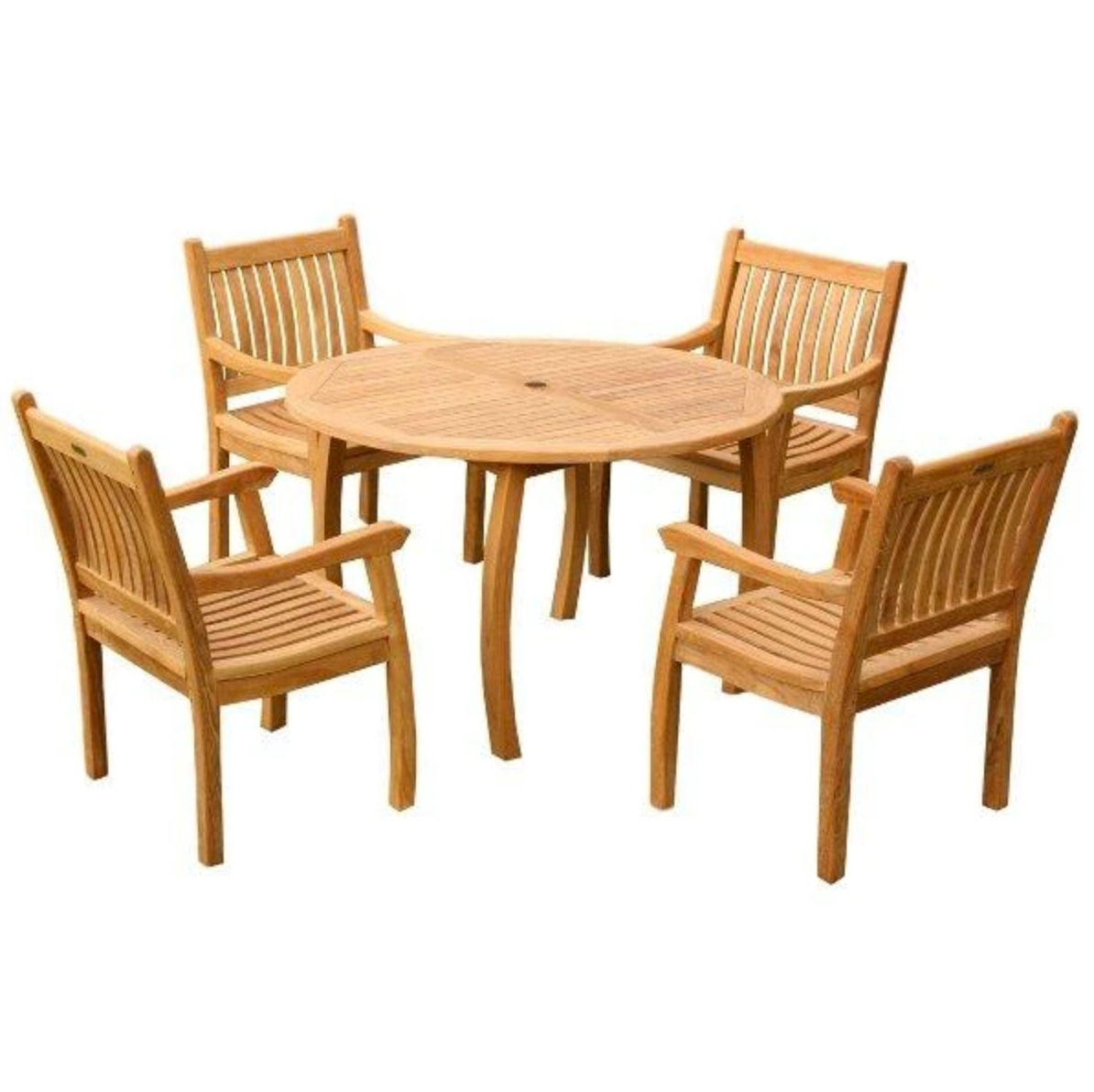
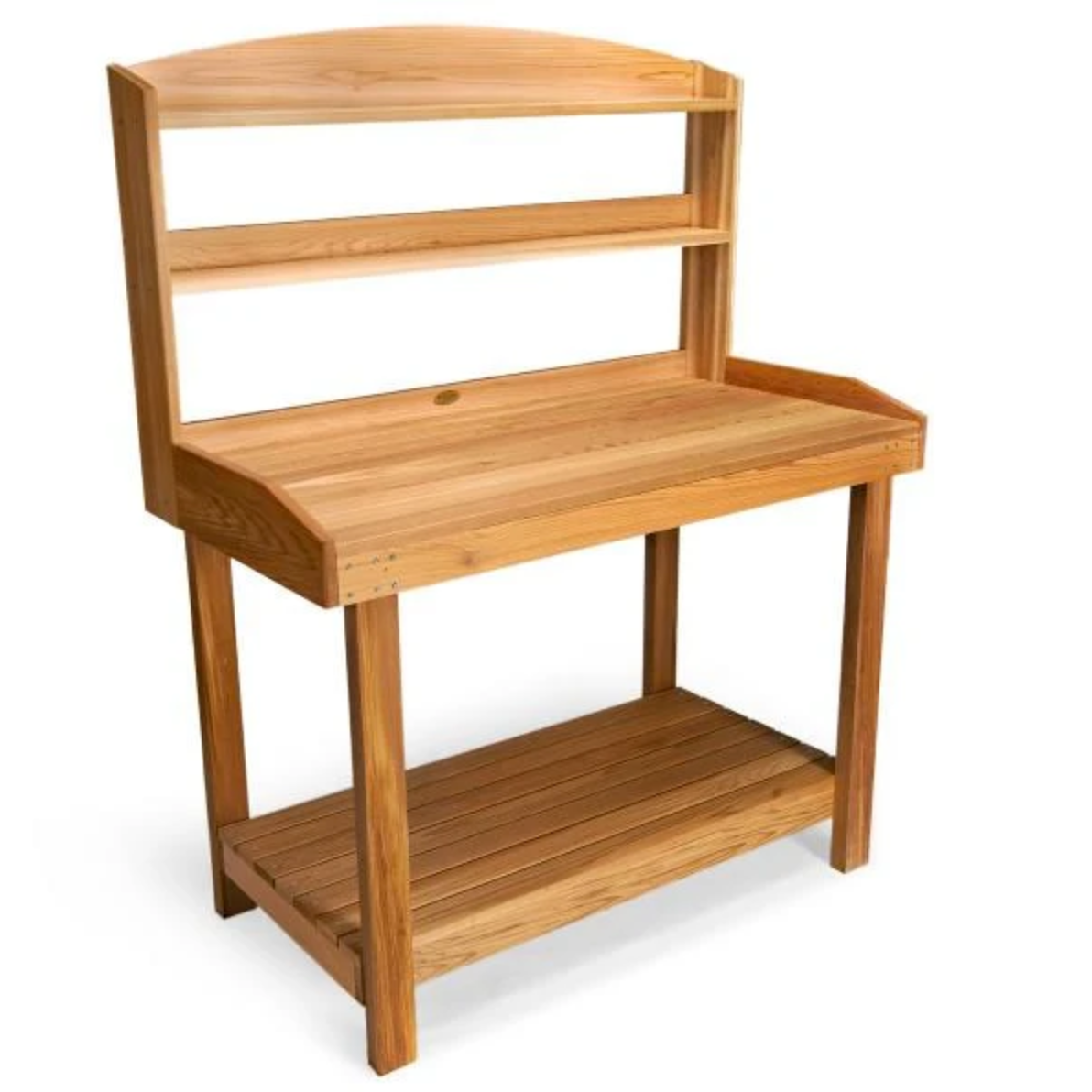
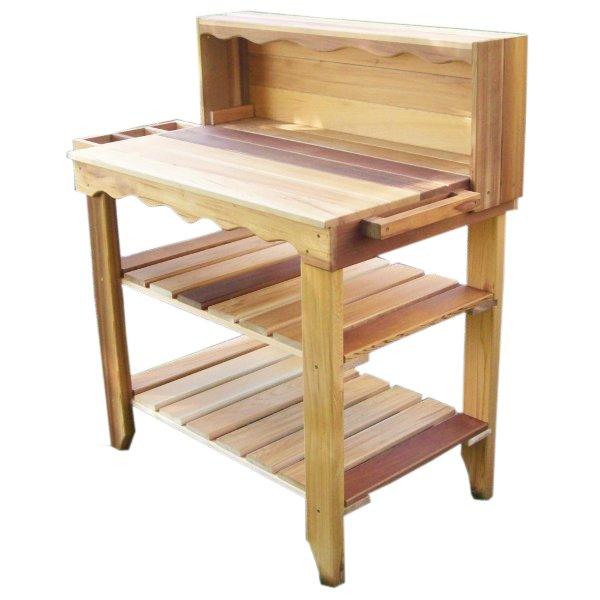
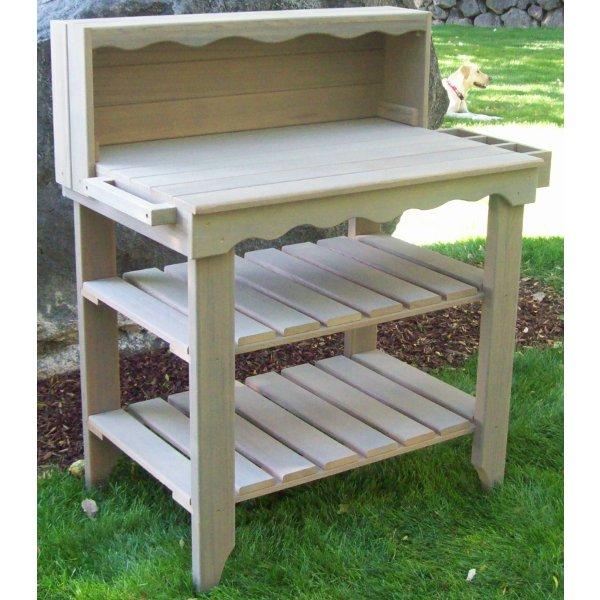
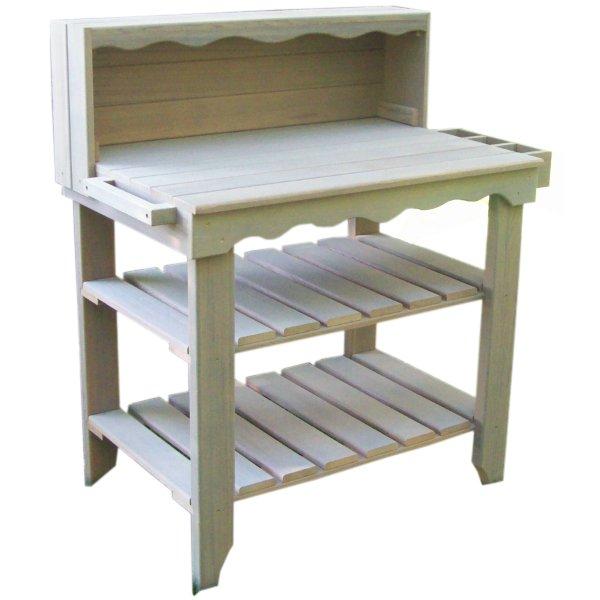
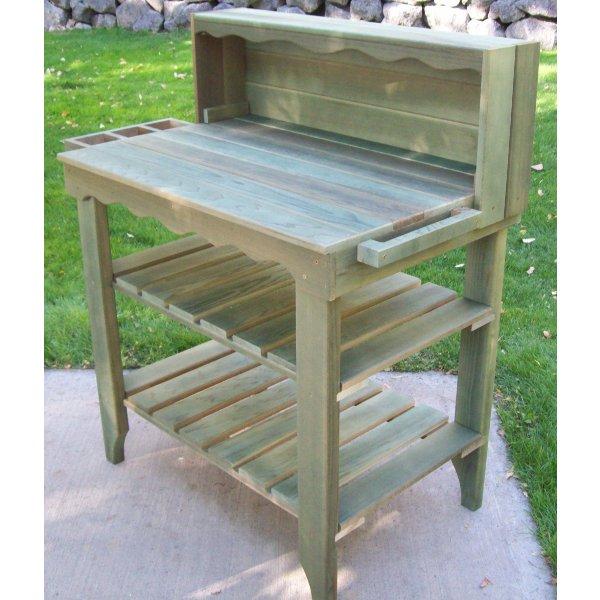
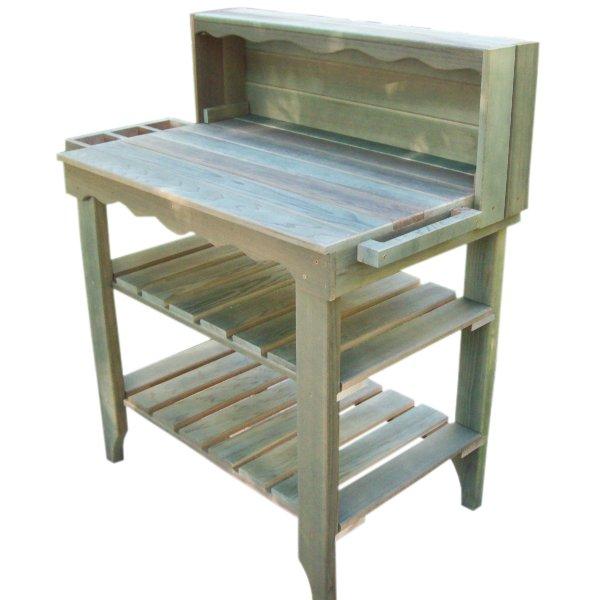
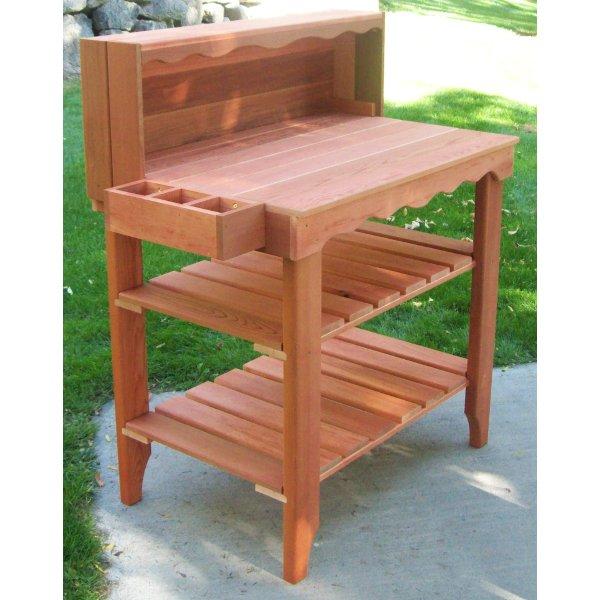
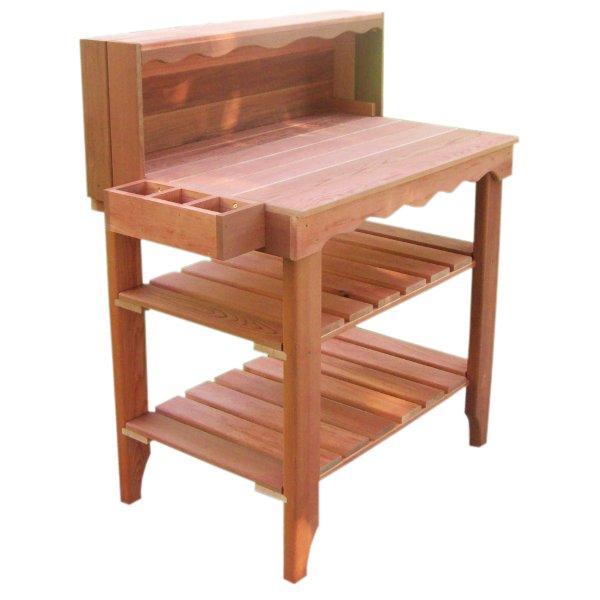
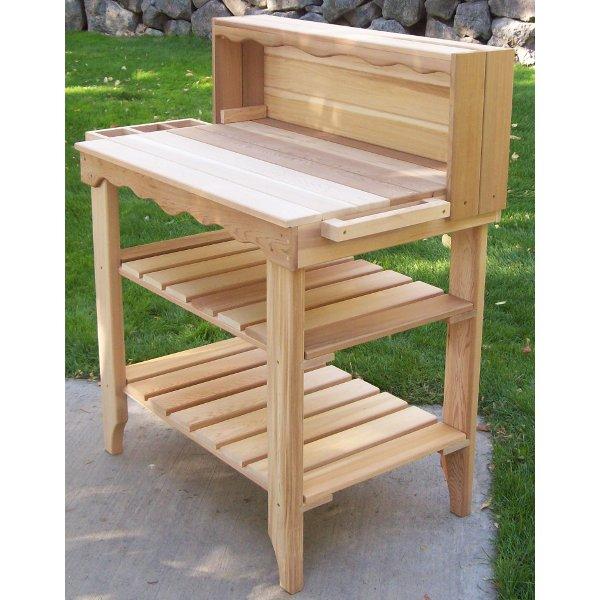
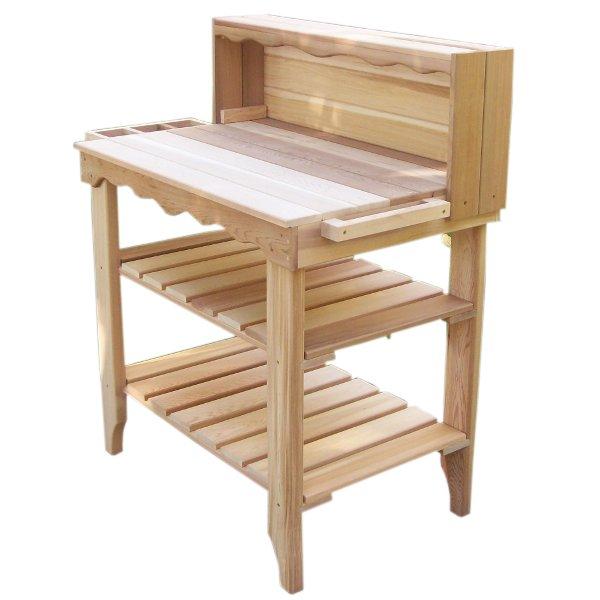
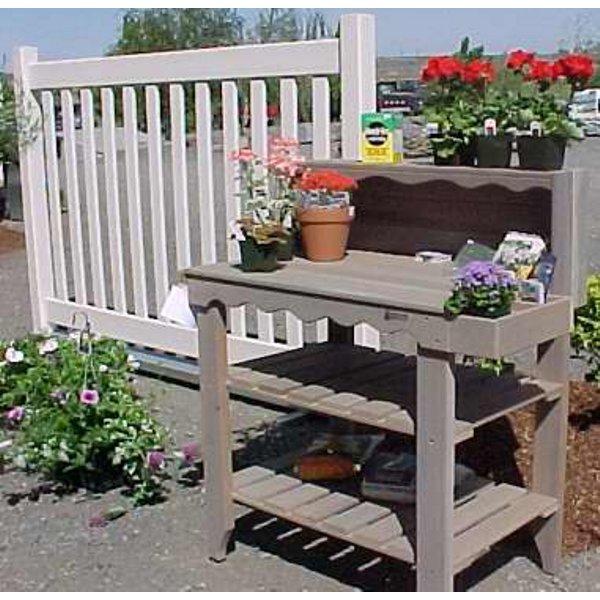
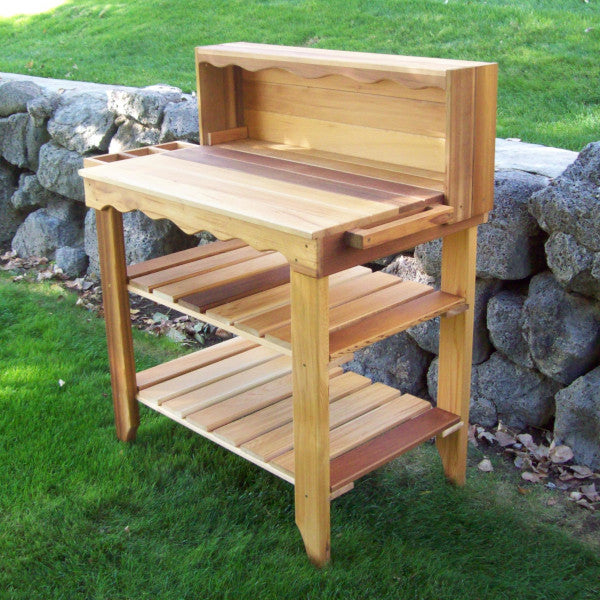
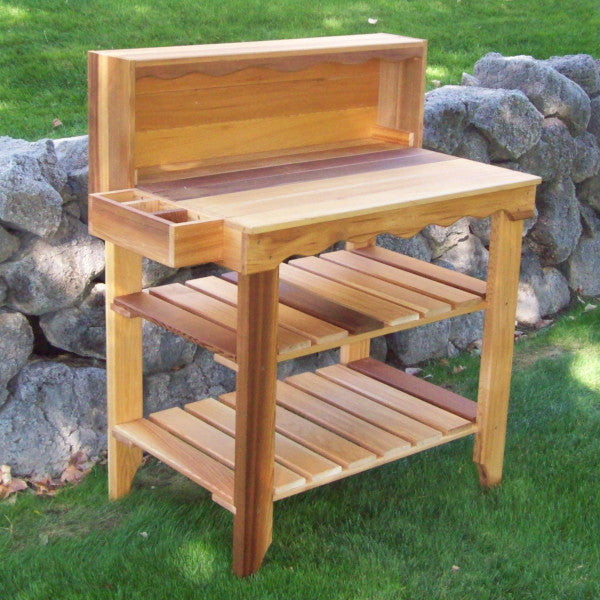
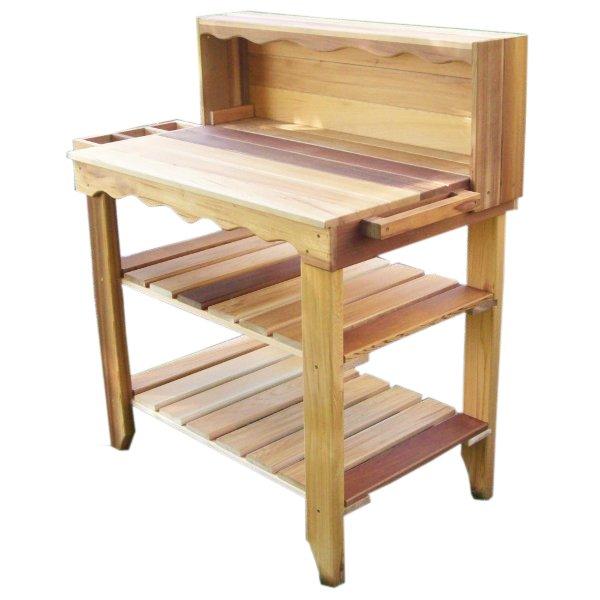
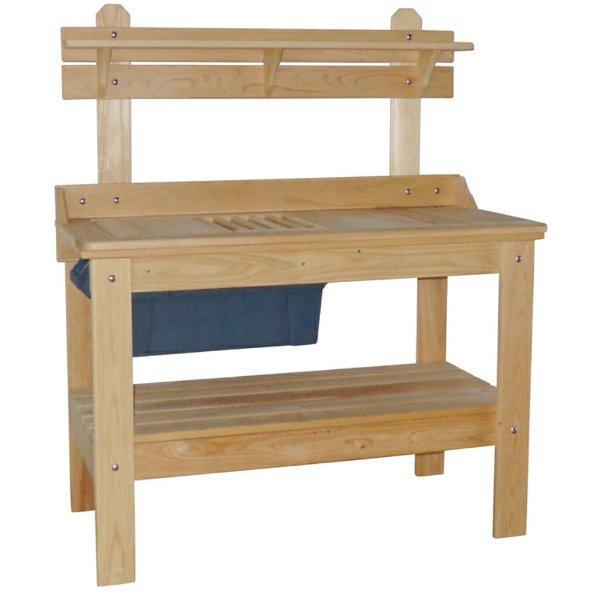
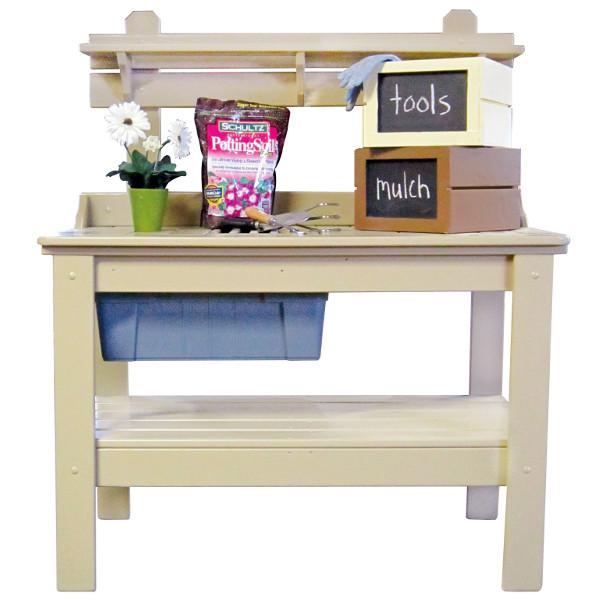
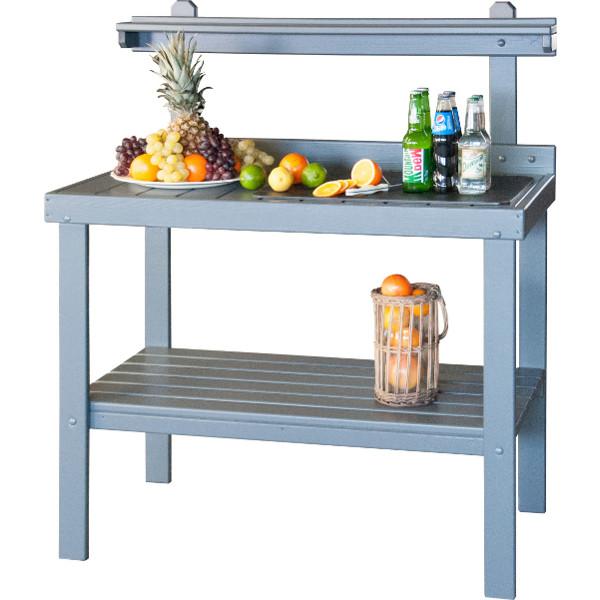
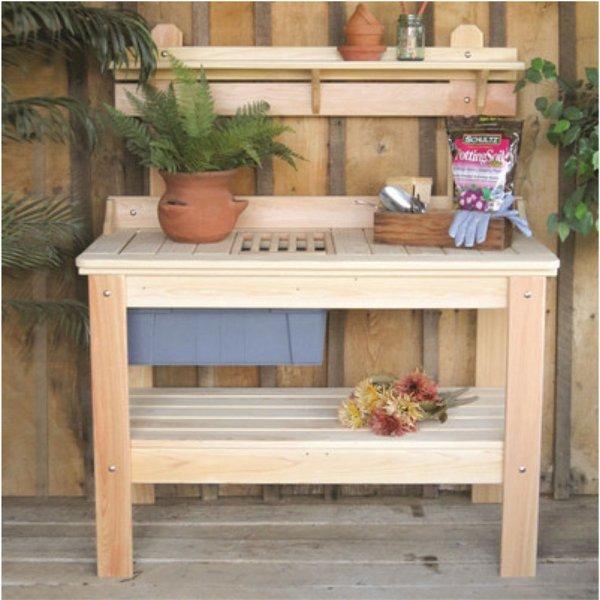
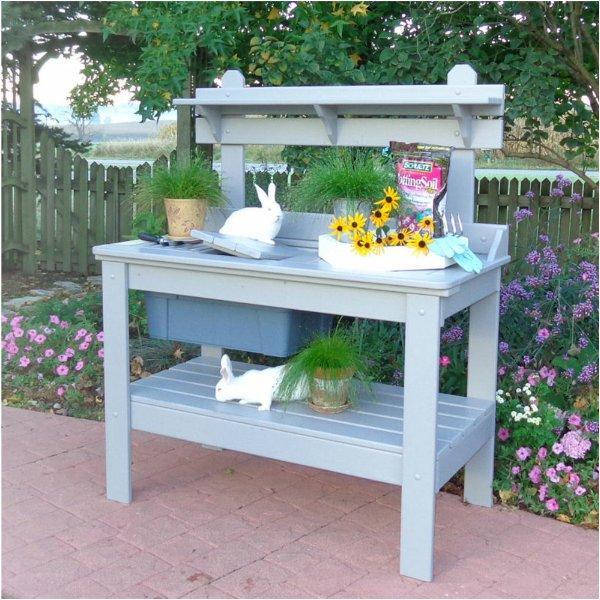
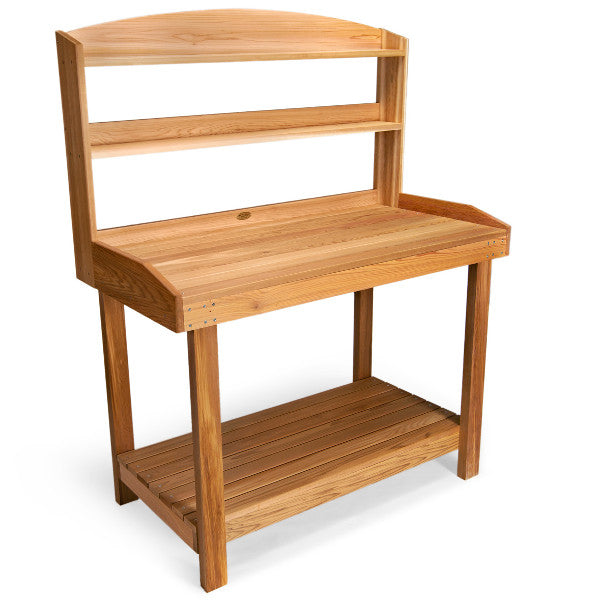
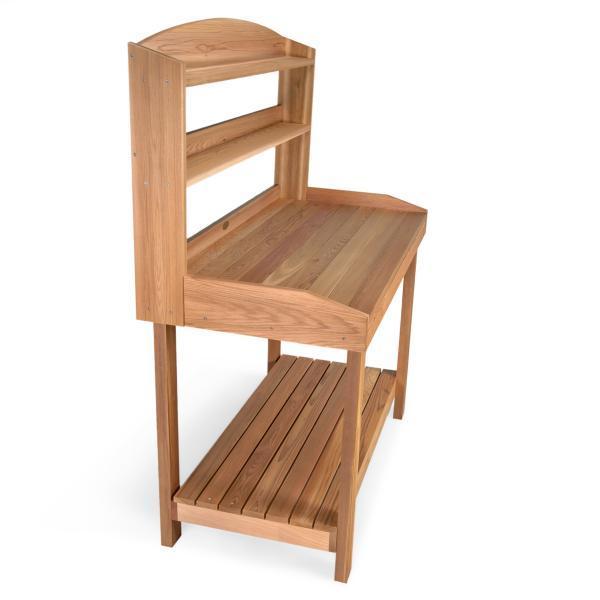
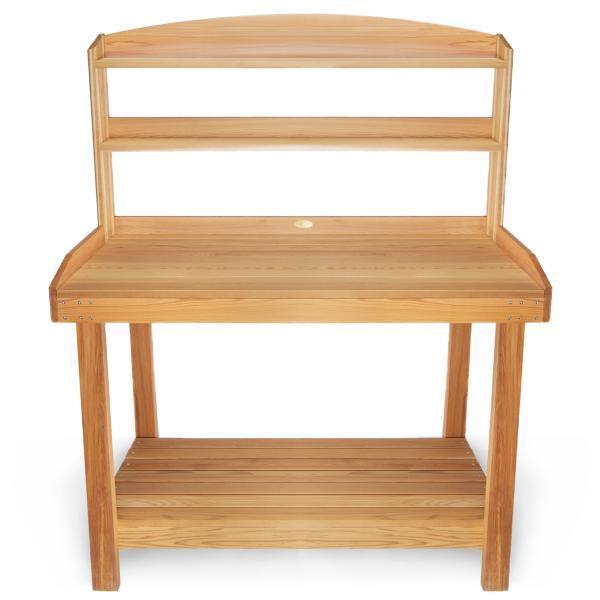
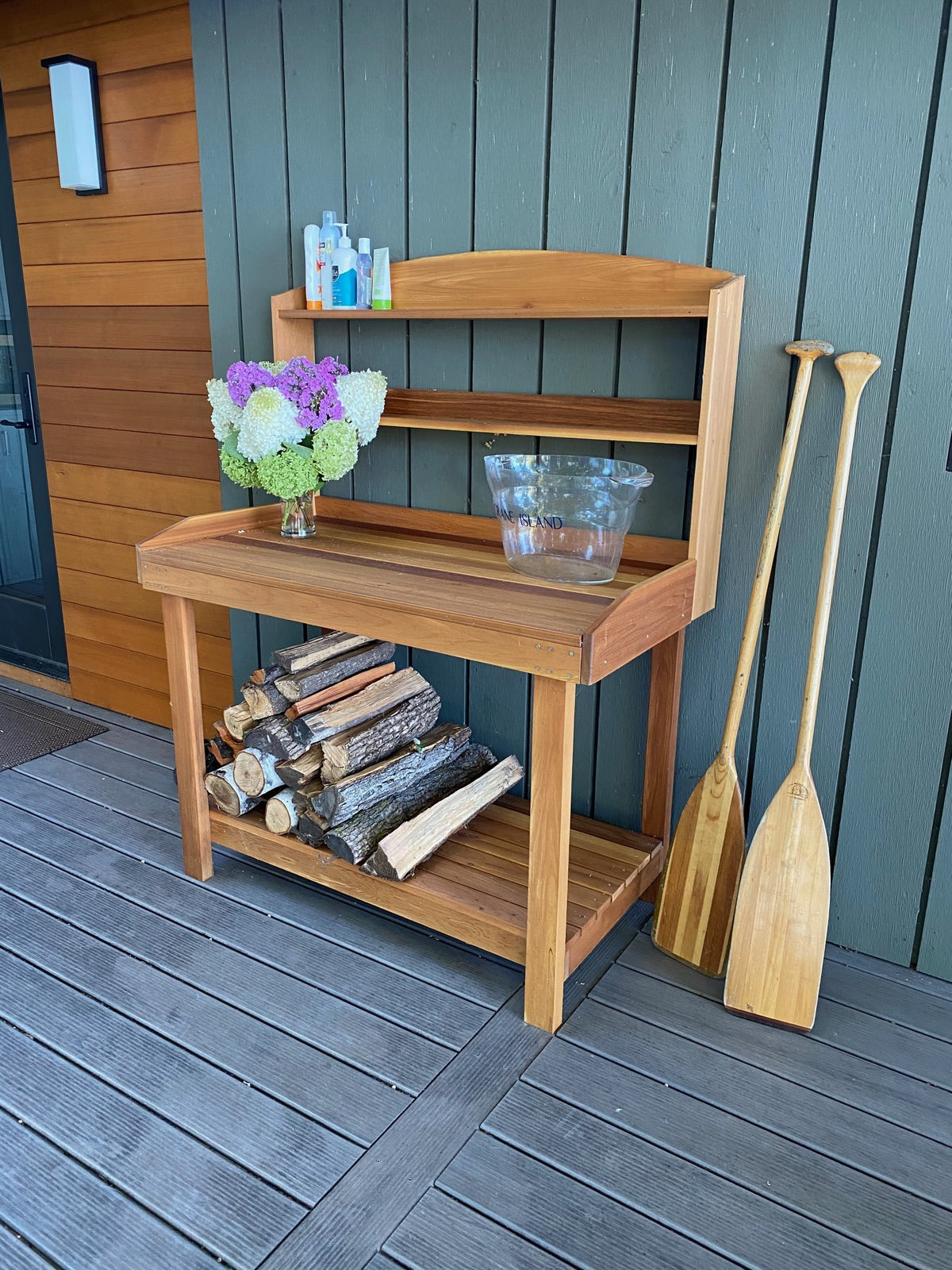
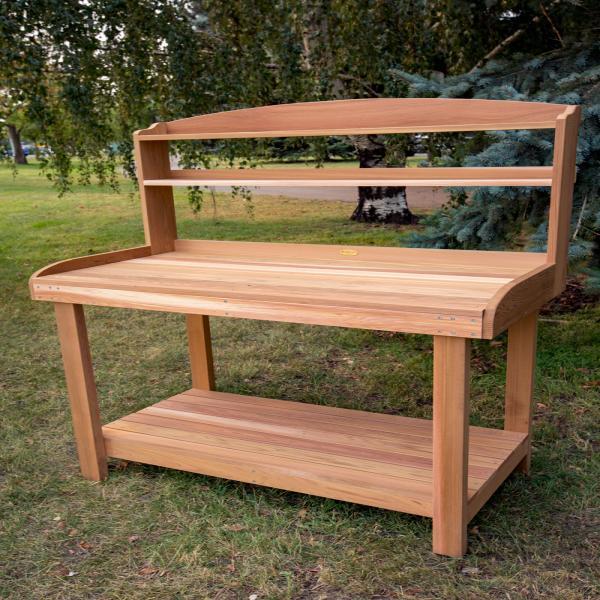
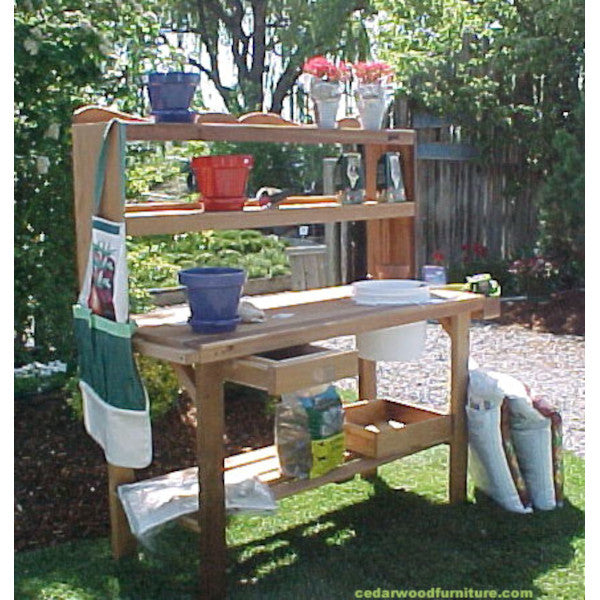
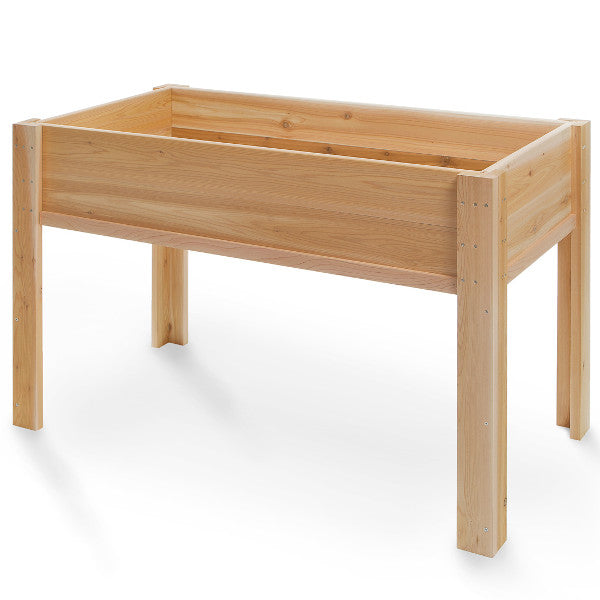
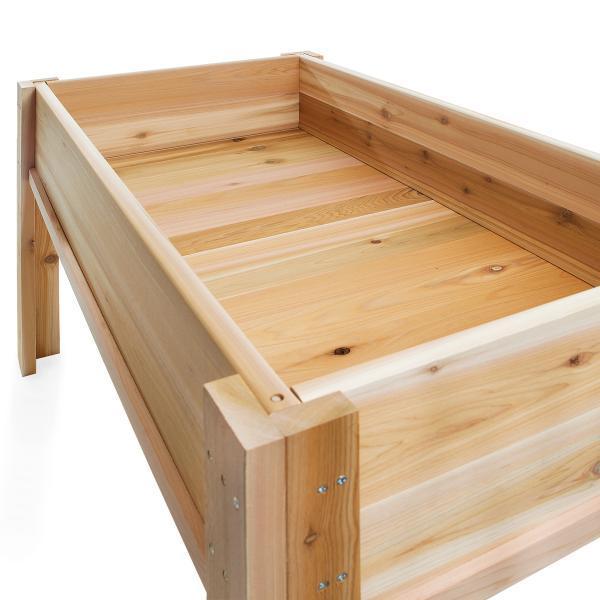
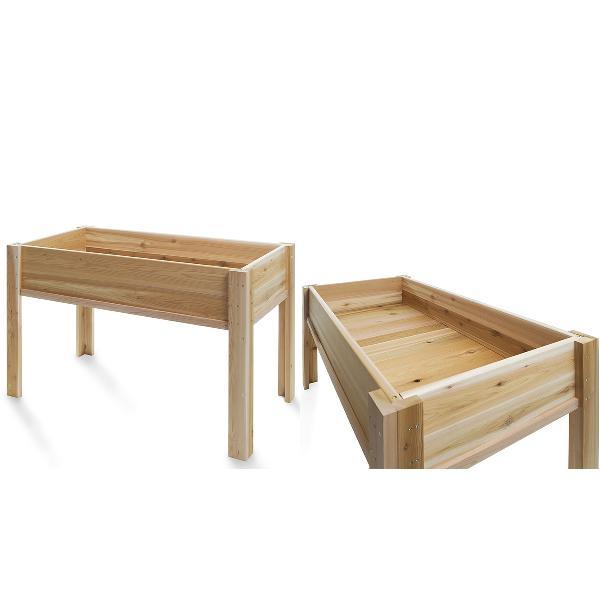
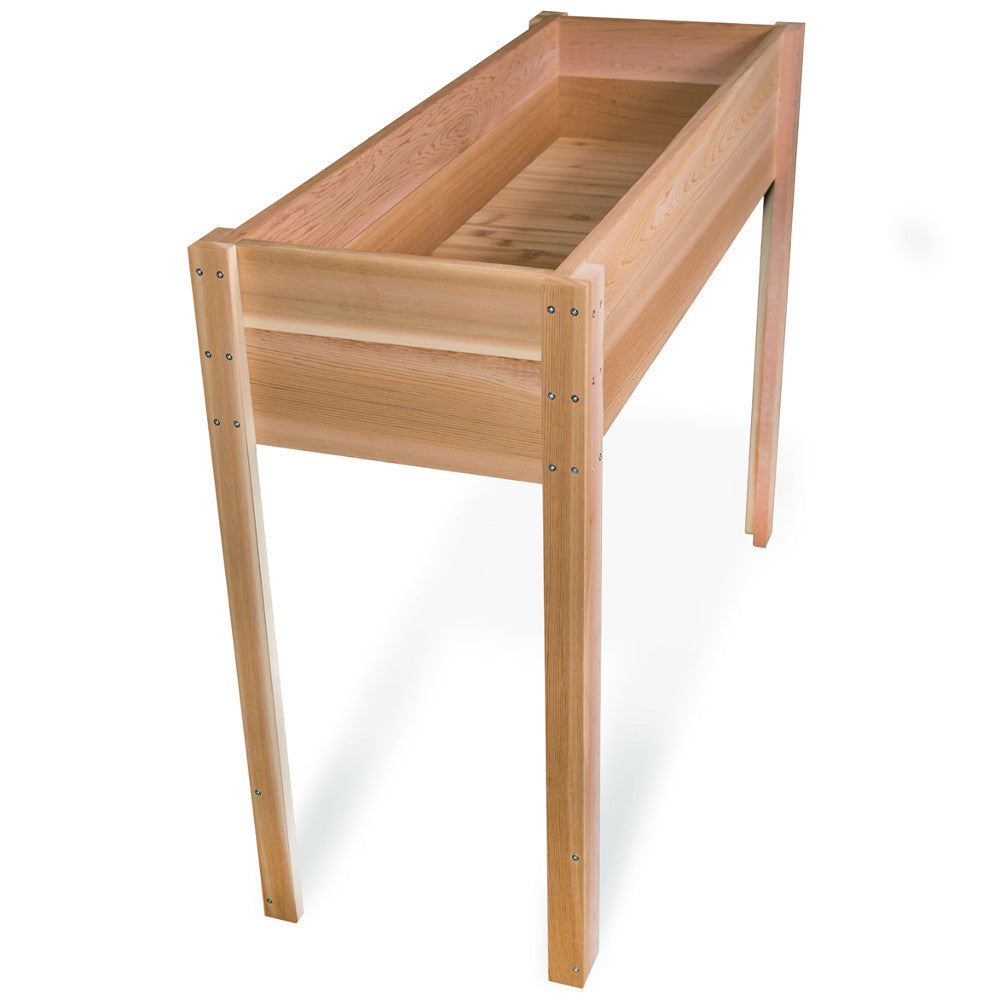
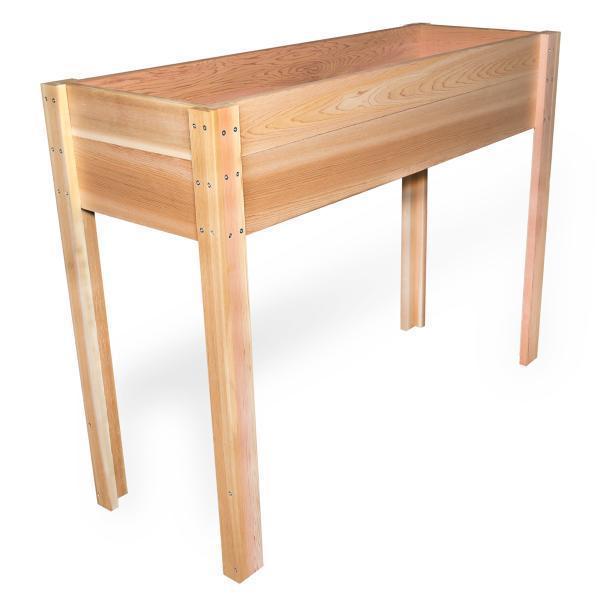
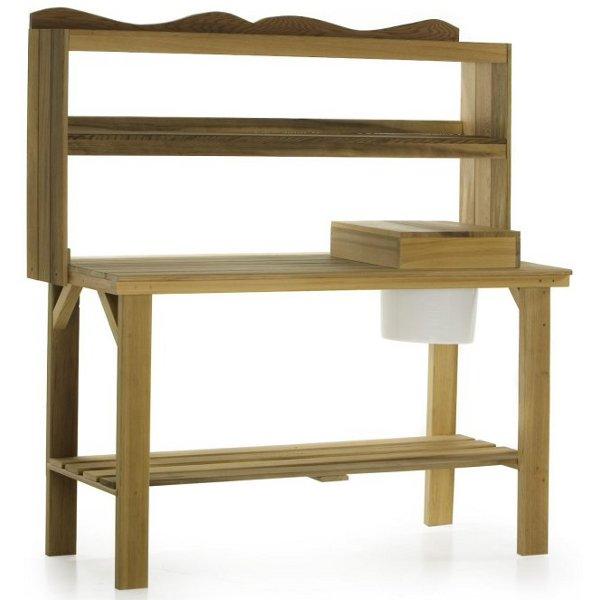
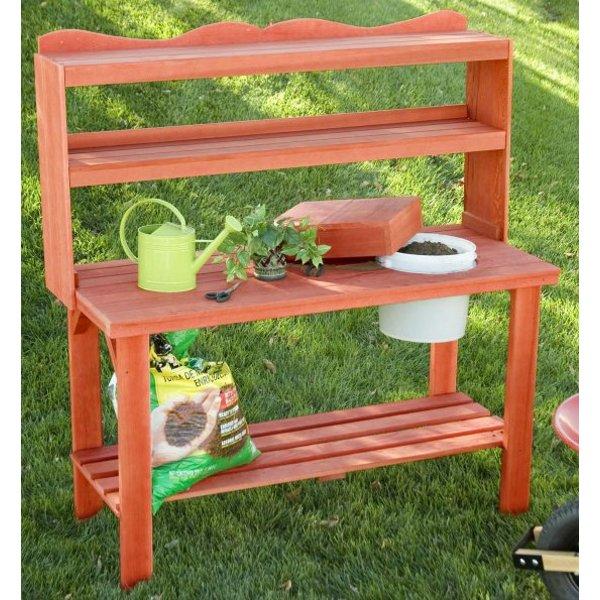
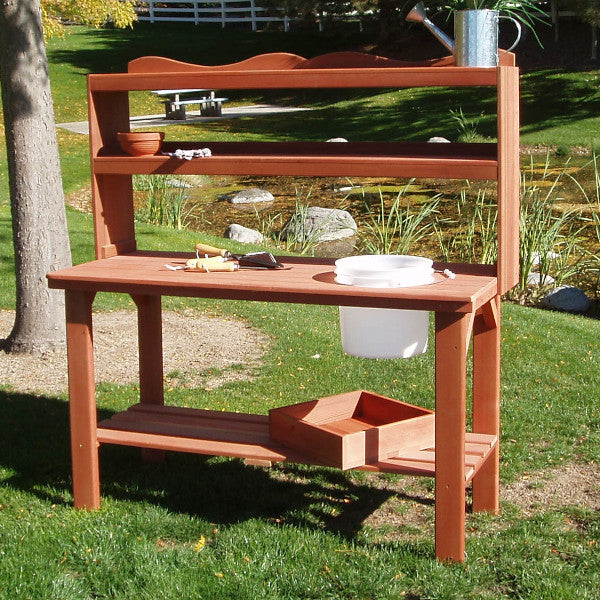
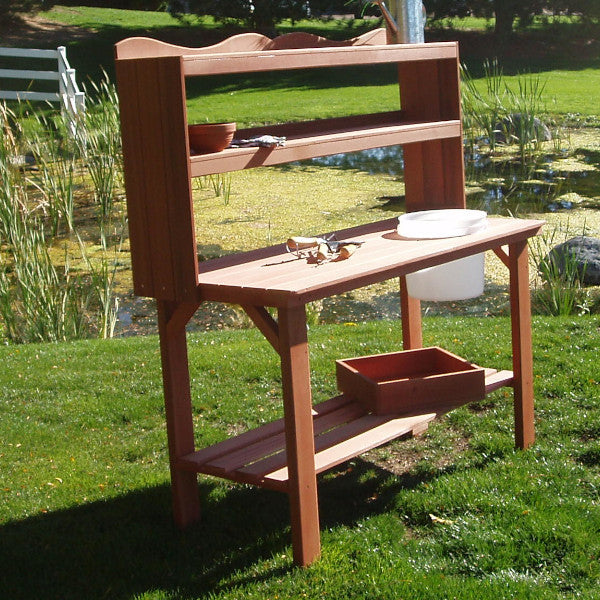
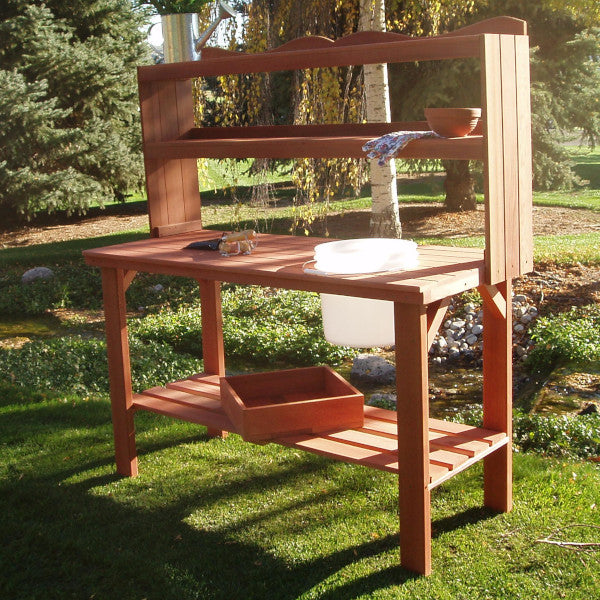
Potting Bench Tables or Gardeners Table is the ultimate gardening headquarters. Browse our selection of sturdy, beautiful tables and benches to find the perfect place to pot and plan for the coming season. With room for your pots, tools, and blooms, you'll be ready to get your hands in the dirt in no time. 


Frequently Asked Questions (FAQs)


Q1: What is the primary purpose of a Potting Bench, and what features make it superior to a standard outdoor table for gardening?


A: A potting bench is a specialized workstation designed to streamline the gardening process, primarily focused on potting, seed starting, and tool management.

  • Ergonomics: The work surface is typically set at a comfortable height (around $36 \text{ to } 40 \text{ inches}$), minimizing the need to bend over. It makes potting and transplanting easier on the back and knees.
  • Integrated Storage: Unlike a standard table, a potting bench often includes specialized features such as shelves, drawers, hooks, and sometimes a trough or sink. It allows tools, soil, and pots to be organized and readily accessible.
  • Contained Mess: Many designs feature a recessed countertop or a removable soil bin, which helps contain loose soil and debris, making cleanup faster and preventing the mess from spilling onto the surrounding area.


Q2: What are the best materials for a Potting Bench, and what unique protective features are recommended for the countertop?


A: The bench must be built from materials that can withstand constant exposure to moisture, soil, and fertilizers.

  • Frame/Shelves: Cedar or Treated Pine are excellent wood choices. They are naturally rot-resistant and robust. If using metal, powder-coated aluminum or steel should be used. The material must withstand heavy, saturated pots.
  • Countertop Protection: The work surface sees the most abuse. A zinc- or galvanized-metal sheet applied to the top offers superior protection against moisture, makes cleanup incredibly easy, and resists staining from soil and rust.
  • Drainage: Ensure all shelving and the main work surface have gaps or slats to allow water to drain quickly, preventing standing water and speeding up drying time.


Q3: What are the three essential storage features to look for in a functional Potting Bench?


A: Good design maximizes utility and organization for a seamless workflow.

  1. Hanging Storage (Hooks/Racks): Hooks on the sides or back panel are crucial for storing long-handled tools (trowels, cultivators), gloves, and watering cans. It keeps the tools dry and readily available.
  2. Upper Shelf: A narrow, elevated shelf is ideal for storing seed packets, labels, spray bottles, and small pots. It keeps these items out of the main potting area while still being within easy reach.
  3. Lower Storage: A durable, slatted lower shelf is essential for storing heavy bags of soil and fertilizer, as well as larger empty planters. It utilizes the vertical space and helps anchor the bench.


Q4: How should a customer maintain a wooden Potting Bench to prevent mold, mildew, and rot caused by constant soil contact?


A: Maintenance should focus on reducing moisture retention and sealing the wood.

  • Sealing: Before use, and annually thereafter, apply a clear water-repellent sealer, stain, or exterior paint to all surfaces. Pay special attention to the leg bottoms and the top edge of the bench, which are highly exposed to moisture.
  • Cleaning and Drying: After potting sessions, clean all residual soil and debris immediately. This soil holds moisture against the wood, promoting rot. Allow the bench to air dry completely after cleaning.
  • Location:Place the potting bench on a hard surface (patio, deck, or stone) rather than directly on soil or grass to keep the bench legs dry and prevent moisture from wicking up.