Your Cart is Empty

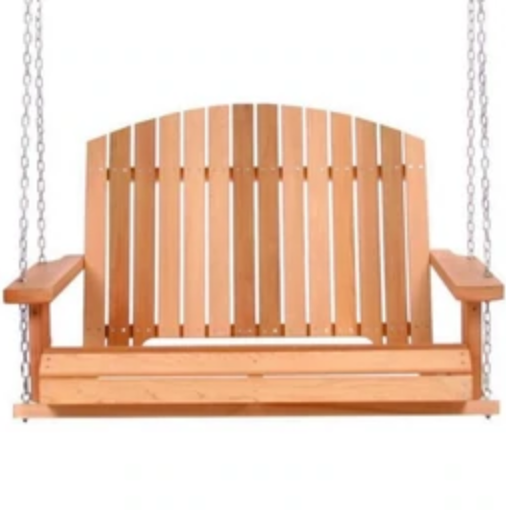
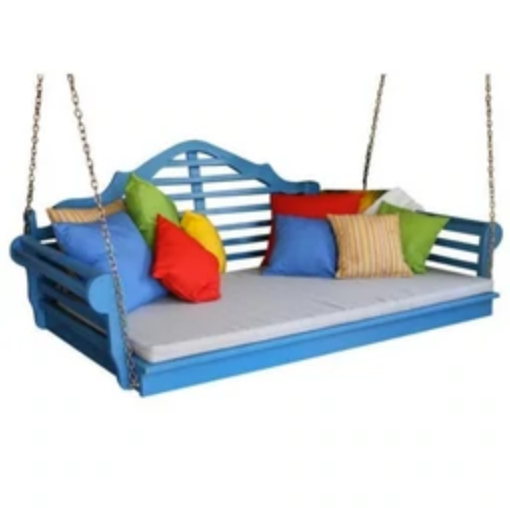
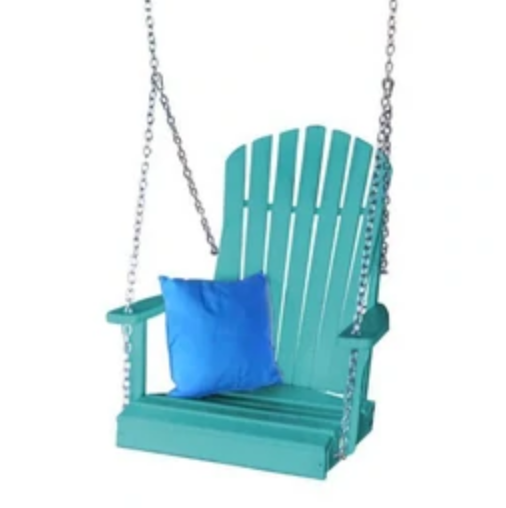
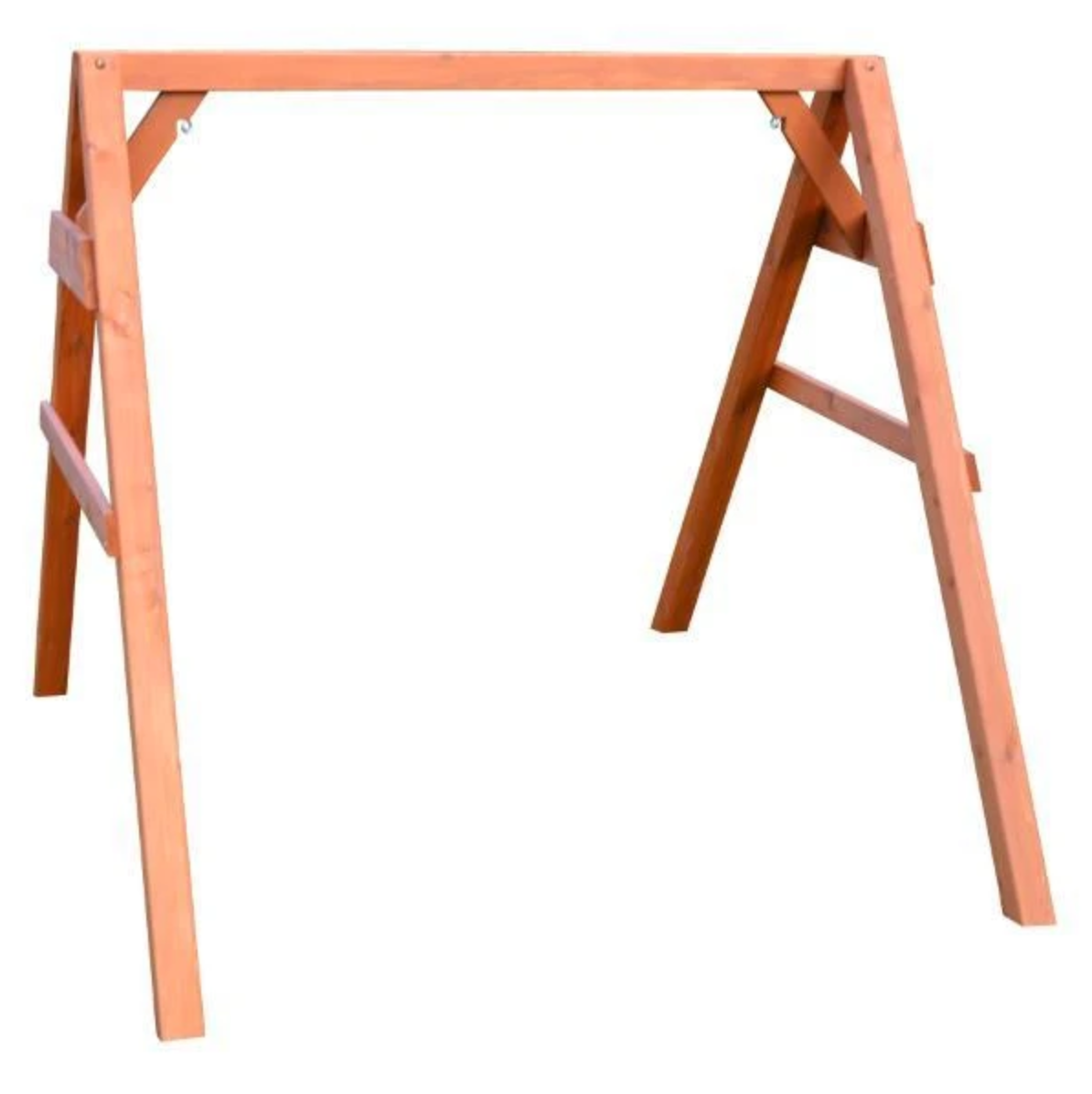
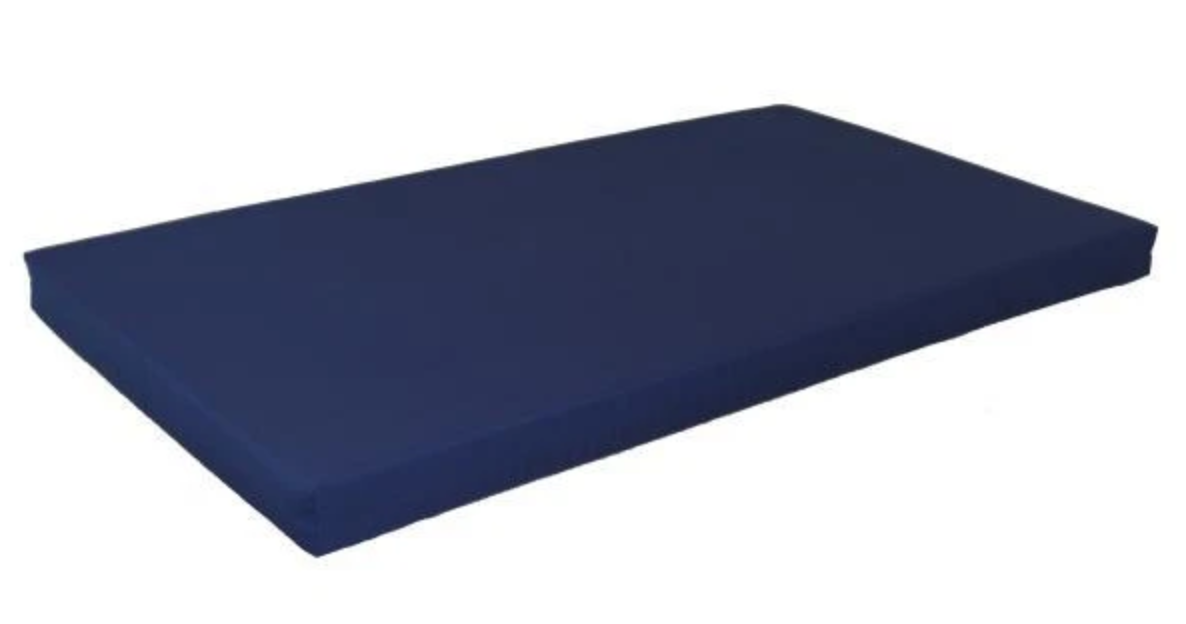
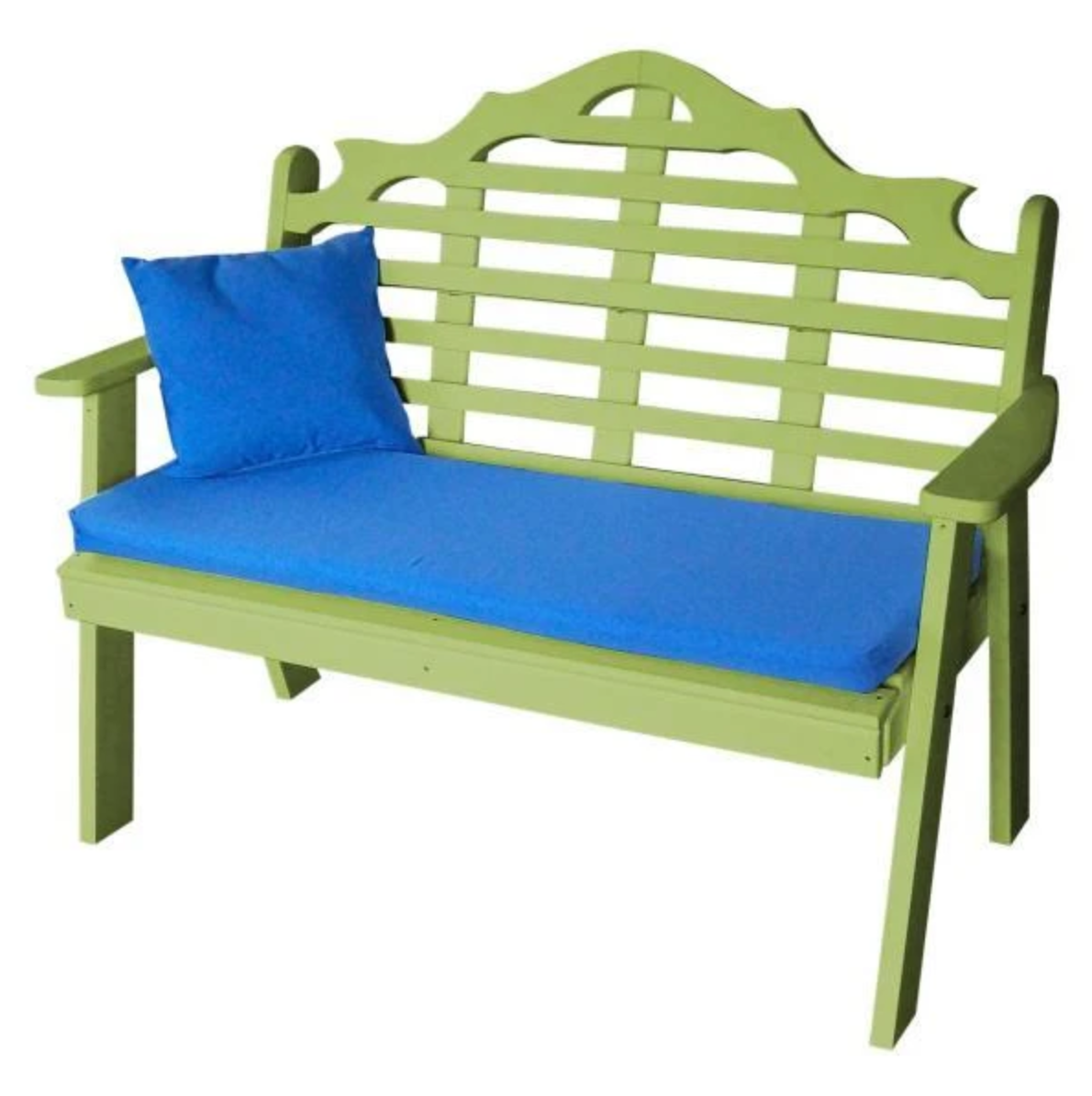
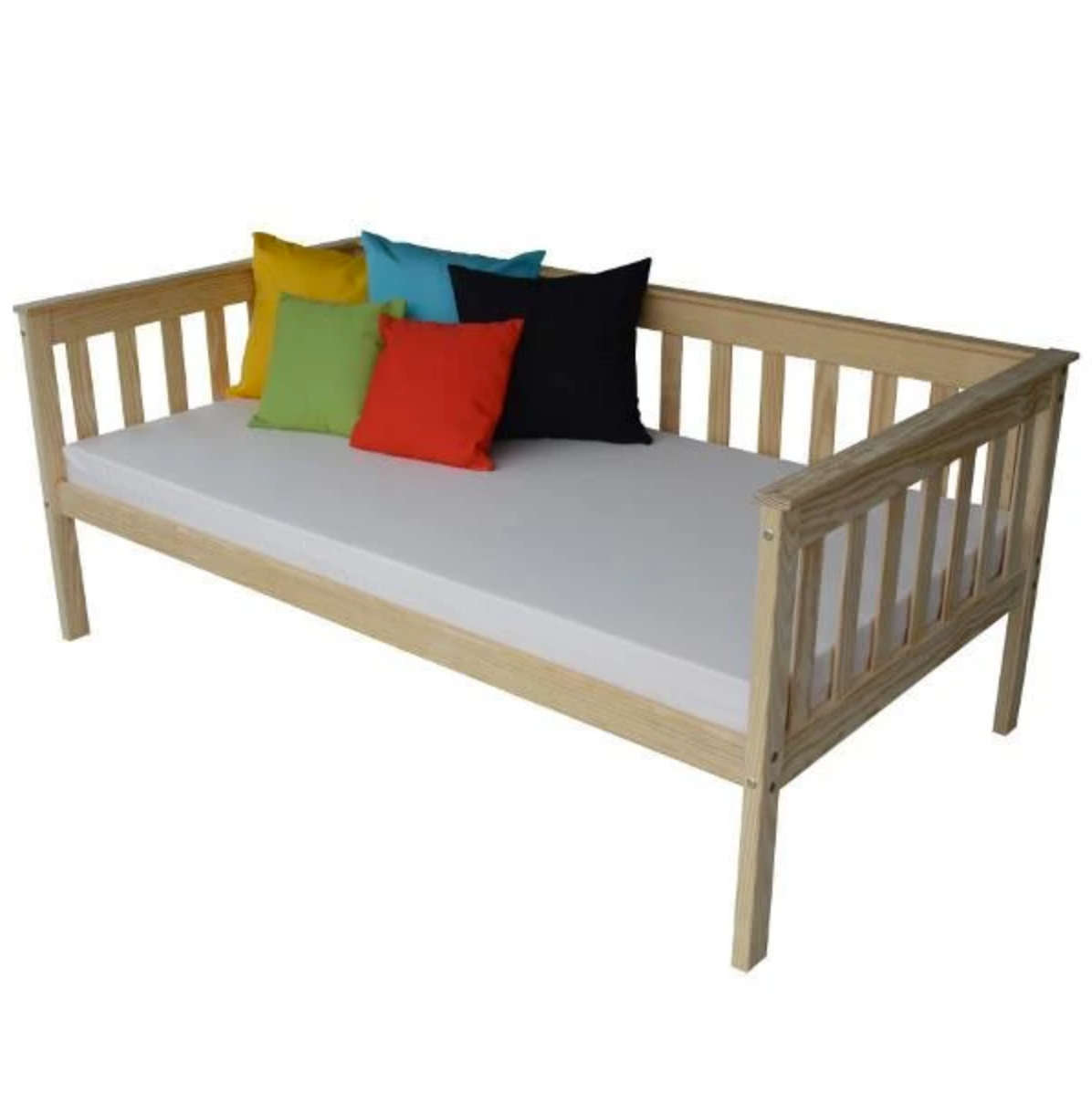
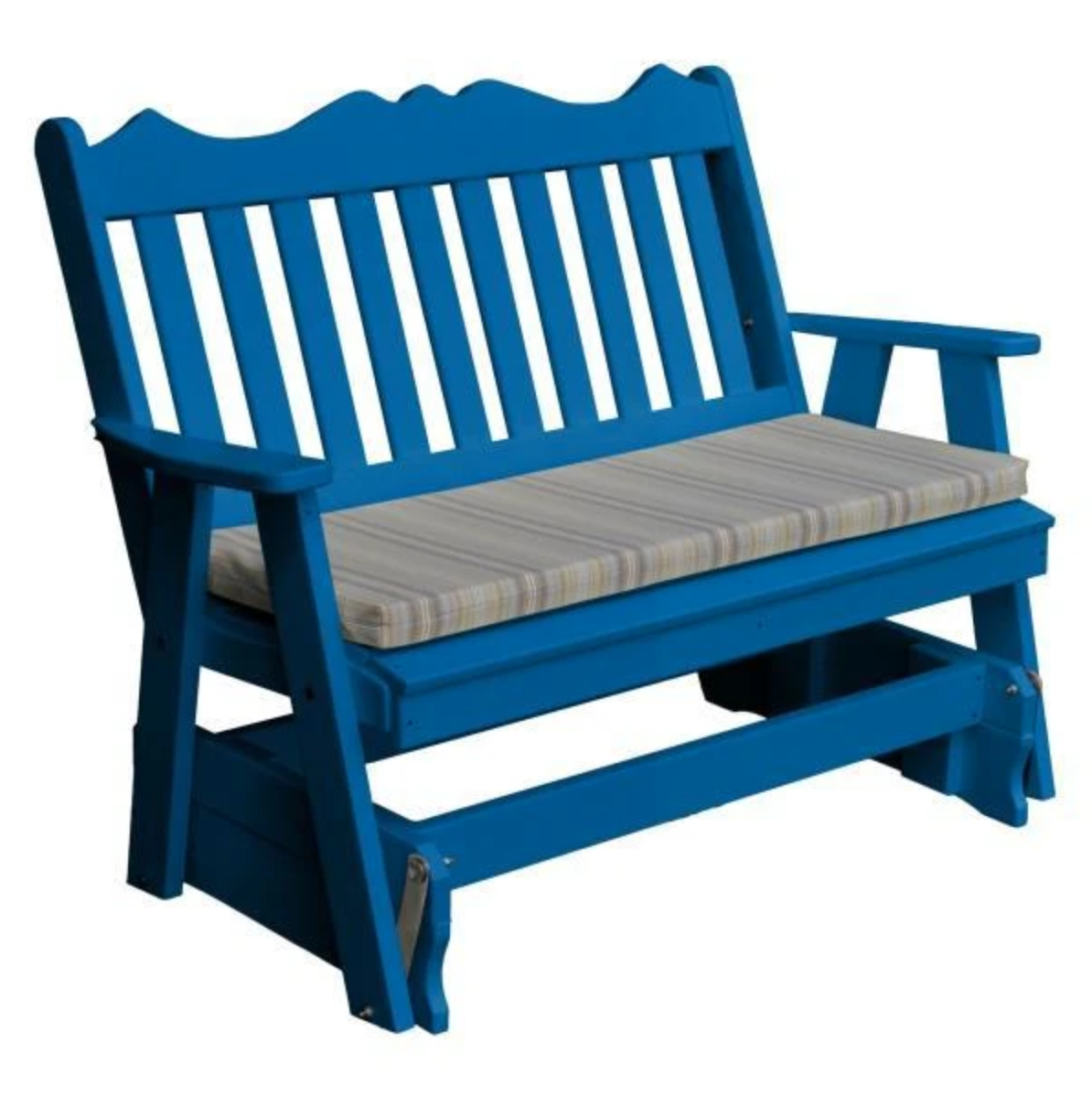
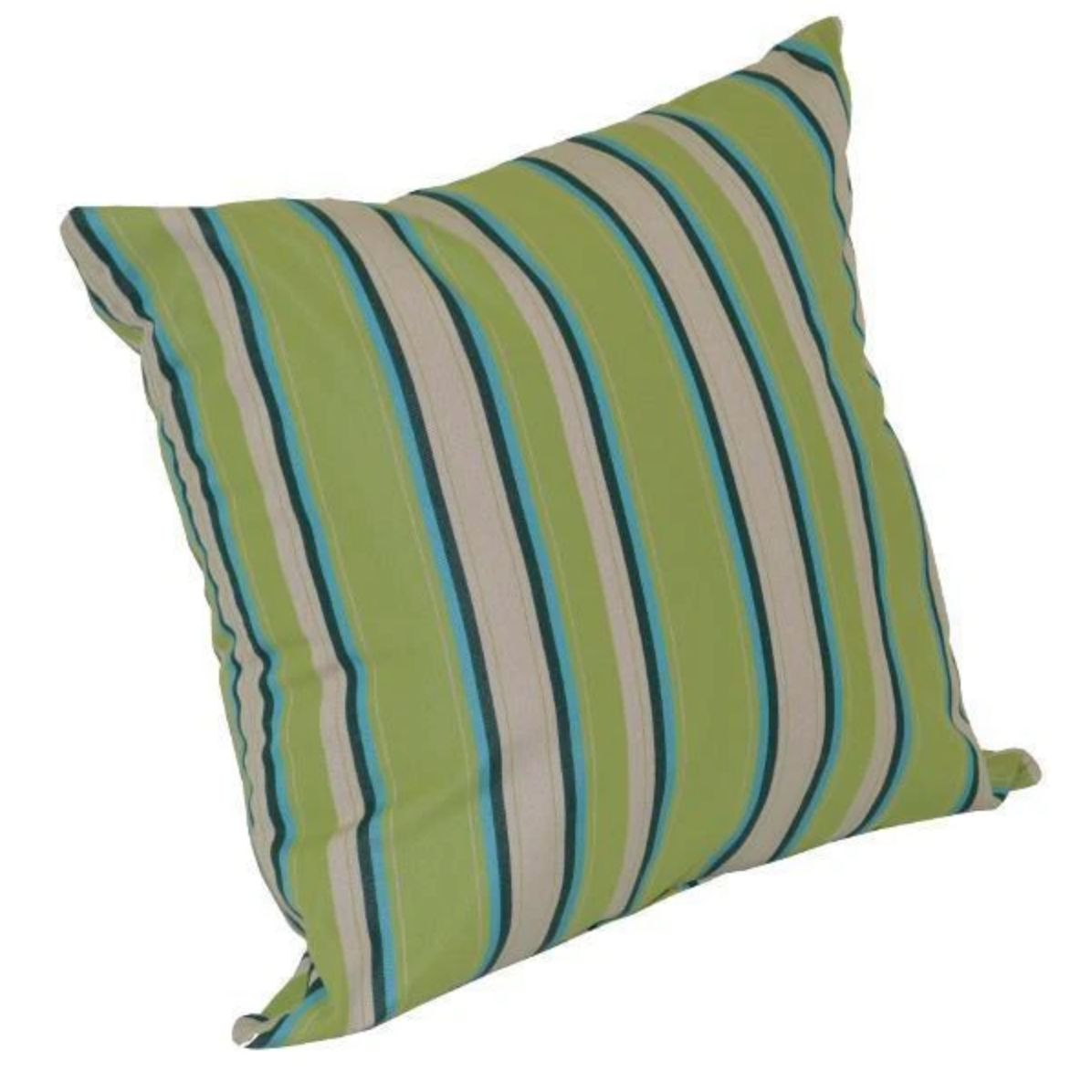
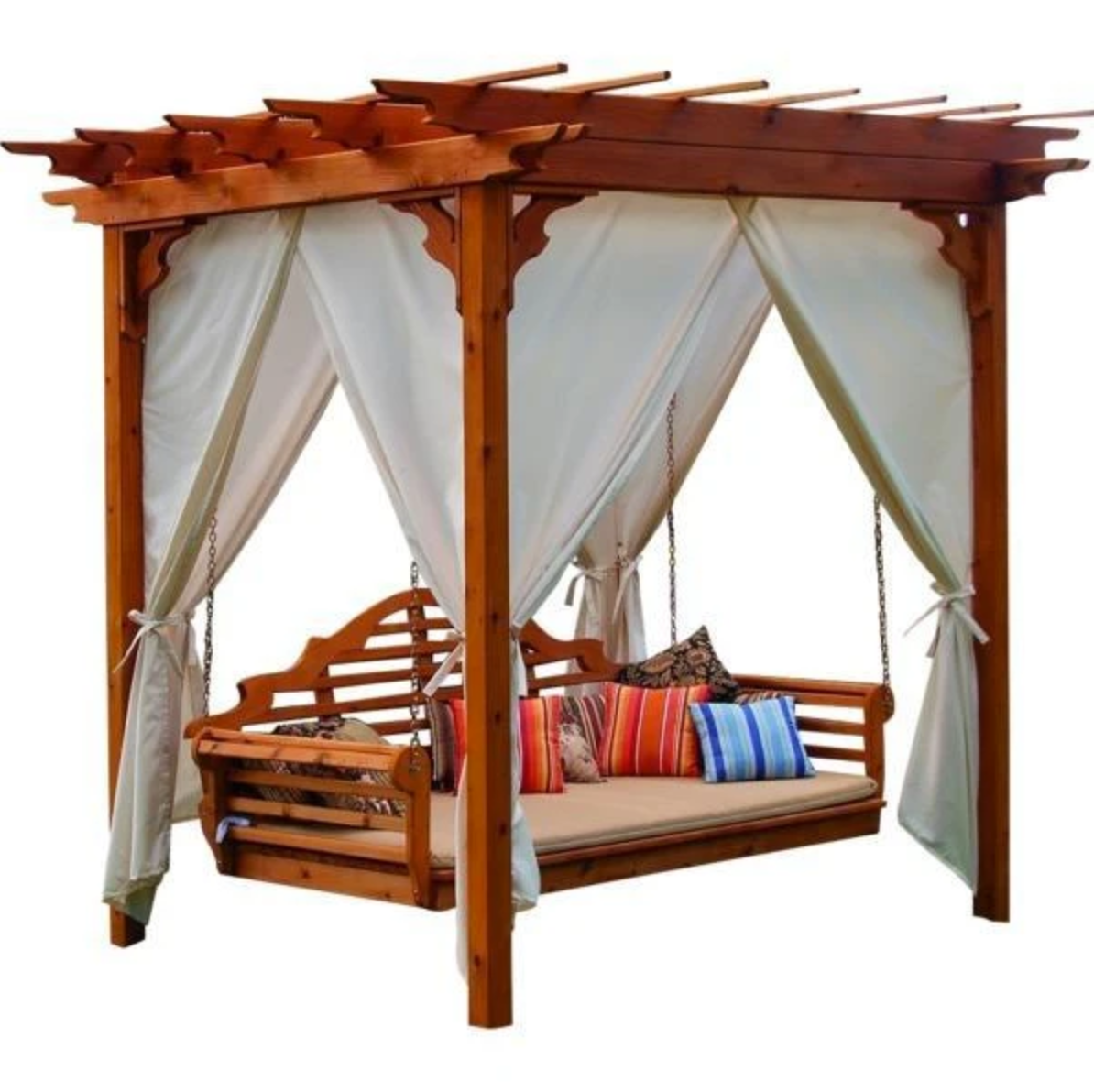
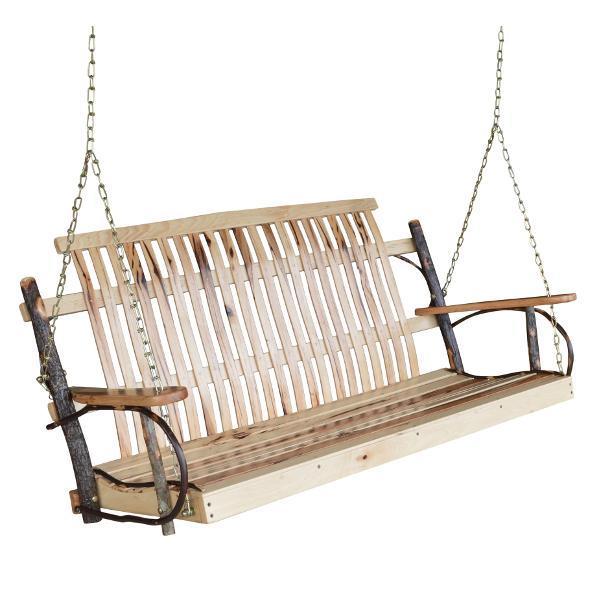
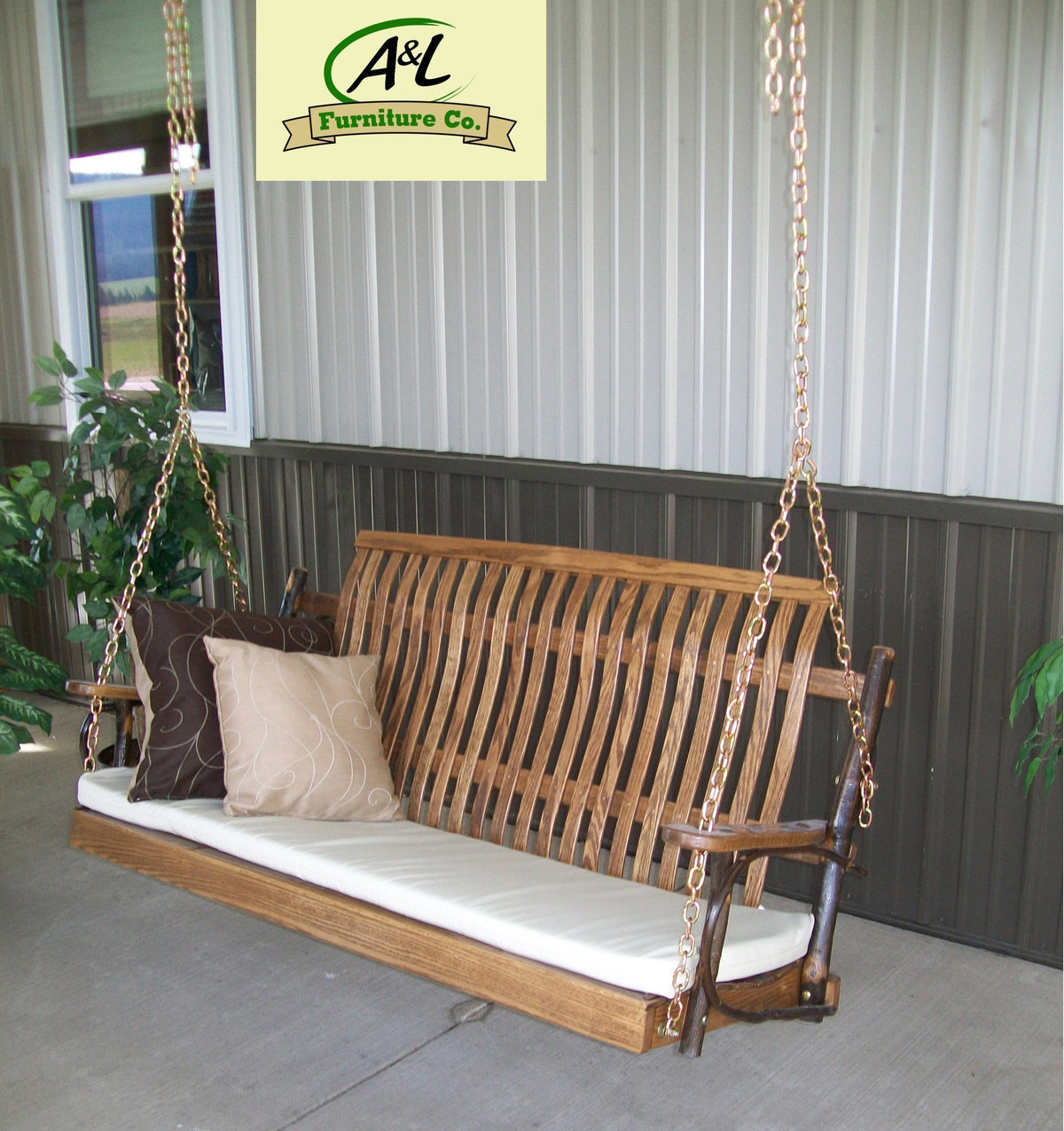
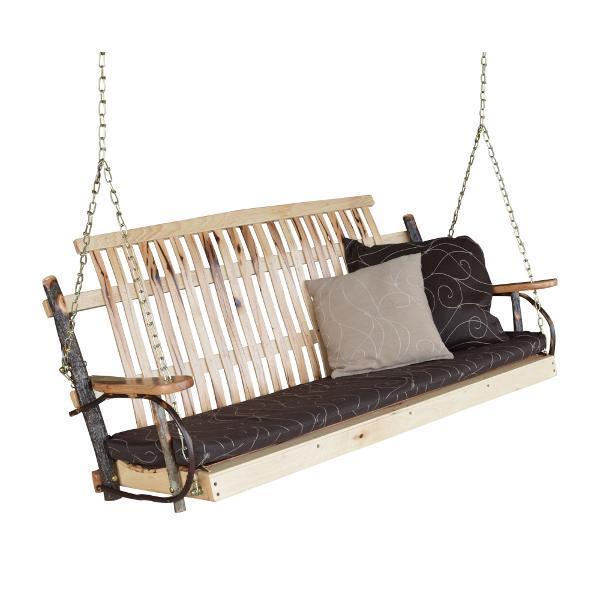
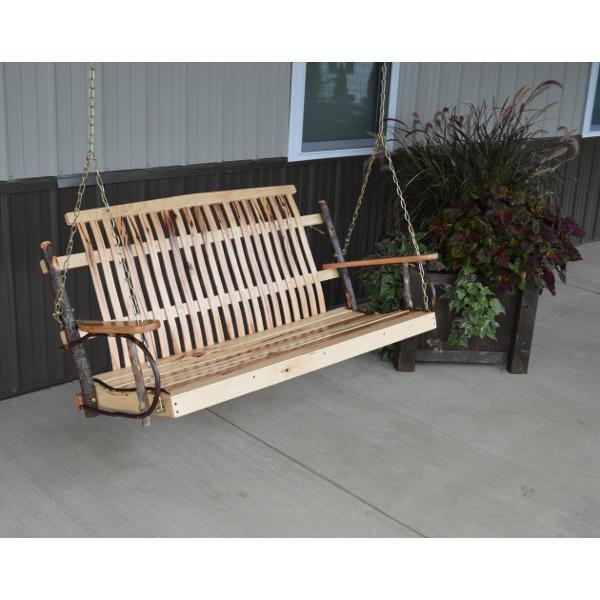
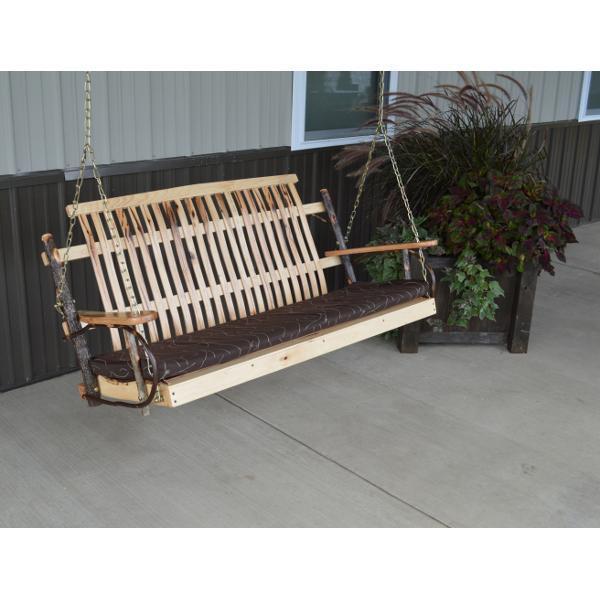
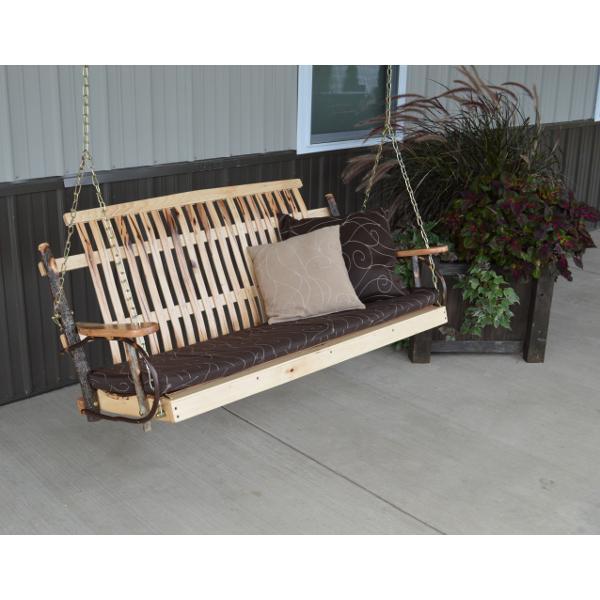
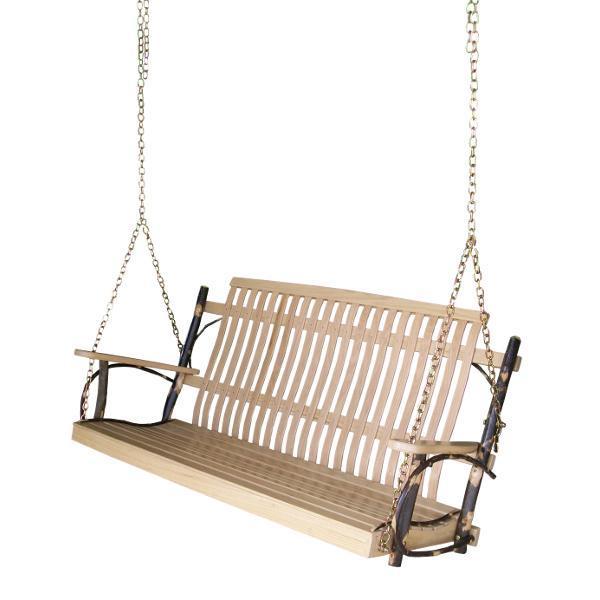
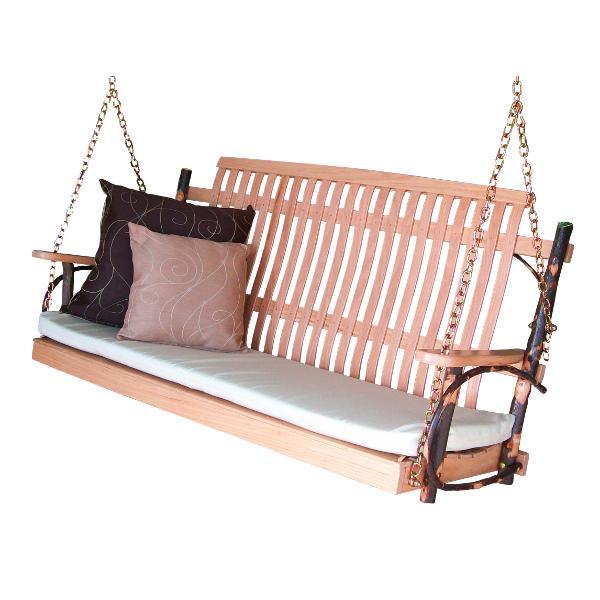
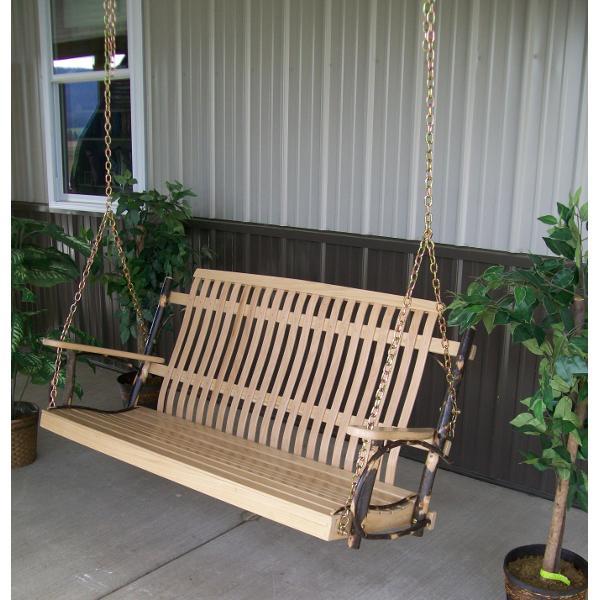
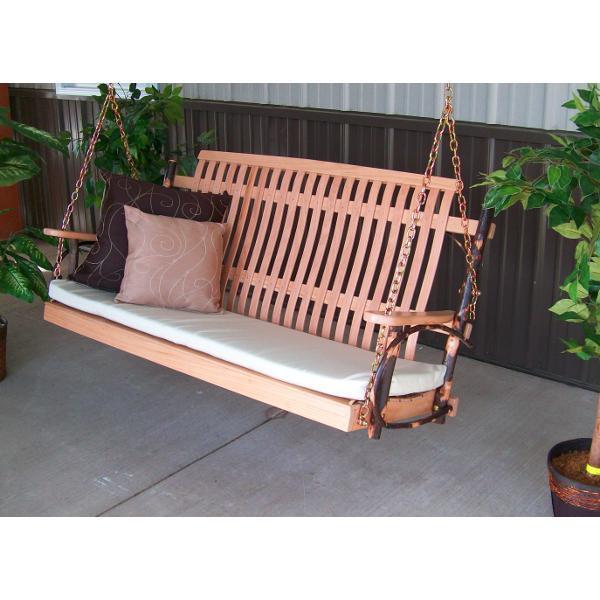
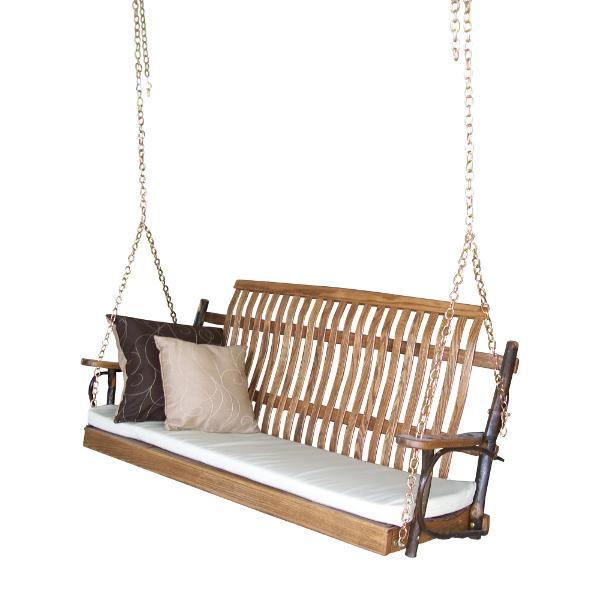
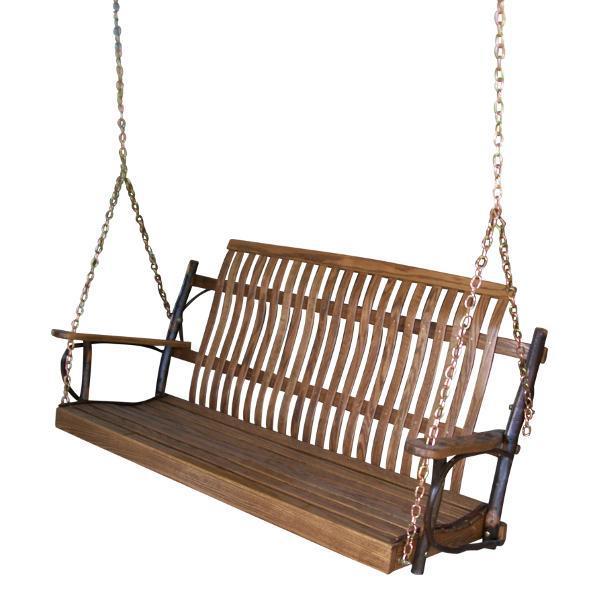
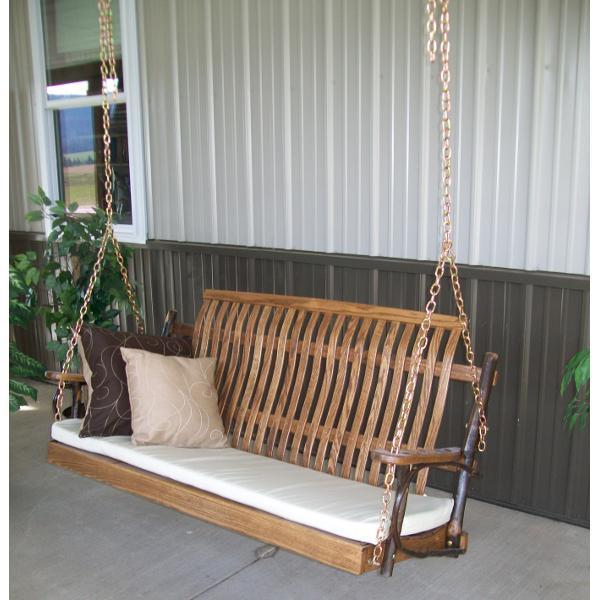
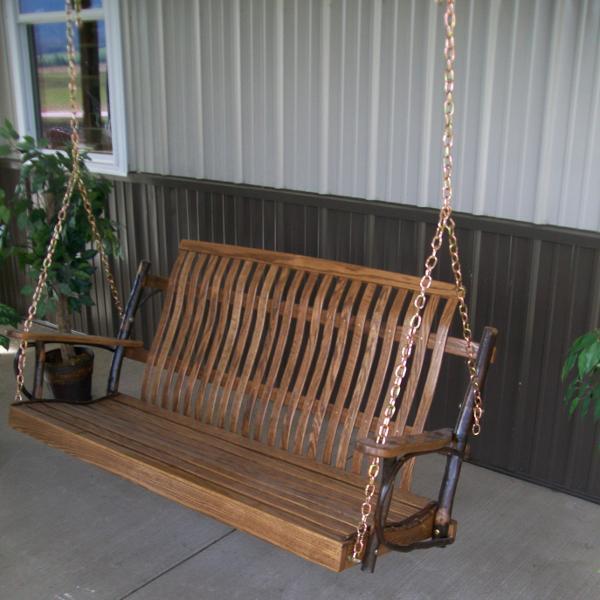
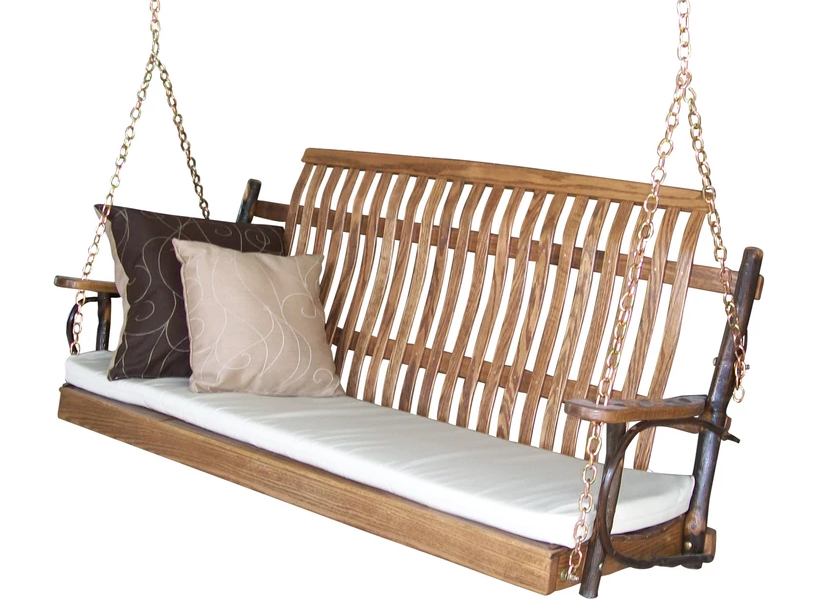
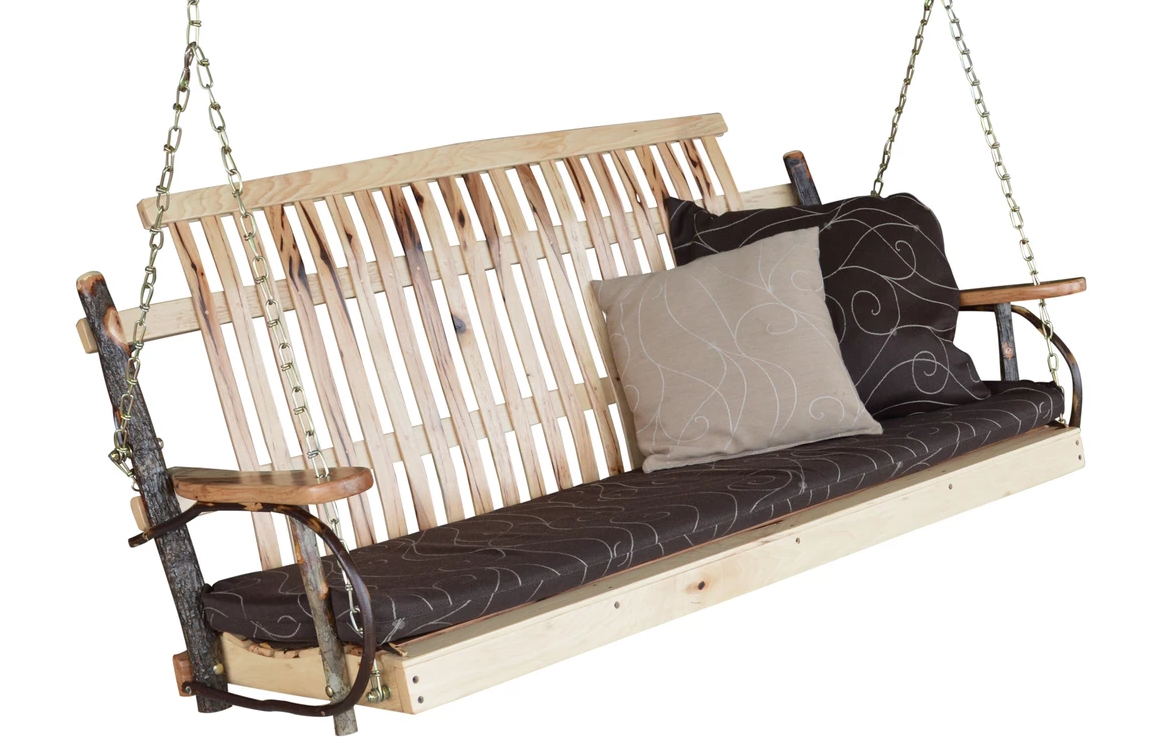
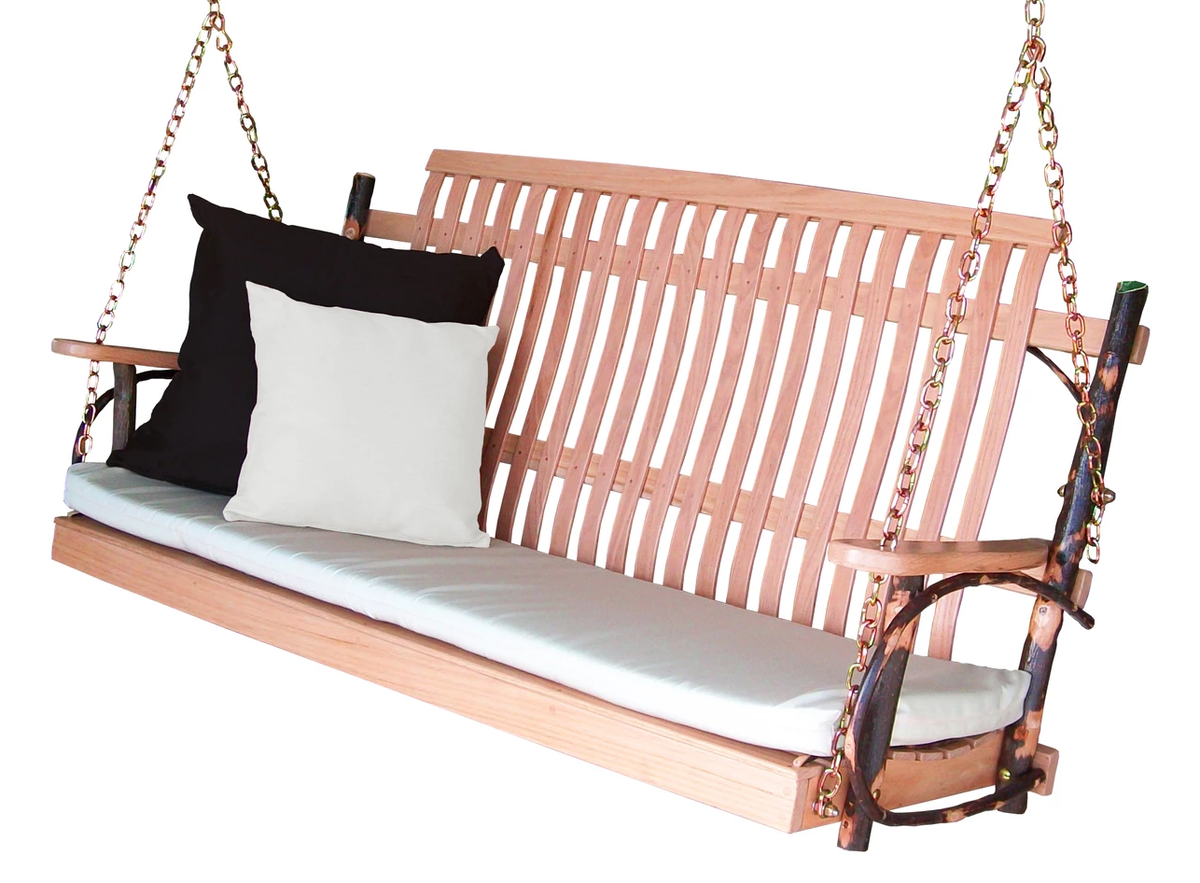
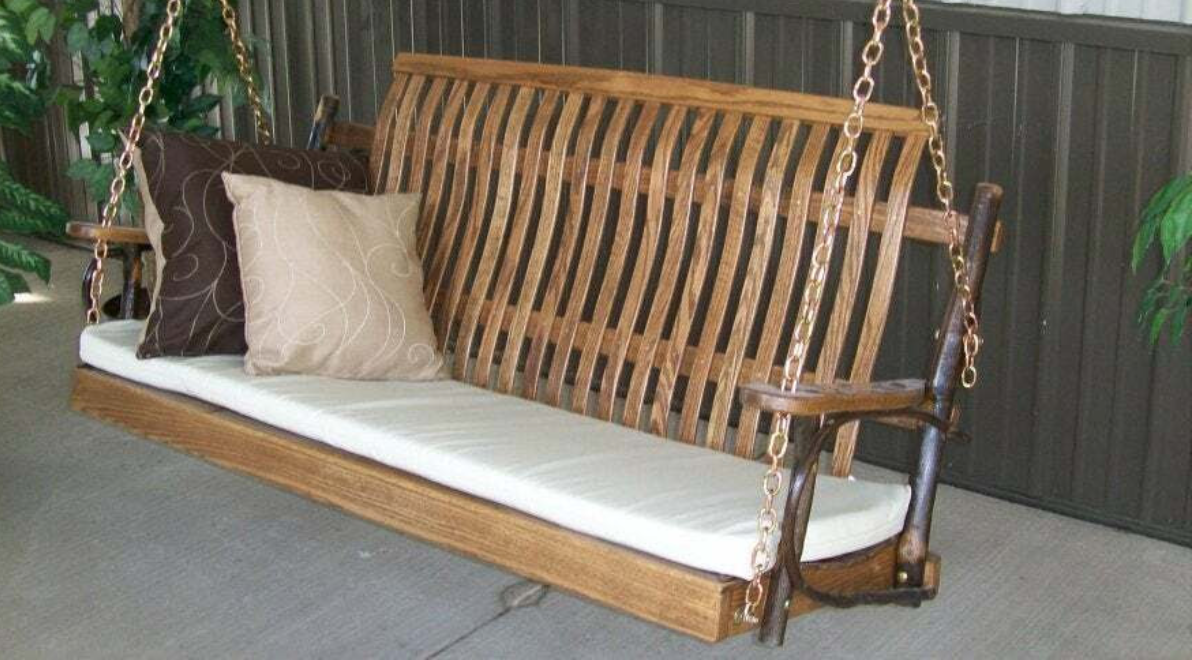
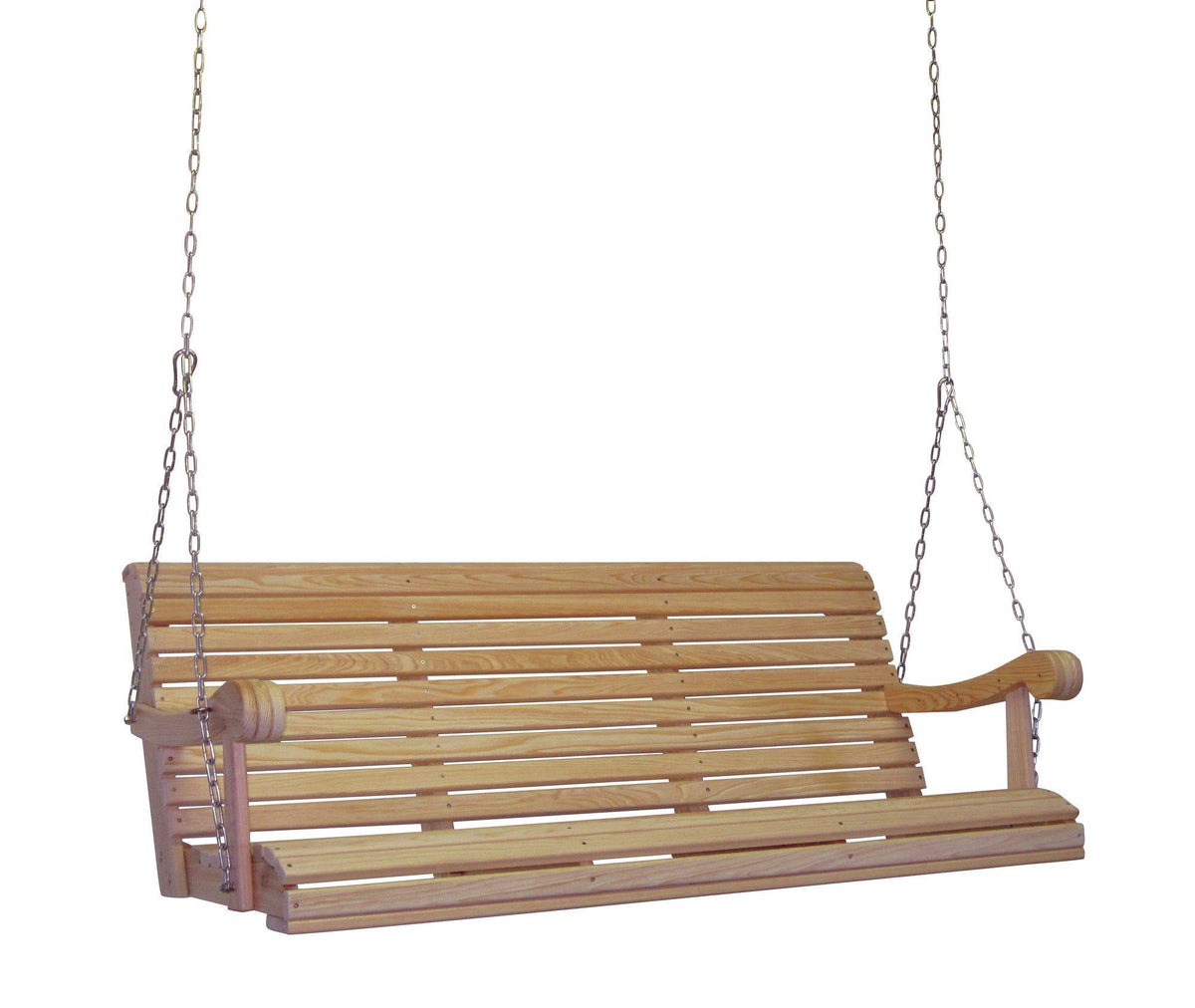
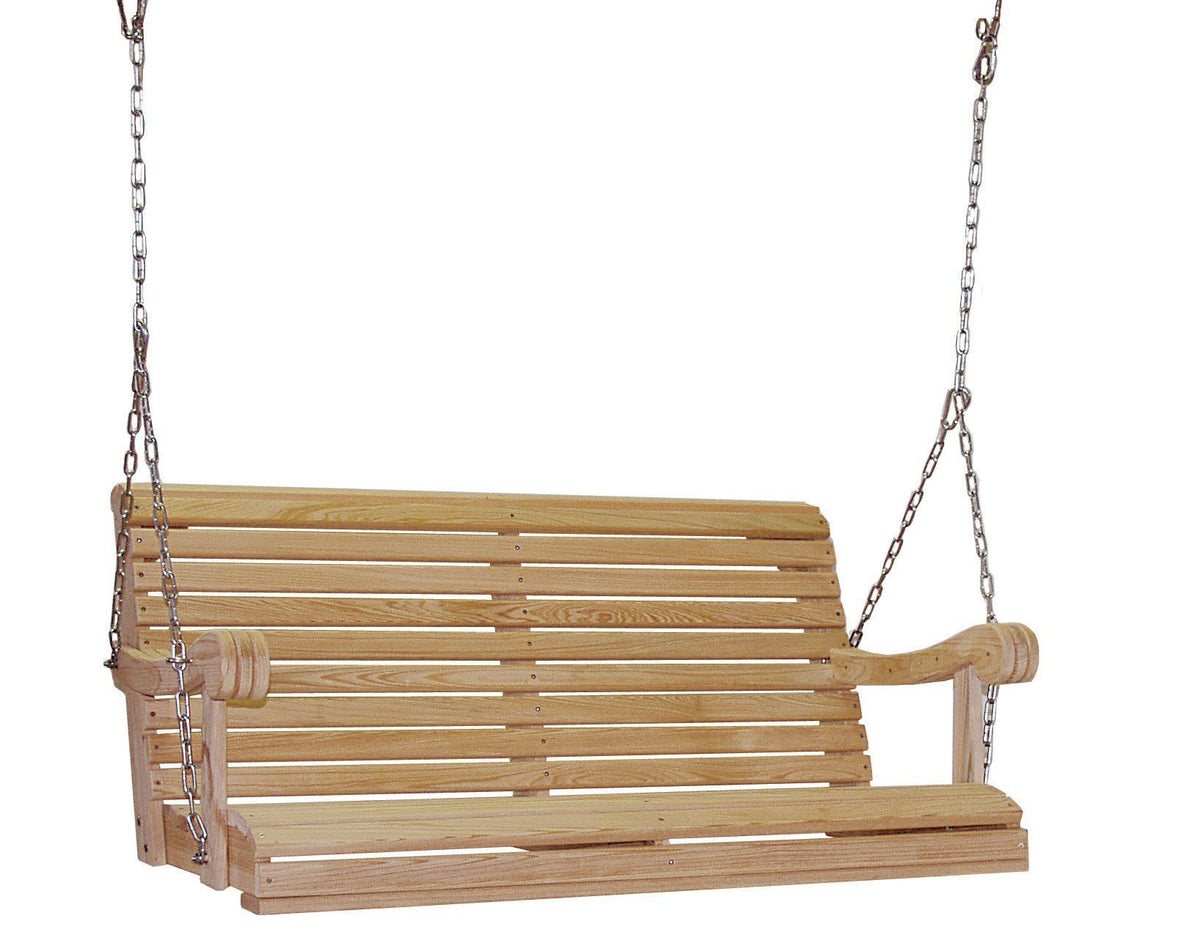
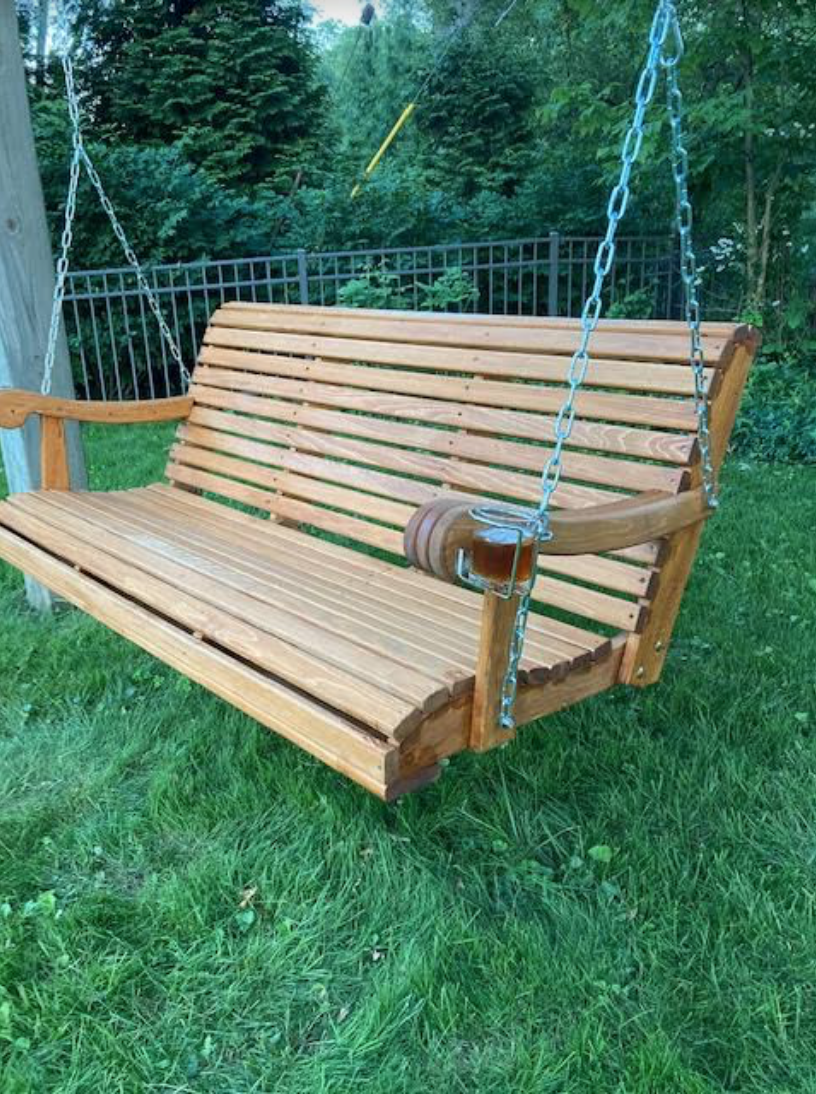
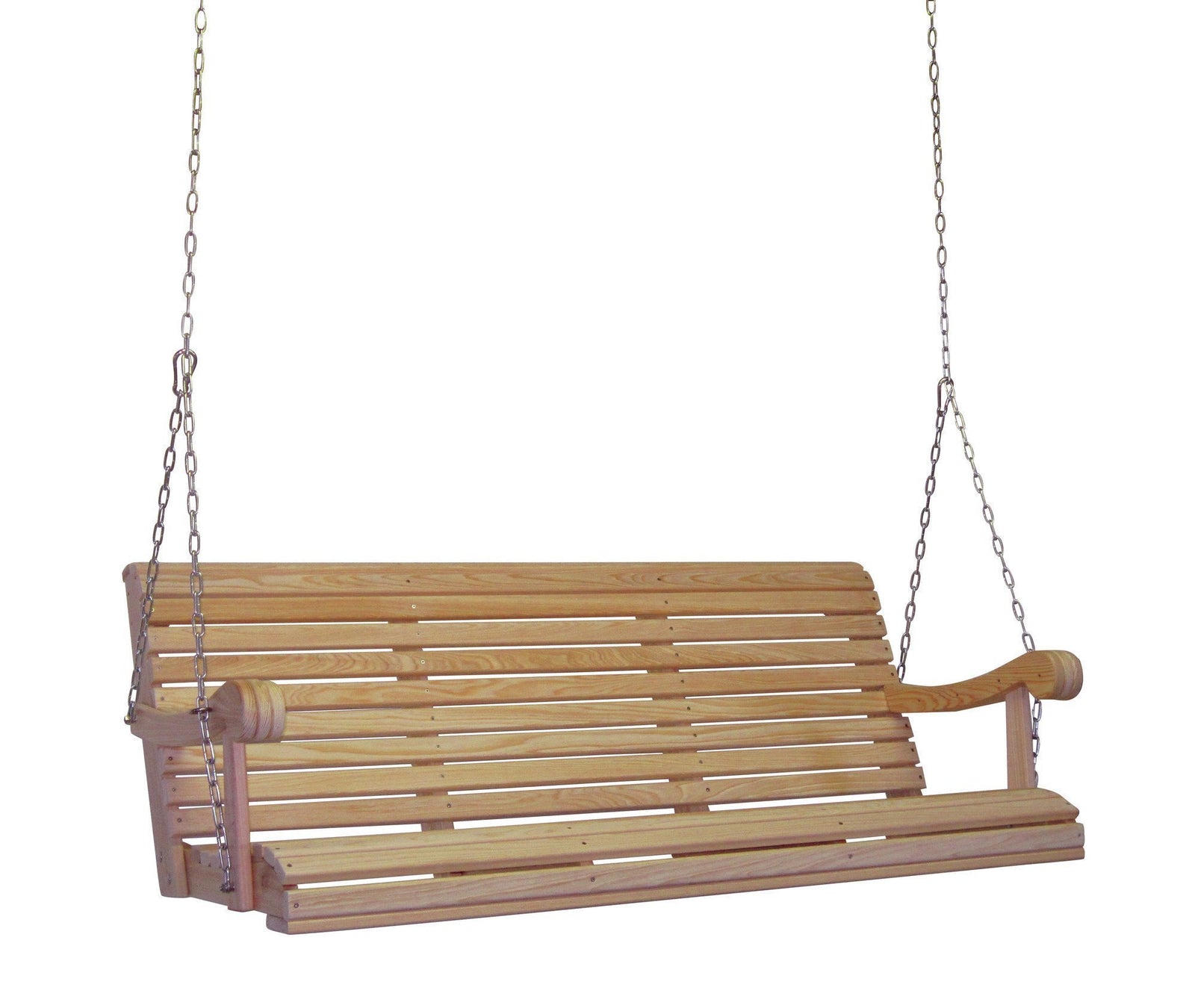
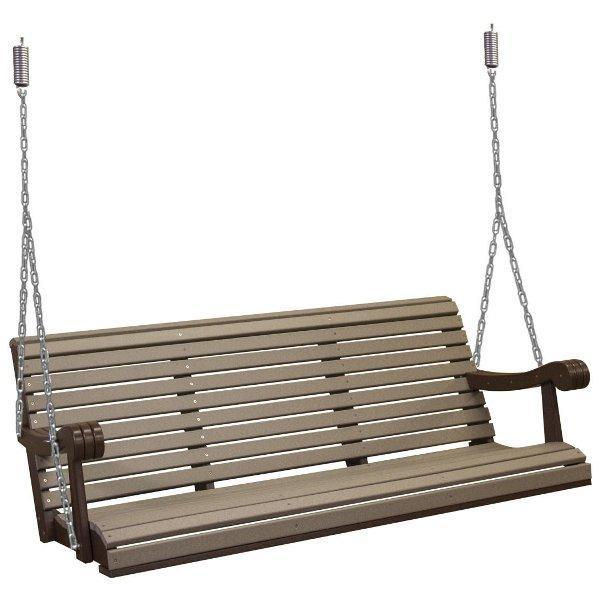
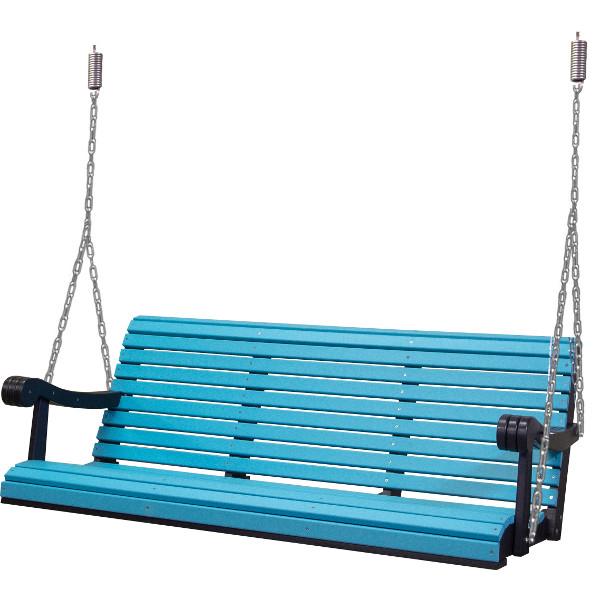
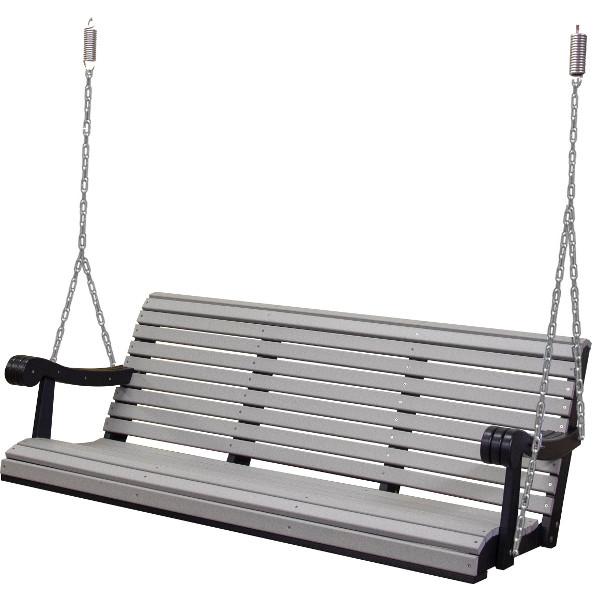
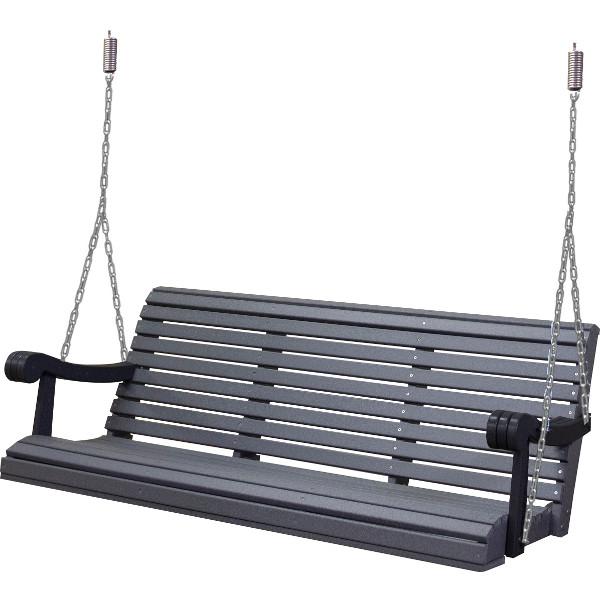
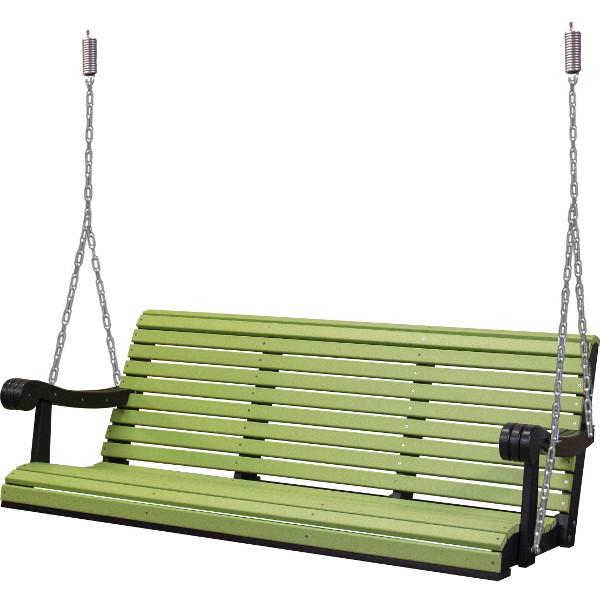
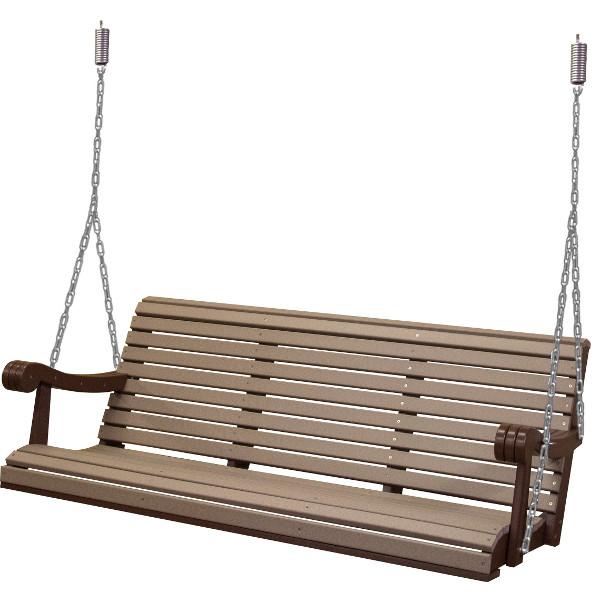
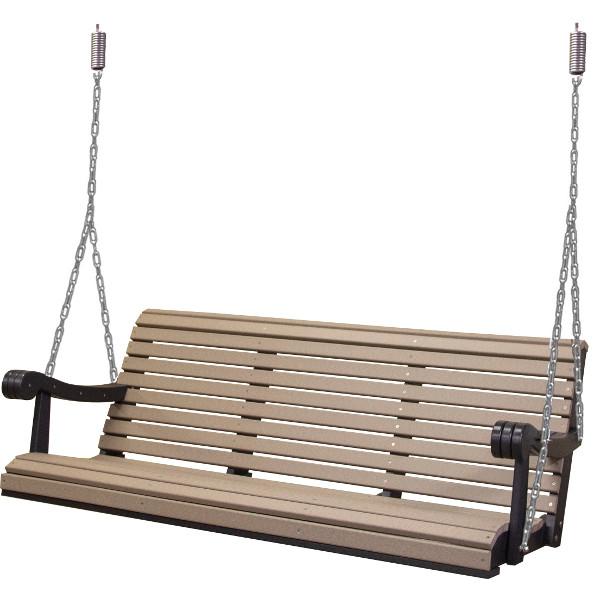
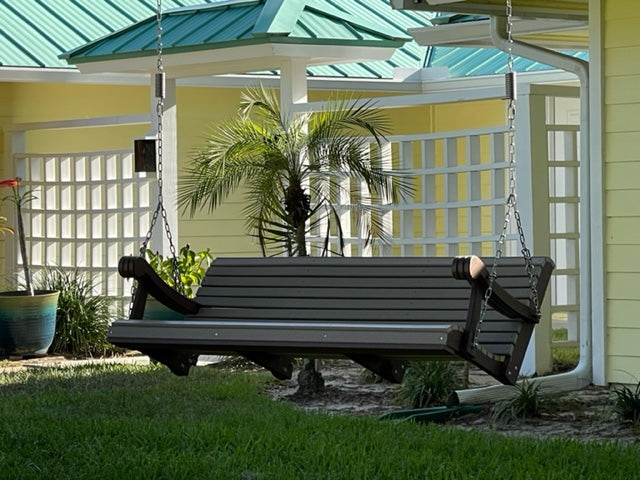
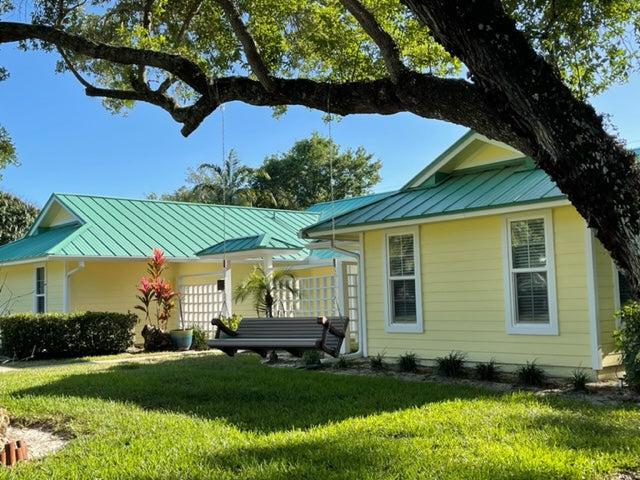
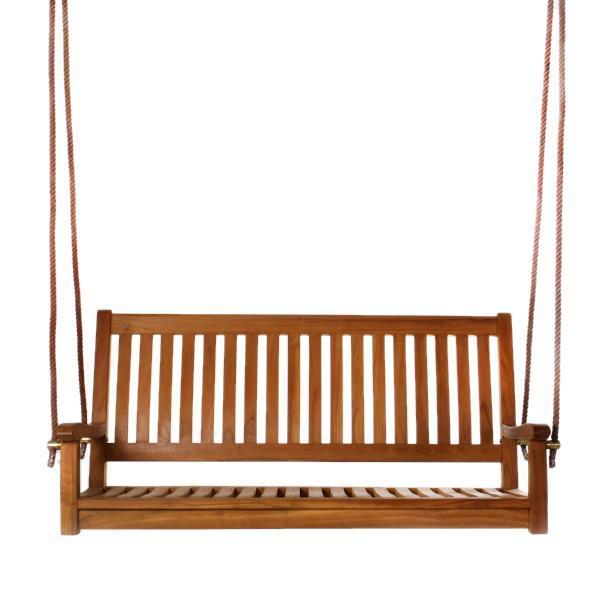
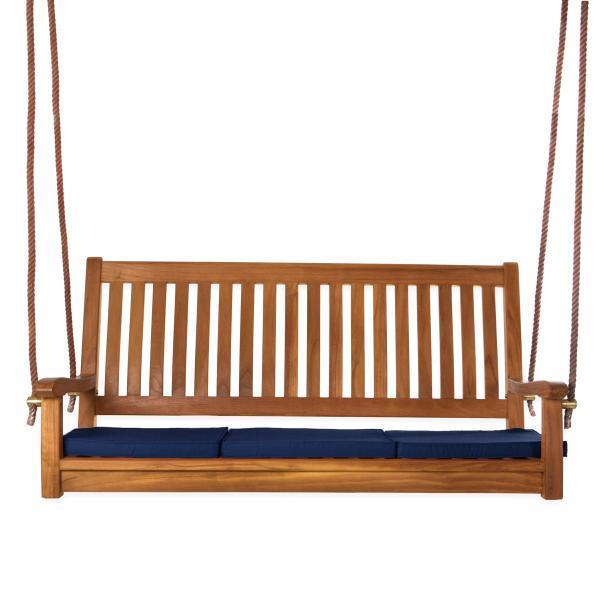
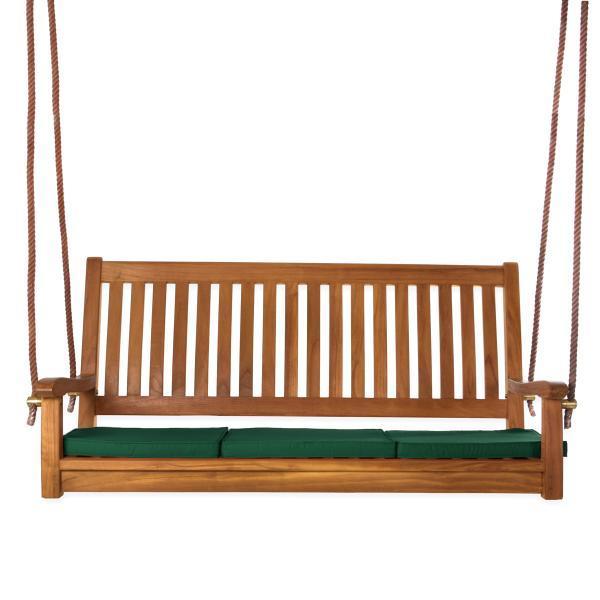
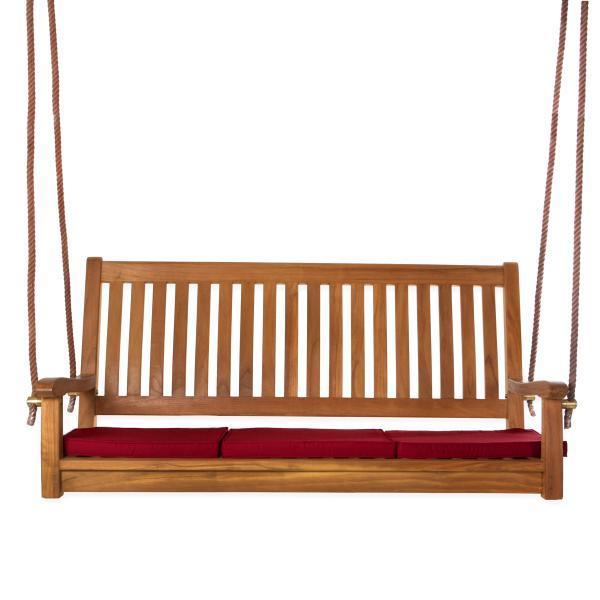
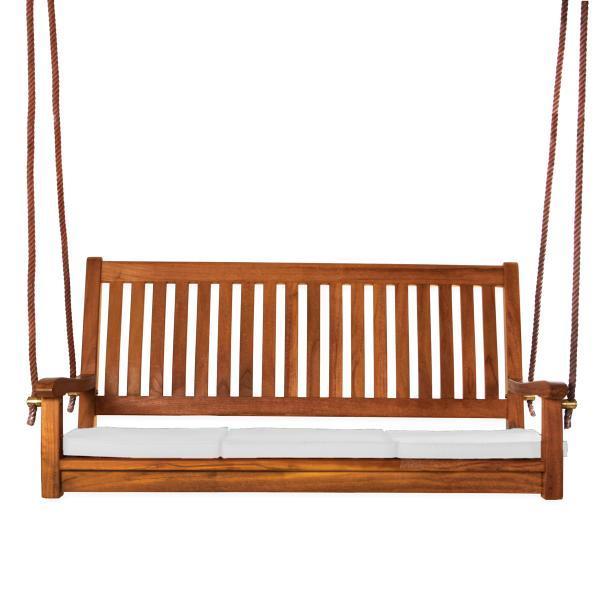
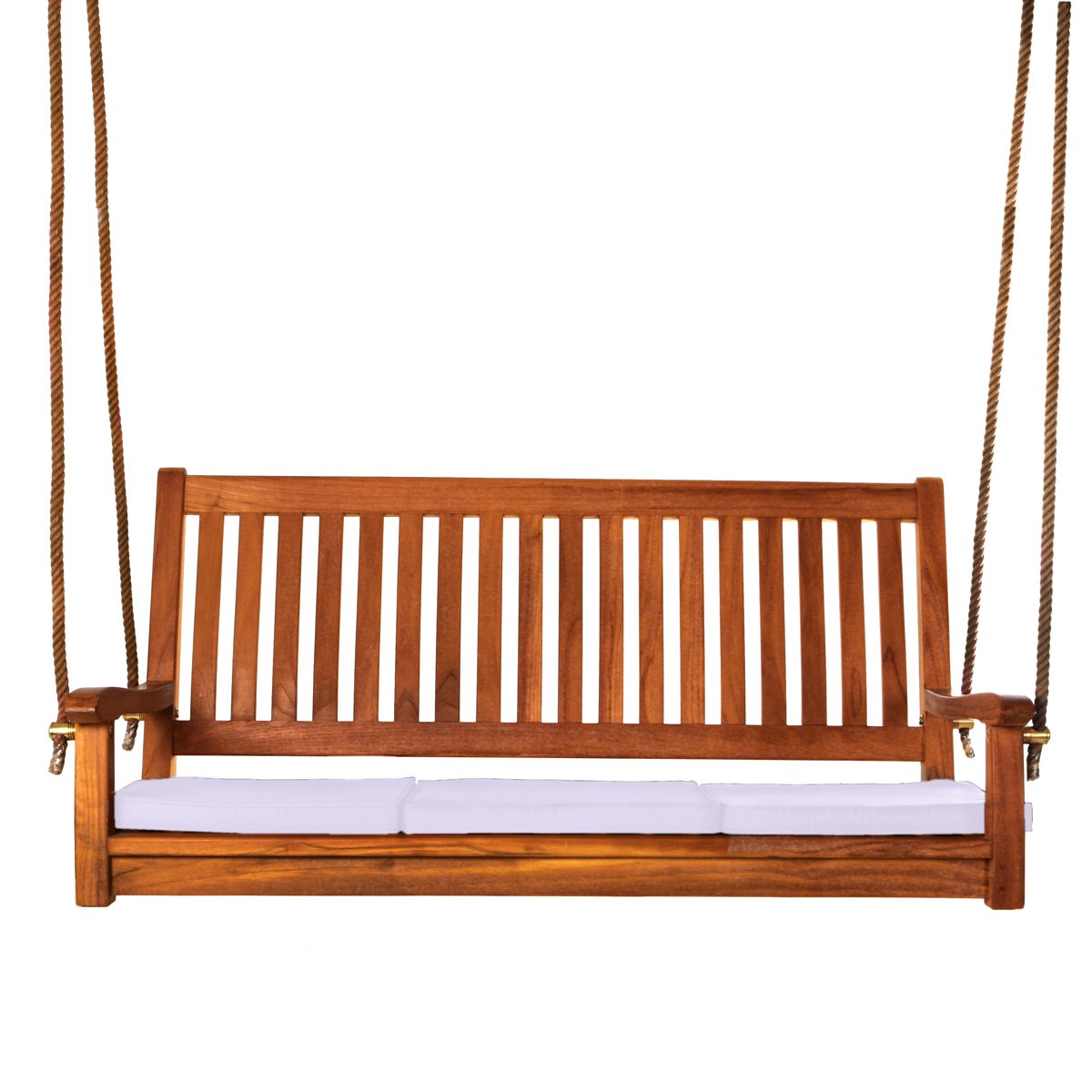
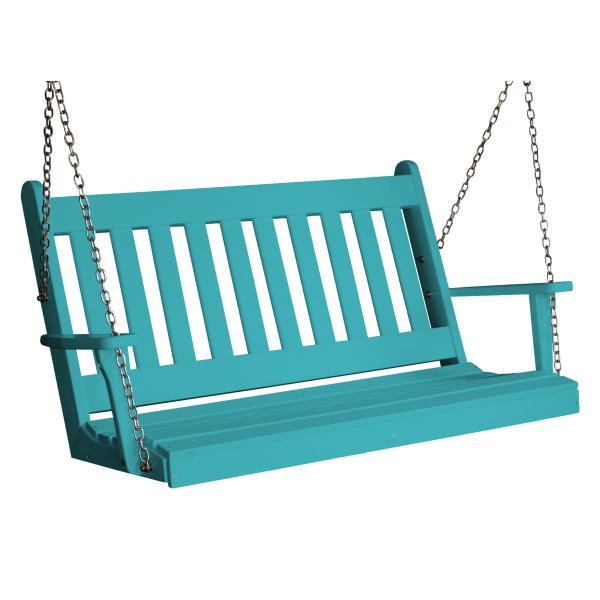
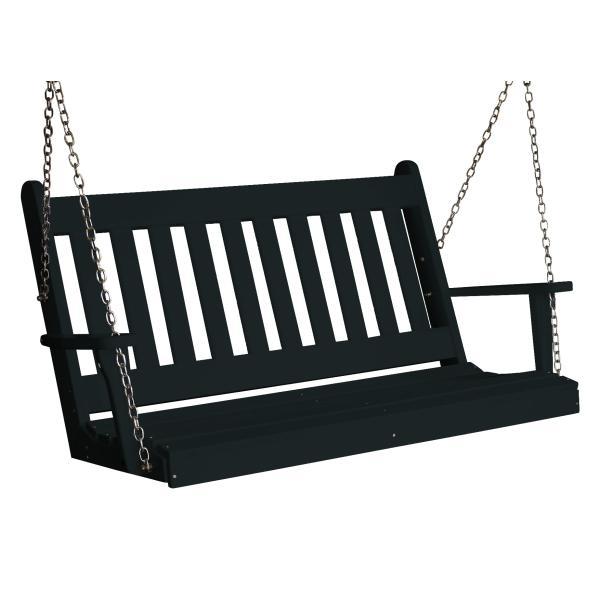
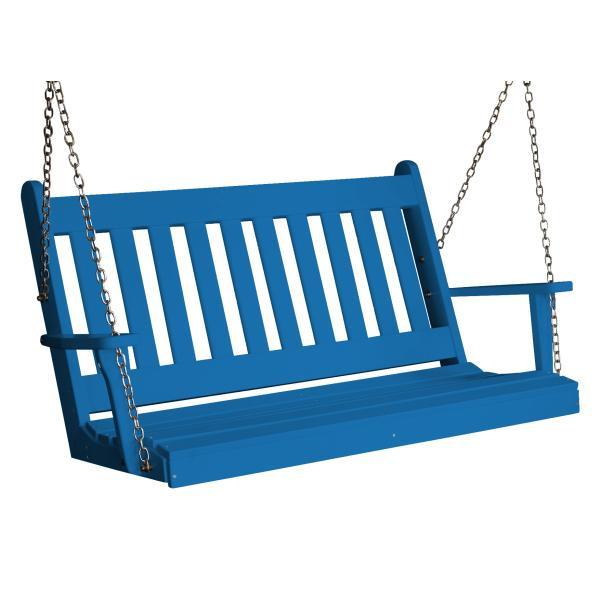
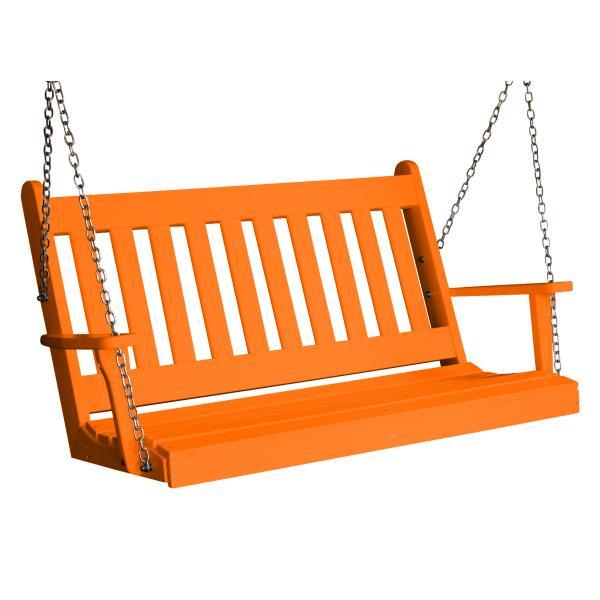
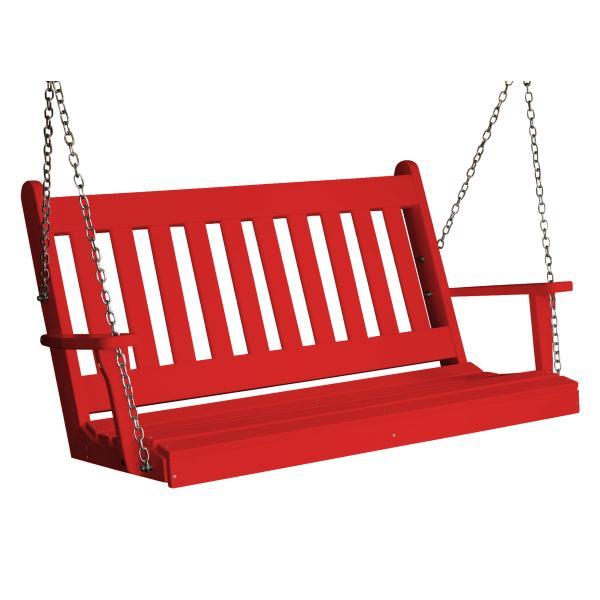
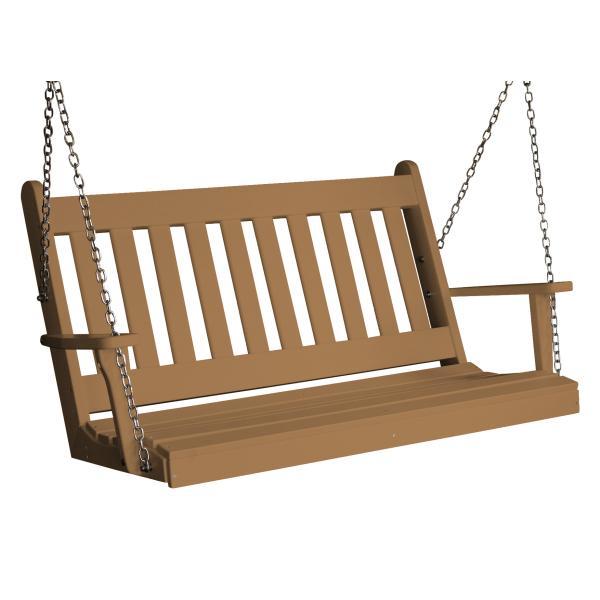
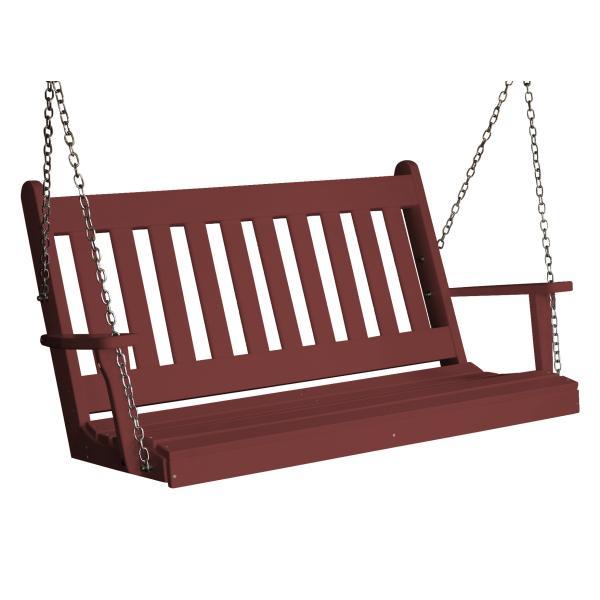
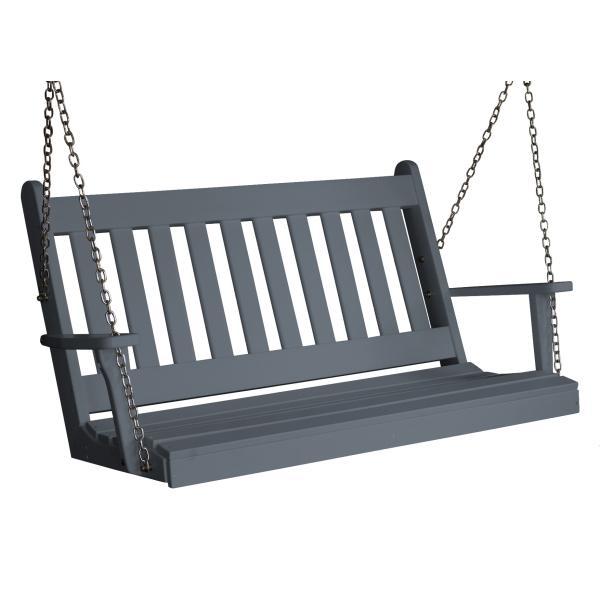
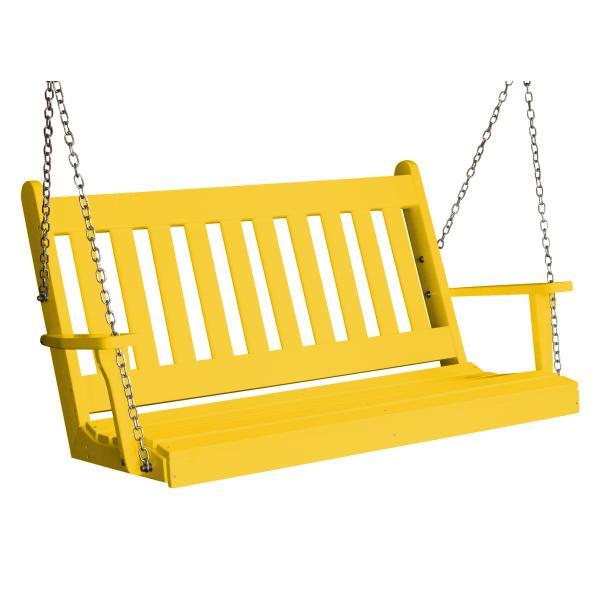
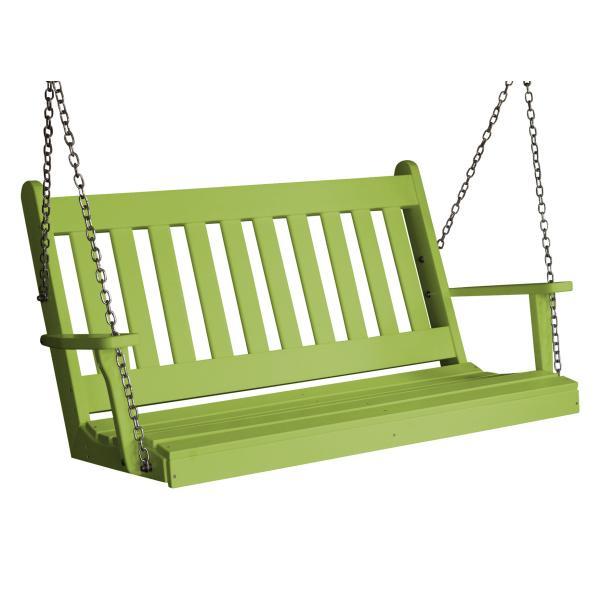
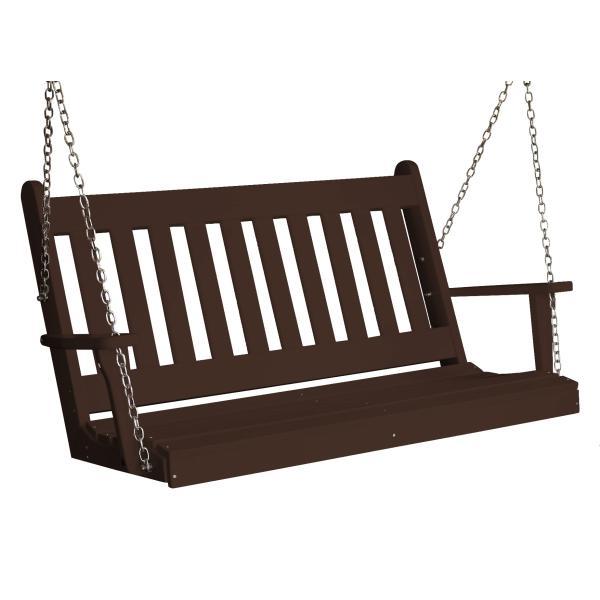
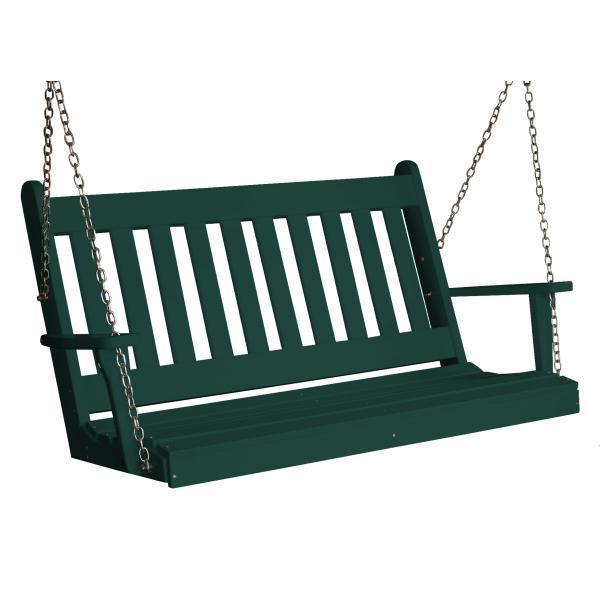
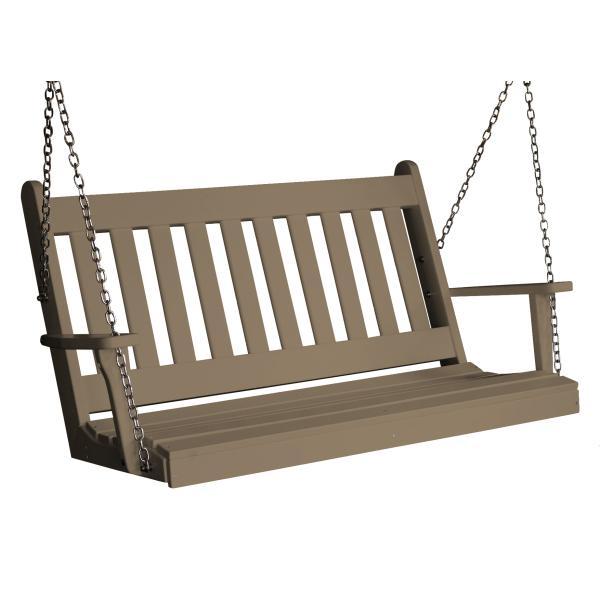
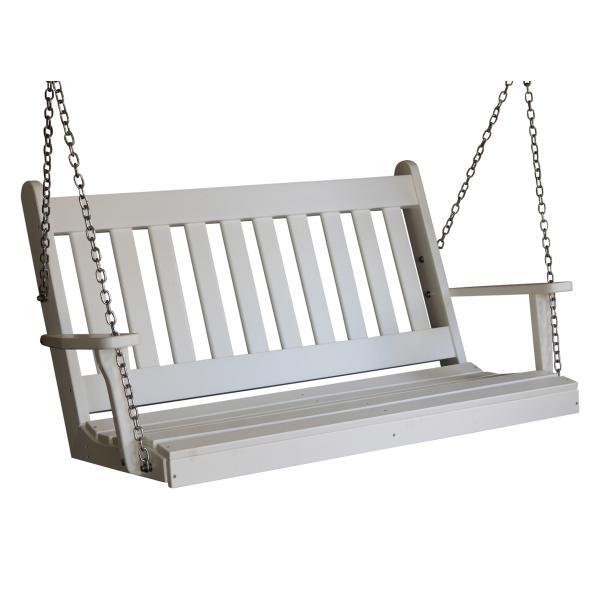
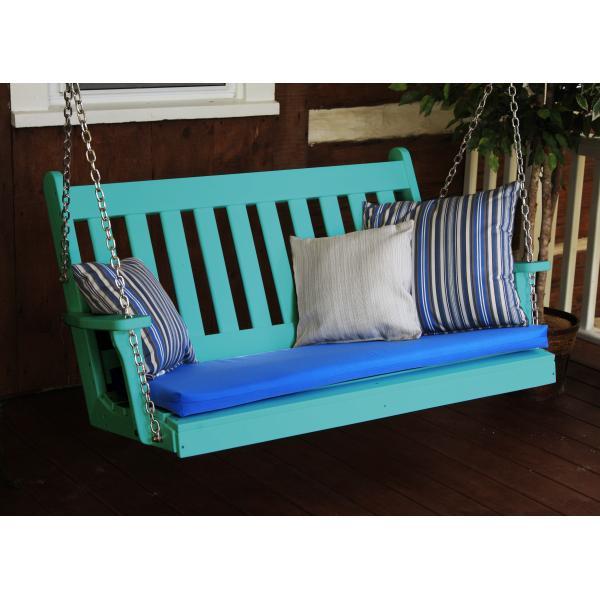
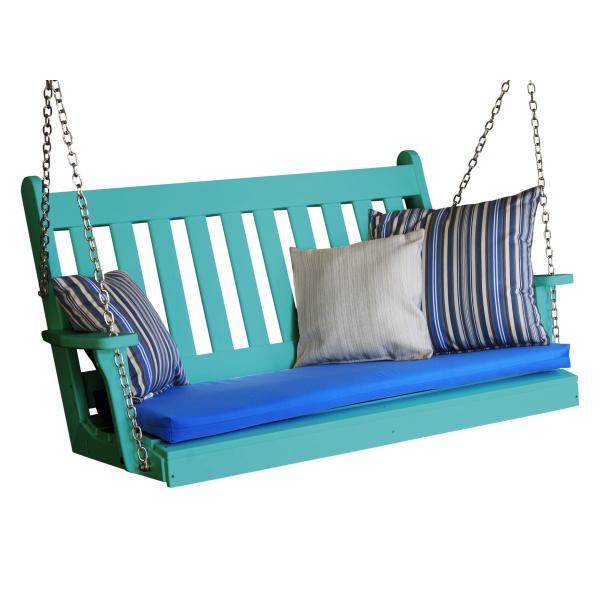
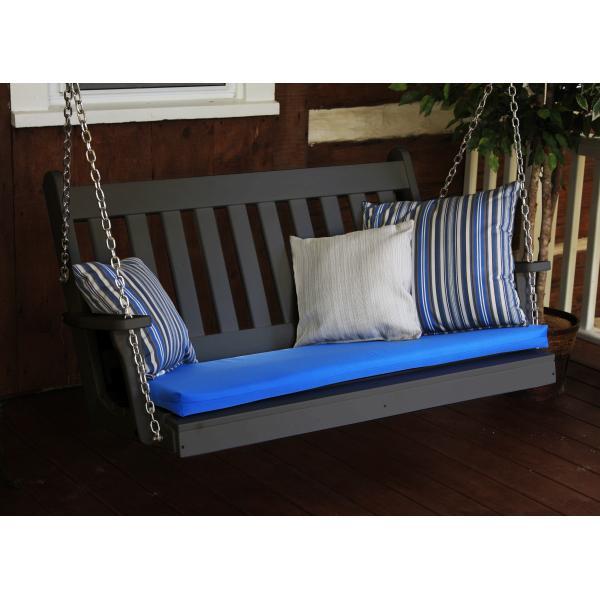
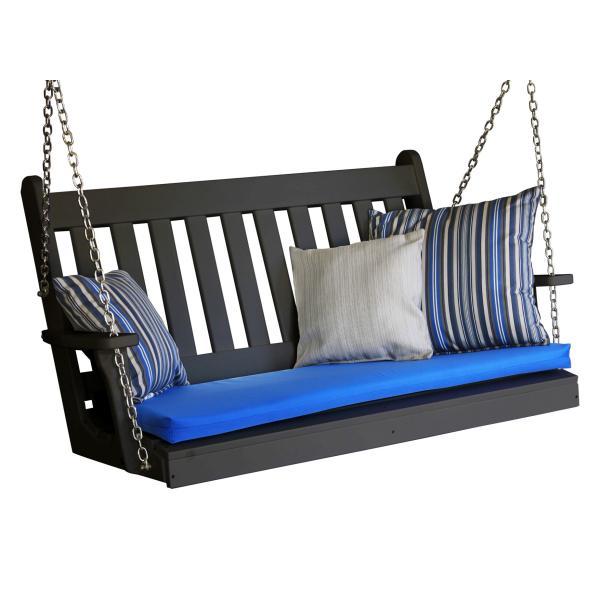
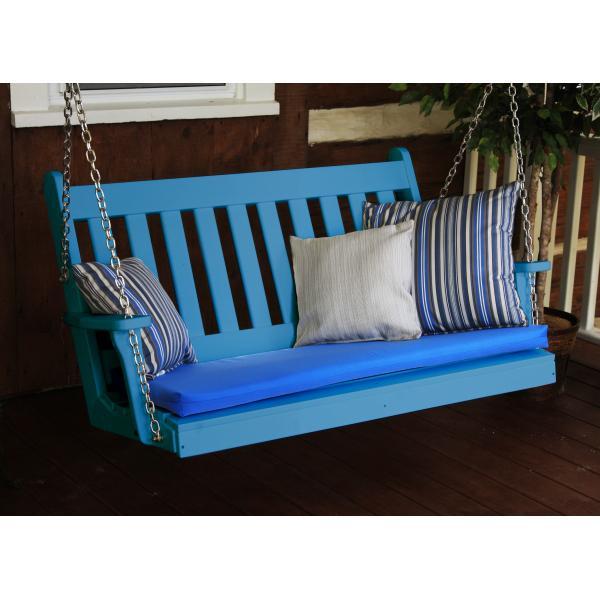
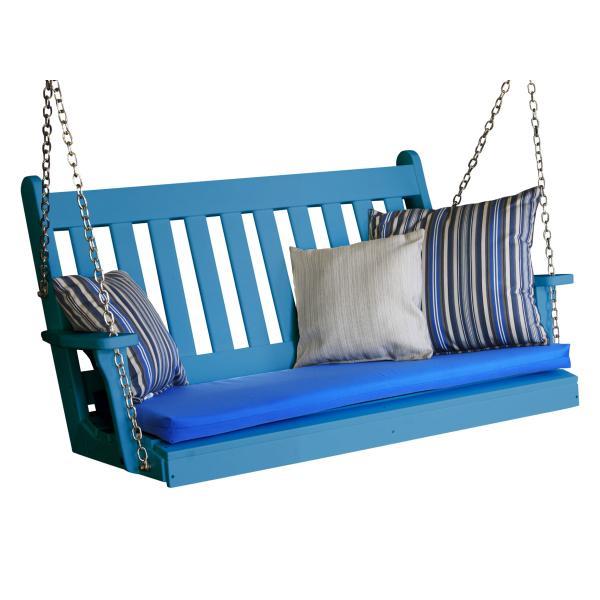
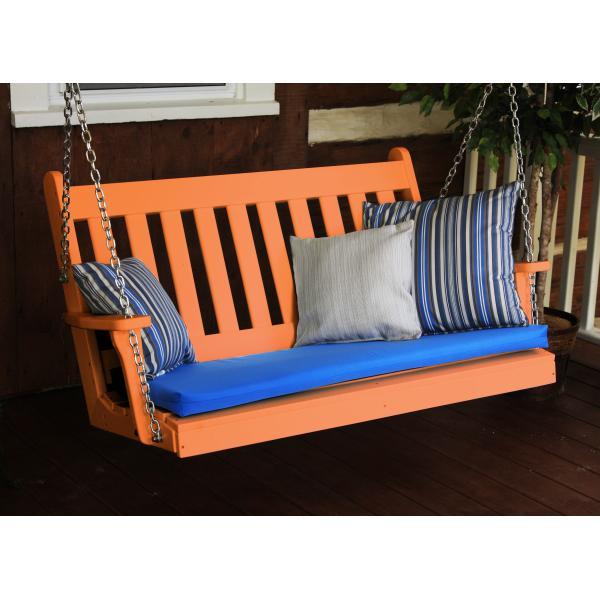
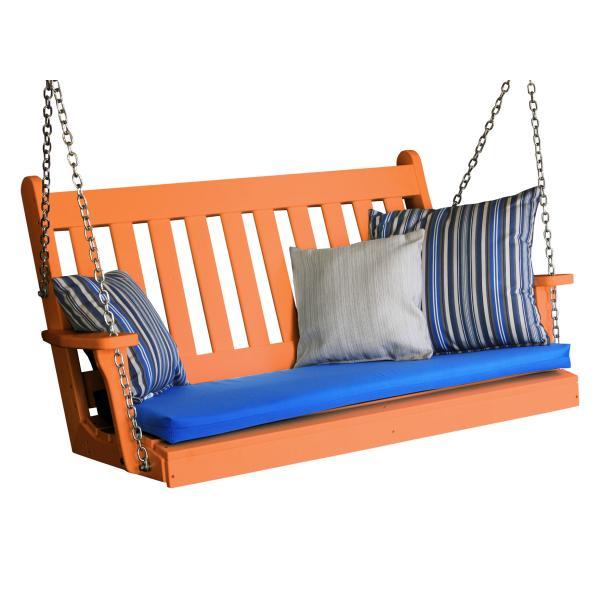
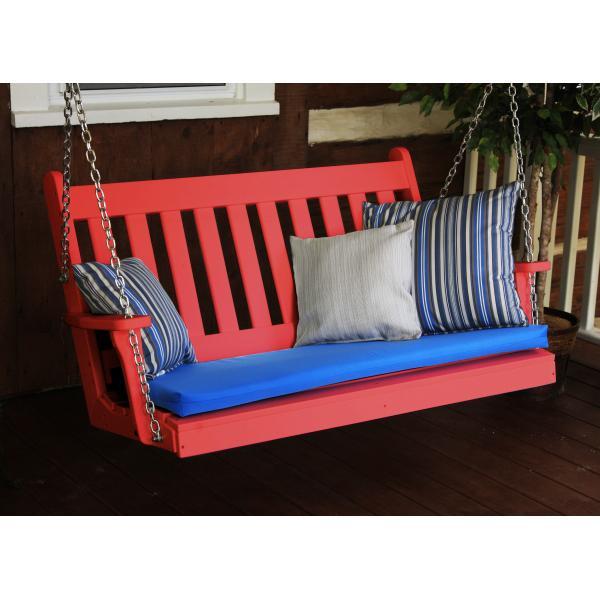
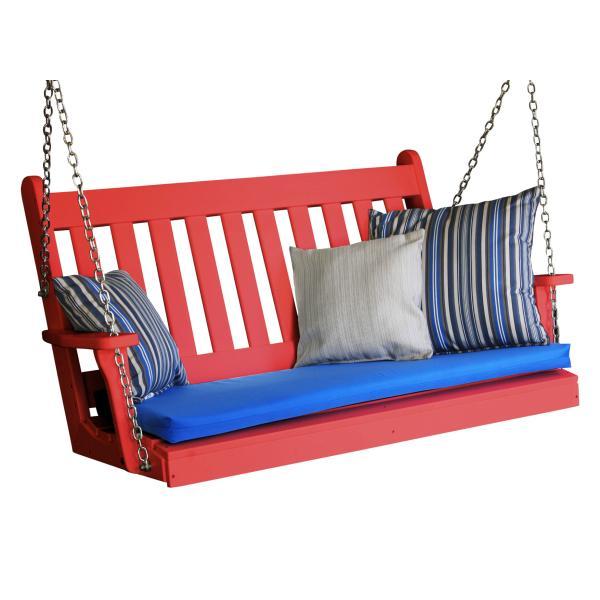
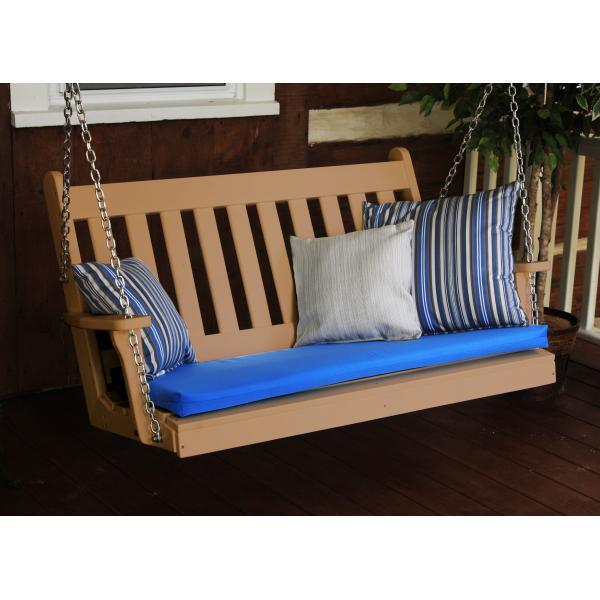
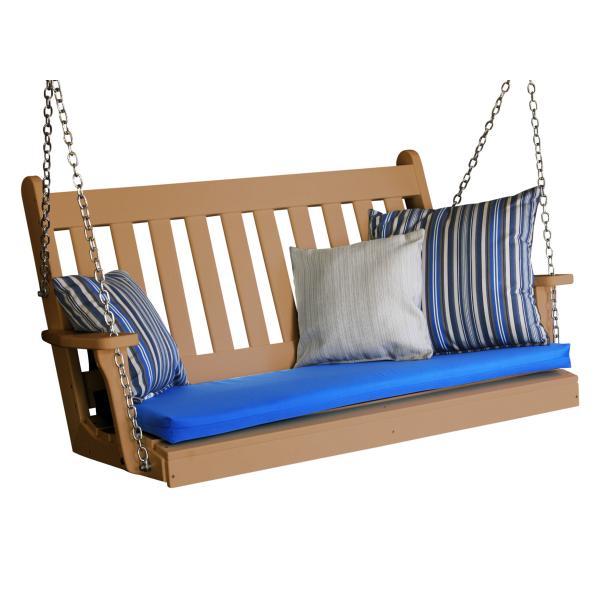
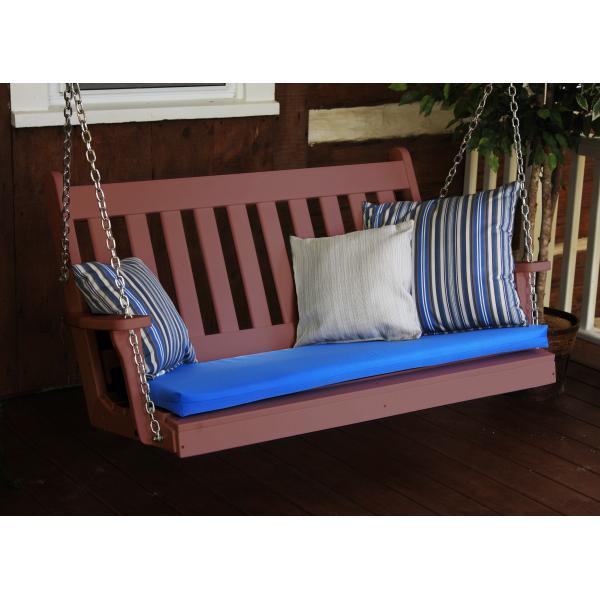
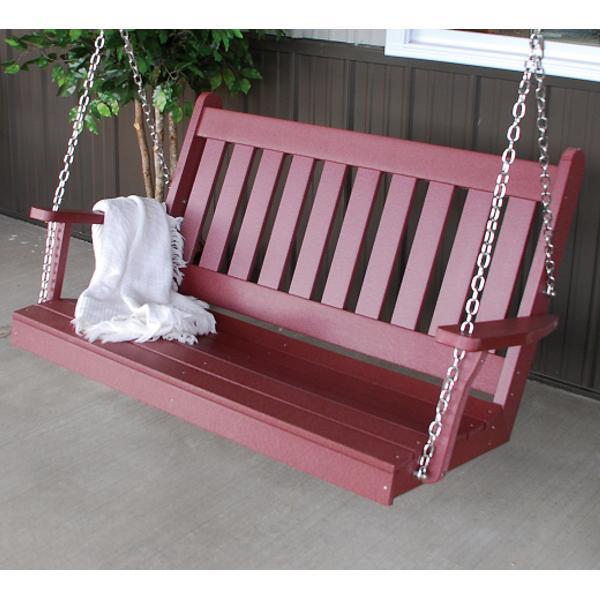
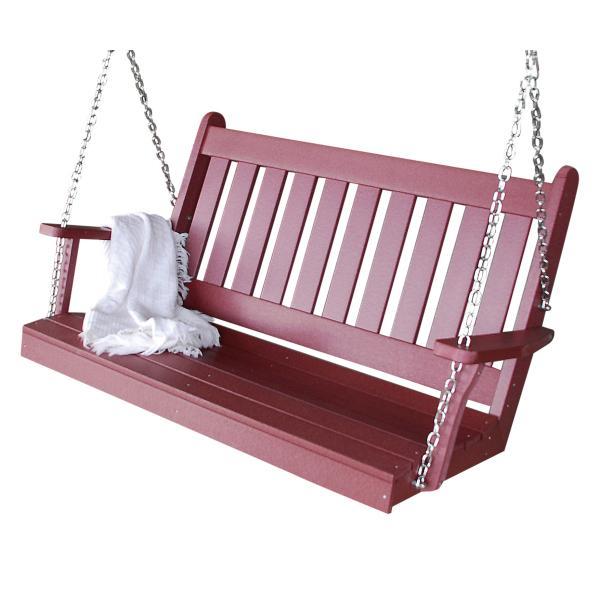
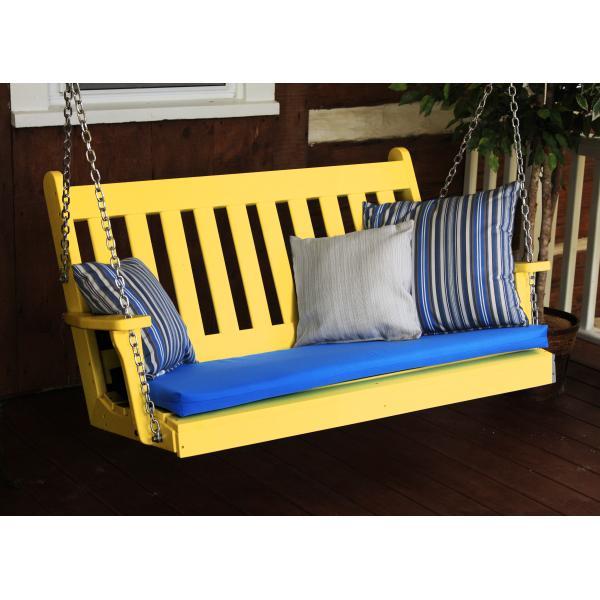
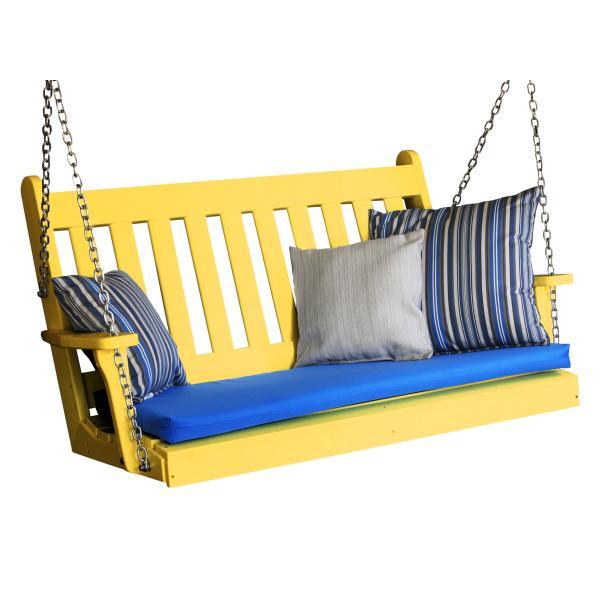
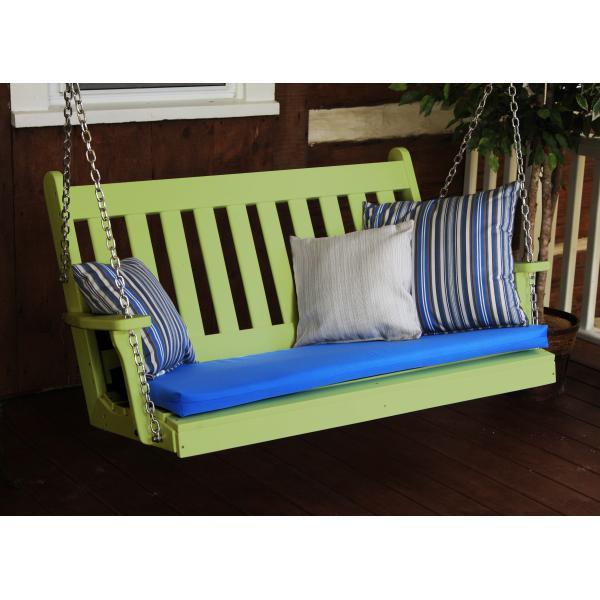
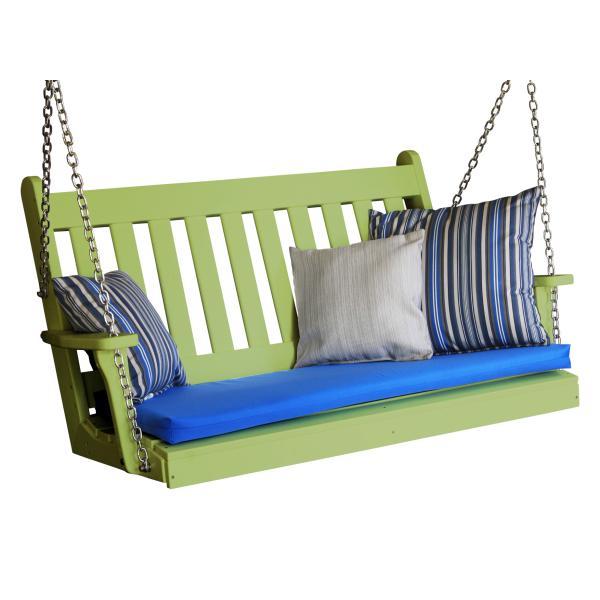
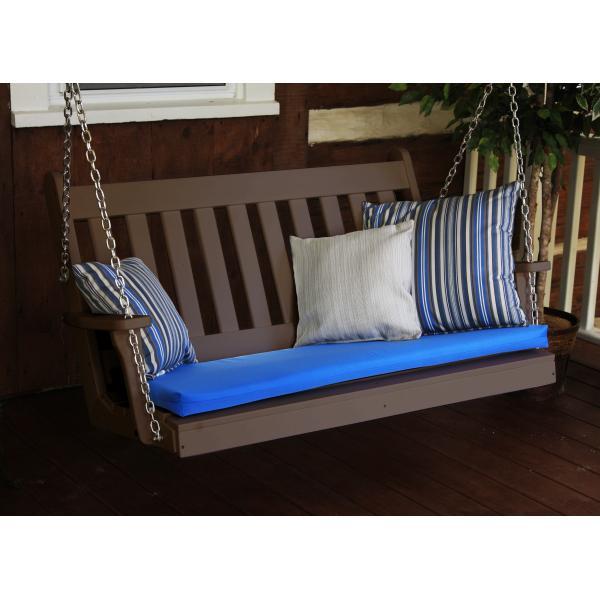
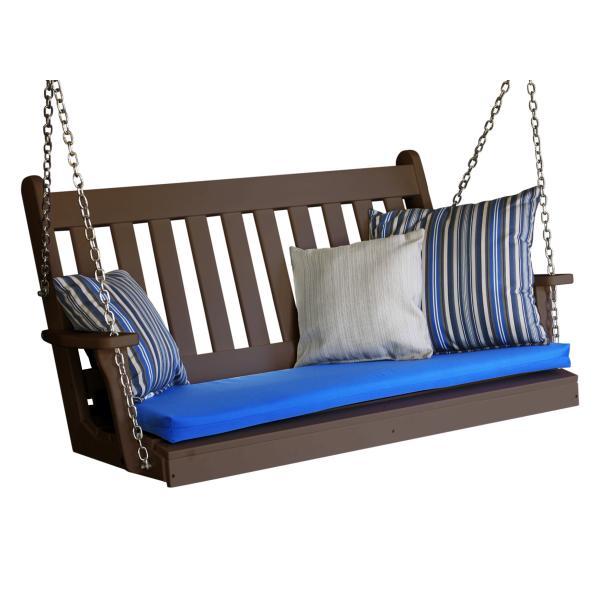
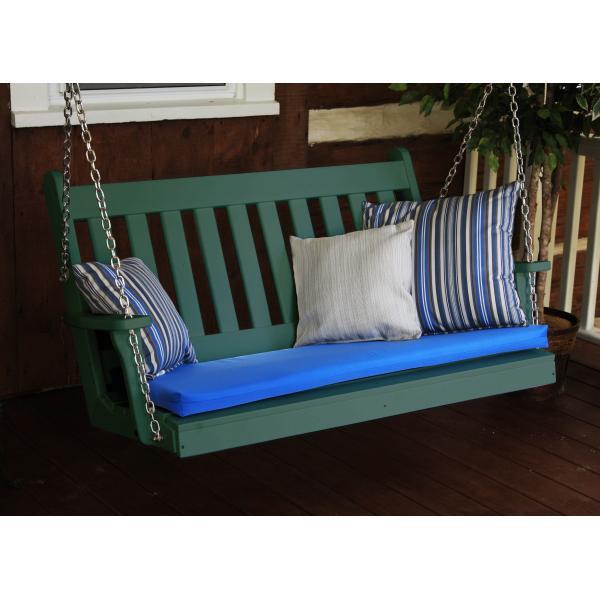
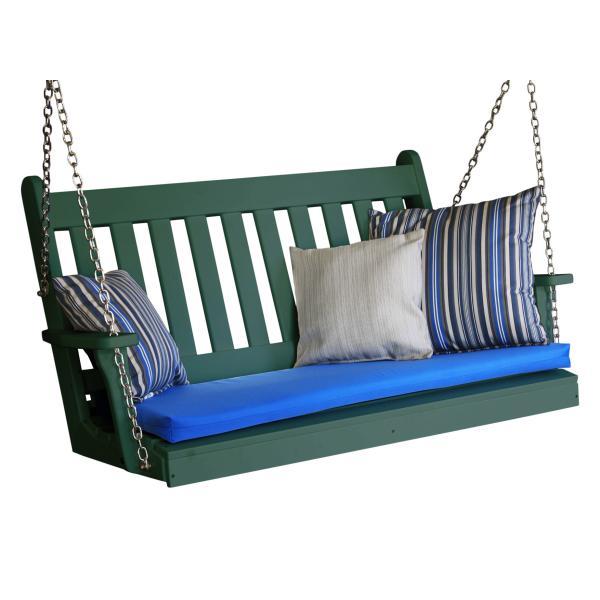
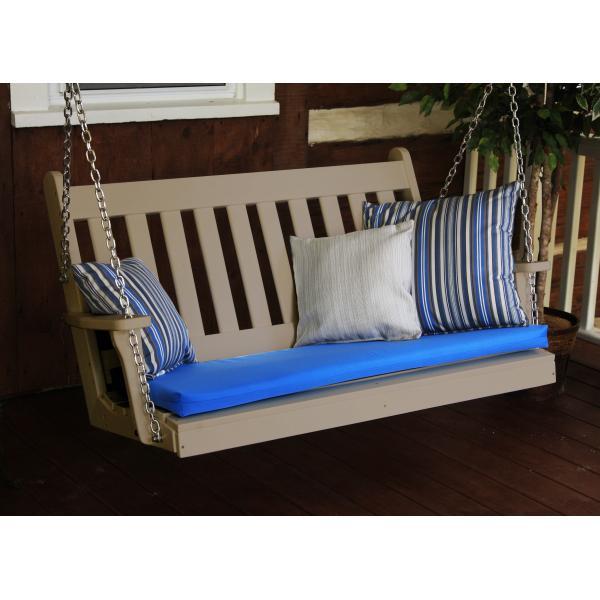
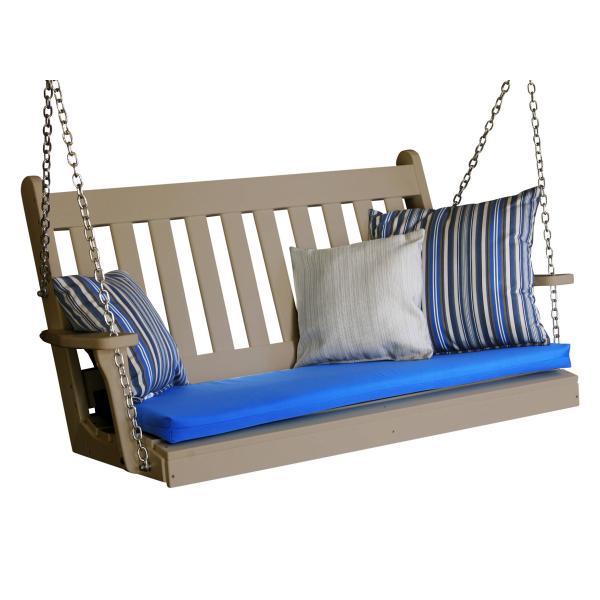
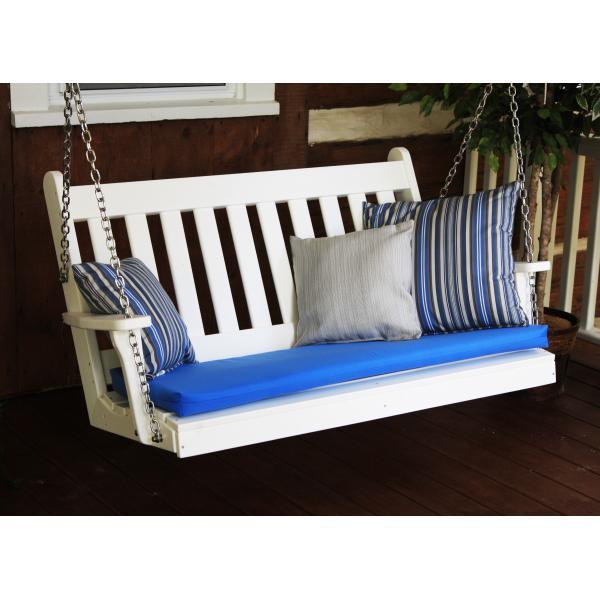
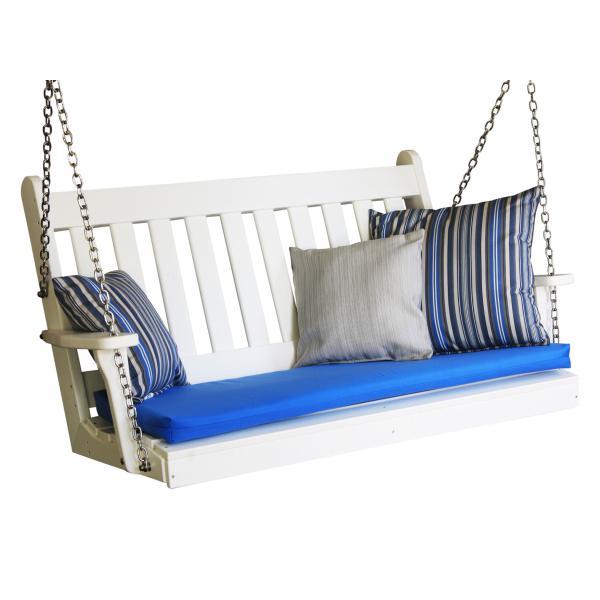
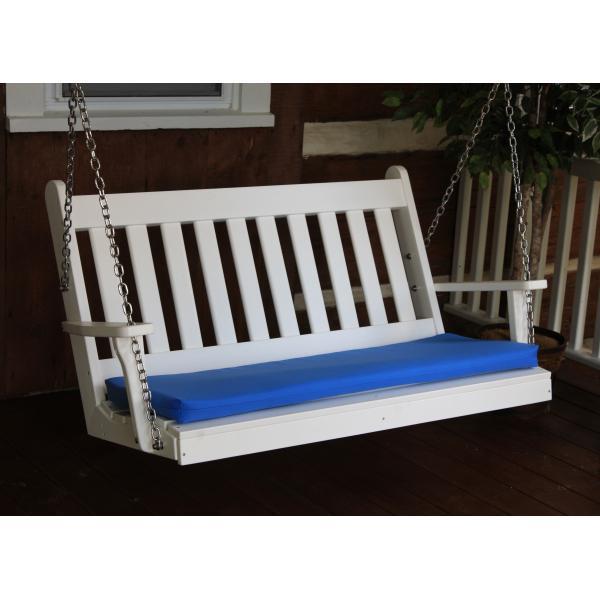
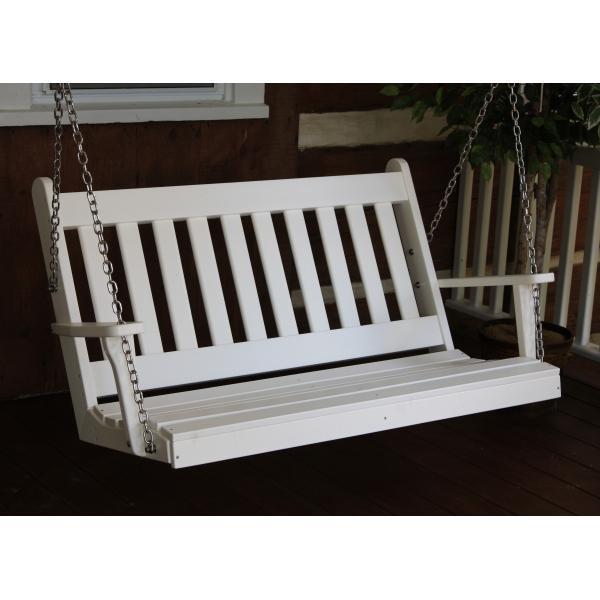
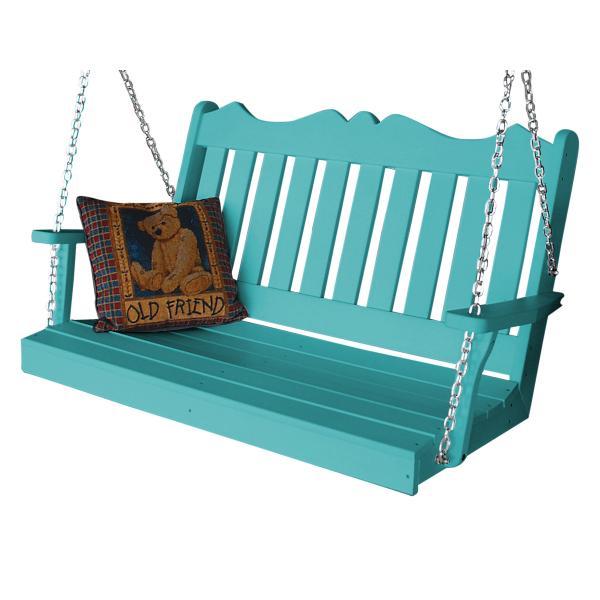
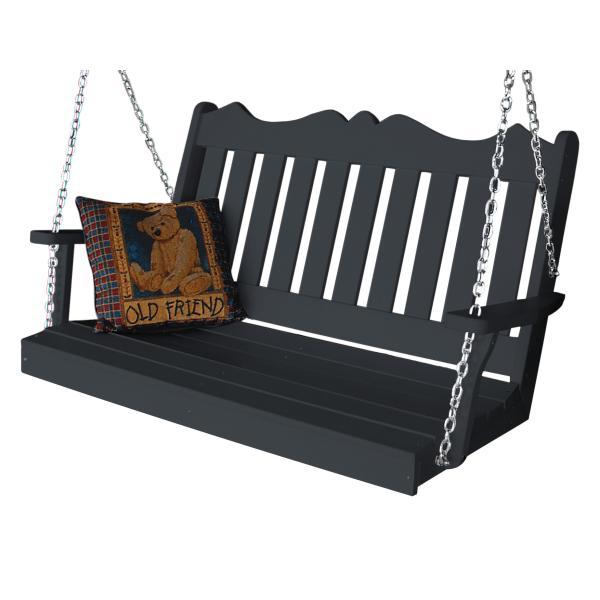
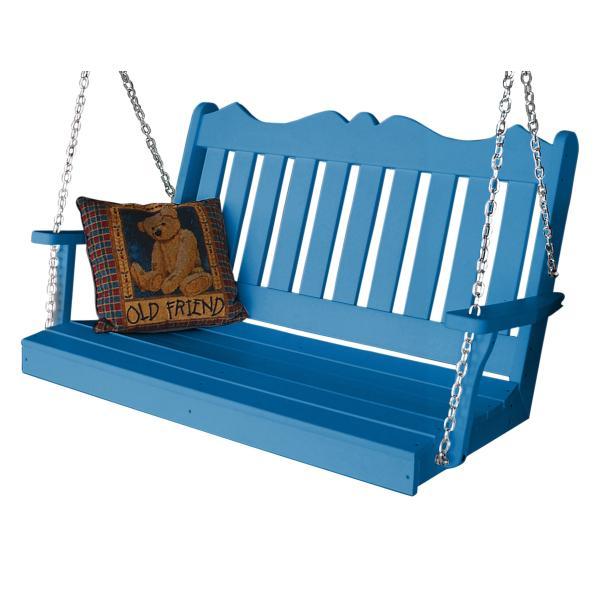
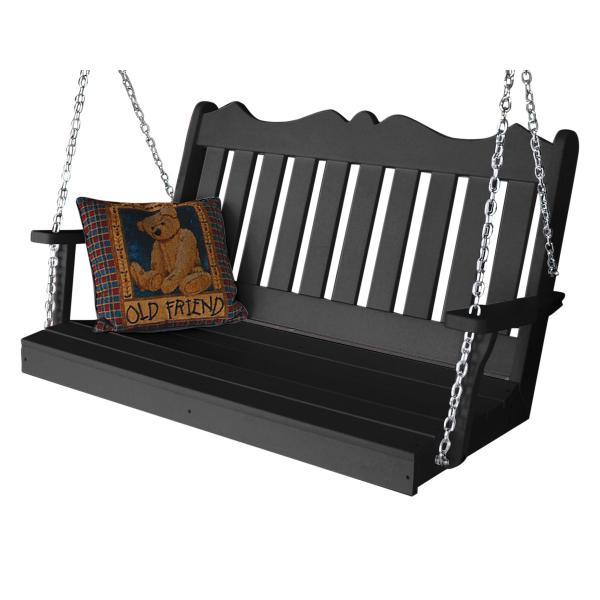
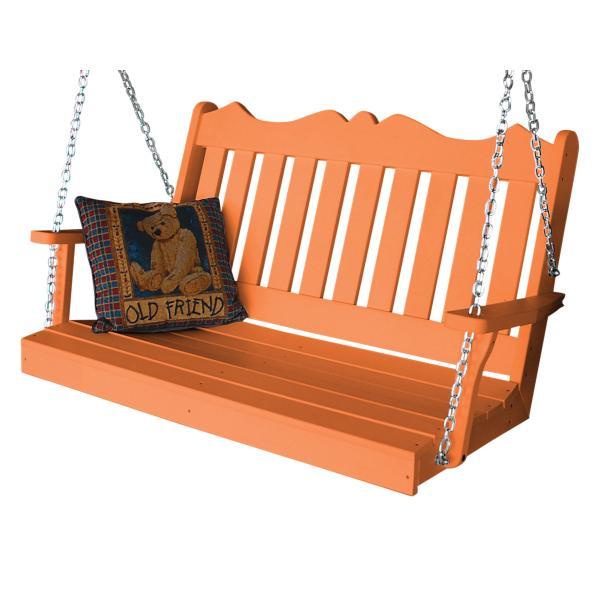
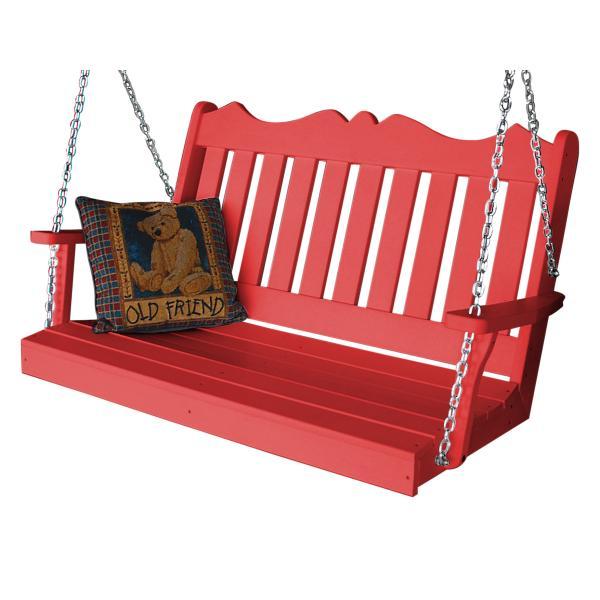
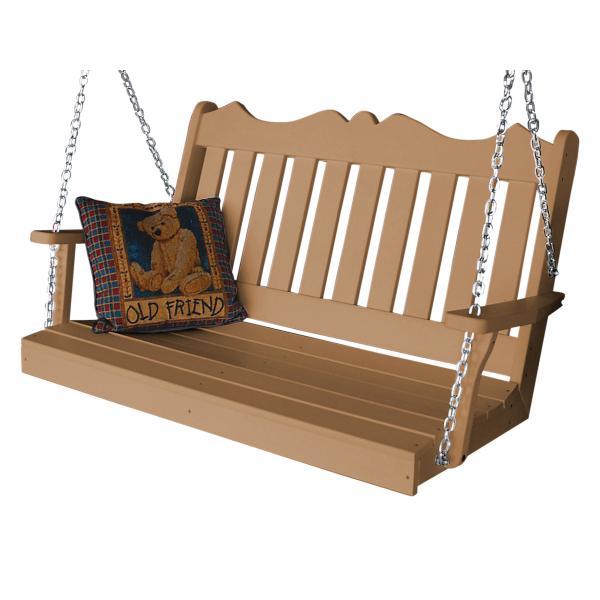
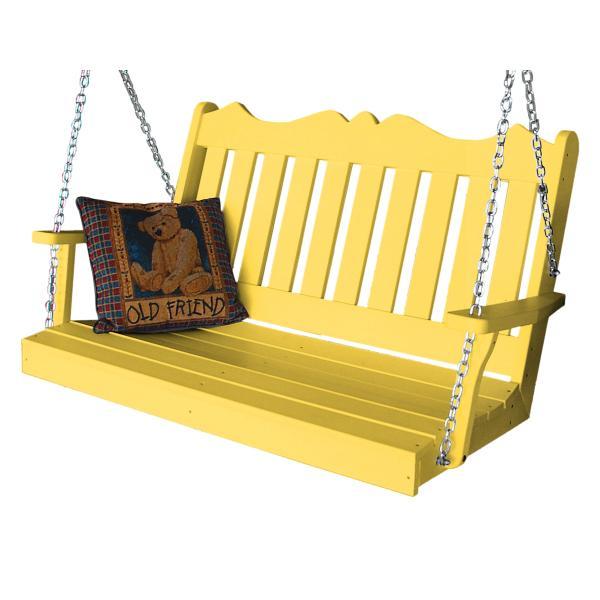
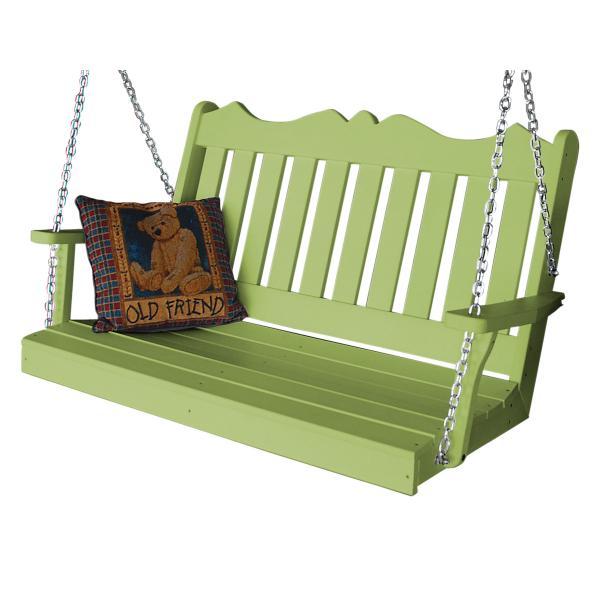
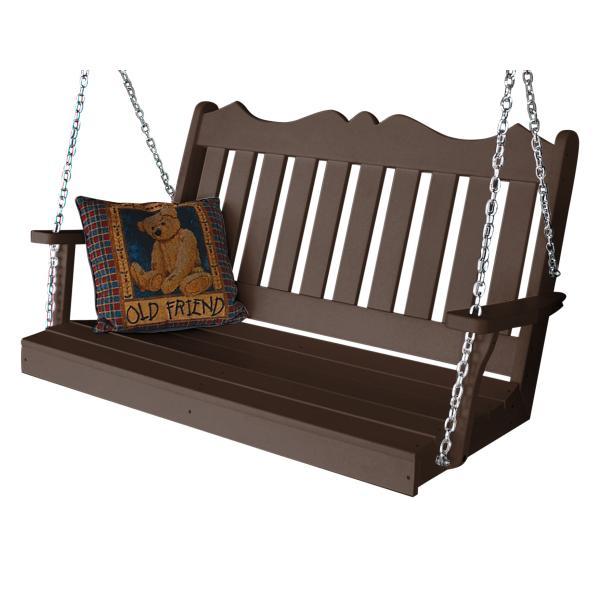
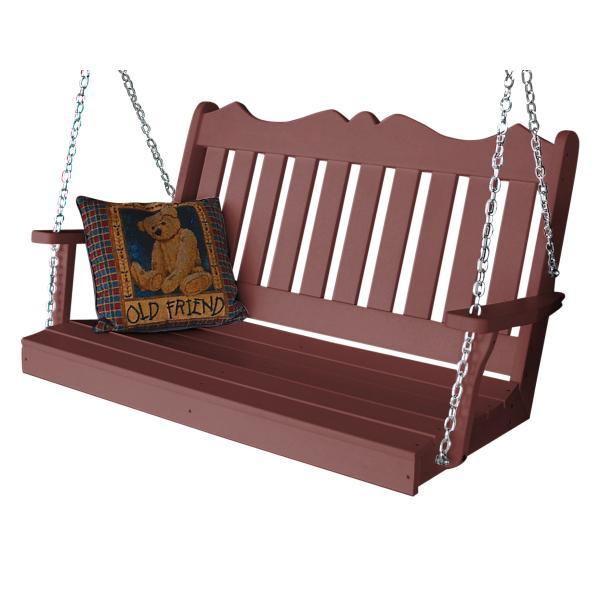
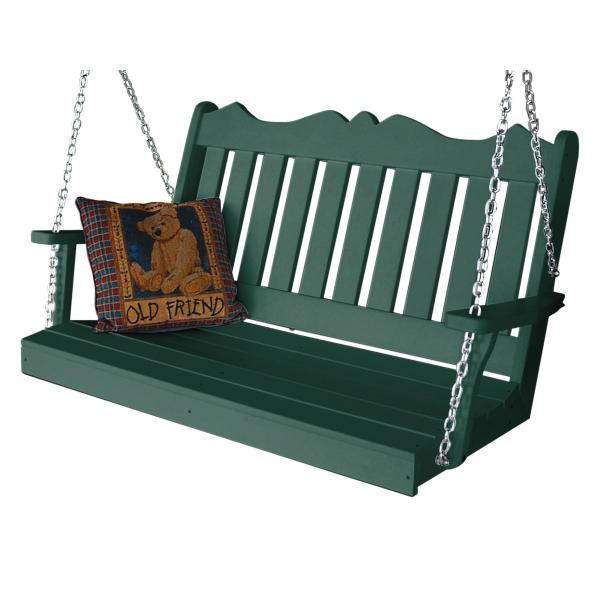
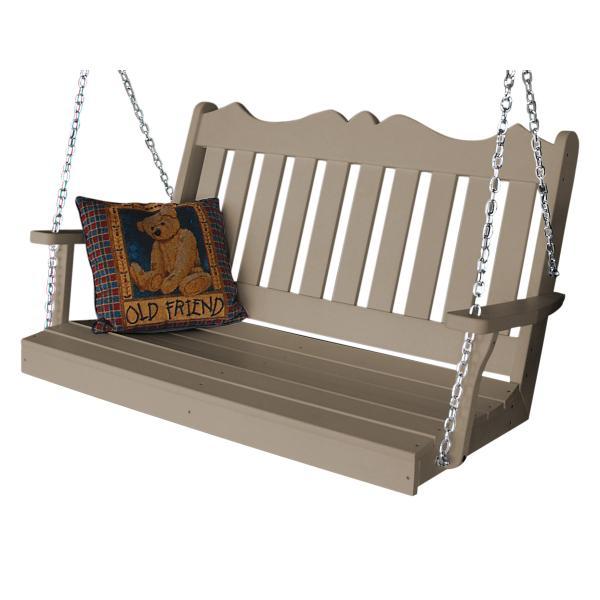
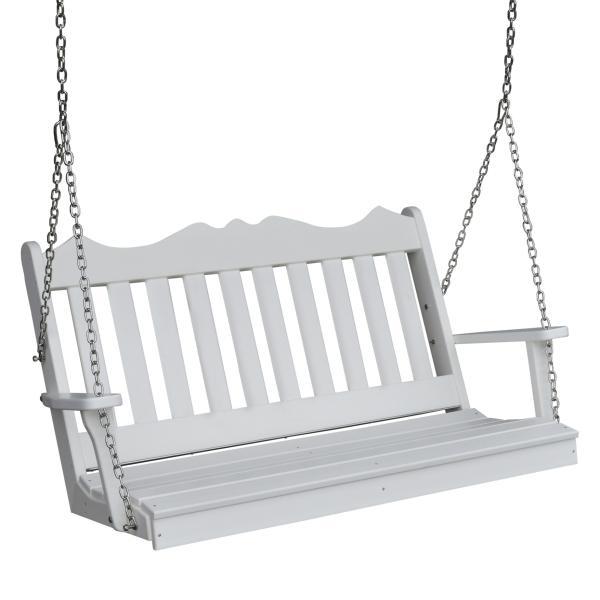
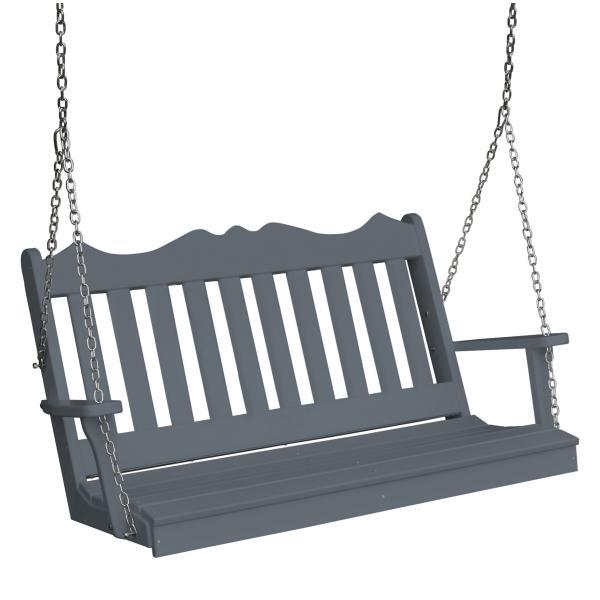
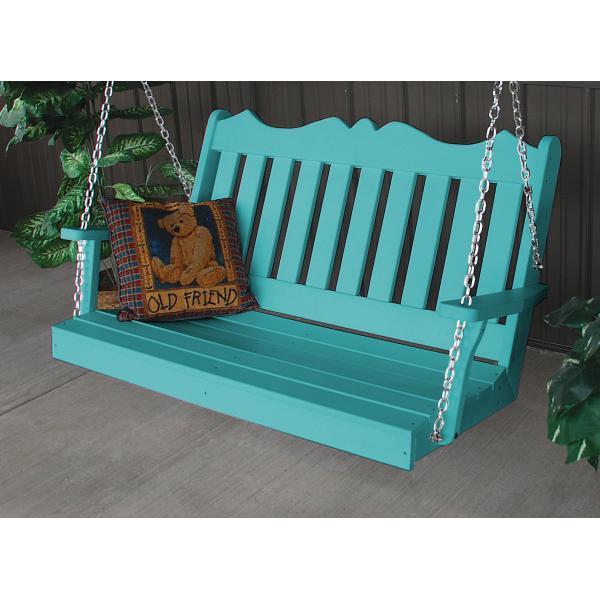
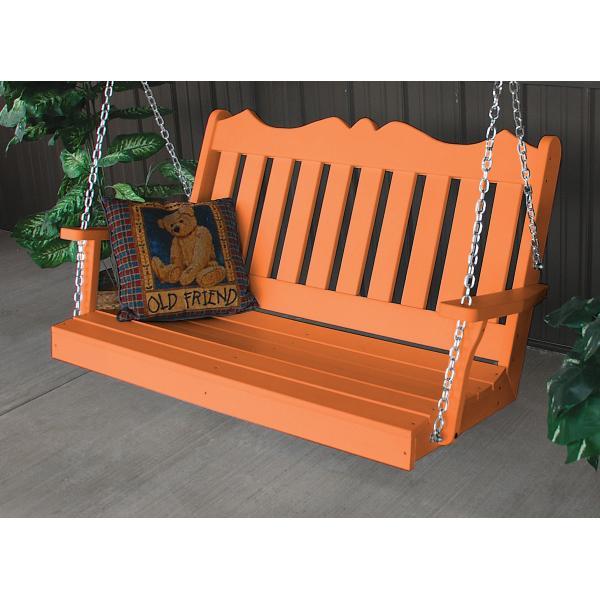
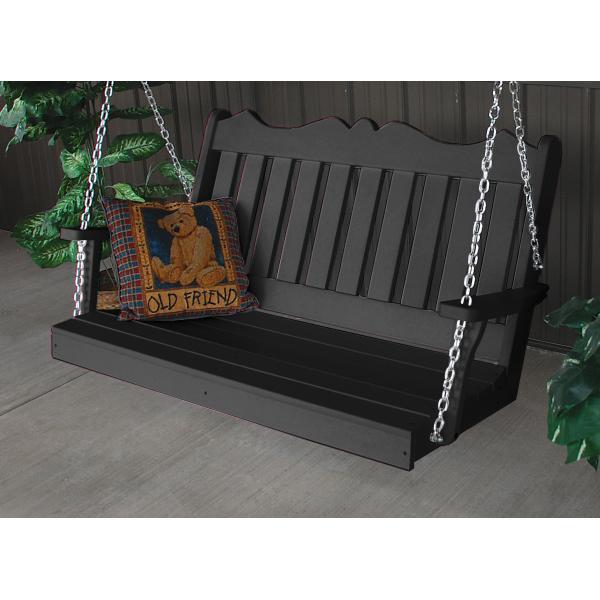
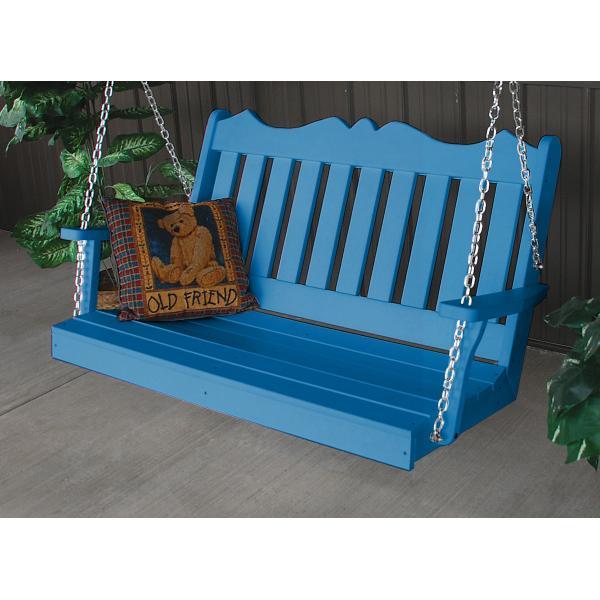
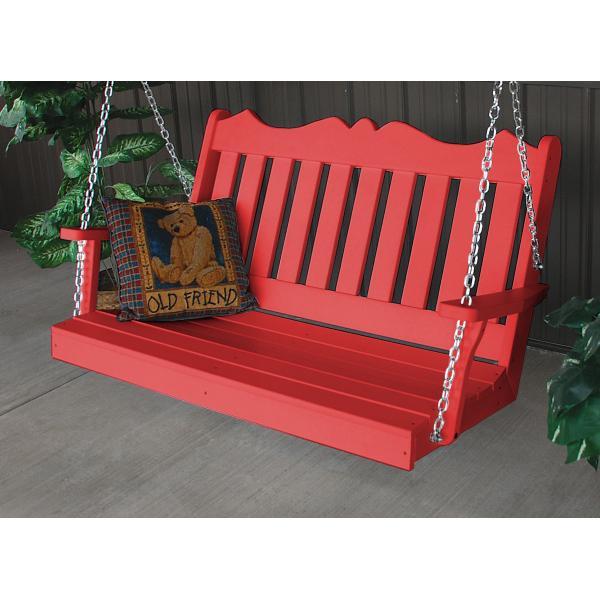
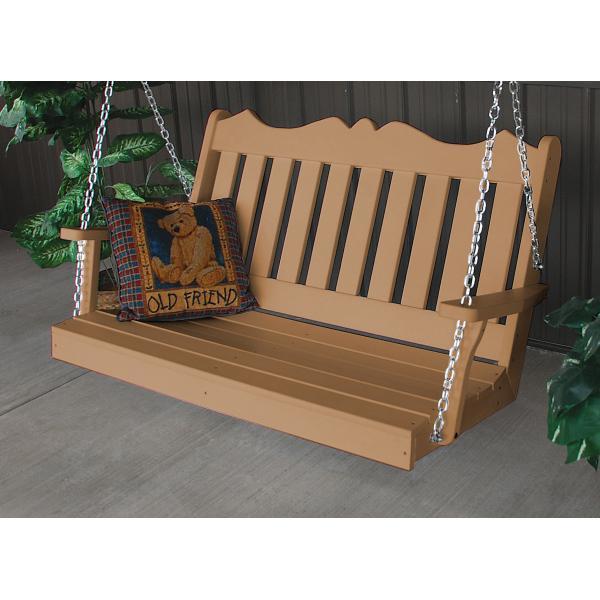
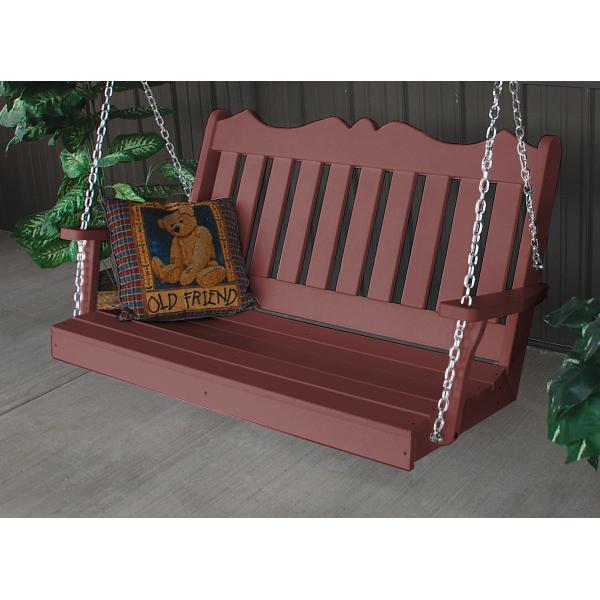
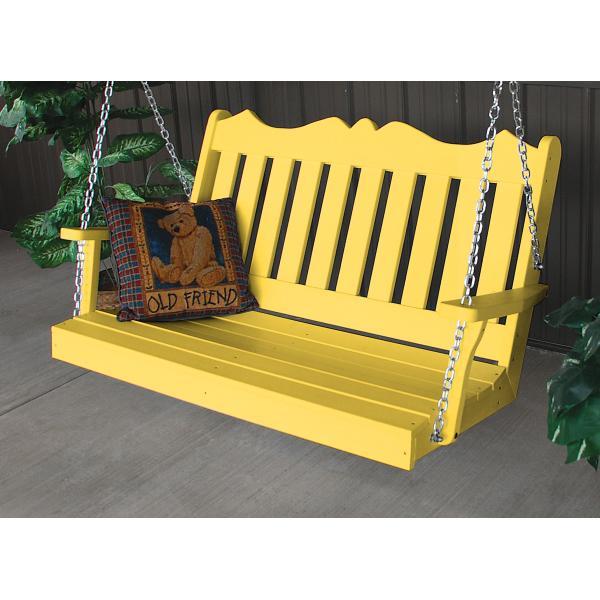
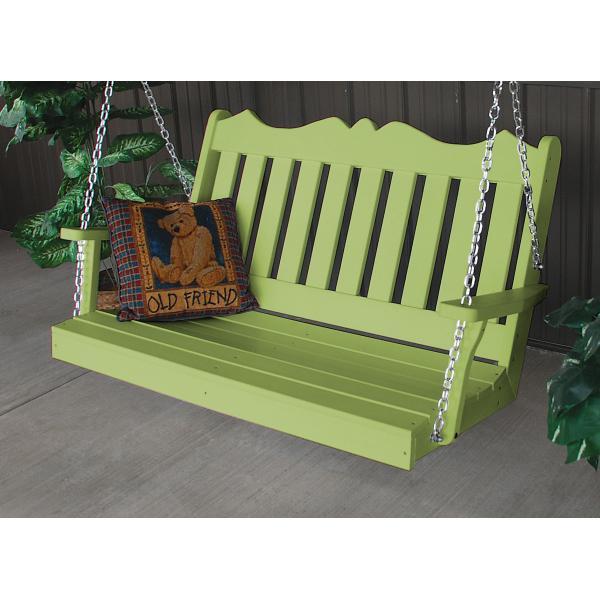
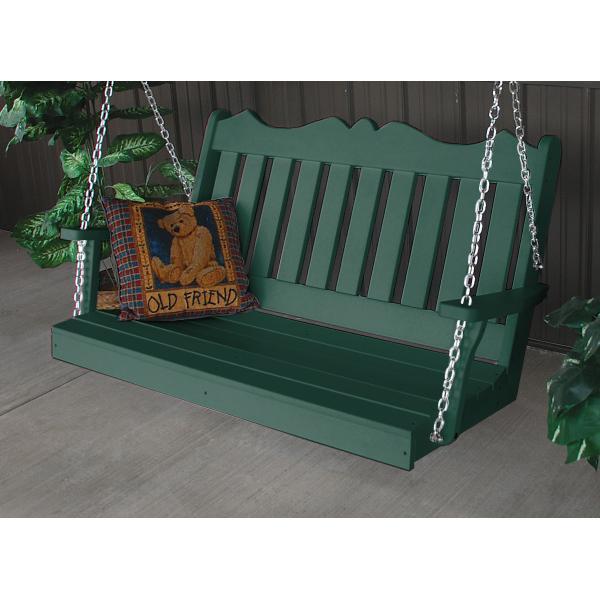
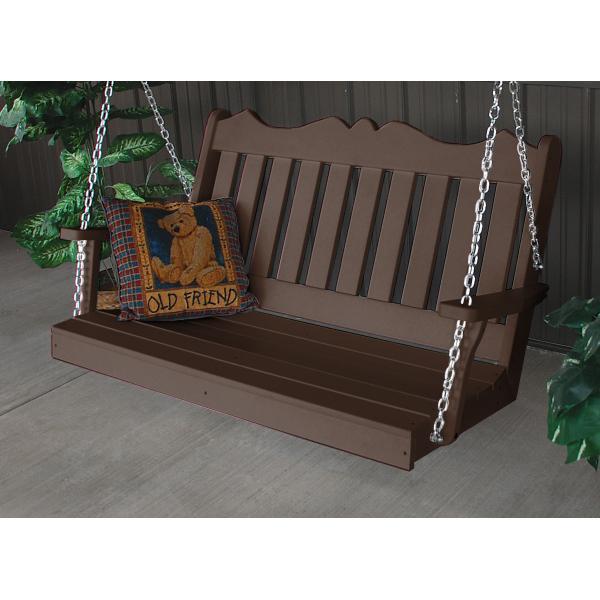
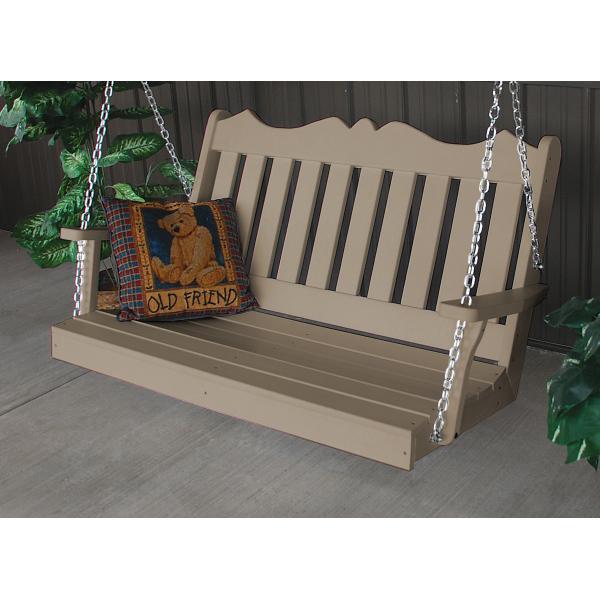
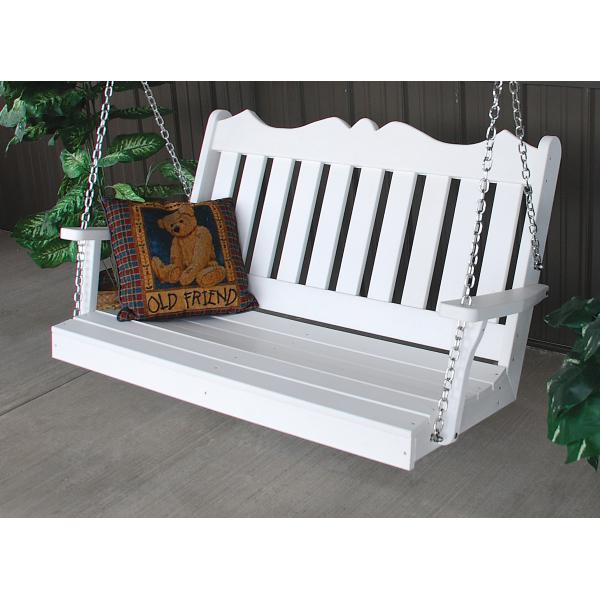
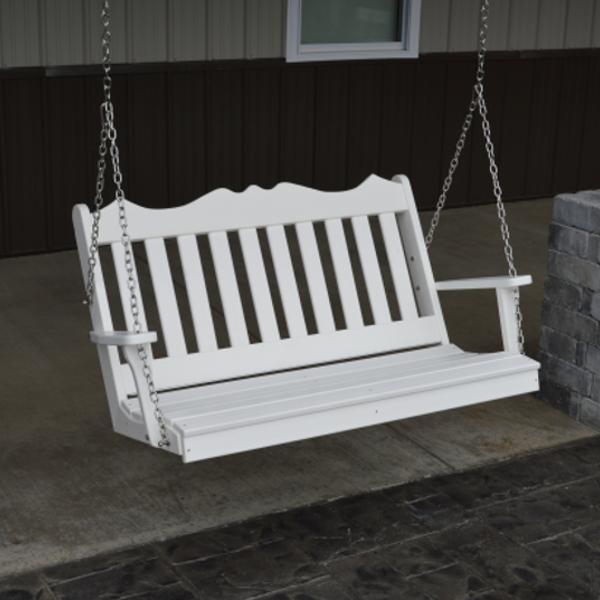
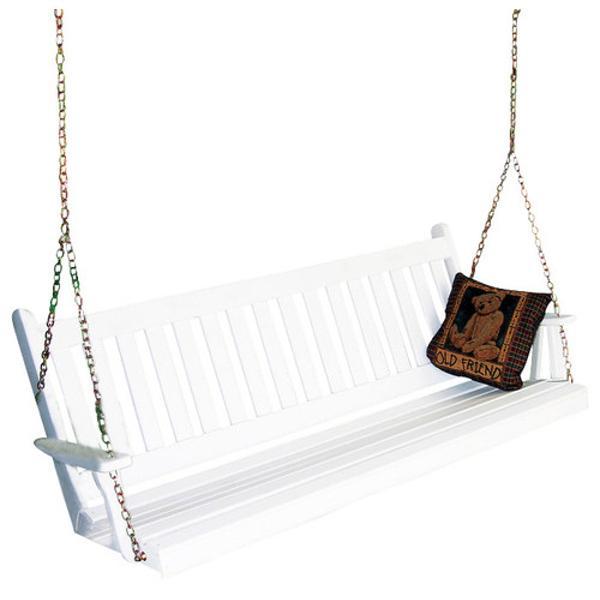
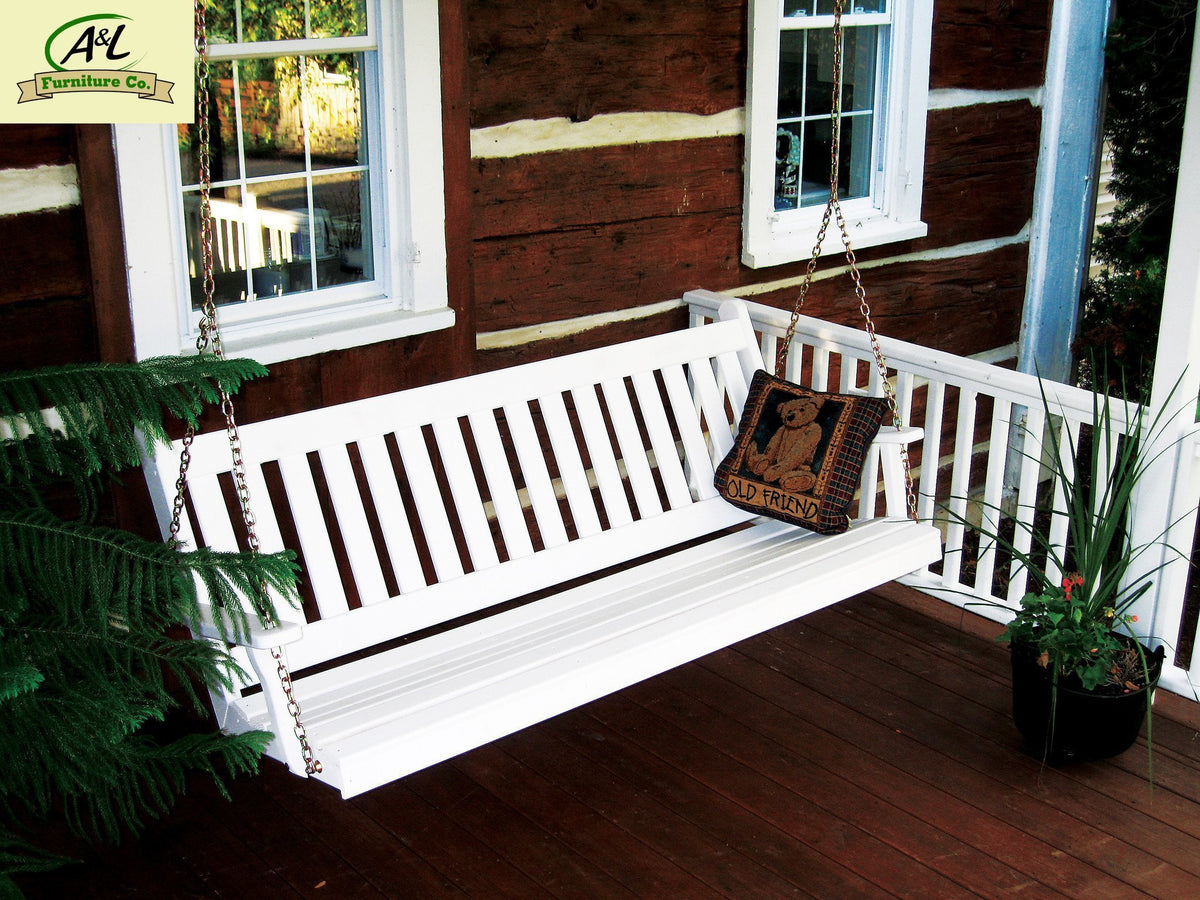
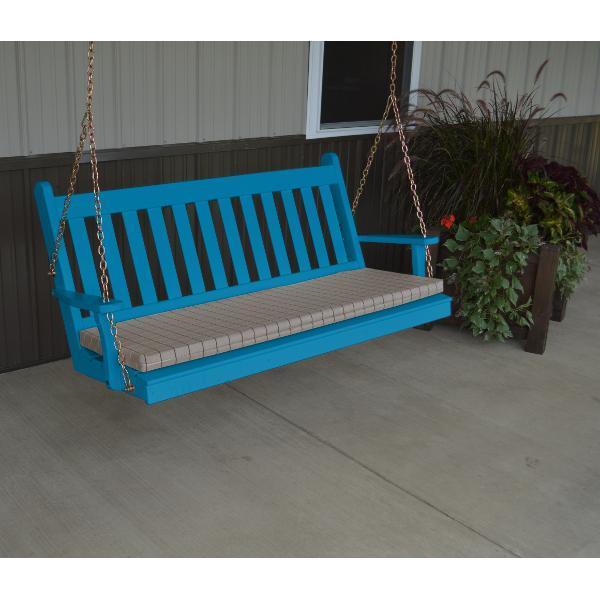
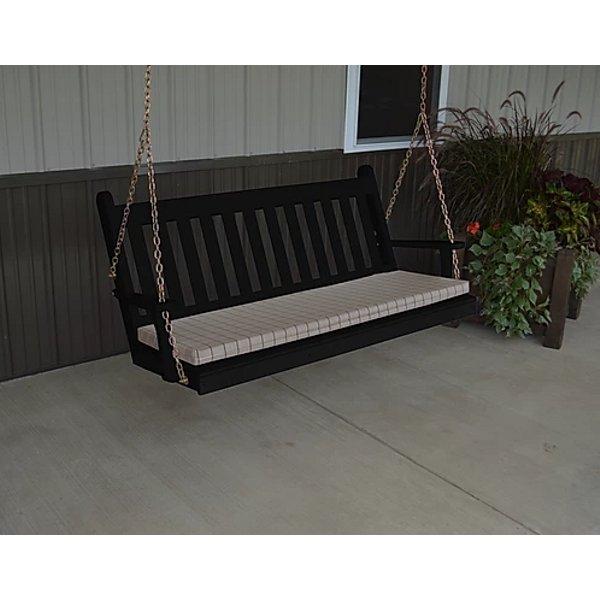
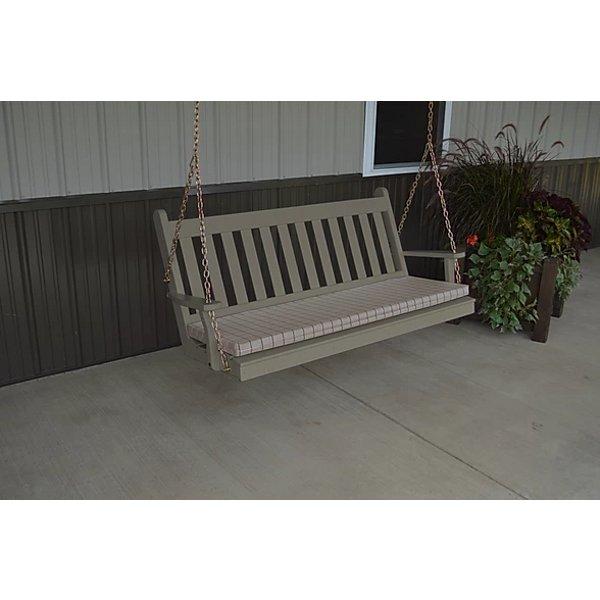
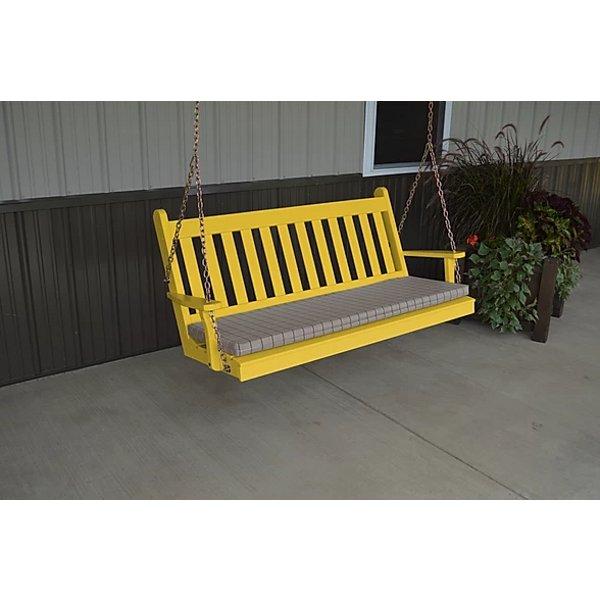
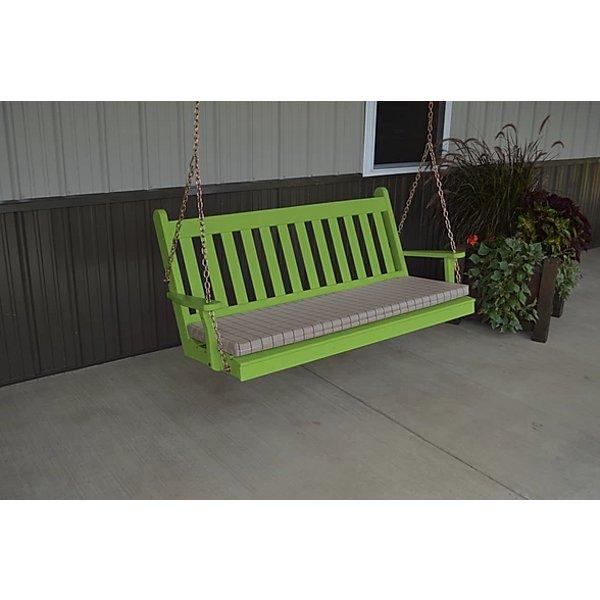
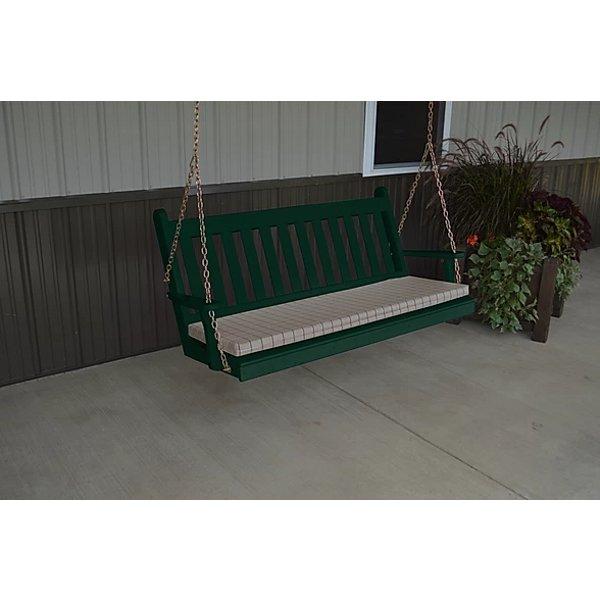
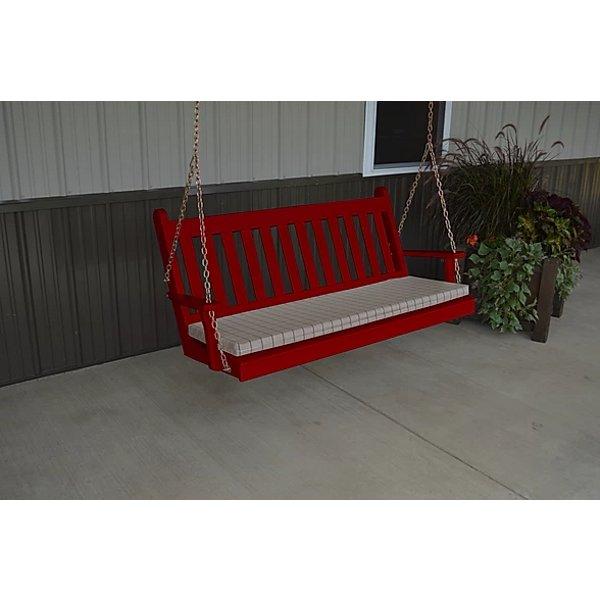
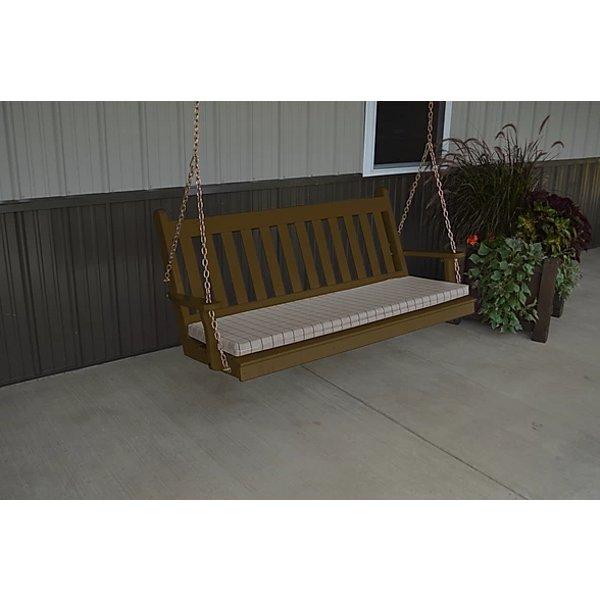
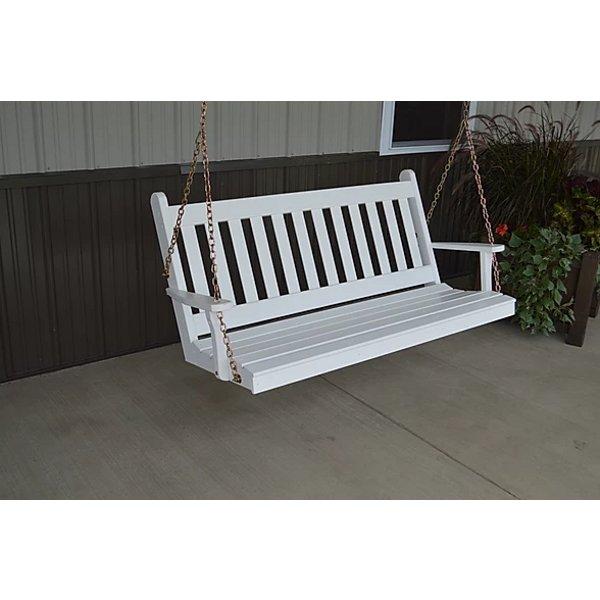
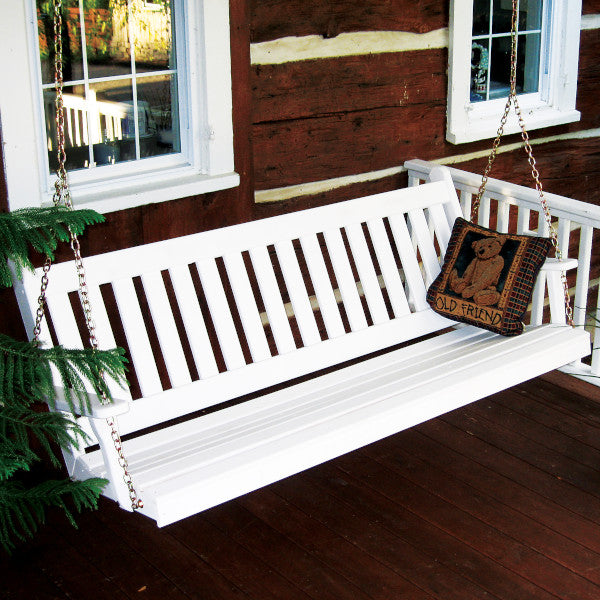
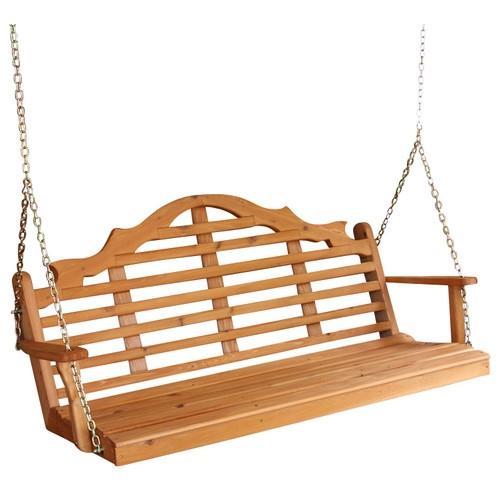
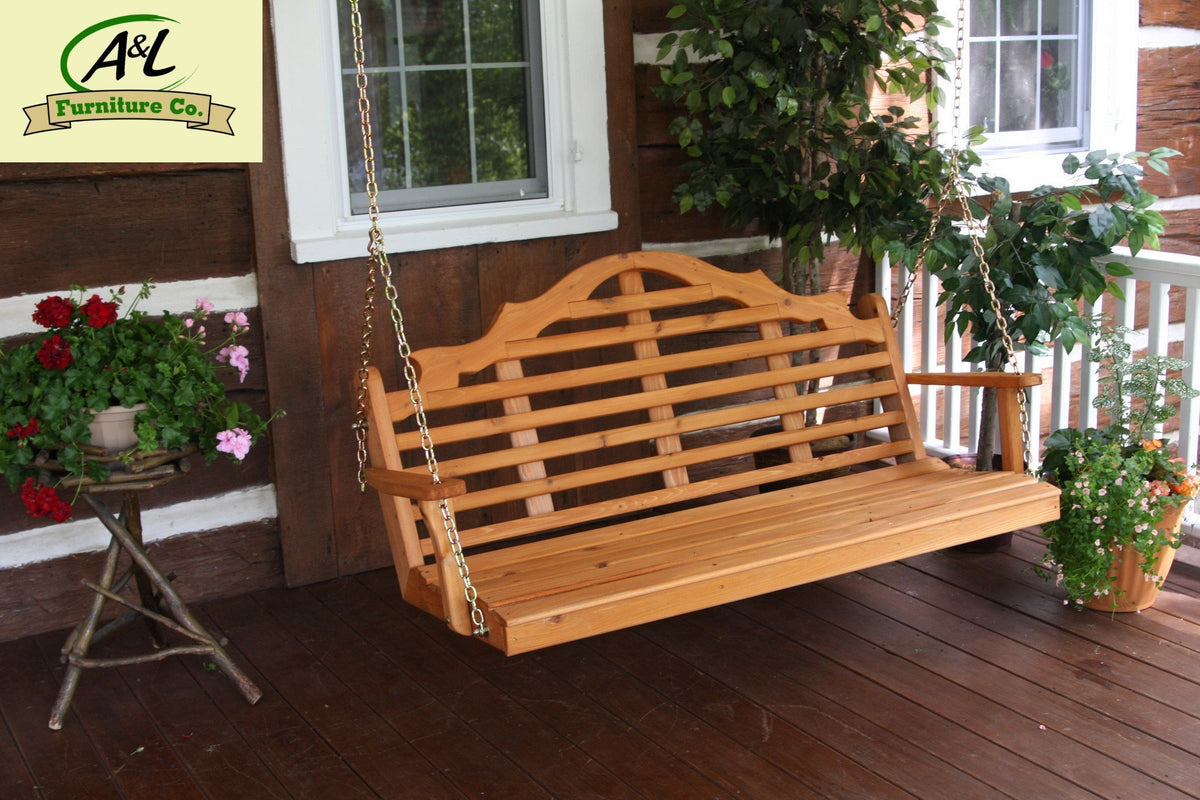
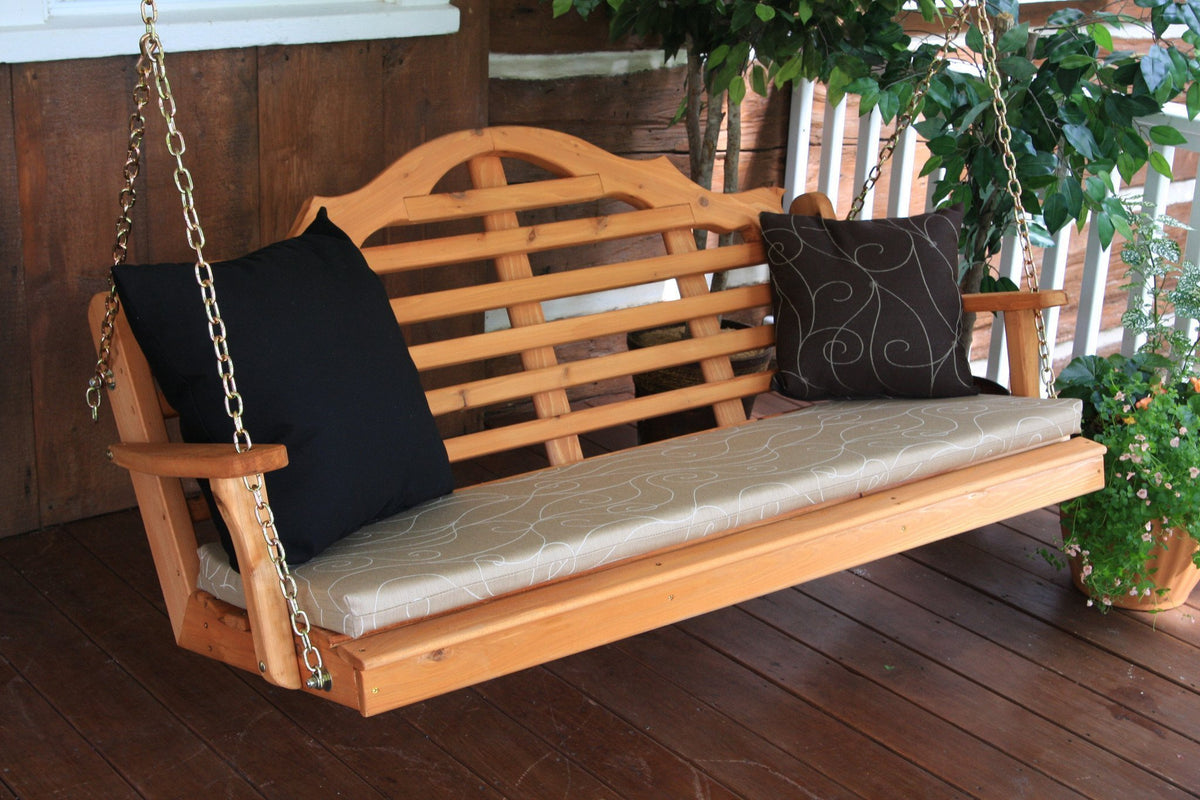
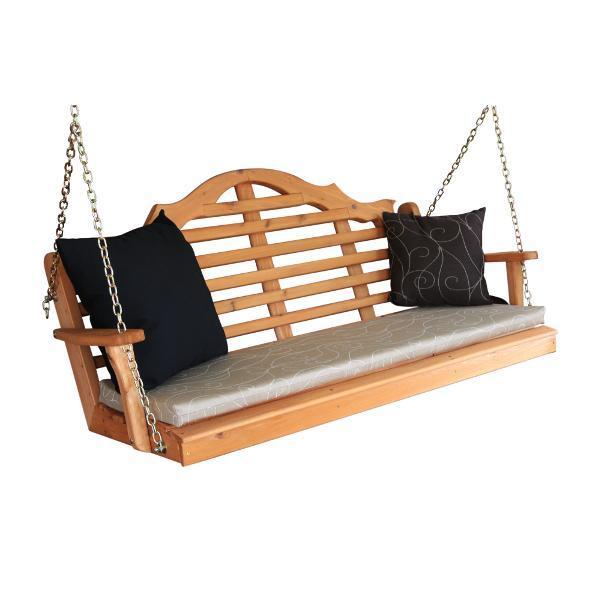
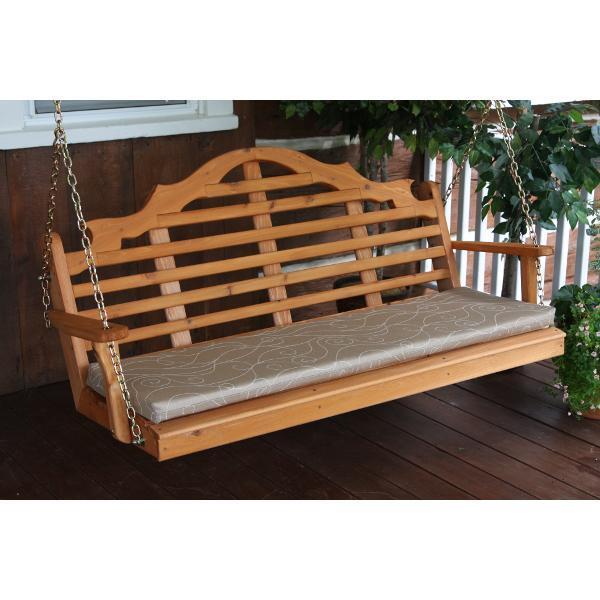
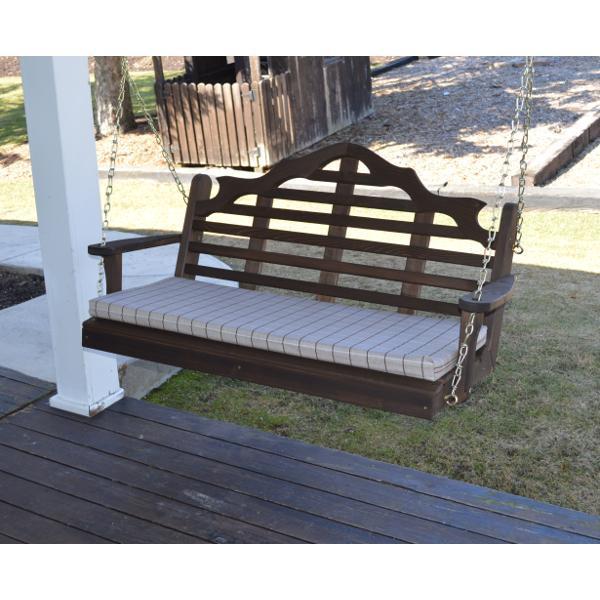
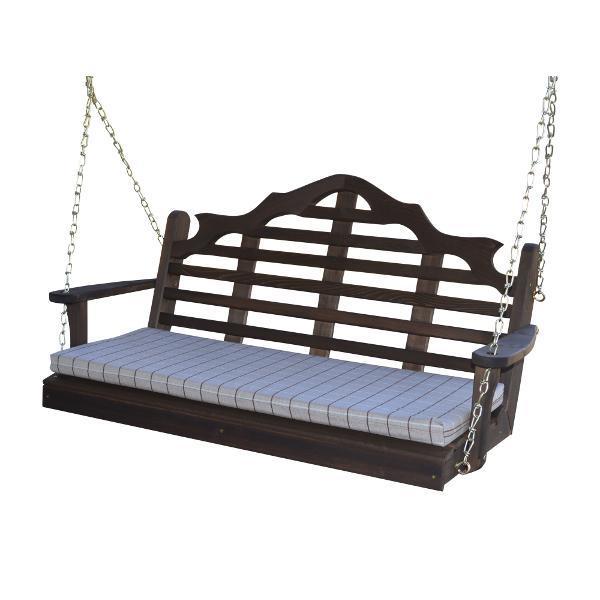
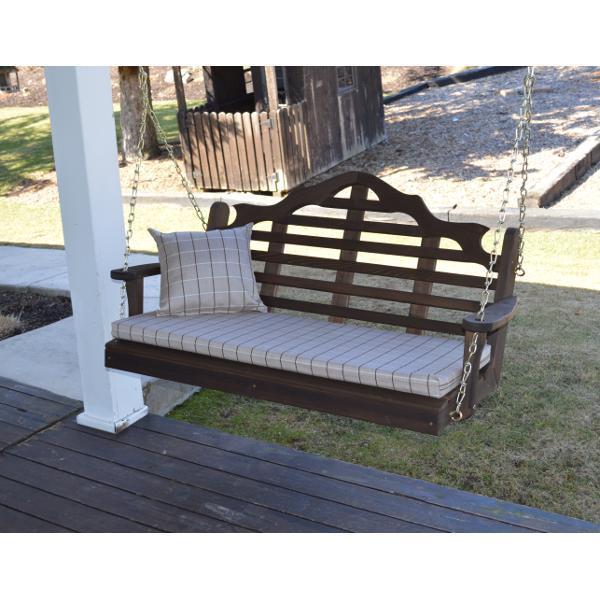
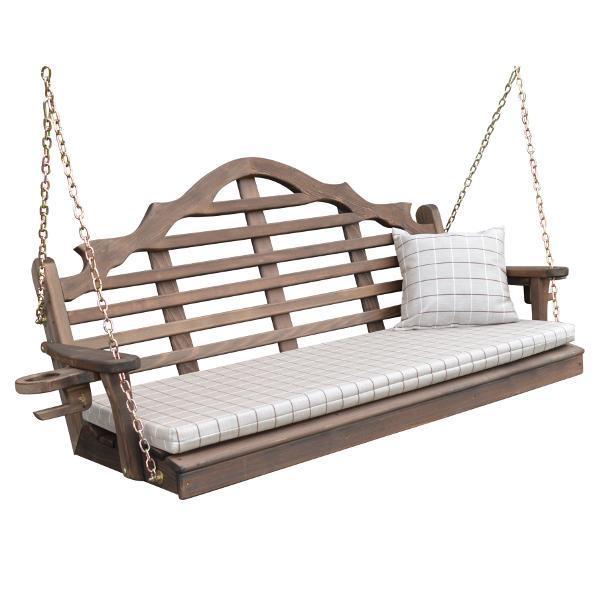
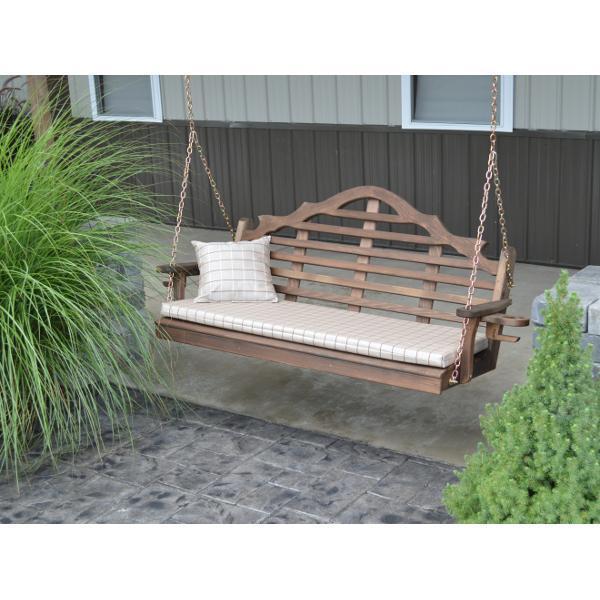
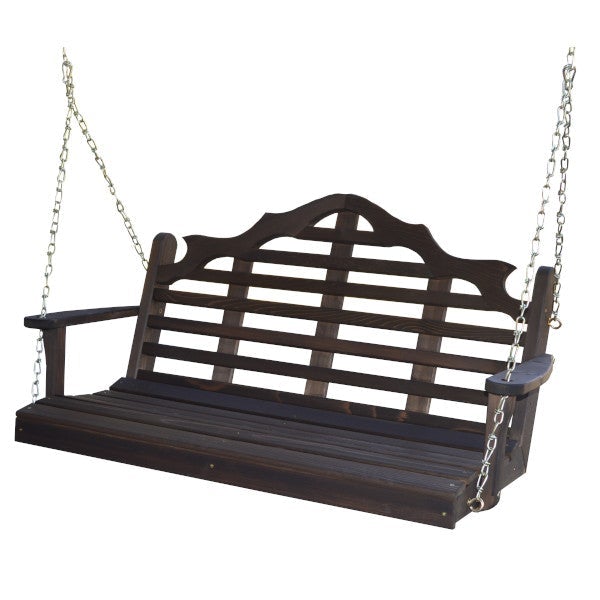
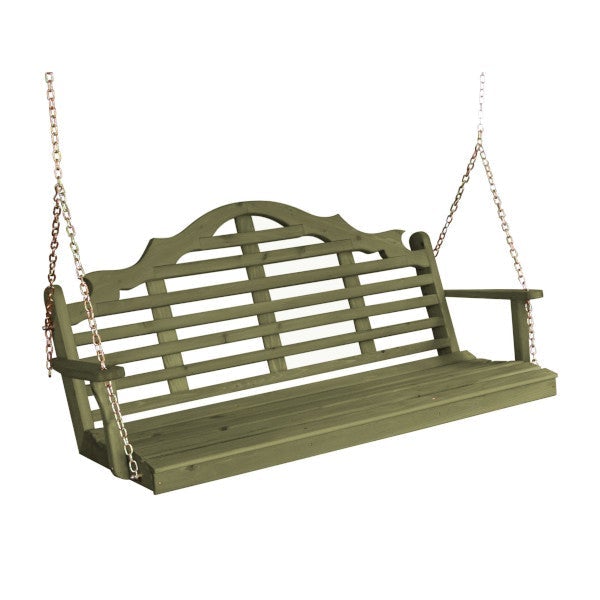
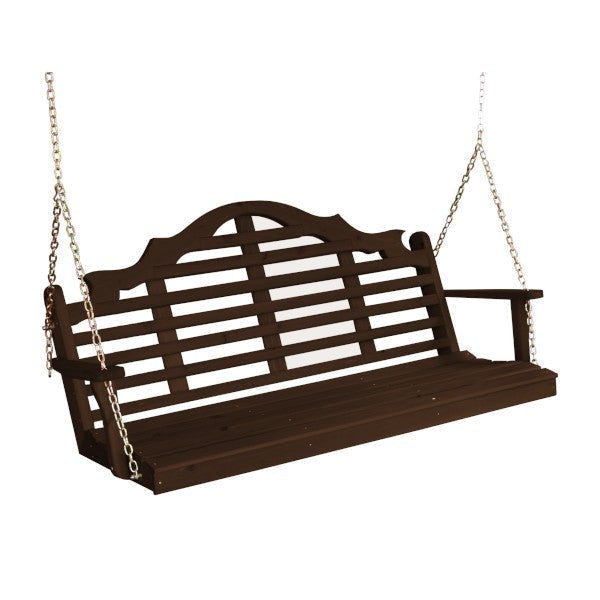
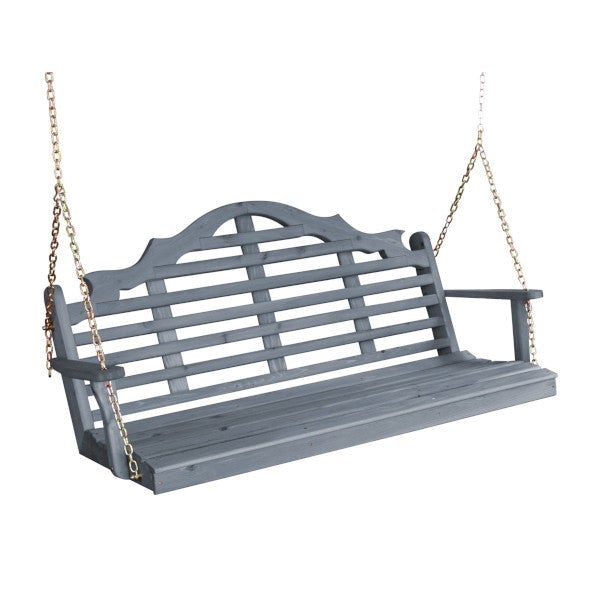
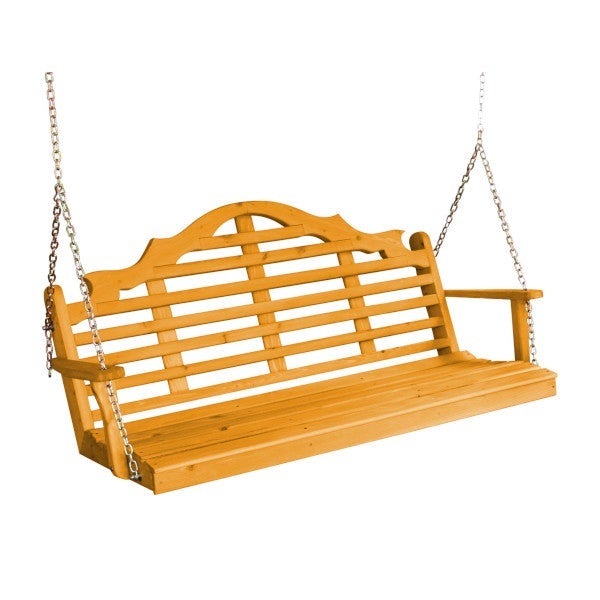
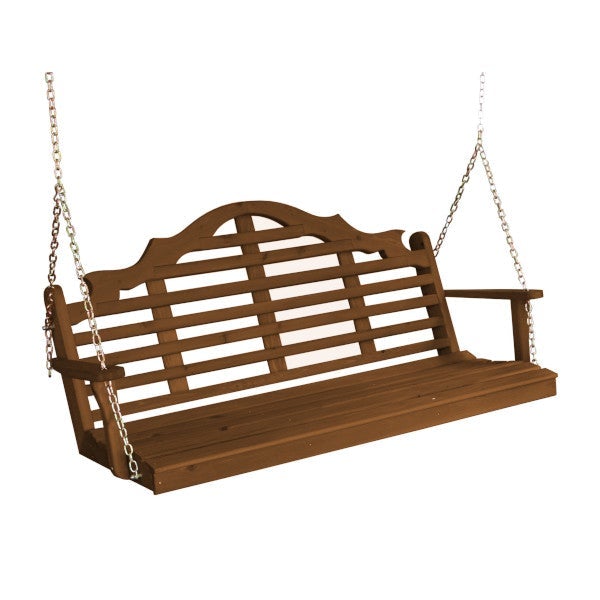
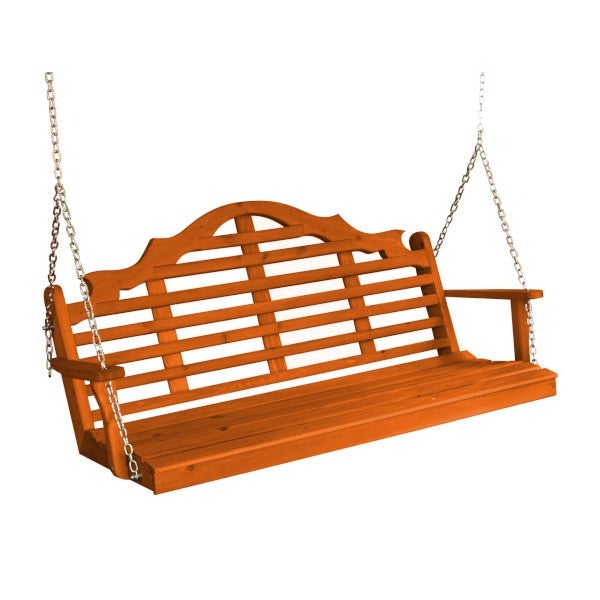
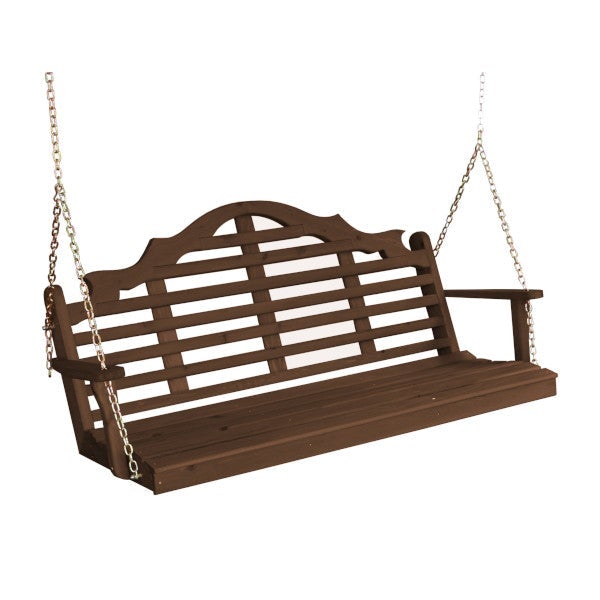
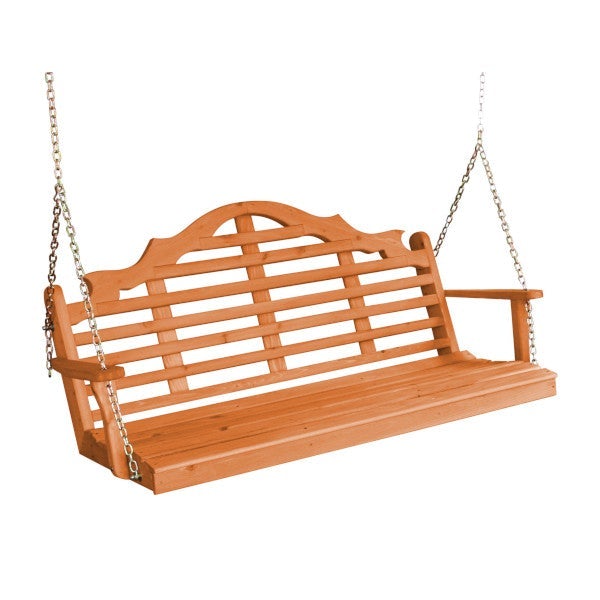
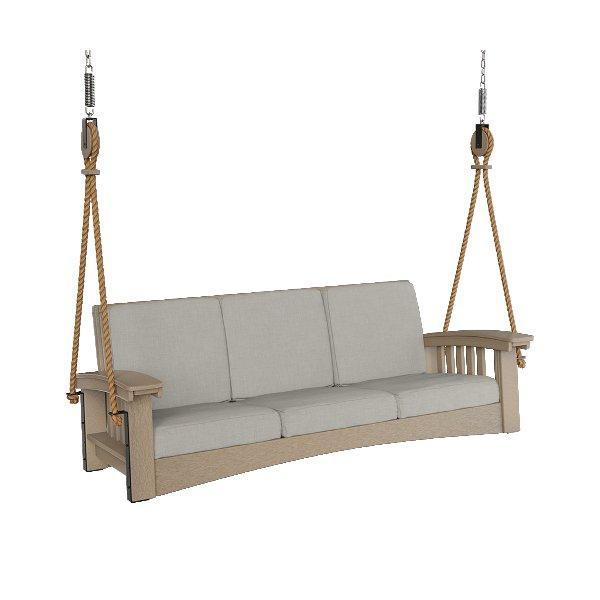
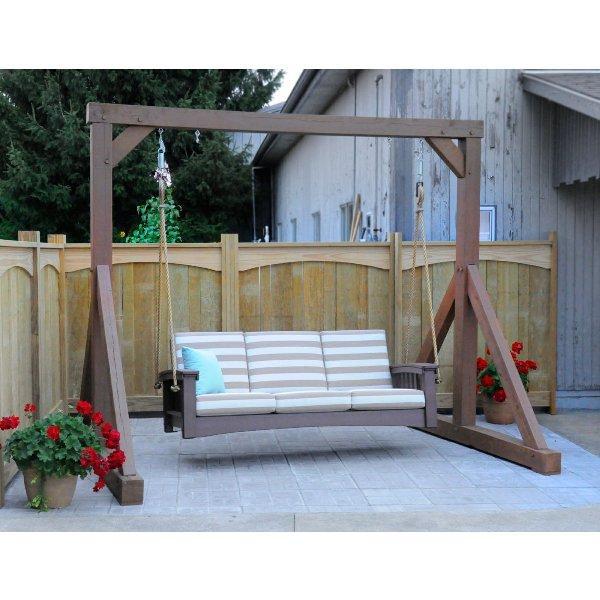
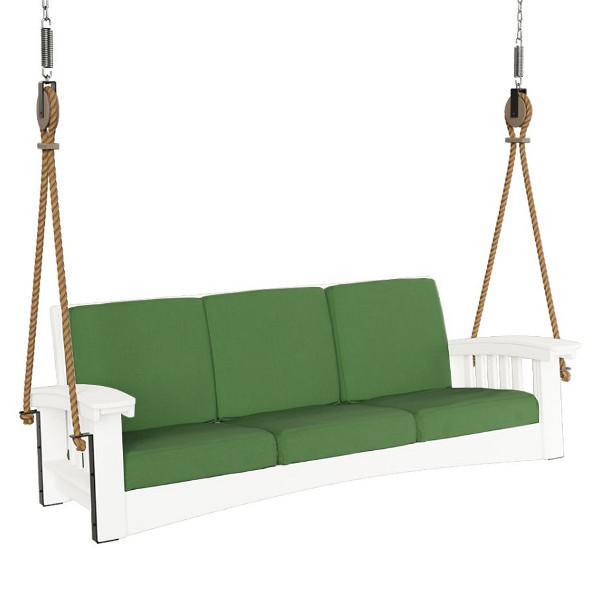
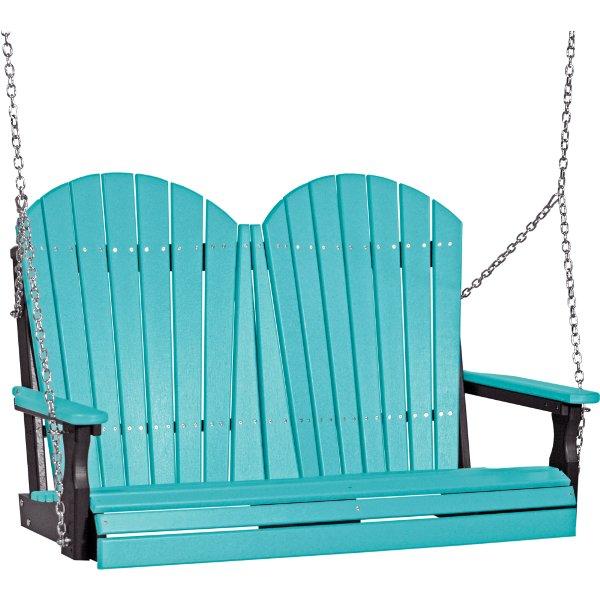
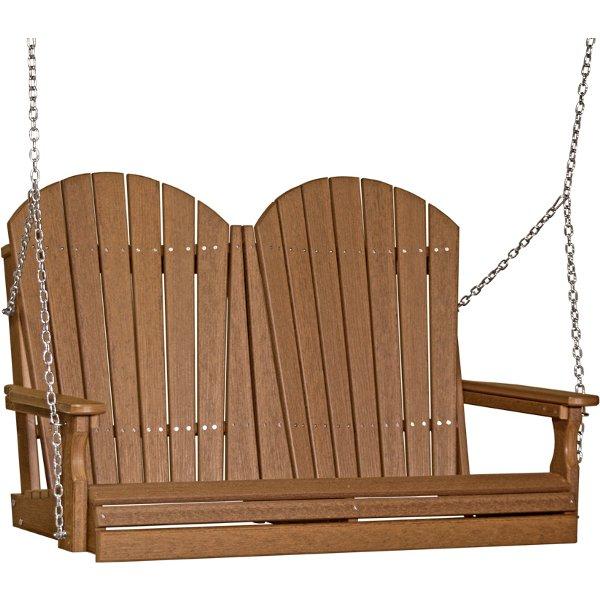
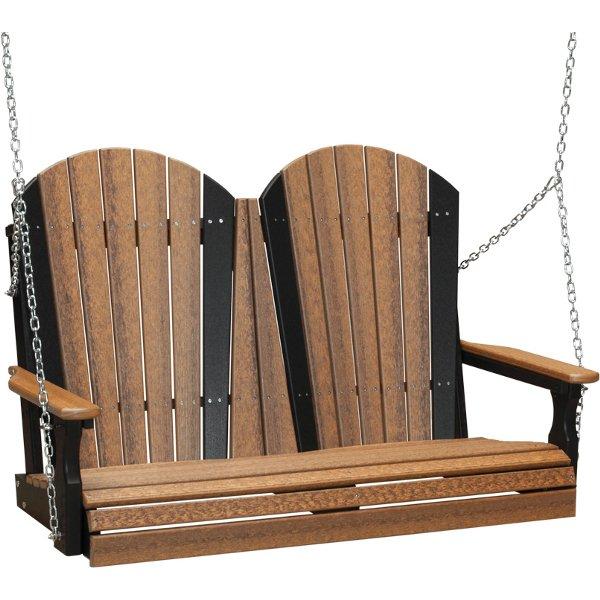
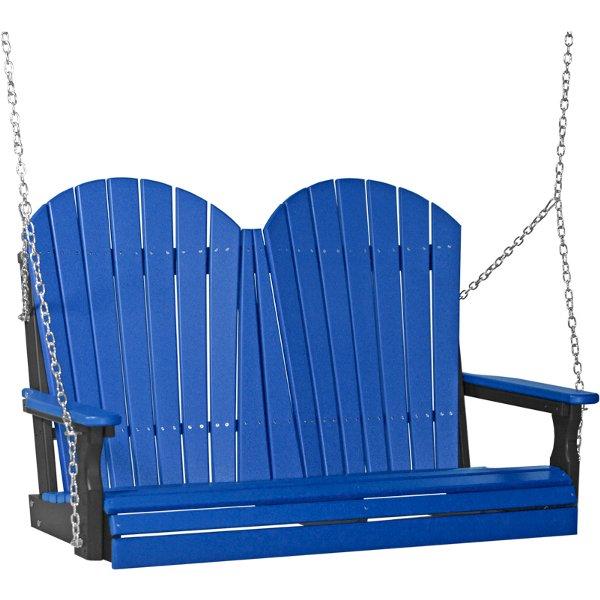
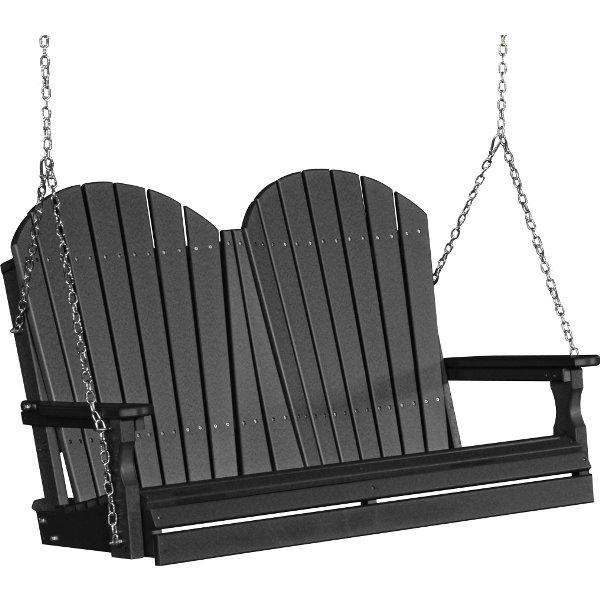
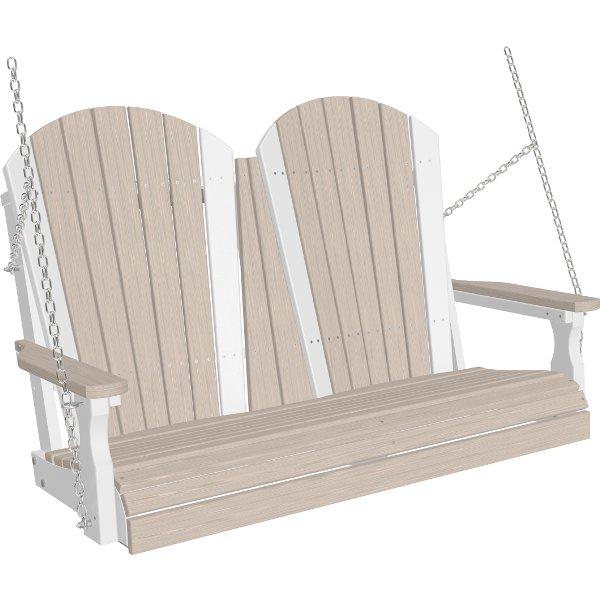
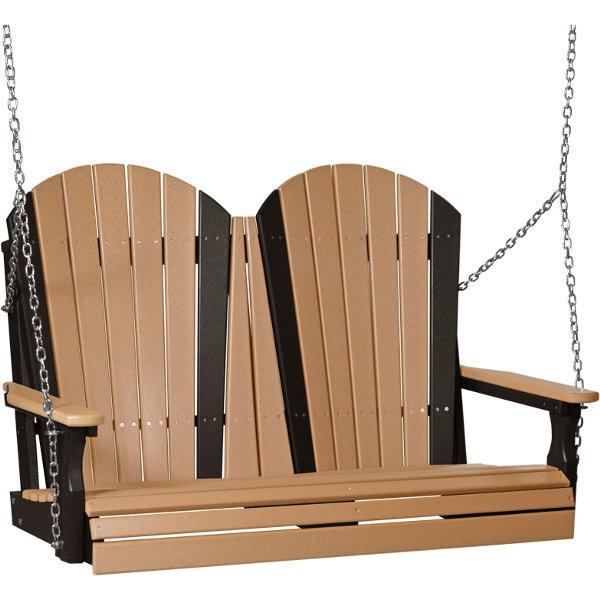
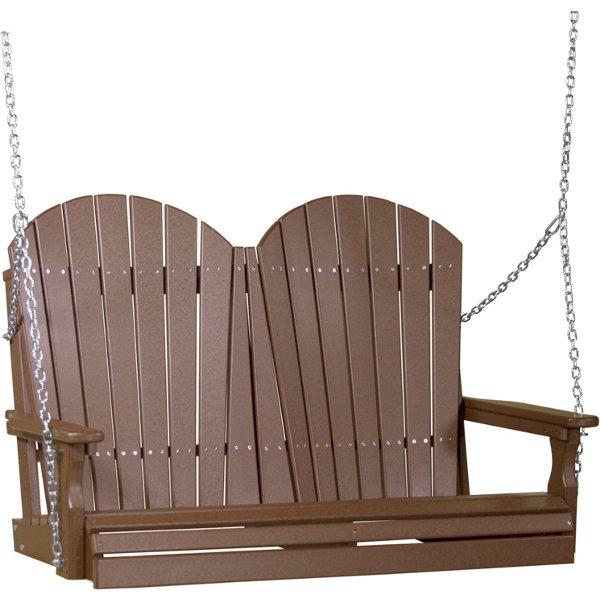
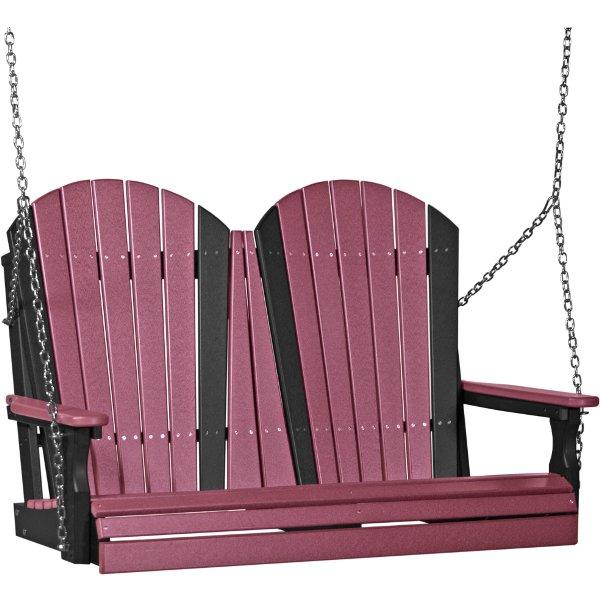
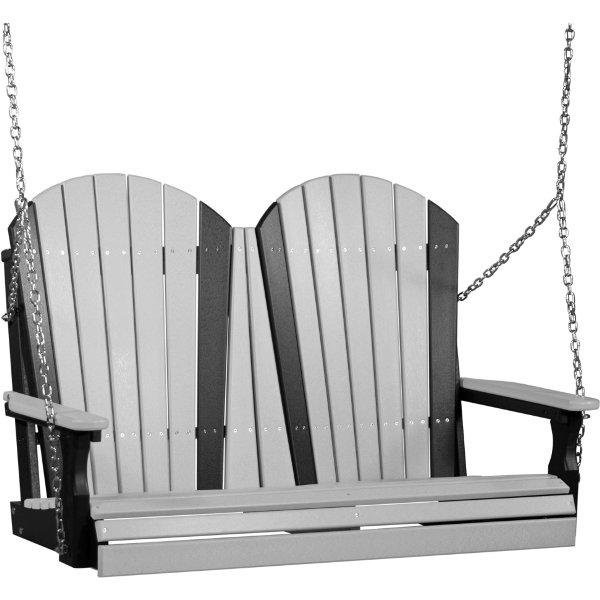
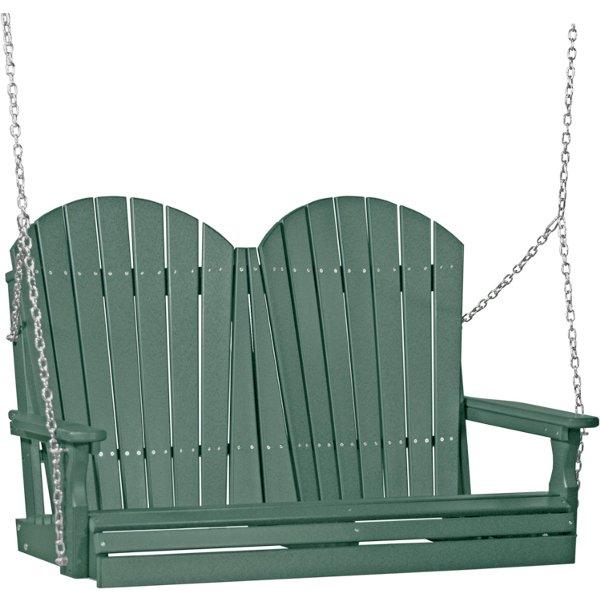
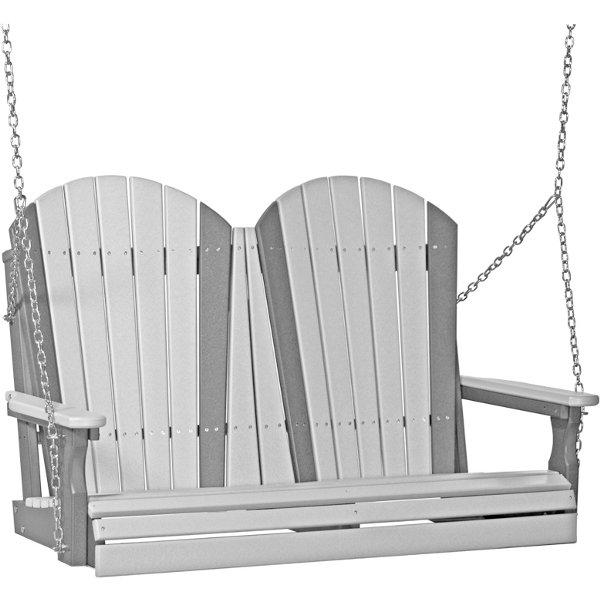
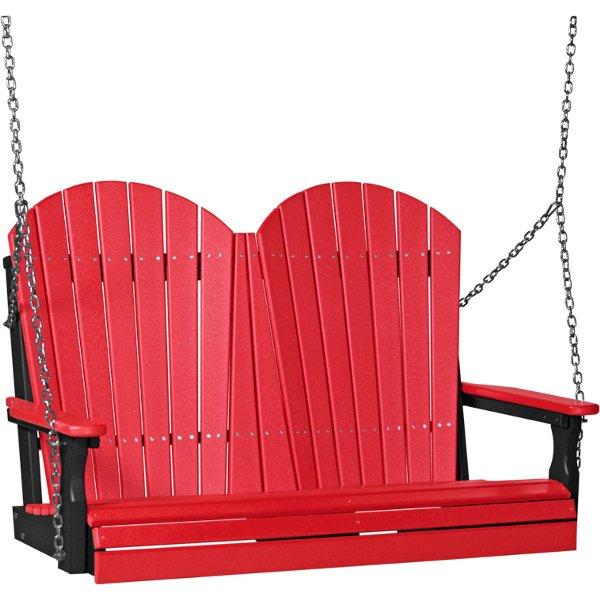
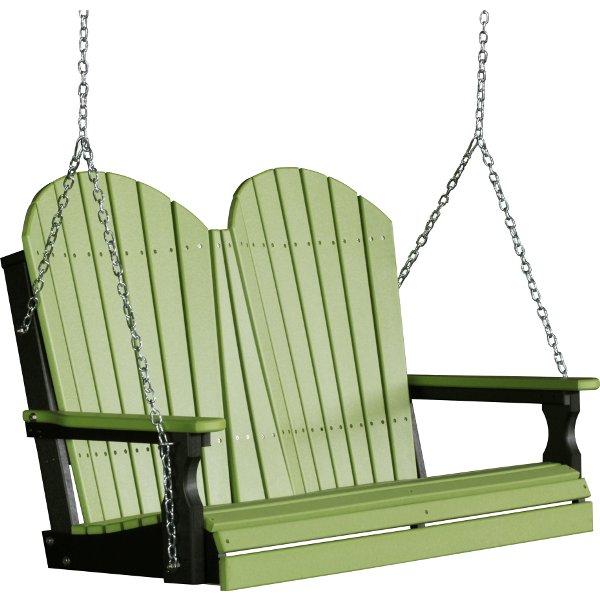
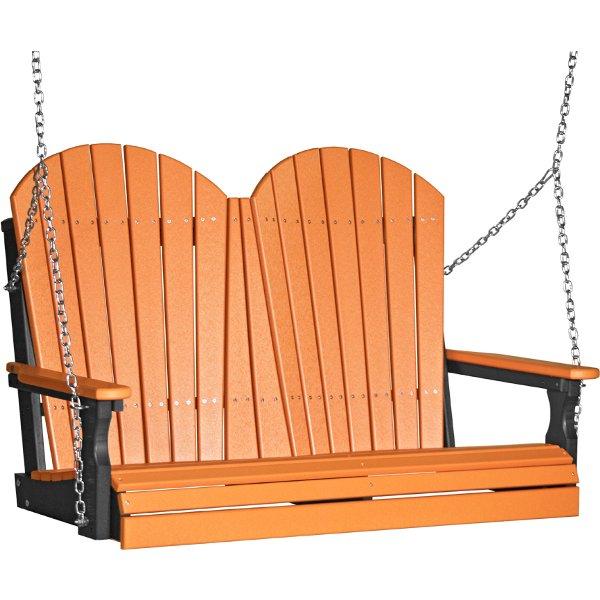
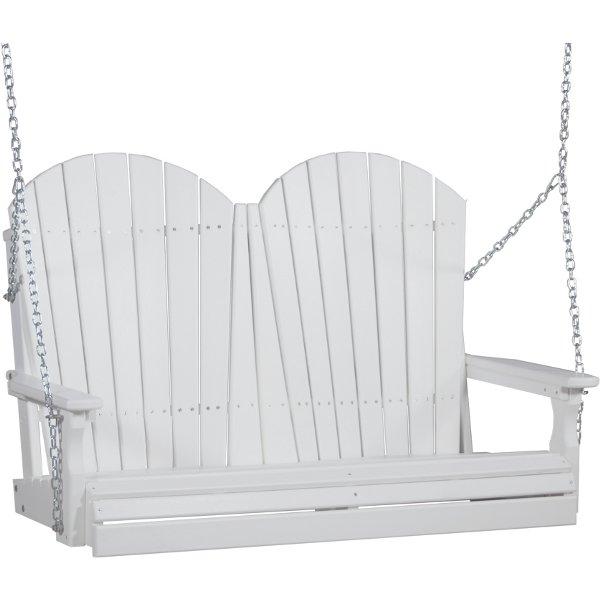
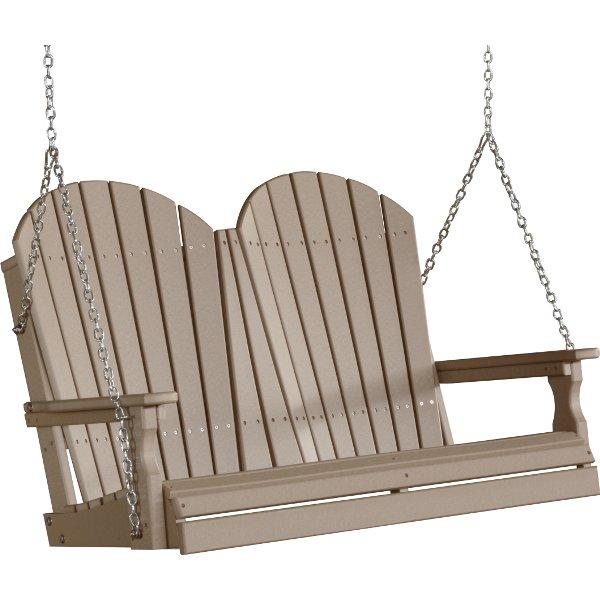
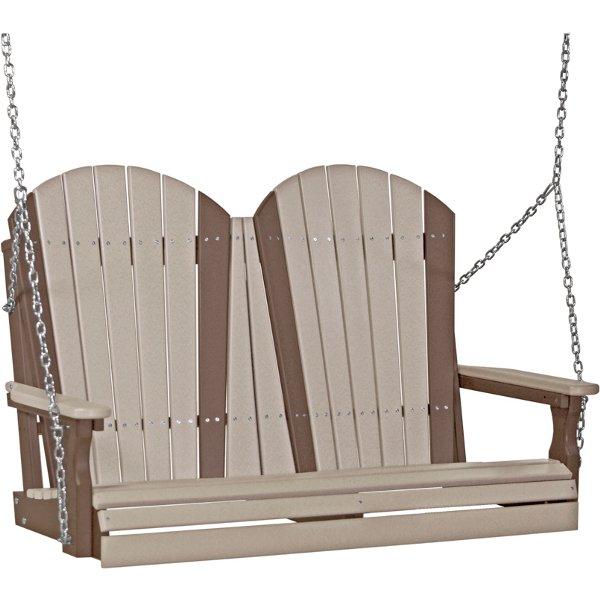
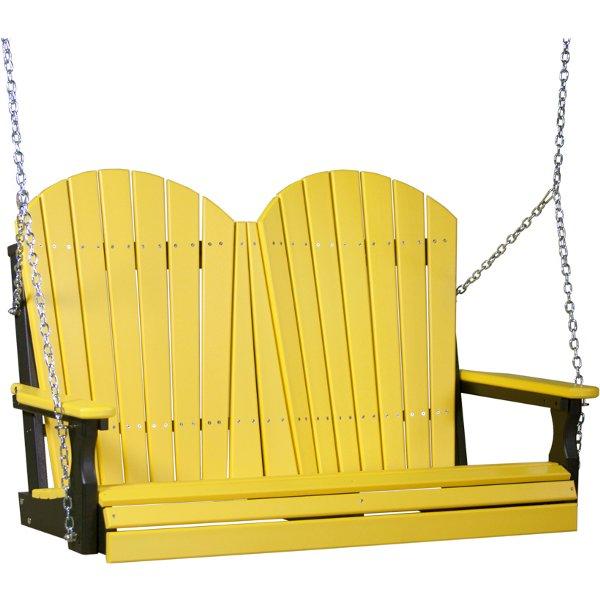
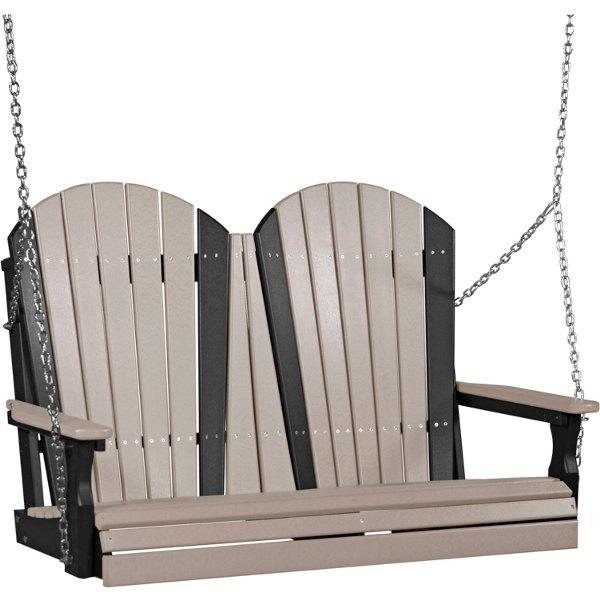
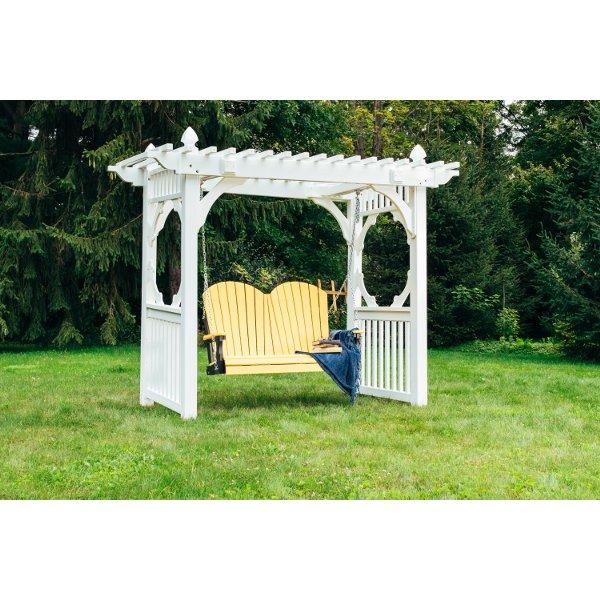
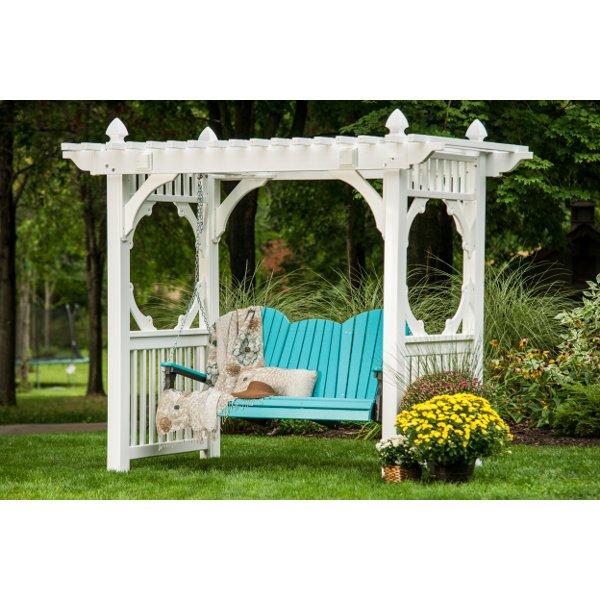
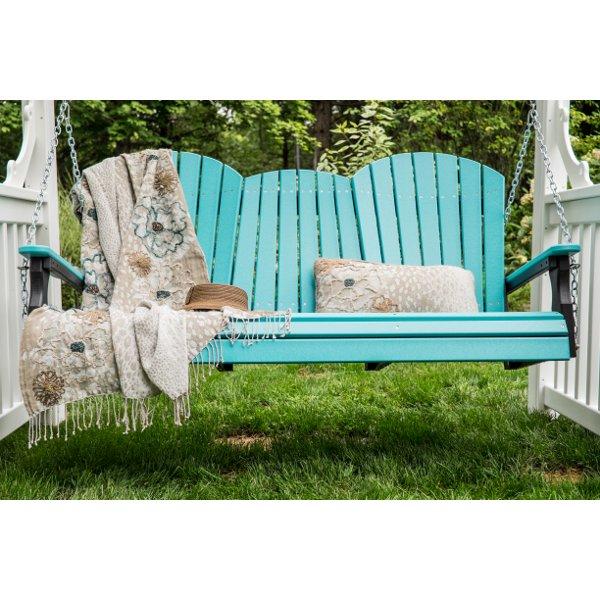
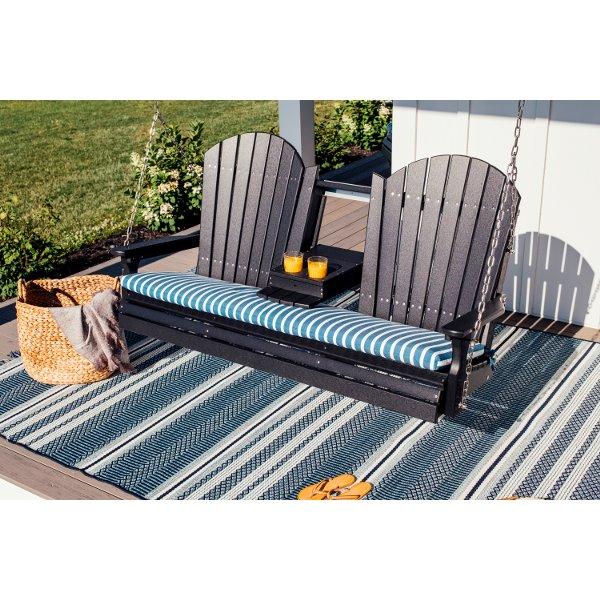
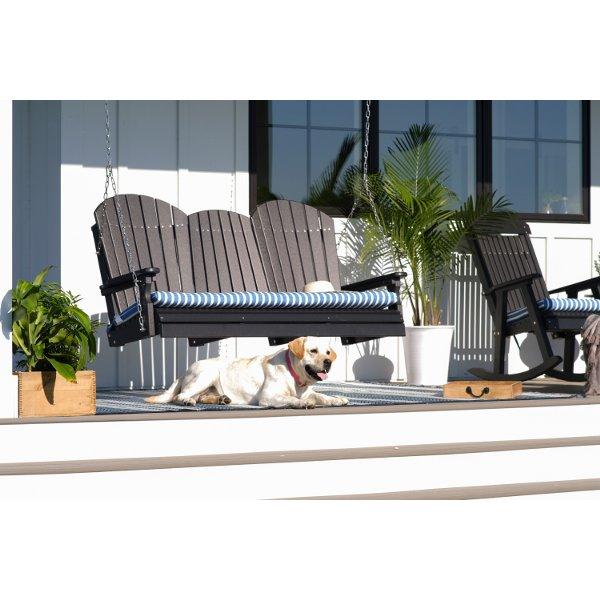
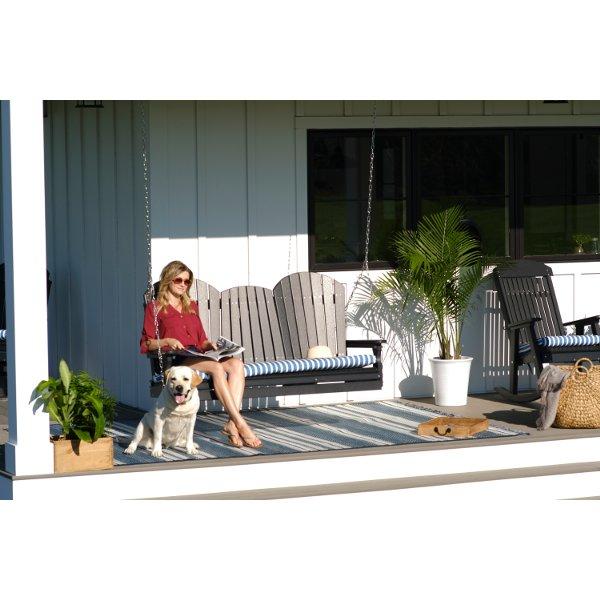
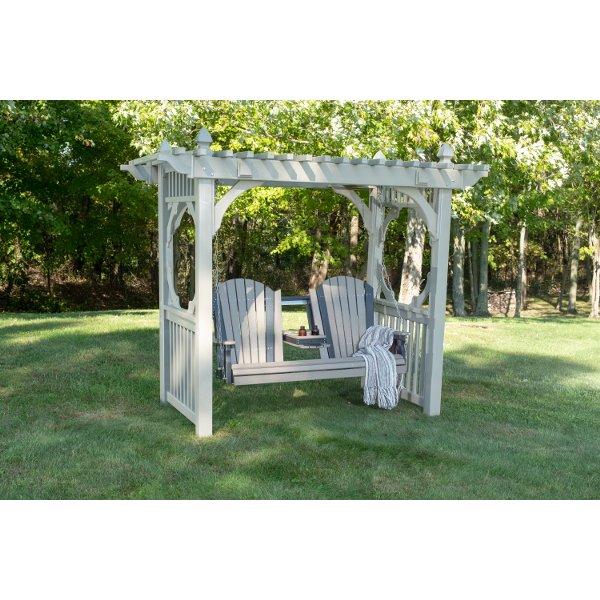
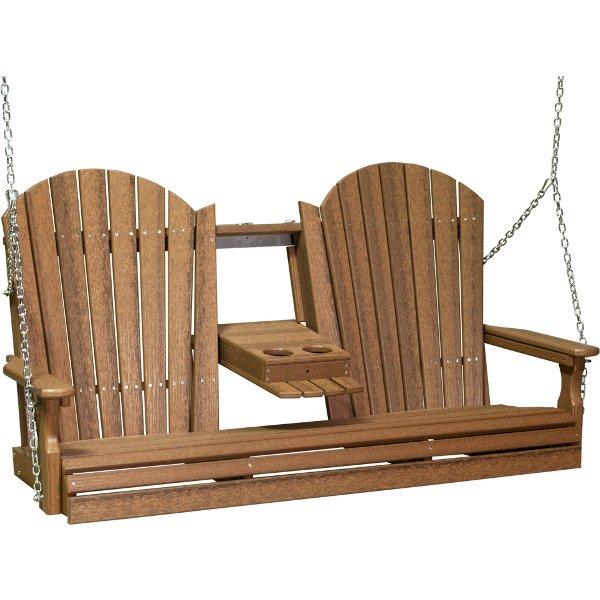
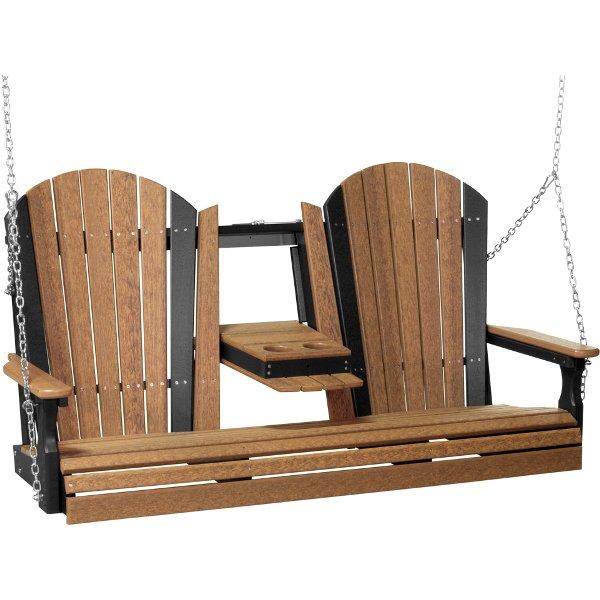
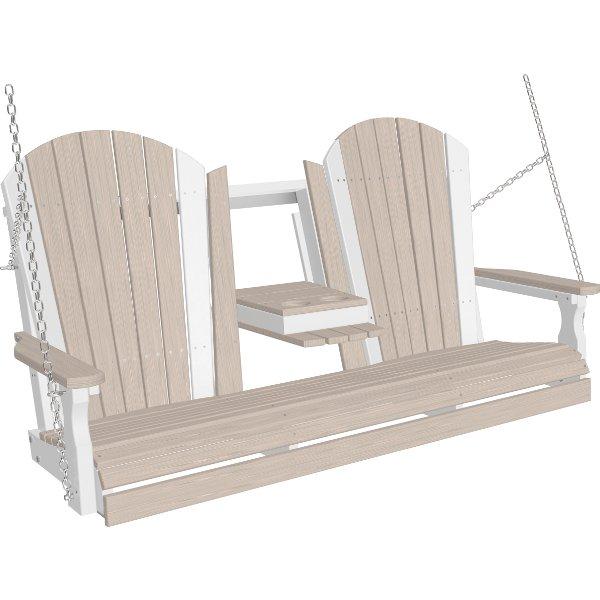
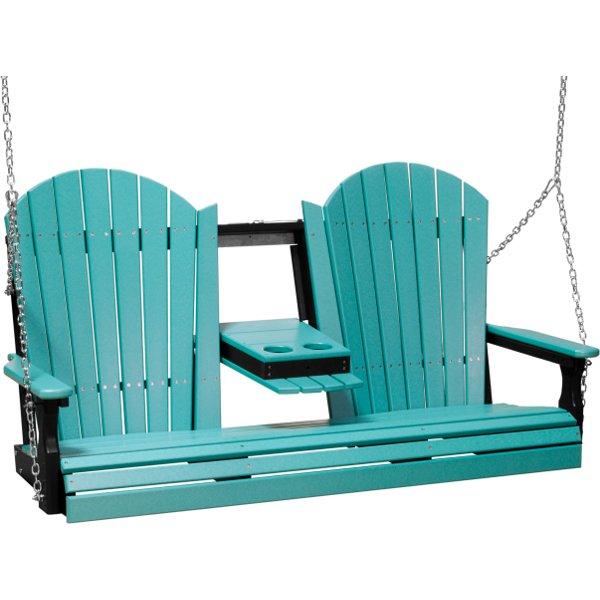
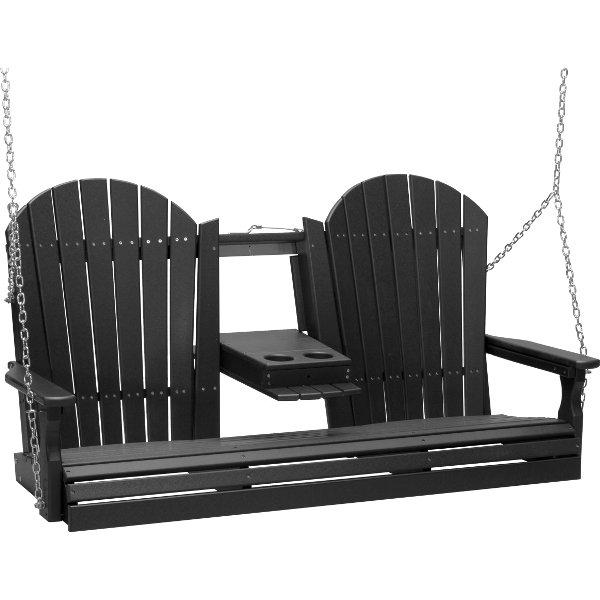
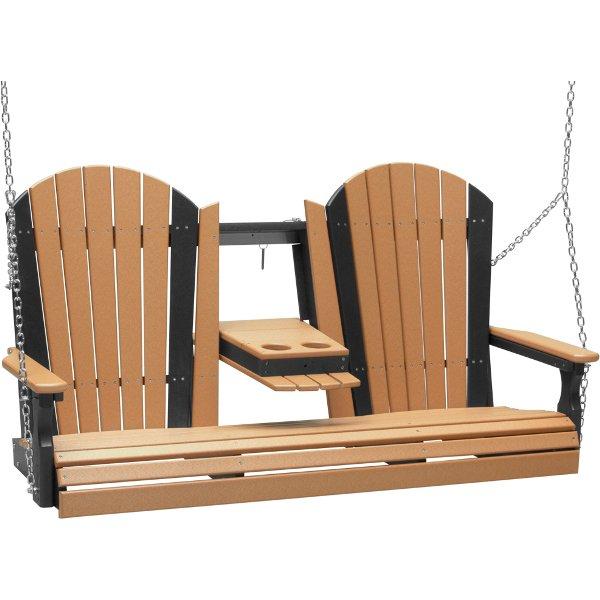
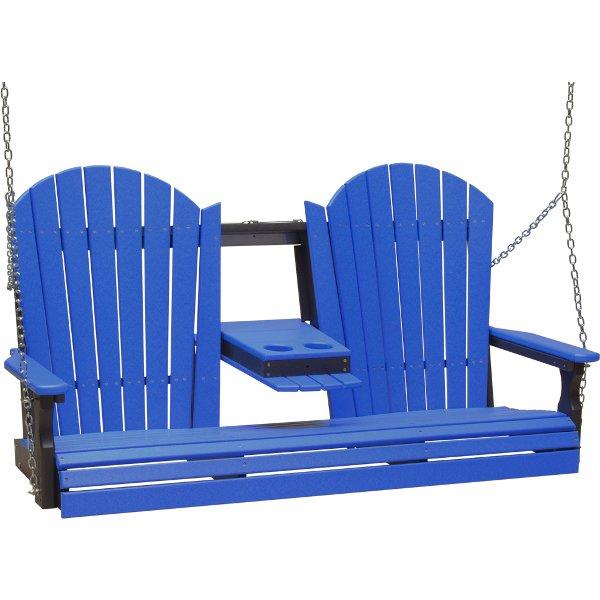
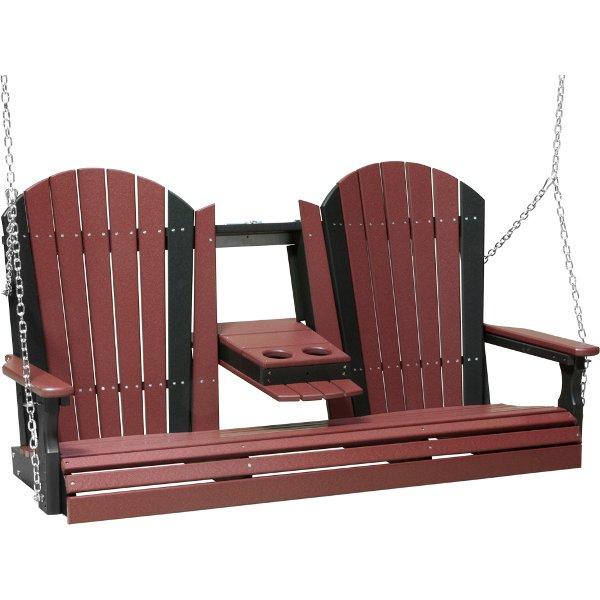
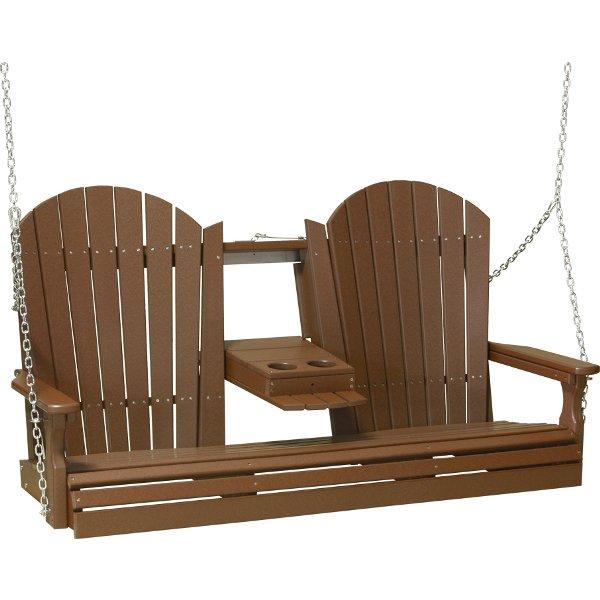
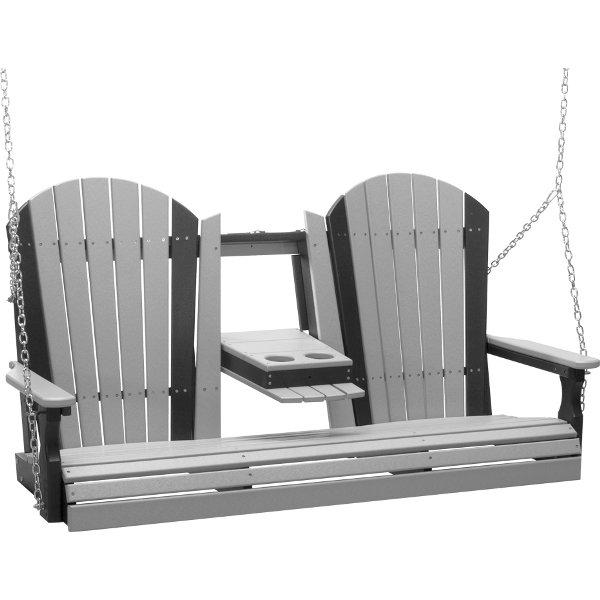
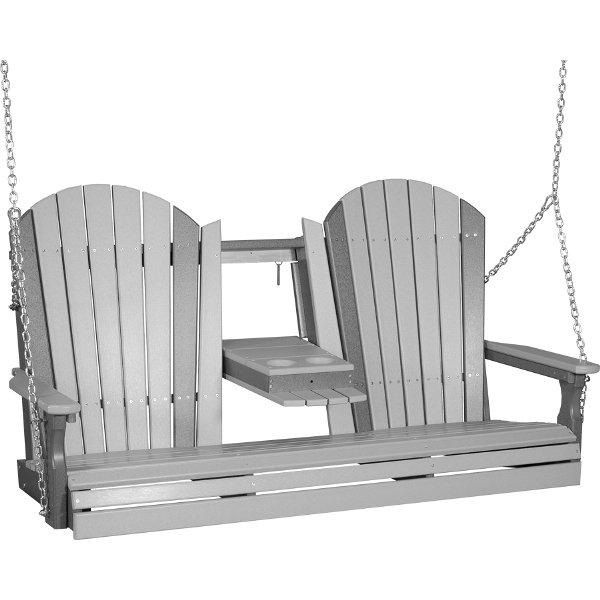
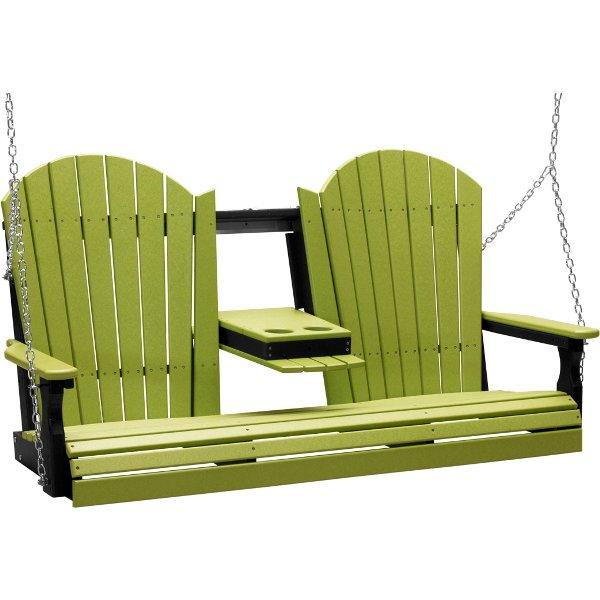
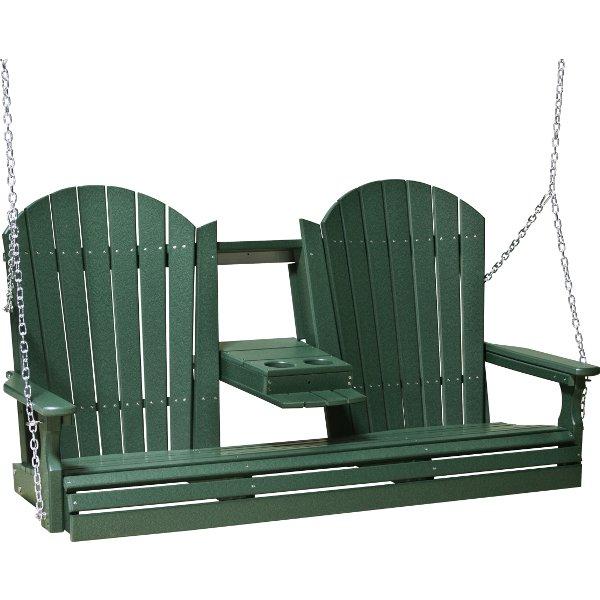
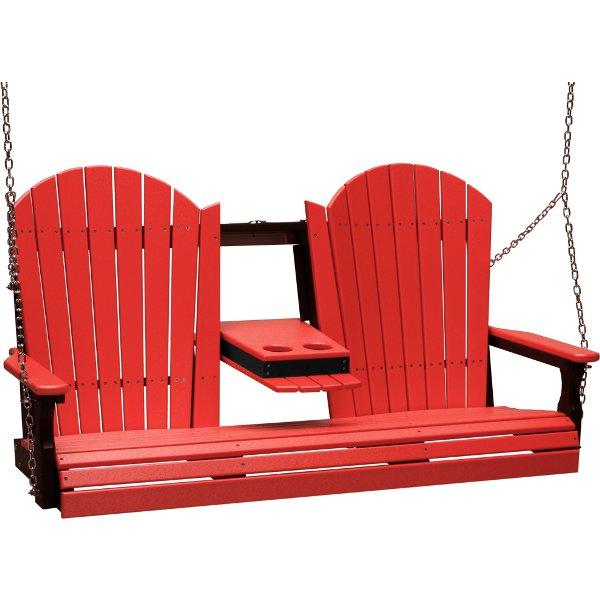
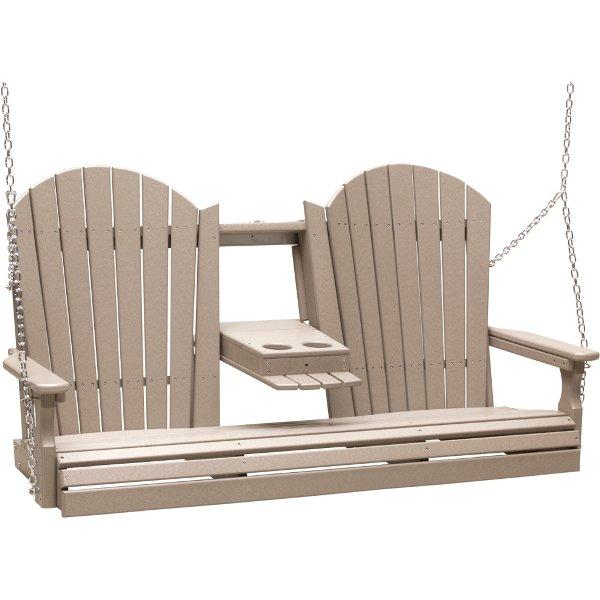
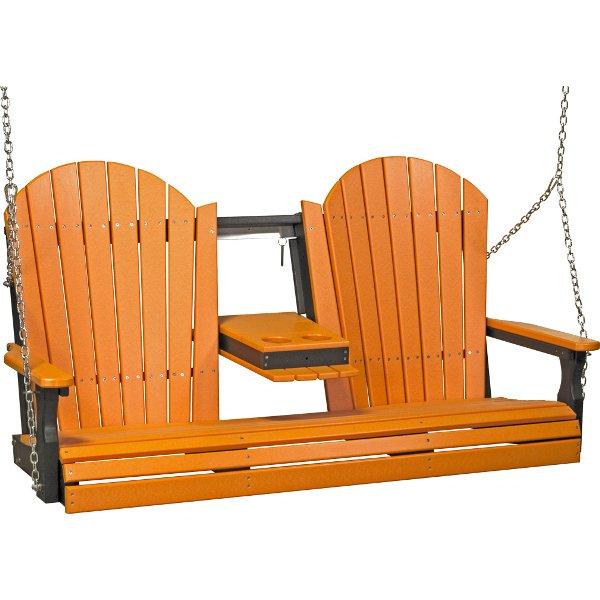
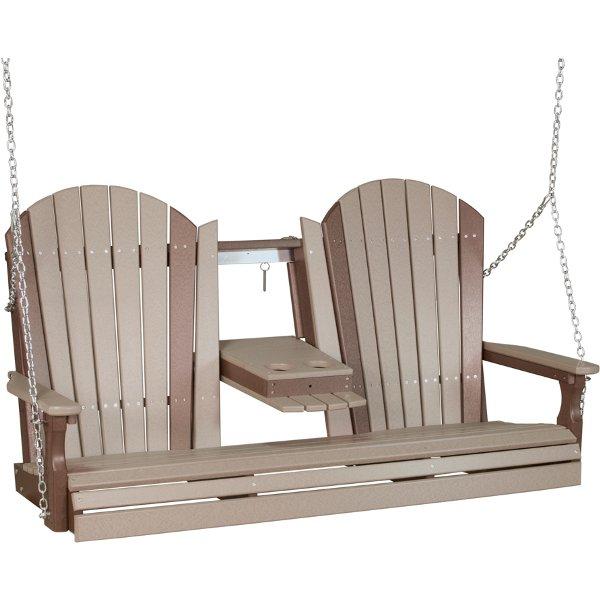
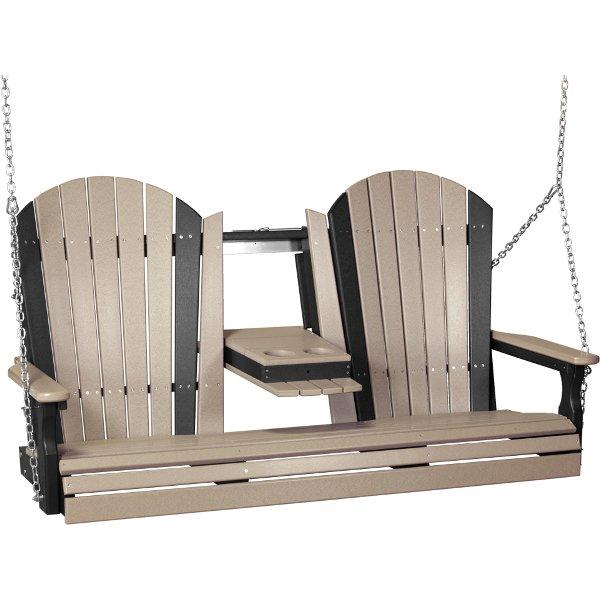
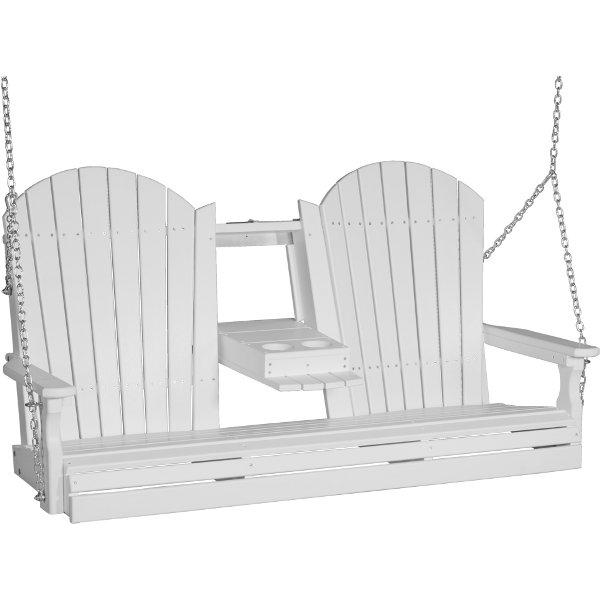
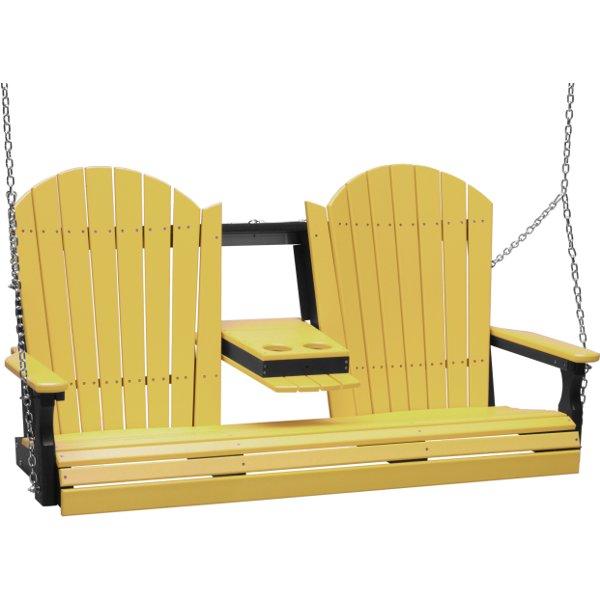
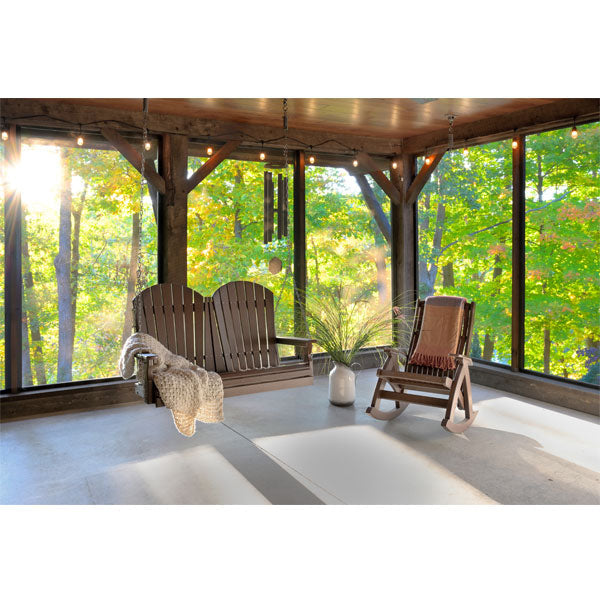
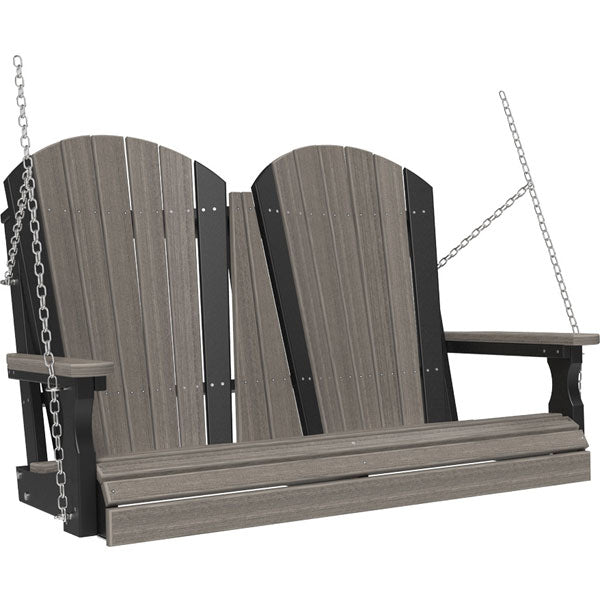
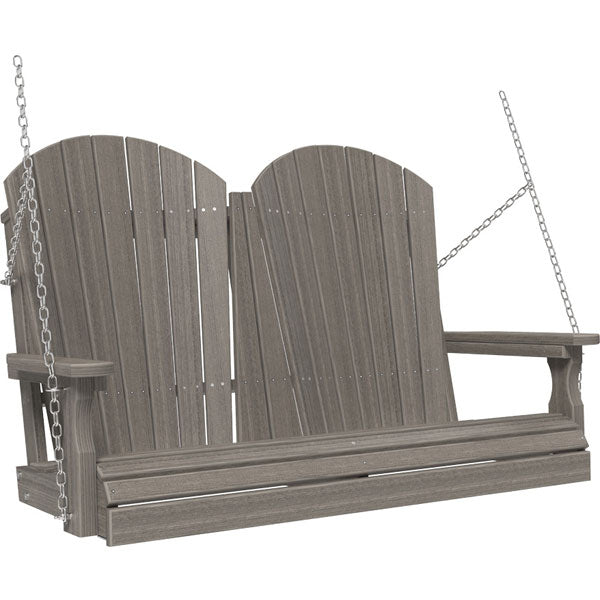
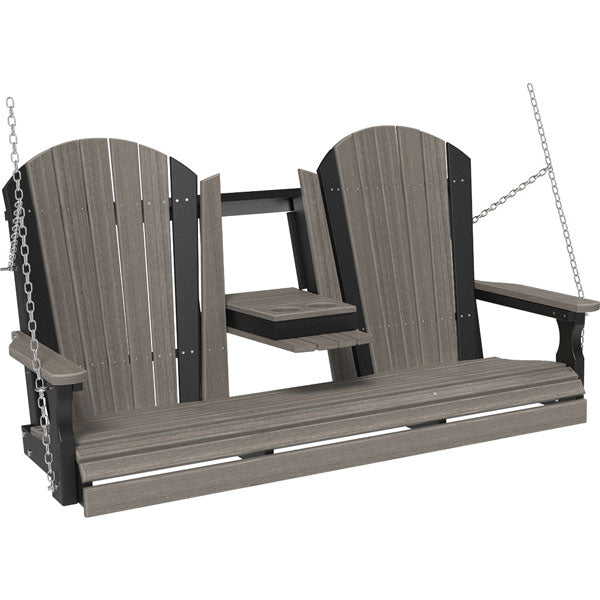
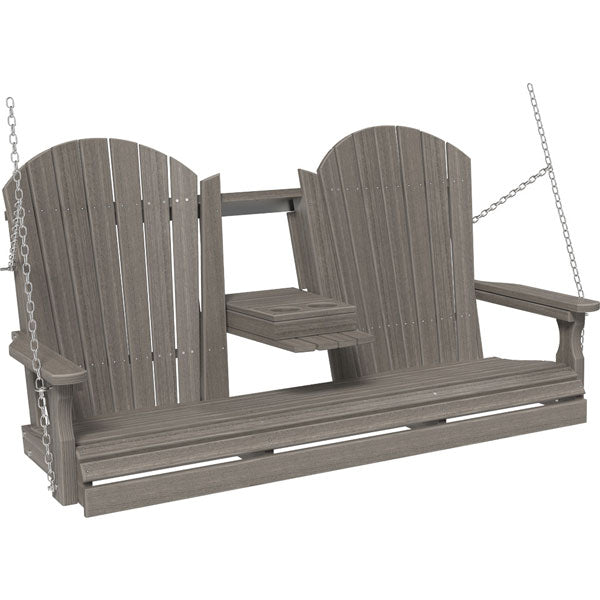
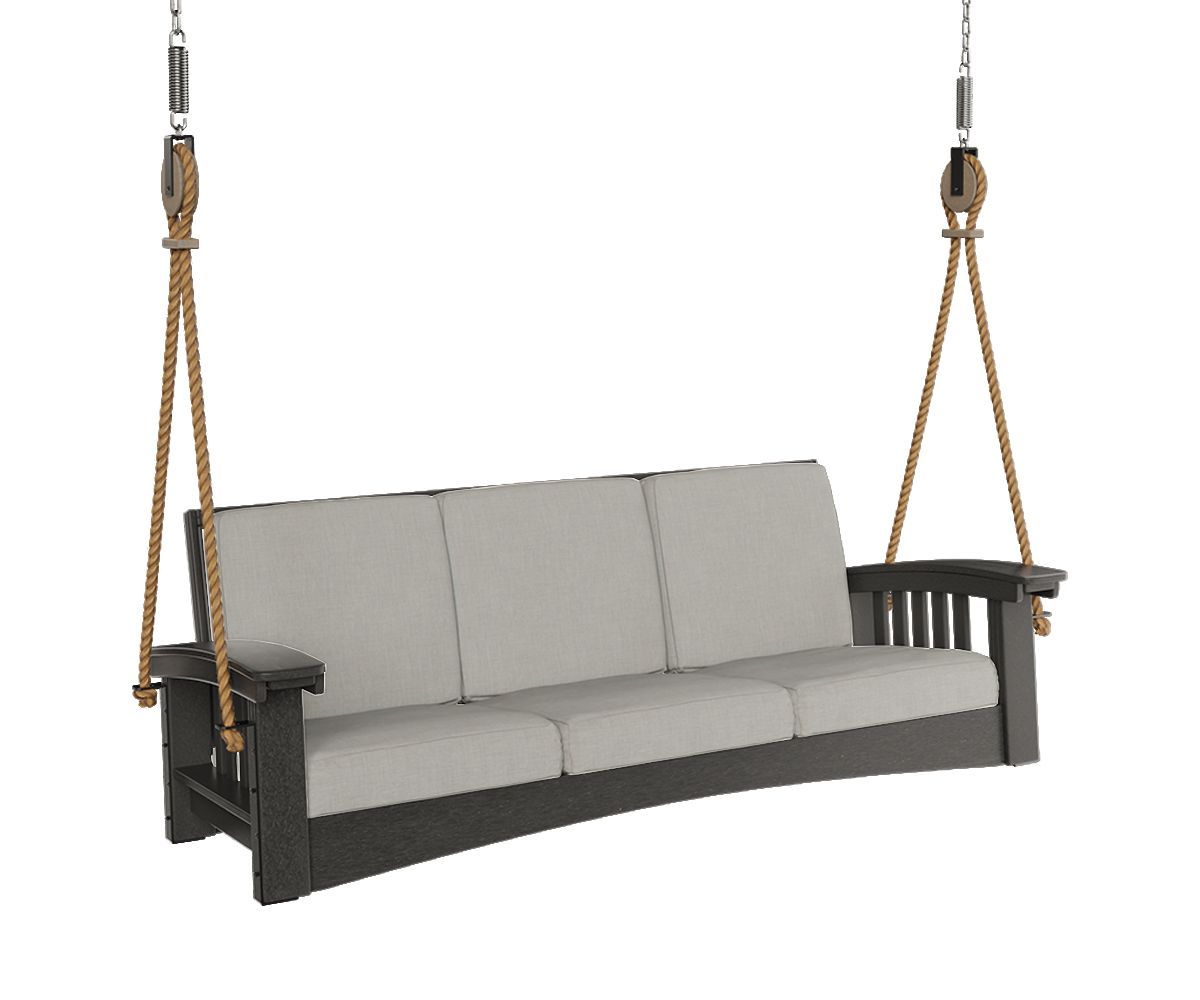
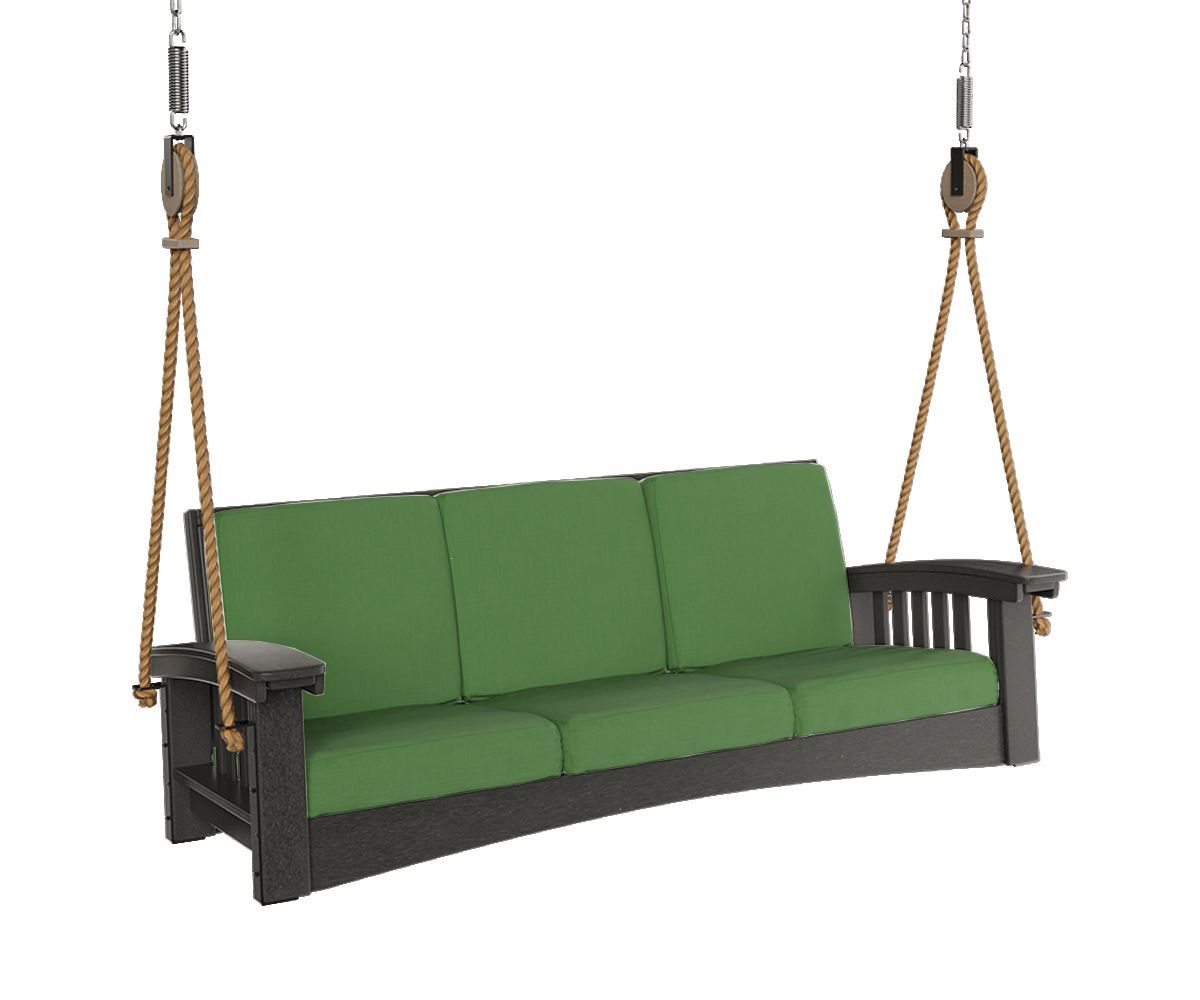
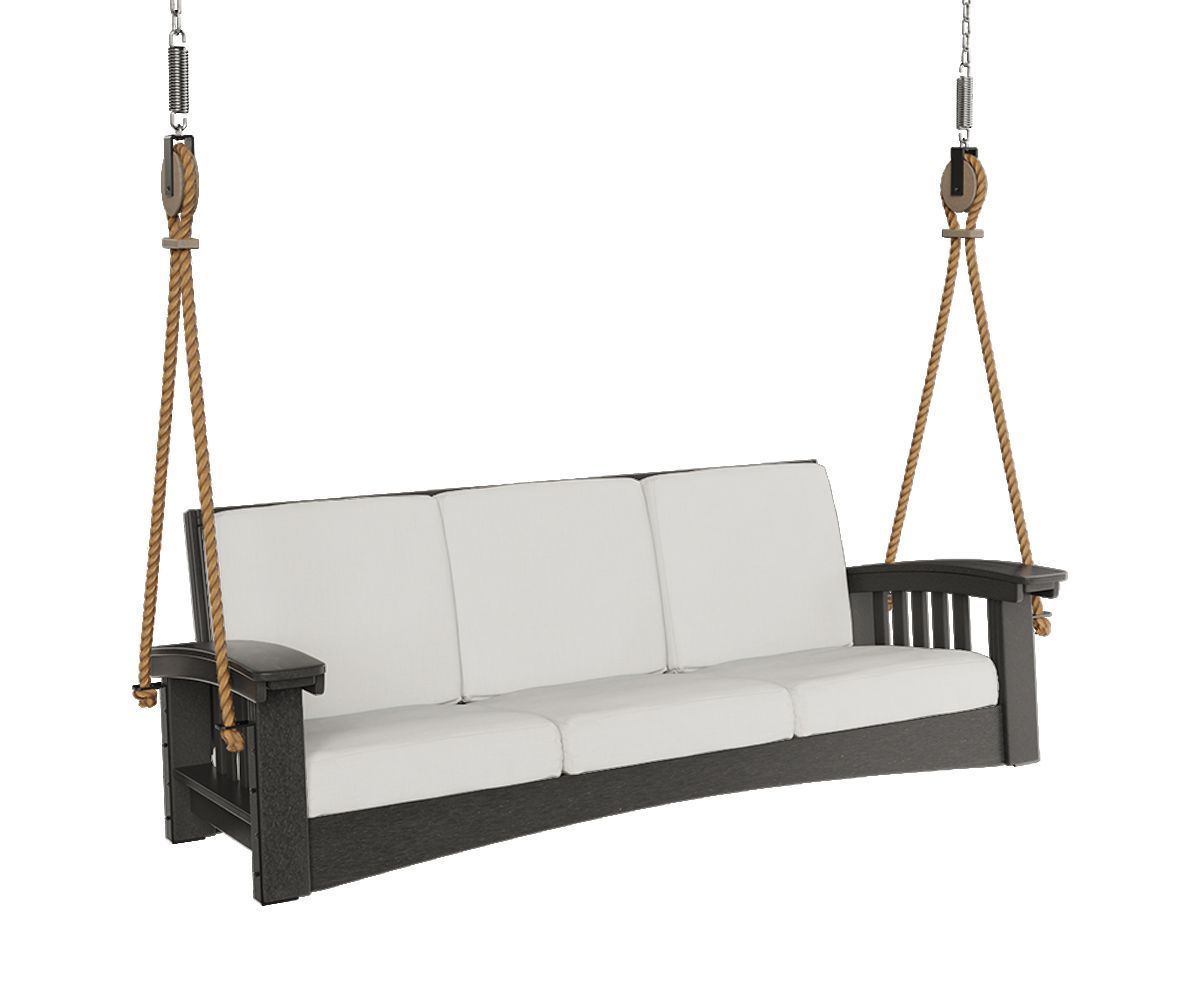
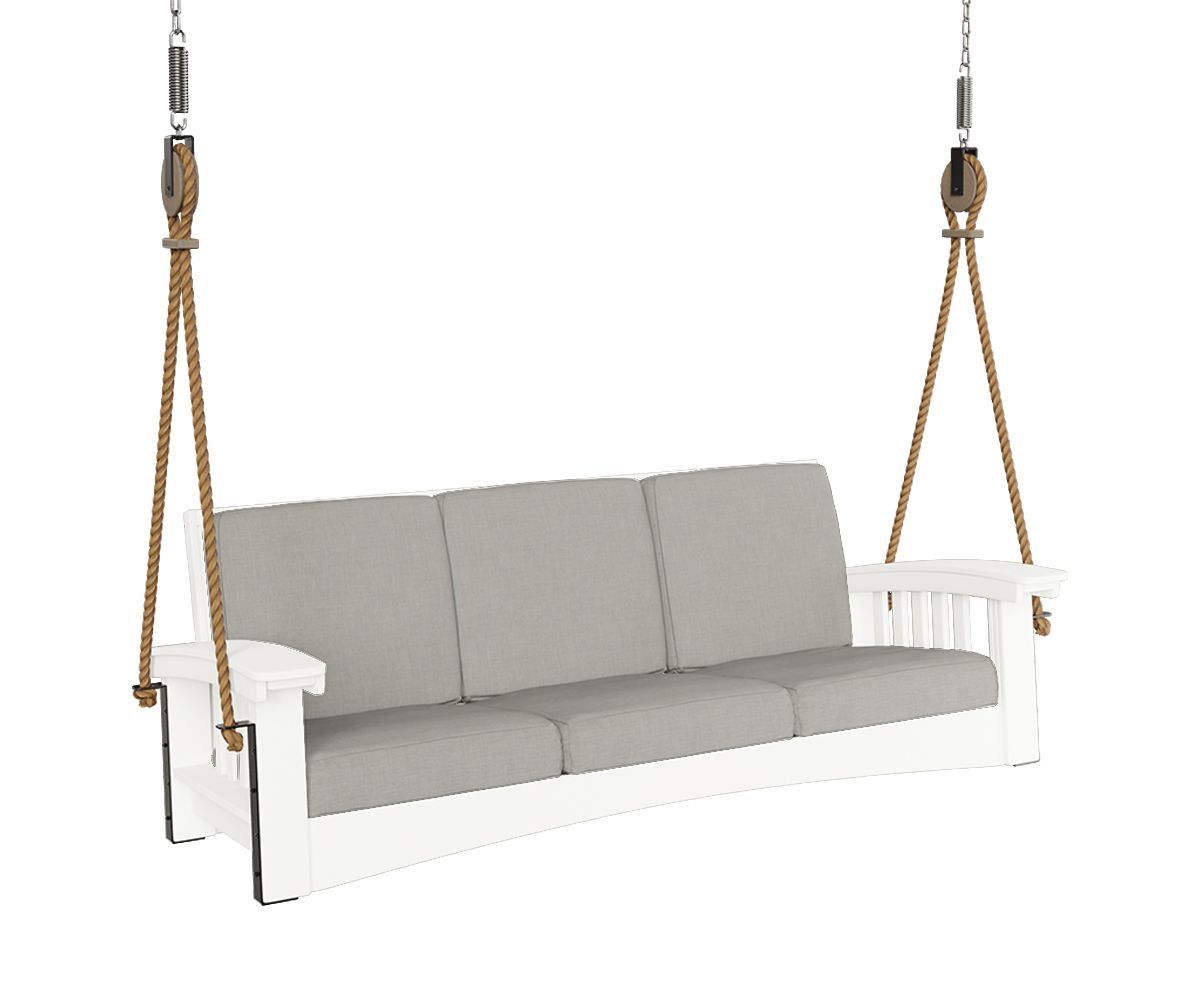
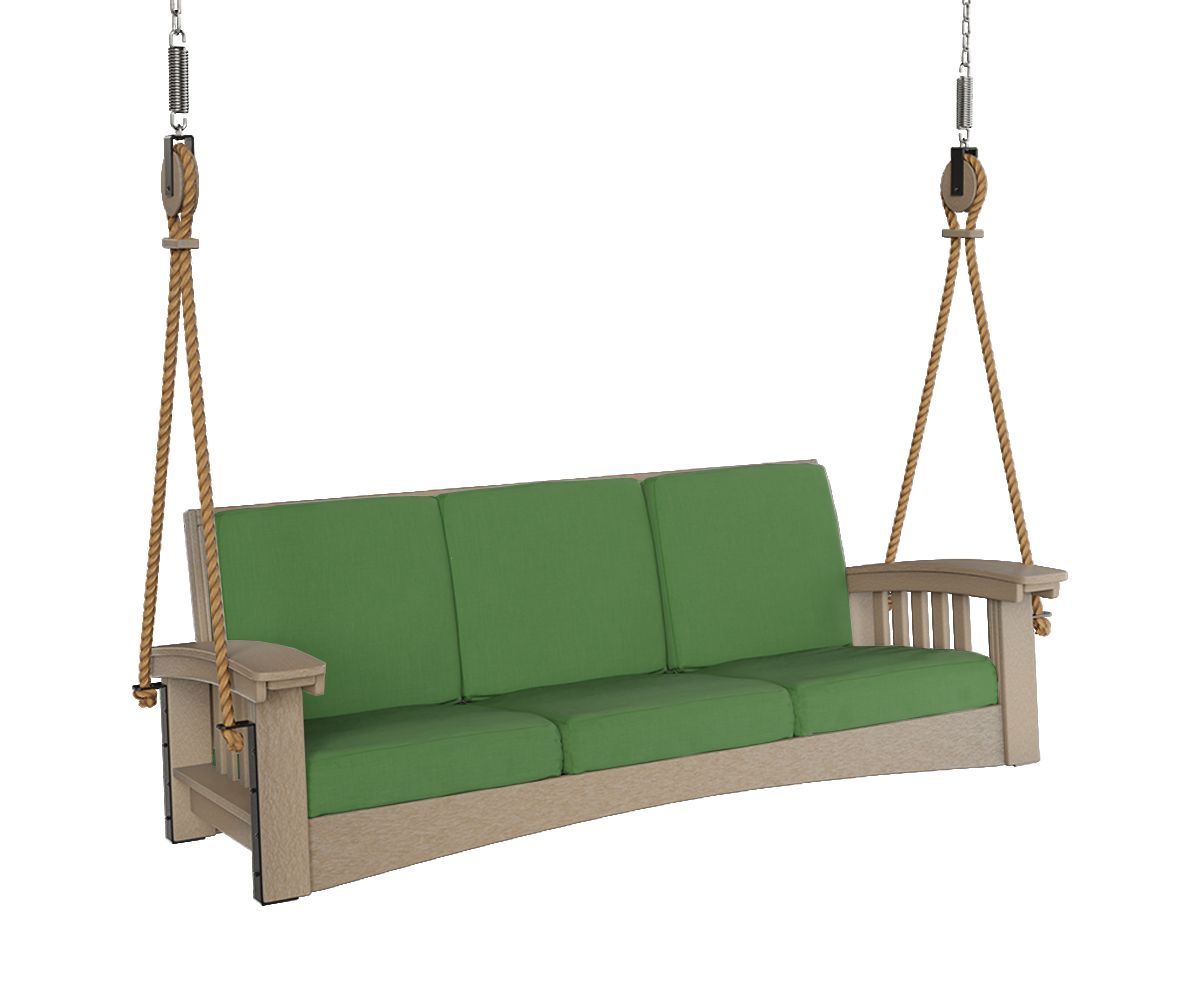
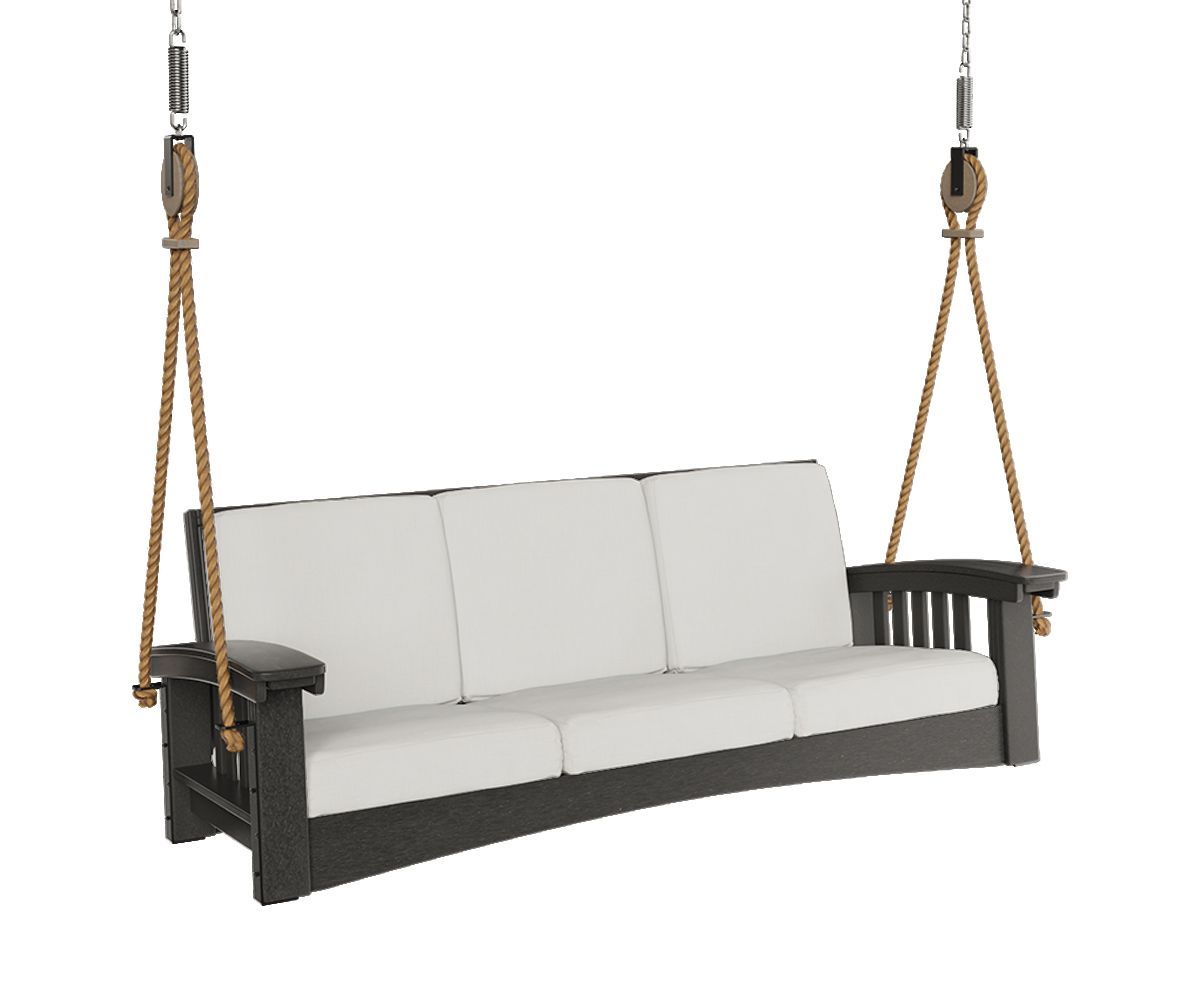
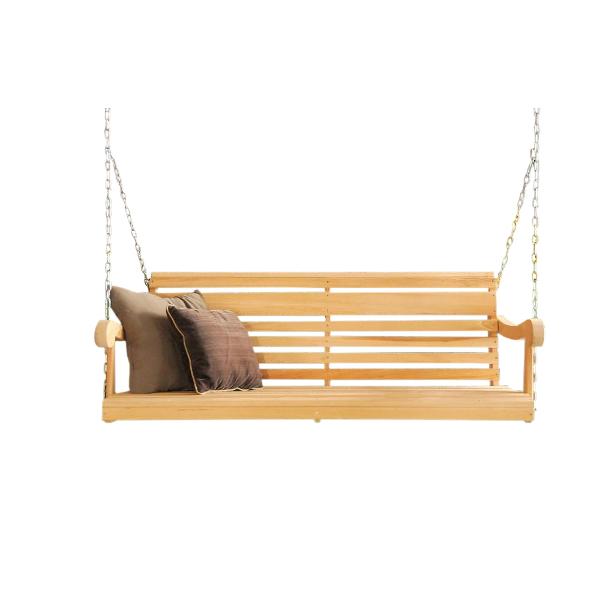
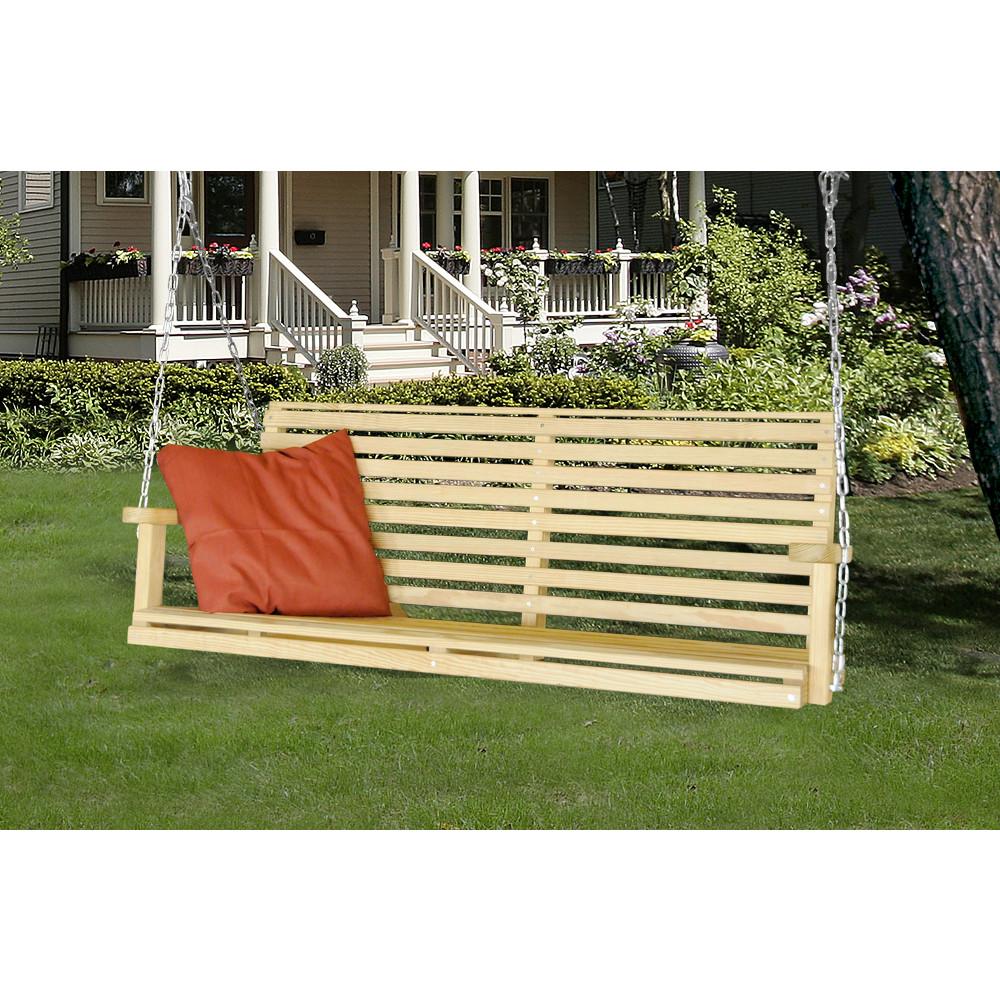
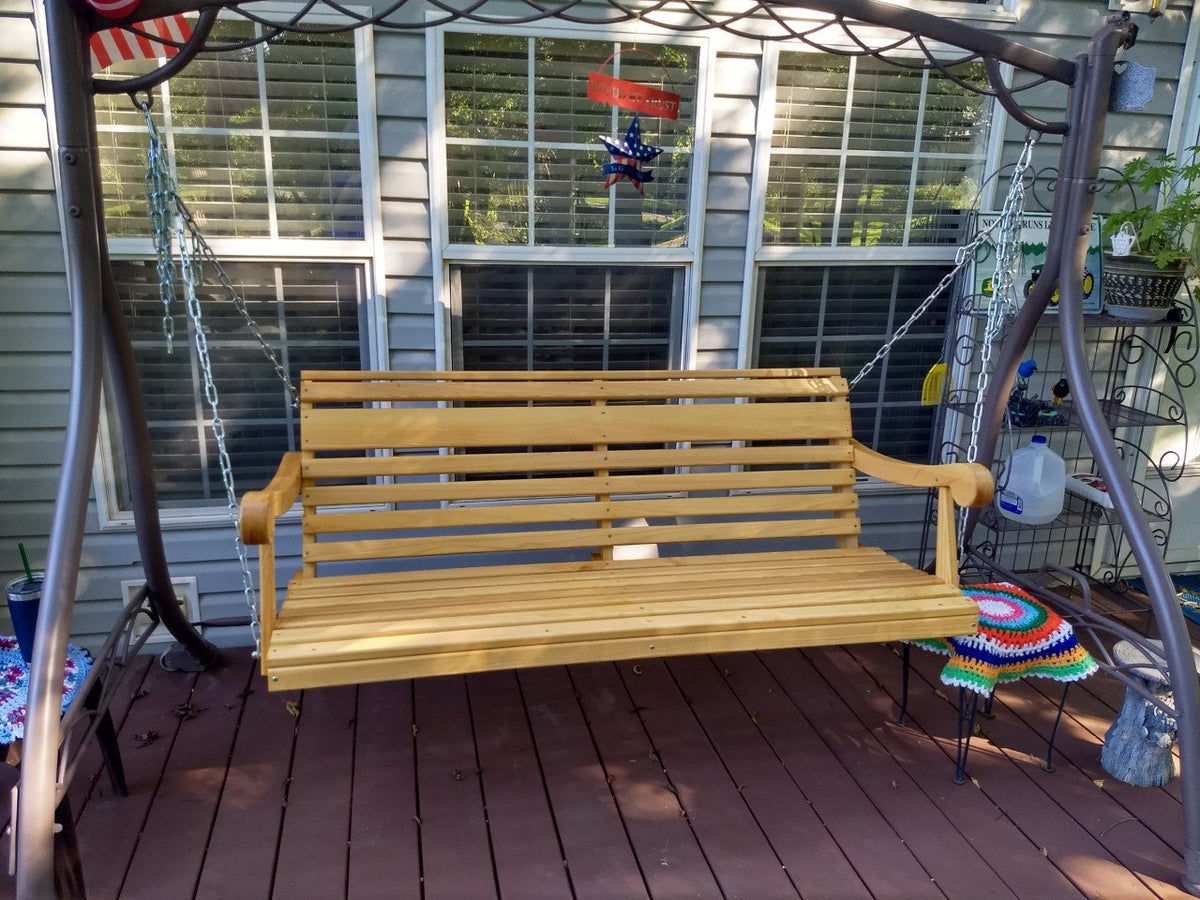
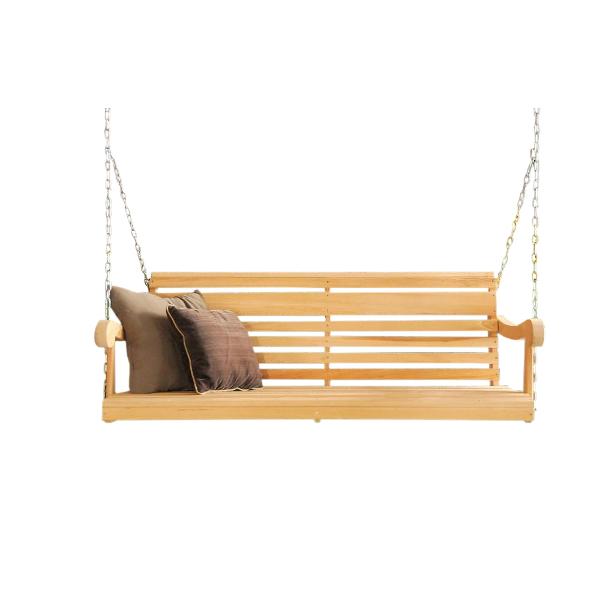
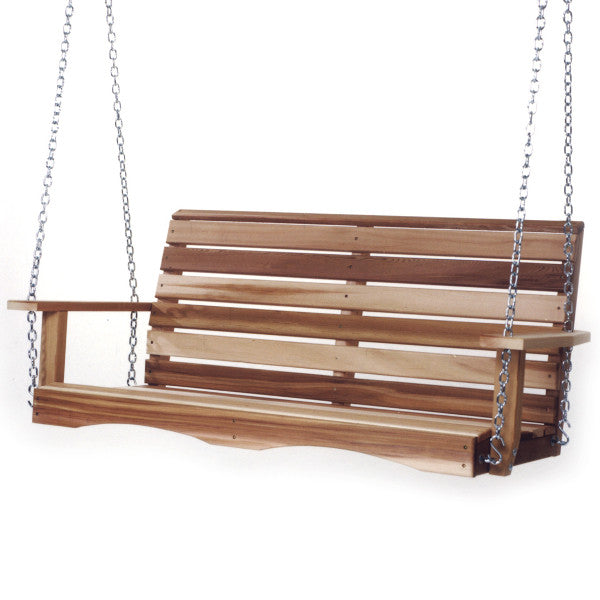
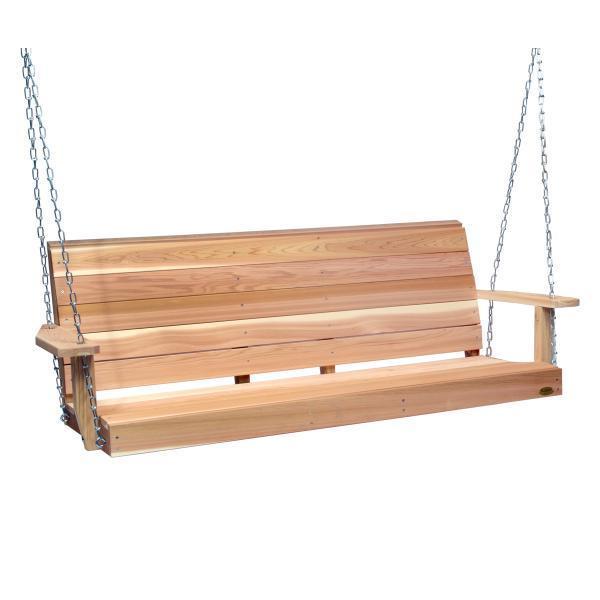
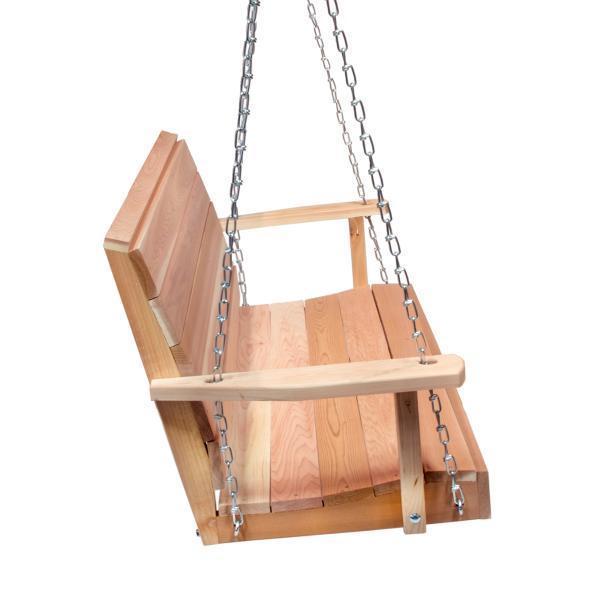
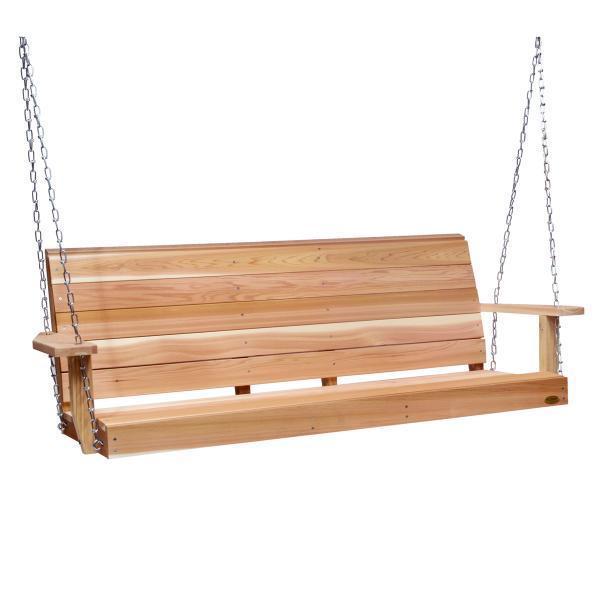
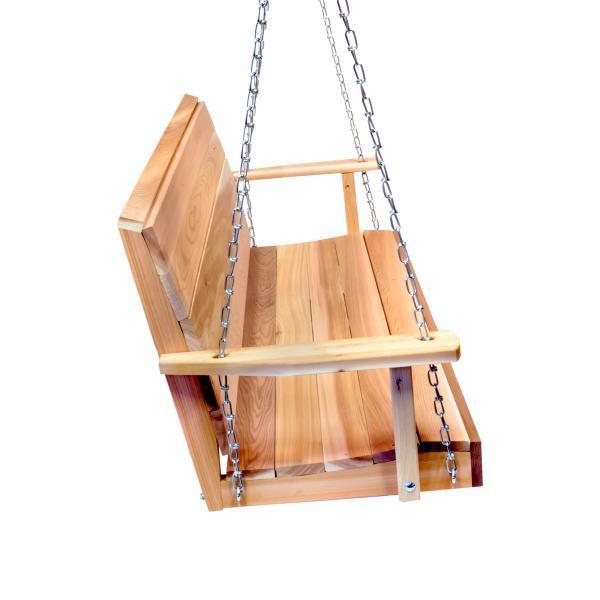
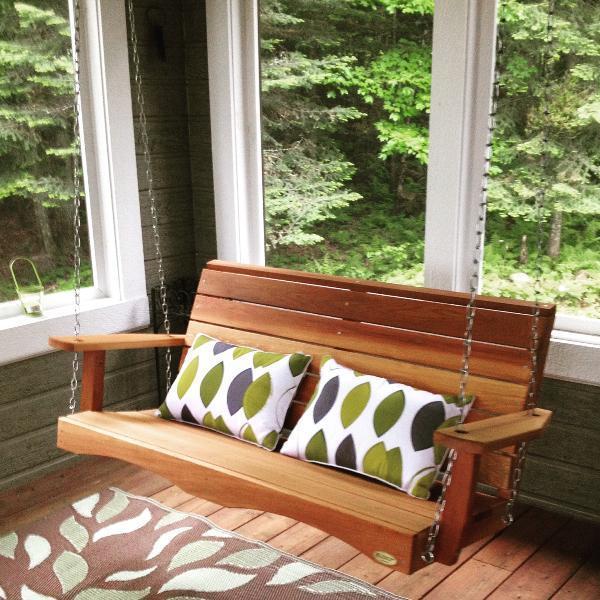
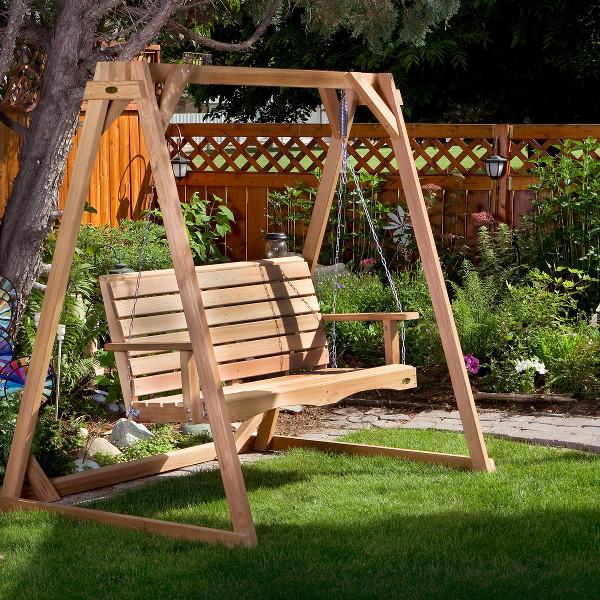
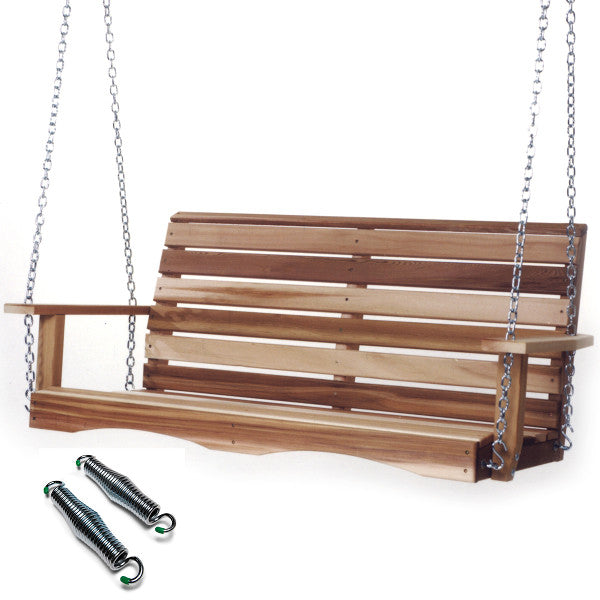
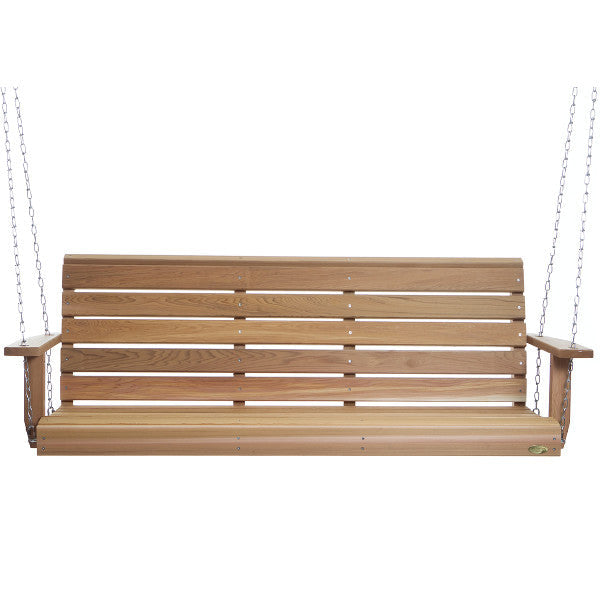
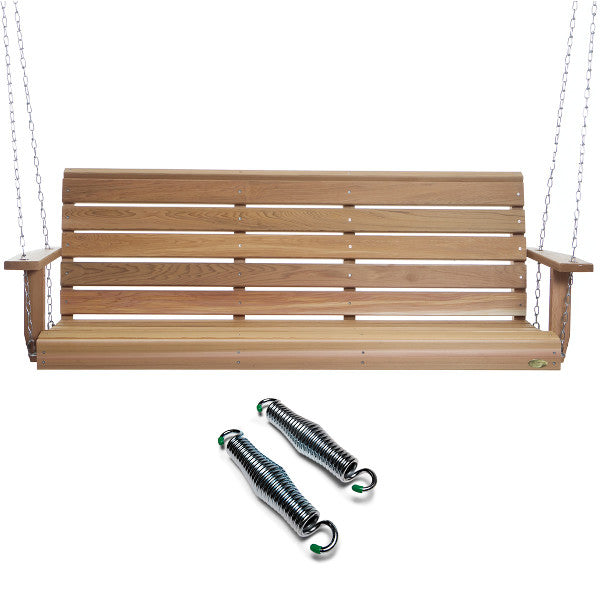
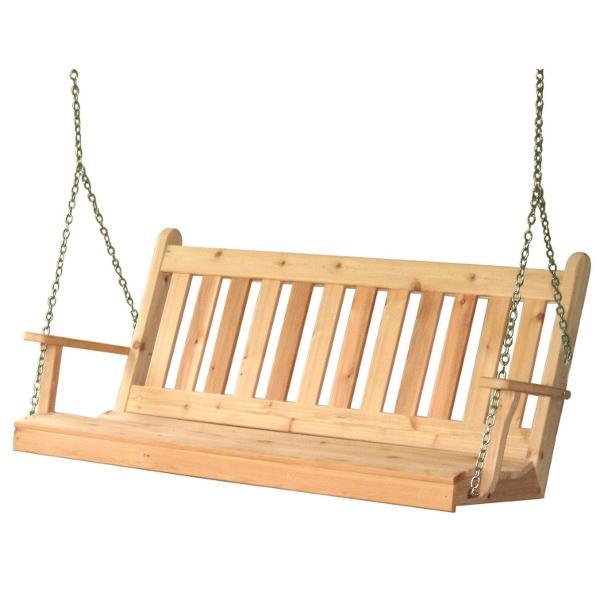
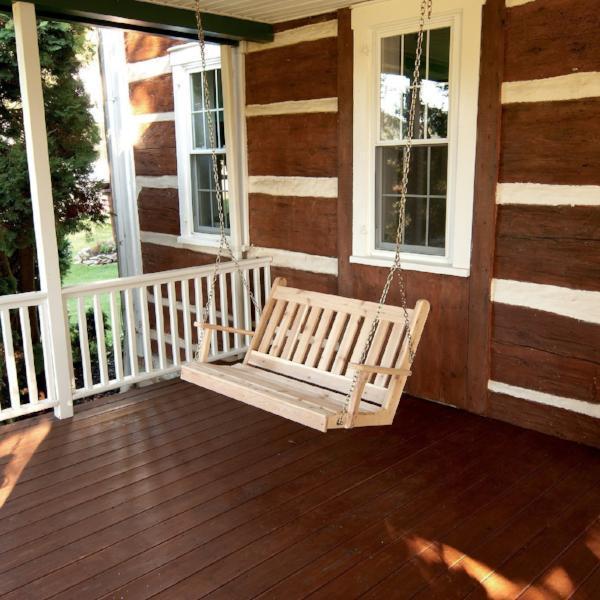
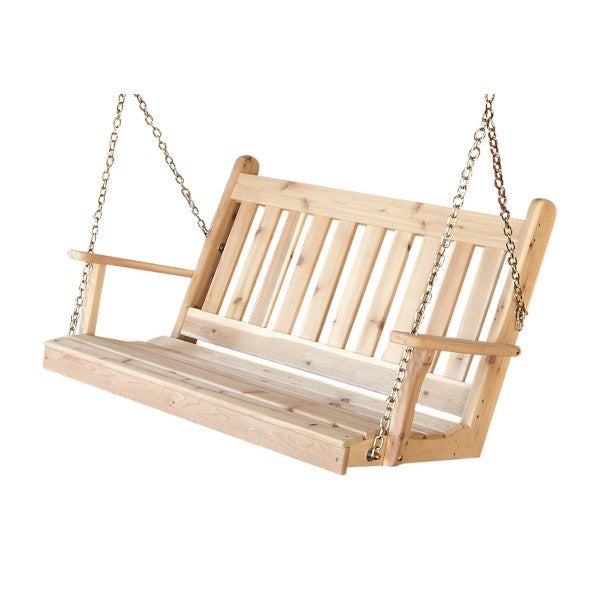
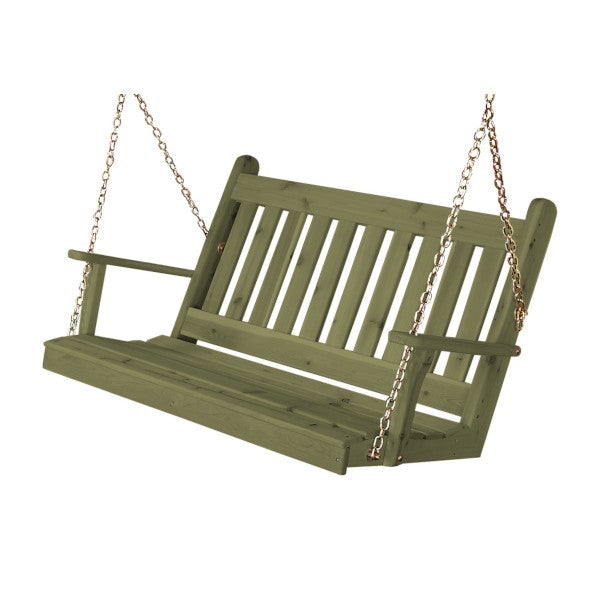
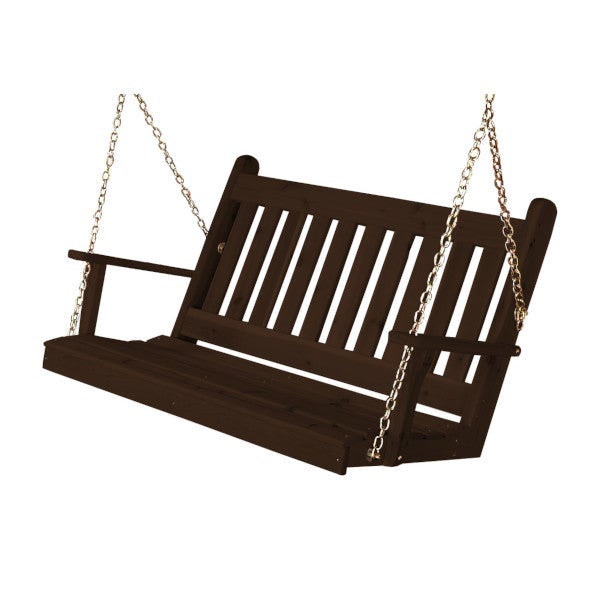
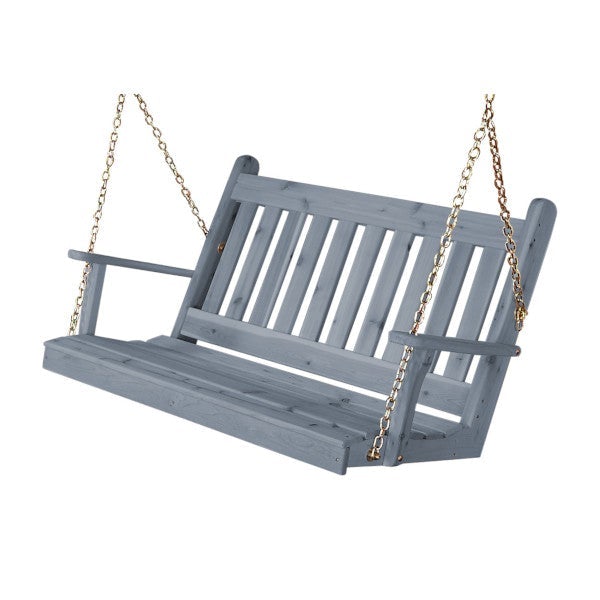
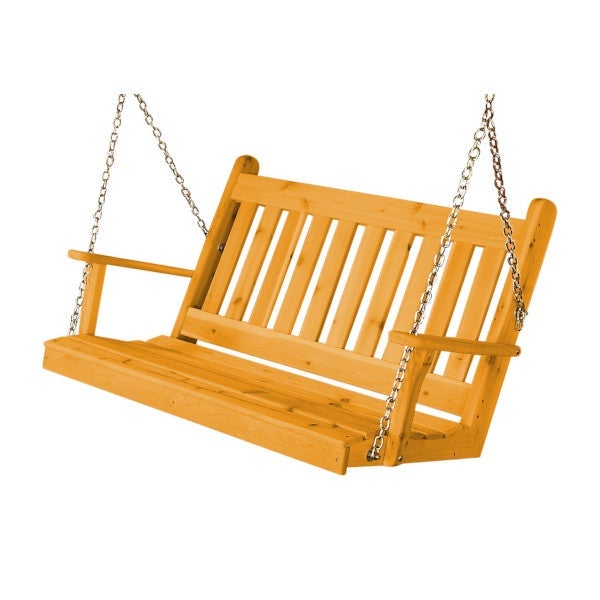
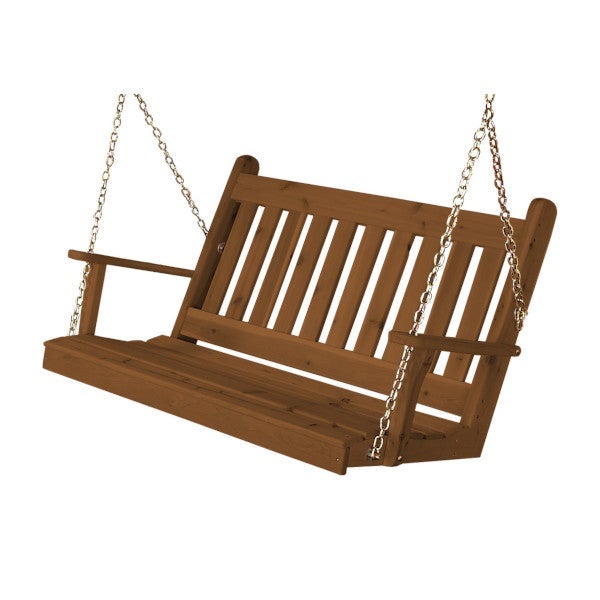
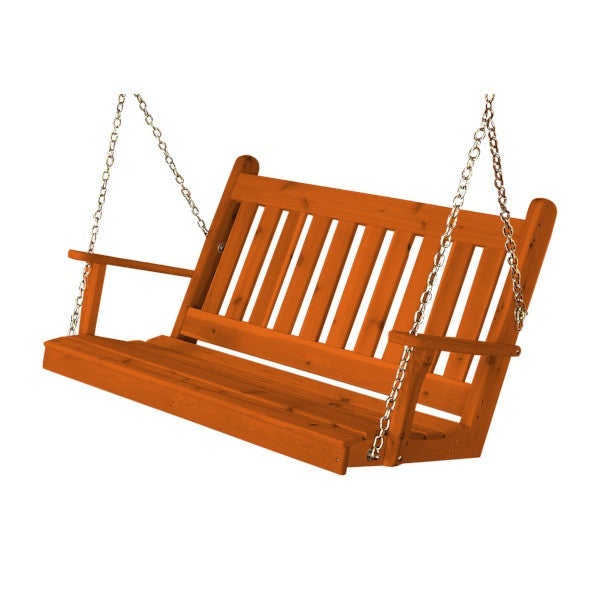
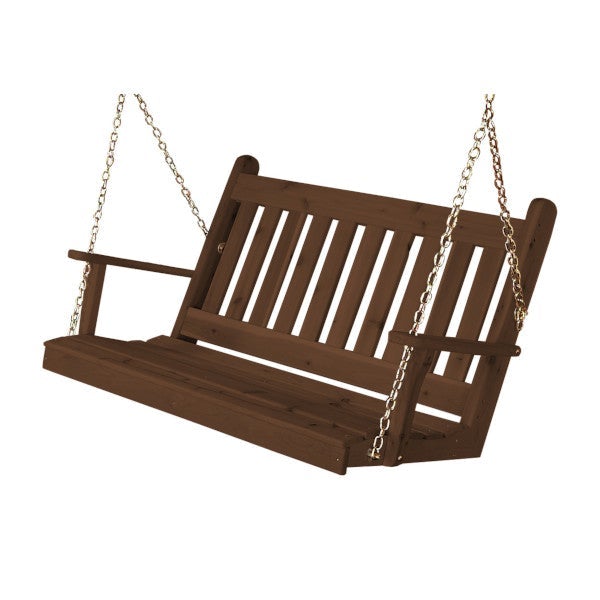
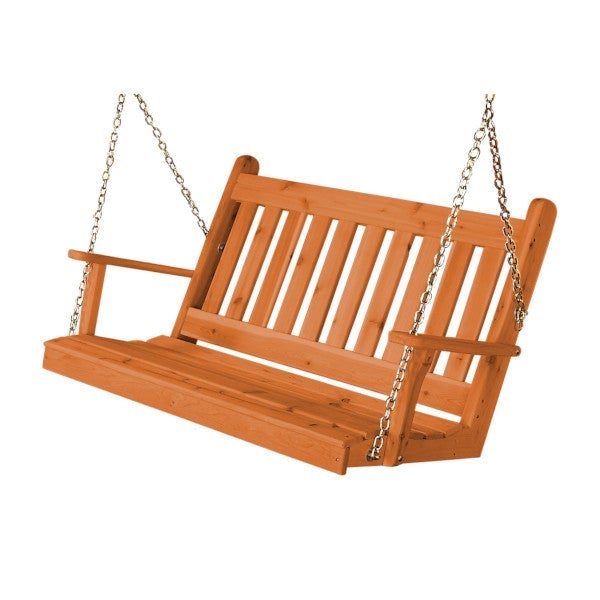
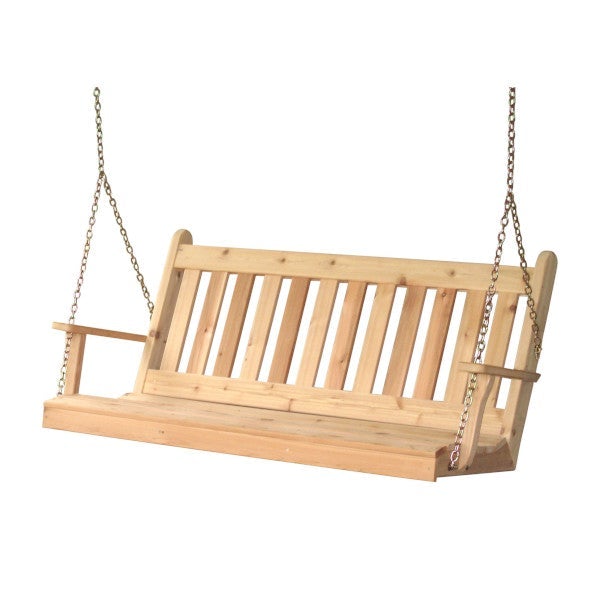
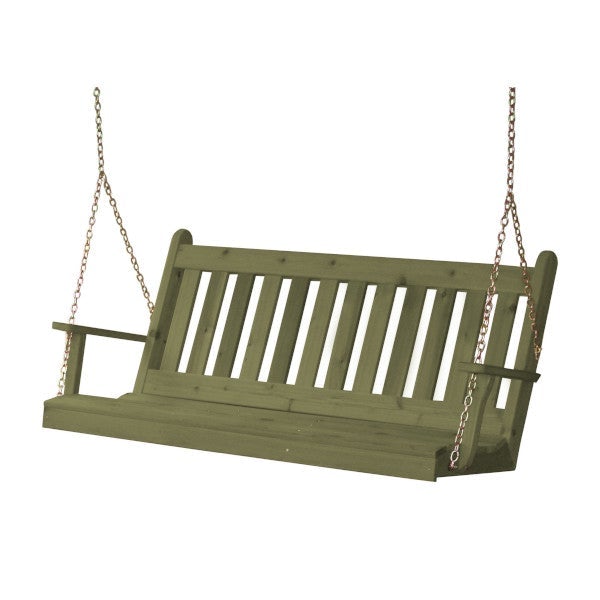
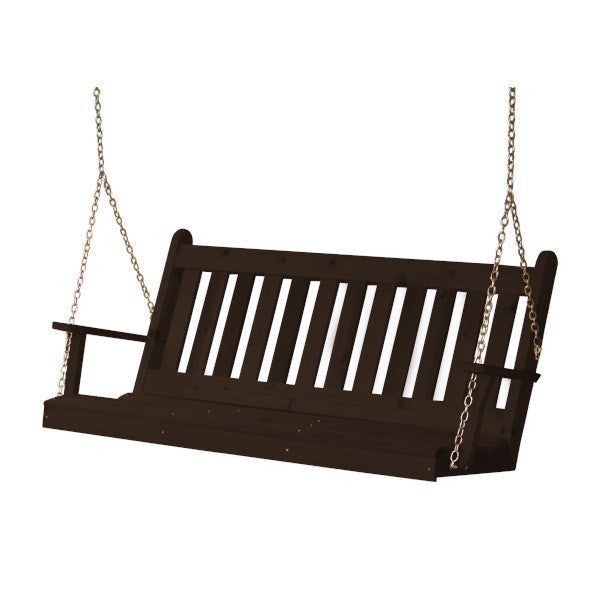
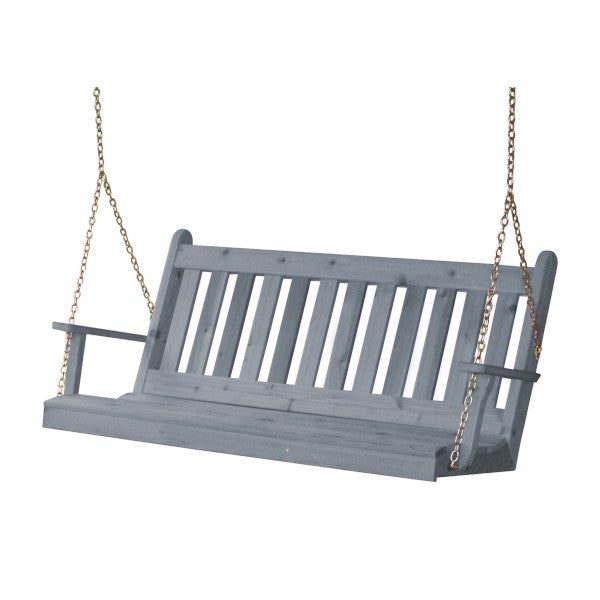
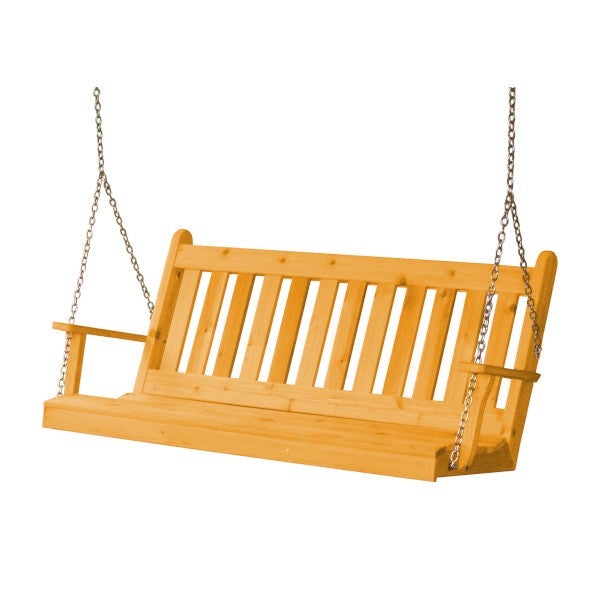
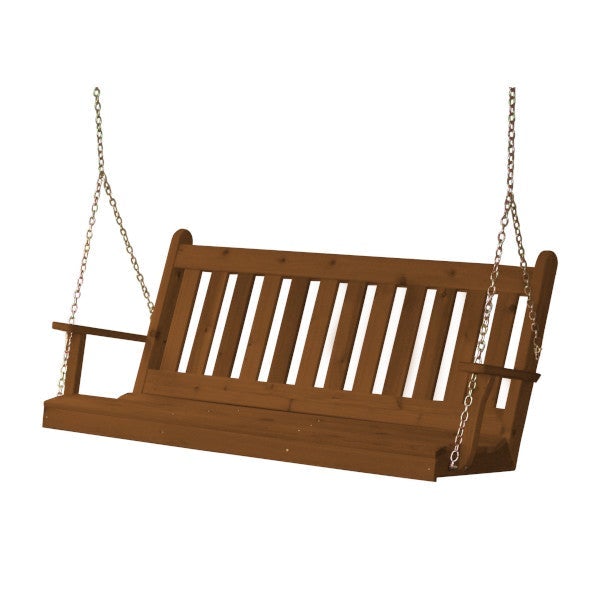
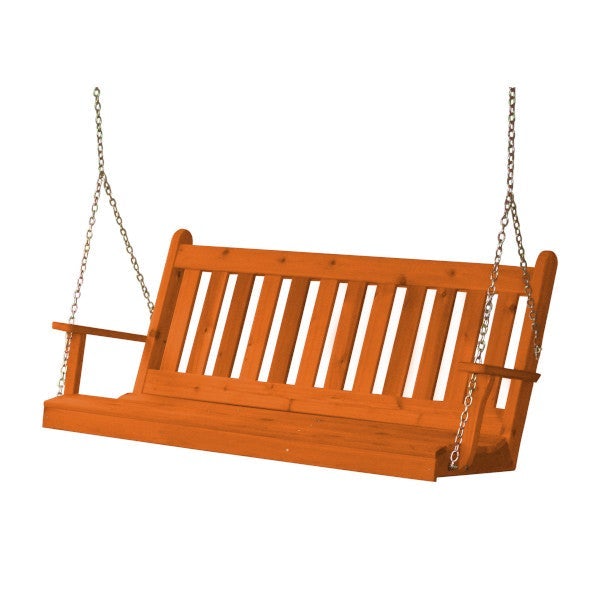
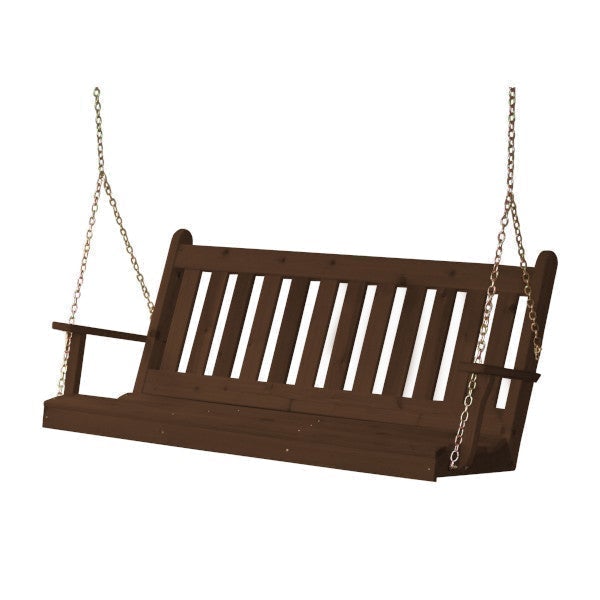
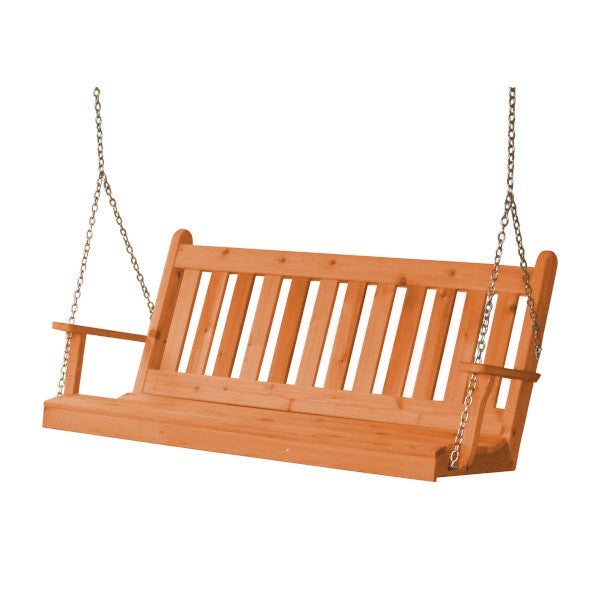
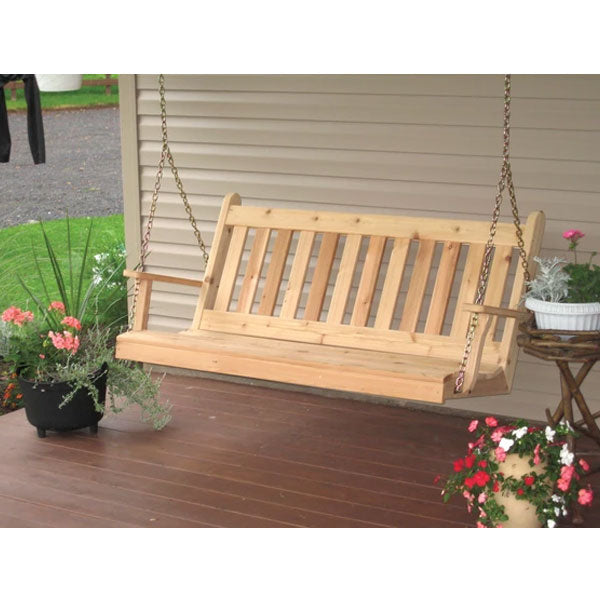
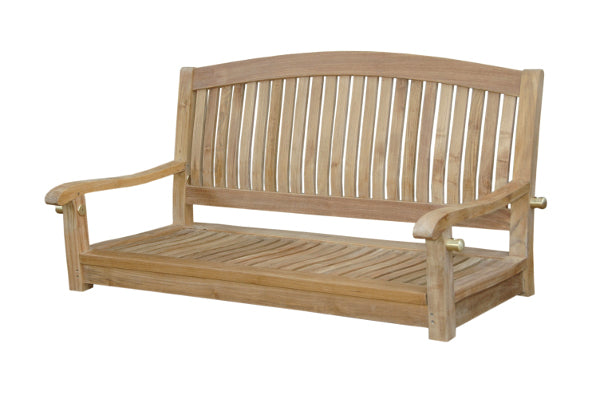
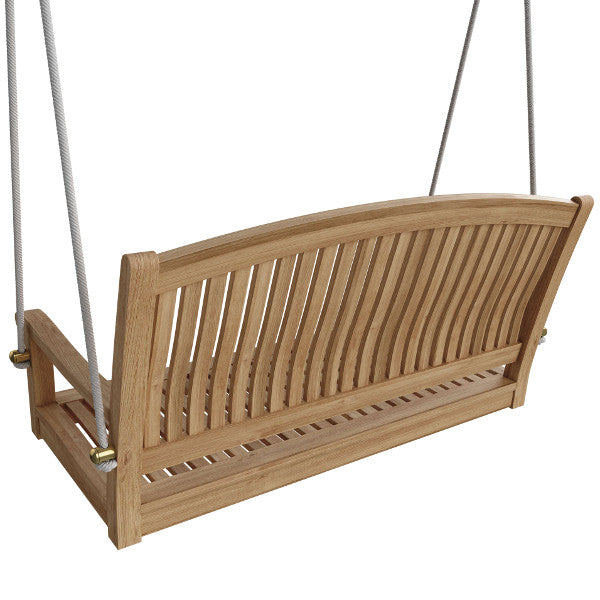
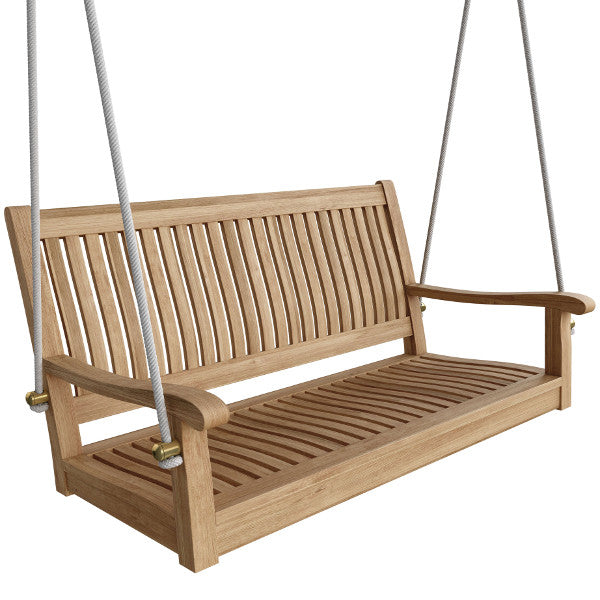
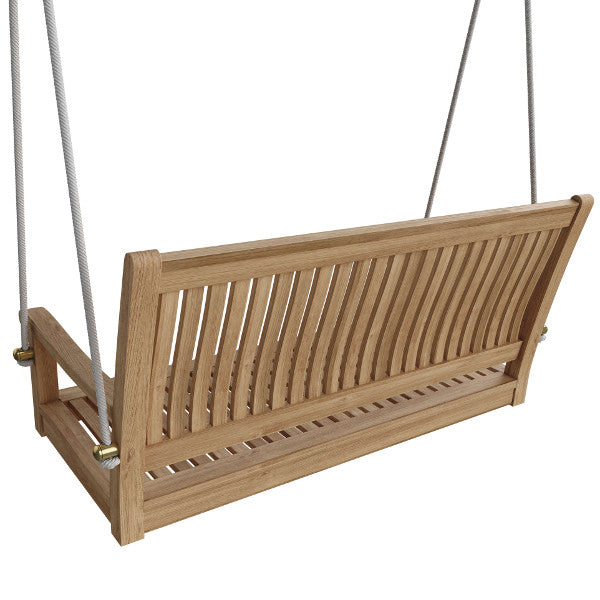
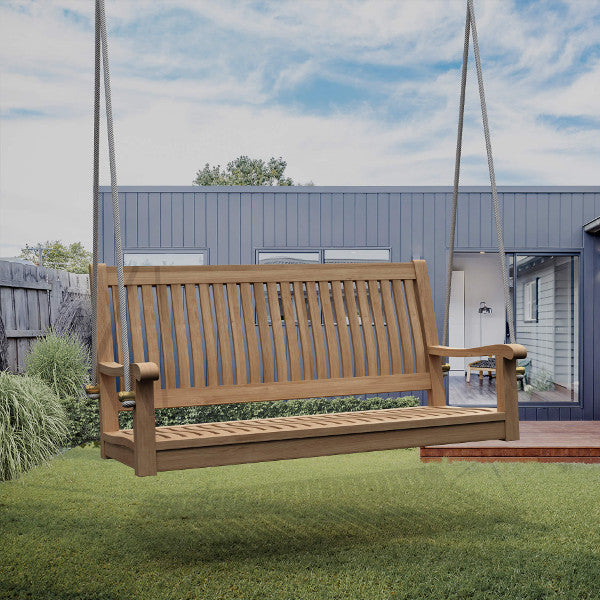
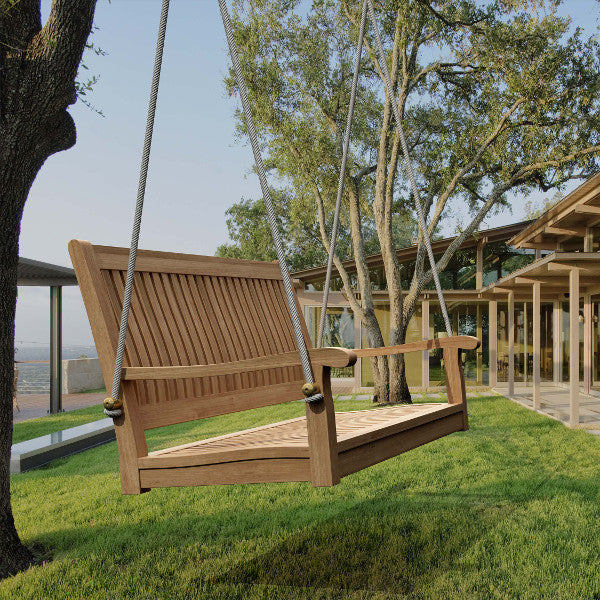
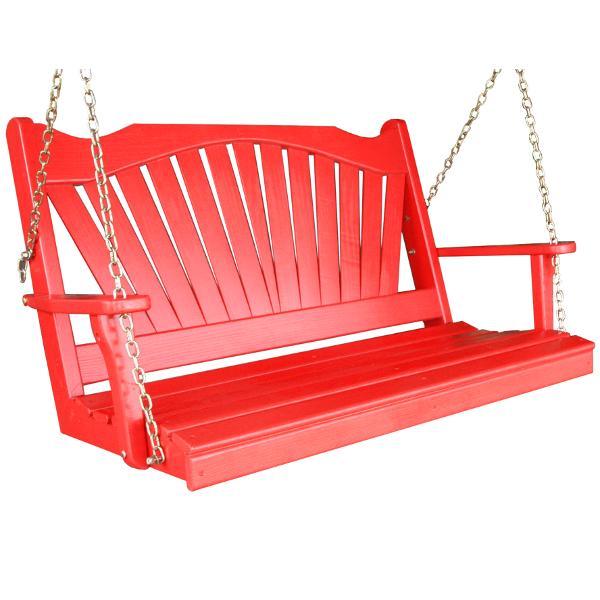
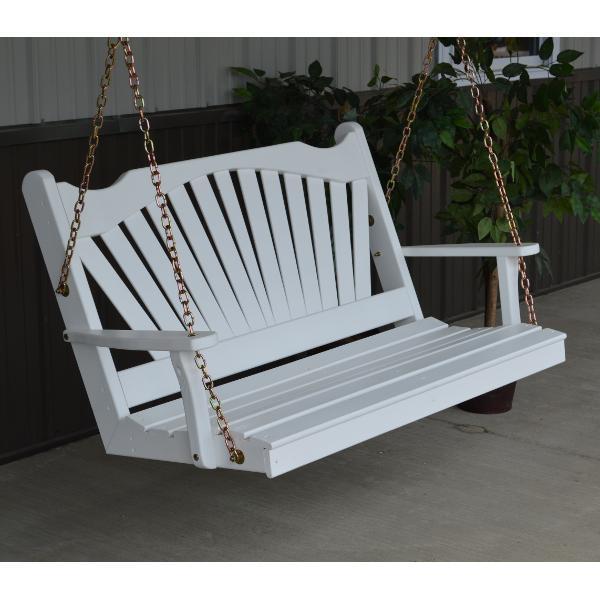
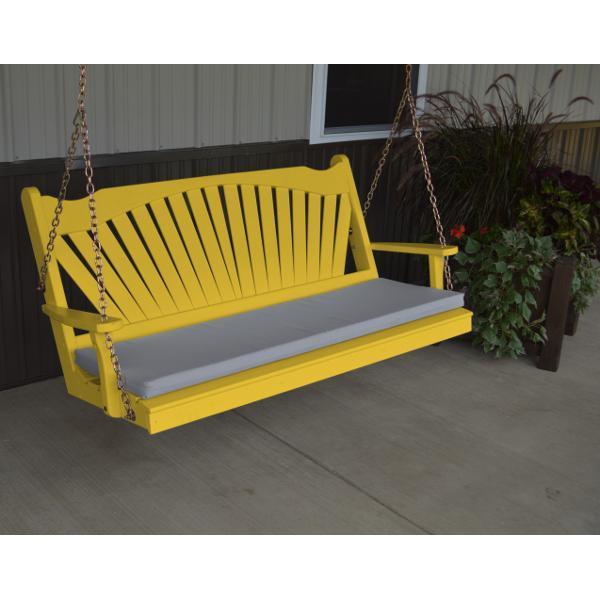
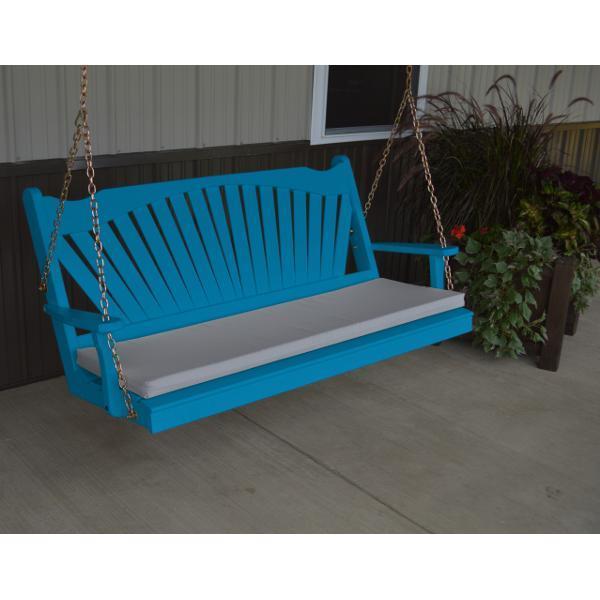
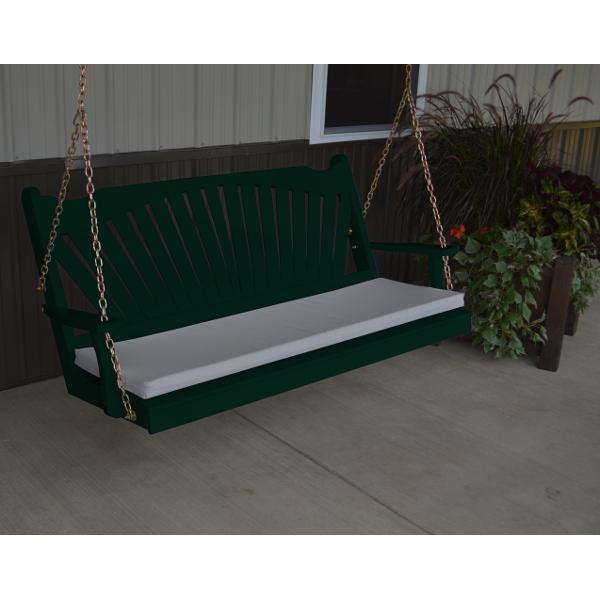
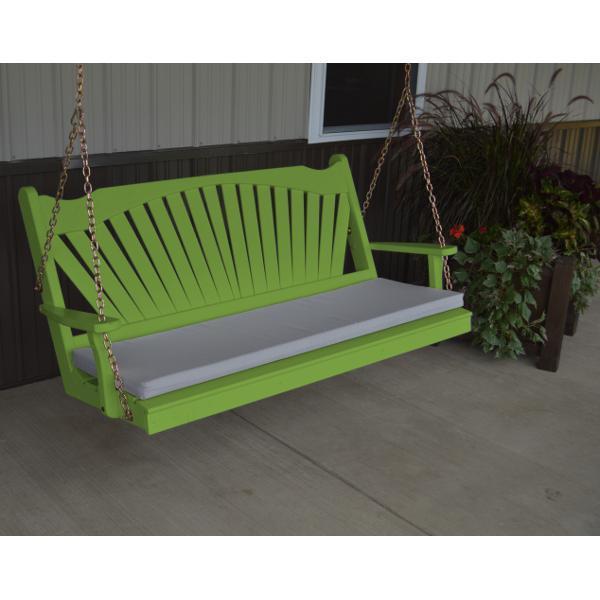
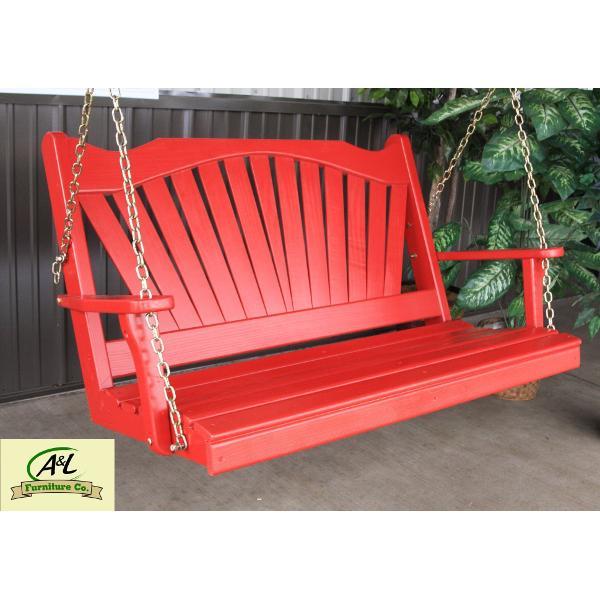
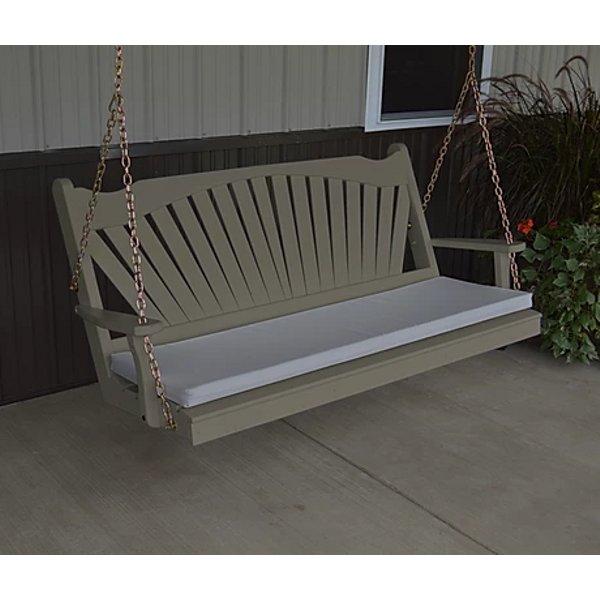
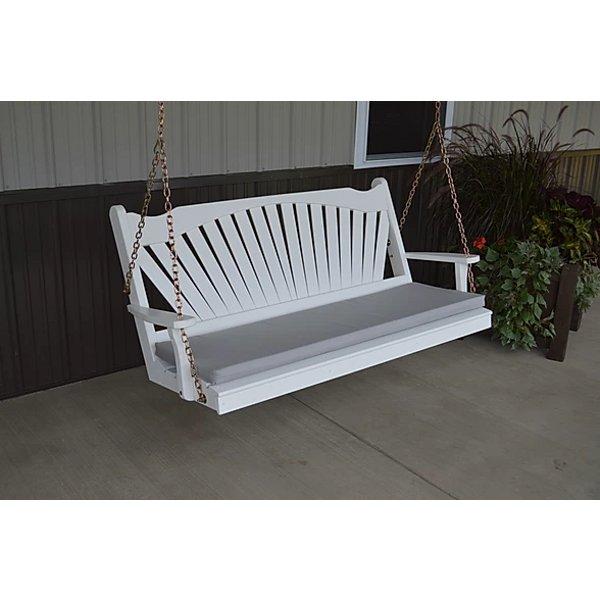
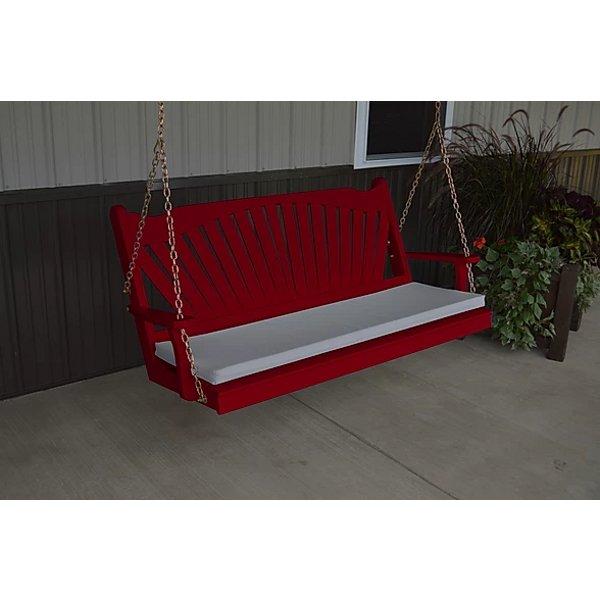
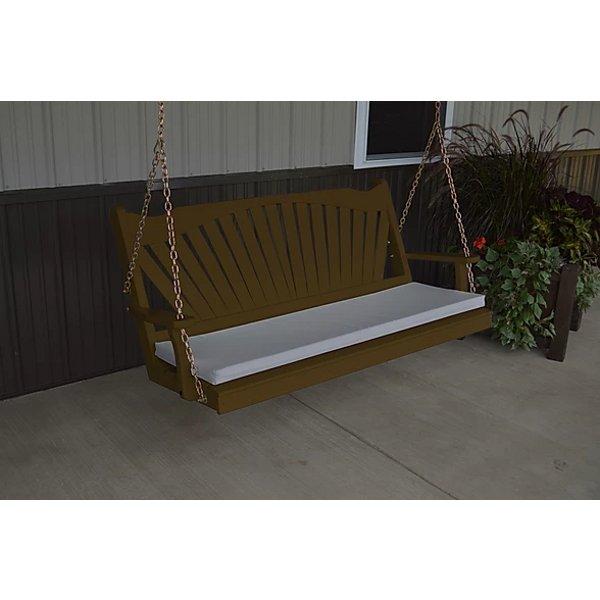
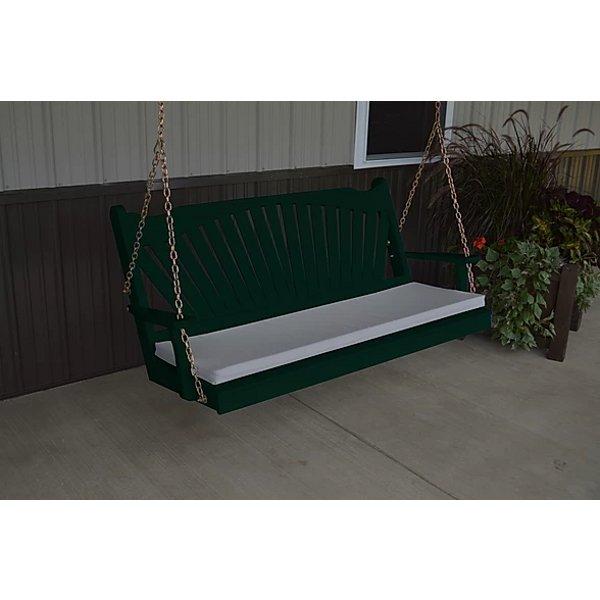
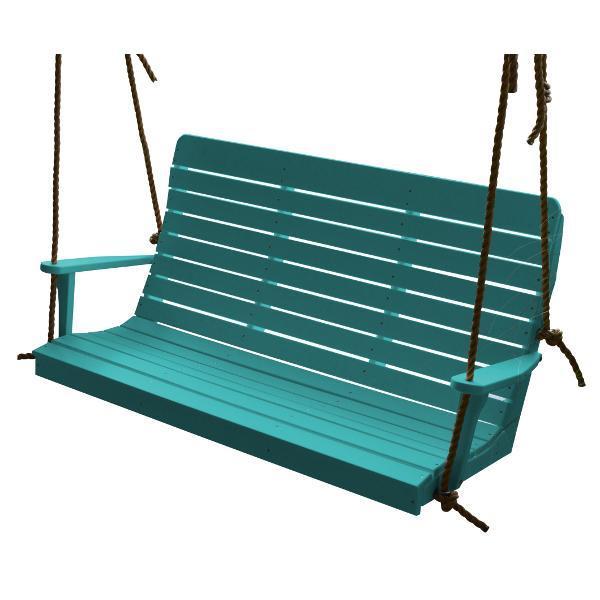
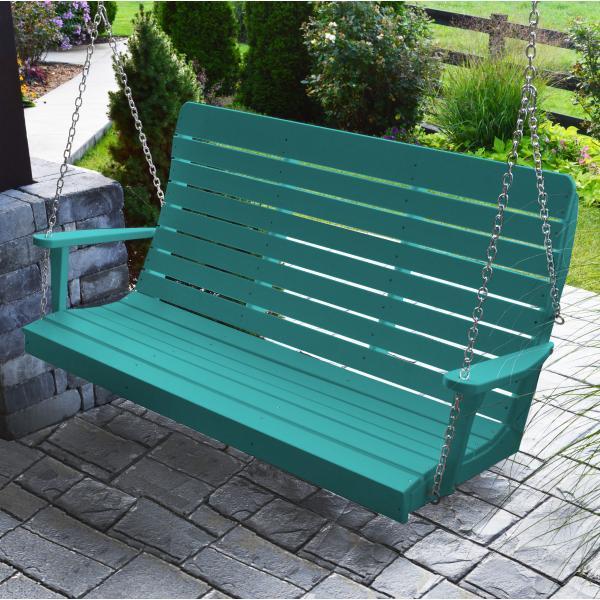
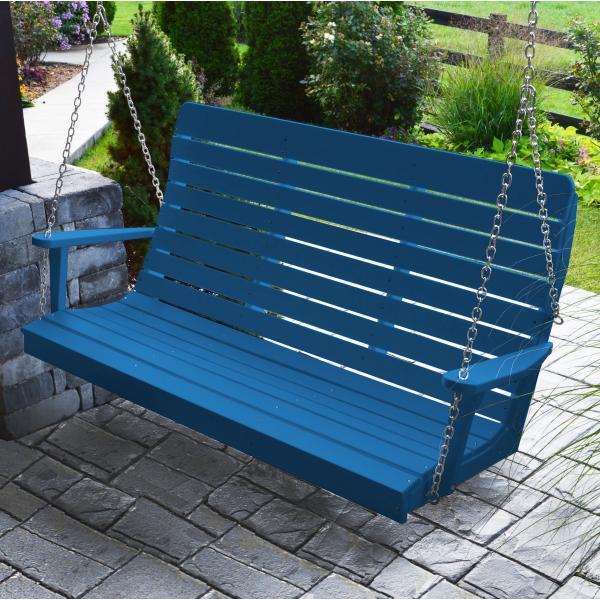
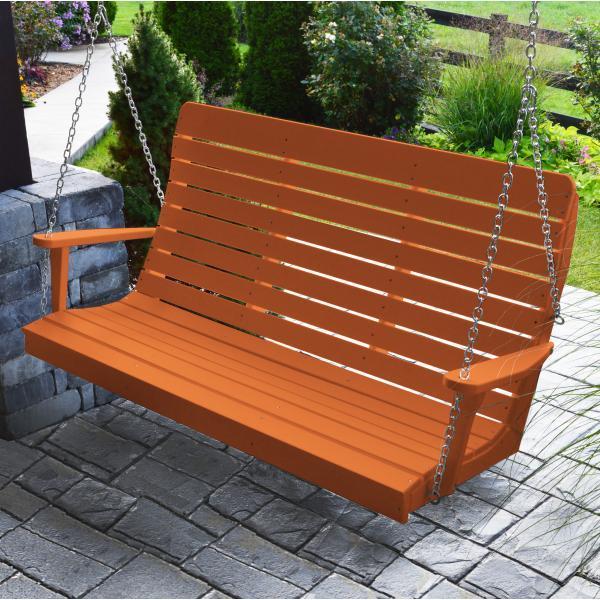
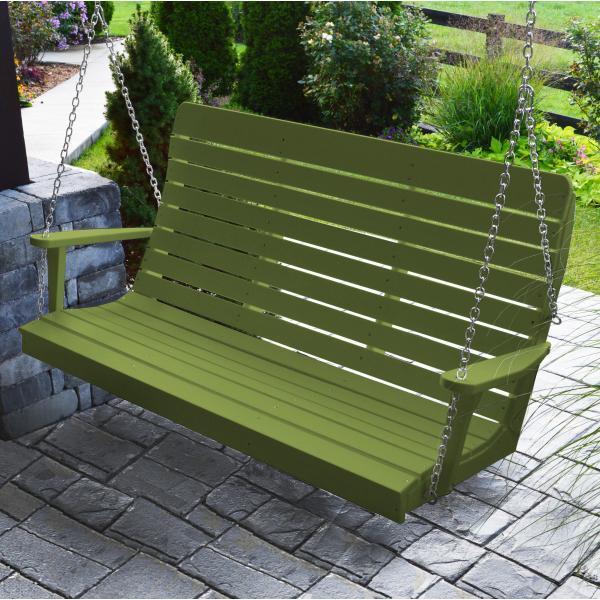
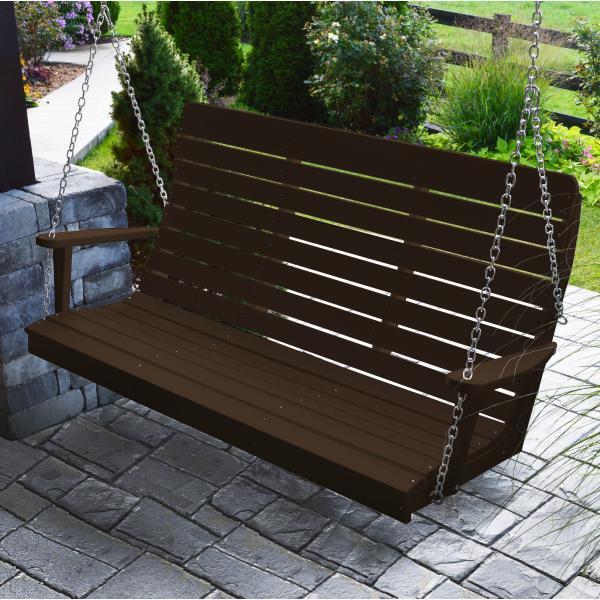
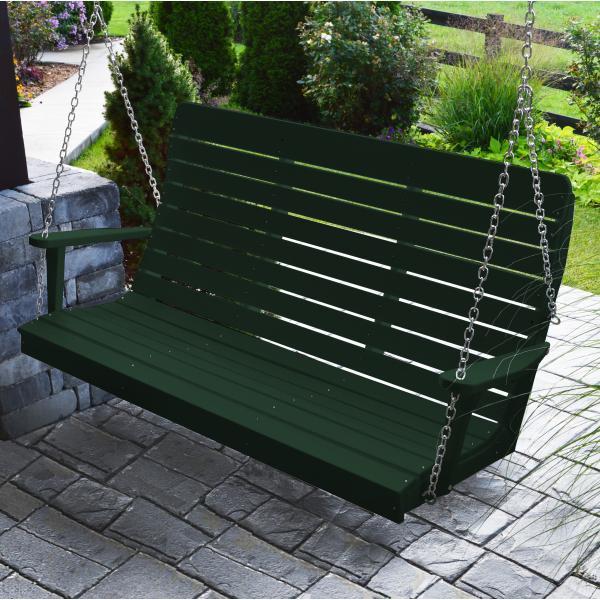
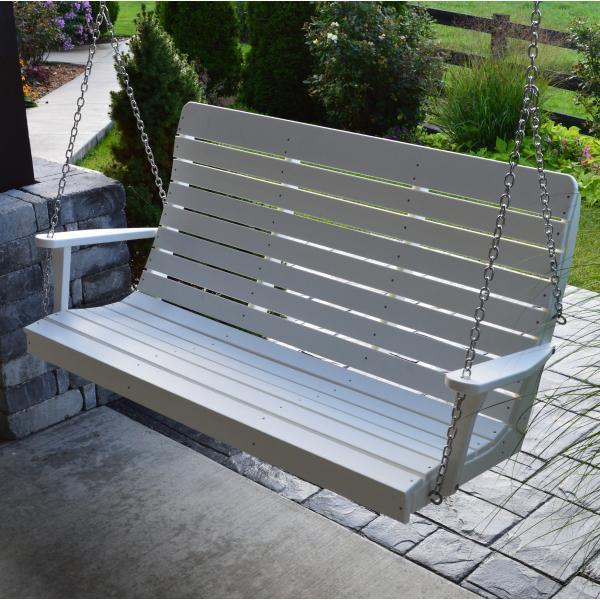
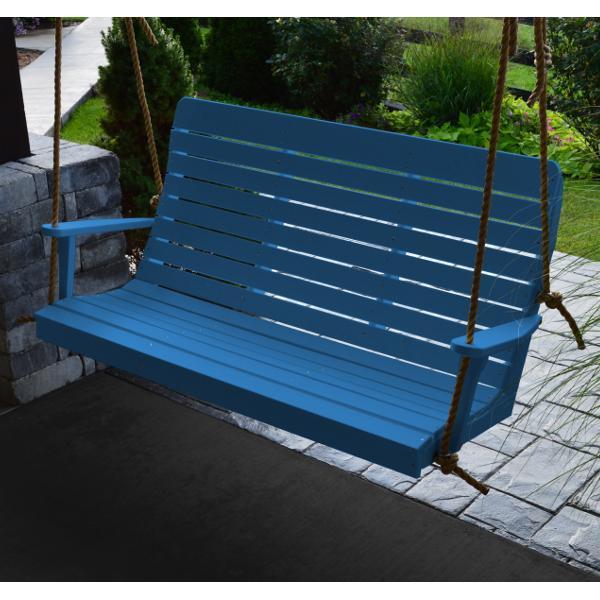
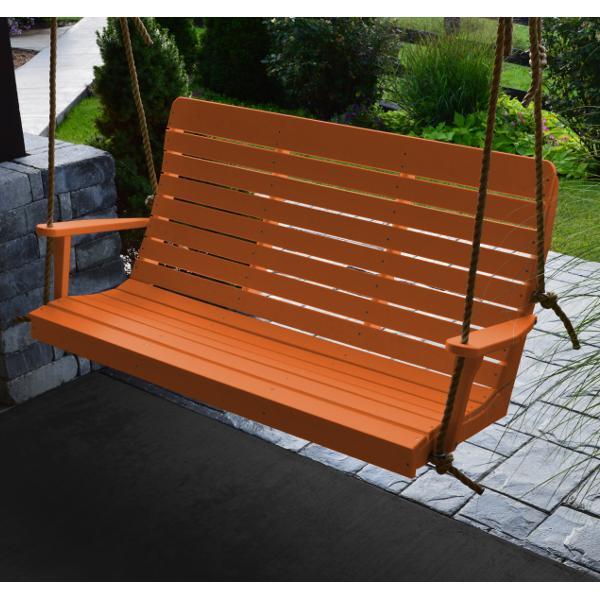
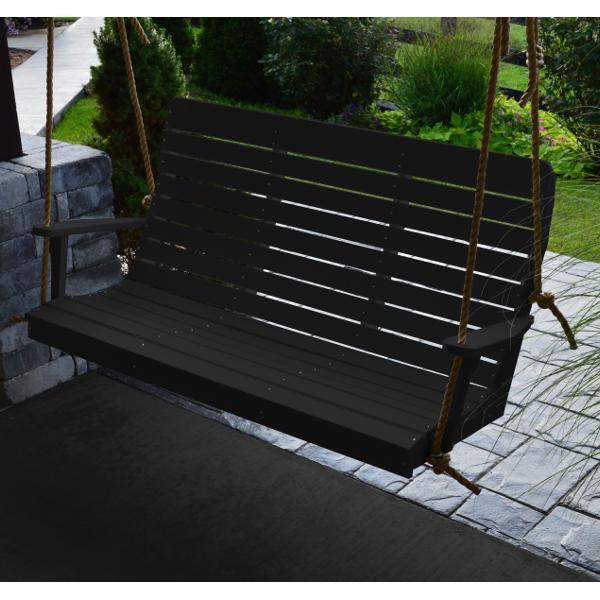
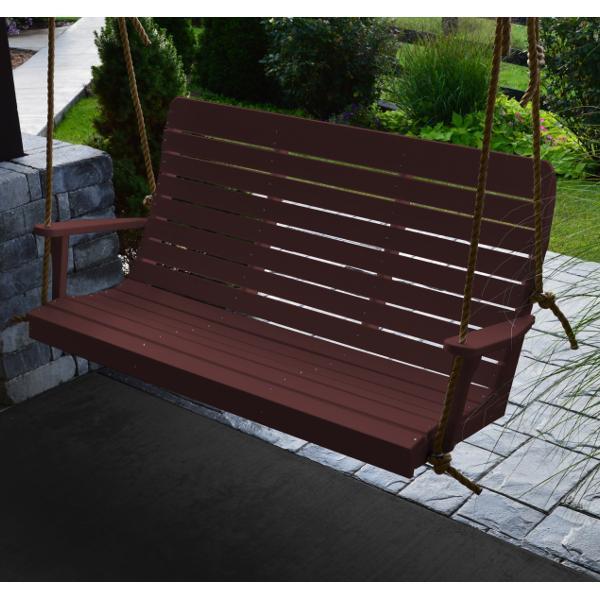
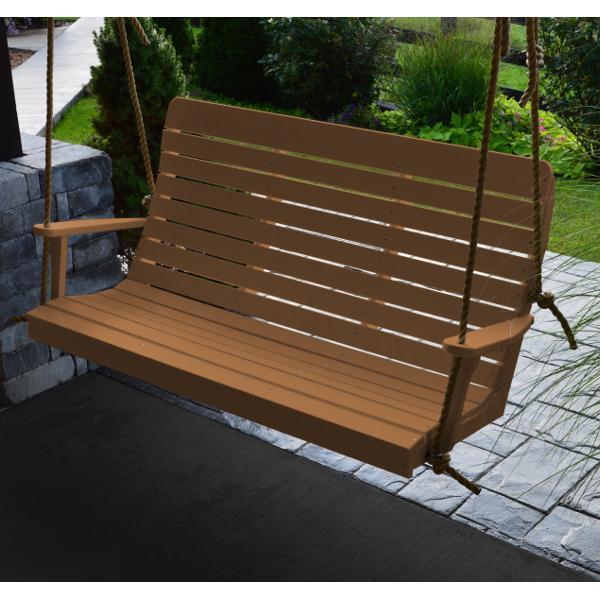
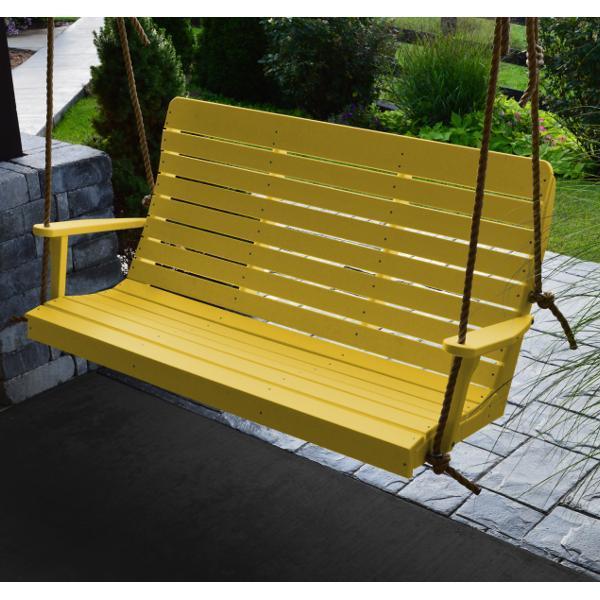
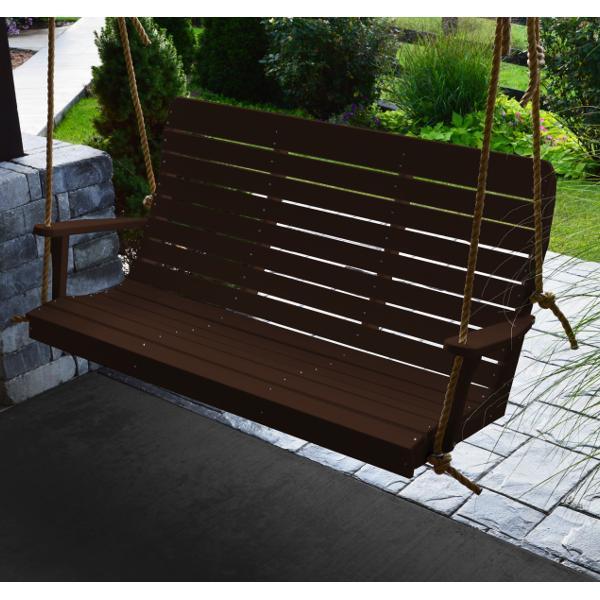
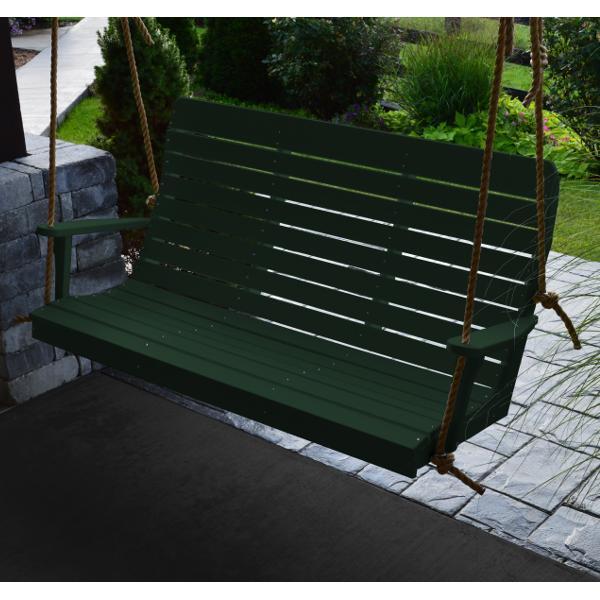
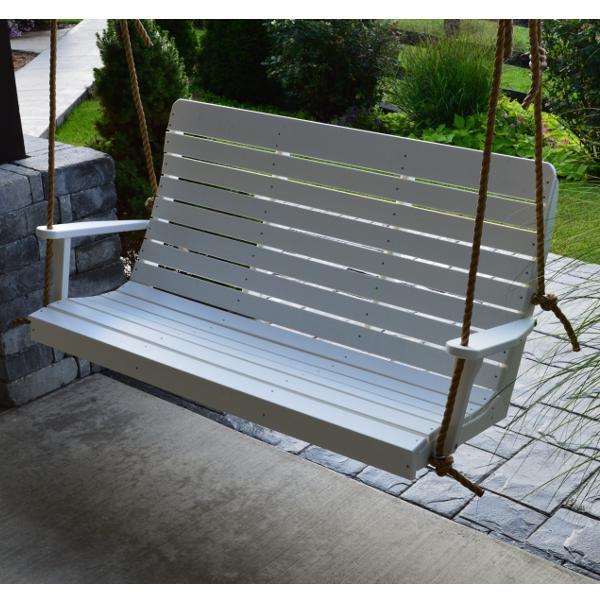
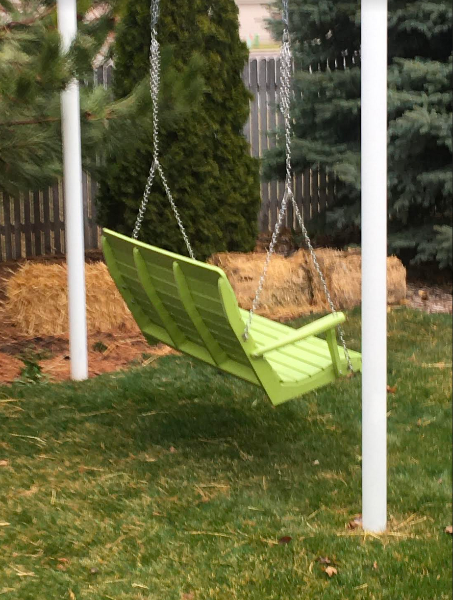
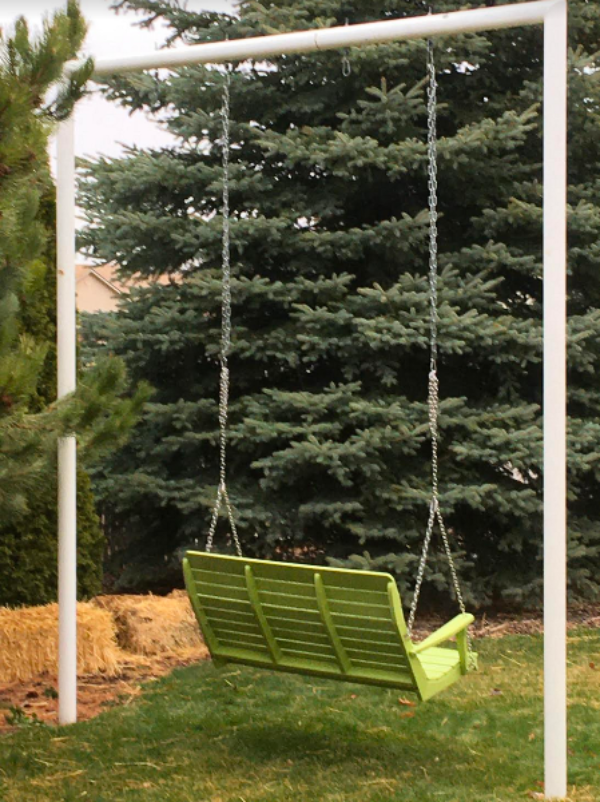
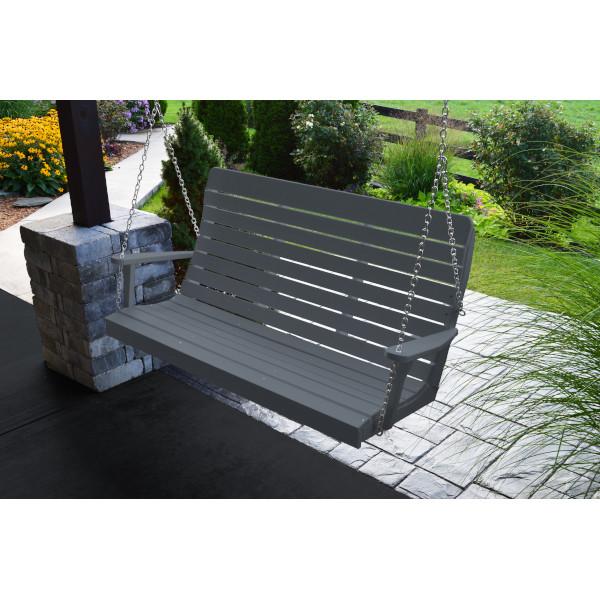
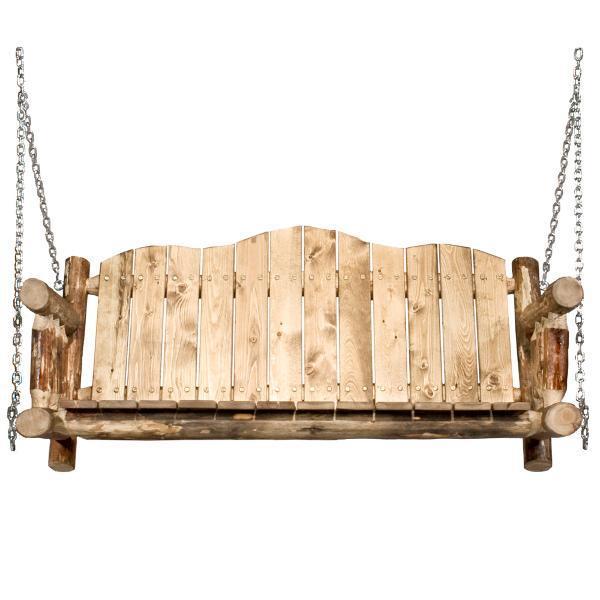
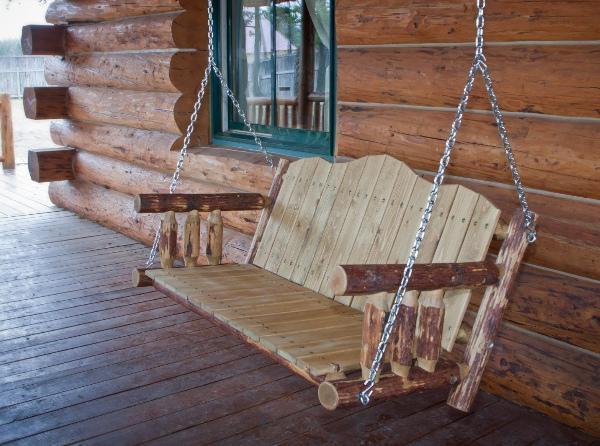
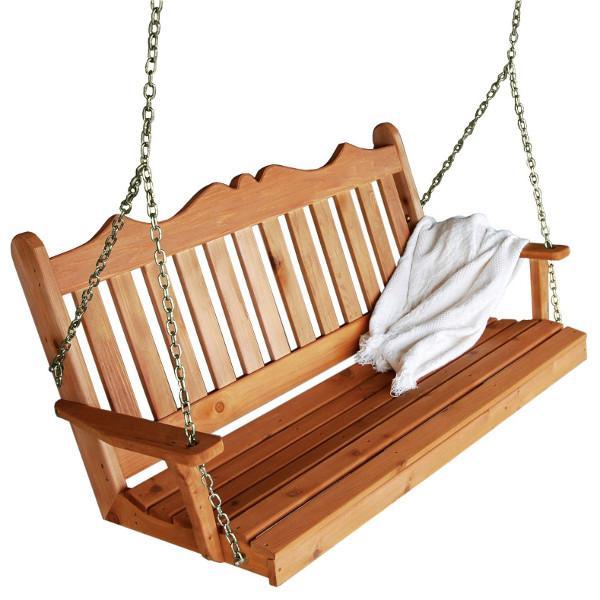
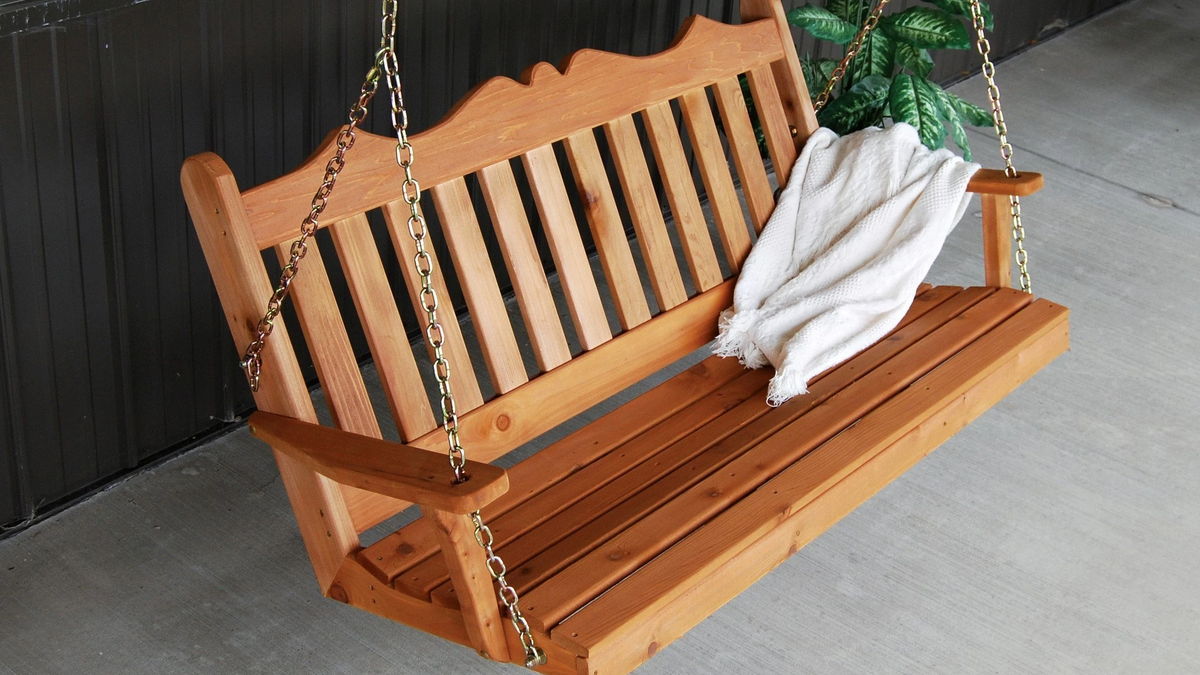
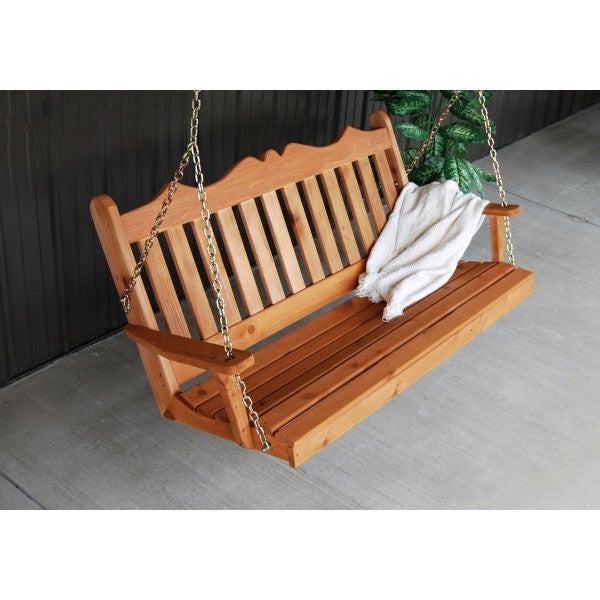
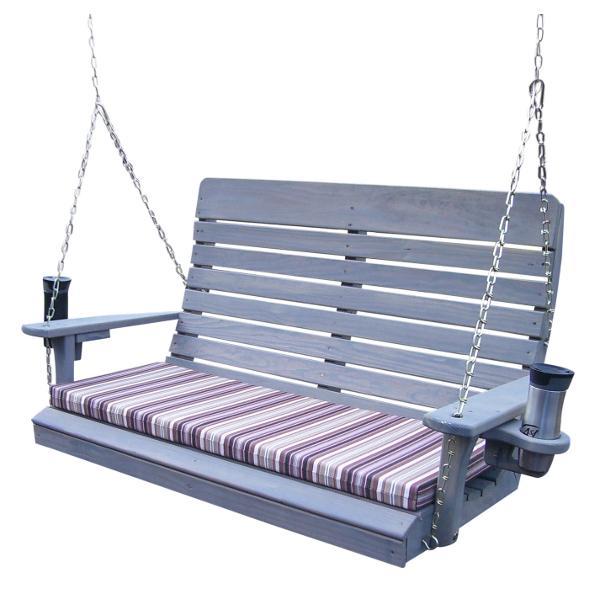
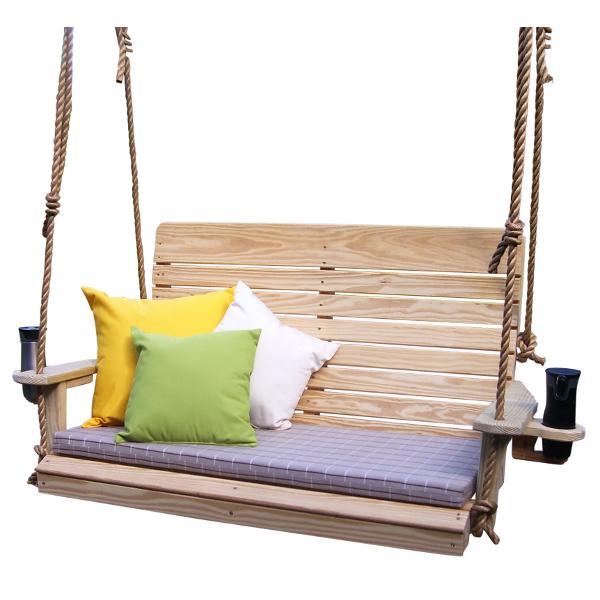
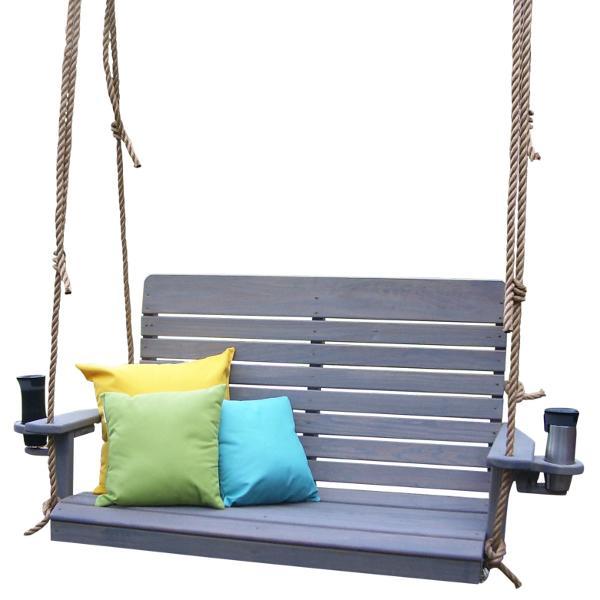
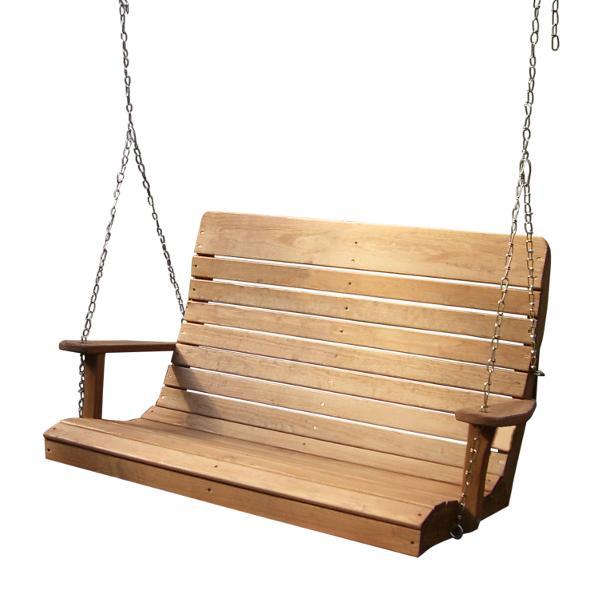
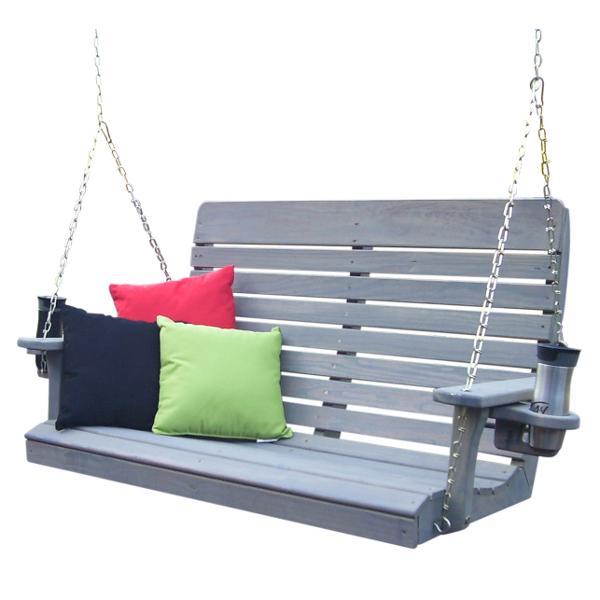
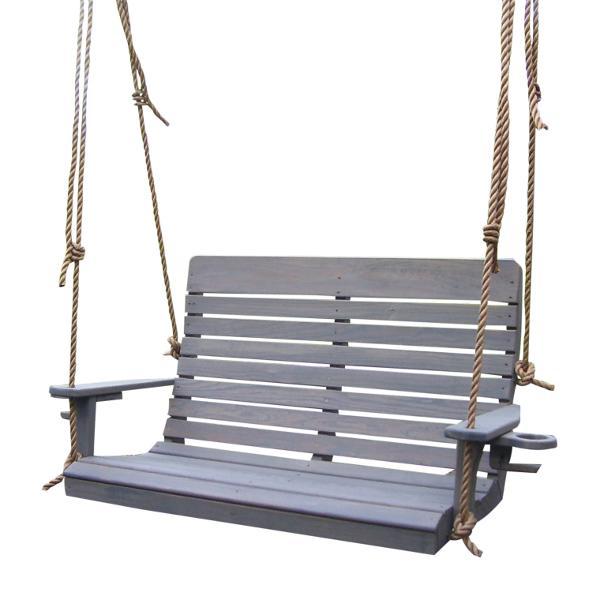
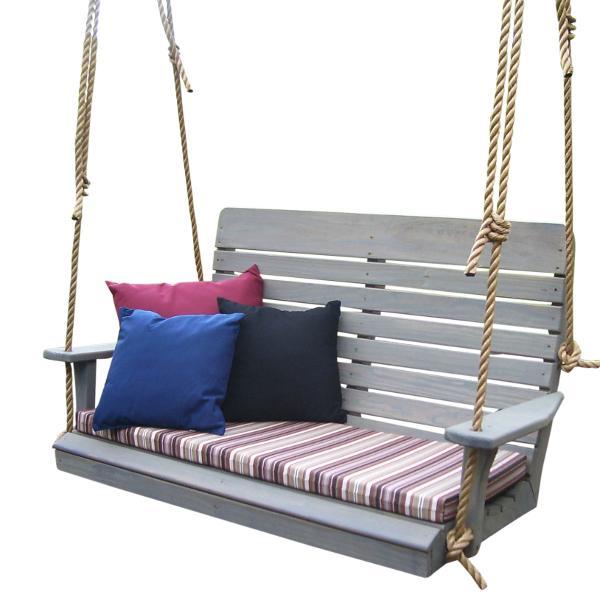
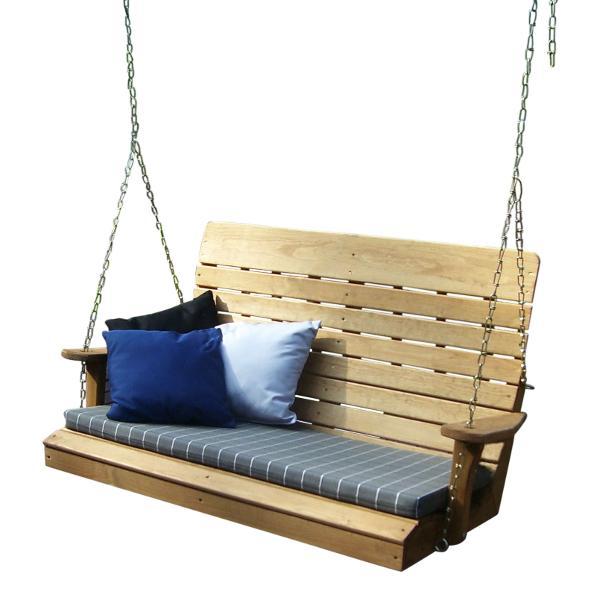
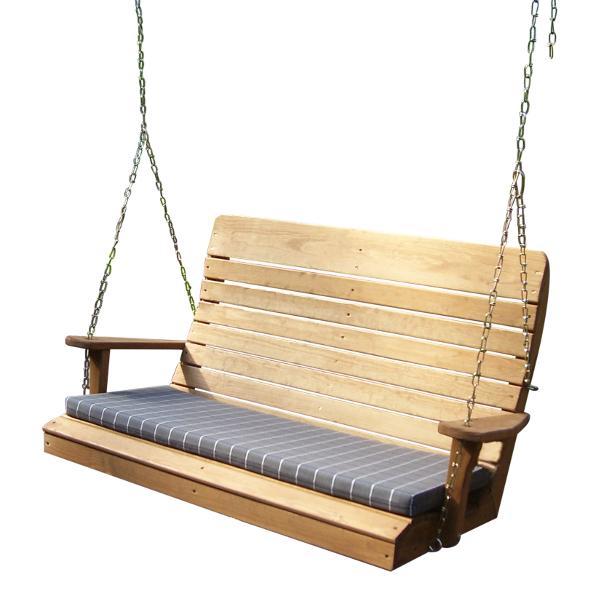
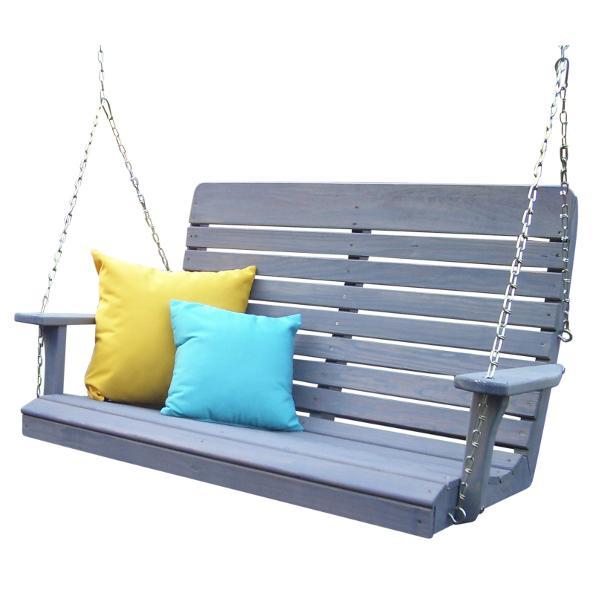
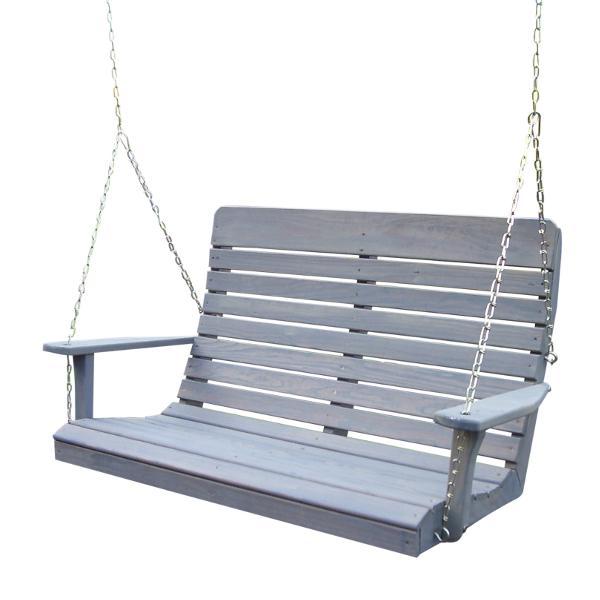
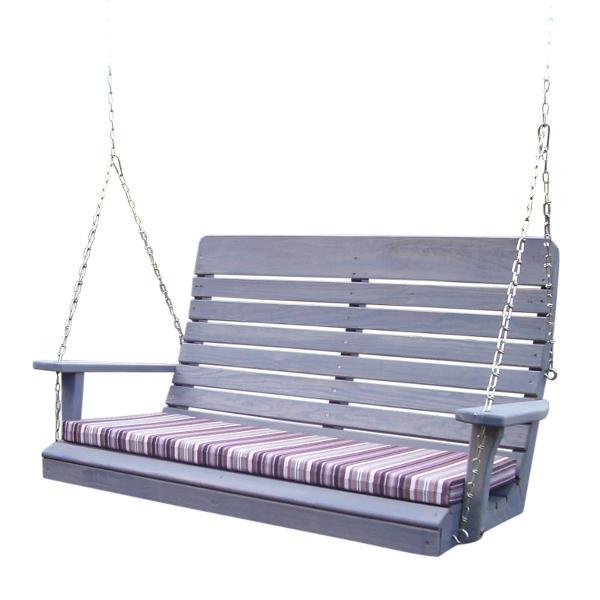
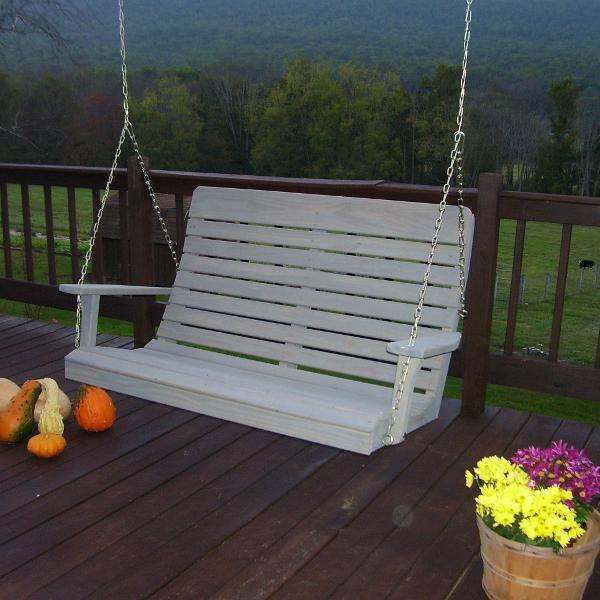
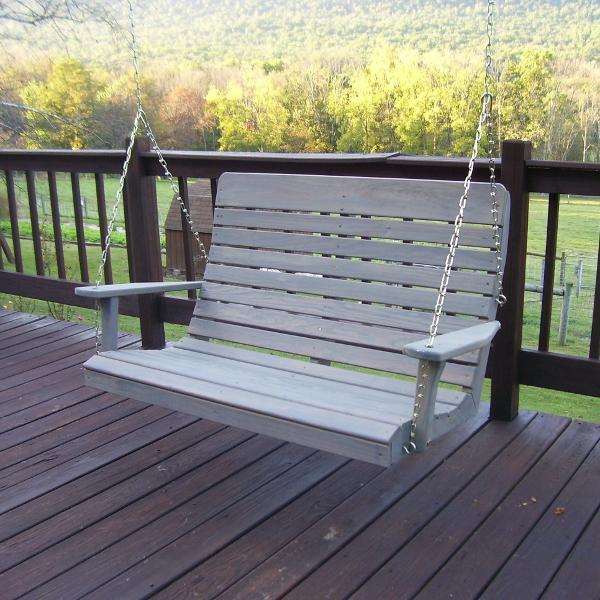
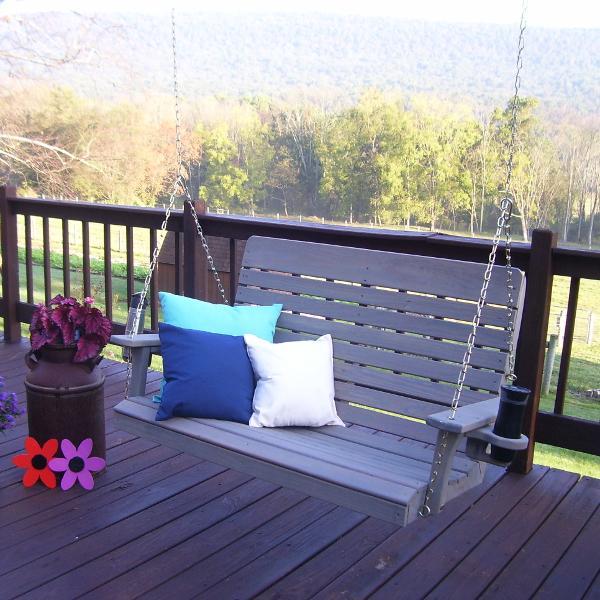
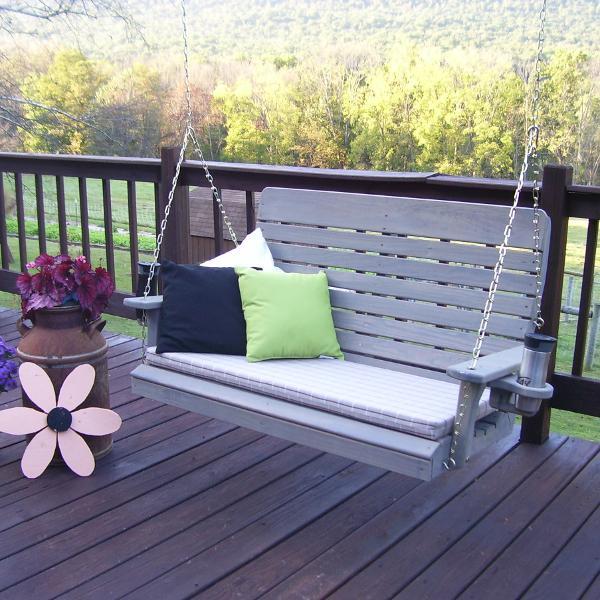
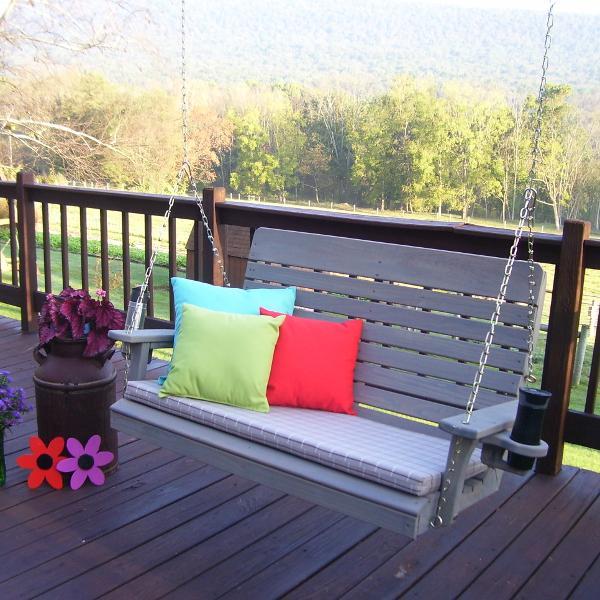
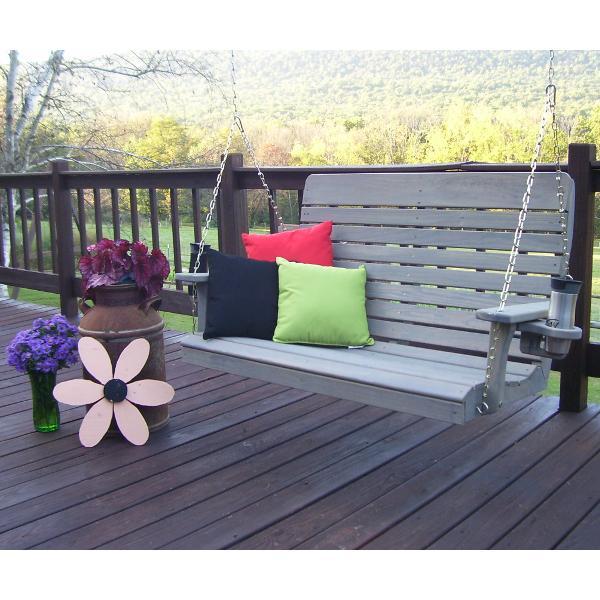
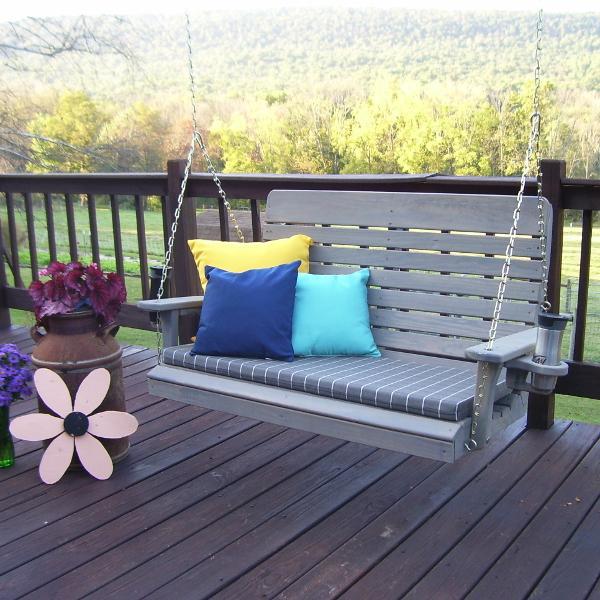
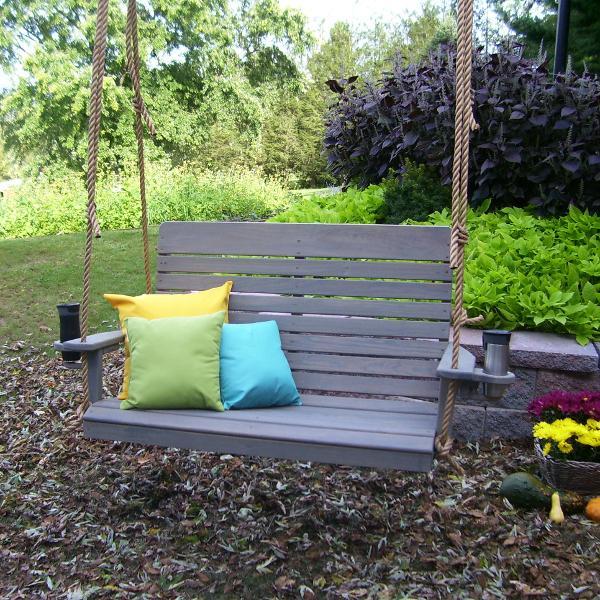
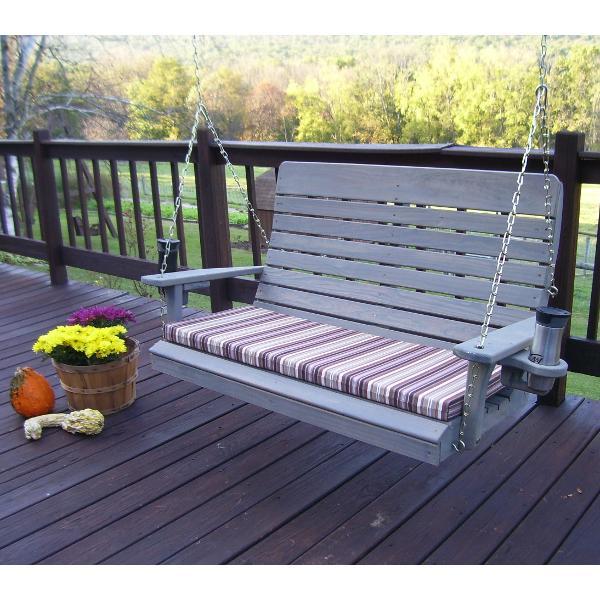
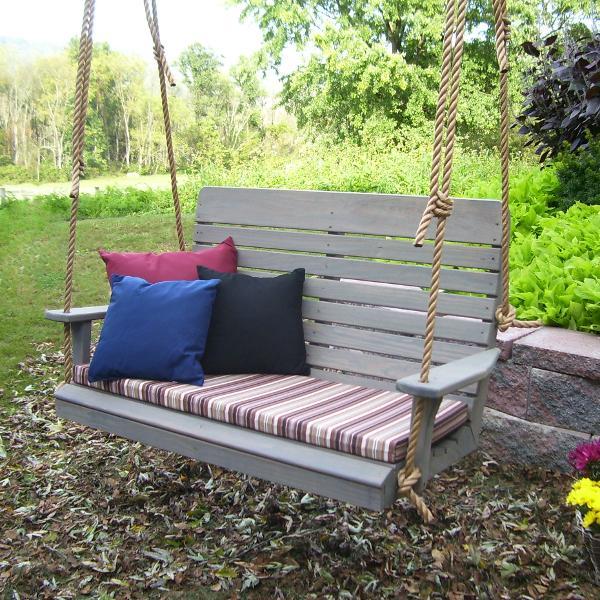
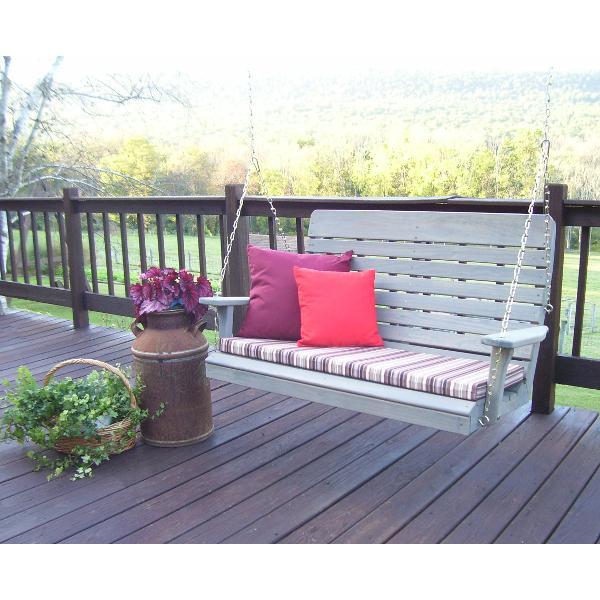
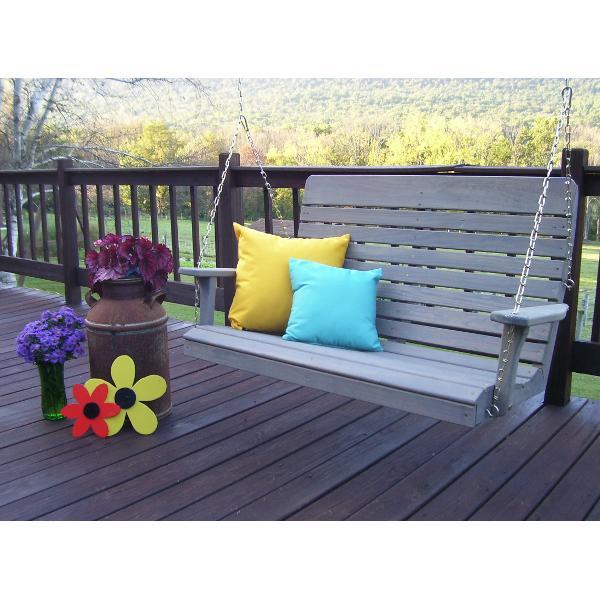
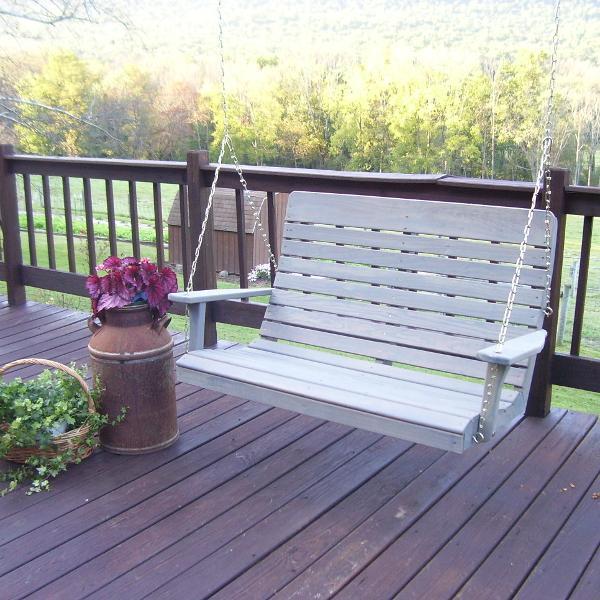
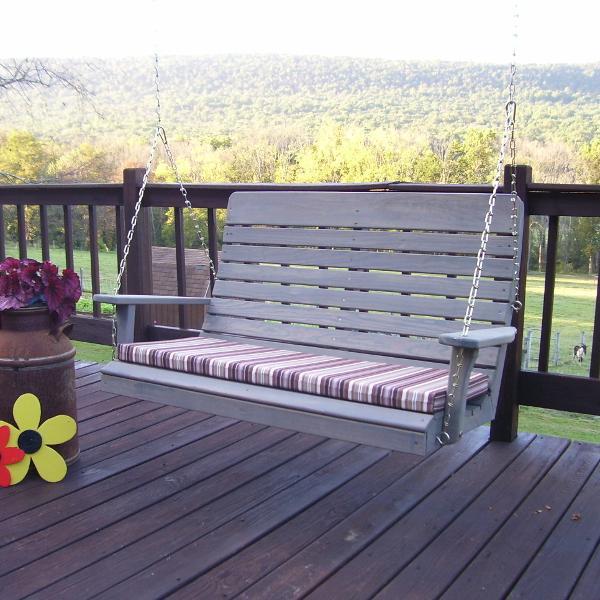
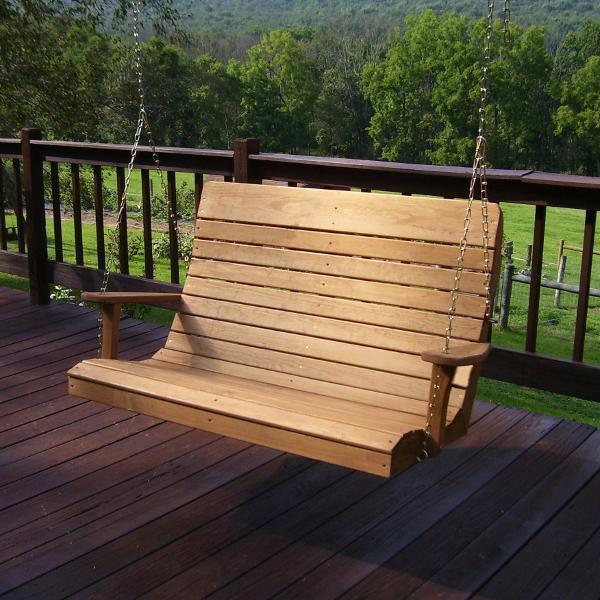
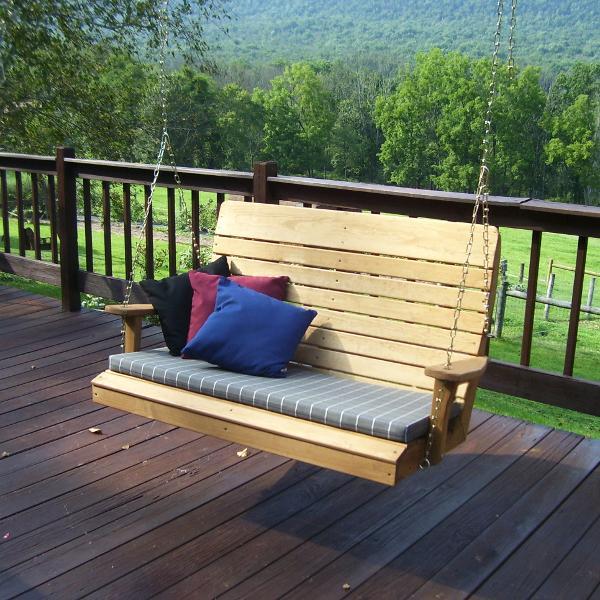
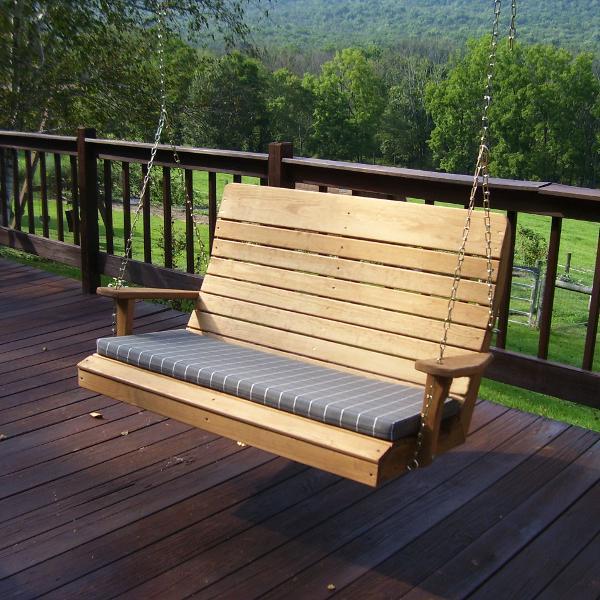
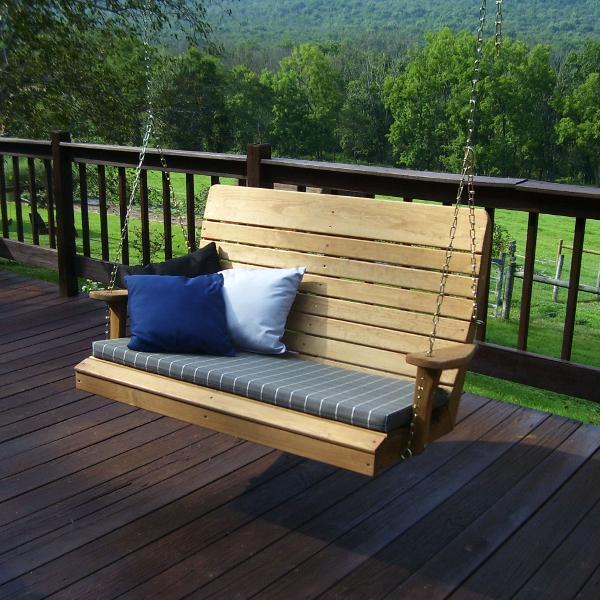
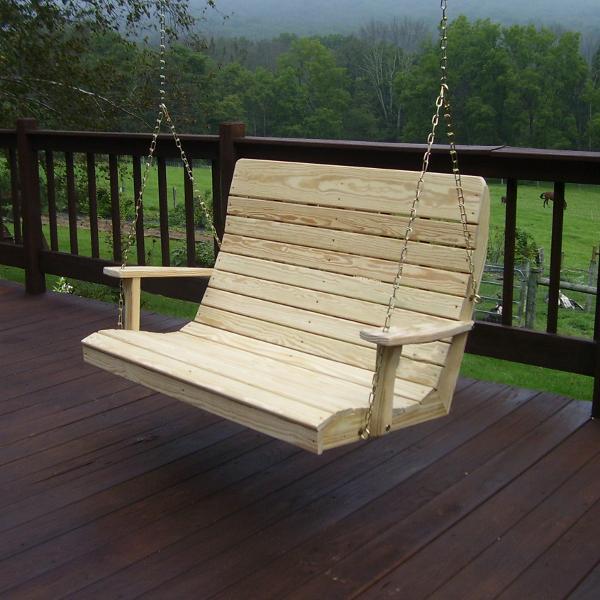
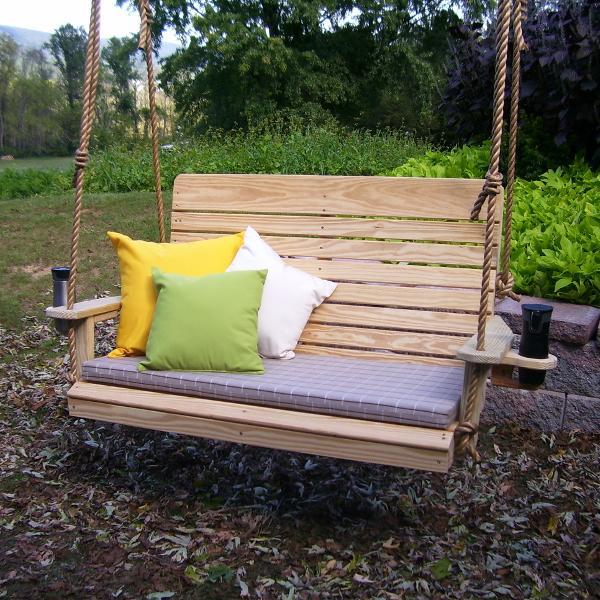
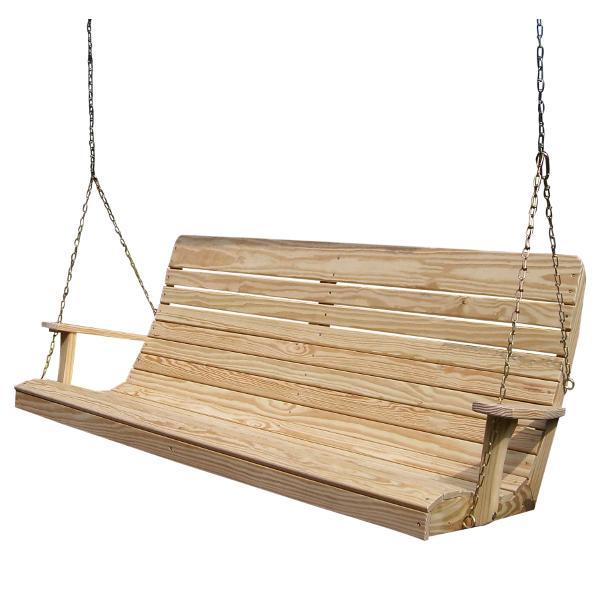
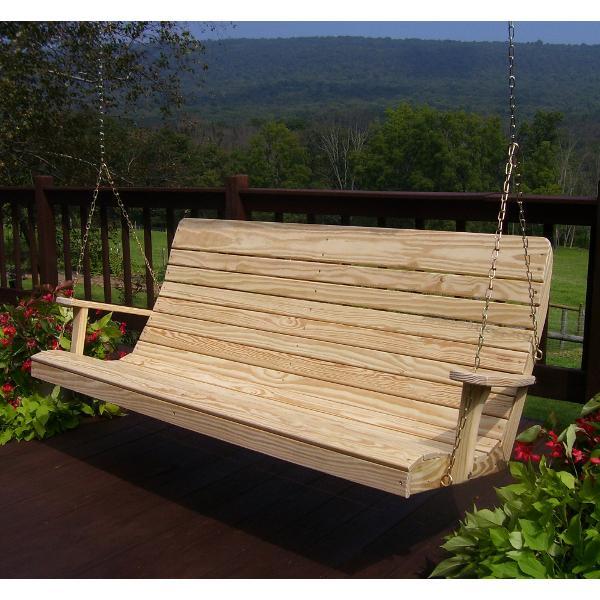
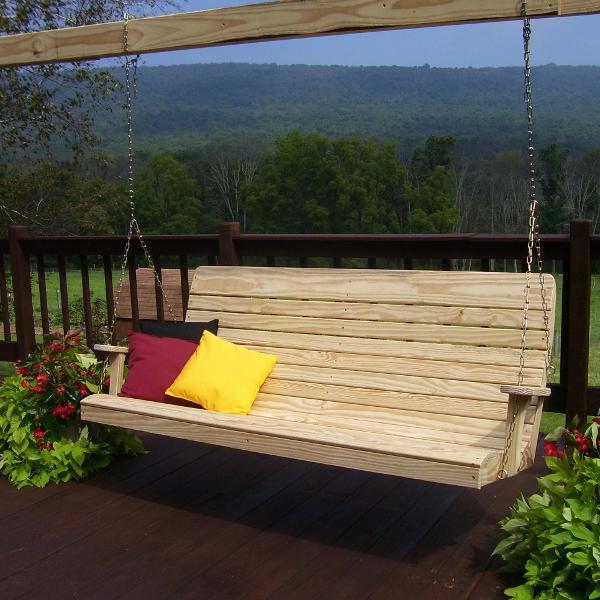
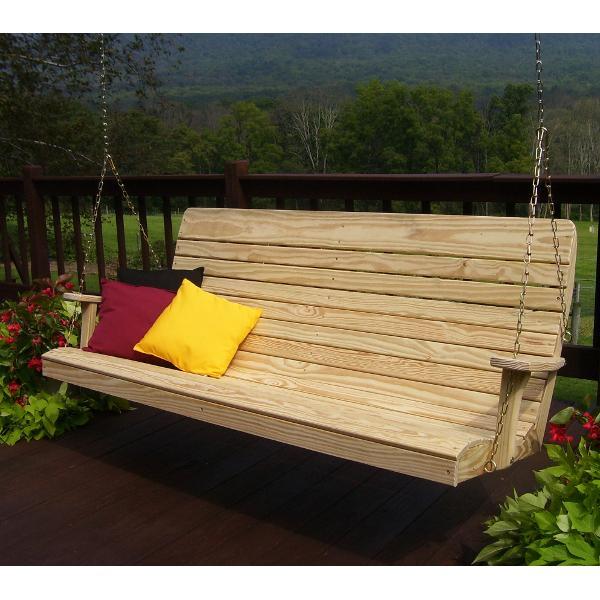
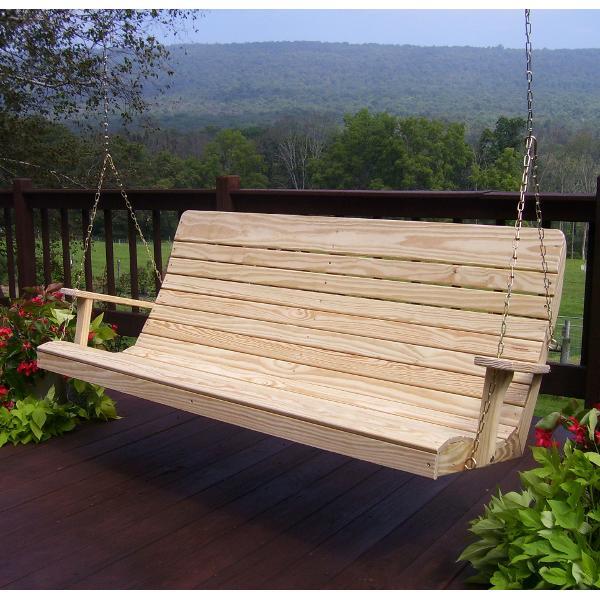
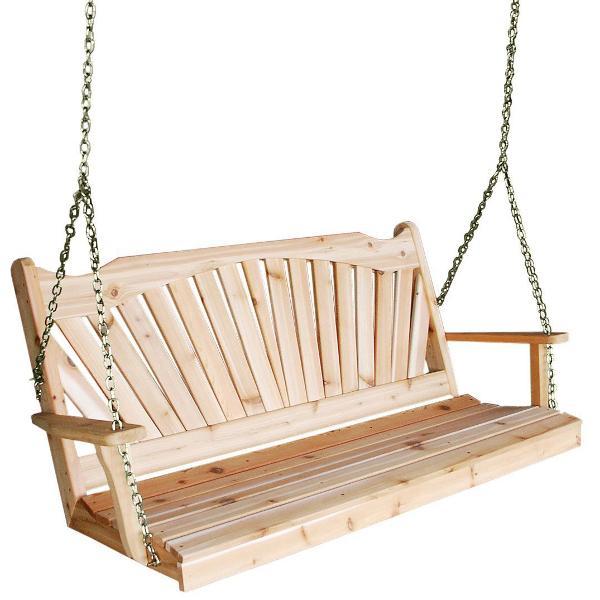
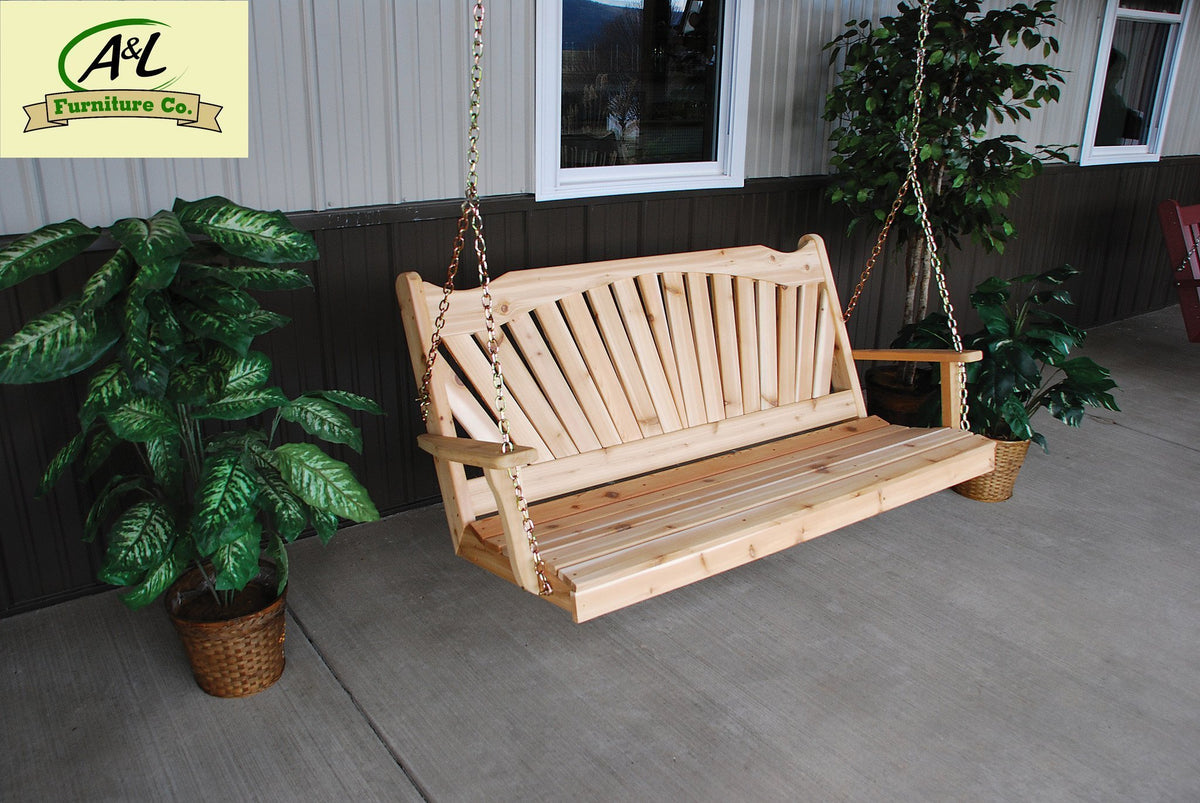
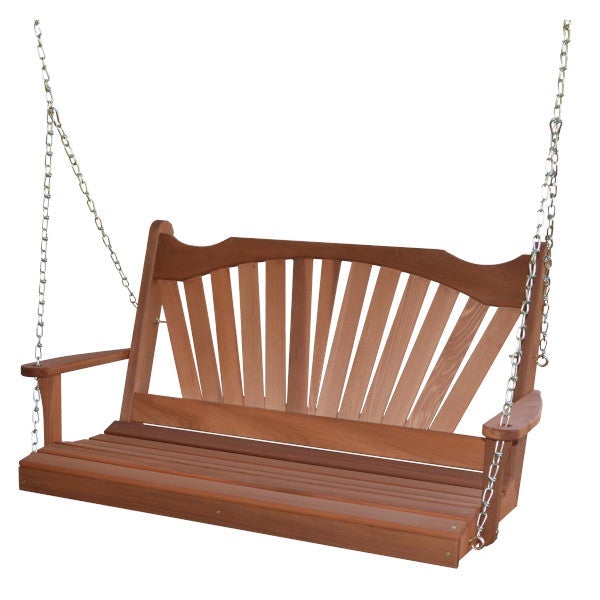
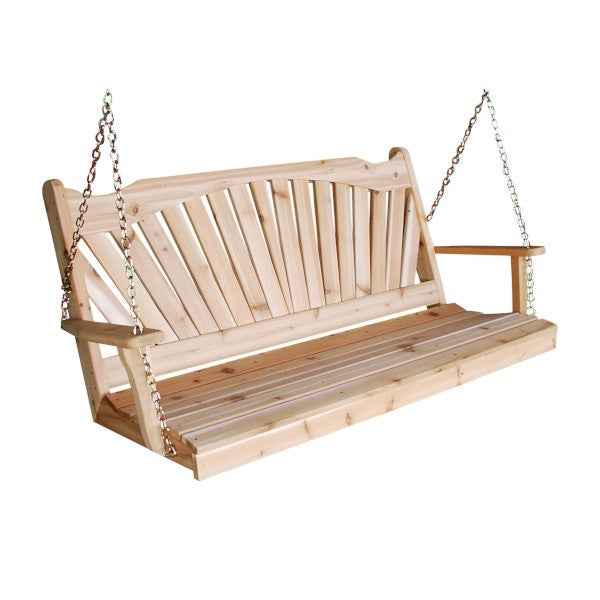
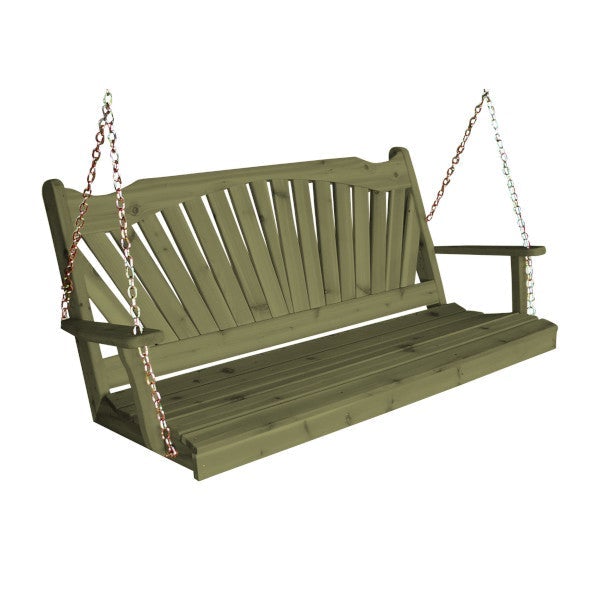
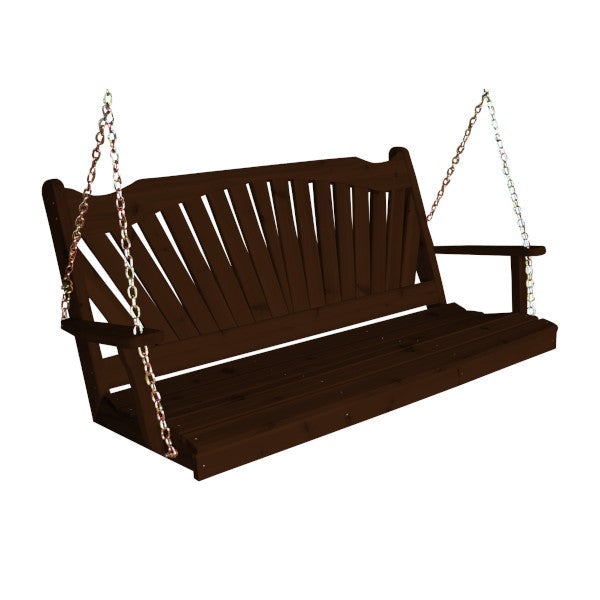
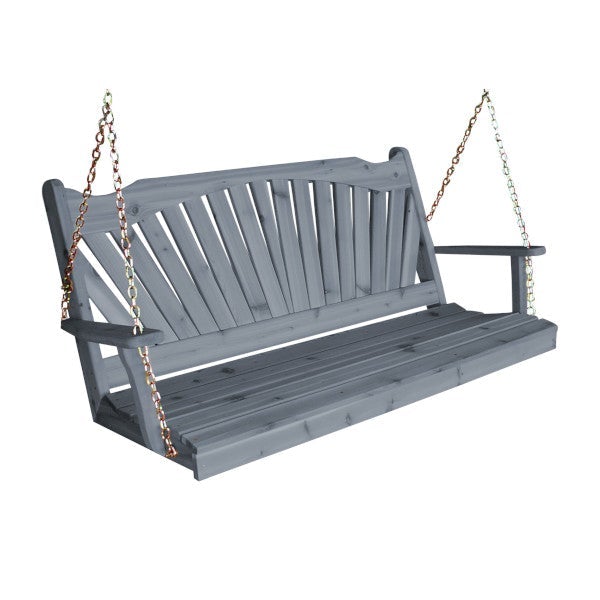
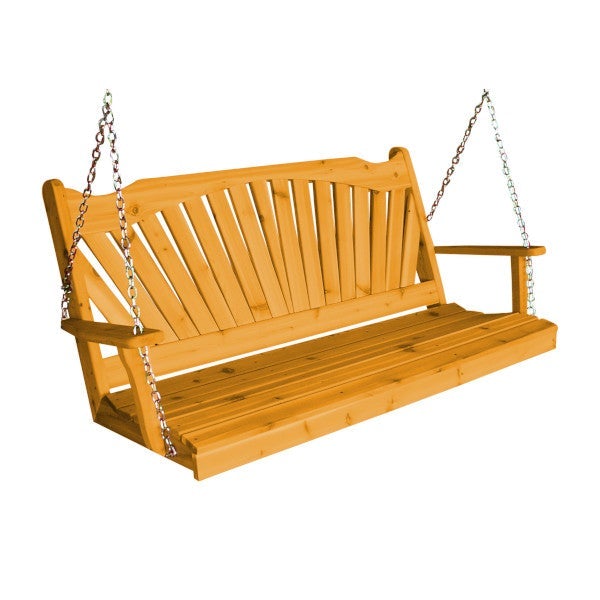
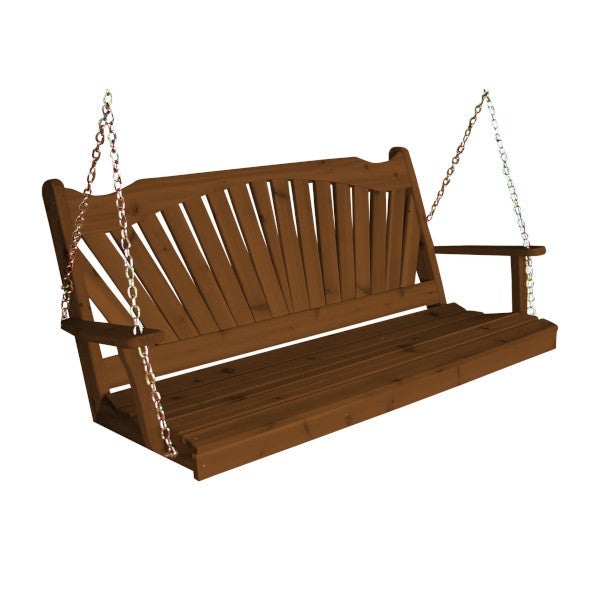
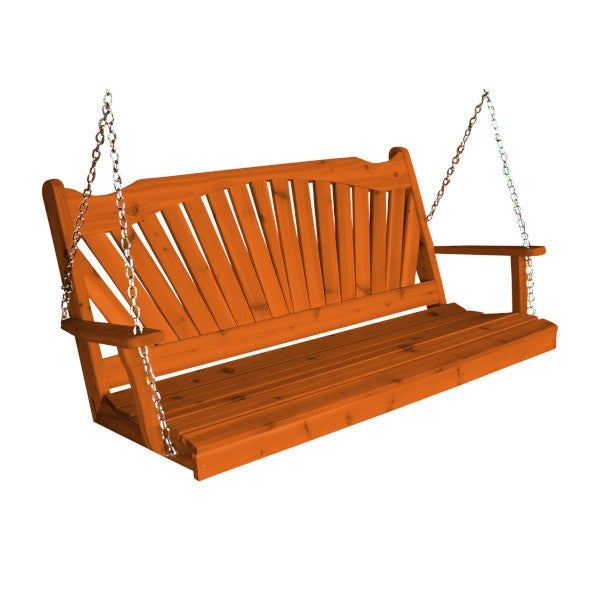
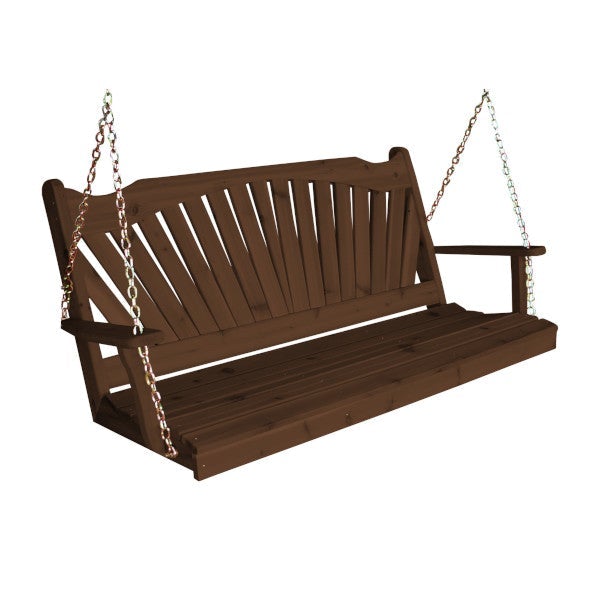
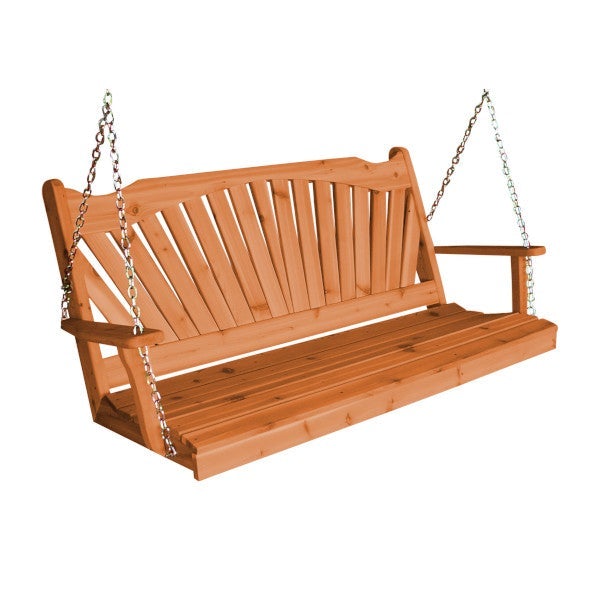
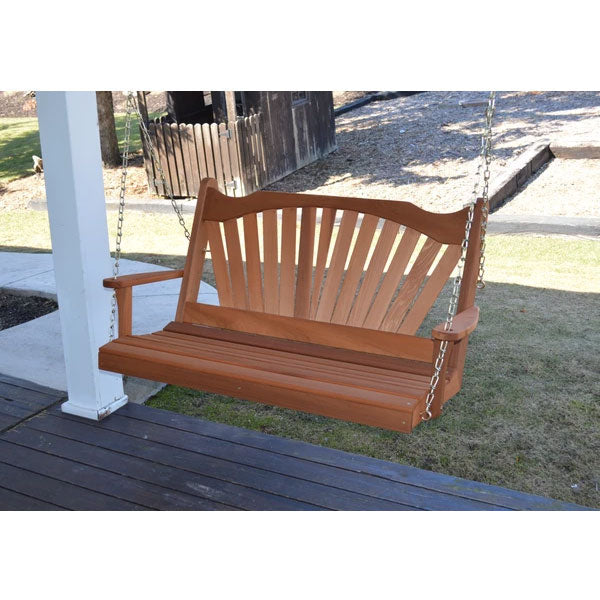
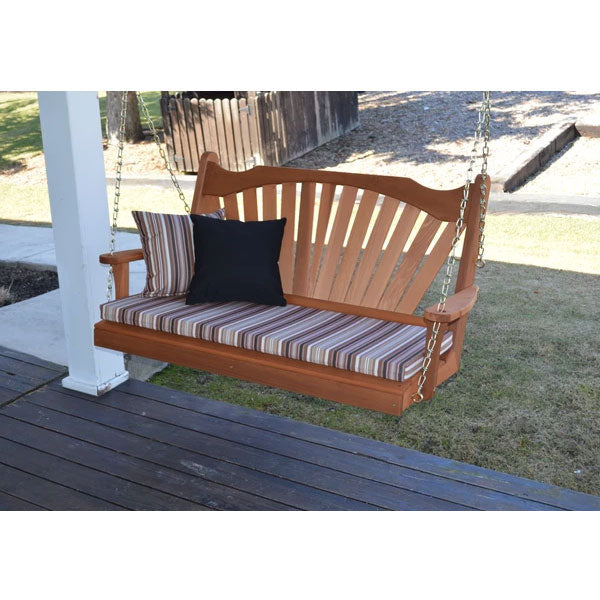
A modern porch swing or swing porch is one of the most iconic elements of a porch, and we're here to give you the best of the best. We have modern swings made from premium materials, like our classic Wood Porch Swings, Recycled Plastic Poly Porch Swings, or our more modern Adirondack Swings. And don't forget the Swing Stand for the lawn, cozy swing cushions, and pillows for that ultimate relaxation.
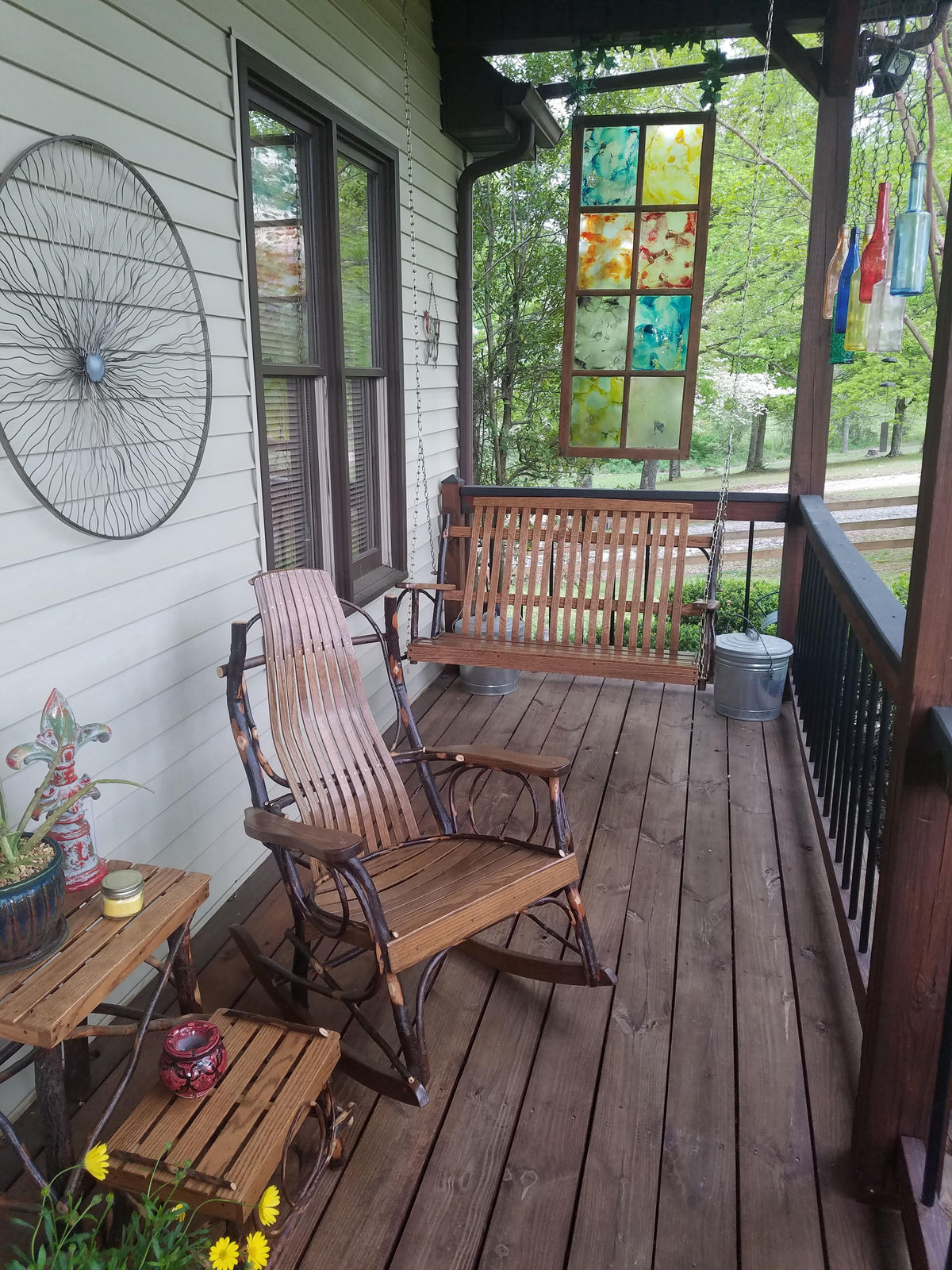
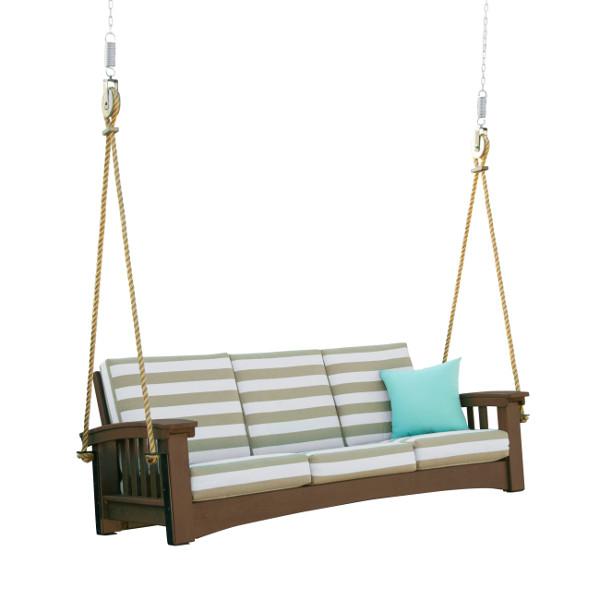
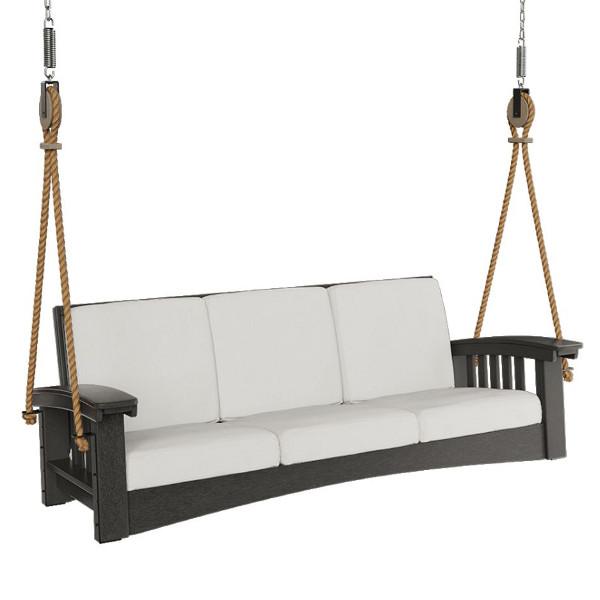
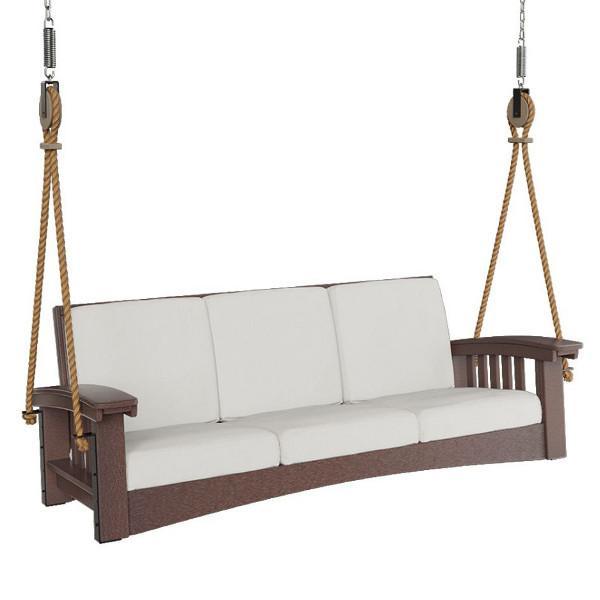
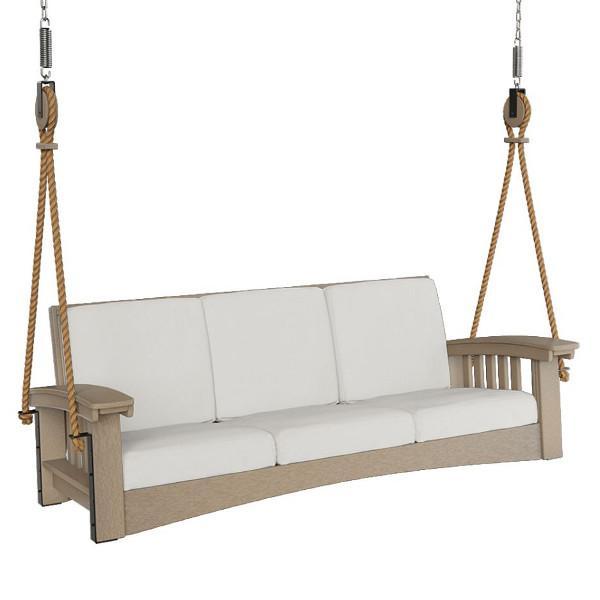
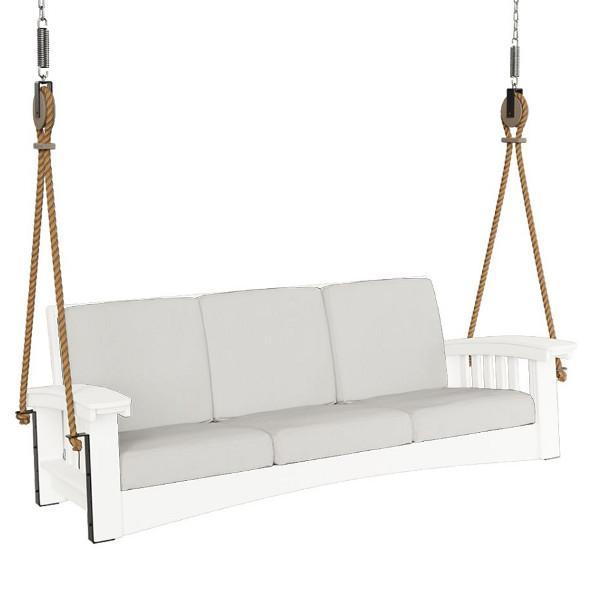
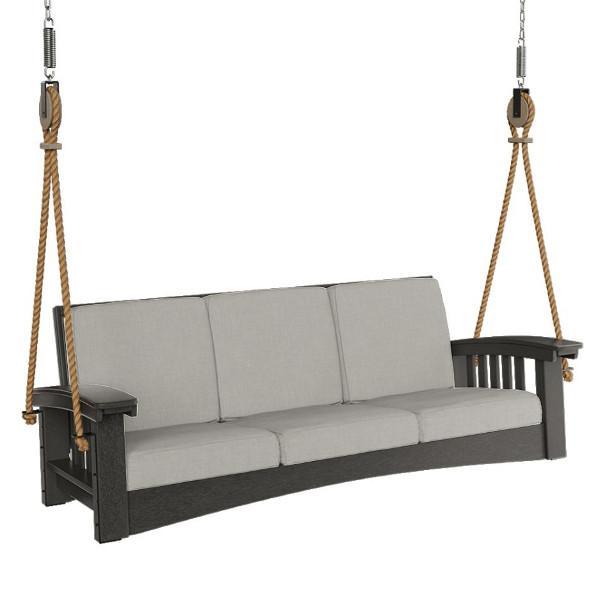
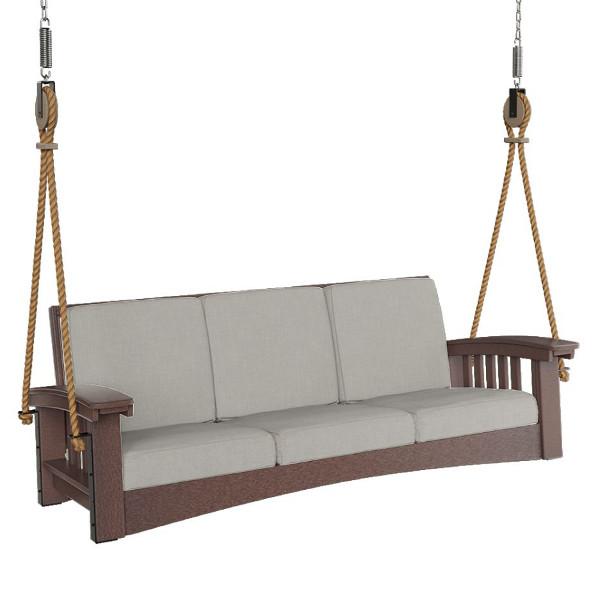
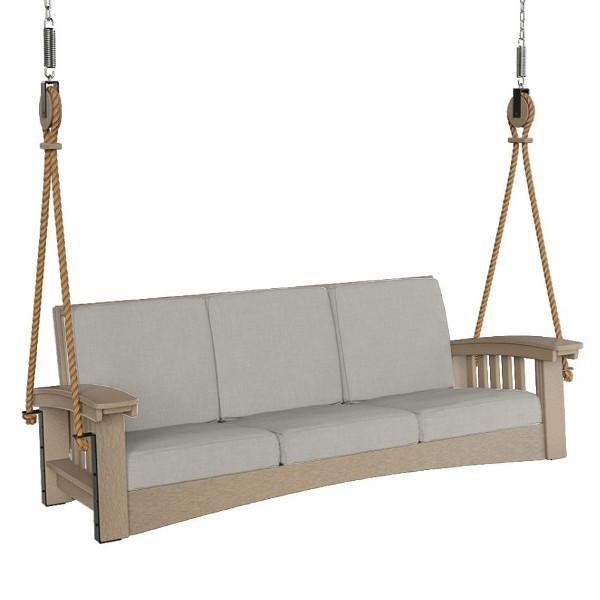
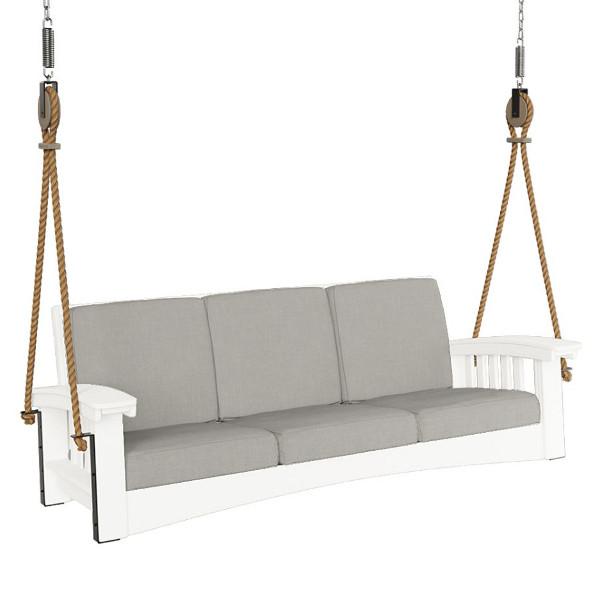
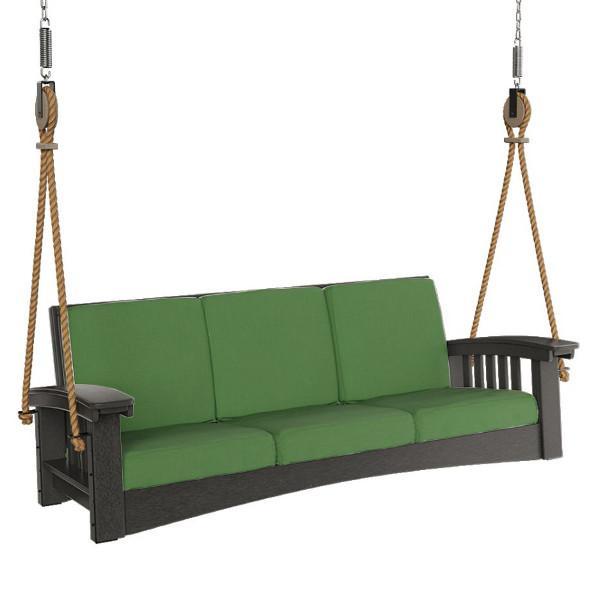
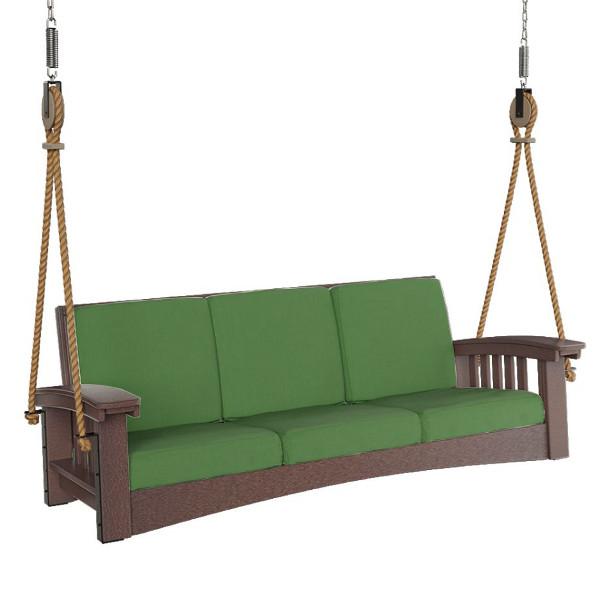
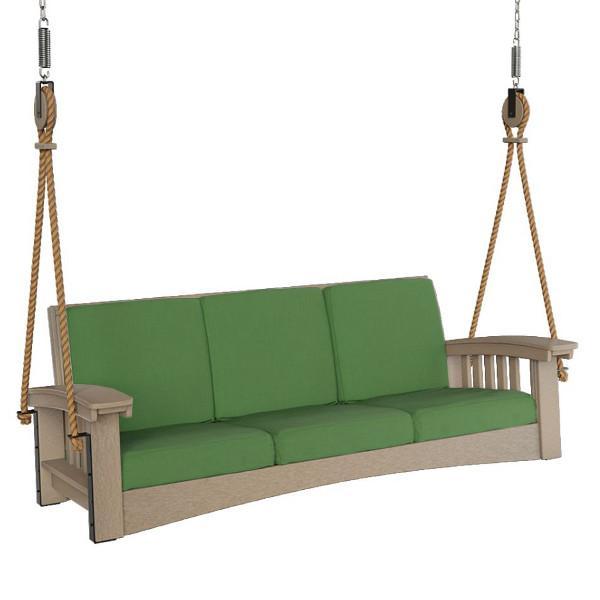
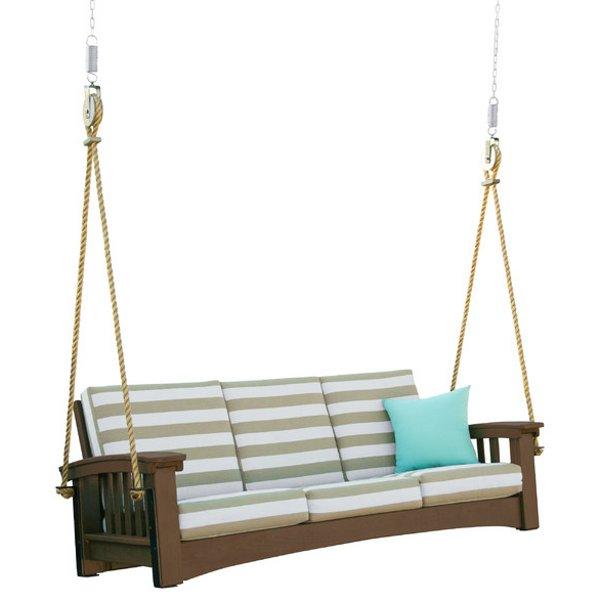
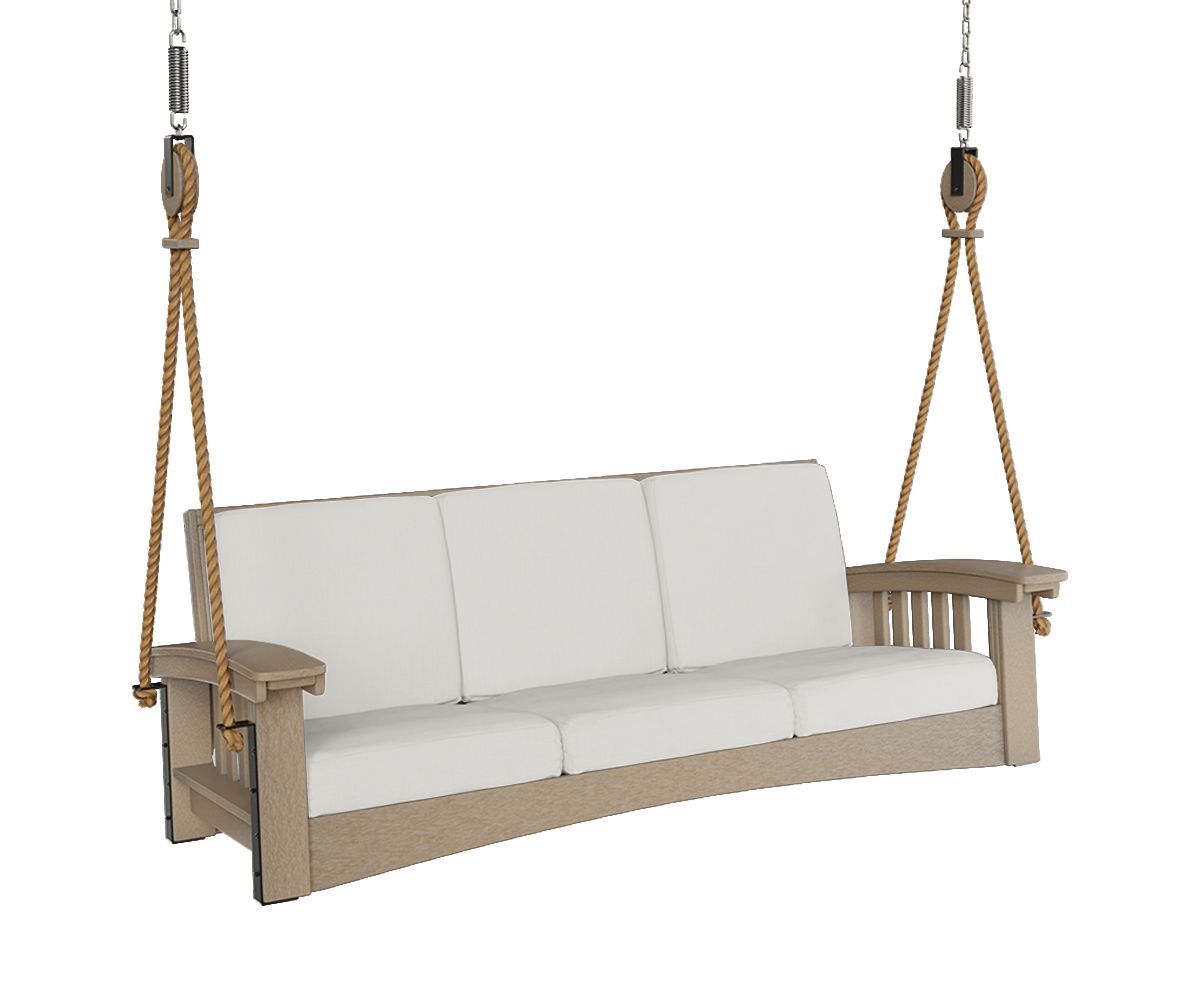
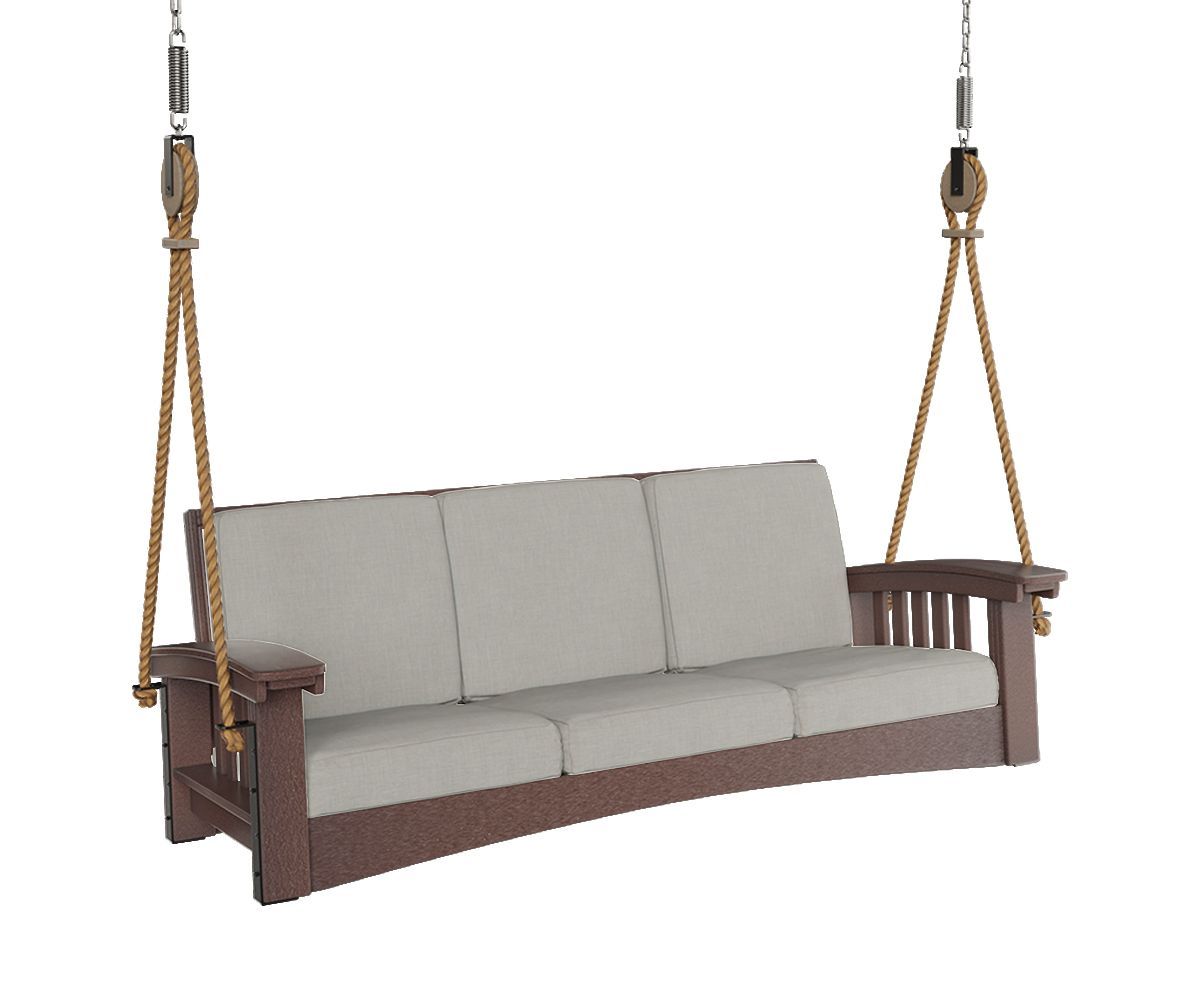
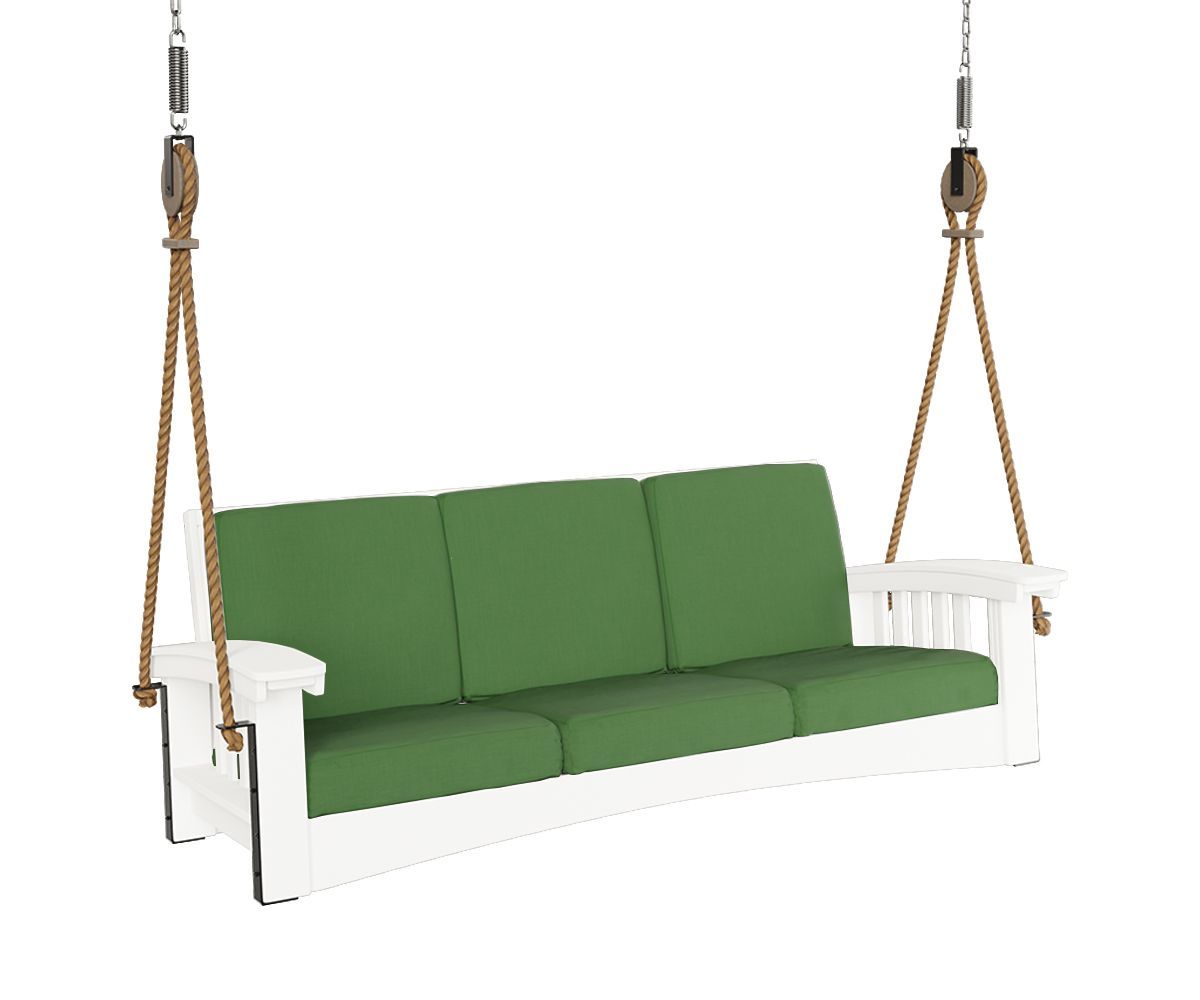
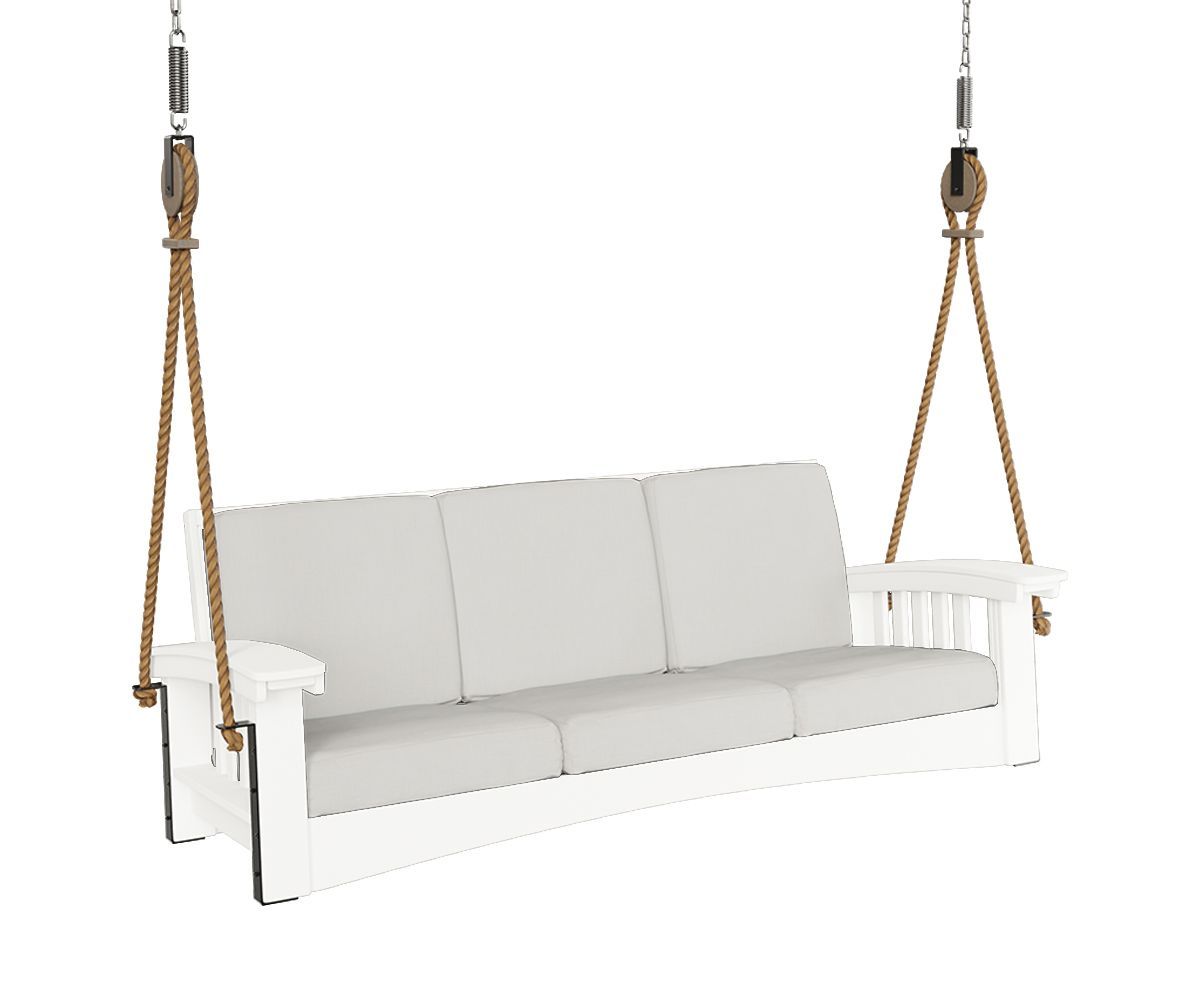
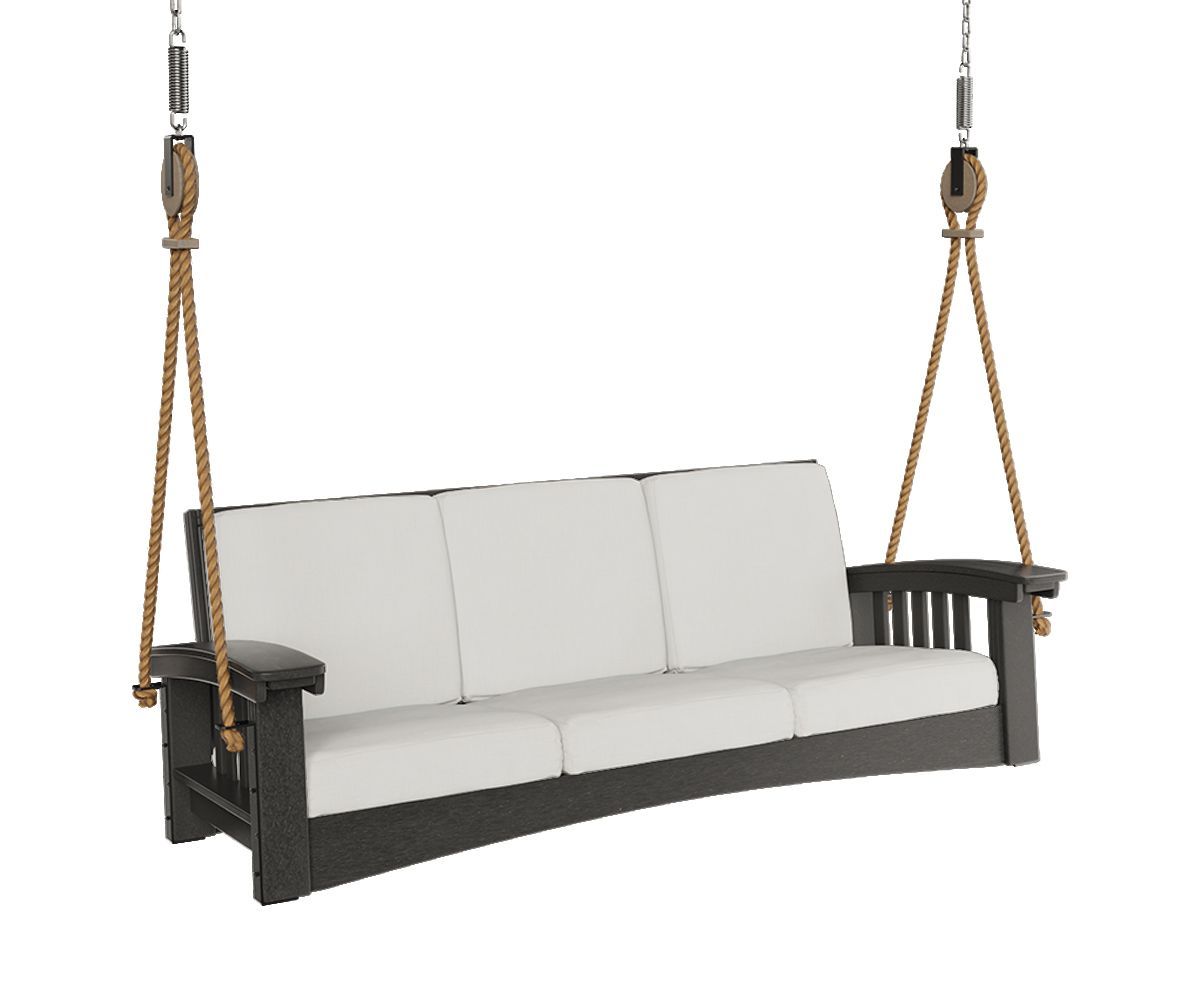
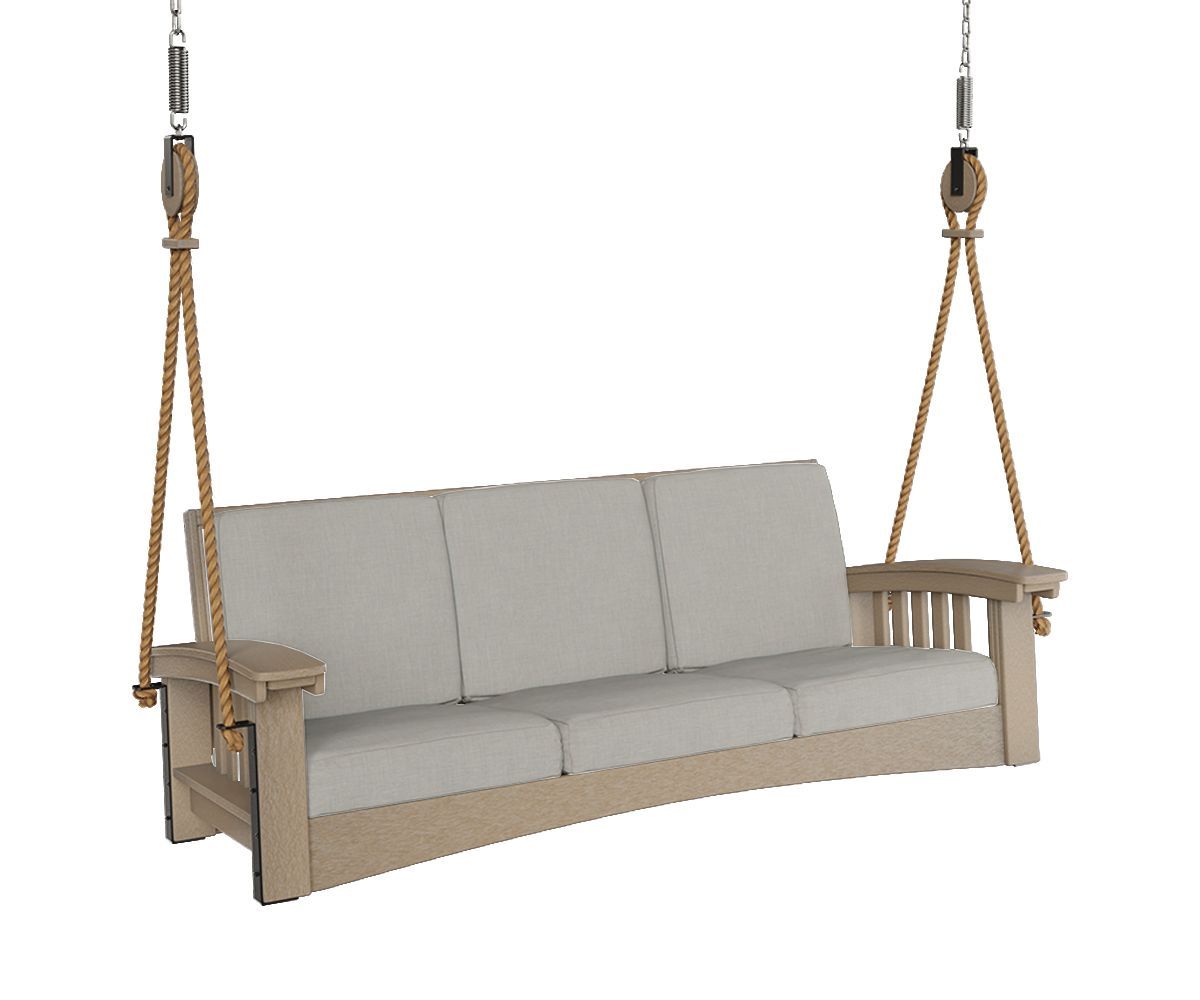
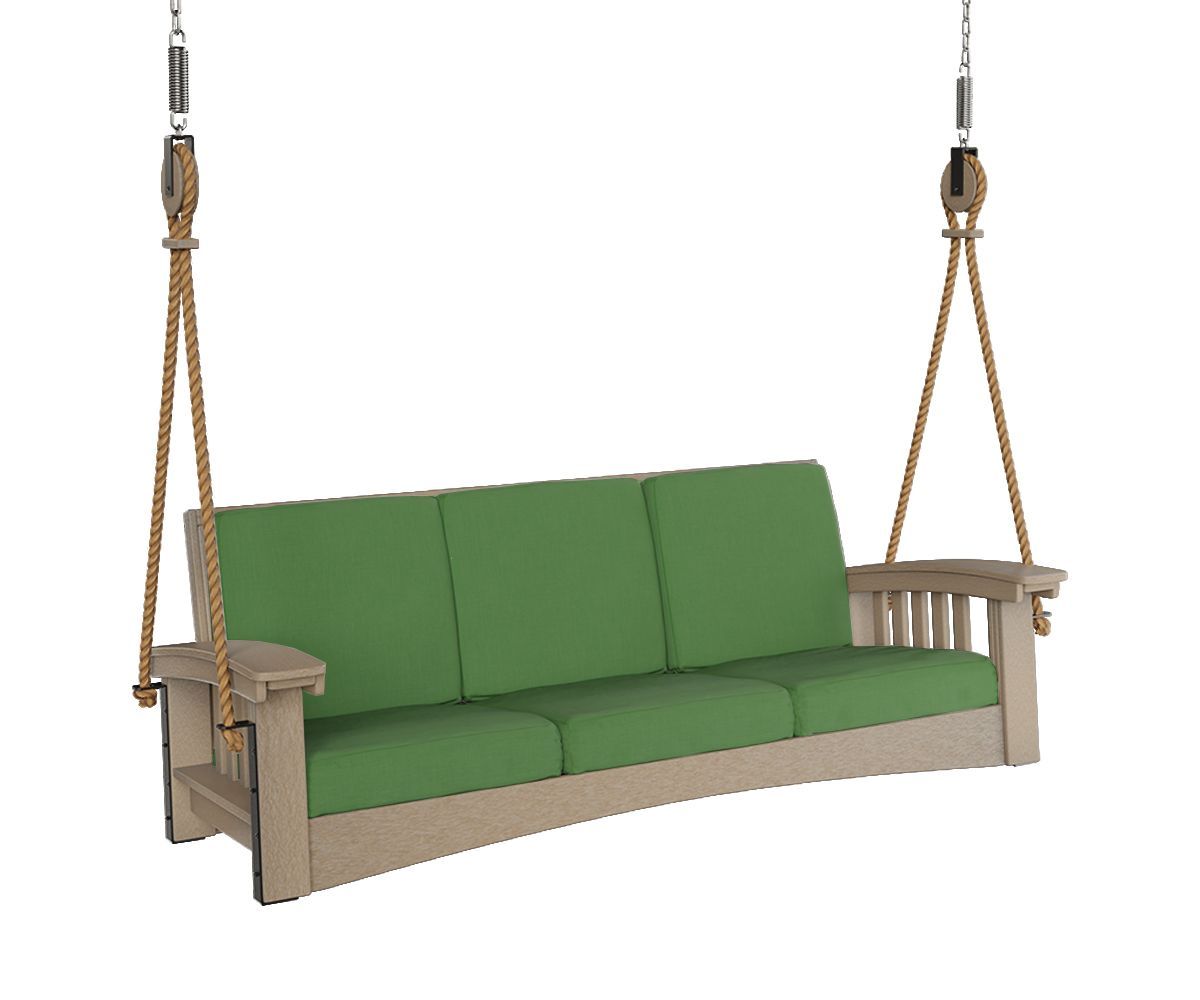
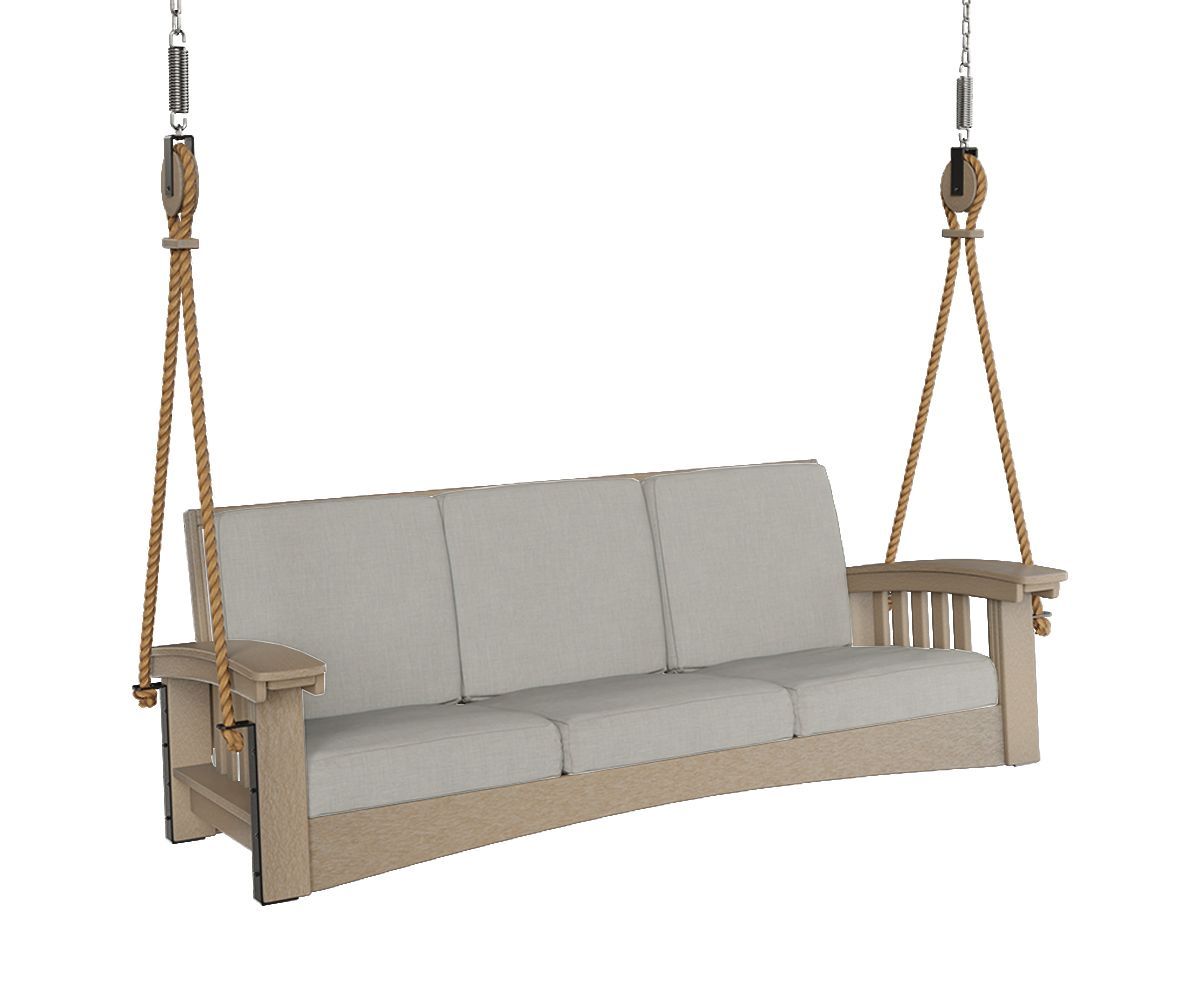
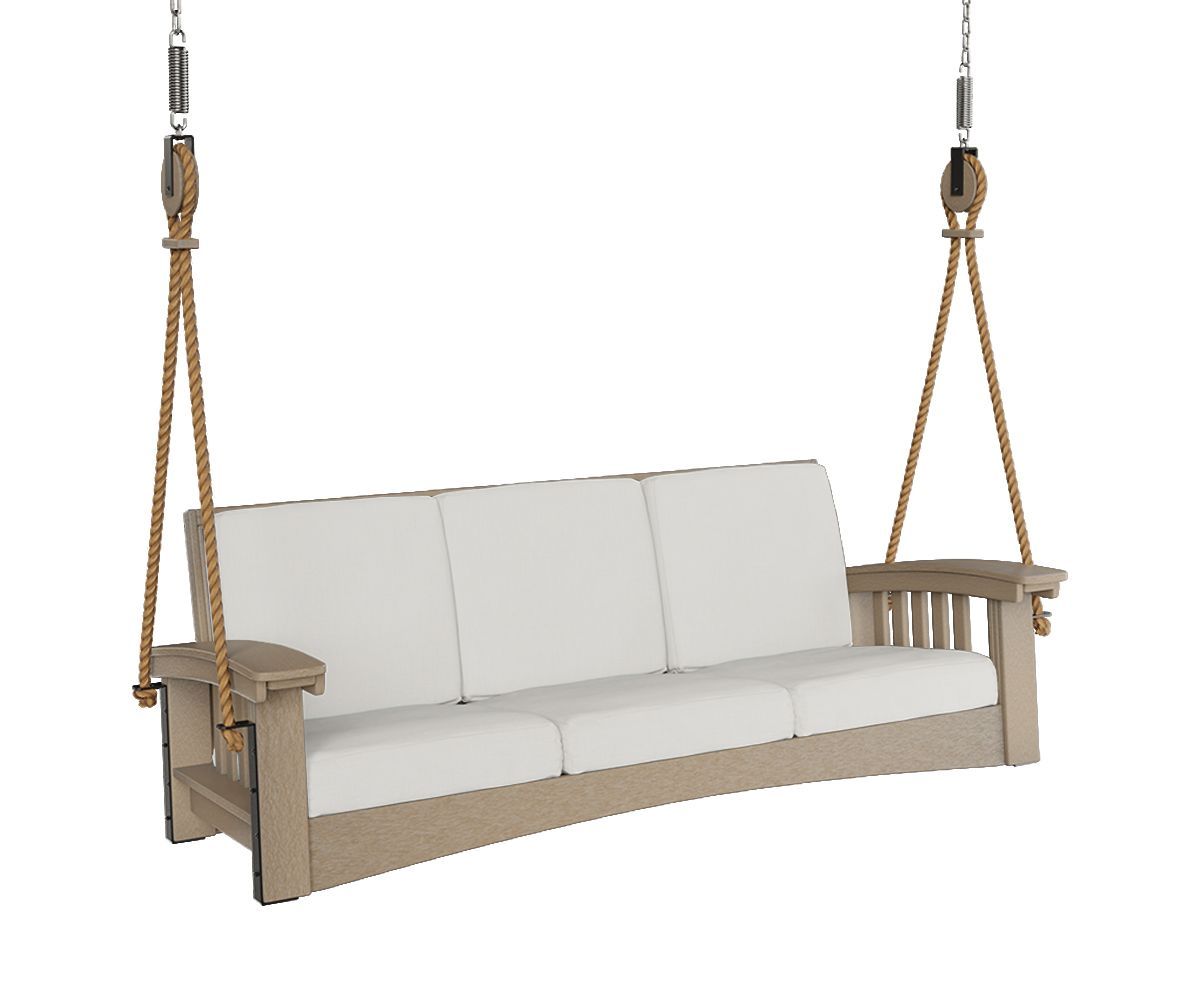
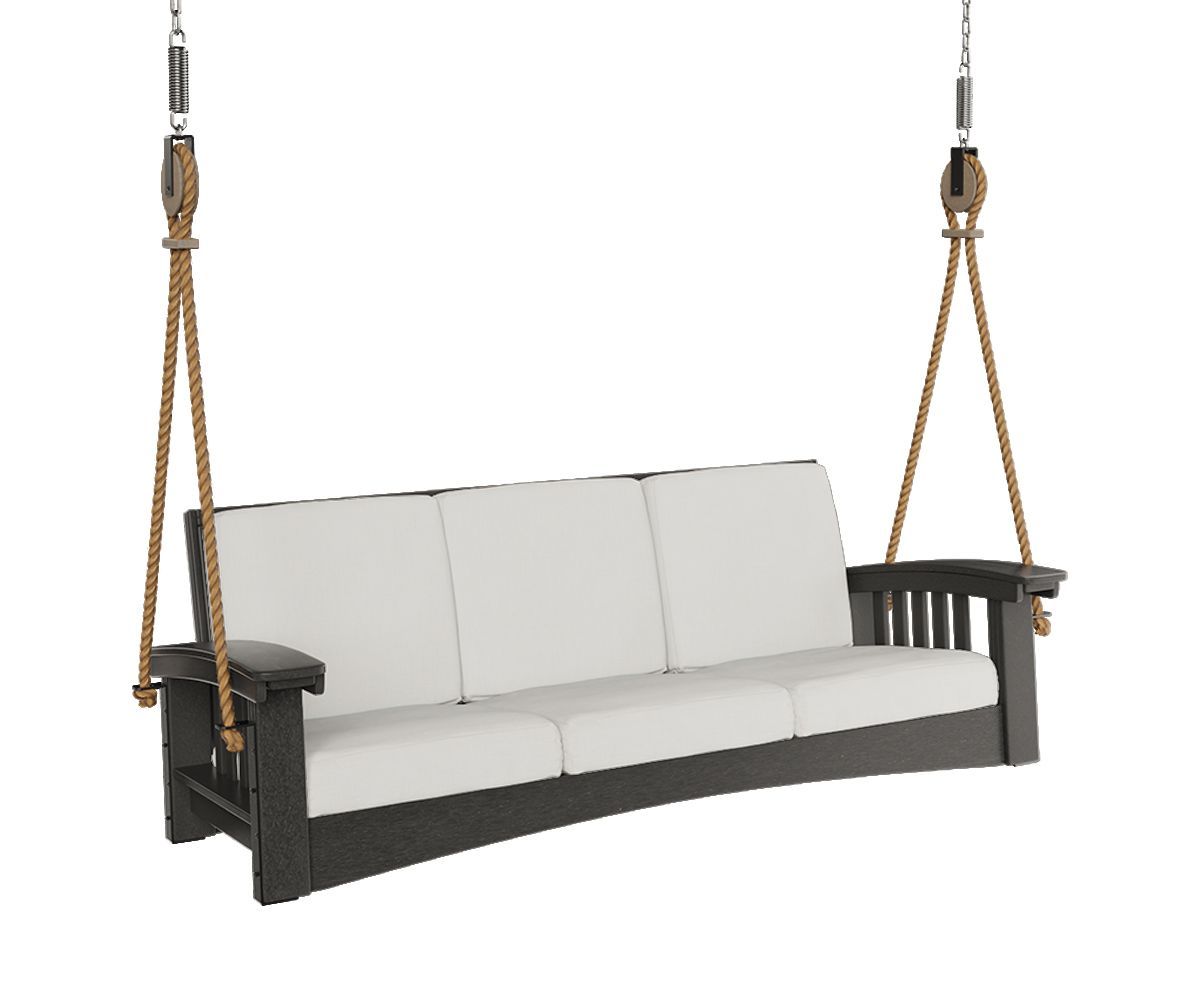
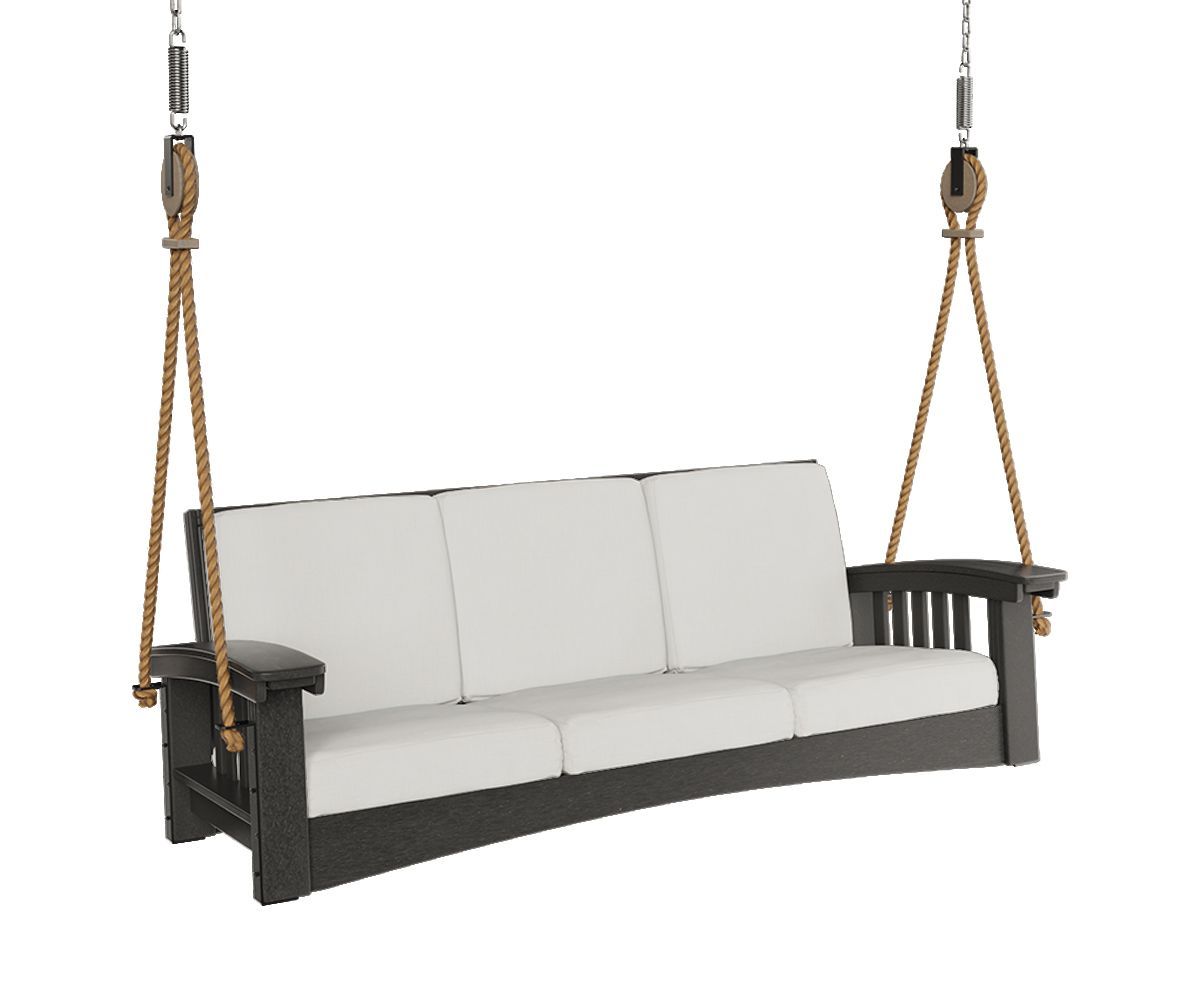
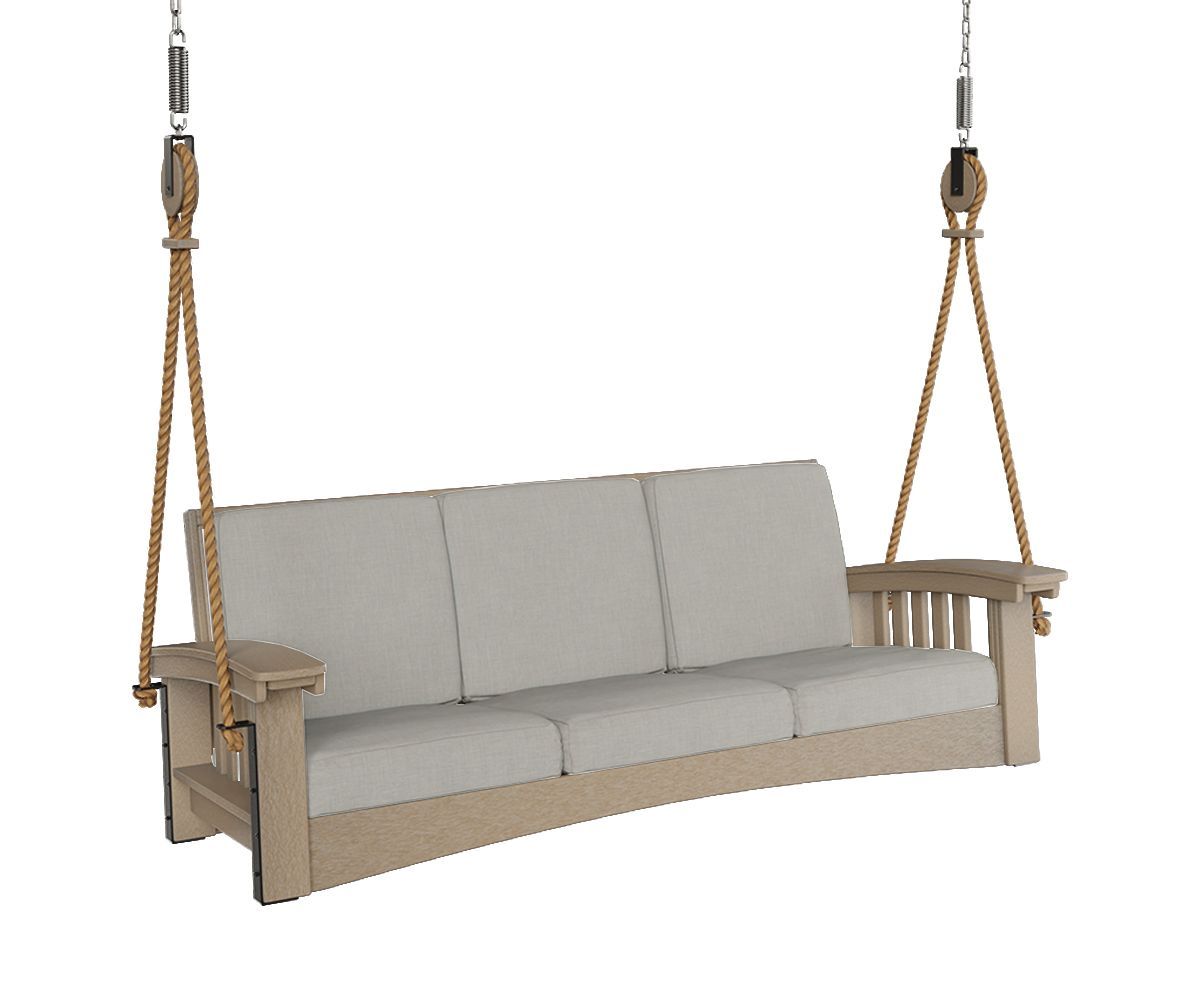
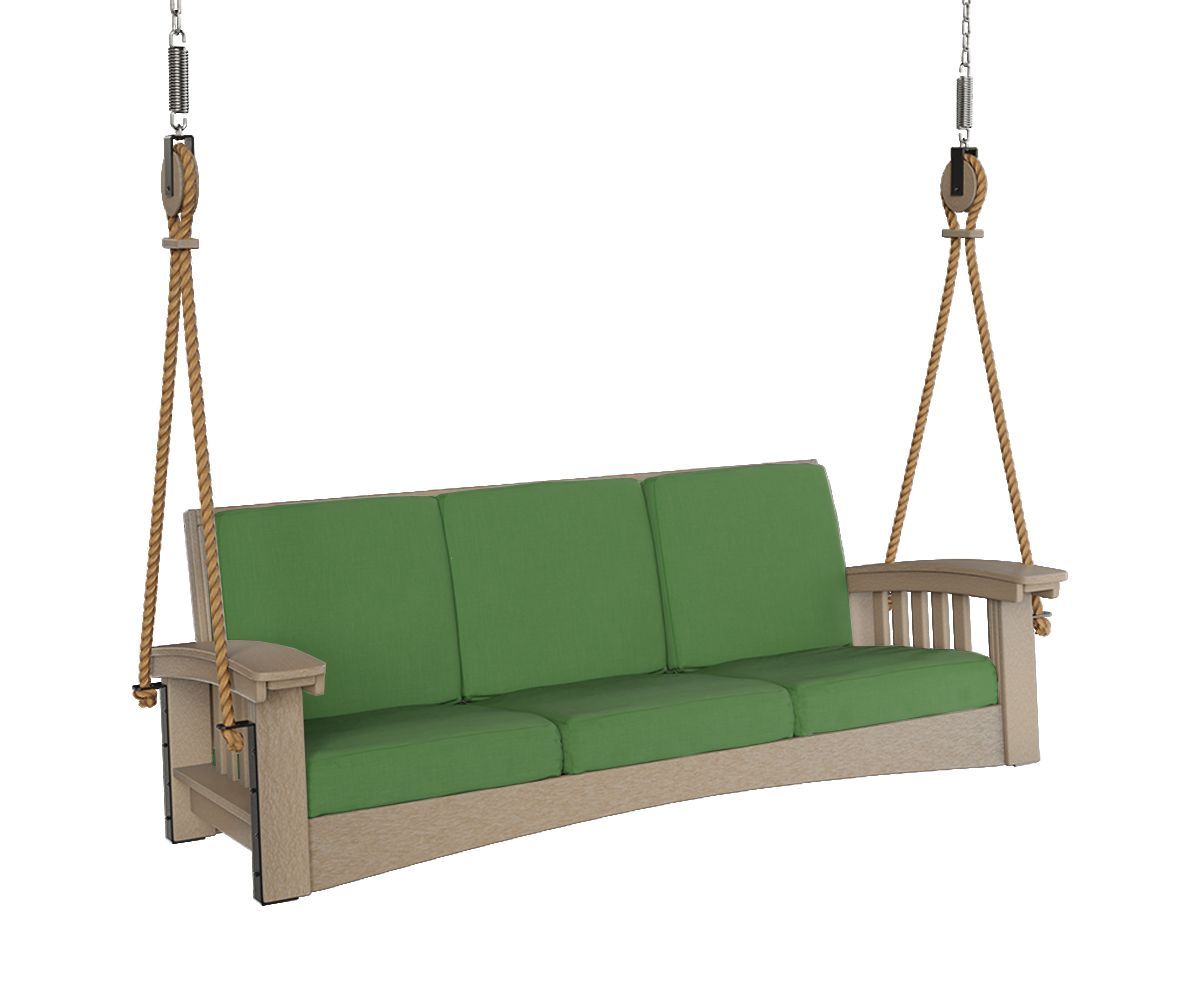
Elevate your outdoor space with authentic small outdoor swings or outdoor large swing or craftsman style porch swings. Hand-crafted with premium wood, classic details, and timeless design. Perfect for relaxation and adding character to any porch or garden sanctuary. Comfy porch swing sets for sale — Check our old fashioned porch swings collection now!
A: The affordable porch swings or comfortable swings we sellare primarily made from wood, metal, or high-density plastic composites.
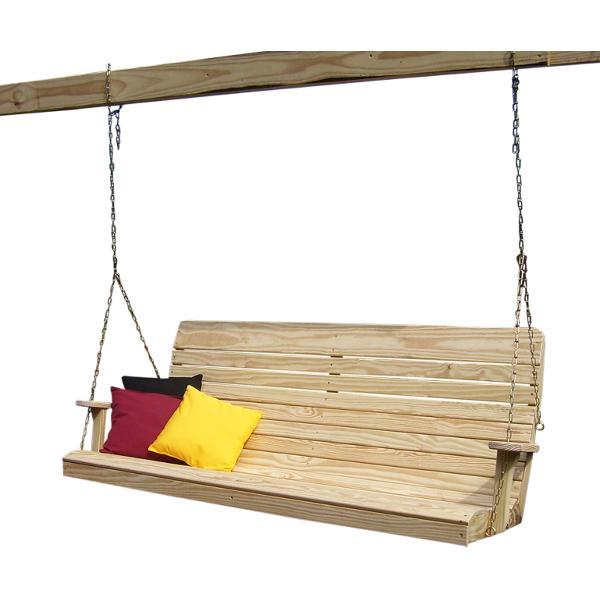
A: Structural requirement: The all weather porch swing must be anchored to a beam capable of handling a dynamic load. Use a solid 4x6 or larger beam, or a load-rated truss, to prevent structural failure and ensure safety.
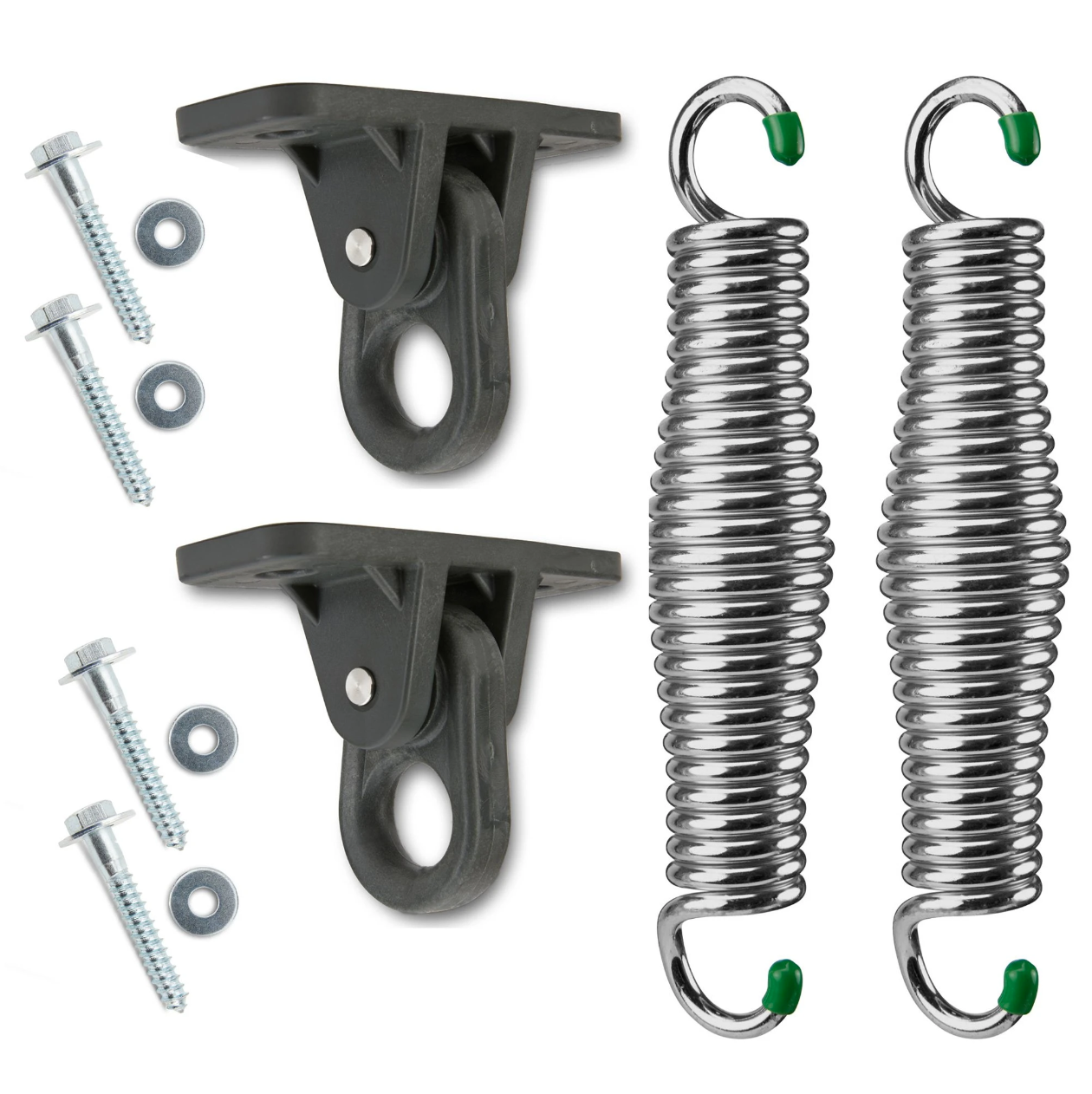
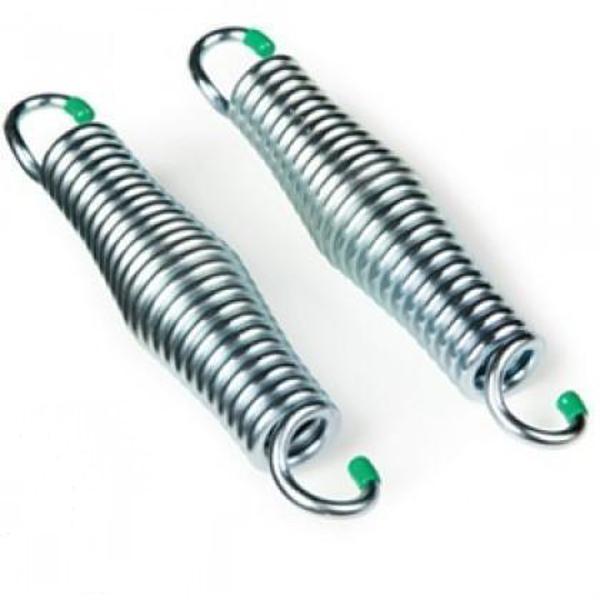
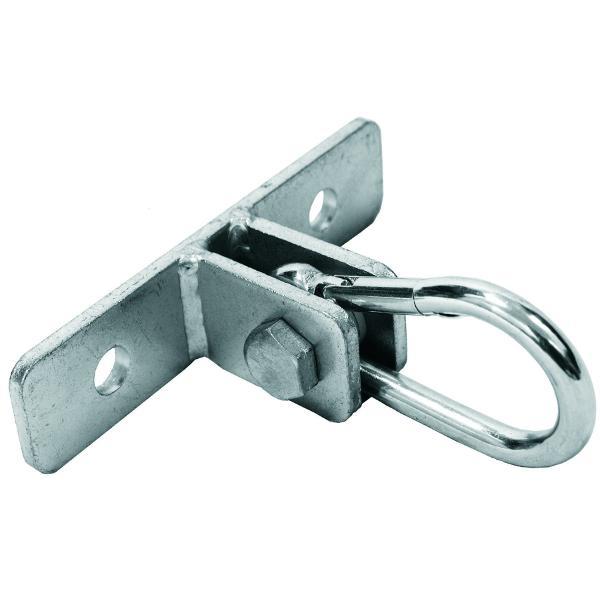
A: The connection hardware dictates the smoothness and sound of the front yard swing.
A: Size and height: Choose a swing based on seating capacity, and set the height so the bottom of the seat is about 17 to 19 inches off the ground. Correct sizing and height are key for safe, comfortable use of small outdoor swings.
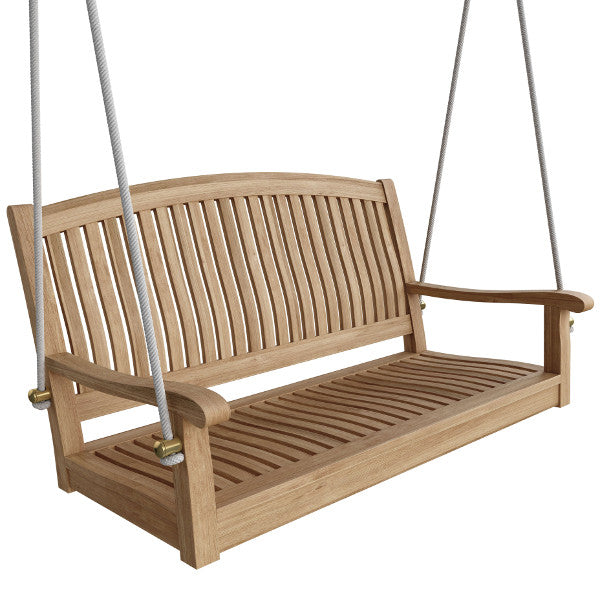
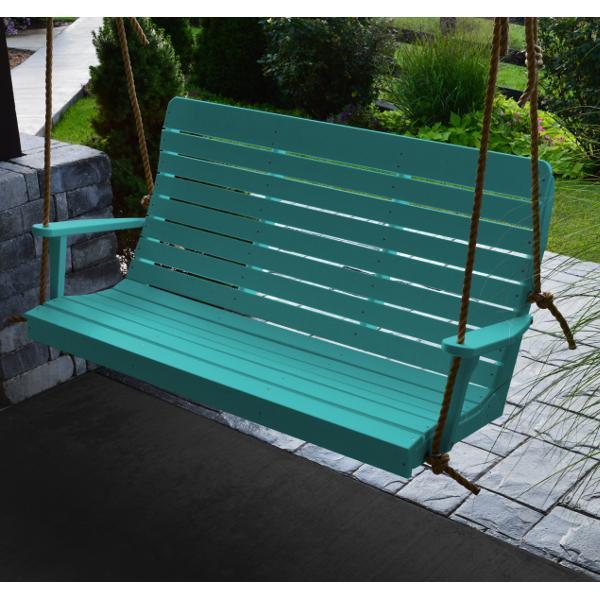
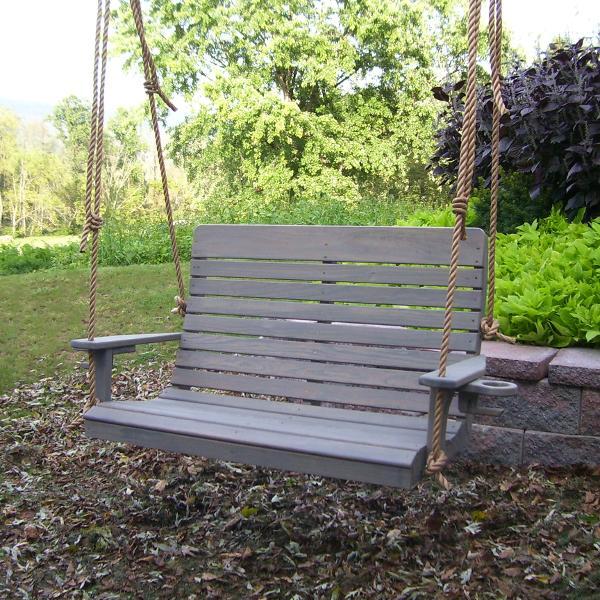
Wooden Swings for Sale - Explore Our Summer Swings Collection Today — Buy the best front porch swing with rope / weather-resistant porch swing from us today! You do not need to visit the porch swing store when you can find the best
swings prices only here.
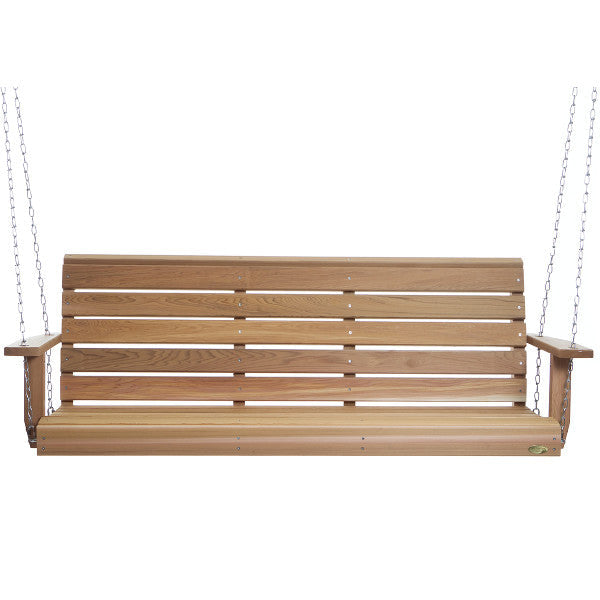
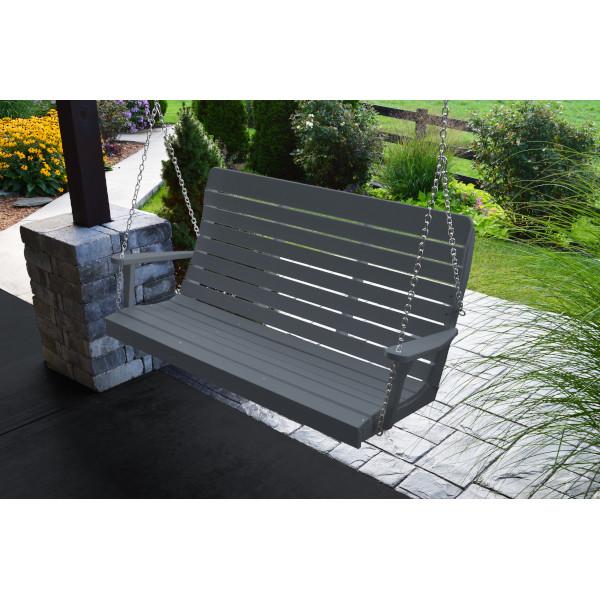
A modern porch swing or swing porch is one of the most iconic elements of a porch, and we're here to give you the best of the best. We have modern swings made from premium materials, like our classic Wood Porch Swings, Recycled Plastic Poly Porch Swings, or our more modern Adirondack Swings. And don't forget the Swing Stand for the lawn, cozy swing cushions, and pillows for that ultimate relaxation.
Elevate your outdoor space with authentic small outdoor swings or outdoor large swing or craftsman style porch swings. Hand-crafted with premium wood, classic details, and timeless design. Perfect for relaxation and adding character to any porch or garden sanctuary. Comfy porch swing sets for sale — Check our old fashioned porch swings collection now!
A: The affordable porch swings or comfortable swings we sellare primarily made from wood, metal, or high-density plastic composites.
A: Structural requirement: The all weather porch swing must be anchored to a beam capable of handling a dynamic load. Use a solid 4x6 or larger beam, or a load-rated truss, to prevent structural failure and ensure safety.
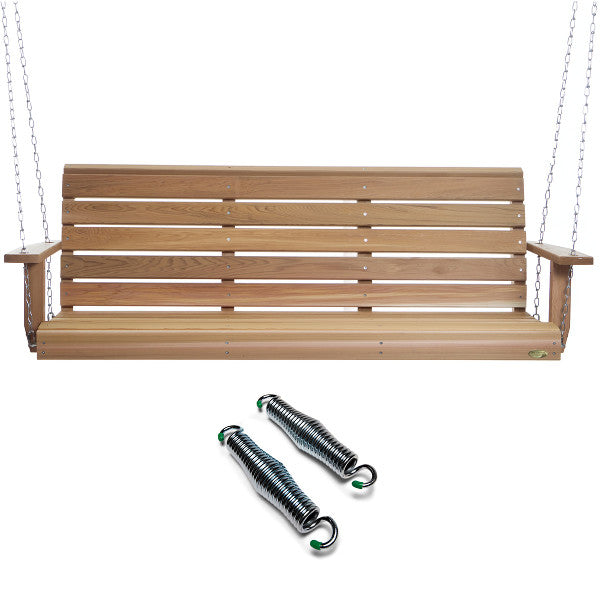
A: The connection hardware dictates the smoothness and sound of the front yard swing.
A: Size and height: Choose a swing based on seating capacity, and set the height so the bottom of the seat is about 17 to 19 inches off the ground. Correct sizing and height are key for safe, comfortable use of small outdoor swings.
Wooden Swings for Sale - Explore Our Summer Swings Collection Today — Buy the best front porch swing with rope / weather-resistant porch swing from us today! You do not need to visit the porch swing store when you can find the best
swings prices only here.