Green Patio Design: Create a Sustainable Outdoor Space That's Beautiful and Built to Last
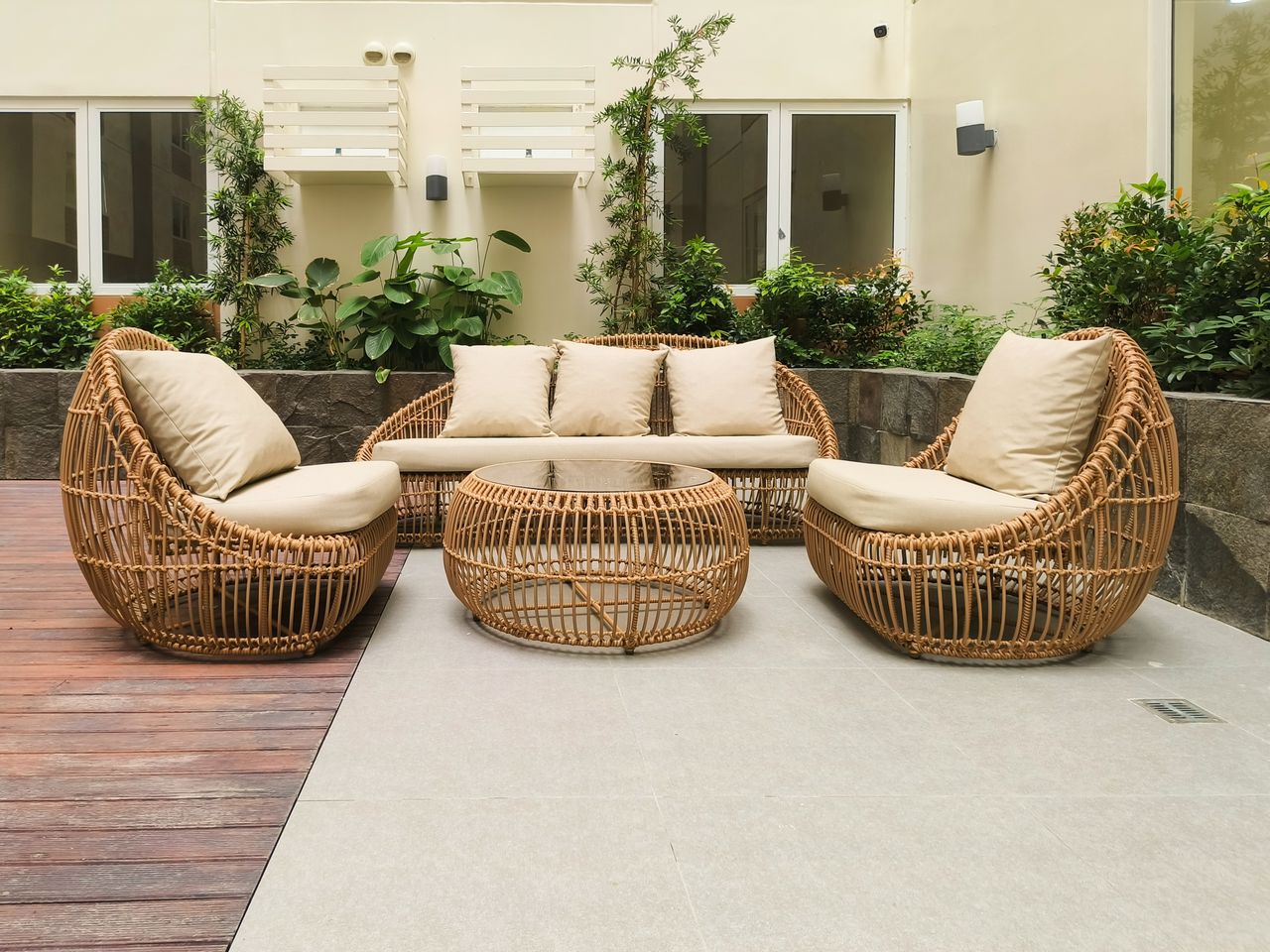
Your patio is more than an outdoor extension of your home—it mirrors your values and offers a place to relax, entertain, and engage with nature. A green patio can keep its character while reducing your environmental footprint using thoughtful materials, eco-conscious design, and eco-friendly practices that create an outdoor space you'll love for years.
A green patio design goes beyond adding plants. It means making intentional choices at every stage of development, from the materials you select to how you maintain the space. In other words, green patio design is a whole-space approach that creates an outdoor area that's visually stunning, environmentally responsible, and genuinely functional for how you live.
What Defines a Green Patio?
Agreen patio integrates three key principles: environmental protection, visual attractiveness, and long-term durability. In practice, that means selecting responsibly sourced materials, designing layouts that support natural ecosystems, and incorporating water management and energy-efficient measures. Together, these choices define a patio that is both practical and environmentally responsible.
The beauty of green patio design is that green living and design aren't mutually exclusive. This approach shows that eco-friendly substances can deliver diverse colors, textures, and finishes that rival—and often exceed—conventional options in both appearance and performance.
Sustainable Patio Materials: The Foundation of Green Design
Responsibly Sourced Wood
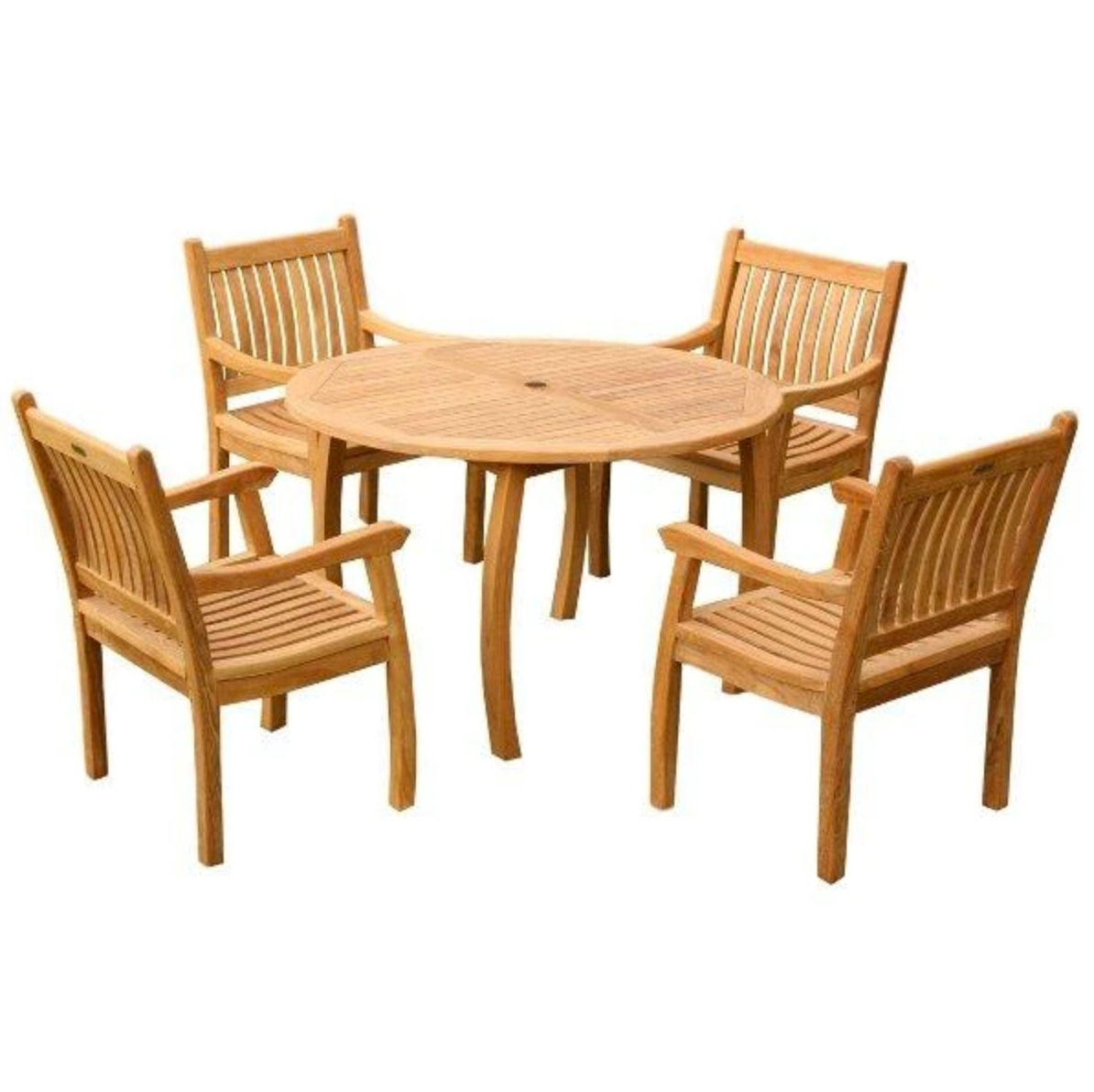
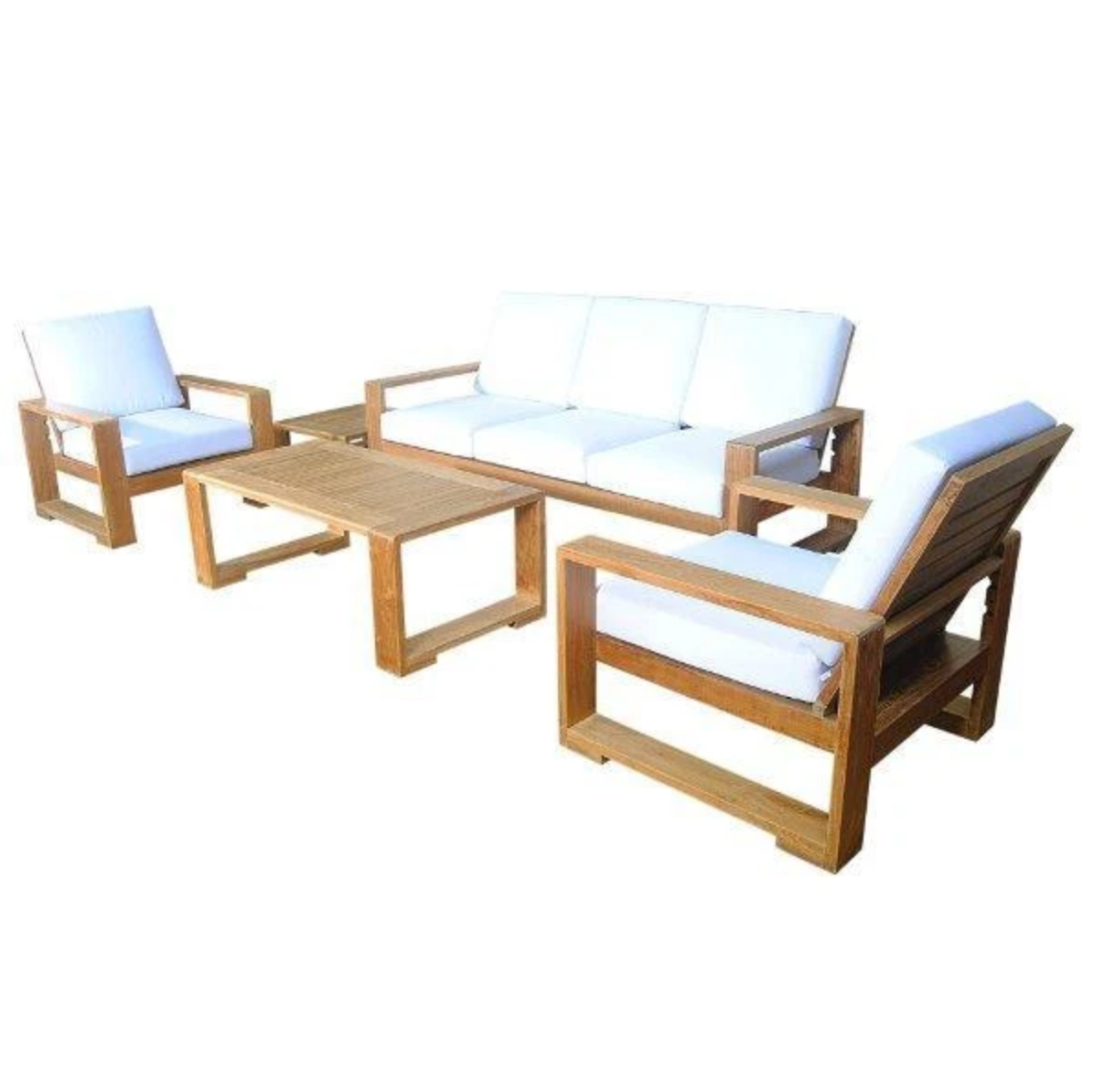
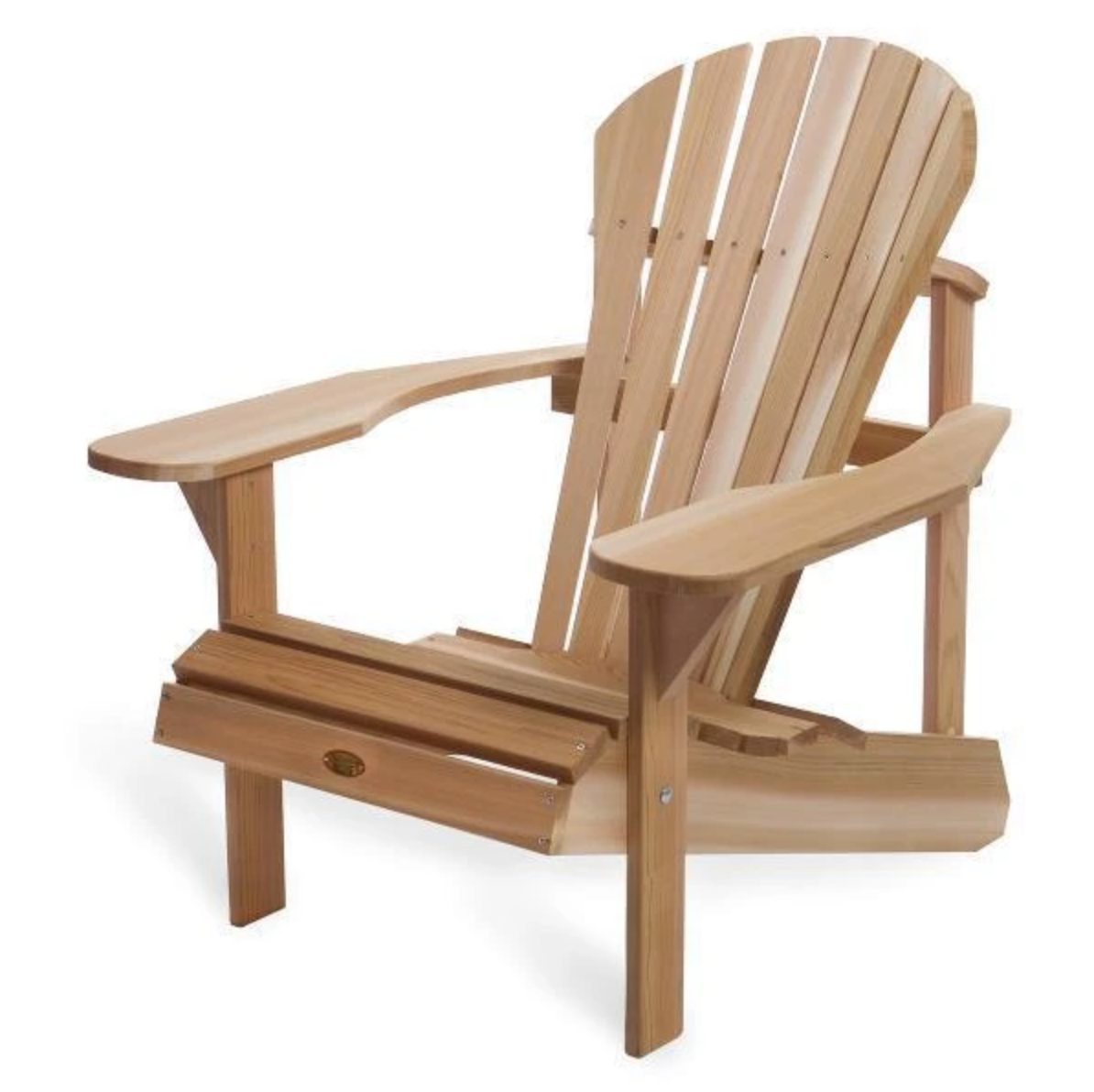
Hardwood is still a popular patio choice, but not all wood is created equal. Look for certified sustainable wood from vendors with FSC (Forest Stewardship Council) certification. These suppliers assure that timber is harvested responsibly, supporting forest regeneration and biodiversity.
Best options include:
Cumaru and Ipe: Dense, naturally rot-resistant tropical hardwoods from managed forests
Reclaimed wood: Salvaged from old buildings or barns, offering character and zero new harvesting impact
Pressure-treated sustainable lumber: Eco-certified alternatives to traditional treated wood
The durability advantage is significant. Quality, sustainably sourced hardwood can last 15–25 years with minimal maintenance, making it a cost-effective long-term investment despite potentially greater upfront costs.
Recycled and Composite Materials
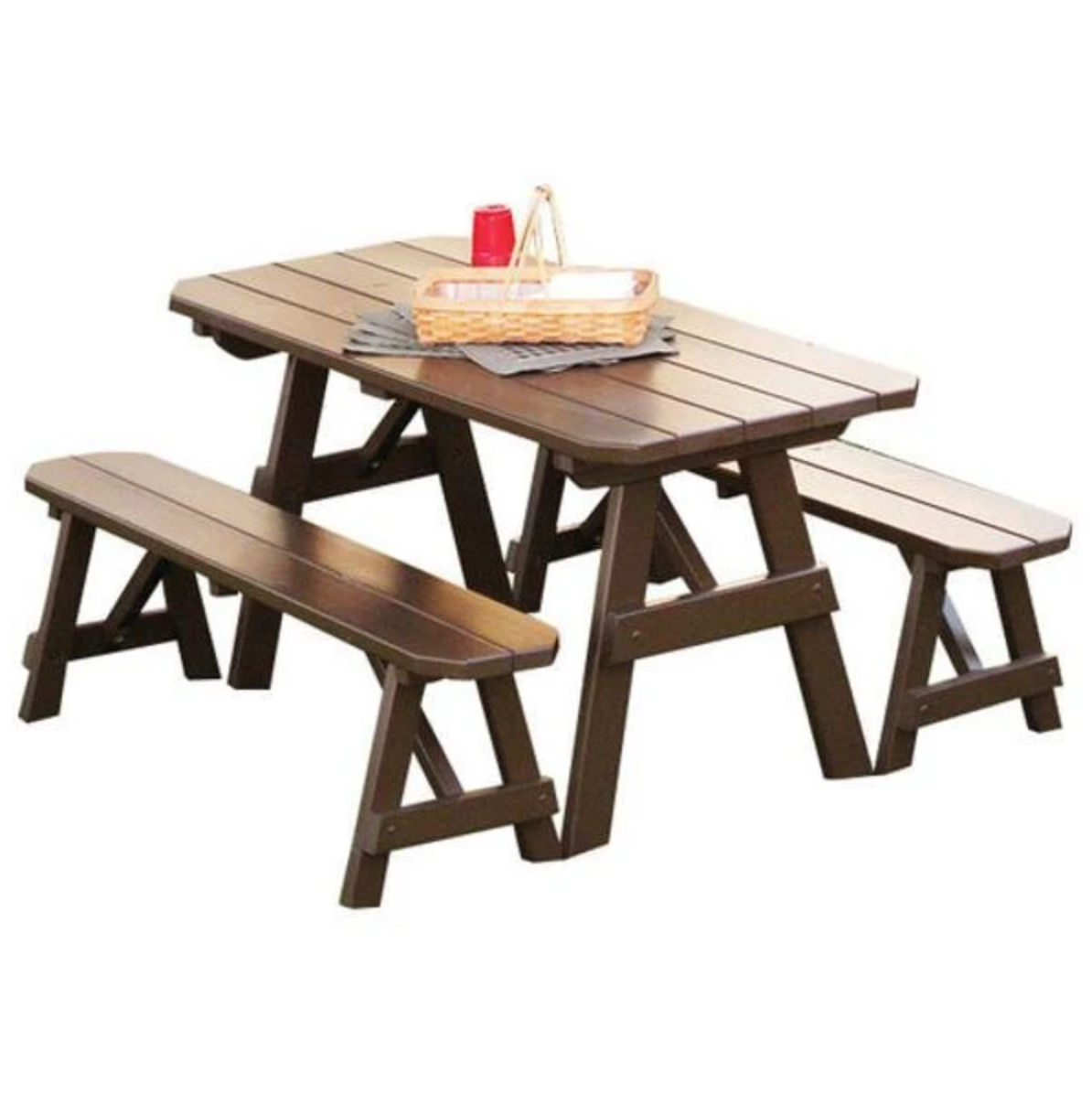
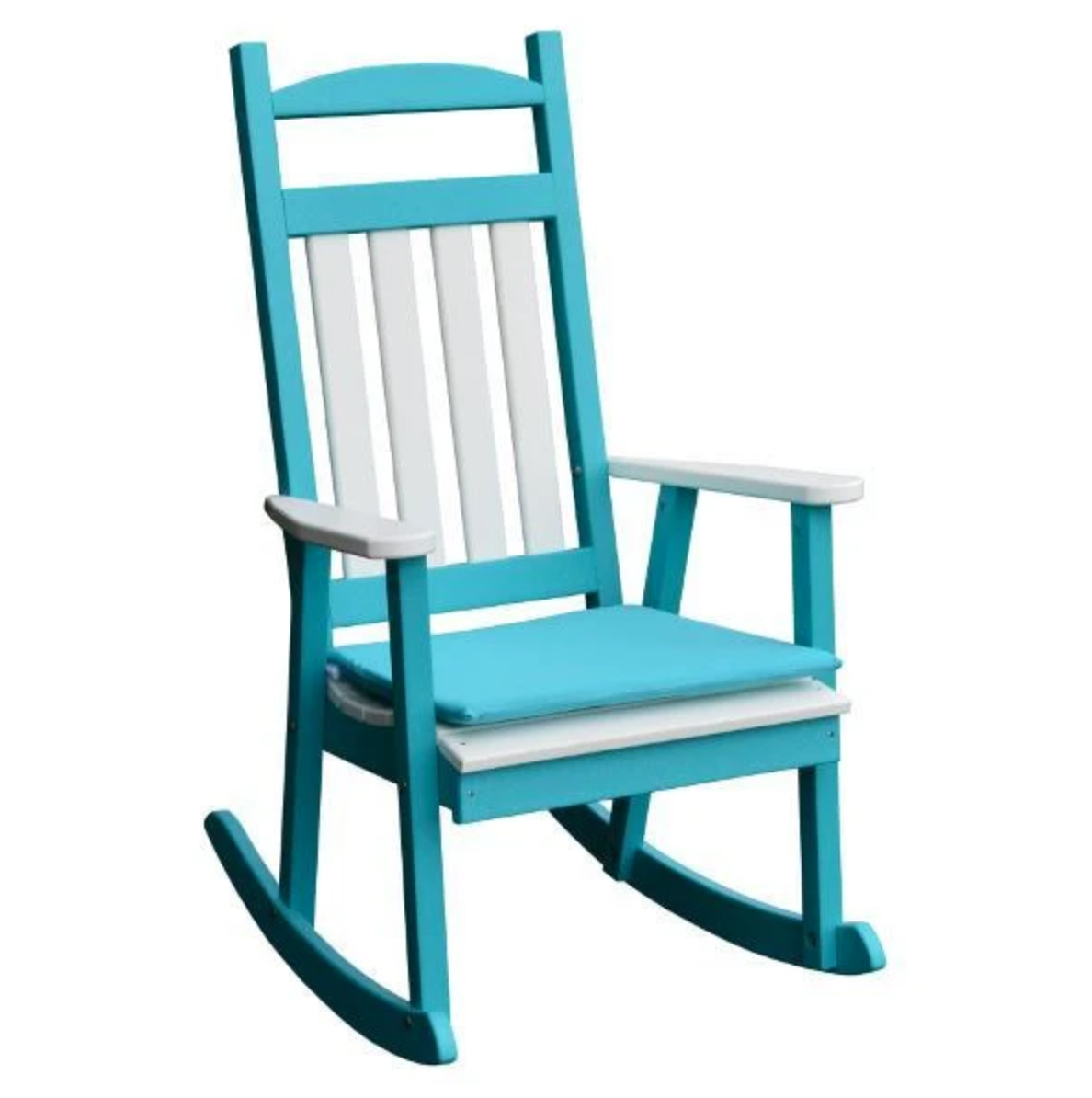
Composite decking made from recycled wood fiber and plastic lowers landfill waste while delivering excellent durability. Unlike solid wood, composites resist rot, insects, and weathering without requiring chemical treatments or annual sealing.
Advantages of recycled composites:
Low maintenance (no staining or sealing needed)
Fade-resistant colors that last years longer than wood
Consistent performance in multiple climates
Typically 25–30 year lifespan
The tradeoff is that some composites feel less "natural" underfoot and may absorb heat more than wood in direct sunlight. However, newer formulations have narrowed these gaps considerably.
NOTE — Composite Heat Absorption: Dark-colored composite decking can get significantly hotter underfoot than light-colored hardwoods in direct sunlight. If installing composites in unshaded, high-sun areas, opt for lighter shades or engineered "cool-decking" formulations.
Permeable Paving
Traditional concrete and stone patios create hard surfaces that increase runoff, strain local drainage systems, and contribute to the urban heat island effect. Permeable paving—including porous concrete, permeable pavers, and recycled plastic grids—lets water drain through, reducing flood risk and recharging groundwater.
Popular permeable options:
Recycled rubber pavers (from tires)
Porous asphalt
Permeable concrete with exposed aggregates
Permeable gravel or crushed stone in grids
These materials maintain grace while supporting local water cycles and reducing your property's environmental impact.
Natural Stone from Recycled Sources
Reclaimed flagstone, slate, and granite sourced from demolished structures eliminate mining impact while providing authentic, weathered aesthetics. Local stone—quarried near your region—further decreases transportation emissions.
Water Management: A Core Green Patio Strategy
Water conservation and responsible drainage are central to sustainable patio design.
Rainwater harvesting systems capture runoff from patio and roof surfaces, storing water for garden irrigation. A simple rain barrel system or underground cistern can collect hundreds of gallons annually, reducing your municipal water use.
Strategic grading and permeable surfaces prevent pooling and direct excess moisture to rain gardens or bioswales planted with native vegetation. These landscaping features naturally filter runoff and support local plants and animals.
Drip irrigation systems deliver water directly to plant roots, minimizing evaporation and waste compared to overhead sprinklers. Paired with soil moisture sensors, modern systems adjust watering based on rainfall and soil conditions.
Landscaping for Sustainability
A truly green patio incorporates living elements thoughtfully.
Native Plant Selection
Native plants thrive in local soil and climate conditions with minimal water, fertilizer, or pest control. They support pollinators, birds, and beneficial insects while demanding far less maintenance than exotic species.
Research plants native to your region and group them by water and sunlight needs. This "right plant, right place" approach decreases both environmental impact and your maintenance burden.
Pollinator-Friendly Gardens
Dedicated pollinator gardens with flowering plants, herbs, and shrubs attract bees, butterflies, and hummingbirds. Beyond environmental-related benefits, these gardens add movement, color, and life to your patio aesthetic.
Vertical Greening
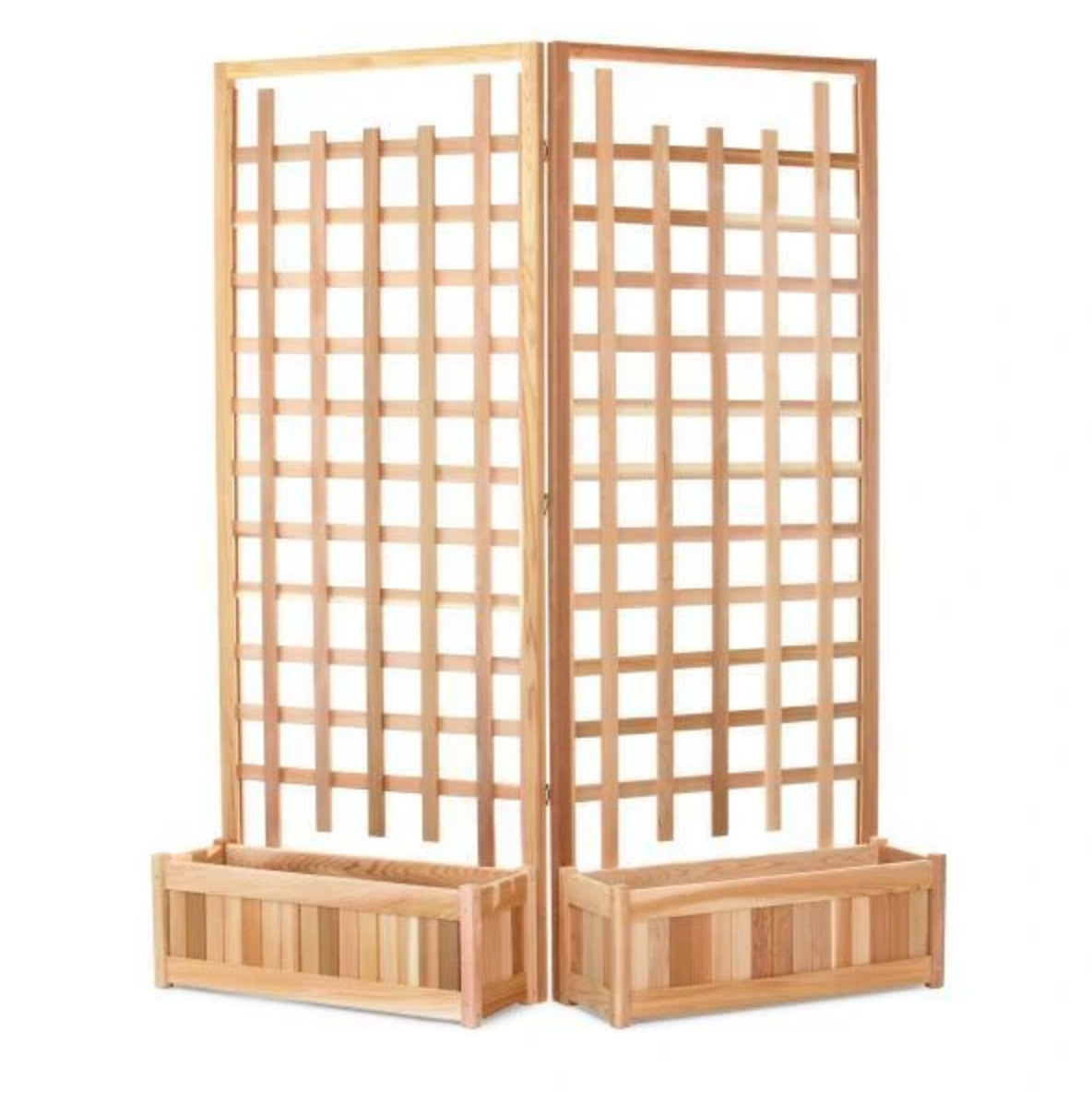
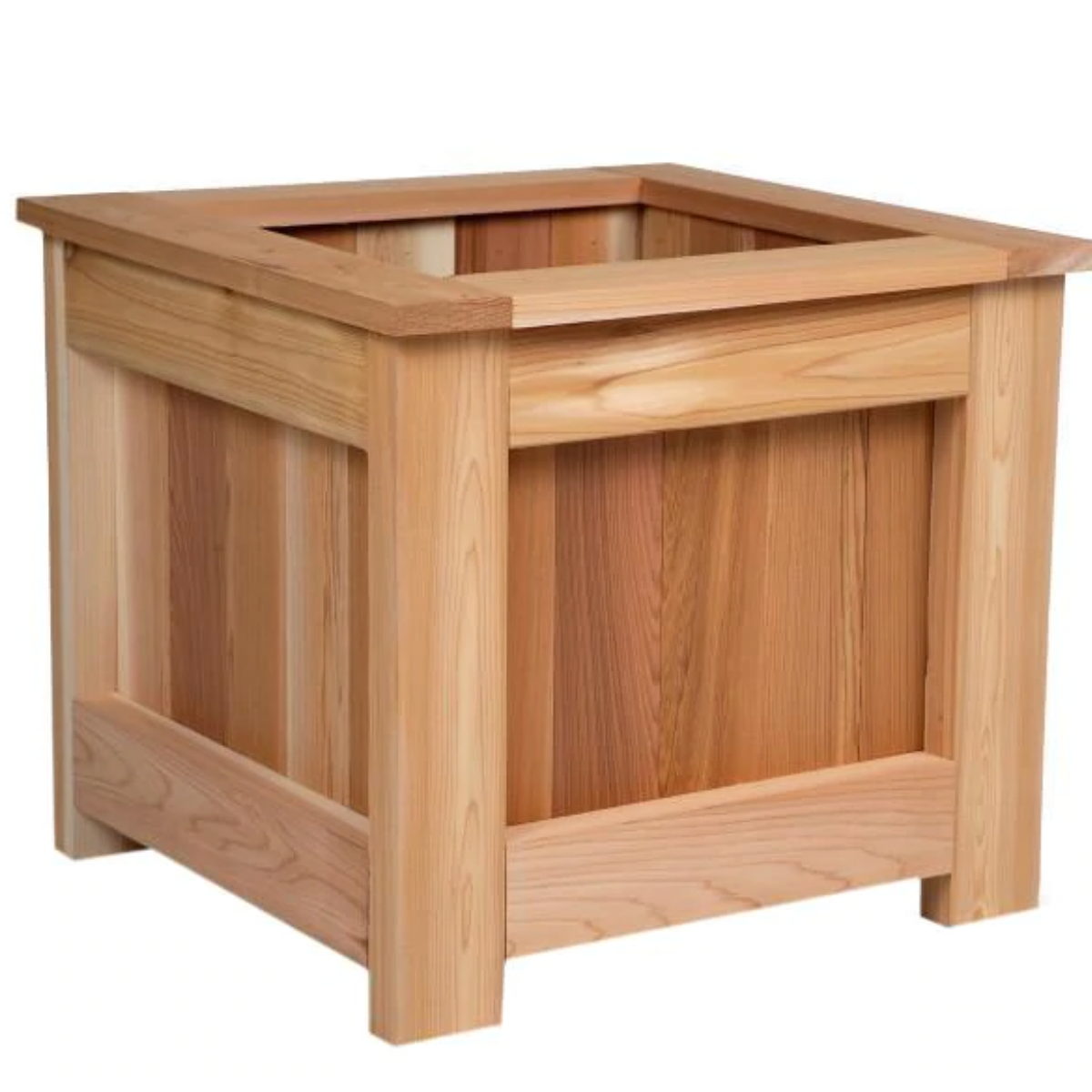
Living walls, climbing vines, and elevated planters maximize greenery in limited space while reducing surface heat absorption. Vertical gardens also create natural privacy screens and windbreaks.
Energy-Efficient Patio Features
Strategic Shade
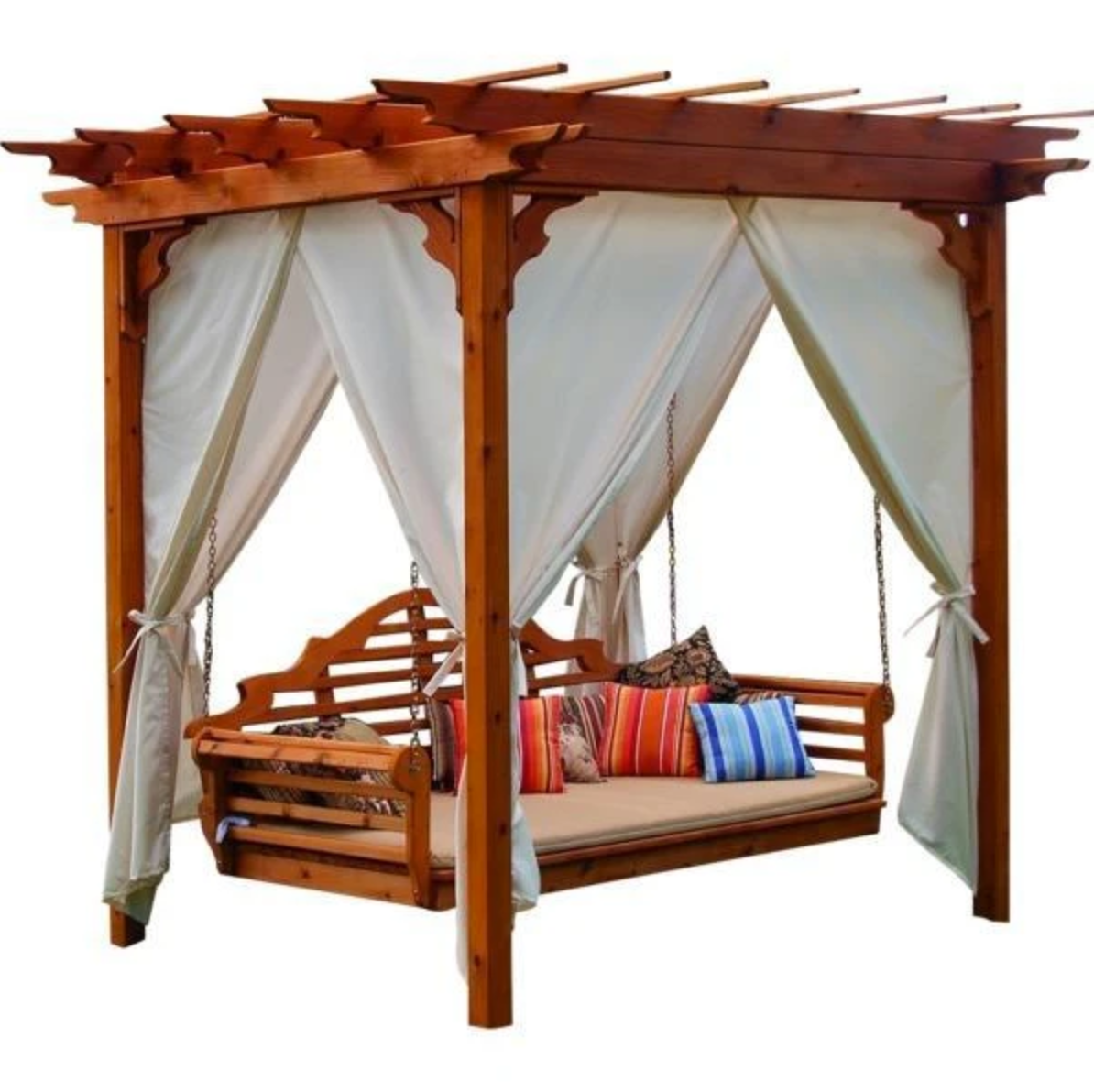
Deciduous trees and pergolas with climbing vines reduce direct sun exposure on your home's exterior walls, lowering summer cooling costs. In winter, these plants shed leaves, allowing sunlight to warm your home—a natural thermostat.
Outdoor Lighting
Solar-powered LED lights eliminate operational emissions while providing ambient evening illumination. Modern solar fixtures are attractive and functional, with battery technology that performs reliably even in cloudy climates.
Thermal Mass Materials
Light-colored paving and polished surfaces reduce heat absorption and neighborhood heat island effects. Lighter surfaces also keep patios cooler on scorching days, improving comfort.
Design Principles for Green Patios
Minimize Hard Landscaping
More patio surface means more runoff and heat. A green patio design balances hardscape with planted areas, ideally maintaining 40–50% planted coverage to sustain biodiversity and manage stormwater.
Plan for Multi-Season Use
Design your patio to be functional and attractive year-round. Evergreen plantings, structural interest from hardscape materials, and seasonal focal points (holiday lighting, ornamental grasses) extend the space's visual appeal.
Local Sourcing
Partner with local contractors, nurseries, and suppliers. This decreases transportation emissions, supports your local economy, and ensures materials suit your specific climate and soil conditions.
Maintenance: Keeping Your Green Patio Thriving
Sustainable design includes sustainable upkeep.
Use organic pest and weed managementrather than chemical treatments that harm soil and waterways
Compost garden debristo create nutrient-rich mulch for plantings
Schedule annual inspections of hardscape and irrigation systems to catch problems early
Avoid pressure washing when possible;gentle hand-cleaning preserves materials and prevents erosion
Refresh mulch and natural materialsannually to maintain appearance and function
Frequently Asked Questions About Green Patio Design
Q1: How much more expensive is a green patio compared to a conventional one?
Initial costs for sustainable materials (FSC-certified wood, composite decking, permeable pavers) typically run 15–30% higher than conventional options. However, over a 20-year lifespan, green patios often cost less due to reduced maintenance, lower water bills, and minimal replacement needs. Quality sustainable hardwood lasts 15–25 years, while pressure-treated lumber lasts 10–15 years, offsetting the upfront premium.
Q2: Do native plants require less maintenance than ornamental plants?
Yes, significantly less. Native plants are adapted to local soil, rainfall, and climate conditions, so they thrive with minimal watering, fertilizing, or pest management once established. They typically require 50–70% less water and maintenance than exotic species, making them ideal for sustainable, low-effort gardens.
Q3: Can I add a green patio to an existing concrete or stone patio?
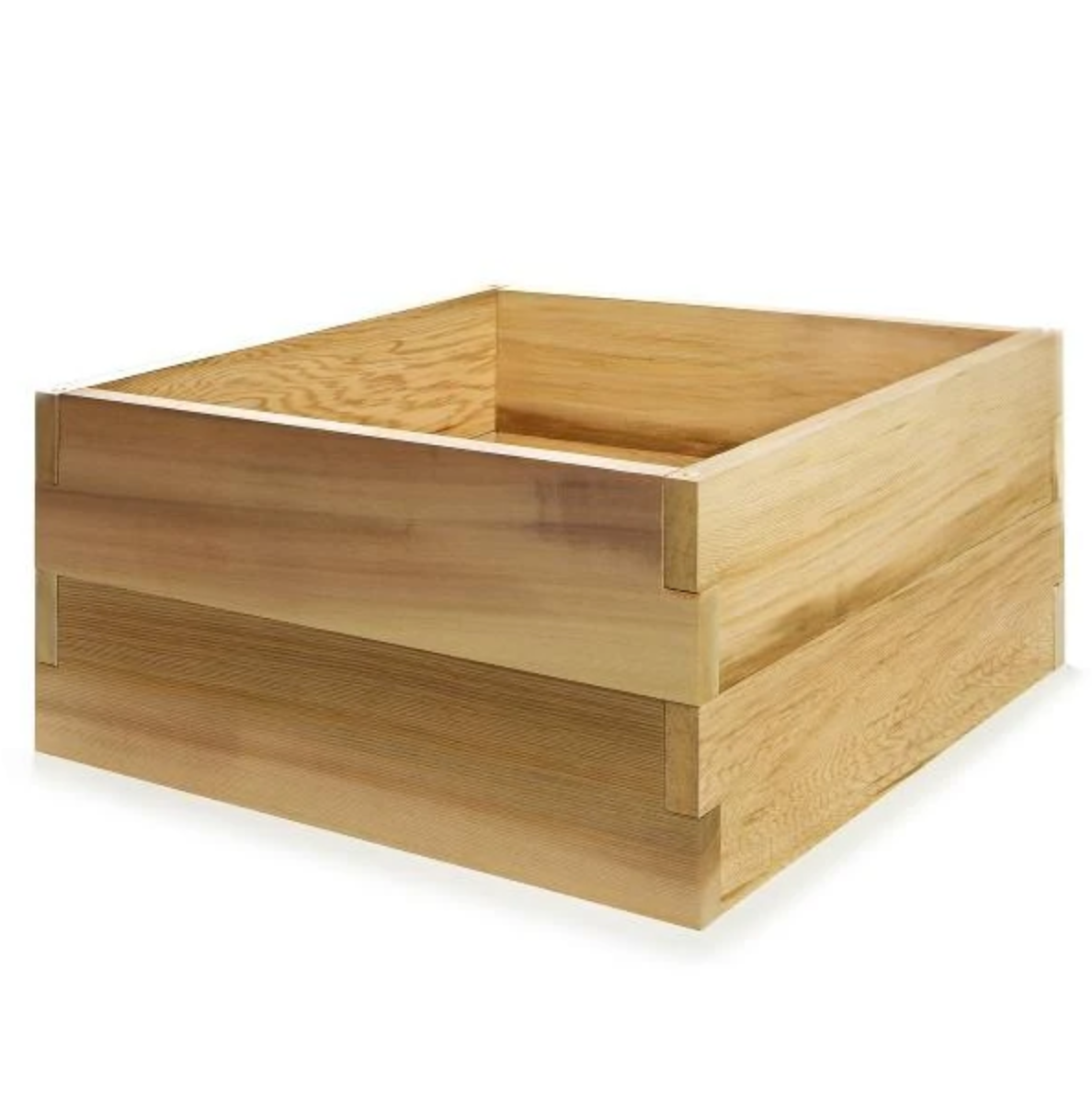
Absolutely. You can install composite or reclaimed wood decking over existing concrete using concrete anchors and a subframe. Alternatively, build raised planter beds, add permeable pavers alongside existing hardscape, or introduce vertical greening with trellises and climbing plants. This retrofitting approach lets you gradually transition to a greener design.
Q4: What's the best permeable paving material for high-traffic areas?
Permeable concrete and recycled plastic grids are most durable for frequent foot traffic. Recycled rubber pavers (made from shredded tires) are excellent for both durability and eco-credentials but can absorb heat. Permeable asphalt is cost-effective but requires occasional maintenance. For aesthetic appeal with durability, permeable gravel in reinforced grids offers a natural look suitable for moderate traffic.
Q5: How long does it take for a green patio to "break even" on its environmental investment?
Most sustainable patios offset their manufacturing carbon footprint within 3–5 years through reduced water use, lower maintenance needs, and avoided chemical treatments. Native plant installations begin supporting local biodiversity immediately. Rainwater harvesting systems typically recoup their installation cost within 2–3 years through reduced water bills, depending on your climate and regional water pricing.
Common Mistakes to Avoid
Oversizing hardscape: Resist the urge to pave the entire area. Plant more, pave less.
Ignoring drainage: Poor drainage leads to standing water, accelerated material deterioration, and mosquito breeding grounds.
Monoculture plantings:Single-species gardens attract pests and require more maintenance. Diversity builds resilience.
Choosing non-native plants: Exotic species usually struggle and demand more resources to survive.
Skipping the planning phase:Rushing design leads to expensive errors. Invest time upfront in planning.
The Long-Term Value of Green Patio Design
Sustainable patios often cost more initially but deliver superior value over time. Durable materials reduce replacement costs, native plants minimize maintenance expenses, and water-efficient systems cut utility bills. More importantly, agreen patio creates a healthier outdoor environment, supports nearby ecosystems, and reflects your environmental values.
Conclusion
Creating a green patio design isn't about sacrifice—it's about making smarter choices that benefit your home, your wallet, and the planet. The core idea is simple: chooseeco-friendly materials, manage water thoughtfully, incorporate native plants, and design with intention to build an outdoor space that's beautiful, functional, and built to last.
Start with one element: choose FSC-certified wood for new decking, install a rain barrel, or plant native wildflowers. Small decisions compound into a significant effect. Your green patio awaits—an example of purposeful design and lasting sustainability. Begin now, and let each choice help complete a space you will enjoy for years.