Composting and Waste Reduction Tips for Outdoor Gatherings

Composting and Waste Reduction Tips for Outdoor Gatherings
Outdoor events like backyard barbecues and community festivals bring people together, but they often create a lot of waste. With some planning and practical steps, you can reduce waste at your next outdoor event. Composting and waste reduction are now required at many events. Cities such as San Francisco, Portland, and Boulder require waste diversion plans for public gatherings.

This guide will show you composting strategies and waste-reduction tips to help make your next outdoor gathering more eco-friendly. Start with one change, then add more as you go.

Why Waste Reduction Matters at Open-Air Gatherings

Every outdoor event creates three main types of waste: food scraps, packaging, and single-use serviceware. When these go to landfills, food breaks down without oxygen and produces methane. Methane is a greenhouse gas28 to 34 times more potent than carbon dioxide over a hundred years.

Composting food scraps and plant debris keeps organic waste out of landfills and creates nutrient-rich material for gardens and landscapes. At the Telluride Bluegrass Festival in 

Colorado, organizers ran a composting program that kept over70% of the event's waste out of landfills. Outside Lands in San Francisco did even better, reaching an89% waste diversion rate by using compostable serviceware and working closely with vendors.
The main point is to plan, teach everyone involved, and make sure the system works so waste reduction really happens.
Composting and Waste Reduction Tips for Outdoor Gatherings

Pre-Event Planning: The Foundation of Success

1. Choose Your Venue Wisely

Venue sustainability matters. Before booking, ask whether your location has:
  • Access to commercial composting facilities or mobile composting services
  • Established recycling infrastructure
  • Water refill stations (reducing bottled water waste)
  • Willingness to enforce waste diversion policies
Cities with strong composting programs, such as Portland, San Francisco, and Boulder, now include waste management in their event permits. Even if your area lacks local composting, mobile composting and regional processors are easier to find. If you are hosting in your backyard, do not forget to implement these principles.

2. Set Clear Waste Diversion Goals

Set a goal for waste diversion.Aim for at least 50% as a starting point, and try for 70% or more if possible. This helps vendors and staff stay accountable. In Boulder, all events on city property must reach at least 50% waste diversion, which is a good standard for any event.

3. Partner with Service Providers Early

Identify and contract with:
  • Waste haulers experienced in sorting and diversion
  • Composting facilities willing to accept compostable serviceware, food scraps, and food-soiled paper
  • Recycling partners for cardboard, beverage containers, and other materials
Composting and Waste Reduction Tips for Outdoor Gatherings

Composting Strategies for Outdoor Events

Setting Up a Composting Collection System

To compost successfully, you need the right setup and clear instructions. Here's how you can do it:

Step 1:Secure Collection Containers
  • Designate clearly labeled bins for food scraps, food-soiled paper, and compostable serviceware
  • Use color-coded or pictorial labels so attendees intuitively know what goes where
  • Position compost bins alongside trash and recycling stations, not isolated
Step 2:Use Certified Compostable Products. Make sure all food serviceware is certified compostable (look for the Biodegradable Products Institute logo or a similar mark). The Telluride Bluegrass Festival required all food vendors to use certified compostable cups, plates, and utensils. This is now a common best practice at major sustainable events.

Step 3:Staff the Stations
  • Assign trained volunteers to composting and recycling areas
  • Volunteers need to explain the system and help correct items placed in the wrong bins.
  • If non-compostable items get mixed in, the whole load cannot be processed.
Step 4: Manage Volume. Most commercial composting facilities can process:
  • Food scraps (vegetables, fruits, meat, dairy)
  • Food-soiled paper and compostable serviceware
  • Plant debris and landscaping waste
Communicate with your facility about capacity before the event.

Waste Reduction Tips: The Prevention-First Approach

1. Reduce Unnecessary Packaging

This is the simplest way to make a difference. Buy drinks and food in bulk, use pitchers instead of single bottles, and ask caterers to use less packaging. The EPA also suggests flattening and recycling cardboard boxes to save space in dumpsters.

2. Implement Reusable Serviceware Contracts

  • Mandate the use of reusable mugs, plates, and utensils in catering contracts
  • Provide reusable options when attendees arrive (reduces single-use demand)
  • For vendors unable to use reusables, require recyclable or compostable alternatives
The EPA's Zero-Waste Special Event Best Practices Guide emphasizes contractual mandates as the most effective enforcement tool.

3. Plan Menus to Minimize Food Waste

Food waste represents the largest compost stream at most events. Reduce it by:
  • Offer small plate options instead of large buffet portions. Pilot programs show portion control can reduce fruit waste by 85%.
  • Serving condiments on the side (reduces waste on plates)
  • Order the right amount of food.Since 42% of buffet food often goes uneaten, planning for the right number of guests really helps.
  • Partnering with local food banks to donate unsold, unopened items


4. Strategic Bin Placement and Labeling

  • Place trash, recycling, and compost bins side-by-side for ease and visibility
  • Use large, distinct signage with pictures (not just text)
  • Make recycling and composting the main options, not something extra.
Boulder and San Francisco print waste diversion instructions on event programs and site maps, guiding attendees to proper disposal points.

5. Communicate Before, During, and After

  • Pre-event: Include waste reduction tips in invitations or pre-event communications
  • Day-of: Make public announcements explaining what's recyclable and compostable
  • Post-event: Evaluate waste diversion results and share successes with attendees
Composting and Waste Reduction Tips for Outdoor Gatherings

Vendor and Staff Education

Vendors are often your largest waste generators. Require them to:
  • Use compostable or recyclable serviceware exclusively
  • Sort their own waste throughout the event
  • Pack out unsold items or arrange pickup by end of day
  • Partner with your waste management team
Staff and volunteers must understand the system. Each team member should know:
  • Which materials go where
  • How to educate attendees
  • Common contamination mistakes
  • Emergency protocols for overflow or confusion

Real-World Success Stories

Outside Lands Music Festival (San Francisco):
  • 100% compostable cups, plates, and utensils
  • Free water refill stations throughout the venue
  • 89% waste diversion rate
Telluride Bluegrass Festival (Colorado):
  • Mandatory compostable packaging for all food vendors
  • Staffed waste stations with volunteer educators
  • 70% waste diversion of total event waste
The 2026 Yogyakarta Cultural Festival (Indonesia):
  • Implemented multi-stream waste sorting
  • Used maggot bioconversion for rapid organic decomposition
  • Diverted considerable waste from landfills
These examples show that with good planning, any event can divert waste. You can use these as models for your own event.

Sustainable Backyard Entertaining: A Guide for Homeowners

For most of us, real party hosting happens in our own backyard. The good news is you don’t need a big event setup to reduce waste and compost at home. In fact, making your gathering sustainable at home is often easier, more affordable, and very rewarding.

Why Backyard Composting Matters

A typical backyard dinner party for 20 to 30 people creates 15 to 25 pounds of organic waste, including food scraps, plant trimmings from centerpieces, and food-soiled paper napkins. If you send it to landfills, it turns into methane. If you compost it at home, it becomes rich soil for your garden, lawn, or potted plants in just 3 to 6 months.

Homeowners who compost regularly say they save $150 to $300 a year on landscaping supplies and garden amendments. That's a practical benefit on top of helping the environment.

Home Composting Systems for Entertaining

Option 1: Traditional Open Bin Composting
  • Cost: $30–150
  • Best for: Homeowners with yard space and comfort with visible composting
  • How it works: Layer food scraps and yard waste in an open bin; turn occasionally; finished compost ready in 3–6 months
  • Pro tip: Place bins behind a shed or screen so they’re out of sight. This keeps your entertaining space clean and free of odors.
Option 2: Enclosed Tumbler Bins
  • Cost: $100–300
  • Best for: Homeowners wanting faster decomposition and pest prevention
  • How it works: Sealed drum that you rotate weekly; finished compost in 4–8 weeks
  • Pro tip: These bins look nice enough to keep on patios, and some have weather-resistant finishes that match your outdoor furniture.
Option 3: Vermicomposting (Worm Bins)
  • Cost: $50–200
  • Best for: Apartments, small yards, or homeowners wanting odor-free, space-efficient composting
  • How it works: Worms break down food scraps in a contained bin; produces compost and "worm tea" fertilizer
  • Pro tip: Keep bins under decks or patios. They don’t smell and need very little maintenance.
Option 4: Countertop Compost Caddies + Municipal Drop-Off
  • Cost: $25–60 per caddy
  • Best for: Homeowners without yard space or in areas with municipal composting programs
  • How it works: Collect food scraps in an indoor caddy; drop off at a local farmers market, waste facility, or community garden
  • Pro tip: Keep several caddies—one in the kitchen and another near where you’re entertaining—so guests always have a place to put food scraps.


Setting Up Backyard Composting for Parties

If you’re hosting, having a composting setup shows your home is designed with sustainability in mind. It can make your gathering feel special and often inspires your guests.

Setup Steps:
  1. Set up a composting station near your gathering area,but not right in the middle. A small table or a corner with labeled bins keeps things organized and out of the way.
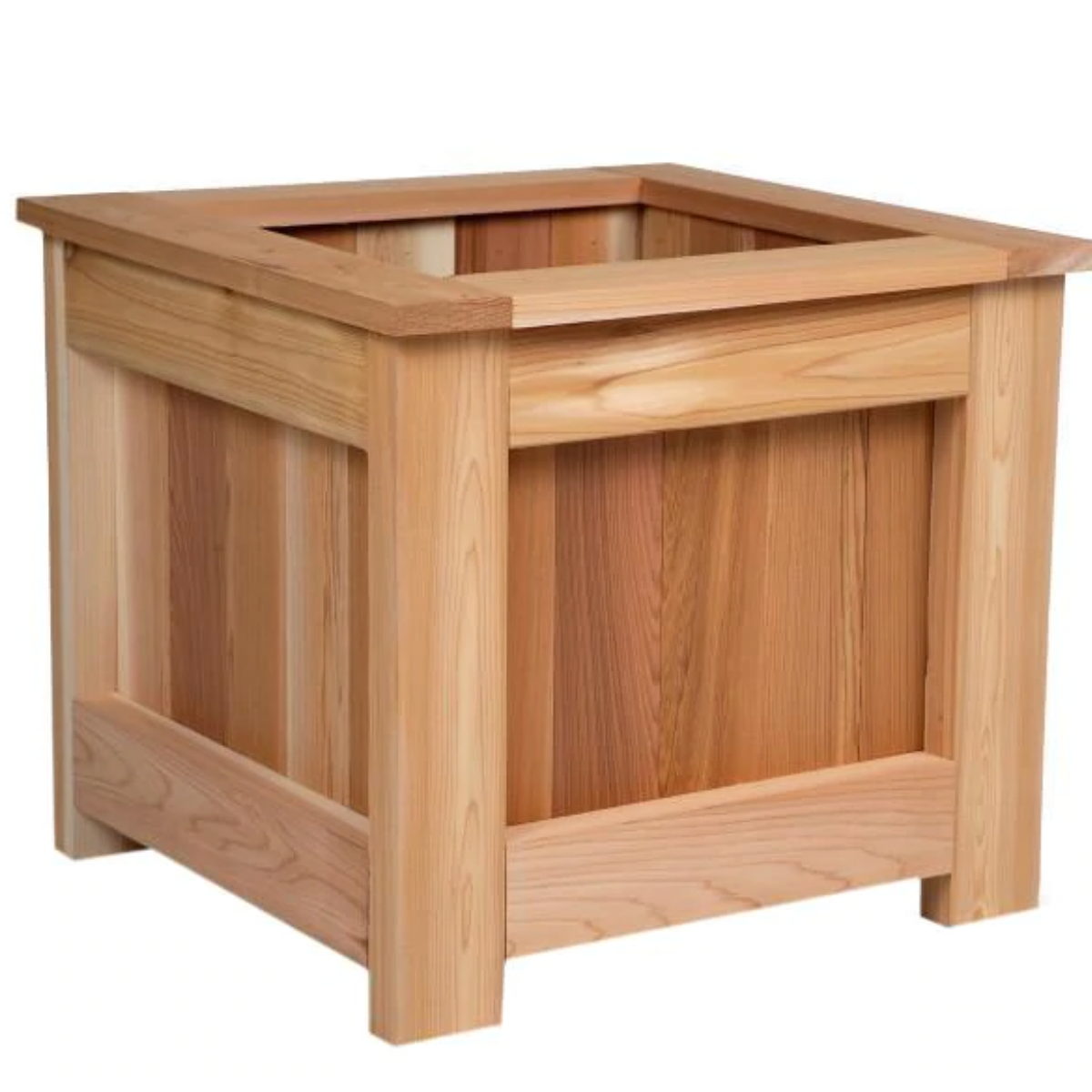
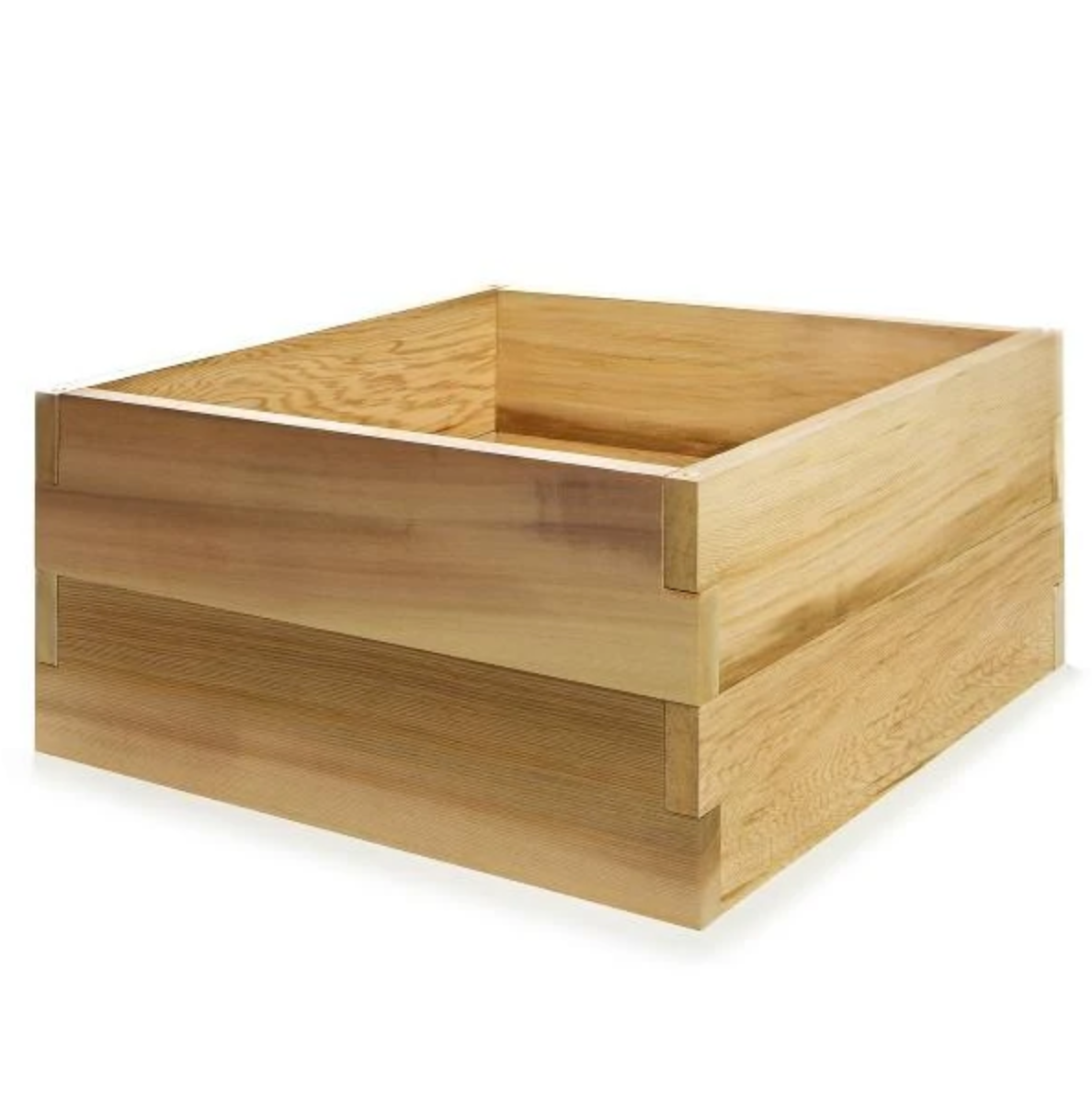
  2. Choose bins that are both sturdy and look good.Pick containers that match your outdoor furniture and landscaping. Cedar, metal, or modern composite bins usually fit in better at home than industrial-looking ones.
  3. Make clear signs.A simple, attractive sign listing compostable items like food scraps, yard trimmings, and napkins helps guests know what goes where.
  4. Set out a separate trash bin. Not everything can be composted, so make sure guests have a clear place for trash to help avoid mixing things up.
  5. Explain the system in a casual way. When guests arrive, you might say, "We're composting food scraps today. There’s a bin by the garden if you’d like to join in." This makes composting feel normal without sounding like a lecture.
Cobana Large Trash Bin Trash Bin / Composting and Waste Reduction Tips for Outdoor Gatherings


What to Compost at Home Gatherings

Always compostable:
  • Fruit and vegetable scraps
  • Coffee grounds and tea bags
  • Eggshells
  • Yard trimmings and fallen leaves
  • Food-soiled paper napkins and plates (if uncoated)
Compostable with caution (check your bin's guidelines):
  • Meat and fish scraps (can attract pests in open bins; fine in tumblers/worm bins)
  • Dairy and oils (slower to decompose; use in moderation)
  • Cooked grains and bread (may attract pests)
Never compost:
  • Plastic-coated paper plates or cups
  • Glossy napkins
  • Pet waste
  • Diseased plants
  • Meat bones (unless you have industrial-grade composting)

Turning Compost into Garden Assets

Finished compost becomes:
  • Garden beds: Top-dress flower and vegetable gardens each spring
  • Potted plants: Mix into potting soil for container gardens
  • Lawn amendment: Spread over grass to enrich soil
  • Mulch alternative: Use as a natural, nutrient-rich ground cover
Hosting a garden party? Using compost you made from past gatherings’ scraps tells a great sustainability story. Guests often ask how your plants look so healthy.

Composting and Waste Reduction: Frequently Asked Questions

1. Can I compost meat, dairy, and oils at outdoor events?

Yes—commercial composting facilities can process meat, dairy, bones, and oils at temperatures and timescales home composting cannot. However, you must confirm this with your facility beforehand, as policies vary. Avoid putting these in home compost bins, as they attract pests and create odor issues.

2. What's the difference between compostable and recyclable serviceware?

Compostable products (certified by BPI or equivalent) break down into soil within 90–180 days in commercial composting facilities. Recyclable items (paper, plastic, metals) are processed into new materials. For outdoor events, compostable serviceware is often preferable because it keeps food waste uncontaminated—critical for processing.

3. How do I find a composting facility near me?

Search the EPA's waste management tools or contact your local municipality's solid waste department. If no local facility exists, mobile composting services can collect and transport organic waste to regional processors. This has become standard in areas like California, where SB 1383 mandates organics diversion.

4. What if attendees put trash in the composting bin?

Contamination happens. Mitigate it by:
  • Training volunteers to monitor stations.
  • Using intuitive pictorial labels
  • Placing compost bins in prominent, staffed locations
  • Making announcements throughout the event
If contamination is severe, the entire load may be unprocessable. This stresses the importance of education.

5. Can I compost paper napkins and plates?

Only if they're certified compostable and food-soiled; regular paper plates often contain plastic liners or coatings that aren't compostable. Check the product label for certification symbols before purchasing serviceware.

Actionable Checklist for Your Next Outdoor Gathering

  • Confirm venue access to composting and recycling facilities
  • Set a waste diversion goal (50%+ is realistic)
  • Contract with waste haulers and composting partners
  • Procure certified compostable or recyclable serviceware
  • Create color-coded bins and clear labeling
  • Train staff and volunteers on waste sorting
  • Include waste reduction tips in pre-event communications
  • Plan a menu to minimize food waste (correct portions, small plates)
  • Arrange for vendor compliance through catering contracts
  • Evaluate and document waste diversion results post-event
  • For homeowners: Invest in a composting system appropriate for your space
  • For homeowners: Source reusable outdoor dinnerware and furniture that supports sustainable entertaining

Conclusion

Composting and waste reduction at outdoor events is now expected, possible, and often required by cities. Events like Outside Lands (89% diversion) and Telluride Bluegrass (70% diversion) prove that with good planning, vendor responsibility, and attendee education, waste management can become a celebration of sustainability instead of a burden.
Start with the fundamentals: reduce packaging, use reusable serviceware, choose compostable alternatives, and educate your team. Partner with composting facilities and recycling providers well in advance. Plan your menu to minimize food waste, and staff your waste stations with informed volunteers.
Pilot programs across the country have cut food waste by an average of 55%, showing that even small changes can make a big difference. Your next outdoor gathering can set an example for environmental responsibility and show that community, celebration, and sustainability belong together.
Are you ready to host a sustainable event? Start planning now and see your waste diversion goals become reality.

Also in News

Solar-Powered Outdoor Accessories: Energy-Free Solutions for Every Patio and Garden

Green Patio Design: Create a Sustainable Outdoor Space That's Beautiful and Built to Last

Upcycled and Reclaimed Furniture for the Outdoors: Sustainable Style That Lasts
Outdoor Reclaimed Furniture: Sustainable Style That Lasts