Swing Bench with Canopy: Features, Pros, and Buying Guide

Swing Bench with Canopy: Features, Pros, and Buying Guide
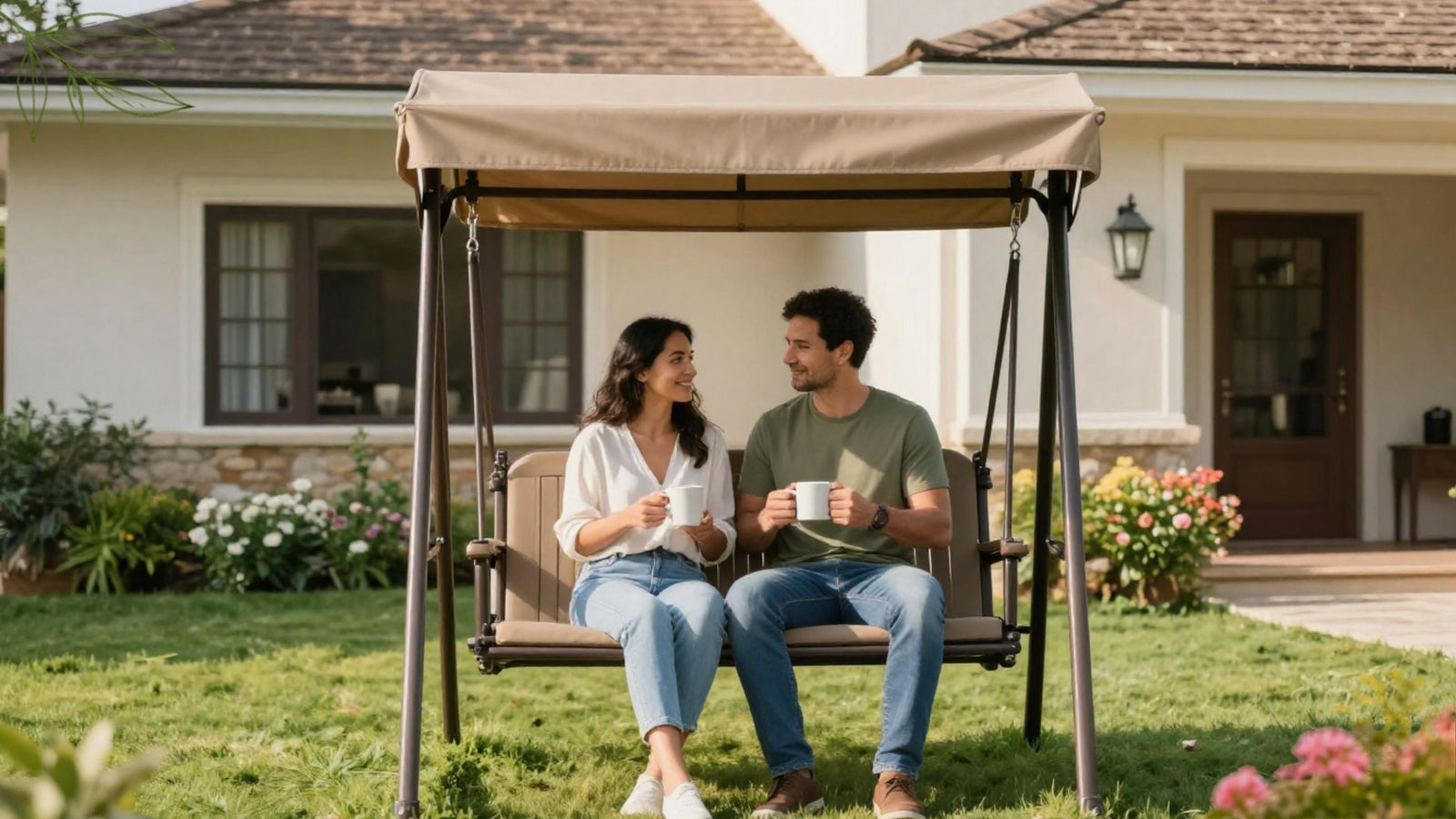
Imagine spending an evening on your balcony, porch, or in the garden with a cup of coffee, a gentle breeze, and a relaxing swing. A swing bench with canopy gives you shade from the afternoon sun and protection from light rain.

Picking the right swing bench takes more thought than you might expect. A poorly made swing can rust in just one season, fade quickly, or feel unsteady. This guide explains key features, pros and cons, materials, and gives you a simple way to choose one that lasts.

Canopy Fabric, Kit, and Cover for Tete-a-Tete Swing Canopy / Swing Bench with Canopy: Features, Pros, and Buying Guide

What Is a Swing Bench with Canopy?

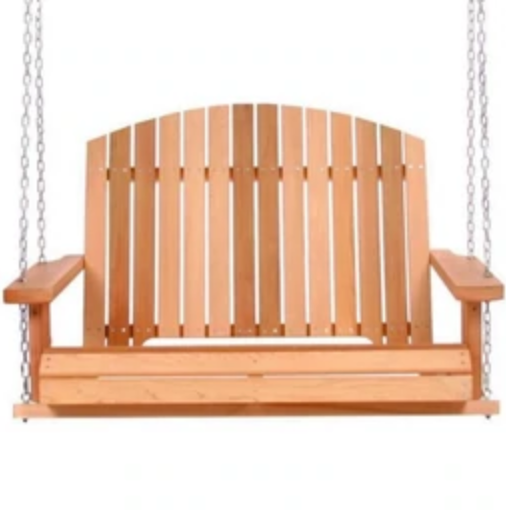
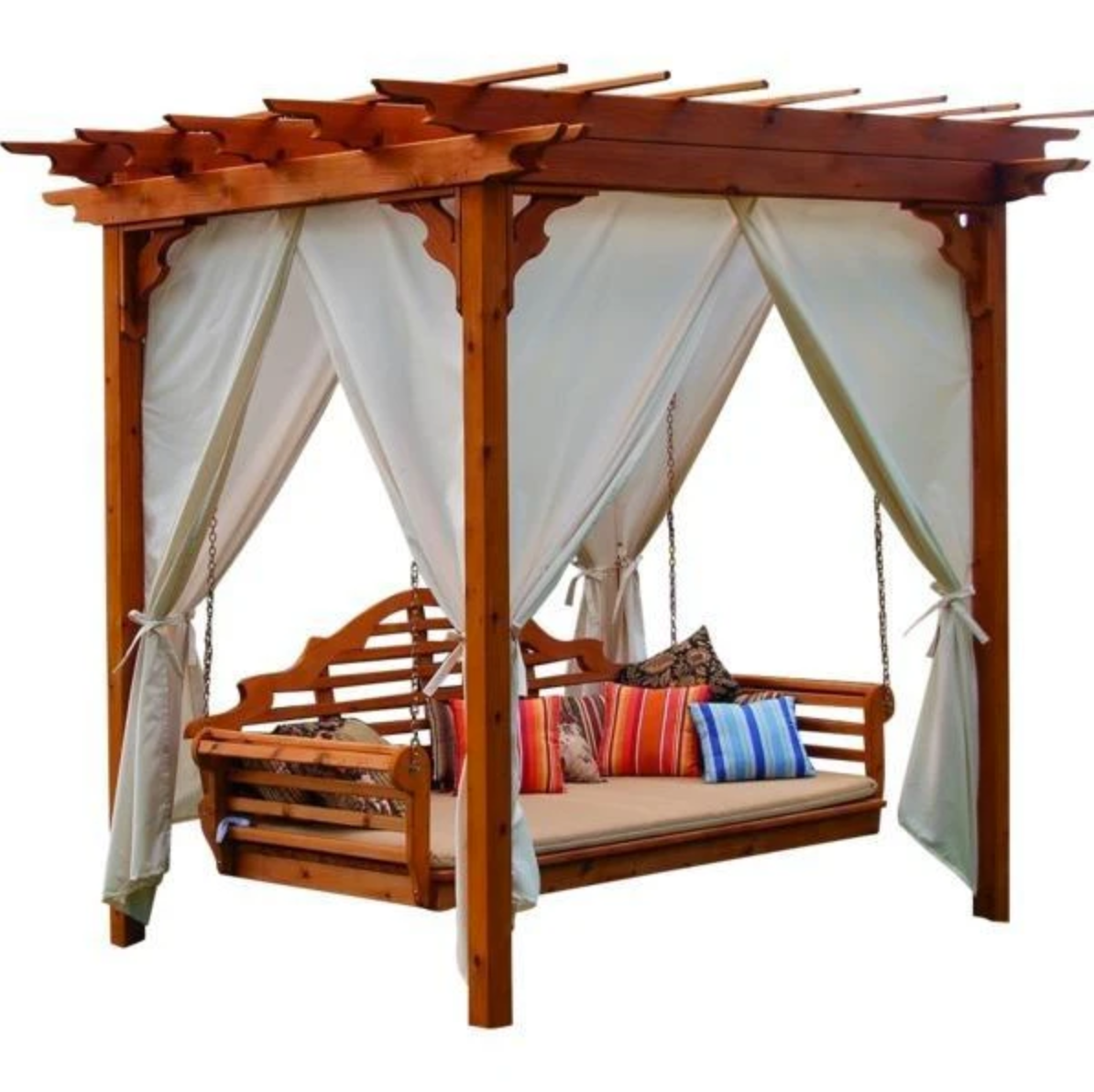
A swing bench with canopy is a seat for two or three people that hangs from a frame and has a roof or fabric cover for shade. Most are freestanding, so they hang from their own frame and don't need ceiling hooks. This makes them easy to set up in gardens, terraces, lawns, or large balconies.
Standard types include:
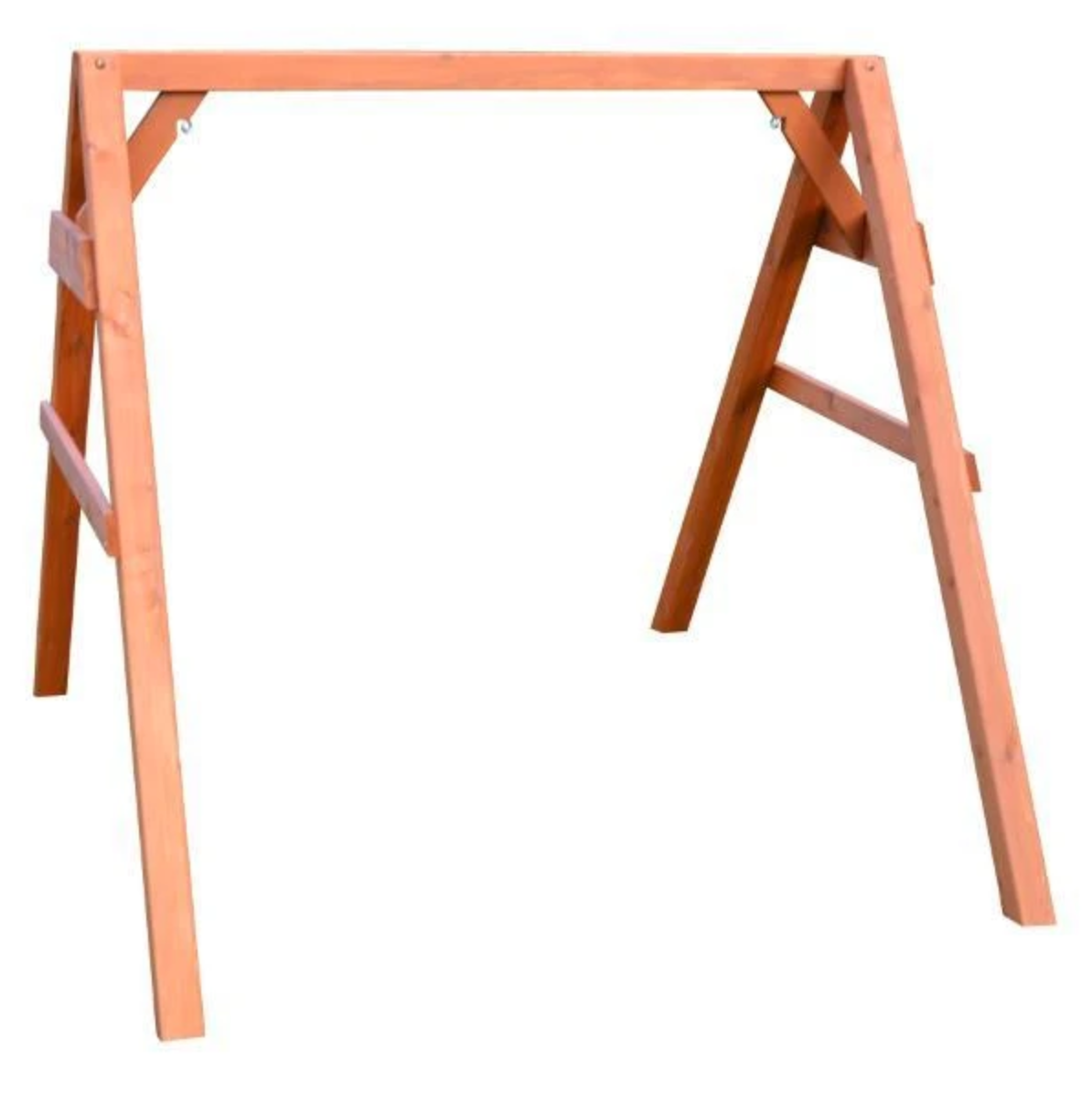
  • Freestanding canopy swings: Self-supporting frames, usually steel or wood
  • Hanging porch swings with canopy: Hung from a strong beam or ceiling, with a canopy attached to the swing itself
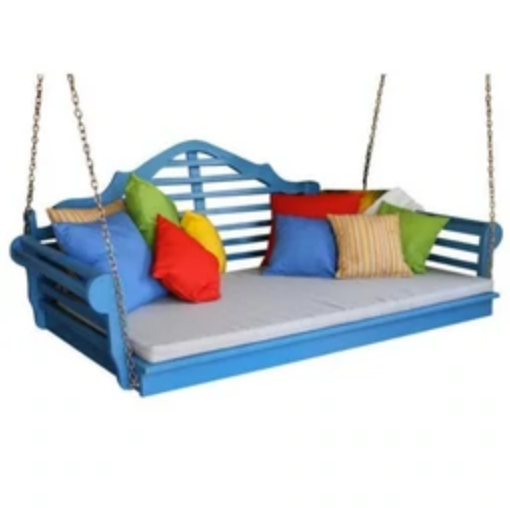
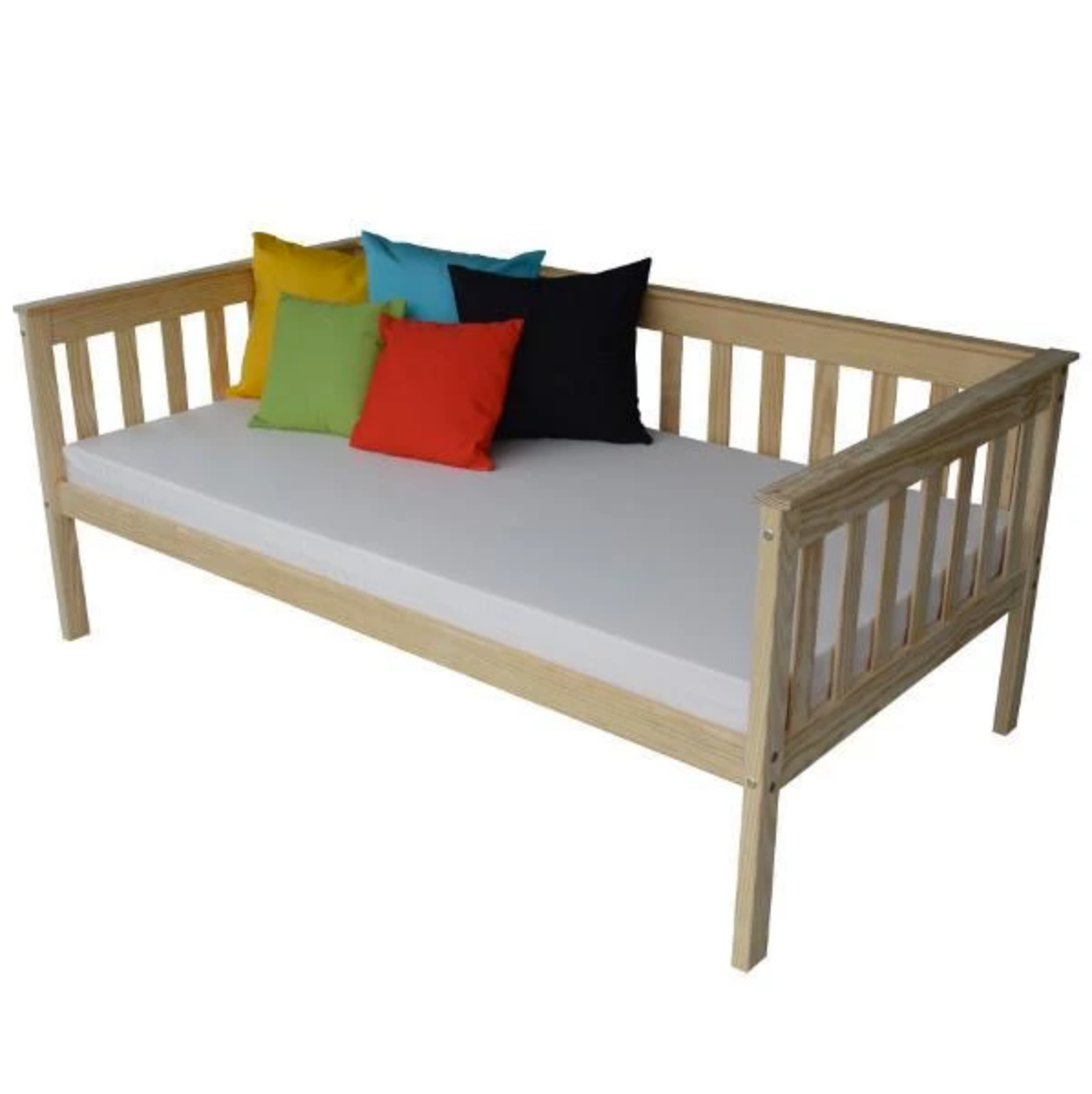
  • Convertible swing beds: The backrest folds flat so the swing works as a daybed
  • Hammock-style canopy swings: Fabric or rope seating with a more relaxed, lounge-like feel


Key Features to Look For

1. Adjustable Canopy

A tilting or adjustable canopy lets you move the shade as the sun changes position. Fixed canopies are simpler and usually stronger, but they provide less shade in the early morning or late evening.

2. Weather-Resistant Canopy Fabric

The canopy fabric type affects how long your swing looks good. Look for:
  • UV-resistant polyester (ideally with a PU or water-repellent coating): affordable and common
  • Olefin (polypropylene): good fade and moisture resistance
  • Solution-dyed acrylic: the color goes all the way through the fiber, so it holds up best against fading
Heavier fabric, usually listed in GSM, generally lasts longer than thin, lightweight material.

3. Weight Capacity

Always check the weight limit listed by the manufacturer. Most 2–3 seater outdoor swings can hold about 450 to 750 pounds, but this depends on how they're built. If several adults will use it together, choose a model with extra capacity.

4. Cushions and Seating Comfort

Choose quick-dry foam and removable, water-resistant cushion covers. Features like ergonomic backrests, padded armrests, and side cup holders or trays make sitting for longer periods more comfortable.

5. Stability Features

A wide base, cross-bracing, and anti-tip feet help keep the swing steady. Smooth springs or bearings make the swing quieter and gentler.

Lawn Swing Canopy Kit, Fabric and Cover (4ft and 5ft) Canopy 5ft Swing / Canopy- Kit / Forest Green / Swing Bench with Canopy: Features, Pros, and Buying Guide

Best Materials Explained

The frame material mainly affects how long the swing lasts, how much care it needs, and how much it costs.
Material
Durability & Weather Resistance
Maintenance Needs
Ideal Application & Value
Powder-Coated Steel
High structural strength; rusts if coating chips Low to Moderate (inspect & touch up chips) Budget-friendly gardens and covered terraces
Aluminum
Excellent; naturally rust-proof and lightweight Very Low Coastal, humid, and monsoon-heavy regions
Wrought Iron
Extremely sturdy and heavy; rust-prone Moderate (periodic repainting/rust care) Classic, permanent ground/patio setups
Teak Wood
Premium durability; natural oils resist pests/rot Low to Moderate (optional oiling) Premium, long-term investment
Acacia / Shorea
Good durability when properly sealed Moderate (periodic sealing every 6–12 mos) Warm, natural aesthetics for covered spaces
PE (Synthetic) Wicker
Weather- and UV-resistant over metal frame Low (simple wash-down) Modern resort-style balconies & pool decks


Solid Wood vs. Metal: Which Is Better?

Solid wood has a warm, natural feel and stays cooler in direct sunlight. However, it needs sealing or oiling to protect it from moisture, especially outdoors.

Metal frames are usually cheaper and need less maintenance—the coating quality matters. If you live in a coastal area with salty, humid air, choose aluminum or well-coated steel with stainless steel hardware (ideally 316 marine-grade) to prevent rust.

A Note on Engineered Wood

Engineered wood like MDF or particleboard is not good for outdoor swings because it swells and breaks down when it gets wet. For outdoor swings, use treated solid wood, metal, or synthetic wicker instead.
 

Pros and Cons of a Swing Bench with Canopy

Pros

  • Built-in shade: Protects against extreme sun and light rain
  • Relaxing motion: Gentle swinging helps you unwind
  • Seats more than one: Fits couples, kids, or small family groups
  • Freestanding flexibility: No drilling or ceiling support needed
  • Adds visual appeal: Works as a focal point for gardens and terraces

Cons

  • Needs space: The frame and swing arc take more room than a regular bench
  • Canopy wear: Fabric may need replacing after a few years of heavy sun
  • Wind sensitivity: Canopies can catch wind, so secure or remove them during storms
  • Assembly time: Most models arrive flat-packed and take some effort to set up
Canopy Fabric Cover for Tete-a-Tete Swing M-120 Canopy / Swing Bench with Canopy: Features, Pros, and Buying Guide

How to Choose the Right Swing Bench with Canopy

Use this five-step framework before you buy:

Step 1: Measure Your Space

Measure the frame's footprint, then allow clearance for the swing to move. Leave at least 60–90 cm (2–3 ft) in front and behind, plus some space on the sides, so the swing never hits walls, railings, or plants.

Step 2: Decide on Seating Capacity

  • 2-seater: Ideal for balconies and couples
  • 3-seater: Best for families and larger gardens
  • Swing bed: Good if you want to nap or lounge

Step 3: Match Material to Your Climate

  • Hot and sunny: UV-resistant canopy, light-coloured fabric, wood or wicker seating
  • Humid, coastal, or monsoon-heavy: Aluminum or teak frames, rust-proof hardware, quick-dry cushions
  • Covered porch or verandah: Most materials work, including wrought iron and treated hardwoods

Step 4: Check Build Quality

Before you buy, look at the welding or joinery, the thickness of the frame tubes, the quality of the bolts, and the weight limit. If a swing feels light and flimsy in the store, it will feel even less sturdy outside.

Step 5: Make a Realistic Budget

  • Entry-level: Powder-coated steel with polyester canopy
  • Mid-range: Thicker steel or aluminum, better cushions, adjustable canopy
  • Premium: Teak or premium aluminum, solution-dyed fabrics, and durable cushion systems
Spending a bit more upfront often saves money in the long run because you won't need to replace parts as often.

Common Mistakes to Avoid

  1. Ignoring the swing arc: Measuring only the frame and forgetting how far the swing moves
  2. Choosing indoor fabrics: Ordinary cotton cushions grow mildew quickly outdoors
  3. Overlooking hardware: Cheap bolts and chains rust first and can weaken the swing
  4. Placing it on uneven ground: An unlevel base strains the frame and makes it unstable
  5. Leaving the canopy up in storms: Strong wind can bend the frame or tear the fabric
  6. Exceeding the weight limit: Always stay within the manufacturer's rating

Maintenance & Care Tips

Regular care can help your swing last for many years:
  • Clean the canopy every few weeks with mild soap and water; let it dry fully before folding
  • Store cushions indoors or in a dry box during heavy rain
  • Tighten bolts every few months, since the swinging motion loosens them gradually
  • Oil or seal wooden frames once or twice a year, more often in humid climates
  • Touch up chipped paint on metal frames right away to stop rust spreading
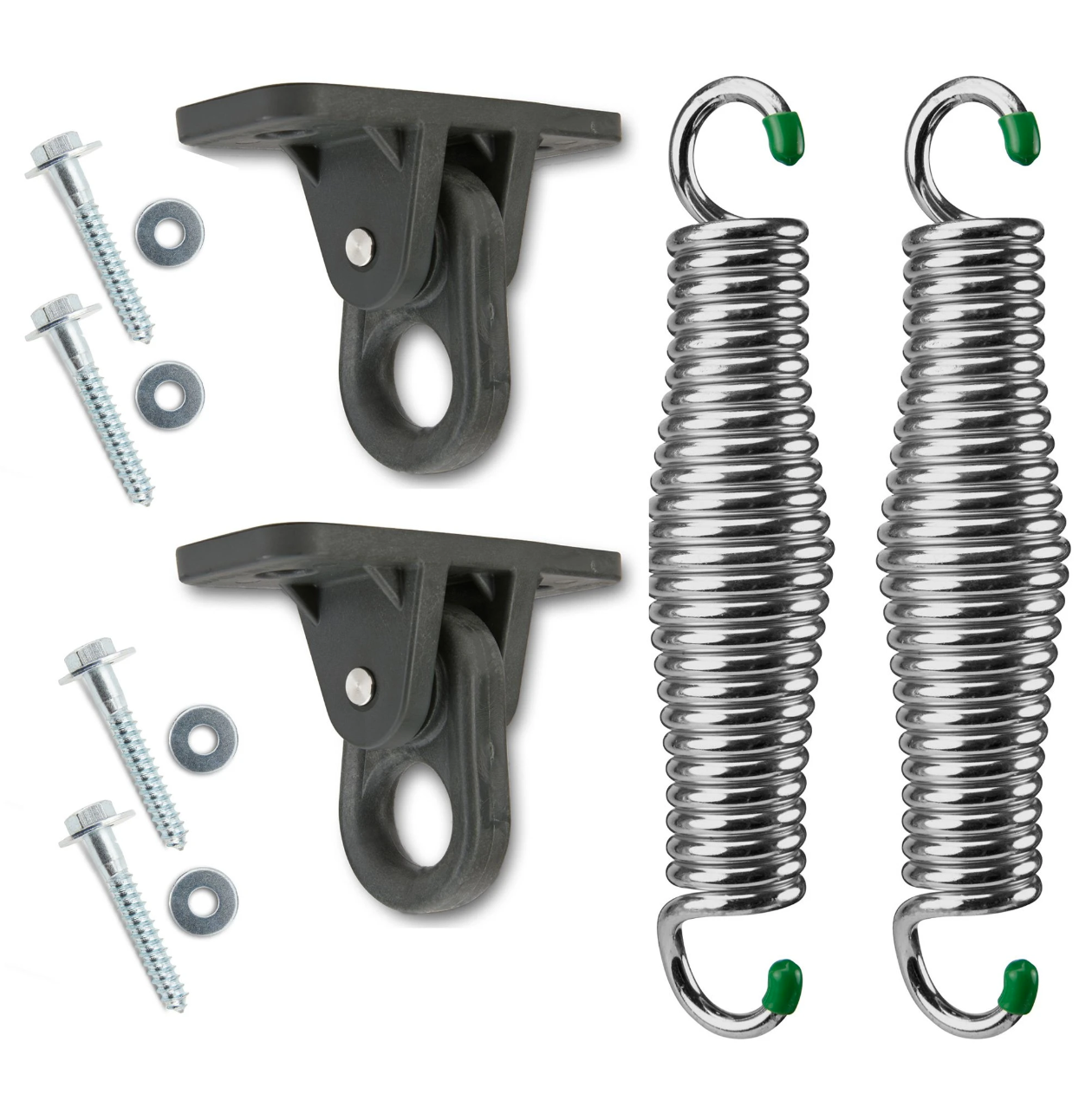
  • Lubricate springs and hooks to keep the motion smooth and quiet
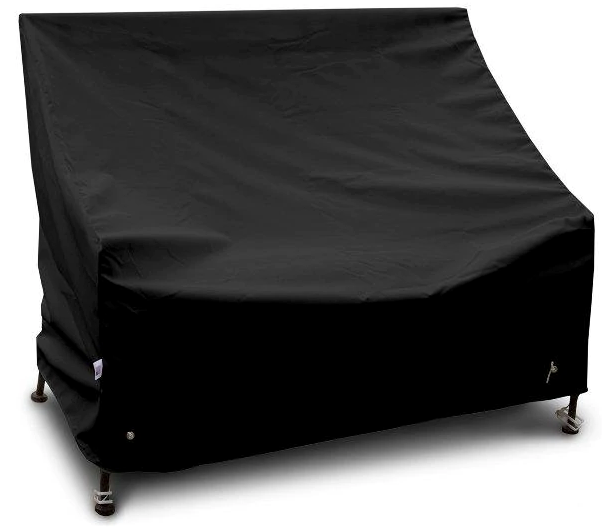
  • Use a weather cover during monsoon or long periods of non-use

Latest Trends in Canopy Swing Benches

Outdoor living keeps shaping furniture design, and canopy swings follow the trend. Popular directions comprise:
  • Convertible swing beds that switch from seating to lounging
  • Rope-weave and wicker textures for a resort-style look
  • Earthy color palettes: sage, terracotta, beige, and charcoal
  • Mixed materials: metal frames with wooden armrests or rattan accents
  • Slim, minimalist frames that suit compact terraces and modern homes
  • Mosquito-net attachments for comfortable evenings outdoors

Frequently Asked Questions

Is a swing bench with canopy suitable for balconies?

Yes, if your balcony has enough depth for the frame plus 60–90 cm of swing clearance. Compact 2-seater models suit most balconies best.

Which material is best for an outdoor swing with canopy?

For low maintenance and rust resistance, aluminum is ideal. For premium robustness and a natural look, teak is the top choice. Powder-coated steel is a good budget option for covered areas.

Can a canopy swing stay outdoors in the rain?

The frame can, if it's weather-resistant, but store cushions indoors and lower or cover the canopy during heavy rain or strong winds.

How long does a canopy swing bench last?

With proper care, a quality frame can last many years. Canopy fabric and cushions usually wear out sooner and may need replacing every few years, depending on sun exposure.

Do canopy swings require professional installation?

Most freestanding models are designed for DIY assembly with basic tools. Hanging porch swings need a strong, load-rated beam, so we recommend professional installation.

Conclusion

A good swing bench with canopy is more than just outdoor seating. It gives you a shaded spot to relax and enjoy every day. Start by measuring your space, choosing materials that suit your climate, and focusing on build quality over looks. This way, you'll have a swing that stays comfortable, sturdy, and good-looking for years.
Explore our canopy swings and outdoor furniture collection to find a design that fits your balcony, garden, or terrace. Then, make your final choice and complete the purchase.


Also in News

Metal Swing Bench vs Wood Swing Bench: Which Is Better for Your Porch?

Wood Swing Bench: Best Materials, Benefits, and Styles

Porch Swing Bench vs Patio Swing Bench: Which Is Right for You?