Swing Bench with Stand: How to Choose the Right Setup for Your Garden

Garden Swing Bench / Swing Bench with Stand: How to Choose the Right Setup for Your Garden
A garden swing bench can transform an unused corner of your yard into a favorite hangout. But it's easy to choose the wrong one. Many buyers only realize later that the frame isn't sturdy, the cushions fade quickly, or the stand takes up more space than expected.

This guide focuses on what really matters: frame materials, weight capacity, size, comfort, and maintenance. With these tips, you can choose a porch swing bench with a stand that stays sturdy and looks great for years.
 
Garden Swing Bench / Swing Bench with Stand: How to Choose the Right Setup for Your Garden

Why Choose a Porch Swing with Stand?

Traditional swings need a strong tree branch or a custom overhead beam. A swing bench with a stand is freestanding so that you can place it anywhere—on your lawn, patio, deck, or terrace.
Key advantages:
  • No installation hassle: Most units assemble in a few hours with basic tools.
  • Flexible placement: Move it between seasons or when you redesign the garden.
  • Seating for two to four: It works for couples, families, and relaxed conversations.
  • Built-in structure: The stand is engineered to match the swing's weight rating.
If you want a relaxing outdoor seat without building anything, this is the easiest and most practical option.

Best Materials Explained

The material you choose affects how long your outdoor swings last and how much maintenance they need.

Frame and Stand Materials

Material
Durability & Strength
Maintenance Needs
Ideal Application
Powder-Coated Steel
High structural capacity Low (touch up paint chips) Budget-friendly, all-round garden use
Wrought Iron
Very High; wind-stable Moderate (anti-rust checks) Classic look; high-wind areas
Aluminum
Good; naturally rust-proof Very Low Coastal, humid, or rainy climates
Solid Wood (Teak/Acacia)
High Moderate (oil or seal yearly) Natural look; premium landscape feel
Engineered Wood / Composite
Medium Low Covered patios & sheltered verandahs only
 
Practical Tip: Steel is the most popular material for swing benches with stands. Choose one with a powder-coated finish, as it resists rust much better than regular spray paint.
 
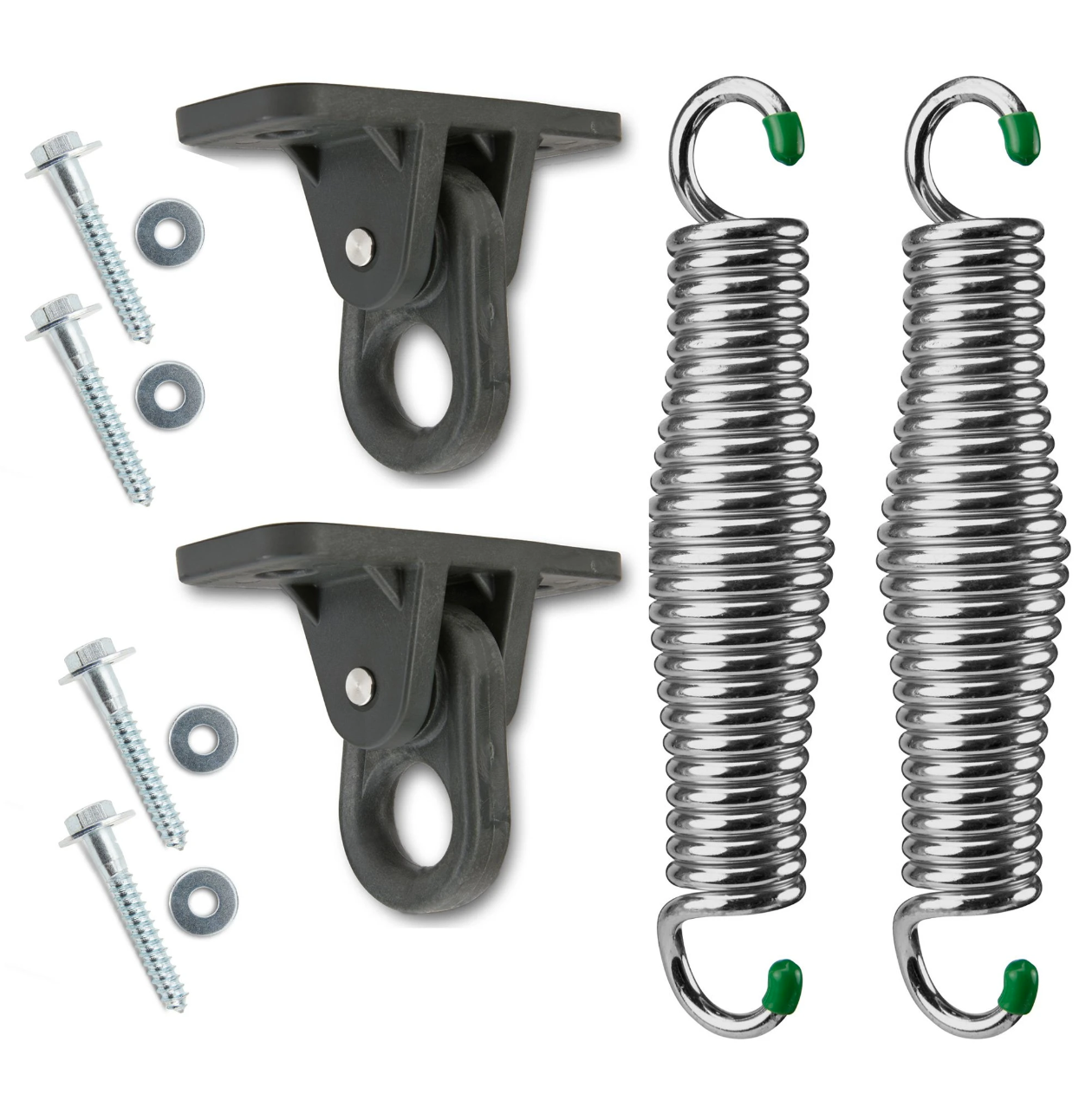
Regallion A-Frame Swing Stand (Hangars Included) Garden Bench / Garden Swing Bench / Swing Bench with Stand: How to Choose the Right Setup for Your Garden

Seat and Cushion Materials

  • Solid wood slats: Durable and breathable, but they get hot in direct sun without cushions.
  • Metal mesh or slatted steel:Dries quickly after rain and suits modern designs.
  • Polyester or olefin cushions:Look for UV-resistant, water-repellent fabric. Cheap cotton blends fade and mildew quickly.
  • High-density foam: It keeps its shape. Thin, soft foam flattens within months.

Canopy Options

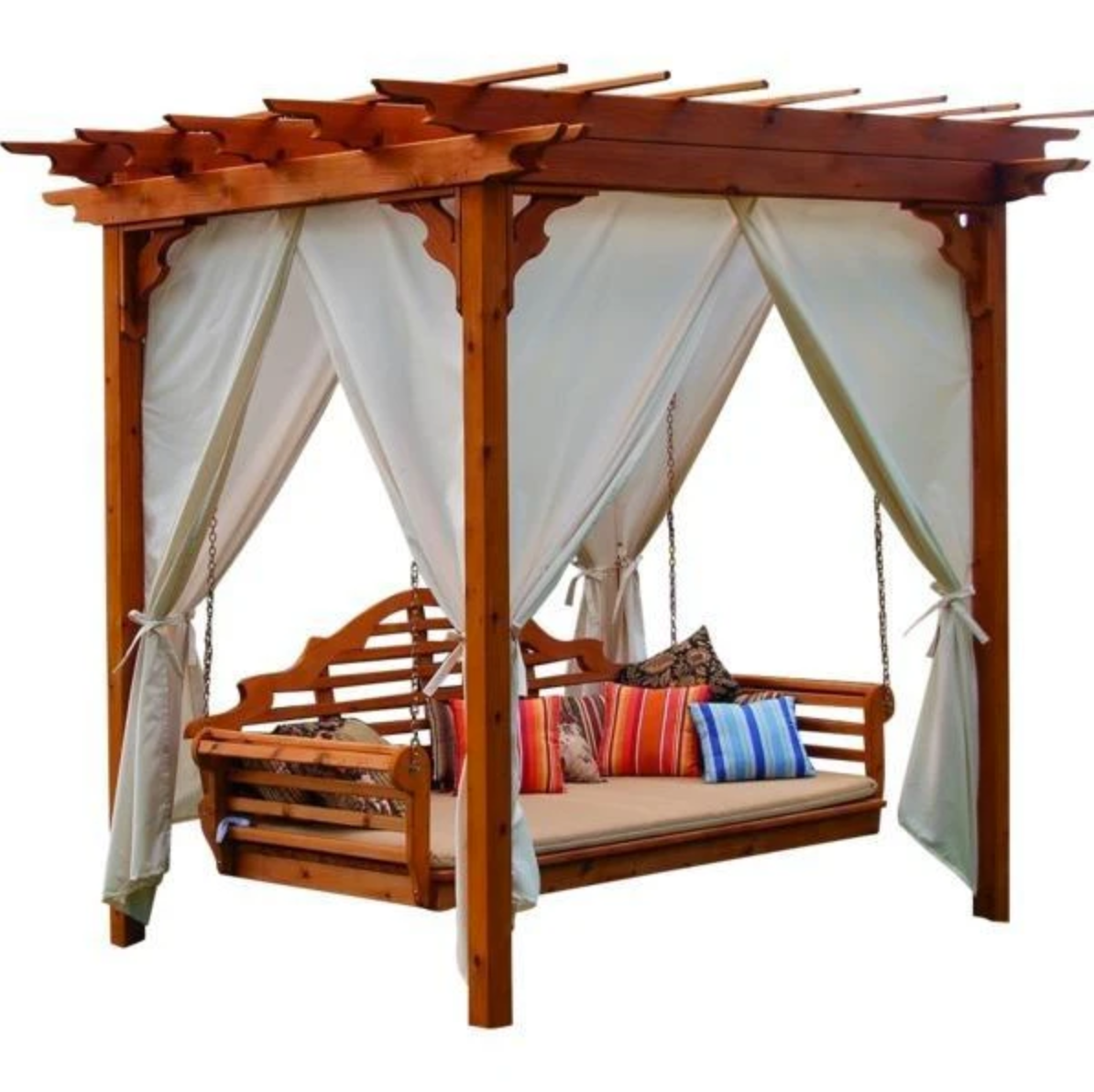
A canopy provides shade and shelter. Polyester canopies are light and easy to replace, while acrylic fabrics last longer without fading. Make sure the canopy frame is securely bolted, since it can catch the wind easily.

How to Choose the Right Garden Swing Bench

Use this simple framework before you buy a patio swing with stand or an A-frame stand.

1. Measure Your Space First

Make sure to leave extra space around the swing's footprint. It needs room to move back and forth safely.
  • Front and back swing zone: At least 60 to 90 cm (2 to 3 ft) on each side of the stand.
  • Overhead clearance: Keep branches, roofs, and cables out of the swing arc.
  • Ground: The surface should be flat and solid. Soft or sloped ground can make the swing unstable.

2. Decide on Seating Capacity

Model Type
Capacity Rating
Best Suited For
2-Seater Swing Bench
2 Adults (~250–350 kg) Compact balconies, small gardens, couples
3-Seater Swing Bench
3 Adults (~350–500 kg) Family gardens, general lounging, hosting
4-Seater or Daybed
4+ Adults (500+ kg) Spacious lawns, large decks, entertaining
A 3-seater is the most versatile choice. It gives you room to stretch out alone and still has space for guests.

3. Check Weight Capacity

Always check the maximum weight limit. Most 2-seaters hold 250 to 350 kg, and 3-seaters usually hold 350 to 500 kg. Keep in mind that swinging adds extra force, so the rating covers more than just sitting weight. If you have teenagers or often have guests, pick a higher weight limit than you think you'll need.

4. Match the Style to Your Outdoor Space

  • Modern gardens:Slim black or grey metal frames with clean lines.
  • Traditional gardens:Wrought iron or carved wooden finishes.
  • Rustic or natural settings: Teak or acacia with earthy cushions.
  • Small patios: Compact two-seaters with a low-profile stand.

5. Think About Comfort Features

  • Contoured backrest with a slight recline
  • Armrests at the right height
  • Adjustable canopy
  • Removable, washable cushion covers
  • Smooth, quiet swing action (look for sturdy hooks and quality chains)
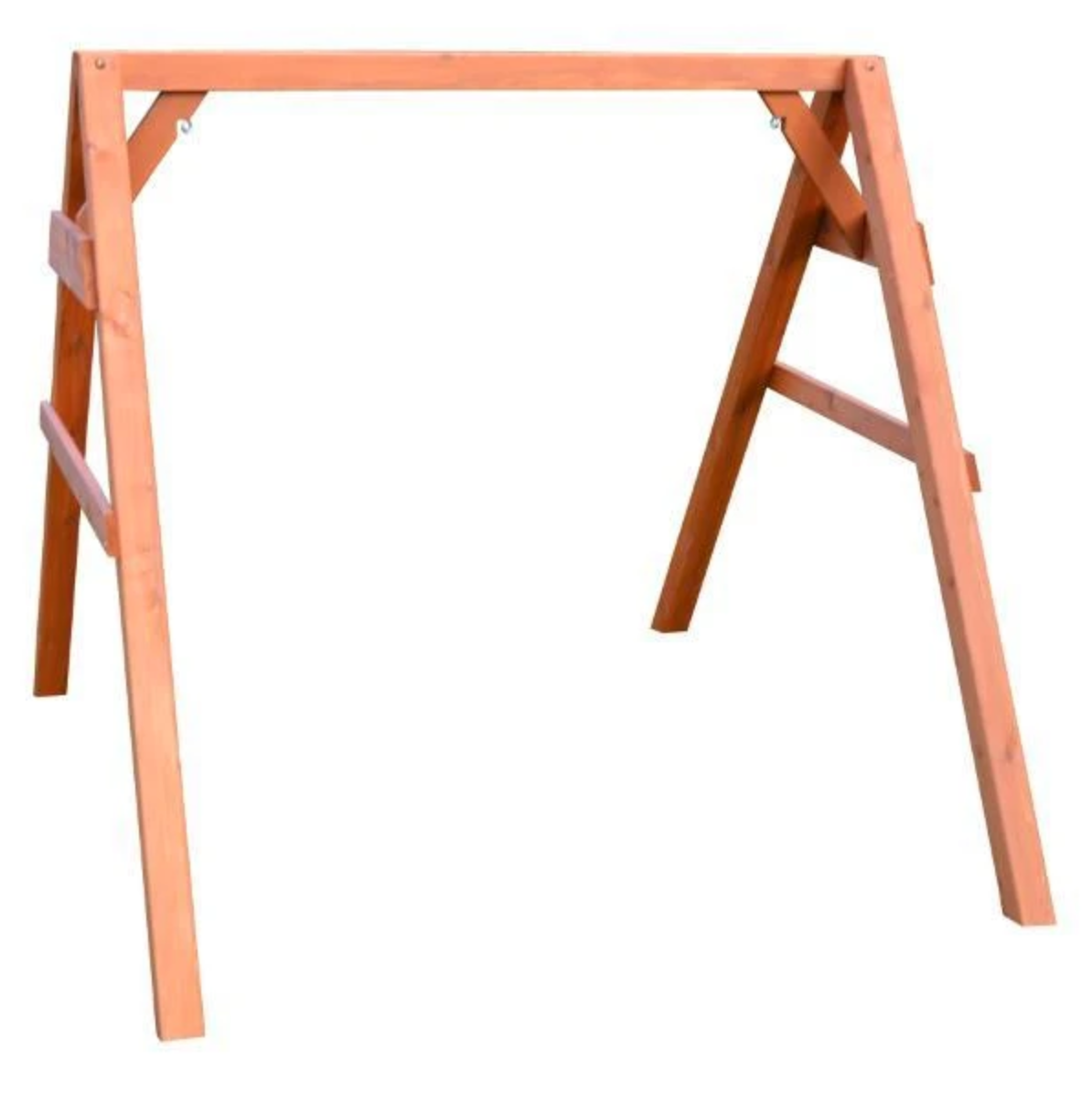
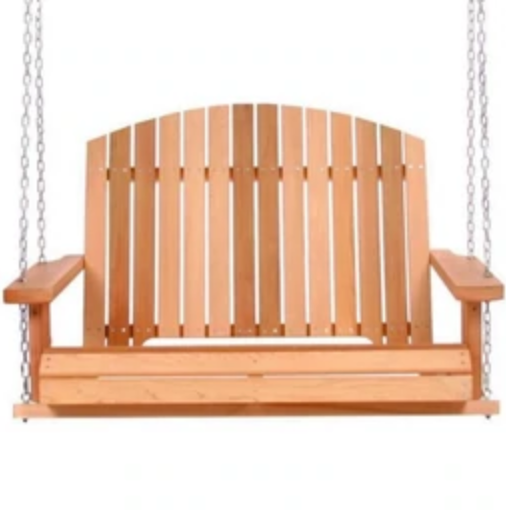
Western Red Cedar 4x4 A-Frame Swing Stand for Swing or Swingbed (Hangers Included) <span class=Porch Swing Stand 5ft / Cedar Stain/ Garden Swing Bench / Swing Bench with Stand: How to Choose the Right Setup for Your Garden">
Common Mistakes to Avoid

  1. Don't buy just for looks.A swing that looks great but has a lightweight frame may wobble or tip over.
  2. Ignoring the footprint.Measure the stand's full base width, not just the seat width.
  3. Skipping weather considerations.An untreated steel frame in a rainy climate will rust.
  4. Don't forget to anchor your swing.In windy areas, use ground anchors or weights to keep it stable.
  5. Avoid choosing the cheapest chains and hooks. These parts take the most stress, so pick galvanized or stainless steel for longer life.
  6. Don't underestimate assembly. Heavy frames often need two people and can take a full afternoon to assemble.

Maintenance and Care Tips

Regular care can make your swing last much longer.
  • Wipe the frame monthly with mild soap and water to remove dust and bird droppings.
  • Inspect bolts and chains every season. Tighten loose fittings and look for early rust.
  • If you notice chips in the powder coating, touch them up right away with matching rust-resistant paint.
  • Oil wooden parts yearly with teak oil or a UV-protective sealant.
  • Store cushions and pillow indoors during heavy rain or winter.
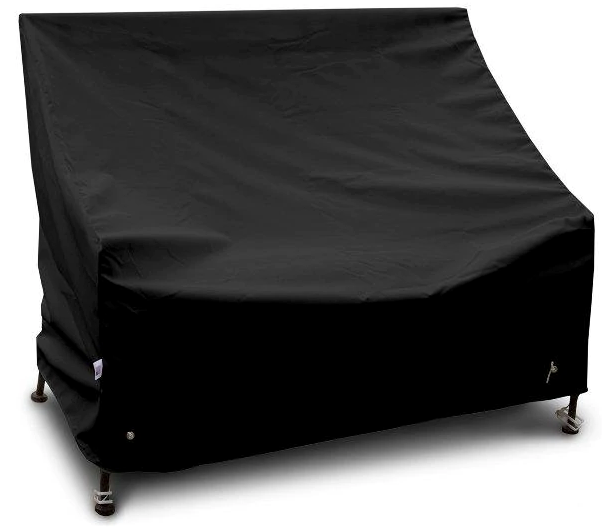
  • Put on a fitted cover if you won't be using the swing for a while.

Latest Trends in Garden Swing Benches (2026)

  • Weatherproof performance fabrics that resist fading and mildew
  • Minimalist black matte frames that blend into modern landscaping
  • Swing benches with side tables or cup holders for relaxed hosting
  • Sustainable materials such as FSC-certified wood and recycled-content frames
  • Convertible canopies with adjustable angles for changing sun conditions
  • Neutral, earthy palettes like sage, sand, and warm grey

Is a Swing Bench with Stand Worth the Investment?

For most people, yes. A sturdy swing bench quickly becomes a favorite spot for morning coffee, reading, or evening relaxation. Spending more on a quality bench usually means it will last longer than two or three cheaper ones, making it a better long-term value.
 
Focus on three things: a strong frame, a realistic weight limit, and weather-resistant finishes. Once you have those, adding comfort and style is simple.
 

Frequently Asked Questions

How much space do I need for a swing bench with stand?

Plan for the product footprint plus at least 60 to 90 cm of clear space in front and behind to allow safe swinging, and make sure nothing blocks the overhead area.
 

Which material is best for an outdoor swing bench?

Powder-coated steel is the best balance of strength, price, and low maintenance. Aluminum suits coastal areas, and teak suits those who prefer a natural look and don't mind occasional oiling.
 

Can a garden swing bench stay outside all year?

Yes, if the frame is rust-resistant and you protect the cushions. Use a cover or store cushions during harsh weather to extend their life.
 

How much weight can a 3-seater swing bench hold?

Most hold 350 to 500 kg, but always confirm the manufacturer's rated capacity before buying.
 

Do I need to anchor my swing bench to the ground?

In windy locations or on soft ground, yes. Anchoring improves stability and safety, especially for canopy models.
 

Final Thoughts

A good garden swing bench combines sturdy construction with comfort. Measure your space, check the weight rating, pick weather-resistant materials, and plan for easy maintenance. Do these things, and your swing will feel just as good after five years as it did on day one.
 

Also in News

Swing Bench with Canopy: Features, Pros, and Buying Guide

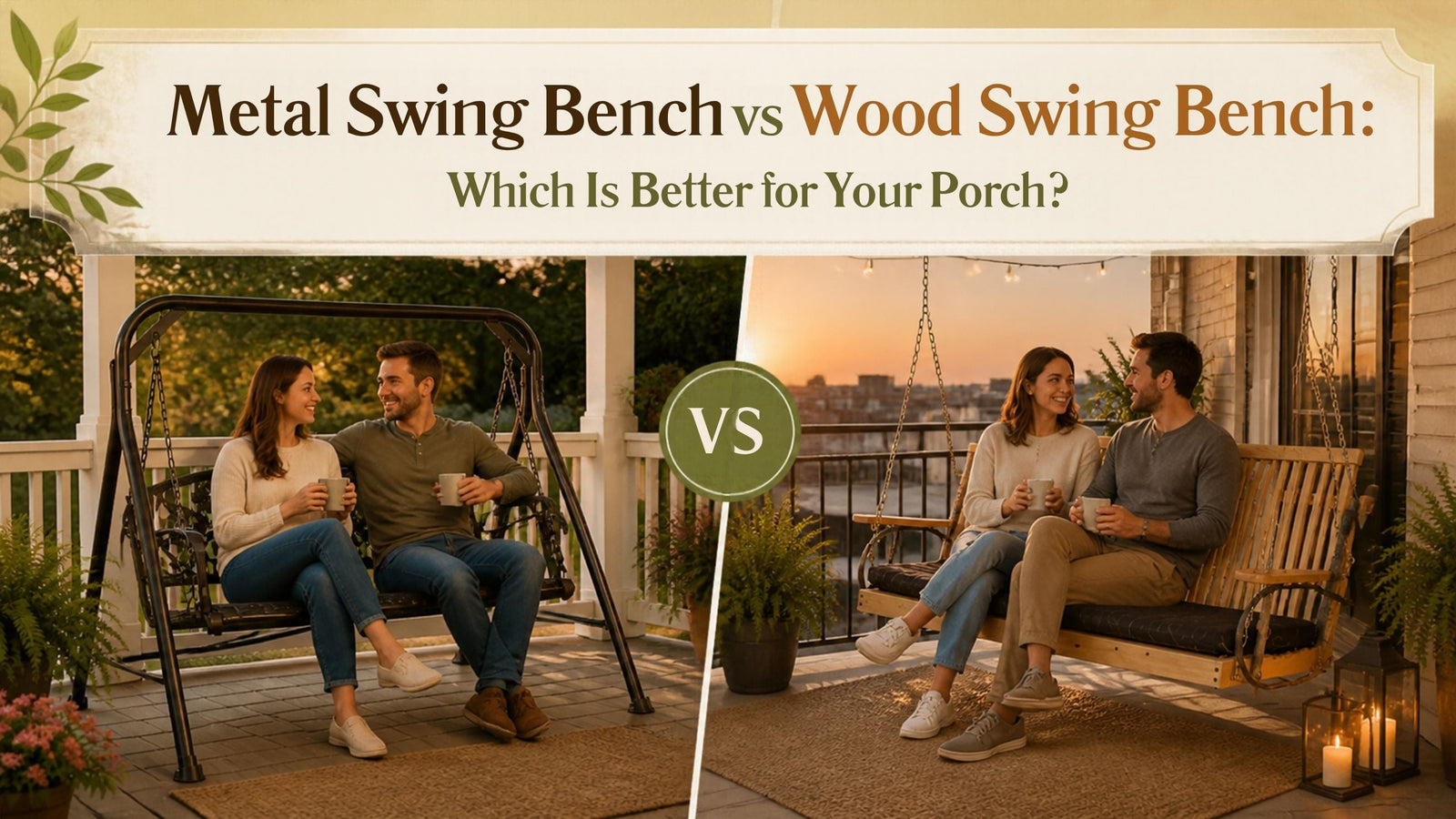
Metal Swing Bench vs Wood Swing Bench: Which Is Better for Your Porch?

Wood Swing Bench: Best Materials, Benefits, and Styles