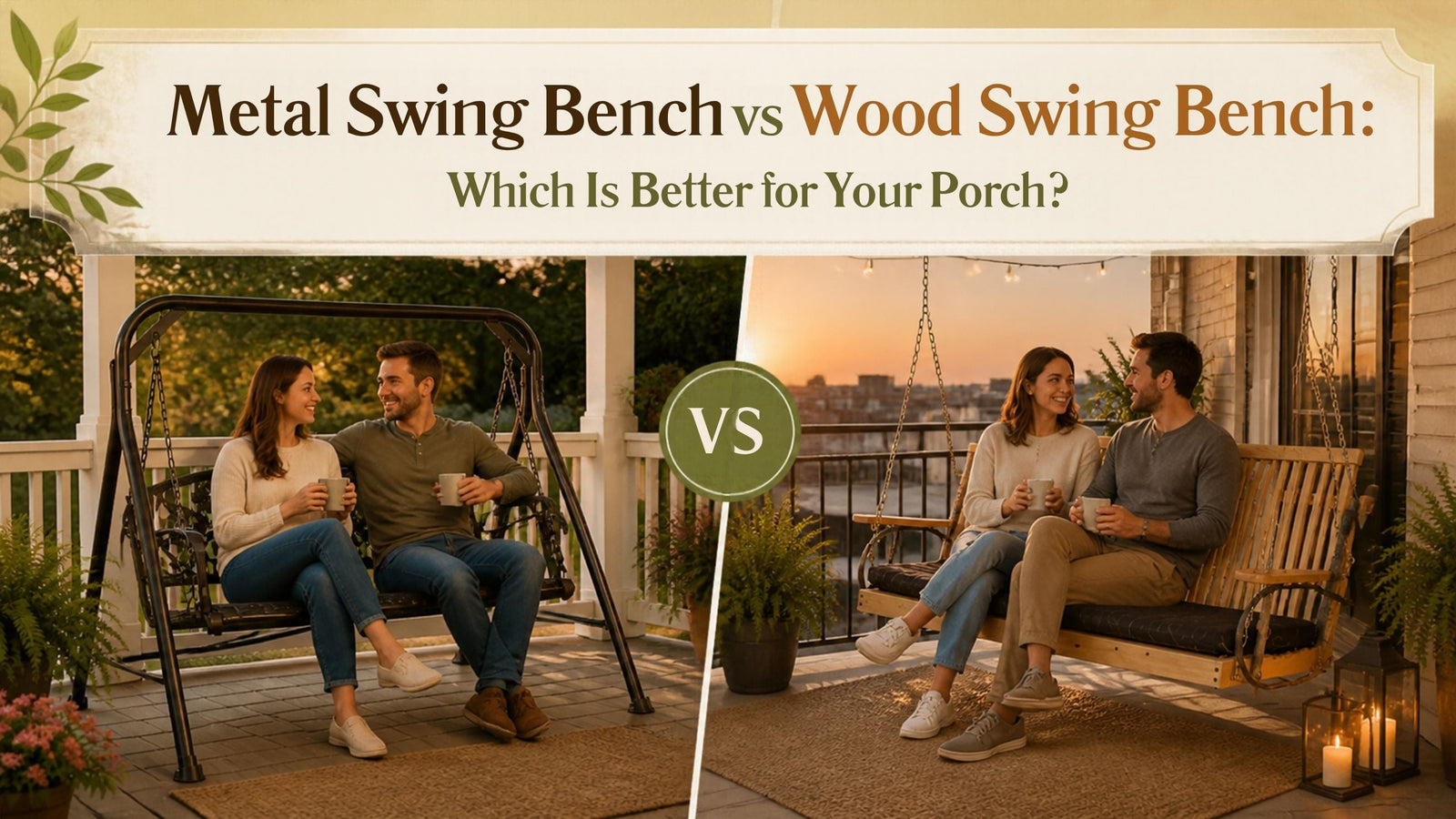
Metal Swing Bench vs Wood Swing Bench: Which Is Better for Your Porch?

Metal Swing Bench vs Wood Swing Bench: Which Is Better for Your Porch?
A swing bench can easily become your favorite seat at home. It's perfect for morning coffee, evening chats, or relaxing after work. But picking one isn't just about style. The material affects how long it lasts, how much care it needs, and how comfortable it is.

So, which is better for your porch swing bench: metal or wood? Both have their fans and their pros and cons. This guide will compare them on durability, appearance, maintenance, cost, comfort, and weather resistance to help you choose what fits your home and climate.

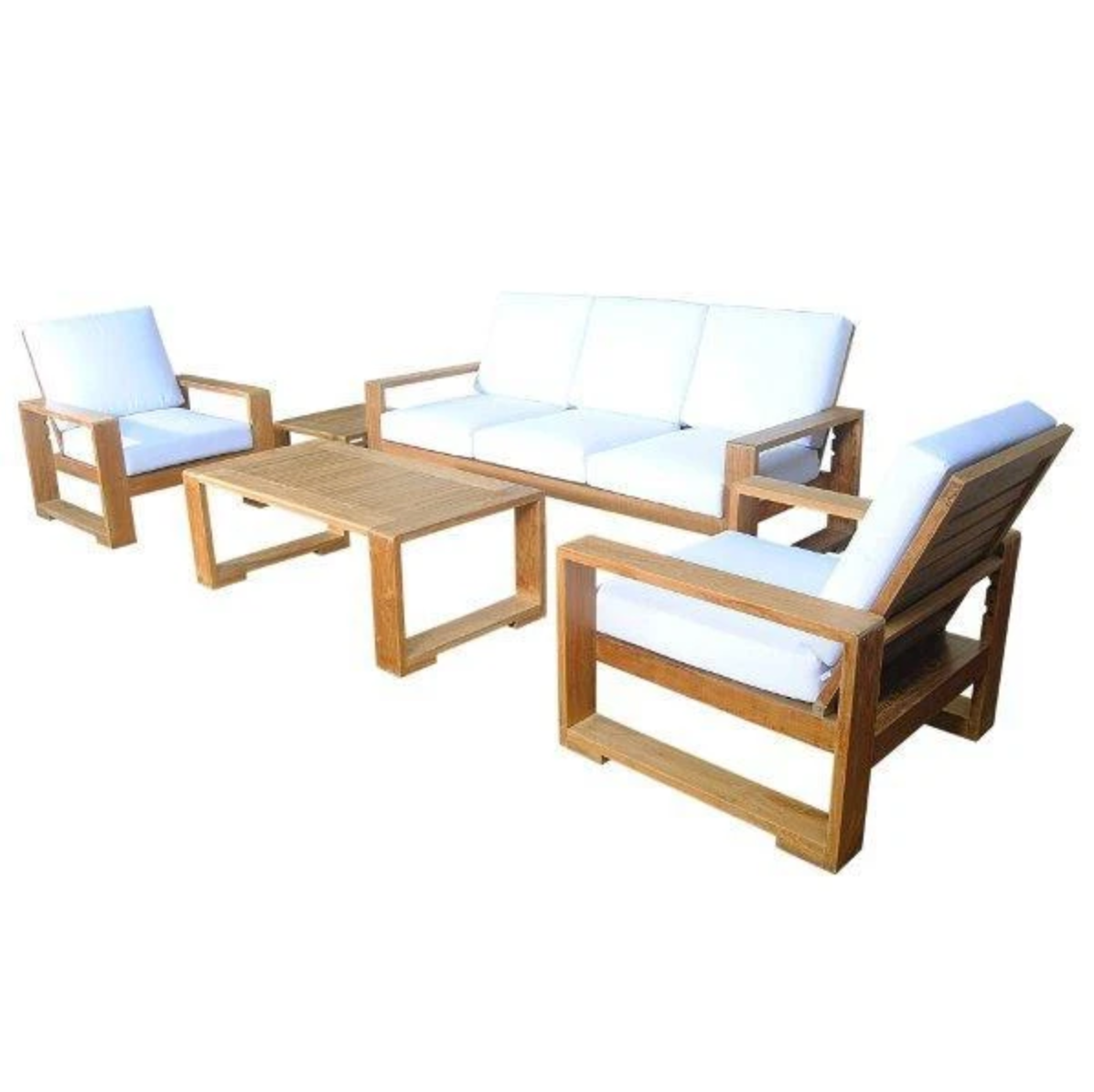
ThermaFusion Tete-A-Tete Table Addon w/ storage slides Lounge Chair / Metal Swing Bench vs Wood Swing Bench: Which Is Better for Your Porch?

Quick Answer: Metal or Wood?

A metal swing bench is a good choice if you want something strong, easy to care for, and with a modern or classic wrought-iron look, especially if you live in a dry or mild climate.

A wood swing bench is right for you if you like natural warmth, comfort in any weather, and a classic porch look, and you don't mind a bit of seasonal upkeep.

There's no one-size-fits-all answer. The best choice depends on your climate, how you use your porch, and how much maintenance you want.

Understanding the Materials

Metal Swing Bench Options

  • Wrought iron: Heavy, very strong, and decorative. It's the classic material for Victorian-style porch swings.
  • Powder-coated steel: Strong and affordable. The baked-on coating resists chipping and rust.
  • Aluminum: Light and naturally rust-proof, a good fit for coastal homes. Cast aluminum looks more solid than tubular aluminum.

Wood Swing Bench Options

  • Teak: The premium choice. Its natural oils resist moisture, insects, and rot.
  • Cedar: Light, aromatic, and naturally decay-resistant. It's a good middle-range option.
  • Acacia and eucalyptus: Affordable hardwoods that are durable when properly sealed.
  • Pine: Inexpensive, but it needs pressure treatment and regular sealing to last outdoors.
Tip: The wood type matters more than the label. A teak bench and an untreated pine bench are very different. Always check the wood type before you buy.
 
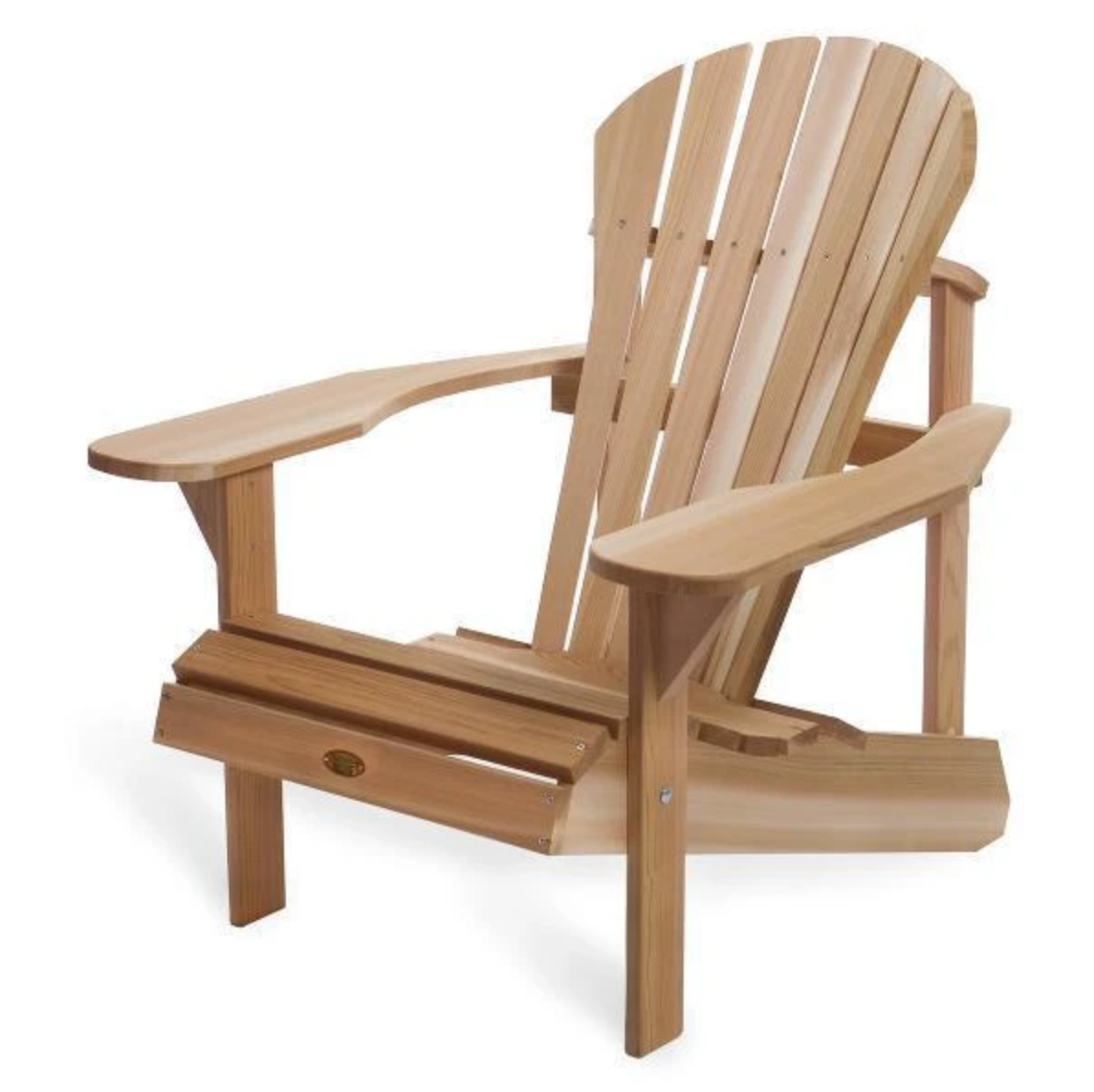
Outdoor Wildflower Swing outdoor furniture / Metal Swing Bench vs Wood Swing Bench: Which Is Better for Your Porch?

Durability: Which Lasts Longer?

Metal

Metal frames are built for strength. A quality wrought iron or steel swing can hold heavy loads without sagging, and it won't crack, split, or attract termites.
The main weakness is corrosion. Once a protective coating chips, rust can spread, especially on steel and iron. Aluminum avoids this, but thin tubular aluminum can dent or bend.

Wood

Good hardwoods like teak can last for decades. Lower-grade woods may warp, crack, or rot within a few seasons if neglected.
Wood expands and contracts with humidity changes, which can loosen joints over time. Look for these features:
  • Mortise-and-tenon or dowel joinery rather than staples
  • Stainless steel or brass hardware
  • Kiln-dried timber, which is less likely to warp
In summary, metal usually wins for strength. But high-quality hardwood can last just as long with proper care.

Aesthetics: Matching Your Home's Style

Metal Swing Bench Style

Metal fits many styles:
  • Wrought iron scrollwork suits Victorian, farmhouse, and cottage homes.
  • Sleek black or charcoal steel works on modern and industrial exteriors
  • Slim frames feel airy and won't crowd small porches visually

Wood Swing Bench Style

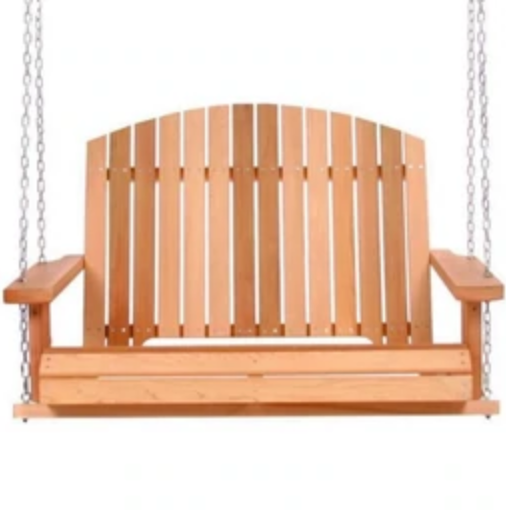
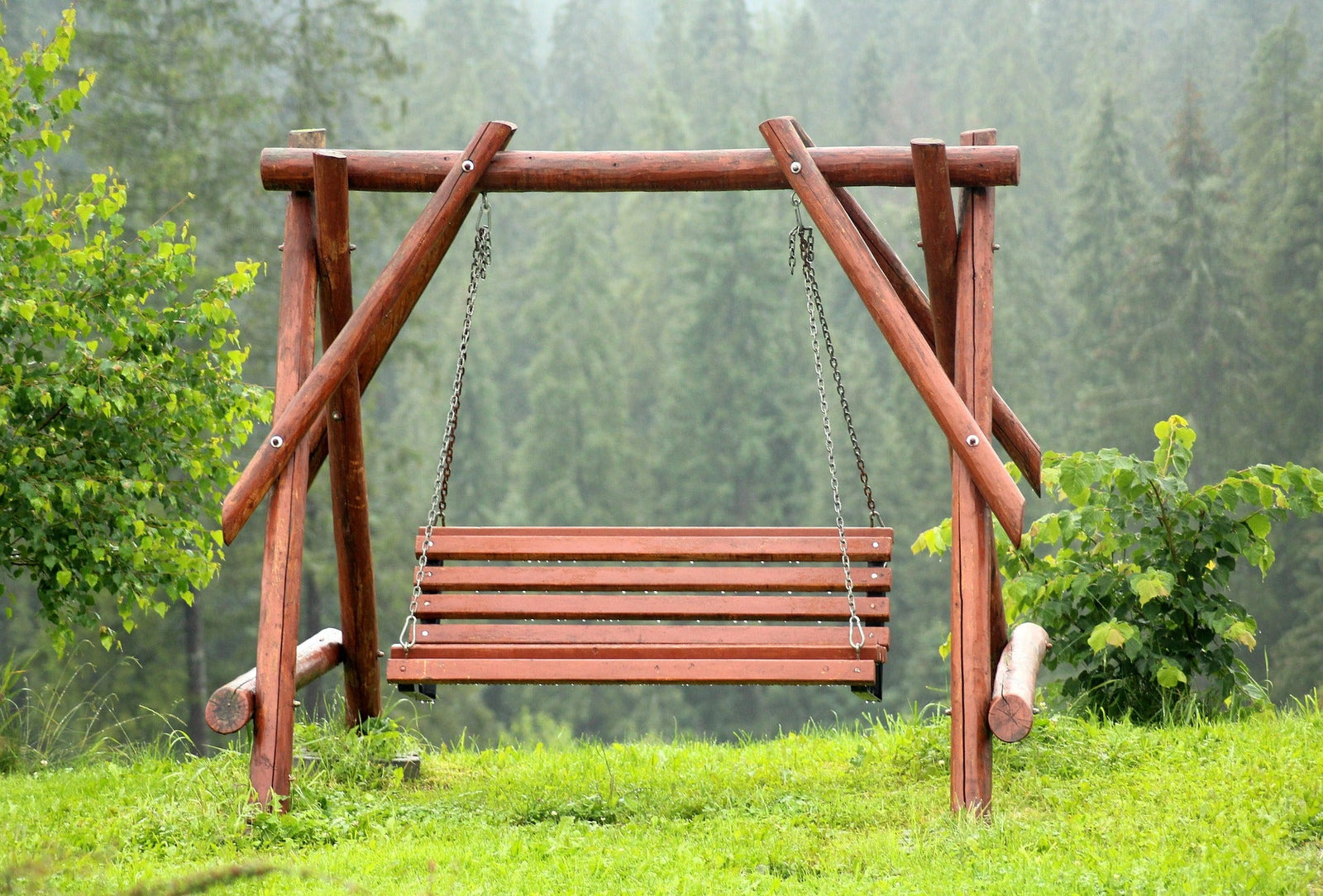
Wood gives a warmth that metal doesn't quite match. A wooden porch swing goes well with:
  • Traditional and colonial architecture
  • Rustic cabins and garden settings
  • Coastal homes, especially in weathered gray teak
You can also stain or paint wood to match your trim, door, or deck.
Mixed-material designs are popular now, like wood slat seats on powder-coated metal frames. These give you the strength of metal with the comfort and style of wood.

Maintenance: How Much Effort Will It Take?

For many busy homeowners, this is the most important factor.

Metal Maintenance

  • Wipe it down with mild soapy water every few weeks
  • Look for chips or scratches each season
  • Touch up damaged spots with rust-inhibiting paint
  • Use a wax or protective spray once a year in humid areas

Wood Maintenance

  • Clean with a soft brush and mild wood cleaner
  • Reapply sealant, oil, or stain every 1–2 years
  • Sand rough patches to prevent splinters
  • Inspect joints and tighten hardware every season
Teak is the easiest wood to care for. If you leave it untreated, it will turn a silver-gray color but stay strong.
Overall, metal is easier to maintain. Wood needs to be sealed regularly.
 
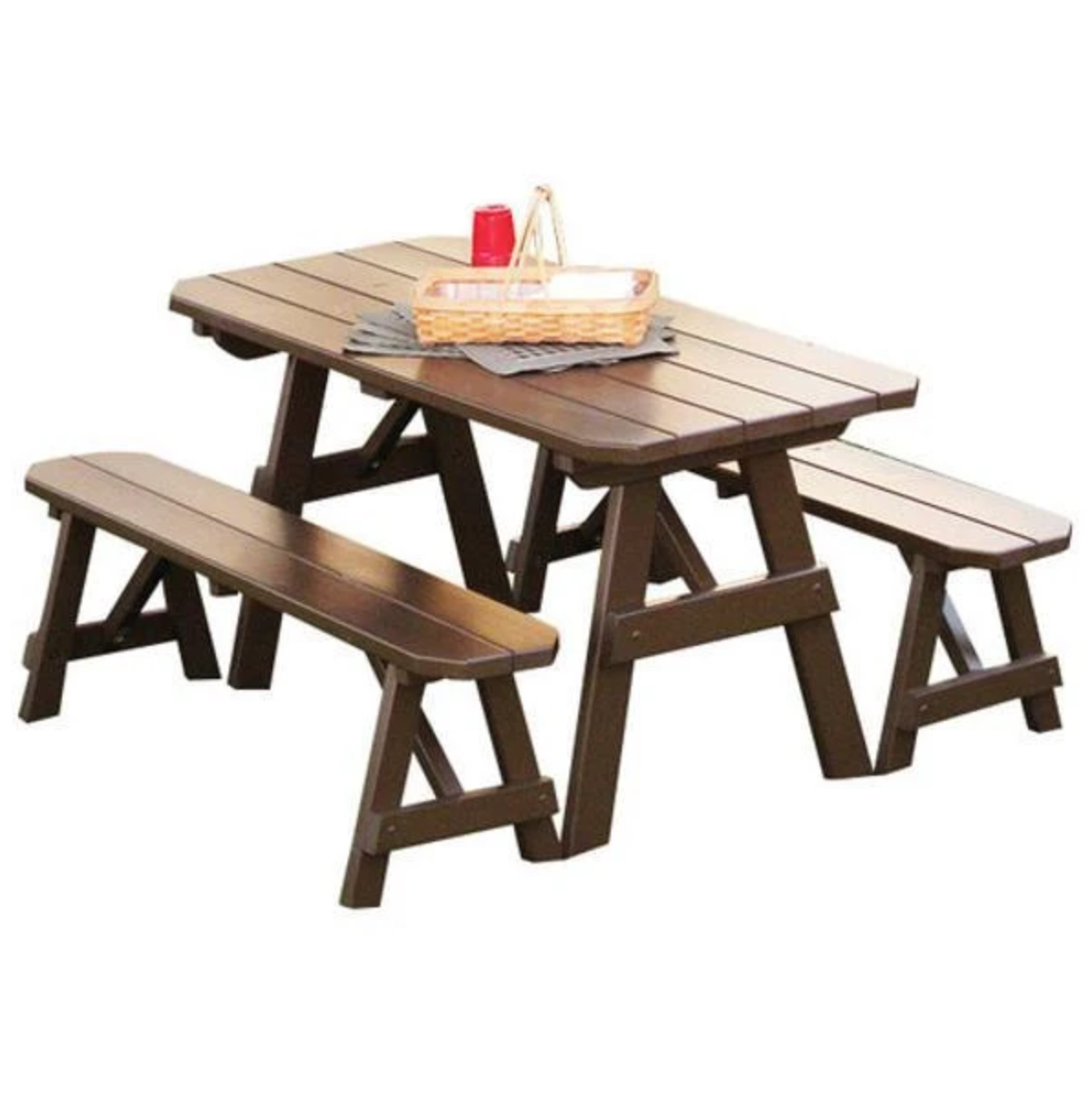
USA Weatherly <span class=Porch Swing Porch Swing 5ft Wide Swing / Woodland Brown / Metal Swing Bench vs Wood Swing Bench: Which Is Better for Your Porch?">

Cost: Upfront Price vs Long-Term Value

Material
Price Tier
Expected Lifespan & Value
Powder-Coated Steel
Budget to Mid-Range Good long-term value if the coating is maintained
Aluminum
Mid-Range Excellent value in coastal and humid areas
Wrought Iron
Mid to Premium Very high durability; can last generations
Pine (Pressure-Treated)
Budget Low to moderate longevity; higher maintenance
Acacia / Cedar
Mid-Range Good value with regular sealing/oiling
Teak
Premium Excellent long-term investment; minimal replacement

Prices depend on size, craftsmanship, and brand. A cheap bench that needs replacing after a few years can cost more than buying a quality one from the start.

Comfort: Which Feels Better to Sit On?

Metal

Metal gets hot in the sun and cold in winter. It can be uncomfortable to touch in extreme weather. Most metal seats also need outdoor cushions if you want to sit for a long time.

Wood

Wood stays closer to the air temperature, so it stays comfortable year-round. Shaped slats and angled backs often feel good even without cushions.

For comfort, wood is naturally better. Metal can be just as comfortable with good outdoor cushions.

Weather Resistance: Climate Matters Most

Choose your swing bench material based on your local climate:
  • Coastal and salty air: Aluminum or teak. Avoid untreated steel and iron.
  • Hot, sunny regions: Wood stays cooler. If you choose metal, pick lighter colors and use cushions.
  • Heavy rain and humidity: Teak, cedar, or powder-coated aluminum.
  • Covered porches: Most materials do well, so choose based on style and comfort.
  • For uncovered or exposed spaces, choose high-quality materials and use protective covers.

Pros and Cons at a Glance

Metal Swing Bench

Pros:
  • Strong, with high weight capacity
  • Low maintenance
  • No warping, cracking, or insect damage
  • Suits both classic and modern styles
Cons:
  • Can rust if the coating is damaged
  • Gets hot or cold depending on the weather
  • Usually needs cushions for comfort
  • Wrought iron is very heavy to hang


Wood Swing Bench

Pros:
  • Natural, warm look
  • Comfortable in most temperatures
  • Can be refinished, stained, or painted
  • Premium woods last for decades
Cons:
  • Needs regular sealing
  • Lower-grade wood may rot or warp
  • Can attract insects if untreated
  • Quality hardwood costs more upfront


How to Choose the Right Swing Bench for Your Porch

Ask yourself these five questions:
  1. What's my climate? Humid or coastal areas point to aluminum or teak.
  2. Is my porch covered, and is my swing weatherproof and easy to clean and maintain? Exposed spaces need stronger materials. High-quality wood and metal swings are both easy to clean and maintain.
  3. How much upkeep will I realistically do? If the answer is very little, choose metal.
  4. What's my home's architectural style? Match the swing to your exterior, not just your taste.
  5. Can my ceiling support the weight? Wrought iron and solid hardwood benches need strong joists and heavy-duty hanging hardware.

Common Mistakes to Avoid

  • Ignoring weight capacity: Check the rating for both the swing and the hanging chains.
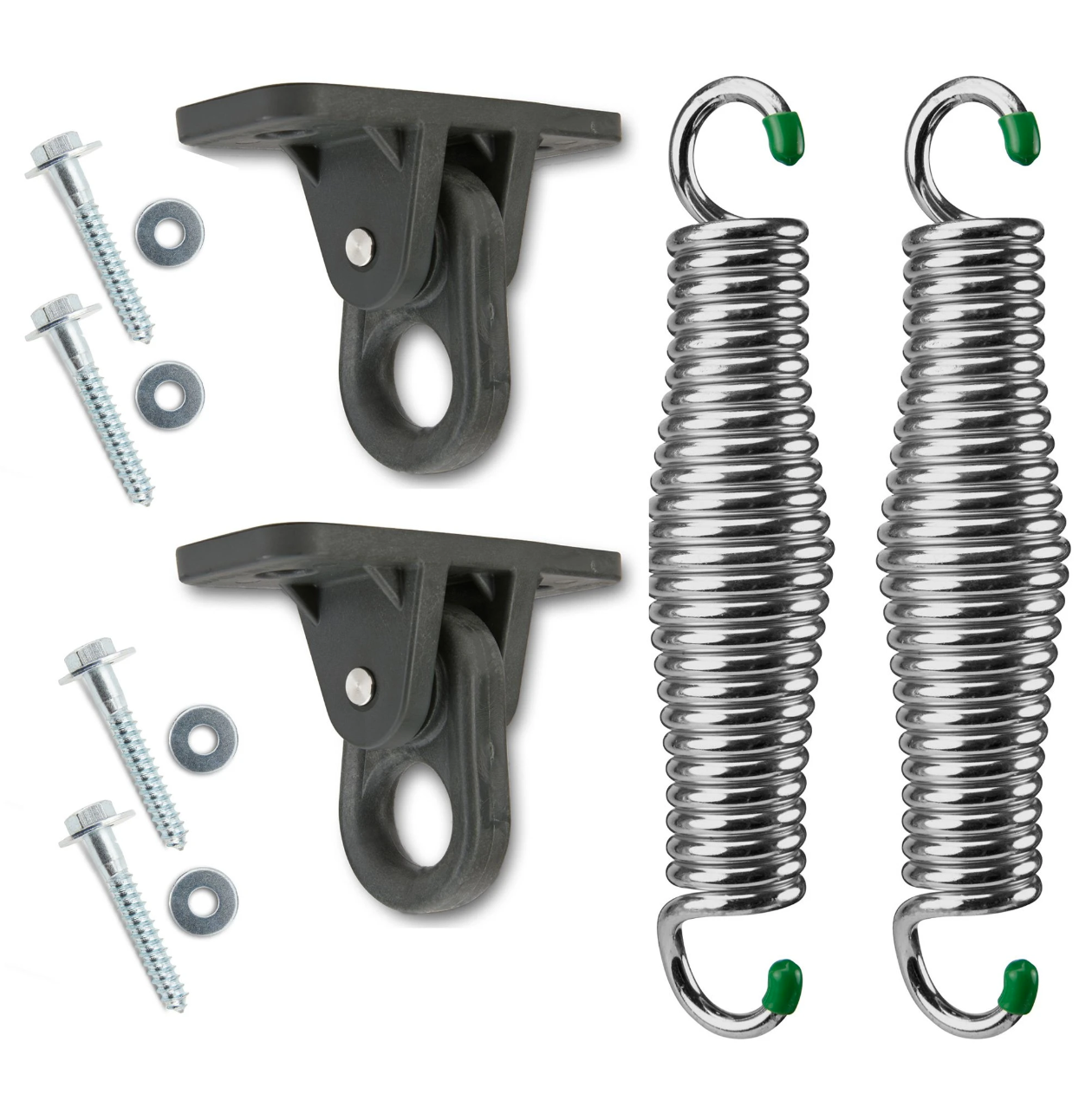
  • Skipping proper installation: Anchor into ceiling joists, never into drywall or thin boards.
  • Buying untreated wood for outdoor use: It may look fine at first but won't last.
  • Forgetting clearance space: Leave about 3 feet in front and behind for a safe swing.
  • Choosing looks over climate: A beautiful iron swing by the sea will constantly fight rust.

Frequently Asked Questions

Is a metal or wood swing bench better for a porch?

Metal is better for low maintenance and strength. Wood is better for comfort and a natural look. Your climate and how much upkeep you're willing to do should decide.

Which wood is best for a porch swing?

Teak is the best wood for a porch swing because its natural oils resist rot, moisture, and insects. Cedar is a good mid-priced alternative.

How long does a metal swing bench last?

A well-maintained wrought iron or powder-coated steel swing can last 15–20 years or more. Aluminum resists rust even longer in humid conditions.

Do wooden porch swings need sealing?

Yes. Most wooden swings need resealing every 1–2 years. Teak can be left unsealed and will weather naturally to a silver-gray finish.

Final Verdict: Choose What Fits Your Porch

There's no one best choice. Metal swing benches offer strength, easy care, and flexible style. Wood swing benches bring warmth, comfort, and classic charm. For many people, a quality hardwood or a mixed metal-and-wood bench is the best balance.

The right swing bench for your porch depends on your climate, your style, and how much maintenance you're willing to do and if it complements your porch aesthetic. Invest in good craftsmanship, strong joinery, and weather-resistant finishes, and your swing will last for years. Ready to upgrade your outdoor space? Explore our collection of the best porch swings and choose a design that suits your space.


Also in News

Wood Swing Bench: Best Materials, Benefits, and Styles

Porch Swing Bench vs Patio Swing Bench: Which Is Right for You?

Outdoor Swing Bench: What to Know Before You Buy