Your Cart is Empty



Your home should be where you can relax, unwind, and enjoy yourself in a space that perfectly meets your needs. But it’s also an investment that you need to protect, which means maintaining it.
A comprehensive home maintenance checklist helps you spot small issues before they develop into costly repairs. Staying on top of routine tasks also protects wooden furniture, interior fixtures, garden structures, and outdoor seating from everyday wear and weather damage.
Use these checklists to keep your home looking its best.
With no weather to worry about inside, you can do your indoor maintenance whenever it suits you:
● Inspect indoor furniture for loose joints, scratches, and worn finishes
Check chairs, tables, cabinets, and wooden furnishings for loose joints, scratches, dents, and worn finishes. Tighten loose fittings and repair surface damage before it worsens.
● Clean and maintain wooden furniture
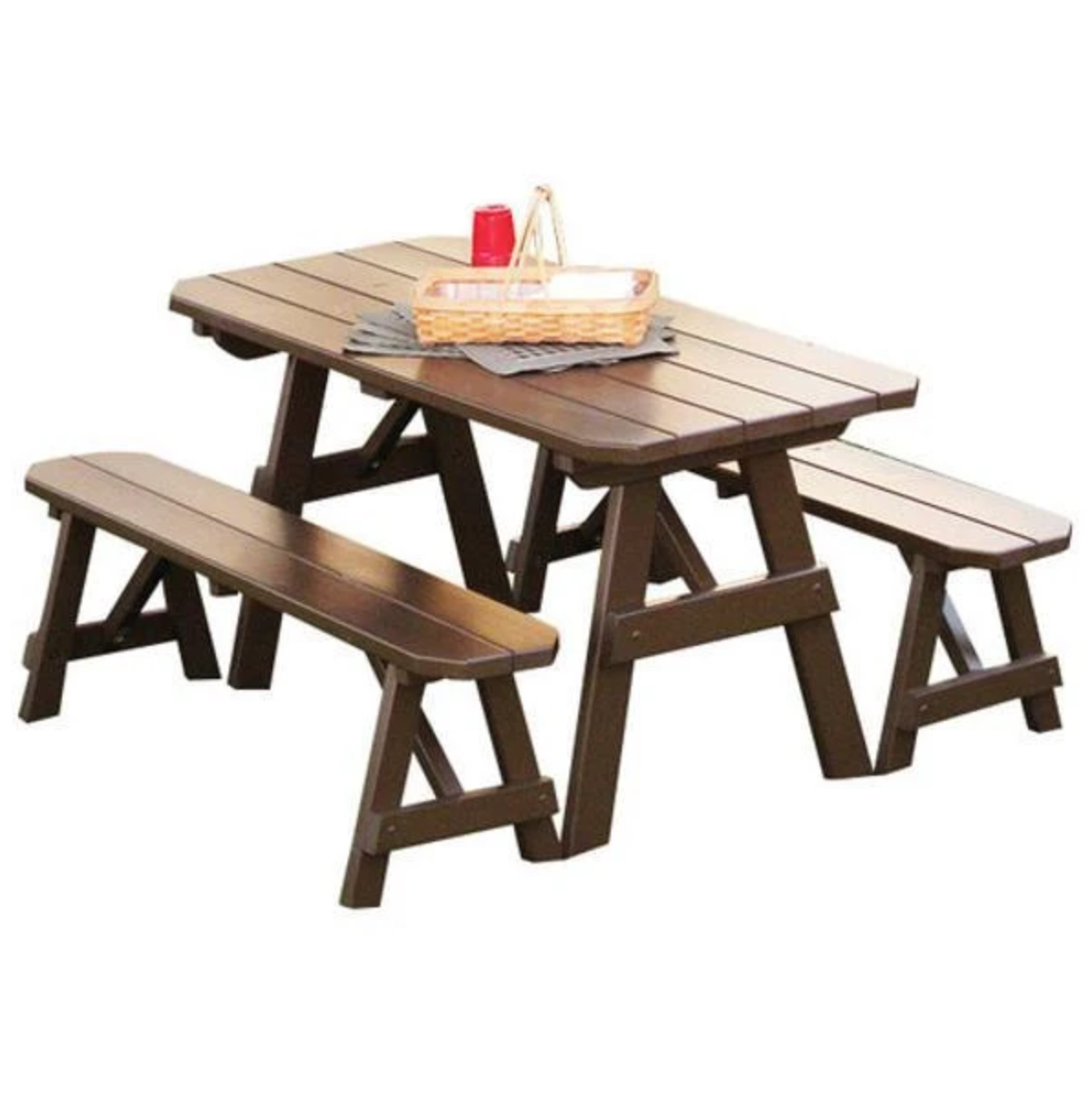
Dust wooden furniture weekly, wipe up spills promptly, and use a suitable cleaner for the finish. Checkindoor benches, storage trunks, and dining tables for scratches, loose fittings, and worn surfaces.
● Check upholstery, cushions, and fabric furnishings
Vacuum upholstered benches and seating regularly to remove dust, crumbs, and pet hair. Fluff and rotate removable cushions to prevent uneven wear, and blot spills promptly with a clean cloth. Check seams, zips, and fabric for damage, and keep cushions away from prolonged direct sunlight to prevent fading.
● Review your insurance policy
Home maintenance isn't just about looking after your physical spaces and furnishings. You should also review your home insurance from time to time to make sure your policy provides adequate cover for your property and its contents. Comparing a homeowners insurance quote can help you explore different coverage options and find a policy that suits your needs.
Kitchens and bathrooms usually get the most heavy use, so they need extra attention:
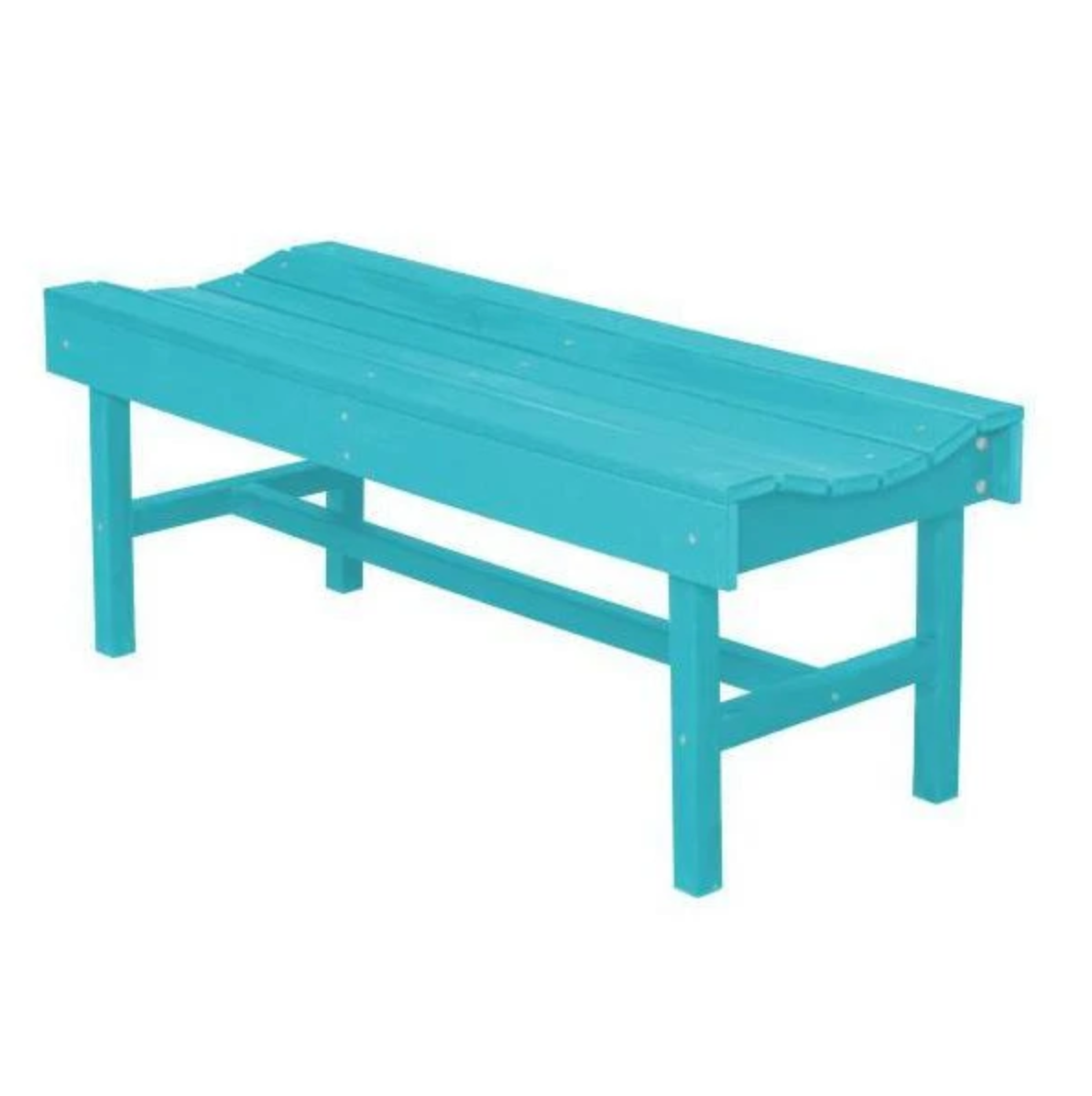
● Check storage benches
Look for loose hinges, damaged lids, and worn surfaces on storage benches. Keep compartments free from damp and avoid overloading them, especially if they're in your bathroom.
● Maintain wooden furniture finishes
Dust wooden furniture daily and deal with spills before they leave marks.
● Inspect cabinets, countertops, and fixtures
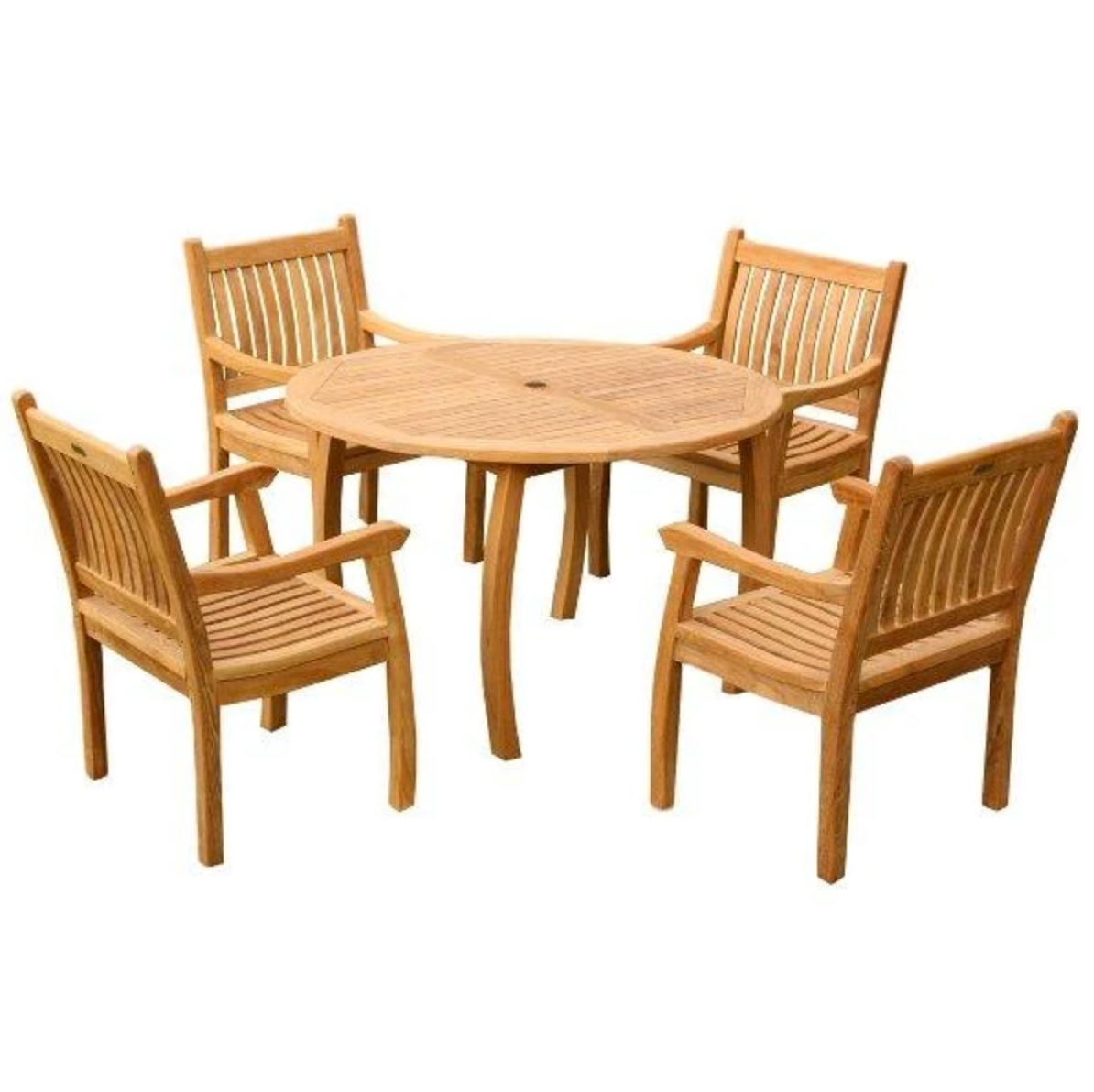
Check kitchen cabinets for loose handles, damaged hinges, peeling finishes, and signs of moisture around sinks. Wooden dining tables and kitchen furniture also need regular cleaning and protection to prevent scratches, watermarks, and surface damage.
The exterior of your property can take a beating, with wind, sun, and rain all contributing to wear and tear over time. Pay particular attention to the following:
● Pergolas, arbors, and garden bridges
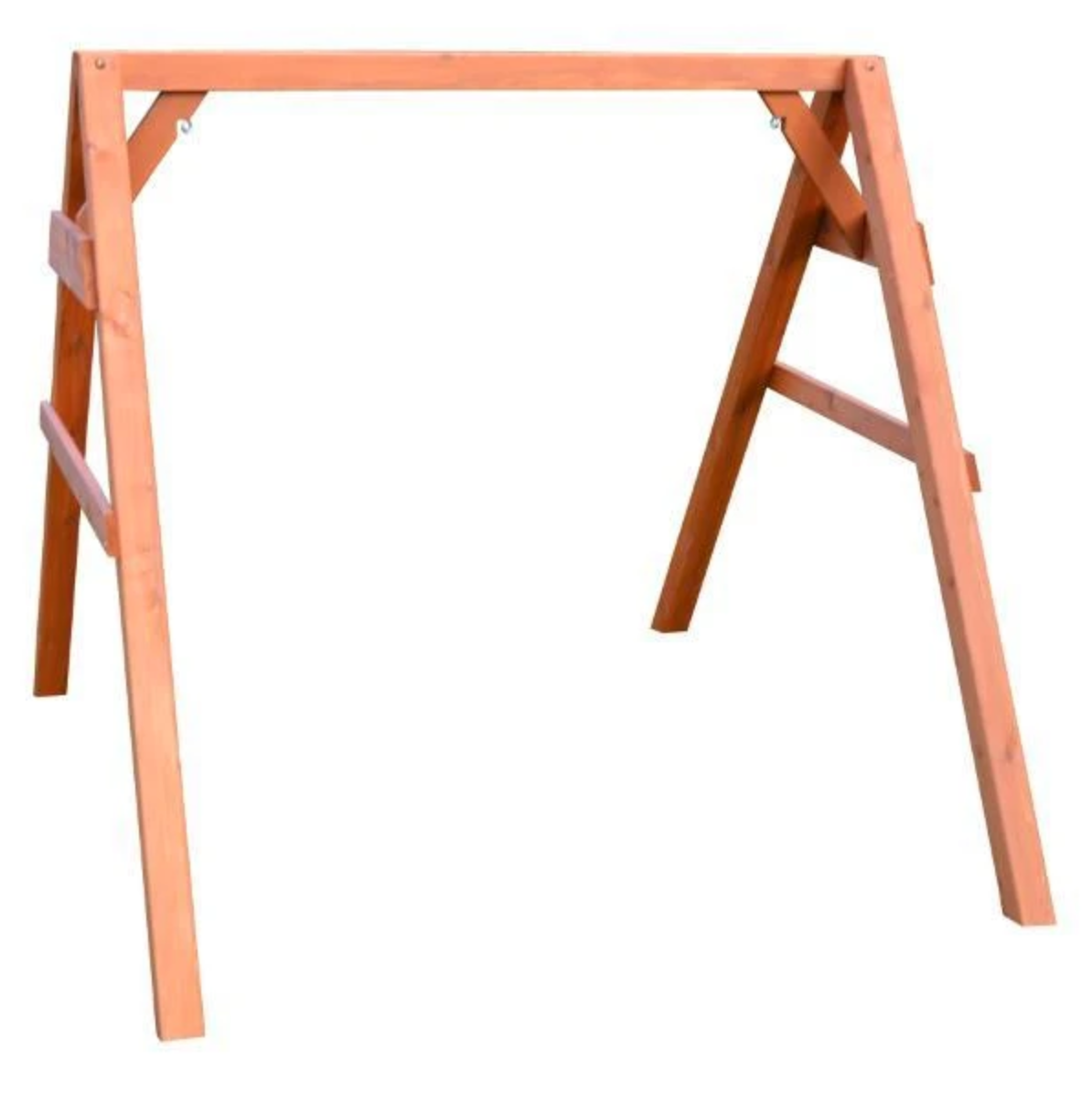
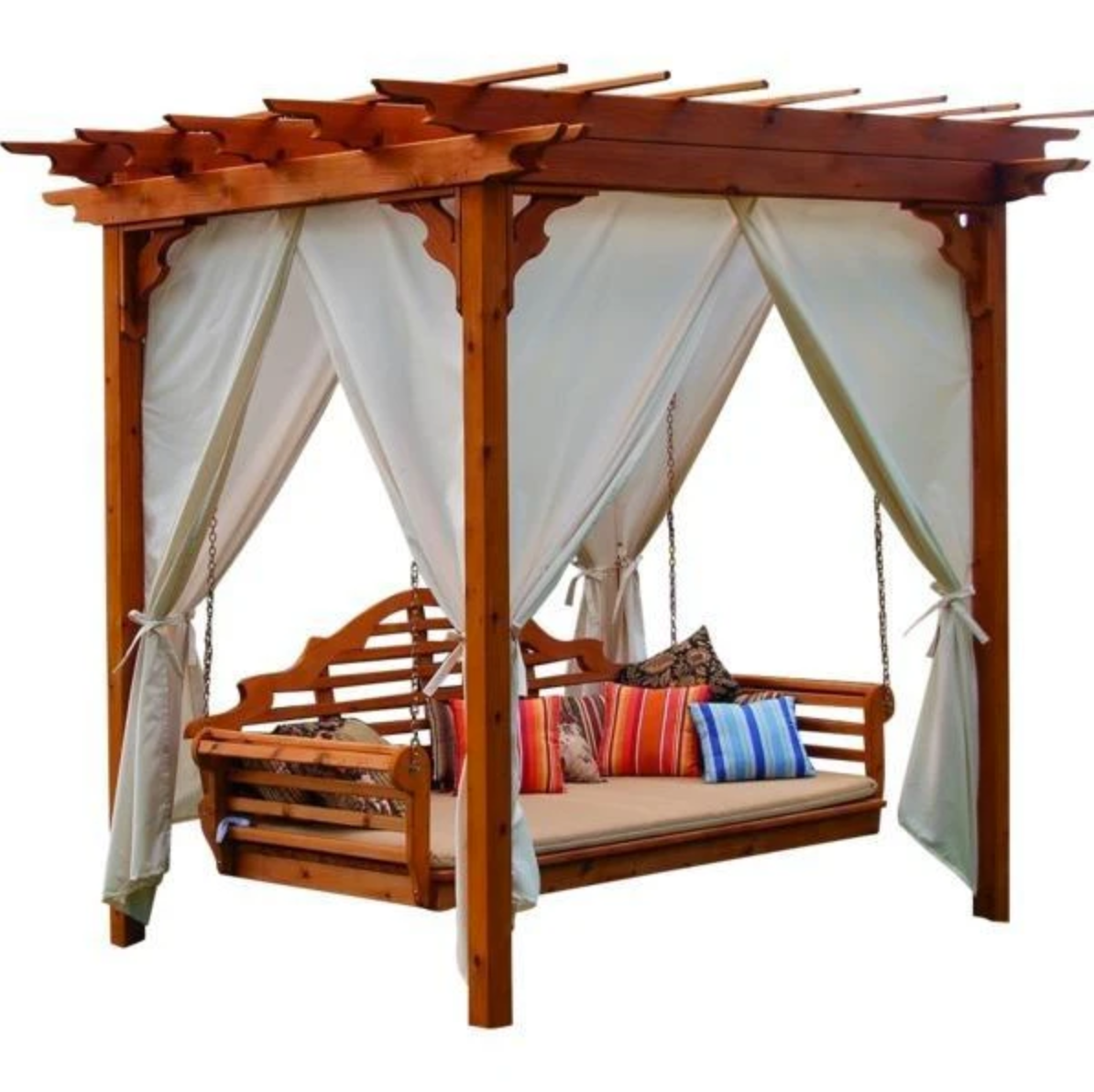
Inspect wooden garden structures more closely after storms or periods of heavy rain. Check supporting beams, roof panels, and anchoring points. Watch for shifting posts, damaged connections, or signs the structure needs professional attention.
● Decks, patios, and outdoor entertaining areas
Keep decking and patio surfaces free from splinters, cracked boards, and uneven sections. Pay attention to drainage around outdoor dining areas, where standing water can damage surrounding surfaces and make seating areas less usable.
● Garden furniture
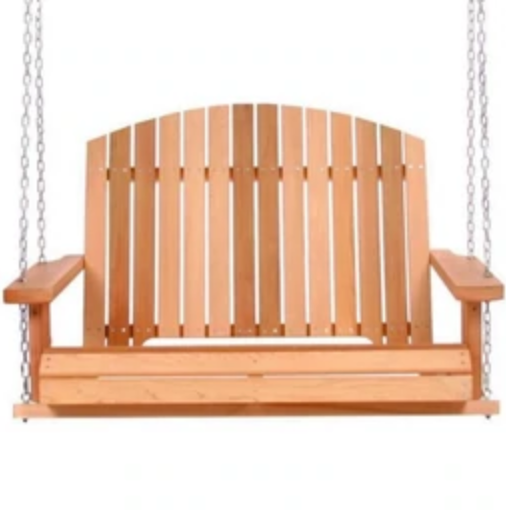
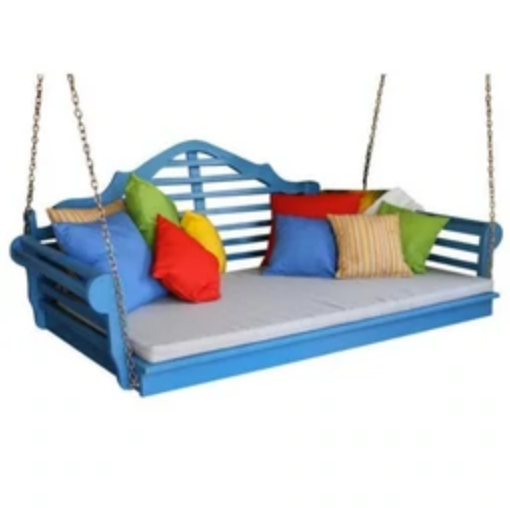
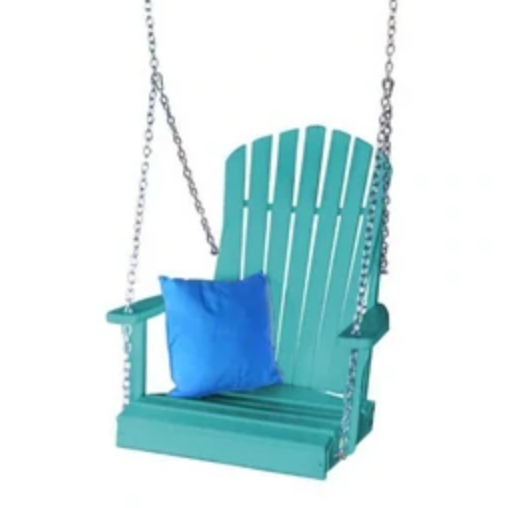
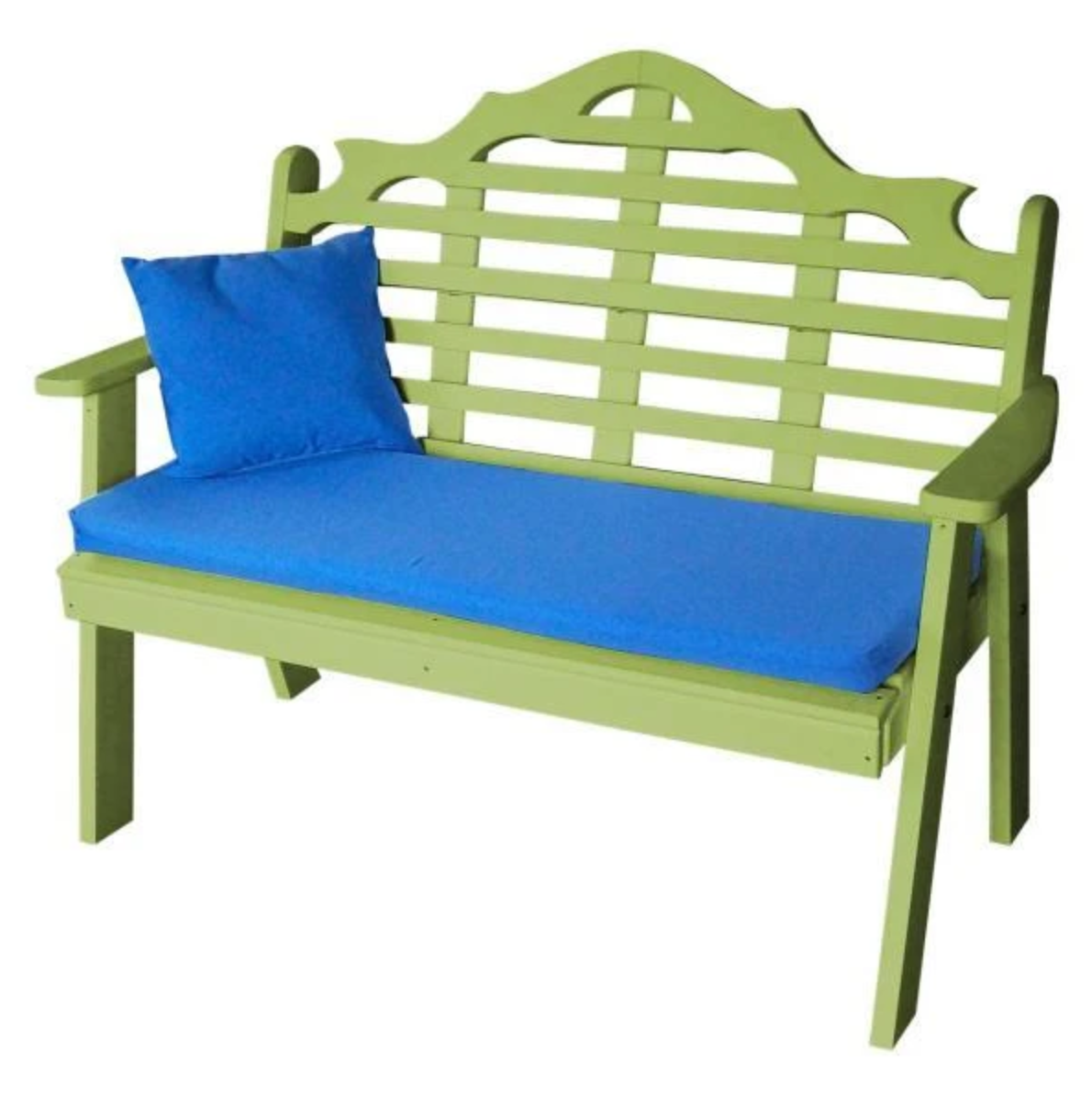
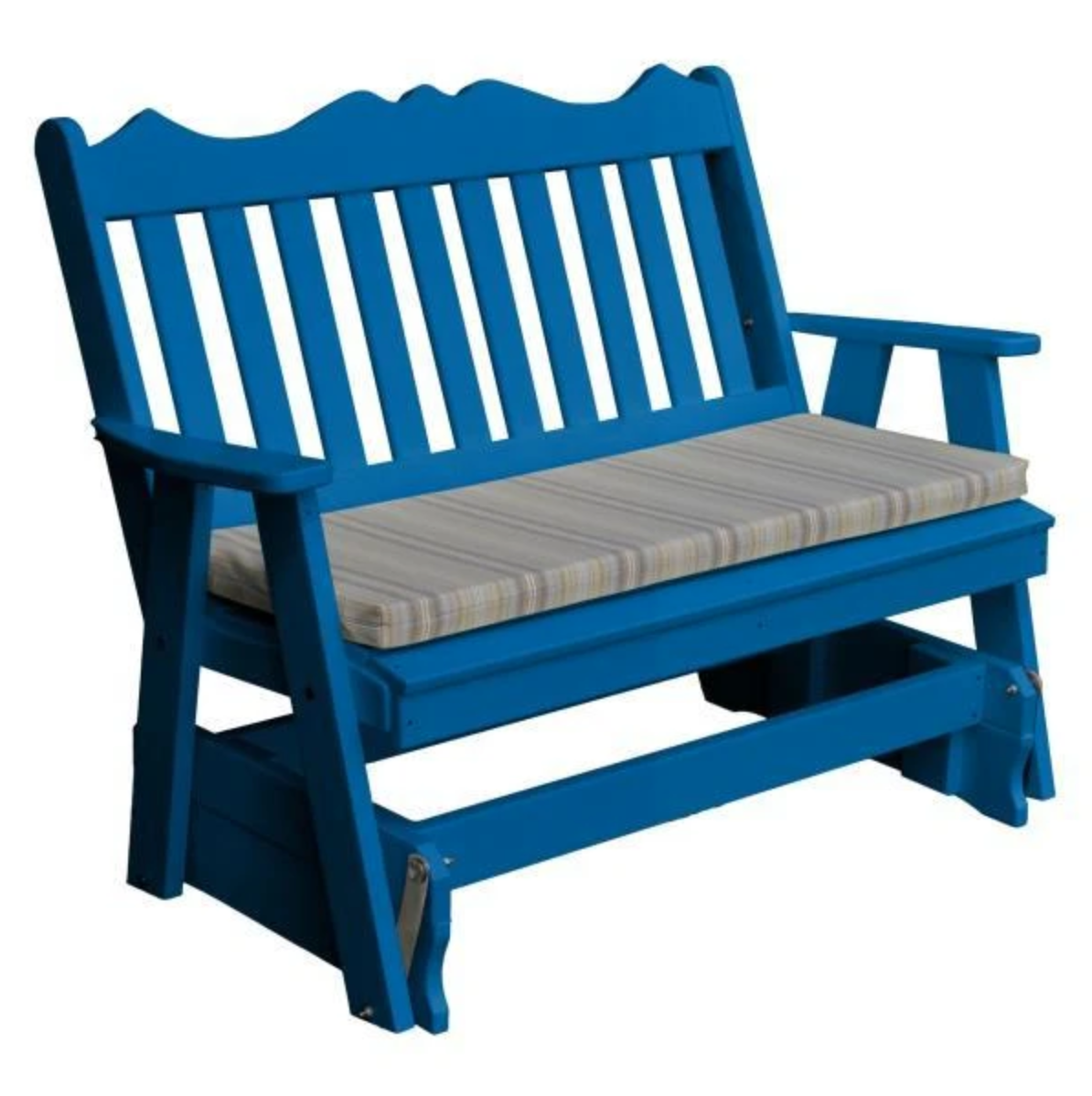
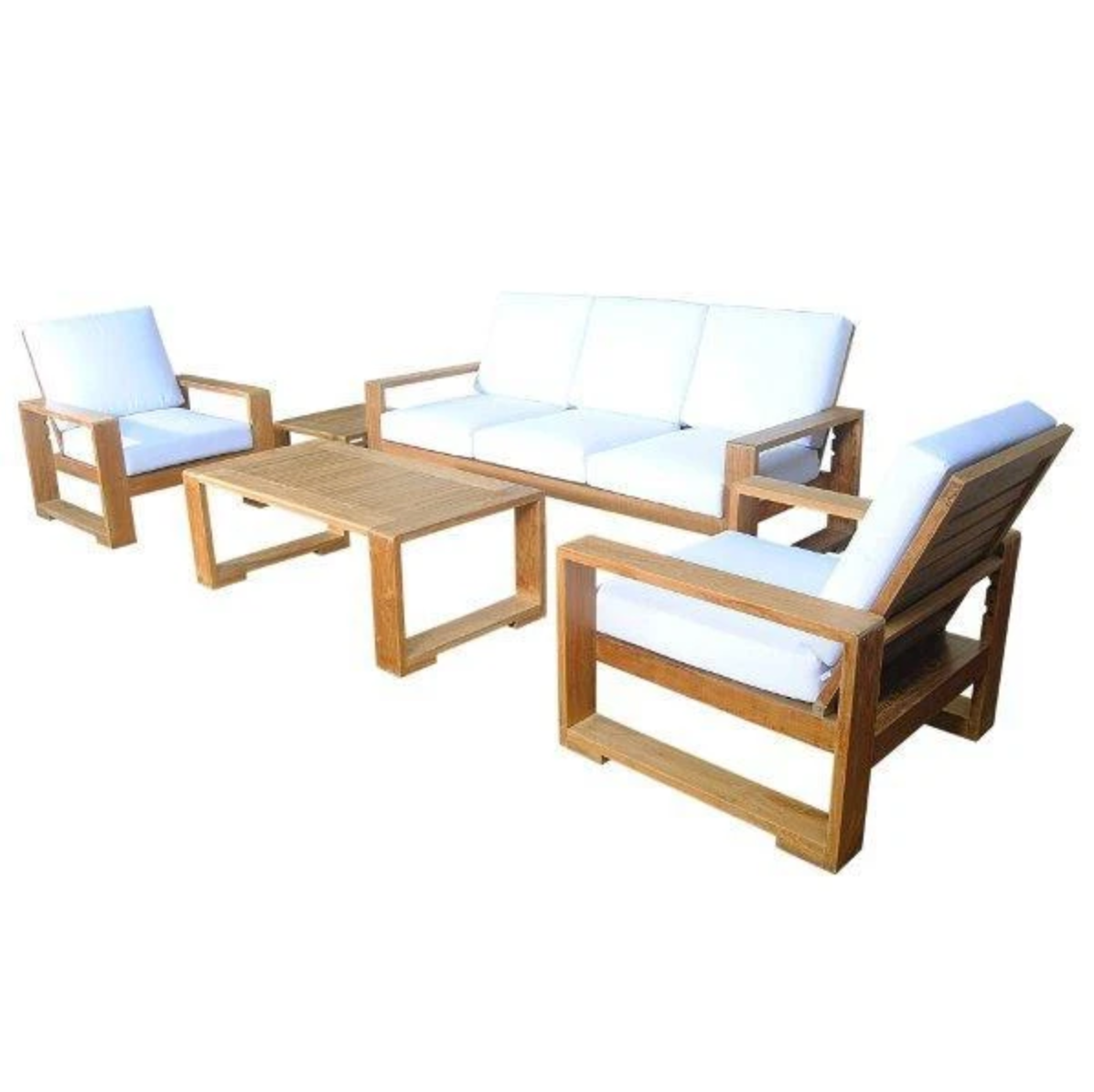
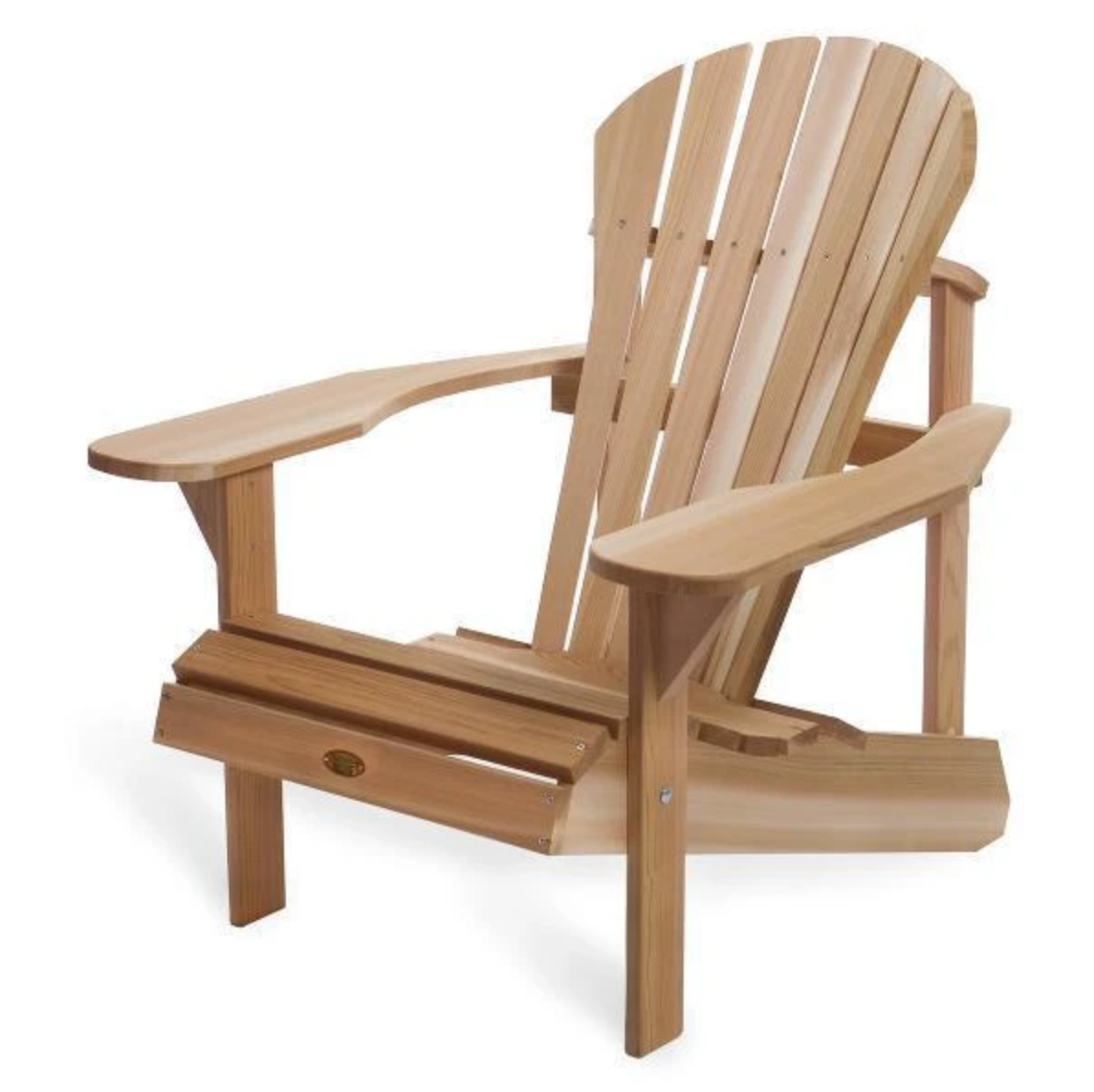
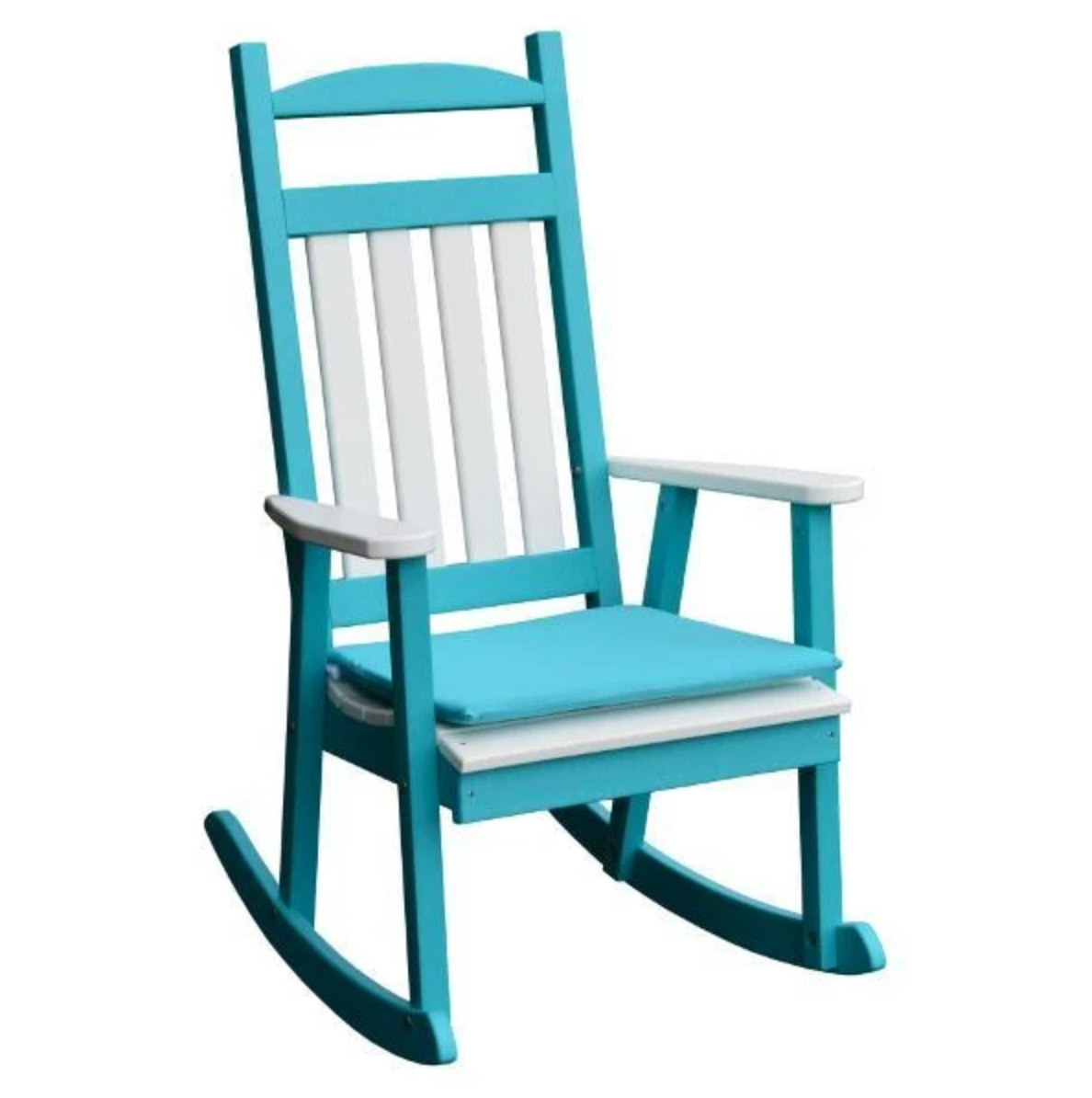
While some wood isbetter suited to outdoor use, you’ll still need to give it some love to keep it splinter- and crack-free. Wooden garden benches and porch swings may need sanding, refinishing, or a fresh coat of protective wood stain to guard against wear and moisture.
● Planter boxes and raised garden beds
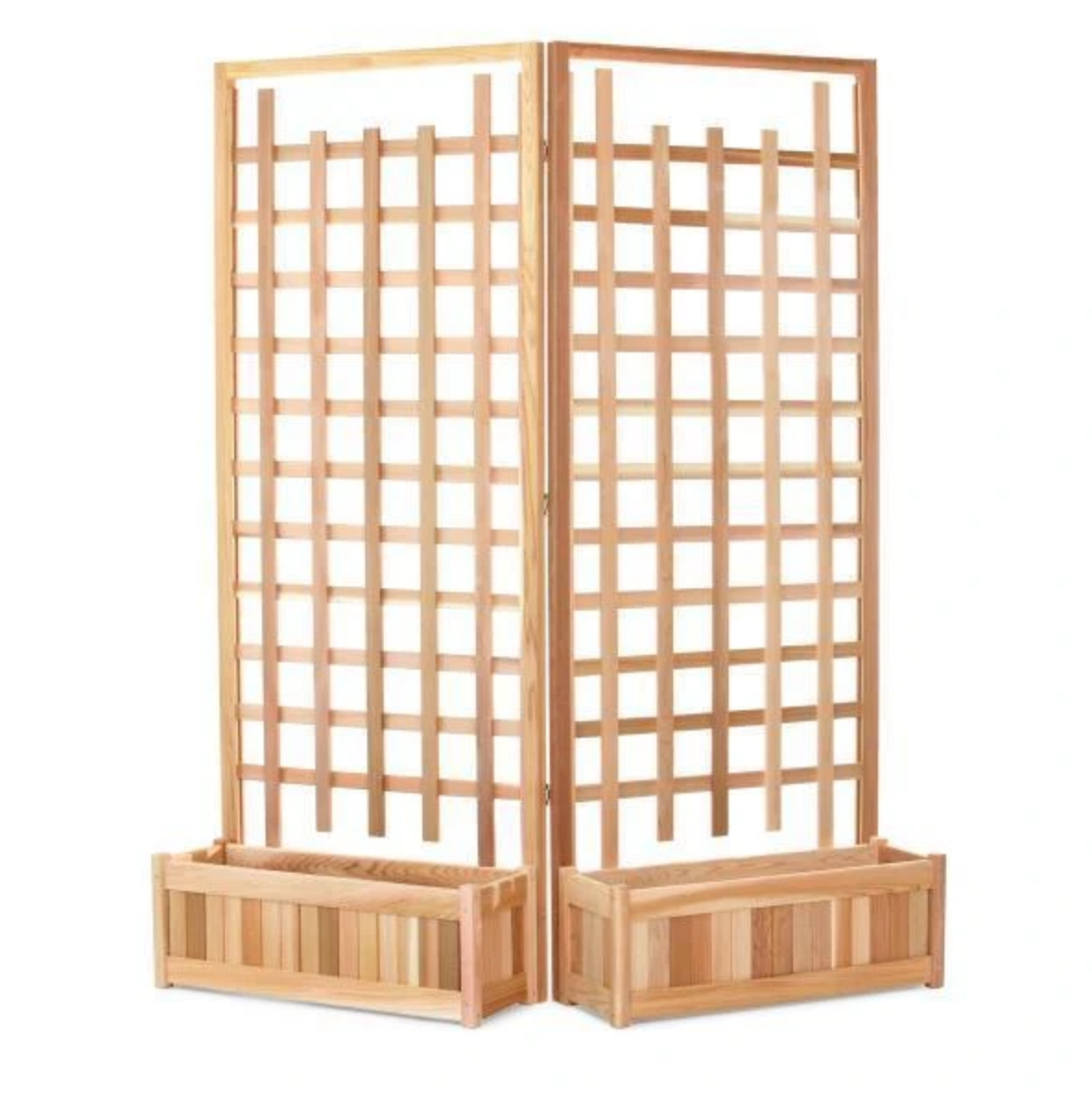
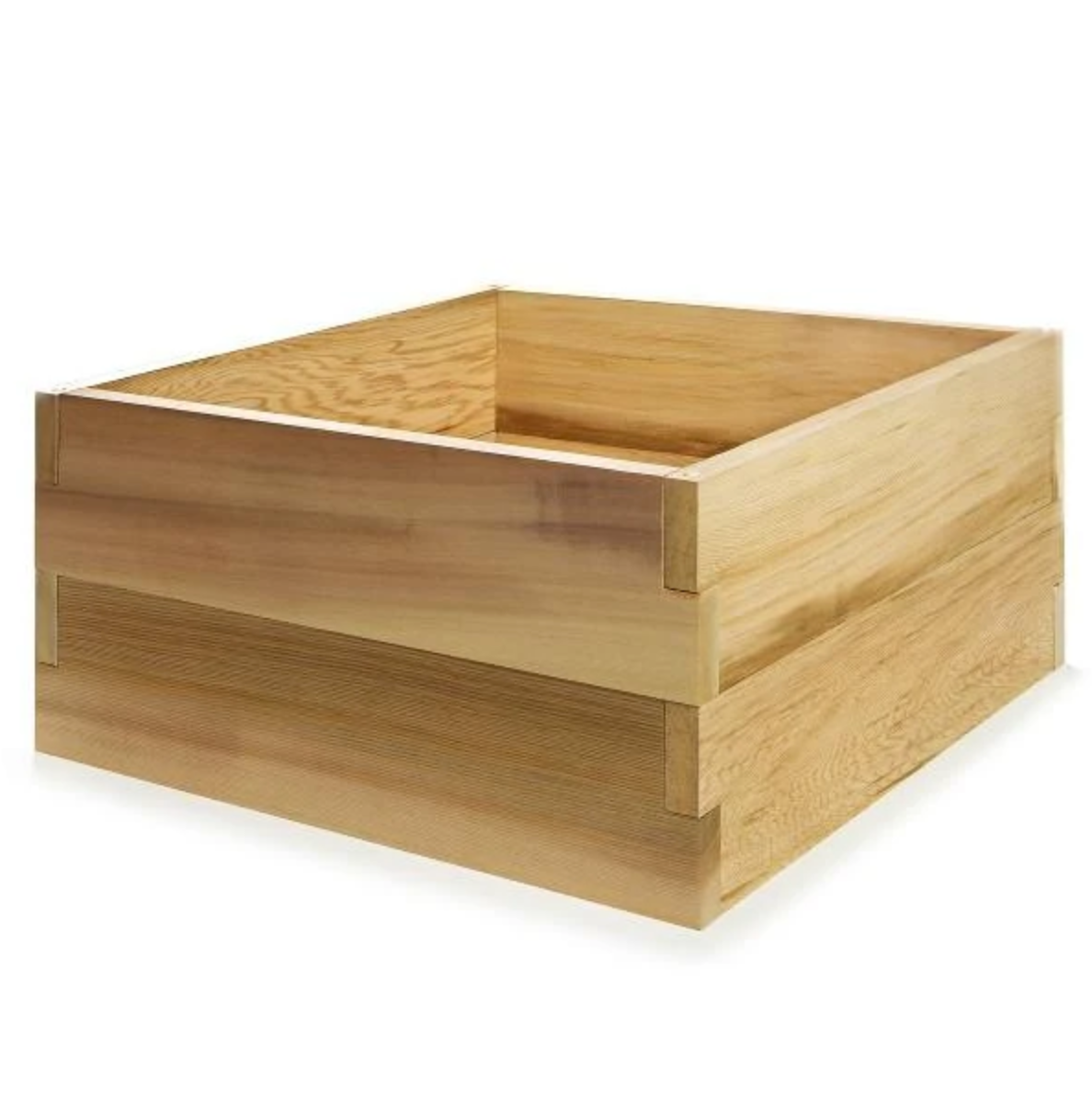
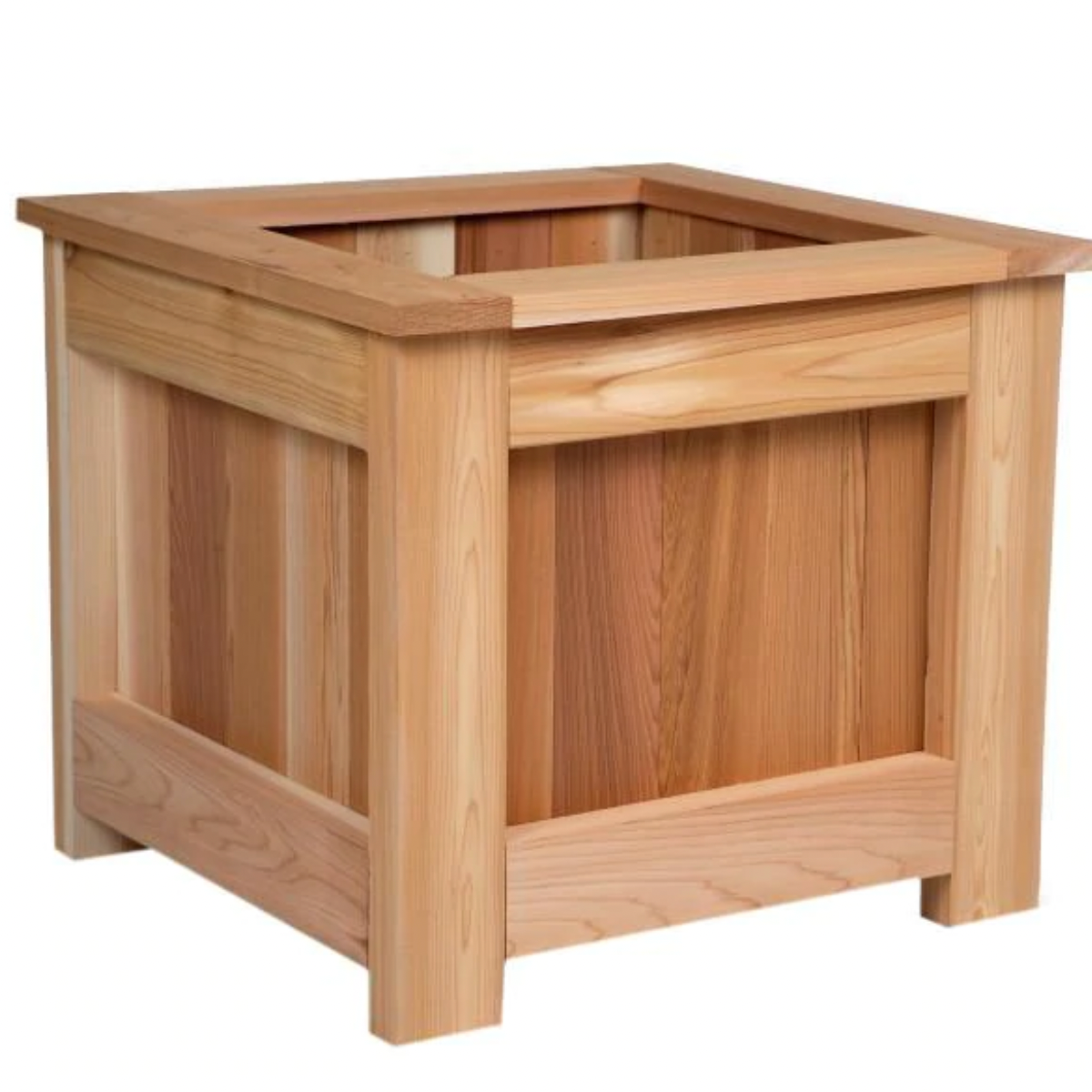
Wooden planters spend much of their time exposed to damp soil and changing weather. Look for deteriorating bases, poor drainage, and damaged corners. Reposition containers where necessary to prevent prolonged contact with wet ground.
● Outdoor lighting and patio umbrellas
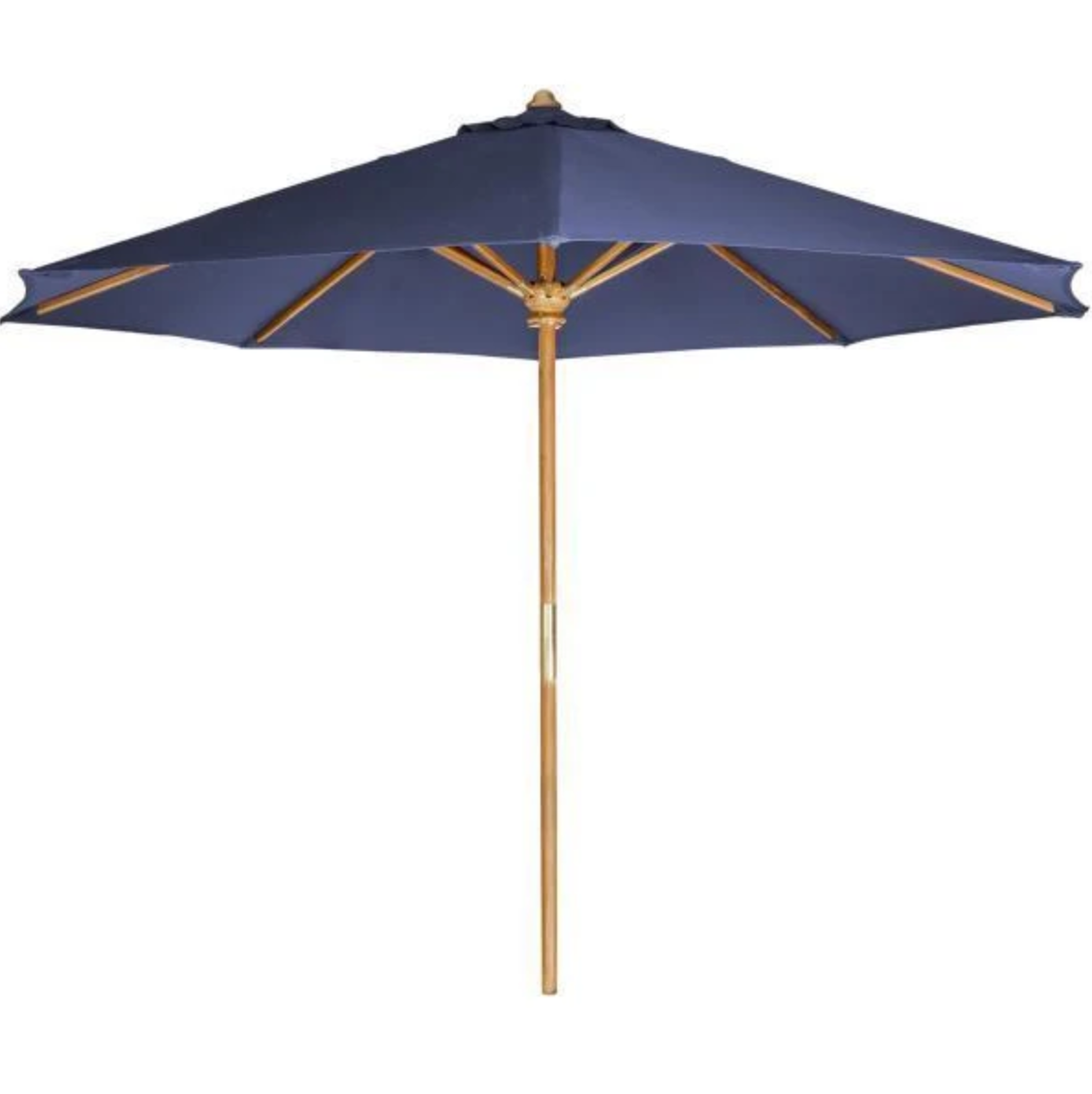
Give garden lights,umbrella frames, and bases some attention before the entertaining season begins. Loose connections, damaged cables, bent frames, and unstable umbrella bases can create safety concerns.
● Garden paths and surrounding areas
Keep pathways clear of fallen branches, weeds, and overgrown vegetation. Trim plants that encroach on seating areas and outdoor structures, and clear garden debris that could attract pests or obstruct drainage.
Changing weather brings different demands around the home, so adjust your maintenance routine as the seasons shift:
● Spring: Indoor Climate Control
In spring, service air conditioning units, replace filters, and clean ceiling fans before warmer weather arrives. Clear dust from vents to support proper airflow, and check that thermostats respond correctly.
● Summer: Household Safety
During summer, check smoke alarms, carbon monoxide detectors, and outdoor electrical outlets. Keep outdoor sockets properly covered and arrange repairs for cracked casings, loose connections, or exposed wiring.
● Fall: Energy Efficiency
Fall is a good time to clean fireplaces and chimneys, clear dryer vents, and prepare heating systems for colder months. Check insulation around windows and exterior doors, where gaps can let heat escape and raise energy costs.
● Winter: Cold Weather Protection
Before winter, drain garden hoses, protect irrigation systems from freezing, and arrange servicing for outdoor heating equipment. Give patio heaters andfire pits attention before regular use so they stay in good working order.
Keeping up with home maintenance becomes much easier when you have a routine that fits around your daily life. Start by spreading smaller jobs throughout the month, leaving larger repairs and seasonal tasks for dedicated days. A simple calendar can help you see what's coming up, while keeping a record of completed work makes it easier to plan future maintenance and budget for supplies or professional help.
As you settle into your new routine, you'll have a clearer picture of what your property needs and when, without having to tackle every job at once.