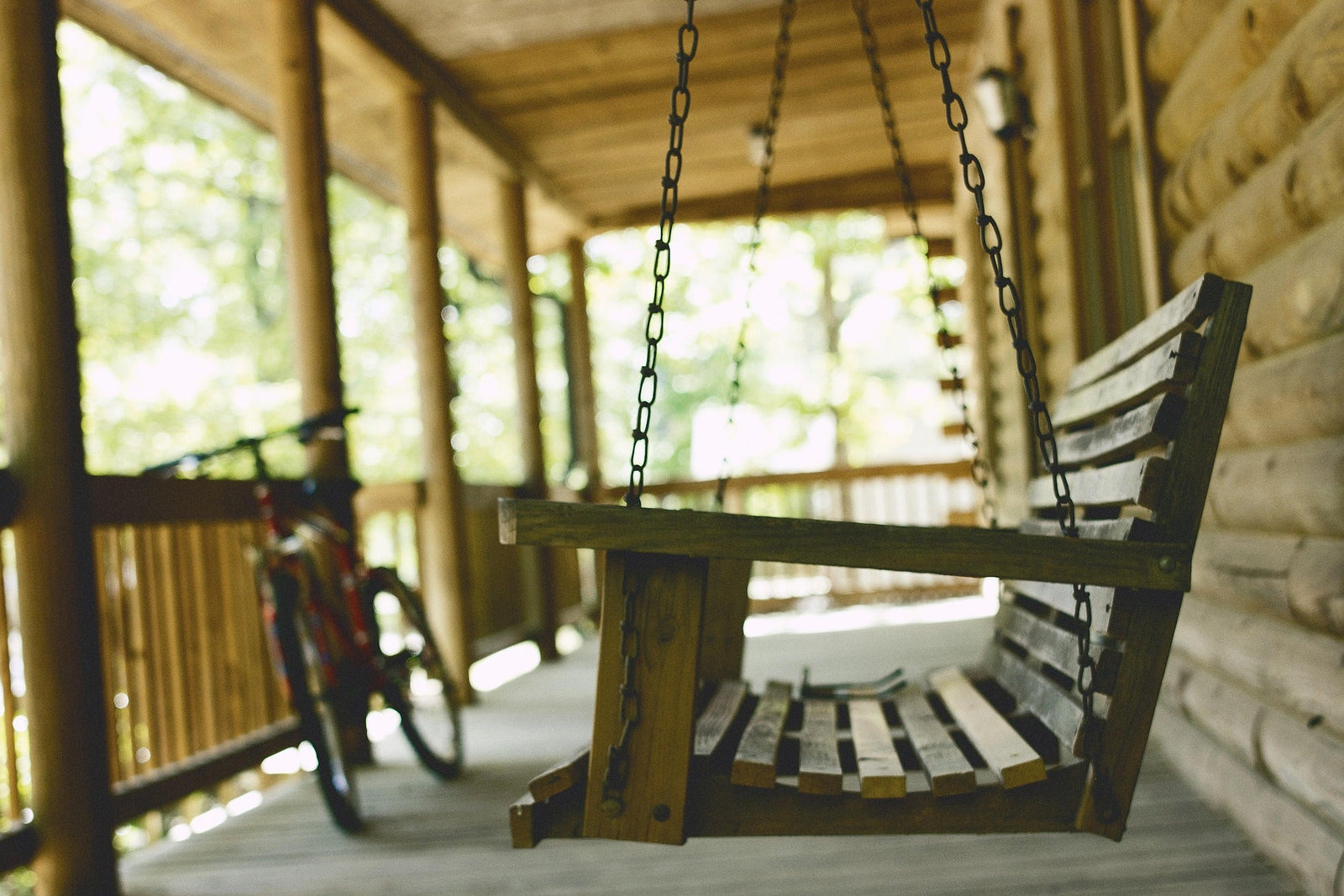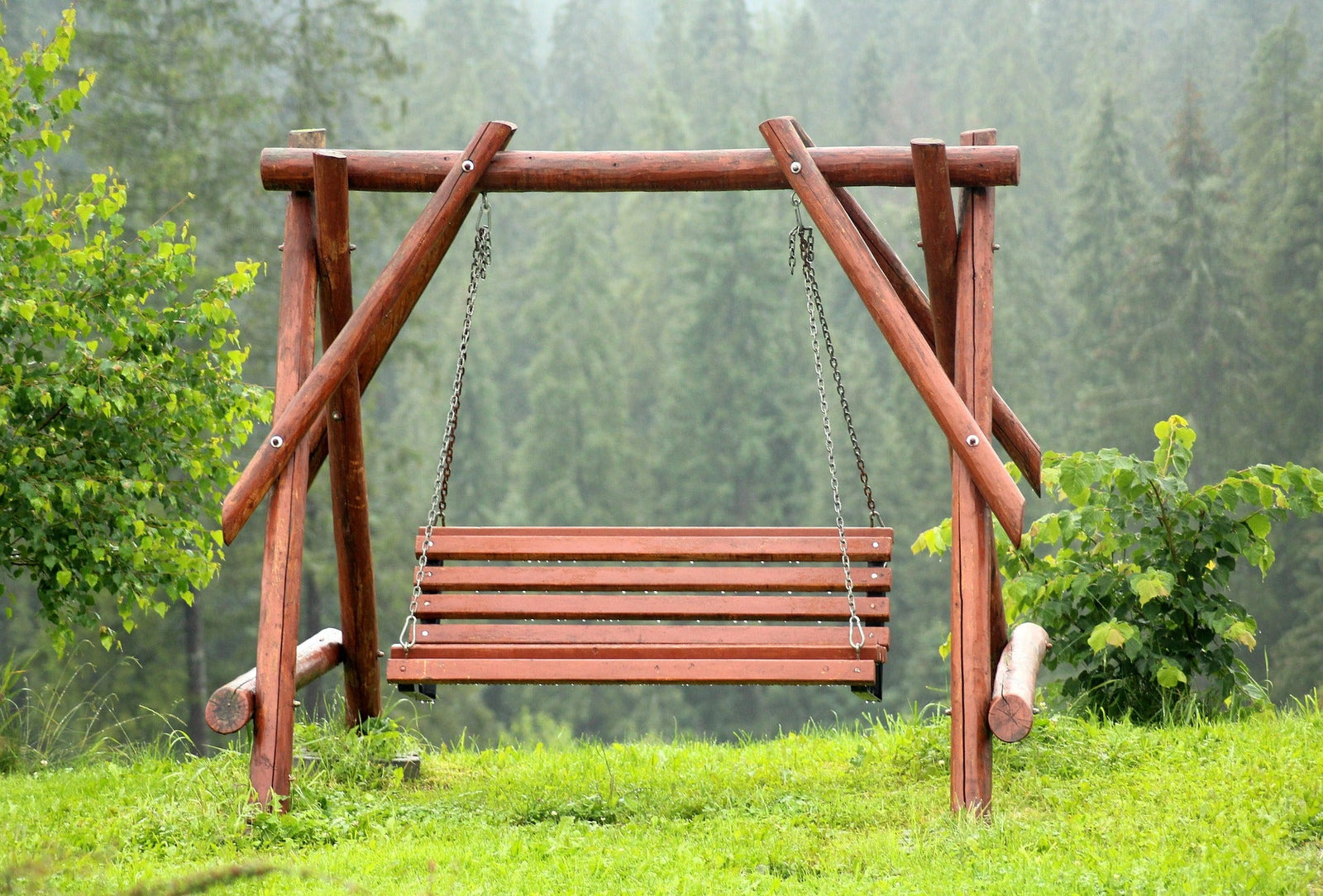
Wood Swing Bench: Best Materials, Benefits, and Styles

Wood Swing Bench: Best Materials, Benefits, and Styles
A wood swing bench can transform an unused spot on your porch, patio, or in your garden into a favorite gathering place. However, many benches that look great in the store can start to crack, gray, or sag after just one season. The key differences often come down to the type of wood, the finish, the hardware, and how the bench is installed. This guide will help you choose a wooden swing bench that stays comfortable and sturdy for years.
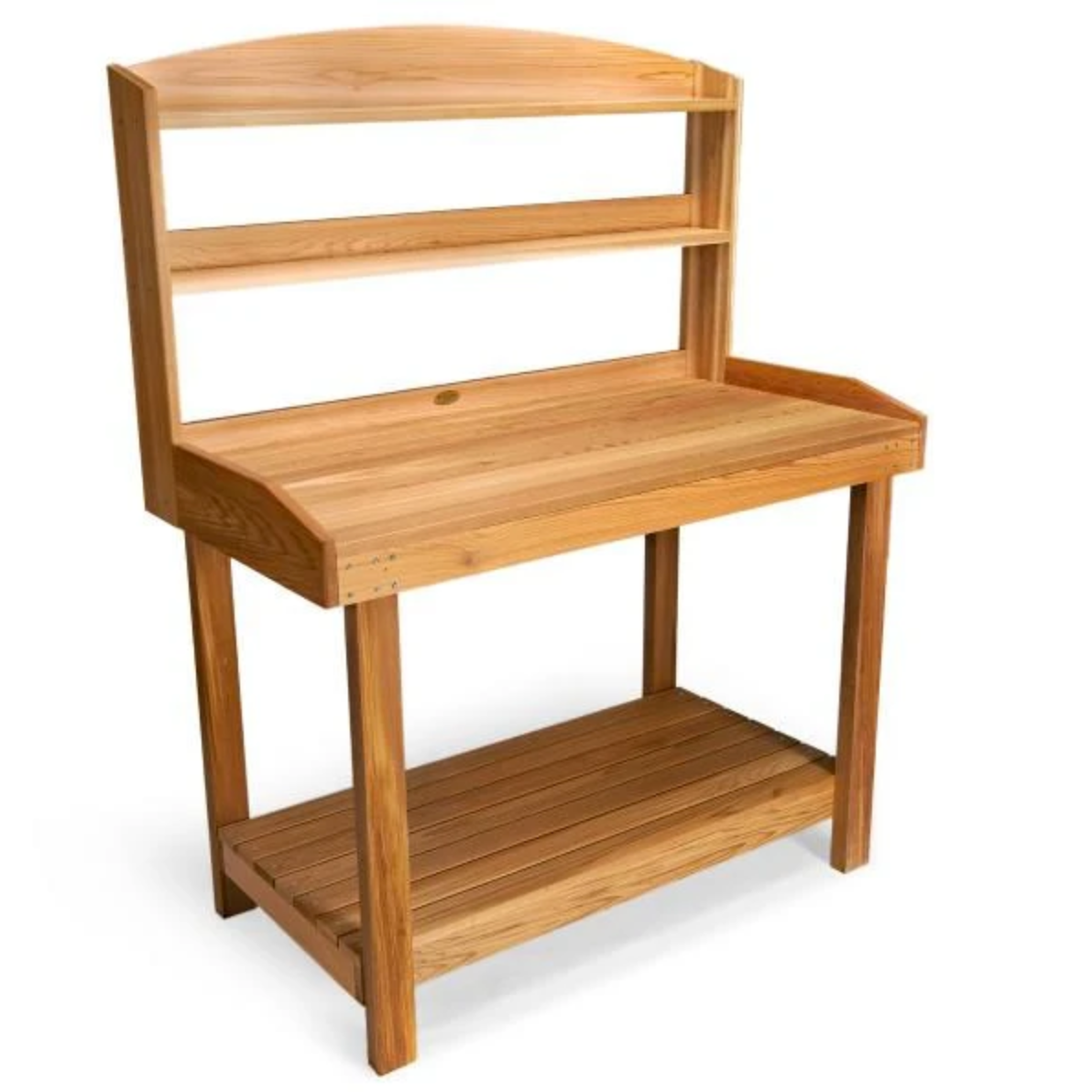
What Is a Wood Swing Bench?

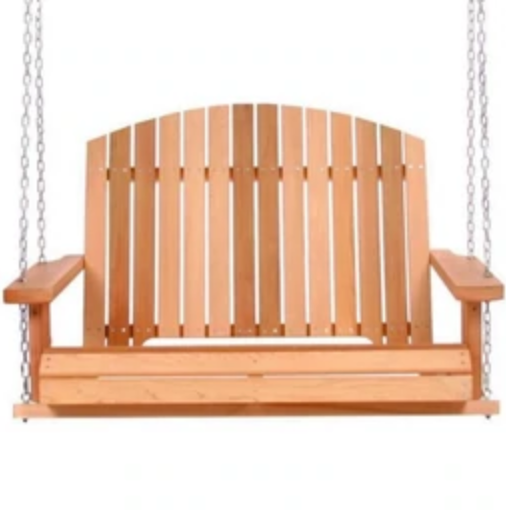
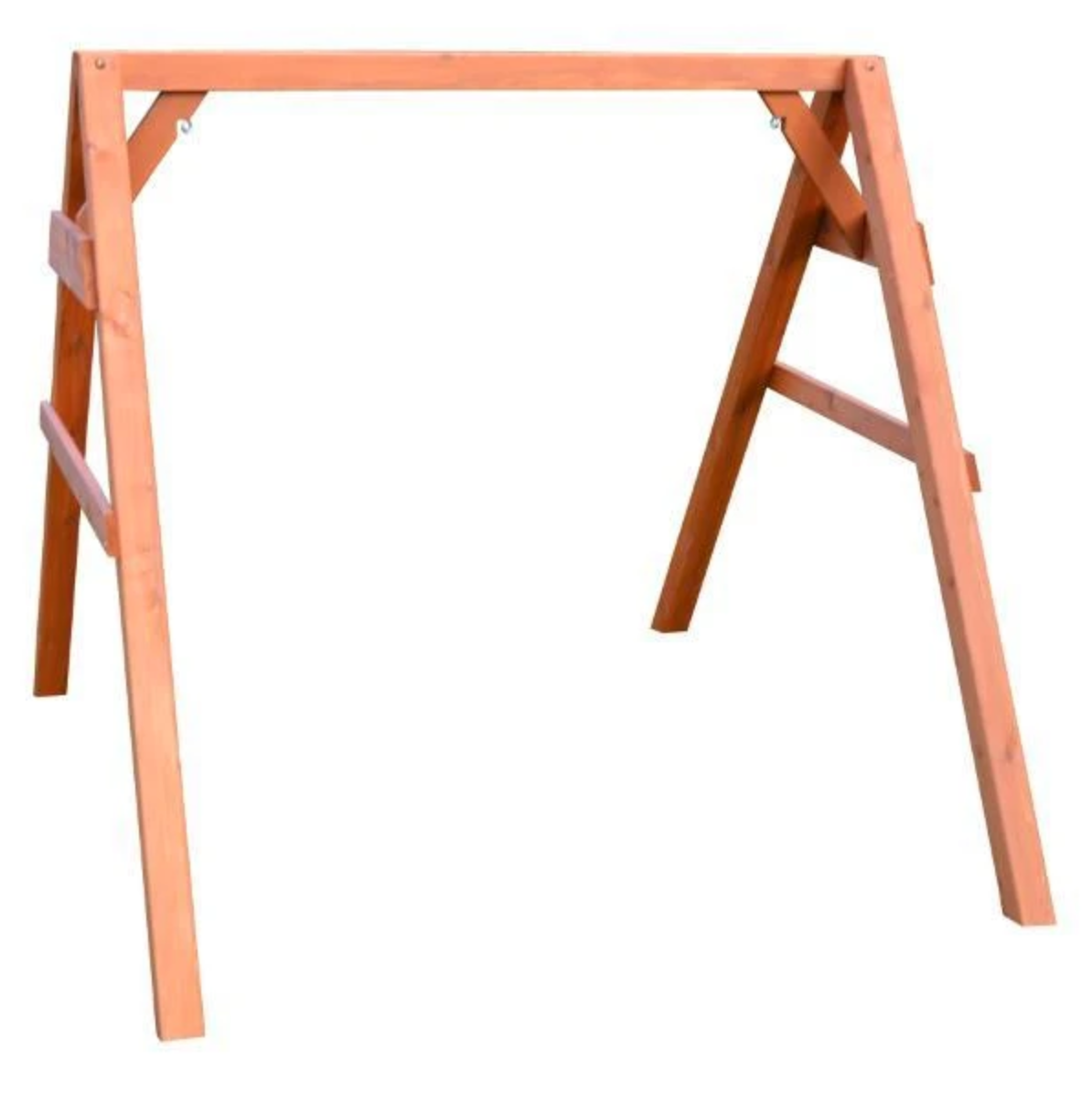
A high back wood swing bench is a swing with a wooden seat and backrest, usually big enough for two or three people. It hangs from chains or ropes attached to a strong beam, a pergola, or a freestanding A-frame. Compared to a porch swing, which is often simpler, a swing bench is usually wider, more solid, and better for lounging.

Benefits of a Wood Swing Bench

  • Comfort:The gentle back-and-forth motion helps many people unwind after a long day.
  • Versatility:It works on a porch, in a garden, under a pergola, or even indoors if the ceiling can support it.
  • Natural appeal:Wood adds warmth that metal and plastic seating rarely match.
  • Social space: Two or three seats encourage conversation, reading, or shared time with family outdoors.
  • Durability when chosen well: Dense hardwoods and proper finishes can last many years outdoors on your front porch.


Wood Swing Bench: Best Materials, Benefits, and Styles


Best Materials for a Wooden Swing Bench

Teak

Teak is considered the best option. Its natural oils help it resist moisture, rot, and insects, and it stays stable even as temperatures change. If left untreated, it will turn silver-gray over time. Teak is the most expensive, but it requires the least maintenance.
 

Acacia

Acacia is a strong hardwood that withstands the weather and costs less than teak. It works well outdoors, but it's best to apply oil or an exterior finish every six to twelve months, depending on how much sun and rain it gets.
 

Eucalyptus

Eucalyptus is a common hardwood that's often more affordable. It's fairly durable, but it needs sealing or oiling to keep moisture out and prevent cracks.
 

Cedar

Western red cedar is light and naturally resists rot, making it a popular choice for garden furniture. It's softer than most hardwoods, so it can dent more easily and might not feel as sturdy with heavy use. With cedar, solid construction is especially important.
 

Pine

Pine is the most affordable choice. If you want to use it outdoors, pick pressure-treated or sealed pine. Untreated pine can warp, split, and rot quickly in the rain, so it's better for covered or indoor areas.
 

Oak and Ash

Oak and ash are sturdy, good-looking hardwoods with a timeless style. They work well in an outdoor space or on a front porch if they're properly sealed, but they're heavier and cost more than many other options.
 
Wood Swing Bench: Best Materials, Benefits, and Styles


                      Summary Table: Material Performance Quick Reference

Wood Species
Hardness & Density
Rot / Insect Resistance
Ideal Finish / Care
Expected Lifespan (Exposed)
Teak
Very High Excellent (Natural Oils/Silica) Optional oiling; weathers to silver-grey 25+ Years
Acacia
High Good Penetrating oil every 6–12 months 10–15 Years
Eucalyptus
High Moderate–Good Exterior sealant/oil annually 8–12 Years
Cedar
Low–Moderate High (Thujones) Clear coat or UV stain 10–15 Years
Pressure-Treated Pine
Low Moderate (Chemical Treatment) UV-inhibiting deck stain/sealer 5–8 Years


Finishes and Hardware Matter Too

  • Penetrating oils (such as teak oil or linseed-based oils) nourish the wood and are easy to reapply.
  • Exterior varnishes or marine-grade finishes form a protective layer and suit high-moisture areas.
  • UV-protective stains slow down color fading and surface graying.
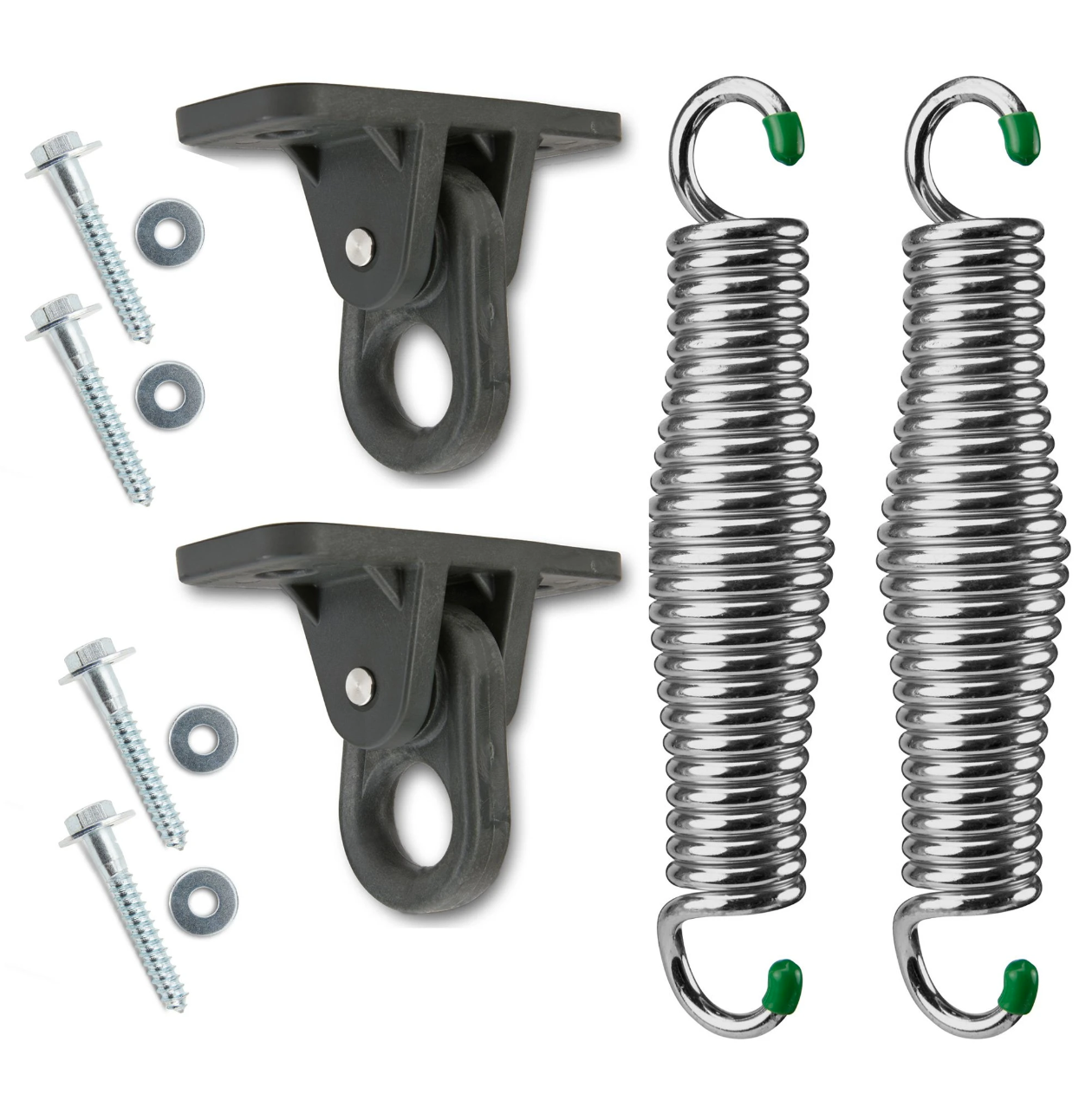
  • Stainless steel or galvanized hardware won't rust. Regular steel chains and bolts can stain the wood and may not last as long.


How to Choose the Right Wood Swing Bench

Before you buy, consider these simple points:
  1. Location:Full sun, heavy rain, or humid conditions call for teak, acacia, or a well-sealed hardwood. Covered porches allow more flexibility.
  2. Budget:Consider total cost over five years, including finish and replacement hardware, not just the sticker price.
  3. Seating capacity:A two-seater is usually about 4 to 5 feet wide, and a three-seater is about 5 to 6 feet. Measure your space and leave a few feet of clearance on each side so the bench can swing freely.
  4. Weight rating:Check the manufacturer's stated load capacity and confirm it fits your needs, including the combined weight of people and cushions.
  5. Construction quality: Look for tight joints, smooth edges, and sturdy joinery like mortise-and-tenon or bolts, not just staples or glue.
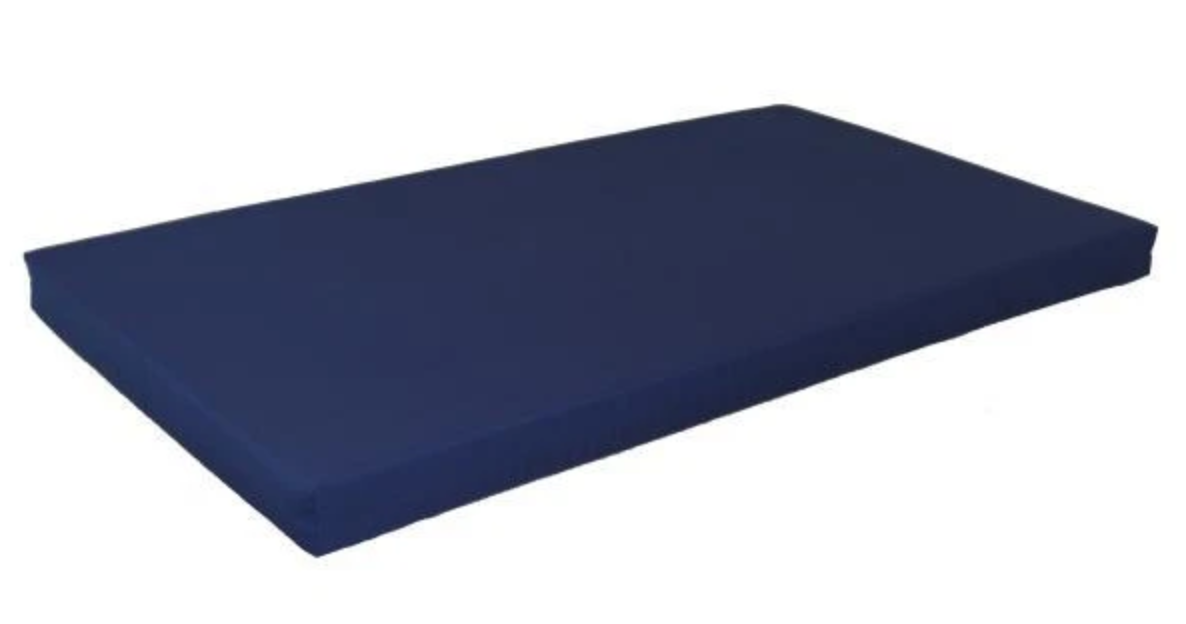
  6. Comfort:Features like a slightly angled backrest, enough seat depth, and the option to add cushions can make sitting for a long time much more comfortable.


Styles of Wood Swing Benches

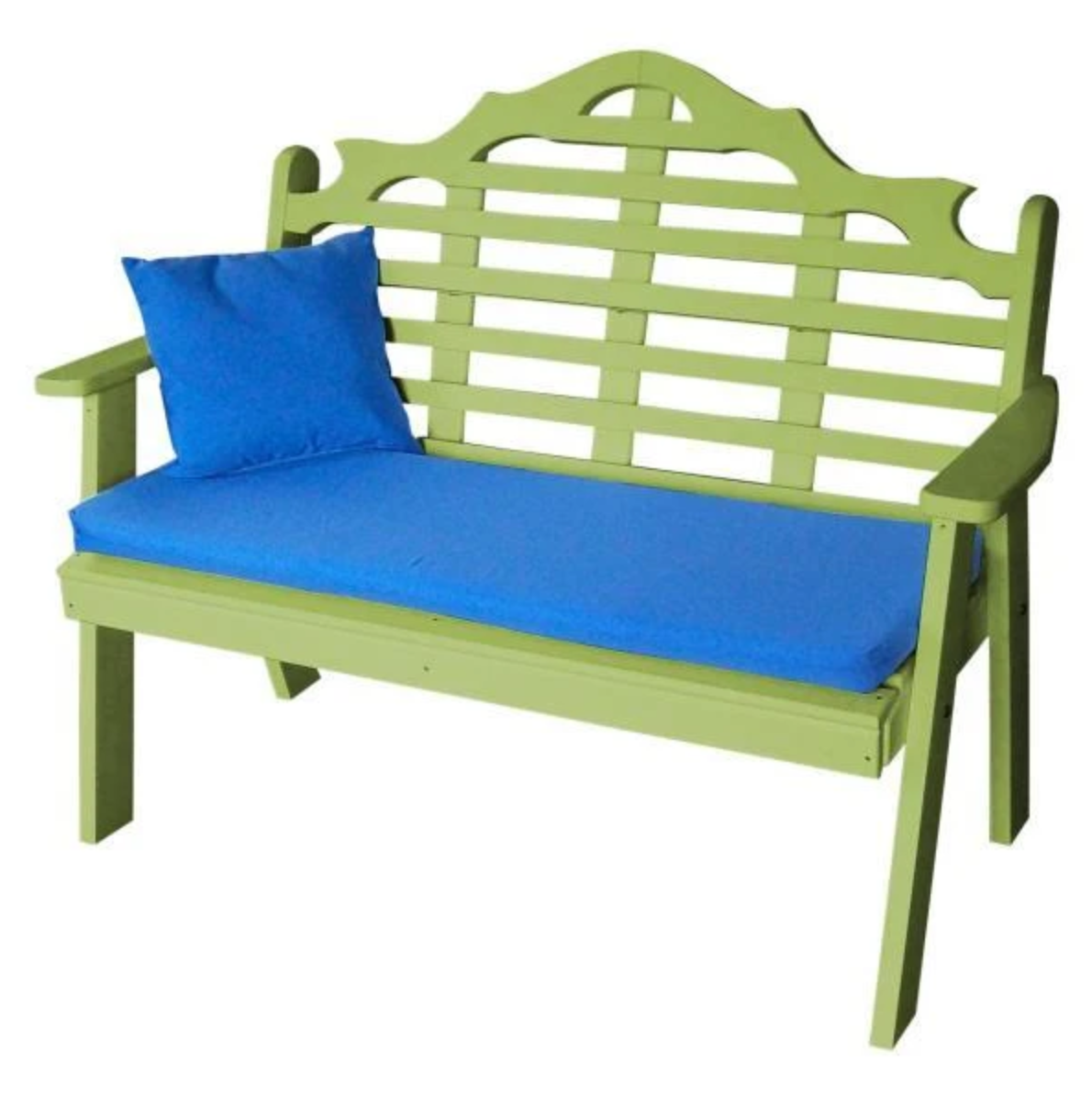
  • Classic slatted:These benches have simple horizontal slats and straight arms. They fit most homes and are easy to care for.
  • Farmhouse: Made with thicker wood, visible joints, and a rustic finish, these benches look great with country or cottage-style decor.
  • Mid-century inspired:These benches feature tapered legs, clean lines, and warm colors, often using teak or walnut-look finishes.
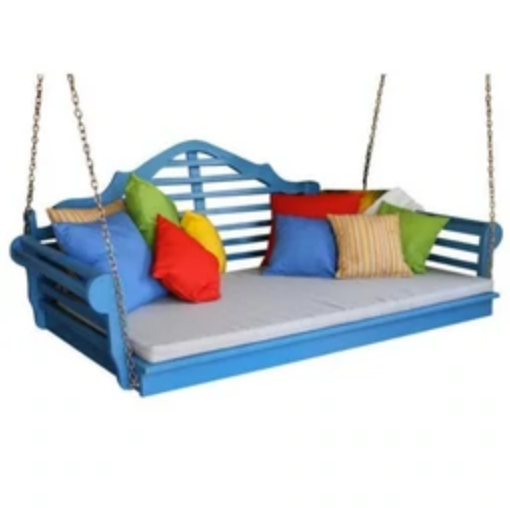
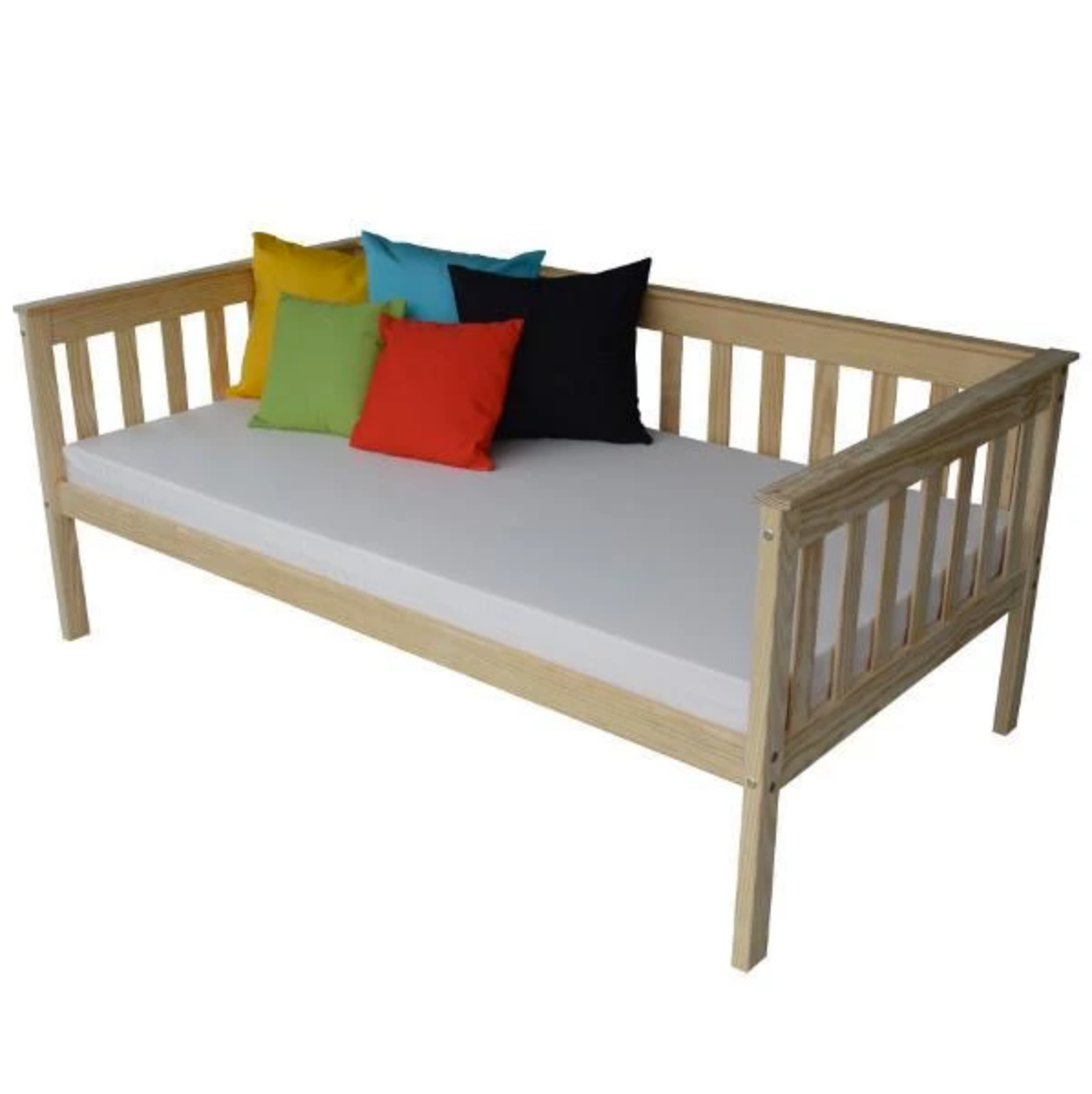
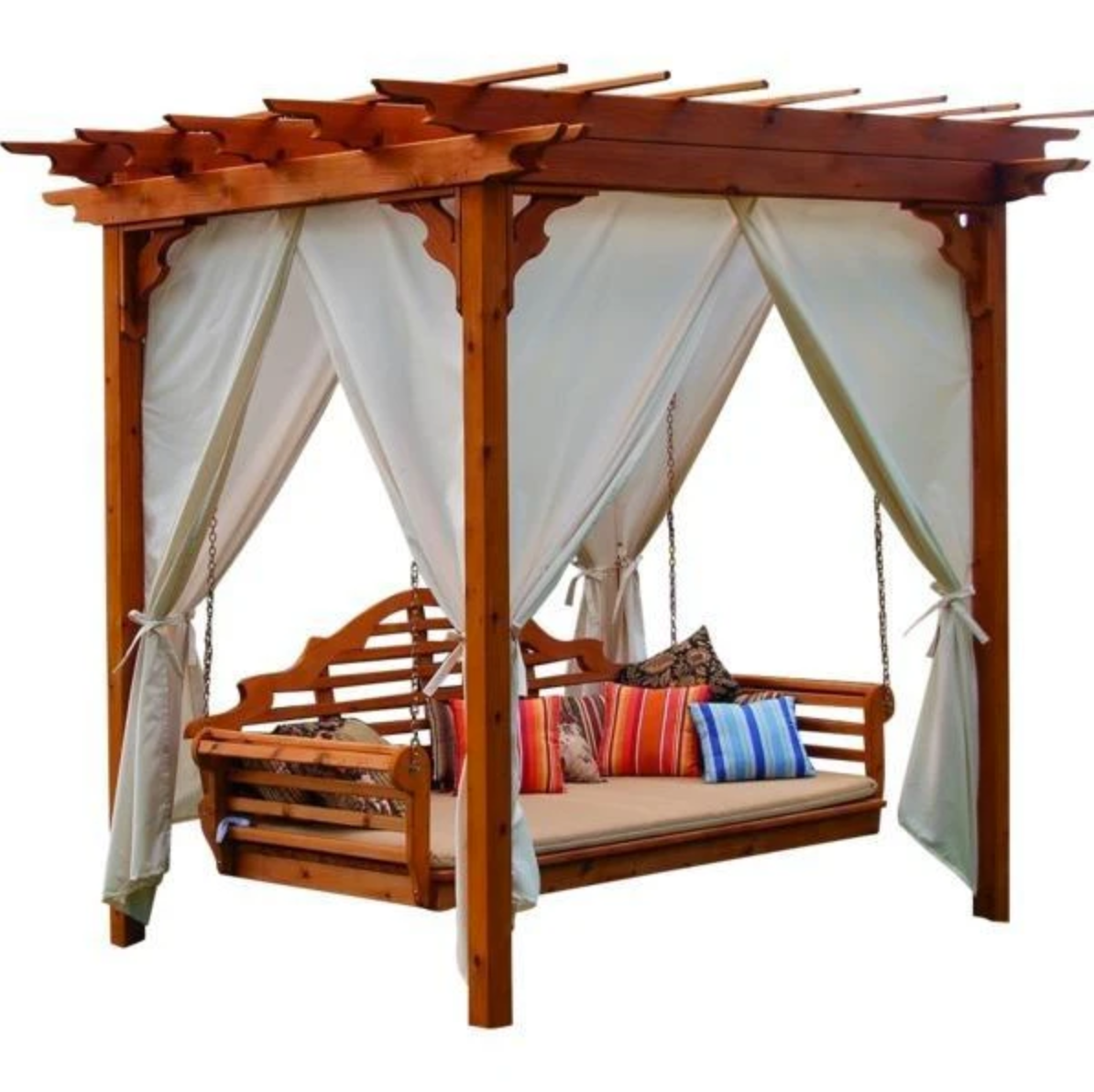
  • Canopy or daybed style:These have a cover for shade and feel more like a lounge, making them perfect for patios and gardens.
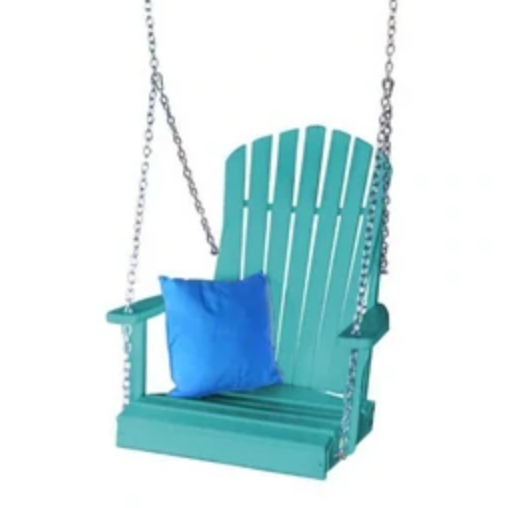
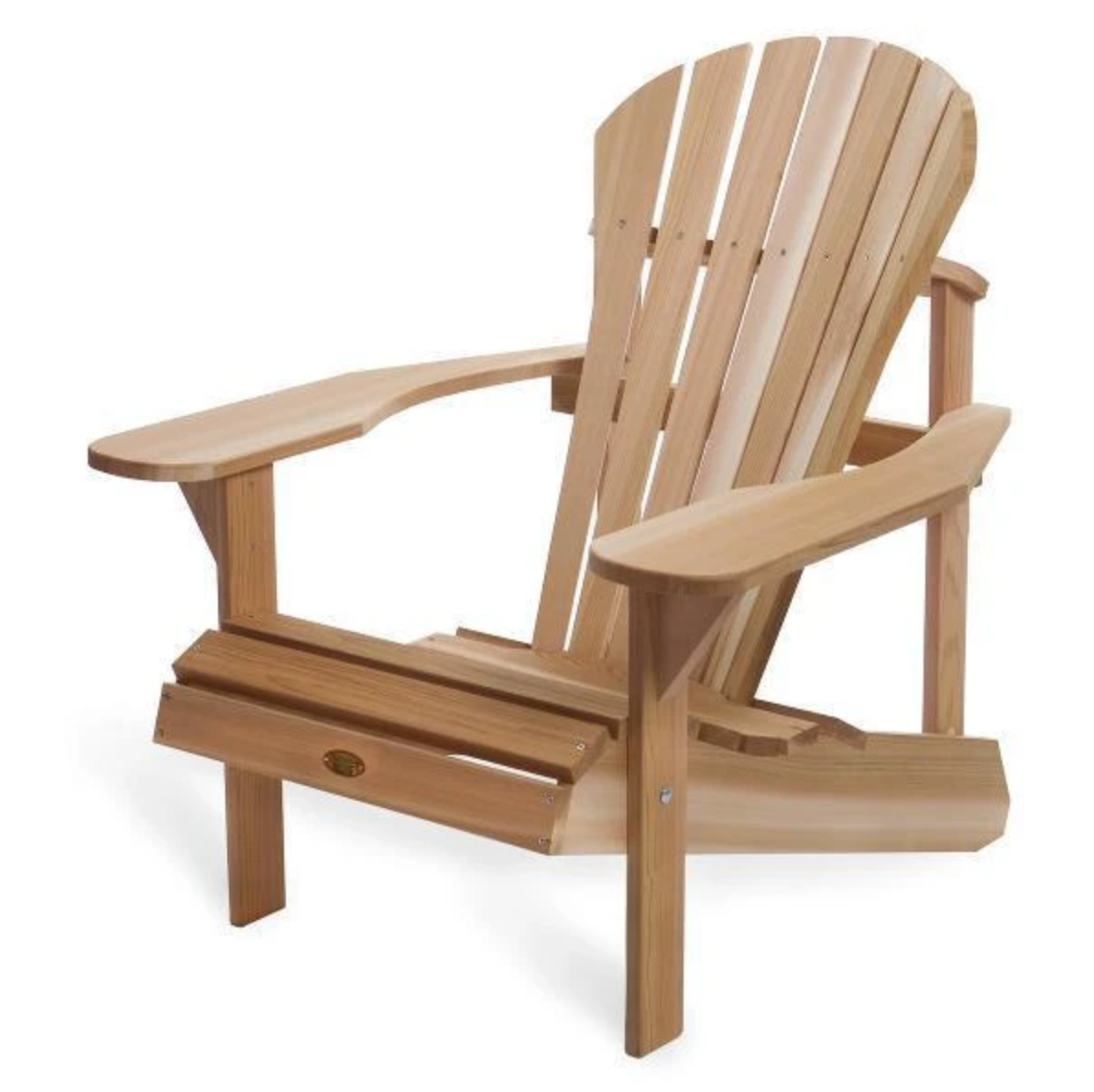
  • Adirondack-influenced:Wide, sloped seats and high backs for a relaxed, traditional look.
Choose a design that fits your space. A bold-shaped bench might be too much for a small balcony, while a simple slatted bench could look too plain in a large garden.

Common Mistakes to Avoid

  • Skipping the finish: Even hardwoods need protection outdoors.Bare wood cracks and turns gray faster.
  • Buying untreated softwood for outdoor use:Low-cost pine can look fine at first but often fails within a rainy season.
  • Ignoring the mounting point:The hanging beam, hook, or frame must be rated for the bench plus occupants. Use proper eye bolts, and make sure they anchor into solid framing.
  • Hanging it too low:Chains that pinch fingers or let the seat hit the ground are a safety concern. Confirm clearance before hanging.
  • Overloading the seat:Exceeding the weight rating stresses joints and chains.
  • Choosing the wrong hardware:Plain steel rusts. Stainless or coated hardware lasts much longer.


USA Weatherly Porch Swing Porch Swing 5ft Wide Swing / Woodland Brown / Wood Swing Bench: Best Materials, Benefits, and Styles


Maintenance and Care Tips

  • Clean regularly:Sweep debris and wipe the surface with a damp cloth and mild soap every few weeks. Avoid harsh pressure washers, which can raise wood grain.
  • Reapply the finish on schedule:Oil or refinish once or twice a year in sunny areas, and check covered spots annually.
  • Inspect hardware:Tighten bolts, check chain links, and look for rust every few months.
  • Protect during wet seasons:Move the bench under cover or use a breathable cover during long monsoons or snowfall.
  • Store smartly: If you are away for an extended period, bring cushions indoors to prevent mildew.


Latest Trends in Wood Swing Benches

Right now, popular designs use warm natural colors, slim shapes, and pieces that serve multiple outdoor purposes. Many people want benches with built-in cushions, weather-resistant fabrics, and canopies that fold or come off. More buyers also care about using wood from sustainable sources and want clear labels about the finishes used.

Frequently Asked Questions

Which wood is best for an outdoor wood swing bench?
Teak is the most weather-resistant option. Acacia and eucalyptus are strong, practical alternatives when properly sealed.

How often should I oil a wooden swing bench?
Most outdoor benches need attention every six to twelve months, depending on sun and rain exposure. Check the seat and backrest for dryness or graying to guide you.

Can you use a wooden swing bench indoors?
Yes, if the ceiling structure or a freestanding frame can safely support the weight. Indoor benches can use lighter finishes and less protective coating.

What is the ideal size for a small balcony?
A compact two-seater, roughly 4 feet wide, usually fits best. Measure the swing arc before buying so the bench does not hit walls or railings.
 
Is teak worth the higher price?
In humid or sunny climates, teak's sturdiness and easy maintenance often make it the better long-term value.
 

Explore Our Collection

A good wood swing bench is a lasting investment in comfort and style. Browse our collection to find a design that fits your space, budget, and taste, and make sure it's built for your local weather. Before buying, make sure the material, finish, hardware, size, and mounting setup work for your space and needs. Compare your favorites and pick the bench that offers the best mix of durability, comfort, and easy care. With the right bench, you'll enjoy it for years.

Also in News

Porch Swing Bench vs Patio Swing Bench: Which Is Right for You?

Outdoor Swing Bench: What to Know Before You Buy

Seamless Journeys with Your Canine Companion The Charming Bench Company
Seamless Journeys with Your Canine Companion

Traveling with your dog doesn't have to be stressful. From building a flexible itinerary and packing the right essentials to navigating busy transit hubs and booking the perfect accommodation, discover practical tips to plan a safe, comfortable, and fun vacation for both you and your pup.