Your Cart is Empty

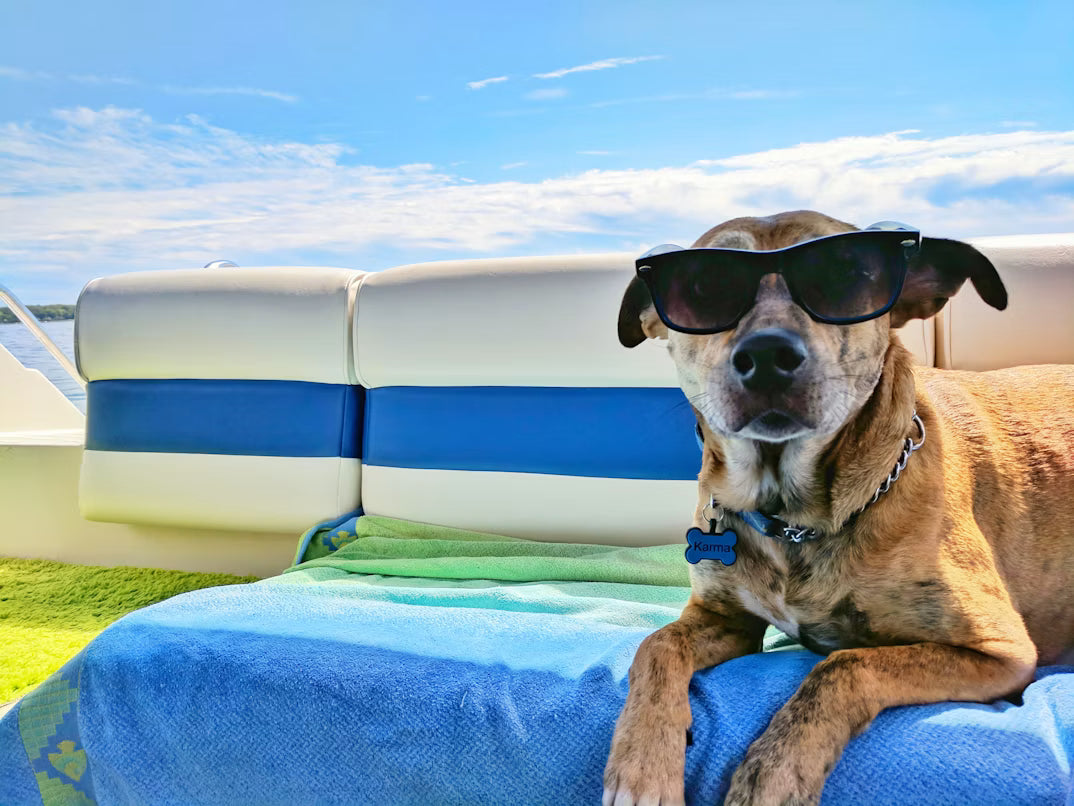

Image Credit:Unsplash
Traveling with a dog becomes much easier when each stage of the trip accounts for exercise, rest stops and practical limits on where pets can go. A flexible schedule also helps you respond to delays or an unsettled pup without losing a full day of sightseeing.
Before booking, think through the trip from your dog’s perspective. Long station waits, crowded sidewalks and unfamiliar rooms can all add stress. The following steps will help you create a dog-friendly vacation that works for both of you.
Start by checking the pet rules for every part of your route. Airlines, rail operators, ferry companies and local transit systems may have different requirements for carriers, reservations and pet fees. Confirm the details directly before paying for nonrefundable tickets, then save screenshots or copies where you can reach them offline.
Plan a realistic daily rhythm. Most dogs will enjoy a trip more when their usual meal and walking times remain fairly consistent. Leave space between major activities for water breaks, short walks and quiet rest. If you’re considering a full-day excursion, identify a nearby park or calm outdoor area where your dog can decompress.
The experiences shared by the Dog Friendly Travel Blog Pack can provide ideas for destinations, attractions and transport options. Still, policies change, so contact each business shortly before your visit.
Weather also deserves attention. Pavement can become uncomfortable during hot afternoons, while cold or wet conditions may affect older dogs and short-haired breeds. Schedule longer walks early or late in the day during summer. The rest of your itinerary can center on shaded parks, dog-friendly cafes and indoor attractions that clearly admit pets.
Finally, locate a veterinary clinic near your accommodation and save its number. You may never need it, but having the details ready saves valuable time if your dog becomes ill.
Write separate packing lists for yourself and your dog. This simple split makes it less likely that a charger, collapsible bowl or medication will disappear beneath a pile of clothes. Pack your dog’s daily essentials in a small bag that remains accessible throughout the trip.
Your dog’s kit should include food, treats, waste bags, a leash, a secure harness, bowls and any regular medication. Bring enough familiar food for the full trip plus an extra day in case of delays. Sudden changes in diet can upset a dog’s stomach, which is particularly inconvenient when you’re moving between destinations.
A blanket or small mat can give your pup a familiar place to settle in stations, cafes and hotel rooms. Recent identification tags and a clear photo of your dog are also useful. For more preparation ideas, review these dog travel essentials before closing your suitcase.
Avoid carrying every bag all day when an early arrival or late departure leaves you between hotel check-in times. For example, travelers can arrange to store bags at Manchester Piccadilly station through a local luggage storage partner, then keep only the dog’s day bag with them. Check the storage terms and opening hours before booking, and never place medicine, travel documents or anything your pup will need soon inside stored luggage.
Label each bag with current contact information. A luggage tag and a note inside the main compartment give staff two ways to identify it if something goes astray.
Give your dog a proper walk before entering an airport, railway station or ferry terminal. Ten minutes outside may not be enough for an energetic dog facing several hours of restricted movement. Aim for a relaxed walk with time to sniff and settle, then offer water without encouraging your dog to drink a large amount immediately before boarding.
Arrive early enough to find the correct platform or check-in area without rushing. Stations can be noisy and crowded, so keep your dog close on a fixed-length leash. Retractable leashes offer less control around rolling suitcases, closing doors and busy escalators. Use stairs or elevators if your dog is unsure of escalators, and never force a nervous animal onto one.
Choose a quiet waiting spot away from the main pedestrian flow. A familiar mat can signal that it’s time to rest. If your dog reacts to announcements or sudden movement, create distance from loudspeakers and platform edges.
Check the location of outdoor relief areas before you pass through any controlled entry points. Airport maps often mark these spaces, although facilities and access rules vary. During a transfer, handle your dog’s needs first and buy food or coffee afterwards.
Keep documents, waste bags and treats in exterior pockets. You shouldn’t need to empty your suitcase to find a vaccination record. If delays occur, ask staff where dogs are permitted and when you’ll next have access to an outdoor area.
A dog-friendly label can cover very different experiences. One restaurant may welcome dogs throughout its outdoor seating area, while another may have only two pet-friendly tables. Call ahead when a particular venue is central to your plans, especially during busy weekends.
Build each day around one or two key activities instead of filling every hour. A morning walk through a large park might be followed by lunch on a shaded terrace and an afternoon rest at your accommodation. This pace gives your dog time to recover and lets you enjoy the destination without constantly checking the clock.
Pay attention to body language. Persistent panting, repeated yawning, tucked posture or refusal to take treats can indicate that your dog needs a quieter setting. The smart vacation strategies shared by experienced travelers include useful reminders about matching plans to an individual dog’s temperament.
Heat requires particular care. Carry water, test paved surfaces with the back of your hand and seek shade during the warmest part of the day.
Research local expectations too. Some parks require dogs to stay on a leash, while others have designated off-leash zones. Beaches may limit dog access by season or time of day. Respect posted signs and give wildlife, working animals and other visitors plenty of space. Your consideration helps keep public places welcoming to future canine visitors.
Read the full pet policy before booking a hotel, apartment or vacation rental. Check for size limits, breed restrictions, cleaning fees and limits on how many dogs can stay in one room. Some properties permit pets but don’t allow them to remain unattended, which can affect dinner reservations and other plans.
Ask where your room will be located. A ground-floor room near an exit can simplify late-night bathroom breaks, though a room beside a busy lobby may be noisy. If your dog startles easily, request a quieter area away from elevators, ice machines and main corridors.
Once you arrive, inspect the room before letting your dog explore. Look for dropped food, exposed cords, loose balcony gaps or cleaning products stored within reach. Photograph any existing damage and report it promptly so there’s a clear record.
Set up your dog’s bed or blanket in a calm corner, then offer water and allow time to settle. Keep food sealed to avoid attracting pests. Place a towel near the door for muddy paws and use a cover if your dog is allowed on furniture. Small habits like these make housekeeping easier and show respect for the property.
Before each departure, confirm where dogs can relieve themselves and where waste should go. Keep your pup leashed in shared hallways even if they’re reliable at home. Other guests may be frightened of dogs or may be traveling with animals that need more space.
A successful stay often comes down to one practical detail: choose accommodation close to a suitable walking area. That nearby patch of grass will matter far more at 6 a.m. than an impressive lobby or an extra decorative cushion.