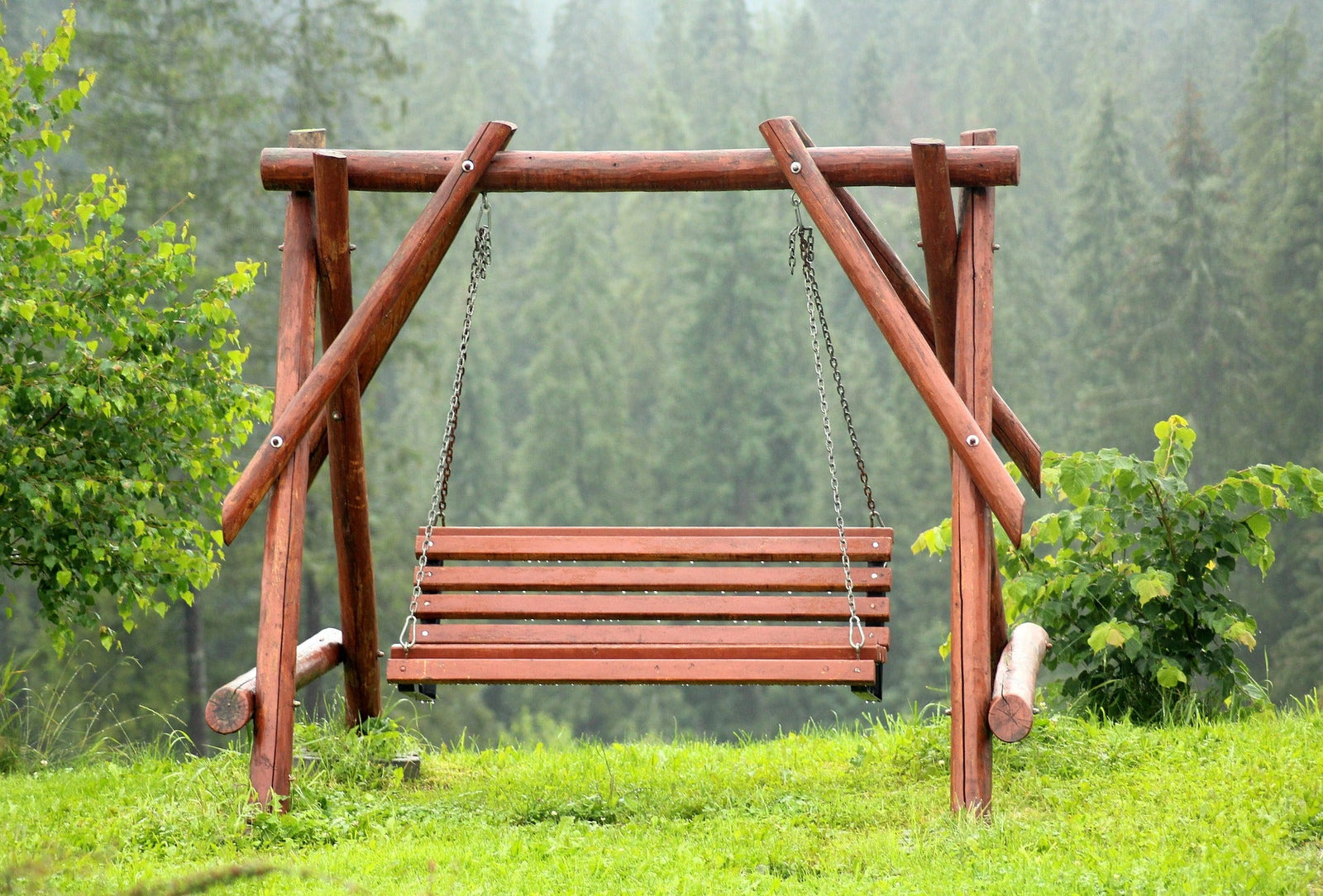
Outdoor Swing Bench: What to Know Before You Buy

Outdoor Swing Bench: What to Know Before You Buy
There's a particular kind of disappointment that comes from buying an outdoor swing bench that looks stunning in photos and then falls apart by the second monsoon. The chain rusts. The wood greys and splinters.
 
The cushions hold water like a sponge. And the thing you imagined yourself reading in on quiet evenings becomes a storage problem.
 
Most of that comes down to decisions made before purchase — material, suspension type, load rating, and whether the bench actually suits the outdoor space it's going into. Get those right, and an outdoor swing bench will last a decade or more with minimal fuss.
 
Here's what genuinely matters.
 
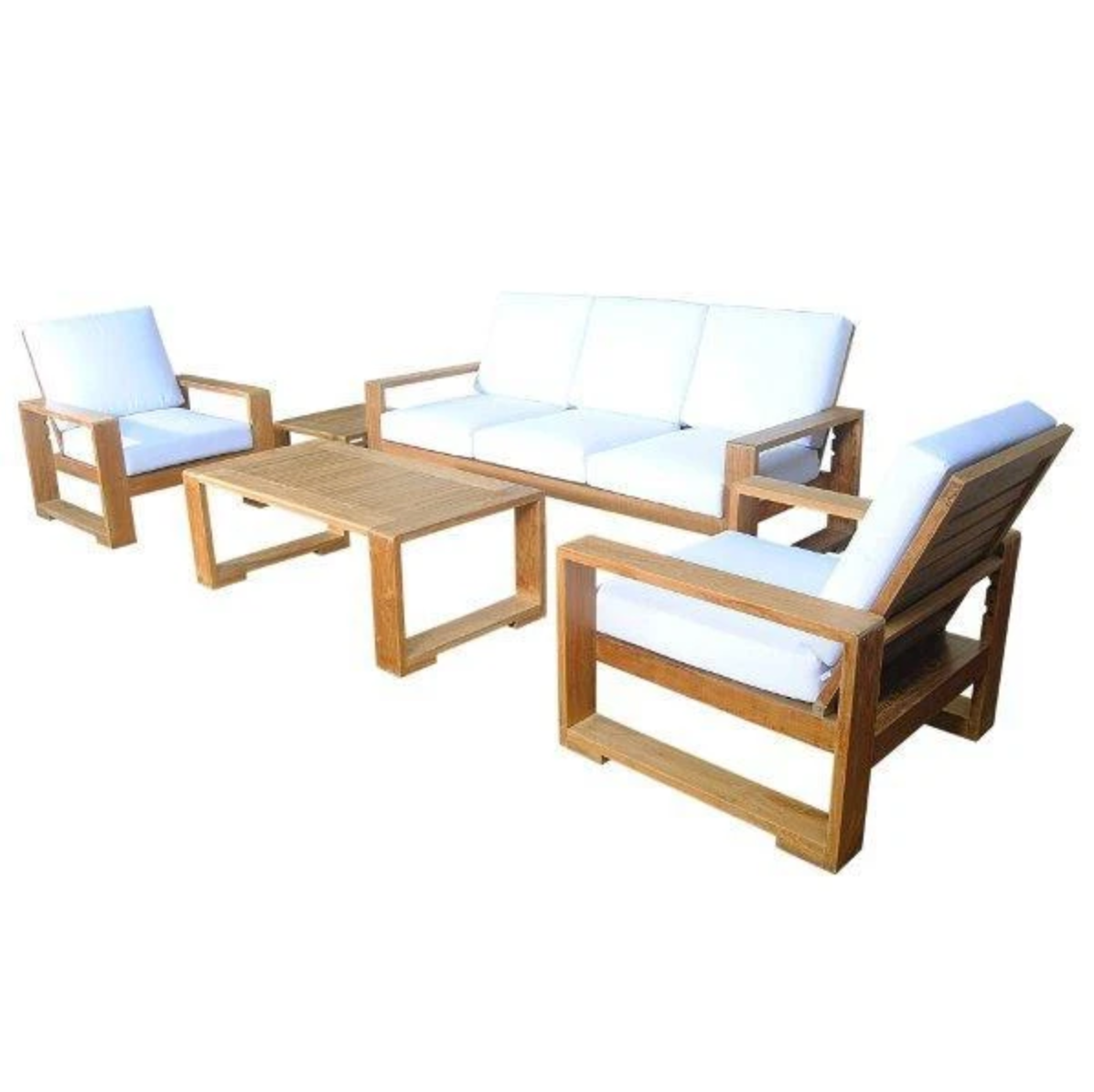
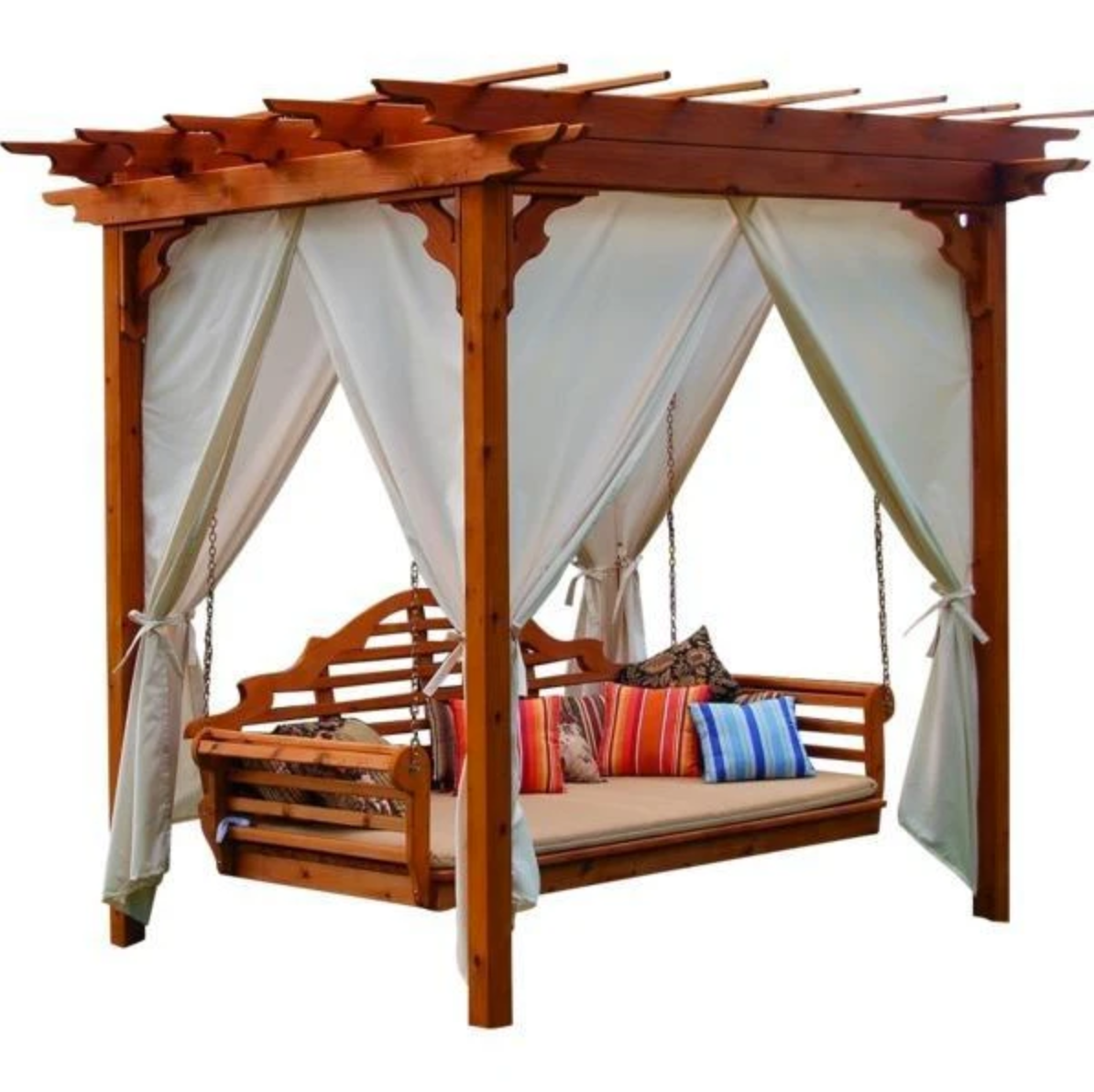
ThermaFusion Tete-A-Tete Table Addon w/ storage slides Lounge Chair / Outdoor Swing Bench: What to Know Before You Buy
 

What Is an Outdoor Swing Bench?

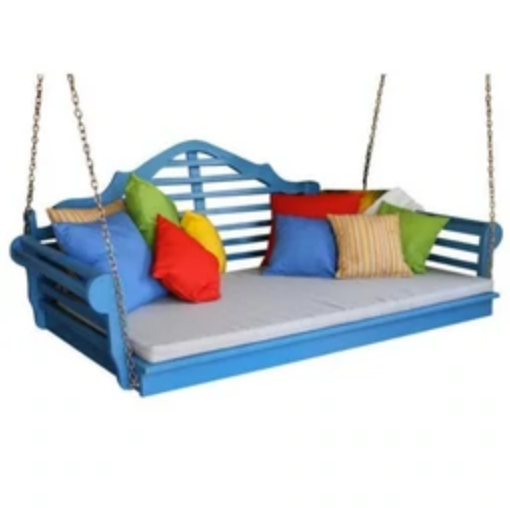
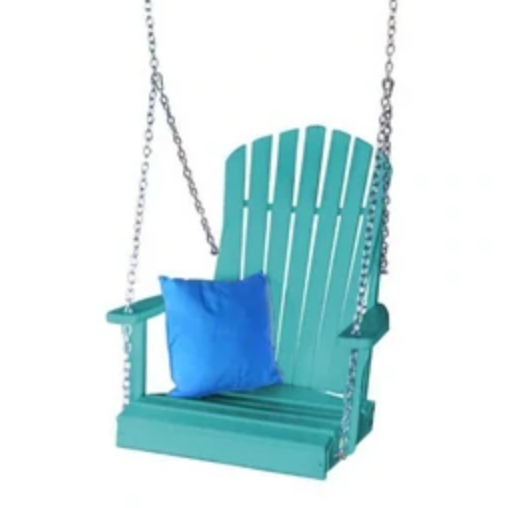
An outdoor porch swing bench is a bench-style seat suspended from a frame, pergola, ceiling, or tree branch, designed for exterior use right in your yard. Unlike indoor swings, it uses weather-resistant materials, corrosion-resistant hardware, and well-draining construction.
 
There are three broad formats:
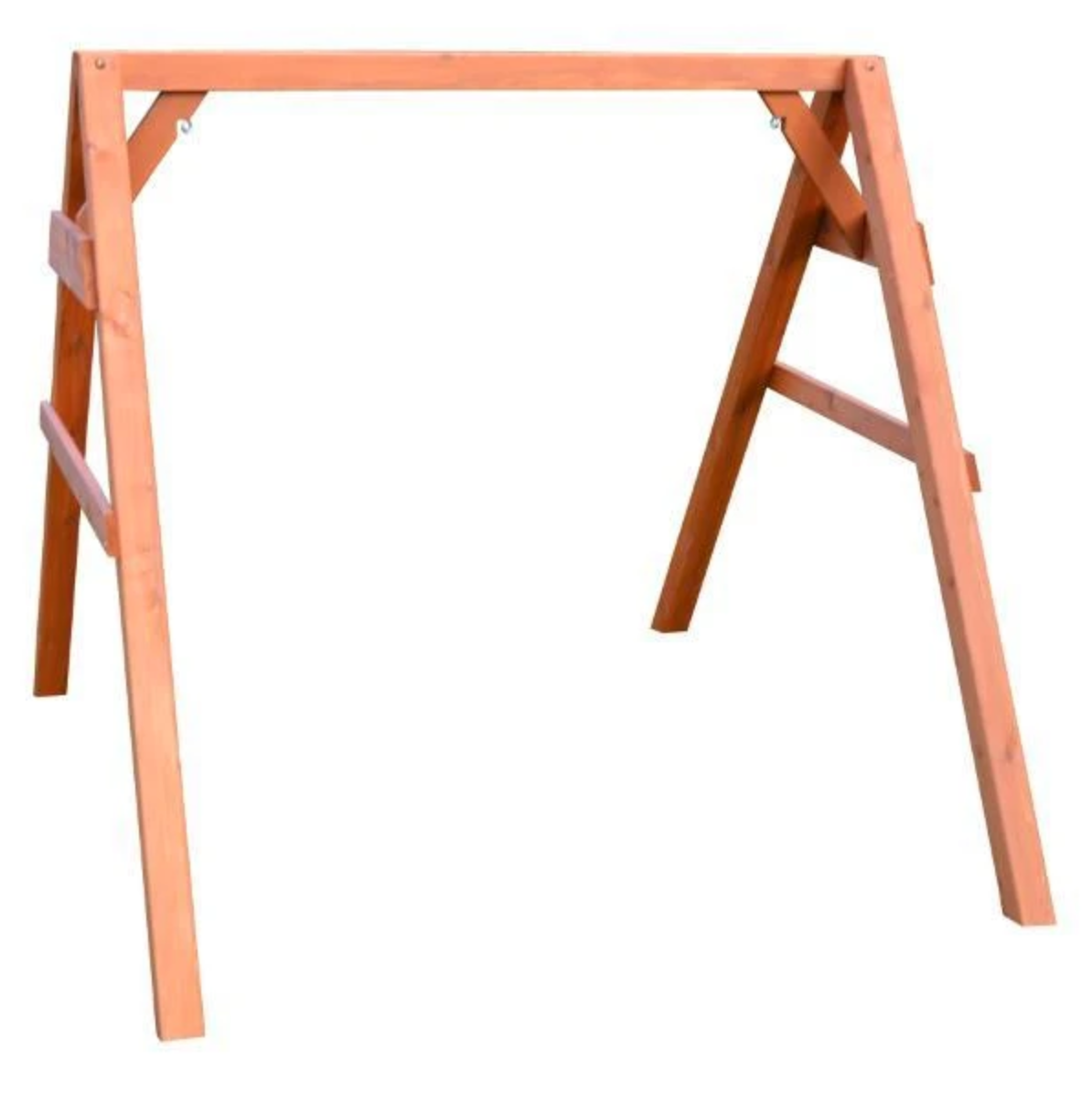
  • Freestanding outdoor swings — come with their own A-frame or arched stand. No structural work needed. Easiest option for lawns, terraces, and rented homes.
  • Hanging swing bench — suspended from a ceiling joist, pergola beam, or balcony slab using hooks, chains, or rope. Cleaner look, but needs a load-bearing anchor point.
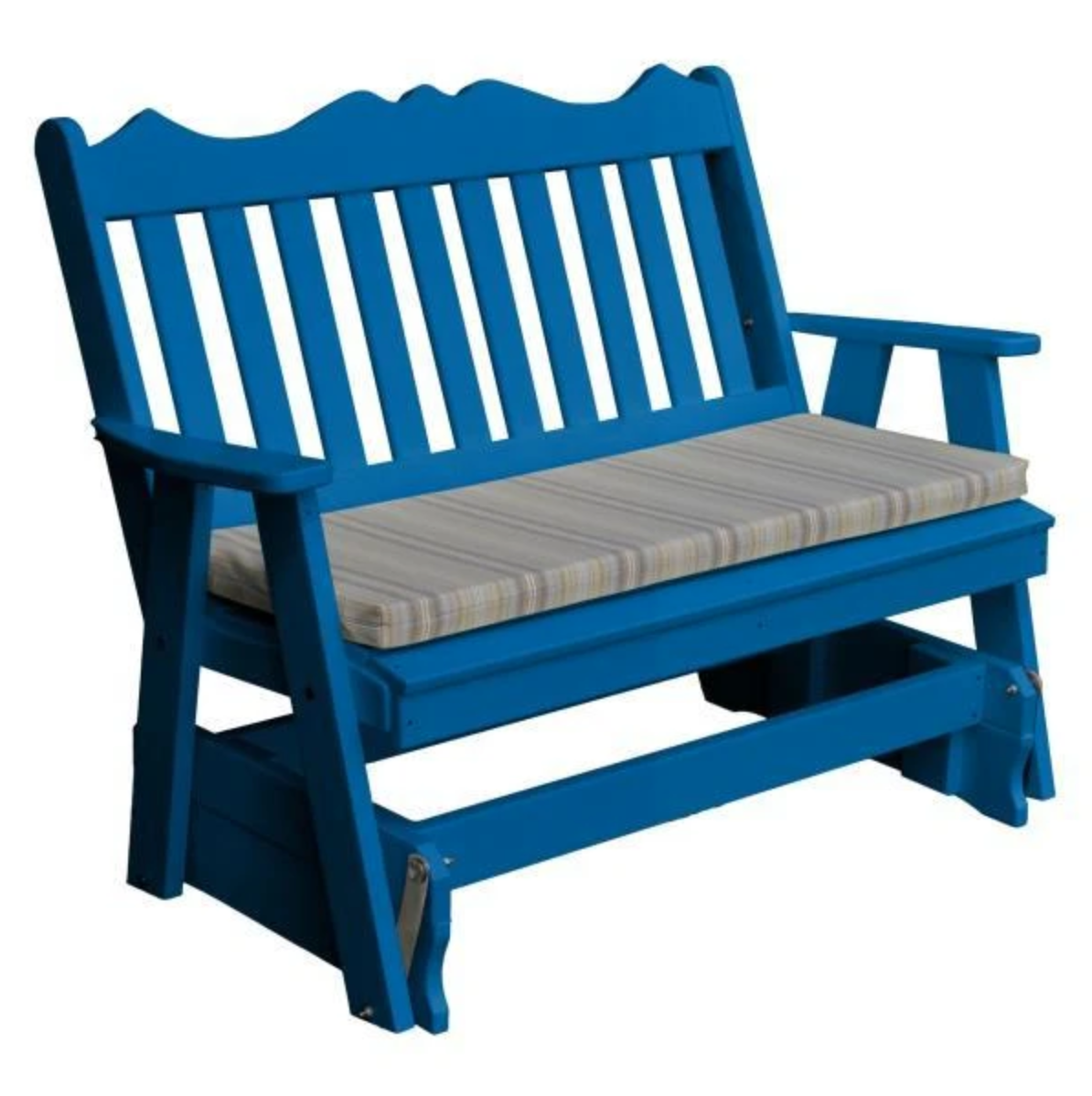
  • Glider bench — moves on a pivoting mechanism rather than swinging freely—smoother, more contained motion; better for small balconies.


Outdoor Swing Bench: What to Know Before You Buy


Outdoor Swing Bench Materials Explained

Material is the single biggest predictor of how long your porch swings last. This is where most buyers go wrong.
 

Teak

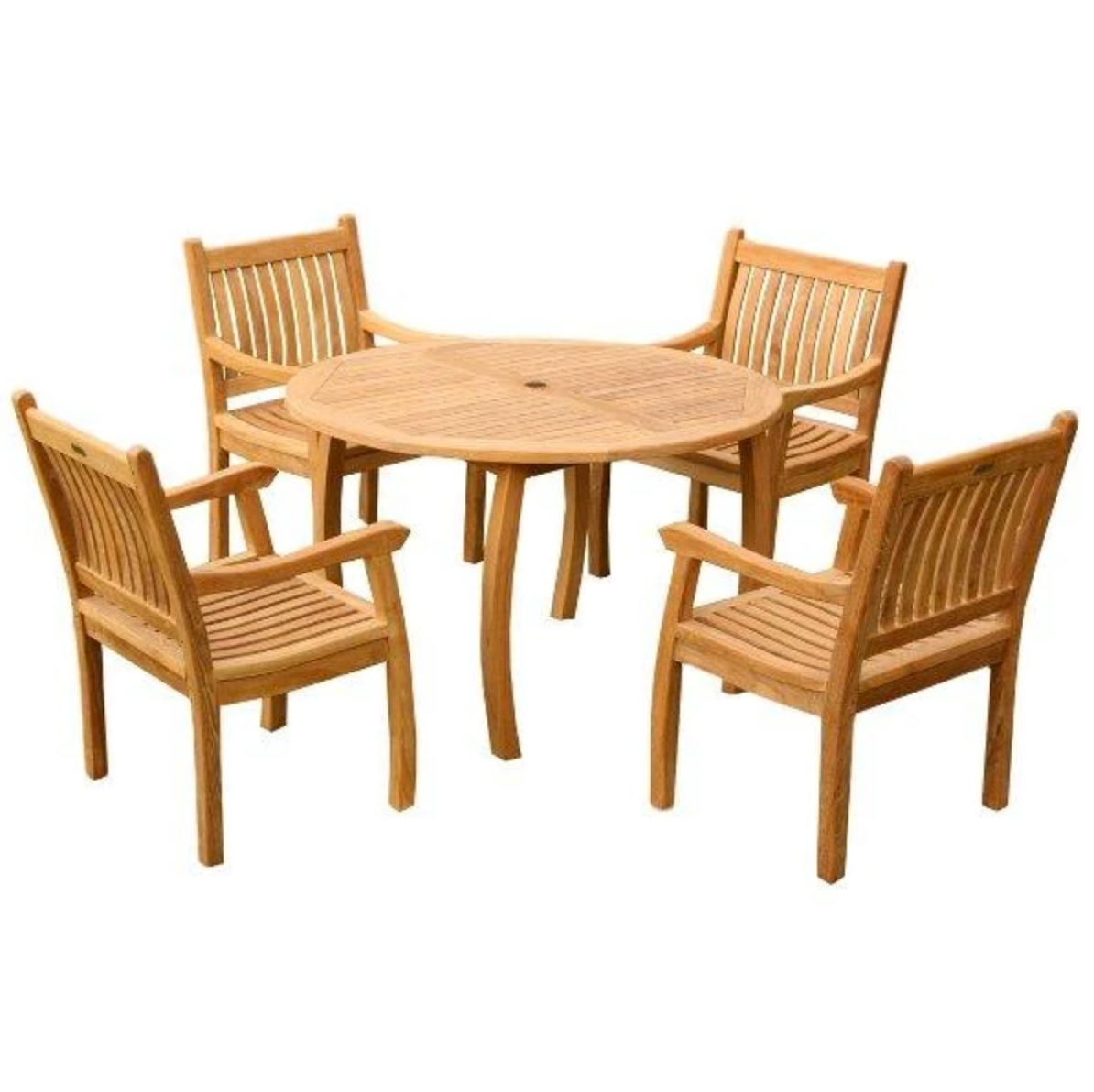
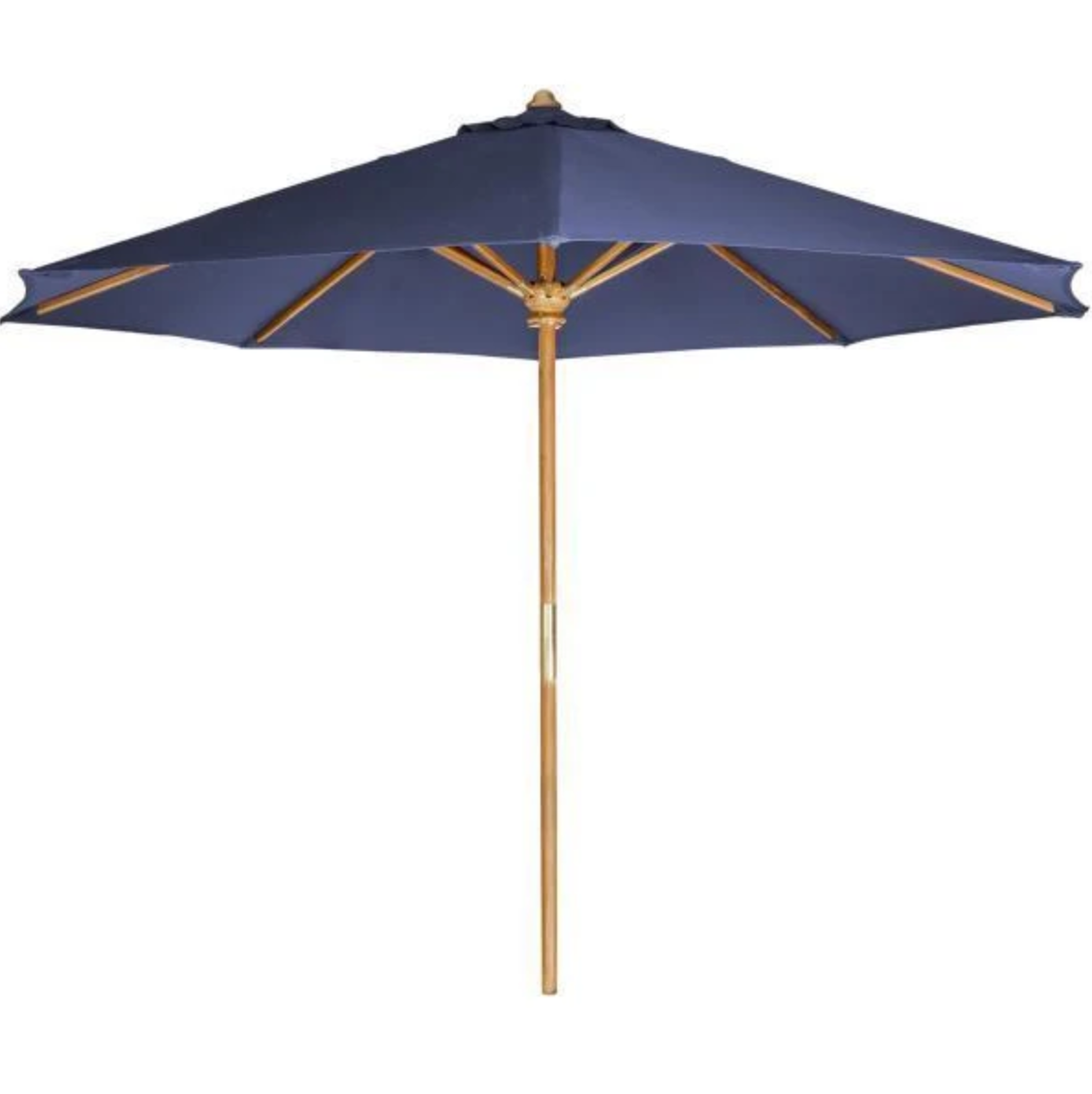
The benchmark for outdoor furniture. Teak contains natural oils and silica that resist water, insects, and rot without treatment. Left untreated, it weathers to a silver-grey patina — purely cosmetic, not structural decay. Expensive, heavy, and genuinely lifetime-grade.


Acacia and Eucalyptus

The practical middle ground. Both are dense hardwoods with decent natural weather resistance and cost far less than teak. They need oiling once or twice a year to prevent surface cracking. Excellent value for an outdoor swing bench that lives under partial cover.
 

Sheesham (Indian Rosewood) and Mango Wood

Common in Indian furniture and beautiful indoors — but these are not true outdoor timbers. Used on an open terrace, they warp and crack. Acceptable only in fully covered verandahs with a maintained sealant coat.
 

Powder-Coated Steel

Strong, affordable, and supports high weight. The powder coating protects it—once that layer chips, rust starts underneath. Inspect welds and joints annually and touch up chips immediately. Best suited to covered areas in humid or coastal climates.
 

Aluminium

Doesn't rust, making it a smart pick for coastal cities like Visakhapatnam, Chennai, or Mumbai. It's lightweight—a real advantage for moving it around —but a slight drawback in high winds.
 

Wrought Iron

Heavy, stable, and visually classic. Also rust-prone and needs repainting every few years. Choose it for looks and stability, not low maintenance.
 

All-Weather Wicker (PE Rattan)

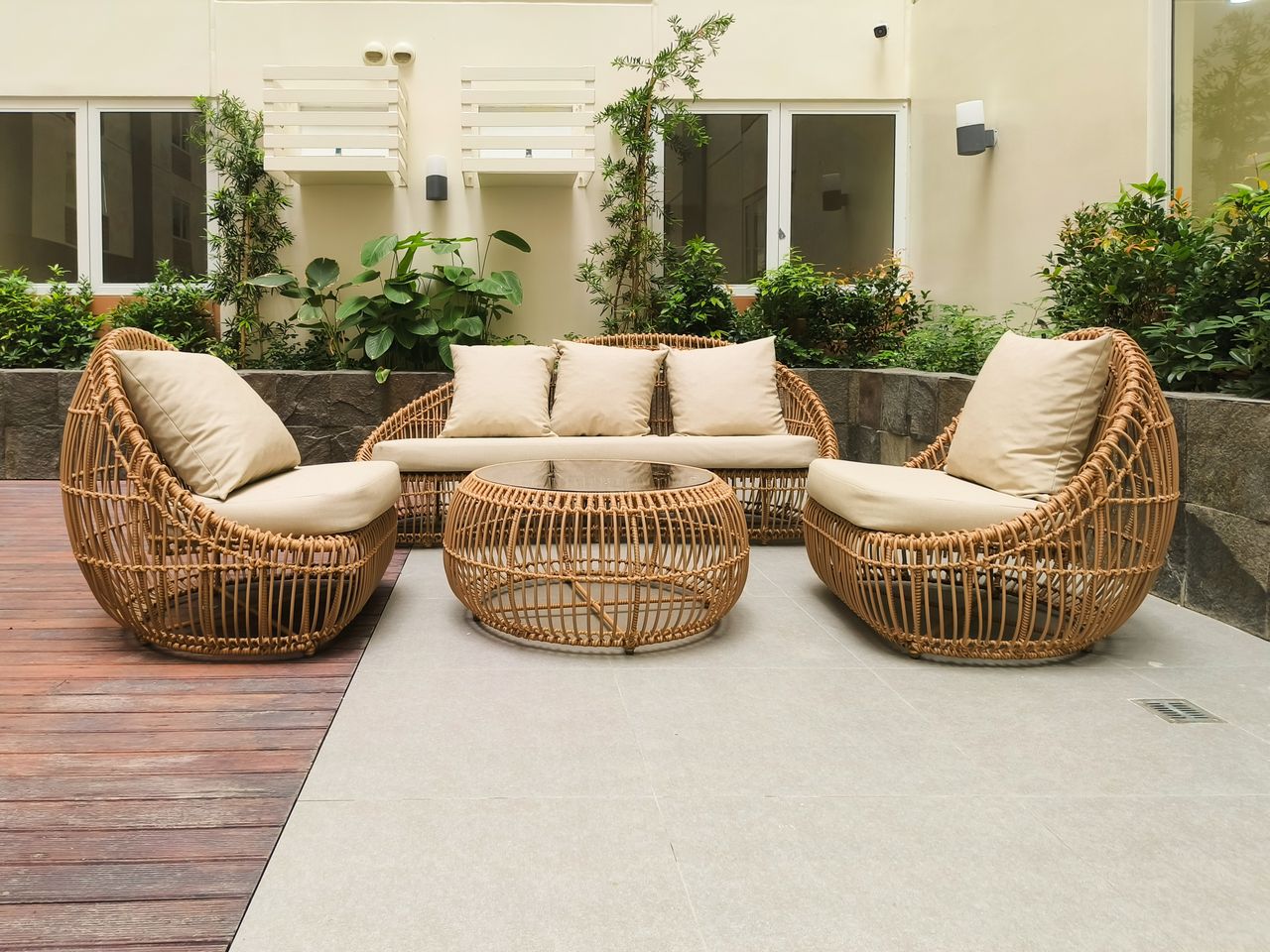
Synthetic resin woven over an aluminum or steel frame. Looks like natural cane, behaves far better. Insist on HDPE wicker — cheap PVC versions turn brittle and crack within two summers of UV exposure.
 
Quick answer:For a fully exposed outdoor swing bench, teak or aluminum last longest. For covered spaces, acacia wood or powder-coated steel offer the best value.


How to Choose the Right Outdoor Swing Bench

Run through these five checks in order.
 
1. Measure the porch swing arc, not just the bench.A swing needs clearance to move. Allow roughly 60–90 cm of free space in front of and behind the seat, plus 40 cm on either side. A three-seater swing bench typically needs about 2.1–2.4 m of width.
2. Confirm the weight capacity. Look for a stated figure.Two-seaters usually carry 150–200 kg; three-seaters 250–350 kg. Treat any listing with no load rating as a red flag.
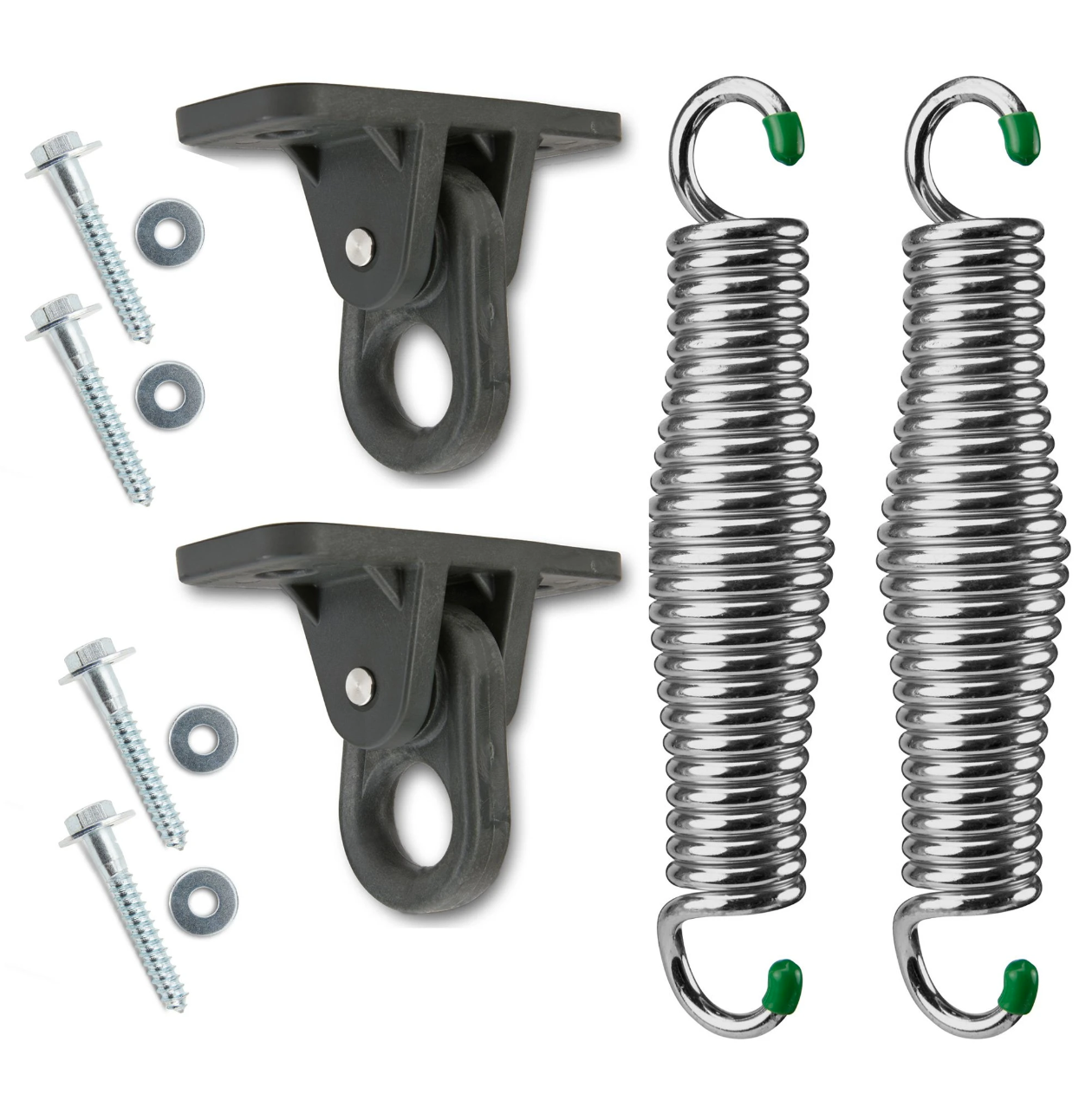
3. Check the hanging hardware specifically.This is the part that fails. You want stainless steel (grade 304 or 316) or galvanized chains and hooks. Grade 316 is marine-grade—worth the premium within a few kilometers of the sea. Plain mild steel chain will rust, stain your floor, and eventually snap.
4. Verify your anchor point if hanging.A swing generates dynamic loads far above its occupants' static weight. Anchor into a structural joist or RCC slab with proper eye bolts — never into plasterboard, false ceiling, or a decorative pergola rafter. If you're unsure, use a freestanding frame instead.
5. Match seat depth to use. Around 45–50 cm of depth suits upright sitting and conversation. 60 cm or more suits lounging with cushions. Deep seats without cushions feel awkward for most people.
 
5’2x4 A-Frame Swing Stand for Two Chair Swings Garden Bench  / Outdoor Swing Bench: What to Know Before You Buy
 

Common Mistakes to Avoid

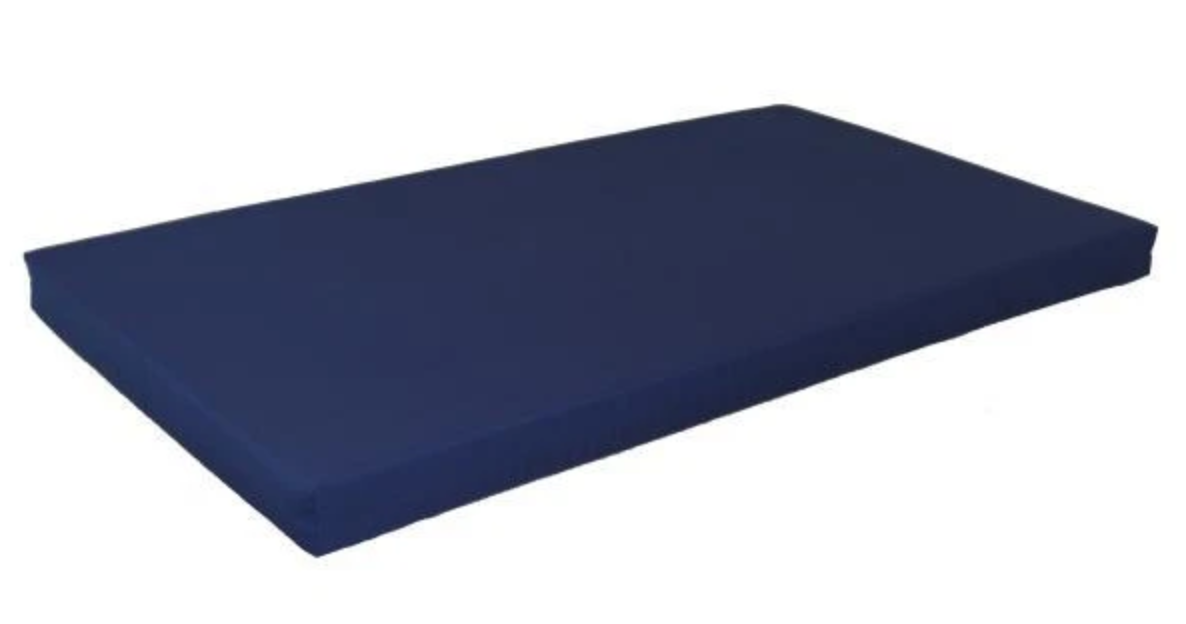
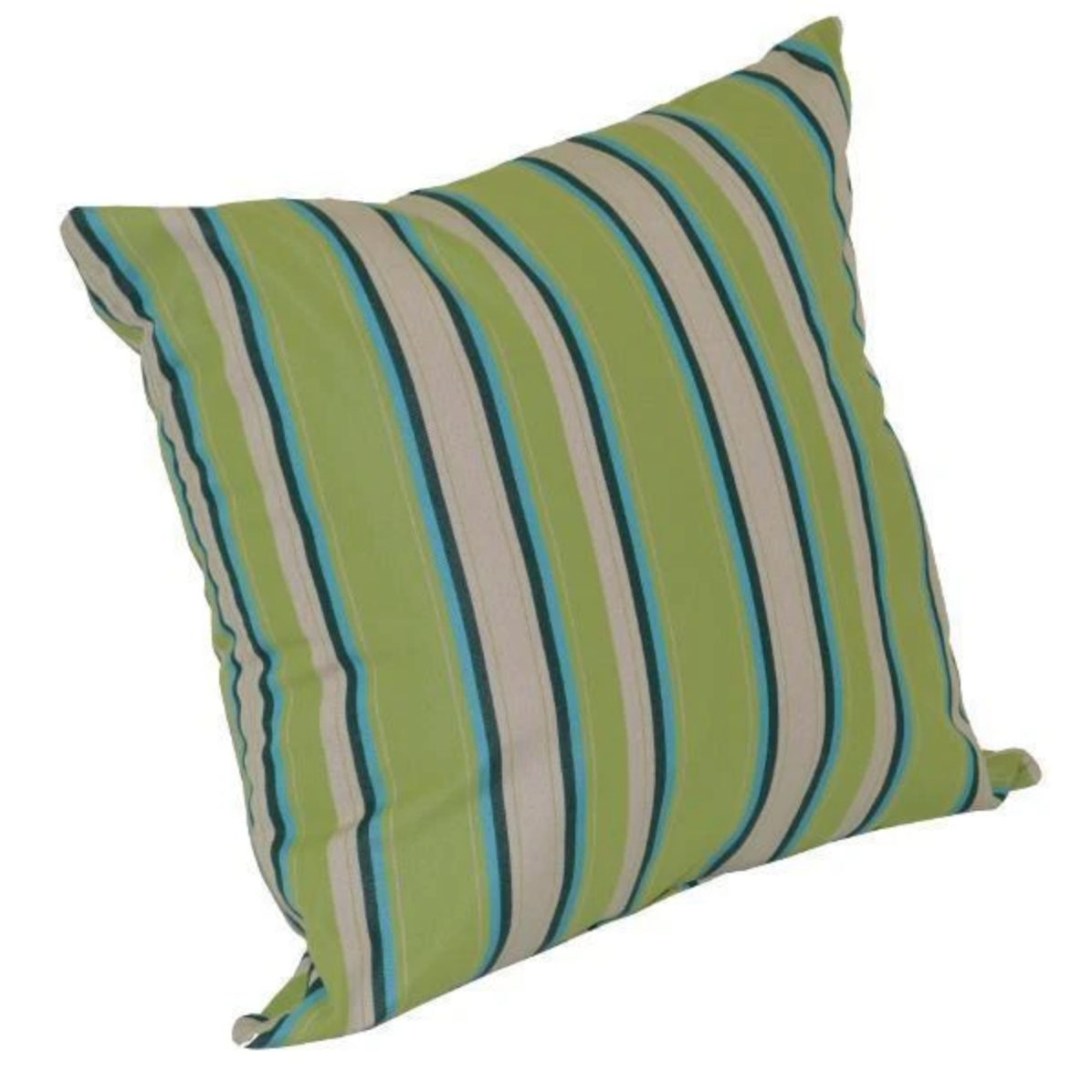
  • Using indoor cushions outdoors. Standard foam absorbs water and grows mould. You need quick-dry reticulated foam with solution-dyed acrylic covers—Sunbrella-type fabrics hold color in direct sun far longer than printed polyester.
  • Ignoring the canopy question.A canopy shades you but can act like a sail in strong wind. If you live somewhere with cyclonic weather, choose a removable one.
  • Skipping assembly realities.Many freestanding swings need two people and 60–90 minutes. Check whether the seller offers installation.
  • Buying by photo alone. "Weather-resistant" is marketing language. "Grade 304 stainless hardware, FSC teak, 250 kg rated" is information.
  • Placing it over uneven ground.An unstable A-frame will rock and eventually bend. Level the surface or use a paver base.


Maintenance and Care Tips

  • Wipe the frame with mild soap and water every few weeks;skip pressure washers on wood.
  • Oil acacia, eucalyptus, or teak once or twice a year to preserve the warm color.Purely optional for teak.
  • Check and tighten all bolts and inspect chain links every six months. Spin hooks to look for wear on the inside of the ring.
  • Store cushions indoors or in a deck box between uses —this doubles their life more reliably than anything else.
  • Before monsoon, apply a protective cover or move the swing into a sheltered area.For metal frames, touch up any chipped coating before the rain hits.

Outdoor Swing Bench Trends in 2026

  • Deep-seat lounge swings with wide arms and thick cushioning, replacing narrow slat benches.
  • Mixed-material builds —aluminum frames with teak or wicker seats, combining rust immunity with warmth.
  • Rope suspension in natural tones, softening the industrial look of chain.
  • Compact two-seater gliders designed specifically for apartment balconies.
  • Muted, earthy palettes —terracotta, olive, oatmeal, charcoal — over bright prints.


Frequently Asked Questions

How much weight can an outdoor swing bench hold?
Most two-seaters are rated for 150–200 kg, and three-seaters for 250–350 kg. Always check the manufacturer's stated capacity, and never exceed it.
What's the best material for a coastal or humid climate?
Aluminum or teak with grade 316 stainless hardware. Salt air quickly attacks mild steel and standard powder coating.
Can I hang a swing bench from my balcony ceiling?
Only from a structural concrete slab or beam, using properly rated eye bolts. Have a contractor confirm the anchor if you have any doubt.
Does teak need to be sealed?
No. Teak survives untreated and greys over time. Oil or sealant only maintains the golden color.
Will an outdoor swing bench fit a small balcony?
A compact two-seater or glider fits in about 1.5 m of width, as long as you have swing clearance. Gliders need less.
 

Find the Porch Swing You'll Actually Use Every Evening

The best outdoor swing bench isn't the most expensive — it's the one that matches your climate, clearance, and anchor point. Choose those three things, and your options narrow fast. Then you can decide with confidence.
 

Also in News

Seamless Journeys with Your Canine Companion The Charming Bench Company
Seamless Journeys with Your Canine Companion

Traveling with your dog doesn't have to be stressful. From building a flexible itinerary and packing the right essentials to navigating busy transit hubs and booking the perfect accommodation, discover practical tips to plan a safe, comfortable, and fun vacation for both you and your pup.
Sustainable Outdoor Living: Eco-Friendly Choices for Your Backyard

Composting and Waste Reduction Tips for Outdoor Gatherings