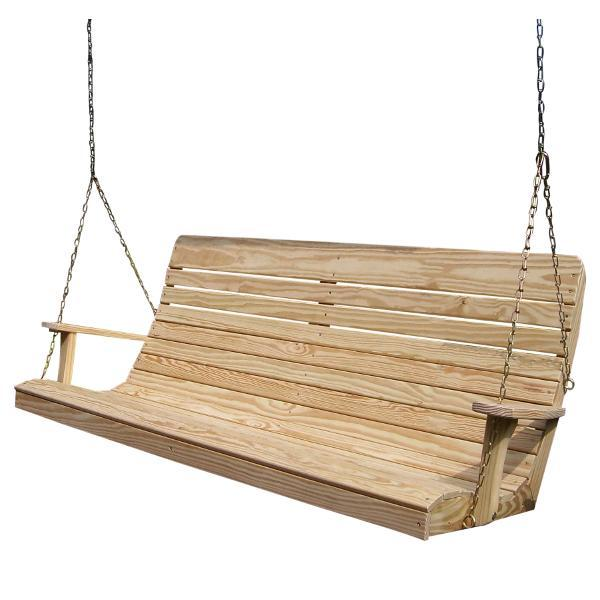
The Complete Guide to Caring for Pine Wood Furniture: Protect Your Investment for Years to Come

The Complete Guide to Caring for Pine Wood Furniture: Protect Your Investment for Years to Come
Pine wood furniture is a beloved choice for homeowners seeking an affordable, eco-friendly, and stylish solution for any room. Its light, warm tones and natural grain create an inviting aesthetic that works across rustic, farmhouse, Scandinavian, and contemporary design styles. However, pine's softness is both a blessing and a challenge—while it's easy to work with, it's also more susceptible to dents, scratches, and moisture damage than hardwoods.
The good news? Caring for pine wood furniture isn't complicated. With the right knowledge and consistent habits, you can keep your pine pieces looking beautiful and functioning perfectly for decades. In this guide, you'll learn how to protect, clean, and maintain your pine wood furniture investment.

Understanding Pine Wood: Why It Needs Special Care

Pine is classified as a softwood, but don't let that fool you. When properly cared for, solid pine furniture is surprisingly durable and can easily outlast less-maintained hardwood pieces.

The Pine Advantage

  • Lightweight and strong: Pine combines strength with lightness, making it ideal for large furniture pieces like bed frames, wardrobes, and dining tables
  • Eco-friendly: Pine is a fast-growing wood harvested from managed plantations, making it a sustainable choice
  • Versatile: It takes stains, paints, and finishes beautifully, offering endless design possibilities
  • Budget-friendly: More affordable than hardwoods without sacrificing quality when solid pine is used

The Pine Challenge

Pine ranks significantly lower on the Janka hardness scale (typically ranging from380 to 870 lbf for common softwoods like Eastern White Pine and Southern Yellow Pine) compared to hardwoods such as Red Oak (1,290 lbf) and White Oak (1,360 lbf). The Janka scale measures the force required to embed an 11.28 mm (0.444 in) steel ball halfway into a wood sample.
Because of pine's lower rating, it is more susceptible to dents, scratches, and surface wear from daily use. It is also sensitive to moisture fluctuations, making preventive care and consistent maintenance essential for keeping pine furniture pristine.
The Complete Guide to Caring for Pine Wood Furniture: Protect Your Investment for Years to Come

Daily and Weekly Cleaning Habits

The foundation of pine furniture care starts with simple, regular cleaning. This prevents dust buildup, protects the finish, and catches spills before they cause lasting damage.

Weekly Dusting Routine

  • Use a soft microfiber cloth or feather duster to remove dust from all surfaces gently
  • Light, circular motions prevent dust particles from scratching the wood
  • Avoid feather dusters that shed fibers; lint-free cloths are best
  • Don't use harsh aerosol sprays or oil-based polishes—these can strip natural oils and leave sticky residue

Monthly Deep Clean

  • Mix a mild wood soap (like Murphy Oil Soap) with warm water in a bucket
  • Dampen a soft cloth with the solution—wring out excess water thoroughly
  • Wipe surfaces gently, working with the wood grain
  • Use a separate dry cloth to wipe immediately after
  • Never leave wet spots; moisture absorption is the enemy of pine furniture

What to Avoid

  • Plain water or highly diluted vinegar solutions
  • All-purpose cleaners or silicone-based products
  • Boiled linseed oil (it darkens the wood and attracts dust)
  • Turpentine or harsh solvents


The Complete Guide to Caring for Pine Wood Furniture: Protect Your Investment for Years to Come


Protecting Against Scratches, Dents, and Daily Wear

Pine's softness makes it vulnerable to impact damage, so preventive measures are far easier than repairs.

Scratch Prevention Tips

  • Use felt pads: Place them under decorative items, vases, and picture frames
  • Lift, don't drag: When moving objects across furniture, always lift them completely
  • Coasters and placemats: Protect tabletops from cups, glasses, and plates
  • Tablecloths and runners: Create a barrier on exposed surfaces
  • Keep kids' furniture in designated zones: For children's pine beds or dressers, set clear play area boundaries

Repairing Minor Scratches and Dents

  • Light scratches: Rub a matching-colored walnut crayon or wood repair pen over the scratch, then buff with a soft cloth
  • Deep scratches: Fill with wood filler matching your pine's tone, let dry, and sand smooth
  • Dents: Place a damp cloth directly over the dent, then apply low heat with an iron; this expands wood fibers and may raise the dent


Polishing and Finishing Pine Furniture

Regular polishing nourishes the wood, enhances its natural patina, and builds a protective layer against moisture and damage. For many pieces, beeswax polish is the best place to start.

Beeswax Polish: The Gold Standard

  • Apply beeswax polish every3–6 months depending on use
  • Use a soft cloth in small circular motions
  • Buff the surface for a smooth, satiny finish
  • Beeswax nourishes the wood and provides subtle, natural-looking protection
  • Popular brands: Briwax, Fiddes, and high-quality clear paste waxes

Why Beeswax Works Better Than Silicone Polishes

Silicone-based products create a slippery surface that repels water but doesn't nourish the wood underneath. Beeswax penetrates, protects, and enhances the grain naturally—exactly what pine needs.

Reapplying Finish When Worn

Over time, even the best finish dulls. Signs it's time to repolish:
  • Surface looks matte or cloudy
  • Water beads don't form on the surface
  • The wood looks dry or lacks luster
The Complete Guide to Caring for Pine Wood Furniture: Protect Your Investment for Years to Come

Protecting Pine from Sunlight and UV Damage

Sunlight is beautiful, but it can fade and discolor pine furniture over time, altering its rich, warm tones. To help prevent that, use simple UV protection strategies.

UV Protection Strategies

  • Reposition furniture:Place it away from direct sunlight when possible
  • Install window coverings:Use curtains, blinds, or UV-filtering treatments on windows near furniture
  • Apply protective varnish:A matte clear varnish shields the wood without changing its appearance
  • Use tablecloths or protective covers:Use them on surfaces receiving direct sunlight
  • Rotate decorative items:By using this tactic, you can avoid the furniture from fading fast if complete avoidance isn't possible
Pro Tip:A slight color patina that develops with age actually adds character to pine; many owners embrace this as part of the wood's natural story.

Managing Moisture: The Pine Furniture Enemy

Water and excessive humidity are the greatest threats to pine furniture, and moisture can cause swelling, warping, stains, and eventually rot. Because of that, quick spill response matters.

Spill Response Protocol

  • Act immediately: Blot spills with a dry, soft cloth—don't rub
  • Never leave moisture sitting: Even small amounts can seep into the grain
  • For stubborn marks:Place a damp cloth over the spot briefly, then dry completely
  • For wine or dark stains:Consult professional restoration rather than using harsh removers

Humidity Control

  • Maintain indoor humidity between 40–50%
  • Use a dehumidifier in naturally damp rooms (bathrooms, basements, kitchens)
  • Use a humidifier in very dry climates to prevent cracking and shrinkage
  • Ensure adequate room ventilation to prevent moisture accumulation

Keep Pine Furniture Away From:

  • Radiators and heating vents (causes drying and cracking)
  • Bathrooms and kitchens with high steam exposure
  • Windows prone to condensation
  • Areas exposed to rain or outdoor moisture


Maintenance Checklist for Long-Term Care

Create a simple maintenance schedule to keep your pine furniture in peak condition, then follow it consistently to protect long-term performance.
Monthly:
  • Light clean with a damp cloth and mild soap
  • Inspect for new scratches or damage
  • Tighten any loose hardware (screws on bed frames, drawer pulls, hinges)
Quarterly (Every 3 Months):
  • Apply beeswax polish to high-use pieces
  • Check for signs of moisture damage
  • Verify humidity levels in key rooms
Annually:
  • Deep clean all surfaces thoroughly
  • Inspect for accumulated dust in crevices
  • Reapply finish if wearing thin
  • Check structural integrity (especially beds and tables under weight)


Common Mistakes to Avoid

Don't undermine your care efforts with these preventable errors:
  • Using water directly on the wood – Always use diluted soap solution, not plain water
  • Leaving coasters off – One small glass ring can stain permanently
  • Over-waxing – Buildup makes furniture look dull; once per quarter is enough
  • Ignoring humidity – The single biggest threat to pine longevity
  • Dragging furniture across floors – Use moving sliders or lift completely
  • Skipping hardware checks – Loose joints compromise stability and safety


FAQ: Pine Wood Furniture Care

Q1: Is pine wood furniture durable enough for everyday use?
Yes. While softer than hardwoods, solid pine is remarkably durable for daily use when properly maintained. Many pine pieces last 20–30 years or more with consistent care.
Q2: Can I use commercial wood polish on pine?
Most commercial polishes work, but natural products like beeswax are better for pine. Avoid silicone-based sprays; they build up and don't nourish the wood. Always read labels and test on an inconspicuous area first.
Q3: How do I restore pine furniture that's looking dull?
Light sanding with very fine-grit sandpaper (0000 steel wool works too) removes product buildup. Then clean thoroughly, let dry completely, and apply fresh beeswax polish.
Q4: What's the best finish for new pine furniture?
Varnish or polyurethane provides excellent protection against knocks, moisture, and stains while enhancing the natural grain. Matte finishes maintain a natural look better than gloss.
Q5: Can pine furniture be used outdoors?
Only if treated with wood preservatives. Untreated pine will rot quickly outdoors. Most indoor pine furniture isn't suitable for patio use unless it's specifically designed and treated for outdoor use.

Conclusion

Pine wood furniture combines affordability, style, and sustainability—but only if you're willing to invest a little care. The good news is that maintaining pine doesn't require expensive products or complicated techniques. With consistent dusting, seasonal polishing, moisture management, and UV protection, your pieces can stay beautiful for decades.
Think of pine furniture maintenance as a small, regular investment that pays enormous dividends in longevity. To close the loop, maintain a well-cared-for pine bed frame, dining table, or bedroom set so it can outlast poorly cared-for hardwood pieces while keeping its warm, natural character. With these habits in place, your pine furniture can stay beautiful, durable, and ready for years to come.
Ready to give your pine furniture the care it deserves? Start with this month's cleaning and polishing routine, implement humidity controls in key rooms, and establish a simple quarterly checklist. Your investment will reward you with lasting beauty and function for years to come.

Also in News

How to Take Care of Cedar Garden Furniture: Expert Maintenance Guide

The Complete Guide to Caring for Teak Wood Furniture: Preserve Beauty for Decades

Preventing Mold and Mildew in Cushions and Fabric Covers: A Complete Guide