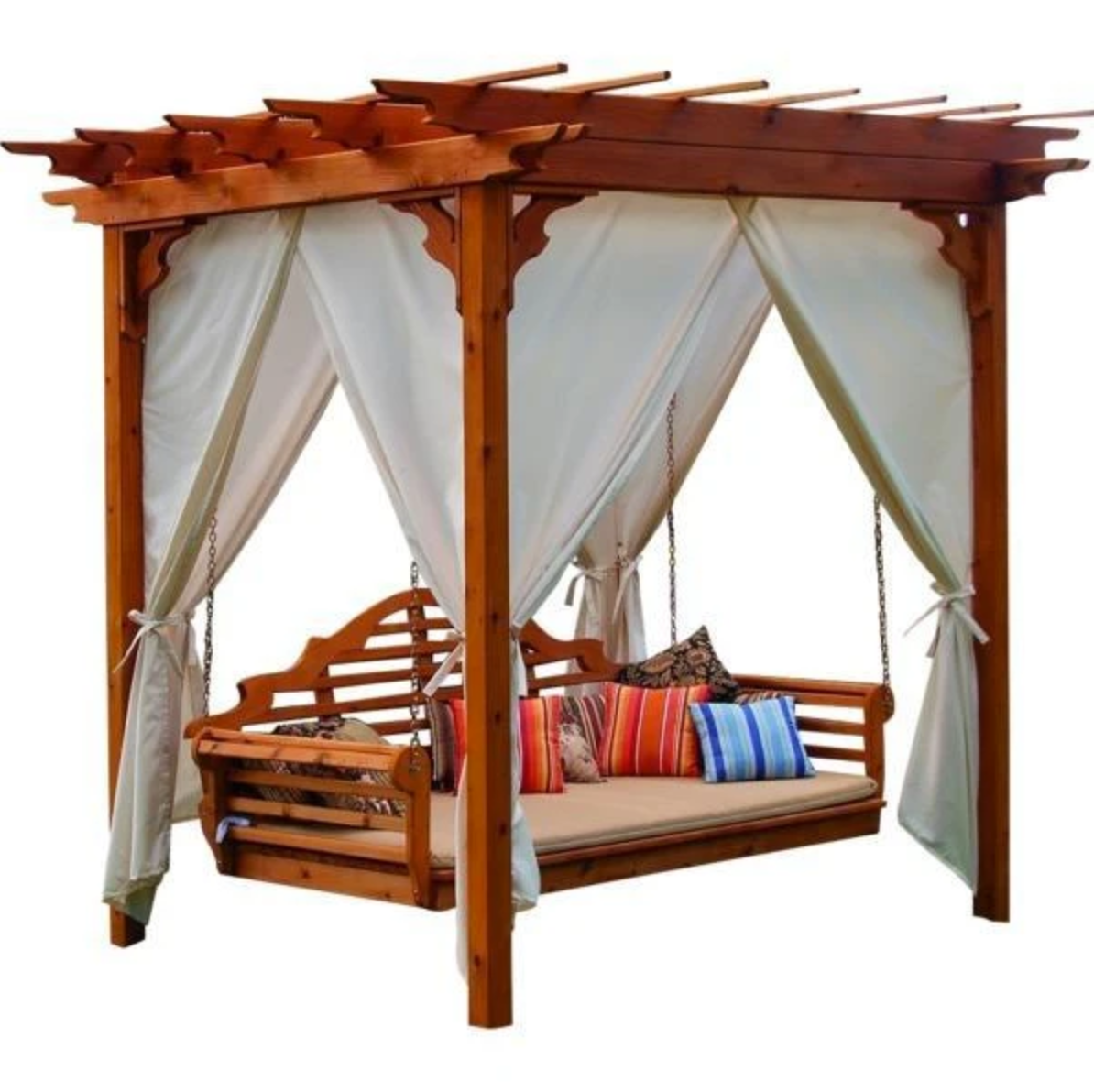
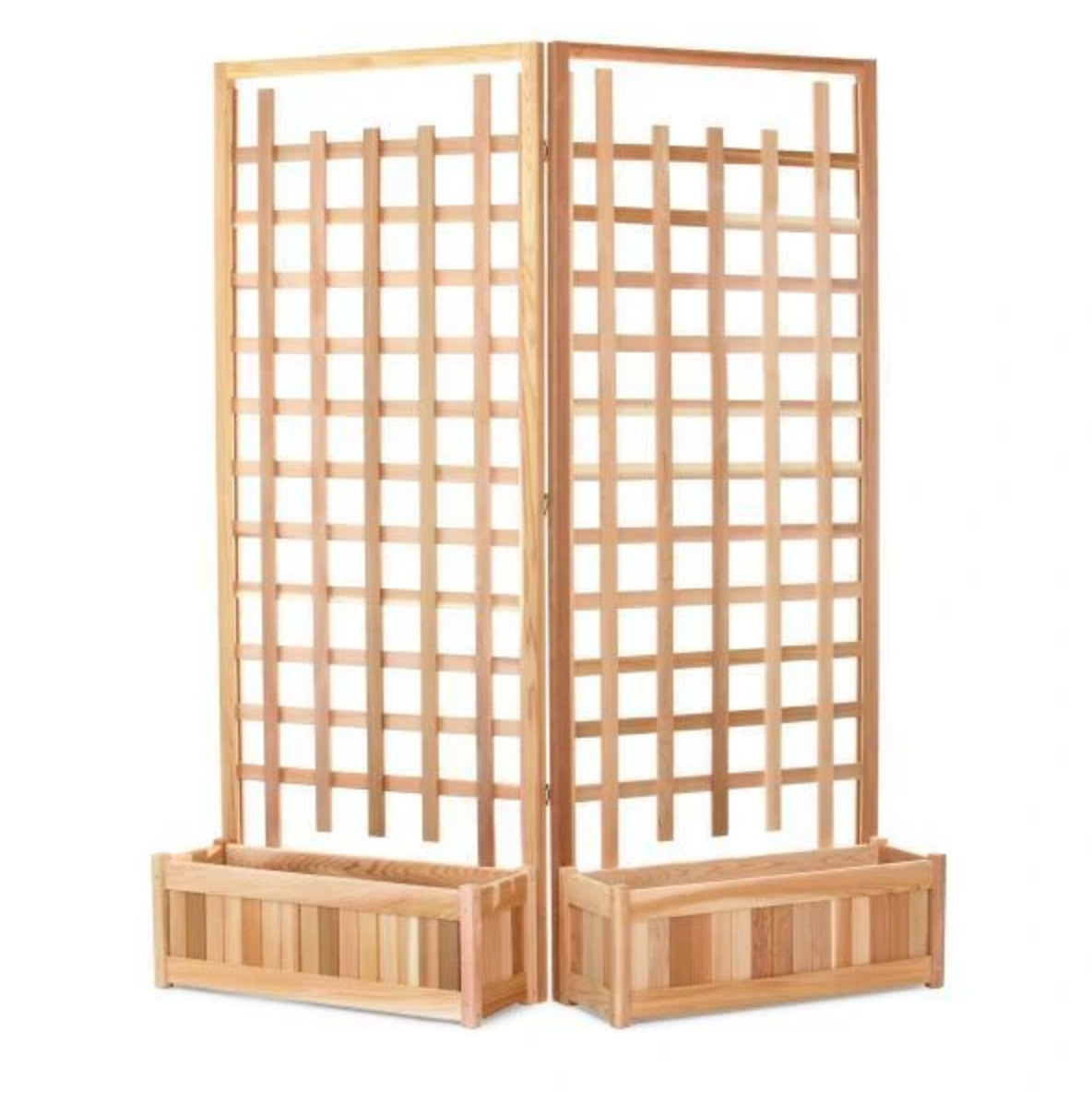
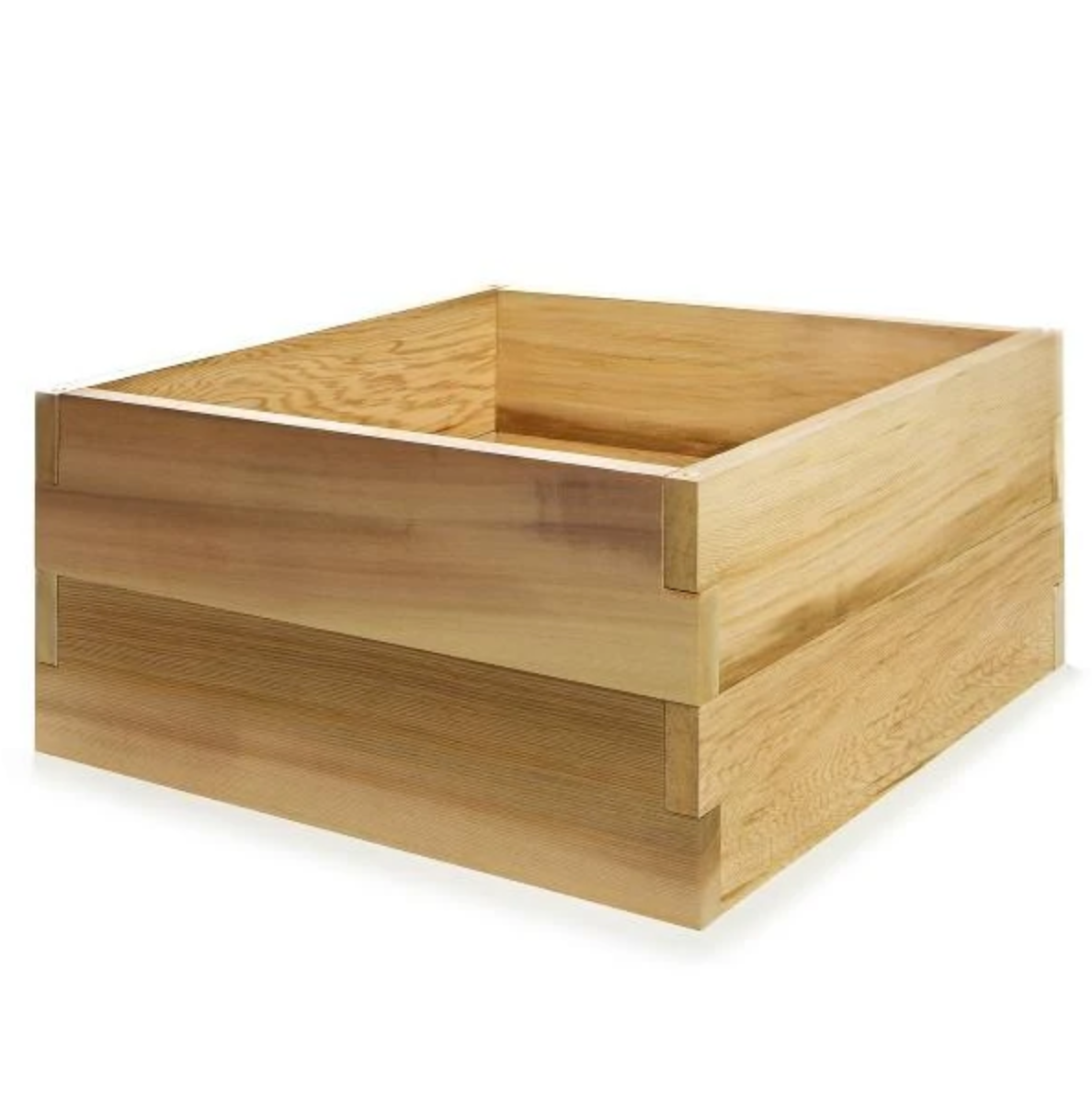
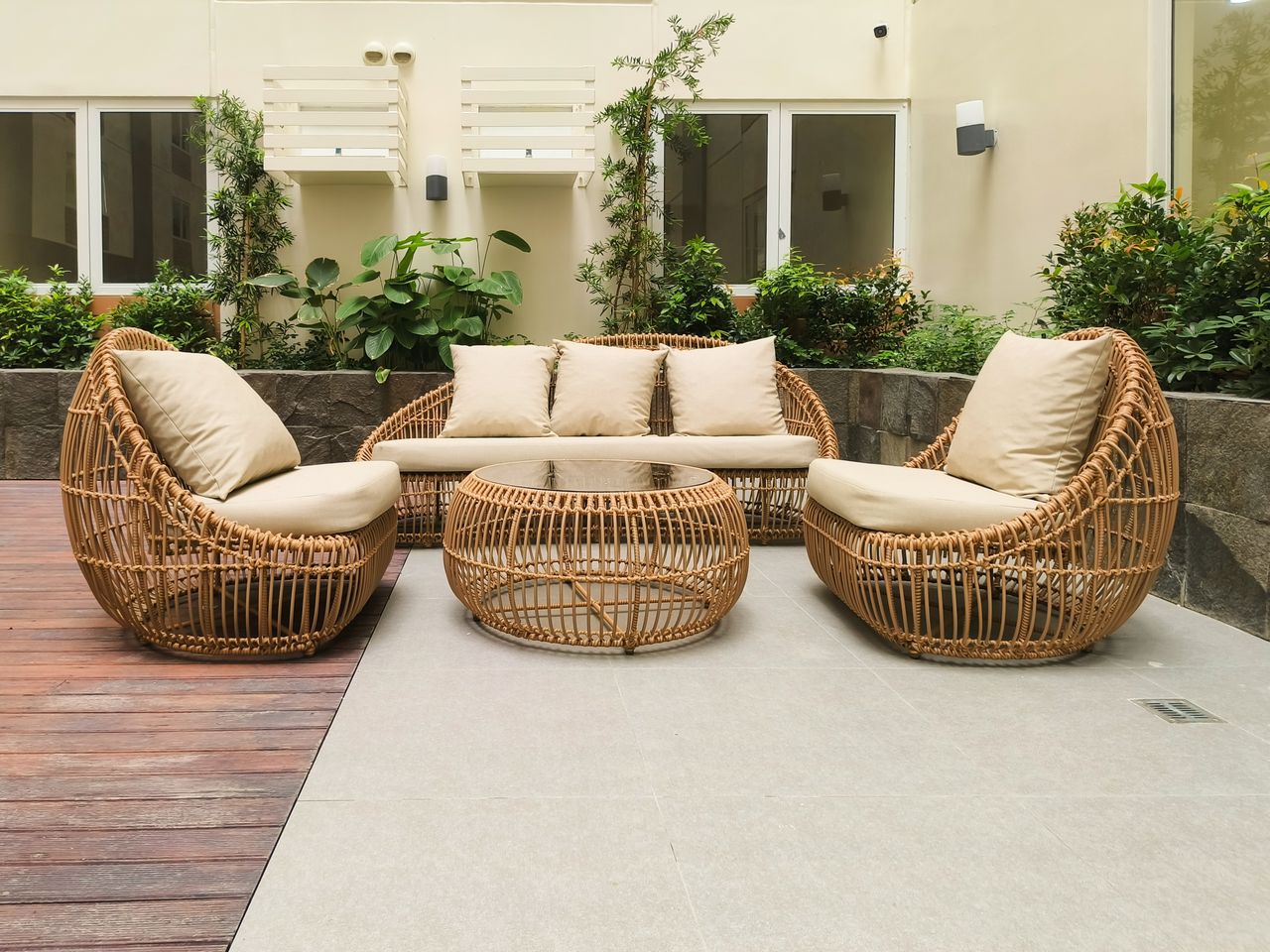
How to Take Care of Cedar Garden Furniture: Expert Maintenance Guide
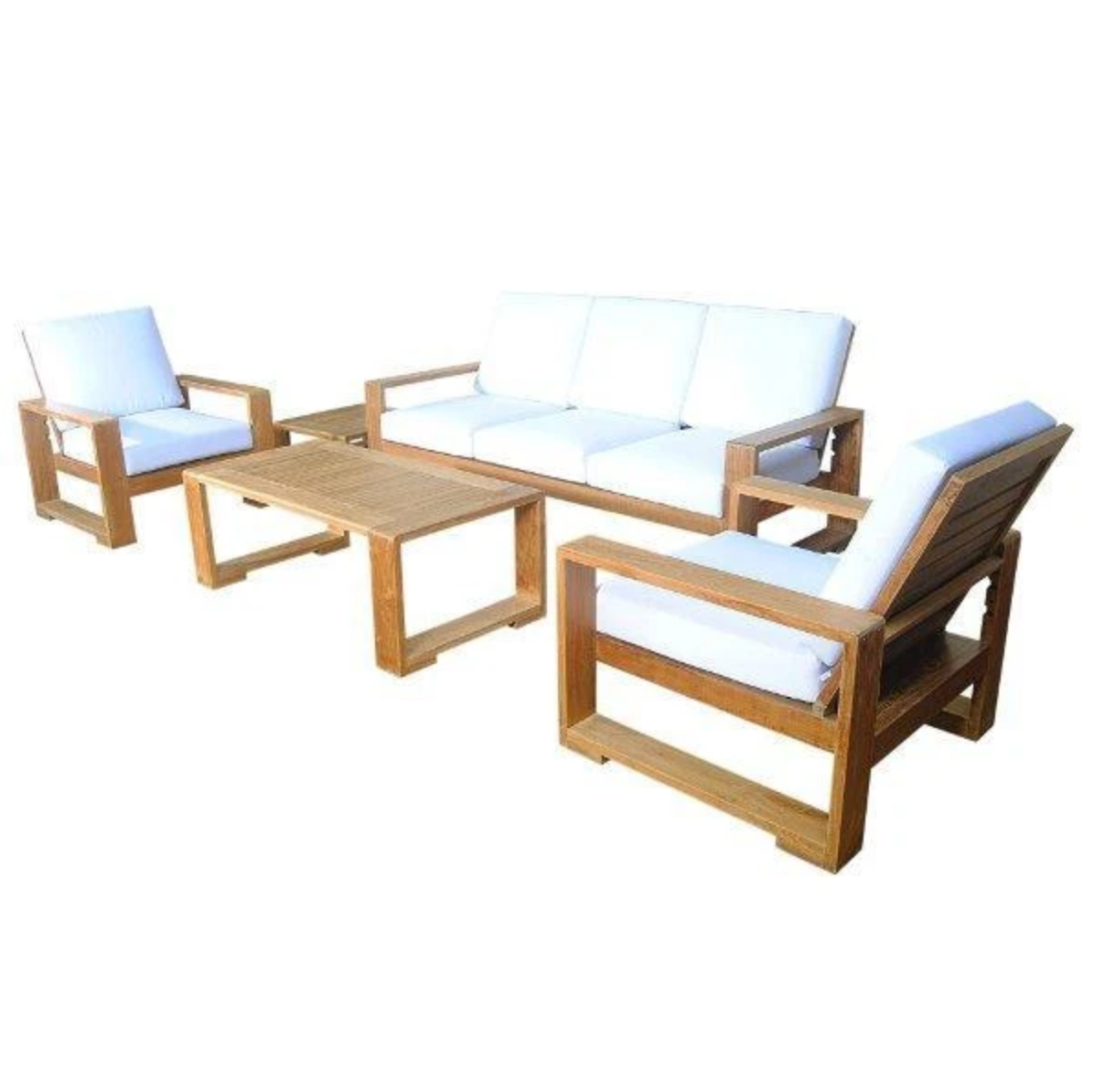
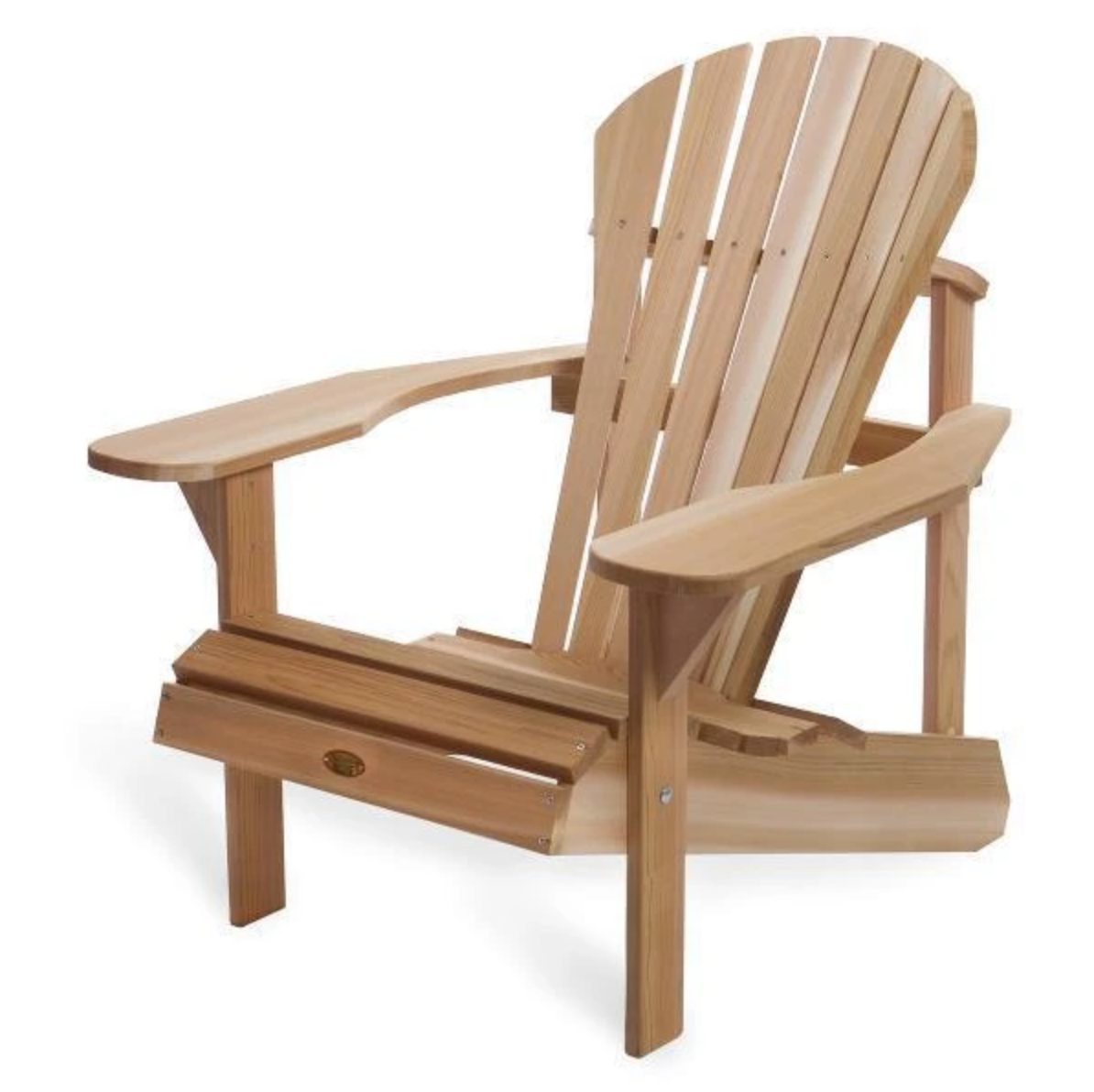
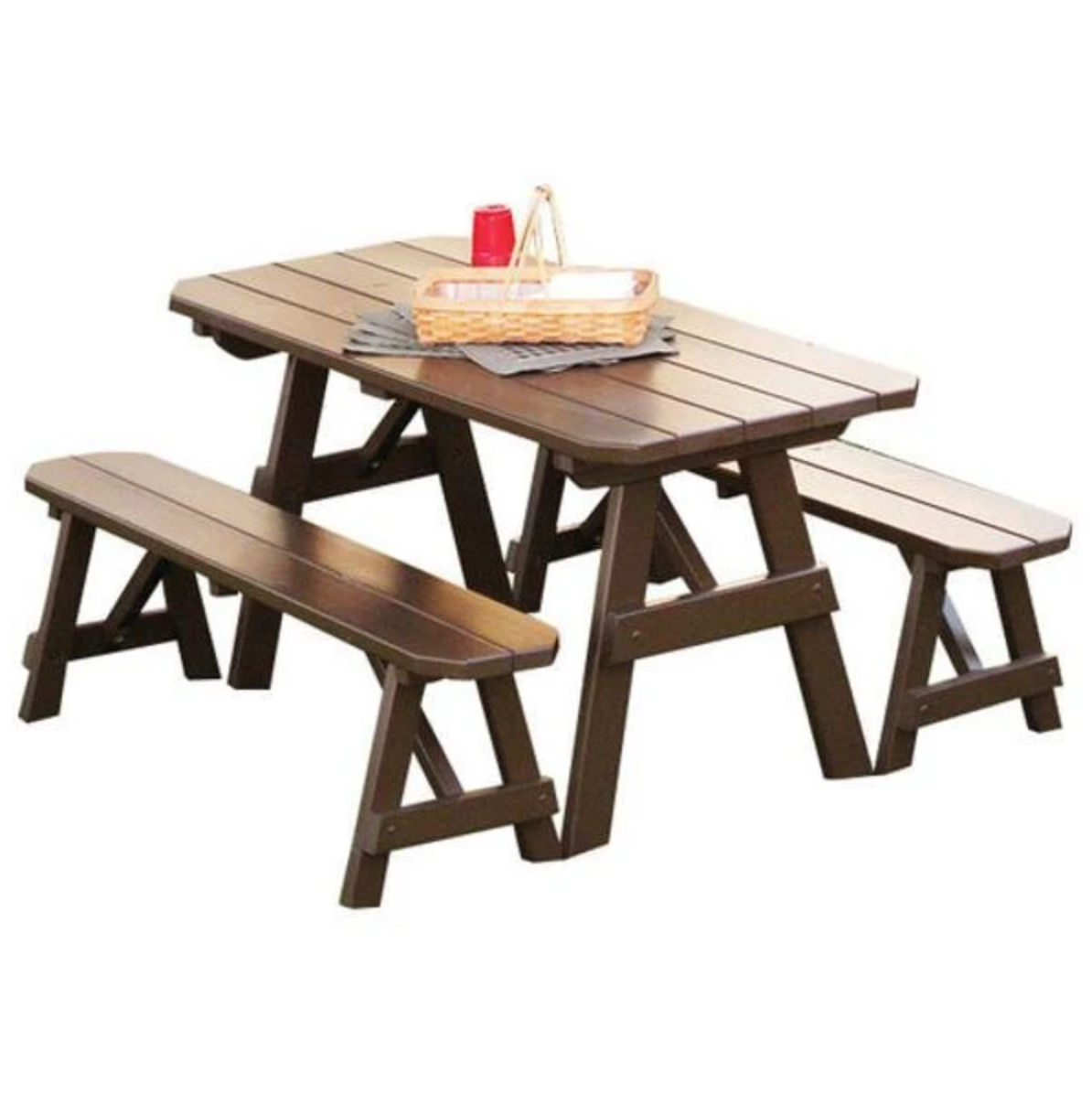
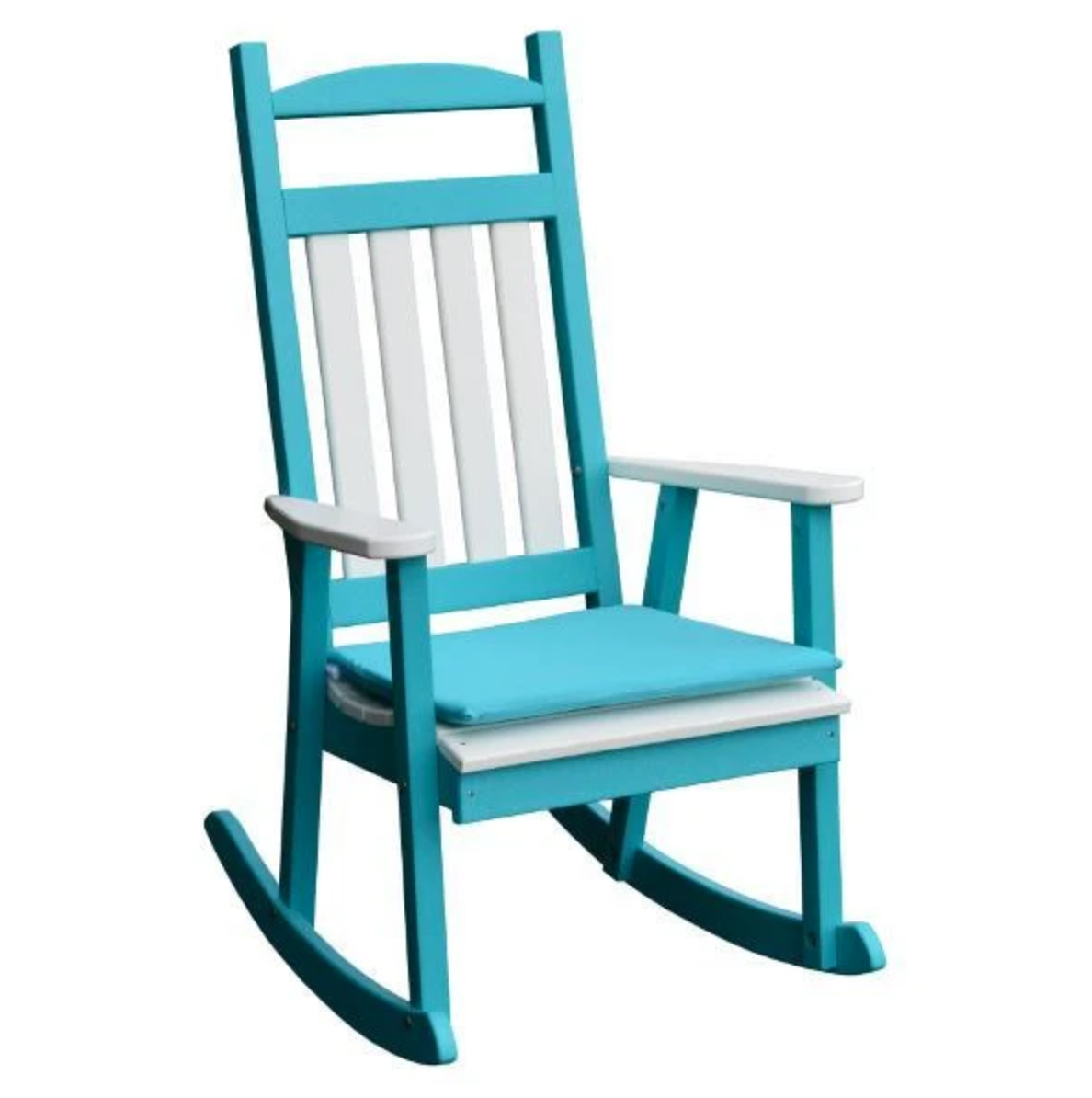
Cedar garden furniture offers lasting warmth and durability for both indoor and outdoor spaces. Its aromatic wood, natural resistance to rot, and attractive grain make it a preferred choice for garden furniture. However, cedar requires regular care to retain its appearance and longevity. This guide provides essential steps for caring for your cedar garden furniture.
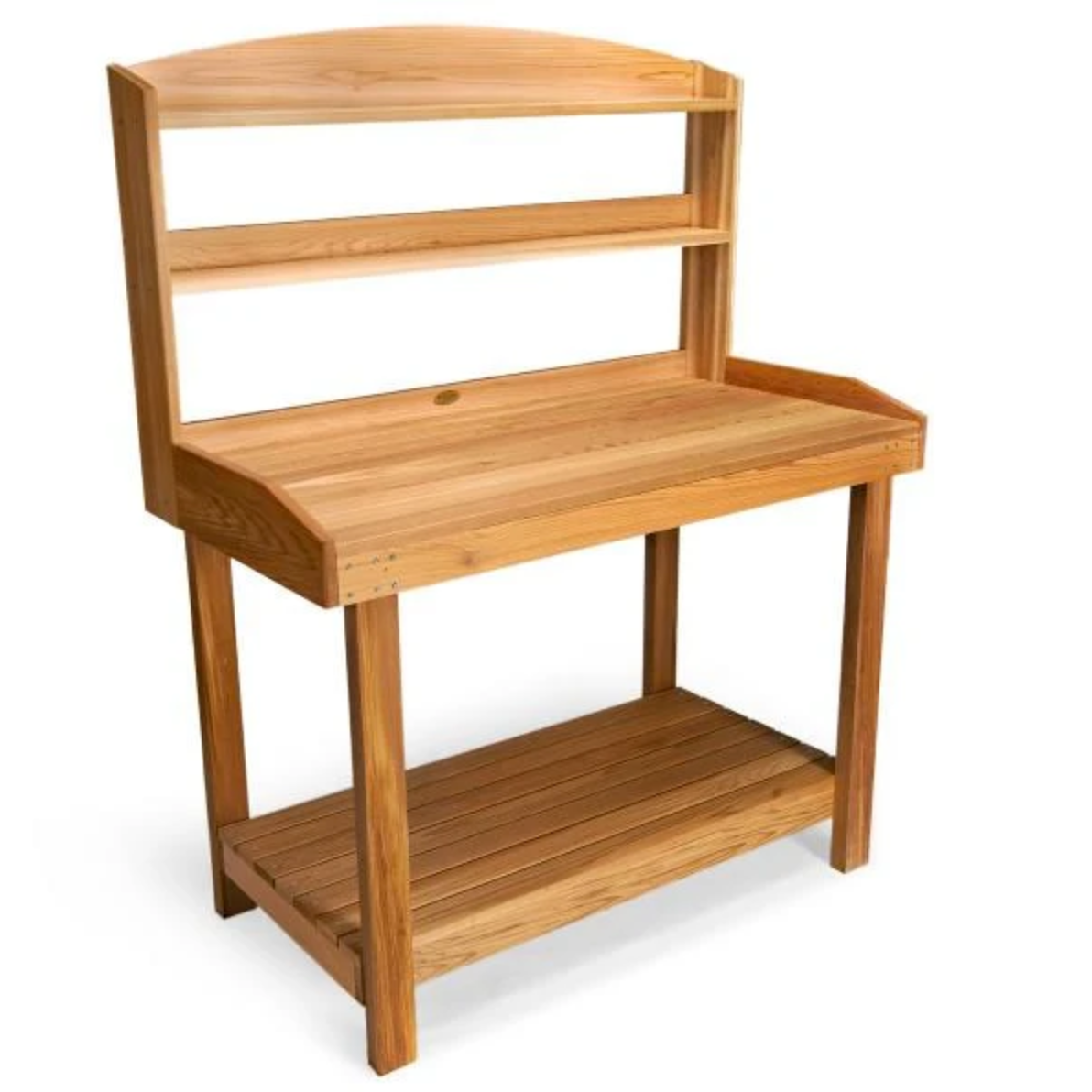
Why Cedar Furniture Deserves Proper Care
Cedar stands out among softwoods due to its natural oils and compounds that resist rot, decay, and pests, making it excellent for outdoor use. However, these protective qualities diminish over time, especially with exposure to harsh or rough weather, UV rays, and changes in moisture.
Without proper maintenance, cedar furniture can:
Lose its rich color and develop gray patina
Become vulnerable to mildew and mold growth
Develop surface cracks and splinters
Display accelerated wood fiber breakdown
Lose structural strength in joints and connections
Fortunately, regular maintenance is simple, cost-effective, and significantly extends your furniture's lifespan and appearance.
Understanding Cedar Wood Characteristics
Understanding your furniture's material is essential before starting maintenance. Cedar is a softwood, but its natural durability distinguishes it from pine or fir. It is lightweight, easy to handle, and resistant to warping, making it popular for decking, outdoor furniture, and storage.
Cedar's aromatic oils act as natural preservatives. The distinctive scent indicates ongoing protection against insects and decay. As furniture ages outdoors, these oils oxidize and diminish, making regular maintenance increasingly important.
Grain structure is also important. Cedar has a uniform grain with minimal surface cracks, but extreme temperatures and moisture changes can still cause splitting, especially in thicker pieces.
Regular Cleaning: The Foundation of Cedar Care
Cleaning is the first step in preventing deterioration. Regular cleaning removes dirt, mold spores, bird droppings, and debris that trap moisture and speed up decay.
For routine weekly or bi-weekly cleaning:
Dry brush or vacuumsurface debris, cushions, and crevices
Spray with gentle water using a garden hose on low pressure—avoid high-pressure washers, which can damage wood fibers
Wipe with a soft clothand allow to air dry completely
Address stains immediately to prevent permanent discoloration
For deeper seasonal cleaning:
Mix mild dish soap with warm water (1 tablespoon soap per gallon)
Use a soft-bristled brush to scrub surfaces gently
Rinse thoroughly with clean water
Dry completely with clean towels or let air dry in sunlight
Do not use harsh chemicals, bleach, or abrasive scrubbers on cedar, as they damage the surface and remove protective finishes. For mold or mildew (black or green spots), use equal parts white vinegar and water, apply with a soft brush, and rinse thoroughly.
Weathering and Color Changes
Cedar's color change is a natural part of its aging process and does not indicate damage. Fresh cedar has a honey-gold or reddish-brown tone that gradually turns silvery-gray when exposed to UV rays and moisture.
This weathering is normal. The gray color indicates oxidized outer wood fibers, not rot. Many homeowners value this look, as it complements garden landscapes.
If you let cedar turn completely gray (silver patina) and then decide later that you want the original color back, simple oiling won't work on its own. You would first need to use a specializedwood cleaner/brightener or light sanding to strip away the oxidized gray layer before applying a colored stain or oil.
Protective Finishes: Oils, Sealers, and Stains
Applying protective finishes replenishes lost oils, resists moisture, and slows UV oxidation, considerably extending the life of your furniture.
Cedar Oil (Natural Finish)
Cedar oils are plant-based products that penetrate the wood and restore moisture balance. They enhance the wood's natural color and aroma without creating a plastic-like surface.
Apply annually or every 12–18 months
Use a soft cloth or brush to apply thin, even coats
Allow 24–48 hours drying time between coats
Best for naturally weathered cedar you want to revitalize
Teak Oil and Danish Oil
These premium options provide better water repellency than basic cedar oils. They are ideal for lasting color retention and increased durability.
Reapply every 6–12 months depending on exposure
Slightly more expensive but longer-lasting
Create a subtle satin finish which feels natural
Note: This guide mentions "Teak Oil" and "Danish Oil." They are popular but can be misleading, as they rarely contain actual teak or Danish oil; instead, they are typically blends of linseed oil, varnishes, and thinners. However, theydo work well on cedar as long as you choose a formula designed for outdoor use and commit to regular reapplication.
Water-Based Sealers
Water-based sealers offer maximum protection by creating a clear layer that does not significantly darken the wood.
Provide 1–2 years of protection
Breathable, allowing the wood to regulate moisture
Reapply when water no longer beads on the surface
Environmentally friendly option
Semi-Transparent or Solid Stains
To enhance cedar's color and add protection, use stains that combine pigment with sealant properties.
Semi-transparent stains preserve grain visibility while adding color
Solid stains provide maximum UV protection and color uniformity
Reapply every 2–3 years
Excellent for modern furniture designs where color matters
Application Tips:
Clean furniture thoroughly before application
Apply on a dry, overcast day (not direct sunlight)
Use quality brushes or cloths to avoid lint
Follow manufacturer's drying times before use
Reapply finishes before they are fully worn to maintain protection
Moisture Management: The Enemy and Prevention
Moisture is the main threat to cedar. Standing water, high humidity, and poor drainage promote mold growth and rapid wood deterioration.
Prevent moisture accumulation by:
Positioning furniture on level, well-drained surfaces (not directly on soil or mulch)
Providing enough airflow around each piece by not crowding furniture together
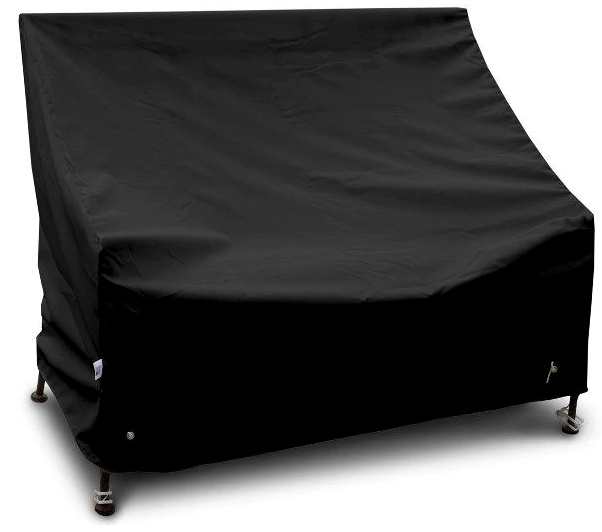
Covering furniture throughout extended rainy periods or when not in use for a season
Using furniture coasters or pads to raise pieces slightly off wet ground
Emptying water that collects in cushion crevices or under seat cushions
In exceptionally humid climates, store cedar furniture indoors during the off-season or use a high-quality waterproof cover.
Structural Maintenance and Repairs
In addition to finishing, inspect your furniture regularly for structural issues.
Look for:
Loose bolts, screws, or joints (tighten as needed)
Surface splinters (lightly sand rough areas)
Visible cracks (minor surface checks are normal; deep splits may need epoxy filler)
Wobbly legs or unstable armrests
Minor repairs:
Sand surface splinters smooth with fine-grit sandpaper
Use food-grade mineral oil or cedar oil on lightly weathered areas
Tighten all hardware seasonally
Replace degraded cushions and upholstery to reduce moisture entrapment
For major structural damage, consult a furniture restoration specialist instead of attempting advanced repairs yourself.
Seasonal Care Strategy
Spring:Clean thoroughly, inspect for winter damage, apply protective finish if needed
Summer: Protect from powerful UV with planned shade or covers, clean monthly, inspect joints
Fall:Deep clean before storing, apply finish for winter protection, repair minor damage
Winter:Store indoors if possible, or use heavy-duty waterproof covers, limit exposure
FAQs on Cedar Furniture Care
Q: How often should I seal or oil my cedar furniture?
A: This depends on climate and finish type. In harsh outdoor conditions, reapply every 6–12 months. For mild climates, annual or every 18-month intervals are sufficient.
Q: Can I leave cedar furniture outside year-round?
A: Yes, cedar's natural rot resistance permits outdoor year-round storage. However, using high-quality covers and applying protective finishes significantly extend life.
Q: Is the gray weathered look a problem?
A:No—weathering is cosmetic and natural. It doesn't indicate decay unless accompanied by soft wood, mold, or structural issues.
Q: What's the best way to remove mold from cedar?
A:Use a 50/50 white vinegar and water solution with a soft brush. Avoid bleach, which can damage wood. Rinse thoroughly and allow complete drying.
Q: How long will well-maintained cedar furniture last?
A:With proper care, cedar furniture typically lasts 15–25+ years, compared to 5–10 years for untreated wood.
Conclusion: Invest in Your Cedar Furniture's Future
Cedar garden furniture is a durable and attractive investment for your outdoor space. With regular cleaning, protective finishes, moisture management, and seasonal inspections, you can preserve its appearance and structural integrity for decades.
Maintaining cedar furniture does not require specialized skills, only consistency and attention. With proper care, your furniture will remain functional, safe, and attractive, whether you prefer its warm honey tones or natural silver-gray patina.
Beautify your outdoor space using our handcrafted cedar garden furniture, designed for resilience and classic style. Select designs that complement your landscape and choose finishes suited to your climate and preferences.