The Complete Guide to Caring for Teak Wood Furniture: Preserve Beauty for Decades

The Complete Guide to Caring for Teak Wood Furniture: Preserve Beauty for Decades
The global market for teak wood is projected to reach USD 55,646.7 million in 2026 and is anticipated to grow to USD 115,587.78 million by 2035, with a compound annual growth rate of 8.46%. There is always this craze for teak wood furniture.The reason is simple: teak wood furniture offers both elegance and sturdiness. To preserve its warm, honey-gold finish, consistent and informed care is essential. Teak's longevity depends more on regular maintenance than on the wood's inherent qualities.

If your teak has faded from golden brown to silvery gray or developed rough, weathered spots, you are not alone. Fortunately, restoring and protecting teak furniture is achievable. This guide presents practical steps for cleaning and restoration to keep your teak looking its best for decades.

Understanding Teak Wood: Why It's Worth the Effort

What Makes Teak Special

Teak is a tropical hardwood valued because of its durability, resistance to insects and rot, and attractive appearance. Freshly milled teak features a golden or honey-brown color that adds warmth in any environment. This natural beauty contributes to its premium price and popularity among homeowners.

Teak's value is found in its natural oils and dense grain, making it exceptionally durable for outdoor use. With proper care, teak can last over 50 years, often much longer than many softwoods.

The Natural Aging Process

Many teak owners are surprised when the wood naturally changes from honey brown to silver-gray as it ages. This color shift is normal and does not affect the wood's strength or durability.

Prolonged exposure to UV rays and moisture can deepen the silver-gray patina to dark gray or cause greenish tones from mildew or algae. This appearance may be mistaken for deterioration, though it is typically cosmetic.

Teak's color changes are cosmetic. You can choose to retain the original golden-brown finish or accept the silver patina. In both cases, proper maintenance protects and preserves your furniture.

The Complete Guide to Caring for Teak Wood Furniture: Preserve Beauty for Decades

Routine Cleaning: The Foundation of Teak Care

Why Regular Cleaning Matters

Before moving to restoration techniques, establish a baseline maintenance routine. Regular cleaning stops dirt, algae, and stains from setting permanently into the wood grain. This simple step reduces the need for aggressive restoration later.

Basic Cleaning Steps

1. Wash with mild detergent and water
  • Mix a solution of mild detergent with warm water
  • Apply with a soft-bristle plastic brush (never metal brushes—they can damage the wood's natural oils)
  • Scrub carefully in the direction of the grain
  • Rinse thoroughly with clean water
  • Dry completely with a microfiber cloth
2. Frequency
For best results, clean teak furniture 2–3 times per year. If your furniture is heavily used or exposed to dust or pollution, increase cleaning to monthly or seasonally as needed.

3. Quick maintenance between deep cleans
Wiping teak with warm water and a soft cloth every few weeks helps prevent stains from bird droppings, water marks, and dirt. This simple step extends the time between deep cleanings.

Addressing Tough Stains

For stubborn stains or patches with black spots from mildew or algae:
  • Mix mild soapy water with a splash of vinegar
  • Apply to the affected area and scrub gently
  • Let sit for 10–15 minutes before rinsing
  • For more persistent stains, consider a commercial teak cleaner designed to target weathered surfaces
Do not use pressure washers, as they remove the wood's natural oils and can damage the structural integrity of your furniture.
The Complete Guide to Caring for Teak Wood Furniture: Preserve Beauty for Decades

Treating and Protecting: Two Approaches to Teak Maintenance

Path 1: Retaining the Golden-Brown Finish

To maintain teak's original warm color, take precautionary measures to prevent weathering.

Teak Oil Application
Teak oil is specifically formulated to maintain the wood's golden-brown hue and smooth finish. However, it's important to understand what teak oil does—and doesn't—do.
Critical fact: Teak oil does not prolong the life of teak wood. It simply preserves the appearance and color. The wood will remain durable either way.
  • Application frequency:Apply every 3 months, or follow the product-specific instructions on your teak oil container
  • How to apply:Pour a small amount onto a lint-free cloth and apply in the direction of the grain with thin, even strokes
  • Coverage:Ensure you treat edges, legs, sides, and undersides. Complete coverage provides constant protection.
  • Storage tip:Store teak oil indoors in a cool, dry place. Old or improperly stored oil can become thick and unusable.
Sanding for Maintained Finishes
Even with regular oiling, periodic sanding may be necessary to maintain teak's smooth surface and golden-brown appearance.
  • Sand when the surface feels rough, or the color begins to fade
  • Use fine-grit sandpaper (120–150 grit)
  • Sand in the direction of the grain
  • Remove all dust before reapplying teak oil

Path 2: Embracing the Silver-Gray Patina

Many teak owners appreciate the distinguished silver-gray weathering. This approach demands minimal maintenance—just regular cleaning to prevent mold and mildew.
If you've allowed teak to weather to silver-gray and later decide you want the golden color back, restoration is possible but requires more effort (see the next section).
The Complete Guide to Caring for Teak Wood Furniture: Preserve Beauty for Decades

Restoring Weathered Teak: Step-by-Step Restoration

When Restoration Makes Sense

If your teak appears dull, dark gray, or greenish, deep cleaning and restoration can revitalize your furniture.

Step 1: Deep Cleaning with Commercial Teak Cleaner

Professional teak cleaners are formulated to remove built-up grime, algae, and weathered surface layers.
  1. Prepare the area: Lay down a protective tarp to catch any runoff
  2. Wet the furniture: Use a garden hose to dampen the surface
  3. Apply cleaner: Follow product instructions (typically spray or brush application)
  4. Scrub: Use a soft-bristle brush to work the cleaner into the wood gently
  5. Rinse thoroughly: Use clean water to remove all cleaner residue
  6. Dry completely: Allow 24–48 hours of drying time before proceeding to sealing

Step 2: Applying Teak Sealer for Long-Term Protection

After deep cleaning, applying teak sealer helps maintain the restored golden-brown finish and protects it against UV rays and weathering.
  1. Wait for complete dryness:This is mandatory. Applying sealer to damp wood compromises adhesion and effectiveness
  2. Protect your surroundings:Use tarps under furniture to catch drips
  3. Apply thin, even coats:Using a lint-free cloth, apply sealer in the direction of the grain with light pressure. Overloading the cloth leads to uneven coverage
  4. Two coats for best results: Allow 30 minutes between coats
  5. Don't skip the details: Edges, legs, undersides, and joints matter—treat them with the same care as the main surface
Restoration often produces dramatic results, returning dry, weathered wood to a warm, polished, honey-brown appearance.

Important Maintenance Rules

Staining Considerations

Staining teak is nearly permanent, as removing stain is difficult and often requires sanding to bare wood. If your teak is silver-gray and you wish to stain it, sand off the weathered layer first.
Consider carefully before staining, as the natural golden or silver-gray colors of teak are often the most attractive options.

Water Protection

  • Do not leave teak furniture in standing water or on wet ground for extended periods
  • Prolonged water exposure can cause discoloration and may lead to rot
  • After rain or cleaning, ensure water drains properly from horizontal surfaces and doesn't pool

Seasonal Storage

During harsh winter months or extreme weather:
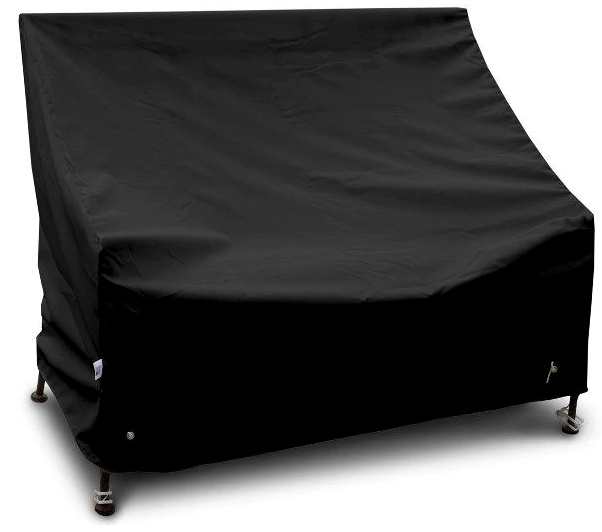
  • Cover teak furniture with breathable outdoor covers
  • Move furniture to sheltered areas if possible
  • Ensure covers allow air circulation to prevent moisture accumulation

Product Storage

Store teak care products such as oil, cleaner, and sealer indoors in cool, dry conditions. Expired or improperly stored products may become ineffective or cause damage.

Common Mistakes to Avoid

Pressure washing:Removes protective oils and can cause structural damage.

Harsh metal brushes:Scratch the surface and remove natural finishes.

Applying sealer or oil to damp wood:Reduces effectiveness and causes adhesion issues.

Skipping edges and undersides:These areas weather quickly and require equal attention.

Using strong detergents directly on wood:Some commercial cleaners are too harsh and may leave stains.

Neglecting to remove stains promptly: Fresh stains are easier to address than set-in marks

Maintenance Timeline: A Year-Round Guide

Monthly (Summer) Quick wipe-down Warm water and soft cloth to prevent buildup
Quarterly Light cleaning Mild detergent solution, soft brush, thorough rinse
Annually Deep clean + sealer reapplication Commercial cleaner, 24-hour drying, 2 coats sealer
As needed Spot treatment Vinegar-water solution for stains before they set
Every 2-3 years (optional) Light sanding Fine-grit sandpaper to refresh surface before re-oiling


FAQ: Quick Answers to Common Teak Care Questions

Q: Is teak furniture really maintenance-free?
A:No. While teak is durable, maintaining its appearance and protecting it from weathering require consistent care. The good news is that maintenance is simple and doesn't require professional help.

Q: How long does teak furniture last?
A:Withproper maintenance, teak furniture can last 50+ years—and often much longer. Some pieces age gracefully for over a century.

Q: Can I restore teak that's turned completely gray?
A:Yes. Deep cleaning with a commercial teak cleaner and applying teak sealer can restore the golden-brown color. For heavily weathered teak, light sanding before sealing provides even better results.

Q: Do I need to use teak oil, or can I use a sealer?
A: Teak oil is primarily a cosmetic treatment that preserves color. Modern teak sealers provide both color maintenance and protective benefits, making them a more complete option for most homeowners.

Q: Is the silver-gray color bad for my furniture?
A: Not at all. It's a natural, normal part of teak aging and doesn't indicate damage or reduced durability. Many people love the distinguished silver patina and choose to maintain it with regular cleaning alone.

Conclusion: Invest in Your Teak's Future

Teak wood furniture is an important addition to your home and outdoor spaces. Keeping its beauty does not require specialized skills or costly treatments, only constant care and effort.

Whether you maintain the golden-brown finish or prefer the silver-gray patina, the essentials remain: regular cleaning, moisture control, and protective treatments as needed.

A few hours of seasonal maintenance can keep your furniture vibrant and well-preserved.
Begin your maintenance routine this month. Set a cleaning schedule, use quality teak care products, and commit to consistent upkeep. With proper care, your teak furniture will remain beautiful and functional for decades.

Also in News

Preventing Mold and Mildew in Cushions and Fabric Covers: A Complete Guide

How Often Should You Refinish or Reseal Your Outdoor Furniture?

Natural Cleaners vs. Commercial Cleaners: What's Best for Your Patio Set?