Preventing Mold and Mildew in Cushions and Fabric Covers: A Complete Guide

Preventing Mold and Mildew in Cushions and Fabric Covers: A Complete Guide
Mold and mildew on cushions and fabric covers are not only unsightly but also pose health risks and can damage your furniture. Any fabric surface, from sofas to outdoor seating and throw pillows, becomes susceptible to fungal growth as soon as moisture is present.
Often, by the time you notice a musty odor or discoloration, mold has already penetrated deep into the fabric.

This guide provides clear, expert-backed strategies to prevent mold and mildew, as well as steps to address early signs.

Why Cushions and Fabric Covers Are So Vulnerable

Fabric, foam, and fiberfill readily absorb moisture from humidity, spills, body heat, and inadequate ventilation. This creates the warm, damp environment in which mold and mildew thrive.

A few conditions that accelerate growth:
  • High indoor humidity (above 60% RH consistently)
  • Infrequent airing of cushions and covers
  • Spills left untreated for even a few hours
  • Storing cushionsin enclosed, damp spaces (basements, garages)
  • Synthetic foam cores that retain moisture longer than natural alternatives
Understanding what makes your furniture susceptible is the first step toward effective prevention.
Preventing Mold and Mildew in Cushions and Fabric Covers: A Complete Guide

How to Choose Mold-Resistant Fabrics and Cushion Materials

Upholstery materials vary in their resistance to mold and mildew. When selecting sofas, chairs, or cushions, material choice is your primary defense.

Best Fabric Choices for Mold Resistance

Solution-dyed acrylic (e.g., Sunbrella) Excellent Outdoor furniture
Polyester microfiber Good Indoor sofas, chairs
Olefin (polypropylene) Very Good Semi-outdoor, high-humidity rooms
100% cotton Poor (if untreated) Low-humidity, dry interiors only
Linen Moderate Dry indoor use with regular care

Avoid natural, untreated fabrics in areas with fluctuating humidity, such as bathrooms, kitchens, or rooms prone to condensation. If you prefer linen or cotton, choose options with stain-resistant or antimicrobial finishes.

Foam Core Matters Too

Open-cell foam retains moisture, which enhances comfort but increases the risk of mold. Consider the following alternatives:
  • Dry-fast foam for outdoor cushions (allows water to drain and air to circulate)
  • High-resilience (HR)foam with antimicrobial additives for indoor use
  • Polyester fiberfill as a mold-resistant alternative for decorative cushions
Preventing Mold and Mildew in Cushions and Fabric Covers: A Complete Guide

Practical Steps for Preventing Mold and Mildew in Cushions

Preventing mold is more cost-effective than restoration. Incorporate these practices into your regular home care routine.

1. Control Indoor Humidity

Keep your home's relative humidity between40–55%. Use a hygrometer (a small, inexpensive device) to monitor levels room by room. In humid climates — especially during monsoon seasons — run a dehumidifier in rooms with upholstered furniture.
Air conditioning also helps significantly by removing moisture while cooling.

2. Air Out Cushions Regularly

At leastonce a month, place cushions outdoors in indirect sunlight for 2–3 hours. UV light inhibits mold, and fresh air helps remove moisture from the foam core.
For cushions with removable covers, unzip and periodically separate the cover from the insert, as moisture often accumulates at seams and zippers.

3. Act on Spills Immediately

Do not allow liquid spills to remain on fabric. Follow these steps each time:
  1. Blot (don't rub) with a clean, dry clothto absorb as much liquid as possible
  2. Apply a fabric-safe cleaning solutionif needed
  3. Dry thoroughly using a fan, open windows, or a hairdryeron a low-heat setting.
  4. Never replace cushion covers over damp foam, as this can lead to hidden mold growth.

4. Use Fabric Protector Sprays

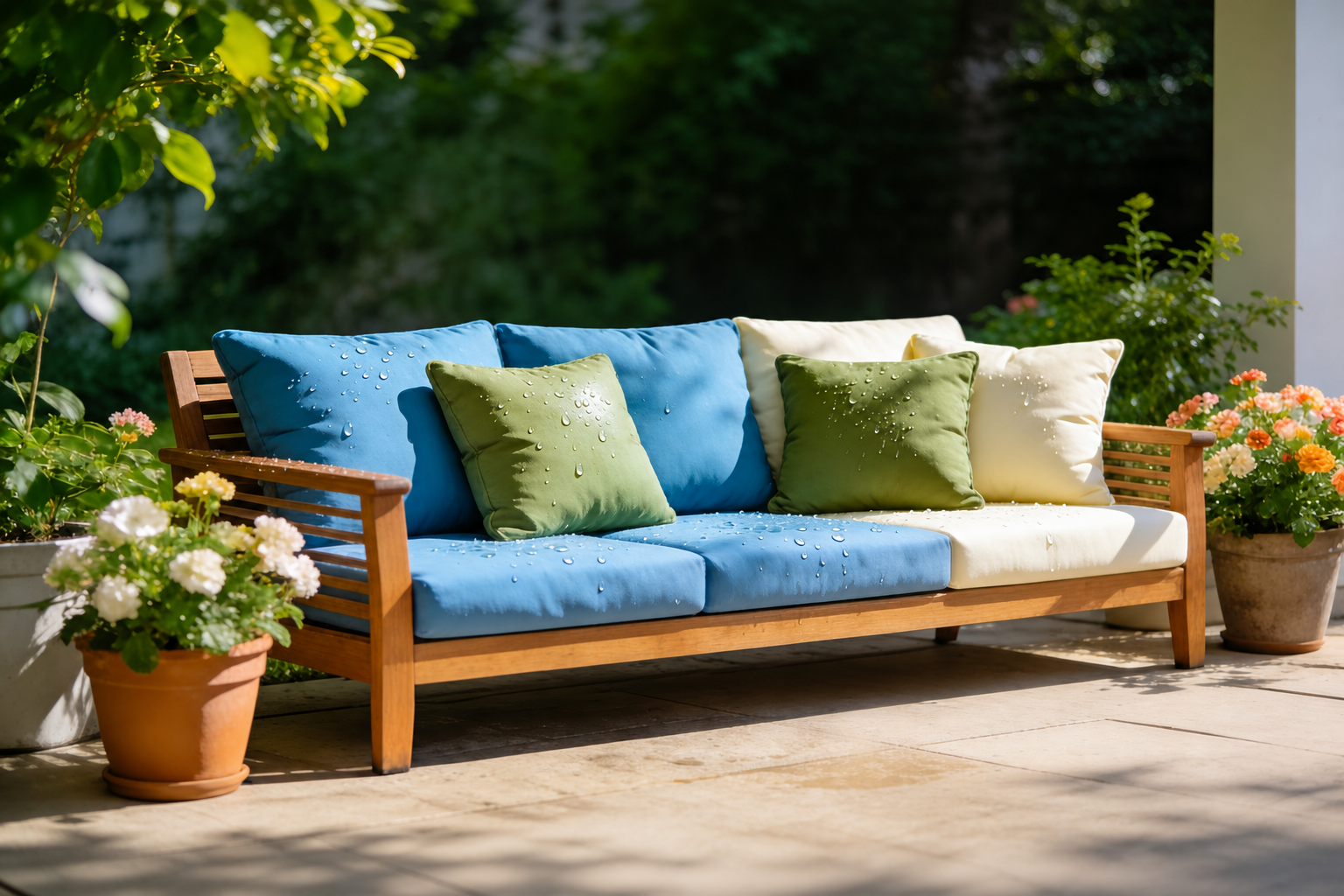
Apply a water-repellent and antimicrobial fabric protector, such as Scotchgard Fabric & Upholstery Protector, every 6–12 months. These products create a barrier that repels moisture and resists microbial growth without altering the appearance or texture of your fabric.

Reapply after deep cleaning or washing covers.

5. Store Cushions Correctly

Seasonal or outdoor cushions need proper off-season storage:
  • Do not store cushions in plastic bags,as they trap condensation.
  • Use breathable cotton storage bagsor ventilated storage boxes
  • Add silica gel packets inside storage containersto absorb excess moisture
  • Store cushions in acool, dry, ventilated area, avoiding basements or damp garages.
Preventing Mold and Mildew in Cushions and Fabric Covers: A Complete Guide

Common Mistakes to Avoid

Even with regular care, these common mistakes can promote mold and mildew:
  • Machine washing and not fully dryingbefore reassemblingeven slight dampness in foam triggers growth within 24–48 hours
  • Placing furniture against exterior walls in humid climates condensation builds up on cold walls and transfers to fabric
  • Ignoring musty odors,which indicate early-stage moldrather than simply old fabric.
  • Using bleach on colored fabric,which damages fibers and removes protective coatings, increasing long-term mold risk.
  • Skipping regular vacuuming— dust and organic debris are food sources for mold spores

Maintenance & Care Tips for Long-Term Protection

Consistent care is essential for fabric furniture. The following maintenance schedule is recommended:

Weekly:
  • Vacuum cushions and covers with an upholstery attachment
  • Fluff and rotate cushions for even air exposure
Monthly:
  • Air cushions outdoors in indirect sunlight
  • Wipe down non-fabric parts (legs, frames) to remove dust buildup
Every 3–6 Months:
  • Wash removable covers per care label instructions — always air dry or tumble on low
  • Inspect foam inserts for early mold signs (dark spots, musty odor)
  • Reapply fabric protector spray if needed
Annually:
  • Deep clean upholstery professionally or with a fabric-safe steam cleaner
  • Replace foam inserts if they've flattened, yellowed, or show persistent odor despite cleaning


Latest Trends in Mold-Resistant Furniture (2026)

The furniture industry has advanced its approach to moisture resistance. In 2026, leading brands are incorporating:
  • Graphene-infused foamcores that naturally resist bacterial and fungal growth
  • Antimicrobial fabric weaves treated at the yarn level — not just surface-coated
  • Modular cushion systems with removable, washable inner liners
  • Moisture-wicking upholstery originally developed for athletic wear, now being adapted for home furnishings
If you are purchasing furniture for humid environments, consider these innovations. Explore our selection of upholstery fabrics and cushion options designed for both style and durability.

Frequently Asked Questions

Q1: How do I know if my cushion already has mold inside the foam?
Squeeze the cushion firmly — if a musty smell is released, mold is likely present in the foam core, even if the surface looks clean. Visible dark spots or discoloration are a definitive sign.

Q2: Can I save a cushion that already has mold on it?
If mold is limited to the fabric cover, washing with a solution of white vinegar (1 cup per wash cycle) and thorough drying can eliminate it. If the foam core is affected, replacement is usually the safer, more hygienic option.

Q3: What is the difference between mold and mildew on fabric?
Mildew is a surface-level fungal growth — typically white or grey and powdery — and is easier to remove. Mold penetrates deeper into fabric fibers and foam, appears darker (black, green), and poses greater health risks.

Q4: Are outdoor cushions more prone to mold than indoor ones?
Yes — outdoor cushions face rain, humidity, dew, and temperature fluctuations, which significantly increase their exposure. Always choose solution-dyed acrylic or olefin fabrics with dry-fast foam specifically rated for outdoor use.

Q5: Does sunlight really kill mold on cushions?
Direct UV light inhibits mold growth and can help surface mold, but it doesn't fully penetrate foam cores. When you combine sunlight with proper cleaning and thorough drying, you have effective treatment.

Conclusion

Preventing mold and mildew in cushions and fabric covers is significantly easier than addressing damage after it occurs. The key is to select appropriate materials, control moisture, respond promptly to spills, and maintain a regular care routine.

Your furniture is an investment in comfort and aesthetics. Protect it by choosing designs that suit your space and lifestyle, and prioritize materials that offer durability and hygiene from the start.

Also in News

How Often Should You Refinish or Reseal Your Outdoor Furniture?

Natural Cleaners vs. Commercial Cleaners: What's Best for Your Patio Set?

Rust Prevention Tips for Metal and Wrought Iron Furniture