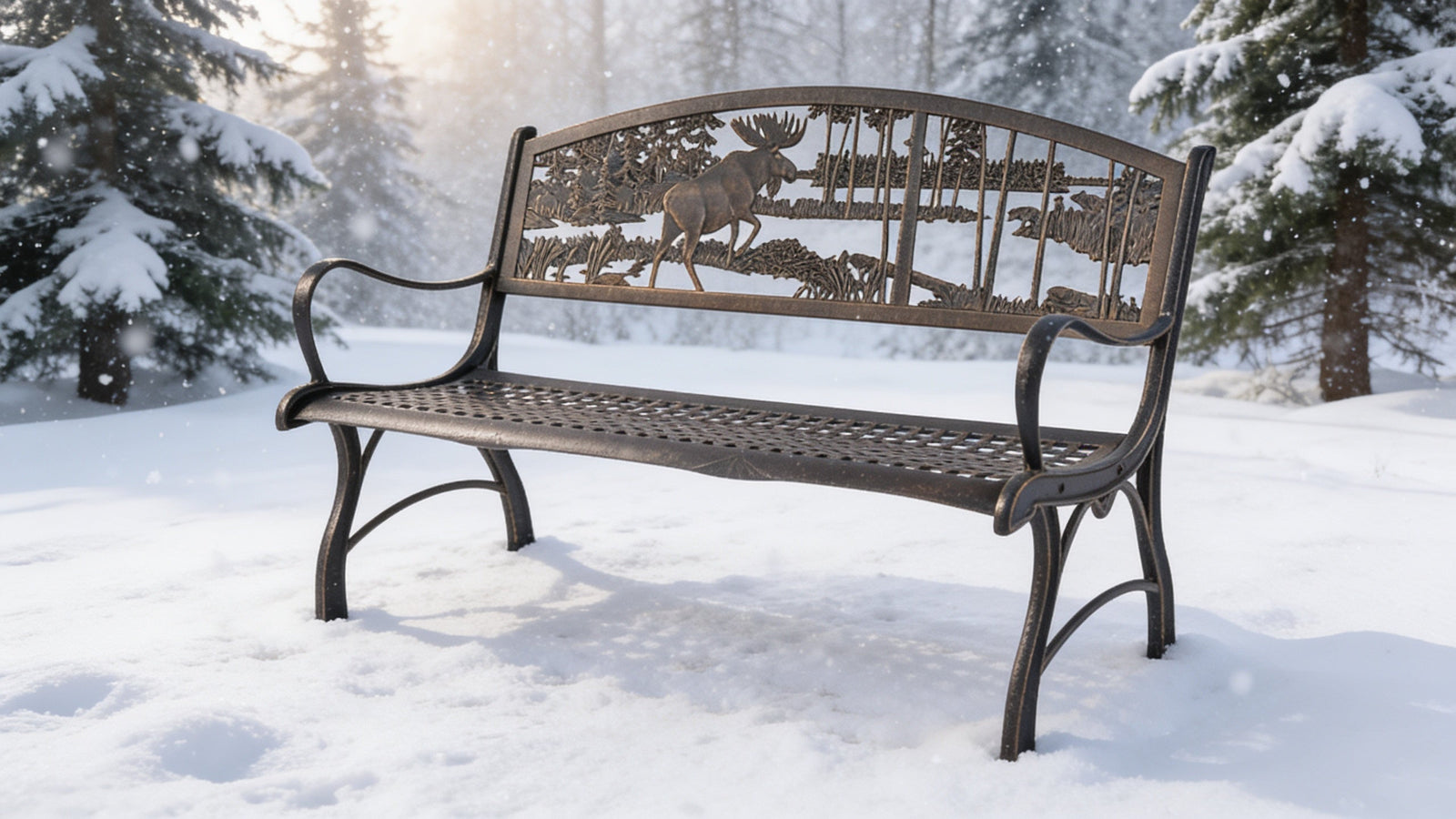
Cast Iron Furniture Care & Maintenance: The Complete Owner's Guide

Cast Iron Furniture Care & Maintenance: The Complete Owner's Guide
Cast iron stands out for its beauty and strength. From Victorian garden benches to ornate bistro tables and decorative chairs, cast iron furniture feels timeless in a way that modern pieces often do not. It is dense, strong, and can last for generations if you take care of it.
The downside of cast iron’s durability is that it can rust and wear down if exposed to moisture, salty air, or neglect. Unlike stainless steel or aluminum, cast iron does not protect itself. If you ignore a small patch of rust, it can spread under the paint and weaken the furniture over time.
The good news is that cast iron responds very well to regular care. If you clean, seal, and prepare your furniture for each season, it will stay in great shape for decades. This guide will show you everything you need, from simple upkeep to full restoration.
Cast Iron Furniture Care & Maintenance: The Complete Owner's Guide

Understanding Cast Iron: Characteristics That Shape Your Care Approach

Before exploring maintenance, it helps to understand what makes cast iron unique:
  • High carbon content(2–4%) gives it hardness and compressive strength, but also makes it brittle under sharp impact
  • Porous surface means moisture, dirt, and salts can penetrate if the protective coating fails
  • Heavy weight reduces the risk of tipping in wind but makes repositioning labor-intensive
  • Excellent heat retention— pieces in direct sunlight can become uncomfortably hot to touch
  • Paint and powder-coat adhesion is superior to many metals, making refinishing relatively straightforward
Understanding these features helps you choose the best spot for your furniture, pick the right cleaning products, and handle it properly throughout the year. Now, let’s look at how to clean cast iron furniture the right way.

Cleaning Cast Iron Furniture: Methods & Best Practices

Routine Cleaning (Weekly or Fortnightly)

Regular, light cleaning stops dirt and moisture from settling into the surface:
  1. Brush off loose debrisusing a soft-bristle brush or dry cloth
  2. Wipe down surfaces with a damp cloth and a few drops of mild dish soap
  3. Rinse thoroughly, as soap residueleft on iron can accelerate surface oxidation
    1. Dry the furniture right away and thoroughly with a clean towel.Don’t let water dry on its own, as this can cause rust.
Don’t use pressure washers for regular cleaning. The strong spray can push water into joints, welds, and small cracks, which may lead to rust.

Deep Cleaning (Seasonally or As Needed)

For grime buildup, bird droppings, or mildew:
  • Mix warm water with white vinegar (1:1 ratio)and apply with a soft cloth or non-abrasive sponge
  • For stubborn spots,a paste of baking soda and water works as a gentle abrasive
  • Use anold toothbrush to clean decorative scroll work, joints, and tight recesses
  • Rinse with clean water, then dry thoroughly within minutes of rinsing
Note: Don’t use bleach cleaners, steel wool, or harsh chemicals. These can strip away protective coatings, damage the finish, and scratch the surface, increasing the likelihood of rust. After cleaning, focus on preventing rust and protecting the surface.
Outdoor Flora Flower Box Stand outdoor furniture / Cast Iron Furniture Care & Maintenance: The Complete Owner's Guide

Rust Prevention and Surface Protection

Rust is the main problem for cast iron, and it’s much easier to prevent than to fix.

Sealing and Oiling

Once you’ve cleaned your furniture, put on athin layer of linseed oil, WD-40, or a metal protectant. This helps keep moisture out without changing how the furniture looks. For outdoor pieces, reapply every 4 to 6 weeks, especially during rainy or busy seasons.
Note on linseed oil: If you use raw linseed oil, apply only a very thin coat and wipe off any extra. Thick layers dry slowly and can get sticky, attracting dust. Boiled linseed oil or paste wax usually dries faster and is often a better choice.

Paint and Powder Coating

A good paint job is your best protection against rust. Check your furniture at the start of each season for any problems:
  • Look for chips, cracks, bubbling, or peeling,as these are entry points for rust.
  • Touch up small chips immediately using rust-inhibiting metal primerfollowed by exterior-grade enamel paint
  • For powder-coated finishes,use a manufacturer-matched touch-up paintor seek advice from a powder-coating specialistfor larger repairs

Protective Covers and Positioning

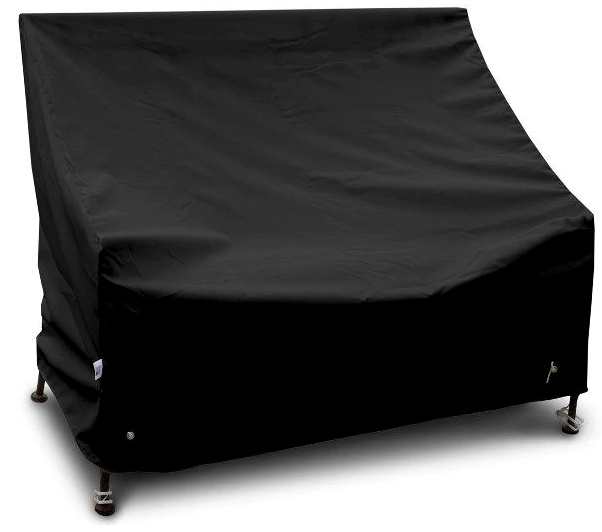
  • Usebreathable, weatherproof coverswhen furniture is not in use. Avoid non-breathable plastic sheeting, which traps condensation.
  • Position furniture away fromsprinkler systems, drain runoff, and salt-spray zones (especially in coastal areas)
  • If you can, lift the legs a bit off concrete or stone by usingrubber feetor furniture pads. This stops water from collecting underneath. If you already see rust or damage, it’s time to think about restoring your furniture.


Outdoor Wildflower Swing outdoor furniture / Cast Iron Furniture Care & Maintenance: The Complete Owner's Guide


Restoration and Repair: Bringing Old Pieces Back to Life

Even if your cast iron is very rusty or has been neglected, you can usually save it. With the right steps, you can restore it almost to its original condition. Start by removing rust, then prime and repaint or repair as needed.

Light to Moderate Rust Removal

  1. Scrub affected areas with medium-grit sandpaper (120–150 grit)or a wire brush attachment on a drill
  2. Apply a rust converter product (phosphoric acid-based).This will turn the rust into a stable surface that you can paint over.
  3. Allow tocure fully per product instructions (typically 24 hours)
  4. Prime with a rust-inhibiting metal primer, then repaint


Heavy Rust or Structural Concerns

For extensive pitting or corrosion, consider the following methods:
  • Sandblasting or media blasting removes rustand old paint evenly. It’s best to have a professional do this.
  • Electrolytic rust removal is a DIY-friendly method. It uses water, washing soda, and a battery charger to remove rust from metal without scrubbing.
  • If your furniture has cracks or broken parts, seek professional welding.Cast iron requires specialized welding techniques, including preheating and slow cooling, to prevent additional cracking. After repairs, proper storage will help keep your piece in good shape.


Long-Term Storage Recommendations

For long-term storage of cast iron furniture:
  • Clean and dry all surfaces thoroughly before storage.Even minimal residual moisture can cause rust during storage
  • Apply a generous coat of oil or paste wax to all surfaces before storing
  • Store in a dry, climate-controlled environment.Avoid garages with significant temperature fluctuations, as these can cause condensation.
  • Use moisture-absorbing packets or a dehumidifier in enclosed storagespaces
  • Stack pieces carefully withprotective paddingbetween them to prevent chipping the coating under weight
  • Never store furniture directly on bare concrete, as it retains moisture.Use wooden pallets or rubber matting instead. Once storage is planned, seasonal care helps keep maintenance on track year-round.


Seasonal Care Considerations

Spring (Pre-Season Prep)

  • Inspect all surfaces forwinter rust spots and paint damage
  • Clean thoroughly, treat any rust, touch up paint
  • Re-oil or re-wax all surfaces
  • Check all joints and hardware; retighten bolts as needed

Summer (Active Use)

  • Clean fortnightly; dry after rain events
  • Reapply protective oil coating monthly in humid climates
  • Use furniture covers throughout extended periods away

Autumn (Wind-Down)

  • Deep clean and inspect before temperatures drop
  • Take care of any repairs before storing your furniture. Cold and damp conditions can make rust spread faster
  • Apply a heavy coat of protective wax or oil

Winter (Storage or Exposed Care)

  • Store indoors where possible
  • If leaving outdoors, use heavy-duty, breathable covers
  • Place furniture on wooden platforms to lift legs off wet ground
  • Check monthly for condensation buildup under covers


Common Mistakes to Avoid

Air-drying after washing Encourages surface rust Towel-dry immediately
Using bleach cleaners Strips coatings, accelerates oxidation Use mild soap or vinegar
Ignoring small paint chips Entry points for rust spread Touch up chips immediately
Storing on bare concrete Moisture wicks up into legs Use pallets or rubber matting
Using plastic covers Traps condensation Choose breathable covers
Skipping rust converter Paint over rust will fail quickly Treat rust before repainting
Dragging furniture Bends or cracks legs and joints Lift with help or use furniture sliders


Frequently Asked Questions

Q: How often should I oil cast iron outdoor furniture?
Every 4–6 weeks during the active season, or after every heavy rainfall. Before winter storage, apply a heavy protective coat.

Q: Can I leave cast iron furniture outside all year?
Yes, with proper care — breathable covers, elevated legs, and regular inspection. However, storing indoors or under a covered structure during winter significantly extends its lifespan.

Q: What's the best paint for cast iron furniture?
Look for a rust-inhibiting metal primer followed by exterior-grade enamel or a purpose-formulated iron paint. Hammered-finish spray paints offer both safeguarding and an attractive, texture-rich result.

Q: Is surface rust dangerous to structural strength?
Light surface rust is cosmetic. Deep pitting or rust that has penetrated joints or welds can compromise structural strength and should be assessed by a professional.

Q: How do I stop legs from leaving rust marks on paving?
Fit rubber or silicone furniture feet to all legs. These prevent direct metal-to-surface contact and also protect your paving from scratches.

Conclusion: A Little Attention Goes a Long Way

Cast iron furniture is a lasting investment for your home, indoors or out. Its detailed design and solid build are hard to match, but you do need to keep moisture away and maintain the protective coatings. This is the key to keeping your furniture looking good and staying strong. Once you understand this, caring for cast iron becomes straightforward.

Taking care of cast iron furniture is not hard. Regular light cleaning, quick paint touch-ups, oiling each season, and proper storage will keep your furniture in great shape for many years. If you follow these habits, your cast iron pieces will not only last, but also stay special for a long time.

Handpick Cast iron furniture collections that combine good looks with solid construction. That way, you’ll have pieces that are made to last and will age beautifully if you care for them.

Also in News

Preserving Cypress Furniture: Essential Care and Maintenance Strategies for Lasting Beauty

The Complete Hickory Wood Furniture Care Guide: Keep It Strong, Beautiful & Built to Last The Charming Bench Company
The Complete Hickory Wood Furniture Care Guide: Keep It Strong, Beautiful & Built to Last

Oak Furniture Care Guide: How to Clean, Protect & Preserve It for Decades