Preserving Cypress Furniture: Essential Care and Maintenance Strategies for Lasting Beauty
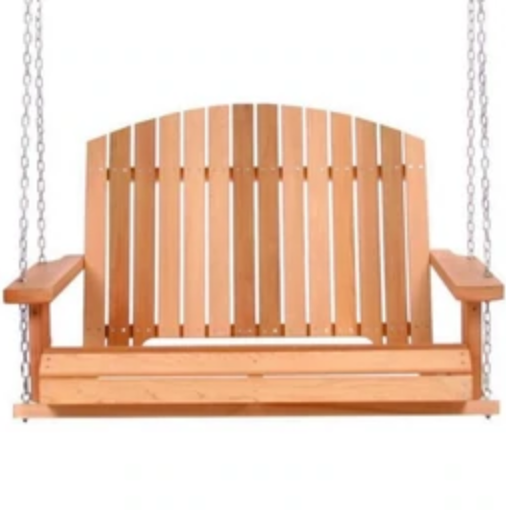
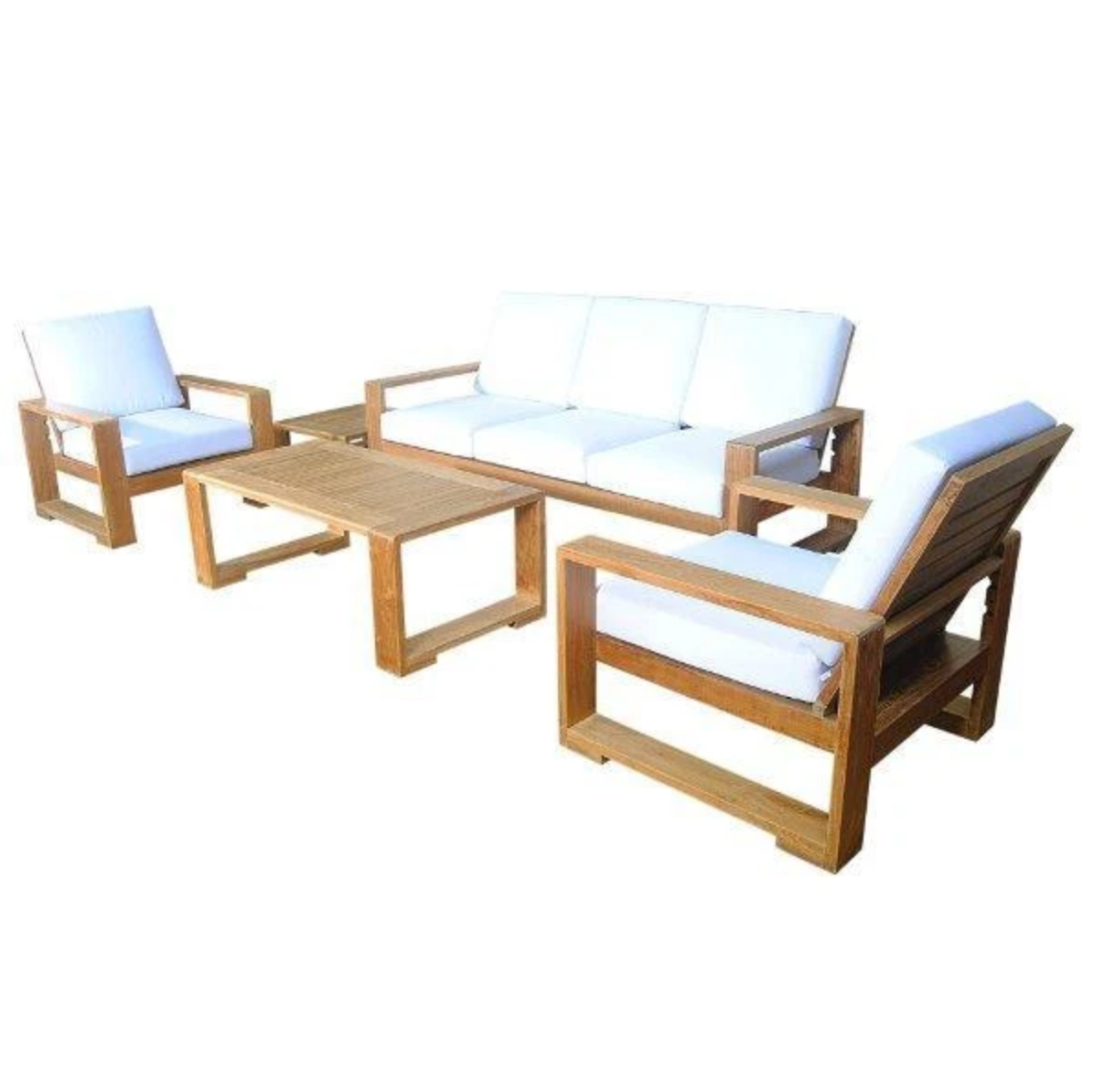
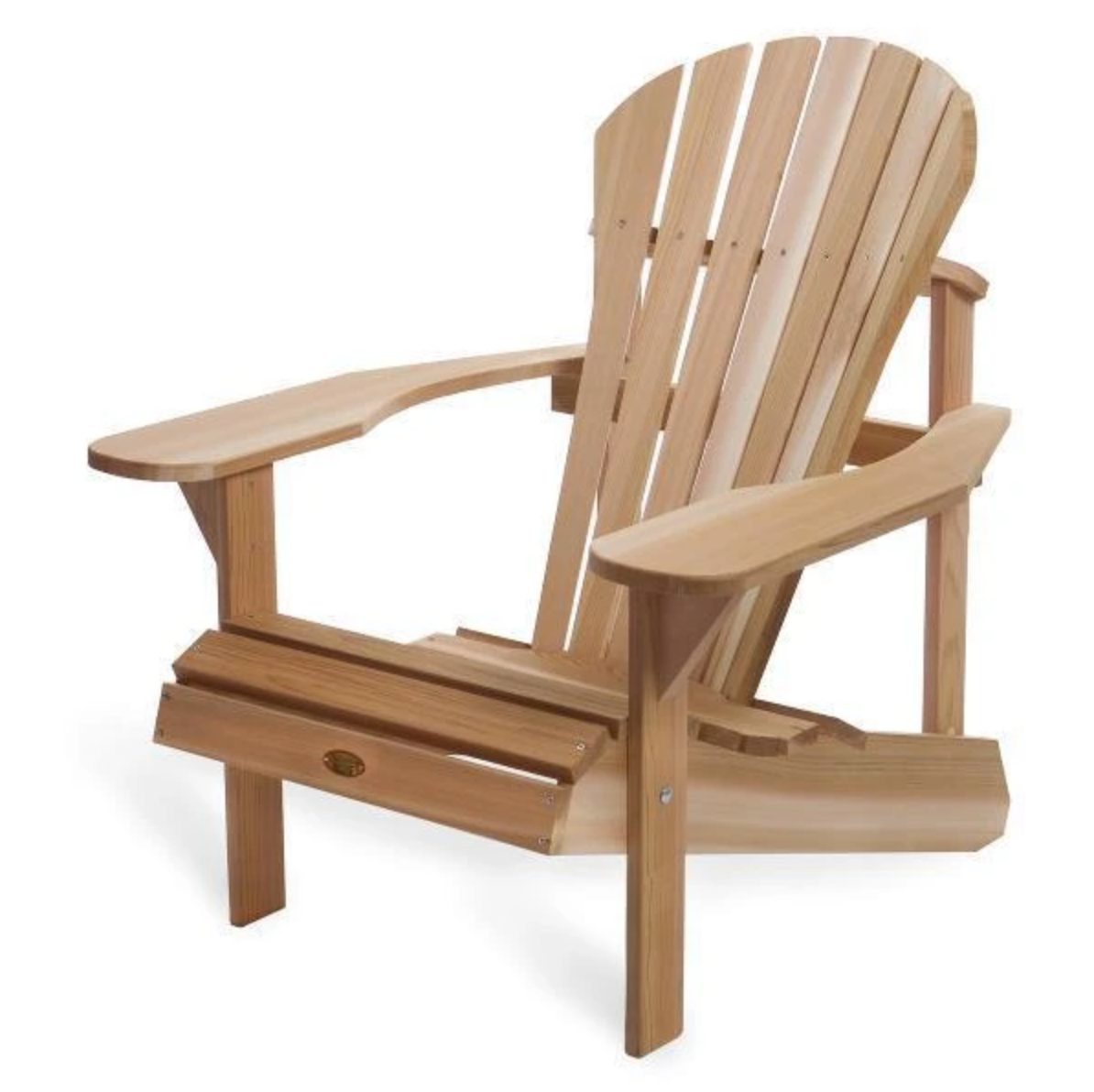
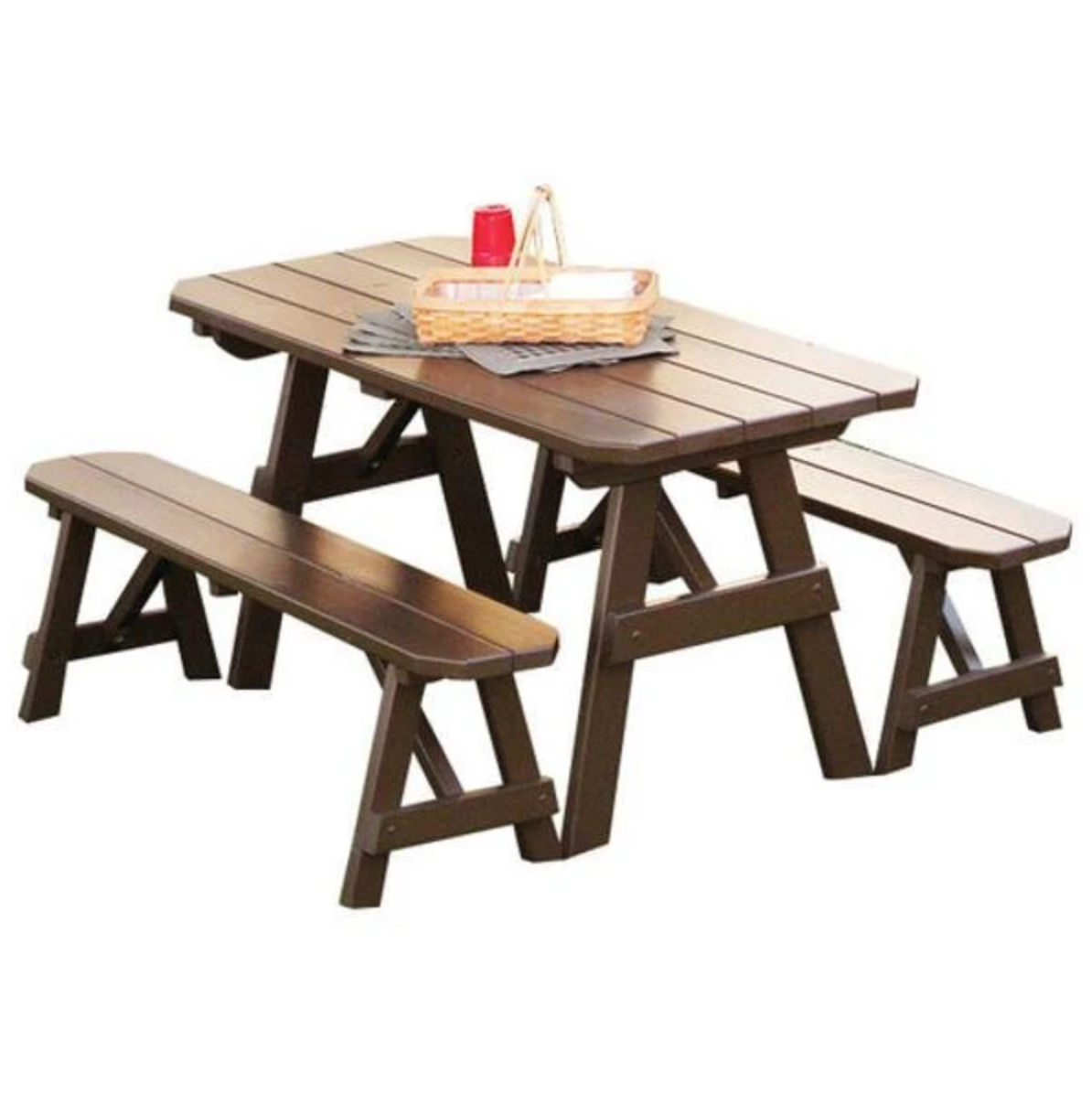
Cypress furniture is prized for its natural beauty, durability, and resistance to decay—features that have made it a popular option for both indoor and outdoor applications for centuries. To preserve its character and structural strength, one must perform consistent cleaning and moisture control and apply protective finishes, whether one owns a handcrafted cypress dining table, a timeworn outdoor bench, or rustic wall shelving.
Unlike many other wood types, cypress contains natural oils and compounds that provide inherent protection against rot, insects, and weathering. However, this doesn't mean cypress furniture is maintenance-free. Focus on proper care to extend its lifespan, enhance its appearance, and avoid costly repairs. This guide walks you through routine cleaning, seasonal adjustments, and restoration.
Understanding Solid Cypress Wood: Why It Matters for Care
Cypress is a softwood with a distinctive grain and warm, honey-colored tone that deepens over time. Its natural oils—particularly those found in old-growth cypress—give it exceptional rot resistance, which is why it has been used for boat building, exterior siding, and outdoor furniture for generations.
However, the wood's porosity and softness mean it calls for careful handling. Unlike hardwoods such as oak or maple, cypress is more susceptible to dents and scratches, so take care to prevent damage and use gentle techniques. Knowing these characteristics helps you approach maintenance with realistic expectations and appropriate methods.
Routine Cleaning: The Foundation of Maintenance
Weekly and Monthly Cleaning
Make regular cleaning a priority to prevent dirt, dust, and grime from accumulating and potentially damaging the wood's surface.
For indoor cypress furniture:
Dust weekly with a soft microfiber cloth or lint-free duster to prevent particles from settling into the grain.
For light cleaning, use a slightly damp cloth with warm water. Wring out excess moisture—never allow water to pool on the surface.
Avoid commercial furniture polishes containing silicone or wax, as these can build up over time and create a sticky residue.
For outdoor cypress furniture:
Rinse with a soft brush and clean water monthly, especially if exposed to pollen, salt air, or industrial pollution.
Remove standing water immediately to stop waterlogging and mold growth.
Never use a pressure washer, which can splinter the soft wood and force water into the grain.
Deep Cleaning Methods
For stubborn stains or accumulated grime:
Mild soap solution: Mix a few drops of dish soap with warm water. Apply with a soft cloth, working with the grain, then rinse thoroughly with a damp cloth.
Vinegar solution: For mold or mildew spots, mix equal parts white vinegar and water. Apply, let sit for 10 minutes, scrub gently with a soft brush, and rinse well.
Sanding lightly: For weathered spots or light surface stains, use fine-grit sandpaper (220-grit or higher) to buff the area gently. Always work with the grain, and follow up with a damp cloth to remove dust.
Protecting Cypress Furniture from Environmental Factors
Sun Exposure and UV Damage
Sunlight causes cypress wood to gray naturally over time—a process many homeowners appreciate for its rustic aesthetic. However, prolonged UV exposure can cause uneven fading and accelerate weathering, so limit direct sun when preserving the authentic color matters.
If you prefer to maintain the wood's original color, apply UV-protective sealers every 12–18 months
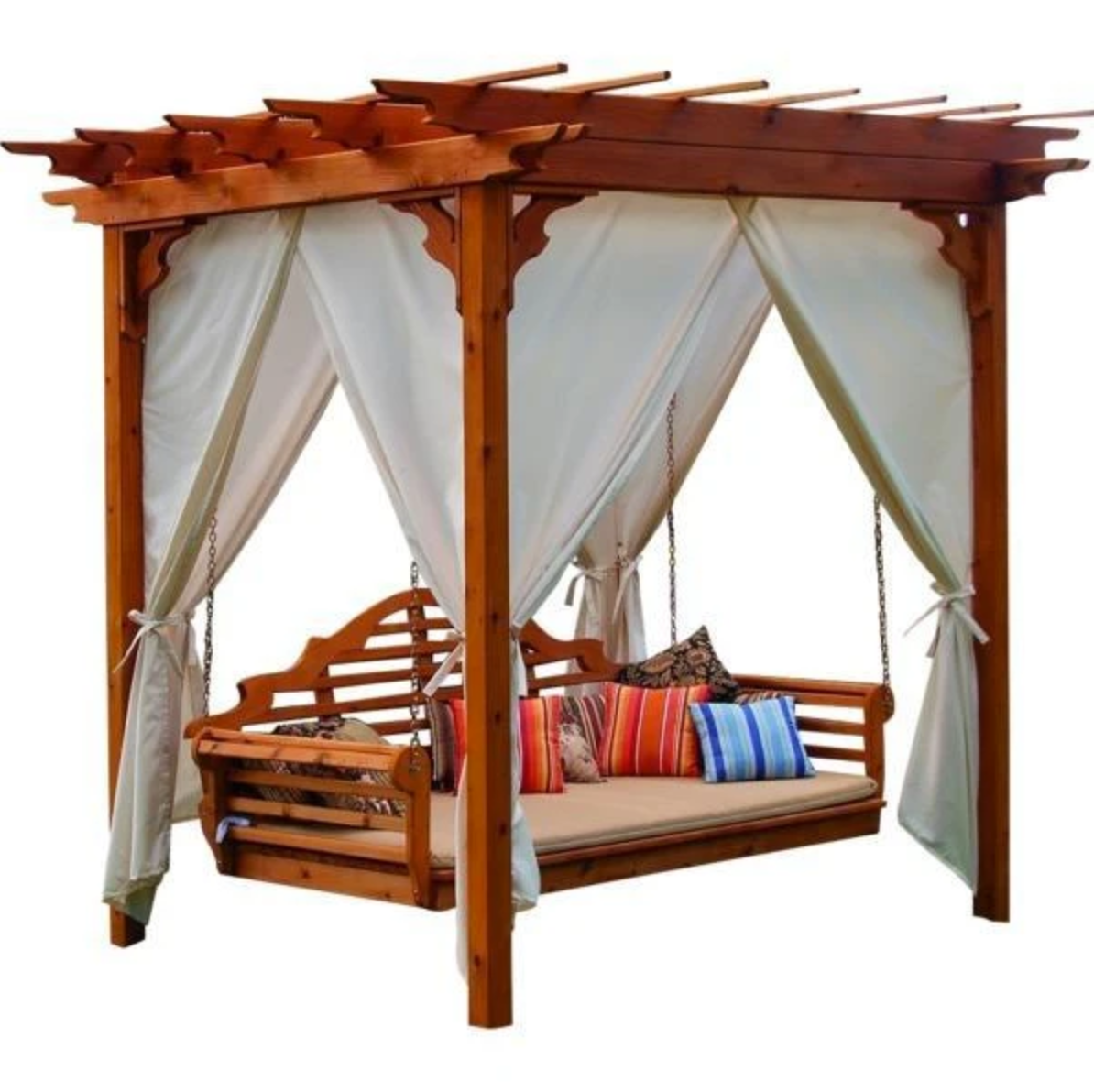
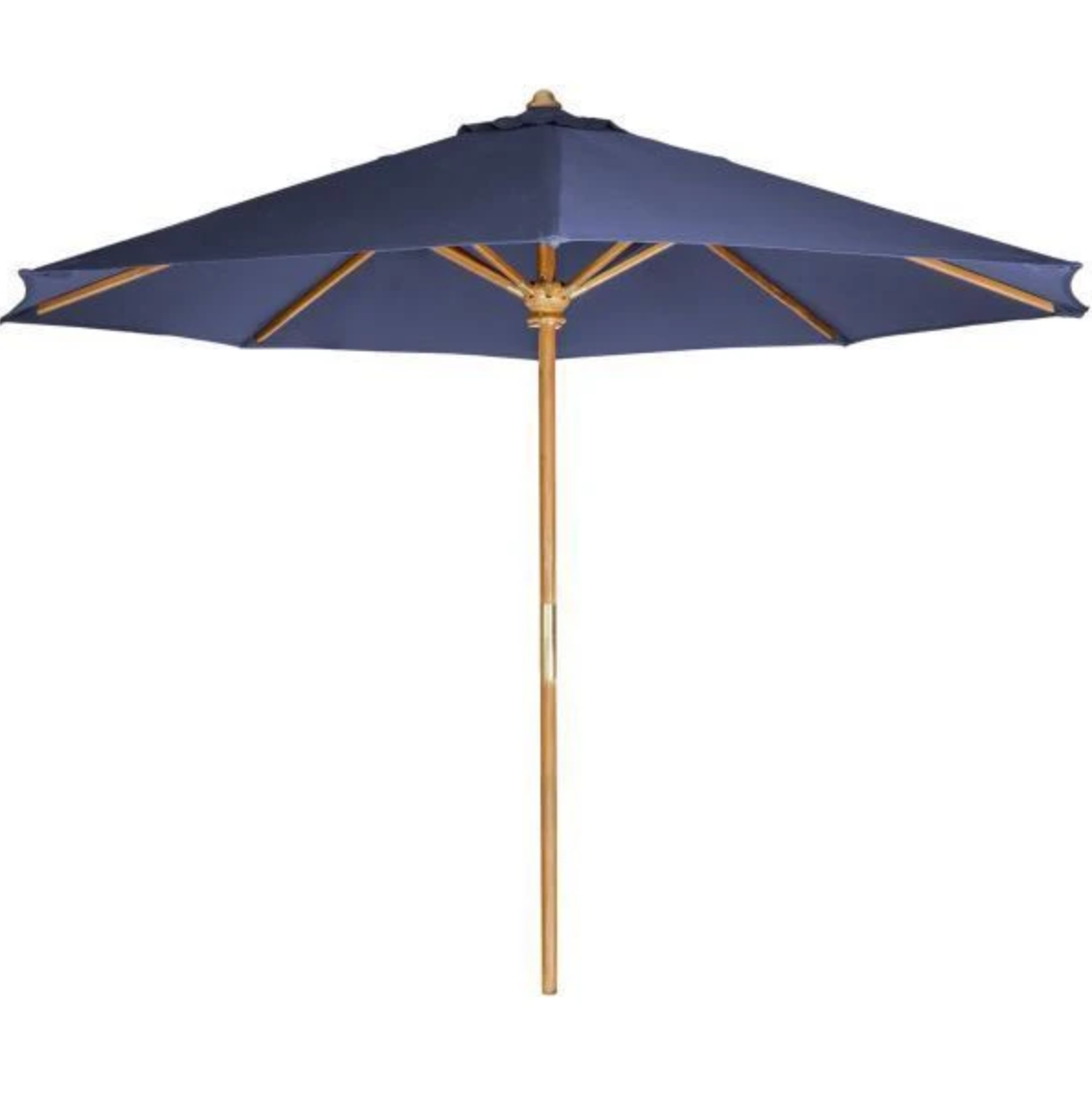
Try positioning furniture in dappled shade or using shade structures (e.g., pergolas, umbrellas) during peak sun hours
Rotate cushions and decorative items periodically to ensure even weathering
Moisture Management
Cypress resists rot better than most woods, but excessive moisture still presents risks, so manage water exposure first:
Ensure outdoor furniture has adequate drainage. Feet or legs should not sit directly on wet ground; use furniture pads or risers to create airflow underneath
Cover furniture during heavy rains or extended wet periods, especially in tropical climates
In humid environments, inspect joints and corners regularly for soft spots that may indicate moisture infiltration
Salt Air and Chemical Exposure
If your cypress furniture is in a coastal environment:
Rinse salt spray off regularly with fresh water
Avoid storing near chlorine pools or areas where harsh chemicals are used, as these can degrade protective finishes
Restoration and Repair Guidance
Tackling Common Damage
Dents and Minor Damage: Cypress's softness means surface dents are common. Minor dents don't typically require repair, but if you want to minimize their appearance, lightly scrape the area with 220-grit sandpaper and apply a matching wood stain if needed.
Note
Restoring Minor Dents: While it is good to scrape or sand dents lightly. For minor compressed-fiber dents on unfinished or oiled cypress, you can also steam the dent (placing a damp cloth over the spot and applying low heat with a household iron) to swell the wood fibers back into place before sanding.
Splinters: Use 120–150-grit sandpaper to smooth raised splinters, then progress to finer grits for a smooth finish. Sand with the grain to avoid creating new damage.
Cracks and Checks: Small surface cracks are normal in cypress and rarely affect structural durability. If cracks widen or appear in load-bearing joints:
Clean out debris with a thin brush or compressed air.
For structural repairs, apply waterproof epoxy or wood filler designed for exterior use, following product directions carefully. Allow the repair to cure fully before sanding or finishing, then sand smooth and apply a matching finish.
Once dry, sand smooth, then apply a matching finish.
Refinishing Cypress
If your furniture has lost its protective finish or shows signs of weathering:
Light refinishing: For a surface refresh, sand lightly with 150–220-grit paper and apply a penetrating oil or matte polyurethane.
Full refinishing: For complete refinishing, sand the entire piece progressively (80-grit → 150-grit → 220-grit), remove dust with a tack cloth, and apply your chosen finish:
Penetrating oils: Enhance natural grain and feel; require reapplication every 12–24 months.
Sealers: Provide stronger protection; typically last 2–3 years before reapplication
Polyurethane: Offers the most durability, though it creates a more plastic appearance
Long-Term Storage Recommendations
Indoor storage
Store in a climate-controlled environment (ideally 50–70°F with 30–50% humidity) to prevent excessive expansion or contraction.
Keep away from direct sunlight and heat sources like radiators or fireplaces.
Ensure adequate air circulation to prevent moisture accumulation.
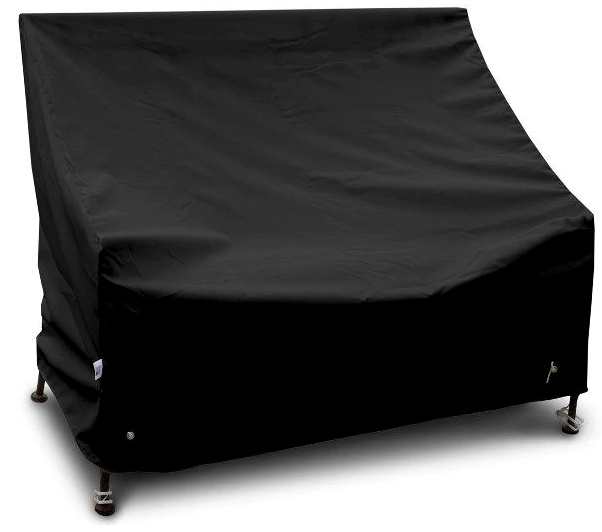
Use furniture covers to protect against dust, but avoid plastic sheeting, which can trap moisture; instead, use breathable cloth covers.
Outdoor Storage
If storing long-term outdoors, raise furniture off the ground on treated wood or concrete pads to ensure airflow underneath.
Cover with a breathable tarp or furniture cover, leaving some ventilation to prevent moisture accumulation.
Store in a shaded location or covered structure when possible.
In winter, ensure adequate drainage so snowmelt doesn't pool beneath the furniture.
Seasonal Care Considerations
Spring: Inspect for winter damage, clean thoroughly, and apply fresh sealant if needed.
Summer: Monitor outdoor pieces for UV damage and moisture stress. Rinse salt or pollen accumulation regularly.
Fall: Prepare outdoor furniture for wet weather by ensuring optimal drainage. Reapply protective finishes as needed.
Winter:Cover outdoor pieces or move them to sheltered storage. In freeze-thaw climates, water absorption and expansion cycles accelerate deterioration, so protection is critical.
Common Mistakes to Avoid
Using harsh chemicals or pressure washersdamages the wood surface and forces water into the grain.
Allowing standing water: Cypress resists rot, but prolonged exposure to moisture can degrade finishes and promote mold growth.
Neglecting joint maintenance:Check mortise-and-tenon joints and hardware regularly; tighten fasteners and address movement early.
Applying incompatible finishes: Mixing oil and water-based products or applying new finish over incompatible old finishes causes adhesion failure.
Ignoring structural issues: Address soft spots, loose joints, or significant cracks quickly to prevent escalation.
Frequently Asked Questions
Q: Can cypress furniture stay outside year-round?
A: Yes. Cypress inherently resists rot and weather damage. However, regular cleaning and periodic reapplication of the protective finish extend its lifespan and enhance its appearance.
Q: How often should I reseal my cypress furniture?
A:Every 12–24 months for outdoor pieces, depending on climate and finish type. Indoor furniture typically needs less frequent resealing (every 2–3 years or as-needed).
Q: Is the gray weathering of cypress permanent?
A: Gray weathering is a natural UV-induced color change and is not harmful. It's reversible through sanding and refinishing if you prefer the authentic color, but many homeowners appreciate the rustic aesthetic.
Q: What's the best finish for solid cypress furniture?
A: It depends on your priorities. Penetrating oils enhance natural grain; polyurethane offers maximum durability; sealers provide a middle ground. Choose based on your climate and desired appearance.
Q: Can I repair deep cracks in cypress?
A:Minor cracks don't typically need repair. For structural cracks, first clean out debris, then use waterproof epoxy or wood filler. Allow the repair to cure fully before sanding or finishing. For severe damage, consult a furniture restoration specialist.
Conclusion
Cypress furniture is an investment in natural beauty and lasting durability. With constant care—regular cleaning, environmental protection, and seasonal maintenance—your cypress pieces will develop a natural patina and serve reliably for decades. Whether you accept the silver-gray weathering that cypress naturally develops or maintain its honey tones with protective finishes, stay attentive to your furniture's needs and address complications promptly.
If you follow these evidence-based care strategies, you'll preserve not just the wood but also the quality and character that make cypress furniture truly special. Explore all the options here.