The Complete Guide to Eco-Friendly Furniture: Materials, Benefits, and How to Choose Smart
Sustainability isn't merely a buzzword—it's becoming the foundation of how we furnish our homes and outdoor spaces. As environmental awareness increases, more people are asking: How do I choose eco-friendly furniture that genuinely makes a difference? The answer isn't simple, but it's entirely achievable once you understand the materials, certifications, and trade-offs involved.
Eco-friendly furniture reduces waste, supports responsible forestry, minimizes carbon footprints, and often lasts longer than mass-produced alternatives. But the most important point is that "eco-friendly" means different things across products, price points, and manufacturers, so you need to weigh the full picture.
This guide breaks down everything you need to know to make well-informed, sustainable furniture choices—whether you're furnishing a living room, bedroom, or outdoor patio.
What is Eco-Friendly Furniture?
Eco-friendly furniture prioritizes environmental accountability at every stage: sourcing raw materials, manufacturing, transportation, and end-of-life disposal. The key takeaway is that real sustainability considers all of these factors, not just one.
Key pillars of eco-friendly furniture include:
Responsible sourcing —Materials from certified, well-managed forests or recycled sources
Recyclability — Materials that can be reclaimed or responsibly disposed of at end-of-life
Transparent supply chains — Companies accountable for labor practices and environmental impact
The most sustainable furniture combines multiple factors. The key takeaway is that no single feature is enough. A solid hardwood table made from responsibly harvested timber, finished with non-toxic stain, and built to last 30+ years is far more eco-friendly than a cheap particleboard piece that ends up in a landfill within five years—even if the cheap option uses some recycled content.
Best Eco-Friendly Furniture Materials Explained
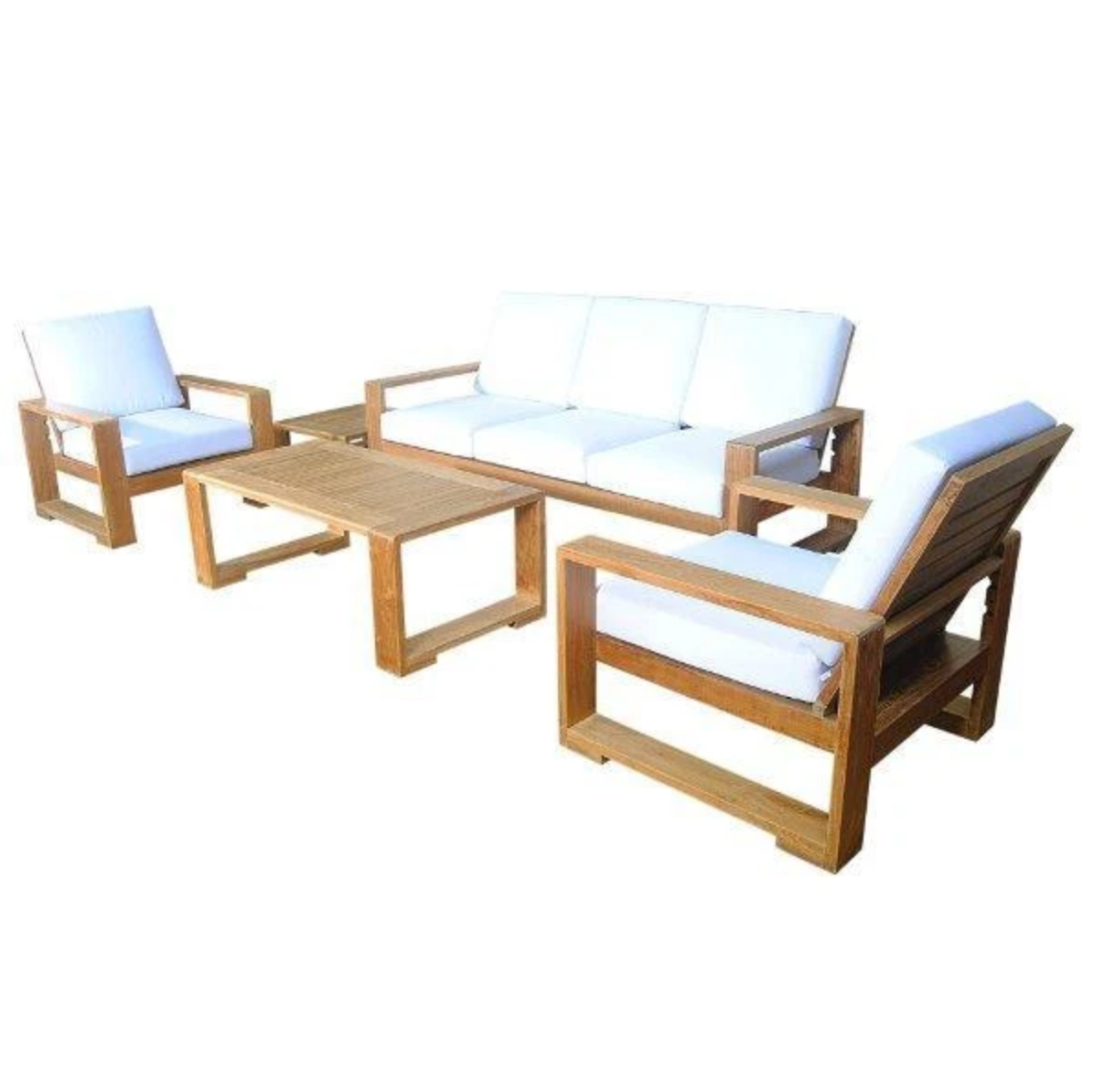
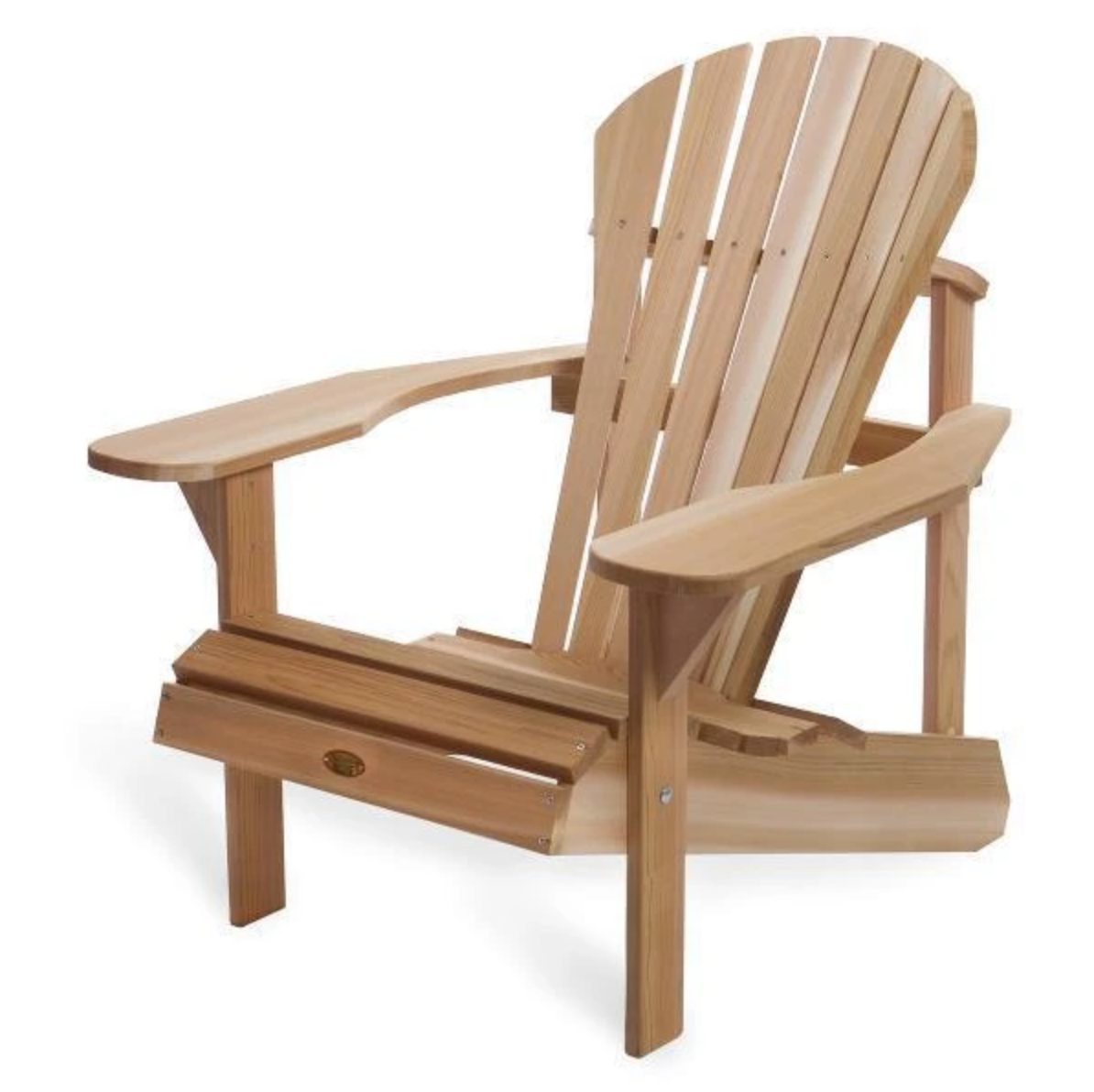
Solid Hardwood (FSC-Certified)
What it is: Furniture made from real wood species harvested from responsibly managed forests, verified by Forest Stewardship Council (FSC) certification.
Environmental benefits:
Renewable resource when harvested sustainably
Durable—can last 50+ years with basic care
Biodegradable at end-of-life
Supports forest conservation efforts
Best uses: Dining tables, bed frames, shelving, outdoor furniture (when paired with eco finishes)
Considerations: Higher upfront cost, requires occasional maintenance (oiling, refinishing), limited color options compared to stains; choose if durability and low-impact sourcing matter most.
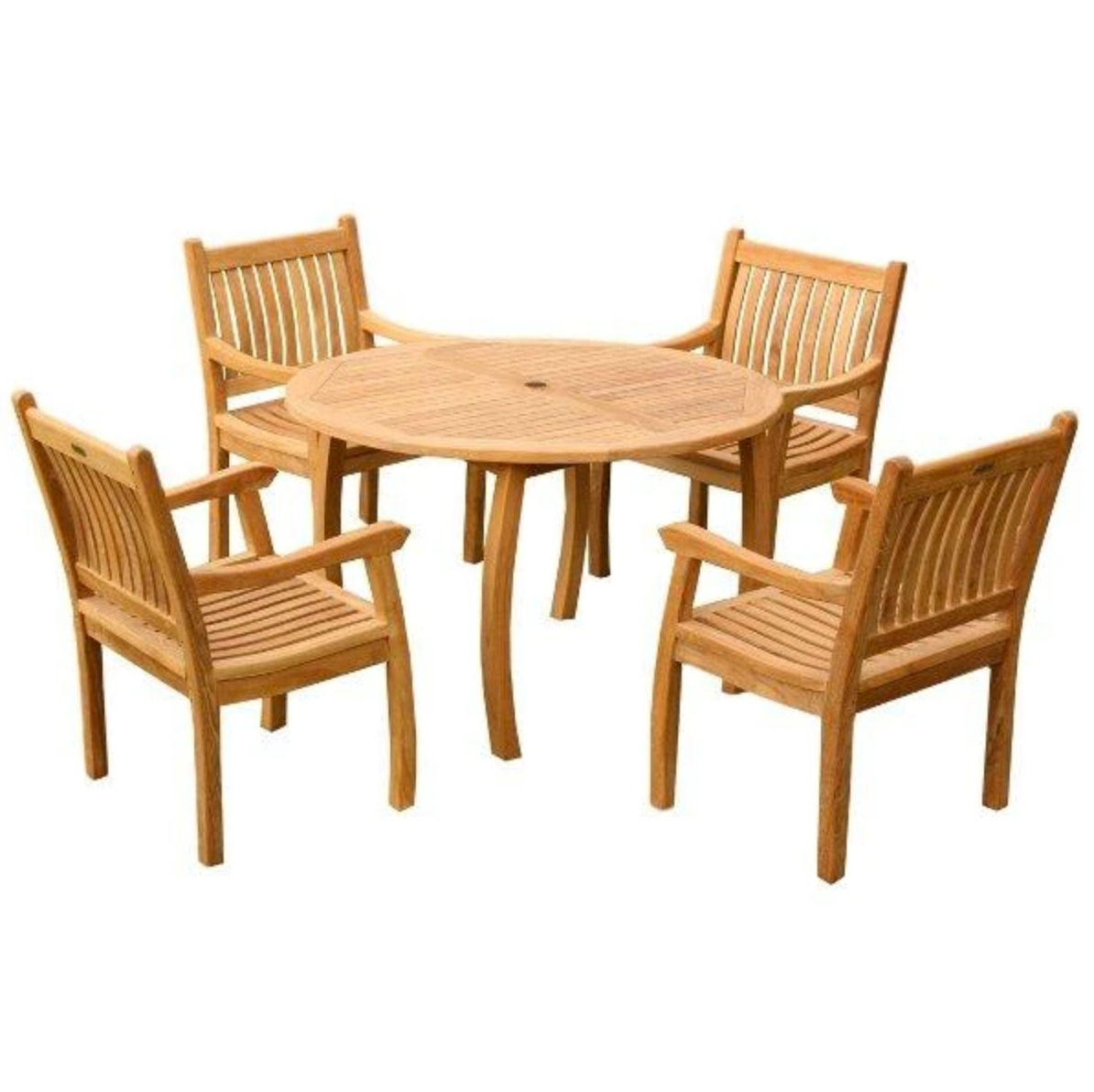
Common species: Reclaimed oak, sustainably harvested teak, FSC-certified walnut, birch
Reclaimed and Salvaged Wood
What it is: Wood recovered from old buildings, barns, or furniture, repurposed into new pieces.
Environmental benefits:
Zero new trees harvested
Diverts waste from landfills
Rich character and history in each piece
Often more durable than newer wood (aged hardwood is denser)
Considerations: Limited availability, often premium pricing, potential hidden nails or contaminants needing careful inspection, variable quality; choose if reclaimed character and cutting waste are top priorities.
Bamboo
What it is: Fast-growing grass harvested and processed into flooring, panels, and furniture components.
Considerations:Quality varies widely; cheaper bamboo uses toxic glues. Look for FORMALDEHYDE-FREE certification; not as durable as hardwood in extreme weather; some environmental issues about monoculture farming in Asia. Choose higher-quality bamboo when responsible sourcing and faster renewability matter more than maximum durability.
Pro tip: Look for FSC-certified bamboo to ensure responsible cultivation.
Cork
What it is: Harvested from the bark of cork oak trees without cutting the tree; trees regenerate bark naturally.
Environmental benefits:
The tree stays alive and continues absorbing carbon
Fully renewable and biodegradable
Durable and naturally antimicrobial
Lightweight and low-maintenance
Best uses: Bar stools, accent furniture, outdoor seating cushions, sustainable alternative to leather
Considerations: Less common in mainstream furniture, niche aesthetic appeal, can wear over time with heavy use; choose it for lightweight, low-maintenance pieces with a distinctive look.
Recycled and Upcycled Materials
What it is:Furniture made from post-consumer waste (plastic, metal, textiles) or upcycled vintage pieces.
Considerations: Durability depends on material quality; recycled plastic can degrade in sunlight; check UV resistance for outdoor use. Choose products with proven durability if long-term performance matters most.
Organic and Natural Textiles
What it is: Upholstery made from certified organic cotton, linen, hemp, or wool—grown without synthetic pesticides or GMO seeds.
Environmental benefits:
No synthetic chemical residues
Lower water usage than conventional cotton (organic requires ~90% less water)
Biodegradable
Supports cleaner agricultural practices
Best uses:Sofa cushions, chair upholstery, mattresses, outdoor fabrics (linen blend)
Considerations: Higher cost than conventional fabrics, may require more careful cleaning (check care labels), some dye processes still use chemicals. Choose these textiles when cleaner inputs matter more than lower upfront cost.
How to Choose Eco-Friendly Furniture: A Decision Framework
1. Assess Your Actual Need Before Shopping. Ask:Do I really need this piece? Can I refurbish or repurpose something I already own? Buying less is the most eco-friendly choice.
2. Emphasize Durability Over Price.A $1,500 solid walnut table lasting 40 years = $37.50/year. A $400 particleboard table lasting 5 years = $80/year. Long-term cost and environmental impact favor quality.
4. Research the Brand:Look for transparent supply chains, third-party certifications, and company sustainability reports. Compare brands by evidence, not vague claims like "eco-friendly," which are red flags.
5. Consider the Full Lifecycle
Where is it made? (Transportation carbon matters)
What's the packaging?
Can it be repaired easily?
Is it recyclable or compostable at end of life?
6. Match Material to Purpose
Indoor living rooms: Reclaimed or FSC hardwood, organic upholstery, cork accents
Buying "eco-friendly" unconfirmed claims — Look for third-party certifications, not just brand marketing language.
Choosing cheap eco-materials with poor durability — Bamboo particle board or low-quality recycled plastic won't last; you'll replace it sooner, negating environmental benefits.
Ignoring upholstery in sustainability calculations — A solid wood frame paired with non-organic, chemically treated fabric is only half-sustainable.
Overlooking transportation impact — Handcrafted reclaimed furniture shipped internationally may have higher carbon impact than locally sourced, certified options.
Neglecting maintenance and care — Eco-friendly furniture requires proper care to maximize lifespan. Choose pieces you can maintain regularly, then oil wooden pieces, clean fabrics with non-toxic products, and protect outdoor furniture from weather damage.
Maintenance and Care Tips for Longevity
Maximizing furniture lifespan is the most eco-friendly action you can take after purchase:
Solid wood:Apply food-grade mineral oil or beeswax annually to prevent drying and cracking
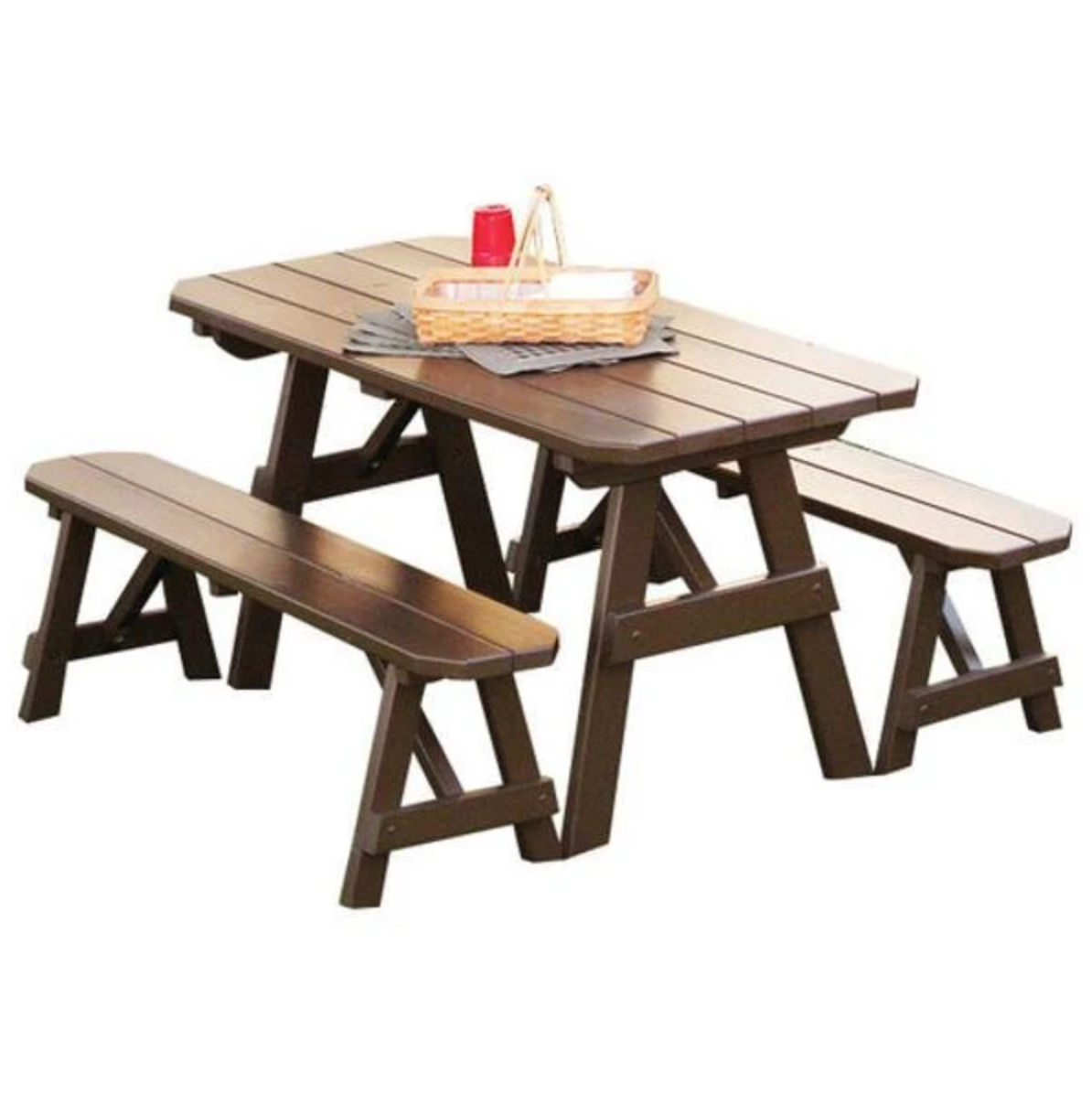
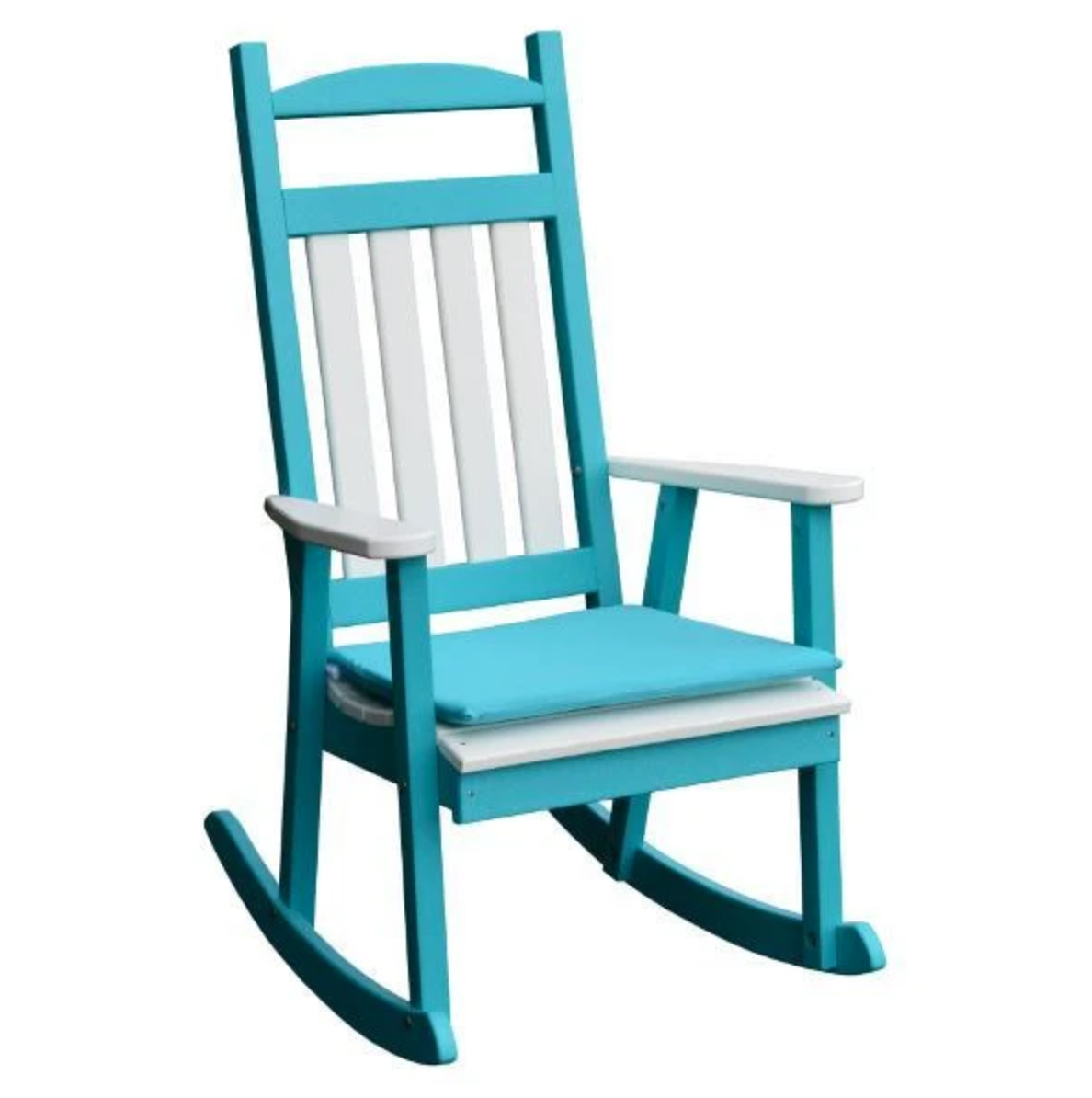
Recycled plastic outdoor furniture:Rinse with water monthly; refrain from harsh chemicals
Organic textiles:Wash with plant-based detergents, air-dry, avoid bleach
Cork:Wipe with a damp cloth, reseal every 2–3 years with natural sealant
All pieces:Rotate cushions, keep out of direct sunlight where possible, use furniture pads to prevent scratching and floor damage
Latest Eco-Furniture Trends (2026)
The furniture industry is evolving rapidly toward sustainability. Current trends include:
Modular, reconfigurable pieces —Adapt as needs change, extending furniture lifespan
Local artisan production —Shorter supply chains, community support, unique designs
Mycelium and synthetic materials — Leather alternatives from mushroom-based compounds
Zero-waste manufacturing —Production processes generating no landfill waste
Rental and buy-back programs —Companies offering take-back schemes to recycle old furniture
FAQ: Eco-Friendly Furniture Questions Answered
Q: Is eco-friendly furniture always more expensive?
A:Initially, yes—FSC-certified hardwood and organic textiles cost more upfront. However, strength and endurance make them economical over time. Budget options (bamboo, recycled materials) offer affordable entry points.
Q: How do I know if a "reclaimed wood" furniture piece is authentic?
A:Look for authentic seller reviews, request photos of grain patterns and wear (which are harder to fake), ask about provenance (what building it came from), and verify certifications. Reputable sellers provide documentation.
Q: Can I recycle my old furniture if it's not sustainable?
A: Yes. Donate to charities, sell on secondhand platforms, or contact local recycling programs. CheckEarth911.org for facility locators. Reusing old furniture is itself an eco-friendly practice.
Q: What's the difference between eco-friendly and sustainable furniture?
A:All sustainable furniture is eco-friendly, but not all eco-friendly furniture satisfies sustainability standards across its entire lifecycle. Sustainable prioritizes end-to-end responsibility; eco-friendly focuses on specific environmental benefits.
Q: Is bamboo furniture suitable for outdoor use?
A:Yes, but look for weather-resistant bamboo varieties and proper sealing/finishing. Untreated bamboo can deteriorate quickly outdoors; sealed bamboo lasts 5–10 years depending on climate.
Conclusion
Choosing eco-friendly furniture is an investment in your home, your health, and the planet. It's not about excellence—it's about intentional choices that align with your values and budget.
Start with one piece: replace your old particle board bookshelf with FSC-certified solid wood, upgrade your sofa to organic upholstery, or invest in a reclaimed wood dining table. Each choice adds up over time, creating a home that reflects both your style and your commitment to sustainability.
The most eco-friendly furniture is the piece you'll keep for decades. Prioritize quality, durability, and transparency. Research certifications. Support brands with verifiable environmental practices. And remember: the best purchase is often the one you don't make. But when you do invest in furniture, let it be thoughtful, lasting, and kind to our world.