Your Cart is Empty

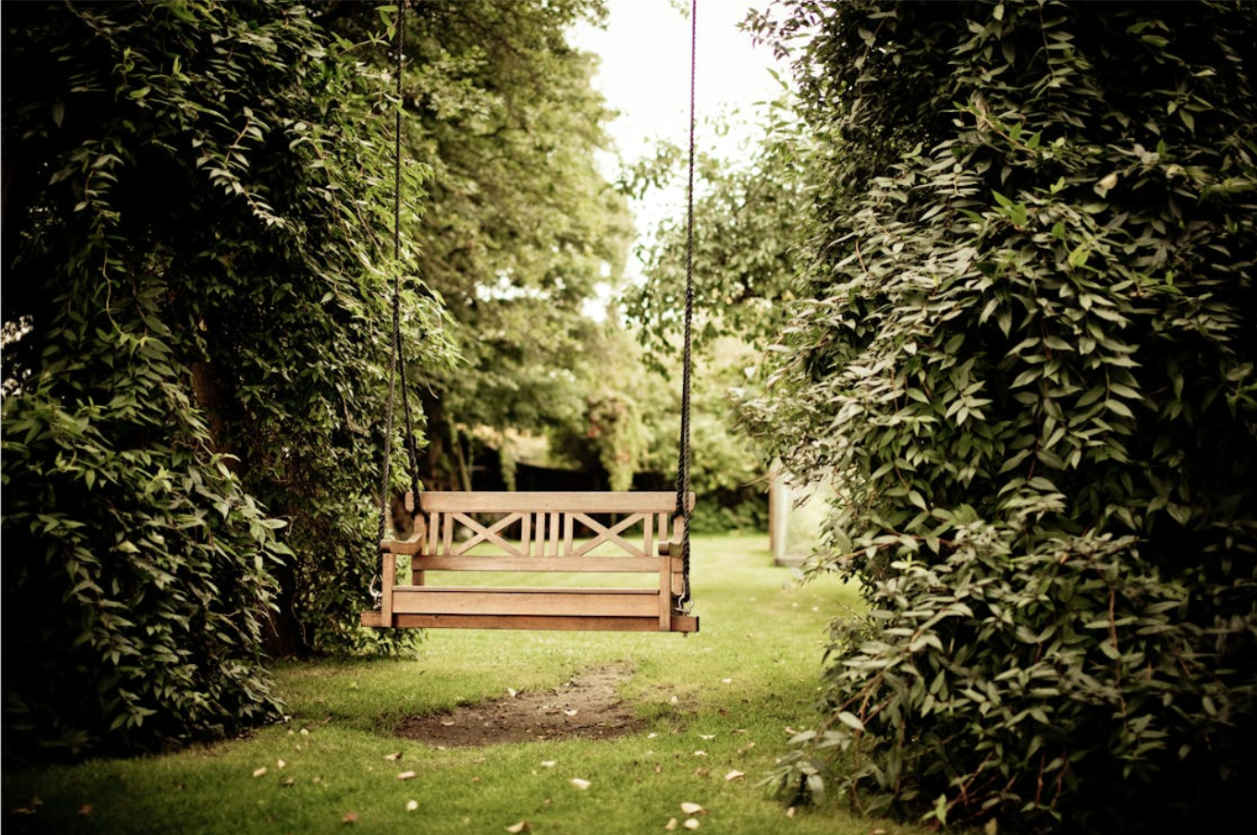

Seattle's mild temperatures and long stretches of damp weather create steady pressure from ants, rodents, slugs, and mosquitoes. A backyard retreat can feel like an extension of the living room, but it only stays relaxing when the space remains pest-free.
This guide looks at Pacific Northwest patterns across spring, summer, fall, and winter, focusing on practical prevention that fits local yards without relying on harsh chemicals. It also flags the warning signs that suggest a problem is beyond routine upkeep, so homeowners can protect outdoor time year-round.
Seattle rarely gets the hard freezes that shut pest activity down in colder regions. Mild, wet winters let insects and rodents keep moving, feeding, and scouting shelter, so pressure on backyard spaces can feel year-round.
The region's long rainy season also changes the basics of prevention. Gutters, tarps, planters, and low spots can hold standing water far longer than generic advice assumes, creating breeding pockets for mosquitoes and attracting other nuisance insects closer to patios.
Even well-kept landscapes can trap moisture under dense groundcover and leaf litter, extending habitat conditions long after rainfall ends.
Because temperatures stay moderate, pest cycles overlap instead of pausing cleanly between seasons. Homeowners may see spring ants while summer mosquitoes linger, then notice rodents increasing as fall rains push them toward warmth and food sources.
Local timing matters for seasonal pest control. Sealing gaps before the first sustained rains, clearing water-holding clutter after storms, and monitoring sheds and crawlspaces during mild winters can reduce surprises.
When activity persists despite these steps, guidance from a Seattle pest control service can help match treatments to Seattle's specific patterns.

In Seattle, the fastest way to invite mosquitoes is to let standing water linger after a storm. A simple yard audit after heavy rain shows where puddles form near patios, walkways, and play areas.
Start at the roofline and work down. Gutters should run clear, and downspouts should discharge into splash blocks, extensions, or other drainage solutions that move water away from foundations and sitting areas. French drains can help where runoff repeatedly crosses the same path.
Next, remove the small, easy-to-miss reservoirs that refill every week:
Plant saucers and pot trays
Birdbaths and pet bowls
Tarps, kiddie pools, and folded covers
Toys, buckets, and forgotten containers
Landscaping can also hold water in low spots. Adding soil to regrade shallow depressions, refreshing mulch depth, and keeping drains from clogging with leaves helps water shed instead of pooling.
For rain harvesting, rain barrels should have tight lids and mosquito-proof screens over inlets and overflows.
These habits fit preventive pest control because they reduce breeding sites before insects multiply, and they also make other treatments more effective. If pooling persists despite adjustments, a drainage contractor can check for hidden leaks or broken lines, and a pest professional can confirm whether mosquitoes are breeding.
Seattle's climate doesn't follow the typical four-season pest calendar that applies to much of the country. Mild winters and extended rainy periods blur the boundaries between seasons, meaning pest pressures often overlap rather than arriving in distinct waves. Understanding this local rhythm helps homeowners time their prevention efforts more effectively.
Spring rain and warming afternoons often bring ants indoors and onto patios, while termites begin dispersing and early mosquitoes appear wherever water sits for days. Seasonal pest control in this window starts with drying things out: clear gutters, lift soggy leaf litter, and keep wood and mulch from touching siding.
As summer arrives, outdoor use rises and so do mosquitoes, wasps, and ticks in tall grass and shaded borders. Weekly checks of planters, tarps, and toys help break mosquito cycles, and short mowing reduces tick habitat.
Thoughtful layout choices also matter, and ideas from creating the perfect backyard getaway pair well with keeping eating areas clean and covered. Screens on rain barrels and a well-fitted lid on compost keep odors down and limit wasp interest nearby.
Cool, damp fall weather tends to push rodents toward warmth earlier than in drier climates, especially around sheds, crawlspaces, and stacked firewood. A tight perimeter helps: seal gaps, add door sweeps, and store birdseed and pet food in lidded bins.
Seattle's mild winters can keep rodents active, and some insects still move through wall voids and damp basements. Regularly inspect for droppings, gnaw marks, and new holes, and address moisture with ventilation or dehumidification where practical.
If activity persists after basic exclusion, a licensed professional can identify entry routes and safe control options.
Landscaping often sets the baseline for natural pest control in Seattle yards. Keeping overgrown vegetation trimmed back from siding, decks, and seating reduces shade and damp hiding spots that ants, slugs, and mosquitoes prefer. A clear strip of gravel or bare soil along the perimeter makes inspections easier and limits bridges for crawling insects.
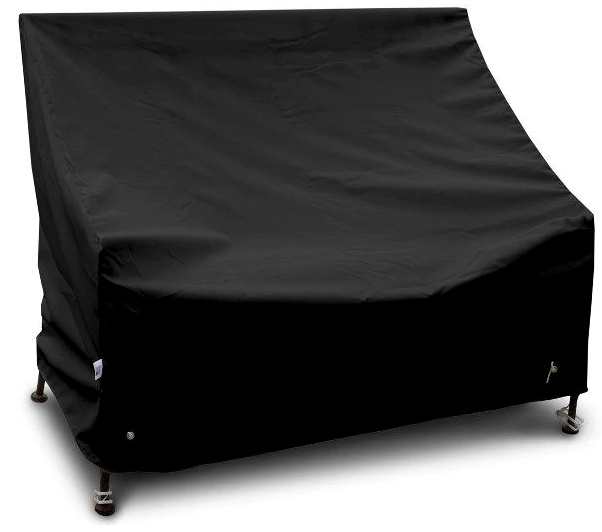
Regular cleanup matters as much as pruning. Remove leaf litter, fallen fruit, and stacked debris where pests shelter, and store cushions after rain as part of maintaining your outdoor furniture.
Plant choices can also help. Pest-repelling plants that handle Pacific Northwest conditions include lavender, citronella, and rosemary, especially when placed near paths and patio edges rather than against walls. Group herbs in sunny spots so oils remain fragrant longer.
For wood-destroying insects, create a visible gap between mulch beds and foundations, and keep soil and wood from touching structural posts to deter termites.
Finally, support predators. Ladybugs and ground beetles native to the region feed on aphids and other small pests, adding quiet pressure without chemicals.
For family yards, natural pest control and physical barriers should often lead the plan. Screens on rain barrels, tight-lidded bins, and door sweeps on sheds reduce access for ants, flies, and rodents without leaving residues.
These steps also make yard pest control more predictable because pests lose food, water, and shelter. Gravel borders near decks can interrupt slug travel and simplify inspections around patios and play equipment after rainy weeks.
If chemicals are needed, an Integrated Pest Management approach reduces use by treating only after monitoring confirms activity. Products should be stored securely in original containers and applied with label timing for drying and reentry.
Families can designate treated zones away from sandboxes, vegetable beds, pet runs, and water bowls. When working with professionals, homeowners should share child and pet routines and any allergy concerns so placements avoid high-contact areas.
Some problems signal more than a nuisance. Mud tubes, hollow-sounding wood, or blistered paint can point to termites, and heavy gnawing, droppings, or daytime sightings suggest a sizable rodent problem that merits assessment.
Recurrence is another red flag. If traps, sealing, cleanup, and moisture control work briefly and pests return in the same spots, hidden entry points, nesting sites, or moisture sources may be driving the cycle.
In those cases, professional pest control can confirm the species, map pathways, and use targeted treatments suited to Seattle's conditions. Documentation from an inspection also clarifies whether repairs are needed before treatment can hold.
Ongoing monitoring helps catch new activity early, and seasonal service plans can maintain year-round protection with minimal homeowner effort.
Ignoring early warning signs can quickly allow localized pest issues to escalate into major structural damage or health risks for your family. Chronic infestation signals—such as persistent nesting material in walls, damaged insulation, or recurring carpenter ant trails—indicate that passive DIY deterrents are no longer sufficient to control the population.
When home prevention methods hit a wall, turning to professional intervention is the safest step. Expert technicians can pinpoint hidden entry points, neutralize hidden nests, and resolve complex pest issues before they compromise your living space or your peace of mind.
A pest-free backyard in Seattle rarely happens by accident. Consistent cleanup, moisture control, and exclusion tend to outperform reactive sprays because they remove the conditions pests need to return.
Seattle's damp, moderate climate rewards homeowners who stay ahead of pressure in every season, from spring water checks to fall sealing and winter monitoring. Small, repeatable habits compound, and preventive pest control becomes a routine that protects outdoor comfort, plants, pets, and guests all year with fewer surprises after heavy rain.