Your Cart is Empty






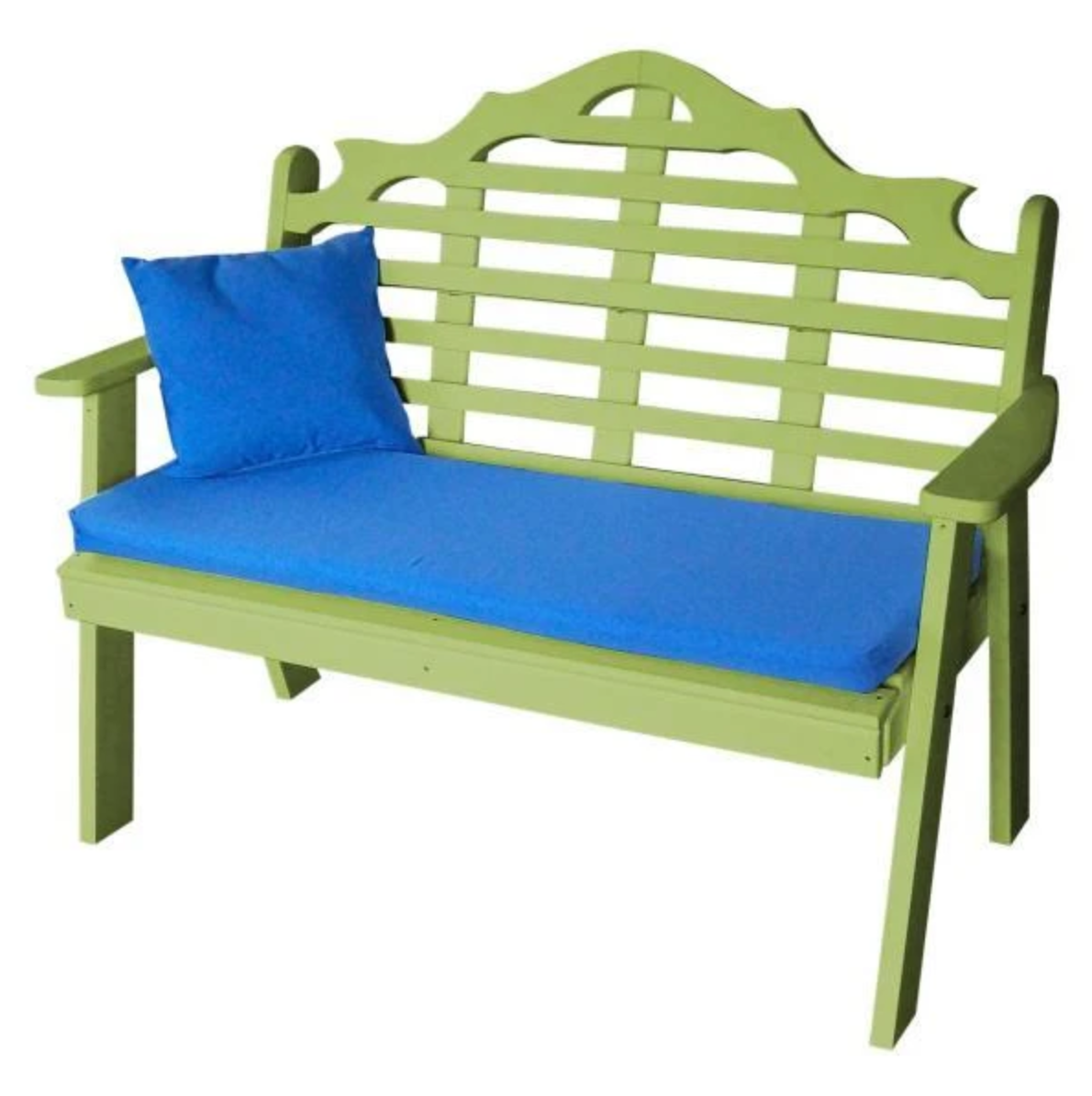

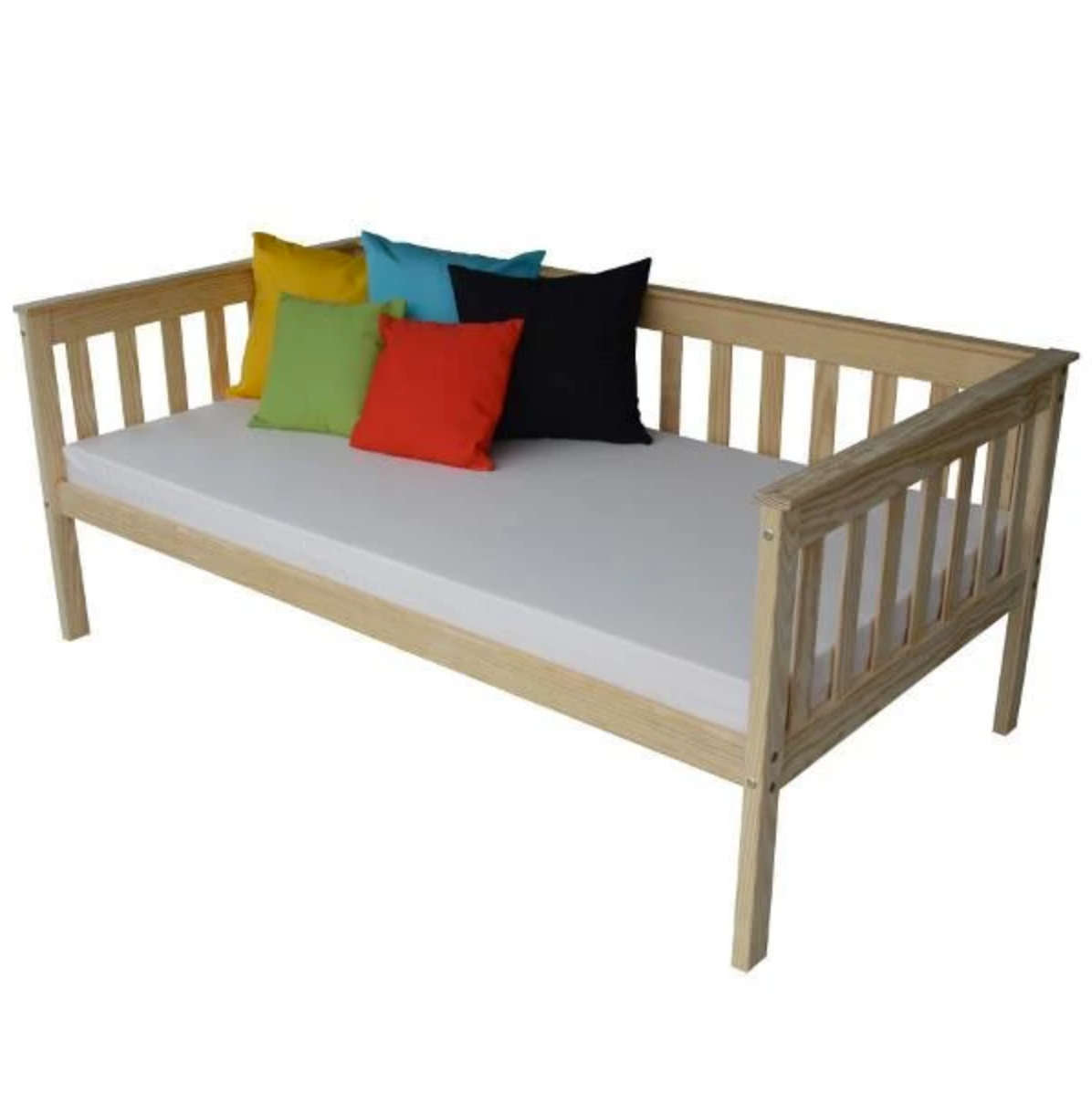

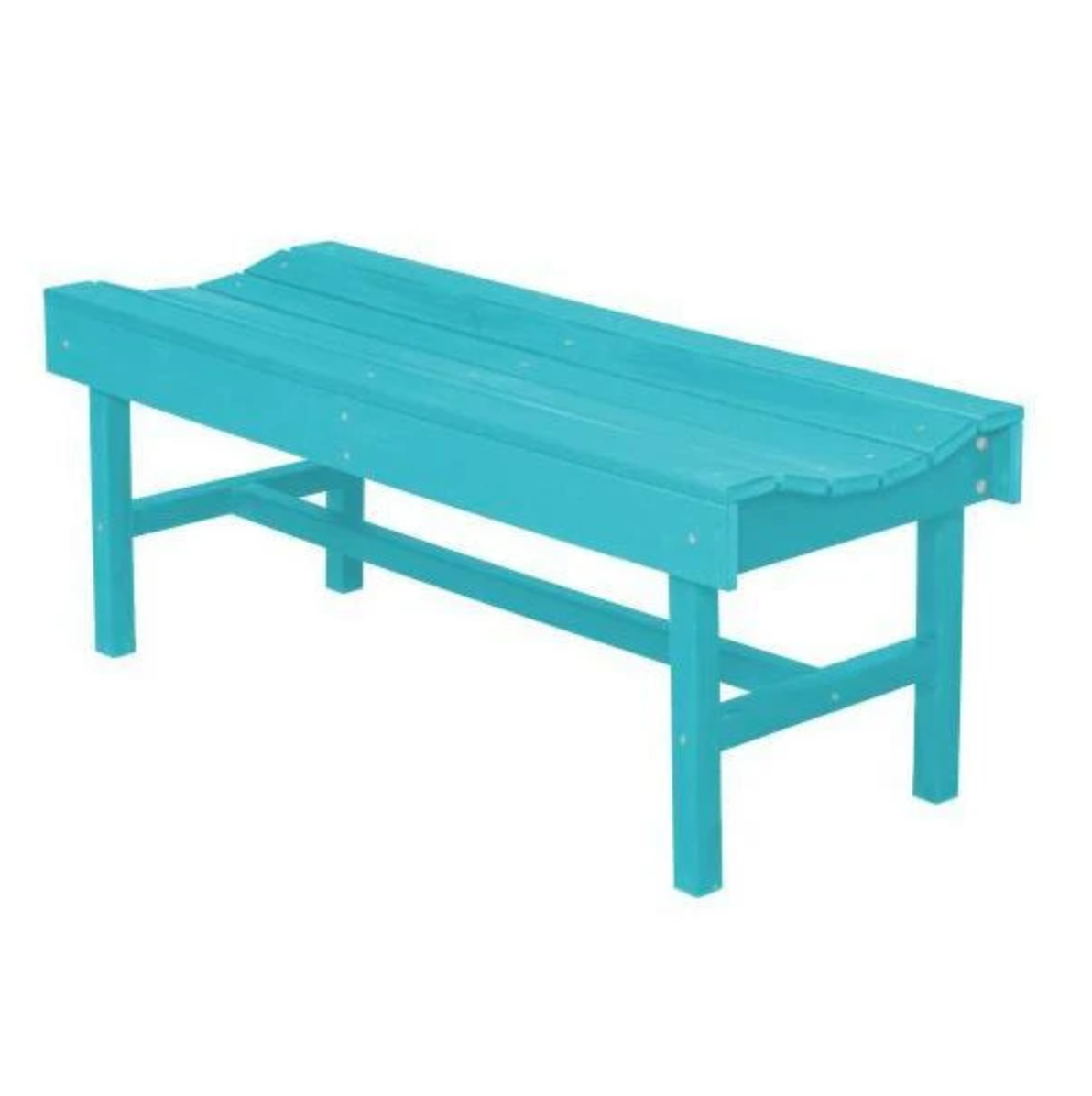

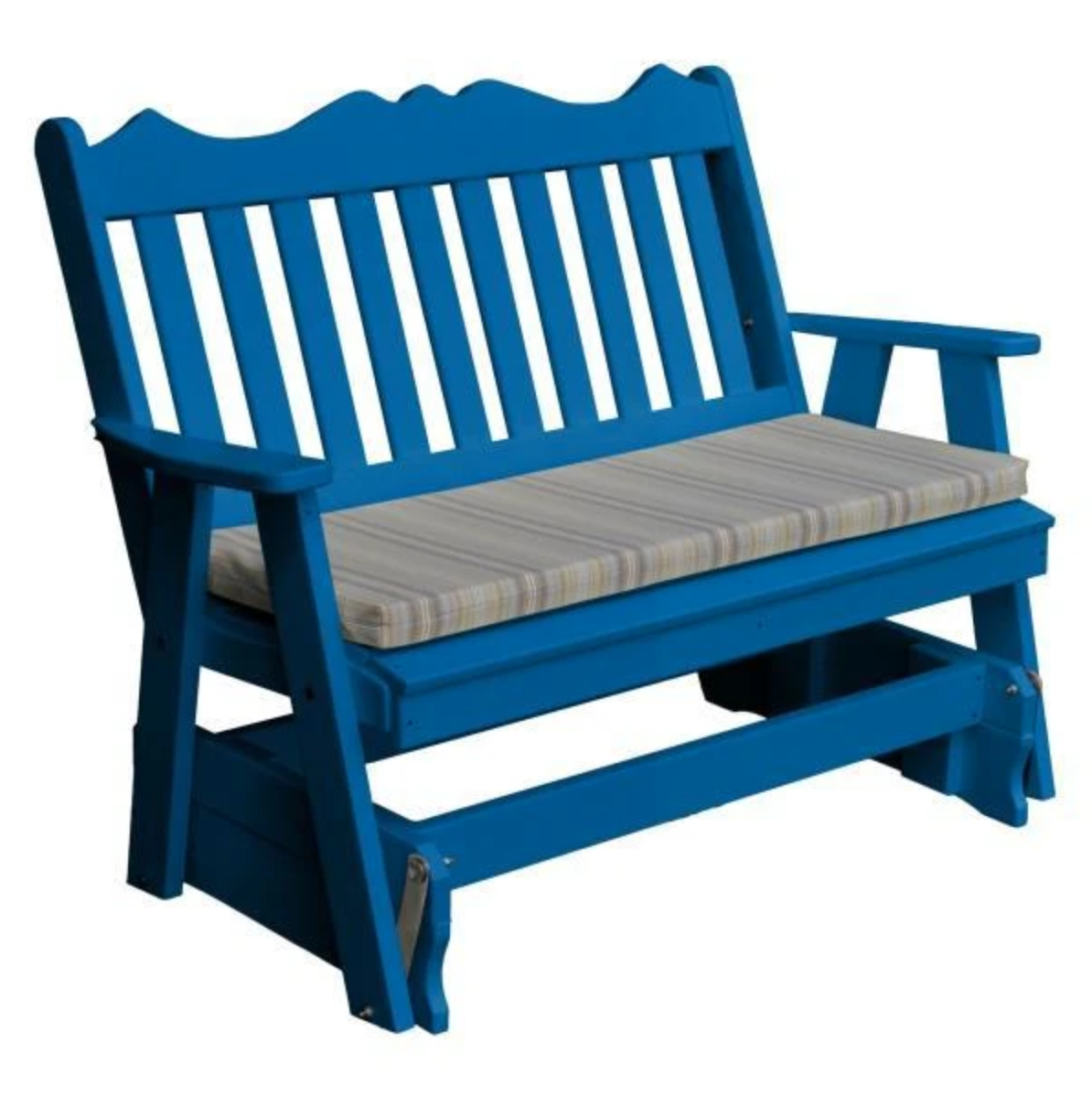





















You don’t think much about seating until you need it. It’s that moment when you’re hopping on one foot to pull off a shoe, juggling grocery bags by the door, or trying to steady yourself after a long day. Without a simple place to sit, those everyday routines can get awkward quickly.
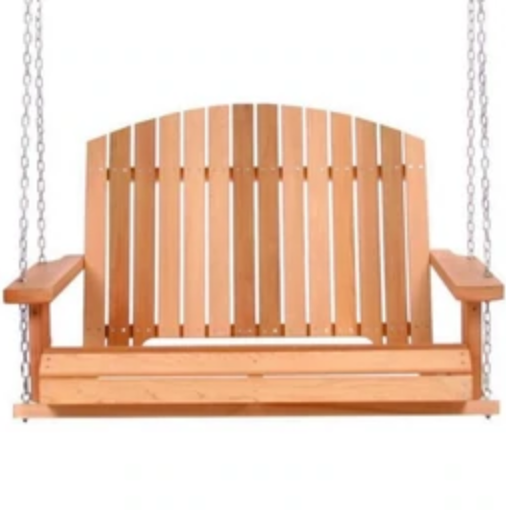
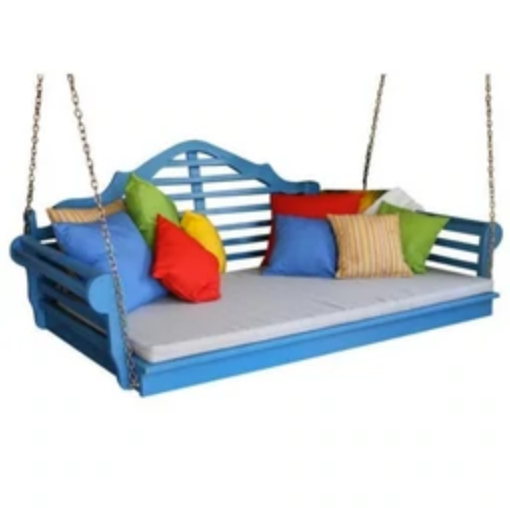
That’s why placement matters. A bench in the right spot gives you a place to pause, sit, and reset before moving on. It makes busy entryways safer, stairs less intimidating, and outdoor transitions easier to manage for everyone at home.
Entryway Seating: A Simple Way to Reduce Strain and Prevent Falls
Your home’s entryway handles some of the heaviest traffic in your home. People stop to remove shoes, drop bags, sort mail, and head back out again. When that space lacks seating, you force your body to balance, twist, and bend without support. Over time, those repeated motions create strain and increase the risk of slips and falls.
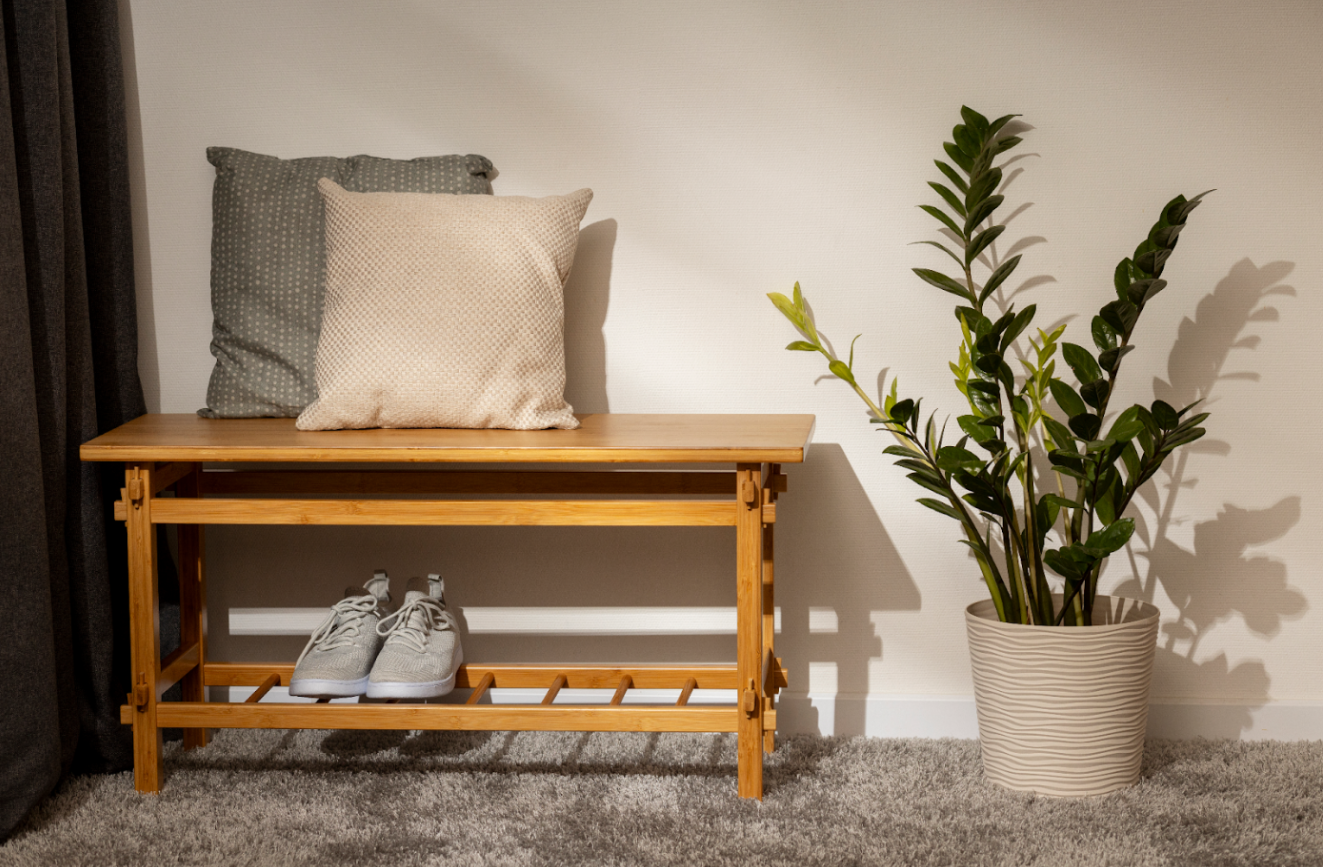
Adding a bench near the door solves more than a convenience problem. It gives you a stable place to sit while putting on footwear, unpacking items, or helping a child get ready. You reduce awkward one-foot balancing and limit sudden shifts in weight on hard flooring, improving home safety in a high-traffic zone.
Entry seating also helps you control clutter. When you create a designated place to sit and organize belongings, you naturally slow down and move with more intention. That small pause makes your home safer without requiring major renovations or complicated upgrades, helping support a more organized home safety checklist.
Supporting Mobility Near Staircases With Smart Seating Placement
Staircases demand focus and balance. When you approach them tired, carrying laundry, or managing multiple items at once, even familiar steps can feel demanding. Without a nearby place to pause, you may push forward when your body actually needs a short break.
Placing a bench close to the base or top of the stairs creates a natural rest point. You can set items down, adjust your grip, or simply catch your breath before continuing. That short pause reduces fatigue and helps you move with more control instead of rushing, which lowers the risk of injury.
In homes where mobility needs change over time, seating works alongside other practical solutions. Some homeowners also explore options such as stair lifts from California Mobility when stairs become physically challenging. Thoughtful seating does not replace structural upgrades, but it supports safer movement as part of a broader home safety plan.
Outdoor Seating That Supports Safer Movement in Yards and Gardens

Backyards, patios, and garden paths invite activity. People carry tools, water plants, move furniture, or step across uneven ground without thinking twice. Unlike indoor flooring, outdoor surfaces shift with weather and wear. Gravel moves, grass becomes slick, and decking can turn slippery after rain — all factors that can affect safety outdoors.
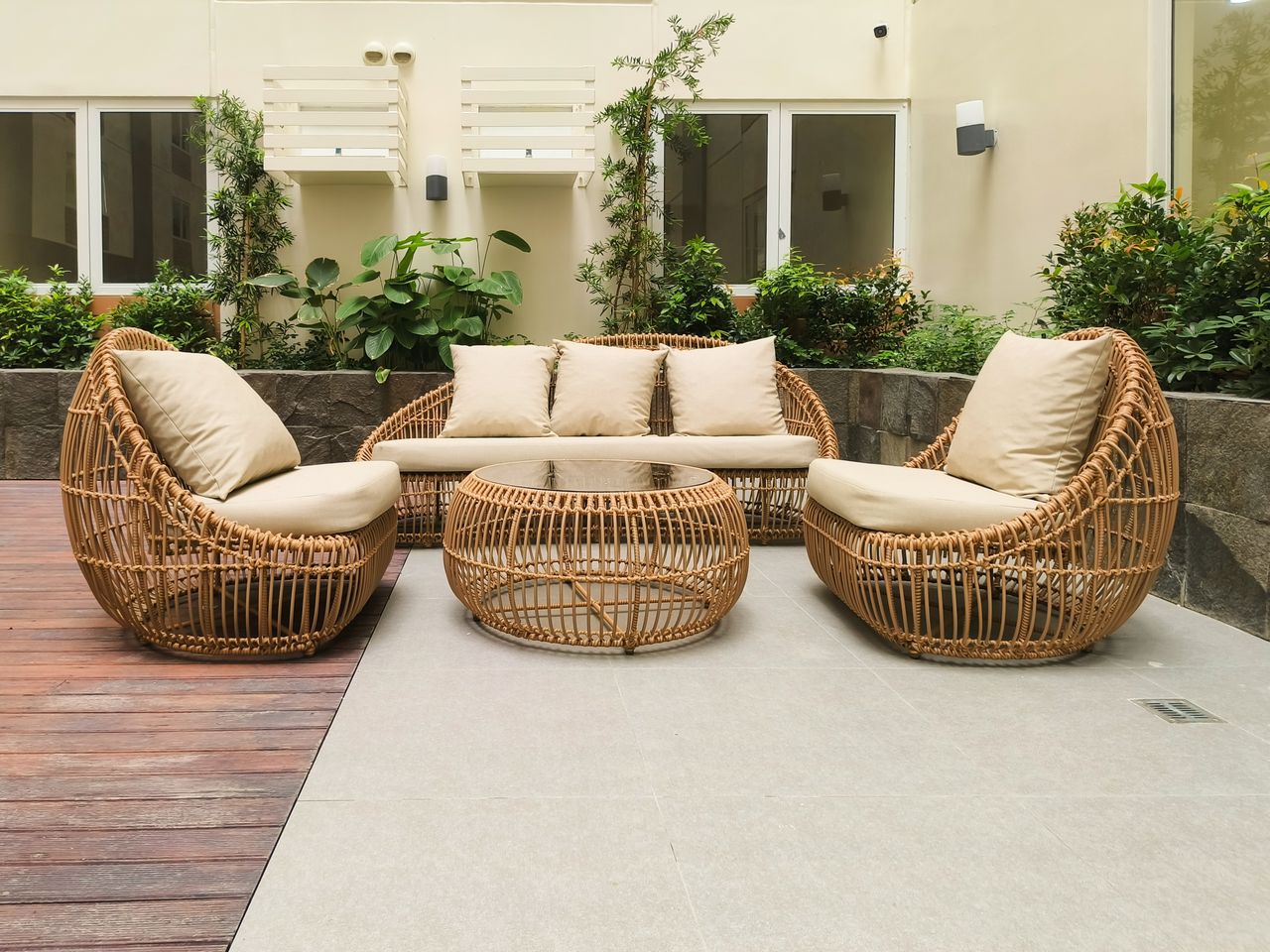
Placing benches along walkways, near garden beds, or beside patios creates intentional rest stops. You can sit to remove muddy shoes, set down tools, or steady yourself before stepping onto stairs or uneven terrain. That built-in pause reduces fatigue and lowers the chance of missteps, helping you stay safe in outdoor environments.
Outdoor seating also improves visibility and organization. When you define clear sitting areas, you guide foot traffic and keep pathways open, which makes movement across your yard safer and more predictable.
Seating Placement That Improves Daily Family Life
When seating is in the right places, daily routines run more smoothly. Children drop backpacks, adults sort mail, and everyone moves through shared spaces at once. Without designated seating, people leave items wherever they land, narrowing walkways and creating obstacles that increase the chance of trips.
For older adults, those small hazards carry greater consequences. Falls remain one of the leading causes of injury among seniors, and many happen inside the home during ordinary activities such as dressing or navigating cluttered areas. Even a minor loss of balance can result in serious complications. Thoughtful seating placement reduces the need to balance on one foot, twist awkwardly, or rush through tight spaces, helping keep your family safe.
Placing benches near mudrooms, hallways, and family gathering areas creates safe pause points. Kids can sit to remove shoes instead of hopping across the floor. Adults can organize bags and gear before moving on. When you define clear seating zones, you protect walking paths and make shared spaces easier and safer to navigate for every generation.
Integrating Seating Into a Broader Home Safety Plan
Seating placement works best when you treat it as part of a larger safety strategy. Good lighting, clear walkways, secure railings, and stable flooring all play a role. When you combine these elements with intentional seating, you create layers of protection instead of relying on a single fix.
For example, a bench near a back door keeps shoes and gear off the floor, which reduces tripping hazards. Pair that with proper exterior lighting and slip-resistant surfaces, and you strengthen that area even more. Safety improves when each detail supports the next and fits naturally into your overall home safety checklist.
While physical layout and stable furniture prevent trips, true home safety requires addressing hidden hazards inside the house. A comprehensive home safety checklist goes beyond clear hallways to protect your living space from invisible threats. Installing a carbon monoxide detector (or multiple carbon monoxide detectors) on every level of your house is essential for detecting odorless, toxic carbon monoxide gas early. Paired with reliable smoke detectors—including interconnected smoke alarms outside every sleeping area—these early-warning systems give your household crucial extra time to evacuate during an emergency. Maintaining fully operational smoke alarm units ensures you catch fire risks before they spread.
Prioritizing fire safety also means placing a multi-purpose fire extinguisher in high-risk zones like the kitchen, garage, and near fireplace areas. Having the right fire extinguishers on hand—specifically those using a dry chemical agent effective against electrical, wood, and grease fires—can suppress small flare-ups instantly. Complete your emergency readiness setup by storing a well-stocked first aid kit alongside your home security system panel or main entryway. Taking these essential steps will keep your home safe, strengthen your defense against unexpected emergencies, and keep your family safe year-round.
Environmental factors matter too. Many homeowners rely on services that include a pest-free home guarantee to reduce unexpected infestations that can cause sudden reactions or unsafe movement. When you limit those disruptions, daily routines stay calmer and more controlled, supporting a safer home environment.
A Practical Checklist for Safer Seating Placement
You do not need a full remodel to improve safety. Small placement decisions can change how people move through a space. Use this checklist to evaluate where seating can make the biggest impact in your home.
-
Place Seating Where Routines Already Happen: Support natural habits. Add benches where people remove shoes, sort bags, or transition between tasks instead of forcing new patterns. This helps control movement and reduce risks.
-
Keep Pathways Clear: Position benches against walls or in defined zones so they do not narrow hallways or block exits, helping maintain home safety by allowing easy access in emergencies.
-
Choose Stable, Sturdy Designs: Prevent tipping or shifting. Select seating with solid construction and level footing, especially for outdoor areas, so each safety feature adds to overall stability.
-
Match Height to Comfort: Support safe sitting and standing. A bench that is too low or too high can strain knees and hips, particularly for older adults, potentially increasing the risk of injury.
-
Use Seating to Control Clutter: Reduce trip hazards. Encourage family members to use benches as designated pause points rather than leaving items scattered across floors, which is a straightforward safety measure.
Wrapping Up
Thoughtful seating does more than fill a space. It shapes how people move, pause, and care for themselves at home. When you place benches with safety first in mind, you reinforce a sense of being protected that fits naturally into everyday life.