Your Cart is Empty

On a cold evening, you can tell within minutes whether a room will actually help you unwind. The air either feels steady, or it keeps shifting in a way you cannot ignore. I notice it most when I sit down and my shoulders refuse to drop.
The funny part is that cozy rarely comes from one big change. It comes from a few small choices that keep the room consistent, even on weird weather days. Once the temperature and airflow stop surprising you, everything else gets easier to enjoy.

Before adjusting decor, stabilize temperature and airflow.
A cozy room has one quiet trait: the temperature barely drifts across the day. Even a swing of a few degrees shows up in your shoulders. Furniture cannot compensate for that.
A simple schedule keeps mornings and evenings predictable. The U.S. Department of Energy explains how programmable thermostat schedules can follow routines and reduce wasted heating. Small, steady adjustments work better than dramatic ones.
In my place, a light overnight setback works better than blasting heat at sunrise. The room warms gradually. The system runs more evenly.
Airflow completes the picture. Warm air trapped in one corner leaves the rest of the space unsettled. Before moving blankets around, check for physical causes:
• A sofa pushed against a return grille
• A partly closed vent
• Furniture blocking circulation
Window habits influence stability just as much as thermostat settings. Thick curtains hold warmth at night and soften heat on bright afternoons. Managing sunlight often prevents later adjustments.
If noises, short cycling, or weak airflow continue, address them early. That is where lining up help with HVAC issues in Windsor before the cold hits saves you from scrambling when something breaks on a Friday night."
Temperature can be perfect and a room can still feel rough on your skin. Dry air makes your throat scratchy, and your lips feel tight. You notice it more at night, when everything else is quiet.
I noticed it one winter when I kept waking up thirsty. The thermostat was steady. The air was not.
Measuring humidity removes guesswork. A hygrometer reveals whether levels are low or high. When readings drop, a bedroom humidifier can restore balance. Keep it clean to prevent new problems.
Moist air can be its own issue, especially after showers and long simmering pots. A fan that runs a bit longer clears the heaviness without much effort. In basements, a dehumidifier can make the space feel less sleepy.
Filters matter here too, because dust and lint change how air moves and how it smells. A clean filter supports steadier airflow and can reduce how much dust settles. If pets share the couch, you may notice the difference sooner.
I also watch what adds particles to the air, even when it smells pleasant. Strong sprays and heavy candles can linger longer than you think. A quick window crack during the warmest part of the day can help.
Once the air feels right, the room can finally feel like a retreat instead of a project. That is when lighting and texture do their quiet work. You stop scanning for problems and start noticing comfort.
I used to rely on one bright ceiling light, and it always felt harsh at night. Now I prefer two lamps, and the room relaxes with me. The softer light helps my eyes settle, especially after screen time.
Texture helps because it changes both comfort and sound in the same move. A rug softens footsteps, and a throw makes the sofa feel welcoming. Even a fabric chair can reduce echo in a small room.
Sound is part of comfort as well, even if you do not notice it at first. Street noise and rattling vents can keep you half awake. A small fan or white noise can smooth those sharp edges.
If vents pop or rattle at night, the sound can feel bigger than it is. Loose register covers are common, and they can be tightened without drama. If the noise keeps returning, that is useful information to share with a technician.
If you want a clear guide for healthier indoor air over time, the EPA has a practical indoor air quality overview. It covers ventilation, moisture control, and everyday habits that support comfort.
People who love porch swings understand something that works indoors too, comfort should feel easy. You sit down, and your body settles without thinking about it. That same ease can start right at your front door.
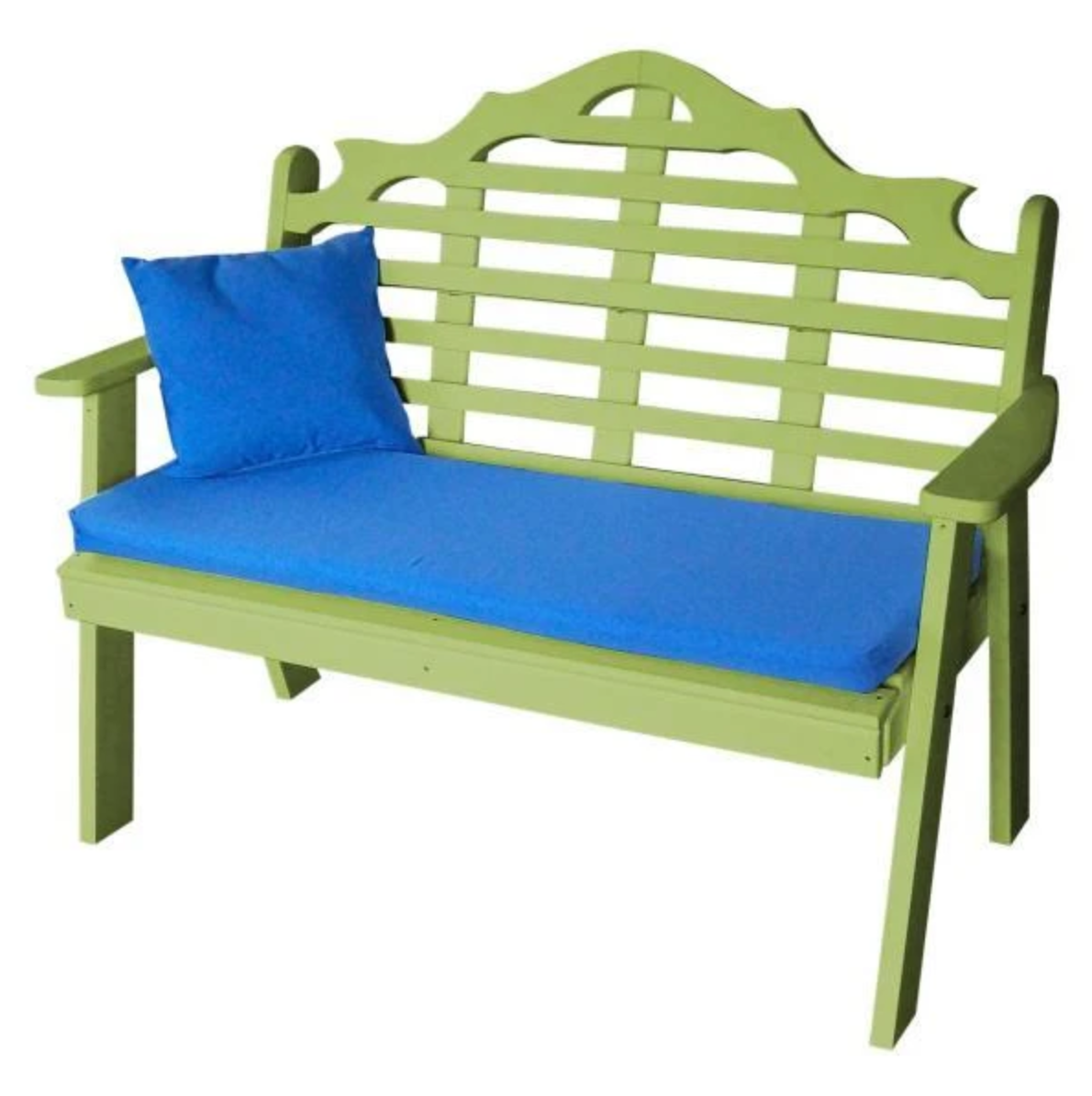
A small bench near the entry gives your day a softer landing. It catches bags and shoes, and it keeps clutter from drifting inward. When the entry stays calm, the whole home feels calmer.
Drafts often start near doors, and they can undo the cozy feeling in minutes. A tight seal and a simple door sweep can reduce that chill. If the room still feels cold near the floor, airflow may need attention.
If you already have wood furniture outdoors, simple care keeps it pleasant season after season. This guide on wooden porch swing upkeep covers cleaning and sealing in plain language. It also explains what to watch for as the seasons change.
When humidity stays high, rooms feel heavy and materials can swell. Keeping indoor comfort balanced protects both the space and the furniture. The benefit is comfort now, and less wear over time.
For an indoor bench, sealing and gentle cleaning helps it stay smooth to the touch. This wooden bench care guide walks through protection basics without overcomplicating it. It is handy when you want the piece to stay nice for years.
A retreat stays cozy when the basics get checked in small moments, not big cleanups. It should fit between normal chores and real life. When checks stay simple, you actually keep doing them.
I keep a short list that takes five minutes and prevents most surprises. It also helps me notice changes before they become expensive problems. Here is what I look at when the room feels off.
Filter condition and the next change date
Humidity reading in the main room
Any new noise, weak airflow, or uneven heating
Season shifts are the best time to pay attention, because systems work harder during extremes. Before summer heat or winter cold, small issues show up more clearly.
The practical takeaway is to protect steady comfort first, then add the cozy details. When temperature, humidity, and airflow stay stable, the room feels safe and quiet. After that, light and texture can do the rest.