How to Create a Stunning Garden with Furniture: Plants & Design Guide
Creating a stunning garden with furniture means more than placing chairs and tables outside. Integrating plants transforms your patio, deck, or backyard into a captivating and welcoming space. Thoughtful combinations of outdoor furniture and greenery create a harmonious, comfortable, attractive environment.
Whether you have a small balcony or a large backyard, blending plants with furniture elevates your outdoor experience. This guide explores ways to create beautiful, functional spaces wherefurniture and nature complement each other.
How to Build an Amazing Garden With Furniture? Why Plants Matter in Outdoor Furniture Design
The link between plants and furniture goes beyond looks. Plants serve both functional and visual roles, affecting how outdoor furniture works and appears.
Natural Climate Control
Strategically placing large potted trees or tall shrubs around patio furniture not only provides shade but also enhances seating comfort by shielding your furniture from direct sun and strong winds. This arrangement can extend your furniture's lifespan and promote a more enjoyable environment.
Visual Softening and Integration
Arranging plants with organic curves and textures adjacent to hard furniture lines softens those edges, making the area more inviting. Positioning greenery near furniture helps it blend with its natural environment rather than appear separate.
Privacy and Zoning
Dense plantings, such as tall grasses or bamboo, positioned closely beside seating or dining sets, create privacy screens and define zones. These plants around furniture allow you to relax or dine without feeling exposed, integrating both for privacy and aesthetic value.
Strategic Plant Placement Around Different Furniture Types
Dining Areas
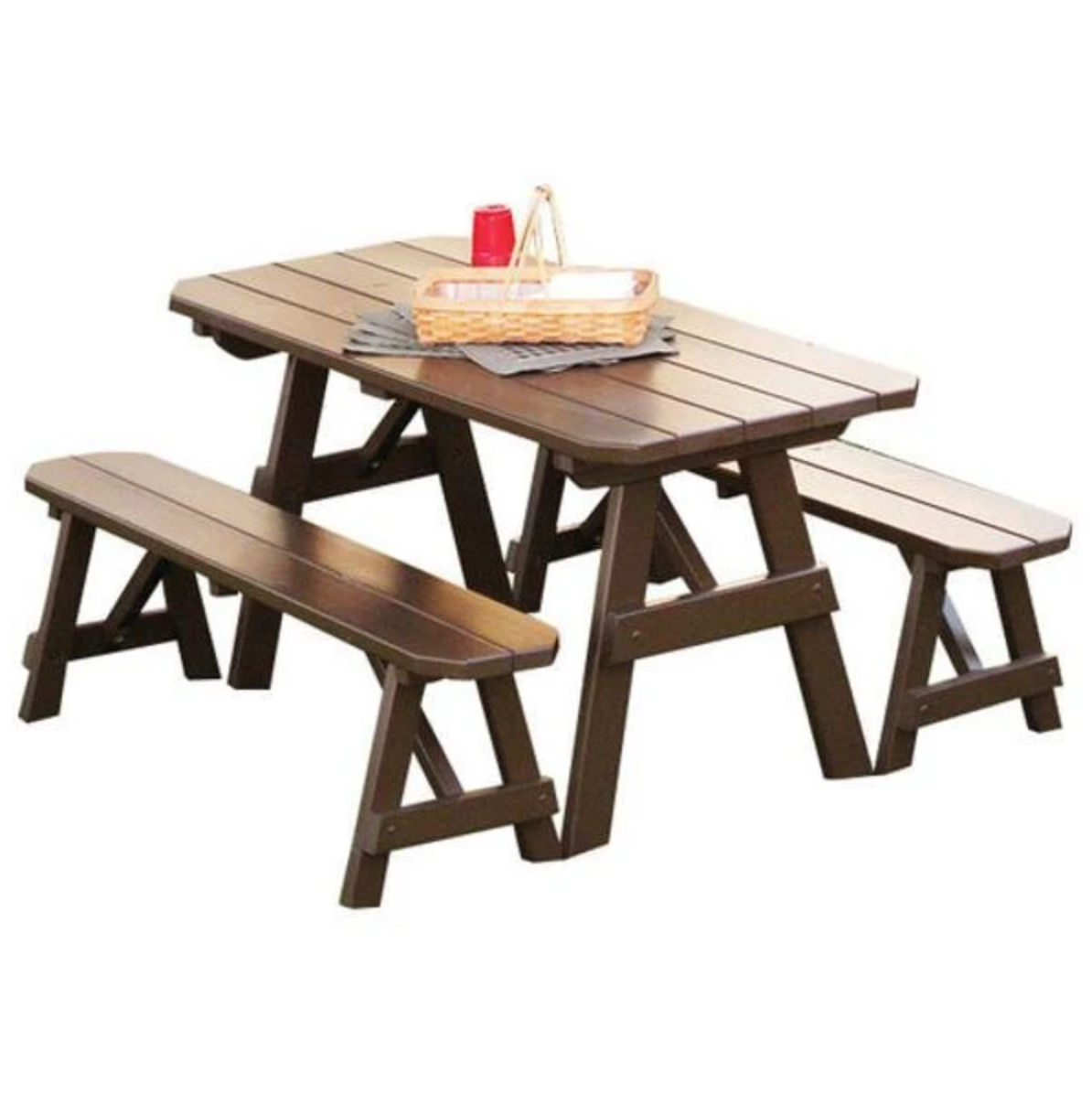
When setting up a patio dining space, position medium-height planters beside and near the table. These plant arrangements help define the dining area, add greenery to the setting, and retain open views for conversation between furniture pieces.
Consider these proven approaches:
Corner plantings: Large statement plants in corners anchor the dining space
Linear borders: Low planters along deck edges define the dining zone
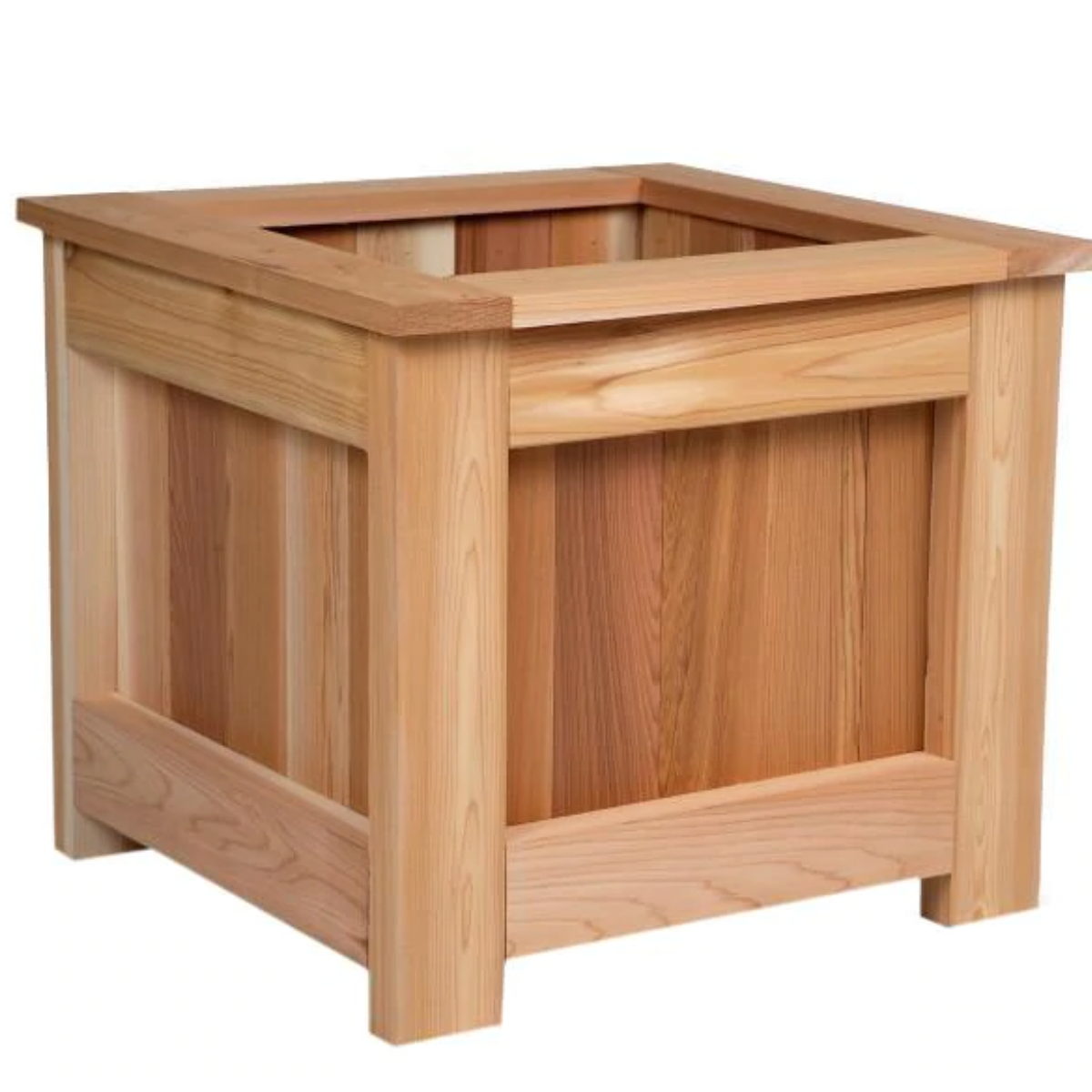
Centerpiece integration: Built-in planters or large pots as natural table extensions
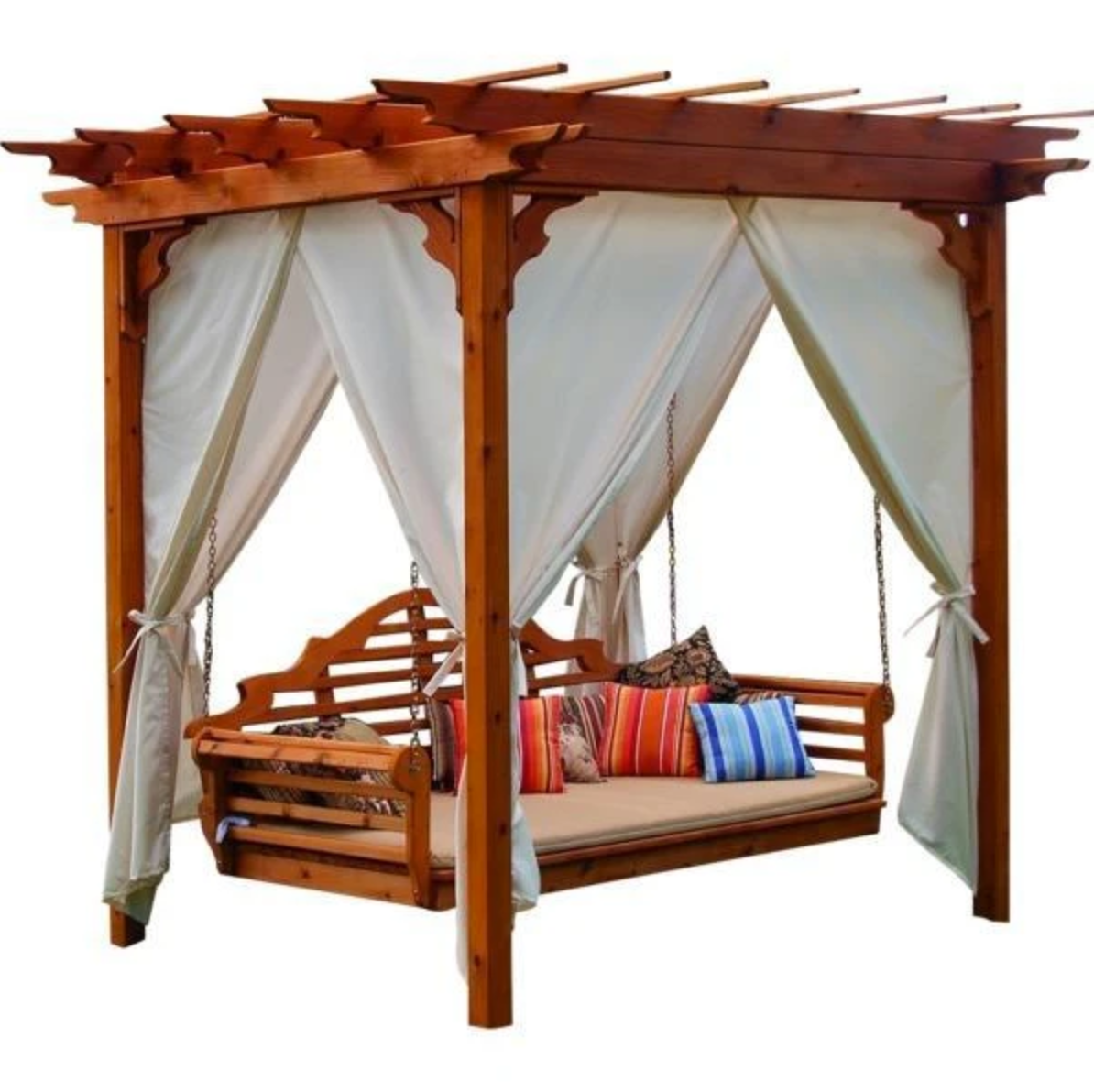
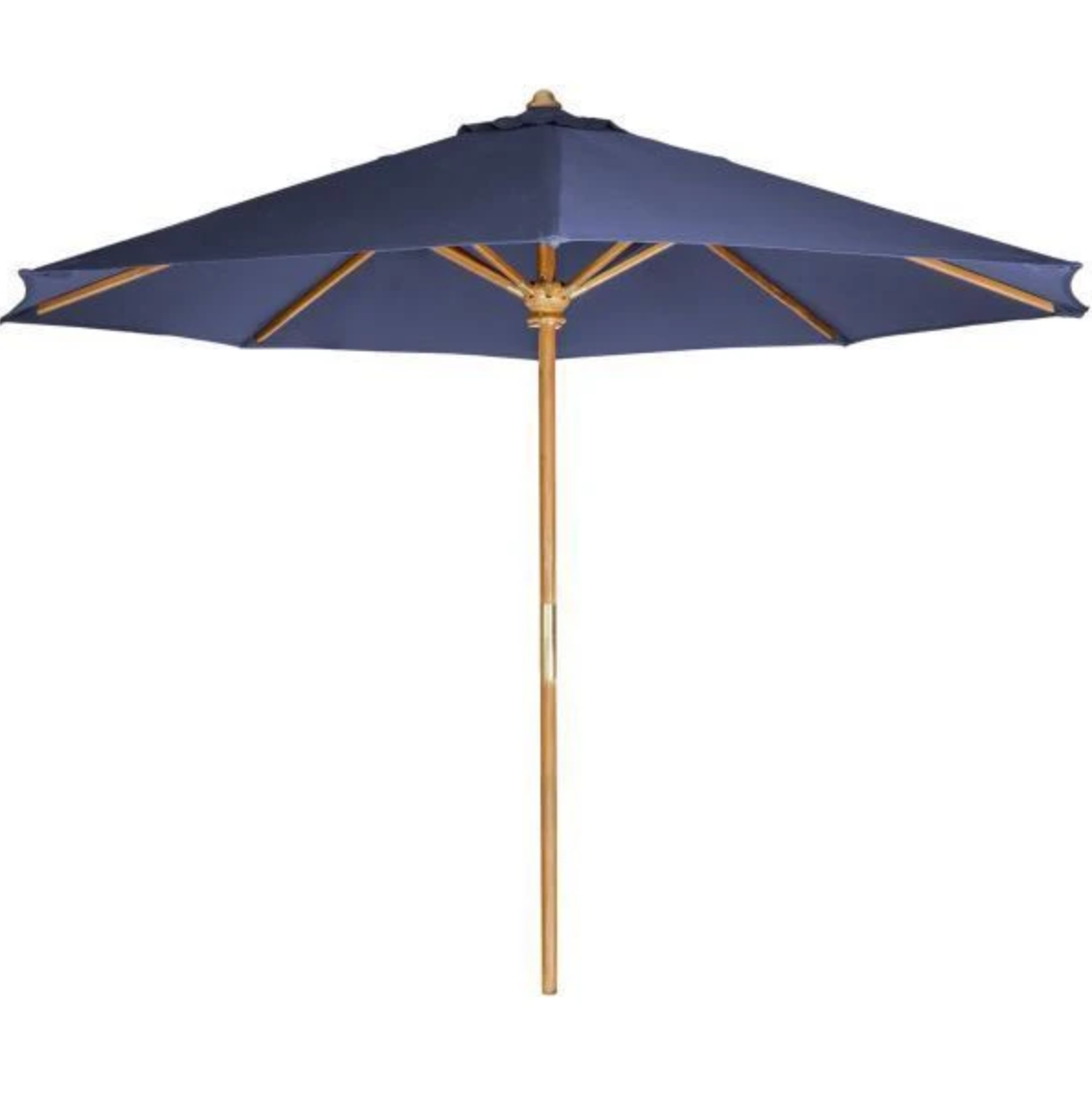
Overhead elements: Hanging plants from pergolas or umbrellas for vertical interest
Lounge and Conversation Areas
Relaxation zones benefit from layered plantings that create cocoon-like environments. Use plants of varying heights to create visual depth and natural sound barriers. include:
Background screening: Tall plants (5-8 feet) behind seating for privacy
Side table alternatives: Large, flat-topped planters doubling as surfaces
Ground-level interest: Low, spreading plants around furniture bases
Aromatic plantings: Herbs and fragrant flowers near seating for sensory enhancement
Poolside and Water Feature Areas
Choose tropical or semi-tropical plants beside poolside lounge chairs or tables to complement both the furniture and aquatic features. Select plants for high humidity zones and position them to provide visual flow and function around pool furniture.
Key considerations:
Splash-tolerant species: Plants that handle occasional water exposure
Slip-resistant arrangements: Avoid trailing plants near walking areas
Chlorine resistance: Species that tolerate pool chemical drift
Quick-drying foliage: Plants that don't retain moisture excessively
Choosing the Right Plants for Different Furniture Materials
Teak and Natural Wood Furniture
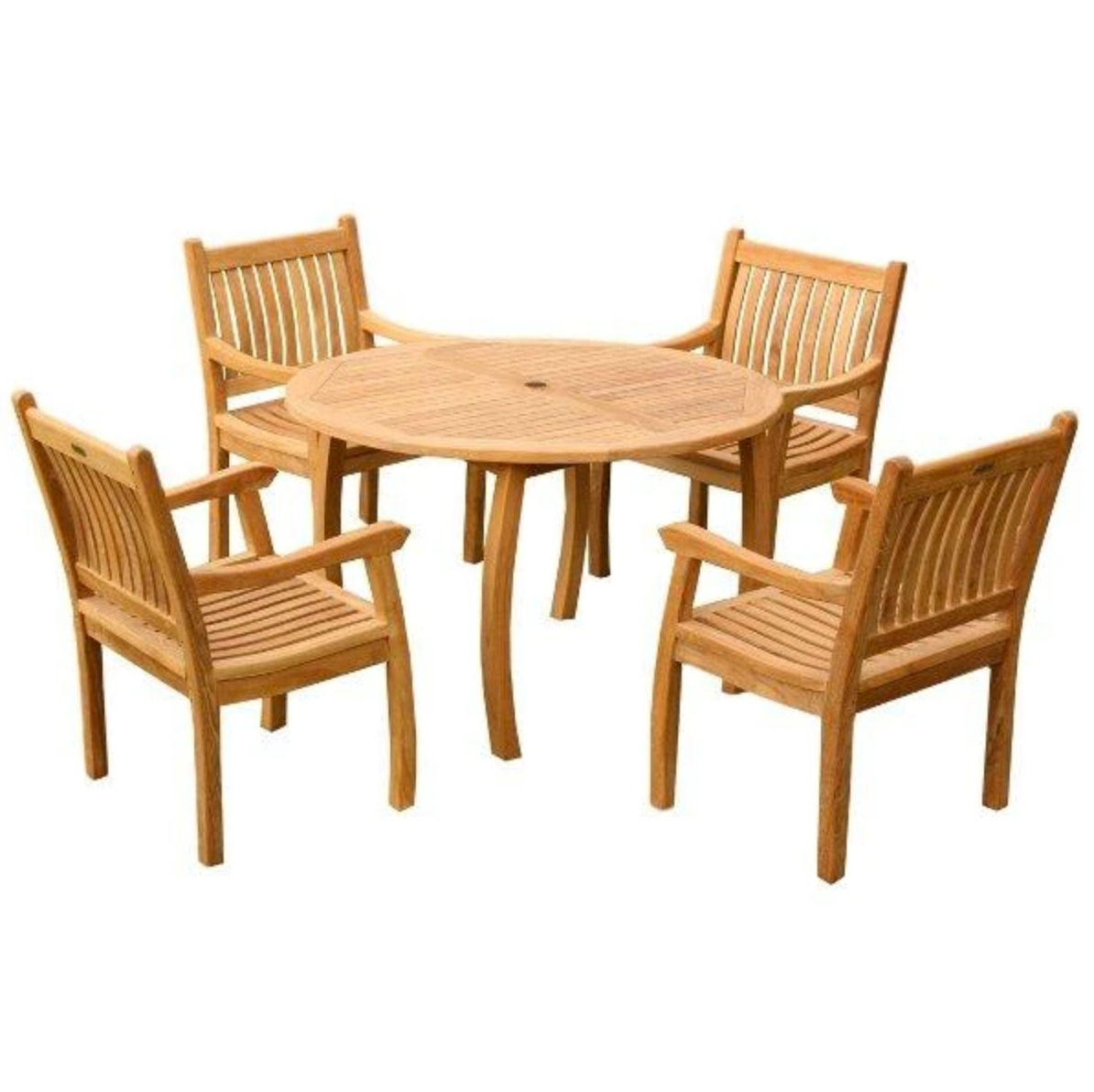
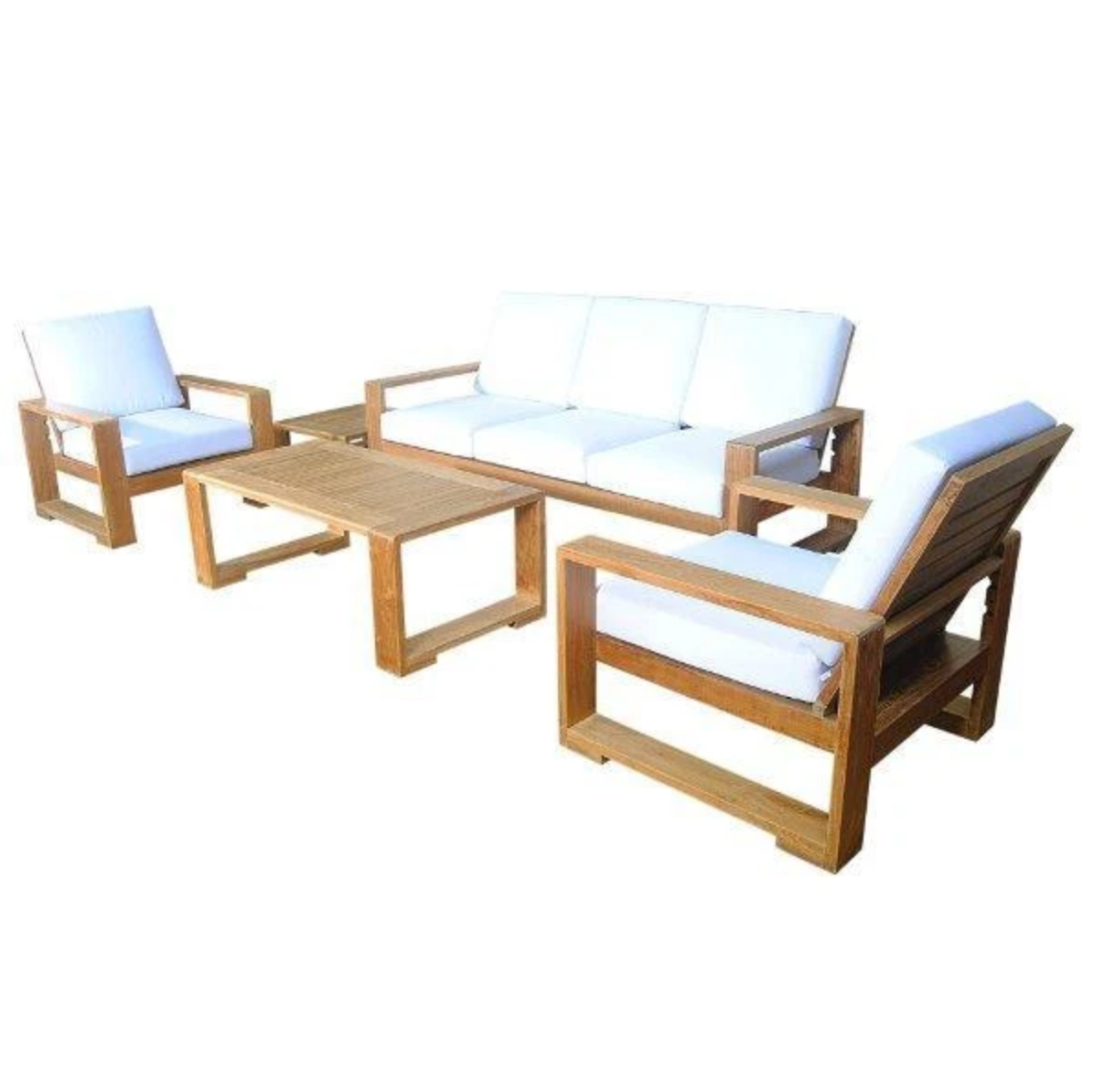
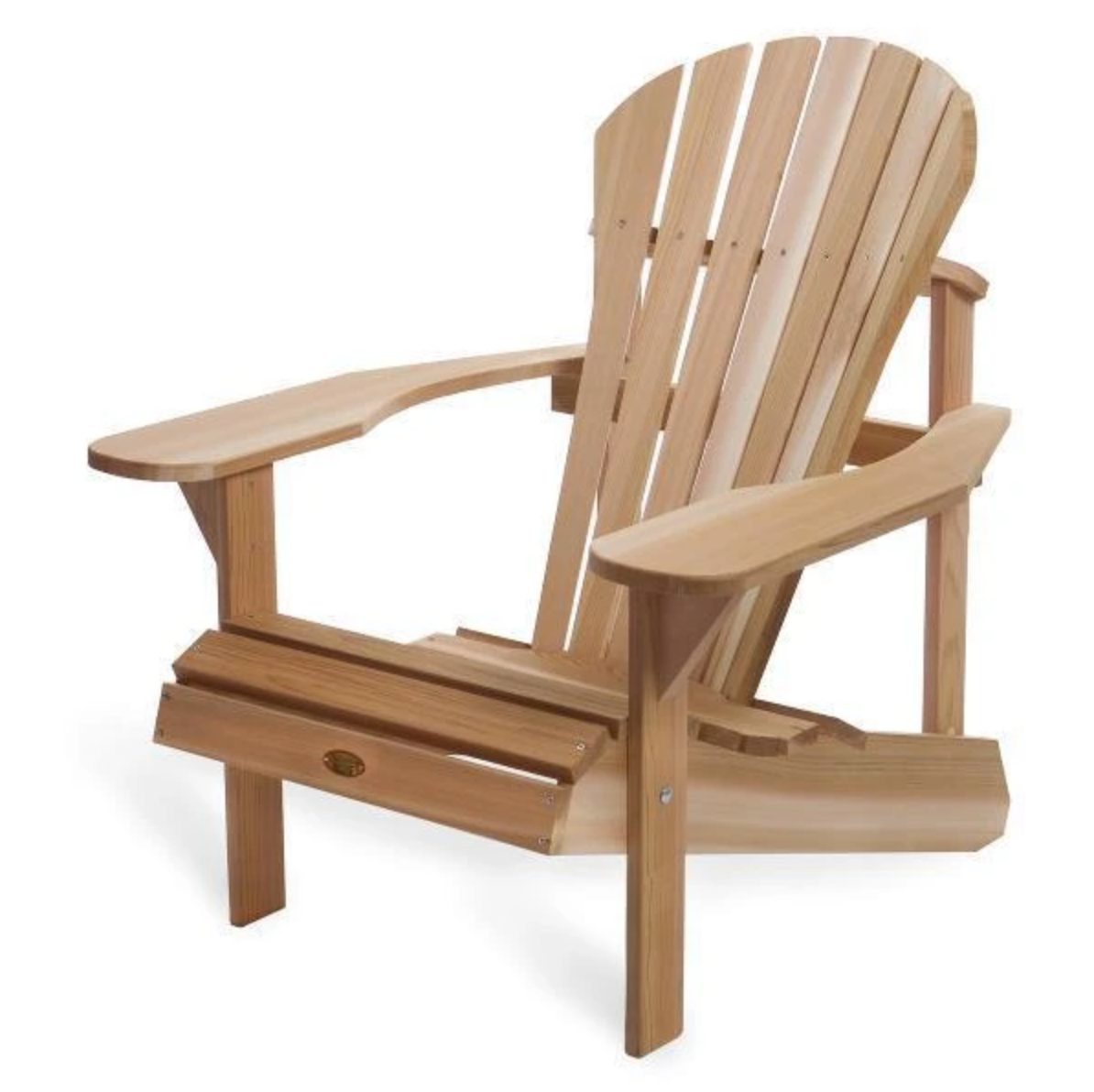
Pair natural wood furniture, such as teak chairs or benches, with earth-toned containers and textured plants placed nearby. The warm hues and plant textures enhance the furniture's natural look and feel.
Complementary plant types:
Ornamental grasses for textural contrast
Flowering shrubs in warm colors (oranges, reds, yellows)
Broad-leafed tropical plants for bold contrast
Native species that reflect local growing conditions
Metal and Contemporary Furniture
To accentuate modern metal furniture, choose structured plantings, such as geometric succulents or topiaries. Place these plants next to or behind contemporary pieces to echo and highlight the furniture's clean lines.
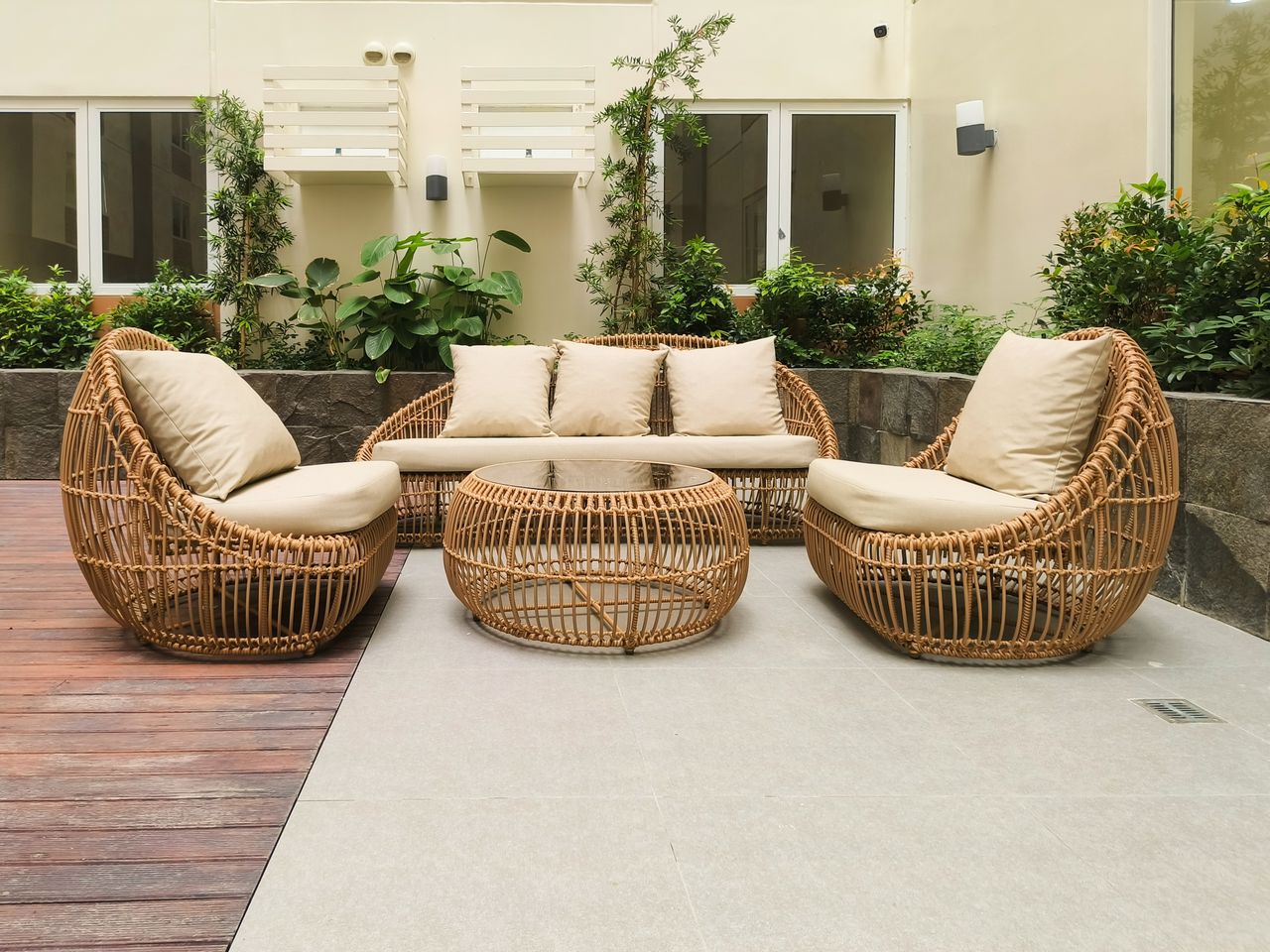
Wicker furniture allows for cottage garden or casual plant schemes. Natural fibers blend with informal plant arrangements.
Ideal plant combinations:
Cottage garden perennials and annuals
Climbing vines for vertical integration
Mixed herb gardens for functionality and fragrance
Wildflower meadow-style plantings for natural appeal
Container Gardening Solutions for Furniture Areas
Mobility and Flexibility
Container gardening lets you move potted plants around furniture to maximize shade, define areas, or boost privacy. Place planters around and between furniture pieces to enhance each seating or dining zone.
Practical container strategies:
Wheeled planters: Large containers with casters for easy repositioning
Modular systems: Uniform containers that can be grouped or separated
Seasonal rotation: Different plants for spring, summer, and fall displays
Storage solutions: Containers that double as storage for cushions or accessories
Size and Scale Considerations
The right container size keeps plants healthy and matches furniture. Oversized planters overwhelm seating; small ones may look insignificant.s:
Dining areas: 18-24 inch diameter containers for most applications
Lounge spaces: 24-36 inch containers for statement plants
Accent locations: 12-18 inch containers for detail work
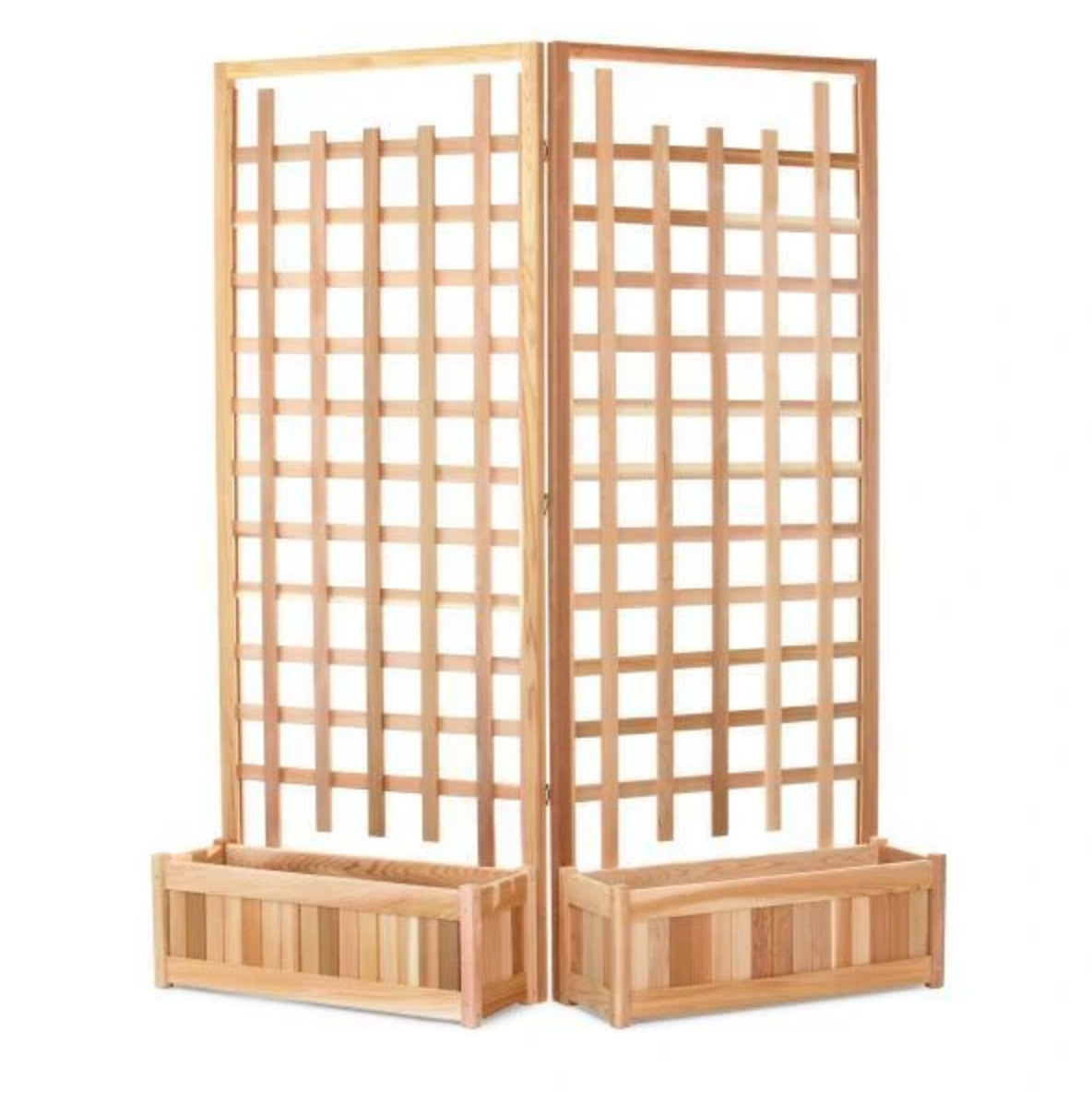
Privacy screens: Long, rectangular planters (36+ inches) for linear arrangements
Seasonal Considerations and Year-Round Appeal
Creating Four-Season Interest
When pairing patio furniture with plants for year-round interest, place evergreens or perennial containers near staple pieces. Their seasonal changes provide visual cohesion and ongoing appeal for furniture seating areas.
Spring strategies:
Early bulbs in containers for immediate color
Flowering shrubs that bloom before leaves emerge
Cool-season annuals for extended spring display
Summer approaches:
Heat-tolerant perennials for consistent performance
Annual flowers for continuous bloom
Tropical plants for lush, resort-like appeal
Fall transitions:
Plants with notable autumn foliage color
Ornamental grasses for movement and texture
Late-blooming perennials for extended seasons
Winter considerations:
Evergreen plants for year-round structure
Plants with interesting bark or branch patterns
Winter-hardy containers that won't crack in freezing weather
Maintenance and Care Integration
Arrange plants so that watering, pruning, and cleaning around your furniture is straightforward. Keep enough space between plants and furniture for access, ensuring plants highlight furniture features without causing obstructions or mess.
Maintenance-friendly design principles:
Adequate spacing for equipment access
Drought-tolerant plant choices to reduce watering frequency
Self-supporting plants that don't require staking
Non-dropping species that won't create cleanup issues on furniture
Common Mistakes to Avoid
Overcrowding and Competition
Placing too many plants close to furniture creates cramped conditions that harm plant health and accessibility. Allow space for people and plants to grow. Small nursery plants can become large specimens that overwhelm furniture. Check mature plant size or choose compact varieties for containers.
Maintenance Needs
Avoid using high-maintenance plants with outdoor furniture. Pick plant varieties that fit your care preferences and schedule.
Poor Drainage Planning
Inadequate drainage in planted areas near furniture can create standing water, breeding grounds for pests, and potential damage to furniture. Ensure proper drainage in all planted containers and adjacent soil areas.
Professional Design Tips for Maximum Impact
Creating Focal Points
Use large architectural plants as focal points that draw attention and complement furniture. Place them where they enhance, not compete with, key pieces.
Layering for Depth
Successful outdoor spaces incorporate plants at multiple levels: ground covers, medium shrubs, and tall specimens. This layering creates visual depth, making spaces appear larger and more professionally designed.
Color Coordination
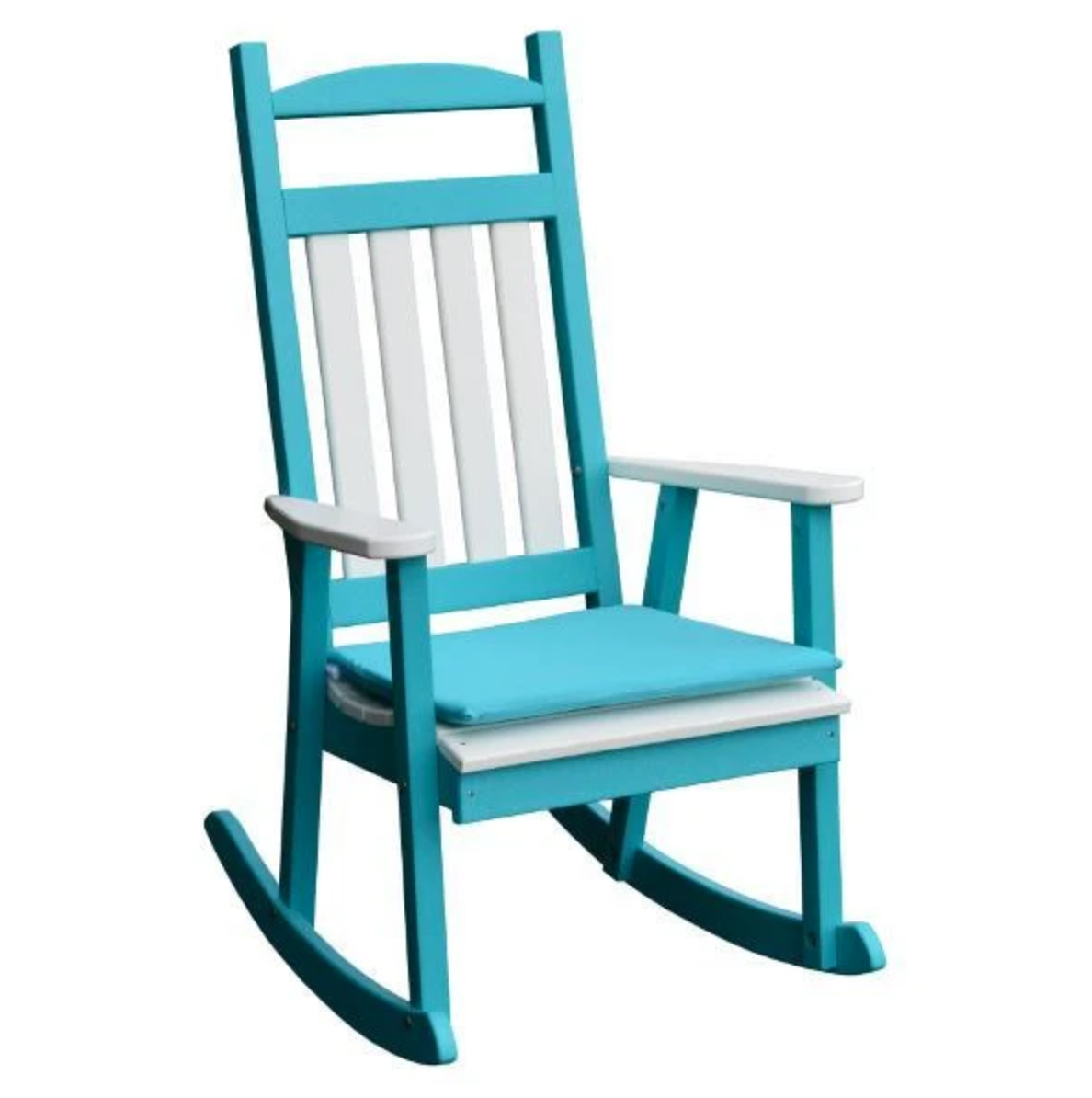
Match furniture colors with plant and container choices. Neutral furniture pairs well with bold plant colors; colorful furniture complements subdued palettes.
Lighting Integration
Plan for both natural and artificial lighting when positioning plants near furniture. Note the shadow directions and how the evening light highlights the plants and furniture.
Frequently Asked Questions
What plants work best in small patio spaces with limited furniture?
For small patios, choose compact, upright plants that won't spread beyond their containers. Ornamental grasses, dwarf shrubs, and vertical climbing plants trained on trellises maximize greenery without consuming valuable floor space
.
How do I protect my outdoor furniture from plant-related damage?
Maintain adequate spacing between plants and furniture, use saucers under containers to prevent water damage, and choose plants that don't drop sticky sap or excessive debris. Regular maintenance prevents overgrowth that might scratch or stain furniture surfaces.
Can I use the same plants year-round with outdoor furniture?
In temperate climates, combine evergreen plants for year-round structure with seasonal plants for changing interest. In colder zones, consider moving tender plants indoors for winter or replacing them with cold-hardy alternatives.
What's the best way to water plants near outdoor furniture?
Install drip irrigation systems for container plants to provide consistent moisture without splashing furniture. Alternatively, use self-watering containers or water early in the morning to allow surfaces to dry before peak furniture use times.
How do I prevent insects from being attracted to plants near seating areas?
Choose plants that naturally repel insects, such as herbs like lavender, rosemary, and mint. Avoid planting species that attract problematic insects, and maintain good garden hygiene by promptly removing spent blooms and debris.
Transform Your Outdoor Living Experience
Thoughtful integration of plants and greenery with outdoor furniture creates living spaces that evolve with the seasons, providing lasting comfort and beauty. By understanding the relationships between plant types, furniture materials, and spatial requirements, you can design outdoor areas that feel both sophisticated and naturally welcoming.
Whether you're starting with a blank slate or enhancing existing outdoor furniture arrangements, remember that a successful garden with furniture design develops over time.
Start with a foundational plan, implement it gradually, and adjust based on how you use your outdoor space. A collection of weather-resistant outdoor furniture designed to complement planted landscapes, and discover how the right furniture choices can enhance your garden's natural beauty while providing years of comfortable outdoor living.