Your Cart is Empty


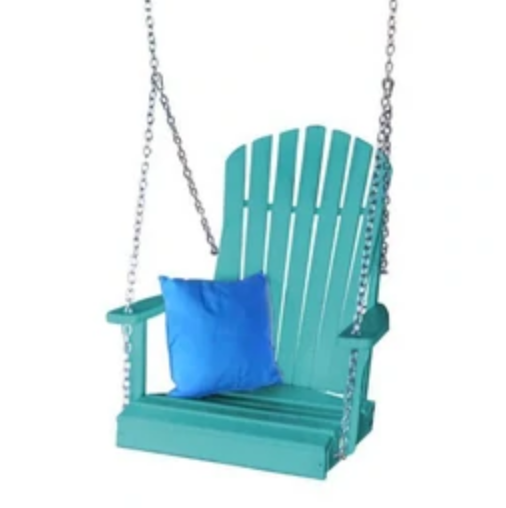

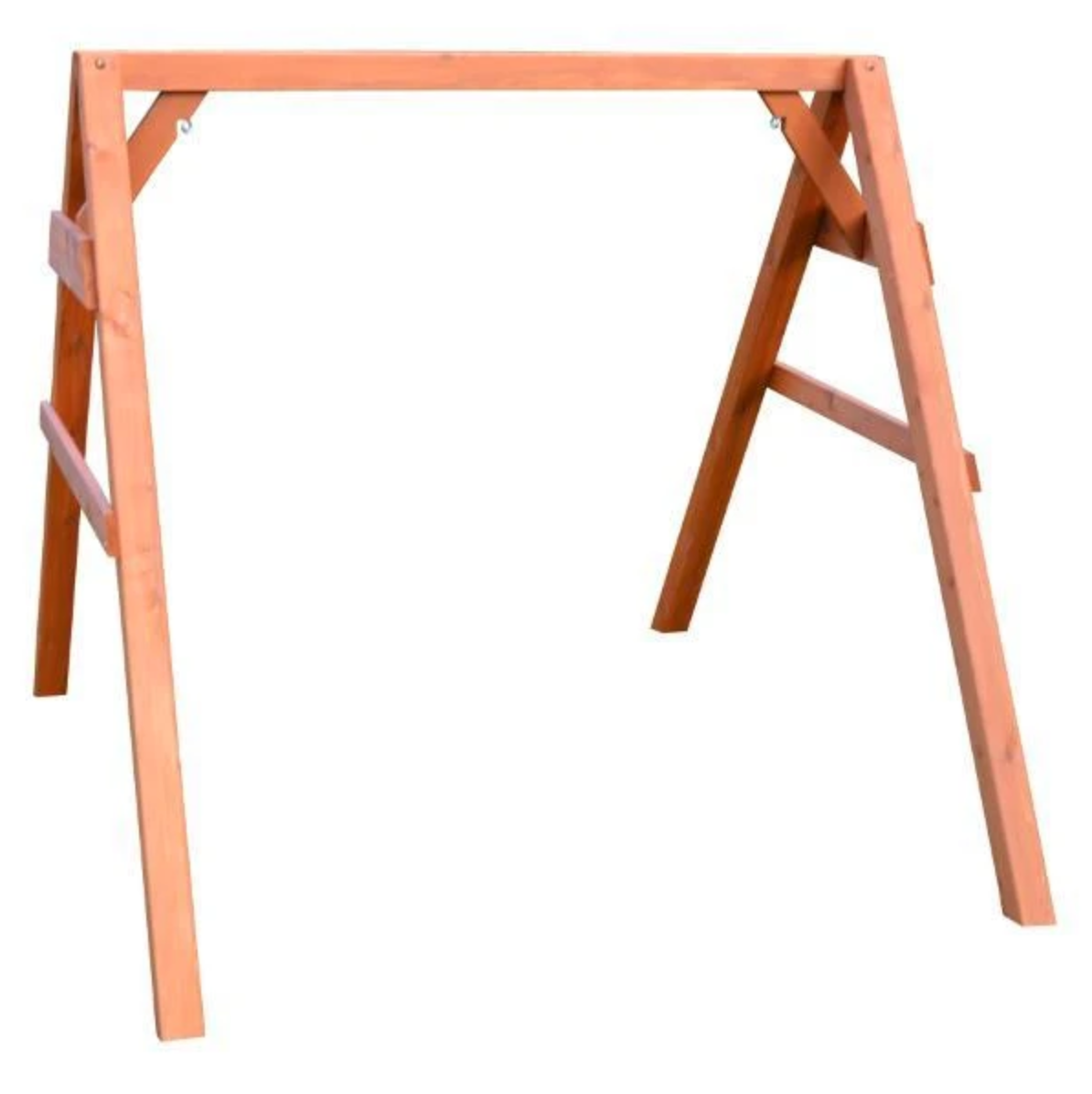

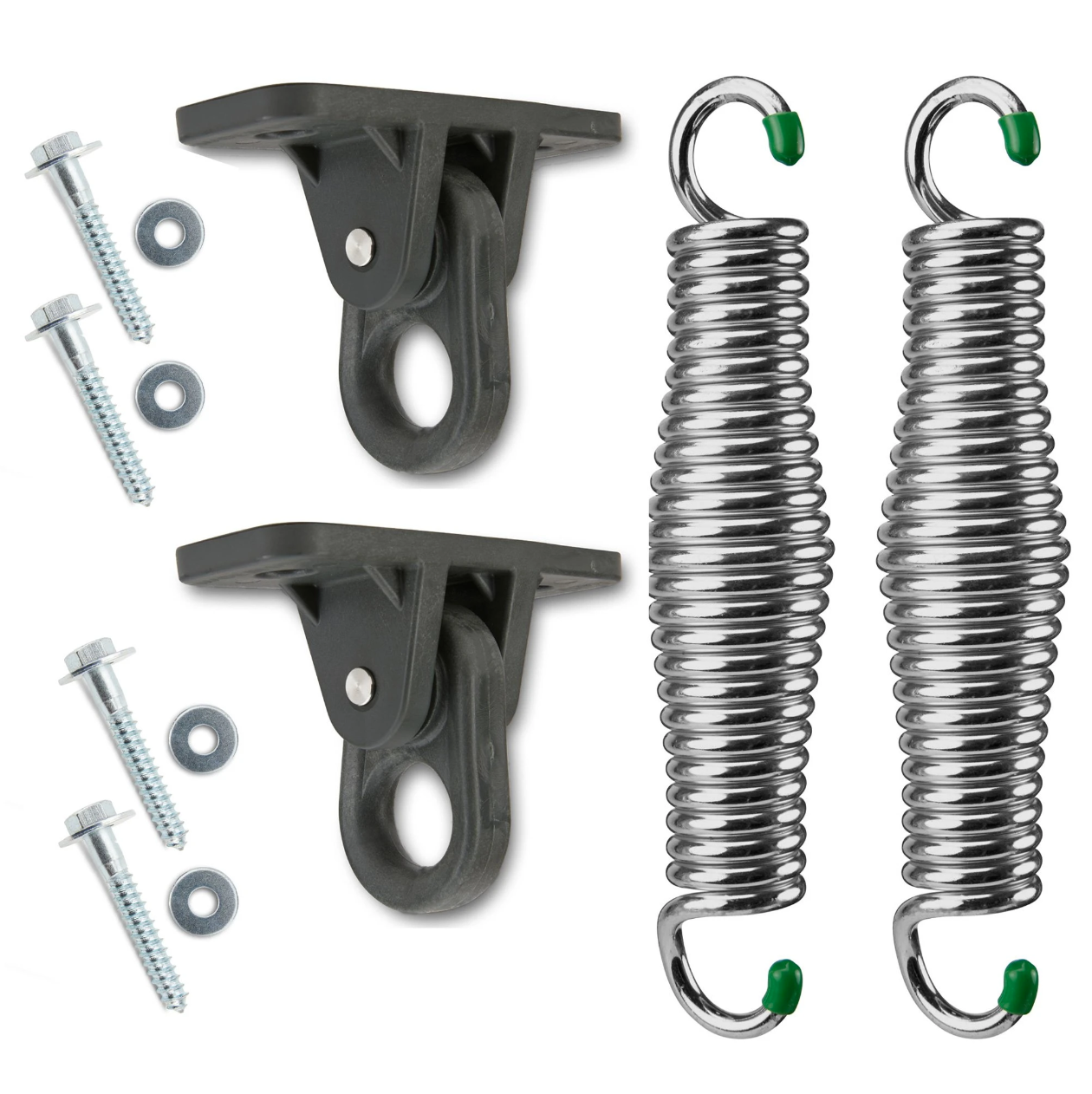

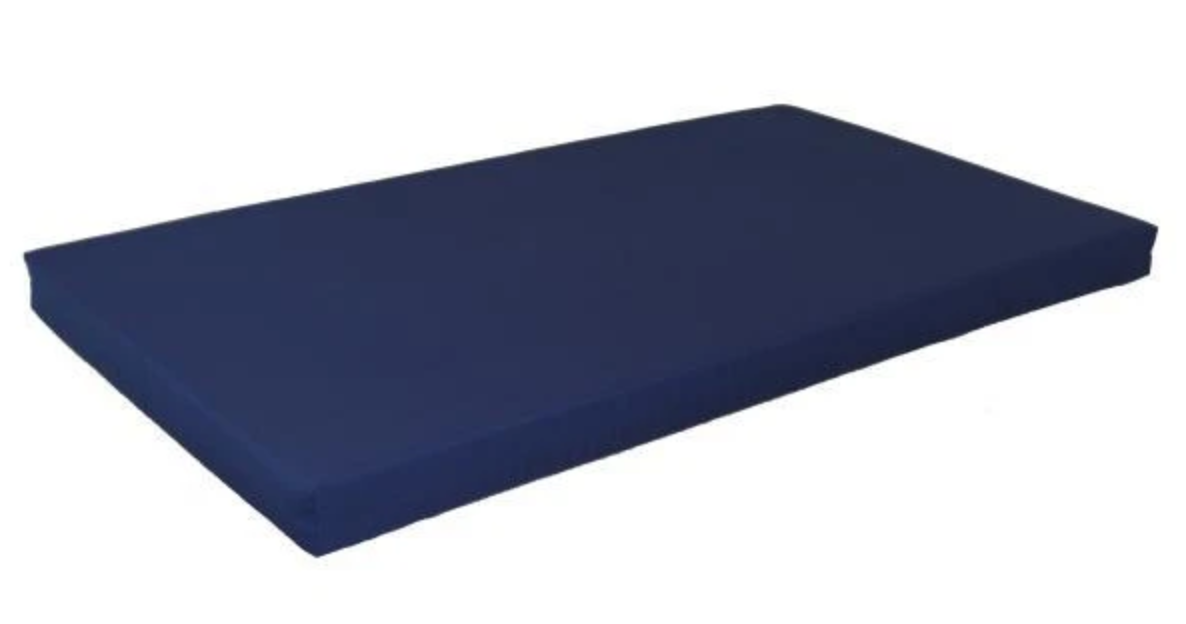

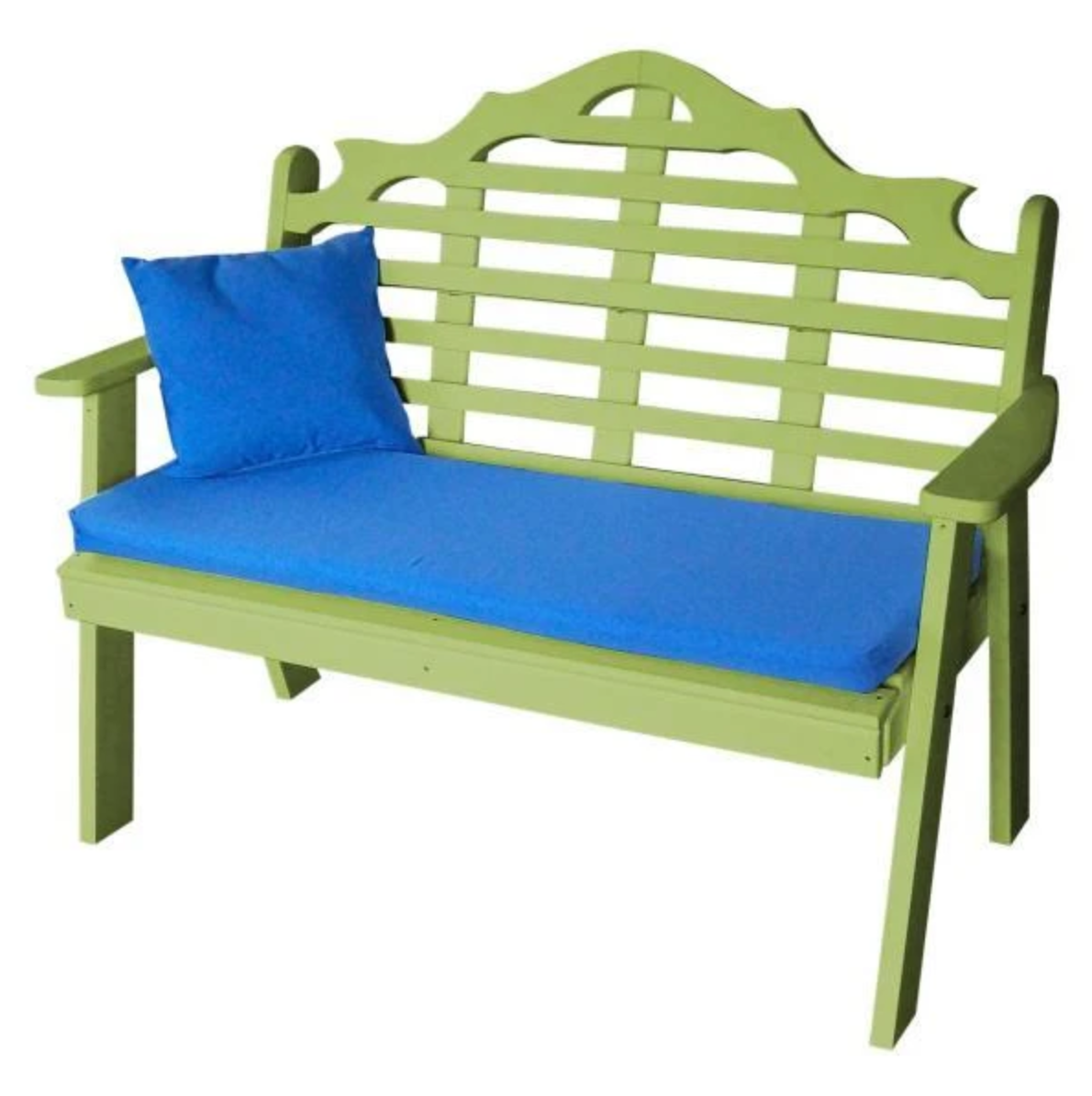

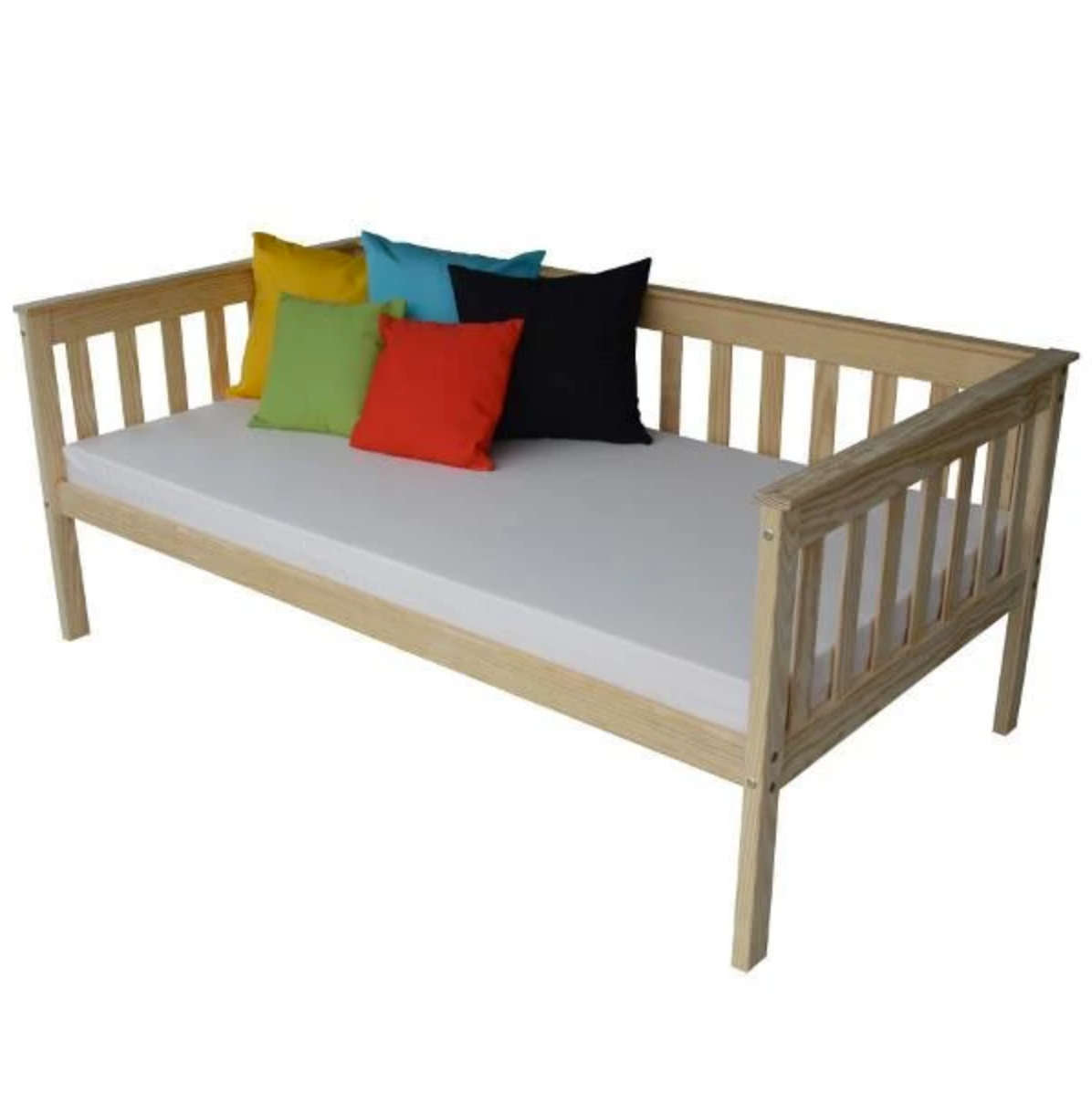

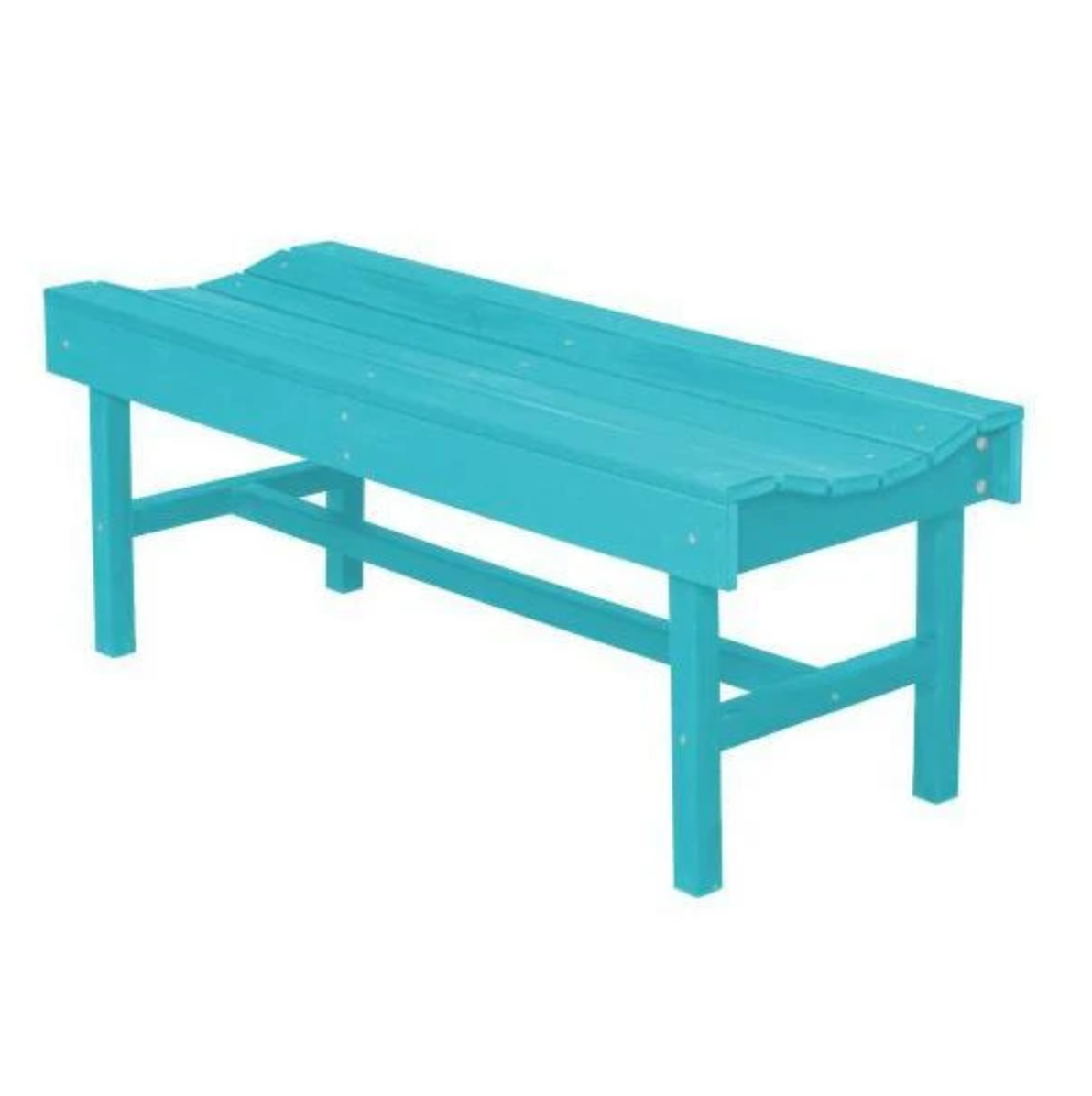

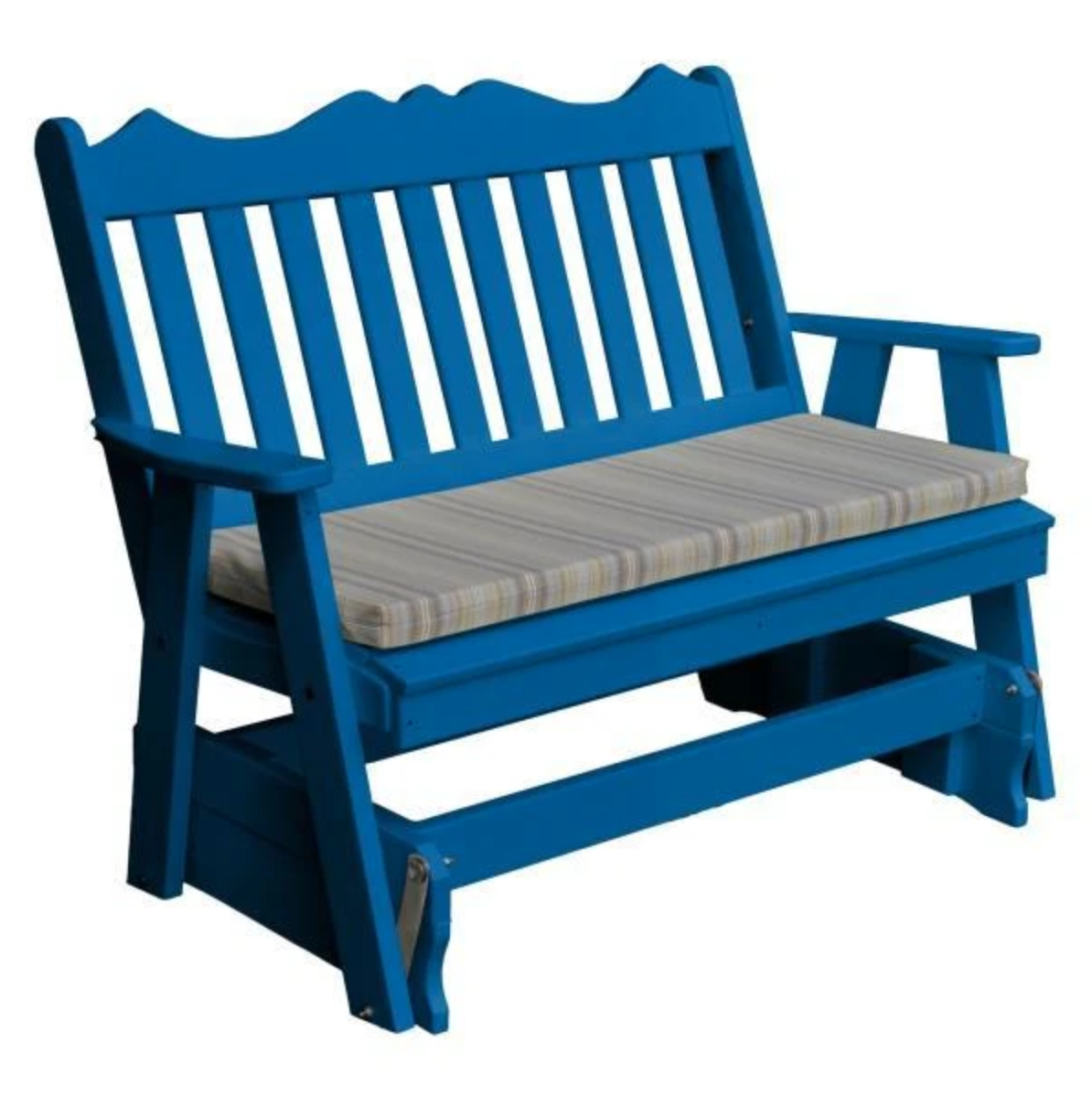

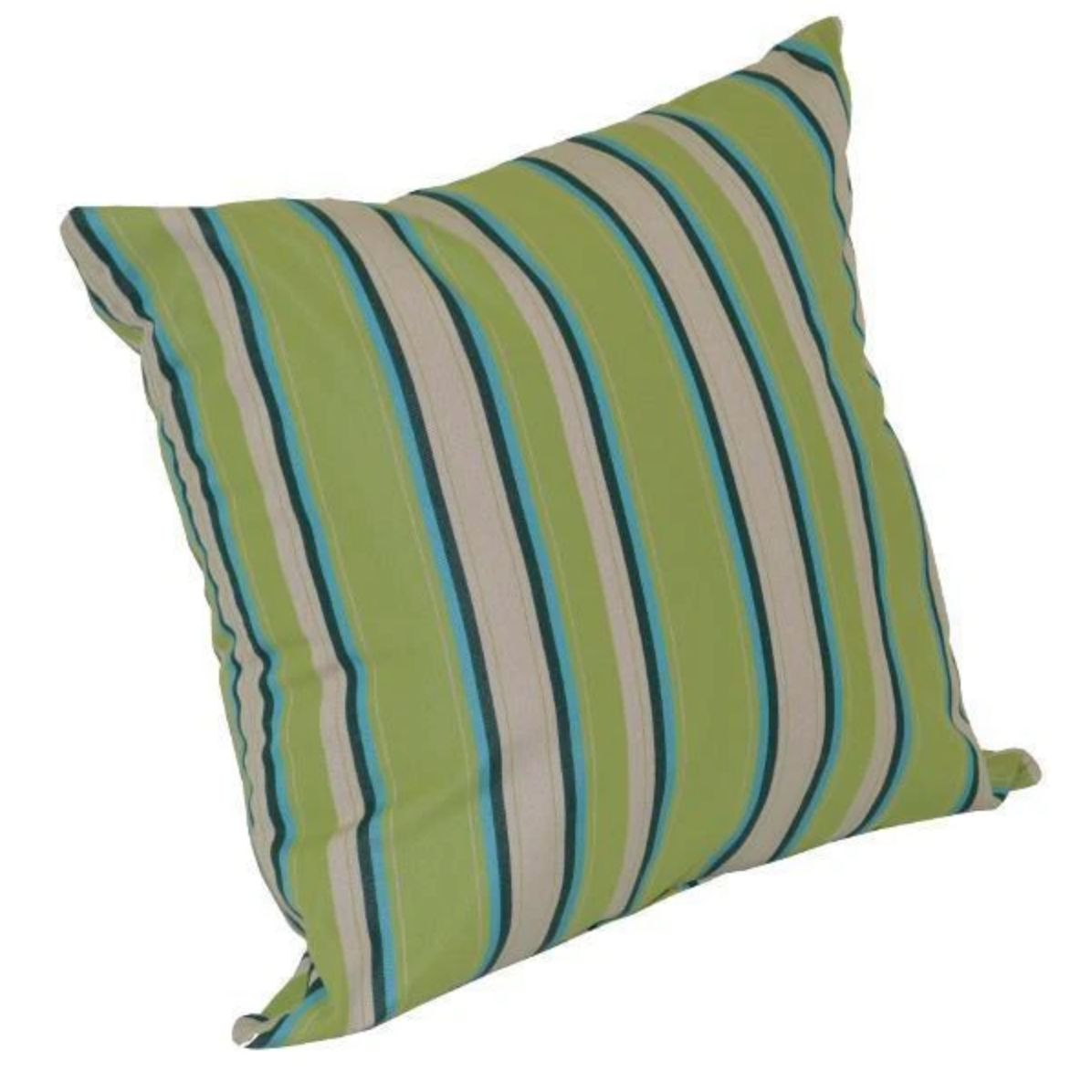

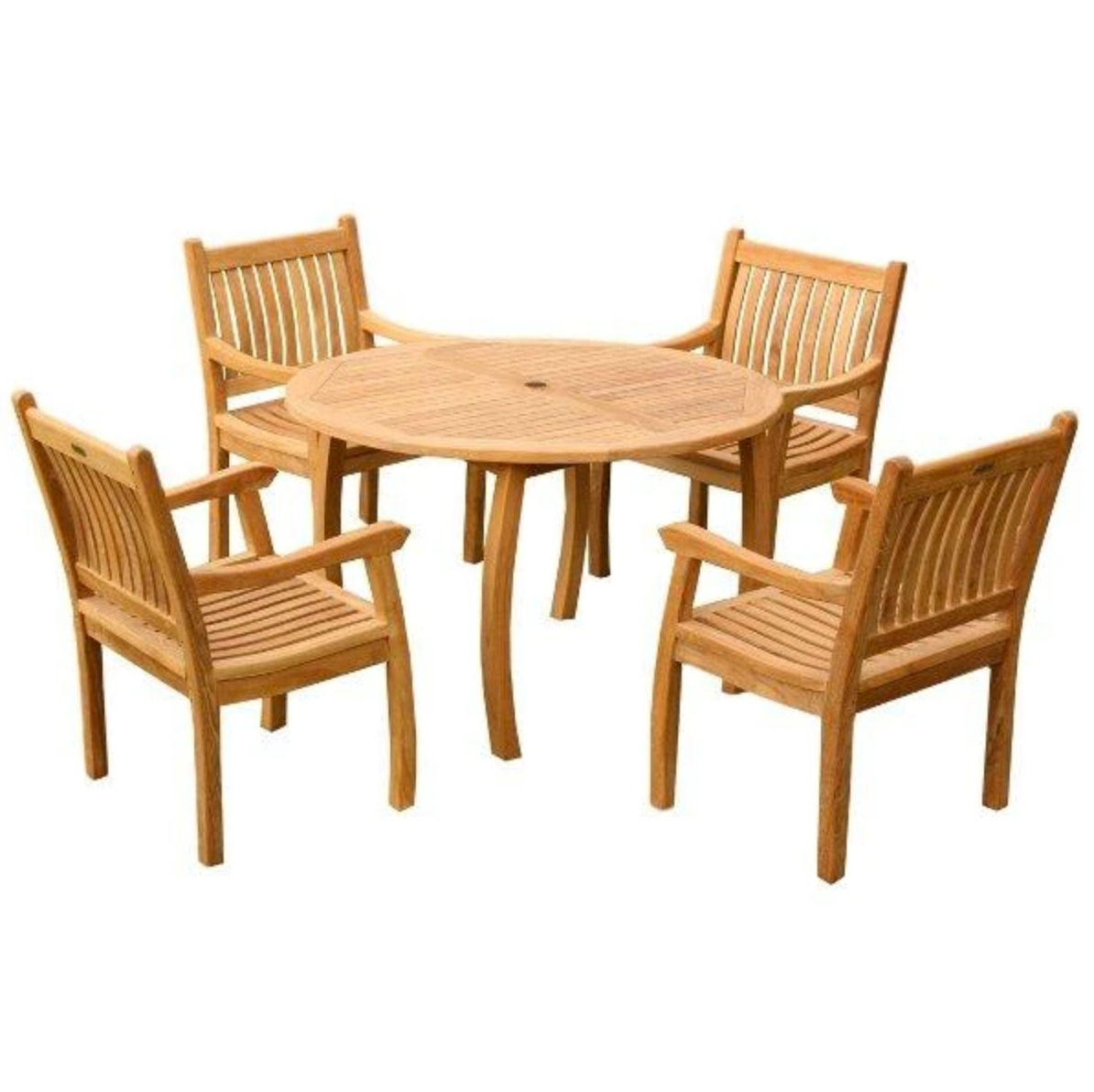

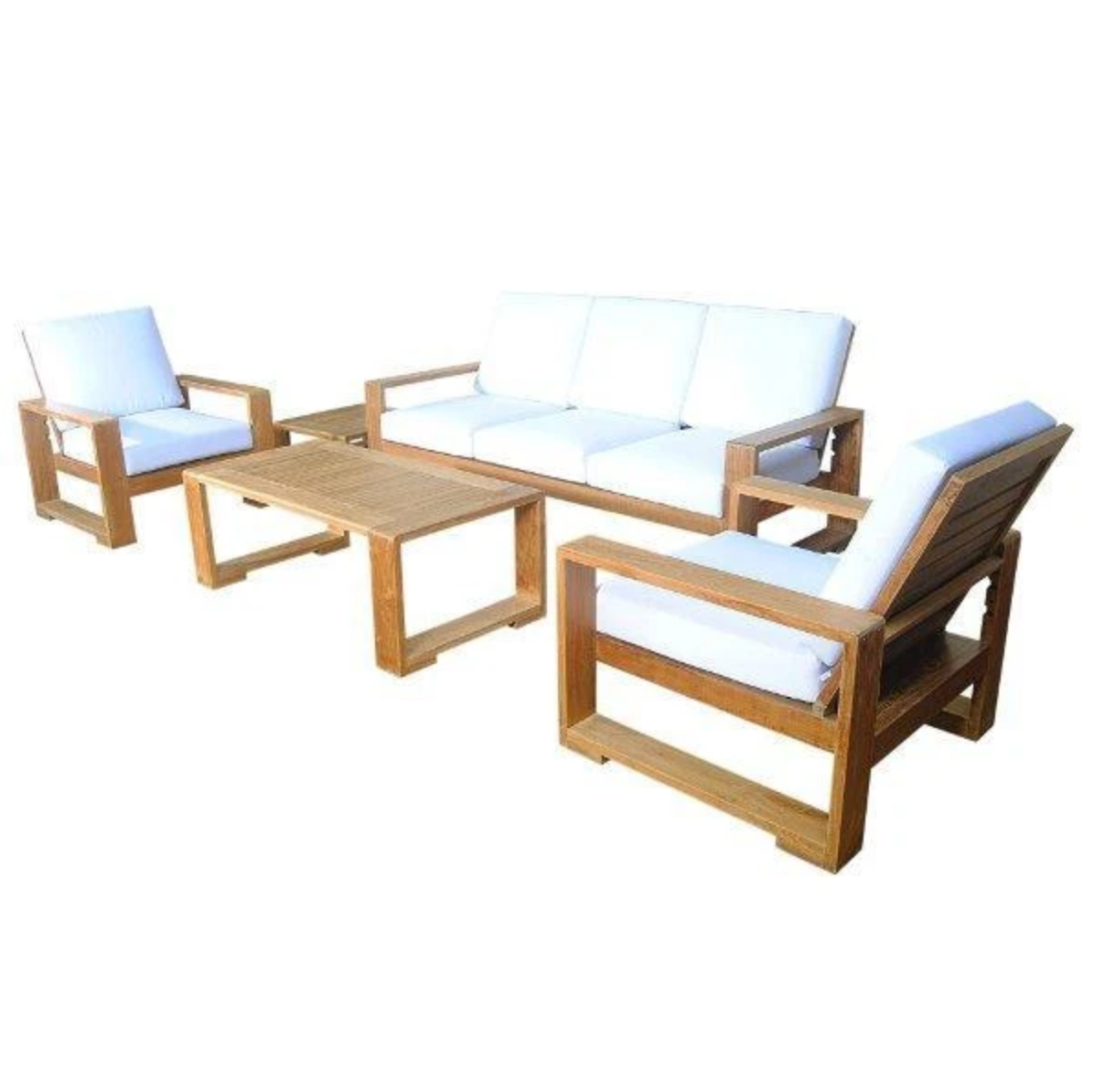

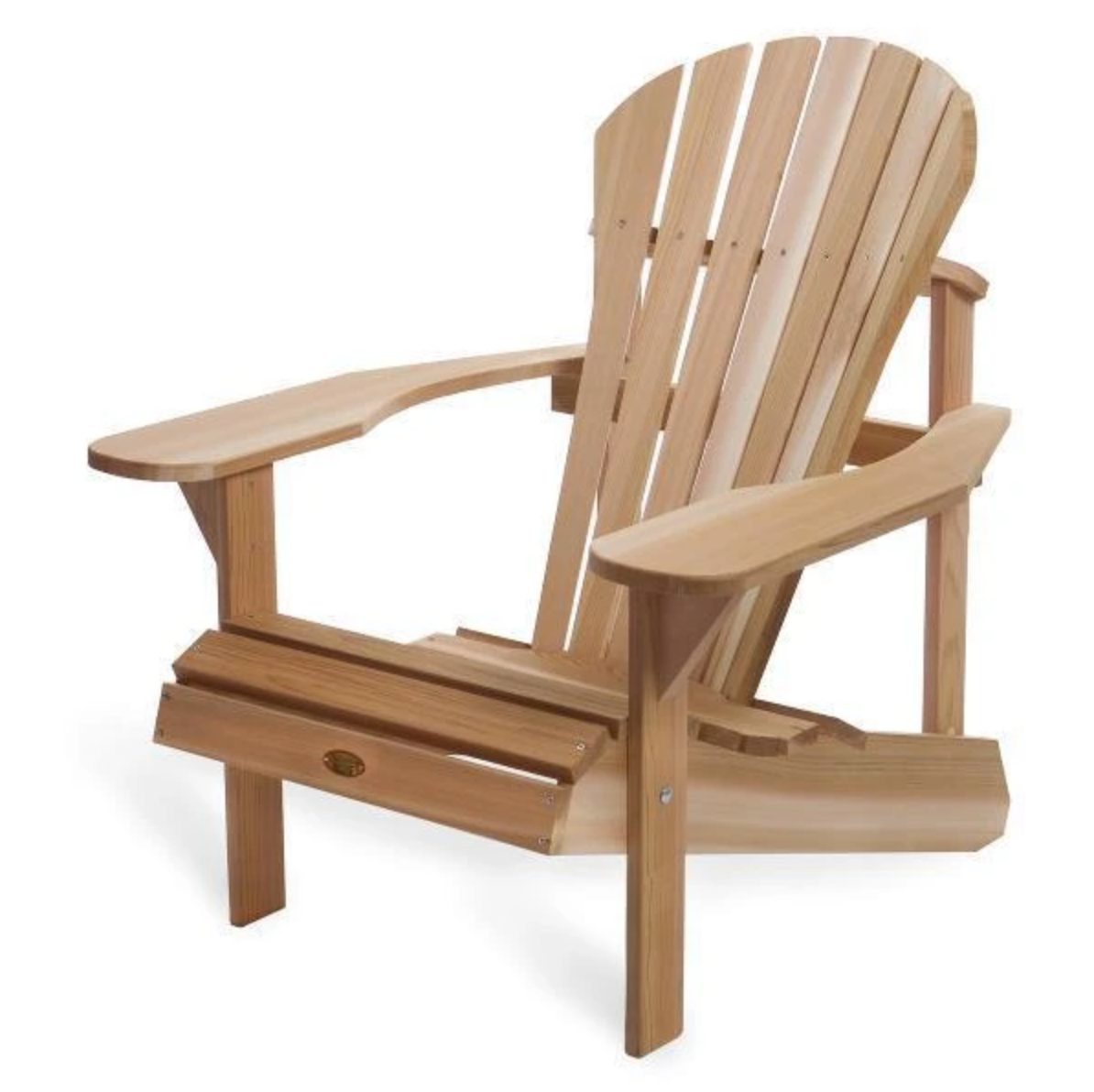





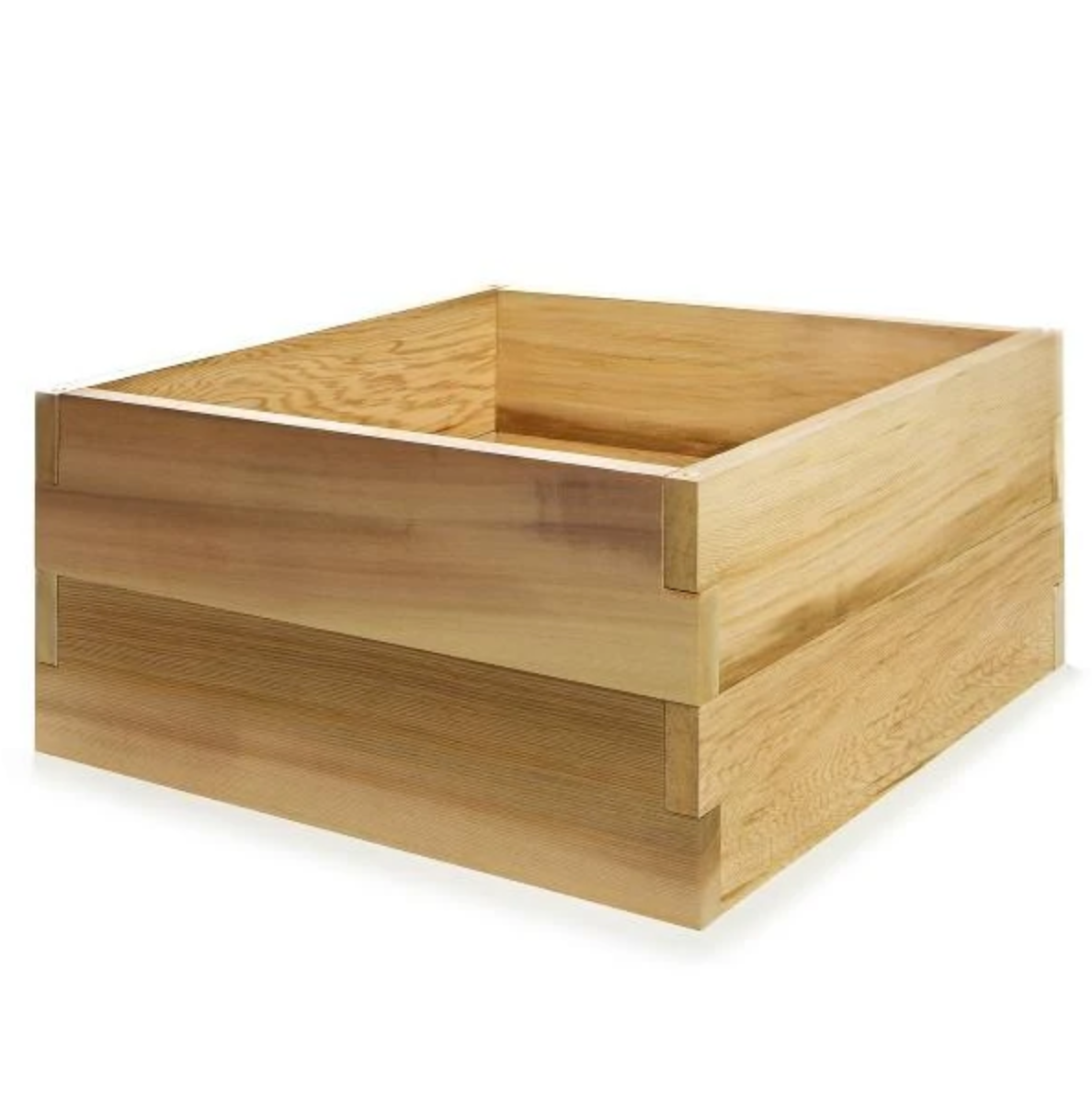

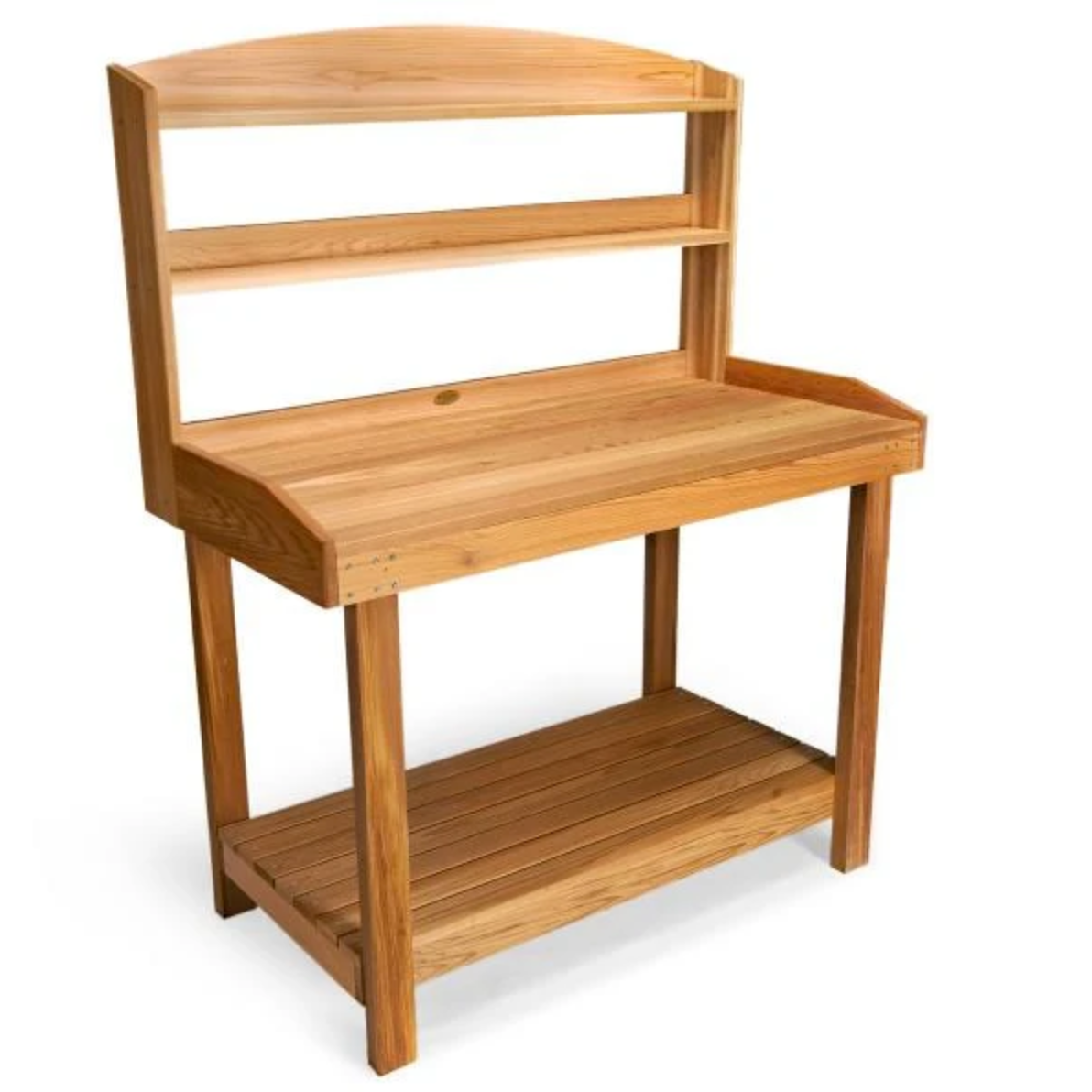

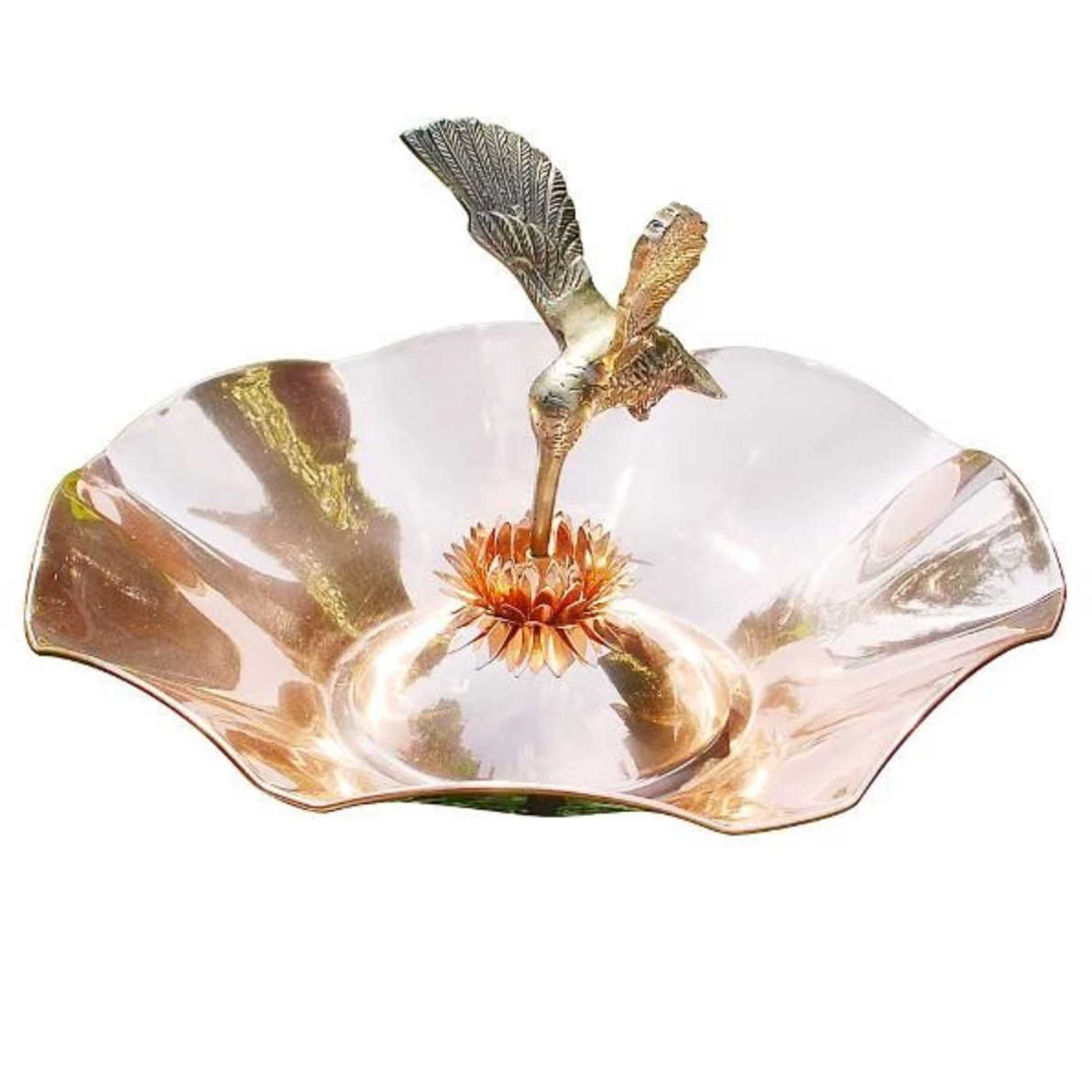



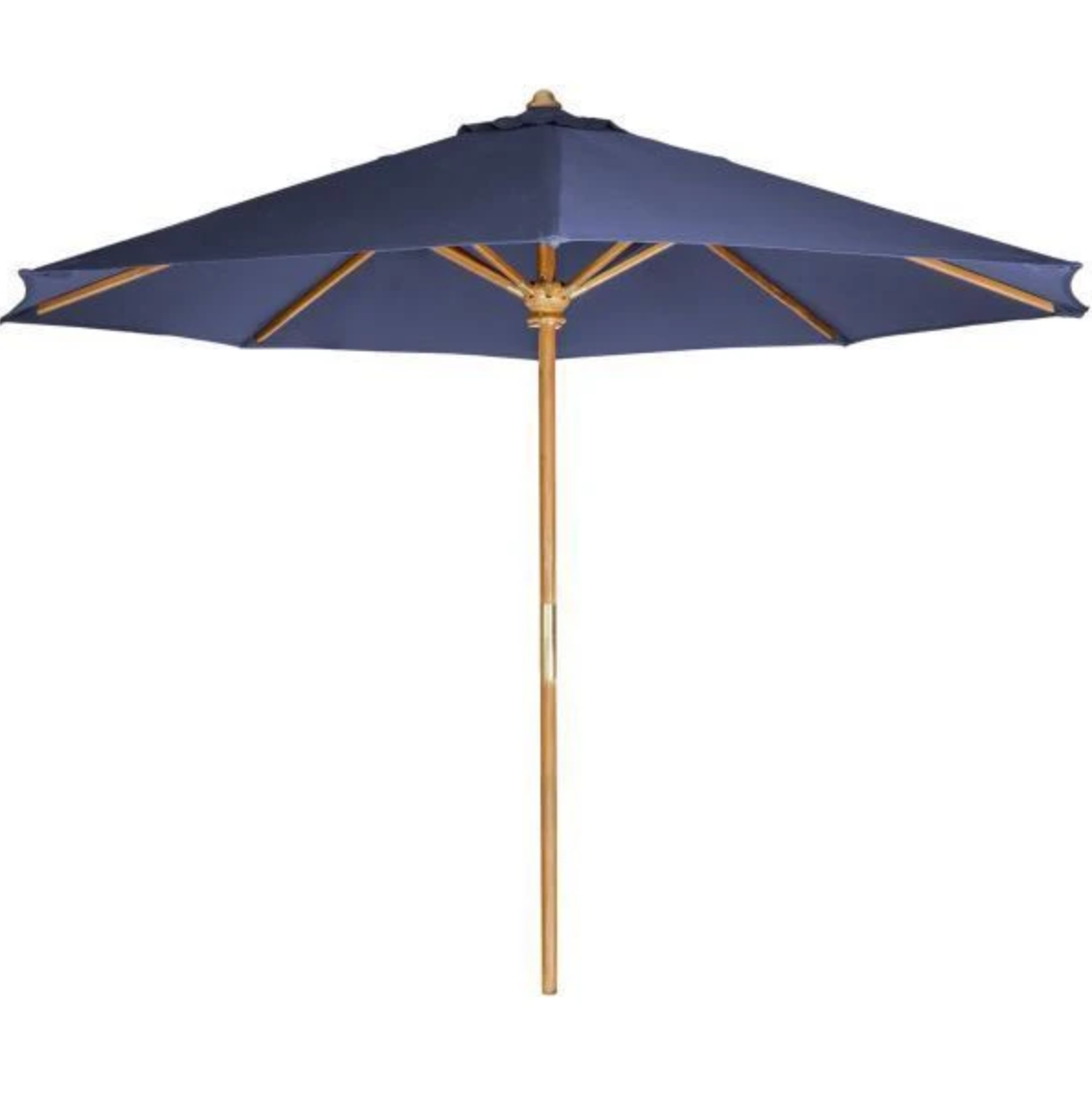






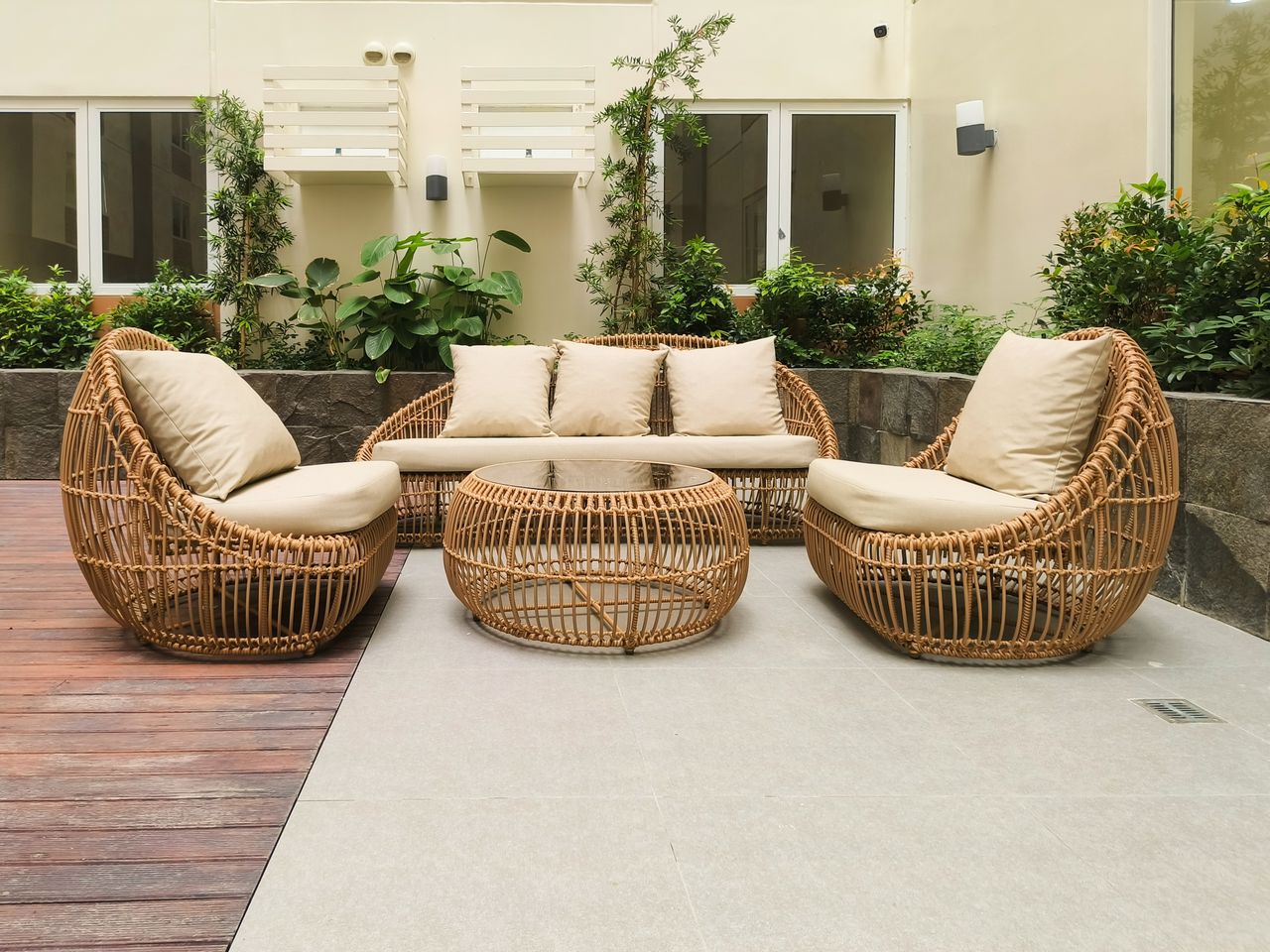
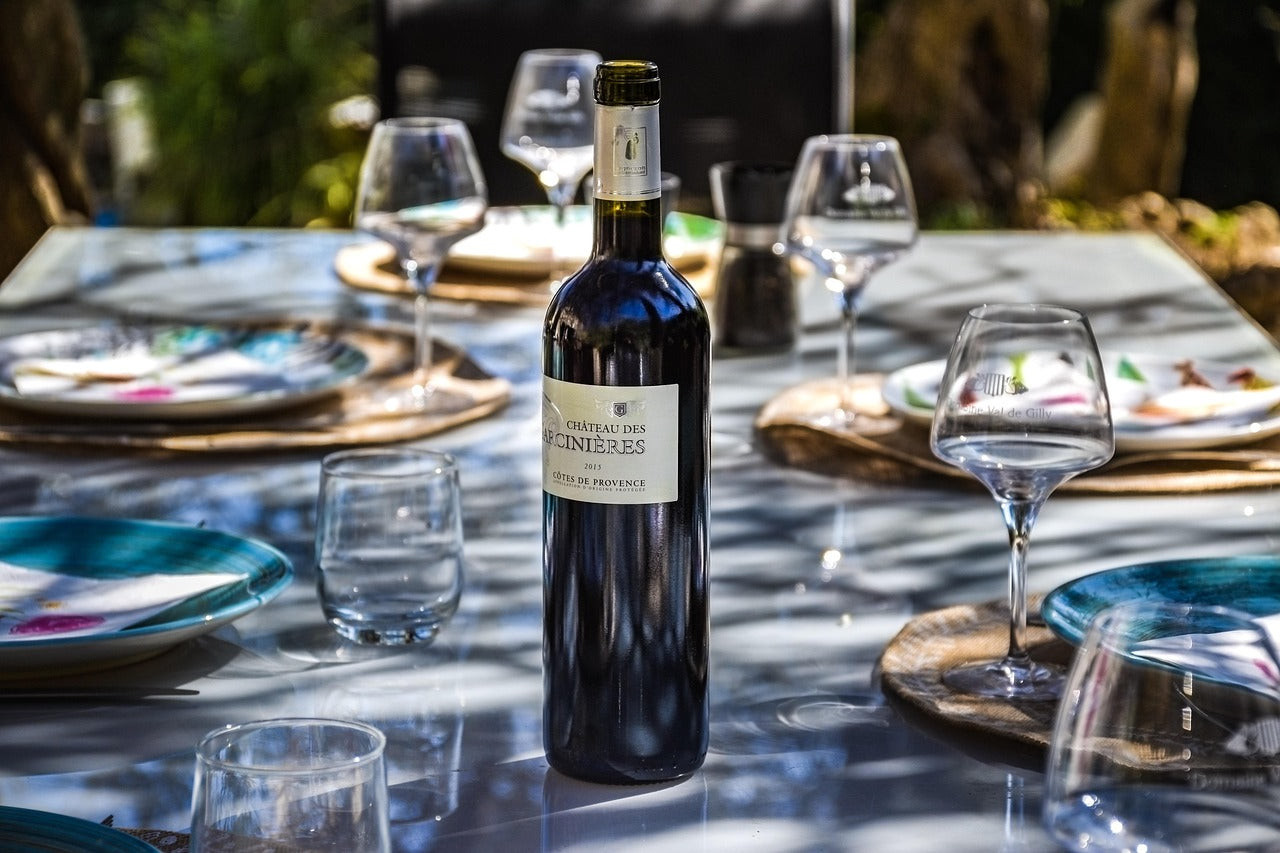
Designing outdoor space can be very rewarding. It expands your living space, improves curb appeal, and provides places to relax or entertain year-round. With some seasonal planning, your garden and patio will look good and work well in every season, and maintenance will be simpler. Here are practical tips for each season, along with year-round ideas, checklists, and small projects to help you enjoy your outdoor living space every month.
Designing outdoor space for spring renewal
Spring is the time to refresh, repair, and set the stage for a productive growing season. Start by doing a thorough cleanup: sweep patios, power-wash decks and stonework, remove fallen branches and leaf litter, and inspect hardscape for cracks or shifting pavers. Repairing small issues now prevents bigger problems after heavy rains.
Preparing your soil is one of the best things you can do. Test the soil pH if needed, add compost to your beds and containers, and refresh the mulch to retain moisture and prevent weeds. Early-blooming bulbs like tulips, daffodils, and crocuses, along with spring perennials, add quick color and signal renewal. Plant them in groups for the best effect.
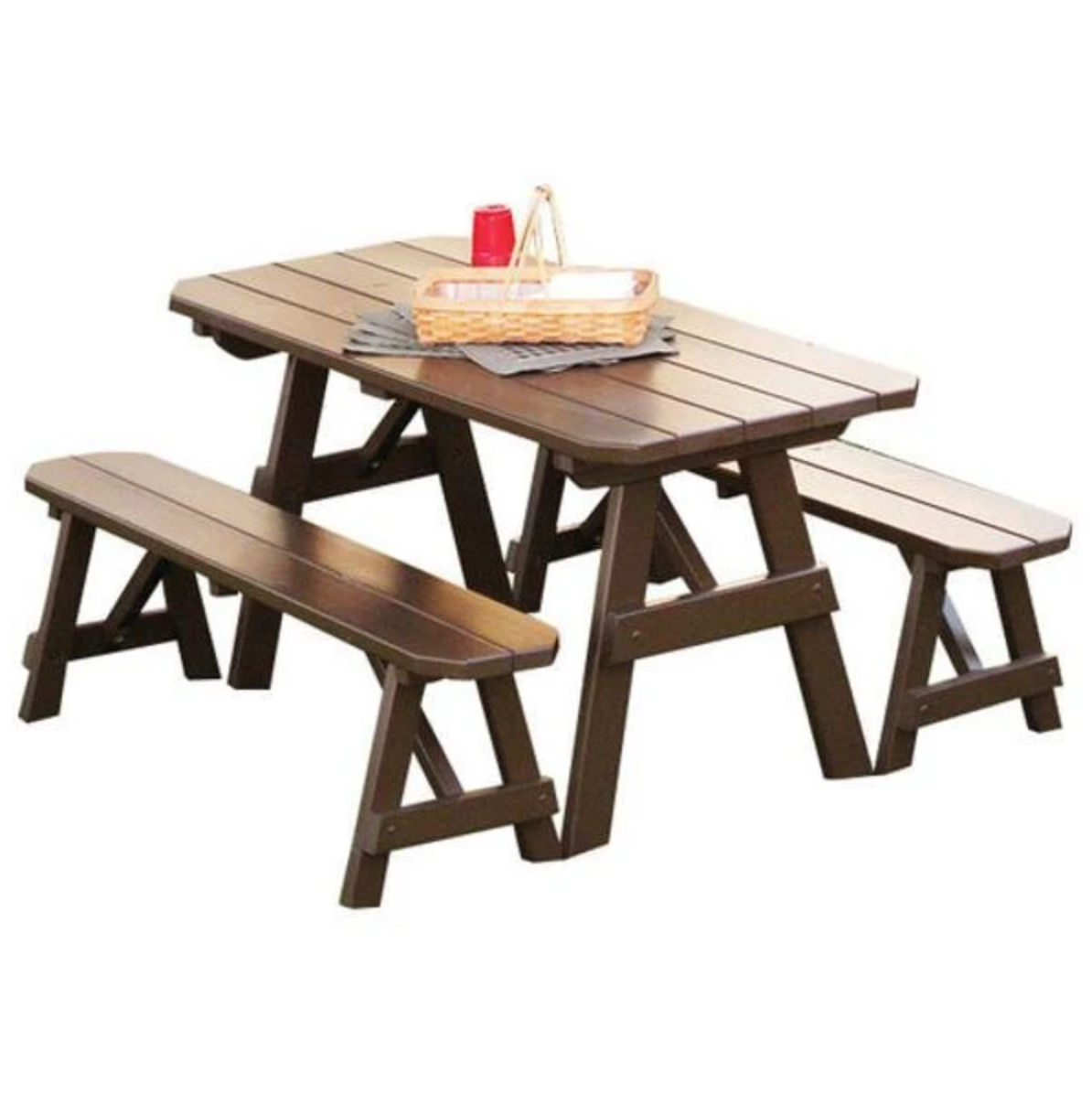
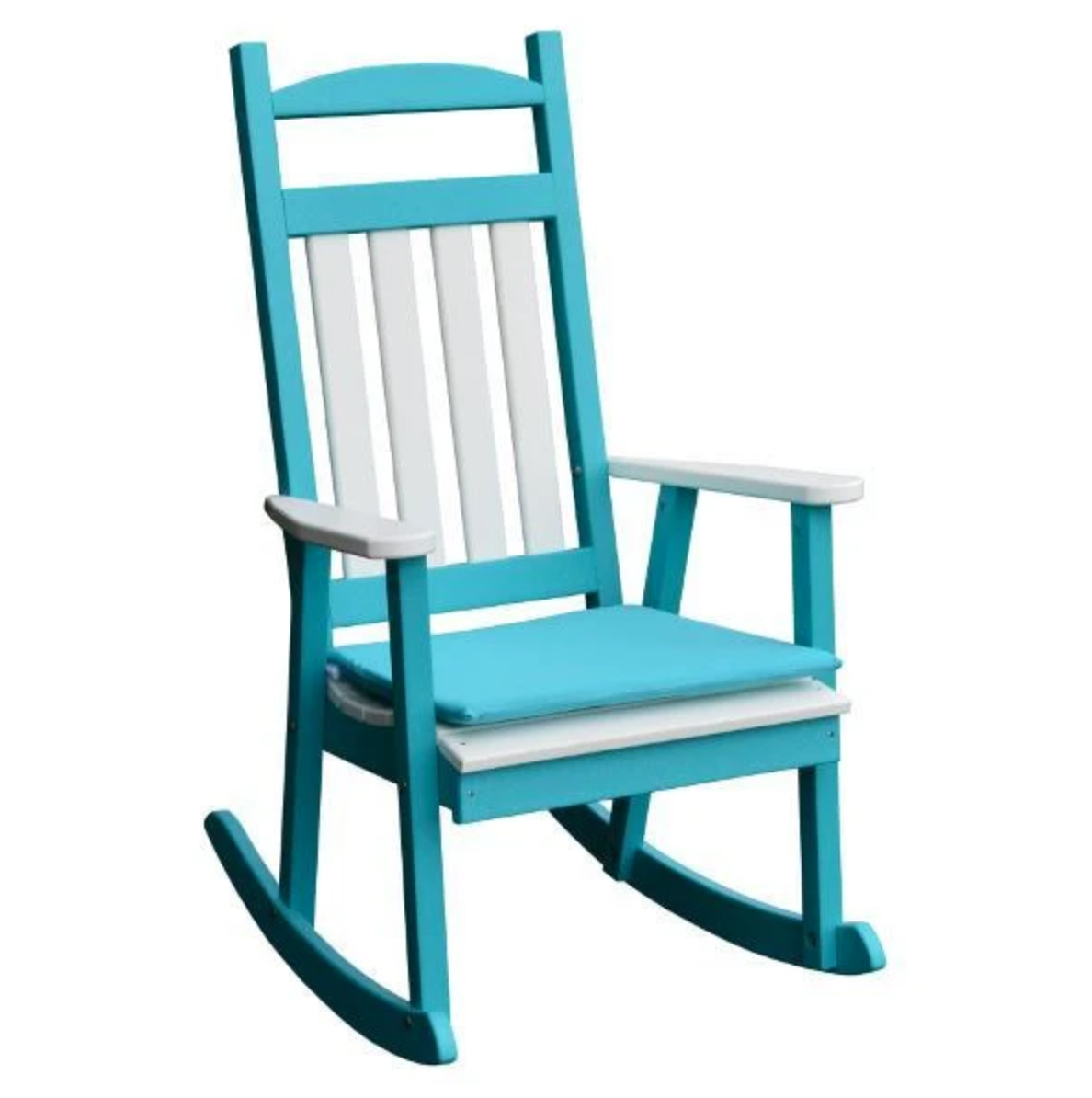
Check your outdoor furnitureand soft furnishings and refresh them. Set out lightweight chairs, wash or swap cushion covers for quick-drying, washable ones, and have storage ready in case of heavy rain. Add spring touches like potted herbs, a new planter, or seasonal fabrics to help your outdoor area feel lively after winter.
Small projects to tackle in spring:
- Service irrigation systems and adjust timers for daylight changes.
- Re-seed bare lawn patches and edge beds for neat lines.
- Add a small herb garden near the kitchen for both function and scent.

Summer: Shade, comfort, and outdoor living
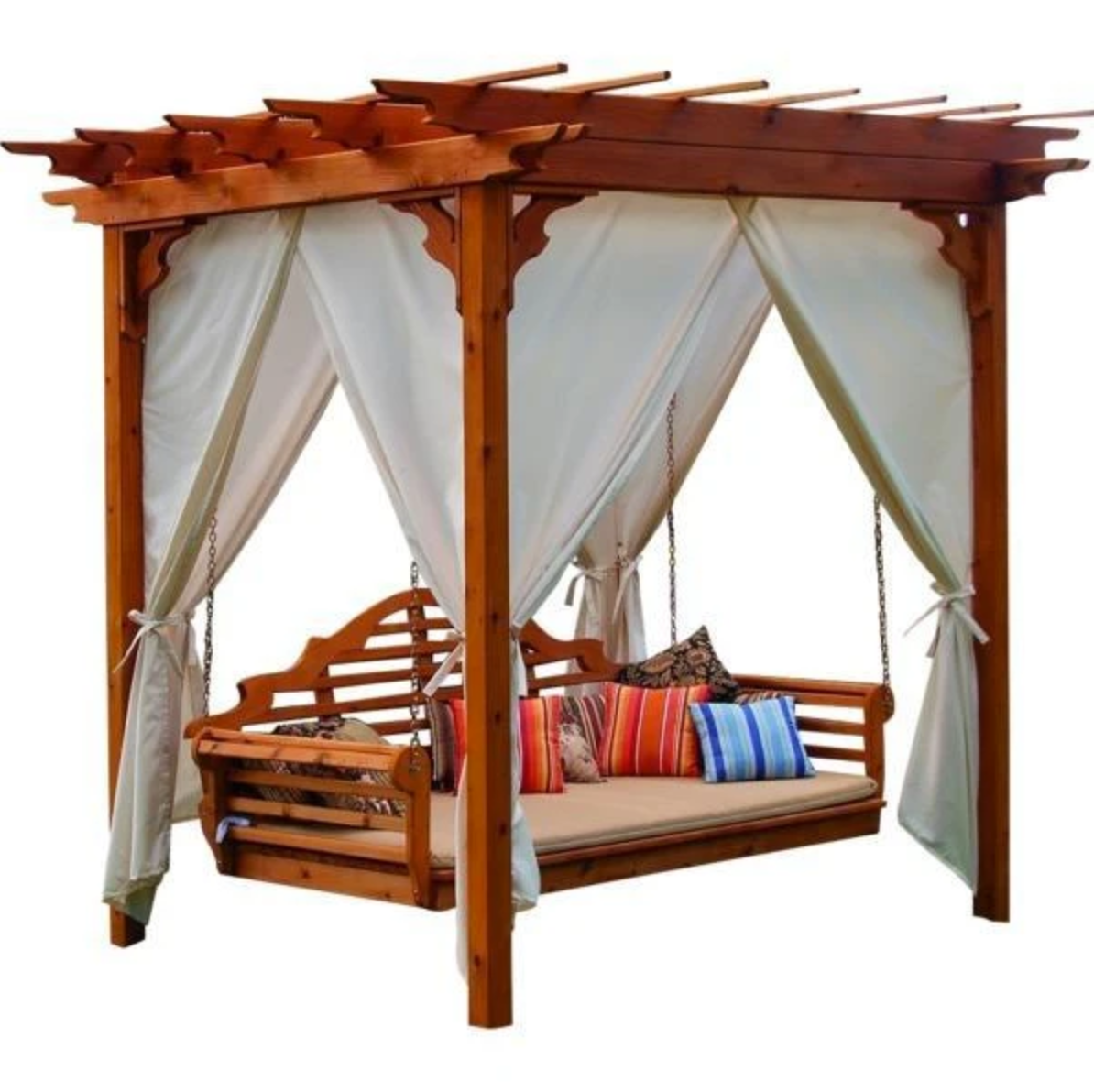
Summer is about comfort and outdoor entertaining. Prioritize shade—planting fast-growing shade trees or installing a pergola, retractable awning, or large cantilever umbrella immediately improves comfort. Arrange seating areas to take advantage of existing shade during peak afternoon hours, and consider adding a ceiling fan or misting system to outdoor dining areas in very hot climates.
Choose durable, fade-resistant fabrics and finishes. Sun, sweat, and summer storms demand materials like solution-dyed acrylic fabrics, powder-coated metal, or sustainably sourced teak that weathers gracefully. Rugs and cushions rated for outdoor use will retain their appearance longer and reduce maintenance.
Create distinct zones for different activities: an outdoor cooking zone (grill or small kitchen), a dining area, a lounging spot, and, if space permits, a play area. Define these zones with planters, pergola posts, or different surface materials. Water features—fountains, birdbaths, or a small pond—cool the microclimate and attract pollinators and birds.
Outdoor lighting extends summer evenings: string lights over dining spaces, LED path lighting for safety, and accent uplighting to highlight specimen trees. For insect-prone areas, plan lighting with lower blue light and consider citronella candles or planted insect-repellent herbs like lemon balm.
Summer maintenance tasks:
- Keep irrigation balanced; check for clogged drip lines.
- Deadhead flowers to encourage more blooms.
- Monitor shade trees for pests and disease during heat stress.

Fall: Texture, warmth, and transition
Fall is a time of change as temperatures drop, the light softens, and leaves turn color. It’s a great time to update your outdoor living space and get ready for the quieter months. Swap out bright summer fabrics for warm-toned throws, rugs, and cushions in colors like rust, mustard, deep green, and earthy neutrals to make your outdoor décor feel cozy for autumn.
Patios, pathways, and fire pits stand out more in the fall.
Clean these areas and reseal them if needed. Check your outdoor fireplace and chimineas and get them serviced. You might also want to add a safe fire pit or a permanent outdoor fireplace to bring warmth and give people a place to gather on cool evenings.
When planting in the fall, focus on adding texture with native plants. Ornamental grasses, late-blooming asters, sedums, and heucheras keep your garden interesting after most perennials are done. Plant bulbs for next spring early in the fall so they have time to grow roots before winter.
Practical fall tasks:
- Store or protect cushions and soft furnishings to avoid mold.
- Clear gutters and check drains to prevent water pooling.
- Mulch beds to insulate roots and reduce erosion.
- Service heaters or install a safe outdoor-rated patio heater for cooler nights.
For fall decorating, group pumpkins, lanterns, and weatherproof throws to make cozy corners. Fill planters with mums and ornamental grasses to keep your containers looking nice after summer flowers are gone.

Winter: Structure, evergreens, and cozy moments
In winter, the main features of your landscape, like evergreens, shaped shrubs, hedges, and hardscape, stand out the most. Create interest with structure by using evergreens, trimmed boxwood, and plants with strong shapes, such as conifers or ornamental grasses that keep their form.
These natural elements keep your garden looking good even on gray days or under snow. This is especially important in winter: warm spotlights on specimen trees, pathway lighting to improve safety during early darkness, and subtle warm-toned string lights to add cheer. Textiles like wool blankets and insulated outdoor rugs rated for cold use help create cozy seating areas; store cushions inside or in weatherproof boxes to prolong their life.
Pick materials that can handle freezing and thawing, like stone pavers, concrete with good drainage, and metals that don’t rust easily. Make sure pathways have good traction, and that water drains away from paths to help prevent ice.
Adding wildlife-friendly features can be very rewarding. Heated birdbaths, suet feeders, and brush piles give animals a place to go and make your garden lively in the winter. Also, plan for snow by not planting valuable small shrubs where snow piles up or where plows might hit them.
Winter care checklist:
- Protect vulnerable shrubs with burlap windbreaks in exposed sites.
- Store or secure lightweight outdoor furniture to prevent wind damage.
- Keep pathways clear and safe—use environmentally safe de-icers where needed.
Year-Round Design Principles
- Plan in layers:Use a canopy of trees, a mid-layer of shrubs, and ground cover and perennials to provide multi-season interest and ecological benefits. Layering also creates privacy and helps moderate microclimates.
- Choose materials that age well:Low-maintenance, weather-resistant pavers, composite decking, and high-quality metal or teak outdoor furniture reduce seasonal upkeep and repair needs.
- Flexible furniture and storage:Modular, stackable, or folding pieces make it easy to reconfigure for every season; integrated storage benches or deck boxes keep cushions and accessories protected.
- Plan for outdoor lighting and power early. Install low-voltage wiring or set up for solar or LED lights when you first build, so you can add decorative lighting and power safely without having to redo anything later.
- Manage water by using proper grading, permeable paving, and adjustable irrigation, like drip systems with timers. This helps prevent erosion and overwatering as the seasons change.
- Add plants for scent and texture to make your garden enjoyable year-round. Try spring lilacs, summer jasmine, fall herbs, and winter-blooming witch hazel to keep your senses engaged all year.

Small Projects to Boost Year-Round Use
- Build a seating wall with hidden storage. It gives you a permanent place to sit and a spot to store cushions out of sight.
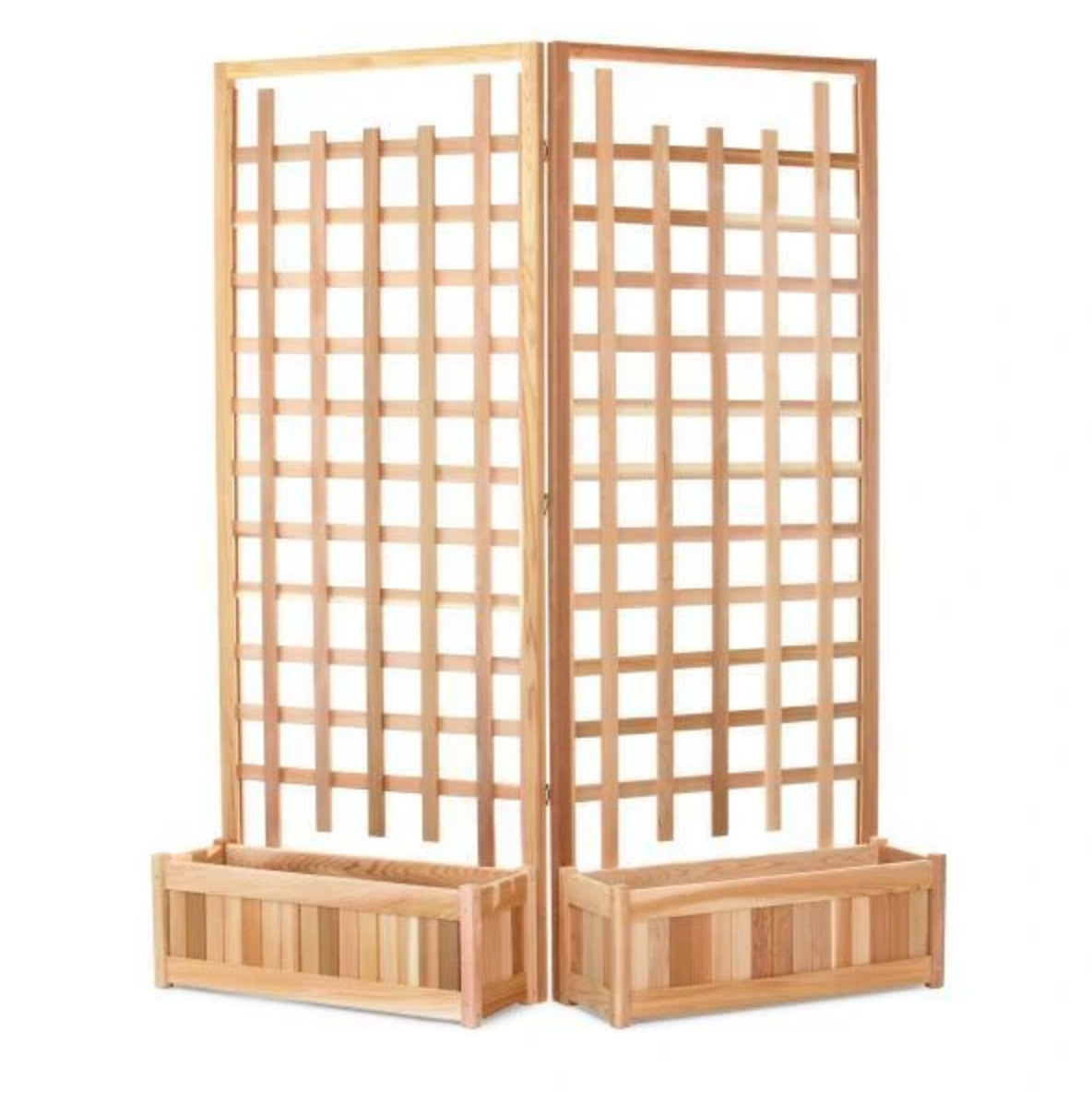
- Create a mixed planter with spring bulbs, summer annuals, fall grasses, and winter evergreens. This gives you interesting layers in every season and attracts pollinators.
- Create a lighting plan with distinct zones, including task lighting, accent lighting, and pathway lighting. This way, you can light only what you need, depending on the season and what you’re doing.
- Design a pergola that you can change with the seasons. Use removable slats or shade sails to adjust how much sun your outdoor space gets all year.
Quick Seasonal Checklist (At-a-glance)
- Spring:Clean and repair, test soil, mulch beds, plant bulbs, service irrigation.
- Summer:Maximize shade, protect fabrics, maintain irrigation, add outdoor lighting, and monitor pests.
- Fall: Store cushions, service heaters/fire pits, plant spring bulbs, clear gutters.
- Winter:Protect young and vulnerable plants, keep pathways safe, highlight structure with lighting.
How to create a nice outdoor space?
Creating a nice outdoor space starts with understanding your needs and how you want to use it throughout the year. Focus on comfortable seating areas, incorporate natural elements, ensure proper lighting, including decorative and pathway lights, and include features like dining areas, fire pits, or water features to enhance both function and aesthetics.
Planning layers of plants for privacy and visual interest, using durable furniture, and maintaining your garden regularly will make your outdoor area inviting and practical all year-round.
Conclusion
Designing outdoor space helps you beautify your home. Good outdoor design means planning for change. If you think about the seasons, choose strong materials, layer your plants for year-round interest, and use flexible furniture and outdoor lighting, you’ll have an outdoor space that looks great and works well all year. If you’d like, I can make a custom seasonal plan for your yard. Just tell me your climate zone, sun exposure, yard size, and favorite style (modern, cottage, Mediterranean, or minimalist), and I’ll put together a layout, plant list, and a step-by-step calendar for you.
👉 See our complete guide: [The Complete Guide to Designing Your Dream Outdoor Living Space]