Your Cart is Empty

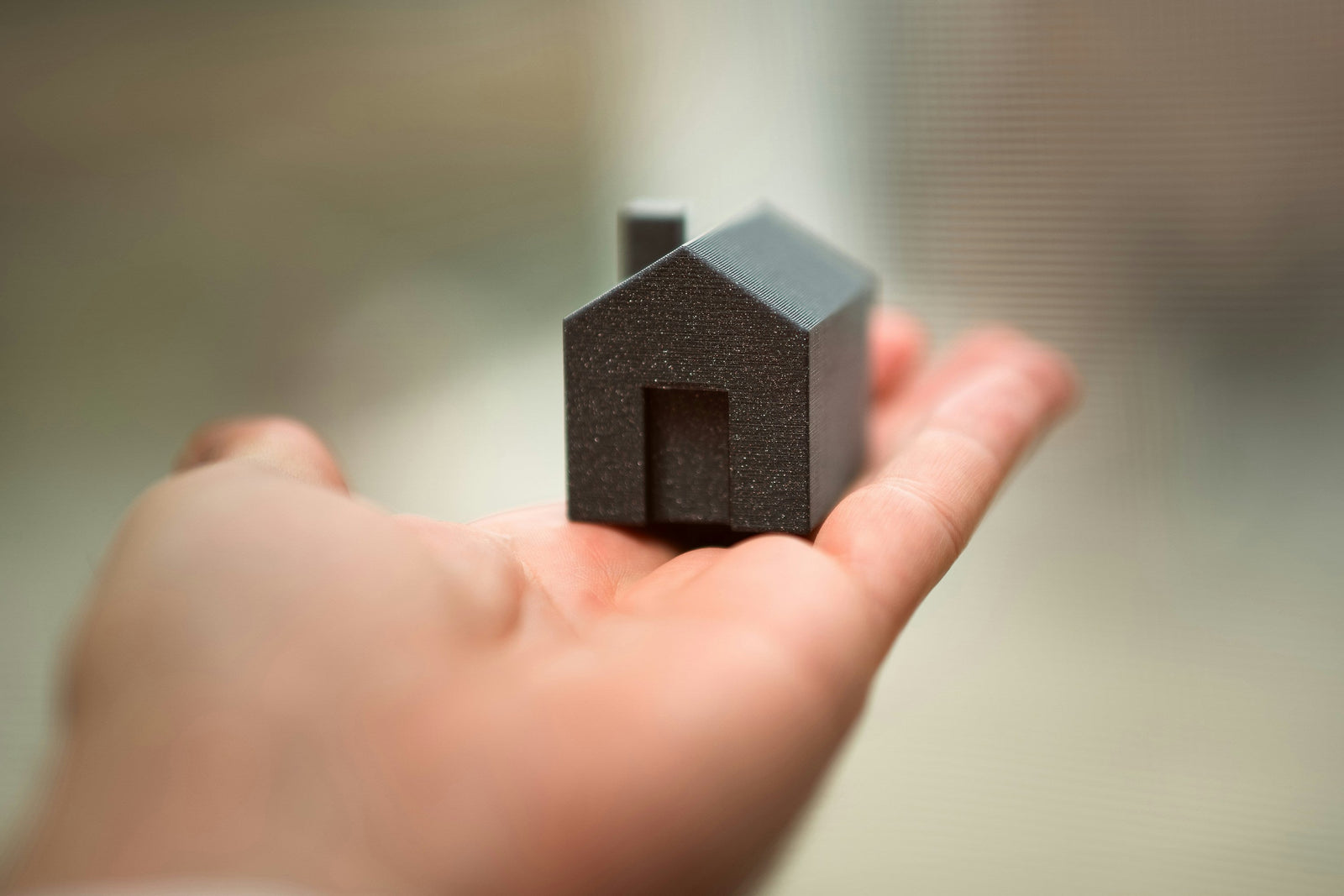

Image Credit: Jakub Zerdzicki from Unsplash.
Everyone knows there can be plenty of times when they’ll need to tighten their belts. But, it’s not exactly something they’ll enjoy. Thankfully, there are usually ways you can prevent this. If you’re lucky enough to own a house, you could rent out part of your home.
This doesn’t have to be hard, especially if you have a guest house, spare bedroom, or similar space someone could live in. It’ll help with your finances quite a bit, as long as you know what you’re doing.
With the right tips and tricks, you could end up making it a lot more straightforward for yourself.
First, it’s worth wondering why you should rent out part of your home in the first place. Even when you have a guest house or similar space you don’t use regularly, it could still seem like a bit of a pain. You’ll be sharing part of your property with a stranger, after all.
This could seem like it’ll be a major issue. But, it doesn’t have to be, and it can offer more than a few benefits. Some of the more notable of these are:
Generating a sustainable rental income as time goes on. This could end up being relatively high, depending on your local market.
Dealing with your mortgage and similar expenses. The extra income could help you get rid of a lot of financial stress.
Many tenants could be nicer and friendlier than you’d expect. They could end up becoming friends, even for years after they stop renting from you.
Helping you start planning out better for your retirement. It’ll help you create more of a retirement nest egg without needing to put too much time and effort into it.
These can all make renting out part of your home more and more appealing. But, that doesn’t mean you should just list a room, guest house, or other area for rent.
You’ll need to know what you’re doing first. While there’ll be a lot involved in the process, it doesn’t necessarily need to be as complicated as you’d think. Following the right steps and using a few tips could be more than worth using.
They’ll help you rent out part of your home without as much stress as you would’ve thought, and help you see the benefits above. Five of these could stand out.
Before opening up your unused space, it is essential to weigh the pros and cons of taking on a roommate. On the upside, renting out a room in your property allows you to generate extra income to offset monthly mortgage payments or cover increasing property taxes. Transforming a spare bedroom or basement unit into additional income is one of the most direct ways to build financial flexibility. However, living with a tenant in part of your home means sharing common areas and adjusting to another person’s daily habits. Maintaining clear boundaries and establishing explicit guest policies and quiet hours early on can help prevent unnecessary friction and keep the landlord-tenant relationship positive.
Becoming a landlord comes with real legal responsibilities. Before publishing a rental listing, you must research local laws and regulations to ensure you are operating legally. Each municipality sets strict landlord-tenant laws, building codes, and security deposit limits designed to ensure every tenant is provided a safe, habitable living space. Additionally, you must strictly comply with fair housing laws when you screen potential tenants to ensure your advertising and selection criteria are entirely non-discriminatory.
To maximize your returns without discouraging prospective tenants, you need to set the right rent. Researching neighborhood comps will help you set the right rent price so your room stays competitive while meeting your income goals. A thorough tenant screening process—including checking background and credit histories and running formal background checks—will help ensure your tenant is trustworthy and reliable. Furthermore, clarify who handles routine maintenance issues in your rental contract, determine an appropriate lease length, and ensure proper protection by carrying sufficient landlord insurance while asking your tenant to secure renters insurance. Clear communication from day one ensures that rent a room arrangements run smoothly for everyone involved.
The benefits of renting out part of your home makes it quite appealing, but that doesn’t mean you can just rent it out straight away. You’ll first need to make sure the part of your home you’re renting out, like a guest house or room, is actually habitable and safe for someone to stay in. This usually means complying with various laws before it can be rented.
Make sure you’ve made it legally rentable before taking any other steps. Then there’s making it as appealing as possible to potential tenants. That could mean getting some new furniture, adding a fresh coat of paint, and investing in a few home improvements.
A lease agreement could end up being essential going forward. It offers both you and a tenant proper protection in case a dispute comes up, and this could happen a lot more than you would’ve thought. Make sure this is as comprehensive as possible before you accept any tenants.
There are more than a few essentials you’ll need to include in this. How much the rent is, when it should be paid, maintenance responsibilities, pets, utilities, and similar areas should all be clearly outlined from the start.
Once you’ve gotten everything ready, you’ll want to bring in a tenant as quickly as possible. Advertising it for rent will be a core part of this, which means listing it for rent on various platforms. That doesn’t mean just slapping up a few photos and saying you have a room or guest house available for rent.
You’ll need to make it as appealing as possible so you can encourage as many people as possible to apply to rent it. That means taking high-quality photos and including all of the information related to what you’re renting. Take your time to make it look appealing.
Once a few people have applied to rent part of your property, it’ll be time to start filtering some out. This isn’t a matter of just deciding randomly. You’ll need to screen potential tenants to minimize the chances of anyone you accept being problematic. This should be a smart, careful approach from the start.
Background checks can be a noticeable part of this, especially once you’ve narrowed down potential tenants to a handful or a dozen or so. This lets you figure out how likely it is for them to miss payments or cause other issues, which you can use to rule them out.
Nobody wants to overpay on rent, but you’ll also want to get as much out of it as possible. This can be relatively tricky to balance, so you’ll need to put a bit of time and effort into it. If you go too high, you’ll have longer vacancy periods than you would’ve thought. Too low, and you could end up just attracting potentially problematic tenants.
Thankfully, this doesn’t always have to be as hard as you’d think. Research what similar rentals are going for your area. You can then average that out to come up with a rough price for your rental. Don’t forget to ignore options where the full property is being rented out.
There are plenty of reasons to rent out part of your home, and it doesn’t need to be as hard as you’d think. With the right approach, it could end up being a lot more straightforward than you would’ve thought.