Your Cart is Empty

Some upgrades age well. Others expire fast, almost theatrically. A home can look current for a season, then slide into the “once-was” category before the paint even settles. This is why contemporary touches require discipline.

Not minimalism, not trend-chasing, but a kind of quiet judgement that anticipates time. Homes that last visually do so with intention.
The following approach explores that intention. It leans on durable design cues, the sort you can walk past daily without feeling the urge to replace or rethink them. Aluminum joinery and windows, long-span lines, textural restraint, small architectural corrections — all these details work in unison to extend the life of a home’s style. Think of it as selecting edits that mature gracefully instead of collapsing under the next design cycle.
It helps to understand how timeless upgrades behave. They anchor the space. They resist noise. They make the home feel fresh but grounded. You rarely notice them changing the mood, yet they do.
Contemporary longevity is rarely loud; it’s more like a steady rhythm that holds everything together.
Start with components that carry structural presence — the elements you touch, walk past, and view from multiple angles.
Aluminium joinery and windows land firmly in this category. It replaces the older timber frames that swell and shift, saving the home from the slow sagging that shows up years later. The permanence of aluminium is its greatest strength. It doesn’t warp, it doesn’t bow, and it doesn’t need constant coaxing to stay aligned.
Aluminium’s slim lines sharpen the silhouette of a window, giving the glass room to dominate the visual field.
This transforms daylight itself into a design tool. A home with clean windows holds its clarity through seasons, renovations, and shifting tastes. The material doesn’t tire easily, which is precisely why it becomes the backbone of contemporary longevity.
The conversation on longevity deserves emphasis here. Many materials appear modern for a moment, then lose their appeal once wear begins to show.
These materials push against that pattern. It keeps its form, its tone, and its precision long after other components start giving away their age. You can repaint walls, change furniture, even revise entire rooms — the windows still stand sharp.
Longevity also appears in materials that don’t chase novelty colors or complex textures. Matte finishes, subtle stones, simple front-door designs — these serve as long-term anchors. Their strength comes from their refusal to demand attention daily.
They age quietly, which is exactly the point.
You can walk into a home and see it instantly: some lines pull you through the space gently, others break your momentum. Long horizontal runs — shelving, ledges, window groupings — serve the first purpose. They stretch the home visually. They keep the environment calm.
Choose shapes that move like this. Clean thresholds, softened corners, and uninterrupted wall planes create a type of interior landscape that doesn’t date quickly. Once these guiding lines exist, every other upgrade benefits from them.
Even small furniture shifts sit more comfortably.
Light shapes perception more than any paint swatch or trendy fixture. When handled with care, it turns a simple design into a long-lasting one. When ignored, even expensive renovations look dull or tired in a year. Contemporary design relies heavily on the movement of light, so this part is worth time.
Windows do more than offer a view. They structure brightness, convert moods, and control contrast. Aluminium windows give you tighter frames and larger glazed surfaces, which translates into clarity.
Because the frames stay straight and don’t warp, the long-term look remains crisp instead of tired.
A home with upgraded windows often ages slower than one with trend-driven color schemes. The light itself becomes a design feature that keeps renewing the rooms through the seasons.
Artificial light works best in layers, not as one bright source overhead. It should lift corners, define depth, and soften harsh lines. Think warm diffused lamps against textured surfaces, slimline sconces near transitional spaces, and concealed lighting under cabinetry that glows rather than shines.
When lighting cooperates with the architecture, the home feels contemporary even if you’re working with older furniture. It becomes the kind of upgrade that doesn’t need replacing once trends shift.
Too much texture announces itself loudly. Too little leaves the space flat. The aim is balance — a controlled contrast that ages well. Spaces that last tend to edit textures carefully rather than pile them up.
Timber with subtle grains, brushed metals, smooth stone composites, and quality paint finishes all fall into the safe category for long-term design. They develop a lived-in charm. A counter with a matte stone finish doesn’t scream for attention, yet it stays relevant long after flashier surfaces lose appeal.
Aluminium fits into this conversation too. The finish doesn’t degrade the way some coated materials do. It keeps its clean tone, holding its place quietly in the overall palette.
The art lies in restraint. You don’t need fifty competing textures to make a home feel contemporary. Two or three carefully chosen contrasts do the work with far more maturity. A warm timber floor against cool aluminium frames. A smooth concrete bench beside soft textiles. These combinations deliver longevity because they don’t exhaust the eye.
Every additional material should have a clear purpose. If the space looks busy without even being furnished yet, the textures are doing too much.
A home feels modern not because of ornament but because it functions smoothly. Hidden improvements often outlast their decorative counterparts by decades. The trick is to select upgrades that make living easier in subtle ways.
Elevated contemporary spaces share one trait: storage that disappears visually. Floor-to-ceiling cabinetry, recessed shelves, and custom-built niches create a clean architectural flow. These features don’t follow micro-trends. They just work.
A wall with seamless cabinetry keeps a room calm without calling attention to itself. No ornate handles, no overly stylized patterns. Just purposeful geometry that allows the rest of the room to breathe.
Shiny metals may come in waves, but understated fittings never lose their place. Select tapware, handles, and rails that support your long-term aesthetic. Slim profiles, muted tones, and pieces with solid weight tend to age well.
The same principle applies to door frames and window mechanisms. Let the details connect.
Outdoor upgrades often swing between too ornamental or too generic. The long-lasting ones fall in the middle — clean, structural, and flexible. These spaces become an extension of the interior, not an entirely different design language.
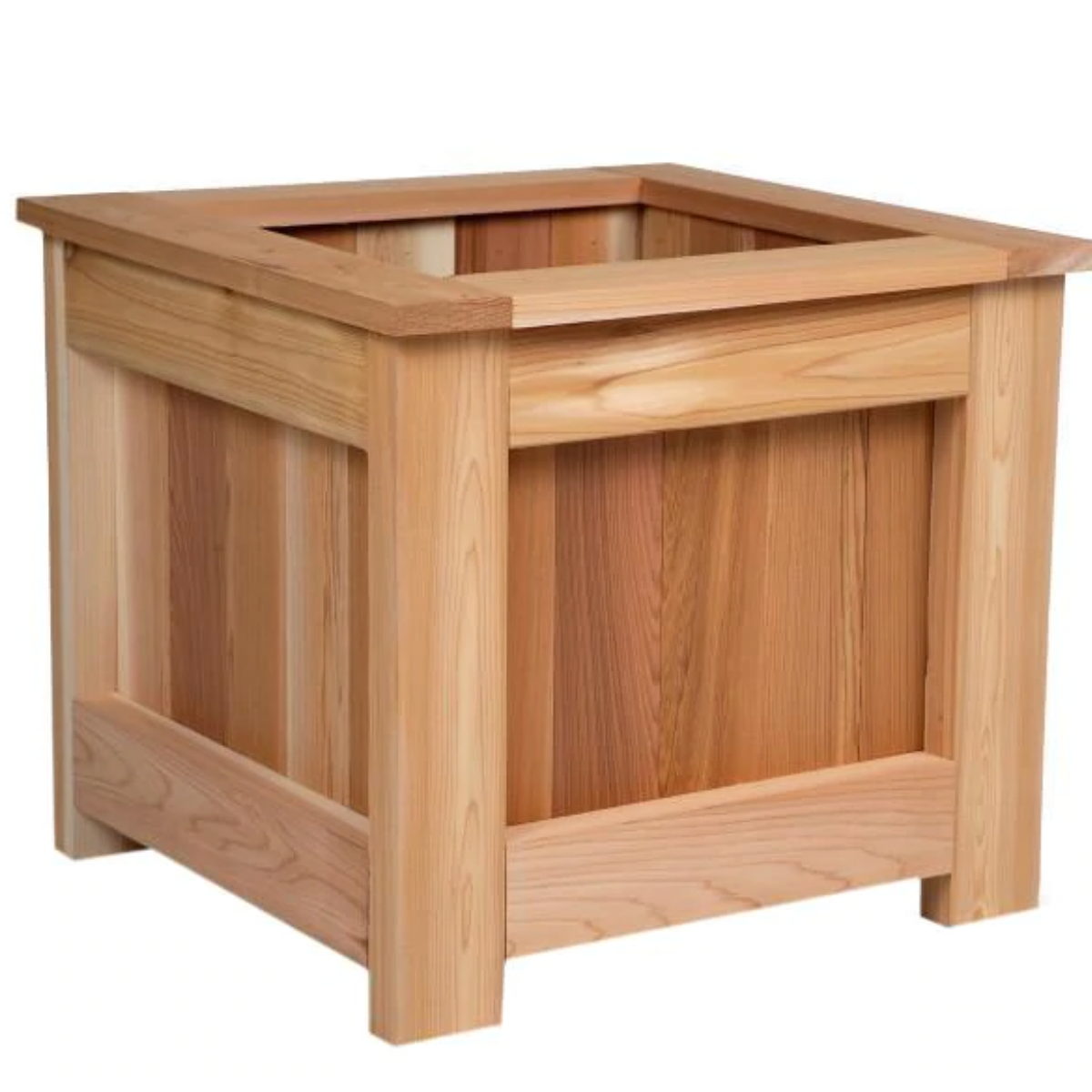
Look at homes that stay visually relevant for years. The gardens tend to hold simple geometric forms — straight paths, strong-edged planters, modest water features — instead of overwhelming plant palettes. The design ages well because the structure remains stable even as the greenery changes with the seasons.
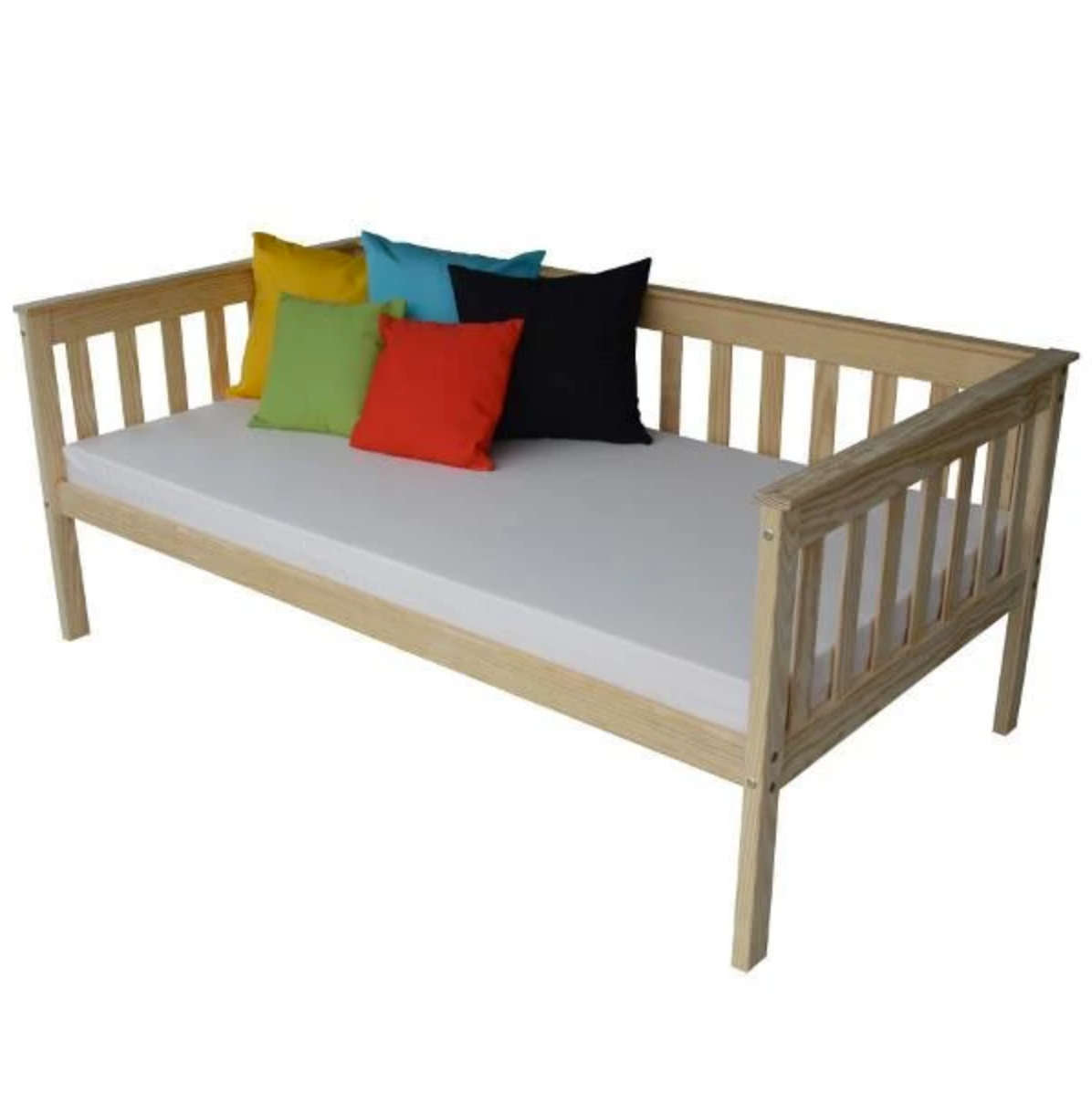
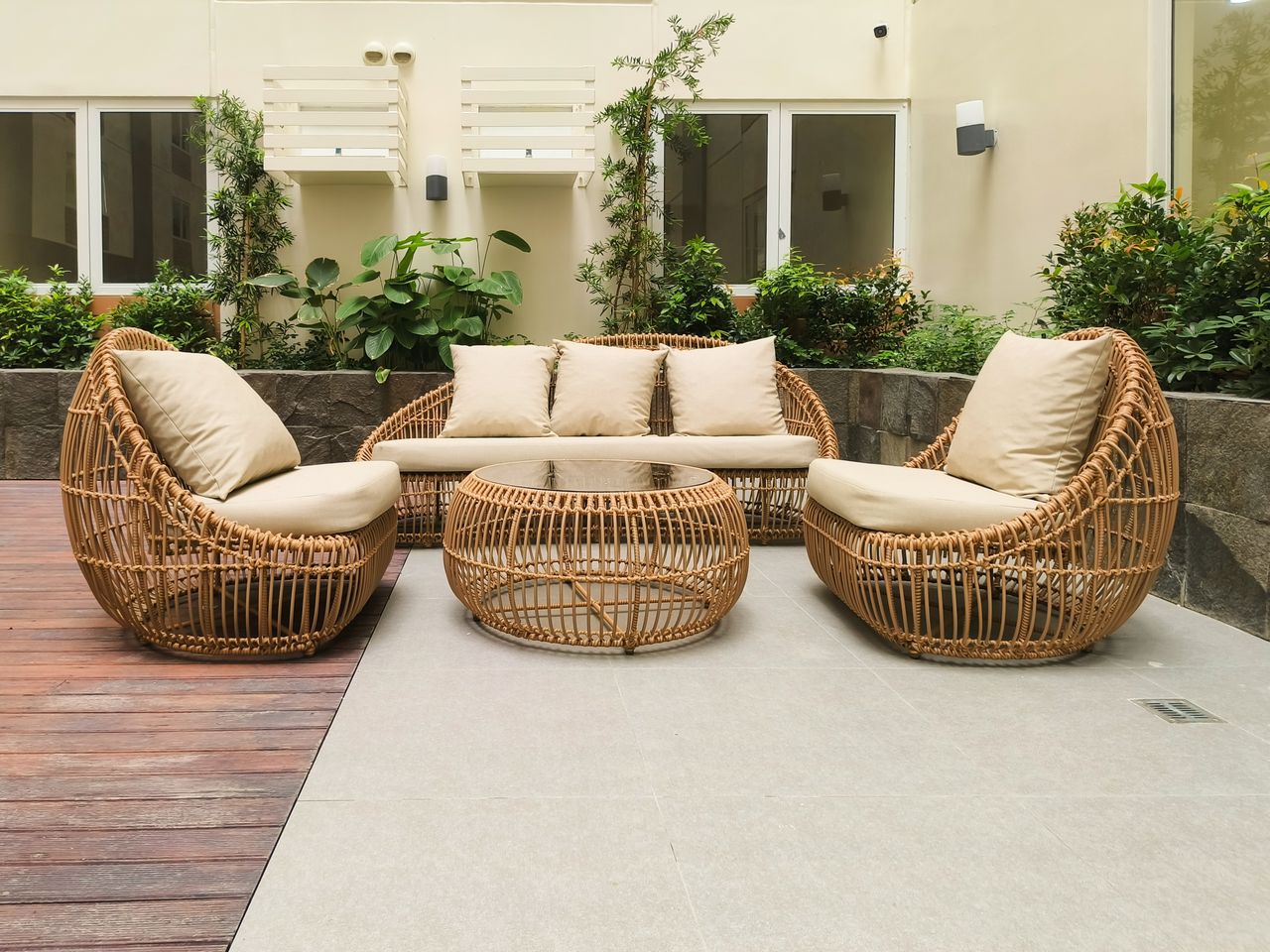
A deck with clean lines, quality boards, and sheltered corners becomes more valuable over time. Instead of chasing outdoor trends like oversized daybeds or ornamental pieces, invest in the bones: the platform, the joinery, the transitions. These determine how long the space stays relevant.
When the outdoor room feels architecturally correct, you can refresh furniture seasonally without losing the contemporary clarity.
Homes don’t stay contemporary because they mimic design magazines. They stay contemporary because every upgrade respects the home’s long-term rhythm. These elements don’t rush to impress. They settle in slowly, age predictably, and hold their composure long after trend-based interiors begin to fade.