Your Cart is Empty

Homes across New Zealand carry a particular calmness, a kind of practical serenity that doesn’t shout for attention yet manages to linger in memory.

The country’s landscapes often take the spotlight, but the quiet choreography happening in private backyards reveals something even more instructive.
When you study how Kiwis shape water into their everyday surroundings — pools, ponds, spa pools, soaking corners, transitional decks — you begin to see an attitude rather than a design trend. It’s an attitude that can travel. It can land in any climate, adapt to any lifestyle, and still retain its original clarity.
The aim here isn’t to romanticize New Zealand as some far-off utopia of perfect homes. Instead, it’s to understand the deliberate, grounded decisions that make their relaxing spaces work. Water becomes more than a feature; it becomes a rhythm that structures the day.
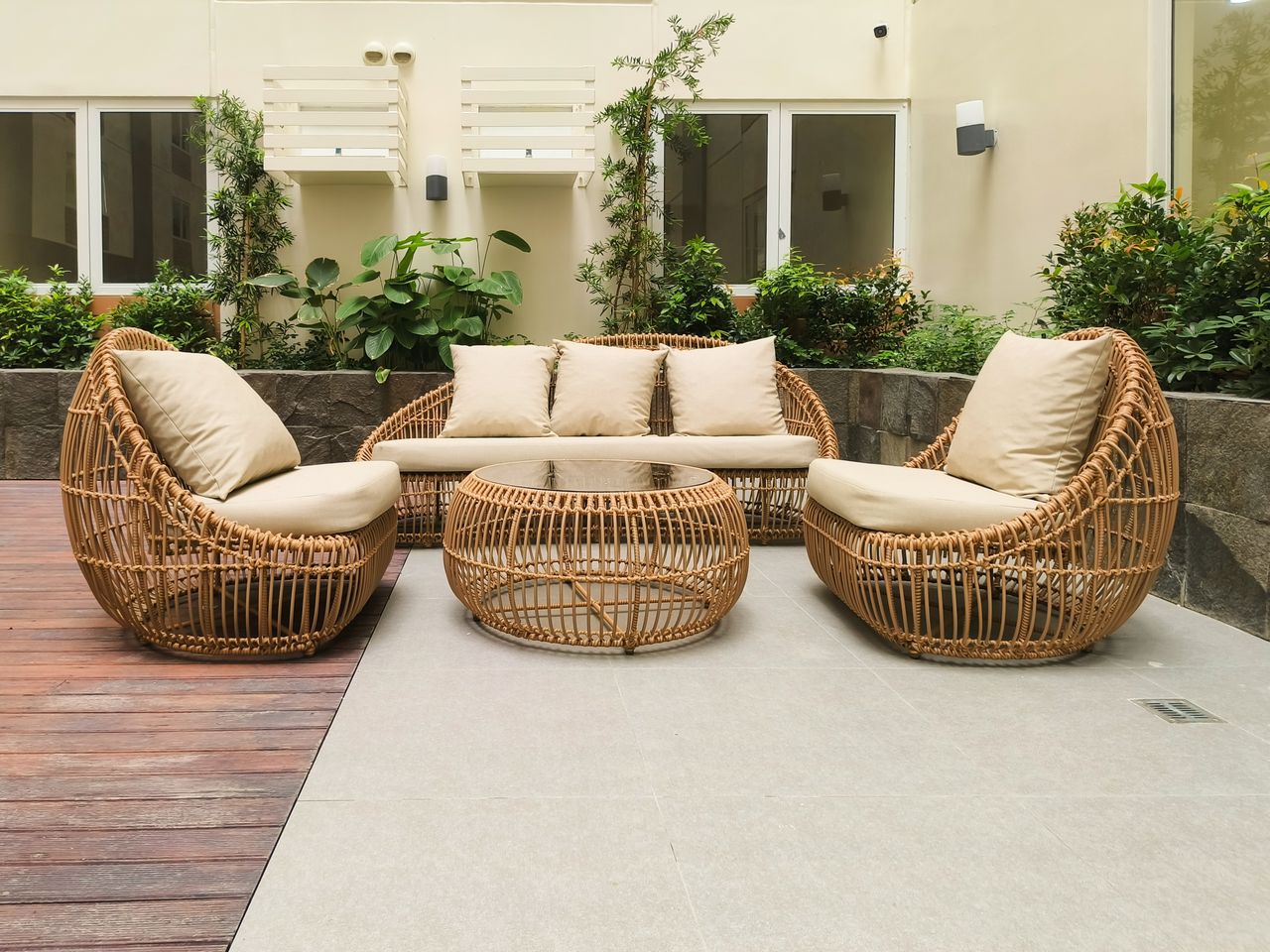
A common thread running through many NZ homes is that relaxation doesn’t exist in a separate part of the house. It integrates. An indoor room leans into an outdoor nook. A small deck folds into a plunge pool or a spa pool. Side gardens hold ponds that reflect the sky, creating tiny pockets of pause.
None of this feels forced — it’s simply how the layout grows from the land.
This approach offers a valuable lesson for homes anywhere: water features don’t need grandeur to be effective. They need intention. They need to be placed where the human eye naturally travels and where the body naturally rests. That is the core of the “quiet logic.”
Look at the typical NZ backyard and you’ll notice something subtle: no single element tries to dominate. The pool doesn’t overwhelm the lawn, the pond doesn’t pretend to be a lake, and the deck resists the temptation to expand endlessly. This balanced proportion is part instinct, part tradition.
When homeowners in other countries imitate “resort style” living, the scale often gets skewed. NZ homes show that comfort sits in calibration, not spectacle. You can see this in the placements: a spa pool tucked into a corner to preserve privacy but still accessible, or a modest pond near the kitchen window so morning coffee becomes a ritual.
NZ outdoor environments often feel like they were designed at walking speed — never rushed, always measured. You get a sense that the layout came from someone stepping through the backyard at dusk, listening to the space instead of forcing a vision onto it.
This “human pace” helps the final design feel natural. It’s a lesson that travels well: begin with daily movement, not architecture. Think about the path from living room to backyard. Think about the transition from cooking to relaxing. Kiwis excel at this sequencing, and the result is a space that supports rest without needing a constant reminder to relax.
Before discussing aesthetics, it’s worth acknowledging something NZ homeowners accept easily: pools don’t need to be enormous to matter. The national preference leans toward pools that fit the lifestyle, not pools that dominate the property.
The shift toward functional elegance is evident. NZ pools often serve as cooling stations, social hubs, and architectural anchors all at once. Even the smallest plunge designs contribute more than their size suggests, simply because they’re placed with care.
Compact pools do a lot of the heavy lifting in NZ households. They add movement, they reflect light into the interior, they give families something to gather around. Their compactness is part of their success — it forces efficiency in design.
In other countries, small backyards often lead to resignation. NZ homes show an alternative: lean into the scale, amplify the intimacy, and let every centimetre earn its place. It’s why some small pools feel more inviting than giant ones that sprawl without purpose.
Spa pools, in particular, play a starring role in NZ outdoor culture. They’re not treated as luxury items or seasonal toys. They’re integrated into the spine of the home’s daily rhythm — a place where conversations unwind, shoulders drop, and the day settles.
What makes NZ spa pool setups especially useful for global inspiration is their willingness to blend practicality with atmosphere. You’ll see them framed by privacy screens, sunken into decks, or paired with simple planting. Nothing feels ornamental. Everything feels used.
Ponds in NZ homes often fall into a category that is neither decorative nor strictly functional. They behave more like mirrors — small, still surfaces that hold the mood of the day. These ponds anchor the garden and slow the pace of the home.
Designers elsewhere sometimes overcomplicate pond installations with demanding ecosystems and elaborate borders. NZ homes take a quieter path, creating ponds that shape the atmosphere rather than steal the attention.
Spend time in a garden with a small pond and you’ll notice a shift in how you breathe. NZ homeowners understand this and use it. Their ponds rarely shout for attention; they settle into the landscape. This creates a natural breathing space — something every modern backyard could benefit from.
The goal isn’t replication but translation: finding a way to let water become a reset button in your daily environment.
In NZ gardens, plants don’t crowd the pond or chase drama. They reinforce the calm. Native planting often creates soft frames, while subtle colour palettes keep the pond from turning into a showpiece. The plants guide the eye, not command it.
It’s a valuable reminder for any homeowner: water benefits from quiet company. Too much decoration drains the calm out of the space.
Take the characteristics of NZ water spaces — scale, placement, intention, rhythm — and you notice something simple: they’re portable concepts. You don’t need New Zealand’s geography to apply them. You need discipline and clarity.
Once you understand the principles behind the aesthetic, it becomes easier to apply the mindset to apartments, suburban homes, tight yards, or expansive properties elsewhere.
One of the strongest lessons NZ design offers is that water should live near human routine. A spa pool near the living room creates more use than one hidden at the back of the yard. A pond near the dining area contributes more calm than a pond forgotten behind a shed.
When you place water near the pulse points of daily life, the space gains importance immediately. It becomes part of your habits.
NZ homes rarely feel like they’re trying to win a design award. Their outdoor spaces are quietly confident. This confidence is built on atmosphere rather than performance. Travelers often sense it before they can articulate it — the spaces feel lived-in, unforced.
That is the true takeaway: build for atmosphere. Build for exhale. Build for evenings when the air settles and everyone drifts outside almost automatically.
What NZ homes teach us is not a formula. It’s a mindset. Pools that fit the rhythm of the family. Ponds that change the tempo of the garden. Spa pools that hold winter, summer, and everything in between. These spaces don’t impose themselves; they


Traveling with your dog doesn't have to be stressful. From building a flexible itinerary and packing the right essentials to navigating busy transit hubs and booking the perfect accommodation, discover practical tips to plan a safe, comfortable, and fun vacation for both you and your pup.