The Complete Guide to Designing Your Dream Outdoor Living Space

The Complete Guide to Designing Your Dream Outdoor Living Space

Table of Contents

  1. Why a Thoughtful Outdoor Design Matters
  2. Step 1 — Measure and Map Your Space the Right Way
  3. Step 2 — Avoid These Common Outdoor Furniture Layout Mistakes
  4. Step 3 — Choose the Perfect Lighting for Your Furniture Aesthetic
  5. Step 4 — Blend Plants and Greenery with Your Furniture Arrangement
  6. Step 5 — Design for All Seasons with Smart Planning
  7. Step 6 — Budget Wisely for a Complete Outdoor Makeover
  8. Frequently Asked Questions
  9. Your Blueprint for an Outdoor Space You’ll Love
The Complete Guide to Designing Your Dream Outdoor Living Space

Why a Thoughtful Outdoor Design Matters

Your outdoor space is more than a patch of land behind your home. It’s a natural extension of your indoor living area — a place where meals are shared, memories are made, and quiet moments of relaxation happen. Yet many homeowners treat their outdoor areas as an afterthought, adding furniture piece by piece without a cohesive plan.

The result? Cluttered layouts, mismatched aesthetics, wasted space, and furniture that won’t survive the first season.

A successfuloutdoor living space design follows a structured, step-by-step process. It starts with accurate measurements, moves through thoughtful furniture selection and arrangement, and ends with lighting, greenery, seasonal planning, and — most importantly — a realistic budget that keeps everything on track.

This complete guide walks you through every stage of the journey. Each major section links to a dedicated cluster article that dives deeper into that specific topic, giving you the big-picture roadmap and the detailed knowledge you need to execute each step well.

Step 1 — Measure and Map Your Space the Right Way

Every great outdoor transformation begins long before furniture arrives. It starts with a tape measure, a rough sketch, and an honest assessment of your available space.
The single most common mistake in outdoor furniture planning is guessing dimensions. A sofa that looks perfect in a showroom can overwhelm a small patio. A dining table you fell in love with online might leave no room for guests to actually pull out their chairs.

How to Get Started

Begin by measuring your entire outdoor area — length, width, and any irregular nooks or corners. Note permanent fixtures like doors, windows, vents, drainage points, and utility access panels. Mark where sunlight falls throughout the day — this helps determine where seating, dining, and lounging zones should go.

Create a scaled floor plan on graph paper or using a free online tool. Then draw scaled outlines of your ideal furniture pieces and move them around virtually before committing to any purchase.

Key Considerations

  • Traffic flow: Leave at least 24–36 inches of walkway space around furniture
  • Proportions: A 6-person dining table needs at least 10×12 feet of dedicated space
  • Door clearance: Account for door swing paths — both interior and exterior doors
  • Sun and shade mapping: Track sun patterns to position seating in comfortable zones
The golden rule:Measure twice, buy once. Measure carefully to avoid costly returns and frustrating rearrangements.

👉 For a complete step-by-step guide with measurement templates, scaled layout tips, and sun-tracking strategies, read: [Measure and Map Your Backyard for Perfect Backyard Furniture Layout →]

Eclipse 36 Fire Pit Fire Pits / The Complete Guide to Designing Your Dream Outdoor Living Space

Step 2 — Avoid These Common Outdoor Furniture Layout Mistakes

Even with accurate measurements, it’s surprisingly easy to arrange furniture in ways that make a space feel cramped, awkward, or unusable. Spatial arrangement matters just as much as physical dimensions.

The Top Mistakes to Watch For

Pushing furniture against walls is the most frequent error. In outdoor spaces, pulling furniture away from fences, walls, and hedges creates breathing room and makes areas feel larger. Center seating groups on outdoor rugs rather than anchoring them to boundaries.

Ignoring conversation zones is another common slip. Sofas and chairs should face each other at comfortable distances — 4 to 8 feet apart — to encourage natural interaction. A single bench against a wall with chairs scattered randomly kills the social energy of a space.

Overcrowding with too many pieces happens when enthusiasm outpaces planning. Fewer well-chosen, generously spaced pieces almost always look and function better than a crowded collection of smaller items.

Forgetting about access paths — people need to move around furniture comfortably. A dining table surrounded by planters too tightly or a seating area with only one access point creates daily friction.

What a Good Layout Looks Like

  • Defined zones: distinct dining, lounging, and conversation areas
  • Balanced visual weight: large pieces offset by adequate negative space
  • Clear sightlines: furniture doesn’t block key views or entry points
  • Functional flow: easy movement between indoor and outdoor access

👉 For a detailed breakdown of all 10 layout mistakes with before-and-after examples: [Top 10 Outdoor Furniture Layout Mistakes to Avoid →]


Step 3 — Choose the Perfect Lighting for Your Furniture Aesthetic

Great furniture deserves great lighting. The right illumination doesn’t just help you see after dark — it transforms the entire mood of your outdoor space, highlights your furniture’s best features, and creates an inviting ambiance.

Understanding Outdoor Lighting Layers

Think of outdoor lighting in three layers, just as you would indoors:
Ambient lighting provides general illumination. String lights draped across a pergola, lanterns placed on side tables, and post lights around the perimeter all fall into this category. They set the overall mood.

Task lighting serves specific functional needs. A pendant light above a dining table ensures evening meals are well-lit. Path lights guide movement safely through the garden.
Accent lighting draws attention to features. Uplighting a specimen tree or spotlighting a particularly beautiful piece of furniture creates drama and visual interest.

Matching Lighting to Furniture Style

Your furniture’s material and style should guide your lighting choices:
  • Modern metal furniture: Sleek, minimalist fixtures — geometric pendants, linear LED strips, recessed deck lights
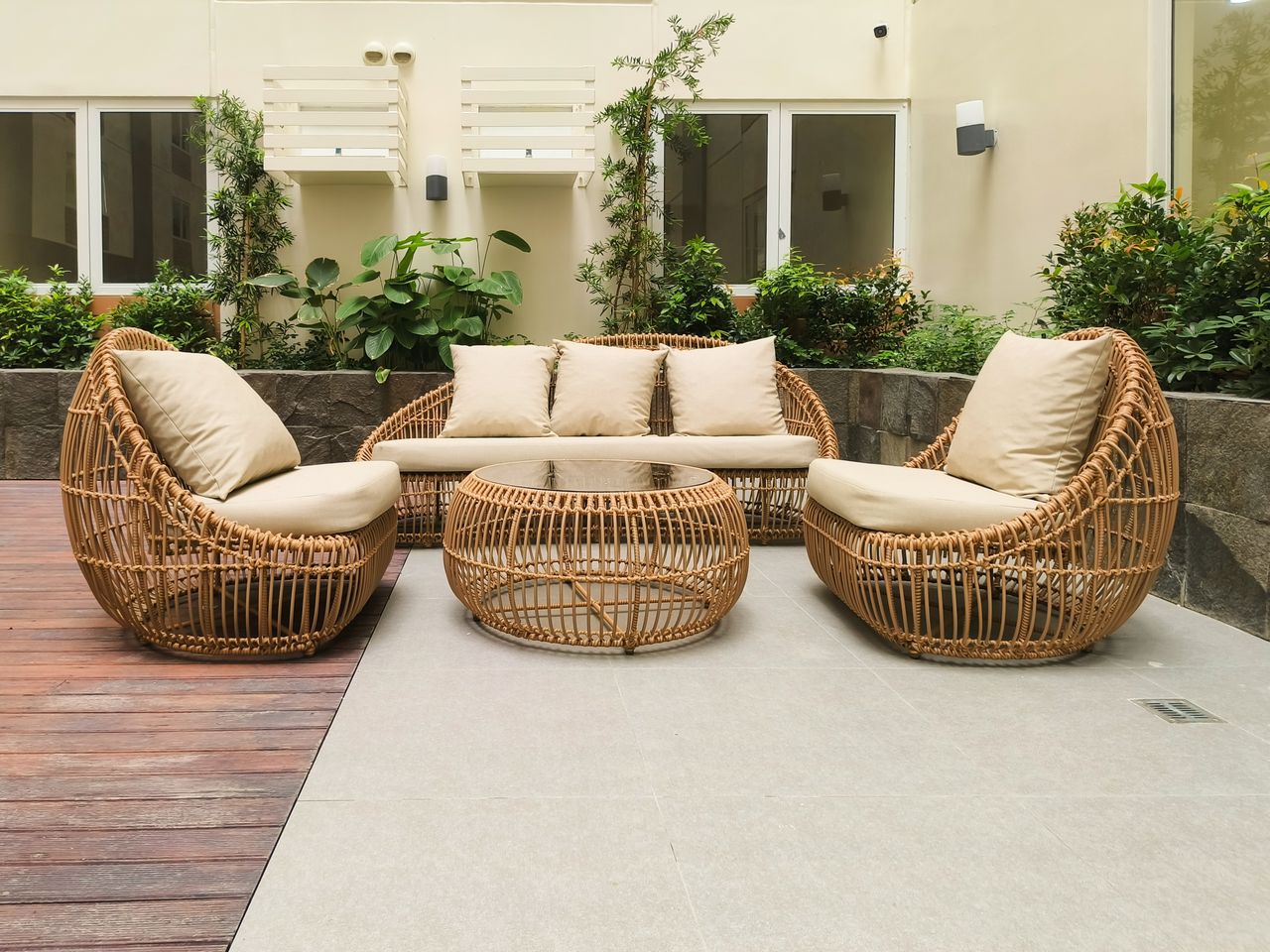
  • Wicker and natural tones: Warm, organic fixtures — rattan lanterns, Edison bulb strings, candle-style sconces
  • Teak and wood furniture: Timeless, classic fixtures — copper lanterns, traditional post lights, soft amber bulbs
  • Colorful or bold furniture: Neutral, understated fixtures that don’t compete for attention

Practical Considerations

  • Solar lights work well for accent and pathway lighting, but lack consistent brightness for task lighting
  • Low-voltage LED systems offer reliable, energy-efficient illumination for dining and seating areas
  • Dimmers let you adjust the mood from bright entertaining to soft relaxation
  • Weather-rated fixtures (IP65 or higher) are essential for outdoor longevity

👉 For a complete lighting guide covering fixture types, color temperature matching, and installation tips: [Choosing the Best Outdoor Lighting to Match Your Furniture Aesthetic →]

The Complete Guide to Designing Your Dream Outdoor Living Space

Step 4 — Blend Plants and Greenery with Your Furniture Arrangement

Furniture and plants are natural partners, but they need to work together intentionally rather than compete for attention. The right greenery softens hard furniture lines, adds vertical interest, and creates a living environment around your seating and dining areas.

Strategic Plant Placement

Around dining areas, use mid-height planters (24–36 inches) to define the space without blocking sightlines. Low border plantings along deck edges create natural boundaries.
Around lounge areas, layer plants at different heights. Tall specimens behind seating create privacy screens. Medium plants at the sides frame the area. Low, spreading plants at ground level add depth.

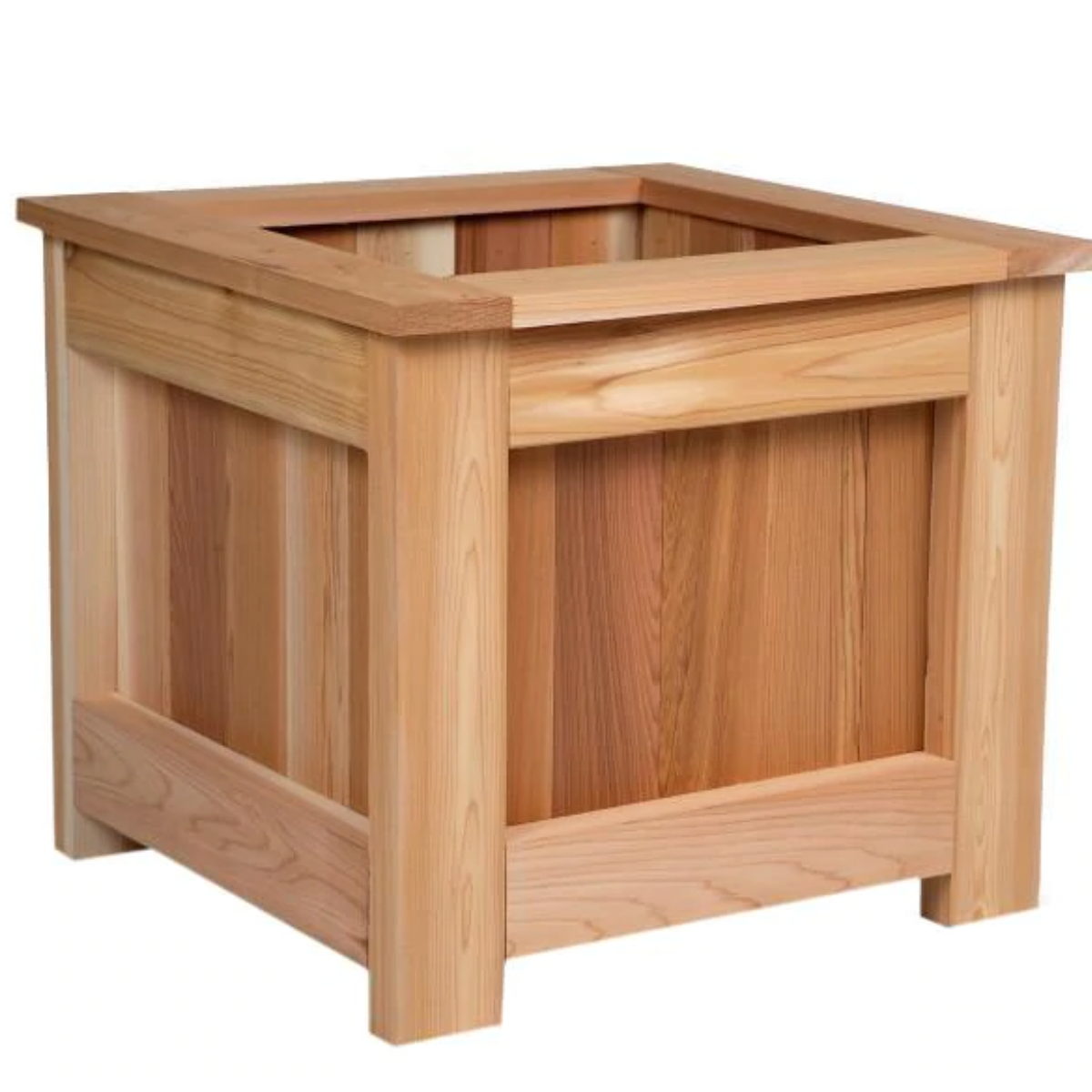
Container gardening gives you the flexibility to rearrange seasonally. Wheeled planters make heavy containers easy to reposition. Modular container systems allow you to expand or contract plantings as needed.

Pairing Plants with Furniture Materials

  • Teak and natural wood: Warm-toned foliage like ornamental grasses, flowering shrubs, and broad-leafed tropical plants
  • Metal and contemporary: Architectural plants — succulents, agaves, topiary, and ornamental grasses with clean forms
  • Wicker and natural fiber: Cottage garden perennials, climbing vines, herb gardens, and casual wildflower plantings

Seasonal Plant Strategy

  • Spring: Early bulbs, flowering shrubs, cool-season annuals for immediate color
  • Summer: Heat-tolerant perennials, tropical plants for lush resort-like appeal
  • Fall: Plants with autumn foliage color, ornamental grasses for movement
  • Winter: Evergreens for year-round structure, plants with interesting bark or branch patterns

👉 For detailed plant-furniture pairing guides, container strategies, and a full seasonal calendar: [How to Create a Stunning Garden with Furniture, Plants & Design Guide →]


Step 5 — Design for All Seasons with Smart Planning

A truly well-designed outdoor space works beautifully in spring, summer, autumn, and — where climate permits — even winter. Seasonal design thinking keeps your investment valuable all year, not just during peak summer months.

Spring Preparation

Spring is the time to refresh your outdoor space after winter. Clean and inspect all furniture for weather damage. Reapply protective oils to teak and sealants to wood surfaces. Refresh cushion fillings where needed and replace any faded or worn covers.
Introduce early-blooming plants in containers for immediate color. Clean and test all lighting fixtures. Inspect patio surfaces for cracks or winter damage, and address any issues before peak season.

Summer Enjoyment

Summer is your outdoor space’s prime time. Focus on maximizing comfort. Position furniture to take advantage of cooling shade during peak heat hours. Use outdoor rugs to define zones and soften hard surfaces underfoot.

Consider shade solutions — umbrellas, pergolas, shade sails — that protect both you and your furniture from UV damage. Keep cushions stored when not in use to extend their lifespan.

Fall Transition

As temperatures cool, your outdoor space shifts from a daytime entertaining hub to a cozy evening retreat. Add warm throws, outdoor blankets, and fire pits or heat lamps to extend usability into cooler months.

Swap summer-blooming annuals for fall-color perennials. Clean and store summer-specific accessories. Apply protective covers to furniture that will remain outdoors through winter.

Winter Protection

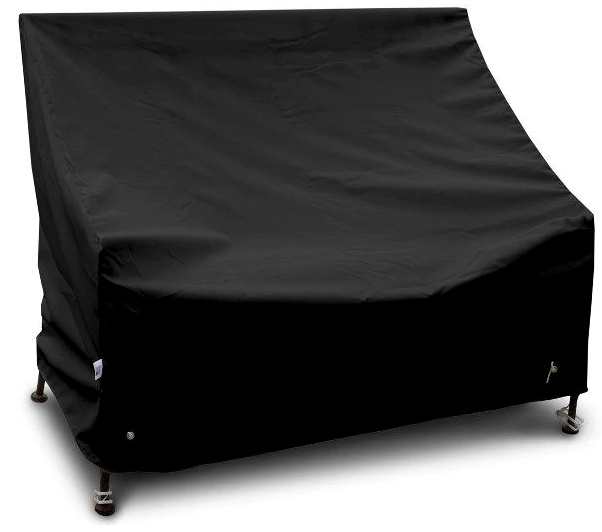
Proper winterization protects your furniture investment. Store cushions, pillows, and fabric accessories in a dry, climate-controlled space. Apply high-quality furniture covers to pieces that must remain outdoors.

For covered patios and verandas, create a winter-friendly seating arrangement with weather-resistant materials and warm textiles. Even in cooler months, a well-protected outdoor area can serve as a refreshing retreat on sunny winter days.

👉 For a complete seasonal maintenance calendar, storage tips, and year-round decorating strategies: [Designing Outdoor Space — Seasonal Design Tips All Seasons →]

The Complete Guide to Designing Your Dream Outdoor Living Space

Step 6 — Budget Wisely for a Complete Outdoor Makeover

Transformations stall most often not because of a lack of vision, but because of a lack of financial planning. A clear budget framework turns an overwhelming project into a manageable, phased process.

Understanding Where Your Money Goes

A complete outdoor makeover typically spans four cost categories:
Category Recommended Allocation
Outdoor Furniture 35–40%
Landscaping & Plants 20–25%
Lighting & Accessories 10–15%
Hard Landscaping (decking, paving, structures) 15–20%
Contingency Buffer 10–15%


Smart Money-Saving Strategies

Buy off-season. Outdoor furniture prices drop by 30–60% during late-summer and early-autumn clearance sales. Purchase during this window, store correctly, and deploy the following season.

Apply the high-low mix. Invest in one quality statement piece — a premium sofa or dining table — and balance it with budget-friendly side tables, decorative accents, and accessories.

Phase your project. Don’t attempt everything at once. Spread your makeover across phases: foundation first (furniture, drainage fixes), then greenery, then lighting and accessories, then structural upgrades.

Material Choices That Save Long-Term

Cheap furniture costs more over time due to early replacement. Focus on:
  • Powder-coated aluminum: Lightweight, rust-free, virtually maintenance-free
  • Teak: Naturally weather-resistant, ages beautifully, lasts decades
  • HDPE wicker: Extremely durable, fully weather-proof, eco-friendly
  • Solution-dyed acrylic cushions: Fade-resistant for years of use

Common Budget Traps

  • No contingency buffer (always reserve 10–15%)
  • Underestimating delivery and assembly fees
  • Ignoring long-term maintenance costs
  • Impulse-buying accessories before establishing furniture and landscaping
  • Overlooking ground preparation and drainage costs

👉 For a complete budgeting framework, seasonal shopping calendar, and cost-saving material comparisons: [Budgeting Tips for a Complete Outdoor Makeover →]

The Full Blueprint at a Glance

Here’s how all six steps connect into one seamless outdoor transformation journey:
Step Focus Key Action
1️⃣ Measure & Map Create a scaled floor plan with sun and traffic mapping
2️⃣ Layout Strategy Arrange furniture for flow, conversation, and proportion
3️⃣ Lighting Design Layer ambient, task, and accent lighting to match furniture style
4️⃣ Plants & Greenery Use strategic plantings to soften, frame, and enhance furniture
5️⃣ Seasonal Planning Maintain and adapt your space across all four seasons
6️⃣ Budgeting Phase your makeover with smart allocation and shopping timing


Frequently Asked Questions

How do I start planning my outdoor living space on a small budget?
Start with a scaled measurement and layout plan — this costs nothing but prevents expensive mistakes. Then prioritize one quality furniture piece (a durable dining table or a comfortable sofa) and phase in everything else over multiple seasons. Use container plants and solar lighting as low-cost enhancements that create an outsized impact.

What’s the biggest mistake people make when designing outdoor spaces?
Cramming too much furniture into too small a space. Most homeowners overestimate how much their patio or deck can comfortably hold. Leaving adequate breathing room between pieces, maintaining clear traffic paths, and resisting the urge to fill every corner create a more polished, functional result.

How do I match lighting with my existing outdoor furniture?
Consider your furniture’s material and style. Sleek metal pieces pair well with minimalist fixtures. Warm wicker and wood furniture suit softer, organic lighting. The key is balance — let your lighting complement your furniture without competing for visual attention.

Can I design an outdoor space that works in all four seasons?
Absolutely. Choose weather-resistant furniture materials like teak, aluminum, or HDPE wicker. Invest in protective covers and indoor cushion storage. Layer in seasonal plants — evergreens for winter structure, perennials for summer color. Add a fire pit or heat lamp to extend comfortable use into cooler months.

What’s the best way to blend plants with furniture without making the space feel cluttered?
Use the principle of layered height. Place tall plants behind or beside furniture to create a backdrop. Use mid-height plants at the edges of seating areas to define zones. Keep ground-level plants low and spreading. Container gardening offers the flexibility to adjust plant arrangements as your space evolves.

Conclusion: Your Blueprint for an Outdoor Space You’ll Love

A thoughtfully designed outdoor living space doesn’t happen by accident. It happens through systematic planning — accurate measurements, smart furniture layout, complementary lighting, integrated greenery, seasonal awareness, and disciplined budgeting.

The journey is best taken step by step. Start with your measurements and a clear layout plan. Choose furniture that fits your space and lifestyle. Add lighting and greenery that enhance — not overwhelm — your arrangement. Plan for year-round enjoyment. And above all, budget realistically so your vision becomes reality rather than a half-finished project.

Every outdoor space has the potential to become your favorite room in the house. All it takes is the right plan, the right pieces, and the confidence to bring it all together.
Explore our complete collection of weather-resistant outdoor furniture, lighting solutions, and accessories designed to help you build the outdoor living space you’ve always wanted.


Also in News

Budgeting Tips for a Complete Outdoor Makeover

5 Practical Tips to Rent Out Part of Your Home Without the Stress The Charming Bench Company
5 Practical Tips to Rent Out Part of Your Home Without the Stress

Looking for a smart way to boost your income? Renting out part of your home—whether it’s a spare room or guest house—can help ease financial pressure and build long-term stability. Discover five practical tips to prepare your space, attract the right tenants, and maximize your rental income with confidence.

Designing outdoor space / Seasonal Design Tips for Outdoor Spaces (Spring, Summer, Fall, Winter)
Seasonal Design Tips for Outdoor Spaces (Spring, Summer, Fall, Winter)