How to Store Outdoor Furniture in the Off-Season: The Complete Guide
You spent months building your perfect outdoor living space. The ideal dining set, the perfectly cushioned lounge chairs, the teak bench that anchors the whole garden — and now, as the temperature drops, every piece sits exposed to what the off-season is about to deliver. Frost. Sustained dampness. Freeze-thaw cycles. And the slow, silent destruction of mould. This is where most homeowners lose money. Not at the point of purchase — but at the point of neglect. Knowing how to correctly store outdoor furniture before the cold sets in is one of the highest-return maintenance habits you can build.
A few hours of proper preparation in autumn translates directly to years of additional life from every piece in your collection. This guide gives you a clear, material-by-material, step-by-step process — so your furniture emerges from storage in spring looking exactly as it did the day you first set it up.
Why Proper Off-Season Storage Protects Your Investment
Outdoor furniture is designed to handle sun, wind, and occasional rain — not sustained multi-month exposure to freezing temperatures, heavy snow loads, or relentless dampness. Even the most weatherproof materials have a threshold.
Teak cracks and splits during prolonged freeze-thaw cycles. Powder-coated metal develops rust at any scratched or chipped point when left sitting in standing moisture. Wicker becomes brittle and begins to separate when exposed to repeated wet-dry cycles throughout winter. Cushion fabric without proper off-season care turns into a breeding ground for mould and mildew within weeks.
Properly stored furniture lasts two to three times longer than furniture left unprotected. That is not a small margin — it is the difference between replacing your collection every four years or every decade.
Step 1 — Deep Clean Before You Store Anything
The most common off-season mistake is putting dirty furniture into storage. Organic debris — pollen, bird droppings, food residue, and leaf stains — continues to break down during storage, etching into surfaces, attracting insects, and accelerating mould growth.
Before you store outdoor furniture, commit to a thorough deep clean across every piece:
Wood furniture: Use a mild soapy solution with a soft-bristle brush. Scrub along the grain, rinse thoroughly, and allow a minimum of 48 hours to dry completely before storage.
Metal furniture: Wipe down with a damp cloth and mild detergent. Inspect every surface for chipped paint or scratch points — treat these immediately with a touch-up paint or rust-inhibiting primer.
Wicker and rattan: Use a vacuum with a brush attachment first to remove trapped debris, followed by a damp cloth wipe-down. Allow full air-drying — at least 24 hours.
Cushions and fabric: Machine-wash removable covers where possible. For non-removable covers, use an upholstery cleaner and allow complete drying before packing away.
⚠️ Critical Rule:Never store furniture that is even slightly damp. Moisture trapped inside storage is the fastest route to mould damage — and it is entirely preventable.
Step 2 — Treat and Protect Each Material Before Storing
Cleaning prepares furniture for storage. Treatment protects itthrough the off-season. Each material type requires a specific approach.
🪵 Teak and Solid Hardwood Furniture
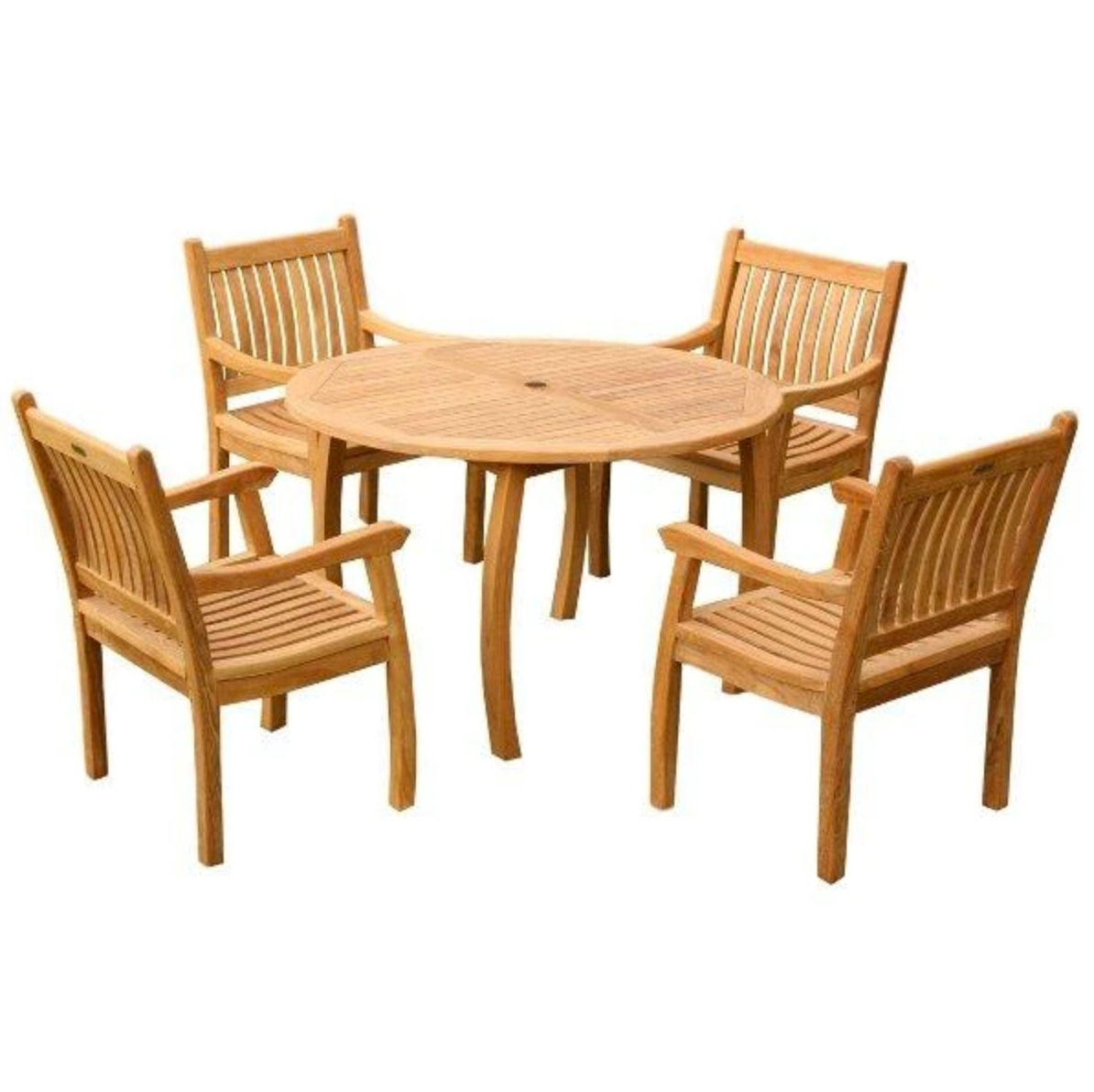
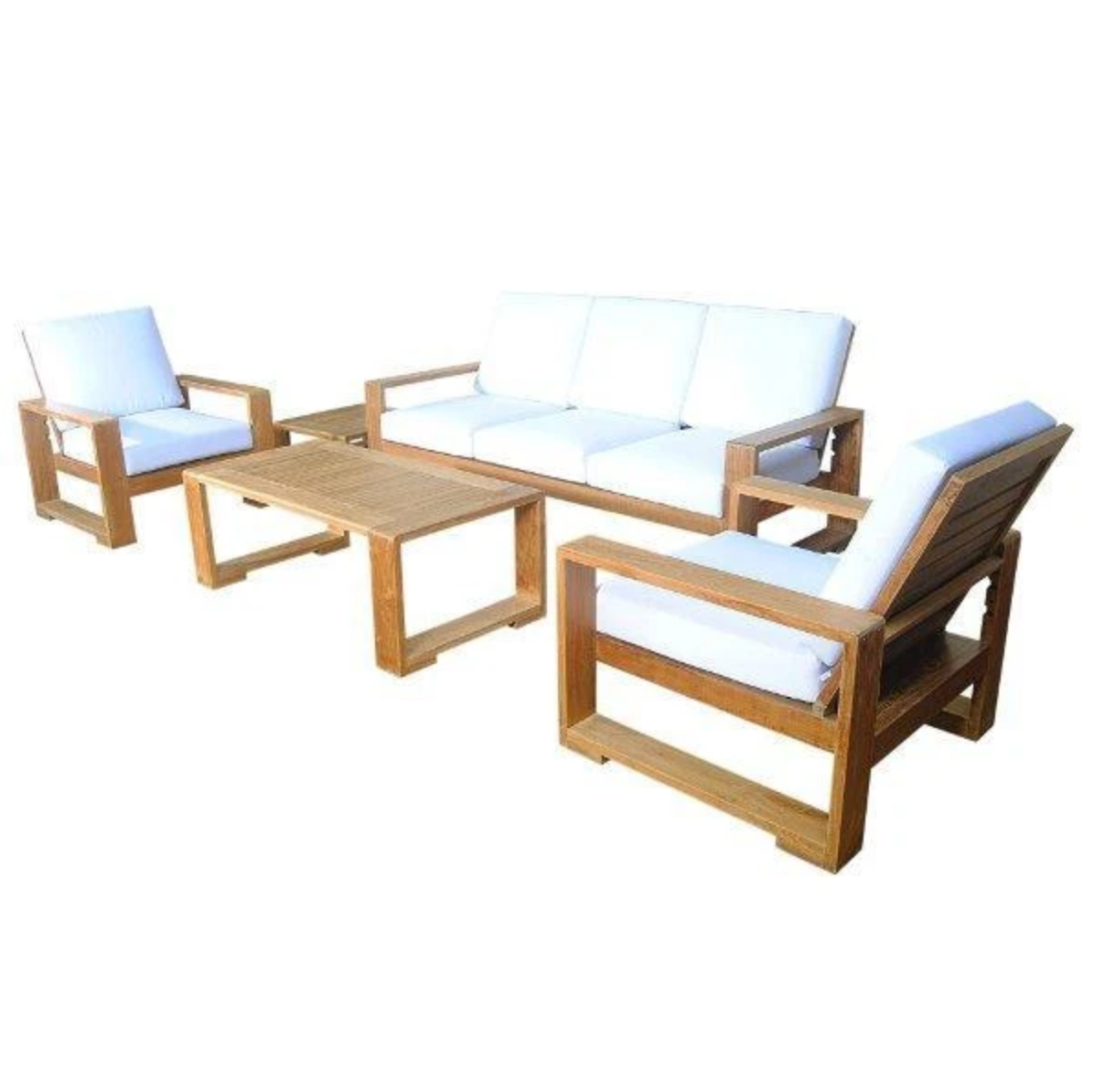
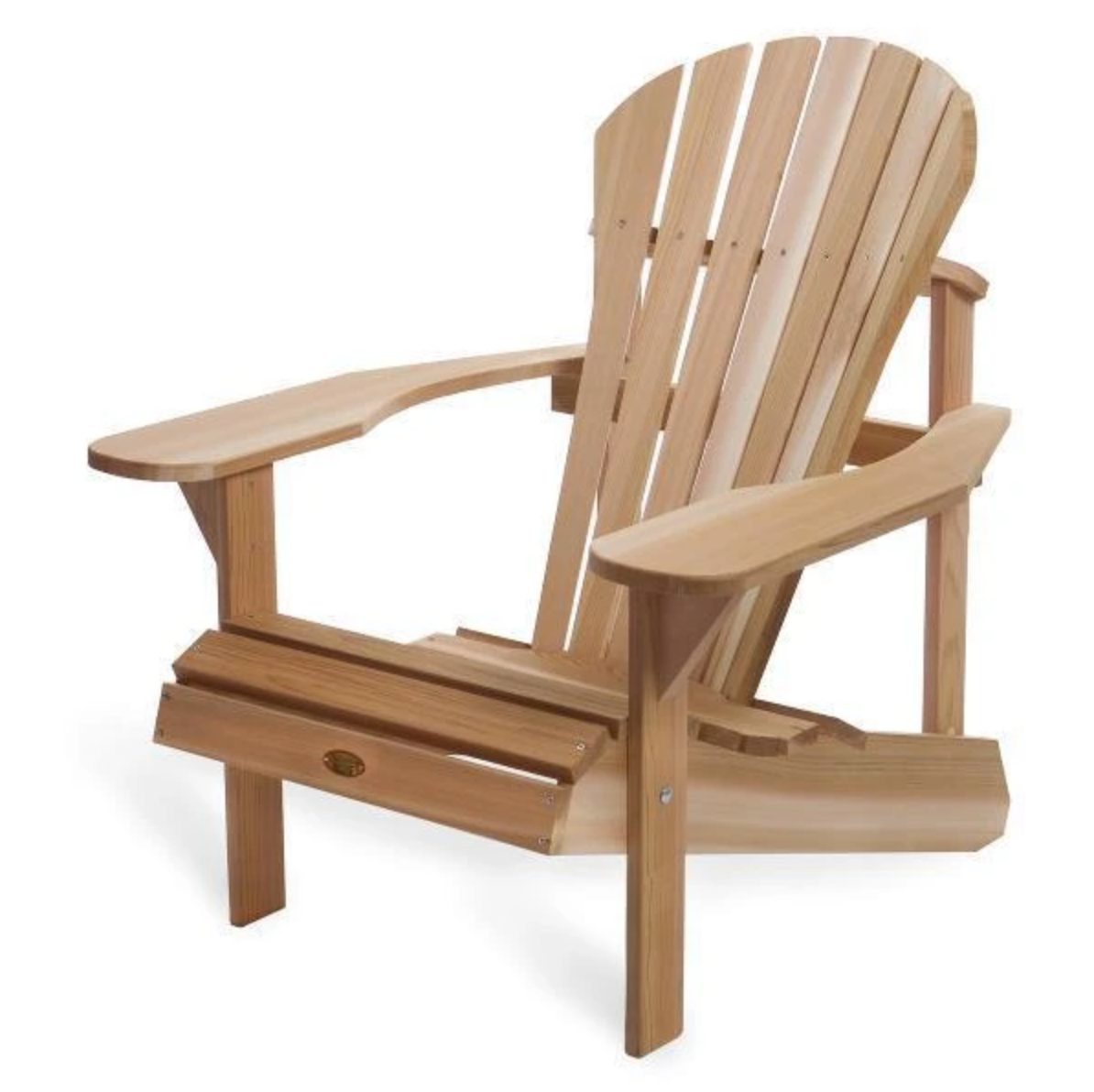
Teak is among the most durable patio furniture materials available, but it still benefits from seasonal treatment. After cleaning, apply a thin coat of teak oil or a specialist hardwood sealer. This replenishes the natural oils that prevent cracking and maintains the wood's warm, golden tone. Allow full absorption — typically 24 hours — before covering or moving into storage.
🔩 Metal and Powder-Coated Aluminum
Inspect every joint, weld point, and surface for rust spots. Sand any rust back to bare metal, treat with a rust converter, and apply a matching touch-up paint before storage. For aluminum furniture, apply a thin coat of car wax — it creates a moisture-resistant barrier that holds through the entire off-season.
🪑 Wicker and Rattan
Natural wicker benefits from a light application of linseed oil to prevent brittleness during cold months. Synthetic rattan (resin wicker) needs to be cleaned and completely dry — no additional treatment is required.
🛋️ Cushions and Outdoor Fabrics
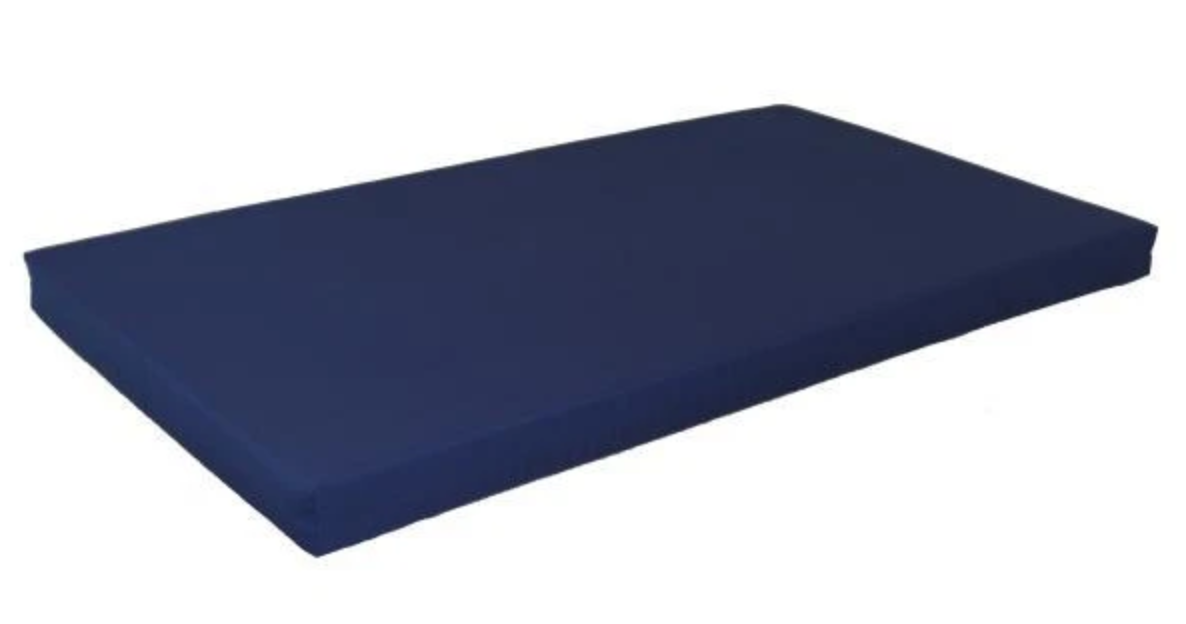
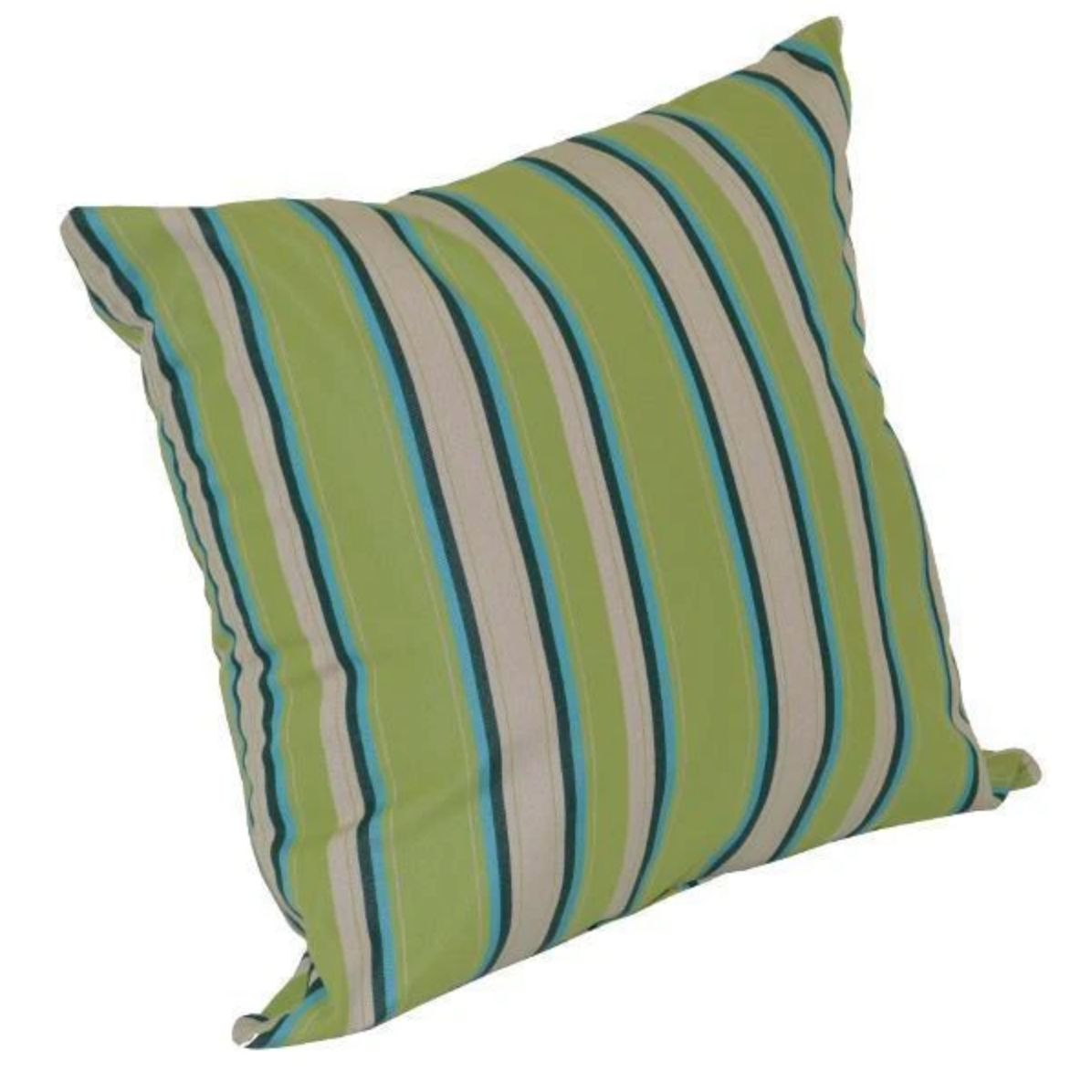
Store cushions in breathable cotton storage bags or purpose-built deck boxes — never in sealed plastic bags, which trap residual moisture and significantly accelerate mould growth. Adding a cedar block or silica gel packet inside each storage bag helps absorb any residual humidity throughout the winter months.
Step 3 — Choose the Right Storage Location
Where youstore outdoor furniture is as important as how you prepare it. Not all storage environments provide the same level of protection.
Here are your best options, ranked by effectiveness:
Garage or garden shed (indoor storage): The gold standard. A dry, temperature-stable environment protects all furniture types, particularly cushions, wood, and wicker.
Basement storage: Excellent for cushions and smaller decorative items. Ensure the space is free from flooding risk and maintains low humidity throughout winter.
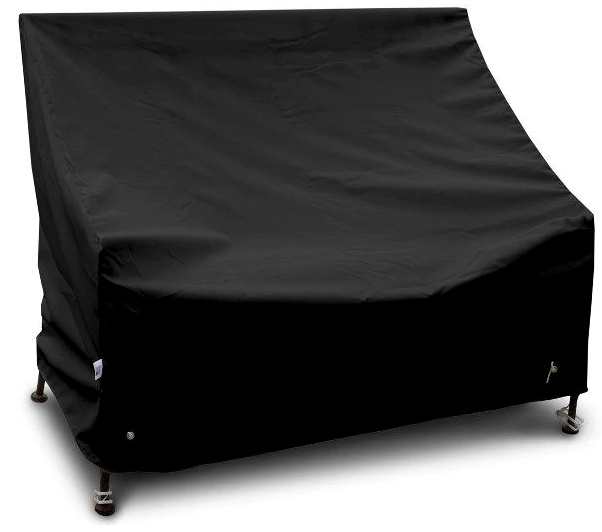
Covered outdoor storage with quality furniture covers: Practical for large, heavy pieces such as dining tables and sectional sofas that are difficult to move. Use heavy-duty, waterproof,breathable covers — never plastic tarps, which trap moisture underneath.
Climate-controlled storage unit: An ideal option for large furniture collections in homes without garage space, particularly for protecting wood and wicker from extreme temperature swings.
Regardless of location, ensure adequate air circulation around stored pieces. Stacking furniture tightly with no airflow creates the exact humidity conditions that mould thrives in.
Step 4 — Stack, Wrap, and Pack Correctly
Smart packing prevents scratches, warping, and accidental damage during the storage period.
Follow these rules when stacking and packing:
Stack chairs seat-to-seat, placing a soft cloth or foam pad between each piece to prevent surface scratching.
Remove glass tabletops and store them vertically against a padded wall — never flat under weight.
Disassemble what you can. Removing table legs and folding collapsible pieces reduces storage space and eliminates stress on joints over long periods.
Use furniture feet protectors on any pieces placed directly on concrete floors — concrete actively wicks moisture upward into furniture bases.
Label everything clearly. When spring arrives, knowing exactly where each cushion, bolt, and accessory belongs saves significant time during setup.
Common Mistakes to Avoid When Storing Outdoor Furniture
Even homeowners who make the effort to protect their furniture can fall into these traps:
Storing furniture even slightly damp: Residual moisture is enough to trigger mould within weeks of storage.
Using plastic covers without ventilation: Plastic seals in humidity. Always choose covers with ventilation panels or breathable fabric construction.
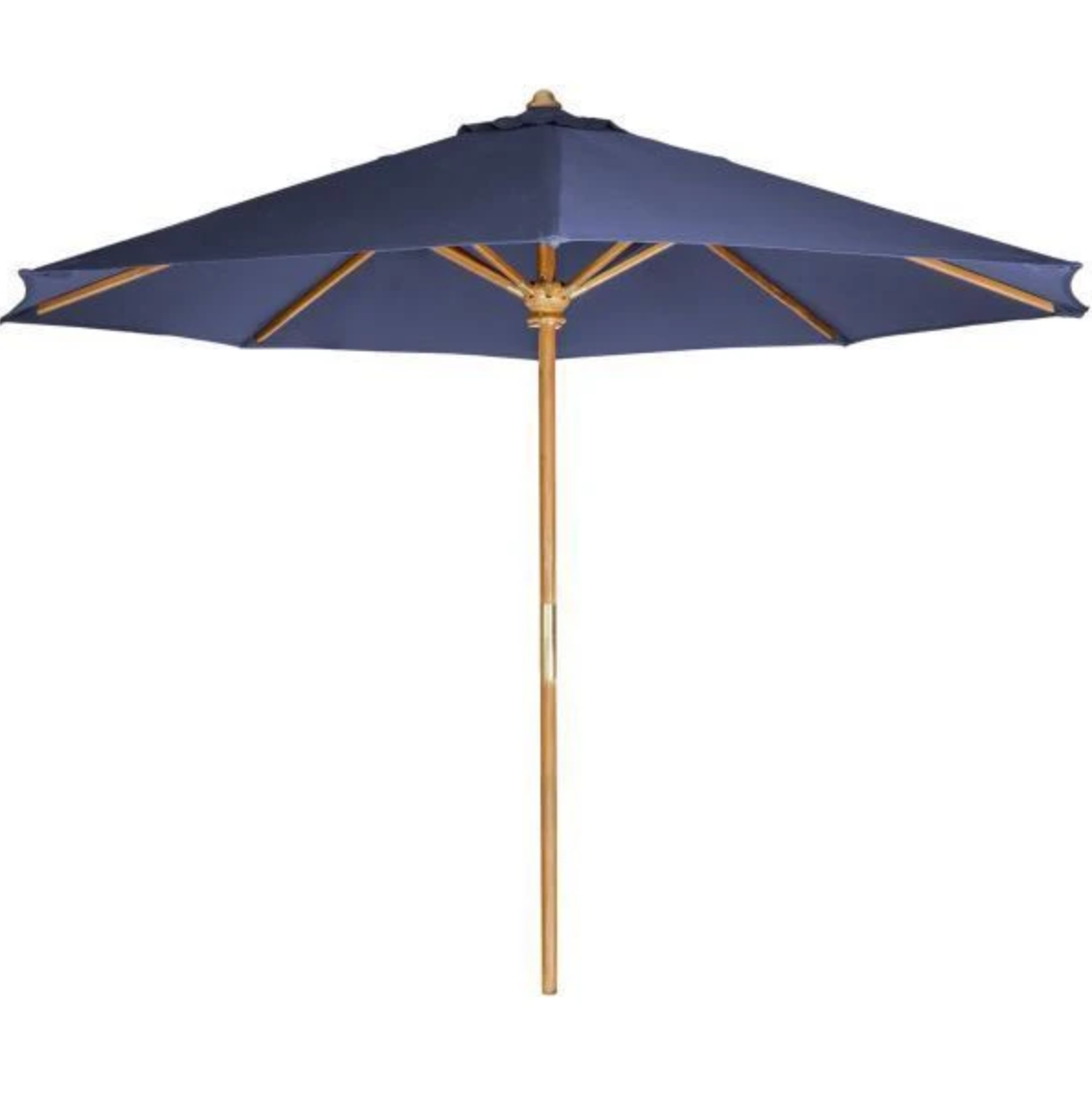
Forgetting the umbrella: Outdoor umbrella canopies are among the most vulnerable items in your collection. Remove the canopy, clean it thoroughly, and store it flat or rolled inside a breathable bag.
Skipping the spring inspection: Always inspect furniture when bringing itout of storage, not just when storing it. Early detection of rust, mould, or minor cracking allows for simple repairs before they escalate into costly damage.
Waiting until the first frost: Begin your off-season patio furniture process in early autumn. Rushing preparation leads to shortcuts — and shortcuts lead to damage.
❓ Frequently Asked Questions
When should I start storing outdoor furniture for the off-season?
Begin in early to mid-autumn — at least two to three weeks before your first expected frost. This window allows adequate time for cleaning, treating, and fully drying each piece before storage.
Do I need to store outdoor furniture if it is labeled weather-resistant?
Yes. "Weather-resistant" describes tolerance to occasional exposure, not sustained multi-month winter conditions. Even the most durable materials benefit from proper off-season storage, which significantly extends their usable lifespan.
Can I store patio furniture outside with just a cover?
For large, heavy pieces, this is a practical option. Use heavy-duty, breathable, waterproof covers and secure them with tie-down straps. Elevate furniture slightly off the ground using furniture feet or wooden blocks to prevent moisture from wicking up from below.
How do I prevent mould on stored outdoor cushions?
Clean thoroughly, dry completely, and store in breathable cotton bags with a silica gel packet or cedar block inside. Sealed plastic bags are the leading cause of mould in stored cushions — avoid them entirely.
Your Furniture Is Ready for Whatever Comes Next
Properly storing your outdoor furniture each off-season is one of the simplest and highest-return maintenance habits a homeowner can adopt. A few hours of careful preparation in autumn translates to several years of additional life from pieces you invested in — and a far more enjoyable outdoor season when the warm weather returns.
Clean thoroughly. Treat each material appropriately. Choose the right storage environment. And when spring arrives, your outdoor space will be ready to perform exactly as it did on day one.