Rust Prevention Tips for Metal and Wrought Iron Furniture
Why you should invest time and energy in rust prevention. Metal and wrought iron furniture brings timeless elegance, durability, and architectural character to outdoor spaces. A well-crafted iron bench, steel dining set, or aluminum lounge collection can last decades—but only if you protect it from rust, the silent destroyer of metal furniture.
Rust doesn't happen overnight. It's a gradual oxidation process triggered by moisture, oxygen, and time.
The good news? Rust prevention is entirely manageable with the right approach, materials, and maintenance routine. Whether you own vintage wrought iron or modern steel furniture, this guide covers everything you need to know to keep rust at bay and preserve your investment. If you are looking for alternatives to cast iron furniture, you should go with stainless steel furniture. Stainless steel is corrosion resistant.
Understanding Rust: Why It Happens & How to Stop It
Rust forms when iron or steel oxidizes—a chemical reaction occurring when metal meets moisture and oxygen. This process accelerates in humid climates, near salt water, or during temperature fluctuations that cause condensation.
The rust prevention hierarchy is simple:
Prevent moisture contact (most important)
Apply protective coatings (second line of defense)
Understanding this sequence helps you prioritize efforts and invest wisely in rust prevention strategies.
Metal Types & Their Rust Resistance
Not all metal furniture requires identical rust prevention approaches. Different metals have varying natural resistance to oxidation.
Wrought Iron
Traditional wrought iron is pure iron shaped by hand—beautiful but highly susceptible to rust. Wrought iron furniture requires consistent protection and regular maintenance. However, its classic aesthetic and craftsmanship make the effort worthwhile for many homeowners.
Best practice: Wrought iron needs year-round protection, including annual professional refinishing for vintage or heirloom pieces.
Cast Iron
Similar to wrought iron, cast iron is prone to rust but offers durability and character. Cast iron outdoor furniture, grills, and fire pits require vigilant rust prevention, especially in humid or coastal environments.
Advantage:Cast iron can be fully restored even after significant rust formation, making it ideal for salvaged or inherited pieces.
Steel & Stainless Steel
Standard steel rusts readily without protection but is affordable and easy to refinish. Stainless steel contains chromium, which creates a naturally protective oxide layer, making it significantly more rust-resistant. Higher-grade stainless steel (grades 316 or marine-grade) resists corrosion better in harsh environments.
Cost-benefit: Stainless steel costs more upfront but requires minimal maintenance, making it ideal for coastal or humid climates where rust prevention is challenging.
Aluminum
Aluminum naturally oxidizes but doesn't rust like iron. The oxidation creates a protective layer, making aluminum furniture extremely low-maintenance. For buyers prioritizing minimal rust prevention work, aluminum is the practical choice.
Powder-Coated Metals
Many modern metal furniture pieces receive powder coating—a durable, protective finish that significantly reduces rust risk. Quality powder-coated furniture can go years with minimal maintenance if the coating remains intact.
Essential Rust Prevention Methods
1. Protective Coatings & Paints
Coatings form a barrier between metal and moisture—the foundation of rust prevention.
Oil-Based Paints & Enamel
Traditional oil-based outdoor paints provide excellent protection and durability. They adhere well to metal and create a tough, weather-resistant finish lasting 5–7 years. Oil-based options work on both new and existing metal furniture.
Application:Use a quality metal primer first, then apply 2–3 coats of outdoor enamel paint. Primers specifically designed for metal ensure superior adhesion.
Acrylic & Latex-Based Paints
Water-based exterior paints dry faster and emit fewer fumes than oil-based options. Modern acrylic formulations offer decent rust protection, though they're slightly less durable than traditional enamels.
Best for: Budget-conscious buyers or those avoiding strong chemical odors. Reapplication is needed every 3–5 years.
Rust-Converting Primers
These specialized primers chemically convert existing surface rust into a stable compound, preventing further oxidation beneath the coating. Invaluable for treating rusty vintage furniture before refinishing.
How they work: Apply to rusty areas; the primer converts rust chemically, then apply topcoat paint for lasting protection.
2. Powder Coating
Industrial powder coating provides the longest-lasting protection for metal furniture. A fine powder is electrostatically applied and cured via heat, creating a uniform, durable finish.
Advantages:
• Lasts 10–15 years or longer
• Highly uniform coverage
• Resists chipping and peeling
• Available in countless colors and finishes
• Ideal for outdoor furniture exposed to harsh weather
Drawback:Professional powder coating requires sending furniture to a specialized facility, adding cost and time. However, for valuable pieces or those in extreme climates, this investment is worthwhile.
3. Oils & Traditional Finishes
For wrought iron and cast iron, traditional oil finishes offer protection while enhancing natural beauty.
Boiled Linseed Oil
A classic choice for wrought iron, boiled linseed oil penetrates metal, protecting from moisture while creating an attractive dark patina. It requires frequent reapplication (monthly or quarterly) but produces stunning results on decorative pieces.
Paste Wax
When applied over primer or paint, paste wax adds a moisture barrier. It's particularly useful for wrought iron accents or vintage pieces where aesthetics matter.
Modern Rust-Preventative Oils
Products like naval jelly and penetrating oils offer chemical rust prevention. These work best on lightly rusted surfaces and as maintenance between major refinishing.
4. Galvanizing & Electroplating
For new metal furniture, factory galvanizing (hot-dip galvanizing) provides exceptional rust resistance. Zinc coating acts as a sacrificial barrier, protecting the underlying metal even if the coating is scratched. To prevent rust, this is one of the best methods.
Lifespan:Galvanized furniture can last 20–50 years with minimal maintenance in most climates.
Cost consideration:Galvanized pieces cost more initially but deliver unmatched long-term value in rust prevention.
Step-by-Step Rust Prevention & Treatment
For New Metal Furniture
Inspect finish: Confirm paint, powder coating, or galvanizing is intact
Clean regularly: Remove dirt, pollen, and debris with a soft cloth and mild soap
Dry thoroughly:Moisture left standing accelerates rust formation
Apply protective coatings annually:Touch up paint or reapply oil finishes
Monitor for scratches:Address any coating damage immediately
For Existing Rusty Furniture
Assess rust severity: Surface rust is cosmetic; deep pitting weakens structural integrity
Clean with wire brush or steel wool: Remove loose rust, paint, and debris
Apply rust converter:Use rust-converting primer to stabilize remaining rust chemically
Prime bare metal:Use metal-specific primer on exposed areas
Paint or refinish:Apply protective topcoat (2–3 coats recommended)
• Rinse furniture with water to remove salt spray, pollen, and dust
• Dry with a soft cloth to prevent moisture pooling
• Inspect for new scratches or coating damage
Quarterly Maintenance
• Deep clean with mild soap and water
• Use a soft brush to reach crevices where moisture collects
• Apply protective oil (for wrought iron) or touch up paint as needed
Annual Deep Treatment
• Thoroughly inspect all surfaces for rust or coating deterioration
• Touch up paint or enamel on any scratched areas
• Reapply oil finishes for wrought iron pieces
• Consider professional refinishing for high-value vintage furniture
Climate-Specific Adjustments
Coastal environments: Increase maintenance frequency; salt spray accelerates rust dramatically. Monthly rinses and quarterly deep cleaning are essential. Consider galvanized or stainless steel furniture.
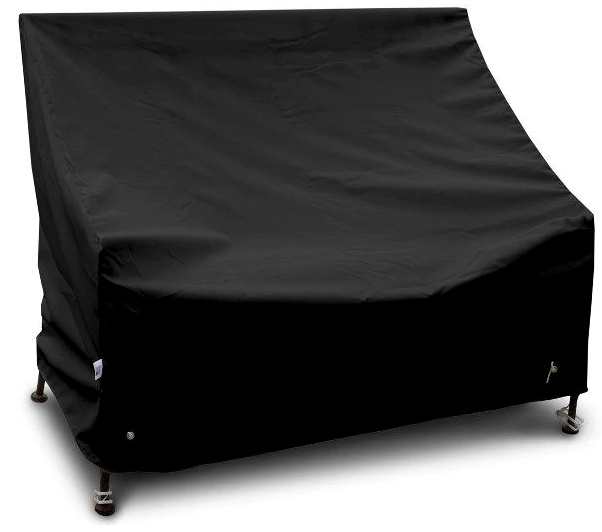
Humid climates:Moisture-heavy air promotes rust even without rainfall. Ensure proper air circulation around furniture; consider using breathable furniture covers rather than plastic (which traps moisture).
Cold climates: Freeze-thaw cycles cause condensation and micro-cracks in coatings. Apply extra protective coats before winter; inspect after spring thaw.
Common Rust Prevention Mistakes
Ignoring small rust spots: Surface rust spreads quickly. Address minor spots immediately before they become major problems requiring refinishing.
Using indoor products outdoors:Interior paint and oils lack UV and weather resistance. Always use outdoor-rated products designed for metal.
Storing furniture without protection:Wet storage accelerates rust exponentially. Use breathable covers in storage; ensure air circulation.
Applying coatings to wet or dirty metal:Moisture and debris prevent proper adhesion. Always clean and dry thoroughly before painting.
Choosing appearance over function:A beautiful but unprotected finish looks great initially but fails quickly. Prioritize protection; aesthetics follow naturally.
Skipping maintenance:Rust prevention requires ongoing effort. Annual touch-ups cost far less than professional refinishing or replacement.
FAQ: Rust Prevention for Metal Furniture
Can I remove rust from wrought iron furniture myself?
Yes, for surface rust. Use a wire brush, steel wool, or wire wheel to remove loose rust. For stubborn corrosion, apply rust converter or naval jelly. For deep pitting or structural damage, professional restoration is recommended.
How often should I repaint outdoor metal furniture?
Quality outdoor enamel typically lasts 5–7 years. Inspect annually and touch up scratches immediately. Full repainting is needed when coating shows widespread wear, chalking, or peeling—usually every 5–7 years depending on climate.
Is stainless steel furniture completely rust-proof?
Most stainless steel resists rust excellently, but even high-grade stainless can corrode in extreme environments (like tropical coastal areas). Regular rinsing and occasional cleaning prevent corrosion even on stainless steel.
What's the best rust prevention for vintage wrought iron?
Combination approach: use rust converter on any surface rust, apply metal primer, then finish with quality outdoor enamel or traditional boiled linseed oil. For heirloom pieces, professional restoration ensures authenticity and longevity.
Should I store metal furniture outdoors year-round or cover it?
Use breathable covers during off-seasons or harsh weather. Plastic covers trap moisture and accelerate rust; opt for fabric covers that allow air circulation. In extreme climates, storing furniture indoors during winter extends lifespan significantly.
Can powder-coated furniture be restored if coating fails?
Professional recoating is possible but requires stripping the original coating and reapplying. For this reason, prioritizing quality powder coating (rust prevention products) initially saves costs long-term.
Protecting Your Metal Investment
Metal and wrought iron furniture offers timeless beauty and lasting durability—but only with proactive rust prevention. By understanding your metal type, applying appropriate protective coatings, and maintaining them consistently, you keep rust at bay and preserve your furniture's character and function for generations.
Whether you're investing in new stainless steel pieces or restoring vintage wrought iron, start rust prevention today. Regular maintenance beats emergency refinishing. A small investment in coatings and consistent care protects thousands of dollars in furniture investment.
The most expensive mistake is waiting. Rust spreads exponentially once it starts. Monthly rinses, annual inspections, and touch-up coatings take minimal time and effort—but deliver maximum long-term value. Your outdoor furniture will reward that commitment with years of reliable performance and visual appeal.
Ready to upgrade or restore your metal outdoor collection? Explore our selection of rust-resistant metal furniture, professionally finished and backed by durability you can trust. From galvanized steel to premium stainless options, find pieces built to weather any climate.