Your Cart is Empty

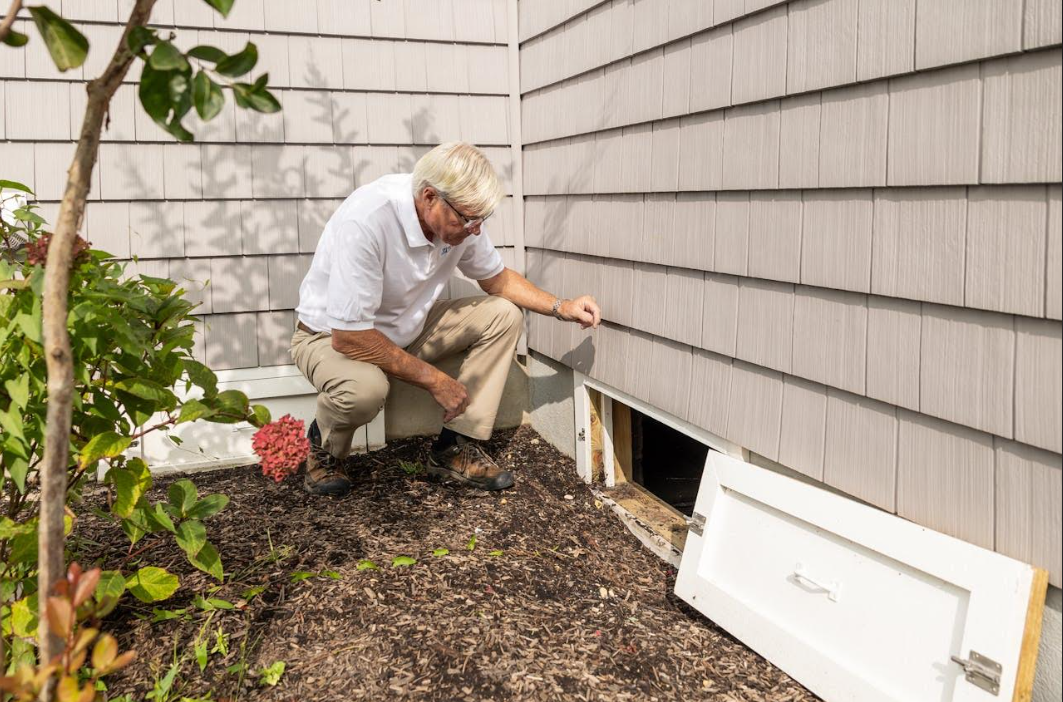

Crawl space damage begins with seemingly minor issues—a bit of dampness, a musty odor, or slightly higher utility bills. However, if left unaddressed, these moisture and ventilation problems rapidly evolve into serious structural concerns that jeopardize the stability of the entire house. The turning point occurs when sustained moisture leads to the deterioration of the wood framing, reducing its ability to bear the massive weight of the home above. This structural failure demands far more intensive and costly repairs than simple moisture remediation.
The crawl space contains the critical support elements—joists, girders, and sill plates—that transfer the load of the upper structure to the foundation walls and piers. When these elements decay, the support system becomes compromised and unstable.
Recognizing the transition from a moisture issue to a structural one is paramount for homeowners. Early crawl space repair efforts focus on prevention, but delayed action forces a pivot to complex structural remediation. In many cases, small warning signs are ignored until floors begin to sag, doors stick, or cracks appear, making repairs far more involved.
The primary structural components at risk in a damp crawl space are the wooden supports. When joists and girders absorb continuous moisture, they develop wood rot, which is caused by fungi that consume the wood's cellulose fibers. This process rapidly decreases the wood's density and strength, turning hard, load-bearing timber into soft, spongy material.
As the decay progresses, these critical support components begin to fail under the constant compressive load of the home. Girders may sag visibly, and joists may split or crack. This deterioration results in uneven floor support across large spans of the home.
The failure of these supports is the clearest indication that the damage has moved beyond moisture management and requires structural replacement or reinforcement, such as sistering joists or installing new support columns.
When support beams and joists fail due to rot, the load distribution becomes uneven, which severely stresses the entire wooden framing structure of the home above. This uneven support causes sections of the floor to settle or deflect more than others, putting rotational force (racking) on the walls.
This rotational stress is responsible for the classic signs of structural trouble: doors and windows that stick or jam because their frames have been pulled out of square, and diagonal cracks in drywall and ceilings that appear as the frame shifts.
The entire structure, from the subfloor up to the roof truss, is forced to compensate for the failing support system below, creating widespread cosmetic damage that directly indicates a deep structural instability.
Homeowners often receive their first clear warnings of structural crawl space damage in the living areas of the house. The most common signs are noticeably bouncy, soft, or visibly sagging floors, particularly in the center of rooms or near walls. These sags correspond directly to failing girders or rotted joist ends below.
Another major sign is the appearance of gaps between the floor and the baseboard trim, or between interior walls and the ceiling. These gaps signify that the entire floor system is dropping or twisting away from the fixed wall structure.
When these symptoms appear, the homeowner is not witnessing a minor, cosmetic issue; they are seeing the direct consequence of structural load failure in the critical components of the crawl space.
Delaying structural crawl space repair inevitably increases the complexity and cost of the fix. In the early stages of decay, a single compromised joist might be salvaged with sistering or a localized support column. However, as the damage spreads, multiple interconnected beams and supports may fail simultaneously.
Extensive decay necessitates comprehensive remediation, which may involve temporarily shoring up large sections of the home, removing multiple girders, replacing numerous joists, and installing a new network of permanent adjustable steel supports.
The longer the problem persists, the greater the likelihood that interior finish repairs—such as replacing cracked tiles, repairing drywall, and re-leveling floors—will need to be added to the structural bill, dramatically increasing the total project scope.
Crawl space damage progresses from a simple moisture issue to a critical structural failure when wood decay compromises the load-bearing capacity of the support system. This failure is systemic, causing uneven support that racks the entire home’s framing and leads to visible damage upstairs.
Early intervention focused on moisture control prevents this expensive escalation, preserving the structural integrity of the wood and the value of the home.
Proactive assessment and repair are essential to halt the destructive progression of decay and ensure the home’s stability remains sound from the ground up.


Traveling with your dog doesn't have to be stressful. From building a flexible itinerary and packing the right essentials to navigating busy transit hubs and booking the perfect accommodation, discover practical tips to plan a safe, comfortable, and fun vacation for both you and your pup.