Your Cart is Empty



Australia has a talent for taking a problem, stripping away the clutter, and rebuilding a solution from steel, sun, open air, and gut-level practicality.
Homes get this treatment. Farms get it twice. When people talk about “Australian upgrades,” they usually mean that blend of ruggedness and polish that looks like it could survive a storm, a drought, and three generations of kids. And once you look beyond the postcard clichés, you realize the Australian approach isn’t exotic at all—it’s simply efficient, clever, and strangely comforting.
Before diving into the big categories, imagine a house or a small farm that feels lighter, more durable, more organized, and far easier to maintain than anything you grew up with. That’s the energy we’re borrowing here.
Australians don’t negotiate with climate; they design around it. The light is harsher, the land is drier, and the gaps between towns stretch long. Everything in a typical Aussie upgrade—urban or rural—comes from this relationship between living and landscape.
Walk into a home built with even a hint of this philosophy and you notice immediate differences. Breezeways instead of narrow corridors. Outdoor spaces that function as living rooms. Materials chosen like they’re going to war, but styled like they’re hosting a dinner party. And, most of all, layouts that push you to use every square meter without feeling cramped.
Aussies treat airflow like Americans treat HVAC. It’s a whole culture, not a switch on the wall. Louvres, clerestory windows, cross-breeze pathways, oversized sliders—these aren’t architectural “features.” They are survival tactics that evolved into design signatures.
Hardwood decks, steel frames, weatherboard exteriors, corrugated metal roofs—they come from necessity. But they’ve become part of a design vocabulary that balances endurance with aesthetic charm. Once you understand that the harsh sun erodes weak materials quickly, you realize why Australians don’t play around with low-quality builds.
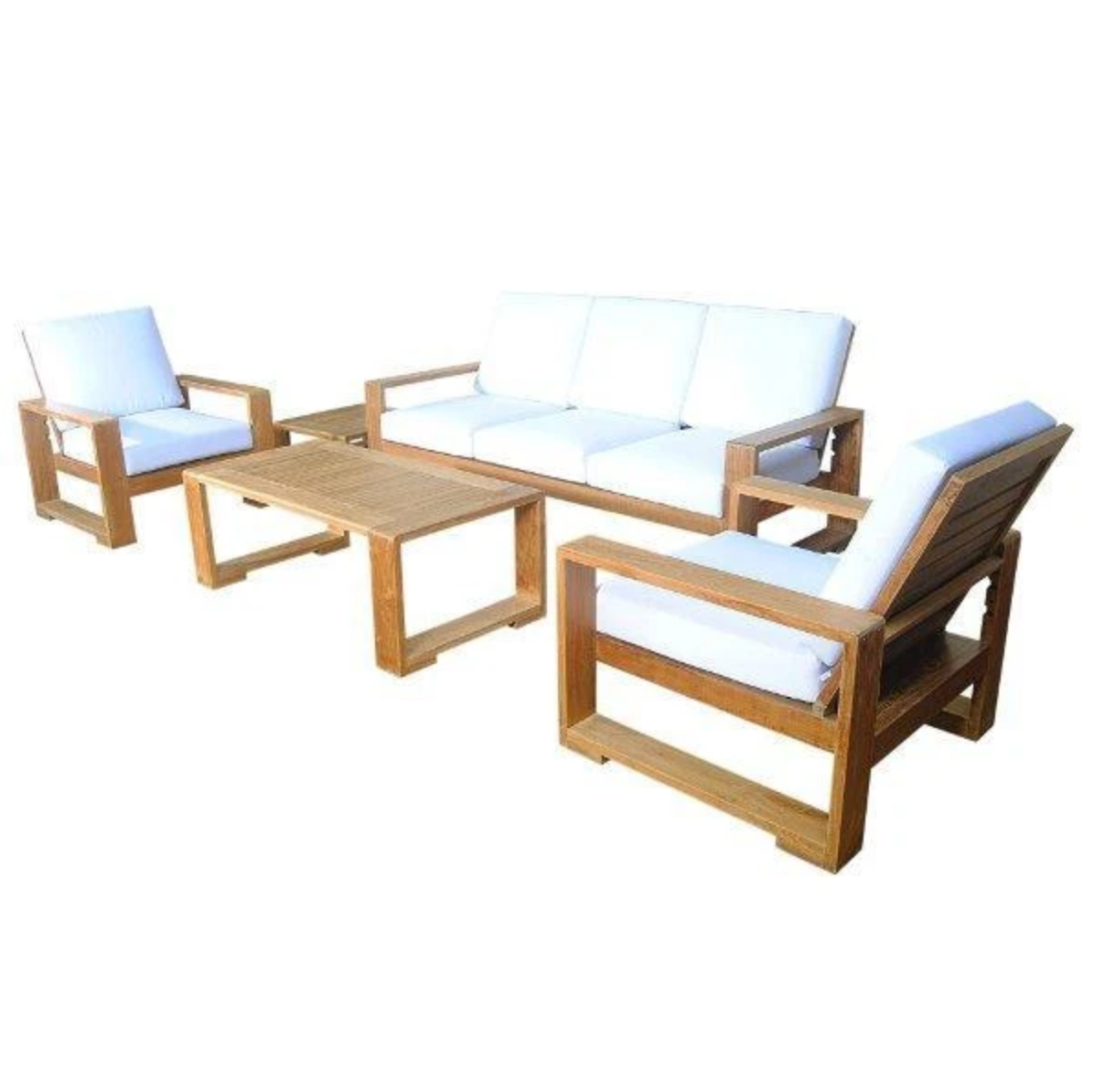
Outdoor space in Australia isn’t an afterthought. It’s the point. Even on small urban lots, the backyard reads like a miniature ecosystem: cooking, relaxing, playing, storing, sometimes even working. You don’t need a suburban Sydney postcode to adopt the approach—you just need to prioritize openness, air, and durability.
Before getting into the micro-upgrades, picture a home that blends indoors and outdoors so smoothly that cleaning, hosting, and relaxing feel simpler than you thought possible.
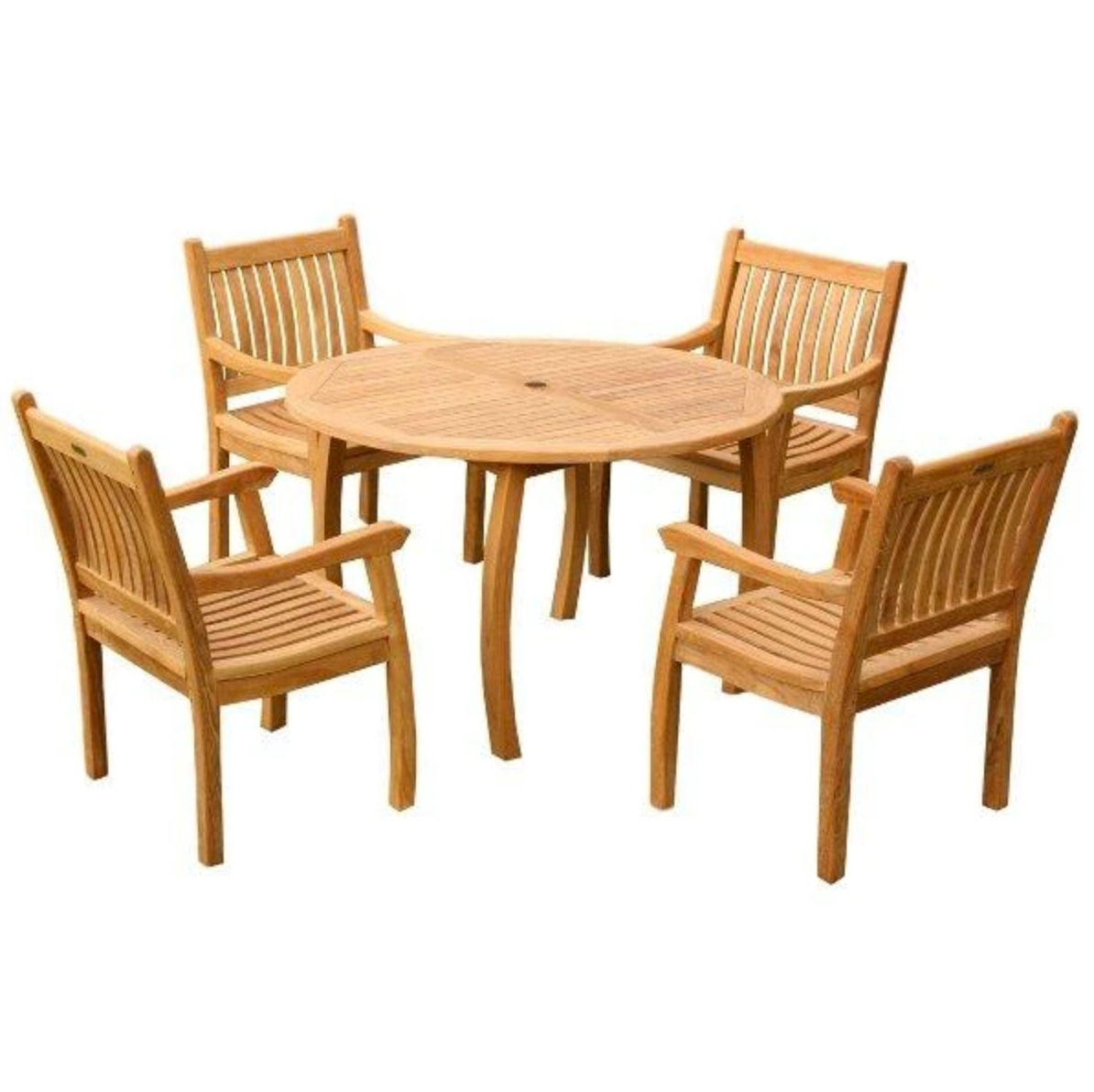
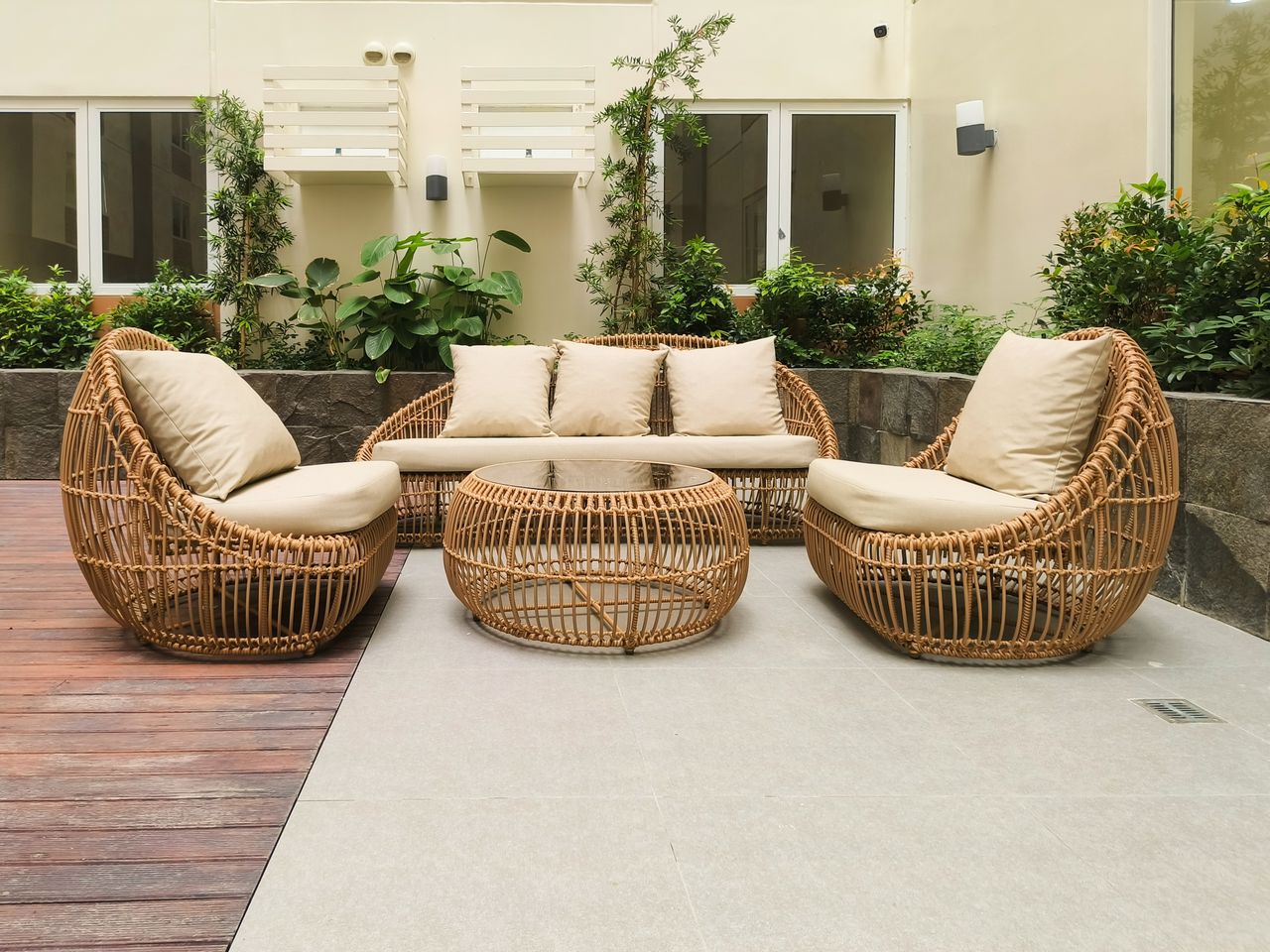
Australian decks almost function like permanent extensions of the home. They’re wide enough to host meals, protected enough to use year-round, and usually built with timber or composite boards that can take sun, rain, and mild abuse from pets and kids.
A well-built deck immediately changes how you use your home: morning coffee outdoors becomes normal, late-night conversations flow easier, and the house feels bigger without adding square footage.
Forget the polished marble temples seen in Instagram feeds. Australian outdoor kitchens lean functional: stainless steel counters, built-in grills, sheltered prep spaces, and storage designed to survive the elements. They’re meant to be used, not photographed—and that’s why they work.
You can’t talk about Australian upgrades without touching on farm sheds. They’re iconic in a quiet, workmanlike way—massive steel structures that run farms, protect machinery, store equipment, and sometimes serve as workshops or hybrid garages.
Farm sheds come in different shed sizes. They are everywhere in rural Australia, but the reason they deserve a place in this article is simple: once you see how they’re built and how they function, you start to rethink your own storage and utility needs, even on a small suburban lot.
Before diving into the types, think about a structure that can handle storms, heat waves, tractors, livestock feed, and endless tools—and still look clean and organized.
In Australia, a single shed often replaces the typical American mix of garage, workshop, and storage room.
Steel frames, metal cladding, concrete floors—these sheds don’t sag, warp, or fill with pests easily. Many are insulated, partitioned, and fitted with roller doors, which keeps the internal environment stable for equipment.
For homeowners elsewhere, a scaled-down version solves endless frustrations: bikes, tools, seasonal décor, lawn equipment, sports gear—gone from the house, organized in a dedicated, weatherproof zone.
Machinery sheds are on a different level.
Built to shelter tractors, harvesters, and bulky farm vehicles, they’re engineered for huge spans and high clearances. Even if you never own a tractor, the design principles matter: uncluttered interiors, open bays for quick access, and a roof system meant to last decades.
Adopting even a fraction of this approach makes your own storage structures feel stronger and easier to use.
When planning comprehensive farmhouse upgrades, looking at the full property layout helps create a cohesive, highly functional rural estate. Beyond basic shelter, expanding your exterior requires a strategic progression of farm buildings constructed from durable wood and natural stone. A complete farmhouse upgrade often begins at the local carpenter's shop, where plans are drawn to transform a modest cabin into a fully equipped farmhouse. Essential early additions include a central shipping bin for daily harvests, a dedicated utility shed for tools, and nearby silos to store bulk feed. Keeping essentials nearby—like a filled watering can, a clean pet bowl, and stored raw materials like clay or a forged copper bar—keeps daily chores running smoothly.
As your homestead expands, specialized buildings allow for diversified agriculture and livestock management. Upgrading a basic animal enclosure to a big coop or deluxe coop lets you raise more poultry and even unlocks rabbits for valuable cloth production. Similarly, expanding a standard barn into a big barn and ultimately a deluxe barn accommodates larger livestock and automated feeding systems. Adding a temperature-controlled greenhouse lets you cultivate delicate crops like rice year-round, while a specialized fish pond creates a sustainable aquatic ecosystem on your land.
For maximum property efficiency and utility, advanced structures help unlock your property's full potential. Adding a stable near the main driveway keeps transportation ready, while high-efficiency outbuildings like a junimo hut or a majestic obelisk serve as striking focal points across the landscape. Whether you are aiming to complete a town-style community center project or seeking architectural inspiration akin to a landmark wizard's tower, combining these functional outbuildings elevates both the utility and character of your entire homestead.
Aussies excel at the quiet improvements—the ones that don’t scream for attention yet transform daily life. Once you see these add-ons in action, you realize how much efficiency can fit into ordinary homes.
And before going into each category, think about upgrades that lighten the load: tasks getting done faster, cleaning becoming easier, and storage that works harder than you do.
Droughts shape habits. Rainwater tanks let households collect and store natural water for gardening, washing outdoor spaces, and sometimes even indoor use. They trim water bills and reduce pressure on the local supply—small change for a large impact.
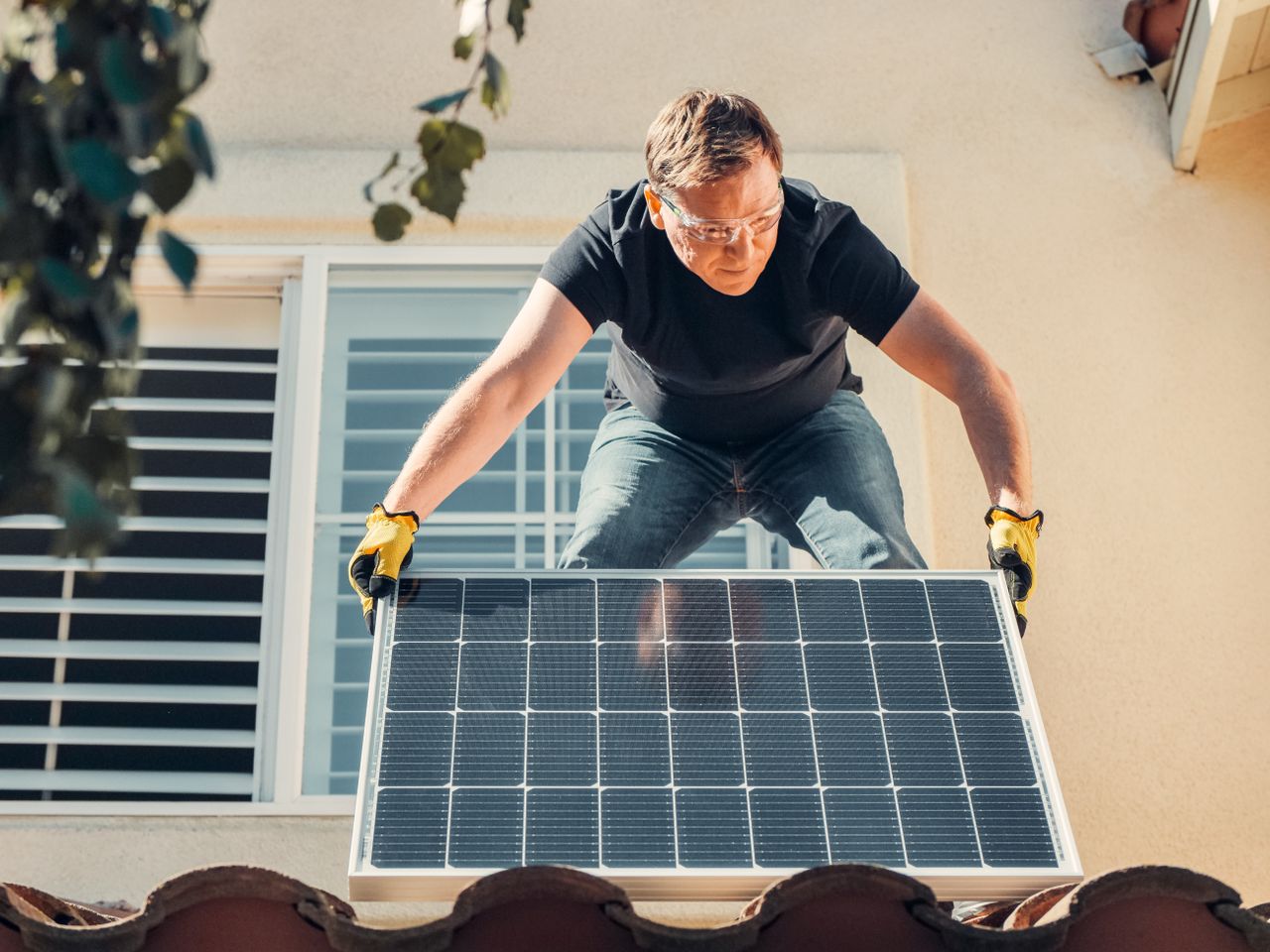
Australia jumped early into rooftop solar, and the result is a highly refined system of panels, inverters, and battery storage that integrates beautifully into ordinary homes.
Panels today blend into roofing, harvest more energy, and pair with battery systems that smooth out usage. Homeowners end up with energy independence that feels nearly magical.
You don’t need endless land, red soil, or eucalyptus trees to adopt this mindset. The Australian way is simply: build smart, lean on durable materials, use the outdoors, and never ignore airflow and structure.
Before the final thoughts, imagine your home with fewer frustrations—less crowding, fewer repairs, more space that actually works for your family.
If a material won’t last, don’t use it. If a design blocks breeze, rethink it. If a space isn’t pulling its weight, reorganize it.
Australians excel at designing homes that stay true to their environment. Borrowing this philosophy brings clarity to your own upgrades.
Create zones. Think in terms of function: cooking, relaxing, storing, working. Outdoor living keeps the home feeling bigger, lighter, and more open.
Australian upgrades work because they blend toughness with ease, structure with flexibility, and practicality with style. Decks, breezeways, steel-clad sheds, smart airflow, solar setups, multi-purpose storage—all of it adds up to a lifestyle that feels freer and more grounded.
Borrow even a handful of these ideas and your home becomes more resilient. Borrow more, and it begins to carry that unmistakable Aussie energy—calm, open, durable, and ready for anything.