Your Cart is Empty

Some houses announce themselves instantly — grand entrances, towering facades, sprawling lawns that quietly broadcast investment and size. Patio homes follow a different logic. They whisper rather than shout.

They are found in pockets of Texas where land meets convenience, where architecture bends toward comfort and community without demanding oversized upkeep.
These homes bridge the gap between a traditional single-family house and the easy living many buyers seek today — but with personality, distinction, and a footprint that feels intentional.
In Texas, patio homes hold a unique place in the market. They crowd the edges of master-planned communities, appear in walkable clusters, and often engineer a kind of home life that prioritizes ease and interaction. Before looking at details, imagine a home type designed for living well, not for spectacle.
Patio homes are not exotic properties. They are practical, efficient, and crafted around a lifestyle that avoids wasted space and overwhelming maintenance. In Texas markets like Houston, Dallas-Fort Worth, and the Hill Country beyond Austin, you’ll find these homes in communities built for connection and convenience rather than isolation.
Across the state, patio homes have evolved from nostalgic garden dwellings into polished, architectural models that reflect local priorities — sunny outdoor spaces, indoor-outdoor flow, smart floor plans, and community-oriented layouts.
At their core, patio homes are about intelligent placement and efficient use of land. Unlike sprawling ranch homes with yards on all sides, these properties often use most of the lot for living space itself.
Many communities employ a zero-lot-line approach, meaning the house sits close to the property boundary, with careful landscaping, fences, or gates creating a sense of privacy. This design opens up usable outdoor spaces — patios, courtyards, and small garden retreats — without demanding acres of lawn.
That simplicity in structure has its own charm. Rooms open into one another, yards feel like extensions of interiors, and the feeling is always one of flow rather than compartmentalized space.
Patio homes sometimes borrow from familiar regional themes: wide porches that catch breezes, low-sloped roofs that echo ranch style, and fronts softened by drought-friendly landscaping.
In master-planned areas like Houston’s Pinewood Trails, patio homes have become part of boutique communities nestled near lakes, parks, and trails — places where waterways and green space become part of daily life rather than backdrop.
This sense of connectedness makes patio homes feel distinctive in Texas. They fit into diverse regions — from the wooded edges around Houston to the open plains near Dallas suburbs — but they always carry a thoughtful architectural footprint that looks intentional, not accidental.
Living in a patio home rearranges everyday life. It refocuses attention on comfort and ease without losing touch with architectural style or personal freedom. These are homes built not just for shelter, but for living seasons of life — social hours, quiet stretches, indoor-outdoor rhythms that make you aware of seasons and community.
Under the exterior simplicity lies something that resonates with many modern families and downsizers: a layout that feels spacious without being sprawling, personal spaces without dead zones.
Patio homes often lean toward single-story living, with floor plans that eliminate stairs and craft logical circulation between spaces. Kitchens open to living areas, bedrooms feel connected but private, and outdoor patios extend living areas without awkward transitions. That ease is not accidental.
Architects design these homes with continuous lines of sight and intuitive access to outdoor space, creating an impression of openness even on smaller lots.
Children and guests enjoy direct transitions from kitchen to patio to yard without missteps or bottlenecks. For adults, the absence of stairs becomes not just a convenience but a daily delight — less effort, fewer obstacles, more engagement with life happening in the moment.
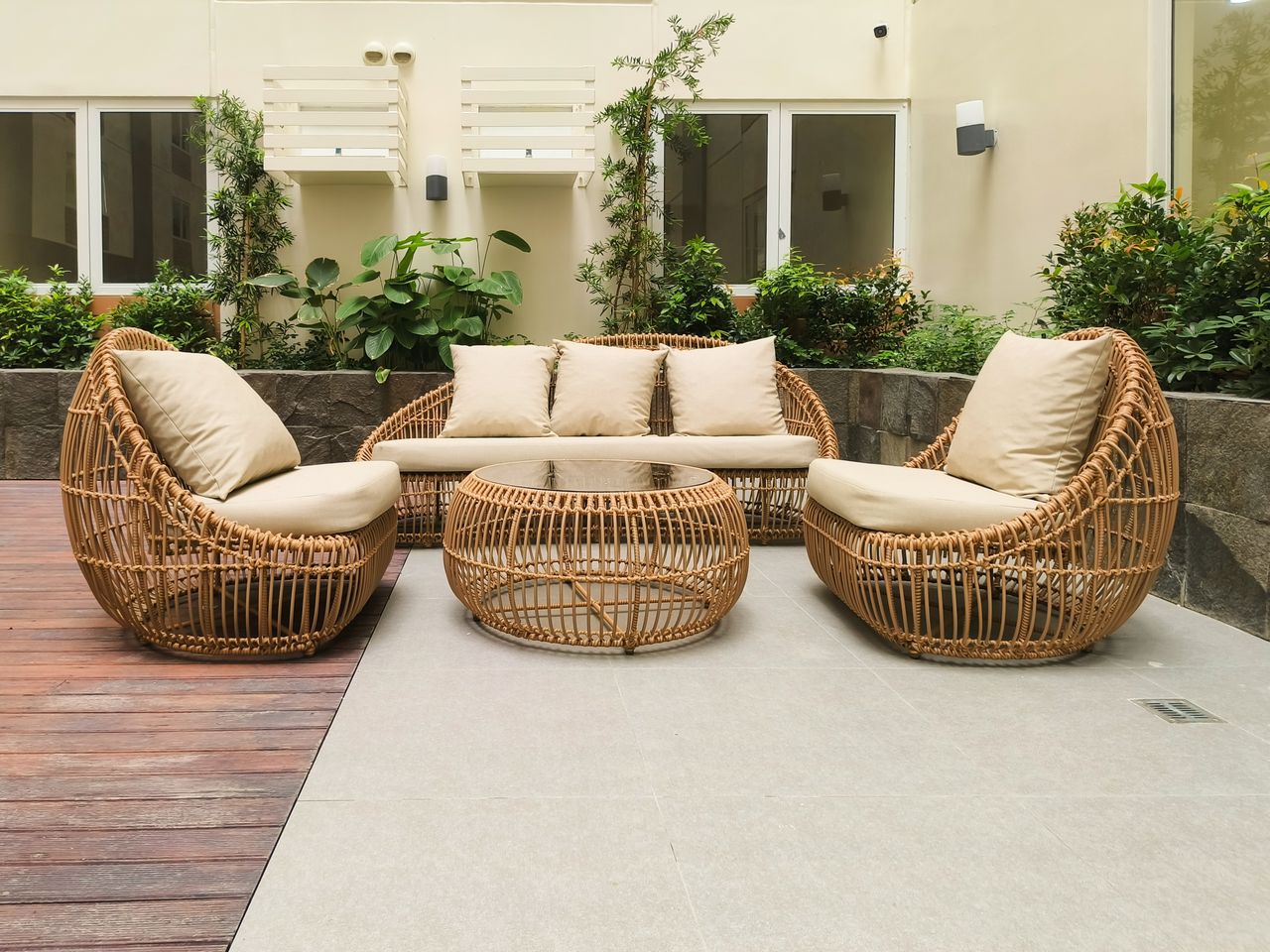
Patios in these homes are not afterthoughts. They are front and center. Some plans include enclosed courtyards that feel private, while others frame outdoor seating areas with low landscaping or stone accents that catch shadows and light in expressive ways.
These spaces become extensions of your home — ideal for morning coffee, evening conversations, or casual outdoor meals.
Outdoor spaces feel tailored for relaxation due to careful planning, not just leftover land. The patio becomes part of everyday life, not merely a scenic border.
When selecting materials for outdoor spaces like a patio, there are various options, each with its own benefits. Natural stone, like granite or limestone, provides an elegant, timeless look, but it can be expensive and heavy. Brick offers a traditional charm but often requires more maintenance. Modern alternatives, such as cultured stone, are lighter and more affordable. Consider stone-look siding for your house if you're seeking a material that balances cost-effectiveness with style. Such options provide the same sophisticated appearance without the hefty price tag or maintenance demands, making them a great choice for homeowners looking to enhance their outdoor spaces while staying within budget.
Patio home developments often carry a rhythm that traditional subdivisions do not. They cluster homes in ways that encourage interaction without disrupting privacy. Sidewalks feel natural rather than imposed.
Neighbors wave, share gardening tips, borrow tools, and occasionally gather for communal events.
Close proximity does more than reduce maintenance. It builds familiarity. Patio homes are not designed like detached estates on vast lots. They sit in thoughtful clusters that prioritize front-yard planting, shared common spaces, and an interplay between private routines and communal belonging. This arrangement subtly invites neighborly connections.
The sidewalks and shared green strips feel less like obligations and more like natural meeting points. Kids drift between yards; adults chat over garden fences. A social weave forms without too many formal meetups or choreographed events.
One of the least obvious perks of patio home living is how much time you reclaim. Smaller outdoor spaces mean less mowing, watering, trimming, and chasing pests. Some communities even manage exterior maintenance, lawn care, and common areas through homeowner associations so owners spend their weekends enjoying life rather than managing it.
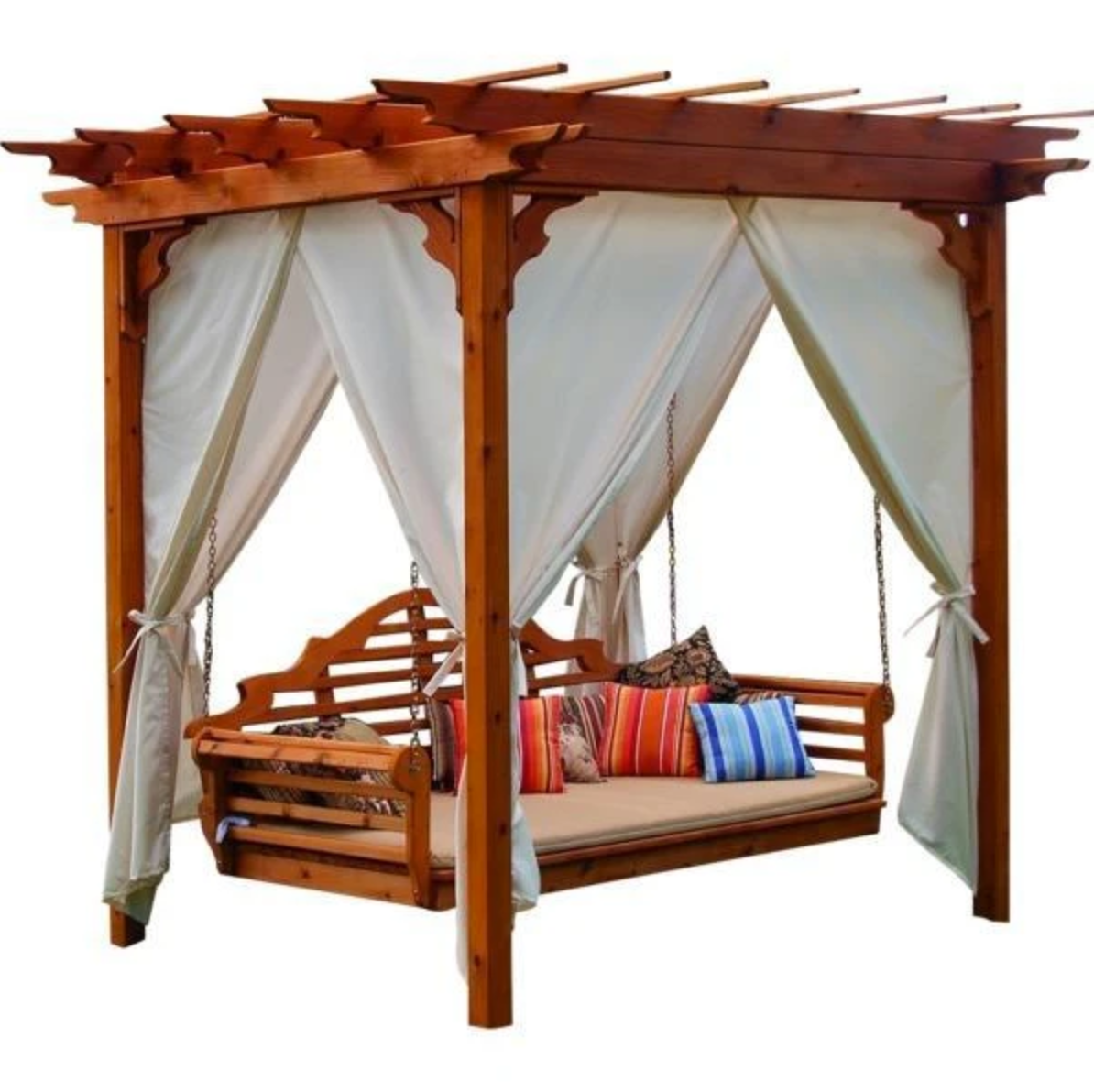
It’s a rhythm that invites hobbies and leisure — gardening collectibles, building outdoor kitchens on patios, planning night-time gatherings with string lights across pergola beams.
Patio homes don’t target one demographic alone. Their design and footprint attract multiple sorts of buyers, each finding something in the concept that fits their phase of life.
Some buyers come because they want less maintenance and more living. Others seek downsize without sacrificing quality. And many choose these homes because the communities built around them feel lively without feeling overwhelming.
With no stairs, manageable outdoor space, and common maintenance handled externally, patio homes offer appeal to retirees or empty-nesters transitioning from larger family homes. Many features — wide entryways, accessible layouts, and compact sites — lend themselves to comfort and long-term convenience.
Residents find it easier to cultivate friendships, participate in social activities, and maintain independence without physical strain.
For buyers moving up from apartments or townhouses, patio homes provide a stepping stone.
They offer the feel of a single-family home — often with a small yard or patio space — without the cost and scale of larger properties. Compact lots, intelligent plans, and community amenities make them financially accessible and lifestyle-friendly.
In Texas, patio homes reflect more than national design trends. They respond to local preferences — outdoor living, community interaction, accessibility, and low-maintenance practicality. This combination produces distinctive properties that blend architecture and lifestyle into something that feels both modern and rooted.
Across Houston master-planned areas, Dallas suburbs, and growing communities north of Austin, patio homes continue to adapt. In some spots, builders focus on energy-efficient features and lock-and-leave convenience; in others, the architecture embraces traditional Texas forms with warm brick, covered patios, and thoughtful landscaping.
This ongoing relevance shows that patio homes aren’t a passing concept. They represent a way of living that appeals across ages and phases of life — spaces that feel like homes built for interaction, comfort, and the joy of living lightly but fully.
Your search for a unique, practical home doesn’t need to chase big spaces and sprawling lawns. Sometimes the special — and Texan — way of living arrives in designs that prioritize life over chores, community over isolation, and thoughtful architecture over sheer scale.