Your Cart is Empty

A good patio setup changes everything. You get a spot where Sunday morning coffee tastes better. Where dinner parties stretch into the evening. Where kids actually want to hang out instead of gluing themselves to screens.
Most people buy cheap outdoor furniture and regret it two summers later. The cushions fade to weird colors. The frames start wobbling. Rain gets into places it shouldn't. Then you're back at the store, spending money all over again.

Measure your outdoor space before you shop. Seriously, grab a tape measure right now. That sectional looks perfect online, but it might eat up your entire balcony. Write down the dimensions. Sketch where things could go. You'll thank yourself later.
Your weather matters more than you think. Live near the ocean? Salt air destroys cheap metal fast. Desert dweller? Extreme heat cracks certain woods. Pacific Northwest? You need furniture that dries quickly. These aren't small details.
Temperature swings wreck outdoor furniture. Wood swells when it's humid. Then it shrinks during dry spells. Metal expands and contracts too. Joints loosen. Finishes crack. Good manufacturers plan for this stuff.
Coastal salt air is brutal on metal. UV rays hit harder at elevation. Strong winds flip lightweight chairs across the yard. Your specific conditions determine what survives and what falls apart. If you want weather-resistant or weatherproof pieces, look for materials and construction built for your climate, not just your style.
Wood looks great outside. But you can't just grab any wooden chair and call it a day. Some species handle weather like champs. Others need constant babying or they rot.
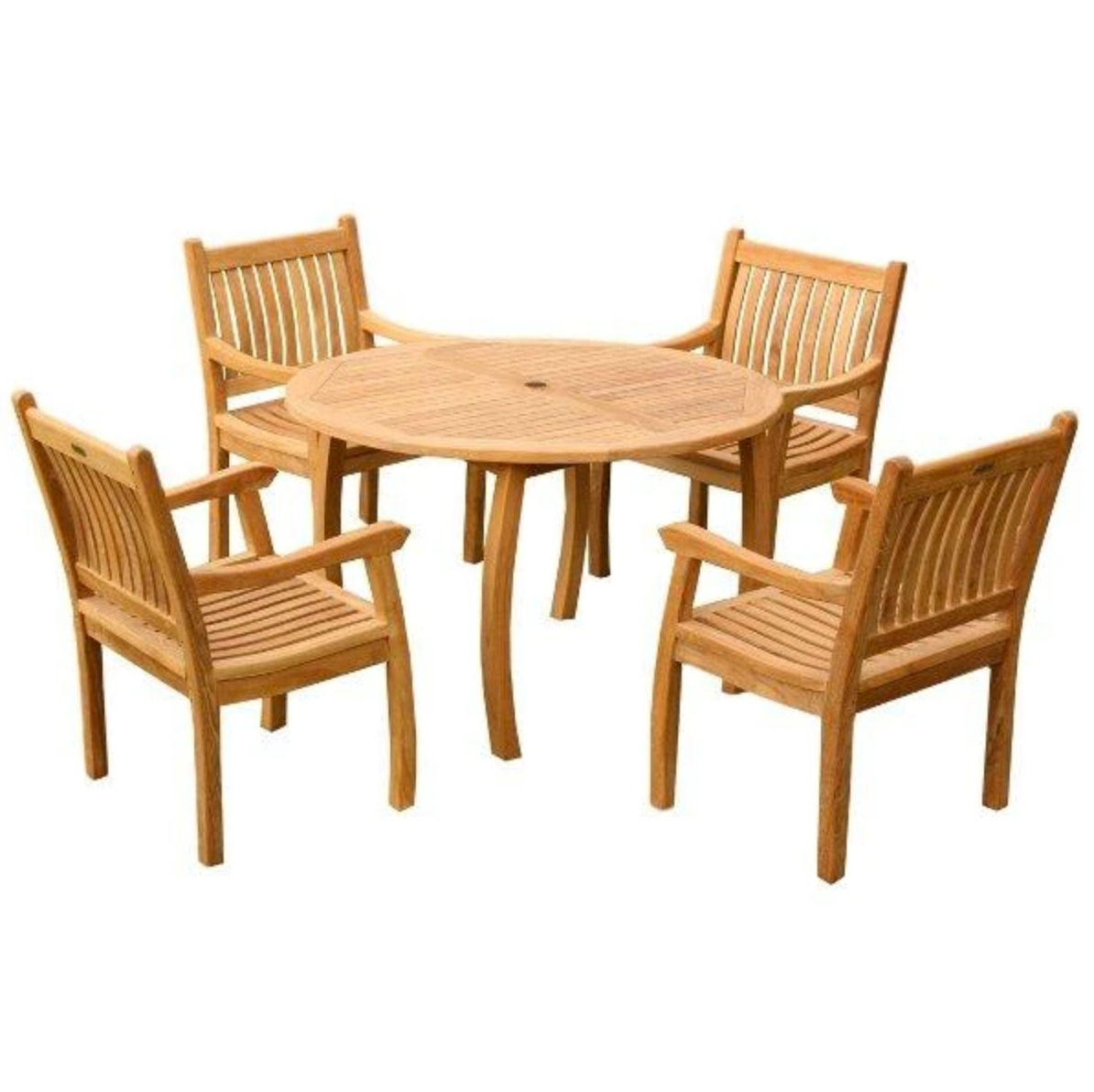
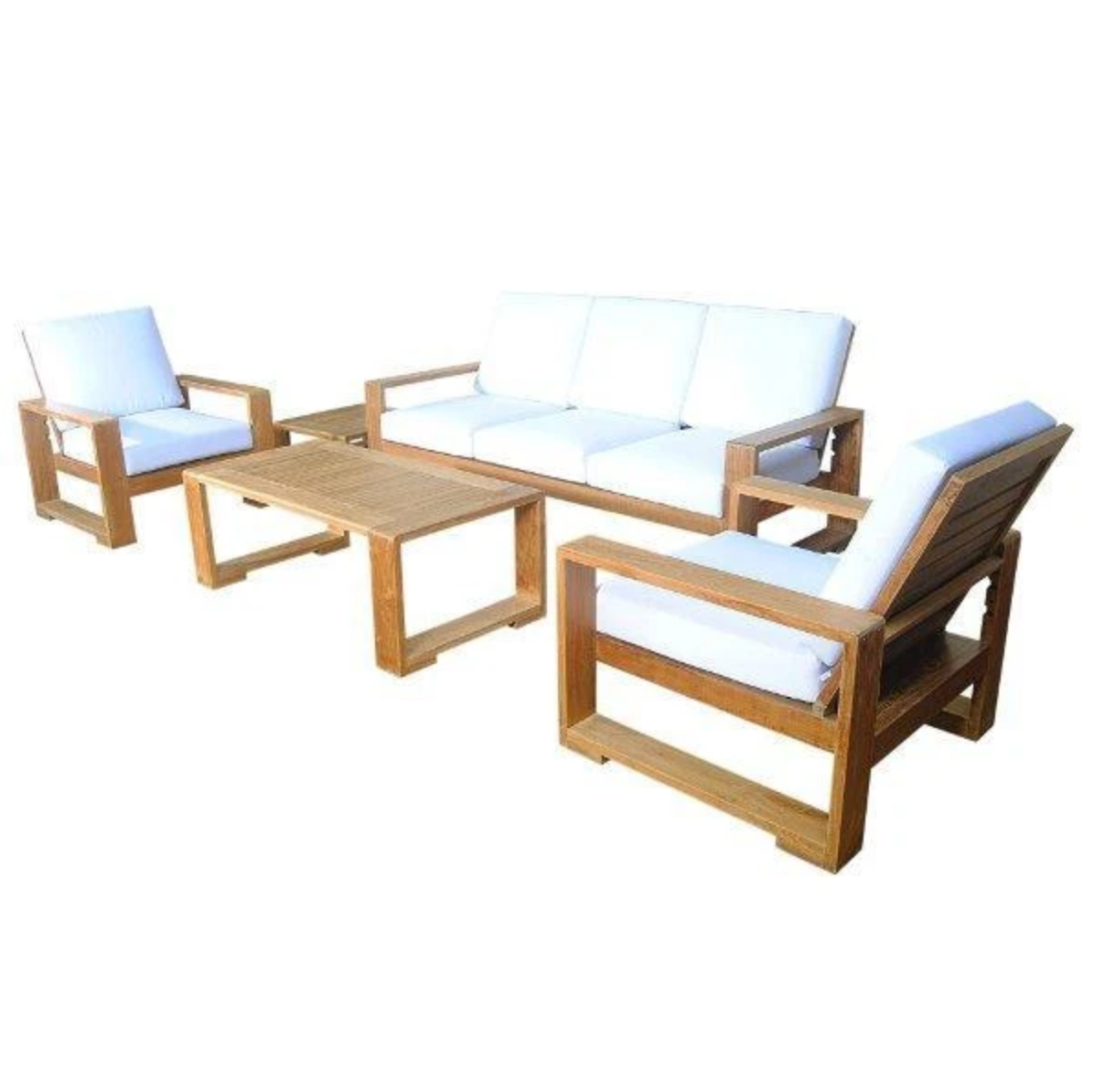
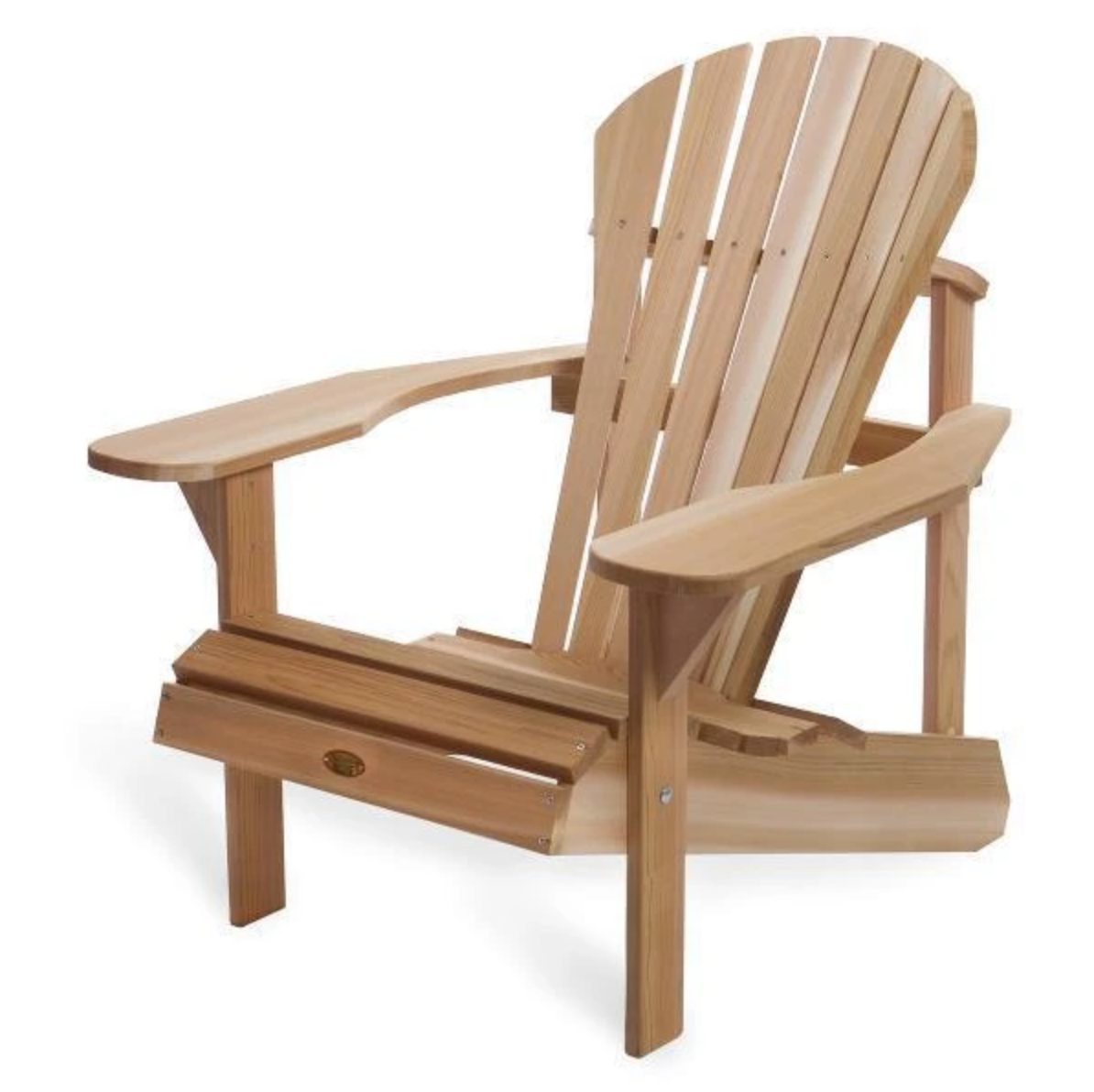
Teak naturally repels water because of its oils. It ages into a nice silver color without any help. Cedar keeps bugs away and laughs at moisture. Eucalyptus gives you similar benefits for less money. Oak needs sealing every year or it deteriorates. Pine demands even more maintenance.
Parkman Woodworks builds furniture with wood species matched to how you'll use it. They pick materials based on your local climate. This isn't just smart. It saves you from replacing everything in three years.
Aluminum won't rust. You can drag it around easily, especially when it's built with a sturdy aluminum frame. Steel is stronger but needs a protective coating. Otherwise it corrodes fast. Stainless steel costs a fortune and lasts forever.
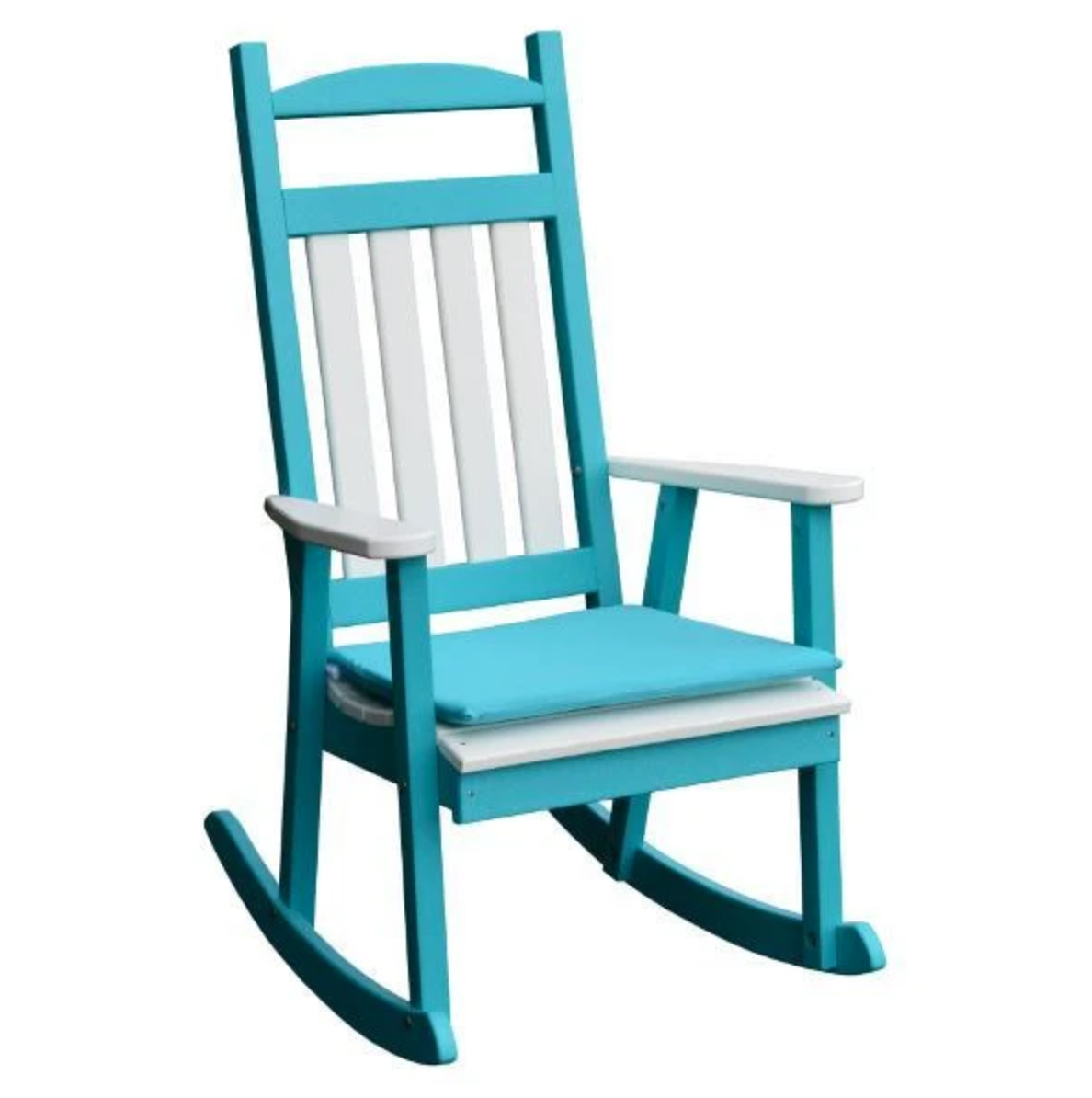
Modern plastics have come a long way. High-quality resin won't splinter or fade. It handles moisture without problems. The good stuff looks surprisingly real. Cheap versions look like pool toys and crack in the sun. Recycled plastic and polywood lumber can also be smart low maintenance choices for busy households.
How pieces connect determines if they last. Mortise and tenon joints in wood furniture stay tight. Welded metal beats bolted metal every time. Bolts and screws loosen as temperature changes. Then your chair starts squeaking and wobbling.
Pick up the furniture if you can. Heavy usually means well-built. Flimsy pieces tip over in wind. Check the weight capacity before buying, especially for patio chairs, outdoor accent chair styles, and deep seating pieces. Run your hand across surfaces. They should feel smooth everywhere. Check that stains look even. Inspect metal coatings for consistent coverage.
Hand-finished furniture shows better attention to detail. Factory lines rush through steps. You can see the difference up close. According to the Consumer Product Safety Commission, solid construction prevents most outdoor furniture injuries and failures.
Standard furniture comes in set sizes. That dining table seats four people maximum. Your family has six. Custom pieces fit your exact needs. They match your style perfectly instead of close enough.
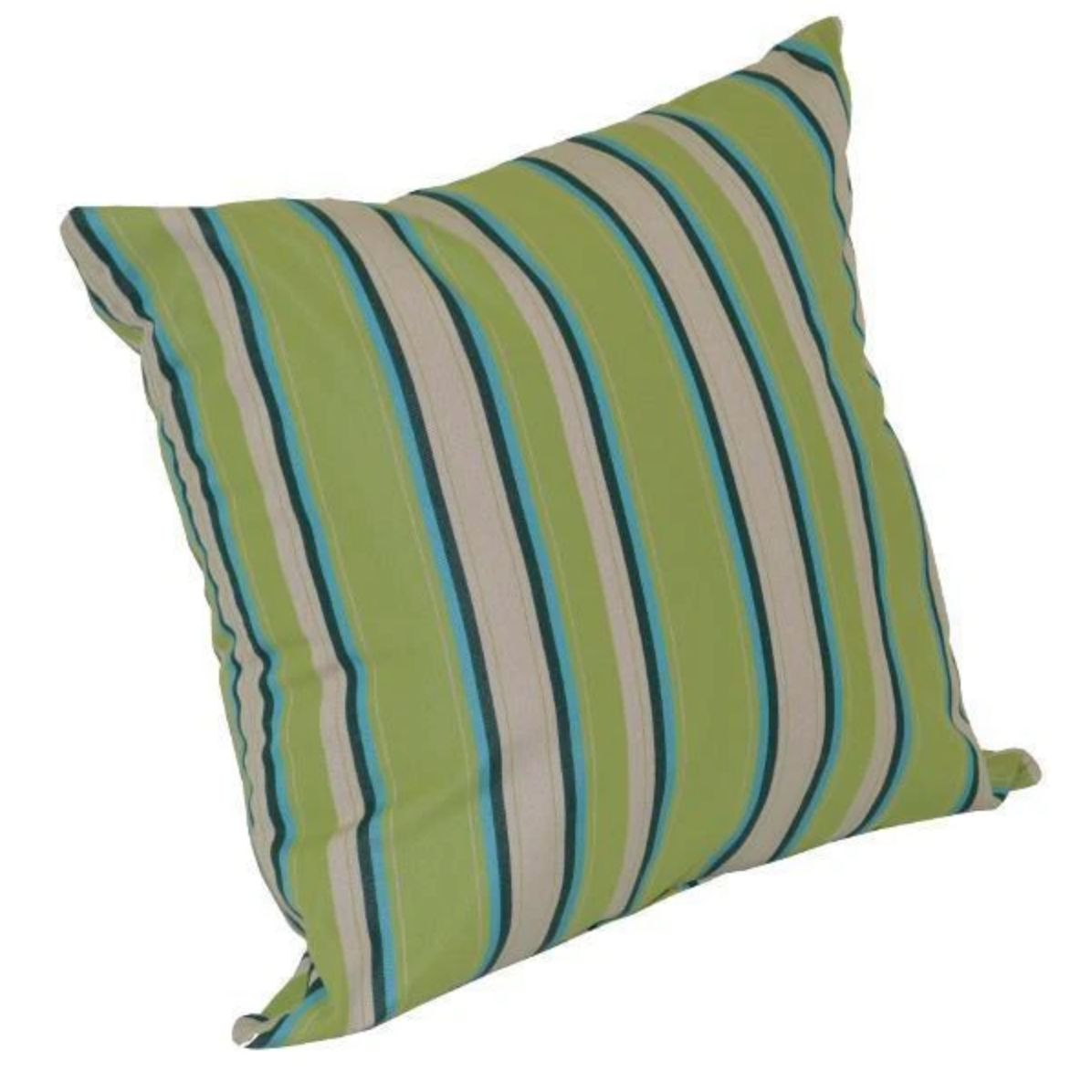
You get way more material choices with custom orders. Pick specific woods. Choose exact metal finishes. Select any cushion fabric you want, including performance fabric or Sunbrella fabric for better sun resistance and easier cleaning. Many custom builders source materials locally too. If you need cushion covers are removable for washing, ask before you order.
Custom costs more upfront. But cheaper furniture that doesn't fit right gets replaced sooner. A well-made custom piece lasts 20 years easily. You can refinish it. Reupholster cushions. Fix small problems instead of buying new.
Standard furniture that almost works frustrates you forever. That table is six inches too short. Those chairs sit too low. Small annoyances add up over years.
Production time runs longer for custom work. Expect weeks or months depending on complexity. Ask about timelines before you commit. Rushed work never turns out as good.
Different materials need different care. Wood needs annual oil or sealant in most climates. Teak can skip this if you like the gray patina. Metal needs rust checks. Tighten hardware once a season. Cushions need washing and proper storage.
Set reminders for maintenance tasks. Spring means applying fresh sealant. Fall means checking for loose bolts. These small efforts prevent big repairs. The National Association of Home Builders says regular care extends furniture life by 10 years.
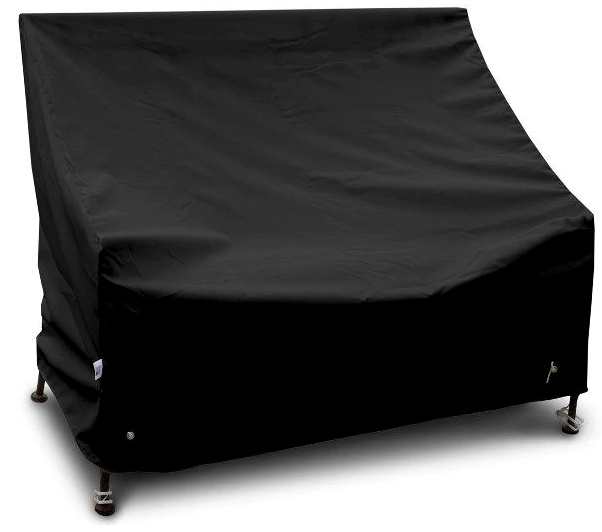
Covered patios protect furniture from direct rain and sun. Furniture covers work if they breathe properly. Trapped moisture causes more damage than exposure, so choose outdoor furniture covers that fit well and allow airflow. Some people move nice pieces into the garage for winter. This works great if you have space.
Quality furniture accepts repairs easily. You can sand it down and refinish it. Replace worn seat cushions. Fix loose joints. Cheap stuff often can't be repaired because the materials are too thin.

Set a realistic budget. Good outdoor furniture costs more than discount store stuff. But calculate the annual cost. A $500 chair lasting 15 years beats a $100 chair replaced every two years. The math works out.
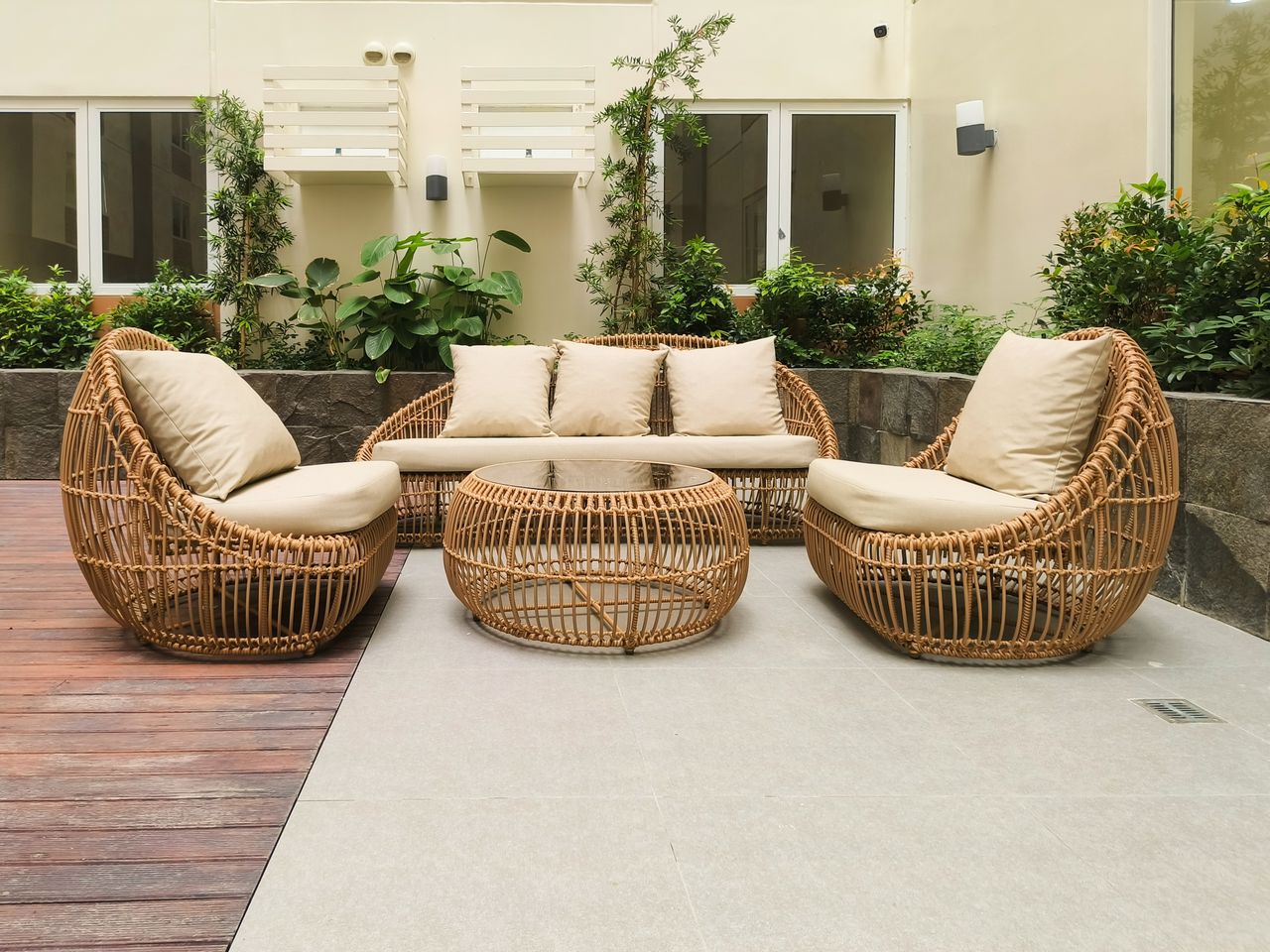
Visit stores to test furniture in person. Sit in everything. Lean back. Put your full weight on it. Photos hide cheap construction. Bring home finish samples and fabric swatches to see them in your actual light. If you're comparing an outdoor sofa, outdoor loveseat, or outdoor sectional, check the depth, cushion firmness, and overall comfort for the way you actually use your patio.
Read warranties closely. Good manufacturers cover their work for years. Short warranties mean the company expects problems. They're not confident in their own product.
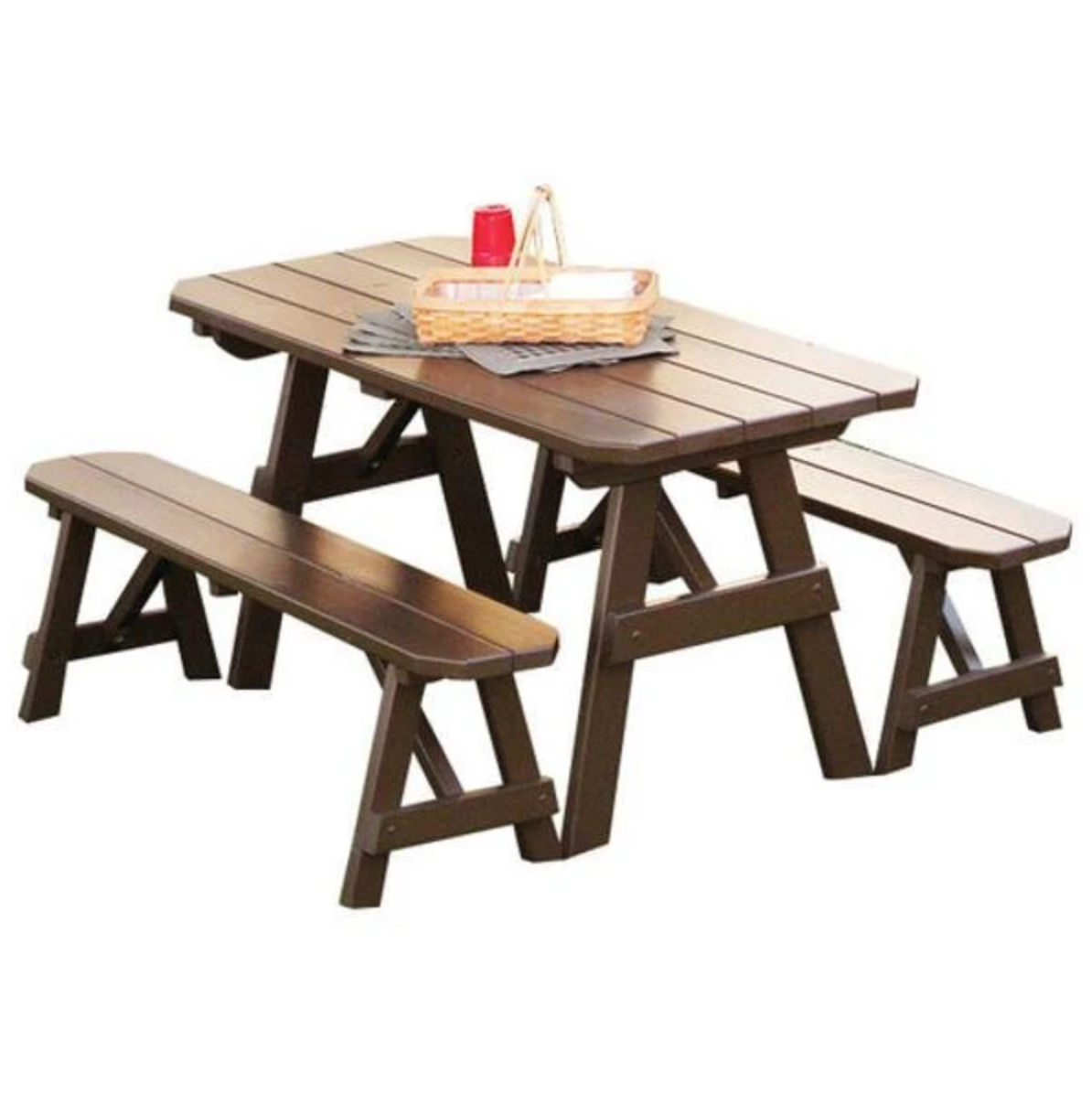
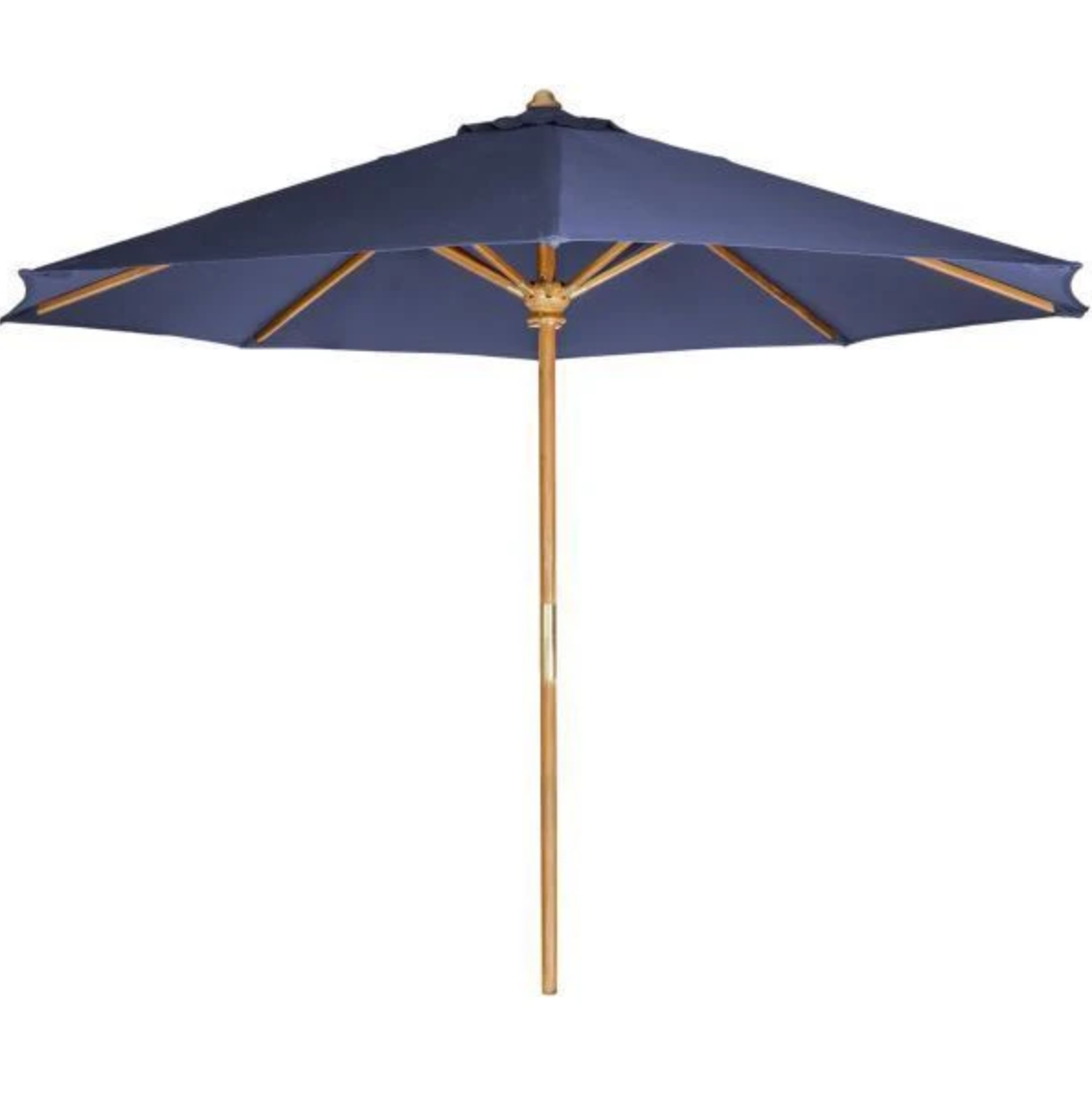
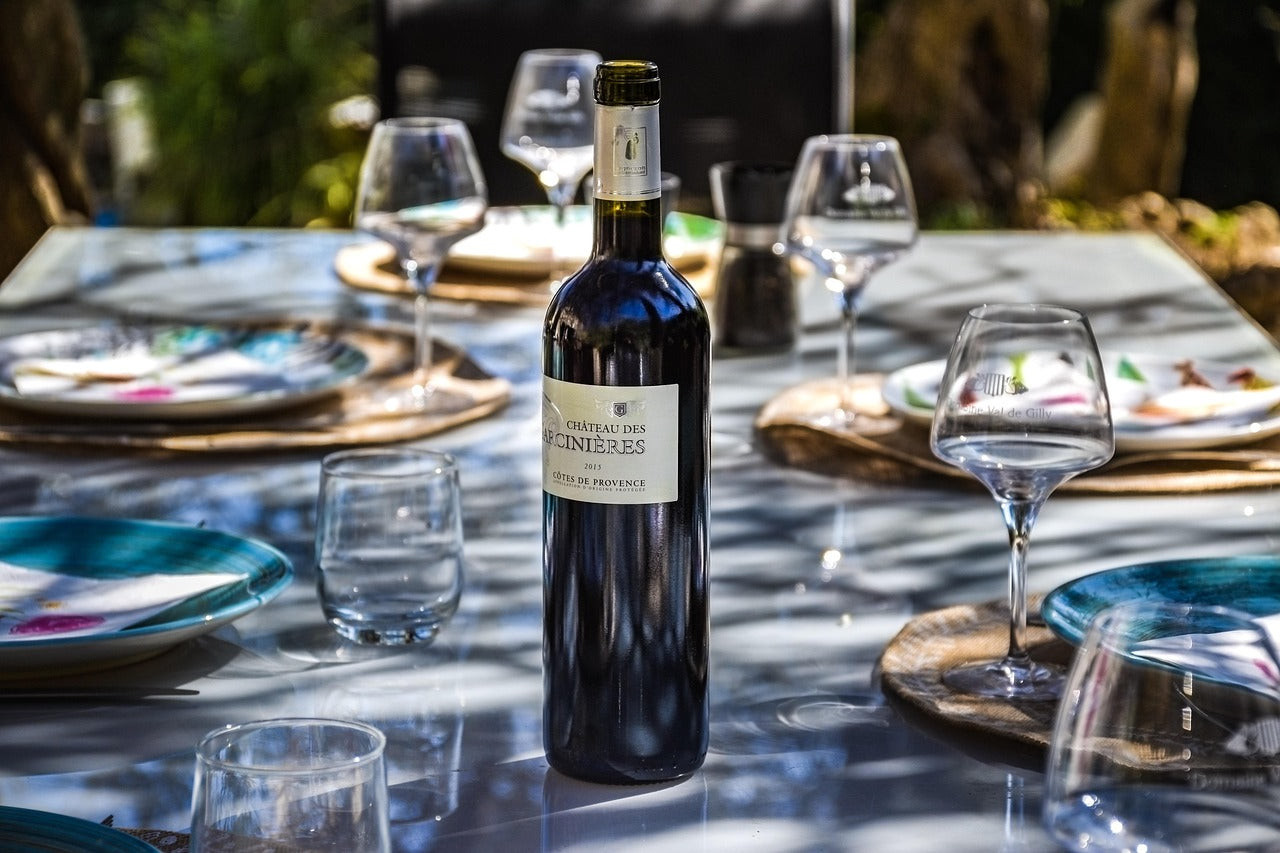
Ask about modifications even with standard lines. Many makers will change cushion colors. Swap wood stains. Adjust dimensions slightly. These tweaks cost less than full custom but still personalize your space. For a coordinated look, compare patio furniture sets, outdoor dining sets, patio dining sets, dining tables, and an outdoor umbrella before you buy.


Traveling with your dog doesn't have to be stressful. From building a flexible itinerary and packing the right essentials to navigating busy transit hubs and booking the perfect accommodation, discover practical tips to plan a safe, comfortable, and fun vacation for both you and your pup.