Your Cart is Empty

Most backyards already earn their keep before anyone adds new walls or a new roof. There is a grill corner, a garden row, and a shortcut people take without thinking. When that flow gets pinched, outdoor time feels tight, and it stops feeling calm at all.
An ADU can work in the same space, but the yard needs a plan that feels fair. If you want to Build an ADU and keep patio routines, start with clear layout basics. Protect the paths you use, the light you like, and the spots that stay dry after rain. A structural engineer helps, because permit reviews depend on small details that drawings sometimes miss.

Walk the yard at a normal time, then notice what gets used without any discussion. Look for scuffed grass, muddy corners, and the gate that slams when someone is rushing. Those marks show what your household treats as fixed, even when it was never planned.
Take simple measurements, and write them down in a notebook you can grab quickly anytime Measure walkways, fence distances, and tree canopy edges, because each one limits placement directly, especially outdoors. Add notes about hose reach, night lighting, and sprinkler spray patterns during hot months too. With those notes, design talks feel calmer, and decisions rely less on memory later much.
Keep a short checklist, because projects speed up once drawings and bids start arriving daily. It helps you compare layouts without relying on tired recall after long phone calls late. Use it as a starting point, then add notes that match how you use the yard.
Distance from house to each fence line
Any slope direction after hard rain
Locations of hose bibs, outlets, and light fixtures
Where trash bins roll out on pickup day
Spots where roots or rocks show near the surface
A yard works like a hallway, because people follow the quickest route between doors and gates. If the ADU blocks that route, the new path becomes an everyday annoyance for everyone. Leave enough width for two people to pass, especially near steps, turns, and storage doors.
Think about privacy in both directions, because windows look out and they also look in. A bedroom window aimed at your table can make dinner feel watched, even by family. Higher sills and side yard windows can soften sightlines, and still keep good daylight inside. Small shifts in patio placement often fix the issue, without shrinking the interior rooms much.
Access is more than carrying boxes, since it shapes how the unit functions for years. Plan a clear line from the street to the ADU entry for deliveries and service visits. If a ramp is ever needed, straight runs are easier than tight turns through the grass. Future friendly access keeps the unit useful for aging parents, even if needs change later.
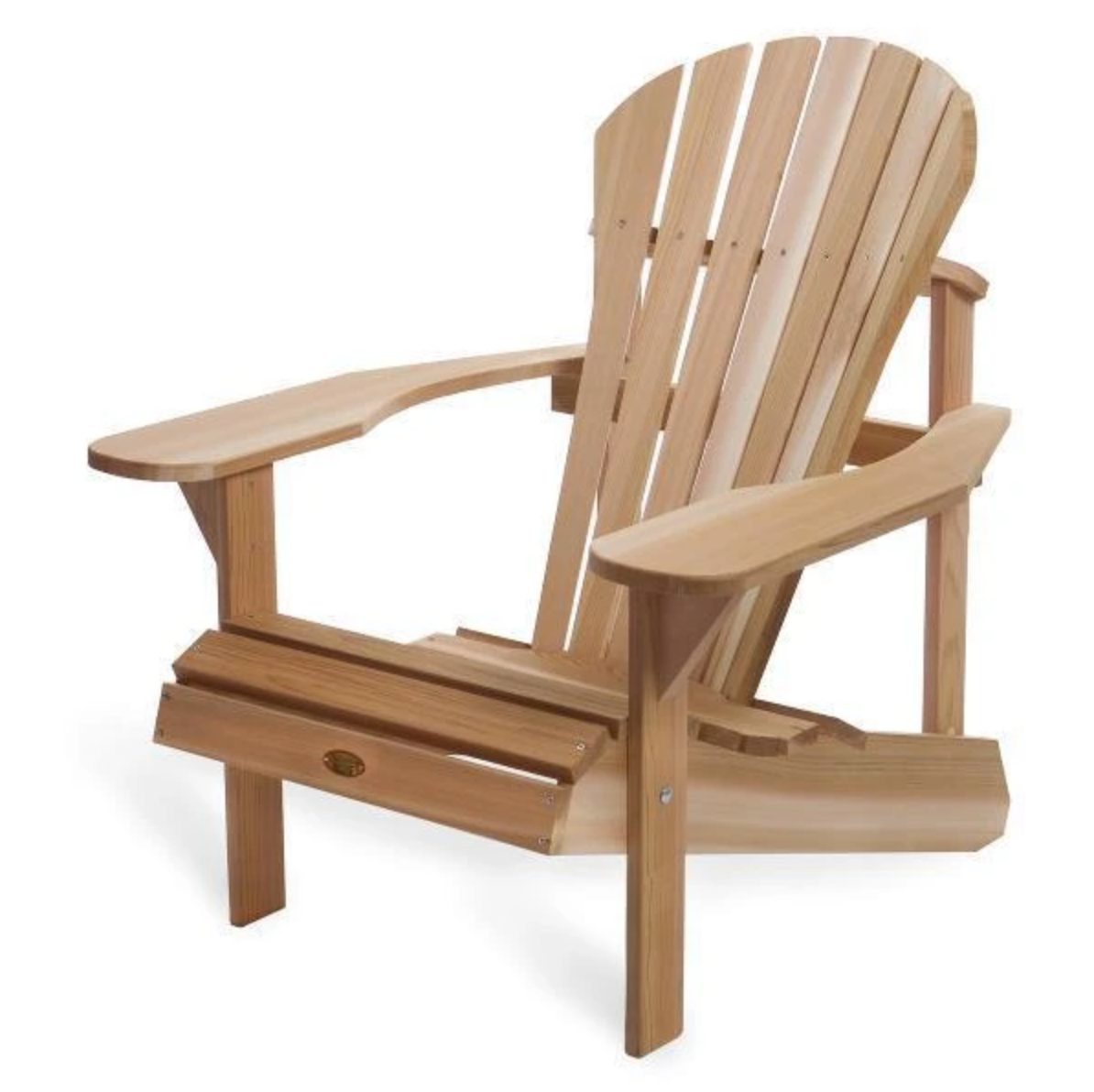
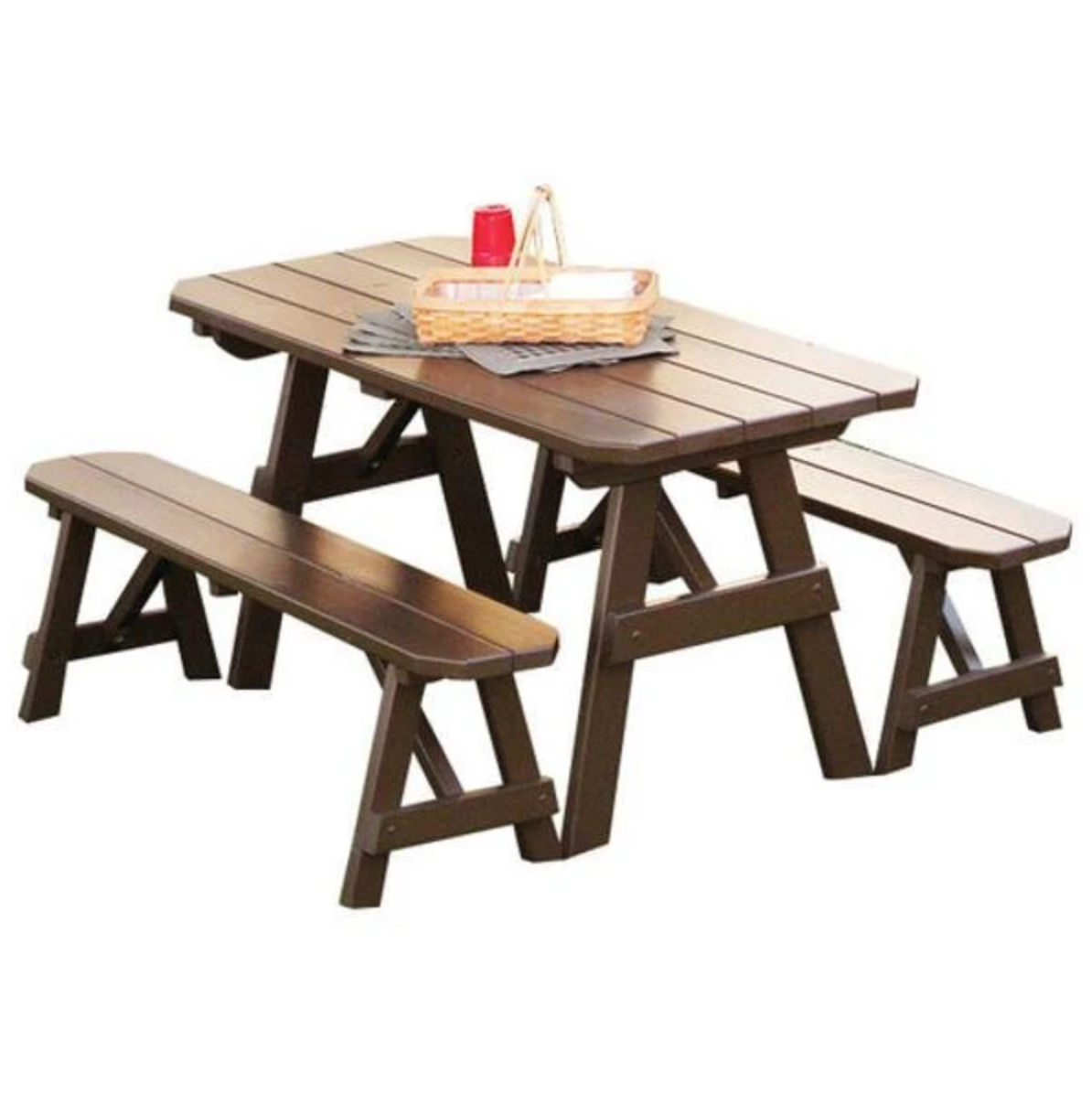
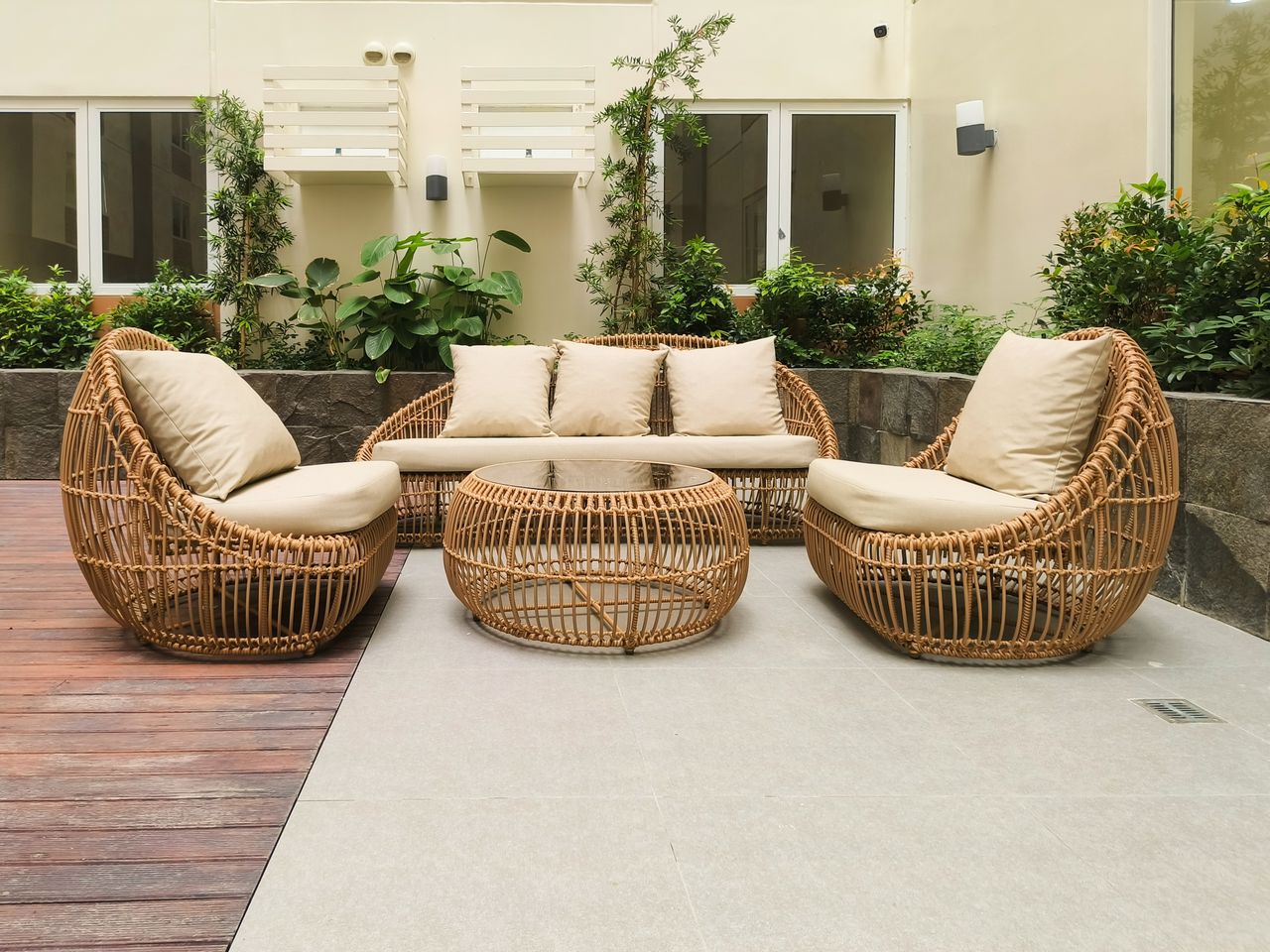
Small yards still need places to sit, because outdoor comfort supports how people use home. When the ADU takes the only flat spot, families stop lingering outside after dinner together. Try to keep one seating zone intact, even if it gets smaller and nearer the house.
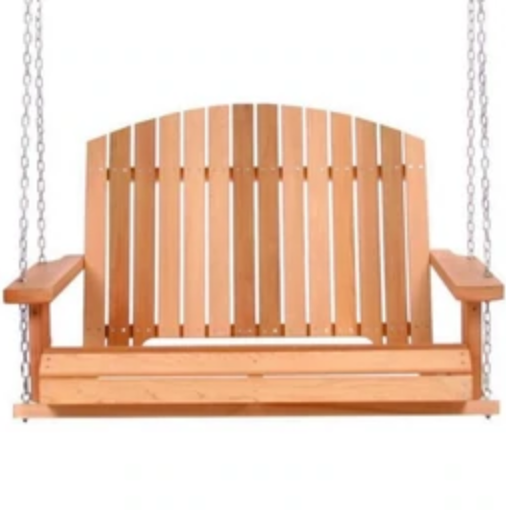
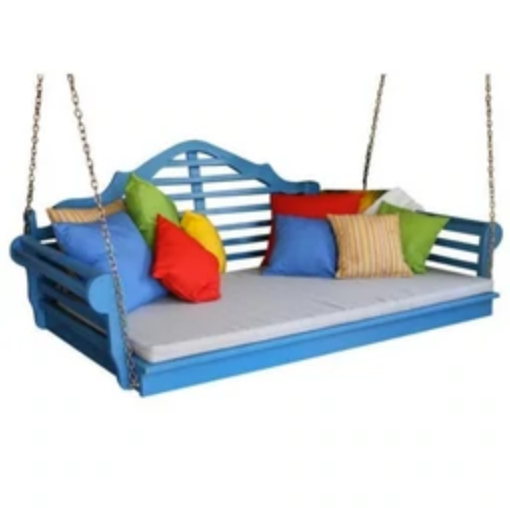
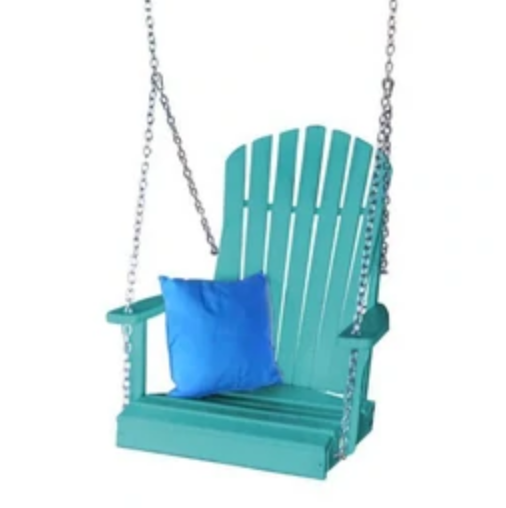
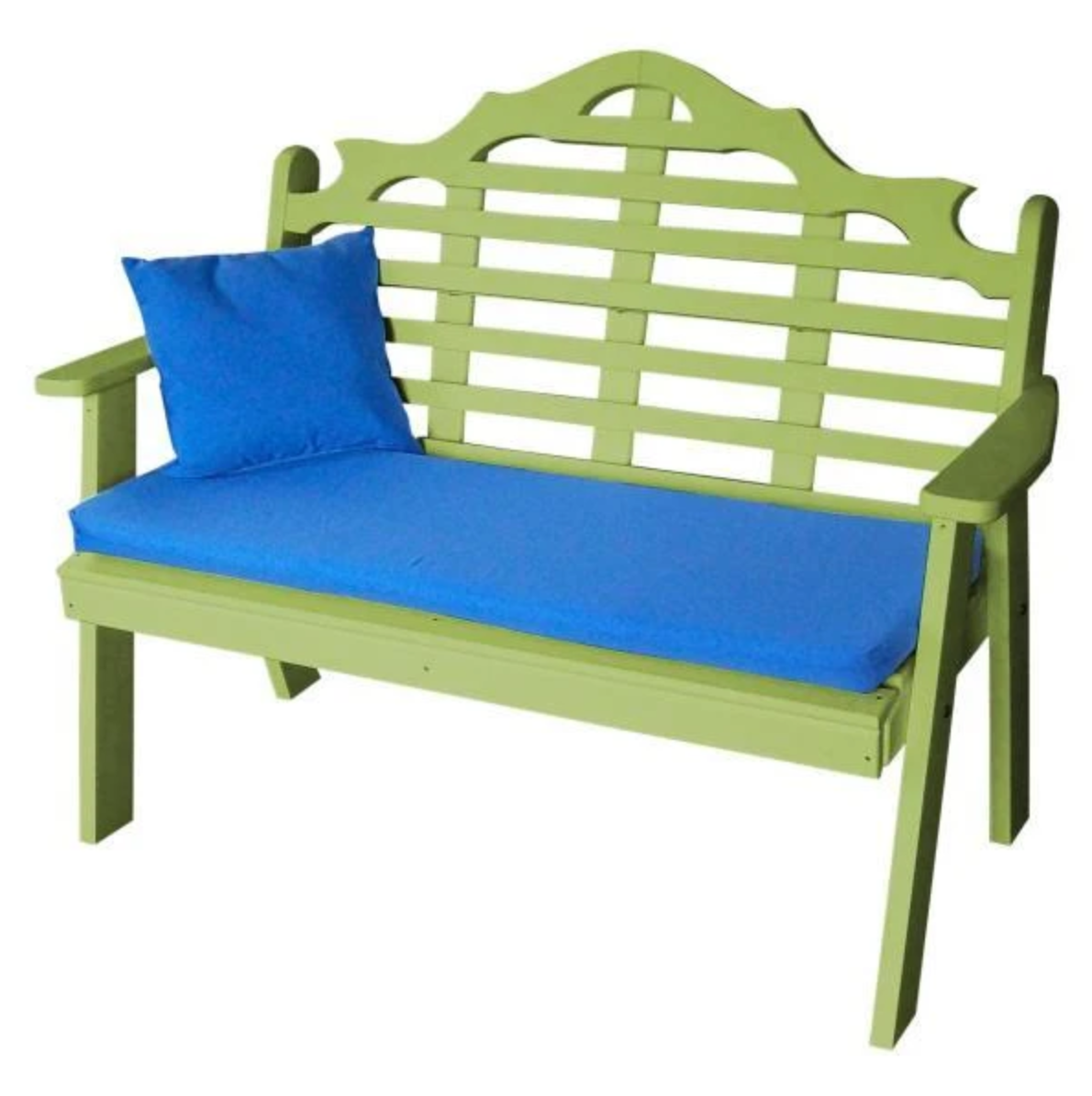
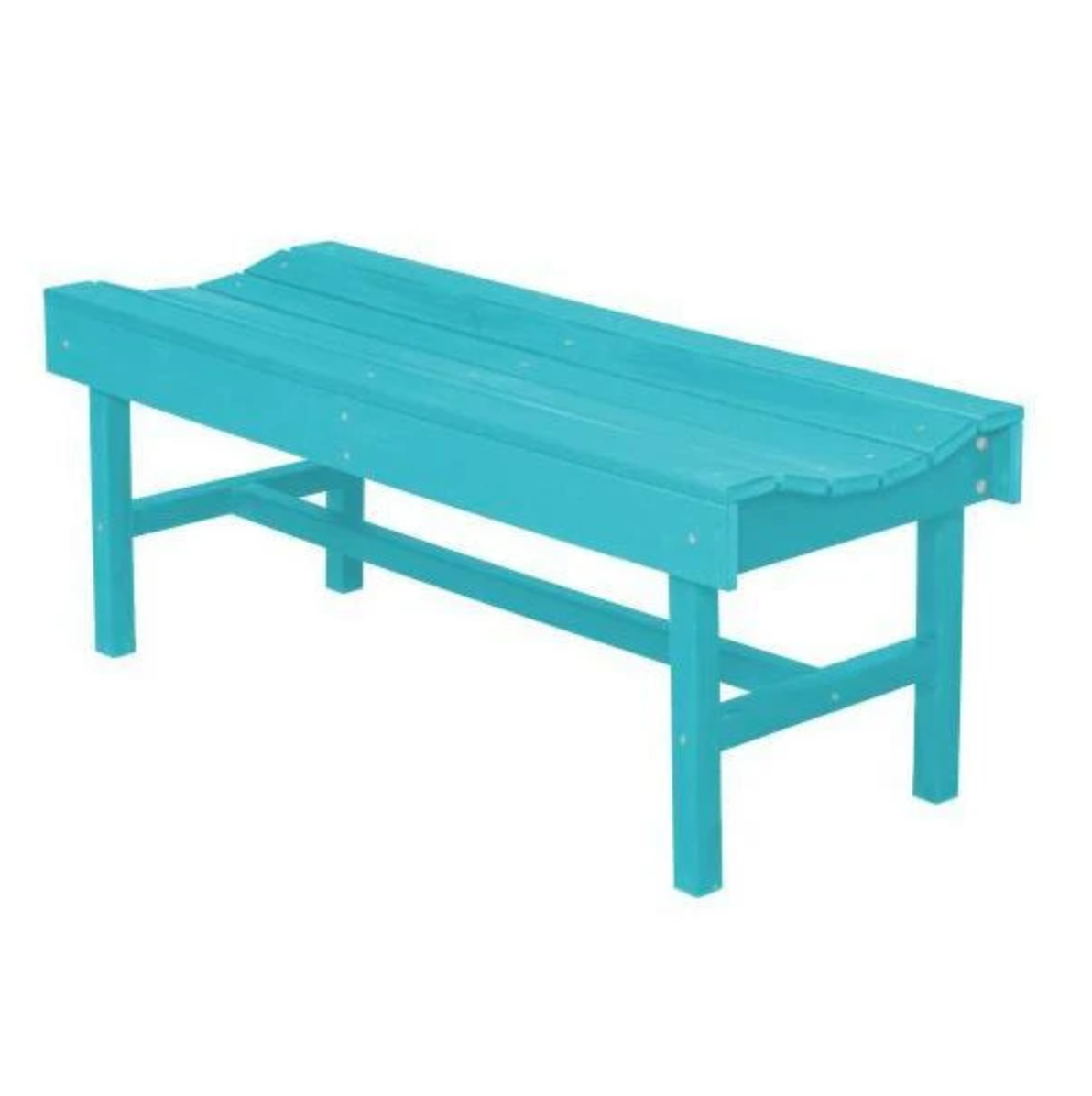
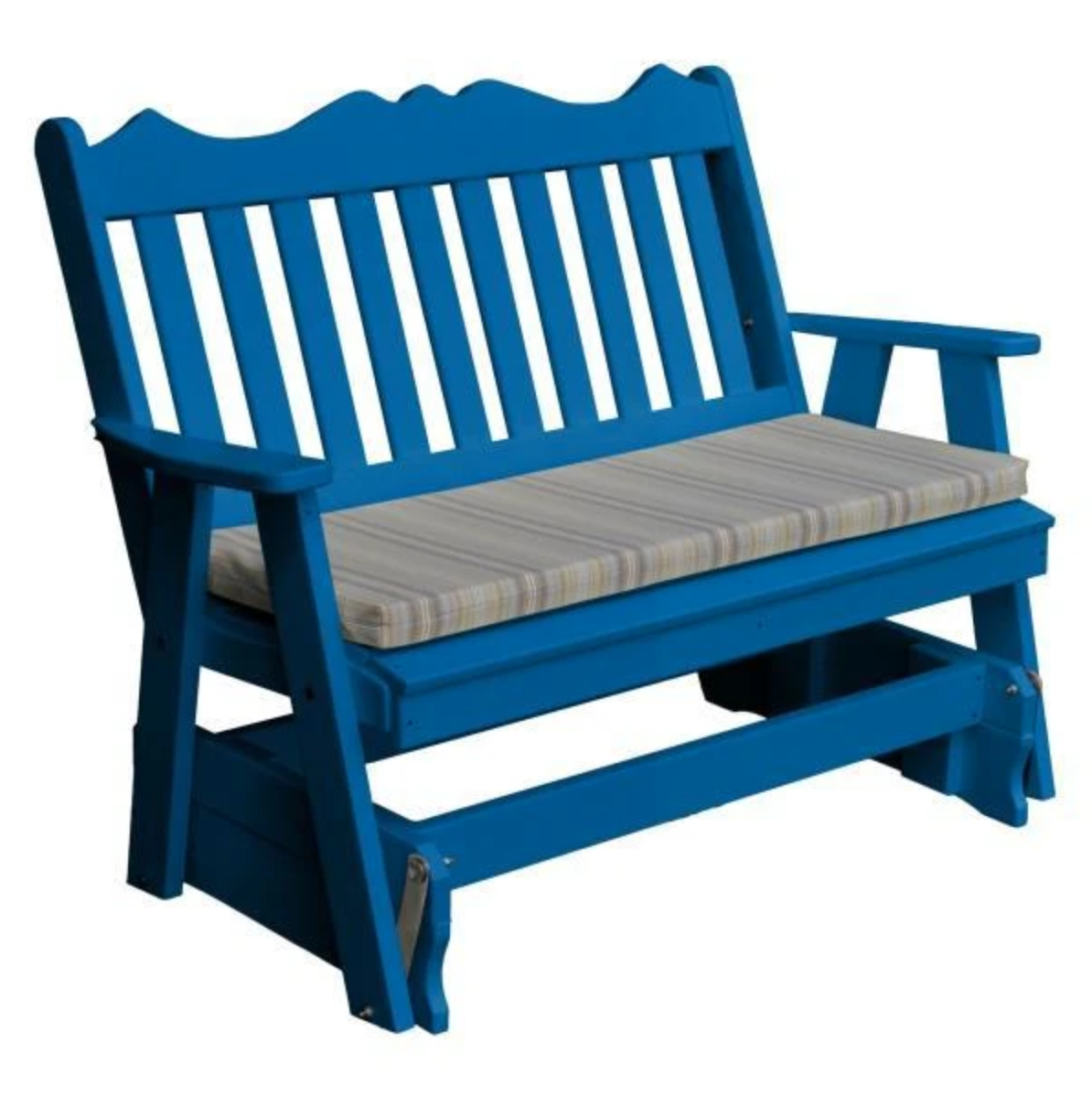
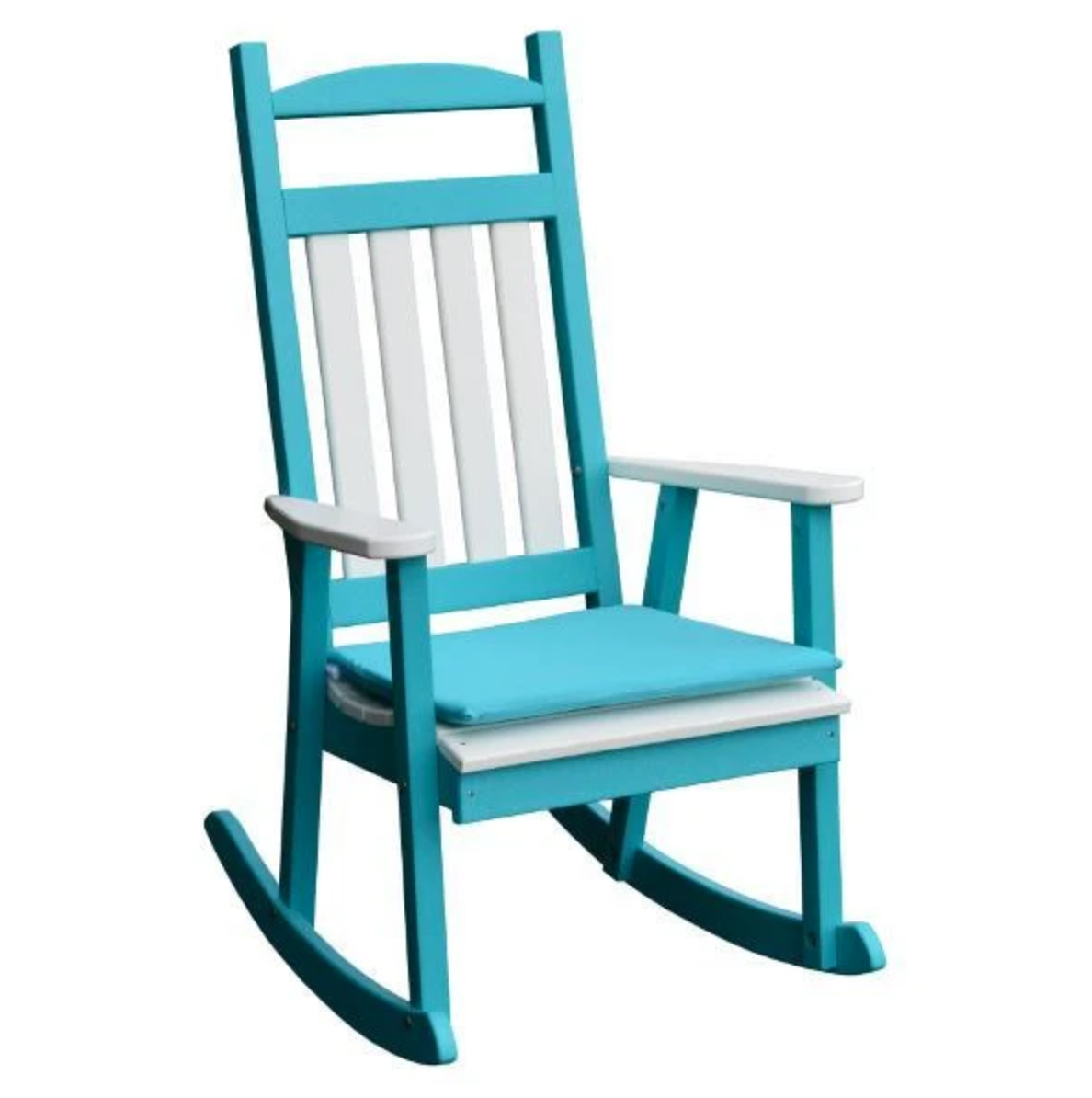
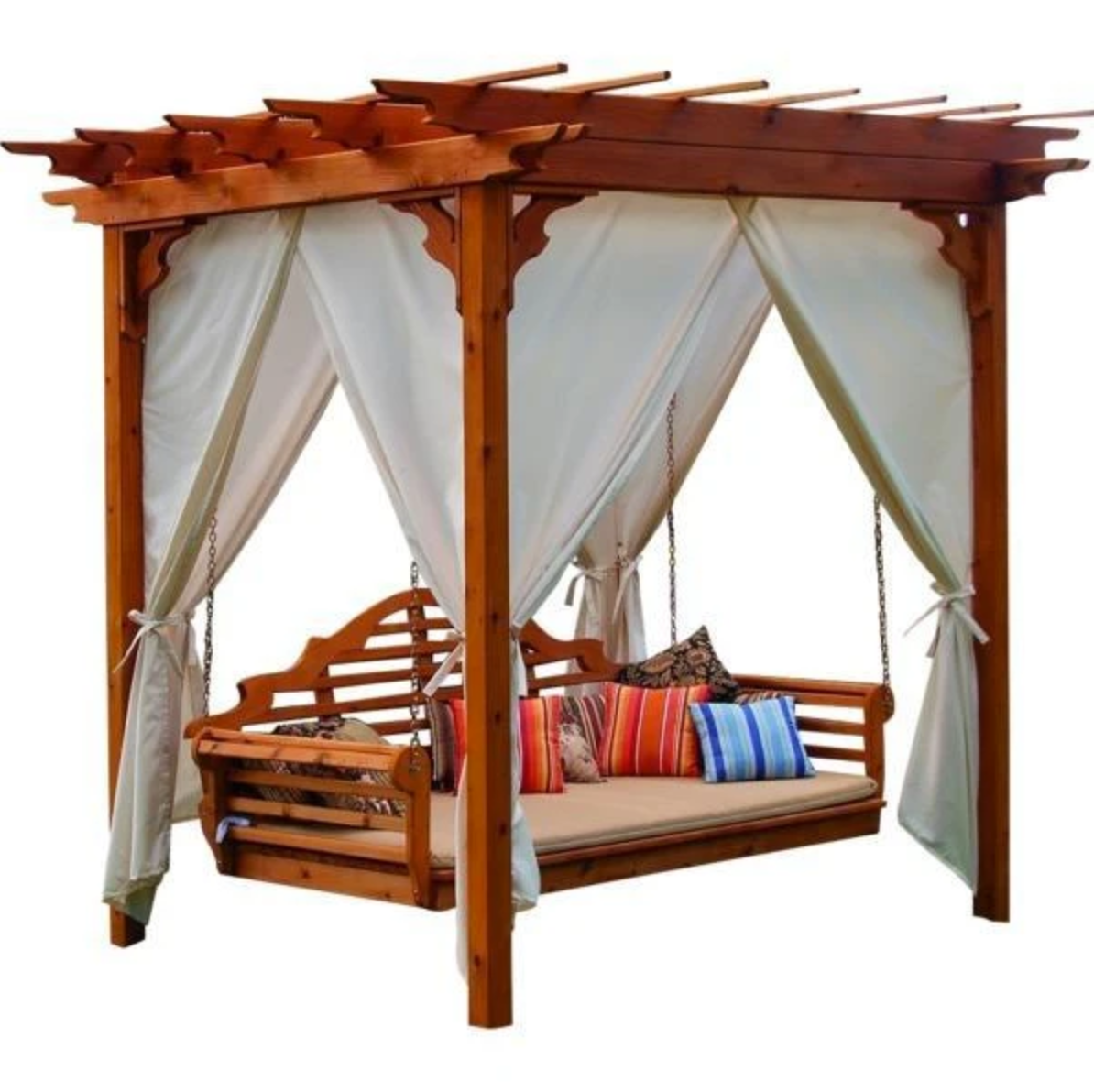
A bench against a wall can work well, but it needs shade and enough elbow room. A porch swing needs clearance to arc, and chairs need room for legs to slide back. Leave a clear strip near doors, so you do not squeeze past cushions with dirty shoes.
Permits slow down when plans miss structural notes, or when site conditions are guessed wrong. Early engineering review connects layout choices to loads, soil, and the way ground drains seasonally. That gives plan reviewers what they need, and it reduces back and forth corrections later.
Start with the ground, because soil and water decide how foundations behave over many years. If flooding worries you, check the FEMA map before setting the finished floor height today. When the map shows higher risk, engineers may suggest raised slabs or extra drainage work.
Engineering drawings often cover the pieces reviewers care about most, in a clear order too.
Foundation plan with reinforcement notes and bearing points
Framing plan for floors, walls, and roof members
Bracing notes for wind or earthquake forces and holdown locations
Connection notes for straps, anchors, and fastener schedules
Utility routes matter too, since trenching can cut through the nicest strip of lawn fast. Ask that these notes match your local code set, because reviewers check numbers line by line.
Construction changes the yard for a while, so protect the areas you still need each day. Dust travels, materials pile up, and walkways get blocked when crews move quickly each morning. A simple staging plan keeps kids, pets, and guests from walking through the same clutter. It also helps you keep one small outdoor corner open for fresh air after work.
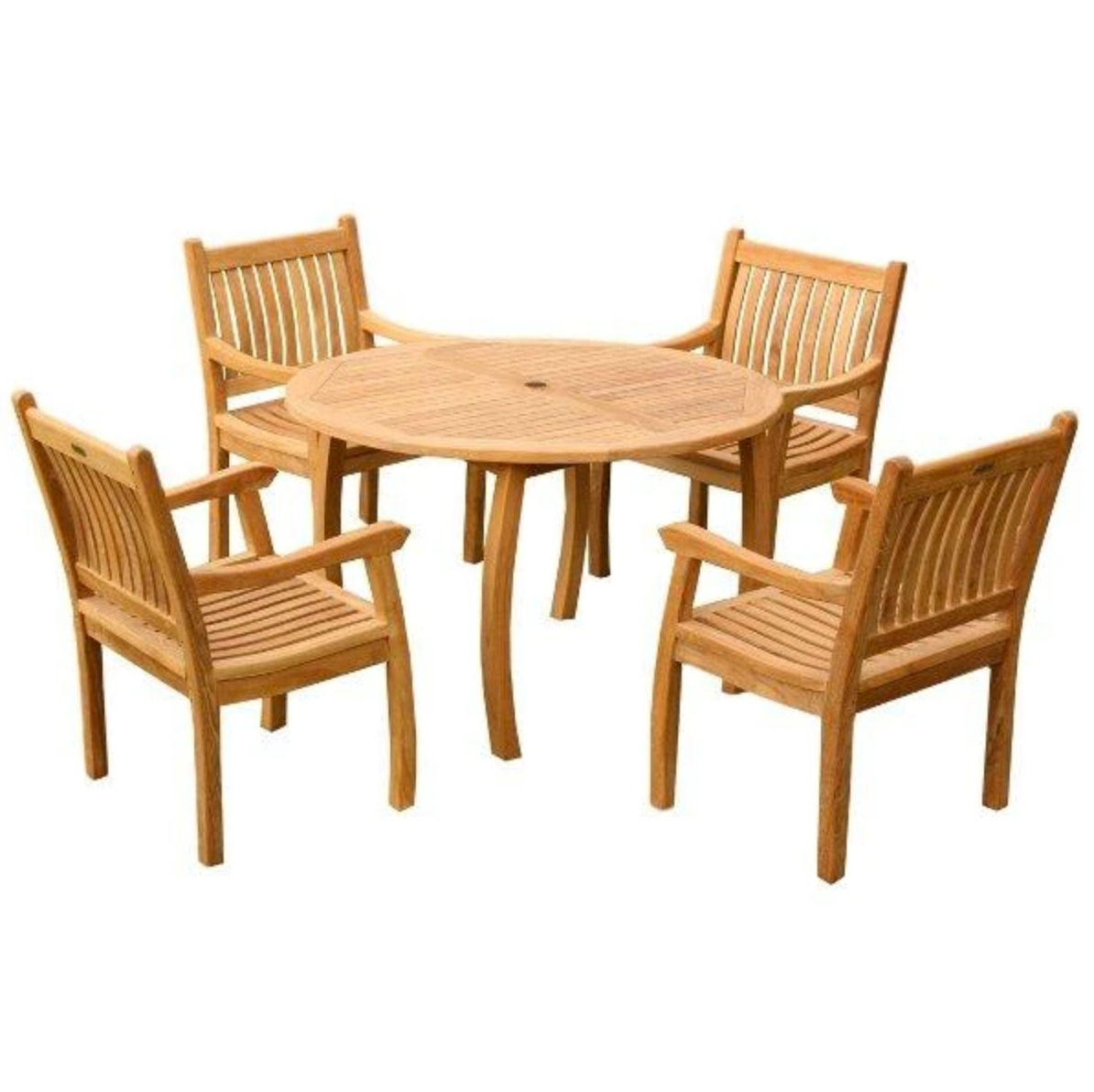
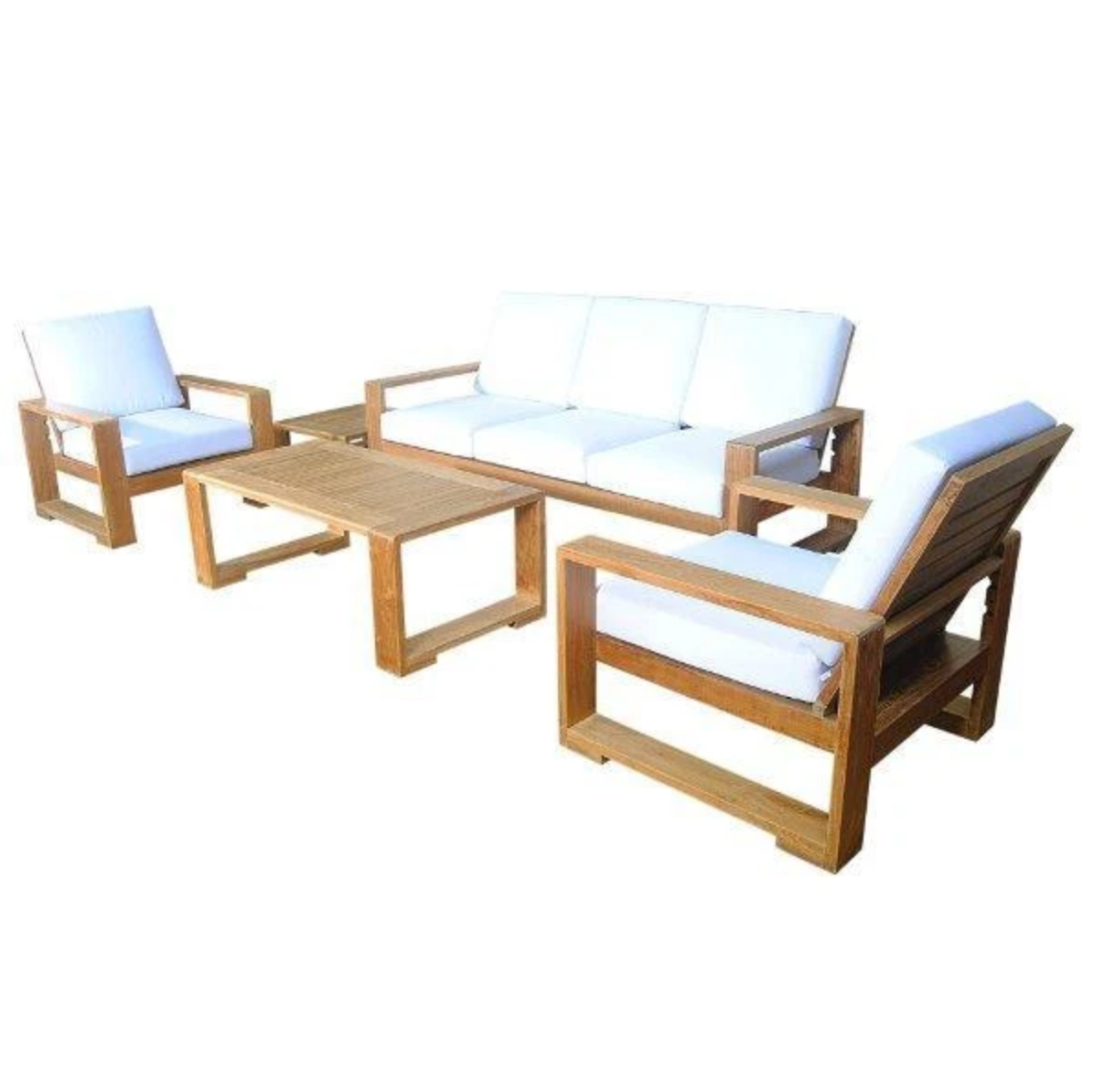
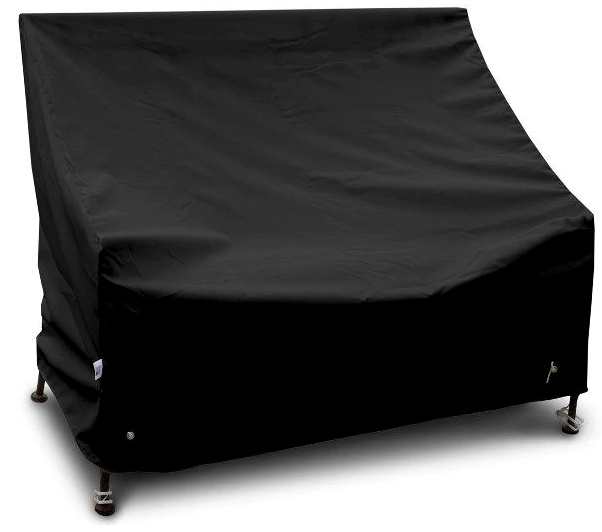
Move outdoor furniture to a safe corner, and cover it with breathable fabric, not plastic. Wood and wicker can trap moisture under plastic, then stain or swell in humid weather. If you have handcrafted pieces, treat them like indoor furniture, with shade and airflow always. Bring cushions inside at night, because dew can soak padding faster than you expect outside.
Pick one storage zone for lumber and tools, and keep it off the paths you use most. If the only flat spot is your patio, the patio stops being a place to relax. A marked lane to the back gate helps, because crews need access without dragging things sideways. Garden stakes and string can guide movement, and they work better than repeated reminders here.
When the ADU is finished, the yard should still feel like one home, not two camps. Repeat a few materials, like the same gravel on paths or the same wood tone on trim. Simple lighting along paths helps everyone move around without stepping on plants after dark often. That consistency makes the new structure feel like it belongs, rather than a late add on.
Transforming your backyard into a multi-functional haven involves more than just balancing building footprints; it is about creating an inviting outdoor space for everyday relaxation. Integrating thoughtfully placed plants brings natural texture and vitality to the perimeter, while vibrant pops of color through floral landscaping or outdoor decor instantly soften structural edges.
Embracing clean lines in your walkway designs, raised garden beds, and patio hardscaping maintains an uncluttered, modern flow between the main home and the ADU. Adding a central fire pit provides a cozy gathering spot that anchors the yard, extending your family's outdoor enjoyment into cooler evenings without interrupting traffic paths.
Comfort inside the ADU affects comfort outside, since doors and windows connect both spaces directly. The ENERGY STAR page using clear labels quickly. Better seals also reduce sound drift, so a late movie does not spill into the main patio.
Finish by zoning the yard around real habits, not around what looks neat on paper. A narrow table spot, a reading chair corner, and a planting strip can sit side by side. When each zone has a job, the backyard stays easy to use, even with new square footage.
Calm ADU builds start with yard notes, then protect paths, light, and drainage from the start. If the yard still has one clear path and one place to sit, stress drops fast. When engineering questions get answered early, your designer can draw plans and your timeline stays steady.