Your Cart is Empty

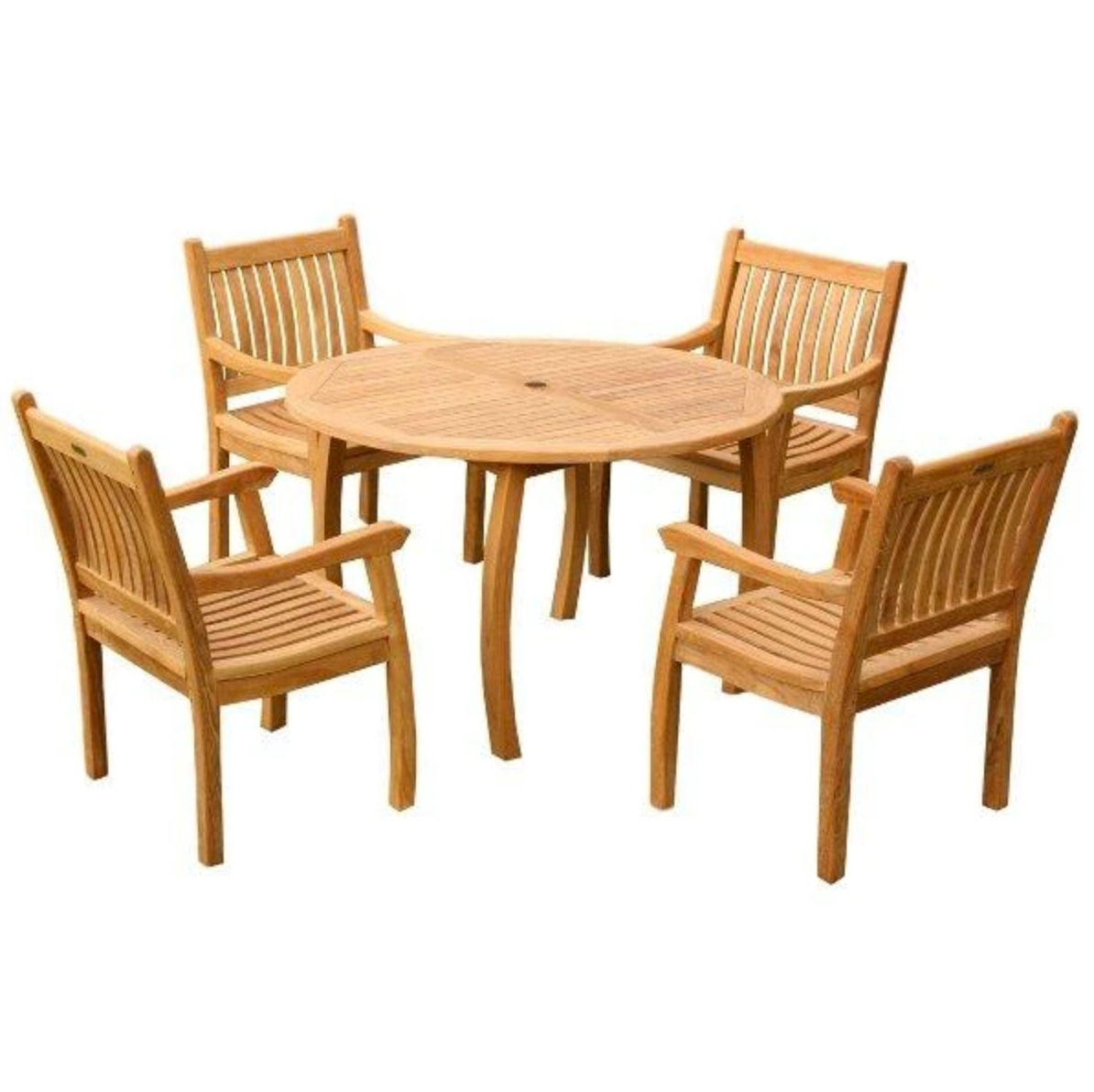
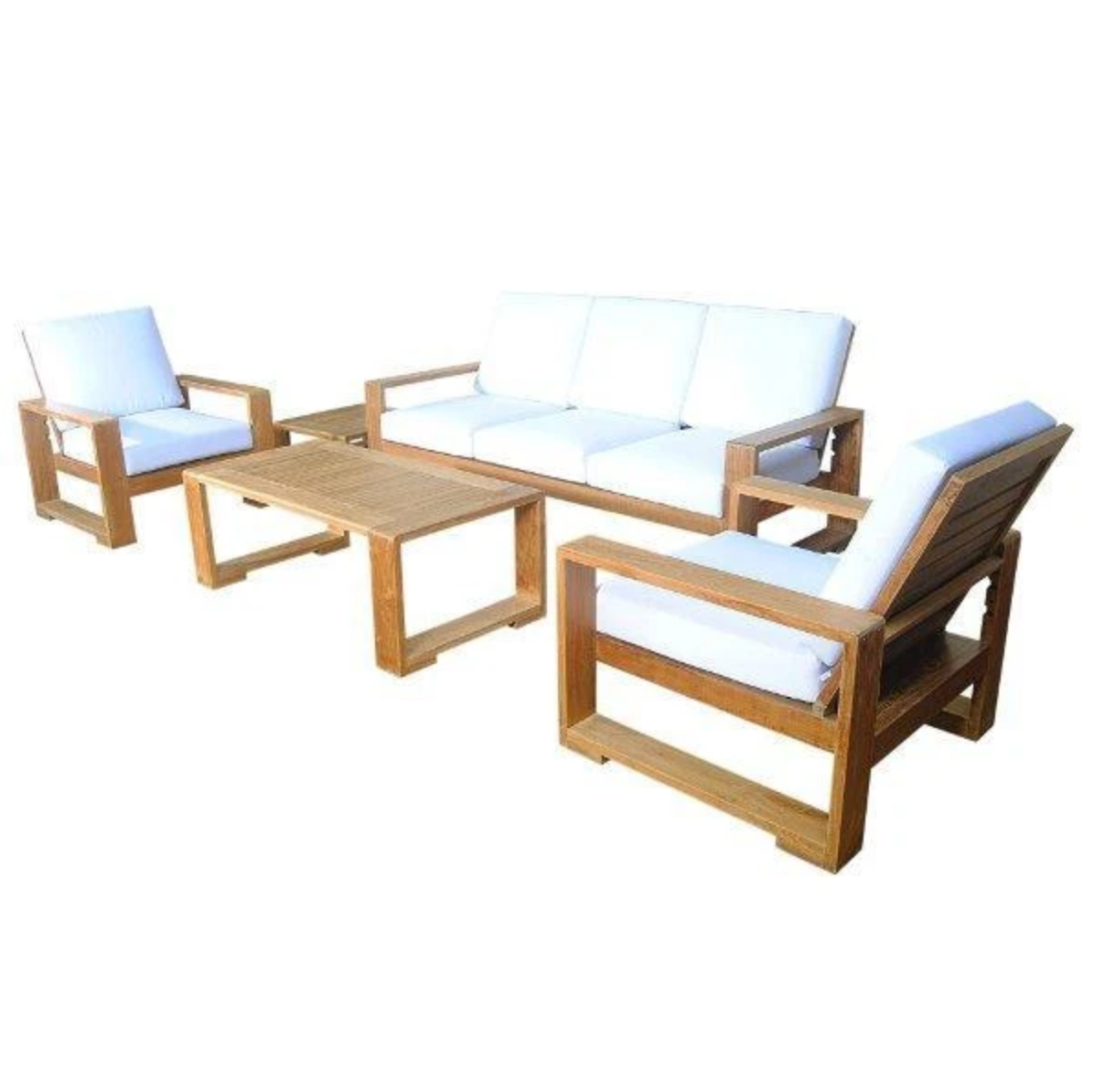
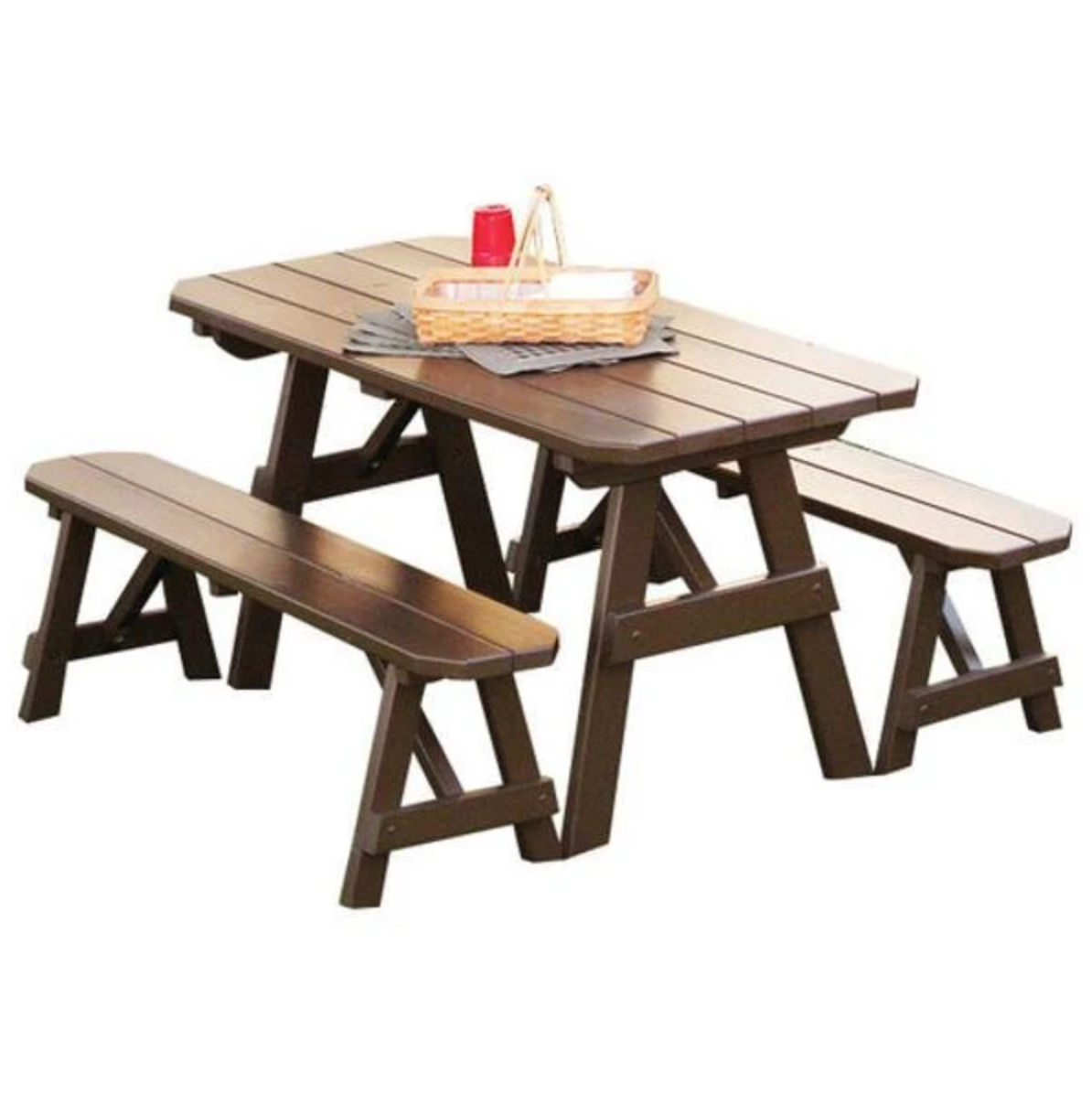
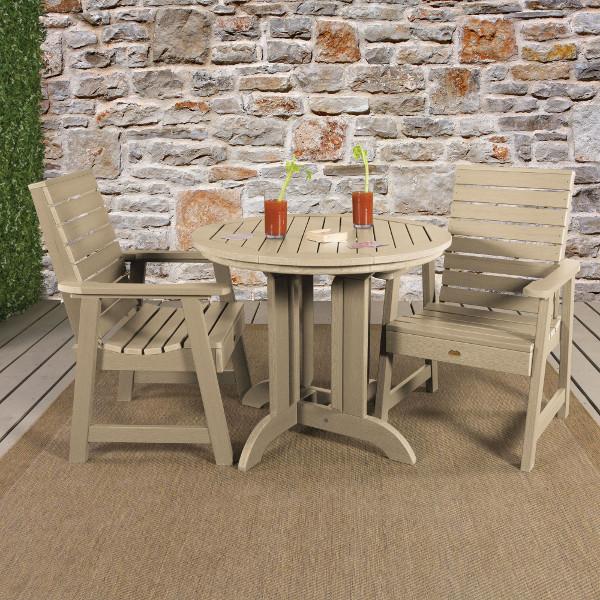
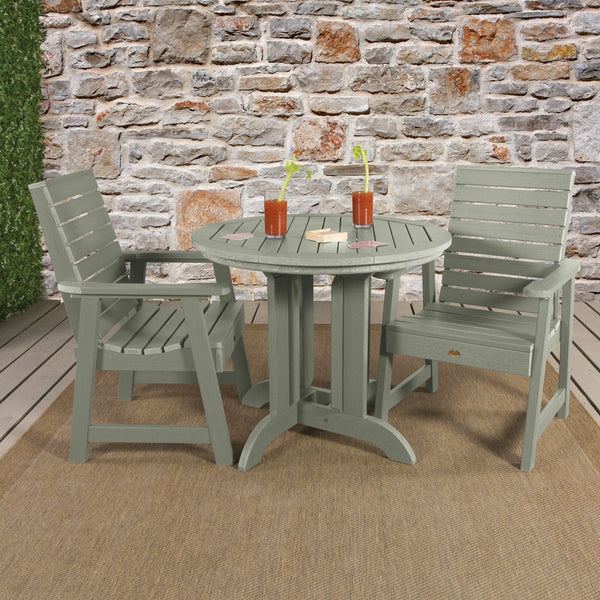
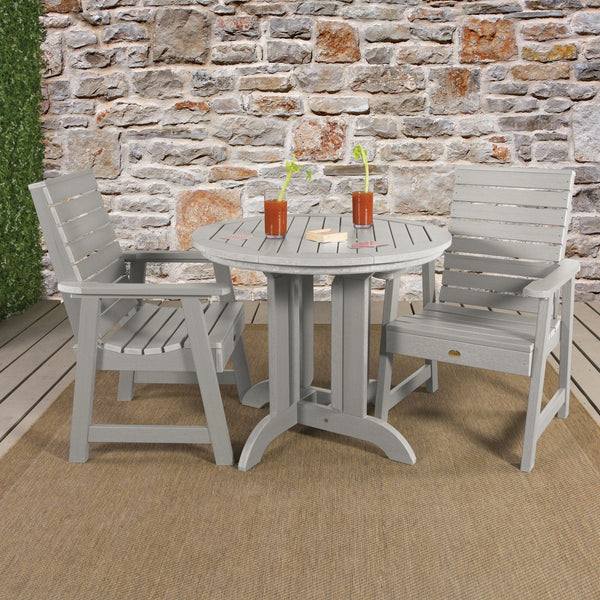
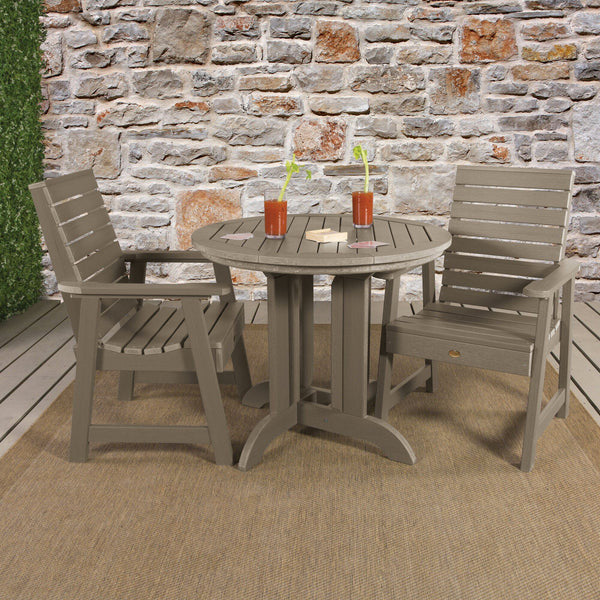
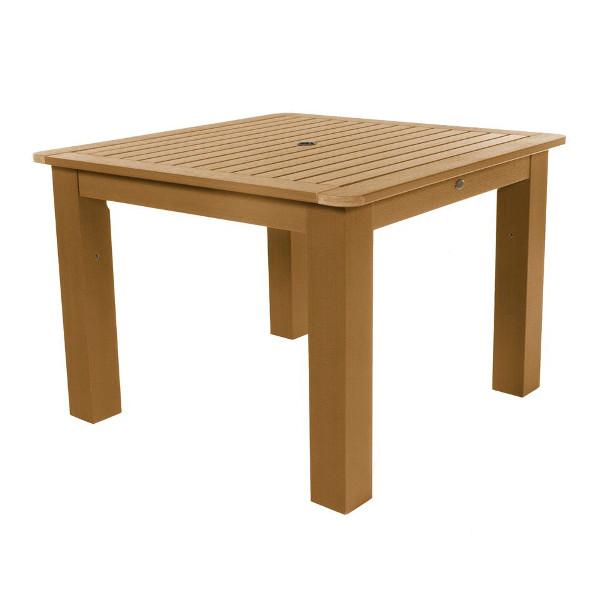
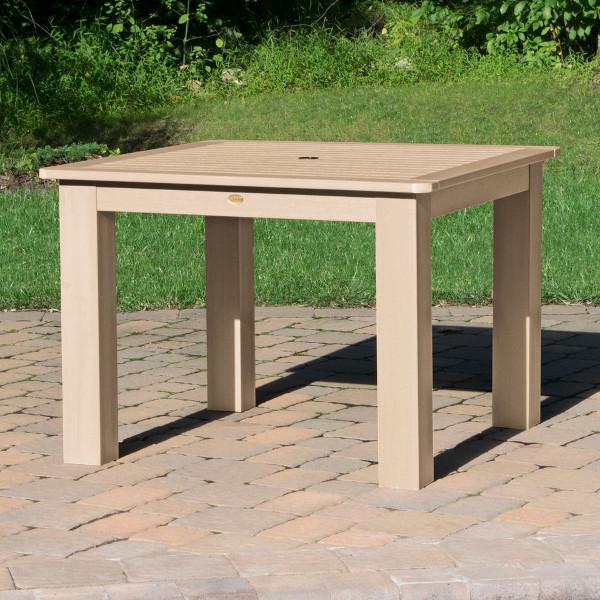
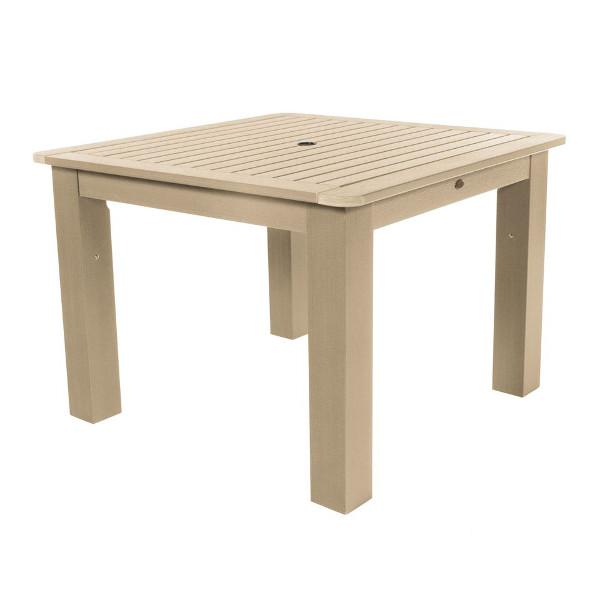
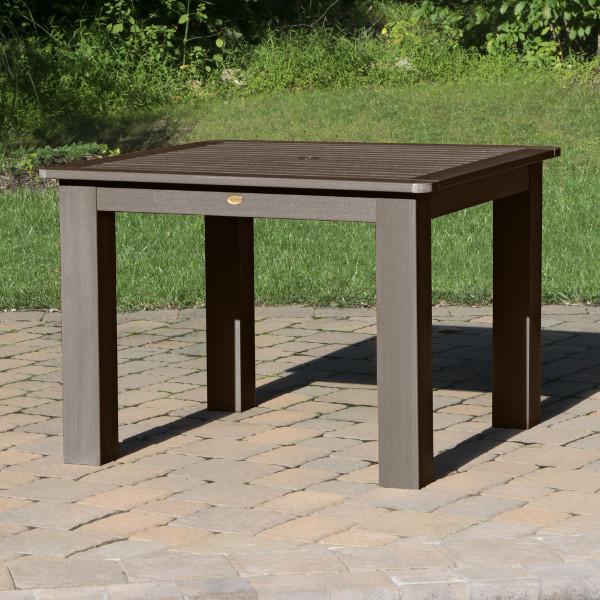
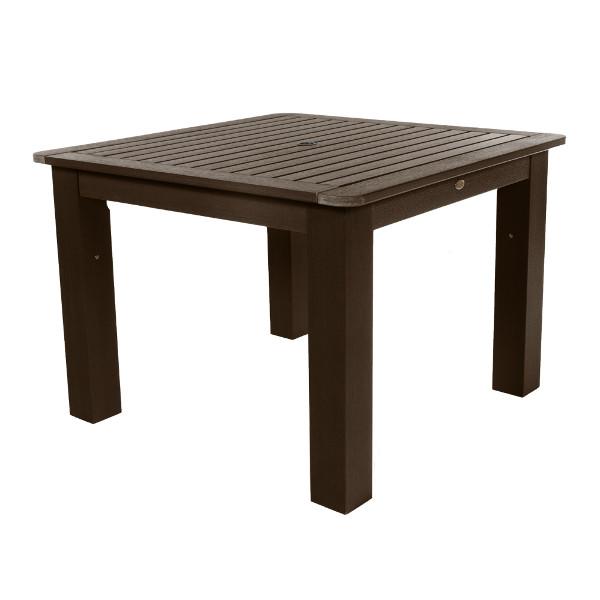
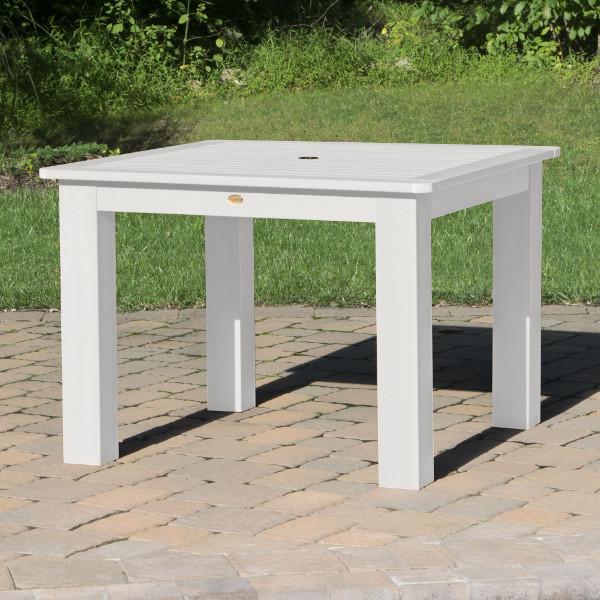
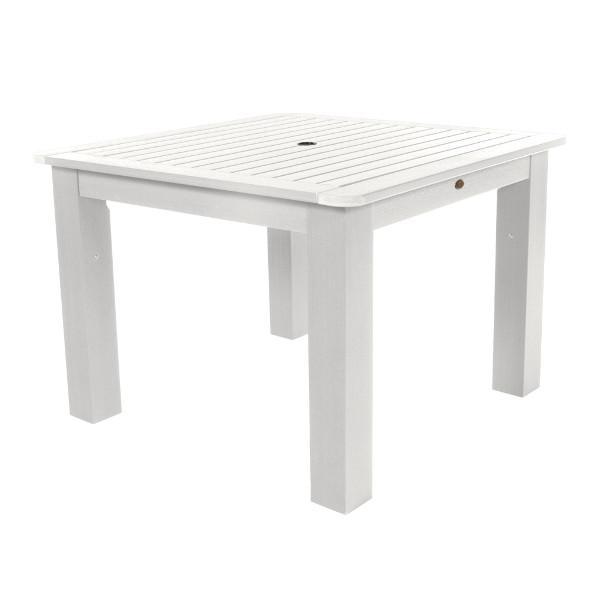
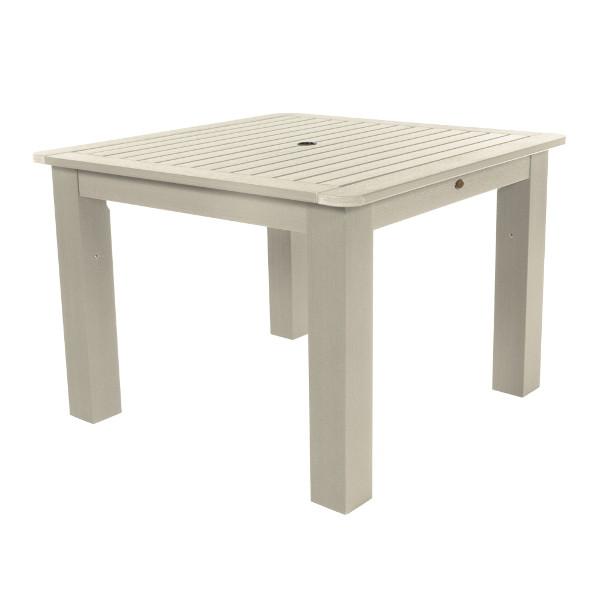
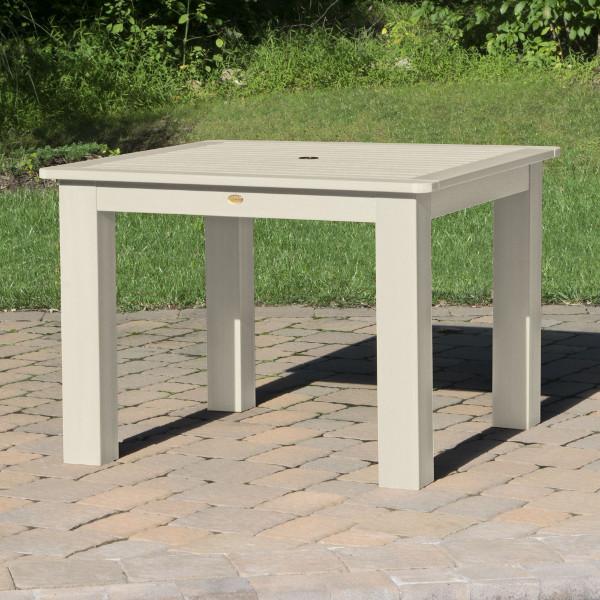
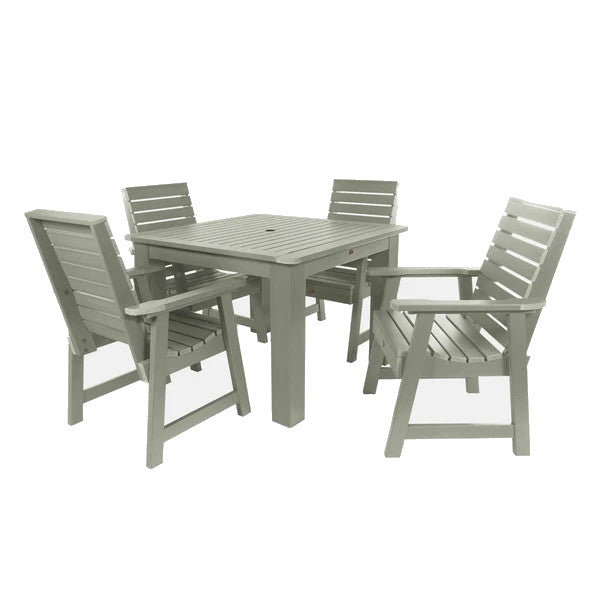
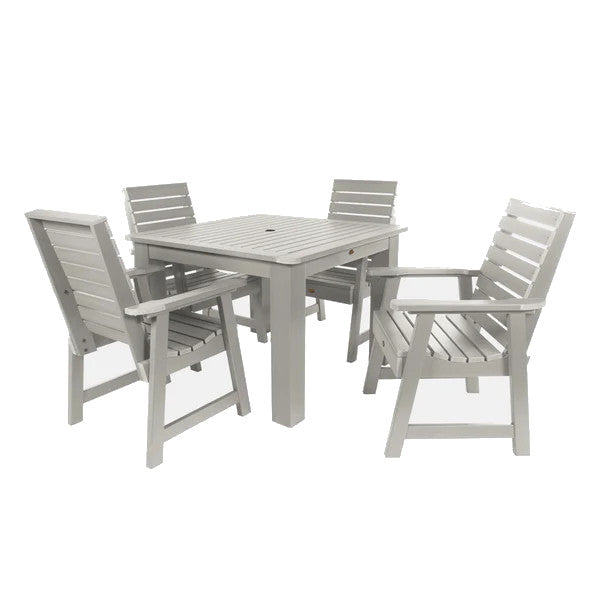
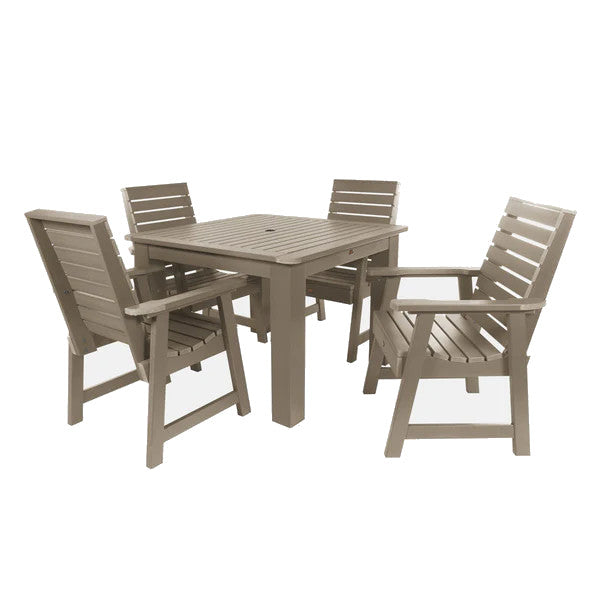
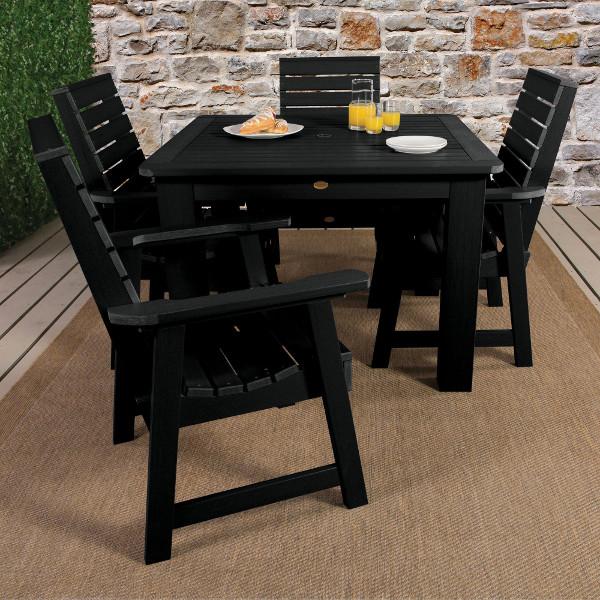
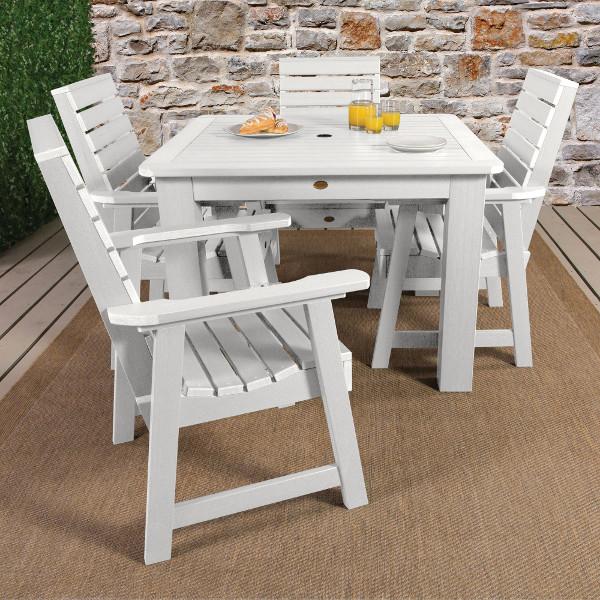
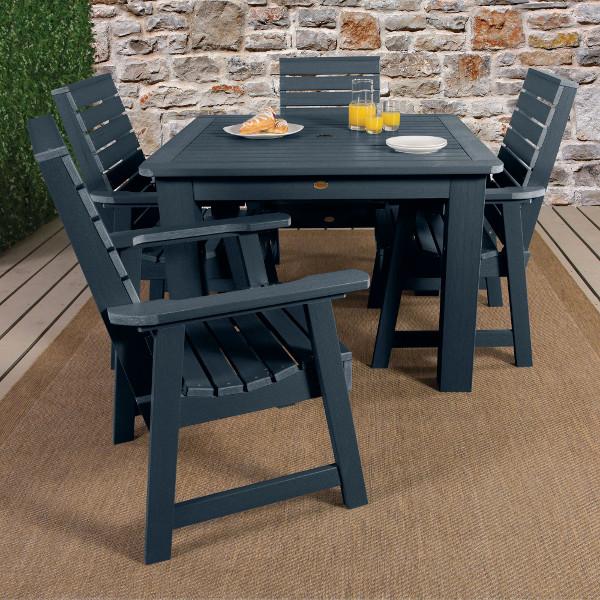
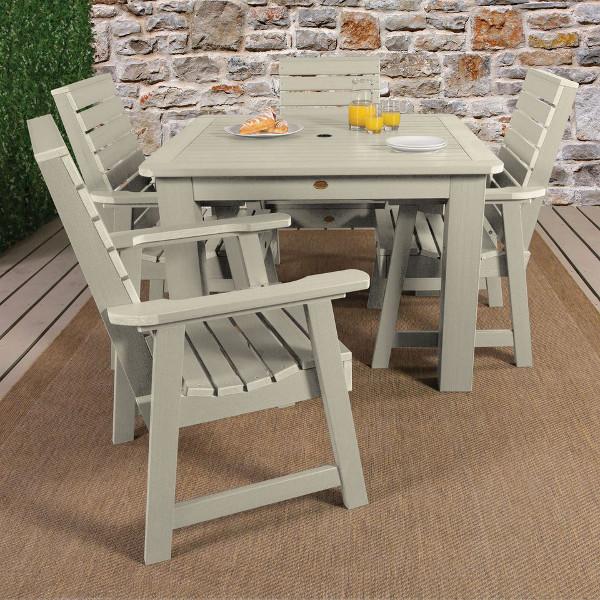
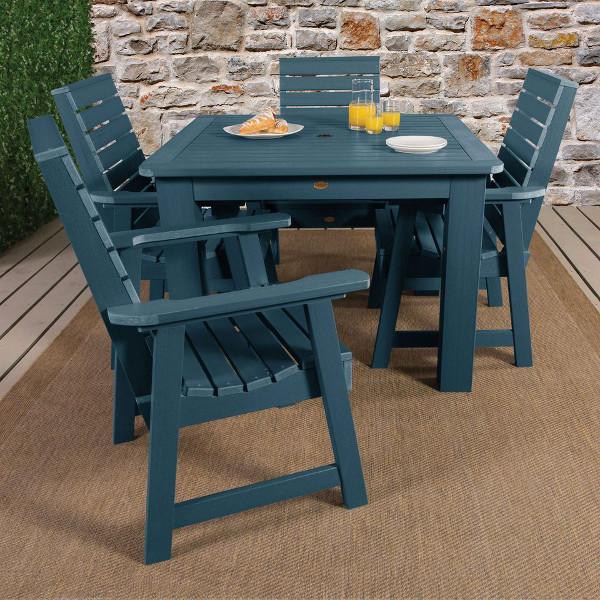
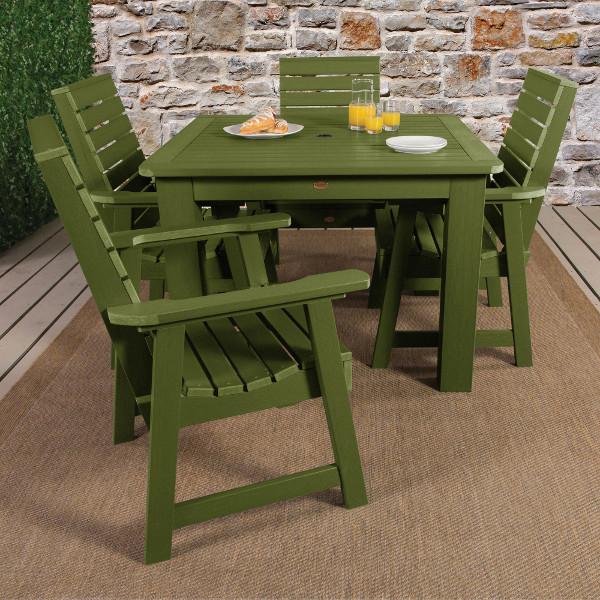
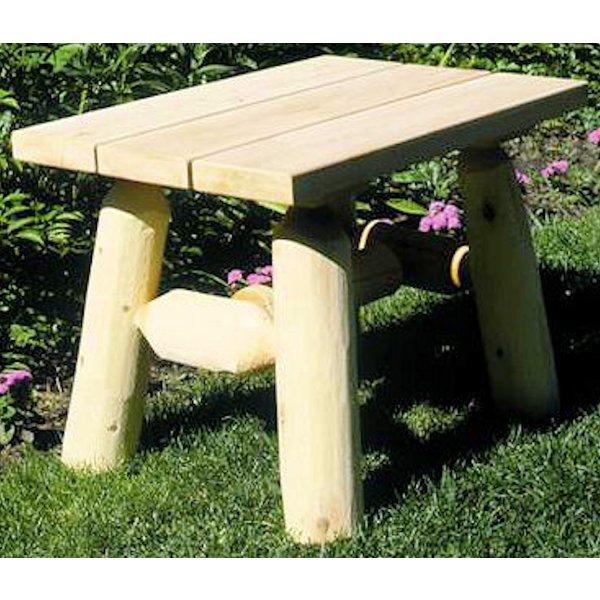
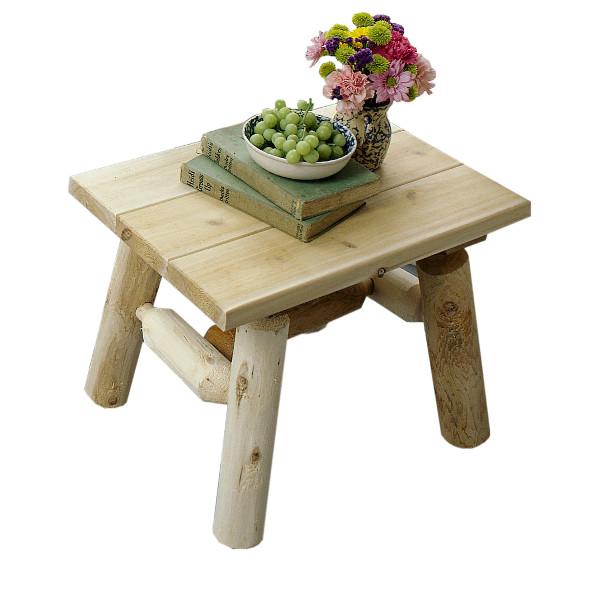
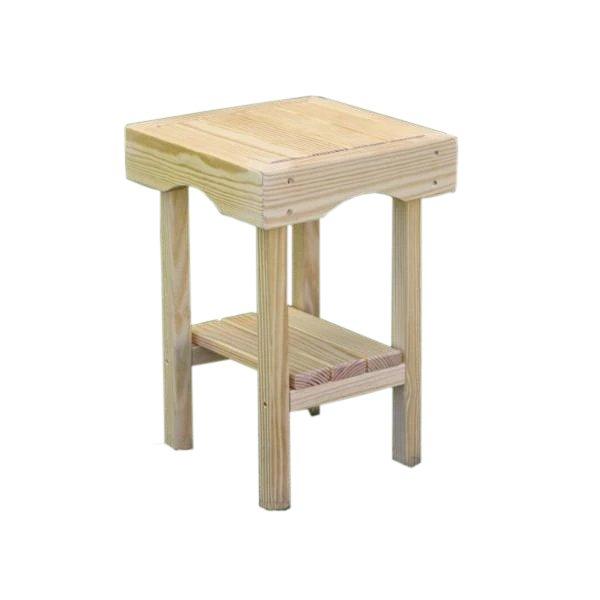
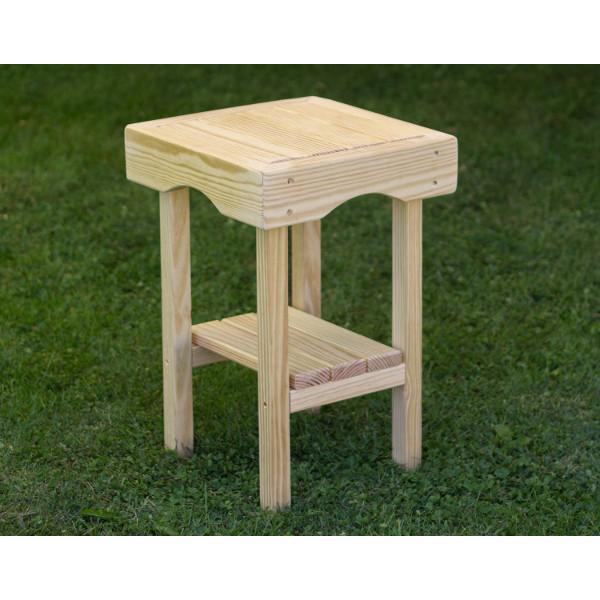
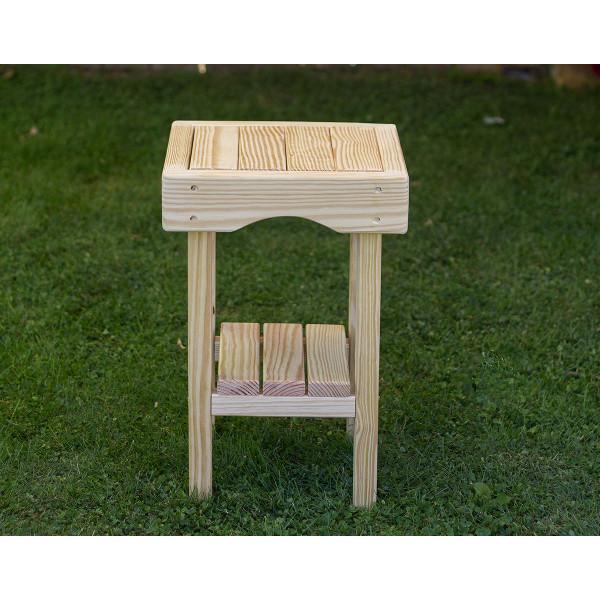
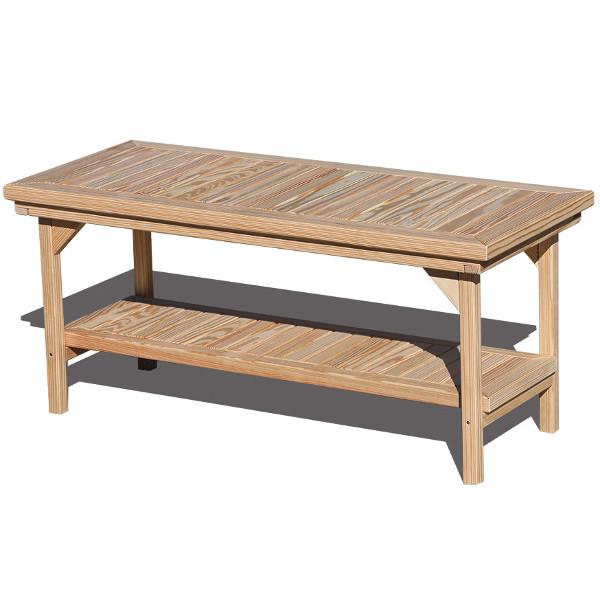
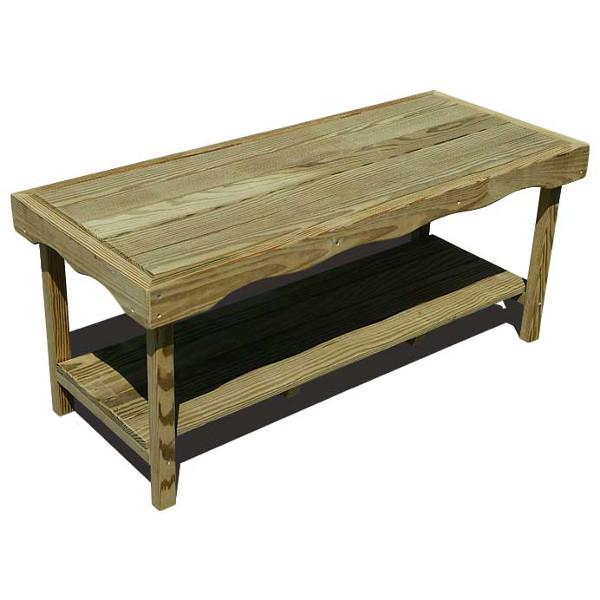
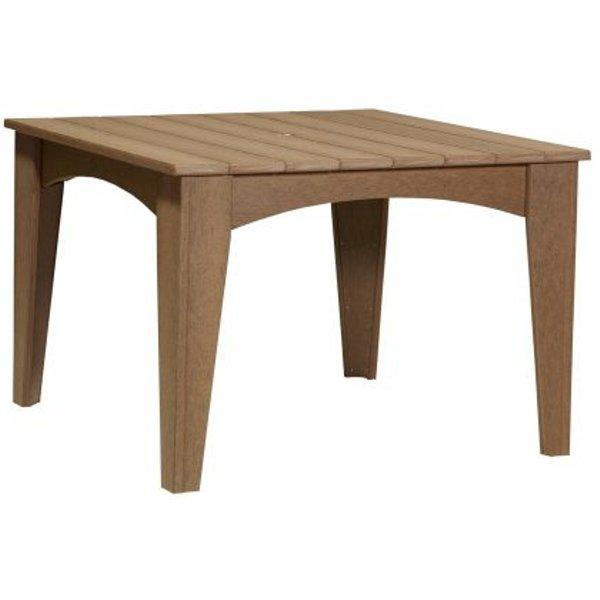
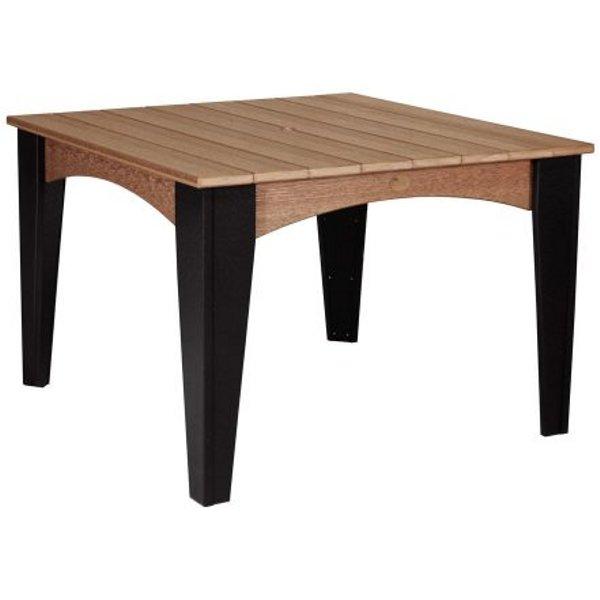
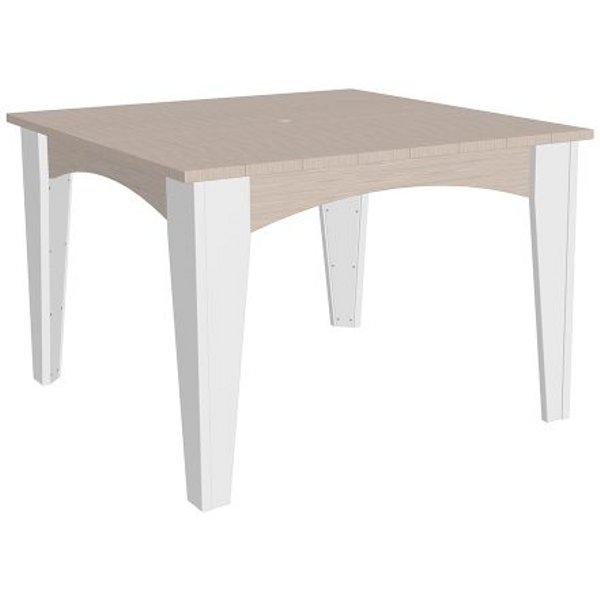
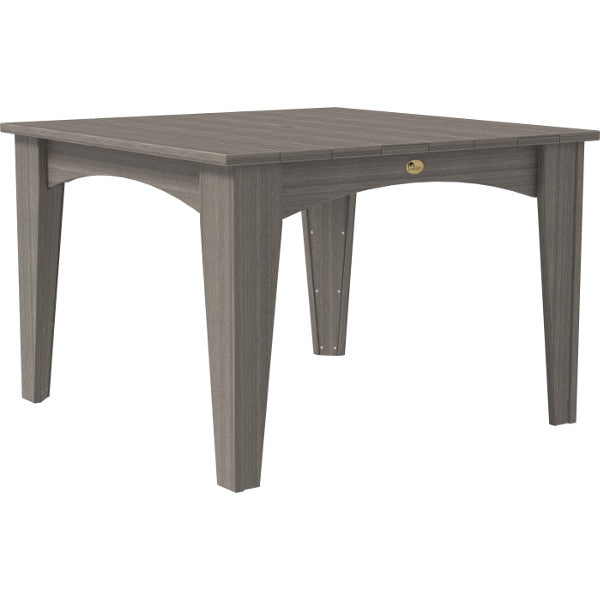
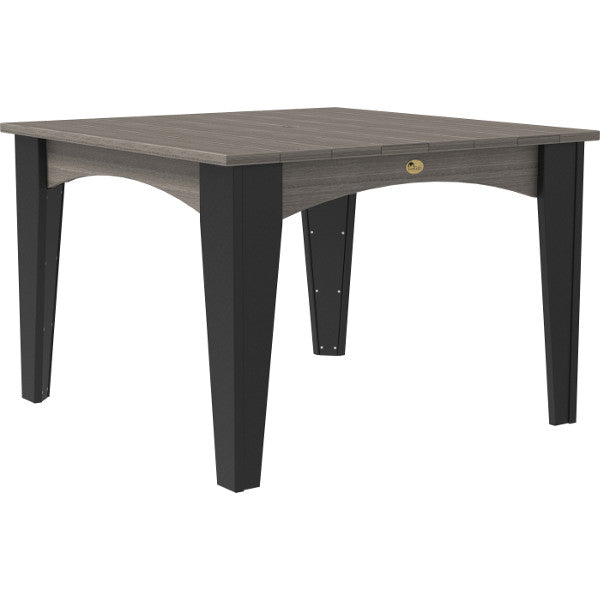
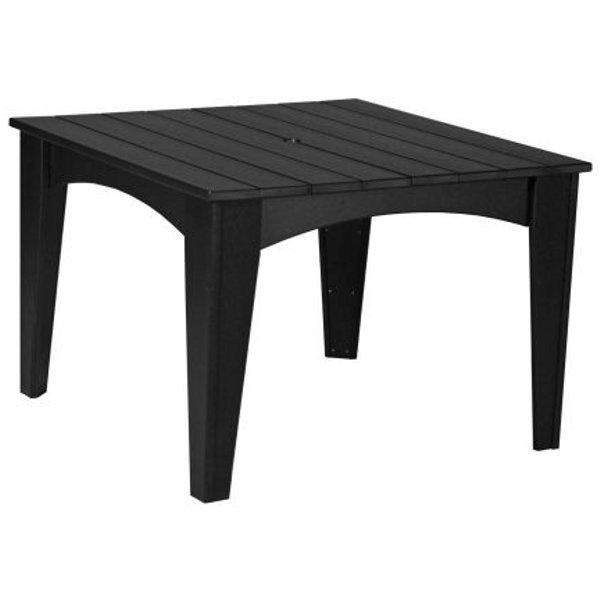
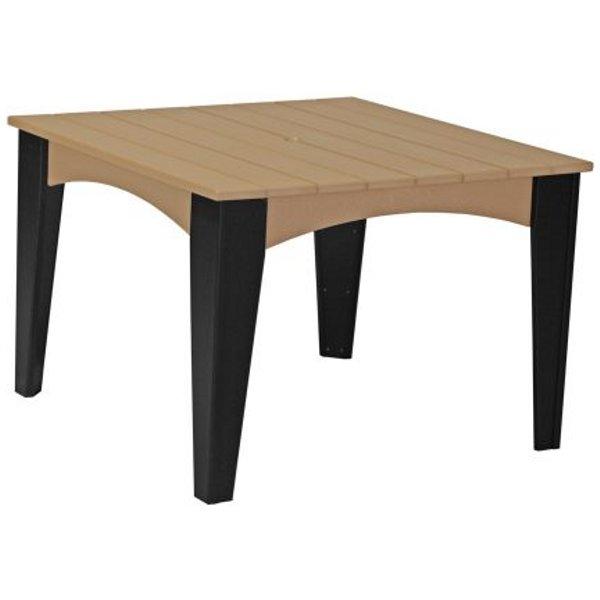
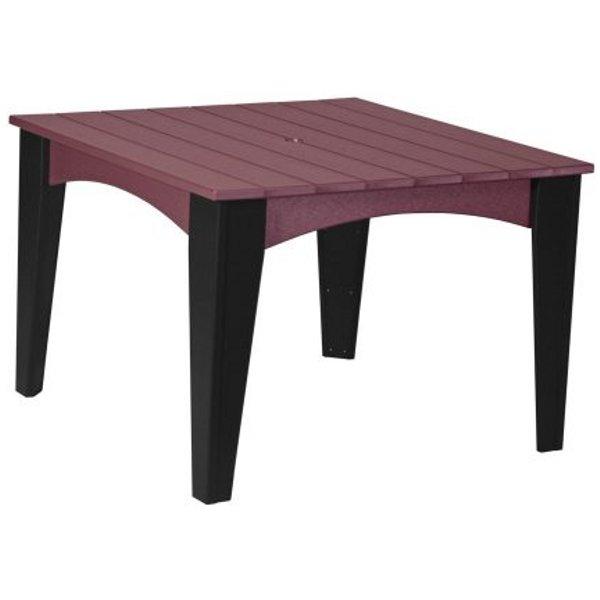
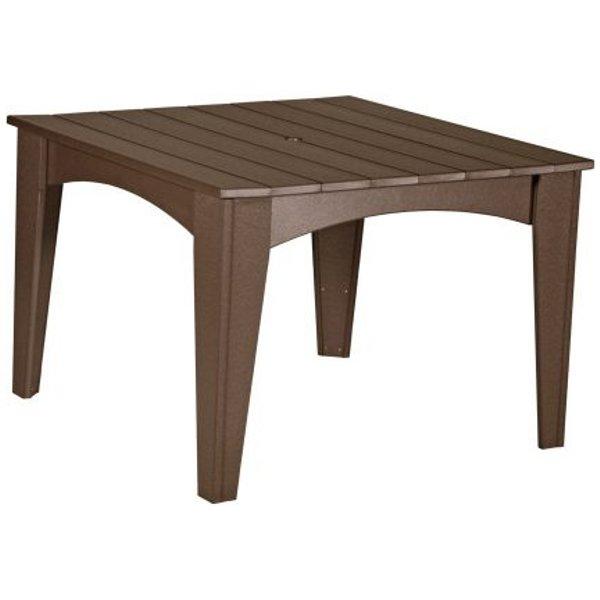
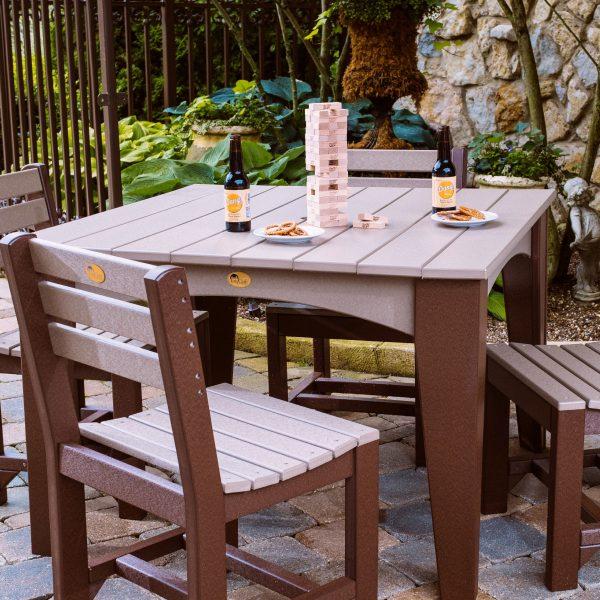
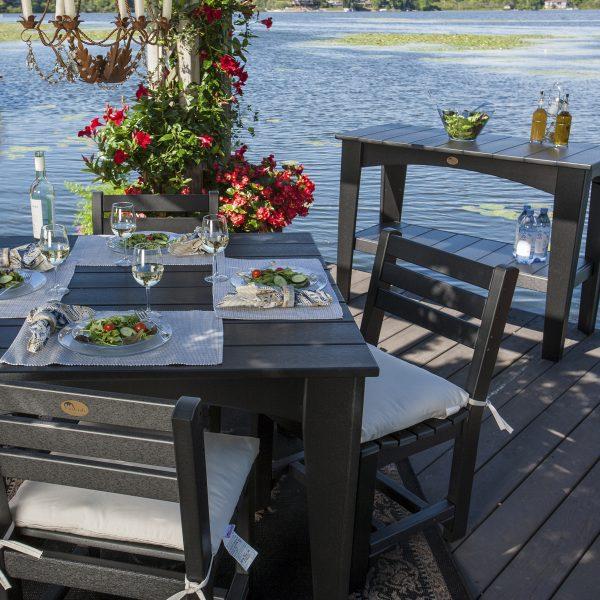
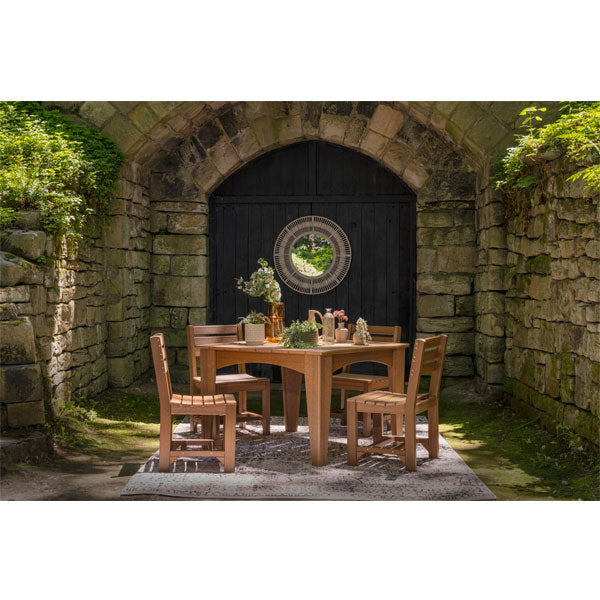
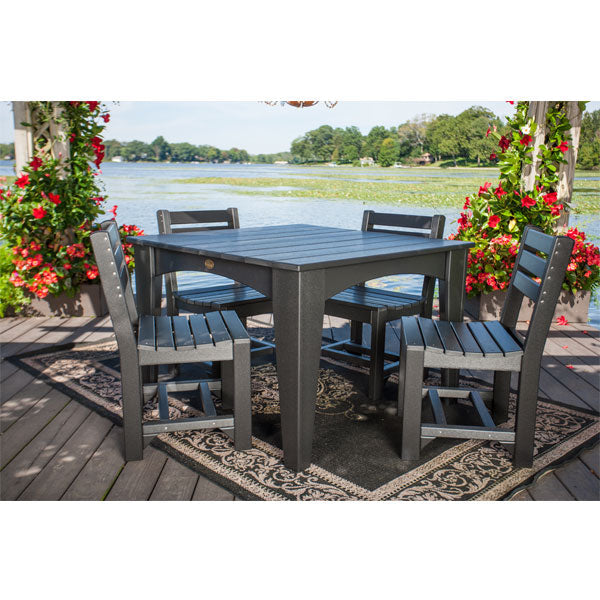
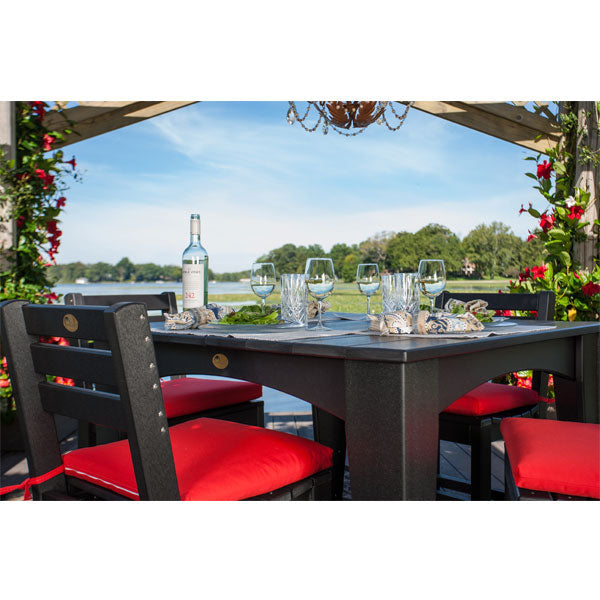
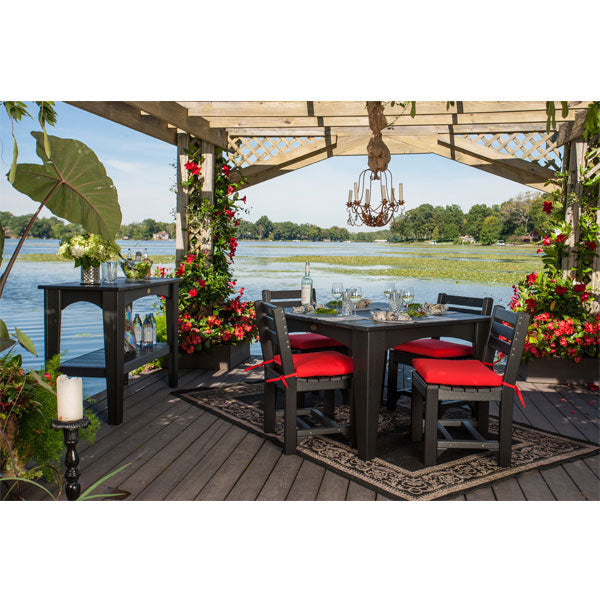
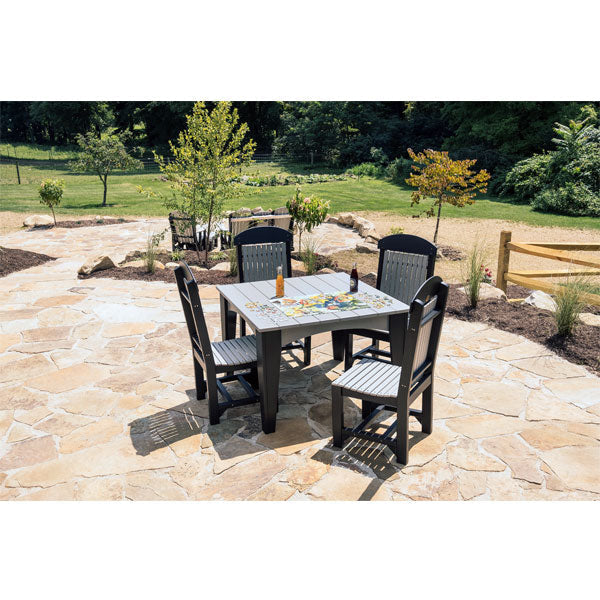
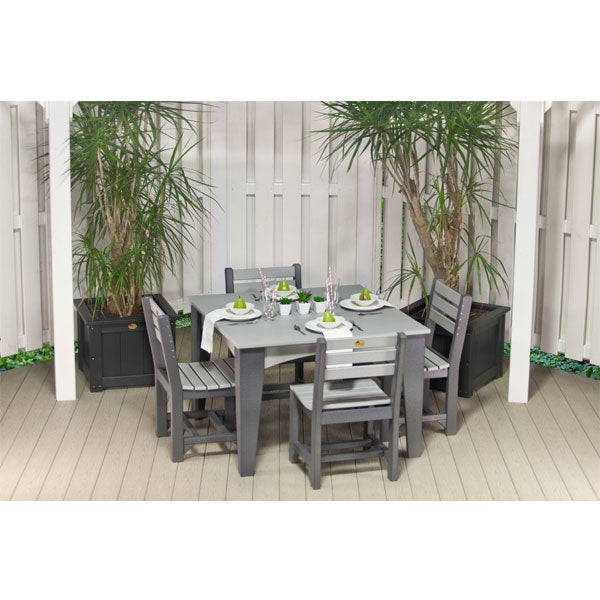
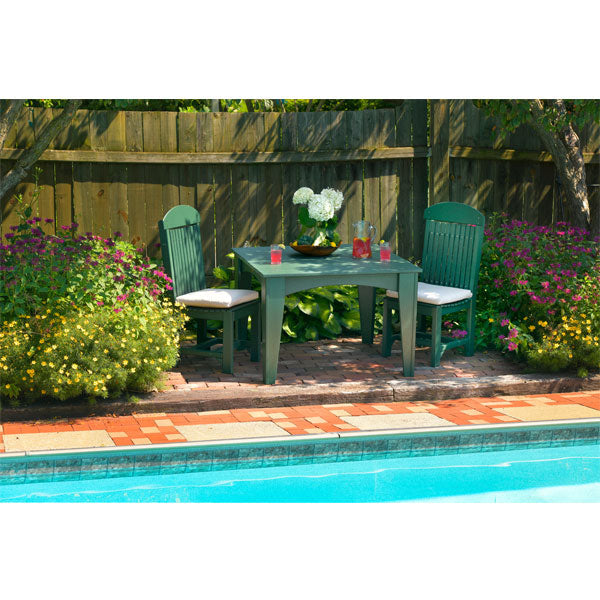
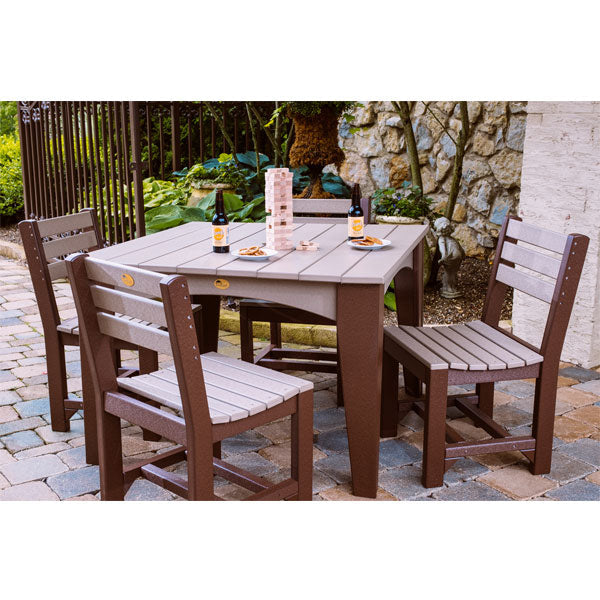
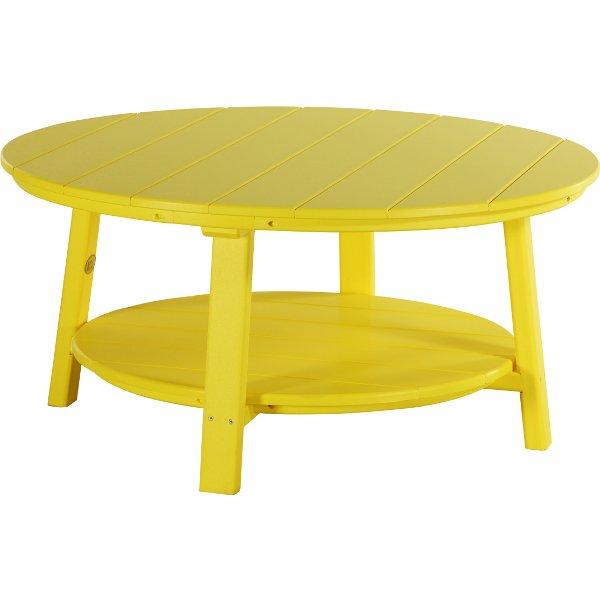
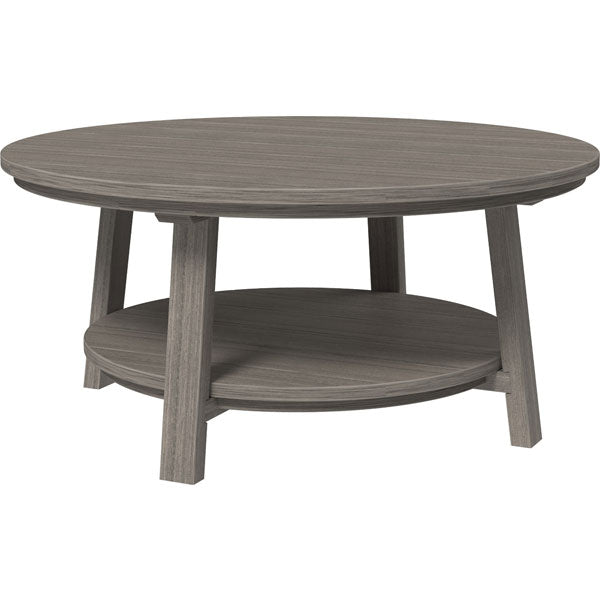
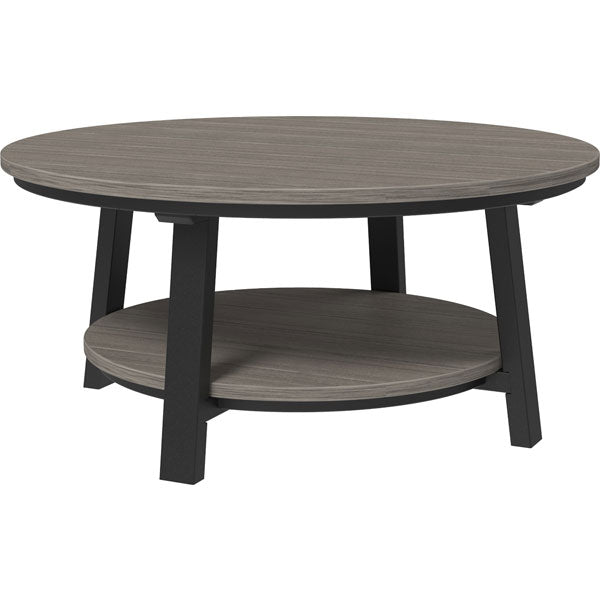
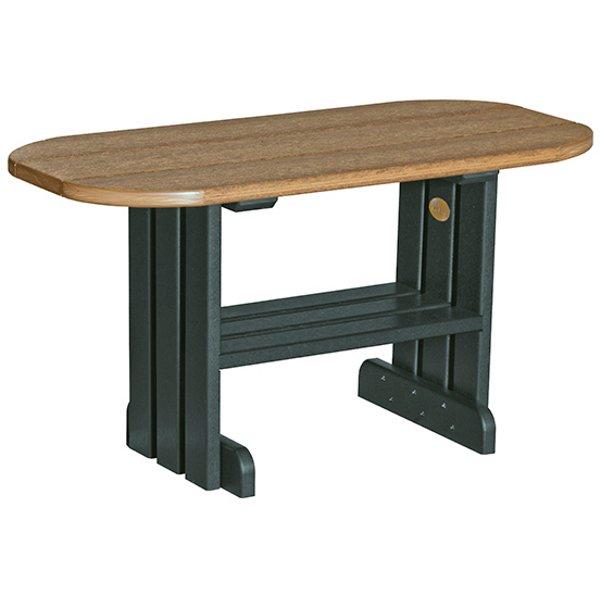
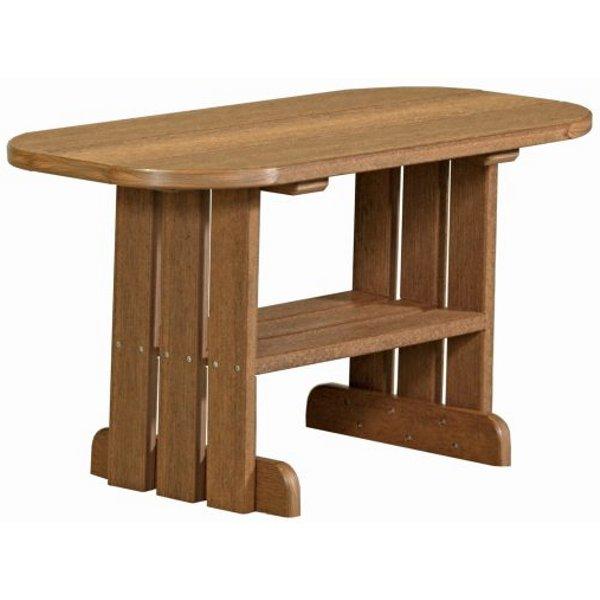
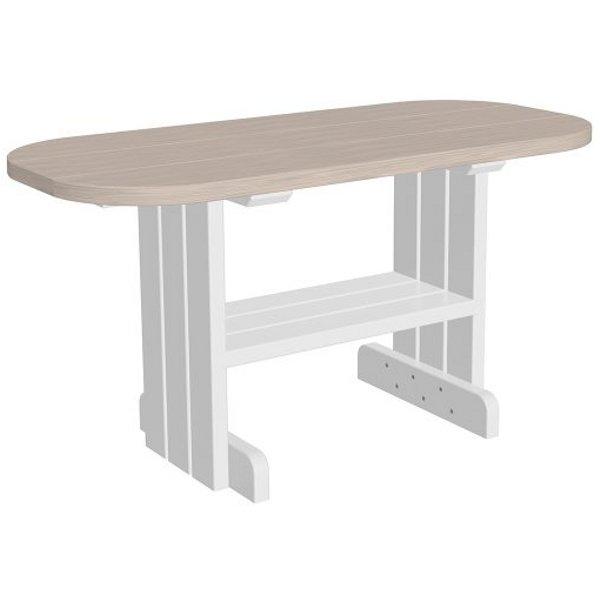
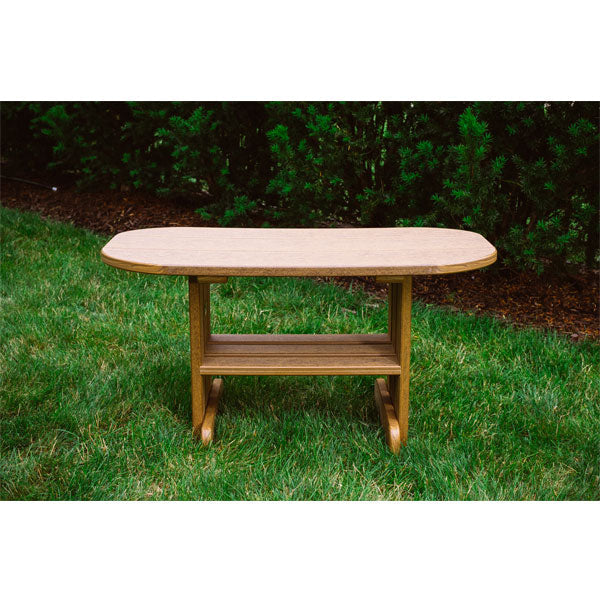
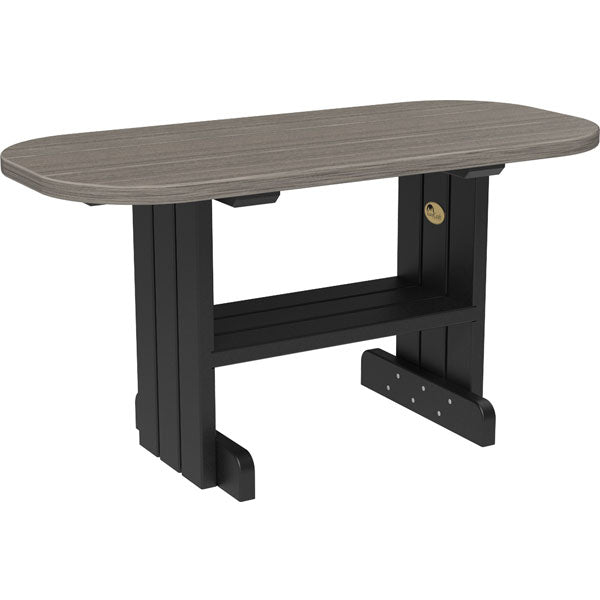
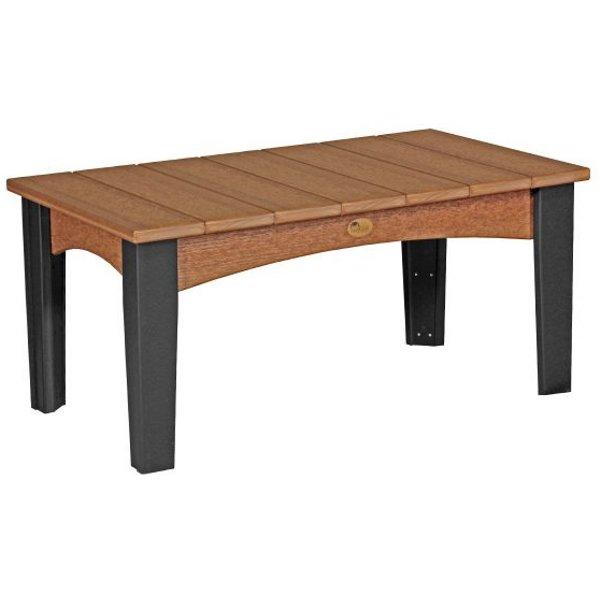
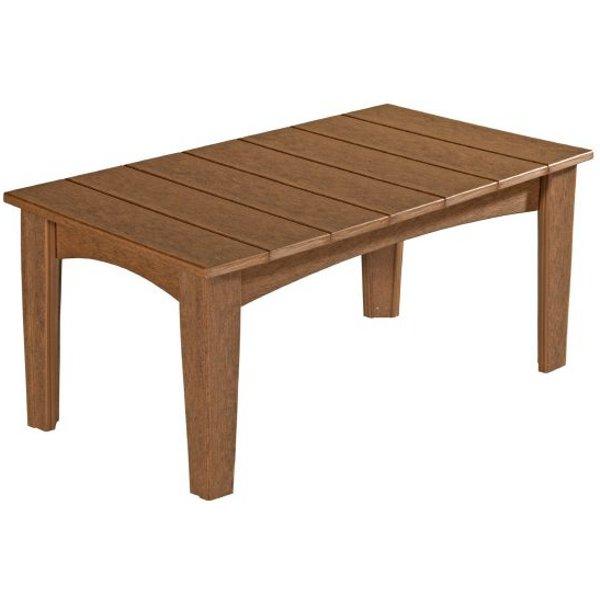
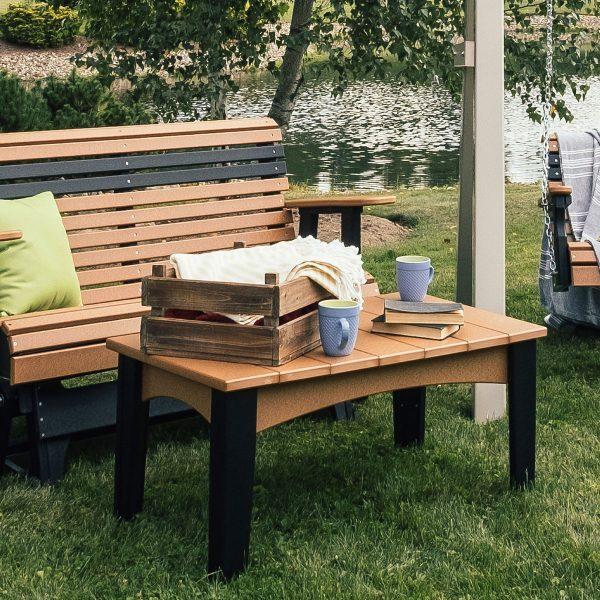
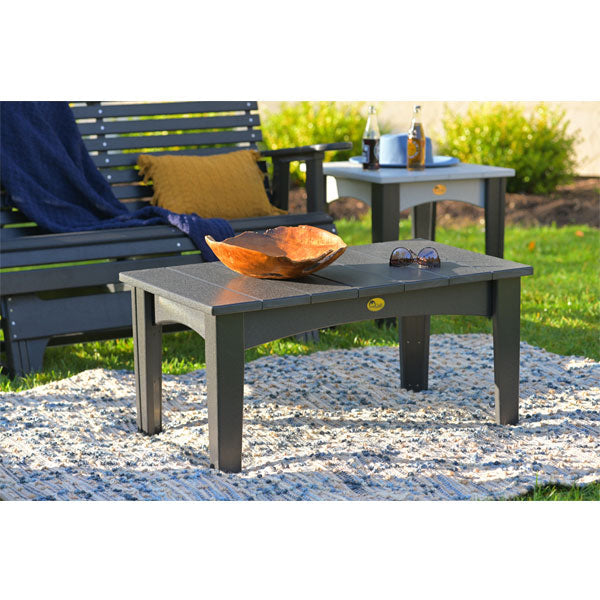
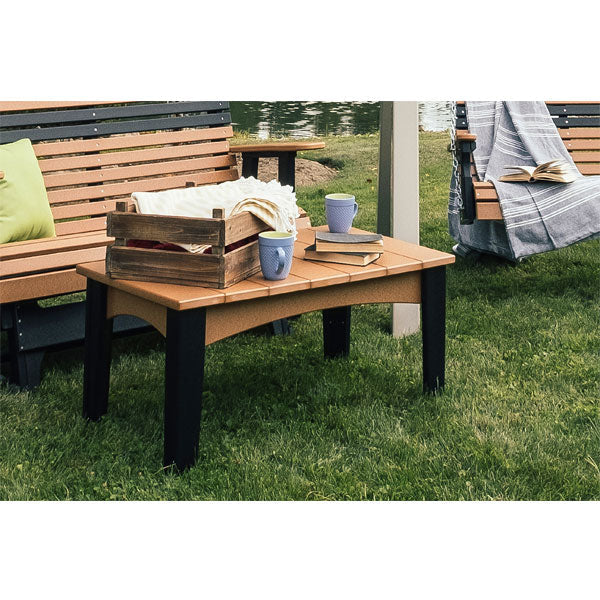
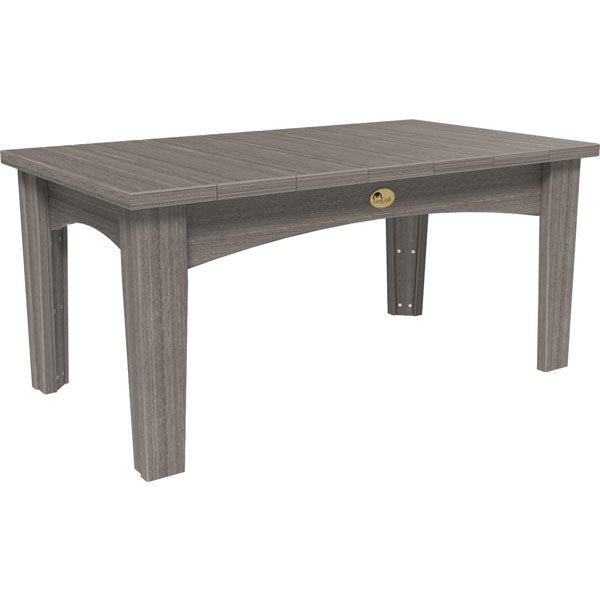
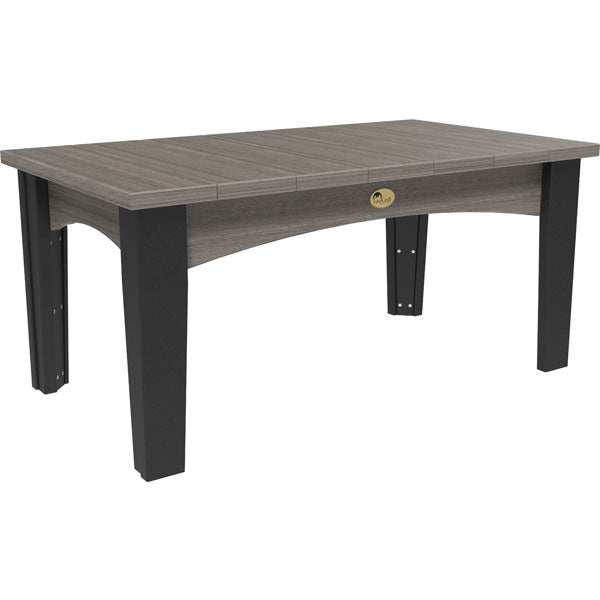
Outdoor Tables are designed in a variety of shapes and materials to suit any lifestyle. Whatever you choose to do, we have the ideal patio table for you! Experience outdoor dining with our picnic tables and benches, and entertain friends by the pool with our bar tables and stools during long weekends. Indulge in utmost relaxation with your lounging essentials within reach nestled on side and end tables, and thoroughly enjoy a cozy and romantic dinner under the stars on our fire pit tables.
A: Stand-alone tables are differentiated by their height and placement relative to seating.
A: The materials must be completely impervious to moisture and UV degradation.
A: A stable, level surface is essential for safety and usability.
A: Teak offers two distinct maintenance paths based on the desired look.
Outdoor Tables are designed in a variety of shapes and materials to suit any lifestyle. Whatever you choose to do, we have the ideal patio table for you! Experience outdoor dining with our picnic tables and benches, and entertain friends by the pool with our bar tables and stools during long weekends. Indulge in utmost relaxation with your lounging essentials within reach nestled on side and end tables, and thoroughly enjoy a cozy and romantic dinner under the stars on our fire pit tables.
A: Stand-alone tables are differentiated by their height and placement relative to seating.
A: The materials must be completely impervious to moisture and UV degradation.
A: A stable, level surface is essential for safety and usability.
A: Teak offers two distinct maintenance paths based on the desired look.